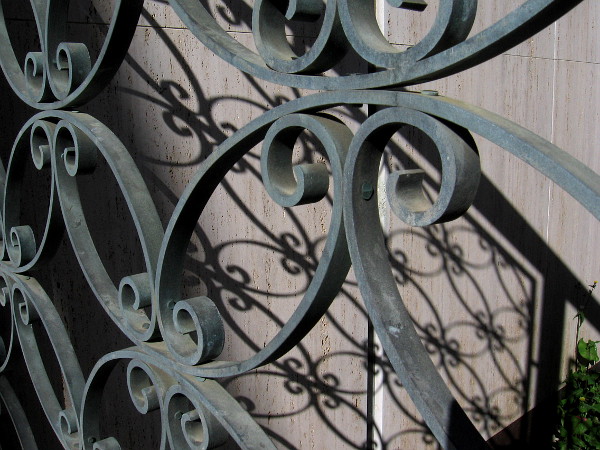
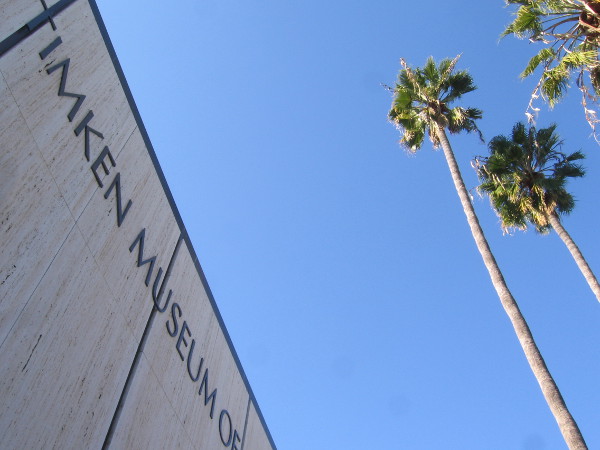
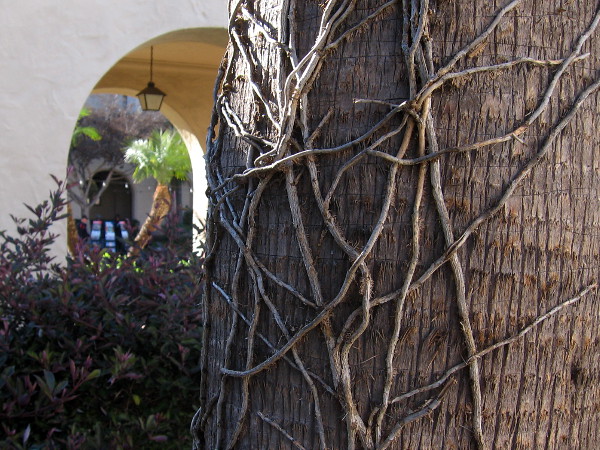
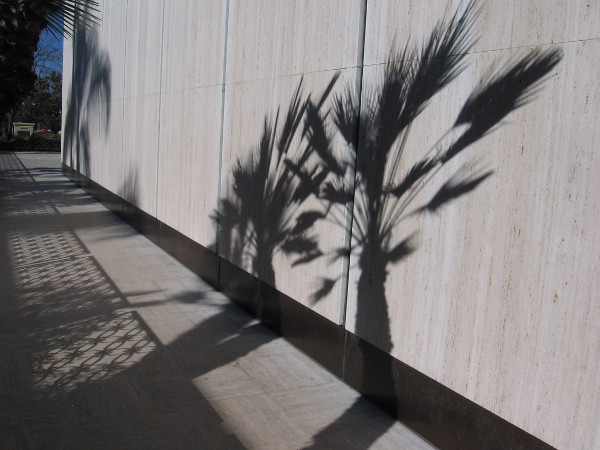
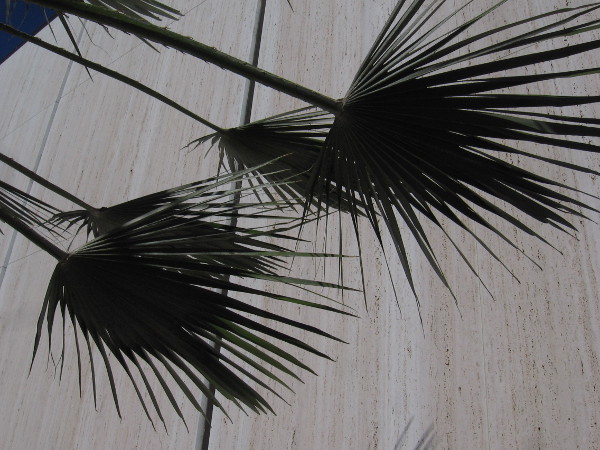
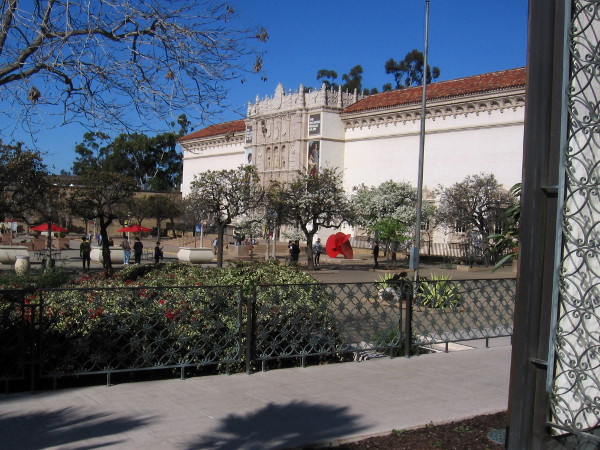
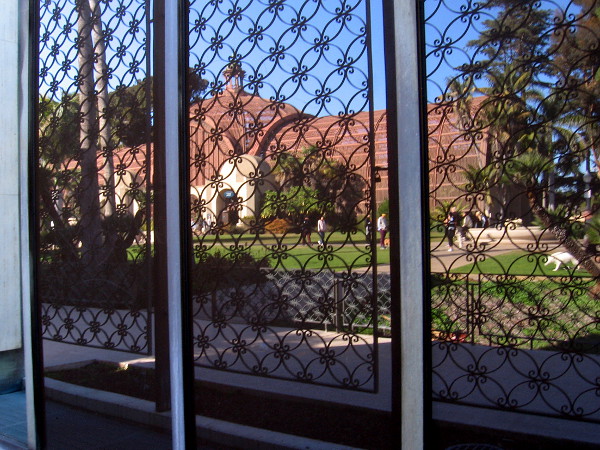
My walk through Balboa Park today included a slow circle around the Timken Museum of Art.
While the building doesn’t really fit with the park’s nearby Spanish Colonial Revival architecture, the museum is quite beautiful in its own way. For a description of this masterpiece of Southern California Modernism, you can visit an earlier blog that I posted here.
Few people journey next to the Timken’s bright walls. The walkway can be a bit hidden.
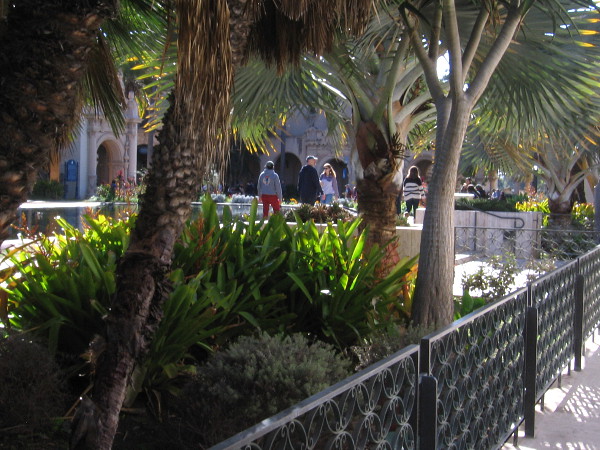
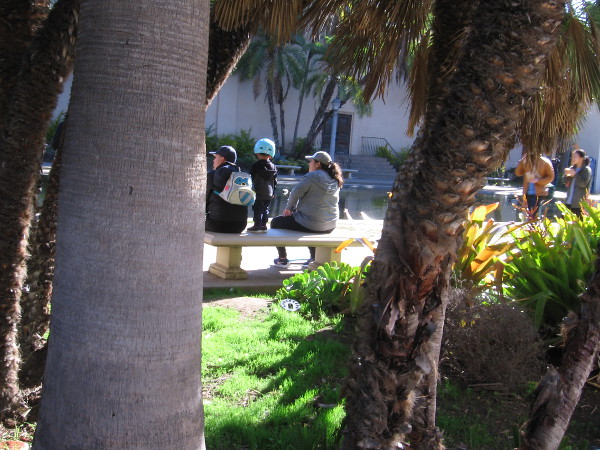
Here are a few scenes from this afternoon…
…
I live in downtown San Diego and love to walk around with my camera! You can follow Cool San Diego Sights via Facebook or Twitter!
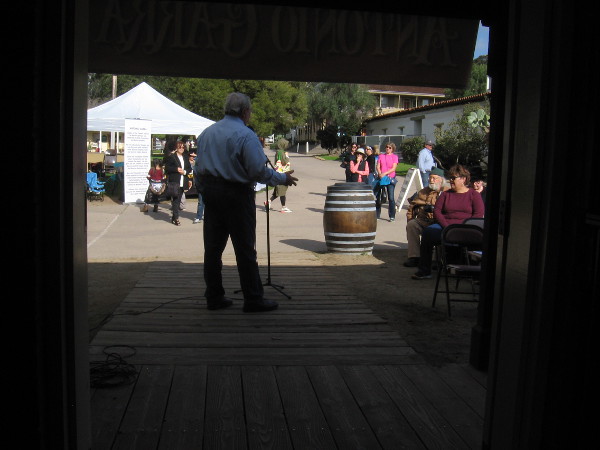
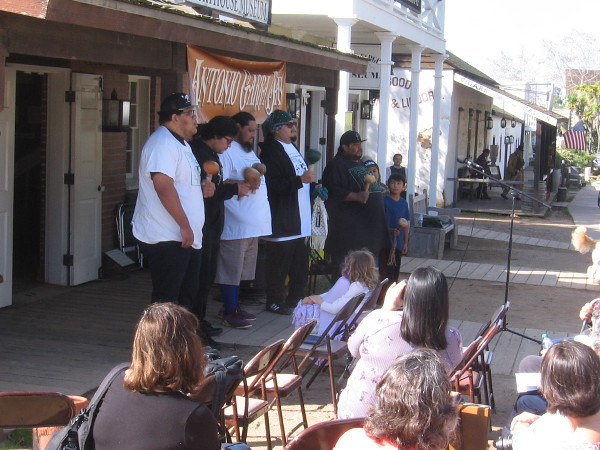
This afternoon I attended Antonio Garra Day in Old Town San Diego State Historic Park. The event, which comes on the anniversary of Garra’s death, was organized by the Pala Band of Mission Indians. I listened to several speakers, including authors and historians, talk about Garra and historical events in the mid-1800s, and I watched different groups perform traditional Bird Songs and Dances.
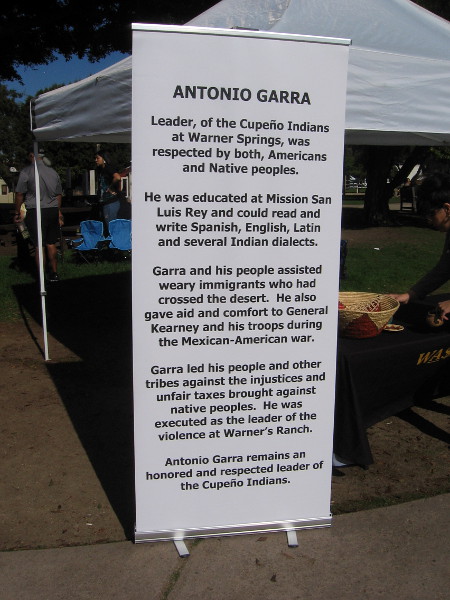
Antonio Garra was a leader of the Cupeño people in Southern California who sought to organize tribes of our region to resist unfair taxation. Even though Native Americans were not citizens of the United States, a tax was levied upon their animals, property and agriculture. This taxation without representation was considered by many fair-minded people to be illegal and unjust.
Garra was educated at Mission San Luis Rey and could speak English, Spanish and Latin. He was an influential leader who opposed the ill-treatment of indigenous people. According to Wikipedia: “In 1851, because of several issues of conflict, Antonio Garra, a Cupeño from Warner’s Ranch, tried to organize a coalition of various Southern California Indian tribes to drive out all of the European Americans. His Garra Revolt failed, and settlers executed Garra. The Cupeño had attacked Warner and his ranch, burning some buildings.”
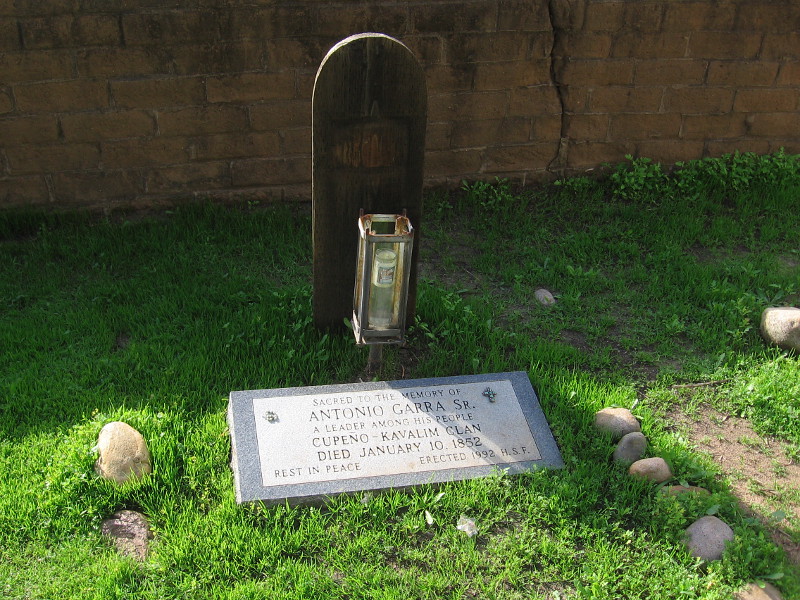
Garra was blamed for the murder of four people at Colonel Warner’s Rancho on November 22, 1850, and he was sentenced to be executed. On January 12, 1852, he was brought to the El Campo Santo cemetery in Old Town and told to kneel down beside a ready grave in front of a firing squad. He last words were: “Gentlemen, I ask your pardon for all my offenses and expect yours in return.”
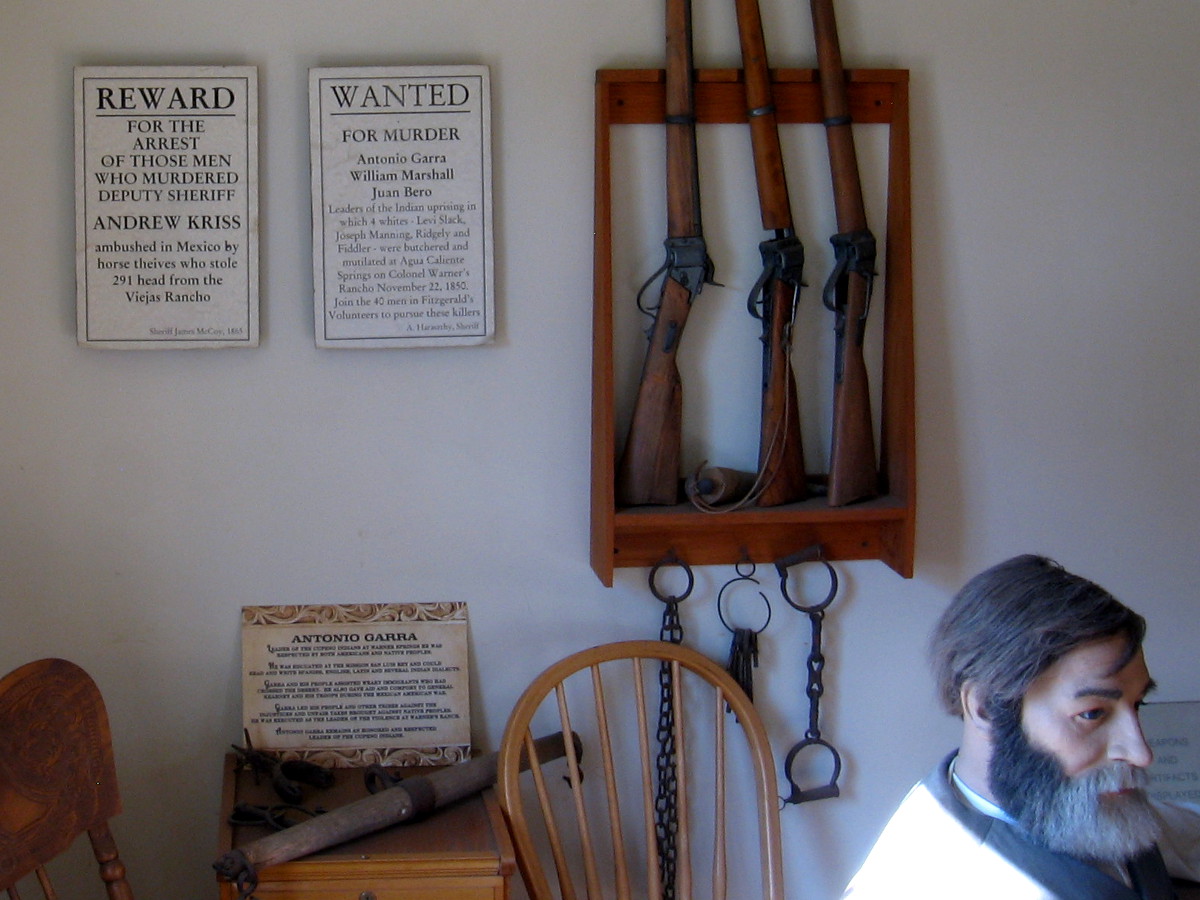
Antonio Garra Day arose because of a Wanted poster that has long been displayed in the First San Diego Courthouse museum. The poster does not provide the full story of the Garra Uprising and the suffering of indigenous people. Today, a plaque beneath the poster provides more historical context.
Between performances of Bird Songs, which honored Native American ancestors, elders and Garra, I listened to the words of Patricia Nelson. She is a descendant of Antonio Garra. As a youth she was incensed by the cruel treatment of her people. Today, she works to honor and proudly remember those people, their culture, their lives and humanity.
Antonio Garra Day has grown over the past 4 or 5 years, and next year it will be a much larger event, filling the plaza of Old Town San Diego State Historic Park, with many Native American participants from all around our region.
A display of Luiseño artifacts at the event, by the Wa$xayam Pomki Museum on the Rincon Reservation.
Garra and his people assisted weary immigrants who had crossed the desert. He also gave aid and comfort to General Kearney and his troops during the Mexican-American war.Bird Singers tell of the world’s creation and the first people.A crowd observes Antonio Garra Day at Old Town San Diego State Historic Park.
Wanted posters in the First San Diego Courthouse museum include one concerning Antonio Garra.The grave of Antonio Garra in Old Town San Diego’s El Campo Santo cemetery.
A horse came to Old Town for the event. Its rider (not visible) represented Juan Verdugo, who participated in the Garra Uprising and was executed. He is also buried at El Campo Santo cemetery.Patricia Nelson, a descendant of Antonio Garra, talks about her memories, many generations of her people, and their lives.Bird Song and Dance honor a people who lived in our region many thousands of years before the arrival in 1769 of Spanish missionaries and soldiers.
…
I live in downtown San Diego and love to walk around with my camera! You can follow Cool San Diego Sights via Facebook or Twitter!
Ford Building, 1934, Digital reproduction of a photograph by Julius Shulman. The first known photo by Shulman in San Diego County.
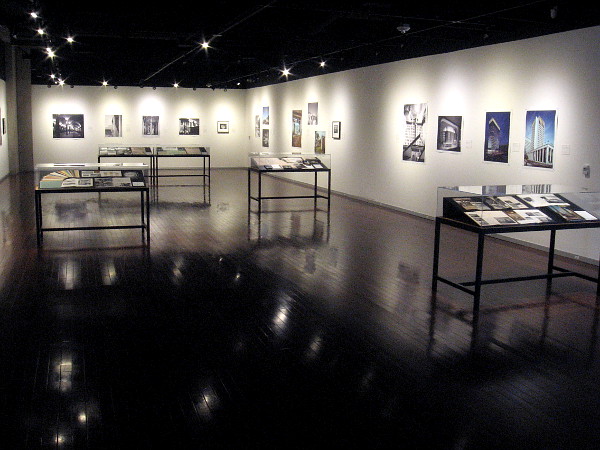
Today I headed to the San Diego Central Library Art Gallery to view some amazing photographs. Many images captured by famous architectural photographer Julius Shulman are on display free to the public for a couple more weeks. The exhibition, which concludes on January 19, 2020, is titled Julius Shulman: Modern San Diego.
Julius Shulman’s renowned work spans seven decades, from 1934 to 2007. He is best known for his photography in Los Angeles and Palm Springs, but he did photograph a variety of projects in San Diego. He worked mostly for architects and publishers, and his images have appeared in many leading magazines.
I was interested to see photos of historic buildings that no longer exist, and other iconic buildings that I often pass during my walks.
Those who are fascinated by San Diego’s history and architecture should head to the 9th floor of the Central Library to experience this exhibition. Shulman had a discerning eye, capturing the lines, depth and essence of the structures he photographed. The dozens of images you’ll encounter are not only brilliant, but they will help you to travel back in time and see San Diego in a whole new light.
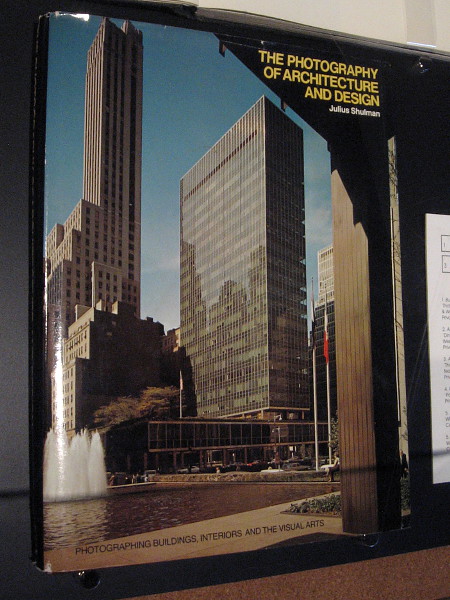
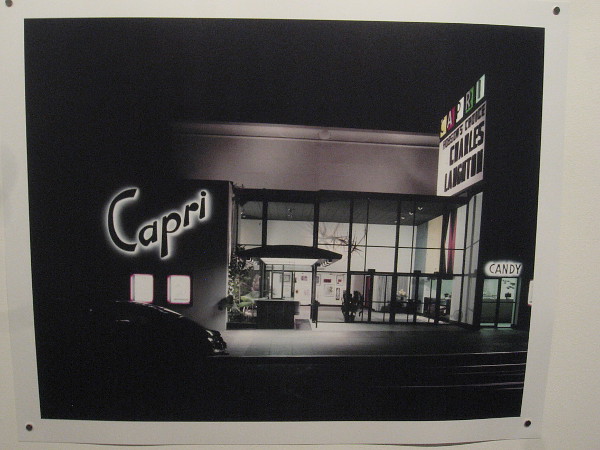
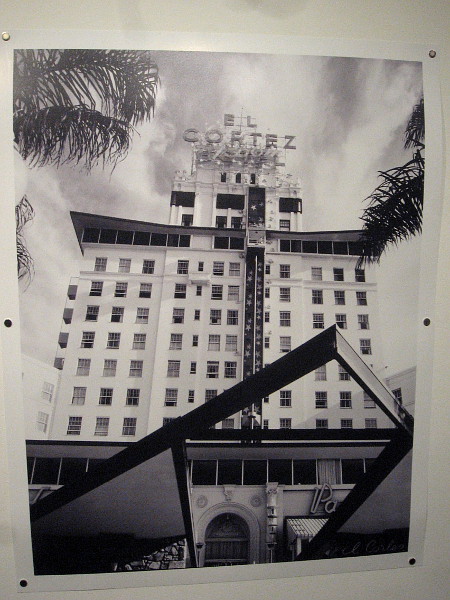
An exhibition of important architectural photographs, titled Julius Shulman: Modern San Diego, at the San Diego Central Library Art Gallery.Shulman began as an amateur photographer using a Vest Pocket Kodak. His eventual career in architectural photography would span seven decades.Cover of The Photography of Architecture and Design, by Julius Shulman.Capri Theater, 1954, Digital reproduction of photograph by Julius Shulman. Architecture by Frank Guys. The building, at Park Boulevard and Essex Street, was demolished in 2003.El Cortez Hotel, 1957, Digital reproduction of photograph by Julius Shulman. The 1956 building remodel added the world’s first outdoor glass elevator–the Starlite Roof Express.San Diego State College, 1968, Digital reproduction of photograph by Julius Shulman. Architecture by Mosher and Drew. Interior of Aztec Center, which was demolished in 2011.
…
I live in downtown San Diego and love to walk around with my camera! You can follow Cool San Diego Sights via Facebook or Twitter!
The Bard, Reginald Willoughby Machell, c. 1895. Oil on canvas. One of the Theosophical Society artist’s allegorical works concerning spirituality.
Until yesterday, I didn’t know very much about Lomaland. I knew it was a Theosophical community in Point Loma with several exotic buildings that were located where Point Loma Nazarene University stands today, but that’s about all.
After viewing the San Diego History Center’s current exhibition The Path of the Mystic: Art & Theosophy at Lomaland, and doing a little online research, I now know more about this unique utopian community that made important cultural contributions to San Diego in the first half of the 20th century.
Lomaland was established by Katherine Tingley in 1897. The home of the Universal Brotherhood and Theosophical Society, the community became a haven for learning, culture and social reform. Artists and like-minded individuals from around the world came to Lomaland to lead spiritual, contemplative, idealistic lives.
According to the San Diego History Center website: “Tingley’s progressive Theosophical vision, which placed strong emphasis on cultural pursuits including music, dance, drama, literature and visual art, attracted artists from the United States and abroad. As the community developed, many artists came to live and work at Lomaland, including Marguerite Lemke Barton, Grace “Gay” Betts, Maurice Braun, Benjamin Gordon, Leonard Lester, Marian Plummer Lester, Reginald Willoughby Machell, and Edith White.”
I learned from Wikipedia: “Led by Katherine Tingley, the group came to Point Loma to establish a community that would model the philosophical and humanitarian goals of Theosophy. The “White City” envisioned by Tingley was to be located on the extreme western edge of the North American continent but oriented toward India, the spiritual center of Theosophical beliefs. The blend of new world confidence, Victorian morality, a love of antiquity, and Indian spirituality created a unique community …”
The buildings of Lomaland were completed in 1900, and the Theosophical community flourished in Point Loma until 1942, when it relocated to Covina. The main building and Temple of Peace, which often appear in Theosophical Society artwork, had domes of aquamarine and amethyst colored glass. They could be seen far out to sea, and as far east as Mt. Cuyamaca. They were destroyed by fire in 1952. The Spaulding house today serves as the administration building at Point Loma Nazarene University.
I took a few photos of the exhibition in subdued lighting, but my poor old camera doesn’t capture the full detail and beauty of this artwork.
Many more paintings, historical photographs and other works of unique art in The Path of the Mystic: Art & Theosophy at Lomaland will be on display through April 19, 2020 at the San Diego History Center in Balboa Park.
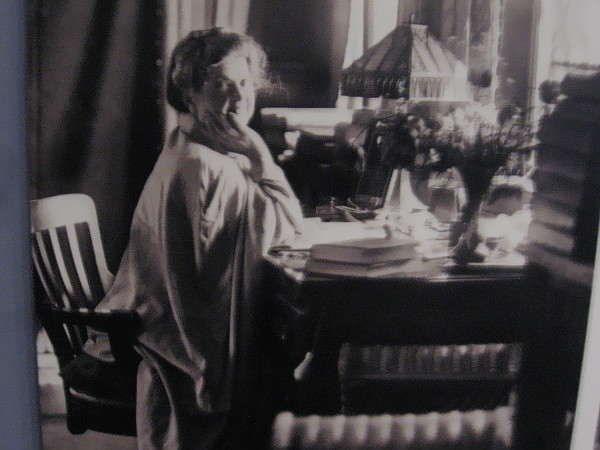
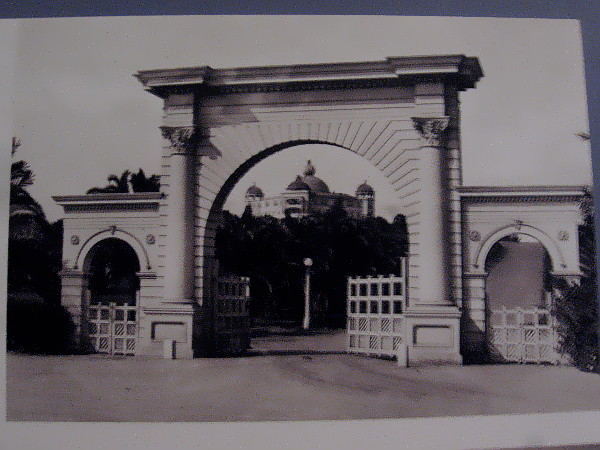
Katherine Tingley, founder of Lomaland, in her office.Roman Gate, entrance to Lomaland in Point Loma.Marian Plummer Lester, Untitled, c. 1908. Ink on paper. Small drawing of the Temple of Peace and Raja-Yoga Academy buildings at Lomaland when the artist was fifteen years old.Edith White, Landscape, 1917. Oil on canvas. Painting of foxglove inspired by Lomaland’s International Garden.Edith Whilte, Roses on a Fence, c. 1915. Oil on canvas. Close-up photo of a beautiful painting created in Lomaland.The Prodigal or The Kingdom of Heaven is Within You, Reginald Willoughby Machell, c. 1895. Oil on canvas. Painted in England before artist moved to Point Loma in 1900.
…
I live in downtown San Diego and love to walk around with my camera! You can follow Cool San Diego Sights via Facebook or Twitter!
You can easily explore Cool San Diego Sights by using the search box on my blog’s sidebar. Or click a tag! There are thousands upon thousands of photos for you to enjoy!
I would like to express gratitude to those teachers who’ve introduced my story One Thousand Likes to students recently using Google Classroom. I observe my website stats and am stunned. I never imagined such a small story would be read by so many. It’s a writer’s wildest dream come true!
Now it’s time to start brainstorming again!
There are many more places to walk in San Diego and many more photographs to take. Unexpected new adventures await! Thanks for coming along!
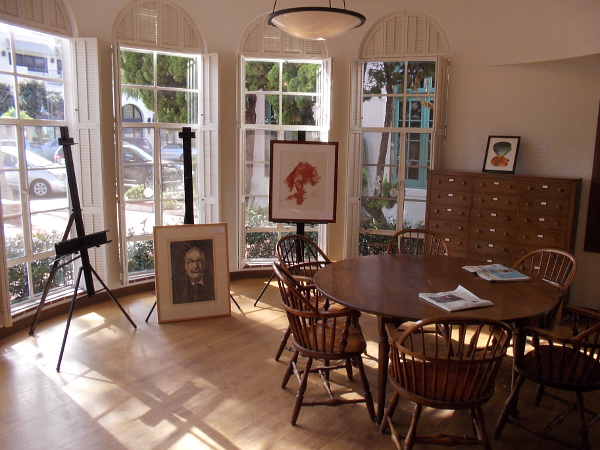
The Athenaeum Music and Arts Library in La Jolla is now showing their recently acquired artwork. A variety of paintings, sketches, books, collages, sculptures and other works are on display in several galleries of the elegant library. The pieces have all have been added to their permanent collection since 2016.
Yesterday, during a visit to the Athenaeum, I stepped into the light-filled Joseph Clayes III Gallery, Rotunda Gallery and North Reading Room to see these new acquisitions. Many styles are represented–something for every taste.
I tried to capture some of the artwork with my camera, but to experience it best you should see it with your own eyes.
The Athenaeum Music and Arts Library is open free to the public. This current exhibition of Recent Acquisitions comes to an end December 28, 2019.
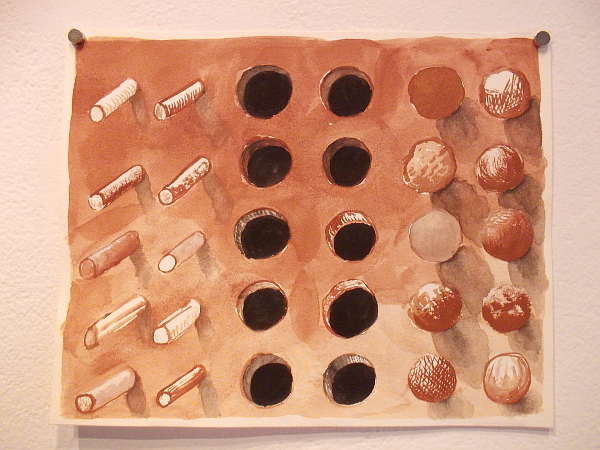
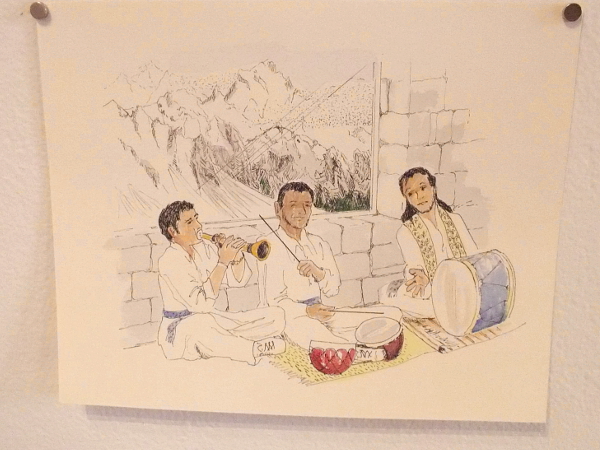
Reading, Charles Glaubitz, 2017. Acrylic on paper.Study for “Study of Rods, Holes, and Balls”, Joshua Miller, 2016.#9, Sue Whitman, 2018. Paint on canvas.Restaurant Musicians, Hunza Valley Pakistan, Eloise Duff, 2016. Watercolor and ink on paper.Platycerium Biturcatum/Cuerno de Alce, Mariana Magdaleno, 2018. Watercolor on watercolor paper.
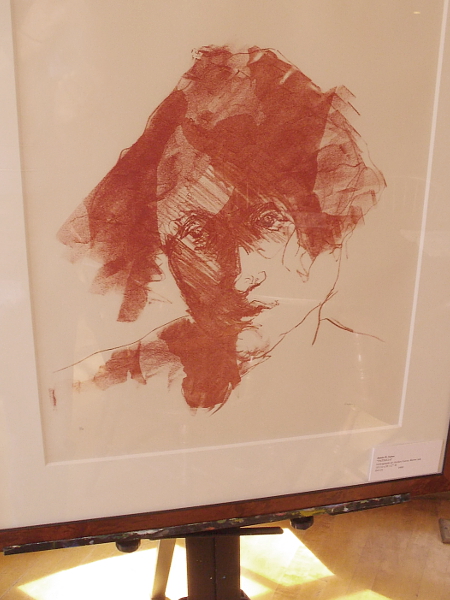
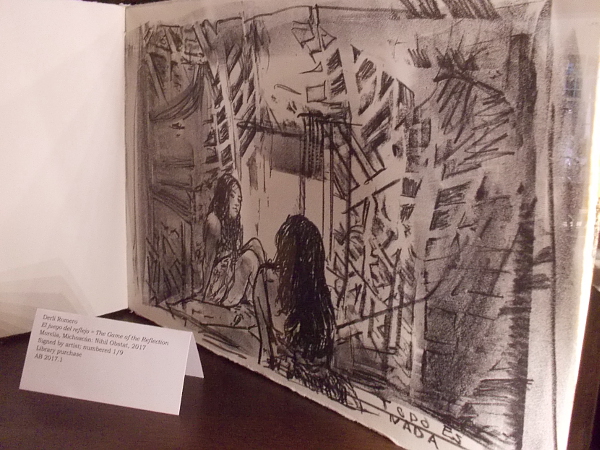
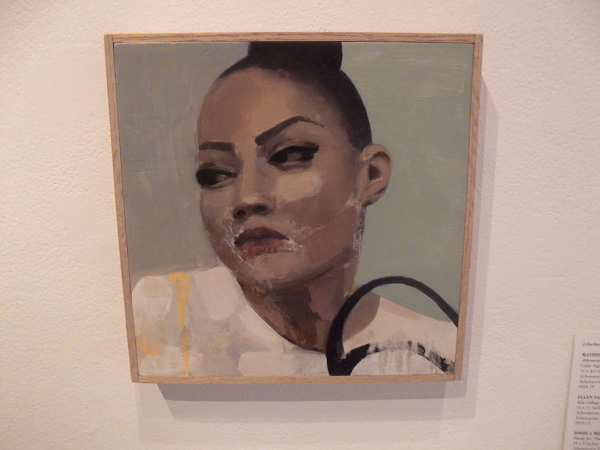
Patricia, James E. Lasry, 1999. Lithograph on Arches Cover, Bistre ink.Maple, Marshall Weber, 2017. Signed by artist, one of a kind.El juego del reflejo = The Game of the Reflection, Derli Romero, 2017. Signed by artist.Waiting (London), Adrienne Joy, 2016. Oil on panel.
…
I live in downtown San Diego and love to walk around with my camera! You can follow Cool San Diego Sights via Facebook or Twitter!
You can easily explore Cool San Diego Sights by using the search box on my blog’s sidebar. Or click a tag! There are thousands upon thousands of photos for you to enjoy!
Emotionally powerful images by internationally known Guatemalan photographer Luis González Palma can now be viewed at the SDSU Downtown Gallery. The title of the exhibition is Constructed Mythologies.
Walk through the gallery and you’ll pass many faces whose expressions convey complex, often painful emotion. Some eyes stare through geometric shapes or fragile threads. Some of the images use sepia tints; some are presented as mosaics or unusual collages; photographs are often layered or cut into shattered pieces and made abstract, as if to depict a series of memories, or moments of living that pass like a dream.
The subjects of Luis González Palma are the indigenous Mayas and the Mestizo people of Guatemala. Their faces speak of silent pride and suffering.
According to one sign that describes the artist: His work is informed by curiosity and reverence for the human condition, woven into evocative images that present an untethered relationship to time and place. Working with symbolism, meticulous staging, and a keen understanding of religious and cultural iconography, González Palma masterfully creates rich narrative influenced by his Guatemalan heritage and perspective as a Latin American artist.
If you like true things, come view these photographs.
The final page of Constructed Mythologies is turned on January 20, 2020.
…
I live in downtown San Diego and love to walk around with my camera! You can follow Cool San Diego Sights via Facebook or Twitter!
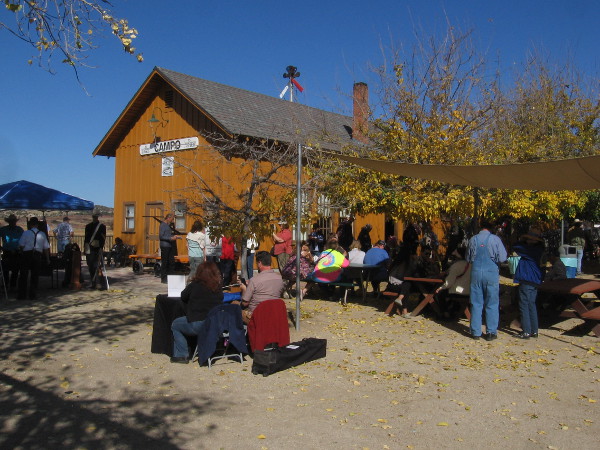
People gather for the 100th Anniversary celebration of the San Diego and Arizona Railway at the Pacific Southwest Railway Museum in Campo.
Yesterday I attended an extraordinary event. The 100th Anniversary of the San Diego and Arizona Railway was celebrated at the Pacific Southwest Railway Museum in Campo!
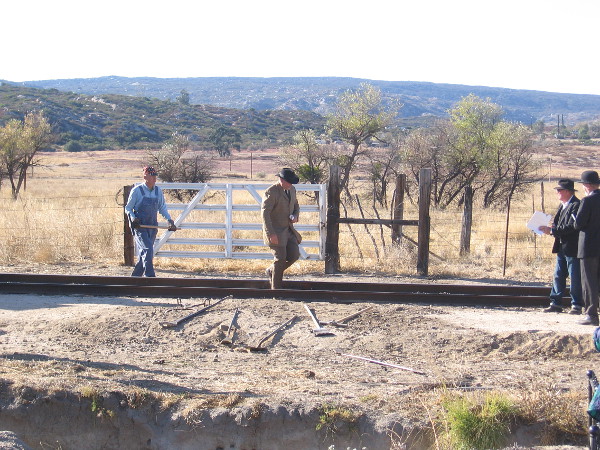
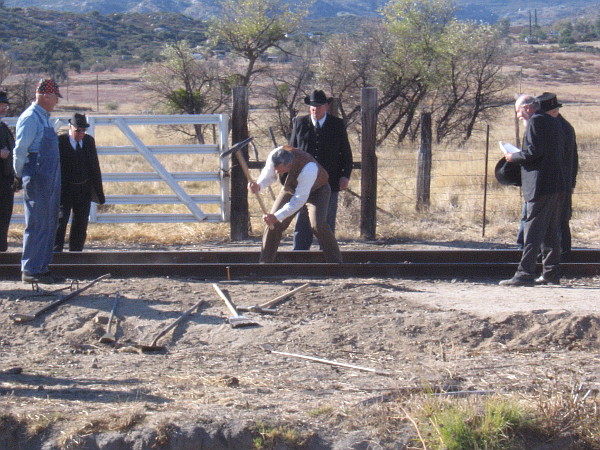
Hundreds came out to the museum to enjoy special attractions, historical displays and old-time entertainment. Almost everybody rode an excursion train through the nearby countryside (you can see photos of the ride here) before gathering for lunch and a gold spike ceremony that reenacted much of the original ceremony a century ago.
Please enjoy the following photographs. Read the captions if you’d like to learn a little more about the history of the San Diego and Arizona Railway. (Click the images of signs and they’ll enlarge for easier reading.)
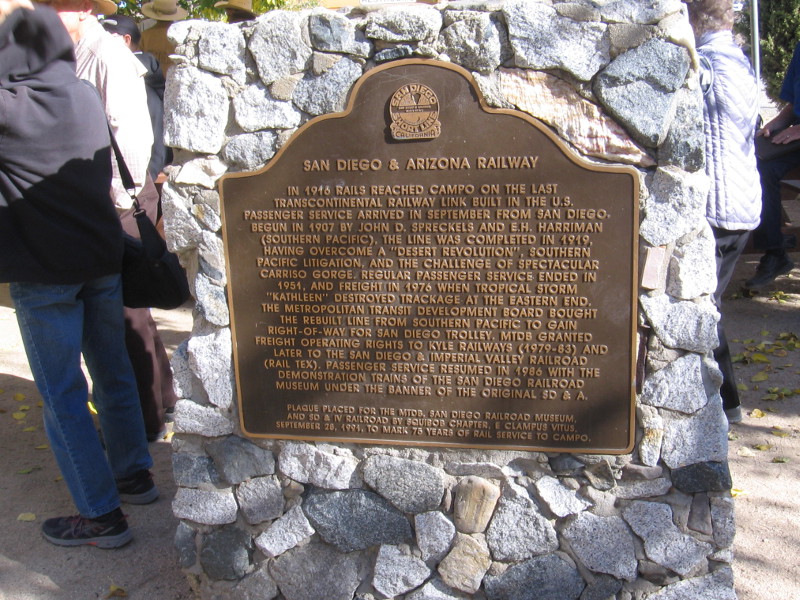
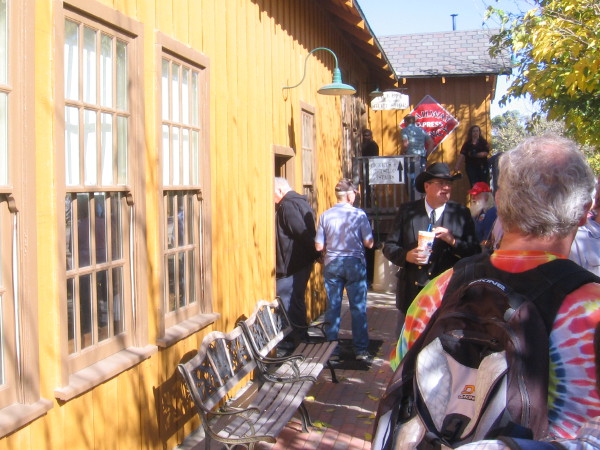
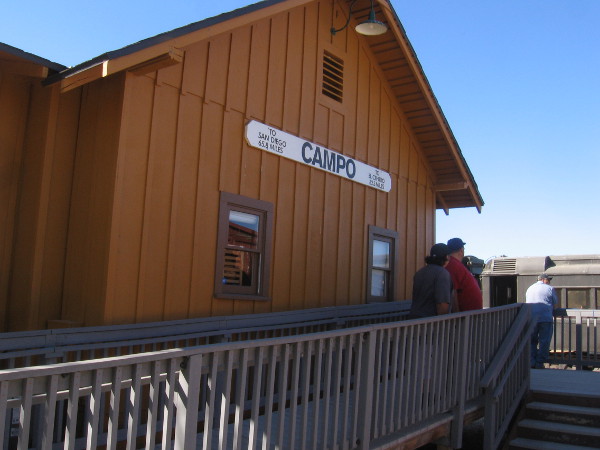
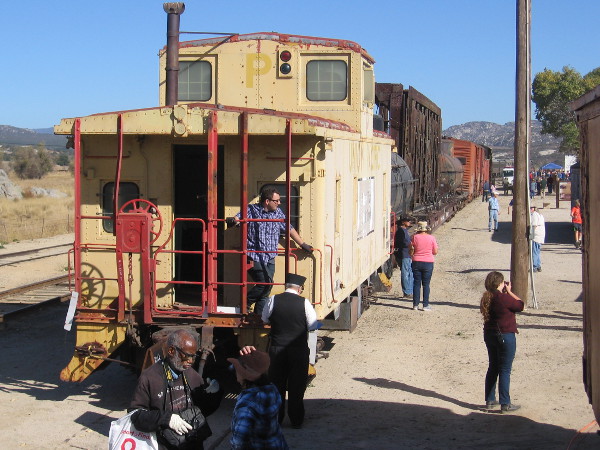
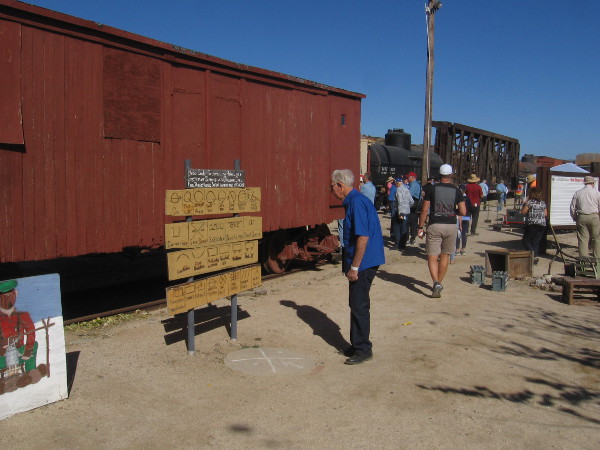
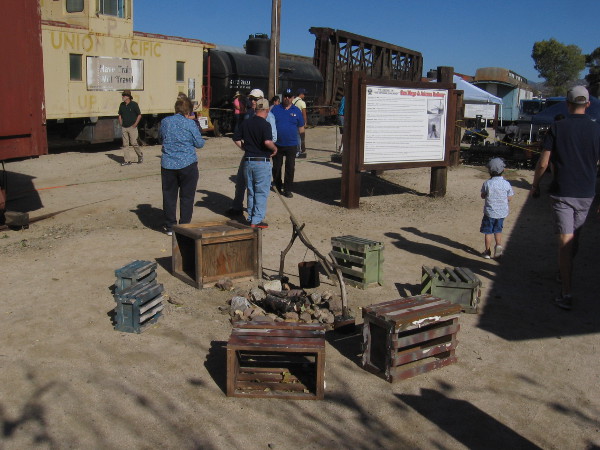
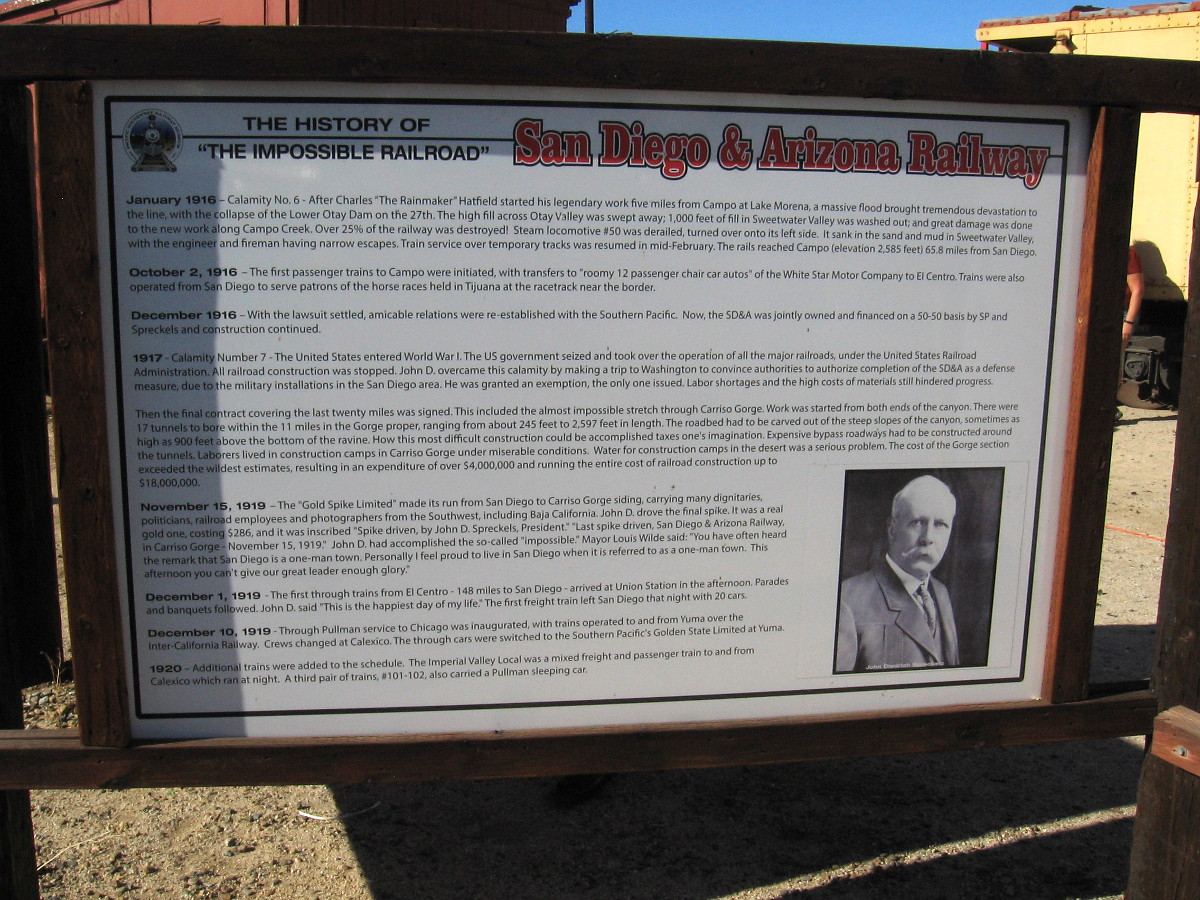
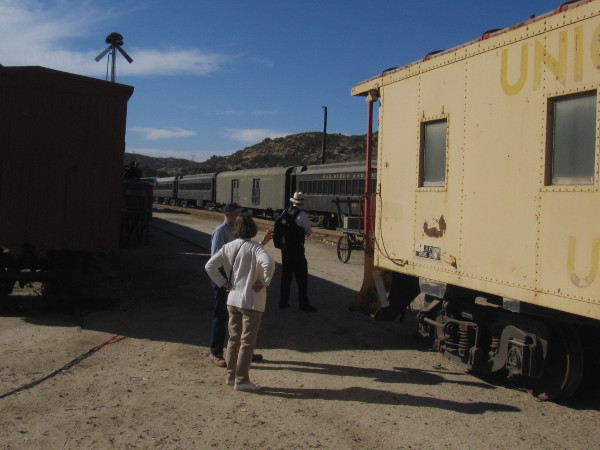
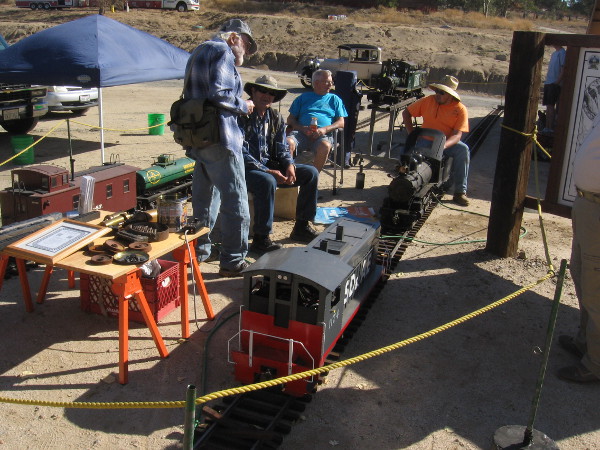
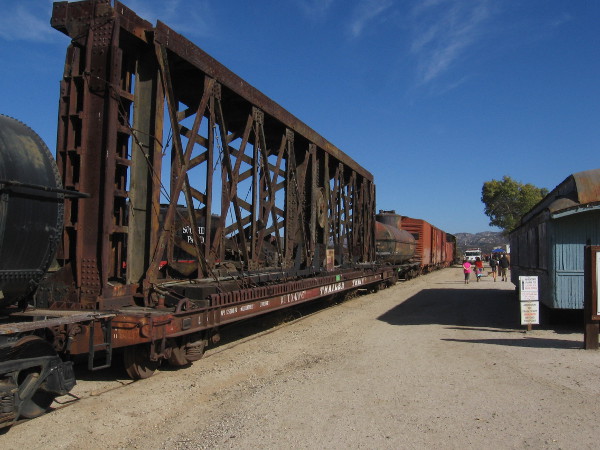
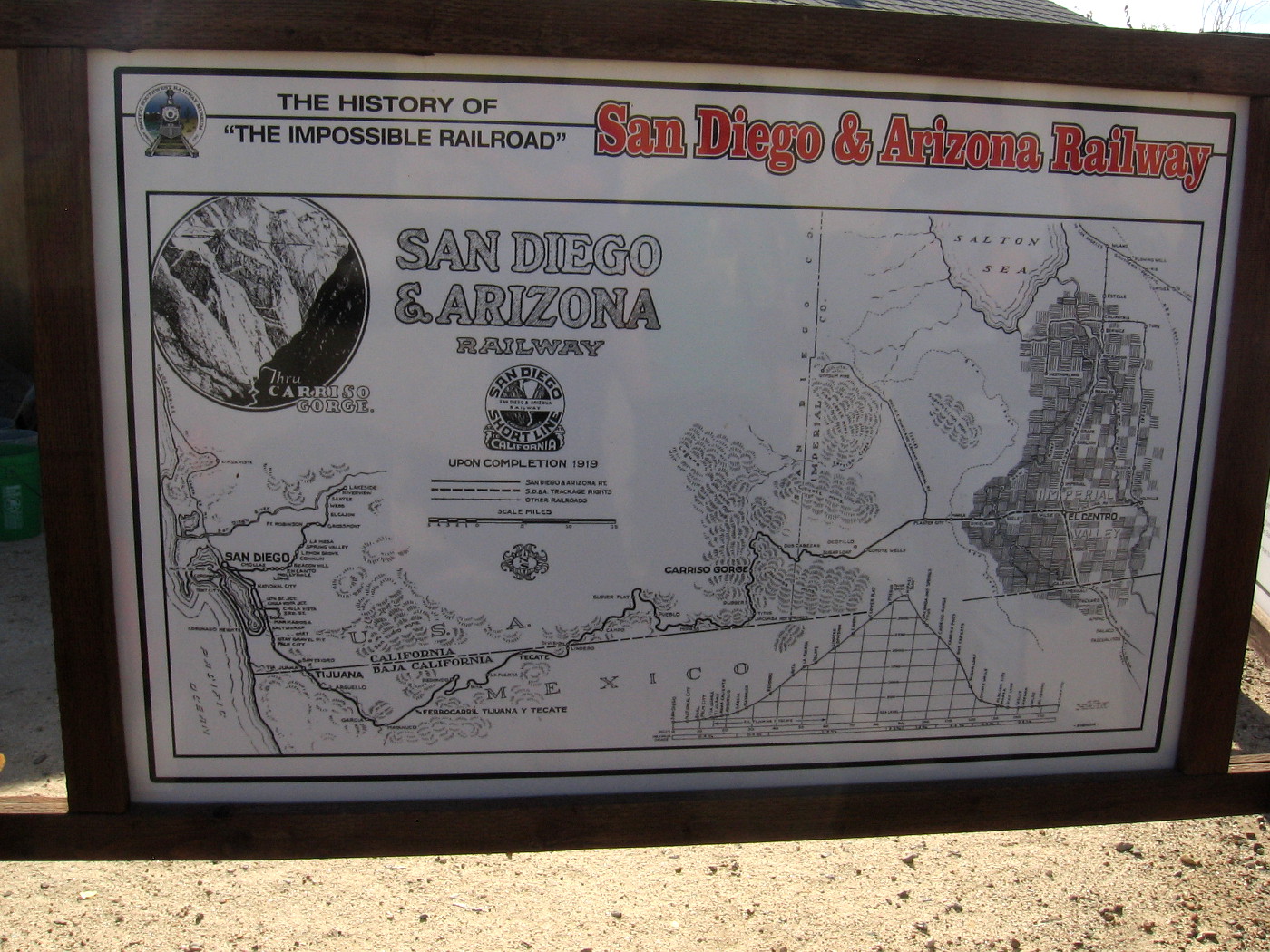
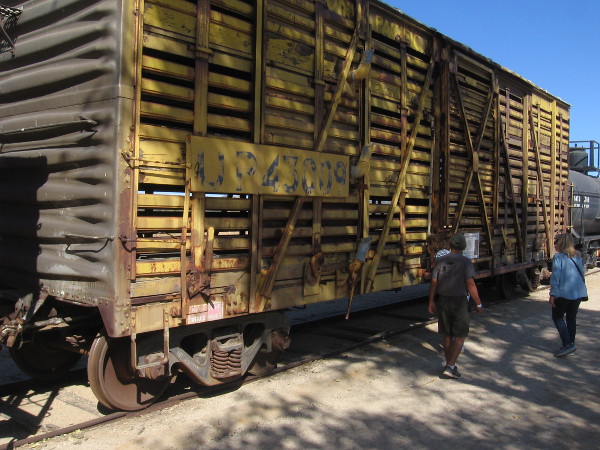
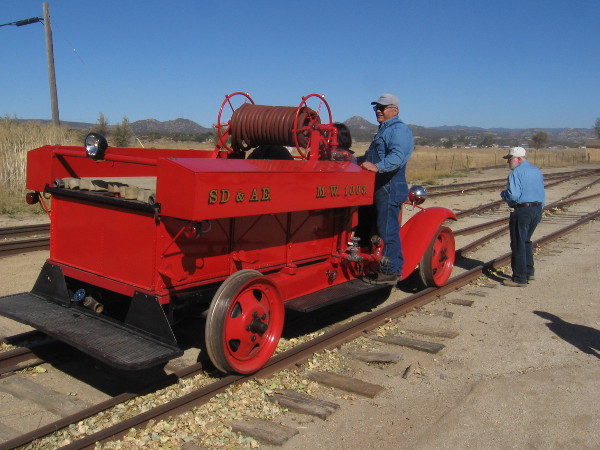
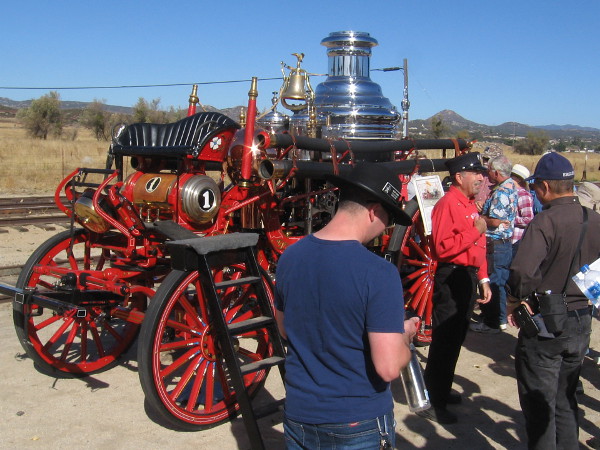
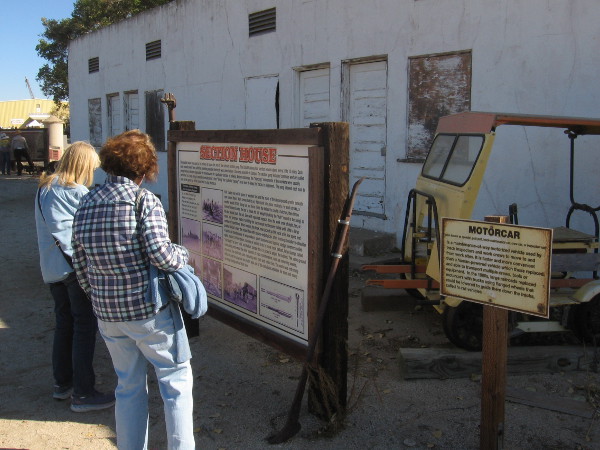
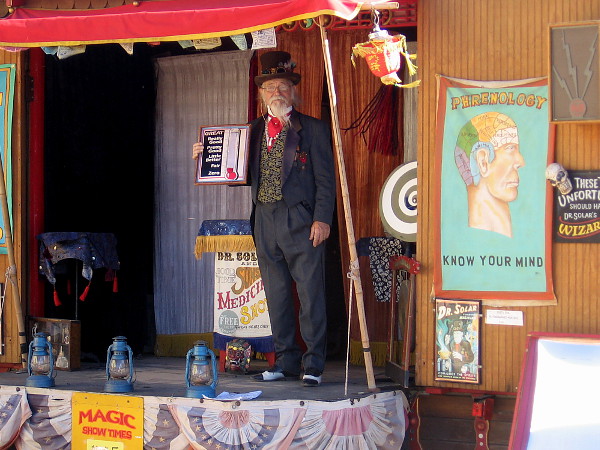
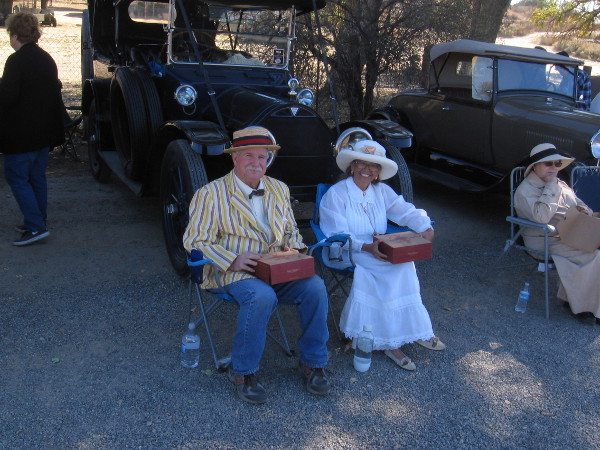
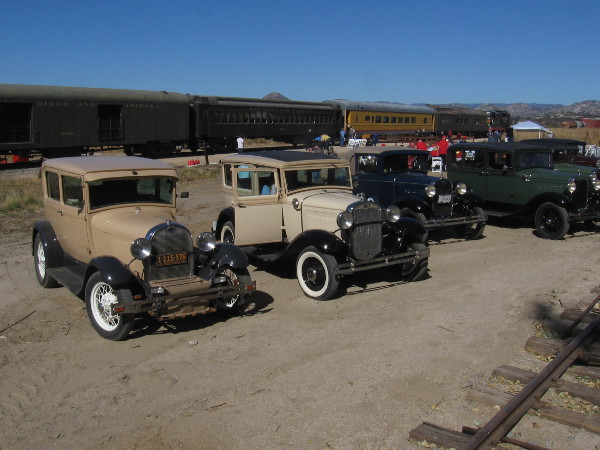
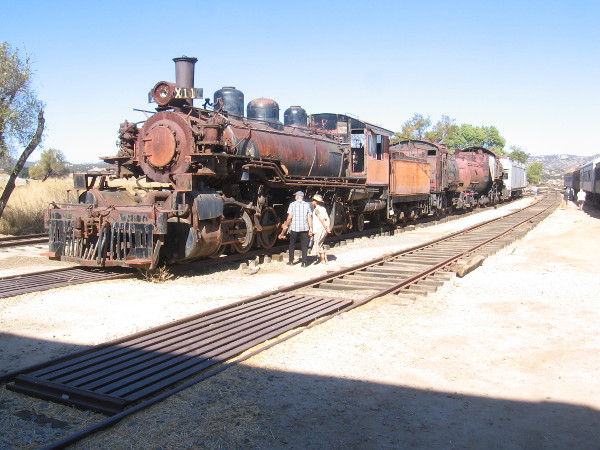
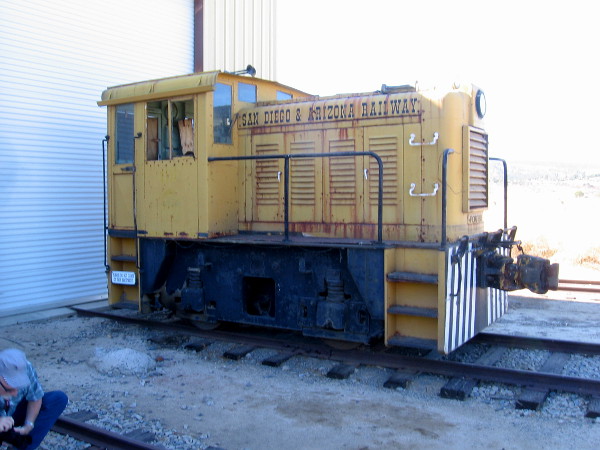
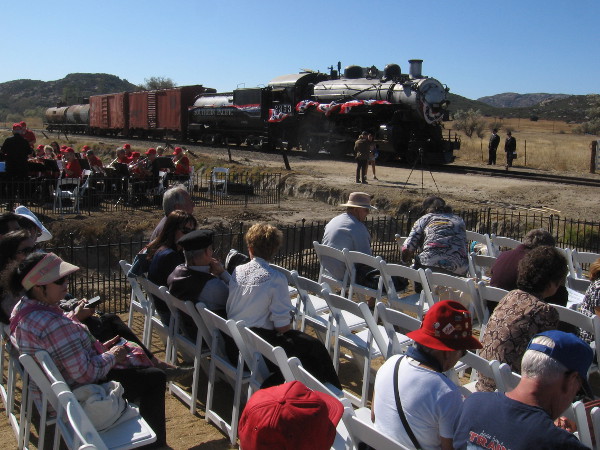
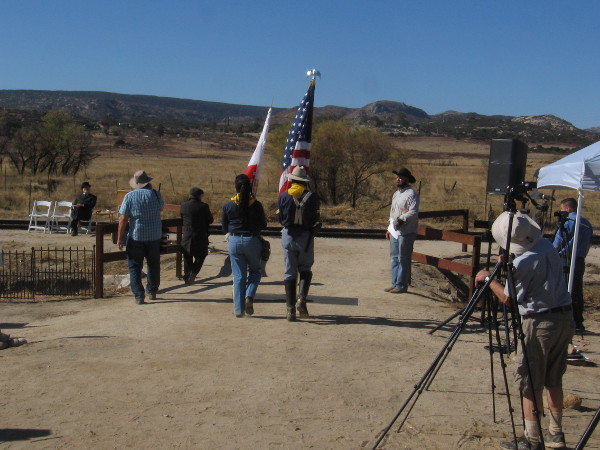
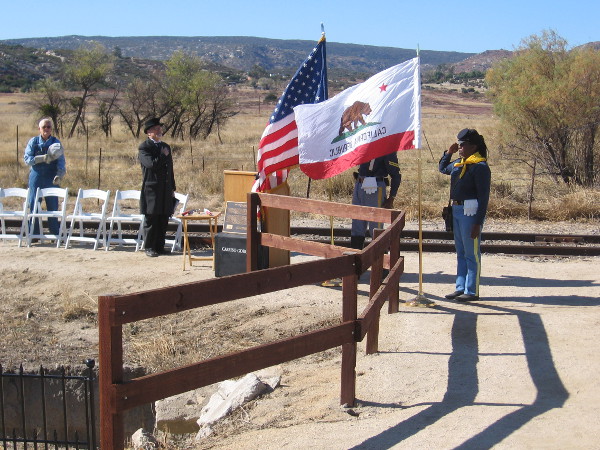
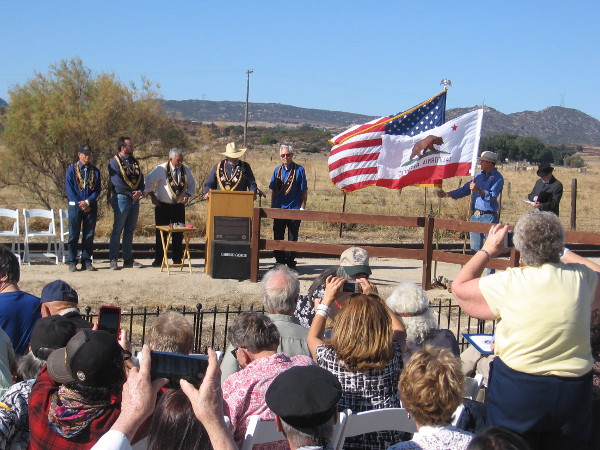
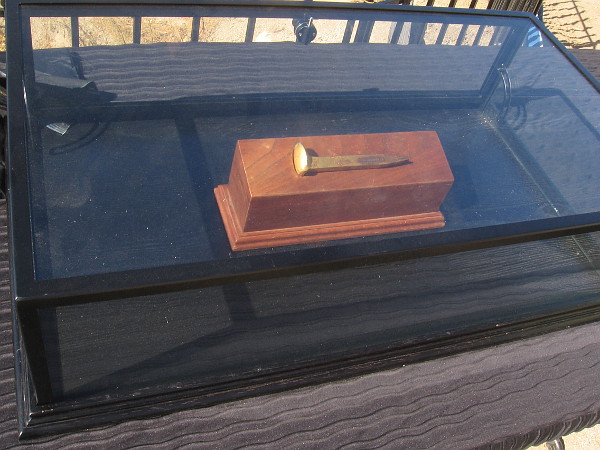
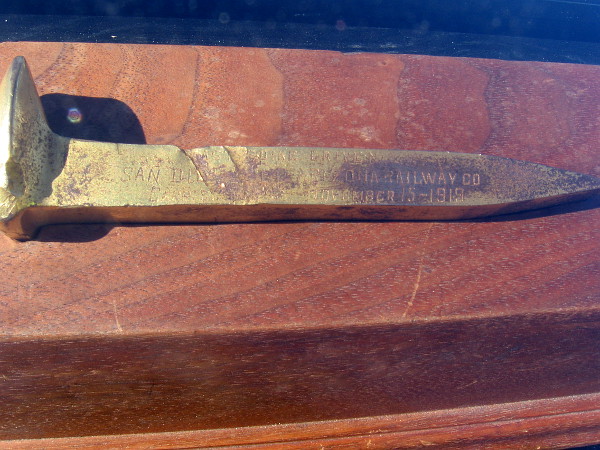
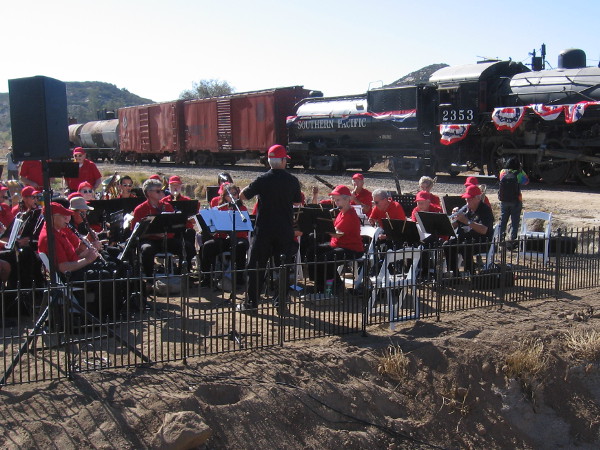
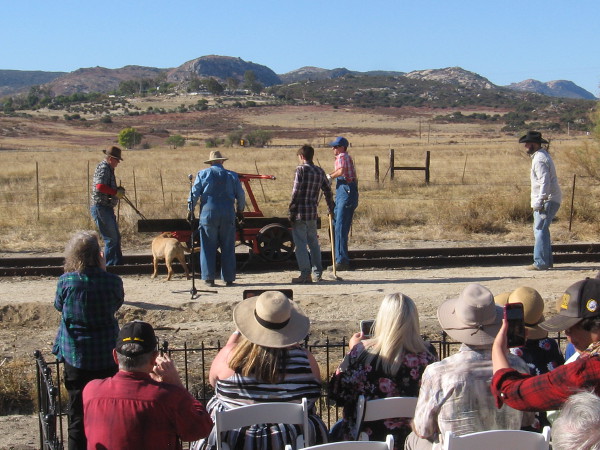
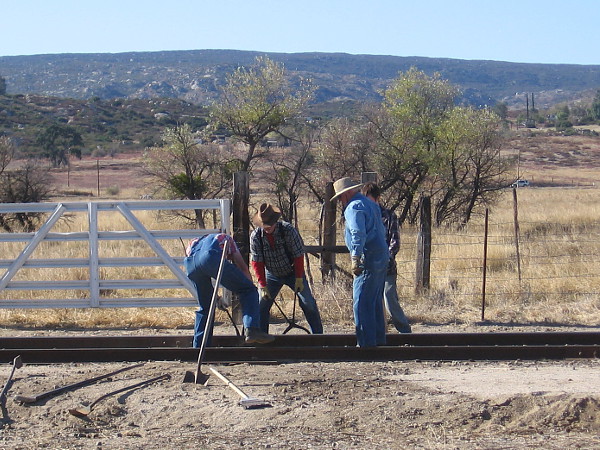
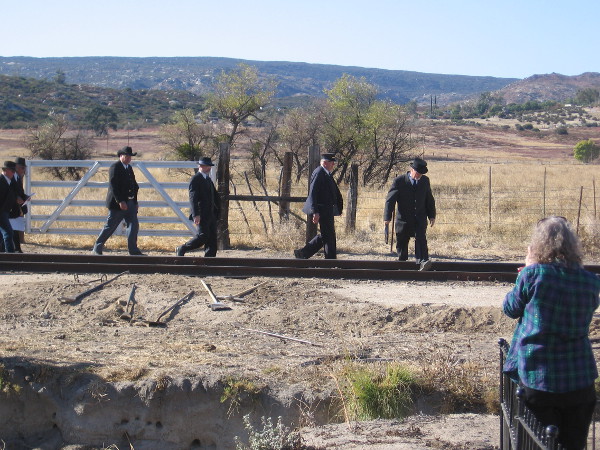
Many signs, plaques and historical markers can be found throughout the Pacific Southwest Railway Museum’s grounds.In 1916 rails reached Campo on the last transcontinental railway link built in the United States. The line was completed in 1919. The line was eventually purchased by MTS to gain right-of-way for the San Diego Trolley in the city of San Diego.Visitors wait in line at the museum’s old Campo depot to pick up tickets for a train ride during the centennial event.Heading around the Campo depot toward the passenger platform.Gazing out at a few of the many old rail cars owned by the Pacific Southwest Railway Museum.Visitors check out a caboose and more railroad cars to one side of the historic Campo train depot.A simulated hobo camp and interesting sign attract the attention of one gentleman.Hobo code used symbols made with chalk or coal to provide directions and warnings to other hobos.A recreated hobo encampment with campfire.On December 14, 1906 John D. Spreckels, with his brother Adolph, announced his intent to construct a railroad from San Diego to Yuma, Arizona.On October 2, 1916 the first passenger trains to Campo were initiated. On November 15, 1919 the Gold Spike Limited brought dignitaries to Carriso Gorge siding. The Impossible Railroad was completed!On February 5, 1950 the first diesel-electric locomotive pulled a freight train over the mountains, in place of a steam locomotive.Checking out history at the Pacific Southwest Railway Museum, with its extensive collection of railroad rolling stock.The Chula Vista Live Steamers were present for the event. They brought some of their 7.5 inch gauge operating steam trains.On top of one flatcar is a huge turntable that was once used for turning railroad locomotives and cars.A cool photo of a nearby Southern Pacific locomotive through the transported turntable.A sign maps the route of the San Diego and Arizona Railway from San Diego through Mexico to El Centro. There are plans to use this line for freight trains once again. There is also talk that a tourist train might in the future run between Tecate, Mexico and Campo, California.A sign describes two wooden passenger coaches built in the late 19th century. Coach 239 is one of the oldest surviving railroad passenger car artifacts in the West.Visitors check out an enormous old freight car.Here comes the San Diego & Arizona Eastern MW 1003 1931 Ford Model AA Rail Fire Engine.Visitors to the event check out a working 1902 American steam fire engine.The American was built in 1902 by the American Fire Engine Company. It was restored with the help of the California State Firefighters’ Association, and is now valued at over half a million dollars!People check out some of the railroad equipment on display on the museum grounds.Reading a sign by the railway Section House, where railroad workers were housed along the track.Passengers disembark from the day’s first excursion train and arrive at the outdoor venue for the gold spike event, near the museum’s Display Building.A hay ride pulls up to the Display Building area.Dr. Solar was entertaining kids with his magical Good-Time, Sunshine, Traveling Medicine Show.Dr. Solar holds his applause meter.Vintage auto enthusiasts brought their Model A and Model T Fords and Horseless Carriages.Some fancy period costumes!Vintage automobiles and vintage trains!People were lined up for lunch near some of the Pacific Southwest Railway Museum’s many outdoor railroad cars.Checking out a very cool old steam locomotive!A little switch engine of the San Diego and Arizona Railway.The 100th Anniversary gold spike ceremony is about to begin. A train with red, white and blue bunting on the nearby track will be part of the historical reenactment.Buffalo Soldiers representing nearby Camp Lockett are the event’s color guard.The gold spike ceremony begins.Standing for the National Anthem.The master of ceremonies would introduce numerous present-day dignitaries, and many speeches would follow.Native Sons of the Golden West dedicate a plaque celebrating the 100th anniversary of the San Diego and Arizona Railway’s completion.Descendants of John D. Spreckels are asked to stand by Diana Hyatt, President of the Pacific Southwest Railway Museum Association.During the centennial ceremony, the original gold spike from 100 years ago was on display in a glass case nearby.The original gold spike used to celebrate the completion of the San Diego and Arizona Railway in 1919.The San Diego City Guard Band plays the San Diego Progress March, written for the railway’s completion 100 years ago and performed then by the 1919 version of the City Guard Band.The gold spike reenactment begins. Railroad workers arrive by handcar.The railroad workers carry the last section of track to be laid.Reenactment of workers completing a transcontinental railroad route.Railroad history comes to life in Campo, California.Here come dignitaries from 1919, including San Diego Mayor Wilde and William Kettner.Politicians and dignitaries from a century ago seem to return to life during the San Diego and Arizona Railway centennial. Each would read from the original speeches.Photographers record today’s history from one side of the gold spike reenactment.John D. Spreckels arrives from the Gold Spike Limited train.The shiny gold spike is put into place.John D. Spreckels, creator of the San Diego and Arizona Railway, hammers the final spike.Those attending the big centennial celebration assemble around the John D. Spreckels reenactor for a photograph.History is made again on a sunny November day in 2019.
…
I live in downtown San Diego and love to walk around with my camera! You can follow Cool San Diego Sights via Facebook or Twitter!
You can easily explore Cool San Diego Sights by using the search box on my blog’s sidebar. Or click a tag! There are thousands upon thousands of photos for you to enjoy!
Today I took a wonderful ride aboard an historic train!
In the morning I drove out to the Pacific Southwest Railway Museum in Campo, about an hour east of downtown San Diego, in order experience the 100th Anniversary celebration of the San Diego & Arizona Railway.
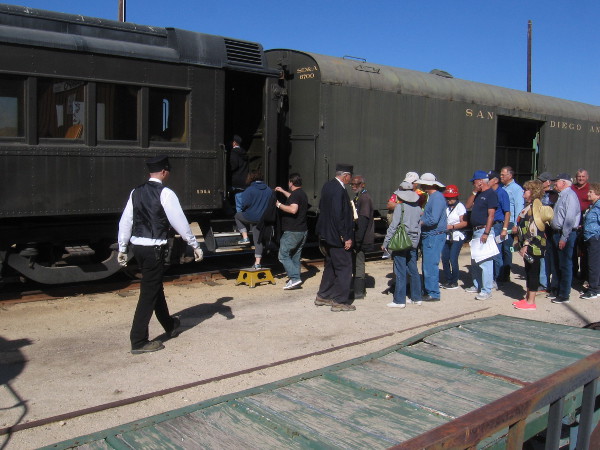
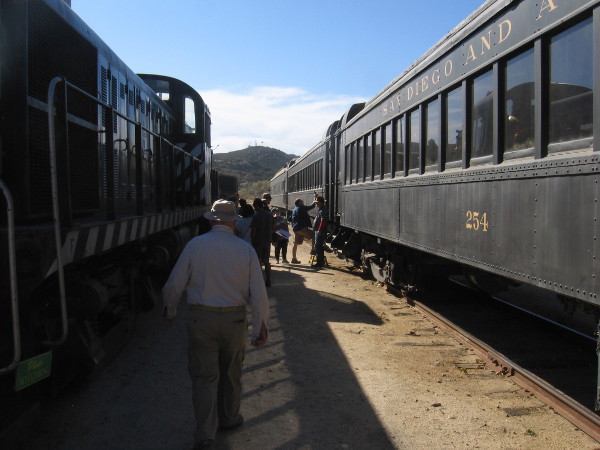
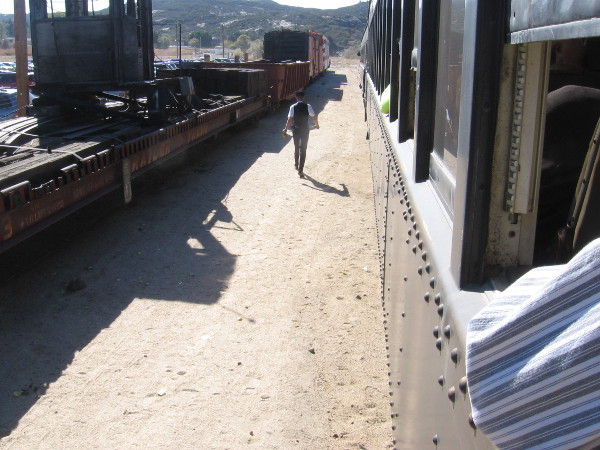
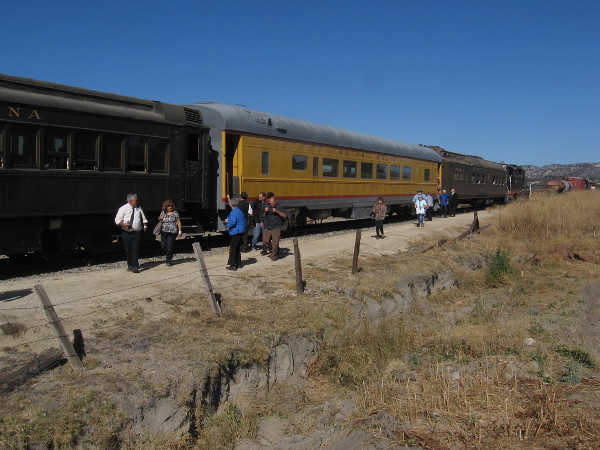
Before the gold spike reenactment ceremony took place, I wandered about the extensive museum grounds, enjoying all sorts of nostalgic entertainment and attractions, then boarded an old passenger train at the depot for a short but very scenic excursion!
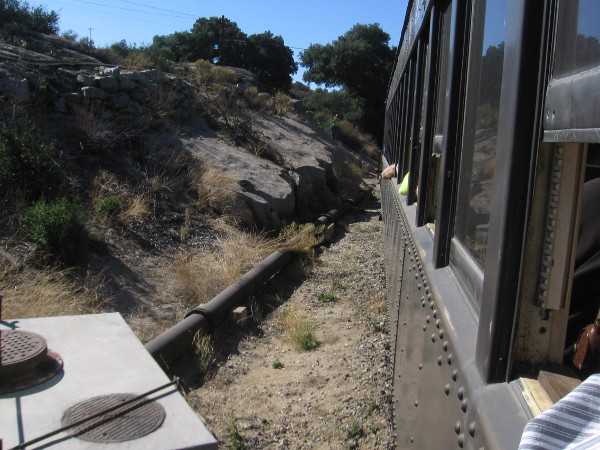
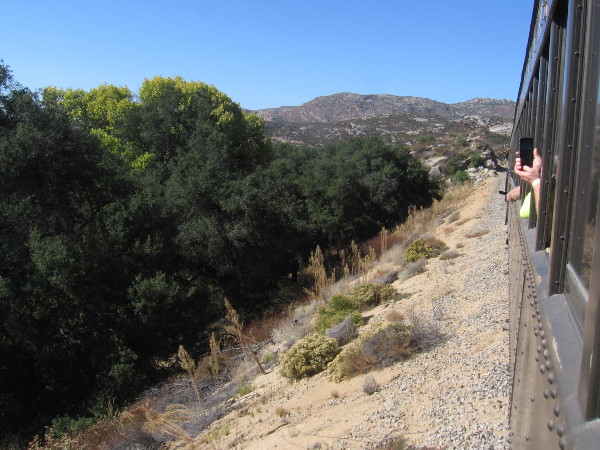
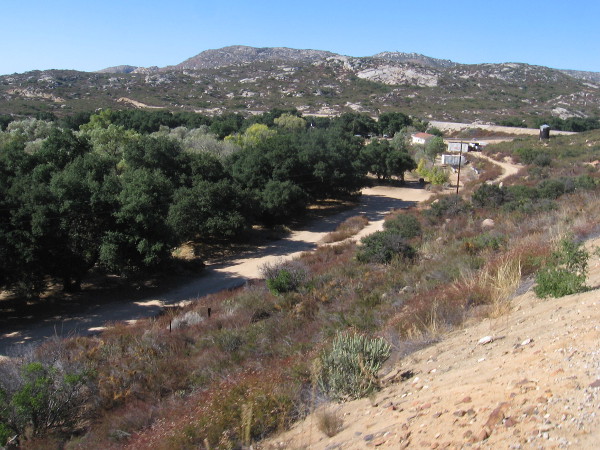
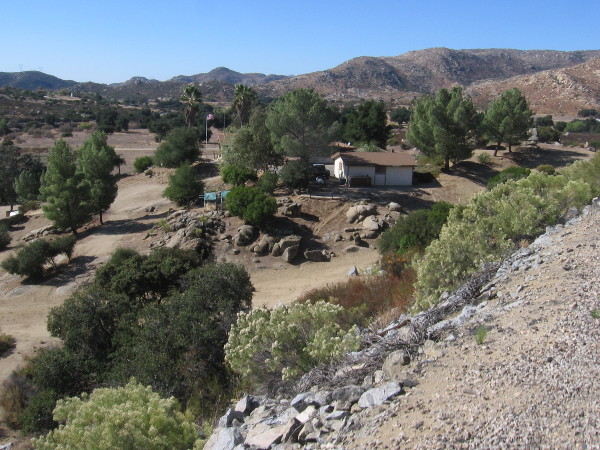
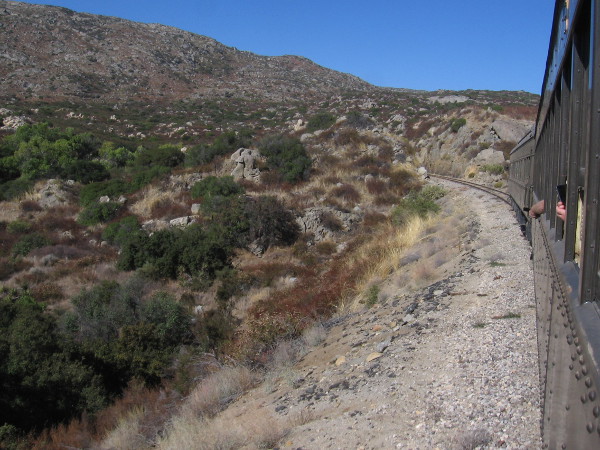
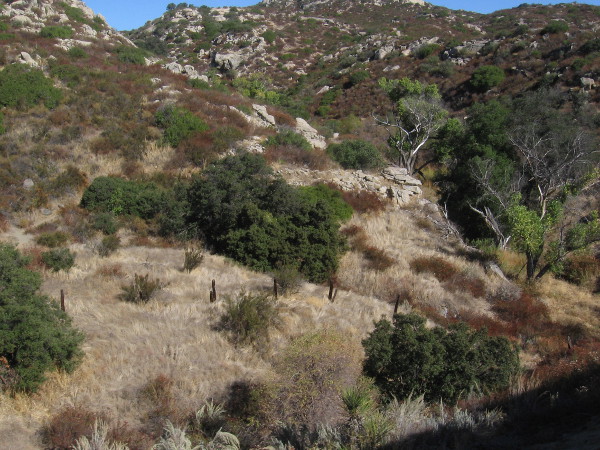
I took photos as I rode the route of the Golden State west several miles through rocky terrain. The San Diego & Arizona Railway, founded by San Diego entrepreneur and philanthropist John D. Spreckels, earned the name of The Impossible Railroad because of the logistical difficulty of routing a train through this very rugged countryside.
The train’s cars were all packed on this special day, and we were rolling past other old locomotives and railroad cars belonging to the Pacific Southwest Railway Museum before the conductor came down the aisle to collect our round-trip tickets. As you might imagine, kids and families were super excited!
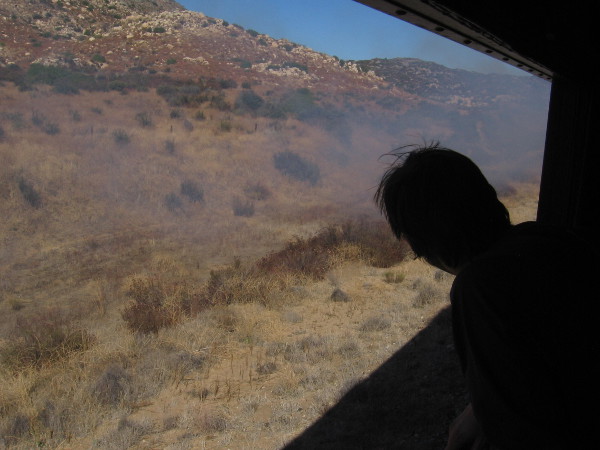
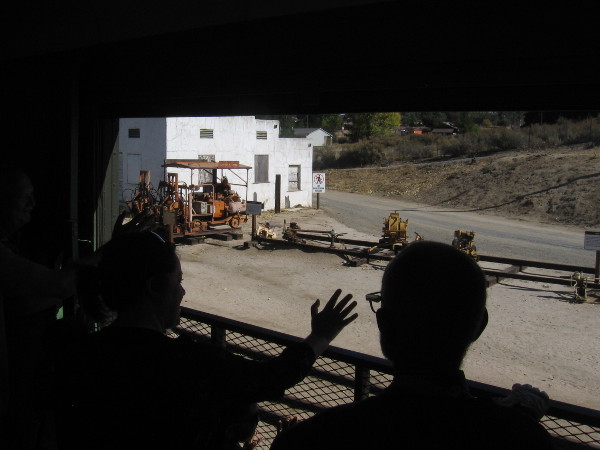
On the way out, I sat in one of the seats on the south side of a coach car. Because my long legs were a bit cramped, and I wanted to see the countryside to the north, I went to the observation car during the return trip. You can see some smoke coming from the diesel locomotive in a couple of my photographs.
Too soon we were once again passing the Gaskill Brothers Stone Store Museum (the distinctive building you see in one photo), crossing over Highway 94, and back at the museum. We continued past the old depot and stopped near the place where the San Diego & Arizona Railway centennial gold spike ceremony would be staged. (I’ll blog about the fantastic event in my next post!)
Should you ever visit the Pacific Southwest Railway Museum in Campo, make sure to enjoy a cool train ride!
…
I live in downtown San Diego and love to walk around with my camera! You can follow Cool San Diego Sights via Facebook or Twitter!
You can easily explore Cool San Diego Sights by using the search box on my blog’s sidebar. Or click a tag! There are thousands upon thousands of photos for you to enjoy!
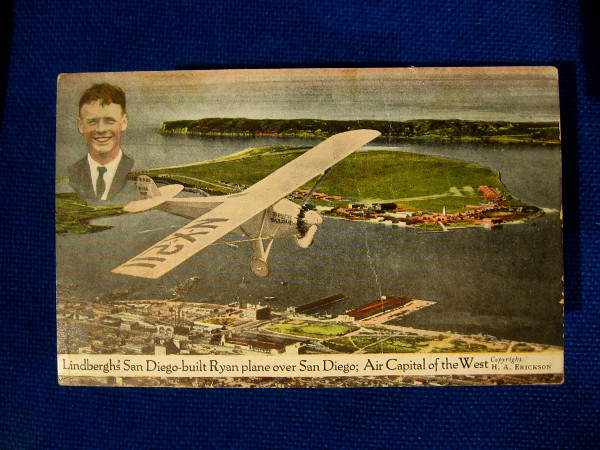
Original vintage postcard shows Lindbergh’s San Diego-built Ryan plane over San Diego; Air Capital of the West.
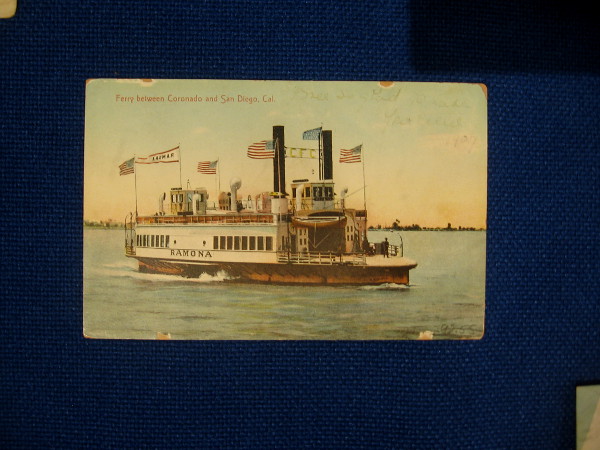
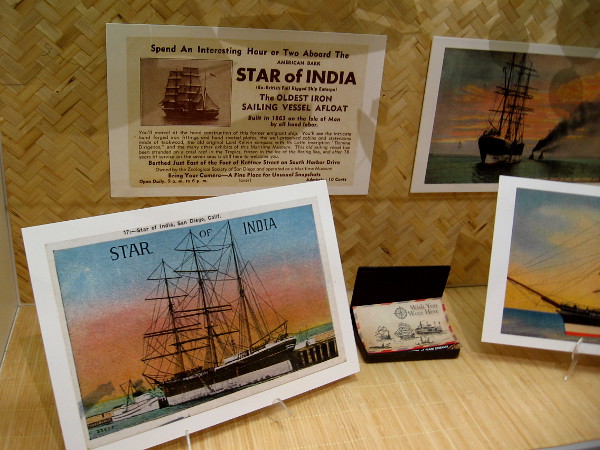
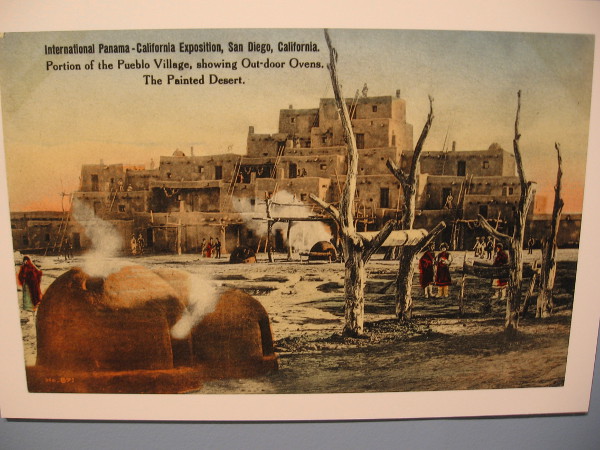
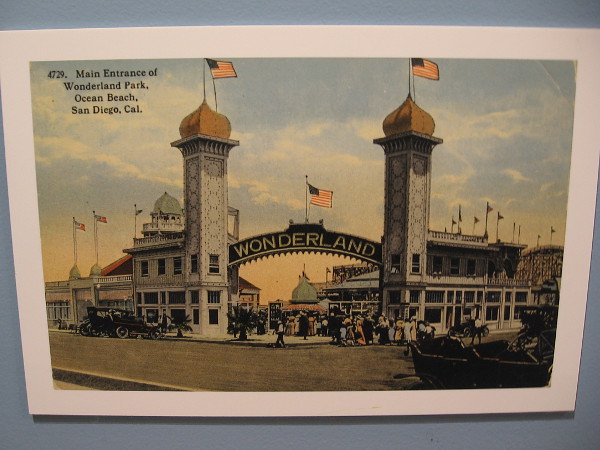
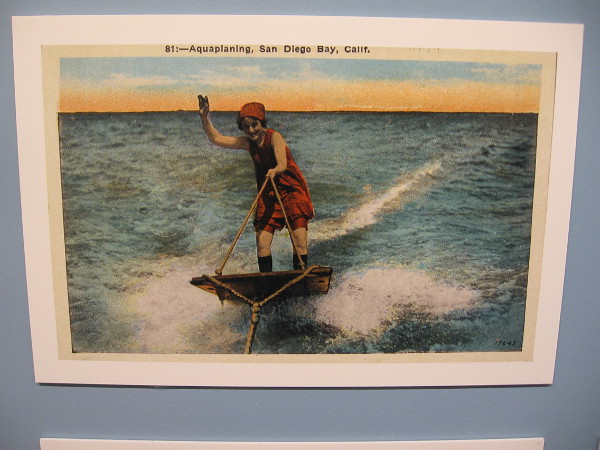
A very cool exhibition titled “Wish You Were Here” is about to officially open at the Maritime Museum of San Diego. The colorful exhibit, which I experienced this evening aboard the 1898 steam ferryboat Berkeley, features vintage postcards of San Diego from a century ago.
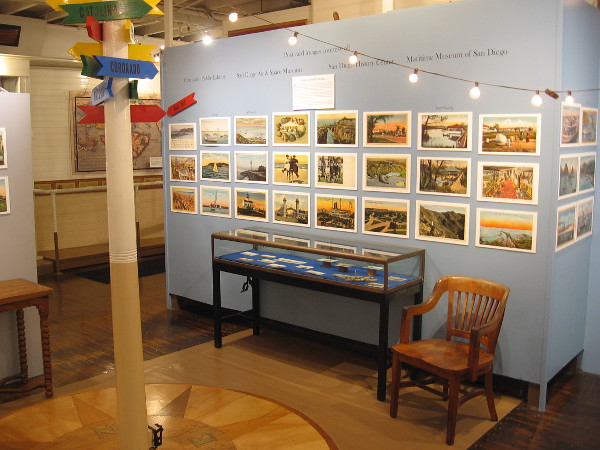
A collection of authentic original postcards is displayed in glass cases; enlarged images from dozens of fascinating old postcards cover several walls.
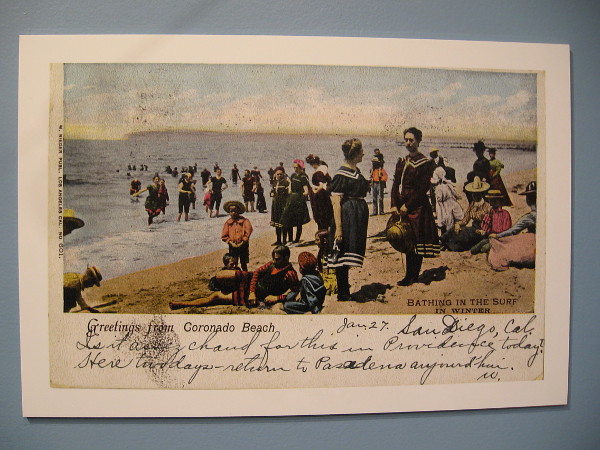
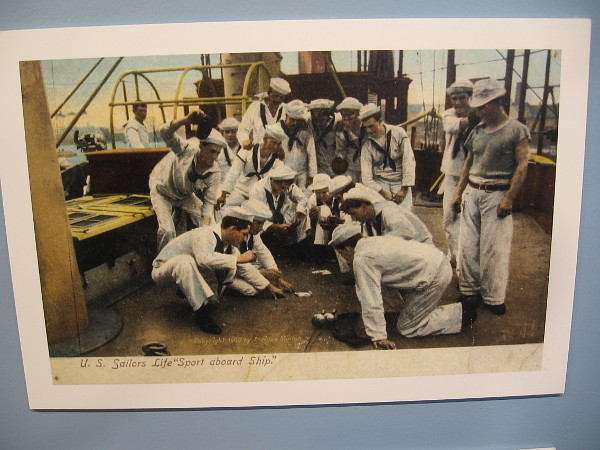
Visitors to the exhibit will see depictions of popular destinations, famous attractions, Balboa Park, beaches, downtown, Coronado, La Jolla, and all sorts of unique places around San Diego County. Many of the hand-colored postcards show what life was like in our city in the early part of the 20th century.
The images for the wall displays were obtained from the Coronado Public Library, San Diego Air and Space Museum, San Diego History Center, and the archives of the Maritime Museum.
The official opening of “Wish You Were Here” will be on Saturday, November 16, 2019. On that special day representatives of the U.S. Postal Service will be at the museum from 11 am to 3 pm. Visitors will be able to get a collectible Maritime Museum of San Diego cancellation postmark on a special commemorative postcard!
The following photos provide a small taste of this amazing exhibit…
Many historical postcards are on display for the “Wish You Were Here” exhibit at the Maritime Museum of San Diego.Original postcard shows Ferry between Coronado and San Diego.Various postcards images that promote a visit to Star of India, the oldest iron sailing vessel afloat.Diverse themes in the postcard exhibit include beach fun and sailing.Bathing in the surf in winter.U. S. Sailors Life “Sport aboard Ship.”Lake at Lakeside, near San Diego.Carriso Gorge showing track skirting mountain side in the distance, on San Diego and Arizona Railway.Ruins of San Diego Mission.Ramona’s Marriage Place (Casa de Estudillo in Old Town), and monument where American flag was first raised in Southern California.International Panama-California Exposition, San Diego. Portion of the Pueblo Village.International Boundary Line, Tijuana, Mexico.Main Entrance of Wonderland Park, Ocean Beach.Aquaplaning, San Diego Bay.
…
I live in downtown San Diego and love to walk around with my camera! You can follow Cool San Diego Sights via Facebook or Twitter!
You can easily explore Cool San Diego Sights by using the search box on my blog’s sidebar. Or click a tag! There are thousands upon thousands of photos for you to enjoy!
































































 Cool San Diego Sights!