Street art and a little history in Linda Vista.

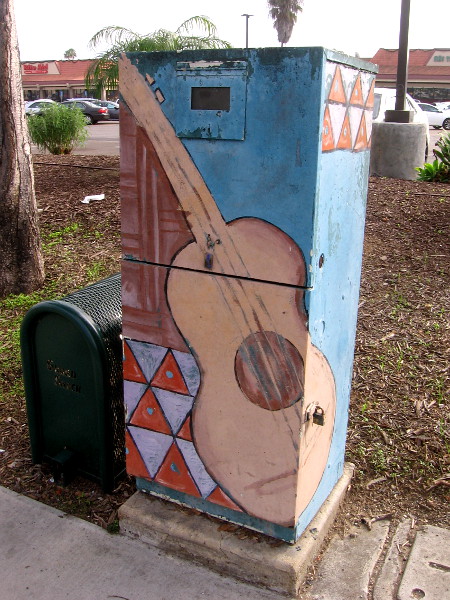
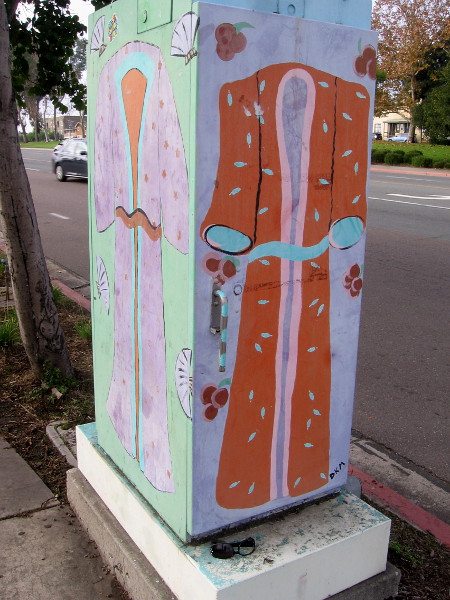
I walked through Linda Vista yesterday, up Linda Vista Road from Comstock Street to Genesee Avenue. I discovered great examples of street art and some fascinating local history!

Linda Vista is an old San Diego neighborhood whose origin is tied to World War II. According to Wikipedia: “Many of the homes in Linda Vista were built in 1940-41 as part of a government project to house aircraft workers for the war effort. A construction project that was assisted by Reuben H. Fleet beginning in October 1941 resulted in 3,001 houses built within 200 days.”

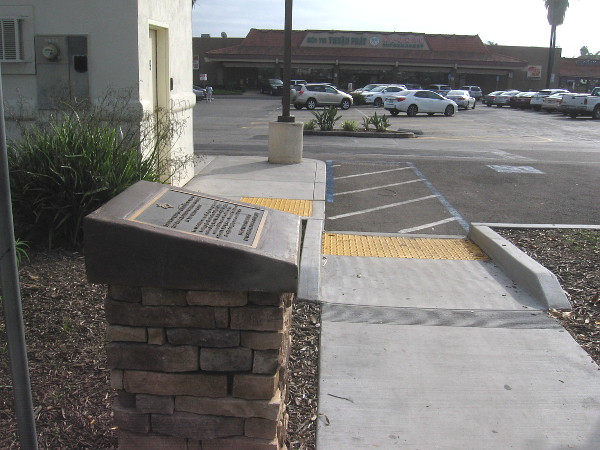
One of the first shopping malls ever built in the United States was built in this community. As I walked up Linda Vista Road past the Sieu Thi Thuan Phat Supermarket, I came upon a bronze plaque that describes that history.

Today, as you can see from my photographs, many who live in Linda Vista have an Asian heritage.
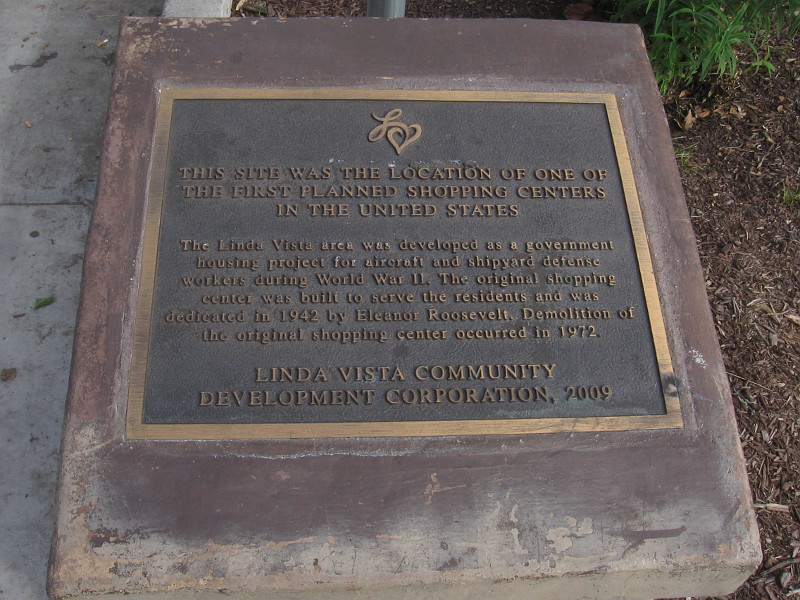
The plaque reads:

THIS SITE WAS THE LOCATION OF ONE OF
THE FIRST PLANNED SHOPPING CENTERS
IN THE UNITED STATES

The Linda Vista area was developed as a government
housing project for aircraft and shipyard defense
workers during World War II. The original shopping
center was built to serve the residents and was
dedicated in 1942 by Eleanor Roosevelt. Demolition of
the original shopping center occurred in 1972.

LINDA VISTA COMMUNITY
DEVELOPMENT CORPORATION, 2009
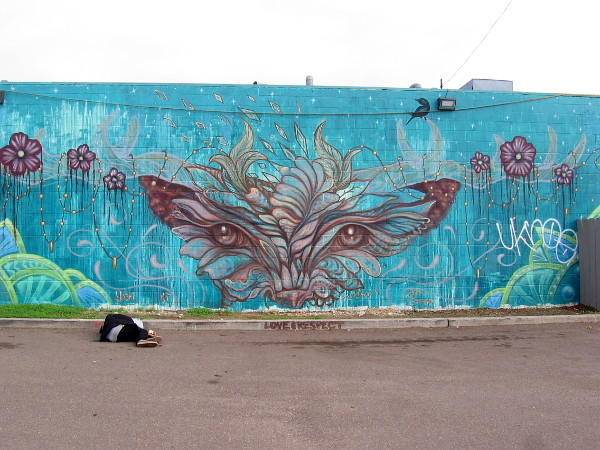
Above is the photo of a beautiful mural by local artist Gloria Muriel, spray painted on the wall of Hot Wash Coin Laundry. Love and Respect.

There’s a tragic phenomenon in the large cities of California that I rarely photograph. In Linda Vista, as in most of San Diego, drugs and homelessness are now encountered everywhere one walks.

A heartbreaking photo.

To see what I see during my walks, follow Cool San Diego Sights via Facebook or Twitter.
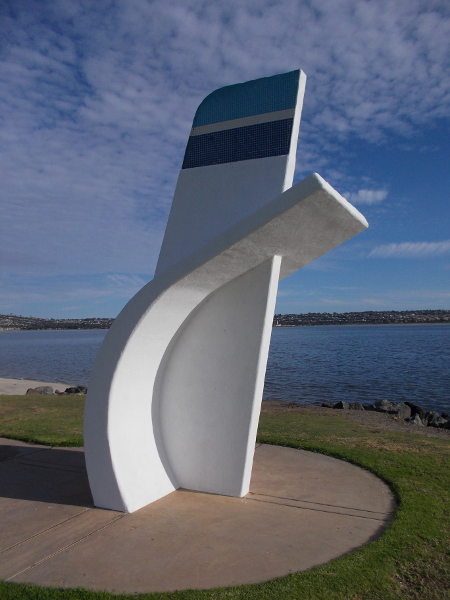
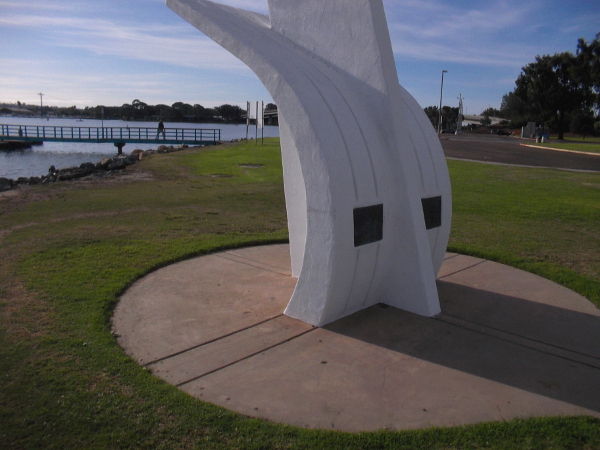
Photos of Bill Muncey Memorial and plaques.

The Bill Muncey Memorial stands on Mission Bay’s beautiful Vacation Isle, on a grassy spot just north of the Ski Beach boat launch ramp. It rises above the nearby blue water like a wing flying through the sky.

Bill Muncey is a legend in hydroplane racing. He is considered by many to be the greatest hydroplane racer in history. The gracefully curving memorial honors his contributions to the sport, and the creation of a 2.5-mile oval hydroplane racecourse in San Diego’s Mission Bay.

The memorial contains two bronze plaques. The first reads:

BILL MUNCEY UNLIMITED HYDROPLANE COURSE
PRESENTED TO THE PEOPLE OF SAN DIEGO
BY THUNDERBOATS UNLIMITED IN THE
MEMORY OF BILL MUNCEY, WORLD CHAMPION.
62 CAREER VICTORIES
4 WORLD CHAMPIONSHIPS
7 NATIONAL CHAMPIONSHIPS
8 GOLD CUP WINS

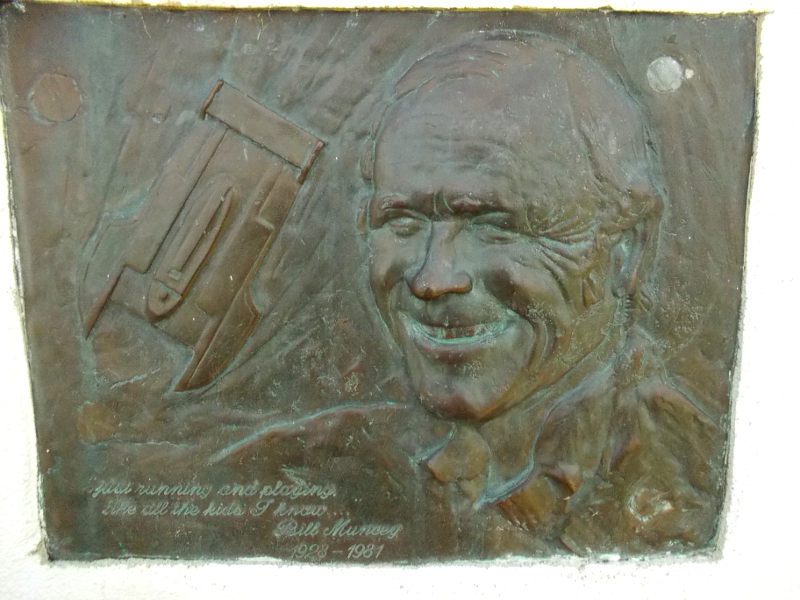
The second plaque, which depicts the smiling face of Bill Muncey, reads:

“just running and playing like all the kids I know…”
Bill Muncey 1928-1981

There is a third plaque on a nearby park bench that remembers Bernie Little, legendary owner of the famous Miss Budweiser team. It reads:

IN MEMORY OF
Bernie Little
1925-2003
“The King of Boats”
THE WINNINGEST UNLIMITED HYDROPLANE OWNER IN HISTORY
134 UNLIMITED HYDROPLANE RACES
14 APBA GOLD CUPS
22 NATIONAL CHAMPIONSHIPS
“IF YOU AREN’T TRYING TO WIN…WHY WOULD YOU RACE?”

To learn more about Bill Muncey and the Bill Muncey Unlimited Hydroplane Course on Mission Bay, visit the San Diego Bayfair’s history web page here.

This blog now features thousands of photos around San Diego! Are you curious? There’s lots of cool stuff to check out!

Here’s the Cool San Diego Sights main page, where you can read the most current blog posts.  If you’re using a phone or small mobile device, click those three parallel lines up at the top–that opens up my website’s sidebar, where you’ll see the most popular posts, a search box, and more!

To enjoy future posts, you can also “like” Cool San Diego Sights on Facebook or follow me on Twitter.

Flagpole and historic plaque at Marston Point.

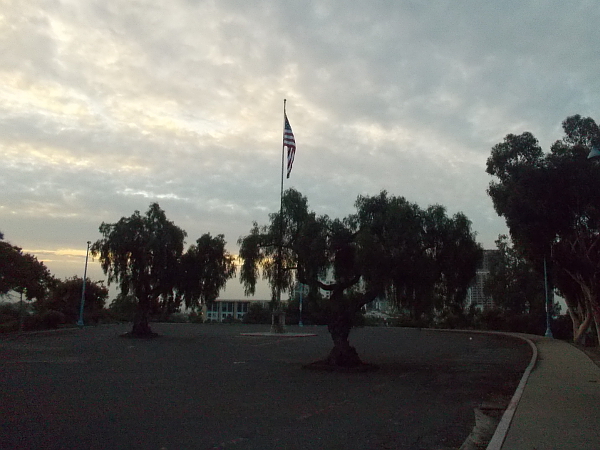
I took a walk early yesterday morning. I headed from downtown San Diego up Sixth Avenue to Marston Point, which is located in the southwest corner of Balboa Park.

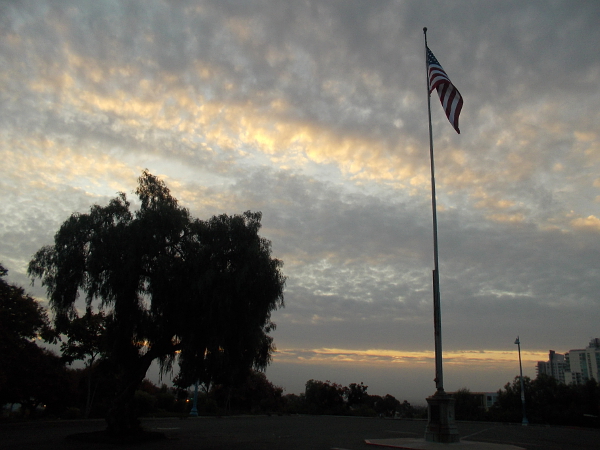
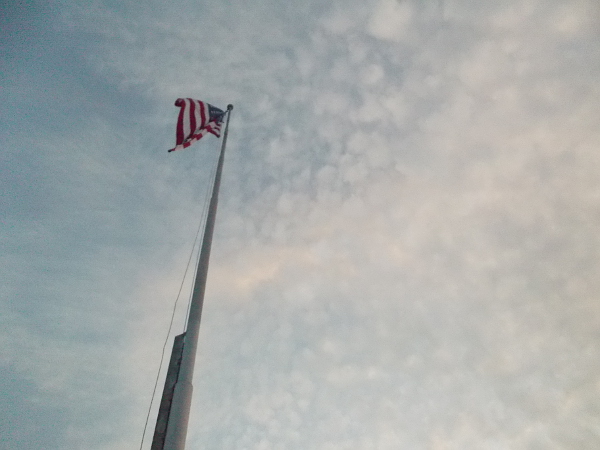
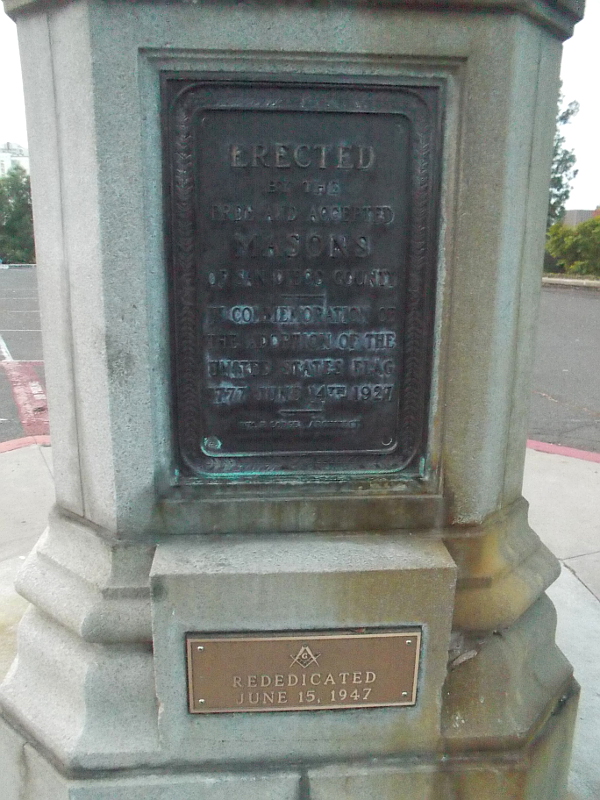
Near the south end of Marston Point, a flag flies at the center of a parking lot that overlooks the city. At the base of the 80-foot flagpole there’s an historic plaque. It reads:

ERECTED
BY THE
FREE AND ACCEPTED
MASONS
OF SAN DIEGO COUNTY

IN COMMEMORATION OF
THE ADOPTION OF THE
UNITED STATES FLAG
1777 JUNE 14TH 1927

A second, smaller plaque reads:

REDEDICATED
JUNE 15, 1947

According to what I found on the San Diego History Center website here, the Masons’ flagpole dedication was celebrated with a big parade.

Today the flag remains a landmark seen by thousands every day.

Early yesterday morning, as I arrived at the flagpole and empty parking lot, the rising sun was coloring beautiful clouds.

This blog now features thousands of photos around San Diego! Are you curious? There’s lots of cool stuff to check out!

Here’s the Cool San Diego Sights main page, where you can read the most current blog posts.  If you’re using a phone or small mobile device, click those three parallel lines up at the top–that opens up my website’s sidebar, where you’ll see the most popular posts, a search box, and more!

To enjoy future posts, you can also “like” Cool San Diego Sights on Facebook or follow me on Twitter.
Photos of San Diego and Arizona Railway centennial!

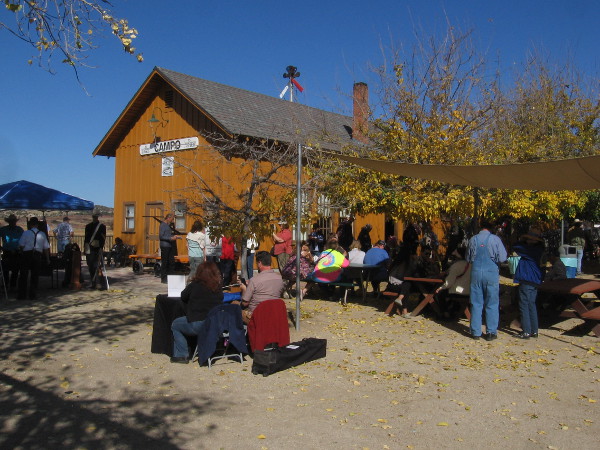
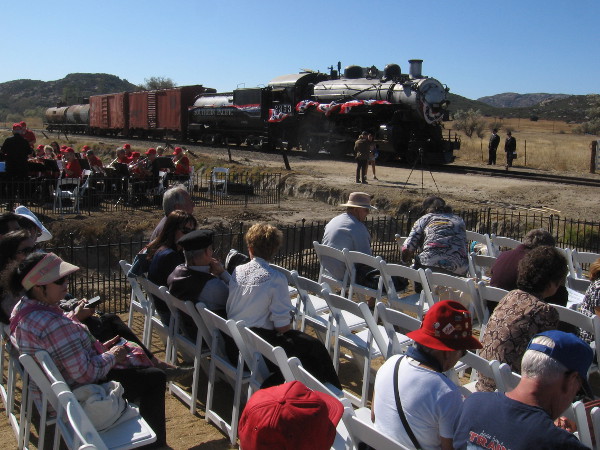
People gather for the 100th Anniversary celebration of the San Diego and Arizona Railway at the Pacific Southwest Railway Museum in Campo.

Yesterday I attended an extraordinary event. The 100th Anniversary of the San Diego and Arizona Railway was celebrated at the Pacific Southwest Railway Museum in Campo!

Hundreds came out to the museum to enjoy special attractions, historical displays and old-time entertainment. Almost everybody rode an excursion train through the nearby countryside (you can see photos of the ride here) before gathering for lunch and a gold spike ceremony that reenacted much of the original ceremony a century ago.

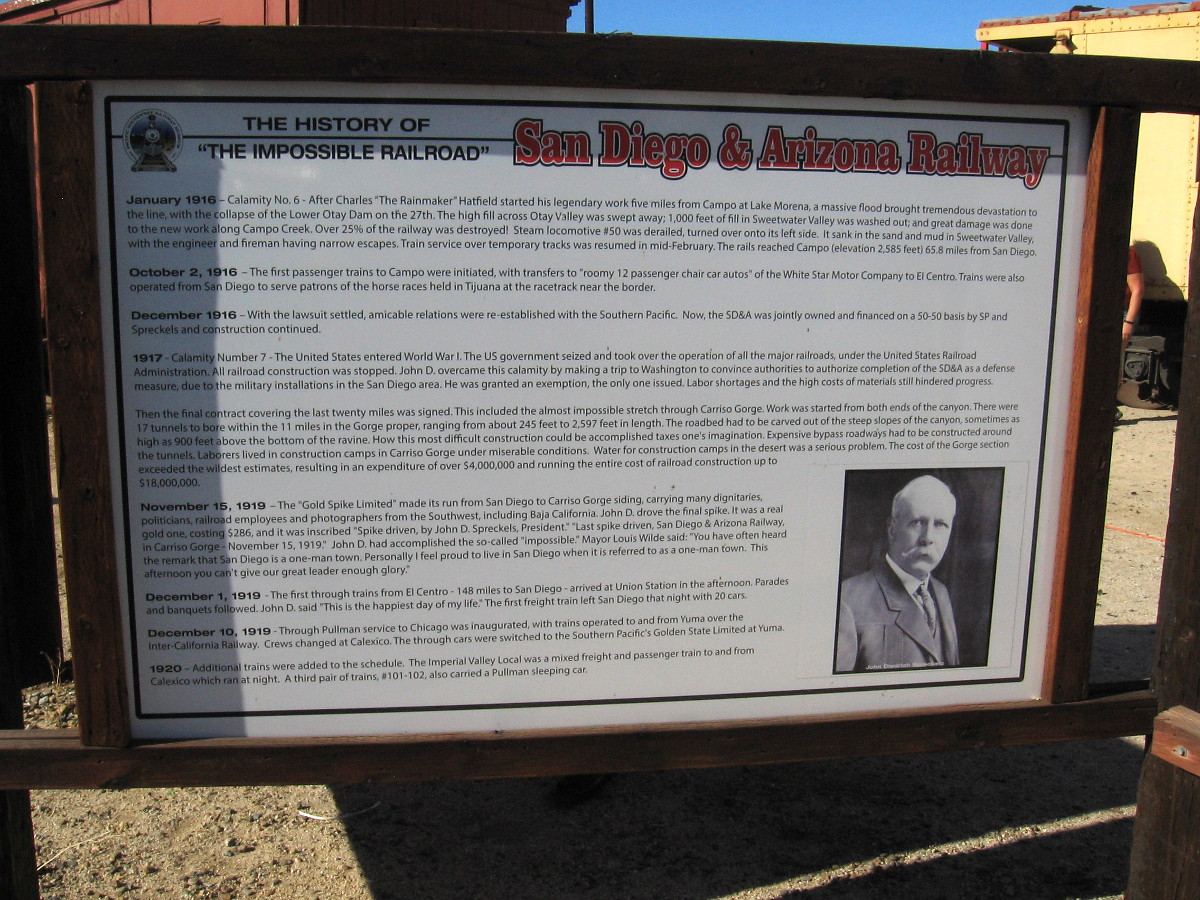
Please enjoy the following photographs. Read the captions if you’d like to learn a little more about the history of the San Diego and Arizona Railway. (Click the images of signs and they’ll enlarge for easier reading.)

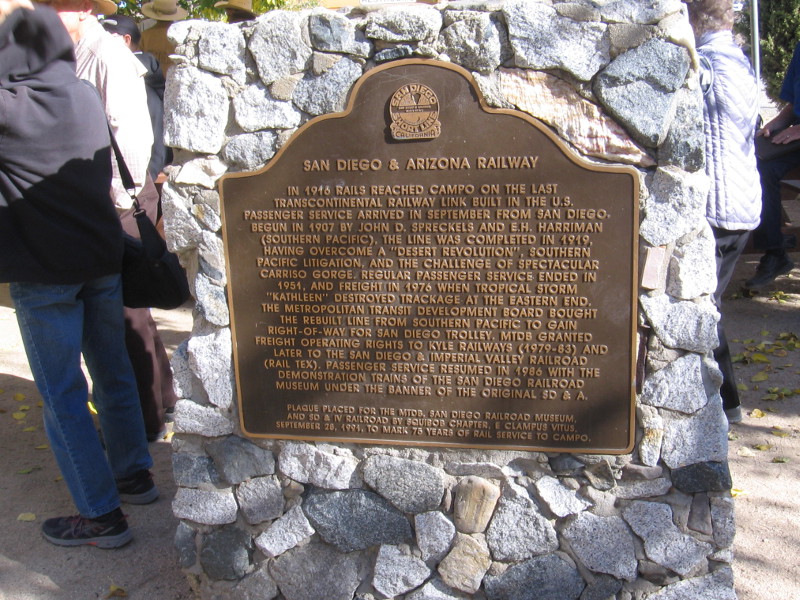
Many signs, plaques and historical markers can be found throughout the railroad museum's grounds.
Many signs, plaques and historical markers can be found throughout the Pacific Southwest Railway Museum’s grounds.
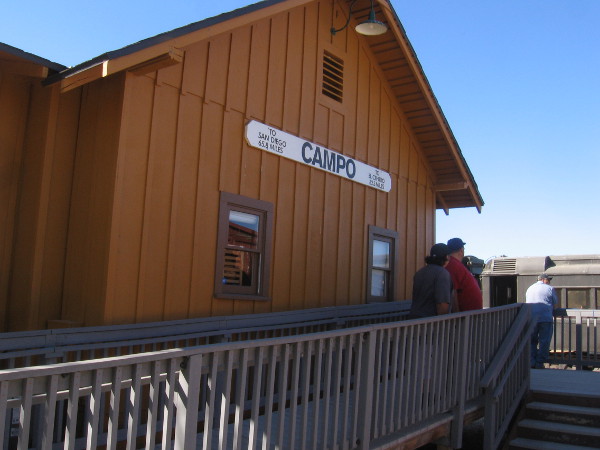
In 1916 rails reached Campo on the last transcontinental railway link built in the United States. The line was completed in 1919. The line was eventually purchased by MTS to gain right-of-way for the San Diego Trolley in the city of San Diego.
Visitors wait in line at the old Campo depot to pick up tickets for a train ride during the centennial event.
Visitors wait in line at the museum’s old Campo depot to pick up tickets for a train ride during the centennial event.
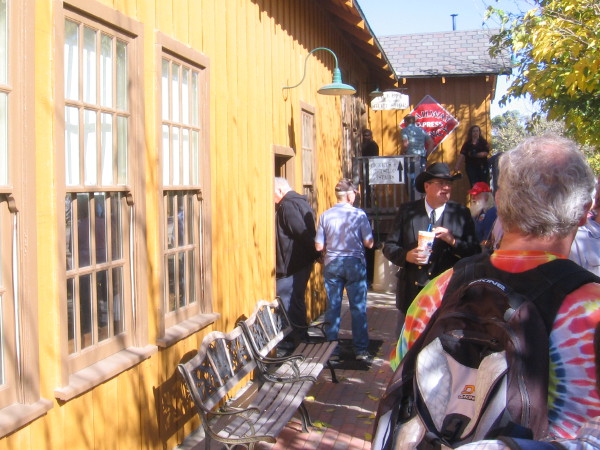
Heading around the old Campo depot toward the passenger platform.
Heading around the Campo depot toward the passenger platform.
Gazing out at a few of the many old rail cars owned by the Pacific Southwest Railway Museum.
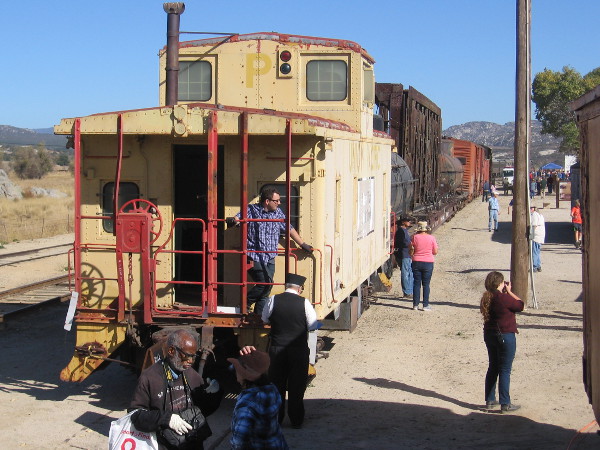
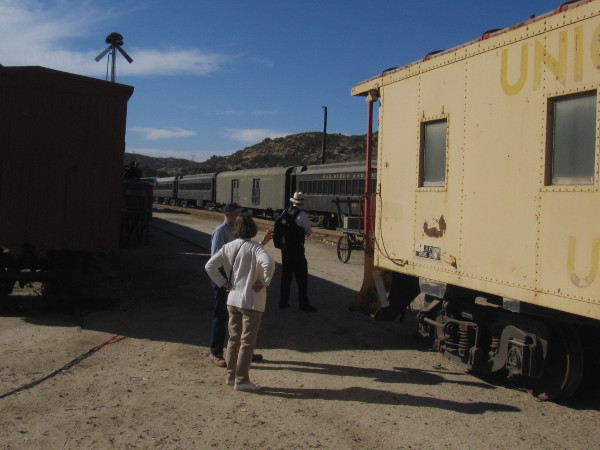
Visitors check out a caboose and more railroad cars to one side of the historic Campo train depot.
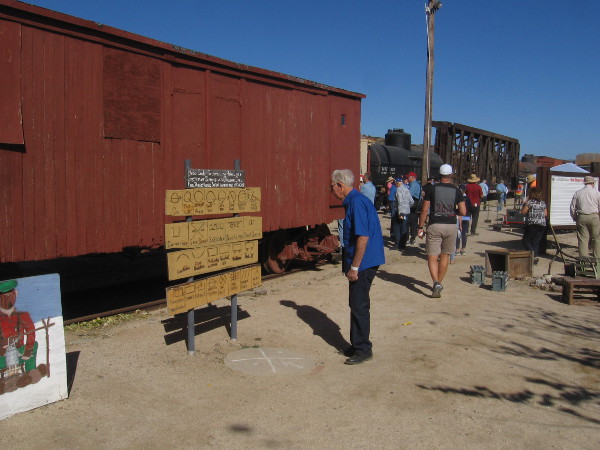
A simulated hobo camp and interesting sign attract the attention of one gentleman.
Hobo code used symbols made with chalk or coal to provide directions and warnings to other hobos.
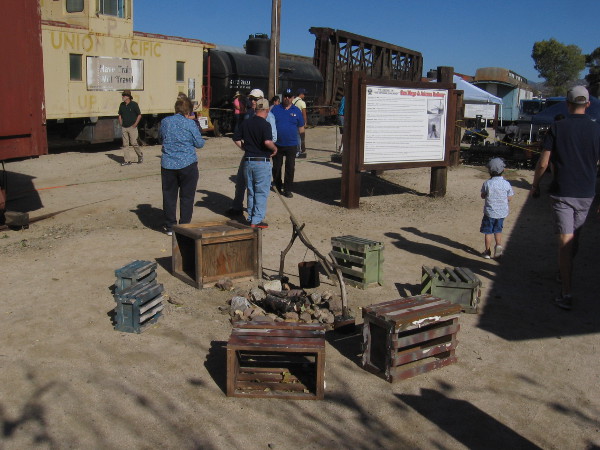
A recreated hobo encampment with campfire.
On December 14, 1906 John D. Spreckels, with his brother Adolph, announced his intent to construct a railroad from San Diego to Yuma, Arizona.
On October 2, 1916 the first passenger trains to Campo were initiated. On November 15, 1919 the Gold Spike Limited brought dignitaries to Carriso Gorge siding. The Impossible Railroad was completed!
On February 5, 1950 the first diesel-electric locomotive pulled a freight train over the mountains, in place of a steam locomotive.
Checking out history at the Pacific Southwest Railway Museum, with its extensive collection of railroad rolling stock.
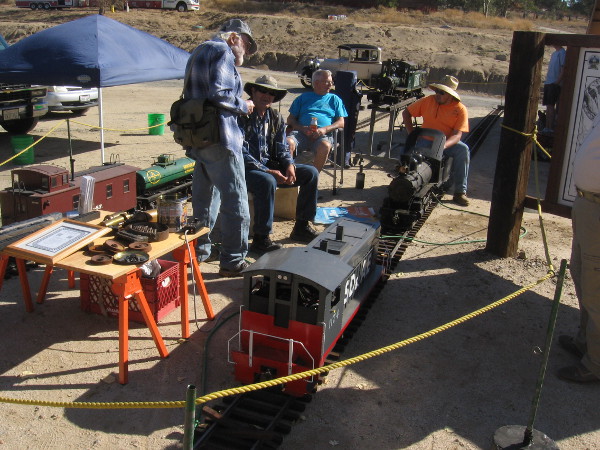
The Chula Vista Live Steamers were present for the event. They brought some of their 7.5 inch gauge operating steam trains.
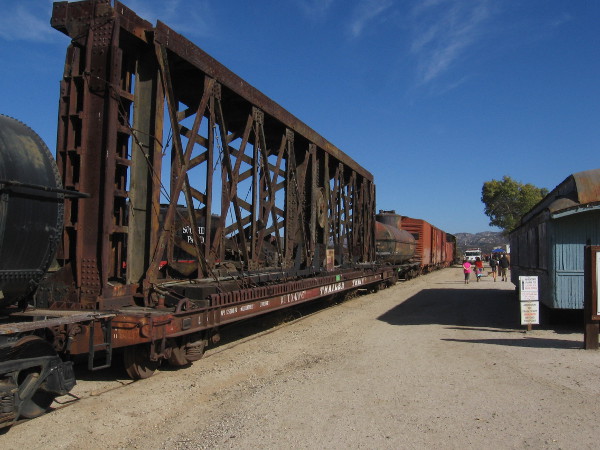
On top of one flatcar is a huge turntable that was used for turning railroad locomotives and cars.
On top of one flatcar is a huge turntable that was once used for turning railroad locomotives and cars.
A cool photo of a nearby Southern Pacific locomotive through the transported turntable.
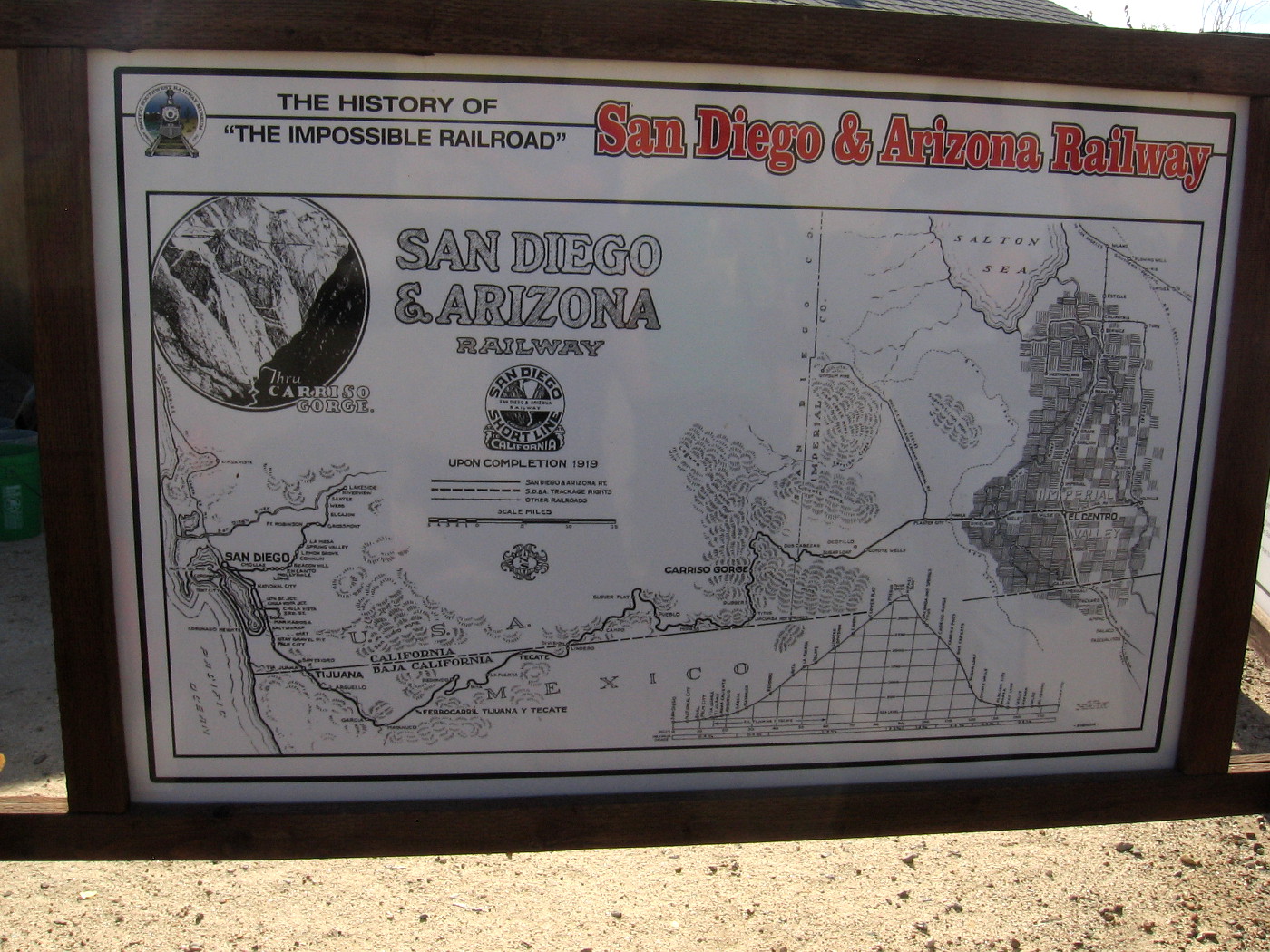
A sign maps the route of the San Diego and Arizona Railway from San Diego through Mexico to El Centro.
A sign maps the route of the San Diego and Arizona Railway from San Diego through Mexico to El Centro. There are plans to use this line for freight trains once again. There is also talk that a tourist train might in the future run between Tecate, Mexico and Campo, California.
A sign describes two wooden passenger coaches built in the late 19th century. Coach 239 is one of the oldest surviving railroad passenger car artifacts in the West.
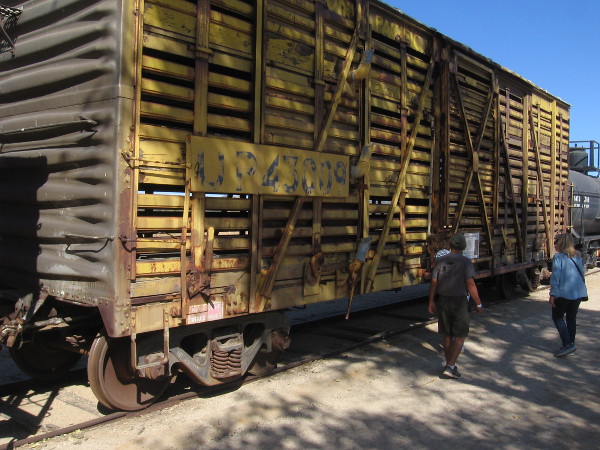
Visitors check out an enormous old freight car.
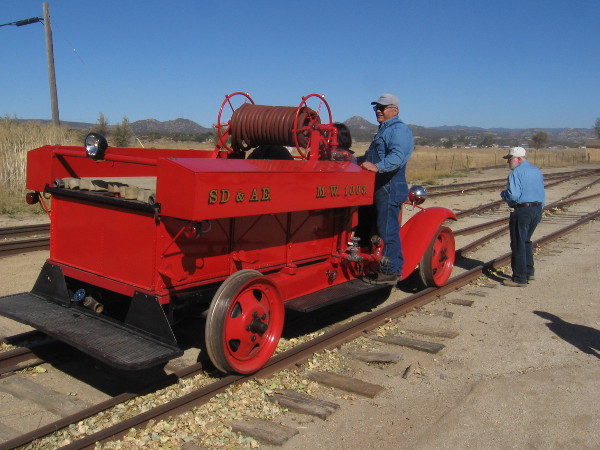
Here comes the San Diego & Arizona Eastern MW 1003 1931 Ford Model AA Rail Fire Engine.
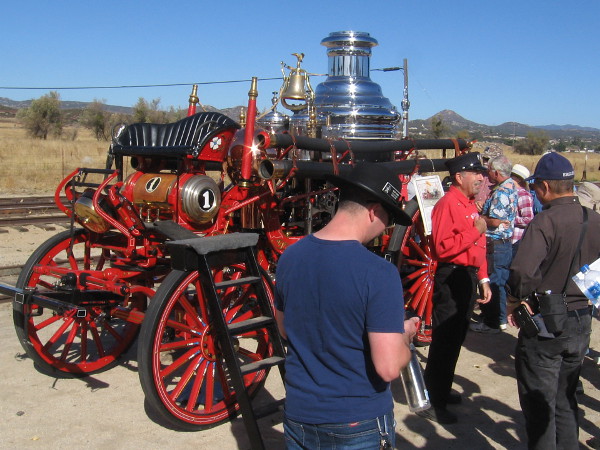
Visitors to the event check out a working 1902 American steam fire engine.
The American was built in 1902 by the American Fire Engine Company. It was restored with the help of the California State Firefighters' Association, and is now valued at over half a million dollars.
The American was built in 1902 by the American Fire Engine Company. It was restored with the help of the California State Firefighters’ Association, and is now valued at over half a million dollars!
People check out some of the railroad equipment on display on the museum grounds.
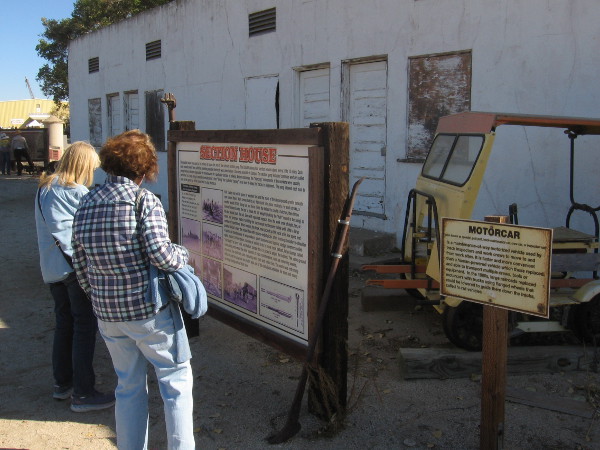
Reading a sign by the railway Section House, where railroad workers were housed along the track.
Passengers disembark from the day's first excursion train and arrive at the outdoor venue for the gold spike event, near the museum's Display Building.
Passengers disembark from the day’s first excursion train and arrive at the outdoor venue for the gold spike event, near the museum’s Display Building.
A hay ride pulls up to the Display Building area.
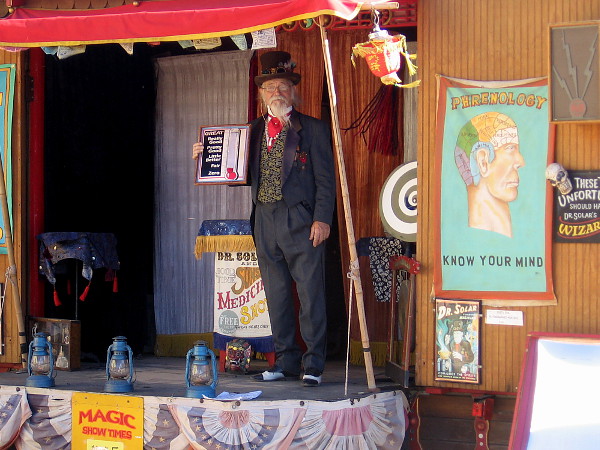
Dr. Solar was entertaining kids with his magical Good-Time, Sunshine, Traveling Medicine Show.
Dr. Solar holds his applause meter.
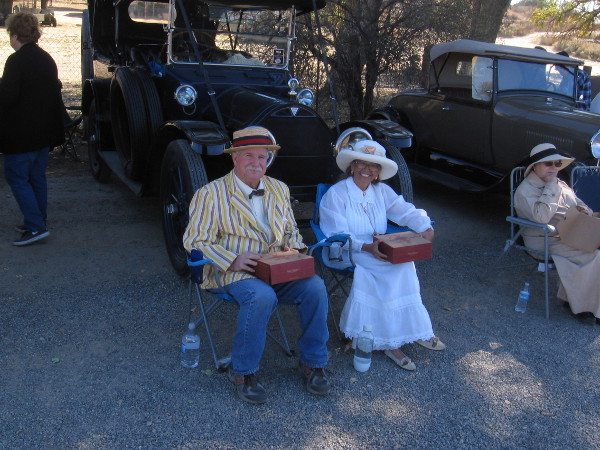
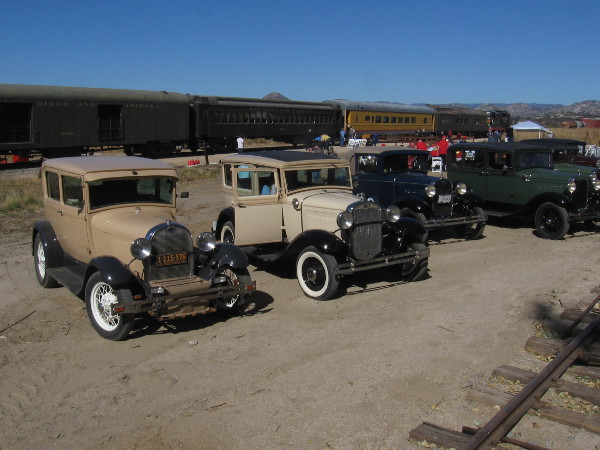
Vintage auto enthusiasts brought their Model A and Model T Fords and Horseless Carriages.
Some cool period costumes!
Some fancy period costumes!
Vintage automobiles and vintage trains!
People were lined up for lunch near some of the Pacific Southwest Railway Museum's many outdoor railroad cars.
People were lined up for lunch near some of the Pacific Southwest Railway Museum’s many outdoor railroad cars.
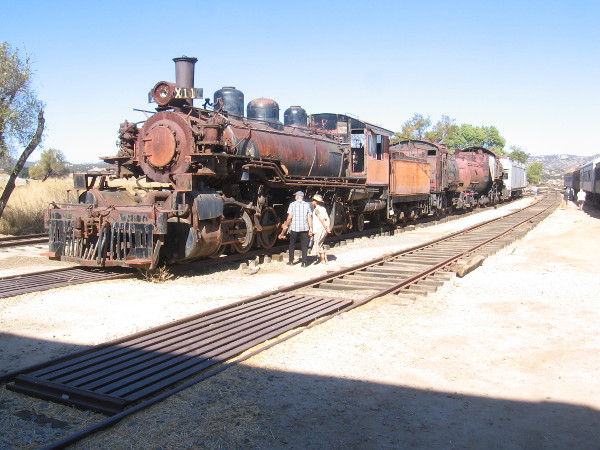
Checking out a very cool old steam locomotive!
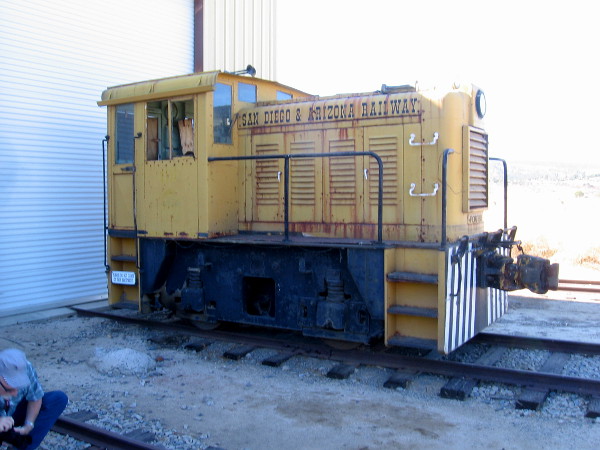
A little switch engine of the San Diego and Arizona Railway.
The 100th Anniversary gold spike ceremony is about to begin. A train with red, white and blue bunting on the nearby track will be part of the historical reenactment.
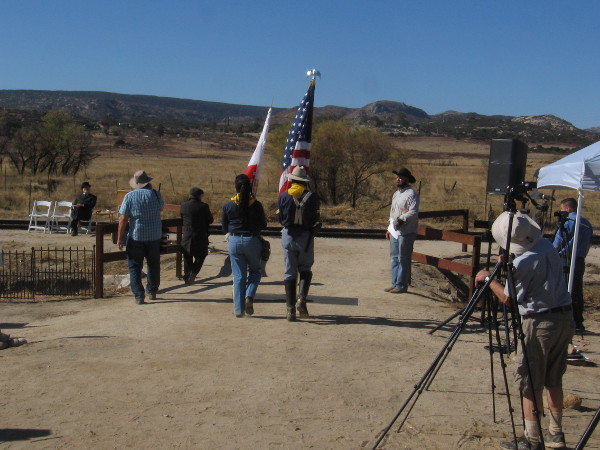
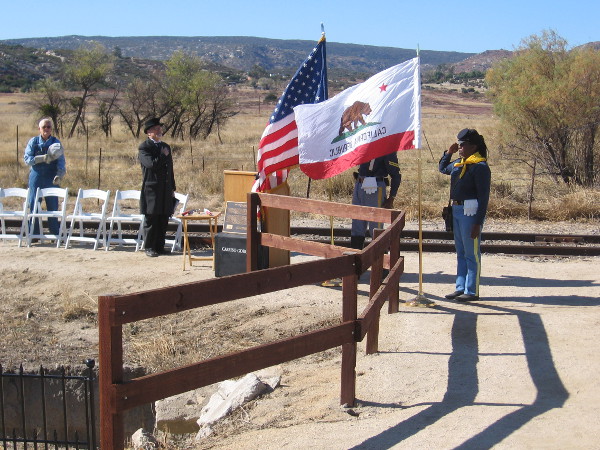
Buffalo Soldiers representing nearby Camp Lockett are the event's color guard.
Buffalo Soldiers representing nearby Camp Lockett are the event’s color guard.
The gold spike ceremony begins.
Standing for the National Anthem.
The master of ceremonies would introduce numerous present-day dignitaries, and many speeches would follow.
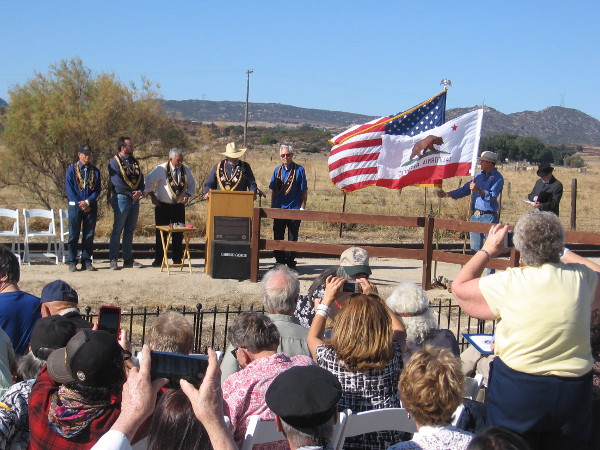
Native Sons of the Golden West dedicate a plaque celebrating the 100th anniversary of the San Diego and Arizona Railway's completion.
Native Sons of the Golden West dedicate a plaque celebrating the 100th anniversary of the San Diego and Arizona Railway’s completion.
Descendants of John D. Spreckels are asked to stand by Diana Hyatt, President of the Pacific Southwest Railway Museum Association.
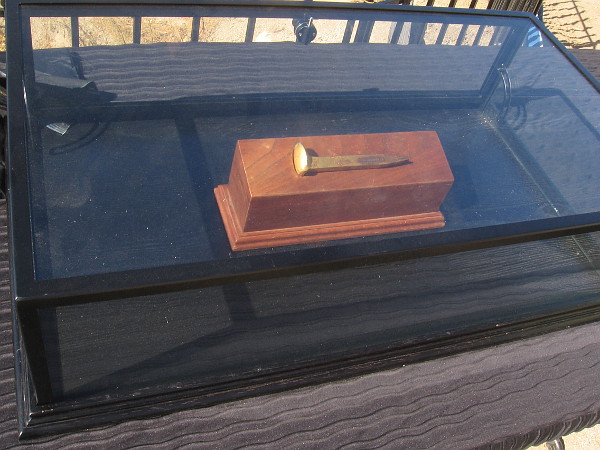
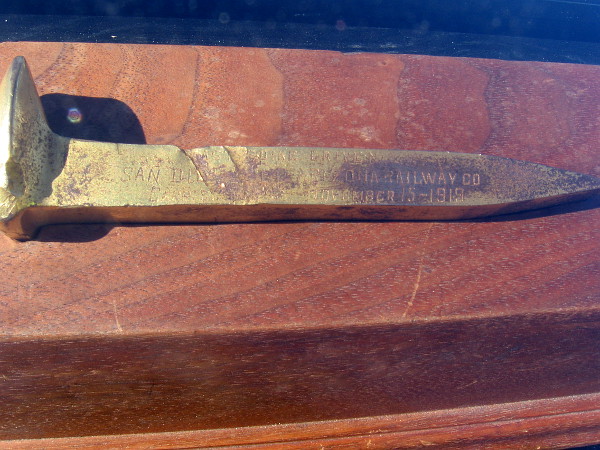
During the centennial ceremony, the original gold spike from 100 years ago was on display in a glass case nearby.
The original gold spike used to celebrate the completion of the San Diego and Arizona Railway in 1919.
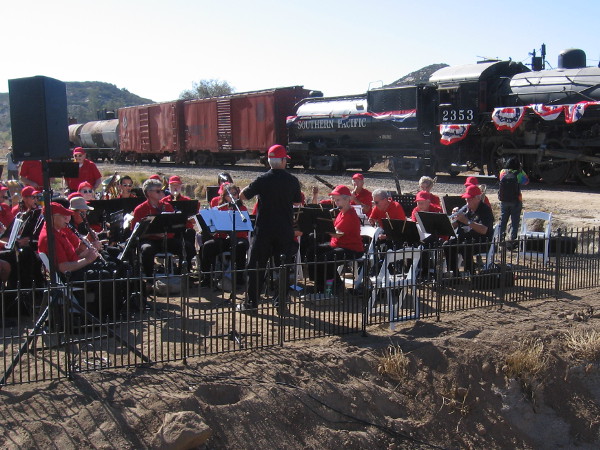
The San Diego City Guard Band plays the San Diego Progress March, written for the railway's completion 100 years ago and performed then by the 1919 version of the City Guard Band.
The San Diego City Guard Band plays the San Diego Progress March, written for the railway’s completion 100 years ago and performed then by the 1919 version of the City Guard Band.
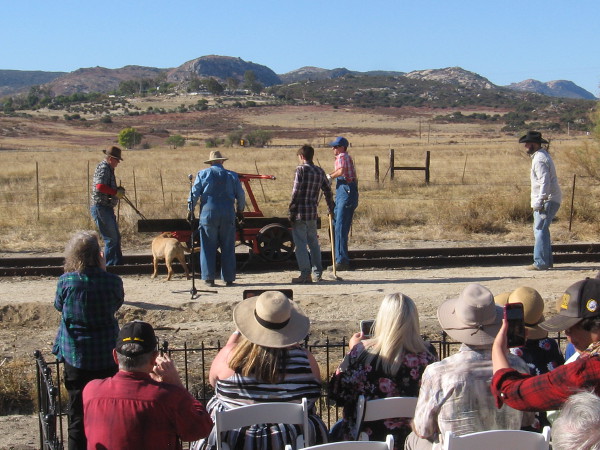
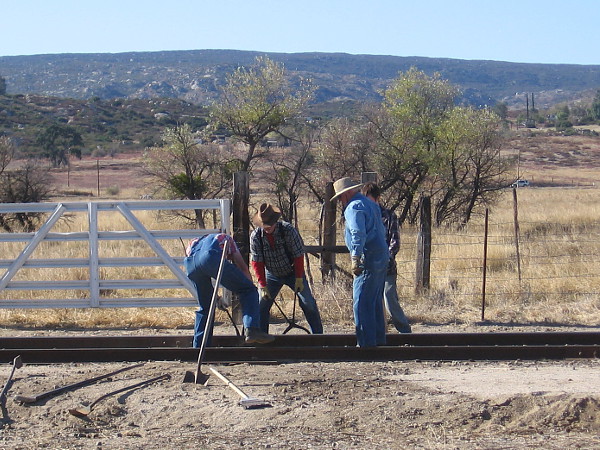
The gold spike reenactment begins. Railroad workers arrive by handcar.
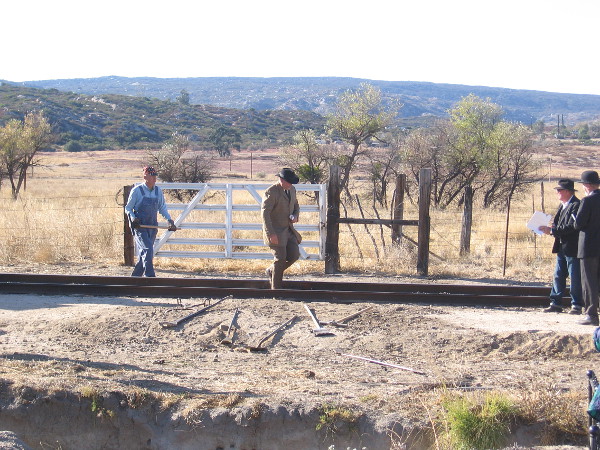
The railroad workers carry the last section of track to be laid.
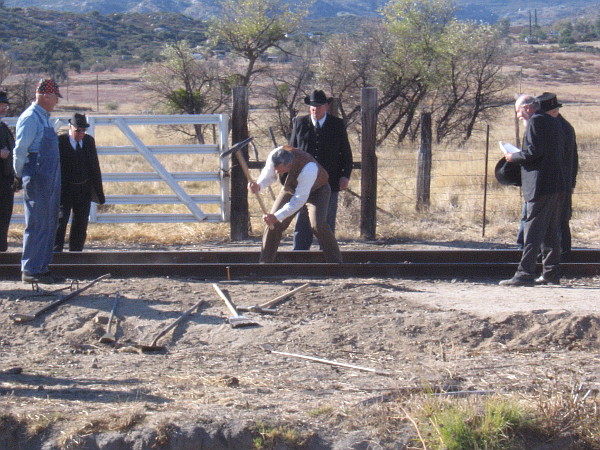
Reenactment of workers completing a transcontinental railroad route.
History is remembered in Campo, California.
Railroad history comes to life in Campo, California.
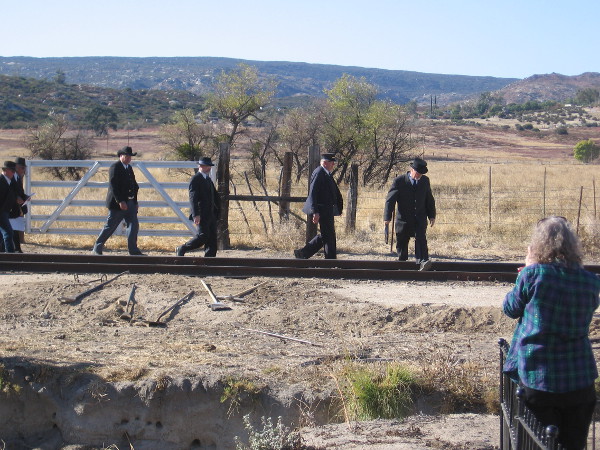
Here come dignitaries from 1919, including San Diego Mayor Wilde and William Kettner.
Politicians and dignitaries from a century ago seem to return to life during the San Diego and Arizona Railway centennial.
Politicians and dignitaries from a century ago seem to return to life during the San Diego and Arizona Railway centennial. Each would read from the original speeches.
Photographers record history from one side of the gold spike reenactment.
Photographers record today’s history from one side of the gold spike reenactment.
John D. Spreckels arrives from the Gold Spike Limited train.
The shiny gold spike is put into place.
John D. Spreckels, creator of the San Diego and Arizona Railway, hammers the final spike.
Those attending the big centennial celebration assemble around the John D. Spreckels reenactor for a photograph.
History is made again on a sunny November day in 2019.

I live in downtown San Diego and love to walk around with my camera! You can follow Cool San Diego Sights via Facebook or Twitter!

You can easily explore Cool San Diego Sights by using the search box on my blog’s sidebar. Or click a tag! There are thousands upon thousands of photos for you to enjoy!

A walk down Solana Beach’s Coastal Rail Trail.

Sculpted tiles form beautiful mosaics that were created by artist Betsy Schulz. This is a red-tailed hawk.
Sculpted clay tiles form beautiful mosaics that were created by artist Betsy Schulz. This is a red-tailed hawk.

On Sunday I walked the length of Solana Beach’s Coastal Rail Trail, which runs along the east side of Highway 101.

I was delighted to observe all sorts of colorful public art, beautiful flowers and trees, and even some unexpected poetry!

My walk was from south to north: from Via de la Valle up to a spot just beyond Ocean Street, where the trail through Solana Beach ends.

The pathway is extremely easy and flat. I saw many families riding bikes along it, and walkers and joggers, too.

Come along with me and read the photo captions.

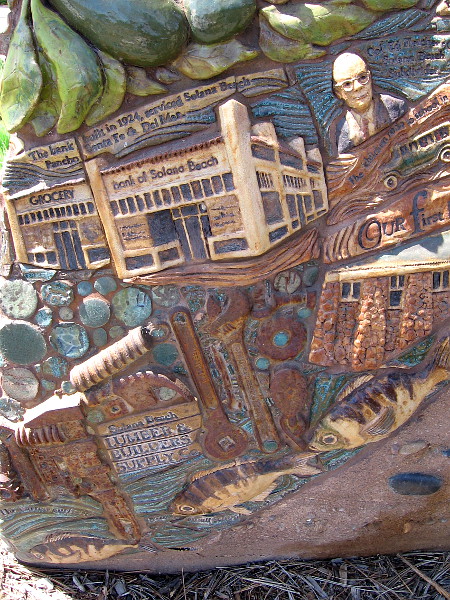
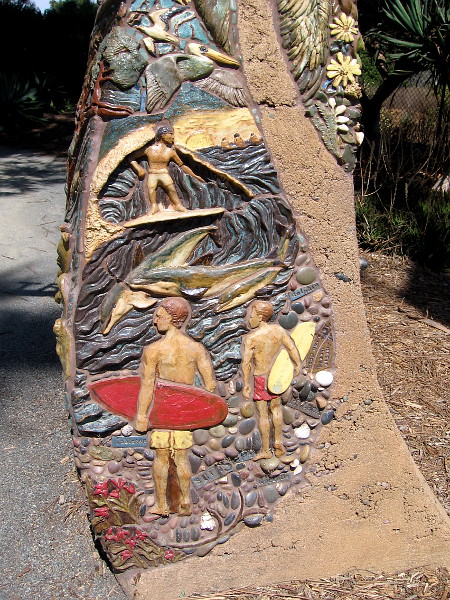
Two arches by artist Betsy Schulz welcome walkers and riders to Solana Beach's Coastal Rail Trail at Highway 101 and Via de la Valle.
Two arches by artist Betsy Schulz welcome walkers and riders to Solana Beach’s Coastal Rail Trail at Highway 101 and Via de la Valle.
Wild nature on one amazing arch.
Local history depicted on both arches includes the native Kumeyaay, who have lived in the region for thousands of years.
The arrival of Spanish missionaries is depicted.
The history of Solana Beach includes great upheavals and transformations, including the coming of the railroad.
Scenes of Solana Beach in the early 20th century.
More scenes of Solana Beach in the early 20th century.
The City of Solana Beach was incorporated in 1986.
Surfing on the timeless Pacific Ocean.

You can see more public art by Betsy Schulz by clicking here and here.

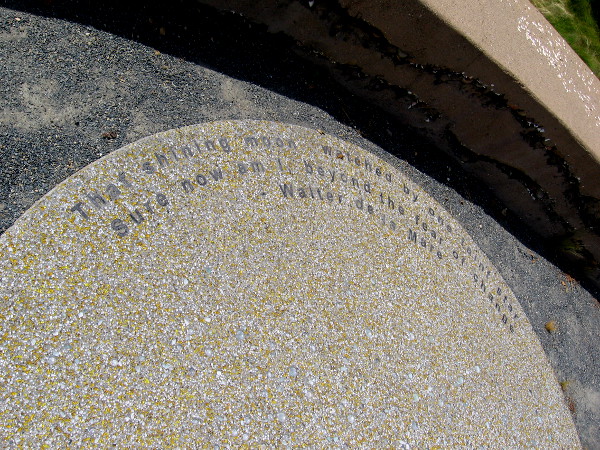
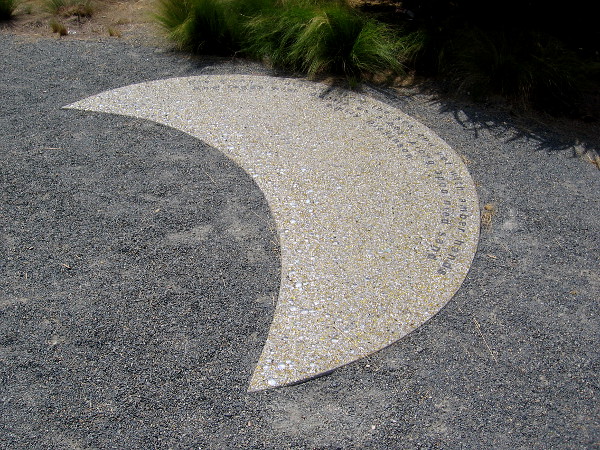
As I continued north on the Coastal Rail Trail, I noticed what appeared to be a crescent moon on the pathway, and a poem by Walter de la Mare.
As I continued north on the Coastal Rail Trail, I noticed what appeared to be a crescent moon on the pathway, with a moon poem by Walter de la Mare.
A bit farther on I found another glistening moon. This one includes a poem by Emily Dickinson.
I then came upon this colorful stained glass sunburst, standing between the pathway and nearby Highway 101!
Sunburst of Color, by artist Amber Irwin, 2005. Amber Irwin is a founding member of the Solana Beach Art Association.
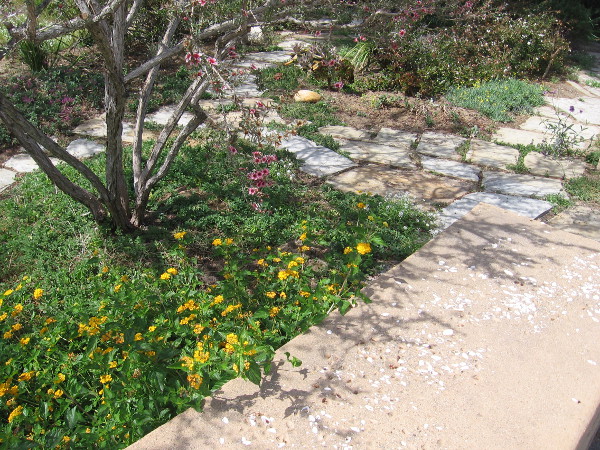
A small garden beside the Coastal Rail Trail was bright with flowers.
A small garden beside the Coastal Rail Trail was bright on a late summer day with flowers.
An electrical box with colorfully painted artwork.
An electrical box with painted artwork.
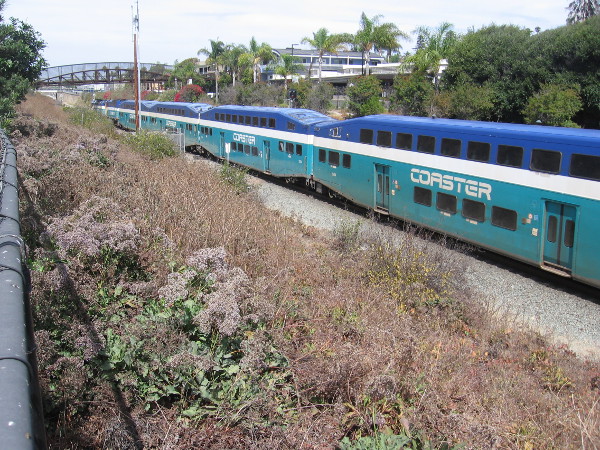
Looking over a fence, I saw a Coaster rumbling up the train tracks that run parallel to the trail.
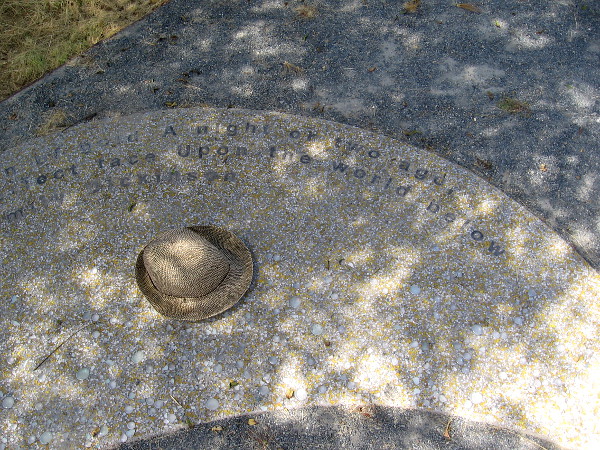
Then I stumbled upon a third crescent moon, and a mysterious hat! This poem is also by Emily Dickinson.
A water fountain near steps to the Dahlia Drive pedestrian bridge that spans the train tracks. The fountain stands above colorful mosaics.
This mosaic is a love gift from the Solana Beach Presbyterian Church.
A local youth group made these many cheerful flowers.
A local youth group made these many cheerful ceramic leaves and flowers.
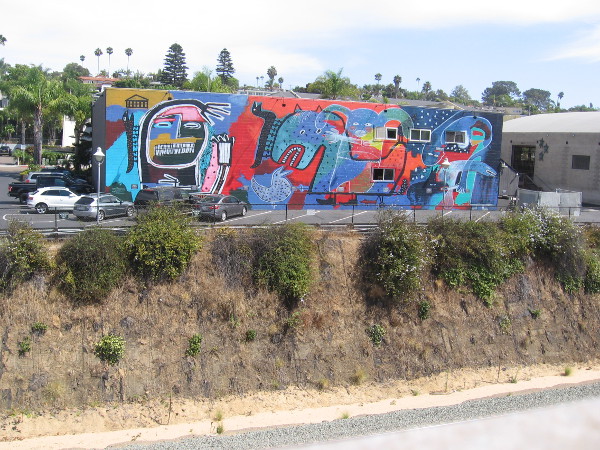
Across the train track I spotted the huge, eye-catching mural by artist Lindu Prasekti. It's called Myths at Play.
Across the train track I spotted the huge, eye-catching mural by artist Lindu Prasekti. It’s titled Myths at Play.

You can learn more about this very cool mural by clicking here.

I'm passed by bicyclists who are also heading north.
I’m passed by bicyclists who are also heading north.
Sea life mosaics decorate concrete benches at the bus stop across from the Solana Beach train station. By artist Michelle Griffoul.

You can learn more about these eleven benches and see up close images of the sea life tiles by clicking here.

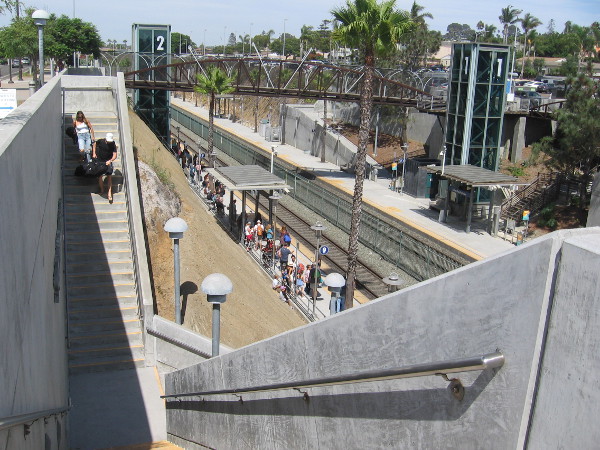
I've come to some steps leading down to the Solana Beach train station platform. Lots of passengers are waiting below.
I’ve come to some steps leading down to the Solana Beach train station platform. Lots of passengers are waiting below.
The visually interesting Solana Beach train station was designed by architect Rob Wellington Quigley, and was built in 1994.
Another photo of people on the train platform below the Coastal Rail Trail in Solana Beach.
Another photo of people on a train platform below the Coastal Rail Trail in Solana Beach.
Some more colorful art on another electrical box beside the pathway.
Red bougainvillea and the Cliff Street bridge over train tracks.
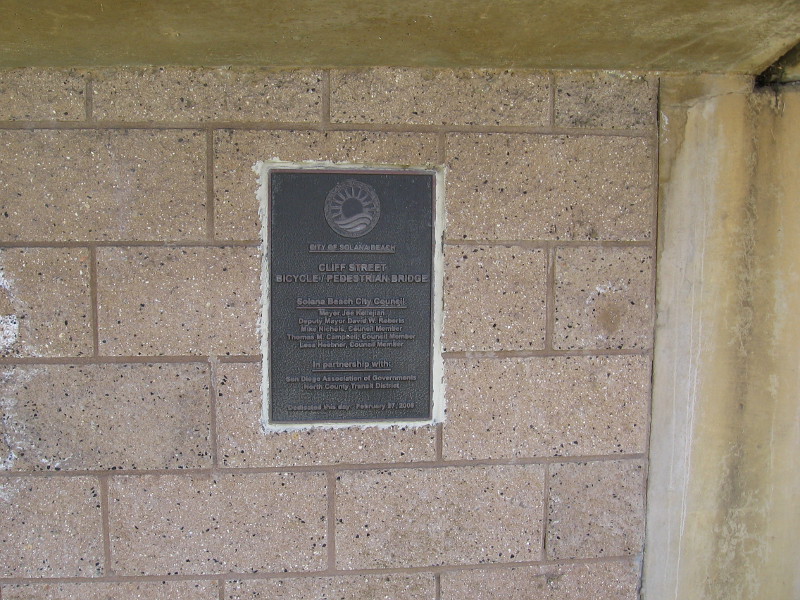
A City of Solana Beach plaque on the CLIFF STREET BICYCLE/PEDESTRIAN BRIDGE.
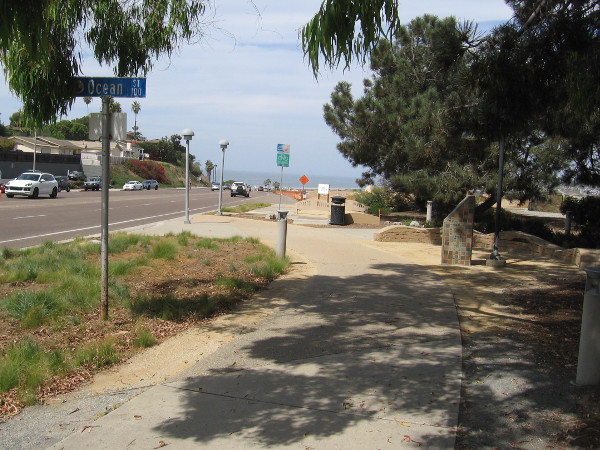
As I approached the northern end of Solana Beach, I saw a sign that reads RAIL TRAIL ENDS 500 FT. (At this time the trail doesn't continue into Cardiff-by-the-Sea.)
As I approached the northern end of Solana Beach, I saw a sign that reads RAIL TRAIL ENDS 500 FT. (At this time the trail doesn’t continue into Cardiff-by-the-Sea.)
In addition to the distant ocean, I see something interesting ahead.
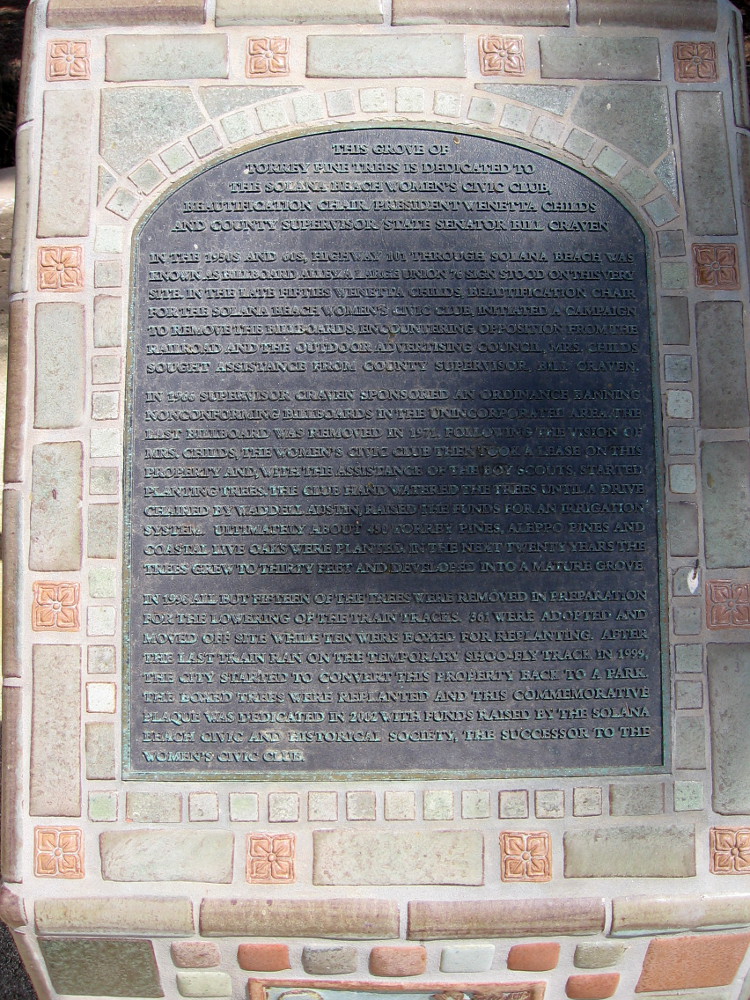
A monument with a plaque stands in a small grove of Torrey Pine trees.
A monument with a plaque stands near an observation platform beside a small grove of Torrey Pine trees.
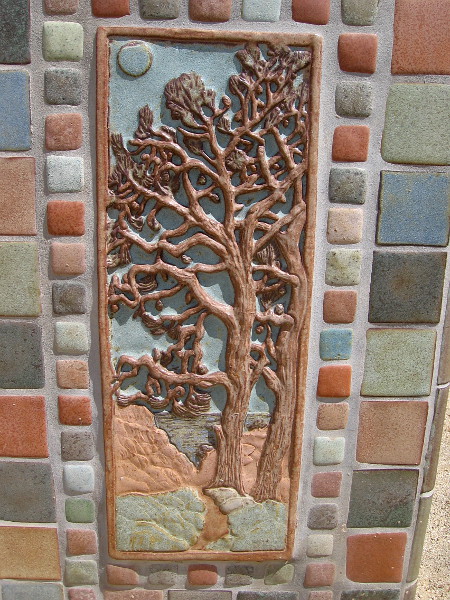
Some sculptural Torrey Pine artwork on the side of the monument.
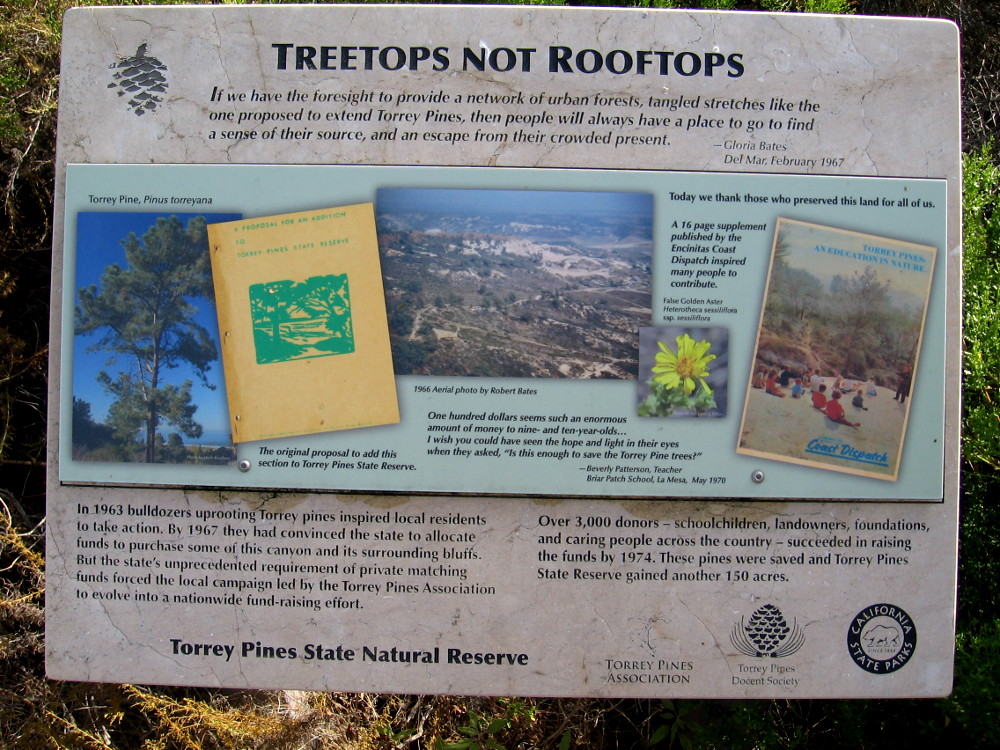
The plaque explains the history of these transplanted Torrey Pine trees. Figuring in that complicated history are billboards along the highway and train tracks.
The plaque explains the history of these few transplanted Torrey Pine trees. Figuring in that complicated history are billboards along the highway and the installation of train tracks.
More beautiful artwork, at the north end of Solana Beach's Coastal Rail Trail.
More beautiful artwork, at the north end of Solana Beach’s Coastal Rail Trail.

I live in downtown San Diego and love to walk around with my camera! You can follow Cool San Diego Sights via Facebook or Twitter!

You can easily explore Cool San Diego Sights by using the search box on my blog’s sidebar. Or click a tag! There are thousands upon thousands of photos for you to enjoy!

Torrey Pines Extension hike to the DAR plaque.

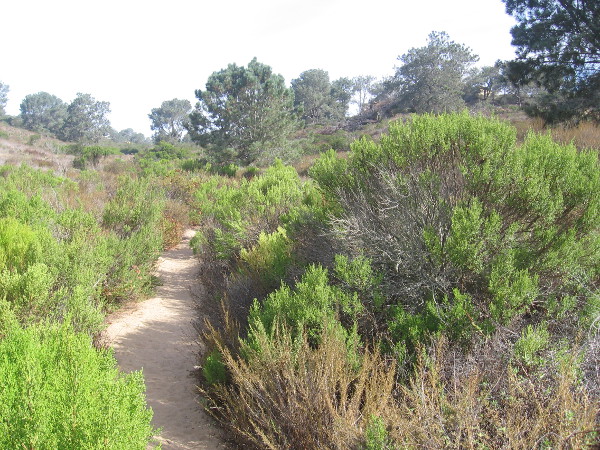
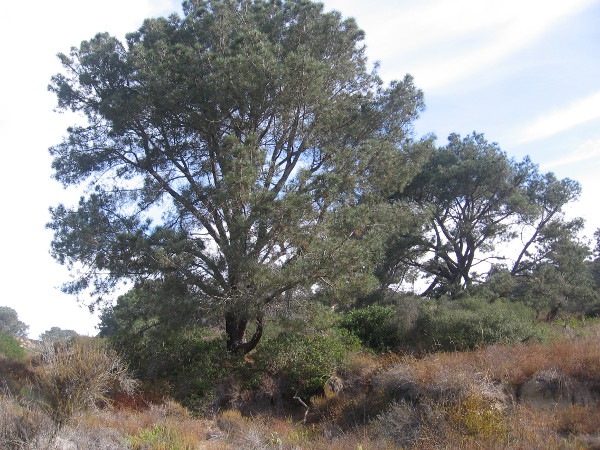
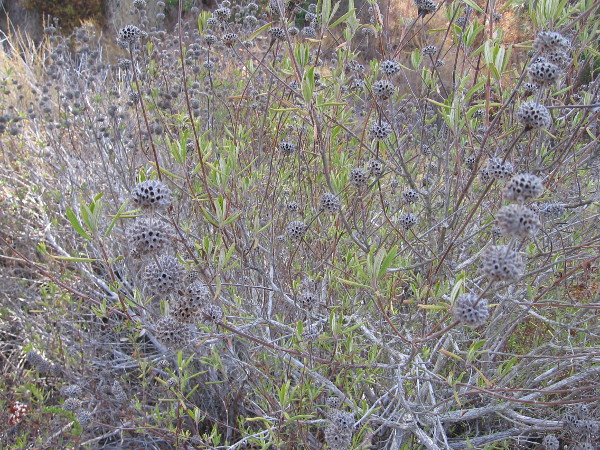
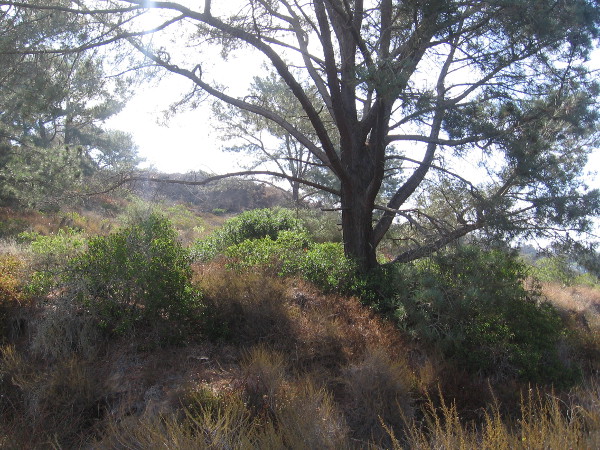
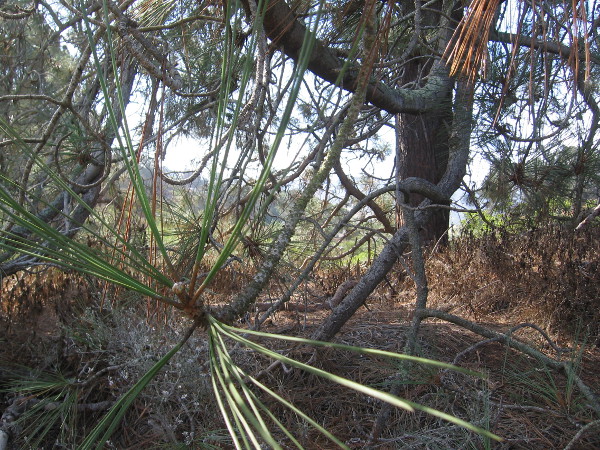
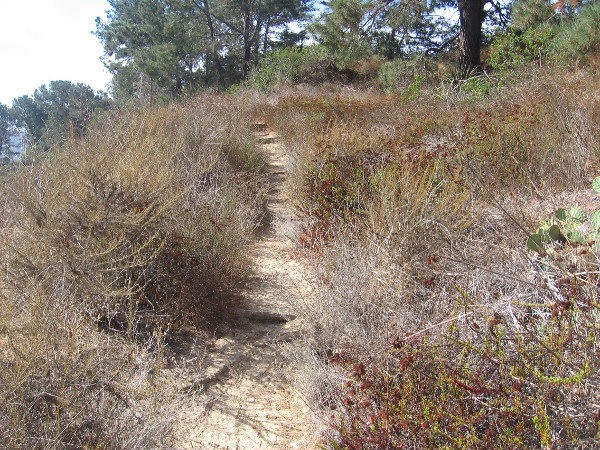
This morning I enjoyed an incredible (and relatively easy) hike along several short trails through Torrey Pines State Natural Reserve’s less-visited Northeastern Extension.

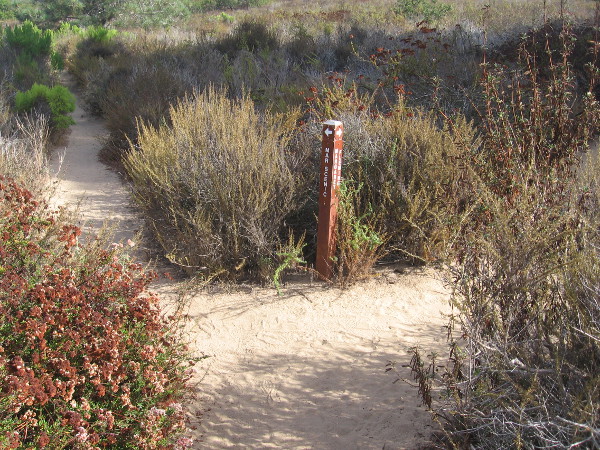
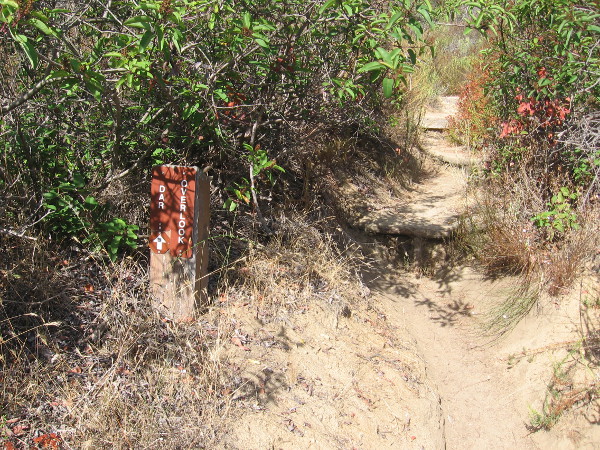
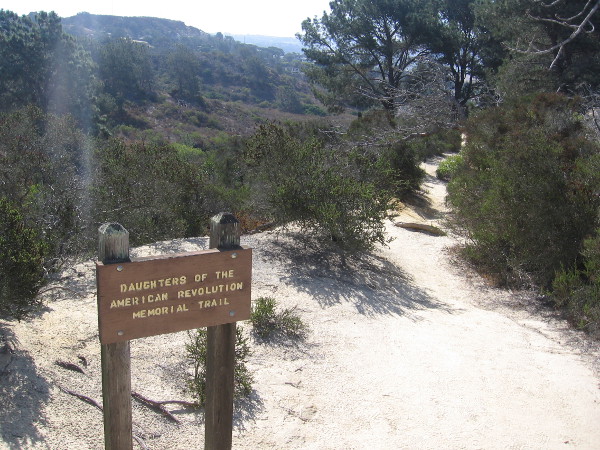
I started from the trailhead at the northeast end of Del Mar Scenic Parkway and, watching for rattlesnakes, climbed north along the Mar Scenic Trail to the DAR Trail.

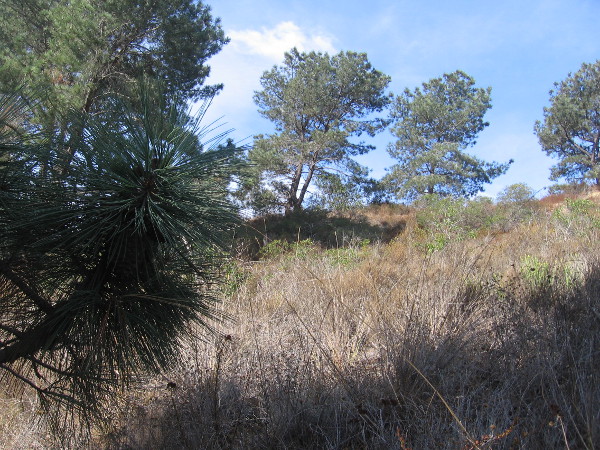
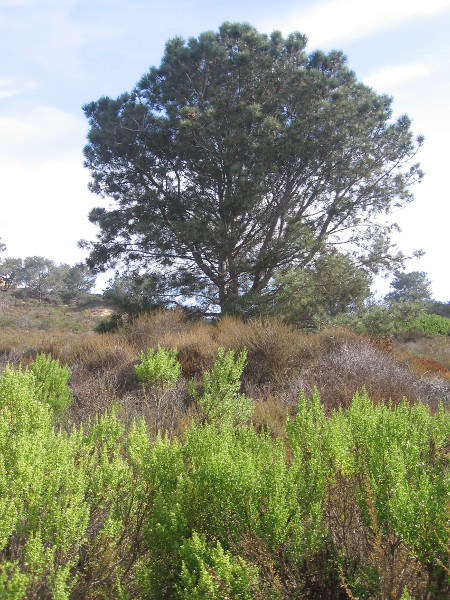
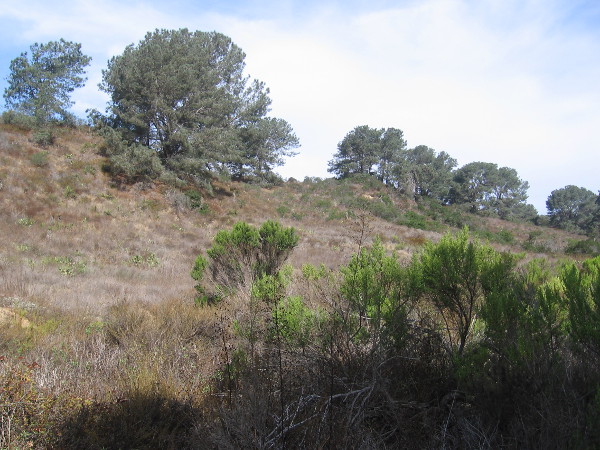
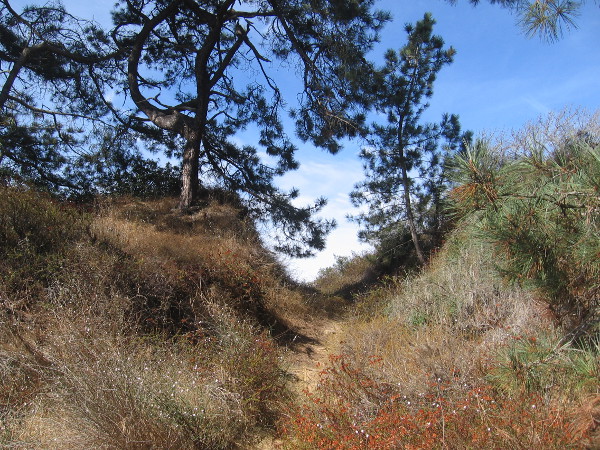
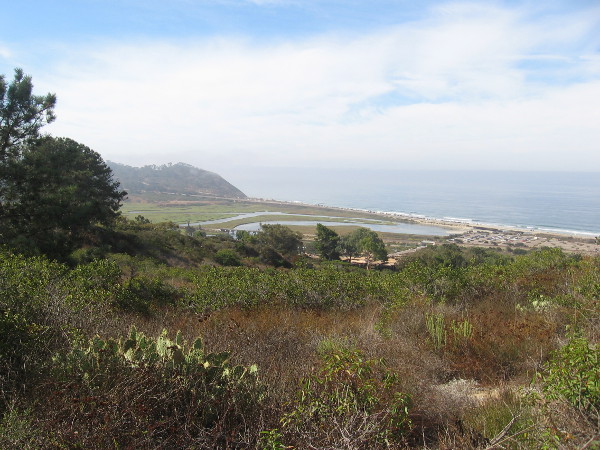
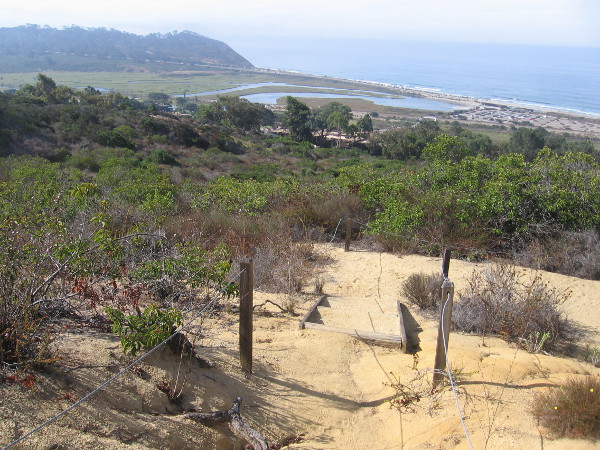
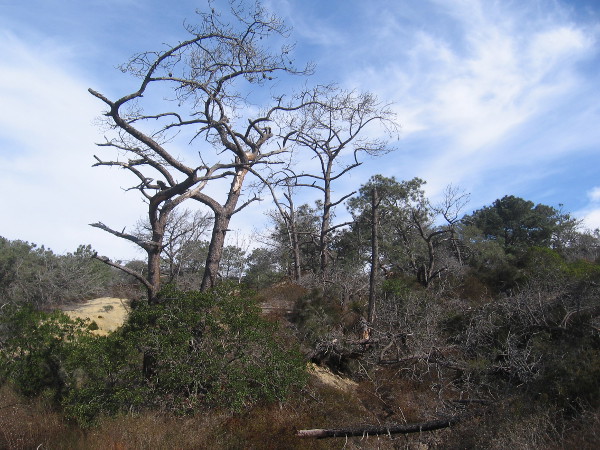
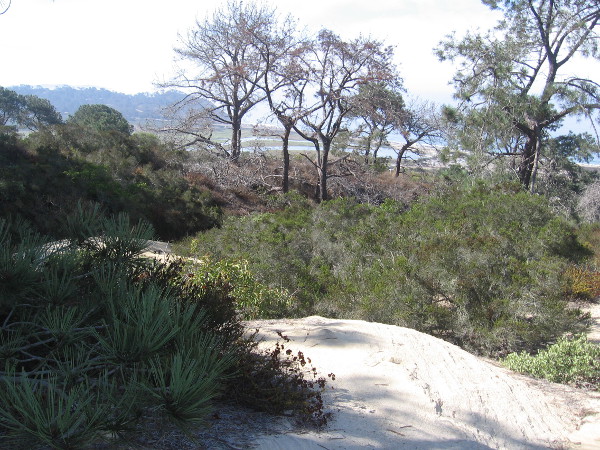
When I reached the trail junction where one turns to reach the DAR plaque, I elected to continue west downhill for a short distance, just to enjoy the amazing scenery. Beyond picturesque Torrey Pine trees stretched the wide blue Pacific Ocean and Torrey Pines State Beach.

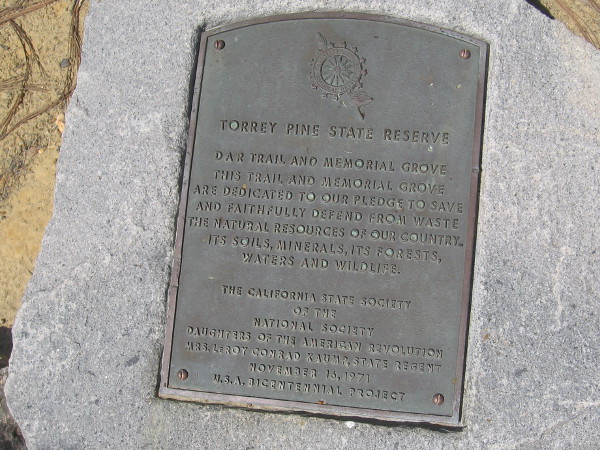
Finally I retraced my steps, turned north on the West Ridge D.A.R., and made my way to the historic DAR plaque.

It reads:

TORREY PINE STATE RESERVE

D A R TRAIL AND MEMORIAL GROVE

THIS TRAIL AND MEMORIAL GROVE
ARE DEDICATED TO OUR PLEDGE TO SAVE
AND FAITHFULLY DEFEND FROM WASTE
THE NATURAL RESOURCES OF OUR COUNTRY.
ITS SOILS, MINERALS, ITS FORESTS,
WATERS AND WILDLIFE.

THE CALIFORNIA STATE SOCIETY
OF THE
NATIONAL SOCIETY
DAUGHTERS OF THE AMERICAN REVOLUTION
MRS. LEROY CONRAD KAUMP, STATE REGENT
NOVEMBER 16, 1971
U.S.A. BICENTENNIAL PROJECT

What a fantastic walk!

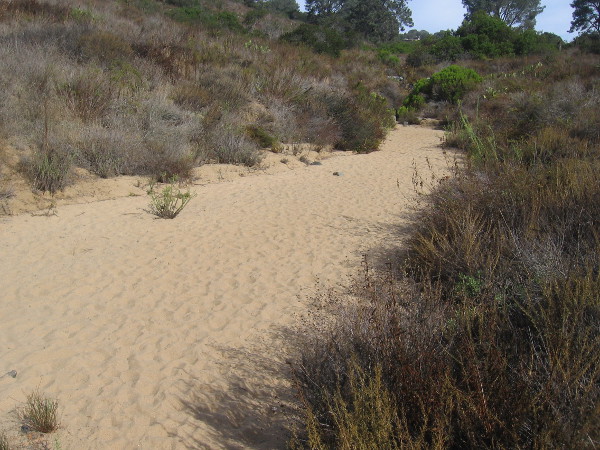
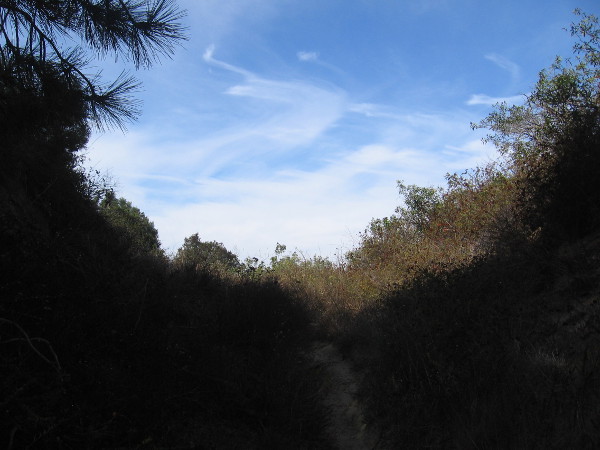
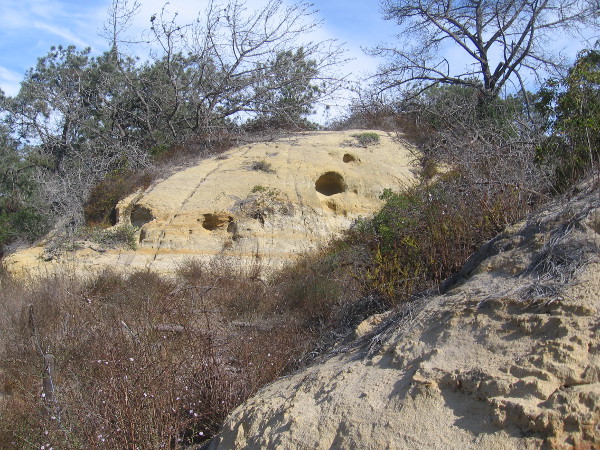
Unlike the very popular main section of Torrey Pines State Reserve, which is located to the south across Los Penasquitos Lagoon, it’s possible you won’t encounter another human being while hiking through this small area of protected wilderness. Wear sturdy shoes or boots because the sandy path can be a bit slippery. And bring some water. It can get pretty warm!

Enjoy the following photos!

I live in downtown San Diego and love to walk around with my camera! You can follow Cool San Diego Sights via Facebook or Twitter!

You can easily explore Cool San Diego Sights by using the search box on my blog’s sidebar. Or click a tag! There are thousands upon thousands of photos for you to enjoy!

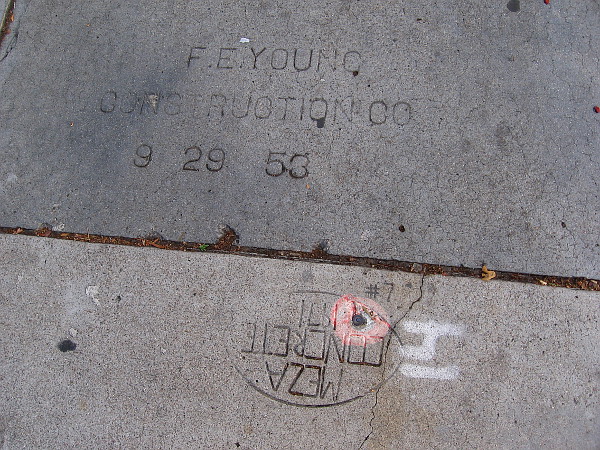
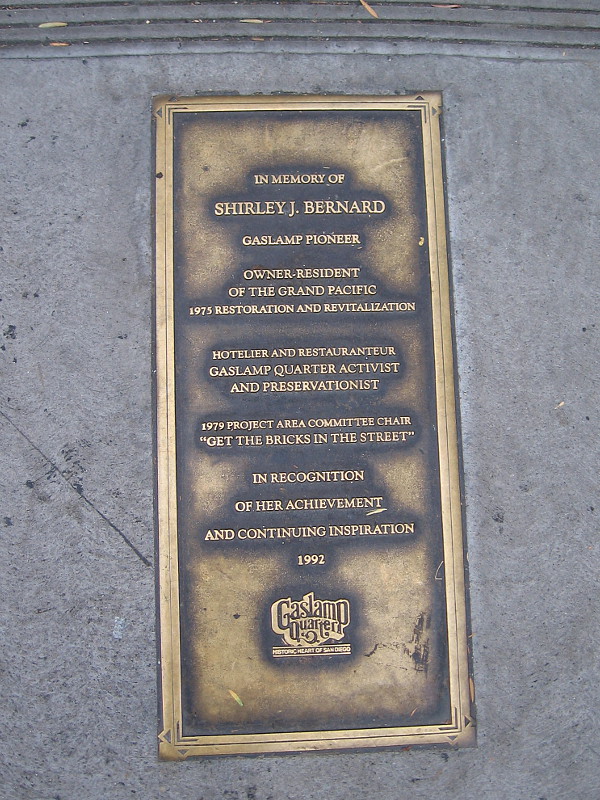
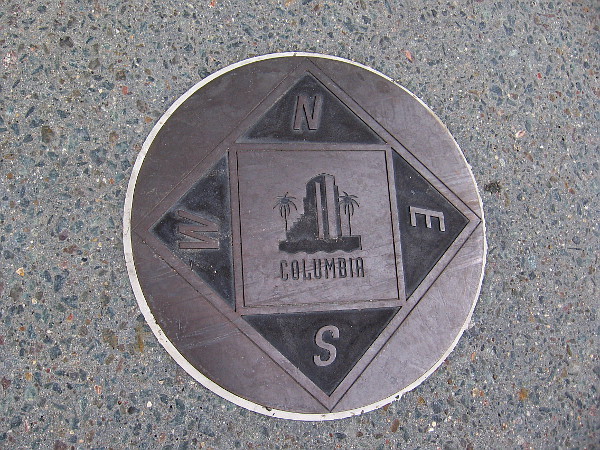
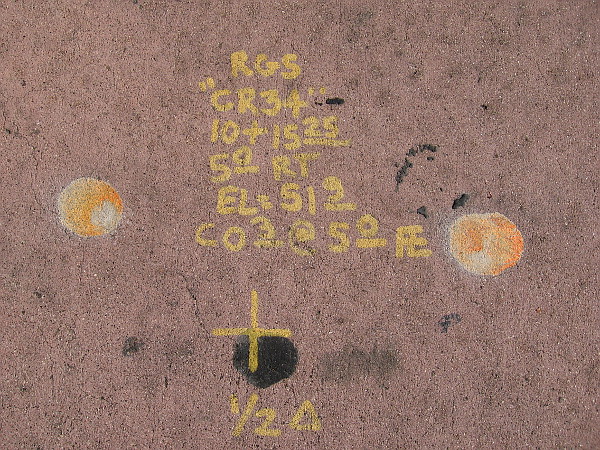
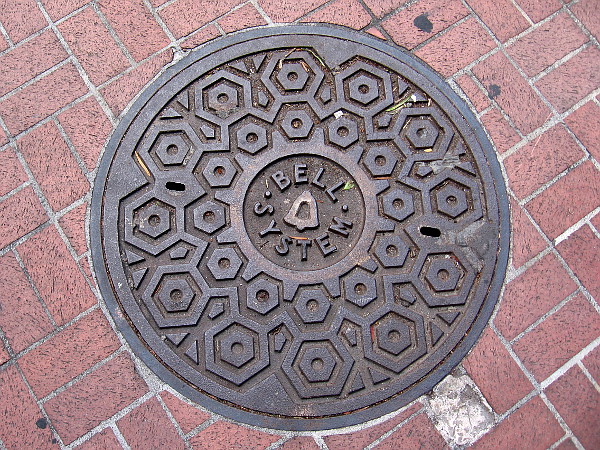
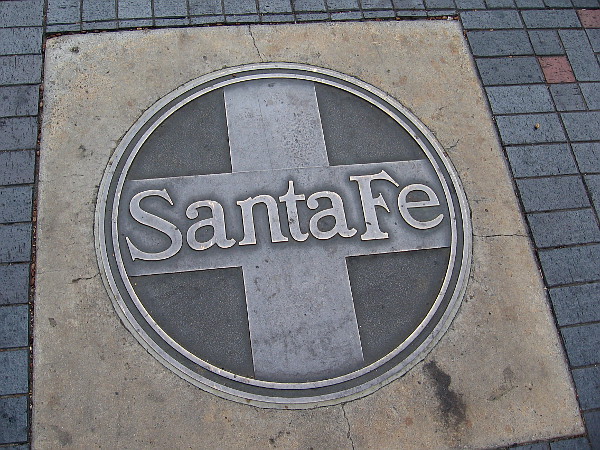
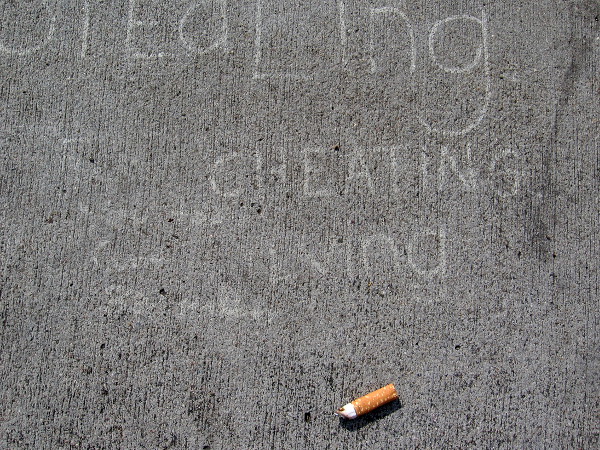
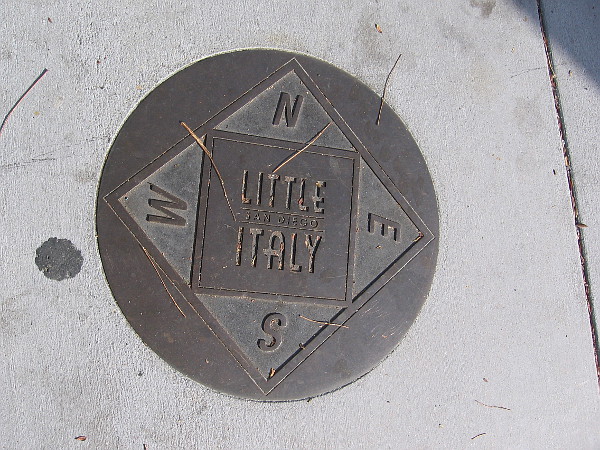
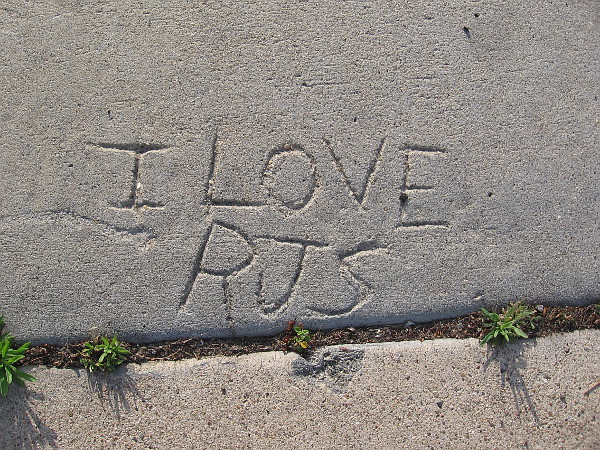
Messages written on the city sidewalks.

As I wander around San Diego, I observe messages written on the sidewalks.

Many of the messages are essential. Some recall history. A few are mysterious. Some are fading.

On these common sidewalks, the forward paths of our lives intersect.

I live in downtown San Diego and love to walk around with my camera! You can follow Cool San Diego Sights via Facebook or Twitter!

Local history remembered at Trolley Barn Park.

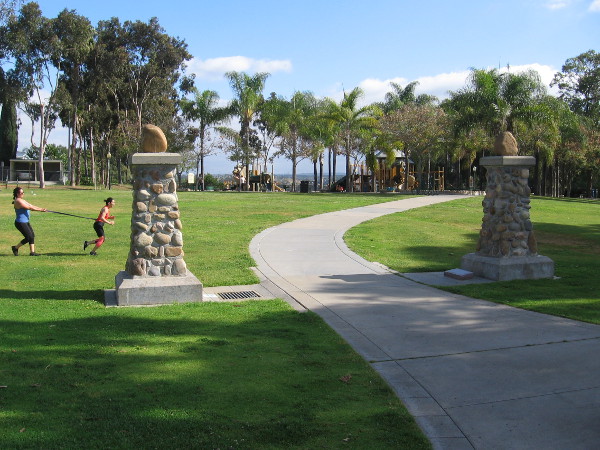
A cobblestone post at the entrance to Trolley Barn Park.

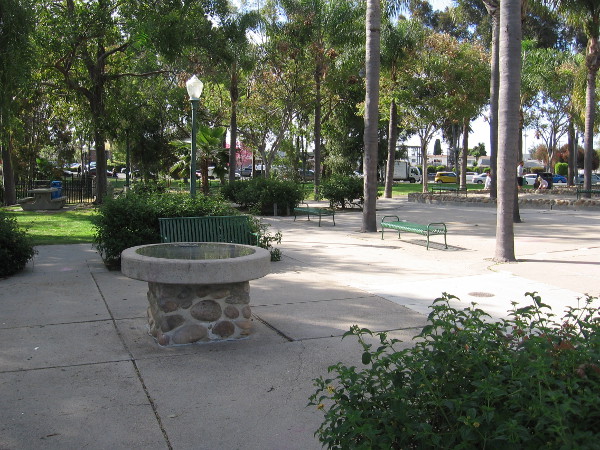
In University Heights, sunny Trolley Barn Park is a favorite place for neighbors to gather. Whenever I drive past I notice the grass field and playground are alive with activity.

Last weekend, as I walked through the park, I observed plaques and a winding path that remember the old trolley car barn that once occupied this beautiful spot overlooking Mission Valley.

In 1913 the Adams Avenue Trolley Barn was built near Mission Cliff Gardens. The popular botanical destination north of downtown was created by John D. Spreckels, who also owned the San Diego Electric Railway Company. The trolley barn was built directly adjacent to Harvey Bentley’s Ostrich Farm, where visitors could actually ride the exotic birds.

The large brick trolley barn serviced hundreds of cars until 1949. That’s when the streetcars, overtaken by city buses, finally ceased operation.

Many old cobblestone walls and posts from the days of Mission Cliff Gardens can still be seen around Trolley Barn Park and the surrounding neighborhood. Like the surprising images of ostriches, these cobblestone structures today are a symbol of the very unique history of University Heights.

To learn much more about the history of Trolley Barn Park and University Heights, you can visit a very informative page here.

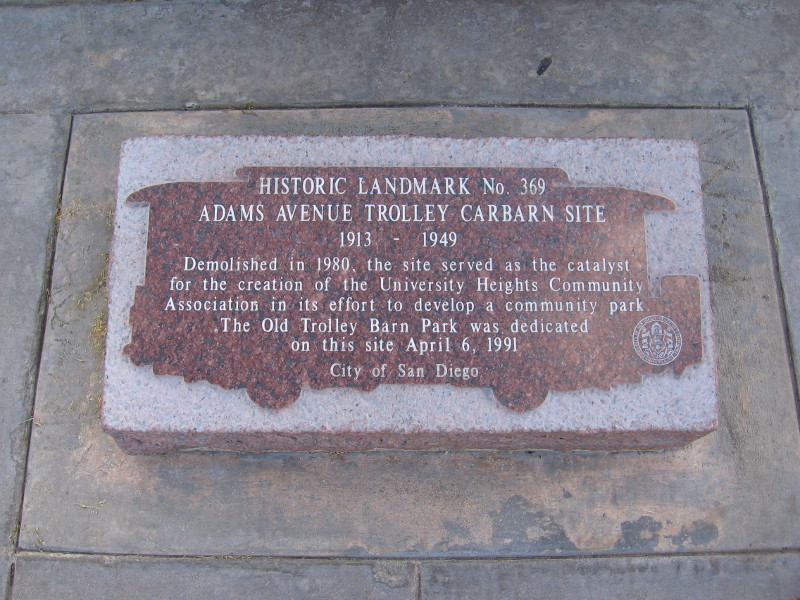
Plaque at base of post reads: HISTORIC LANDMARK No. 369 - ADAMS AVENUE TROLLEY CARBARN SITE 1913 - 1949 . . . The Old Trolley Barn Park was dedicated on this site April 6, 1991.
Plaque at base of post reads: HISTORIC LANDMARK No. 369 – ADAMS AVENUE TROLLEY CARBARN SITE 1913 – 1949 . . . The Old Trolley Barn Park was dedicated on this site April 6, 1991.
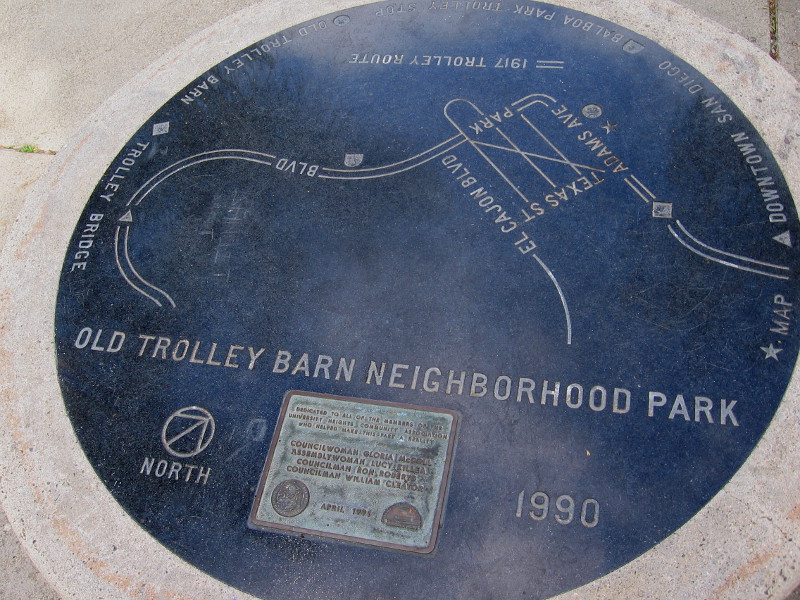
What appears to be a round table in the park contains an interesting plaque that remembers when trolleys ran through University Heights.
What appears to be a round table in the park contains an interesting plaque that recalls when trolleys ran through University Heights.
Map of the old 1917 trolley line from downtown San Diego into University Heights in Old Trolley Barn Neighborhood Park.
Dedicated to all of the members of the University Heights Community Association who helped make this park a reality.
This scenic spot in Trolley Barn Park overlooks Mission Valley.
This scenic spot in Trolley Barn Park overlooks Mission Valley, which lies to the north.
People jog along a walkway which features tracks that wind through the park like the old trolley line.
People jog along a shady path. Its “tracks” wind through the park like the old trolley line.
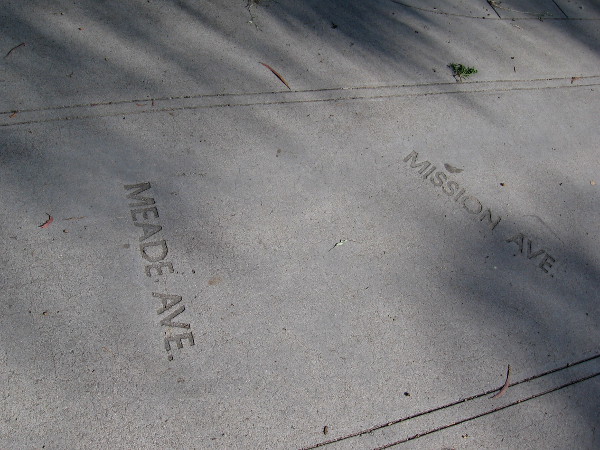
Along the walkway are the street names once passed by the trolley line.
Another sunny San Diego day as people recreate on the grass.
An electrical box at the edge of the park is painted like a cobblestone post, one of the symbols of University Heights.
Trolley Barn Park is a beautiful part of University Heights that honors its colorful history.
Trolley Barn Park is a beautiful gathering place in University Heights that honors the community’s colorful history.

I live in downtown San Diego and love to walk around with my camera! You can follow Cool San Diego Sights via Facebook or Twitter!

You can easily explore Cool San Diego Sights by using the search box on my blog’s sidebar. Or click a tag! There are thousands upon thousands of photos for you to enjoy!

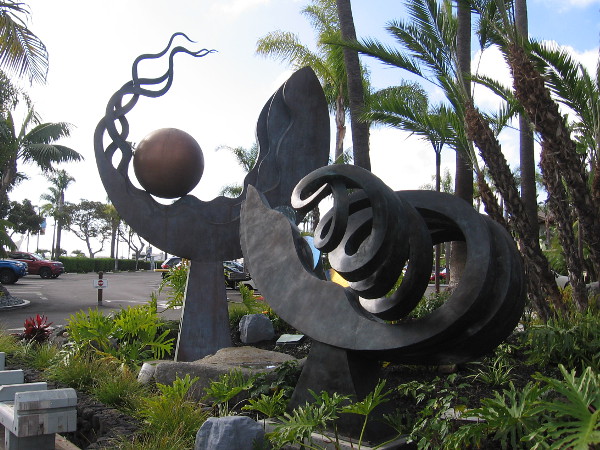
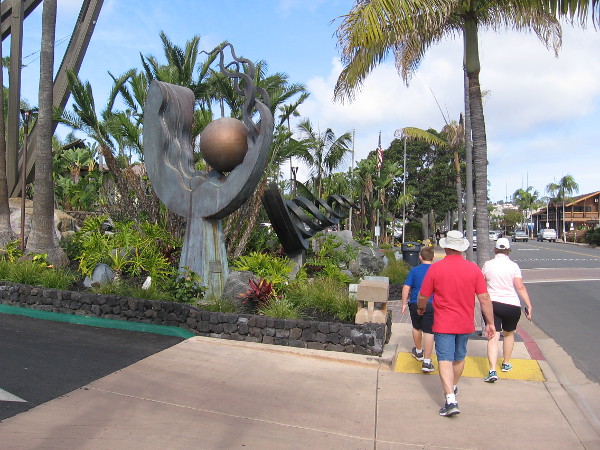
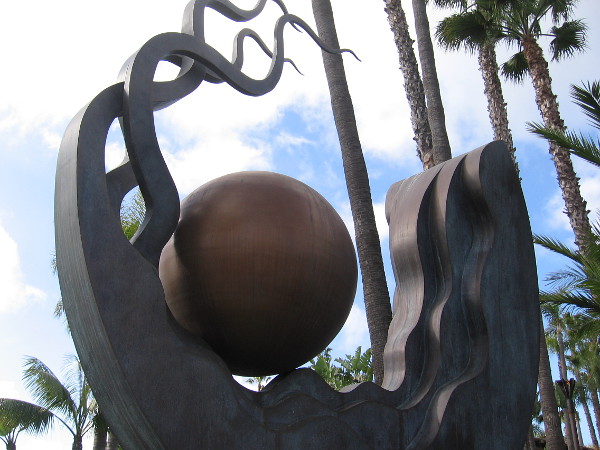
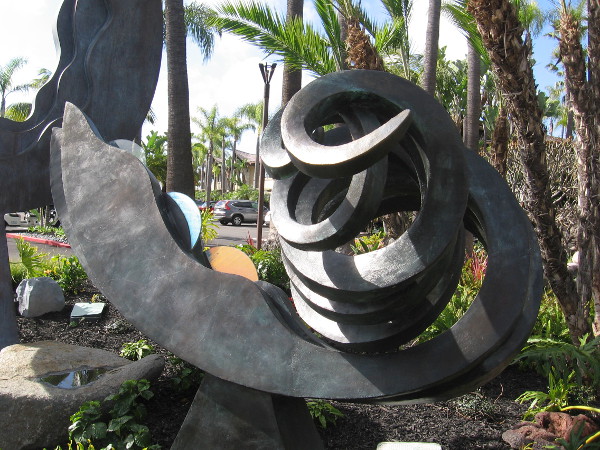
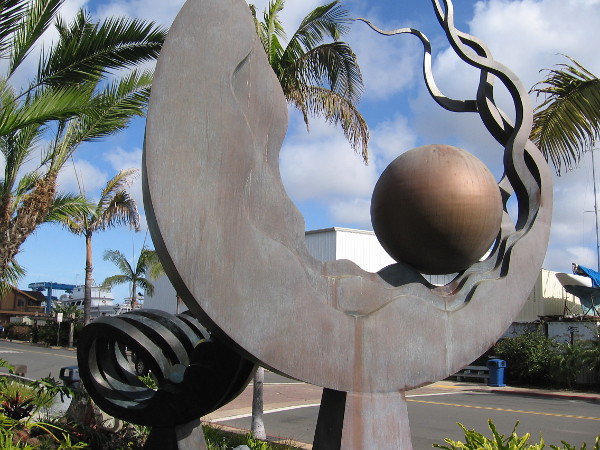
The cool sculpture at Humphreys on Shelter Island.

I’ve always wondered about the cool sculpture that stands in front of Humphreys Half Moon Inn on Shelter Island. It’s situated right next to one of the hotel’s driveways.

Last weekend, during my walk along Shelter Island Drive, I paused by the sculpture and looked about for some information. And I found it!

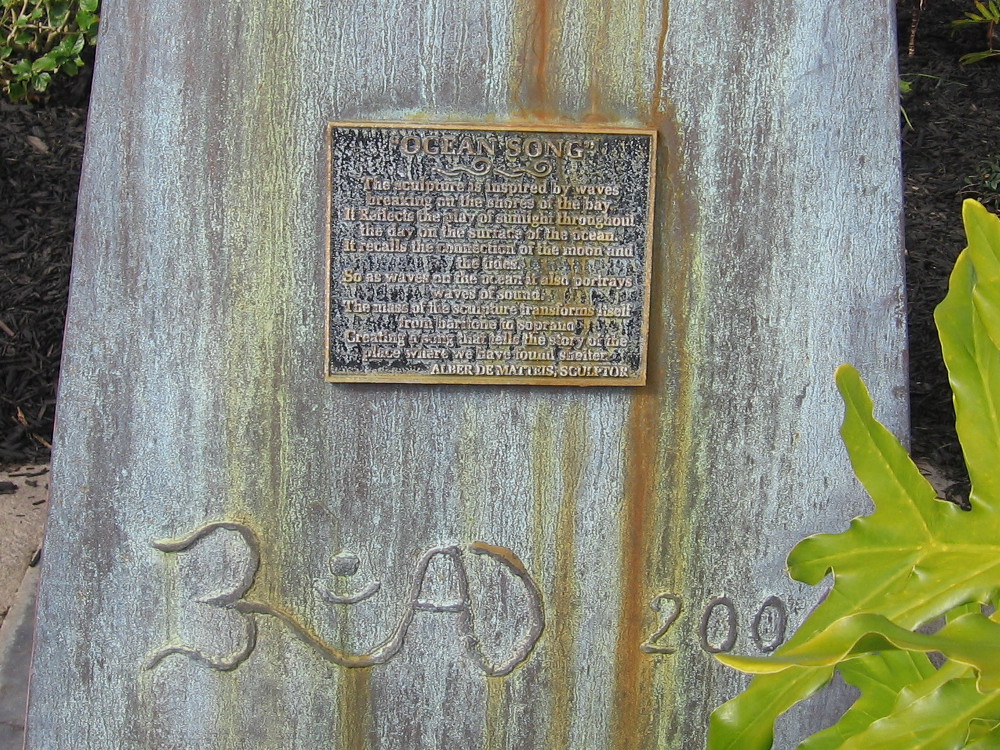
A plaque at the sculpture’s base reads:

OCEAN SONG

The sculpture is inspired by waves
breaking on the shores of the bay.
It Reflects the play of sunlight throughout
the day on the surface of the ocean.
It recalls the connection of the moon and
the tides.
So as waves on the ocean it also portrays
waves of sound.
The mass of the sculpture transforms itself
from baritone to soprano
Creating a song that tells the story of the
place where we have found shelter.

ALBER DE MATTEIS, SCULPTOR

To have discovered such a poetic description was a wonderful surprise. I also noted the sculpture is dated 2004.

If the name of this artist seems familiar, you might recall seeing photographs of abstract sculptures by Alber De Matteis in National City and Liberty Station.

I blogged those photos years ago here and here!

This blog now features thousands of photos around San Diego! Are you curious? There’s lots of cool stuff to check out!

Here’s the Cool San Diego Sights main page, where you can read the most current blog posts.  If you’re using a phone or small mobile device, click those three parallel lines up at the top–that opens up my website’s sidebar, where you’ll see the most popular posts, a search box, and more!

To enjoy future posts, you can also “like” Cool San Diego Sights on Facebook or follow me on Twitter.

A small desert garden inside an old fountain.

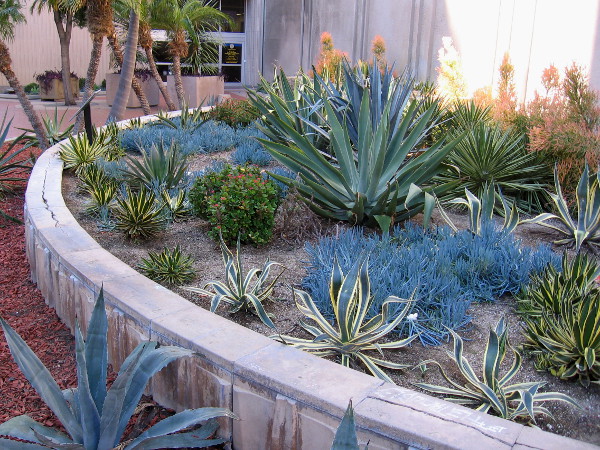
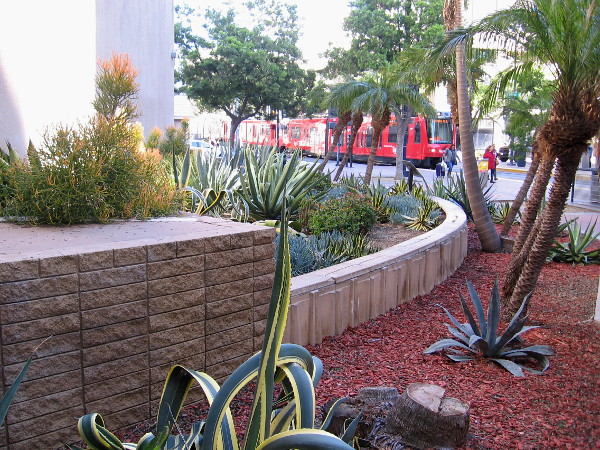
A side door to San Diego's City Administration Building lies beyond a small garden containing cacti and succulents.
Side door to San Diego’s City Administration Building lies beyond a small garden containing cacti and succulents.

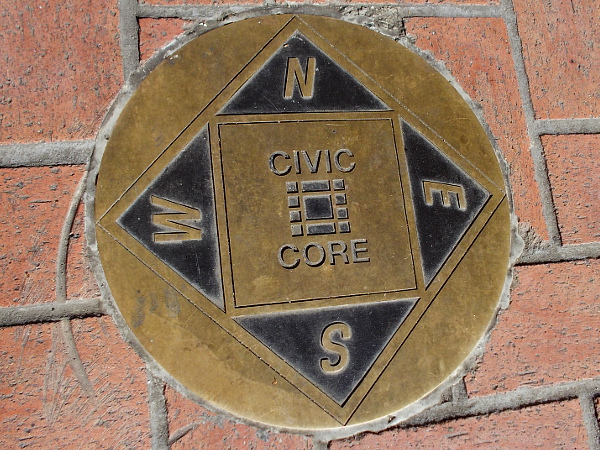
I was waiting for a trolley at the Civic Center station the other day when my eyes wandered over to the City Administration Building. A small desert garden caught my attention, and I remembered how a few years ago that semicircle of garden used to be a fountain.

The next Blue Line trolley was still five minutes away, so I walked over to look at a nearby plaque and a sign.

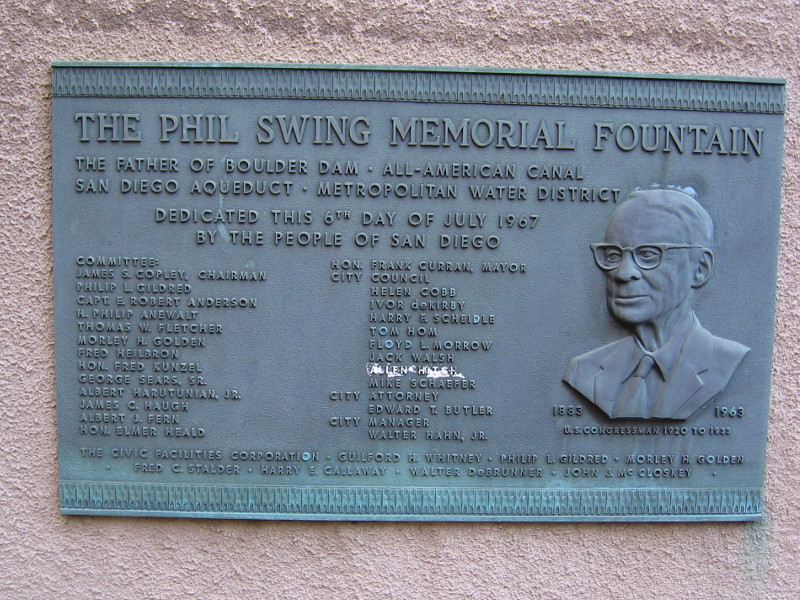
Plaque near the small desert garden that has been planted in the basin of The Phil Swing Memorial Fountain, which was dedicated on July 6, 1967.
Bronze plaque near the small desert garden planted in the basin of The Phil Swing Memorial Fountain, which was dedicated on July 6, 1967.
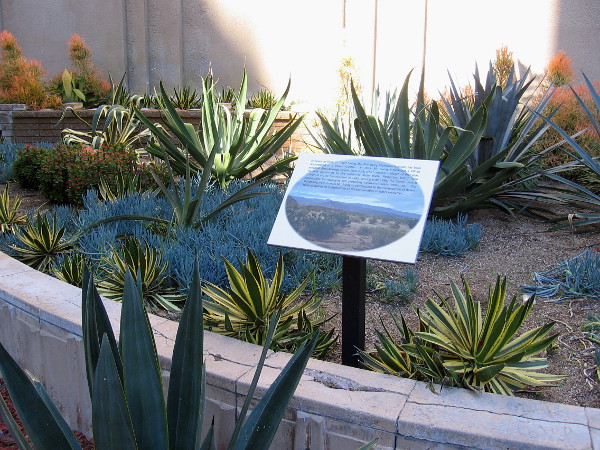
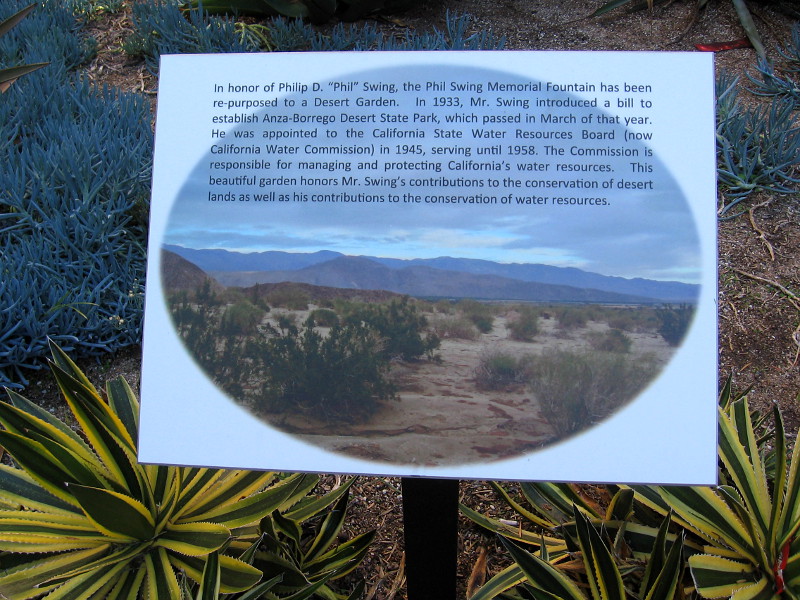
Sign explains the Phil Swing Memorial Fountain was re-purposed to a Desert Garden. In 1933, Mr. Swing introduced a bill to establish Anza-Borrego Desert State Park.
Philip D. Phil Swing was appointed to the California State Water Resources Board in 1945. This beautiful garden honors his contributions to the conservation of desert lands and water resources.
Philip D. “Phil” Swing was appointed to the California State Water Resources Board in 1945. This beautiful garden honors his contributions to the conservation of desert lands and water resources.
A trolley arrives at the Civic Center station near a small desert garden in downtown San Diego.

I live in downtown San Diego and love to walk around with my camera! You can follow Cool San Diego Sights via Facebook or Twitter!

You can easily explore Cool San Diego Sights by using the search box on my blog’s sidebar. Or click a tag! There are thousands upon thousands of photos for you to enjoy!