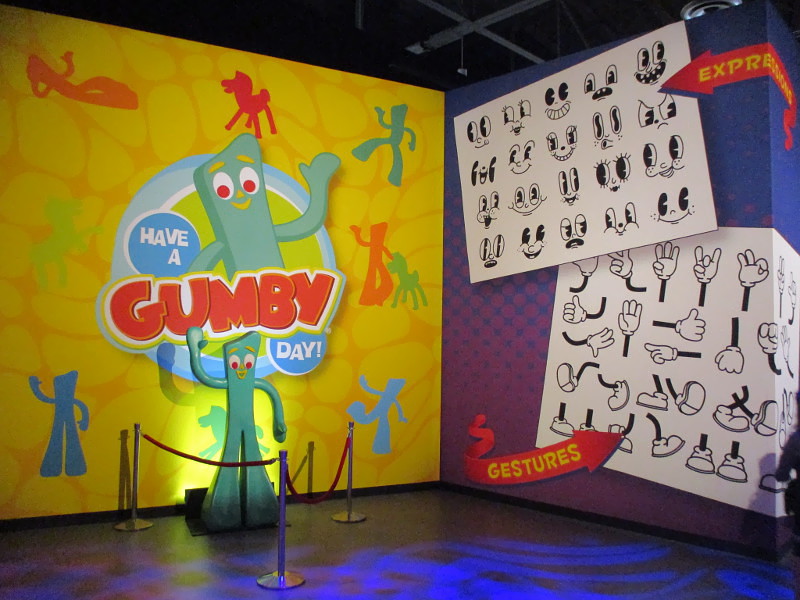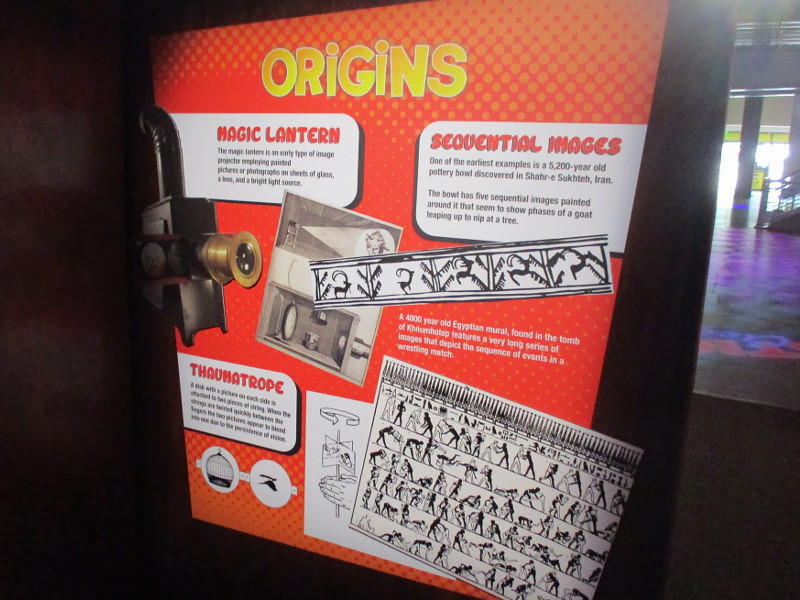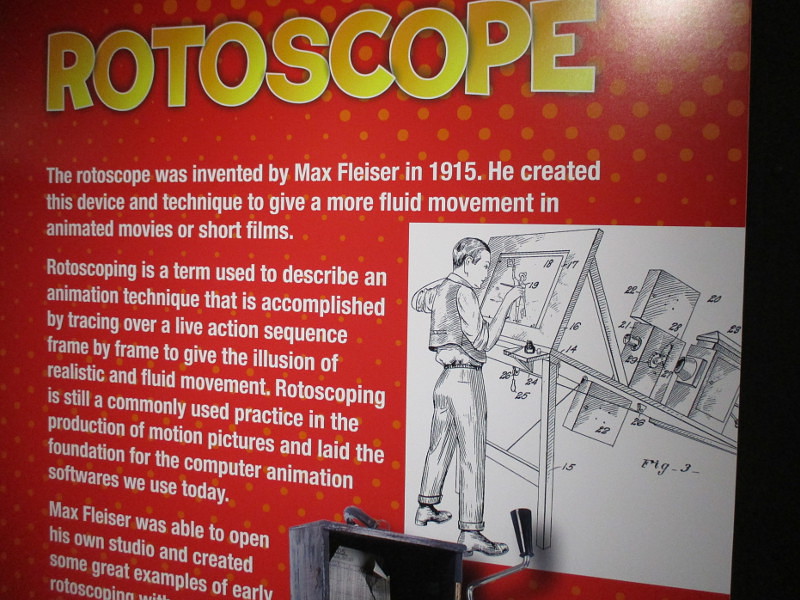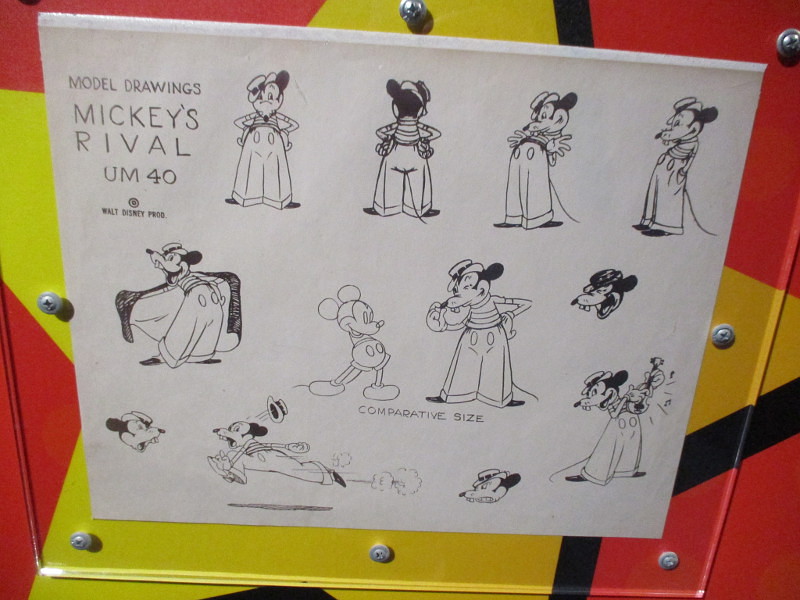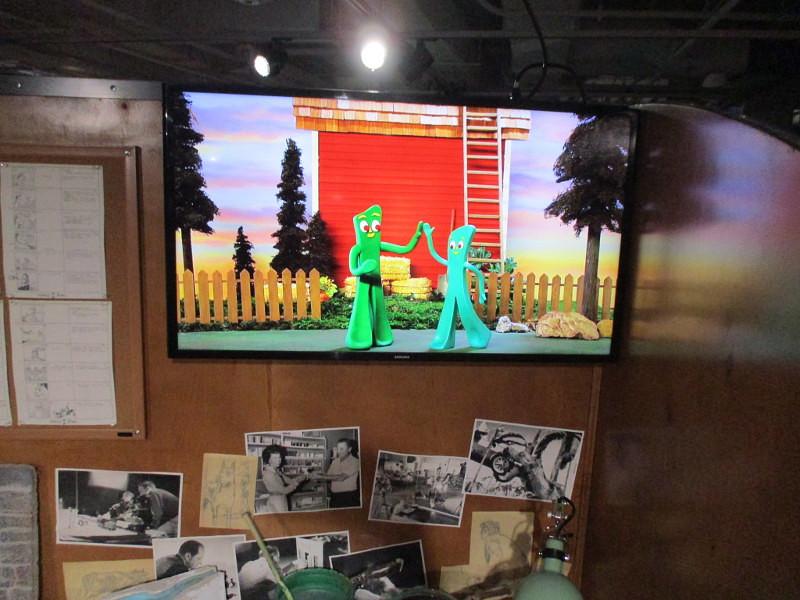
Preview of Animation Academy at Comic-Con Museum!

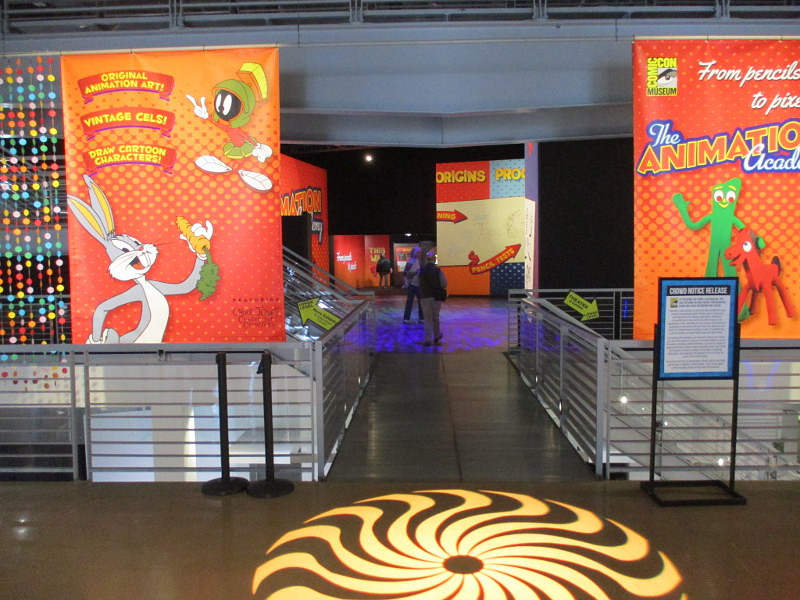
The Animation Academy – from Pencils to Pixels officially opens tomorrow at the Comic-Con Museum in Balboa Park!

Members of the Comic-Con Museum got a preview of the incredible new exhibition today!

Who doesn’t love animated features and cartoons? We all have our favorites, right? Well, chances are some of your best-loved television shows and movies pop up in this delightful exhibition.

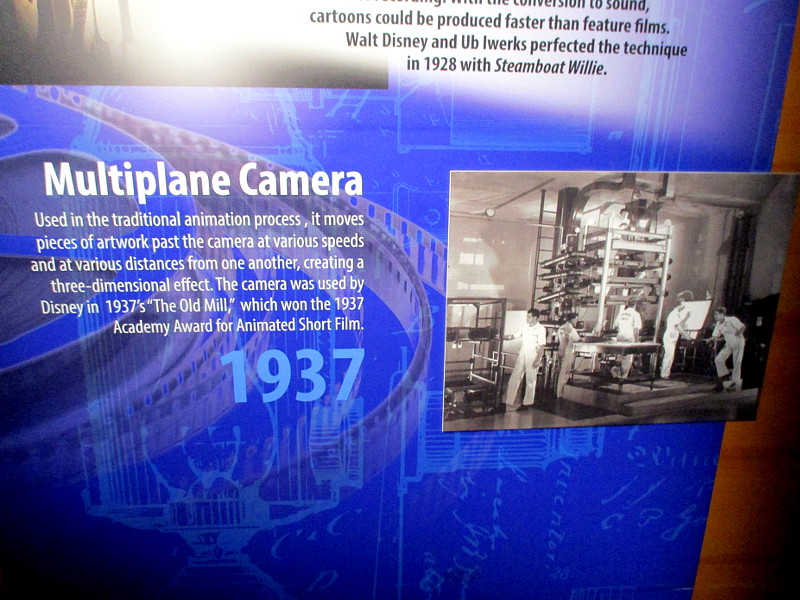
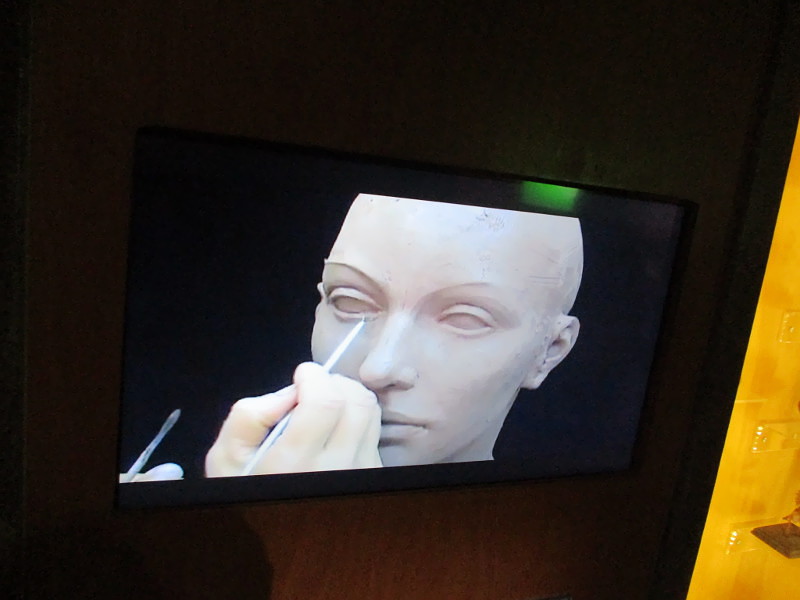
The Animation Academy, as its name suggests, is both educational and interactive. Every sort of technology that has produced animation is explored, from early magic lanterns and spinning thaumatropes and phenakistoscopes(!), to state-of-the-art non-photorealistic rendering and 3D printing.

Not only will you learn about the rich history of animation, and the artists and studios who’ve added to the popular culture, but there are several opportunities for visitors to create their own animated masterpieces!

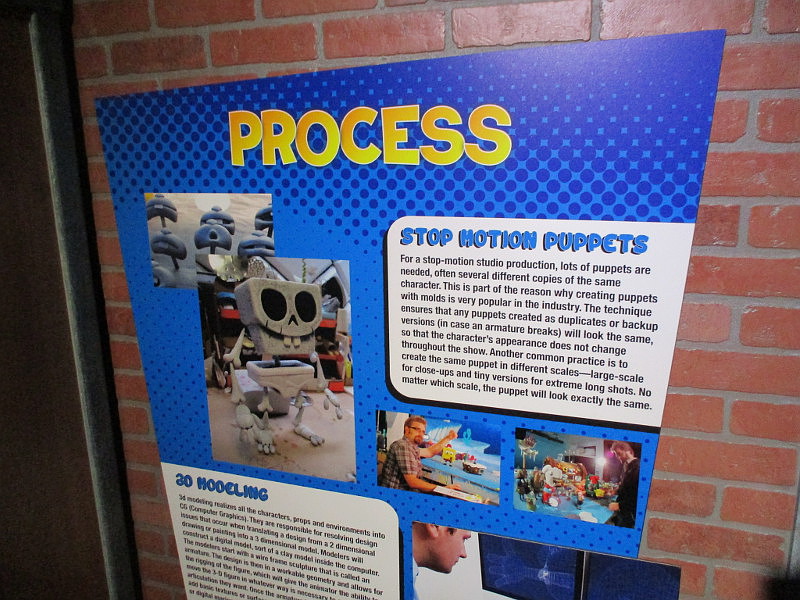
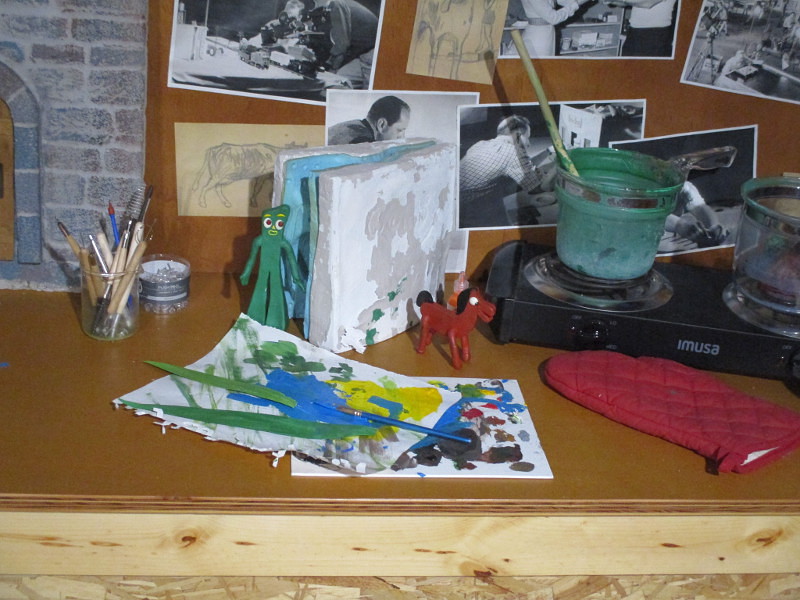
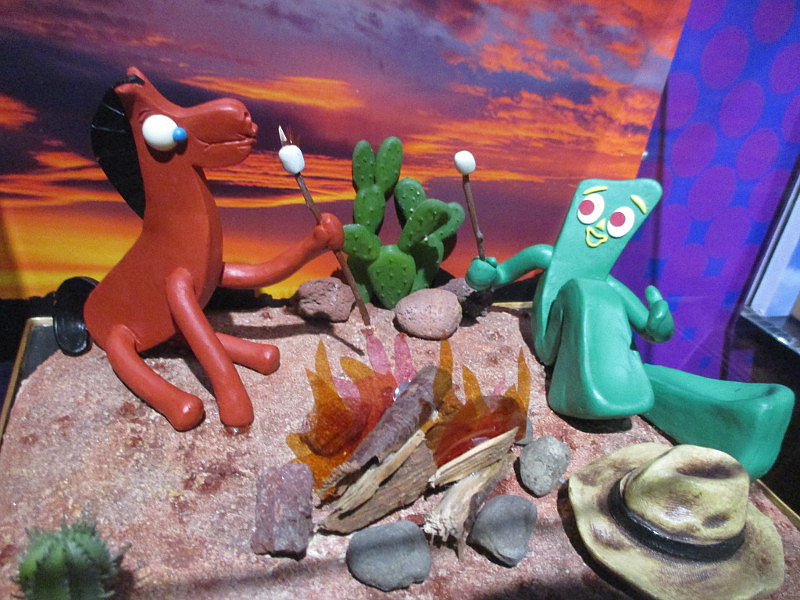
Among the numerous displays are realistic recreations of work stations, puppets and miniature sets that demonstrate what it’s like to be a stop motion animator.

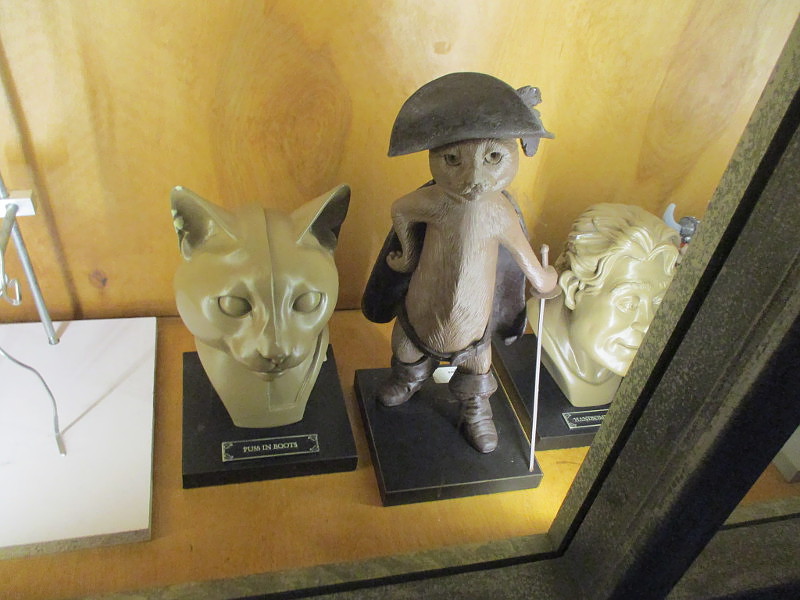
Fans of Gumby and Looney Tunes, in particular, will be excited to find themselves immersed in well done, interactive displays.

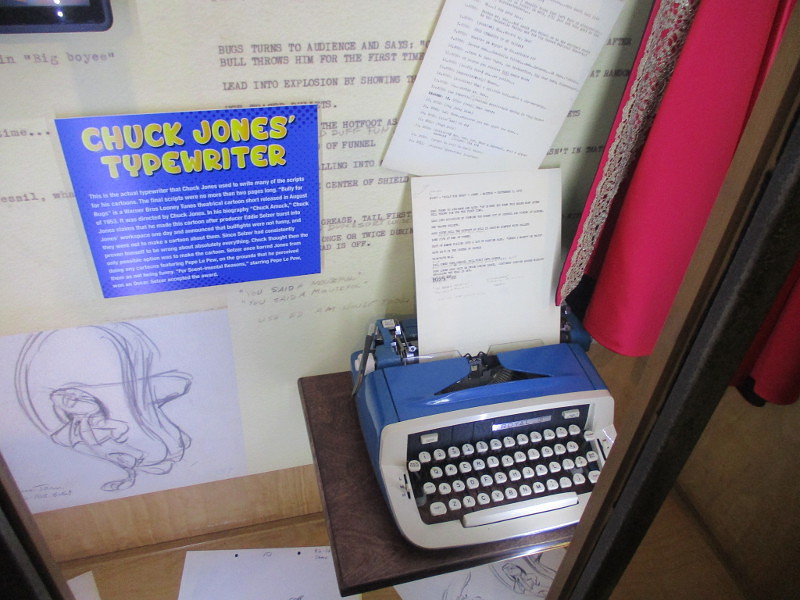
Do you love Bugs Bunny and his friends? You’ll have a chance to view all sorts of original sketches, drawings and animation cells. You’ll even see the typewriter used by legendary Chuck Jones. (Did you know Chuck Jones was inspired by Mark Twain? I didn’t!)

The exhibition encourages curiosity and creativity. Kids will surely enjoy it. Adults with imagination and a sense of fun absolutely will, too!

Thanks for visiting Cool San Diego Sights!

I post new blogs pretty often. If you like discovering new things, bookmark coolsandiegosights.com and swing on by occasionally!

I live in downtown San Diego and love to walk around with my camera! You can follow Cool San Diego Sights via Facebook or Twitter!
Nautical History Gallery & Museum opens!

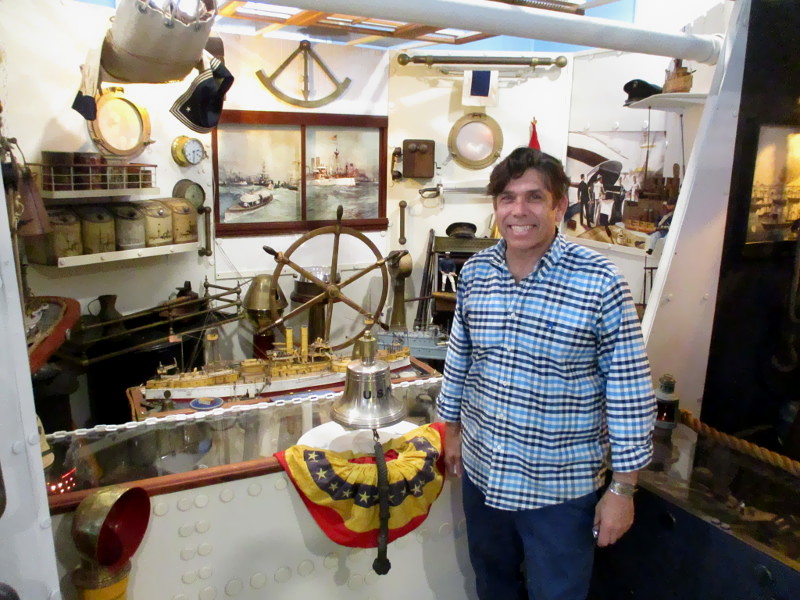
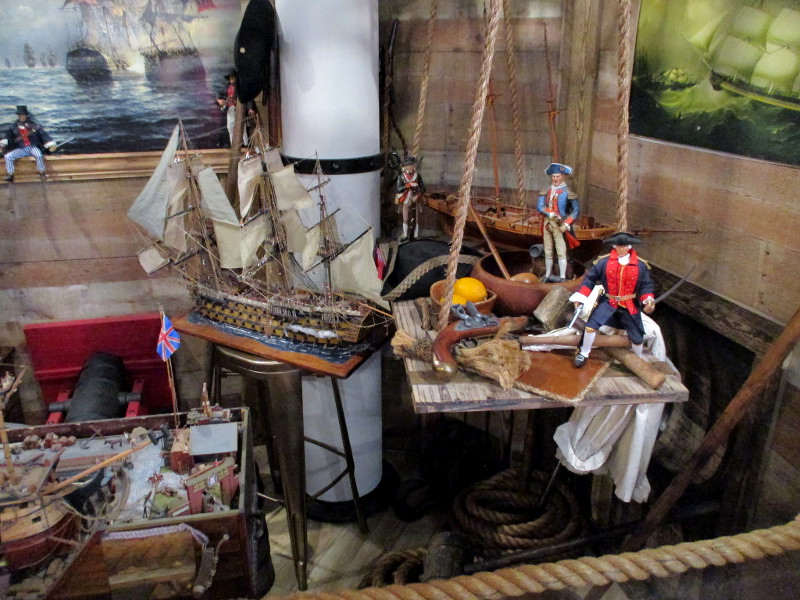
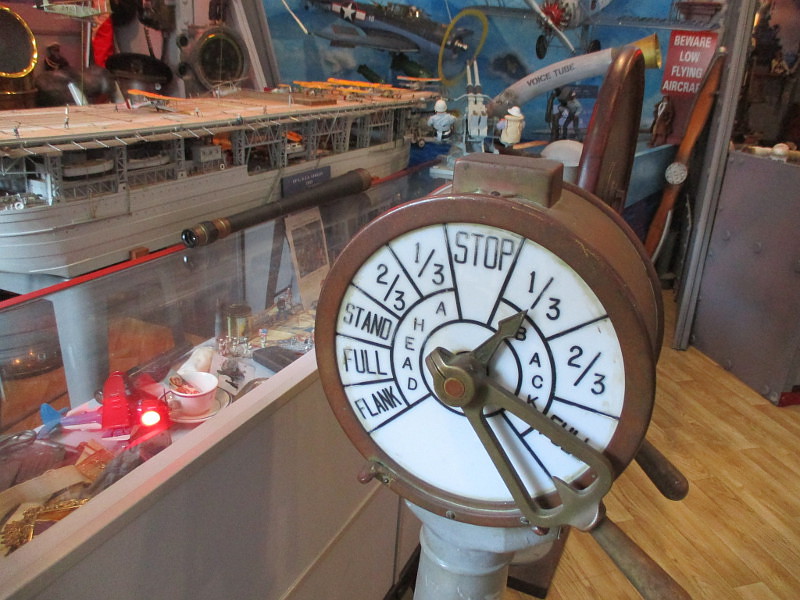
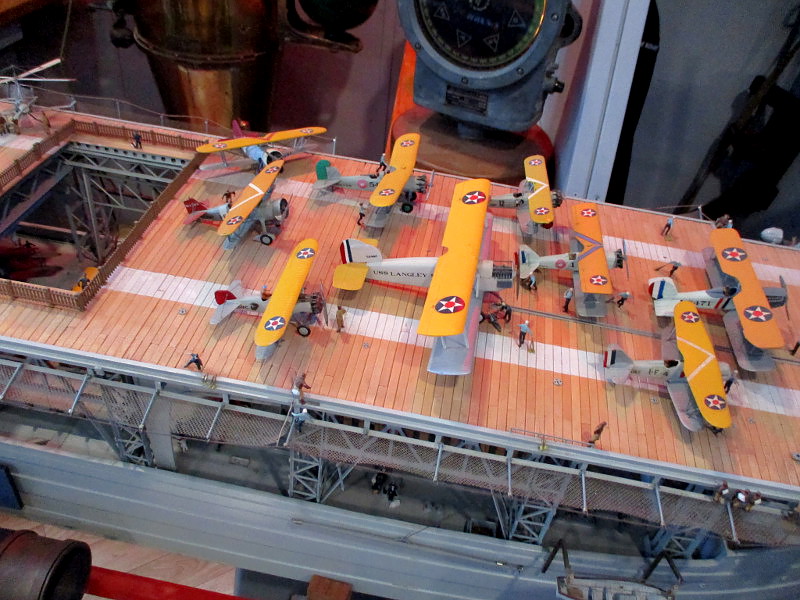
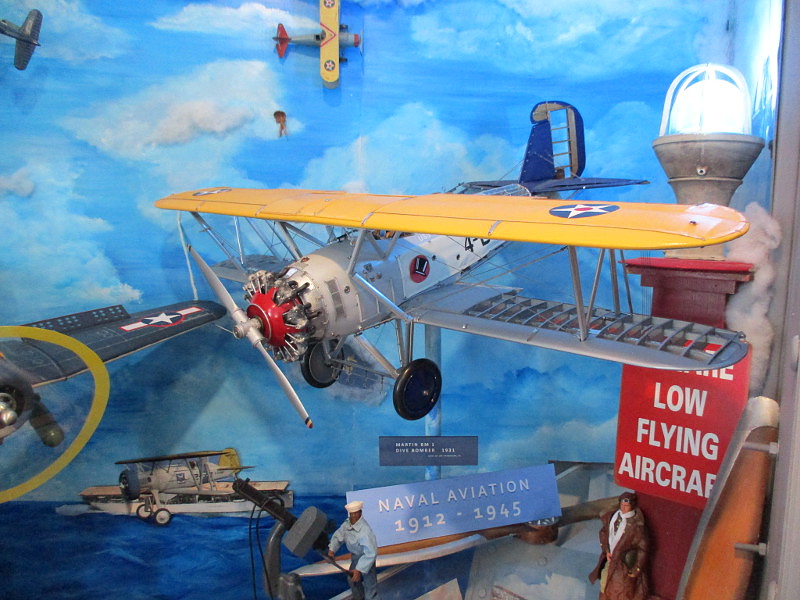
An amazing new museum had its Grand Opening at Liberty Station today! The Nautical History Gallery & Museum is jam-packed with carefully constructed displays, providing visitors with the U.S. Navy History Experience, 1775-1945.

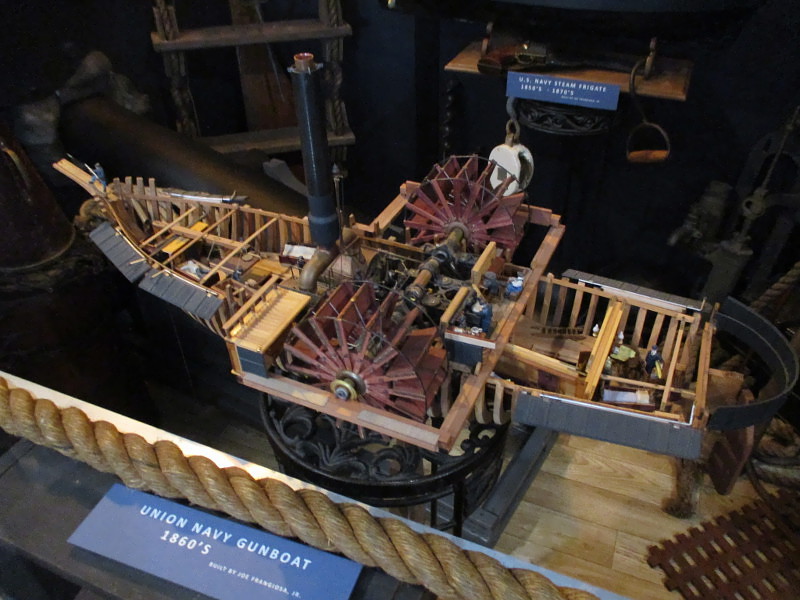
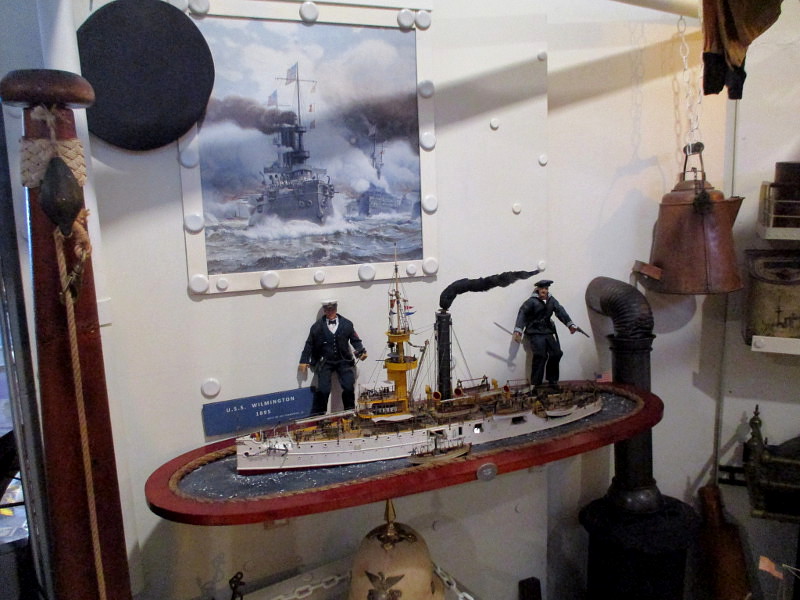
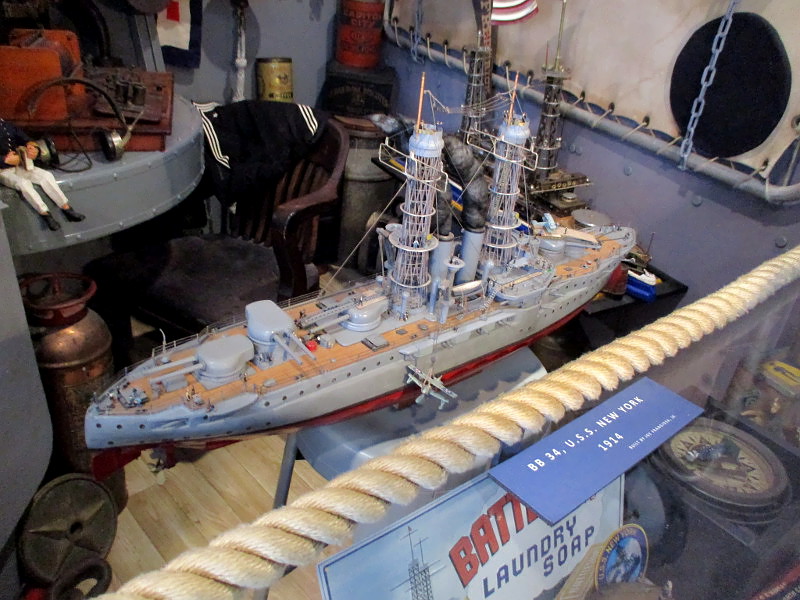
Museum artist and curator Joe Frangiosa, Jr. has served in both the Navy and Marines. By carefully studying historical photographs, he has been able to craft very realistic miniature ship models. Many of his detailed models can be viewed in the museum’s exhibits, which cover different periods of U.S. Navy history.

The Nautical History Gallery & Museum is located in Room 108 of Liberty Station’s old Command Center. Joe has created and amassed so many artifacts concerning naval history that only a portion of his collection is on display. There’s so much to absorb, a curious visitor could spend a good long time looking at it all!

Visitors to the one-room museum can also view a historical video and Joe’s workshop area, where you might see him concentrating on another model!

If you are interested in military history, model making or the U.S. Navy, this remarkable museum is a must see. If, like me, you are fascinated by ships, the evolution of technology and human history, you’ll probably enjoy it, too!

Thanks for visiting Cool San Diego Sights!

I post new blogs pretty often. If you like discovering new things, bookmark coolsandiegosights.com and swing on by occasionally!

I live in downtown San Diego and love to walk around with my camera! You can follow Cool San Diego Sights via Facebook or Twitter!
A walk into history down Mule Hill Trail.

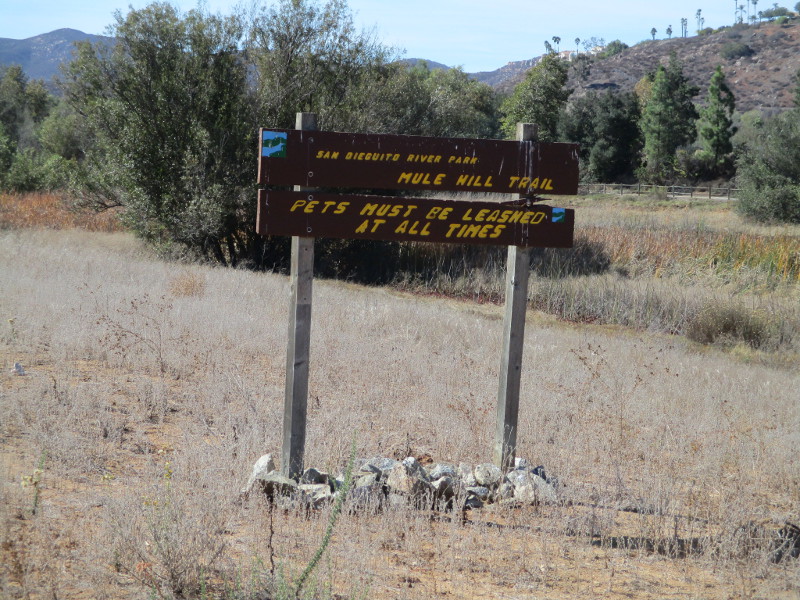
Walk down Mule Hill Trail at the south end of Escondido and you’ll find yourself stepping into history.

A while back I blogged about the forgotten town of Bernardo. A hundred years ago it was located in farmland near this trail, prior to the creation of Lake Hodges.

Down this same trail information signs mark the location of Mule Hill, where a skirmish took place during the Mexican-American War.

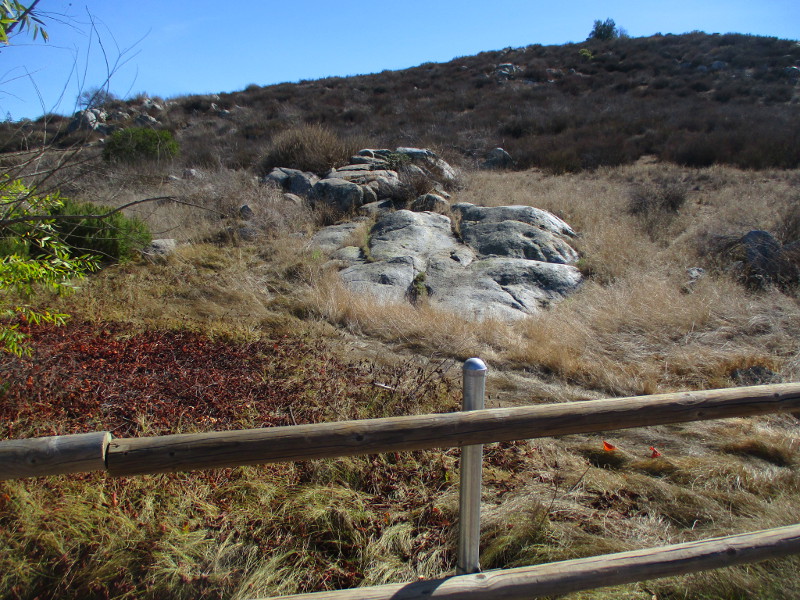
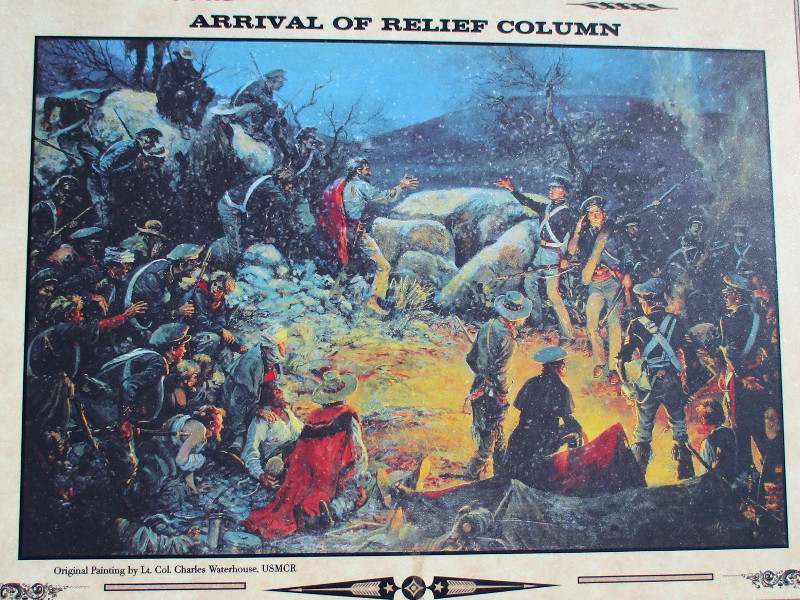
Seeking shelter among rocky outcroppings, General Kearny established a defensive position against pursuing Californios, as his U.S. Dragoons retreated toward San Diego after the Battle of San Pasqual.

The precise location of this skirmish was in debate for many years. Here are some interesting articles.

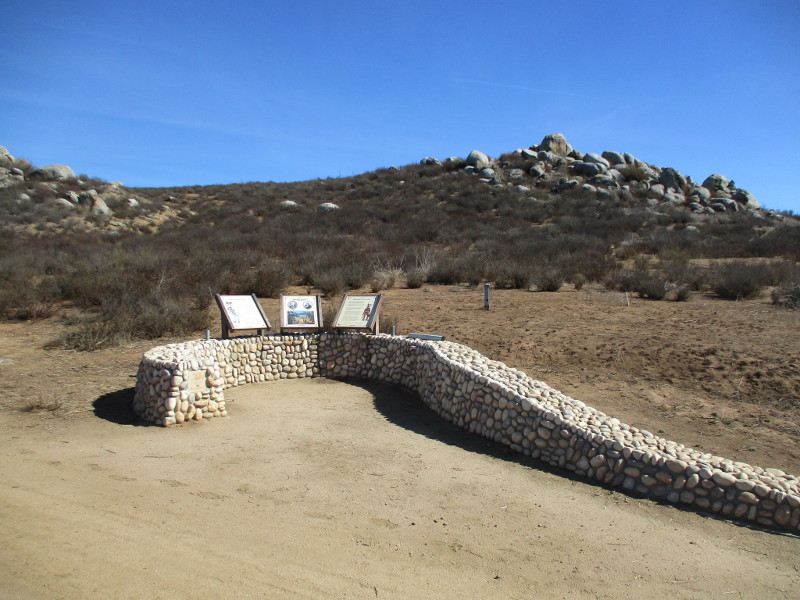
Today, after a short, easy walk south down Mule Hill Trail, you’ll see the outcroppings rising above several signs. You can find the wide dirt trail just east of Interstate 15, off Bear Valley Parkway, before Beethoven Drive.

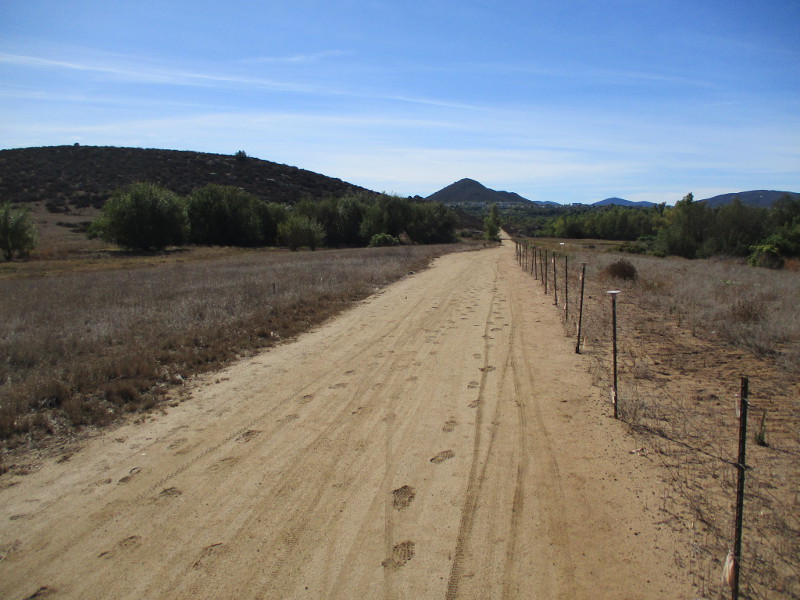
Beginning south down Mule Hill Trail, part of the San Dieguito River Park.

The wide, easy trail leads south toward both Mule Hill and the forgotten town of Bernardo.

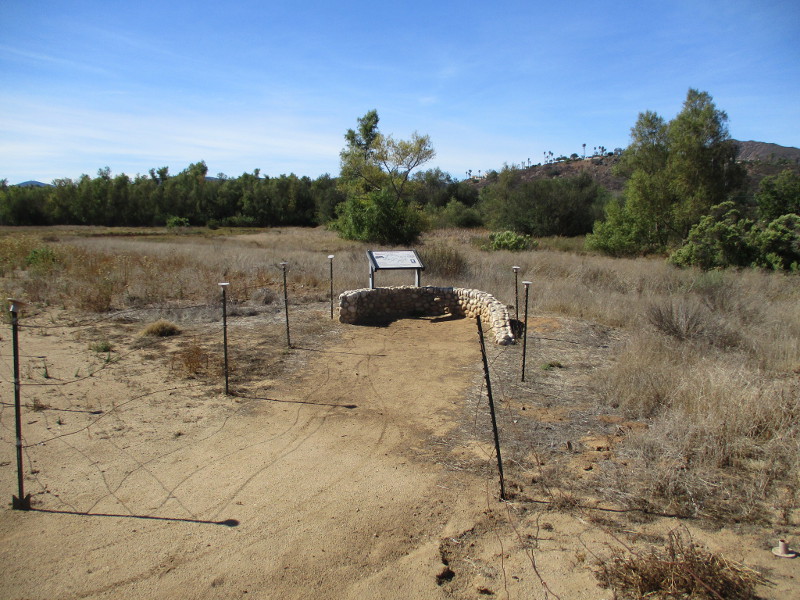
Off to the right near river trees, a solitary sign beckons.

Start of the Engagement, December 7, 1846

“Late in the evening, when we had arrived within about four hundred yards of the water where we intended to camp, they charged us, coming on in two bodies and compelling us to retreat to a pile of rocks about two hundred yards away on our left . . . ” source–Kit Carson’s Autobiography

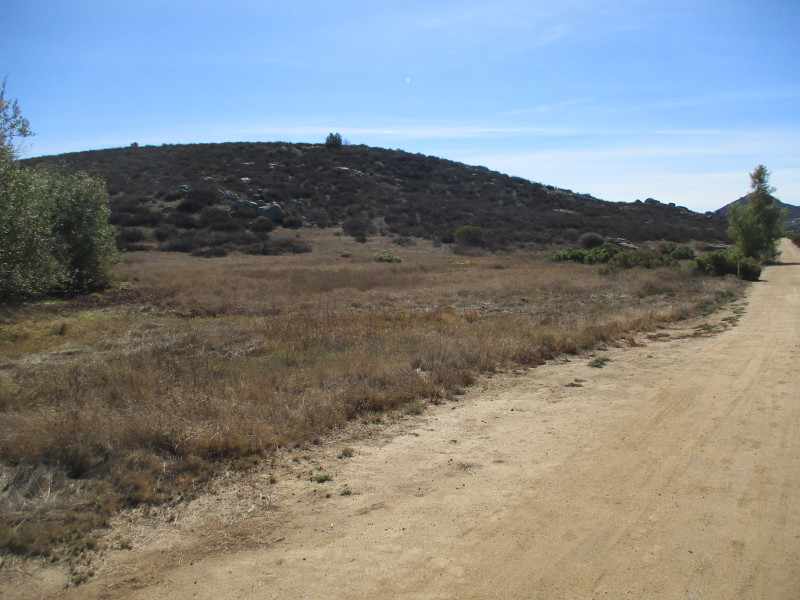
Continuing our walk south. Jumbled boulders can be seen on the hill to our left.

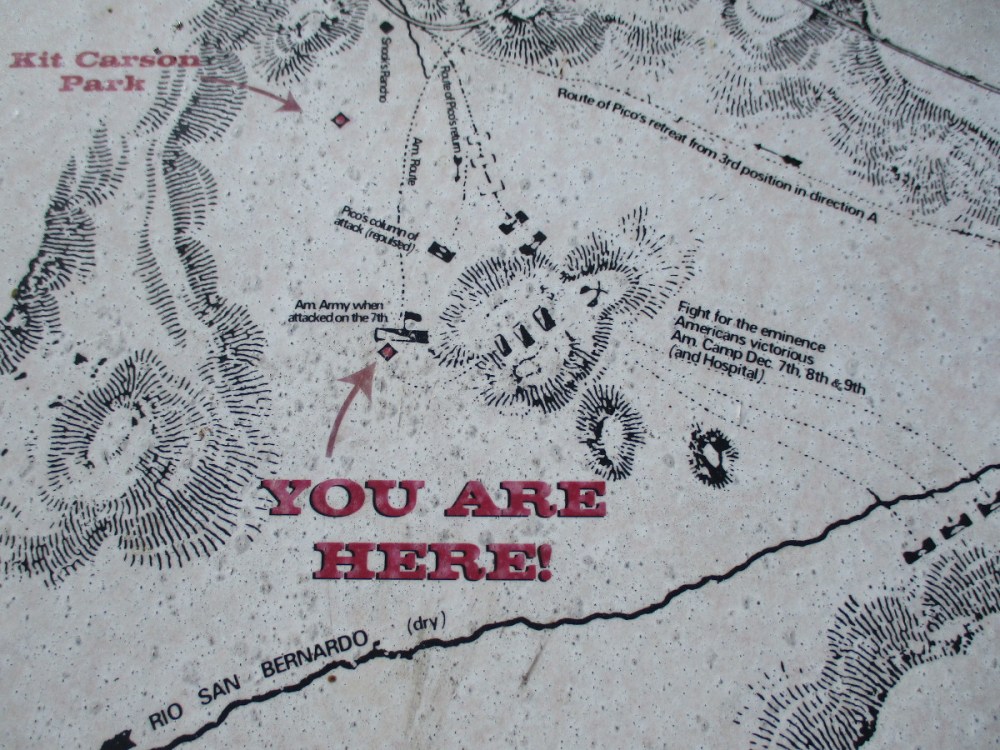
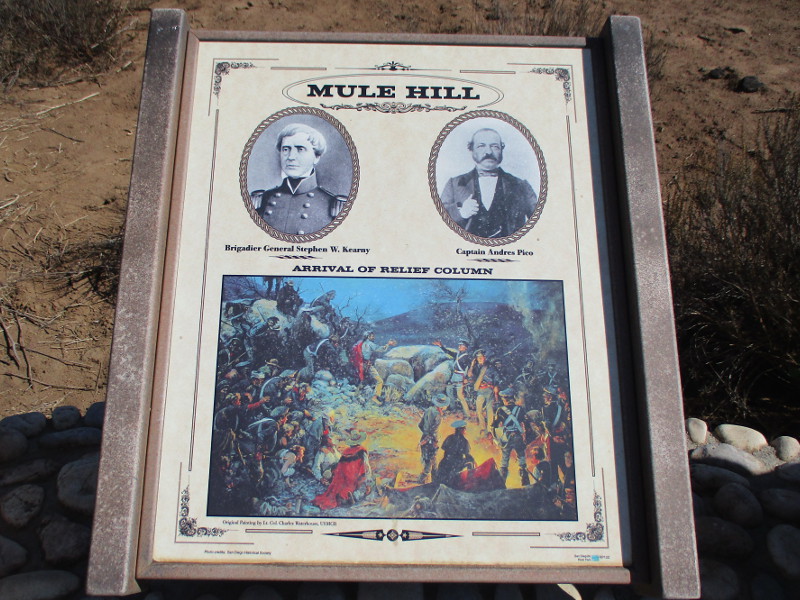
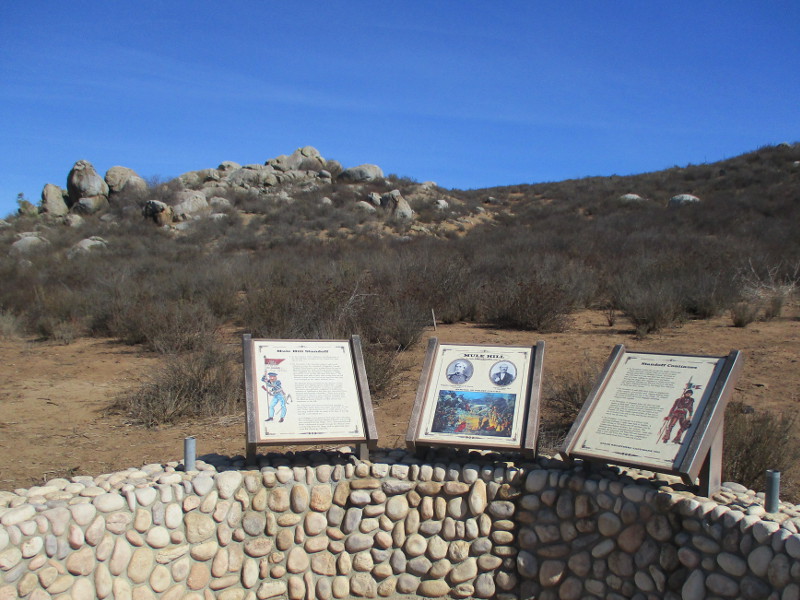
We’ve arrived at three signs near a pair of rock outcroppings that figure in the early history of San Diego. The signs explain what happened here at Mule Hill.

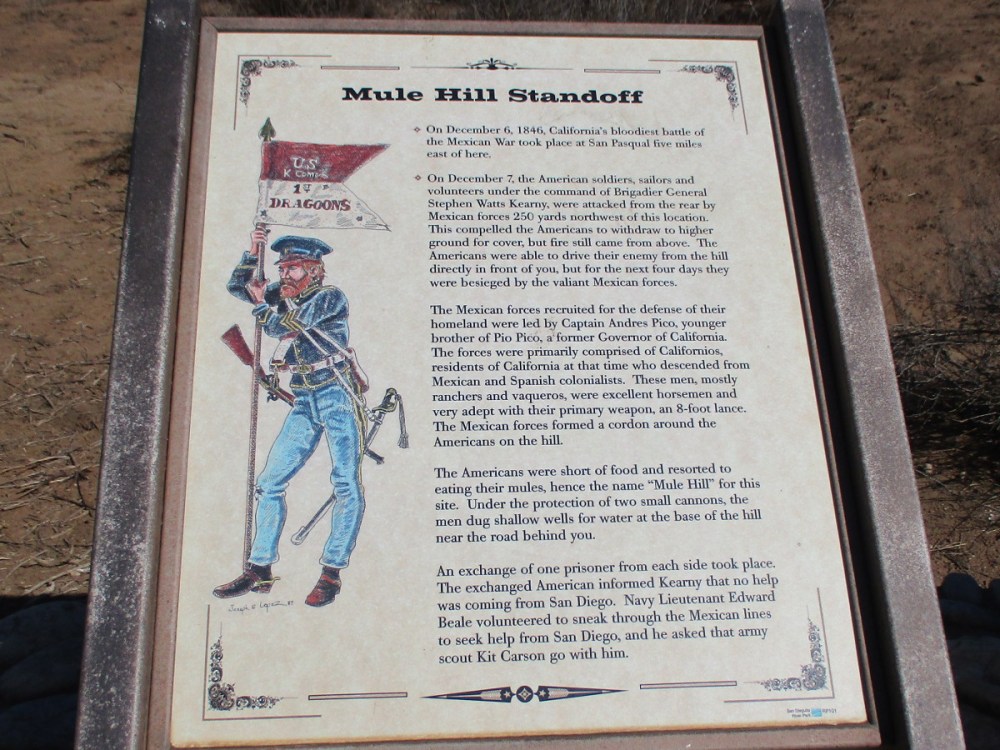
Mule Hill Standoff

On December 7, the American soldiers, sailors and volunteers under command of Brigadier General Stephen Watts Kearny, were attacked from the rear by Mexican forces 250 yards northwest of this location…

The Mexican forces recruited for the defense of their homeland were led by Captain Andres Pico . . . The forces were primarily comprised of Californios, residents of California at that time who descended from Mexican and Spanish colonialists…

The Americans were short of food and resorted to eating their mules, hence the name “Mule Hill” for this site…

…Navy Lieutenant Edward Beale volunteered to sneak through the Mexican lines to seek help from San Diego, and he asked that army scout Kit Carson go with him.

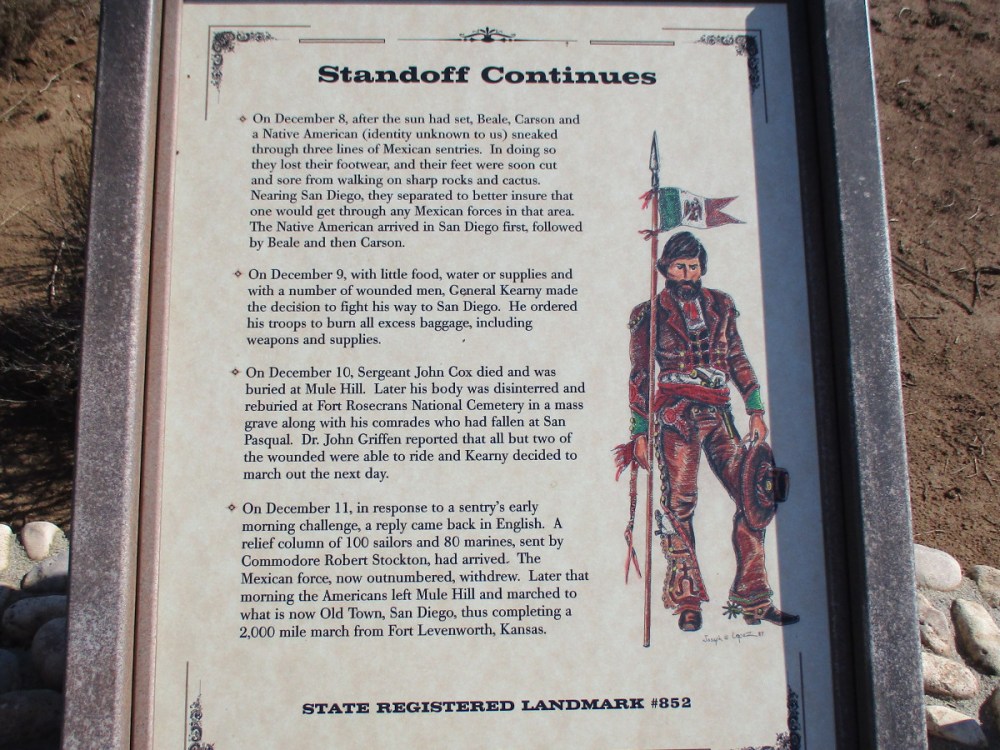
Standoff Continues

On December 8, after the sun had set, Beale, Carson and a Native American (identity unknown to us) sneaked through three lines of Mexican sentries…Nearing San Diego, they separated…The Native American arrived in San Diego first…

On December 9, with little food, water or supplies and a number of wounded men, General Kearny made the decision to fight his way to San Diego…

On December 10, Sergeant John Cox died and was buried at Mule Hill…

On December 11… A relief column of 100 sailors and 80 marines, sent by Commodore Robert Stockton, had arrived. The Mexican force, now outnumbered, withdrew. Later that morning the Americans left Mule Hill and marched to what is now Old Town, San Diego, thus completing a 2,000 mile march from Fort Leavenworth, Kansas.

Thanks for visiting Cool San Diego Sights!

I post new blogs pretty often. If you like discovering new things, bookmark coolsandiegosights.com and swing on by occasionally!

I live in downtown San Diego and love to walk around with my camera! You can follow Cool San Diego Sights via Facebook or Twitter!
Books published in San Diego a century ago.

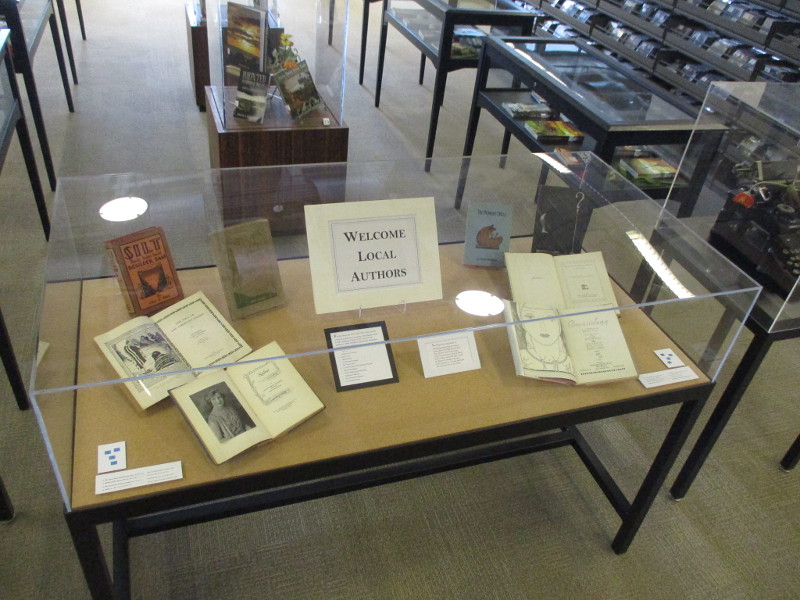
The 57th Annual Local Author Showcase can now be viewed at San Diego’s downtown Central Library.

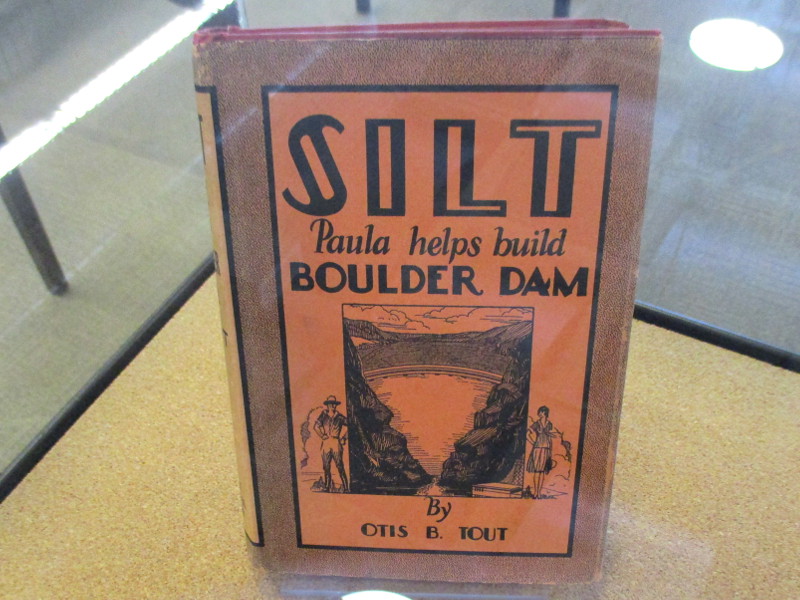
One of the display cases features books that were published in San Diego a century ago–in the 1920s and 1930s.

When I think of publishing in San Diego, the name Harcourt Brace Jovanovich immediately comes to mind. One of the world’s most important publishers made downtown San Diego their home for many years.

But have you heard of Torrey Pines Press, Hillcrest Publishing Company and the San Diego Printing Company? They and others were producing books in our city a century ago. Even Arrowhead Spring Water Distributors was part of the action!

The San Diego Library maintains a collection of books published or printed in San Diego. It’s called the Wilmer B. Shields Collection. It’s located inside the Marilyn and Gene Marx Special Collections Center on the Central Library’s 9th floor.

Thanks for visiting Cool San Diego Sights!

I post new blogs pretty often. If you like discovering new things, bookmark coolsandiegosights.com and swing on by occasionally!

I live in downtown San Diego and love to walk around with my camera! You can follow Cool San Diego Sights via Facebook or Twitter!
Honoring the first gliders at Torrey Pines.

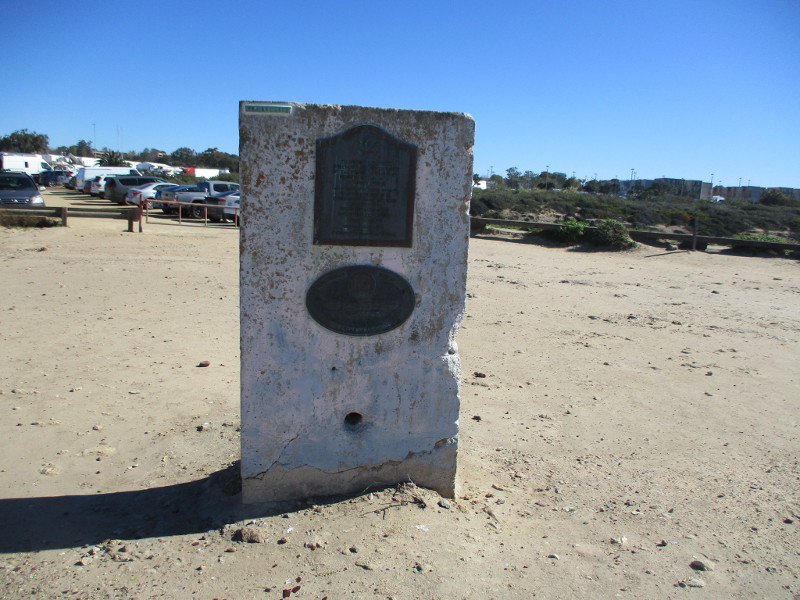
An old historical marker at the Torrey Pines Gliderport honors the pioneering glider pilots who were the first to launch themselves into the sky here.

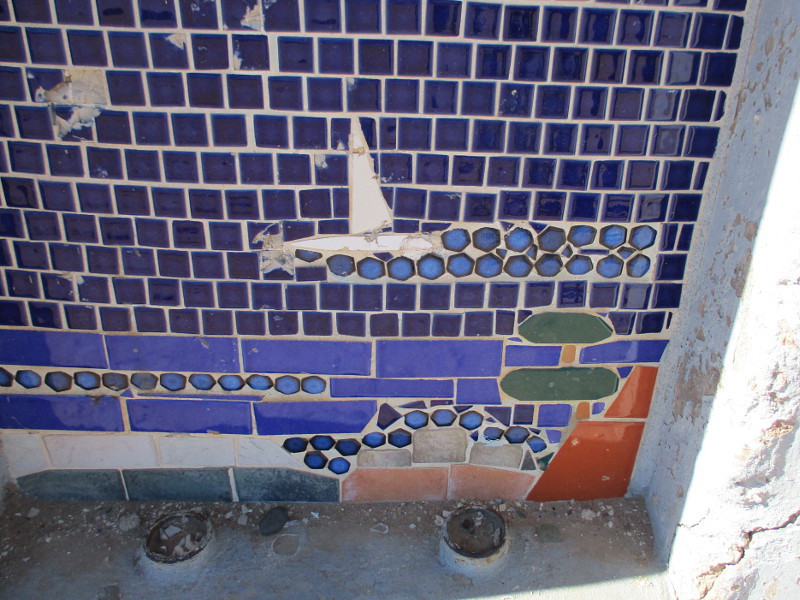
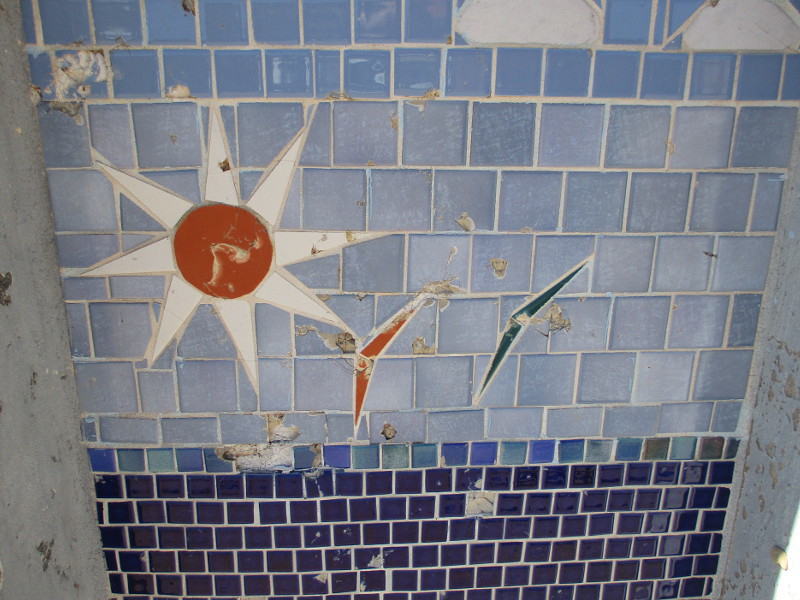
The side of the marker that faces the ocean features two bronze plaques. The opposite, facing the Gliderport’s parking lot, was made beautiful with a colorful tile mosaic. The 30-year-old abstract artwork depicts green trees atop the bluffs, sun, water, a sailboat and gliders in the blue sky.

TO HONOR THE SPIRIT, INGENUITY AND ENTHUSIASM OF THE PIONEERS WHO FLEW GLIDERS IN THE 1930’S AT TORREY PINES

AND TO THE FUTURE PILOTS WHO WILL SHARE THIS GLIDERPORT AND CONTINUE THIS TRADITION THROUGH ALL FORMS OF MOTORLESS FLIGHT

JUNE 6, 1992

THE NATIONAL SOARING MUSEUM

HARRIS HILL, ELMIRA, N.Y.

AN AFFILIATE OF THE SOARING SOCIETY OF AMERICA

HISTORICAL SITE NO. 315

THE TORREY PINES GLIDERPORT

THE CITY OF SAN DIEGO

Here’s a fascinating web page of the National Soaring Museum that concerns the Torrey Pines Gliderport. You can see some old photographs. The site is designated the museum’s Landmark No. 5.

I posted a blog concerning the Torrey Pines Gliderport many years ago. If you are curious, you can check that out by clicking here!

Thanks for visiting Cool San Diego Sights!

I post new blogs pretty often. If you like discovering new things, bookmark coolsandiegosights.com and swing on by occasionally!

I live in downtown San Diego and love to walk around with my camera! You can follow Cool San Diego Sights via Facebook or Twitter!
New trees planted at Bennington Memorial Oak Grove!

Twenty five new oak trees were planted today in a very special place in Balboa Park!

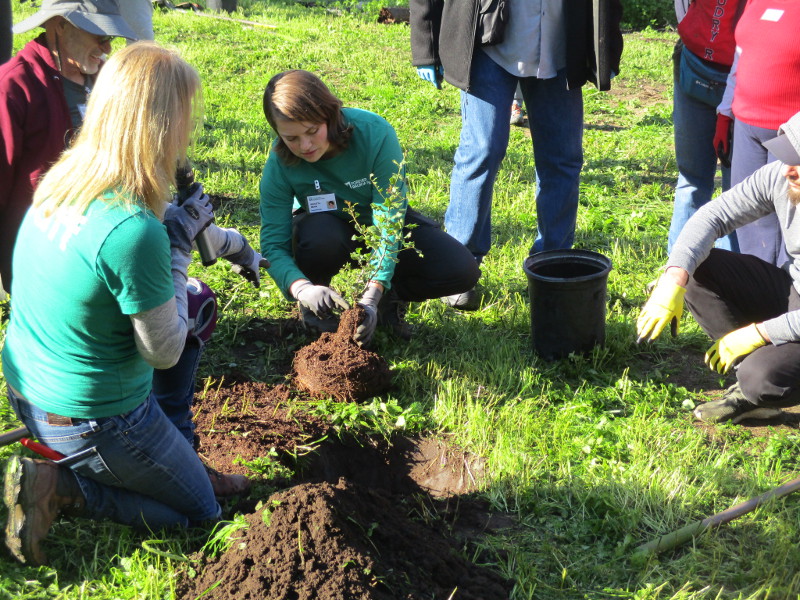
Forever Balboa Park, trained Tree Stewards and dozens of volunteers gathered in the USS Bennington Memorial Oak Grove to revitalize a historically important area of the park that’s a bit off the beaten path.

Perhaps you’ve driven down 26th Street from Golden Hill toward Naval Medical Center San Diego and seen many old oak trees off to your left. Those live oaks were planted in 1905 to memorialize 66 sailors who died in San Diego Bay when the boiler of the USS Bennington exploded.

As these coast live oaks have aged, some have died or approached the end of their life. Planting small new oak trees infuses new life and meaning into this truly special urban forest.

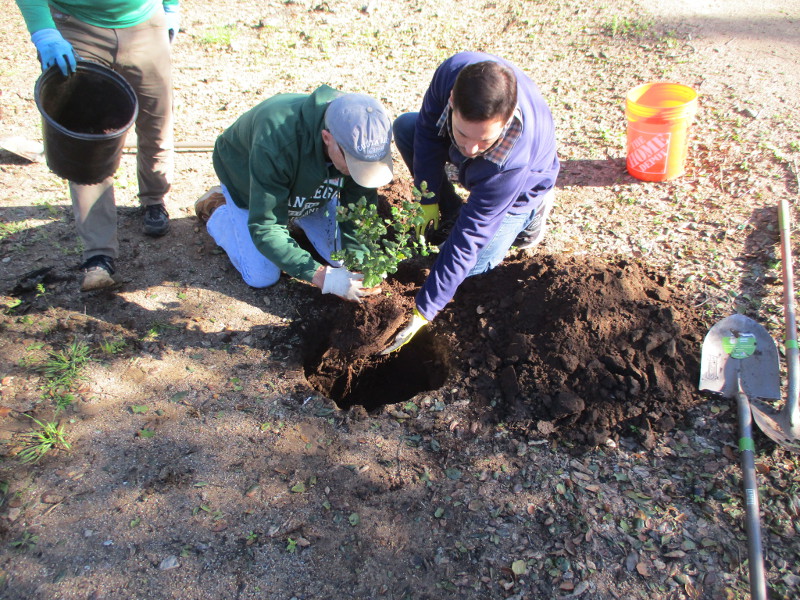
Walking along, camera in hand, I got “volunteered” to help plant three of the twenty five trees! Cool thing is, when I walk this way again, I’ll know that I and others have tangibly touched the future with these living trees. They will be growing more beautiful long after I’m gone.

If you’d like to become a volunteer Garden Steward or Tree Steward in beautiful Balboa Park, click here!

Before the planting of new trees, Kathleen Winchester tells everyone the history of the USS Bennington Memorial Oak Grove.

Some of the spots where new coast live oaks will be planted.

Everyone learned the proper way to plant a tree so that it thrives.

Here’s a tree my group planted.

Using the shovel to make sure the tree is planted at the correct depth.

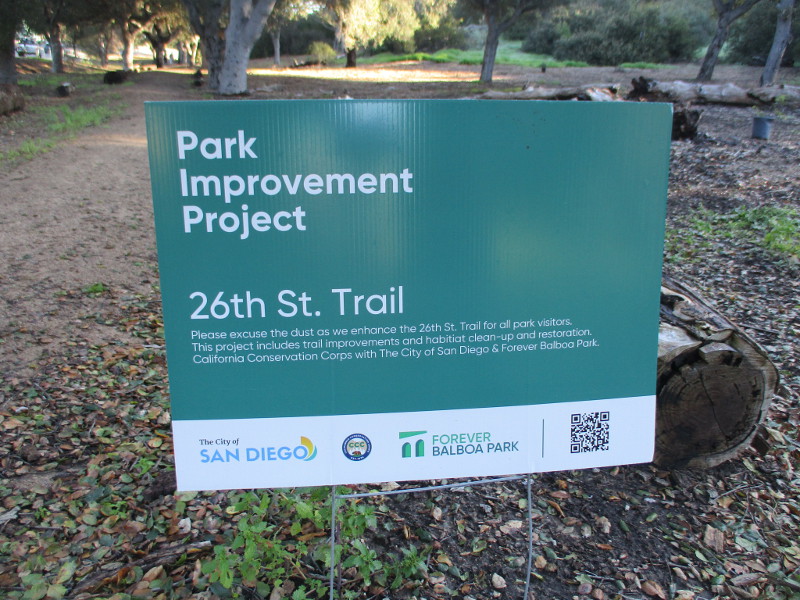
The planting of these 25 live oak trees in Balboa Park was the final phase of the 26th Street Trail park improvement project.

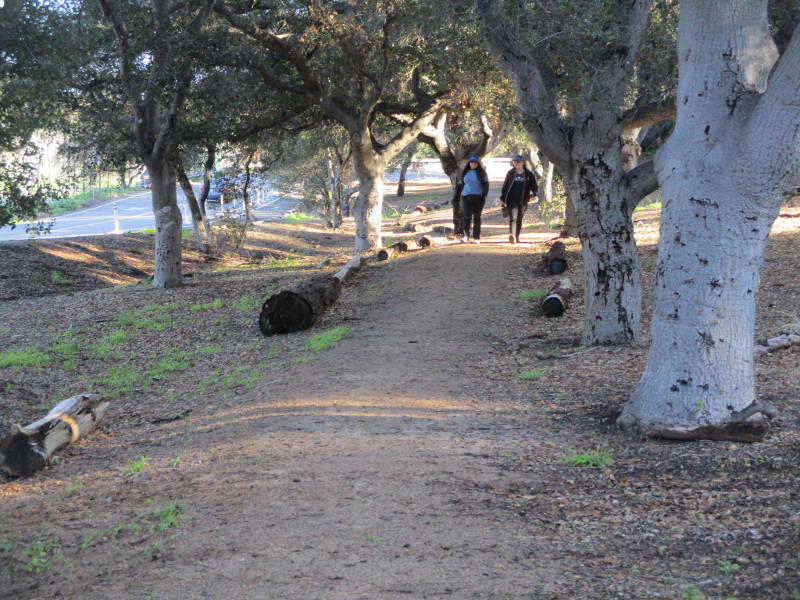
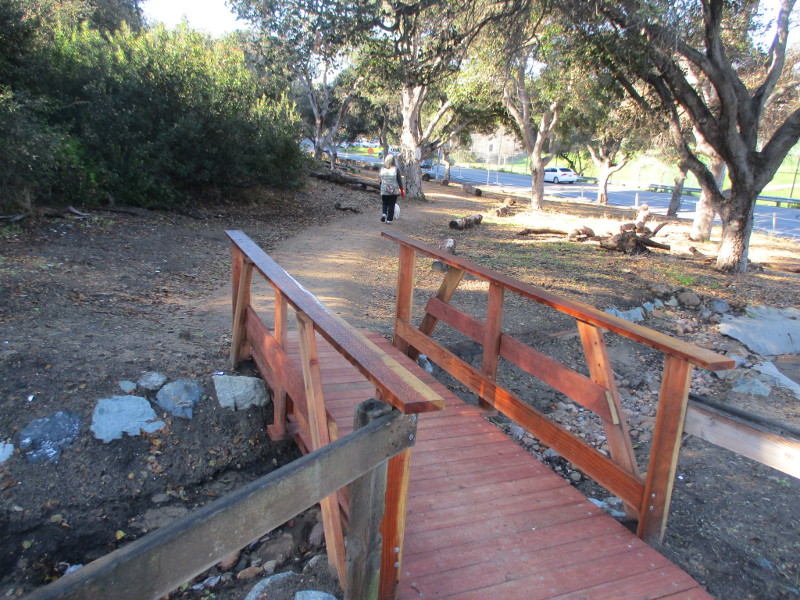
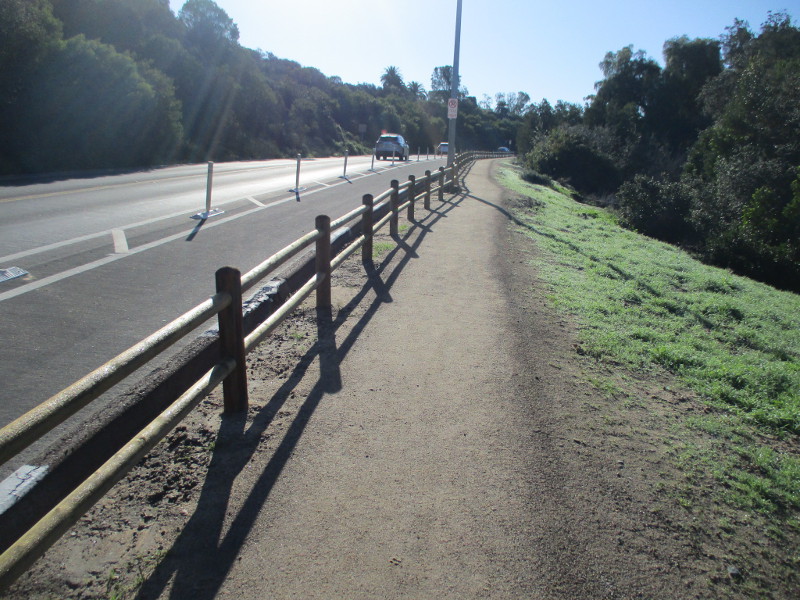
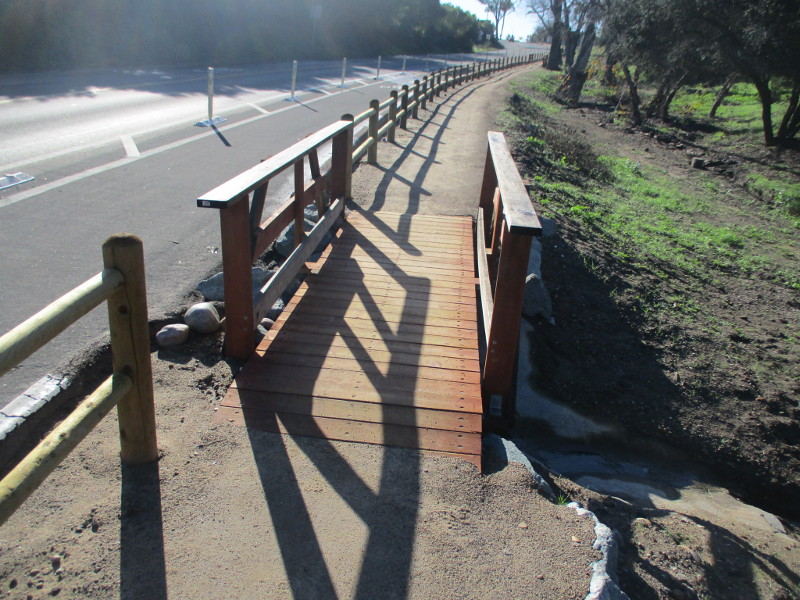
Last year members of the California Conservation Corps greatly improved the trail that leads up 26th Street to Golden Hill Park. The path, badly eroded in many places, was replaced with decomposed granite, and three new footbridges were built!

I walked up the trail to take some photos…

Lastly, thanks again to the Boy Scouts and sailors of the USS Theodore Roosevelt who made their mark improving and beautifying the oak grove five years ago. If you’d like to see what they did, click here!

Thanks for visiting Cool San Diego Sights!

I post new blogs pretty often. If you like discovering new things, bookmark coolsandiegosights.com and swing on by occasionally!

I live in downtown San Diego and love to walk around with my camera! You can follow Cool San Diego Sights via Facebook or Twitter!
Civic Center fountain recalls Oceanside’s founder.

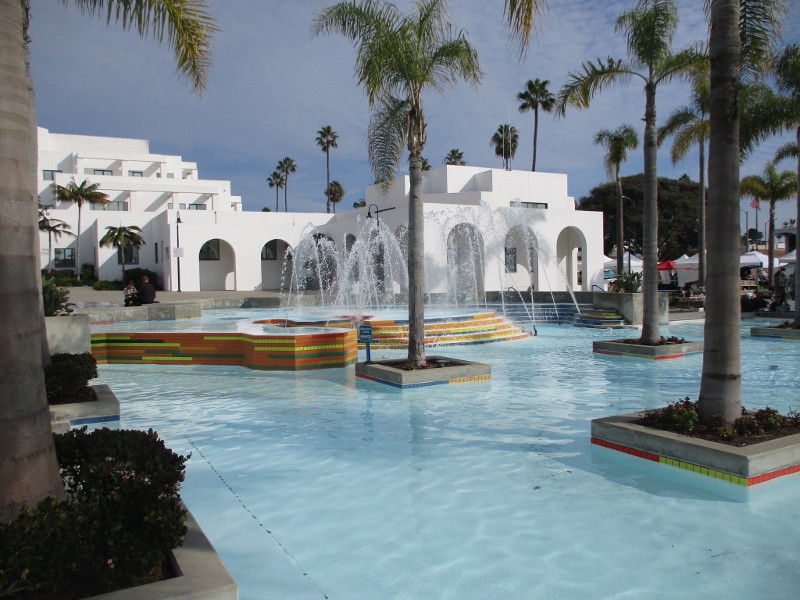
The beautiful fountain splashing in the Oceanside Civic Center plaza has special symbolism that is revealed on a nearby plaque. The plaque, commemorating Andrew Jackson Myers, founder of Oceanside, can be found on a wall just north of the fountain, near the entrance to the Civic Center library.

As the plaque explains, not only was Andrew Jackson Myers the founder of Oceanside, but he created the Oceanside Water Company, critical to the city’s early development. And the fountain where water flows and splashes is the site of his homestead!

The colorful tiles leading down to the fountain represent the San Luis Rey River, which was the original source of Oceanside’s water supply.

(Here’s a great article concerning Oceanside’s water history.)

Thanks for visiting Cool San Diego Sights!

I post new blogs pretty often. If you like discovering new things, bookmark coolsandiegosights.com and swing on by occasionally!

I live in downtown San Diego and love to walk around with my camera! You can follow Cool San Diego Sights via Facebook or Twitter!
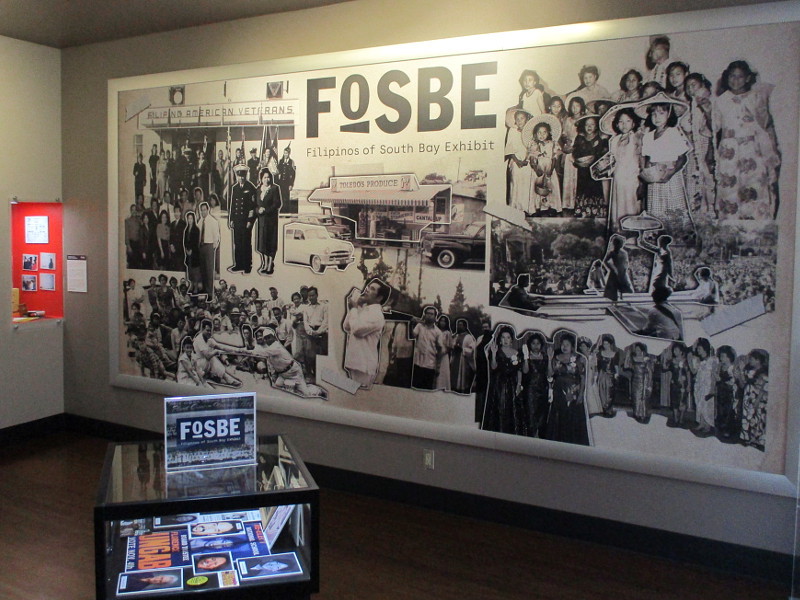
Filipinos of South Bay Exhibit in Chula Vista.

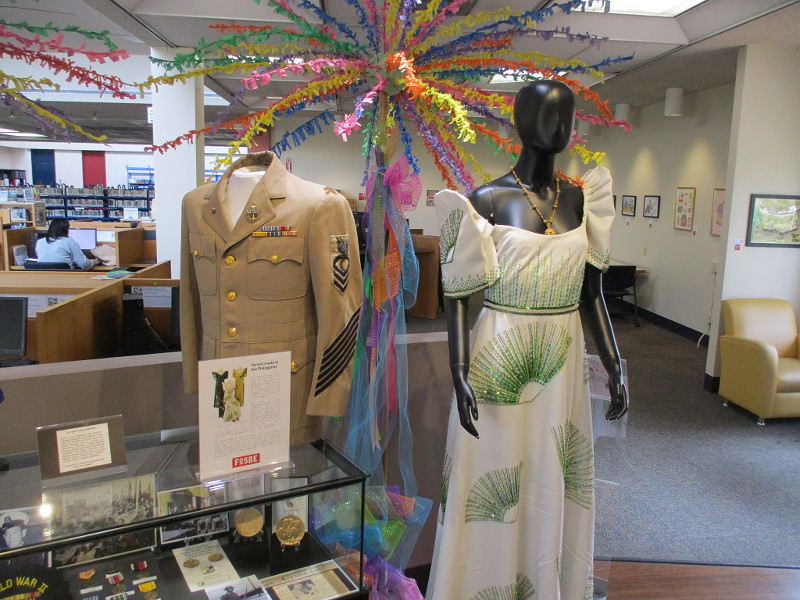
The current exhibition at the Chula Vista Heritage Museum celebrates the life and history of Filipinos in the South Bay.

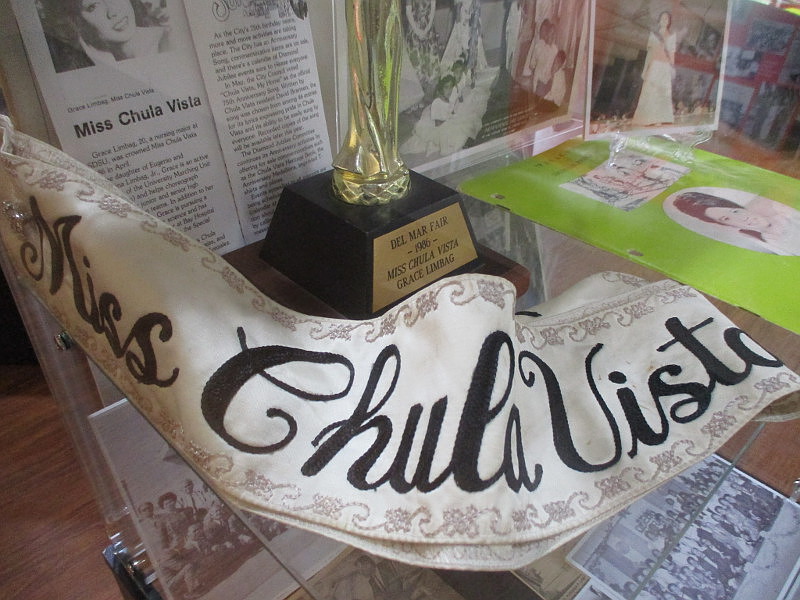
Display cases are positively overflowing with photographs and ephemera. Moments large and small are collectively remembered. You see the hopes, struggles, victories, family life. There are memories of community gatherings and festivals.

Words and images tell what it was like as a Filipino to go to school or church, run a business, serve in the military, or work to improve the life of the community. Perhaps you share these experiences.

I peered into the display cases and found so much life.

You can see that life, too, throughout 2023. Visit the Chula Vista Heritage Museum, which is located inside the Chula Vista Public Library Civic Center Branch.

Thanks for visiting Cool San Diego Sights!

I post new blogs pretty often. If you like discovering new things, bookmark coolsandiegosights.com and swing on by occasionally!

I live in downtown San Diego and love to walk around with my camera! You can follow Cool San Diego Sights via Facebook or Twitter!
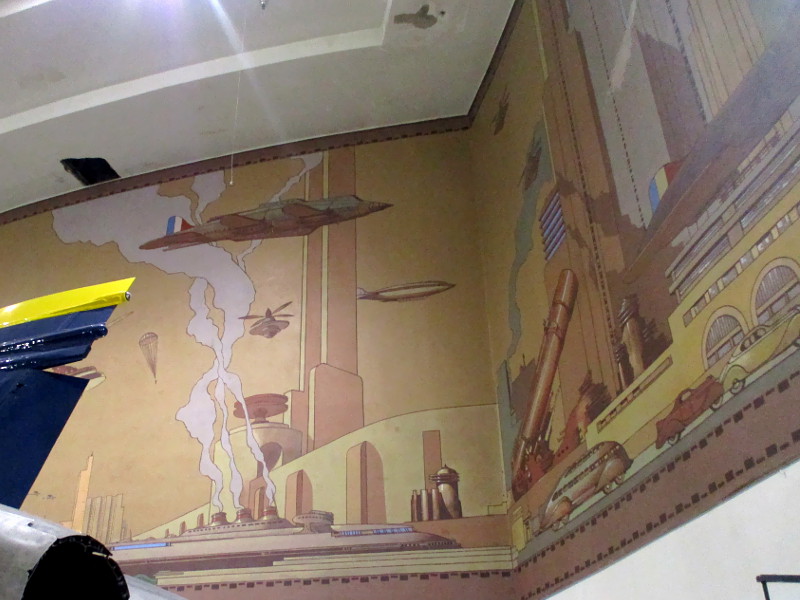
1936 mural in Balboa Park predicts future!

In 1936, during the second year of Balboa Park’s extended California Pacific International Exposition, a 450-foot-long mural was painted on the inside circular wall of the Ford Building. The building is now home of the San Diego Air & Space Museum. The epic mural, which underwent a restoration in 1979, is called the March of Transportation.

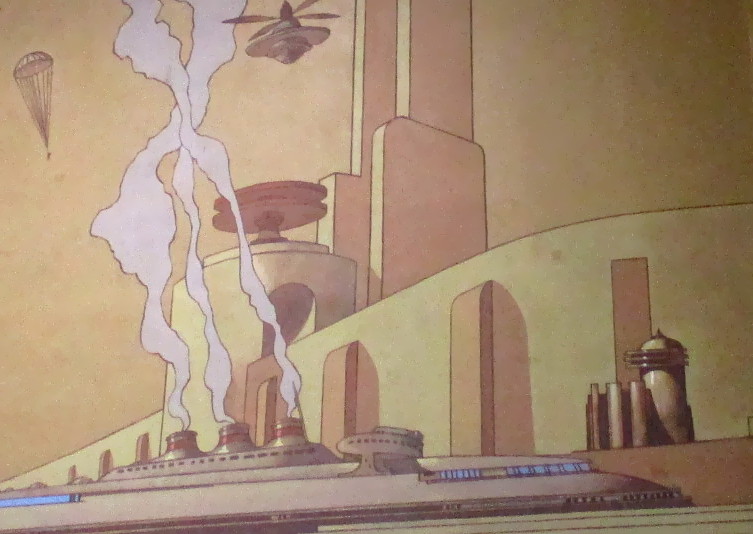
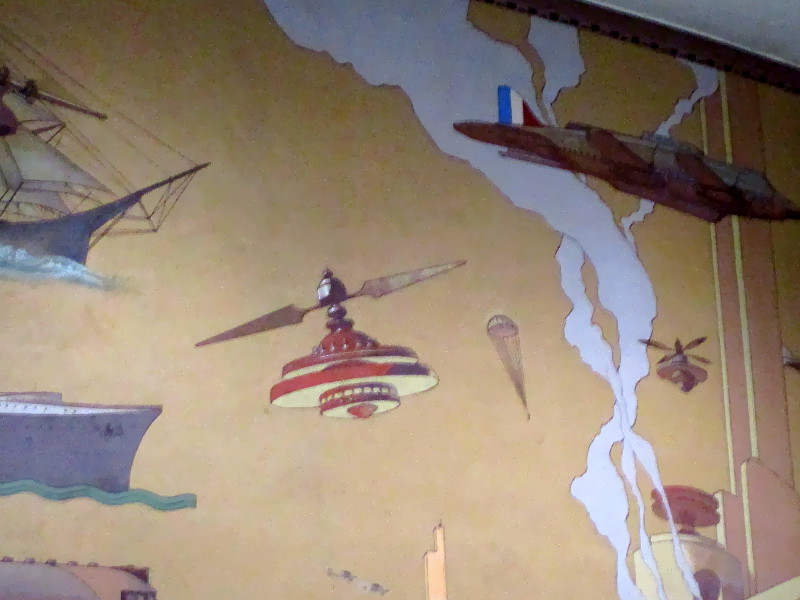
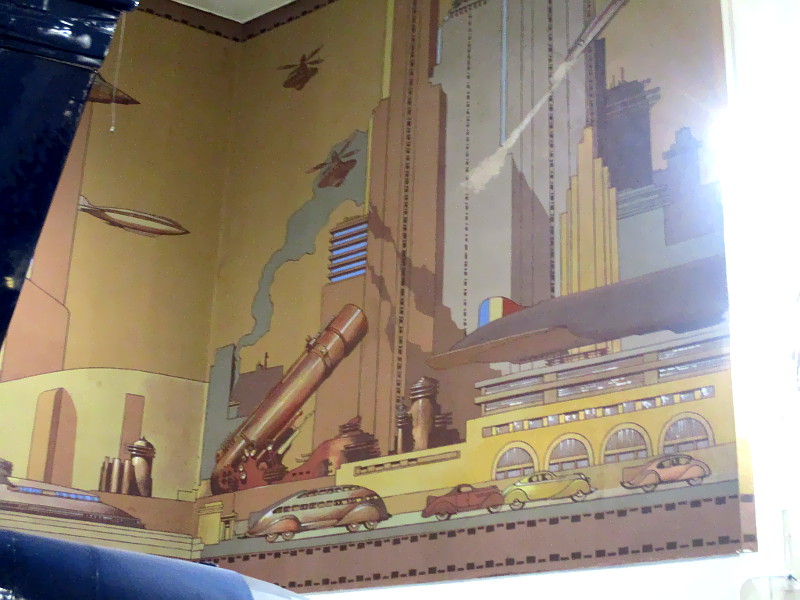
The artist, Juan B. Larrinaga, depicted the progress of transportation technology over time. And at the very end of the mural he painted what he thought the future world might look like!

You can see this fantastic vision of the future near the San Diego Air & Space Museum’s exit into their gift shop.

Gazing up at the mural, I spotted strange aircraft that appeared to be a combination helicopter/flying saucer. And what appeared to be an elongated spaceship shot from a cannon. There are dirigible airships and massive skyscrapers. But the automobiles are quaintly nostalgic!

I found it difficult to take photos of the mural due to the proximity of the museum’s F/A-18 A Hornet “Blue Angel 1” and dim lighting conditions high on the wall. I apologize if the images are a bit fuzzy. But you can see how cool the imagined future is!

Thanks for visiting Cool San Diego Sights!

I post new blogs pretty often. If you like discovering new things, bookmark coolsandiegosights.com and swing on by occasionally!

I live in downtown San Diego and love to walk around with my camera! You can follow Cool San Diego Sights via Facebook or Twitter!

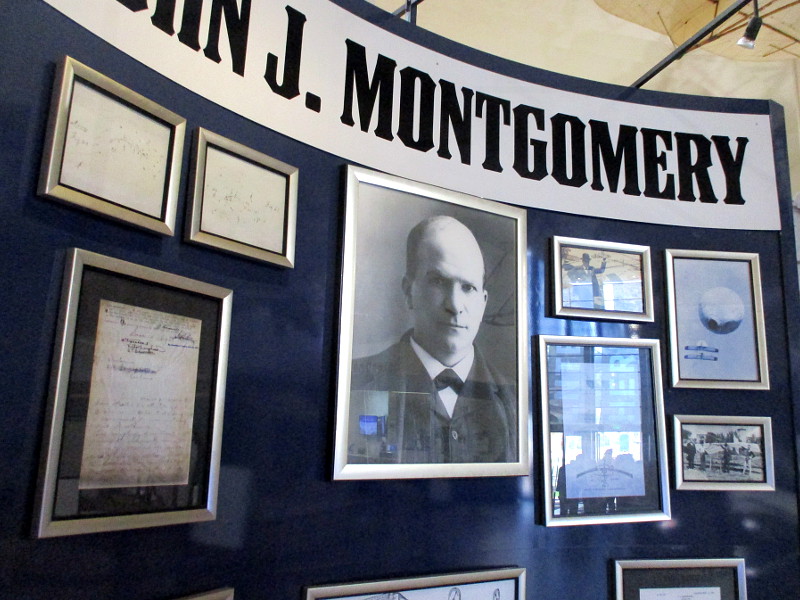
Exhibit celebrates San Diego aviation pioneer.

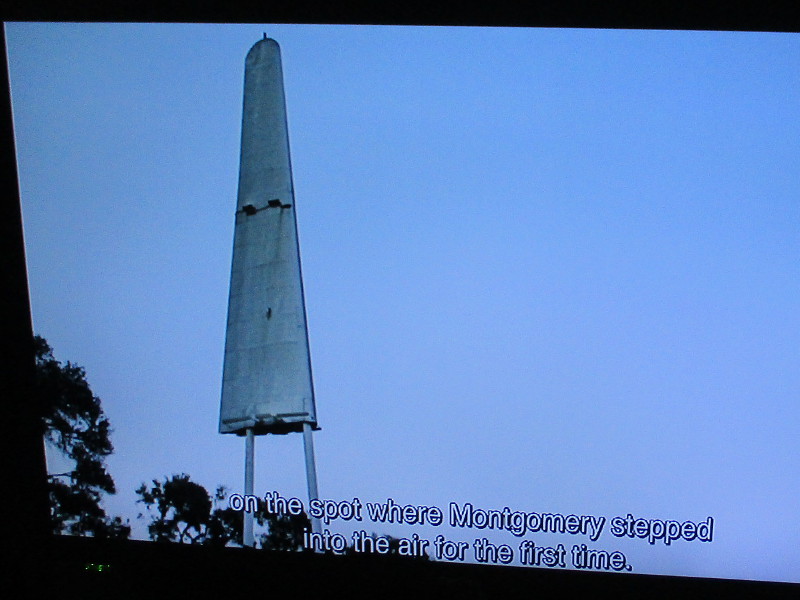
Did you know the world’s first ever controlled glider flight took place in Otay Mesa? This important late 19th century breakthrough, which preceded the invention of motorized airplanes, was the achievement of John J. Montgomery.

There’s an exhibit at the San Diego Air and Space Museum that explores the life of Montgomery and his important contributions to aviation history. Photographs, ephemera, rare documents and a video tell his story. I noticed the display today when I visited the museum in Balboa Park.

I immediately took interest because I have visited the impressive monument to Montgomery’s first controlled heavier-than-air flight. It stands upon a hilltop south of Chula Vista in West Otay Mesa. A couple years ago I blogged about the Montgomery Memorial and posted information and photographs here.

One thing I was surprised to learn while watching the exhibit’s video is that a movie was made in 1946 about John J. Montgomery’s history-making flight. It’s titled Gallant Journey and stars Glenn Ford!
Thanks for visiting Cool San Diego Sights!

I post new blogs pretty often. If you like discovering new things, bookmark coolsandiegosights.com and swing on by occasionally!

I live in downtown San Diego and love to walk around with my camera! You can follow Cool San Diego Sights via Facebook or Twitter!