Last summer a new museum opened at the world-famous Hotel del Coronado.
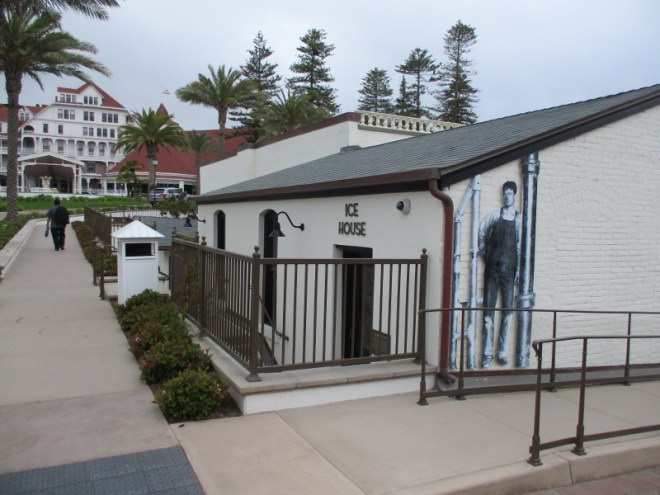
Located in the hotel’s historic ice house, between the old power plant and laundry building, the Ice House Museum tells the story of the world-famous Victorian beach resort.
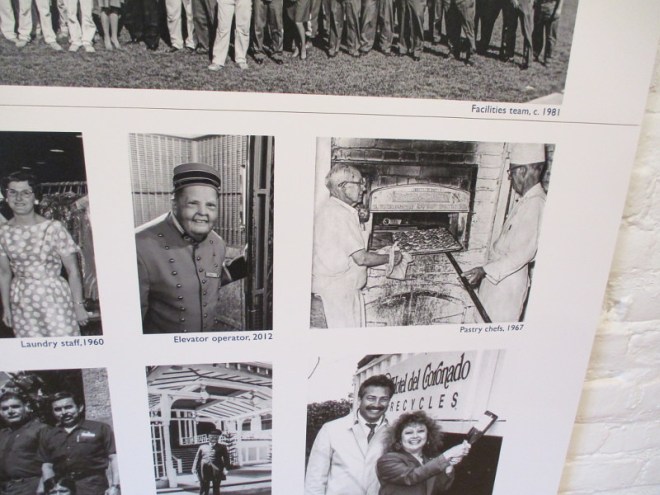
Fascinating displays filling several walls pay tribute to those who’ve worked at the Hotel del Coronado over the decades, and the numerous celebrities who’ve visited.
I headed to the museum a couple weekends ago to check it out!
It was an overcast day–not the ideal weather for sunbathing on the nearby beach–so quite a few hotel guests were enjoying this free museum, too!
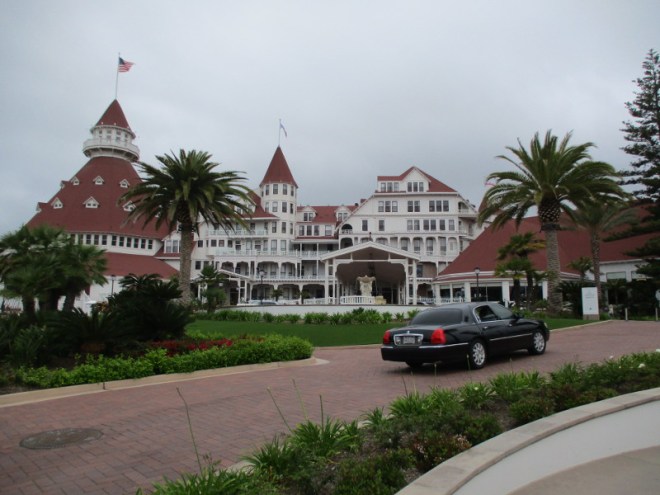
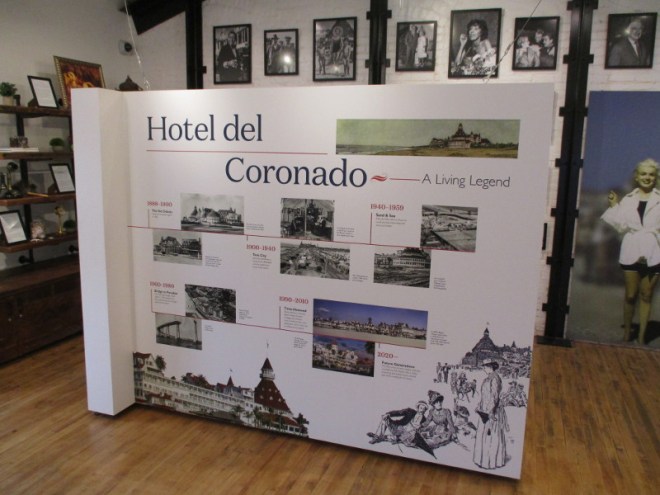
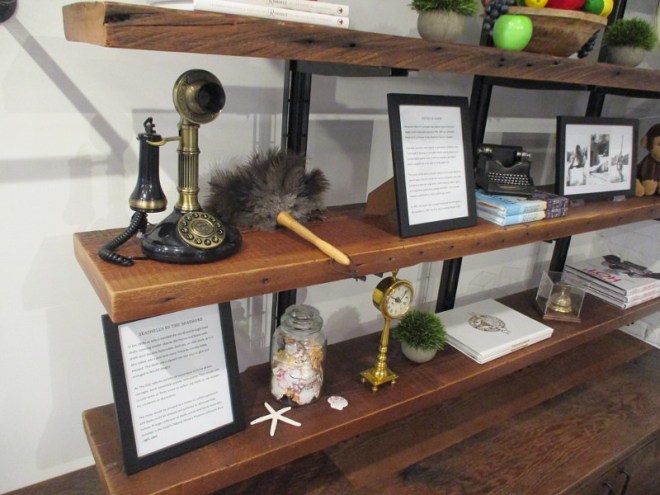
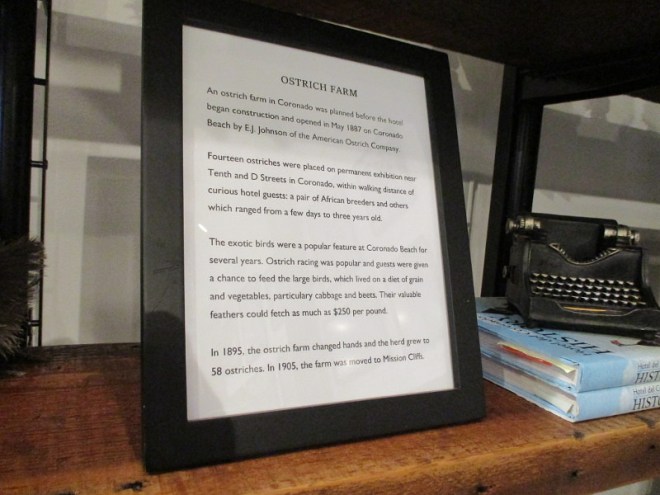
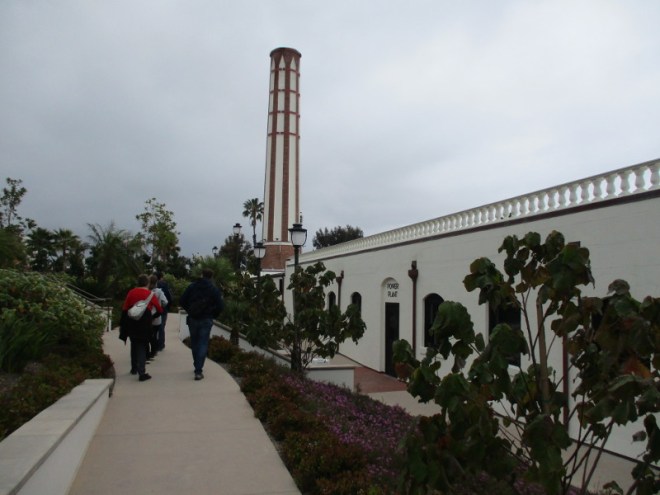
The grand entrance to the iconic Hotel del Coronado can be viewed north of the Ice House Museum. The late 19th century beach resort is in the Queen Anne architectural style.The old ice house was built for hotel founders Babcock and Story’s Coronado Ice Company. The enterprise provided ice to the entire island. The ice house now contains a fascinating historical museum.Prominent display inside the museum shows timeline of the Hotel del Coronado’s history. Elisha Babcock, Jr. and Hampton L. Story, founders of the Coronado Beach Company and developers of Coronado, built the hotel in 1888. The hotel was purchased by San Diego entrepreneur John D. Spreckels about a year later.One wall features photos of many celebrities who’ve stayed at the famous hotel.Legendary guests are remembered. Names I saw include American presidents Harrison, Taft, Carter, Reagan, Clinton and Bush. Sports and entertainment celebrities include Frank Sinatra, Walt Disney, Carol Burnett, Cary Grant, Milton Berle, John Wayne, Peter O’Toole, Esther Williams, Babe Ruth, Kirk Douglas, Charlie Chaplin, Mickey Rooney, Tony Curtis, Marilyn Monroe…Artifacts recall unique aspects of the hotel’s rich history.The beach near the hotel once featured an ostrich farm! A year before the Hotel del Coronado opened, fourteen ostriches were on permanent exhibition near Tenth and D Streets. In 1905, the greatly expanded ostrich farm moved to Mission Cliffs.Six copies of this Orientalist style painting, titled On the March, by Germain artist Adolf Schreyer, were ordered in 1905 to decorate the elegant hotel’s walls.Commemorative dinnerware. Bone china with a gold-embossed rim made for the Hotel del Coronado’s centennial celebration in 1988.Some of the faces of dedicated hotel employees over the decades. Heart of the House. People who deliver the Del experience.Just south of the Ice House Museum is the Hotel del Coronado Laundry building.One walking path, leading back to the Hotel del Coronado’s main entrance, passes near the old power plant, with its prominent smokestack.
…
This blog now features thousands of photos around San Diego! Are you curious? There’s lots of cool stuff to check out!
Here’s the Cool San Diego Sights main page, where you can read the most current blog posts. If you’re using a phone or small mobile device, click those three parallel lines up at the top–that opens up my website’s sidebar, where you’ll see the most popular posts, a search box, and more!
To enjoy future posts, you can also “like” Cool San Diego Sights on Facebook or follow me on Twitter.
The world’s longest running IMAX film projector is on display in San Diego’s Balboa Park. That’s because this venerable old projector operated for 48 years at the Reuben H. Fleet Science Center!
Tonight I headed over to the Fleet Science Center to watch The Sky Tonight, a once-a-month astronomy presentation on the giant space-like IMAX dome. As I waited in the theater lobby for the show to begin seating, I noticed the historic projector on display to one side, behind an open curtain.
A gentleman briefly explained the projector’s history. The very durable, then state-of-the-art projector was originally installed in 1973. It was the second IMAX projector made. Apparently nobody knows what became of the first!
When I got home, I found this link to a great article concerning the projector, and its replacement last year with a new, improved IMAX Laser digital video projector.
…
I live in downtown San Diego and love to walk around with my camera! You can follow Cool San Diego Sights via Facebook or Twitter!
The Coronado Historical Association’s Museum of History and Art presently features an exhibit titled Uprooted: The Story of the Japanese Americans of Coronado.
I visited the museum yesterday. The kind lady at the entrance allowed me to take a few photos when she learned I’m a blogger.
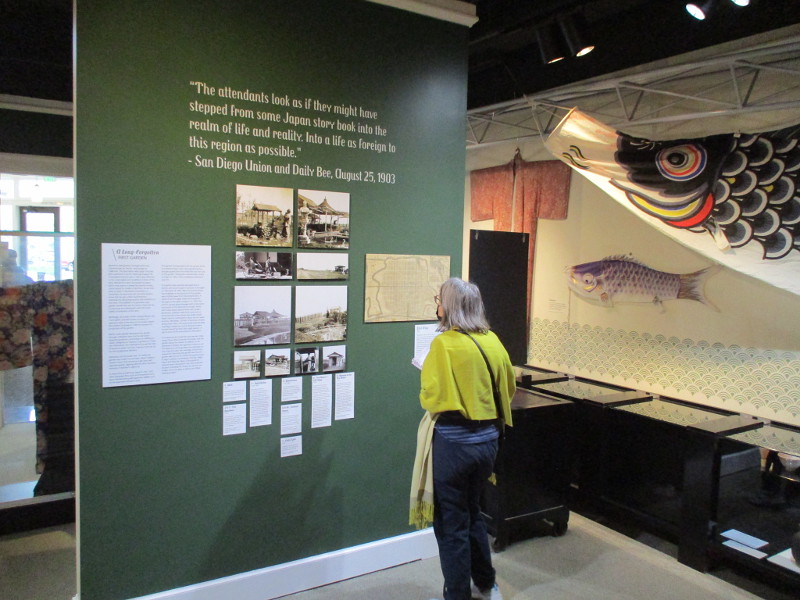
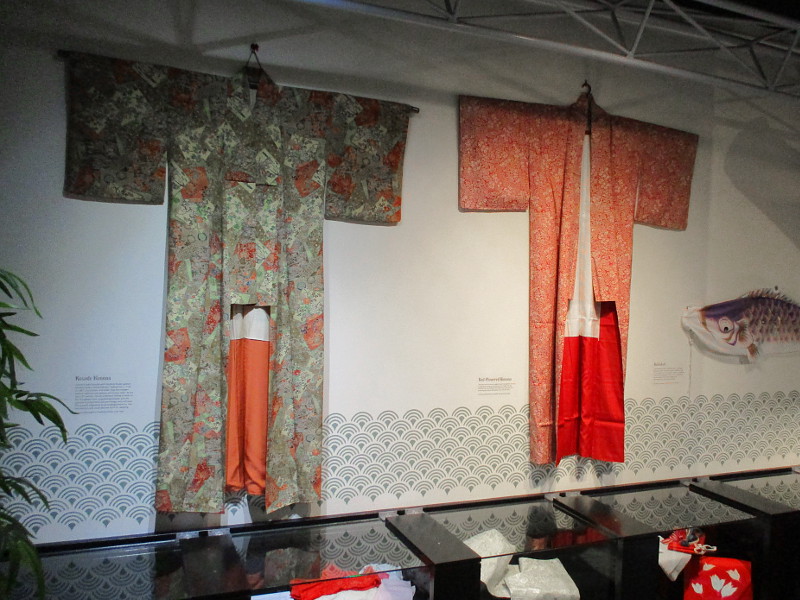
As I stepped into the first gallery, I was immediately pleased to see that the Japanese Friendship Garden in Balboa Park had contributed objects for display, including beautiful kimonos. I’m a member of the garden.
Then, as I looked at old photographs and read descriptions, I was stunned to learn that Coronado once had its own Japanese garden! Actually two tea gardens! And the second would be the setting for four motion pictures from 1913 to 1919!
Looking at the exhibit’s many historical photographs, I tried to imagine what life on the island might have been like years ago, particularly for Japanese Americans. The years covered are from the mid-1800’s when immigrants came to California seeking opportunity, to the forced detention of Japanese American citizens during World War II, to more recent and optimistic times.
Many of the displays are made possible by the Japanese American Historical Society of San Diego.
Anyone interested in local history absolutely should visit this exhibit. I was surprised to learn so much!
More information can be found on the Coronado Historical Association website here.
…
I live in downtown San Diego and love to walk around with my camera! You can follow Cool San Diego Sights via Facebook or Twitter!
Today was Samantha’s first day volunteering at the Maritime Museum of San Diego. From one who is a big fan of the museum–thank you!
I walked slowly around the museum’s historic ships in the early afternoon, watching Sunday volunteers at work, and learned a few new things. There’s always something different and interesting to discover here!
As you can see, along with Samantha, many were working to maintain the Star of India.
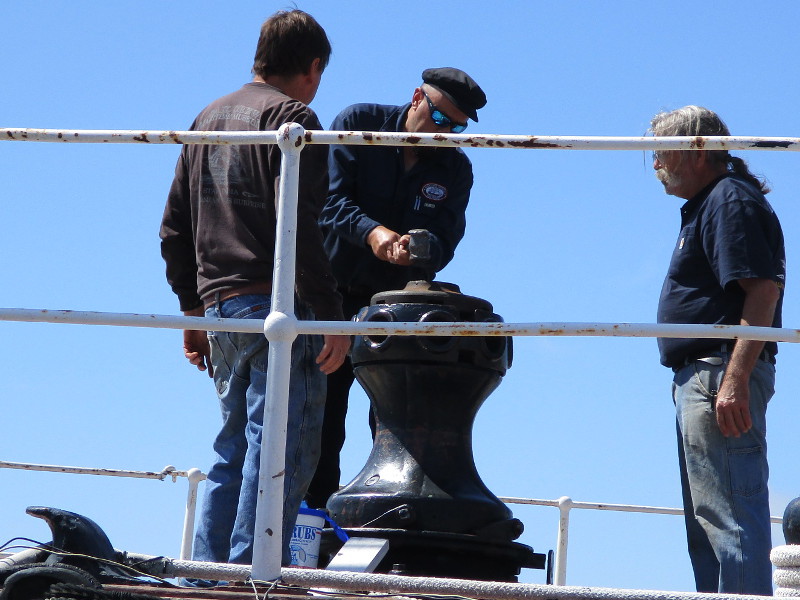
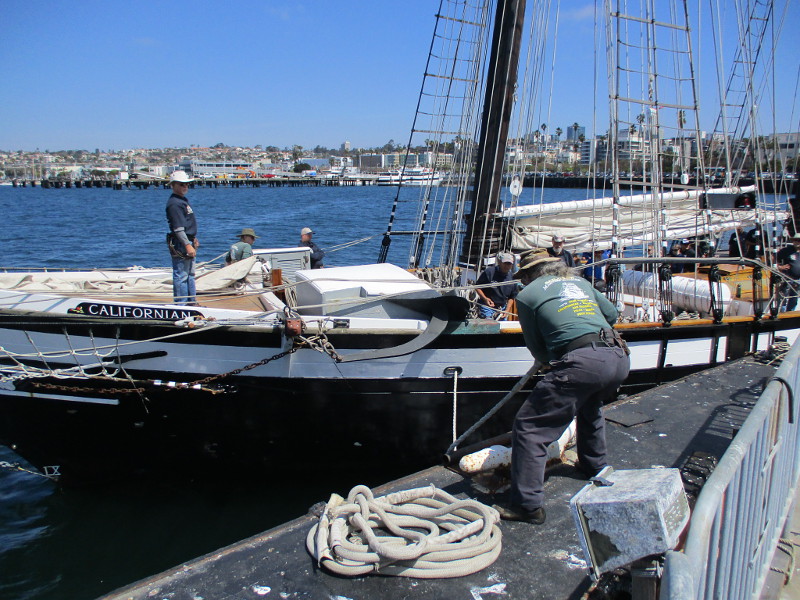
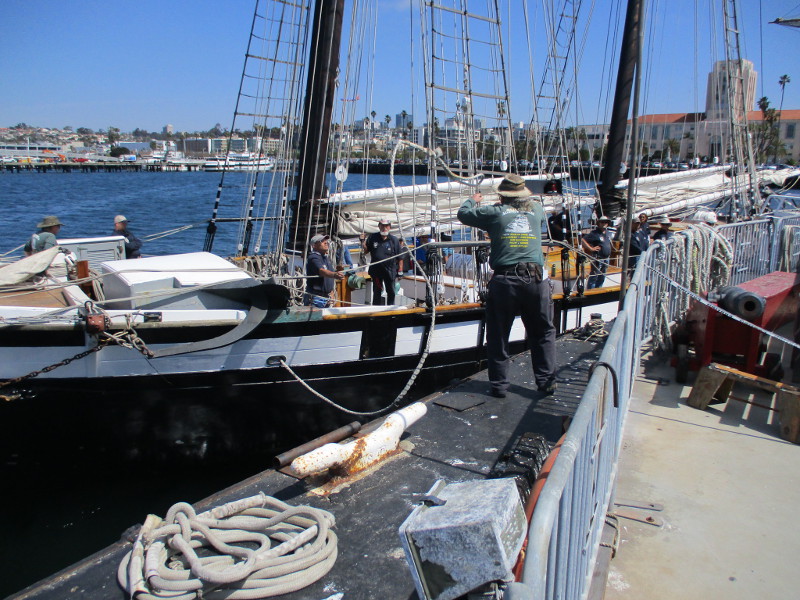
Applying a clear UV-resistant acrylic to the main deck of Star of India.Volunteering, and being members of a sail crew, seems to produce smiles!Out on the museum’s barge, I saw the Robert Sharp is now pink! Don’t worry, I was told, that’s just a primer coat.Hammering away on the Star of India’s forward capstan.A group was setting out on a Sunday sailing adventure aboard tall ship Californian.I haven’t yet enjoyed a Californian sailing adventure, but I promise to, one day. Looks incredible!There she goes!
Stay tuned for more photos from Chula Vista, Allied Gardens, La Jolla . . . and who knows where else!
…
I live in downtown San Diego and love to walk around with my camera! You can follow Cool San Diego Sights via Facebook or Twitter!
You can easily explore Cool San Diego Sights by using the search box on my blog’s sidebar. Or click a tag! There are thousands upon thousands of photos for you to enjoy!
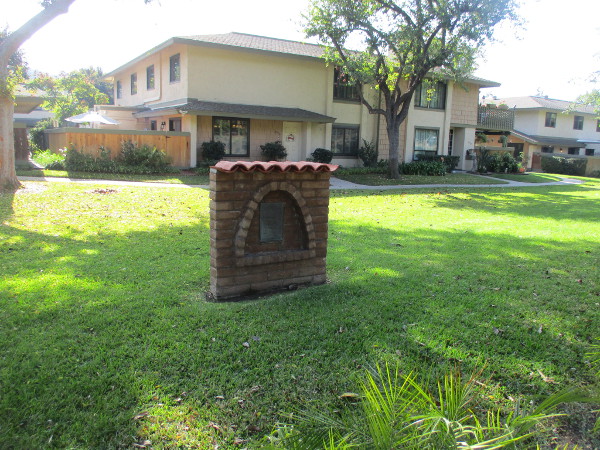
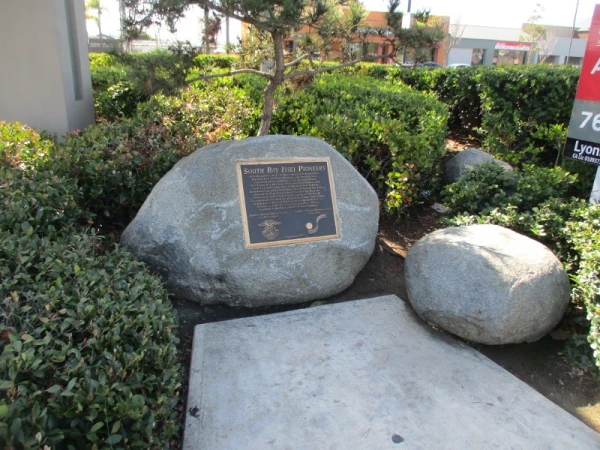
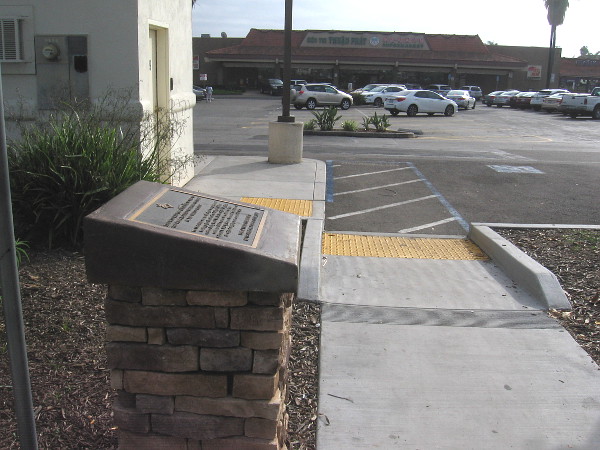
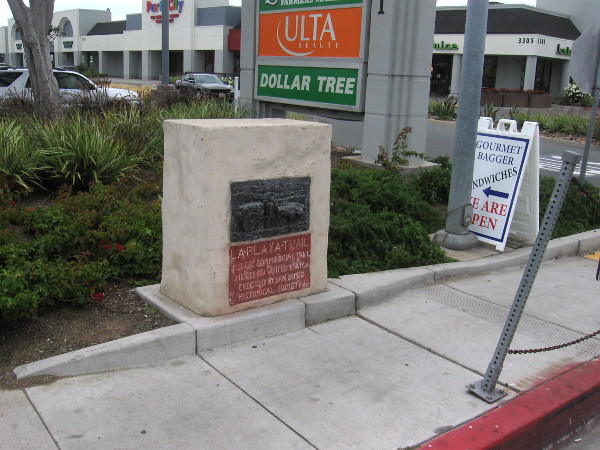
Walk around the city and you’ll discover surprising things. Once in a while, if you’re lucky, you might stumble upon an historical marker in a hidden or unexpected place!
Over the years I’ve happened upon a number of these historical plaques and markers. I’ve seen them by shopping centers, by apartment buildings, on hilltops, beside trails, and tucked away in odd places off the beaten track.
I thought that perhaps you’d enjoy reading a few of them.
Here are a few of the more interesting markers I’ve found….
To read a plaque in Linda Vista about one of the first planned shopping centers in the United States, click here.
To read a plaque in National City about a “miraculous” well dug for Mount Paradise Sanitarium, click here.
To read numerous historical plaques on the top of Presidio Hill, where Fort Stockton once was, click here.
To read an historical marker in the middle of UC San Diego in La Jolla, click here.
To read a plaque marking the location of Kate Sessions’ nursery in Pacific Beach, click here.
To read a plaque near old Mission San Diego de Alcalá, marking the location of Padre Luis Jayme’s death during a Native American uprising, click here.
To see a fascinating marker recalling the historic La Playa Trail which passed through present-day Point Loma, near Midway and Rosecrans, click here.
To read several historical markers that are easily overlooked near an entrance to Presidio Park, click here.
To read a plaque in Coronado that concerns the birthplace of naval aviation, click here.
To read a marker that recalls a long vanished Chinese shipbuilding site in Point Loma, click here.
To read a marker in Chula Vista that commemorates Japanese immigrant farmers in the South Bay, click here.
To read plaques and inscriptions near the Old Mission Dam in Mission Trails Regional Park, click here.
Finally, to read a marker at the edge of a golf course near Old Town, detailing the history of San Diego’s oldest surviving structure, click here.
…
This blog now features thousands of photos around San Diego! Are you curious? There’s lots of cool stuff to check out!
Here’s the Cool San Diego Sights main page, where you can read the most current blog posts. If you’re using a phone or small mobile device, click those three parallel lines up at the top–that opens up my website’s sidebar, where you’ll see the most popular posts, a search box, and more!
To enjoy future posts, you can also “like” Cool San Diego Sights on Facebook or follow me on Twitter.
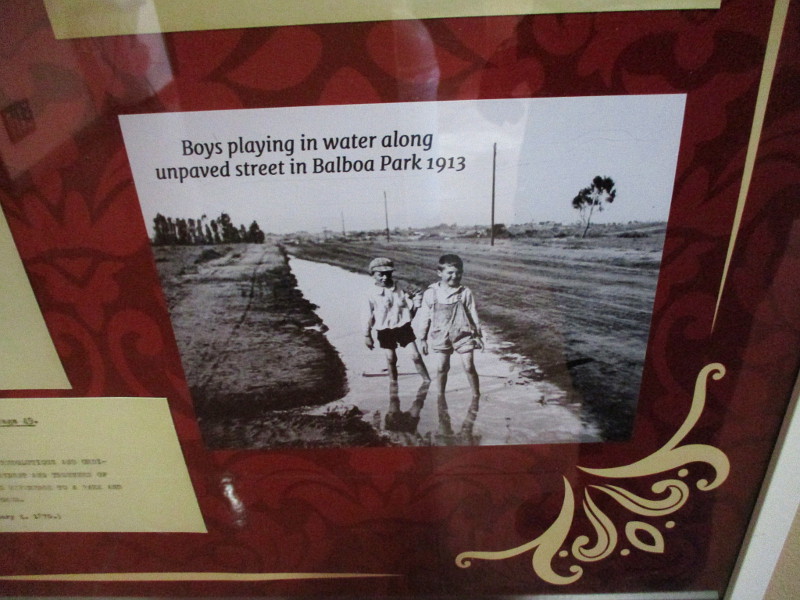
There’s an extremely important exhibit in Balboa Park that very few people see. The San Diego City Clerk Archives and Parks and Recreation Department have created a fascinating display of original historical documents concerning the creation and development of San Diego’s world-famous park.
Last weekend, I was poking my nose into the Balboa Park Club building to see if there might be folk dancing in the ballroom, when I spied old letters, maps, petitions, resolutions and photographs on a wall of the grand foyer. I almost missed them in the dimly lit corner!
The exhibit is titled 1,400 Acre City Park – The Journey to Balboa Park.
There are seven parts to the exhibit: Park Idea, 1868; Founding of City Park, 1868; Uses of City Park, 1868-1900; Plantings, 1893-1904; Park Designs, 1891-1905; 1400-Acre City Park Name Change, 1910-1913; and Park Activities Since 1915.
Among the many historical documents, I observed the original 1868 citizens petition for a public park; correspondence to Balboa Park visionaries George Marston and Kate Sessions; a letter from mayor Douglas Gunn to the Common Council; and the Board of Park Commissioners’ 1913 petition to give City Park the name of Balboa Park.
If you’re a San Diego history buff, this extraordinary “hidden” exhibit is a positively must see!
…
This blog now features thousands of photos around San Diego! Are you curious? There’s lots of cool stuff to check out!
Here’s the Cool San Diego Sights main page, where you can read the most current blog posts. If you’re using a phone or small mobile device, click those three parallel lines up at the top–that opens up my website’s sidebar, where you’ll see the most popular posts, a search box, and more!
To enjoy future posts, you can also “like” Cool San Diego Sights on Facebook or follow me on Twitter.
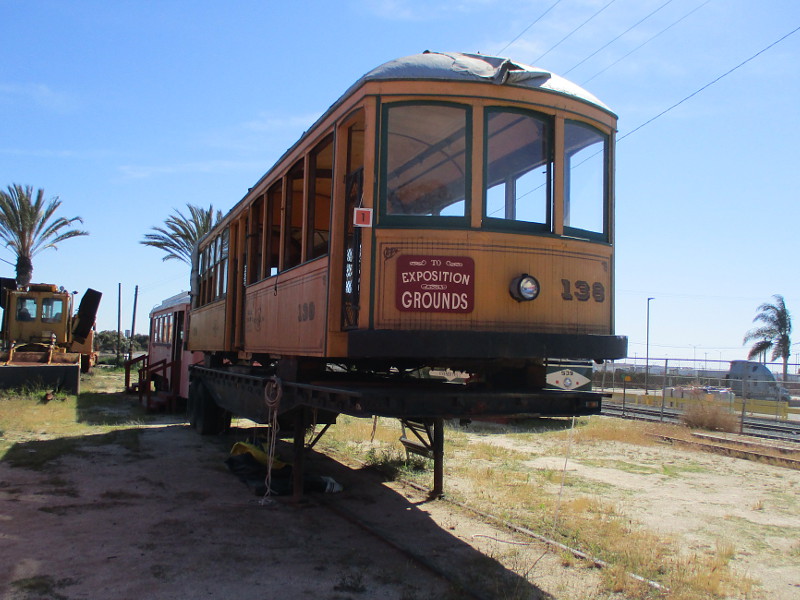
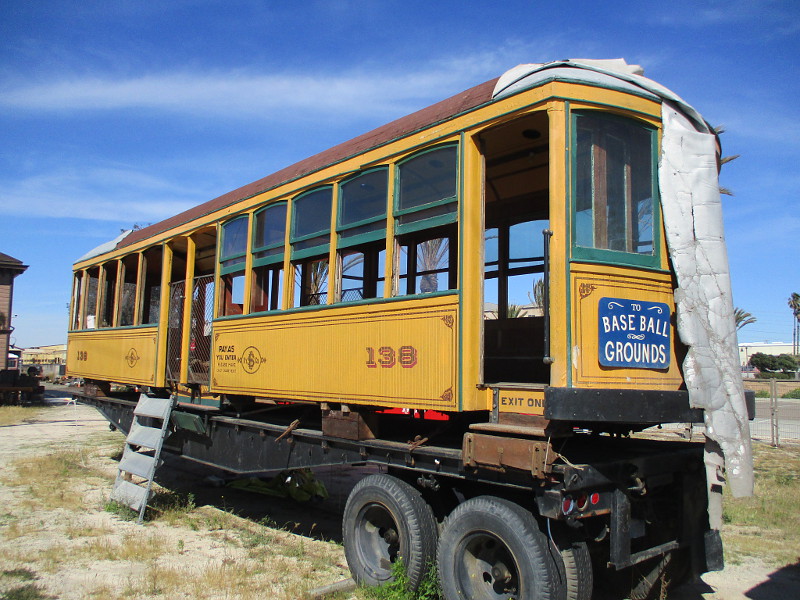
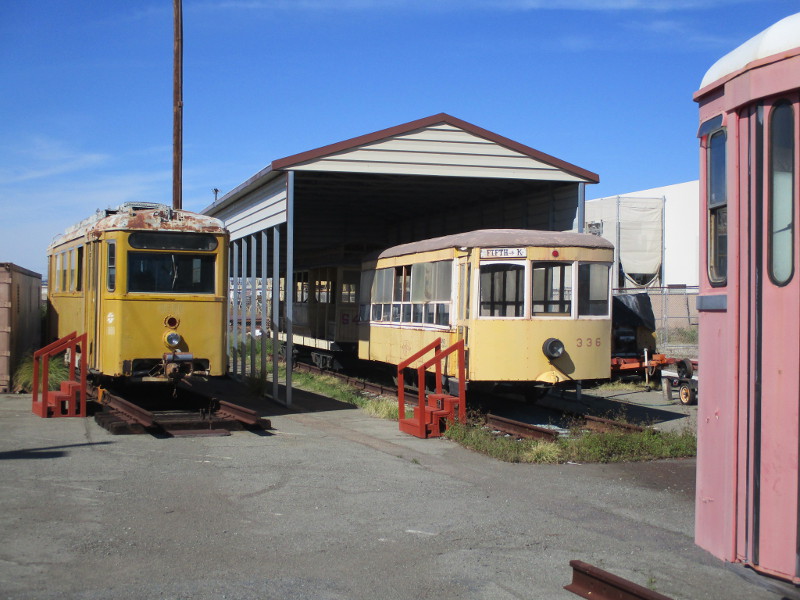
Do you want to see an incredible, important part of San Diego history? Then head over to the National City Depot Museum, which is operated by the San Diego Electric Railway Association. Last year they obtained the three only remaining streetcars that operated in the 1915 Panama-California Exposition in Balboa Park!
As you step into the depot museum, you’ll see a sign that describes the history of these historic cars. To summarize:
In 1910 the Class 1 streetcars were designed in San Diego and ordered from the St. Louis Car Company. Twenty four cars were built, and they began operations in San Diego in 1912. These cars would operate on various streetcar lines until 1939.
In 1939, a couple residing in El Cajon bought three streetcars that weren’t scrapped; in 1996 they were acquired by a local antique dealer and moved to storage on Adams Avenue; and in 1997 the cars were designated San Diego Historical Landmark #339.
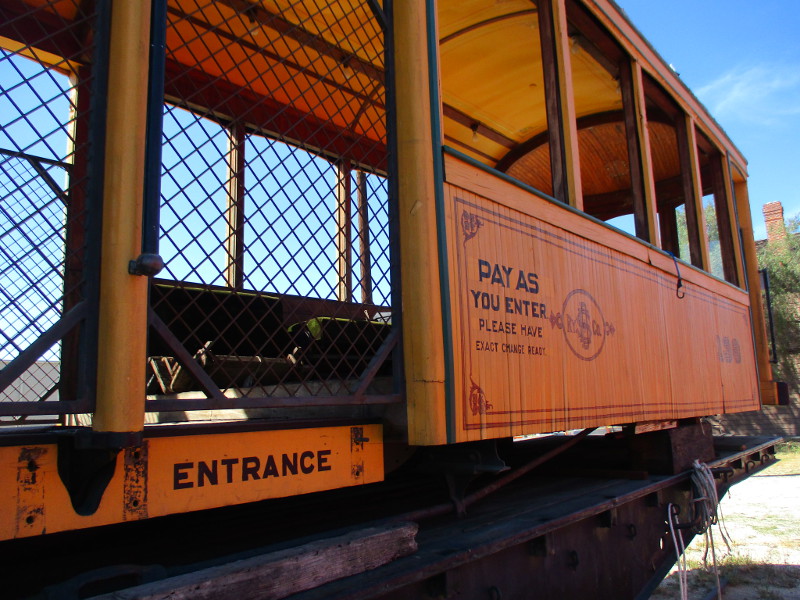
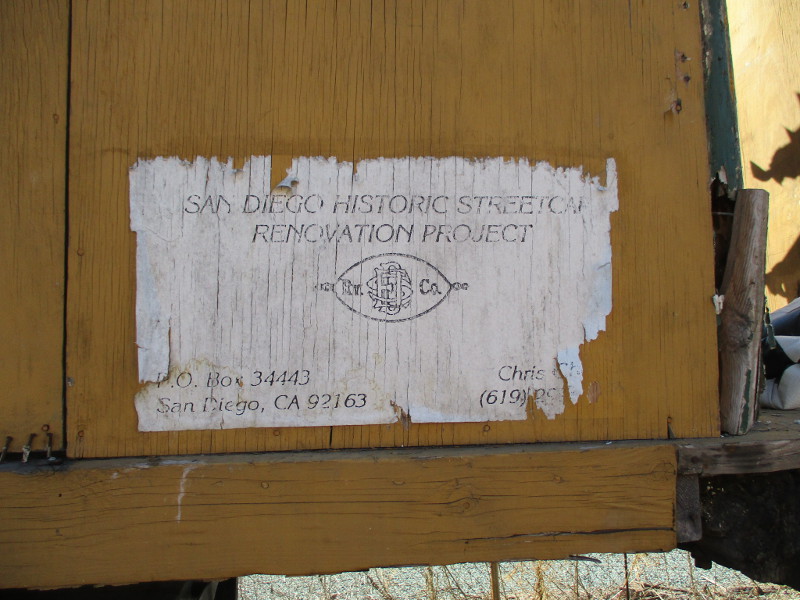
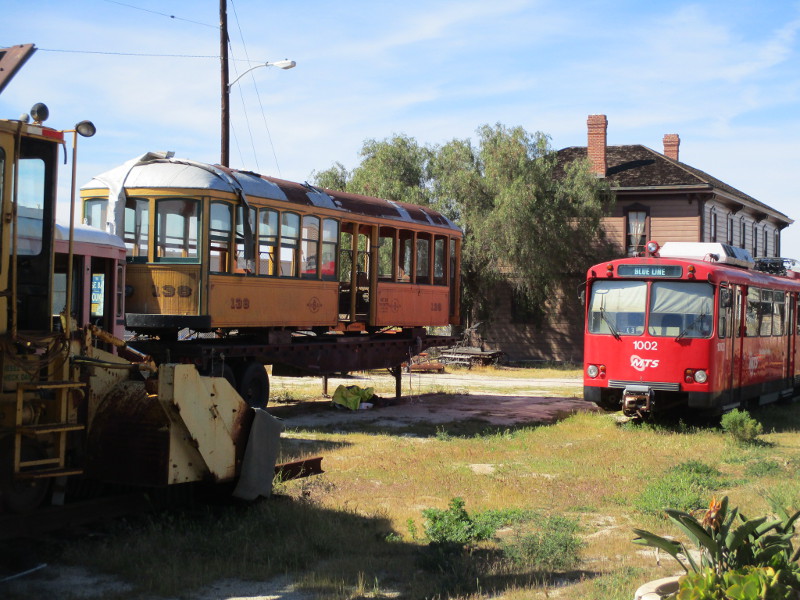
Between 1997 and 2013 extensive restoration work was performed on car 138 by San Diego Historic Streetcars, as you can see in my photographs. There had been a plan to operate the cars during Balboa Park’s 2015 Exposition Centennial.
Finally, in 2021, the three historic streetcars were donated to the San Diego Electric Railway Association in National City, where the public, on open weekends, can freely observe them up close!
The plan now is to obtain wheels for car 138, and to fully restore the car so that it will endure for future generations.
Anyone who is intrigued by San Diego’s history, and what life might have been like around the time of the 1915 Panama-California Exposition, must see these three original streetcars!
With a little imagination, one can picture the colorful cars running up rails that once existed near today’s Park Boulevard, transporting crowds of excited visitors to the exposition grounds!
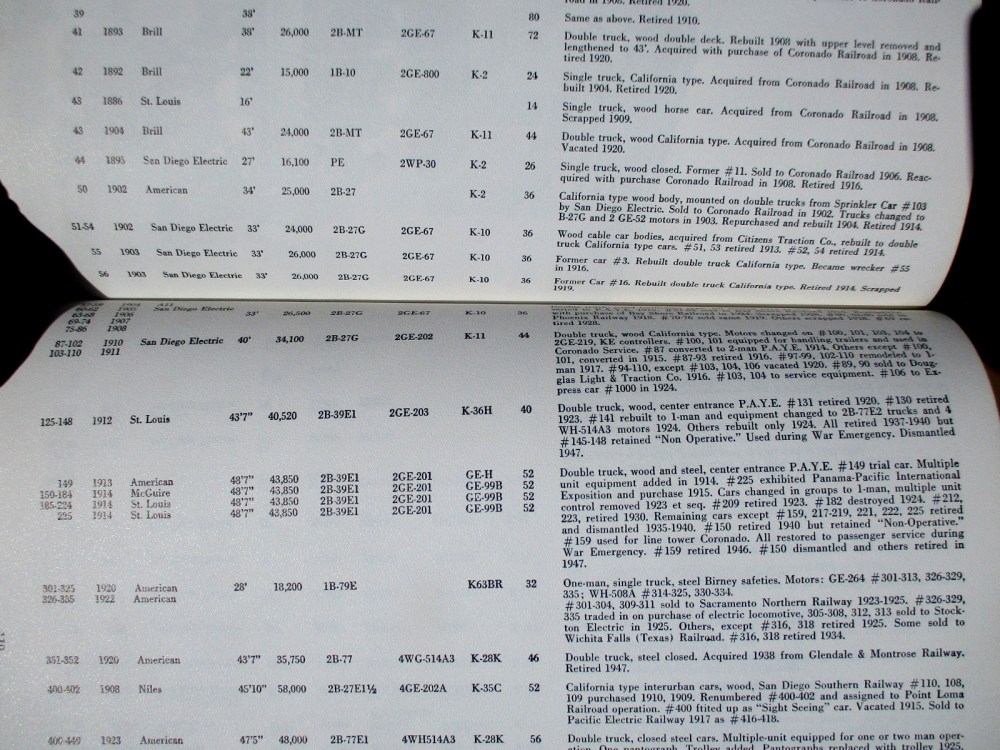
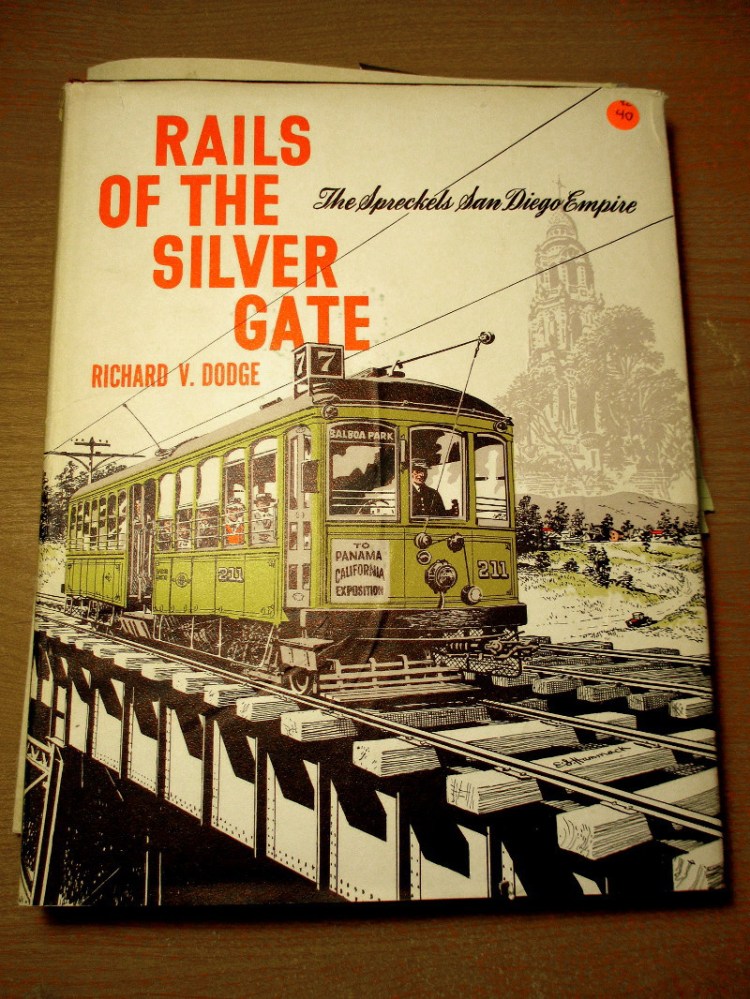
The book Rails of the Silver Gate by San Diego railroad historian Richard V. Dodge provides a description of cars 125-148.
At the other end of the National City Depot Museum’s large outdoor yard stand the two unrestored streetcars, numbers 126 and 128.
…
I live in downtown San Diego and love to walk around with my camera! You can follow Cool San Diego Sights via Facebook or Twitter!
You can easily explore Cool San Diego Sights by using the search box on my blog’s sidebar. Or click a tag! There are thousands upon thousands of photos for you to enjoy!
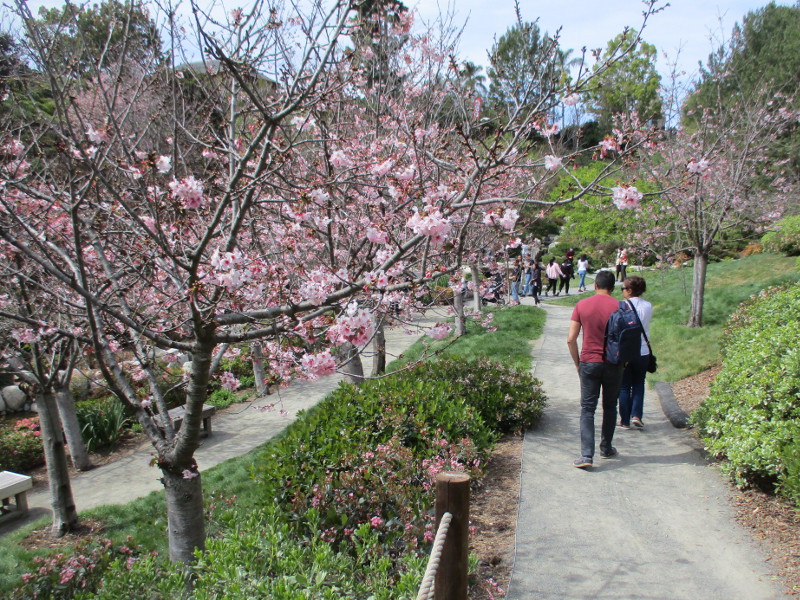
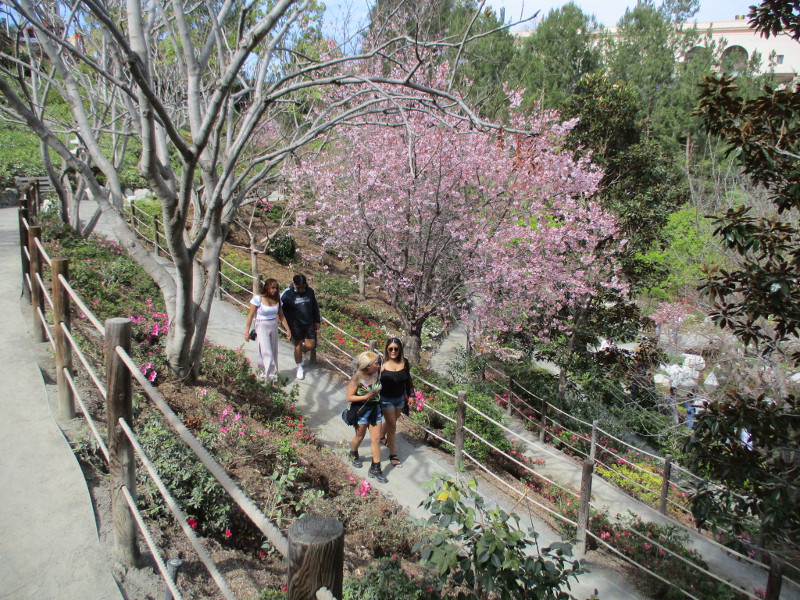
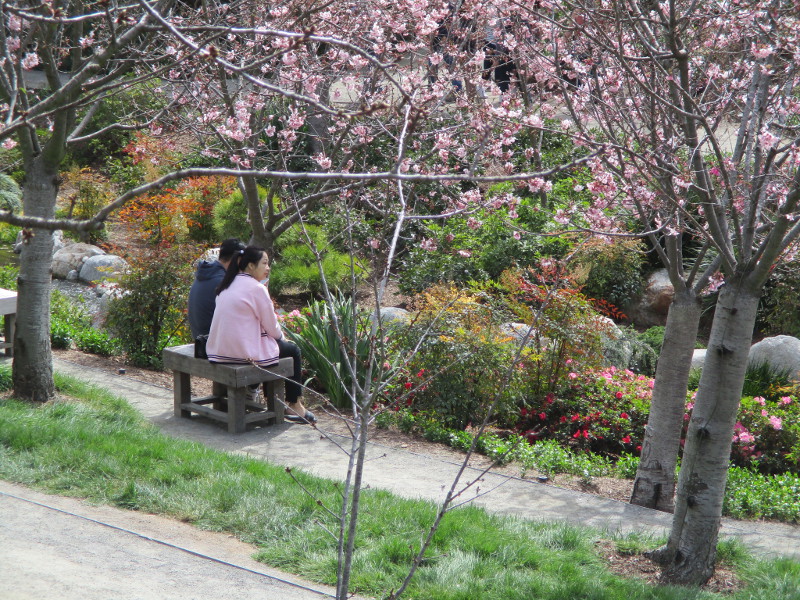
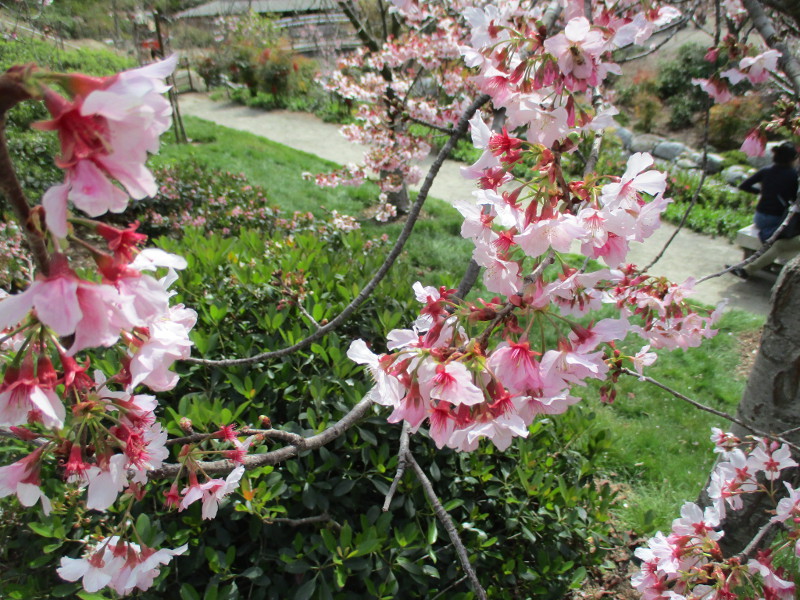
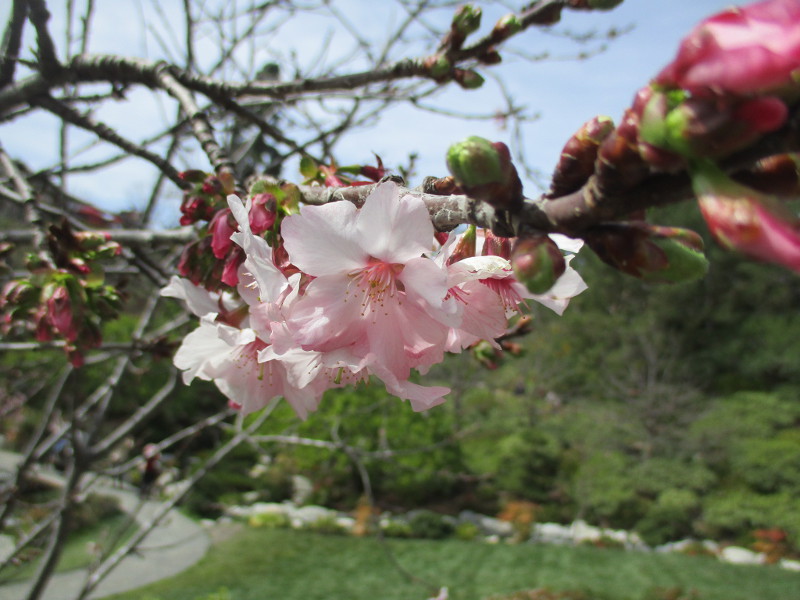
It’s late February. Many cherry blossoms have already opened in Balboa Park’s beautiful Japanese Friendship Garden!
I walked in the Lower Garden today. I moved slowly down the path that wanders through the grove of Japanese cherry trees, and it was like a dream.
Many souls were wandering among the new blossoms, drinking in nature’s beauty.
JFG’s annual Cherry Blossom Festival is just a couple weekends away, from March 11th to 13th.
Spring with its promise of renewal must be approaching!
…
I live in downtown San Diego and love to walk around with my camera! You can follow Cool San Diego Sights via Facebook or Twitter!
You can easily explore Cool San Diego Sights by using the search box on my blog’s sidebar. Or click a tag! There are thousands upon thousands of photos for you to enjoy!
One of San Diego’s most amazing museums is little known to the public. But if you are interested in our city’s history, it’s a place you absolutely must visit!
The San Diego Electric Railway Association’s historic National City Depot museum is positively jam packed with fascinating exhibits. I last visited the old train depot six years ago, and I posted this blog with lots of photos and interesting information. On a whim I swung by the museum yesterday–and was wowed once again!
Display cases are filled with artifacts and ephemera from a century ago when a growing San Diego was crisscrossed with streetcars. And, of course, there are the many outdoor exhibits, including old trolleys, streetcars and railway equipment.
As I entered the depot, my eyes immediately fixed upon something astonishing. A sign described how three of San Diego’s original streetcars were added to the museum last year! I’ll be blogging about that shortly!
If you have kids and need something to do on a weekend, they’ll love the museum. I bet you will, too! And it’s free!
Take a look at just a tiny bit of the San Diego history you’ll see…
There are important out of print reference books available at the museum, too, including one titled Rails of the Silver Gate that I purchased. Published in 1960, it provides a complete detailed history of entrepreneur John D. Spreckels and his creation of the San Diego Electric Railway. The incredible book includes many photos, plus descriptions of every car that ever operated, and route maps that became increasingly extensive over the years!
…
I live in downtown San Diego and love to walk around with my camera! You can follow Cool San Diego Sights via Facebook or Twitter!
If you’ve ever heard two very loud booms in downtown San Diego on a Sunday afternoon, chances are you’ve heard cannons on San Diego Bay.
Around 3:30 pm, when the tall ship Californian returns from a four-hour sail and approaches its Maritime Museum of San Diego home, it fires two cannons to salute world-famous museum ship Star of India.
I was out on the deck of the Maritime Museum’s steam ferry Berkeley when a docent advised everyone there would soon be a very loud noise! I got my camera ready, aimed it at Californian, and snapped photos at the first sign of smoke.
Startling booms followed shortly thereafter, echoing off nearby downtown skyscrapers!
The two cannon salute to Star of India, oldest active sailing ship in the world, is now a San Diego tradition. The booms have been echoing downtown for as long as I can remember.
The handsome schooner Californian, built in San Diego in 1984, is the official tall ship of the State of California.
…
I live in downtown San Diego and love to walk around with my camera! You can follow Cool San Diego Sights via Facebook or Twitter!


























 Cool San Diego Sights!