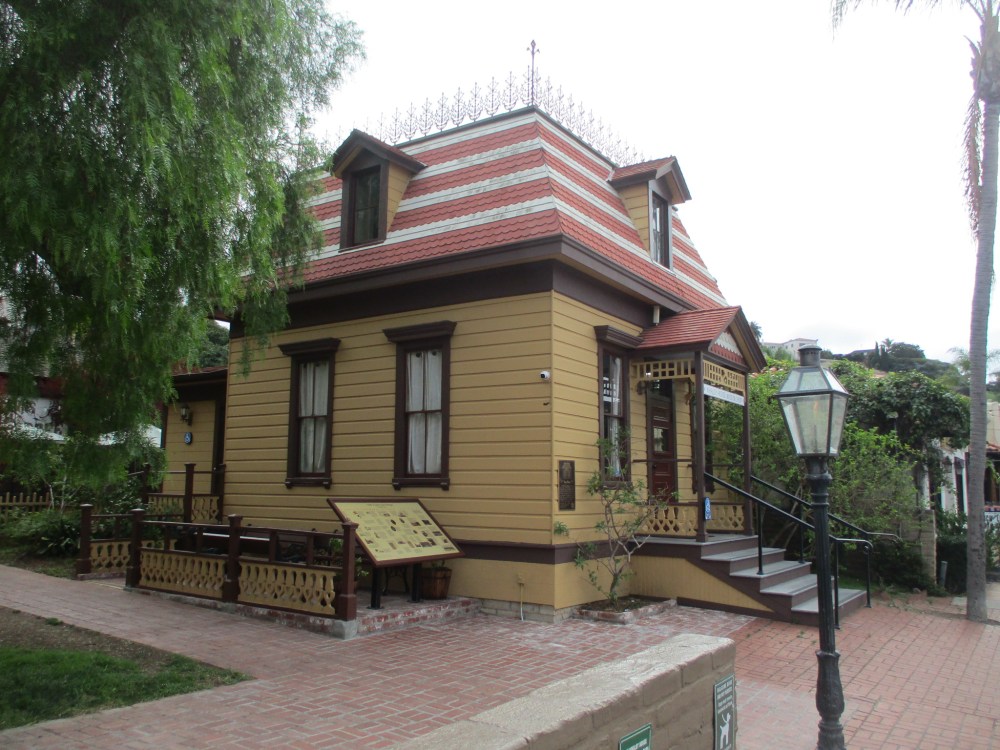
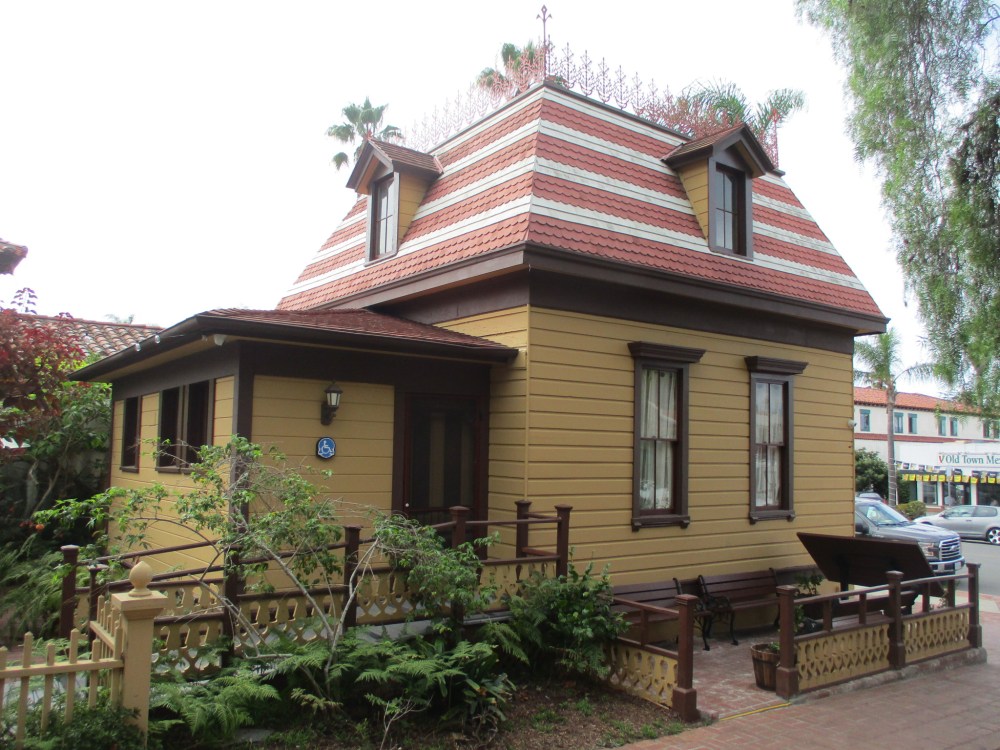
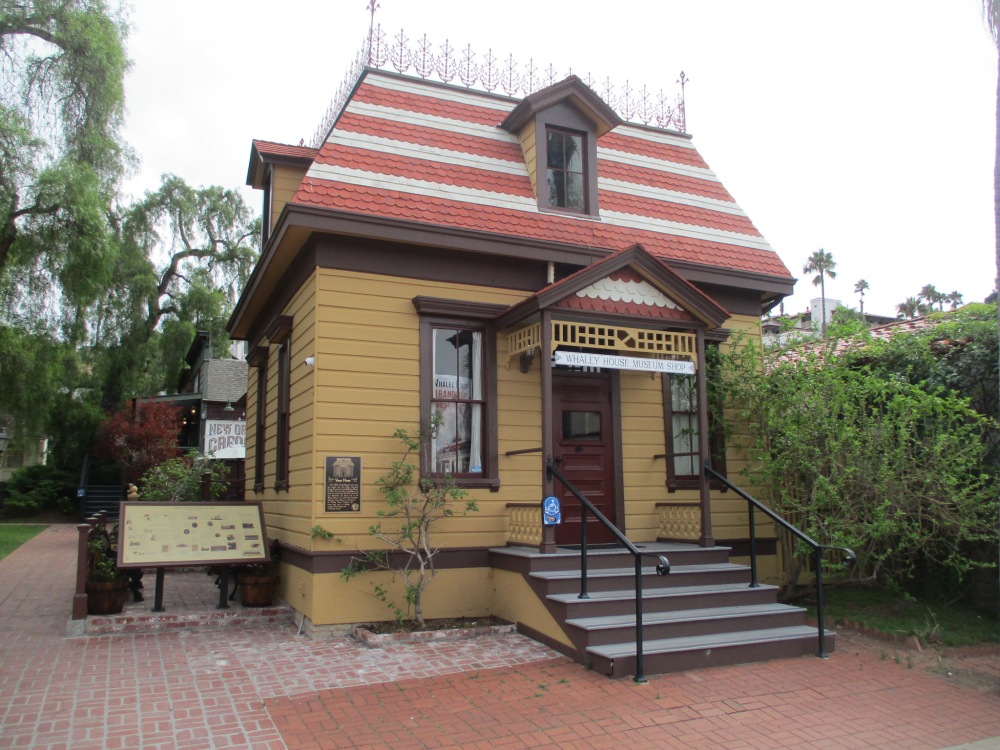
Unique roof of the Verna House in Old Town.

Does the roof of the 19th century Verna House in the above photo seem unusual? Perhaps that’s because it’s a uniquely sloped mansard roof, one of very few built on the Pacific Coast in the Victorian era.

The quaint little house stands at 2476 San Diego Avenue in Old Town. Today it serves as the Whaley House Museum Shop, where visitors can purchase museum admission, books and assorted gifts. Like the nearby Whaley House itself, the shop in the Verna House is operated by Historic Tours of America, the folks behind San Diego’s popular Old Town Trolley Tours.

I knew nothing about this house and its history until I spotted the above plaque while walking down San Diego Avenue several days ago. The plaque was placed on the house’s exterior earlier this year. It reads:

The 1870’s French-Mansard style home was named after San Diego restaurateur Cesare Verna and his wife Maddalena Daniele. In 1965, after the death of Maddalena, the house was moved from 319 West Ash Street near Downtown and placed next to the Whaley House to be saved from demolition. Today the Verna House is a vital part of the Whaley House Grounds and county park, and is a shining example of San Diego’s rich architectural history.

Twenty years ago, when the Verna House was maintained by the Save Our Heritage Organisation, the old structure was restored. Here’s an interesting article that provides description and photographs.
Thanks for visiting Cool San Diego Sights!

I post new blogs pretty often. If you like discovering new things, bookmark coolsandiegosights.com and swing on by occasionally!

I live in downtown San Diego and love to walk around with my camera! You can follow Cool San Diego Sights via Facebook or X (formerly known as Twitter)!

Man hanged in San Diego for stealing rowboat.

James W. Robinson was hanged for stealing a rowboat from San Diego Bay. He was convicted of grand larceny. He was buried in San Diego’s Old Town, a short distance from where the hanging took place.

Perhaps you know James Robinson from his nickname, Yankee Jim. The hanging ground where he was executed in 1852 is now occupied by the Whaley House Museum. The historically important Whaley House lays claim to being the most haunted house in America. Some say Yankee Jim’s ghost can still be seen in and around the museum.

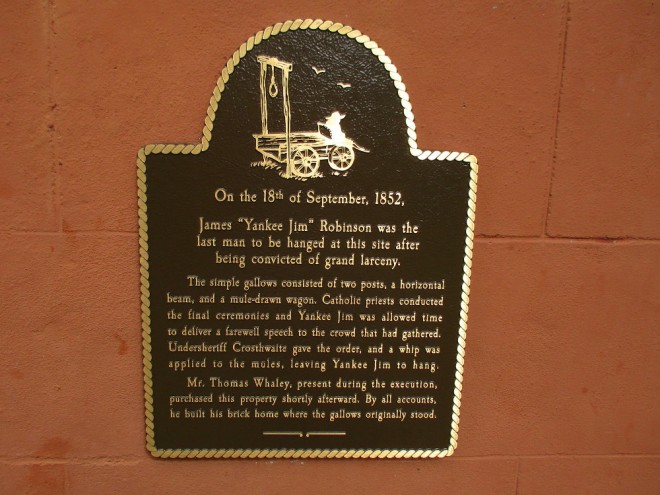
A plaque was placed on the south side of the Whaley House earlier this year. I took photographs of it a couple days ago. It describes the hanging of Yankee Jim, shortly before Mr. Whaley bought the old hanging ground to build his house.

The plaque reads:

On the 18th of September, 1852, James “Yankee Jim” Robinson was the last man to be hanged at this site after being convicted of grand larceny. The simple gallows consisted of two posts, a horizontal beam, and a mule-drawn wagon. Catholic priests conducted the final ceremonies and Yankee Jim was allowed time to deliver a farewell speech to the crowd that had gathered. Undersheriff Crosthwaite gave the order, and a whip was applied to the mules, leaving Yankee Jim to hang. Mr. Thomas Whaley, present during the execution, purchased this property shortly afterward. By all accounts, he built his brick home where the gallows originally stood.

Many years ago I visited the El Campo Santo cemetery where Yankee Jim was buried. I documented many of the gravesites, including his. I revisited the early San Diego cemetery again after discovering the Whaley House plaque.

The grave marker, which appears to contain errors, reads:

James W. Robinson, who was known as “Yankee Jim”, suffered the extreme penalty for stealing the only rowboat in San Diego Bay. The verdict of the jury was as follows: “Your jurors in the within case of James W. Robinson have to return a verdict of guilty and do therefore sentence him, James Robinson to be hanged by the neck until dead. Cave J. Courts [Cave Couts], foreman of the jury.

The poor fellow could not believe that he was to be hanged until the very last moment. He appeared to think it all a grim joke over, at worst. A serious effort to impress him with the enormity of his evil ways. He was still talking when the deputy sheriff gave the signal. Then the cart was driven from beneath him, and he was left dangling in the air. Surely the punishment was far more wicked than the crime. Yet the example must have proved effective in discouraging theft.

Yankee Jim converted to Roman Catholic Church prior to his death, thus his baptismal name of Santiago (Spanish for James). His godfather was Philip Crosthwaite, the deputy sheriff who gave the signal for his execution.

Information compiled from the History of San Diego, by W. E. Smythe, and other sources.

Thanks for visiting Cool San Diego Sights!

I post new blogs pretty often. If you like discovering new things, bookmark coolsandiegosights.com and swing on by occasionally!

I live in downtown San Diego and love to walk around with my camera! You can follow Cool San Diego Sights via Facebook or X (formerly known as Twitter)!
Walk under a famous San Diego flying boat!
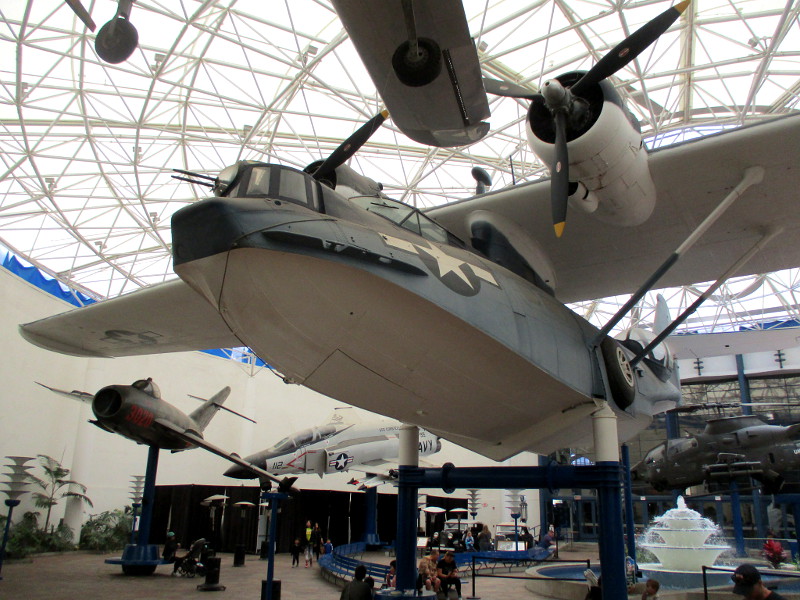
Inside the central Pavilion of Flight at the San Diego Air and Space Museum you’ll find a gigantic airplane with a bottom that resembles the hull of a boat. This impressive amphibious airplane is a PBY-5A Catalina, one of the many PBY Catalinas that were built in San Diego by Consolidated Aircraft around the time of World War II.

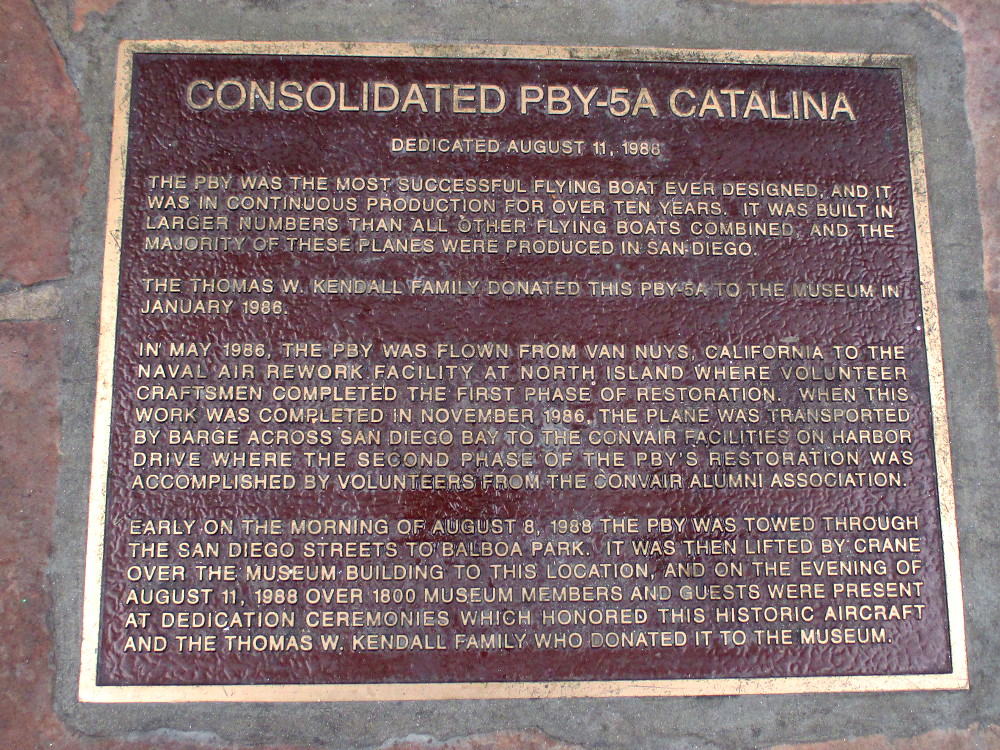
During my last visit to the museum, I walked around and under the huge aircraft and found a nearby plaque that describes the history of this particular plane.

The PBY was the most successful flying boat ever designed, and it was in continuous production for over ten years. It was built in larger numbers that all other flying boats combined, and the majority of these planes were produced in San Diego… Early on the morning of August 8, 1988, the PBY was towed through the San Diego streets to Balboa Park…

Check out the impressive size of this famous flying boat and the span of its broad wings! Taking off from the broken ocean surface, where the attainable speed can be limited, requires a lot of lift!

Most of the PBY Catalinas were built at Consolidated Aircraft near Lindbergh Field, just a short distance from San Diego Bay where the flying boats were tested. Are there any old timers out there who recall seeing these flying boats out on the bay?

Here’s a Wikimedia Commons public domain image of a PBY-5AG in San Diego from 1948:

Also from Wikimedia Commons, here’s the PBY-5 production line at Consolidated Aircraft in San Diego from 1942:

These flying boats made important contributions to Allied victory in World War II, particularly in the Pacific. They were used in anti-submarine warfare, patrol bombing, convoy escort, search and rescue missions (especially air-sea rescue), and cargo transport.

If you love history or aviation, make sure to visit the world-class San Diego Air and Space Museum in Balboa Park. Your eyes will pop!

Thanks for visiting Cool San Diego Sights!

I post new blogs pretty often. If you like discovering new things, bookmark coolsandiegosights.com and swing on by occasionally!

I live in downtown San Diego and love to walk around with my camera! You can follow Cool San Diego Sights via Facebook or Twitter!

The gas lamps of San Diego’s Gaslamp Quarter.

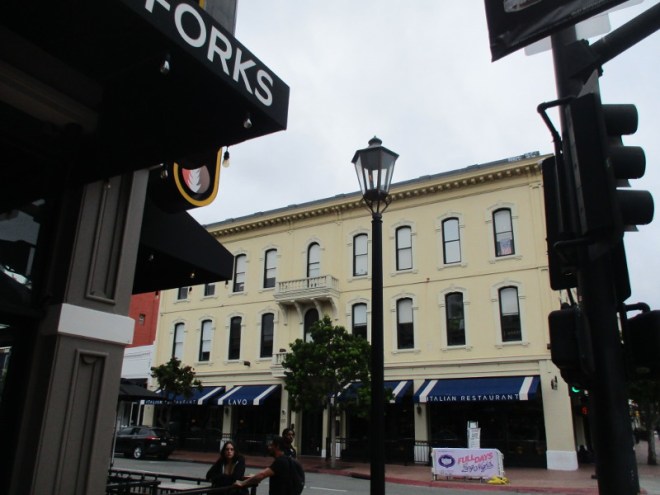
Have you noticed those four working gas lamps in San Diego’s Gaslamp Quarter? The ones that help light the intersection of Fifth Avenue and Market Street?

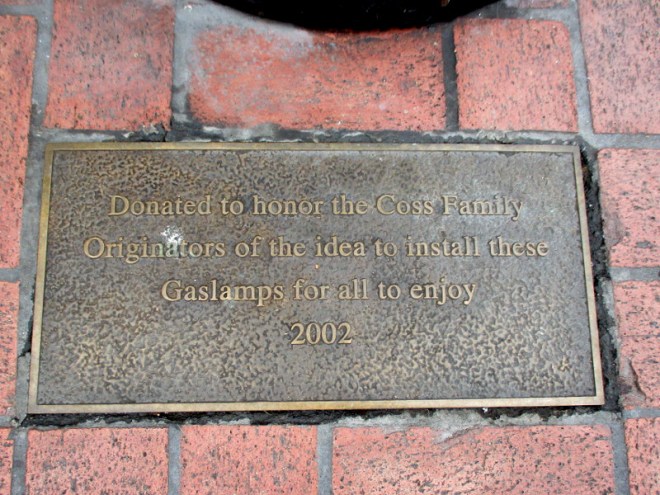
Walk beneath the lamps and you might notice bronze plaques embedded in the sidewalk. They indicate these working gas lamps were installed in 2002. You’ll also learn the idea to have real gas lamps in the Gaslamp Quarter was originated by the Coss family.

The Gaslamp Quarter in San Diego got its name because once upon a time, back when today’s downtown was called New Town, there were fifty gas lamps lighting the young city. Fifth Avenue was one of the principal streets, leading south to a wharf in San Diego Bay.

The dancing flames of today’s four active gas lamps are like spirits from the past. They add atmosphere to a historic district that features many old Victorian buildings, particularly at night.

Thanks for visiting Cool San Diego Sights!

I post new blogs pretty often. If you like discovering new things, bookmark coolsandiegosights.com and swing on by occasionally!

I live in downtown San Diego and love to walk around with my camera! You can follow Cool San Diego Sights via Facebook or Twitter!

Fun photos at Encinitas Community Park!

I walked though Encinitas Community Park today. It was my first ever visit.

I was surprised at how large and how wonderful this park is! There’s a big skatepark (called Poods Park), a big, colorful children’s playground, multiple sports fields (that can be seen from Interstate 5 just south of Santa Fe Drive), long meandering pathways, and flowers and picnic benches shaded by trees.

Lots of people were out this morning walking dogs.

Enjoy my photos…

Beautiful sign welcomes the public to Encinitas Community Park.

A big, wonderful, shaded playground.

Put your head in the lion’s mouth to get a drink of water.

More fun tomorrow!

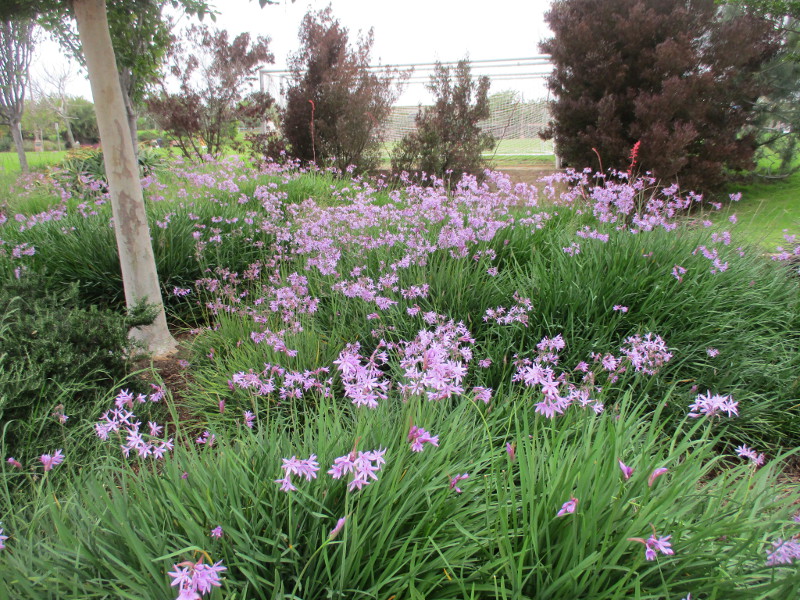
Flowers by a soccer field.

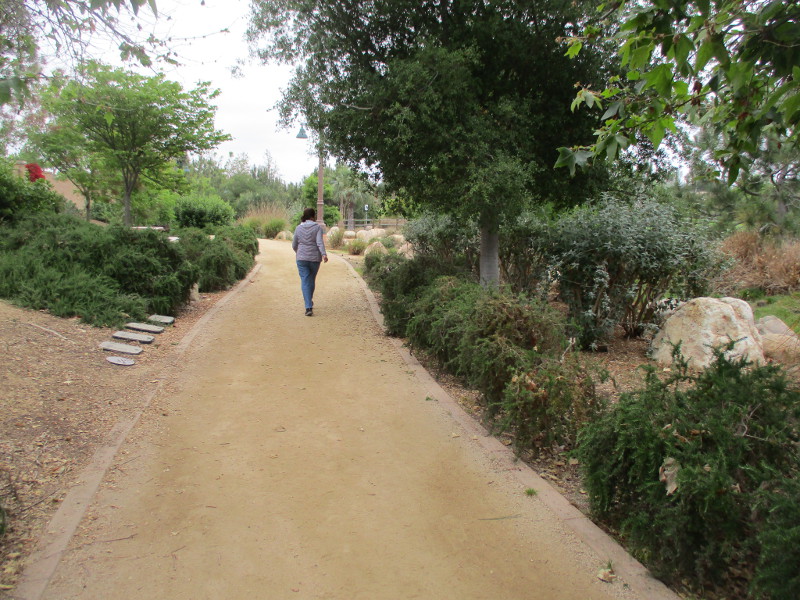
Heading down landscaped paths feels like a nature walk.

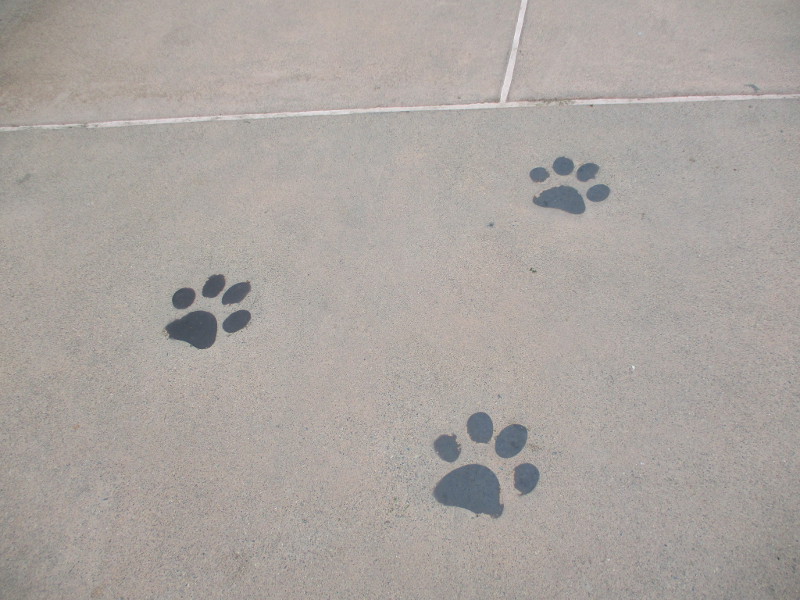
Dogs like walking here, too!

A fun smiley on a gate.

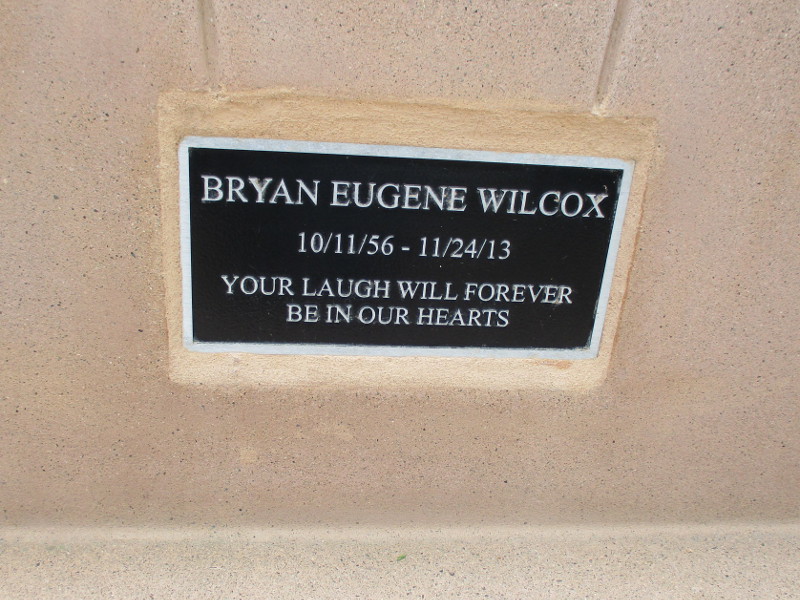
Your laugh will forever be in our hearts.

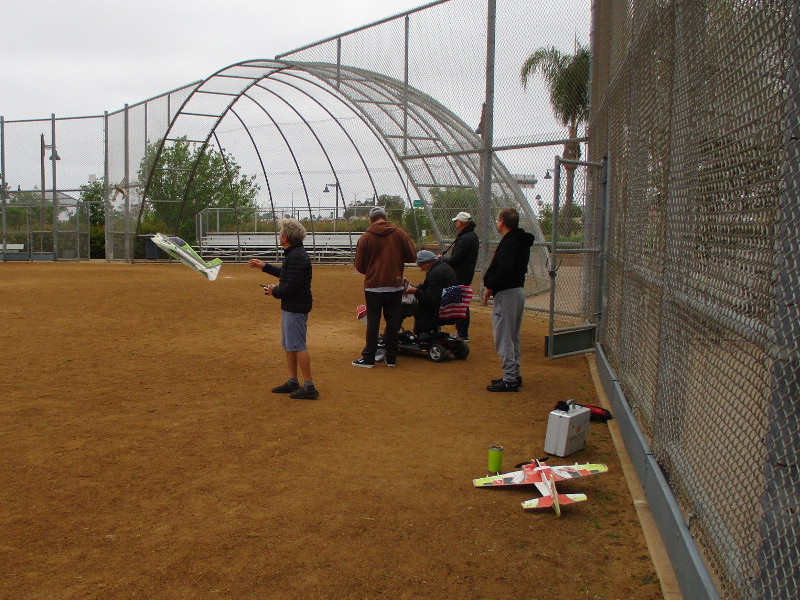
Guys fly radio controlled airplanes at a ballfield.

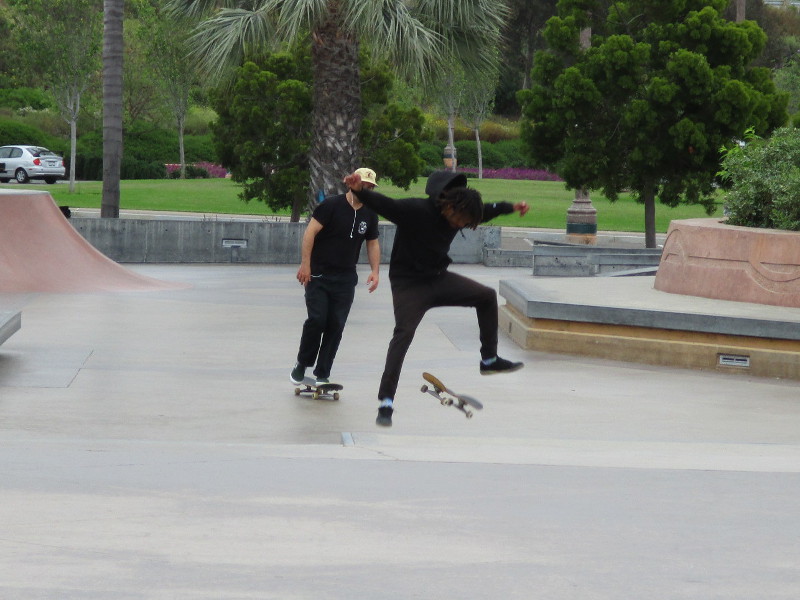
Performing a trick at the Encinitas skate park.

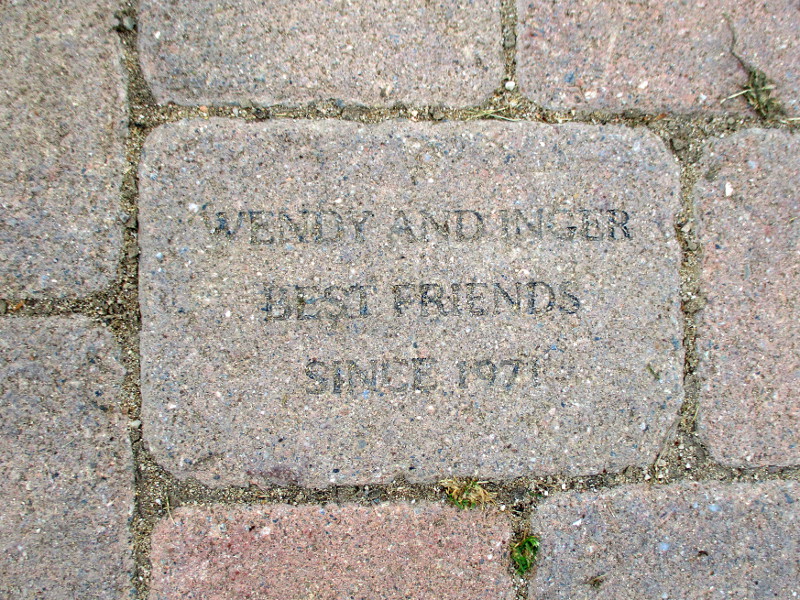
Best friends.

Thanks for visiting Cool San Diego Sights!

I post new blogs pretty often. If you like discovering new things, bookmark coolsandiegosights.com and swing on by occasionally!

I live in downtown San Diego and love to walk around with my camera! You can follow Cool San Diego Sights via Facebook or Twitter!

Life and death at the San Diego Presidio.

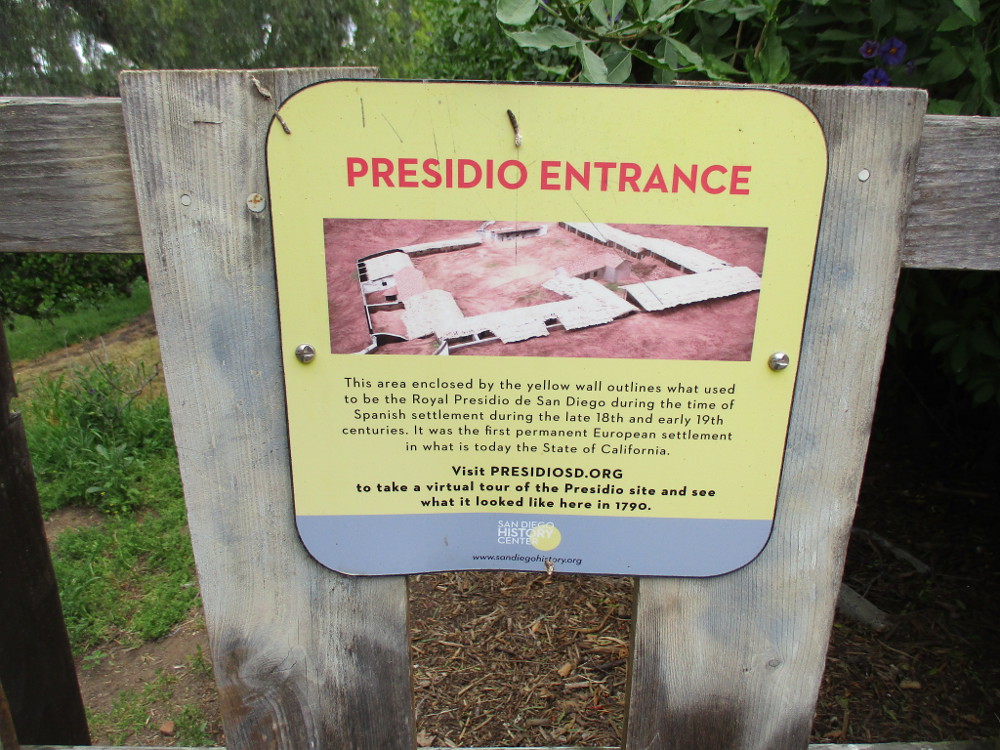
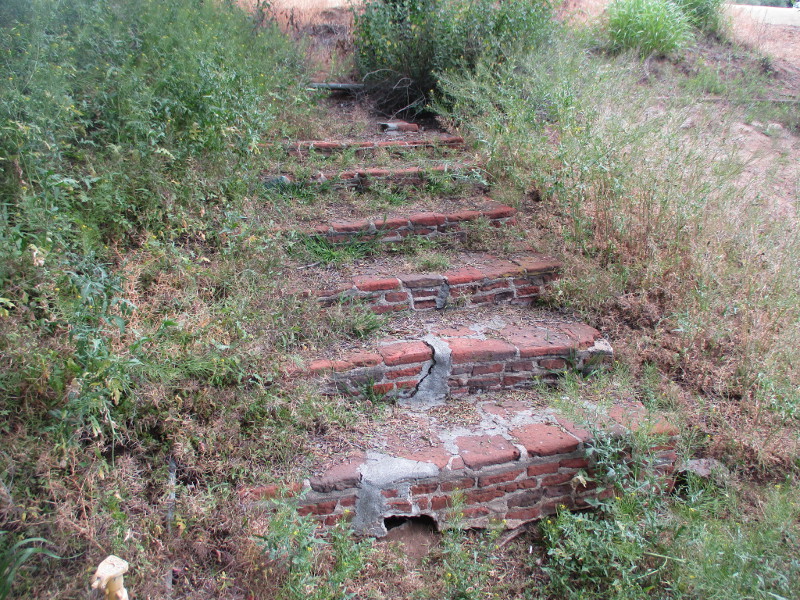
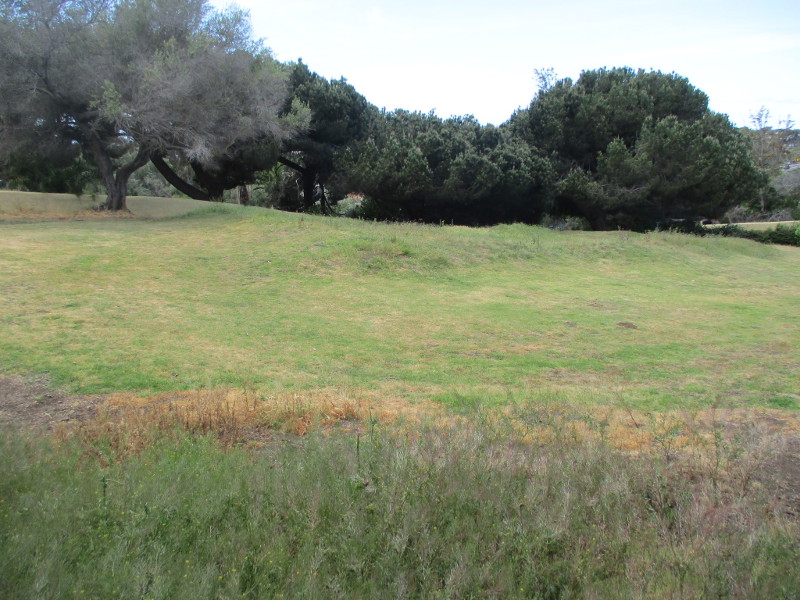
Spain’s first outpost in Southern California, the 1769 Royal Presidio of San Diego, is long gone. Its ruins are buried on Presidio Hill just beneath the Junípero Serra Museum. Grassy mounds and bits of old brick can still be found as one walks about.

This historical site is a place where very diverse stories were lived. It’s a place were many were buried when life finally ended.

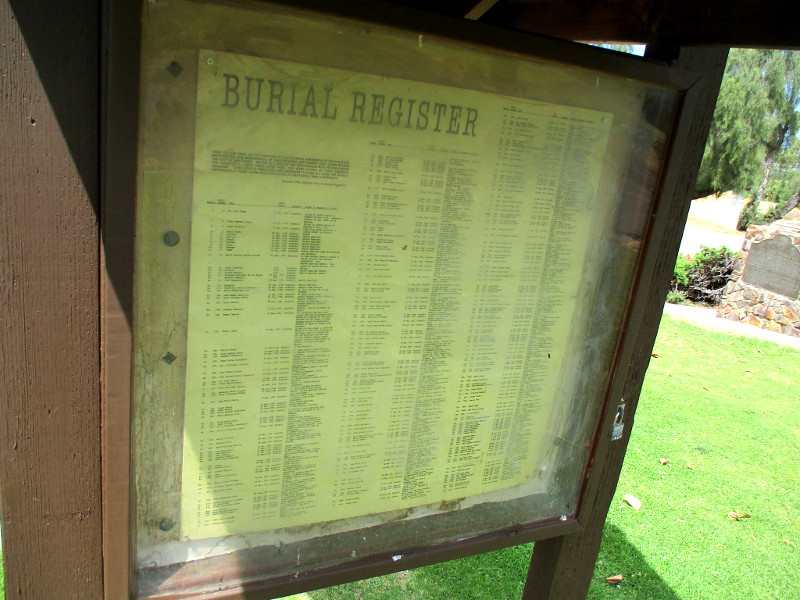
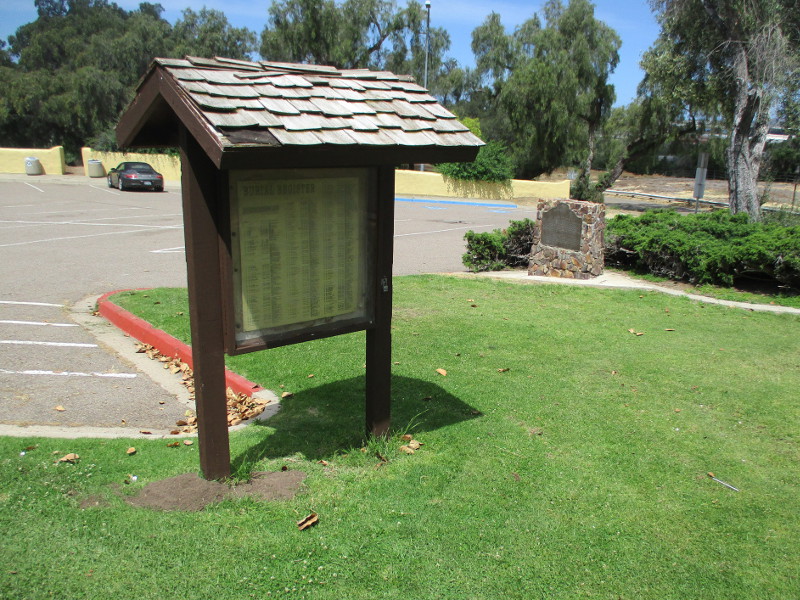
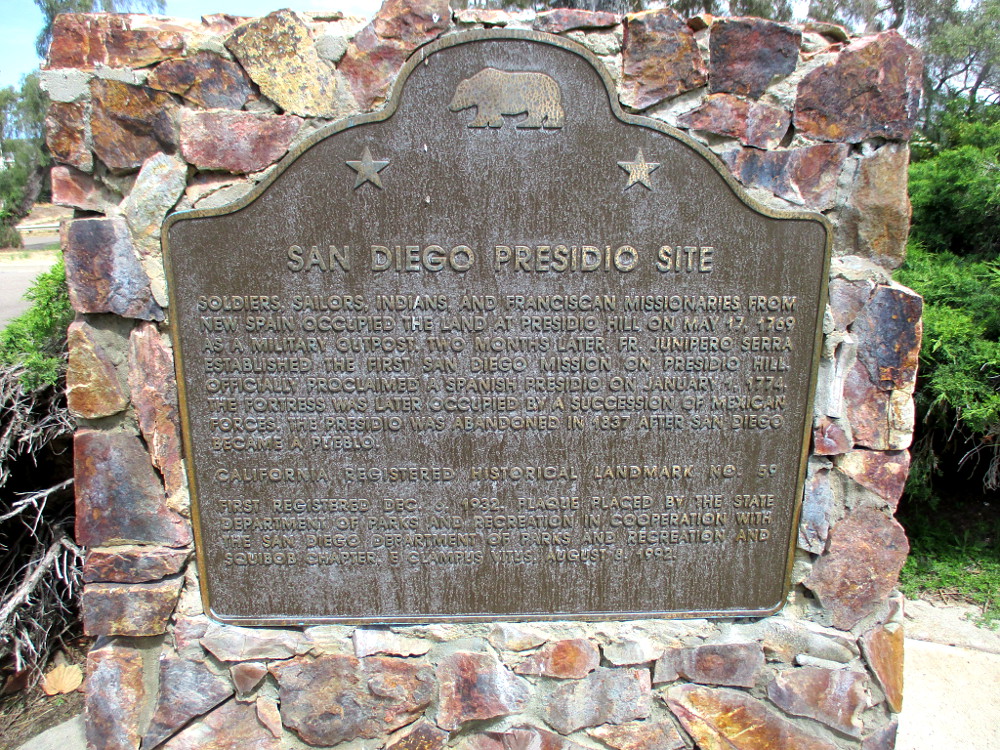
At the corner of the main visitor’s parking lot one can find an historical marker. On the rear of a nearby kiosk is a faded Burial Register.

SAN DIEGO PRESIDIO SITE

SOLDIERS, SAILOR, INDIANS, AND FRANCISCAN MISSIONARIES FROM NEW SPAIN OCCUPIED THE LAND AT PRESIDIO HILL ON MAY 17, 1769 AS A MILITARY OUTPOST. TWO MONTHS LATER FR. JUNIPERO SERRA ESTABLISHED THE FIRST SAN DIEGO MISSION ON PRESIDIO HILL. OFFICIALLY PROCLAIMED A SPANISH PRESIDIO ON JANUARY 1, 1774, THE FORTRESS WAS LATER OCCUPIED BY A SUCCESSION OF MEXICAN FORCES. THE PRESIDIO WAS ABANDONED IN 1837 AFTER SAN DIEGO BECAME A PUEBLO.

CALIFORNIA REGISTERED HISTORICAL LAND MARK NO. 59

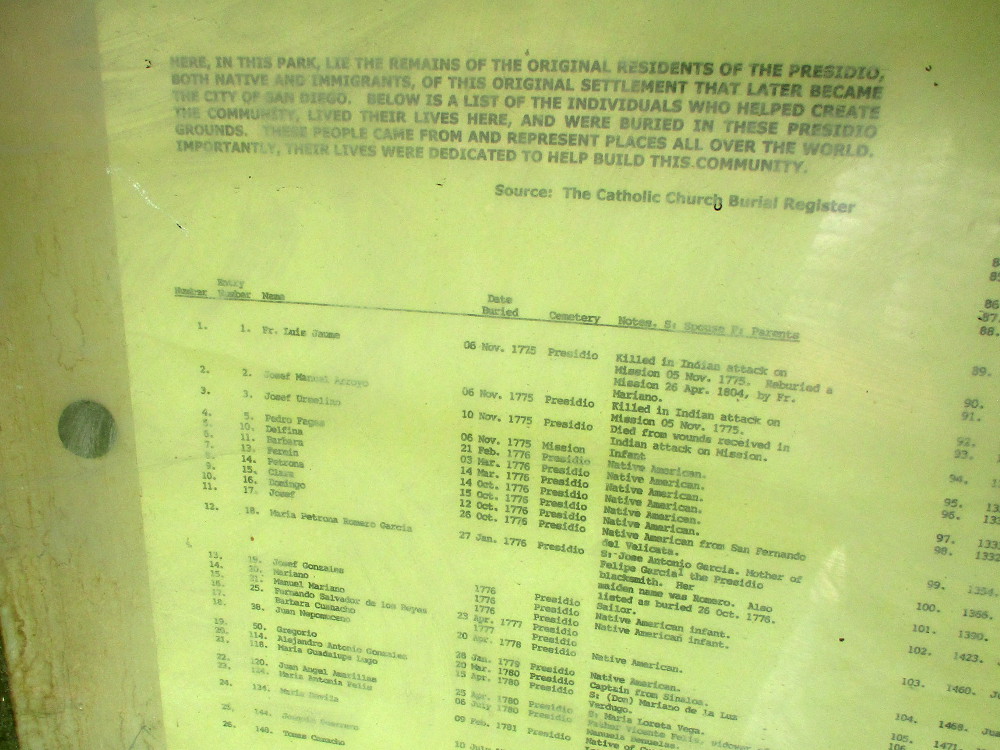
HERE, IN THIS PARK, LIE THE REMAINS OF THE ORIGINAL RESIDENTS OF THE PRESIDIO, BOTH NATIVE AND IMMIGRANTS, OF THIS ORIGINAL SETTLEMENT THAT LATER BECAME THE CITY OF SAN DIEGO. BELOW IS A LIST OF THE INDIVIDUALS WHO HELPED CREATE THE COMMUNITY, LIVED THEIR LIVES HERE, AND WERE BURIED IN THESE PRESIDIO GROUNDS. THESE PEOPLE CAME FROM AND REPRESENT PLACES ALL OVER THE WORLD. IMPORTANTLY, THEIR LIVES WERE DEDICATED TO HELP BUILD THIS COMMUNITY.

Source: The Catholic Church Burial Register

During past walks, I’ve photographed other historical plaques and signs on Presidio Hill. See many of them here and here.

Thanks for visiting Cool San Diego Sights!

I post new blogs pretty often. If you like discovering new things, bookmark coolsandiegosights.com and swing on by occasionally!

I live in downtown San Diego and love to walk around with my camera! You can follow Cool San Diego Sights via Facebook or Twitter!

A sunny walk in La Jolla’s Kellogg Park.

During my last visit to La Jolla Shores, I enjoyed a walk through Kellogg Park.

Several interesting sights met my eyes as I wandered about the beachside park on another sunny San Diego day!

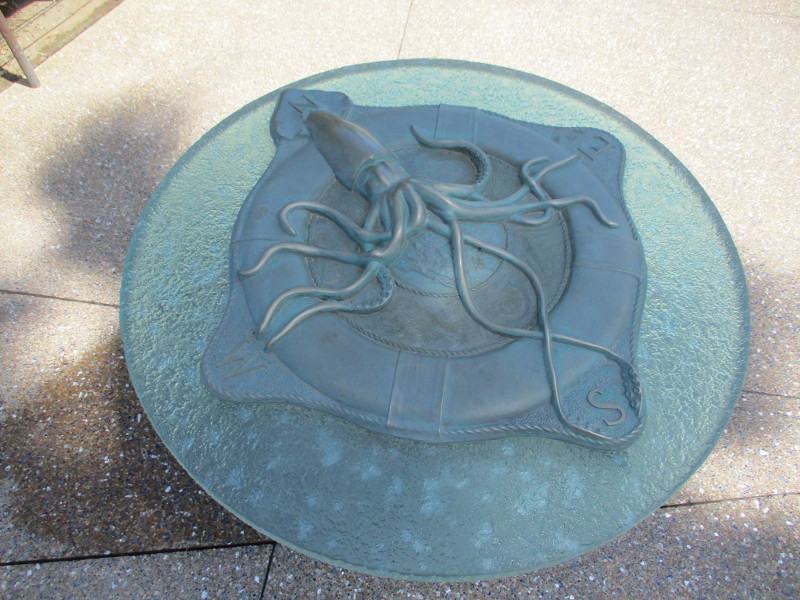
At the south entrance to Kellogg Park, there’s an unusual table-like sculpture.

I believe the octopus and compass design represents the organization Friends of La Jolla Shores.

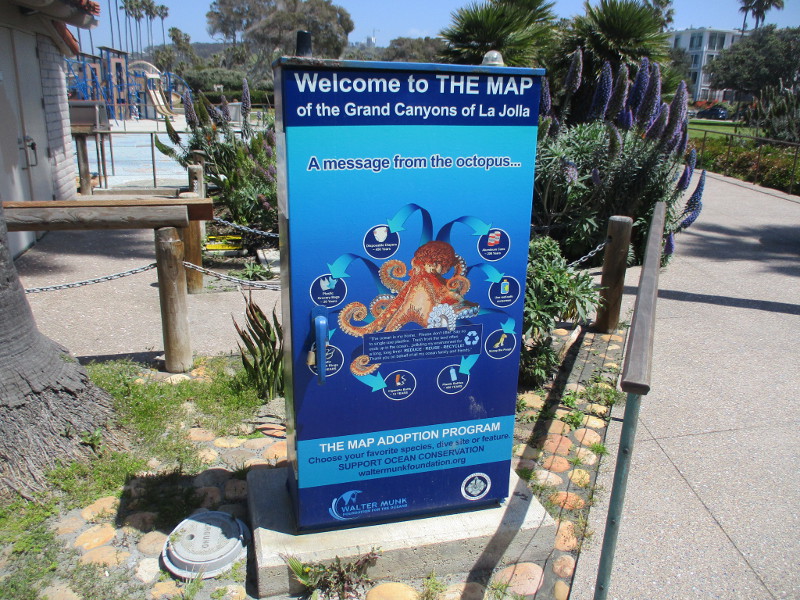
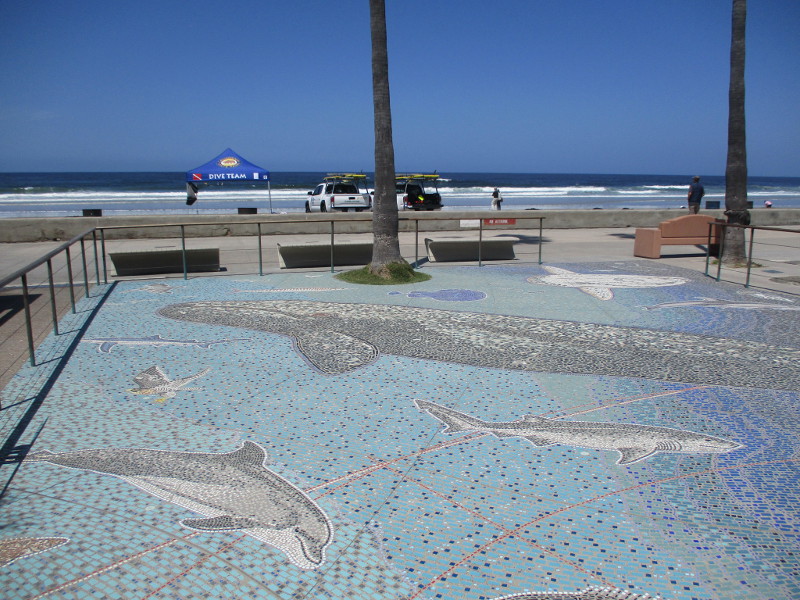
Nearby, an octopus welcomes visitors to The Map of the Grand Canyons of La Jolla, which is located in a plaza located between the grassy park and the beach’s boardwalk, Walter Munk Way.

The following photo shows a bit of the beautiful map. I once blogged about the map, its artwork and meaning here. There’s a cool interactive website that describes the marine animals in the map here.

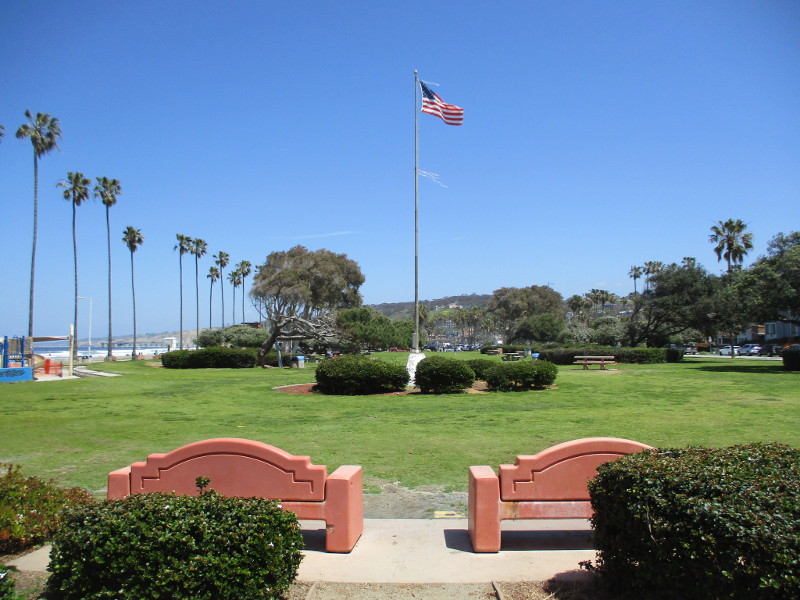
Entering wide grassy Kellogg Park from the south. Benches face a tall flagpole.

Another beautiful day in paradise.

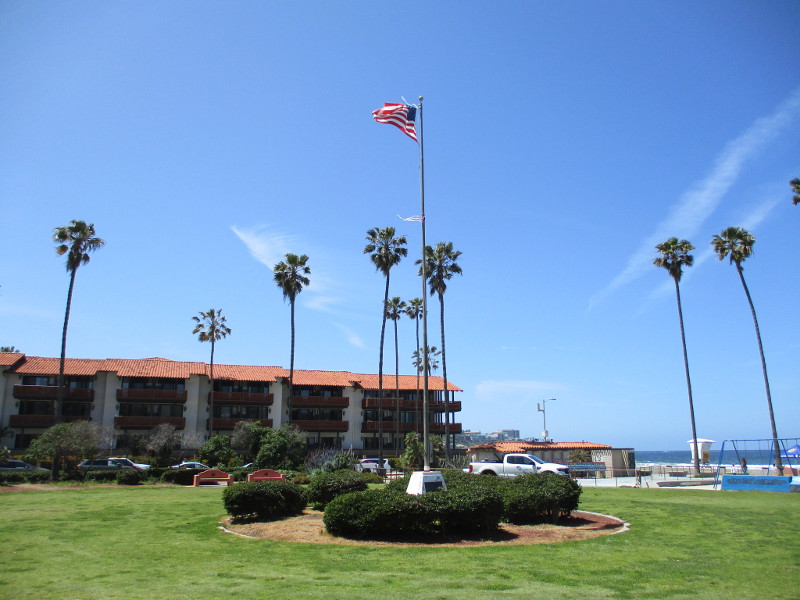
Facing the flagpole from its north side.

There’s an old plaque at the base of the flagpole.

Kellogg Park, a gift to the people of San Diego from Florence Scripps Kellogg and the City of San Diego. Dedicated to the memory of Frederick William Kellogg. June 1951.

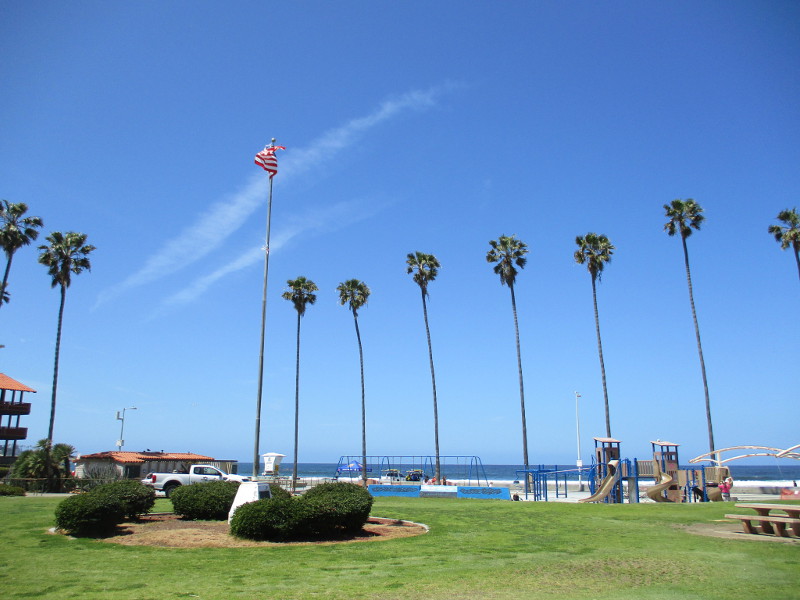
Palm trees and the nearby playground.

Gazing out toward the ocean and the La Jolla Shores boardwalk.

Picnic benches and green grass.

Thanks for visiting Cool San Diego Sights!

I post new blogs pretty often. If you like discovering new things, bookmark coolsandiegosights.com and swing on by occasionally!

I live in downtown San Diego and love to walk around with my camera! You can follow Cool San Diego Sights via Facebook or Twitter!

Balboa Park markers for police who died in combat.

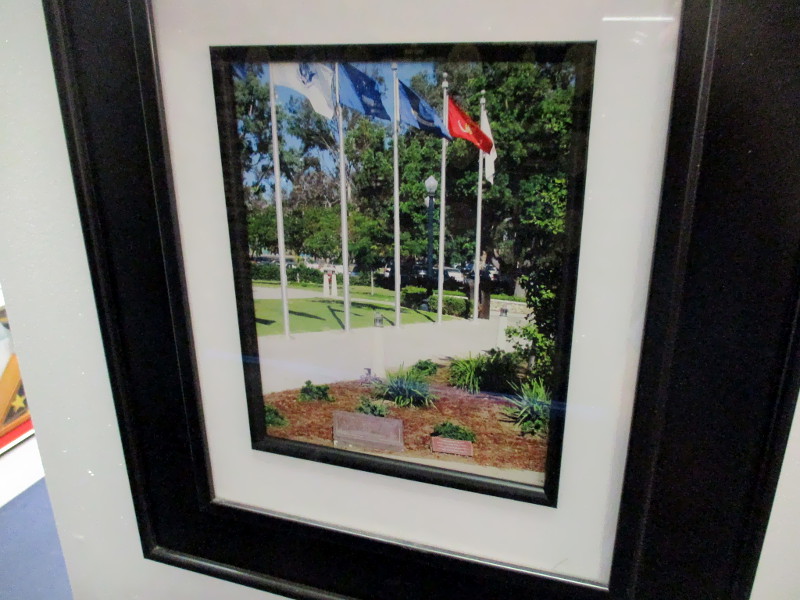
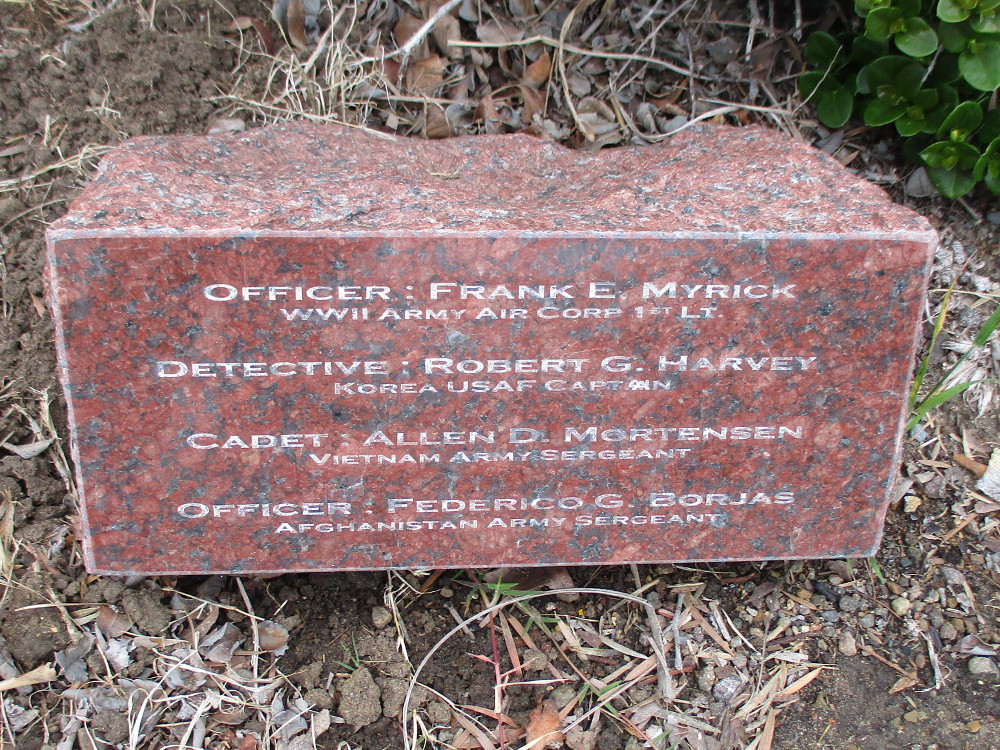
Two markers in Balboa Park, not far from the entrance to the Veterans Museum and Memorial Center, remember and honor members of the San Diego Police Department who died in combat.

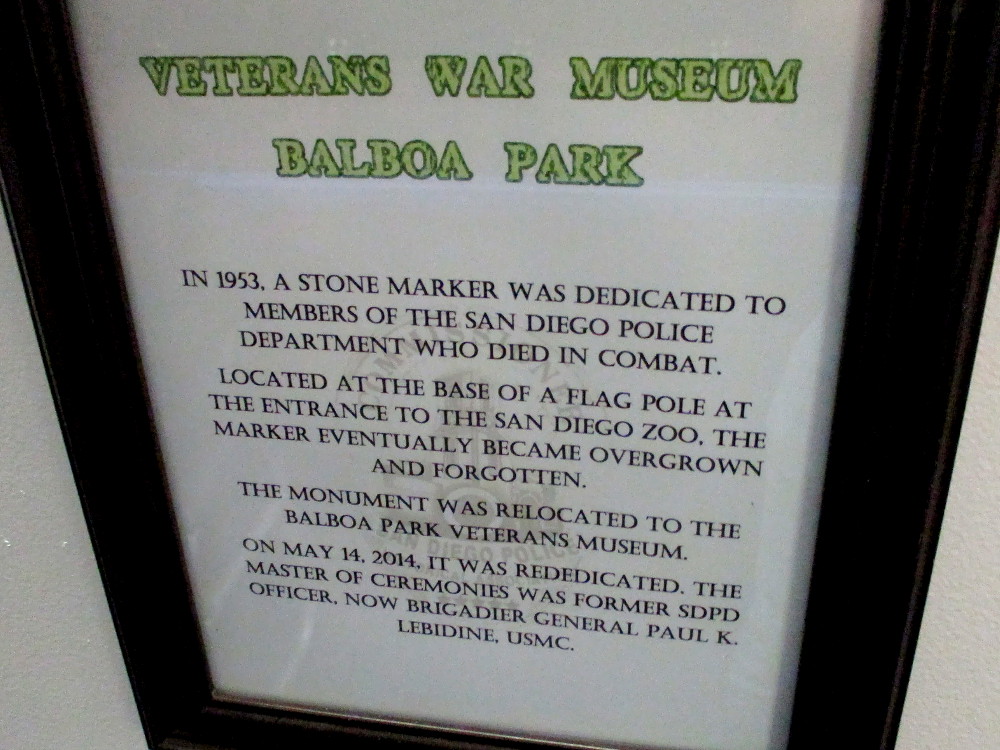
I knew nothing about these markers until I visited the San Diego Police Museum recently. A display on one wall included an old photograph and an explanation of the older marker and its plaque’s history.

Veterans War Museum Balboa Park

In 1953, a stone marker was dedicated to members of the San Diego Police Department who died in combat. Located at the base of a flag pole at the entrance to the San Diego Zoo, the marker eventually became overgrown and forgotten. The monument was relocated to the Balboa Park Veterans Museum. On May 14, 2014, it was rededicated. The master of ceremonies was former SDPD officer, now Brigadier General Paul K. Lebidine, USMC.

Other monuments in and around San Diego memorialize fallen law enforcement officers.

Those monuments that I’ve observed and photographed can be found here and here and here.

Thanks for visiting Cool San Diego Sights!

I post new blogs pretty often. If you like discovering new things, bookmark coolsandiegosights.com and swing on by occasionally!

I live in downtown San Diego and love to walk around with my camera! You can follow Cool San Diego Sights via Facebook or Twitter!

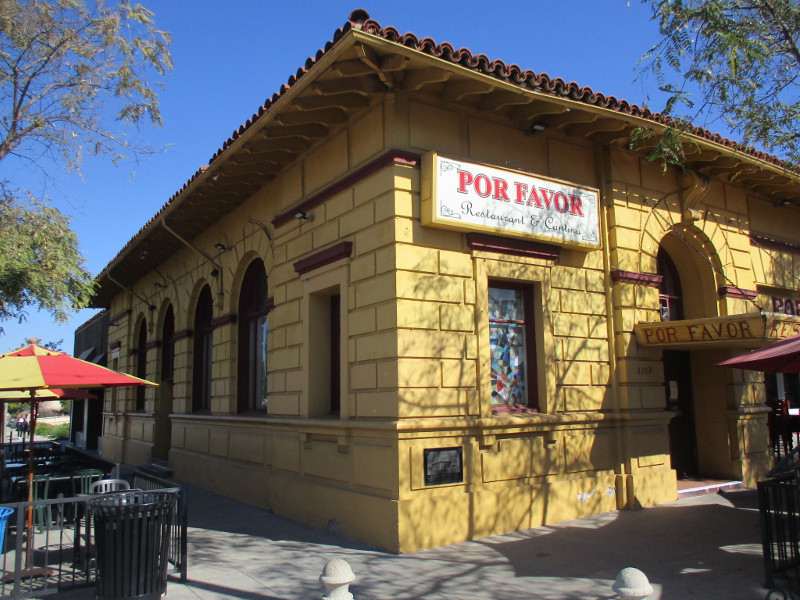
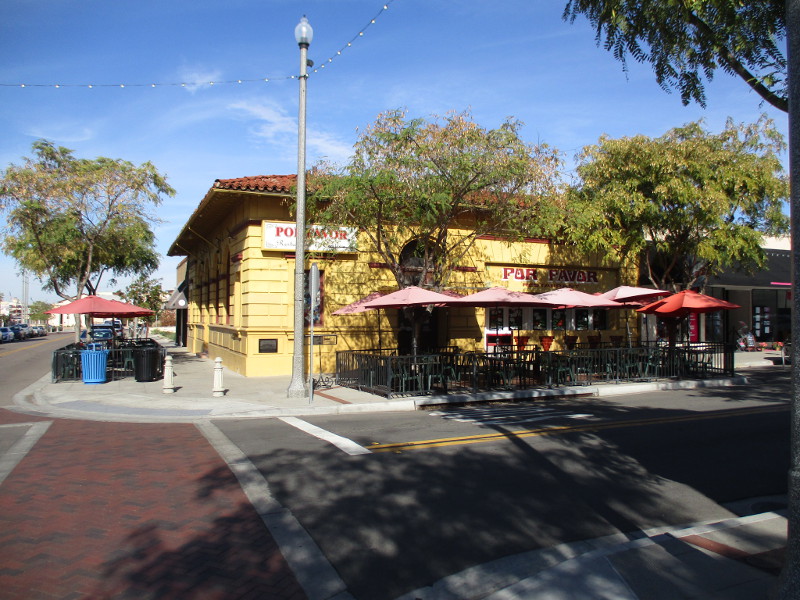
La Mesa history at Por Favor Restaurant building.

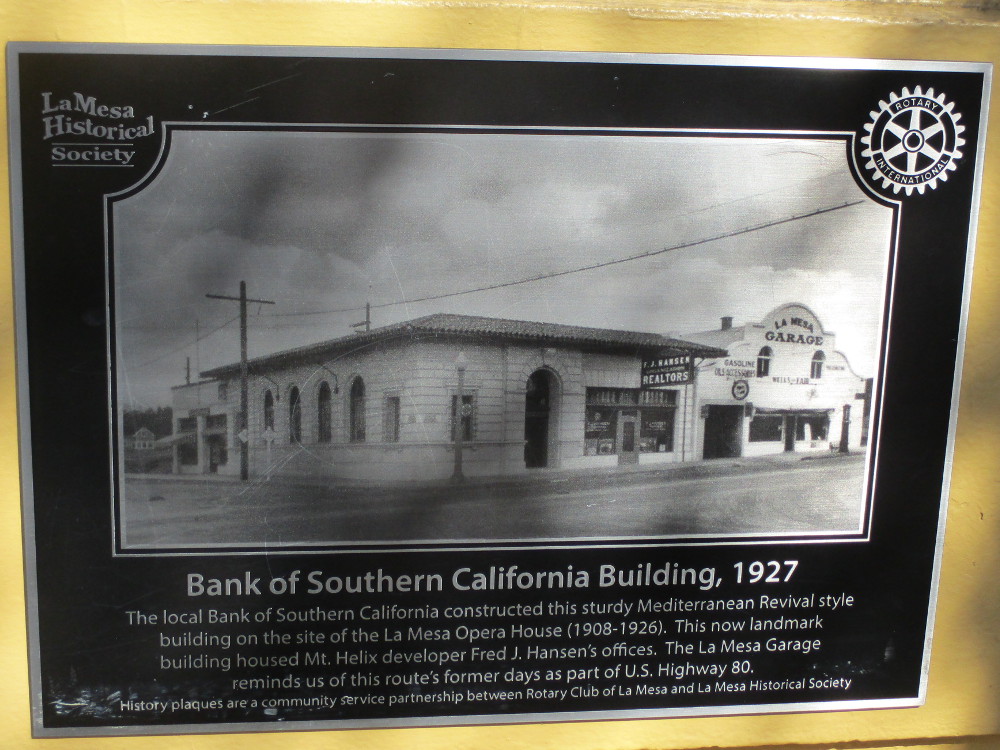
Should you walk through La Mesa Village, look for informative plaques with old photographs near the front entrances of buildings along La Mesa Boulevard. The plaques are a community project of the La Mesa Historical Society and the Rotary Club of La Mesa.

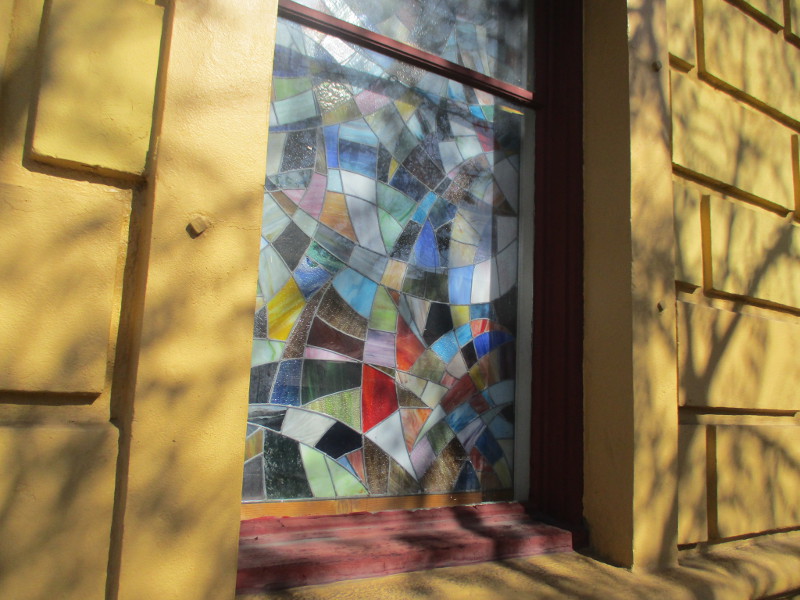
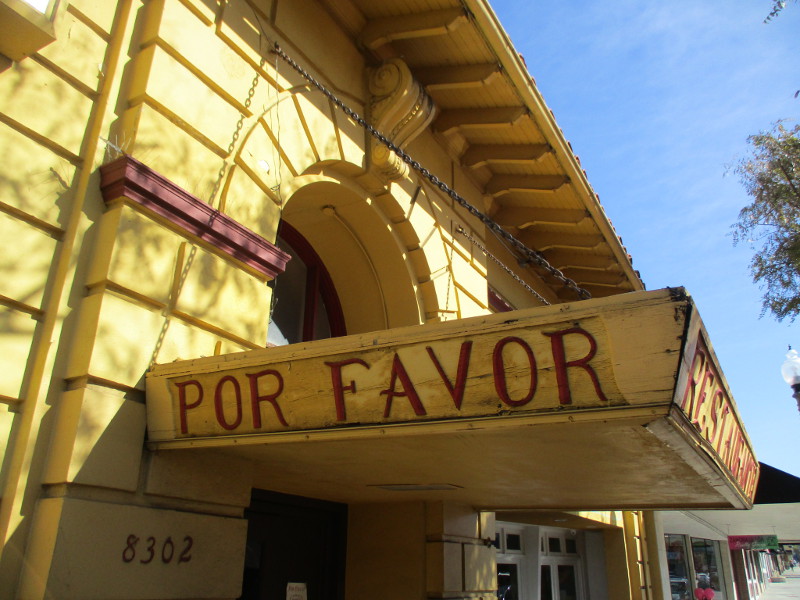
I found it interesting to learn about the history of the yellow building with stained glass windows that now houses the Por Favor Mexican Restaurant and Cantina.

Bank of Southern California Building, 1927

The local Bank of Southern California constructed this sturdy Mediterranean Revival style building on the site of the La Mesa Opera House (1908-1926). This now landmark building housed Mt. Helix developer Fred J. Hansen’s offices. The La Mesa Garage reminds us of this route’s former days as part of U.S. Highway 80.

Thanks for visiting Cool San Diego Sights!

I post new blogs pretty often. If you like discovering new things, bookmark coolsandiegosights.com and swing on by occasionally!

I live in downtown San Diego and love to walk around with my camera! You can follow Cool San Diego Sights via Facebook or Twitter!

Old Spaghetti Factory and a famous architect.

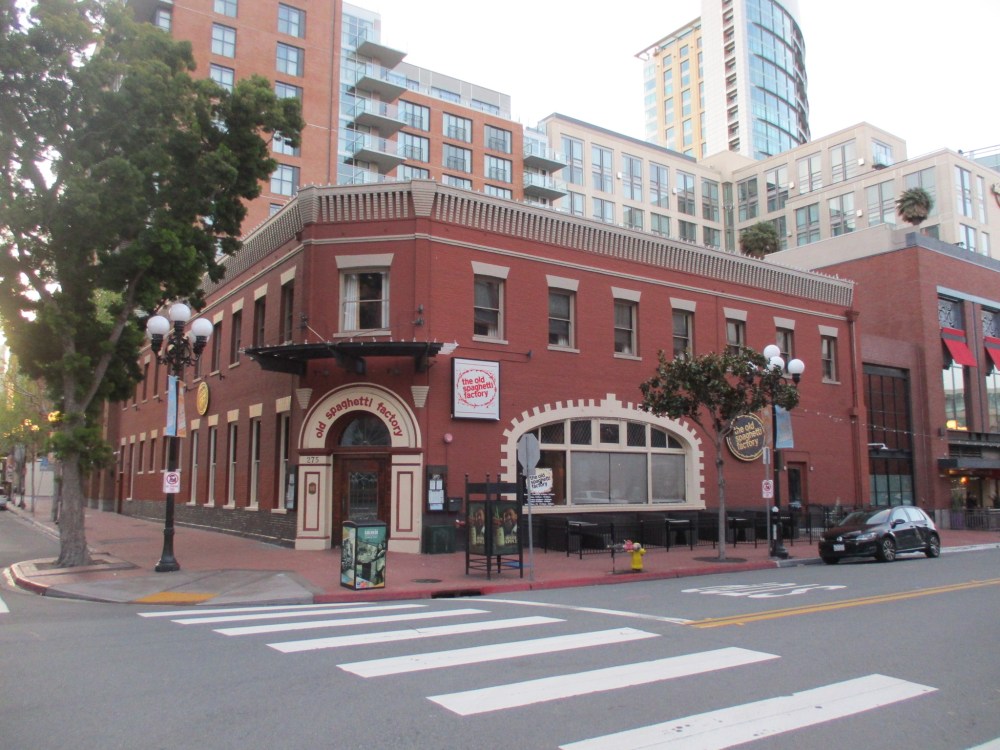
Over the decades, countless diners have enjoyed meals at downtown San Diego’s beloved Old Spaghetti Factory. I remember eating here back in the 1980s!

Did you know the Old Spaghetti Factory’s beautiful brick building was designed by a world-famous architect?

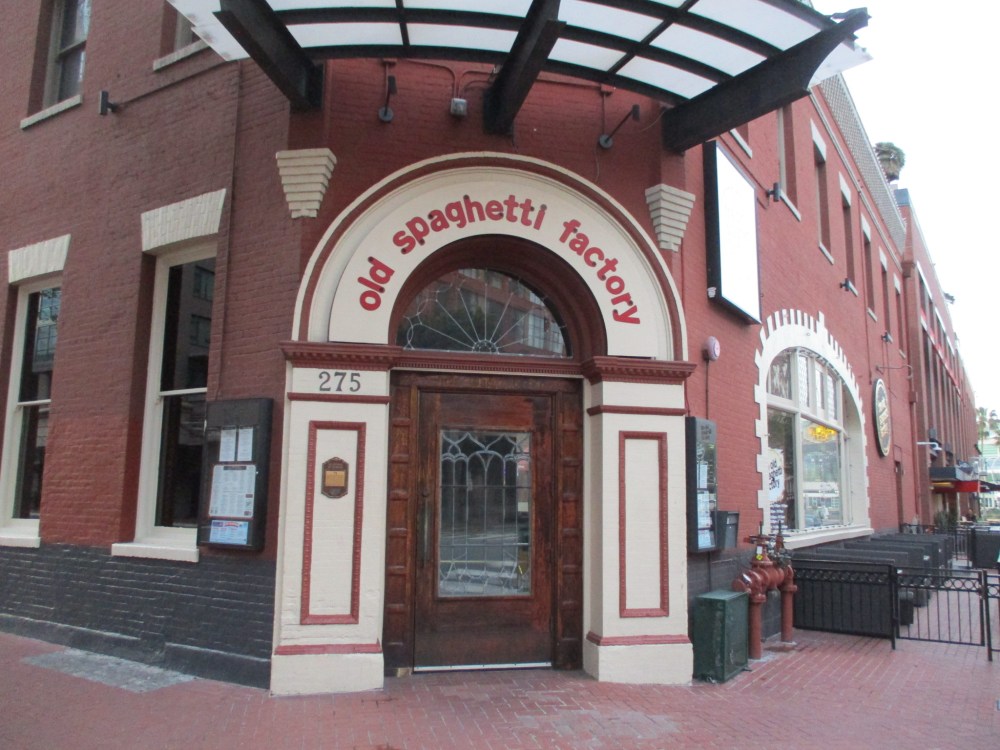
The Buel-Town Building dates from the late 19th century. Its principal designer was internationally renowned architect Irving Gill, considered a pioneer of the modern movement in architecture. It’s one of his earliest projects.

To see a list of Irving Gill’s other works in San Diego and Southern California, visit his Wikipedia page here.

The Buel-Town Building, 1898.

With its arched corner entrance, bay window, and corbelled brick cornice, this building reflects the originality of the architects Hebbard and Gill. Gill, the principal designer, had a preference for natural forms, over the highly ornate European styles common of his era. This is evident in this structure, which was one of his earliest works. After serving tenants such as the Western Metal Company and Buel-Town Chemicals, the building was converted for use as The Old Spaghetti Factory Restaurant in 1974.

Thanks for visiting Cool San Diego Sights!

I post new blogs pretty often. If you like discovering new things, bookmark coolsandiegosights.com and swing on by occasionally!

I live in downtown San Diego and love to walk around with my camera! You can follow Cool San Diego Sights via Facebook or Twitter!