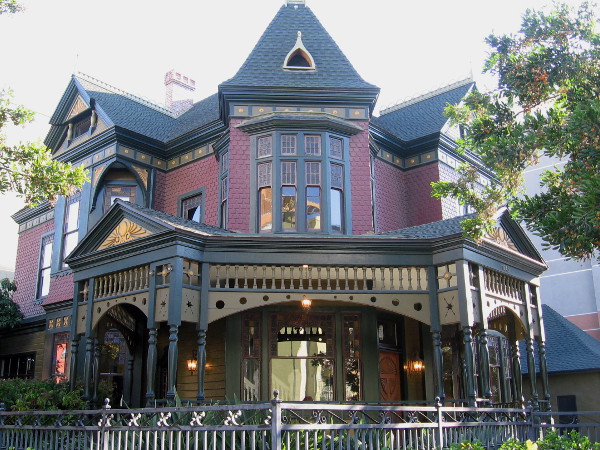
The Sheldon House is a very cool sight at the corner of 13th and Island in San Diego’s East Village.
Like most cities, San Diego has its share of cool old houses. Here’s an example of one that’s located in downtown’s East Village neighborhood.
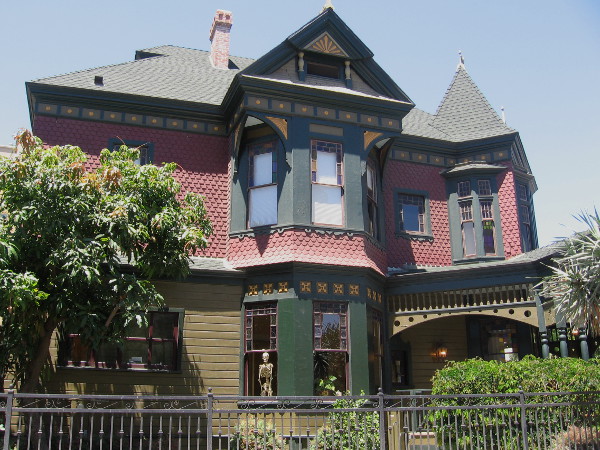
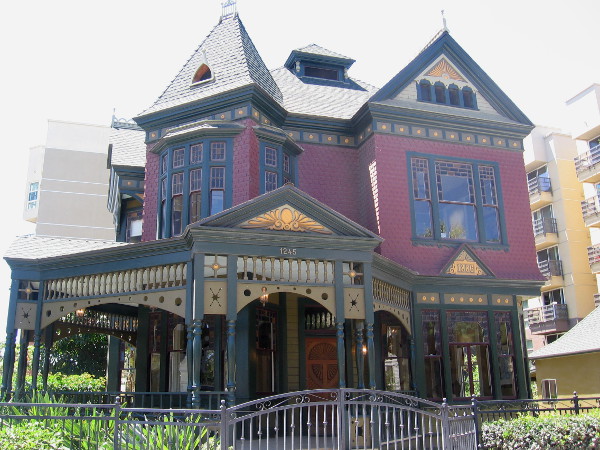
Standing at the corner of 13th Street and Island, the 1886 Sheldon House was designed by the famous architects Comstock and Trotsche, and is an amazing example of the flamboyant Queen Anne style. The grand, extravagant Victorian mansion was built for Dr. F. C. Sheldon and his family, and included a multiple-gabled roof, a large, elegant front porch, and stained glass features in every window. Unfortunately, the doctor died soon after the mansion’s construction. To support the large surviving family, his wife converted the home into a successful boarding house.
Lots of decorative details include an elaborate porch and stained glass crowning every window.View of the sunlit Sheldon House from the east. A skeleton stands in one window!The 19th century Victorian mansion seen from the north, with modern residential buildings behind.
UPDATE!
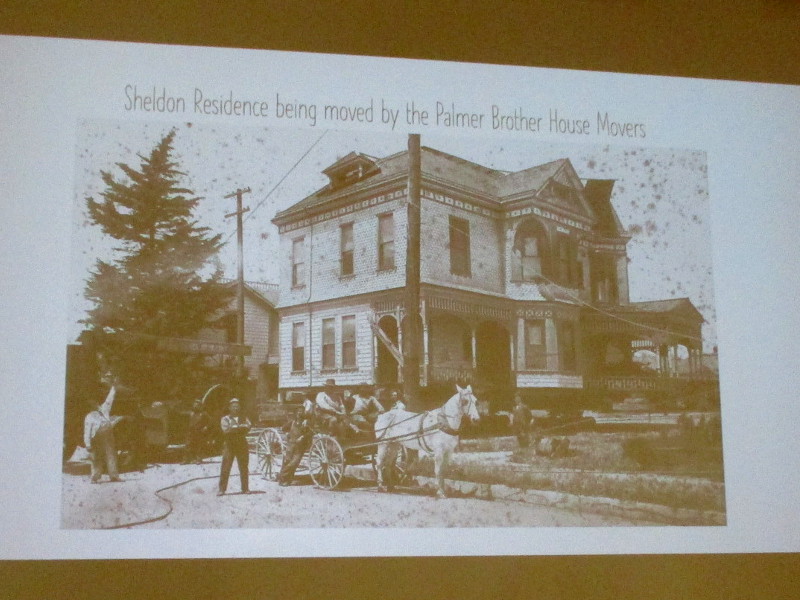
Years later, I noticed this old photograph projected on a wall at the San Diego History Center. It is of the Sheldon Residence being moved by the Palmer Brother House Movers from 11th and D Streets to Island Street in 1913…
…
Follow for photos of random cool stuff! Join me on Facebook or Twitter.
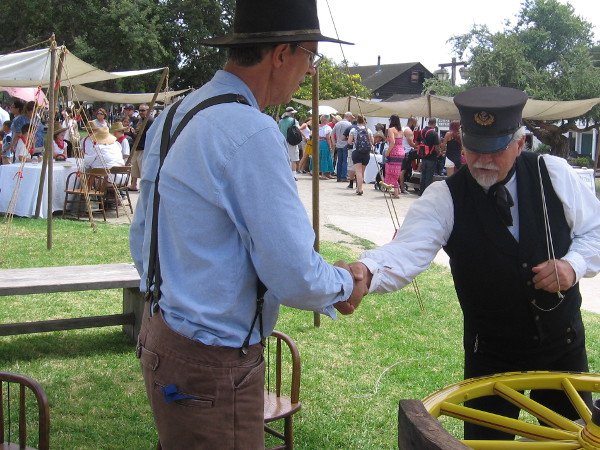
A merchant ship’s purser greets a wheelwright in Old Town San Diego State Historic Park during Stagecoach Days: Trades That Shaped the West.
This afternoon I took a short easy stroll through Old Town San Diego State Historic Park. My trusty little camera captured some interesting photos of history come to life!
During summer Saturdays, Old Town hosts a cool event called Stagecoach Days. Each weekend there’s a different theme. Today it was Trades That Shaped the West.
As you might imagine, I witnessed historical reenactments of working life in San Diego when the town was a small outpost of civilization surrounded by mostly undeveloped wilderness. In those days life was often difficult, but the people were from hardy stock. Let’s see a small sample of what 19th century San Diego might have been like…
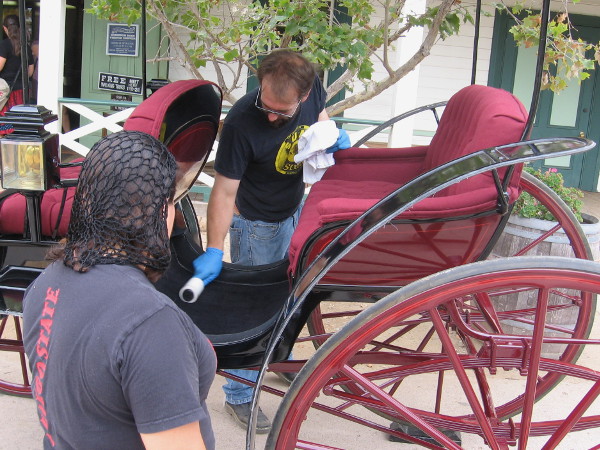
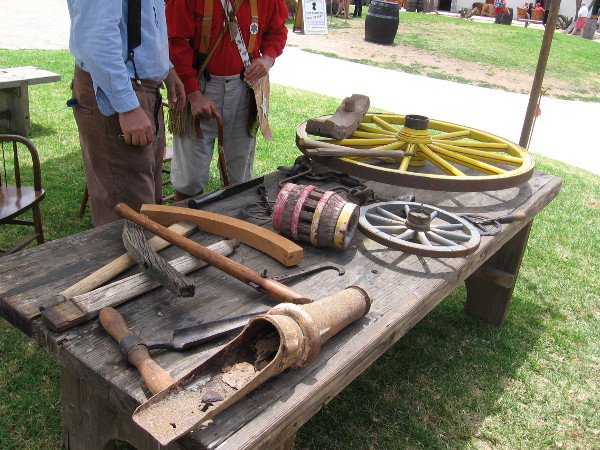
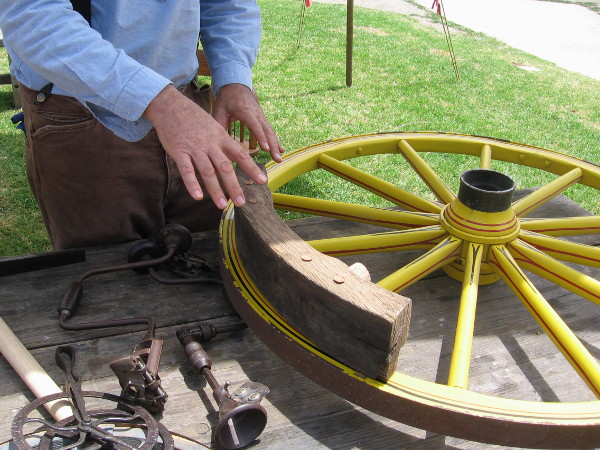
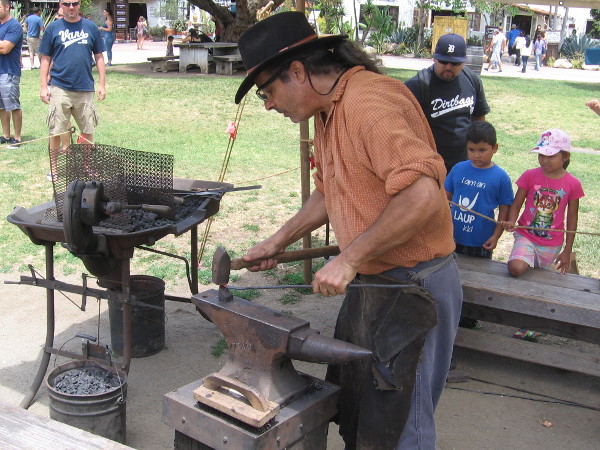
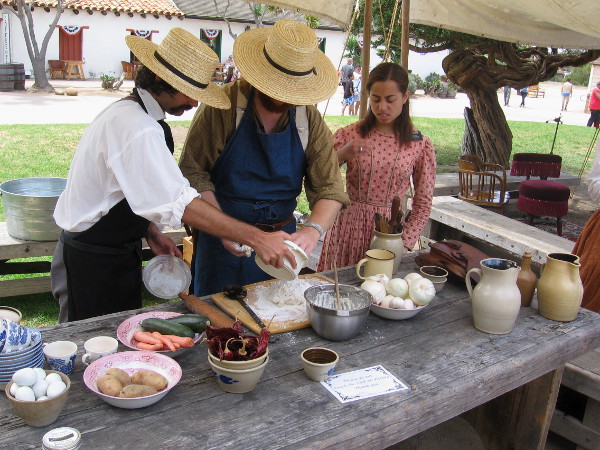
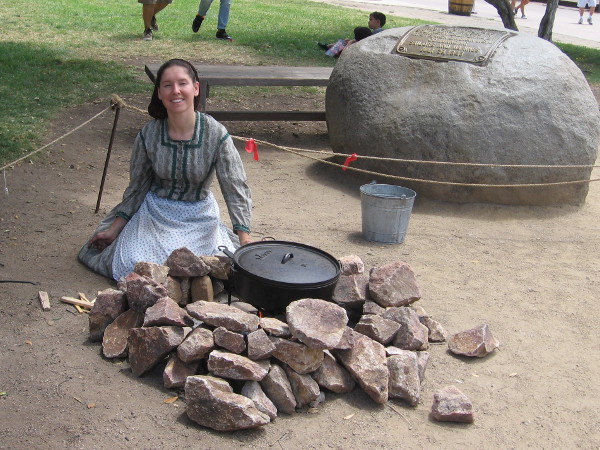
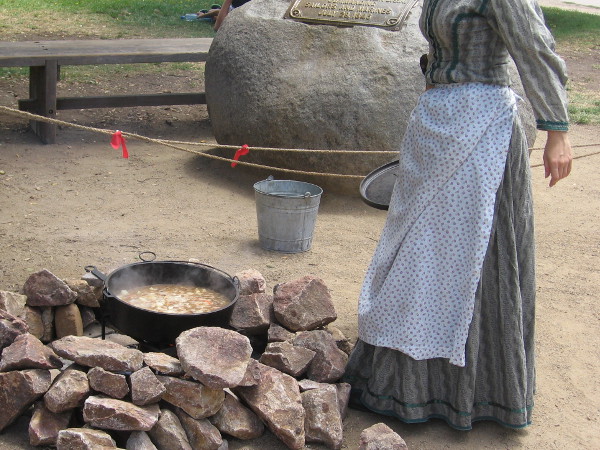
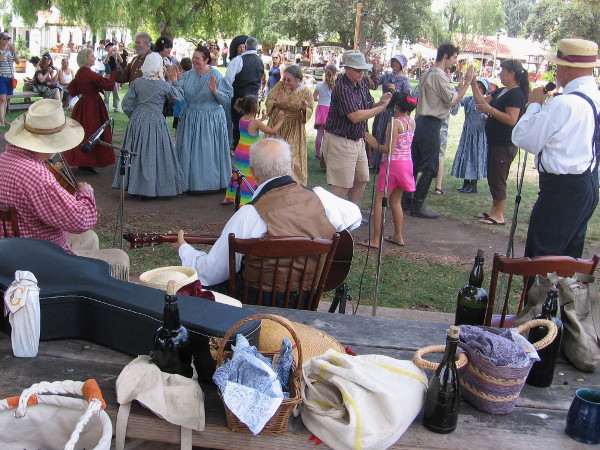
Stagecoach Days, Celebrating the West on the Move, is open free to the public. The weekly event is held on summer Saturdays in Old Town’s historic central plaza.Preparing an old Stanhope Park Phaeton, parked with other buggies and carriages in front of the Robinson-Rose House Visitor Information Center.A ladies basket trap carriage, circa 1900. This simple horse-drawn vehicle was often used for comfortable country travel, complete with wicker basket seat.The wheelwright had many tools on display and explained how wheels in the 19th century were skillfully created of wood and iron.A welded ring of bent iron would be expanded with heat, then placed around the wheel’s ash wood circumference.A cool woodworker demonstrates and provides the names of his many tools to the delight of watching kids.A sneak peek into the blacksmith shop behind Seeley Stable Museum before the event officially begins outside in the plaza.A blacksmith bangs away on some hot metal as he fashions a thin, pointed nail.This sliver of red hot iron with some hammering will be turned into a nail with a flat head, ready to be used for 19th century construction.These folks in historical costume are busily preparing some biscuits, a common food in the early days of San Diego.A smiling someone is tending the campfire. What’s cooking?Looks like a bubbling stew!Printing press demonstration underway at the San Diego Union Museum print shop in Old Town.Wells Fargo employee, from the agent’s office museum in the Colorado House, helps people into a stagecoach for a photograph.Of course, a good historical reenactment of the Old West requires lively music and enthusiastic dancing.Two ladies prepare to dance the polka.
…
Enjoy photos of cool events and random stuff! Join me on Facebook or Twitter.
War Comes Home: The Legacy. A collection of letters written by veterans and their families.
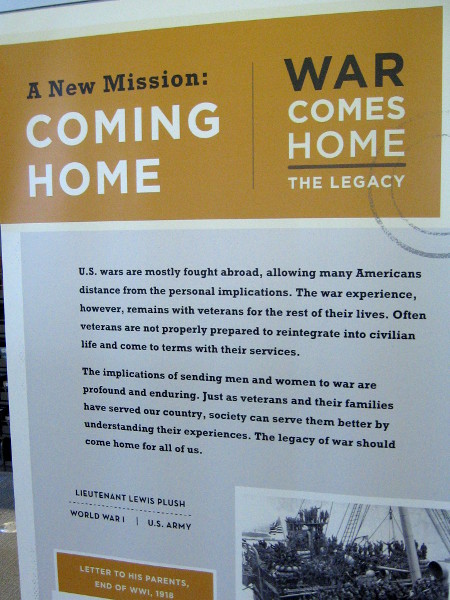
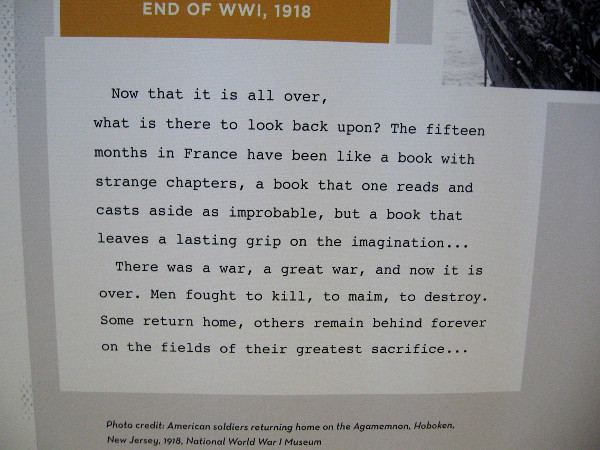
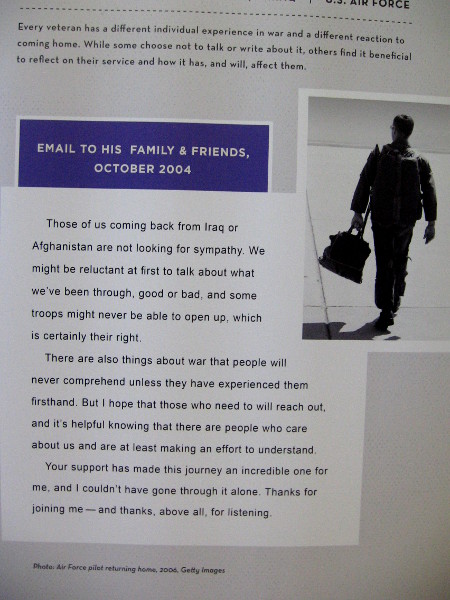
A poignant exhibit is now on public display at San Diego’s downtown Central Library. It’s titled War Comes Home: The Legacy. Through a number of emotionally charged letters to and from troops abroad, one can begin to feel how war changes lives. Included is personal correspondence, including email, from almost every major conflict in United States history. This exhibition is put on in partnership with Cal Humanities, and its stated purpose is to promote greater understanding of our veterans and explore the impact of war on communities.
The exhibit can be found on the first floor of the library and will run through August 16.
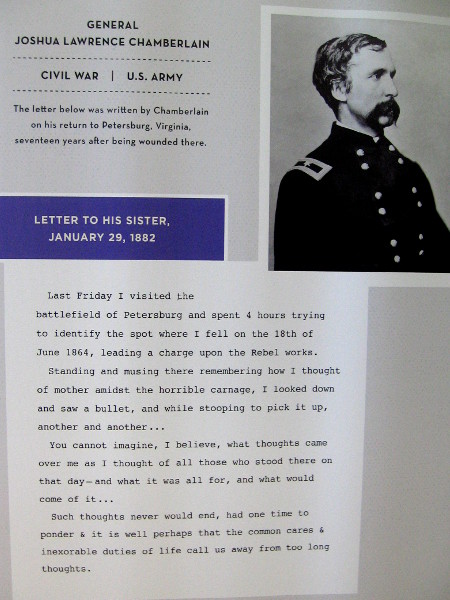
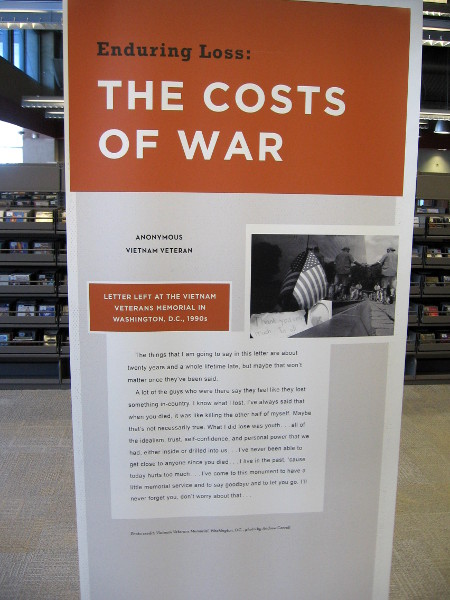
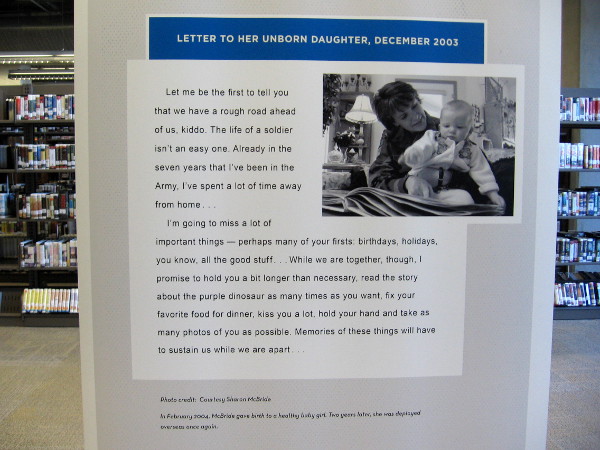
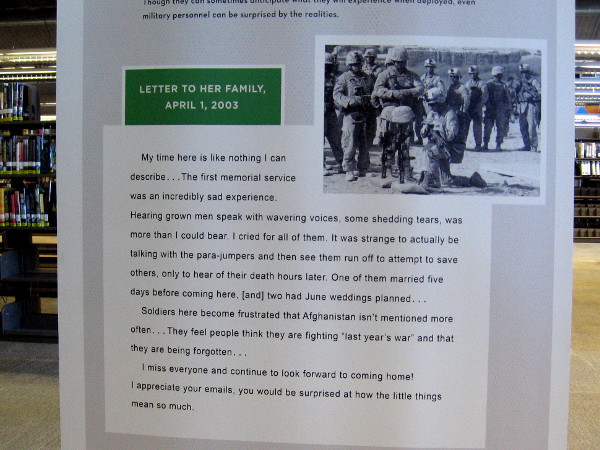
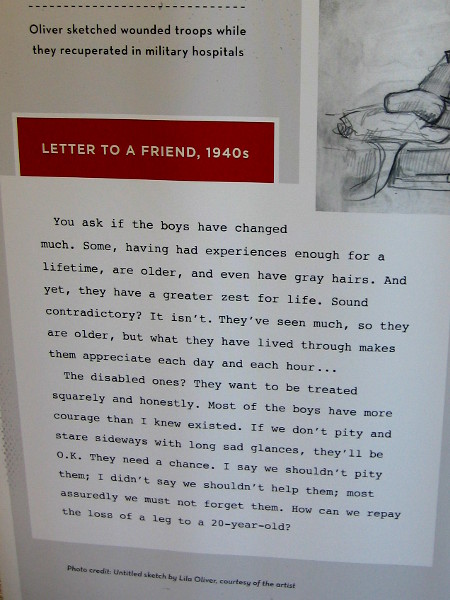
I’m coming home! I’m looking forward to seeing you again…but I’m in no hurry to see the expressions on your faces when you see me. You might even ask me for proof that I’m your son.U.S. wars are mostly fought abroad, allowing many Americans distance from the personal implications. The war experience, however, remains with veterans for the rest of their lives.Now that it is all over, what is there to look back upon? The fifteen months in France have been like a book with strange chapters…Although most people think that they are War Conscious, are they really? So far removed from the battle fronts, can they be?Those of us coming back from Iraq or Afghanistan are not looking for sympathy. We might be reluctant at first to talk about what we’ve been through, good or bad…You cannot imagine, I believe, what thoughts came over me as I thought of all those who stood there on that day–and what it was all for, and what would come of it…Not a day goes by that I don’t think of you. I never know that love could hurt so much.Enduring Loss: The Costs of War.The things that I am going to say in this letter are about twenty years and a whole lifetime late, but maybe that won’t matter once they’ve been said.Coming home to “normal” life from a war zone can be a jarring experience for many troops.Ultimately, your loved one should start to feel “normal” after about five to six months–just in time to be deployed again.Let me be the first to tell you that we have a rough road ahead of us, kiddo. The life of a soldier isn’t an easy one.My son: you are missed in our home. There is a silence and a sadness because of your absence.Hearing grown men speak with wavering voices, some shedding tears, was more than I could bear.You ask if the boys have changed much. Some, having had experience enough for a lifetime, are older…and yet, they have a greater zest for life…Sketch of servicemember in military hospital with amputated leg, reading or writing a letter.
…
Receive thought-provoking glimpses of things in and around San Diego. Join me on Facebook or Twitter.
Old poster highlights points of interest reached by past San Diego streetcar and railroad lines. Depicted are orange groves, Mexican bullfighting, an ocean liner and Balboa Park.
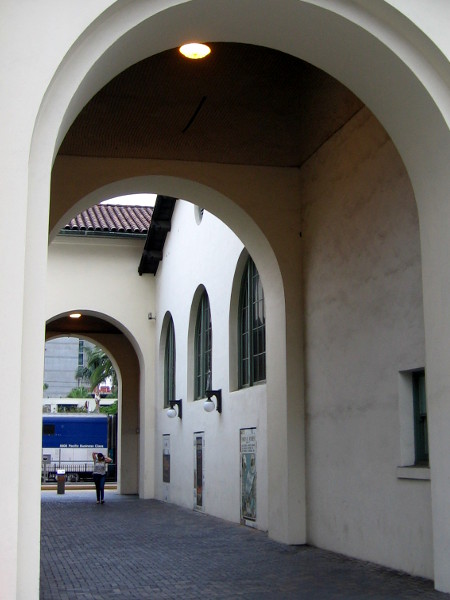
When I catch the trolley at downtown San Diego’s Santa Fe Depot, I often walk through an outdoor passageway that separates the hundred year old train station’s enormous waiting room from it’s original baggage terminal. The latter building was converted years ago into an interesting space used by the Museum of Contemporary Art San Diego (MCASD).
Recently, while strolling through the passageway, I paused to examine three eye-catching graphics created by the museum to promote one of its current exhibitions. Two of the images incorporate old train posters from San Diego history, which I find to be very cool. I thought you might enjoy a look!
MCASD’s exhibition titled “John D. Spreckels and The Impossible Railroad” concerns a railway project undertaken a century ago by one of San Diego’s most prominent entrepreneurs and benefactors. Perhaps Spreckels’ greatest accomplishment was to complete the logistically difficult San Diego & Arizona Railroad, our nation’s southernmost transcontinental railroad route. I haven’t visited the exhibition, but according to what I’ve read it utilizes interesting visual devices to demonstrate the near impossibility of building Spreckels’ railroad, which had to wind around and over deep mountain gorges. (Spreckels was also responsible for a large network of electric streetcars which traversed San Diego decades before our modern day trolleys.)
Outdoor passage between the Santa Fe Depot and the Museum of Contemporary Art San Diego’s downtown Jacobs Building, which years ago was the train station’s baggage terminal.John D. Spreckels and the Impossible Railroad is one of the current art exhibitions at MCASD. These interesting promotional graphics also incorporate historical newspaper articles.Old advertisement for the San Diego and Arizona Railway, called the Carriso Gorge Route, which included possible destinations Chicago, New Orleans, Kansas City, El Paso, San Diego.
…
Enjoy photos of random cool stuff! Join me on Facebook or Twitter.
The elegant Jessop’s Street Clock stands like a vision from the past at the center of San Diego’s popular Horton Plaza.
San Diego’s top tourist attraction in 1907 wasn’t a zoo, a park, a popular building or location. It was an amazing clock. Word traveled far and wide about the elegant, beautiful, one-of-a-kind Jessop’s Street Clock, which debuted that year in downtown San Diego. San Diego at the time was a very small town. The large clock stood on the sidewalk in front of the J. Jessop and Sons jewelry store at 952 Fifth Avenue.
The idea for this street clock sprang from the imagination of Joseph Jessop, a jeweler who immigrated to America from England. He’d seen many beautiful public clocks in Europe. especially in Switzerland. Joseph hired mechanic Claude D. Ledger to build the complex clock, which took fifteen months of meticulous, precise work to complete. The fine clock has almost never stopped working. One memorable day the clock did mysteriously stop–the same day that Claude died.
The Jessop’s Street Clock was first displayed at the 1907 Sacramento State Fair, where it was awarded a gold medal. (The large medal of real gold was stolen, and so was the first bronze replacement!) Since then the clock has occupied several different spots in San Diego. The clock stands 22 feet tall and features 20 separate dials and 300 moving parts. It has an estimated worth of several million dollars. Much of the shining movement is gold-plated. The elegant clock contains tourmaline, agate, topaz and jade, local gems extracted from the Jessop Mine on Mount Palomar.
Today the historic clock occupies a prominent position near the center of Horton Plaza, where many shoppers breeze by with hardly a glance. I suppose very few people realize the importance of this clock, and how at one time, over a century ago, it was one of San Diego’s most well-known landmarks.
Shoppers walk past the beautiful Jessop’s Street Clock, a landmark in downtown San Diego for over a hundred years.Intricate, exquisite gold-plated movement of the historic Jessop’s Street Clock. The massive mechanism extends twelve feet down into the Horton Plaza parking garage!J. Jessop and Sons jewelers created this amazing clock, which over a century ago was San Diego’s top attraction!Thousands of hours have been spent over the decades maintaining, rehabilitating, moving and reconstructing the fine clock.The Jessops Street Clock was exhibited at the 1907 Sacramento State Fair. This is a bronze replica of the gold medal awarded to the master clock. The clock is property of the Jessop family.Base of the 1907 Jessop Clock in downtown’s Horton Plaza shopping mall. Plaque indicates Historical Landmark No. 372, The City of San Diego.Twelve dials on one face tell time in New York, London, Paris, Berlin, Milan, St. Petersburg, Calcutta, Capetown, Tokyo, Hong Kong, Melbourne, Mexico City.
…
See photos of some random cool stuff! Join me on Facebook or Twitter.
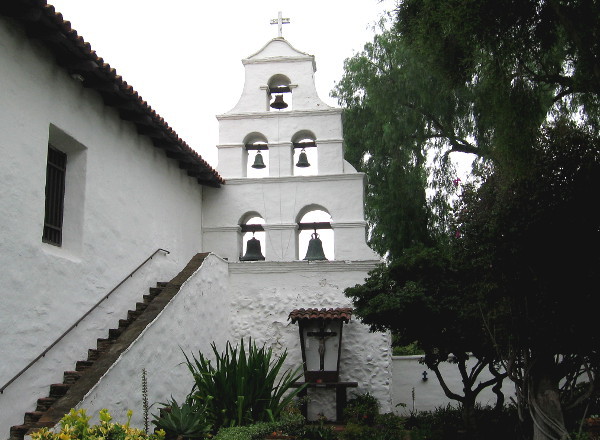
Five church bells hang in the distinctive facade of the historic Mission San Diego de Alcalá, founded by Junipero Serra.
Sometimes it’s easy to forget that our lives will soon become history. And that the lives of people, no matter how imperfect, create a rich, varied tapestry that reaches centuries back in time, and forward into the future.
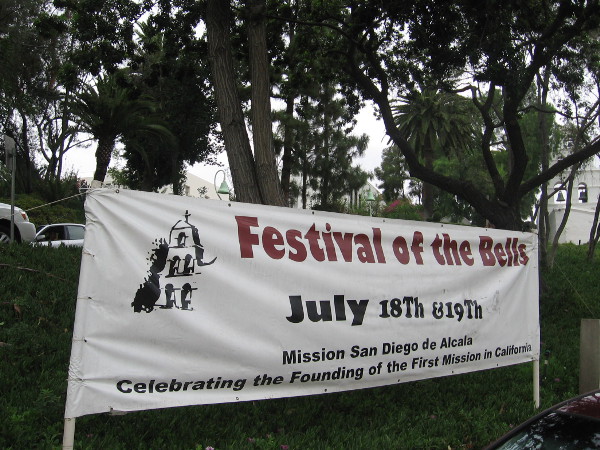
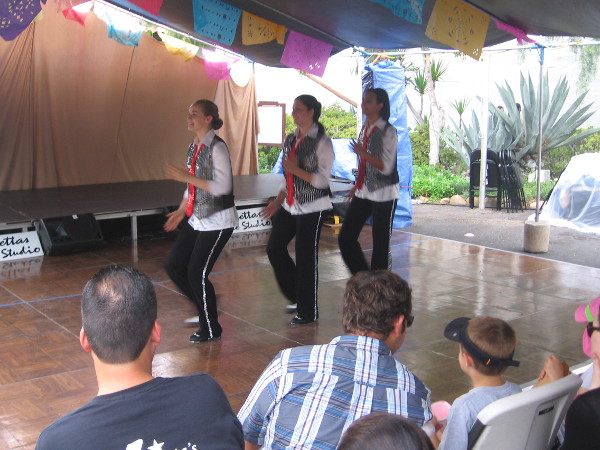
Young and old–representatives from several generations–came together this weekend in San Diego to again celebrate the Festival of the Bells. The annual event is held at Mission San Diego de Alcalá, the first Spanish mission to be built in California. Food, song and dancing accompanied colorful religious rituals such as the Blessing of the Bells and the Blessing of the Animals. Everyone was welcome to enjoy the free festival.
The original San Diego del Alcala was founded in 1769–almost 250 years ago–at the site of the old Spanish presidio, near the edge of San Diego Bay. The current mission building was erected by Father Serra in 1774, a few miles up the San Diego River where the land was more fertile.
The distinctive facade and bells of this historical landmark are often used as a symbol for our city, and the ringing of the bells are like echoes from a complex, often strife-filled, but fascinating past. The youngest generation, seeing this old world with fresh, optimistic eyes, jumping free and loving life in the festival’s bounce house, will remember today decades in the future as just another small moment in the journey of history. Hopefully that memory is good.
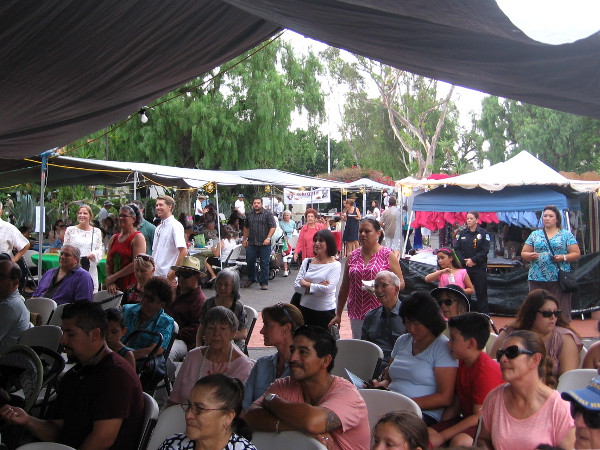
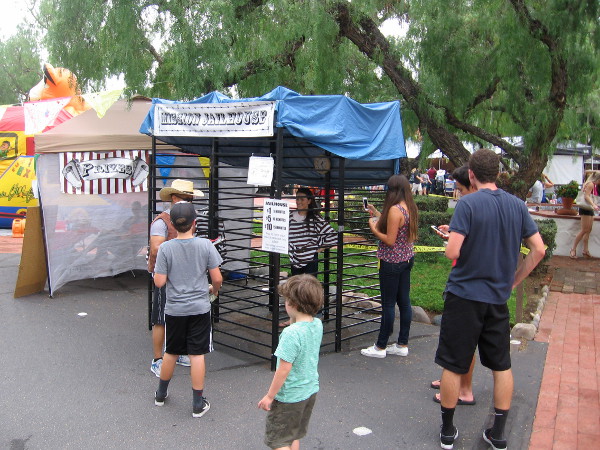
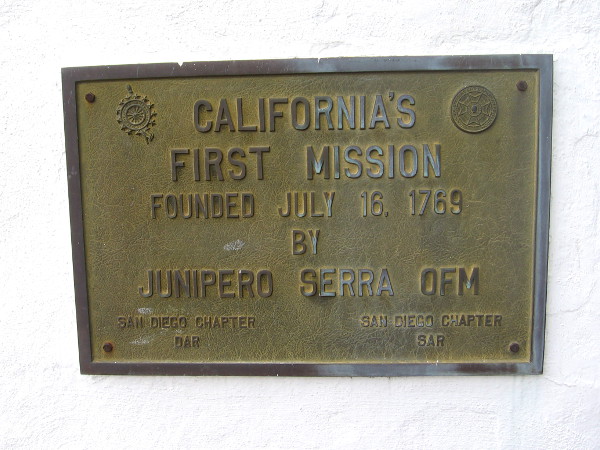
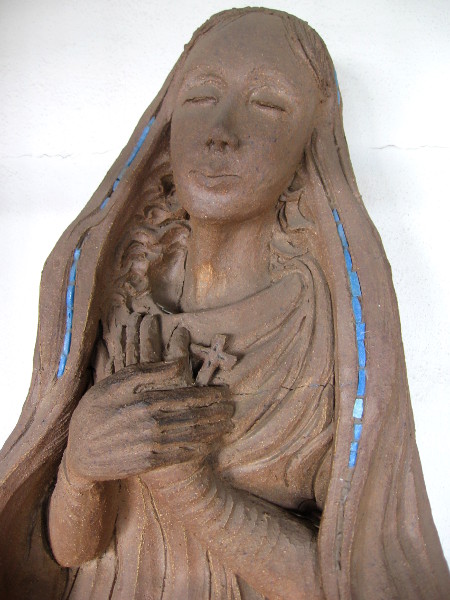
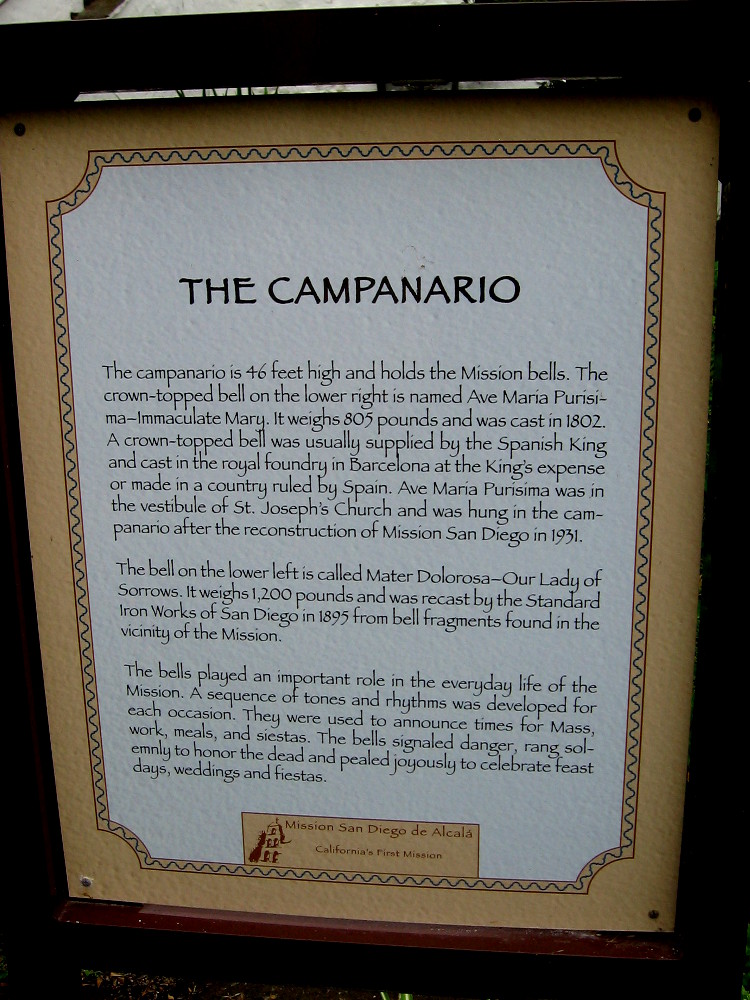
The Festival of the Bells is an annual celebration which memorializes the establishment and long history of California’s first Spanish mission.Young people provide family entertainment free to the public at the 2015 Festival of the Bells.A large audience had gathered in the mission’s spacious courtyard-like quadrangle, even as rain threatened on Sunday afternoon.Folks hang out around the central fountain, eating food and taking in sights, smells and sounds during a lively San Diego tradition.Proceeds from sales of food, crafts and gifts benefited Mission Basilica San Diego de Alcala, which is an active Catholic church.Who can resist root beer floats?Put a friend in the jailhouse to raise some money!San Diego de Alcalá was the first of 21 Spanish missions in California, established by Father Junipero Serra in 1769.Small statues along walkway at front of San Diego de Alcala depict Saints who inspired California mission names. This is for Mission Santa Clara de Asis, founded 1777.Sign in the mission’s garden explains The Campanario. (Click to enlarge.)
The campanario is 46 feet high and holds the Mission bells. The crown-topped bell on the lower right is named Ave Maria Purisima–Immaculate Mary. It weights 805 pounds and was cast in 1802 . . . The bells played an important role in the everyday life of the Mission . . . They were used to announce times for Mass, work, meals and siestas. The bells signaled danger, rang solemnly to honor the dead, and pealed joyously to celebrate feast days, weddings and fiestas.
Of the five church bells, one original bell dates back to 1802.
…
San Diego is an endlessly interesting place! You can enjoy photos from many varied walks by following on Facebook or Twitter.
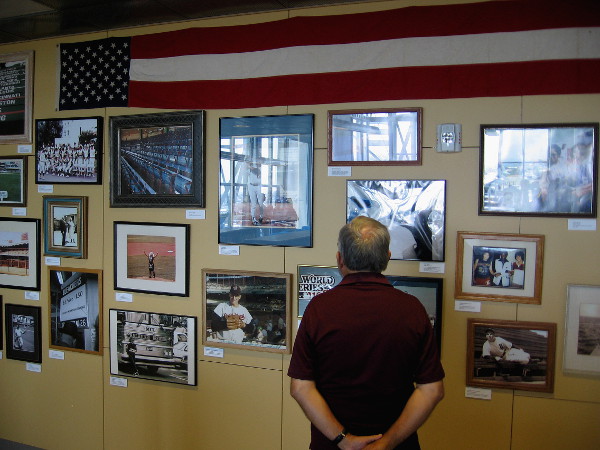
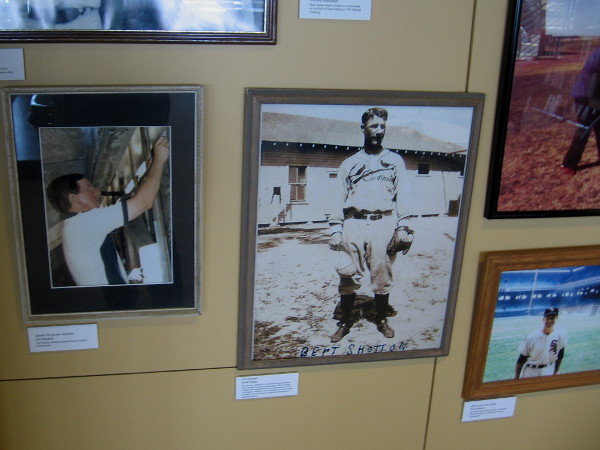
Visitor to eighth floor of San Diego’s downtown public library checks out photographs in the Sullivan Family Baseball Research Center.
Many San Diegans don’t realize that our city–our amazing new Central Library, to be exact–contains a unique and important repository of American history. The Sullivan Family Baseball Research Center, located on the eighth floor of the downtown library, is home to the Society for American Baseball Research (SABR) Collection. It constitutes the largest baseball library west of Cooperstown! Shelves of books, magazines, journals, scrapbooks and other historical documents, and many photographs, have recorded in detail the fascinating history of American baseball. And it’s all open to the public!
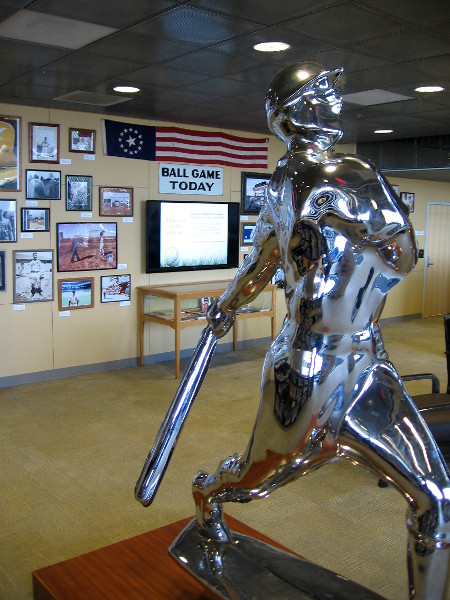
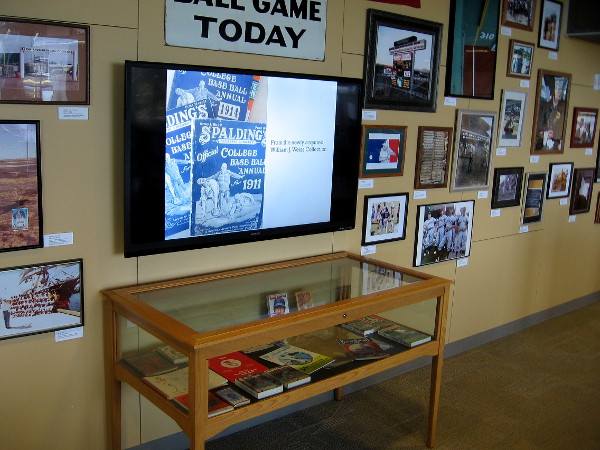
The research center is directly adjacent to the spacious, high-domed reading room. In the center of the collection is a shiny sculpture of a player swinging a bat, titled Male baseball #1, created in 2009 by artist Yoram Wolberger. On one wall among many old photos, a video screen shows scenes from baseball history. This is one super cool section of the library!
According to the website of the Society for American Baseball Research: “The Baseball Research Center opened in 2001, with an initial collection of books and microfilm donated by SABR’s Ted Williams Chapter. In the years since, it has grown to more than 3,000 publications, books, and journals, and 300 microfilm reels.”
Today, the collection is housed in museum-like grandeur, and to peruse the many photographs and titles is like taking a wonderful, nostalgic journey back through time. Anyone who is a fan of baseball in San Diego needs to check it out!
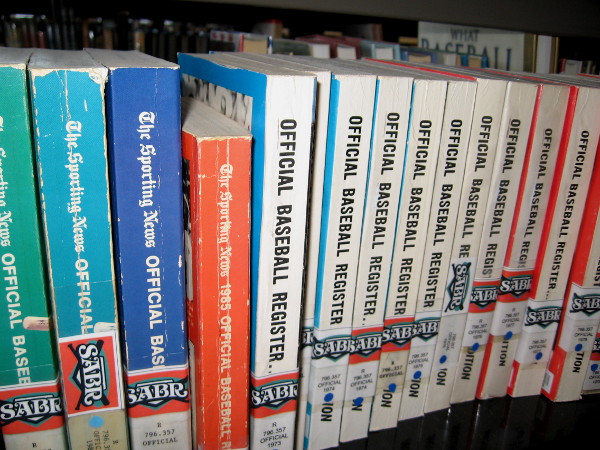
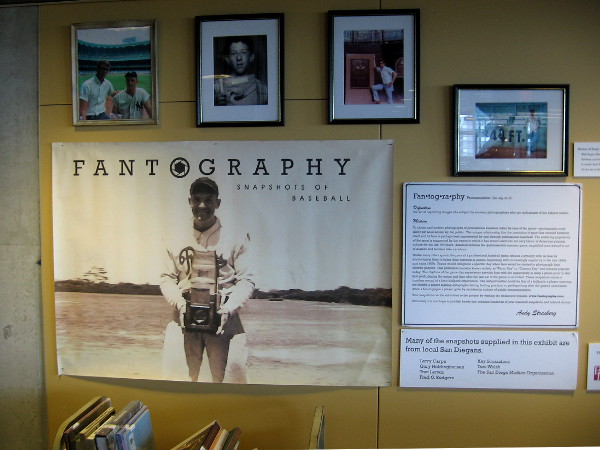
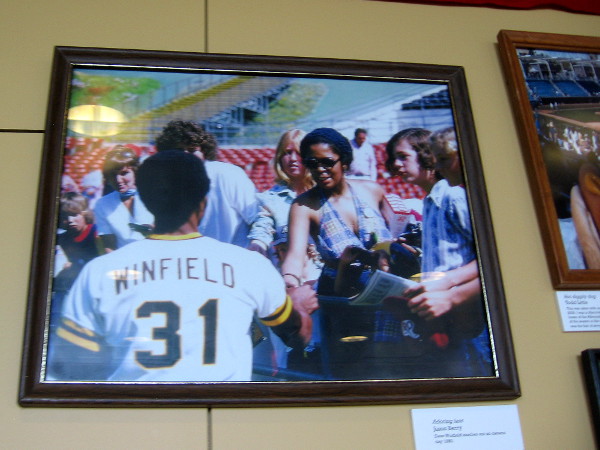
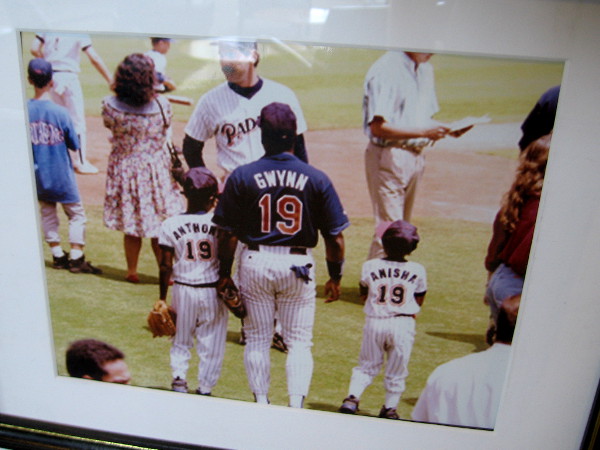
Bronze and chrome Yoram Wolberger statue of a baseball player swinging a bat.Many historical photographs can be enjoyed on one wall of the baseball research center.Anyone who is interested in sports, and America’s Pastime in particular, should visit the SABR Collection in San Diego.The collection includes many books, periodicals and artifacts concerning the great sport of baseball.Photo of one display case, which contains a copy of Baseball Magazine, plus various programs and record books.Another display case, with an old newspaper, World Series Records, Sporting News publication, team photograph.Shelves in the library contain hundreds of baseball reference books and registers.One small exhibit focuses on fan photography, called Fantography.Cool photo of the KGB Chicken between two Padrettes. Ted Giannoulas later became known as The Famous San Diego Chicken.Image of San Diego past superstar Dave Winfield in stadium greeting fans.Wonderful photo of San Diego Padres legendary Hall of Fame player Tony Gwynn with his family out on the playing field.
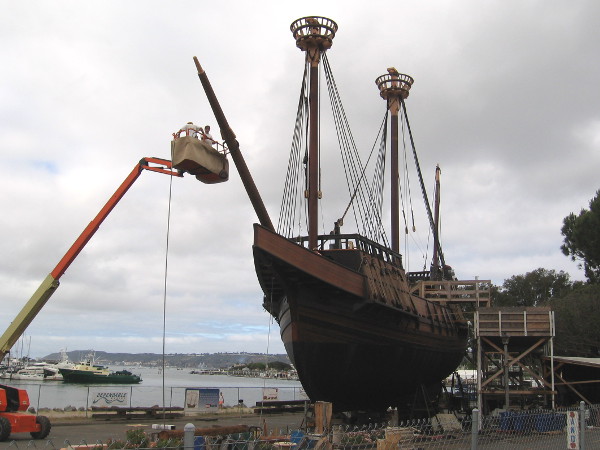
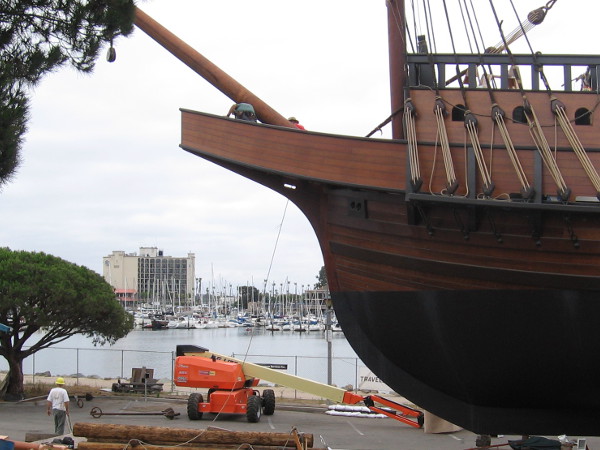
San Salvador, a close reproduction of explorer Juan Rodriguez Cabrillo’s historic galleon, undergoes final preparation at Spanish Landing in San Diego.
San Salvador’s masts and bowsprit have been installed!
I swung by the amazing ship’s build site this morning after doing a couple errands in Point Loma. Additional work was underway on the bowsprit, and the hull appears almost finished. One gentleman was painting white Roman numerals on the bow which will indicate the ship’s depth.
Complications and unforeseen difficulties have delayed the launch of the Spanish galleon, but now the full-scale, seaworthy replica of explorer Juan Rodriguez Cabrillo’s historic ship is almost ready to be placed into San Diego Bay!
As I write this, very little updated information can be found concerning the upcoming launch of San Salvador. When the ship was weighed some months ago, it came in at 20 tons more than expected. Due to logistics, plans to use a crane to transport the ship to Broadway Pier were necessarily altered, then ultimately discarded.
I received some info on the museum’s new plan during a short conversation with Al Sorkin, aka Captain Swordfish, a few days ago while I was walking along the Embarcadero. He indicated the San Salvador will be turned, then rolled over a temporary bridge onto a barge behind Harbor Island. The barge will then transport the galleon to a local shipyard, where a crane will finally hoist San Salvador into San Diego Bay.
The plan, as I understood it, is to add ballast and complete the ship’s rigging while it’s docked by the Maritime Museum. I also heard that the museum hopes San Salvador is ready to lead other tall ships into San Diego Bay for the ceremonial parade at this year’s Festival of Sail! That would be very cool!
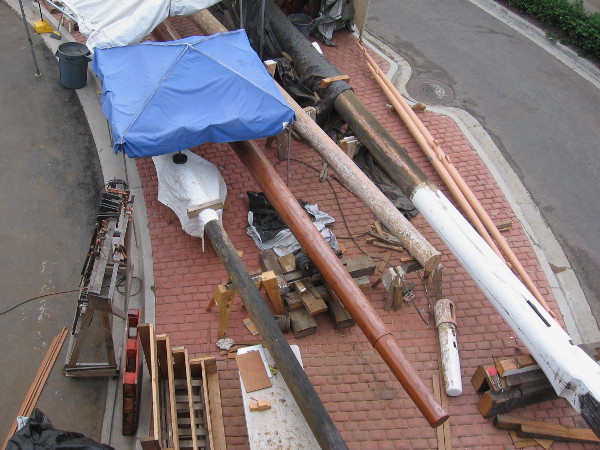
Maritime Museum of San Diego volunteers work on the bowsprit, before San Salvador is eventually moved onto a barge, then hoisted at a local shipyard into the bay.A temporary “bridge” will be built across this path in the coming weeks to allow the large San Salvador Spanish galleon to be rolled onto a barge.While the masts are now in, yards are still being prepared. As I understand it, they’ll be installed along with the ballast, once San Salvador is afloat near the Maritime Museum.Guys work on the bowsprit in early July. The hope is that San Salvador leads the 2015 Festival of Sail’s parade of tall ships into San Diego Bay!
UPDATE!
As of 7/29/15, the San Salvador is afloat on San Diego Bay! A week ago a barge transported the replica galleon to Chula Vista in our South Bay, where today it was lifted into the water. I learned this afternoon that in fact the ballast will be added and rigging completed in Chula Vista, in a place that is closed to the public. The ship will have to undergo extensive testing by the Coast Guard before being declared seaworthy. It’s still hoped everything will be completed in time for the Festival of Sail, which takes place in a little over a month!
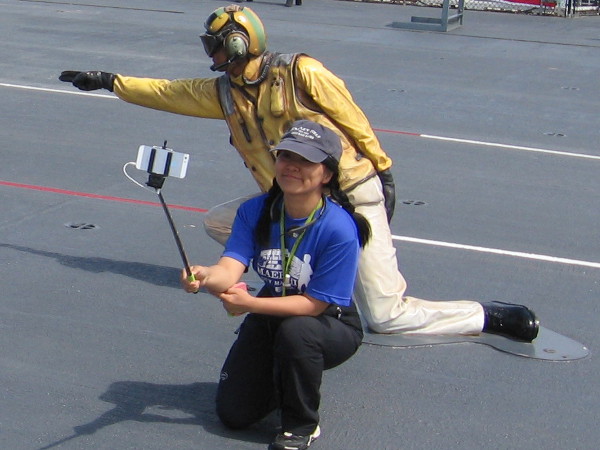
USS Midway visitor takes photograph with selfie stick next to aircraft-launching Shooter mannequin.
I hope you enjoy a few photos I took recently of planes and people (and helicopters) on the flight deck of San Diego’s USS Midway Museum. The historic aircraft carrier served longer than any other American carrier in the 20th century, spanning five decades from 1945 to 1992. Countless amazing stories have been lived by thousands serving aboard the USS Midway, and many of those stories continue today as docents and volunteers relate their personal shipboard experiences to visitors from around the world. San Diego’s unique aircraft carrier museum, now over ten years old, hosts over a million visitors a year.
Midway’s large flight deck, enlarged from 2.8 to 4 acres in 1966, today features a couple dozen restored aircraft that represent different eras of modern military history. The internet is jammed with pages showing and describing these aircraft in detail, so I thought I’d just provide a quick flavor of what it’s like to walk out on the flight deck on a typical San Diego day. If you’d like to take the cool self-guided tour of the ship, which I highly recommend, plan to spend at least an hour!
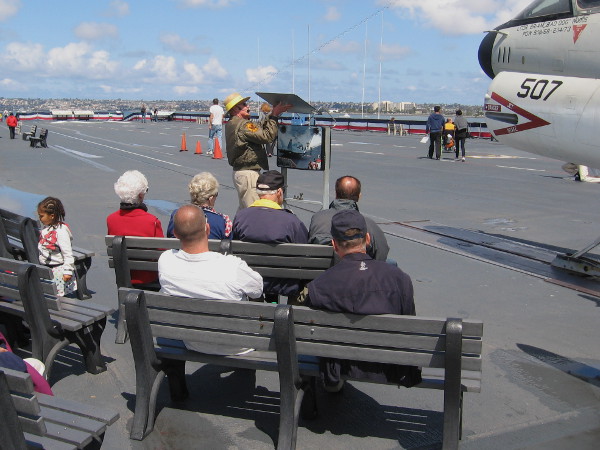
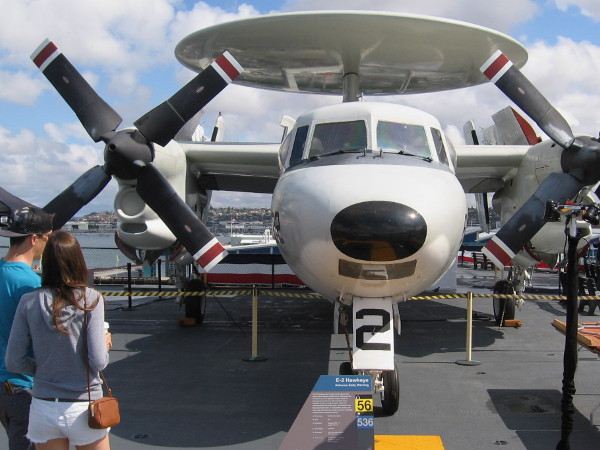
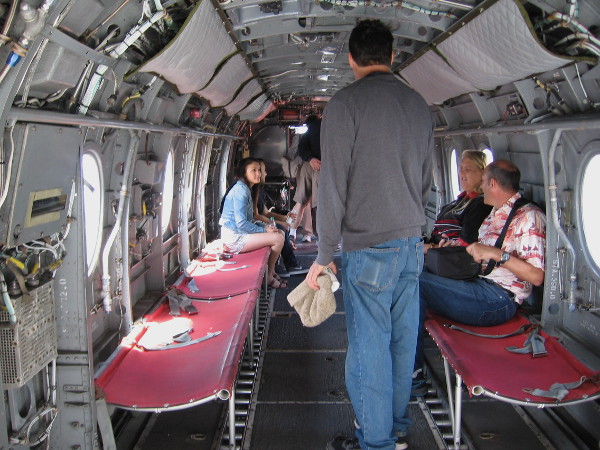
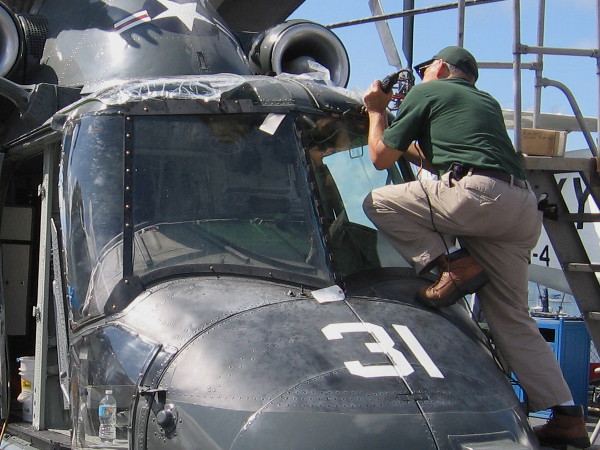
Lady walks past F-14 Tomcat fighter jet on USS Midway aircraft carrier’s flight deck.Tourists at USS Midway Museum walk out onto one of the two horns that project over San Diego Bay.Sign describes how to read Navy flag signals.Man lingers near F-8 Crusader, the US Navy’s first supersonic fighter.People sit on benches listening to a docent talk about launching airplanes from Midway’s two steam-powered catapults.Guy checks out A-7 Corsair positioned to be launched from powerful catapult, which accelerated aircraft to 170 mph in about 3 seconds!Young couple takes a look at E-2 Hawkeye, an Airborne Early Warning aircraft.Looking south from atop the flight deck. Seen are the Unconditional Surrender statue, Tuna Harbor, and the Coronado Bay Bridge.USS Midway visitors enjoy a sunny San Diego day near EKA-3 Skywarrior.Visitors find out what it’s like inside a CH-46 Sea Knight helicopter.Peering through cockpit of HO3S utility helicopter at the nearby HUP Retriever.This HO3S Dragonfly, first helicopter aboard the USS Midway in 1948, is undergoing restoration.Docent veteran talks about how aircraft landed on the flight deck using a tailhook and multiple arresting cables.Exhibit on Midway’s LSO Platform shows how Navy pilots landed in difficult conditions, relying on optical guidance.Navy pilot mannequin in flight suit stands near FA-18 Hornet, painted as a TOPGUN enemy aircraft.A-6 Intruder bomber on display near USS Midway’s superstructure.Volunteers work to restore SH-2 Seasprite, beyond orange nose of H-34 Seabat.The huge flight deck of the USS Midway Museum hosts visitors from around the world, special military-related events, decades of history, and never-ending activity on San Diego Bay.
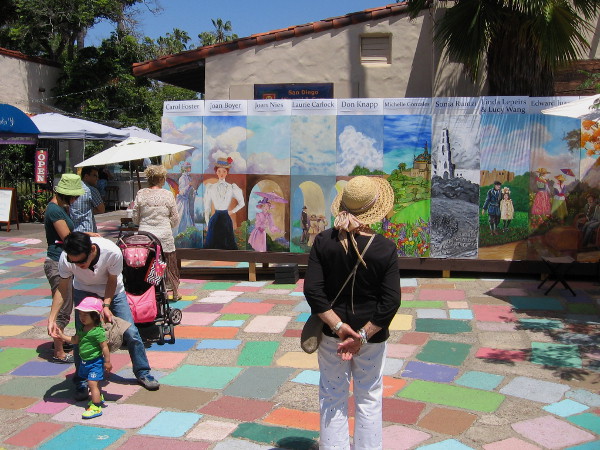
Local artists put the finishing touches on the 20 foot long 1915 Centennial Mural in Balboa Park.
My Sunday walk around Balboa Park took me through the Spanish Village Art Center. Not only were local artists painting live Flamenco dancers, but they were completing a fantastic 20 foot mural celebrating Balboa Park’s centennial. (Today I was also introduced by a couple of super friendly people, including a resident artist, to the history of Spanish Village. I will blog about that shortly, after a little additional research…and when I have the time!)
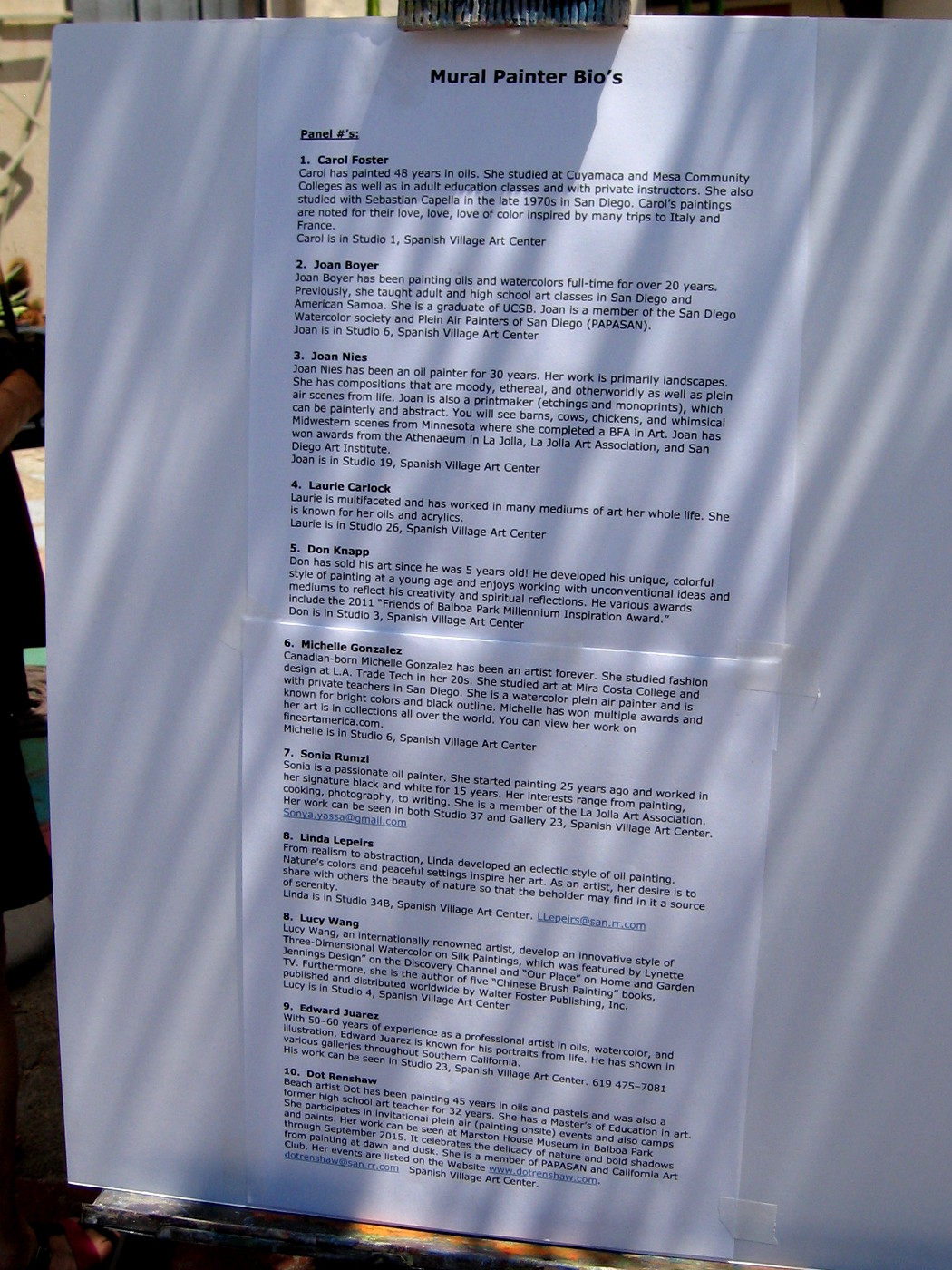
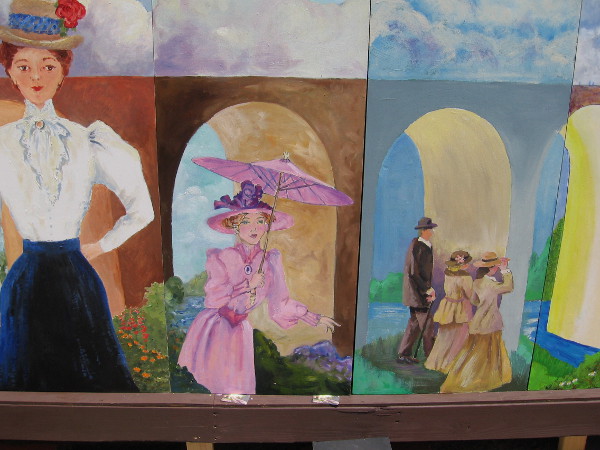
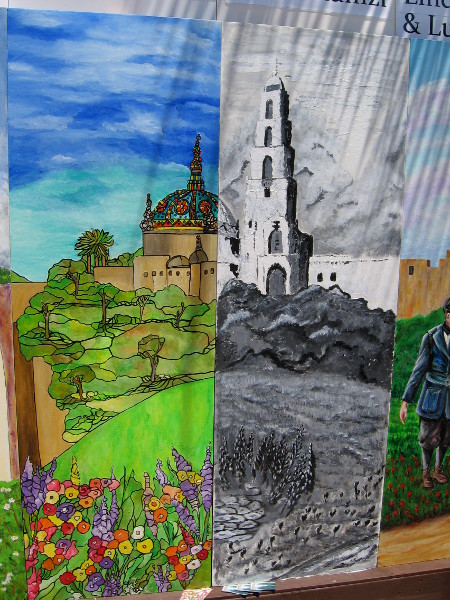
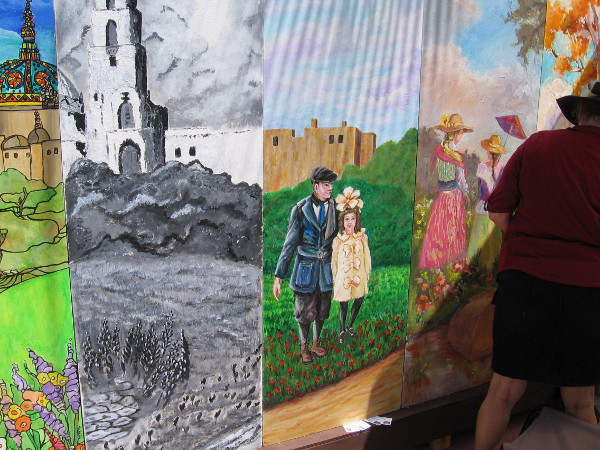
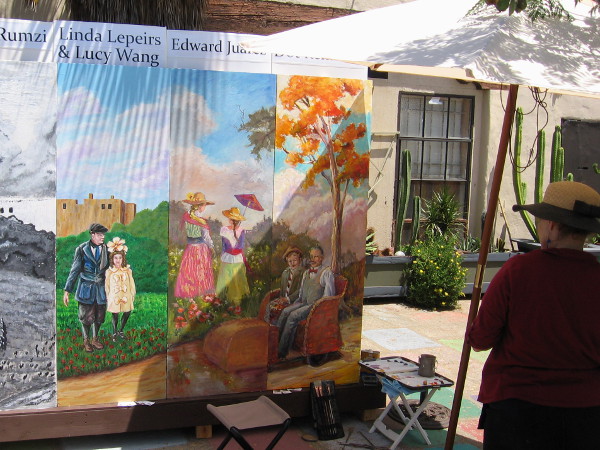
I hope you enjoy my photographs of this awesome mural. Titled “1915 Balboa Park”, it’s an imaginative composite of historical images painted by eleven talented artists. Each image occupies a 2 by 6 foot panel, and depicts locations from the 1915 Panama-California Exposition, and people in early 20th century dress.
Spanish Village is home to some of San Diego’s very finest artists. Wherever you turn, you’ll find painters, potters, sculptors, photographers, glassblowers, you name it! It’s fun to just stroll through the colorful courtyard and visit the charming studios. If you want to purchase fine artwork for yourself or as a gift, this is an excellent place to go!
This weekend the public could watch as artists painted a historical mural in Spanish Village.Spanish Village is like San Diego sunlight passed through a prism, with rainbow splashes everywhere.Bios of artists Carol Foster, Joan Boyer, Joan Nies, Laurie Carlock, Don Knapp, Michelle Gonzalez, Sonia Rumzi, Linda Lepeirs, Lucy Wang, Edward Juarez, Dot Renshaw.Ladies in period dresses occupy the left part of the cool mural.Now we’re working our photographic way to the right, along the base of the Cabrillo Bridge. A hundred years ago there was an artificial lake beneath the bridge! (Where Highway 163 is today.)Two different styles (one with bright colors, the other with shades of gray) are fused together to depict the California Building with its iconic bell tower.There were many lush gardens around Balboa Park a hundred years ago, planted specifically for the Panama-California Exposition.An artist studies the right end of the 20 foot long mural. That golden tree looks like it could be transplanted right into Spanish Village!





































 Cool San Diego Sights!