There’s an important historical marker near Mission San Diego de Alcalá that very few people know about or see. It’s located on private property along San Diego Mission Road, just inside the grounds of a condo complex. You can find it a short distance east of the mission, on some grass behind a fence, very close to the San Diego River.
I was able to take zoom photos of the “hidden” marker and its bronze plaque from the sidewalk.
The words read:
Padre Luis Jayme, Pastor of the Mission San Diego de Alcalá, was martyred near this site November 5, 1775. Father Jayme had asked that the Mission be moved to its present site from Presidio Hill in order to better grow foods for the Mission.
In this area the Mission padres produced grapes, olives and other farm products for the Indian and Spanish communities.
Also near this site a small structure housed the guard from the Royal Presidio, which served as escort and guard for the Mission padres.
The historical marker was placed where Father Jayme’s body was found. He was killed by a large force of native people, said to be Yuman Indians from distant villages, in an uprising in 1775, about a year after the nearby mission was built. The mission was pillaged and set on fire. Survivors of the attack fled to the Presidio, six miles away down the river.
Over the centuries Mission San Diego de Alcalá, the first Spanish mission in California, has been rebuilt several times. The remains of Father Luis Jayme are entombed under the floor next to the altar in the present church.
Looking west down San Diego Mission Road. The mission is located on the hillside beyond those trees..
The nearby San Diego River, where it is crossed by San Diego Mission Road…
…
I live in downtown San Diego and love to walk around with my camera! You can follow Cool San Diego Sights via Facebook or Twitter!
You can easily explore Cool San Diego Sights by using the search box on my blog’s sidebar. Or click a tag! There are thousands upon thousands of photos for you to enjoy!
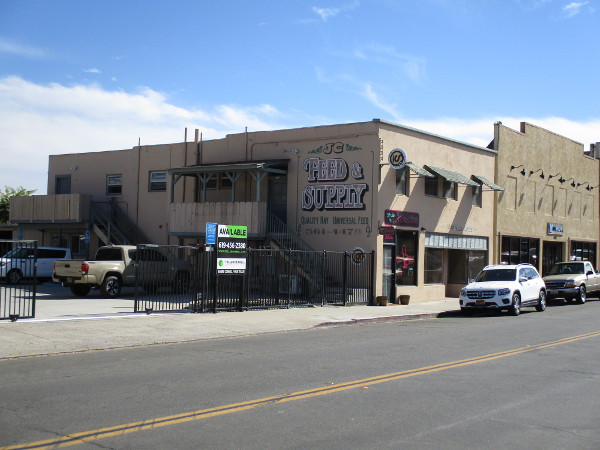
Last weekend I enjoyed a leisurely walk up Maine Avenue in Lakeside, California.
I started at Woodside Avenue and proceeded north to Mapleview Street (just south of the Lakeside Rodeo Arena). This part of town is referred to as the Lakeside Historic District.
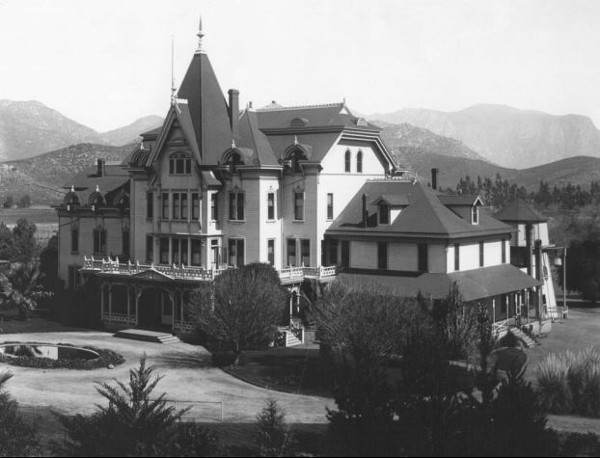
Apart from a few articles I’ve read, I really don’t know much about the history of Lakeside. This community in San Diego’s East County is best known for its annual rodeo, but over a century ago it was famous for it’s large, opulent Lakeside Inn (originally called the Lakeside Hotel) which was built in 1887 near the edge of Lindo Lake.
(I posted photos of a nostalgic mural at the corner of Maine and Woodside which depicts the old hotel and an early auto racetrack that circled Lindo Lake. See that wonderful mural by clicking here.)
It appears to me little remains from Lakeside’s very earliest days. Apart from a few houses that are scattered along Maine Avenue and adjacent River Street, the one notable building that still stands is the Olde Community Church. When it was completed in 1896, the First Presbyterian Church of Lakeside became the prominent center of the scarcely populated town.
The beautiful old church now houses the Lakeside History Center and Museum of the Lakeside Historical Society. The museum was closed when I happened to walk by it. I’ll have to visit at some future time.
These photographs represent my walk north up Maine from Woodside to Mapleview. I’ve included captions with a little information I’ve found.
The three old black and white photos are from an interesting San Diego County publication that details the history of Lakeside, which you can read here.
Lakeside, California,1904.
Lakeside, California, 1910.
Photo of old Lakeside Inn, originally called Lakeside Hotel, often referred to as the Coronado of the Hills. Its splendid Victorian architecture was similar to that of the Hotel del Coronado.
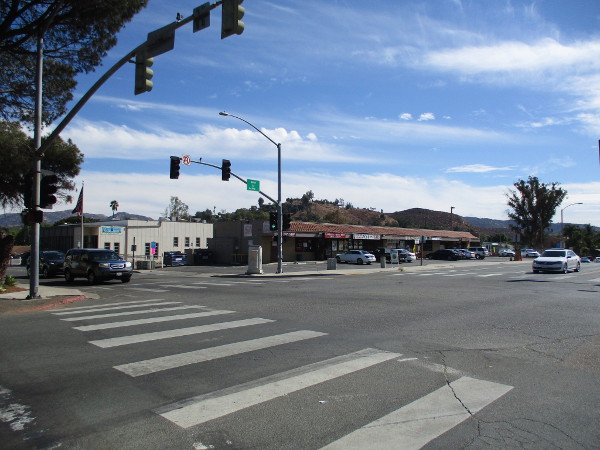
The Lakeside Post Office and an adjacent strip mall at Maine and Woodson, where the famous old Lakeside Inn used to stand.
Looking north up Maine Avenue from Woodside Avenue.
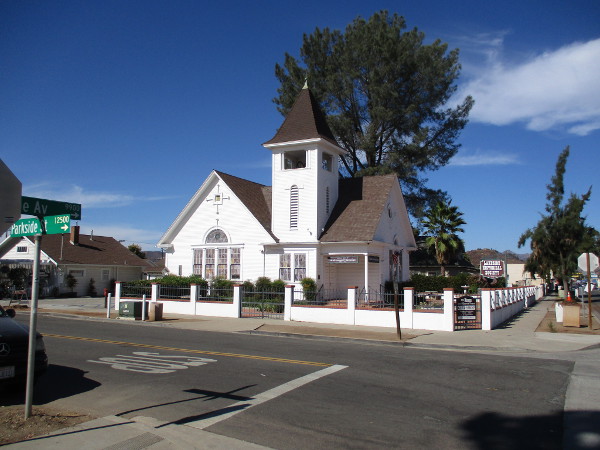
I’ve arrived at Parkside Street.
The picturesque Olde Community Church.
Sign near entrance to the Lakeside History Center’s museum at the Olde Community Church.
Looking to the left.
Words engraved in a boulder. El Capitan Dam Site discovered and purchased by Ed Fletcher in 1911.
Continuing north up Maine, passing the front of Olde Community Church.
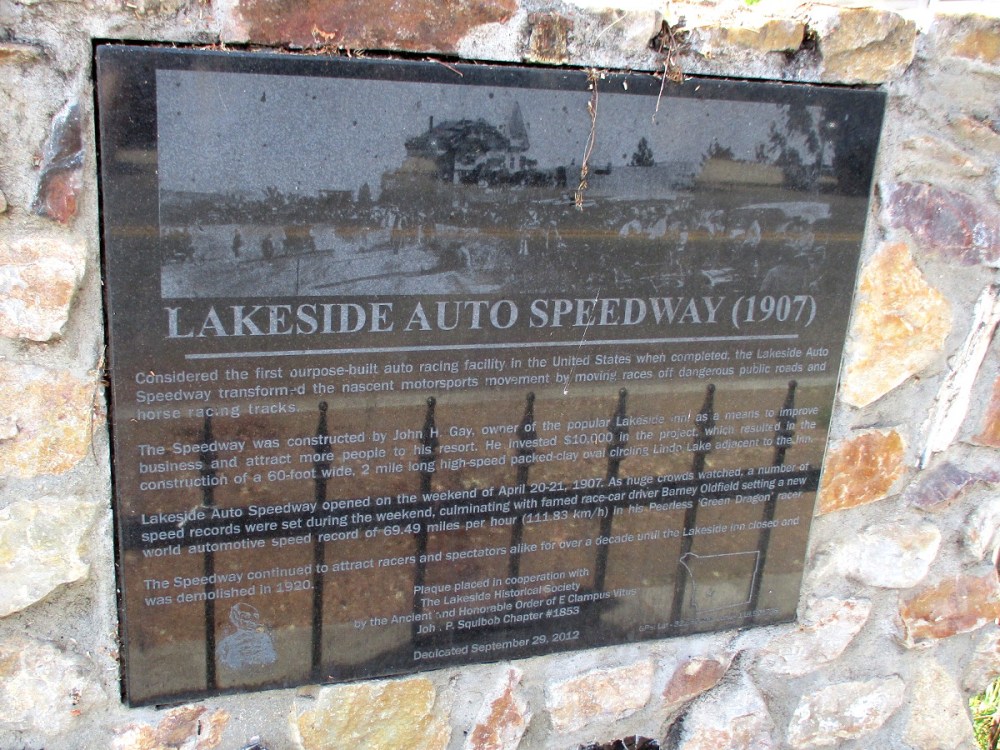
The above plaque in front of the Olde Community Church recalls the Lakeside Auto Speedway that was built around Lindo Lake by John H. Gay, owner of the Lakeside Inn.
It was considered the first purpose-built auto racing facility in the United States. On its opening day in 1907, famed racecar driver Barney Oldfield set a world automotive speed record of 69.49 miles per hour. The feat was performed in his Peerless Green Dragon car as he accelerated down the 2 mile long packed clay oval track.
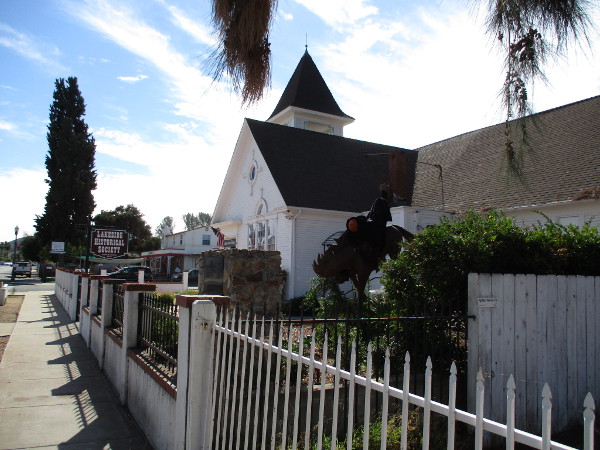
Sculpture of cowboy on bucking horse on grounds of Lakeside Historical Society’s old church. In Memory of Mr. Lakeside Rodeo, Ben Bruton. (As you can see, I walked by around Halloween!)
Looking back as I continue north up Maine Avenue.
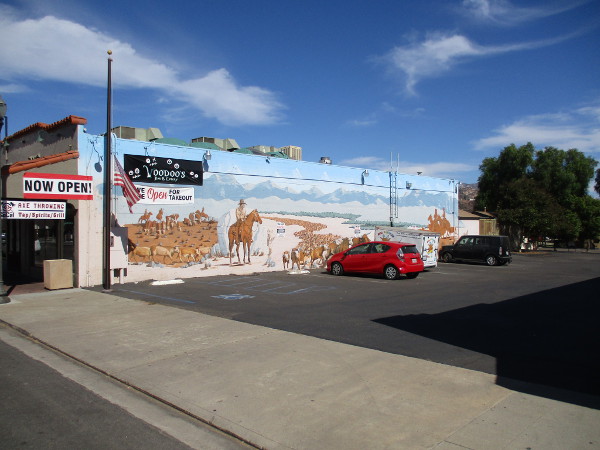
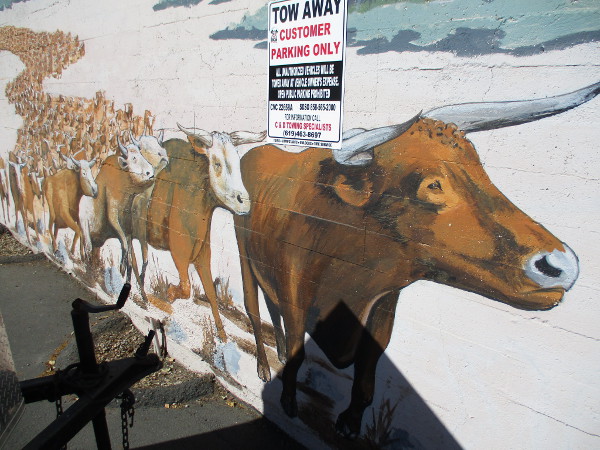
Western cattle drive mural on a parking lot wall in Lakeside. By artist David Ybarra, 2016.
Cool shop owner in cowboy garb poses with his guitar in front of Hazel’s Music.
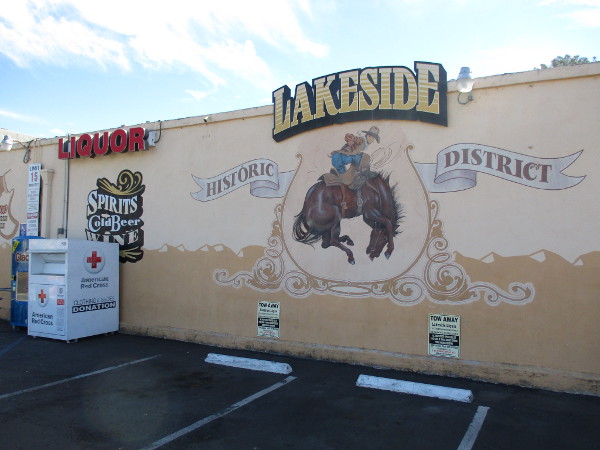
Rodeo celebrated in Lakeside Historic District mural on side of Lakeside Liquor store.
A happy autumn scarecrow on the street corner. To the right is the 1912 Rocchio Rexal Drug Store building, restored in 2015.
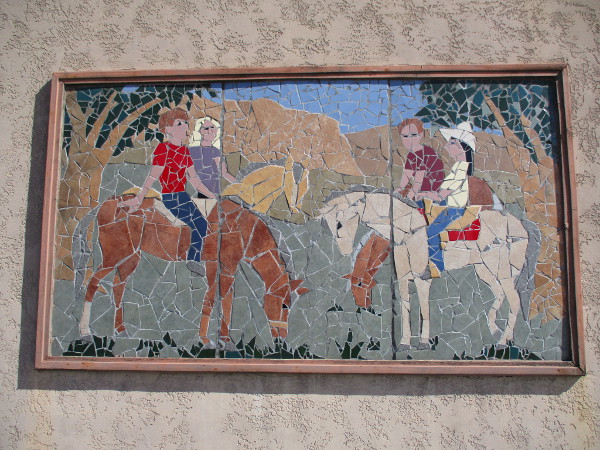
Colorful public art mosaic on the old drug store building’s wall depicts people on horseback.
What became the facade of Kursave’s Lakeside Theatre was originally the front of Lakeside Town Hall, built in 1911. It has housed various businesses more recently.
A classic Western scene in front of a small office building.
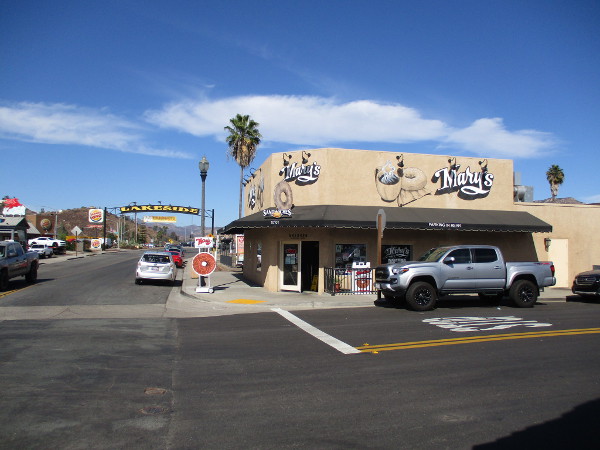
Lakeside landmark sign seen beyond Mary’s Donuts.
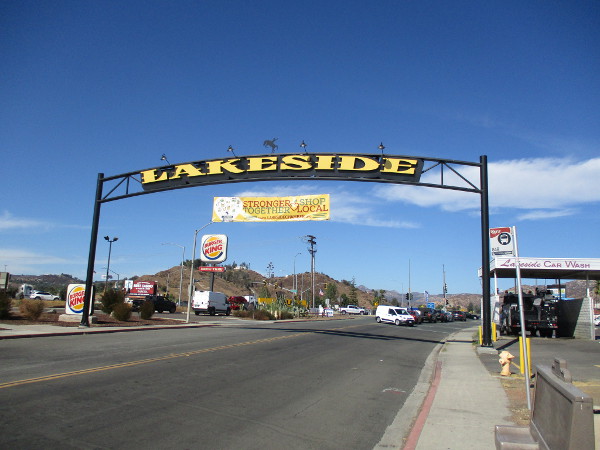
Lakeside landmark sign rises above Maine Avenue.
Sign rising from patch of cacti welcomes motorists to the Lakeside Historic District.
…
This blog now features thousands of photos around San Diego! Are you curious? There’s lots of cool stuff to check out!
Here’s the Cool San Diego Sights main page, where you can read the most current blog posts. If you’re using a phone or small mobile device, click those three parallel lines up at the top–that opens up my website’s sidebar, where you’ll see the most popular posts, a search box, and more!
To enjoy future posts, you can also “like” Cool San Diego Sights on Facebook or follow me on Twitter.
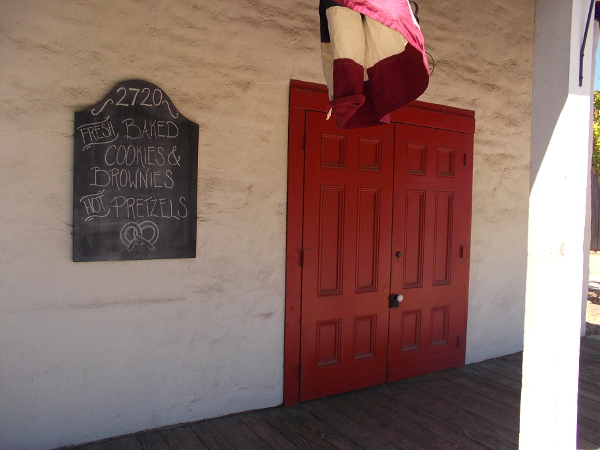
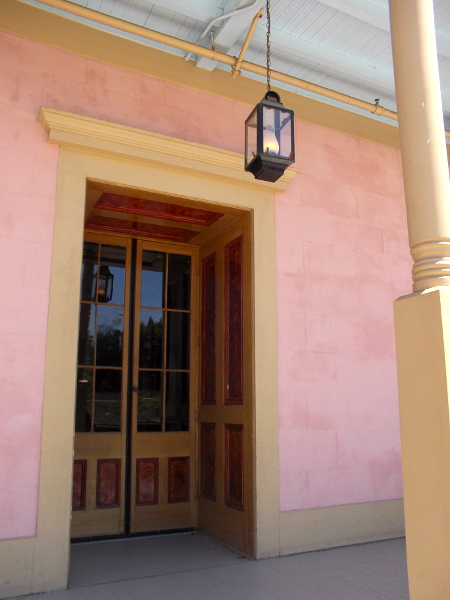
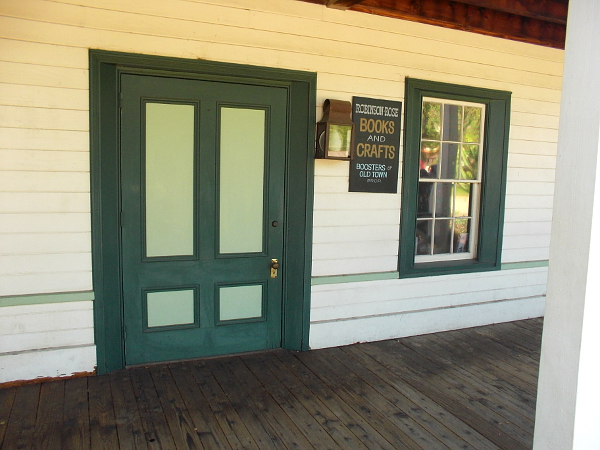
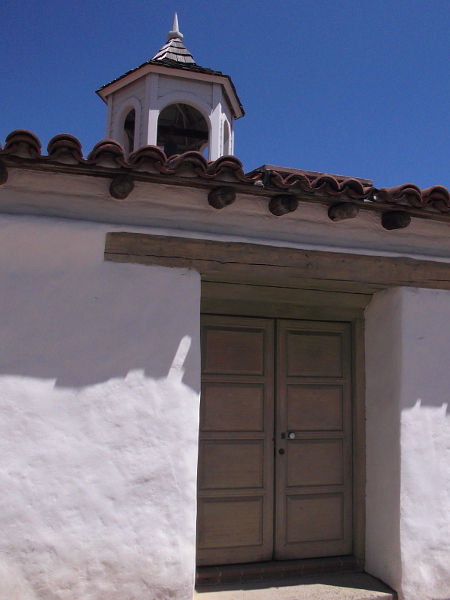
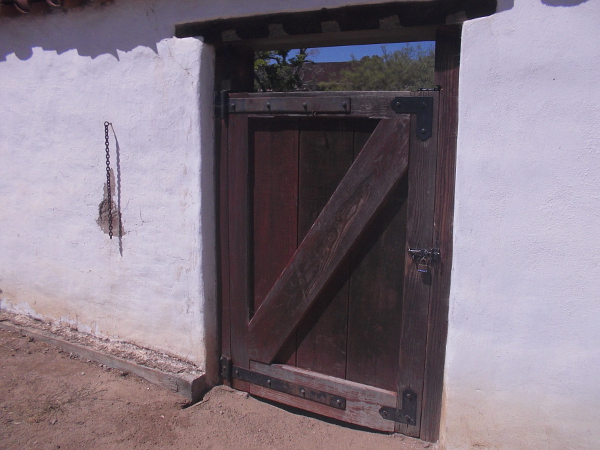
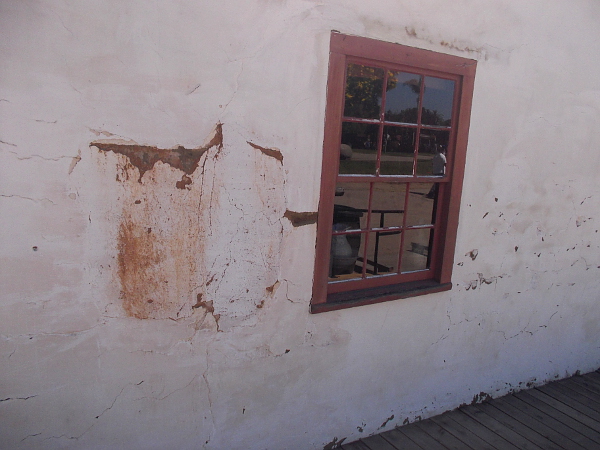
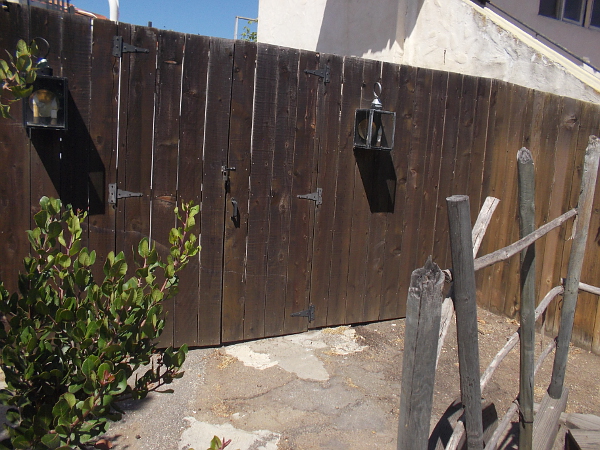
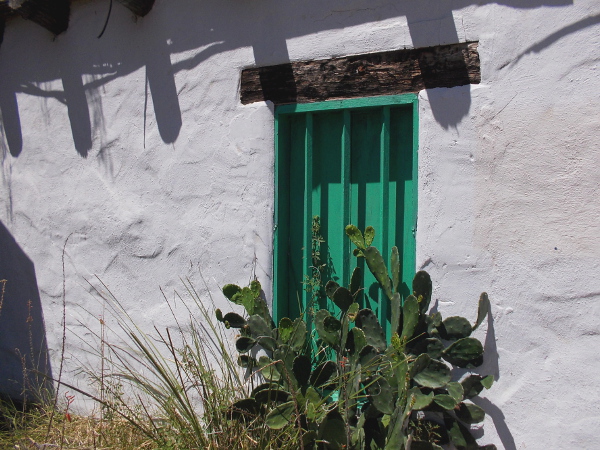
This afternoon I walked through Old Town San Diego State Historic Park, wondering if I might find any Fourth of July decorations. There were only a few. All of the museums and perhaps half of the shops are closed due to the coronavirus pandemic.
But I did find lots of picturesque doors, gates and windows! Which gave me a unique photographic opportunity. On a typical weekend afternoon, some of these colorful wooden doors and rustic gates would be wide open, and taking such photographs would be impossible.
But not today!
…
I live in downtown San Diego and love to walk around with my camera! You can follow Cool San Diego Sights via Facebook or Twitter!
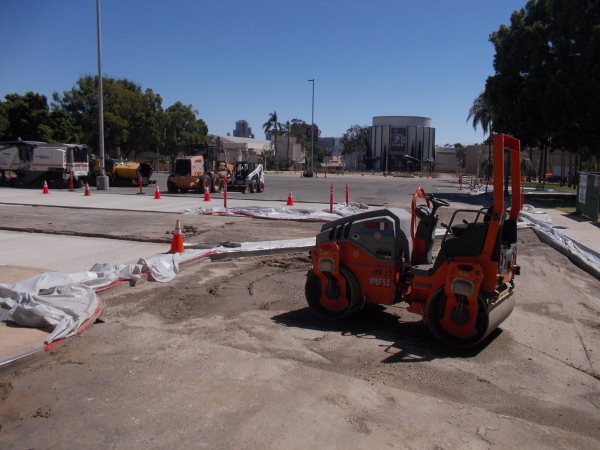
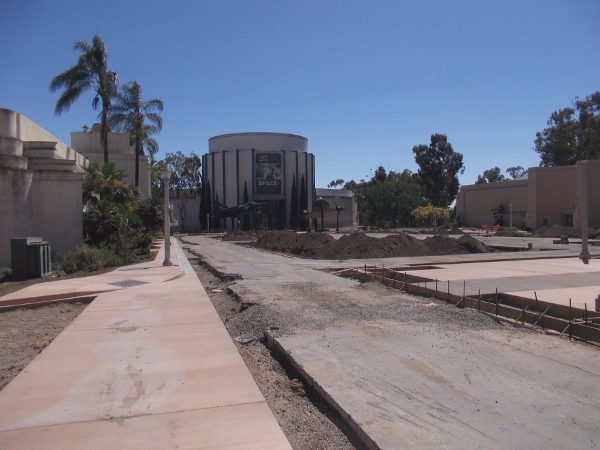
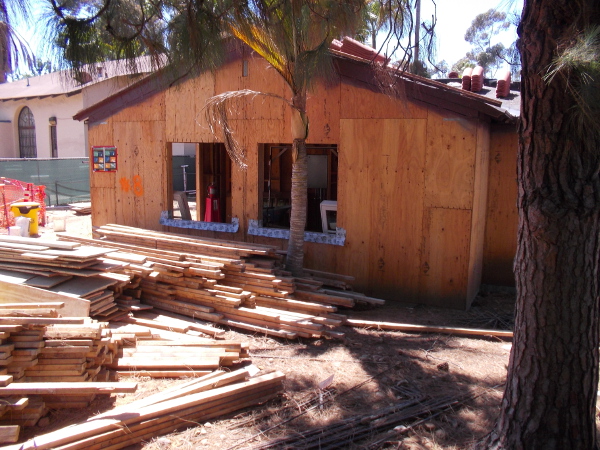
Numerous major construction projects are now underway in Balboa Park!
It appears workers were very busy while the park was closed due to the coronavirus pandemic. Today the center of Balboa Park reopened to the public, and as I walked around I was surprised to see all the construction activity!
The above photo and the one that follows shows the long-planned public viewing platform being built around the park’s landmark Moreton Bay Fig tree!
I once blogged more information concerning this project here.
The next three photos show how the Mingei International Museum’s major transformation is well underway! I believe the construction you see on one side of the building is going to be the Mingei’s new theater.
If you want an idea of how things will look when finished, you can visit my blog post concerning the Mingei’s transformation here.
I was really surprised to see that the Palisades area of Balboa Park has begun it’s historic transformation!
Half the old parking lot–the side nearest the San Diego Air and Space Museum–will be turned into a pedestrian plaza, and might eventually feature a monumental fountain that will recall the Firestone Singing Color Fountains of the 1935 California Pacific International Exposition!
Finally, I saw a great deal of progress has been made building the five new structures at the House of Pacific Relations International Cottages! The new cottages will be the future home of nine nations.
I’ve blogged about this long delayed project on several occasions. You can see a map of the project here, and see photos I took of the groundbreaking ceremony in 2016 here.
…
I live in downtown San Diego and love to walk around with my camera! You can follow Cool San Diego Sights via Facebook or Twitter!
You can easily explore Cool San Diego Sights by using the search box on my blog’s sidebar. Or click a tag! There are thousands upon thousands of photos for you to enjoy!
The Bard, Reginald Willoughby Machell, c. 1895. Oil on canvas. One of the Theosophical Society artist’s allegorical works concerning spirituality.
Until yesterday, I didn’t know very much about Lomaland. I knew it was a Theosophical community in Point Loma with several exotic buildings that were located where Point Loma Nazarene University stands today, but that’s about all.
After viewing the San Diego History Center’s current exhibition The Path of the Mystic: Art & Theosophy at Lomaland, and doing a little online research, I now know more about this unique utopian community that made important cultural contributions to San Diego in the first half of the 20th century.
Lomaland was established by Katherine Tingley in 1897. The home of the Universal Brotherhood and Theosophical Society, the community became a haven for learning, culture and social reform. Artists and like-minded individuals from around the world came to Lomaland to lead spiritual, contemplative, idealistic lives.
According to the San Diego History Center website: “Tingley’s progressive Theosophical vision, which placed strong emphasis on cultural pursuits including music, dance, drama, literature and visual art, attracted artists from the United States and abroad. As the community developed, many artists came to live and work at Lomaland, including Marguerite Lemke Barton, Grace “Gay” Betts, Maurice Braun, Benjamin Gordon, Leonard Lester, Marian Plummer Lester, Reginald Willoughby Machell, and Edith White.”
I learned from Wikipedia: “Led by Katherine Tingley, the group came to Point Loma to establish a community that would model the philosophical and humanitarian goals of Theosophy. The “White City” envisioned by Tingley was to be located on the extreme western edge of the North American continent but oriented toward India, the spiritual center of Theosophical beliefs. The blend of new world confidence, Victorian morality, a love of antiquity, and Indian spirituality created a unique community …”
The buildings of Lomaland were completed in 1900, and the Theosophical community flourished in Point Loma until 1942, when it relocated to Covina. The main building and Temple of Peace, which often appear in Theosophical Society artwork, had domes of aquamarine and amethyst colored glass. They could be seen far out to sea, and as far east as Mt. Cuyamaca. They were destroyed by fire in 1952. The Spaulding house today serves as the administration building at Point Loma Nazarene University.
I took a few photos of the exhibition in subdued lighting, but my poor old camera doesn’t capture the full detail and beauty of this artwork.
Many more paintings, historical photographs and other works of unique art in The Path of the Mystic: Art & Theosophy at Lomaland will be on display through April 19, 2020 at the San Diego History Center in Balboa Park.
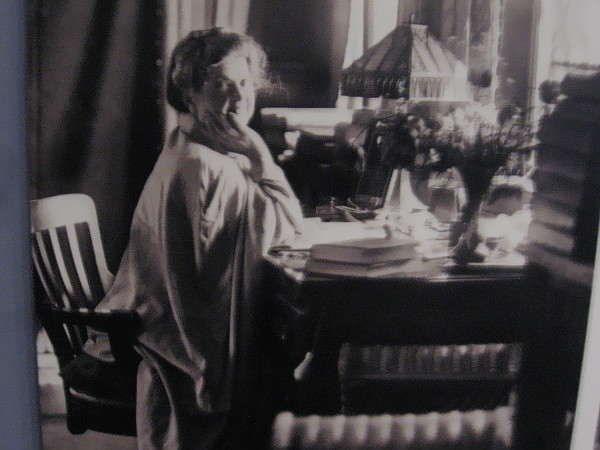
Katherine Tingley, founder of Lomaland, in her office.
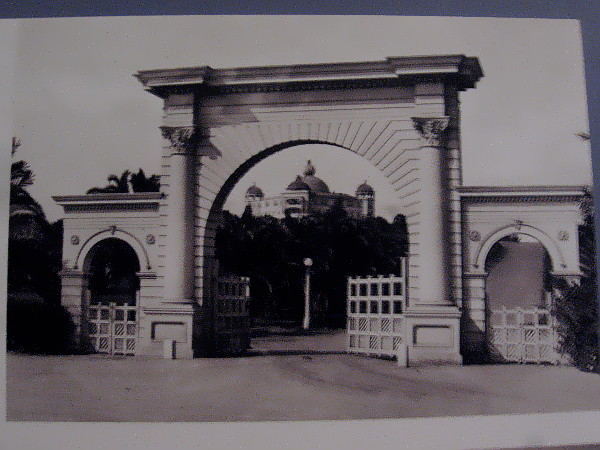
Roman Gate, entrance to Lomaland in Point Loma.
Marian Plummer Lester, Untitled, c. 1908. Ink on paper. Small drawing of the Temple of Peace and Raja-Yoga Academy buildings at Lomaland when the artist was fifteen years old.
Edith White, Landscape, 1917. Oil on canvas. Painting of foxglove inspired by Lomaland’s International Garden.
Edith Whilte, Roses on a Fence, c. 1915. Oil on canvas. Close-up photo of a beautiful painting created in Lomaland.
The Prodigal or The Kingdom of Heaven is Within You, Reginald Willoughby Machell, c. 1895. Oil on canvas. Painted in England before artist moved to Point Loma in 1900.
…
I live in downtown San Diego and love to walk around with my camera! You can follow Cool San Diego Sights via Facebook or Twitter!
You can easily explore Cool San Diego Sights by using the search box on my blog’s sidebar. Or click a tag! There are thousands upon thousands of photos for you to enjoy!
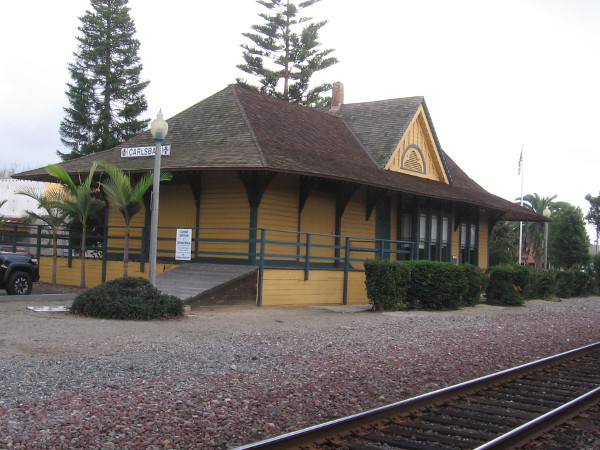
Photo of the beautiful old Santa Fe Depot in Carlsbad Village. Built in 1887, it is one of the few pre-1900 stations left in the country.
Last weekend I walked around Carlsbad Village. After taking photos of several historic buildings, I strolled for a bit along the nearby Pacific Ocean.
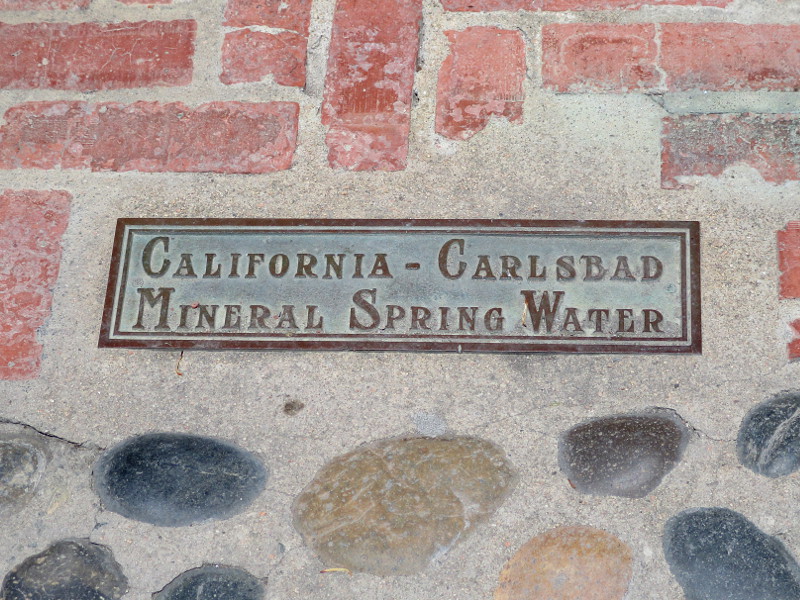
Did you know Carlsbad is named after Karlsbad in Bohemia? That’s because Carlsbad was founded after mineral springs were discovered not far from the beach in the late 19th century. The water was said to be identical in taste and chemical content to the famous healing waters in Karlsbad.
Because my walk was meandering and random, I didn’t see or photograph all of the historic buildings in Carlsbad Village. But I did learn quite a bit about this beautiful coastal community!
To learn more about Carlsbad Village, which is the downtown part of Carlsbad in north San Diego County, please read my photo captions.
Active train tracks pass the historic Santa Fe Depot. (The modern Carlsbad Village Station is located one block to the north.)
The restored Santa Fe Depot is now the home of Carlsbad’s Convention and Visitors Bureau, where tourists can obtain local information.
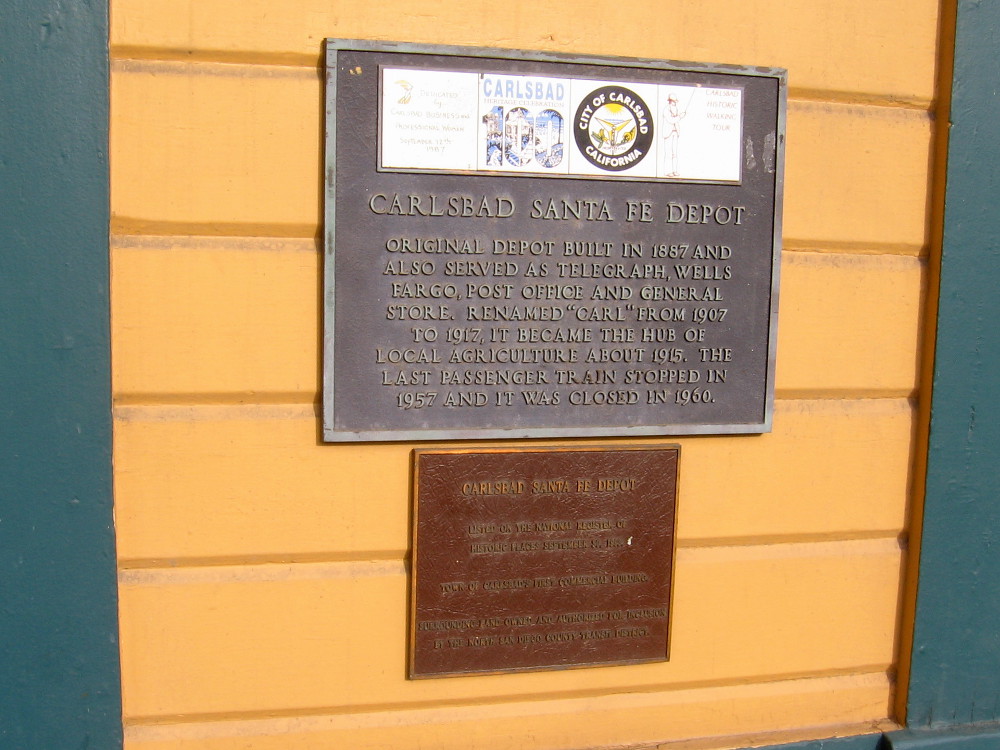
The Santa Fe Depot in Carlsbad also served as telegraph station, Wells Fargo, Post Office and General Store. It has been placed on the National Register of Historic Places.
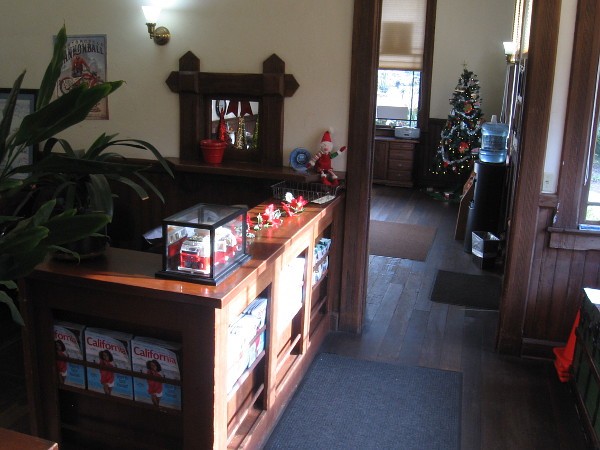
A look inside Carlsbad’s historic Santa Fe Depot, now a tourist information center. (Photo taken shortly before Christmas.)
A vintage wood stove in the depot.
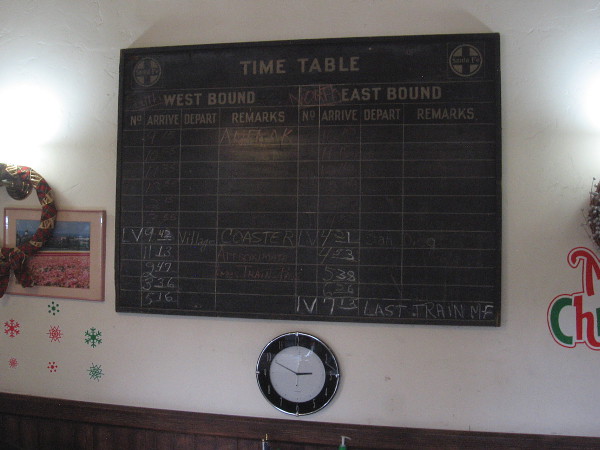
A board on the wall shows arrival times for Amtrak and the Coaster. The modern Carlsbad Village train station is located one block north.
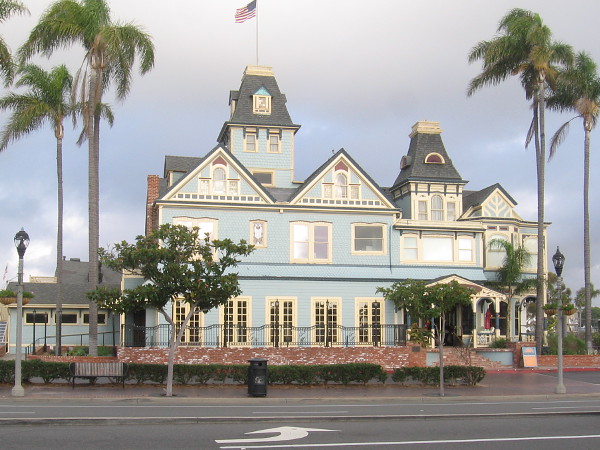
Photo of the grand Twin Inns building beyond the landmark Carlsbad sign on Carlsbad Boulevard, which is a segment of Historic Route 101.
Twin Inns is a Victorian structure built in 1887 by Gerhard Schutte, the Father of Carlsbad, co-founder of the Carlsbad Land and Mineral Water Company.
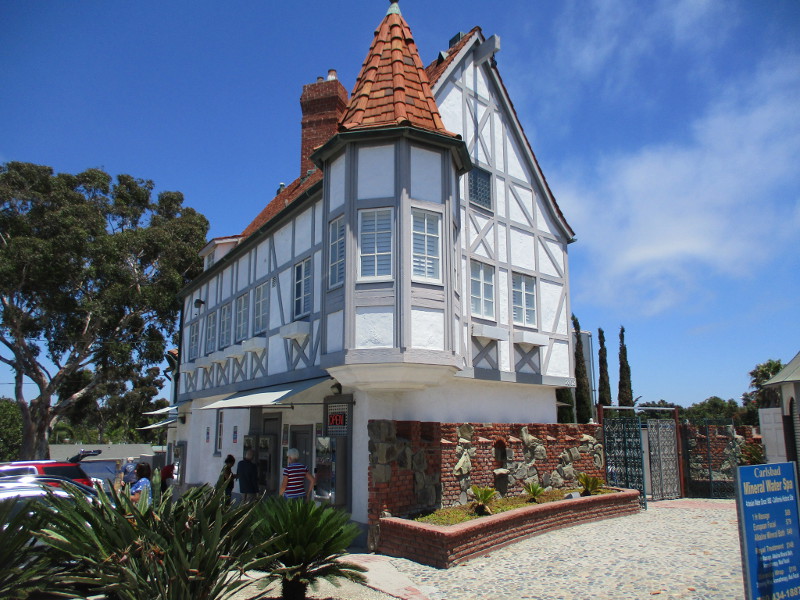
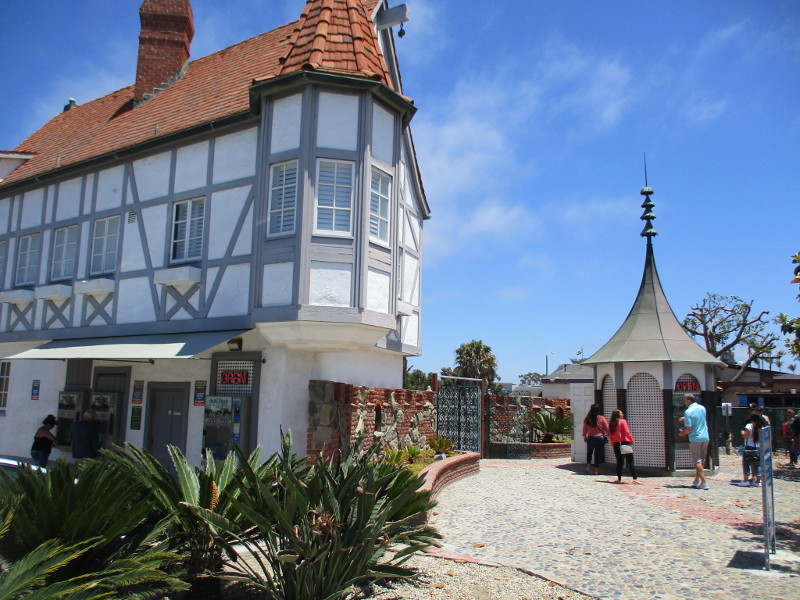
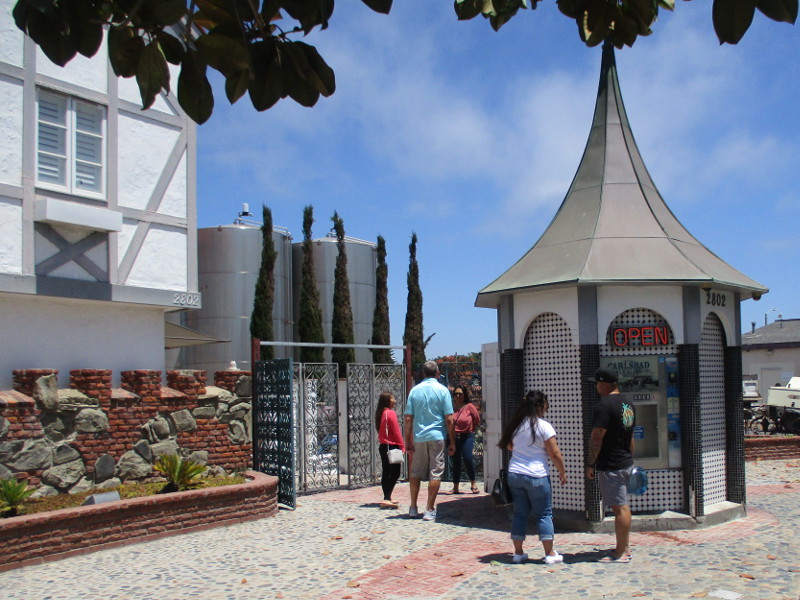
Alt Karlsbad, built in 1964, recreating a 12th century structure. Today it is a spa and bottling plant for its famous mineral water.
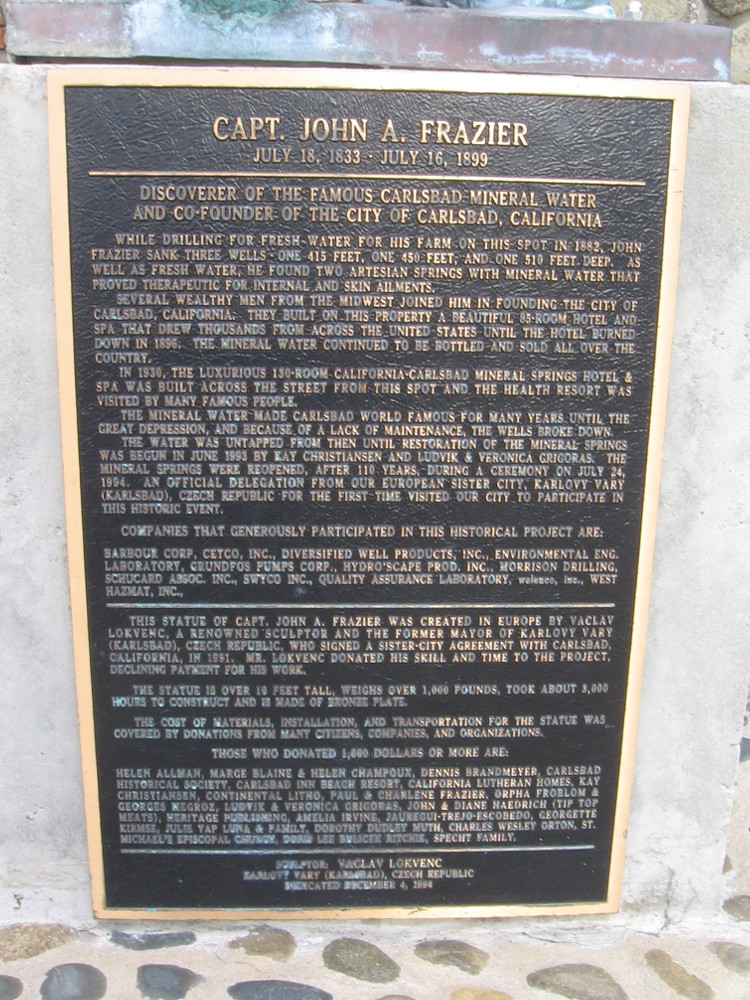
Statue of Captain John A. Frazier, created by sculptor Vaclav Lokvenc, of Karlovy Vary (Karlsbad) in the Czech Republic, sister city of Carlsbad.
Captain John A. Frazier discovered artesian springs with mineral water on his farm in 1882. He built a hotel and spa and was co-founder of the city of Carlsbad.
Someone performs a handstand in a grassy park that overlooks the beach at Carlsbad Village.
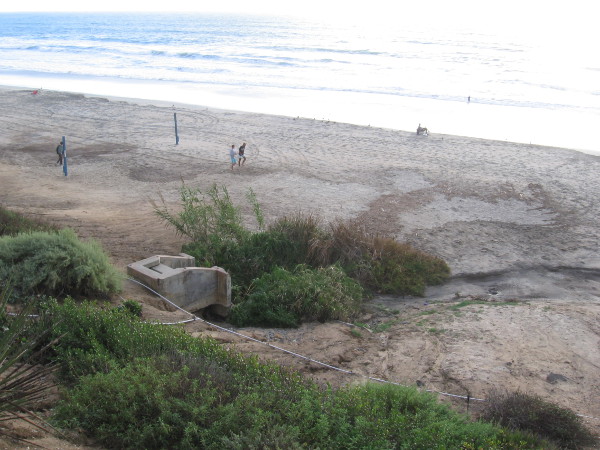
A view of nearby coastal scenery.
Sign above Carlsbad’s beach bluff, describing its animals and plants, unique habitat and the cycle of life.
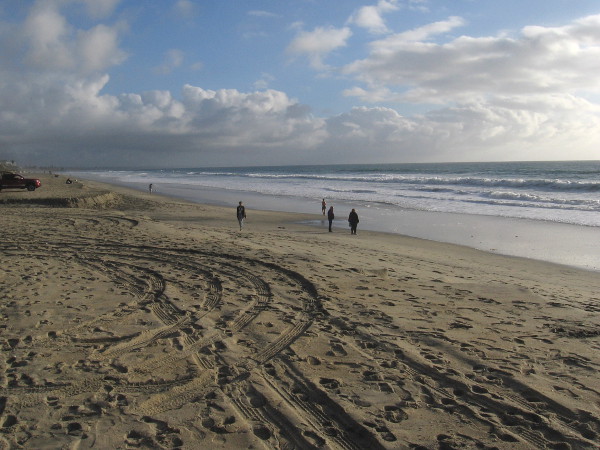
A beautiful photo of Carlsbad State Beach near Carlsbad Village.
UPDATE!
Here are more photos of Alt Karlsbad and its mineral water dispensing hut that I took during a later walk…
…
I live in downtown San Diego and love to walk around with my camera! You can follow Cool San Diego Sights via Facebook or Twitter!
You can easily explore Cool San Diego Sights by using the search box on my blog’s sidebar. Or click a tag! There are thousands upon thousands of photos for you to enjoy!
I first saw the El Cuervo adobe ruins years ago. That was during a guided nature hike at the west end of Los Peñasquitos Canyon Preserve. But I haven’t been back down that trail in a very long time.
Yesterday the cool spring weather was perfect for a hike in the canyon, so I decided to once again visit the historic ruins.
In 1823 a large portion of Peñasquitos Canyon was granted to Francisco María Ruiz, the Commandante of San Diego’s presidio. It was the first Mexican land grant in this area. You can learn more of the history, and see photos of his original 1824 adobe ranch house and its later modifications by clicking here.
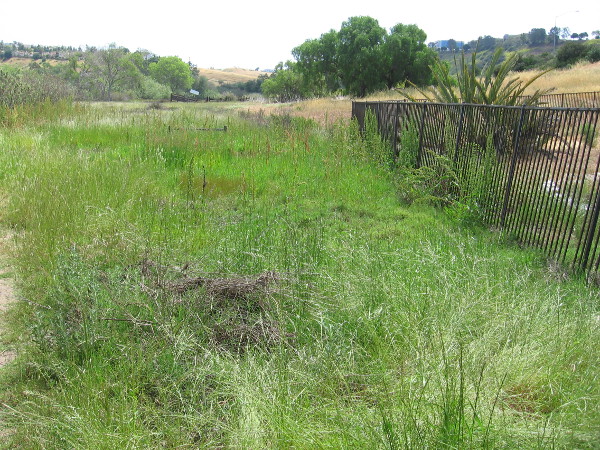
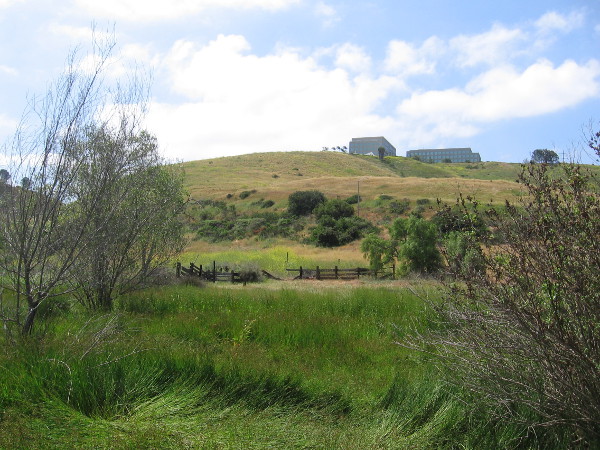
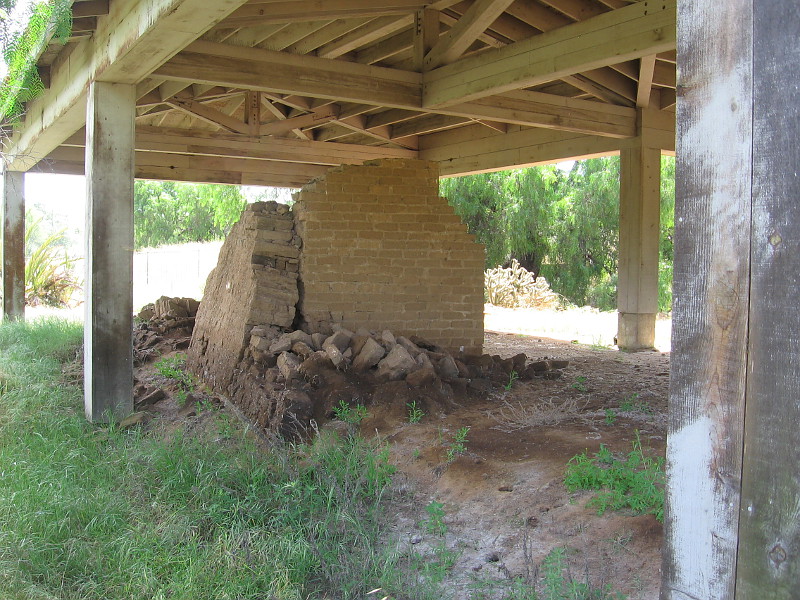
In 1834, Ruiz was granted additional land to the west for cattle grazing. This area of Peñasquitos Canyon was named El Cuervo. He built another adobe house near the place where Lopez Creek runs into Peñasquitos Creek.
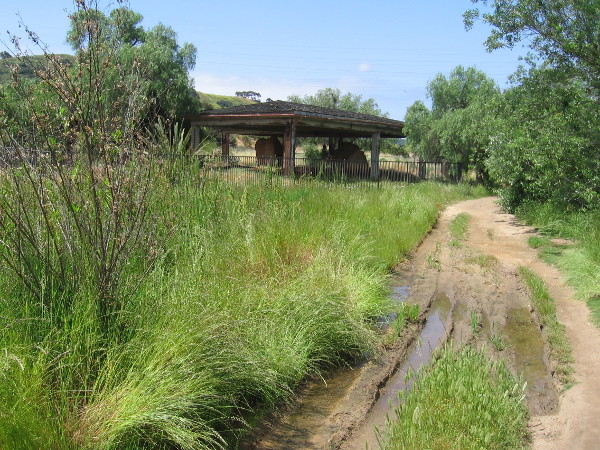
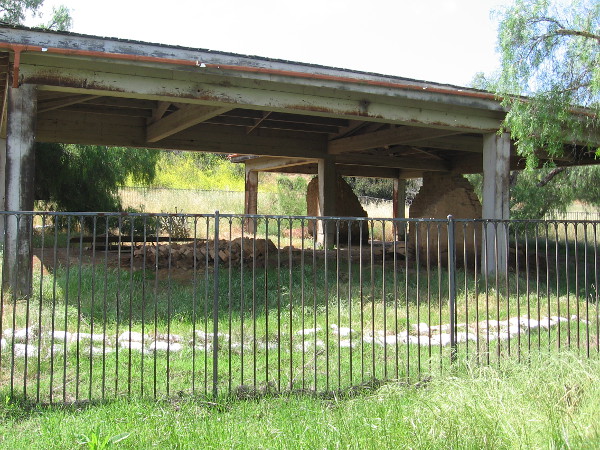
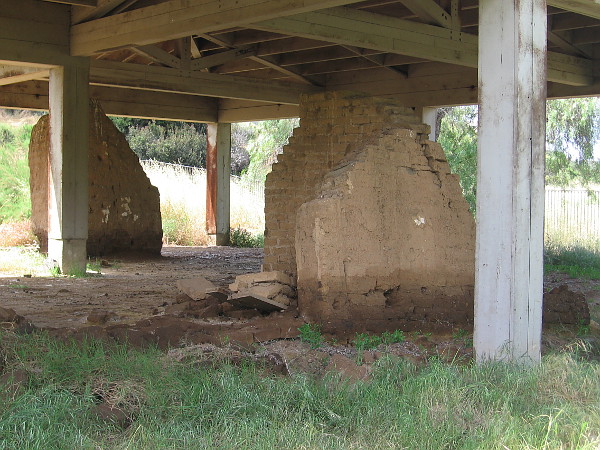
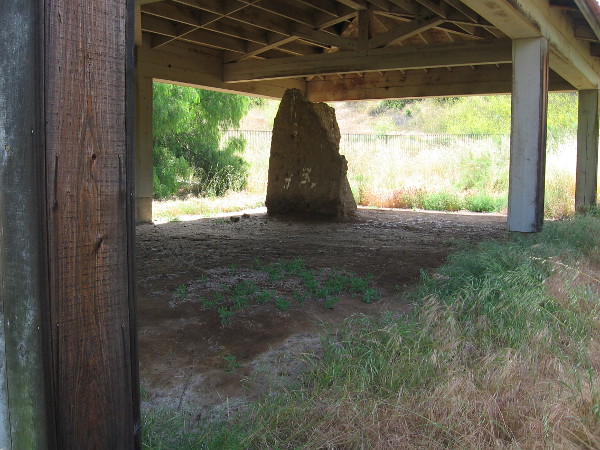
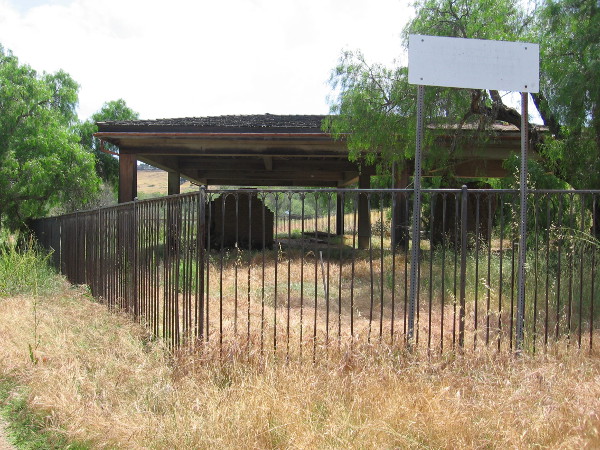
That second house today is in ruins. The crumbled adobe walls are protected by a steel fence and sheltering roof. A broken down corral can still be observed in the field to the east, as you can see in a couple of my photographs.
…
I live in downtown San Diego and love to walk around with my camera! You can follow Cool San Diego Sights via Facebook or Twitter!
You can easily explore Cool San Diego Sights by using the search box on my blog’s sidebar. Or click a tag! There are thousands upon thousands of photos for you to enjoy!
Kids learn about archaeology at Arch In The Park, an annual educational event near the Historic Ranch House in Los Peñasquitos Canyon Preserve.
Today I headed to the Historic Ranch House in Los Peñasquitos Canyon Preserve to enjoy the 20th Annual Arch In The Park!
Arch In The Park, hosted by the San Diego County Archaeological Society, is an educational event where curious people of all ages can learn about archaeology in San Diego and the surrounding Southern California region!
I enjoyed looking at many displays and learning about opportunities to intern and volunteer with different organizations. Students talked about what they were learning, and kids got a glimpse of what it’s like to work as an archaeologist. Other exhibits concerned anthropology, our natural environment, and enjoying our local State Parks and National Forests.
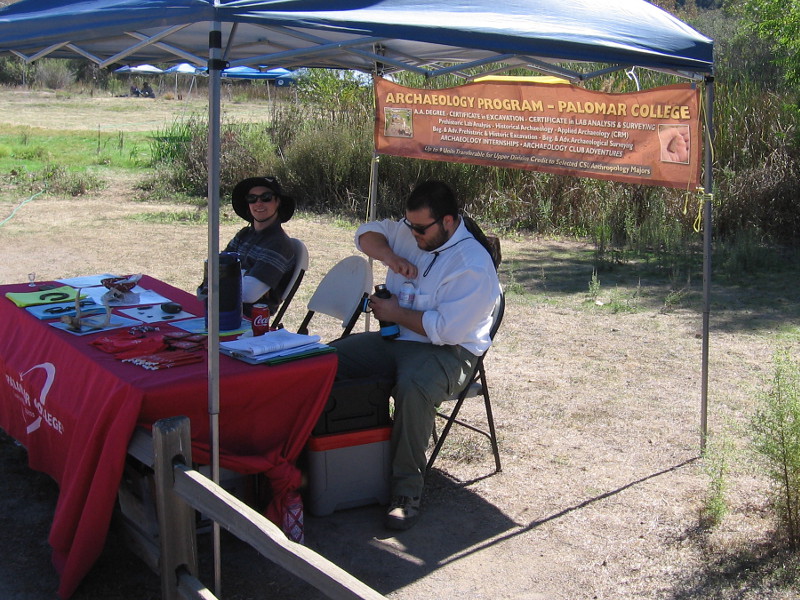
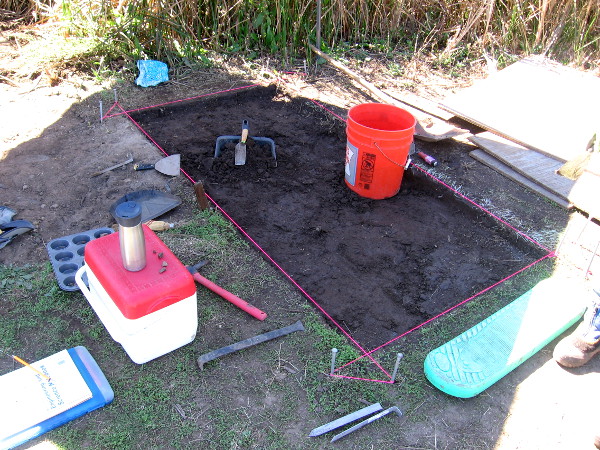
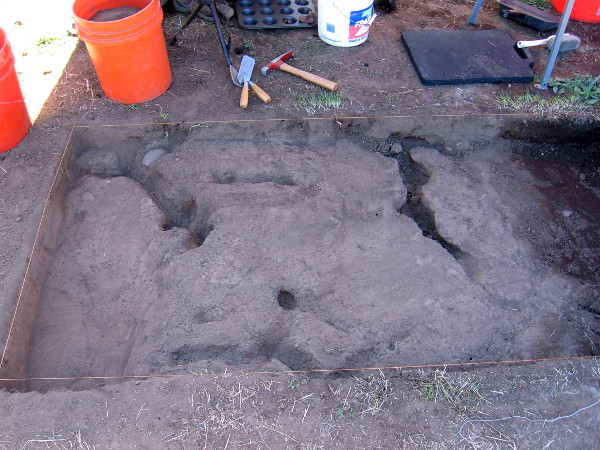
After I checked out the various booths near the old adobe Ranch House, I headed to a nearby field where actual excavations could be viewed. Archaeology students from Palomar College told me about what they were doing, how they were doing it, and what they’d discovered!
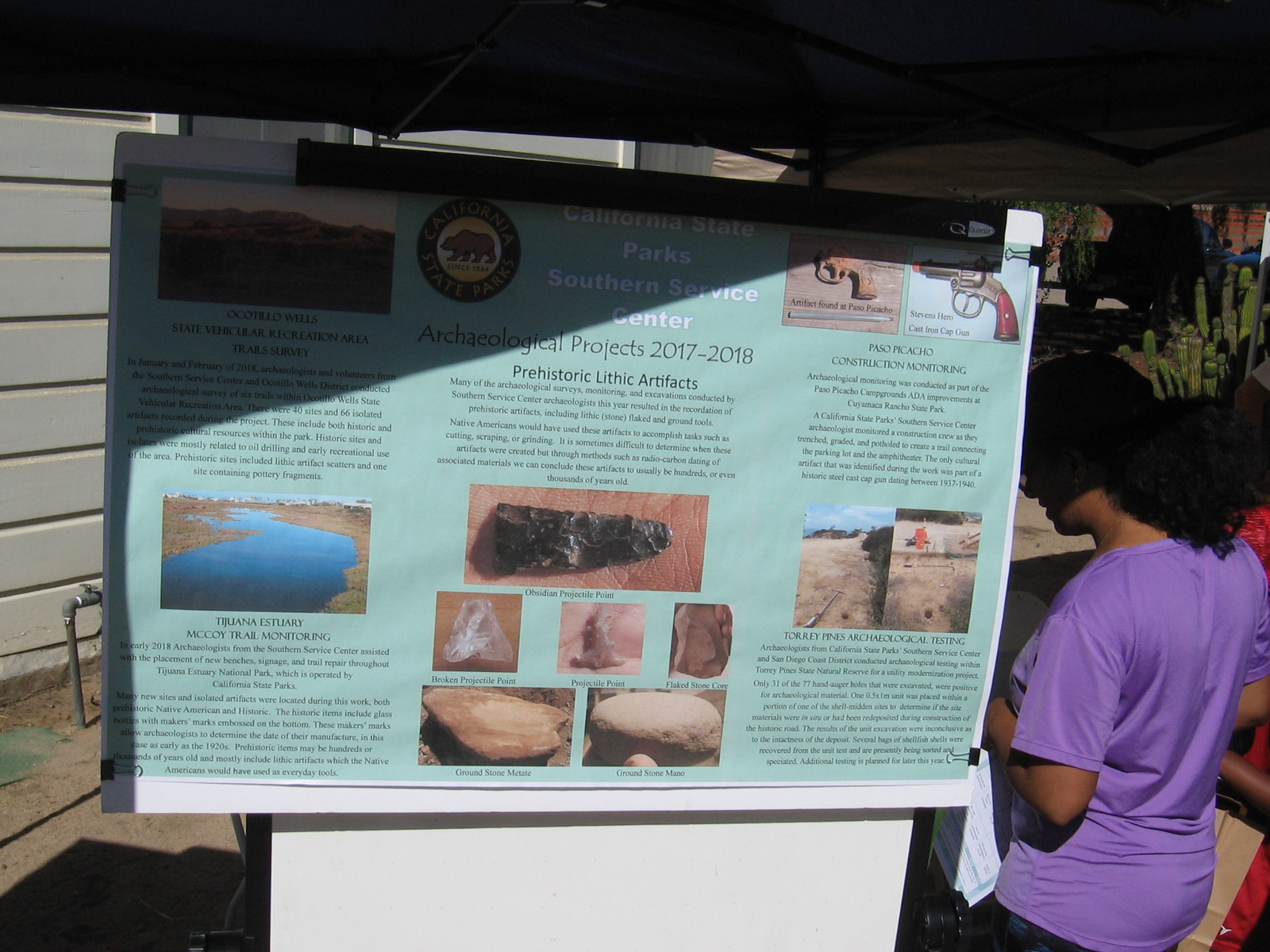
To read information on the following posters, click my images and they will enlarge.
If you’d like to learn more about the historic Los Peñasquitos Ranch House, click here!
Visitors check out displays by colleges, businesses and organizations concerning the region’s archaeology, anthropology and natural environment.
People learn to how to weave baskets, an essential skill of the region’s Native American Kumeyaay people.
A poster shows California State Parks Southern Service Center’s various Archaeological Projects 2017-2018.
Another California State Parks display shows interns at work sorting and identifying material from excavations in Southern California.
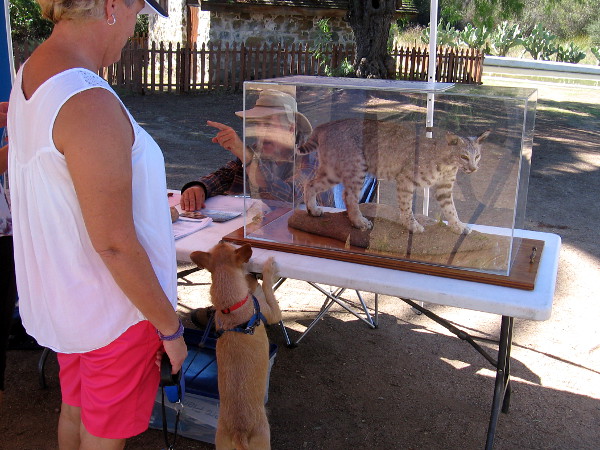
This curious dog was more interested in learning about archaeology than that nearby bobcat.
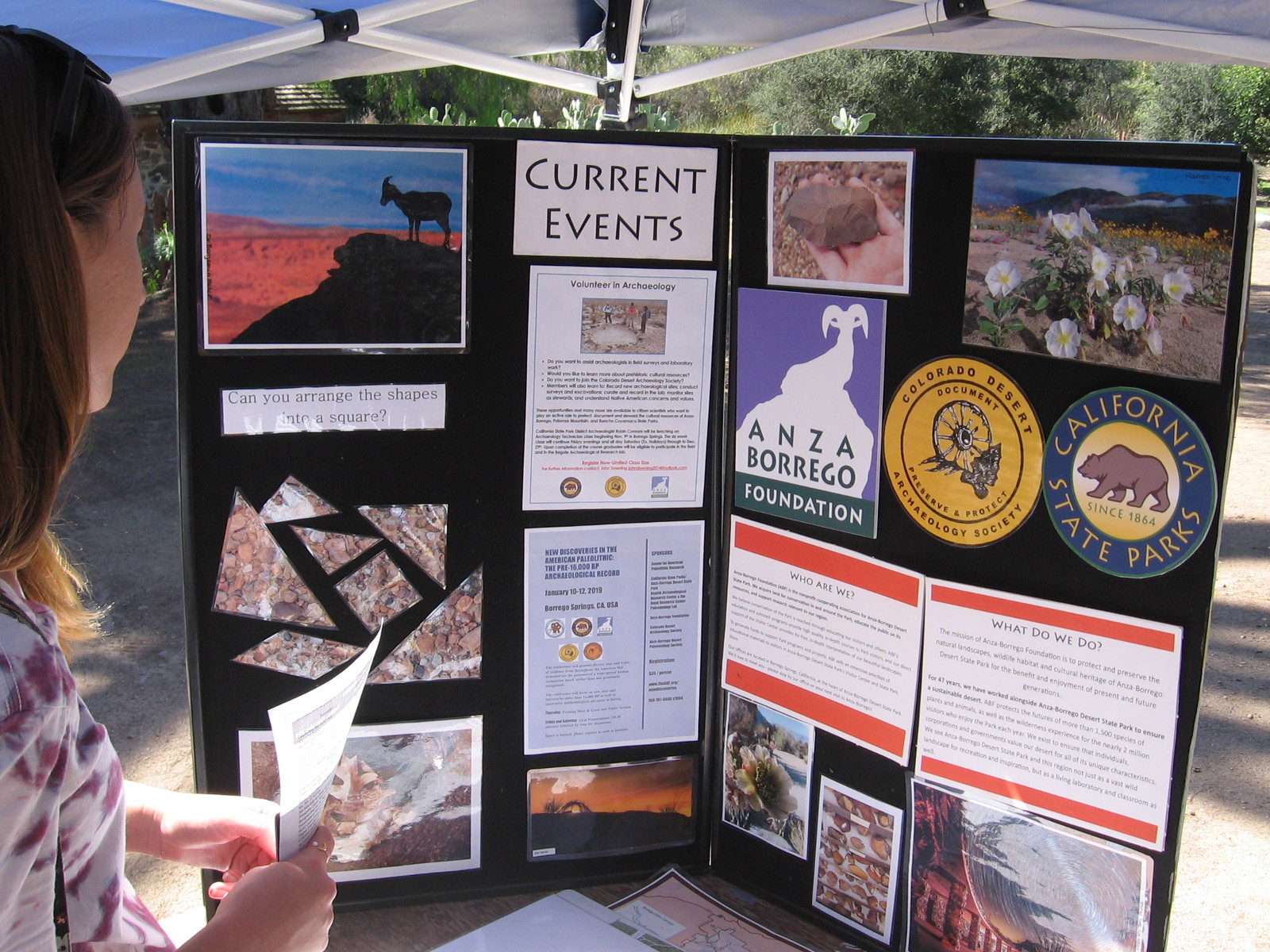
A display contains info regarding the Anza Borrego Foundation and the Colorado Desert Archaeology Society.
Members of the Colorado Desert Archaeology Society can volunteer and become citizen scientists at Anza Borrego, Palomar Mountain and Rancho Cuyamaca State Parks!
Rock samples from different geological formations in Penasquitos Canyon.
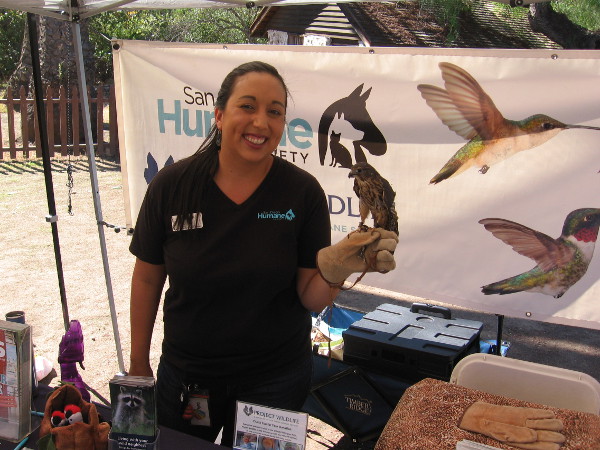
Guinevere, the Merlin Falcon, is an animal ambassador for the San Diego Humane Society. (She had a wing injury and can’t fly properly.)
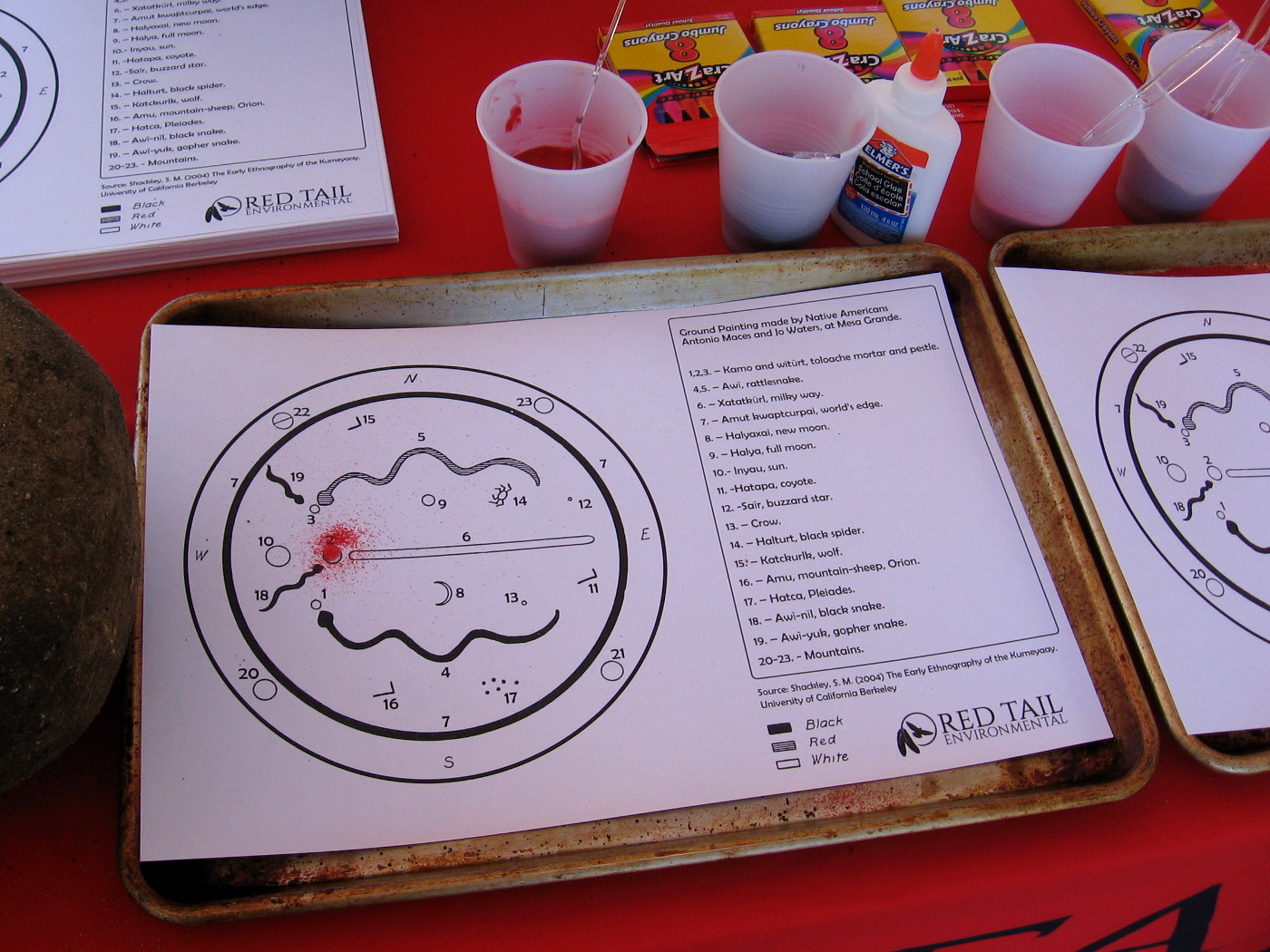
At Red Tail Environmental’s table, kids could create sand art based on a ground painting by Native Americans at Mesa Grande.
Chambers Group had an interesting poster concerning fossil mastodons and whales.
Kumeyaay artifacts were displayed on the SDSU Department of Anthropology’s table. (If you’re a teacher, it might interest you that they offer free classroom presentations.)
Enjoying a sunny San Diego day at Arch In The Park, presented each year by the San Diego County Archaeological Society.
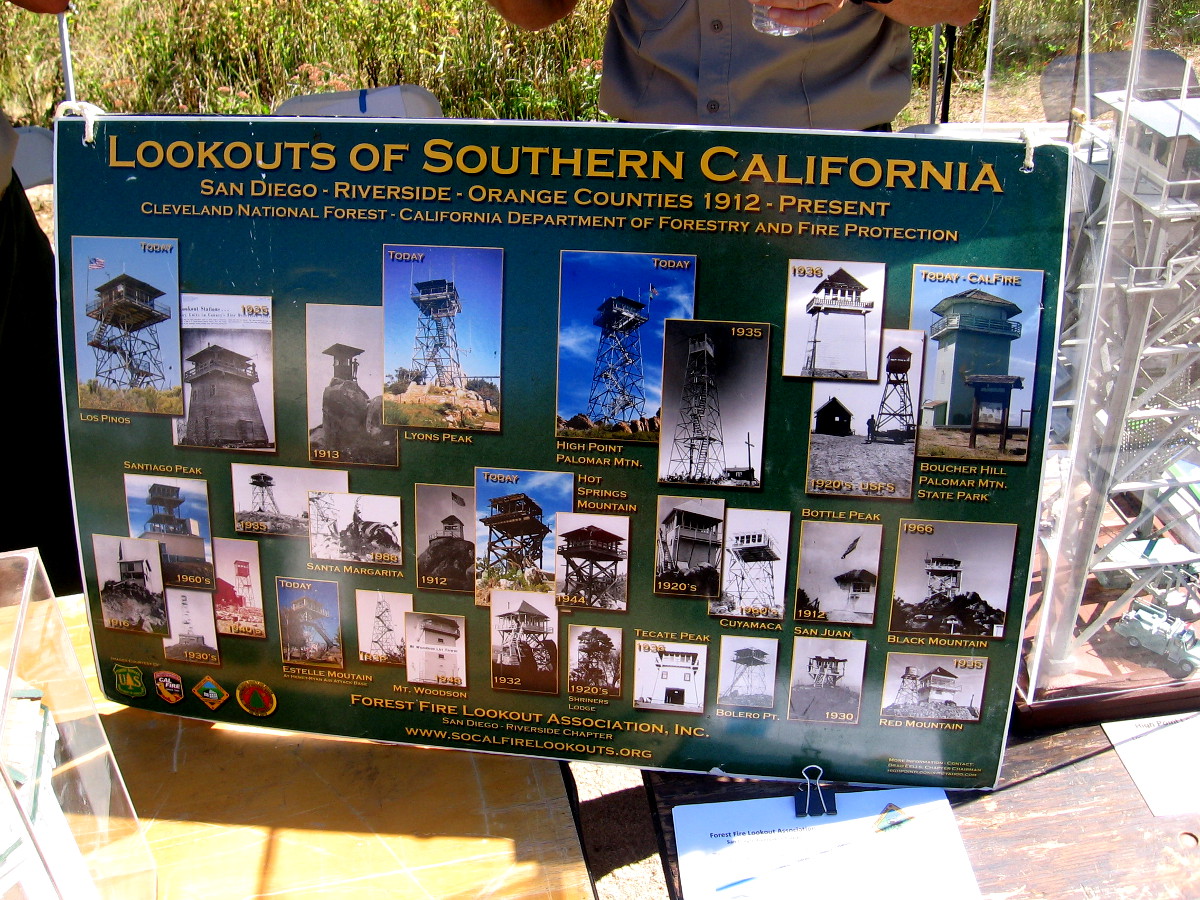
The Forest Fire Lookout Association had a cool display of all the Lookouts of Southern California.
When smoke is spotted from a fire lookout, this simple device is used. Visually lining up the sighting determines the fire’s direction, or azimuth.
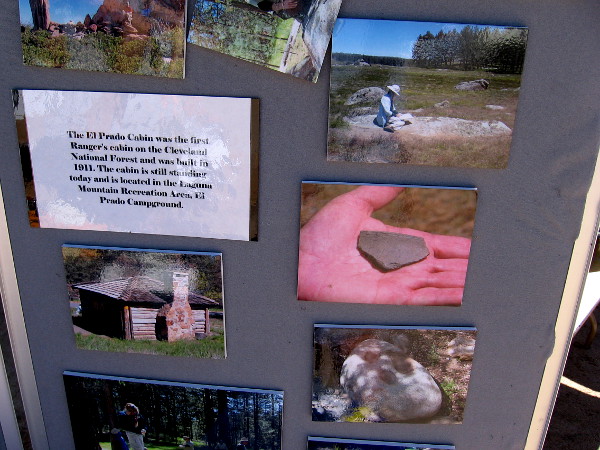
Cleveland National Forest had a big display, too. They also love volunteers.
Some photos from the Laguna Mountain Recreation Area, one of my favorite places.
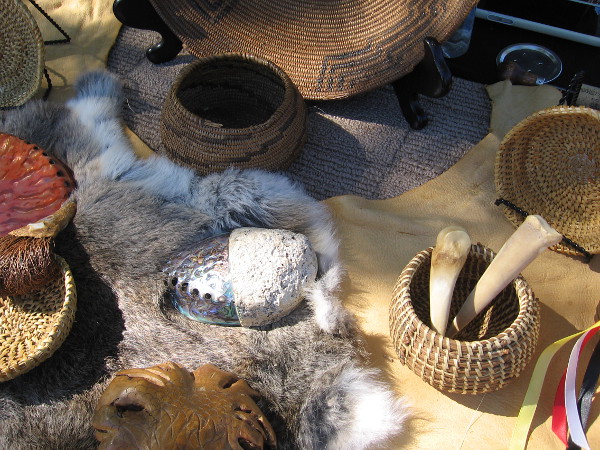
Some artifacts on display created by Native Americans from San Luis Rey. Two of the baskets (near the top of this photo) were made in the 1800s.
A friendly student at this table talked to visitors about the California State University San Marcos Anthropology Club.
As I headed over to a field where real archaeological digs can be seen, I was passed by people on horseback, enjoying their day at Los Peñasquitos Canyon Preserve.
Excavations at Los Peñasquitos Canyon Preserve are carried out by students in the Archaeology Program at Palomar College.
I learned the Kumeyaay in this region obtained obsidian for projectile points by trading with other native people who lived to the east, by the Salton Sea. Ancient arrowheads and other mysterious objects are sometimes unearthed in this area.
A field east of the Los Peñasquitos Ranch House where archaeology students search for clues about the historic and prehistoric past.
Walls and drainage structures poke out from the field. Their exact story is a puzzle that will eventually be pieced together.
A part of a torn down barn’s foundation has been discovered here. Small, interesting finds are collected by general type in a cupcake pan!
Tunneling gophers make reconstructing the past more difficult. They move materials about as they dig.
Nearby I saw several devices used for wet screening excavated soil, a process that follows dry screening.
Smokey Bear must also be an archaeology enthusiast! I spotted him checking out debris left on the ground in another corner of the field, the area used for dry screening excavated soil!
…
This blog now features thousands of photos around San Diego! Are you curious? There’s lots of cool stuff to check out!
Here’s the Cool San Diego Sights main page, where you can read the most current blog posts. If you’re using a phone or small mobile device, click those three parallel lines up at the top–that opens up my website’s sidebar, where you’ll see the most popular posts, a search box, and more!
To enjoy future posts, you can also “like” Cool San Diego Sights on Facebook or follow me on Twitter.
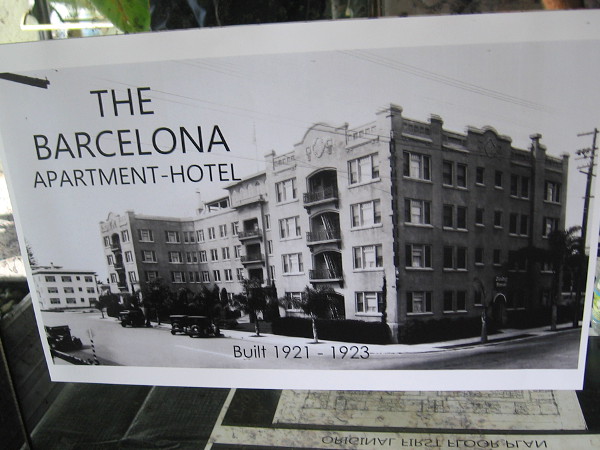
Old photo of The Barcelona Apartment-Hotel in Bankers Hill, built 1921-1923.
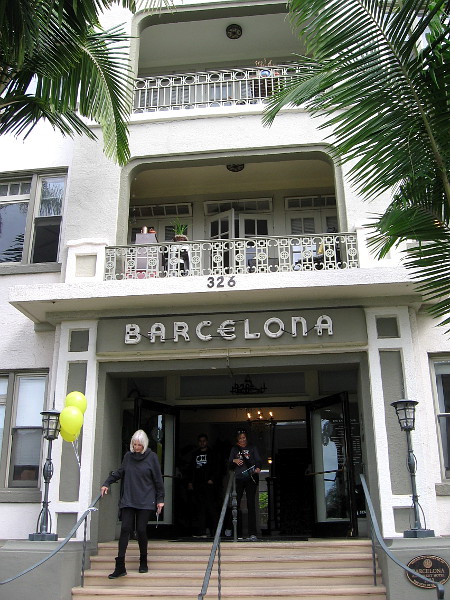
I hadn’t planned to visit The Barcelona yesterday during the San Diego Architectural Foundation’s 2018 OPEN HOUSE event. But as I walked up Bankers Hill from one site to another, I spotted the old building and decided to venture inside. I’m so happy I did!
The almost century-old structure originally featured both a hotel and apartments, complete with solarium, ballroom, restaurant and golf course. Today it has been converted into an apartment building with amazing views of nearby downtown San Diego.
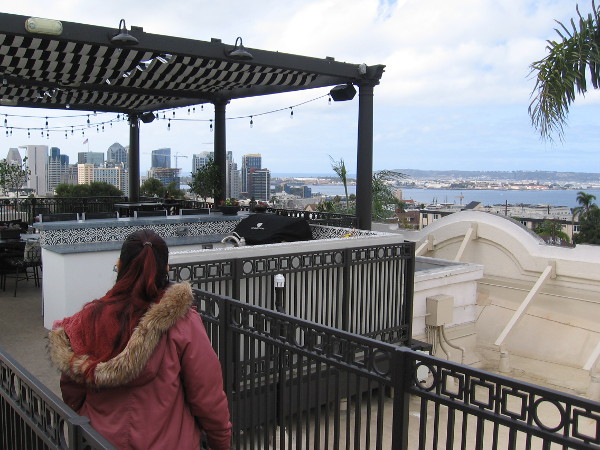
My favorite part of the short tour was visiting the sky deck up on the rooftop. Check out my photos and you’ll see why! Make sure to read the captions for more info about this historical building.
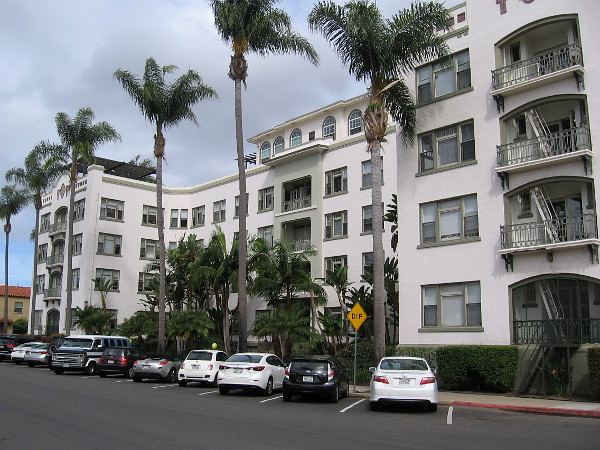
The Barcelona’s apartments today, photographed from Juniper Street.
The Barcelona is a featured location during the San Diego Architectural Foundation’s 2018 OPEN HOUSE event.
City of San Diego historical landmark plaque near entrance to The Barcelona.
The Barcelona was built in the Spanish Colonial/Spanish Eclectic style. It was designed by architect Eugene Hoffman.
Excavation of the site took 6 months. The current penthouse units on the 5th floor roof originally formed a solarium.
Historic postcards of The Barcelona in San Diego.
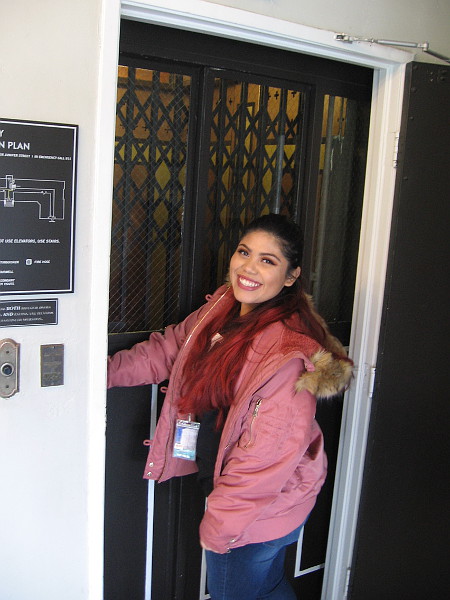
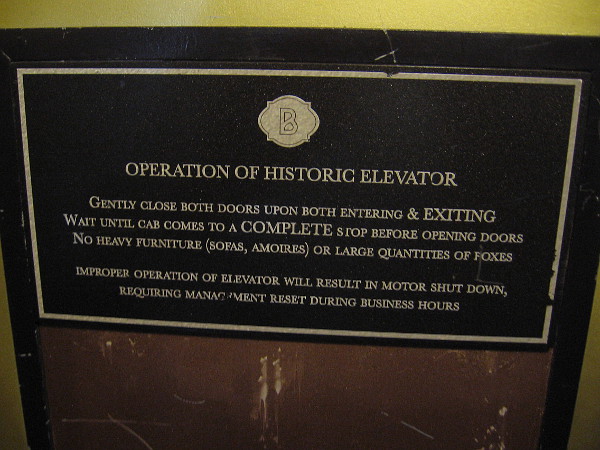
A volunteer for the OPEN HOUSE architectural event took me up the historic elevator!
The cool old elevator reminded me of my childhood, when I dreamed of becoming an elevator operator!
The volunteer guide quickly showed me one of the sunlight-filled apartments. The view of downtown is incredible.
But the sky deck will take your breath away!
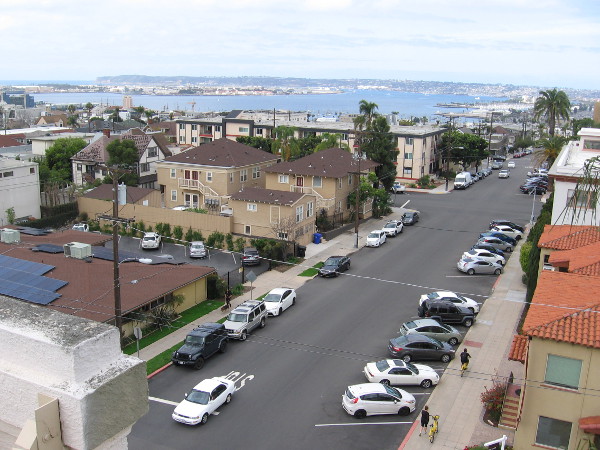
Incredible view of Bankers Hill and San Diego Bay from the sky deck of The Barcelona!
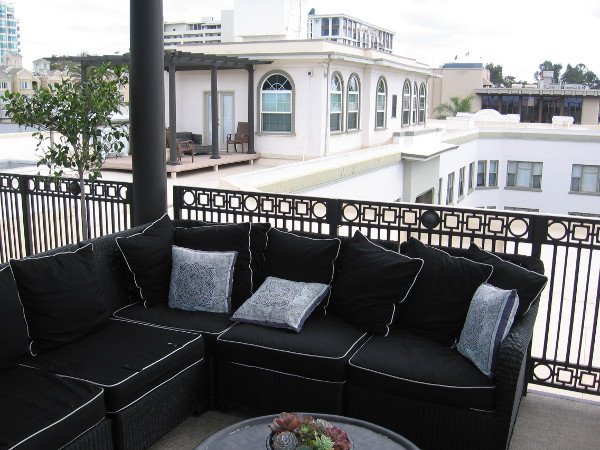
The building’s penthouse apartments are beyond this comfy outdoor sofa.
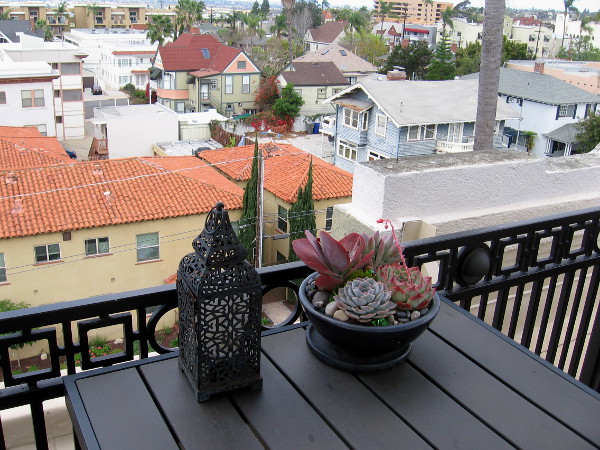
Looking down on the many colorful rooftops of Bankers Hill!
An incredible view of the downtown San Diego skyline from the sky deck of The Barcelona!
…
I live in downtown San Diego and love to walk around with my camera! You can follow Cool San Diego Sights via Facebook or Twitter!
You can easily explore Cool San Diego Sights by using the search box on my blog’s sidebar. Or click a tag! There are thousands upon thousands of photos for you to enjoy!
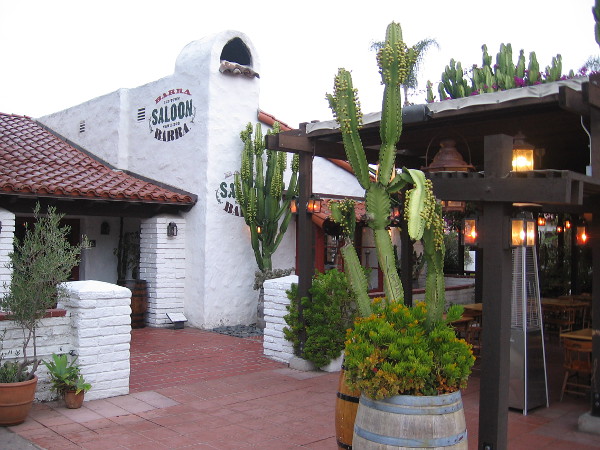
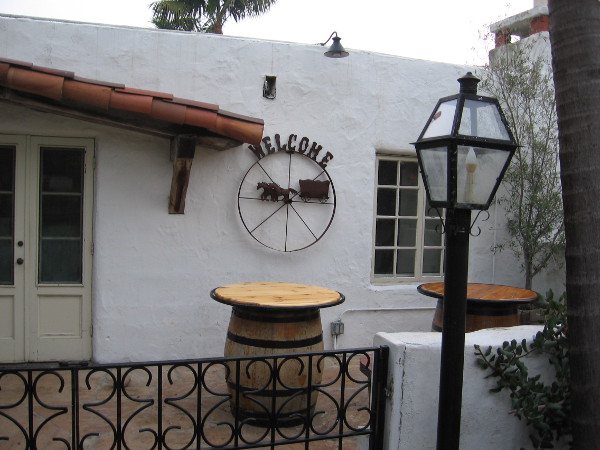
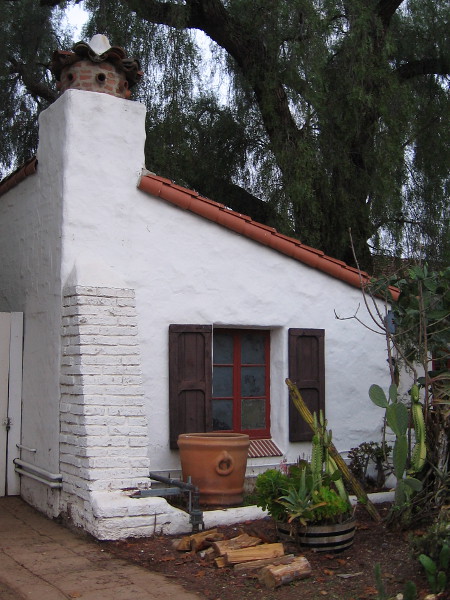
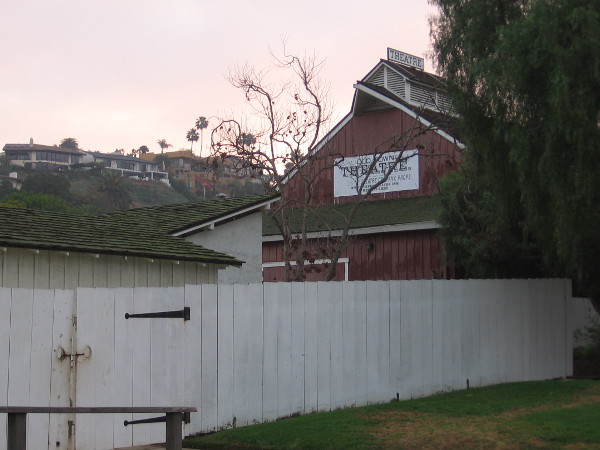
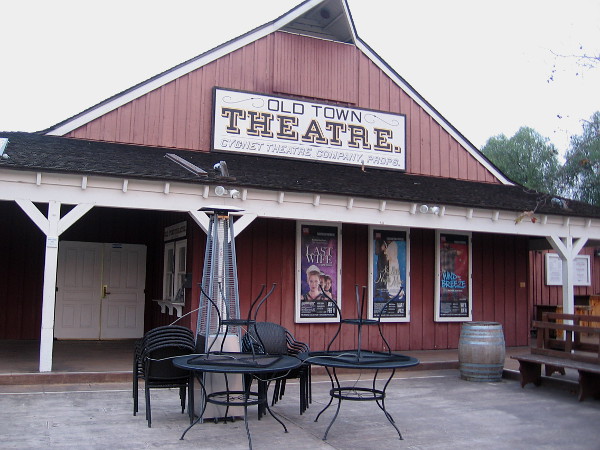
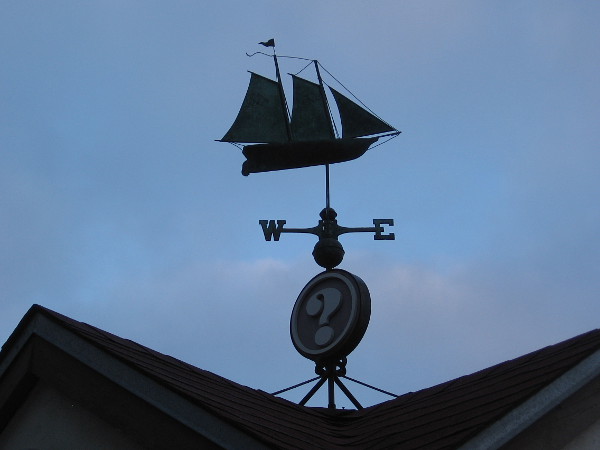
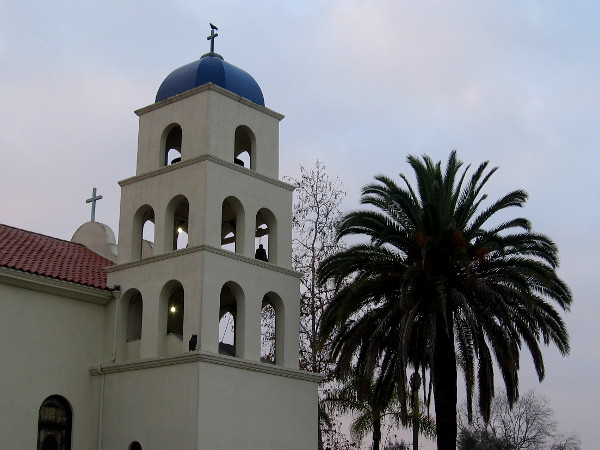
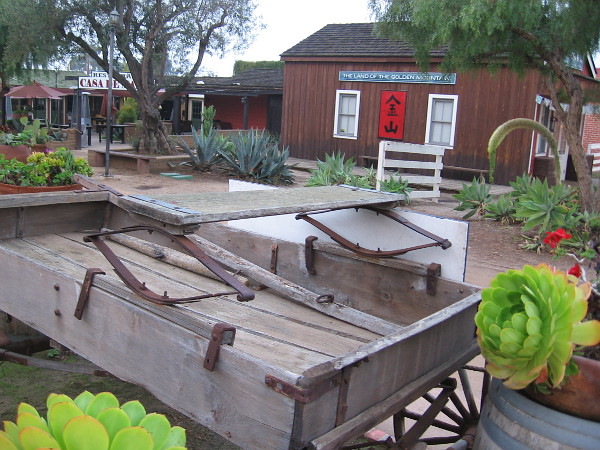
Early this morning I saw on the news that many parts of San Diego were experiencing fog. So I thought it would be interesting to head to Old Town San Diego State Historic Park for some mysterious fog photos.
Well, one end of nearby Lindbergh Field was lost in a bank of fog–but not Old Town!
I got some wonderful morning photos anyway. It was quiet, just after sunrise, nothing open, very few people around…
…
I live in downtown San Diego and love to walk around with my camera! You can follow Cool San Diego Sights via Facebook or Twitter!































































 Cool San Diego Sights!