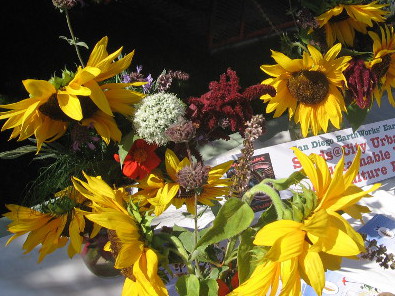
Bright yellow California sunflowers. San Diego has more botanical diversity than any other county in the continental United States.
The San Diego River has always been a source of life. Ancient people flourished on its banks. It’s where European civilization began in California. That civilization today has grown to include freeways, shopping malls, industrial parks and immense residential complexes. Like a gleaming thread of silver, the river flows through it all, eternally, west to the Pacific Ocean.
The health of this once-pristine river, crowded in many areas by human development, is threatened in challenging ways. Pollutants found in storm runoff, windblown litter, piles of garbage and human waste from homeless encampments, encroachment by non-native vegetation… These problems and others require the thoughtful involvement of the local community. Volunteers monitor the river; some help to pick up trash or report graffiti. Active, concerned residents attend special meetings to discuss improvements or make critical decisions.
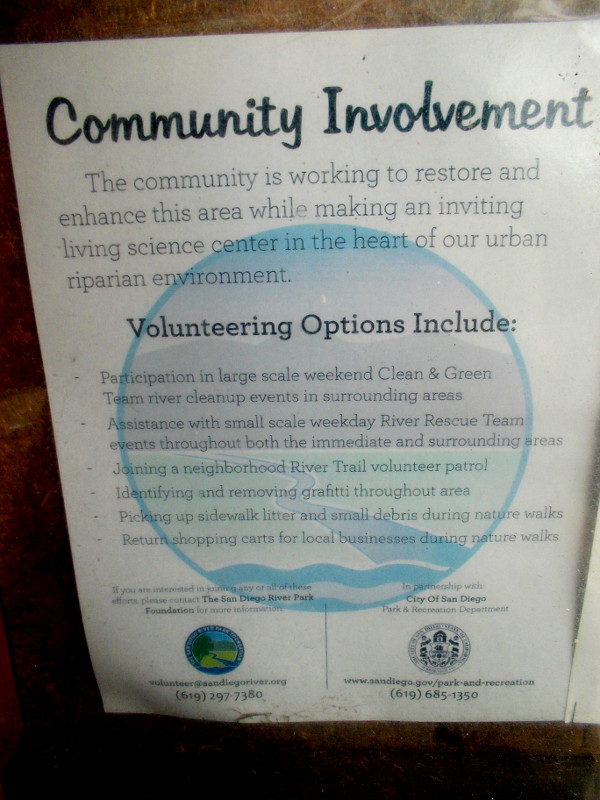
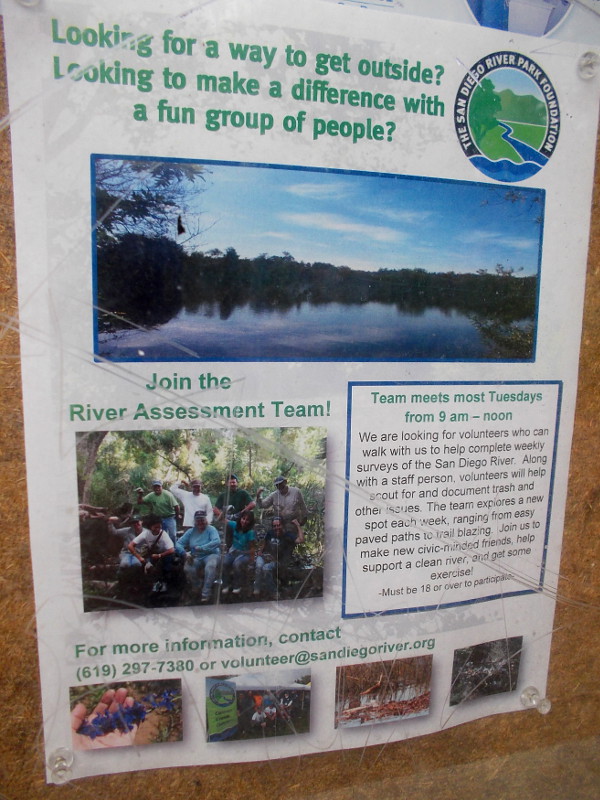
Would you like to become involved? Click here, or check out my two photos of posters that include contact information.
Our careful stewardship of the San Diego River will ensure the survival of an important riparian ecosystem, and will allow future generations to walk down trails of spirit-nourishing beauty.
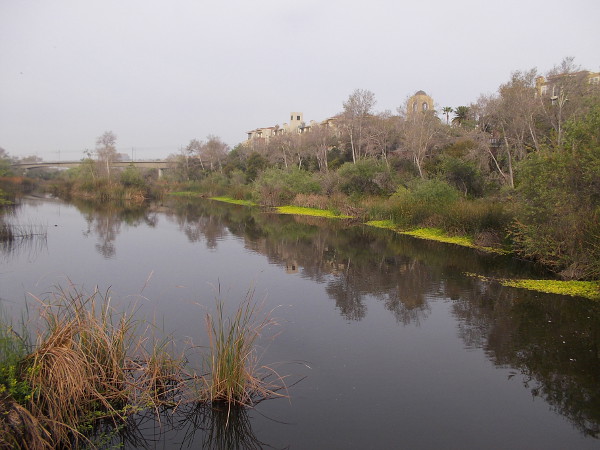
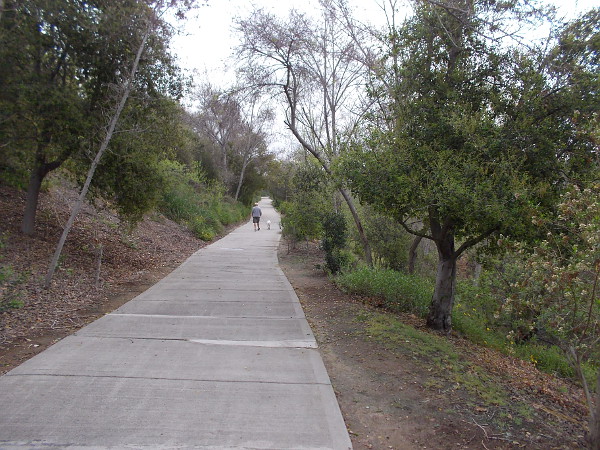
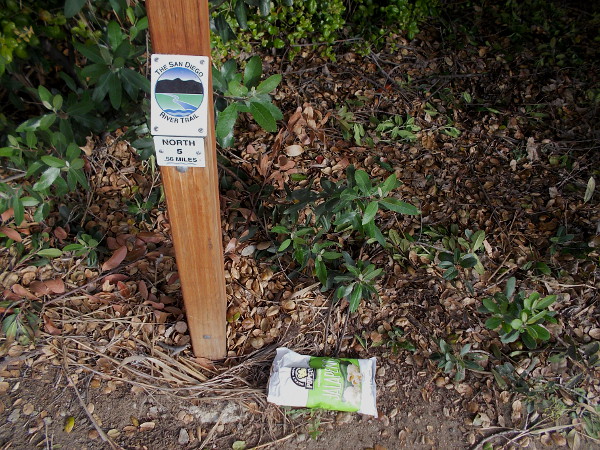
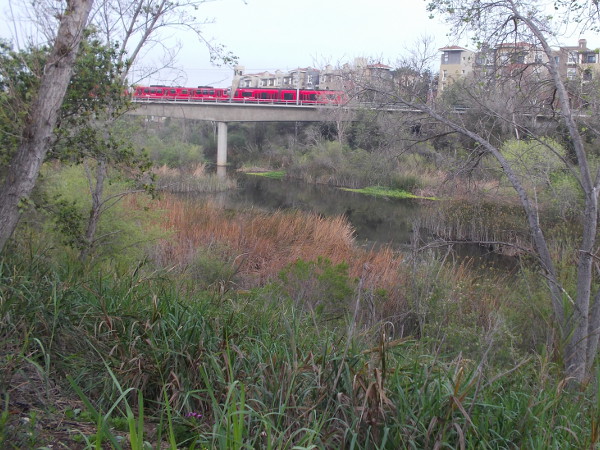
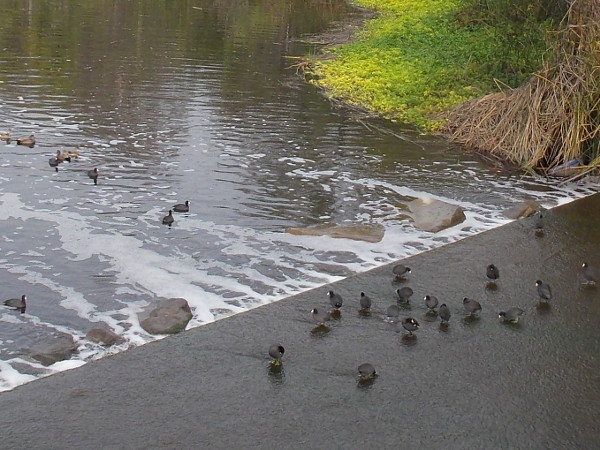
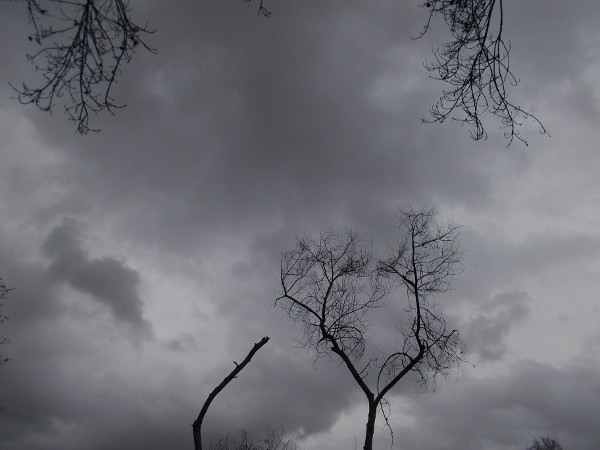
Gazing west along the San Diego River from Qualcomm Way.Bicycle and pedestrian paths follow the San Diego River through Mission Valley.Litter carelessly dropped near a mile marker for The San Diego River Trail. It was picked up.The community is working to restore and enhance this area while making an inviting living science center in the heart of our urban riparian environment. (Click image to enlarge.)Make a difference with a fun group of people. Join the River Assessment Team! Help support a clean river and get some exercise! (Click image to enlarge.)A red San Diego Trolley passes over the life-filled river as it approaches the Rio Vista station.A gathering of American coots (or mud hens) where the San Diego River passes beneath Camino del Este.Dark clouds and barren Fremont Cottonwoods minutes before a winter storm brings brief torrential rain.Beautiful flowers can be seen at almost any time of year during a nature walk along The San Diego River Trail.A couple of busy bees collect pollen in the morning.
…
I live in downtown San Diego and love to walk! You can follow Cool San Diego Sights via Facebook or Twitter!
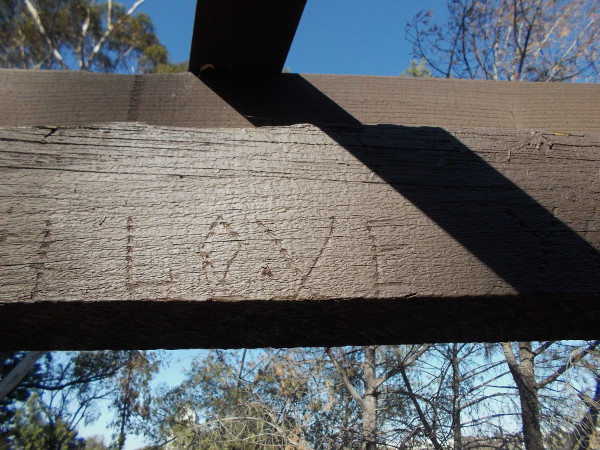
LOVE carved into the beam of a wooden shelter on Presidio Hill.
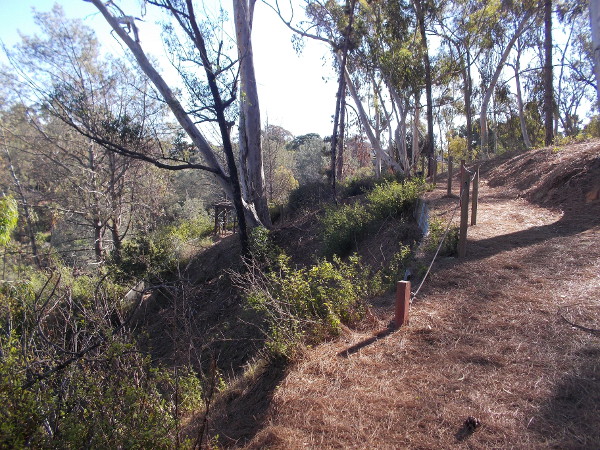
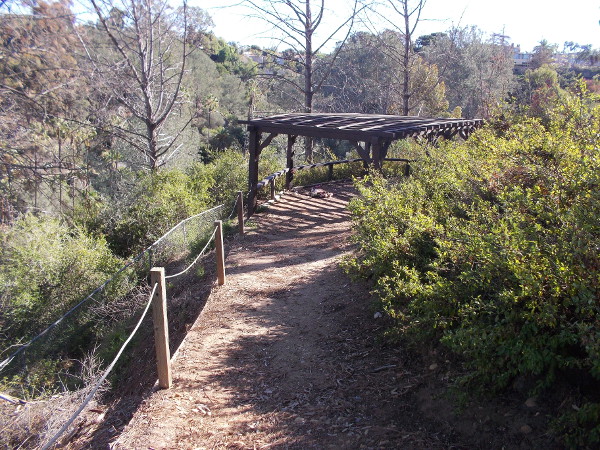
My walk today took me along a lonely dirt trail on Presidio Hill.
The trail, among quiet trees, climbs above the location of the old Spanish presidio, the nearly 250 year old birthplace of European civilization in California. After a short distance, the trail descends toward a primitive wooden shelter overlooking a canyon.
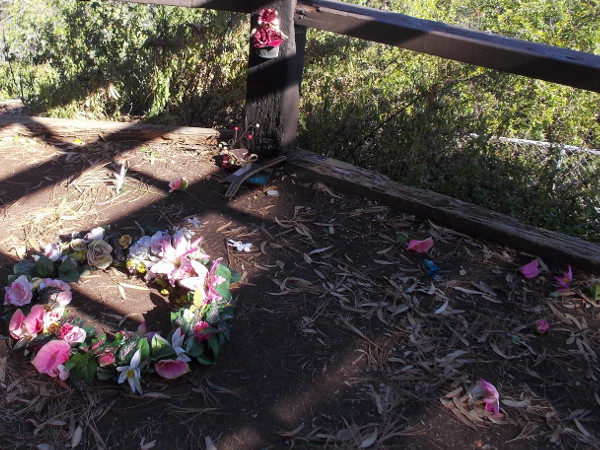
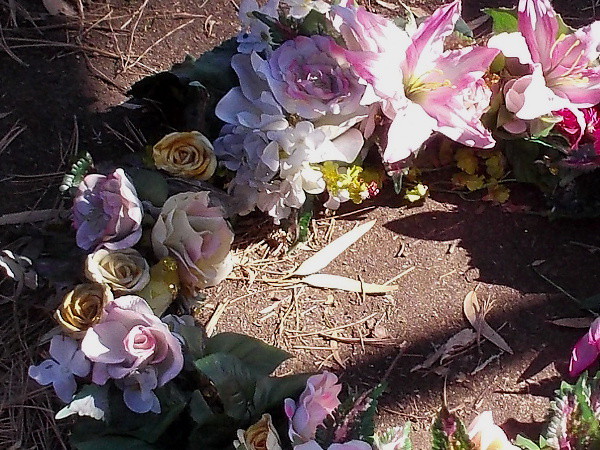
The shelter was empty. A wreath of beautiful fresh flowers lay upset on the ground. A small floral display of some kind was broken in a corner. Torn flowers lay scattered about.
It’s a very strange mystery. But so is love.
Walking along a lonely trail covered with pine needles. Few people visit this part of Presidio Hill.A simple wooden structure among the trees comes into view. It is empty.Flowers are scattered on the ground.An upset wreath of fresh flowers. A broken display, left behind. Why?A beautiful mystery. Perhaps it contains sorrow.
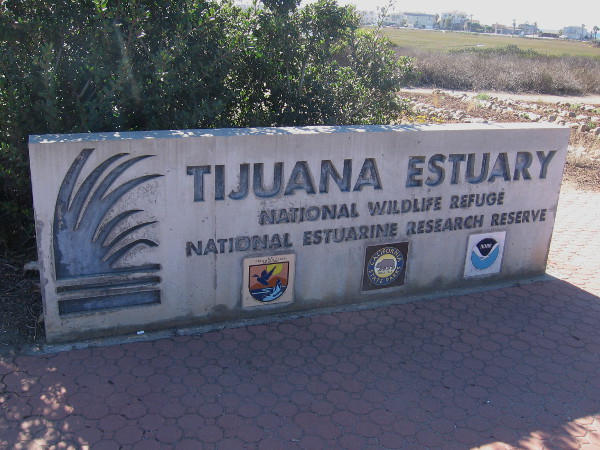
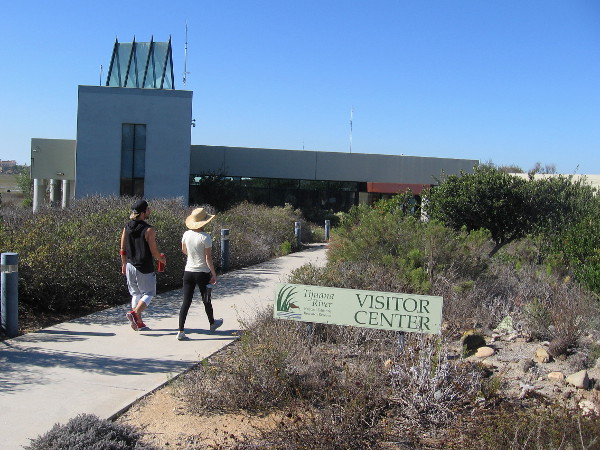
Sign near the entrance to Visitor Center of Tijuana Estuary, home of a National Wildlife Refuge and National Estuarine Research Reserve.
What place in North America officially contains the most plant and animal species? You don’t know? San Diego and the Northern Baja California region!
Yesterday I took a nature walk around and through the northern section of the Tijuana River Estuary. The large estuary, which is located at the extreme southwest corner of the continental United States, where the Tijuana River empties into the Pacific Ocean, contains abundant life which reflects San Diego’s amazing biodiversity and range of habitats.
The Tijuana Estuary is not only a place of tranquil beauty, but it’s a scientific laboratory, protective refuge, and outdoor classroom where the public can learn about our natural environment. It’s managed by several agencies, including the NOAA National Estuarine Research Reserve System, the California Department of Parks and Recreation, and the National Wildlife Refuge System under the U.S. Fish and Wildlife Service.
I absorbed so much information while walking about, reading signs, and listening to a volunteer guide during a short nature walk near the Visitor Center, that I couldn’t possibly convey it all on my blog. So I’ve selected some photos and have captioned them so you’ll get the gist of what I saw and learned. And hopefully you’ll want to visit, too!
Relatively few people partake of the scheduled weekend nature walks at the Tijuana Estuary Visitor Center. Joan, the plant expert, said that some days nobody shows up. What a shame. Because there’s so much beauty, so much to see.
I strongly encourage anyone who lives in the San Diego area to head down to Imperial Beach and take a long, leisurely walk where life thrives!
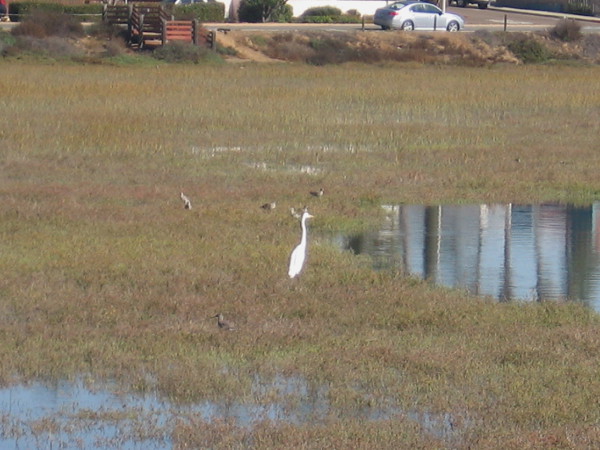
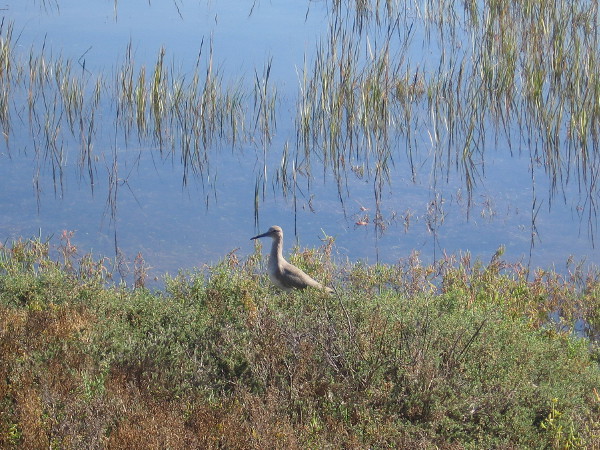
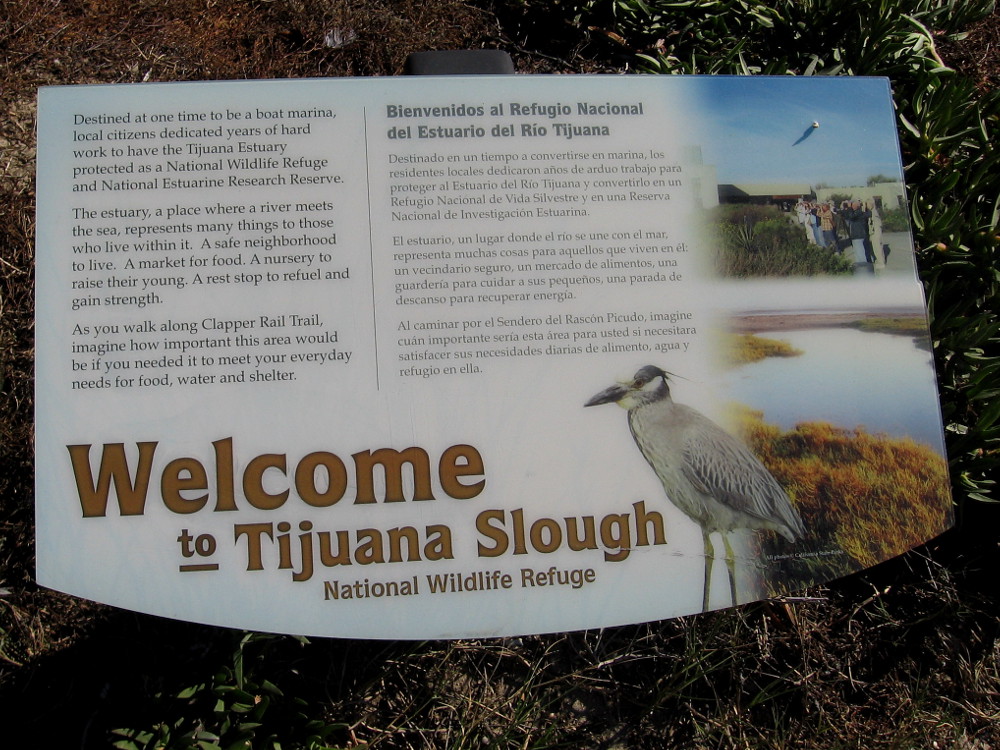
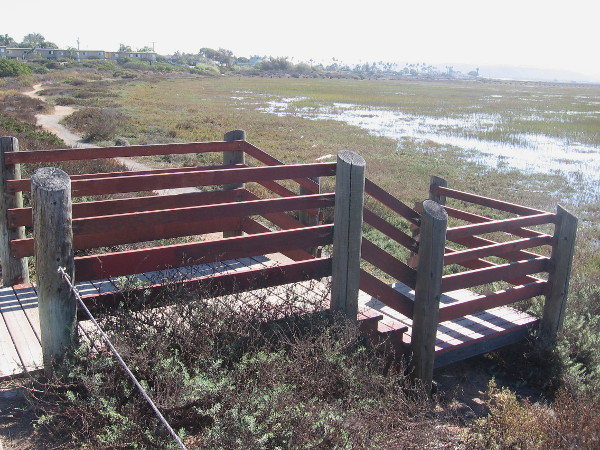
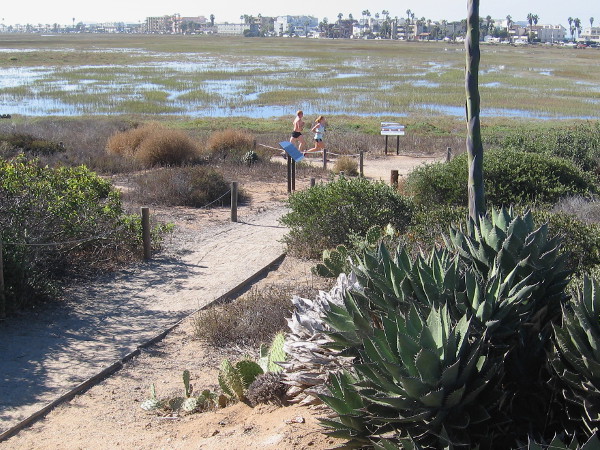
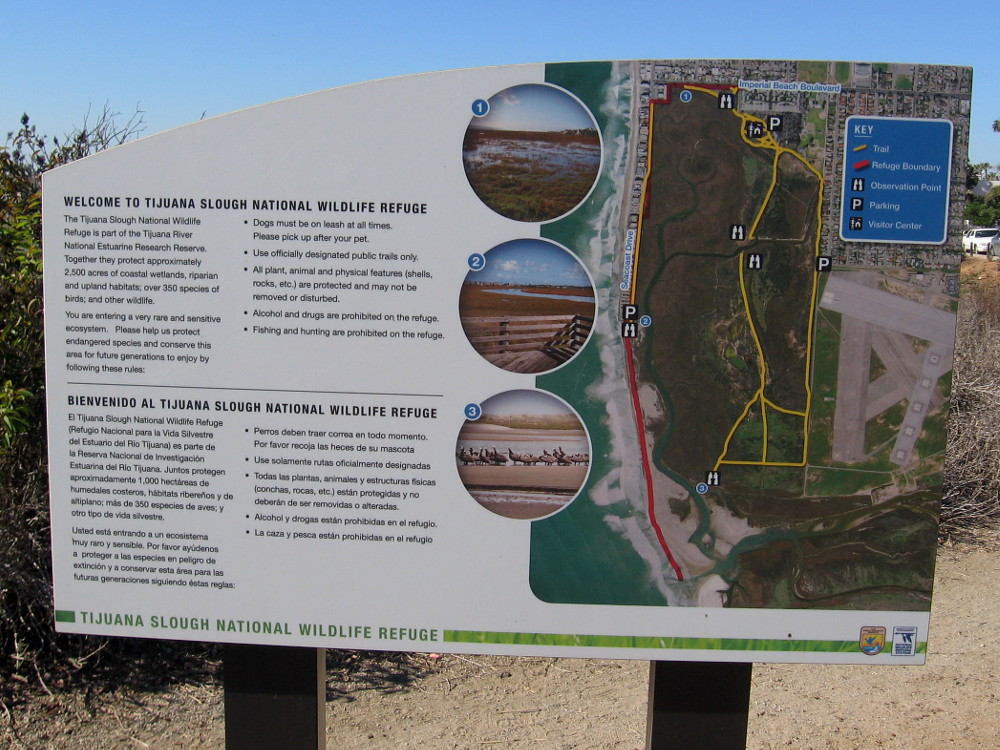
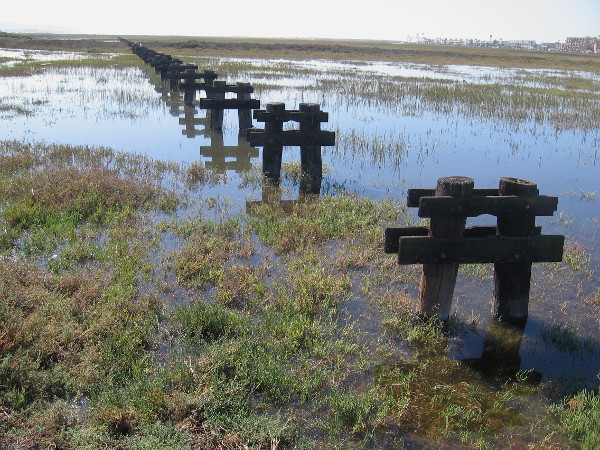
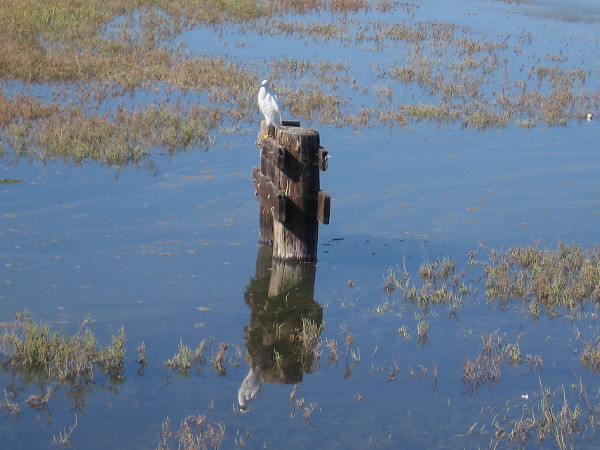
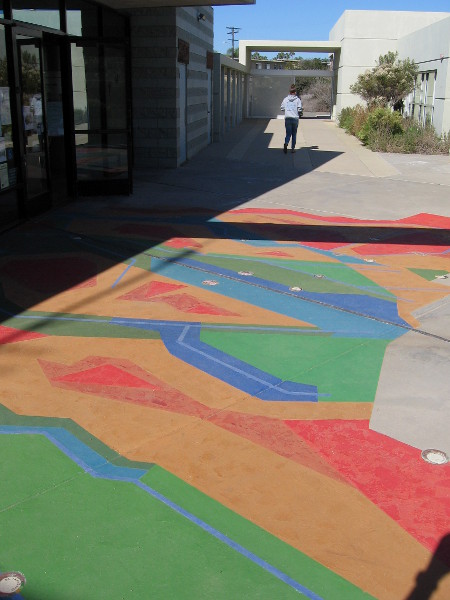
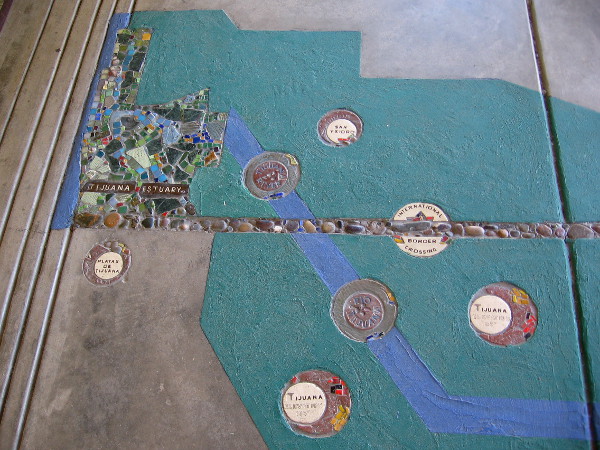
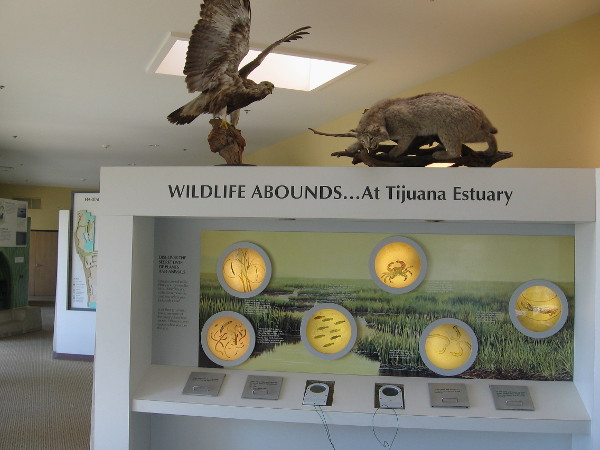
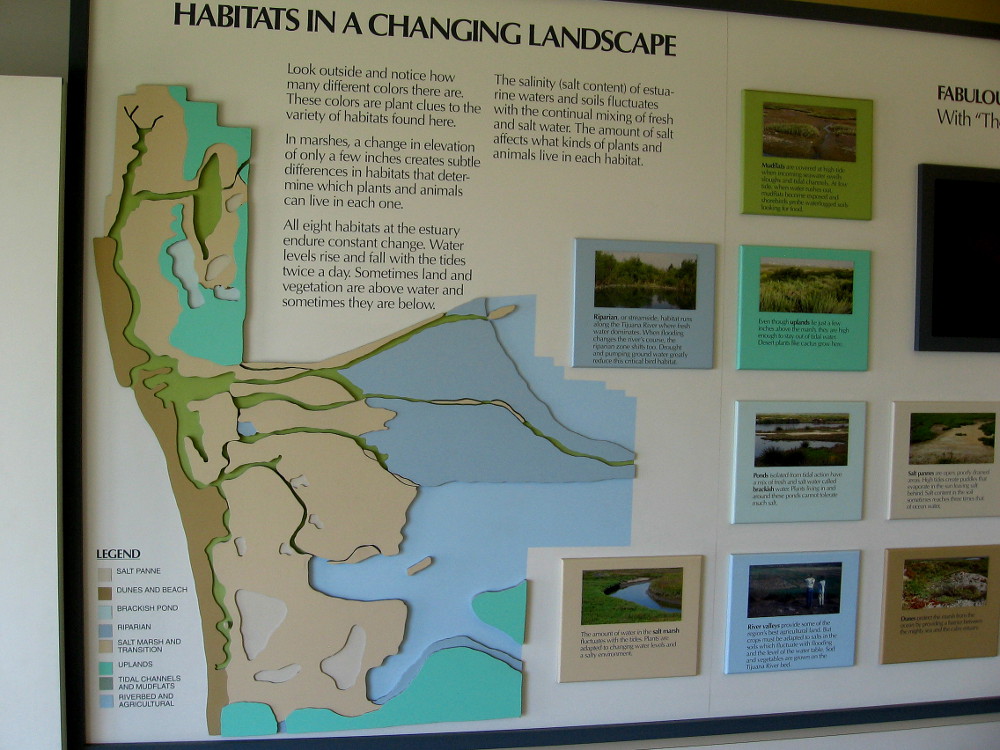
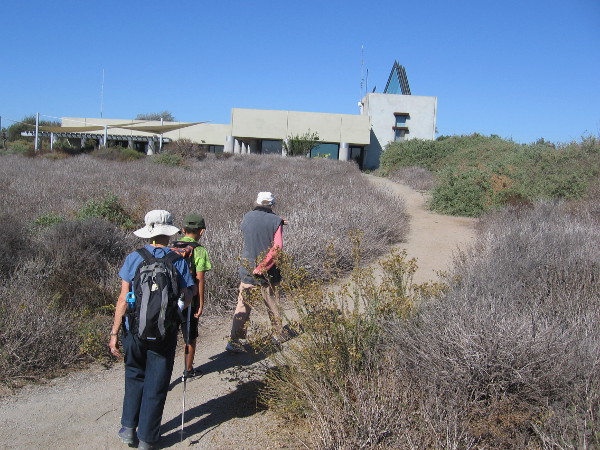
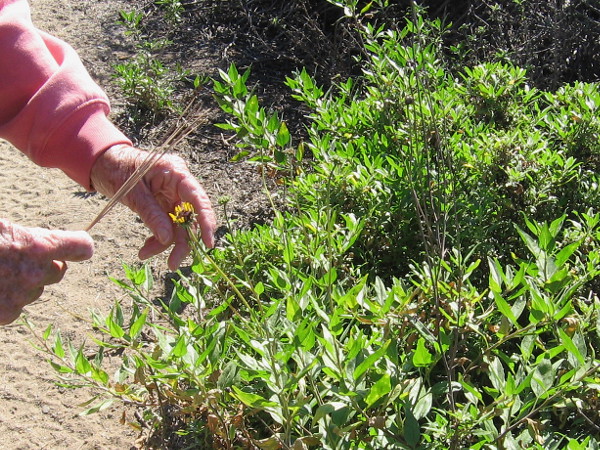
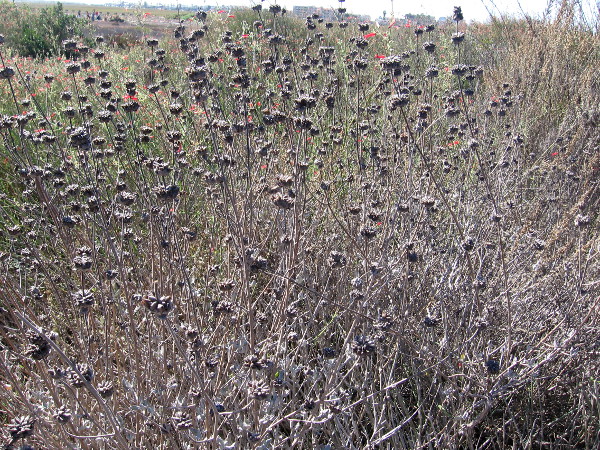
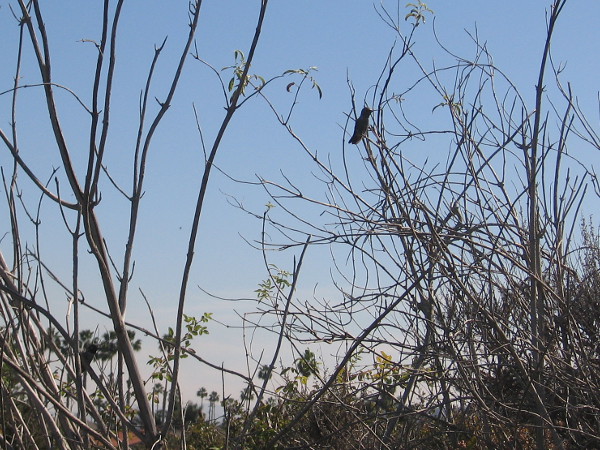
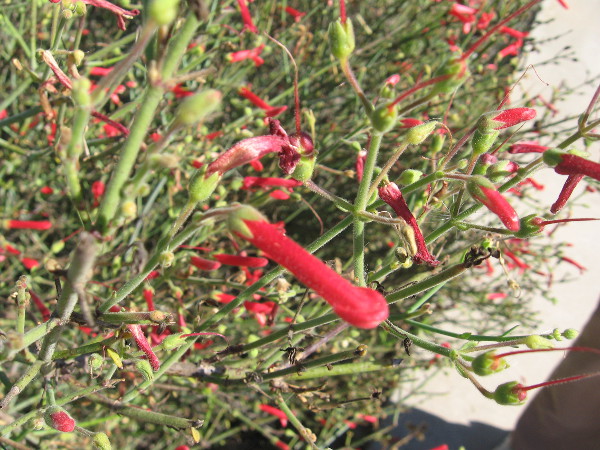
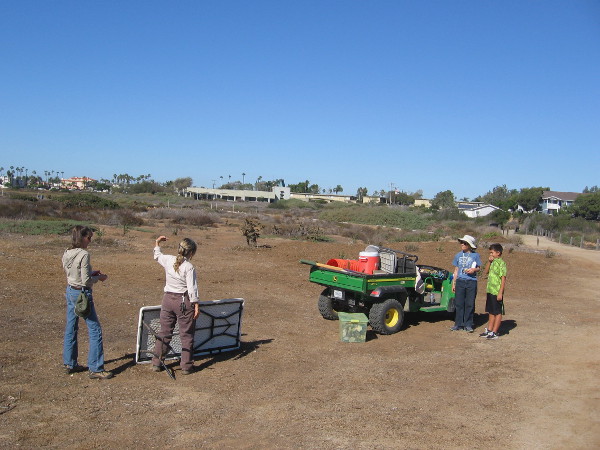
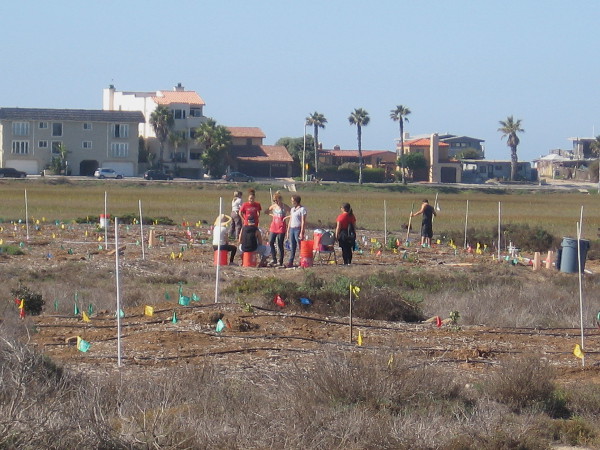
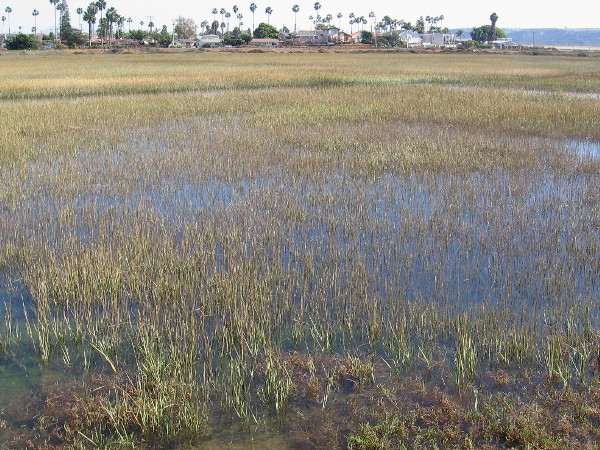
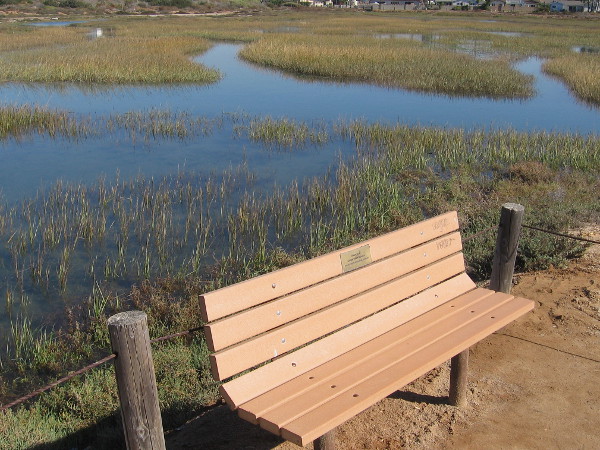
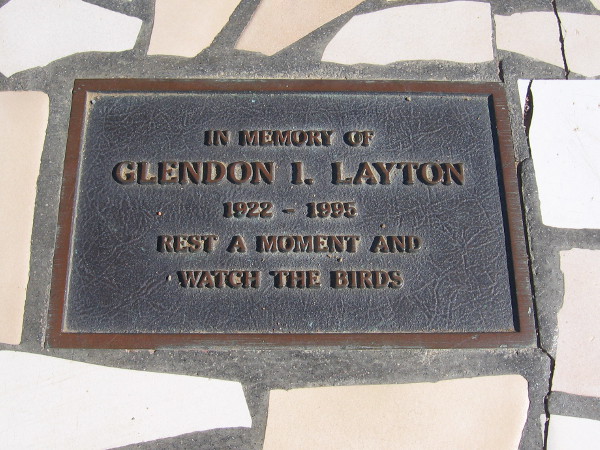
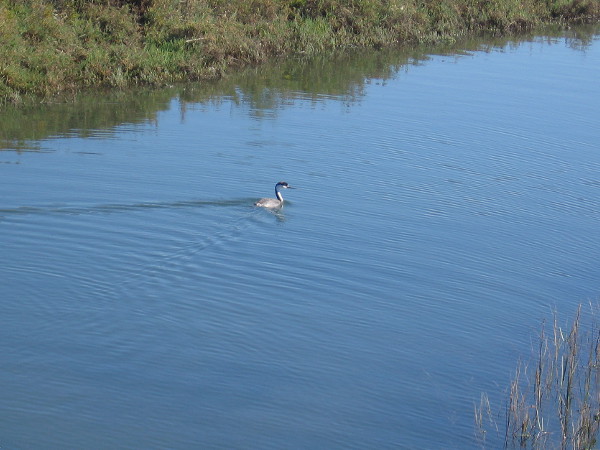
Ecoroute Bikeway and sidewalk along Seacoast Drive in Imperial Beach offers views of the north section of 2,500 acre Tijuana River Estuary.A white egret and other small birds enjoy the fertile, nutrient-rich environment created by this important coastal wetland.A shorebird equipped with a long bill, used to poke into sand and mudflats for food. Over 370 species of birds have been sighted in the wildlife reserve.Once a dump, and destined to be a boat marina, local citizens fought to have the Tijuana Estuary protected as a National Wildlife Refuge and National Estuarine Research Reserve.Steps lead down from Imperial Beach Boulevard to one of many trails in the fascinating, life-filled estuary.There are many habitats in the estuary including dune, salt panne, salt marsh, mudflat, brackish pond, riparian, coastal sage scrub, and vernal pool.Sign welcomes visitors to Tijuana Slough National Wildlife Refuge. Five endangered and two threatened species of birds are protected here in their natural habitat.I was told these old wooden pilings used to support a storm drain which ran out to the ocean.A Snowy Egret perches atop a post, perhaps watching the water for prey. Small fish, frogs, reptiles and insects are part of the food chain in a shallow river estuary.The path to the Tijuana Estuary Visitor Center passes through a garden of native plants often found along the coast of Southern California.This colorful abstract map at the Visitor Center entrance represents the 1,735 square mile watershed of the Tijuana River, reaching deep into Mexico.The edge of the map, inside the Visitor Center’s door, shows a part of San Diego and Tijuana. As it nears the Pacific Ocean, the Tijuana River crosses into the United States.One of many educational exhibits inside the cool Visitor Center. Wildlife abounds . . . at Tijuana Estuary!Viewed from the distance of the moon, the astonishing thing about the earth, catching the breath, is that it is alive.Habitats in a changing landscape. All eight habitats in the estuary endure constant change. Water levels rise and fall with the tides. Salinity of the water fluctuates.Visitors can jot notable sighting of birds on a board inside the Visitor Center. Buds and blooms are also listed.A few people out on a nature walk on a pleasant Saturday in November. The estuary is full of blooms, birds, and animal activity, even as winter approaches.Joan, a super nice park volunteer who is a plant expert (and author of a fun native plant book), shows us the yellow bloom of California bush sunflower.Even though the blue blooms of this pleasantly aromatic Cleveland Sage have dried, the seeds pods have a bluish tint.A tiny hummingbird is perched on the branch of a shrub.The Galvezia, or bush snapdragon, is common in Baja California. It has green stems, bright red tube flowers, and attracts hummingbirds.Hiking south down the North McCoy Trail in the Tijuana Estuary. Rising on the left horizon is Mexico. On the right horizon are the Coronado Islands in the Pacific Ocean.Ranger Debbie Good is super friendly. She answered a bunch of questions with a big smile. Here’s she’s putting away a table used to welcome volunteer workers.These volunteer students from SDSU are helping to plant native vegetation. Efforts to return the estuary to a natural state are ongoing. This area several decades ago was a dump.Looking across cordgrass and a beautiful wetland at the extreme southwest corner of the continental United States.A quiet bench on the North McCoy Trail invites walkers to relax and take in the sunshine and surrounding tranquility.Plaque on another bench at the south end of the trail. In memory of Glendon I. Layton. Rest a moment and watch the birds.The Tijuana River National Estuarine Research Reserve and Tijuana Slough National Wildlife Refuge is a place where amazing biodiversity and nature’s beauty thrive.
…
Follow this blog for more photos of cool stuff! Join me on Facebook or Twitter.
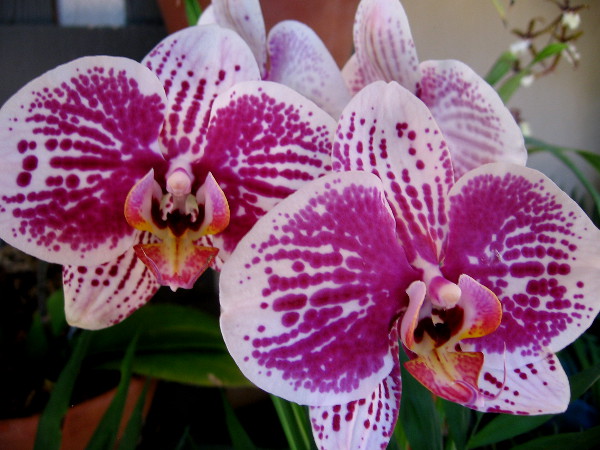
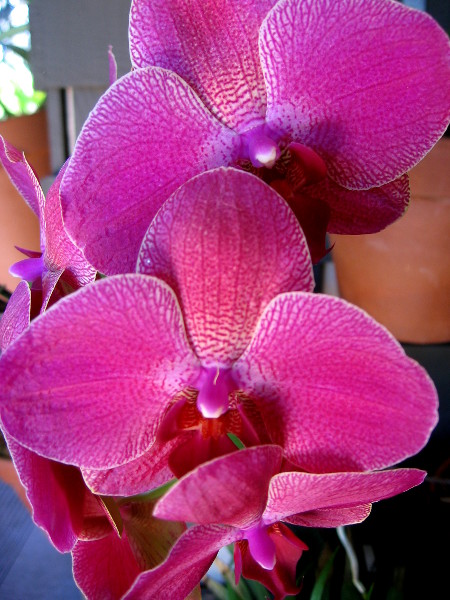
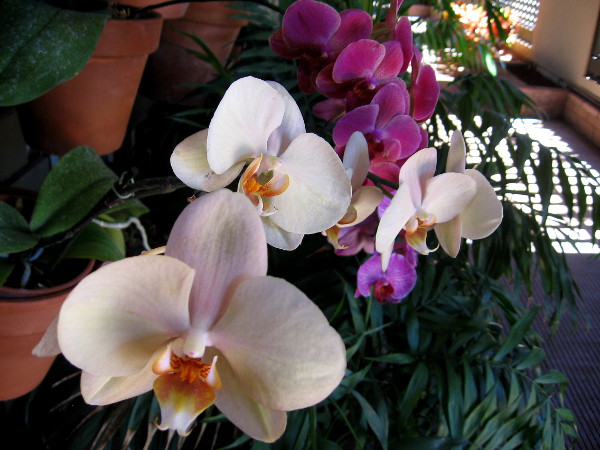
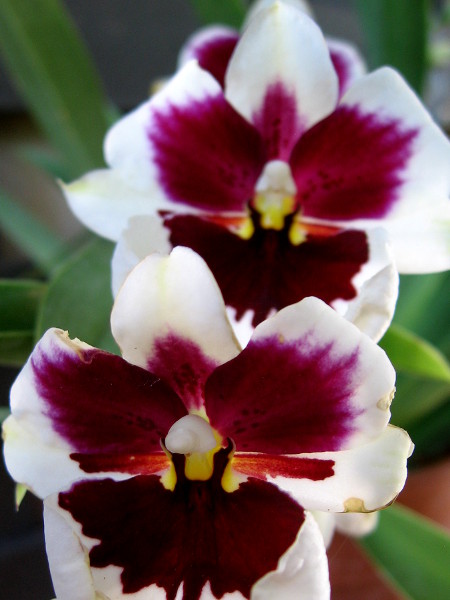
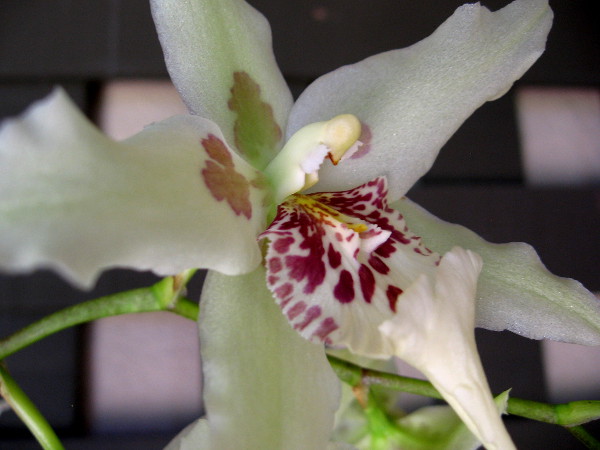
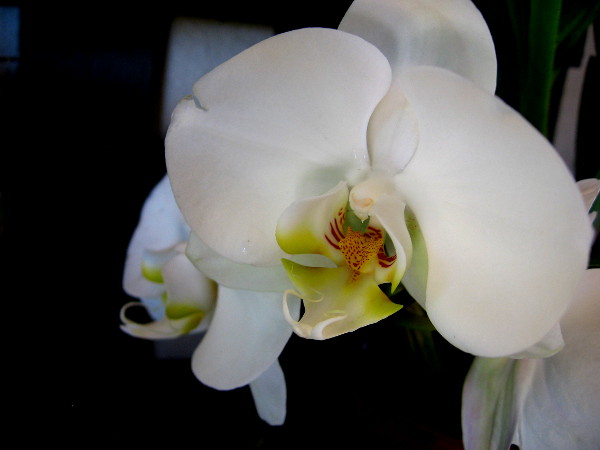
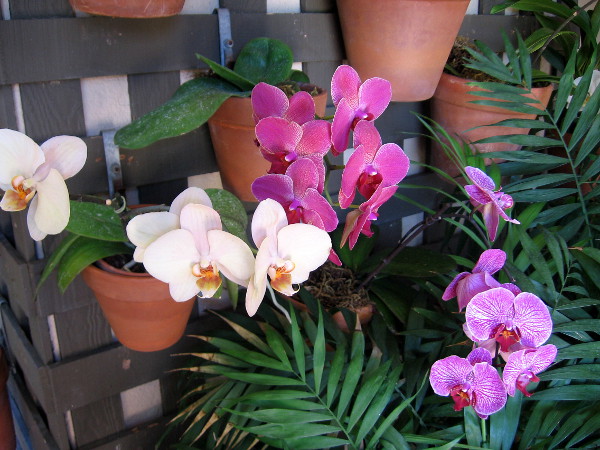
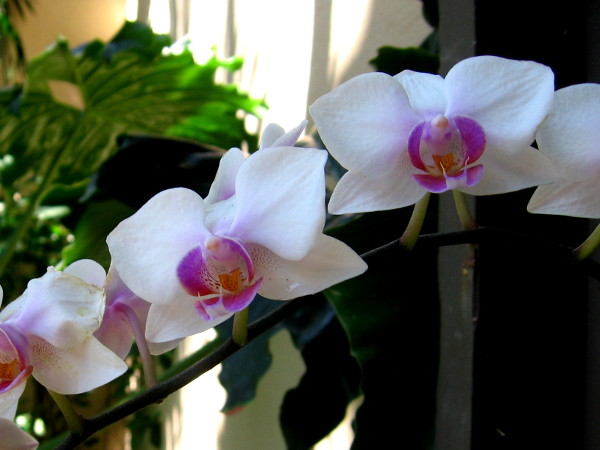
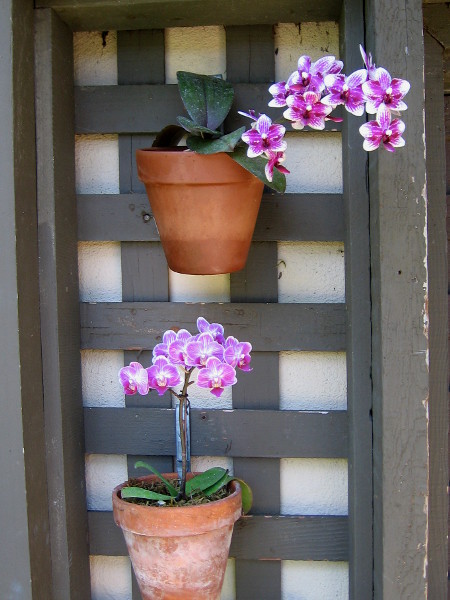
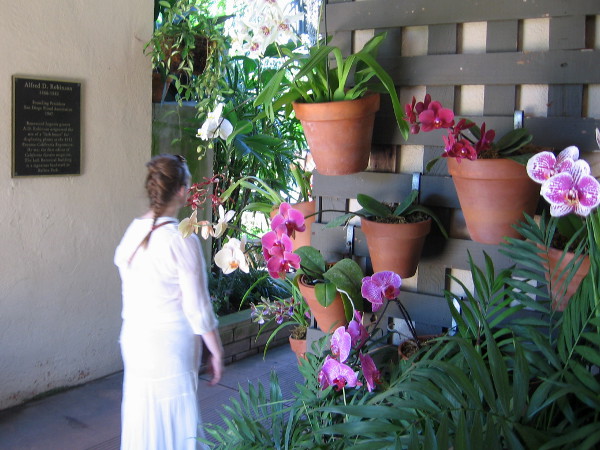
I believe all these beautiful images are of orchids! I apologize if I’m mistaken. Most photos were taken just inside the left door to the Botanical Building in Balboa Park.
I believe all these photos are of orchids. Unfortunately, I’m not an expert when it comes to plants or flowers. Heck, I hardly even rank as an amateur. But I do recognize exquisite beauty. And you’ll find it just inside the left door of Balboa Park’s amazing Botanical Building!
I don’t know the types or names of these orchids. I looked for signs, but saw none. If you recognize anything, leave a comment!
Velvet beauty for everyone to enjoy.So much to absorb in the amazing Botanical Building–one’s eyes leap from bloom to bloom.Nature’s masterpieces are often small and fragile.Should you ever visit Balboa Park in San Diego, don’t miss the Botanical Building. The enormous lath building stands behind the reflecting pool near El Prado.White angel-like flower seems to signal that the world is just fine.Many orchids in clay pots hanging from a wall trellis.A long strand of gems.Everywhere you turn in the Botanical Building you’ll discover lush plants and natural wonders.A lady glides into heaven on Earth.
…
Follow this blog for more photos of beautiful things! Join me on Facebook or Twitter.
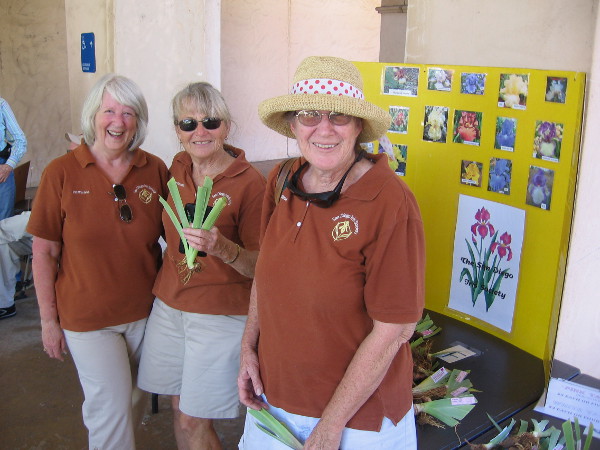
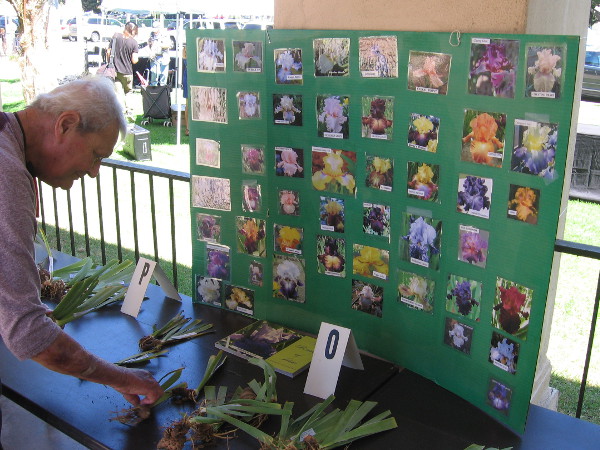
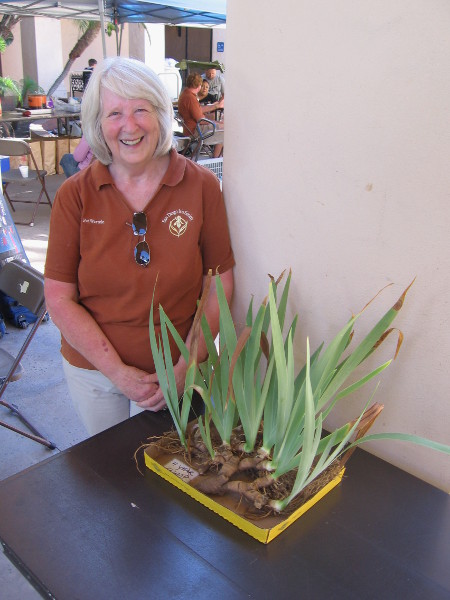
These cool ladies know all about irises. They had lots of information on display during the rhizome sale in Balboa Park.
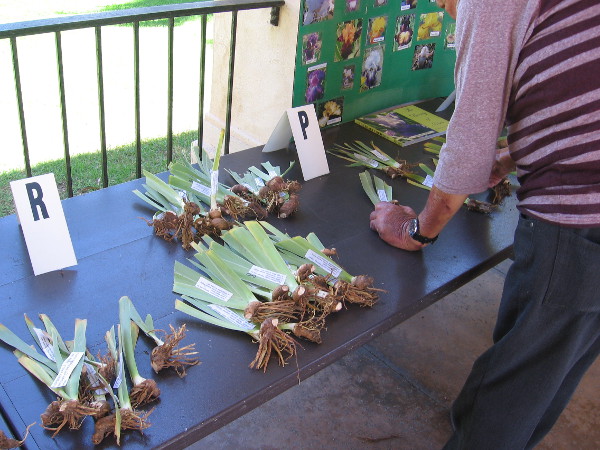
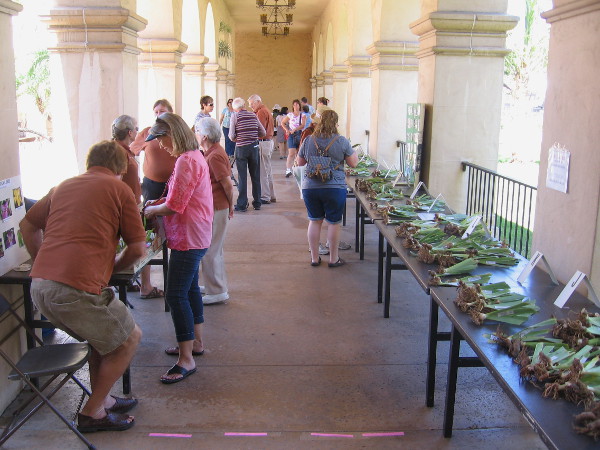
As you can see, I saw a lot of fun stuff today in Balboa Park. Included in the mix was the annual rhizome sale put on by the San Diego Iris Society. The folks I met were very friendly and eager to impart information about their fascinating, uniquely fulfilling hobby. After about ten minutes, I’d learned so much about irises my head almost popped!
The Iris Society has many members from around San Diego County, and features loads of fun events throughout the year. If you enjoy gardening, and irises in particular, check out their website! In May they’ll have their big flower exhibition in Balboa Park’s Casa del Prado, where spectacular blooms and arrangements will be on display for the general public. I recall walking through the free event in past years, and it’s spectacular!
Stick these guys in the ground and watch them grow! Irises are often called the poor man’s orchid. They thrive in San Diego’s climate.There are many existing hybrids, with many new types being introduced each year. The San Diego Iris Society is an affiliate of the American Iris Society.This is a four year clump. One can separate root clumps to create multiple individual plants!Visitors to Balboa Park were checking out the annual iris sale and dreaming of beautiful garden flowers!
…
Follow this blog for more random cool stuff in San Diego! Join me on Facebook or Twitter.
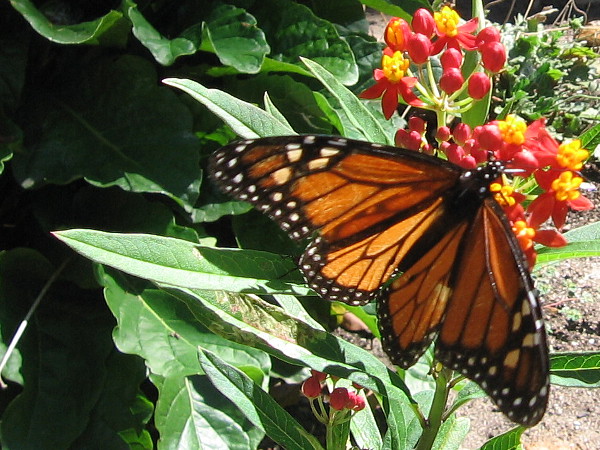
A monarch butterfly has found some milkweed. I snapped this photo just in time.
Early this afternoon I managed to capture some elusive living colors. I caught them with my camera, during a leisurely visit to Balboa Park’s beautiful Zoro Butterfly Garden.
Created in 1915 for the Panama-California Exposition, the unique amphitheatre-like stone grotto features meandering paths tucked beneath some shady trees. An easy stroll down into the hollow reveals a lush garden full of flowers specifically planted to attract butterflies. That wasn’t always the case. In 1935, during the California Pacific International Exposition in Balboa Park, this partially hidden area was called the Zoro Garden Nudist Colony!
In this peaceful garden you’ll experience monarch, sulfur and swallowtail butterflies, fluttering quickly past your astonished eyes. Most of the time, my old camera finger reacted much too slowly! But I got a few pics!
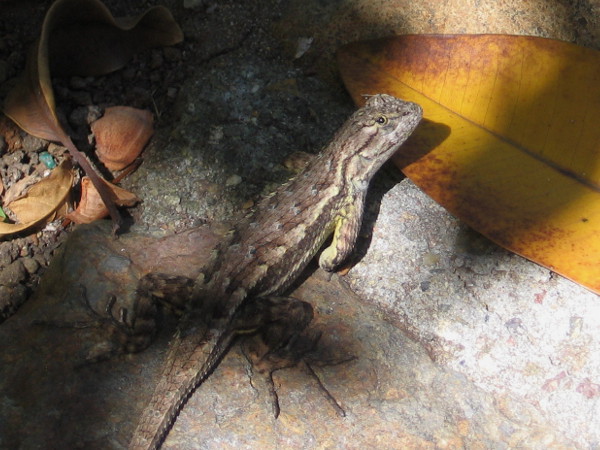
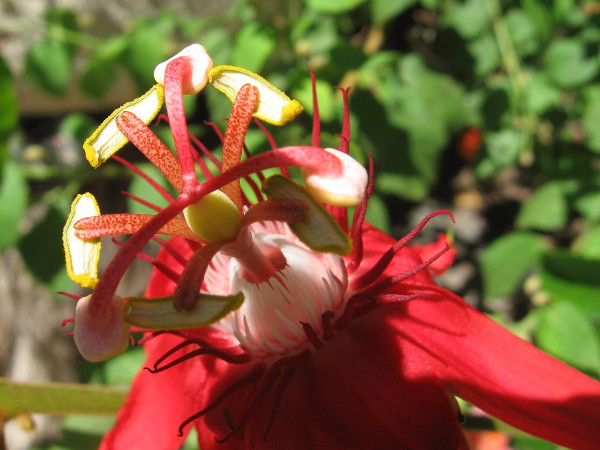
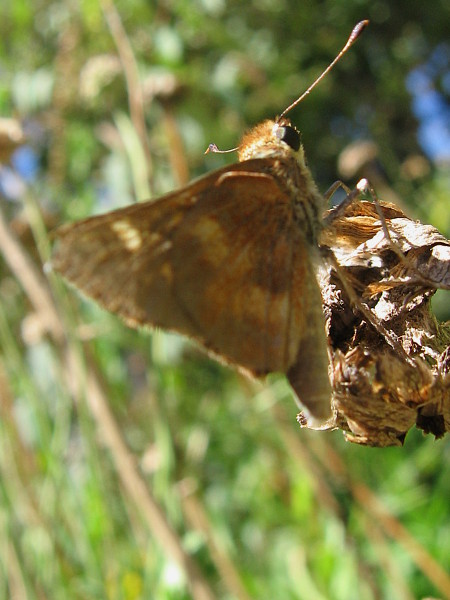
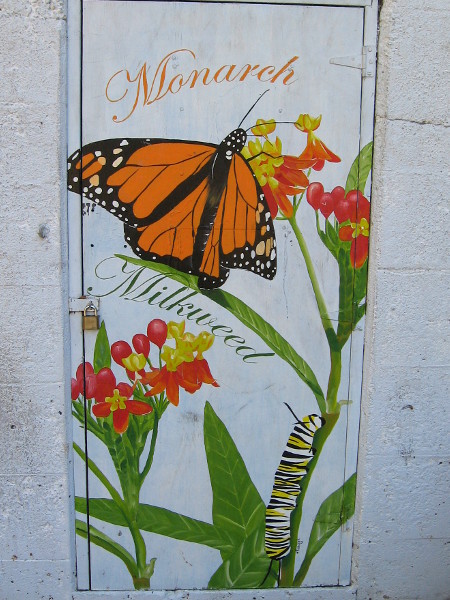
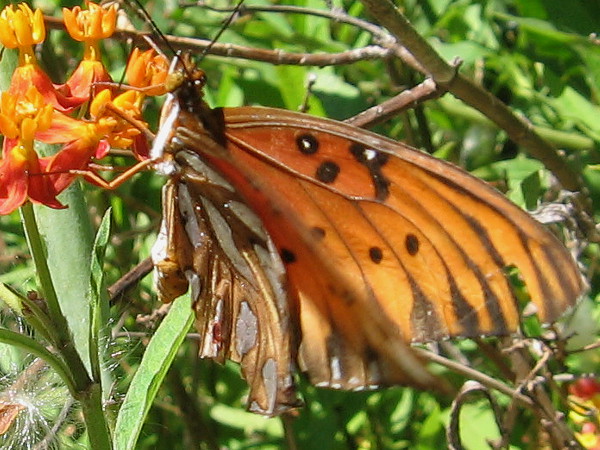
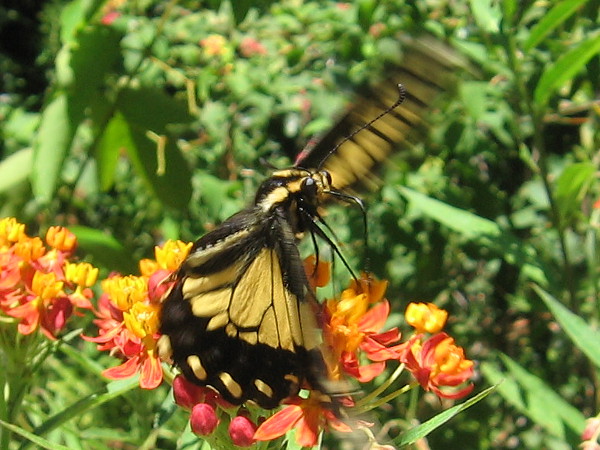
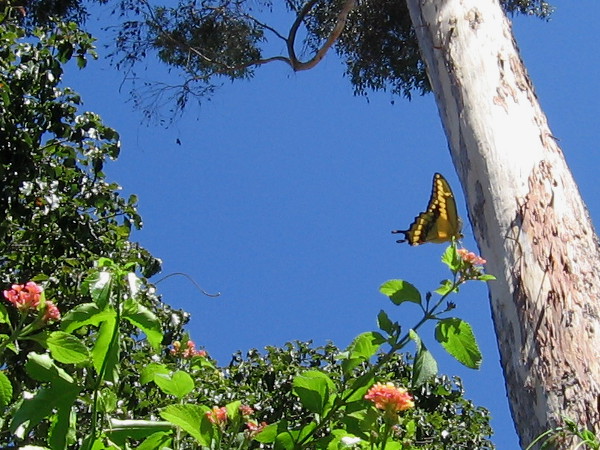
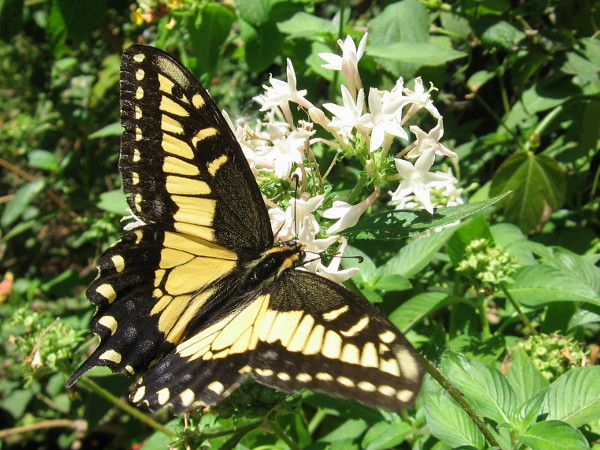
An artistic bird bath in the garden depicts leaves, flowers and butterflies, naturally!A tiny insect takes a walk on a sweet sun-yellow carpet.Zoro Butterfly Garden contains rustic, ragged beauty along its stony walkways.This sneaky lizard would’ve been happy to capture a quick butterfly, too! I don’t know if he had any luck.Cool close-up photo of red passion vine flower.I’m not sure who this guy is. Is it a Mourning Cloak? Some kind of moth? If you know, leave a comment.Sunlight reflects from a butterfly winging past some weathered public art in a section of the garden.Painted mural in Balboa Park’s Zoro Butterfly Garden shows an Orange-barred Sulphur and Cassia.Another section of this informative artwork depicts Passionvine and a Gulf Fritillary.A third section shows that Monarch butterflies are attracted to Milkweed.The underside of this Gulf fritillary almost looks like a torn, crumpled brown leaf.A swallowtail butterfly takes flight!Looking upward from the lush hollow where butterflies thrive, toward blue sky and fluttering, living color.An Anise Swallowtail spreads its wings on a glorious day in San Diego’s wonder-filled Balboa Park.
…
Follow this blog for more photos of cool stuff! Join me on Facebook or Twitter.
Visitors stroll through endless natural beauty at the Japanese Friendship Garden in Balboa Park.
Please enjoy the following photographs. They were taken today at the Japanese Friendship Garden in San Diego’s wonderful Balboa Park. As you can plainly see, natural beauty is abundant in this amazing garden. I hope you have a chance to visit.
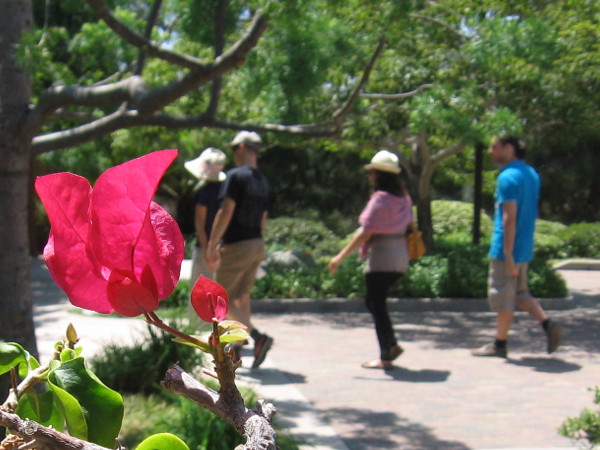
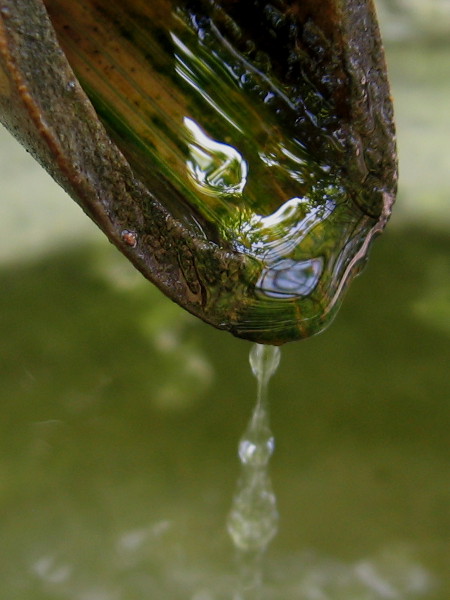
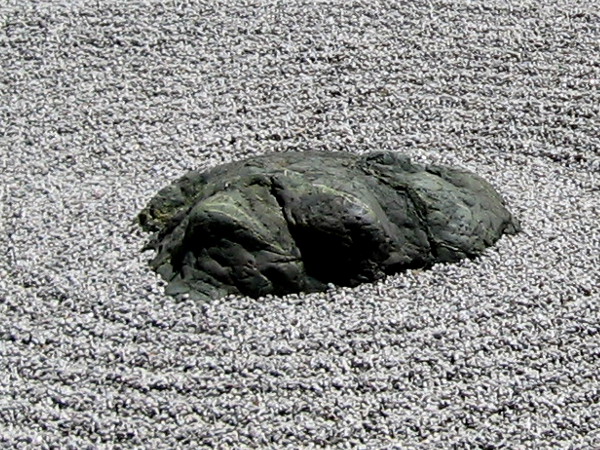
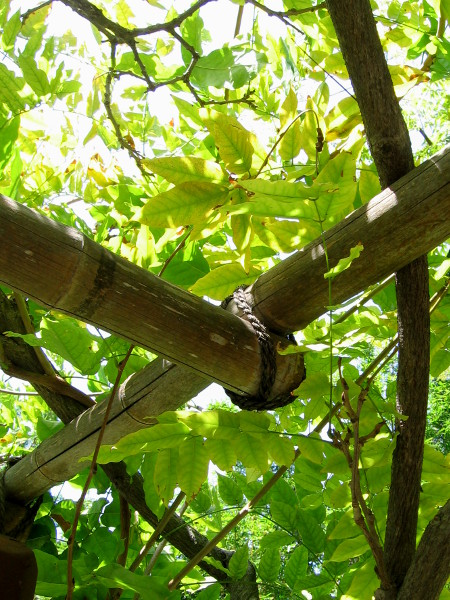
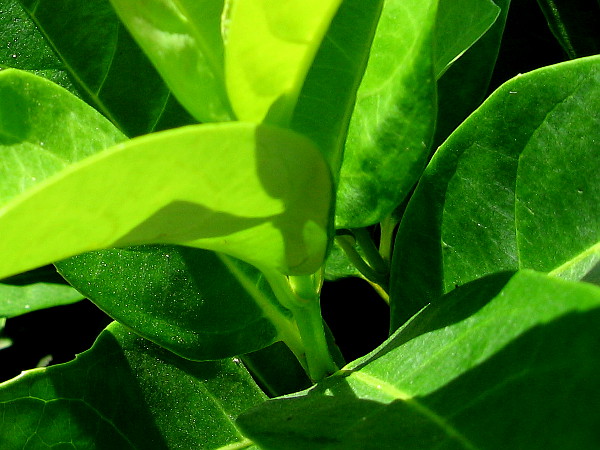
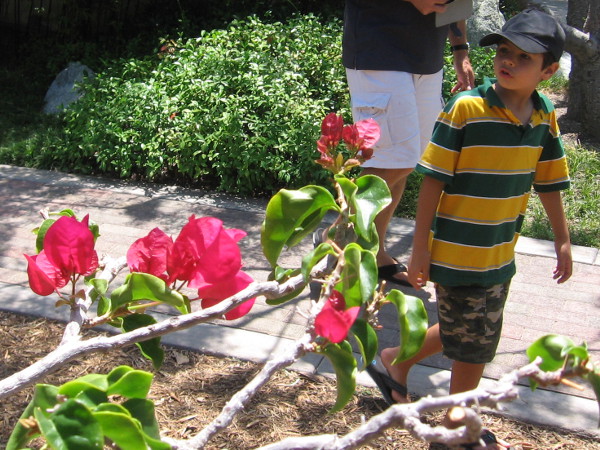
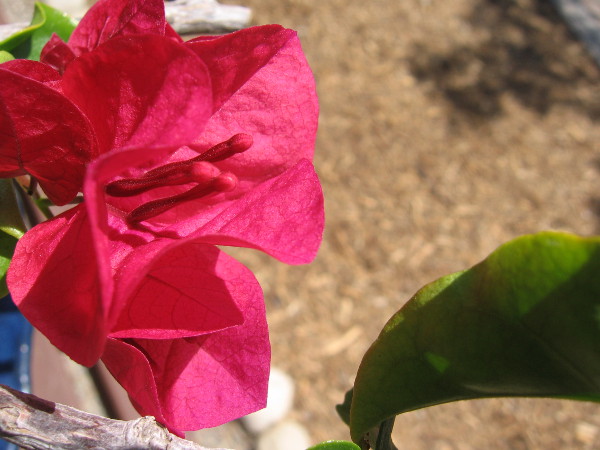
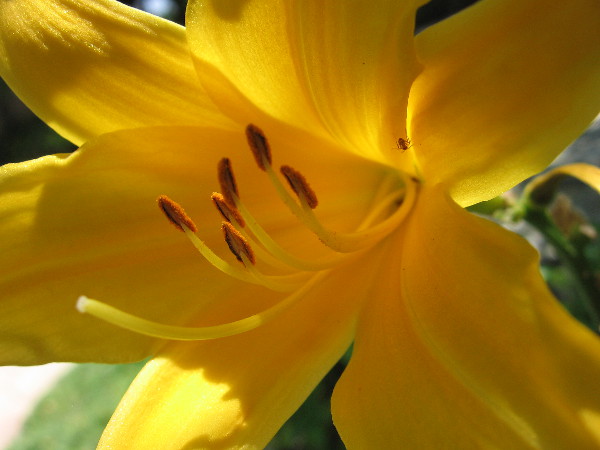
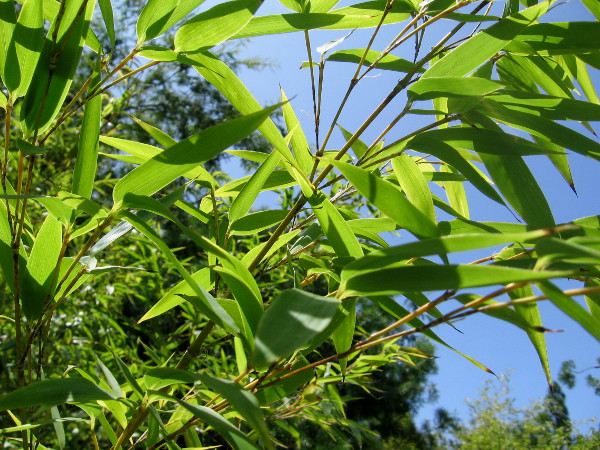
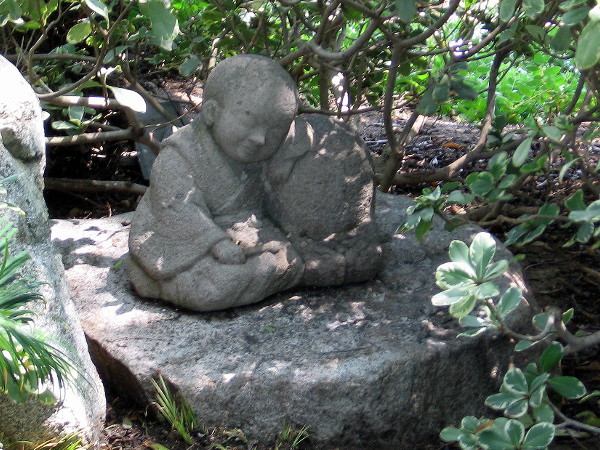
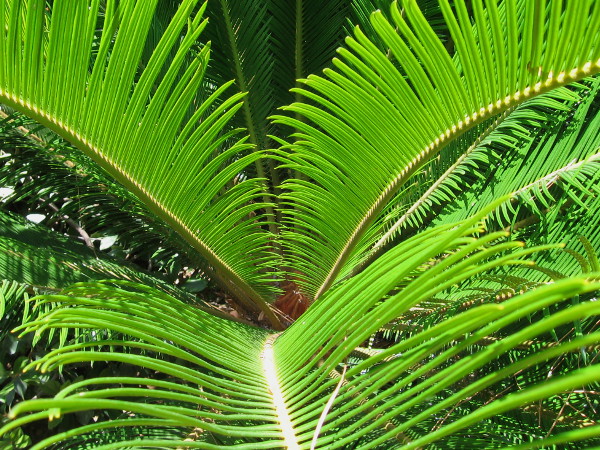
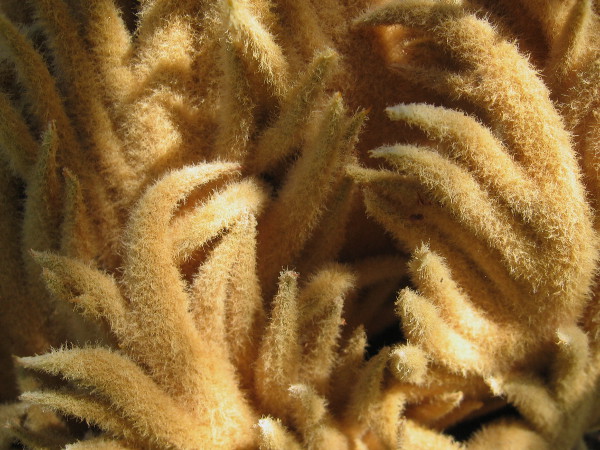
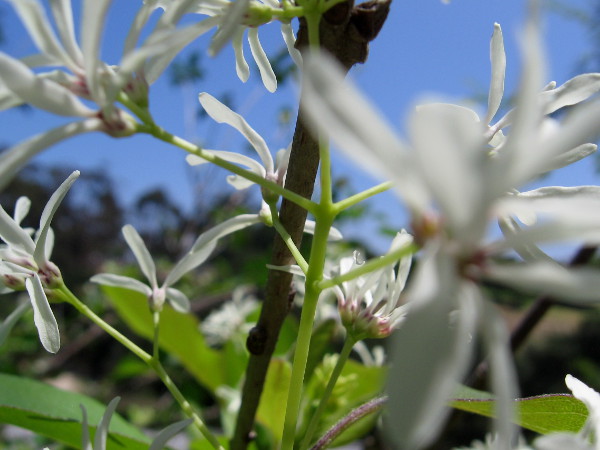
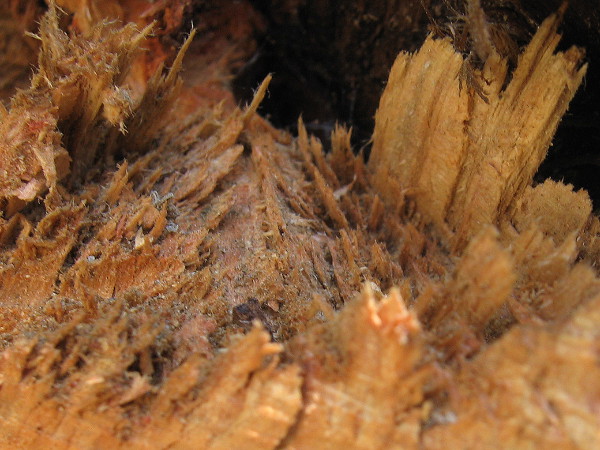
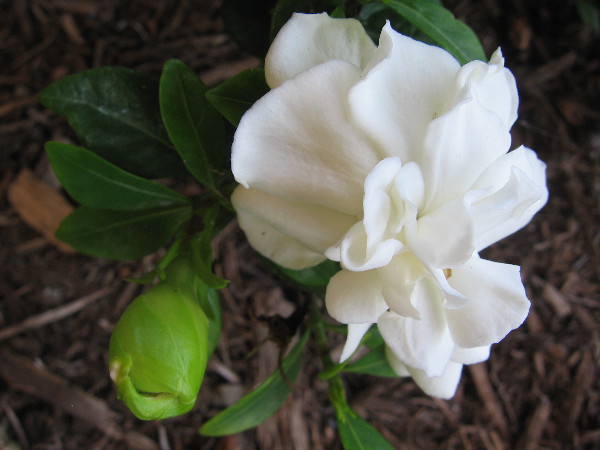
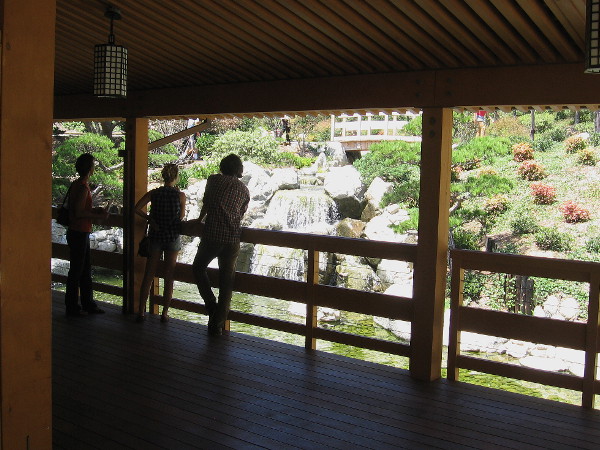
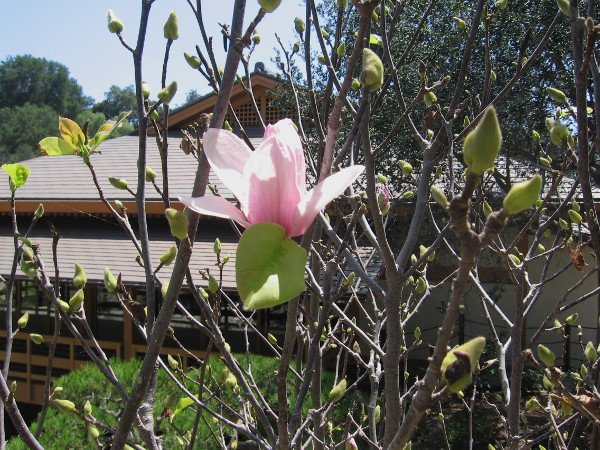
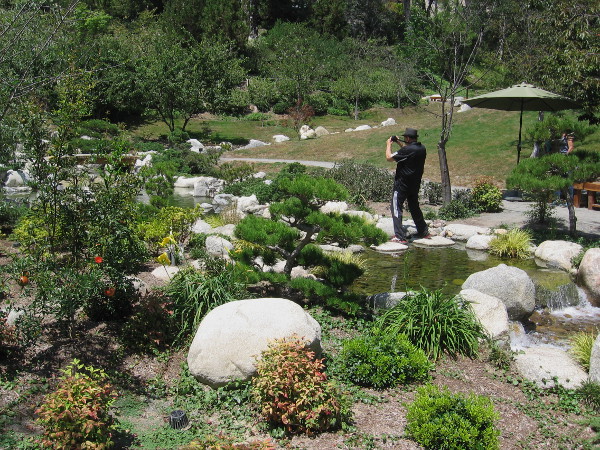
Gleaming droplets of water descend from a hollow bamboo kakei into the tranquil, cleansing tsukubai basin.Even age and imperfections in this fallen leaf are beautiful beyond description.A rocky island, seemingly, in the Karesansui Dry Stone Garden, with carefully raked gravel inviting meditation.Looking upward into the sunlit leafy canopy near the koi pond.The day’s light makes striking patterns of living green.Bright red bougainvillea bracts catch the eye of a young person walking through the Japanese Friendship Garden in San Diego.Bougainvillea red is an especially beautiful sight in the bonsai garden.A yellow day-lily which is growing near the Charles C. Dail Memorial Gate.Bamboo leaves flutter in the gentle San Diego breeze.This small sculpture is a mystery according to one of the groundskeepers. It was placed in the garden by someone unseen. The sculpture might be a young Buddha. It might have been placed here by someone who lost a child. No one seems to know its history.Bright green palm fronds produce instant human delight.Close-up photograph of the amazing, strange seed pod of a sago palm.Delicate white flowers of the star jasmine seem to have descended into this world from a heavenly place.Close-up photo of torn wood fibers where a dead tree limb finally separated from the trunk.Water cascading over stone shines in the sunlight. A small gentle river flows through the bottom of the spacious garden canyon.Looking down through magical, jewel-like water.Jumbled leaves have turned many colors.Nature’s fantastic patterns are evident everywhere you turn in the amazing Japanese Friendship Garden.After being corrected by a great reader, this appears to be a gardenia. I first thought it might be a white azalea! That shows you how much I know!Visitors at the Japanese Friendship Garden stand in the shade of the Inamori Pavilion looking down at a pleasant waterfall.A pink saucer magnolia bloom and buds. In the background you can see the new Inamori Pavilion, which opened this year.Another photographer was recording the carefully arranged natural beauty at the Japanese Friendship Garden.Even dry brown curled leaves can take one’s breath away.Leaves and shadows of leaves.If one small place can contain such abundant wonder, imagine what the vast universe holds.Natural beauty at the amazing Japanese Friendship Garden
…
Follow this blog for more photos of amazing and beautiful things! Join me on Facebook or Twitter.
With love and (what seems) magic we can actually change the entire world. I’m absolutely serious.
Here’s a very short story I wrote a couple months ago. It seems to affect people deeply. I’m going to reblog the story just this once. Perhaps you might enjoy reading it. The story is titled An Unexpected Sunflower. Simply click the link. As you will see, you can truly change the world.
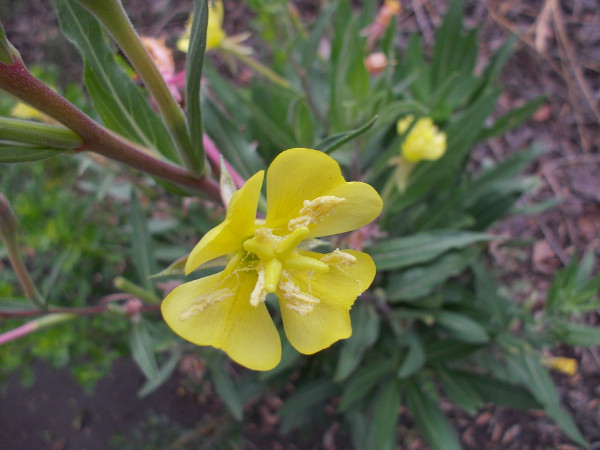
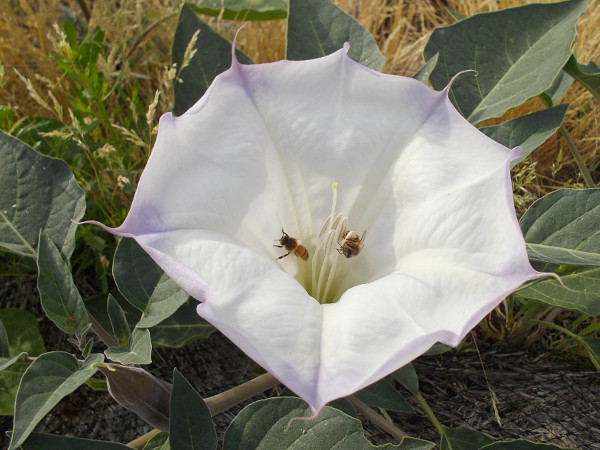
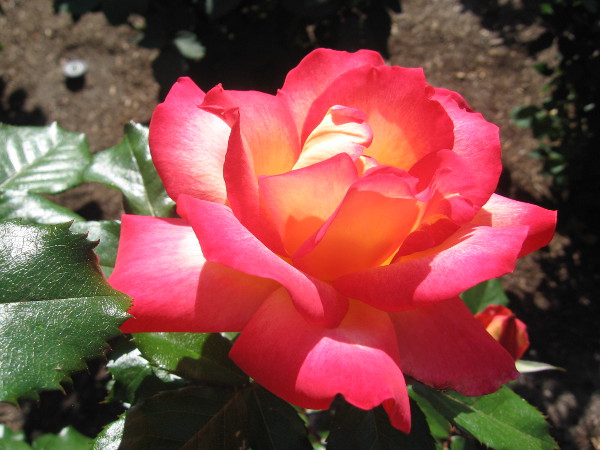
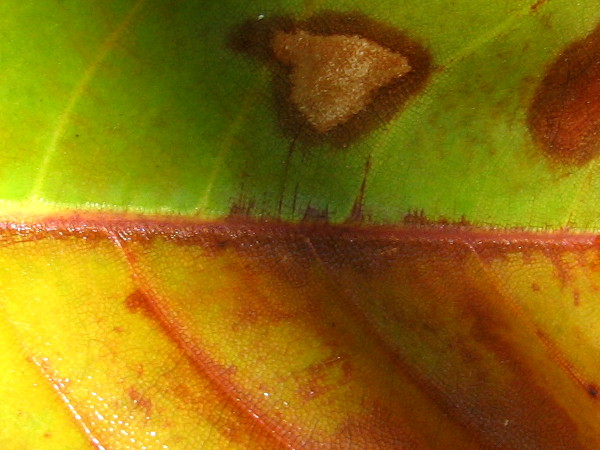
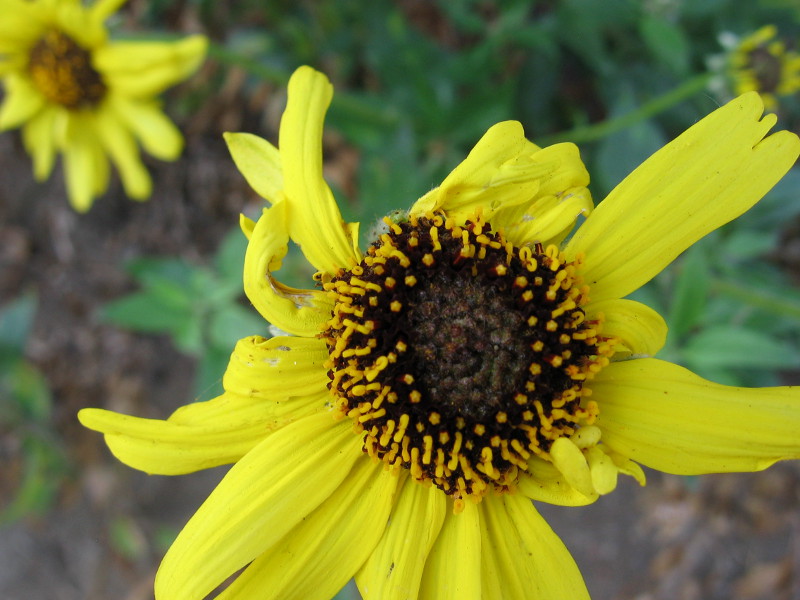
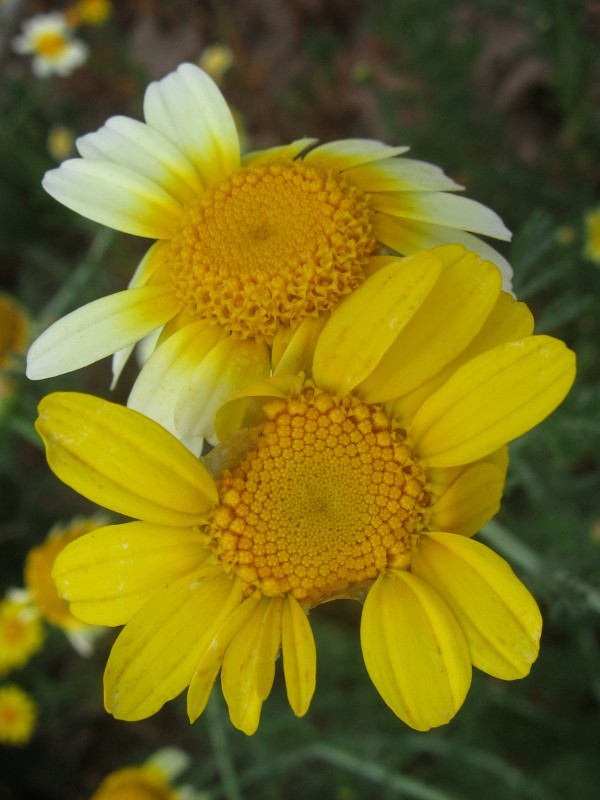
I was struck by the strange beauty of these two photographs. Both had been forgotten. They’re just small glimpses of the world that were stored in my computer; I don’t recall where or when I took them.
What is perfection? To be perfect is to exactly match a defined ideal. So it’s illuminating that in a world where almost nothing is considered perfect, beauty can be seen everywhere. At every moment, throughout life. Age, wear, a wrinkle, a missing petal: and the beauty persists, flourishes. For beauty to be seen, just open eyes. Open them wide. This world’s beauty is even more simple than a lifeless ideal. And more substantial.
Stick together. An easy way to add a few missing petals.
…
Enjoy random observations and fun photos! You can follow this blog on Facebook or Twitter.










 Cool San Diego Sights!