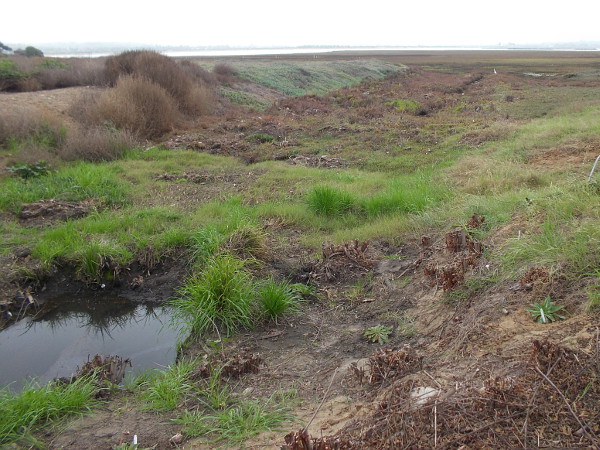
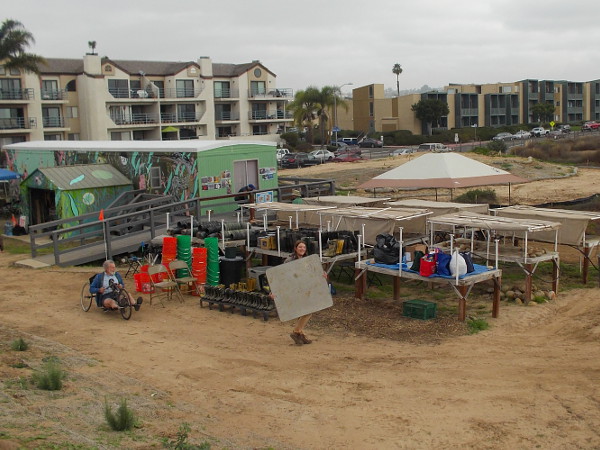
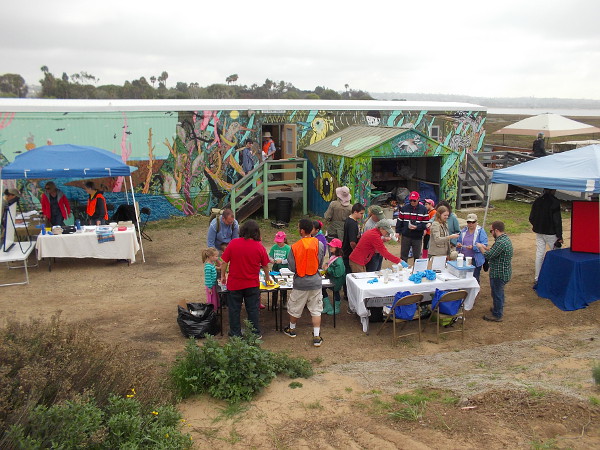
Love Your Wetlands Day took place in Pacific Beach at north Mission Bay’s small Kendall-Frost Marsh.
Late this morning I headed up to Pacific Beach to experience Love Your Wetlands Day. The annual event provides a once-a-year opportunity for the public to visit the protected Kendall-Frost Marsh, which lies in the north part of Mission Bay.
I was really impressed by the efforts underway by the San Diego Audubon Society and the UC Natural Reserve System to restore this wetland, and by all the people who showed up for the event. Hopefully my blog will help raise awareness about this very important project.
I definitely learned a lot! Please read the photo captions . . .
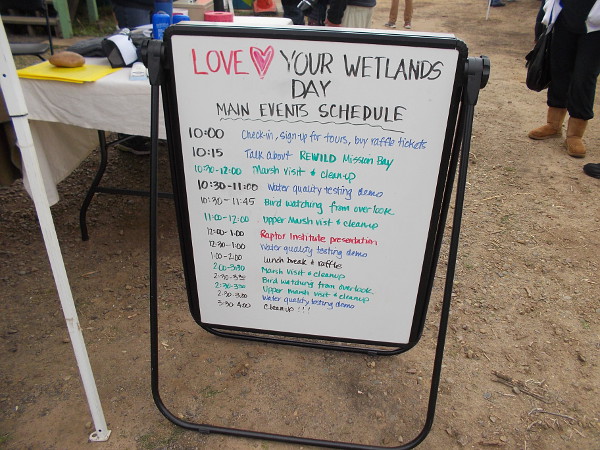
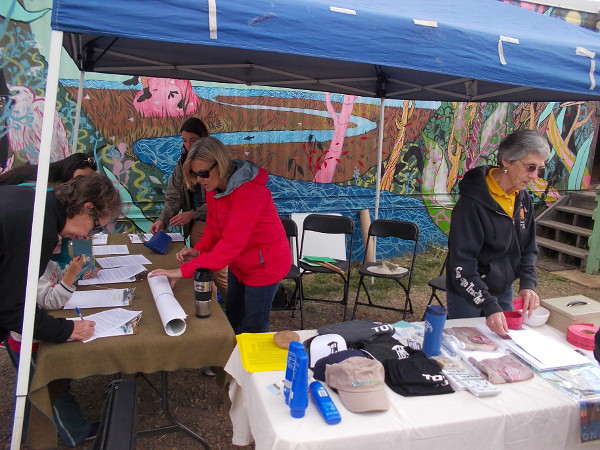
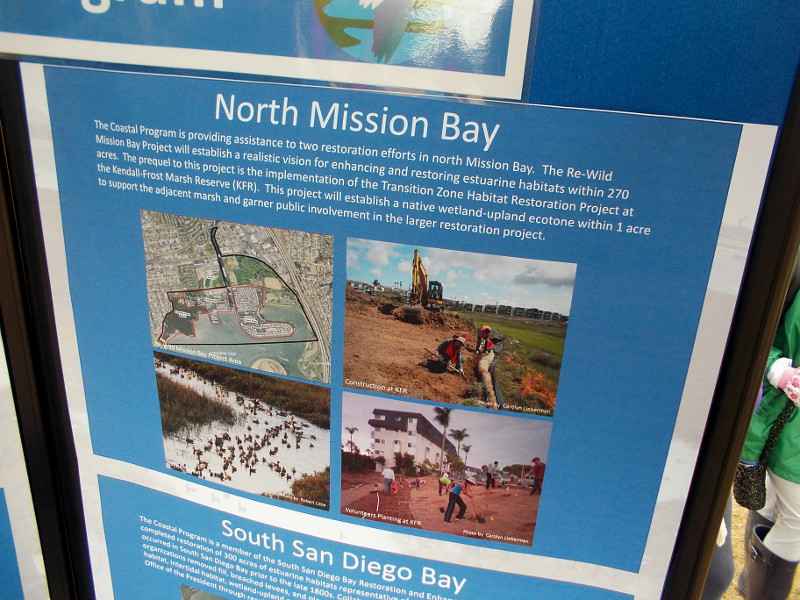
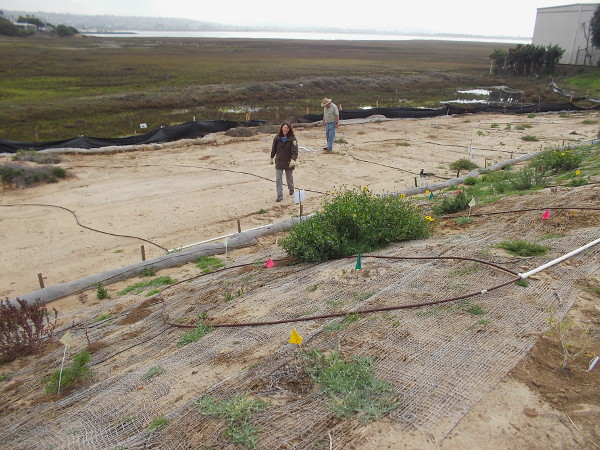
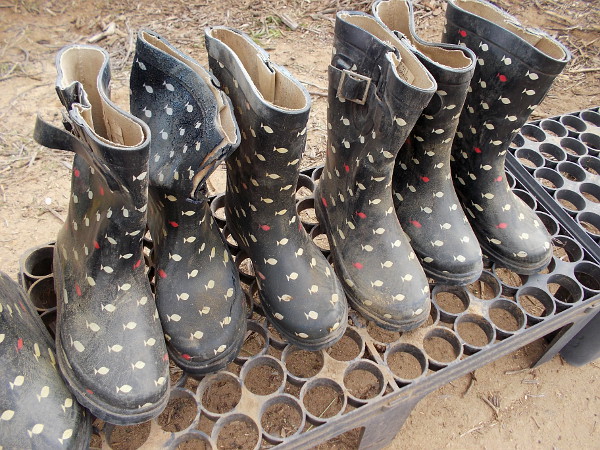
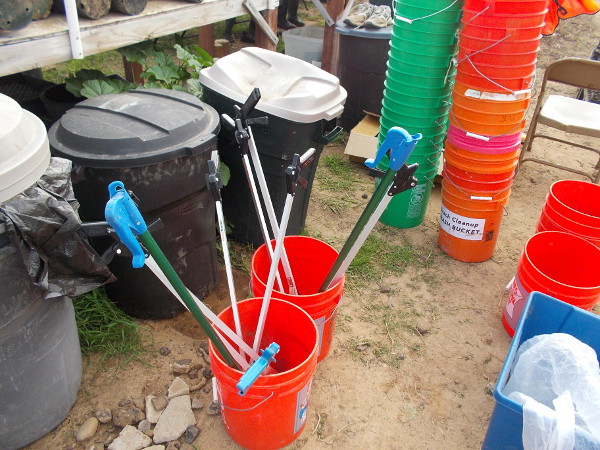
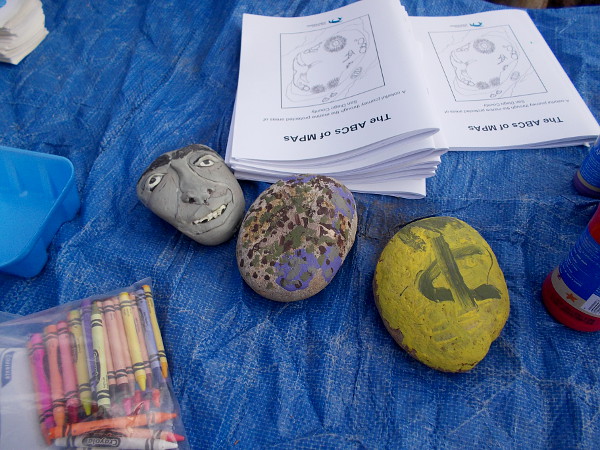
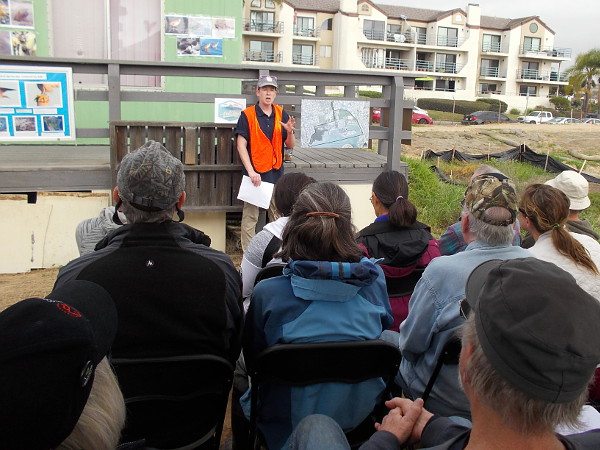
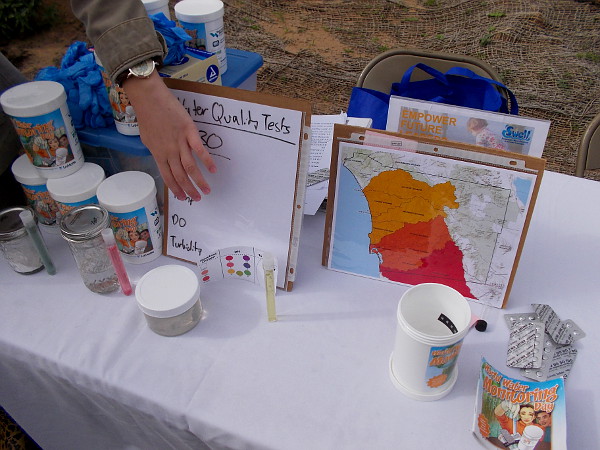
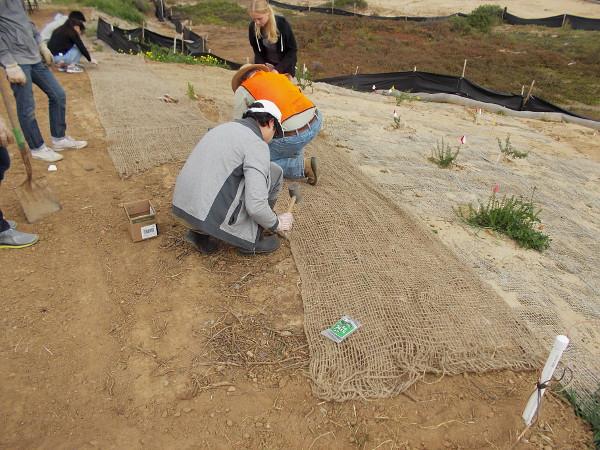
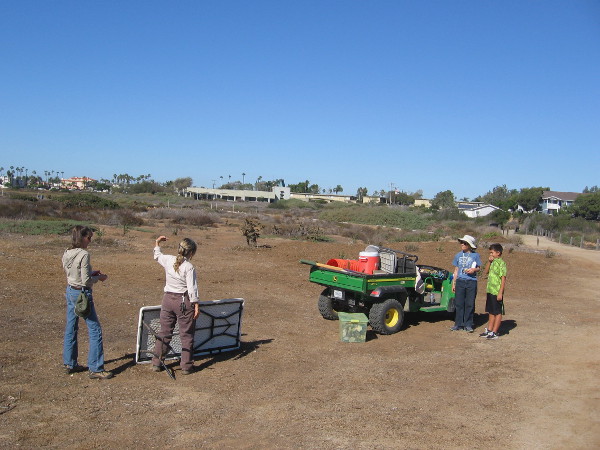
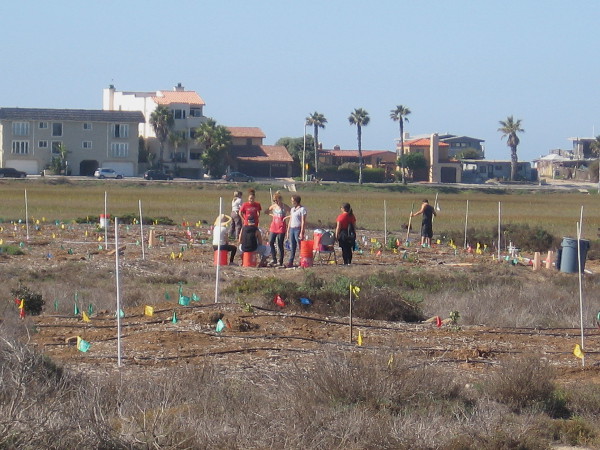
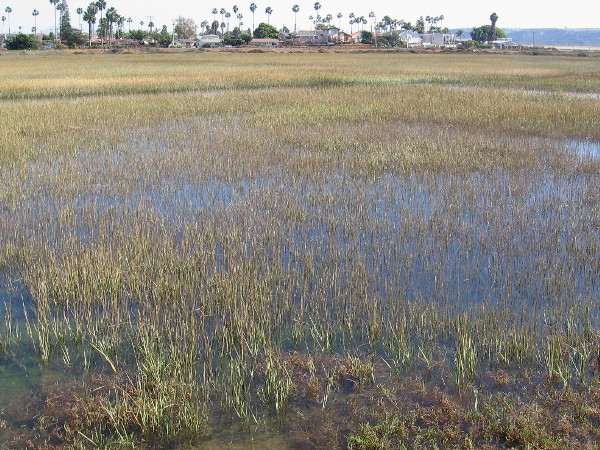
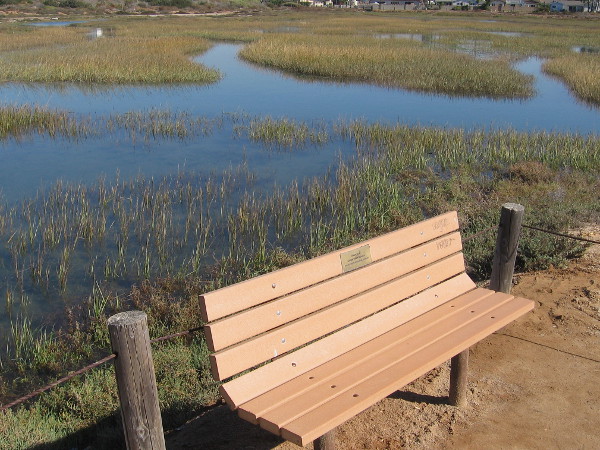
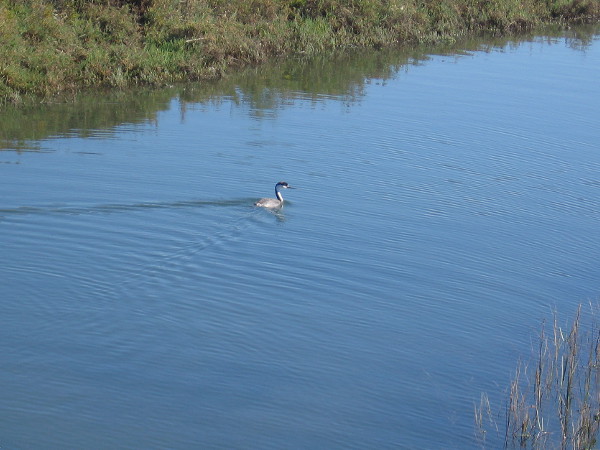
The Kendall-Frost Marsh is being restored into a healthy wetland by the San Diego Audubon Society and the UC Natural Reserve System with the help of volunteers.The slough is a prime location for birdlife. Many different birds can be spotted in this protected wildlife refuge, which is usually off-limits to the public.Photos of bird sightings on the surrounding fence.I arrived a bit early to the event, and watched from the nearby street as last-minute preparations took place.A sign welcomes visitors to Love Your Wetlands Day. Lots of activities included bird watching, a water quality testing demo, and a marsh clean-up.People sign in to the event. A few lucky attendees won raffle prizes!The San Diego Audubon Society had a table at the special outdoor event.Information at the U.S. Fish and Wildlife Service Coastal Program exhibit shows the marsh boundaries and restoration efforts.This super cool volunteer at a fun kids activity table gave me the thumbs up!A nearby area where native vegetation is being carefully restored.These plants will eventually be transplanted into the marsh.A look across the marsh southward, toward the greater part of Mission Bay, a large urban recreational park in San Diego.As the event gets underway, many energetic people arrive.Fun nature mural on side of the Kendall-Frost Reserve Trailer in Pacific Beach!Many photos around the exterior of the trailer show insects, flowers, birds and other wildlife that make the marsh their home.A row of waterproof boots awaits volunteers.Putting on some boots before heading out into the muddy, mucky marsh!Tools that are used to remove trash from the environmentally sensitive marshland.A fun art project for kids involved creatively decorating stones!Speaker describes how the ReWild project of the San Diego Audubon Society is working to restore important wetlands in the northeast corner of Mission Bay.A chart at one table shows types of pollutants found on the beaches of San Diego.Water quality tests include monitoring pH, temperature, oxygen content and turbidity.Folks are heading every which way, learning about the marsh and setting about to help restore it!Walking over to collect a water sample. The Kendall-Frost Mission Bay Marsh Reserve habitats include coastal sage scrub, south coastal salt marsh, tidal channels, salt flats and mudflats.Water from a storm drain is collected by volunteers for testing.After putting on boots and grabbing buckets, a gang of volunteers is out in the marsh seeing it up close and removing unwanted debris.Netting is laid down by more volunteers to help prevent erosion during rain. A big storm is coming tomorrow!Love Your Wetlands Day was a great opportunity for the public to help preserve and enhance the Kendall-Frost Marsh!
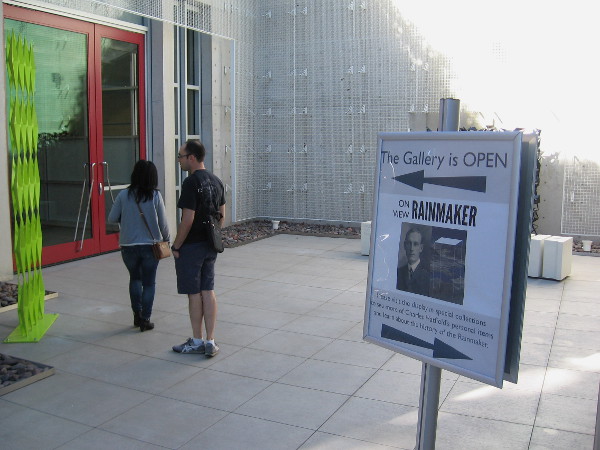
The 9th floor gallery at San Diego’s Central Library features an art exhibit called RAINMAKER. The theme is water, drought and climate change.
RAINMAKER is a fascinating, thought-provoking art exhibition at downtown San Diego’s Central Library. Because it will be coming to a close this weekend, I recently headed to the library’s 9th floor gallery to check it out.
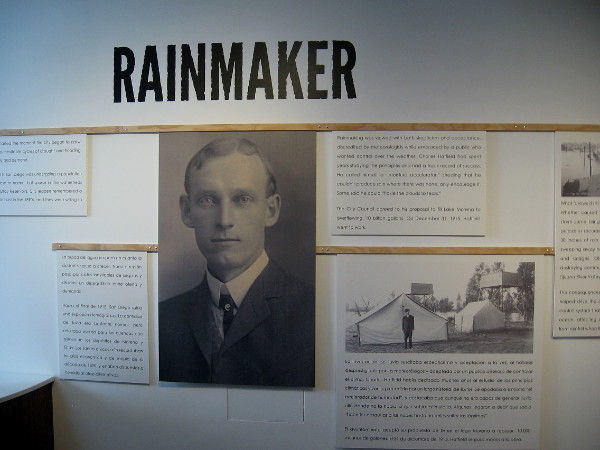
Charles Hatfield was hired by the city of San Diego a hundred years ago to produce much-needed precipitation in order to fill Lake Morena. He might or might not have created the torrential rains and catastrophic flooding that followed his efforts at “moisture acceleration”. Was Hatfield an actual scientist or a charlatan? The question remains open.
This art exhibition focuses on the importance of water in our arid region, and how people affect and are influenced by the environment. Twelve local artists have contributed pieces which touch upon this theme. RAINMAKER is especially relevant today, considering San Diego’s current long drought, and the threat of coming winter storms caused by a strong El Niño that has developed in the Pacific Ocean.
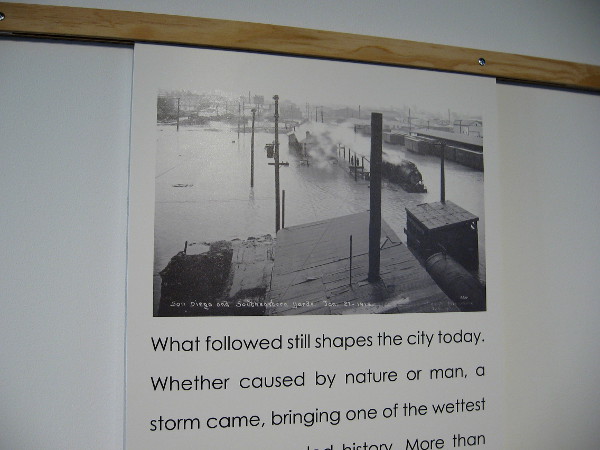
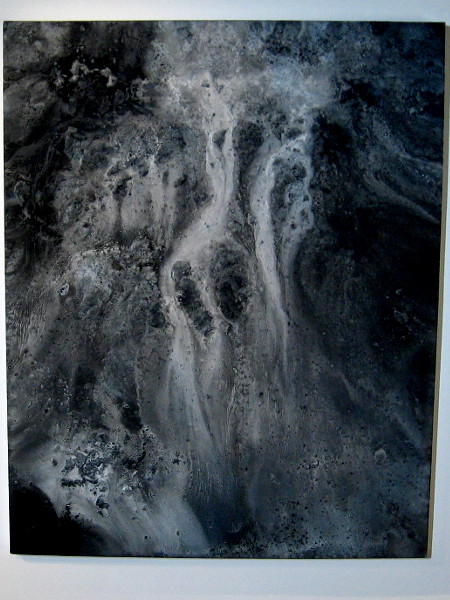
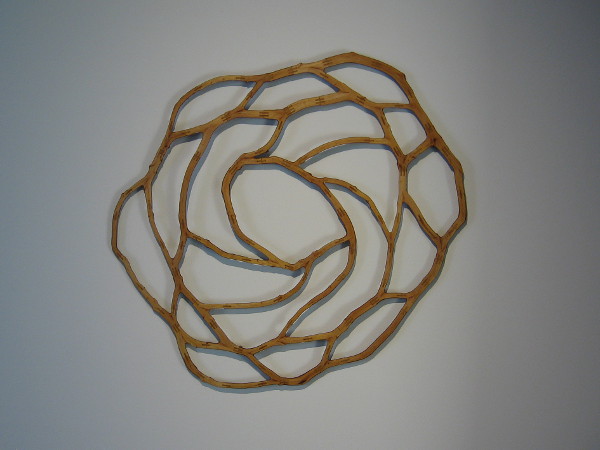
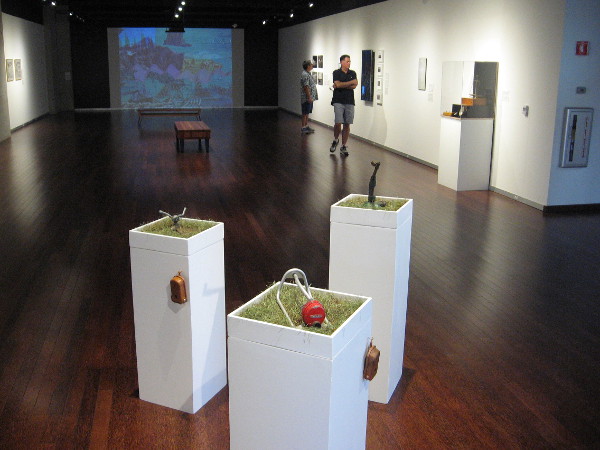
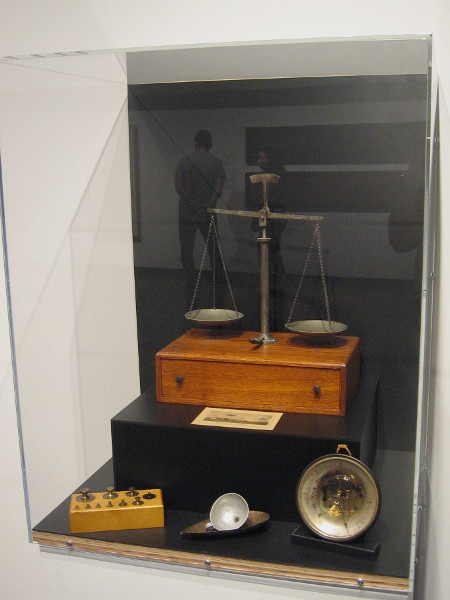
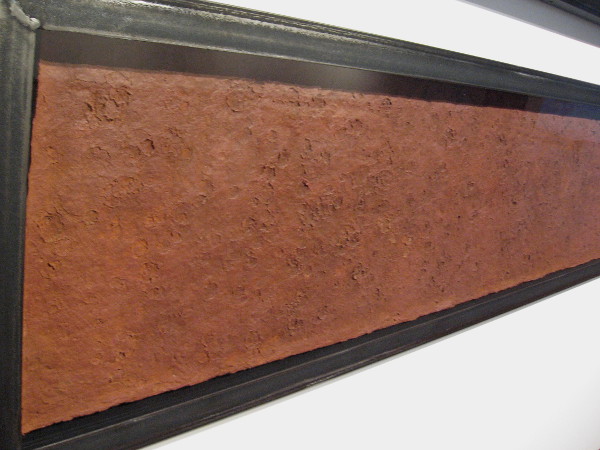
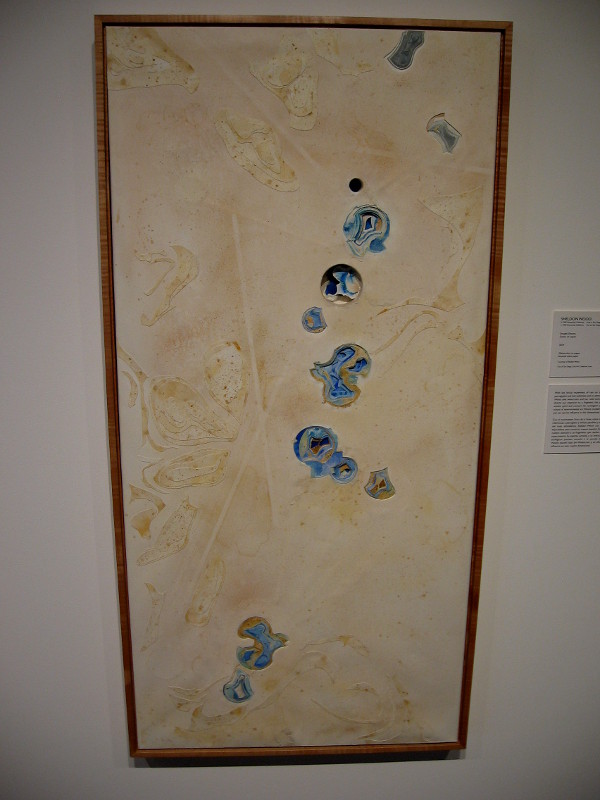
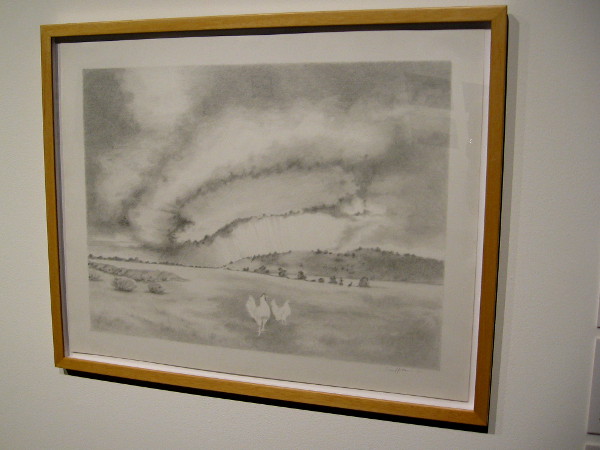
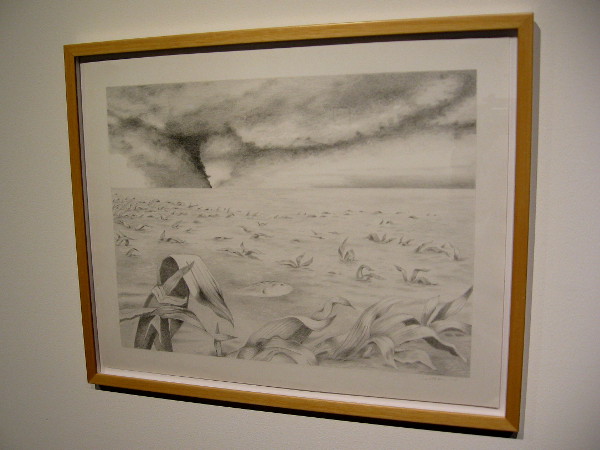
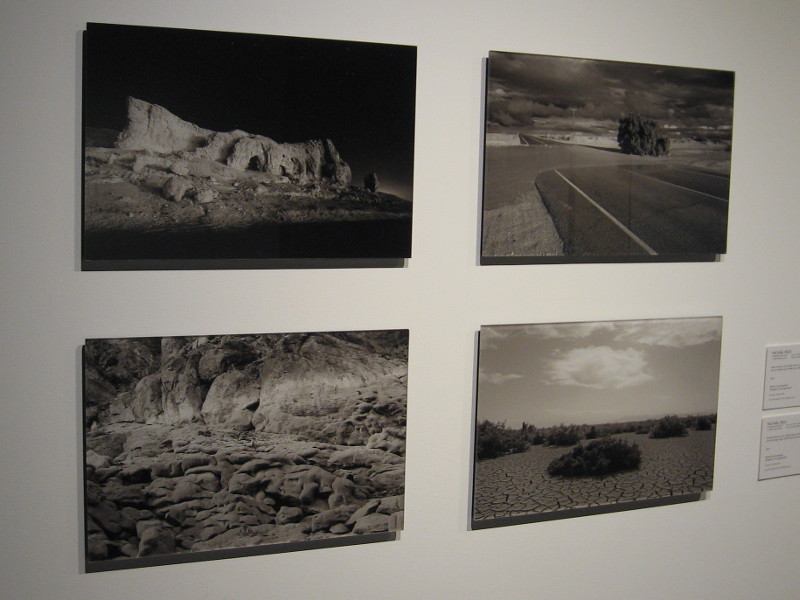
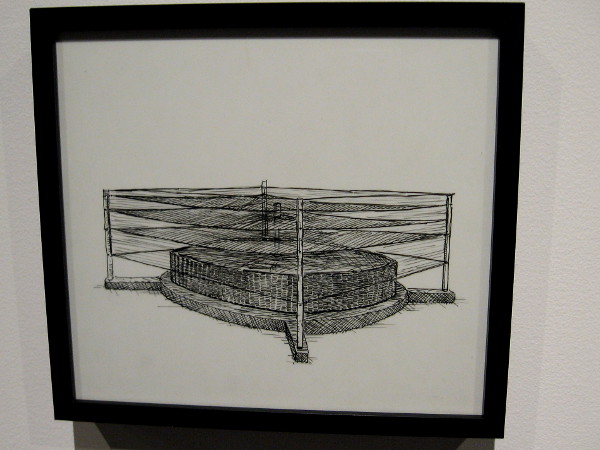
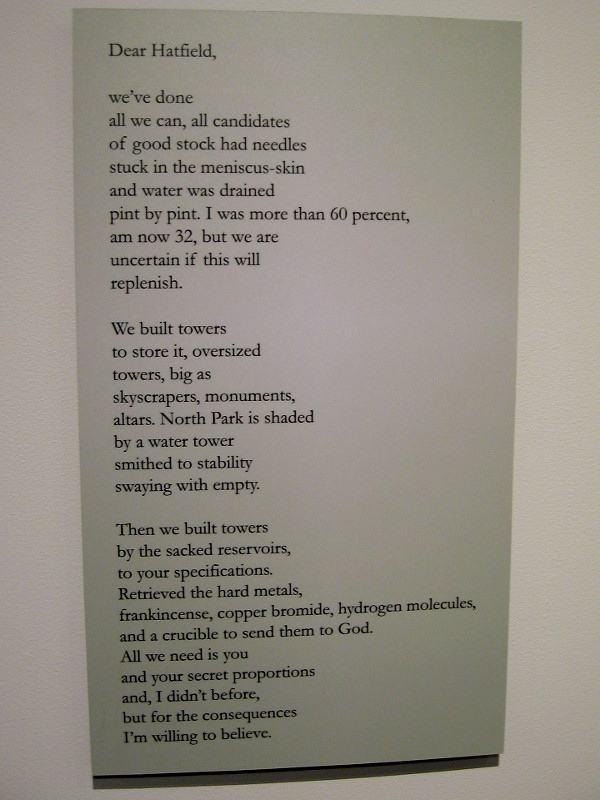
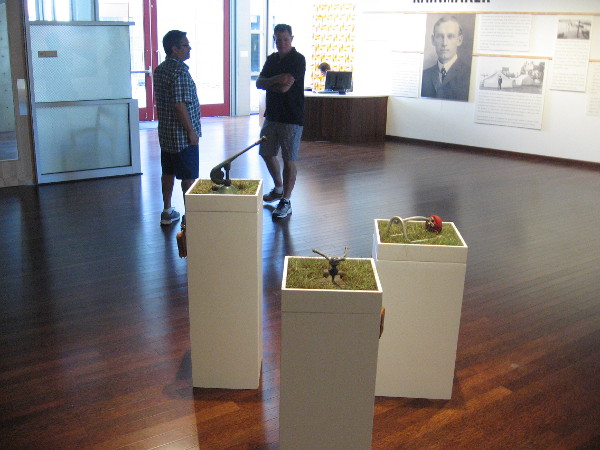
Charles Hatfield, self-proclaimed rainmaker, was hired by the city of San Diego in 1915 to fill Lake Morena reservoir during a severe drought. Record rain and floods ensued. Was this a coincidence?Photo at RAINMAKER exhibition shows catastrophic San Diego flooding caused by over 30 inches of rain in 1915.Adam Belt, Willow Wash, 2015. Paint, graphite and reflective powder on canvas. Where is the boundary between science and magic?Roman de Salvo, Joinery Blossom, 2013. Chinese elm, glue. Metaphor of Earth’s ecosystem, with networks of family, community, interdependence.Eva Struble, Navy Yard, 2011. Oil and acrylic on canvas. This piece emerged from a trek through Brooklyn’s Navy Yard. A vision of decay that is also expansive, waiting.Margaret Noble, I Have Arrived, 2015. Mixed media installation with 3 pedestals, 3 plant boxes, 3 sprinklers, and 3 handheld audio players. Lawns have been a symbol of status in society.Tools of the Rainmaker. The scales, measuring scoops and barometer in this case were donated to the San Diego Library in 1972 by Paul A. Hatfield, brother of rainmaker Charles M. Hatfield.Jim Wilsterman, Rain Event #10, 2011. Earth, fiber, raindrops. Somewhere between photograph, sculpture and painting, this art has recorded rainfall using clay and mud.Sheldon Wood, Drought Dreams, 2014. Watercolor on paper. With the lyrical movement of rain on a hot surface, references to petroglyphs and lost sinkholes, and an atmospheric perspective…Lisa Hutton, Supercell with Chickens, 2013. Graphite on paper. Environmental artwork depicts storm clouds.Lisa Hutton, A Flood and a Fire, 2013. Graphite on paper. The catastrophic effects of environmental disasters.Four pigment ink photographs of desert environment by Michael Feld record beauty and natural history.Dominic Paul Miller, rain gatherer, 2008. Ink on mylar. Part of a larger body of work concerning uranium mining and the Navajo Nation, who have scant access to running water.Gabriel Kalmuss-Katz, Dear Hatfield, 2015. Speculative writing. Reflects modern anxiety associated with urbanization.RAINMAKER, a fascinating art exhibition at San Diego’s Central Library, continues through November 29.
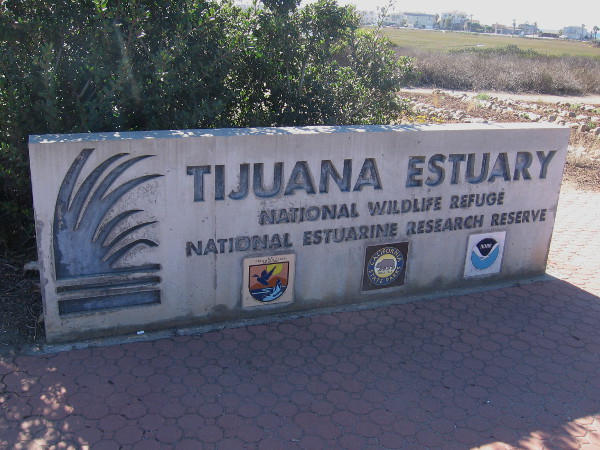
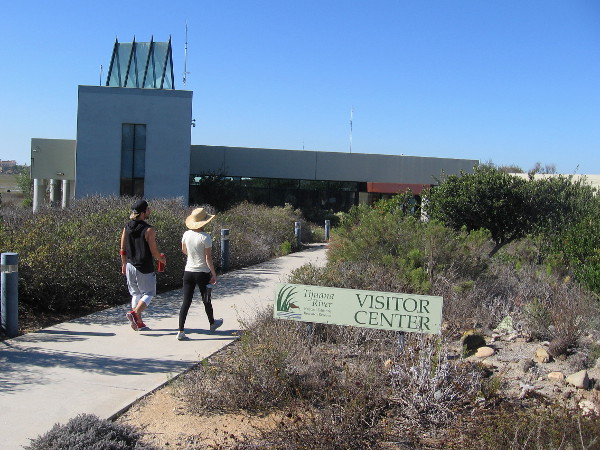
Sign near the entrance to Visitor Center of Tijuana Estuary, home of a National Wildlife Refuge and National Estuarine Research Reserve.
What place in North America officially contains the most plant and animal species? You don’t know? San Diego and the Northern Baja California region!
Yesterday I took a nature walk around and through the northern section of the Tijuana River Estuary. The large estuary, which is located at the extreme southwest corner of the continental United States, where the Tijuana River empties into the Pacific Ocean, contains abundant life which reflects San Diego’s amazing biodiversity and range of habitats.
The Tijuana Estuary is not only a place of tranquil beauty, but it’s a scientific laboratory, protective refuge, and outdoor classroom where the public can learn about our natural environment. It’s managed by several agencies, including the NOAA National Estuarine Research Reserve System, the California Department of Parks and Recreation, and the National Wildlife Refuge System under the U.S. Fish and Wildlife Service.
I absorbed so much information while walking about, reading signs, and listening to a volunteer guide during a short nature walk near the Visitor Center, that I couldn’t possibly convey it all on my blog. So I’ve selected some photos and have captioned them so you’ll get the gist of what I saw and learned. And hopefully you’ll want to visit, too!
Relatively few people partake of the scheduled weekend nature walks at the Tijuana Estuary Visitor Center. Joan, the plant expert, said that some days nobody shows up. What a shame. Because there’s so much beauty, so much to see.
I strongly encourage anyone who lives in the San Diego area to head down to Imperial Beach and take a long, leisurely walk where life thrives!
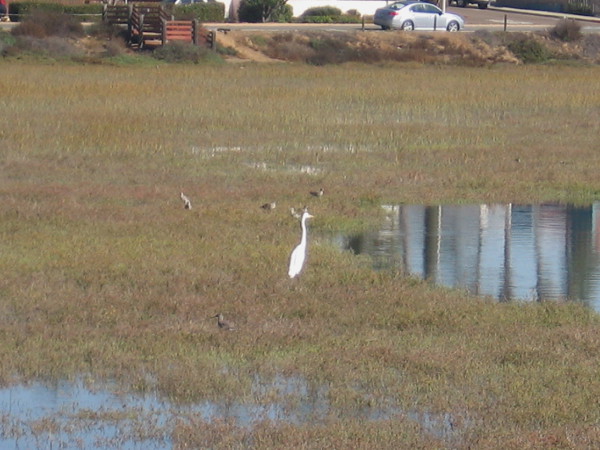
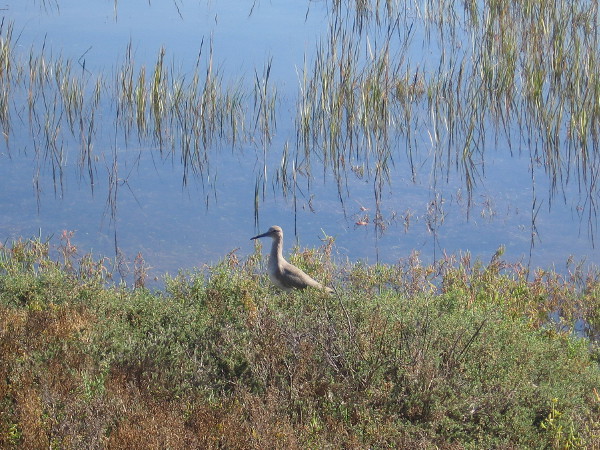
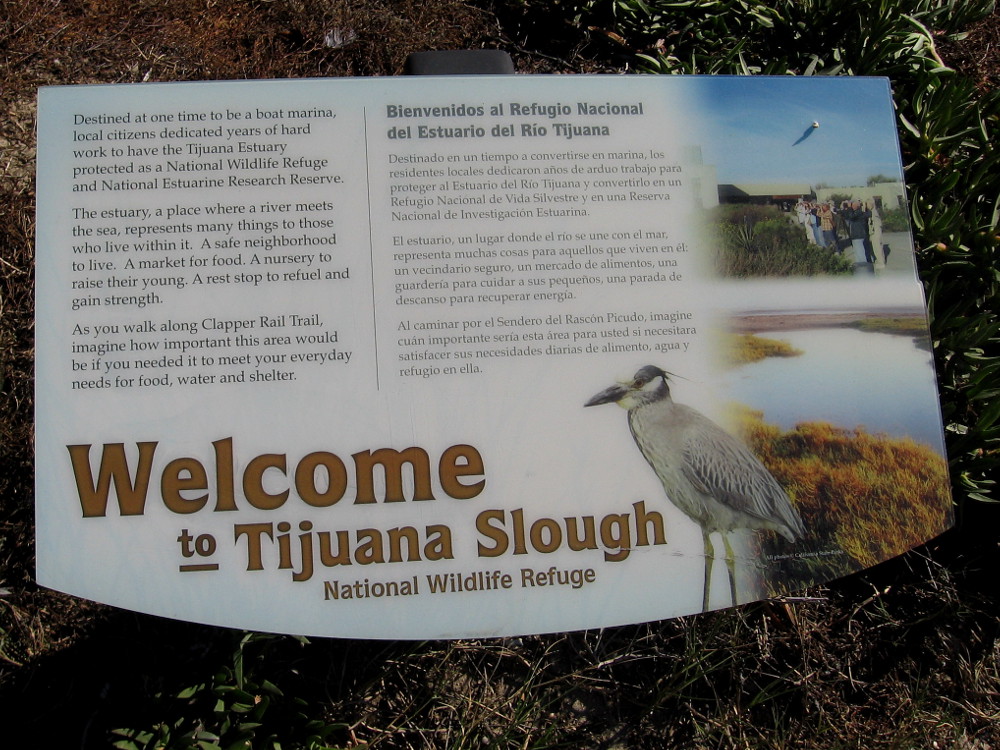
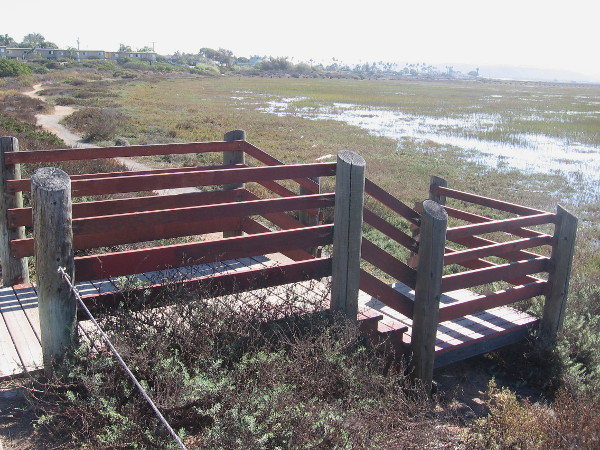
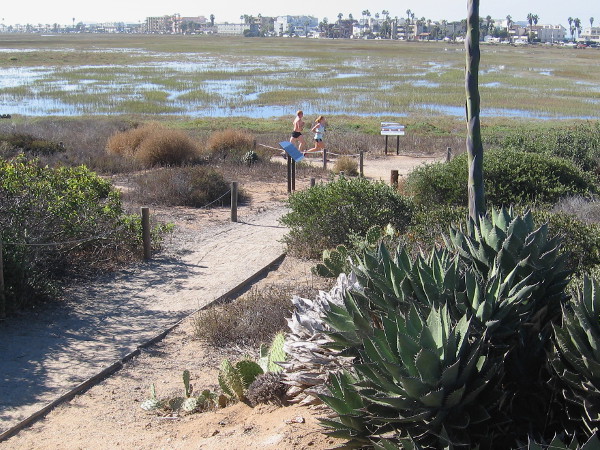
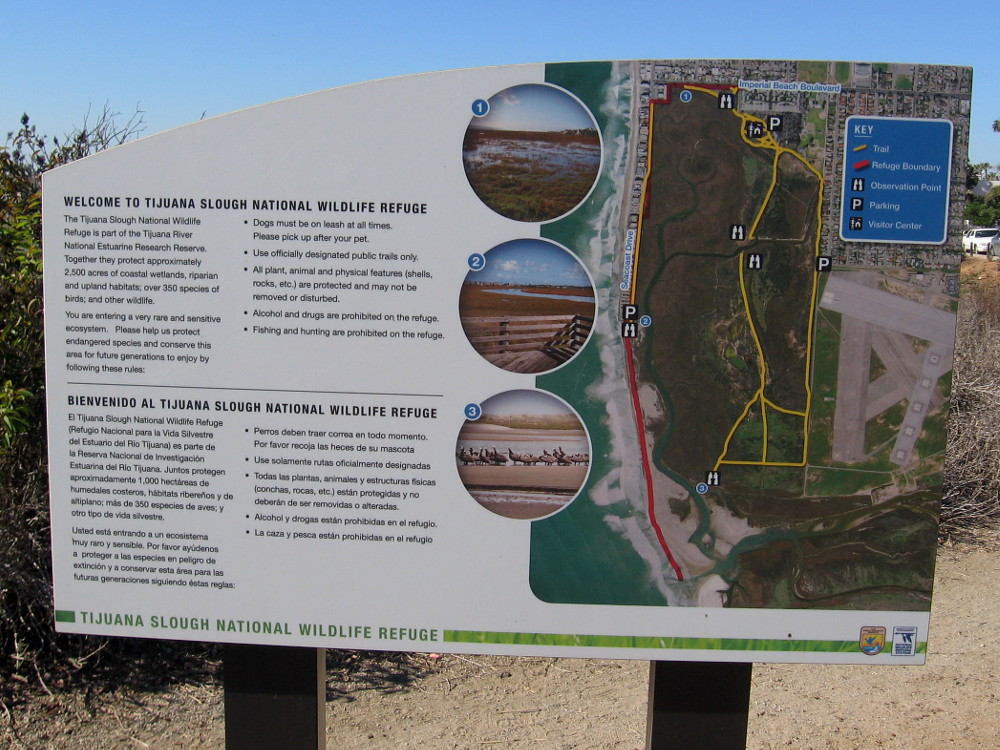
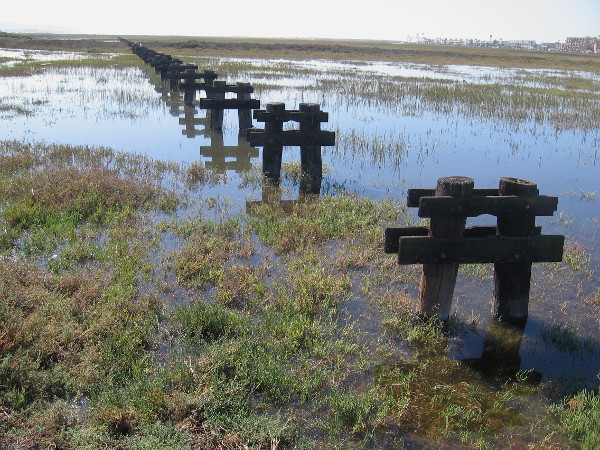
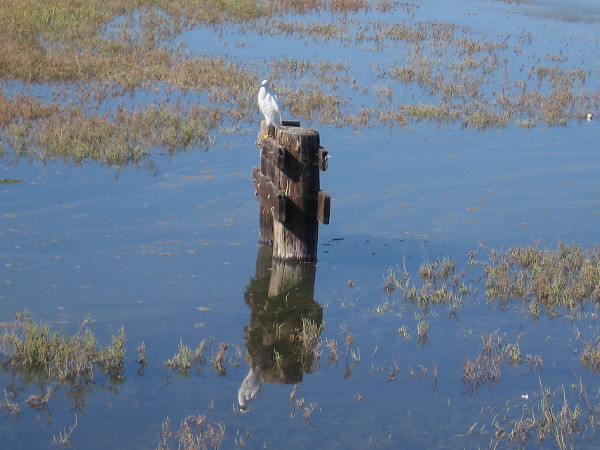
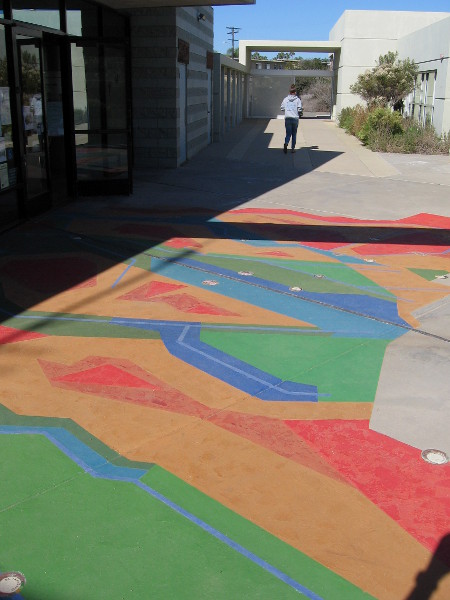
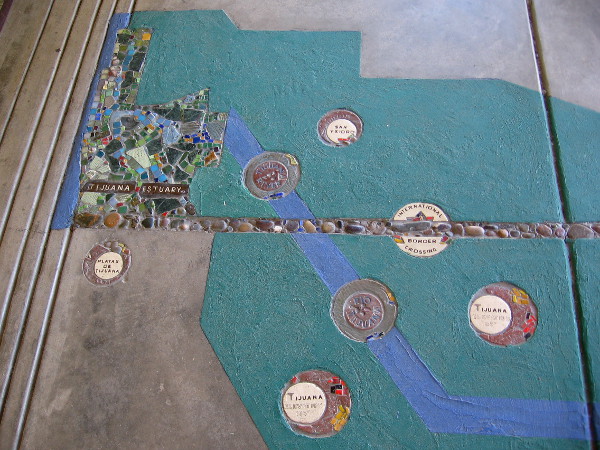
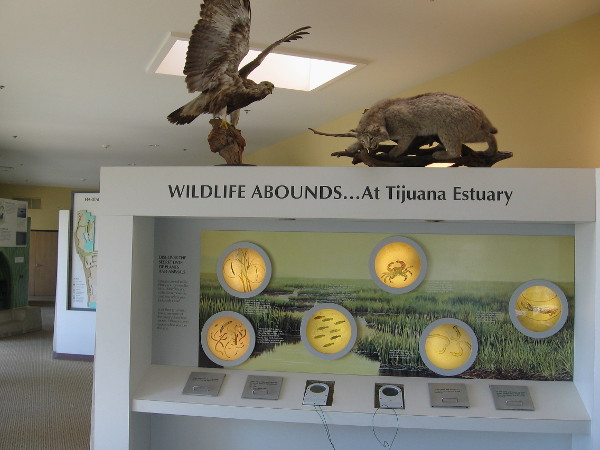
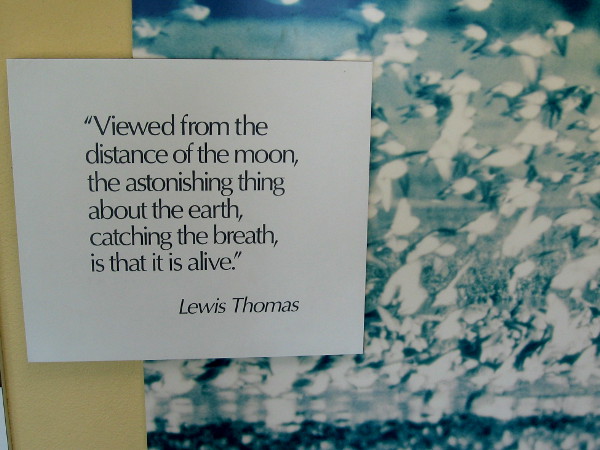
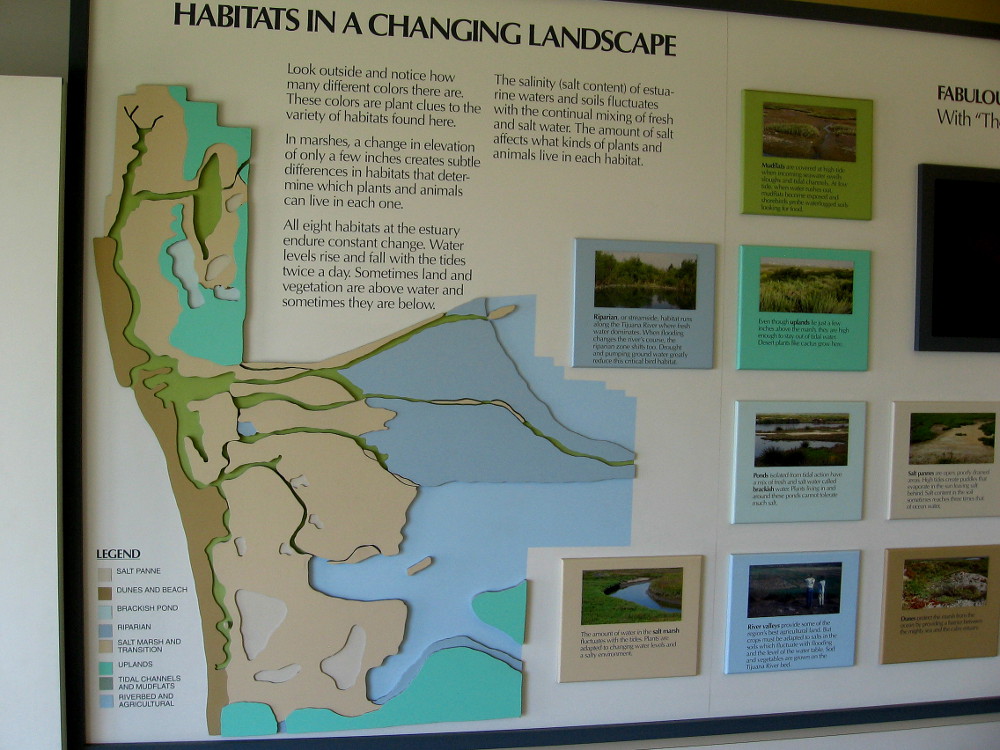
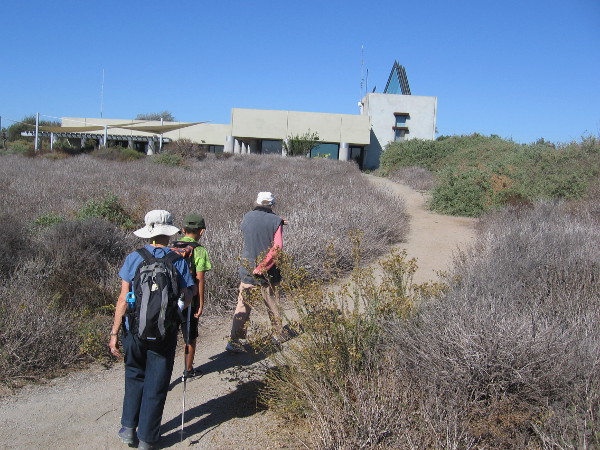
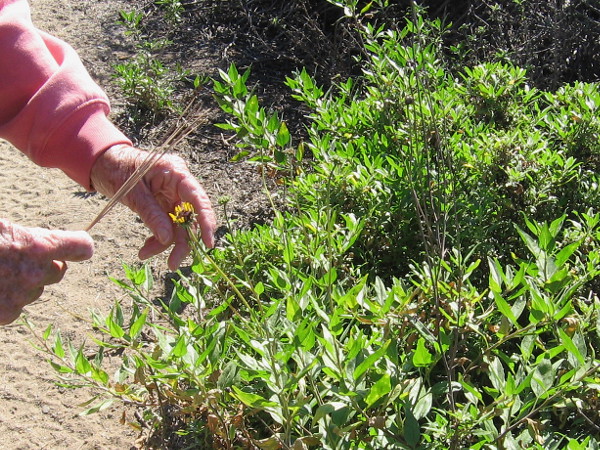
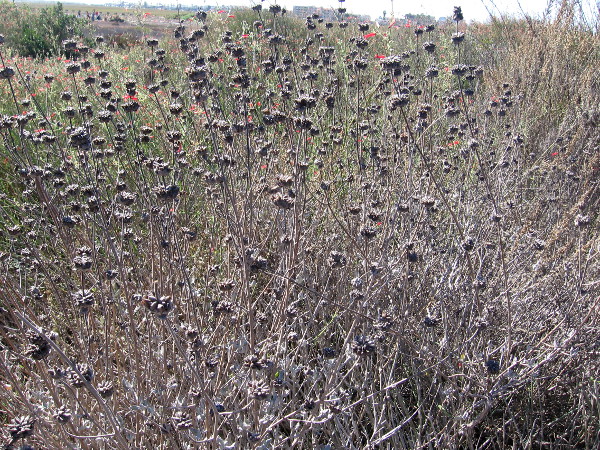
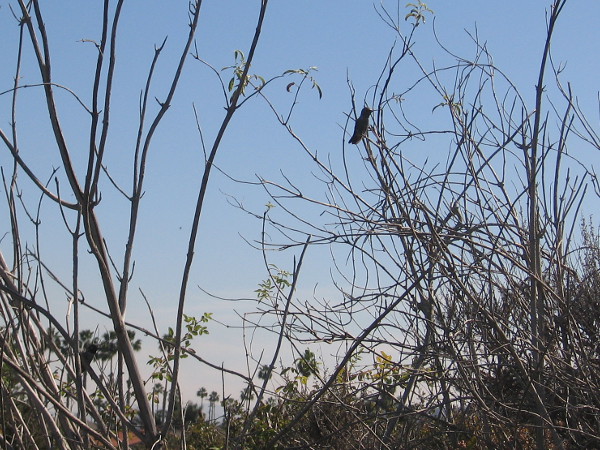
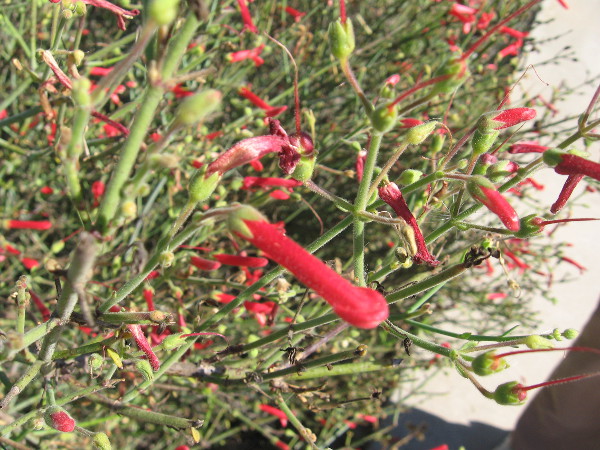
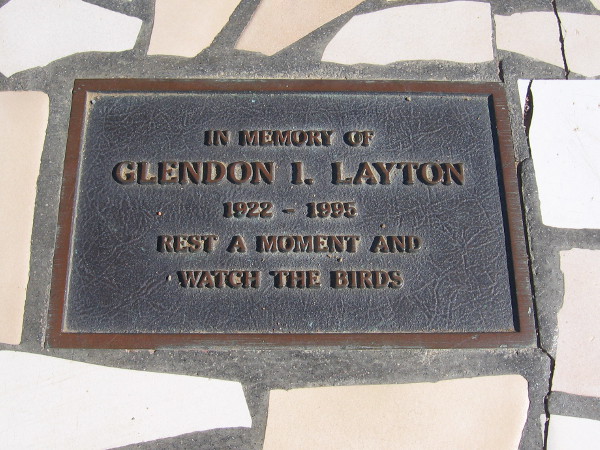
Ecoroute Bikeway and sidewalk along Seacoast Drive in Imperial Beach offers views of the north section of 2,500 acre Tijuana River Estuary.A white egret and other small birds enjoy the fertile, nutrient-rich environment created by this important coastal wetland.A shorebird equipped with a long bill, used to poke into sand and mudflats for food. Over 370 species of birds have been sighted in the wildlife reserve.Once a dump, and destined to be a boat marina, local citizens fought to have the Tijuana Estuary protected as a National Wildlife Refuge and National Estuarine Research Reserve.Steps lead down from Imperial Beach Boulevard to one of many trails in the fascinating, life-filled estuary.There are many habitats in the estuary including dune, salt panne, salt marsh, mudflat, brackish pond, riparian, coastal sage scrub, and vernal pool.Sign welcomes visitors to Tijuana Slough National Wildlife Refuge. Five endangered and two threatened species of birds are protected here in their natural habitat.I was told these old wooden pilings used to support a storm drain which ran out to the ocean.A Snowy Egret perches atop a post, perhaps watching the water for prey. Small fish, frogs, reptiles and insects are part of the food chain in a shallow river estuary.The path to the Tijuana Estuary Visitor Center passes through a garden of native plants often found along the coast of Southern California.This colorful abstract map at the Visitor Center entrance represents the 1,735 square mile watershed of the Tijuana River, reaching deep into Mexico.The edge of the map, inside the Visitor Center’s door, shows a part of San Diego and Tijuana. As it nears the Pacific Ocean, the Tijuana River crosses into the United States.One of many educational exhibits inside the cool Visitor Center. Wildlife abounds . . . at Tijuana Estuary!Viewed from the distance of the moon, the astonishing thing about the earth, catching the breath, is that it is alive.Habitats in a changing landscape. All eight habitats in the estuary endure constant change. Water levels rise and fall with the tides. Salinity of the water fluctuates.Visitors can jot notable sighting of birds on a board inside the Visitor Center. Buds and blooms are also listed.A few people out on a nature walk on a pleasant Saturday in November. The estuary is full of blooms, birds, and animal activity, even as winter approaches.Joan, a super nice park volunteer who is a plant expert (and author of a fun native plant book), shows us the yellow bloom of California bush sunflower.Even though the blue blooms of this pleasantly aromatic Cleveland Sage have dried, the seeds pods have a bluish tint.A tiny hummingbird is perched on the branch of a shrub.The Galvezia, or bush snapdragon, is common in Baja California. It has green stems, bright red tube flowers, and attracts hummingbirds.Hiking south down the North McCoy Trail in the Tijuana Estuary. Rising on the left horizon is Mexico. On the right horizon are the Coronado Islands in the Pacific Ocean.Ranger Debbie Good is super friendly. She answered a bunch of questions with a big smile. Here’s she’s putting away a table used to welcome volunteer workers.These volunteer students from SDSU are helping to plant native vegetation. Efforts to return the estuary to a natural state are ongoing. This area several decades ago was a dump.Looking across cordgrass and a beautiful wetland at the extreme southwest corner of the continental United States.A quiet bench on the North McCoy Trail invites walkers to relax and take in the sunshine and surrounding tranquility.Plaque on another bench at the south end of the trail. In memory of Glendon I. Layton. Rest a moment and watch the birds.The Tijuana River National Estuarine Research Reserve and Tijuana Slough National Wildlife Refuge is a place where amazing biodiversity and nature’s beauty thrive.
…
Follow this blog for more photos of cool stuff! Join me on Facebook or Twitter.
Volunteers remove litter from beautiful Ocean Beach during Coastal Cleanup Day.
Today is Coastal Cleanup Day! This huge environmental undertaking, involving thousands of energetic volunteers, is I Love A Clean San Diego’s biggest event of the year!
Over 7,600 people participated in San Diego County last year. Over a hundred tons of nasty garbage was removed from our beaches, bays and inland waterways!
This year, in Ocean Beach, a small army of volunteers fanned out along the shore looking for litter and other debris. The items they collected were carefully recorded. I saw many families, organizations and community-minded businesses participating. Everyone was having a great time.
San Diegans, who feel fortunate to live in such a beautiful corner of the world, are very keen on maintaining a clean environment. What’s good for Mother Earth is good for us, as well!
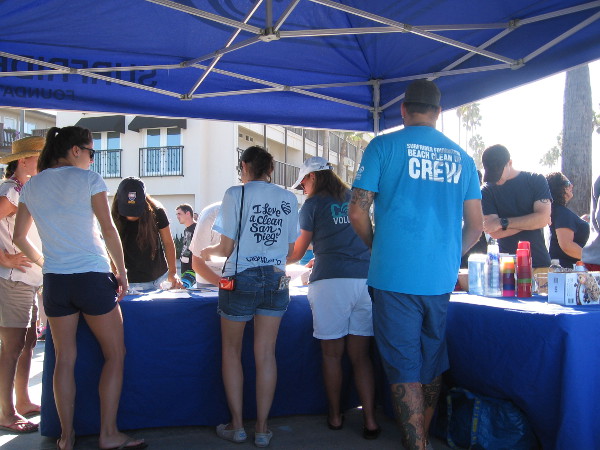
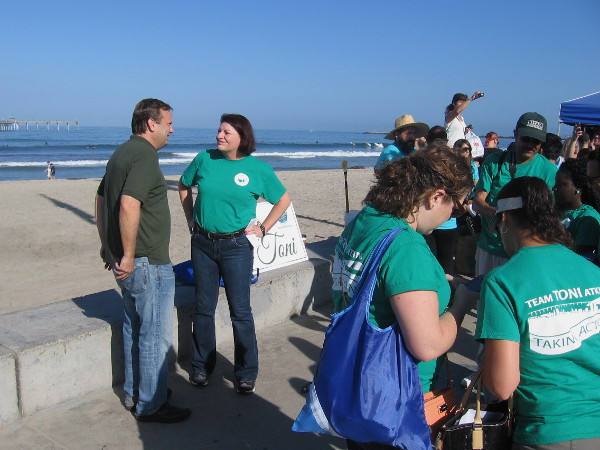
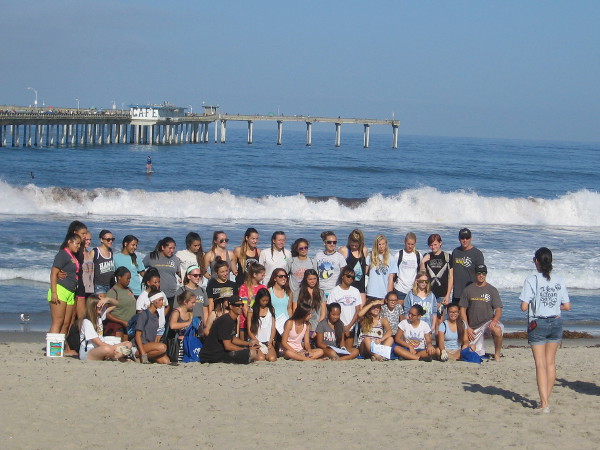
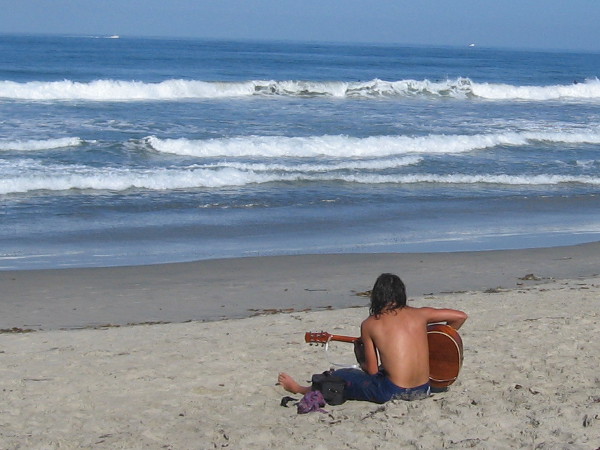
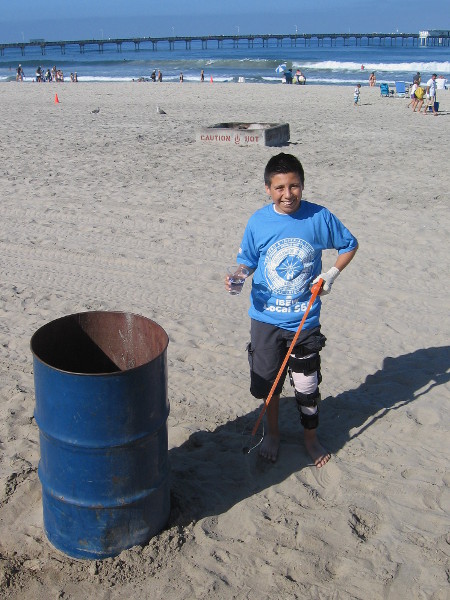
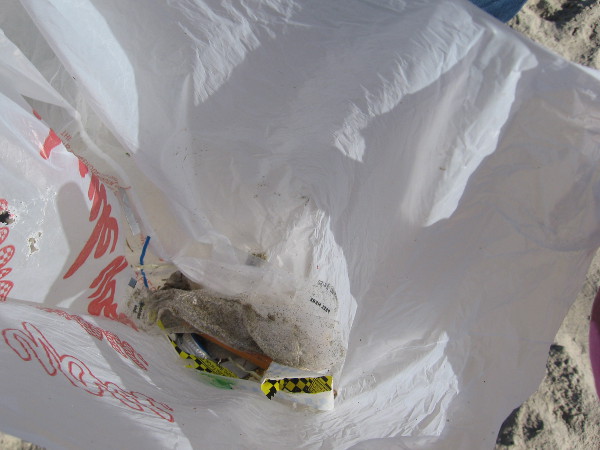
Many local organizations helped during I Love a Clean San Diego’s Coastal Cleanup Day, including the Surfrider Foundation.Speaker of the California State Assembly Toni Atkins had a team helping to clean up the beach!Many Coastal Cleanup Day volunteers assembled for a photograph, with the Pacific Ocean and long Ocean Beach Municipal Pier in the background.This guy came in after surfing some fine waves this morning, just as the cleanup was getting started.Someone found a piece of trash under lifeguard tower number one!The friendly lifeguards were cruising along the sand making sure everyone enjoying the warm water was safe.A lone guitarist performs a duet with the mighty ocean.This cool kid showed me a bit of plastic he picked up with his nifty grappler.People were combing the beach for trash of every kind, including styrofoam, plastic wrappers and cigarette butts.Someone was nice enough to let me photograph their trash! This is what they’d found so far.Lots of smiles were seen all over Ocean Beach during the trash removal event.Someone found a piece of garbage by some kelp near the foot of Ocean Beach’s popular pier. I definitely love a clean San Diego!
…
Follow this blog for more photos of cool stuff! Join me on Facebook or Twitter.
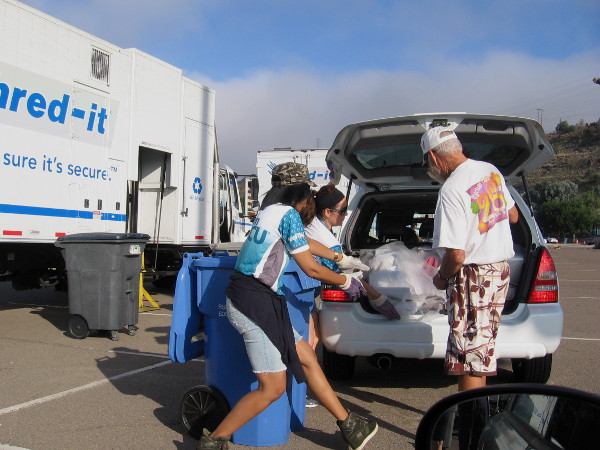
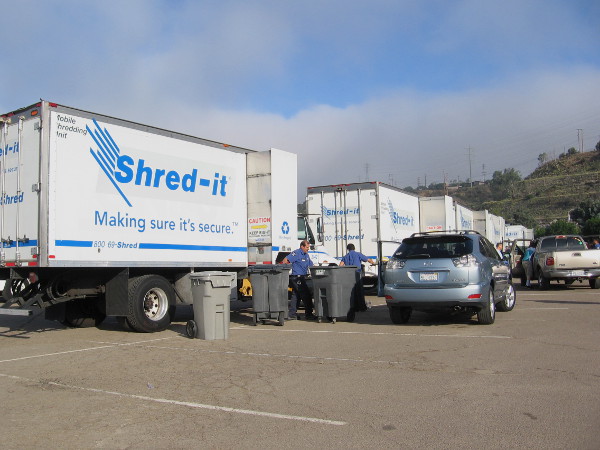
San Diego County Credit Union and Shred-it team up to attempt a new world record for paper collection and shredding!
The huge SDCCU Super Shred Event is underway right now as I type! The event is an attempt to break the world record for paper collection in a single location during a 24 hour period!
San Diego County Credit Union already holds the official Guinness World Record. Today they’re trying to break it. So why was I there taking photos? I collect my old records in a box at home, and whenever SDCCU offers free shredding, I head on down to take advantage of the service which is available to anyone. This morning the annual event, taking place in Mission Valley’s gigantic Qualcomm Stadium parking lot, is bigger than ever. So I brought my camera!
Not only does shredding paper documents protect against identity theft, but recycling paper is good for our environment. So this event is pretty cool for a whole variety of reasons!
The SDCCU Super Shred Event held in the Qualcomm Stadium parking lot. Unlimited free shredding helps fight identity theft!As cars queue, volunteers collect donations for the San Diego Humane Society and SPCA.SDCCU already holds the world record for most paper collected in a single location in a 24 hour period.Shred-it, a document destruction and recycling company, had a whole fleet of trucks ready for the big event!A super nice volunteer smiles for my unexpected camera. Thank you!
…
See photos of some random cool stuff! Join me on Facebook or Twitter.
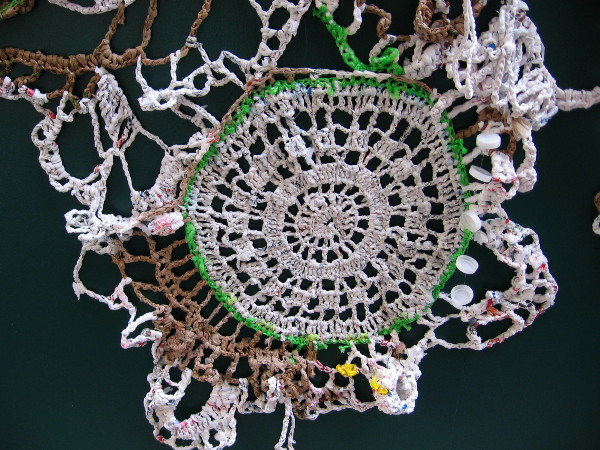
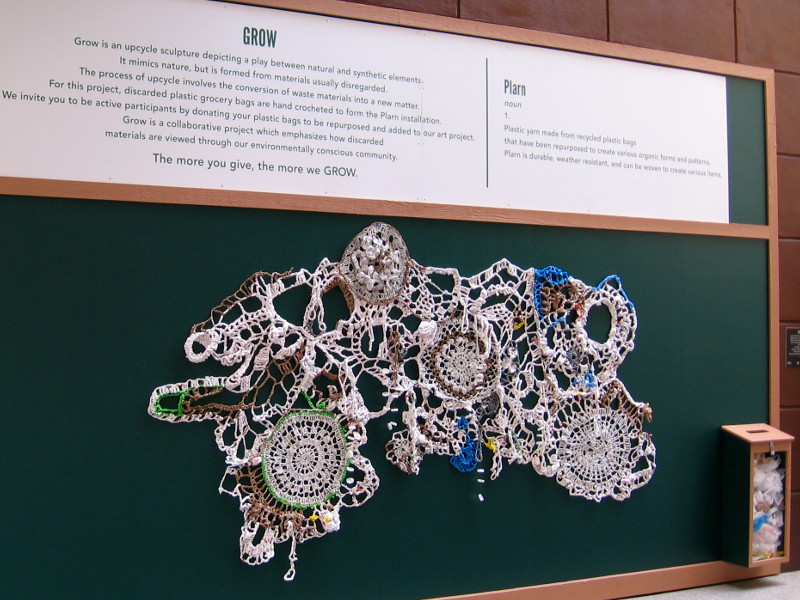
Close look at beautiful plarn artwork exhibited on lower level of downtown San Diego’s Horton Plaza.
Should one walk through downtown San Diego’s colorful Horton Plaza shopping mall, one might see an unusual work of art. I took some photos for everyone to enjoy.
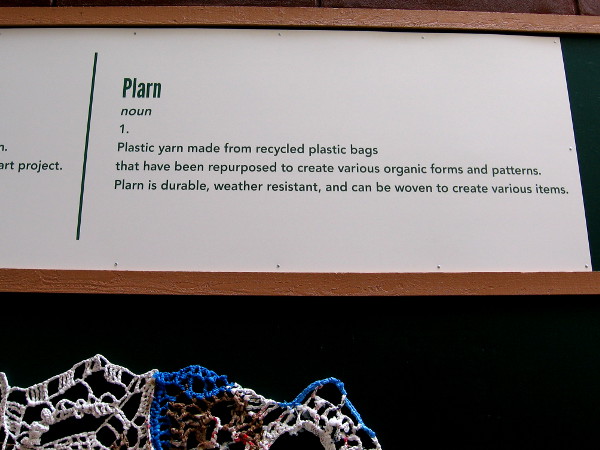
This sculpture is called Grow and is made of crocheted plarn. What the heck is plarn? It’s plastic yarn! I once watched a lady making the interesting material at Balboa Park’s annual EarthFair. Plastic bags, once converted into plarn, do in fact resemble yarn!
What a unique and environmentally friendly way to reuse plastic shopping bags!
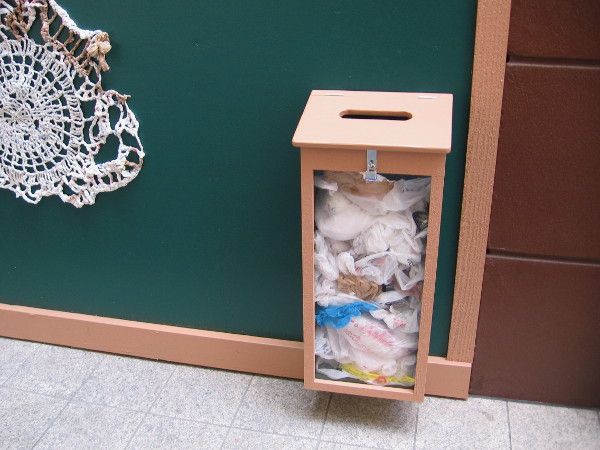
Grow is an upcycle sculpture depicting a play between natural and synthetic elements. For this project, discarded plastic grocery bags were hand crocheted to form the plarn installation.Plarn is plastic yarn made from recycled plastic bags. It is durable, weather resistant, and can be woven to create various items.The artist Cat Chiu Phillips utilizes found materials and creates displaced juxtapositions. She includes unusual mediums such as recycled objects.Work of art, titled Grow, can be examined up close by visitors and shoppers walking through the Horton Plaza mall.A box by the fantastic plarn sculpture invites passersby to recycle their plastic shopping bags.
…
To enjoy future posts, you can “like” Cool San Diego Sights on Facebook or follow me on Twitter.
Our big blue marble Earth dangles in the sky on San Diego’s Embarcadero for an Earth Day event.
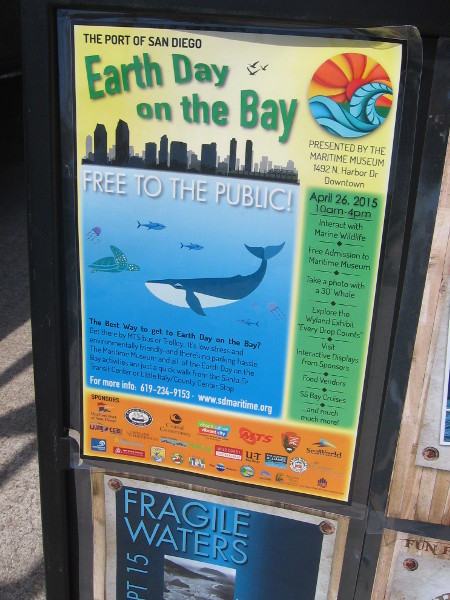
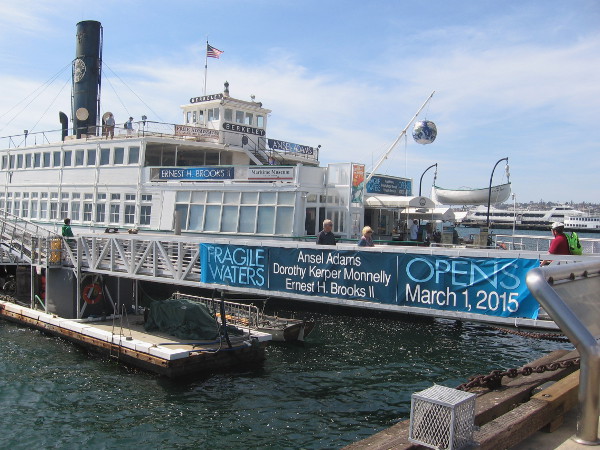
Last weekend Earth Day was observed at the jam-packed EarthFair in Balboa Park. This weekend, the first annual Earth Day on the Bay took place. The event was centered around the Maritime Museum of San Diego, and concentrated on maintaining a healthy coast and ocean. Admission to all the awesome museum ships was free, and being a cheapskate, I decided to walk down to the Embarcadero and enjoy myself!
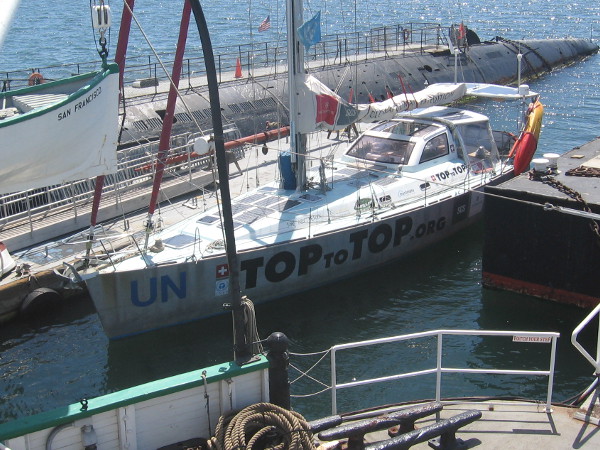
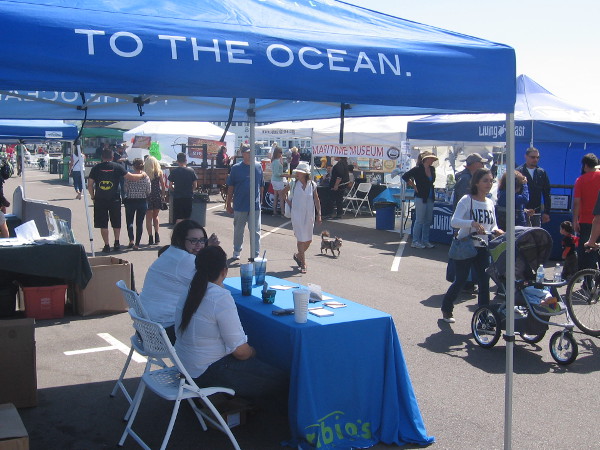
Earth Day on the Bay featured free admission to the Maritime Museum of San Diego plus many organizations with environment-themed exhibits.The historic 1898 steam ferryboat Berkeley, the museum’s hub, is also featuring nature photography by Ansel Adams and others.The TOPtoTOP Global Climate Expedition ship is visiting San Diego at the moment.
As I walked across the deck of the Berkeley, enjoying views of our beautiful big San Diego Bay, I happened to notice an unusual boat docked among the museum’s ships. The hull included the United Nations Environment Programme logo. Apparently, people participating in the TOPtoTOP Global Climate Expedition are visiting San Diego for a couple days. They gave a talk yesterday at the museum about their mission. According to their website, it is to inspire children in classrooms and share examples of nature’s beauty, and foster innovations for a green planet. They believe that great human goals and progress can be achieved in balance with nature.
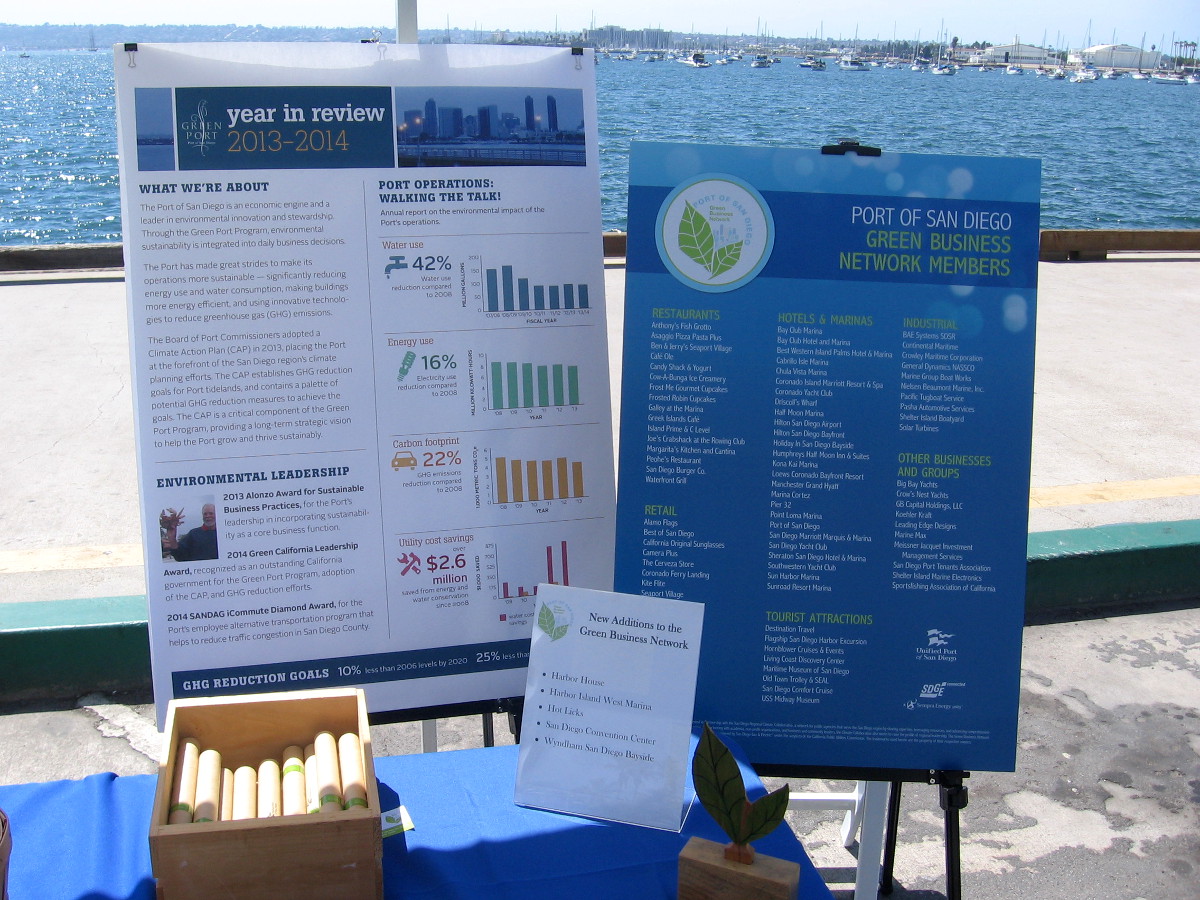
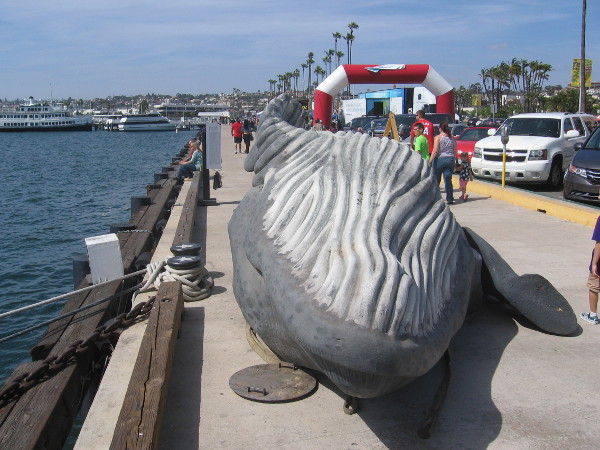
TOPtoTOP, docked among other museum ships, is equipped with many solar panels. It’s sailing around the globe using only human and natural power sources.The various Earth Day exhibitors on the waterfront included the Port of San Diego, with a report on critical conservation and other green projects.The first annual Earth Day on the Bay attracted a modest crowd, but it’s a good start!This big inflatable whale allowed humans to grasp the scale of the marine mammal.I enjoyed a harbor tour on a very unique Maritime Museum boat, which I’ll blog about shortly!
I got two cool blog posts coming up! I had a couple of fun adventures today! Plus I still have lots of photos from my extensive Saturday walk around Liberty Station. I’d better get busy!
…
To enjoy future posts, you can “like” Cool San Diego Sights on Facebook or follow me on Twitter.
The roots were almost completely torn out of the ground, but the stubborn tree in spring has green leaves!
Perhaps you read my blog post about the violent microburst that tore through San Diego’s Mission Valley on September 16, 2014. Along with photos of the aftermath, I described the tornado-like winds of the freak weather phenomenon.
A microburst is a localized downdraft of wind that can occur under unstable weather conditions. Several areas around San Diego were struck by a microburst that day, and the resulting damage was stunning. Small airplanes at an airport were tossed through the air. Along the banks of the San Diego River, hundreds of trees were torn to shreds and uprooted.
This morning, 7 months later, I walked along the river path where I had scrambled over thickly fallen trees right after the natural disaster.
Many of the uprooted trees were removed by crews with chainsaws in the days that followed the microburst. But some were not. Check out a few pics from my walk this spring morning! Like the famous quote from the movie Jurassic Park, life finds a way!
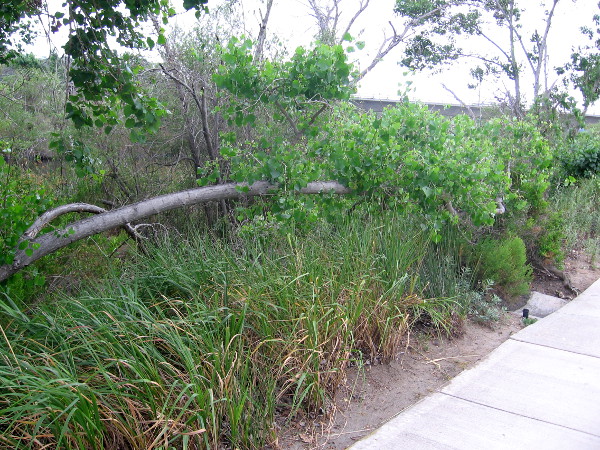
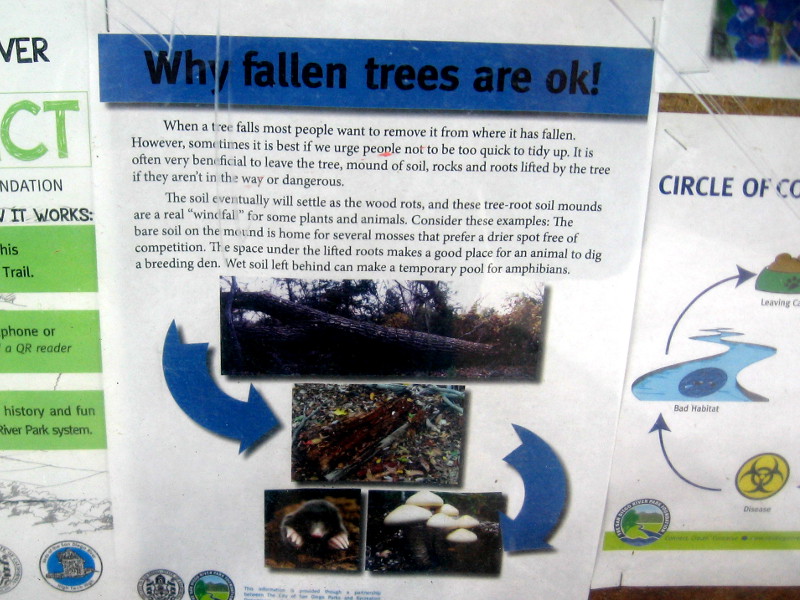
One of hundreds of trees that were uprooted during the super violent microburst last September. Amazingly, this one still flourishes!This fallen tree is now growing horizontally like a hedge along a Mission Valley sidewalk!Sign beside the San Diego River Trail. Why fallen trees are okay! There are important benefits to the soil, flora and fauna.
The sign reads:
When a tree falls most people want to remove it from where it has fallen. However, sometimes it is best if we urge people not to be too quick to tidy up. It is often very beneficial to leave the tree, mound of soil, rocks and roots lifted by the tree if they aren’t in the way or dangerous.
The soil eventually will settle as the wood rots, and these tree-root soil mounds are the real “windfall” for some plants and animals. Consider these examples: The bare soil on the mound is home for several mosses that prefer a drier spot free of competition. The space under the lifted roots makes a good place for an animal to dig a breeding den. Wet soil left behind can make a temporary pool for amphibians.
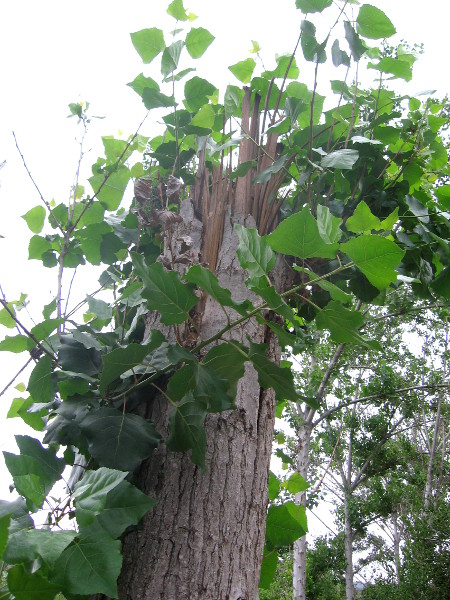
Green shoots look unusual on this violently torn tree trunk. I believe this is a Fremont Cottonwood.Life springs forth from a broken stump months after a devastating natural disaster.
…
To enjoy future posts, you can “like” Cool San Diego Sights on Facebook or follow me on Twitter.
EarthFair was held in San Diego’s Balboa Park to celebrate Earth Day.
Late this morning I took a walk through this year’s EarthFair. You might have seen my blog last year, when I posted photographs from the gigantic event. Every year EarthFair attracts tens of thousands of enthusiastic San Diegans to Balboa Park to celebrate Earth Day. It’s billed as the largest free annual environmental fair in the world, and that sounds true to me! It’s huge!
Many of the over 300 exhibitors throughout Balboa Park can be seen at the event every year, and last year I featured many in photos. So I figured this year I’d focus slightly more on close up images. Super colorful art on signs, shirts, gifts and canvases provided many opportunities for my camera. I also saw a lot of smiles!
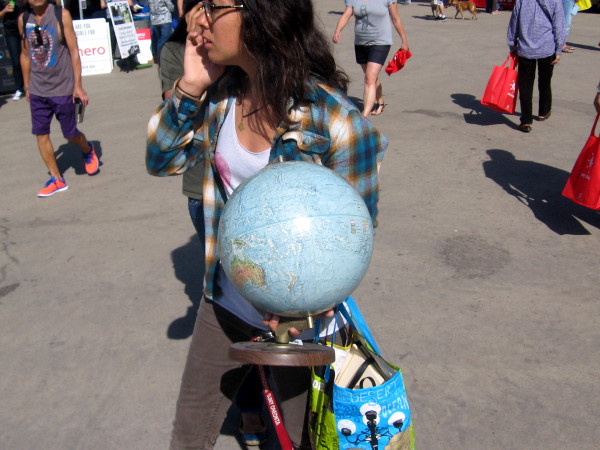
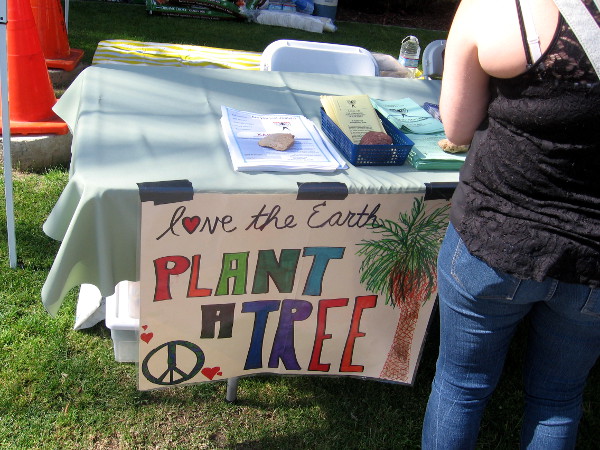
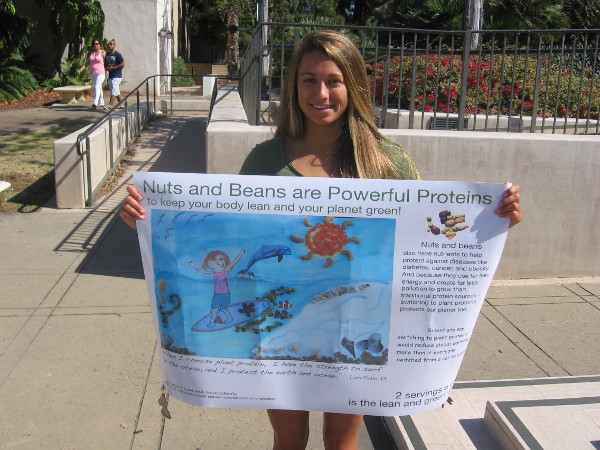
Cool graphic on official EarthFair shirt. The annual Balboa Park event attracted a huge crowd as usual!One of many handmade signs with environmental messages… love the Earth. Plant a tree.Bright sunflowers on table of urban farming advocates.Super smile promoting the Cacaofest, which celebrates the cultures behind the chocolate! I’m there!Solar-powered rotating globe held in a sculpted human hand.Creating art out of perfectly good food saved from dumpsters. I blogged about these guys last year!
Donate Don’t Dump is a project undertaken by Rob Greenfield. Check out my blog from last year, if you’d like!
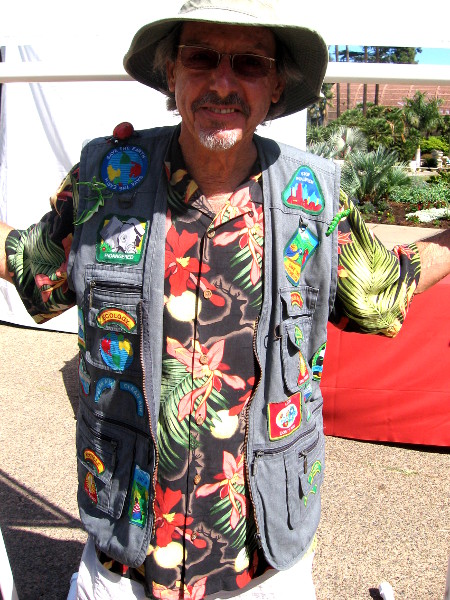
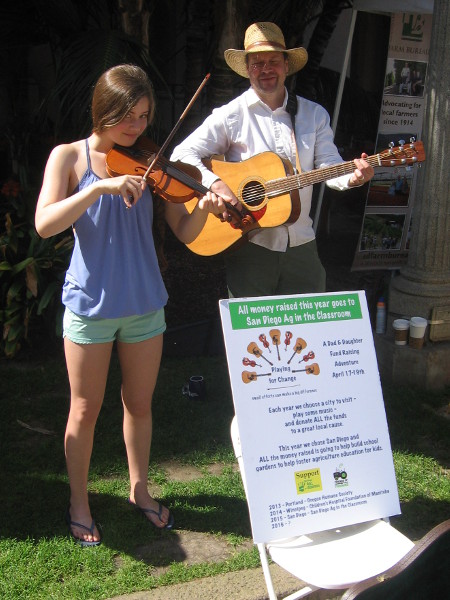
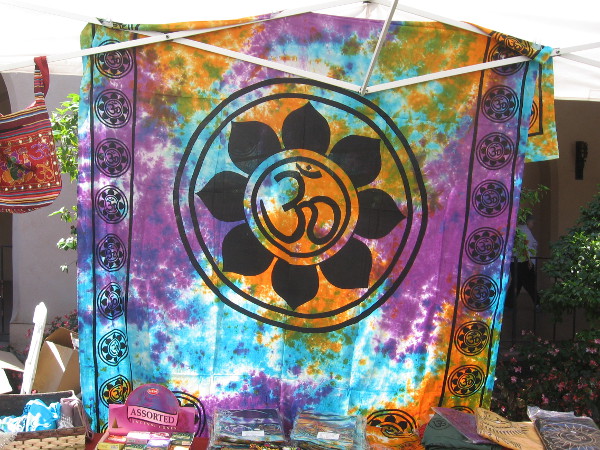
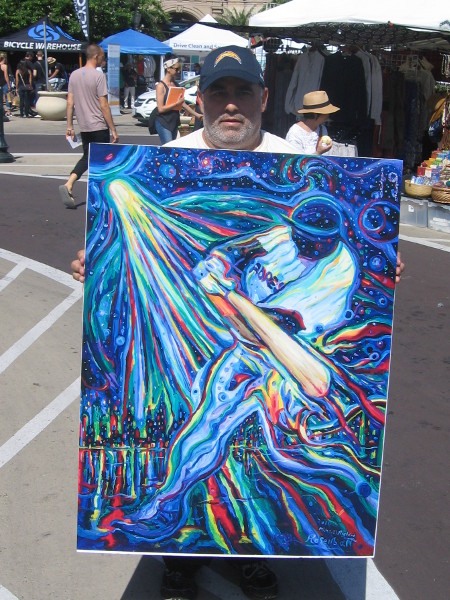
A powerful smile from the artist behind Nuts and Beans are Powerful Proteins!Protecting animals was one major theme at EarthFair.This cool guy is Dr. Wilderness. He had a family magic show. Great outfit!This cheerful Dad and daughter musical duo was raising money to help build school gardens.A flower and a smile. I learned how copper gives slimy snails an electrical shock!A happy blue whale out of water.Lots of tie-dye could be seen throughout Balboa Park.Many crafts, clothes and goods for sale featured lush color and spiritual imagery from Eastern religious traditions.A super cool painting of Mr. Padre, Tony Gwynn, created by artist Michael Rosenblatt.
Is this painting of local baseball legend Tony Gwynn awesome, or what? It has a Facebook page!
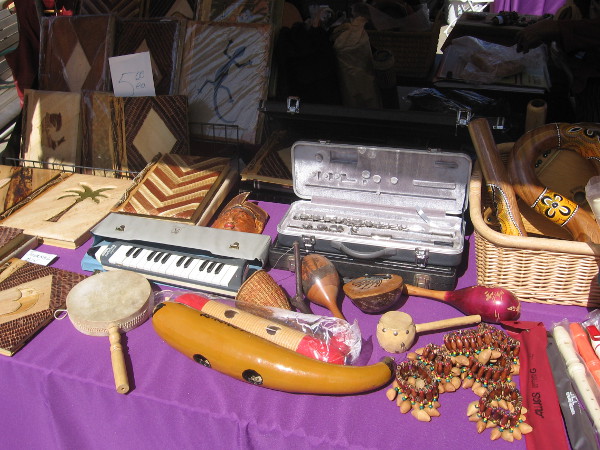
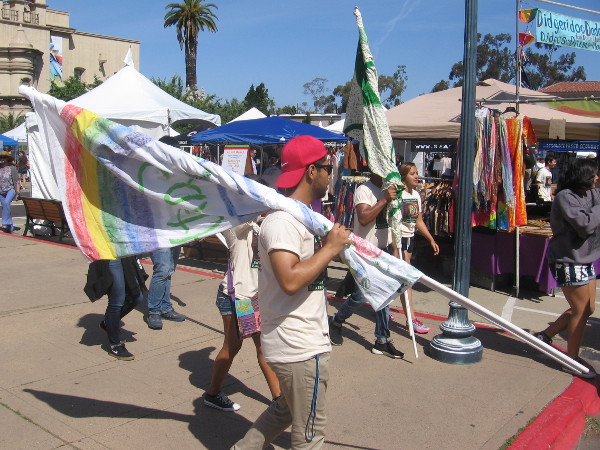
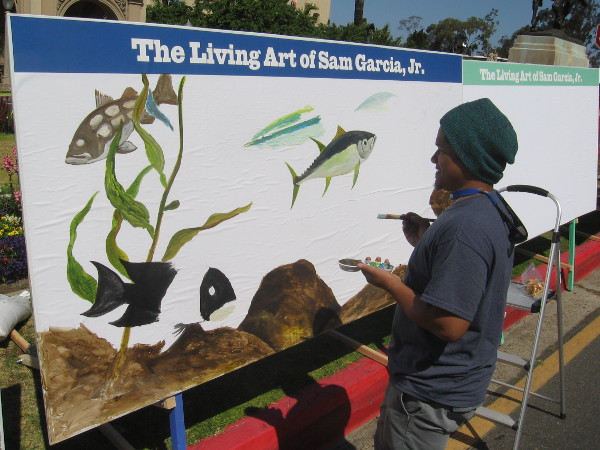
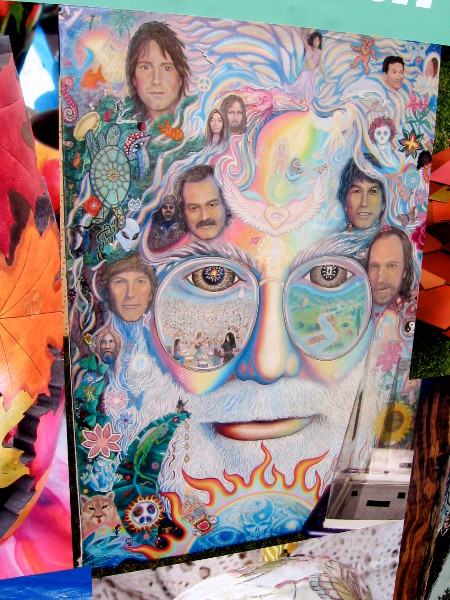
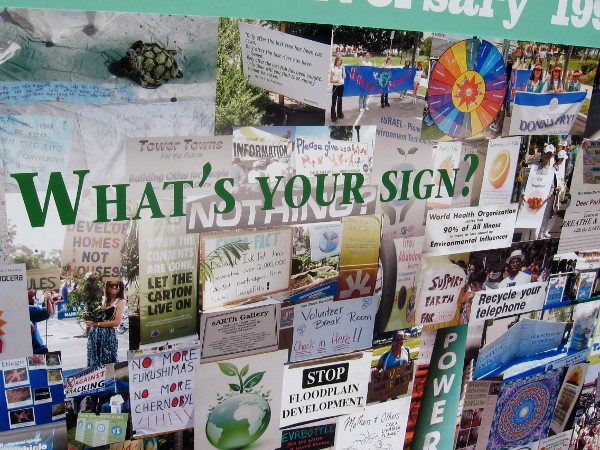
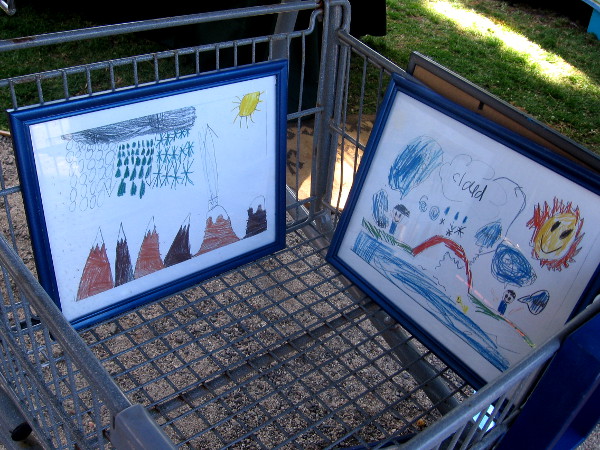
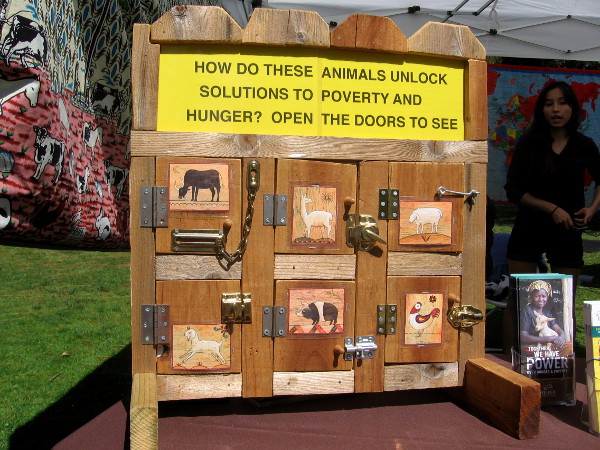
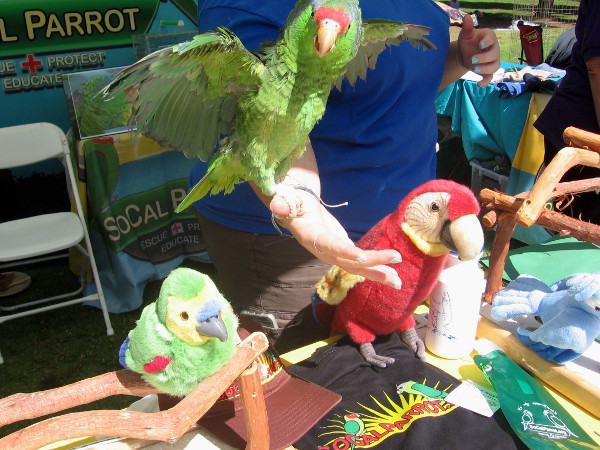
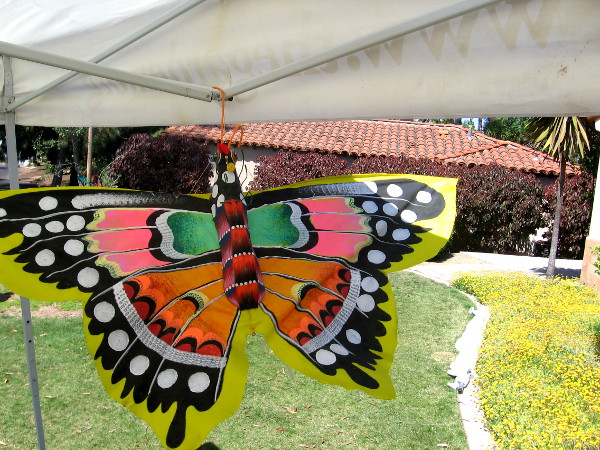
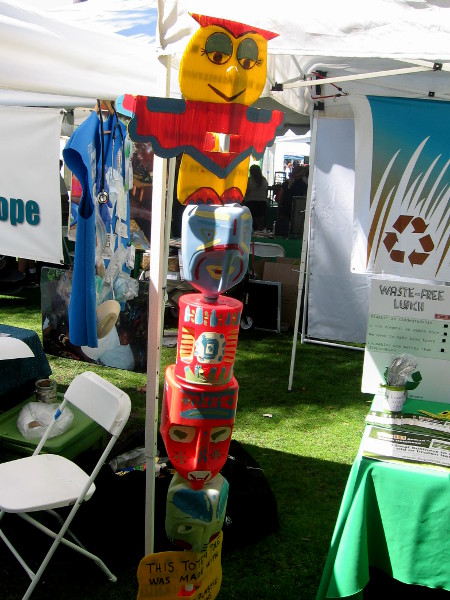
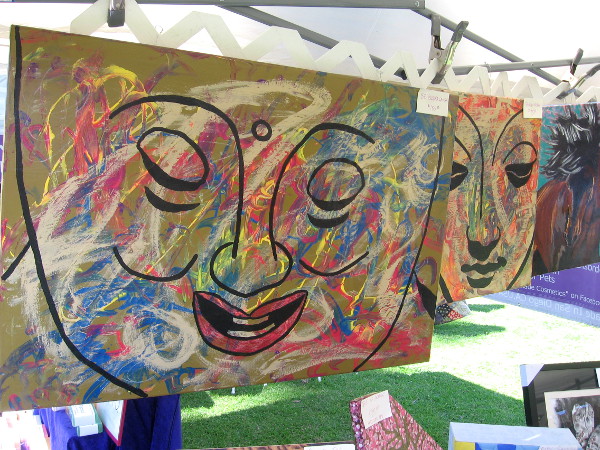
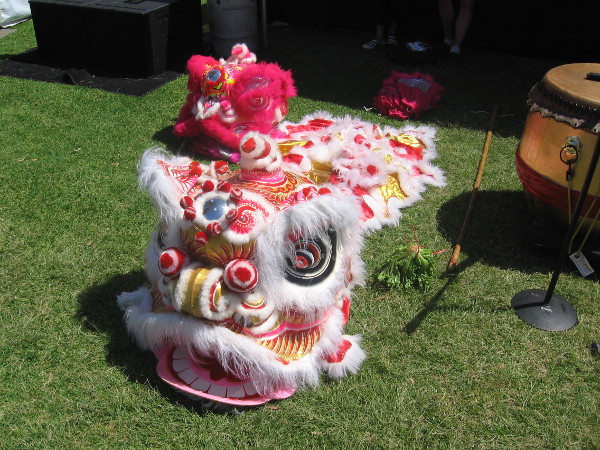
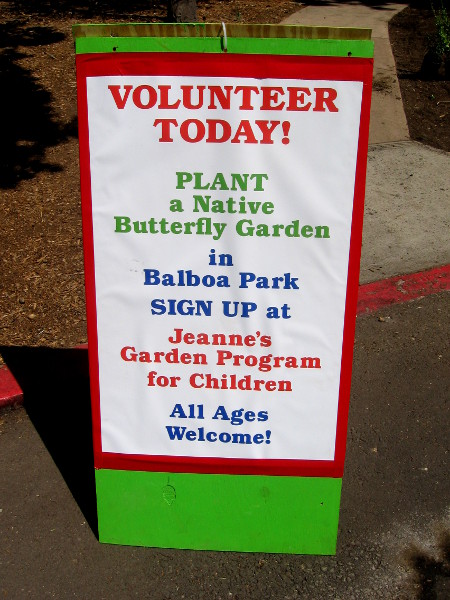
Lots of hand-crafted musical instruments were for sale.Some guys carry flags in preparation for a small Earth Day parade through Balboa Park.Sam Garcia, Jr. paints a canvas. Several talented artists were at work for all to see.Creative kids (or adults) could color these huge panels however they pleased!Large panels on display featured fantastic artwork, many images with a 1960s feel.This human skull really caught my attention!Beautiful wild animals in an exotic nature scene.What’s your sign? This panel showed activist signs photographed during the 25 years of EarthFair.This very nice Quaker lady advocates vegetarianism.Kids’ art shown at The Project Lennon table. This organization promotes peace and positive outlets for urban youth.Various vegan and vegetarian groups had different booths and some humorous signs.I wonder what the animal rights folks would think of this? Animals used to fight poverty and hunger!Which one of these is the real animal? That happy parrot on top!Sign states that every year 30,000 species go extinct.I saw lots of banners with peace signs and rainbow colors.This butterfly was flitting about in the San Diego spring breeze.Food was also a major topic, and appeared in unusual works of art.This totem pole was made of recycled materials!A table in the kids activity area promoted imagination and creativity.Harry Eubanks of Rivers Eden paints cool art on old bits of wooden fencing.Fun art from recycled everyday items in the Repair and Reuse tent.The art of peace by Da Vinci, Warhol, Picasso, Van Gogh and other famous artists.Arts and crafts were for sale in a large vendor area on the grass near Park Boulevard.Lion dances would take place later in the day!Volunteer today! Plant a butterfly garden in Balboa Park! Do it!Art was encouraged everywhere I turned. I enjoyed taking a walk through the 2015 EarthFair!
…
To enjoy future posts, you can “like” Cool San Diego Sights on Facebook or follow me on Twitter.
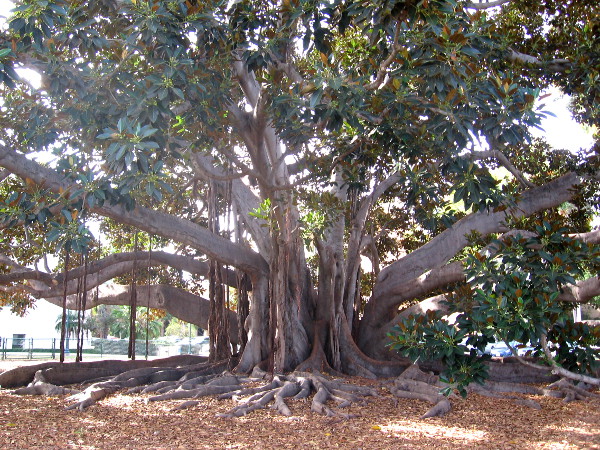
This is one of the most amazing trees you’re likely to ever see.
Have you visited Balboa Park? Perhaps you’ve seen an incredibly enormous tree standing between the San Diego Natural History Museum and Spanish Village. It’s impossible to miss! That’s the over 100 year old Moreton Bay Fig!
Sign in Balboa Park describes Ficus macrophylla, the Moreton Bay Fig.
Ficus macrophylla
“Moreton Bay Fig”
Native to East Australia
This tree was planted prior to the 1915 Panama-California International Exposition and was the focus of a Formal Garden located at this site. Because of its large size, it is listed as a co-champion with the Santa Barbara Fig in the California Dept. of Forestry Registry of Big Trees.
Age: over 100 years (now)
Height: 80 feet
Trunk Girth: 42 feet
Canopy width: 145 feet
Trunk and roots of a tree once climbed by kids, but now fenced off for its protection.Huge Moreton Bay Fig tree and the San Diego Natural History Museum.A big tree is a rare and valuable part of the ecosystem.
The Value of a Big Tree
Trees contribute to our environment by producing oxygen; reducing temperature, carbon-dioxide and stormwater runoff; improving property value and providing wildlife habitat.
Scientists have developed a value formula to determine the cost benefit of trees. The Center for Urban Forest Research states that trees over 50 feet tall contribute about $65.00/year back to the environment. Smaller trees contribute $18-36.00/year. There are about 20,000 trees in Balboa Park which contribute a value of one million dollars per year back to our environment.
Beyond dollars, Big Trees like the Moreton Bay Fig enhance the park, provide a sense of history to our community and a legacy for our children.
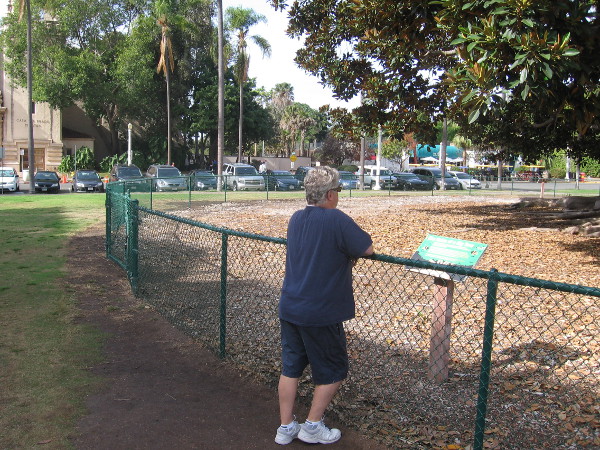
Someone gazes at the hundred year old leafy giant in Balboa Park.
…
To enjoy future posts, you can “like” Cool San Diego Sights on Facebook, or follow me on Twitter.




















































 Cool San Diego Sights!