YMCA thrives inside historic La Jolla fire station!

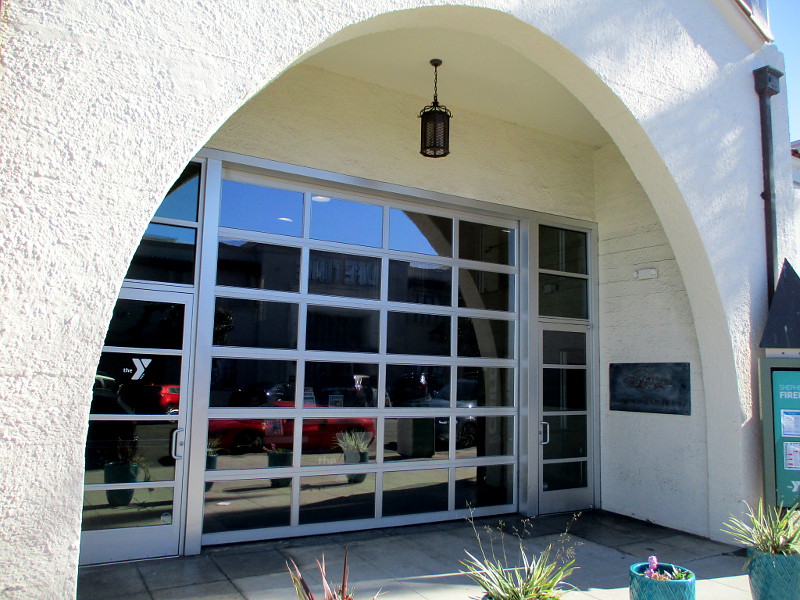
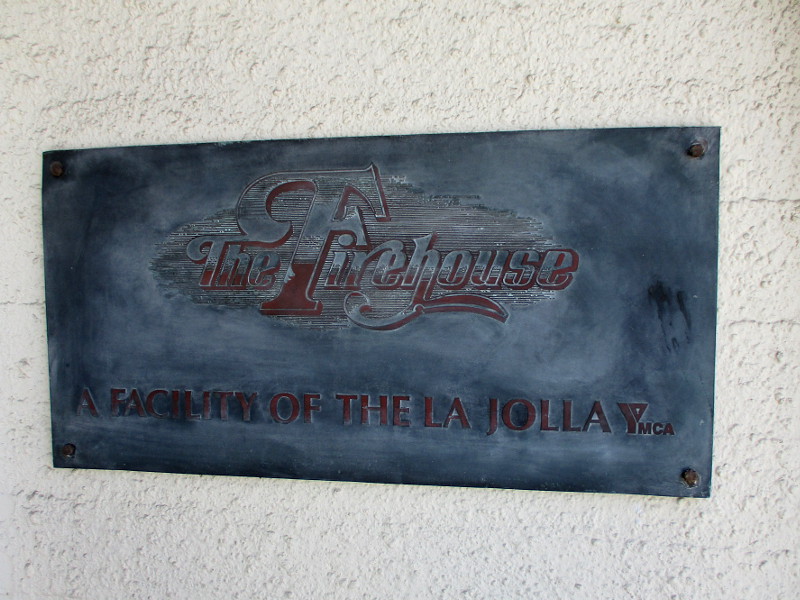
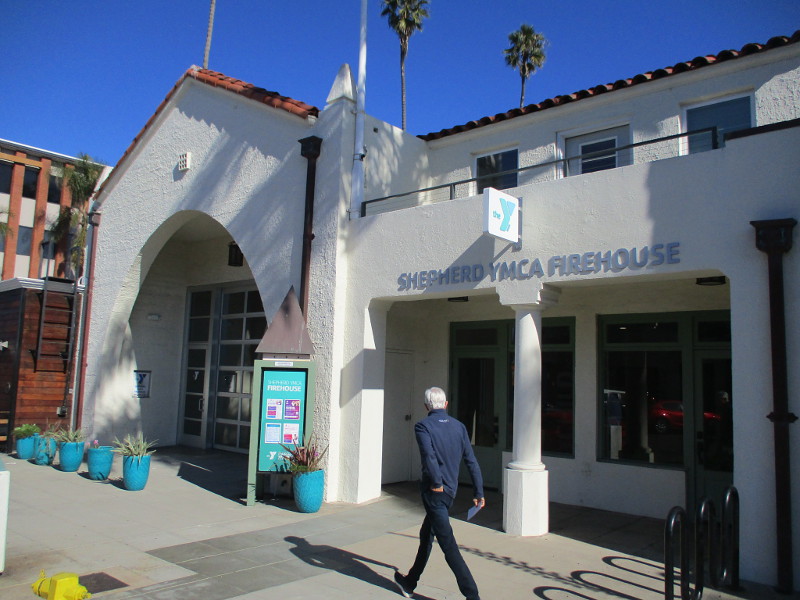
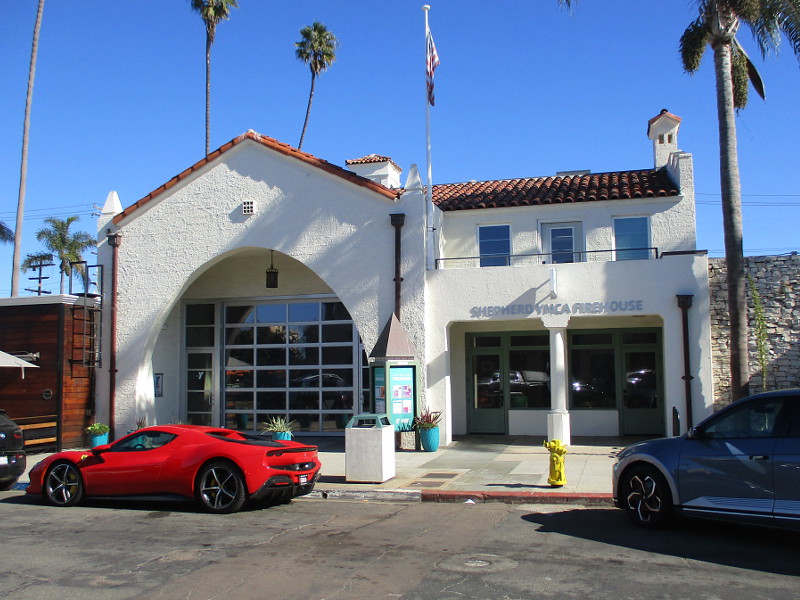
The Shepherd YMCA Firehouse in La Jolla looks a lot like an old fire station. That’s because the historic building at 7877 Herschel Avenue once housed Fire Station Engine Company 13 . . . and City Hall, and a police station, a hospital room, and water department!

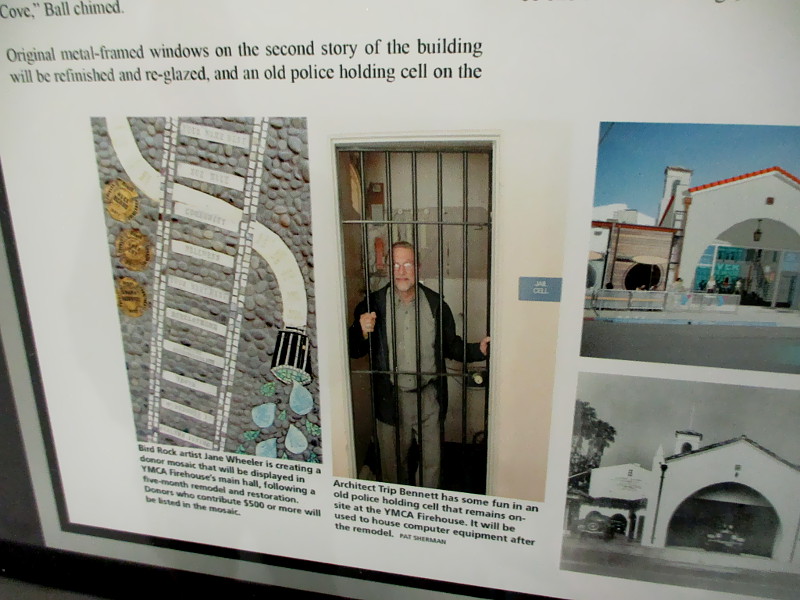
San Diego Architect Harold Abrams designed the 1937 building in the Spanish-Mission Revival style for the Works Progress Administration. In 1976, the fire and police stations relocated, and the building was used by City Lifeguards for a decade. It was later used by the Library Department for storage during branch renovations.

In 1988 the building opened as a Teen/Senior Community Center, then became a performing arts center in the early 2000s, then a gymnastics program center.

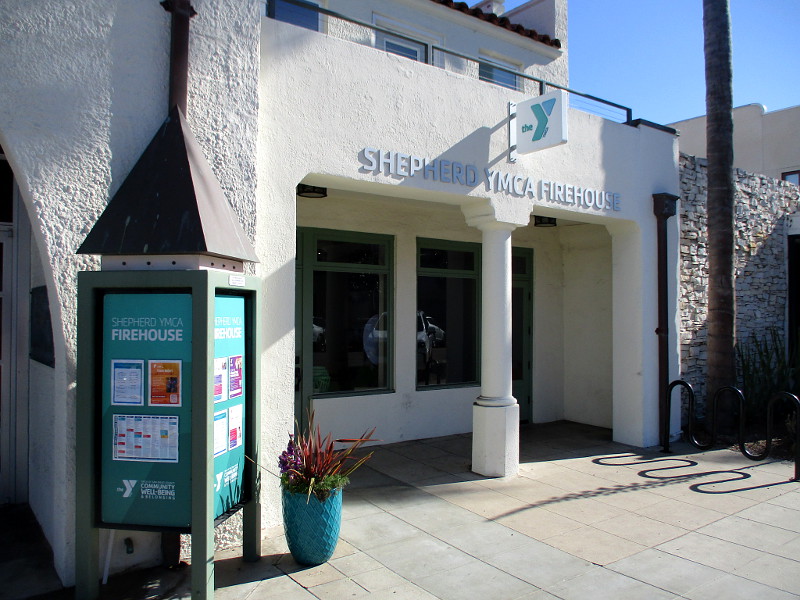
A renovation in 2015 led to the building’s reopening as the Shepherd YMCA Firehouse, which today is available as a very cool community space.

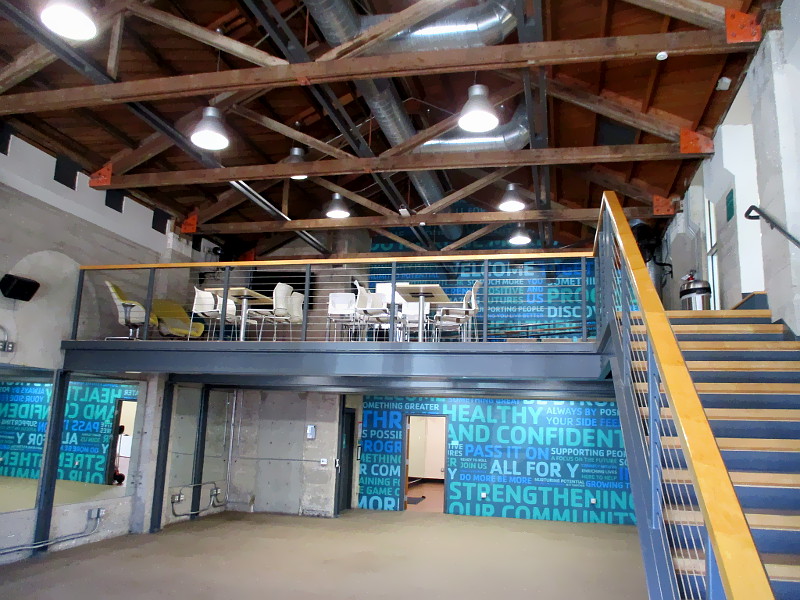
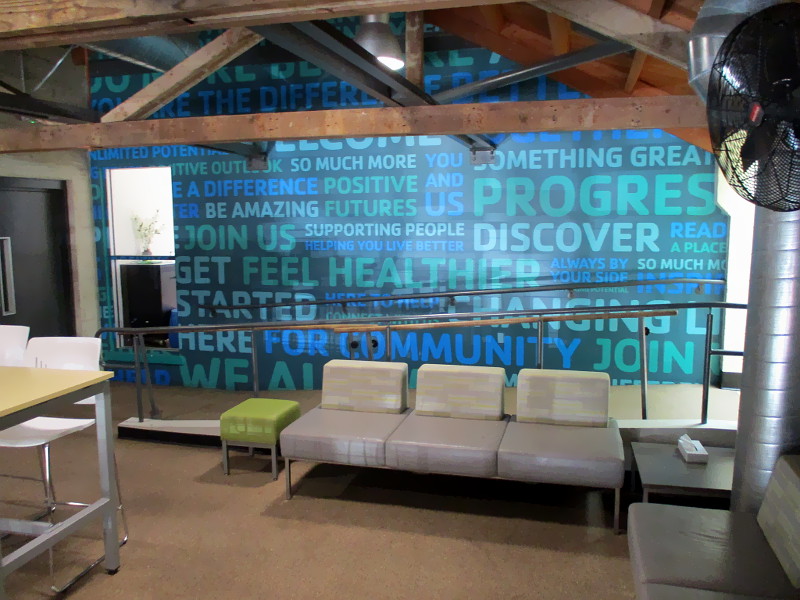
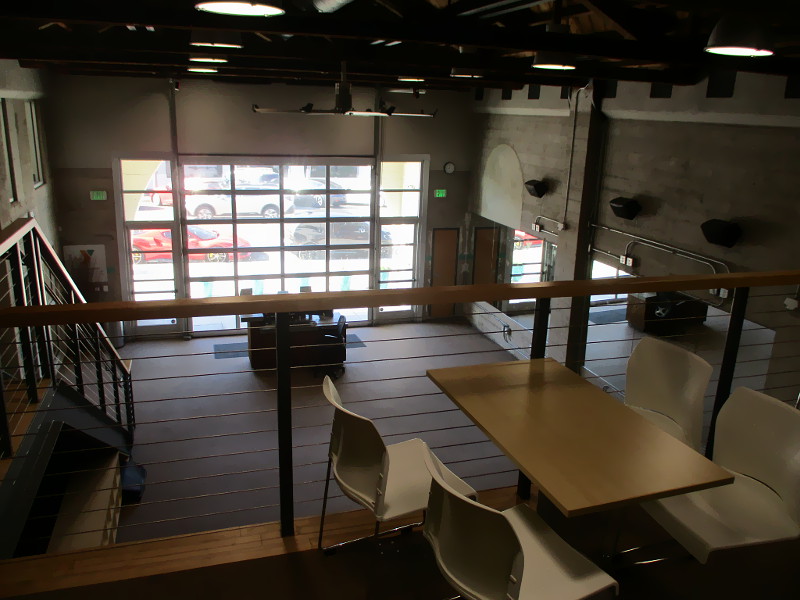
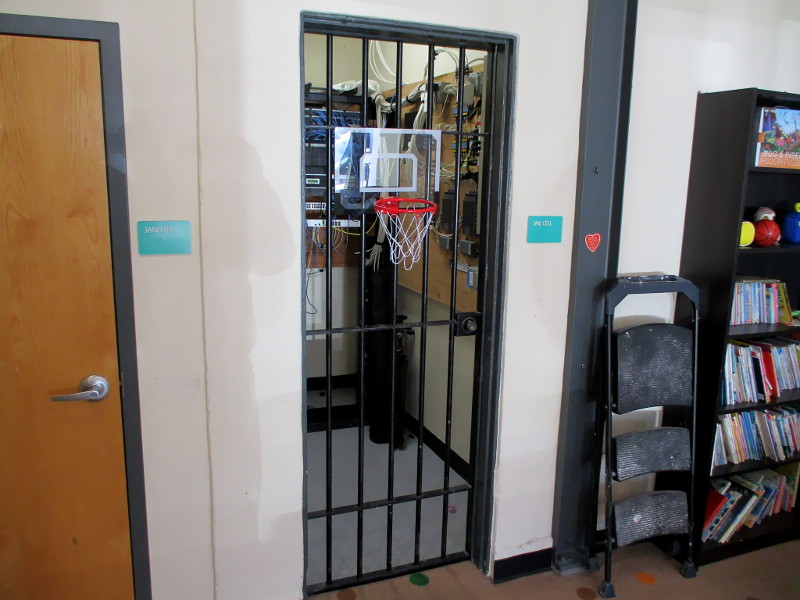
I learned all this several days ago during a walk in La Jolla. I was invited inside, where I could see how the historic firehouse has evolved into a thriving center for classes, meetings, programs and events. The old jail cell from its days as police station still exists, too!

What an attractive interior, and amazing wood beam ceiling!
I post new blogs pretty often. If you like discovering new things, bookmark coolsandiegosights.com and swing on by occasionally!

I live in downtown San Diego and love to walk around with my camera! You can follow Cool San Diego Sights via Facebook or X.

Thank you for sharing!
An amazing transformation at San Diego High School!

An amazing transformation is now underway at San Diego High School!

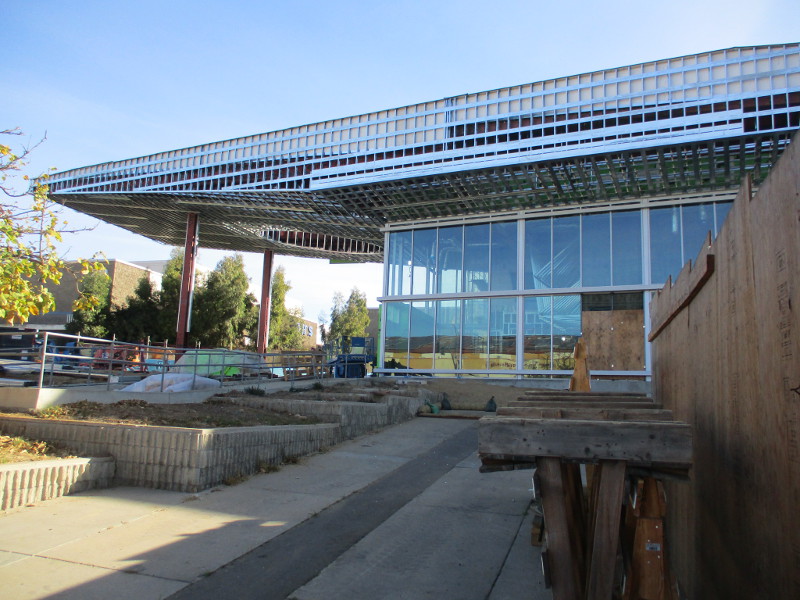
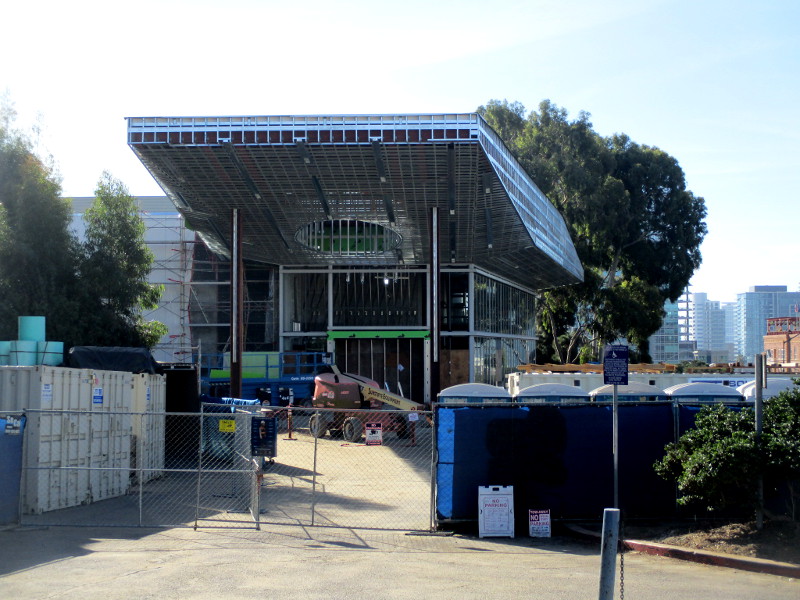
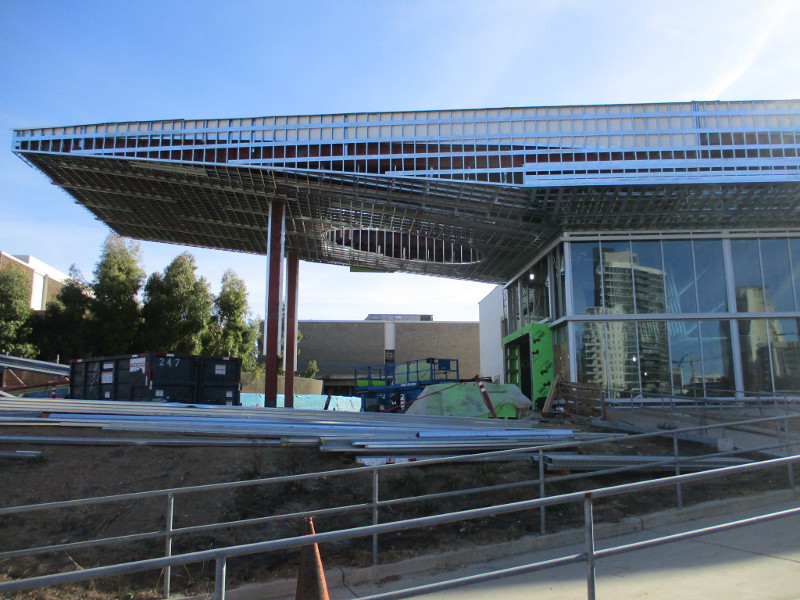
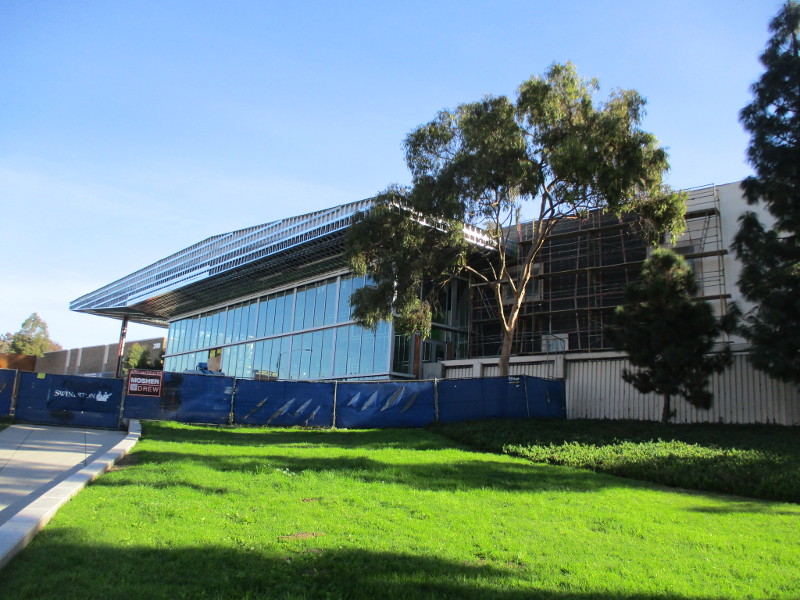
The school’s once drab appearance as seen from Park Boulevard is being radically altered. As you can see from these photographs taken today, a very cool new entrance is being built. San Diego’s oldest high school is being modernized!

The San Diego High School Administration & Classroom Building (Building 100) was an addition completed in 1976, and had all the stark aesthetics of many buildings designed in that era. The building serves as entrance to the campus.

Take a look at what’s coming!

You can see how the new glassy entrance with its cantilevered, sleekly projecting roof will make San Diego High School a new downtown landmark at the south end of Balboa Park! (Yes, the school is actually located inside Balboa Park.)

To learn about all the changes that are being made, and to view a flyover video of the project, check out the design team’s website here.

I post new blogs pretty often. If you like discovering new things, bookmark coolsandiegosights.com and swing on by occasionally!

I live in downtown San Diego and love to walk around with my camera! You can follow Cool San Diego Sights via Facebook or X.

Thank you for sharing!
One home is a castle in Serra Mesa!

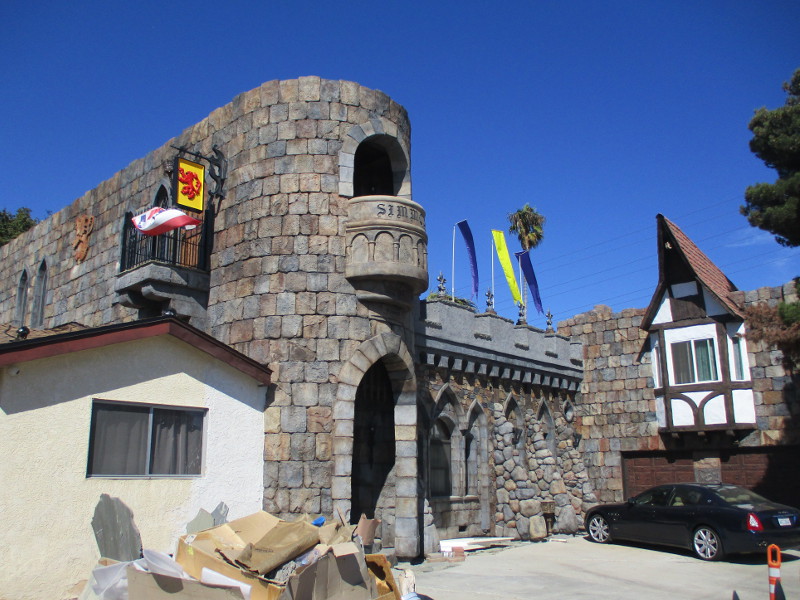
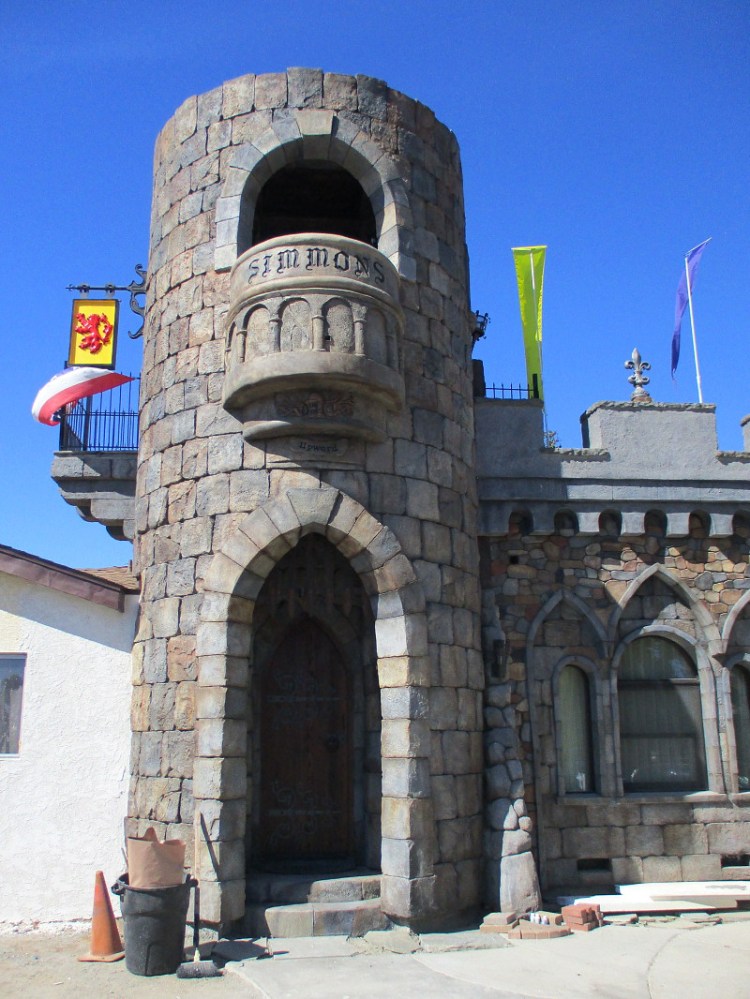
“One’s home is one’s castle” is a literal reality in San Diego’s Serra Mesa neighborhood!

I’d heard this castle-house was under construction earlier this year, so today I took a walk in Serra Mesa to see it. It’s on a residential street among more ordinary looking homes. Can you imagine living here? How cool would that be!

It’s a private residence, so I’ll not provide an address. Just keep your eyes peeled if you happen to be driving in Serra Mesa. Out of the blue you might stumble upon a medieval castle!

Thanks for visiting Cool San Diego Sights!

I post new blogs pretty often. If you like discovering new things, bookmark coolsandiegosights.com and swing on by occasionally!

I live in downtown San Diego and love to walk around with my camera! You can follow Cool San Diego Sights via Facebook or X.

Famous architect Irving Gill’s final design.

Irving Gill was an American architect who did most of his work in Southern California, especially in San Diego and Los Angeles. He is considered a pioneer of the modern movement in architecture.

I’ve posted many photos of Irving Gill buildings, including Granger Hall in National City, the Old Spaghetti Factory’s home in the Gaslamp Quarter, the original Fire Station, City Hall and Library in Oceanside, the First Church of Christ, Scientist building in Bankers Hill, the George Marston House in Balboa Park, the Old Scripps Building in La Jolla, and others. You might recall he also designed San Diego’s famous 1910 Broadway Fountain.

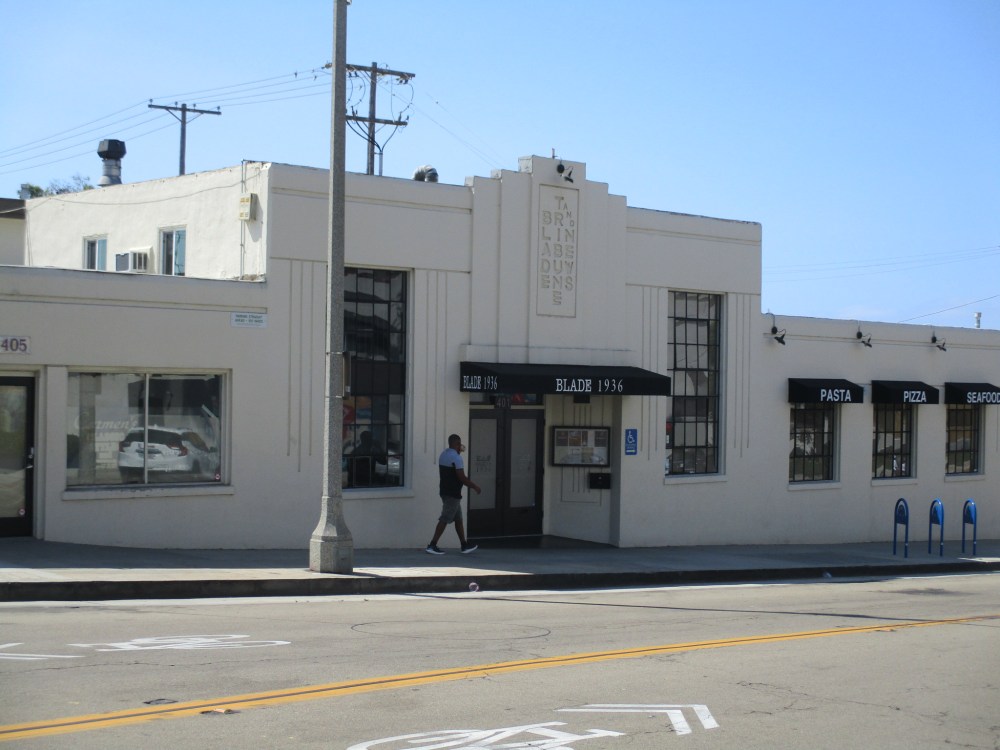
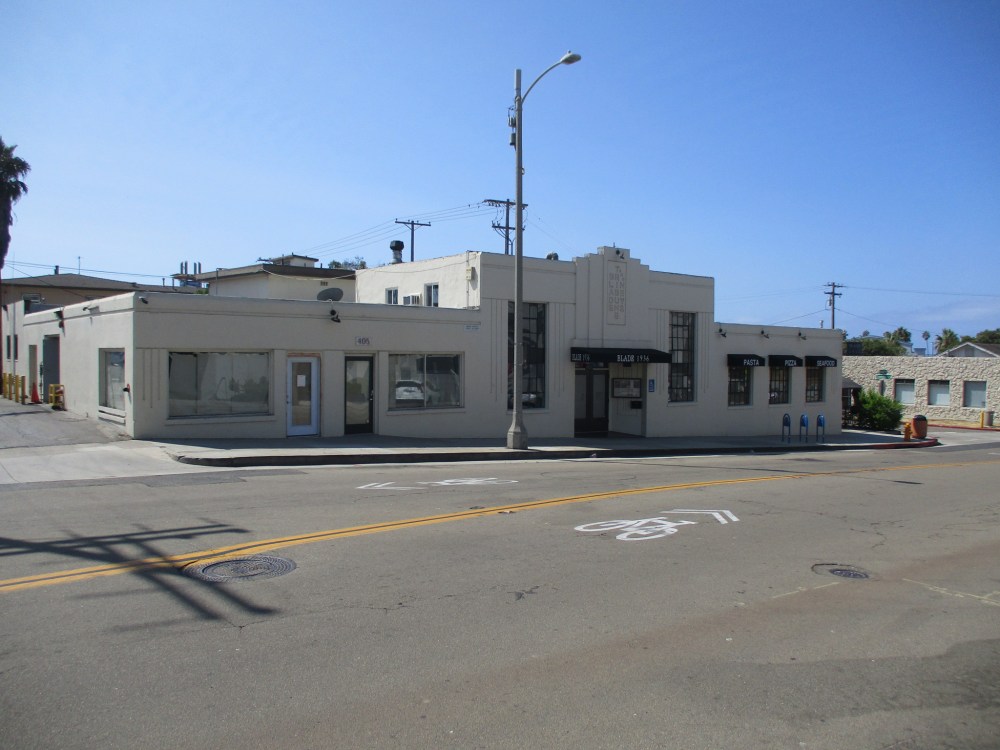
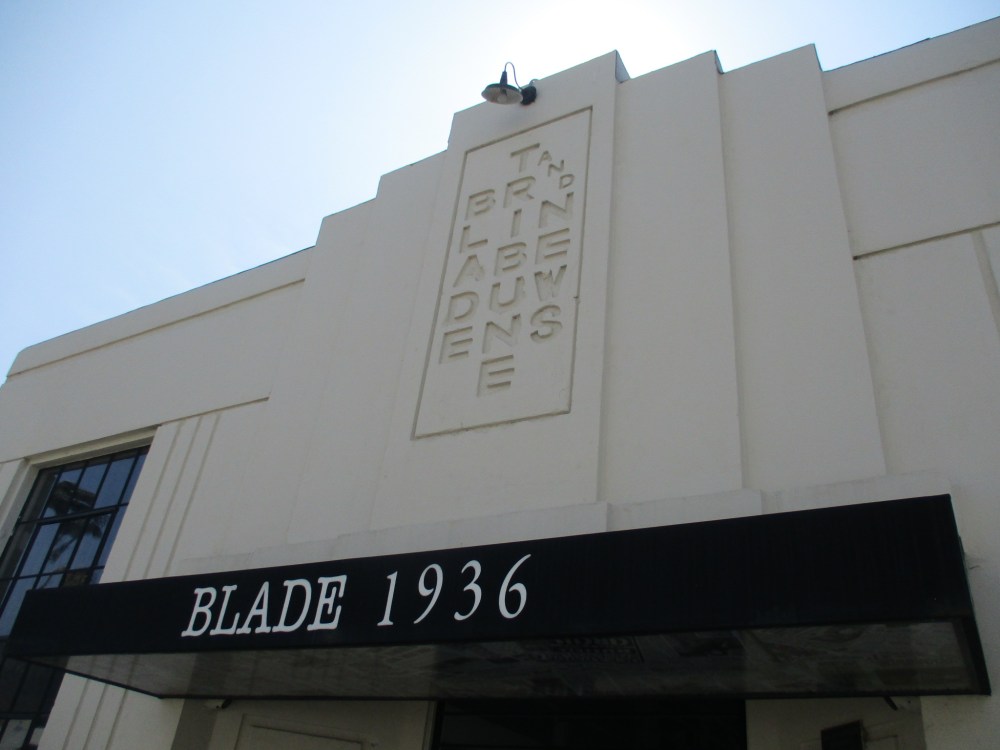
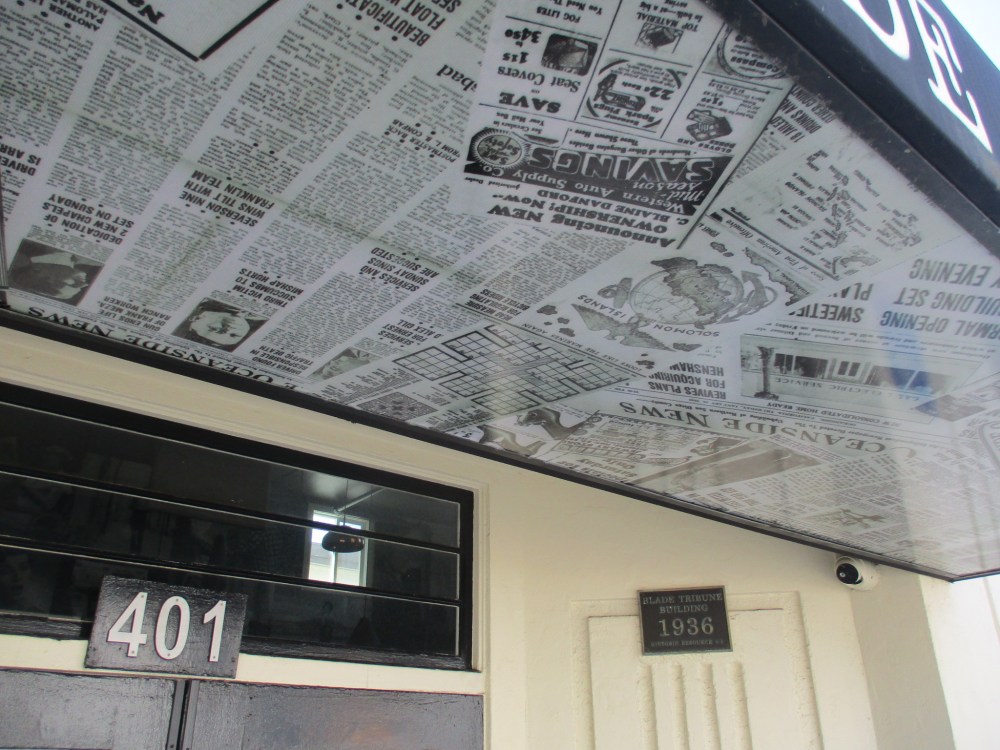
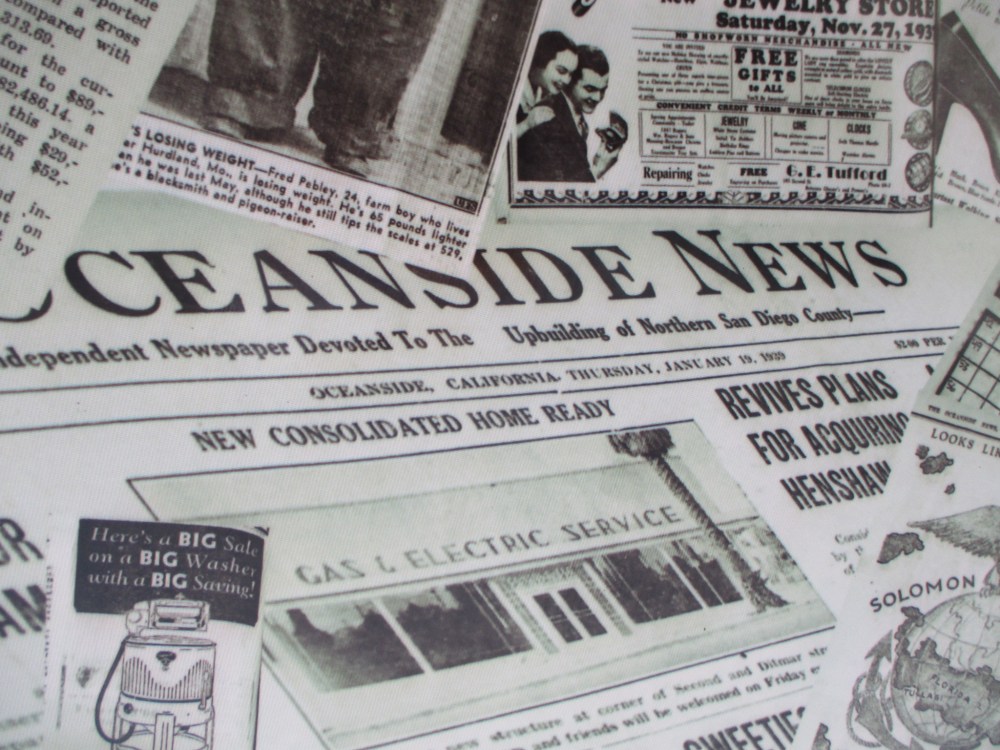
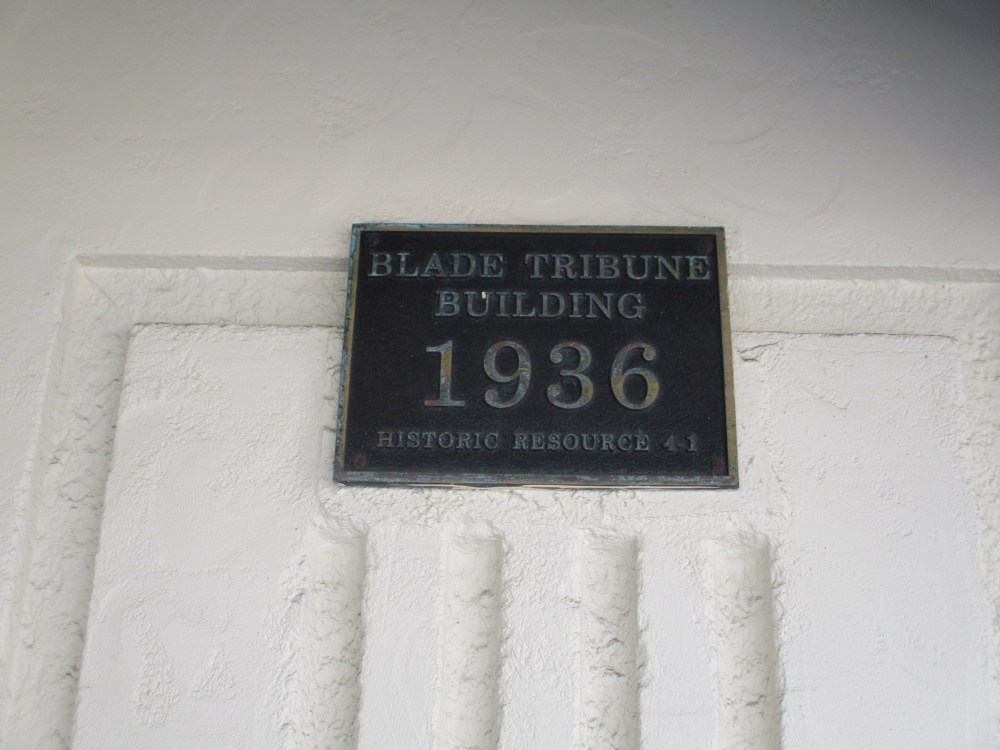
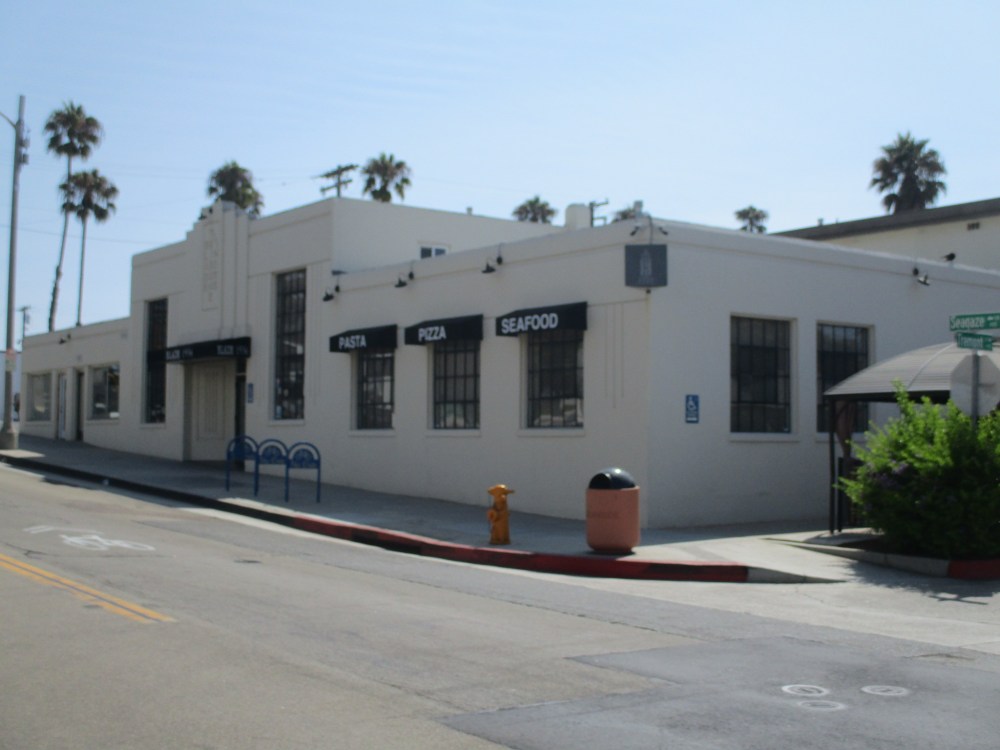
When I visited Oceanside a little over a month ago, I photographed Irving Gill’s final project: the 1936 Blade Tribune building. Let me share those photos now!

If you’d like to read a great article concerning the history of the now defunct Oceanside Blade-Tribune newspaper, click here.

The 1936 Irving Gill building you see in these photos, at 401 Seagaze Drive, was built to accommodate a newly created Oceanside Daily Blade Tribune and News. The unique building with an Art Deco façade was restored in 2019 and today is home to the Blade 1936 Italian restaurant!

Thanks for visiting Cool San Diego Sights!

I post new blogs pretty often. If you like discovering new things, bookmark coolsandiegosights.com and swing on by occasionally!

I live in downtown San Diego and love to walk around with my camera! You can follow Cool San Diego Sights via Facebook or X.

Own a genuine, historical Balboa Park artifact!

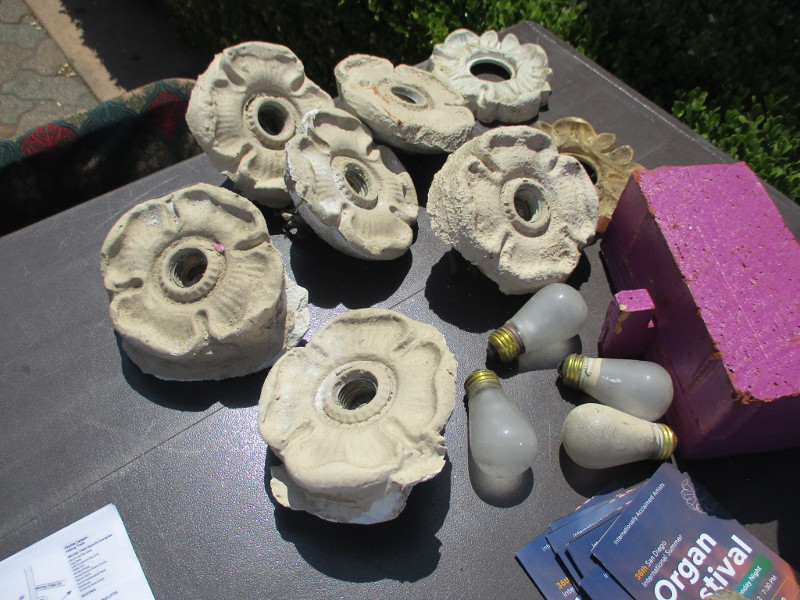
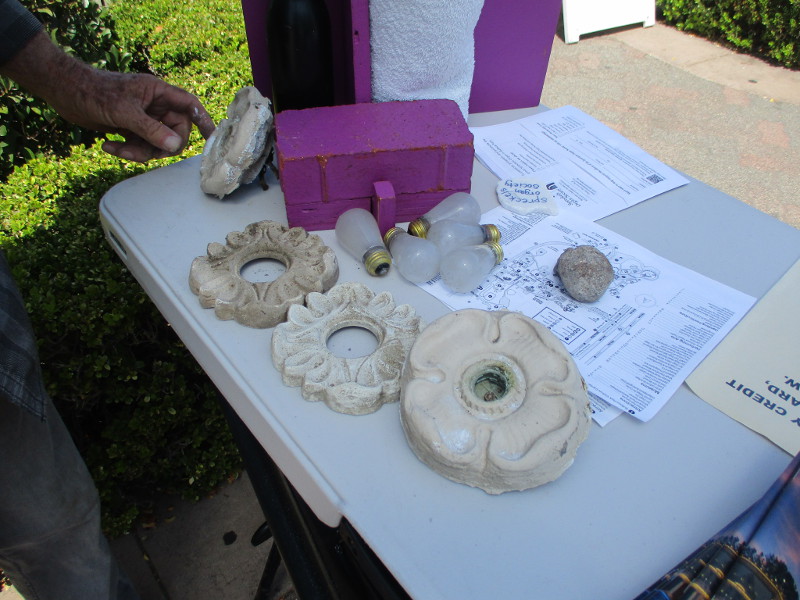
Would you like to own a genuine historical artifact from Balboa Park that dates back to just before 1915, when the park debuted for the Panama-California Exposition? You can!

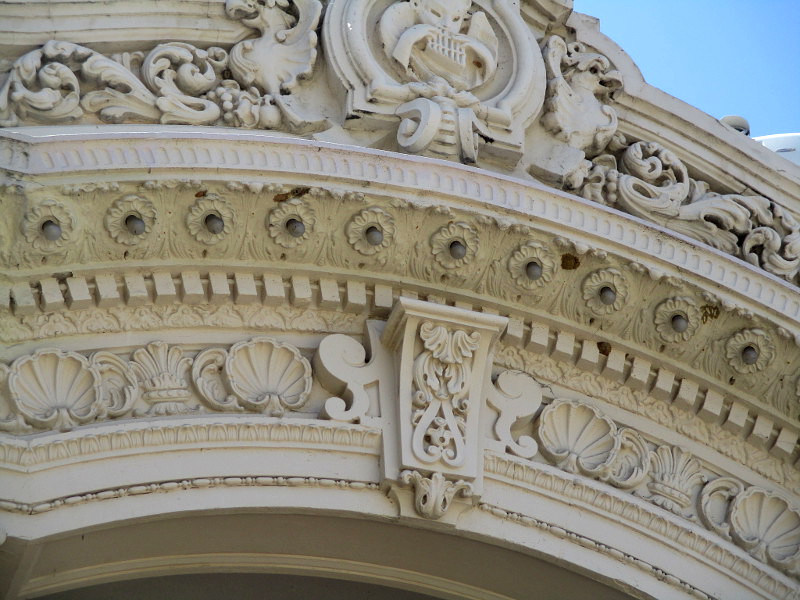
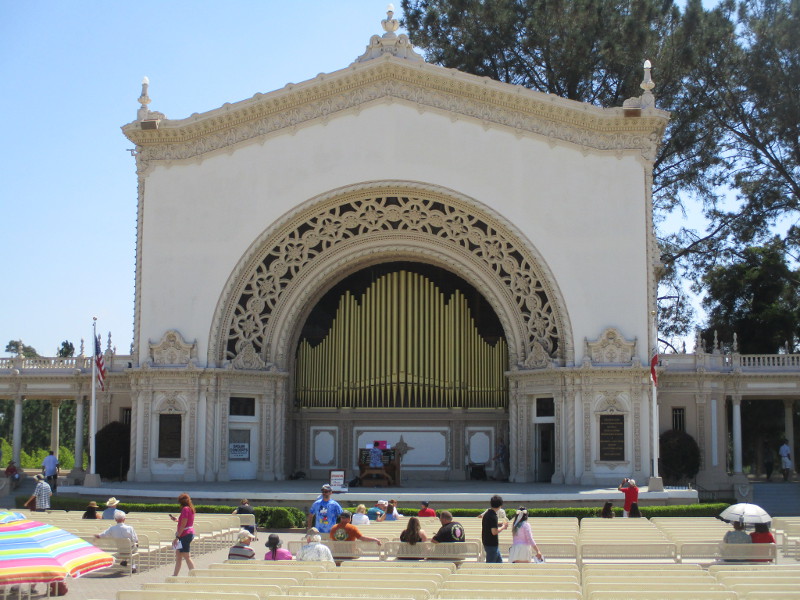
The original light bulb sockets have all been replaced on the façade of the Spreckels Organ Pavilion building and colonnades. If you’ve been to a concert after dark, you know the beautiful lights that add magic to the night.

The Spreckels Organ Pavilion was one of only four structures in Balboa Park meant to remain permanently after the 1915 exposition. Well, these decorative sockets and their hidden wiring deteriorated after a century of use and constant exposure to outdoor elements.

I learned today that for a twenty dollar donation, one socket (with light bulb) will be yours! Simply attend a two o’clock free Sunday organ concert and look for them on tables as you enter the pavilion.

Get them while they last and own a genuine piece of San Diego history! And you’ll help support the Spreckels Organ Society, too!

Thanks for visiting Cool San Diego Sights!

I post new blogs pretty often. If you like discovering new things, bookmark coolsandiegosights.com and swing on by occasionally!

I live in downtown San Diego and love to walk around with my camera! You can follow Cool San Diego Sights via Facebook or X.

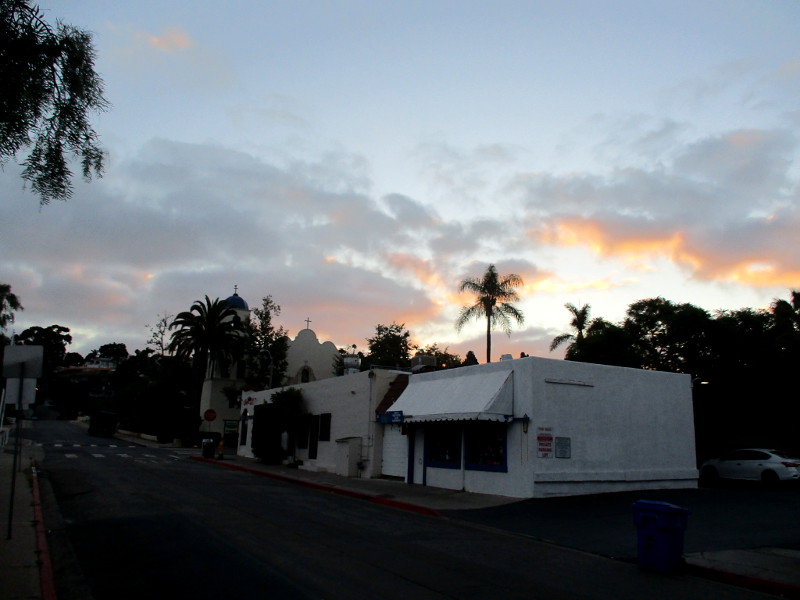
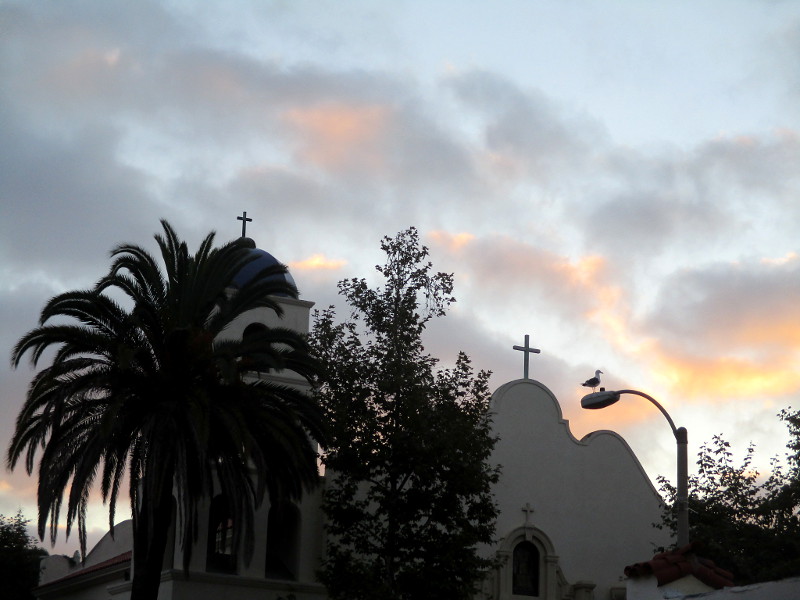
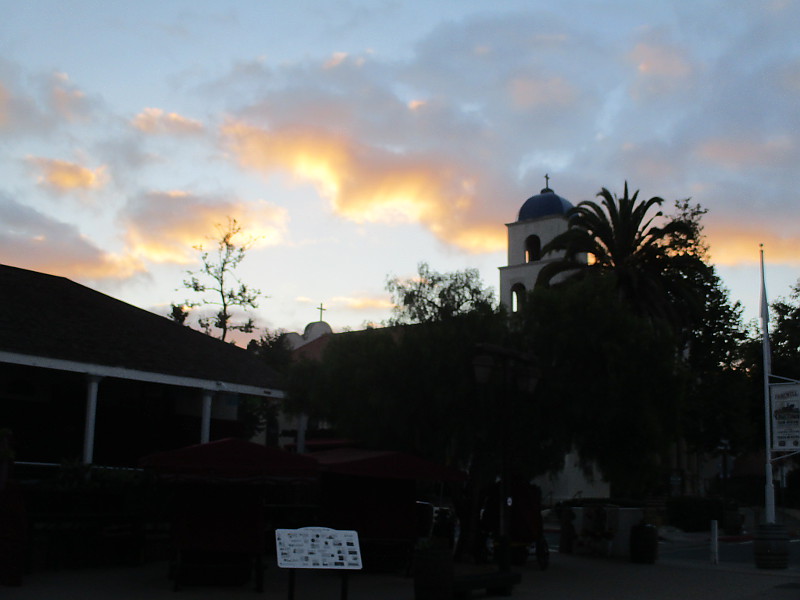
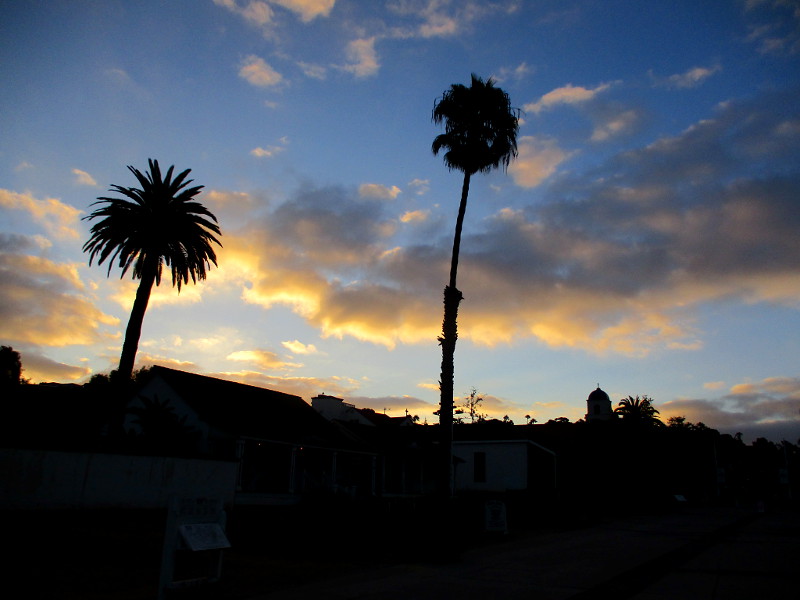
Sunrise above historic Old Town church.

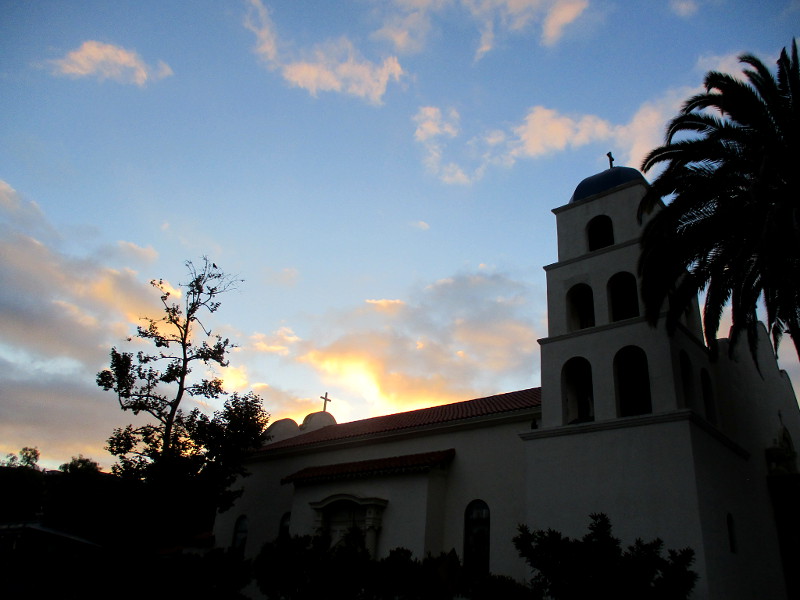
A beautiful sunrise illuminated San Diego this morning. Walking through Old Town, I watched scattered clouds to the east turn brilliantly yellow and orange.

As I passed near the historic Church of the Immaculate Conception, the sunrise promised dramatic photographs. So I aimed my camera skyward.

The present-day Immaculate Conception Catholic Church stands adjacent to Old Town San Diego State Historic Park.

A modest adobe chapel that was built nearby in 1851 would be replaced by this church building. Its construction was begun in 1868 and, after various setbacks, was completed half a century later, in 1917.

In these photographs, you can glimpse a bit of the church’s façade and bell tower, elements of its Spanish Mission style architecture.

Thanks for visiting Cool San Diego Sights!

I post new blogs pretty often. If you like discovering new things, bookmark coolsandiegosights.com and swing on by occasionally!

I live in downtown San Diego and love to walk around with my camera! You can follow Cool San Diego Sights via Facebook or X.

Sacred Architecture photo exhibit in La Jolla.

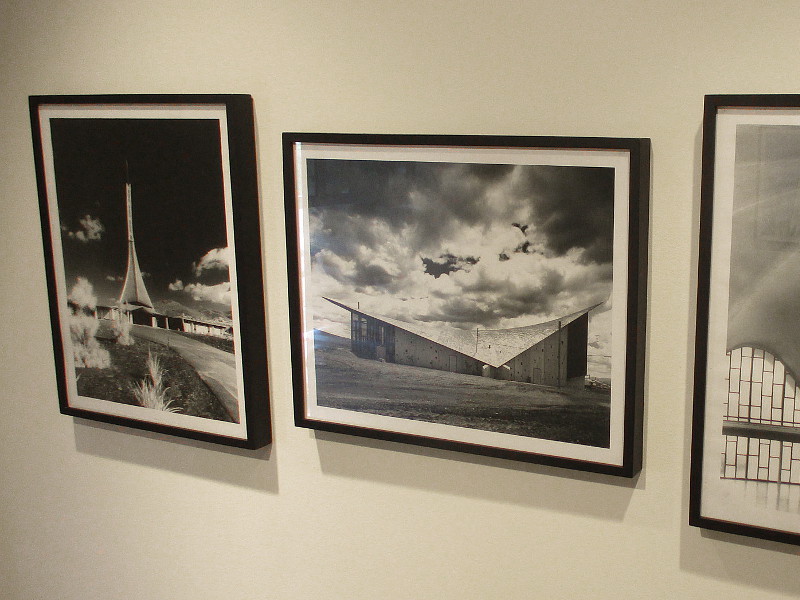
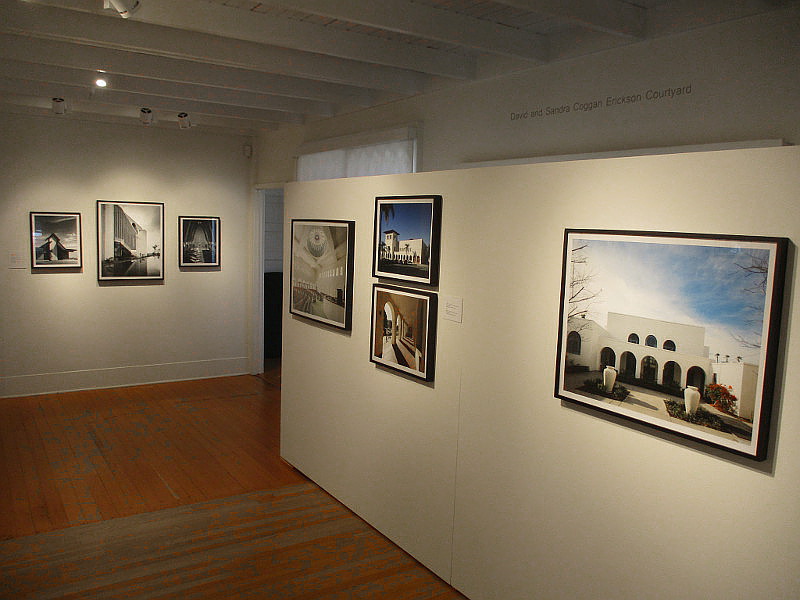
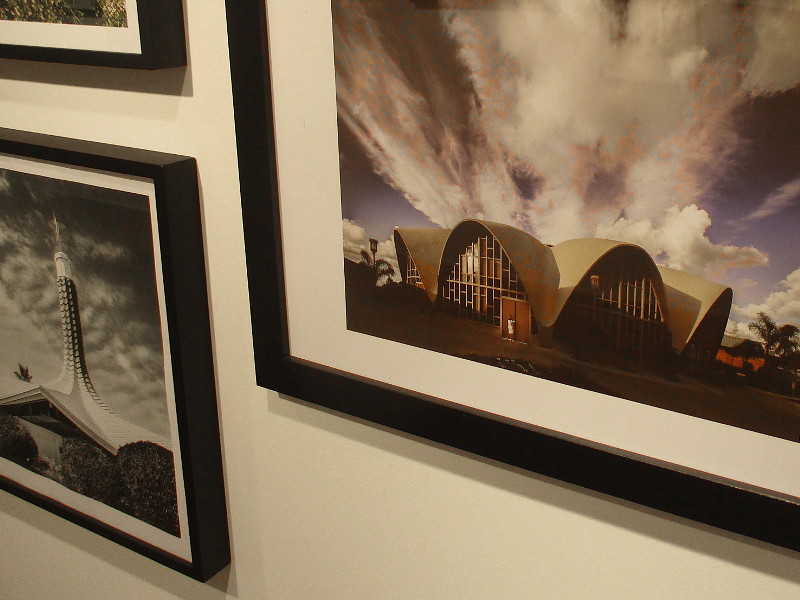
Sacred Architecture of San Diego and Tijuana is a free exhibition now showing at the La Jolla Historical Society’s Wisteria Cottage. The exhibit features stunning architectural photographs in the cottage’s museum-like galleries.

You won’t see photos of “old” church architecture–with ordinary steeples, gothic decoration and the like. San Diego is a relatively young city. Many places of worship in our region were built in the 20th century, and consequently reflect a more modern, unadorned, experimental style.

I noticed that much of this “sacred architecture” makes use of simple geometric forms like triangles, circles and waves. The basic forms feel simple, elemental and universal, and yet the structures are often a bit strange: elongated as if striving heavenward, or modest and sheltering near the earth where we stand. Much of the architecture produces a sense of wonder–at least for me.

Notable architects highlighted in the exhibition include Irving Gill with his masterful protomodern designs, and midcentury modernists Richard Neutra, Albert Frey and Jaime Sandoval. Postmodern buildings include a church by Charles Moore. La Jolla’s own Sim Bruce Richards is also represented.

The exhibition is being presented in conjunction with San Diego/Tijuana’s selection as World Design Capital. These stunning architectural photographs will be on display through September 1, 2024.

In San Diego, I’ve enjoyed architectural tours of several prominent places of worship. You can read descriptions and see photographs by clicking the following links:

Colorful stained glass windows of The Abbey.

An architectural masterpiece in San Diego.

A quick peek inside St. Paul’s Cathedral.

Beautiful sanctuary of historic San Diego church.

Photos inside the historic Ohr Shalom building.

History and faith at St. Agnes Catholic Church.

Thanks for visiting Cool San Diego Sights!

I post new blogs pretty often. If you like discovering new things, bookmark coolsandiegosights.com and swing on by occasionally!

I live in downtown San Diego and love to walk around with my camera! You can follow Cool San Diego Sights via Facebook or X.

A new hotel, and zoo animals in the basement!

The Granger Building in San Diego’s Gaslamp Quarter is undergoing a very big change. The historic downtown office building, erected in 1904, is being converted into an elegant hotel.

Those who walk past the intersection of Broadway and Fifth Avenue can view the construction now in progress. Surprising graphics along the sidewalk advertising the soon-to-open Granger Hotel really catch one’s attention, however. Why are there old-fashioned images of a monkey, tiger and giraffe?

Because the basement of the Granger Building once held zoo animals!

Before I get to the unusual explanation, you might wonder: why is it called the Granger Building?

This web page explains how Ralph Granger made his initial fortune from the Last Chance Silver Mine in Colorado. When he came to San Diego in 1891, he settled in National City, where, in a addition to a mansion, he built the architecturally important Granger Music Hall. (Those who drive down Interstate 805 can easily see the notable but dilapidated building. I once blogged about the Granger Music Hall here.)

Granger would then hire renowned architect William Quayle to design an office building in downtown San Diego: the Granger Building. The Romanesque style structure, built for $125,000, was steel framed and constructed of pressed bricks. It is five stories high and features embossed metal ceilings, gas lights and a manually operated elevator. The first floor would be home to the Merchant’s National Bank, with the son of President U.S. Grant the initial Director. In 1924, the bank became the Bank of Italy, the forerunner of the Bank of America.

But what about those zoo animals in the building’s basement?

Well, Dr. Harry Wegeforth was a physician who happened to have his practice in the Granger Building. He was also founder of the Zoological Society of San Diego and the San Diego Zoo. You might recall how he was inspired to start the zoo when he passed animals that had been displayed during the 1915 Panama-California Exposition in Balboa Park and heard a lion roar.

In the early days of the expanding San Diego Zoo, as Dr. Harry Wegeforth acquired new animals, he kept some of them in the basement of the Granger Building!
Guests of the new Granger Hotel will be staying in a property that is full of surprising history. Past tenants of the old office building have also included C. Arnholt Smith, owner of the Pacific Coast minor league Padres, and Joseph Jessop, our city’s most famous jeweler.

Thanks for visiting Cool San Diego Sights!
I post new blogs pretty often. If you like discovering new things, bookmark coolsandiegosights.com and swing on by occasionally!

I live in downtown San Diego and love to walk around with my camera! You can follow Cool San Diego Sights via Facebook or X.

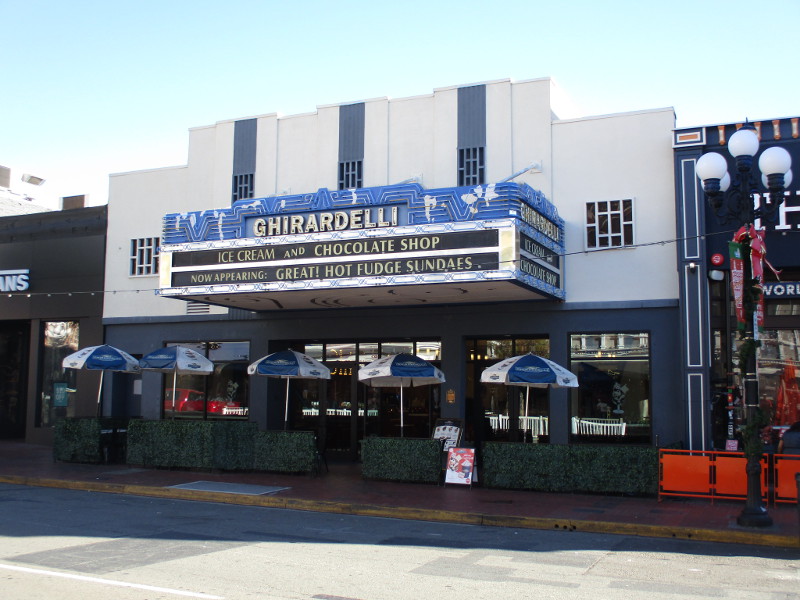
Ghirardelli’s marquee and Gaslamp history.

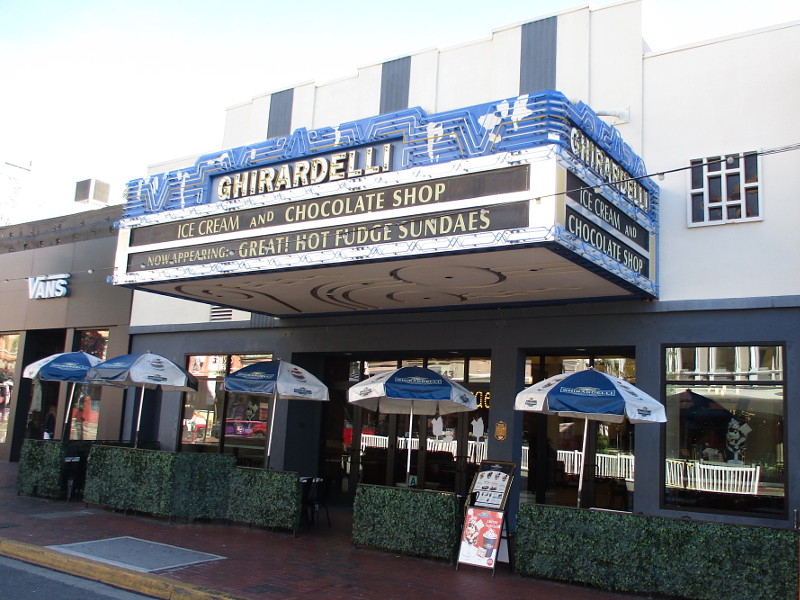
Have you ever wondered why the Ghirardelli Ice Cream & Chocolate Shop in San Diego’s historic Gaslamp Quarter has an old-fashioned theater marquee? That’s because the building, erected in 1912, was originally a movie theater!

The Casino Theatre at 643 Fifth Avenue opened in 1913 and was one of several movie theaters in the Gaslamp that provided entertainment for ever-changing audiences over the decades. In the 1930s it was remodeled into the Art Deco style. Here’s an image from the 40s, with the Casino Café “Lunch” restaurant located next door, offering breakfast, waffles and steaks.

In the 1950s and 60s, The Casino and its movie theater neighbors at Fifth and G Street–The Aztec and The Savoy–would be open all night and show 3 big features, according to a comment here. Slowly these old theaters would fall as television’s popularity rose.

In the 1970s, while the Gaslamp neighborhood experienced urban decay, The Casino Theatre began to show X-rated movies, along with the other nearby theaters. I’ve been told sailors made up much of the clientele.

Here’s a gallery of photos of the The Casino Theatre over many years. Some of the titles you’ll read in the marquee are a bit salacious!

I hadn’t realized the marquee was seen in Marty Feldman’s 1980 movie In God We Tru$t. That image can be viewed here.

Today you’ll find a plaque near the historic building’s front entrance:

The Casino Theatre, 1912

The first theatre to be built with the new building ordinance for fire safety. It had two doors near the stage for fire escape and a five-foot-wide exterior passage on both sides and the rear for the protection of other buildings in case of fire. However, two years after construction, the northern passage was occupied by a food stand, and the southern passage contained a shoe shining establishment.

Temptation of a different sort! In a historic Gaslamp Quarter that now attracts loads of tourists, the colorfully lit old marquee teases you with ice cream, chocolate and hot fudge sundaes!

Thanks for visiting Cool San Diego Sights!

I post new blogs pretty often. If you like discovering new things, bookmark coolsandiegosights.com and swing on by occasionally!

I live in downtown San Diego and love to walk around with my camera! You can follow Cool San Diego Sights via Facebook or X.

The original Coronado Library building.

The Coronado Public Library occupies a 40,000 square feet building that serves as the community’s cultural center. The library contains a large public meeting room and smaller conference room, a separate Children’s Library and Teen area, an Exhibit Gallery, plus an employee work area and used bookstore.

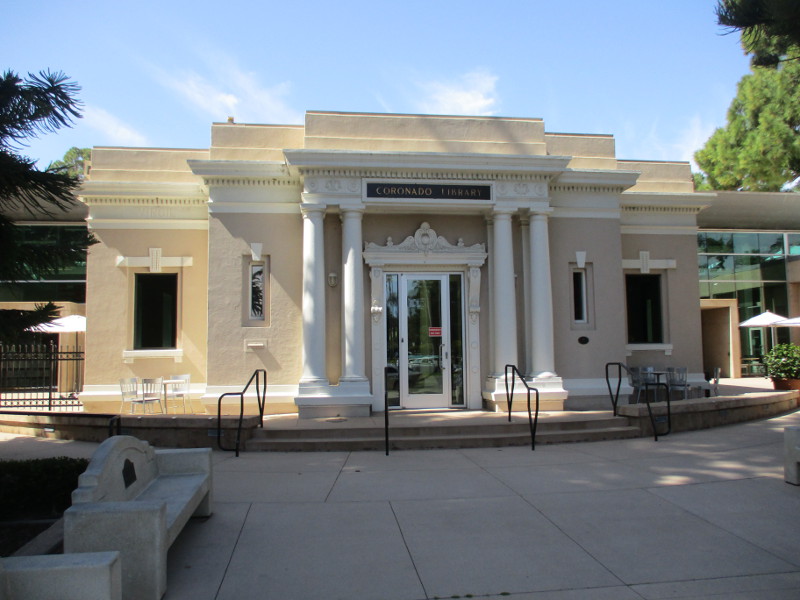
Back in 1909, however, when the original Coronado Public Library first opened, it measured a modest 1,700 square feet. You can see the front of the historic building with its stately columns in the above photograph.

Last month I learned the history of this original “Spreckels Building” during the San Diego Architectural Foundation’s Open House event. John D. Spreckels was owner of the nearby Hotel del Coronado in the early part of the 20th century.

An informative handout included: On February 17, 1908, the Library Board boldly voted to “request Mr. Spreckels to make a gift of a new library building”…public park land set aside by the Coronado Beach Company known as West Plaza was chosen for the location…Spreckels donated the services of his favorite architect, Harrison Albright…(His) design, in the style of the classic revival…was built at a cost of $10,000. It was one of the first California buildings built of reinforced concrete. It was designed to hold 5,000 books…

The following graphic depicts major additions that were made to the library over the years:

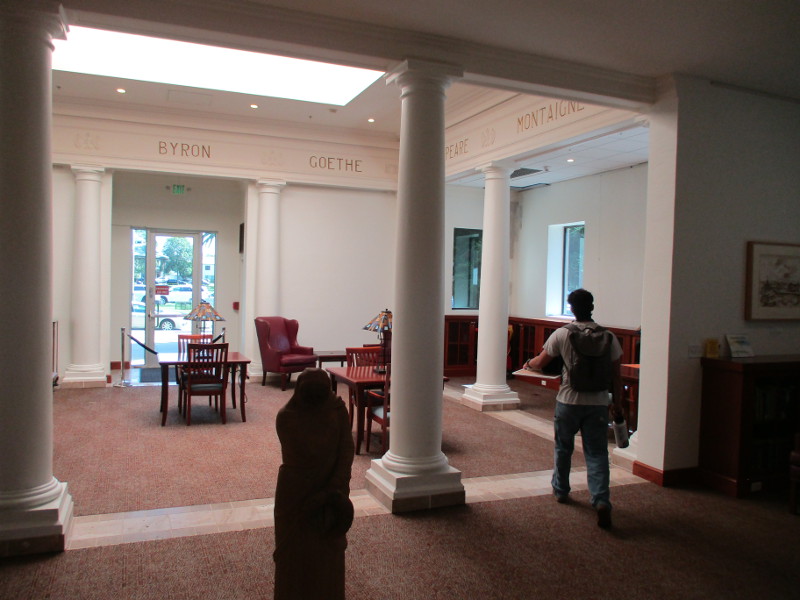
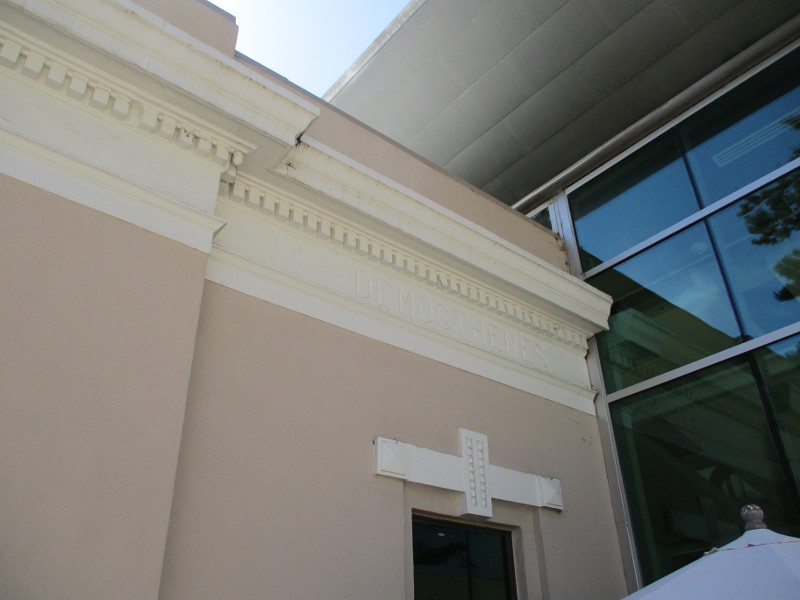
The next two photos demonstrate how the original building was cleverly joined to the glassy 2005 addition. (The 1974 addition demolished and replaced a hodgepodge of add-ons and wings that had been attached to the original building during the preceding decades.)

Today the original little library–the Spreckels Building–serves as a cozy, very elegant Reading Room!

Thanks for visiting Cool San Diego Sights!

I post new blogs pretty often. If you like discovering new things, bookmark coolsandiegosights.com and swing on by occasionally!

I live in downtown San Diego and love to walk around with my camera! You can follow Cool San Diego Sights via Facebook or X (formerly known as Twitter)!