Gaslamp Museum at the William Heath Davis House and Park, 1850. Home of the Gaslamp Quarter Historical Foundation.
These photos inside the historic William Heath Davis House Museum were taken a few months ago. I toured the fascinating house during the Fall Back Festival, which is held every year in San Diego’s Gaslamp Quarter.
Dated 1850, the William Heath Davis House, like a number of other structures in early San Diego, was built on the East Coast and shipped around Cape Horn. At the time San Diego simply didn’t have the resources and tools required to build a fine wooden house. Various rooms inside the museum show what life was like in New Town a century and a half ago. It was a much simpler time. The small museum now sits in the middle of a gigantic, bustling metropolis.
Please read the photo captions for more info, and click the signs to read them.
Photo of the William Heath Davis House Museum taken from across Island Avenue.Tours of the historic house are available. A museum store contains fascinating gifts.The William Heath Davis House, built in 1850, is the oldest surviving structure from San Diego’s New Town. It is a prefabricated “salt-box” style home, shipped from Portland, Maine around Cape Horn.The 1850 Davis-Horton House was used as a military barracks, county hospital, and was home to New Town’s founder Alonzo Horton and several other families over the years.Looking down the stairs from the second floor. A lady in Victorian attire welcomes visitors to the museum during the Fall Back Festival in November.A look at the first floor living room where family and guests would gather.A small piano, sheet music, teacup and candle. Entertainment in the olden days was simple.The dining table is set for a grand meal in what was then a sparsely populated New Town San Diego.An old sewing machine can be found by a window upstairs.The nursery, with crib, chest and small bed.Three beds for the children have colorful quilts.A desk in the study, framed photos, and a cabinet full of books. No internet back then!An old-fashioned penny-farthing bicycle reminds visitors to the William Heath Davis House Museum of what life was like a century and a half ago in San Diego.
…
I live in downtown San Diego and love to walk around with my camera! You can follow Cool San Diego Sights via Facebook or Twitter!
You can easily explore Cool San Diego Sights by using the search box on my blog’s sidebar. Or click a tag! There are thousands upon thousands of fun photos for you to share and enjoy!
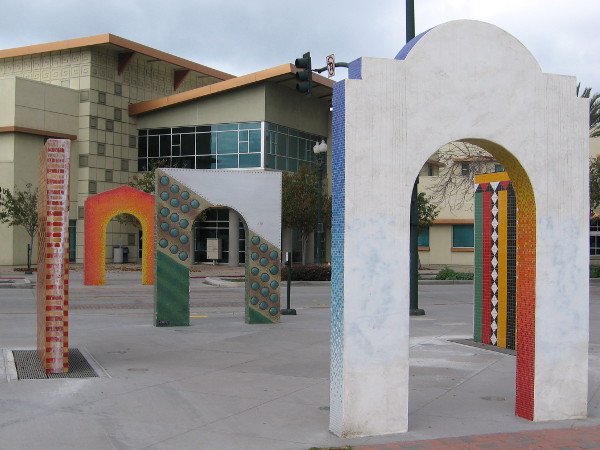
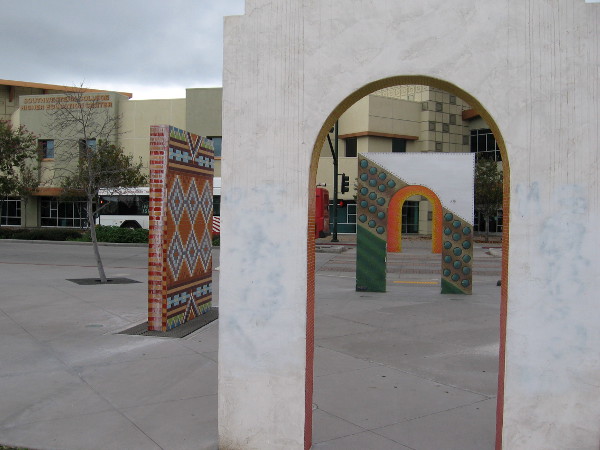
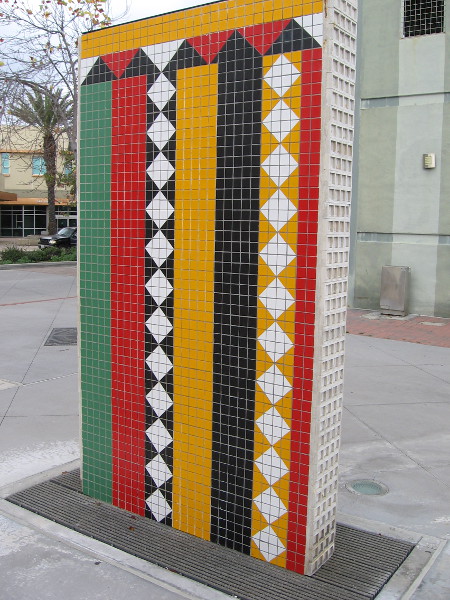
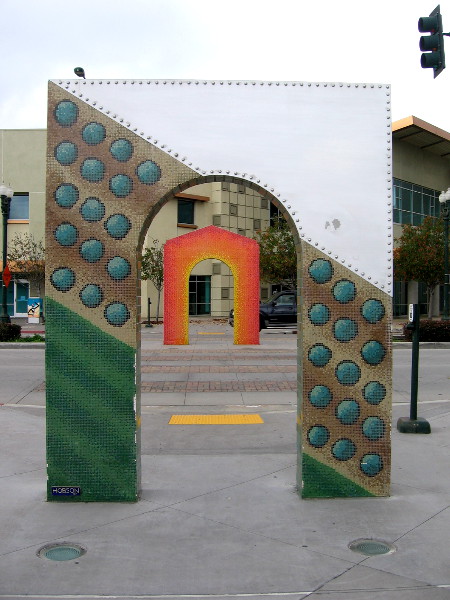
These arches in National City’s Morgan Square Plaza delight the eye with their colorful tiles and designs.
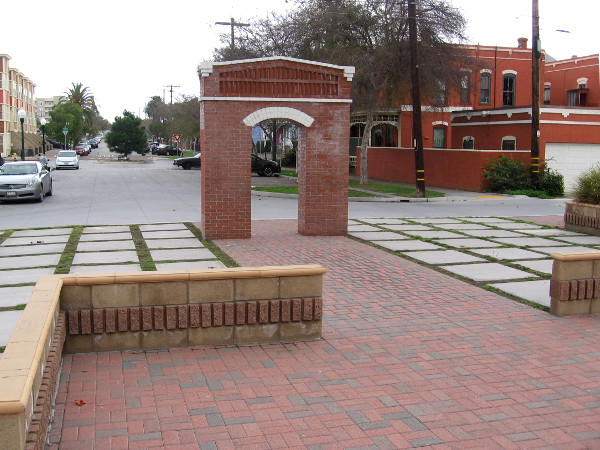
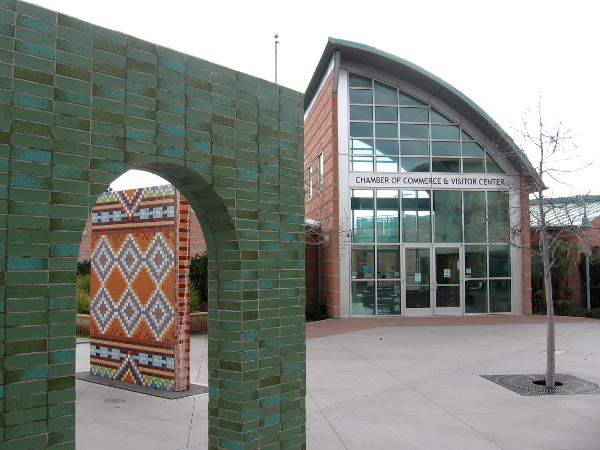
Check out this cool public art in San Diego’s South Bay! These colorfully tiled arches can be found in Morgan Square Plaza right next to the National City Chamber of Commerce and Visitor Center. As you can see in one photo, the plaza isn’t far from Heritage Square and historic Brick Row, which I recently covered on this blog.
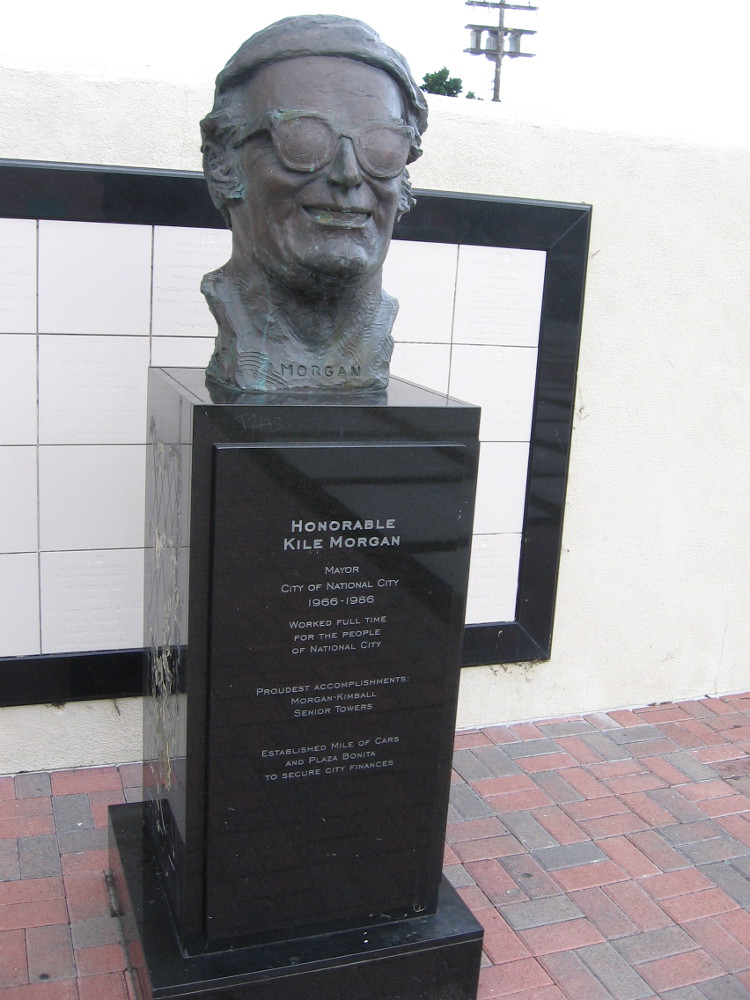
It appears these mosaic arches debuted along with the plaza itself in October 2007. I searched the small pocket park for a plaque, and later for information on the internet, but can find almost nothing about this unique public art. I did see that the bust of former National City mayor Kile Morgan was created by the talented San Diego sculptor Richard Becker. According to Becker’s website, he created the POW Monument at the US National Cemetery, busts for The Emmys in Hollywood, and a bronze sculpture of Homer Simpson for Fox Studios.
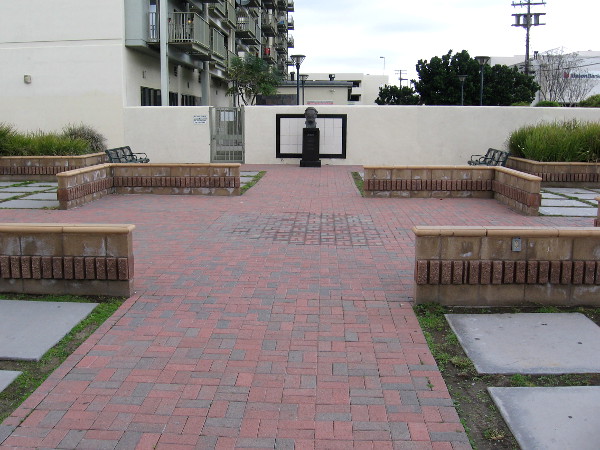
Cool art in the public square next to the National City Chamber of Commerce and Visitor Center.Visible beyond the brick arch is one end of Brick Row, one of several historic buildings in Heritage Square.Across Morgan Square Plaza is a monument to a former National City mayor.The bust of Honorable Kile Morgan, mayor of National City from 1966 to 1986. He established the Mile of Cars and Plaza Bonita. Sculpture created by San Diego artist Richard Becker.Another photo through the arches. The Southwestern College Higher Education Center stands across National City Boulevard.The beautiful patterns on this wall-like artwork are composed of many brightly colored tiles.The National City Chamber of Commerce and Visitor Center is located near the public art arches.Fun photo of one arch within another.Cool public artwork in National City at Morgan Square Plaza!
UPDATE!
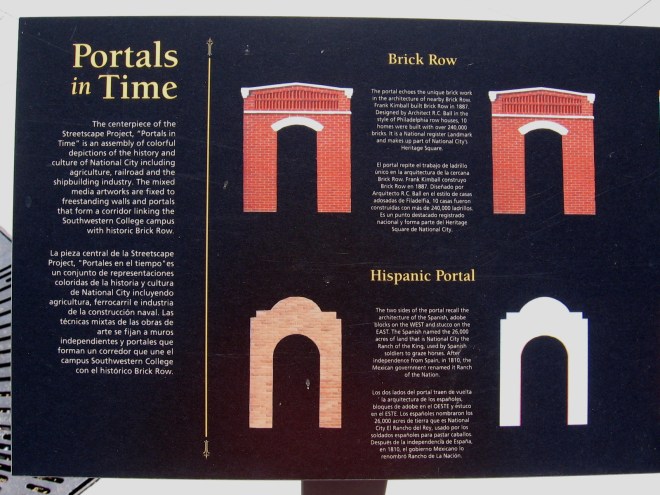
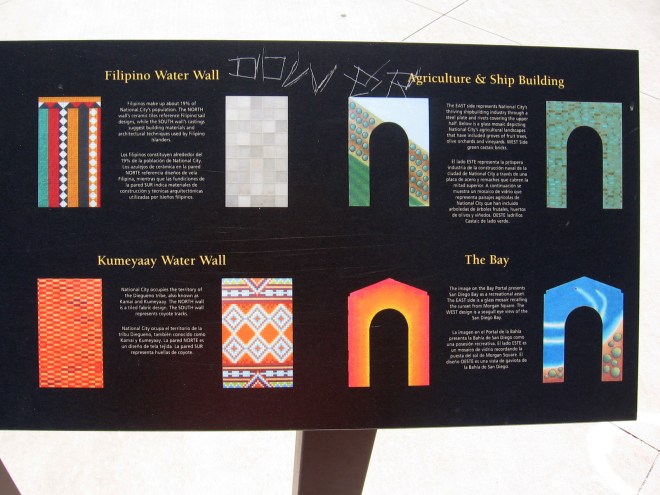
During a walk in 2019 I discovered a plaque describing this Streetscape Project, titled Portals in Time. The different arches are called Brick Row, Hispanic Portal, Filipino Water Wall, Kumeyaay Water Wall, Agriculture and Ship Building, and The Bay.
Click the following two photos and they will enlarge for easier reading:
…
I live in downtown San Diego and love to walk around with my camera! You can follow Cool San Diego Sights via Facebook or Twitter!
You can easily explore Cool San Diego Sights by using the search box on my blog’s sidebar. Or click a tag! There are thousands upon thousands of fun photos for you to share and enjoy!
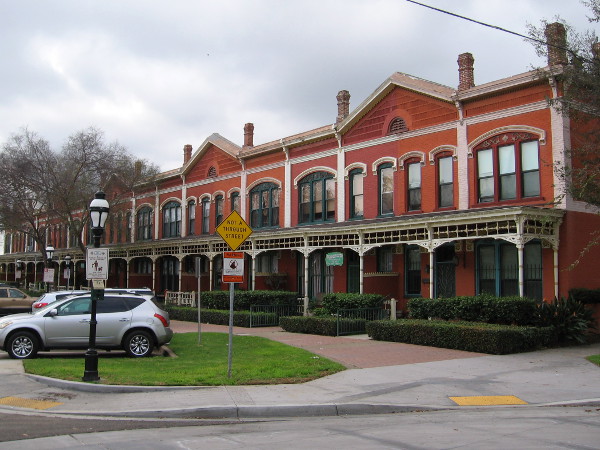
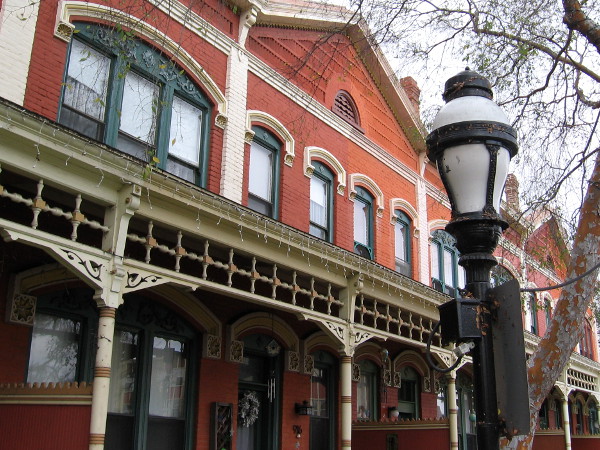
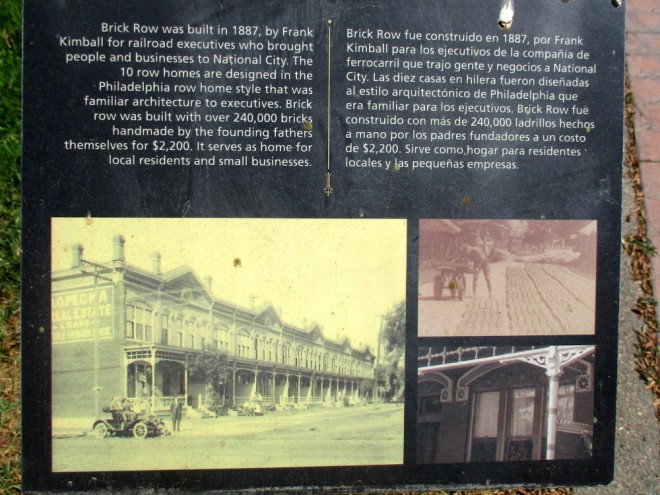
Brick Row at National City’s Heritage Square. The long brick two-story structure was built by Frank Kimball in 1887.
To those traveling through gritty National City, Heritage Square can be a surprising discovery. Venture into the picturesque block, just south of the intersection of East 9th Street and A Avenue, and you feel like you’ve stepped back 150 years.
National City has a fascinating history. Originally used by the Spanish to graze horses, the land in the early 1800s, after Mexican independence, was called Rancho de la Nación. In 1868, a San Francisco builder named Frank Kimball bought the rancho with an ambitious dream. He intended to turn National City into the western terminus of the Santa Fe Railway.
You might remember my photographic tour of the National City depot, built in 1882 by the Santa Fe Railroad. It became the first terminus of transcontinental rail travel in the San Diego area. You can see that fascinating blog post here.
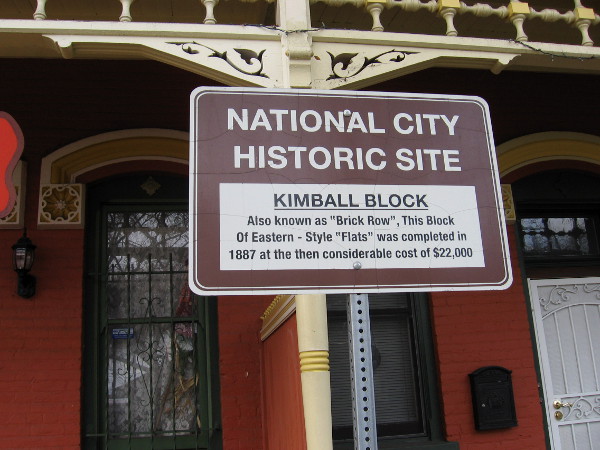
To accommodate executives of the Santa Fe Railroad and booming times caused by the arrival of rail, in 1887 Frank Kimball built Brick Row, a structure in the style of Philadelphia row house. It was designed by San Diego architect R. C. Ball. Over 240,000 bricks were used for the ten units.
Kimball’s full ambitions weren’t realized, however, when the Santa Fe Railroad soon turned their sights on Los Angeles, making that city their major center of operations in Southern California.
An early resident of the “Kimball Block” was legendary marshal Wyatt Earp, who came to Southern California after being indicted in Arizona for shooting the men who’d killed his brother. He is best known locally for opening three gambling halls in San Diego. In 1889, Wyatt Earp stayed in Brick Row when he traveled down to Tijuana, Mexico. There he famously refereed a prize fight during a fiesta that also featured cockfights, bullfights and a lassoing contest.
In the early 1970s, National City’s planning director, Malcolm C. Greschler, interested in preserving the deteriorating Brick Row, came up with the idea of creating Heritage Square, which would be a historical tourist attraction similar to San Diego’s Old Town. In 1973 Frank Kimball’s house was moved to Heritage Square.
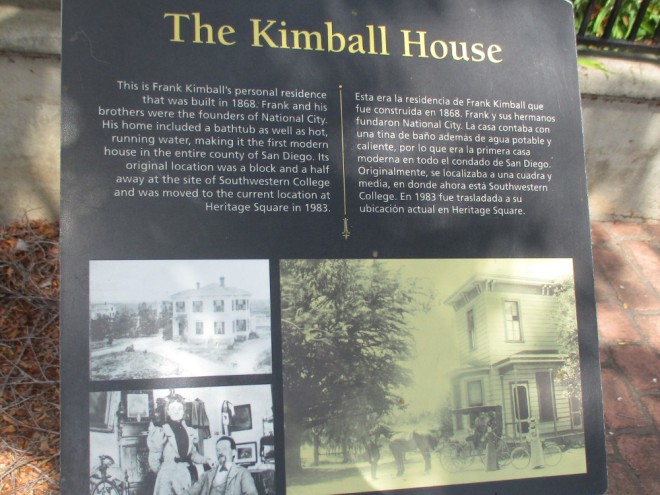
The 1869 Kimball House has its own unique history. It was the first house built in National City. Not only did it have a bathtub, but it had hot running water, which made it the first modern house in the entire county. President Benjamin Harrison visited it in 1891 during his tour of the western United States. At the time, it was the longest journey ever made by a President while in office. President Harrison’s 9,232 mile trip by railroad took one month and three days!
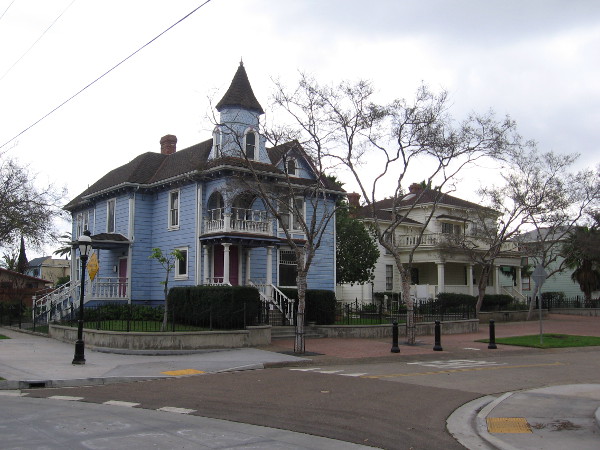
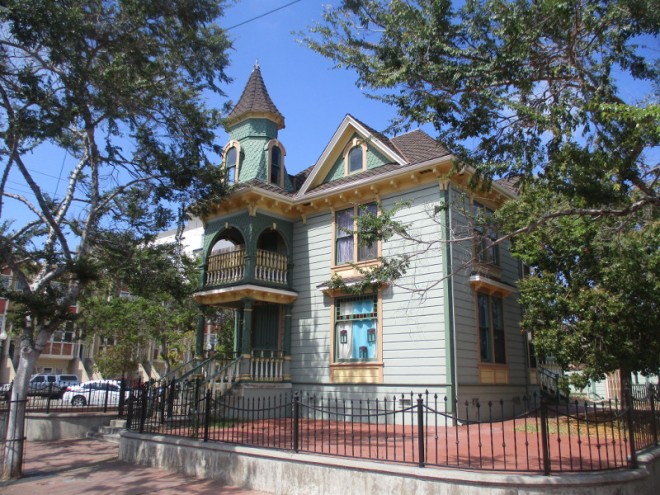
In 1976 two more historical houses were moved to Heritage Square: the 1887 Stick-style Rice-Proctor House and the 1879 Steele-Blossom House, which is depicted on National City’s official logo.
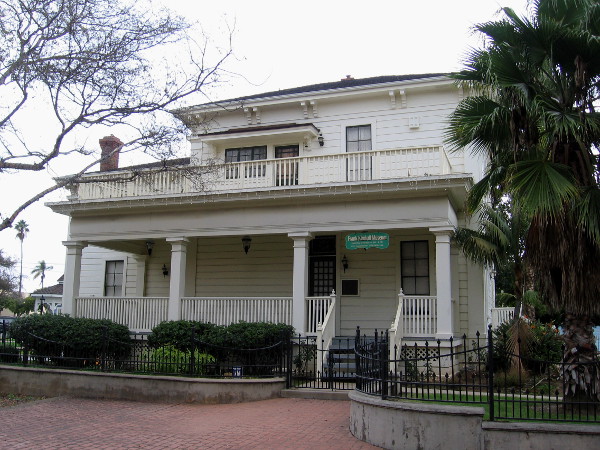
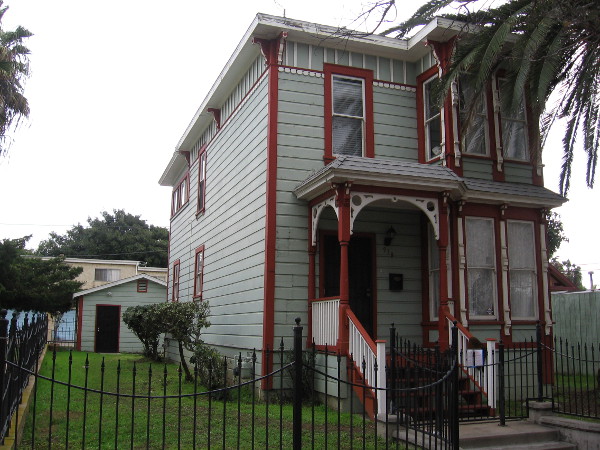
A plaque that reads Heritage Square – Marked in honor of the National City Centennial by San Miguel Chapter NSDAR, 1987.Heritage Square in National City contains several historic structures from the mid to late 19th century.The Steele-Blossom House, built in 1879, is used by the city of National City in its official logo. Elizur Steele was real estate agent for Frank Kimball and his enterprising brothers.The 1869 Kimball house was moved to Heritage Square in 1975. It is now the Kimball Museum operated by the National City Historical Society.The 1887 Stick-style Rice-Proctor House in National City’s Heritage Square.The two-story Brick Row is composed of ten units with common walls.Sign reads National City Historic Site – Kimball Block – Also known as Brick Row, this block of Eastern-style flats was completed in 1887 at the then considerable cost of $22,000.Photo of a section of the handsome Brick Row. The building now houses several specialty shops and the National City Historical Archive Room.Walking through the historic block of Heritage Square in National City is like a wonderful voyage back in time.
UPDATE!
I took the following three photographs in 2021 during another walk through National City.
The first photo is of a sign providing information concerning Brick Row. I cropped the top of the photo off because the outdoor sign was plastered with unsightly bird poop!
The second photo is of a sign concerning the Kimball House. I see its dates are different than what I previously wrote. I got that info from some other source. Do your own research!
The third photo is of the Steele-Blossom House, which appears to have been repainted with different colors.
…
This blog now features thousands of photos around San Diego! Are you curious? There’s lots of cool stuff to check out!
Here’s the Cool San Diego Sights main page, where you can read the most current blog posts. If you’re using a small mobile device, click those three parallel lines up at the top–that opens up my website’s sidebar, where you’ll see the most popular posts, a search box, and more!
To enjoy future posts, you can also “like” Cool San Diego Sights on Facebook or follow me on Twitter.
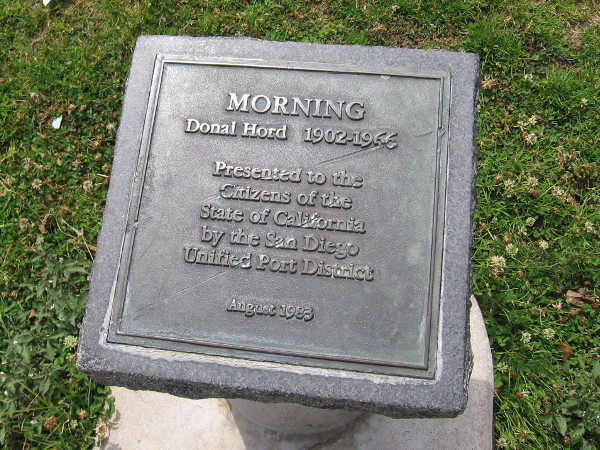
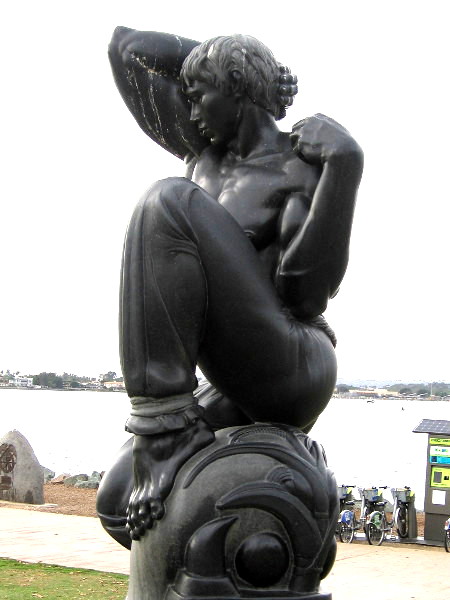
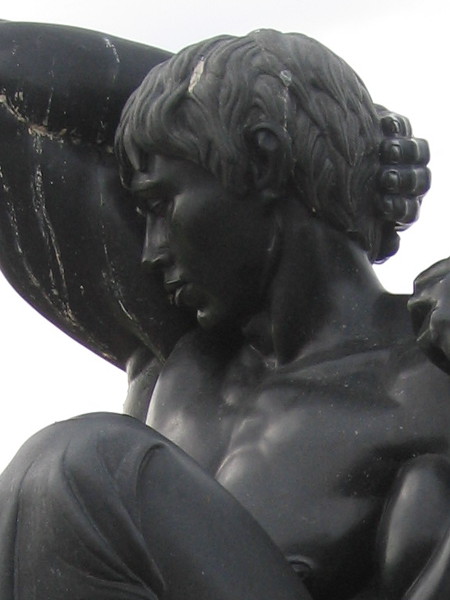
The sleepy face of Morning, a sculpture by renowned San Diego artist Donal Hord.
Many who walk along the waterfront pause to enjoy a beautiful sculpture near Seaport Village. Morning, sculpted from black diorite by internationally renowned San Diego artist Donal Hord, stands atop a low grassy hill at the edge of Embarcadero Marina Park North. Should curious eyes watching the colorful, sunlit kites flying high above the park descend to Earth, they will fall upon Morning.
Donal Hord sculpted Morning between 1951 and 1956. His works around San Diego include Woman of Tehuantepec, at Balboa Park’s House of Hospitality; Aztec, at San Diego State University; Guardian of Water, in front of the San Diego County Administration Center; and Literature West and Literature East, at the old, now vacant San Diego Central Library on E Street.
As a young man Hord was influenced by what he saw at Balboa Park’s 1915 Panama-California Exposition, particularly the architecture of Bertram Goodhue and the sculptural work of the Piccirilli Brothers. Later in life he was influenced by Scottish sculptor, Archibald Dawson, and Mexican muralist, Diego Rivera.
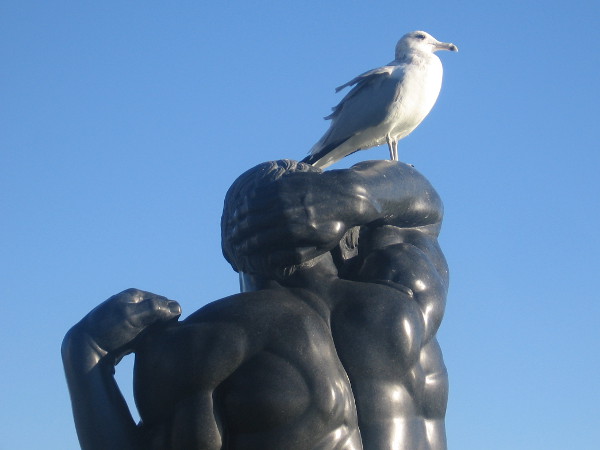
Morning. Donal Hord, 1902-1966. Presented to the citizens of the State of California by the San Diego Unified Port District. August 1983.The Morning sculpture by Donal Hord stands on the grass at Embarcadero Marina Park North. Thousands of people pass it every day as they walk near Seaport Village.Morning, sometimes referred to as Morning Statue, shows a man waking, stretching, preparing for another day. At the base are various symbols, including representations of the sun and the moon.Morning was acquired by the Port of San Diego in 1983 and installed on the waterfront. Until then, the sculpture was located at Donal Hord’s residence.A gull and its sculpted human perch together greet a sunny morning beside San Diego Bay.
…
This blog now features thousands of photos around San Diego! Are you curious? There’s lots of cool stuff to check out!
Here’s the Cool San Diego Sights main page, where you can read the most current blog posts. If you’re using a small mobile device, click those three parallel lines up at the top–that opens up my website’s sidebar, where you’ll see the most popular posts, a search box, and more!
To enjoy future posts, you can also “like” Cool San Diego Sights on Facebook or follow me on Twitter.
Stagecoach on display at the Wells Fargo History Museum in Old Town San Diego State Historic Park.
I recently visited the Wells Fargo History Museum in Old Town. The exhibits inside concern early San Diego history. When our city was in its infancy, Wells Fargo ran a stagecoach line, and their Express Office was an essential part of local business life.
I took loads of photos in this very cool museum. Read the captions to learn much more!
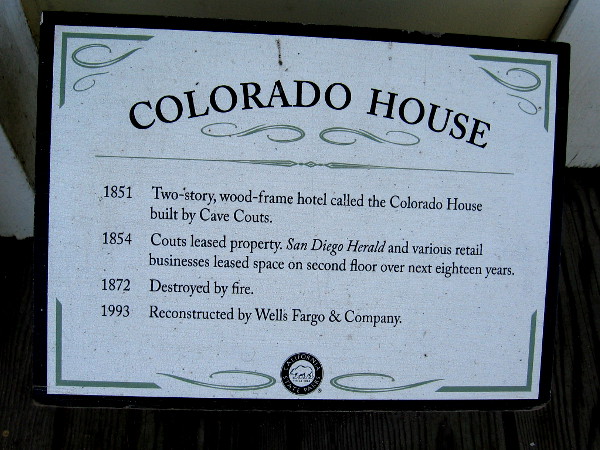
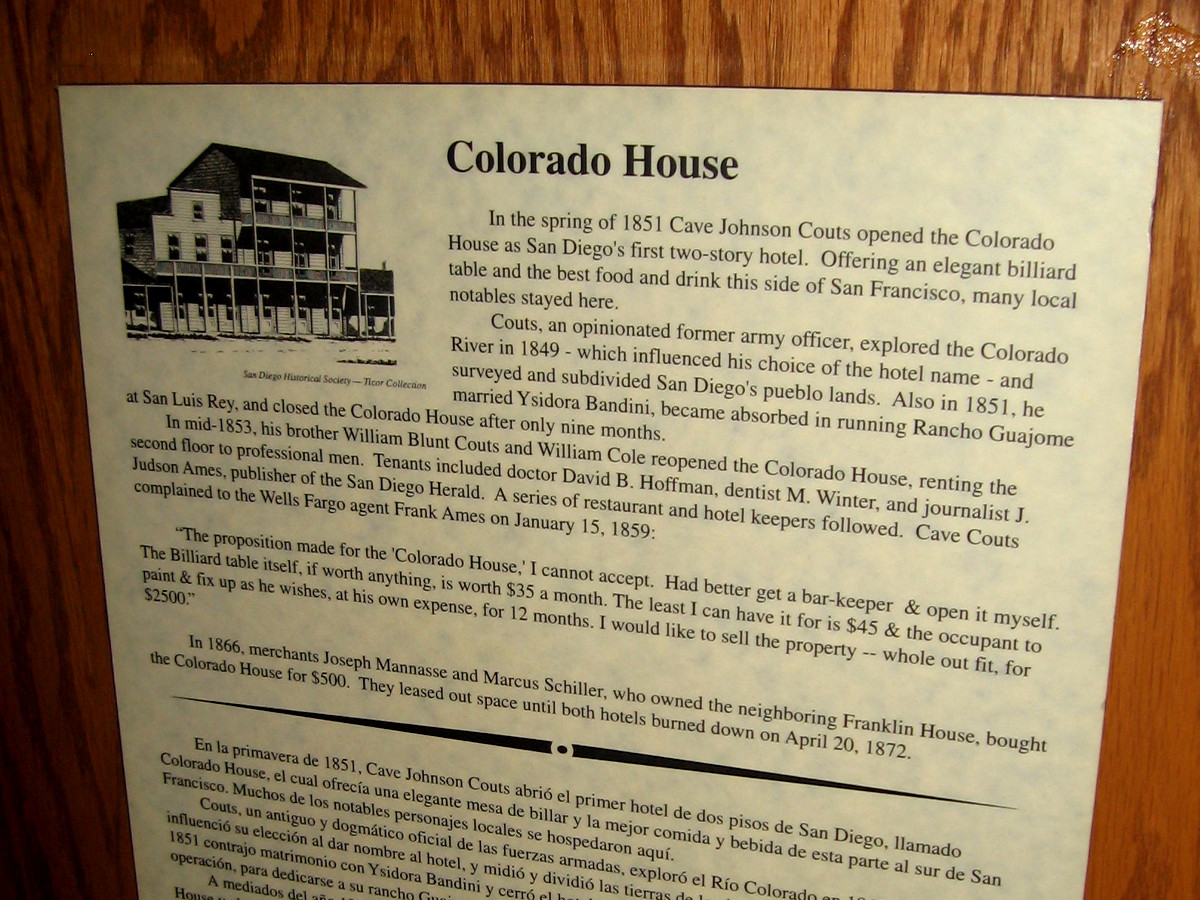
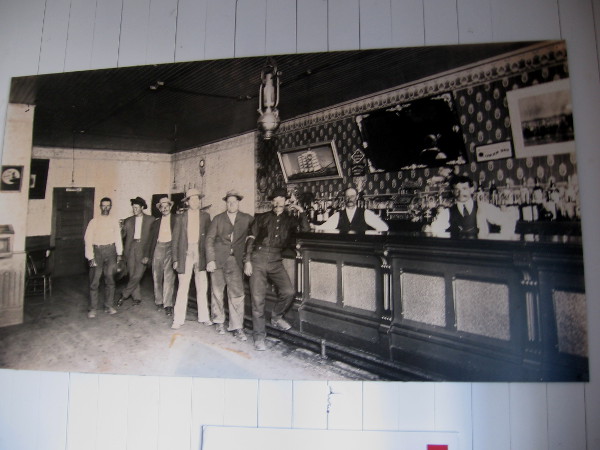
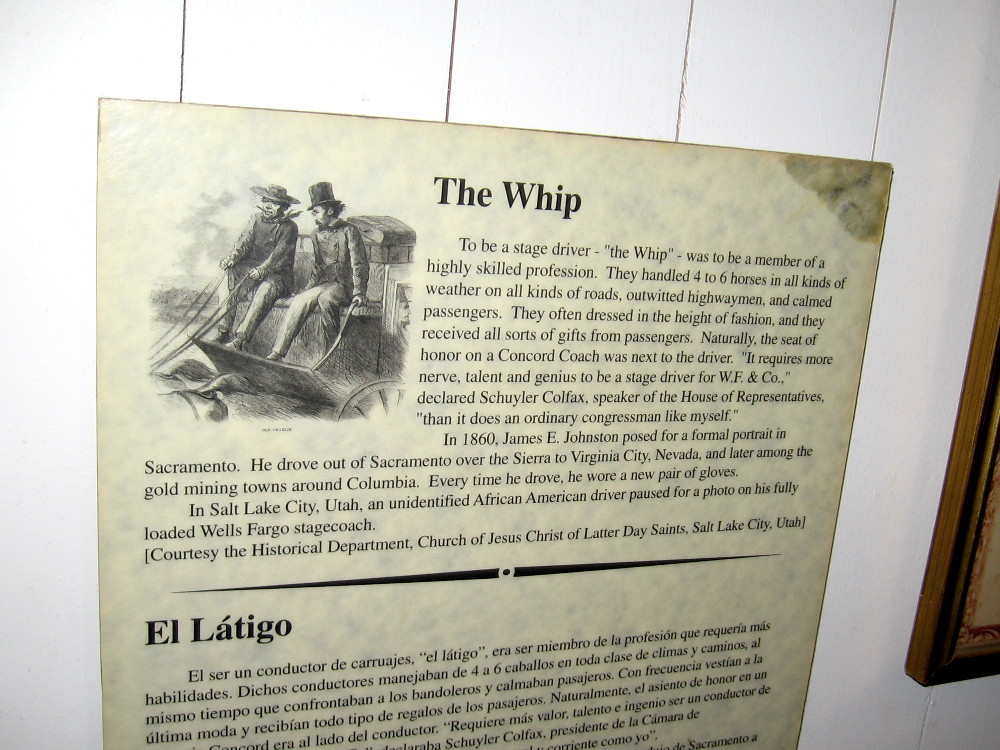
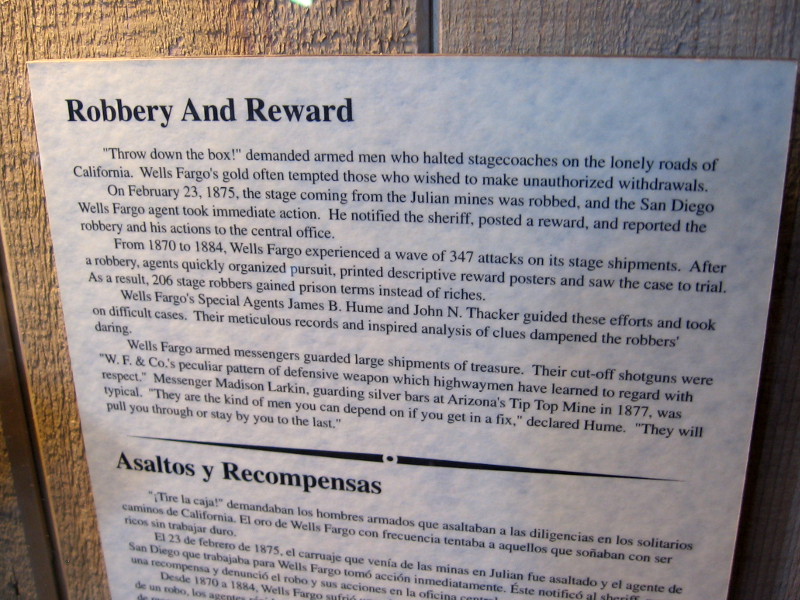
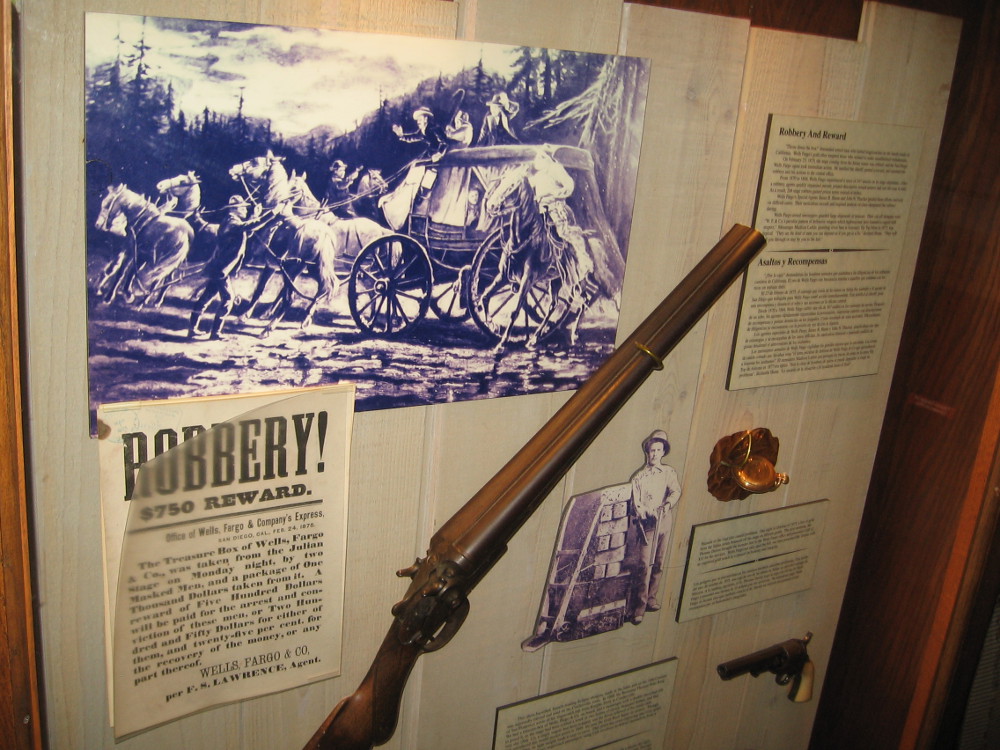
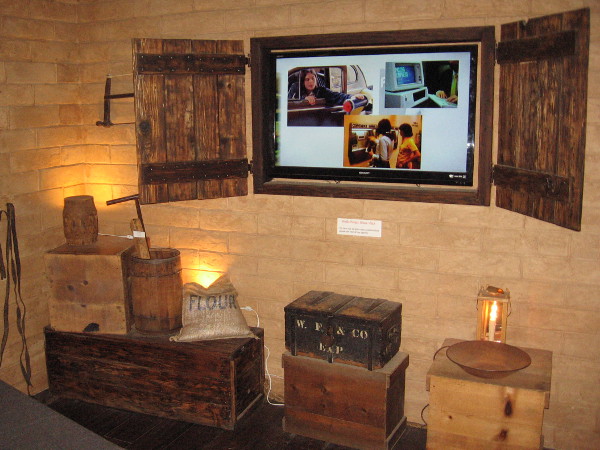
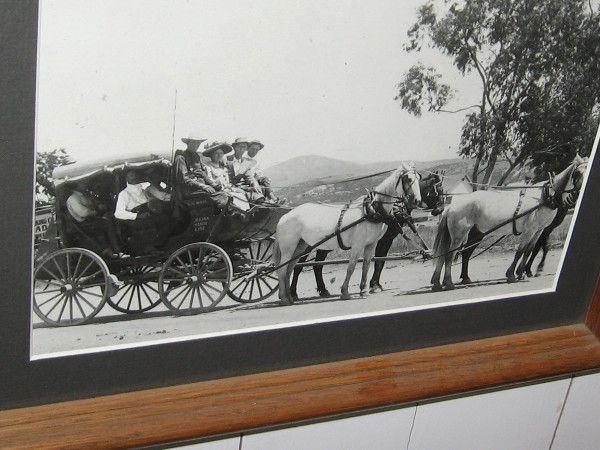
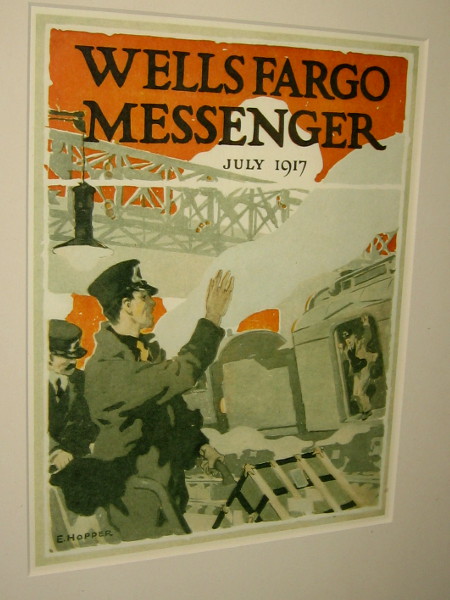
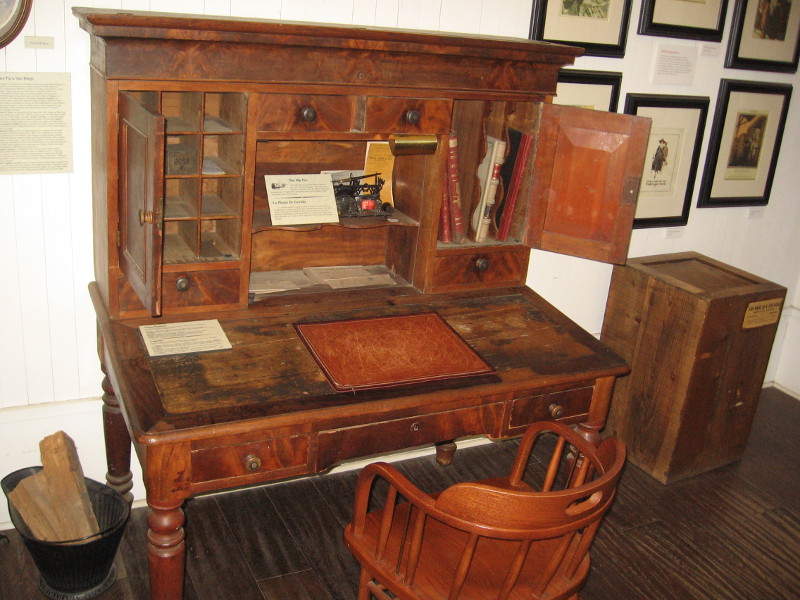
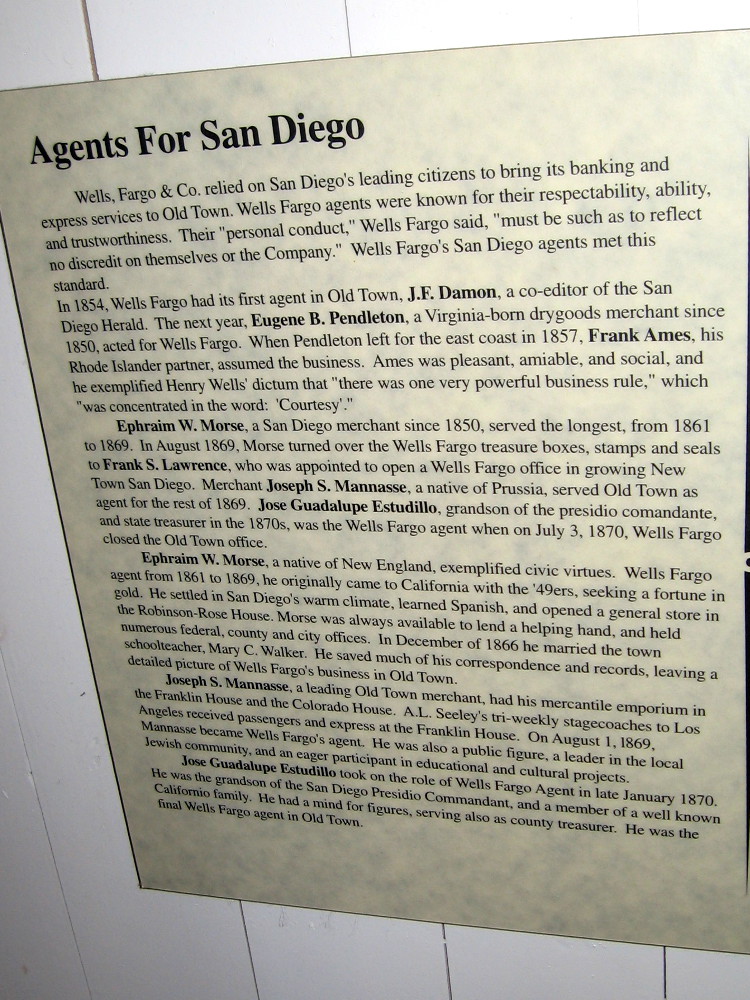
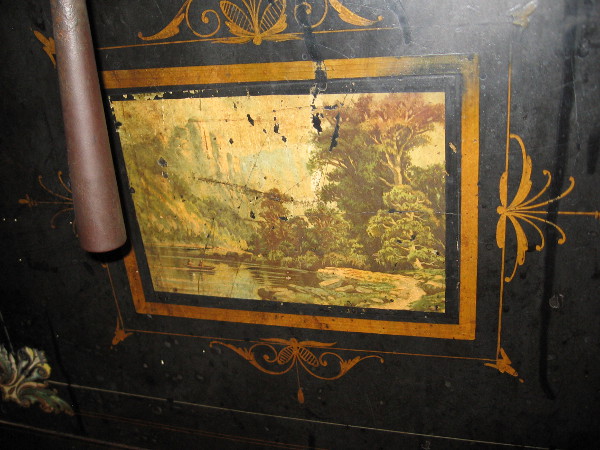
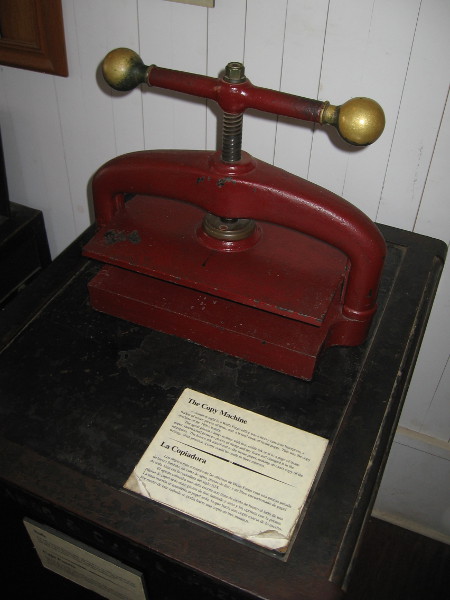
The restored Colorado House in Old Town San Diego is home to a fascinating Wells Fargo museum.The two-story, wood frame hotel called the Colorado House was built in Old Town San Diego in 1851 by Cave Couts. The original building was destroyed by fire in 1872.The Wells Fargo History Museum in San Diego is open daily from 10-5. Admission is free!Tourists in Old Town check out an iconic red Wells Fargo stagecoach, which transported mail, gold, goods and passengers in the Old West.Old photo on video screen shows the Wells, Fargo and Co’s Express Office in downtown San Diego, in 1911.Historical artifacts in a glass display case include books, bottles and a photo of Cave J. Couts.In the spring of 1851 Cave Johnson Couts opened the Colorado House as San Diego’s first two-story hotel. It had an elegant billiard table and fine food.Old photograph shows bar and patrons in Colorado House.Antique telegraph key once used to send messages and money across the continent.Colorful mural high on one wall shows a small town by a blue bay. I believe I recognize many buildings in Old Town.Article from the Omaha Herald published in 1877 provides Hints for Plains Travelers. When the driver asks you to get off and walk, do it without grumbling!Old plaque in the museum: Silas St. John carried the first eastbound overland mail out of San Diego, from Carrizo Creek to Fort Yuma, November 16, 1857. On September 9, 1858, in a lone-handed defense of the Butterfield-Wells Fargo Overland Stage station at Dragoon, Arizona, St. John was horribly wounded and lost his left arm. He recovered to continue in Wells Fargo service. Of his stuff the West was made.To be a stage driver–the Whip–was to be a member of a highly skilled profession. They handled 4 to 6 horses in all kinds of weather on all kinds of roads, outwitted highwaymen, and calmed passengers.Passengers on board the Overland Mail Company stages were allowed 40 pounds of baggage.Advertisement shows Ladies’ and Gentlemen’s traveling trunks and valises, also packing trunks of every description.Map shows the historic Butterfield Overland Mail Route. Wells Fargo’s experience in Western transportation led it to finance and eventually run the Butterfield stage line’s operations in the west. (Click image to enlarge.)On February 23, 1875, the stage coming from the Julian mines was robbed, and the San Diego agent took action. He immediately notified the sheriff, posted a reward, and reported the robbery and his actions to the central office.Cool display inside the Wells Fargo History Museum in Old Town San Diego shows how stagecoaches and their cargo were protected from bandits.The most infamous stage robber was Black Bart. He left bits of poetry and called himself the “Po8” to distance himself from the common thief. He robbed 28 stagecoaches from 1875 to 1883. Once identified, authorities learned he was actually Charles E. Boles, a “respectable” mine owner!A museum recreation of the Vallecito Stage Station, a stop on the Overland Mail Company’s southern route, 1858-1861. Thick adobe walls provided relief from desert heat.Table in the stage station used for rest, serving food and games of cards to pass the time.Gold was discovered at Julian in San Diego’s mountains, triggering a small rush into the area.Miners from placer diggings on the Colorado River and hard-rock mines at Julian brought their gold dust and bars to the Wells, Fargo and Co. agency in Old Town San Diego.The Julian Stage Line carried miners and other passengers to this gold mining town in east San Diego County.Cover of the Wells Fargo Messenger, dated July 1917.Wells Fargo published a monthly magazine calls the Wells Fargo Messenger between September 1912 and June 1918. Edward Hopper, an illustrator, went on to become a famous American realist painter.On her travels she uses Wells Fargo Checks.Cover of the Wells Fargo Messenger, dated April 1918.Antique desk used by a Wells Fargo agent.During a typical day, a Wells Fargo agent saw many types of business, reflecting the Company’s varied and essential services.Nooks in this desk hold dip pens, receipts, letters and accounting ledgers.Wells Fargo agents were known for their respectability, ability, and trustworthiness. The first Old Town agent was J.F. Damon, co-editor of the San Diego Herald.Wells Fargo agent William A. Biglow works in his express office which included an agent’s cabinet and iron safe.A large old letterpress sits atop a cast iron safe. The safe, made by Herring, Hall, Marvin and Co. in 1885, is filled with concrete and weighs over a ton.Some pastoral art on the face of the safe door.The copy machine of the 19th Century. Pressure from this heavy cast-iron letterpress transferred brown ink to tissue paper.A collection of old letters, certificates and small packages exhibited at the Wells Fargo History Museum in San Diego.If you ever visit Old Town San Diego State Historic Park, check out the interesting Wells Fargo History Museum in the Colorado House!
…
I live in downtown San Diego and love to walk around with my camera! You can follow Cool San Diego Sights via Facebook or Twitter!
You can easily explore Cool San Diego Sights by using the search box on my blog’s sidebar. Or click a tag! There are thousands upon thousands of fun photos for you to enjoy!
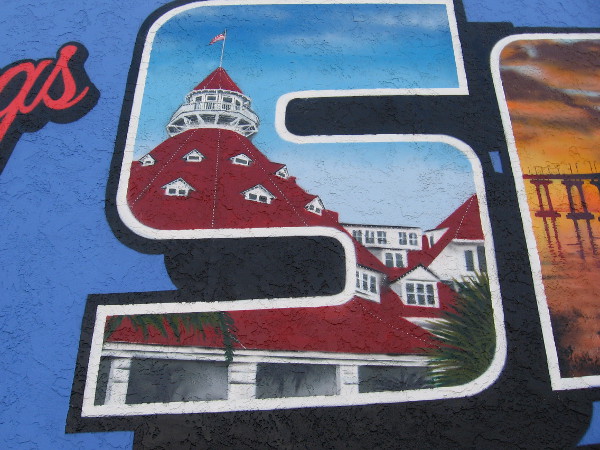
The distinctive Victorian roof of the Hotel del Coronado, a top San Diego resort and tourist attraction, appears in the letter S in a North Park mural.
I walked through North Park today with my camera. I had intended to continue up to Normal Heights and walk along Adams Avenue, photographing lots of street art, but I got distracted! I’ll head that way another time.
Meanwhile, stay tuned, because a whole bunch of super cool North Park street art is coming up! (I think North Park probably has more street art per city block than any other San Diego neighborhood.)
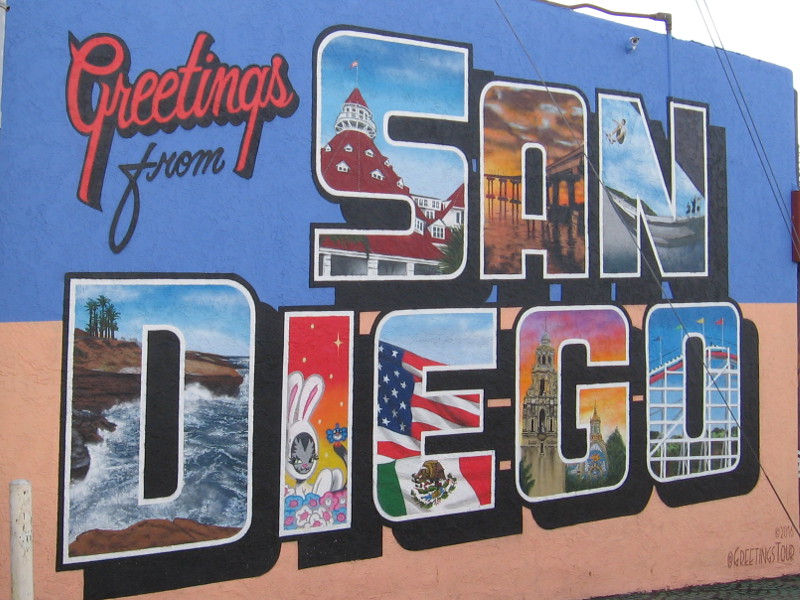
To get things started, check out this cool mural that caught my eye while I walked along 30th Street. Using the magic of the internet, I now send it to you! Greetings from San Diego!
Balboa Park’s iconic California Building and bell tower appear in the letter G in the same colorful North Park mural.Greetings from SAN DIEGO! It’s a postcard painted on a building wall! This cool urban art is on 30th Street, just south of El Cajon Boulevard in North Park. Images in the eight letters include the Ocean Beach Pier, La Jolla Cove, the U.S./Mexico border, and the Giant Dipper Roller Coaster at Belmont Park in Mission Beach!
This cool urban art was created in 2016 by New York graffiti artist Victor Ving and Ohio photographer Lisa Beggs. They have been traveling around the United States in an RV painting these postcard-like murals!
…
I live in downtown San Diego and love to walk around with my camera! You can follow Cool San Diego Sights via Facebook or Twitter!
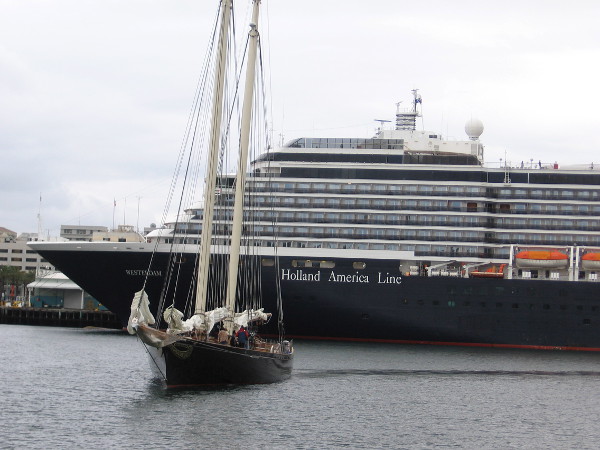
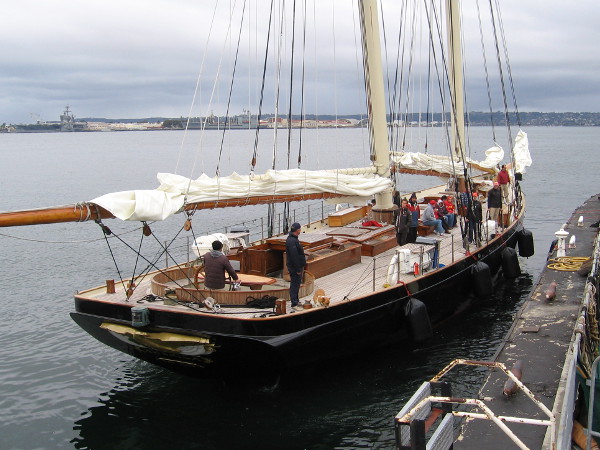
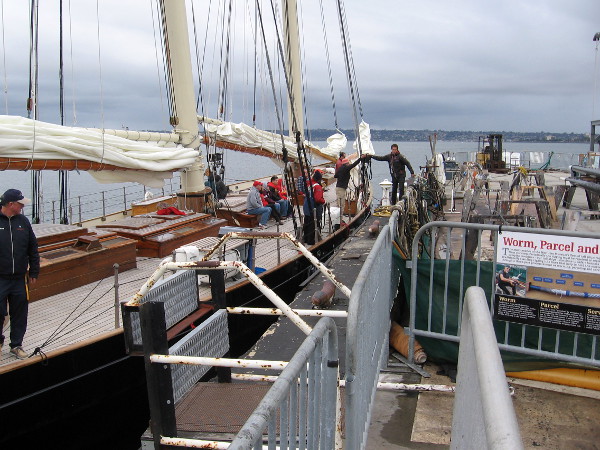
Tall ship America, owned by Next Level Sailing, turns about in San Diego Bay as it comes in to dock at the Maritime Museum.
Earlier this month, on December 11, America came home to San Diego, after a long and very eventful journey representing The America’s Cup. Its epic America’s Cup Tour included many stops, from the Gulf of Mexico up the East Coast and then south again to the Caribbean. During the tour it hosted throngs of visitors and was welcomed by some of our nation’s finest yacht clubs.
But there was also one very dangerous adventure! In October the ship had to take shelter from Hurricane Matthew by heading up the St. Johns River in downtown Jacksonville, where it docked in a less windy spot behind the large Hyatt building. America survived with little damage!
The beautiful ship is a replica of the schooner America that beat 15 top British racing yachts in a 53 nautical mile regatta around the Isle of Wight in 1851. The Royal Yacht Squadron’s 100 Guinea Cup, won easily by the New York Yacht Club, became a challenge trophy known as the America’s Cup. Today it is the oldest international sporting trophy in existence. (San Diego’s own legendary yachtsman Dennis Conner won the America’s Cup four times.)
The replica America that makes San Diego its home is owned by Next Level Sailing, and it is glorious to behold when under sail. Now that the America’s Cup Tour is safely over, it is once again available for charters and whale watching adventures out on the blue Pacific.
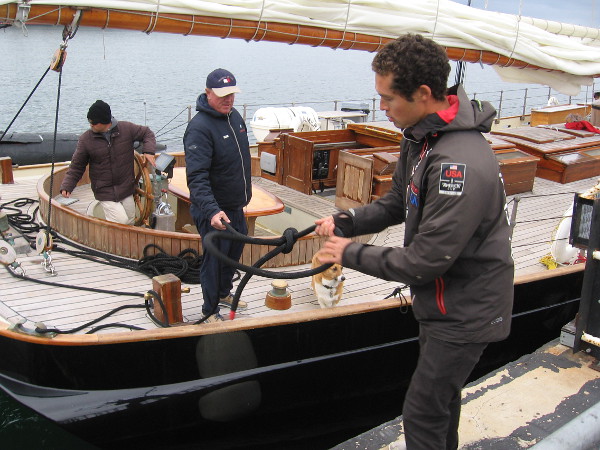
This afternoon I happened to catch America out on San Diego Bay, heading in to the Maritime Museum, where it docks. I got a few photos before I hurried back home to take shelter from tonight’s storm! Not a hurricane, thank goodness!
America passes the Maritime Museum of San Diego’s Soviet Foxtrot B-39 submarine. It’s a cloudy New Year’s Eve afternoon, with a storm on the way.America carefully approaches the dock behind the steam ferry Berkeley.Time to tie her up to the dock.A member of America’s crew leaps through the air to secure the beautiful ship, a replica of the victorious racing schooner that ushered in the America’s Cup.Welcome home, America!
…
I live in downtown San Diego and love to walk around with my camera! You can follow Cool San Diego Sights via Facebook or Twitter!
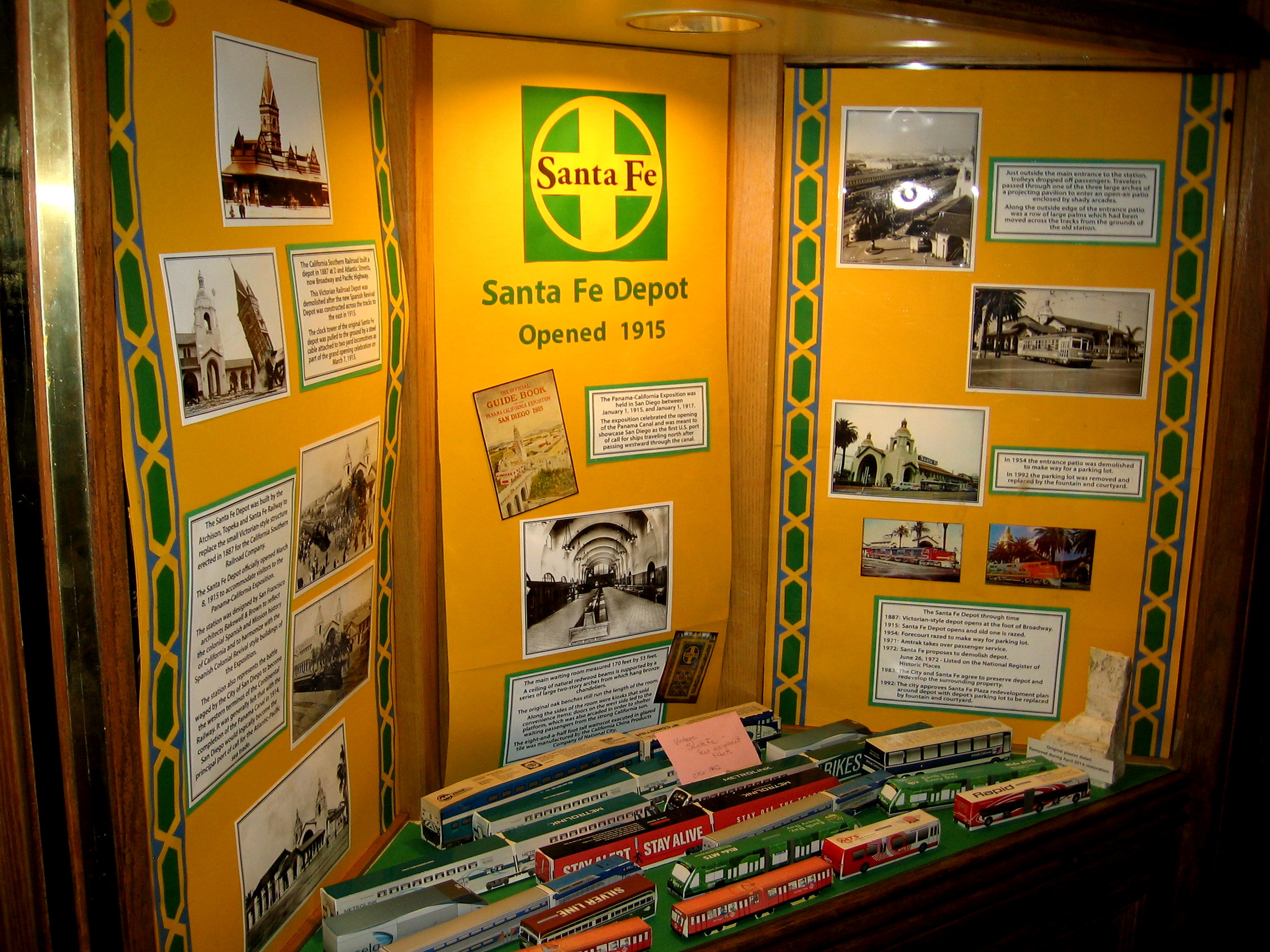
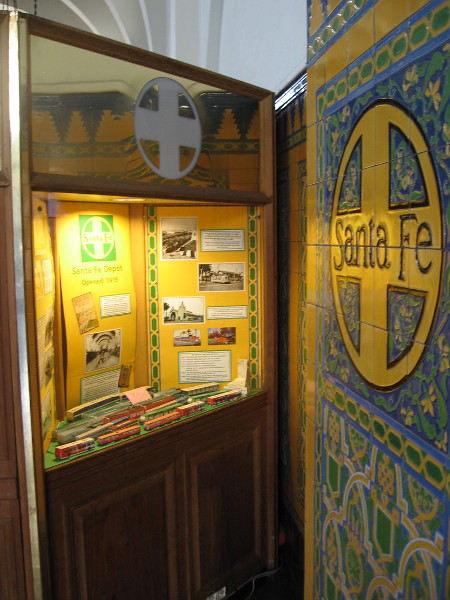
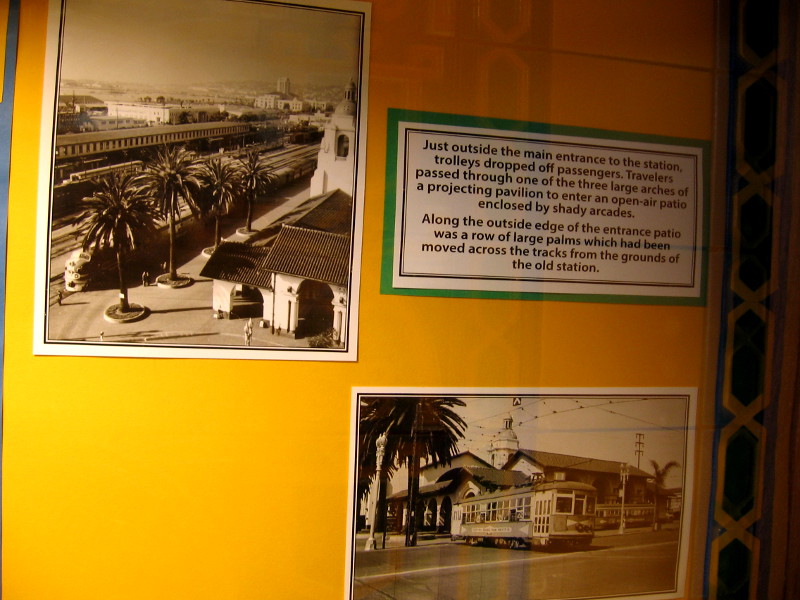
Display inside San Diego’s 1915 Santa Fe Depot. Photos and words provide a glimpse of the train station’s history.
Should you ever step inside downtown San Diego’s handsome Santa Fe Depot, there’s a small exhibit at the information booth worth checking out. Two glass display cases provide a glimpse of the train station’s fascinating history.
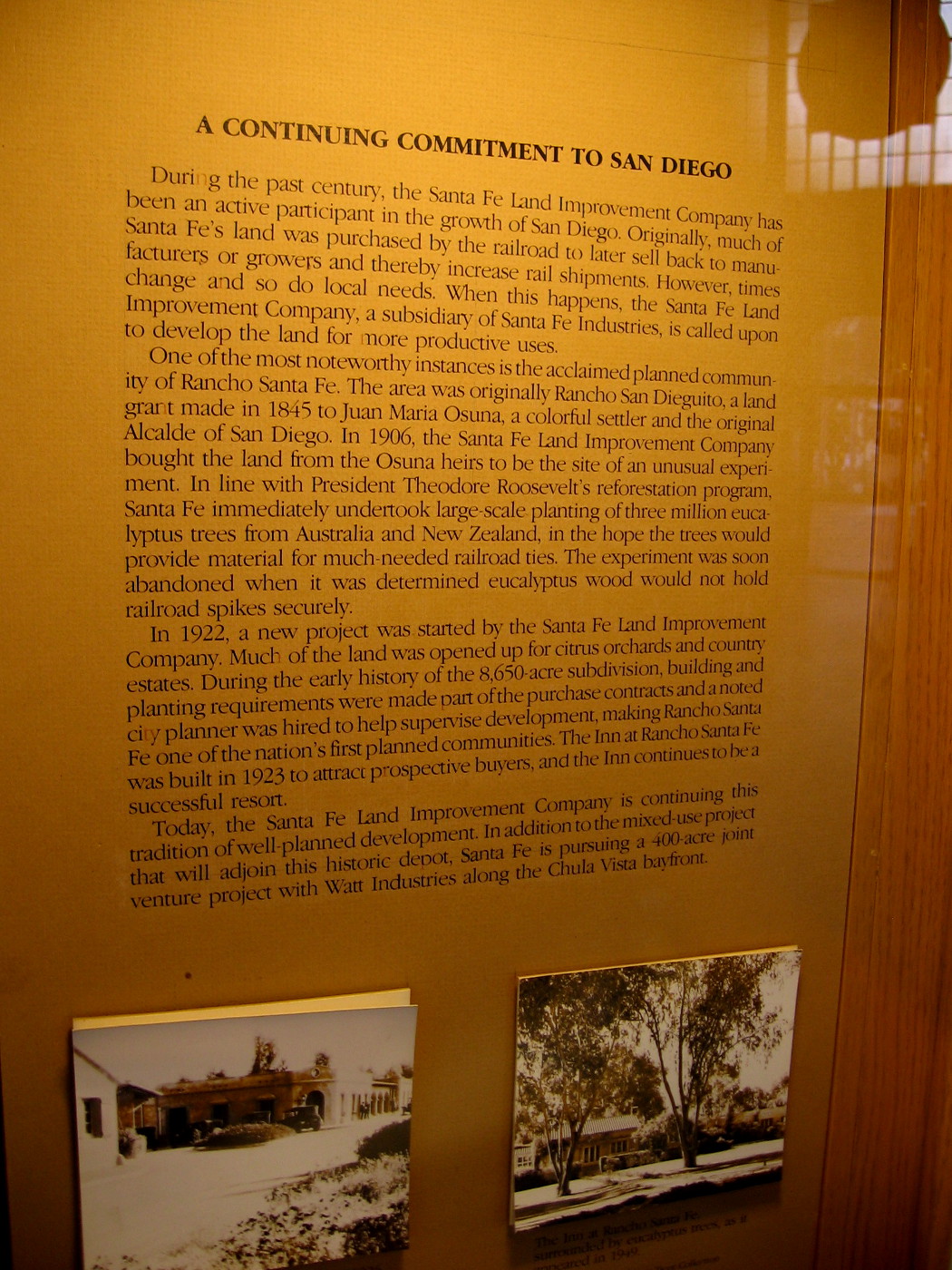
To read the signs, click the images and they will enlarge.
Last year the Santa Fe Depot celebrated its centennial. I blogged about that here!
If you ever visit the Santa Fe Depot in downtown San Diego, swing by this information booth to check out the historical exhibit.Several paragraphs recount the history of the Santa Fe Land Improvement Company and the unique origin of North County community Rancho Santa Fe. Eucalyptus trees make poor railroad ties!In a nook right next to the depot’s wall, beside colorful Santa Fe tilework, one can discover more fascinating information.Graphic shows important dates concerning the Santa Fe Depot. The 1887 Victorian-style depot was razed in 1915 after the new depot opened in time for the Panama-California Exposition in Balboa Park.The train station’s architecture reflects colonial Spanish and Mission history in California; it was designed to harmonize with the Spanish Colonial Revival-style buildings of the 1915 Panama-California Exposition in Balboa Park. A century ago San Diego strove to become the western terminus of the Continental Railway.More fascinating old photos of the Santa Fe Depot, today a San Diego transportation hub serving Amtrak, the Coaster, and the Orange and Green Lines of the San Diego Trolley.Original plaster detail removed during the April 2014 restoration of the southeast tower.
…
I live in downtown San Diego and love to walk around with my camera! You can follow Cool San Diego Sights via Facebook or Twitter!
You can easily explore Cool San Diego Sights by using the search box on my blog’s sidebar. Or click a tag! There are thousands upon thousands of unique photos for you to enjoy!
I’d like to welcome fans of Pinterest to Cool San Diego Sights! My blog has literally thousands of photos that can be easily pinned. What interests you? There’s a good chance it’s on my website!
A good way to find stuff that interests you is to perform a search of Cool San Diego Sights. Look for the search box in my website’s sidebar.
Please feel free to share anything you’d like. My website is all about having fun and enjoying life! That’s why I walk and take all these photos. Welcome!
…
This blog now features thousands of photos around San Diego! Are you curious? There’s lots of cool stuff to check out!
Here’s the Cool San Diego Sights main page, where you can read the most current blog posts. If you’re using a small mobile device, click those three parallel lines up at the top–that opens up my website’s sidebar, where you’ll see the most popular posts, a search box, and more!
To enjoy future posts, you can also “like” Cool San Diego Sights on Facebook or follow me on Twitter.
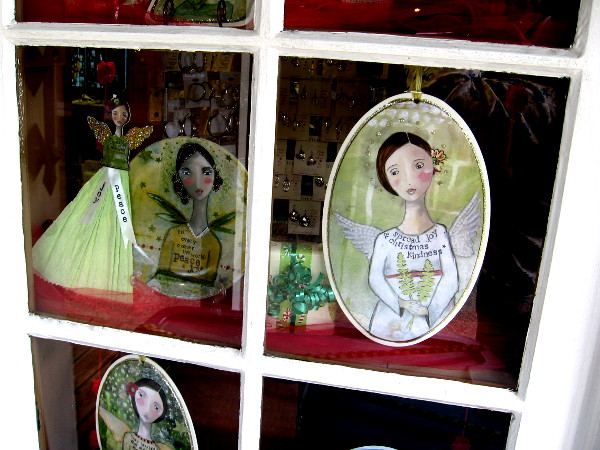
Christmas angels peer out of a window at Silver Crossing in Seaport Village.
Radical changes are coming to nearly 40-year-old Seaport Village. A redevelopment plan that was recently approved will transform the quaint collection of shops and restaurants on downtown’s waterfront into a massive complex called Seaport San Diego. The new development will contain even more shopping and dining options, several hotels, a 480-foot observation tower, a public beach, aquarium, Smithsonian attraction, and more.
Many of the shops that people have come to know over the years will vanish. Admittedly, Seaport Village today is a touristy hodgepodge. One wouldn’t really expect to see a New England lighthouse in Southern California. But no matter. I still enjoy meandering through on a sunny weekend! There are buskers aplenty and live music and people-watching and the nearby grassy park with kites flying in the breeze. And onion rings and pretzels and ice cream!
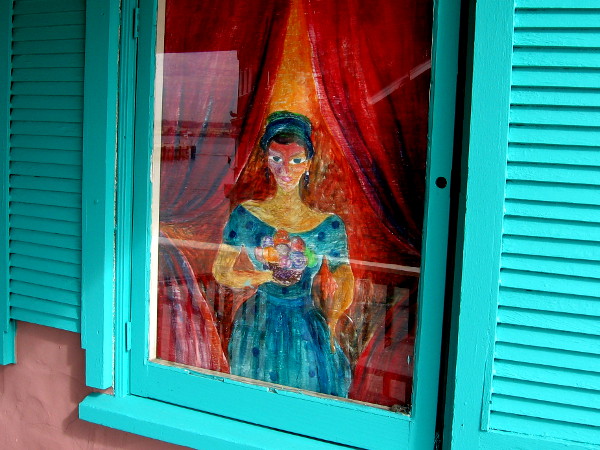
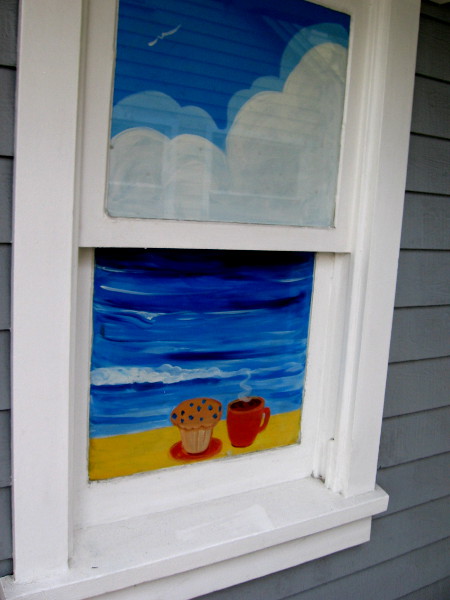
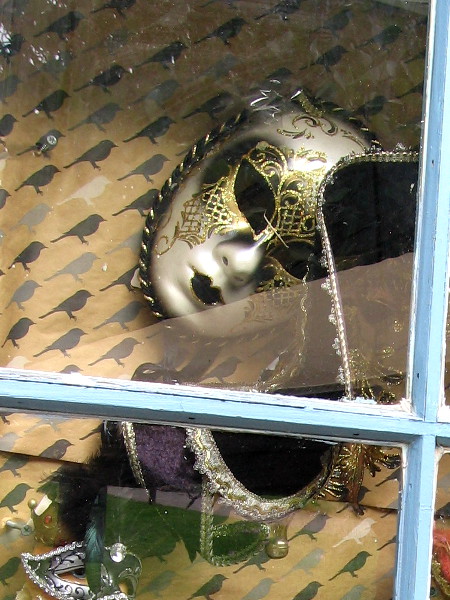
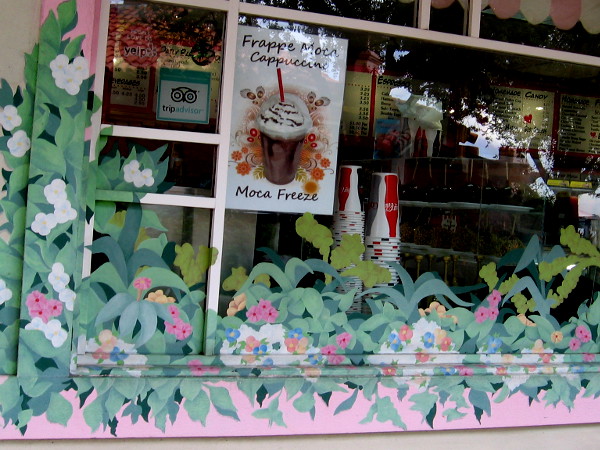
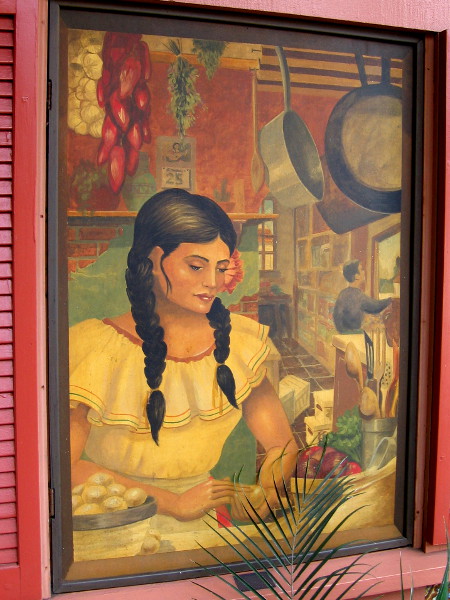
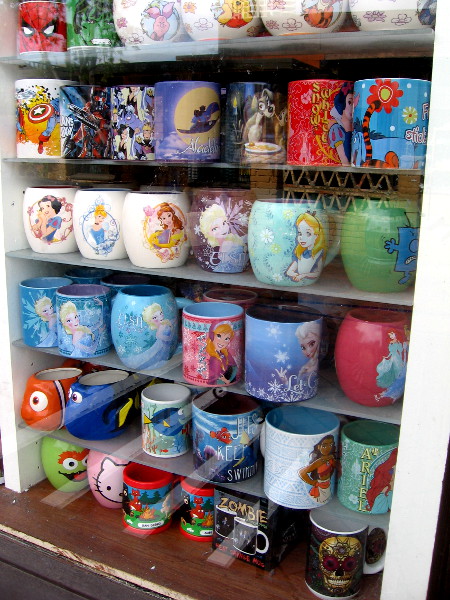
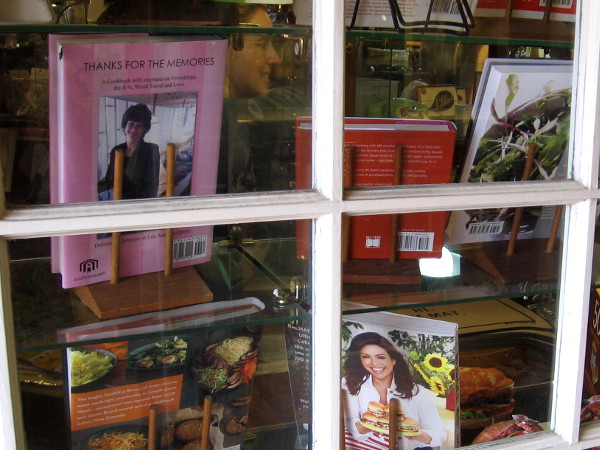
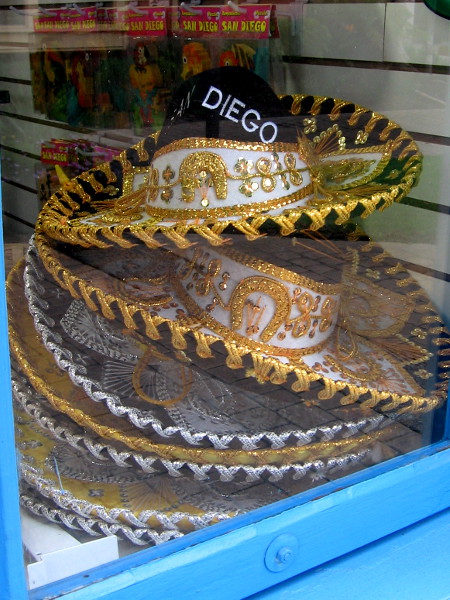
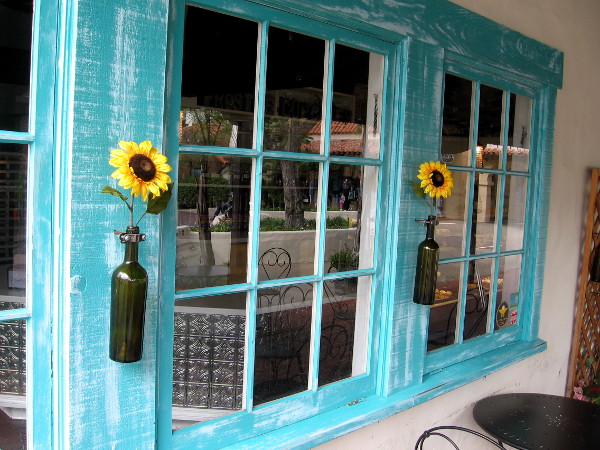
And there are the windows. Kaleidoscope windows. Windows winking with color. Windows painted with unexpected images. Windows full of gaudy trinkets, the typical souvenirs, whimsical novelties, and even a rare treasure or two you’ll find nowhere else.
Here are a few of the windows.
A lady holding a colorful bouquet in the window of Seaport Deli and Salad Bar.Beach, clouds, muffin and coffee in a window of the Seaport Cookie Company.Exotic masks for a masquerade in one window of Upstart Crow Bookstore and Coffeehouse.Floral designs around one window of the Seaport Fudge Factory.Window mural painted by San Diego artist Joel Sharp in 1996. You can find it in Seaport Village at Margaritas Kitchen and Cantina.Christopher M., known as The Painter of Chefs, has samples of his work displayed in one window of Exclusive Collections Gallery in Seaport Village.Delightful characters fill the window at The Mugger in Seaport Village.A window full of irresistible treats at the Seaport Cookie Company.There are several smiling faces in this Upstart Crow window. Can you spot all three?Zoltar the fortune teller will read your future from his own small window.Coral and other beautiful objects in a window of Seaport Village Shell Co. Limited.Tourists might take home a glittery San Diego sombrero once they glimpse these in the window of Mexican Fiesta.Sunflowers and blue window frames at Frost Me Gourmet Cupcakes in Seaport Village.
…
This blog now features thousands of photos around San Diego! Are you curious? There’s lots of cool stuff to check out!
Here’s the Cool San Diego Sights main page, where you can read the most current blog posts. If you’re using a small mobile device, click those three parallel lines up at the top–that opens up my website’s sidebar, where you’ll see the most popular posts, a search box, and more!
To enjoy future posts, you can also “like” Cool San Diego Sights on Facebook or follow me on Twitter.









































 Cool San Diego Sights!