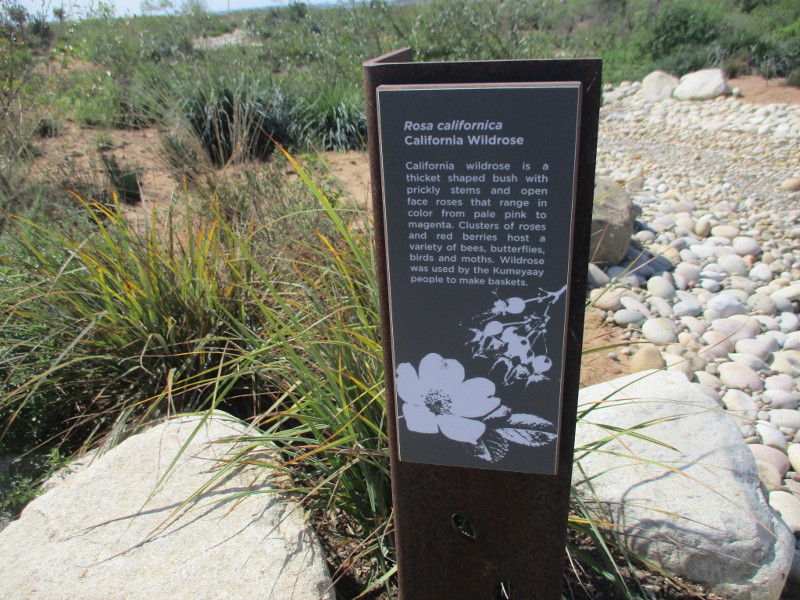
Sweetwater Park native garden teaches ethnobotany.

Chula Vista’s new Sweetwater Park on San Diego Bay is a place where our natural environment is protected and celebrated. Visitors can enjoy long walking trails that wind among native plants.

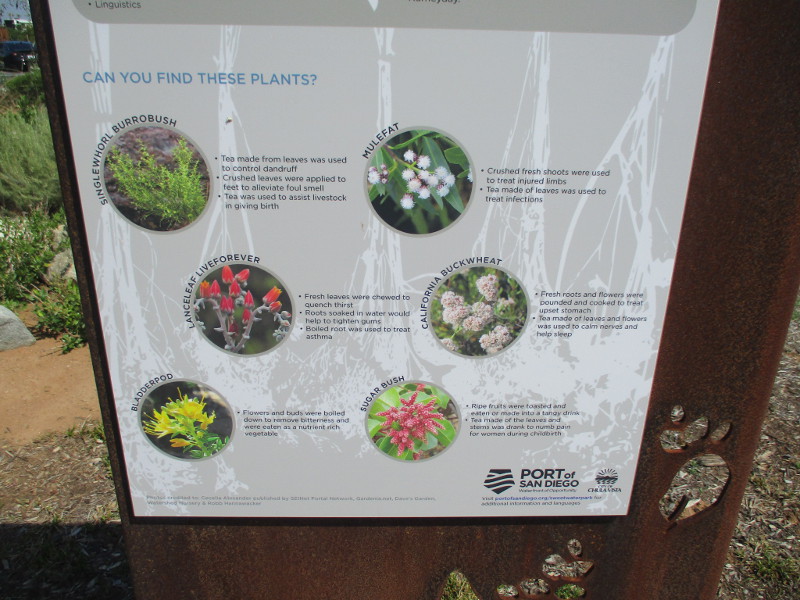
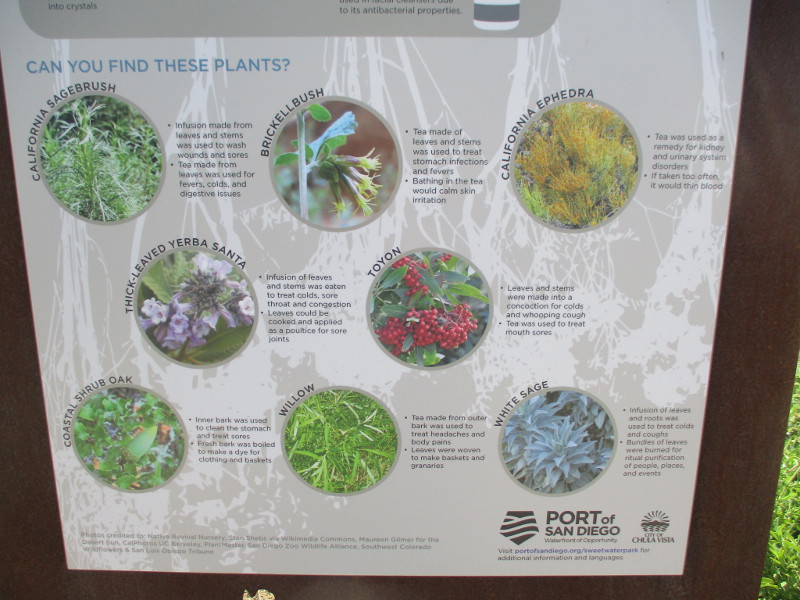
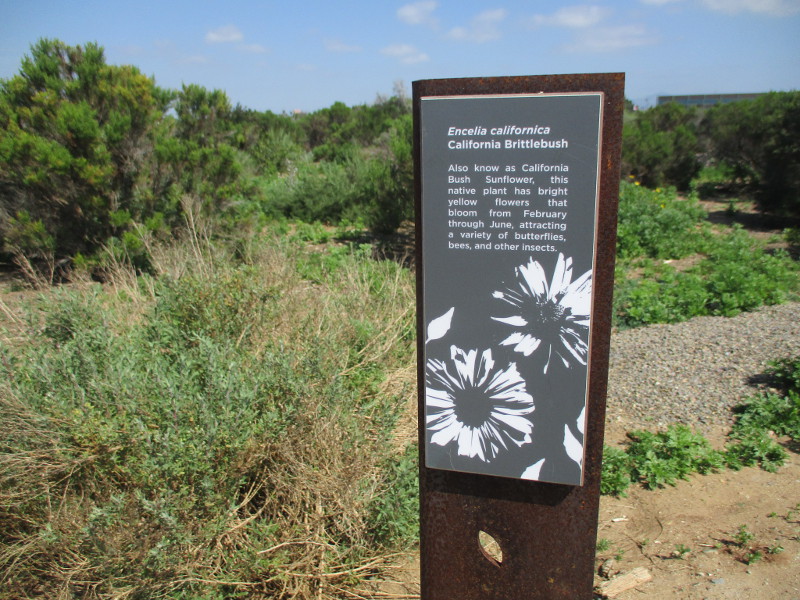
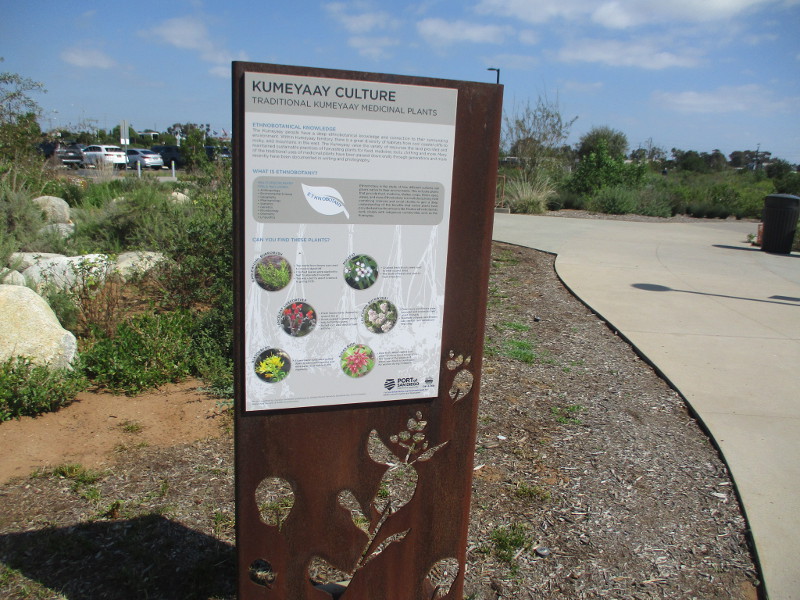
In the Council Ring near the restrooms and parking lot, an easy circular path features many such plants, and two informative signs explain how these plants were an important part of Kumeyaay culture.

Ethnobotany is explained as the study of how different cultures use plants native to their environments. This includes plants that provide food, medicine, shelter, soaps, fibers, dyes, waxes and more. The Kumeyaay people, who have lived in the San Diego region for thousands of years, have a deep ethnobotanical knowledge and connection to their surrounding environment.

Visitors are invited to look for certain plants, such as Sugar Bush, California Buckwheat, Mulefat and Bladderpod. Did you know that tea made from Singlewhorl Burrobush has been used to control dandruff? Or that boiled root of Lanceleaf Liveforever has been used to treat asthma?

Pause at these signs during your visit to Sweetwater Park and learn more about the history of our region, and the native inhabitants the natural environment has supported.

Look for other signs around the park identifying plants, too!
To follow my blog, find the “Follow” box in this website’s sidebar. Or bookmark coolsandiegosights.com and swing on by occasionally!

(If you’re viewing this on a phone, open my website’s sidebar by tapping those three parallel lines at the top of the page.)
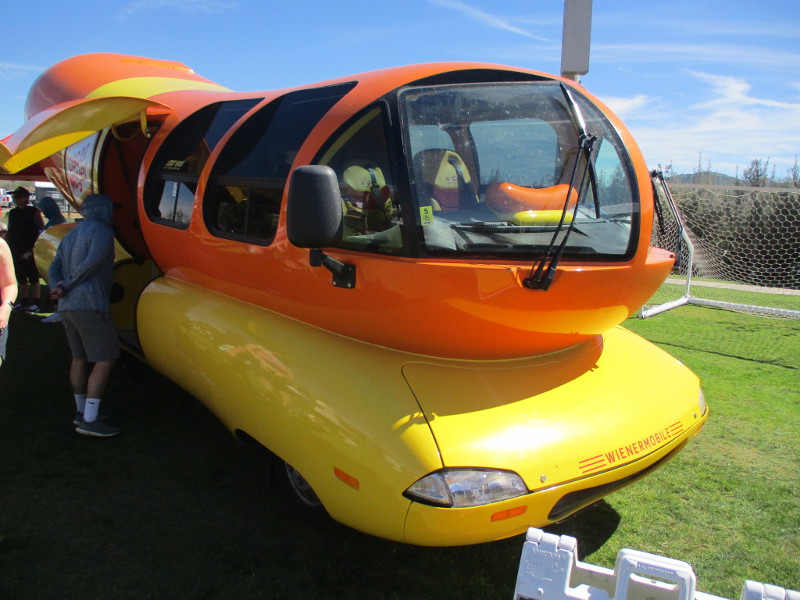
Checking out the Wienermobile in Santee!

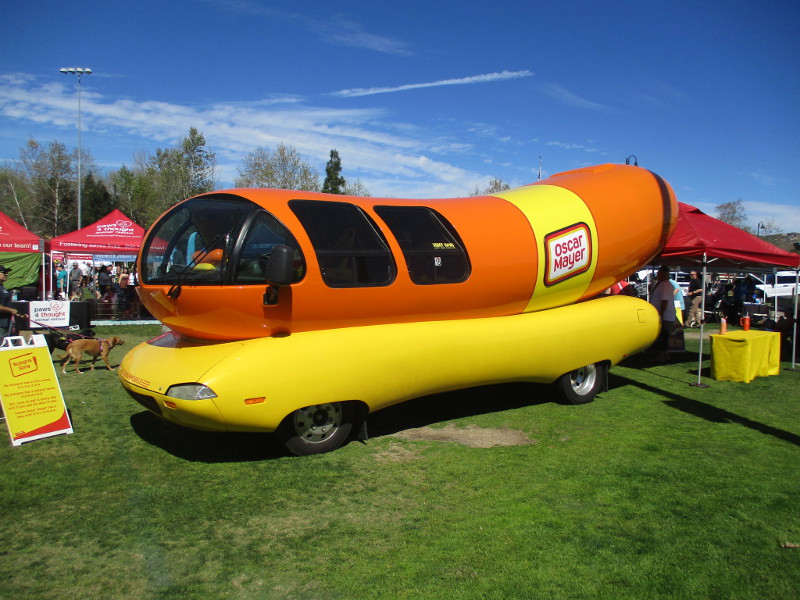
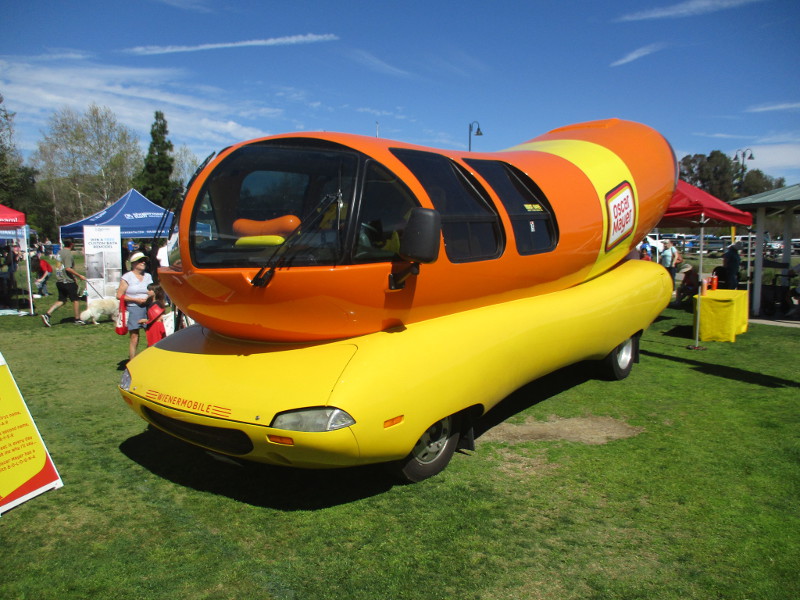
The Oscar Mayer Wienermobile was in Santee today for Fido Fest! The iconic vehicle attracted lots of curious people, who could even enjoy a peek inside!

I took photos!

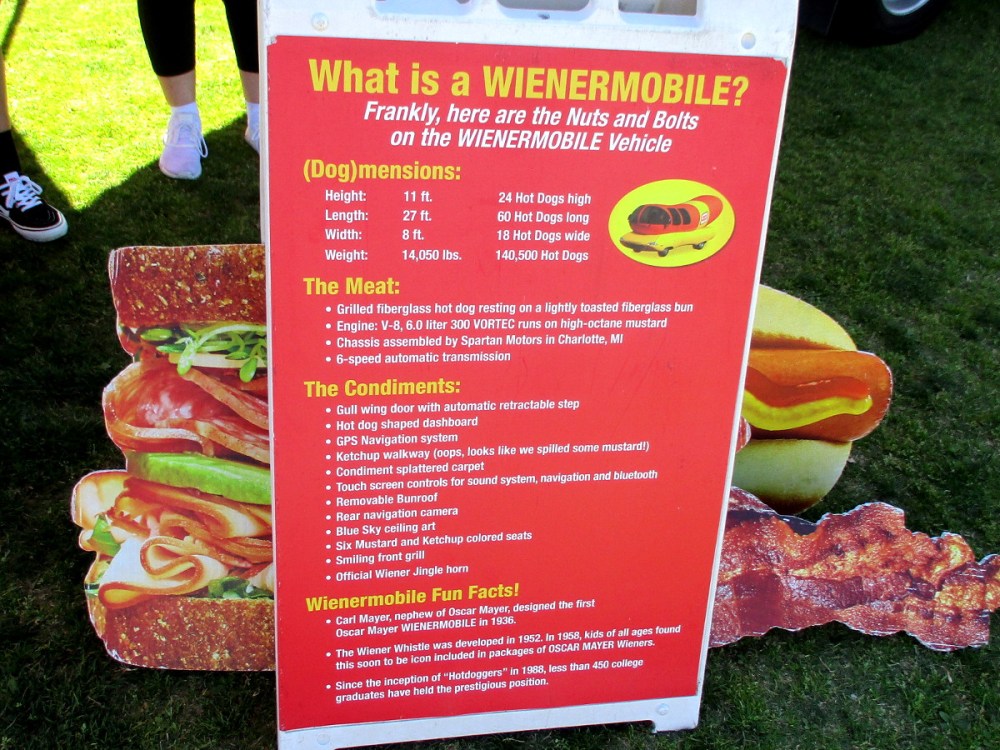
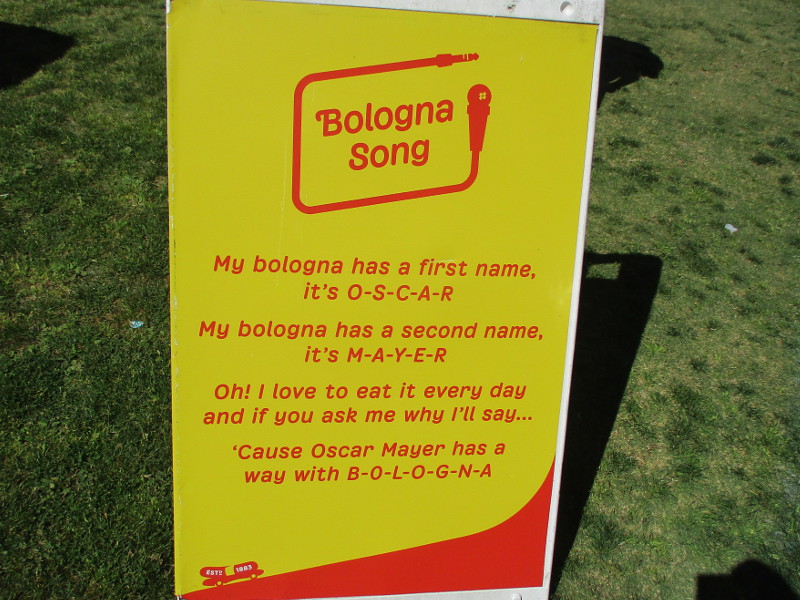
The two smiling drivers (hotdoggers) were greeting everybody and passing out hotdog whistles. Several signs on the grass nearby provided information about the Wienermobile. I learned there are six wieners-on-wheels that travel around the country.

Let’s see . . .

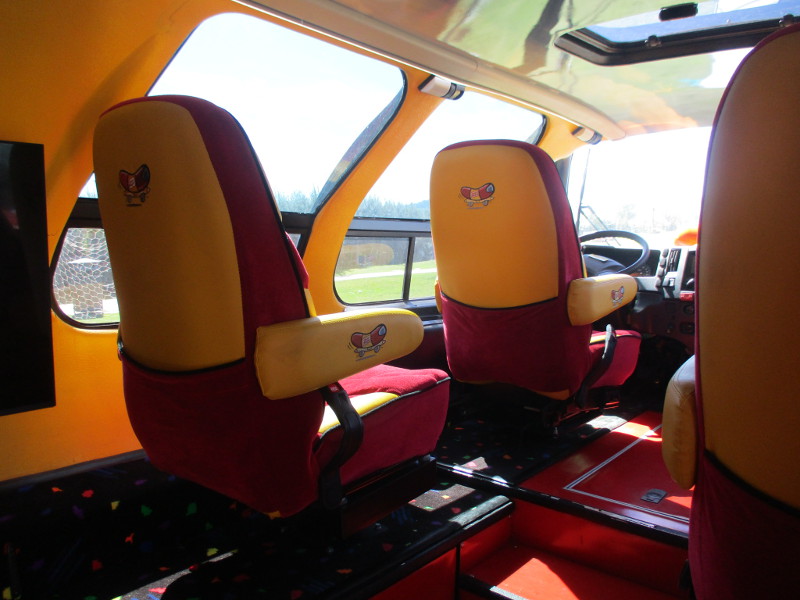
The Wienermobile weighs the same as 140,500 hot dogs. It has a hot dog shaped dashboard. It has a ketchup walkway and condiment splattered carpet. The bunroof is removable. It has an official Wiener Jingle horn…

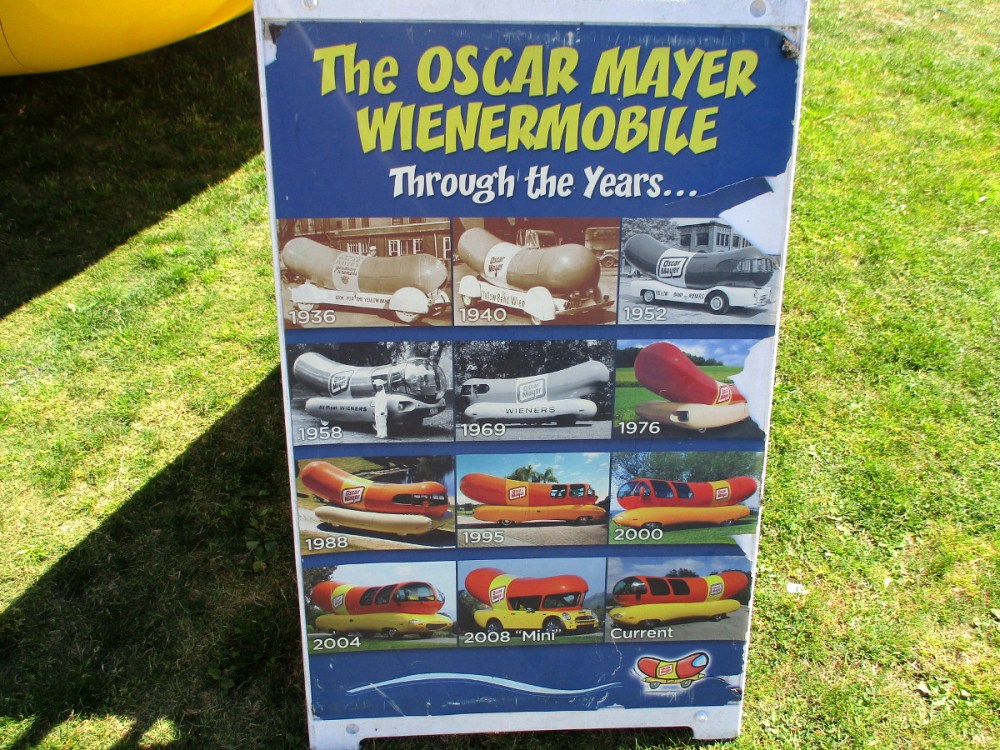
Also, Carl Mayer, nephew of Oscar Mayer, designed the first Wienermobile in 1936…

The next sign contains images of the Oscar Mayer Wienermobile through the years…

I had a fast look inside. Looks quite comfortable!

Okay! Let’s all sing along!

My bologna has a first name, it’s O-S-C-A-R…

To follow my blog, find the “Follow” box in this website’s sidebar. Or bookmark coolsandiegosights.com and swing on by occasionally!

(If you’re viewing this on a phone, open my website’s sidebar by tapping those three parallel lines at the top of the page.)
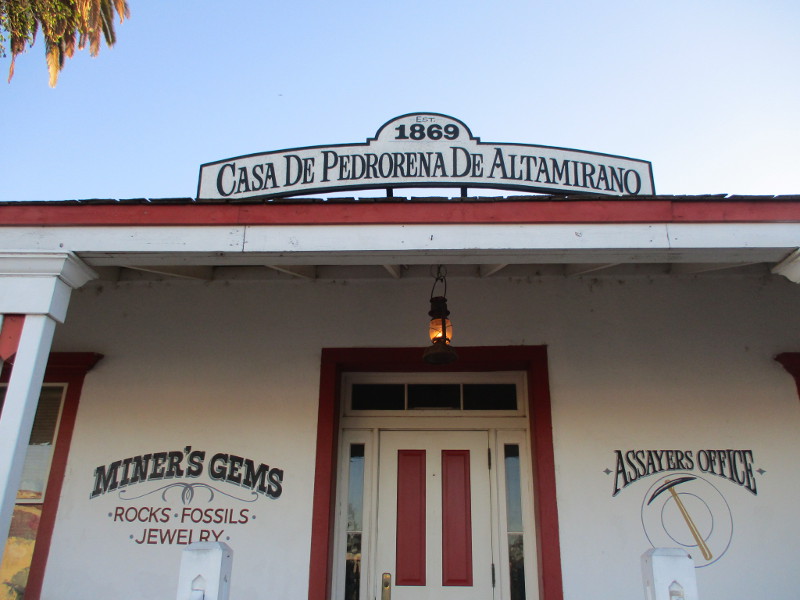
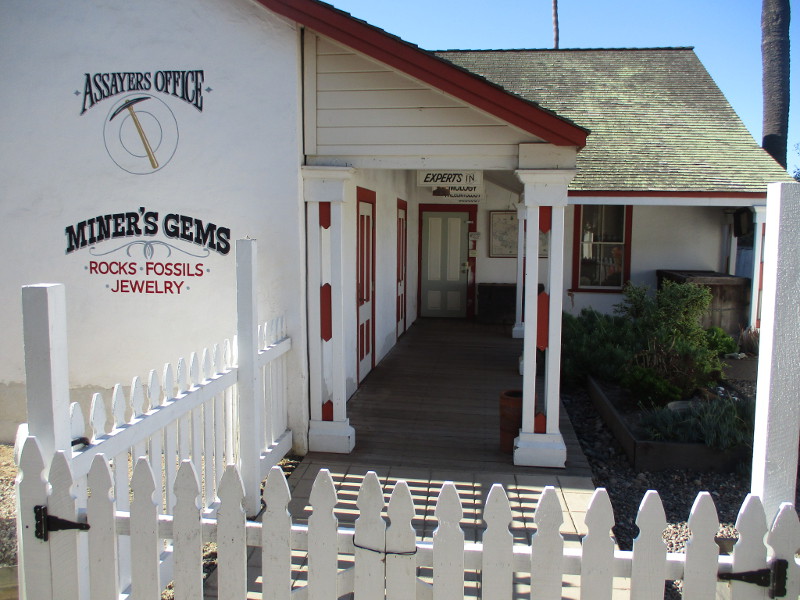
Pedrorena-Altamirano House in Old Town San Diego.

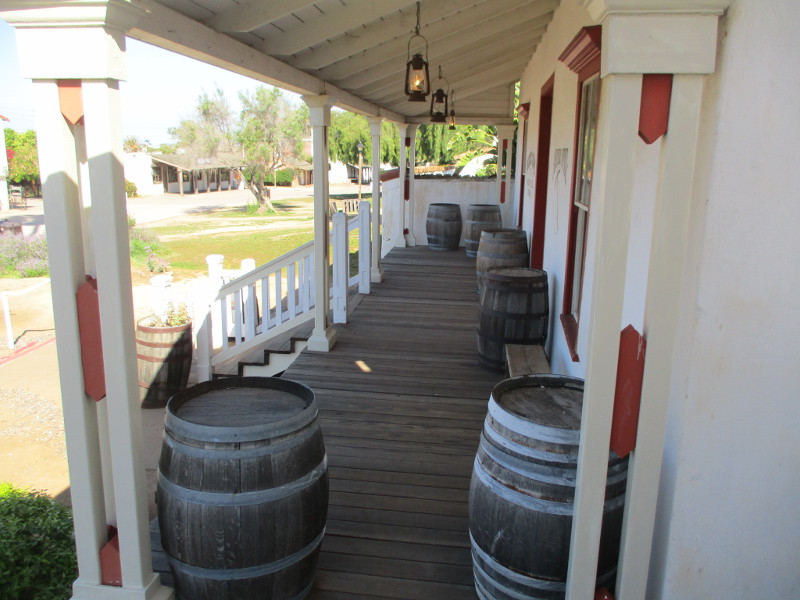
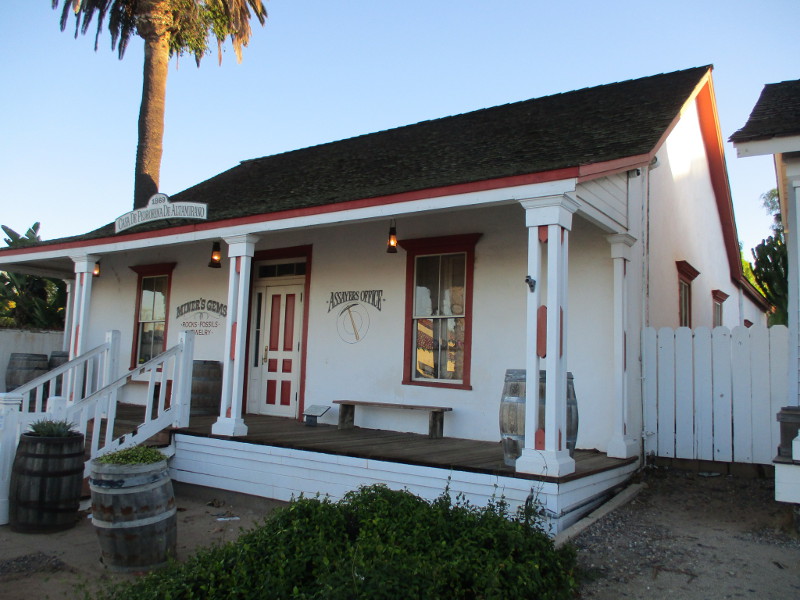
Whenever I walk through Old Town San Diego State Historic Park, I take photographs of the Pedrorena-Altamirano House. For some reason, however, I never get around to posting those photos!

Here we go, finally. These images were captured at various times under different light conditions.

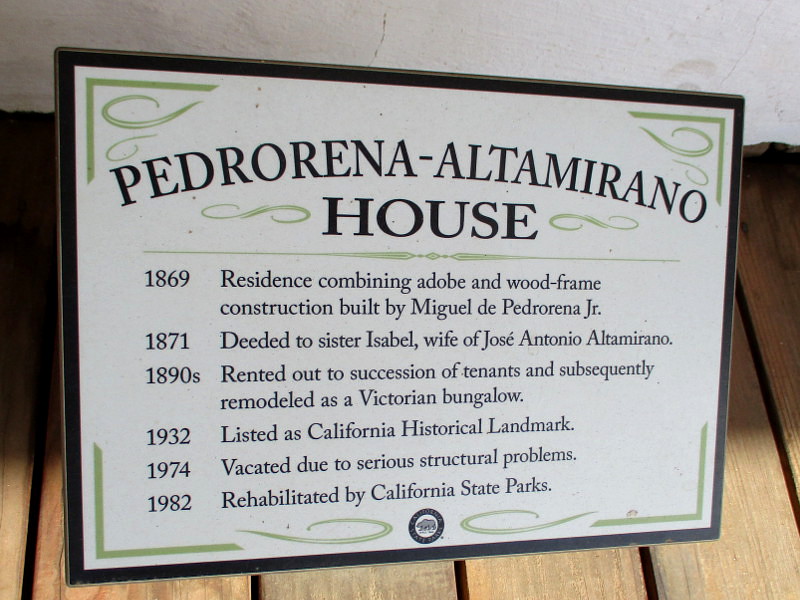
As a sign on the front porch explains, the adobe and wood frame house was built by Miguel de Pedrorena Jr. in 1869 and deeded to his sister Isabel, wife of José Antonio Altamirano, in 1871. Hence its name. In Spanish the house is called Casa de Pedrorena de Altamirano.

In the 1890s it was remodeled as a Victorian bungalow, and in 1932 the house was listed as a California Historical Landmark. California State Parks rehabilitated the structure in 1982.

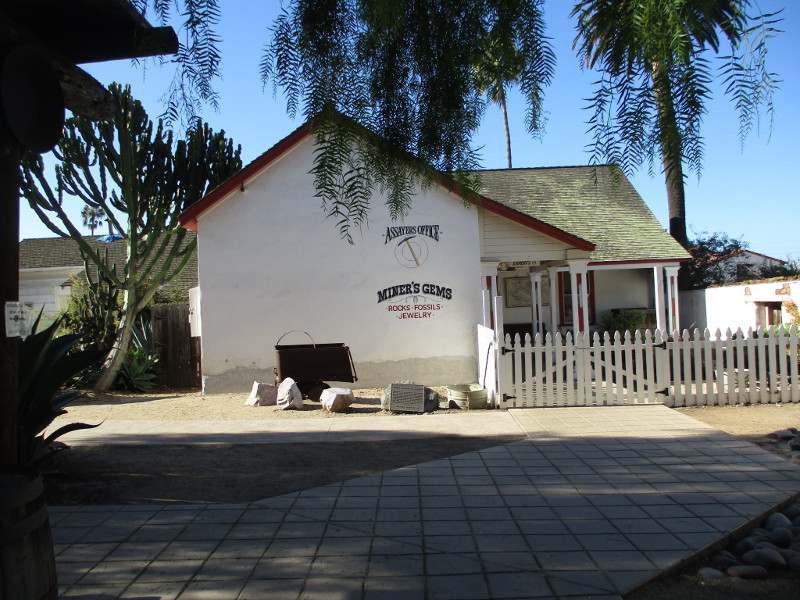
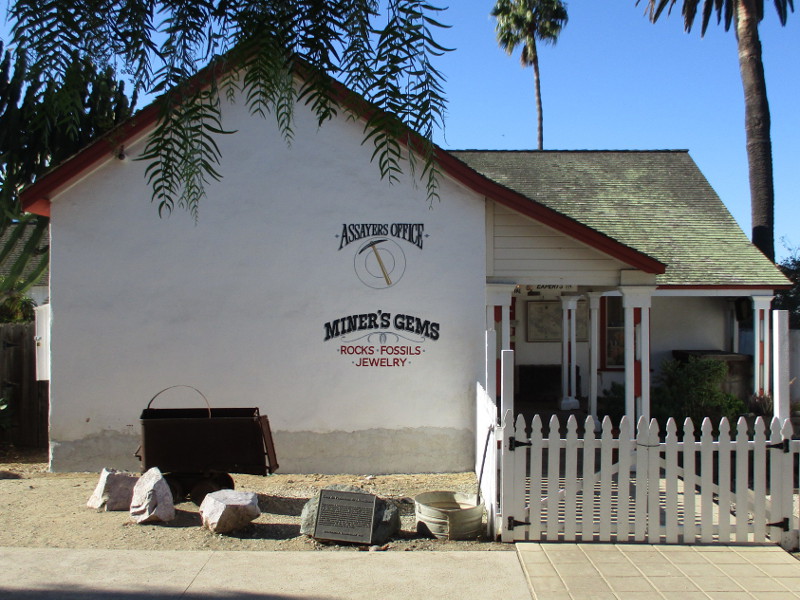
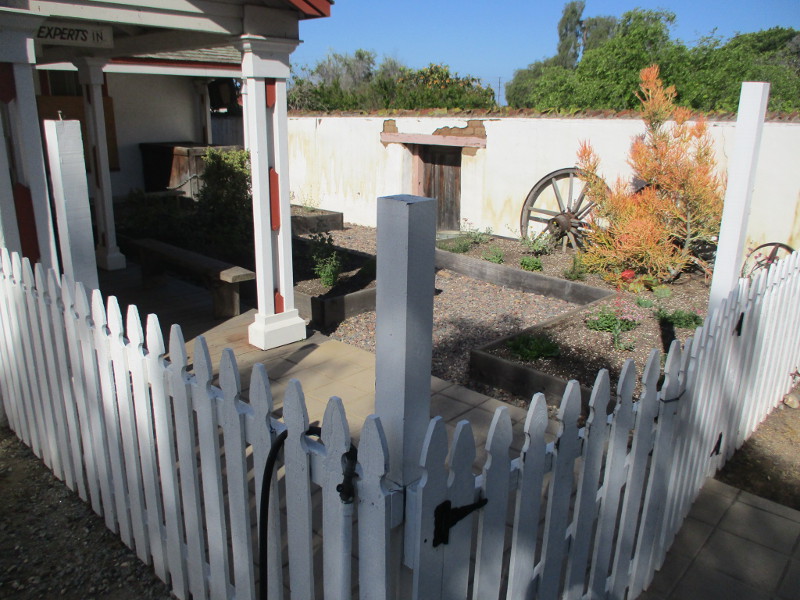
Today, as you can see, it’s home of Miner’s Gems and Minerals. That explains the mining equipment visitors discover in back.

The next photos were taken behind the house…

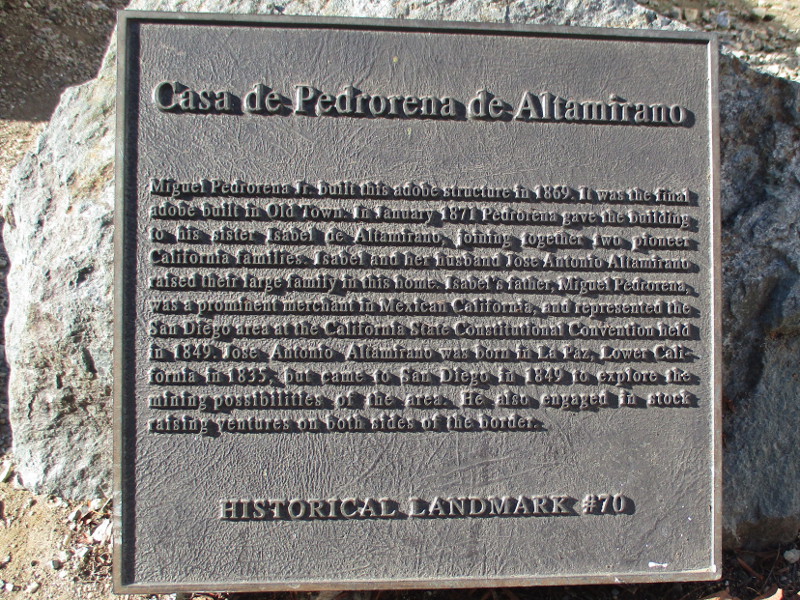
As you can see, there’s a plaque…

The plaque provides more interesting history. It reads:

Casa de Pedrorena de Altamirano

Miguel Pedrorena Jr. built this adobe structure in 1869. It was the final adobe built in Old Town. In January 1871 Pedrorena gave the building to his sister Isabel de Altamirano, joining together two pioneer California families. Isabel and her husband Jose Antonio Altamirano raised their large family in this home. Isabel’s father, Miguel Pedrorena, was a prominent merchant in Mexican California, and represented the San Diego area at the California State Constitutional Convention held in 1849. Jose Antonio Altamirano was born in La Paz, Lower California in 1835, but came to San Diego in 1849 to explore the mining possibilities of the area. He also engaged in stock raising ventures on both sides of the border.

HISTORICAL LANDMARK #70

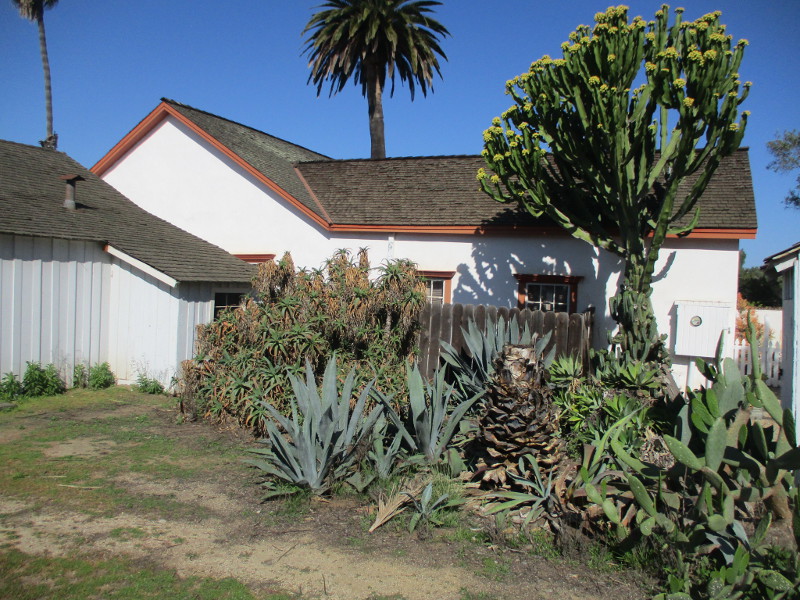
Now let’s circle around the house and return to the front…

To follow my blog, find the “Follow” box in this website’s sidebar. Or bookmark coolsandiegosights.com and swing on by occasionally!

(If you’re viewing this on a phone, open my website’s sidebar by tapping those three parallel lines at the top of the page.)
Two fun sights in the Gaslamp Quarter!

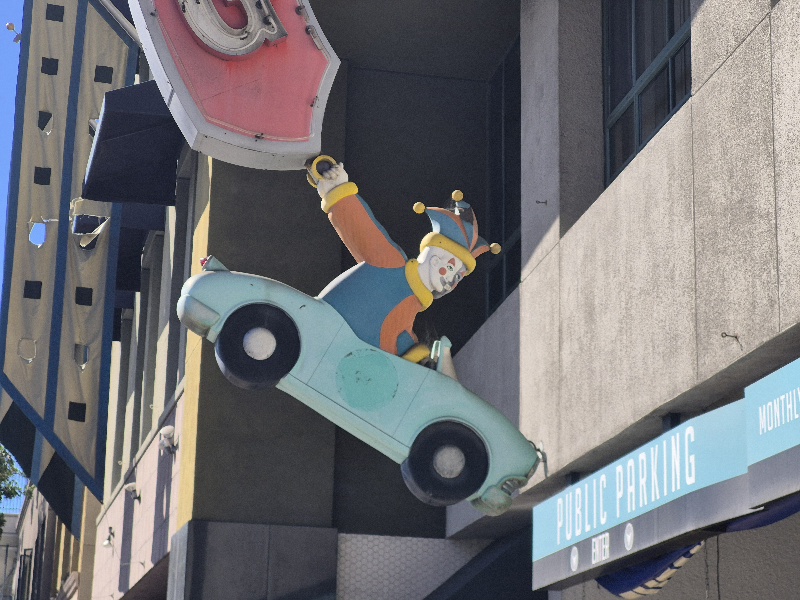
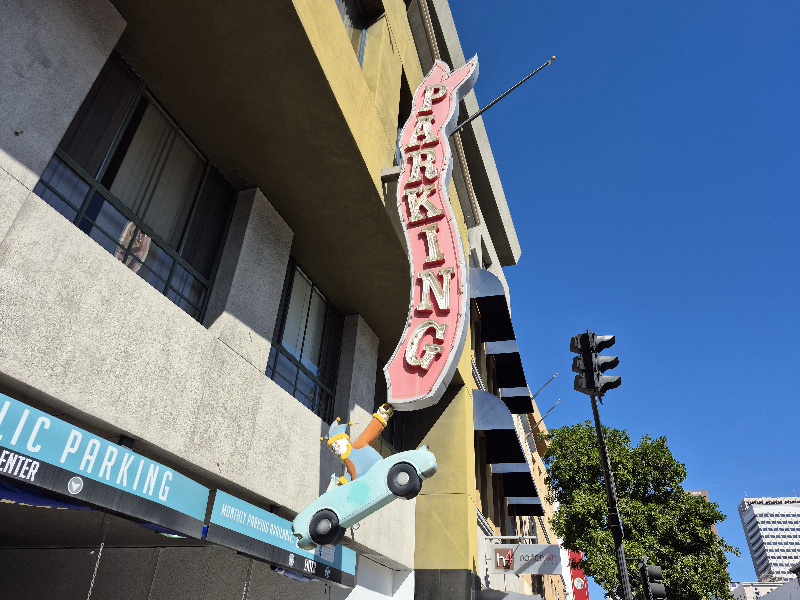
Walking this morning through downtown San Diego’s Gaslamp Quarter, I photographed these two fun sights!

First is the F Street entrance sign for the old Horton Plaza parking structure. A playful jester welcomes motorists to what used to be a unique and very popular shopping mall!

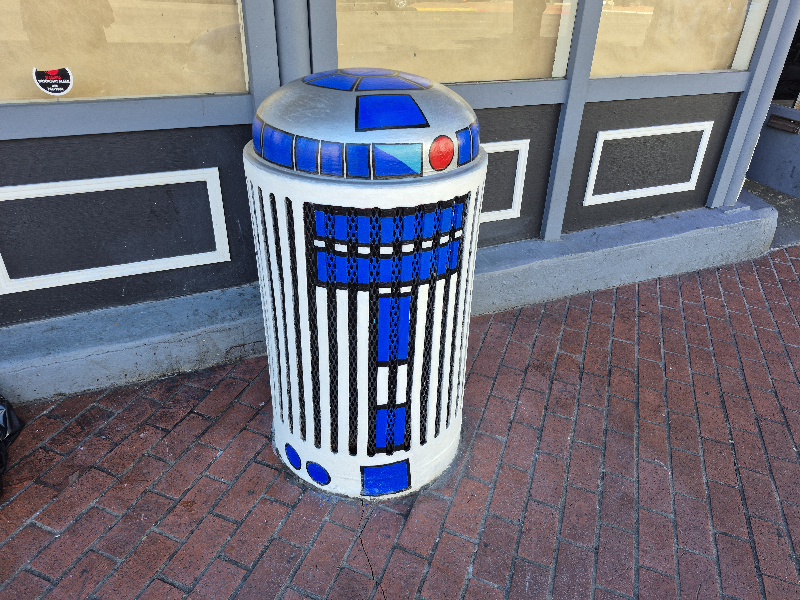
Next, a sidewalk vent structure was painted to appear like Star War’s R2-D2!

You can spot this fun street art in front of Kutthroat Downtown barber shop at 437 Market Street.

San Diego River wildlife in the city!

Have you spotted native wildlife in the city near the San Diego River? It’s possible to sight unexpected wild animals in our urban environment!

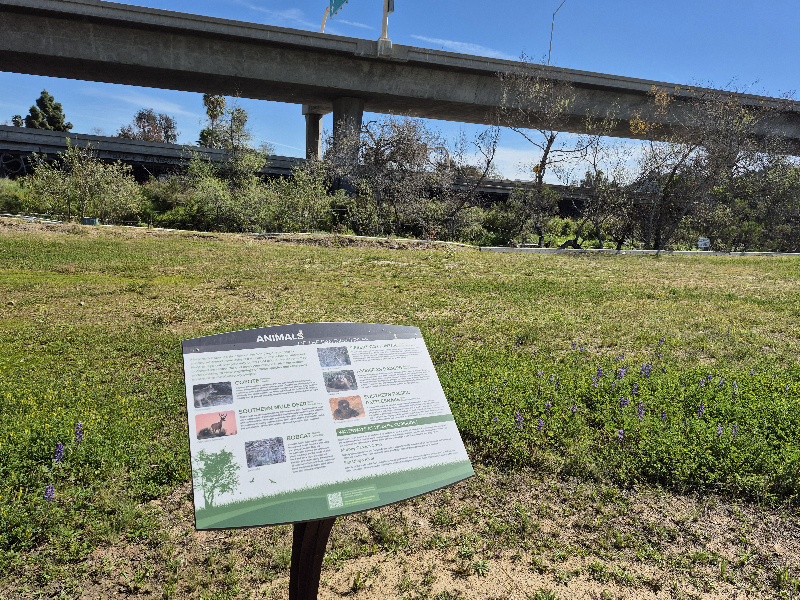
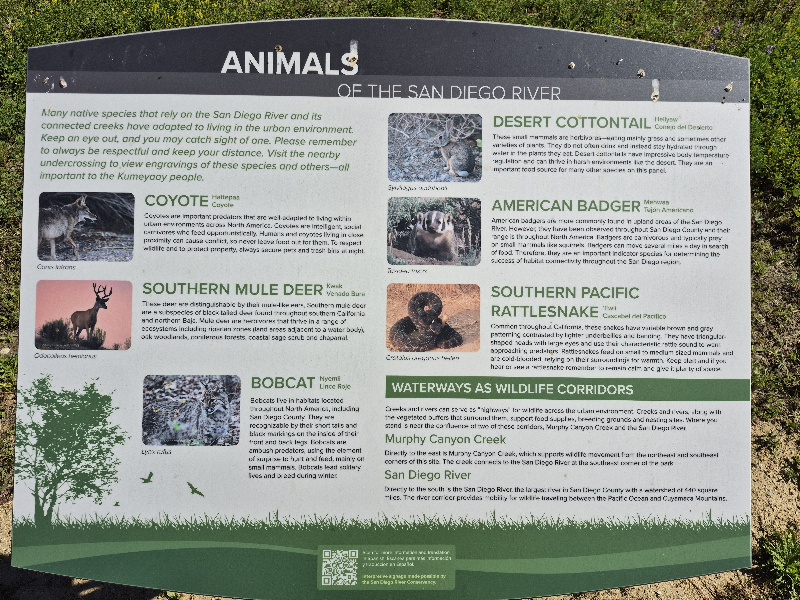
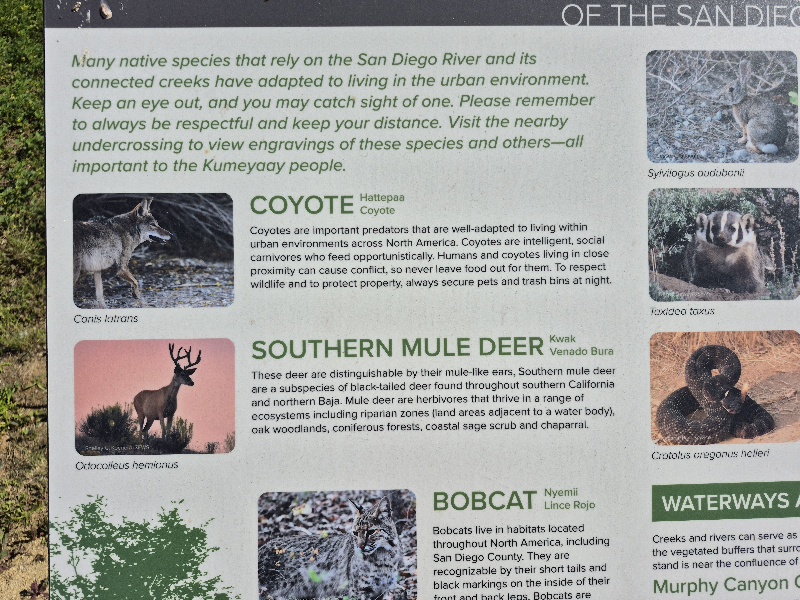
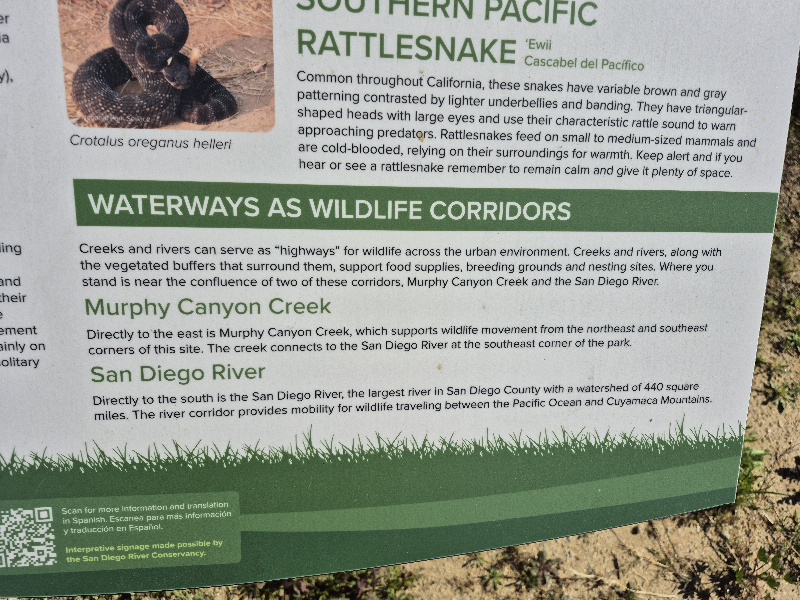
At the east end of the SDSU Mission Valley river park, near Murphy Canyon Creek, beside Interstate 15, a sign shows some of the Animals of the San Diego River.

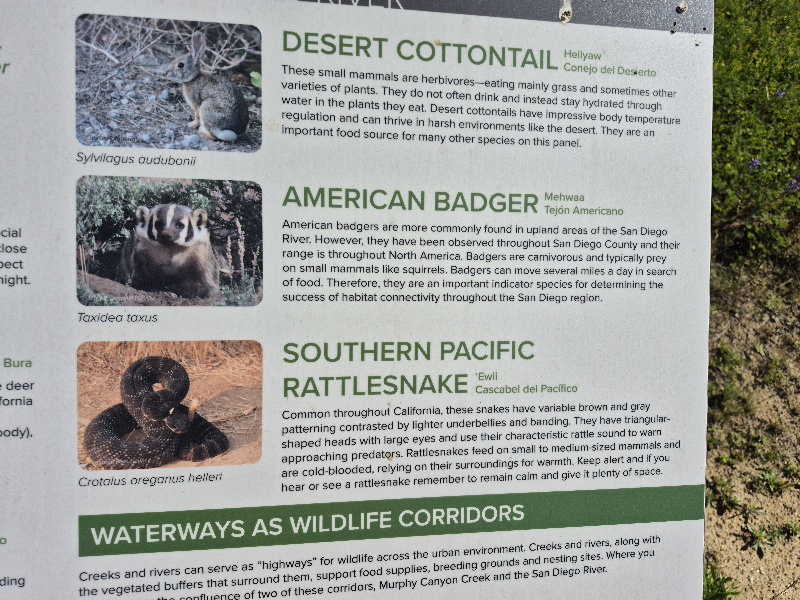
Featured on the sign are: Coyote, Southern Mule Deer, Bobcat, Desert Cottontail, American Badger and Southern Pacific Rattlesnake.

There’s a good chance you’ve observed coyotes, cottontails and even rattlesnakes, but how about those other critters?

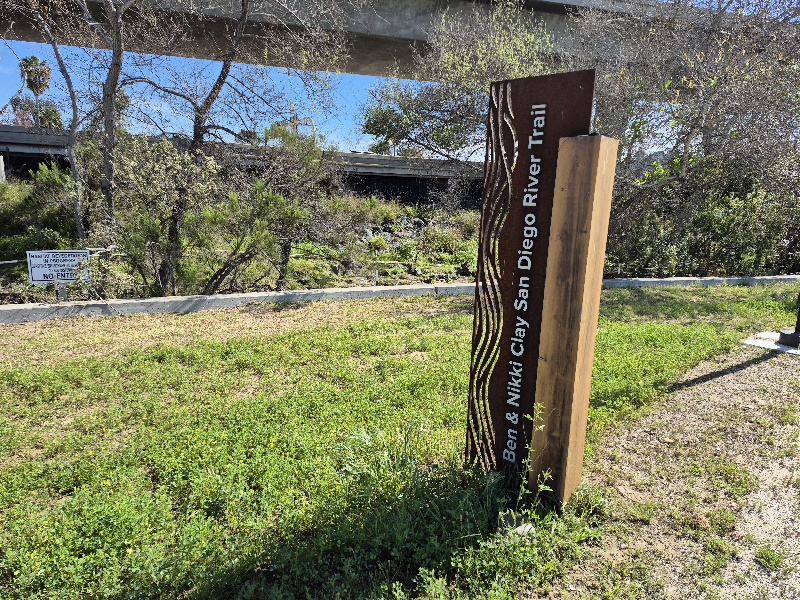
Walk near this sign along the Ben & Nikki Clay San Diego River Trail, and you might experience an unexpected wildlife sighting!

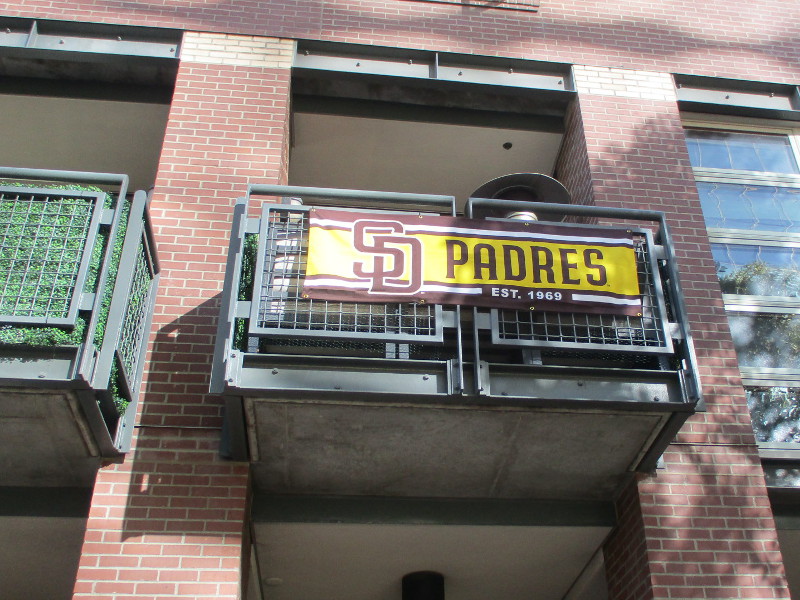
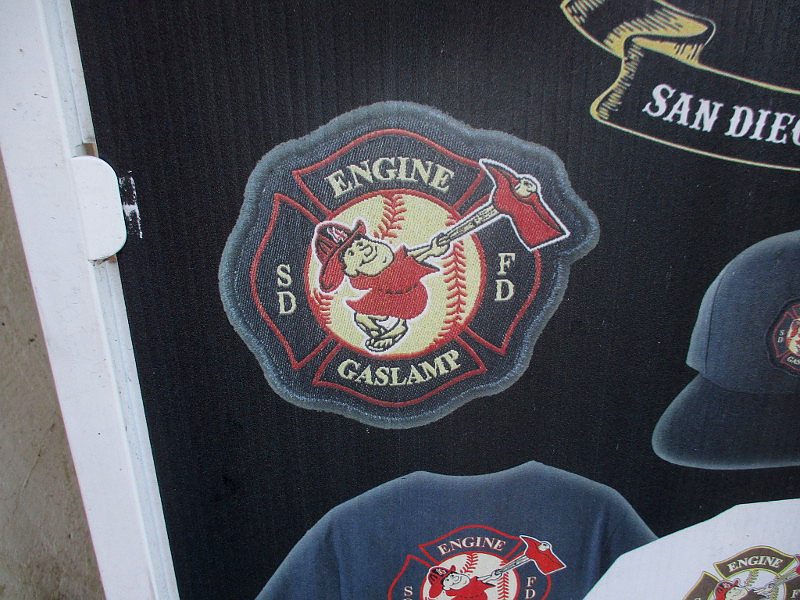
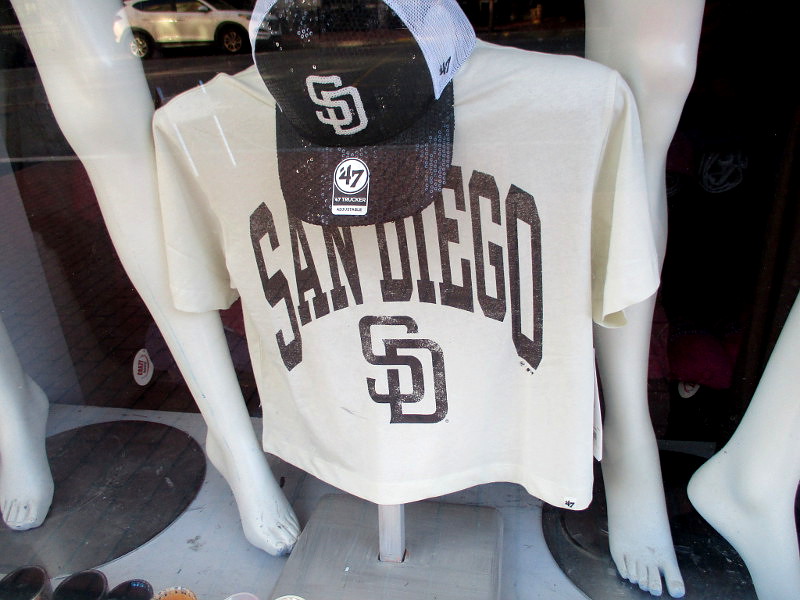
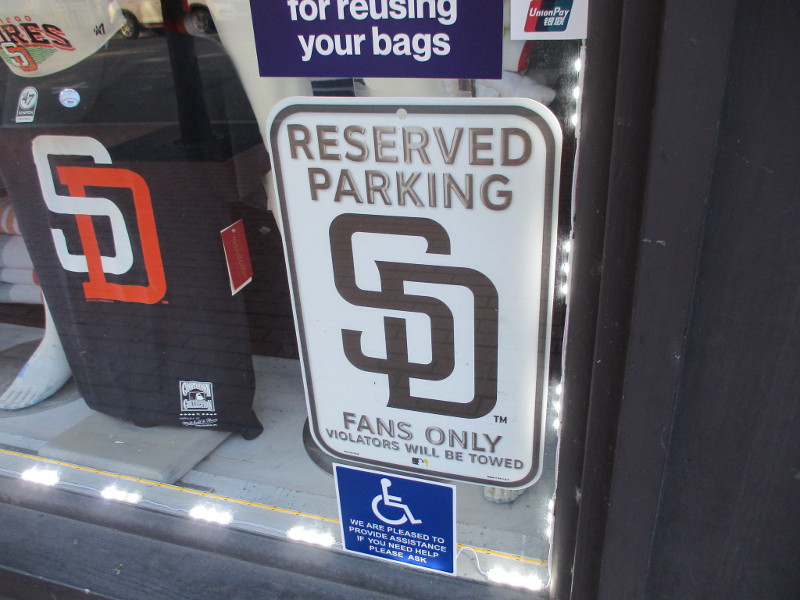
San Diego readies for 2026 Padres season!

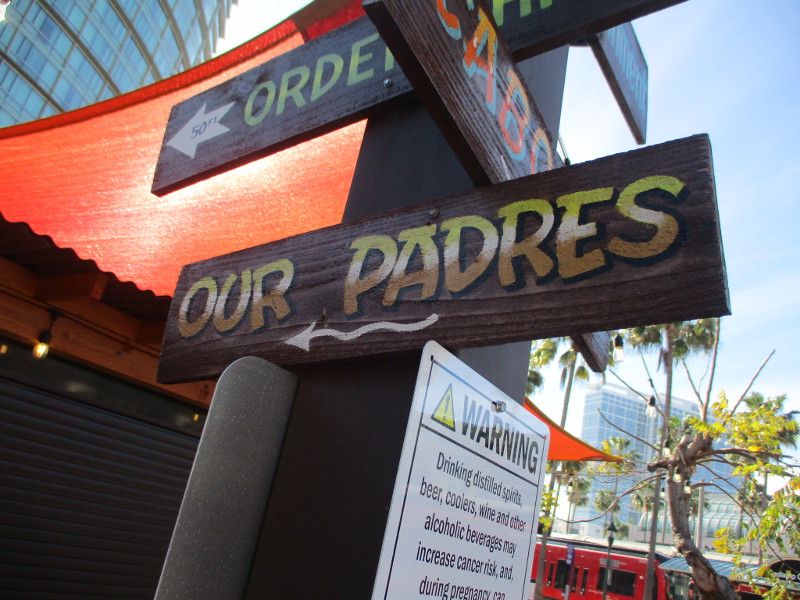
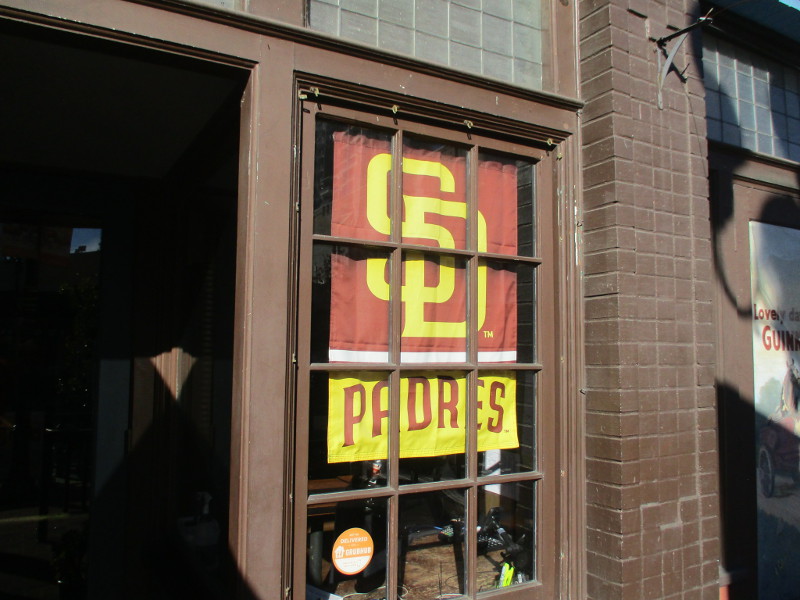
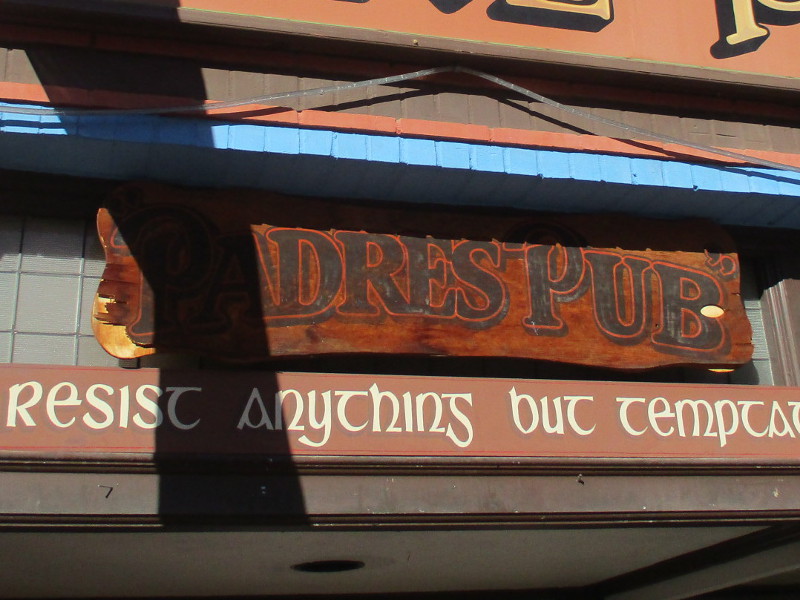
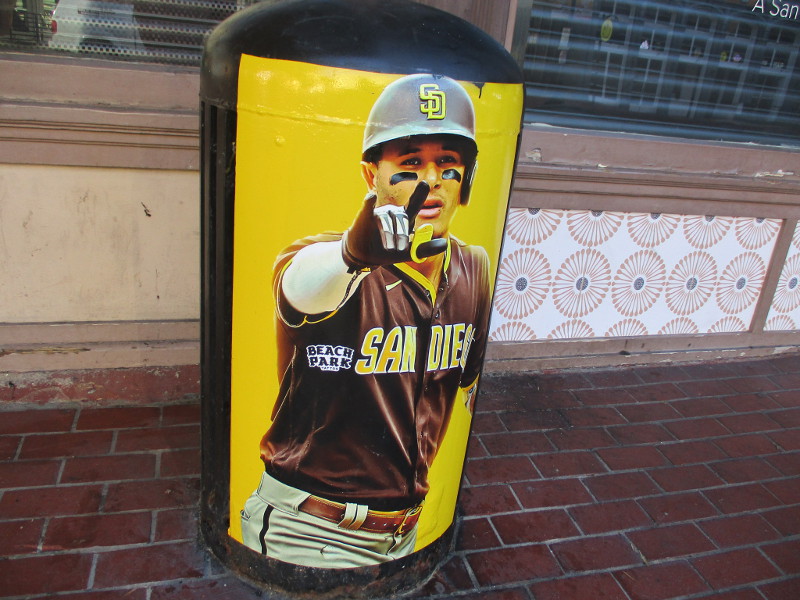
Anyone walking in downtown San Diego can see how the city is preparing for another Major League Baseball season. With signs, banners, loads of merchandise in shop windows–everyone is getting ready to enjoy exciting Padres games at Petco Park!

Can you believe it? Last year, the San Diego Padres had the second highest ballpark attendance in all of Major League Baseball. Not only do we have the best ballpark, we have the best fans!

I took these photos in East Village and the Gaslamp Quarter yesterday morning. With a month to go until Opening Day (March 26), more fun downtown sights will certainly materialize.

It looks to be another great season! Let’s make the playoffs and fight for a World Series appearance!

To follow my blog, find the “Follow” box in this website’s sidebar. Or bookmark coolsandiegosights.com and swing on by occasionally!

(If you’re viewing this on a phone, open my website’s sidebar by tapping those three parallel lines at the top of the page.)
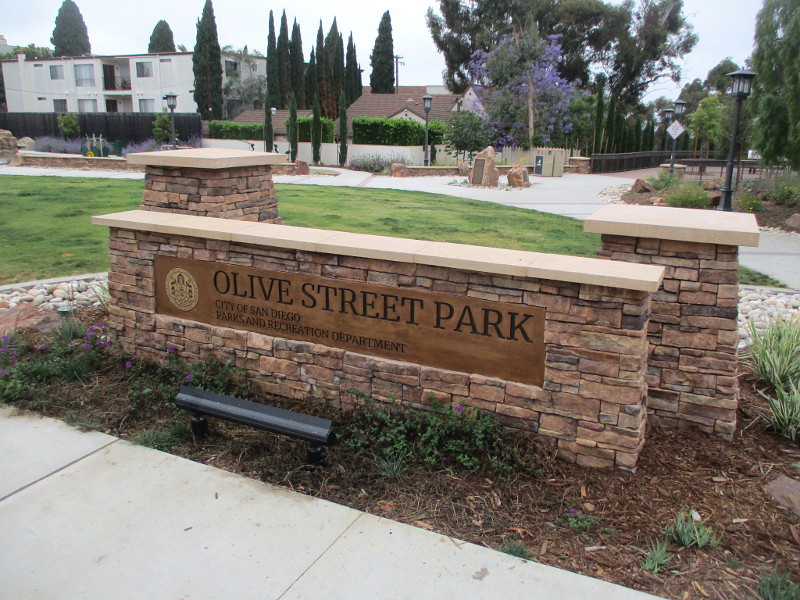
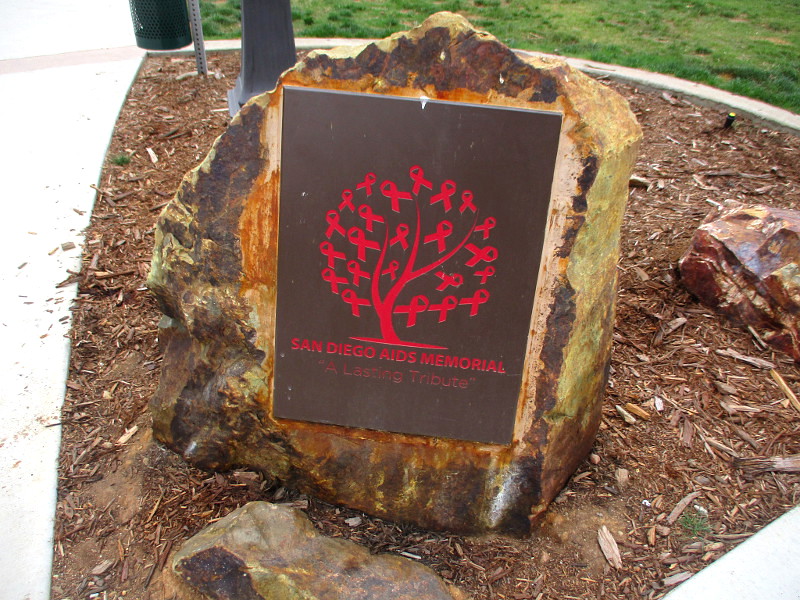
San Diego AIDS Memorial at Olive Street Park.

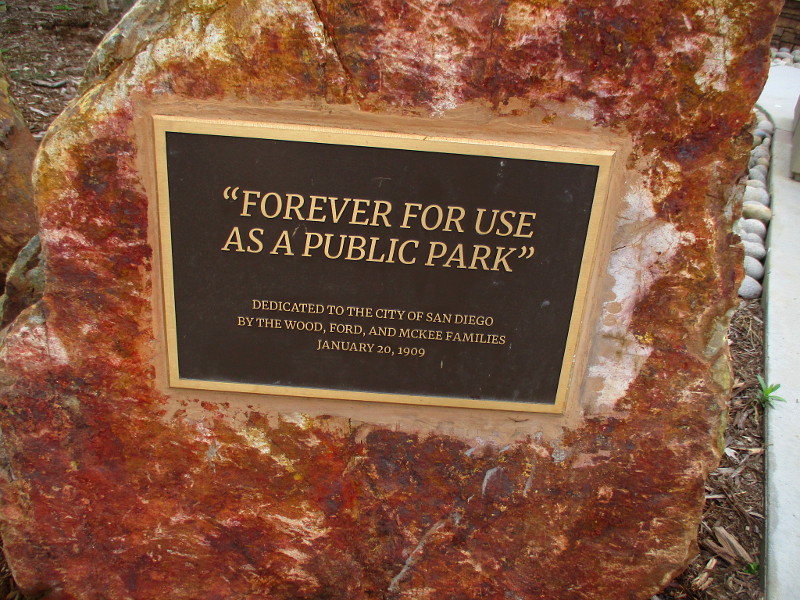
You might remember how, years ago, KUSI television consumer advocate Michael Turko sought to develop a neglected plot of land on Olive Street in Bankers Hill into a city park. According to this webpage, in 1909, the Ford, McKee, and Woods families generously donated the 0.6-acre property to the city for the specific purpose of creating a public park for the community to enjoy.

I posted a blog that included the still undeveloped park back in 2015. See that old post here.

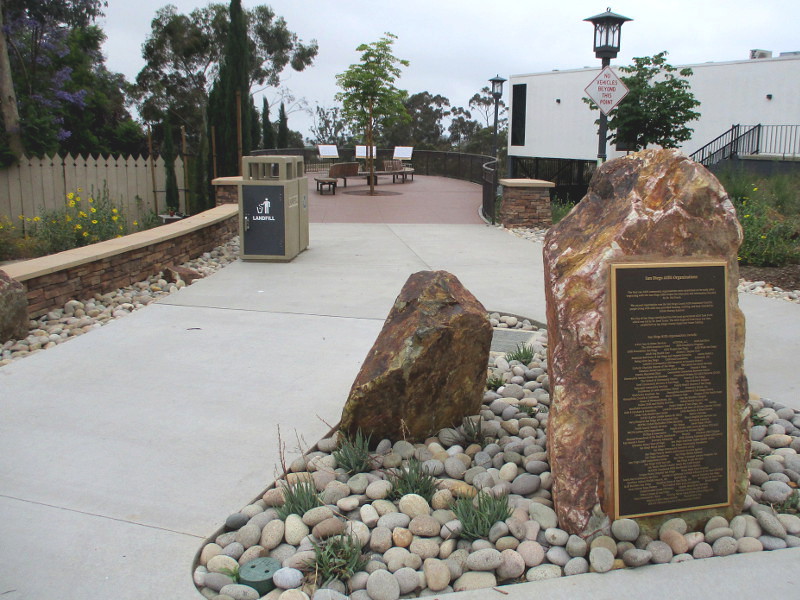
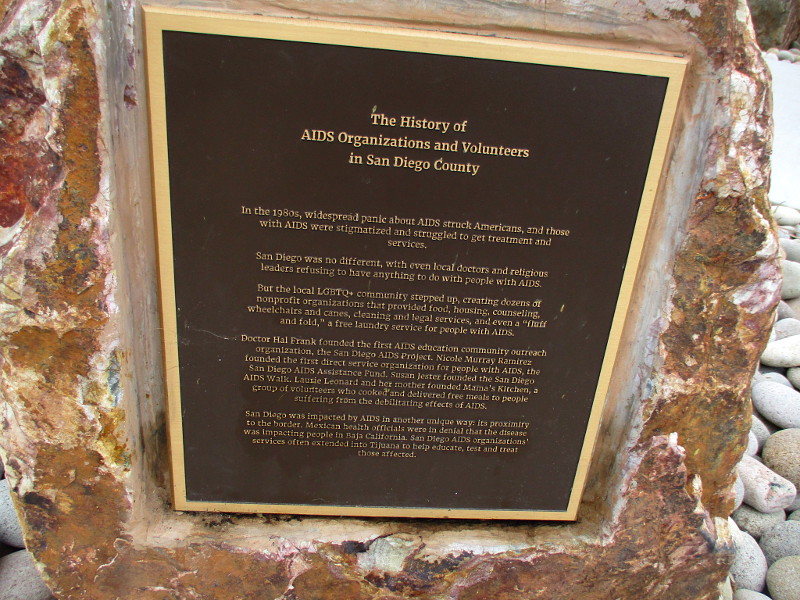
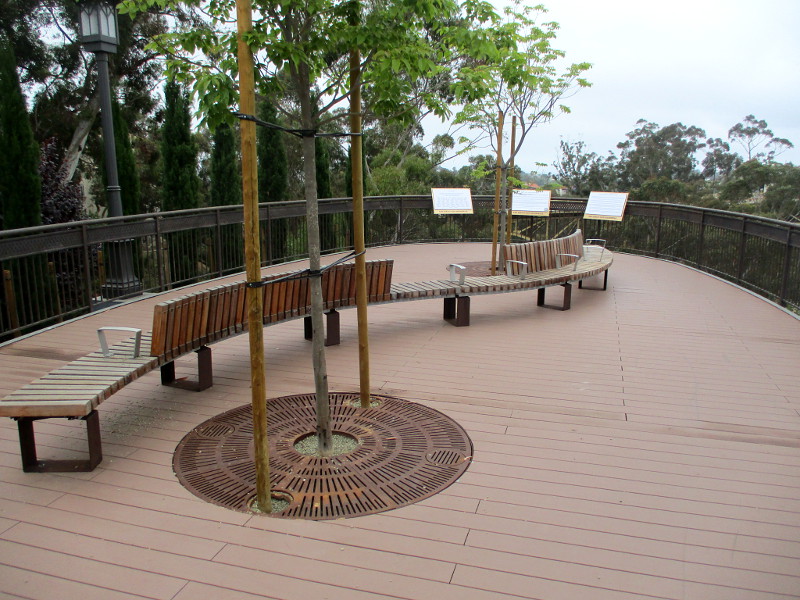
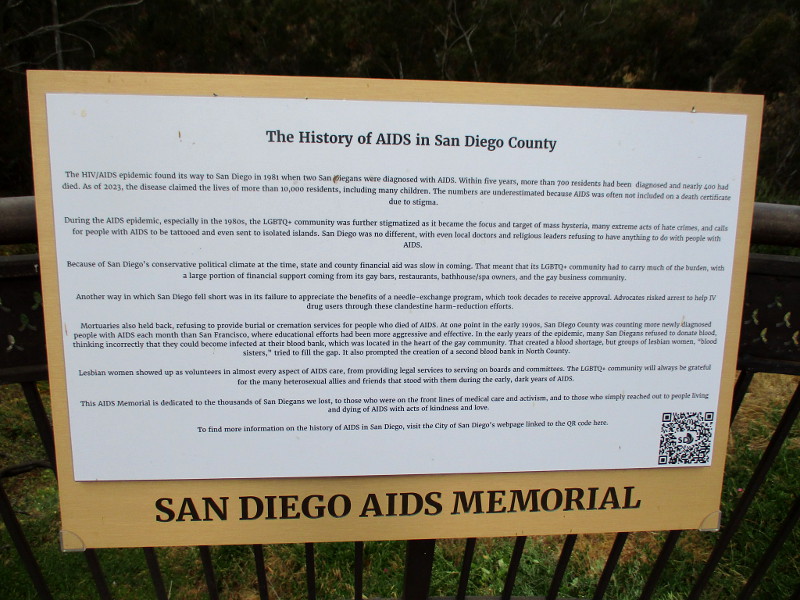
Today Olive Street Park welcomes one and all. It is also the site of the San Diego AIDS Memorial, which opened on World AIDS Day, Sunday, December 1, 2024.

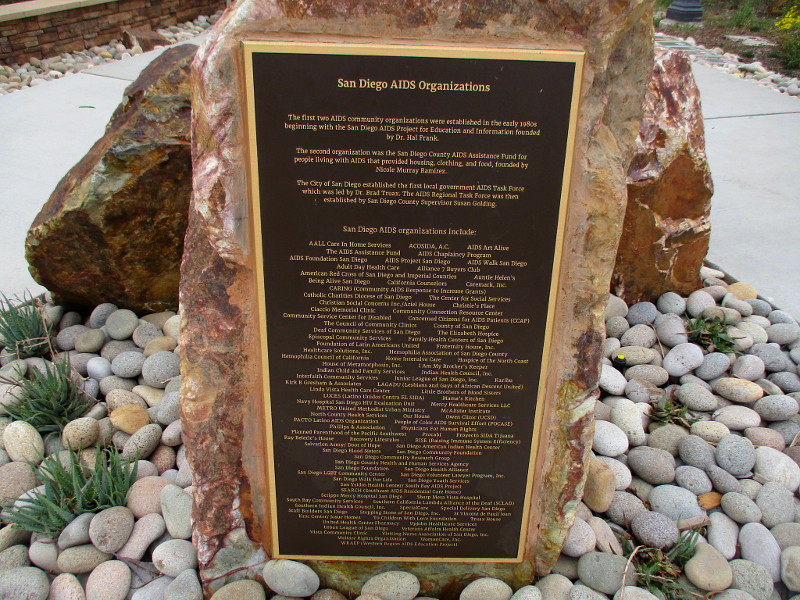
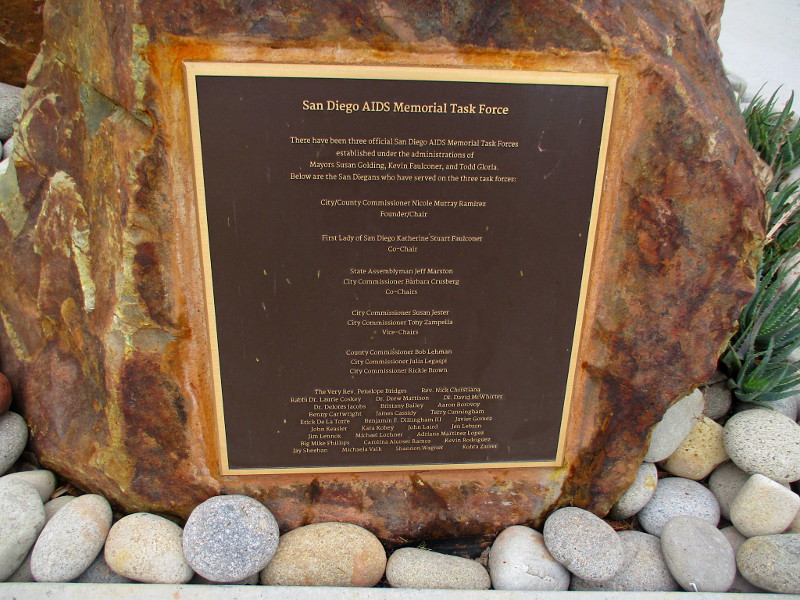
With various plaques and signs, the memorial remembers the over 8,000 San Diegans who have lost their lives to HIV/AIDS, and honors those who’ve supported them and have worked to defeat the devastating disease. Many compassionate people and organizations throughout San Diego County are recognized.

The neighborhood park is a grassy oasis with flowers and beautiful views, where people can play or relax and reflect.

To follow my blog, find the “Follow” box in this website’s sidebar. Or bookmark coolsandiegosights.com and swing on by occasionally!

(If you’re viewing this on a phone, open my website’s sidebar by tapping those three parallel lines at the top of the page.)
Many birds of the San Diego River.

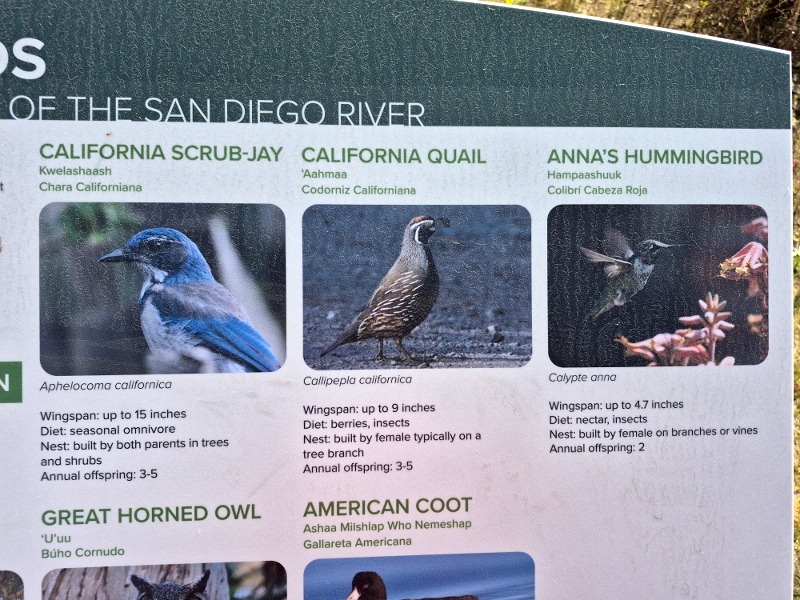
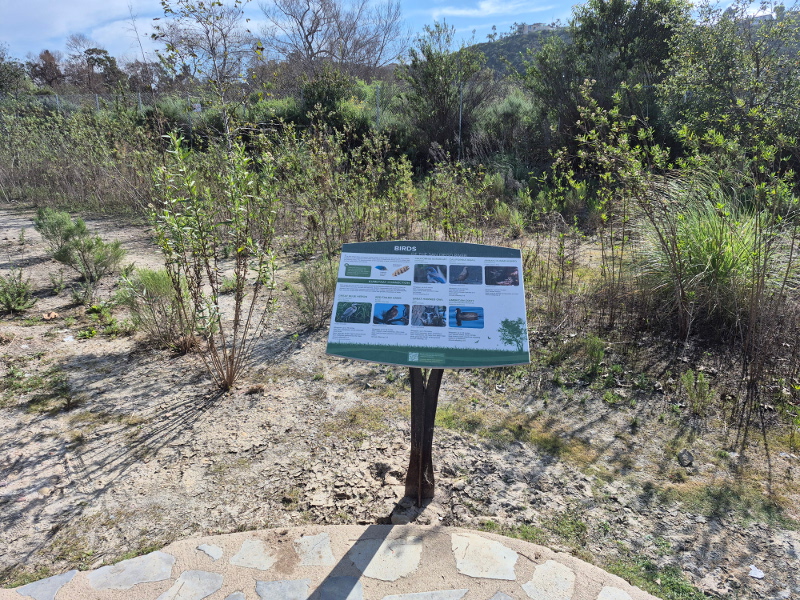
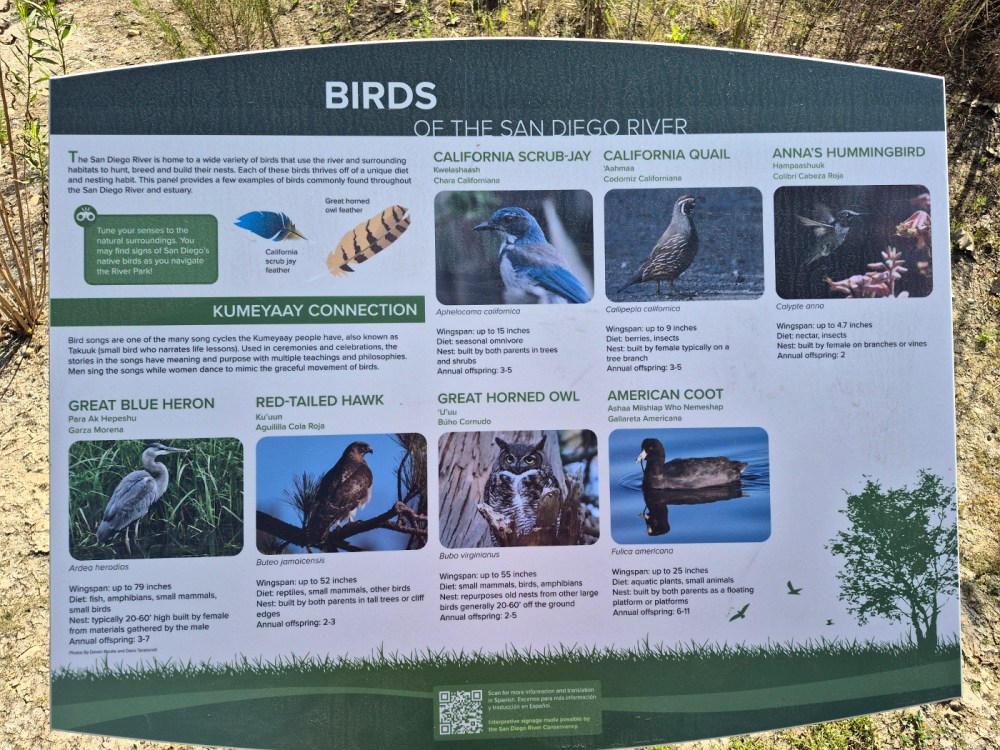
Walking down one of the dirt paths off the main trail at the SDSU Mission Valley River Park, you might encounter this sign. It features birds you could see along the San Diego River.

Birds described in words and photos include California Scrub-jay, California Quail, Anna’s Hummingbird, Great Blue Heron, Red-tailed Hawk, Great Horned Owl and American Coot.

Of course, it’s possible to sight egrets, cormorants, different types of ducks, gulls, blackbirds, swallows and many, many different species. The San Diego River, stretching from the mountains of East County to the Pacific Ocean, supports enormous biodiversity. The river is also part of the Pacific Flyway, a major route of migratory birds.

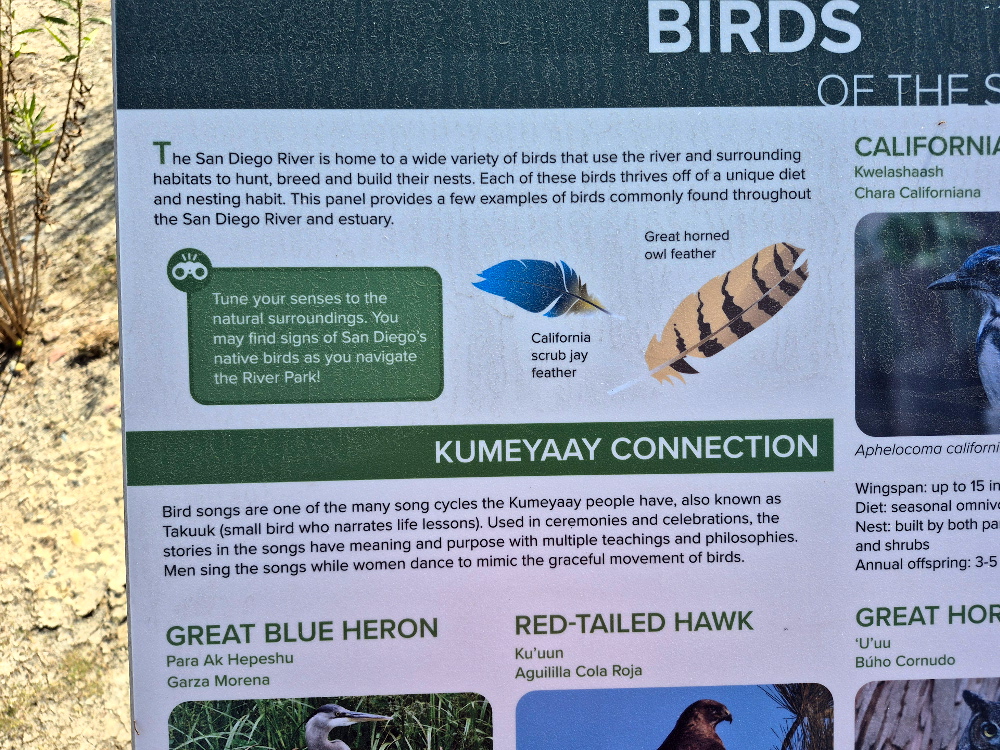
The sign includes a paragraph about the Bird Songs of the indigenous Kumeyaay people. It concerns the bird-inspired singing and dancing in traditional Kumeyaay ceremonies and celebration.

How about my recent walk through the river park? I spotted small sparrows flitting about near the path, saw soaring crows and seagulls, and heard the calls of various birds in the trees beyond the fence that protects the river habitat from human intrusion.

If you love to walk, head down to the river park. There is sunshine, fresh air, people playing sports on the wide grass areas, easy access by trolley, and, best of all, it’s beautiful. (Bonus: look for the mile markers on the main walkway that were designed by James Hubbell!)

To follow my blog, find the “Follow” box in this website’s sidebar. Or bookmark coolsandiegosights.com and swing on by occasionally!

(If you’re viewing this on a phone, open my website’s sidebar by tapping those three parallel lines at the top of the page.)
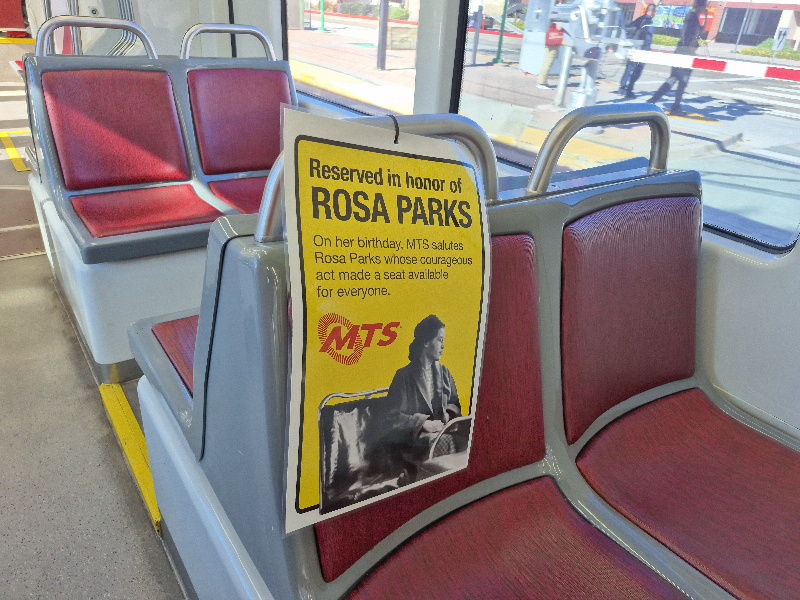
A seat for Rosa Parks on the trolley!

Today, February 4th, is the birthday of civil rights icon Rosa Parks. San Diego Metropolitan Transit System (MTS) is honoring her heroism by reserving a seat for her on every bus and trolley!
MTS has been doing this for years.

Back in 2022, also on February 4th, I photographed a seat on a bus that was reserved for Rosa Parks. Today, I found a seat on a San Diego Trolley just for her!

Of course, I had to take a photo.

The legacy of a courageous citizen lives on. This sign on a trolley seat is a small but important reminder that one individual with a single act of courage can change the world.

Views from UC San Diego sunset overlook.

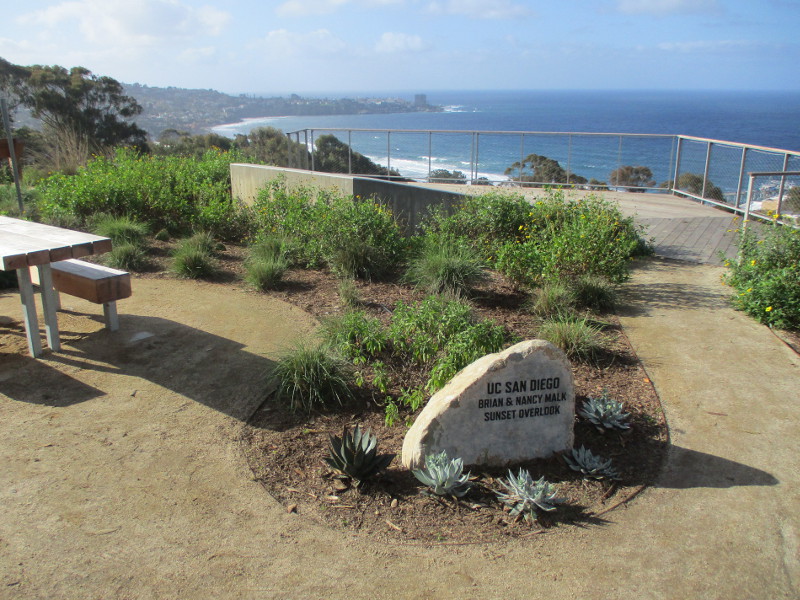
The UC San Diego Brian & Nancy Malk Sunset Overlook opened last summer. Situated high above Scripps Institution of Oceanography, an elevated platform offers wide views of the Pacific Ocean and parts of coastal La Jolla.

If you’d like to enjoy amazing panoramic views, head down La Jolla Shores Drive to Midpac Lane and look for the small parking lot.

The new overlook includes picnic tables and a bench where you can sit, relax and gaze out over the ocean. Native plants flourish around the platform and pathway.

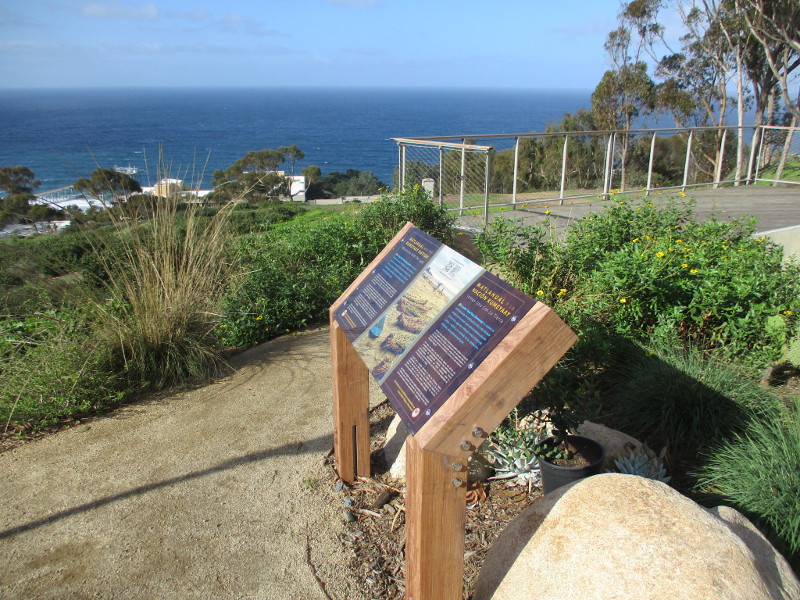
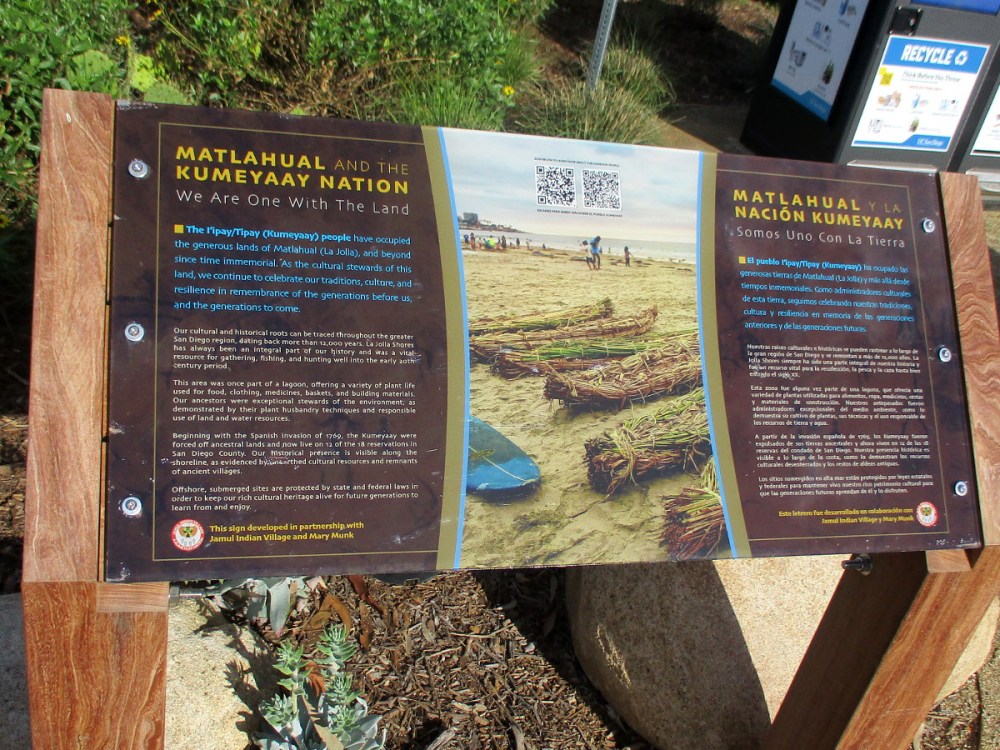
Nearby, an informative sign tells how the Kumeyaay people lived in La Jolla (Matlahual) for thousands of years and have acted as stewards of the land. This area was part of a lagoon. It was an important natural resource that provided useful materials–for basket making, medicines, fishing, hunting, gathering and more. The sign at the overlook was developed in partnership with Jamul Indian Village and Mary Munk.

I visited recently on a sunny day…

To follow my blog, find the “Follow” box in this website’s sidebar. Or bookmark coolsandiegosights.com and swing on by occasionally!

(If you’re viewing this on a phone, open my website’s sidebar by tapping those three parallel lines at the top of the page.)