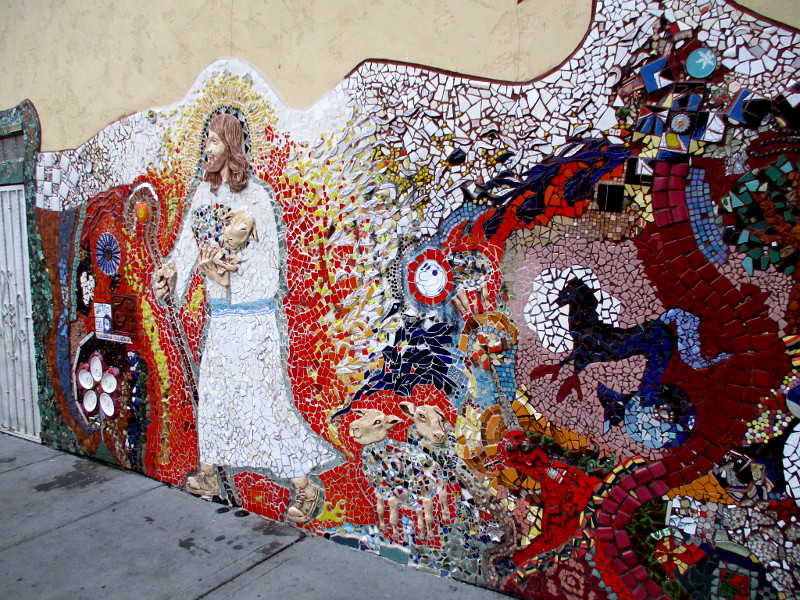
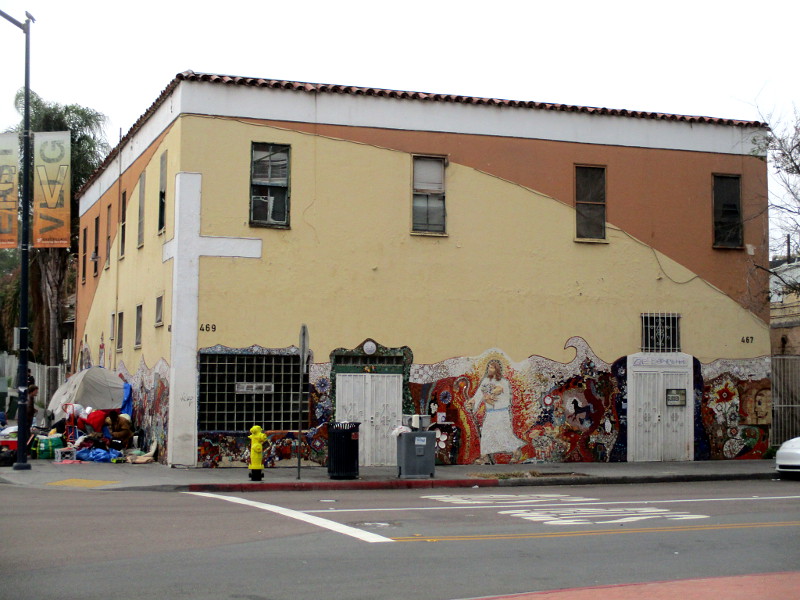
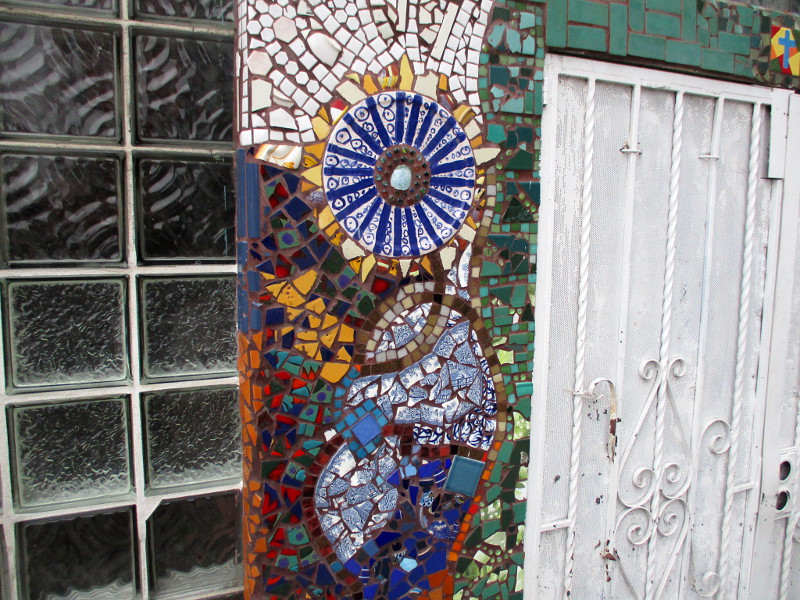
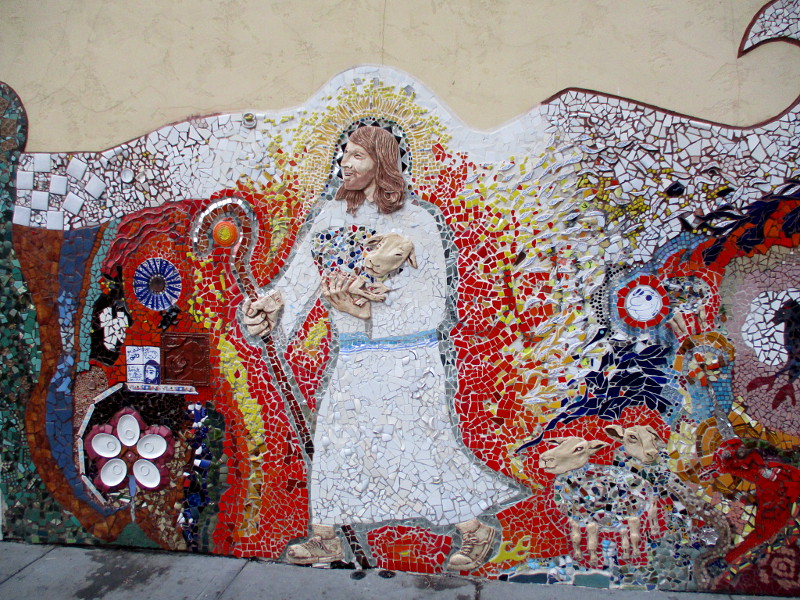
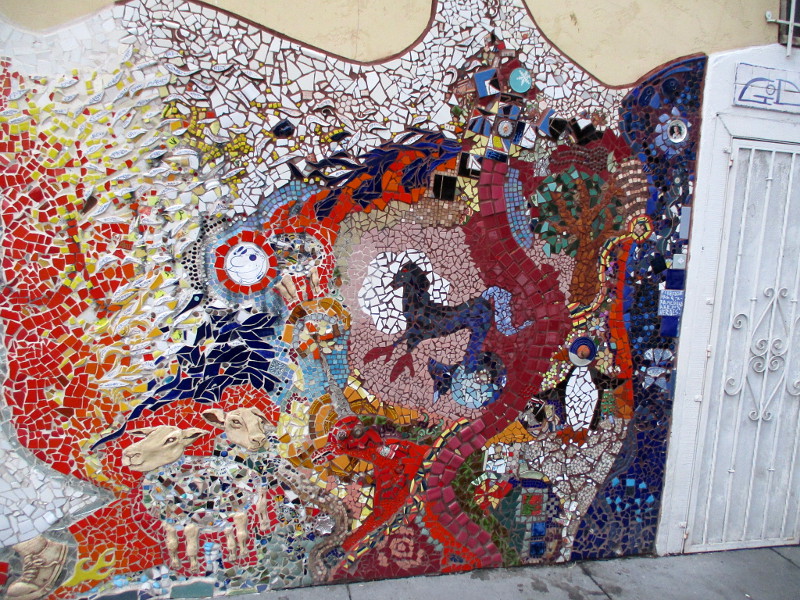
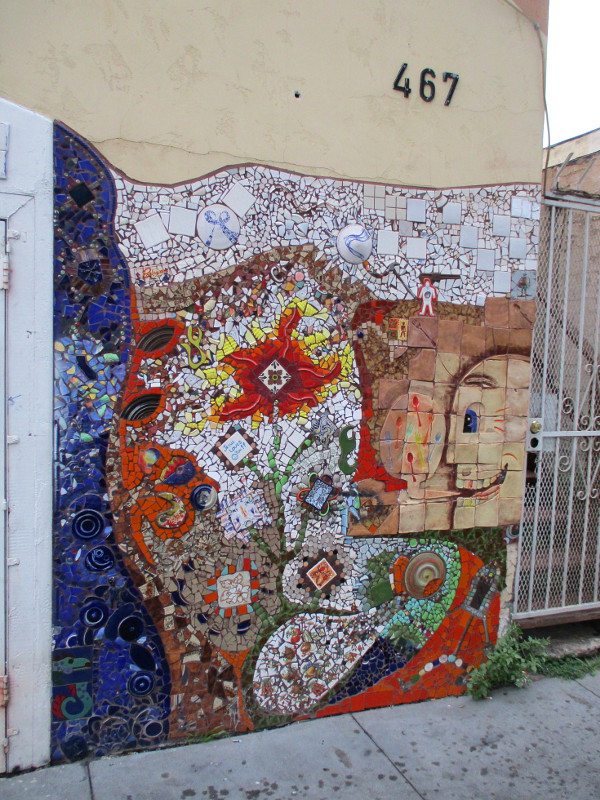
There’s an elaborate, quite beautiful tile mosaic mural outside the old God’s Extended Hand building in San Diego’s East Village. You can see it at the corner of 16th Street and Island Avenue.
The colorful mural is overflowing with compassionate messages and religious imagery, including Christ as a shepherd carrying a lamb.
The God’s Extended Hand ministry endured for 96 years, feeding the homeless and hungry, until it closed down a few months ago. Father Joe’s Villages will be redeveloping the site, creating more affordable housing and support for the homeless downtown. I don’t know whether these mosaics will be preserved.
I walked past part of the artwork this morning and took these photos. I only photographed the wall along 16th Street. Some people camped on the sidewalk were by the other wall on Island Avenue.
…
I live in downtown San Diego and love to walk around with my camera! You can follow Cool San Diego Sights via Facebook or Twitter!
One of San Diego County’s most important historical sites can be visited in Warner Springs. The Warner-Carrillo Ranch House, built in 1857, is a National Historic Landmark maintained by SOHO, the San Diego-based Save Our Heritage Organisation.
The “Ranch House at Warner’s” preserves centuries of history. You can read a bit about the site and see some old photographs at this SOHO web page.
The adobe ranch house “represents Mexican and American culture contact during the Mexican Republic; the Frontier period of the westward migration; and the Gold Rush and the cattle ranching industry from 19th century Californio to 20th century to today.” Built beside the emigrant trail, many early settlers wrote about their experiences here.
Last weekend I visited the restored adobe. I went for a special reason. One day every year at Warner’s Ranch, visitors can ride an authentic Concord stagecoach down a short stretch of the old Overland Trail. For several years, from 1858 to 1861, the ranch house served as a Butterfield Overland Stage Station. Thousands of passengers stopped for a few minutes at this swing station as they travelled through the region. If you’d like to see photos from my fun stagecoach ride, click here!
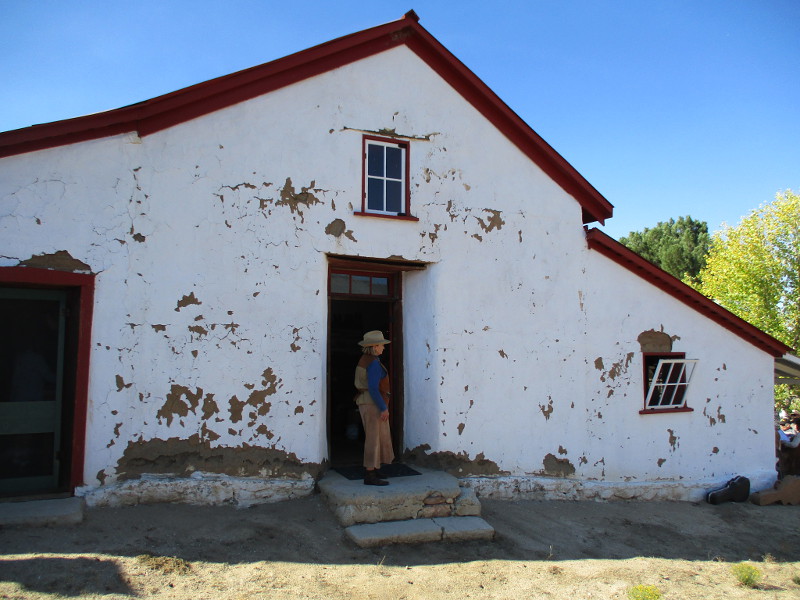
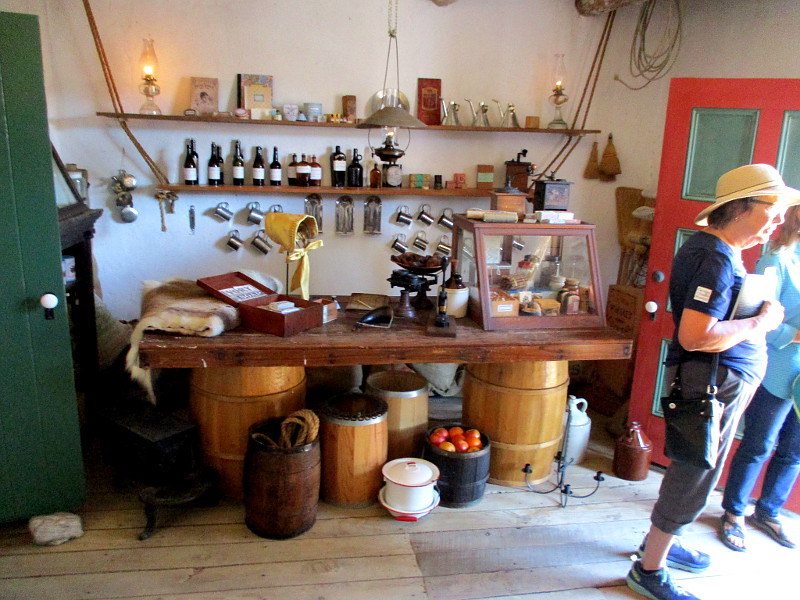
The present structure, maintained today as a museum, was built by Doña Vicenta Sepúlveda de Carrillo, an early Californio woman rancher. It consists of two main rooms and several adjacent smaller rooms that were added in later years. One of the main rooms was the sala, or living room. The other served as a trading post–a small store where travelers could purchase necessities during their brief stopover.
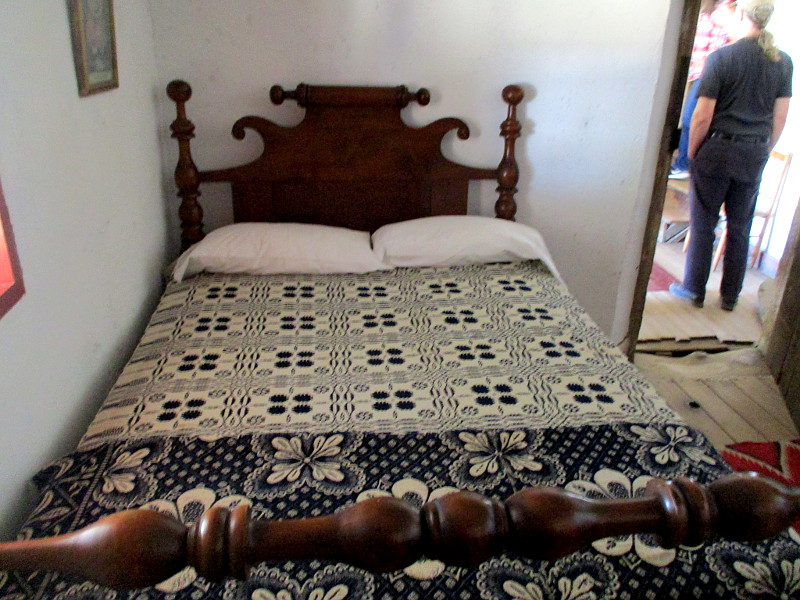
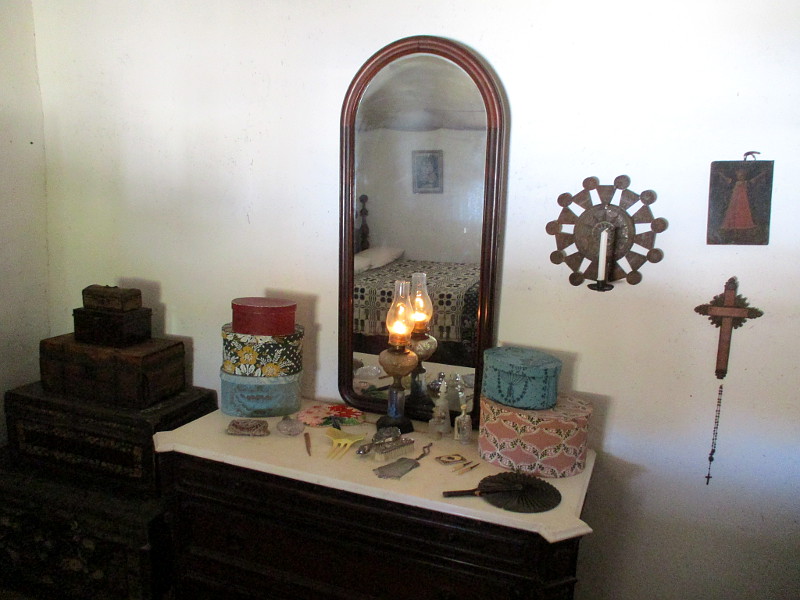
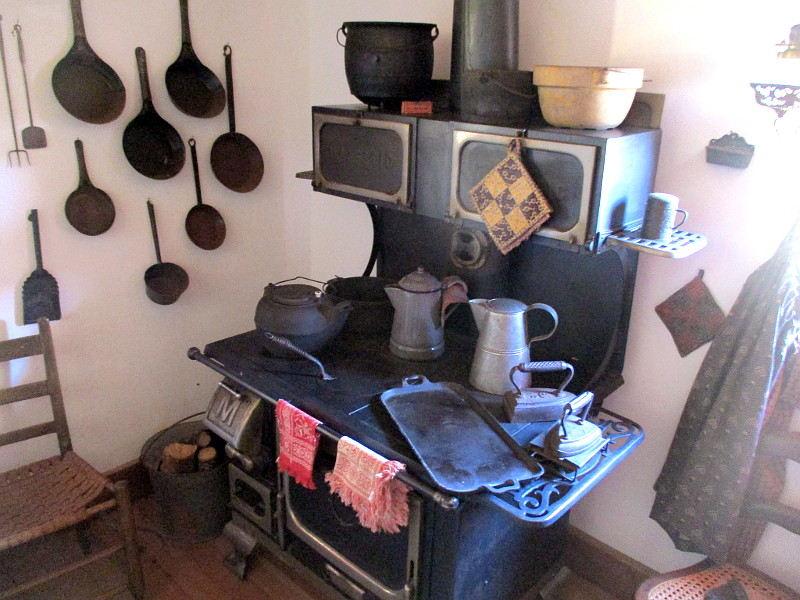
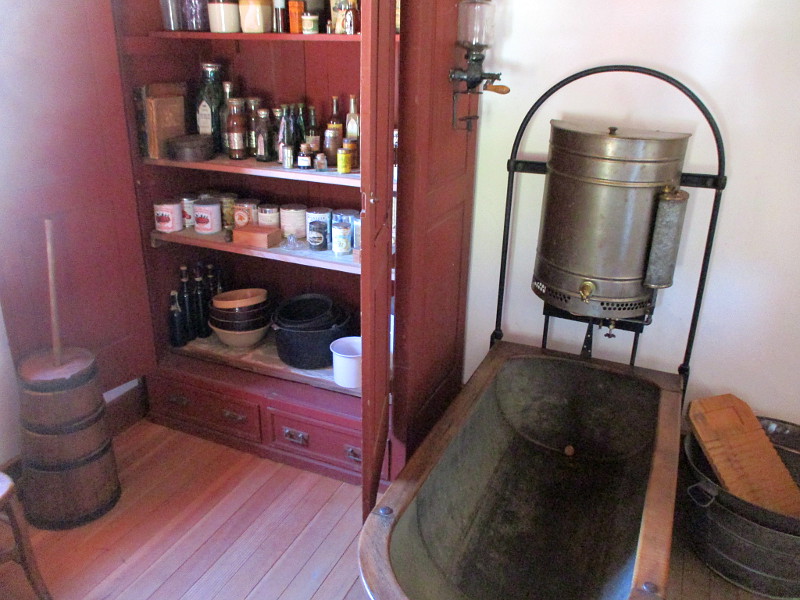
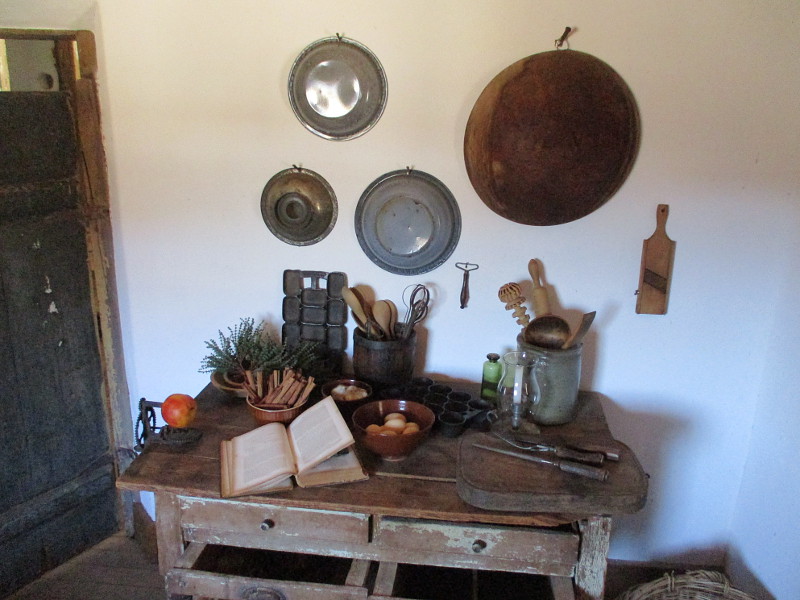
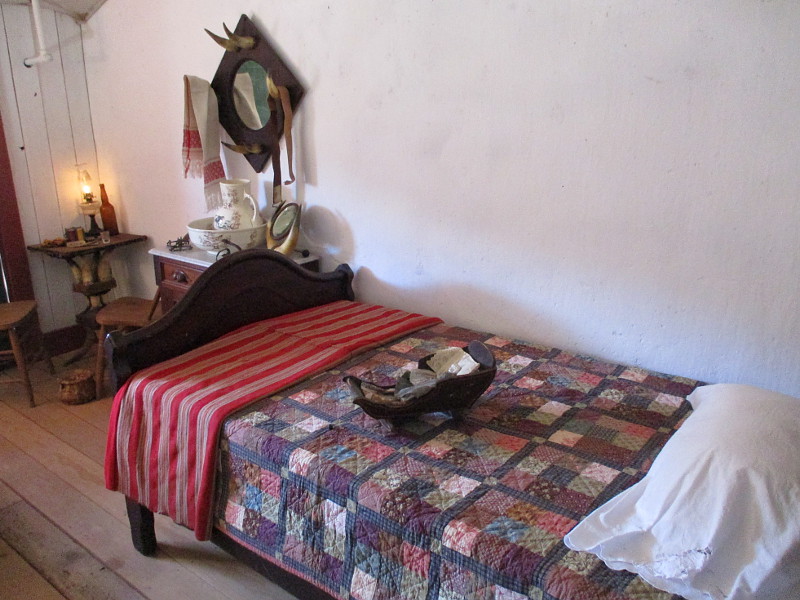
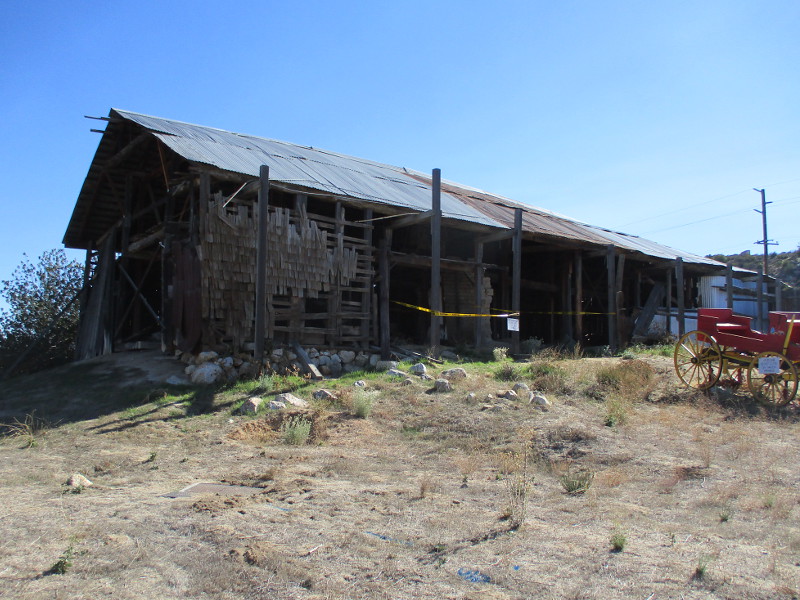
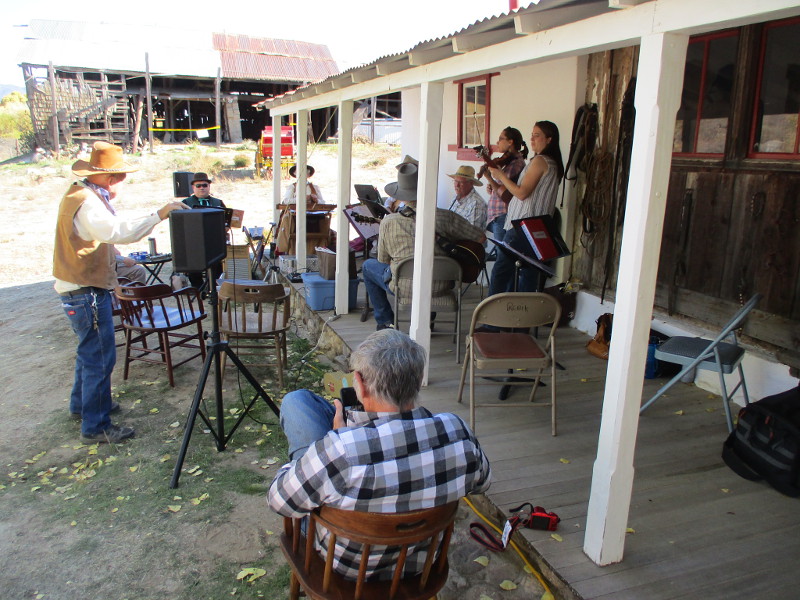
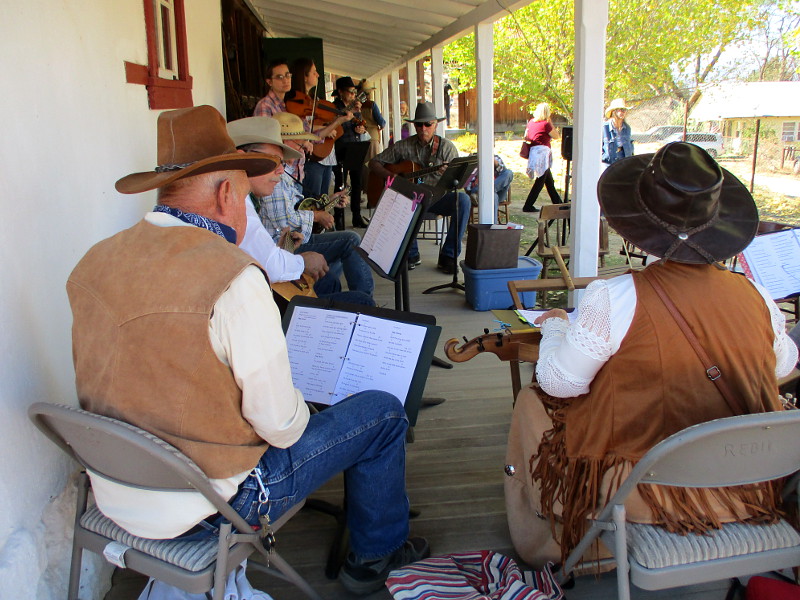
Some of the smaller rooms include bedrooms and a kitchen, which featured a family bathtub, as you’ll see in my photos! The adobe walls are 18 inches thick, providing a cool inside temperature on a hot day. There’s also a pleasant veranda, where musicians were playing the day I visited. The veranda was built at the front of the ranch house, which faced the old stage route. As I understand it, the nearby barn, which SOHO also plans to restore, was for ranch horses and carriages.
Please enjoy these photos. I took few notes, and I’m no expert, so please don’t rely on anything I’ve written here as absolute fact. Do your own research. The history of the ranch is complex. Over the years it had many different owners.
So why is the ranch house named Warner-Carrillo? The original Warner’s Ranch, whose buildings no longer exist, was established here on a Mexican land grant given to Jonathan Trumbull Warner, an American-Mexican citizen and former California State Senator who changed his name to Juan José Warner. His ranch, a camping stop on the Gila Overland Trail to California, was attacked during the Garra Uprising of 1851 and burned down. I photographed the burial site of Antonio Garra in Old Town San Diego and provided a brief description of the Native American Cupeño revolt due to unfair taxation here.
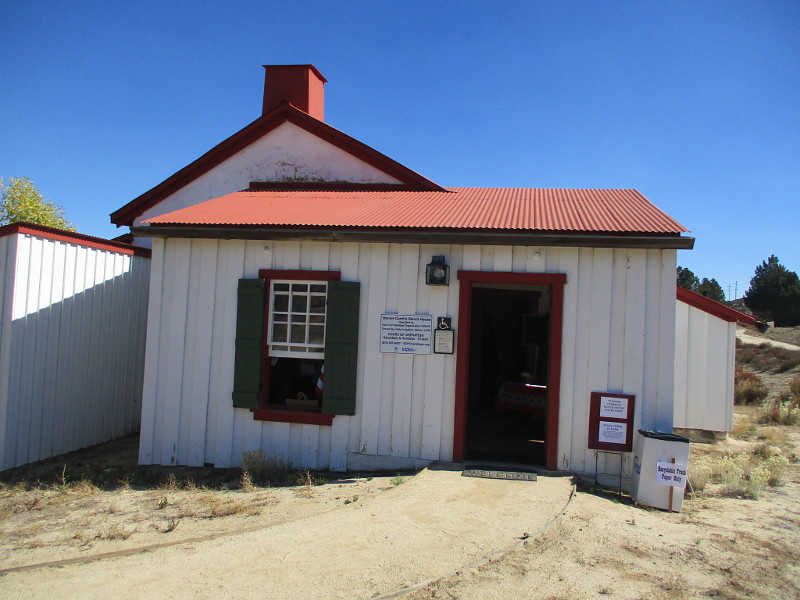
The Warner-Carrillo Ranch House is open year-round on Saturday and Sundays from 12 to 4 pm. If you’re ever in the area, make sure to stop by. Not only will you learn much, but you’ll feel the rich history!
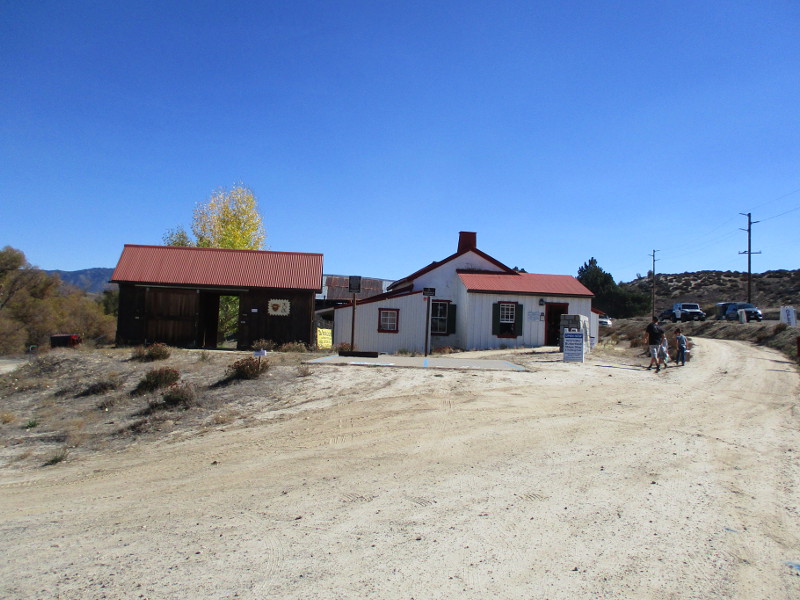
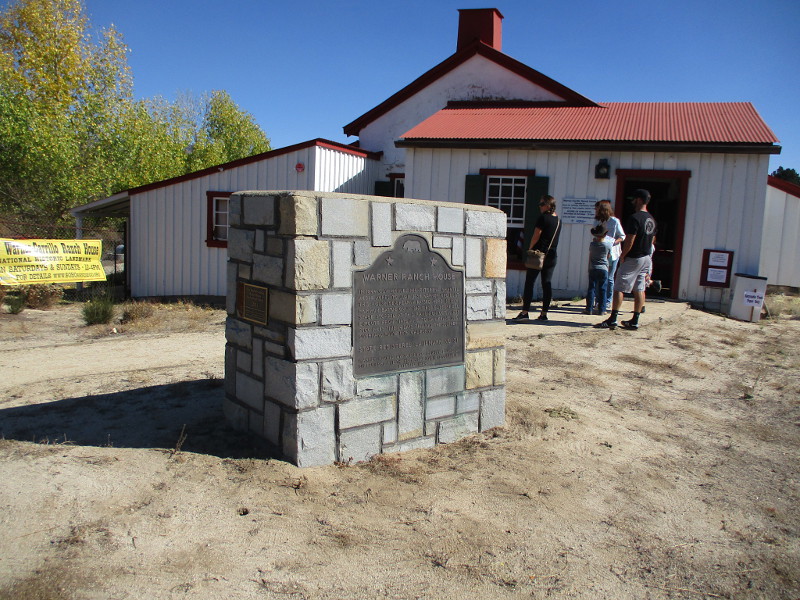
Approaching the restored Warner-Carrillo Ranch House. (Interesting note: that brown modern structure to the left of the old ranch house contains visitor restrooms. I learned from Christopher Pro of SOHO that the restroom building design was copied from the historic Stein Family Farm in National City!)
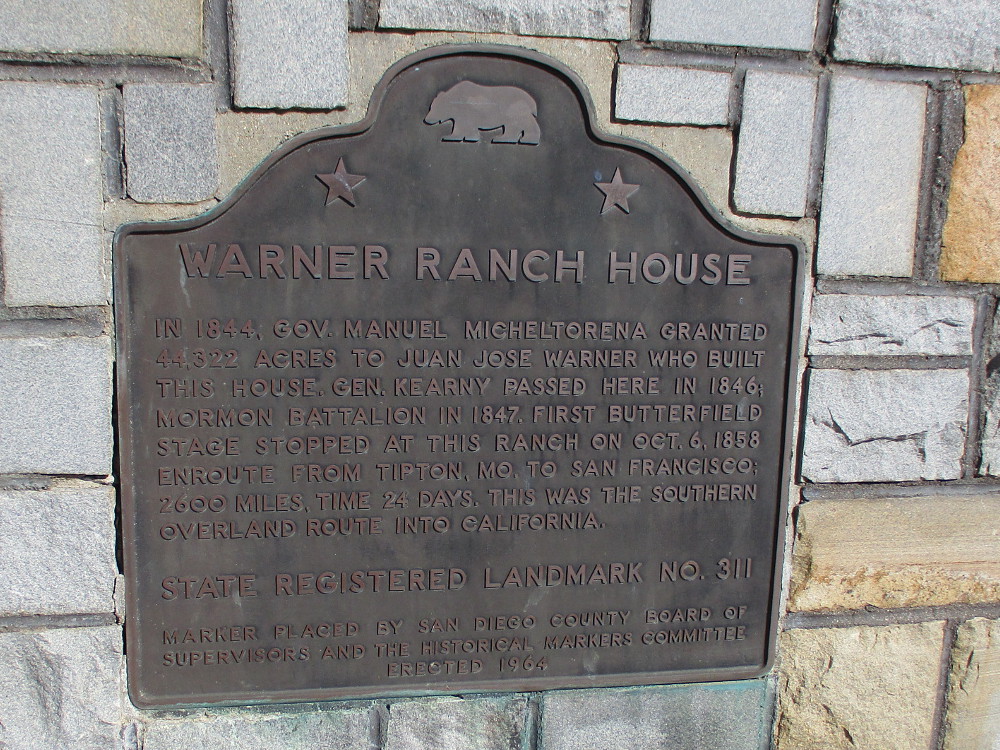
The historical plaque near the museum entrance reads:
WARNER RANCH HOUSE
IN 1844, GOV. MANUEL MICHELTORENA GRANTED 44,322 ACRES TO JUAN JOSE WARNER WHO BUILT THIS HOUSE. GEN. KEARNY PASSED HERE IN 1846; MORMON BATTALION IN 1847. FIRST BUTTERFIELD STAGE STOPPED AT THIS RANCH ON OCT. 6, 1858 ENROUTE FROM TIPTON, MO. TO SAN FRANCISCO; 2600 MILES, TIME 24 DAYS. THIS WAS THE SOUTHERN OVERLAND ROUTE INTO CALIFORNIA.
STATE REGISTERED LANDMARK NO. 311
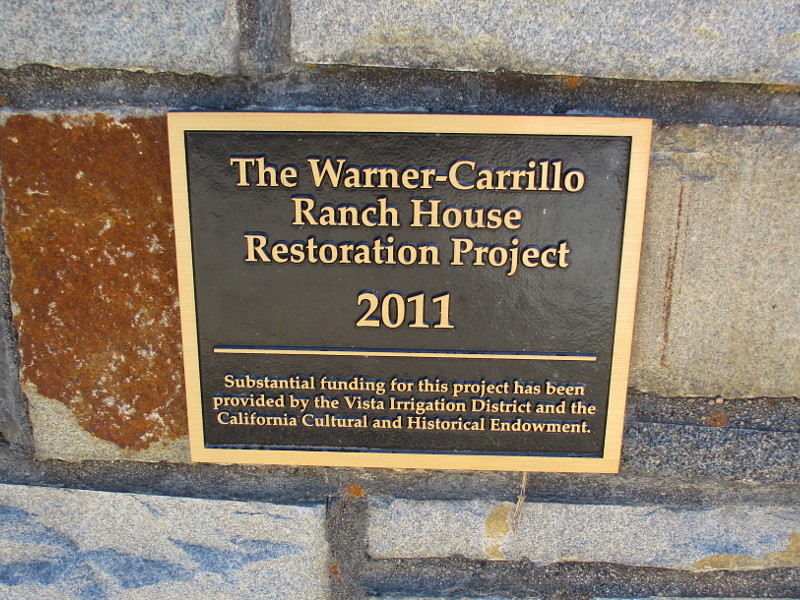
A major restoration of the Warner-Carrillo Ranch House was completed in 2011. The ranch stands on land owned by the Vista Irrigation District.
The Vista Irrigation District has a really good web page concerning the ranch house and its history here.
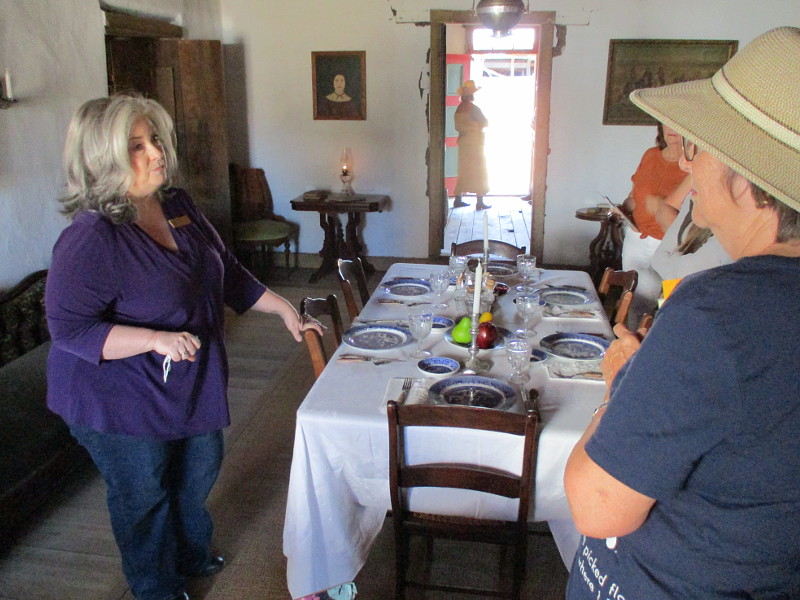
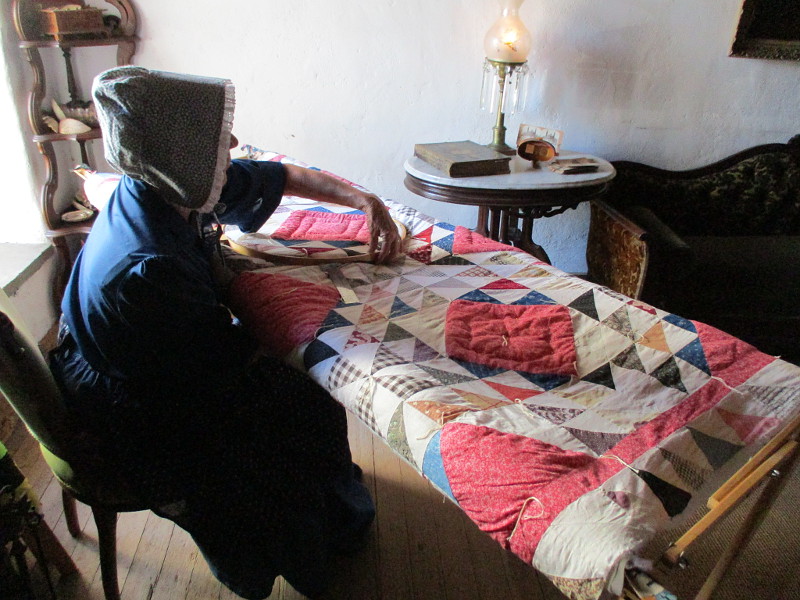
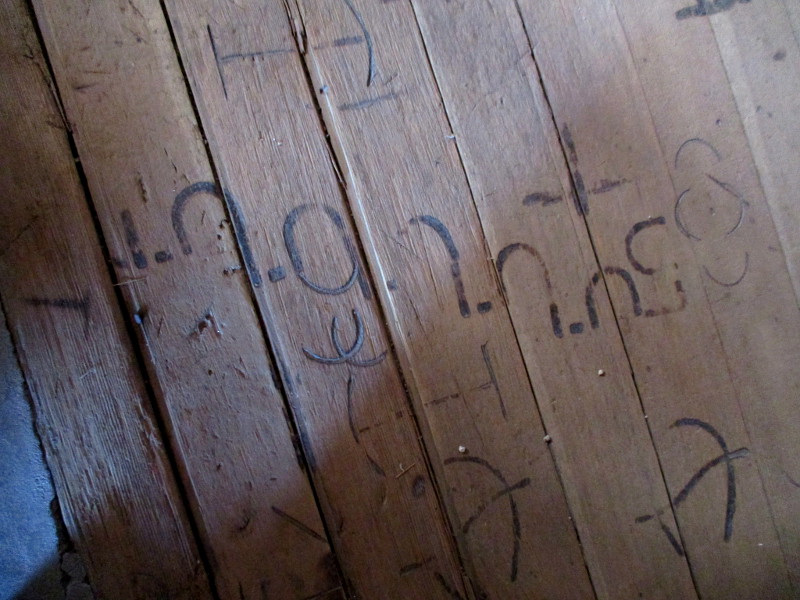
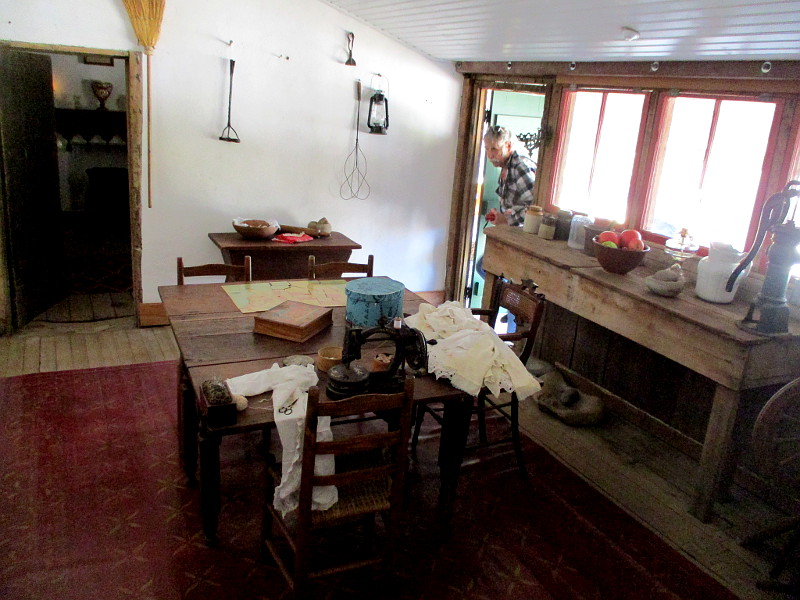
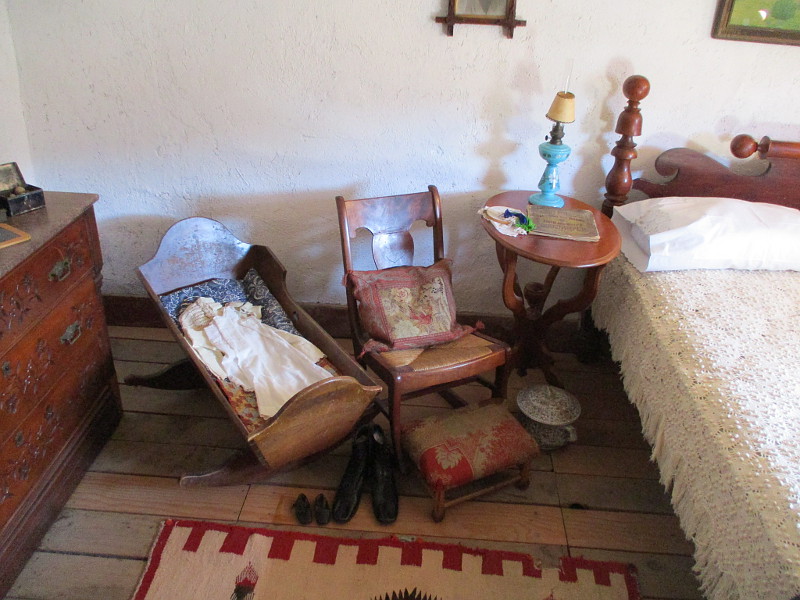
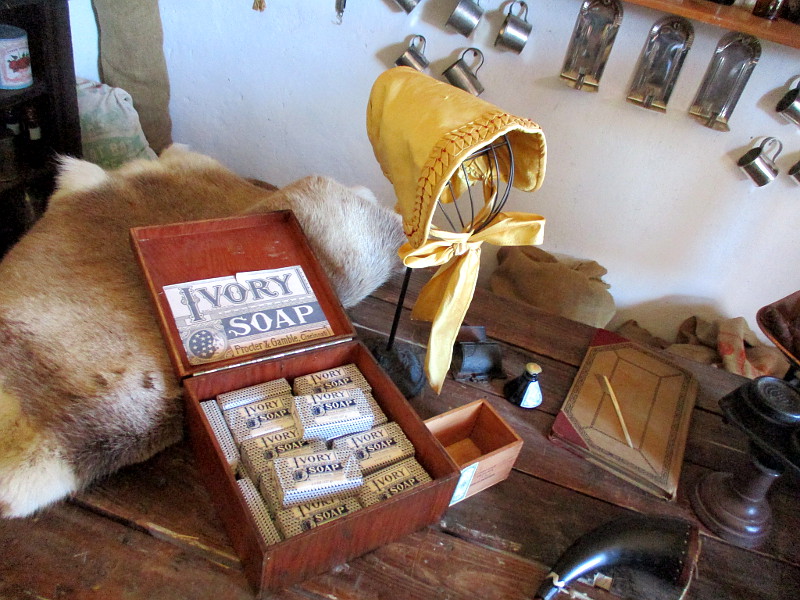
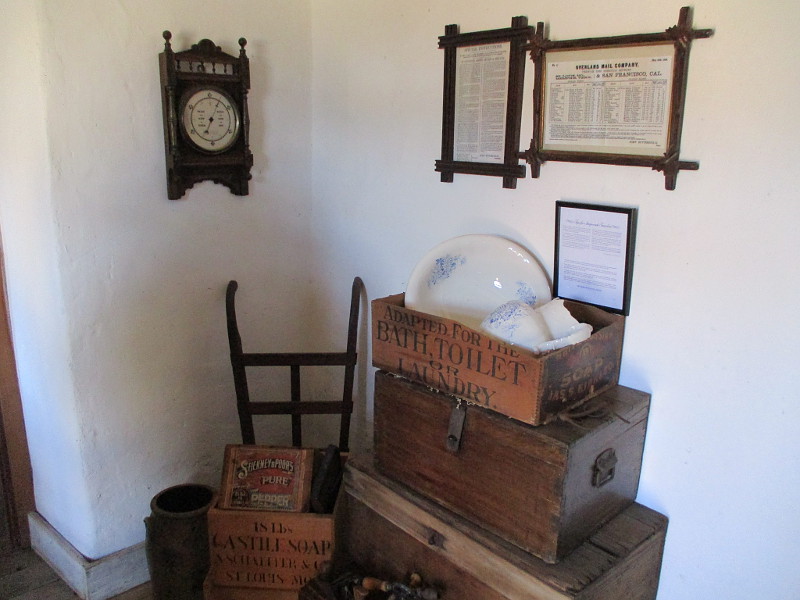
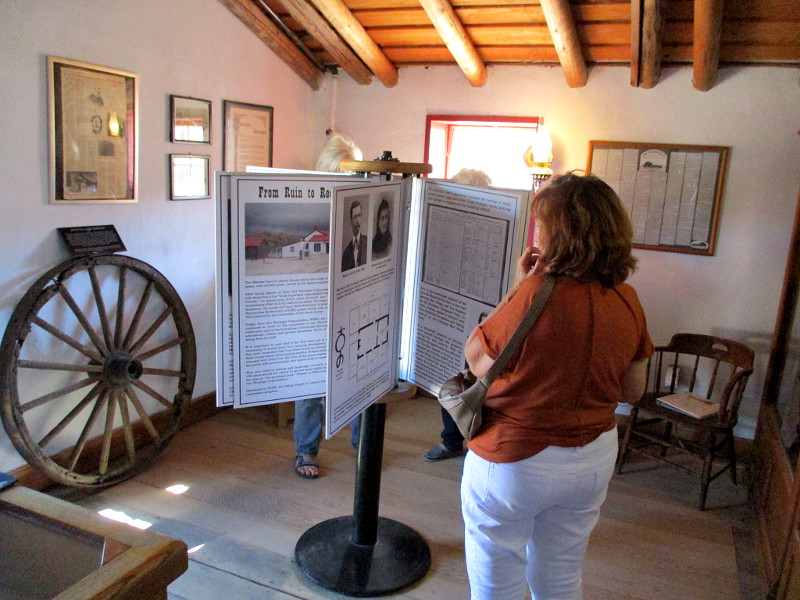
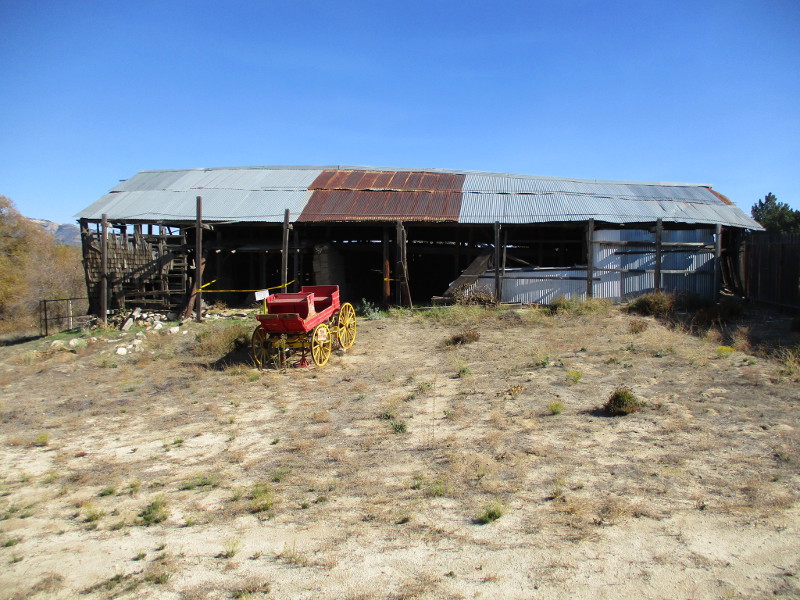
Inside the sala, or living room, with its dining table. Some of the elegant furniture was obtained from William Heath Davis, who helped to establish “New Town” (present day downtown) San Diego.A quilt being made in one corner of the sala.The sala in later years became a ranch bunkhouse, which explains why the wood floor is branded!A work room between the sala and veranda.A bedroom.A look inside the kitchen.How’d you like to take a bath here?!A look inside the children’s bedroom.The trading post offered goods to stagecoach travelers, who’d enter from a side door, which is located opposite the old barn.Soap, a bonnet, and other useful items.One small room contains information displays and archaeological artifacts from the ranch.A look at the old barn, which is presently in a state of arrested decay.On this special once-a-year stagecoach riding day, musicians were out on the veranda playing popular tunes from the Old West. The group is called Jugless Jug Band.Some visitors enjoying a short ride on the authentic Concord stage.
…
I live in downtown San Diego and love to walk around with my camera! You can follow Cool San Diego Sights via Facebook or Twitter!
You can easily explore Cool San Diego Sights by using the search box on my blog’s sidebar. Or click a tag! There are thousands upon thousands of photos for you to enjoy!
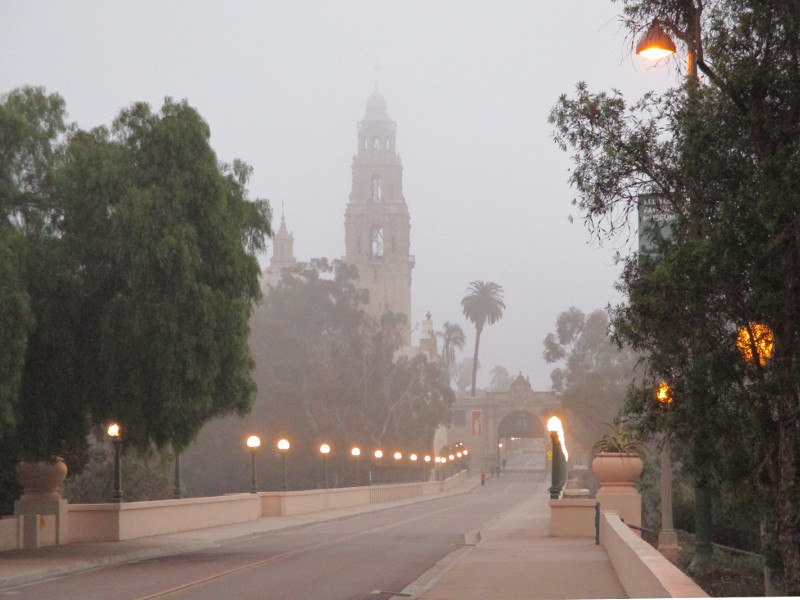
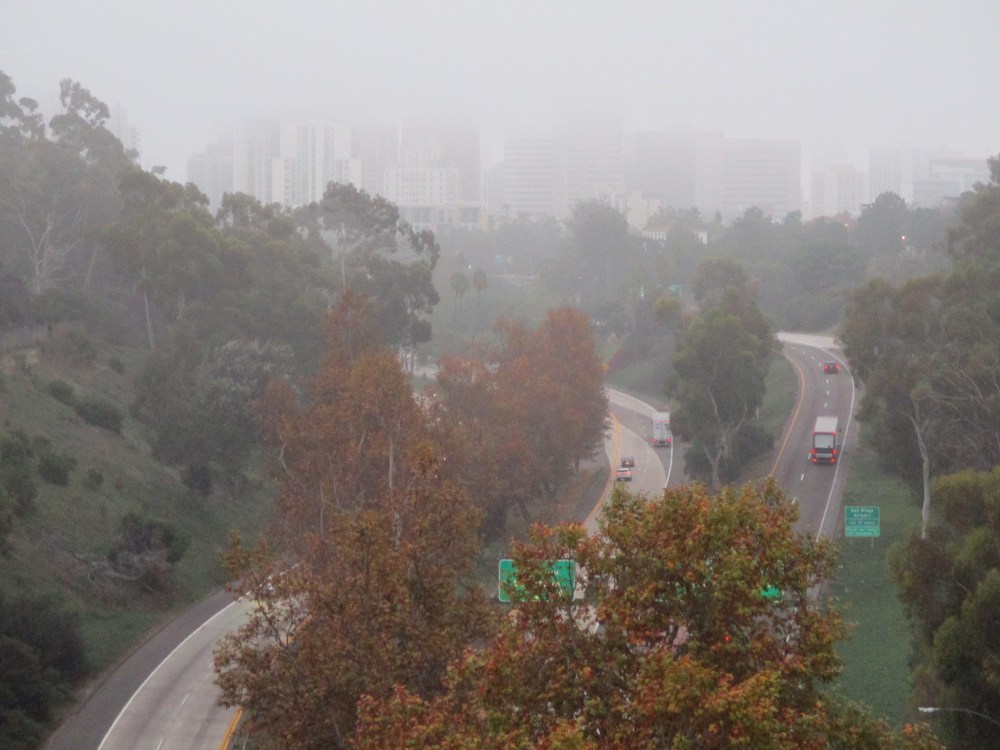
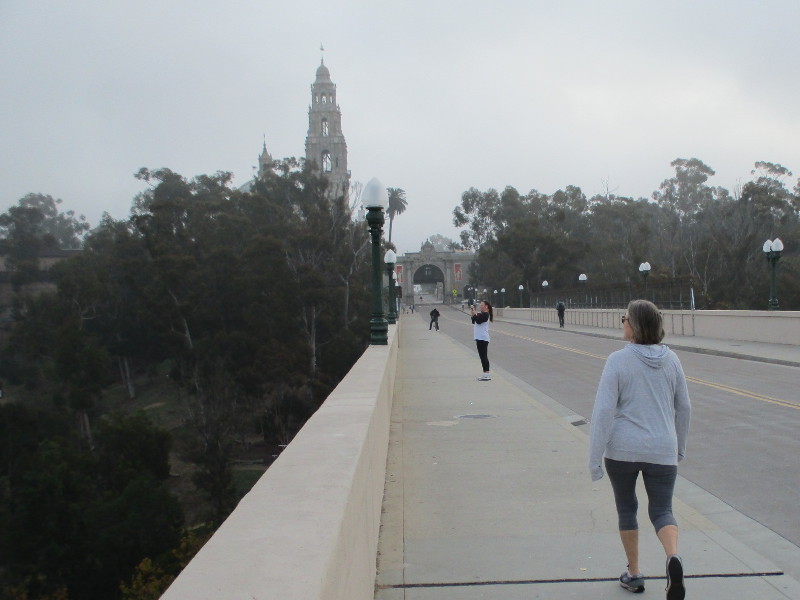
This morning I walked from downtown San Diego to Balboa Park, hoping to capture some interesting fog photographs.
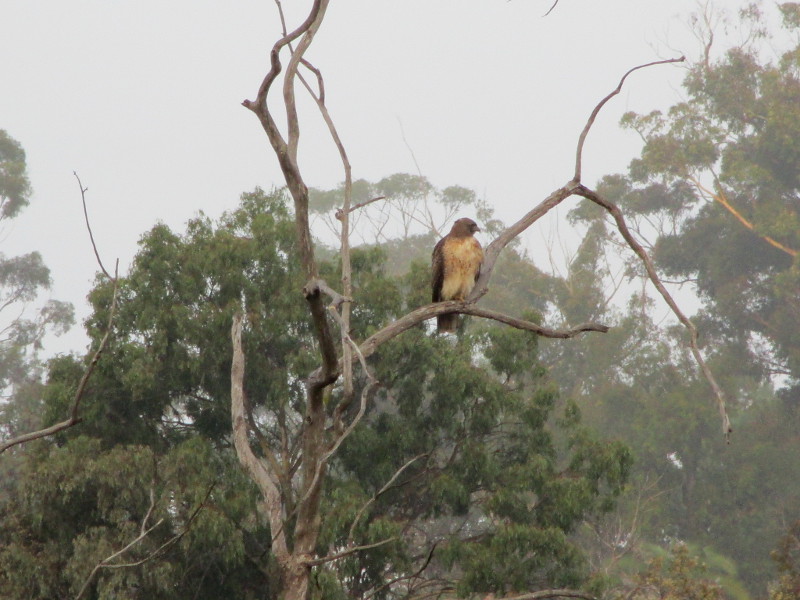
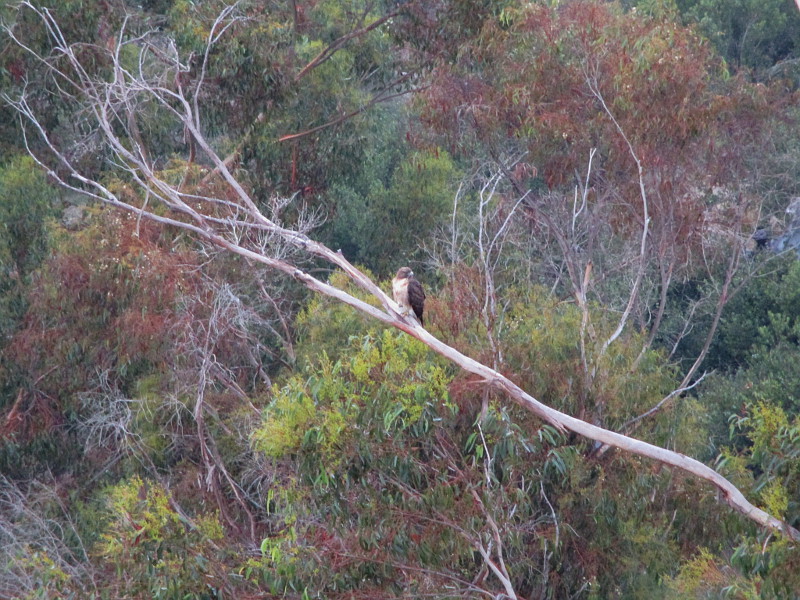
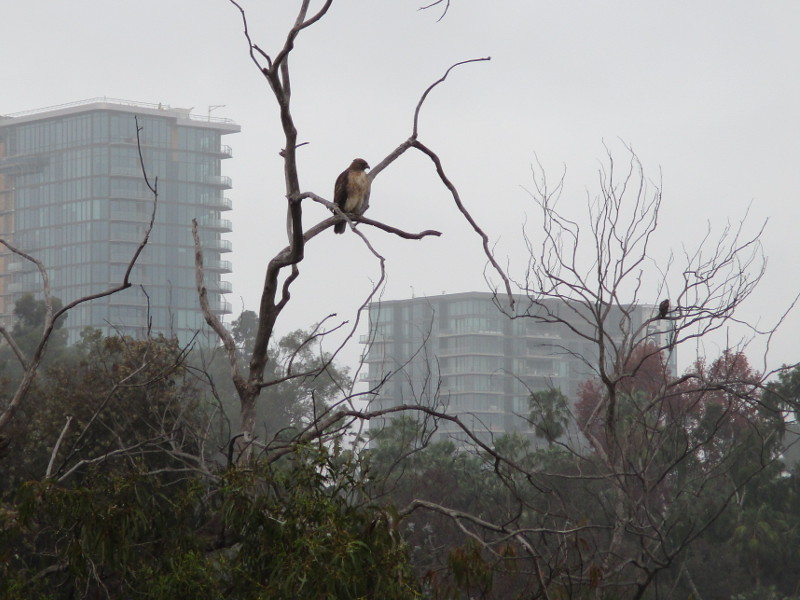
As it turned out, most of my photos were of red-tailed hawks!
I observed three of them from the Cabrillo Bridge.
Anyone who walks into Balboa Park from the west side should keep their eyes peeled for hawks. They like to perch in the trees above the archery range or the slope of the West Mesa overlooking State Route 163.
I often hear the distinctive cry of red-tailed hawks near the eucalyptus trees west of the California Tower. Once or twice in the past I’ve seen them perched on the tower!
I managed to get a few decent photos with my little camera. You can see two hawks in the final image!
From the Cabrillo Bridge I also took a photograph of foggy downtown San Diego in the distance.
…
I live in downtown San Diego and love to walk around with my camera! You can follow Cool San Diego Sights via Facebook or Twitter!
Today I had the opportunity to experience something amazing in Warner Springs.
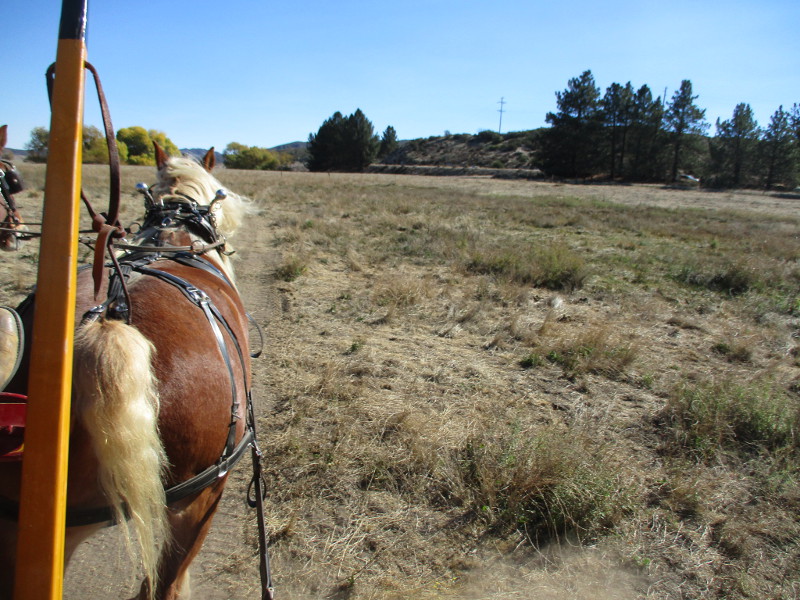
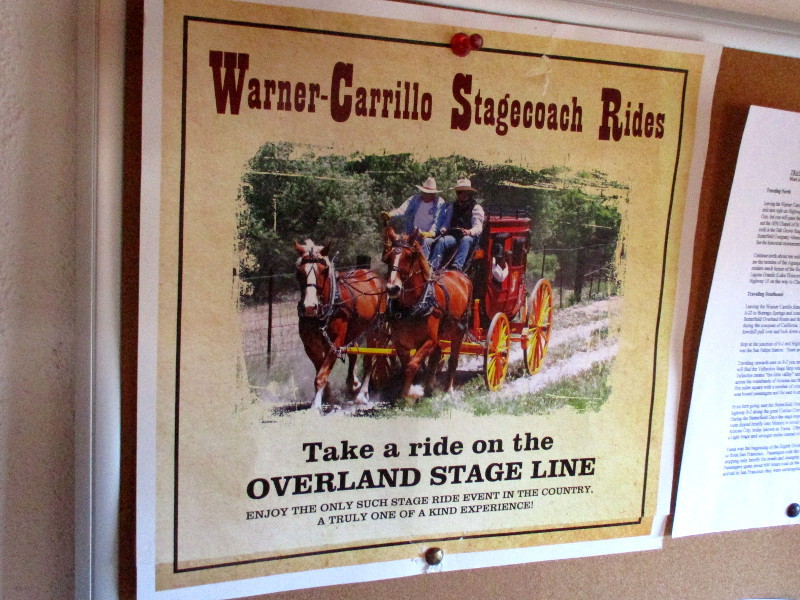
Once a year, at the Warner-Carrillo Ranch House, people can ride an authentic stagecoach a short distance down an actual, historic stage line route!
Such a ride can be experienced nowhere else in the entire country!
I purchased a ticket for a stagecoach ride a couple weeks ago before it sold out, then drove up to the Warner-Carrillo Ranch House in Warner Springs this morning to enjoy the short but memorable adventure!
Warner’s Ranch back in the 19th century was a swing stop for the Butterfield Overland Mail stage line. According to the event website, “The Butterfield Overland stage transported thousands of passengers across the United States years prior to the Civil War as California’s first regular overland stage connection with St. Louis.“
Travelers, packed elbow to elbow in solidly-built, relatively “elegant” Concord Coaches, would stop at the ranch house to rest and stretch their legs and sore bodies for a few minutes while new horses were brought up from the nearby barn. Passengers could buy useful items in the ranch’s one-room trading post before resuming their dusty, bumpy journey.
This afternoon I and other excited passengers got to actually experience a few minutes of that dusty, very bumpy overland journey!
If you live in Southern California, or plan to visit, I highly recommend going on this once-every-year stagecoach ride. You’ll also enjoy an in-depth tour of the Warner-Carrillo Ranch House, which is operated by the Save Our Heritage Organisation. SOHO’s mission in San Diego County is the “preservation of architecturally and historically significant structures, sites, and cultural landscapes.”
Okay! You want to see what the ride is like? Here we go!
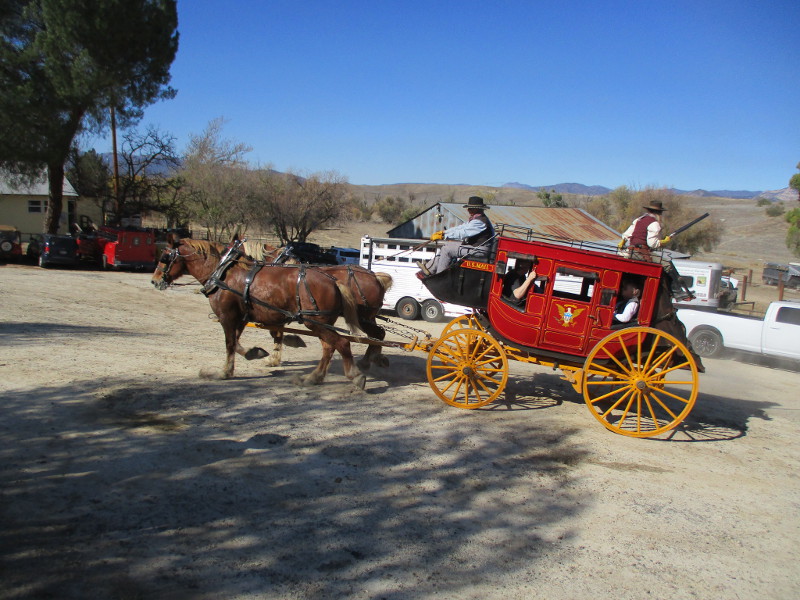
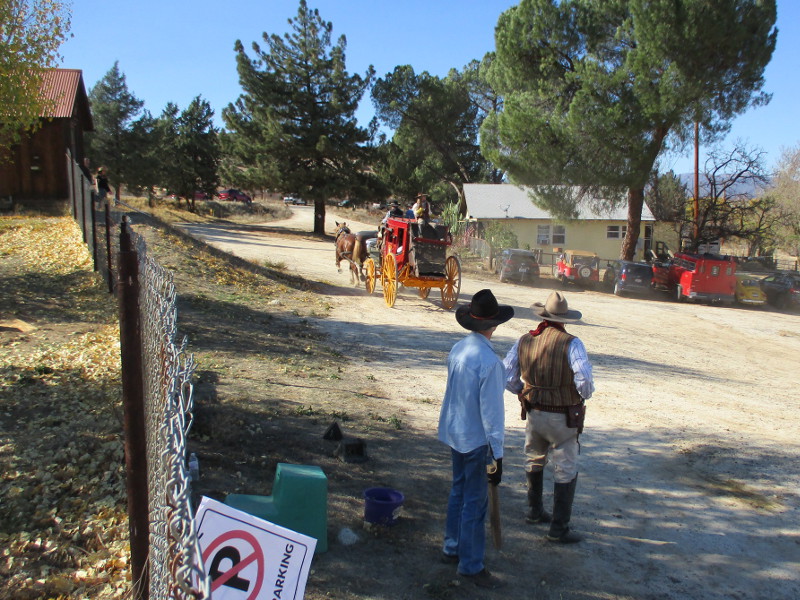
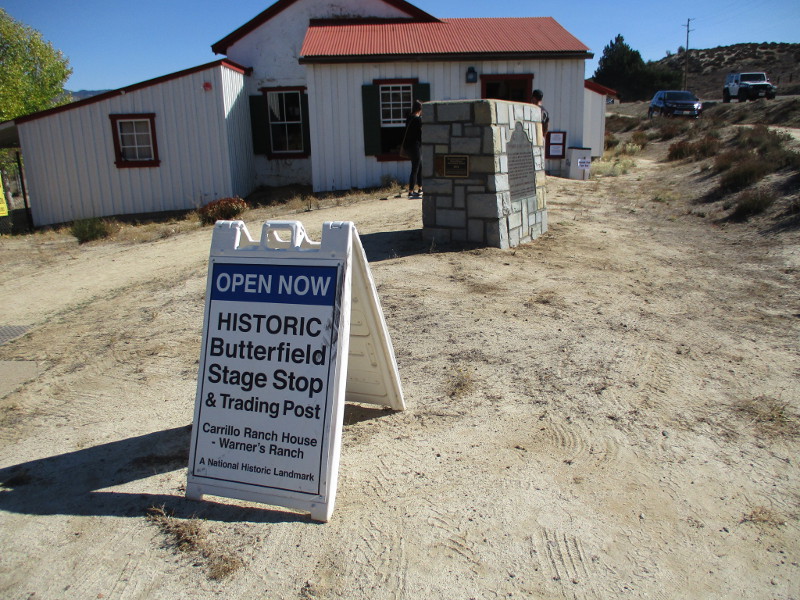
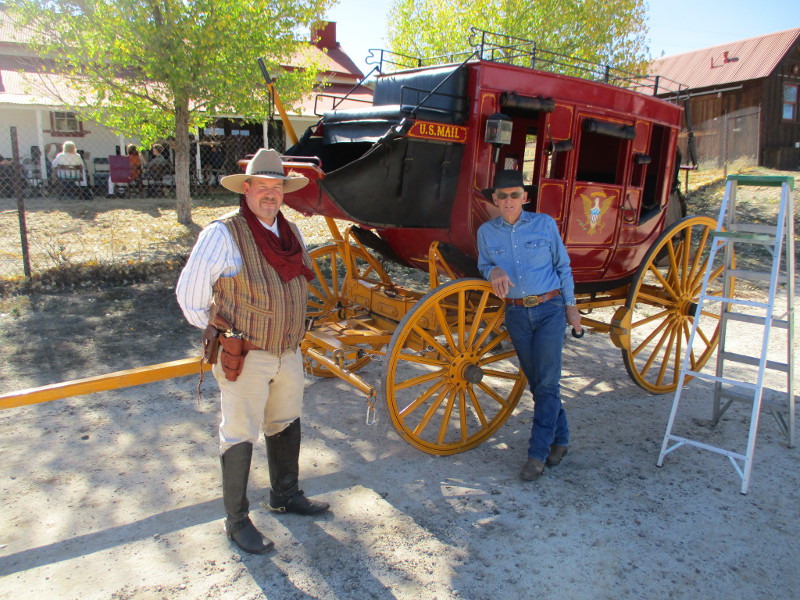
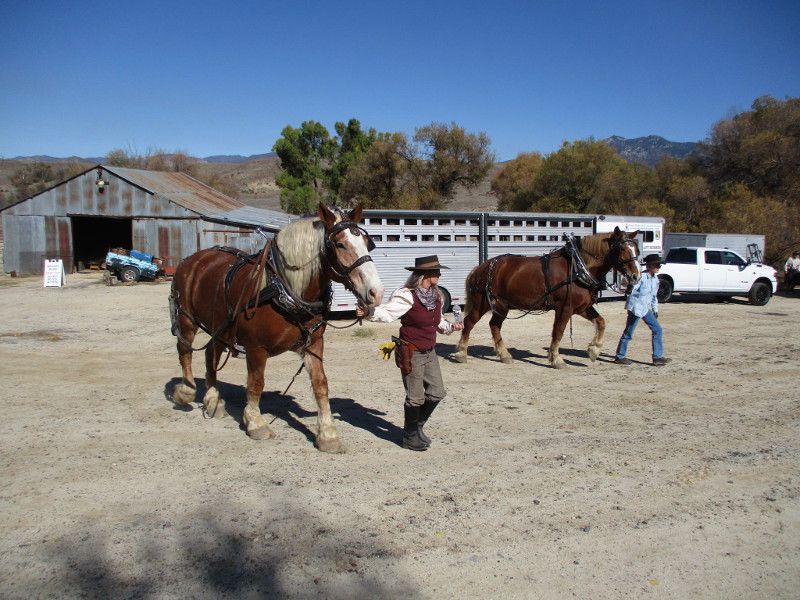
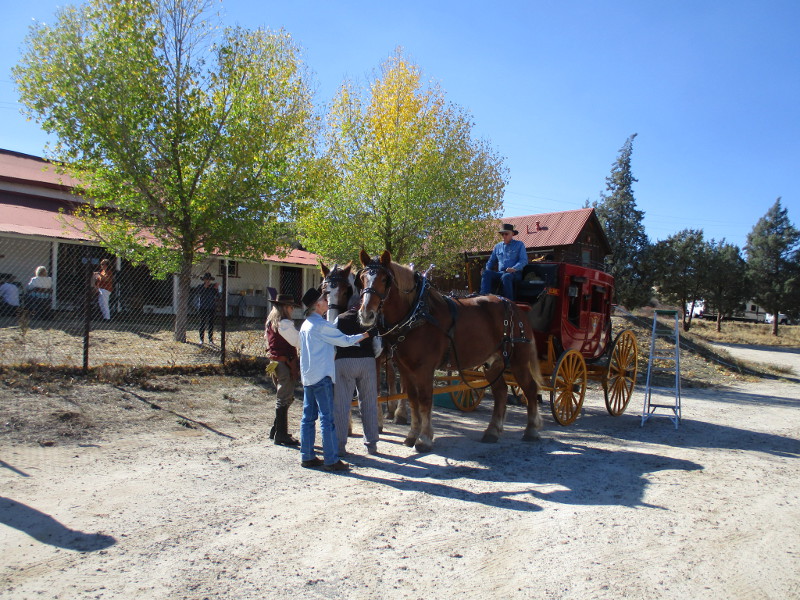
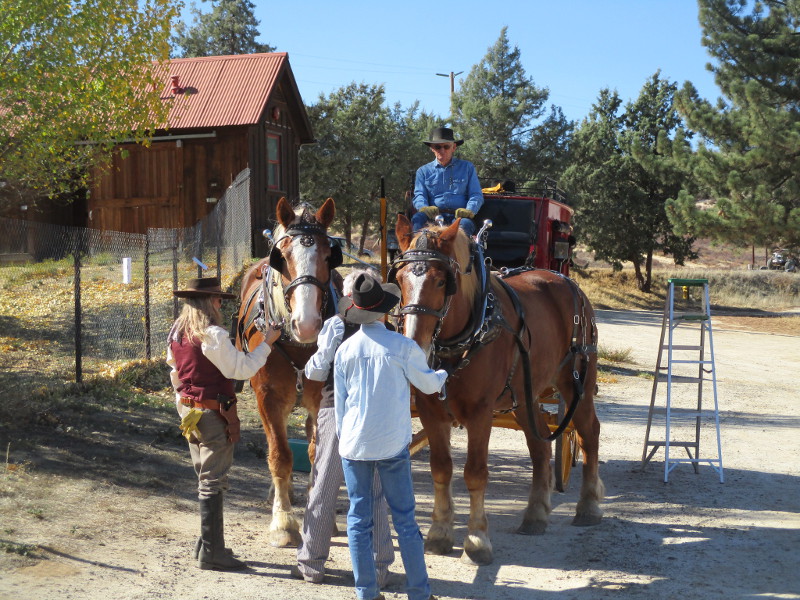
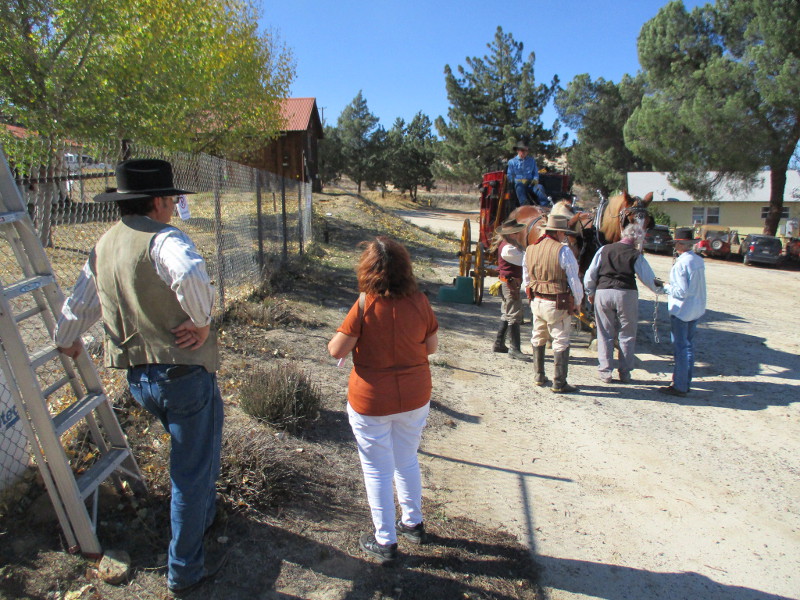
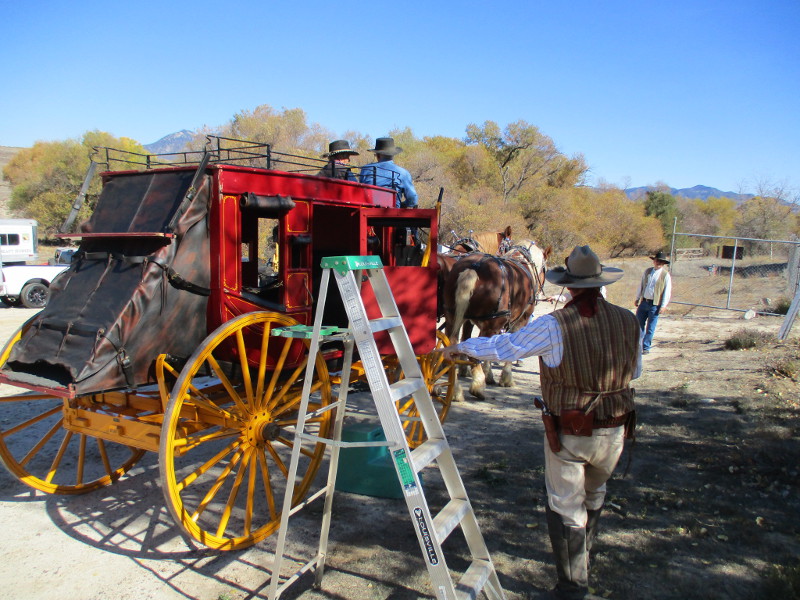
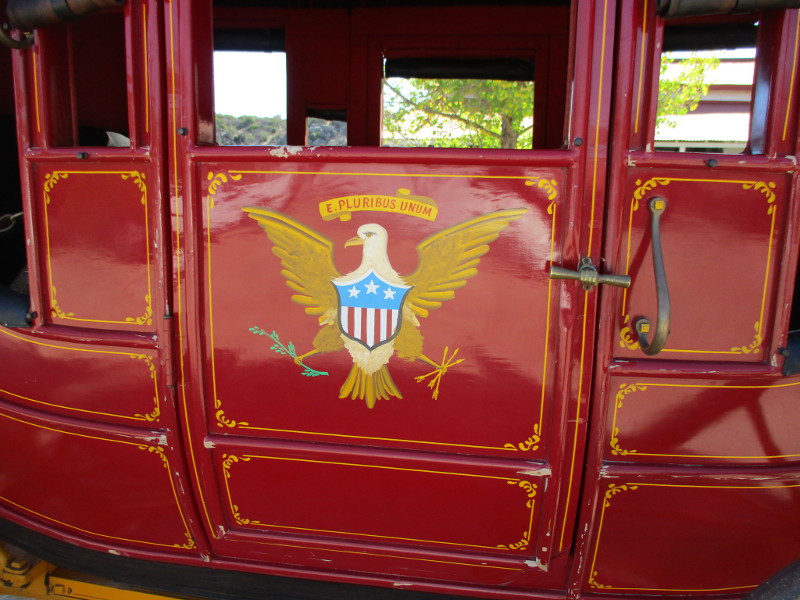
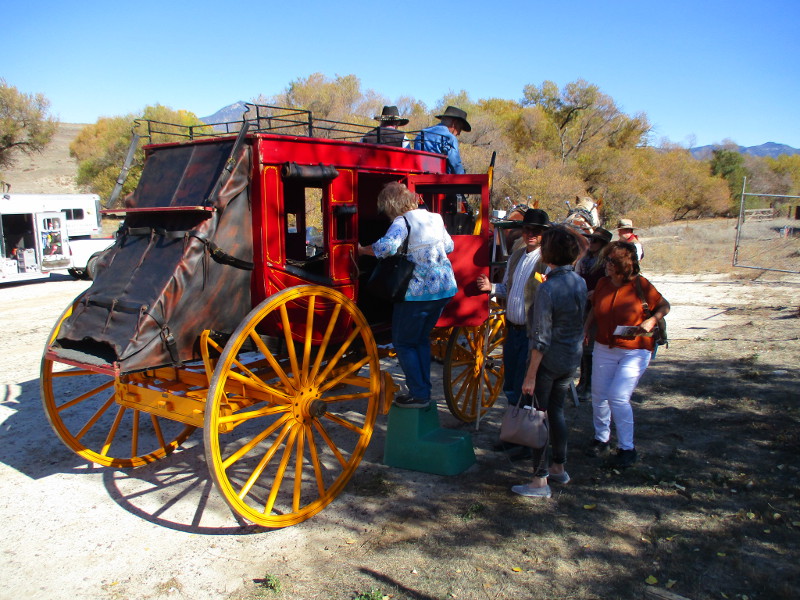
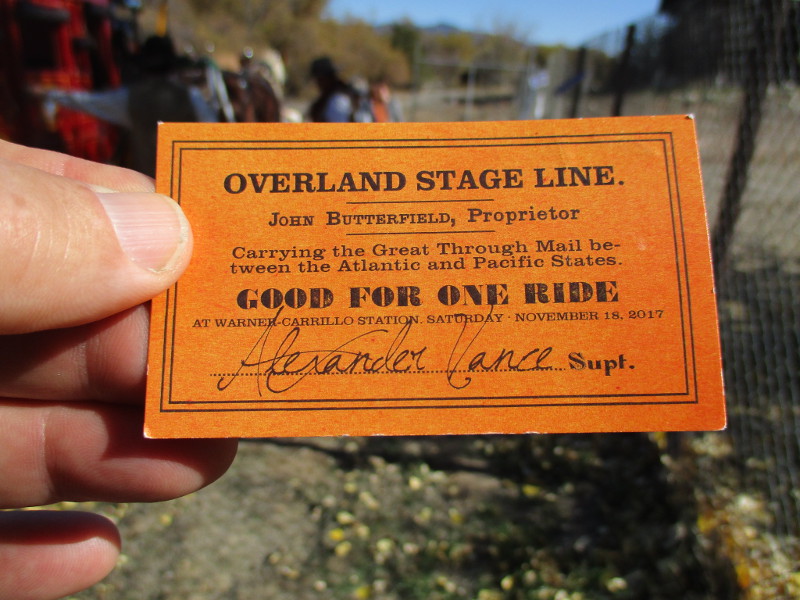
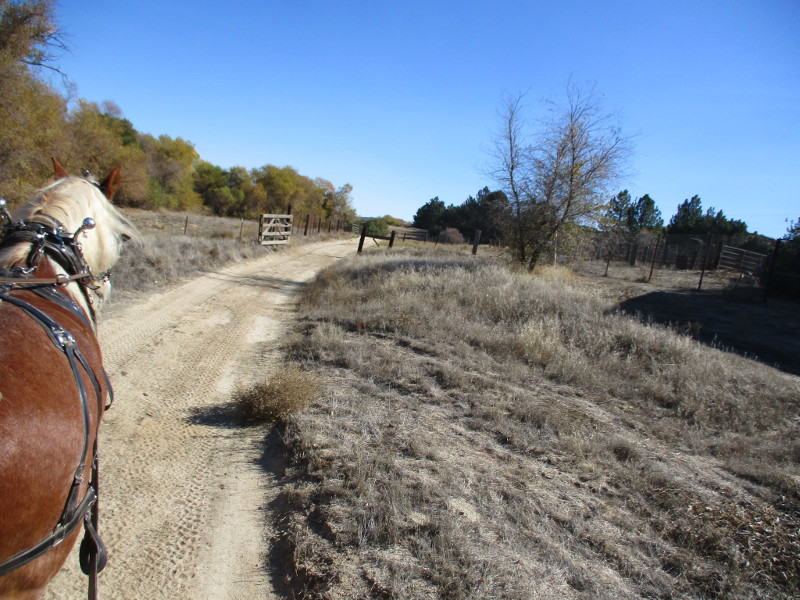
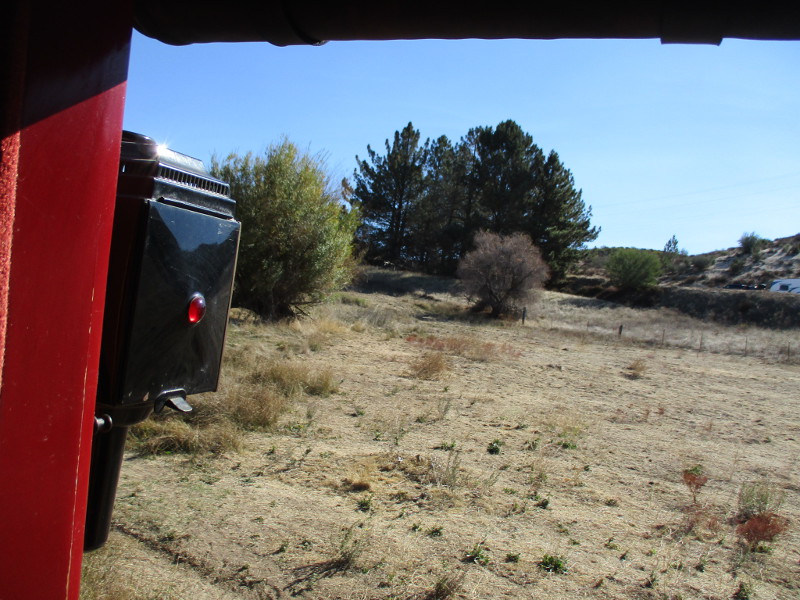
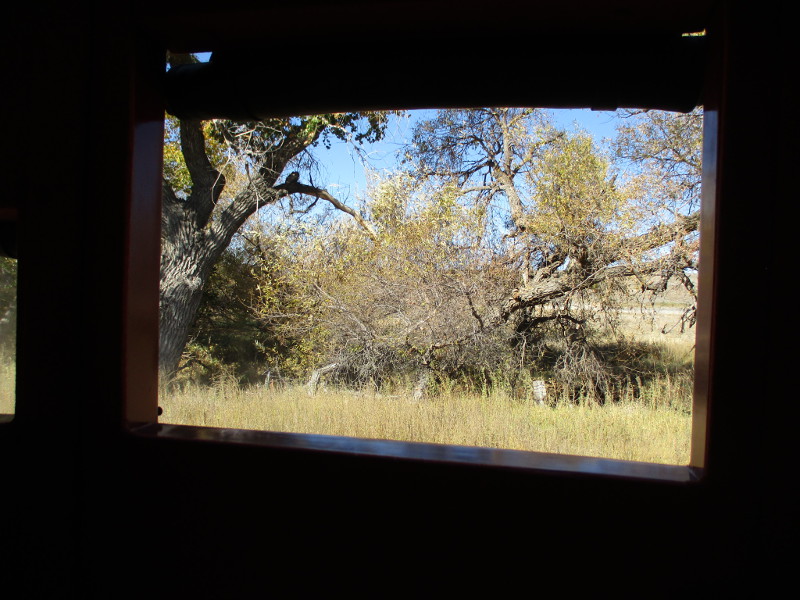
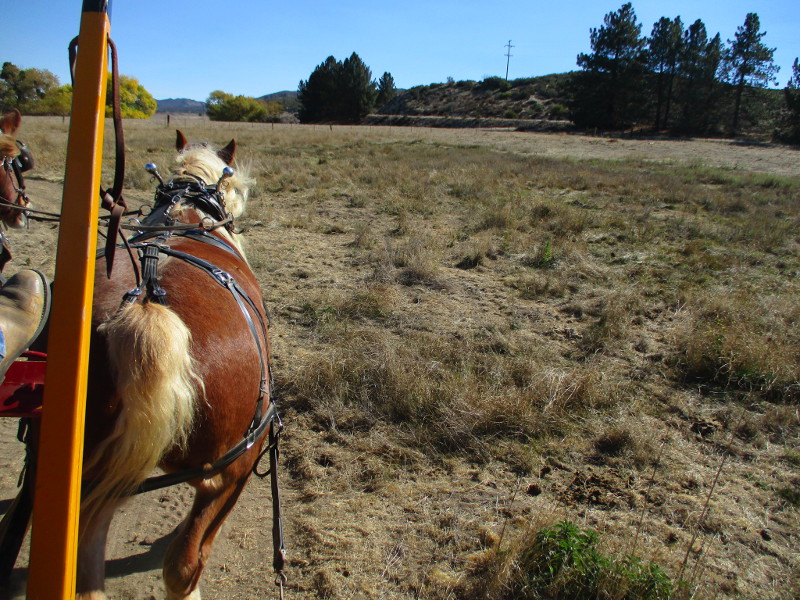
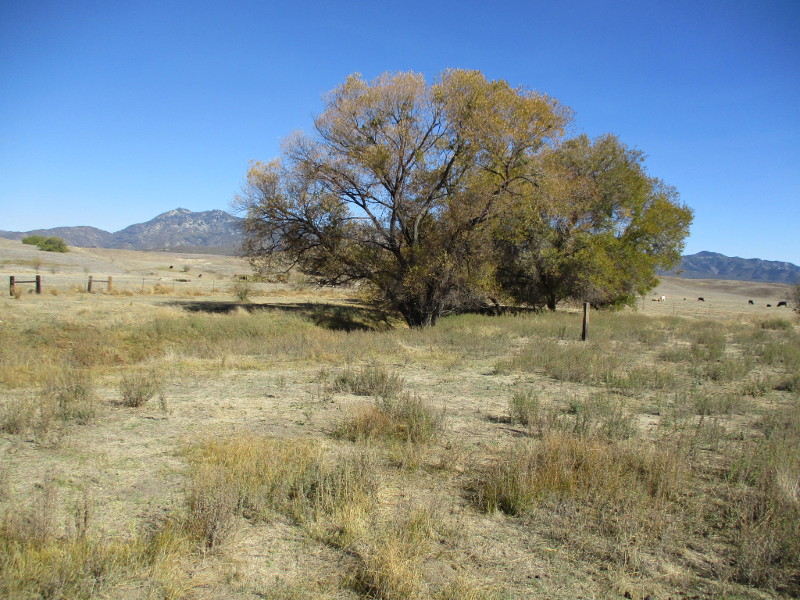
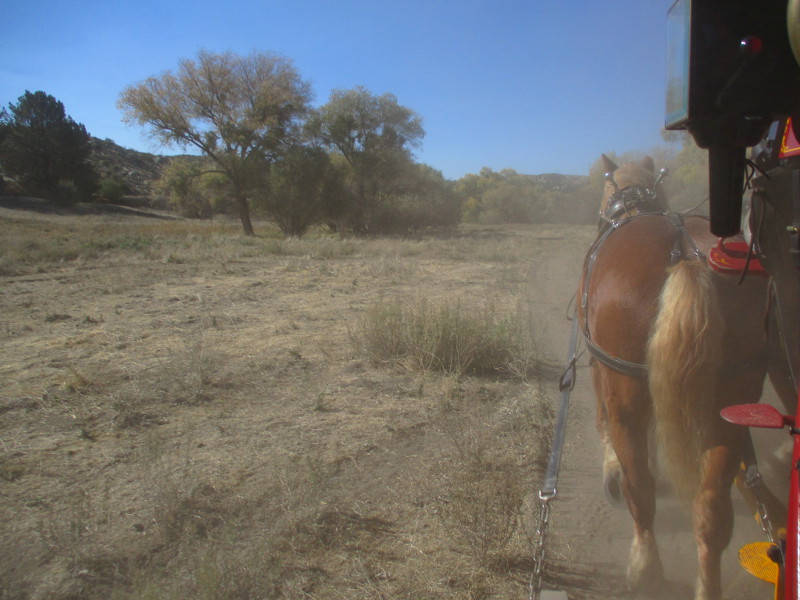
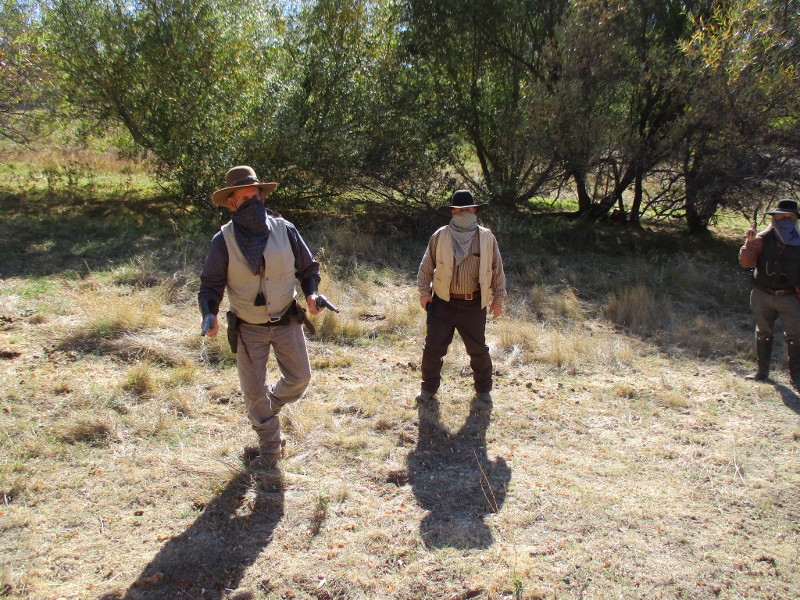
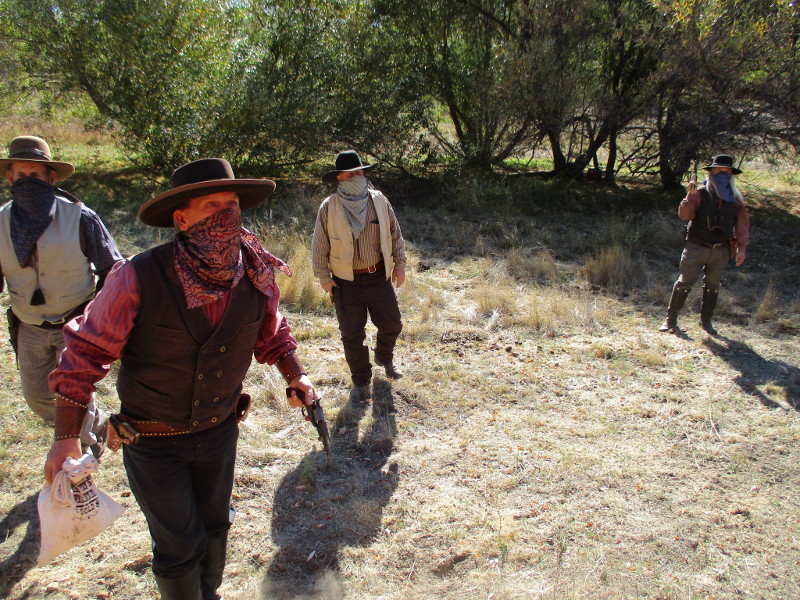
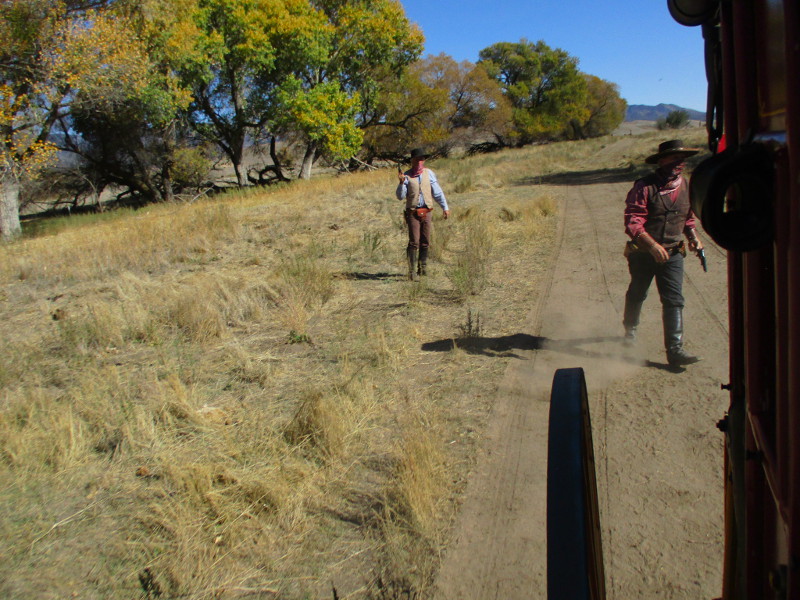
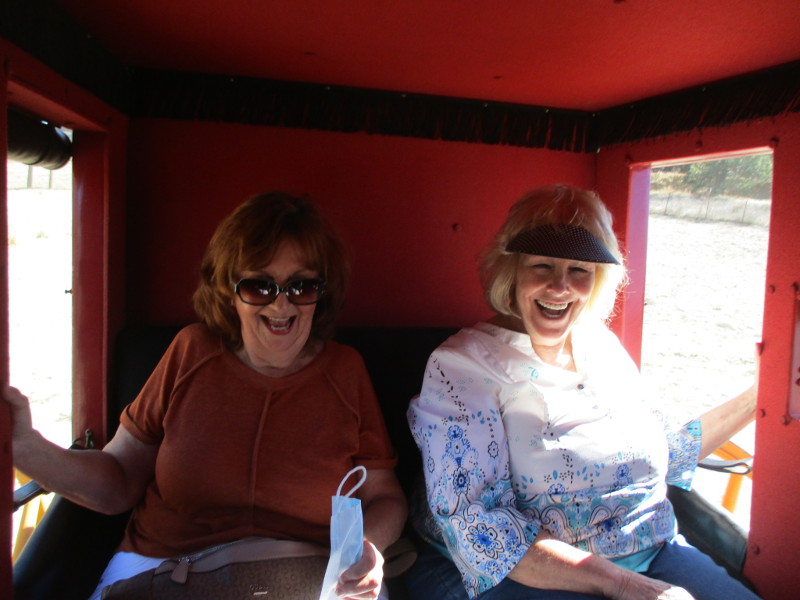
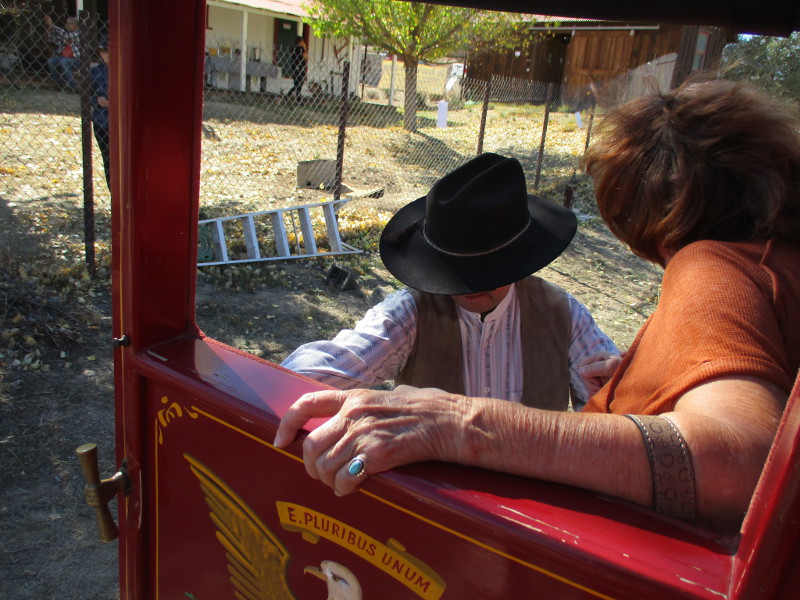
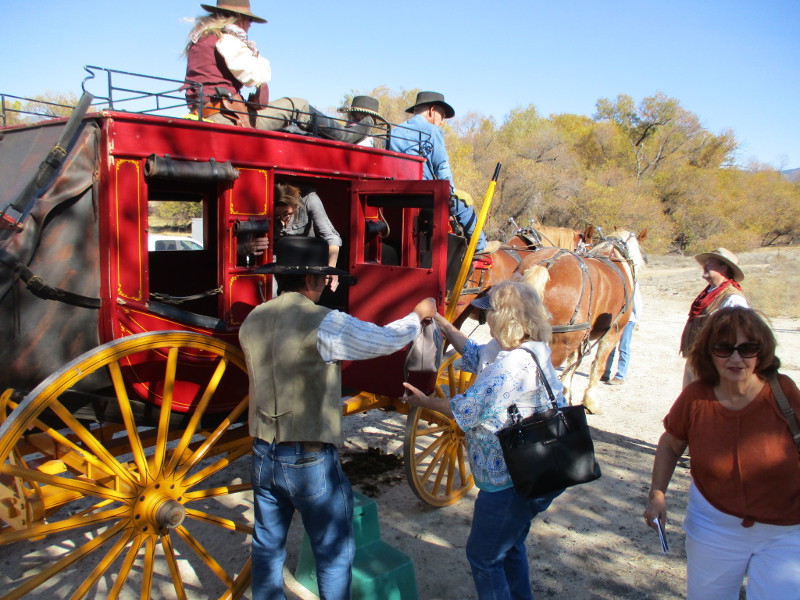
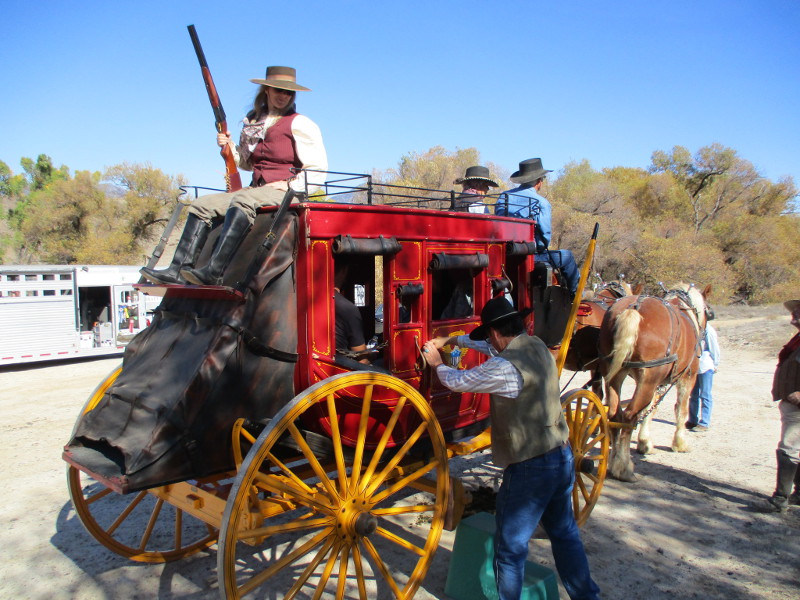
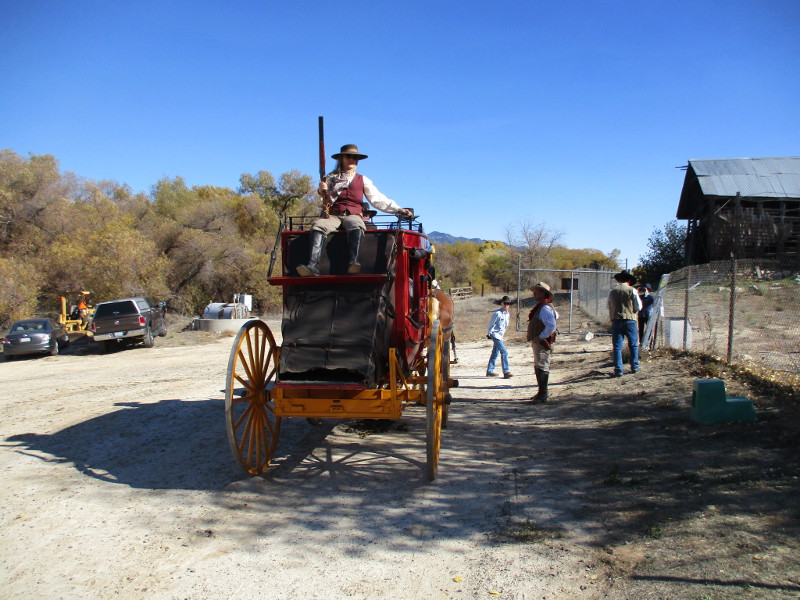
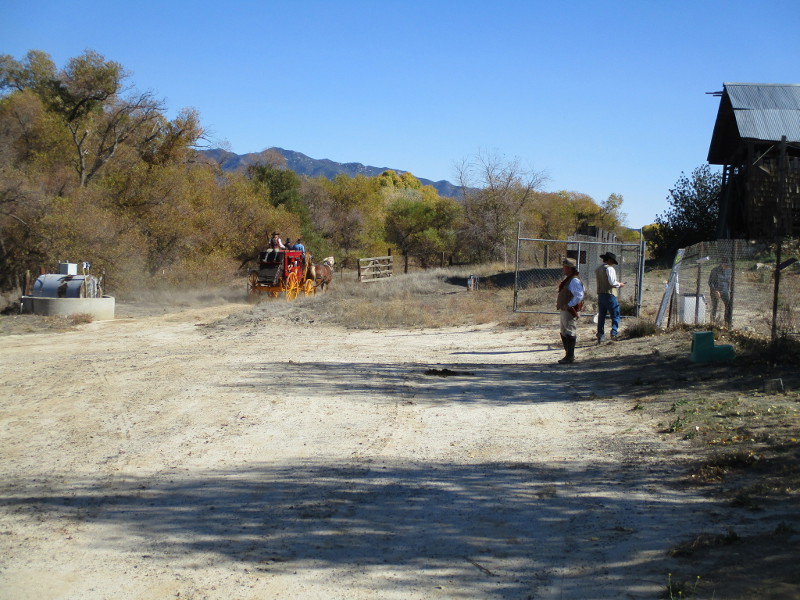
Approaching the entrance of the historic Carrillo Ranch House at Warner’s Ranch, a National Historic Landmark.I arrived early and will be on the first ride of the day. But no horses yet.Here they come!Two beautiful horses will pull the genuine Concord Coach, which is owned by the Save Our Heritage Organisation. I believe I heard the horses are Clydesdales. (UPDATE! I see on the SOHO website these were Belgian Draft horses.)Another passenger waits as the horses are hooked up.I’m pretty sure they didn’t have aluminum ladders like this a century and a half ago!American eagle on side of the historic red Concord Coach, with E. Pluribus Unum.Four passengers will sit inside the coach for this short journey.Here’s my ticket!We managed to squeeze into the small coach and here we go!Looking at the countryside beyond an outside stagecoach lantern.Looking out the other window at oak trees.Were going down the actual historic stage route. It’s dusty and bumpy! A few sudden lurches took me by surprise–like some sort of amusement park ride!Mountains and cattle in the distance.I did say dusty!What’s this? Armed robbers!The stagecoach driver threw down the Army payroll. The passengers got off easy.We are allowed to continue back to our stage stop.Yes, the experience is fun!It’s over far too soon.Another group of passengers is ready to go!There they go!
…
I live in downtown San Diego and love to walk around with my camera! You can follow Cool San Diego Sights via Facebook or Twitter!
You can easily explore Cool San Diego Sights by using the search box on my blog’s sidebar. Or click a tag! There are thousands upon thousands of photos for you to enjoy!
Today I headed out to Warner Springs in northern San Diego County. I wanted to experience an authentic stagecoach ride at the historic Warner-Carrillo Ranch House.
I arrived too early, so I drove a few miles further up State Route 79 to the Eagle Rock Trailhead, near the Warner Springs fire station. There I parked under some shady oak trees and began a slow hike south along the Pacific Crest Trail.
The short (perhaps half mile) segment of the PCT that I walked followed a dry creek bed. It passed through several swinging gates, but I encountered no grazing livestock.
In addition to many ancient oaks, I saw the autumn yellows of a few riparian trees–mostly willows it seemed. A couple sycamores I noticed had lost most of their leaves.
I also spotted interesting rock outcroppings and a distant woodpecker. And only a few hikers.
Had I time, I might have continued all the way to Eagle Rock–an impressive outcropping three miles from the trailhead that looks exactly like an bird with spread wings. I’ll do that some other day.
Enjoy these photos of autumn beauty along a very small part of the Pacific Crest Trail…
…
I live in downtown San Diego and love to walk around with my camera! You can follow Cool San Diego Sights via Facebook or Twitter!
Everything you can imagine is real–on Kettner Boulevard.
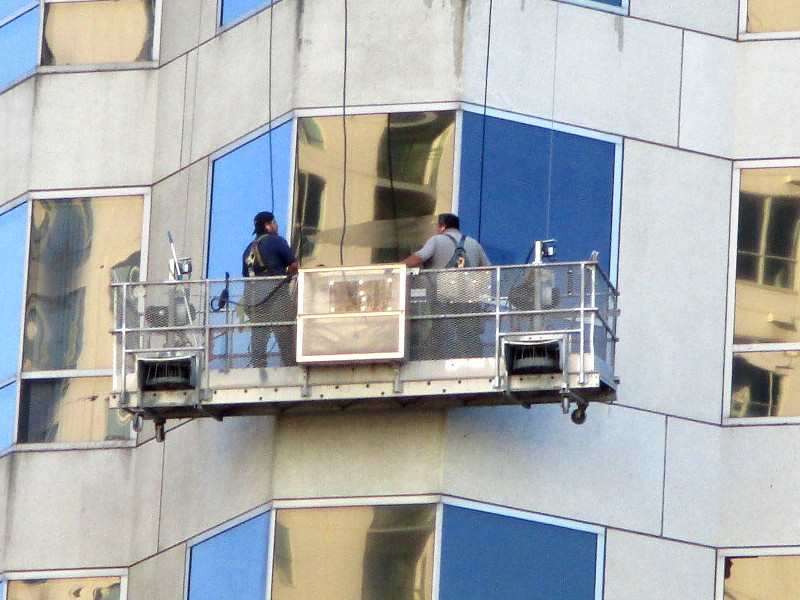
This morning I saw this long mural across the street from the Museum of Contemporary Art San Diego. Looking up, I discovered window washers on a downtown building. They appeared to be suspended in a maze of reflecting mirrors.
I imagined eyes looking down from places behind the mirrors, searching the streets of reality below…imagining–
Everything you can imagine is real.
But can everything that is real be imagined?
Incidentally, the mural’s quote is by Picasso. The words, many colors and geometric fragments were painted by @StefanieBalesFineArt.
…
I live in downtown San Diego and love to walk around with my camera! You can follow Cool San Diego Sights via Facebook or Twitter!
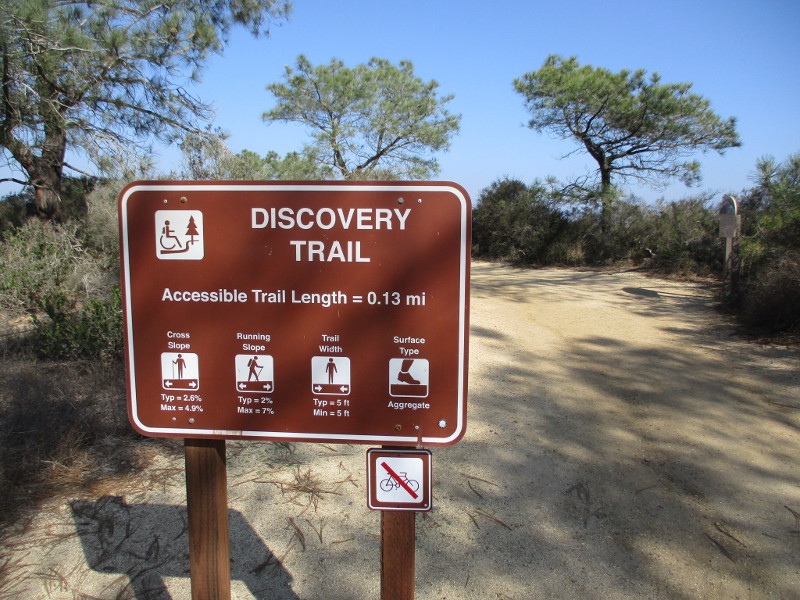
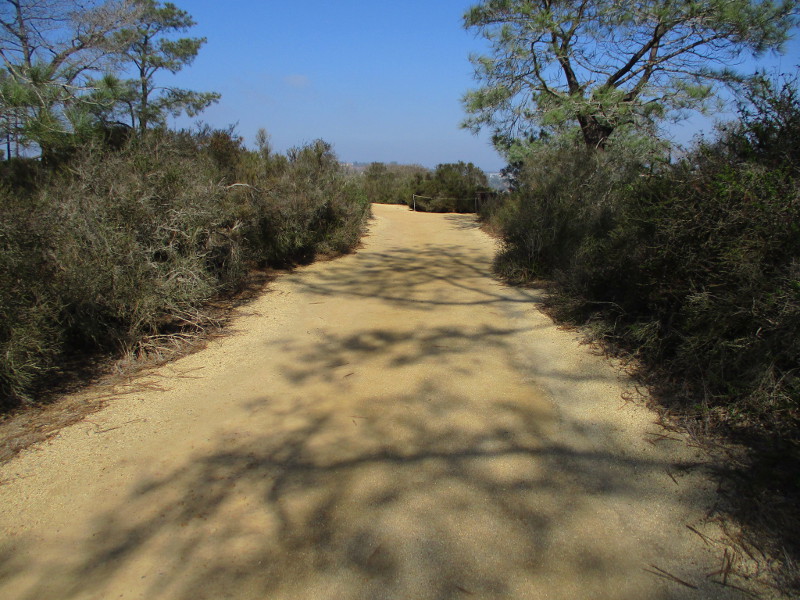
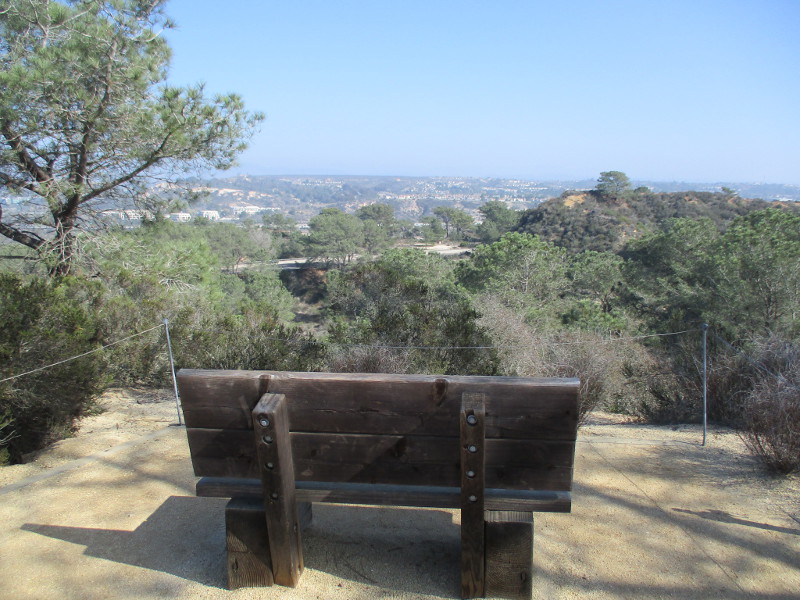
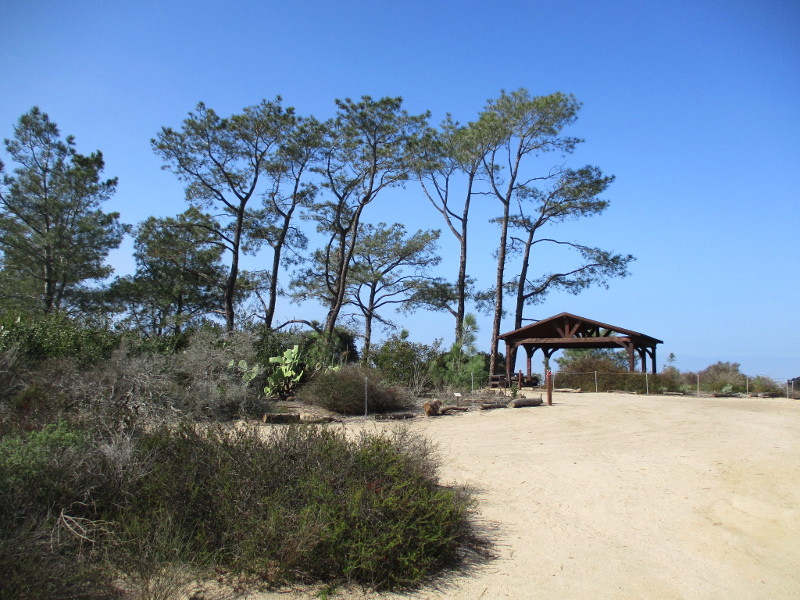
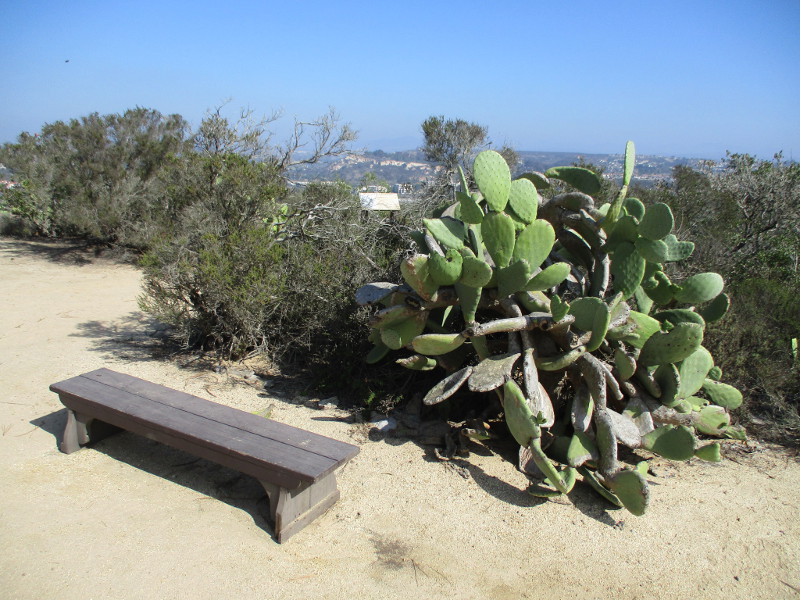
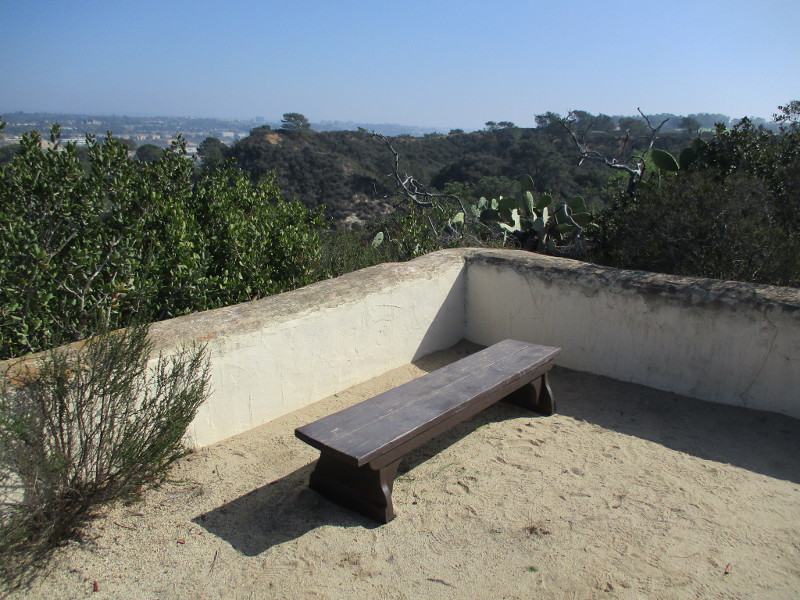
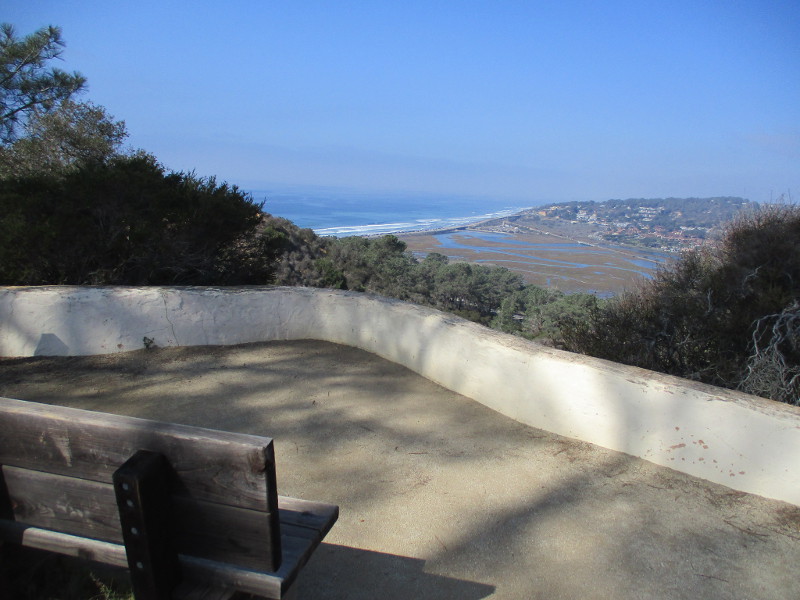
The very easy Discovery Trail at Torrey Pines State Natural Reserve is a fine place to walk or sit on a bench, while drinking in nature’s beauty.
The short .13 mile highly accessible trail follows the edge of a bluff just east of the historic Lodge (the park’s Visitor Center) and its parking lot.
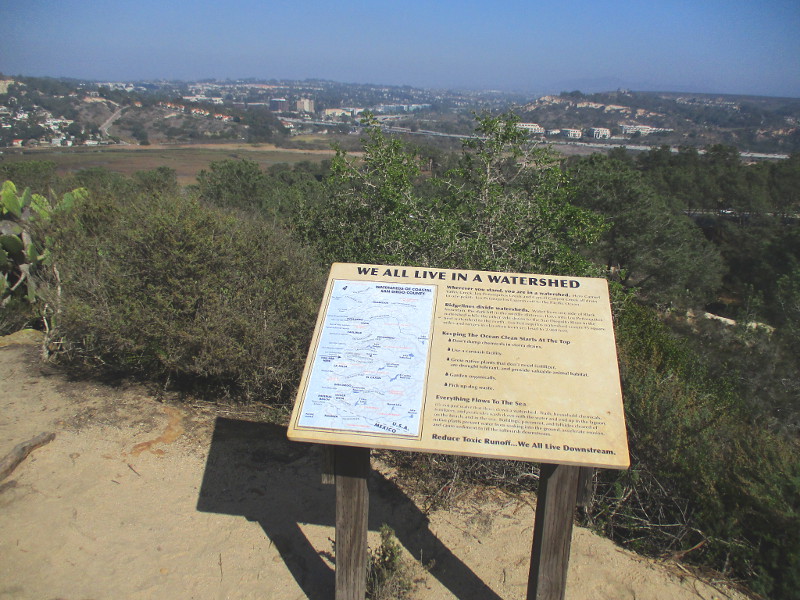
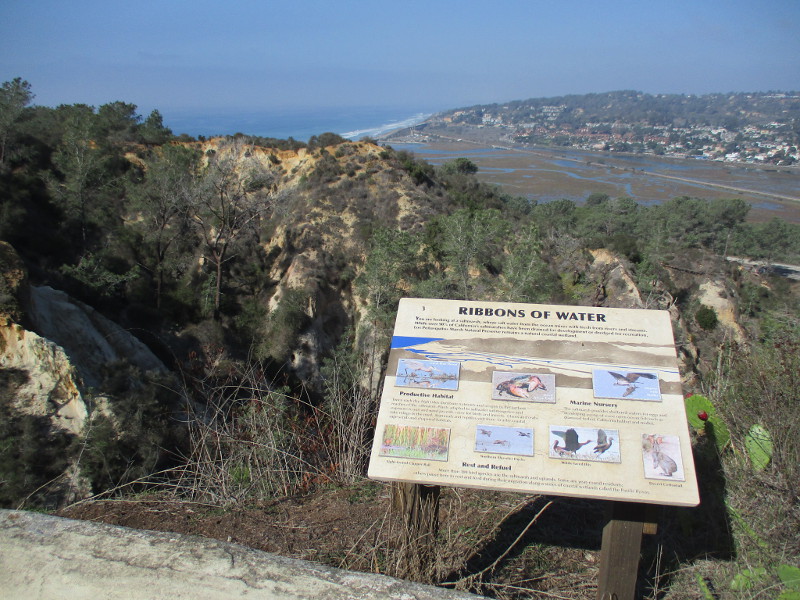
There are scenic overlooks with views of Carmel Valley, Los Peñasquitos Lagoon and even the Pacific Ocean. Signs describe many of the natural marvels around you. Native plants along the way are identified with information plaques.
Last weekend I slowly walked north along the Discovery Trail.
I began at Torrey Pines Park Road across from the Beach Trailhead parking lot. That’s where I saw the sign pictured below. I then headed north until I reached the rear of the old Lodge.
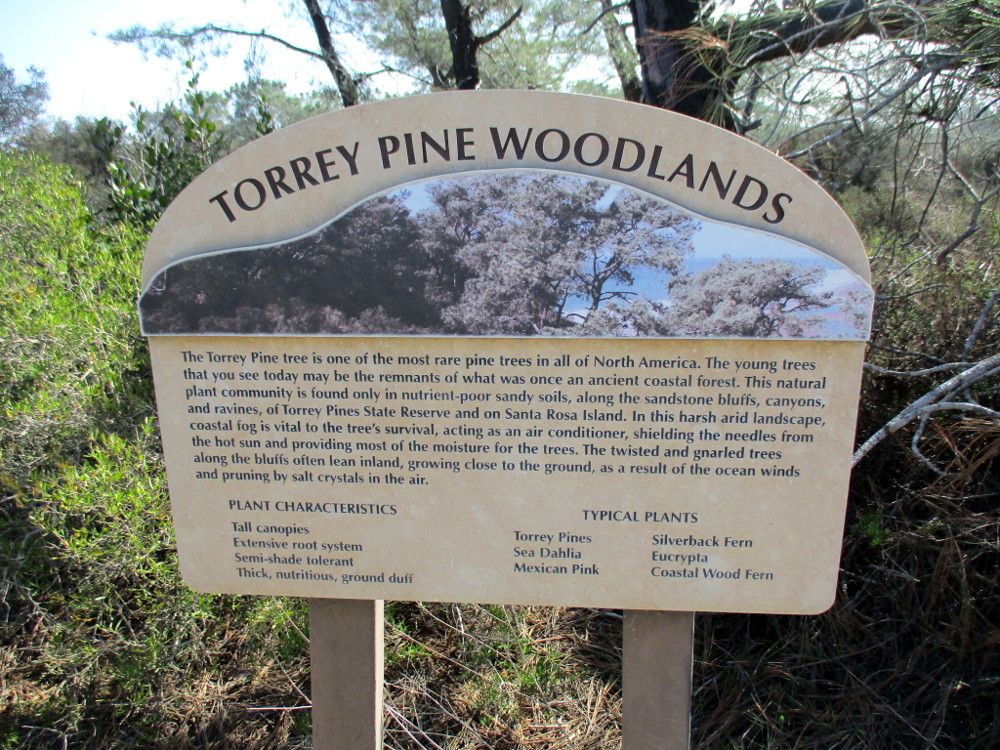
TORREY PINE WOODLANDS. The Torrey Pine tree is one of the most rare pine trees in all of North America. The young trees that you see today may be the remnants of what was once an ancient coastal forest. This natural plant community is found only in nutrient-poor sandy soils, along the sandstone bluffs, canyons, and ravines of Torrey Pines State Reserve and on Santa Rosa Island…
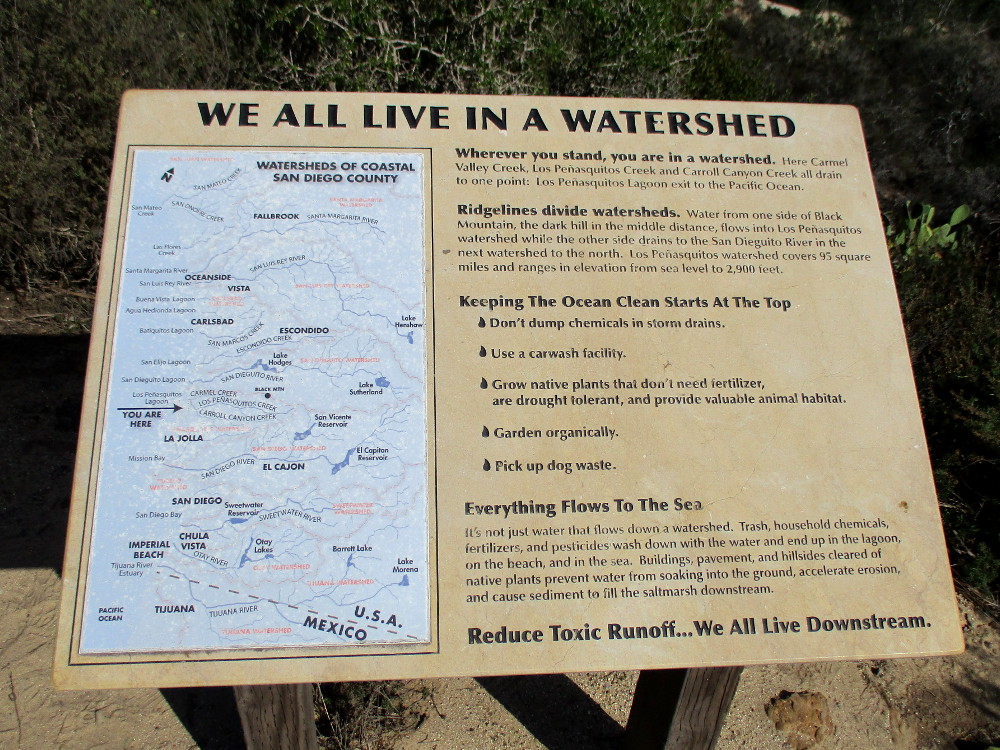
Wherever you stand, you are in a watershed. Here Carmel Valley Creek, Los Peñasquitos Creek and Carroll Canyon Creek all drain to one point: Los Peñasquitos Lagoon’s exit to the Pacific Ocean…
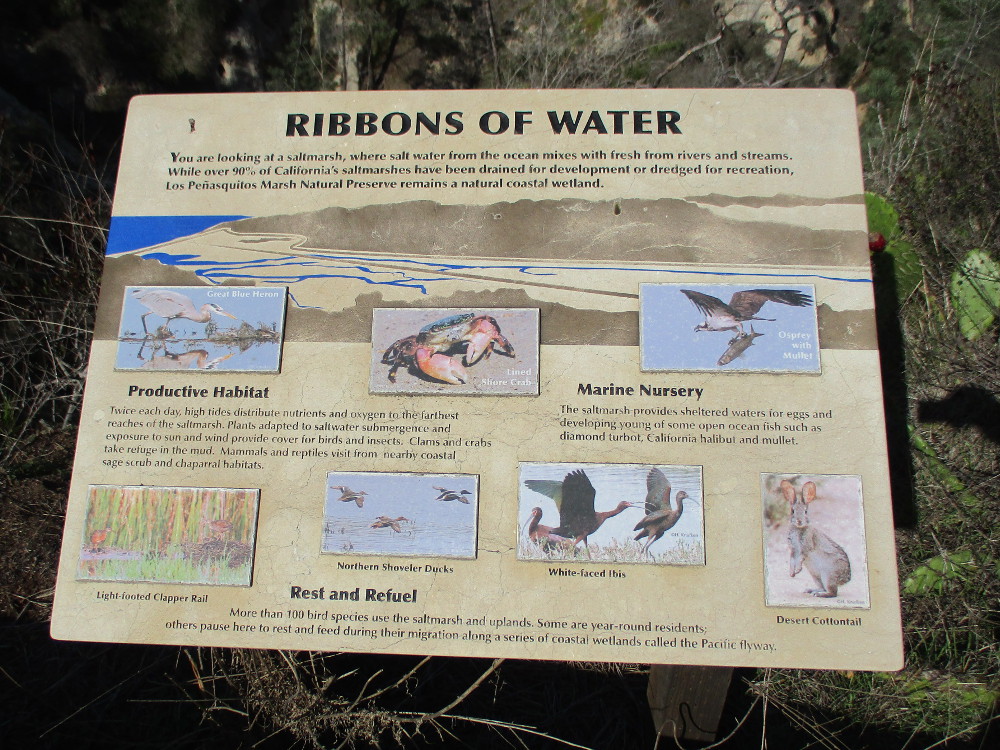
You are looking at a saltmarsh, where salt water from the ocean mixes with fresh from rivers and streams…Los Peñasquitos Marsh Natural Preserve remains a natural coastal wetland.
…
I live in downtown San Diego and love to walk around with my camera! You can follow Cool San Diego Sights via Facebook or Twitter!
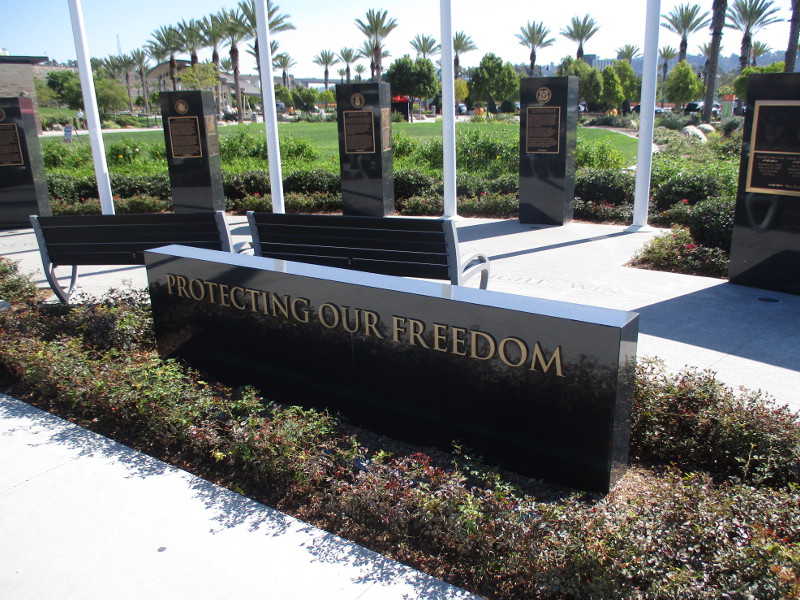
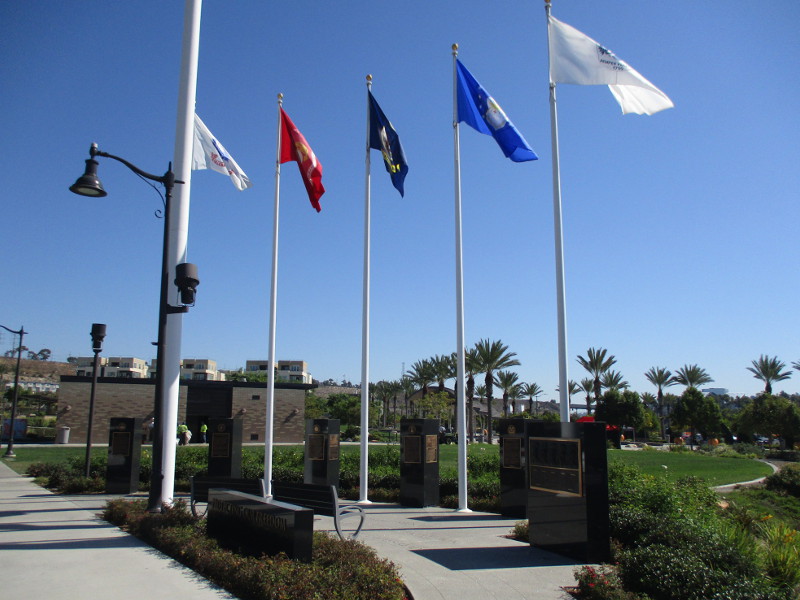
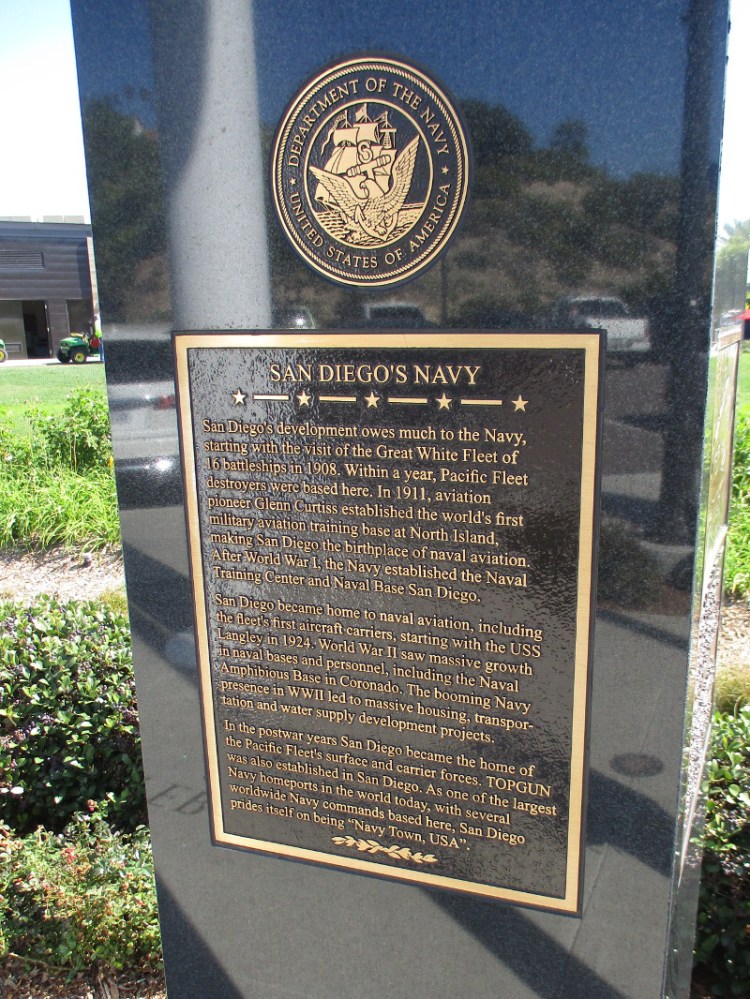
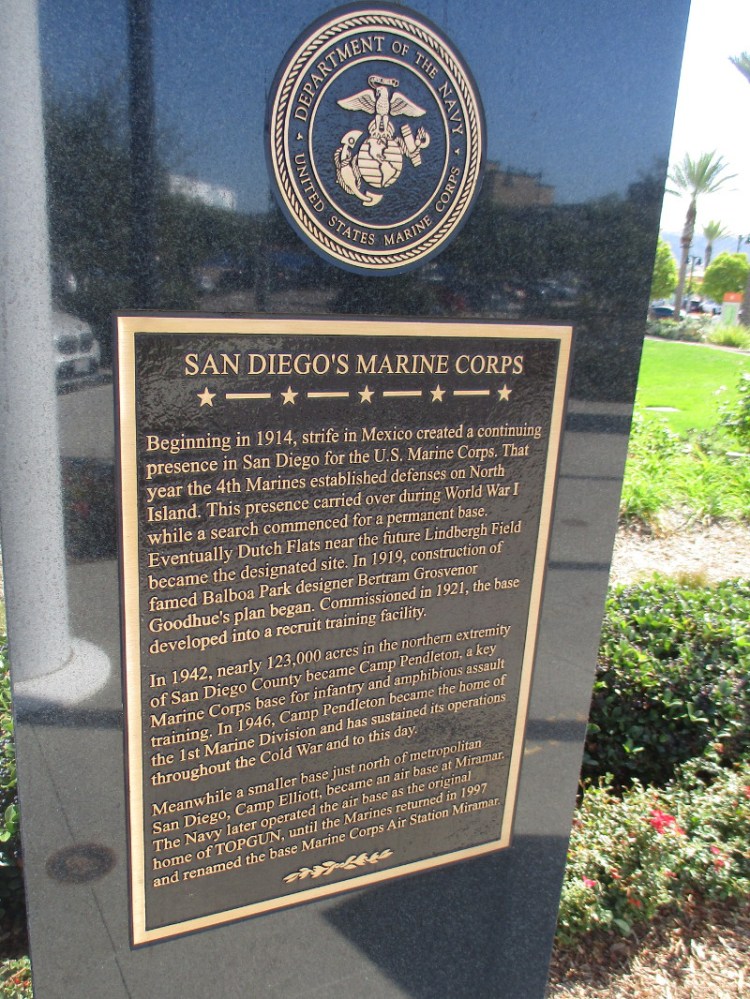
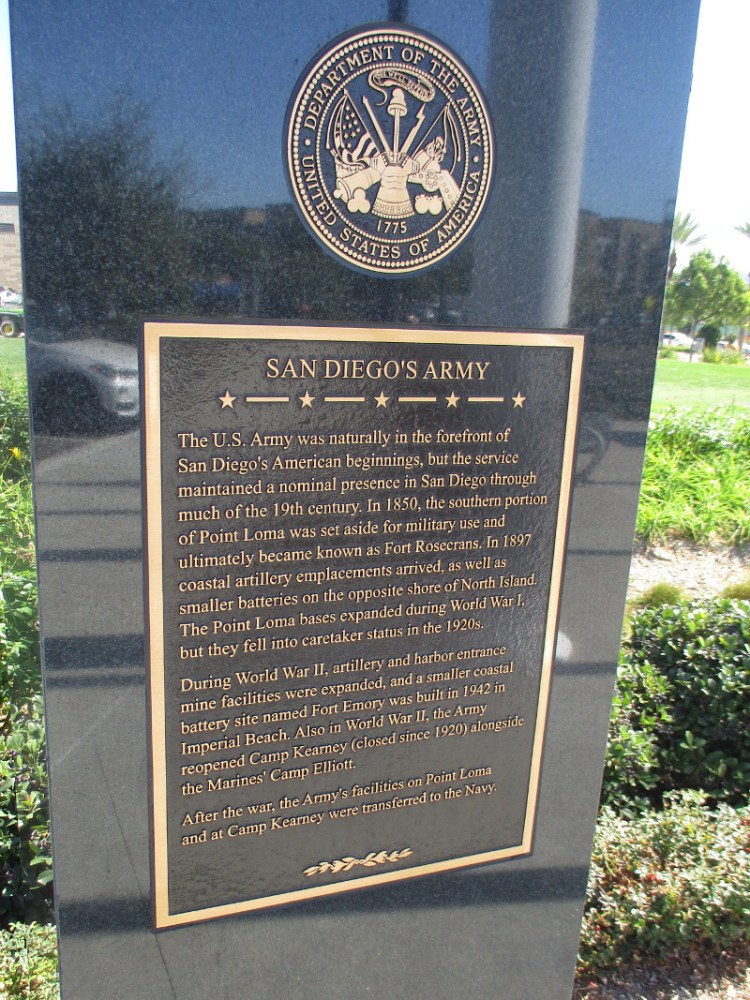
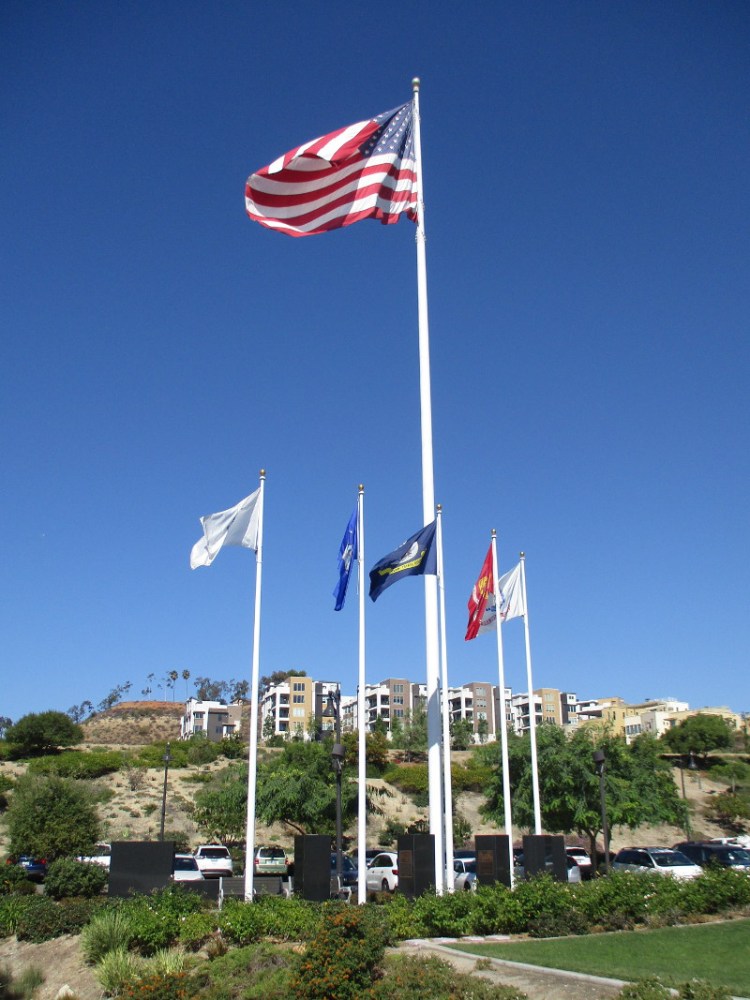
Four years ago, Military Tribute Plaza was dedicated at Civita in Mission Valley.
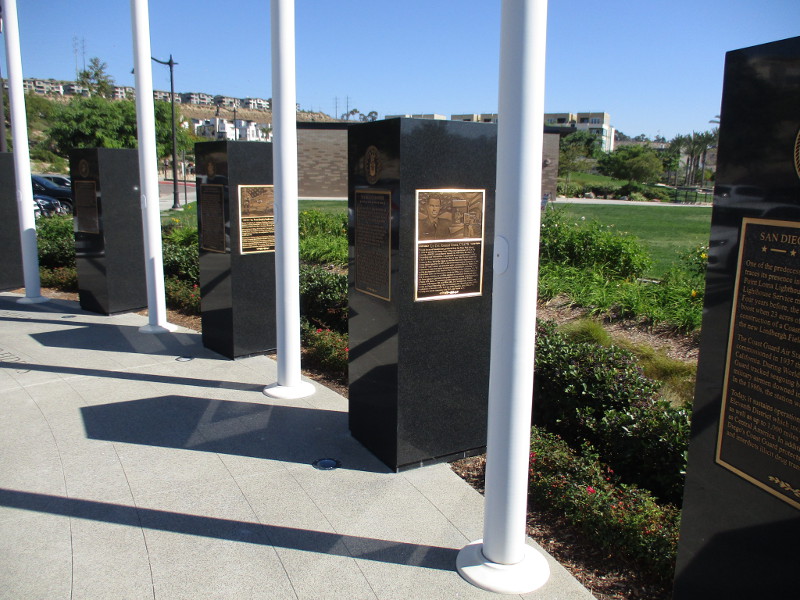
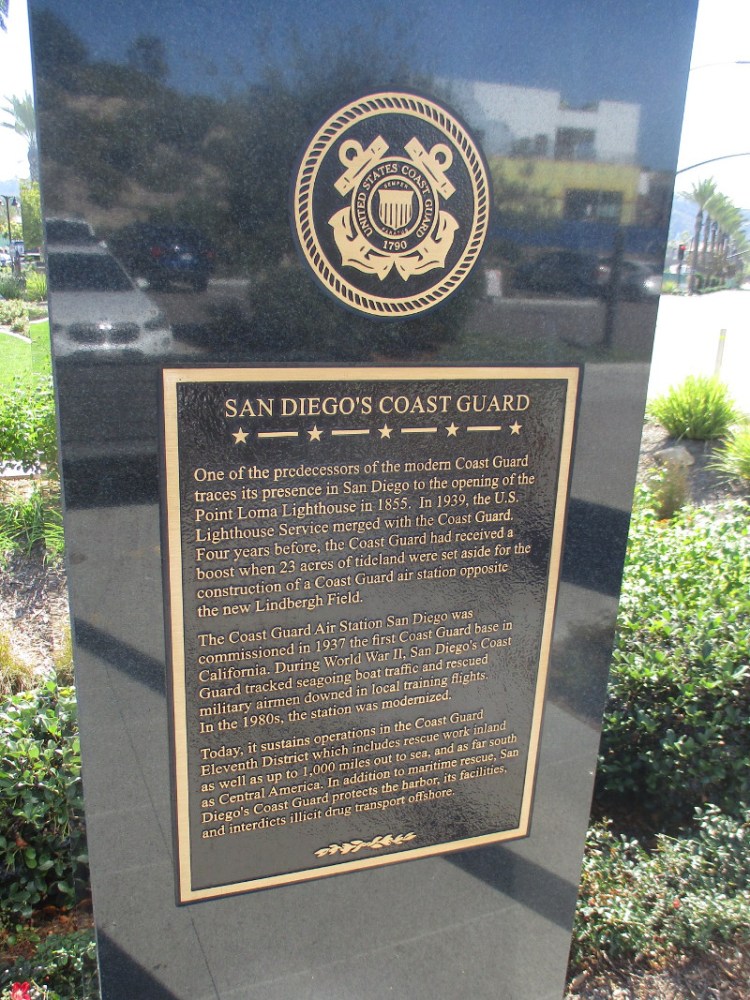
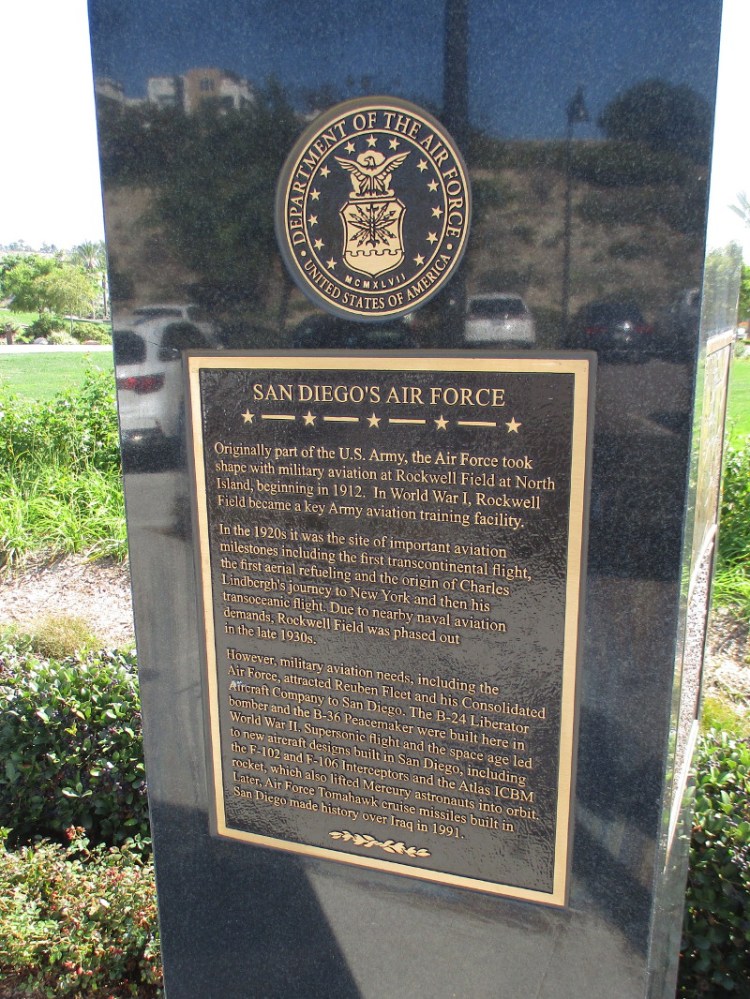
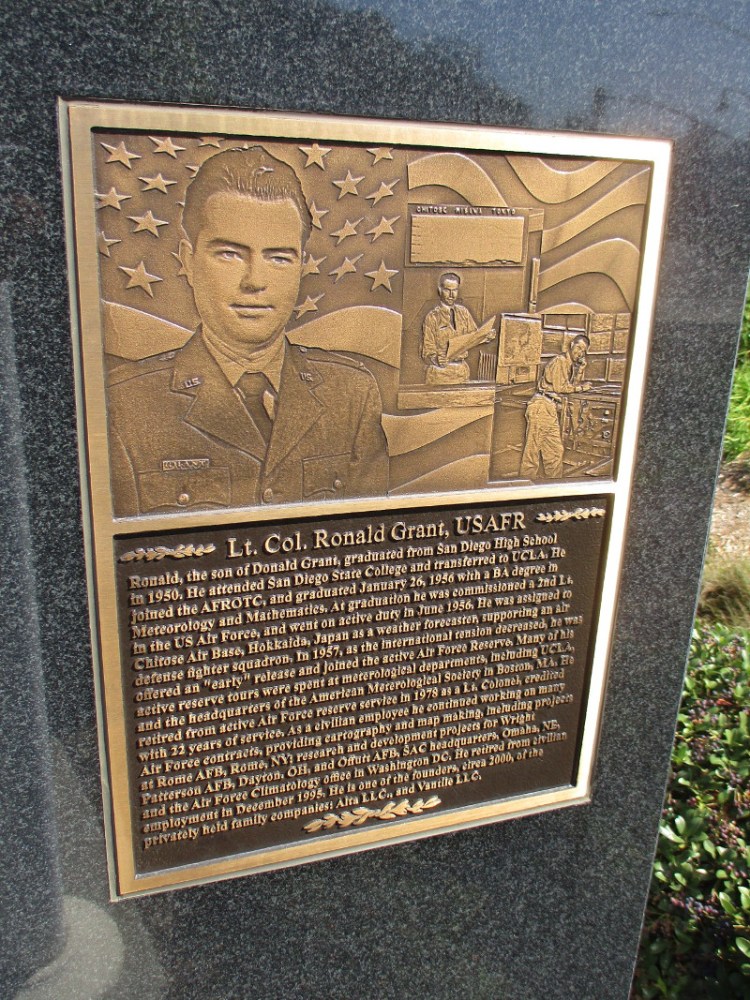
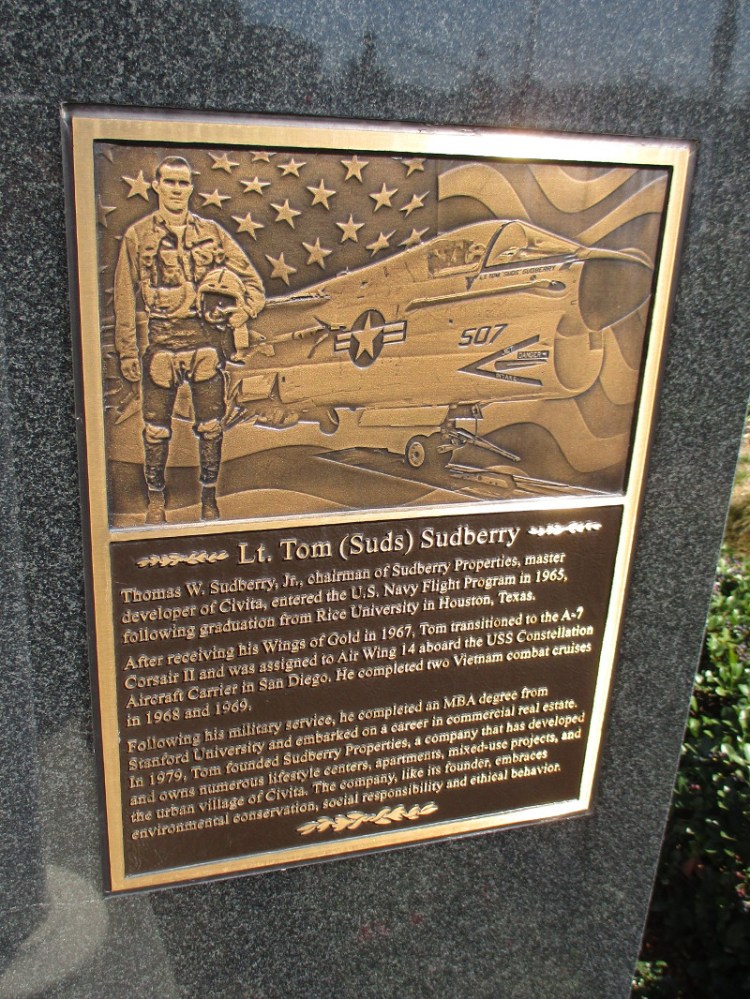
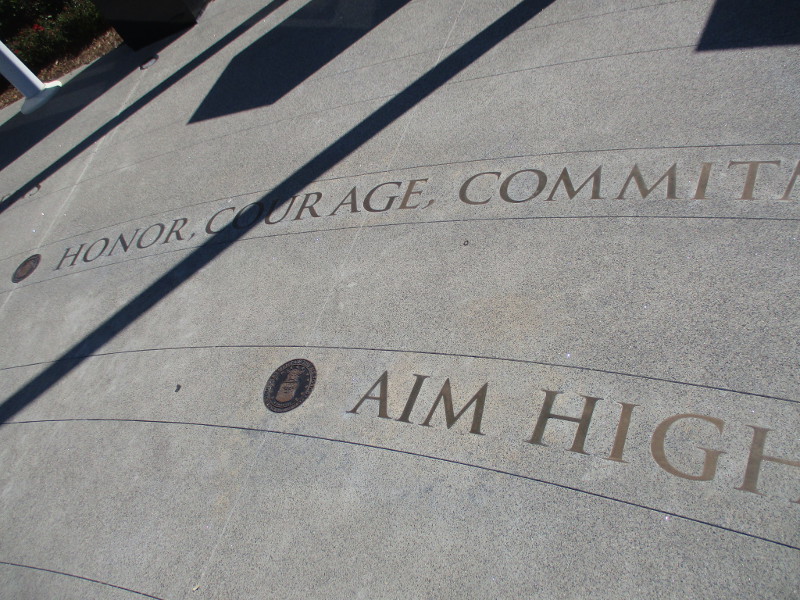
This monument, saluting the United States Armed Services, features flags above black marble columns. Bronze plaques recall the history of each military branch in San Diego. Veterans are also honored.
I took these photographs a few weeks ago when I enjoyed a walk through the large Civita residential community. I thought now would be a good time to post them, because Veterans Day has arrived.
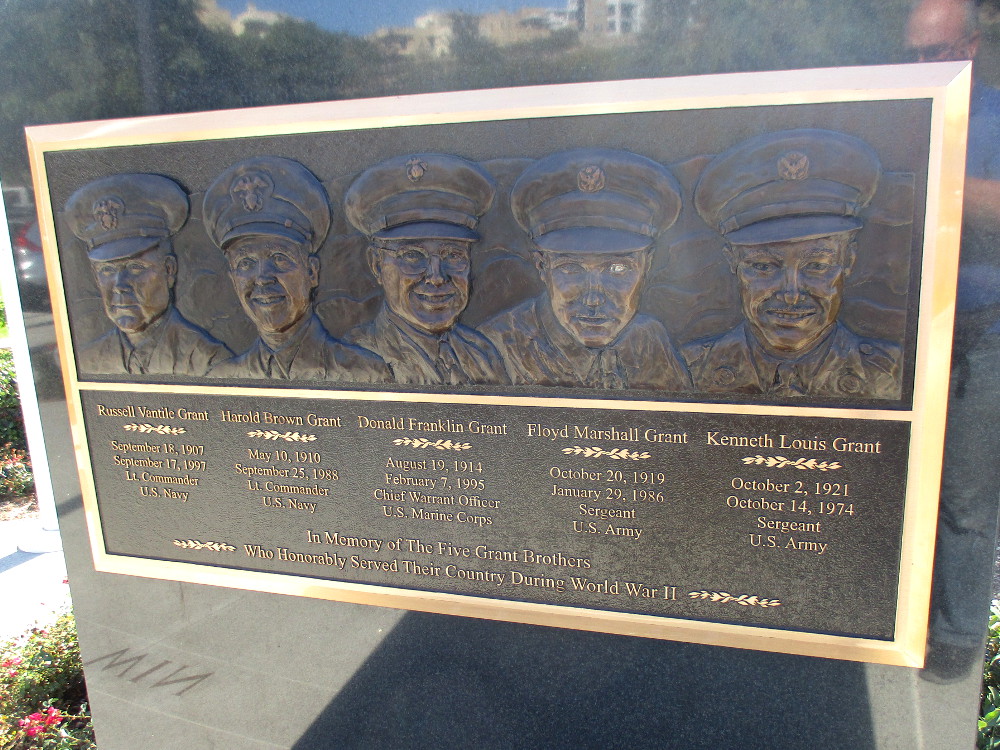
In Memory of The Five Grant Brothers Who Honorably Served Their Country During World War II.SAN DIEGO’S COAST GUARD. One of the predecessors of the modern Coast Guard traces it presence in San Diego to the opening of the Point Loma Lighthouse in 1855…SAN DIEGO’S AIR FORCE. Originally part of the U.S. Army, the Air Force took shape with military aviation at Rockwell Field at North Island, beginning in 1912…Lt. Col. Ronald Grant, USAFR.Lt. Tom (Suds) Sudberry.SAN DIEGO’S NAVY. San Diego’s development owes much to the Navy, starting with the visit of the Great White Fleet of 16 battleships in 1908…SAN DIEGO’S MARINE CORPS. Beginning in 1914, strife in Mexico created a continuing presence in San Diego for the U.S. Marine Corps…SAN DIEGO’S ARMY. The U.S. Army was naturally in the forefront of San Diego’s American beginnings…
…
I live in downtown San Diego and love to walk around with my camera! You can follow Cool San Diego Sights via Facebook or Twitter!
You can easily explore Cool San Diego Sights by using the search box on my blog’s sidebar. Or click a tag! There are thousands upon thousands of photos for you to enjoy!
Explore the south end of Torrey Pines Park Road at Torrey Pines State Natural Reserve and you’ll discover breathtaking beauty and fascinating history.
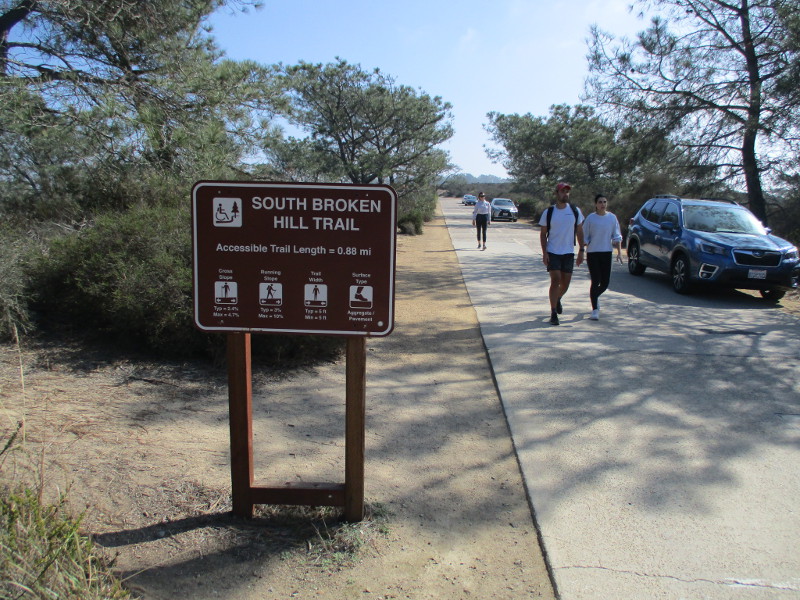
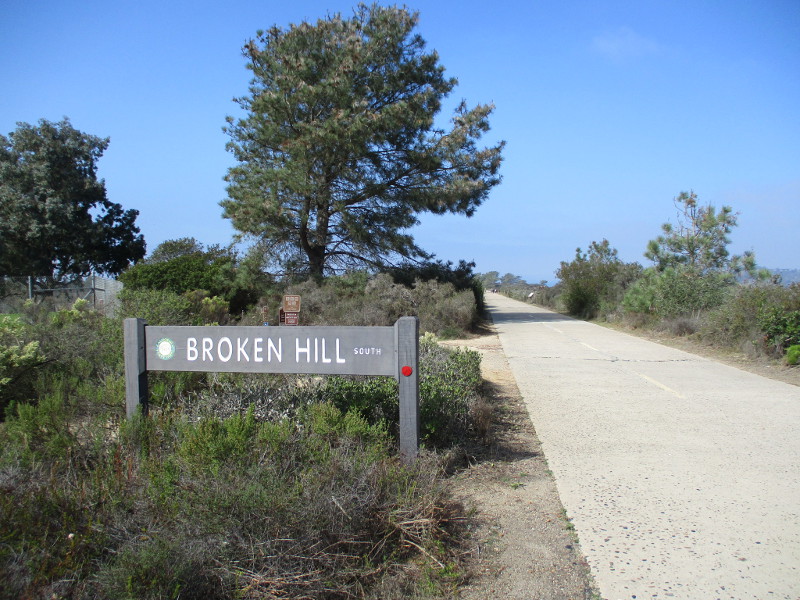
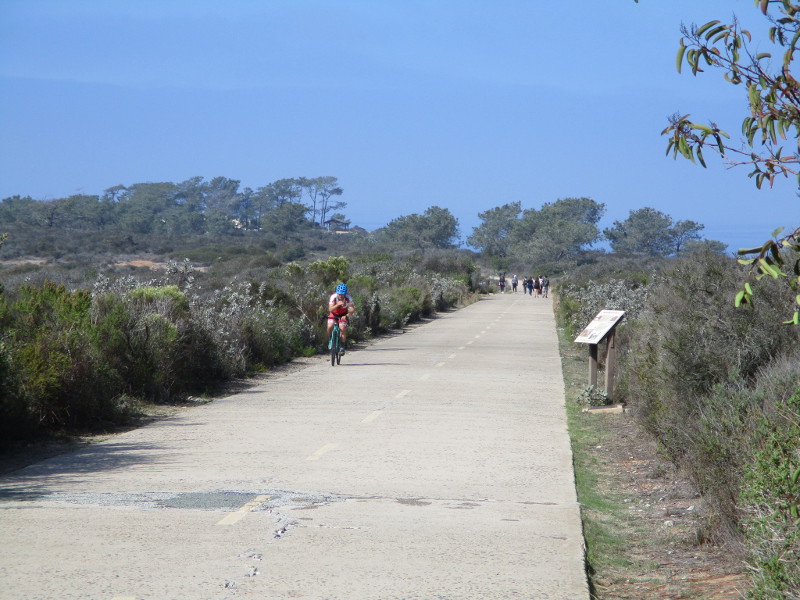
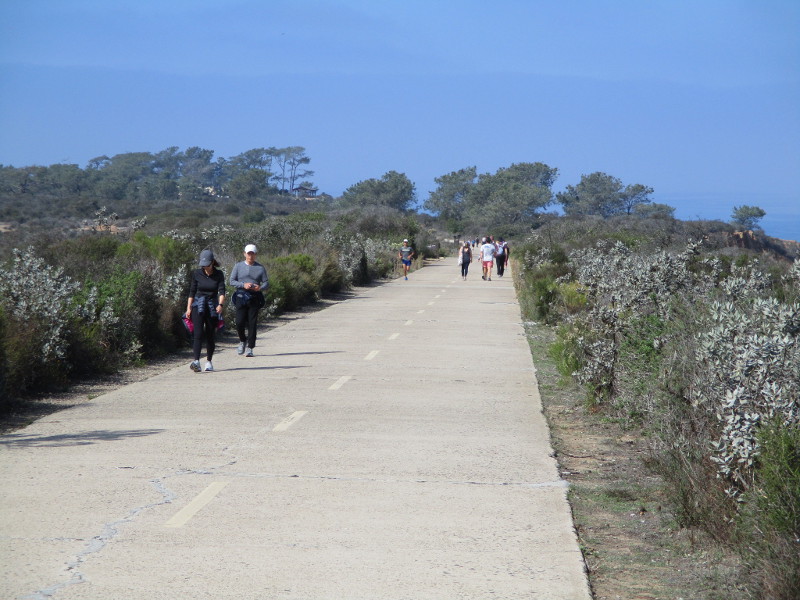
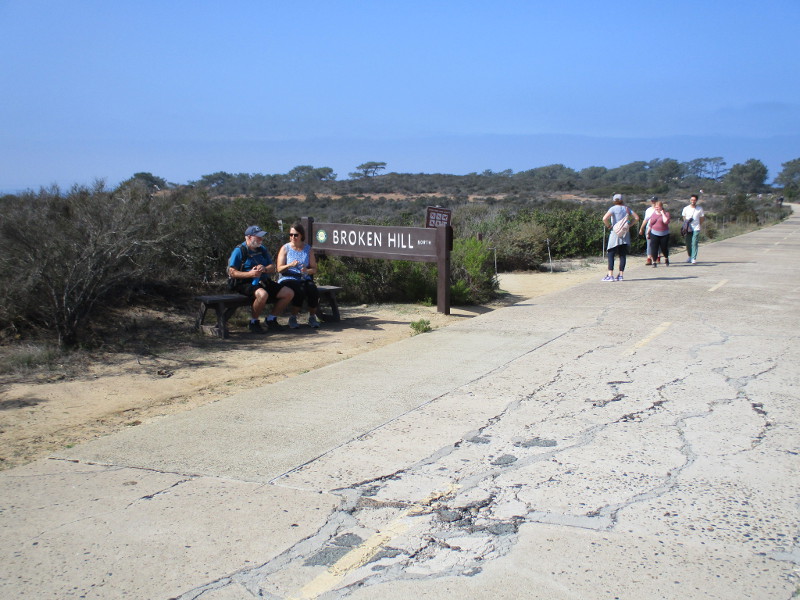
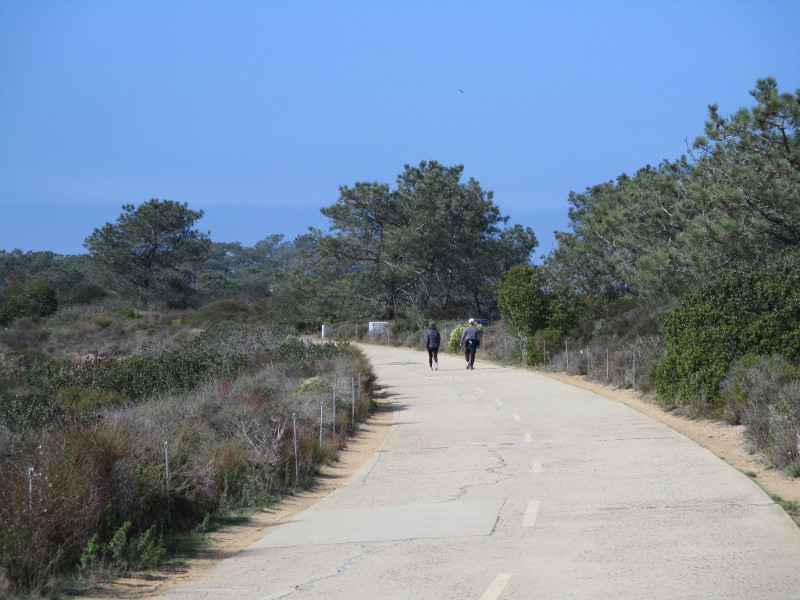
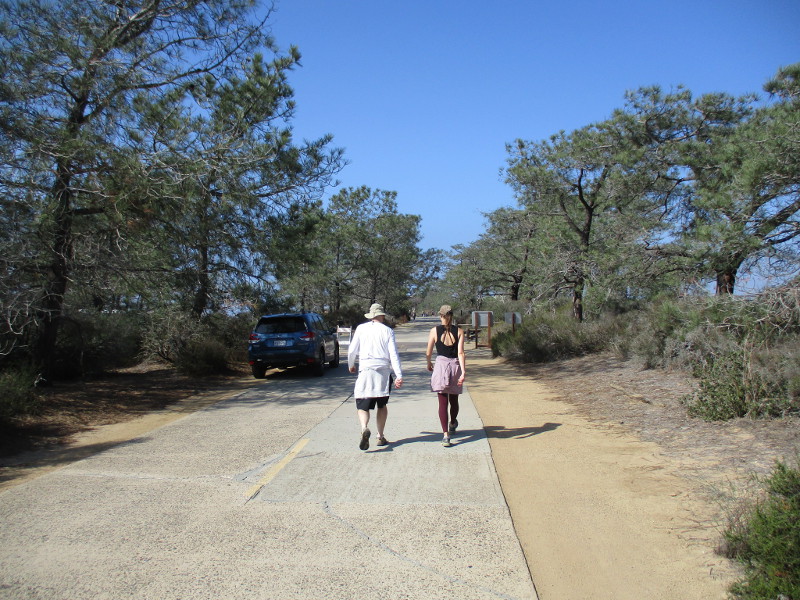
Last weekend I walked north along the paved trail, which a century ago was part of the main road from San Diego to Los Angeles. The following photographs begin near Torrey Pines Golf Course and end just short of the Visitor Center at Torrey Pines State Reserve’s old Lodge. The historic road, closed to vehicle traffic, is how hikers access Broken Hill Trail, which winds through a rugged landscape down to the beach.
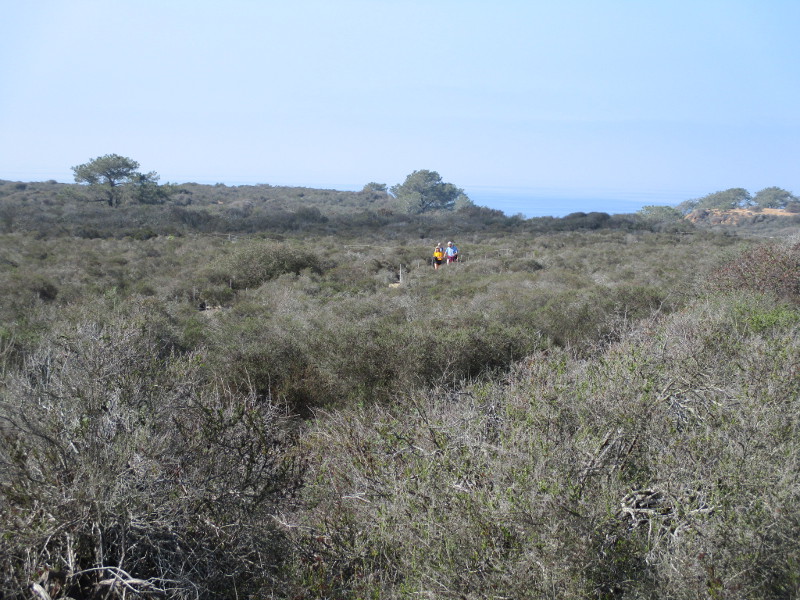
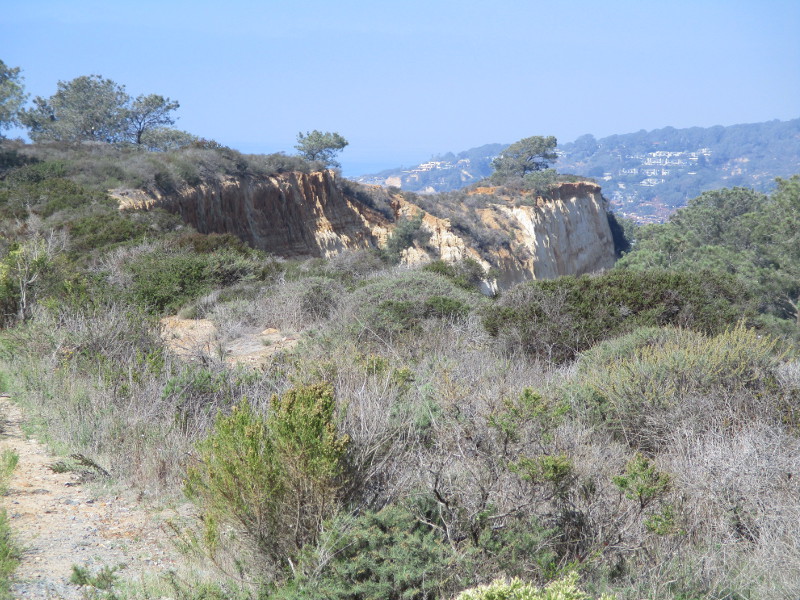
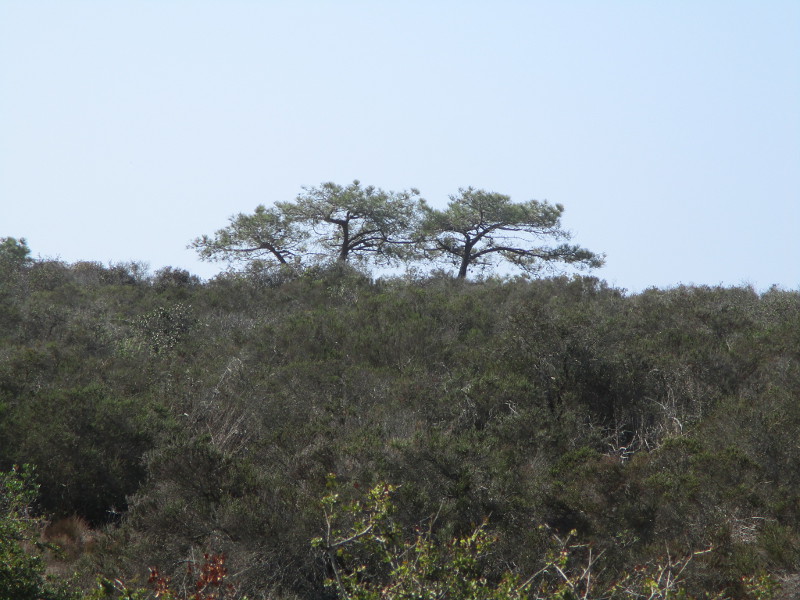
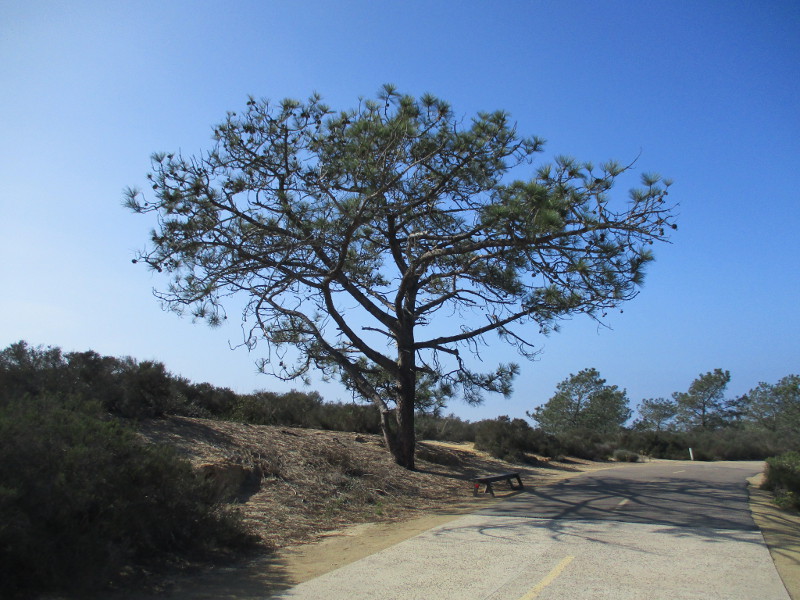
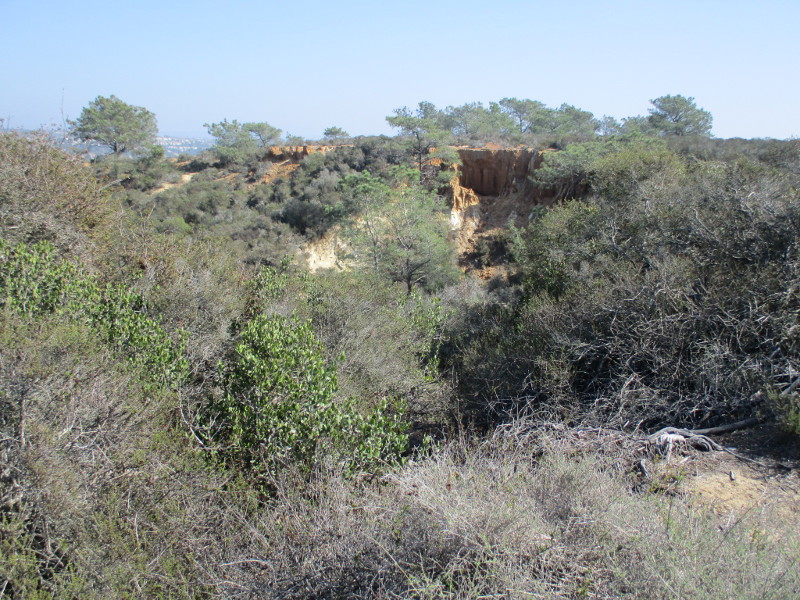
In my photos you’ll see native coastal sage scrub and chaparral plants, rare Torrey pine trees, the Pacific Ocean in the distance to the west and sandstone cliffs overlooking North Torrey Pines Road to the east. Signs along the way speak of the history of this place.
Come along as I walk down old Torrey Pines Park Road on a sunny November day!
Other walkers and bicyclists were also enjoying a fun adventure.
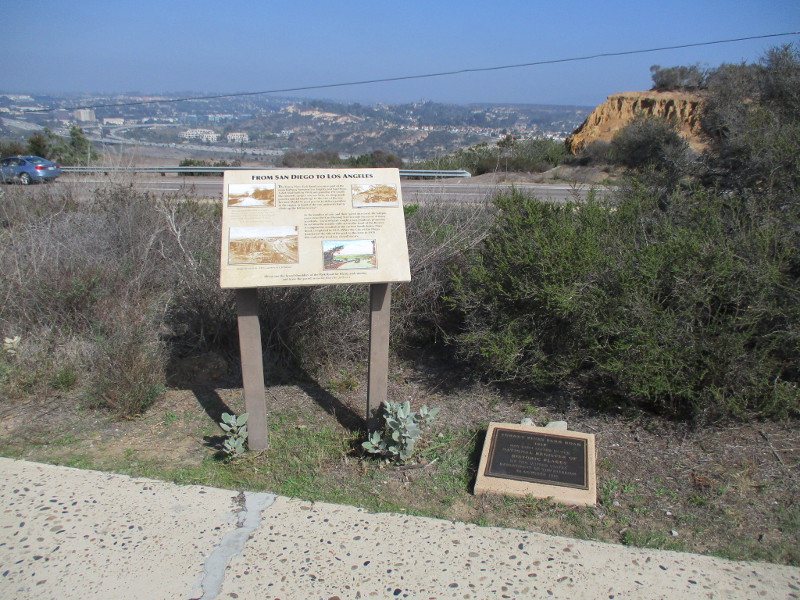
To the east beyond an information sign and historical marker one can see North Torrey Pines Road, Carmel Valley and Interstate 5.
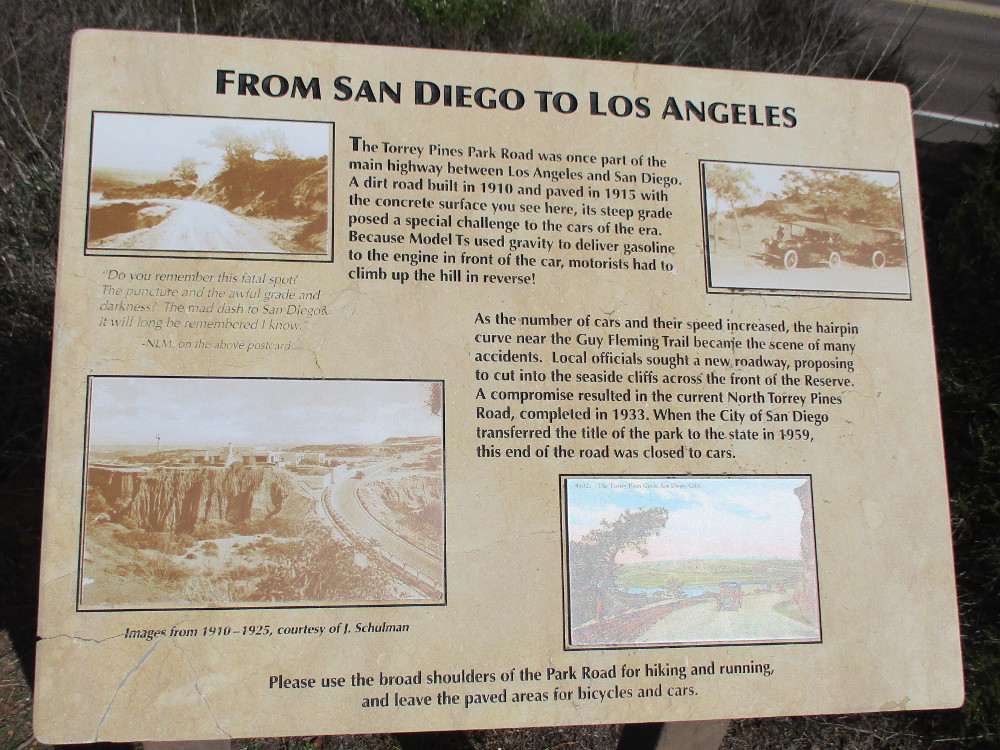
FROM SAN DIEGO TO LOS ANGELES
The Torrey Pines Park Road was once part of the main highway between Los Angeles and San Diego. A dirt road built in 1910 and paved in 1915 with the concrete surface you see here, its steep grade posed a special challenge to the cars of the era. Because Model Ts used gravity to deliver gasoline to the engine in front of the car, motorists had to climb up the hill in reverse.
As the number of cars and their speed increased, the hairpin curve near the Guy Fleming Trail became the scene of many accidents. Local officials sought a new roadway, proposing to cut into the seaside cliffs across the front of the Reserve. A compromise resulted in the current North Torrey Pines Road, completed in 1933. When the City of San Diego transferred the title of the park to the state in 1959, this end of the road was closed to cars.
The steep hill and its hairpin curves mentioned in the sign are north of the Lodge, beyond this particular walk. Cars entering the park still use it.
If you’d like to see past photos of the Guy Fleming Trail which is also referenced in the sign, click here!
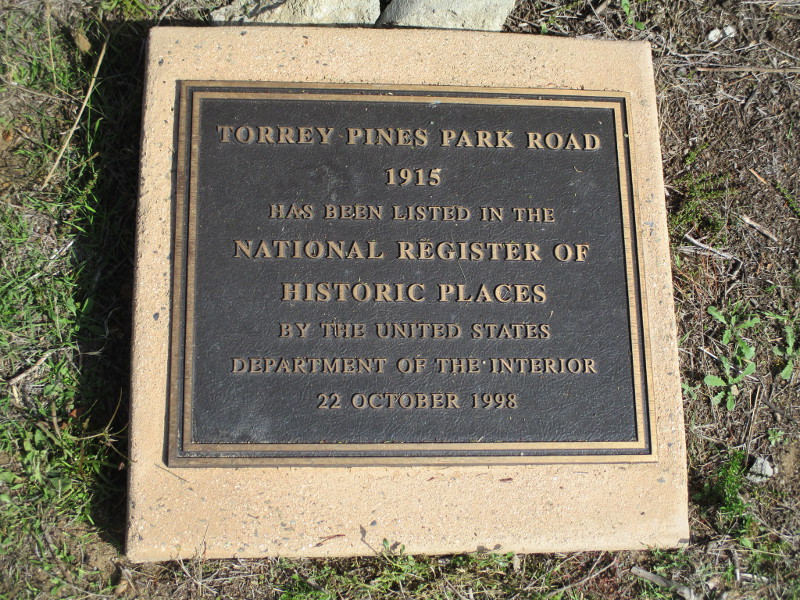
TORREY PINES PARK ROAD
1915
HAS BEEN LISTED IN THE NATIONAL REGISTER OF HISTORIC PLACES BY THE UNITED STATES DEPARTMENT OF THE INTERIOR
22 OCTOBER 1998
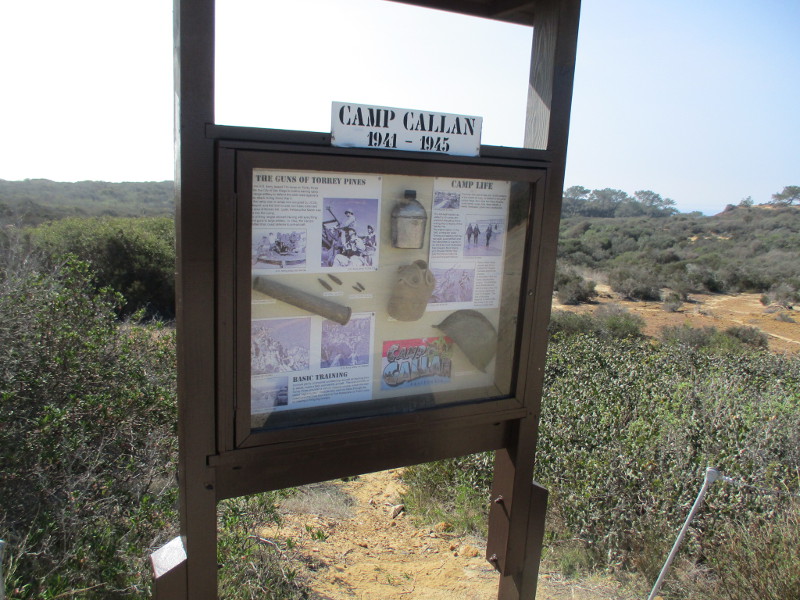
Hikers explore nature’s beauty.The North Fork Trailhead leads west to the Broken Hill Trail.Picturesque sandstone cliffs overlook North Torrey Pines Road (not visible) to the east.A sign details the history of Camp Callan, which was located here from 1941 to 1945.
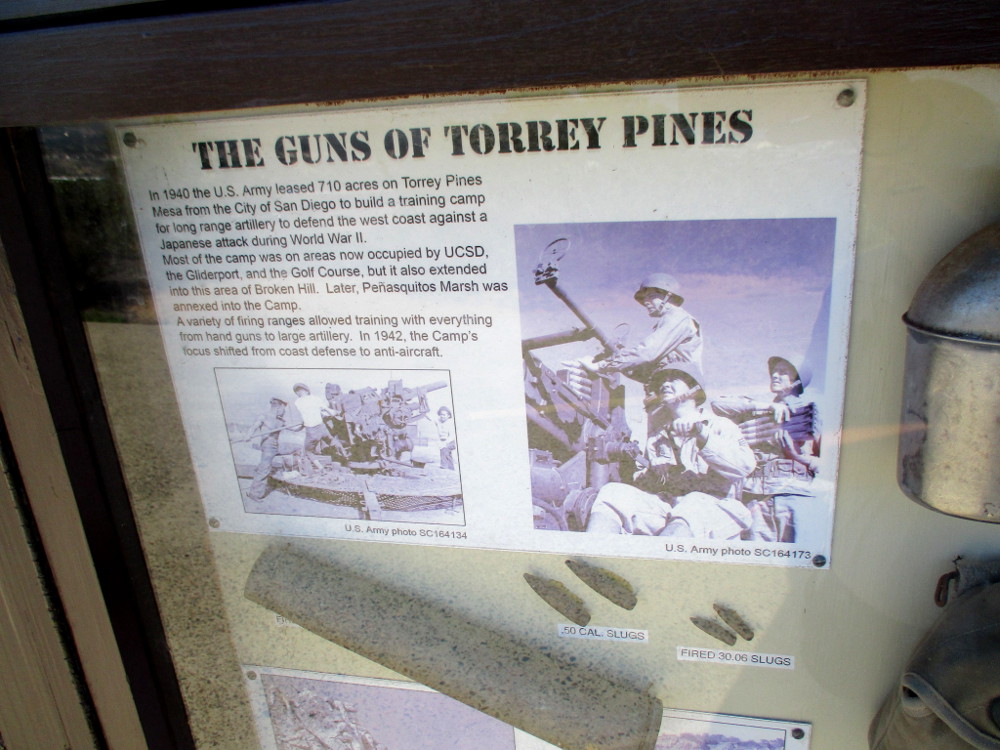
THE GUNS OF TORREY PINES
In 1940 the U.S. Army leased 710 acres on Torrey Pines Mesa from the City of San Diego to build a training camp for long range artillery to defend the west coast against a Japanese attack during World War II. Most of the camp was on areas now occupied by UCSD, the Gliderport, and the Golf Course, but it also extended into the area of Broken Hill. Later, Penasquitos Marsh was annexed into the Camp. A variety of firing ranges allowed training with everything from hand guns to large artillery. In 1942, the Camp’s focus shifted from coast defense to anti-aircraft.
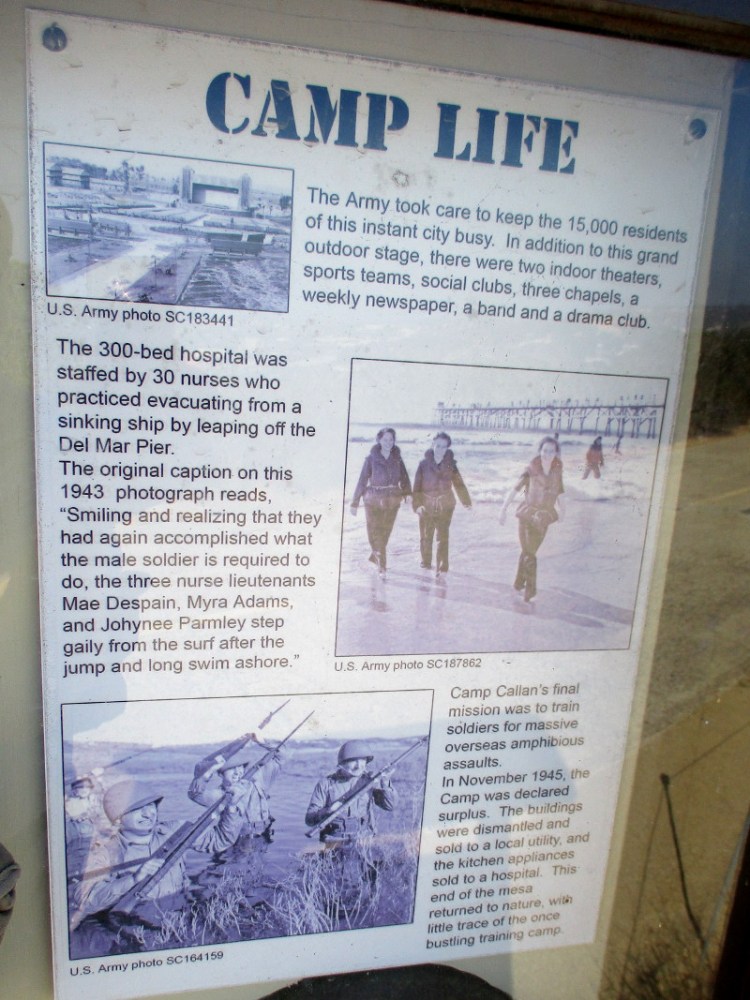
CAMP LIFE
The Army took care to keep the 15,000 residents of this instant city busy. In addition to this grand outdoor stage, there were two indoor theaters, sports teams, social clubs, three chapels, a weekly newspaper, a band and a drama club.
The 300-bed hospital was staffed by 30 nurses who practiced evacuating from a sinking ship by leaping off the Del Mar Pier. The original caption on the 1943 photograph reads, “Smiling and realizing that they had again accomplished what the male soldier is required to do, the three nurse lieutenants Mae Despain, Myra Adams, and Johynee Parmley step gaily from the surf after the jump and long swim ashore.”
Camp Callan’s final mission was to train soldiers for massive overseas amphibious assaults. In November 1945, the Camp was declared surplus. The buildings were dismantled and sold to a local utility, and the kitchen appliances sold to a hospital. This end of the mesa returned to nature, with little trace of the once bustling training camp.
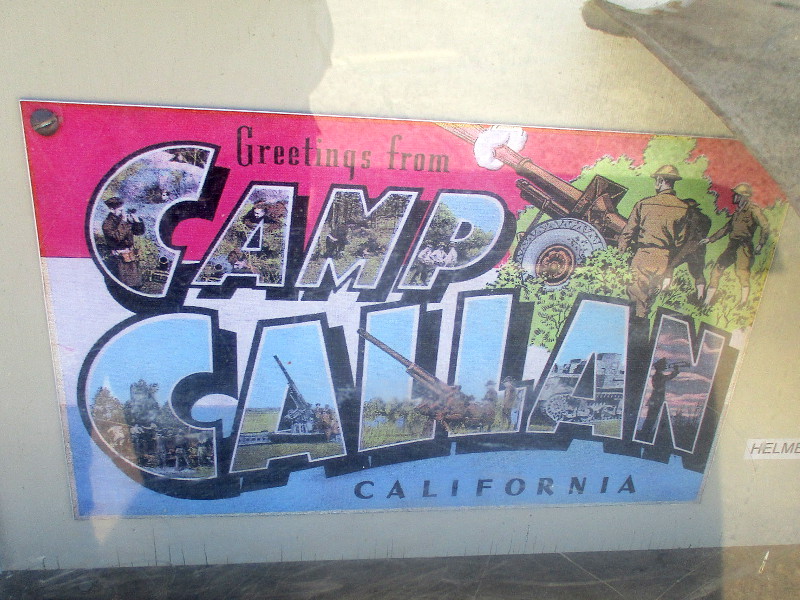
A postcard. Greetings from CAMP CALLAN CALIFORNIA.Torrey pine trees in the distance.More eroded sandstone to the east.Approaching a small parking lot at the Beach Trailhead near The Lodge.
…
This blog now features thousands of photos around San Diego! Are you curious? There’s lots of cool stuff to check out!
Here’s the Cool San Diego Sights main page, where you can read the most current blog posts. If you’re using a phone or small mobile device, click those three parallel lines up at the top–that opens up my website’s sidebar, where you’ll see the most popular posts, a search box, and more!
To enjoy future posts, you can also “like” Cool San Diego Sights on Facebook or follow me on Twitter.








 Cool San Diego Sights!