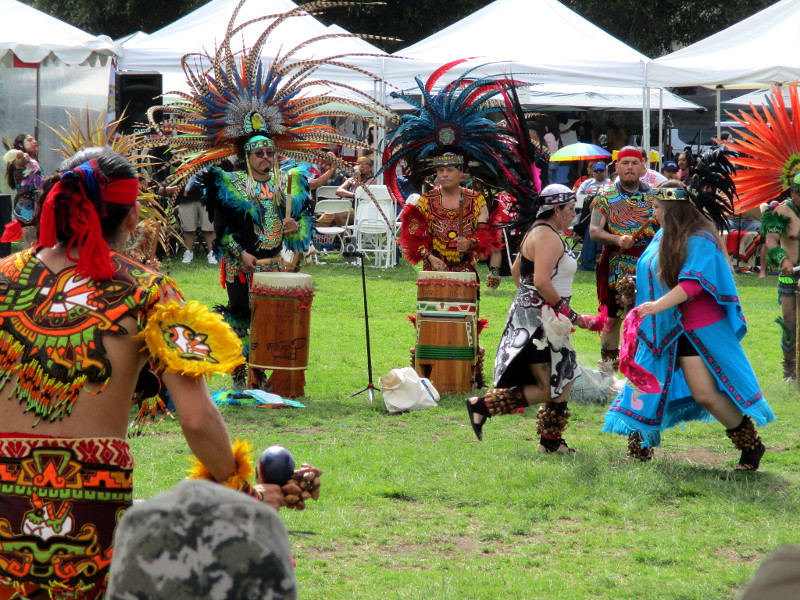
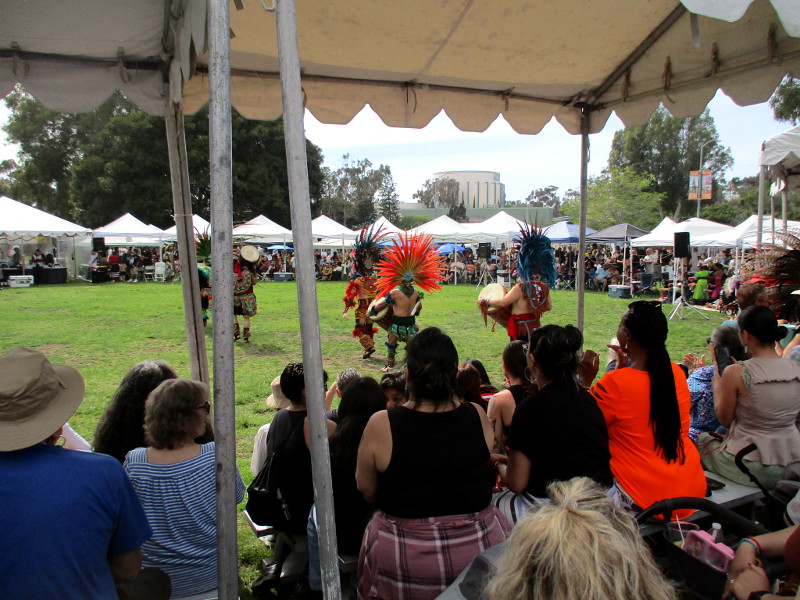
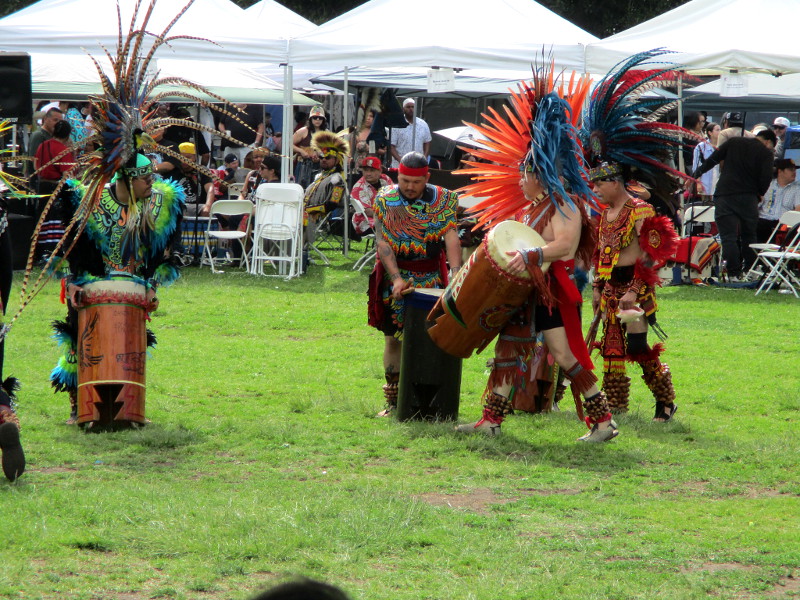
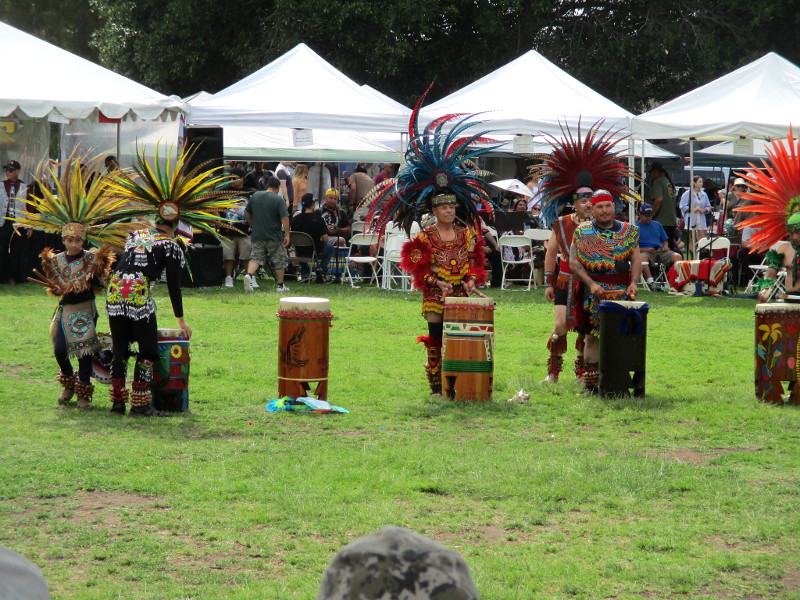
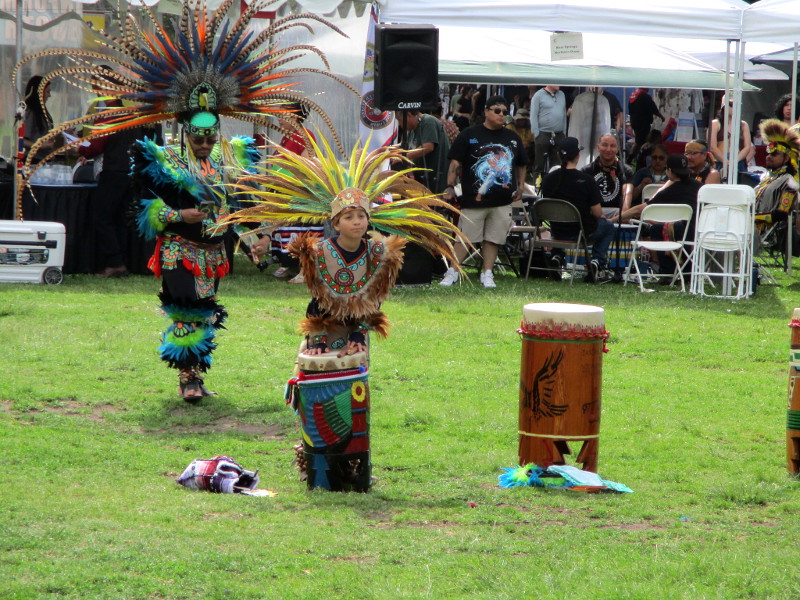
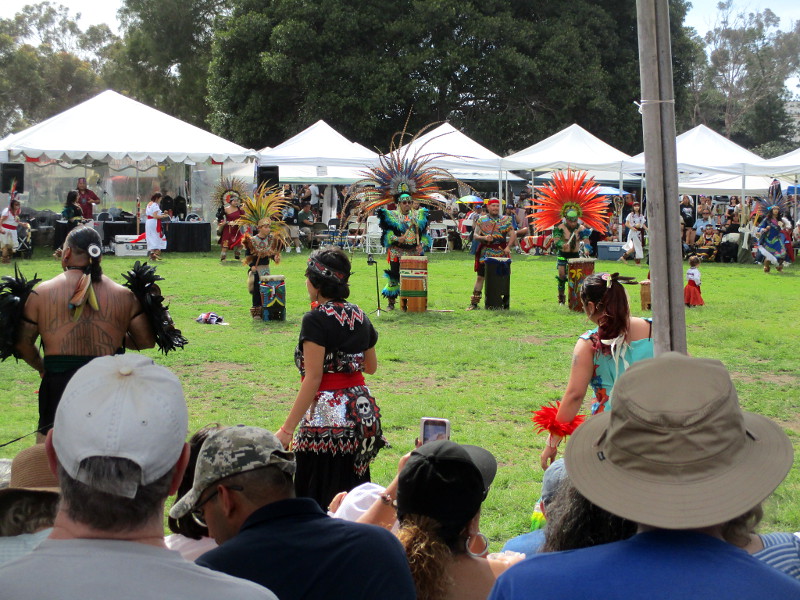
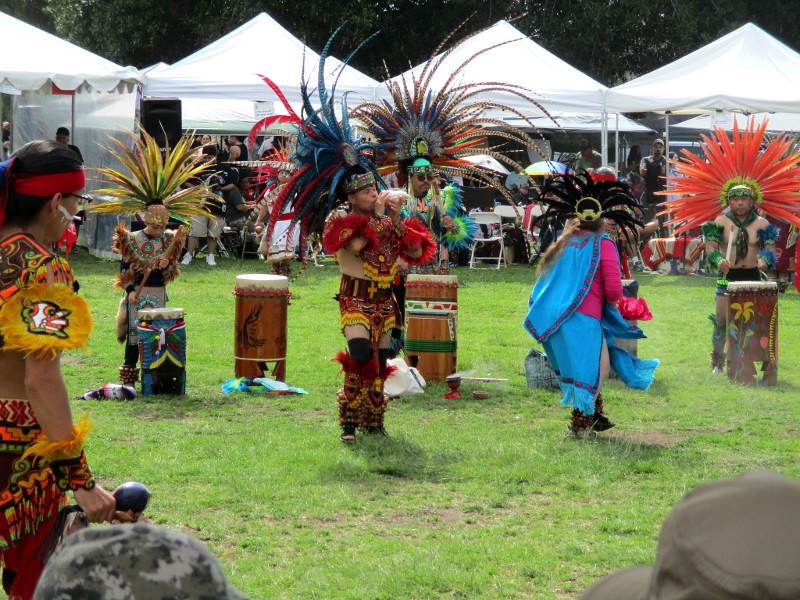
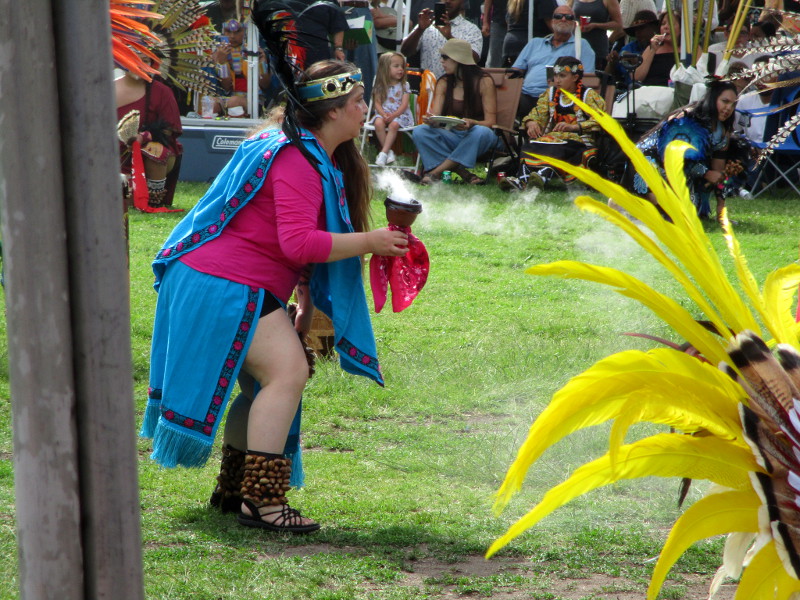
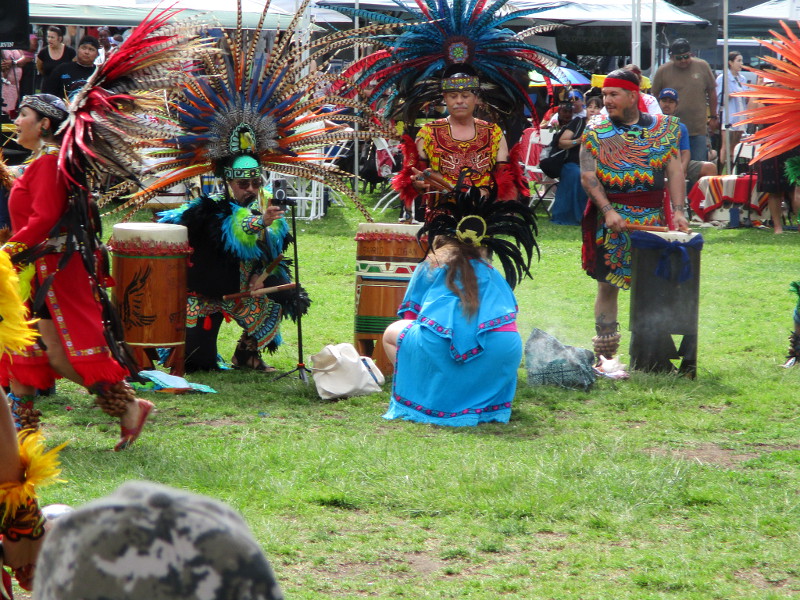
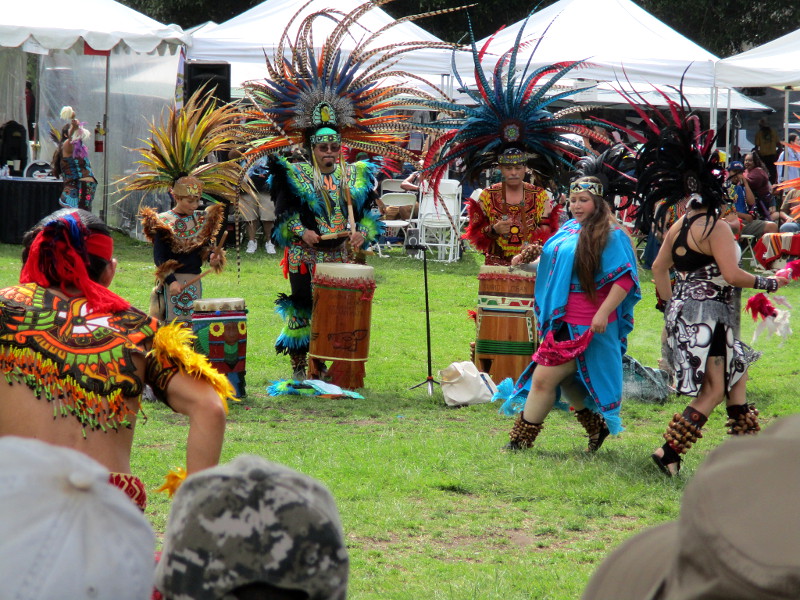
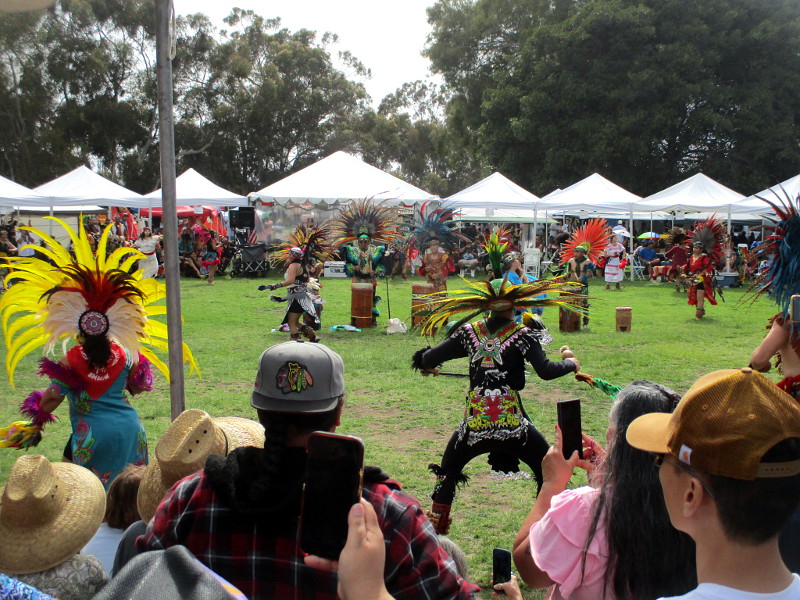
This afternoon, Danza Azteca Calpulli performed at the Annual San Diego Balboa Park Powwow, which is typically held on Mother’s Day weekend.
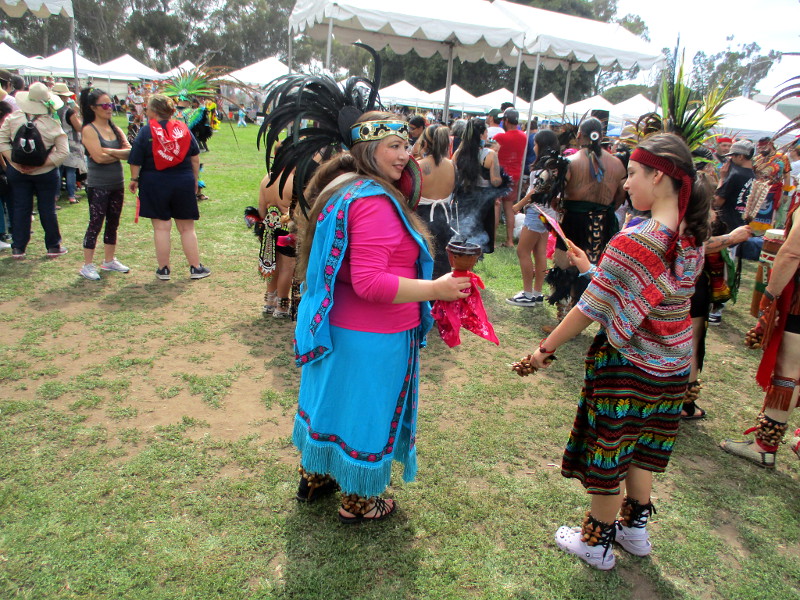
The colorful Aztec Dancers might delight the eyes, but those watching were reminded that their dance is spiritual–it’s a prayer.
The smoke of white sage blesses participants, purifying minds and hearts.
In a circle the dancers step to rhythmic drums and at intervals spin. The dance feels like a collective heartbeat, and the turning seems like the circle of life.
Perhaps I don’t know any better, but that’s the feeling I get. I like to quietly watch and listen.
You need to experience it yourself to develop your own feeling.
…
I post new blogs pretty often. If you like discovering new things, bookmark coolsandiegosights.com and swing on by occasionally!
I live in downtown San Diego and love to walk around with my camera! You can follow Cool San Diego Sights via Facebook or X.
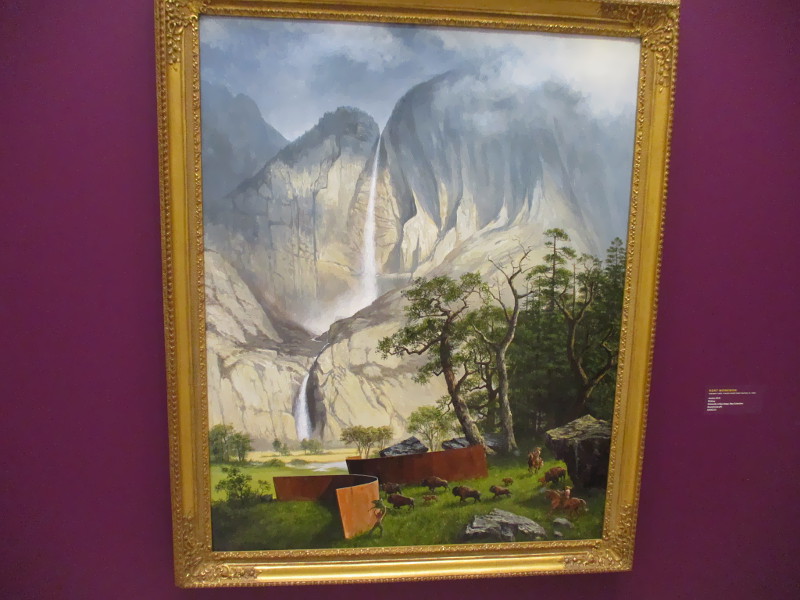
The Timken Museum of Art in Balboa Park has opened a fascinating exhibition titled Reconsidering Bierstadt: Kent Monkman. Visitors to the fine art museum are encouraged to compare two similar but very different works: Albert Bierstadt‘s 1864 painting Cho-looke, The Yosemite Fall, and First Nation Cree artist Kent Monkman‘s 2012 work The Fourth World.
The photograph above shows Kent Monkman’s painting (on loan from the Denver Art Museum) which reimagines the Bierstadt piece in the light of a different perspective.
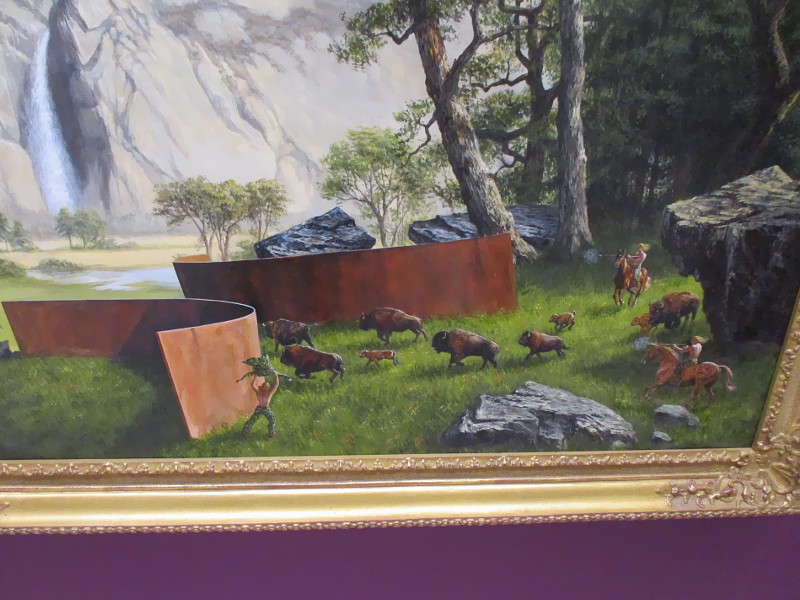
Bierstadt’s oil painting conveys a sense of rustic tranquility and natural beauty; the somewhat shocking bottom portion of Monkman’s bolder, brighter acrylic piece shows bison being frightened and funneled in Yosemite through sheer steel walls by white men with guns.
Monkman’s contemporary painting clearly expresses that an environment can be forcibly altered by the actions of humans. Like any good art, the image ignites complex thought.
I’m no expert when it comes to the history of Yosemite. Doing some online research, I was surprised to learn that, according to a National Park Service Facebook post: Here in Yosemite, though, bison have never roamed.
Here’s the bottom portion of The Fourth World:
The next photograph is of Cho-looke, The Yosemite Fall. It’s darker, vaguer, somehow more sublime. (The docent thought perhaps the painting needs to be cleaned.)
This Smithsonian website has a better photograph and explains: Bierstadt was inspired to paint Yosemite after seeing Carleton Watkins’s photographs in a New York gallery in 1862…In 1864, the year Bierstadt painted this view, President Abraham Lincoln set aside Yosemite as a protected reserve…
Head down to the Timken Museum of Art when they’re open and observe both canvases up close. When I visited, a friendly docent was standing by to answer questions and provide more insight.
The Timken, which contains many painted masterpieces, is always free! The exhibition will continue through June 8th, 2025.
…
I post new blogs pretty often. If you like discovering new things, bookmark coolsandiegosights.com and swing on by occasionally!
I live in downtown San Diego and love to walk around with my camera! You can follow Cool San Diego Sights via Facebook or X.
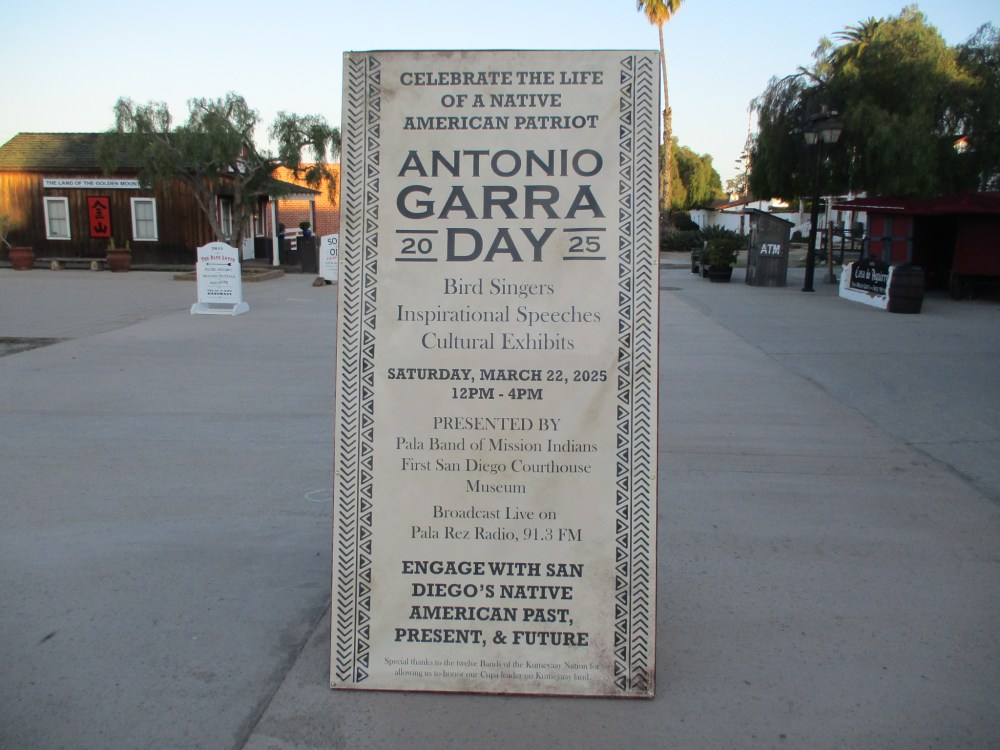
Antonio Garra Day is returning to Old Town San Diego tomorrow, Saturday, March 22, 2025.
Presented by the Pala Band of Mission Indians, the event will be held from 12 pm to 4 pm in Old Town San Diego State Historic Park, at the First San Diego Courthouse Museum.
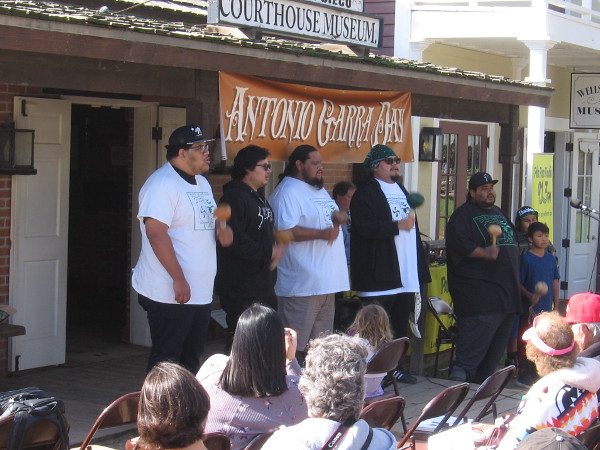
I attended the event back in 2020 (see the next photo) and learned Antonio Garra was a leader of the Cupeño people in Southern California who sought to organize tribes of our region to resist unfair taxation. Even though Native Americans were not citizens of the United States, a tax was levied upon their animals, property and agriculture. This taxation without representation was considered by many fair-minded people to be illegal and unjust. Read more about it here.
You can see my photos from Antonio Garra Day five years ago by clicking here.
This year, as before, Antonio Garra Day will feature traditional Bird Songs, inspirational speeches and cultural exhibits. Everyone is welcome to drop by and learn an important aspect of our region’s history.
…
I post new blogs pretty often. If you like discovering new things, bookmark coolsandiegosights.com and swing on by occasionally!
I live in downtown San Diego and love to walk around with my camera! You can follow Cool San Diego Sights via Facebook or X.
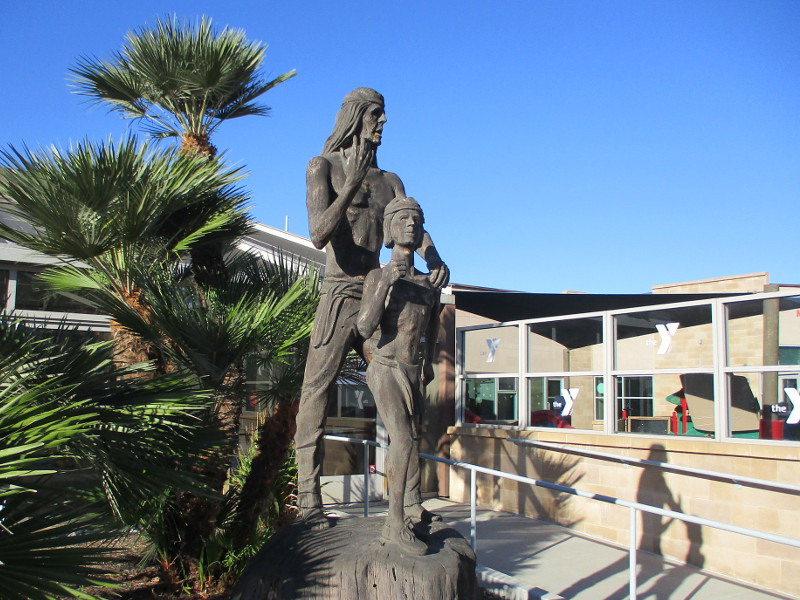
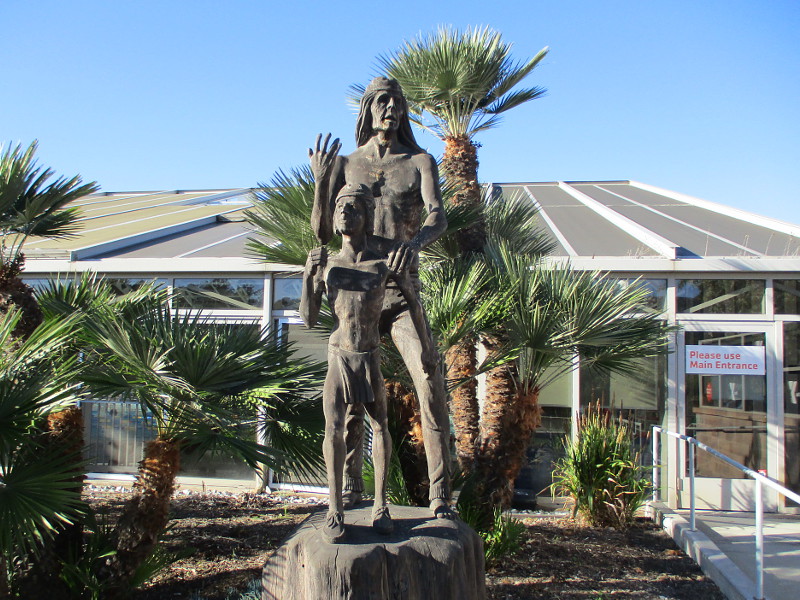
Let Go Lightly is a sculpture that stands near the entrance of Mission Valley YMCA in San Diego. It was created by artist Matthew Welter of Kings Beach, California and donated by Bruce Hazard.
I took photographs of the wood carved sculpture during my last visit.
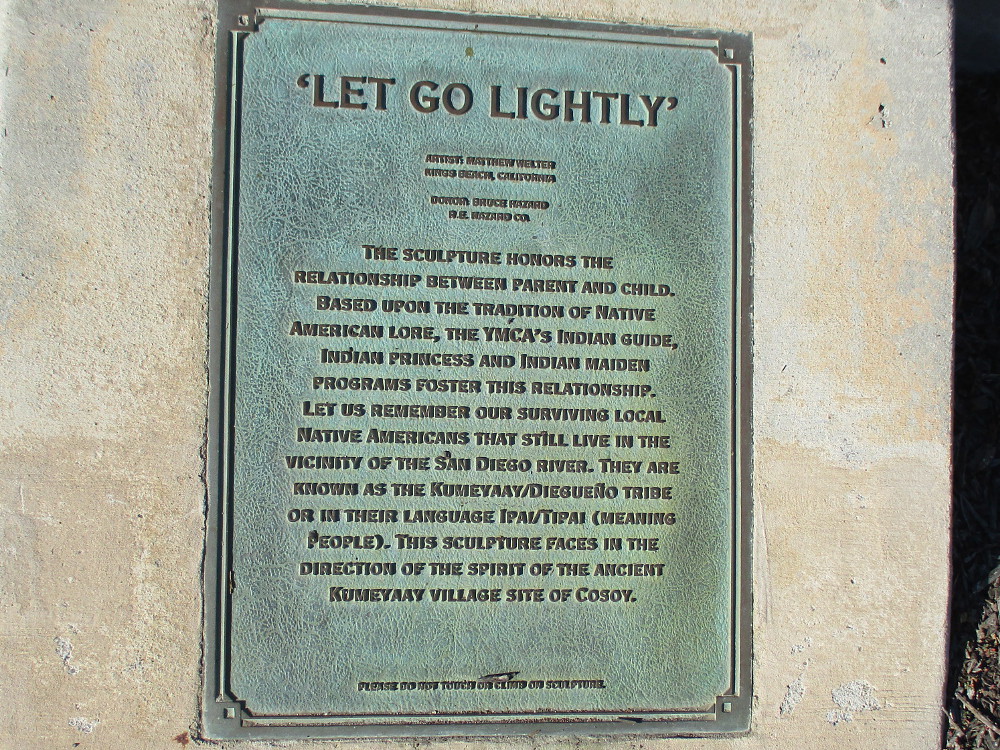
I noticed a plaque set in concrete that provides a description.
The plaque reads:
The sculpture honors the relationship between parent and child. Based upon the tradition of Native American lore, the YMCA’s Indian Guide, Indian Princess and Indian Maiden programs foster this relationship. Let us remember our surviving local Native Americans that still live in the vicinity of the San Diego River. They are known as the Kumeyaay/Diegueño tribe or in their language Ipai/Tipai (meaning people). This sculpture faces in the direction of the spirit of the ancient Kumeyaay village site of Cosoy.
(Google AI explains: In the late 1980s, Native American lobbyists and individuals asked the YMCA to stop using the “Indian” theme because it was often stereotypical. Those old programs, which encouraged fathers to connect with their children, have evolved into Adventure Clubs.)
…
I post new blogs pretty often. If you like discovering new things, bookmark coolsandiegosights.com and swing on by occasionally!
I live in downtown San Diego and love to walk around with my camera! You can follow Cool San Diego Sights via Facebook or X.
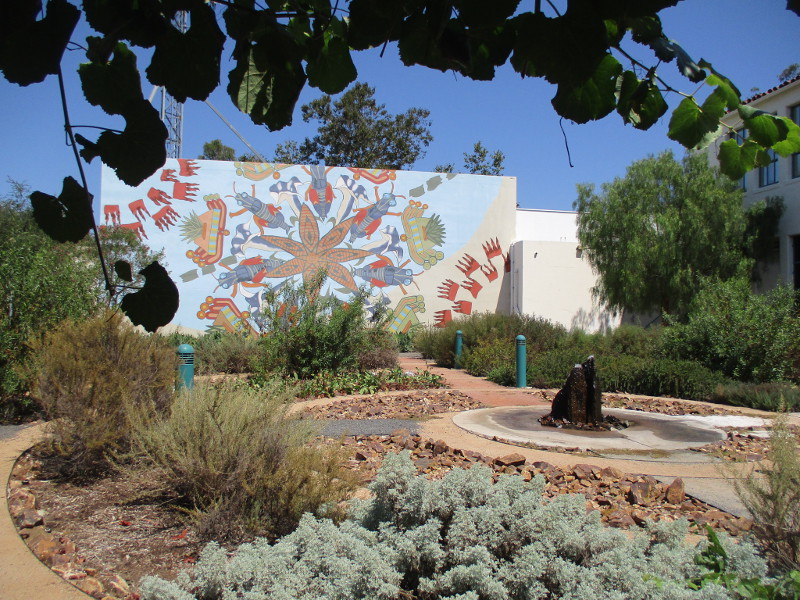
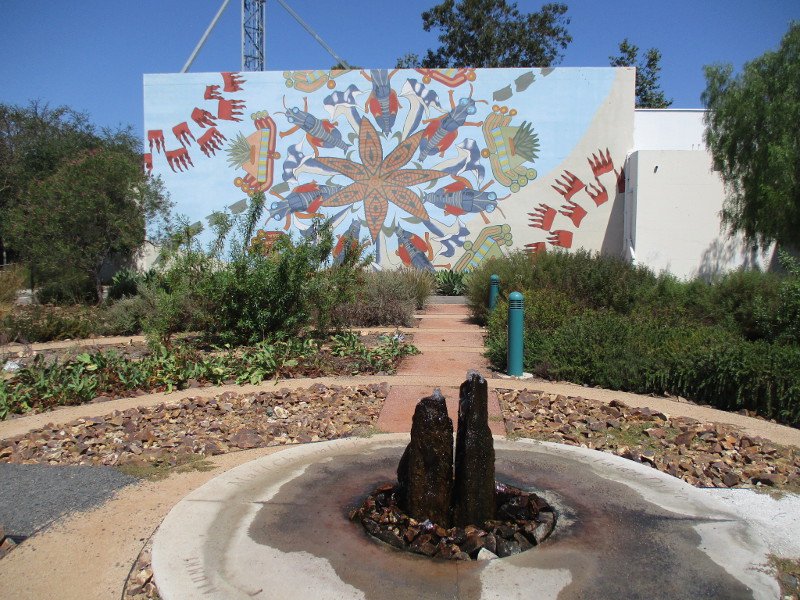
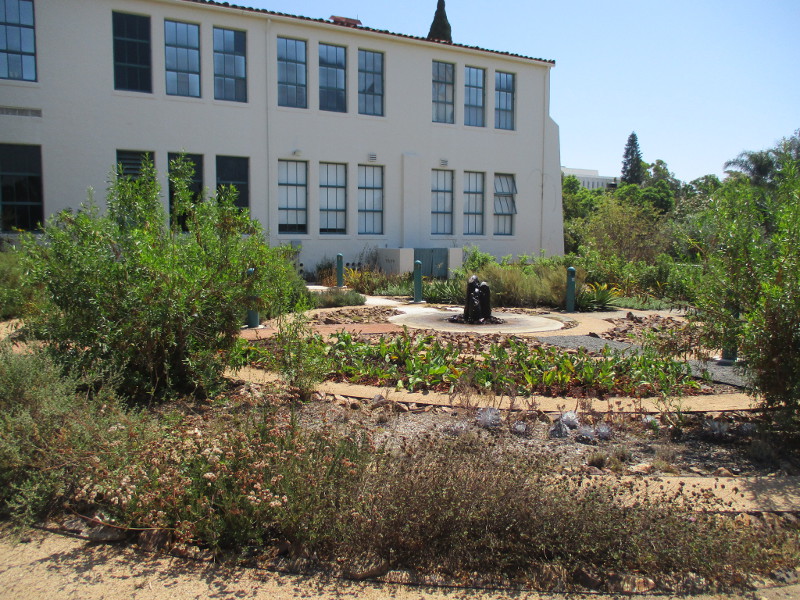
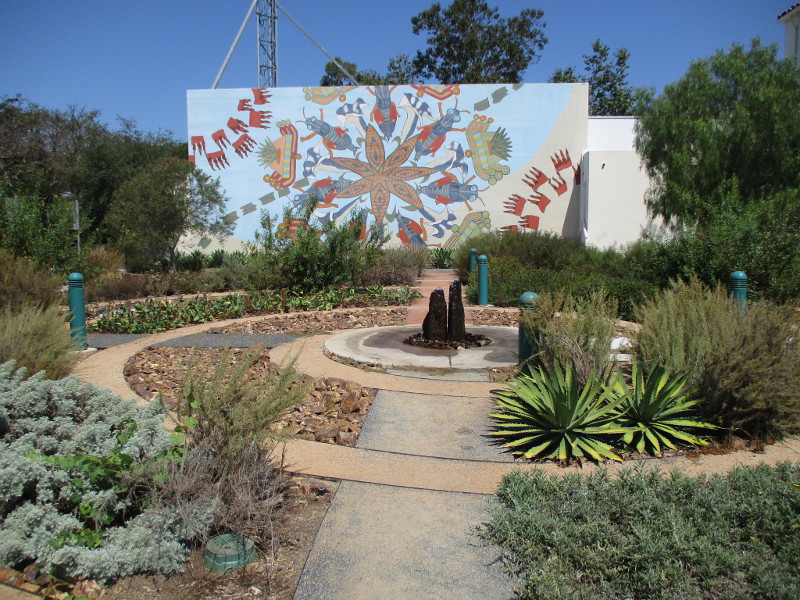
In 2022, the Native and Indigenous Healing Garden debuted at San Diego State University, to one side of the Communication Building. The circular garden, which also serves as an outdoor classroom, is filled with healing herbs that can be freely harvested. Life grows in sunshine around a central stone fountain.
The plants in the garden represent various indigenous cultures: the Kumeyaay, the Aztecs, the Mixtecs and Zapotecs, and other indigenous people in California and Mesoamerica.
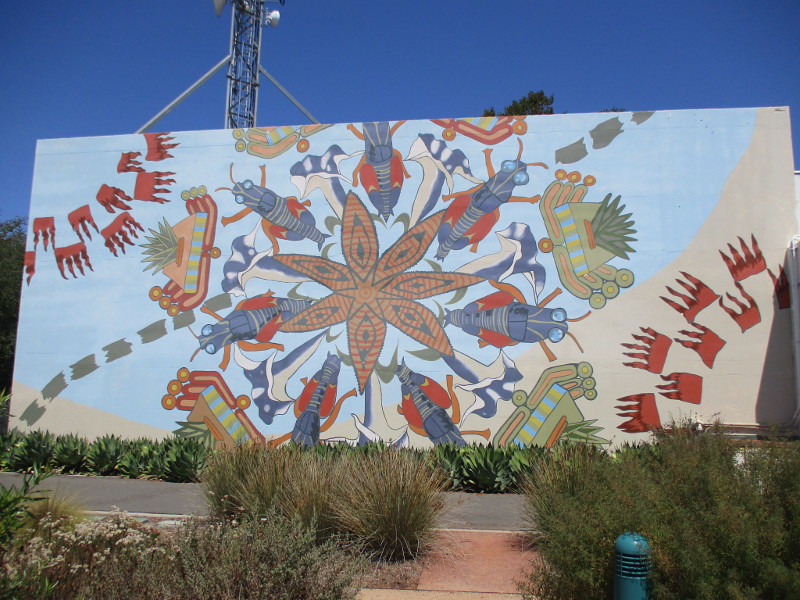
Painted beside the garden on one side of the Communication Building, visitors will also find a large, very beautiful mural.
This website provides details about the 30’ x 60’ mural: Designed by students as part of an Arts Alive SDSU project by History Professor Paula DeVos and Art Professor Eva Struble, the artwork includes various plants, animals, and designs with deep ties to Native Indigenous culture throughout California and Mesoamerica.
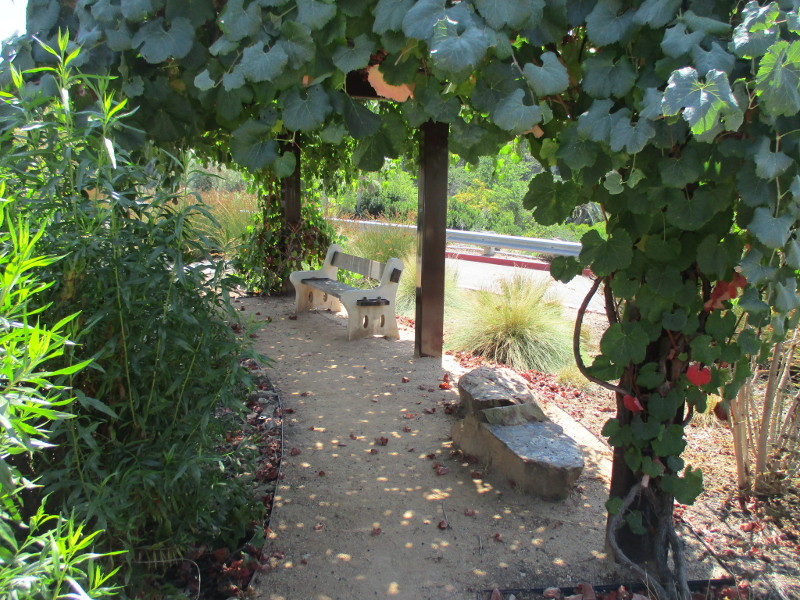
If I lived near SDSU, I know I’d walk by frequently, simply to sit on the shady bench you see in my photographs. One feels drawn to this healing garden, the smell of sage and other life springing from the earth, and the quiet beauty of the place.
…
I post new blogs pretty often. If you like discovering new things, bookmark coolsandiegosights.com and swing on by occasionally!
I live in downtown San Diego and love to walk around with my camera! You can follow Cool San Diego Sights via Facebook or X.
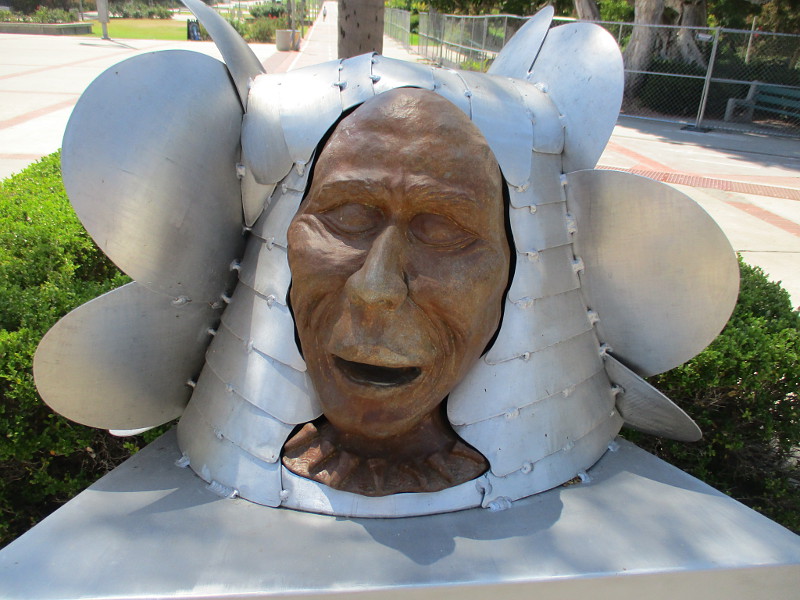
Stargazer is the title of a sculpture located in San Diego State University’s Campanile Mall, not far from the Koester Memorial Sundial. Which seems appropriate. Our sun is the nearest star.
The sculpture was created by artist Johnny Bear Contreras, who is a tribal member of the San Pasqual Band of Mission Indians in northeastern San Diego County. Through his award-winning art he is dedicated to keeping the Kumeyaay heritage alive and thriving. The Kumeyaay people have lived throughout the San Diego region for many thousands of years.
On the Stargazer plaque, Johnny Bear Contreras speaks the words: “Come listen with us, there are stories to be heard. Come and gaze at the stars with me, they are always there.” The word Stargazer, in the Kumeyaay language, is Uwiiu kwellyap kurr.
The public art is part of the SDSU Kumeyaay Living Land Acknowledgment project, which seeks to instill a deeper appreciation and celebration of Kumeyaay history, art and culture.
…
Thanks for visiting Cool San Diego Sights!
I post new blogs pretty often. If you like discovering new things, bookmark coolsandiegosights.com and swing on by occasionally!
I live in downtown San Diego and love to walk around with my camera! You can follow Cool San Diego Sights via Facebook or X.
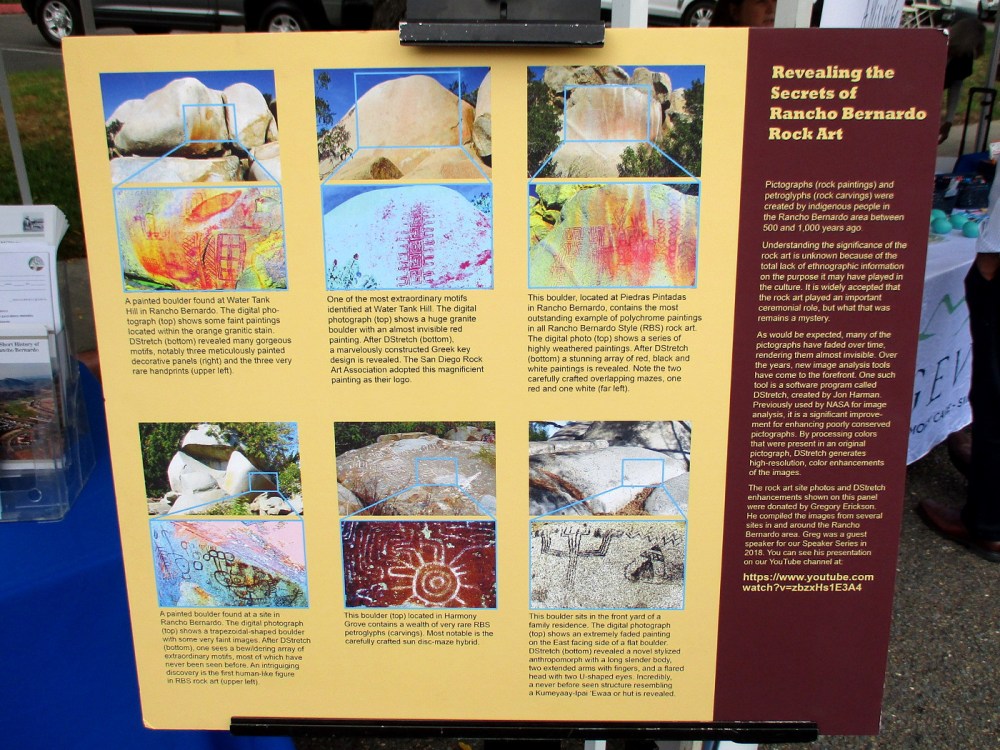
Surprising as it might be, Rancho Bernardo has some of the most unique and extraordinary rock art in North America!
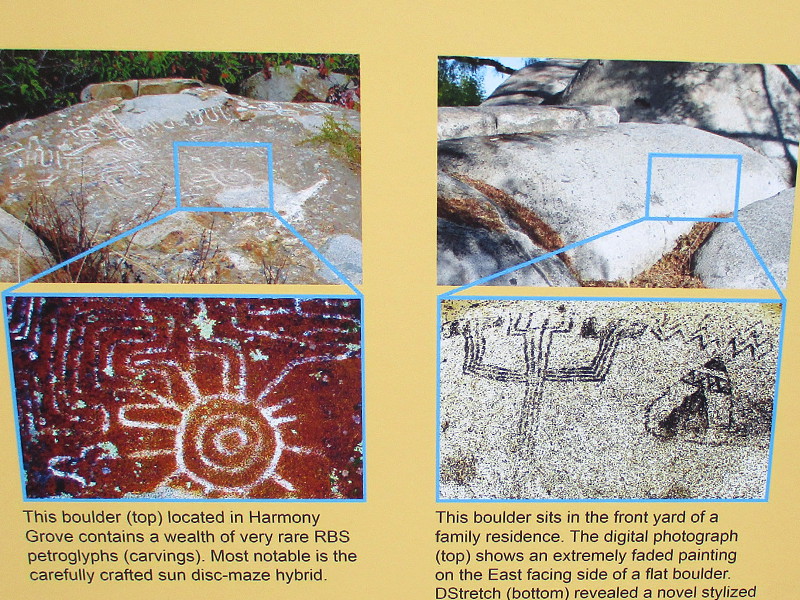
Five hundred to one thousand years ago, indigenous people created both pictographs (rock paintings) and petroglyphs (rock carvings) in present-day Rancho Bernardo. I didn’t know this until I observed an interesting Rancho Bernardo Historical Society poster at last weekend’s RB Alive! street festival.
If you’d like to learn more about this topic, there’s an informative YouTube video you should watch. A history presentation from 2018 features analysis of Rancho Bernardo’s rock art. Photographs of the badly faded art were enhanced using special software previously used by NASA.
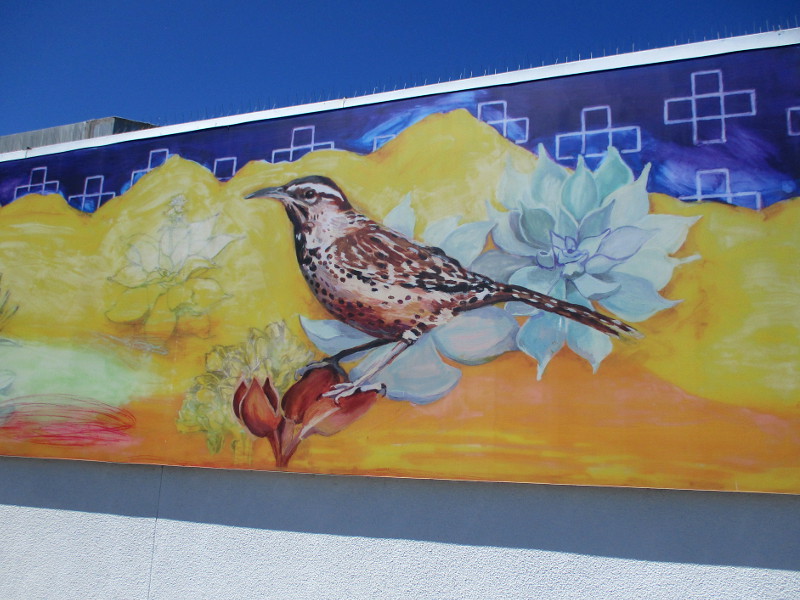
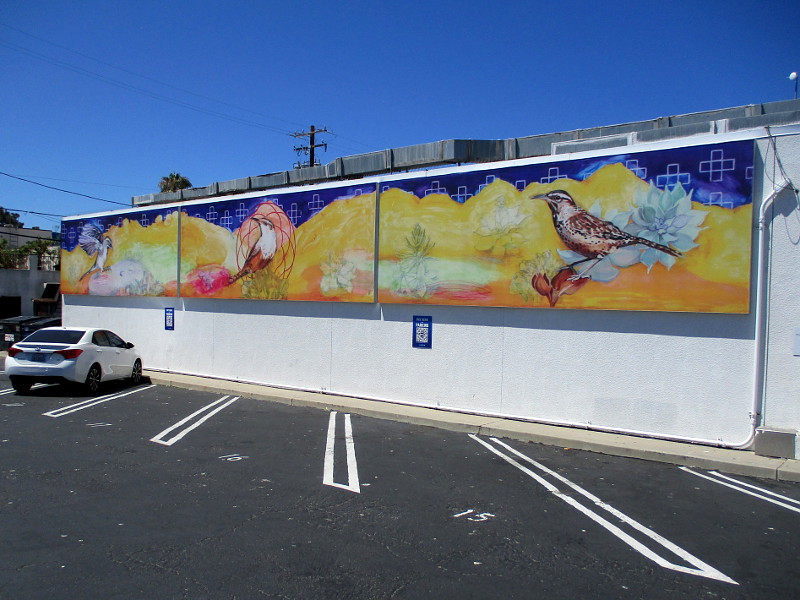
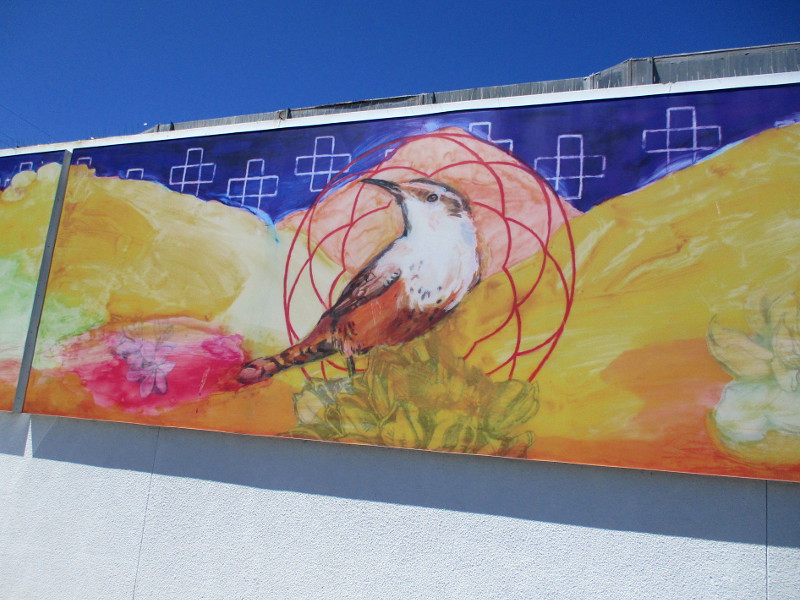
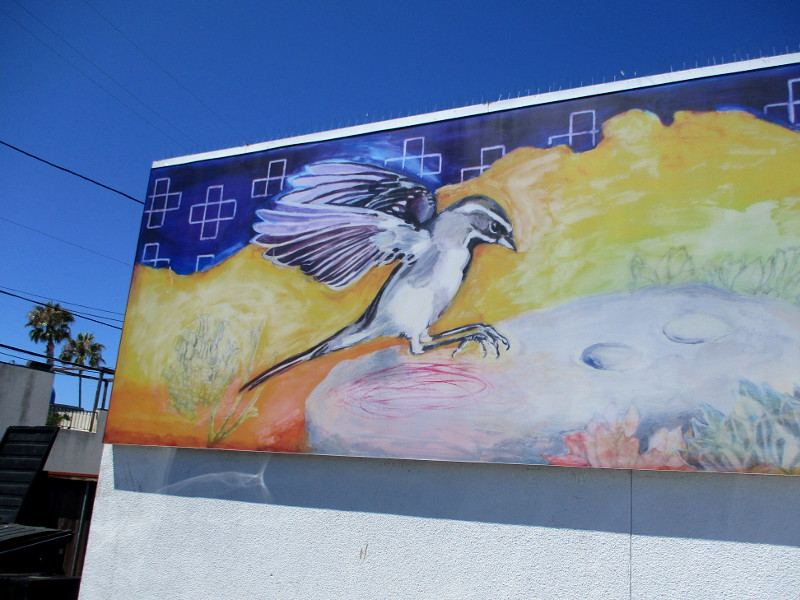
A large, very beautiful mural in La Jolla shows three birds–a Black-throated Sparrow, a Rock Wren, and a Cactus Wren–in their native habitat. It’s titled Mukikmalim, Su’ulim, Chem-tema-ki’ay, which is in the Kupa language. It translates as Birds, Stars, Our Lands.
According to this article, it’s the first public display of the Kupa language. The artist, Gail Werner, who descends from three of the county’s native peoples, Kupa (or Cupeño), Luiseño and Kumeyaay, received her inspiration for the mural from her hikes in the Anza-Borrego desert, beyond the mountains east of San Diego.
The public art debuted in downtown La Jolla in 2023, and is part of the ongoing Murals of La Jolla project. I saw the artwork last weekend on Herschel Avenue as I approached the bus stop on Silverado Street.
According to the Murals of La Jolla website: The bird imagery is inspired by traditional Southern California Native American songs, called Bird Songs, and the accompanying dance, the Bird Dance. These songs and dance weave a story of how the people came to be where they are and the accompanying journey that brought them to this land, which is said to parallel the migration of the birds.
In my own opinion, Mukikmalim, Su’ulim, Chem-tema-ki’ay is one of the most beautiful murals I’ve ever encountered in La Jolla
The imagery transports me to wilder places around San Diego . . . to hikes I’ve enjoyed.
With all its buildings, streets and parking lots, it’s hard to imagine how La Jolla (or any San Diego neighborhood) might have appeared before the first Europeans and settlers transformed the natural world they found.
And now for my photographs–of unspoiled nature represented on a building, taken from across an asphalt parking lot…
…
Thanks for visiting Cool San Diego Sights!
I post new blogs pretty often. If you like discovering new things, bookmark coolsandiegosights.com and swing on by occasionally!
I live in downtown San Diego and love to walk around with my camera! You can follow Cool San Diego Sights via Facebook or X.
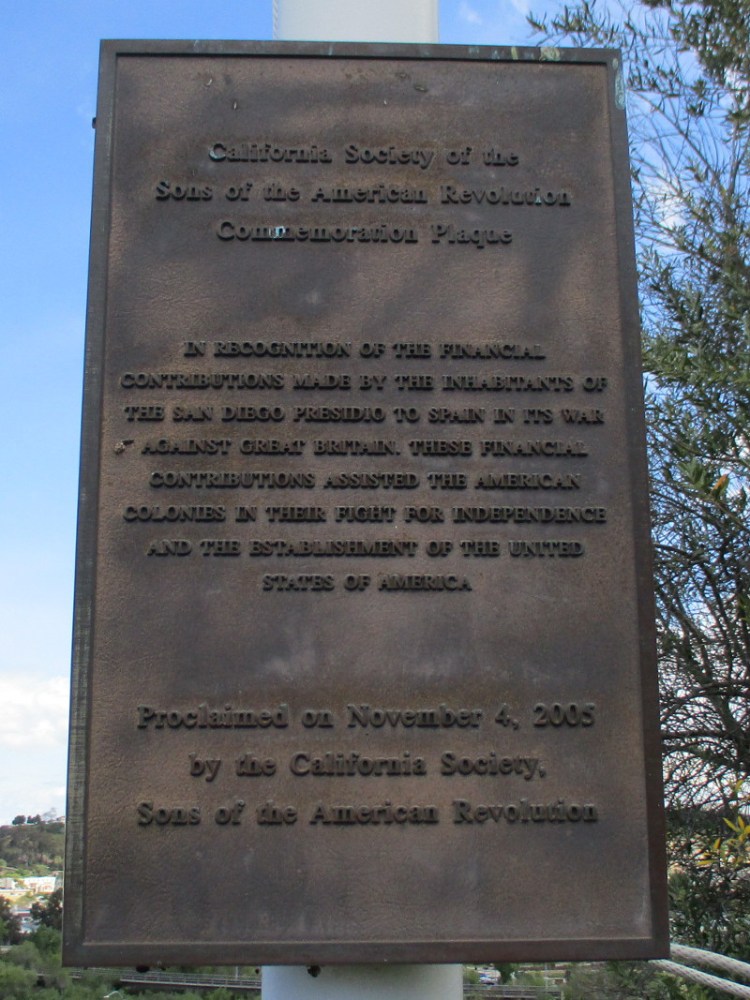
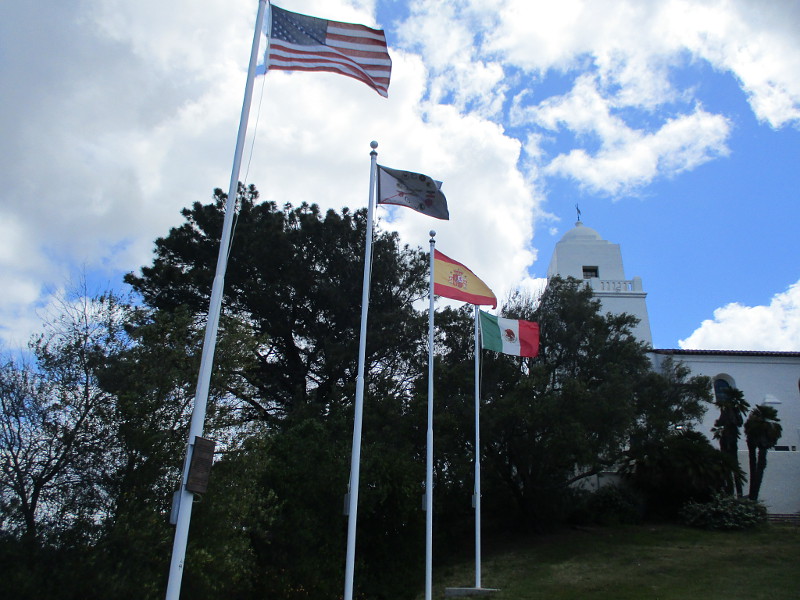
I’m not a historian. If you are, perhaps you might leave a comment concerning a plaque that is mounted to a flagpole on San Diego’s Presidio Hill, near the ruins of the old Spanish Presidio.
The plaque states:
California Society of the Sons of the American Revolution Commemoration Plaque
IN RECOGNITION OF THE FINANCIAL CONTRIBUTIONS MADE BY THE INHABITANTS OF THE SAN DIEGO PRESIDIO TO SPAIN IN ITS WAR AGAINST GREAT BRITAIN. THESE FINANCIAL CONTRIBUTIONS ASSISTED THE AMERICAN COLONIES IN THE FIGHT FOR INDEPENDENCE AND THE ESTABLISHMENT OF THE UNITED STATES OF AMERICA
Proclaimed on November 4, 2005 by the California Society, Sons of the American Revolution
The Presidio of San Diego was established in 1769, seven years before the adoption of the United States Declaration of Independence in 1776. The American Revolution saw its ultimate success in 1783 when the British signed the Treaty of Paris.
Today four flagpoles stand on Presidio Hill. The four flags represent the United States, the Kumeyaay Nation, Spain and Mexico. They demonstrate that San Diego’s history is both diverse and complex.
How significant were these financial contributions made by inhabitants of the Presidio to Spain? In what form were the contributions? Were they obtained through the labor of indigenous Kumeyaay on the land taken by Spanish missions? San Diego in its very early years was sparsely populated and relatively poor. How, specifically, did these financial contributions help Spain in its war against Great Britain?
Clearly, I’m no historian! If you know more about this, please leave a comment!
UPDATE!
On July 6, 2024 I came across more information concerning this.
During the Independence Day celebration at the International Cottages in Balboa Park, the House of Spain had an elaborate display in front of their cottage, explaining how Spain helped the United States win the Revolutionary War against Great Britain.
An emphasis was placed on the Spanish General Bernardo de Galvez, who provided patriots with money, medicines, arms, and key wartime information. He was a hero at the Battles of Mobile and Pensacola.
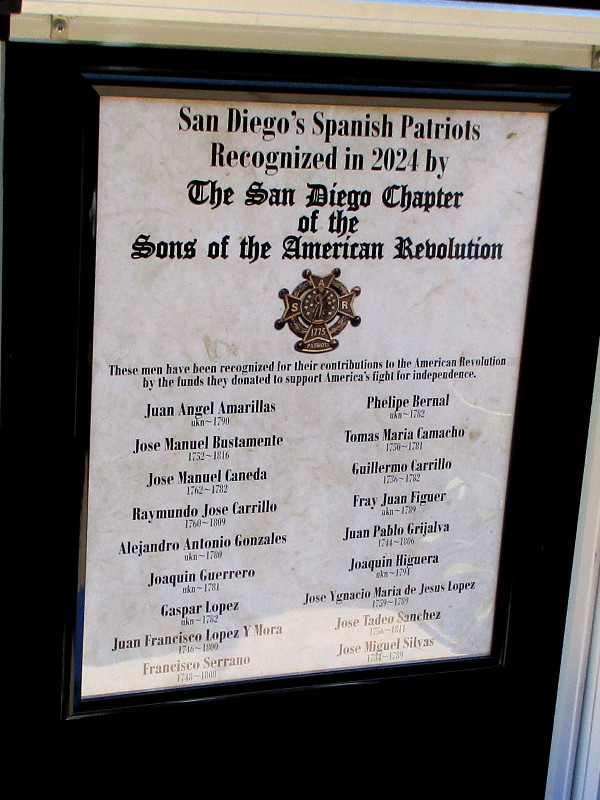
One display explained how the Spanish living in distant San Diego contributed, too. “San Diego’s Spanish Patriots” were soldiers at the old Presidio, who provided funds from their own pockets to support America’s fight for independence.
I was told by a gentleman who sounded knowledgeable that in addition to soldiers and others associated with the newly established Spanish Missions, Native Americans up and down California within the Spanish sphere of influence were also “persuaded” to make monetary contributions, albeit in lesser amounts.
Apparently all of these contributions were provided at the request of Junípero Serra. Collected funds then made their way to the opposite coast of America, where they bolstered the efforts of Galvez.
If my understanding of this history isn’t correct, or you know more about the subject, please leave a comment!
…
Thanks for visiting Cool San Diego Sights!
I post new blogs pretty often. If you like discovering new things, bookmark coolsandiegosights.com and swing on by occasionally!
I live in downtown San Diego and love to walk around with my camera! You can follow Cool San Diego Sights via Facebook or X.
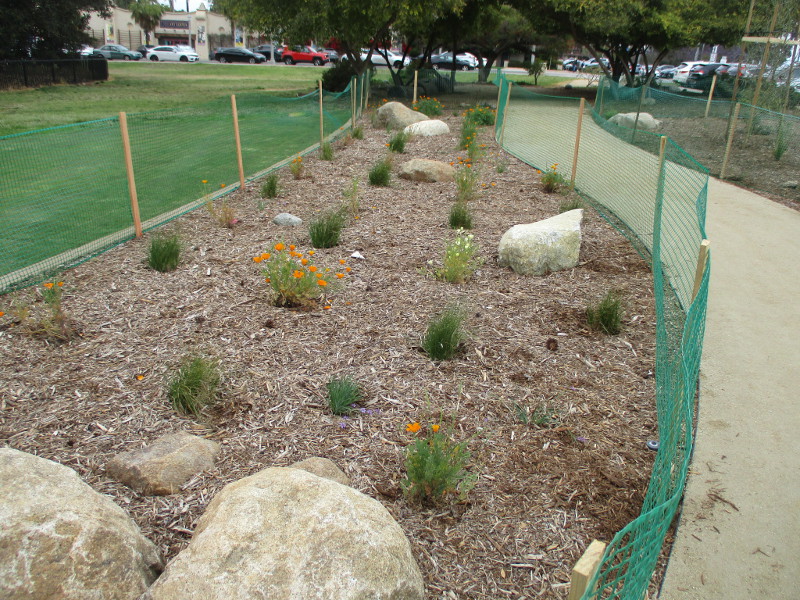
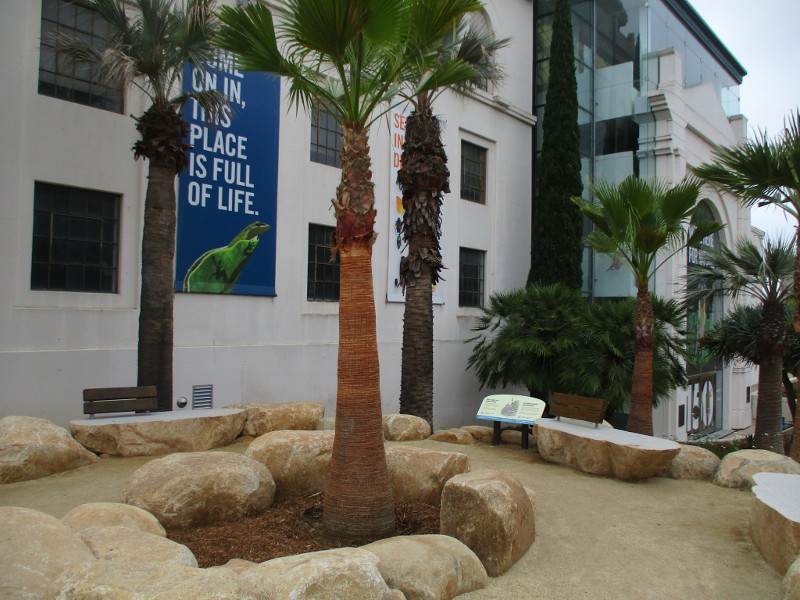
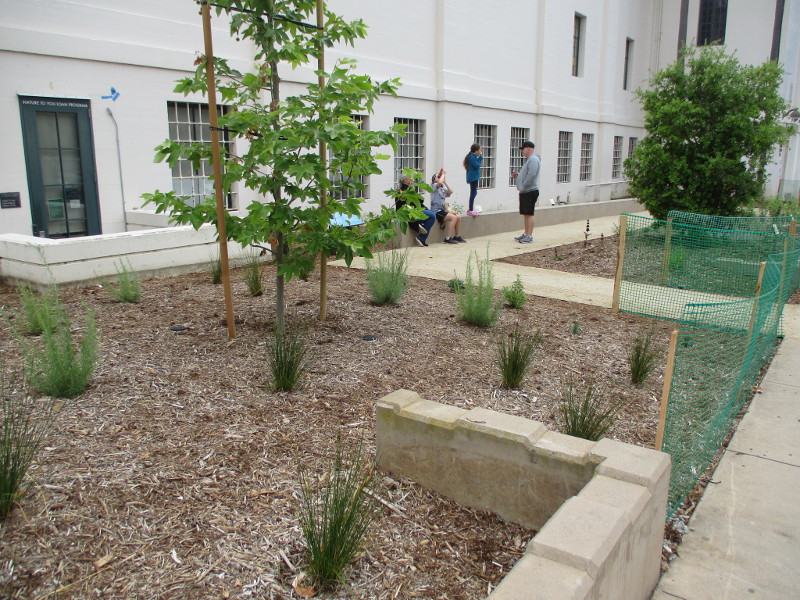
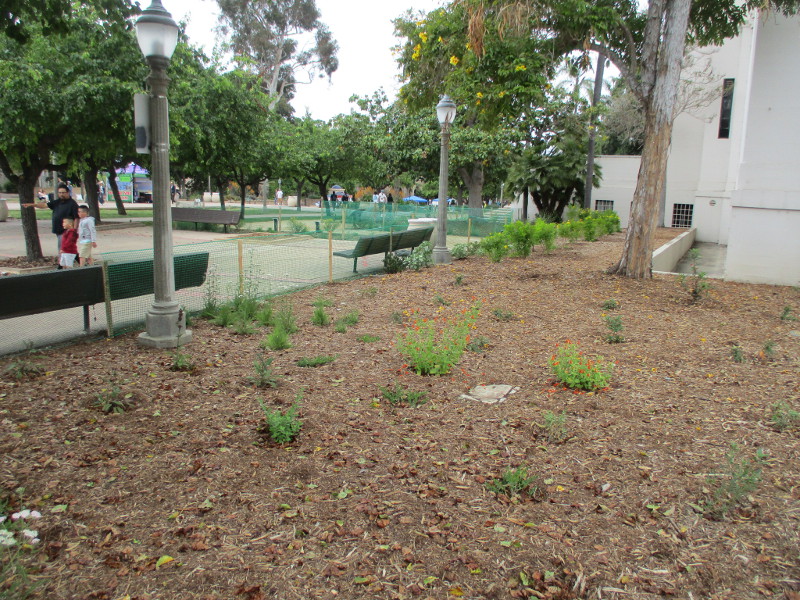
The construction fences are down! The San Diego Natural History Museum’s new outdoor native garden has opened, and there’s a trail that follows the newly planted greenery around the museum!
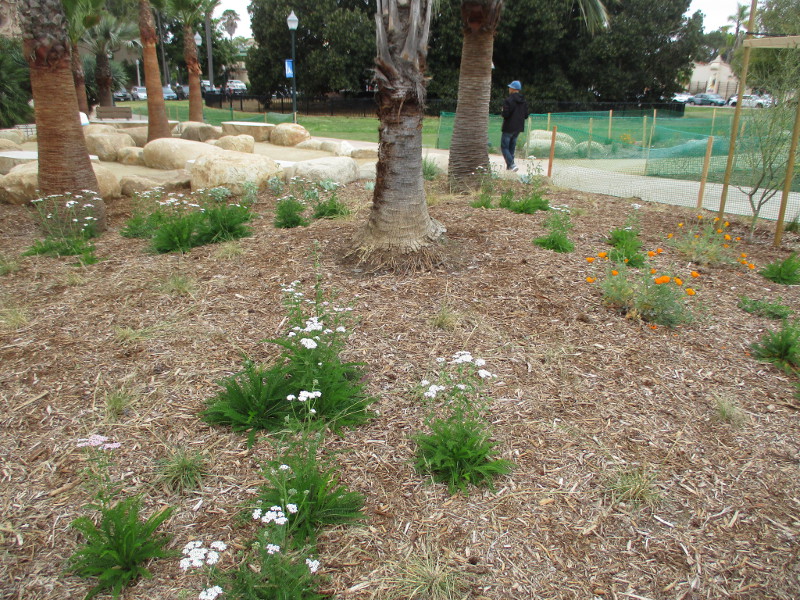
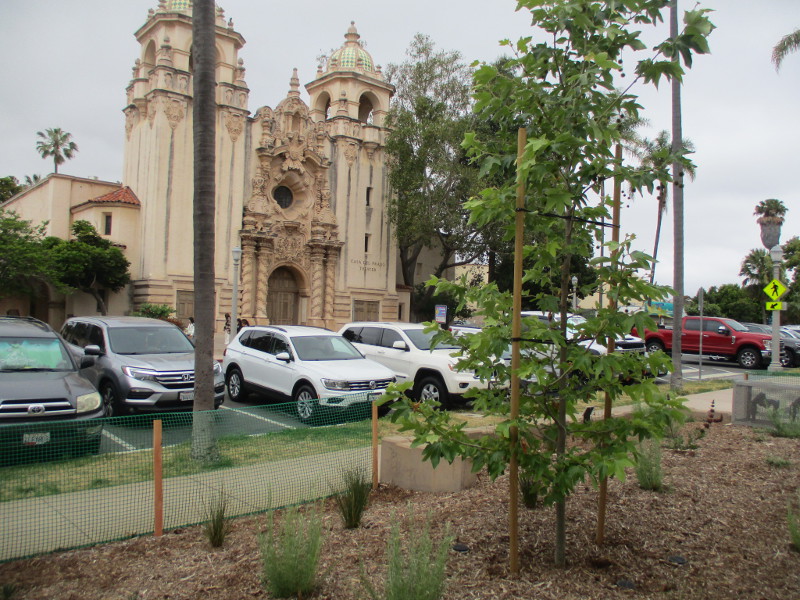
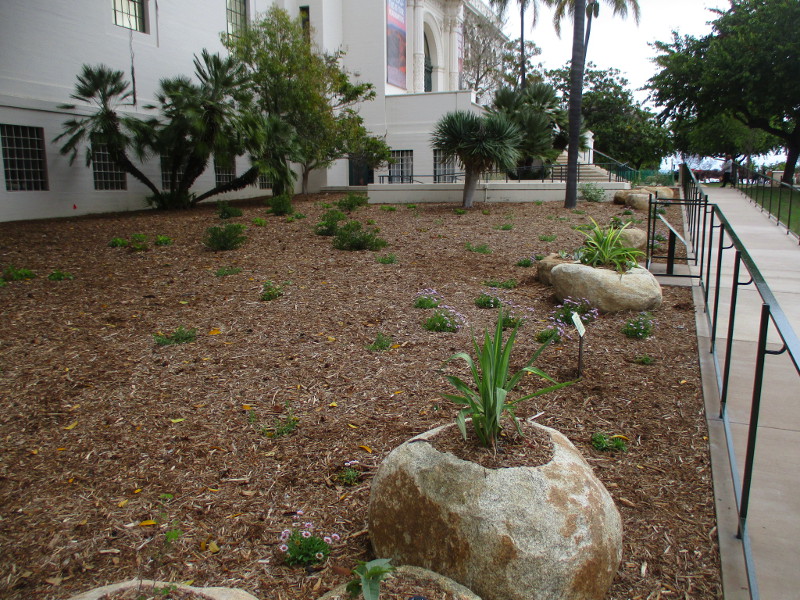
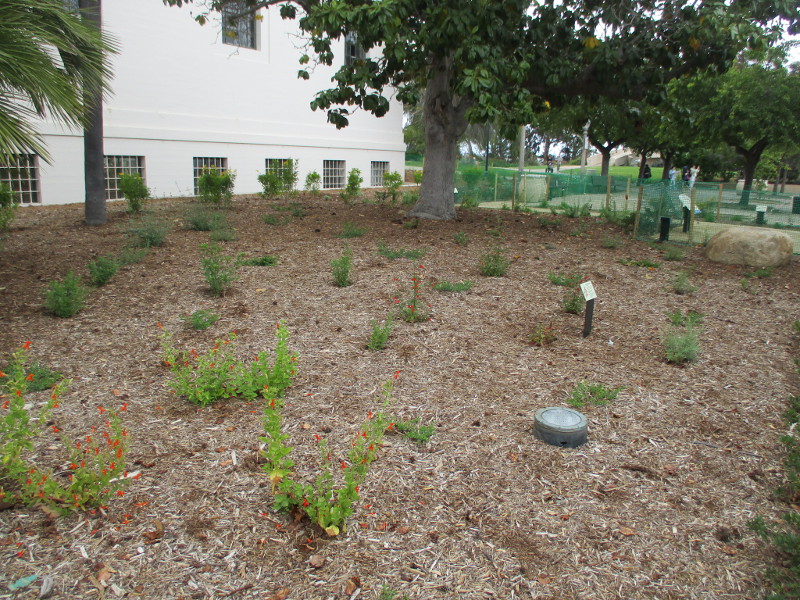
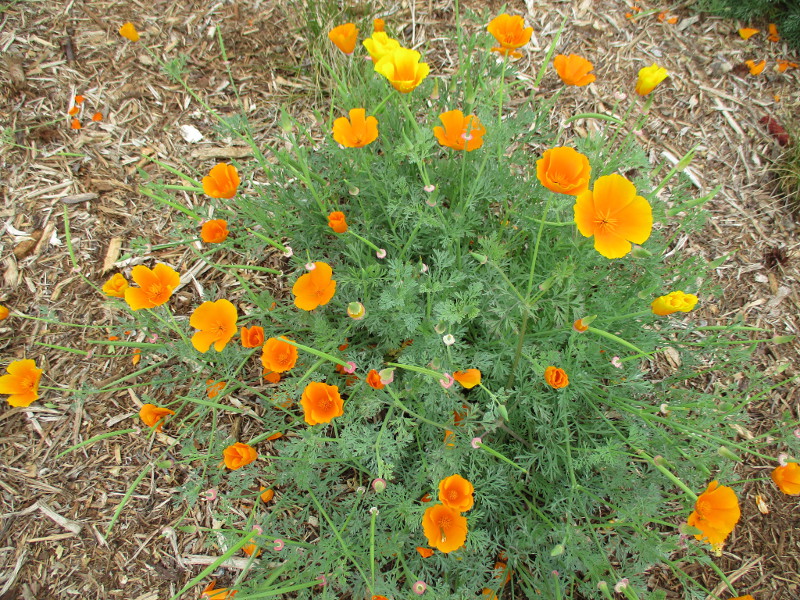
Native plants, flowers and trees now abound, but since the garden is just getting started, most plants are small and the landscape appears a bit bare. Once everything is grown, the garden should be much more beautiful!
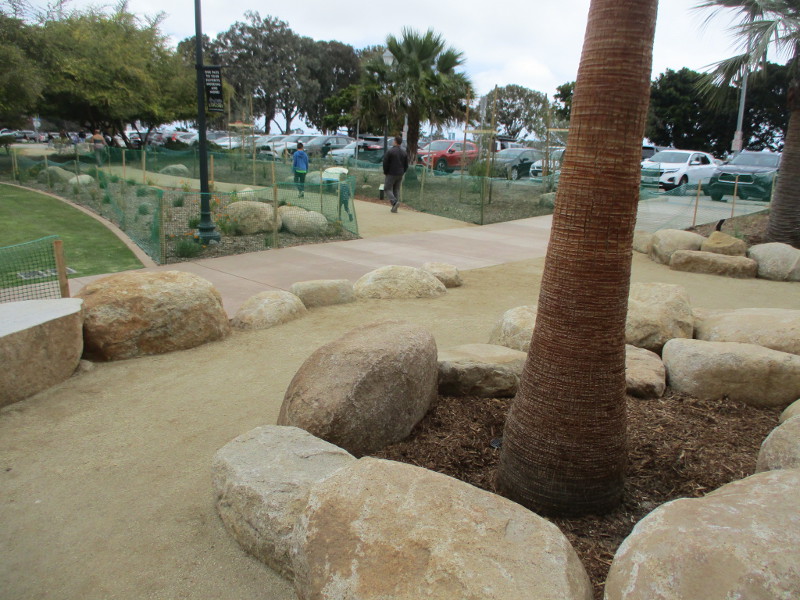
Right now there’s plastic fencing along the pathway, protecting the new plantings from careless visitors and dogs. It appears to be temporary.
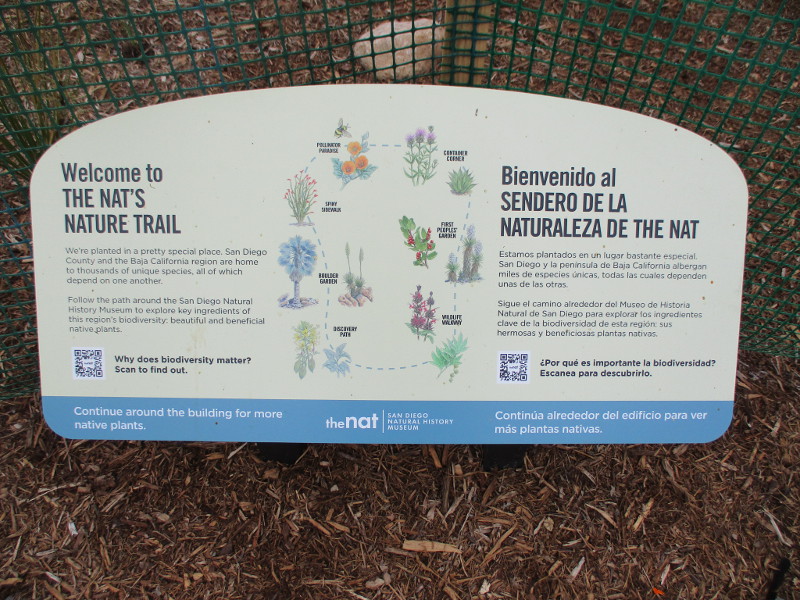
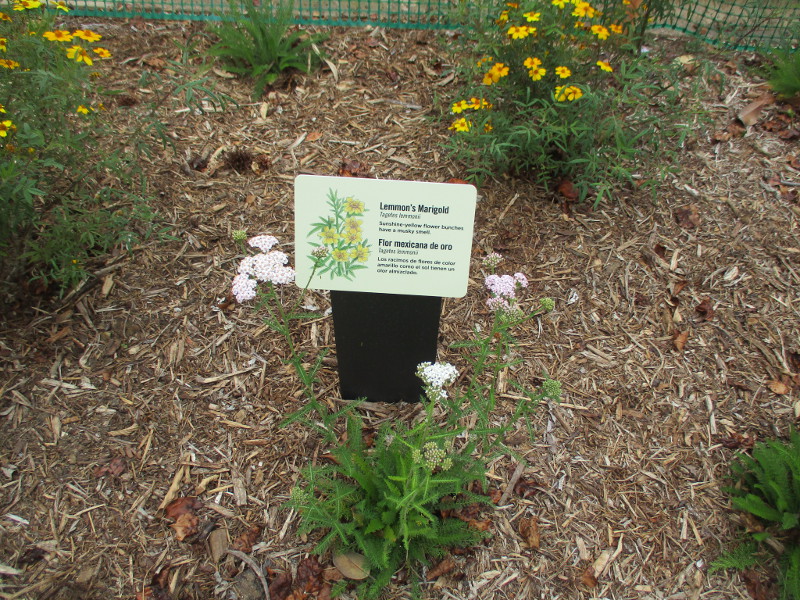
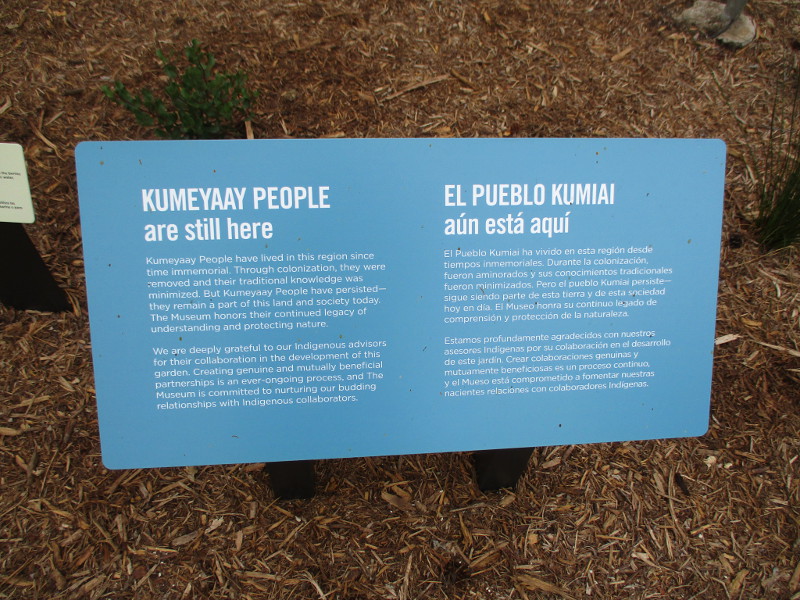
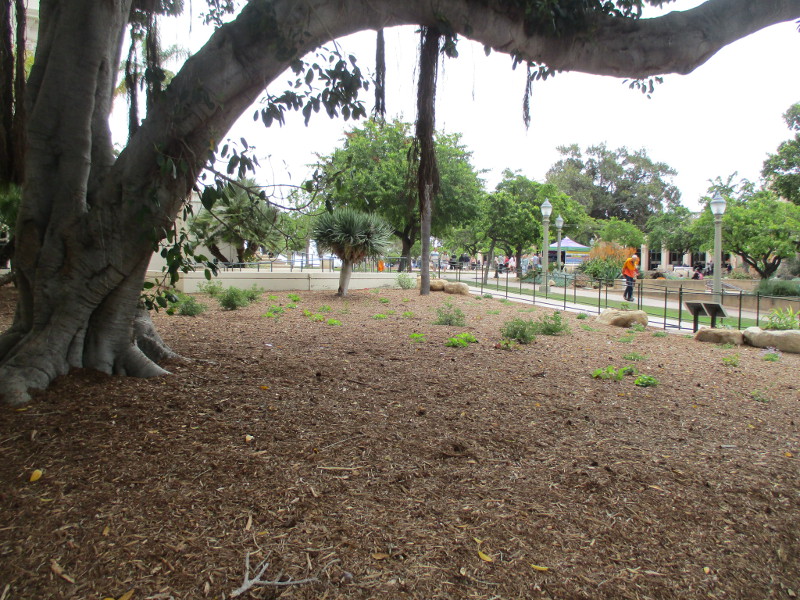
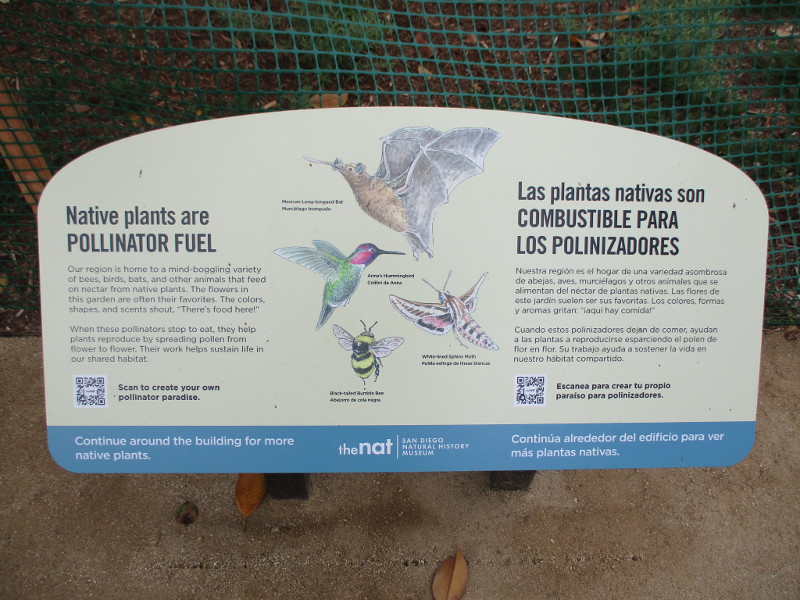
Informative signs can be read along the looping trail, and smaller signs indicate the native species planted nearby. There’s a boulder-filled sitting area and short side trail, too, on the museum’s north side–you know, the side with the enormous Moreton Bay Fig.
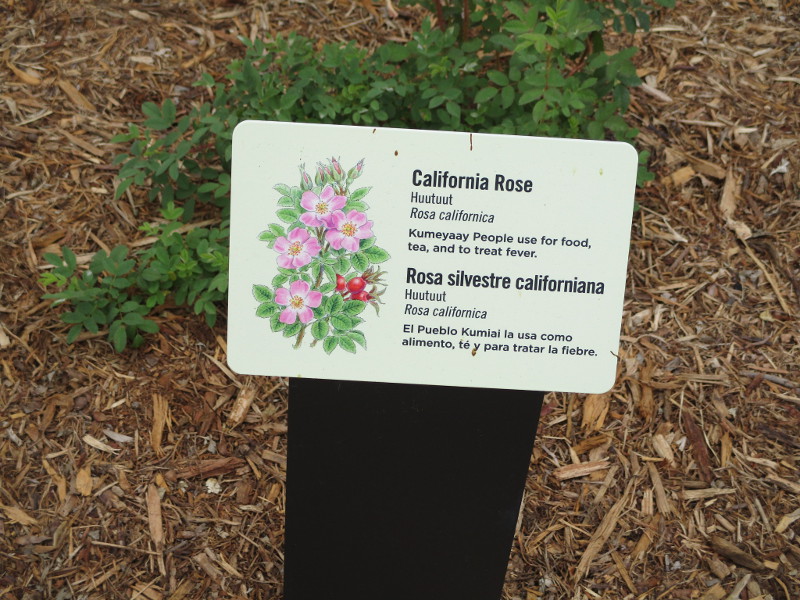
The “Nat’s Nature Trail” features various themed segments. As you walk around the Natural History Museum building, you encounter Pollinator Paradise, Spiny Sidewalk, Boulder Garden, Discovery Path, Wildlife Walkway, First People’s Garden, and Container Corner.
What a great addition to an already amazing Balboa Park!
…
Thanks for visiting Cool San Diego Sights!
I post new blogs pretty often. If you like discovering new things, bookmark coolsandiegosights.com and swing on by occasionally!
I live in downtown San Diego and love to walk around with my camera! You can follow Cool San Diego Sights via Facebook or X.





 Cool San Diego Sights!