Birds, Stars, Our Lands represented in La Jolla.

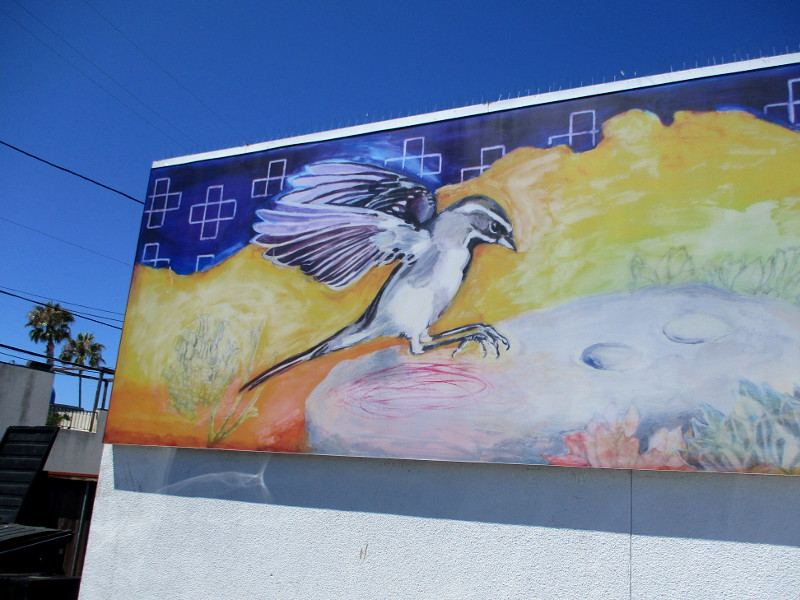
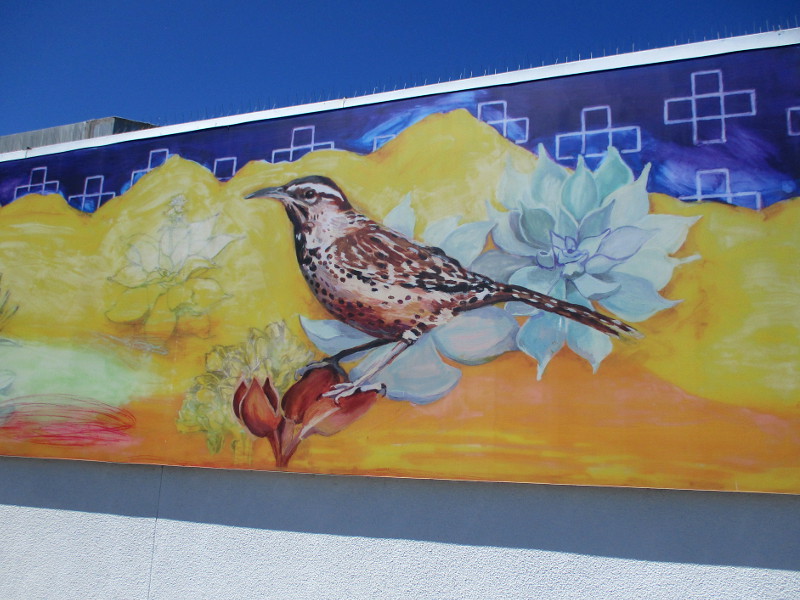
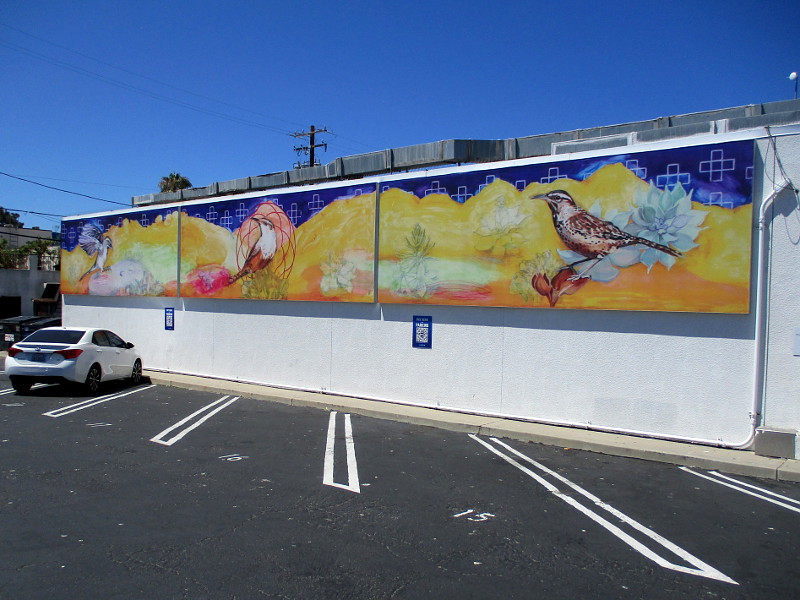
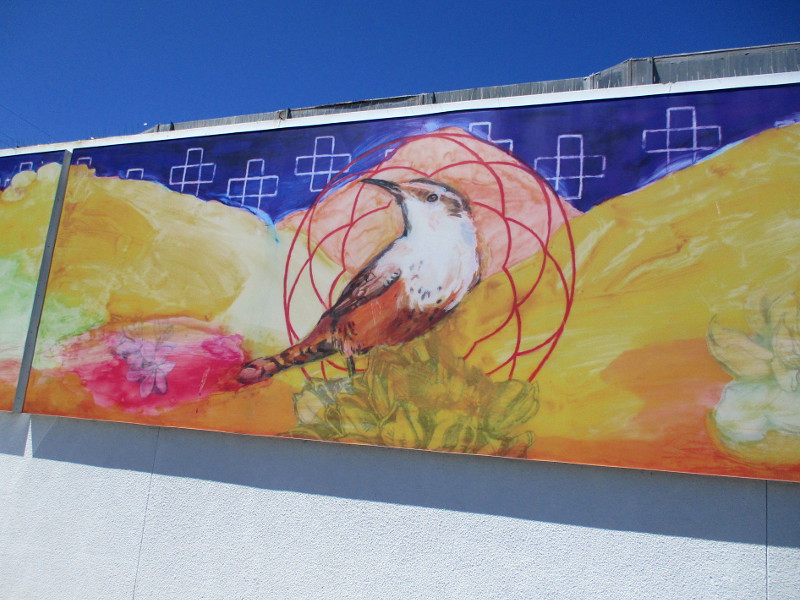
A large, very beautiful mural in La Jolla shows three birds–a Black-throated Sparrow, a Rock Wren, and a Cactus Wren–in their native habitat. It’s titled Mukikmalim, Su’ulim, Chem-tema-ki’ay, which is in the Kupa language. It translates as Birds, Stars, Our Lands.

According to this article, it’s the first public display of the Kupa language. The artist, Gail Werner, who descends from three of the county’s native peoples, Kupa (or Cupeño), Luiseño and Kumeyaay, received her inspiration for the mural from her hikes in the Anza-Borrego desert, beyond the mountains east of San Diego.

The public art debuted in downtown La Jolla in 2023, and is part of the ongoing Murals of La Jolla project. I saw the artwork last weekend on Herschel Avenue as I approached the bus stop on Silverado Street.

According to the Murals of La Jolla website: The bird imagery is inspired by traditional Southern California Native American songs, called Bird Songs, and the accompanying dance, the Bird Dance. These songs and dance weave a story of how the people came to be where they are and the accompanying journey that brought them to this land, which is said to parallel the migration of the birds.

In my own opinion, Mukikmalim, Su’ulim, Chem-tema-ki’ay is one of the most beautiful murals I’ve ever encountered in La Jolla

The imagery transports me to wilder places around San Diego . . . to hikes I’ve enjoyed.

With all its buildings, streets and parking lots, it’s hard to imagine how La Jolla (or any San Diego neighborhood) might have appeared before the first Europeans and settlers transformed the natural world they found.

And now for my photographs–of unspoiled nature represented on a building, taken from across an asphalt parking lot…
Thanks for visiting Cool San Diego Sights!

I post new blogs pretty often. If you like discovering new things, bookmark coolsandiegosights.com and swing on by occasionally!

I live in downtown San Diego and love to walk around with my camera! You can follow Cool San Diego Sights via Facebook or X.
San Diego assisted the American Revolution?

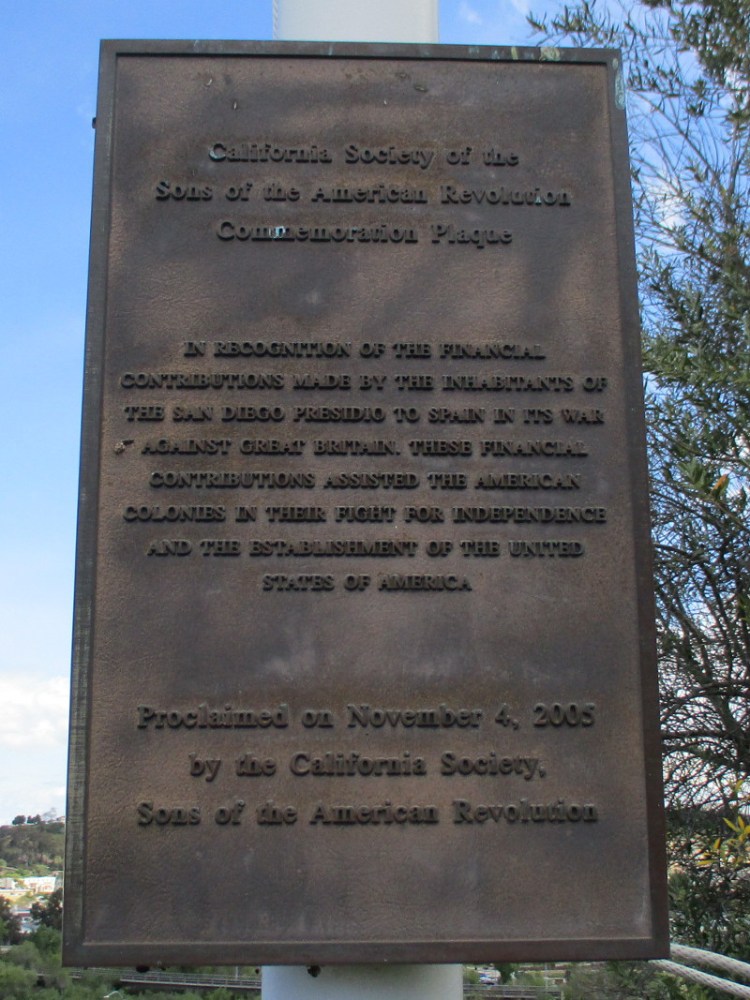
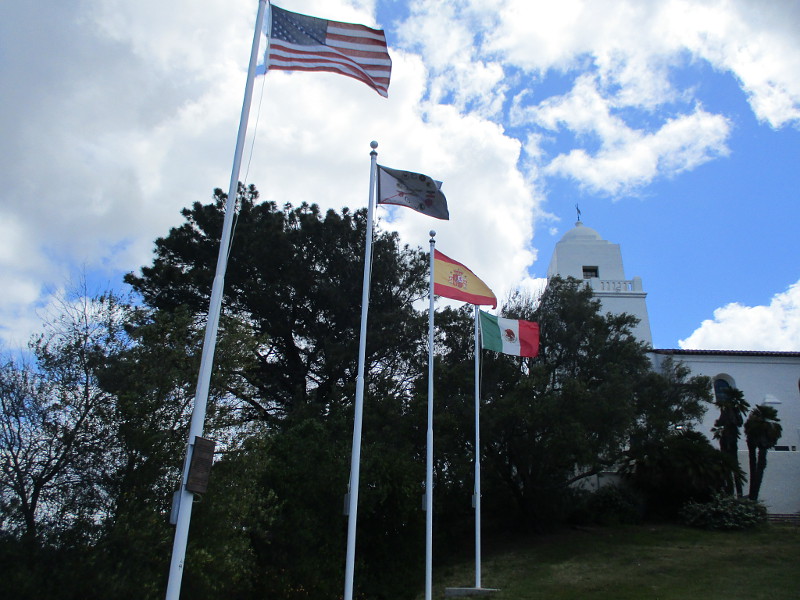
I’m not a historian. If you are, perhaps you might leave a comment concerning a plaque that is mounted to a flagpole on San Diego’s Presidio Hill, near the ruins of the old Spanish Presidio.

The plaque states:

California Society of the Sons of the American Revolution Commemoration Plaque

IN RECOGNITION OF THE FINANCIAL CONTRIBUTIONS MADE BY THE INHABITANTS OF THE SAN DIEGO PRESIDIO TO SPAIN IN ITS WAR AGAINST GREAT BRITAIN. THESE FINANCIAL CONTRIBUTIONS ASSISTED THE AMERICAN COLONIES IN THE FIGHT FOR INDEPENDENCE AND THE ESTABLISHMENT OF THE UNITED STATES OF AMERICA

Proclaimed on November 4, 2005 by the California Society, Sons of the American Revolution

The Presidio of San Diego was established in 1769, seven years before the adoption of the United States Declaration of Independence in 1776. The American Revolution saw its ultimate success in 1783 when the British signed the Treaty of Paris.

Today four flagpoles stand on Presidio Hill. The four flags represent the United States, the Kumeyaay Nation, Spain and Mexico. They demonstrate that San Diego’s history is both diverse and complex.

How significant were these financial contributions made by inhabitants of the Presidio to Spain? In what form were the contributions? Were they obtained through the labor of indigenous Kumeyaay on the land taken by Spanish missions? San Diego in its very early years was sparsely populated and relatively poor. How, specifically, did these financial contributions help Spain in its war against Great Britain?

Clearly, I’m no historian! If you know more about this, please leave a comment!

UPDATE!

On July 6, 2024 I came across more information concerning this.

During the Independence Day celebration at the International Cottages in Balboa Park, the House of Spain had an elaborate display in front of their cottage, explaining how Spain helped the United States win the Revolutionary War against Great Britain.

An emphasis was placed on the Spanish General Bernardo de Galvez, who provided patriots with money, medicines, arms, and key wartime information. He was a hero at the Battles of Mobile and Pensacola.

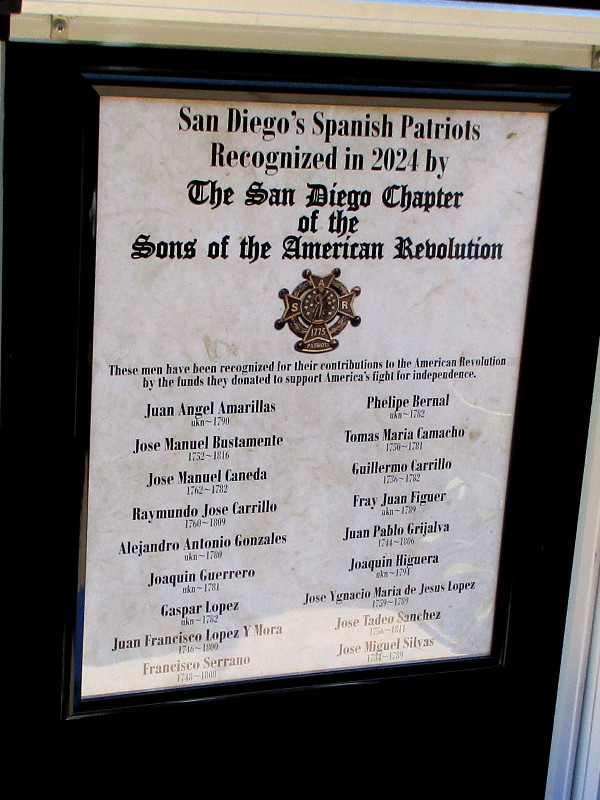
One display explained how the Spanish living in distant San Diego contributed, too. “San Diego’s Spanish Patriots” were soldiers at the old Presidio, who provided funds from their own pockets to support America’s fight for independence.

I was told by a gentleman who sounded knowledgeable that in addition to soldiers and others associated with the newly established Spanish Missions, Native Americans up and down California within the Spanish sphere of influence were also “persuaded” to make monetary contributions, albeit in lesser amounts.

Apparently all of these contributions were provided at the request of Junípero Serra. Collected funds then made their way to the opposite coast of America, where they bolstered the efforts of Galvez.

If my understanding of this history isn’t correct, or you know more about the subject, please leave a comment!

Thanks for visiting Cool San Diego Sights!

I post new blogs pretty often. If you like discovering new things, bookmark coolsandiegosights.com and swing on by occasionally!

I live in downtown San Diego and love to walk around with my camera! You can follow Cool San Diego Sights via Facebook or X.
Natural History Museum’s nature trail opens!

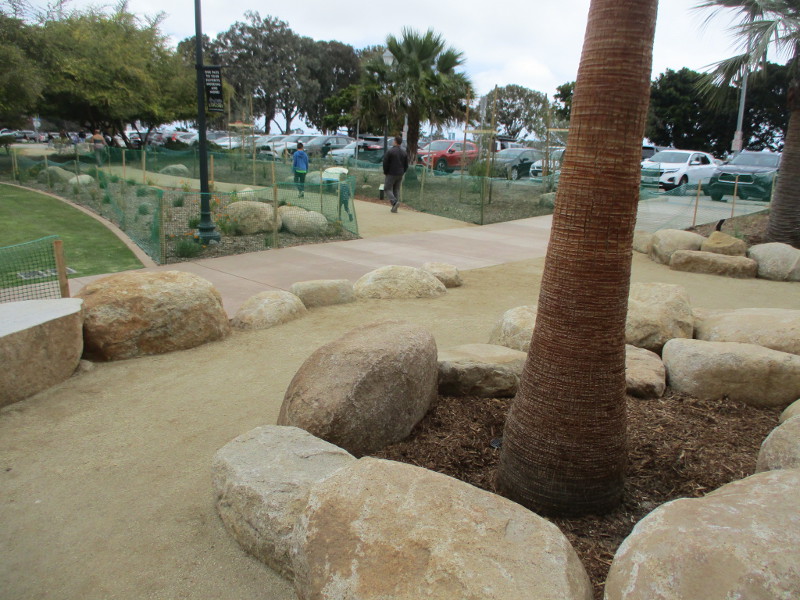
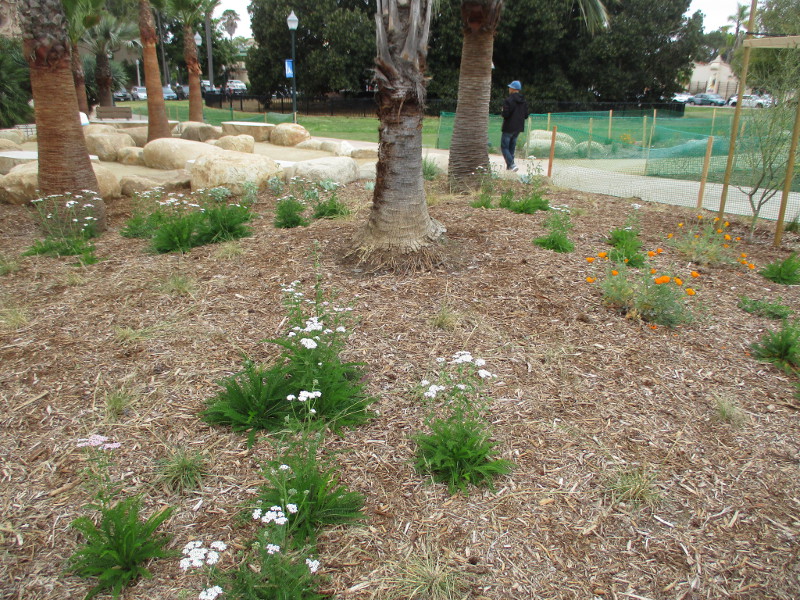
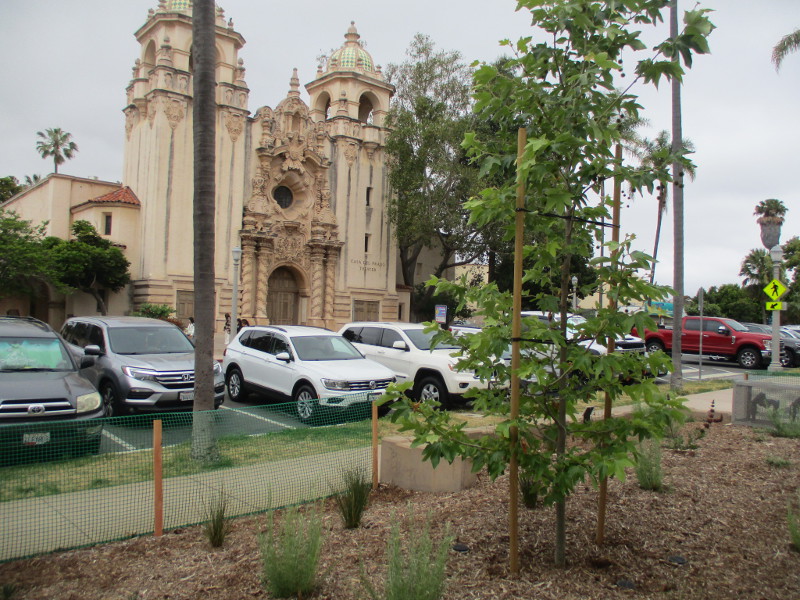
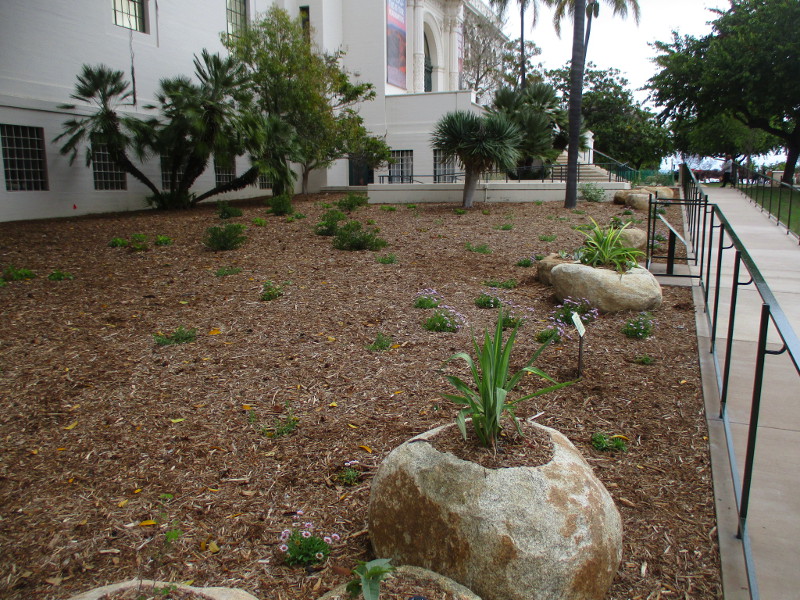
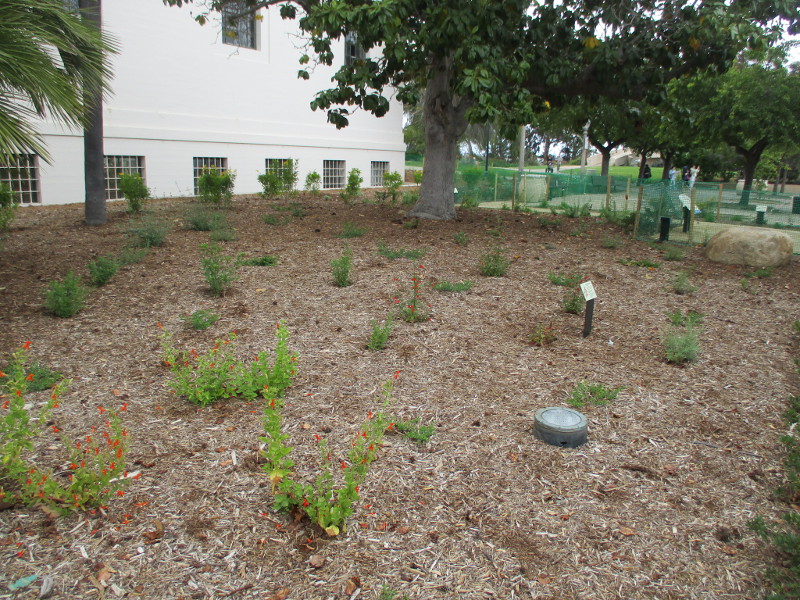
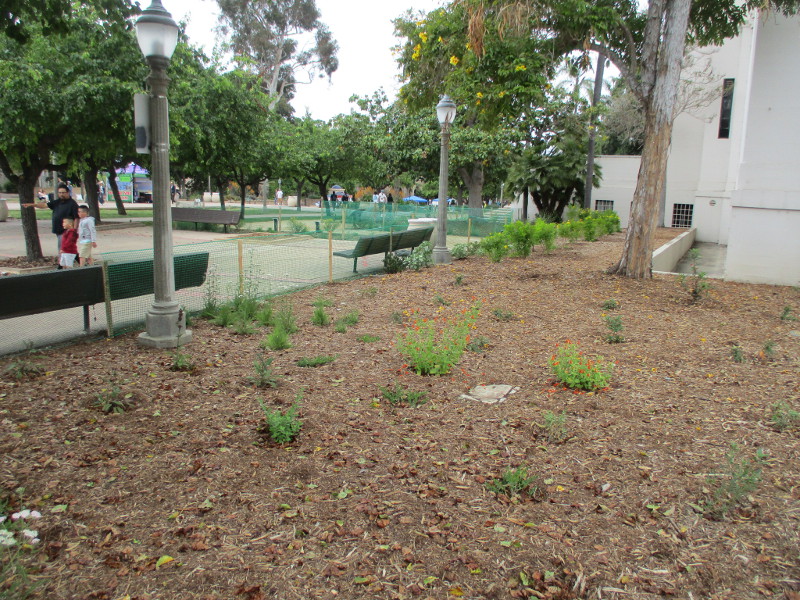
The construction fences are down! The San Diego Natural History Museum’s new outdoor native garden has opened, and there’s a trail that follows the newly planted greenery around the museum!

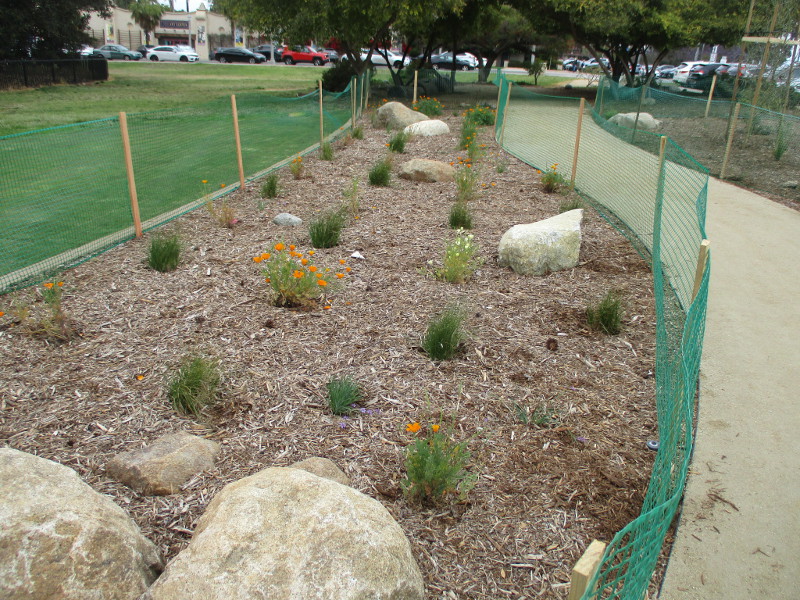
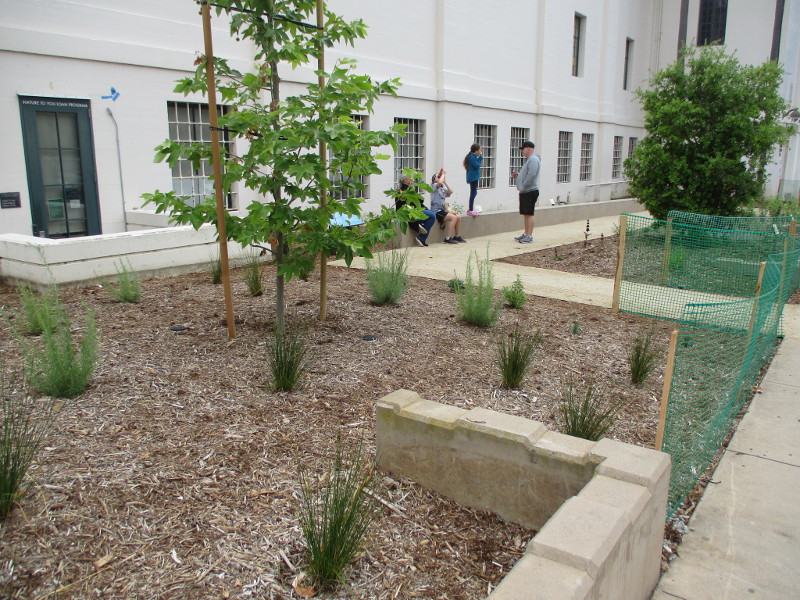
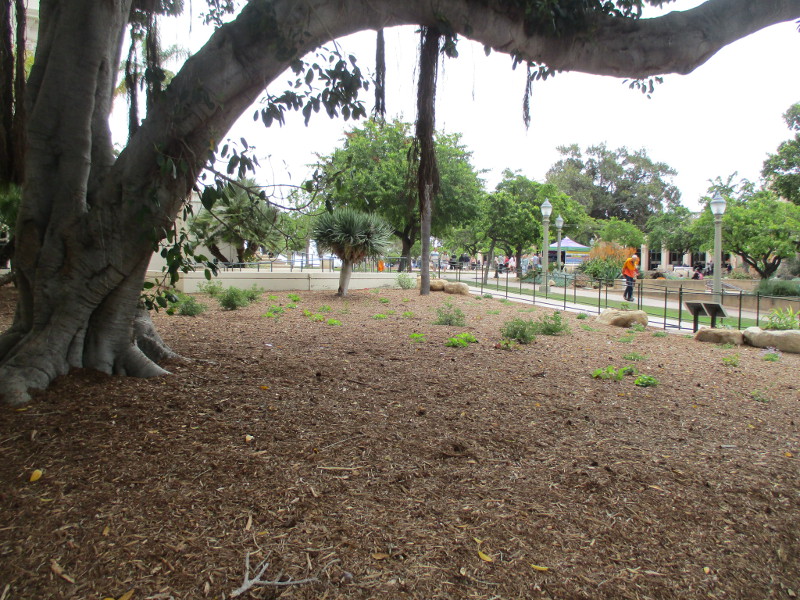
Native plants, flowers and trees now abound, but since the garden is just getting started, most plants are small and the landscape appears a bit bare. Once everything is grown, the garden should be much more beautiful!

Right now there’s plastic fencing along the pathway, protecting the new plantings from careless visitors and dogs. It appears to be temporary.

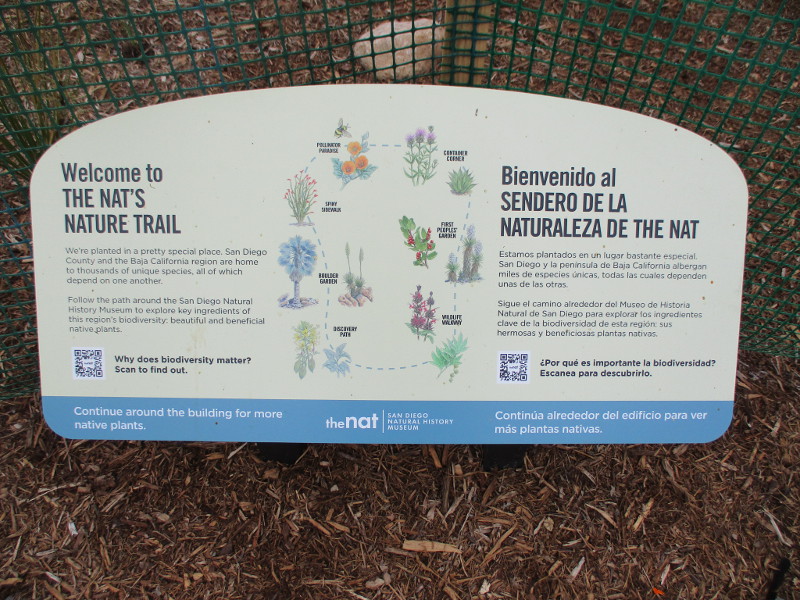
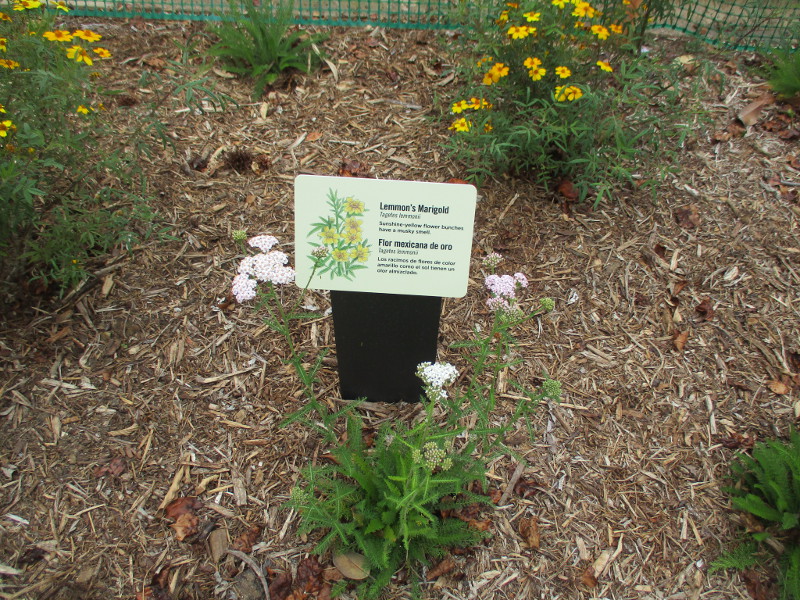
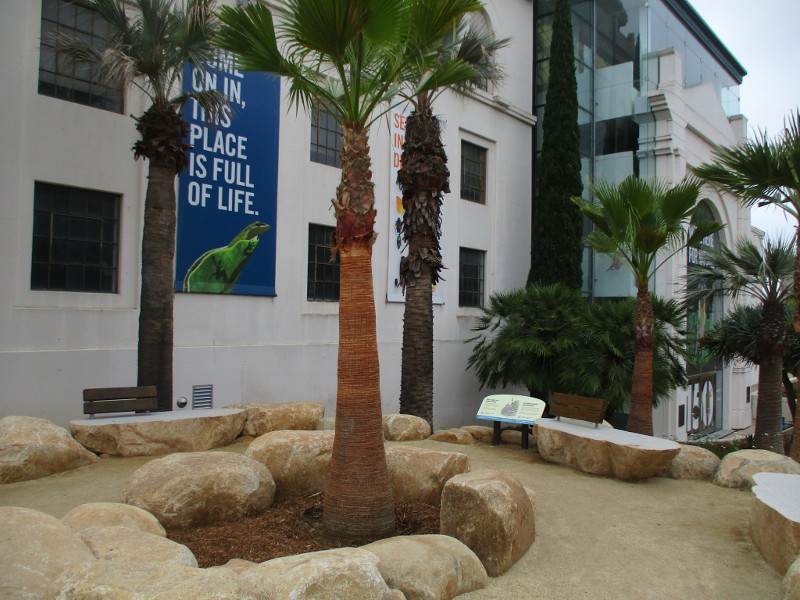
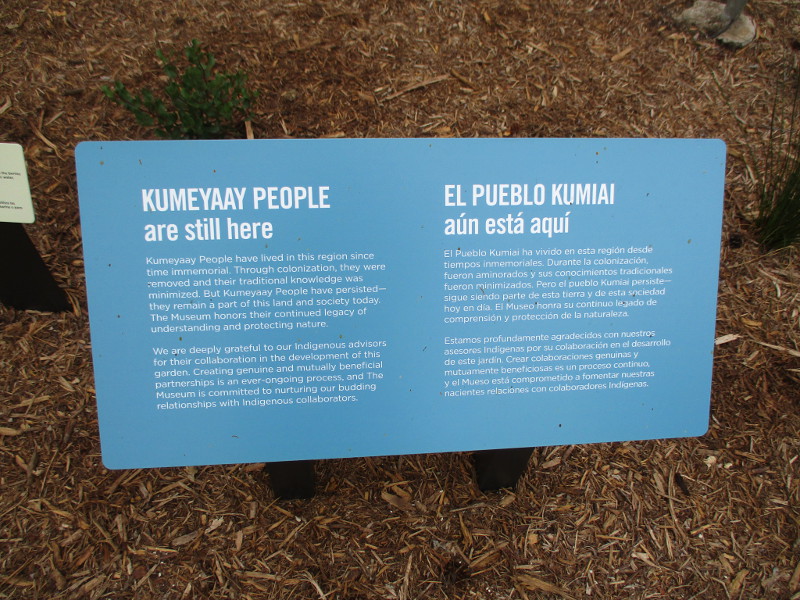
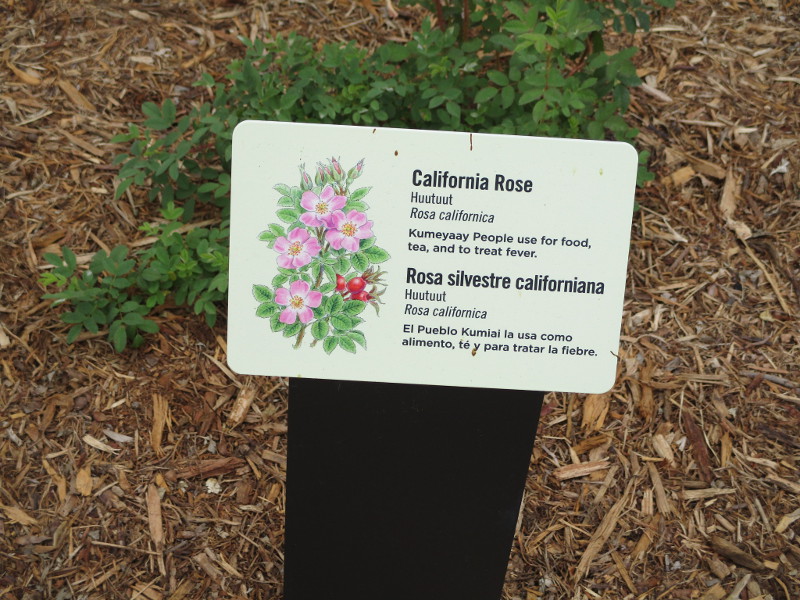
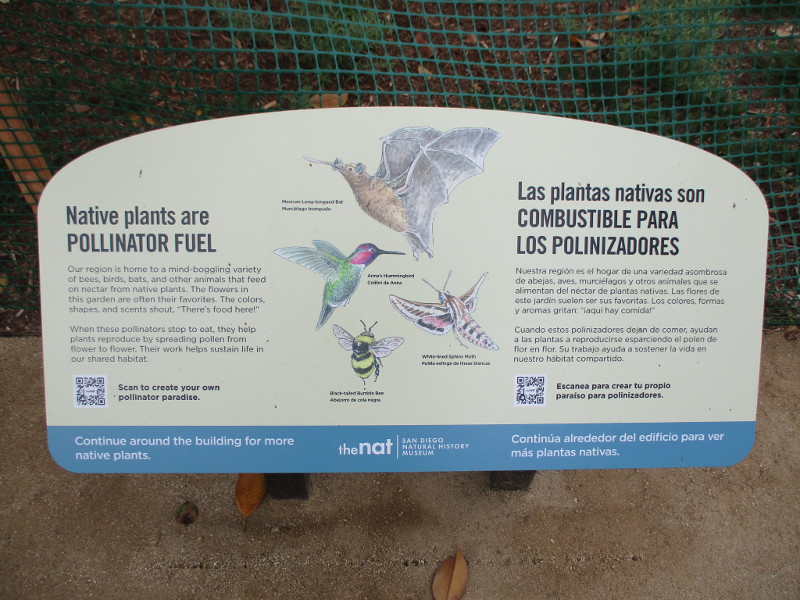
Informative signs can be read along the looping trail, and smaller signs indicate the native species planted nearby. There’s a boulder-filled sitting area and short side trail, too, on the museum’s north side–you know, the side with the enormous Moreton Bay Fig.

The “Nat’s Nature Trail” features various themed segments. As you walk around the Natural History Museum building, you encounter Pollinator Paradise, Spiny Sidewalk, Boulder Garden, Discovery Path, Wildlife Walkway, First People’s Garden, and Container Corner.

What a great addition to an already amazing Balboa Park!

Thanks for visiting Cool San Diego Sights!

I post new blogs pretty often. If you like discovering new things, bookmark coolsandiegosights.com and swing on by occasionally!

I live in downtown San Diego and love to walk around with my camera! You can follow Cool San Diego Sights via Facebook or X.

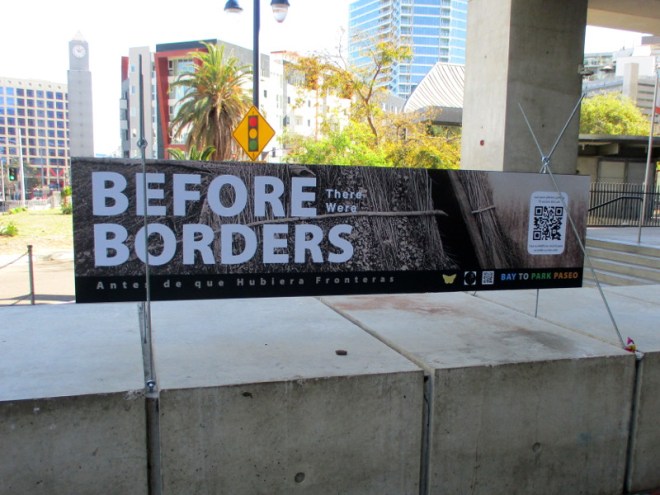
Bay to Park Paseo: Before There Were Borders.
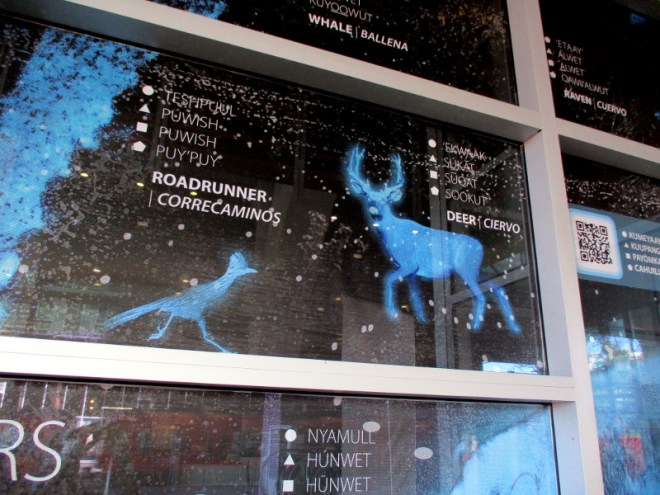
Art was recently installed on windows near the main entrance of San Diego’s Central Library. Before There Were Borders depicts native wildlife and the languages of indigenous peoples who lived in our region north and south of the present-day U.S./Mexican border, long before the arrival of Europeans.

Animals such as roadrunners, whales, deer, mountain lions, pelicans, rabbits, butterflies, coyotes and bears are matched with their names in four languages: Kumeyaay/Kumiai, Kuupangaxwichem/Cupeño, Payòmkawichum/Luiseño, and Cahuilla.

But there’s much more to the installation. As this explains, a “digital art piece will be accessible within the arcade of the Central Library. Rob Quigley, designer of the Central Library, envisions it to be one of ‘stage’ and ‘performance.’ As participants move though the arcade, images will appear to entice further exploration using a simple scan of a QR code with a smartphone. The installation will include video holograms, viewing cultural objects through augmented reality, and immersive reality language experiences.”

Before There Were Borders is part of a 1.7 mile artistic walking experience along the Bay To Park Paseo, a project inspired by the selection of San Diego/Tijuana as World Design Capital 2024.

Thanks for visiting Cool San Diego Sights!

I post new blogs pretty often. If you like discovering new things, bookmark coolsandiegosights.com and swing on by occasionally!

I live in downtown San Diego and love to walk around with my camera! You can follow Cool San Diego Sights via Facebook or X (formerly known as Twitter)!

Art at Wellness Garden in Southeast San Diego.

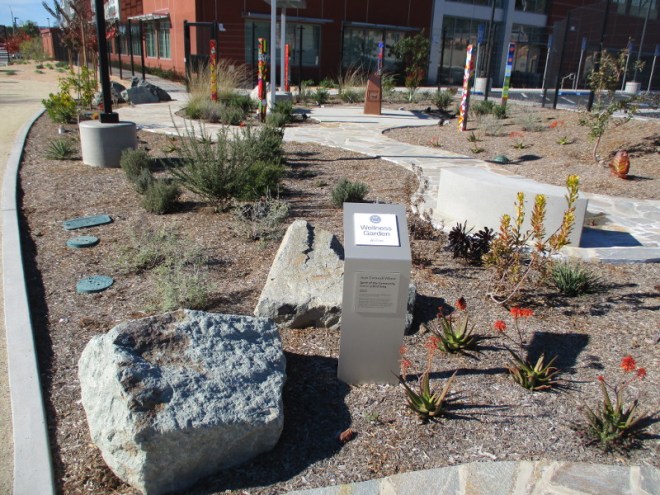
A beautiful new Wellness Garden opened last year in Southeast San Diego!

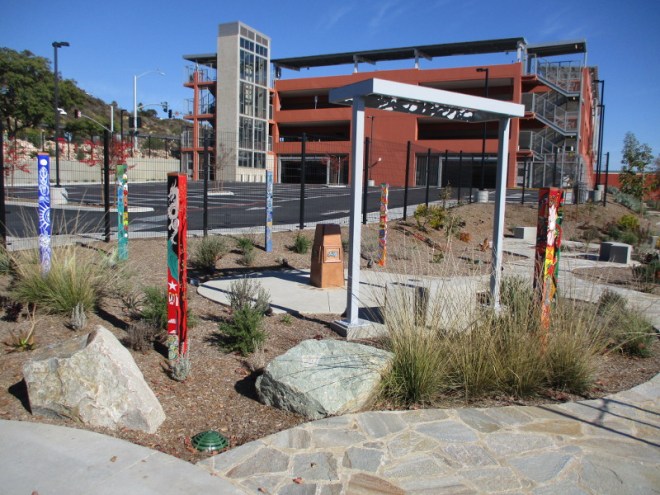
The sunny, park-like space, filled with colorful art, is located outside the new Southeastern Live Well Center in Valencia Park. The garden can be freely accessed by anyone via a pathway on the south side of the large health and social services facility.

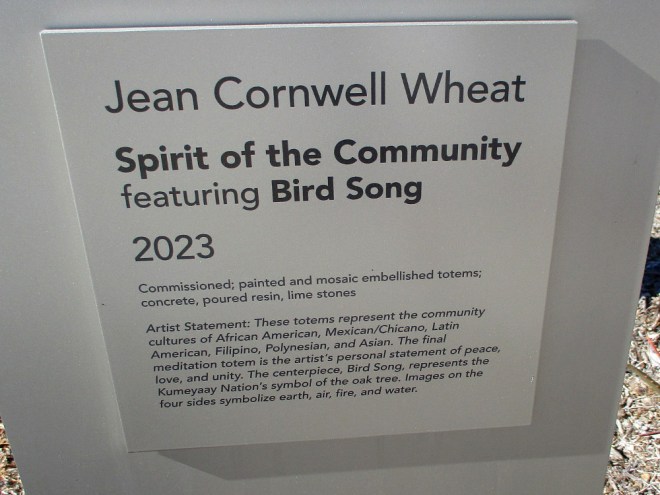
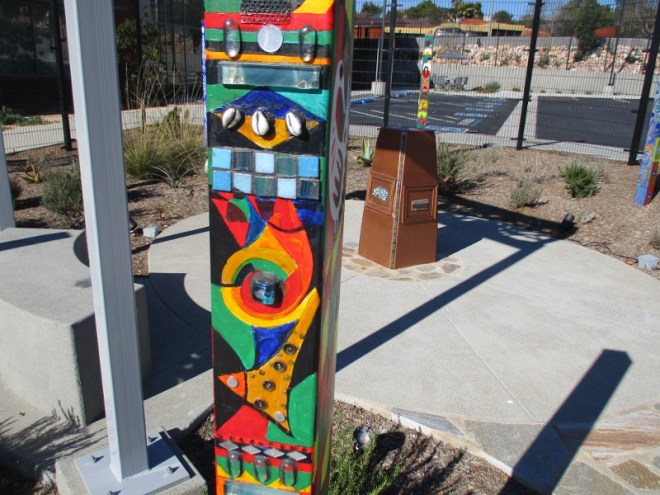
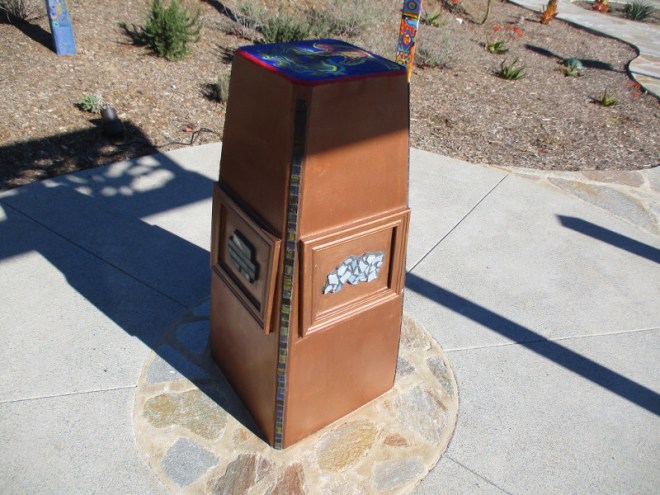
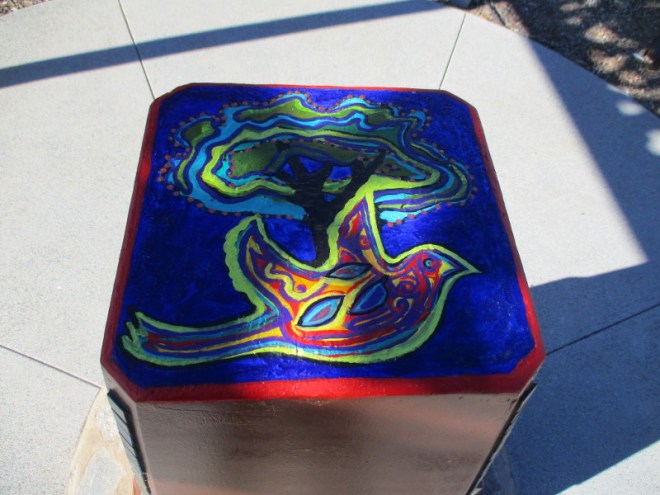
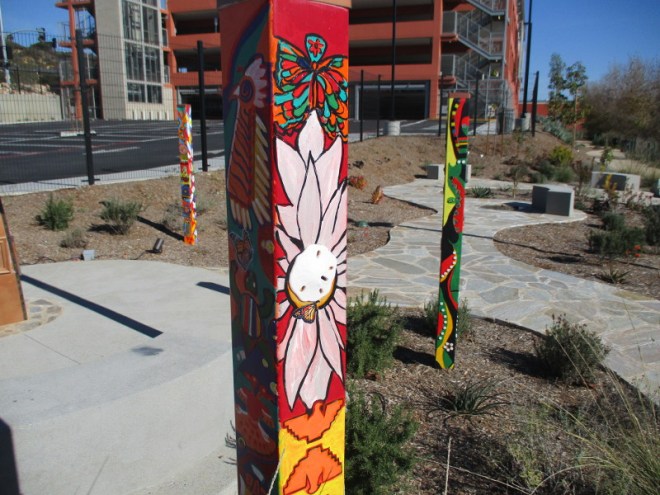
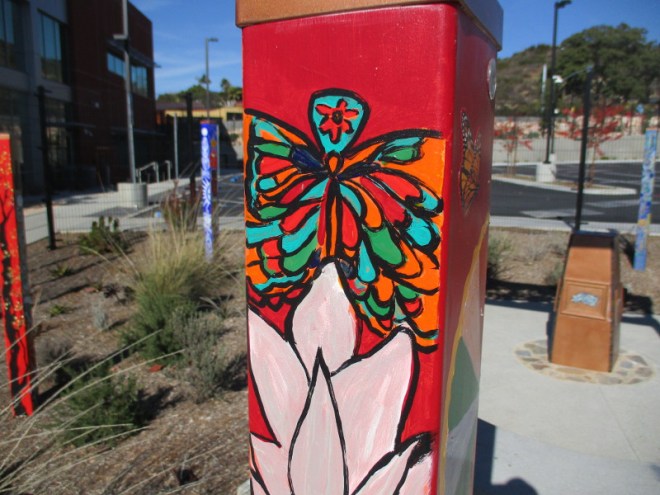
A plaque near the pathway indicates that the garden’s public art was created by Jean Cornwell Wheat. It’s titled Spirit of the Community featuring Bird Song. Additional information is provided:

Commissioned; painted and mosaic embellished totems; concrete, poured resin, lime stones.

Artist Statement: These totems represent the community cultures of African American, Mexican/Chicano, Latin American, Filipino, Polynesian, and Asian. The final meditation totem is the artist’s personal statement of peace, love and unity. The centerpiece, Bird Song, represents the Kumeyaay Nation’s symbol of the oak tree. Images on the four sides symbolize earth, air, fire, and water.

Across the Market Street from the Southeastern Live Well Center, at the Malcolm X Branch Library and Performing Arts Center, a beautiful mosaic was created by the same artist. You can see it by clicking here.

Thanks for visiting Cool San Diego Sights!

I post new blogs pretty often. If you like discovering new things, bookmark coolsandiegosights.com and swing on by occasionally!

I live in downtown San Diego and love to walk around with my camera! You can follow Cool San Diego Sights via Facebook or X (formerly known as Twitter)!

History at Mission Valley river park.

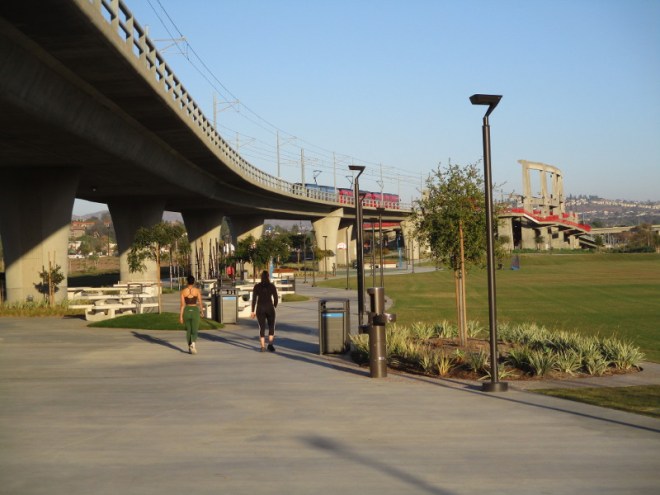
History is being made in Mission Valley. Two massive projects are being developed along the San Diego River: SDSU Mission Valley and Riverwalk San Diego.

The river park at SDSU Mission Valley is mostly complete, and large areas are now accessible to the public during its soft opening.

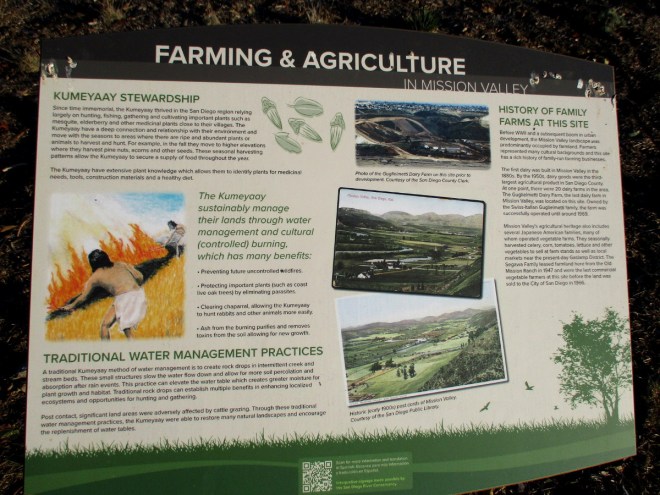
I walked around the river park the other day and found a number of fascinating information signs. One shows birds that might be found along the San Diego River. Another concerns stormwater management and the creation of bioretention basins. The largest such basin is located near the Stadium trolley station.

The signs that interested me most concern the history of Mission Valley and the San Diego River.

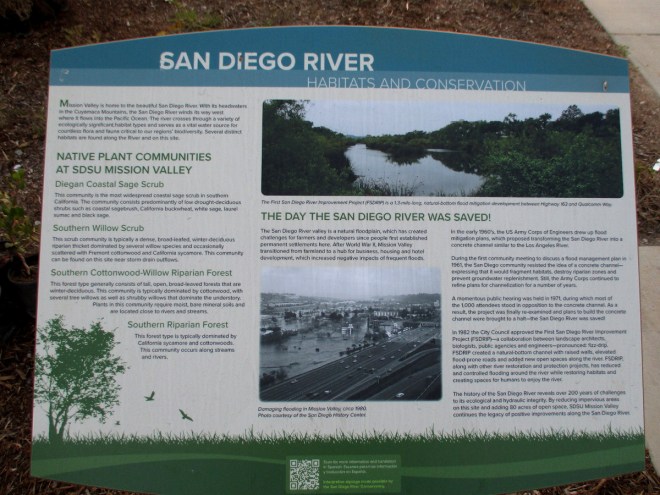
I took photos of several signs, which you can enlarge for easier reading…

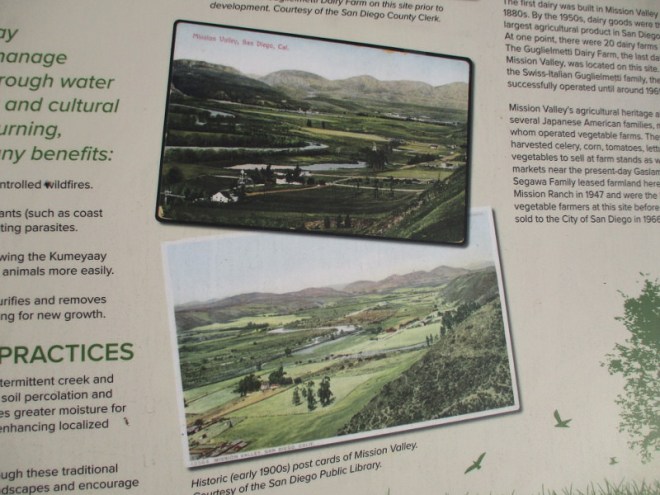
The Native American Kumeyaay historically used plants along the river for food, tools and construction materials. They sustainably managed the land. Before World War II and the subsequent boom in urban development, Mission Valley was largely farmland. At one point there were 20 dairy farms in Mission Valley. Several Japanese American families operated vegetable farms.

Early 1900s postcards of Mission Valley show large areas of green farmland on either side of the San Diego River.

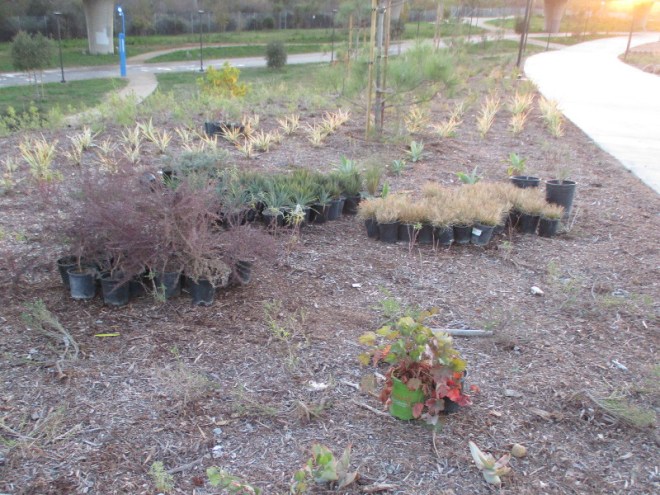
New plants for the new river park at SDSU Mission Valley.

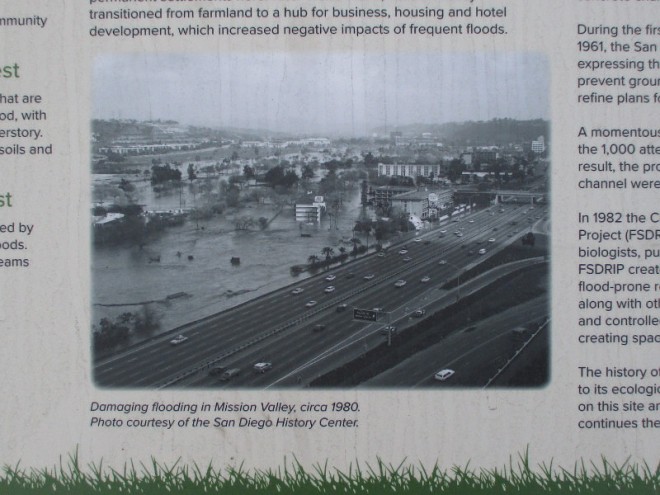
The San Diego River begins in the Cuyamaca Mountains and flows west to the Pacific Ocean. It is the source of important biodiversity. In 1971, plans to replace the sometimes flooding river with a concrete channel were thwarted by intense public opposition. The vision of a more natural San Diego River, with innovative safeguards against flooding, would eventually prevail.

Photo of damaging flooding in Mission Valley circa 1980, before the adoption in 1982 of FSDRIP–the First San Diego River Improvement Project.

The Kumeyaay were the first people to live in this region. This sign explains they understood the importance of caring for the land, water, flora and fauna that are all a part of this intricate ecological system that relates and sustains all life in balance and harmony. A map of Kumeyaay territory includes San Diego County and the northern portion of Baja California.

A field without farms–playing soccer near Snapdragon Stadium at SDSU Mission Valley.

Thanks for visiting Cool San Diego Sights!

I post new blogs pretty often. If you like discovering new things, bookmark coolsandiegosights.com and swing on by occasionally!

I live in downtown San Diego and love to walk around with my camera! You can follow Cool San Diego Sights via Facebook or X (formerly known as Twitter)!

Hubbell art at new SDSU Mission Valley river park!

Nine beautiful works of art by world-renowned sculptor James Hubbell can now be enjoyed by those visiting SDSU Mission Valley and its newly opened river park!

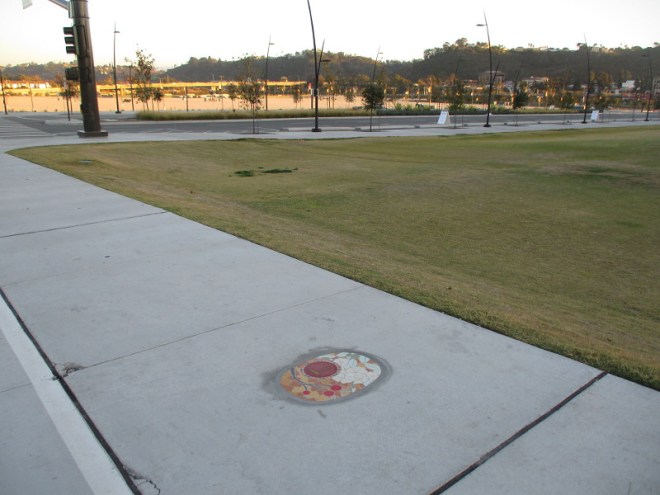
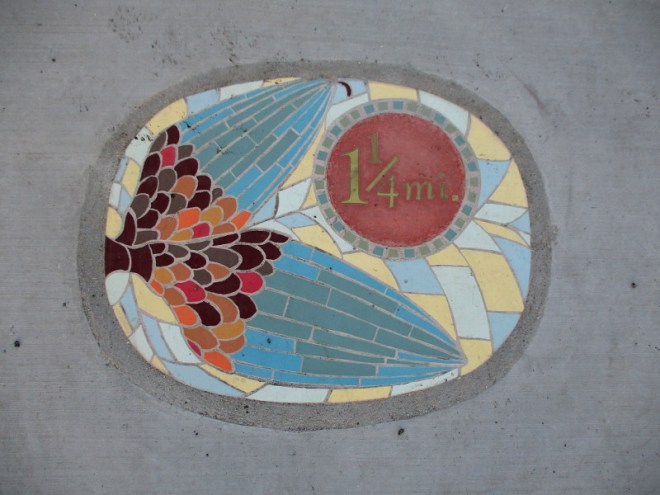
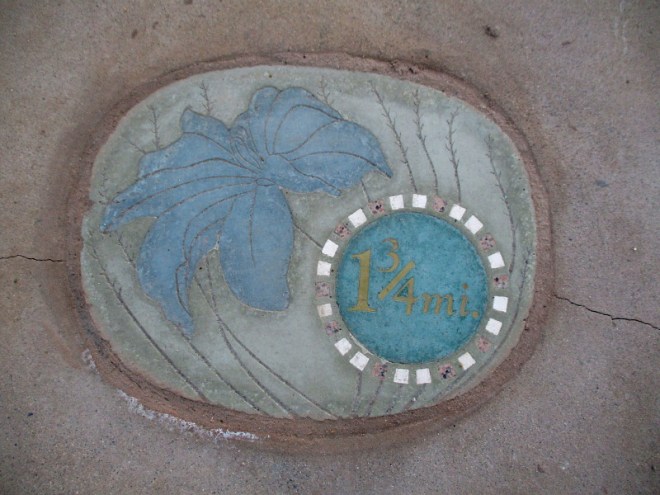
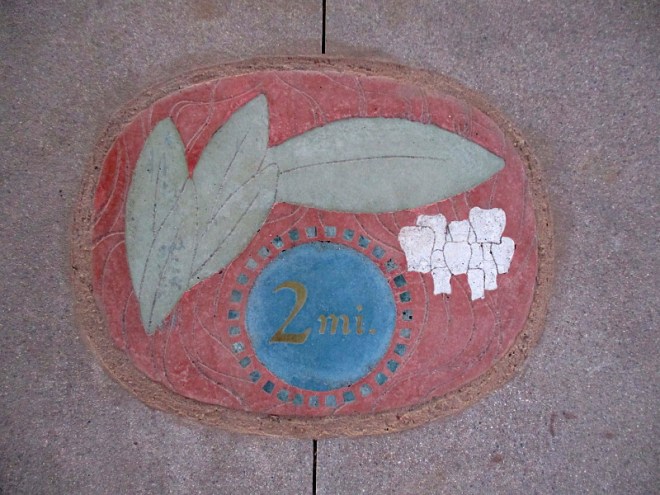
A soft opening of the river park at SDSU Mission Valley includes portions of the two-mile pedestrian and bike pathway that circles Snapdragon Stadium. Every quarter mile, medallions fashioned by James Hubbell and Emilie Ledieu (artist in residence at Hubbell’s Ilan-Lael Foundation) are embedded in the path marking the distance. Each mosaic medallion depicts a significant plant in local Native American Kumeyaay culture.

The first medallion you see in the above photograph can be found a very short distance west of the Stadium trolley station. The image represents Basket rush (Juncus textilis). It’s where our two mile walk will begin.

Here’s a map that shows exactly where each bit of Hubbell art can be found…

A sign in the nearby trolley plaza explains Ethnobotany and describes what each medallion represents…

Okay! Let’s go for the walk (late yesterday afternoon) and take a look at these small but very beautiful works of art, beginning at the Start medallion…

1/4 mile marker. Desert agave (Agave deserti).

1/2 mile marker. Coffeeberry (Frangula californica).

3/4 mile marker. Mojave yucca (Yucca schidigera).

1 mile marker. Wild rose (Rosa californica).

1 1/4 mile marker. Coast live oak (Quercus agrifolia).

1 1/2 mile marker. Elderberry (Sambucus nigra).

1 3/4 mile marker. White sage (Salvia apiana).

2 mile marker. Eastwood manzanita (Arctostaphylos gladulosa).

Thanks for visiting Cool San Diego Sights!

I post new blogs pretty often. If you like discovering new things, bookmark coolsandiegosights.com and swing on by occasionally!

I live in downtown San Diego and love to walk around with my camera! You can follow Cool San Diego Sights via Facebook or X (formerly known as Twitter)!

Restoring many murals in Chicano Park!

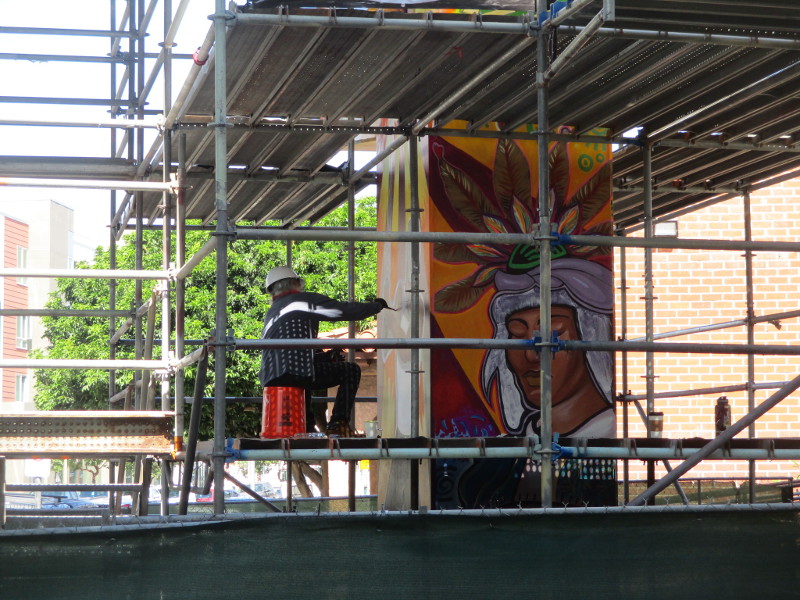
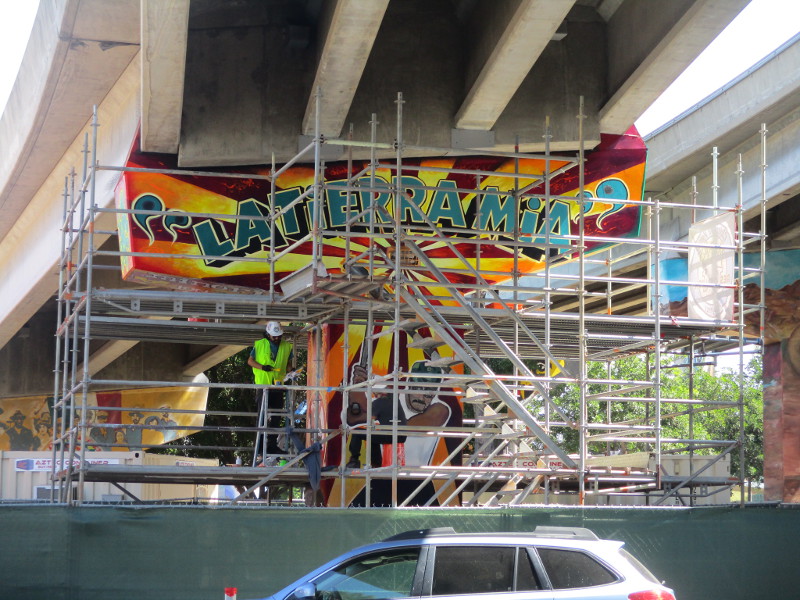
About a week ago I was privileged to be shown many outdoor murals that are currently being restored in world-famous Chicano Park. What I observed were artists and volunteers working on the Chicano Park Mural Restoration Project 2023.

New color and vibrancy were being applied by many brushes. Preserving these historic murals, which speak vividly of struggle, resilience, and accomplishment by members of the Chicano, Latino, Mexican migrant and Indigenous communities, is an important undertaking. Chicano Park has been designated a National Historic Landmark.

Over 15 murals are to be fully restored in collaboration with the original artists. In the next photo you can see Mario Torero, who painted many of the Chicano Park murals.

I encourage anyone in San Diego who has never experienced Chicano Park to swing on by and wander among the monumental artwork. History, culture and decades of activism in the pursuit of civil rights will make an unforgettable impression.

I was amazed when I learned a group of three artists that painted a mural in 1977 as young women are now restoring their beautiful mural, almost half a century later! They call themselves Mujeres Muralistas. Watch an interview of the artists here. You can see their inspired work in my final two photographs!

Thanks for visiting Cool San Diego Sights!

I post new blogs pretty often. If you like discovering new things, bookmark coolsandiegosights.com and swing on by occasionally!

I live in downtown San Diego and love to walk around with my camera! You can follow Cool San Diego Sights via Facebook or Twitter!

Our People’s Garden in downtown San Diego.

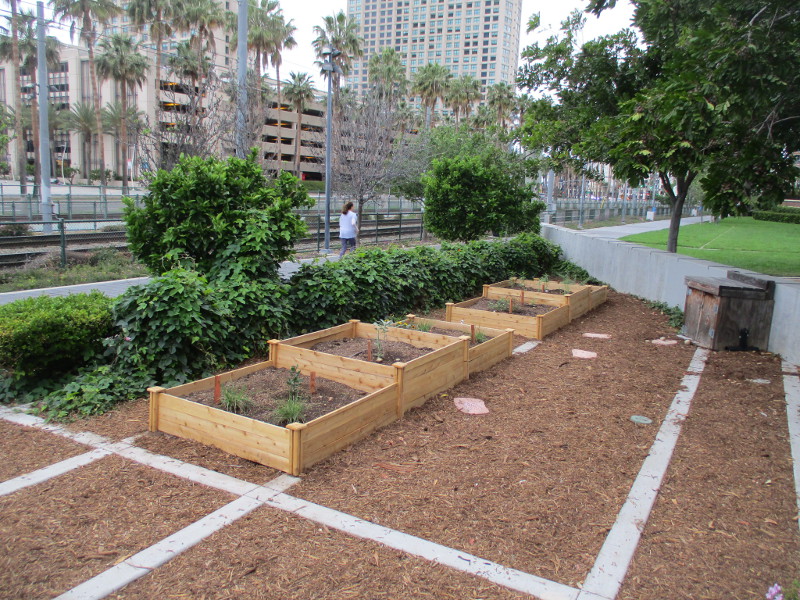
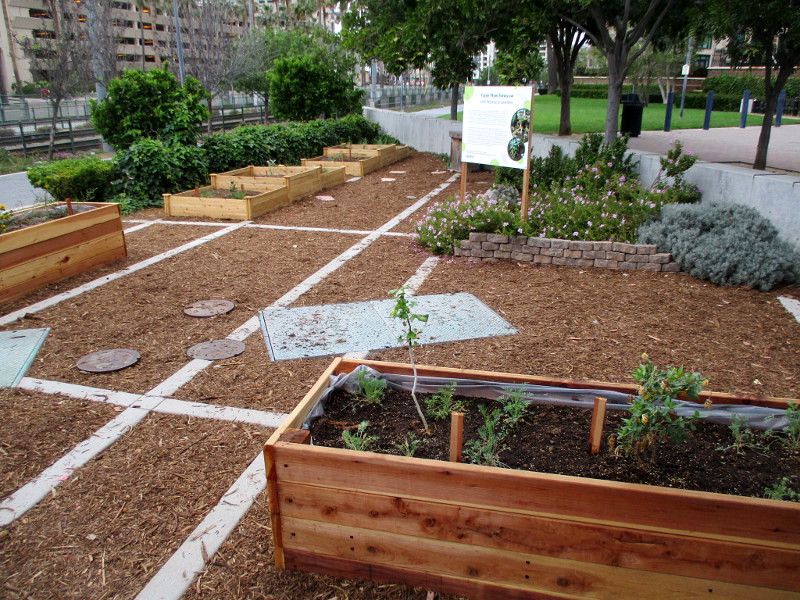
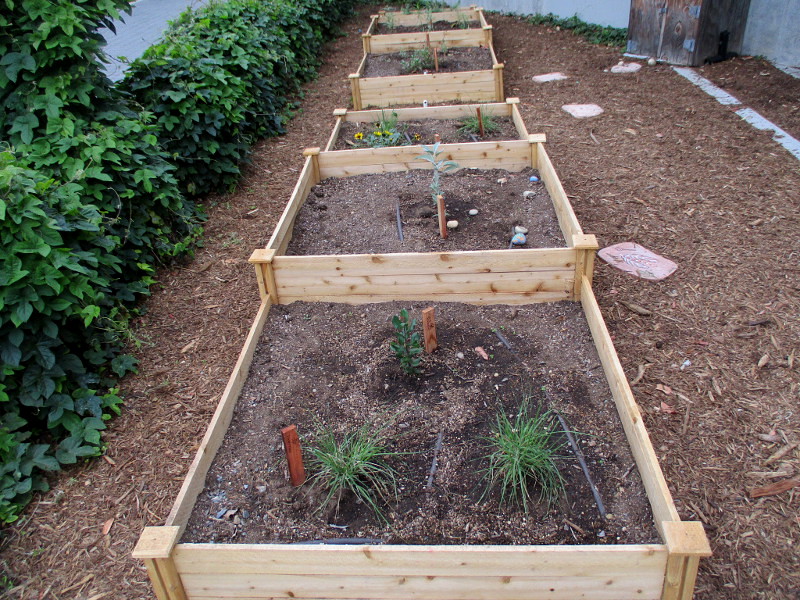
Over the years, a small garden space south of The New Children’s Museum in downtown San Diego has undergone several transformations. Early this morning, during a walk down the Martin Luther King Jr. Promenade, I noticed it is now called Iipay Nyechewuuw, or Our People’s Garden.

A sign near the wooden planter boxes explains that Our People’s Garden was inspired by the Barona Indian Charter School’s Native Plant Garden, and the Barona Cultural Center + Museum’s Native Plant Seed Library.

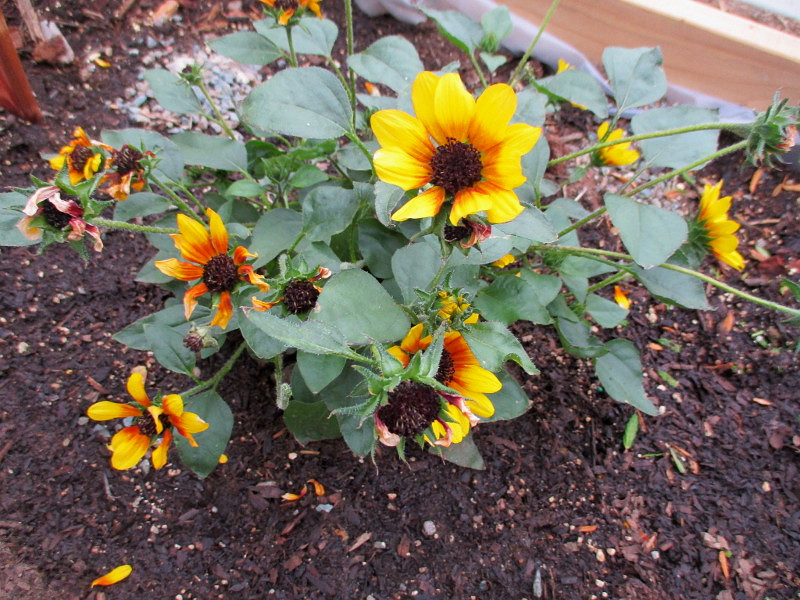
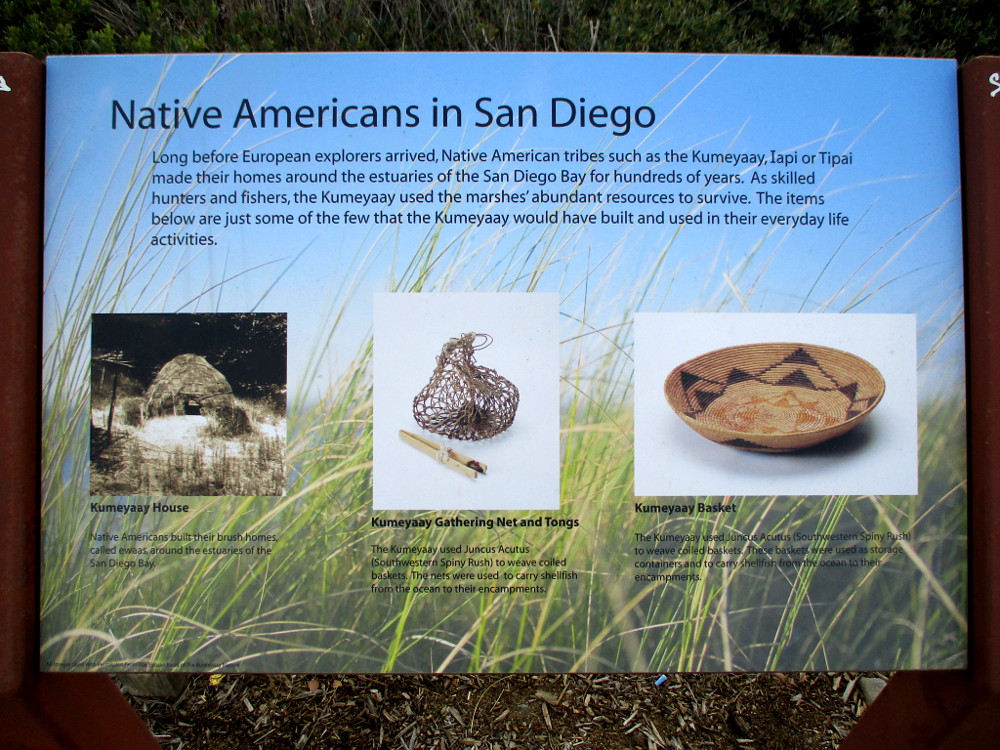
The garden is now used by the nearby children’s museum to teach kids about the environment and Kumeyaay culture. The Kumeyaay have traditionally used native plants in our region as food, tools and medicine.

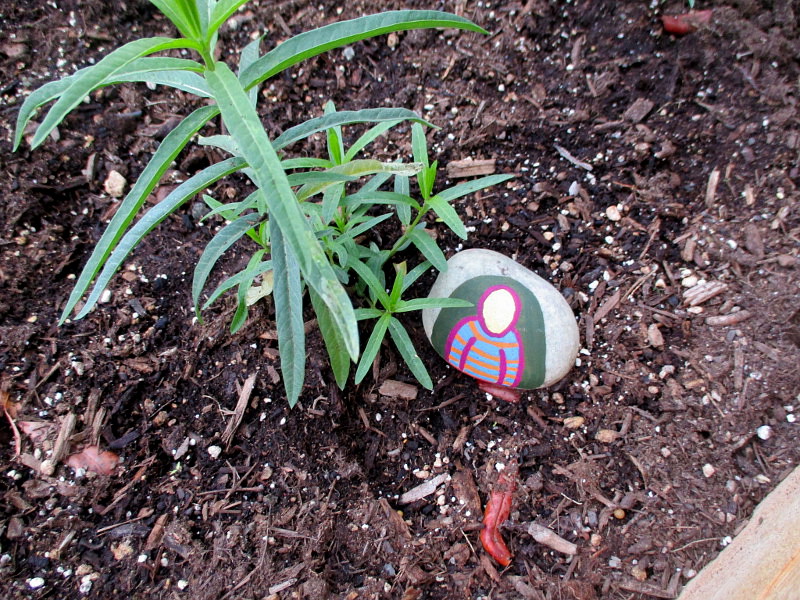
I noticed bits of art scattered about, evidently painted by young hands. I added contrast to my photograph of the sign so it can be more easily read.

Thanks for visiting Cool San Diego Sights!

I post new blogs pretty often. If you like discovering new things, bookmark coolsandiegosights.com and swing on by occasionally!

I live in downtown San Diego and love to walk around with my camera! You can follow Cool San Diego Sights via Facebook or Twitter!

Kumeyaay history by the Sweetwater River.

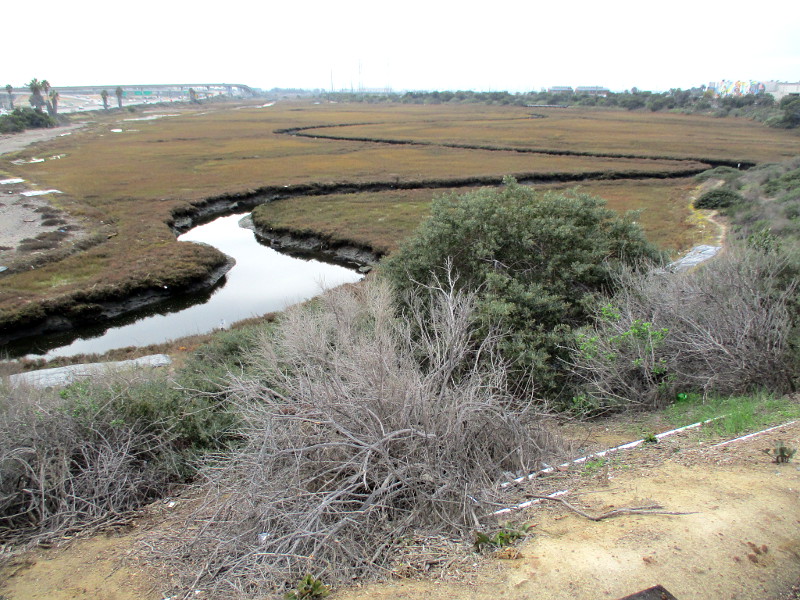
The Marina Gateway in National City contains a small cluster of buildings located at the intersection of Bay Marina Drive and Marina Way. On the south side of the Marina Gateway parking lot, a walkway and outdoor plaza overlook Paradise Creek. The creek flows through a marsh into nearby Sweetwater River. Two signs at the edge of Paradise Marsh concern the history of the Native American Kumeyaay.

The Sycuan Band of the Kumeyaay Nation owns property at the Marina Gateway, and I believe this plaza was built since my last visit almost seven years ago. The same plant and wildlife information signs remain, but, if I recall correctly, back then there was no plaza and the overlook was less developed.

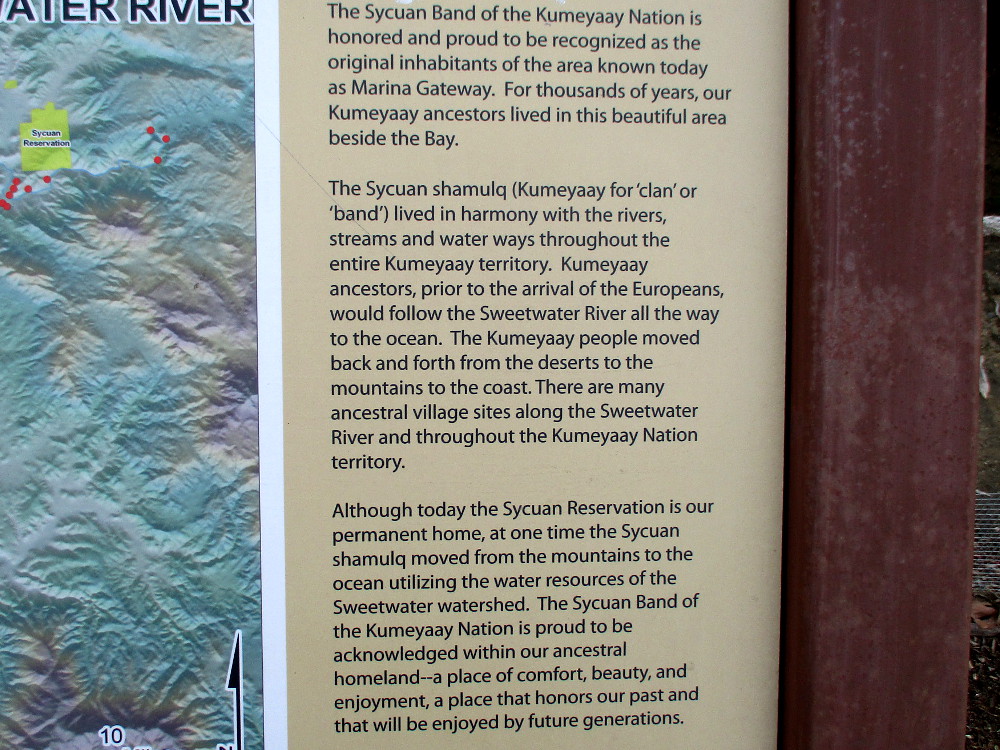
One sign I didn’t spot years ago features a topographical map showing Kumeyaay ancestral village sites within 1000 feet of the Sweetwater River. It also describes how the Kumeyaay would move up and down the river as they traveled between desert, mountain, and coast.

The Kumeyaay people lived here for thousands of years, long before European explorers and settlers arrived. It is their ancestral homeland–a place of comfort, beauty, and enjoyment, a place that honors our past and that will be enjoyed by future generations.

Thanks for visiting Cool San Diego Sights!

I post new blogs pretty often. If you like discovering new things, bookmark coolsandiegosights.com and swing on by occasionally!

I live in downtown San Diego and love to walk around with my camera! You can follow Cool San Diego Sights via Facebook or Twitter!