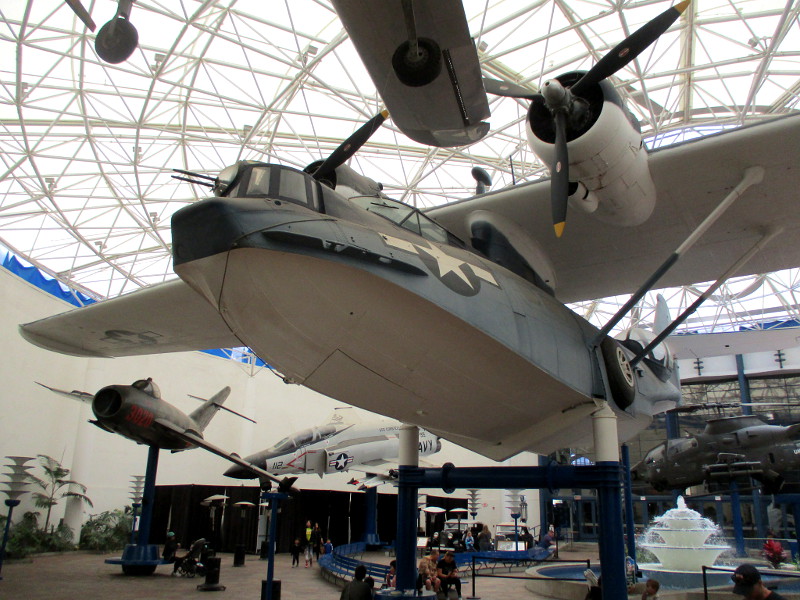
Walk under a famous San Diego flying boat!

Inside the central Pavilion of Flight at the San Diego Air and Space Museum you’ll find a gigantic airplane with a bottom that resembles the hull of a boat. This impressive amphibious airplane is a PBY-5A Catalina, one of the many PBY Catalinas that were built in San Diego by Consolidated Aircraft around the time of World War II.

During my last visit to the museum, I walked around and under the huge aircraft and found a nearby plaque that describes the history of this particular plane.
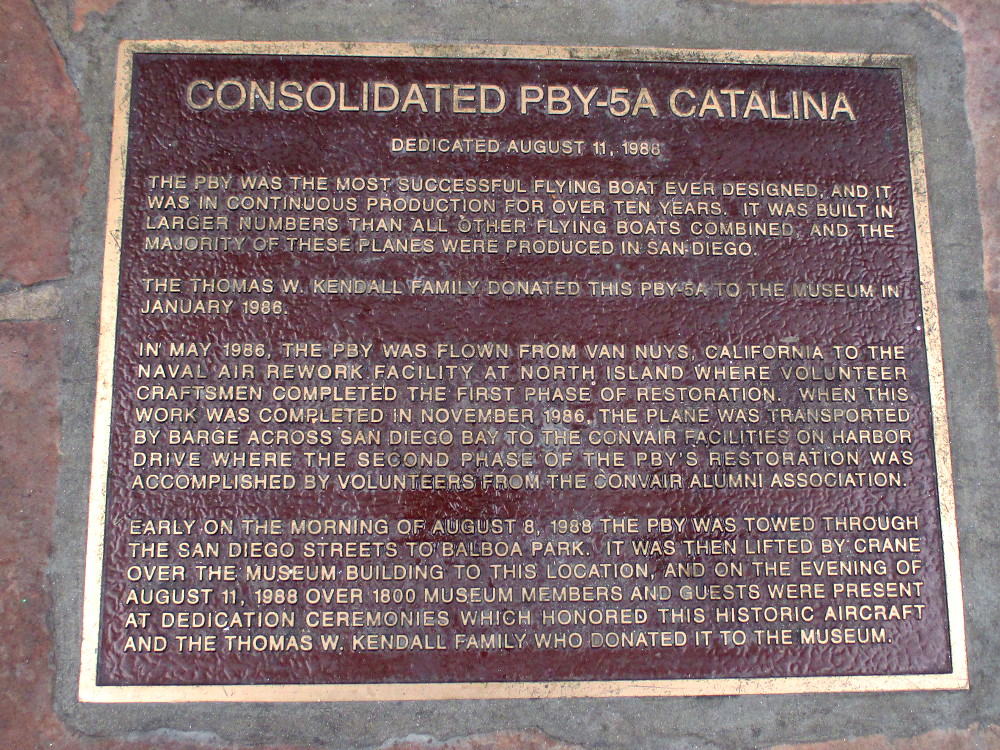
The PBY was the most successful flying boat ever designed, and it was in continuous production for over ten years. It was built in larger numbers that all other flying boats combined, and the majority of these planes were produced in San Diego… Early on the morning of August 8, 1988, the PBY was towed through the San Diego streets to Balboa Park…

Check out the impressive size of this famous flying boat and the span of its broad wings! Taking off from the broken ocean surface, where the attainable speed can be limited, requires a lot of lift!
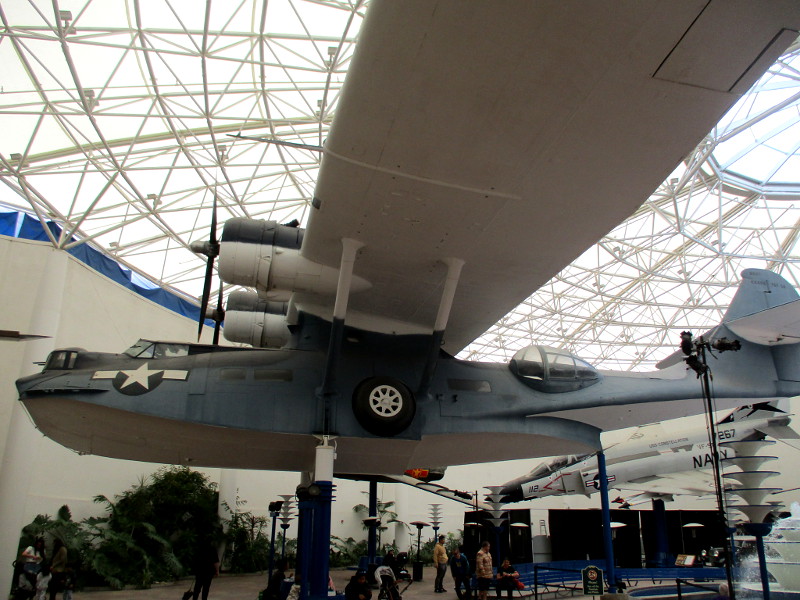
Most of the PBY Catalinas were built at Consolidated Aircraft near Lindbergh Field, just a short distance from San Diego Bay where the flying boats were tested. Are there any old timers out there who recall seeing these flying boats out on the bay?

Here’s a Wikimedia Commons public domain image of a PBY-5AG in San Diego from 1948:

Also from Wikimedia Commons, here’s the PBY-5 production line at Consolidated Aircraft in San Diego from 1942:

These flying boats made important contributions to Allied victory in World War II, particularly in the Pacific. They were used in anti-submarine warfare, patrol bombing, convoy escort, search and rescue missions (especially air-sea rescue), and cargo transport.

If you love history or aviation, make sure to visit the world-class San Diego Air and Space Museum in Balboa Park. Your eyes will pop!

Thanks for visiting Cool San Diego Sights!

I post new blogs pretty often. If you like discovering new things, bookmark coolsandiegosights.com and swing on by occasionally!

I live in downtown San Diego and love to walk around with my camera! You can follow Cool San Diego Sights via Facebook or Twitter!
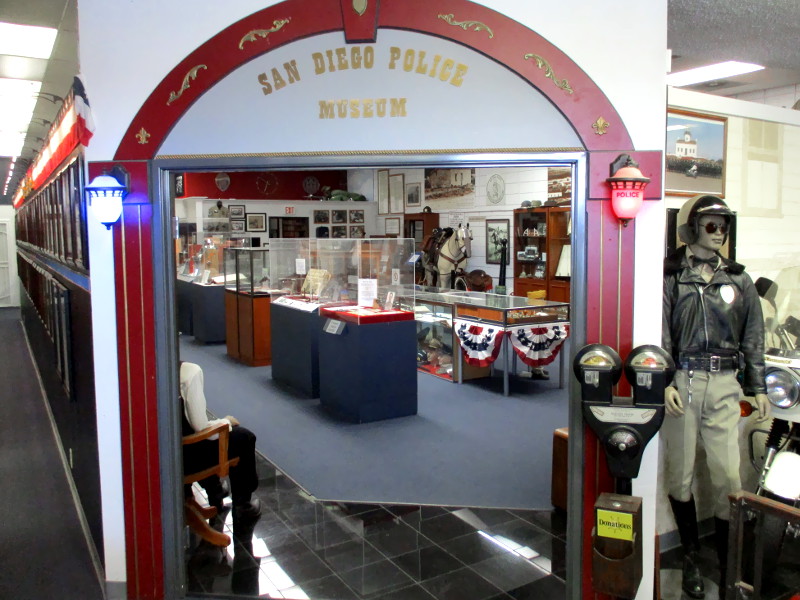
A visit to the San Diego Police Museum.

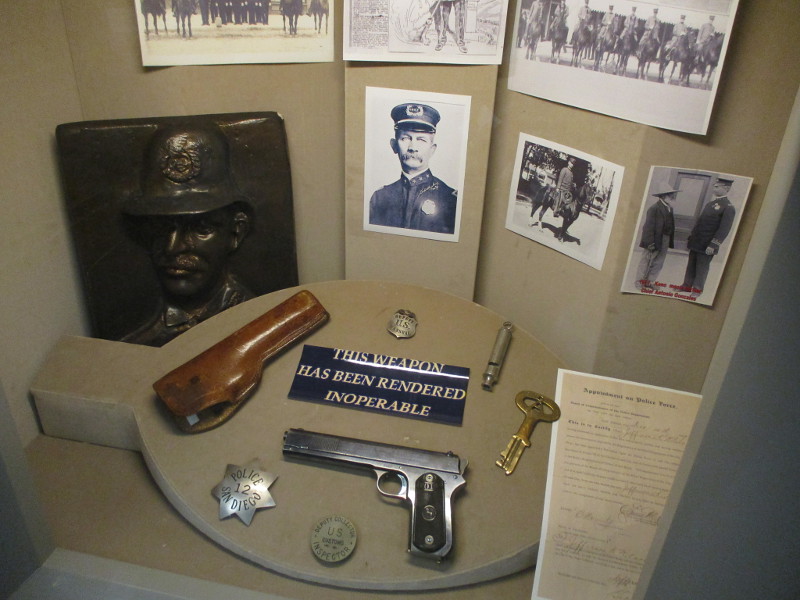
There’s a fascinating museum in San Diego that seemingly few know about. Occupying a modest, easily missed building near the intersection of El Cajon Boulevard and College Avenue, the San Diego Police Museum is packed wall-to-wall with displays that lovers of history shouldn’t miss!

I visited the museum for my very first time a while ago and was amazed at the quality and variety of exhibits.

Photographs, documents, equipment and artifacts trace the earliest days of the San Diego Police Department right up to the present.

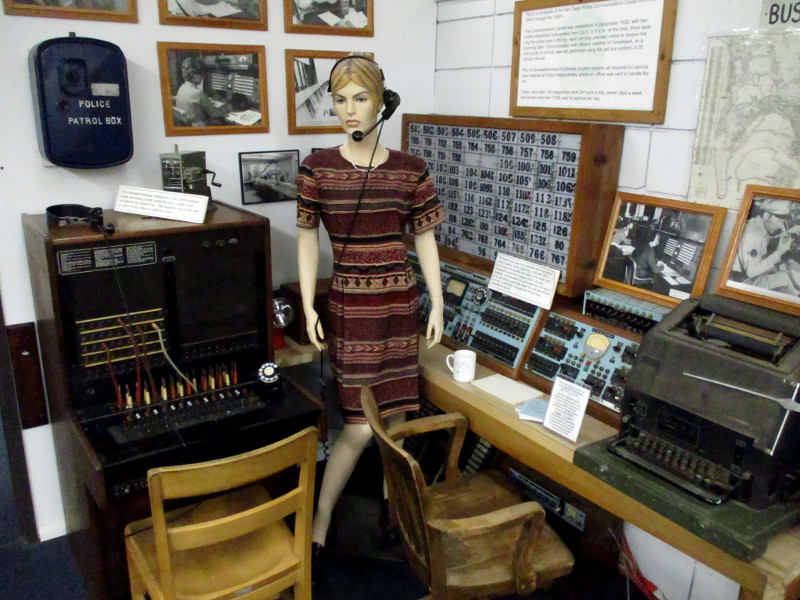
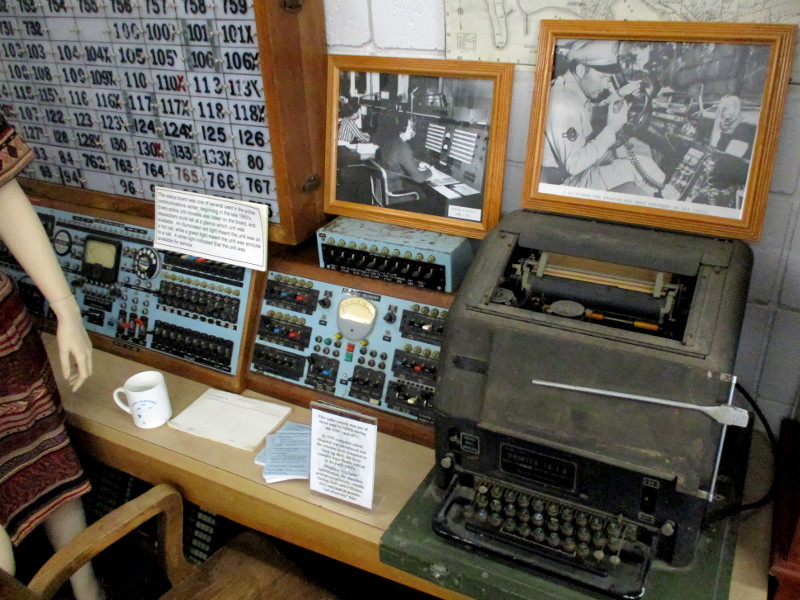
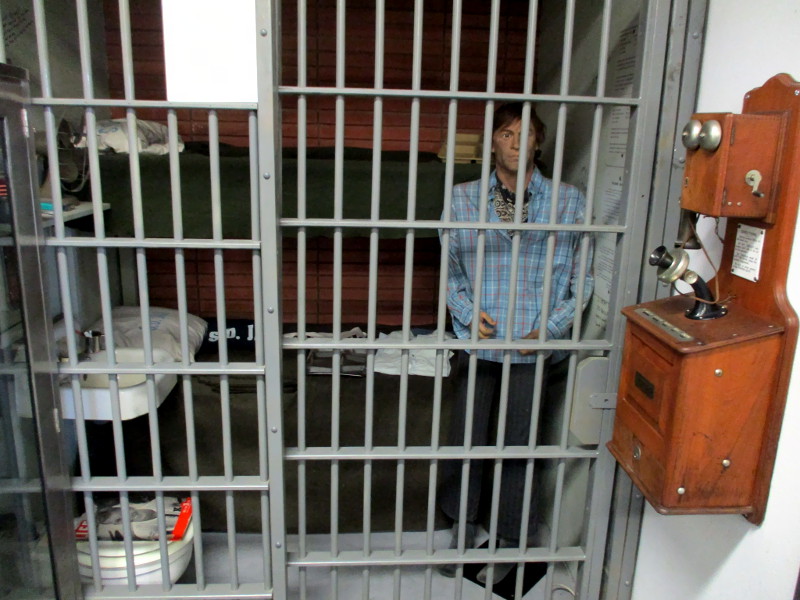
There’s a mid-20th century police Communication Center. There’s a simulated jail cell, and a real police motorcycle. There are different uniforms from the past.

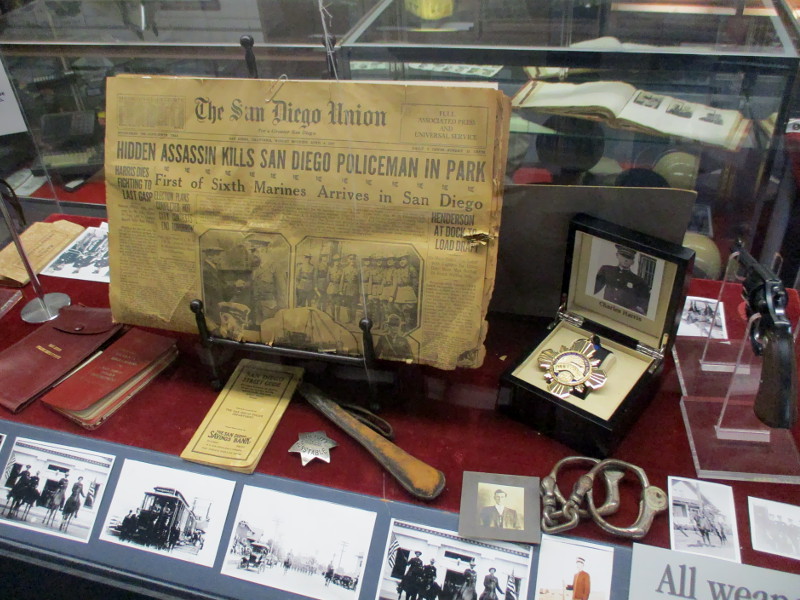
There are old newspapers with headlines about crime in San Diego. There are memories of past police chiefs. There is standard law enforcement gear dating back to the 1800s, and even a Tommy Gun, like those that were once used by gangsters.

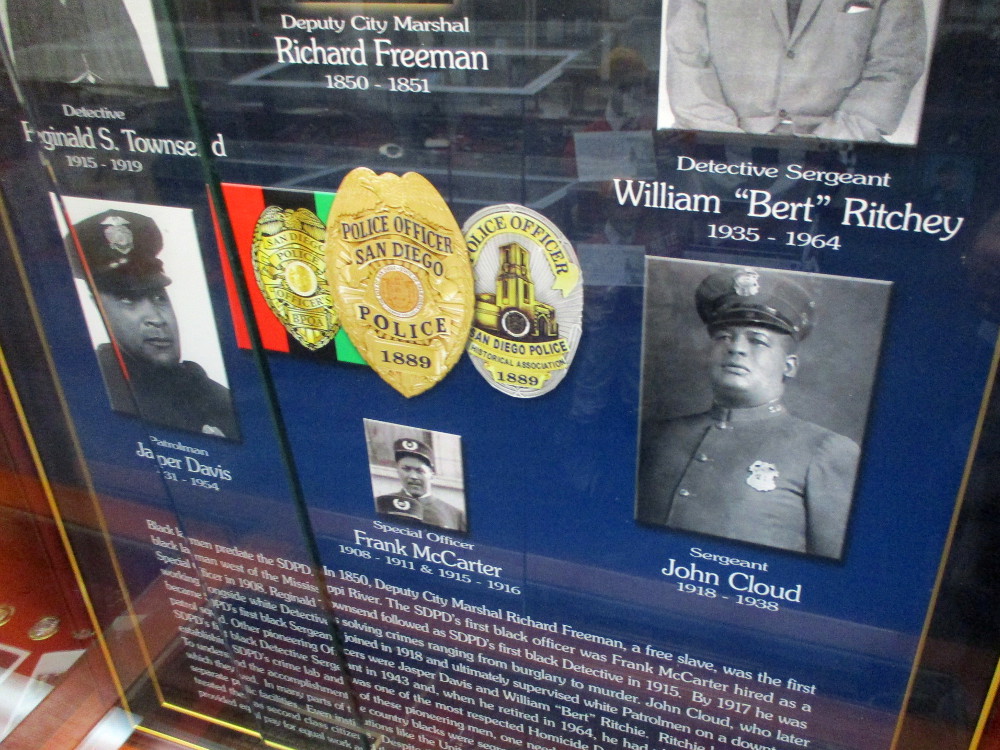
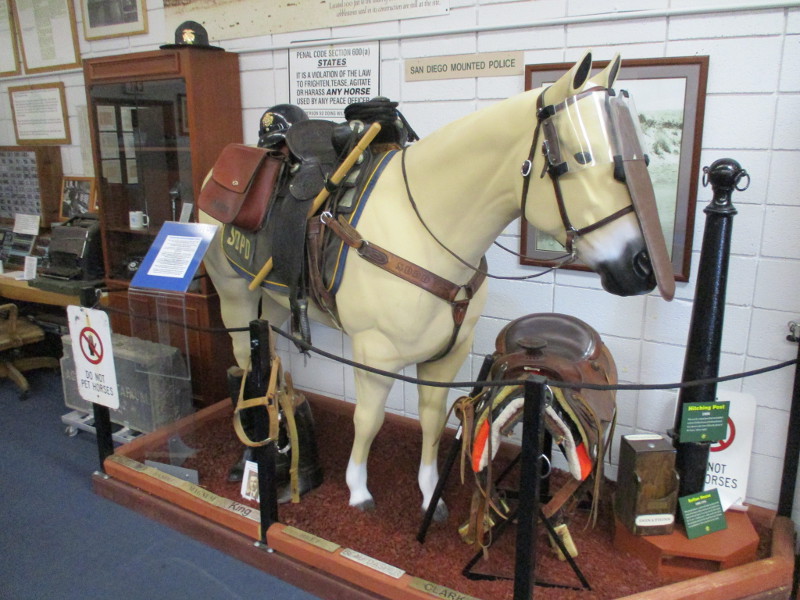
There are displays concerning horse mounted officers, bike teams that were established in the early 1920s, and four-legged K-9 officers. There’s recognition of how diversity has played a more and more important role in the San Diego Police Department through the years.

There are old police badges and hundreds of patches. There are even artifacts from charity football COP’er Bowls and sports trophies won by officer athletes and bodybuilders.

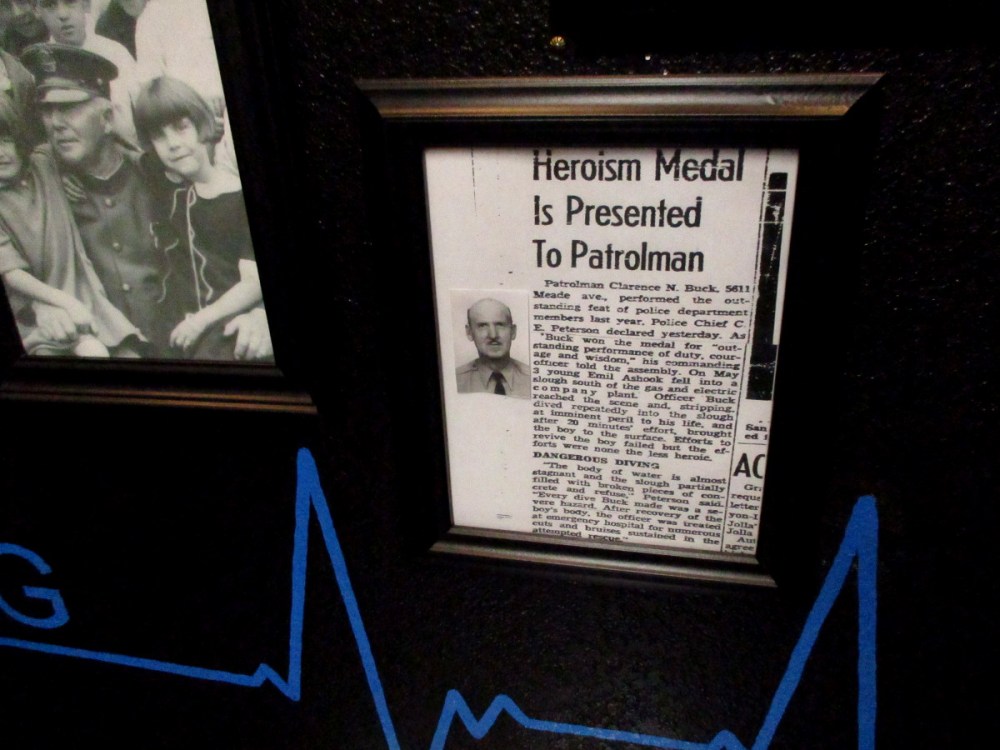
And there are medals won by police heroes. They ran toward danger in the service of others.

And covering one wall: a memorial to fallen officers.

For more details about the museum, including its hours of operation, check out the SDPD Museum website.

Thanks for visiting Cool San Diego Sights!

I post new blogs pretty often. If you like discovering new things, bookmark coolsandiegosights.com and swing on by occasionally!

I live in downtown San Diego and love to walk around with my camera! You can follow Cool San Diego Sights via Facebook or Twitter!
Walking the Embarcadero on Memorial Day weekend.

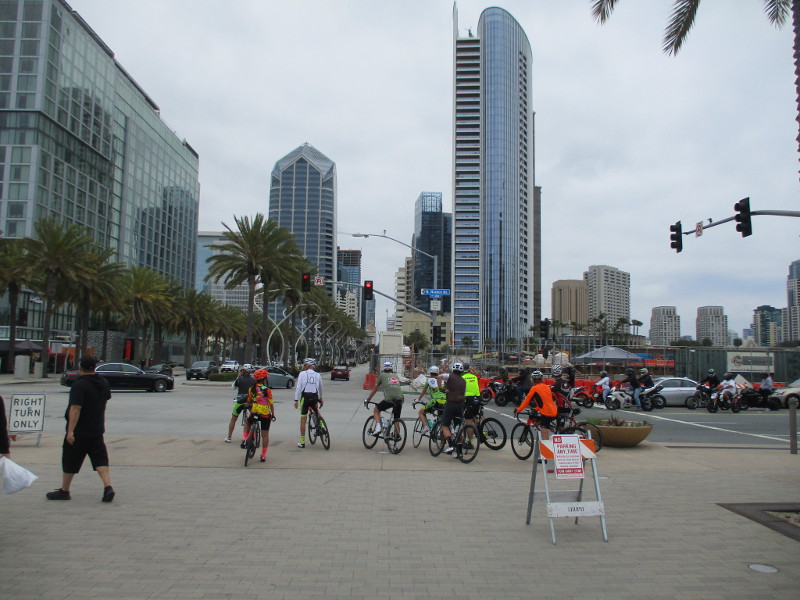
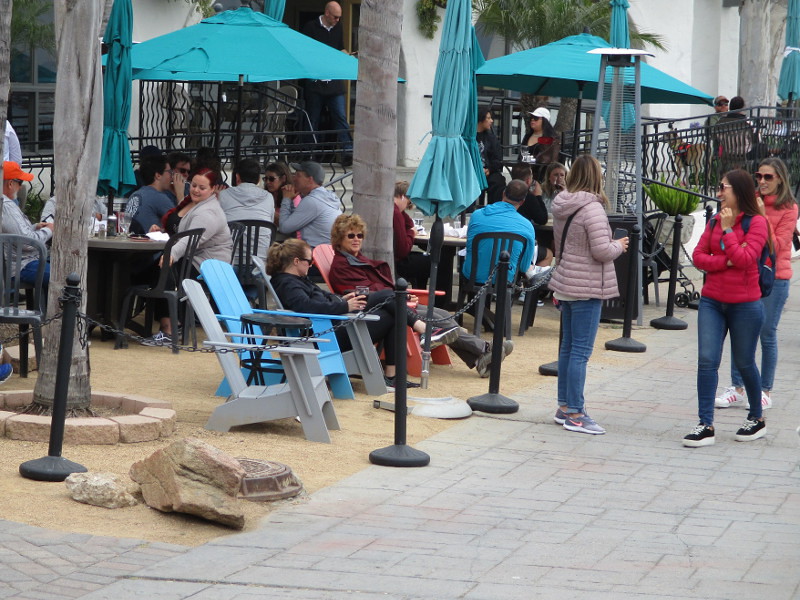
Many were walking along San Diego’s Embarcadero today. It’s Saturday of the Memorial Day weekend.

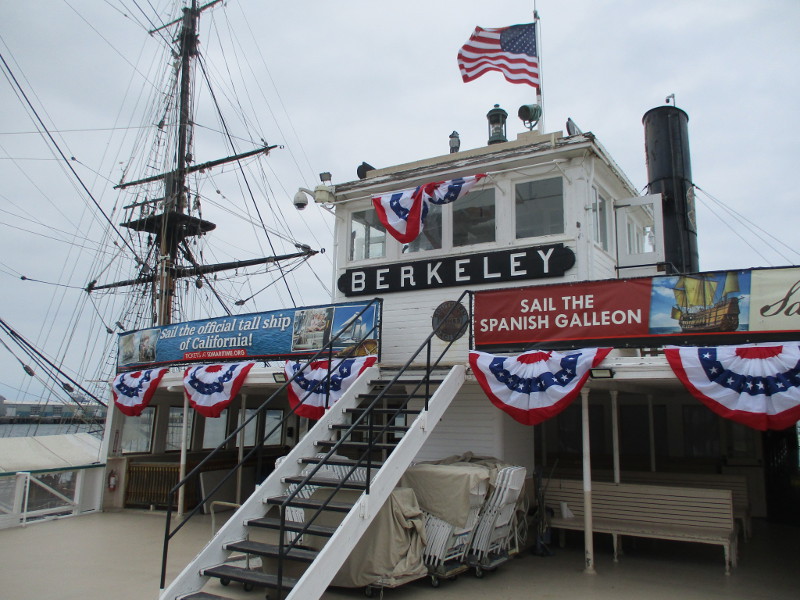
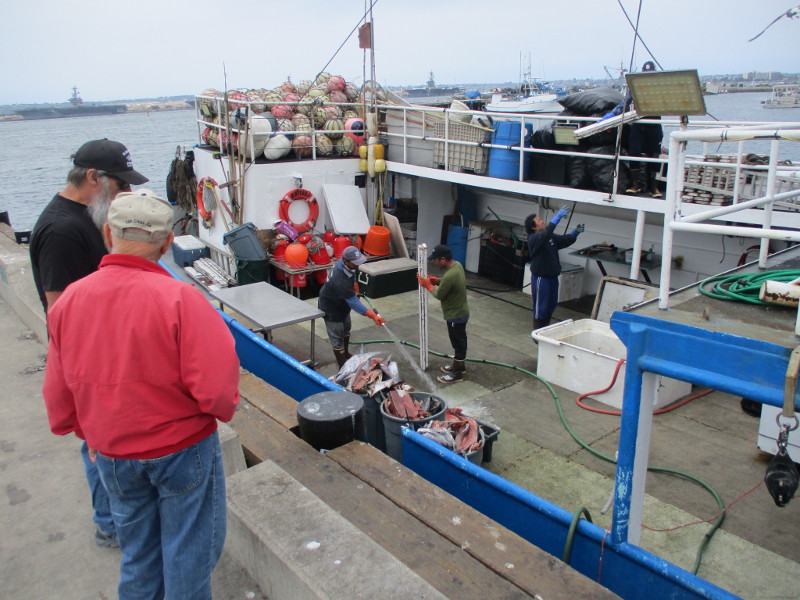
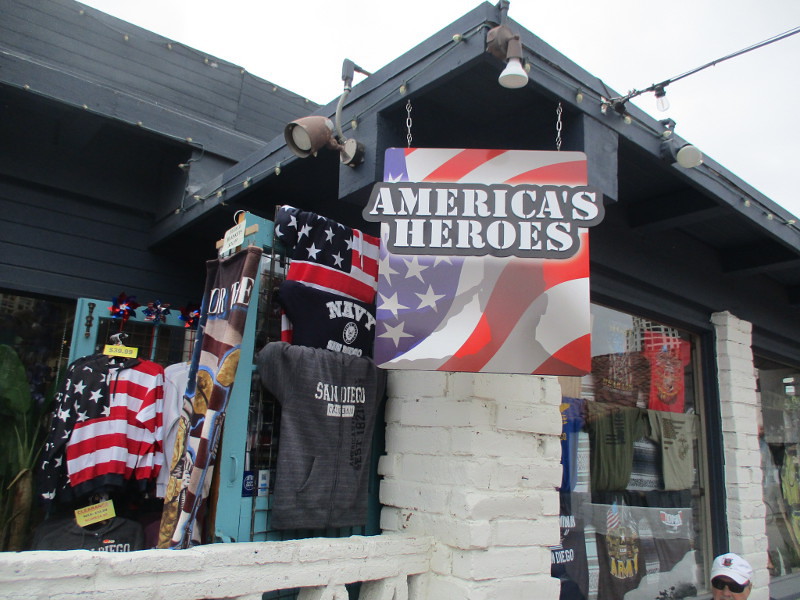
People were gazing out at San Diego Bay . . . visiting the Maritime Museum and USS Midway . . . looking at monuments on the Greatest Generation Walk, perhaps reflecting on the meaning of Memorial Day . . . relaxing or shopping in Seaport Village…

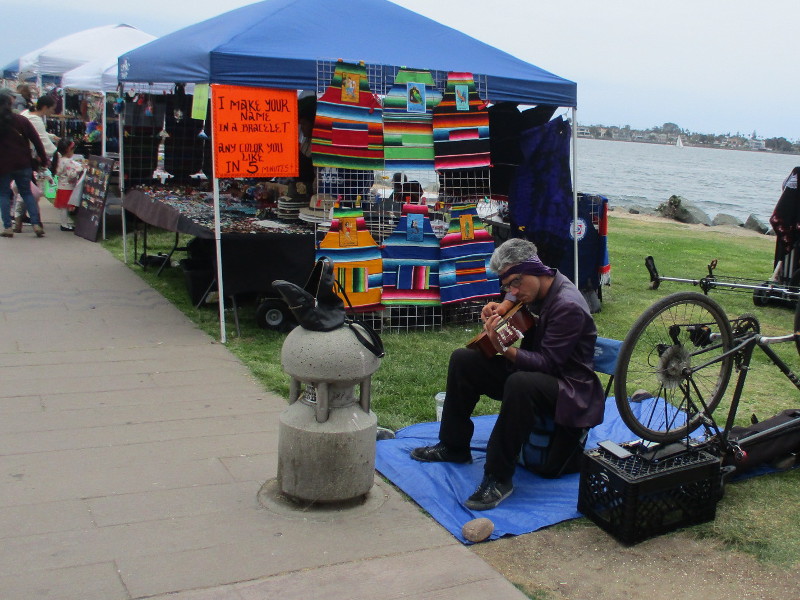
Street performers and vendors were stationed along the boardwalk. Kites were flying at Embarcadero Marina Park North. People were eating lunch outdoors.

It might have been mostly overcast, but it did feel like the beginning of summer…

Thanks for visiting Cool San Diego Sights!

I post new blogs pretty often. If you like discovering new things, bookmark coolsandiegosights.com and swing on by occasionally!

I live in downtown San Diego and love to walk around with my camera! You can follow Cool San Diego Sights via Facebook or Twitter!
Time capsule at Miramar National Cemetery.

Three years ago I visited Miramar National Cemetery during the weekend of Memorial Day. I took photographs and posted a blog concerning the cemetery’s Liberation statue, which is a powerful memorial to prisoners of war.

I didn’t realize at the time the statue contains a time capsule.

During a recent visit to the San Diego Veterans Museum, I observed a display concerning the time capsule.

San Diego Chapter 1 American Ex-Prisoners of War – WWII, Korean War, Vietnam War, U.S.S. Pueblo. Greetings to the generation of 2045. Carefully enshrined in this time capsule are former prisoners of war’s actual experiences, stories of their lives before, during and after World War II, both European and Pacific Theaters, through all wars that followed to the capture of the U.S.S. Pueblo by the North Koreans in 1968.

The Time Capsule includes approximately 100 DVDs of member’s biographical testimonies video taped from 2002 to the statue’s placement September 2011. The capsule also includes Chapter support (PTSD) meetings, activities, documentaries, history of the chapter and statue, books, pictures and other memorabilia.

The sacrifices of many shall not be forgotten.

Thanks for visiting Cool San Diego Sights!

I post new blogs pretty often. If you like discovering new things, bookmark coolsandiegosights.com and swing on by occasionally!

I live in downtown San Diego and love to walk around with my camera! You can follow Cool San Diego Sights via Facebook or Twitter!
Our People’s Garden in downtown San Diego.

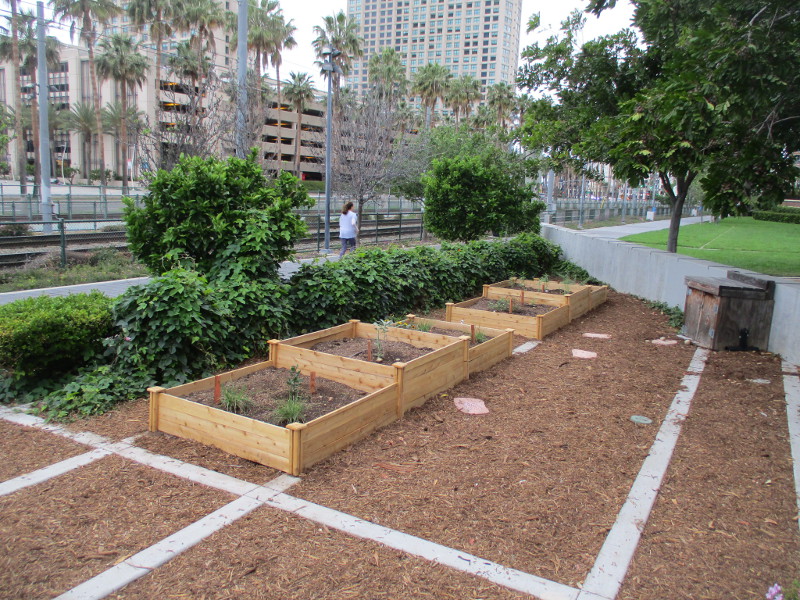
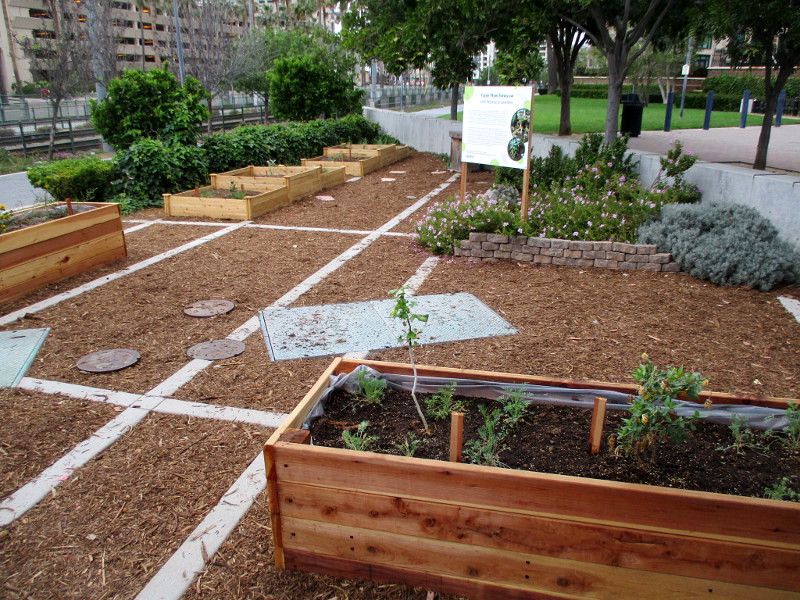
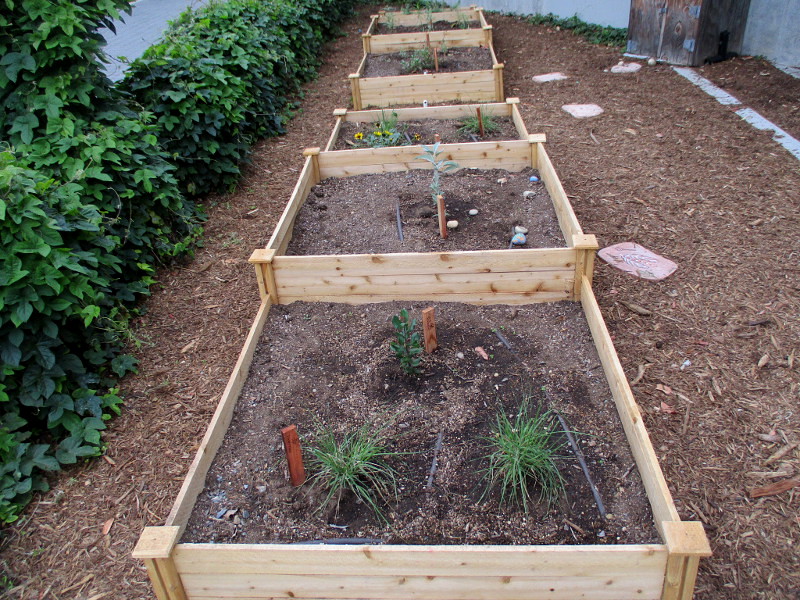
Over the years, a small garden space south of The New Children’s Museum in downtown San Diego has undergone several transformations. Early this morning, during a walk down the Martin Luther King Jr. Promenade, I noticed it is now called Iipay Nyechewuuw, or Our People’s Garden.

A sign near the wooden planter boxes explains that Our People’s Garden was inspired by the Barona Indian Charter School’s Native Plant Garden, and the Barona Cultural Center + Museum’s Native Plant Seed Library.

The garden is now used by the nearby children’s museum to teach kids about the environment and Kumeyaay culture. The Kumeyaay have traditionally used native plants in our region as food, tools and medicine.

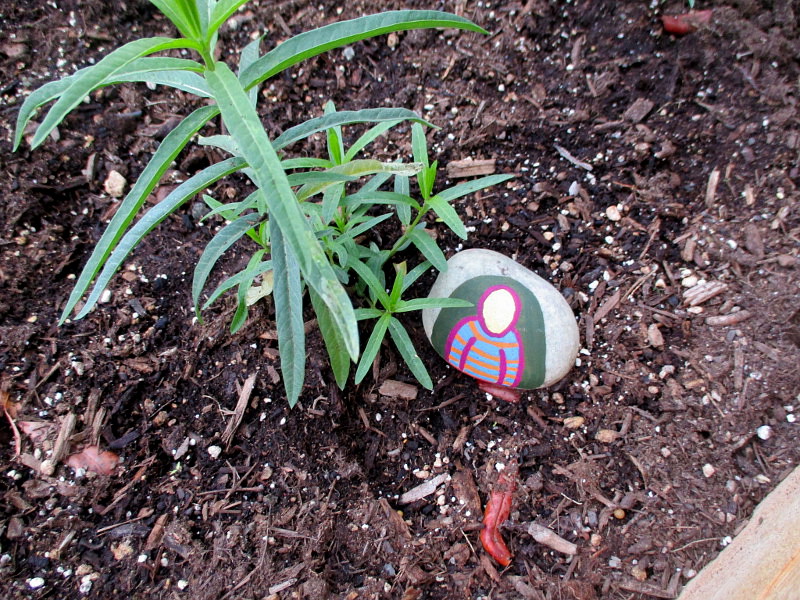
I noticed bits of art scattered about, evidently painted by young hands. I added contrast to my photograph of the sign so it can be more easily read.

Thanks for visiting Cool San Diego Sights!

I post new blogs pretty often. If you like discovering new things, bookmark coolsandiegosights.com and swing on by occasionally!

I live in downtown San Diego and love to walk around with my camera! You can follow Cool San Diego Sights via Facebook or Twitter!
Sensuous Environment at the San Diego History Center.

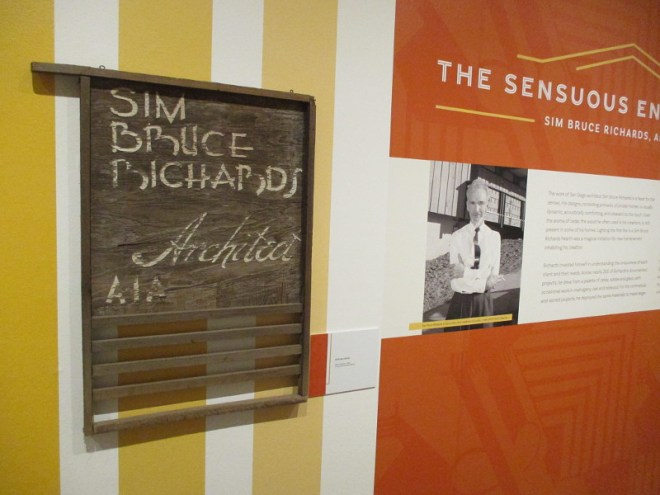
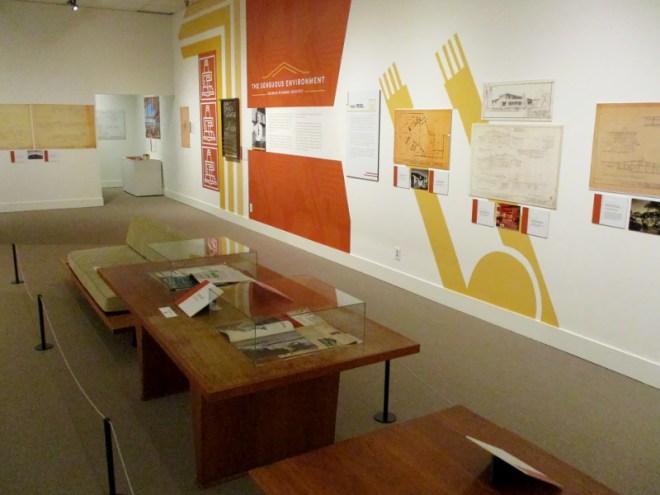
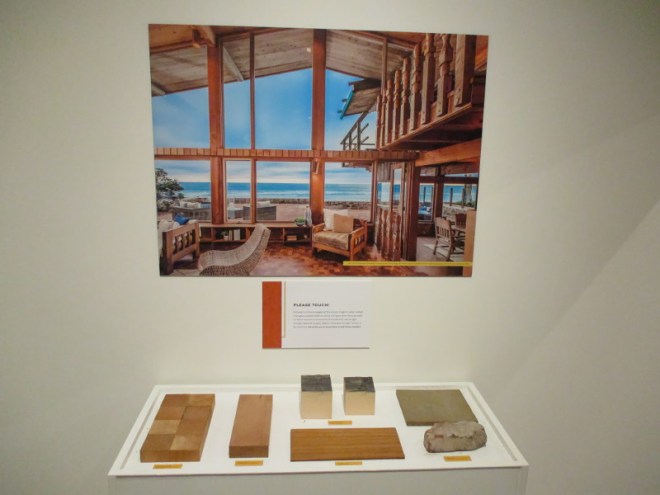
A new exhibit recently opened at the San Diego History Center in Balboa Park. It’s titled The Sensuous Environment – Sim Bruce Richards, Architect.

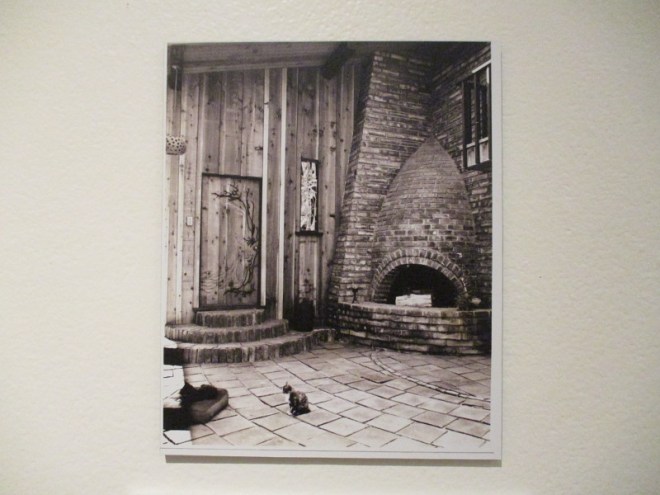
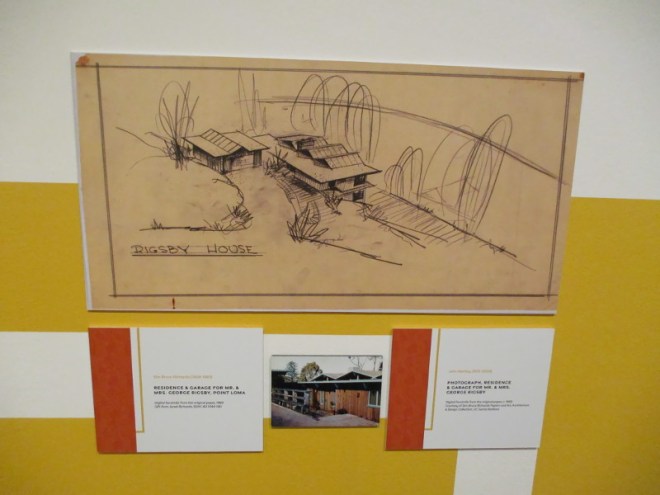
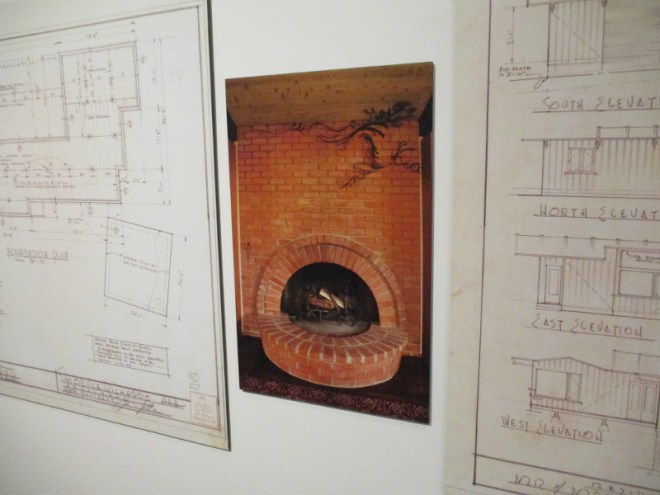
San Diego architect Sim Bruce Richards is best known for designing houses that appeal not only to the eyes, but to other human senses as well. The museum exhibit, with its many photographs and drawings, celebrates the unique vision of an architect whose creations feel both rustic and modern. It’s an aesthetic that appeals to an essential human connection with nature.

His houses are truly homes. They are warm and welcoming. They contain natural, textured materials that are pleasant to the senses, like stone, adobe, and beautiful woods, including mahogany, redwood and aromatic cedar. Fireplaces are centerpieces where life gathers. Natural outdoor light shines through large windows. As one display explains: Richards took inspiration from his Cherokee heritage, his apprenticeship with Frank Lloyd Wright, and fondness for the work of San Diegan Irving Gill and other early twentieth century architects…

Reading the fascinating displays, I learned he often collaborated with noted San Diego artist James Hubbell.

Richards also designed commercial and church buildings using the same aesthetic. Did you know the Morley Field Tennis Club building in Balboa Park was one of his projects?

Beautifully inviting furniture that he designed is also part of the exhibit.

The Sensuous Environment – Sim Bruce Richards, Architect presents material from the archives of the San Diego History Center and UC Santa Barbara’s Art, Architecture and Design Museum.

Thanks for visiting Cool San Diego Sights!

I post new blogs pretty often. If you like discovering new things, bookmark coolsandiegosights.com and swing on by occasionally!

I live in downtown San Diego and love to walk around with my camera! You can follow Cool San Diego Sights via Facebook or Twitter!
Balboa Park’s forgotten Roads of the Pacific.

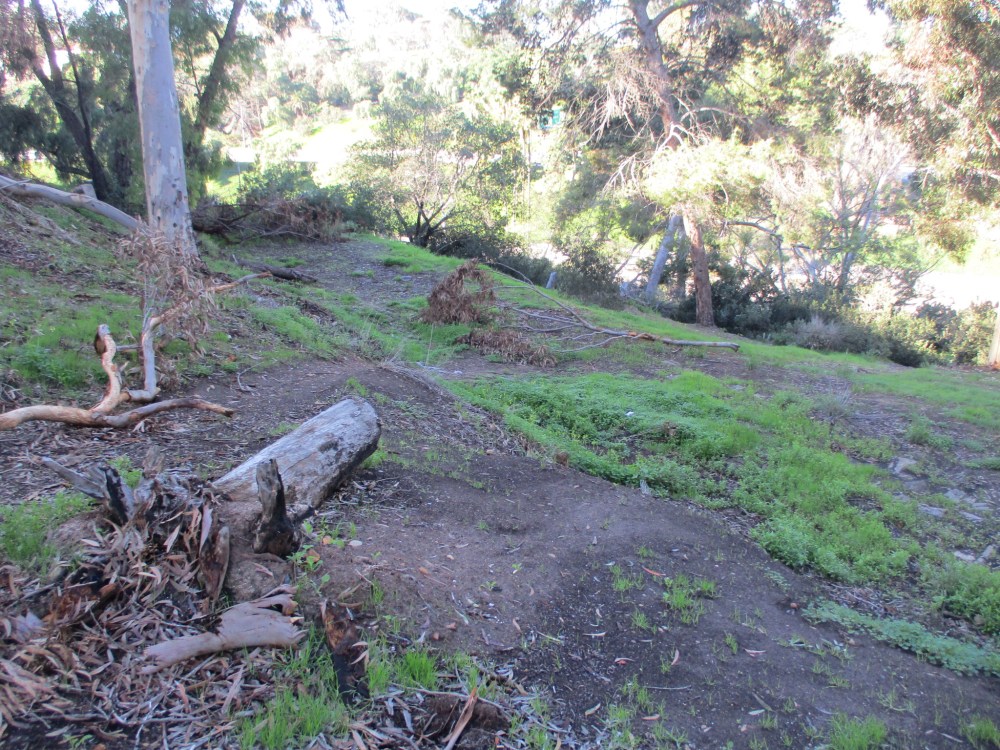
Wander a short distance down the hill west of the San Diego Air and Space Museum and you’ll stumble upon what appears to be a weedy, forgotten roadway paved with flat stones. What you’ve found is a bit of Balboa Park’s history.

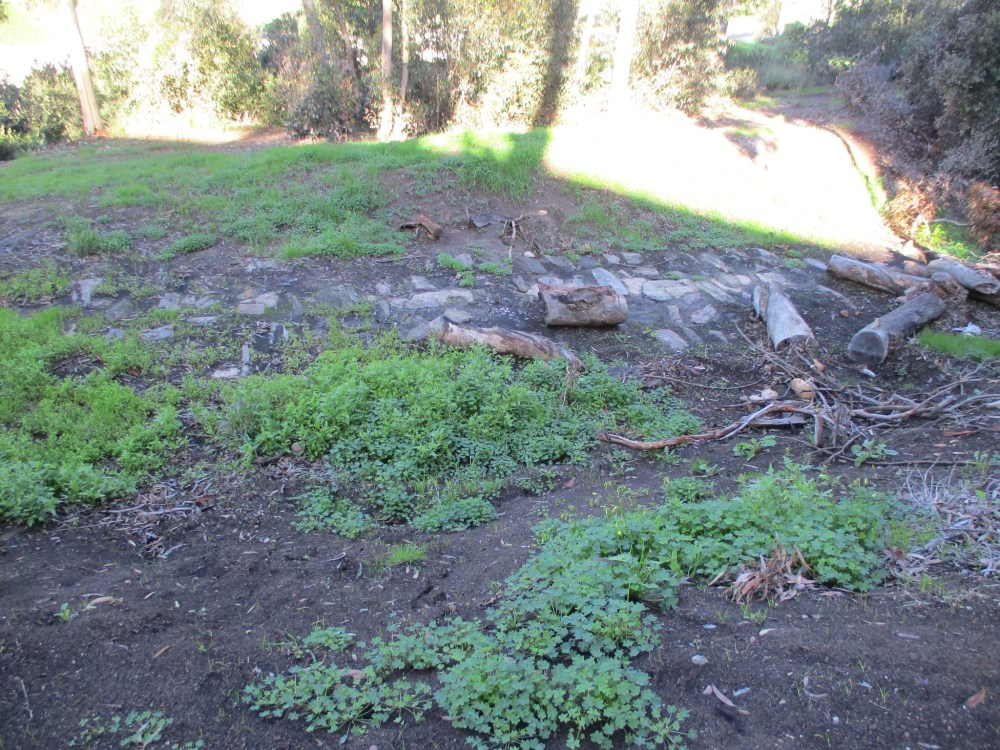
These photographs show remains of the Roads of the Pacific, an attraction visitors could enjoy during the 1935 California Pacific International Exposition.

The looping Roads of the Pacific ran beside the Ford Building, which is now home to the Air and Space Museum. Exposition visitors could ride the latest Ford automobiles on a short curving course and experience different types of road surfaces.

I found some old photographs showing the Roads of the Pacific. Check out this page of the San Diego Air and Space Museum’s website.

The page also provides a description, including: the circuit roads were more than half a mile long and featured 14 different segments demonstrating everything from the Santa Fe Trail with natural packed soil, to the Old Spanish Road with cobblestones, clay, and gravel. Designed by Walter Dorwin Teague, each section was approximately 196 feet long and 12 feet wide. To enhance this experience, the roadways were planted with native trees and plants from the Pacific nations

…it was reported…that more than 480,000 people rode the Roads of the Pacific…

Today, almost a century later, this is a sample of what remains:

Thanks for visiting Cool San Diego Sights!

I post new blogs pretty often. If you like discovering new things, bookmark coolsandiegosights.com and swing on by occasionally!

I live in downtown San Diego and love to walk around with my camera! You can follow Cool San Diego Sights via Facebook or Twitter!

Presidential visit exhibit at Hotel Del’s museum.

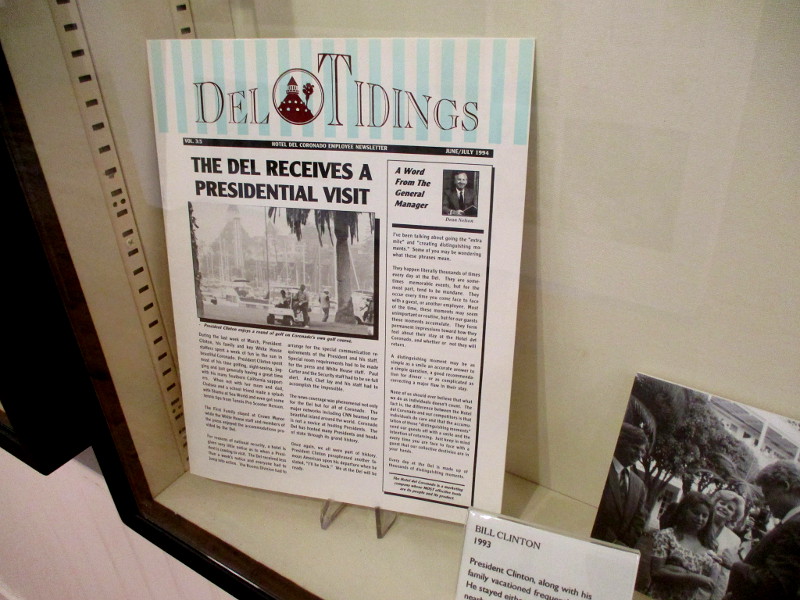
Last February a new exhibit was added to the Hotel del Coronado’s museum, which is located in the Victorian resort’s old ice house. Several display cases contain historical photographs and ephemera recalling visits to the Hotel del Coronado by United States Presidents.

How many Presidents? Count them. Benjamin Harrison, William Howard Taft, Woodrow Wilson, Franklin D. Roosevelt, Lyndon B. Johnson, Richard Nixon, Gerald Ford, Jimmy Carter, Ronald Reagan, George H. W. Bush, Bill Clinton and George W. Bush.

In addition to fancy printed invitations and menus, you’ll see that one state dinner in the Hotel Del’s famous Crown Room required 450 pounds of Totuava Sea Bass, 1000 pounds of Nebraska Prime Beef, 300 pounds of California Roasted Potatoes, 300 pounds of Colossal Asparagus, 1400 heads of Kentucky Lime stone [sic] Lettuce, 1400 Hearts of Artichoke…20 cases of Louis Martini Cabernet Sauvignon 1966…etc…

That must have been quite a feast!

I first visited the Hotel del Coronado’s fascinating museum a year ago and posted a blog about it here.

Thanks for visiting Cool San Diego Sights!

I post new blogs pretty often. If you like discovering new things, bookmark coolsandiegosights.com and swing on by occasionally!

I live in downtown San Diego and love to walk around with my camera! You can follow Cool San Diego Sights via Facebook or Twitter!
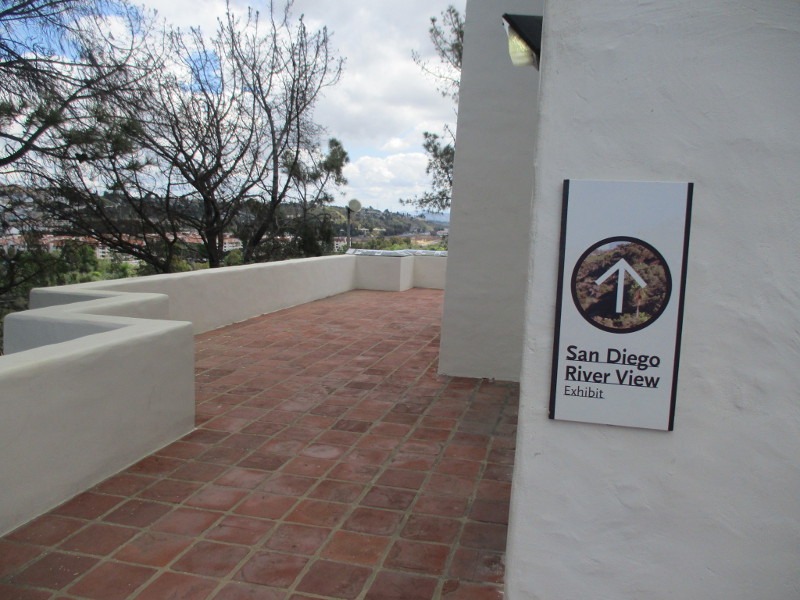
San Diego Riverview exhibit at Serra Museum.

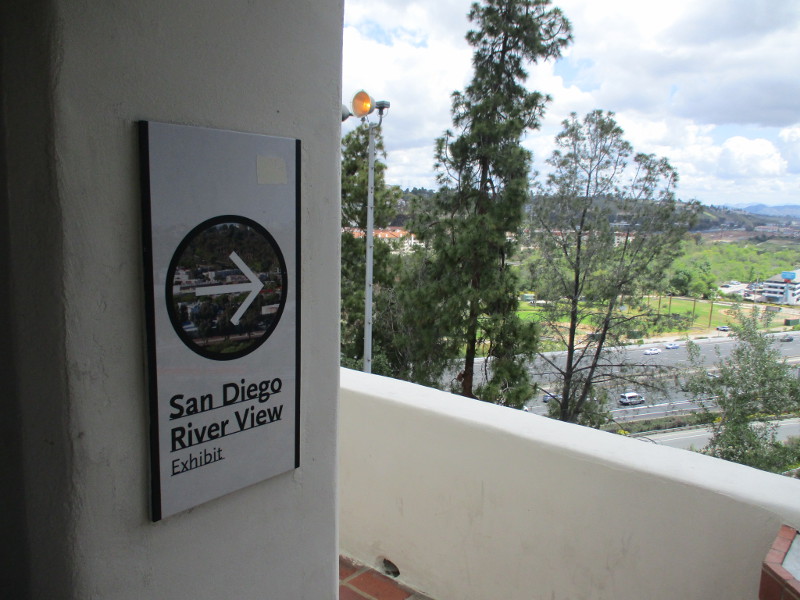
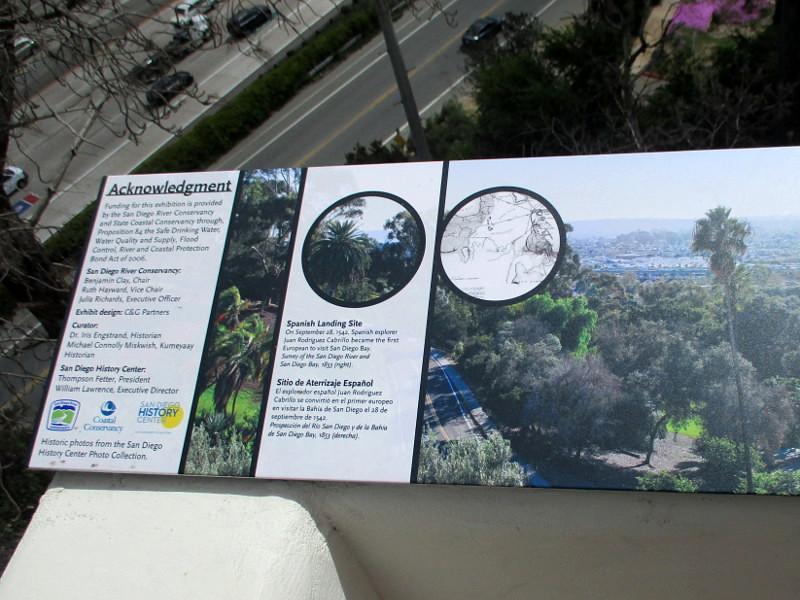
The history of human activity beside the life-giving San Diego River can be viewed from the outdoor terrace of the Junípero Serra Museum.

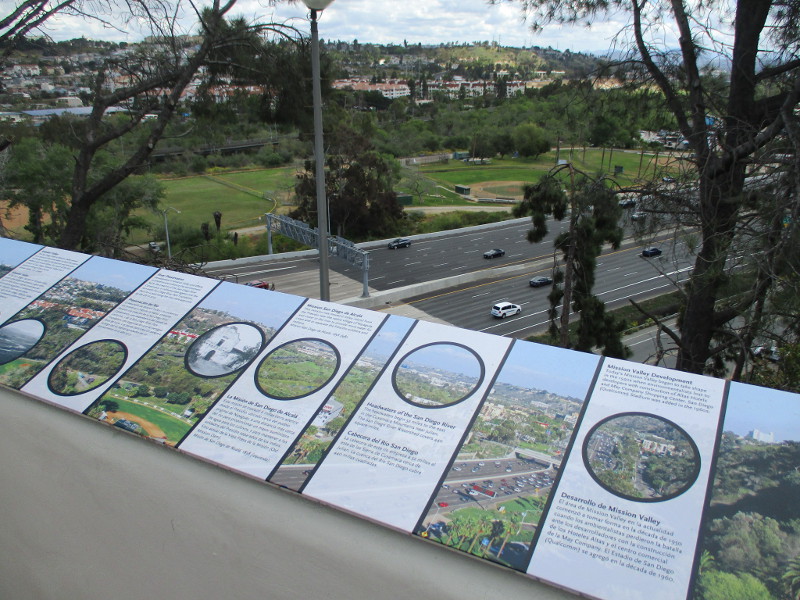
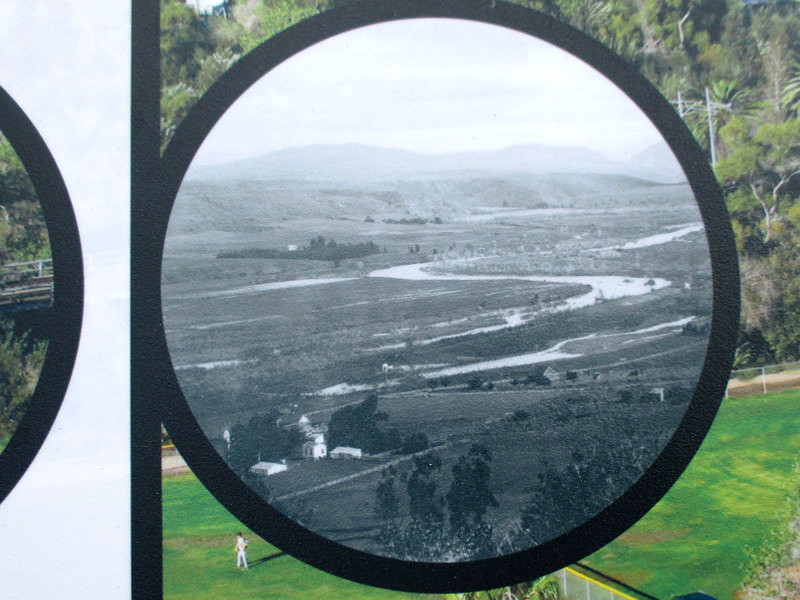
The museum’s scenic San Diego Riverview exhibit helps visitors visualize the where and when of various important developments in the area. Historical images from the San Diego History Center Photo Collection can be compared to present-day sights in nearby Mission Valley and beyond.

I walked up Presidio Hill today to check out this relatively new exhibit.

As I write this, I can still remember my first visit to the Junípero Serra Museum. The landmark building stands high atop Presidio Hill overlooking Old Town and the west end of Mission Valley. Revisit those old photographs here.

Years ago I also posted a blog about climbing Presidio Hill, where Europeans first settled in California. See that here. Since then I’ve walked around Presidio Park many times and have shared all sorts of photographs. You can find many of them by using this website’s search box.

A plaque by the outdoor terrace acknowledges those who helped with the Serra Museum’s recent restorations.

Look for several of these signs outside the Junípero Serra Museum.

Interstate 8 runs through Mission Valley just below Presidio Hill.

Historical photos and information await visitors at the northeast corner of the Serra Museum’s outdoor terrace.

If you peer to the west beyond some trees, you can see San Diego Bay, which explorer Cabrillo discovered for Spain in 1542.

Survey of the San Diego River and San Diego Bay, 1853.

The Native American Kumeyaay lived in a village called Cosoy at the base of Presidio Hill near the San Diego River.

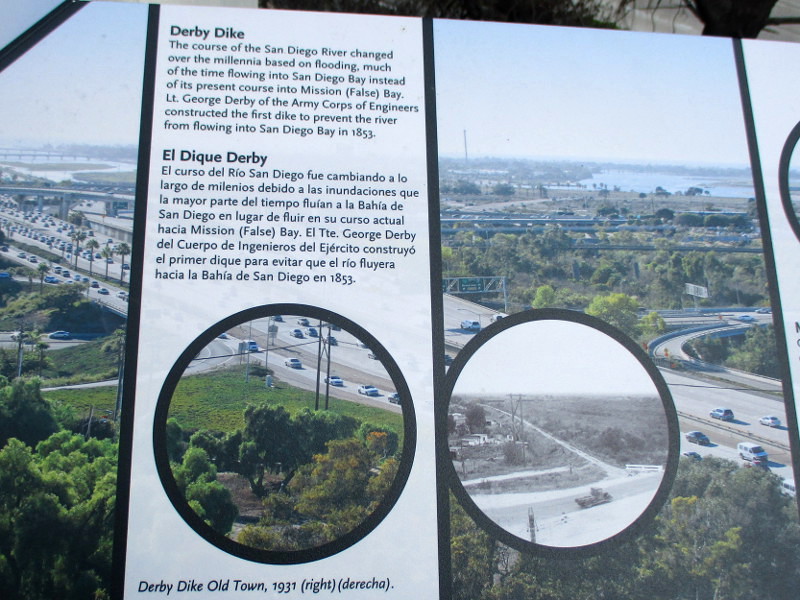
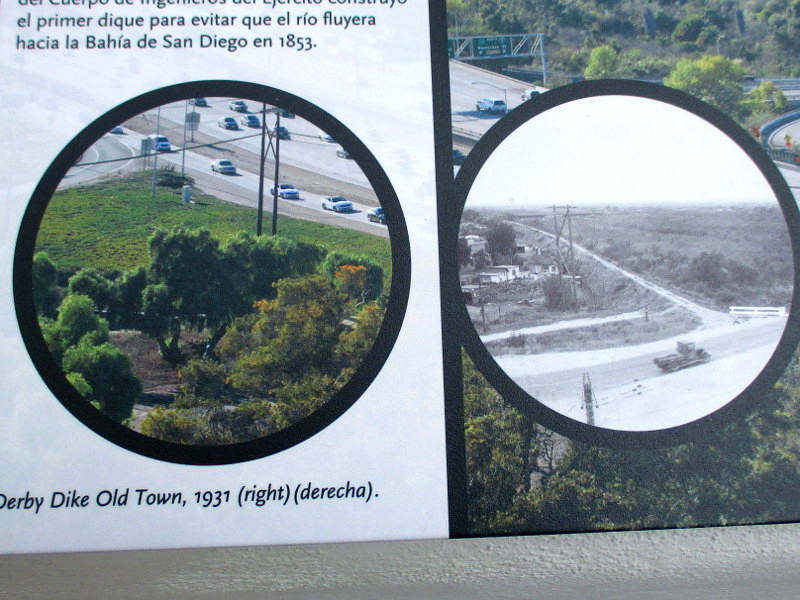
Derby Dike was built in 1853 by Lt. George Derby of the Army Corps of Engineers. The dike altered the course of the San Diego River, which periodically flooded Old Town, into False Bay–now called Mission Bay.

To see a historical plaque which marks the approximate location of old Derby Dike, click here.

Believe it or not, dike engineer Lieutenant George Horatio Derby was also a humorist who inspired Mark Twain! His pen name was Squibob. You can still see where he lodged while working in San Diego. Read about that here!

Photo of rebuilt Derby Dike in 1931.

Mission Bay can be spied to the northwest. The natural marsh and tidelands were enlarged by dredging from 1949 through the 1960s.

By looking from the Serra Museum’s terrace beyond nearby trees, you can glimpse La Jolla’s Mount Soledad to the northwest.

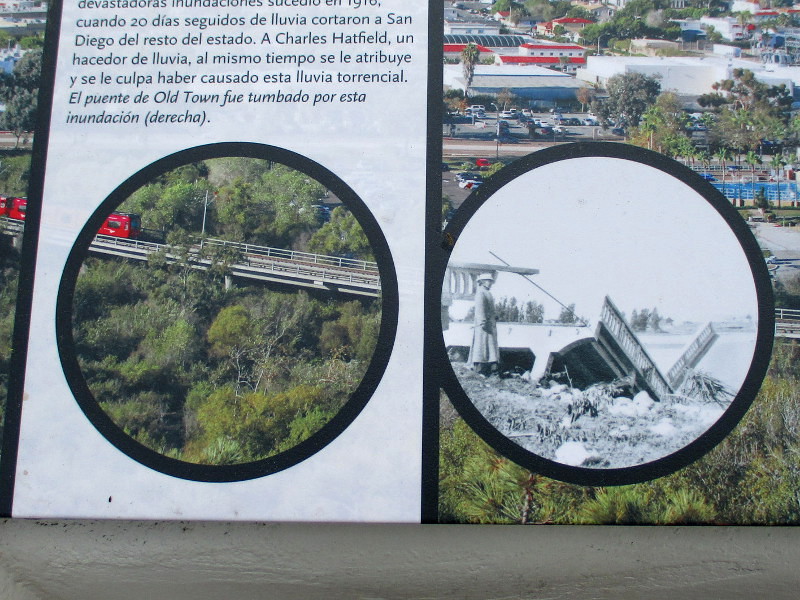
Photo of Old Town bridge washed out in 1916 flood. Rainmaker Charles Hatfield was both credited and blamed for the 20 day downpour!

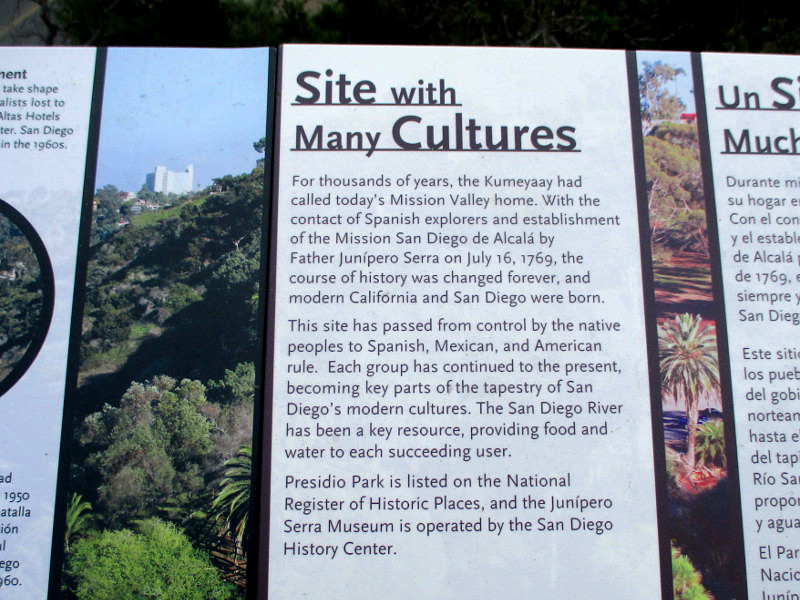
The San Diego River in Mission Valley has been a source of food and water for the Kumeyaay, Spanish, Mexicans and Americans over the years. Before its urban development, many dairy farms could be found in Mission Valley.

Photo of Mission Valley from 1915.

Display concerns efforts for environmental preservation, and the history Mission San Diego de Alcalá. In 1774 the Spanish mission moved 6 miles inland from its original 1769 location on Presidio Hill.

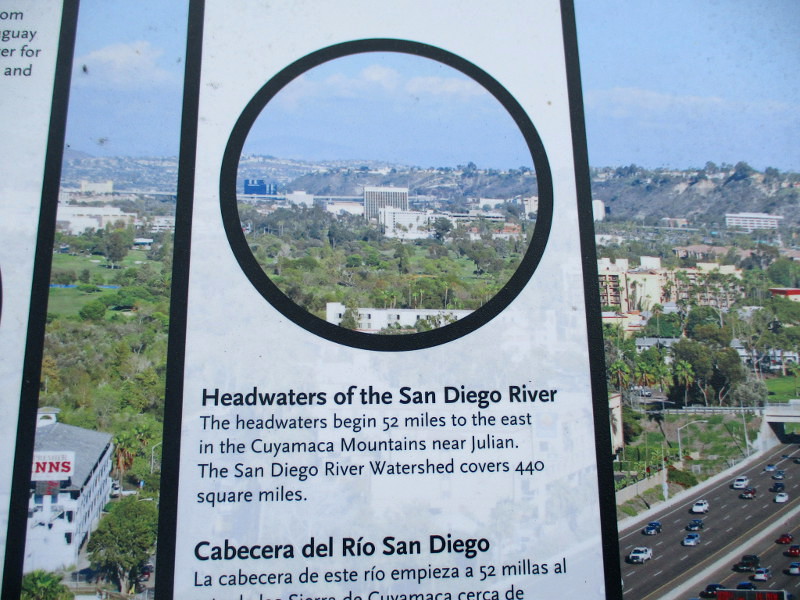
On a very clear day you can barely see the Cuyamaca Mountains to the east. That’s where the San Diego River begins.

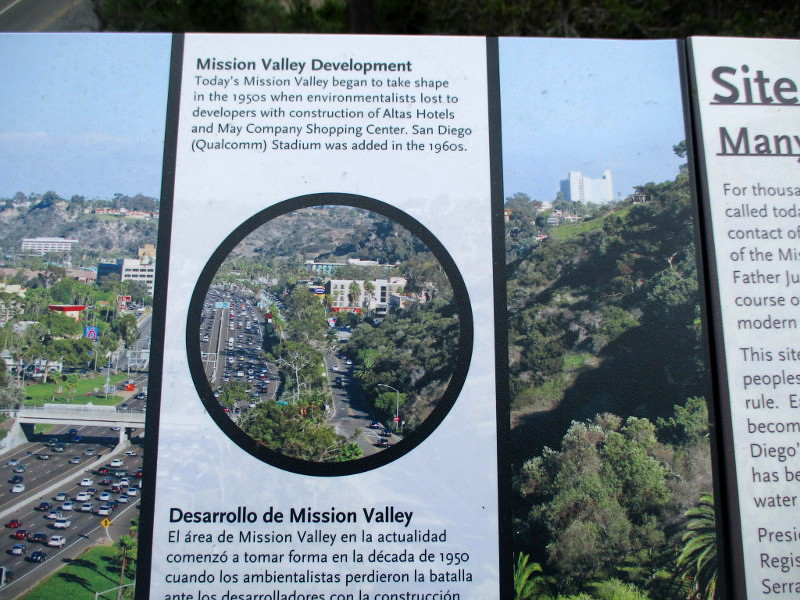
Mission Valley’s development began in earnest in the 1950s, with the construction of Atlas Hotels and May Company Shopping Center. San Diego Stadium arrived in the 1960s.

Over the centuries, many people from diverse cultures have contributed to the history of this dynamic place. At the center of it all runs the San Diego River.

Thanks for visiting Cool San Diego Sights!

I post new blogs pretty often. If you like discovering new things, bookmark coolsandiegosights.com and swing on by occasionally!

I live in downtown San Diego and love to walk around with my camera! You can follow Cool San Diego Sights via Facebook or Twitter!
Balboa Park markers for police who died in combat.

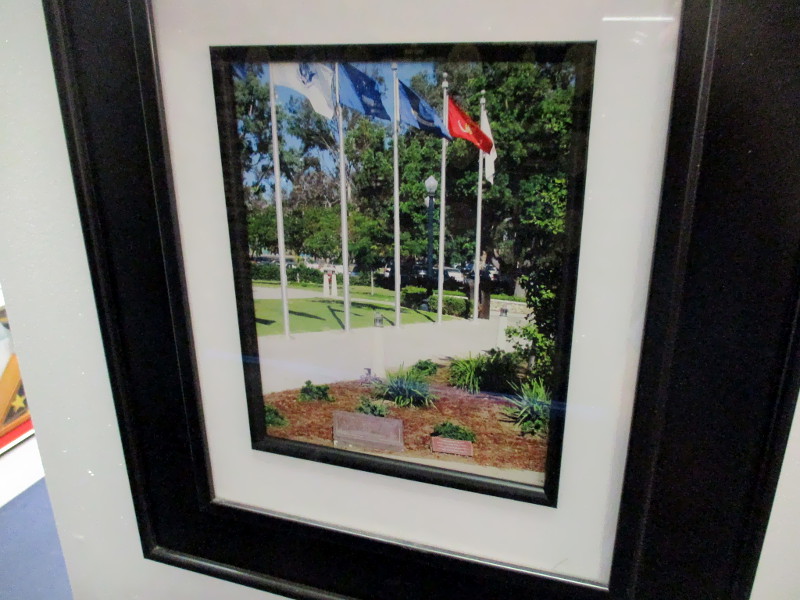
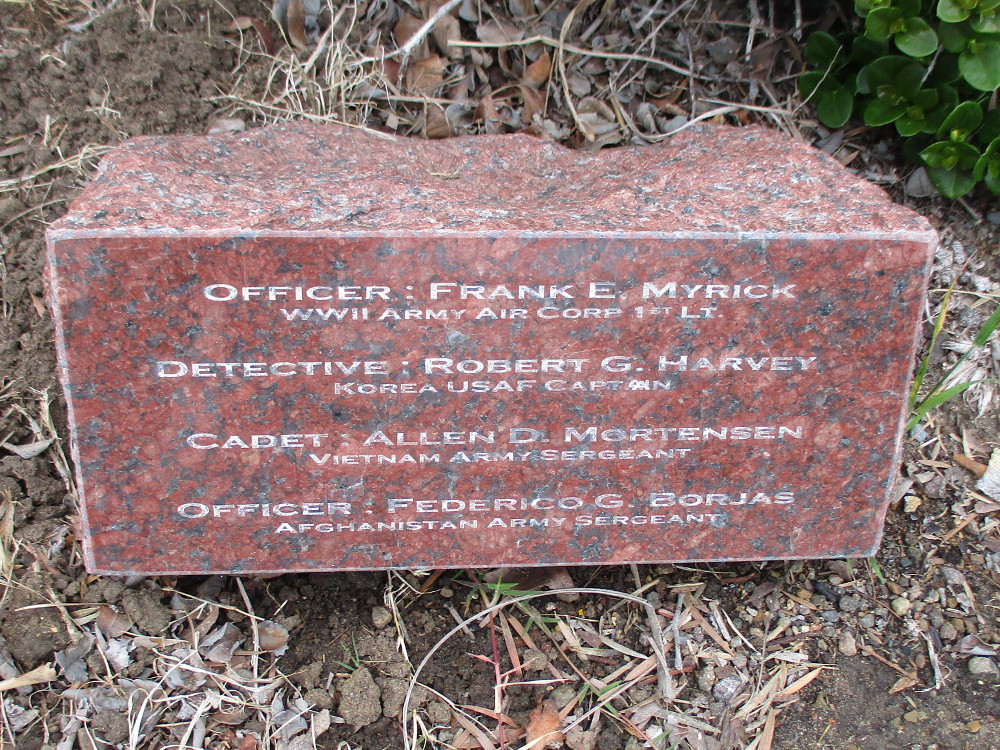
Two markers in Balboa Park, not far from the entrance to the Veterans Museum and Memorial Center, remember and honor members of the San Diego Police Department who died in combat.

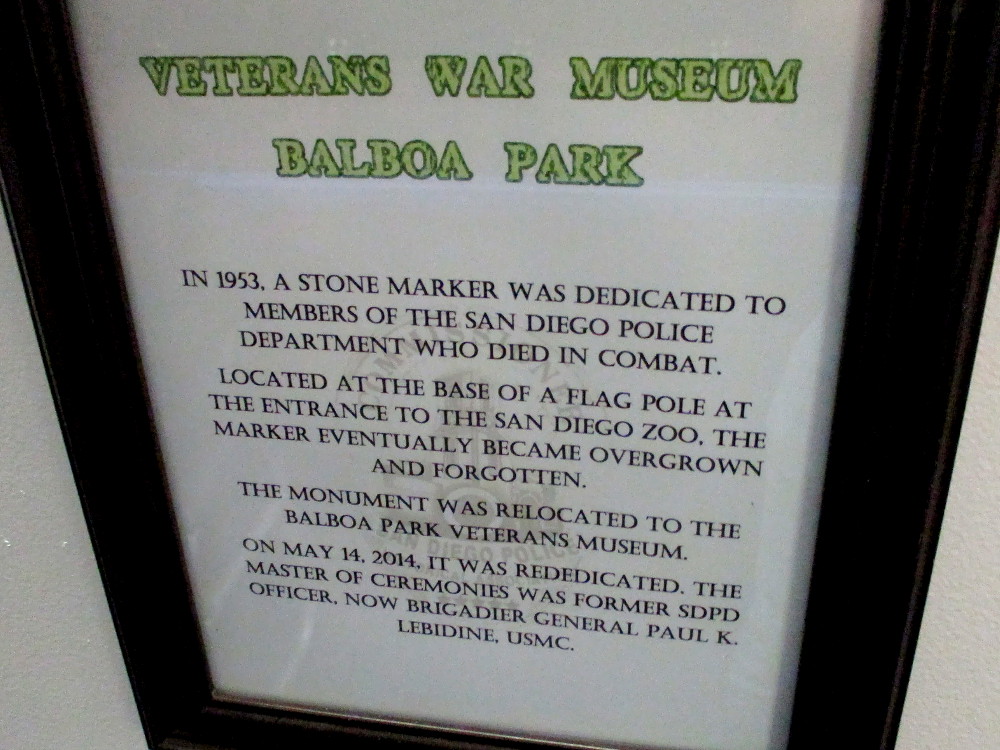
I knew nothing about these markers until I visited the San Diego Police Museum recently. A display on one wall included an old photograph and an explanation of the older marker and its plaque’s history.

Veterans War Museum Balboa Park

In 1953, a stone marker was dedicated to members of the San Diego Police Department who died in combat. Located at the base of a flag pole at the entrance to the San Diego Zoo, the marker eventually became overgrown and forgotten. The monument was relocated to the Balboa Park Veterans Museum. On May 14, 2014, it was rededicated. The master of ceremonies was former SDPD officer, now Brigadier General Paul K. Lebidine, USMC.

Other monuments in and around San Diego memorialize fallen law enforcement officers.

Those monuments that I’ve observed and photographed can be found here and here and here.

Thanks for visiting Cool San Diego Sights!

I post new blogs pretty often. If you like discovering new things, bookmark coolsandiegosights.com and swing on by occasionally!

I live in downtown San Diego and love to walk around with my camera! You can follow Cool San Diego Sights via Facebook or Twitter!