Several weeks ago I enjoyed a fine, very easy nature walk.
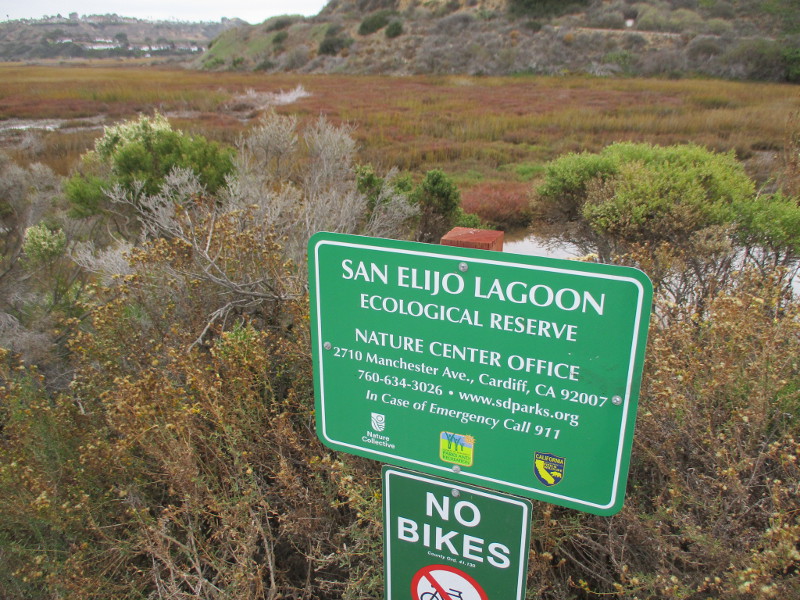
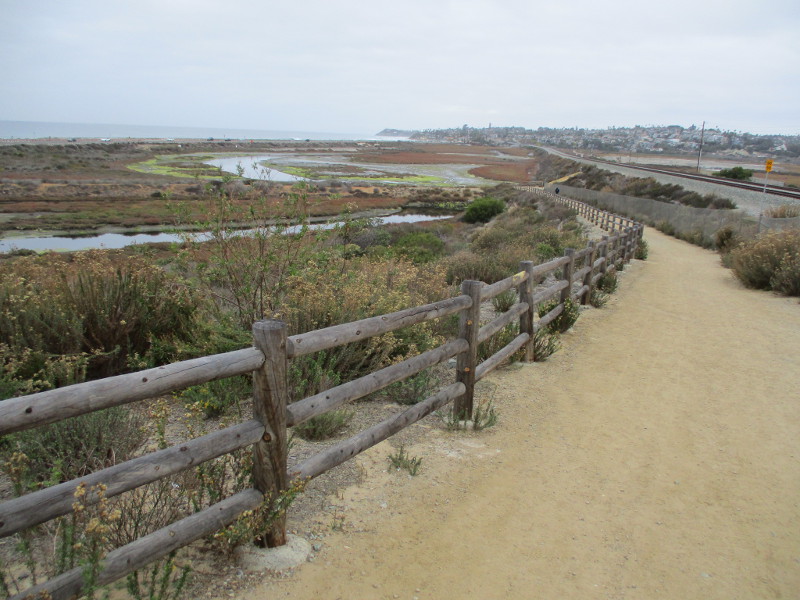
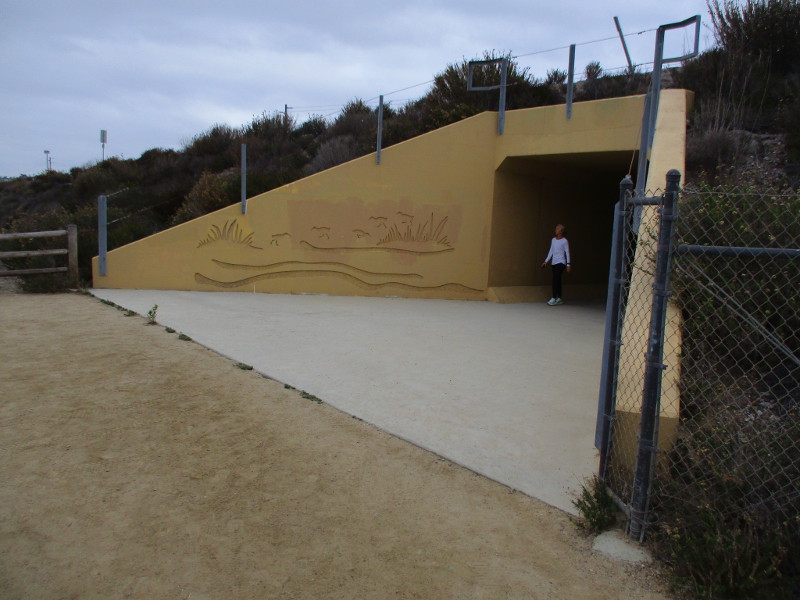
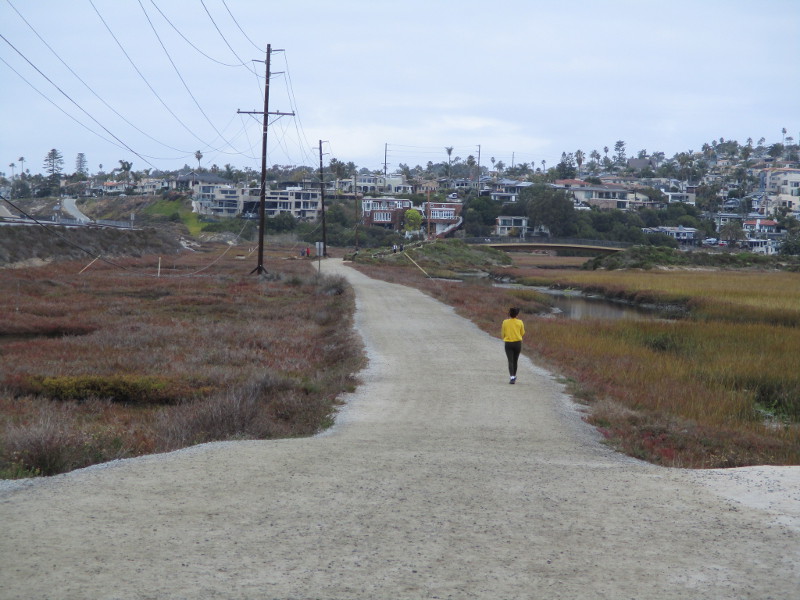
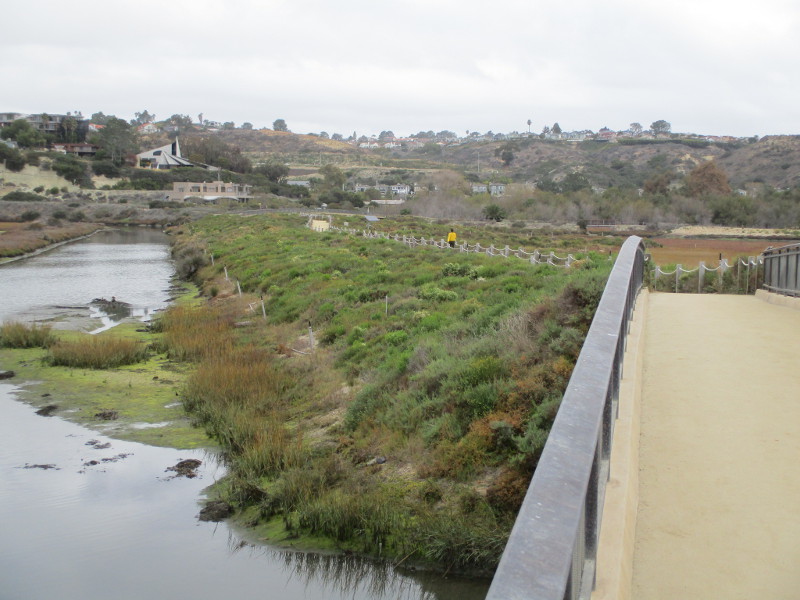
I proceeded from the murals at Harbaugh Seaside Trails (near Highway 101 at the north end of Solana Beach) down the main dirt trail. The trail turned, passed through a tunnel under the railroad tracks, and entered San Elijo Lagoon Ecological Reserve.
I then proceeded north up the Pole Trail (which runs parallel to the train tracks), crossed a couple of bridges, and ended at the San Elijo Lagoon Nature Center at the south end of Cardiff-by-the-Sea.
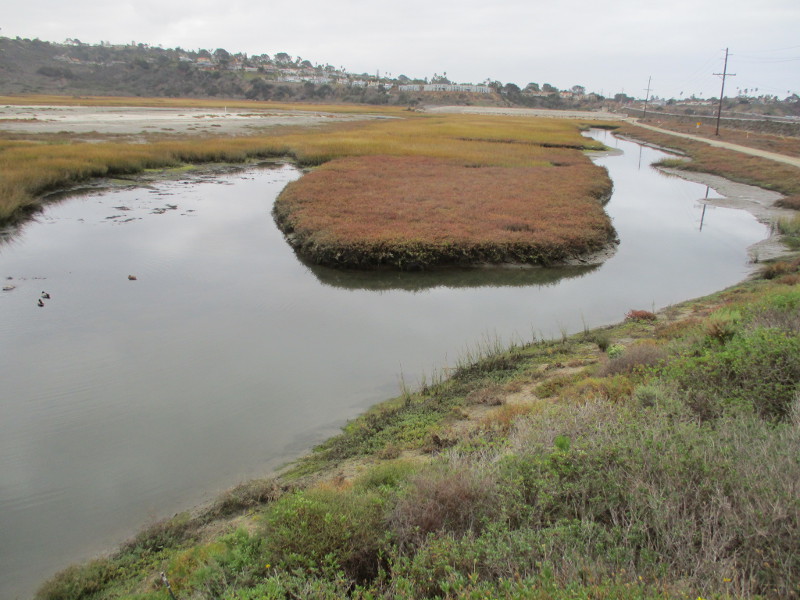
Come along with me as we look at these protected wetlands and watch for birds and other native wildlife…
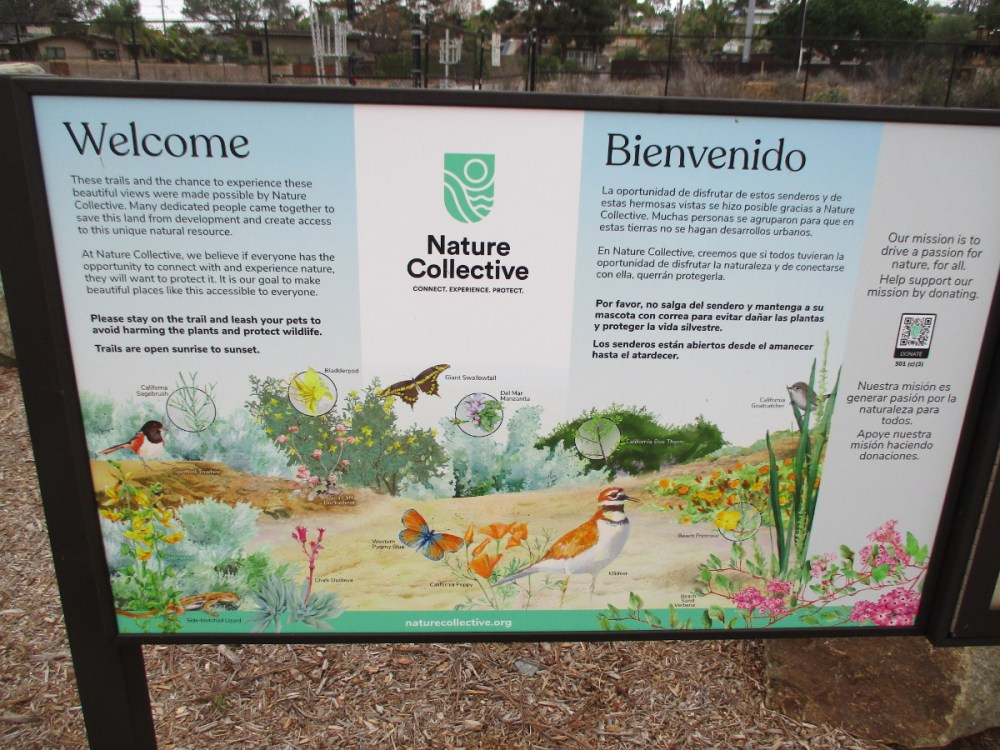
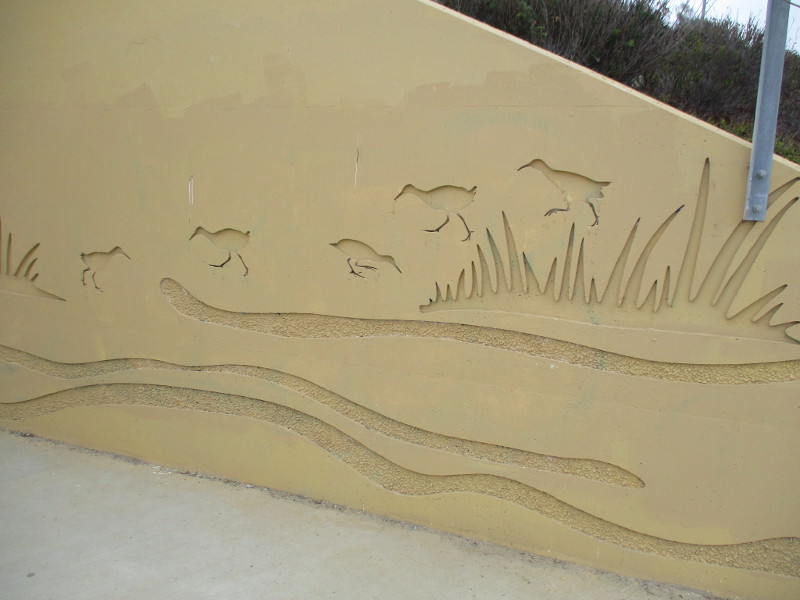
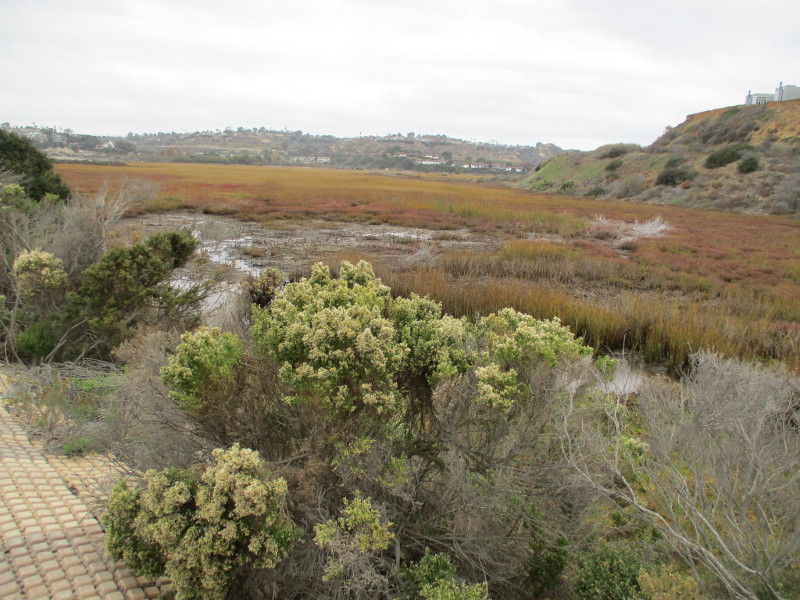
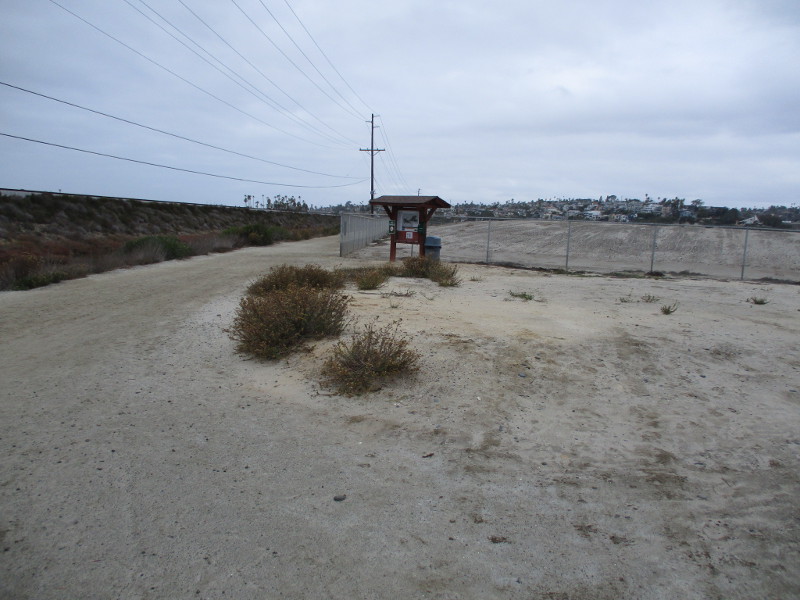
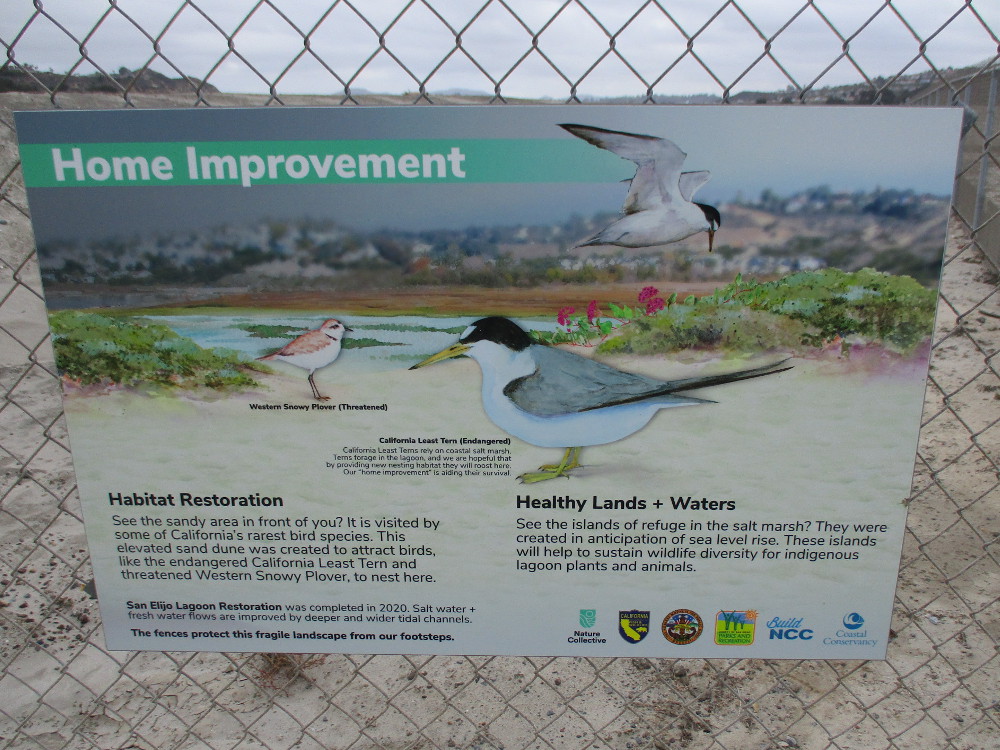
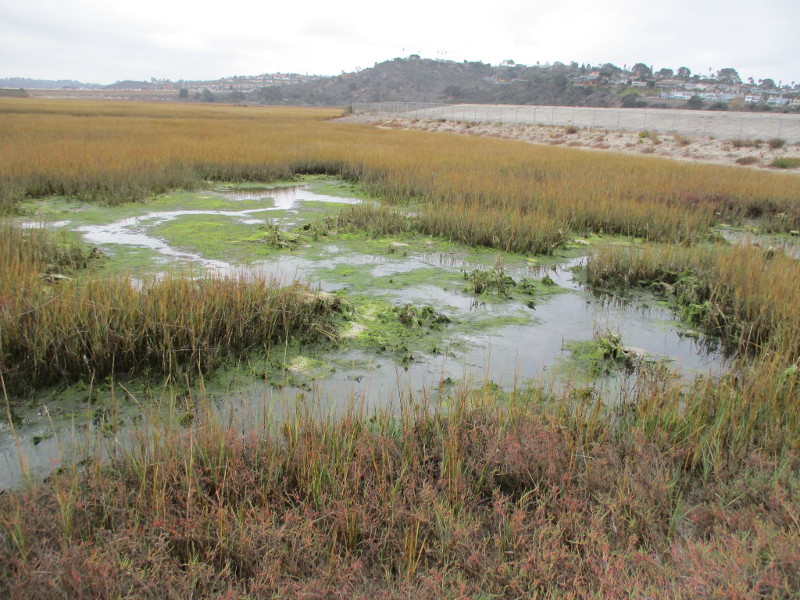
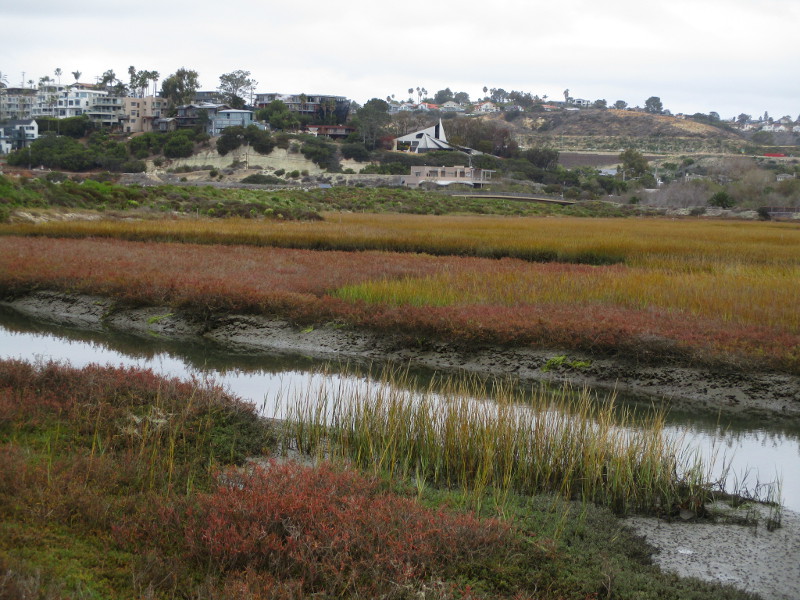
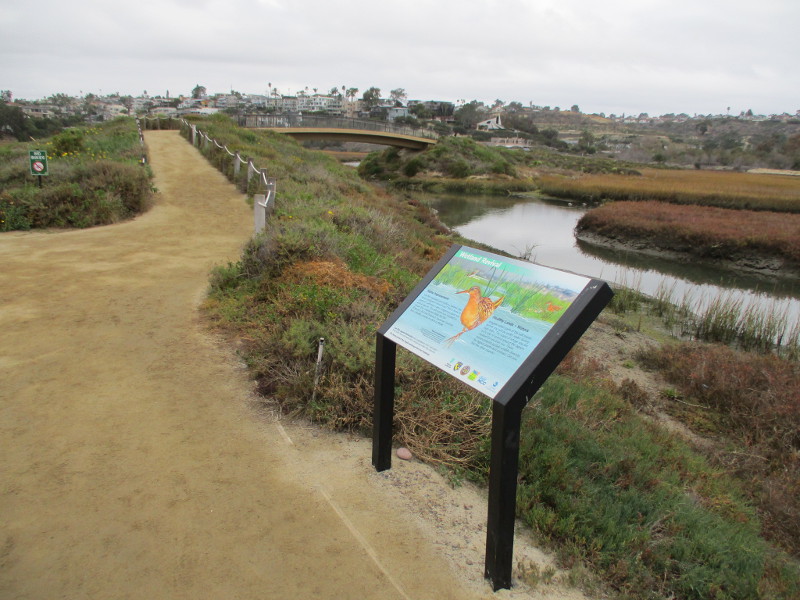
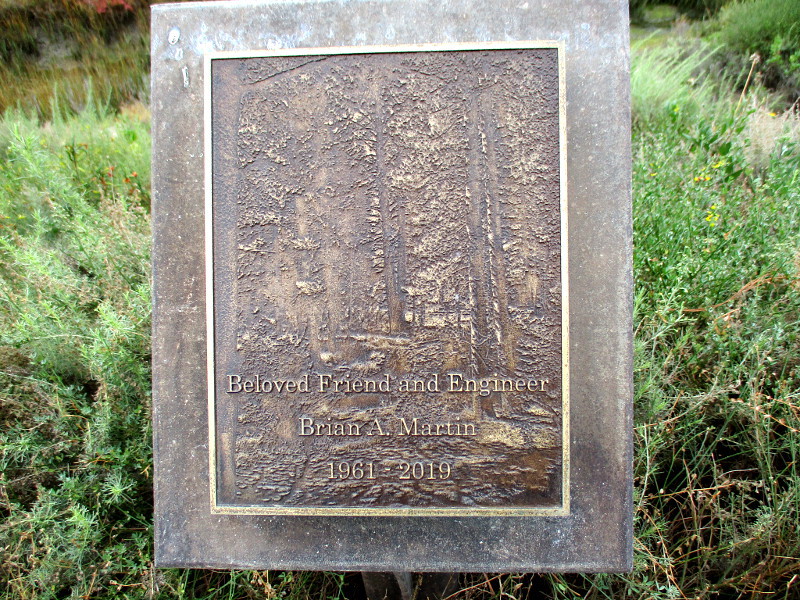
Sign at Harbaugh Seaside Trails at start of my walk.These trails were made possible by Nature Collective.Beautiful words a short distance from the Harbaugh Seaside Trails murals. Annie’s Bench.Nearby overlook with views of the Pacific Ocean off to the west.Beginning our walk in earnest.Here’s the railroad tunnel.Artwork at the tunnel entrance depicts birds.We are looking across San Elijo Lagoon Ecological Reserve.San Elijo Lagoon in the winter.Pools of water support much life.Heading north we encounter a fenced area and sign.Map of the reserve. To the east there are additional trails to be explored.A big mound of soil behind this fence.Sign explains the sandy habitat restoration. The elevated sand dune attracts endangered birds, like the California Least Tern and Western Snowy Plover.Continuing north.Vegetated and shallow channels are home to rare indigenous plant and animal species. Birds include Ridgway’s Rail and Belding’s Savannah Sparrow.Here comes the first bridge!A profusion of native sunflowers.That interesting building up and to the left is the Nature Center.A plaque along the way memorializes Beloved Friend and Engineer Brian A. Martin.Another footbridge spans a channel of water.Plaque describes The Buhr Nature Bridge. Gabriel Buhr’s forward-thinking, planning and vision helped make the restoration of the San Elijo Lagoon possible.Almost to the San Elijo Lagoon Nature Center!
…
Thanks for visiting Cool San Diego Sights!
I post new blogs pretty often. If you like discovering new things, bookmark coolsandiegosights.com and swing on by occasionally!
I live in downtown San Diego and love to walk around with my camera! You can follow Cool San Diego Sights via Facebook or Twitter!
This large shark mural in University Heights was painted many years ago. But every time I’ve walked by it in the past, taking photographs was problematic. (Here’s one instance.)
A couple days ago I finally captured the entire mural! (Well, almost all of it.)
The artist is Cinzah, who hails from New Zealand. He painted this wall for the 2016 Sea Walls Festival organized by PangeaSeed Foundation. He wanted to increase awareness of a severe threat to shark populations: the act of finning. Around 100,000,000 sharks are killed every year for their fins, sharply reducing their numbers. The mural is titled 100 Million.
You can see this cool mural from the Park Boulevard sidewalk, to the east, half a block south of Monroe Avenue.
…
Thanks for visiting Cool San Diego Sights!
I post new blogs pretty often. If you like discovering new things, bookmark coolsandiegosights.com and swing on by occasionally!
I live in downtown San Diego and love to walk around with my camera! You can follow Cool San Diego Sights via Facebook or Twitter!
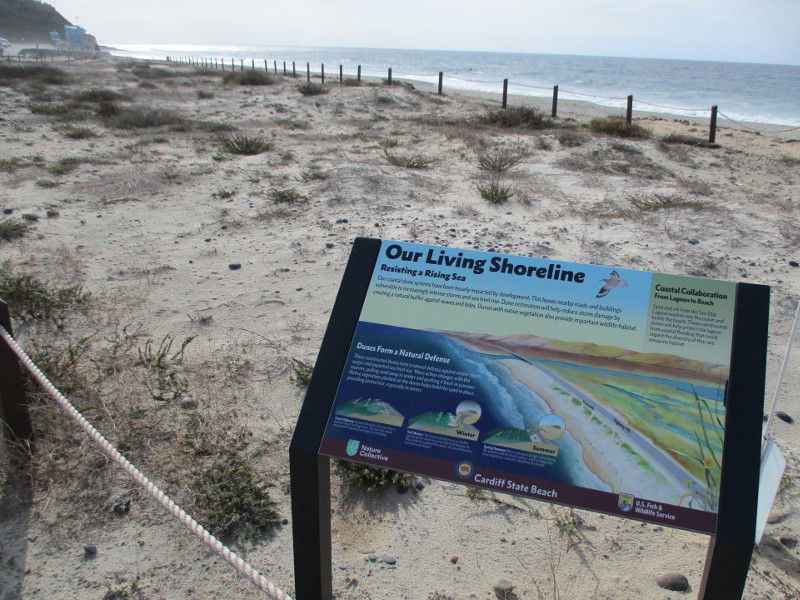
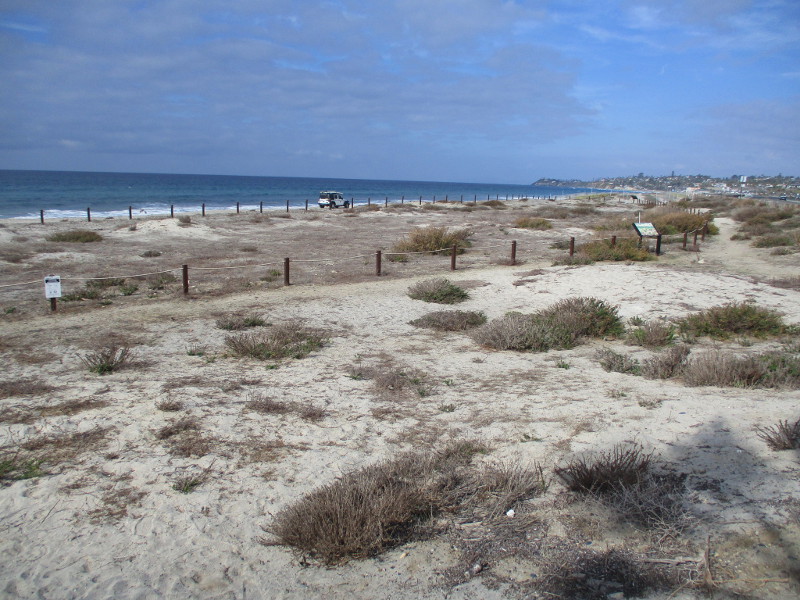
At Cardiff State Beach, in San Diego’s North County, restored coastal dunes are roped off, protecting fragile habitat from human feet.
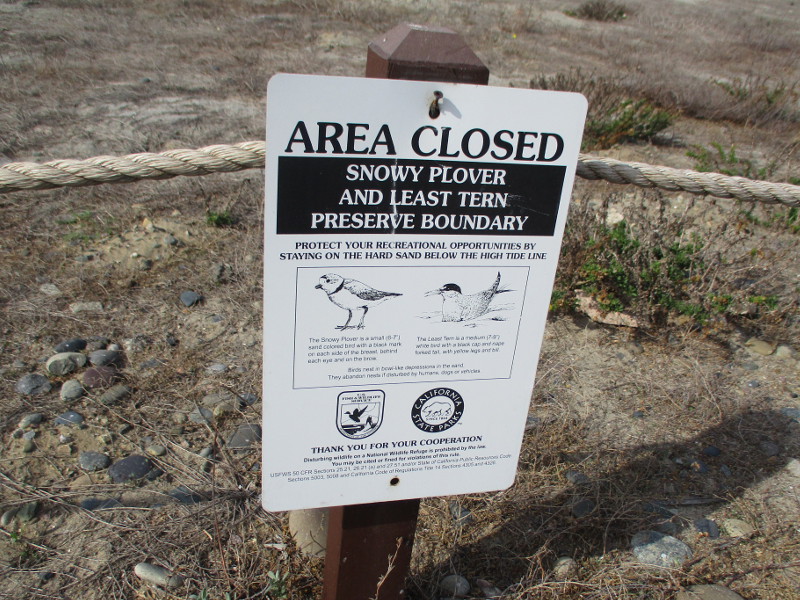
Signs posted on the perimeter explain the “constructed dunes” and Our Living Shoreline.
One sign explains that coastal dunes provide a natural buffer against waves, tides and storms in winter.
Made resilient with native vegetation, the dunes provide important wildlife habitat and protect San Elijo Lagoon from flooding.
The roped dunes at Cardiff State Beach constitute a snowy plover and least tern preserve. These birds have decreasing populations, largely due to development, recreation and other human activity. The birds nest in vulnerable bowl-like depressions in the sand.
A second Our Living Shoreline sign concerns native coastal scrub and dune plants. Among these are sand-verbena, beach evening-primrose and woolly-heads.
The plants provide cover and food for native and migrating birds.
This colorful information sign, near the entrance to South Cardiff State Beach, concerns California’s kelp forests.
The underwater “Hidden Forest, Rich with Life” can be viewed from the shoreline as floating brown-green patches of seaweed.
The kelp plants hold to the ocean floor and stretch up 100 feet or more. They support an unseen world teeming with life, including diverse fish, marine mammals, sea slugs, sea stars, sea anemones and spiny sea urchins.
…
Thanks for visiting Cool San Diego Sights!
I post new blogs pretty often. If you like discovering new things, bookmark coolsandiegosights.com and swing on by occasionally!
I live in downtown San Diego and love to walk around with my camera! You can follow Cool San Diego Sights via Facebook or Twitter!
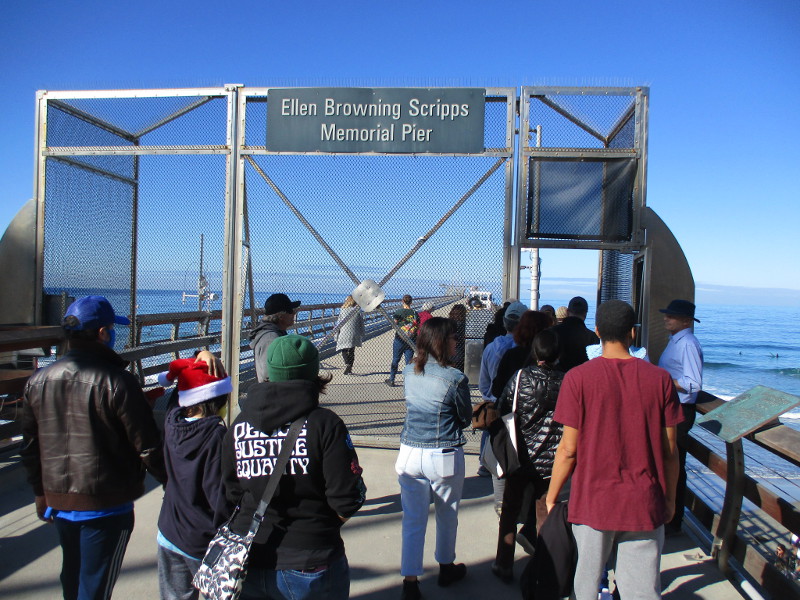
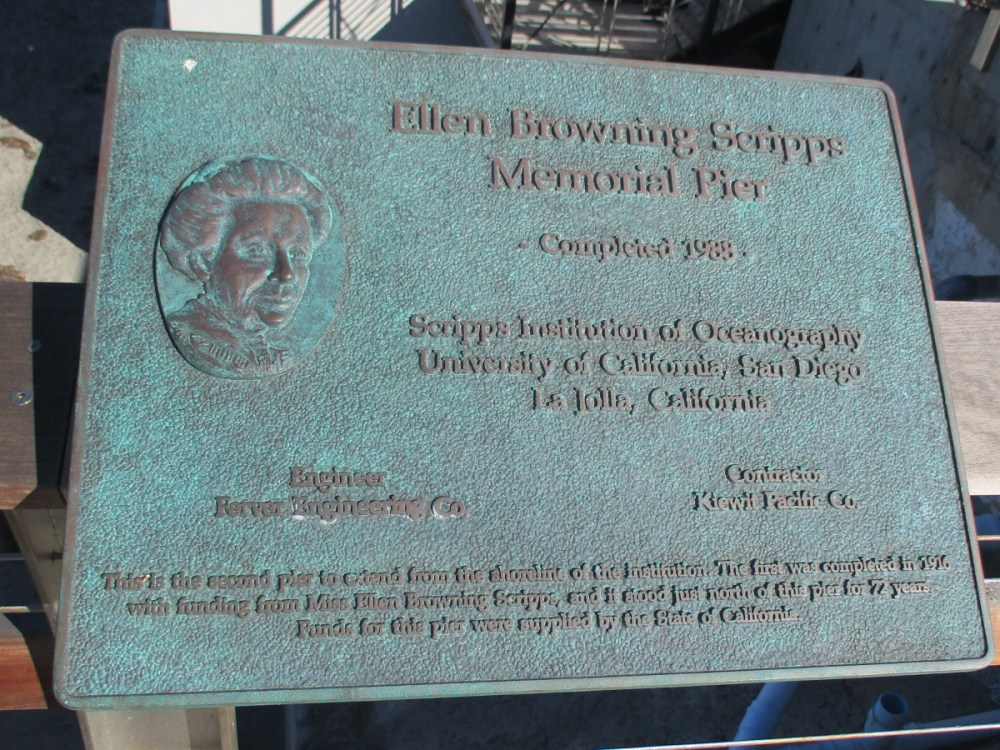
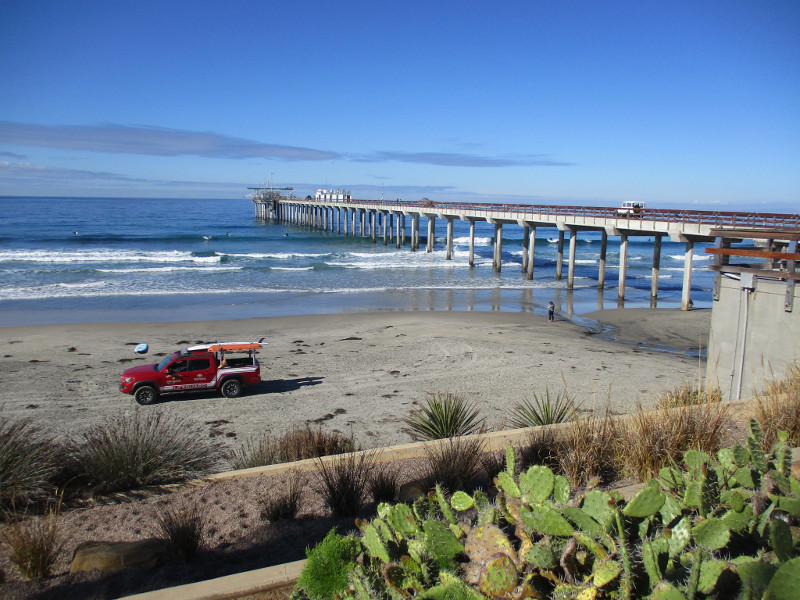
The long Ellen Browning Scripps Memorial Pier, jutting into the Pacific Ocean north of La Jolla Shores, is operated by the Scripps Institution of Oceanography. The research pier is utilized by scientists and students who strive to learn more about our environment and the diverse life within it.
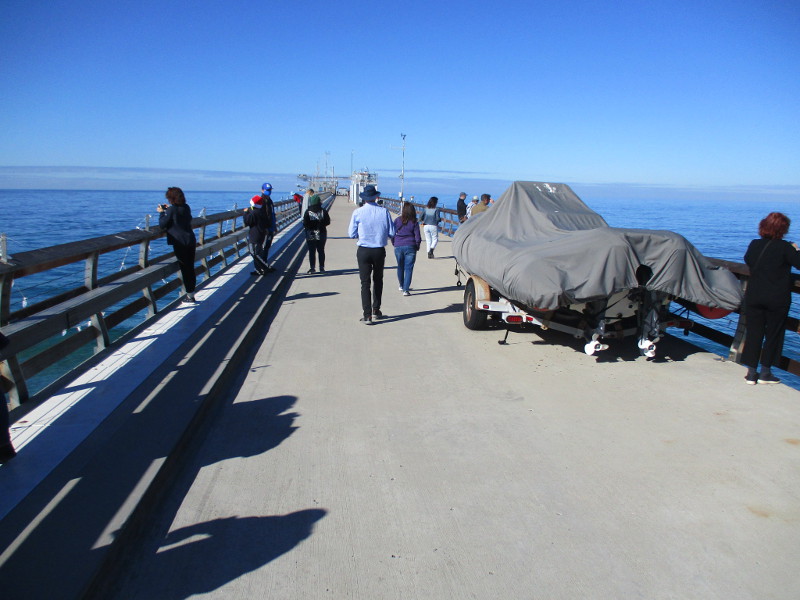
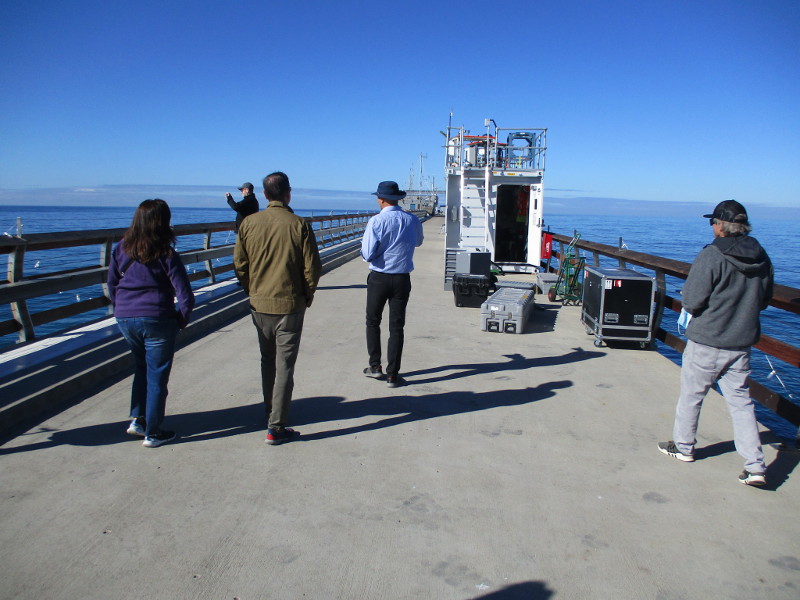
The public is usually restricted from going onto Scripps Pier, but those who register for a once-a-month tour get the opportunity to walk out to its very end. And that’s what I did today!
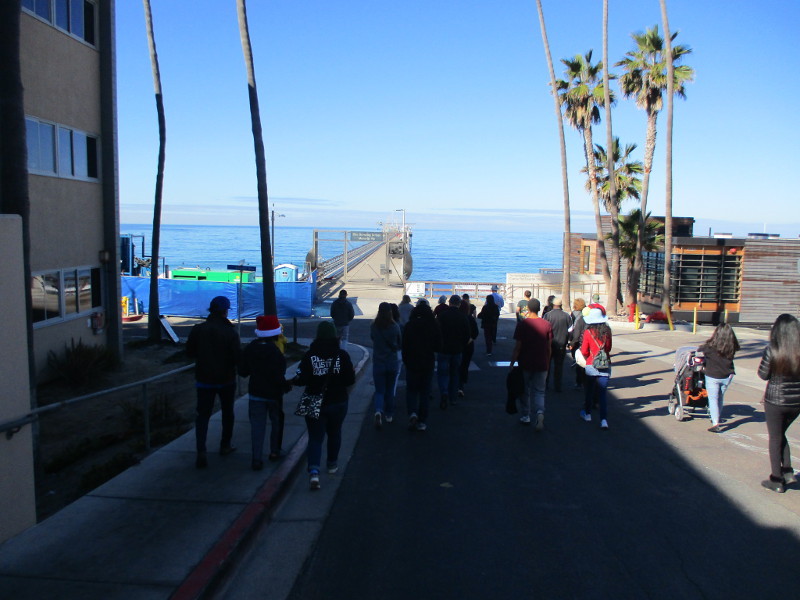
The tour–every second Saturday of the month (register here)–begins in front of the historic Scripps Building, then circles around several additional campus buildings until it reaches the foot of the pier. As our group walked along, the knowledgeable tour guide told us about the origin and history of the world-renowned Scripps Institution of Oceanography, and how its environmental and biological research benefits us all.
Then we came to the amazing pier and our sense of wonder grew…
The original wooden pier, built in 1916 with funding from Ellen Browning Scripps, was destroyed in 1983 by an El Niño powered storm. The current modern pier was built in 1988. Today it’s considered one of the world’s largest research piers.
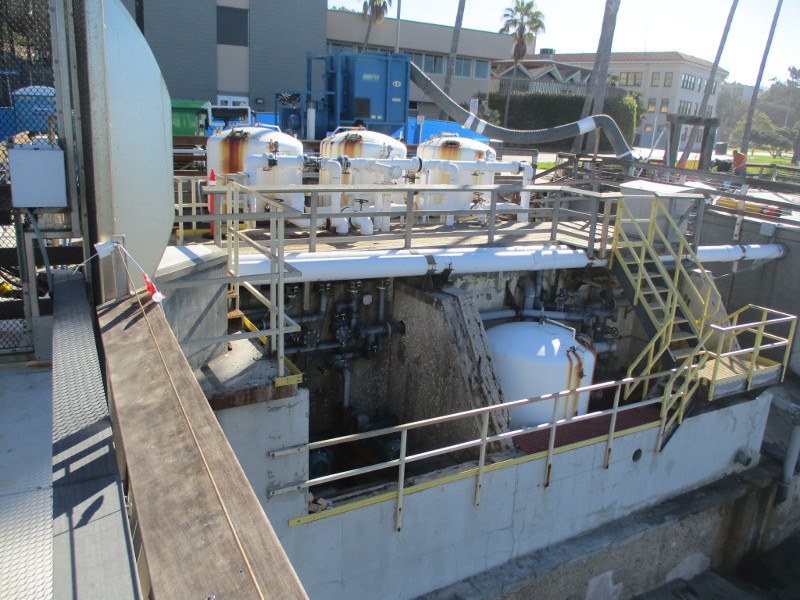
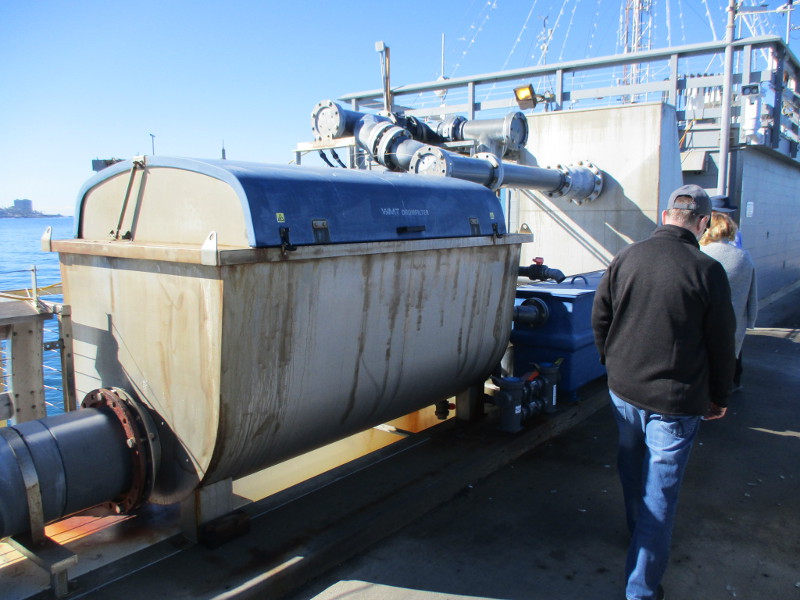
Looking back at the foot of the pier we could see these tank-like water filters.
At the end of Scripps Pier is a pump station. The pier slopes slightly upward as you walk to its end. The reason? So that the freshly pumped seawater, propelled by gravity, will run down a covered trough that stretches along one side of the long pier.
The water, carefully filtered, is then used in the Scripps research labs on shore.
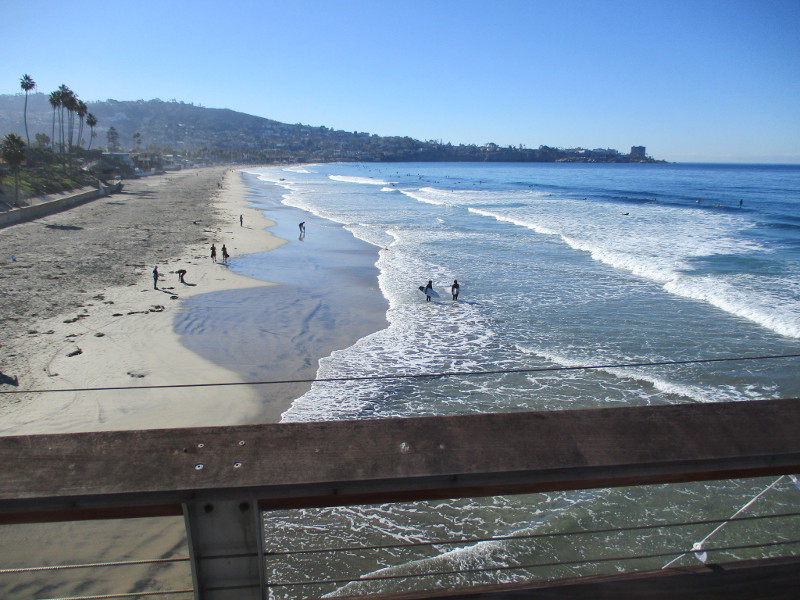
Walking out on the pier high over the beach, looking south toward La Jolla Shores. That’s the Village of La Jolla and La Jolla Cove jutting in the distance.
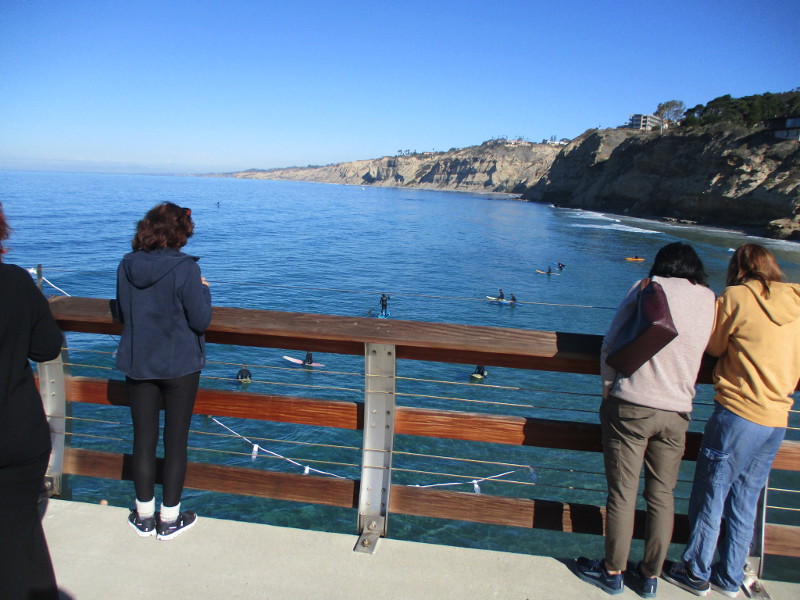
Now we’re gazing north toward the distant sandstone cliffs of Torrey Pines State Beach.
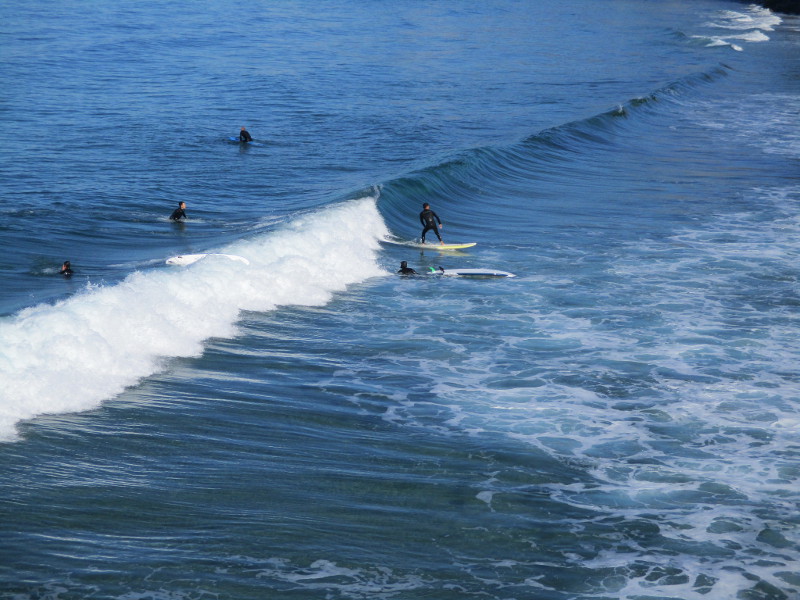
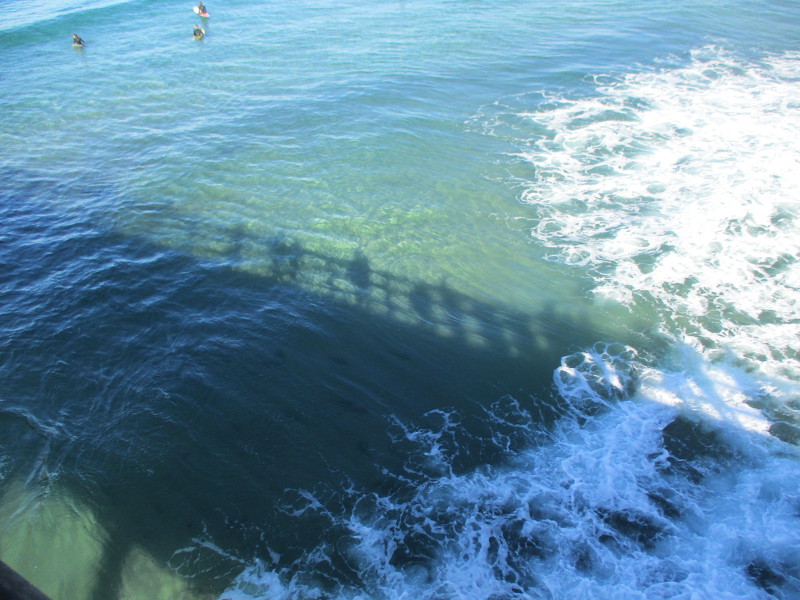
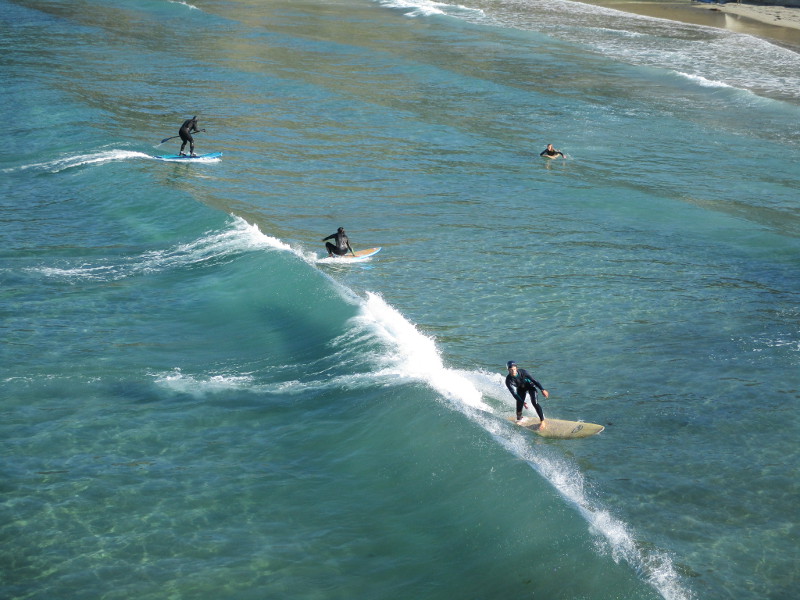
Many surfers were out today! A sunny San Diego day in December.
Looking back toward a portion of the Scripps Institution of Oceanography campus. (Scripps is a part of UC San Diego.)
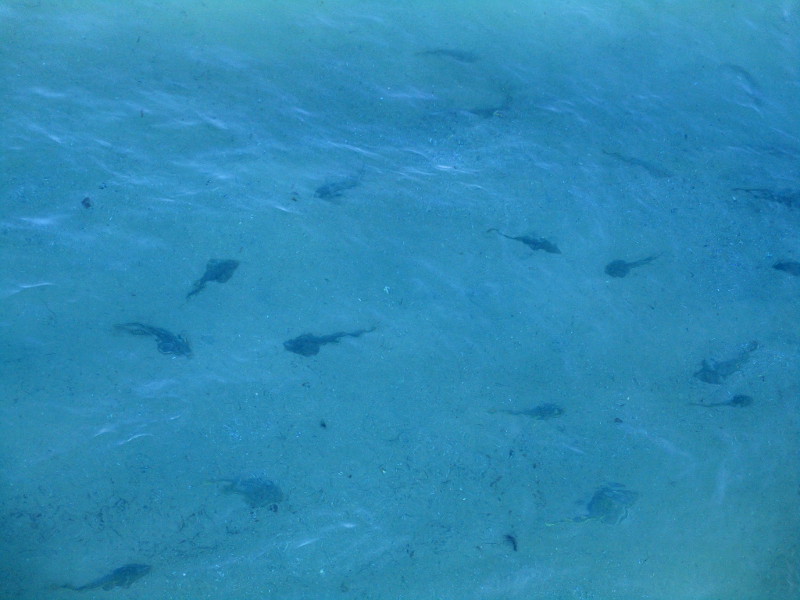
We observed lots of guitarfish in the water below. When you’re swimming or surfing, you don’t necessarily see all that marine life beneath you!
Amazing views can be enjoyed from Scripps Pier. Looking down, we saw numerous surfers waiting for that perfect wave on either side of the pier.
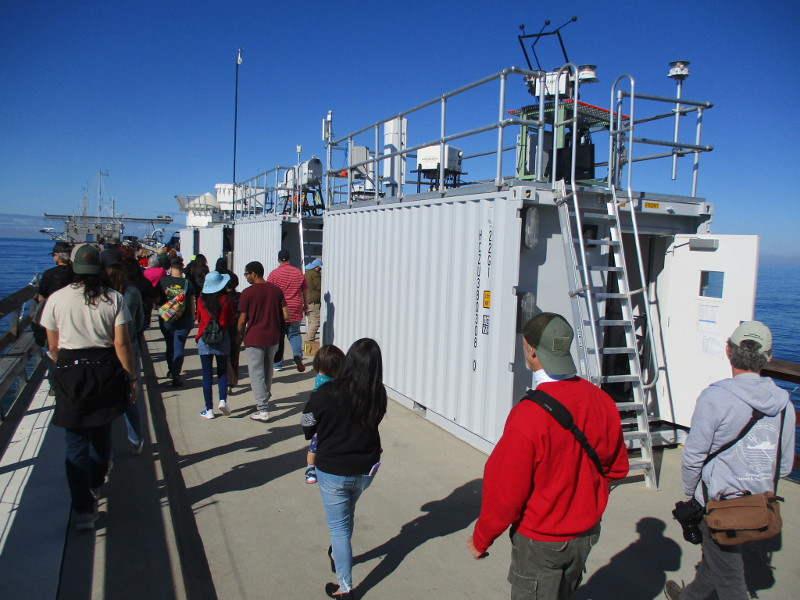
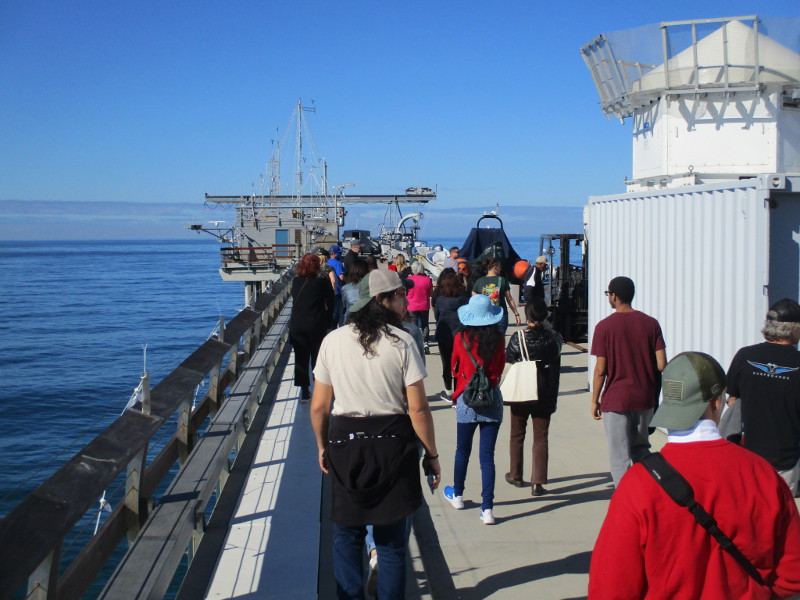
We followed our tour guide to a group of container-like structures that were recently placed on Scripps Pier. Together they constitute a mobile facility that will be used for a one year atmospheric study by the U.S. Department of Energy.
A wide variety of scientific instruments, including radar, lidar, sky imagers and radiometers will measure cloud formation, reflectivity and other atmospheric phenomena.
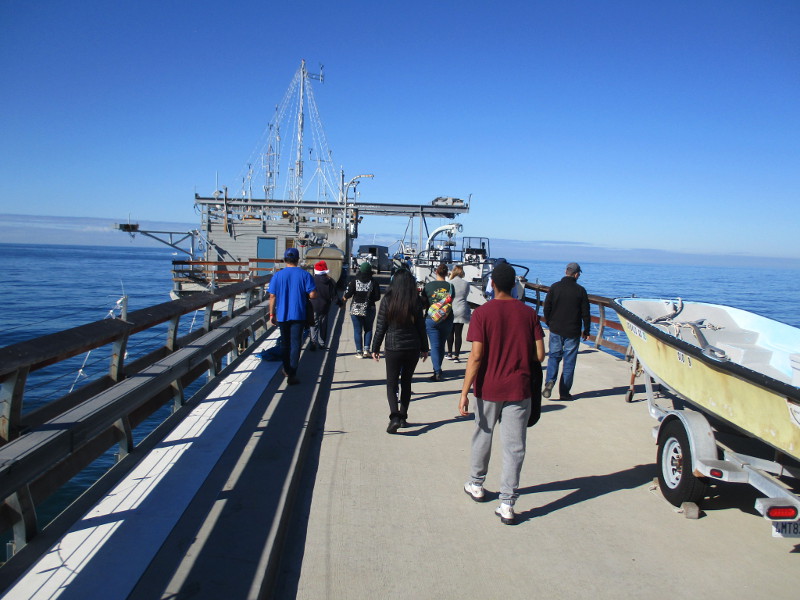
We are approaching the end of Scripps Pier, where that prominent gray structure houses a seawater pump.
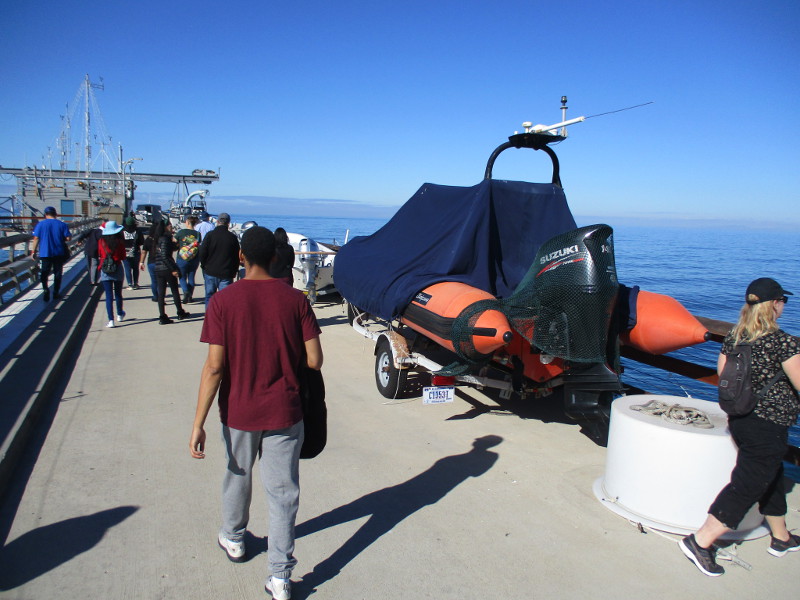
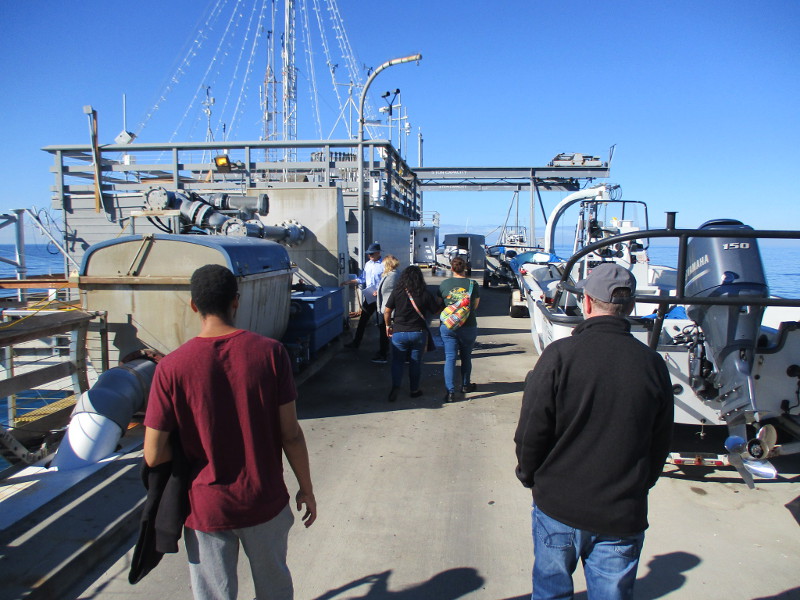
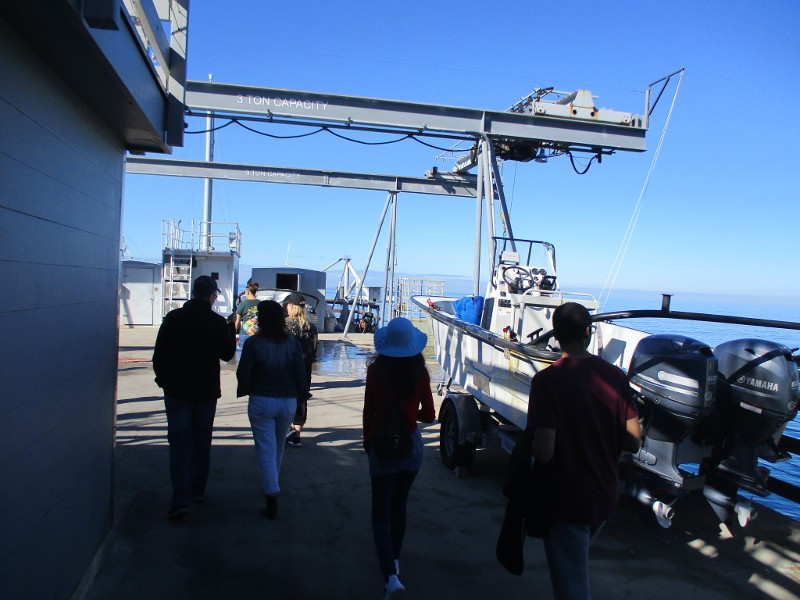
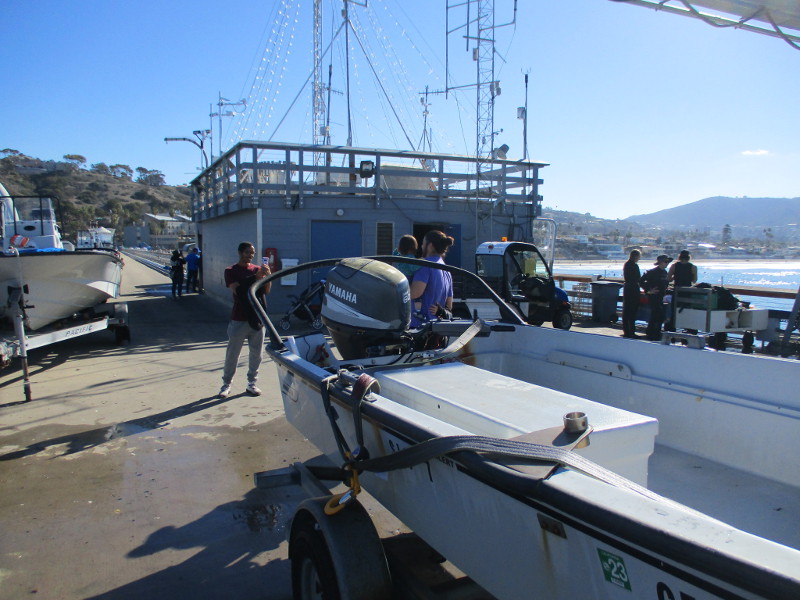
All sorts of small boats are kept near the end of the pier, where they can be lowered into the ocean to carry out research.
Notice something shaped like a Christmas tree atop the pump structure ahead? It lights up during the Holiday Season! (As do swags of lights along the length of the pier.)
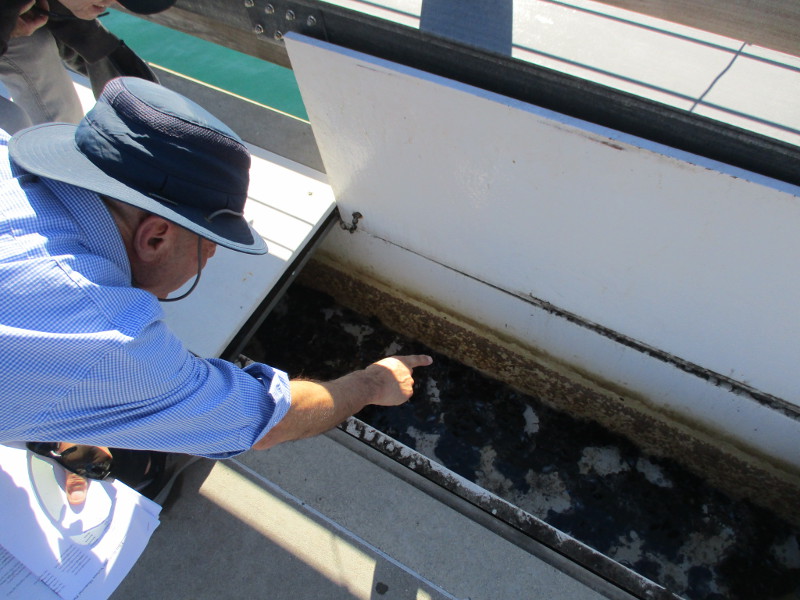
Lifting a lid from that long trough that channels the pumped seawater gravitationally down the pier’s length. We saw barnacles, mussels and a live crab skittering around! (You can understand why those filters are necessary at the foot of the pier.)
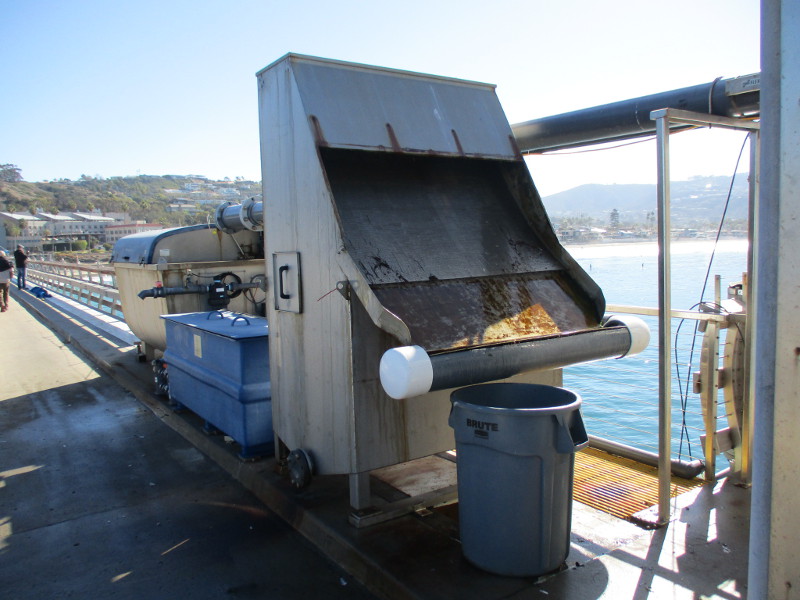
There’s additional filtration near the pump!
I believe this device filters out the larger objects from the pumped seawater, before the water heads down the long trough. You can see some slimy seaweed stuck in it.
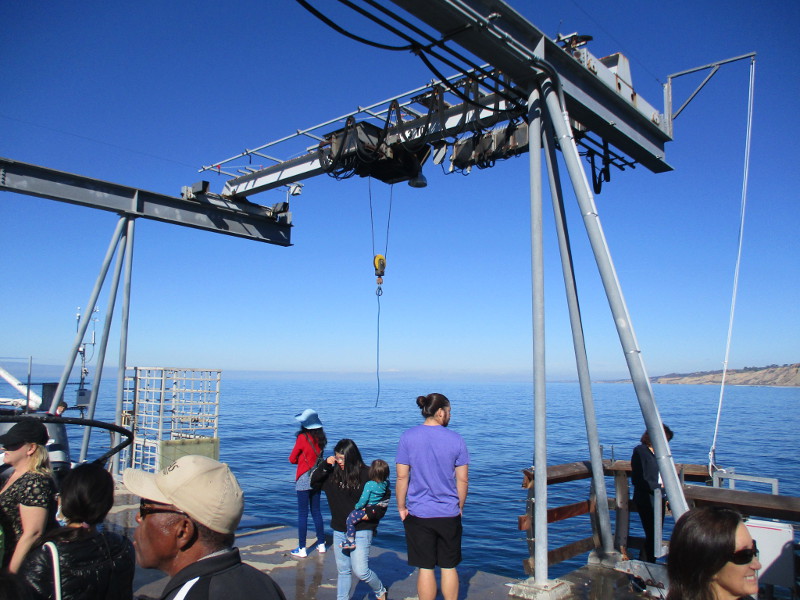
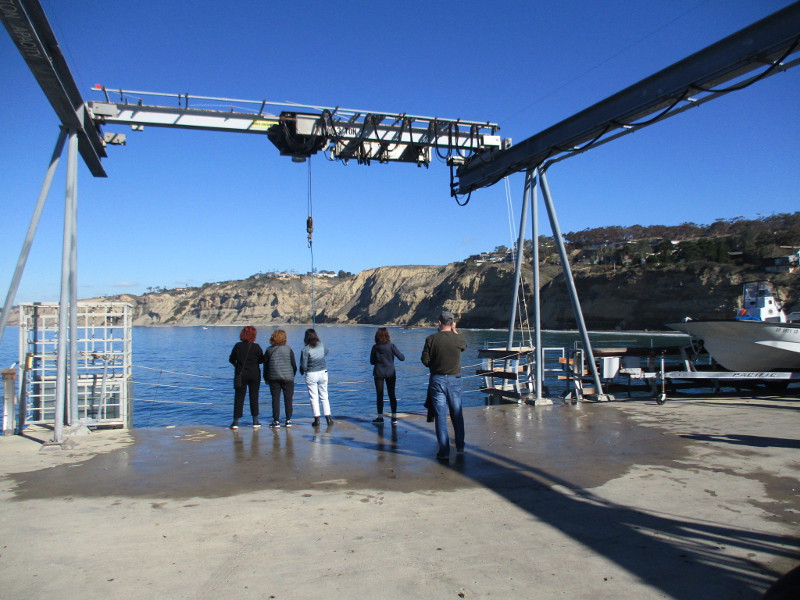
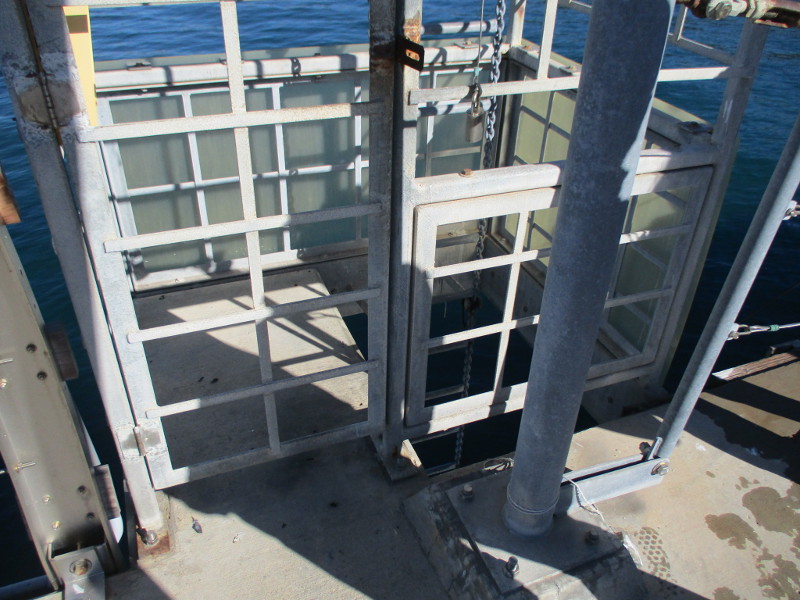
From this crane boats can be lowered to the ocean surface. On the left you can see the cage-like entrance to a descending ladder.
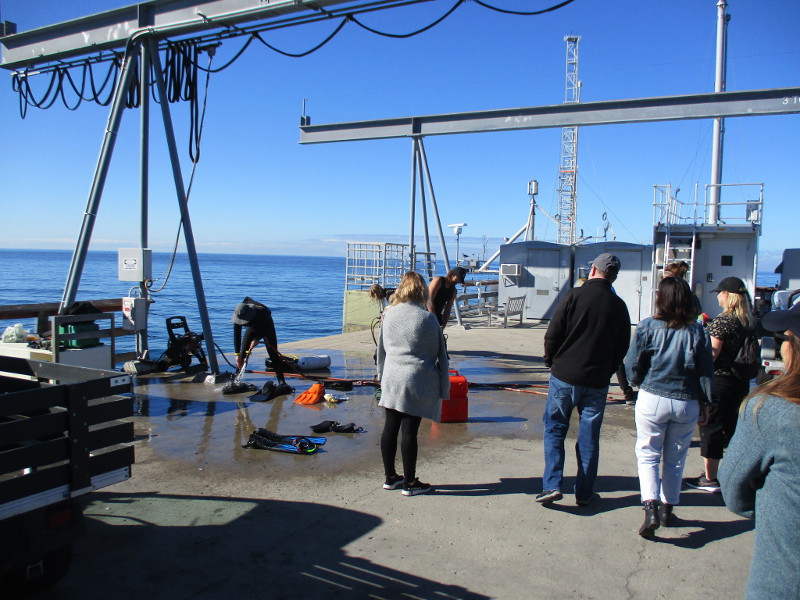
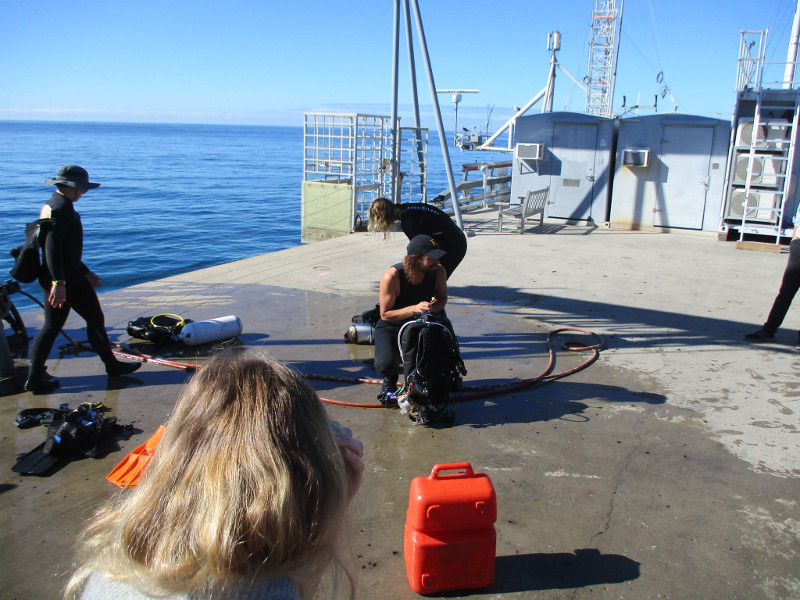
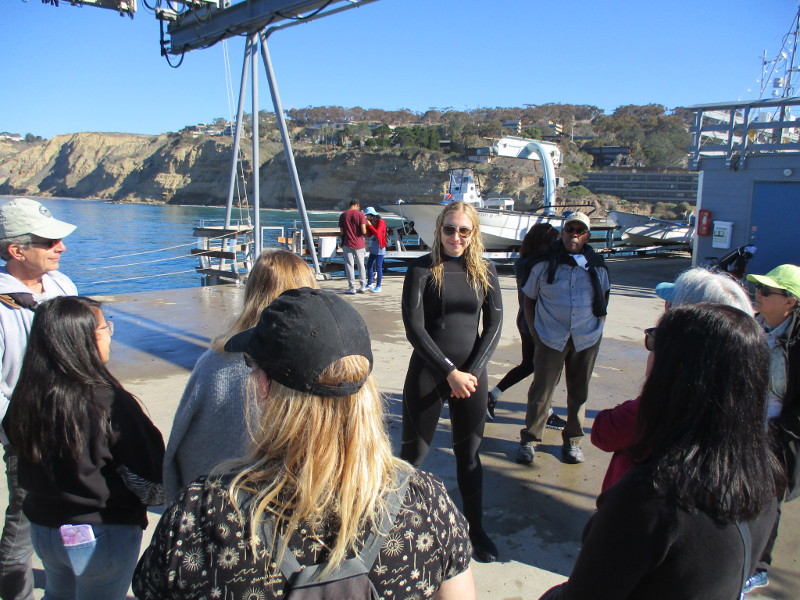
Our tour group came upon several people in wetsuits, just back from a dive!
A super friendly graduate student explained how they had dived at an artificial reef off Black’s Beach, to the north, near the Torrey Pines Gliderport. They photographed abundant sea life.
The wet spot is from their boat that was recently lifted!
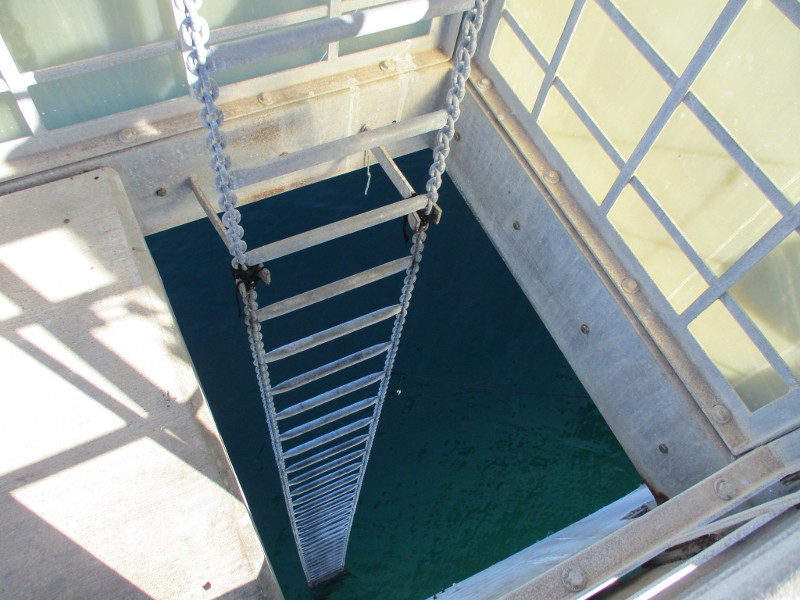
That’s one long ladder down to the water!
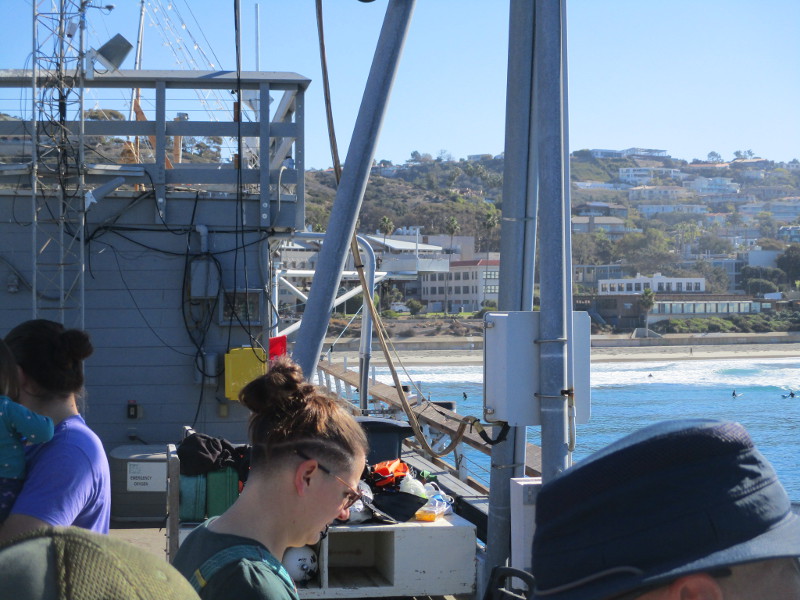
I noticed many instruments on the roof of the pump structure, including antennas and wind gages.
And to one side is the Scripps Osprey Platform! (You can see it near the center of this photograph.)
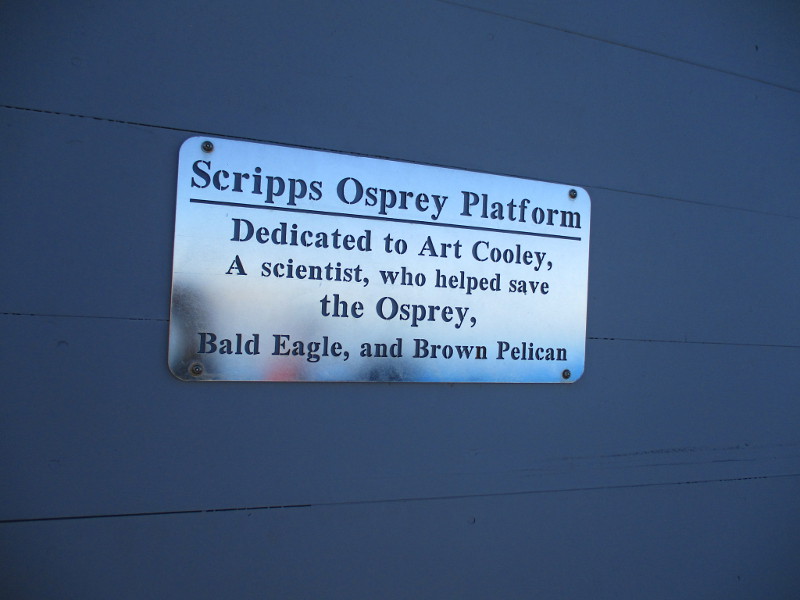
A plaque on the pump structure. The Scripps Osprey Platform is dedicated to Art Cooley, a scientist who helped save the Osprey, Bald Eagle and Brown Pelican.
…
Thanks for visiting Cool San Diego Sights!
I post new blogs pretty often. If you like discovering new things, bookmark coolsandiegosights.com and swing on by occasionally!
I live in downtown San Diego and love to walk around with my camera! You can follow Cool San Diego Sights via Facebook or Twitter!
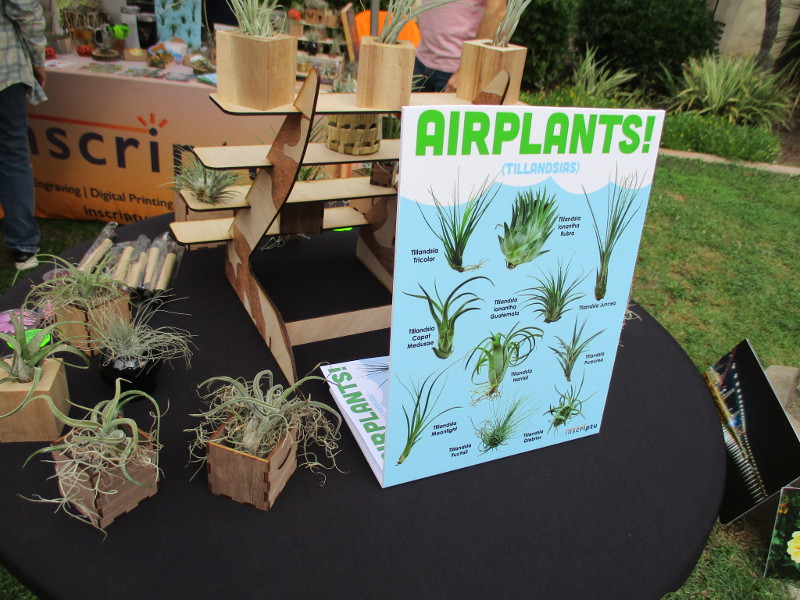
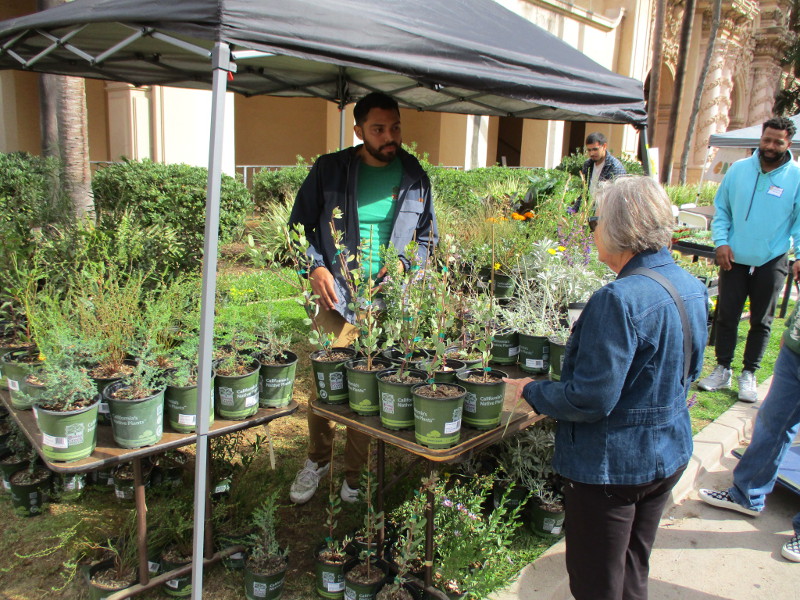
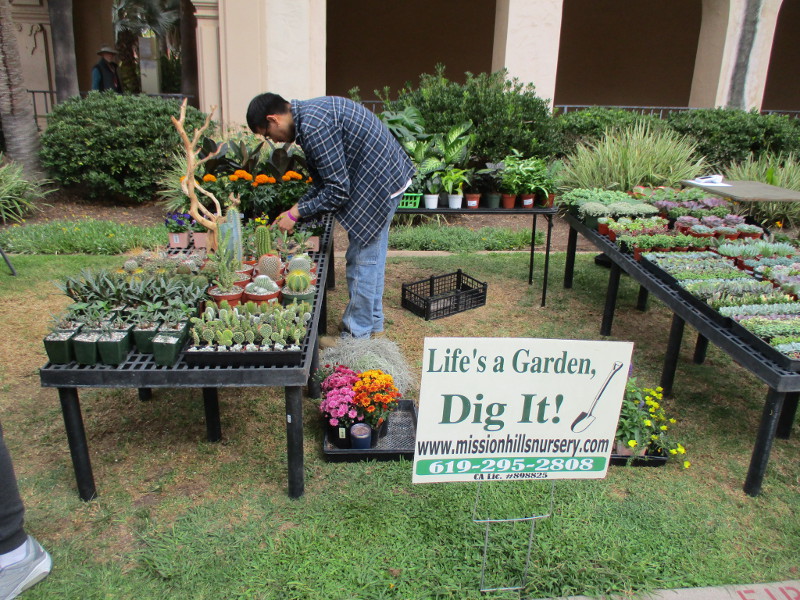
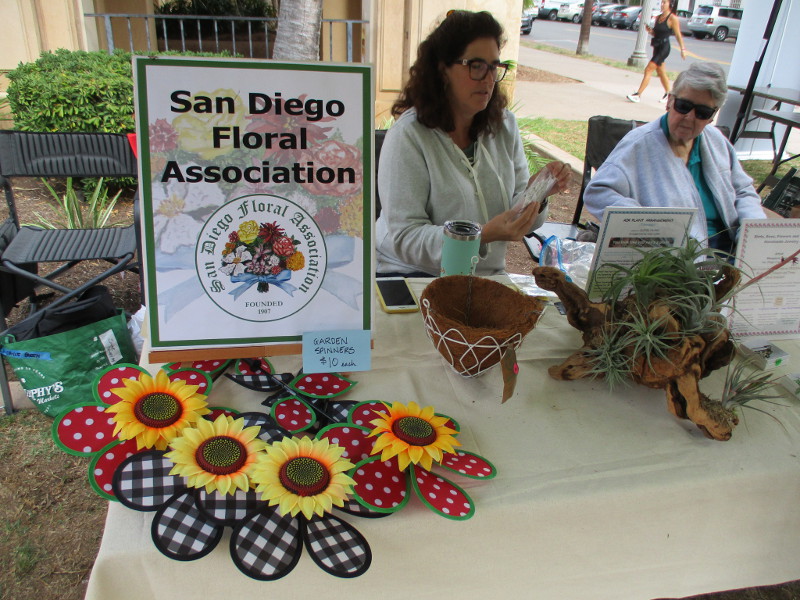
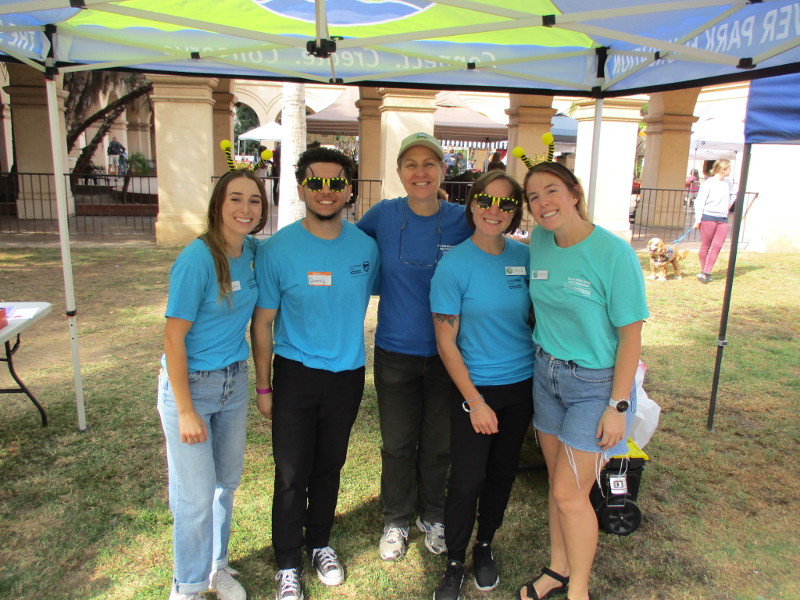
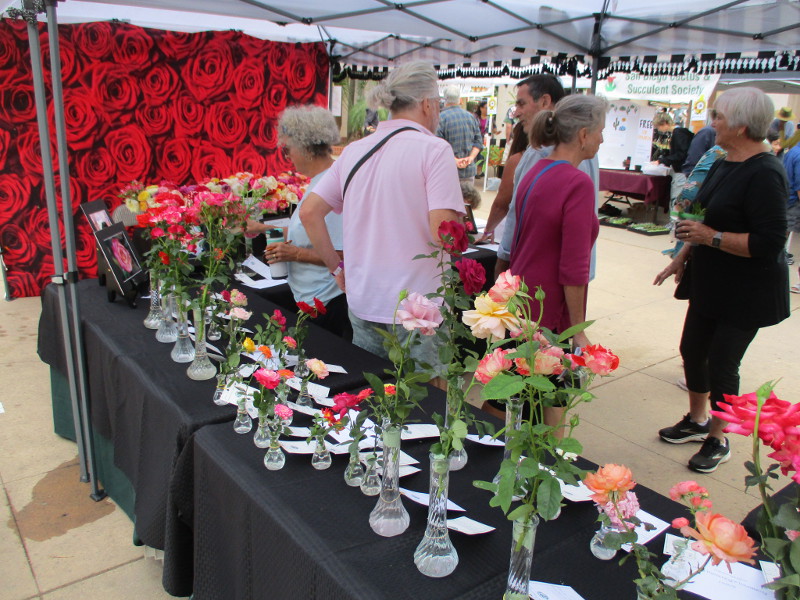
A very cool event was held in Balboa Park today. Birds, Bees, Flowers and Trees, presented by the San Diego Floral Association, filled El Prado, a nearby segment of Village Place, and the Casa del Prado courtyard!
The fun, educational event featured gardening information, organizations working to protect the environment, creative kids activities, plant sales, and fascinating displays provided by different San Diego garden clubs and associations!
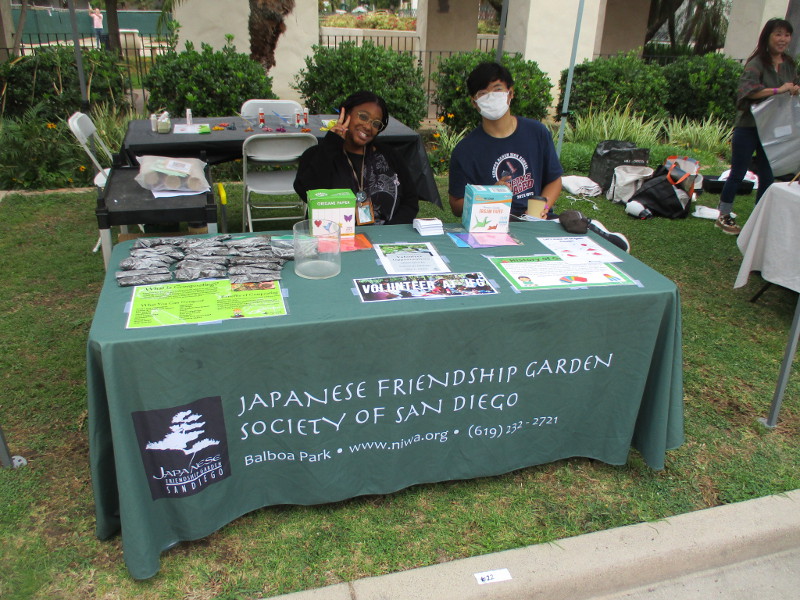
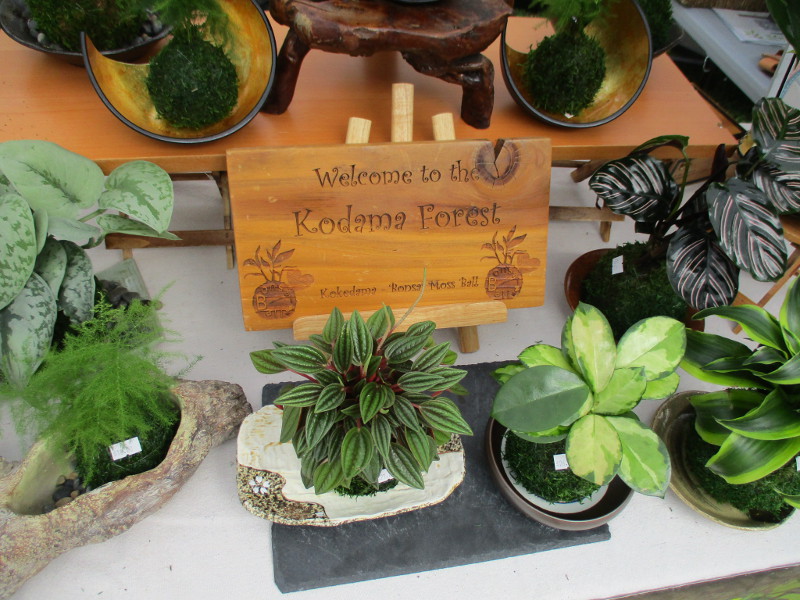
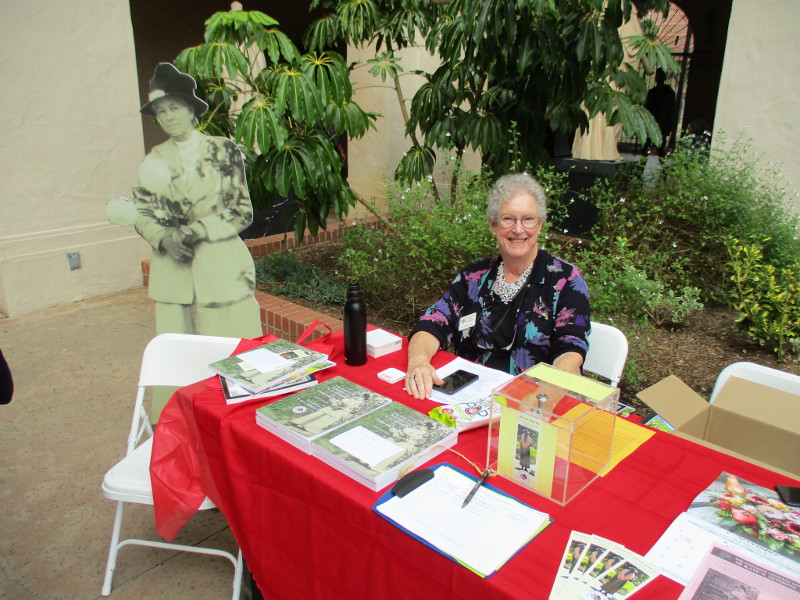
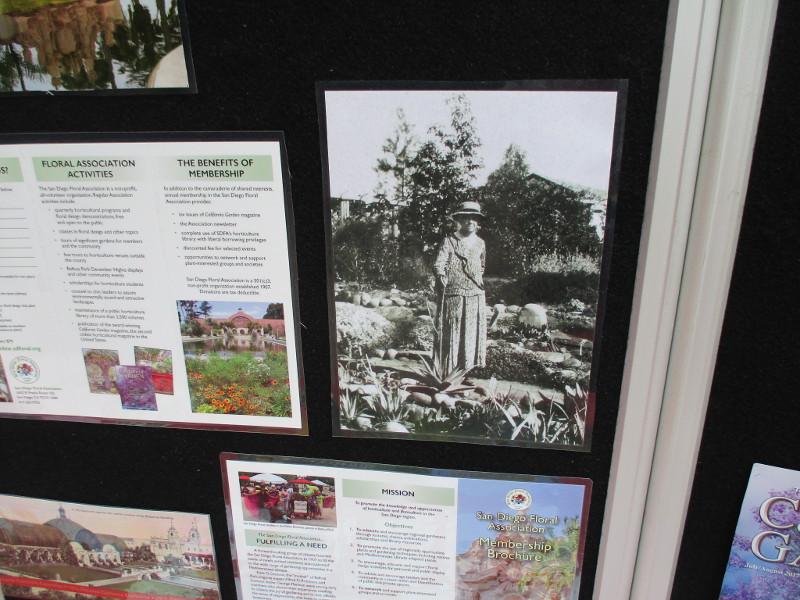
I walked along, taking it all in. One thing I learned is that Kate Sessions, Mother of Balboa Park, was a co-founder of the San Diego Floral Association! (That would explain my final two photographs.) Oh–I also learned the new waterfall at the Japanese Friendship Garden should be operating in a matter of a couple weeks!
The Birds, Bees, Flowers and Trees event is today only, until 4 pm. As I post this blog, you still have a little over a half hour to check it out!
If you couldn’t make it, enjoy these pics…
…
Thank you for visiting Cool San Diego Sights!
I post new blogs pretty often, so you might want to bookmark coolsandiegosights.com and check back from time to time.
You can explore Cool San Diego Sights by using the search box on this website’s sidebar. Or click a tag! There’s a lot of stuff to share and enjoy!
I live in downtown San Diego and love to walk around with my camera! You can follow Cool San Diego Sights via Facebook or Twitter!
A thought-provoking sculpture can be found at Liberty Station in Point Loma. Created by San Diego artist Trevor Amery in 2021, the wood sculpture, Archive and Witness, stands in front of the Dick Laub NTC Command Center.
A nearby sign explains that Archive and Witness takes the form of…a fallen tree in a forest…Through…decomposition and decay, it…provides a home to animals and insects…The fallen tree is not the end of a life cycle; it is a transformation as well as a beginning…
The slab from the dead tree, whose tree rings represent a finished life, seems to pulse outward with abstract rings symbolizing future life. At least, that’s the way I see it.
It was interesting to read that artist Trevor Amery’s father was stationed at the old Naval Training Center San Diego here years ago. The human world, like a forest, is interconnected in surprising ways.
Archive and Witness stands where the Mingei International Museum’s Nikigator sculpture stood while that Balboa Park museum was undergoing its renovation a couple years ago.
…
Thank you for visiting Cool San Diego Sights!
I post new blogs pretty often, so you might want to bookmark coolsandiegosights.com and check back from time to time.
You can explore Cool San Diego Sights by using the search box on this website’s sidebar. Or click a tag! There’s a lot of stuff to share and enjoy!
I live in downtown San Diego and love to walk around with my camera! You can follow Cool San Diego Sights via Facebook or Twitter!
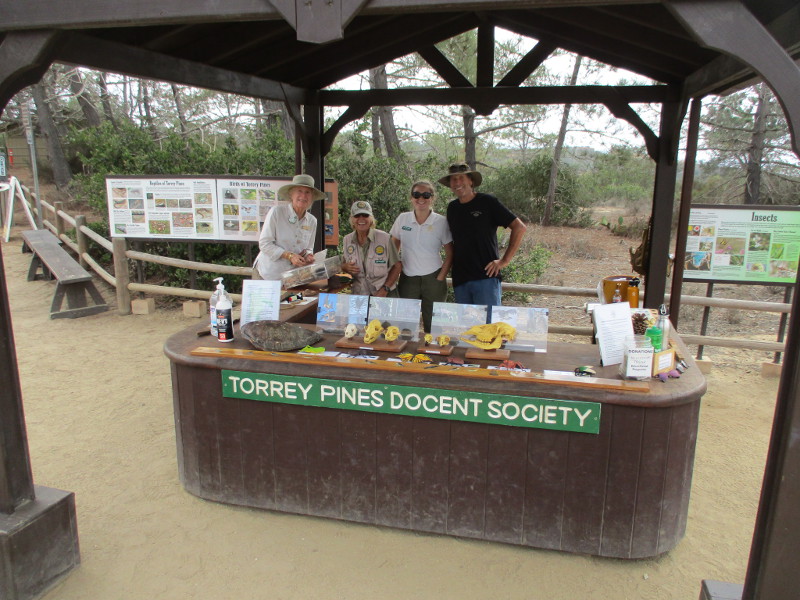
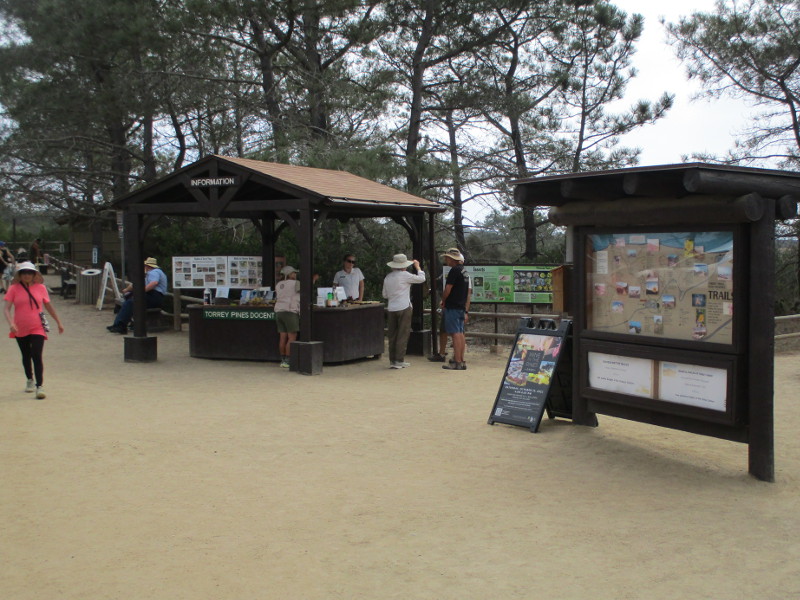
At Torrey Pines State Natural Reserve, several popular trails (including the Beach Trail and Razor Point Trail) can be accessed from a small parking lot south of the Visitor Center.
At the trailhead visitors will see a wooden structure, the words Torrey Pines Docent Society, and many smiling volunteers who are happy to provide information or explain interpretative displays before you begin your hike. The structure is called the Trailhead Information Kiosk, or TIK for short. Docents greeting visitors here are called TIK Talkers!
I remember how, many years ago, this trailhead “kiosk” was nothing more than a portable table and EZ Up canopy. Today’s handsome, sturdy structure is a testament to what volunteer hands can create!
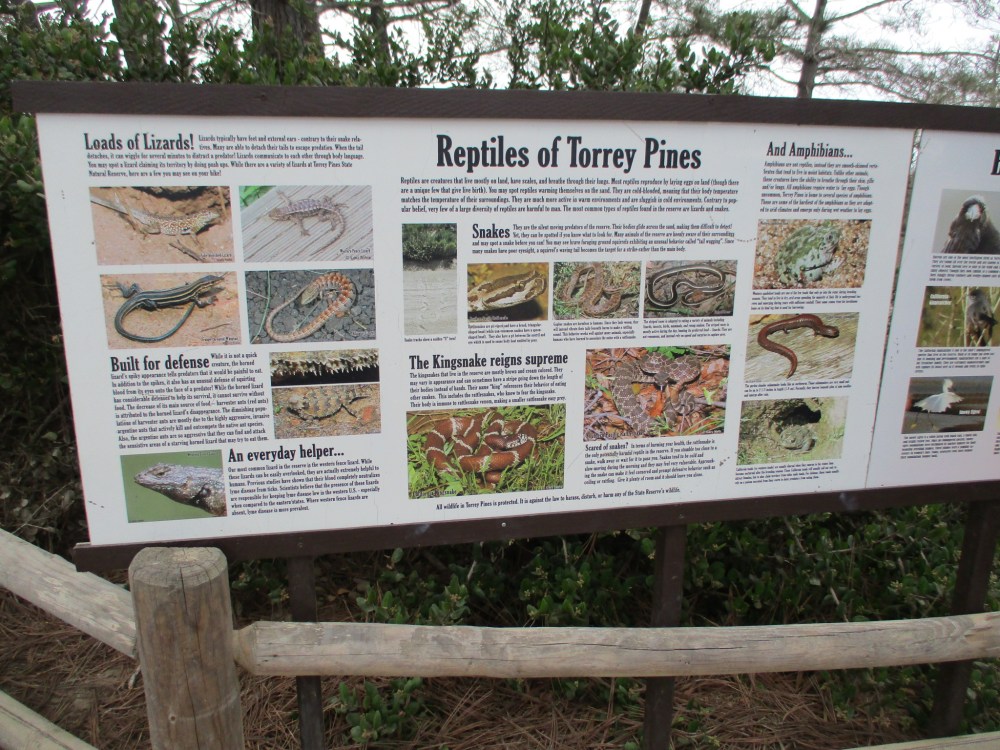
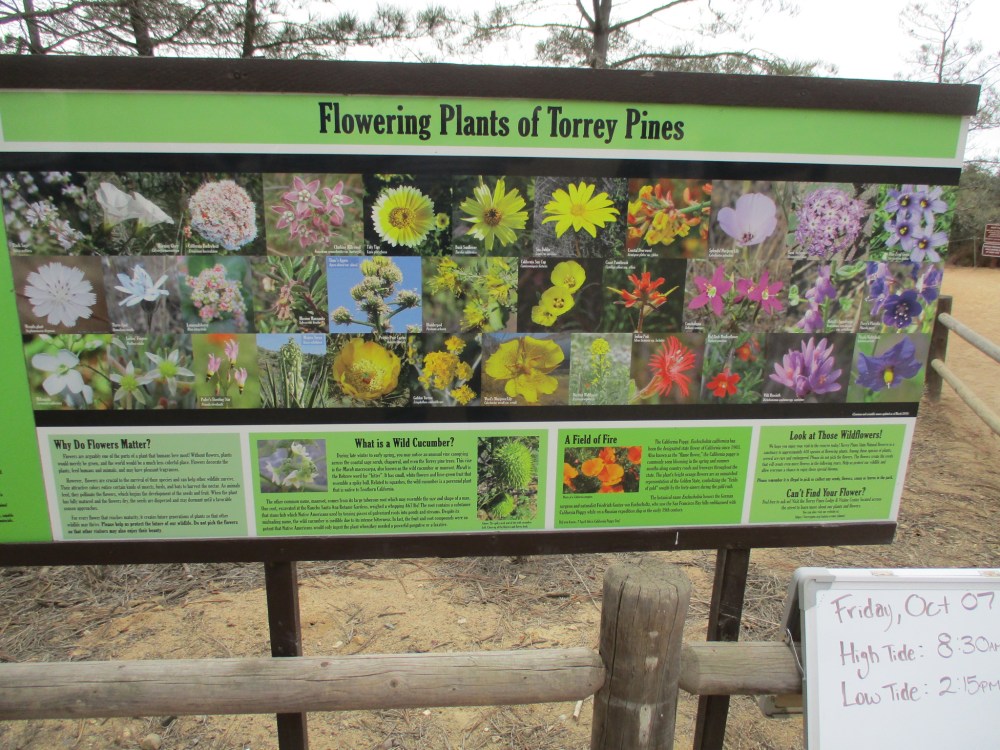
The Trailhead Information Kiosk is a great place to learn about Torrey Pines’ native plants and animals. There are signs detailing what hikers might encounter, photographs of wildlife, and cool models of insects, snakes and other animals.
Before beginning a short hike the other day, I paused at the TIK to absorb a little knowledge.
Reptiles of Torrey PinesBirds of Torrey PinesInsectsFlowering Plants of Torrey Pines
…
Thank you for visiting Cool San Diego Sights!
I post new blogs pretty often, so you might want to bookmark coolsandiegosights.com and check back from time to time.
You can explore Cool San Diego Sights by using the search box on this website’s sidebar. Or click a tag! There’s a lot of stuff to share and enjoy!
I live in downtown San Diego and love to walk around with my camera! You can follow Cool San Diego Sights via Facebook or Twitter!
What will the San Diego region look like in the future?
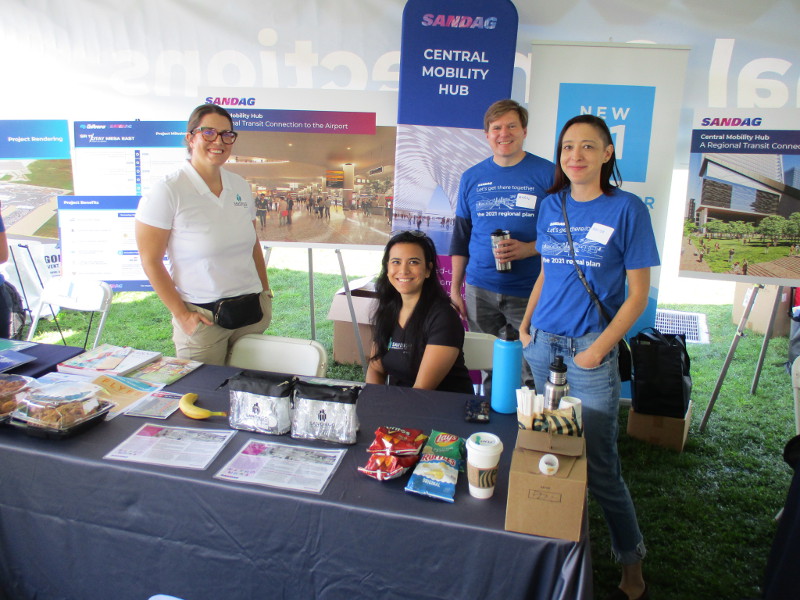
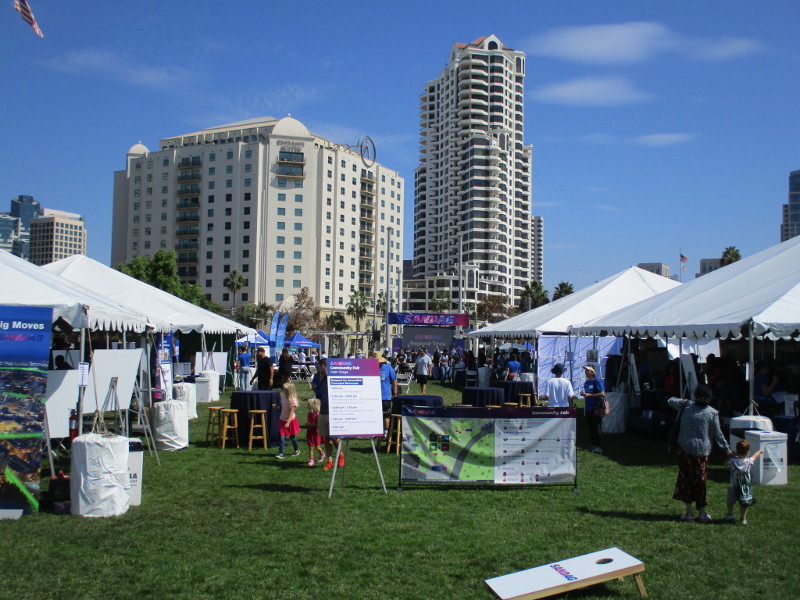
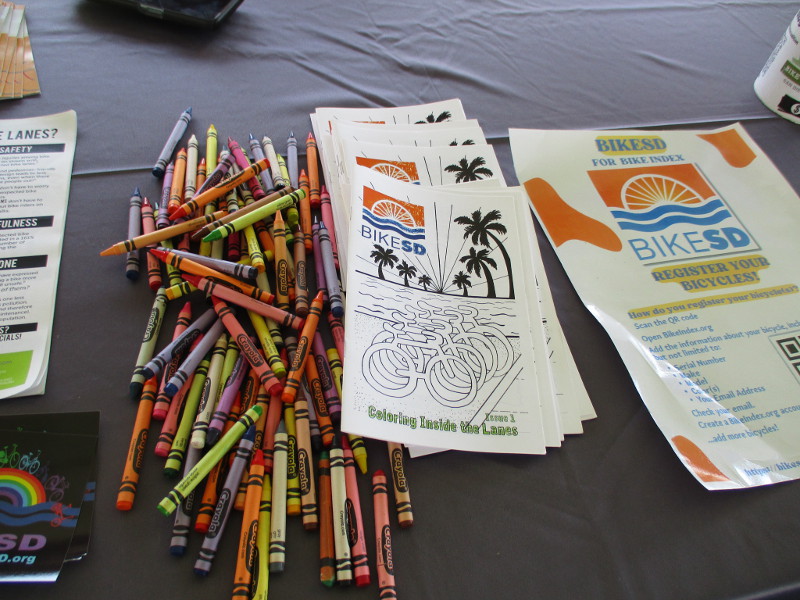
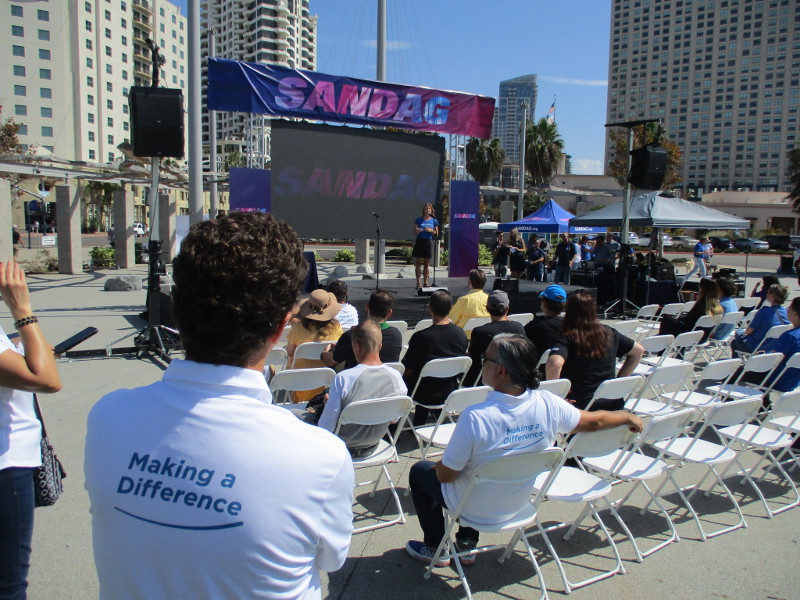
Glimpses were provided today of future possibilities during a free family event at Ruocco Park. The SANDAG (The San Diego Association of Governments) Community Fair brought together a variety of public and private entities who are advocating and working for change–primarily when it comes to mass transit.
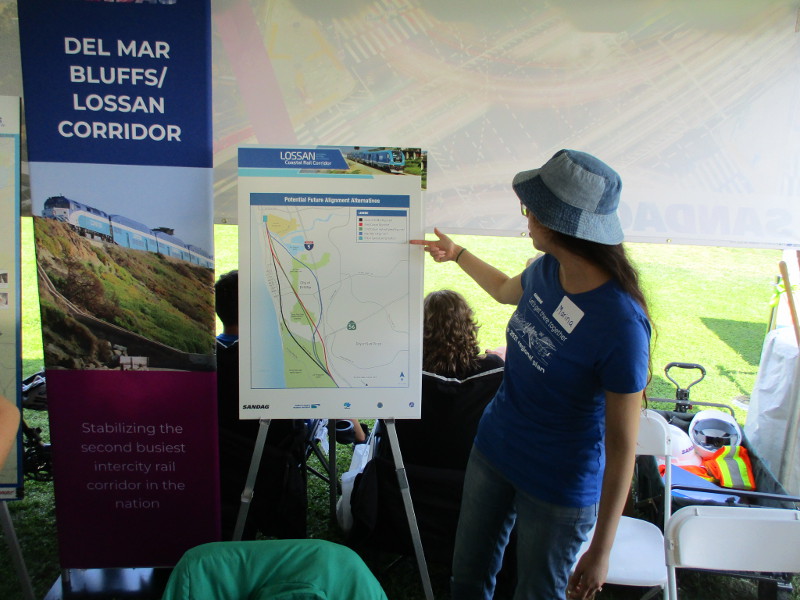
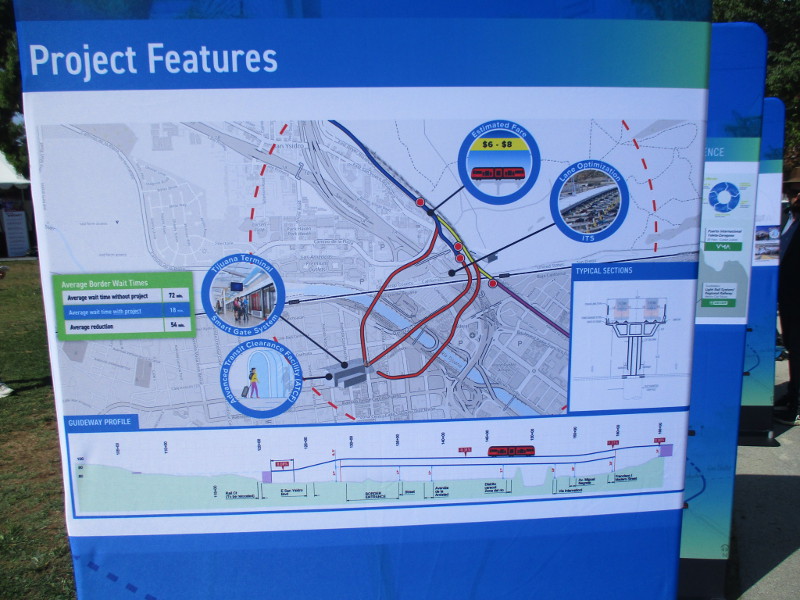
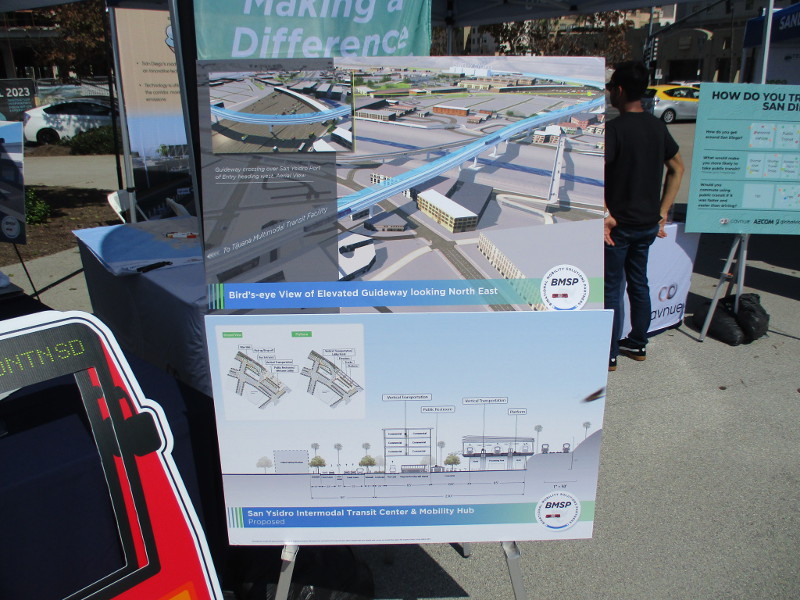
The projects previewed include a future Central Mobility Hub, which will connect regional transit to San Diego International Airport; a solution to relocate train tracks that run near eroding bluffs in Del Mar; and the upcoming Otay Mesa East Port of Entry. I also saw intriguing plans for a trolley station in Tijuana, Mexico.
Other SANDAG initiatives include advancing digital equity in neighborhoods, the Youth Opportunity Pass Pilot Program of MTS, and the creation of affordable housing.
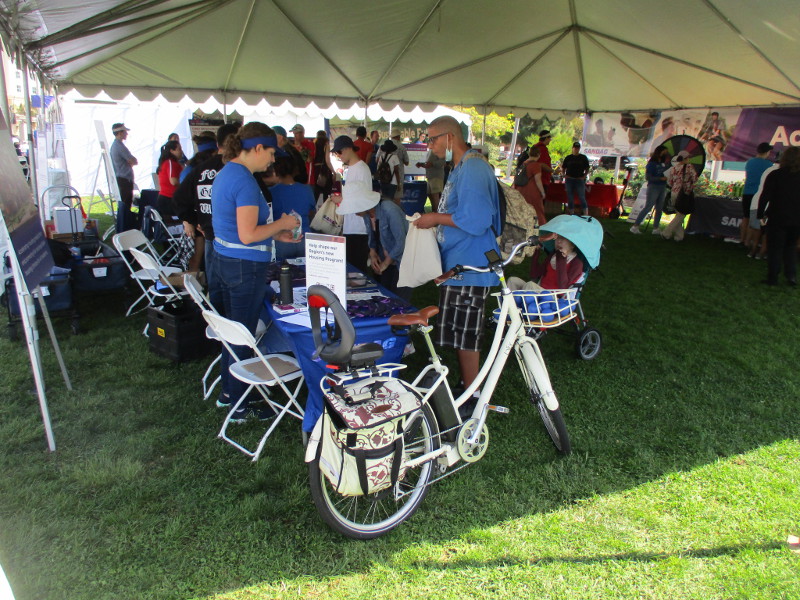
I saw lots of charts, maps, infographics and smiles. I asked some questions and learned a few things.
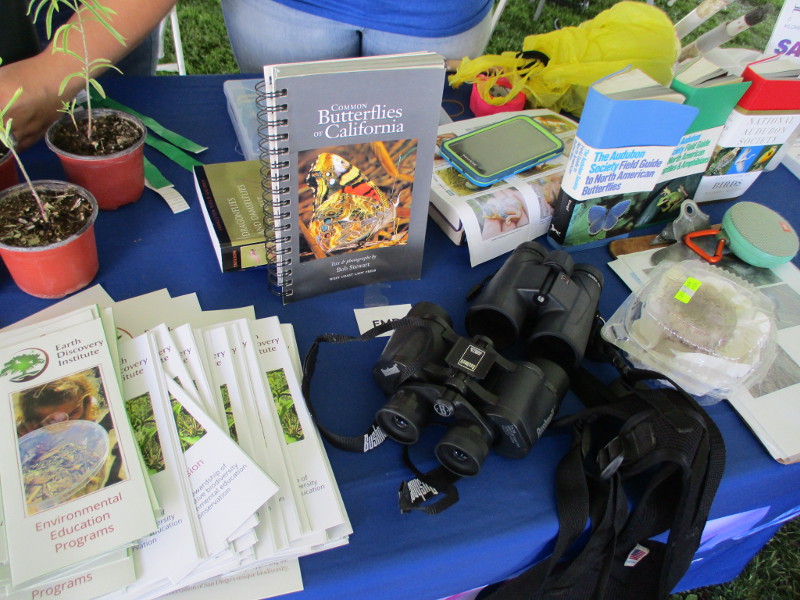
I also walked by the kid activity stations, picked up a new bike map, learned about the trails of San Elijo Lagoon, and learned about butterflies, birds and replenishing beach sand.
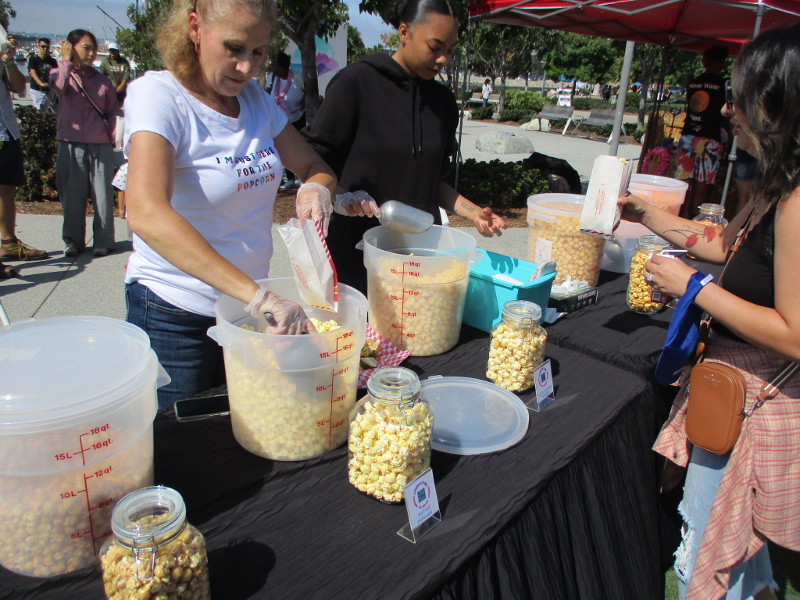
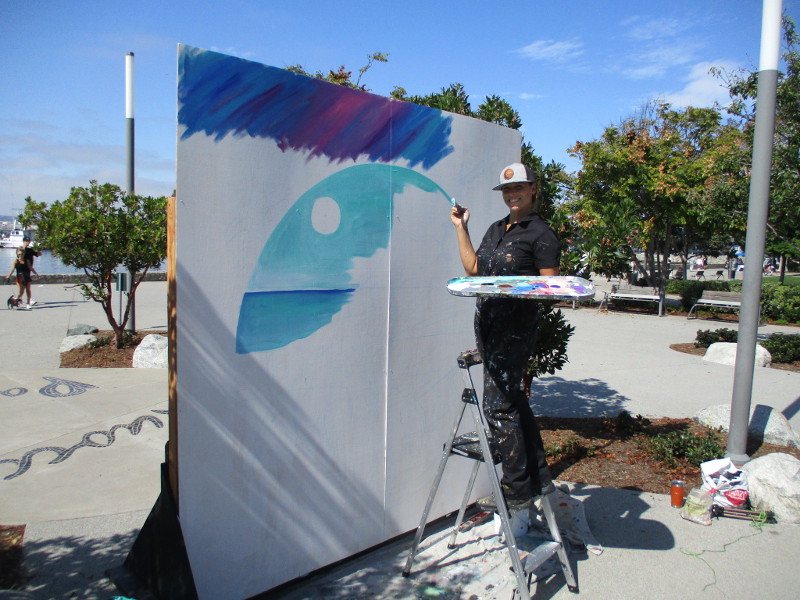
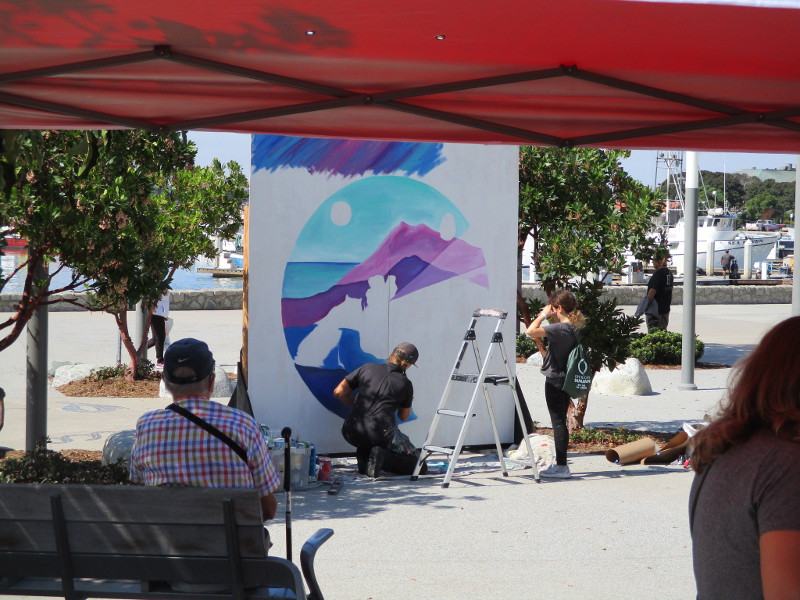
Then I got some free popcorn and flavored ice, and watched Hanna paint a cool mural, which would eventually depict a scene of San Diego’s beautiful environment.
The SANDAG Community Fair was a great way for the public to interact with those making plans to shape our shared future. Public input, including concerns, were welcome.
And it all was fun, too!
…
I live in downtown San Diego and love to walk around with my camera! You can follow Cool San Diego Sights via Facebook or Twitter!
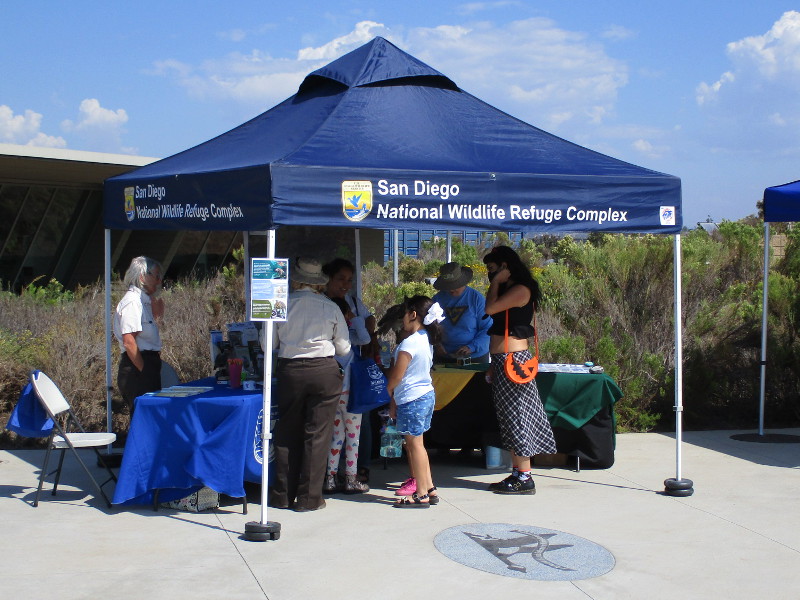
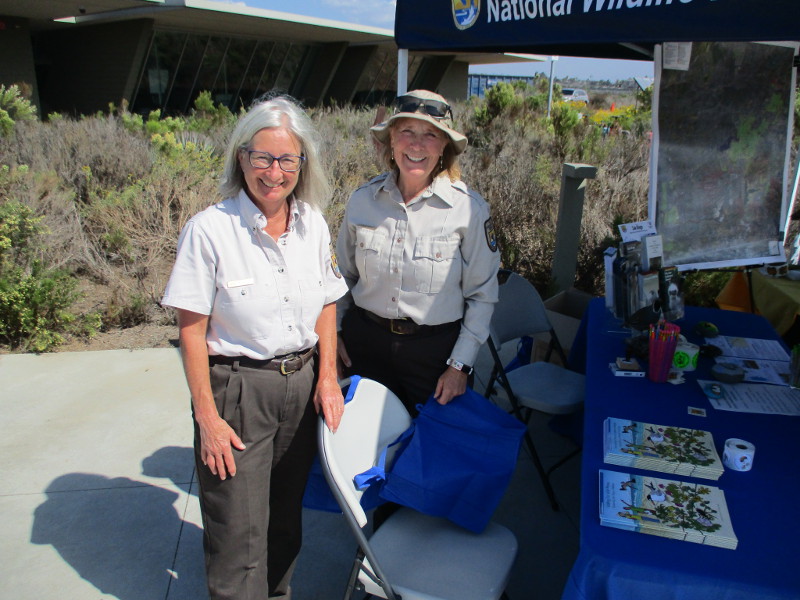
A very special event was held today at the Sweetwater Marsh National Wildlife Refuge. National Wildlife Refuge Week was celebrated! And the public was freely invited!
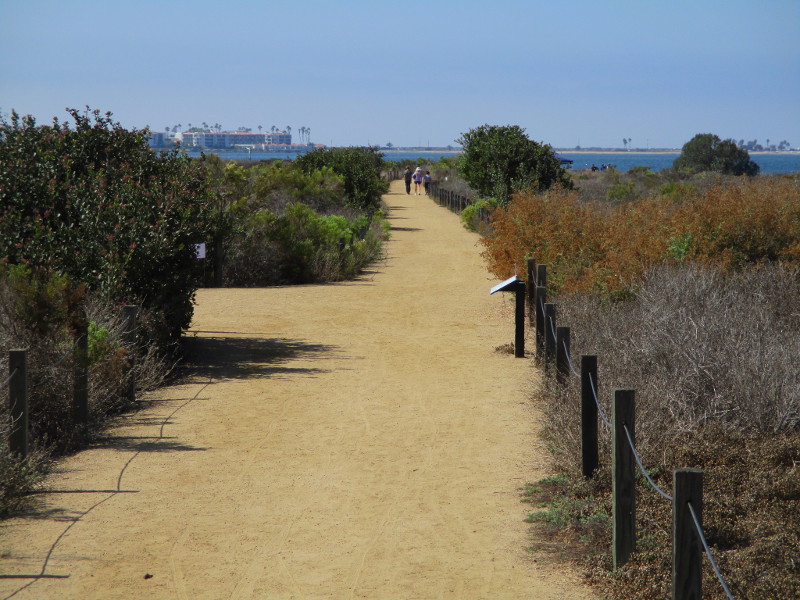
I arrived around noontime and started down the refuge’s nature paths toward San Diego Bay.
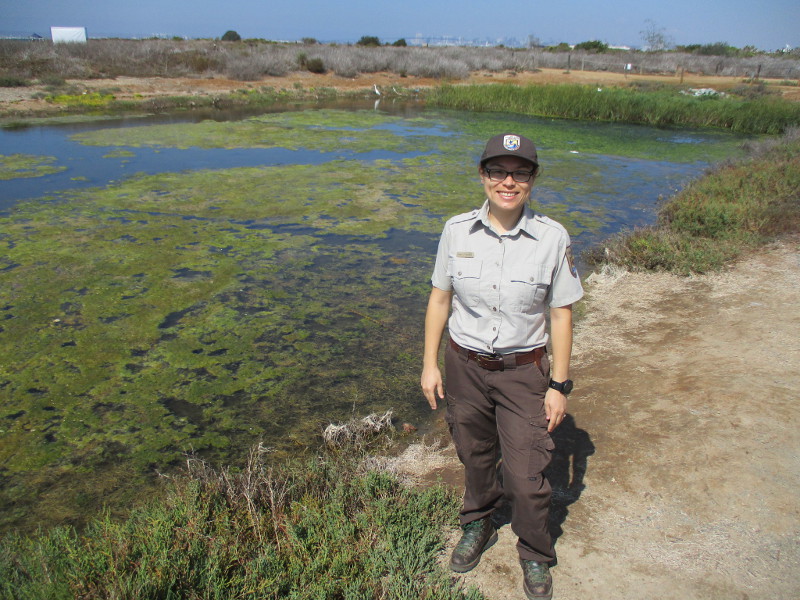
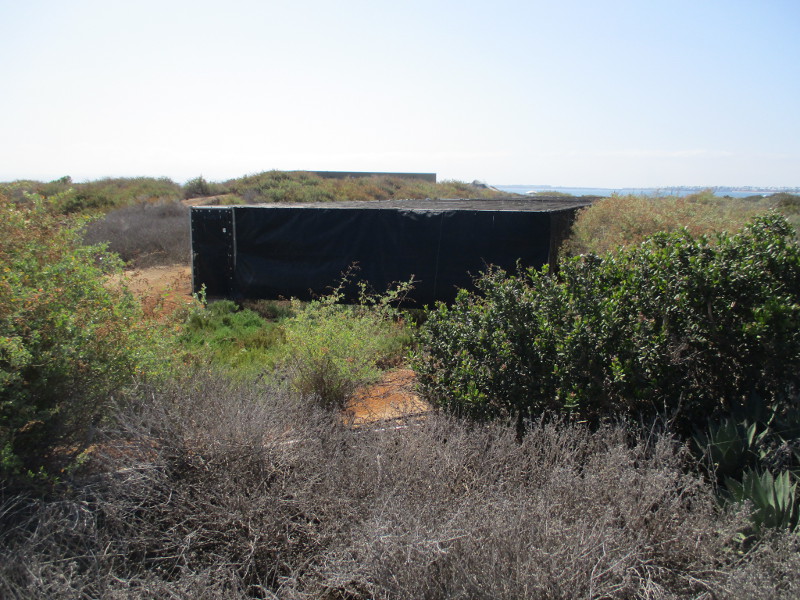
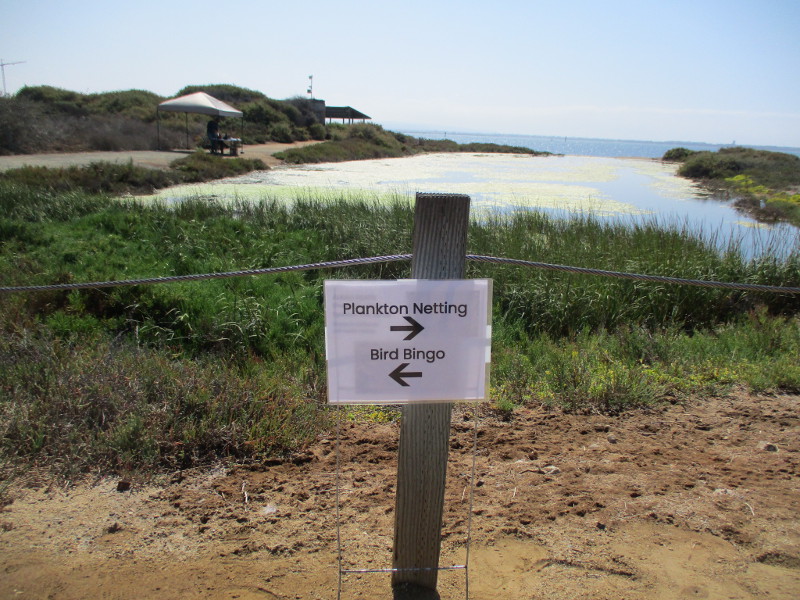
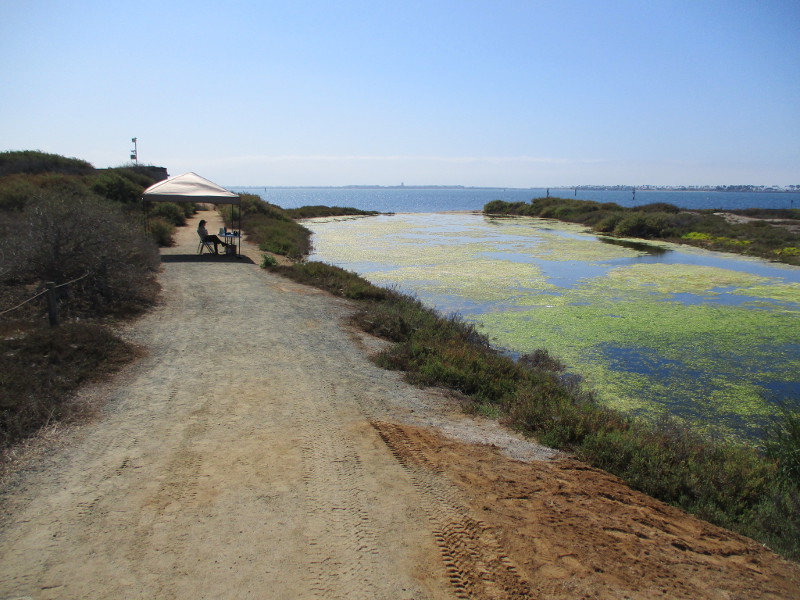
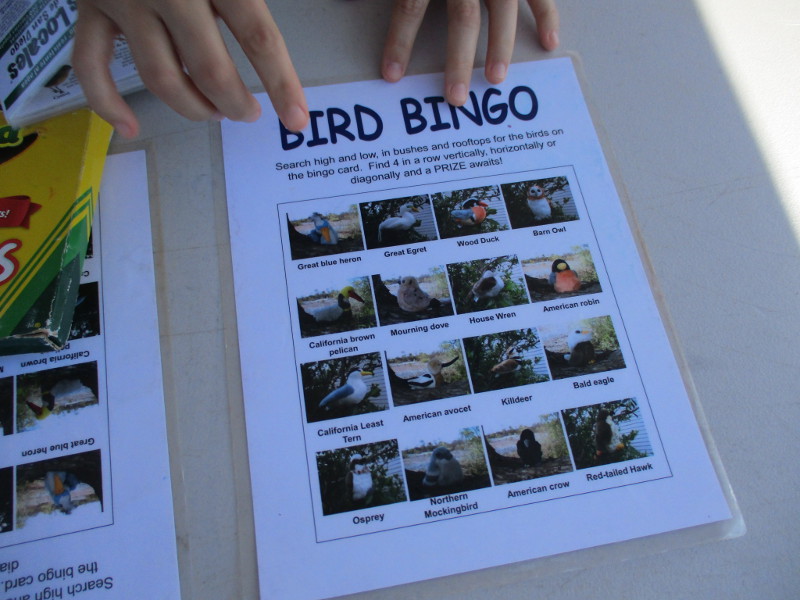
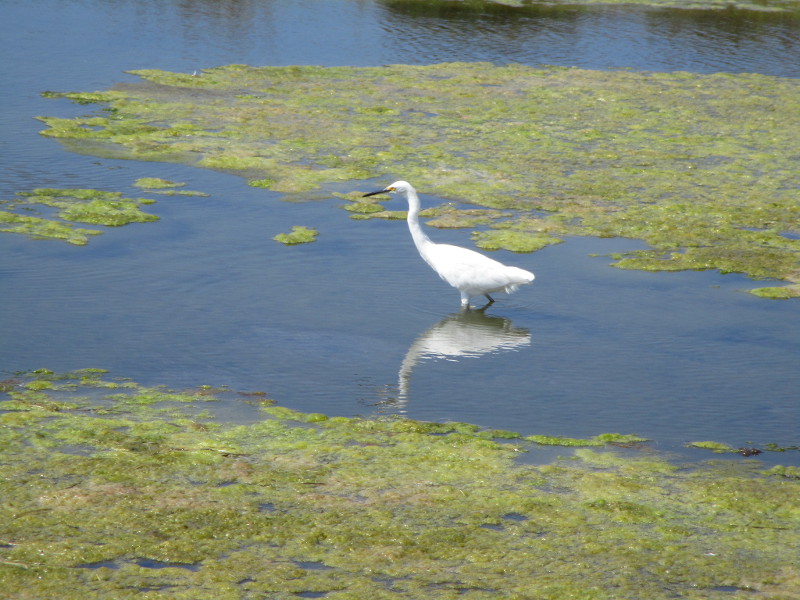
At one station near a brackish wetland pond, a friendly ranger was inviting kids (and curious adults) to play Bird Bingo! How many wild birds could visitors spot? I saw a beautiful Snowy Egret.
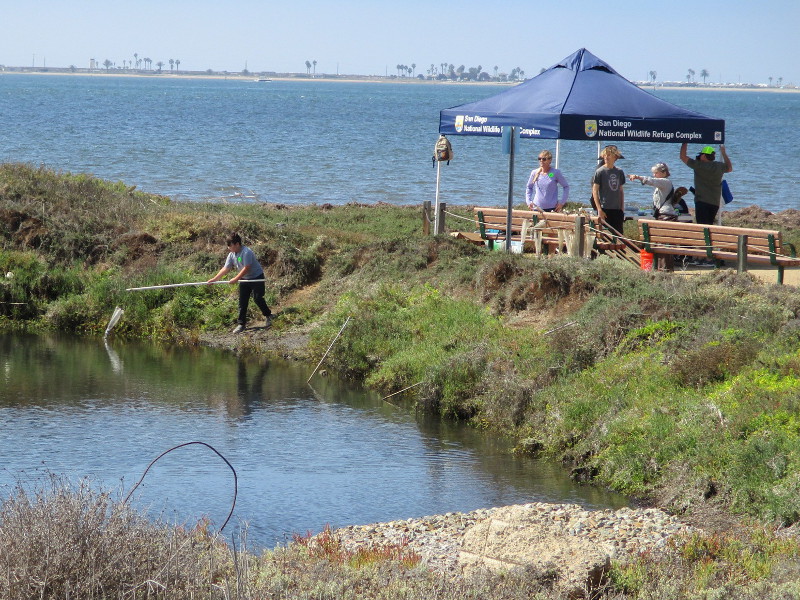
At a second station, rangers were encouraging people to dip a net into the nearby water. Netted plankton was then observed under magnification!
The event was a fun opportunity to learn about the value of wildlife refuges, where animal and plant life–some of which is endangered–can thrive undisturbed. And where we humans can reconnect with nature, absorbing all that goodness that awaits us in wild places.
San Diego Bay National Wildlife Refuge consists of the Sweetwater Marsh and South San Diego Bay Units, preserving coastal salt marsh and intertidal mudflat habitat.What’s in here?
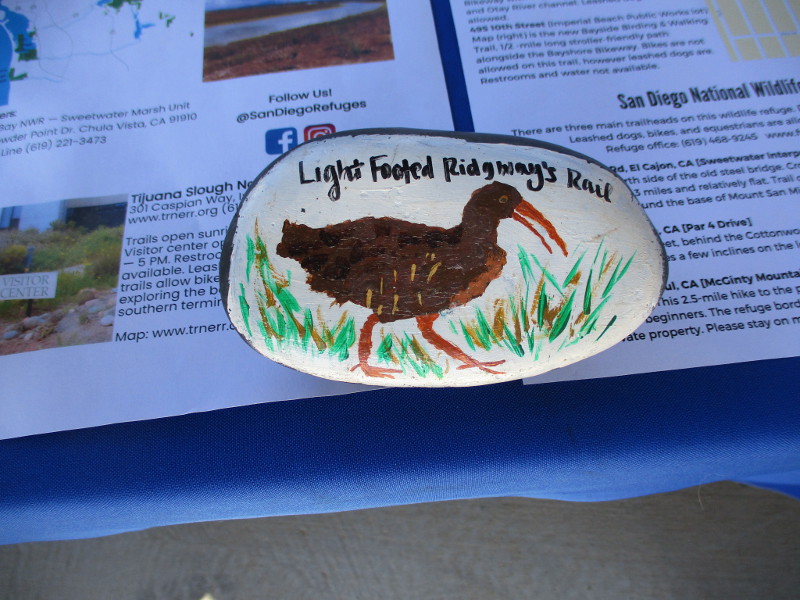
The U.S. Fish & Wildlife Service, Living Coast Discovery Center, SeaWorld San Diego, San Diego Zoo Safari Park, and the California Department of Fish & Wildlife are working together on a captive propagation program to rear the endangered light-footed Ridgway’s rail…
I checked out the Bird Bingo first.A Snowy Egret hunts for food in the pond.Now heading through the wildlife refuge toward the Plankton Netting activity. I see downtown San Diego in the distance.A curious kid was netting microscopic specimens.At the Sweetwater Marsh National Wildlife Refuge today, there was much to experience and learn!
…
I live in downtown San Diego and love to walk around with my camera! You can follow Cool San Diego Sights via Facebook or Twitter!
An important reforestation effort is underway at Torrey Pines State Natural Reserve.
In recent years the critically endangered Torrey pine population has been reduced significantly by bark beetles, particularly in the park’s North Grove. So over 450 Torrey pine seedlings and 581 native shrubs grown in the nursery at the San Diego Safari Park are being planted in different locations around the Reserve.
You can read more about the project, an effort of California State Parks, the San Diego Zoo Wildlife Alliance, and the U.S. Forest Service, by clicking here.
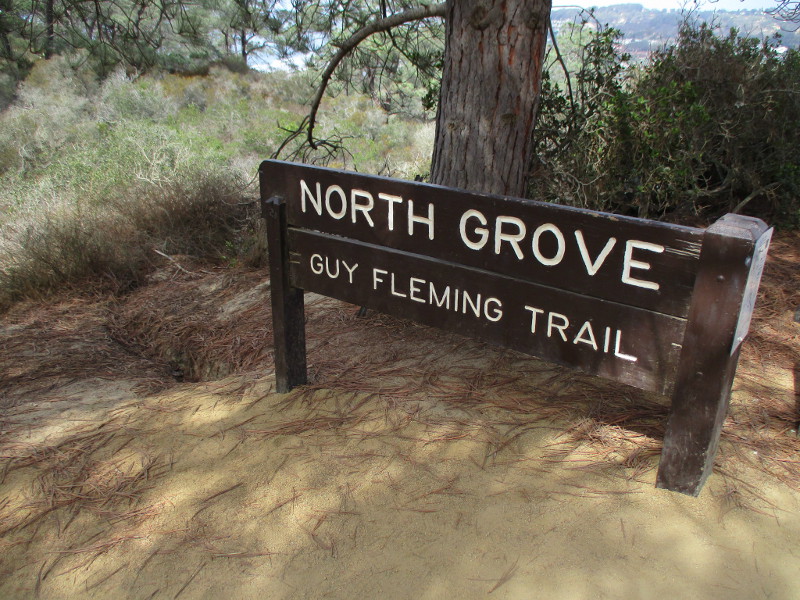
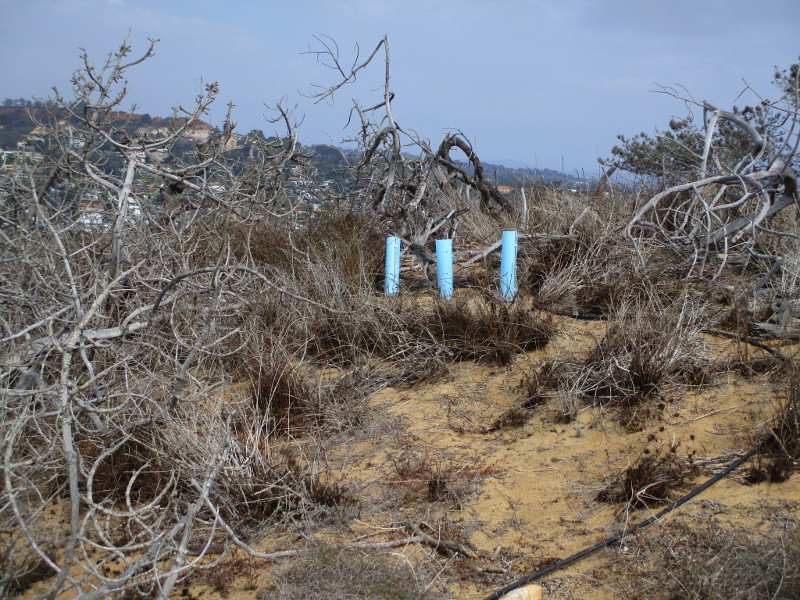
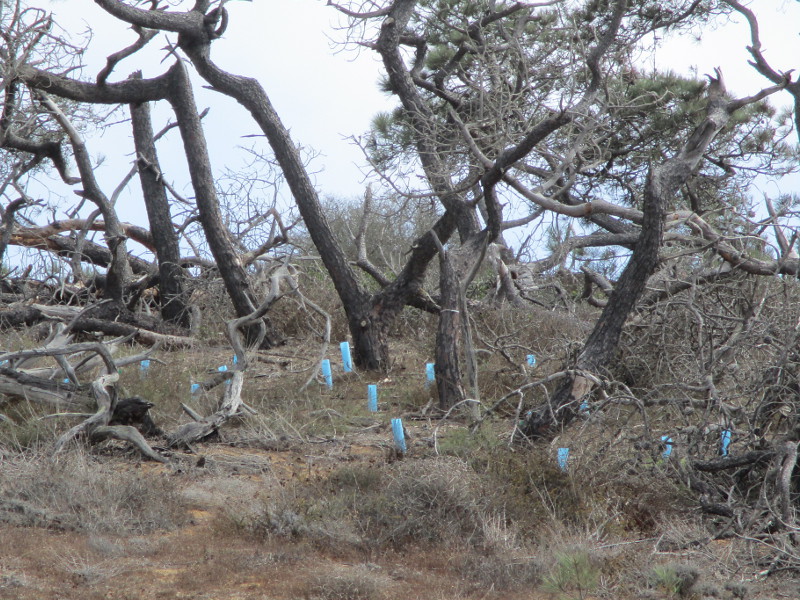
I walked the loop of the Guy Fleming Trail yesterday, where visitors can see many of the dead Torrey pines. Among dead trees, clustered close to the ground, stand strange blue tubes. These plastic protectors shield growing trees and other plants from animals and drying winds.
Native shrubs that have also been planted, mostly above the west-facing bluffs facing the Pacific Ocean, include sea dahlia, jojoba, lanceleaf liveforever, fingertips (San Diego dudleya), lemonade berry, coast lilac, and San Diego mountain mahogany.
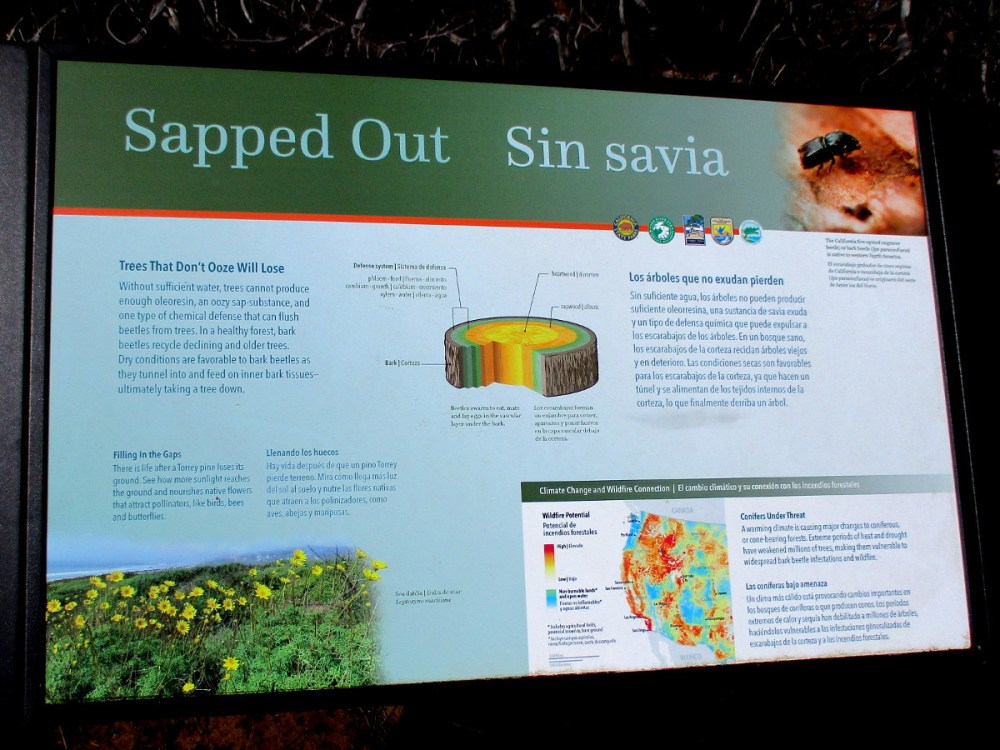
As I walked along, observing all those blue tubes, I paused to read signs that explain how bark beetles kill the rare and beautiful Torrey pine. This tree’s natural protection against beetle infestation is sap. During drought trees produce less sap than usual and become especially vulnerable.
Without sufficient water, trees cannot produce enough oleoresin, an oozy sap-substance, and one type of chemical defense that can flush beetles from trees…
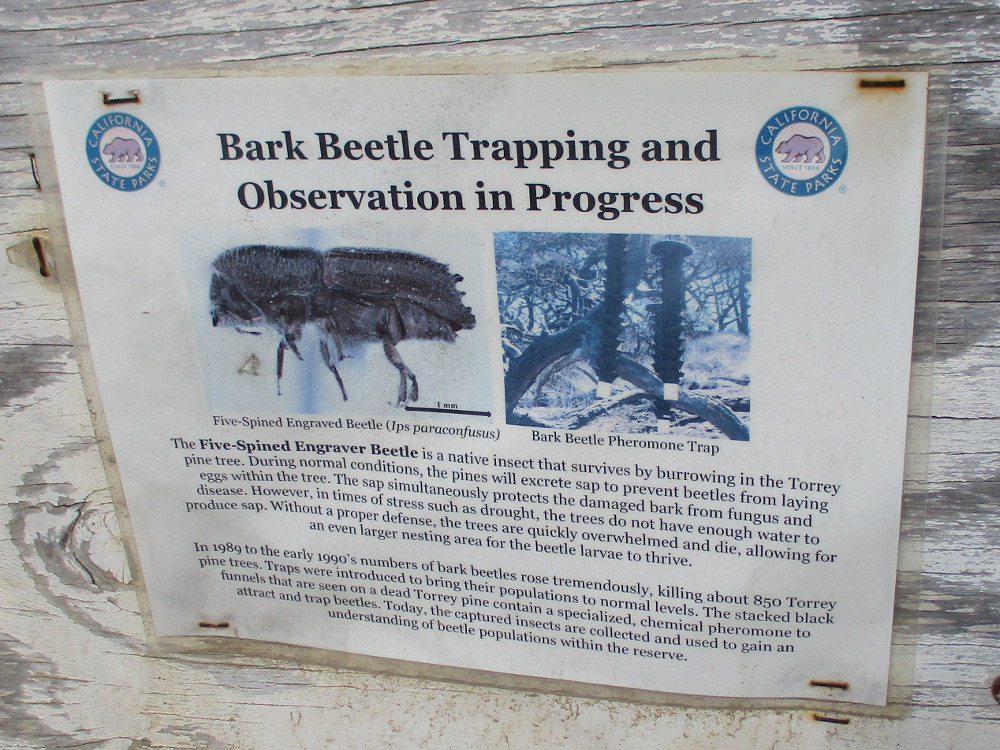
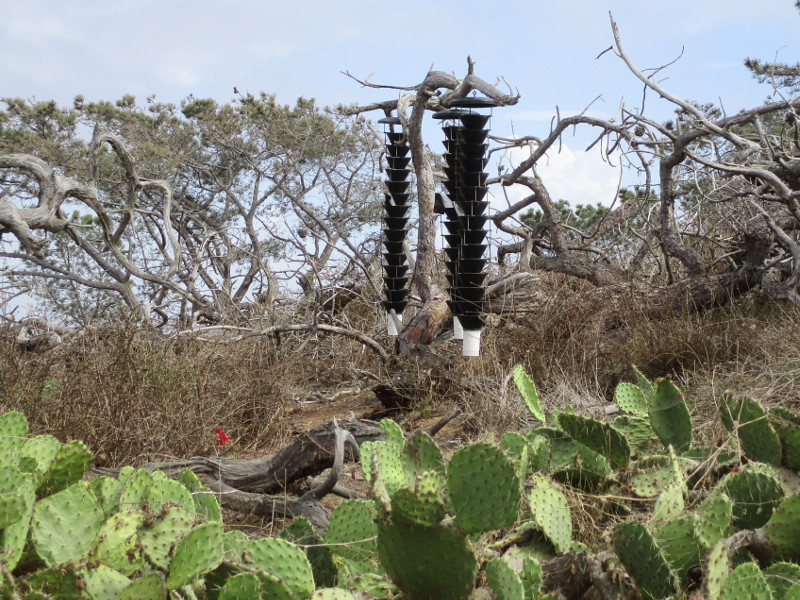
Bark Beetle Trapping and Observation in Progress.
The Five-Spined Engraver Beetle is a native insect that survives by burrowing in the Torrey pine tree. During normal conditions, the pines will excrete sap to prevent beetles from laying eggs within the tree. The sap simultaneously protects the damaged bark from fungus and disease…
…The stacked black funnels that are seen on a dead Torrey pine contain a specialized chemical pheromone to attract and trap beetles…
…
I live in downtown San Diego and love to walk around with my camera! You can follow Cool San Diego Sights via Facebook or Twitter!













































 Cool San Diego Sights!