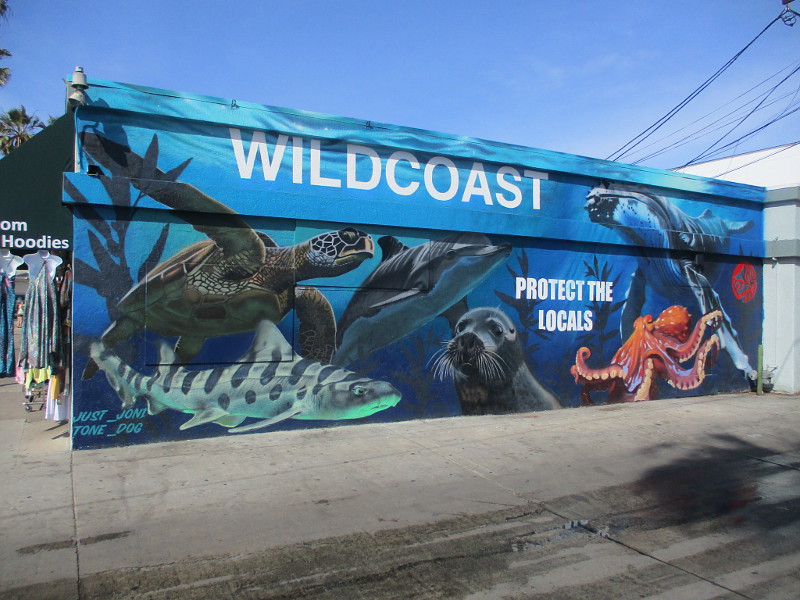
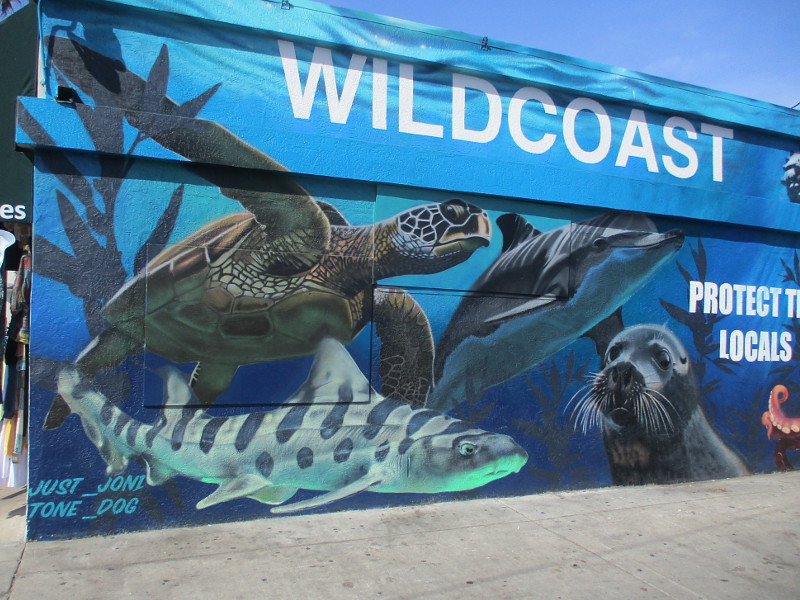
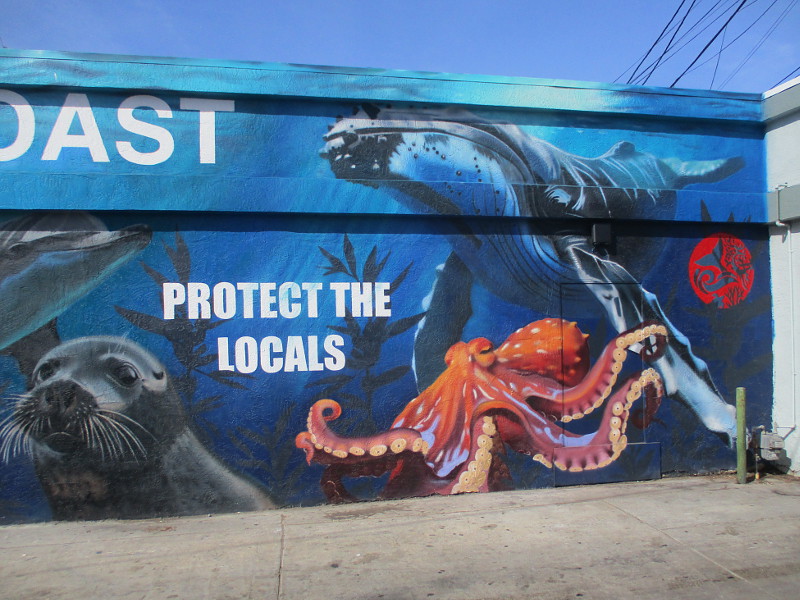
Several months ago this beautiful mural was unveiled in Pacific Beach. Featuring marine life such as a sea turtle, leopard shark and gray whale, it promotes the message Protect the Locals.
The organizations WILDCOAST and BeautifulPB teamed up with artists Jon Hamrick (@just_jon1) and Victor Rodriguez (@tone__dog) to celebrate 25 years of marine conservation with this wall. The artwork is painted on Garnet Avenue one block east of Crystal Pier, on the side of Ananas Pacific Beach.
…
To follow my blog, find the “Follow” box in this website’s sidebar. Or bookmark coolsandiegosights.com and swing on by occasionally!
(If you’re viewing this on a phone, open my website’s sidebar by tapping those three parallel lines at the top of the page.)
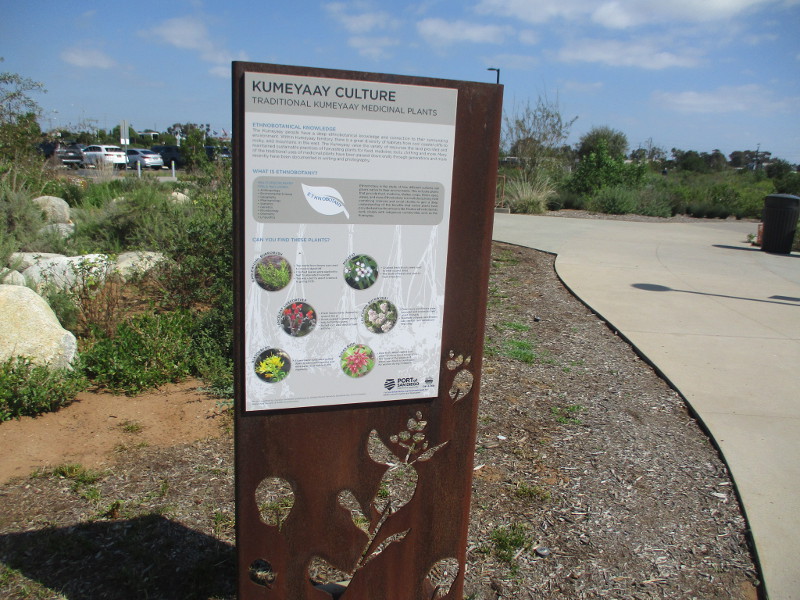
Chula Vista’s new Sweetwater Park on San Diego Bay is a place where our natural environment is protected and celebrated. Visitors can enjoy long walking trails that wind among native plants.
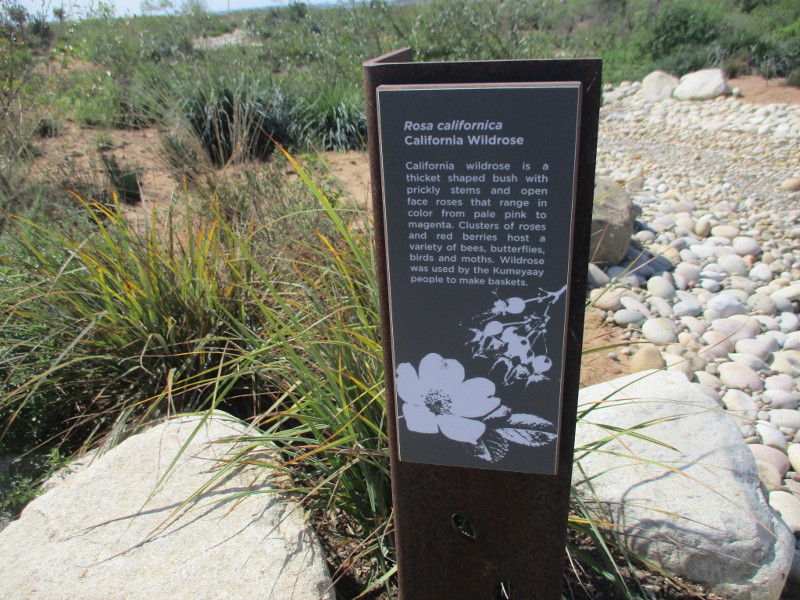
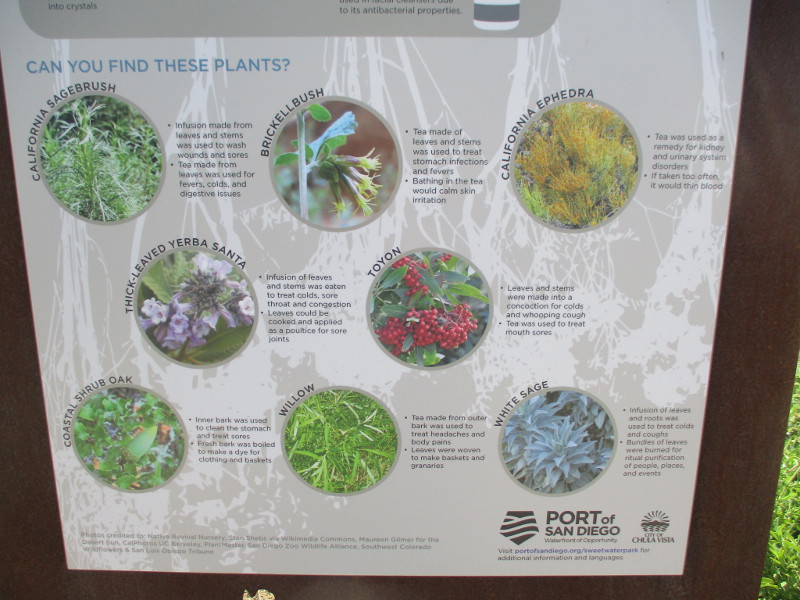
In the Council Ring near the restrooms and parking lot, an easy circular path features many such plants, and two informative signs explain how these plants were an important part of Kumeyaay culture.
Ethnobotany is explained as the study of how different cultures use plants native to their environments. This includes plants that provide food, medicine, shelter, soaps, fibers, dyes, waxes and more. The Kumeyaay people, who have lived in the San Diego region for thousands of years, have a deep ethnobotanical knowledge and connection to their surrounding environment.
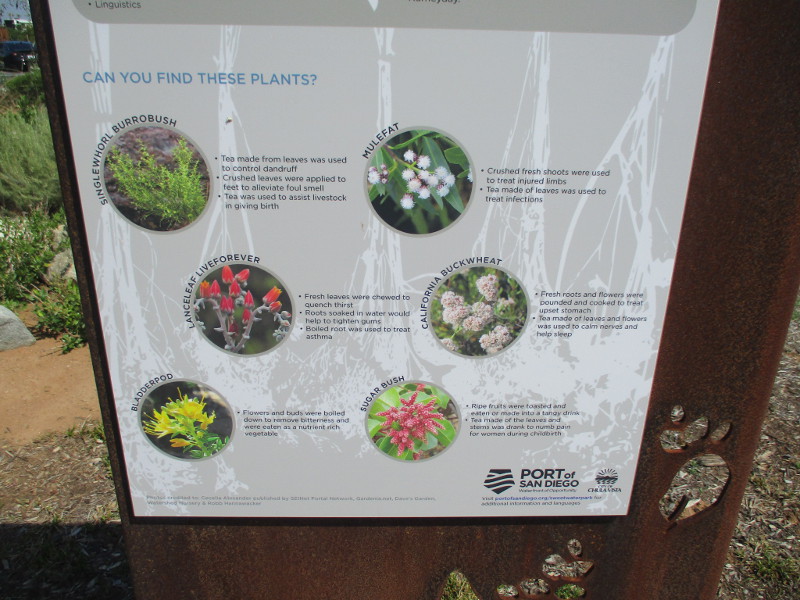
Visitors are invited to look for certain plants, such as Sugar Bush, California Buckwheat, Mulefat and Bladderpod. Did you know that tea made from Singlewhorl Burrobush has been used to control dandruff? Or that boiled root of Lanceleaf Liveforever has been used to treat asthma?
Pause at these signs during your visit to Sweetwater Park and learn more about the history of our region, and the native inhabitants the natural environment has supported.
Look for other signs around the park identifying plants, too!
…
To follow my blog, find the “Follow” box in this website’s sidebar. Or bookmark coolsandiegosights.com and swing on by occasionally!
(If you’re viewing this on a phone, open my website’s sidebar by tapping those three parallel lines at the top of the page.)
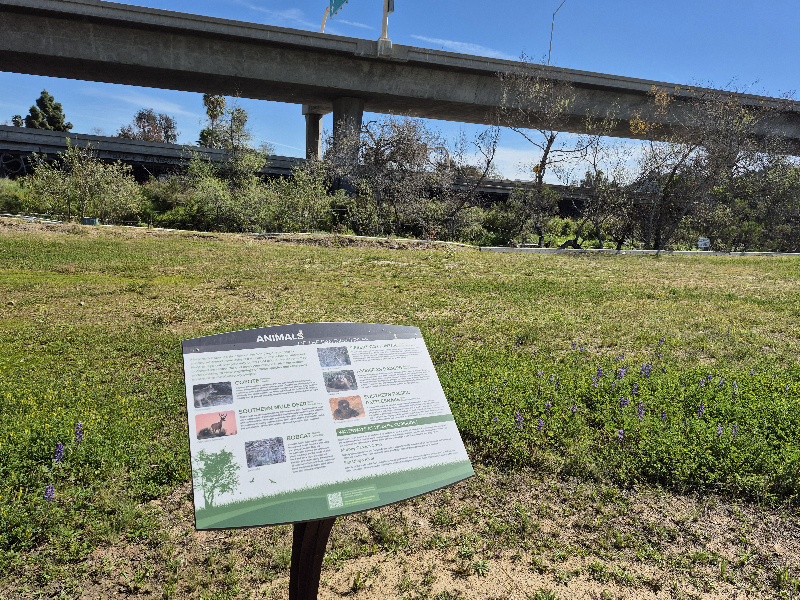
Have you spotted native wildlife in the city near the San Diego River? It’s possible to sight unexpected wild animals in our urban environment!
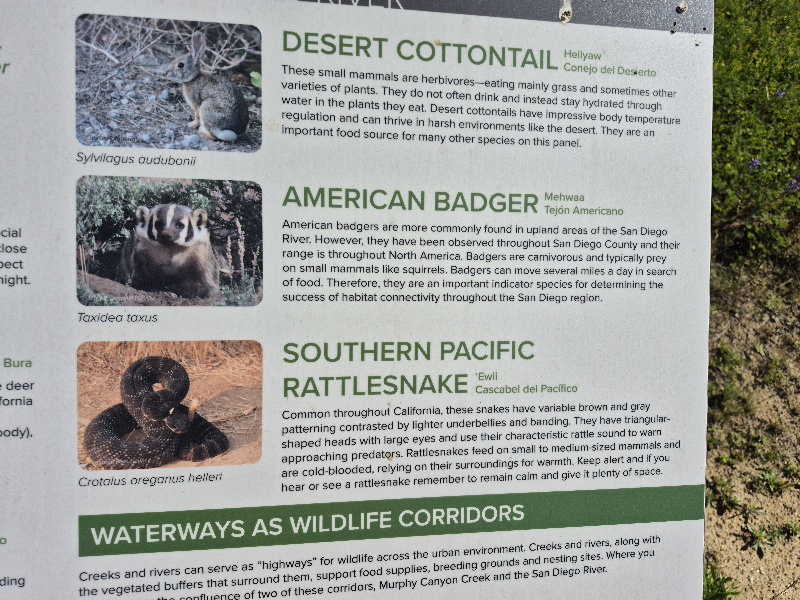
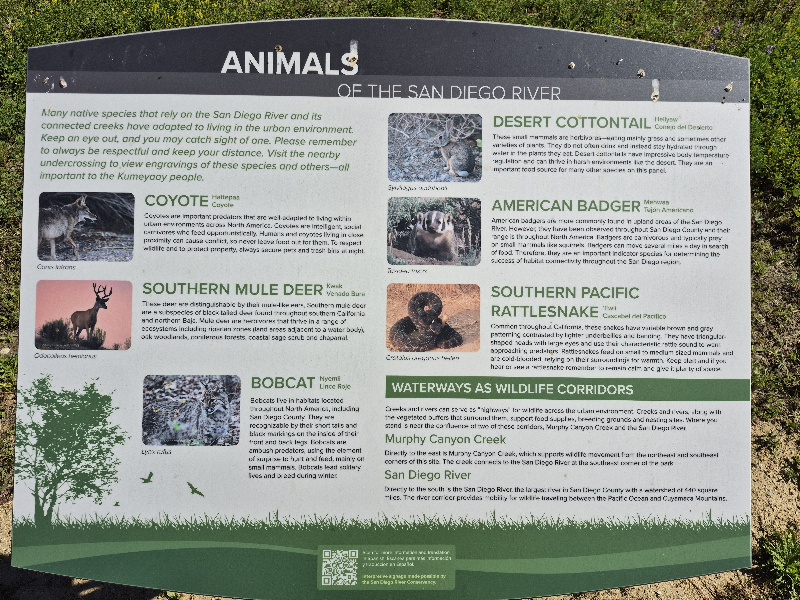
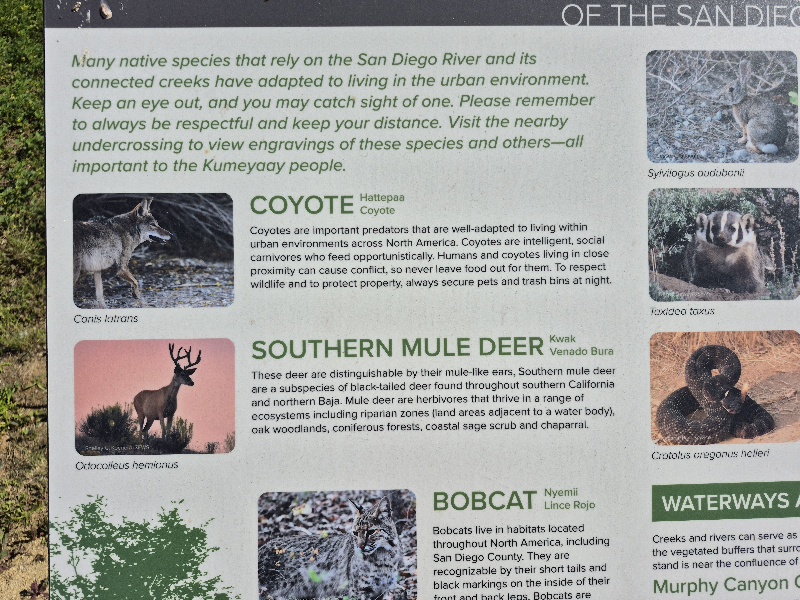
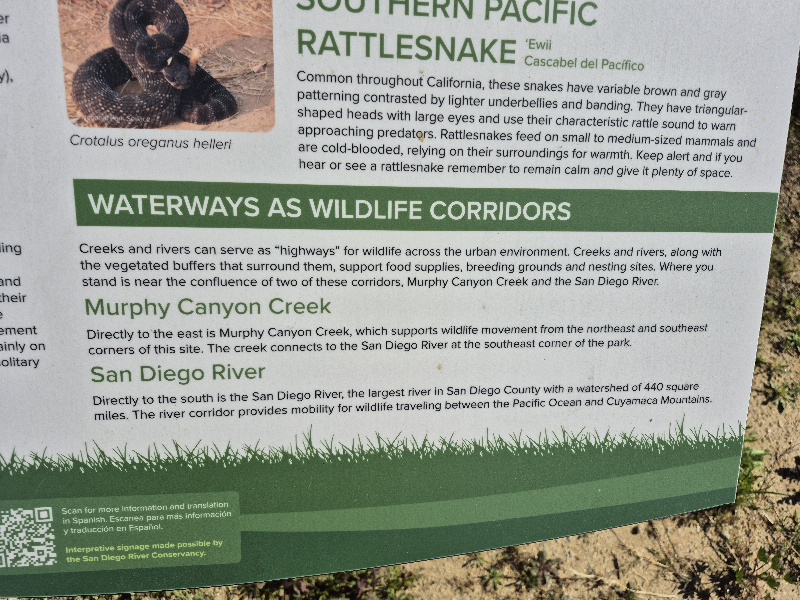
At the east end of the SDSU Mission Valley river park, near Murphy Canyon Creek, beside Interstate 15, a sign shows some of the Animals of the San Diego River.
Featured on the sign are: Coyote, Southern Mule Deer, Bobcat, Desert Cottontail, American Badger and Southern Pacific Rattlesnake.
There’s a good chance you’ve observed coyotes, cottontails and even rattlesnakes, but how about those other critters?
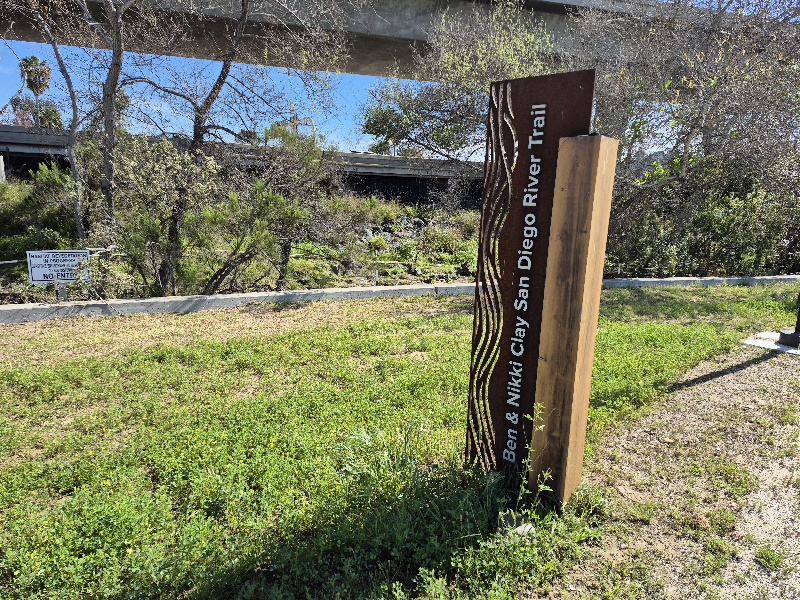
Walk near this sign along the Ben & Nikki Clay San Diego River Trail, and you might experience an unexpected wildlife sighting!
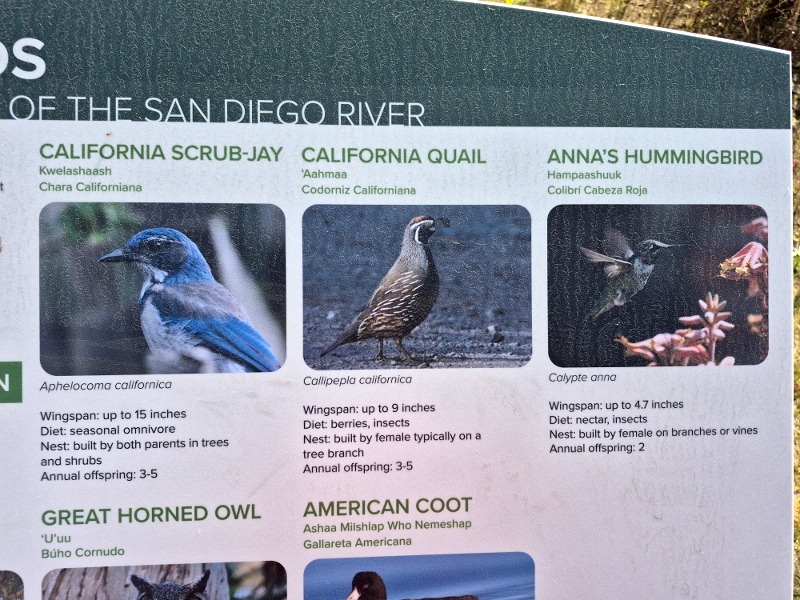
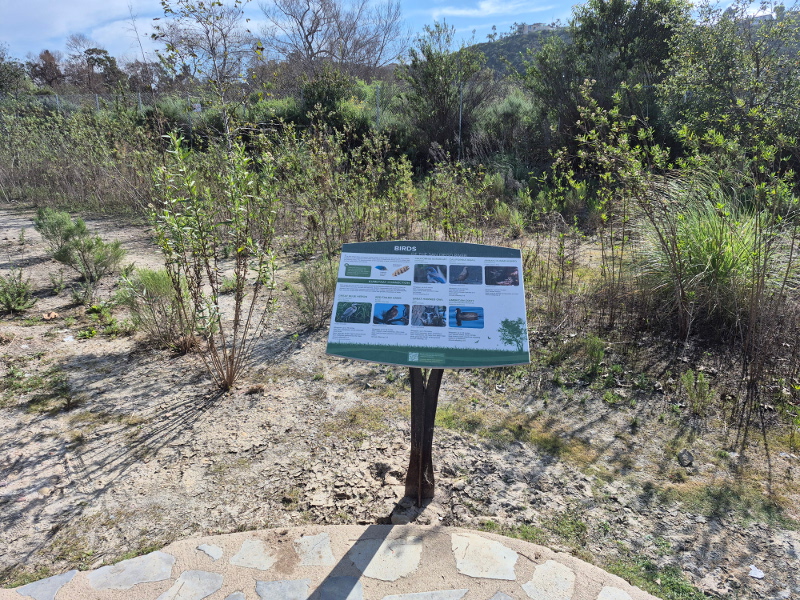
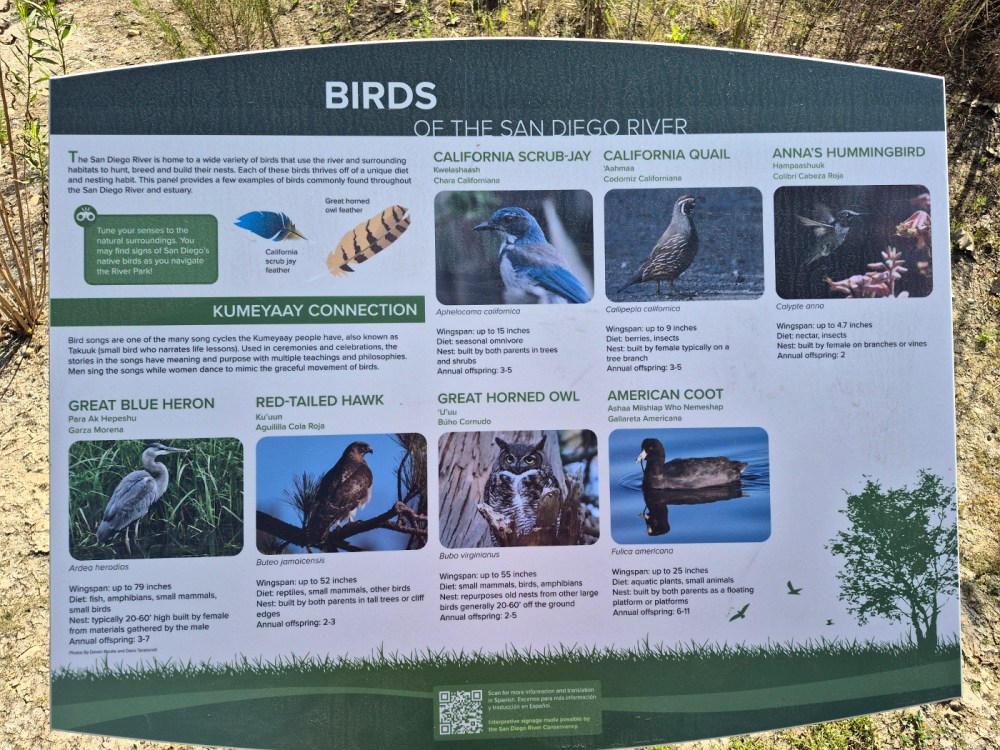
Walking down one of the dirt paths off the main trail at the SDSU Mission Valley River Park, you might encounter this sign. It features birds you could see along the San Diego River.
Birds described in words and photos include California Scrub-jay, California Quail, Anna’s Hummingbird, Great Blue Heron, Red-tailed Hawk, Great Horned Owl and American Coot.
Of course, it’s possible to sight egrets, cormorants, different types of ducks, gulls, blackbirds, swallows and many, many different species. The San Diego River, stretching from the mountains of East County to the Pacific Ocean, supports enormous biodiversity. The river is also part of the Pacific Flyway, a major route of migratory birds.
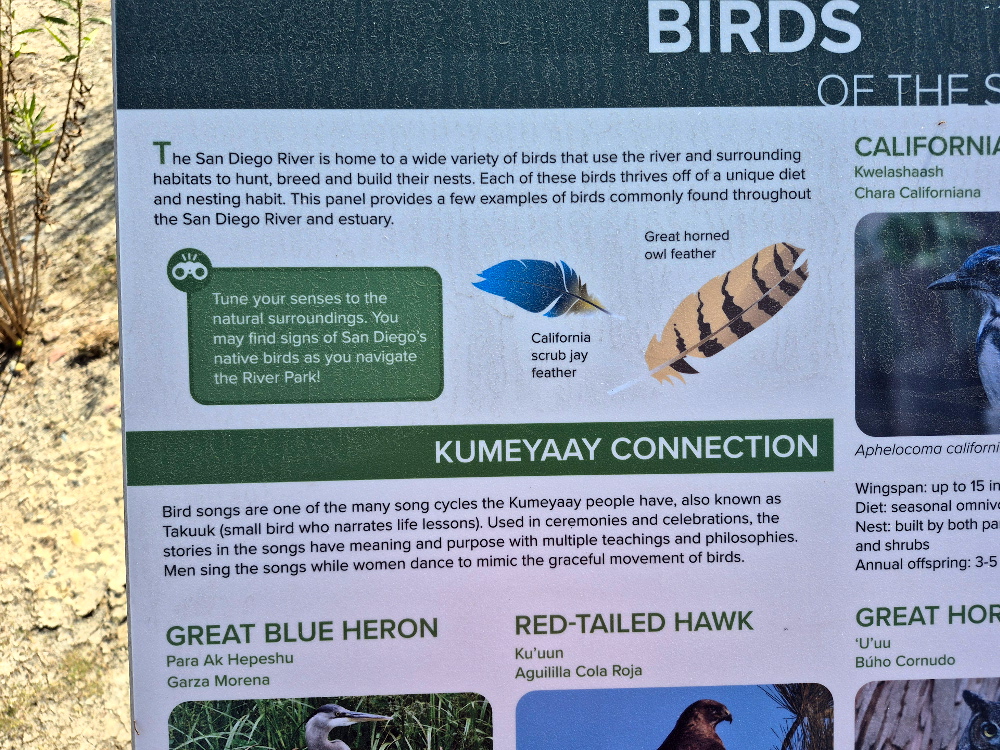
The sign includes a paragraph about the Bird Songs of the indigenous Kumeyaay people. It concerns the bird-inspired singing and dancing in traditional Kumeyaay ceremonies and celebration.
How about my recent walk through the river park? I spotted small sparrows flitting about near the path, saw soaring crows and seagulls, and heard the calls of various birds in the trees beyond the fence that protects the river habitat from human intrusion.
If you love to walk, head down to the river park. There is sunshine, fresh air, people playing sports on the wide grass areas, easy access by trolley, and, best of all, it’s beautiful. (Bonus: look for the mile markers on the main walkway that were designed by James Hubbell!)
…
To follow my blog, find the “Follow” box in this website’s sidebar. Or bookmark coolsandiegosights.com and swing on by occasionally!
(If you’re viewing this on a phone, open my website’s sidebar by tapping those three parallel lines at the top of the page.)
We might be in the middle of winter, but spring will be here before you know it, and birds will be looking to build their nests.
If you’d like to construct a nesting box for your yard or as a community project, how can you make one that bird’s will like, choose and use?
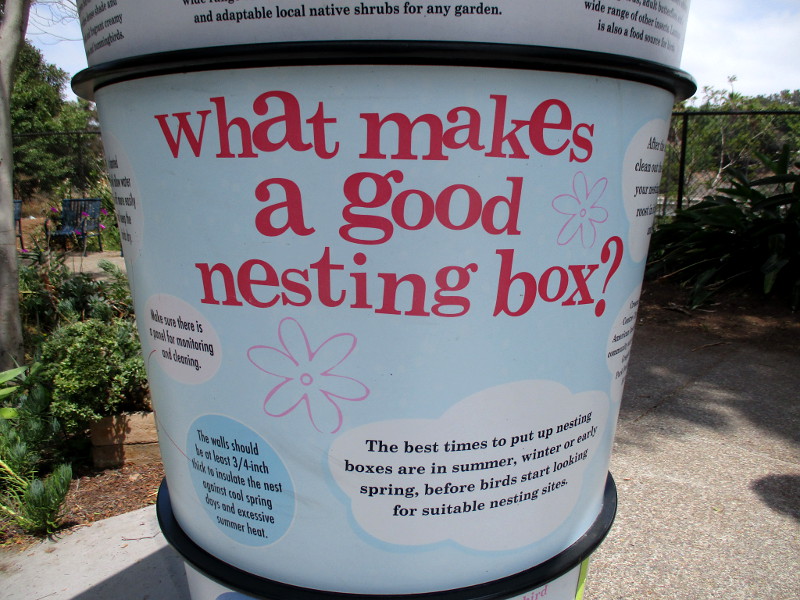
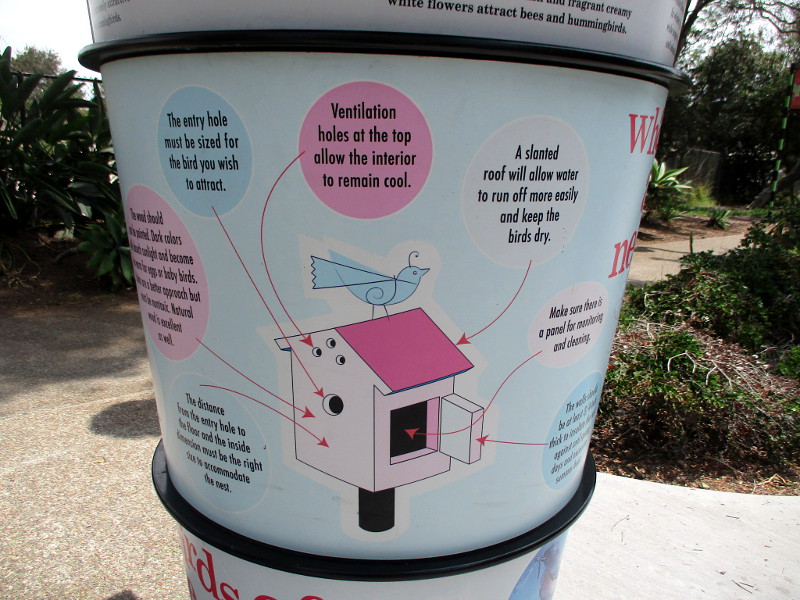
Some useful information is posted in downtown San Diego at the Tweet Street linear park atop Cortez Hill. If you’re into DIY and like to use saw, hammer and nails, here goes:
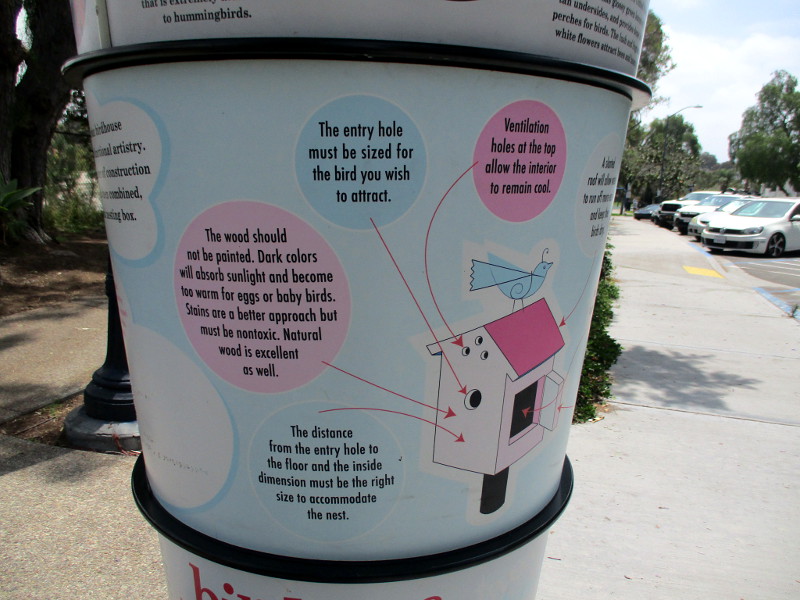
The wood should not be painted. If you use a nontoxic stain, use lighter colors–sun on dark colors might make the box too hot. Natural wood is excellent.
The entry hole must be sized for the bird you wish to attract, and raised from the nesting box floor to accommodate a nest. Small ventilation holes at the top keep the inside of the nesting box cool.
A slanted roof will allow water to run off, keeping the birds living inside the nesting box dry.
Have a side panel that opens for monitoring and cleaning when the box is not in use.
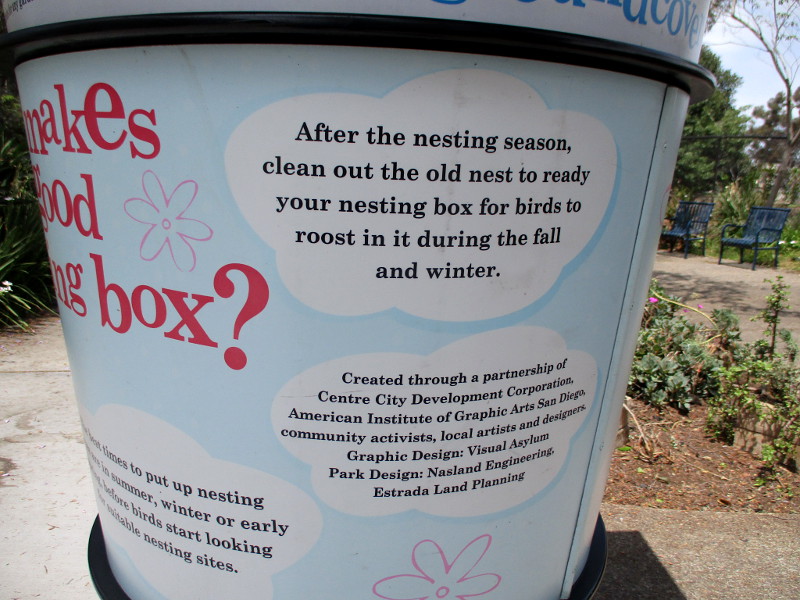
Put up your box before birds begin to look for suitable nesting sites. (And put it well above the ground somewhere the birds feel safe.)
After the nesting season, use the side panel to clean out the old nest. Ready your nesting box for birds to roost in during the fall and winter, or the following spring.
If you’d like to see photographs of the many cleverly designed birdhouses in Tweet Street Park (and they’re pretty amazing), click here!
As you build your own unique bird house, have fun and be safe!
…
To follow my blog, find the “Follow” box in this website’s sidebar. Or bookmark coolsandiegosights.com and swing on by occasionally!
(If you’re viewing this on a phone, open my website’s sidebar by tapping those three parallel lines at the top of the page.)
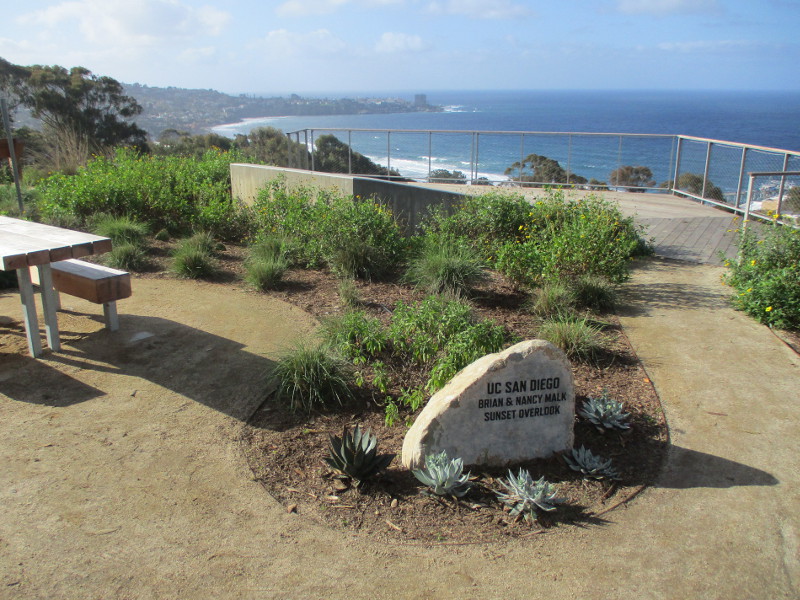
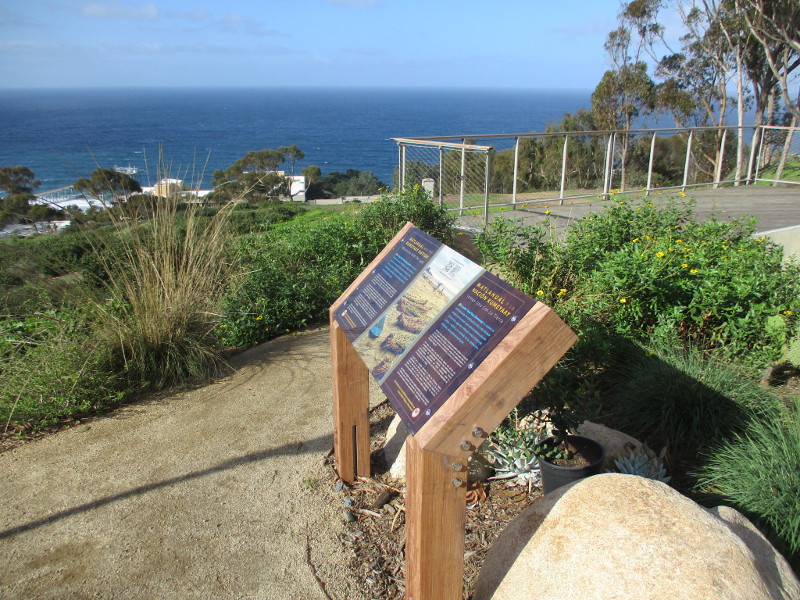
The UC San Diego Brian & Nancy Malk Sunset Overlook opened last summer. Situated high above Scripps Institution of Oceanography, an elevated platform offers wide views of the Pacific Ocean and parts of coastal La Jolla.
If you’d like to enjoy amazing panoramic views, head down La Jolla Shores Drive to Midpac Lane and look for the small parking lot.
The new overlook includes picnic tables and a bench where you can sit, relax and gaze out over the ocean. Native plants flourish around the platform and pathway.
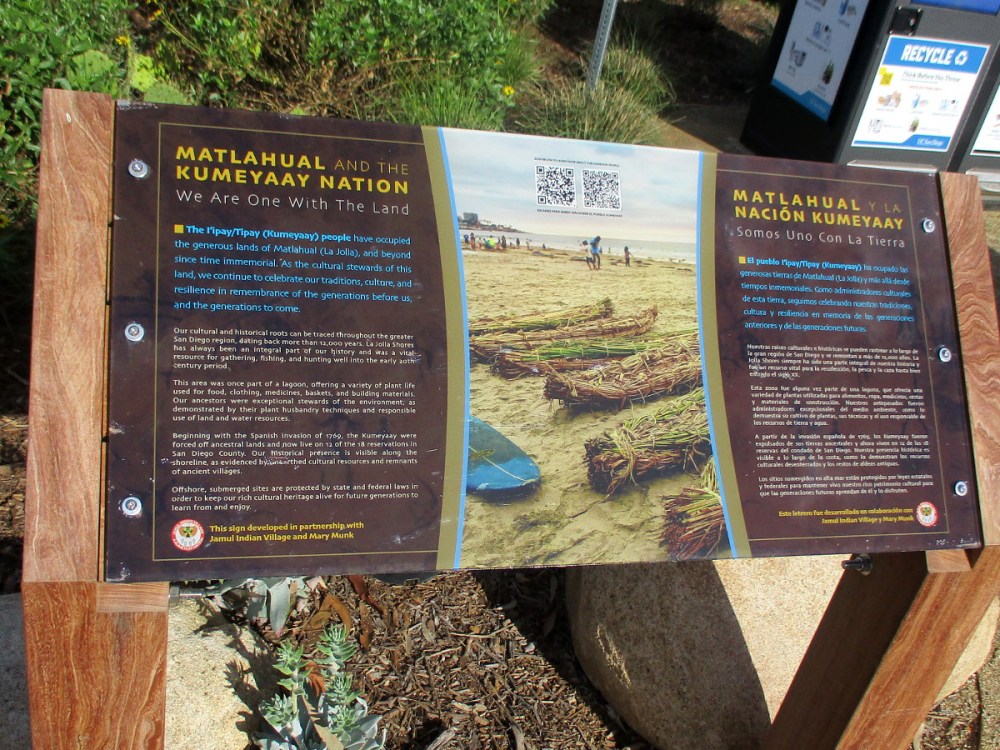
Nearby, an informative sign tells how the Kumeyaay people lived in La Jolla (Matlahual) for thousands of years and have acted as stewards of the land. This area was part of a lagoon. It was an important natural resource that provided useful materials–for basket making, medicines, fishing, hunting, gathering and more. The sign at the overlook was developed in partnership with Jamul Indian Village and Mary Munk.
I visited recently on a sunny day…
…
To follow my blog, find the “Follow” box in this website’s sidebar. Or bookmark coolsandiegosights.com and swing on by occasionally!
(If you’re viewing this on a phone, open my website’s sidebar by tapping those three parallel lines at the top of the page.)
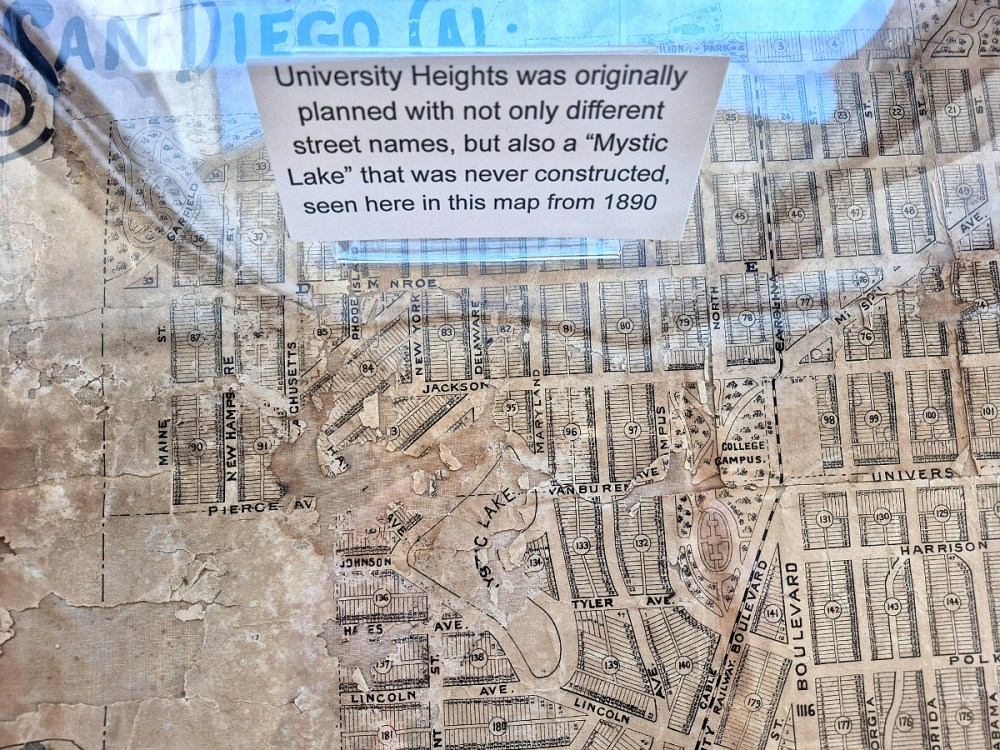
Did you know that a lake was originally planned for one of University Heights’ canyons? You’ll learn this and more should you visit the San Diego Central Library and view one of several small exhibits in the 9th floor Special Collections Center. Mystic Lake is one fascinating aspect of The San Diego That Never Was.
Looking at Google Maps today, and comparing it to the old 1890 map on display at the library, you can see how Mystic Lake would have fit into University Heights as planned in 1888. The lake’s lower extremity would have been cradled by Lincoln Avenue and Maryland Avenue. It was not to be.
As this informative webpage (which explains University Heights street names) explains: By 1906, Arch Street, Proctor Place, and New Jersey Street replaced the area originally planned to be Mystic Lake.
Mystic Lake would have been located a couple blocks directly west of the State Normal School, which was predecessor to San Diego State University. The site today is headquarters of San Diego Unified School District.
It’s interesting to see San Diego’s old cable car route on the 1890 map as a dashed line. The short-lived cable car line operated from June 1890 to October 1892. As this historical webpage explains, the San Diego Cable Railway ran from downtown San Diego north on Fourth to University, then east to present-day Park Blvd., and north to Mission Cliff Gardens.
(Today, one of those old cable cars is preserved at the National City Depot museum. Check out photographs of San Diego Cable Railway car number 54 by clicking here!)
…
To follow my blog, find the “Follow” box in this website’s sidebar. Or bookmark coolsandiegosights.com and swing on by occasionally!
(If you’re viewing this on a phone, open my website’s sidebar by tapping those three parallel lines at the top of the page.)
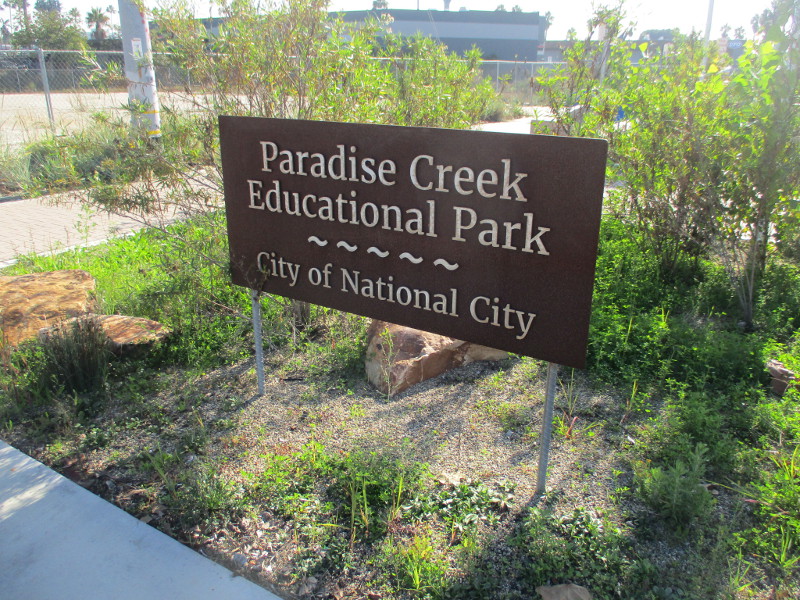
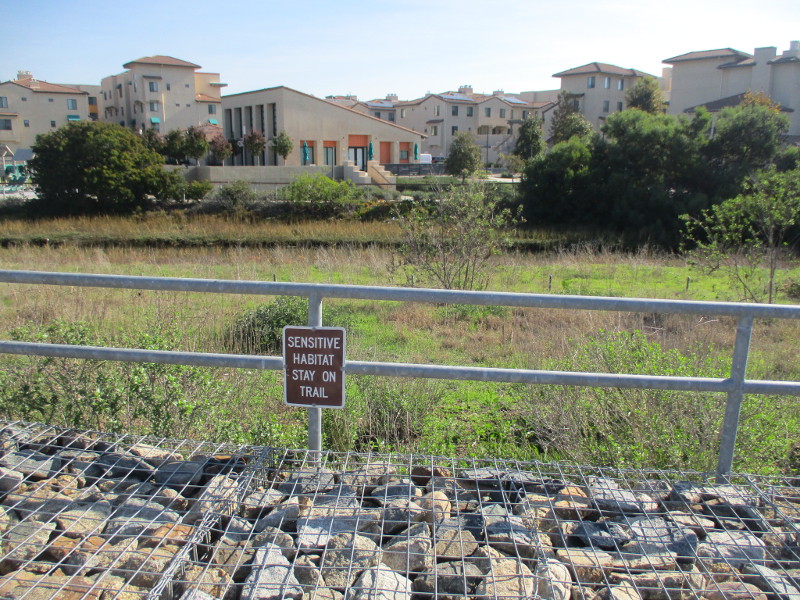
If you’re ever in National City and in the neighborhood of Paradise Creek Educational Park, you might pay a visit. I enjoyed a ramble through the park a couple weeks ago and found the beauty of nature and surprising public art!
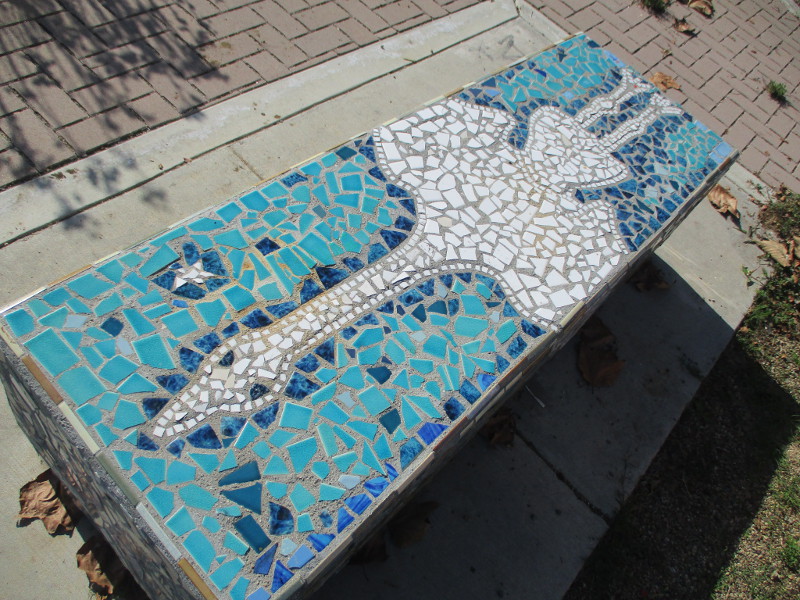
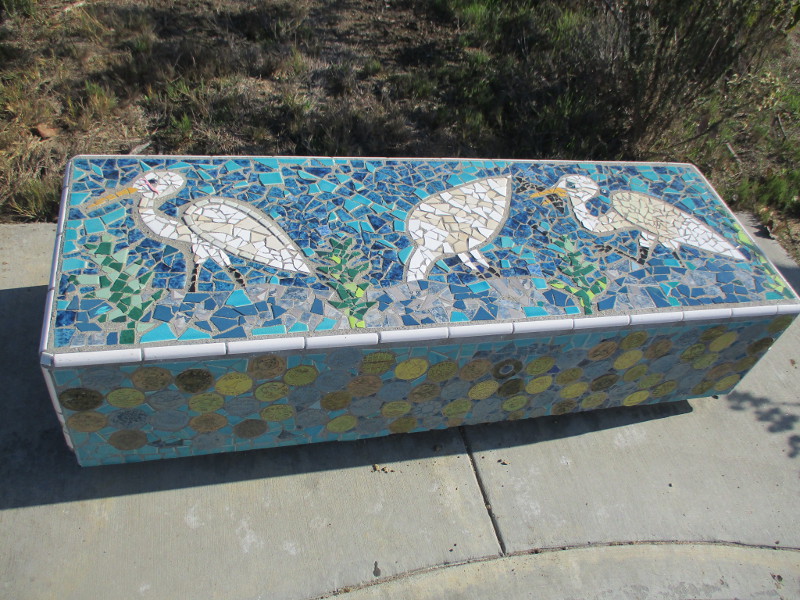
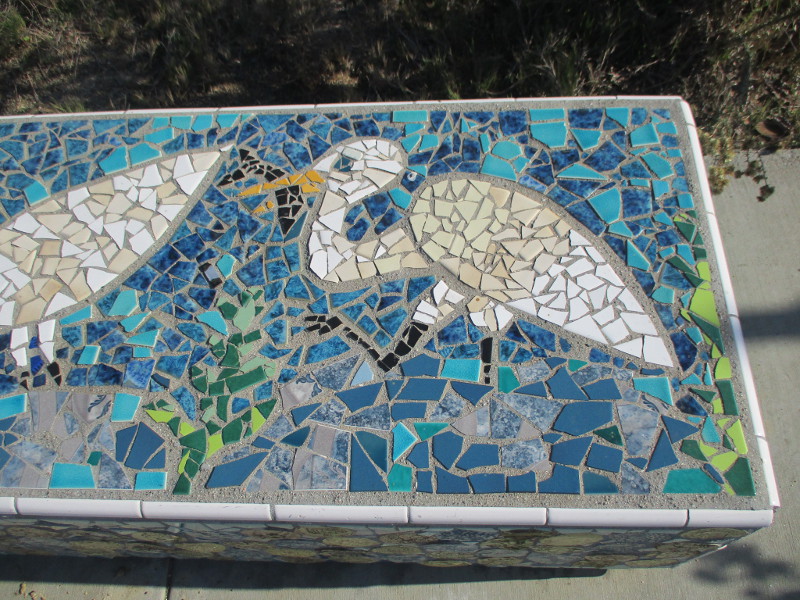
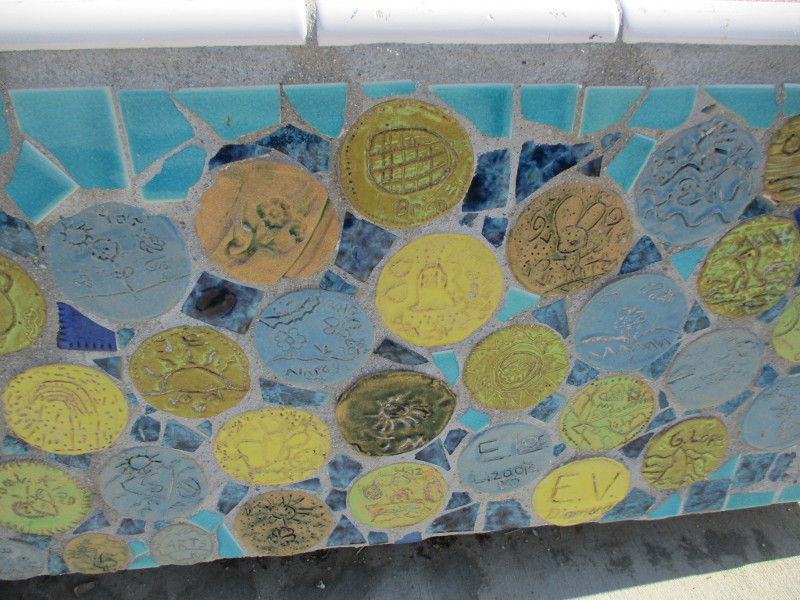
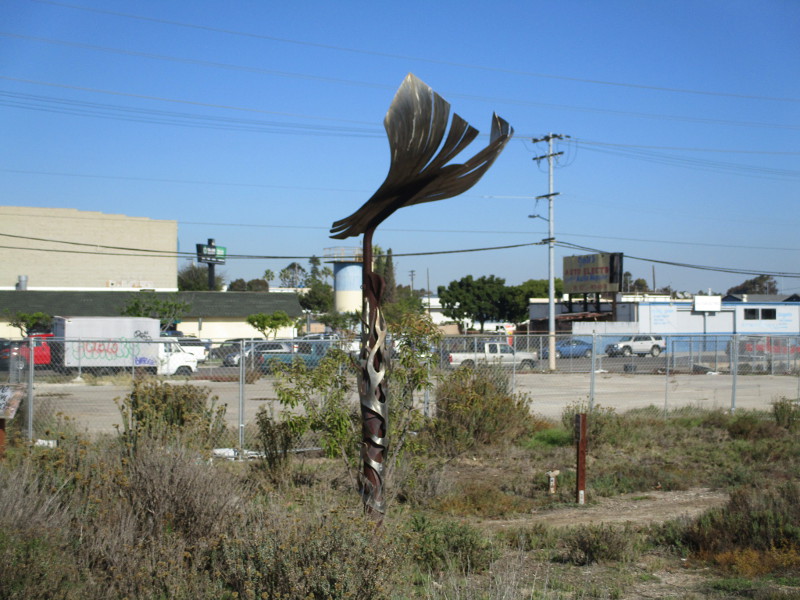
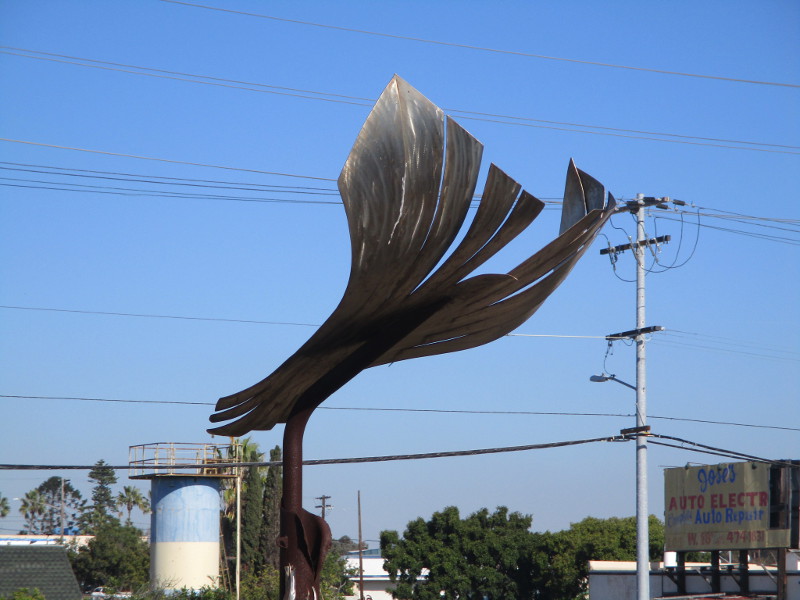
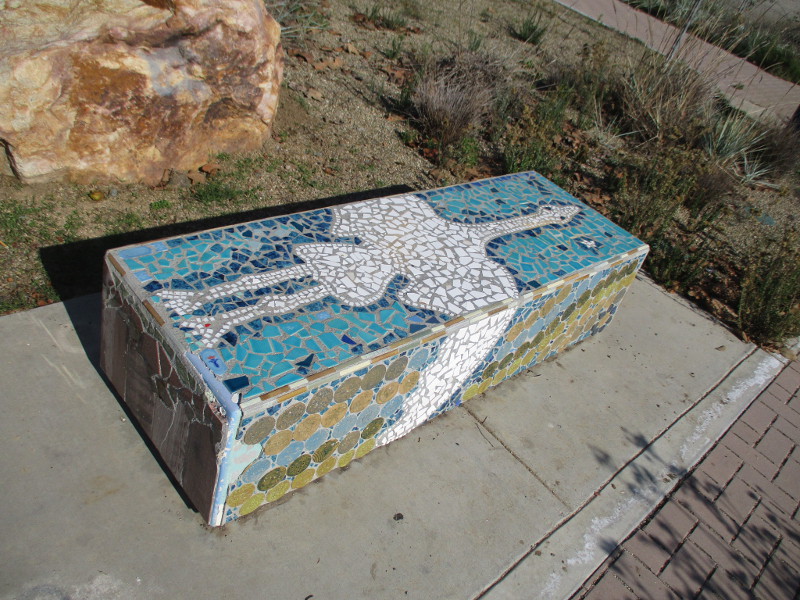
I began at the north end of the park at West 18th Street and Hoover Avenue. That’s where I spied two gorgeous mosaic benches depicting birds and other wildlife. Near the path rose a silvery wing-like sculpture.
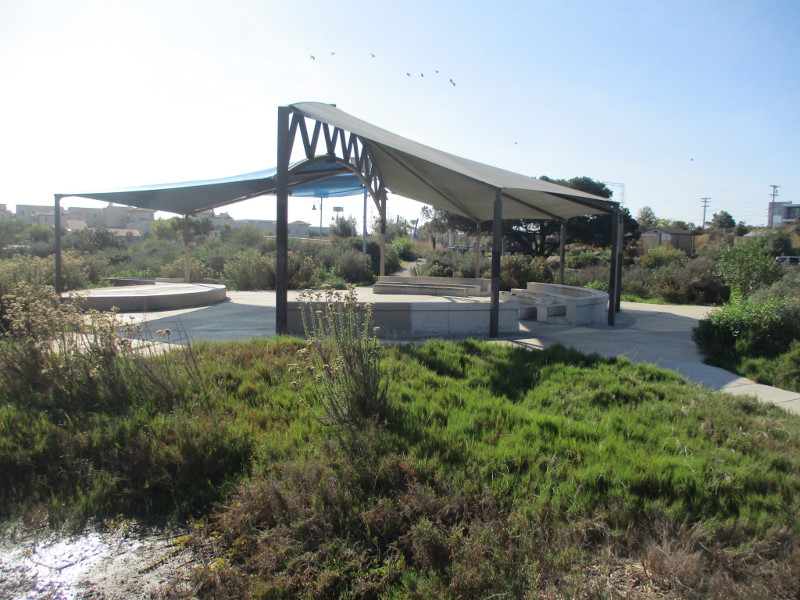
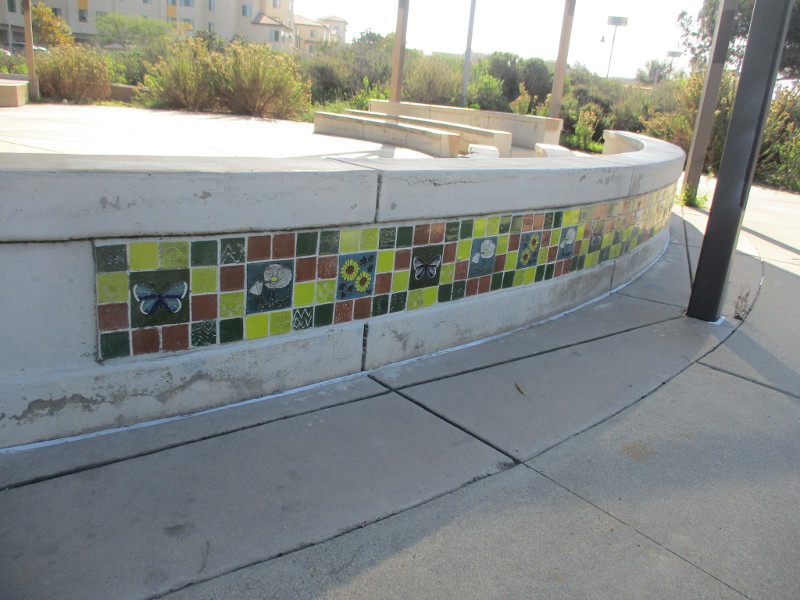
I then proceeded over a long curving bridge above the wetland. Arriving at the amphitheater with its shade structure (in the shape of the moon), I discovered colorful art tiles. Students from Kimball Elementary School, which is directly adjacent to the park, have outdoor classes here.
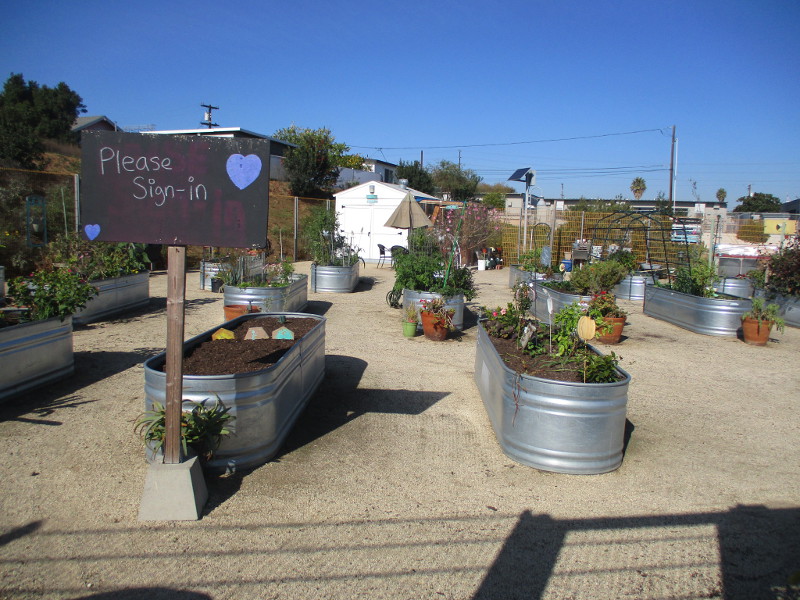
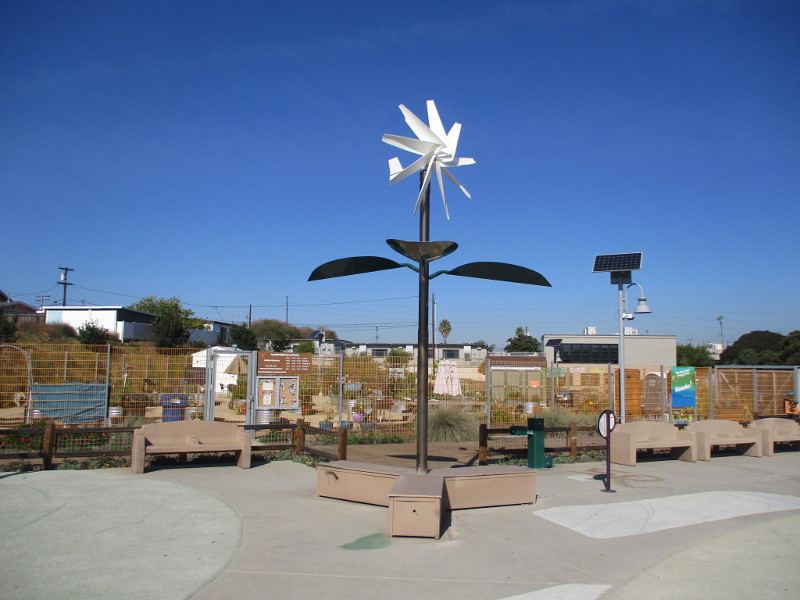
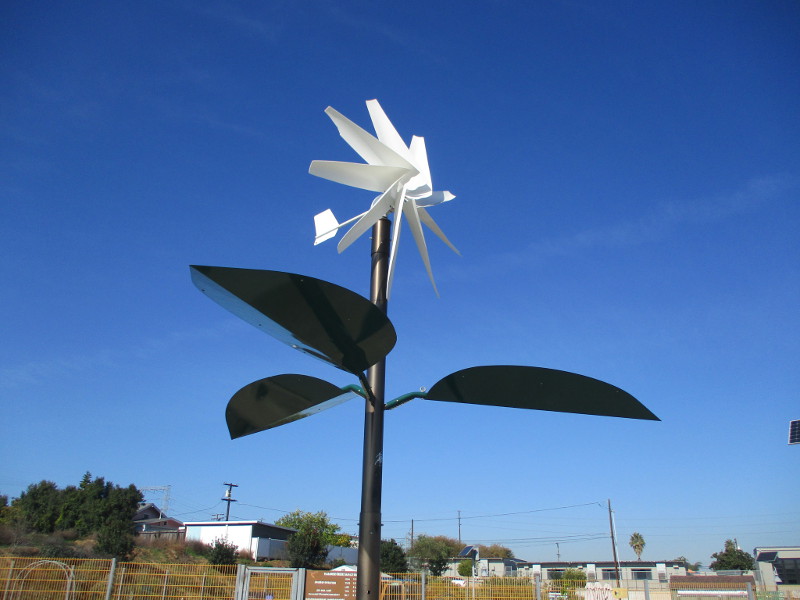
From the amphitheater I walked past the community garden and playground and on, until I reached the south end of the half mile, 6-acre linear park at West 22nd Street, just east of Wilson Avenue. I turned around, headed back, and discovered a flower-like windmill sculpture between the playground and community garden!
Paradise Creek Educational Park was an Urban Greening Project of National City. It was designed by Schmidt Design Group. The park has won multiple awards, including an Orchid from the San Diego Architectural Foundation.
You might enjoy a similar walk on a sunny day. You’ll spot some birds, too!
…
If you’d like to see San Diego through my lens, find the “Follow” box in the sidebar to receive new posts in your email, or bookmark coolsandiegosights.com and swing on by occasionally!
(If you’re viewing Cool San Diego Sights on a phone, you can open my website’s sidebar by tapping those three parallel lines at the top of the page.)
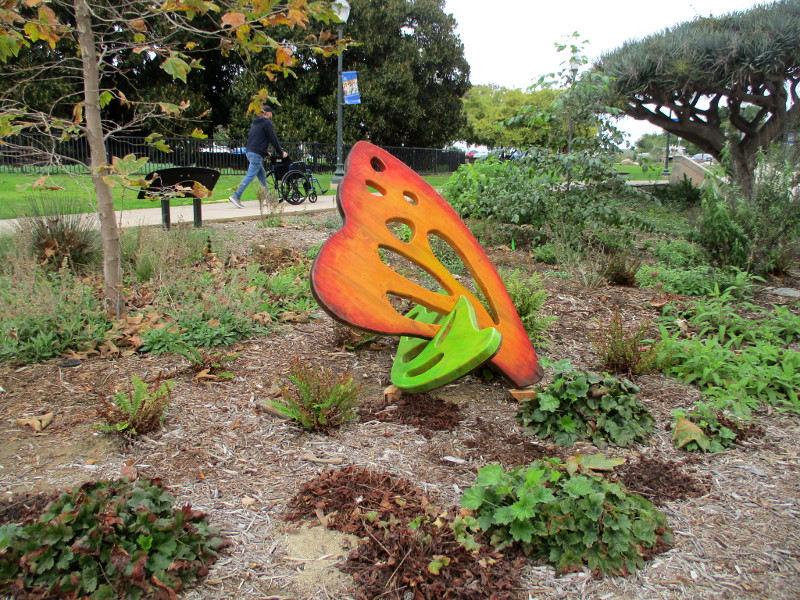
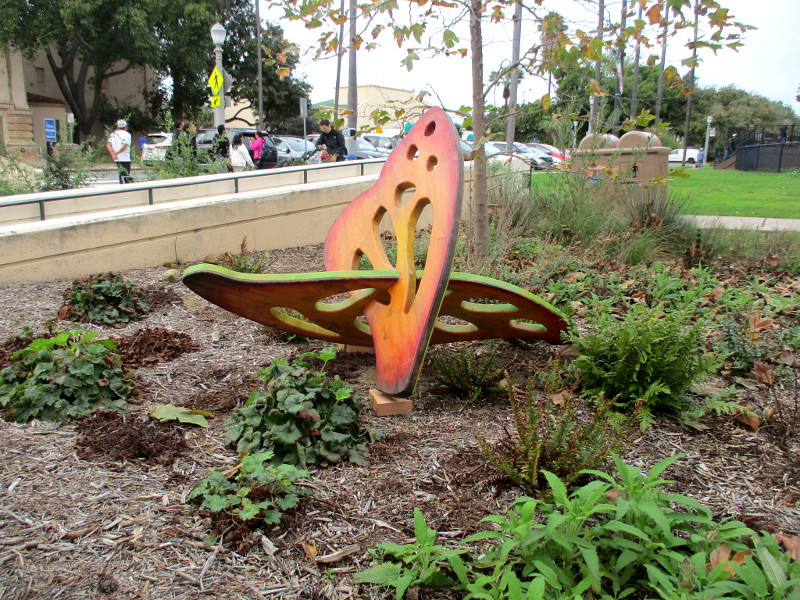
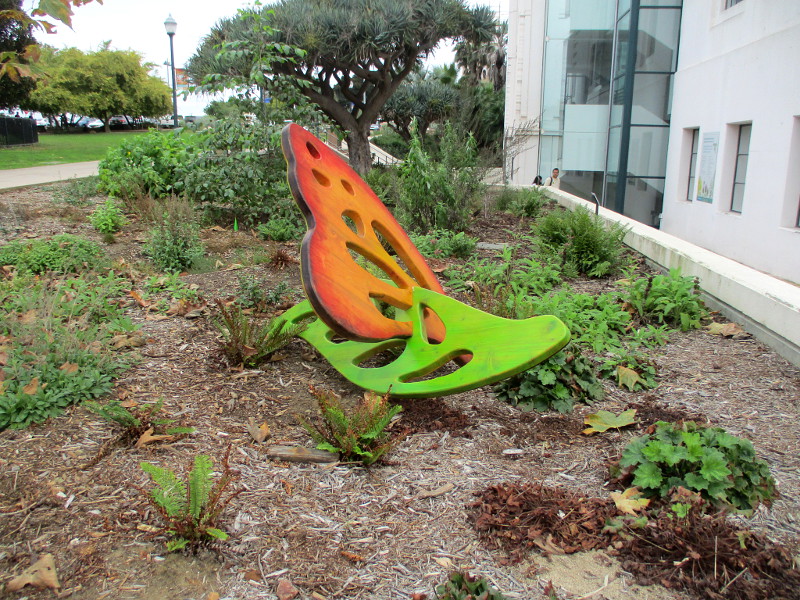
A giant butterfly now makes its home in a special Balboa Park garden. The butterfly can be seen among the native plants of the San Diego Natural History Museum‘s Nature Trail!
Today I spotted this butterfly sculpture on the north side of the museum building. It can be observed from the Wildlife Walkway portion of the Nature Trail. I was told it appeared in the past week or two.
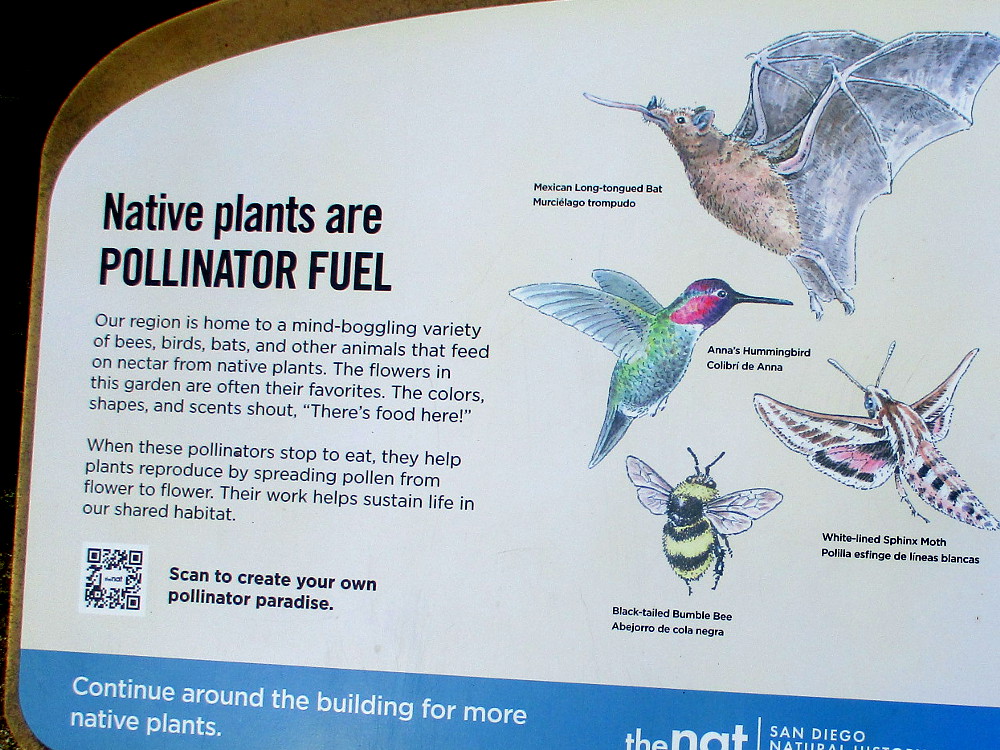
It’s appropriate the butterfly now makes this garden home. Many of the native plants along the Nature Trail attract nectar loving pollinators.
I tried to ascertain who made this beautiful sculpture, but no luck yet. If you know anything about it, please leave a comment!
…
If you’d like to see San Diego through my lens, find the “Follow” box in the sidebar to receive new posts in your email, or bookmark coolsandiegosights.com and swing on by occasionally!
(If you’re viewing Cool San Diego Sights on a phone, you can open my website’s sidebar by tapping those three parallel lines at the top of the page.)








 Cool San Diego Sights!