See amazing birds of prey at Hawk Watch!

A spectacular event is held every winter in Ramona, California. On Saturdays, during January and February, the public can freely enjoy an educational program called Hawk Watch.

Those who go to Hawk Watch will see birds of prey up close and in the wild. The setting is the wide, beautiful Ramona Grasslands.

Hawk Watch is an event organized by the Wildlife Research Institute. WRI, in a cooperative effort with The Nature Conservancy and San Diego County, now protects 7,000 acres of Ramona grassland. This grassland is an important natural refuge where native wildlife can not only survive, but thrive.

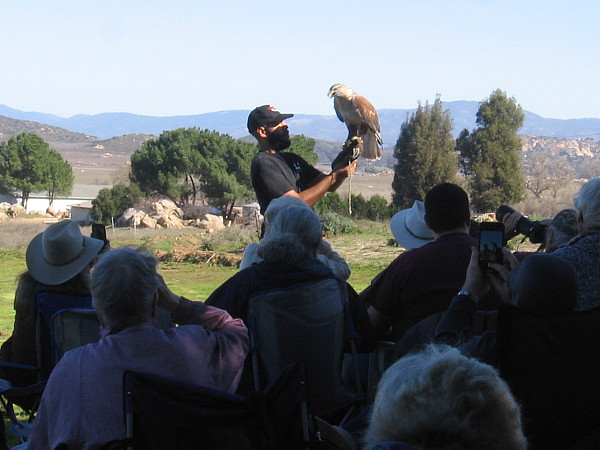
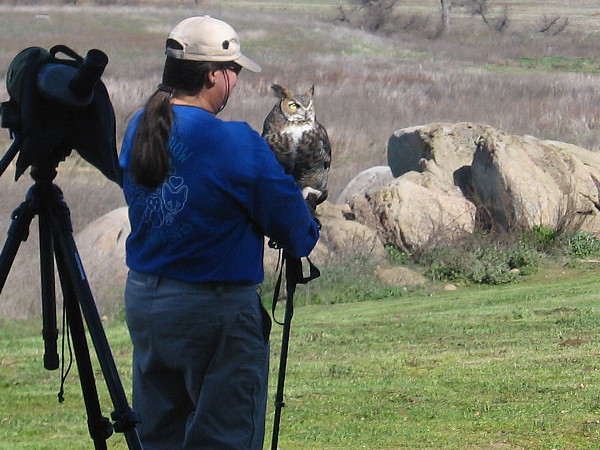
Hawk Watch features live raptors and a fascinating educational talk by biologists. The owls are introduced during the talk by representatives of Project Wildlife, which provides wildlife rescue in San Diego County. The talk is followed by demonstrations by falconry experts.

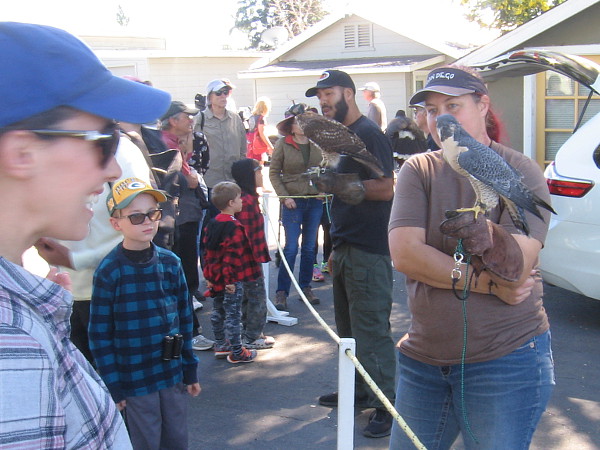
Afterward, all of the ambassador raptors can be viewed by the public up close!

Today I went to Hawk Watch!

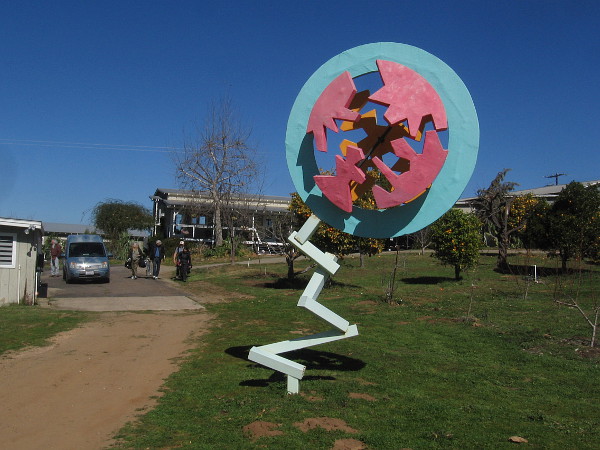
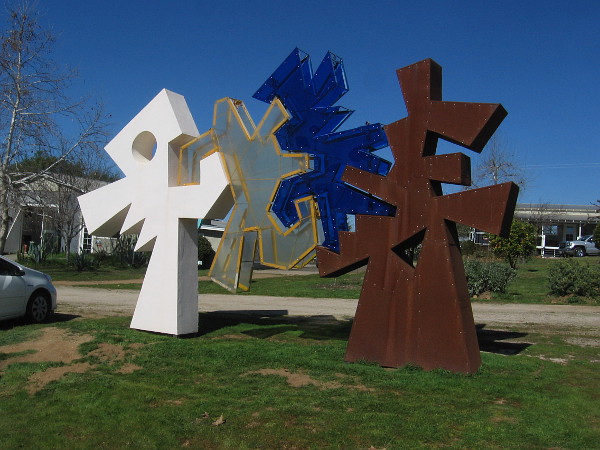
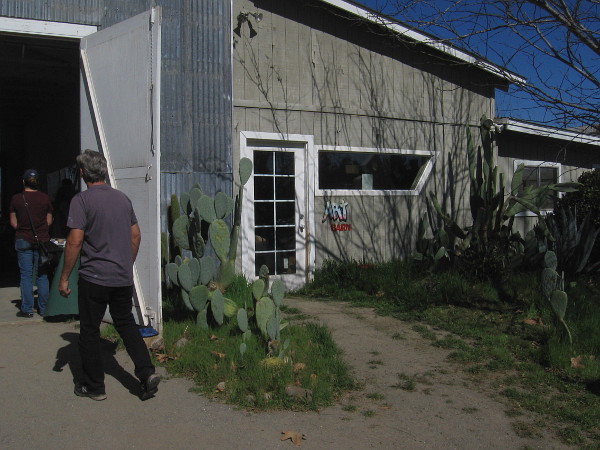
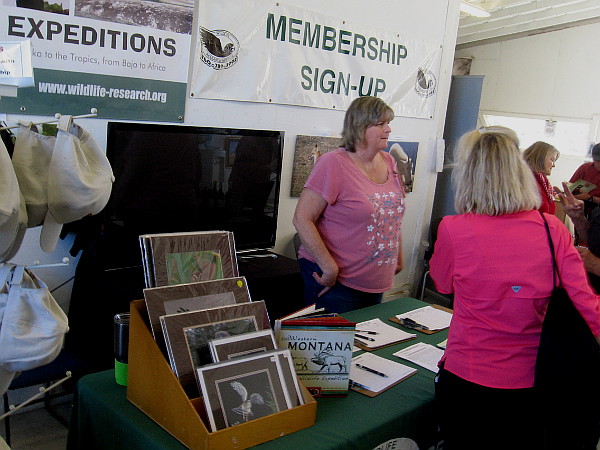
The event is held on Ramona’s private Begent Ranch, which features all sorts of cool artwork, including colorful sculptures arranged about a large dirt parking lot. After walking through a barn and looking at a variety of educational exhibits, I set up my lawn chair with other visitors at the edge of the scenic grasslands.

As we were introduced to different species of hawks, falcons and owls, and learned about their special characteristics and adaptations, we could watch wild raptors and some ravens circling in the distance above the grasslands. Birds of prey that can be spotted in the blue skies of Ramona include hawks, kites, kestrels, golden eagles, and recently bald eagles!

The event has become so beloved that visitors today came from as far away as India, China and Israel. For two hours, everyone, including many families with children, sat enchanted by all that was seen and learned. Many of the visitors had high powered photographic equipment and binoculars. I made due with my little old camera.

Here are some photos. I’m afraid they’re just adequate. I couldn’t really record the falconry demonstrations very well, which included the clever use of a drone, but they were fantastic.

I know I’ll be going to Hawk Watch again. You can learn more about this amazing event and the work of the Wildlife Research Institute at their website here.

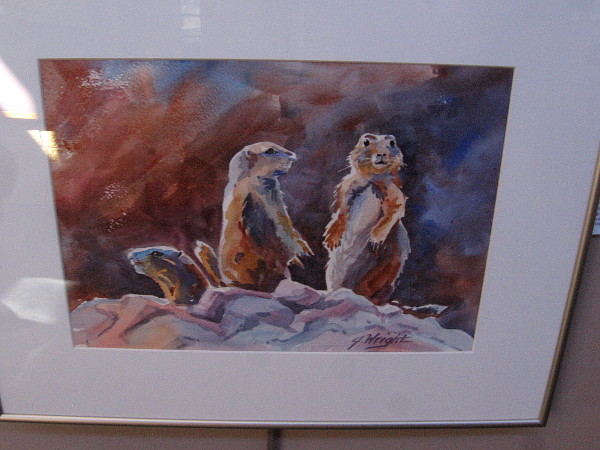
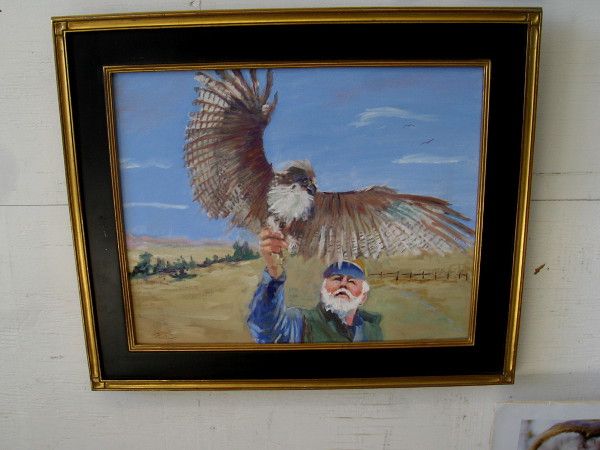
One last thing. The photo you’re about to see is a painting of WRI Director and Wildlife Biologist, co-founder of Hawk Watch, Dave Bittner. He tragically passed away about a month ago doing something he loved: tending to a camera near a golden eagle’s high cliff nest.

I was told Hawk Watch will live on.
I live in downtown San Diego and love to walk around with my camera! You can follow Cool San Diego Sights via Facebook or Twitter!

You can easily explore Cool San Diego Sights by using the search box on my blog’s sidebar. Or click a tag! There are thousands upon thousands of photos for you to enjoy!

Amazing chromatic ceramics dazzle the eye!

Check out the latest exhibition at Balboa Park’s always amazing Japanese Friendship Garden!

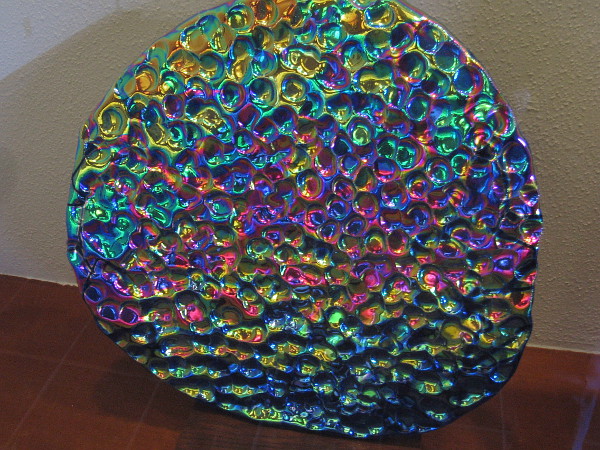
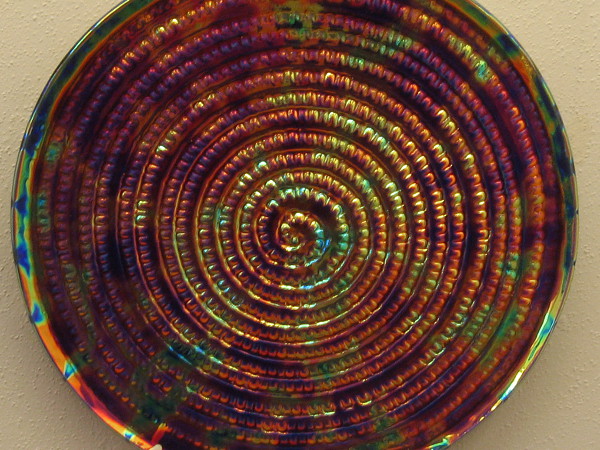
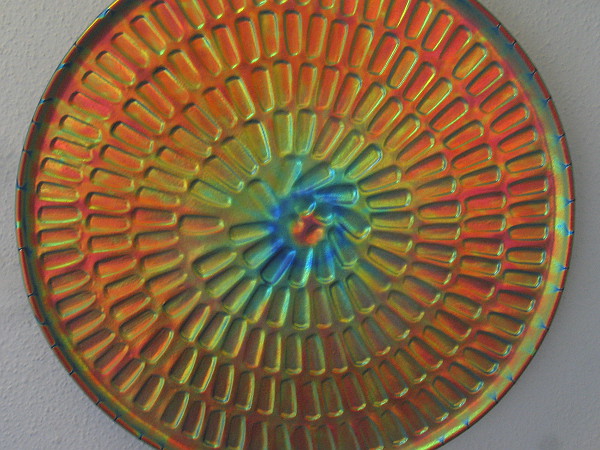
The Chromatic Ceramic Collection: John Conrad features unique ceramic creations whose shining colors dance and change depending on the angle from which they are viewed!

These refractive pieces, which include patterned discs and vases in different shapes, have to be seen in person to be fully appreciated. As you move about the garden’s Exhibit Hall, you seem to the find the end of many rainbows.

According to the Japanese Friendship Garden’s website: “Culminating over 60 years of research and experiments, artist John Conrad developed the spectacular finish that is seen on the Chromatic Collection…The chromatic finish is a combination of metallic flake and silica, which is then adhered onto porcelain using modern plasma technology…”

I was struck during my visit on Sunday how these brilliant ceramics resemble in many respects the holographic paintings of Tom Liguori, another local innovator whose work can be seen here.

I’ve included photographs of a few radiant discs to provide an idea of what you’ll experience. The vases, if anything, are even more beautiful.

Visionary artists continue to find new ways to express and combine form, light and color. It seems the potential for beauty is infinite.

The Chromatic Ceramic Collection: John Conrad can be viewed through April 26, 2020 at the Japanese Friendship Garden in Balboa Park.

I live in downtown San Diego and love to walk around with my camera! You can follow Cool San Diego Sights via Facebook or Twitter!

Isn’t it Amazing art captures nature’s beauty.

Prairie Dogs on Alert, watercolor by artist Jami Wright.

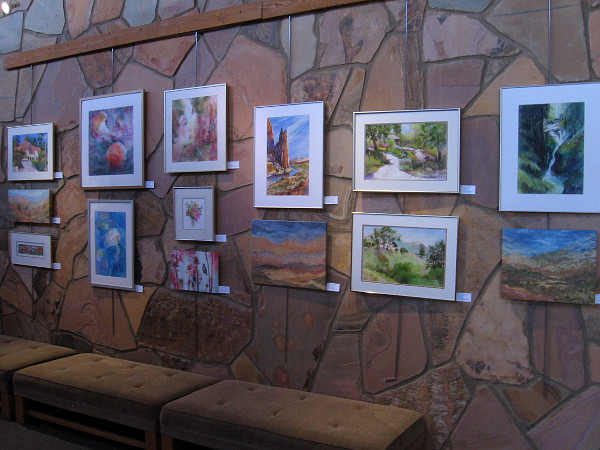
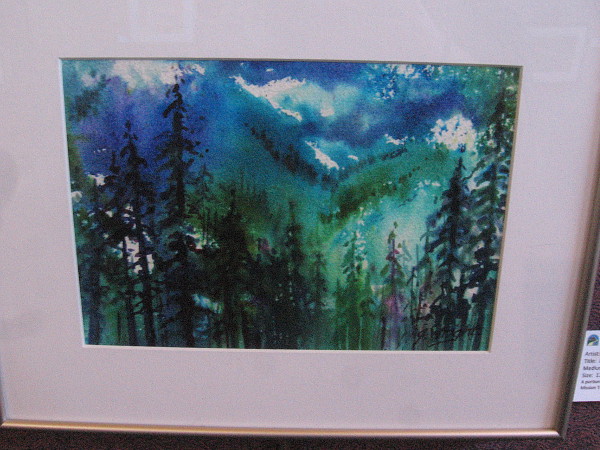
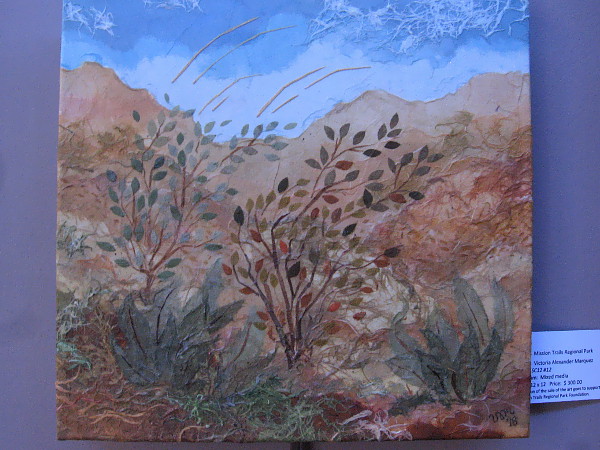
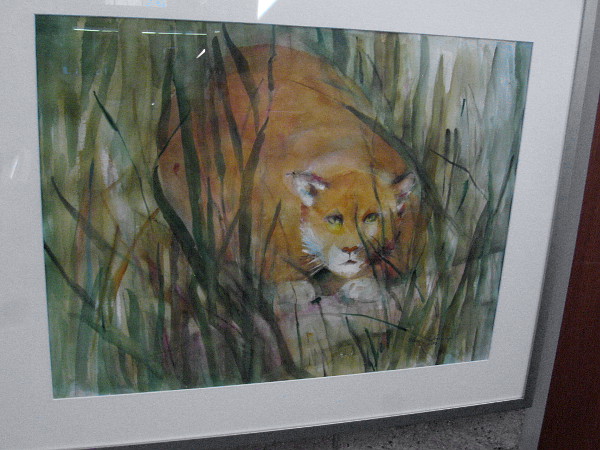
Artwork depicting nature’s awesome beauty can now be enjoyed inside the Visitor Center at Mission Trails Regional Park. The exhibition is appropriately titled: Isn’t it Amazing.

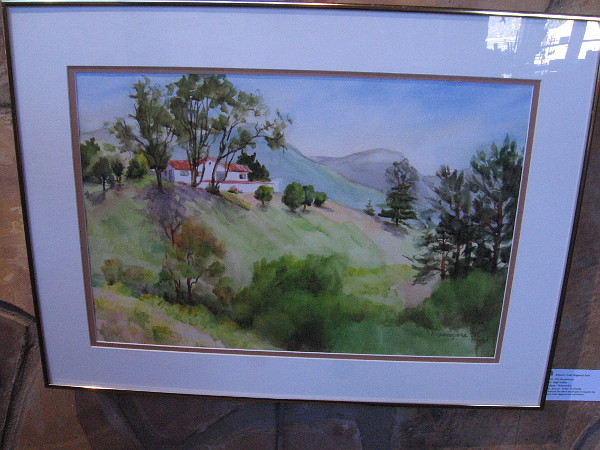
Dozens of pieces by award-winning artists Pat Dispenziere, Elaine Harvey, Otto Kruse, Victoria Alexander Marquez and Jami Wright are displayed on several walls of the Visitor Center. Through the use of watercolor, mixed media and photography, the artists have framed and realized scenes of natural beauty.

This morning, after finishing an extraordinary wildlife tracking walk (which I’ll blog about shortly), I stepped into the Visitor Center to admire the artwork. I took a few photos to provide a small taste.

Are you in San Diego? Do you appreciate excellent art? All of these pieces are available for purchase!

And guess what? Take home some collectible artwork and a portion of the sale will benefit the Mission Trails Regional Park Foundation!

Isn’t it Amazing is open free to the public and runs through February 14, 2020.

Colorful artwork depicting nature's beauty on display in the art gallery at the Mission Trails Regional Park Visitor Center.
Colorful artwork depicting nature’s beauty on display in the art gallery at the Mission Trails Regional Park Visitor Center.
High Valley, watercolor by artist Pat Dispenziere.
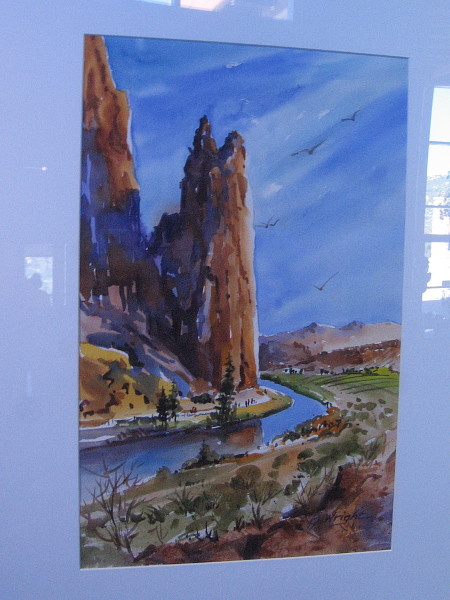
Smith Rock, Central Oregon, watercolor by artist Jami Wright.
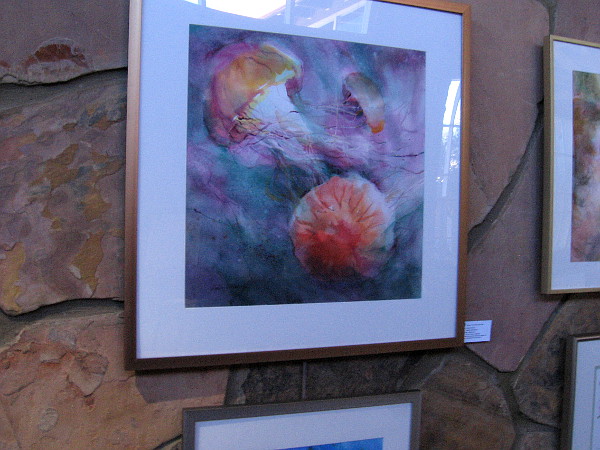
Dances With Waves, watercolor by artist Elaine Harvey.
Sycamore Sun, watercolor by artist Elaine Harvey.
In the Forest Deep, watercolor by artist Jami Wright.
SC12 #12, mixed media by artist Victoria Alexander Marquez.
Seldom Seen, watercolor by artist Elaine Harvey.

I live in downtown San Diego and love to walk around with my camera! You can follow Cool San Diego Sights via Facebook or Twitter!

Walking toward an amazing, fiery sunrise!

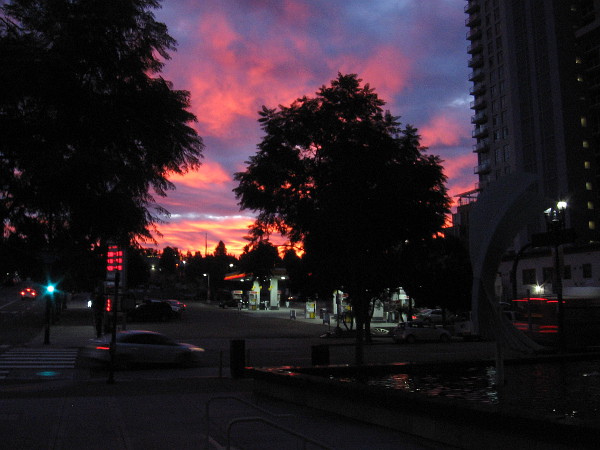
Early this morning I walked east down A Street toward an absolutely amazing, fiery sunrise!

I live in downtown San Diego and love to walk around with my camera! You can follow Cool San Diego Sights via Facebook or Twitter!

Amazing life-size cardboard superhero sculptures!

Wow!

Did you step inside the Comic-Con Museum during 2019 December Nights? If you did, you saw an exhibit that was absolutely amazing!

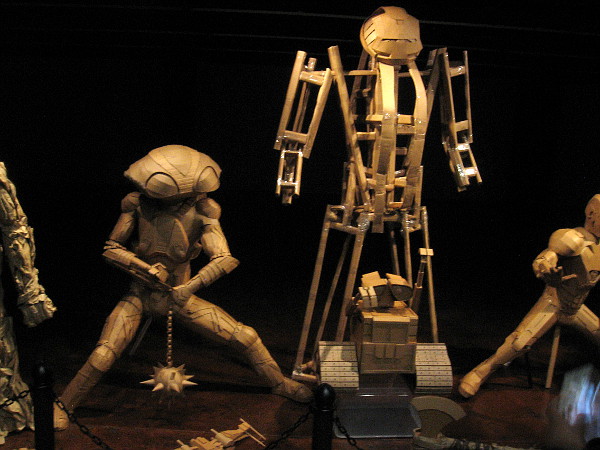
Young artists Connor and Bauer Lee have created fantastic life-size cardboard sculptures of popular Marvel and DC superheroes, plus various Pixar and Star Wars movie characters!

I believe I recognized: Groot, Black Manta holding a mace, a tiny X-wing starfighter, Wall-E, a gigantic Hulkbuster armor (under construction), Thor’s Stormbreaker hammer, Iron Man, C-3PO, R2-D2, Baby Groot, Wonder Woman, plus other fantastic creations including several superhero masks.

The two brothers have been building these cardboard models for many years. I spoke to Connor briefly and he explained that they select an image of a popular character, blow it up, then begin to craft the sculpture based on that initial design. I asked how long it might take to finish the enormous, extremely complex Hulkbuster armor sculpture you see in my photos, and he said about a year.

According to the Cardboard Superheroes website: We hold free workshops for kids in an effort to promote the arts for youth as we’ve see funding for the arts being cut in school and are working to provide an alternative that is free and fun for kids.

That’s definitely a super cool and inspirational project! I’m sure young students everywhere would love to be creative and make their favorite characters with simple cardboard!

I hope local schools take advantage of what appears to be an awesome opportunity. For more info, you can contact Cardboard Superheroes at their website here.

I live in downtown San Diego and love to walk around with my camera! You can follow Cool San Diego Sights via Facebook or Twitter!

You can easily explore Cool San Diego Sights by using the search box on my blog’s sidebar. Or click a tag! There are thousands upon thousands of photos for you to enjoy!
A ride on the San Diego and Arizona Railway!

Today I took a wonderful ride aboard an historic train!

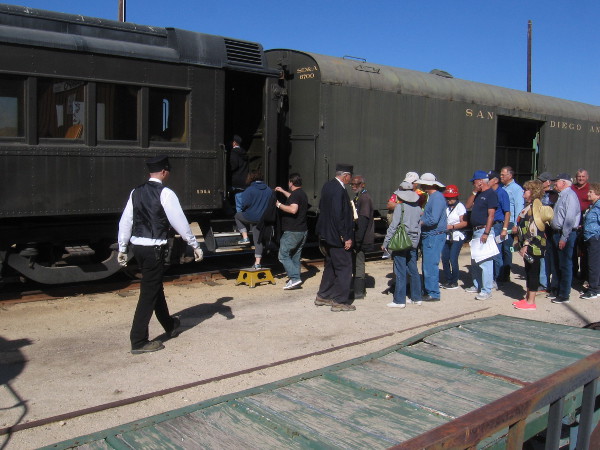
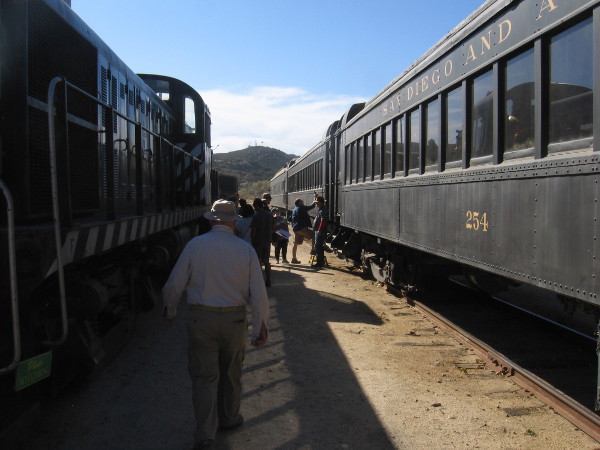
In the morning I drove out to the Pacific Southwest Railway Museum in Campo, about an hour east of downtown San Diego, in order experience the 100th Anniversary celebration of the San Diego & Arizona Railway.

Before the gold spike reenactment ceremony took place, I wandered about the extensive museum grounds, enjoying all sorts of nostalgic entertainment and attractions, then boarded an old passenger train at the depot for a short but very scenic excursion!

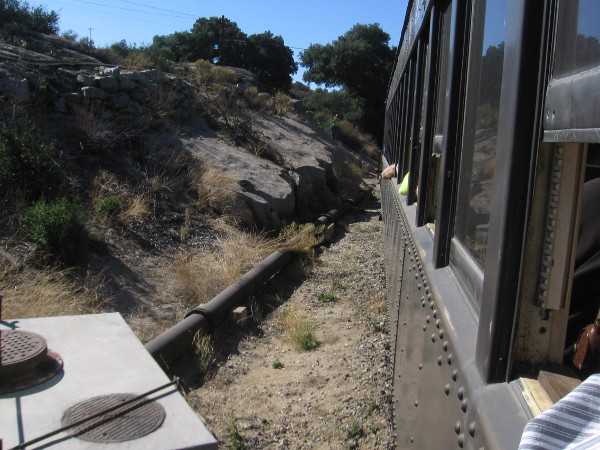
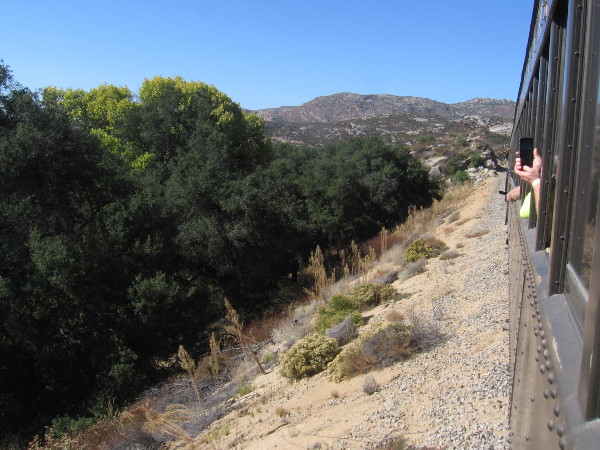
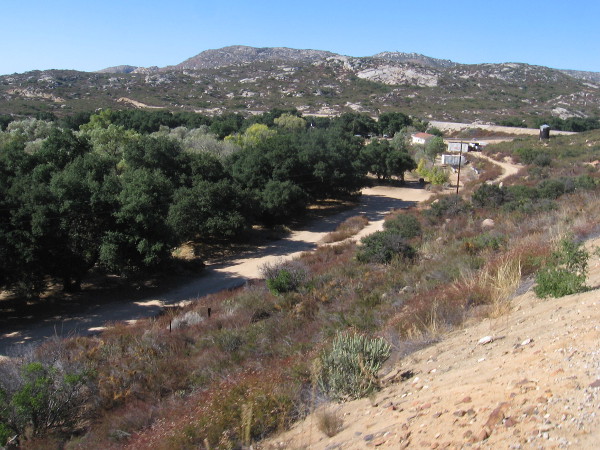
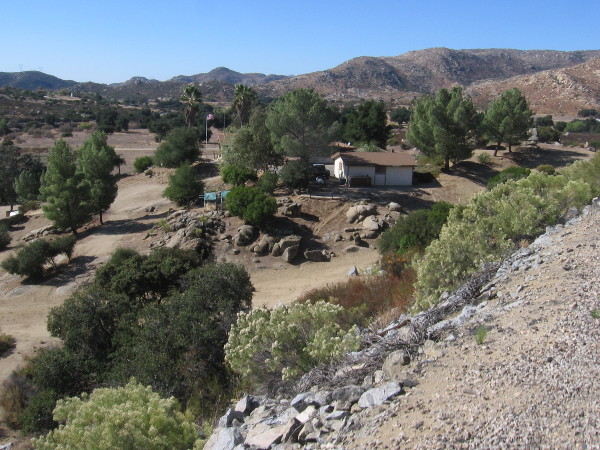
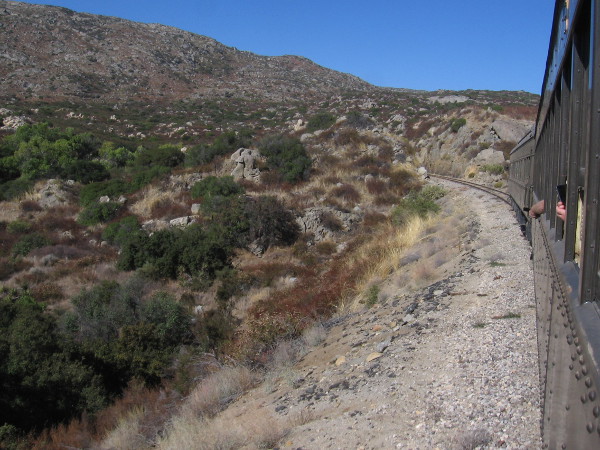
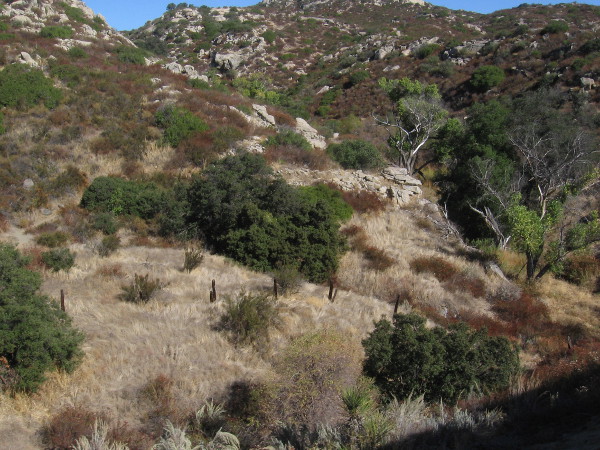
I took photos as I rode the route of the Golden State west several miles through rocky terrain. The San Diego & Arizona Railway, founded by San Diego entrepreneur and philanthropist John D. Spreckels, earned the name of The Impossible Railroad because of the logistical difficulty of routing a train through this very rugged countryside.

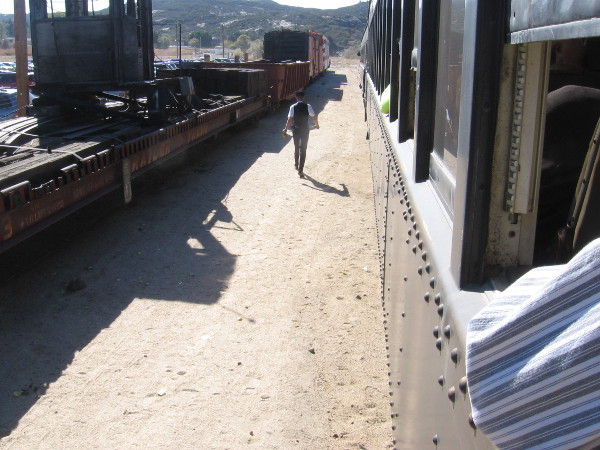
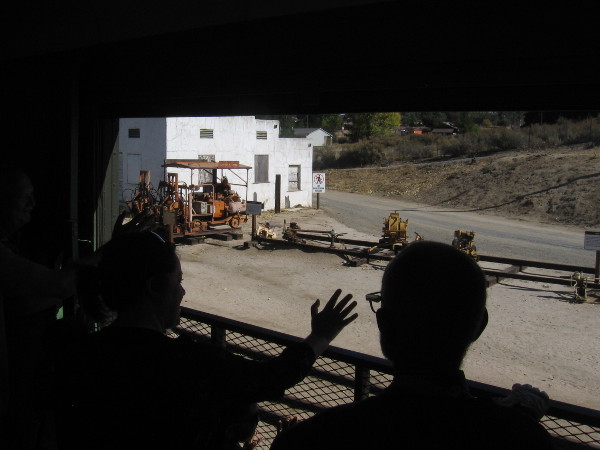
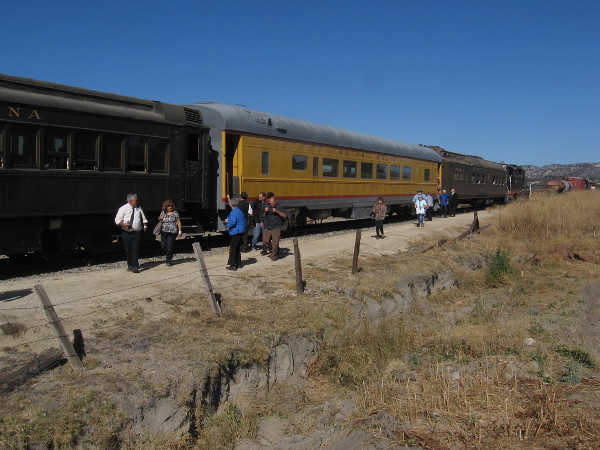
The train’s cars were all packed on this special day, and we were rolling past other old locomotives and railroad cars belonging to the Pacific Southwest Railway Museum before the conductor came down the aisle to collect our round-trip tickets. As you might imagine, kids and families were super excited!

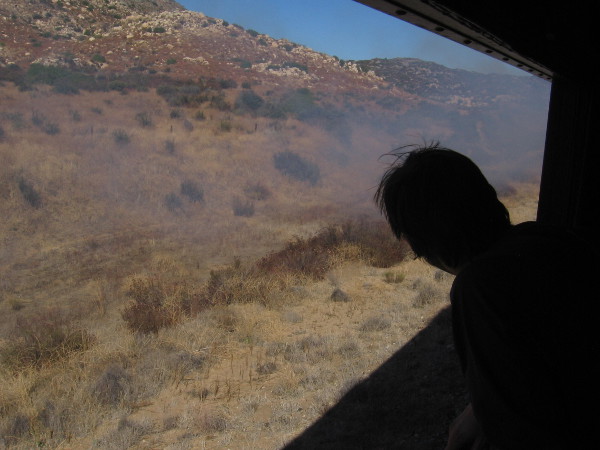
On the way out, I sat in one of the seats on the south side of a coach car. Because my long legs were a bit cramped, and I wanted to see the countryside to the north, I went to the observation car during the return trip. You can see some smoke coming from the diesel locomotive in a couple of my photographs.

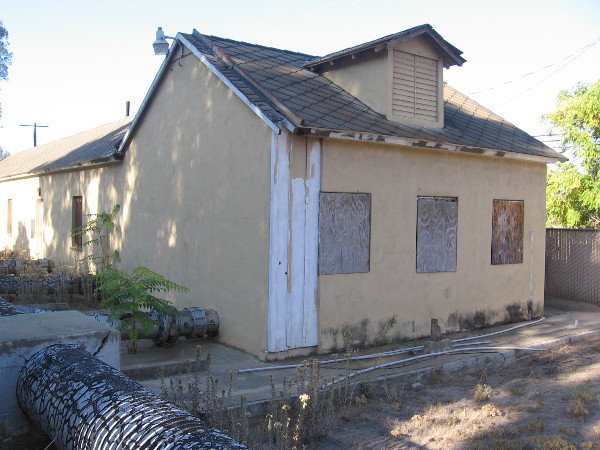
Too soon we were once again passing the Gaskill Brothers Stone Store Museum (the distinctive building you see in one photo), crossing over Highway 94, and back at the museum. We continued past the old depot and stopped near the place where the San Diego & Arizona Railway centennial gold spike ceremony would be staged. (I’ll blog about the fantastic event in my next post!)

Should you ever visit the Pacific Southwest Railway Museum in Campo, make sure to enjoy a cool train ride!

I live in downtown San Diego and love to walk around with my camera! You can follow Cool San Diego Sights via Facebook or Twitter!

You can easily explore Cool San Diego Sights by using the search box on my blog’s sidebar. Or click a tag! There are thousands upon thousands of photos for you to enjoy!
Amazing walk up the historic Helix Flume Trail!

Breathtaking views and unique history can be enjoyed during a hike on the Helix Flume Trail in Lakeside.

In 1889 a 35-mile long wooden water flume was completed that brought water from Lake Cuyamaca in San Diego’s East County into the rapidly growing city.

This morning I enjoyed an amazing walk up the historic Helix Flume Trail in Lakeside!

The moderately easy hiking trail begins at the old El Monte Pump Station, climbs a nearby hillside with a series of short steep switchbacks, then follows a short, mostly level section of the historic flume’s route. Information signs describe the construction and history of the engineering marvel, and hikers are able to see the entrance to one of the flume’s old tunnels!

As you will observe in the following photographs, the walk includes some fantastic vistas and natural beauty.

Come along with me and read the photo captions to learn much more…

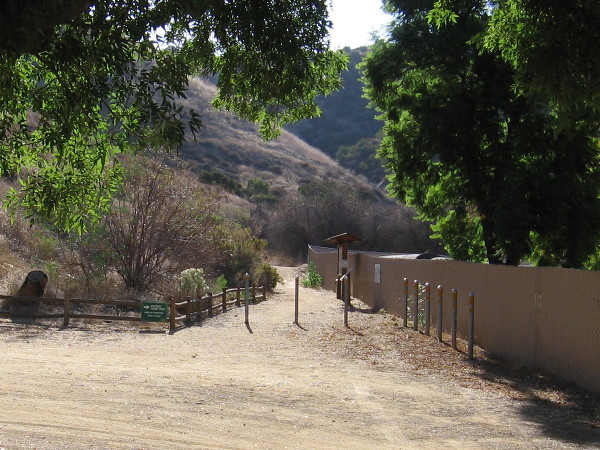
Looking toward the trailhead of the historic Helix Flume Trail.
Looking past a large shady tree toward the trailhead of the historic Helix Flume Trail.
The old El Monte Pump Station is located next to the small parking lot by the trailhead to the Helix Flume Trail.
The old El Monte Pump Station is located next to a small parking lot by the trailhead to the Helix Flume Trail.
The El Monte Pump Station was originally built in 1898 to lift well water to the flume on the hillside using steam powered pumps.
Photograph of the historic pump station in Lakeside, California.
Photograph includes huge pipes outside the historic pump station in Lakeside, California.
Plaque by door of El Monte Pump Station dated 1937, when a major overhaul was finally complete. Water was then pumped from the El Capitan Reservoir.
Heading toward the trailhead and some information signs concerning the flume.
Heading toward the trailhead and an information sign concerning the flume.
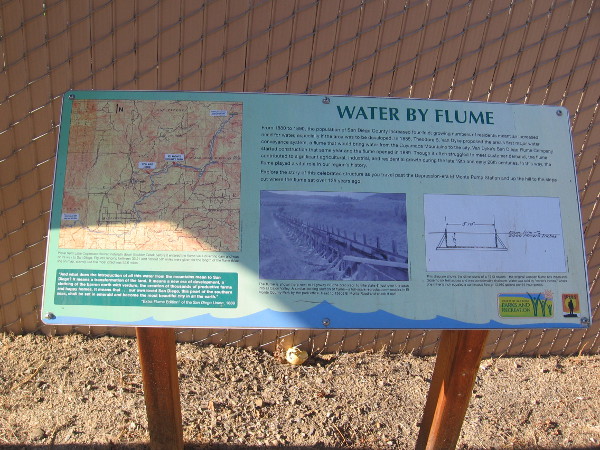
One of several signs along the trail that describe the construction and history of the famous water flume.
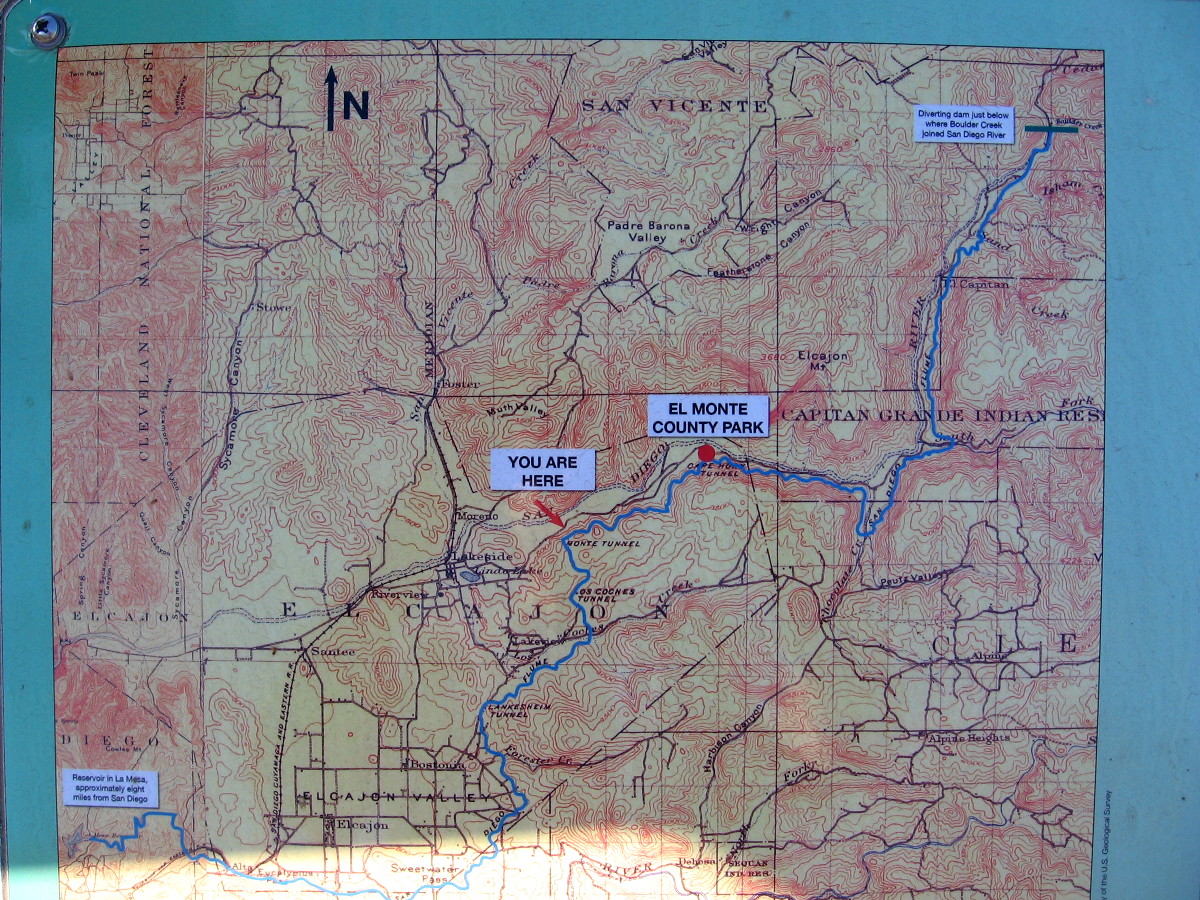
The blue line on this topographic map is where the flume water descended as it flowed west to the growing city of San Diego.
Photograph of the wooden water flume next to old Highway 80 in El Cajon Valley.
Diagram of cross section of wooden flume box from 1913.
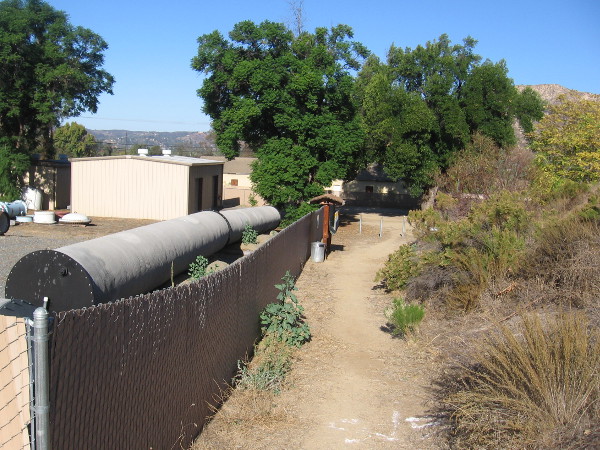
As I started up the trail, I looked back. The Helix Water District has a nearby lot with modern pipes and equipment.
As I started up the trail, I looked back toward the parking lot and its big tree. The Helix Water District has a nearby lot with modern pipes and equipment.
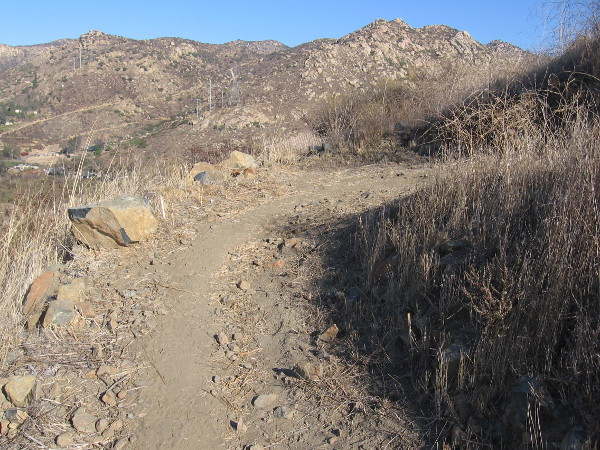
Heading up short but steep switchbacks, with rugged mountains in the distance.
Heading up short but steep switchbacks, with power lines overhead and rugged mountains in the distance.
Hikers must stay on the trail due to the historical importance of this area.
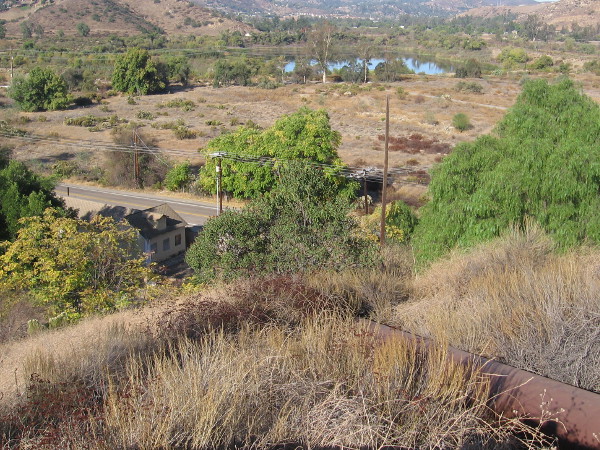
Looking down toward the pump station and El Monte Road. An old pipeline that ascends from the station is visible in this photo.
Looking down toward the pump station and El Monte Road. An old rusty pipeline that ascends from the station is visible in this photo.
Climbing higher. Wear sturdy shoes if you go on this hike. If it's hot, bring plenty of water.
Climbing higher. Wear sturdy shoes if you go on this hike. If it’s hot, bring plenty of water.
I've gained more elevation on the switchbacks. The hillside is dotted with many prickly pears. That's Hanson Pond in the distance.
I’ve gained more elevation on the switchbacks. The hillside is dotted with many prickly pears. That’s Hanson Pond in the distance.
Higher we climb!
Higher we climb!
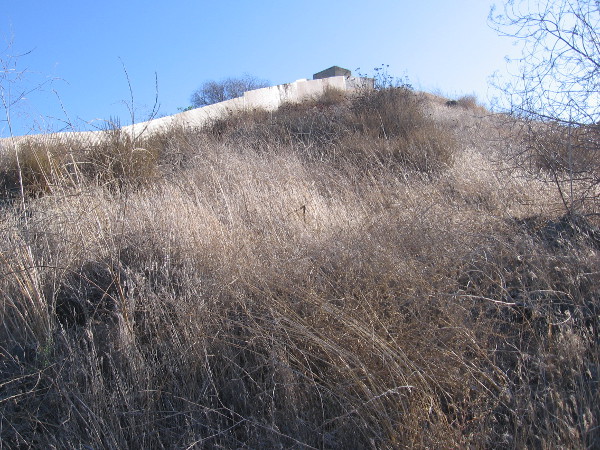
A fence conceals an old pipeline that ran from the El Monte Pump Station to the flume.
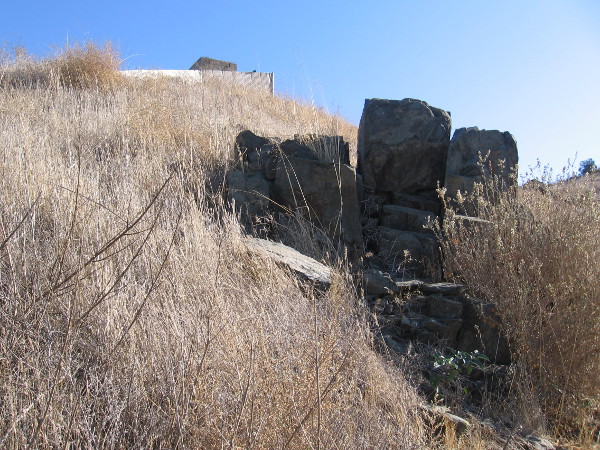
Interesting rock outcroppings.
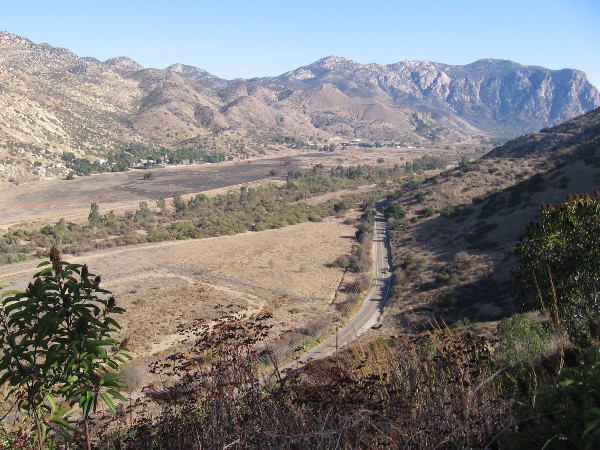
A beautiful view of the El Monte Valley below.
A better view of Hanson Pond.
The climb is over. We approach another information sign where the old hillside pipeline terminates.
An amazing view of rocky mountains across the valley opens up here.
Sign describes the struggles to supply water. The open flume had troubles with massive leakage due to rot, and evaporation.
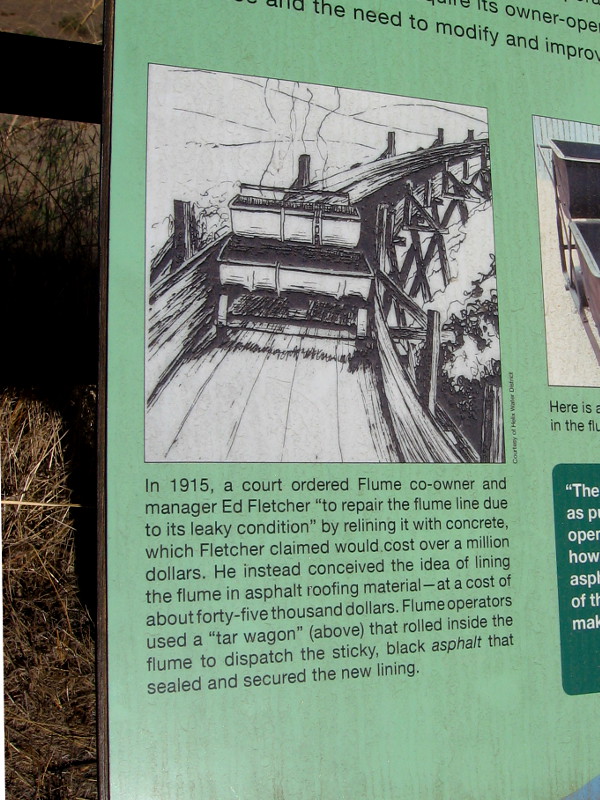
In 1915, a court ordered Ed Fletcher to repair the leaky flume. He lined it cheaply with asphalt roofing material using a rolling tar wagon.
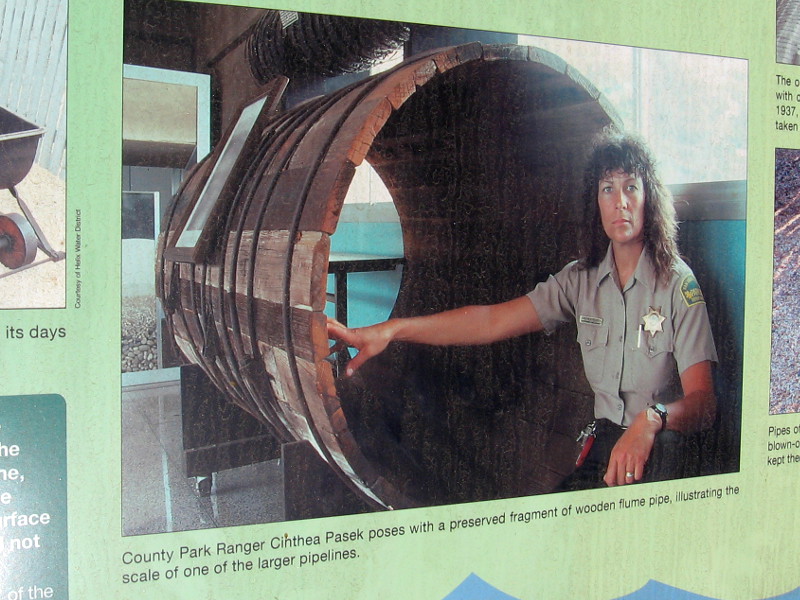
San Diego County Park Ranger shows a section of wooden flume pipe.
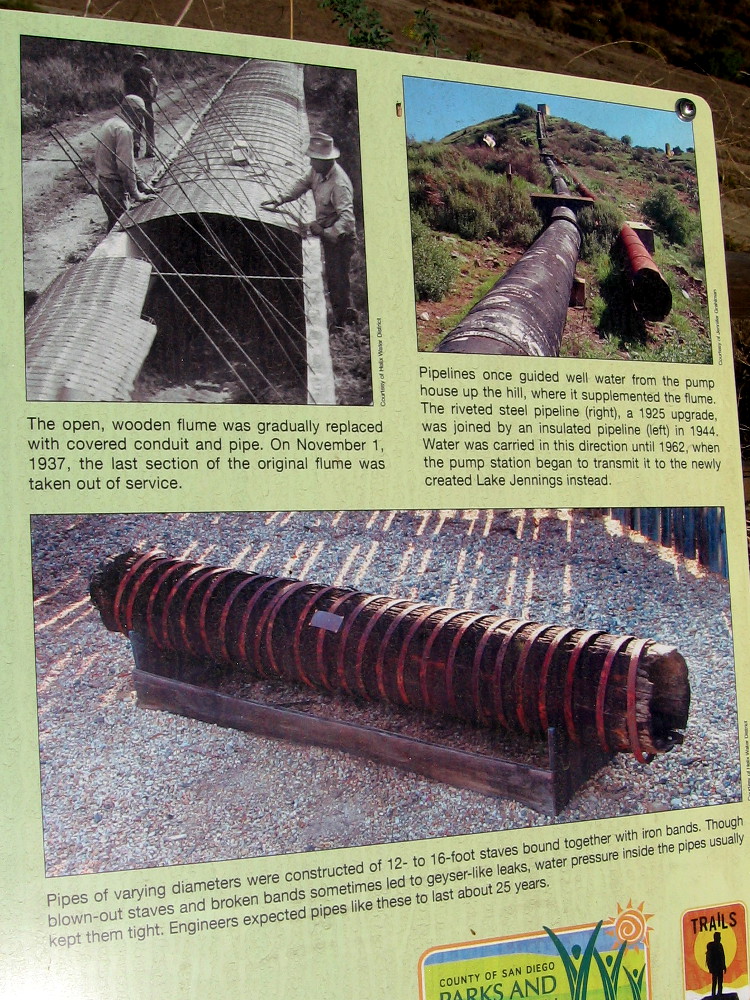
The open, wooden flume was eventually replaced with covered conduit and pipe. In 1962, the pump station began to send water to the newly created Lake Jennings.
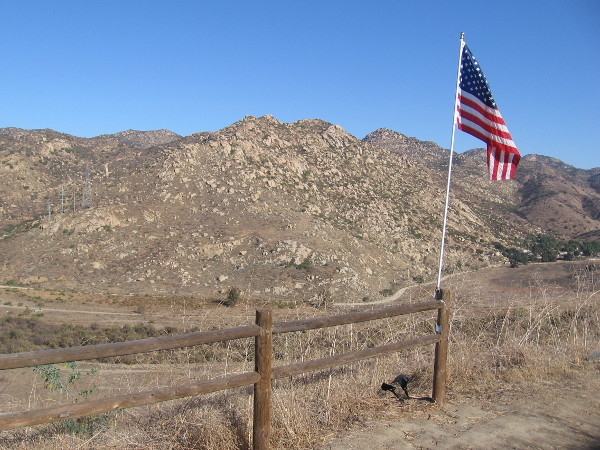
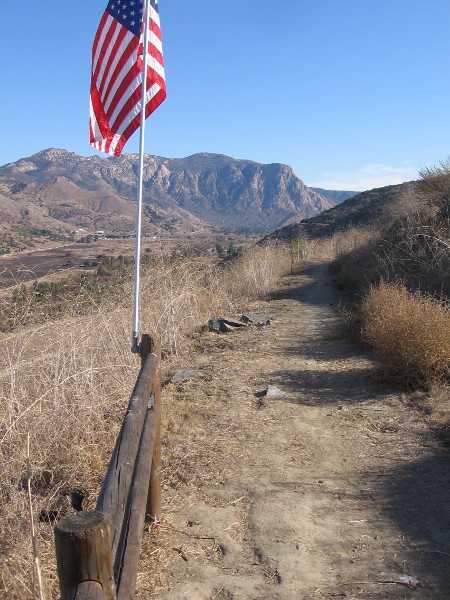
A flag flies near the information sign.
The trail continues along the flume's old route.
The trail continues along the flume’s old route.
Turning a corner, with rugged El Cajon Mountain (El Capitan) in the distance.
Some natural beauty by the hiking trail.
This is mountain lion country. A sign describes what to do should you encounter one.
Entering mountain lion country. A sign describes what to do should you encounter one.
I spot a third information sign down below, at the end of a short path.
I spot another information sign down below, at the end of a short path.
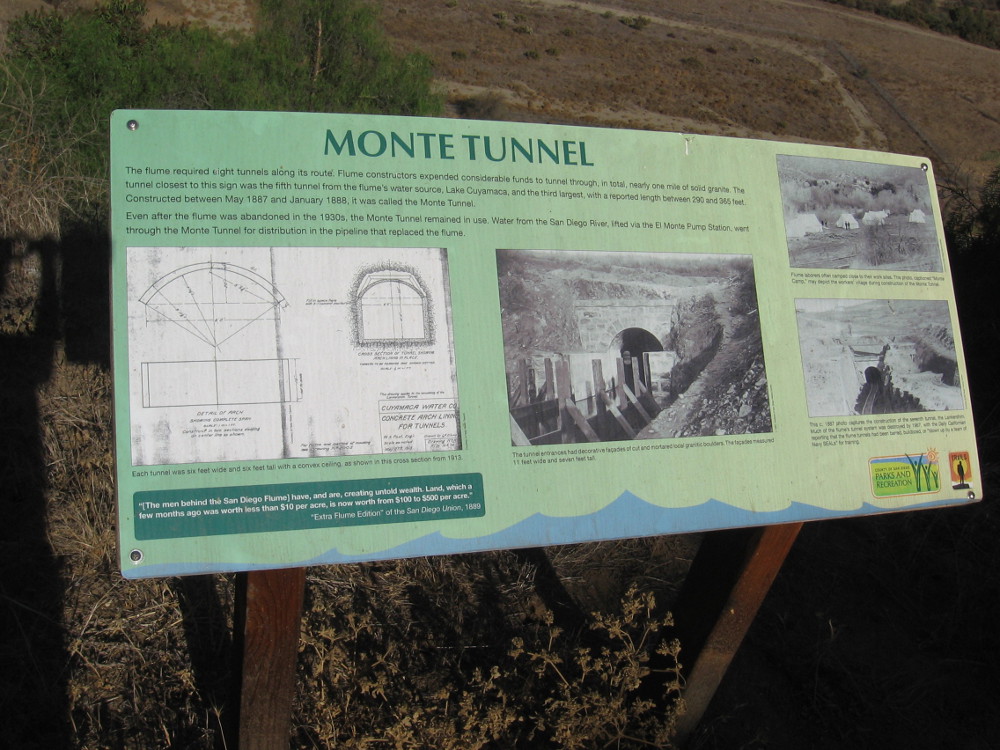
A short distance from the sign is the entrance to the Monte Tunnel.
The flume needed eight tunnels along its slowly descending route. The Monte Tunnel was the fifth tunnel from the flume's water source, Lake Cuyamaca.
The flume needed eight tunnels along its slowly descending route. The Monte Tunnel was the fifth tunnel from the flume’s original water source, Lake Cuyamaca.
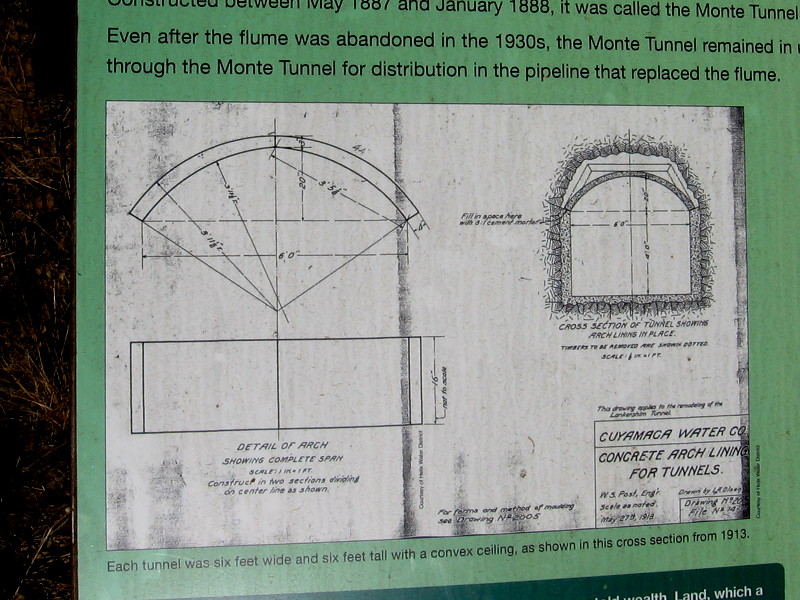
Diagram on the sign shows the dimensions of each tunnel.
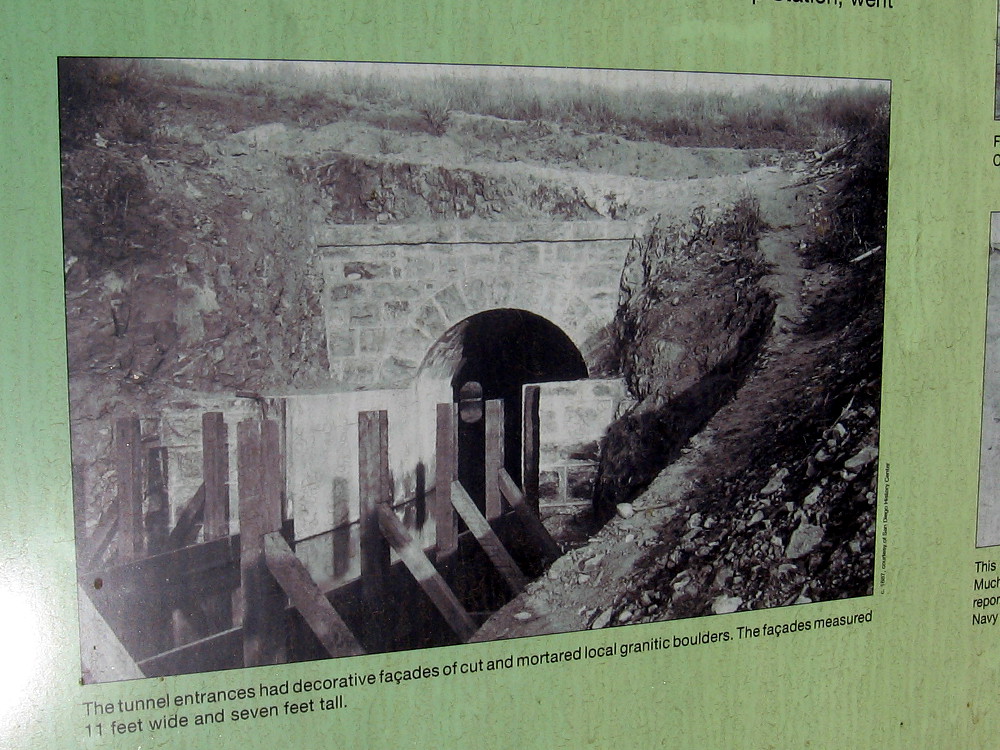
The tunnel entrances had decorate facades of cut and mortared local granitic boulders.
The bottom 1887 photo shows construction of the seventh tunnel. Part of the eventually outdated tunnel system was destroyed by Navy SEALS for training.
The barred Monte Tunnel entrance photographed during my hike.
I took this flash photograph into the tunnel. After the flash I heard a curious low noise, like that of an animal.
A fourth sign can be found nearby, where the Helix Flume Trail connects with the Lake Jennings trail system.
Another information sign can be found nearby, where the Helix Flume Trail connects with the Lake Jennings trail system.
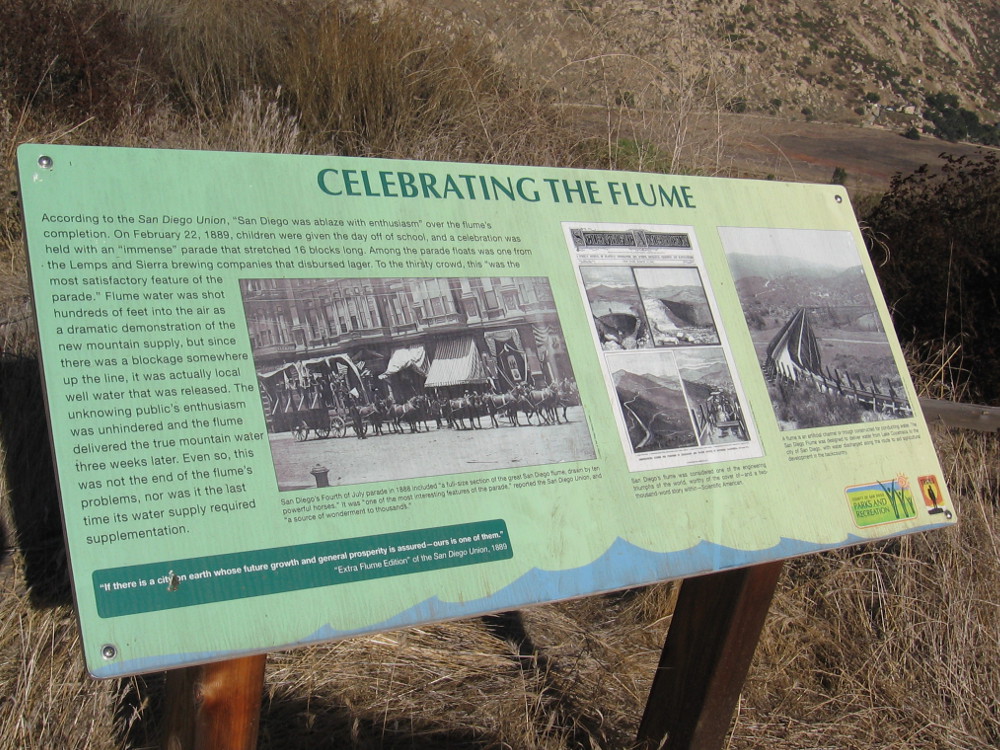
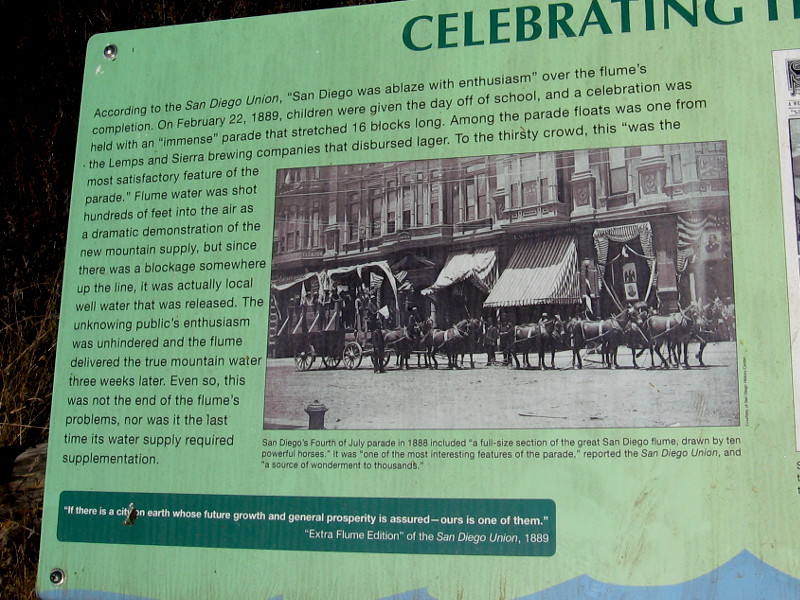
San Diego residents were thrilled at the flume's completion in 1889. There was a parade and a fountain of water. But it wasn't flume water. There was a blockage somewhere up the line!
San Diego residents were thrilled at the flume’s completion in 1889. There was a parade and a fountain of water. But it wasn’t flume water–it was well water! There was a blockage somewhere up the line!
San Diego's historic water flume was considered such an engineering triumph that it was featured on the cover of Scientific American.
San Diego’s historic water flume was considered such an engineering triumph that it was featured on the cover of Scientific American.
Today little remains of the flume. But the natural beauty of this area in San Diego's East County endures.
Today little remains of the flume. But the natural beauty of this area in San Diego’s East County endures.

I live in downtown San Diego and love to walk around with my camera! You can follow Cool San Diego Sights via Facebook or Twitter!

You can easily explore Cool San Diego Sights by using the search box on my blog’s sidebar. Or click a tag! There are thousands upon thousands of photos for you to enjoy!

Amazing exhibition of Japanese washi fiber art.

An amazing exhibition at the Japanese Friendship Garden in Balboa Park just opened!

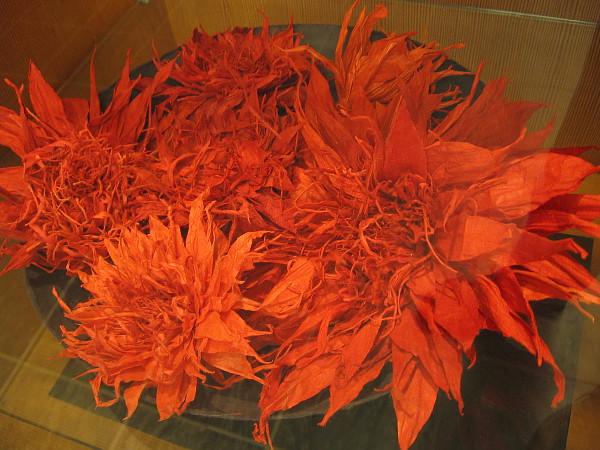
As I entered the garden’s Exhibit Hall this afternoon, I and other visitors were welcomed by the smile of accomplished Japanese fiber artist Maki Ishiwata. On display in the nearby glass cases were many of her stunning creations!

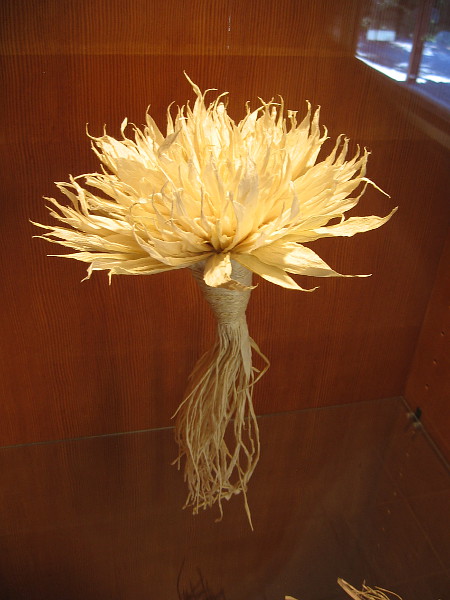
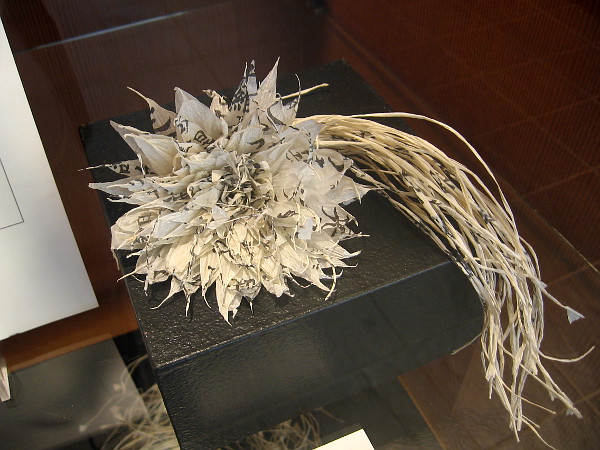
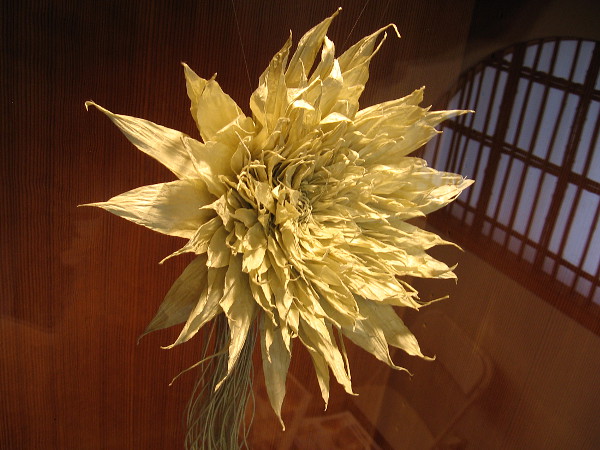
Take a look at these photos and you can see how exquisite this art is. Maki told me a little about her craft, and showed me briefly how she assembles washi–traditional Japanese handmade paper–into delicate, subtle pieces that resemble natural flowers and plants. I learned that some of the larger creations can take eight hours to complete.

According to the Japanese Friendship Garden’s website: “…like many crafts, washi is facing a decrease and disappearance of its makers. For washi culture to survive, greater appreciation for the durability, purity, beauty, and versatility of this paper is essential. Through Ishiwata’s art work, she hopes to be able to connect traditional washi and Japanese aesthetic sense to global context and provide a unique experience for people to see an amazing transformation of one sheet of paper through one person`s hands.”

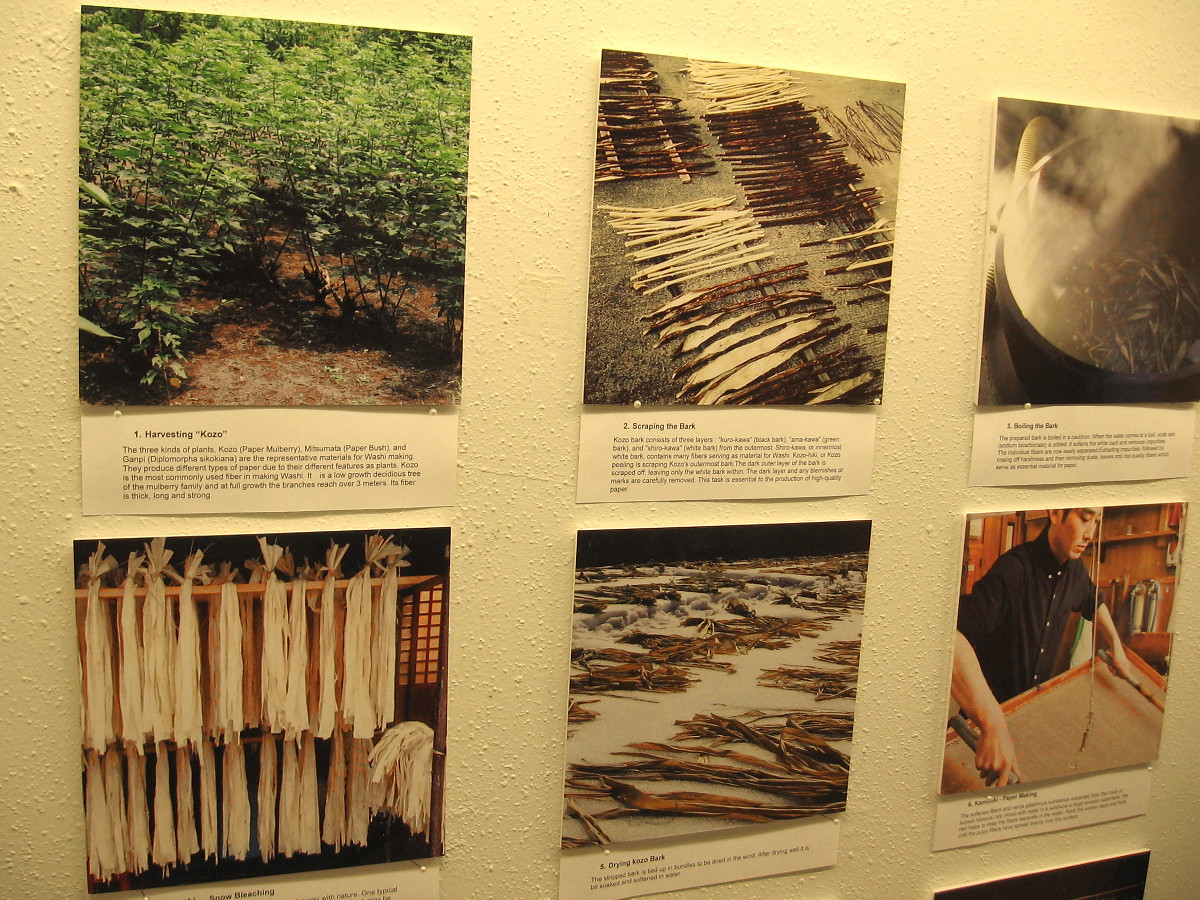
In the following photographs you can see some of the materials that are used, and a poster describing the complex process used to make washi. Kozo (Paper Mulberry) is harvested, the bark is scraped, boiled, snow bleached, wind dried, then soaked and softened…

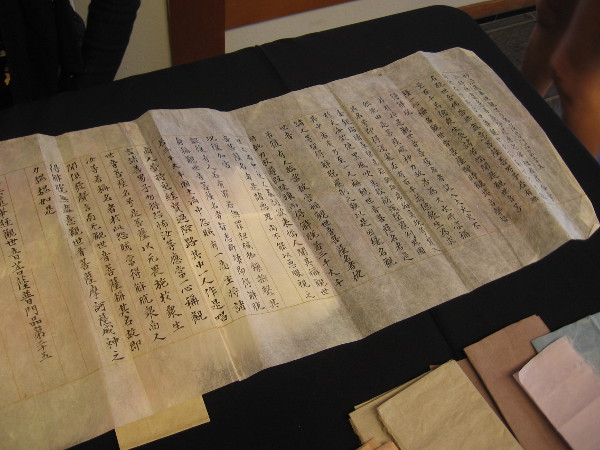
The beautiful calligraphy in one photo was produced by Maki’s grandmother. Another unusual photo includes a reflection from the glass display case of a tree outside the Exhibit Hall.

This fantastic exhibition at the Japanese Friendship Garden will continue through January 26, 2020.

I live in downtown San Diego and love to walk around with my camera! You can follow Cool San Diego Sights via Facebook or Twitter!

You can easily explore Cool San Diego Sights by using the search box on my blog’s sidebar. Or click a tag! There are thousands upon thousands of photos for you to enjoy!
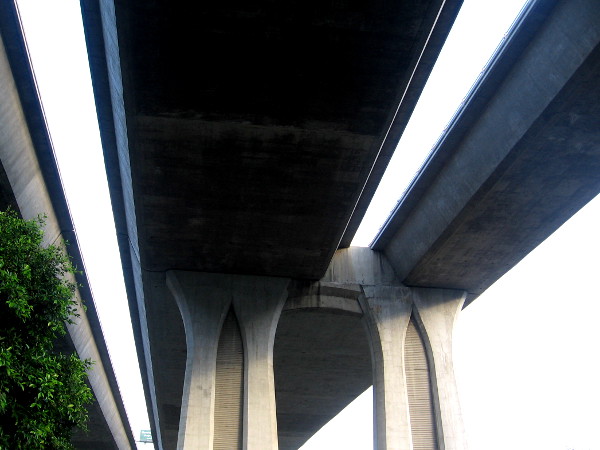
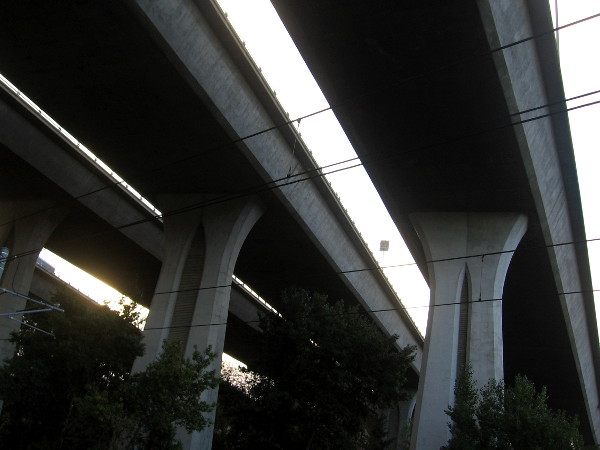
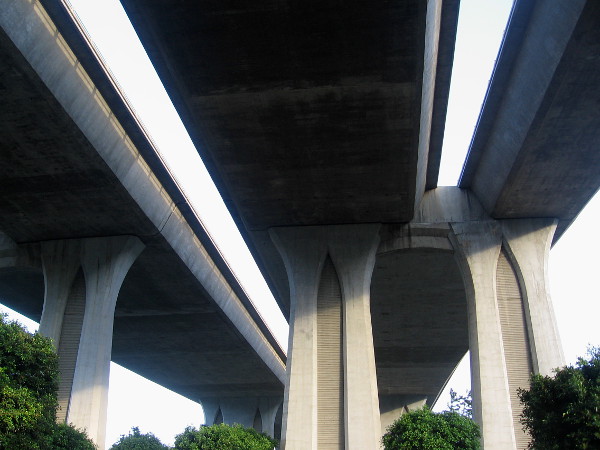
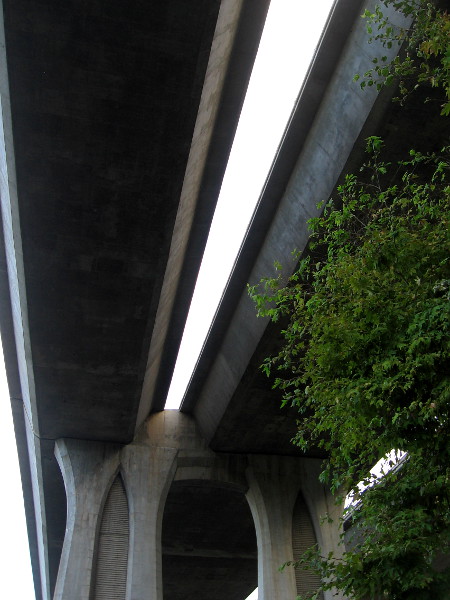
Photos beneath I-805 bridge in Mission Valley.

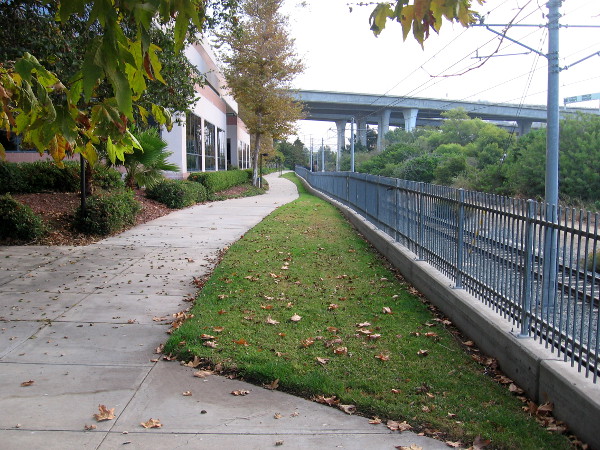
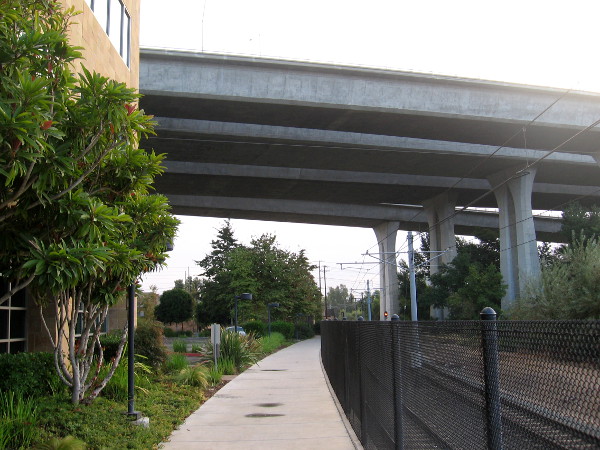
Yesterday morning I jumped off the Green Line trolley at the Rio Vista station. I walked east over Qualcomm Way via the pedestrian bridge then continued down the little-used walkway that runs parallel to the trolley tracks.

I had never gone that way before.

The concrete walkway leads behind the Marriott Mission Valley and several large, gleaming office buildings and finally terminates by a parking lot directly beneath the very impressive I-805 freeway bridge.

I turned my camera upward and snapped photos beneath the tall landmark bridge!

I live in downtown San Diego and love to walk around with my camera! You can follow Cool San Diego Sights via Facebook or Twitter!

North American Tree Climbing Championship!

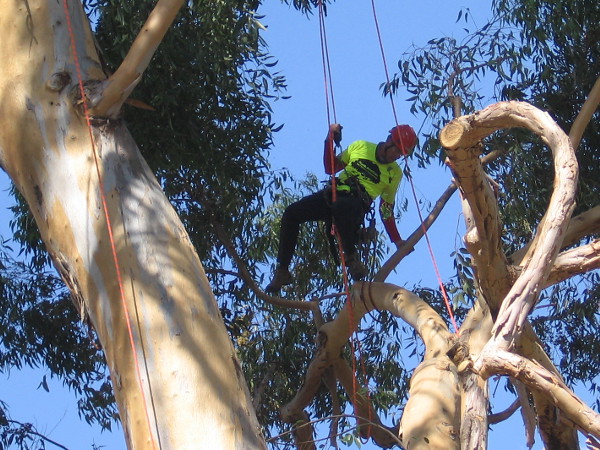
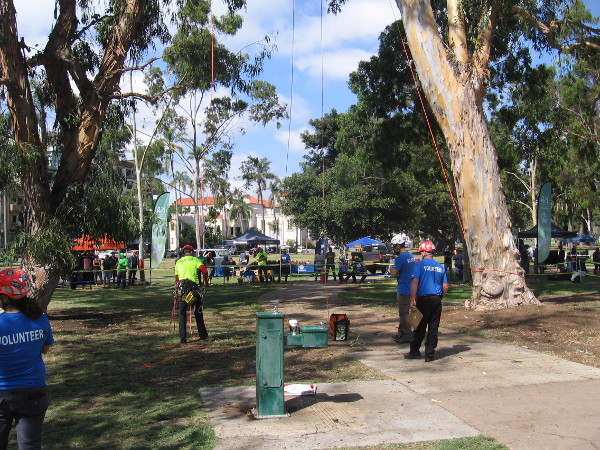
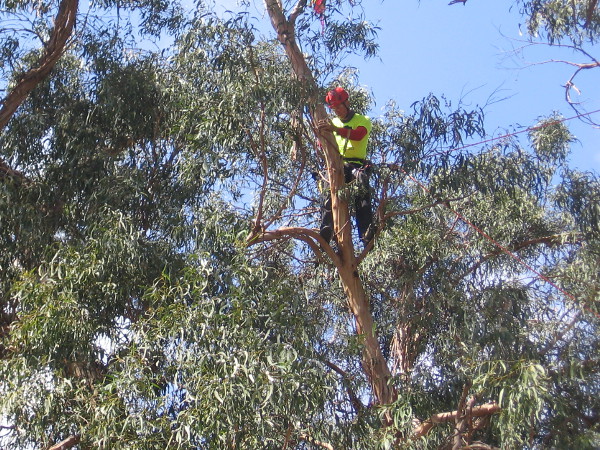
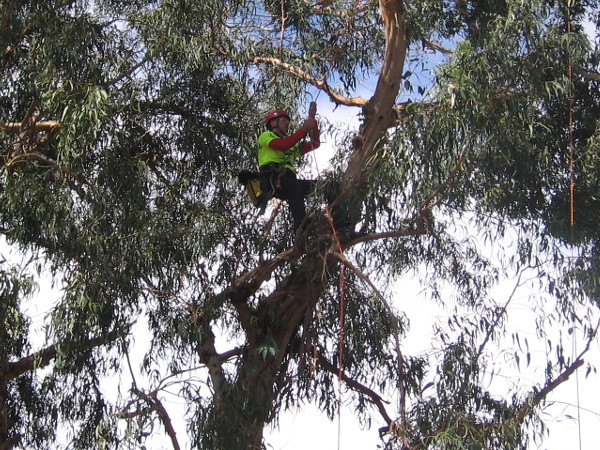
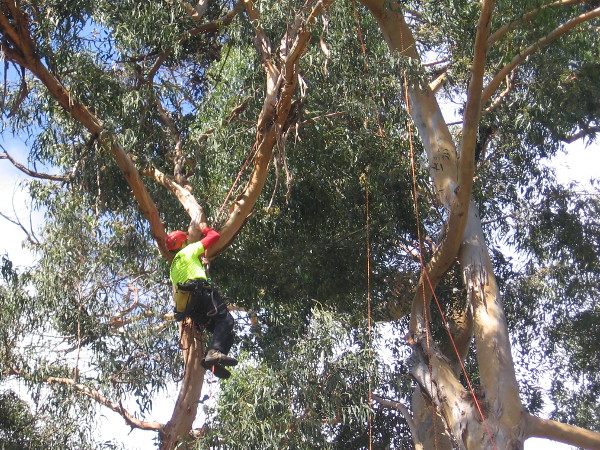
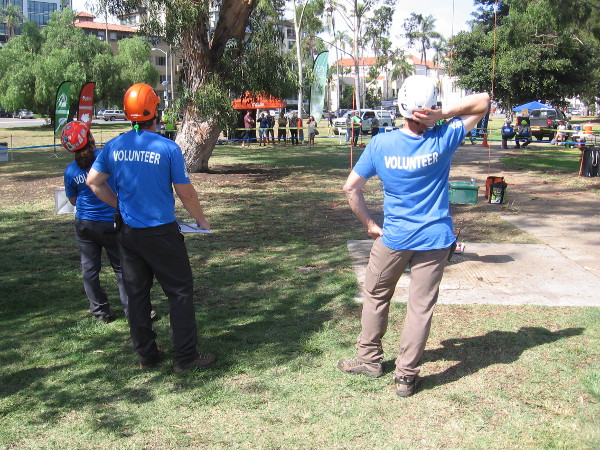
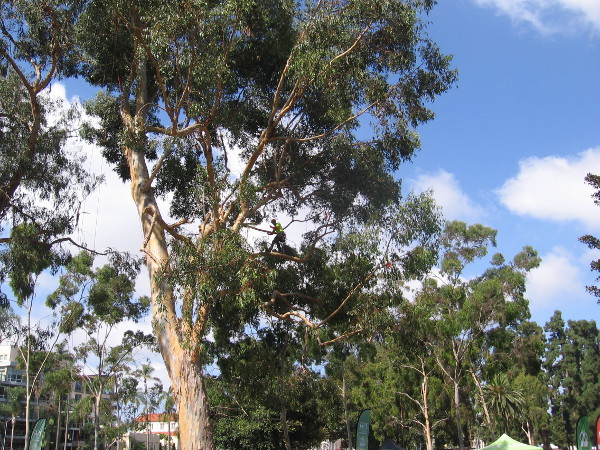
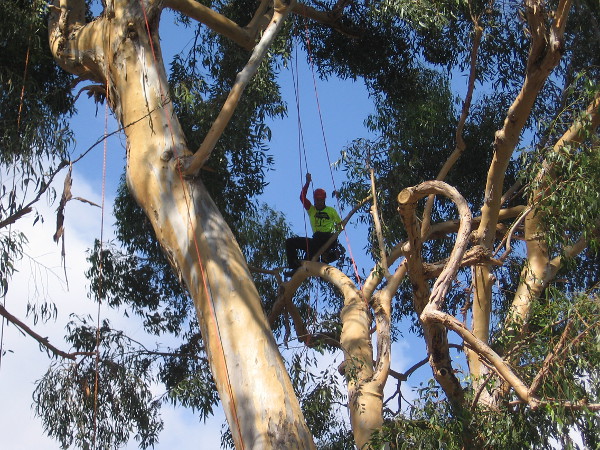
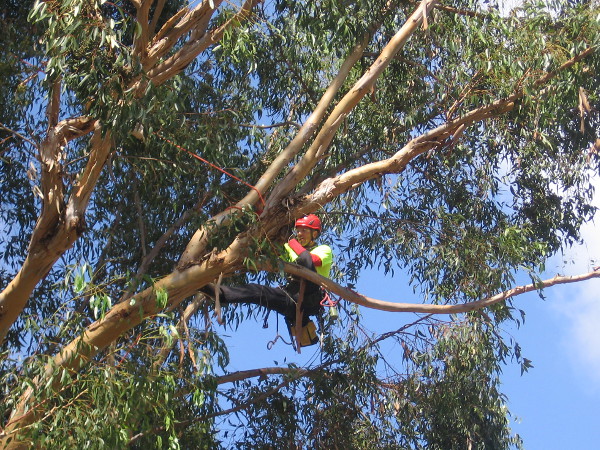
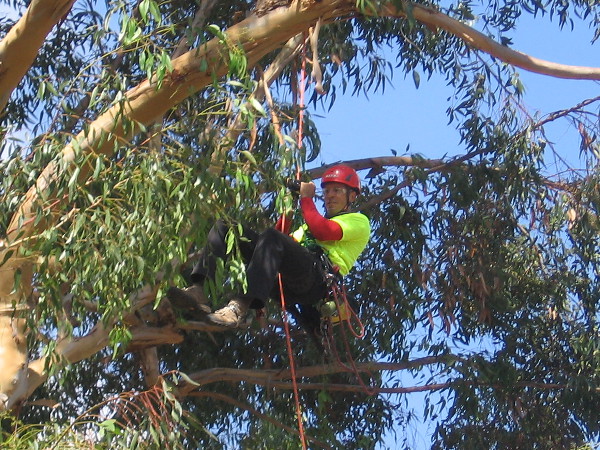
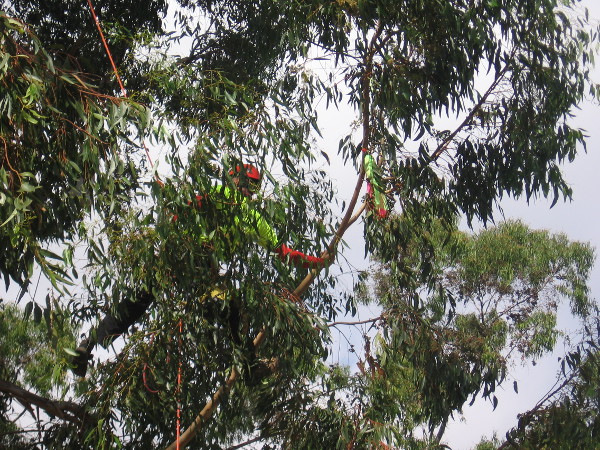
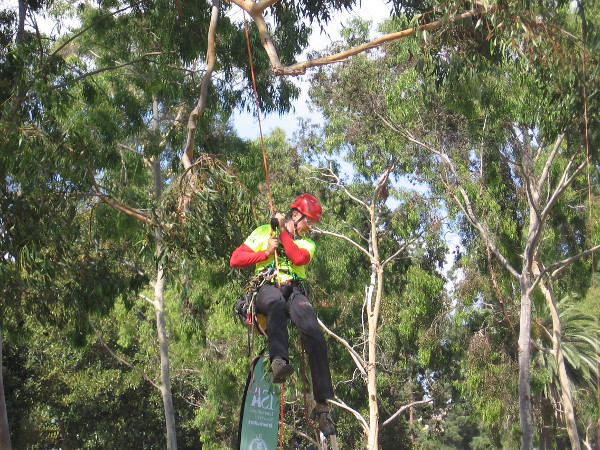
Today I watched part of the 2019 North American Tree Climbing Championship in Balboa Park!

Professional arborists–members of the International Society of Arboriculture (ISA)–came together this weekend from all around North America for this big event. Competitors swung about on ropes like nimble spiders in a bid to be crowned tree climbing champion!

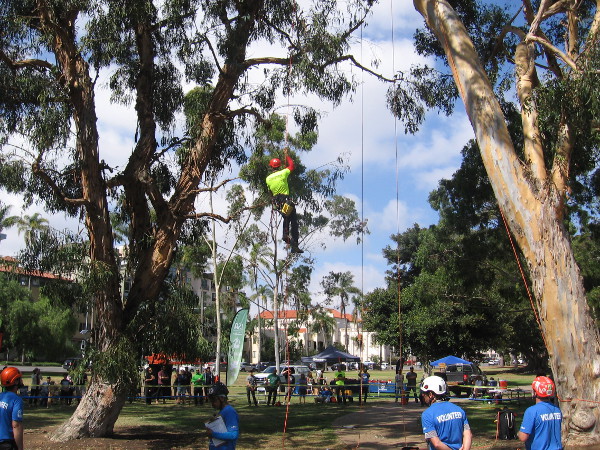
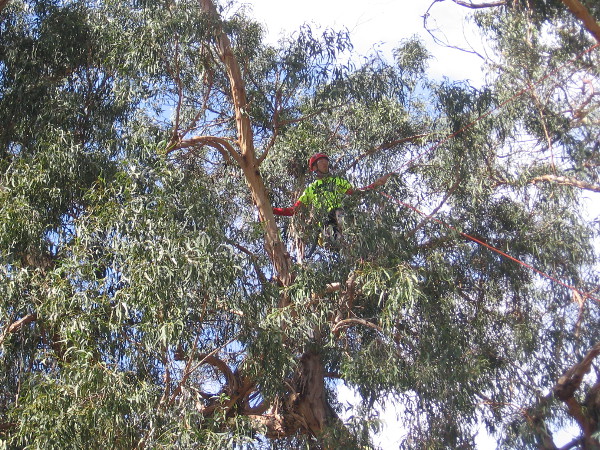
I arrived just in time to watch the final climb, which took place in the intersecting branches of two tall eucalyptus trees on Balboa Park’s West Mesa.

The object, I learned, is for arborists to score the most points. Competitors are given a time limit to climb from red flag to red flag and perform various tasks. Points can be earned for things like the set up of the climbing line and entry into the tree, rope management, posture and balance, descent and landing. Judges could also reward bonus points for skill, style, presentation, innovative techniques and safe work practices.

Now when I walk about San Diego and see workers climbing in trees and cutting away branches, I’ll pause a bit longer to watch. I’ll have a greater appreciation of the skill and athleticism that is required!

I live in downtown San Diego and love to walk around with my camera! You can follow Cool San Diego Sights via Facebook or Twitter!