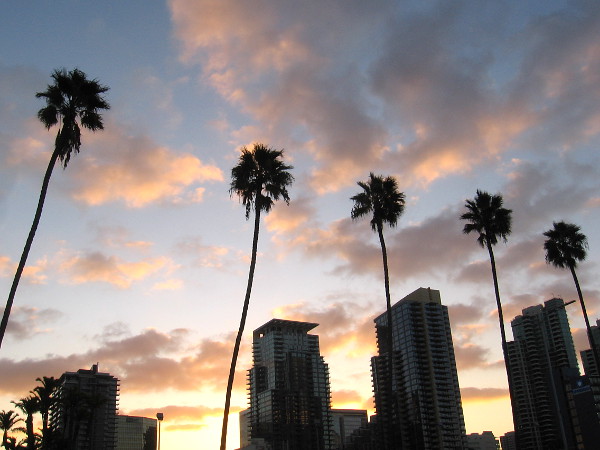
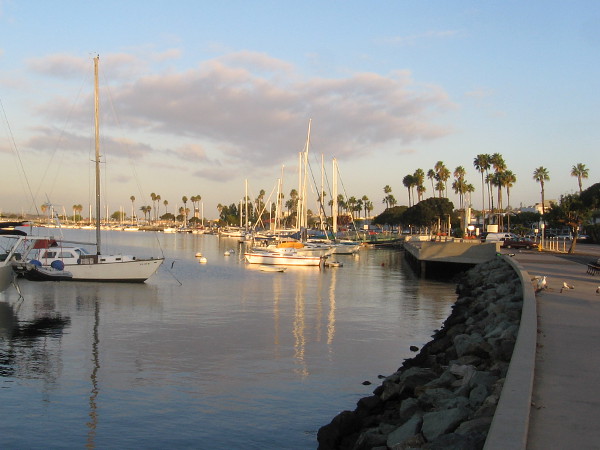
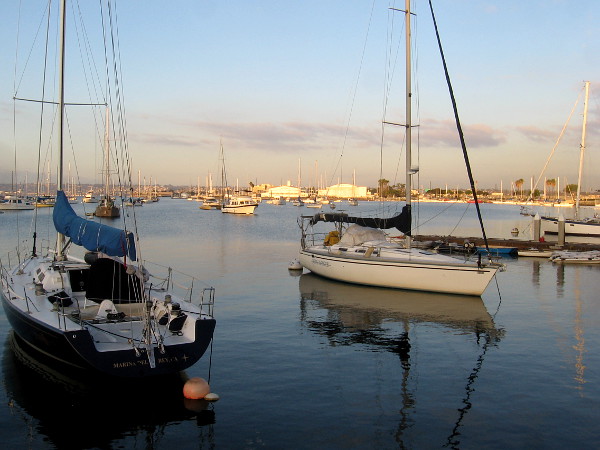
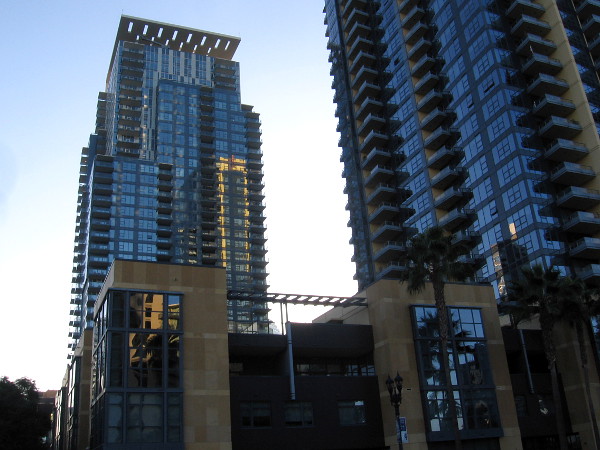
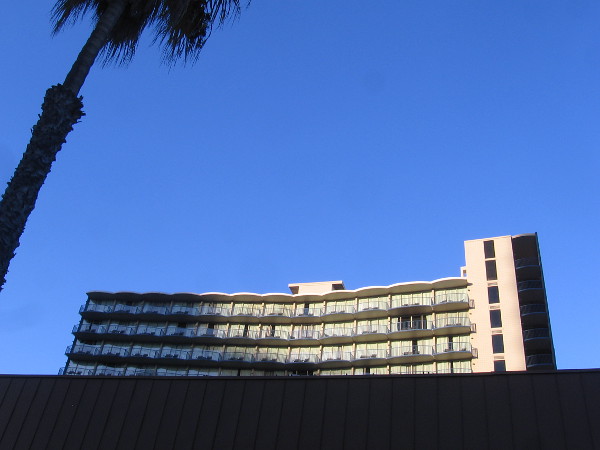
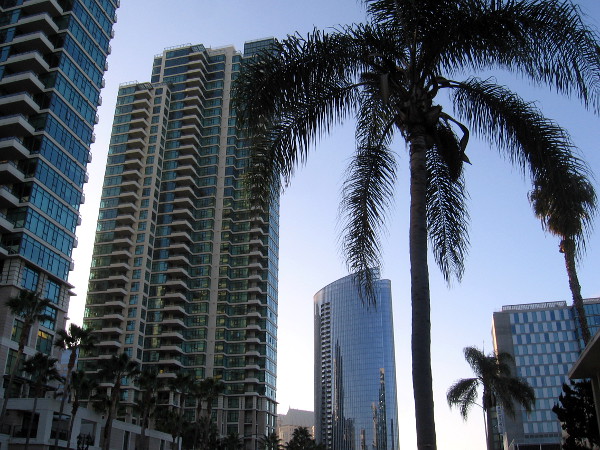
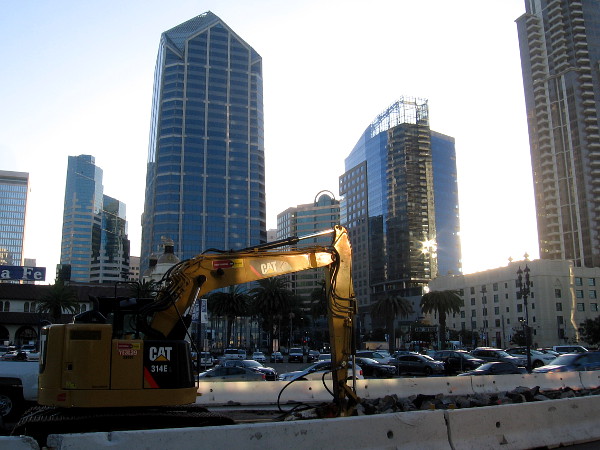
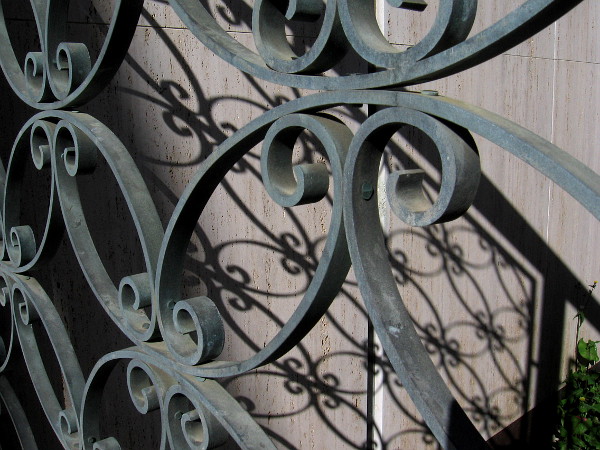
This chilly January morning I enjoyed a brisk walk. I brought out my camera when it was light enough for good photographs.
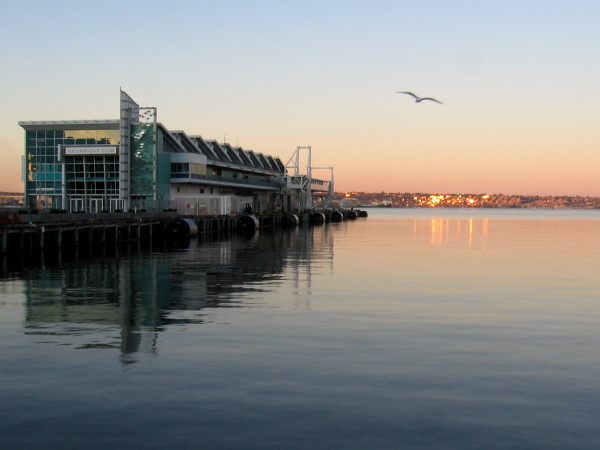
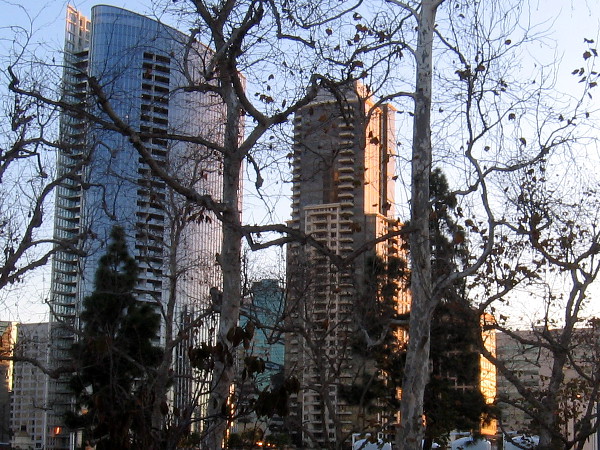
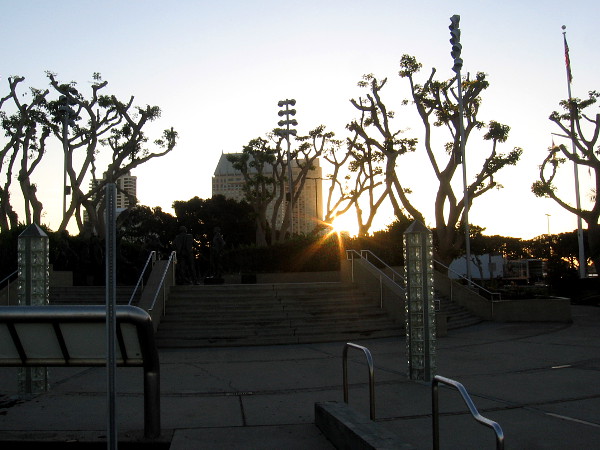
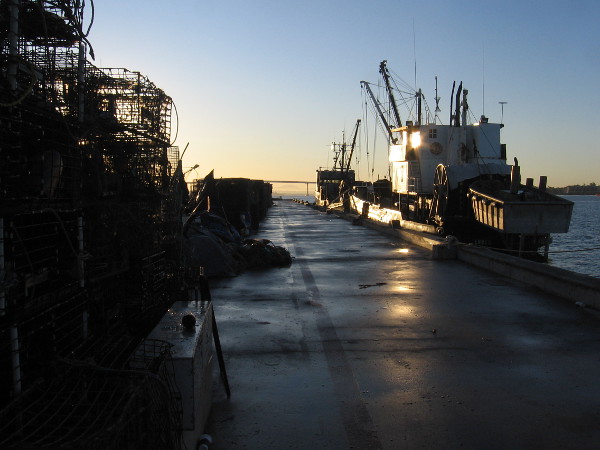
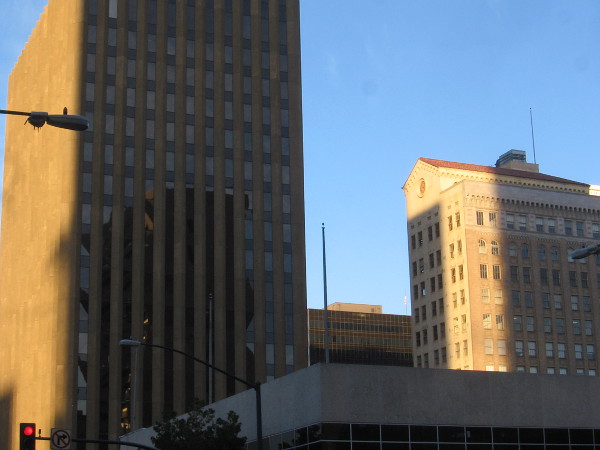
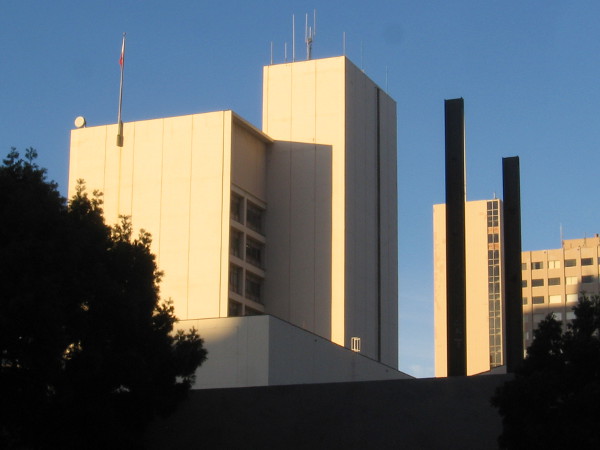
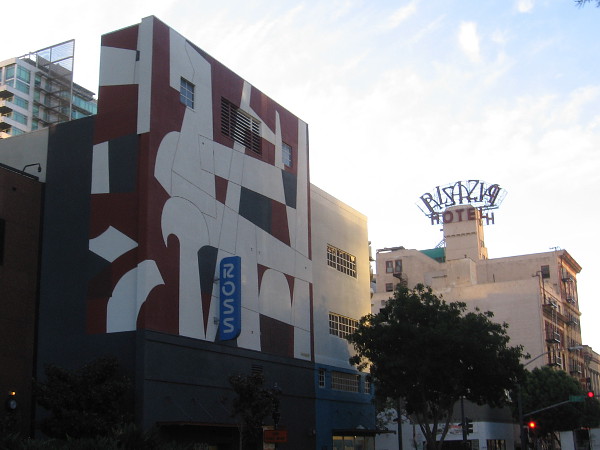
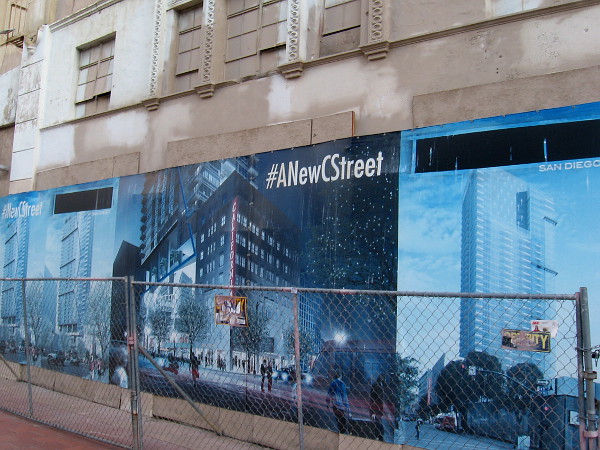
Come follow me from the County Administration Building north along San Diego Bay for a short distance. After returning back south, we’ll turn away from the water and head east on Ash Street, turn south on Pacific Highway, and end up near Broadway.
This morning the sky quickly turned blue after sunrise.
…
I live in downtown San Diego and love to walk around with my camera! You can follow Cool San Diego Sights via Facebook or Twitter!
Today I sat for several minutes at the Japanese Friendship Garden in Balboa Park gazing out at the Karesansui, or Dry Stone Garden. I must’ve entered a meditative state of mind, because as I viewed the ruggedly beautiful stones and perfectly raked gravel a vision came to me.
In the past I learned the significance of the elements in a Japanese rock garden, so this tiny three sentence story, or poem, which I titled Across the Stone Garden, might not be entirely original or surprising.
But I think it’s a bit magical, and you might like it anyway.
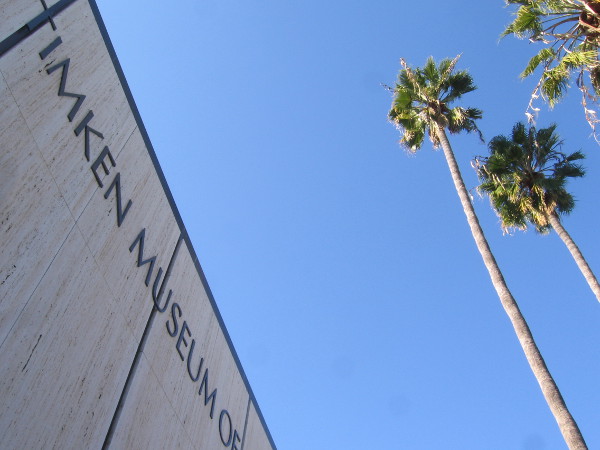
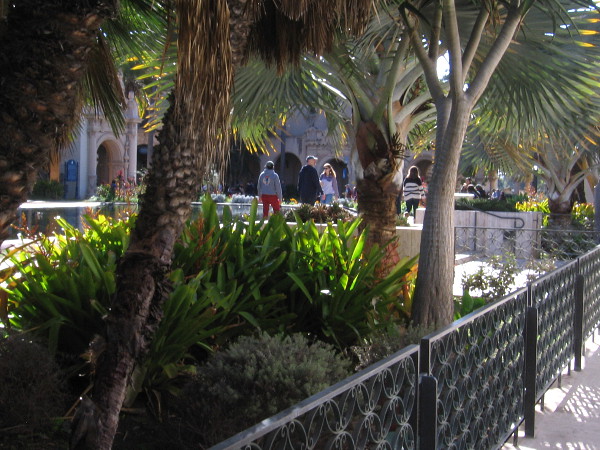
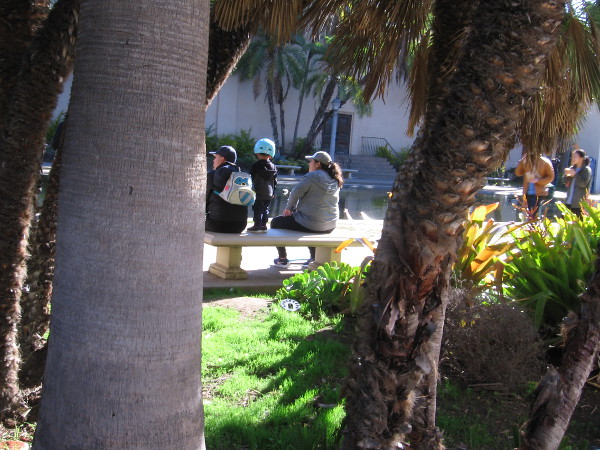
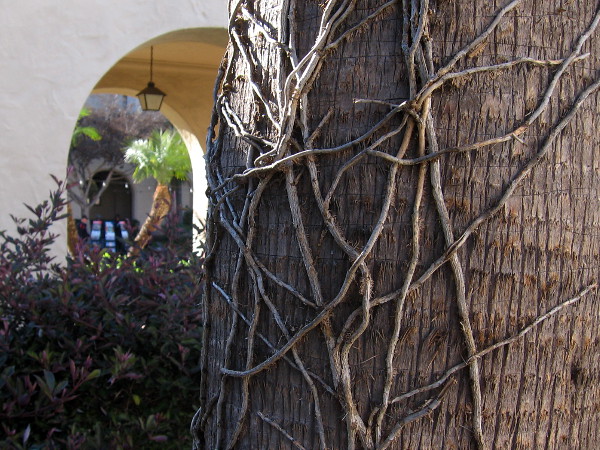
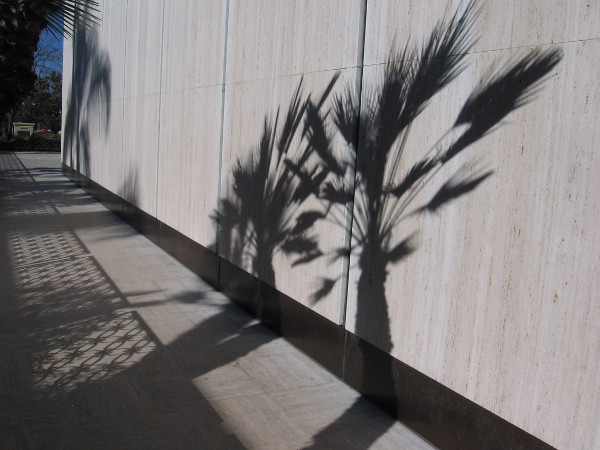
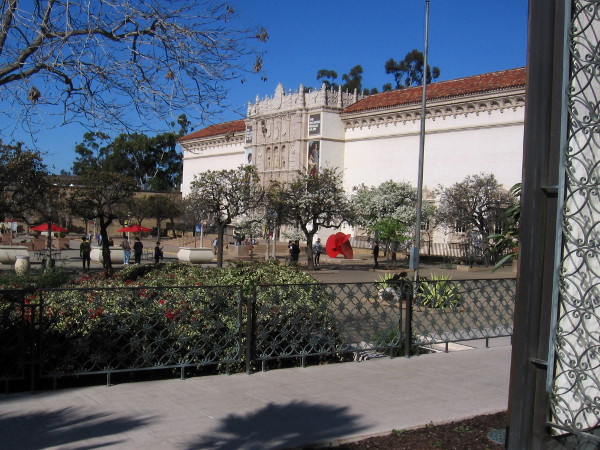
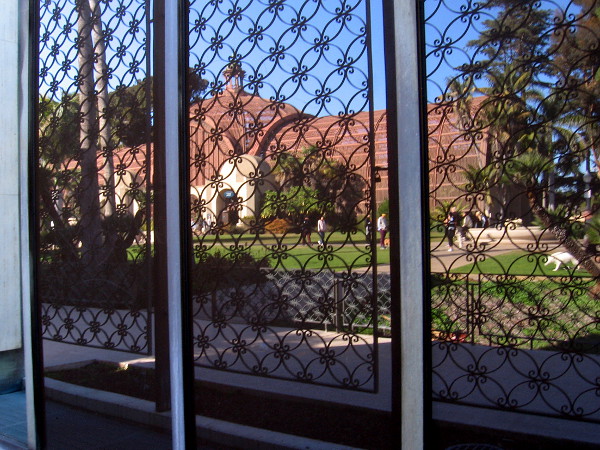
My walk through Balboa Park today included a slow circle around the Timken Museum of Art.
While the building doesn’t really fit with the park’s nearby Spanish Colonial Revival architecture, the museum is quite beautiful in its own way. For a description of this masterpiece of Southern California Modernism, you can visit an earlier blog that I posted here.
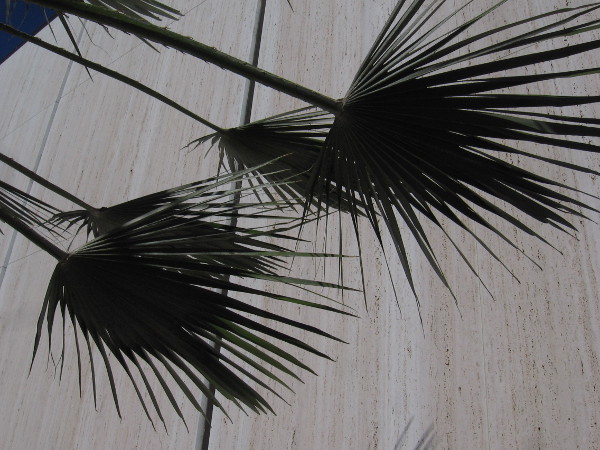
Few people journey next to the Timken’s bright walls. The walkway can be a bit hidden.
Here are a few scenes from this afternoon…
…
I live in downtown San Diego and love to walk around with my camera! You can follow Cool San Diego Sights via Facebook or Twitter!
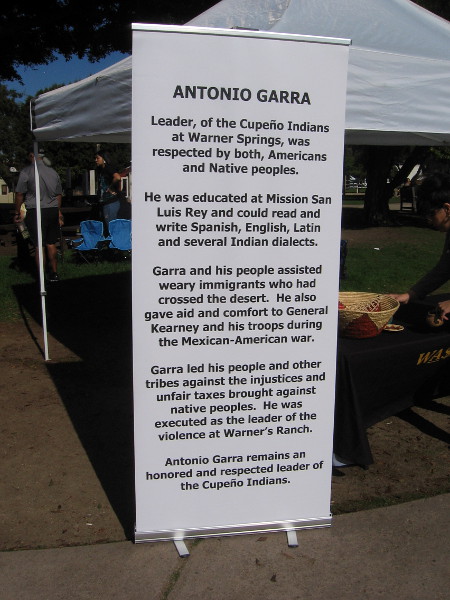
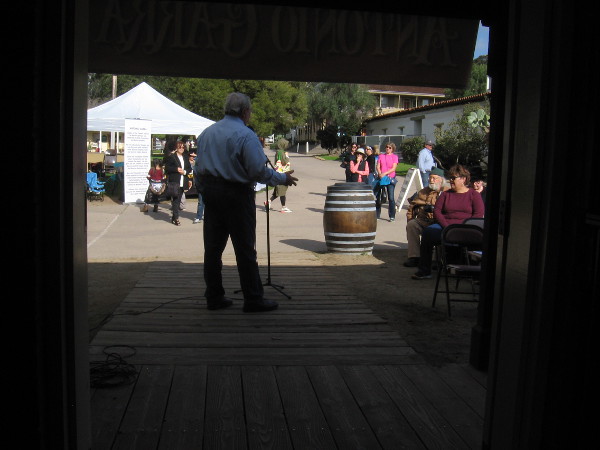
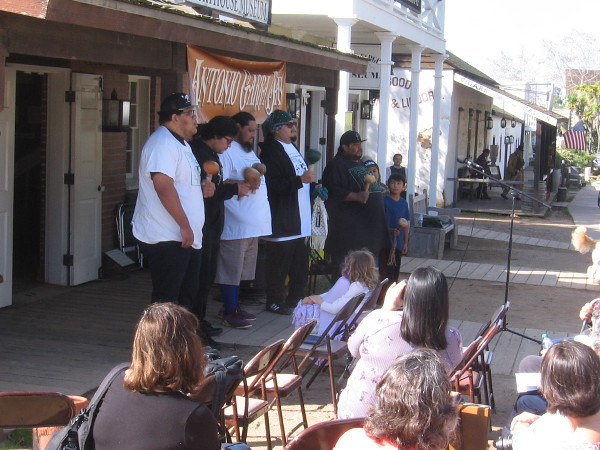
This afternoon I attended Antonio Garra Day in Old Town San Diego State Historic Park. The event, which comes on the anniversary of Garra’s death, was organized by the Pala Band of Mission Indians. I listened to several speakers, including authors and historians, talk about Garra and historical events in the mid-1800s, and I watched different groups perform traditional Bird Songs and Dances.
Antonio Garra was a leader of the Cupeño people in Southern California who sought to organize tribes of our region to resist unfair taxation. Even though Native Americans were not citizens of the United States, a tax was levied upon their animals, property and agriculture. This taxation without representation was considered by many fair-minded people to be illegal and unjust.
Garra was educated at Mission San Luis Rey and could speak English, Spanish and Latin. He was an influential leader who opposed the ill-treatment of indigenous people. According to Wikipedia: “In 1851, because of several issues of conflict, Antonio Garra, a Cupeño from Warner’s Ranch, tried to organize a coalition of various Southern California Indian tribes to drive out all of the European Americans. His Garra Revolt failed, and settlers executed Garra. The Cupeño had attacked Warner and his ranch, burning some buildings.”
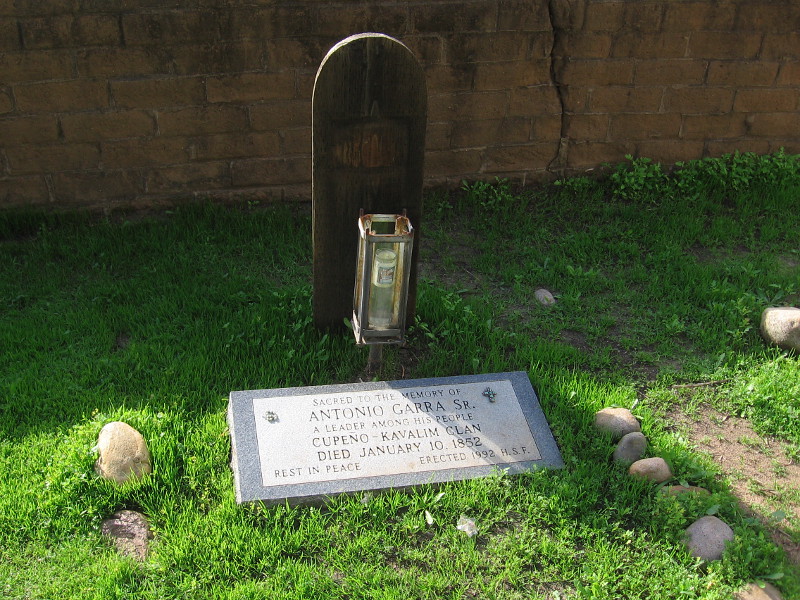
Garra was blamed for the murder of four people at Colonel Warner’s Rancho on November 22, 1850, and he was sentenced to be executed. On January 12, 1852, he was brought to the El Campo Santo cemetery in Old Town and told to kneel down beside a ready grave in front of a firing squad. He last words were: “Gentlemen, I ask your pardon for all my offenses and expect yours in return.”
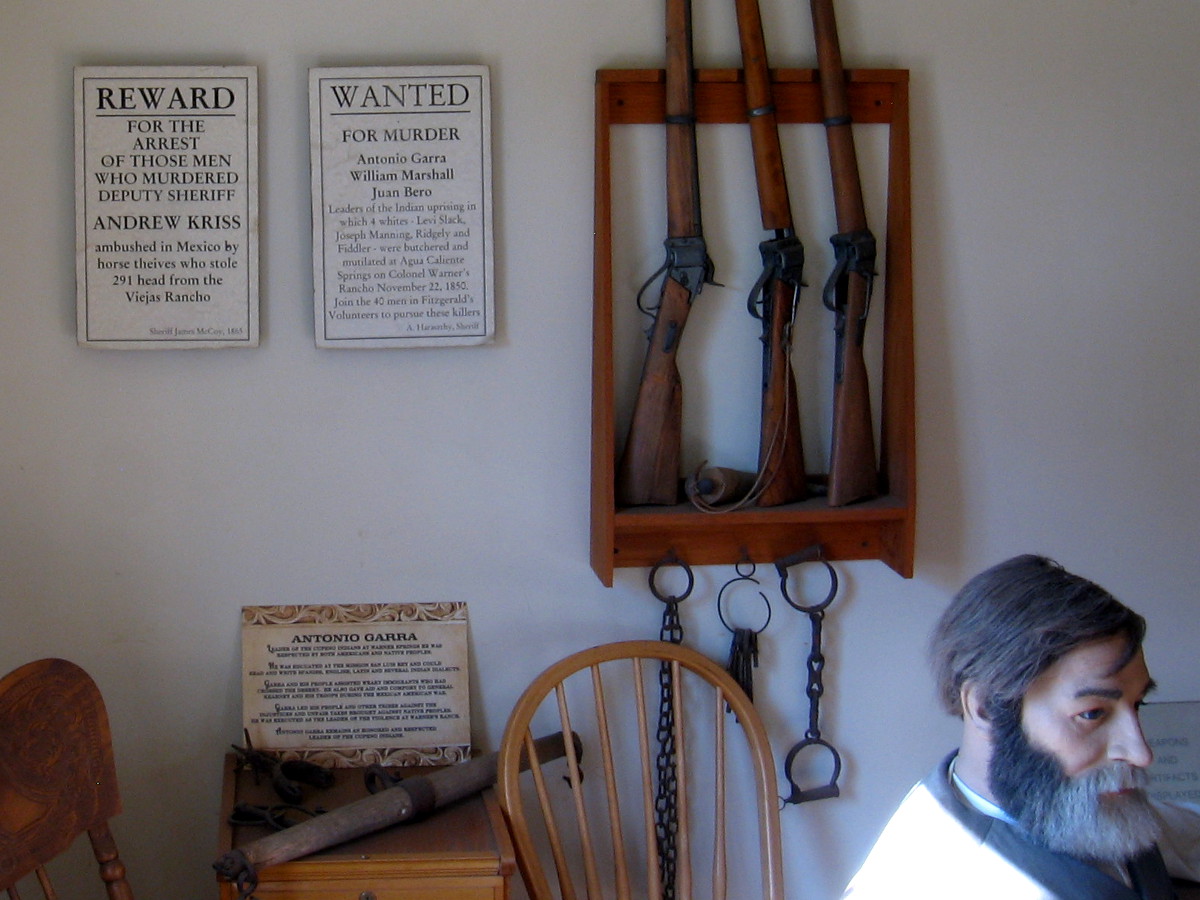
Antonio Garra Day arose because of a Wanted poster that has long been displayed in the First San Diego Courthouse museum. The poster does not provide the full story of the Garra Uprising and the suffering of indigenous people. Today, a plaque beneath the poster provides more historical context.
Between performances of Bird Songs, which honored Native American ancestors, elders and Garra, I listened to the words of Patricia Nelson. She is a descendant of Antonio Garra. As a youth she was incensed by the cruel treatment of her people. Today, she works to honor and proudly remember those people, their culture, their lives and humanity.
Antonio Garra Day has grown over the past 4 or 5 years, and next year it will be a much larger event, filling the plaza of Old Town San Diego State Historic Park, with many Native American participants from all around our region.
A display of Luiseño artifacts at the event, by the Wa$xayam Pomki Museum on the Rincon Reservation.
Garra and his people assisted weary immigrants who had crossed the desert. He also gave aid and comfort to General Kearney and his troops during the Mexican-American war.Bird Singers tell of the world’s creation and the first people.A crowd observes Antonio Garra Day at Old Town San Diego State Historic Park.
Wanted posters in the First San Diego Courthouse museum include one concerning Antonio Garra.The grave of Antonio Garra in Old Town San Diego’s El Campo Santo cemetery.
A horse came to Old Town for the event. Its rider (not visible) represented Juan Verdugo, who participated in the Garra Uprising and was executed. He is also buried at El Campo Santo cemetery.Patricia Nelson, a descendant of Antonio Garra, talks about her memories, many generations of her people, and their lives.Bird Song and Dance honor a people who lived in our region many thousands of years before the arrival in 1769 of Spanish missionaries and soldiers.
…
I live in downtown San Diego and love to walk around with my camera! You can follow Cool San Diego Sights via Facebook or Twitter!
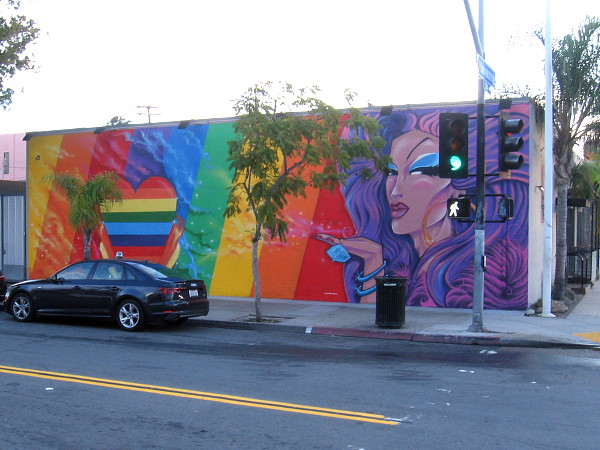
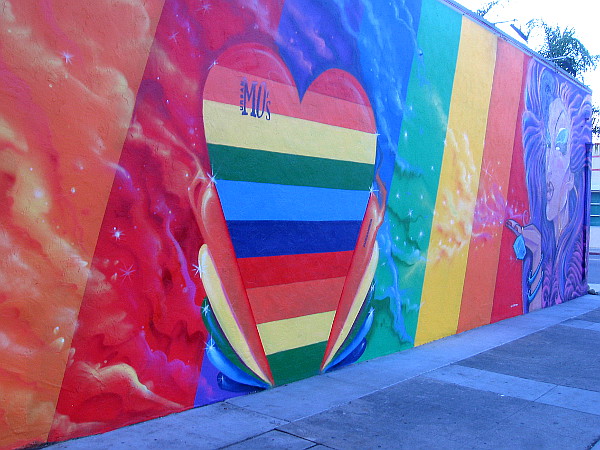
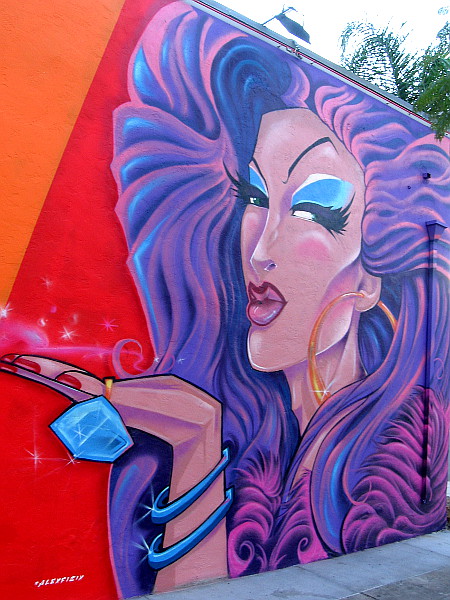
I spotted a new mural in Hillcrest at the corner of University and Third Avenue! A rainbow heart and glamorous face decorate one wall of Urban MO’s Bar and Grill.
The artwork, adding even more color to the dynamic LGBT community in Hillcrest, was spray painted by cool local artist Alex Julian.
Check it out!
…
I live in downtown San Diego and love to walk around with my camera! You can follow Cool San Diego Sights via Facebook or Twitter!
Today I learned a big change might be coming to downtown San Diego’s historic Santa Fe Depot!
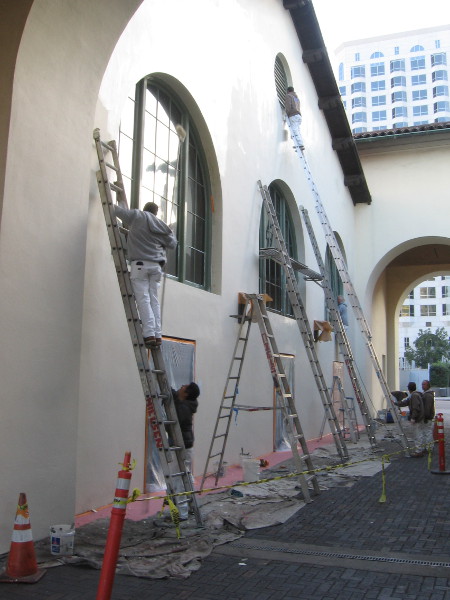
This morning, after noticing the building’s exterior is getting a new paint job, I spoke to a gentleman outside the Amtrak office and asked if he knew whether the new owner still plans to renovate the building. I was interested to hear that there are still plans for a major renovation of the building, including the opening up of an interior stairwell that will lead to a small new hotel and shops on the depot’s second floor!
I asked if there were plans to develop the depot’s old forecourt by Broadway, where there are tile benches and a broken fountain, and where streetcars picked up passengers arriving by train a century ago–but he knew nothing concerning that.
He and I agreed that it would be a amazing if the large Santa Fe sign atop the historic depot were finally lit up at night, adding more character to San Diego’s skyline. I’d heard a couple years ago during an architectural tour of the Santa Fe Depot that lighting the sign was a project that might lie in the future.
Very cool!
…
I live in downtown San Diego and love to walk around with my camera! You can follow Cool San Diego Sights via Facebook or Twitter!
Ford Building, 1934, Digital reproduction of a photograph by Julius Shulman. The first known photo by Shulman in San Diego County.
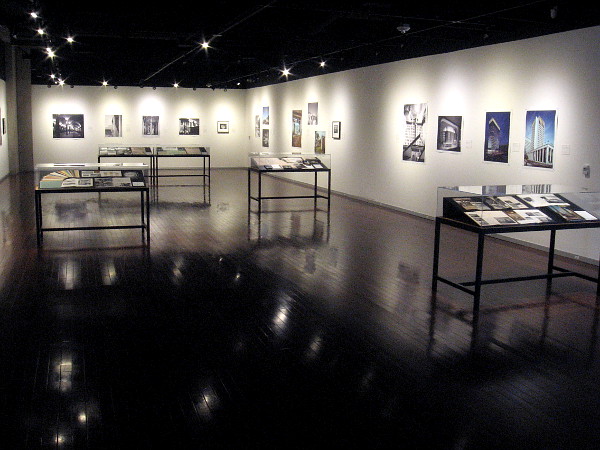
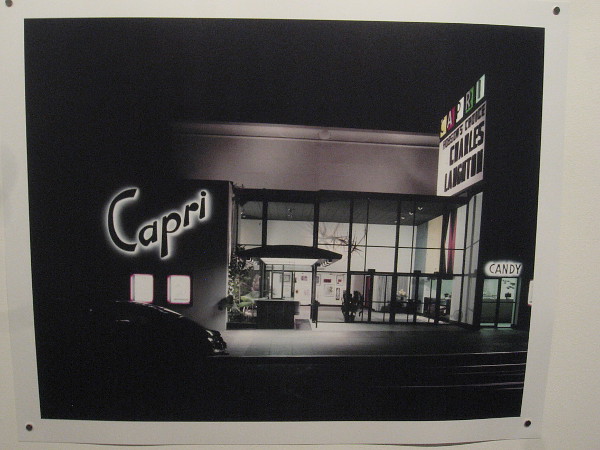
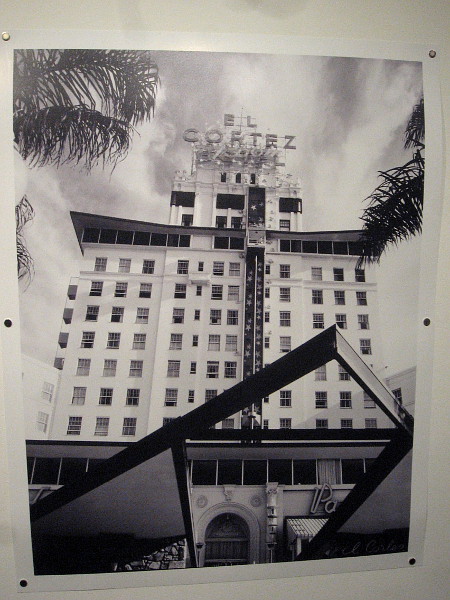
Today I headed to the San Diego Central Library Art Gallery to view some amazing photographs. Many images captured by famous architectural photographer Julius Shulman are on display free to the public for a couple more weeks. The exhibition, which concludes on January 19, 2020, is titled Julius Shulman: Modern San Diego.
Julius Shulman’s renowned work spans seven decades, from 1934 to 2007. He is best known for his photography in Los Angeles and Palm Springs, but he did photograph a variety of projects in San Diego. He worked mostly for architects and publishers, and his images have appeared in many leading magazines.
I was interested to see photos of historic buildings that no longer exist, and other iconic buildings that I often pass during my walks.
Those who are fascinated by San Diego’s history and architecture should head to the 9th floor of the Central Library to experience this exhibition. Shulman had a discerning eye, capturing the lines, depth and essence of the structures he photographed. The dozens of images you’ll encounter are not only brilliant, but they will help you to travel back in time and see San Diego in a whole new light.
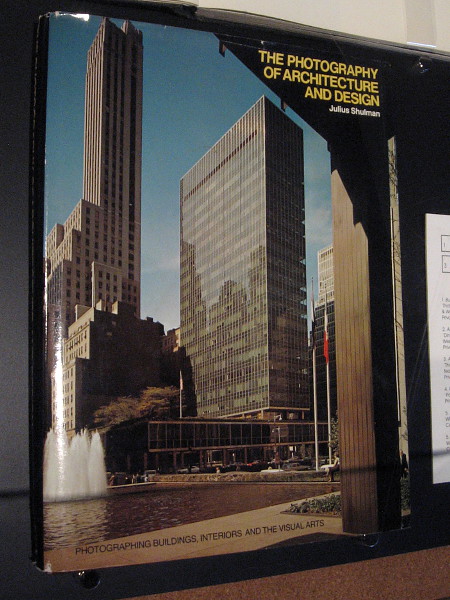
An exhibition of important architectural photographs, titled Julius Shulman: Modern San Diego, at the San Diego Central Library Art Gallery.Shulman began as an amateur photographer using a Vest Pocket Kodak. His eventual career in architectural photography would span seven decades.Cover of The Photography of Architecture and Design, by Julius Shulman.Capri Theater, 1954, Digital reproduction of photograph by Julius Shulman. Architecture by Frank Guys. The building, at Park Boulevard and Essex Street, was demolished in 2003.El Cortez Hotel, 1957, Digital reproduction of photograph by Julius Shulman. The 1956 building remodel added the world’s first outdoor glass elevator–the Starlite Roof Express.San Diego State College, 1968, Digital reproduction of photograph by Julius Shulman. Architecture by Mosher and Drew. Interior of Aztec Center, which was demolished in 2011.
…
I live in downtown San Diego and love to walk around with my camera! You can follow Cool San Diego Sights via Facebook or Twitter!





























 Cool San Diego Sights!