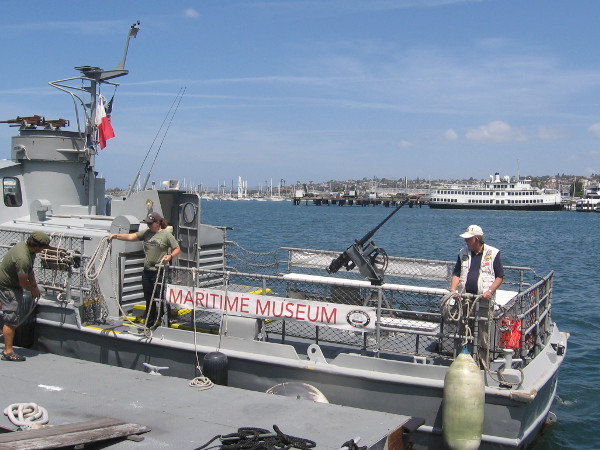
The restored Swift Boat, PCF-816 approaches the Maritime Museum of San Diego on downtown’s waterfront.
Last weekend I embarked on a very unique boat adventure on San Diego Bay. Enjoying sunshine and a cool ocean breeze, I sat outside on the Maritime Museum of San Diego’s restored Swift Boat, and took in various interesting sights during an approximately one hour tour.
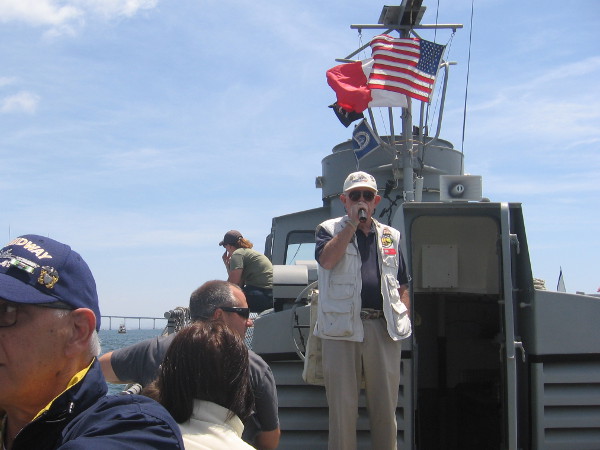
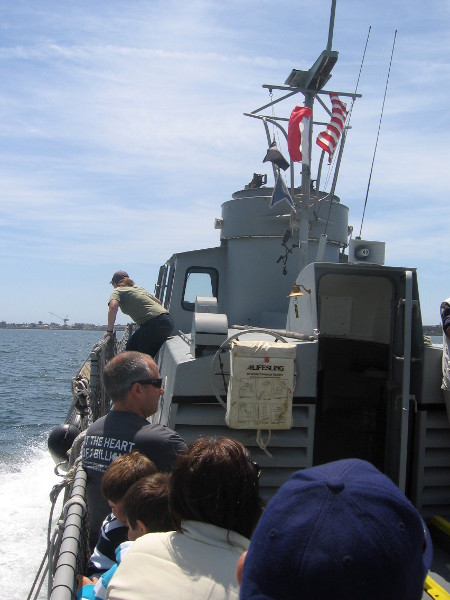
PCF-816 is a small Mark ll Patrol Craft Fast “Swift Boat” that was originally used in San Diego (1968-1969) to train sailors before they were deployed to fight in the Vietnam War. In 1971 the vessel was donated to the Republic of Malta, where it was used to patrol their coast. In 2012 the beat up boat returned to San Diego. After many hours of work by volunteers, it was carefully restored to it’s present fine condition. You might note in the photos that she still flies the Maltese flag.
If you’re fascinated by tacking sailboats, arching bridges and sprawling shipyards, interested in military history or modern Navy ships, or just want to enjoy a cruise on San Diego Bay, you might enjoy this tour!
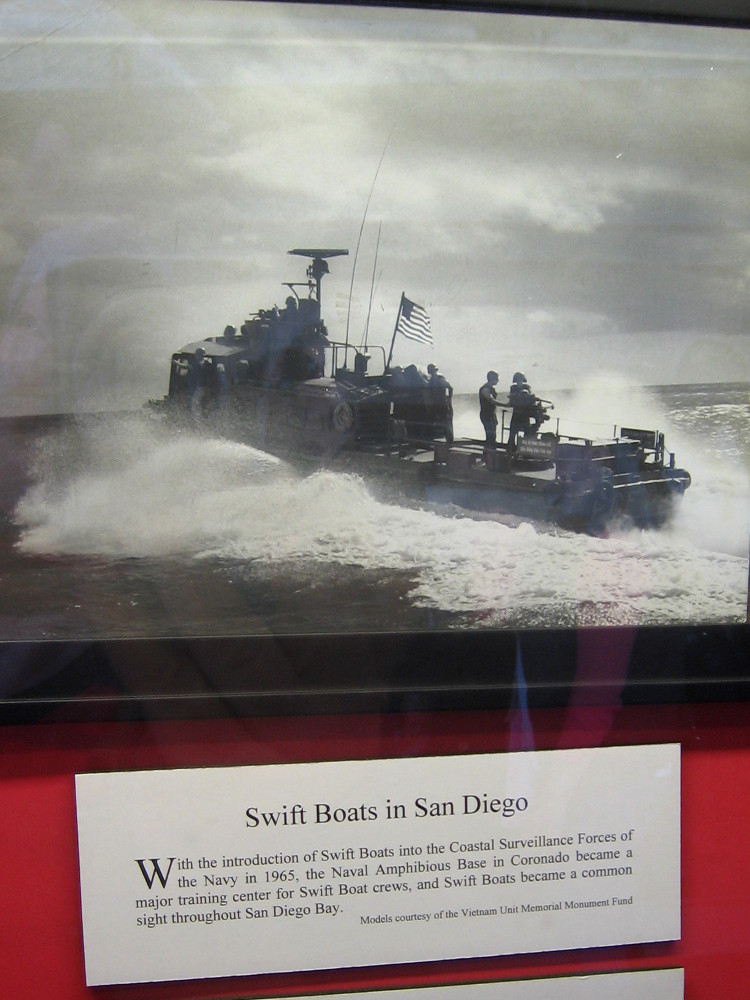
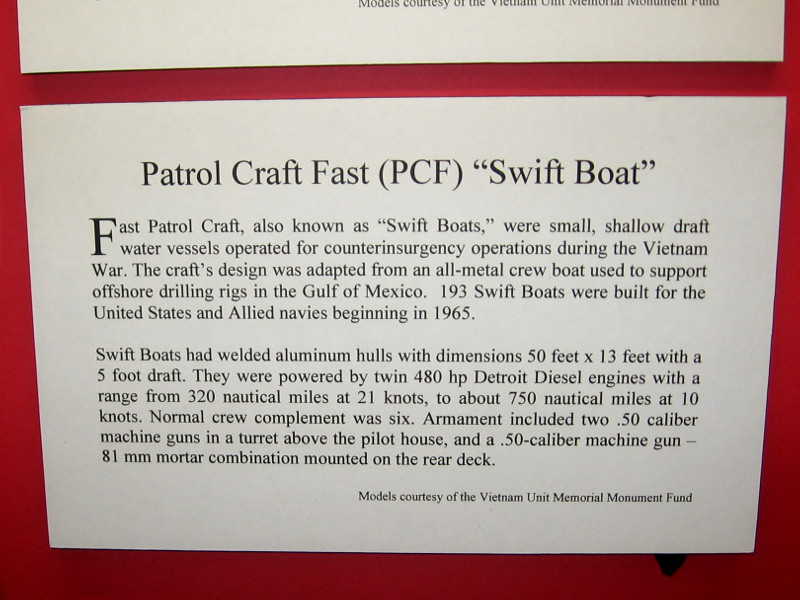
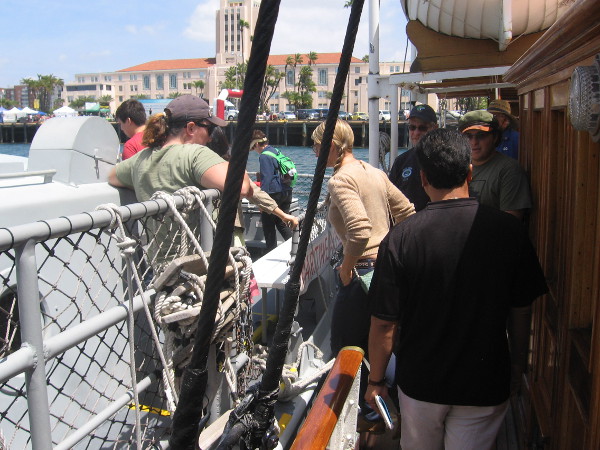
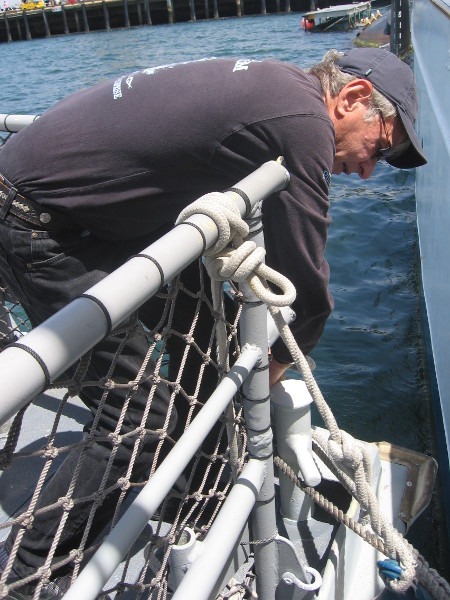
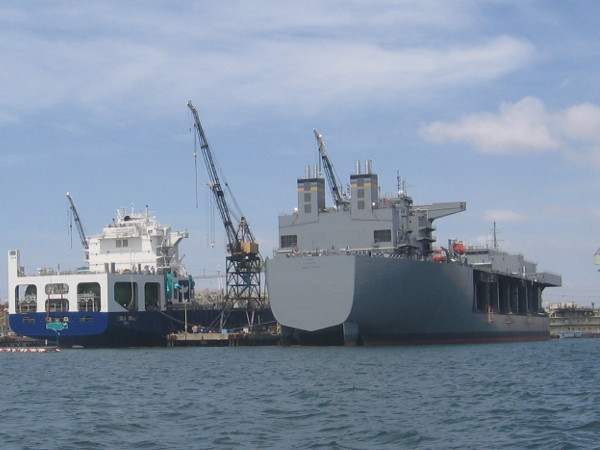
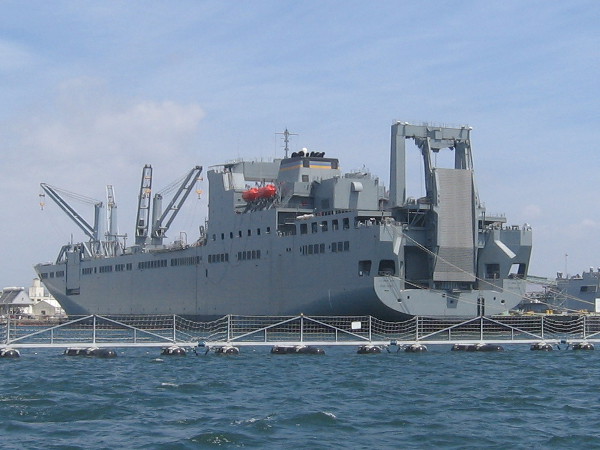
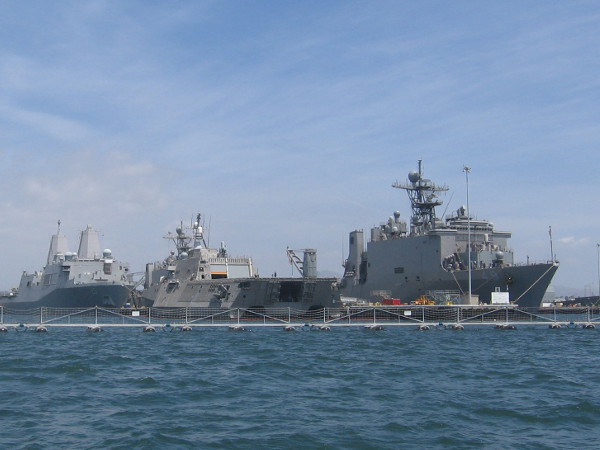
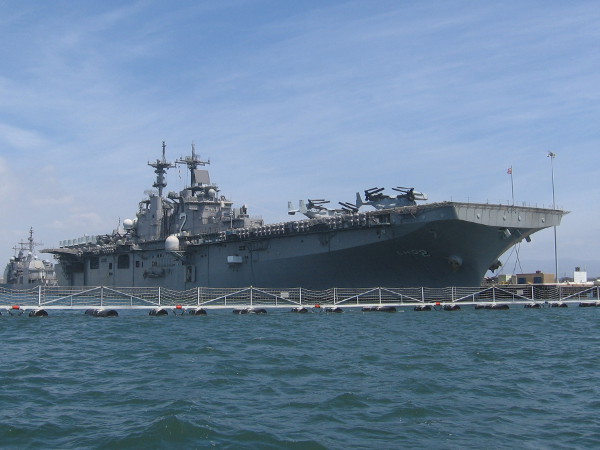
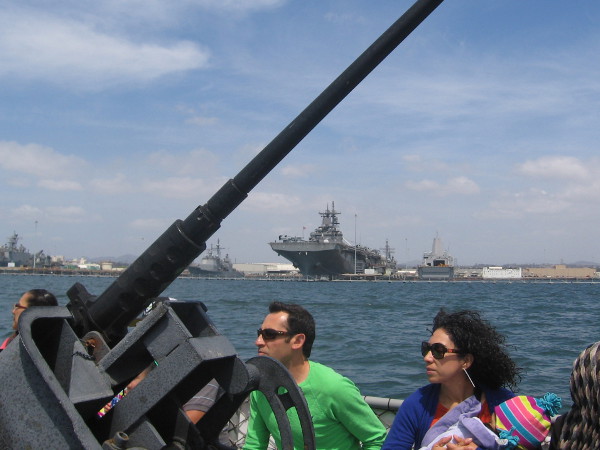
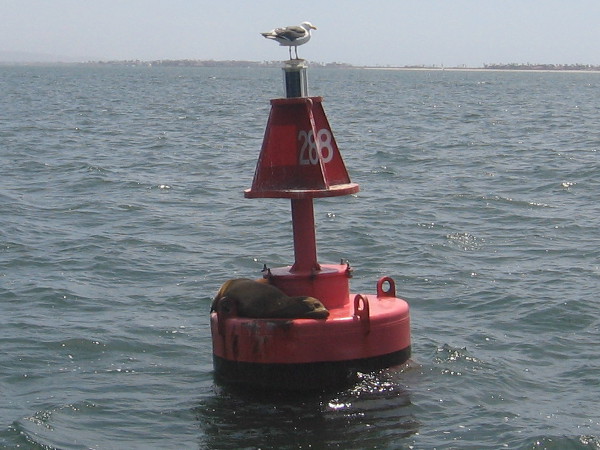
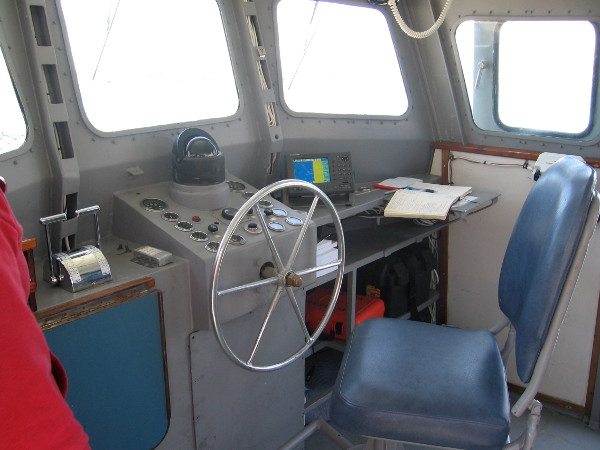
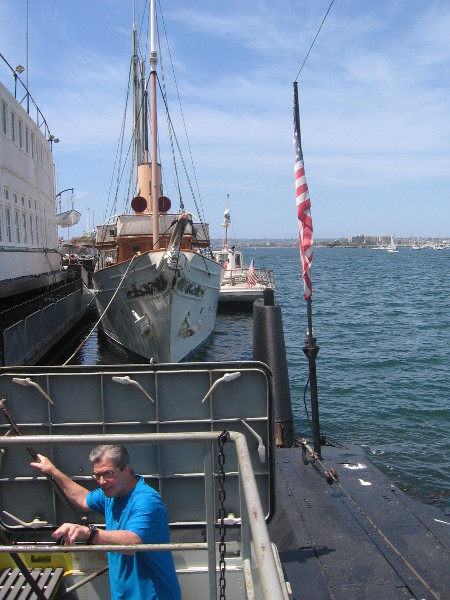
Inside the Maritime Museum’s steam ferry Berkeley, visitors check out informative exhibits as they wait to board the old Swift Boat.With the introduction of Swift Boats into the Coastal Surveillance Forces of the Navy in 1965, the Naval Amphibious Base in Coronado became a major training center for Swift Boat crews.Patrol Craft Fast (PCF) was the U.S. Navy’s official name for a Swift Boat. They were small, shallow draft water vessels operated for counterinsurgency operations during the Vietnam War.People board the old Vietnam War-era boat from the Maritime Museum’s docked steam yacht Medea.We cast off and begin a partial tour of the bay, including enormous shipyards and many San Diego Navy ships.A museum volunteer narrates our tour and points out some of the unique sights on San Diego Bay.No matter what boat or ship you choose, a cruise of the big bay is both relaxing and invigorating.We pass under the immense bow of the USS Midway aircraft carrier, which is also a super popular museum.We pass a sailboat and begin under the Coronado Bay Bridge. We are approaching San Diego’s very large, busy shipyards.A huge Navy ship in dry dock at BAE Systems’ San Diego shipyard. NASSCO and Continental Maritime also have enormous yards on the bay.The gigantic gray ship is the USNS Lewis B. Puller. The first of its kind, it’s a forward staging base that will act as a floating base or transfer station.USNS Bob Hope is also huge! She’s a vehicle cargo ship used for Army vehicle prepositioning, She’s the only Navy vessel to be named after legendary entertainer Bob Hope.That unique ship in the middle is a new Independence-class littoral combat ship. USS Coronado is a trimaran, which allows it to operate in shallow coastal water.USS Essex is an enormous United States Navy Wasp-class amphibious assault ship based in San Diego.Naval Base San Diego (also called 32nd Street Naval Station) occupies a long stretch of South Bay. It’s the largest United States Navy base on the west coast.Guy enjoying the tour dons helmet and mans the Swift Boat’s 50 caliber machine gun, which is mounted over a 81mm mortar on the boat’s rear deck.A pith military helmet once worn by Viet Cong soldiers is passed around for the passengers to examine.A watchful seagull and lazy sea lion share a harbor buoy on calm, sunny San Diego Bay.Heading back toward downtown San Diego, we learn more about the history of Swift Boat training in our fascinating city.After docking, I get a quick pic of the Mark ll Swift Boat’s small pilot house.Swift Boat, PCF-816 is one of many interesting, diverse vessels in the Maritime Museum of San Diego’s collection.
…
To enjoy future posts, you can “like” Cool San Diego Sights on Facebook or follow me on Twitter.
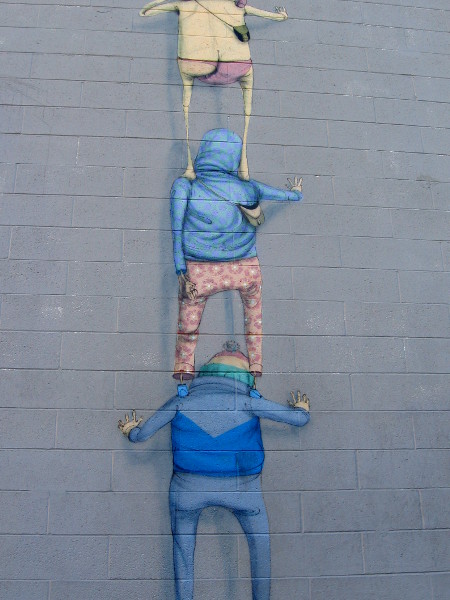
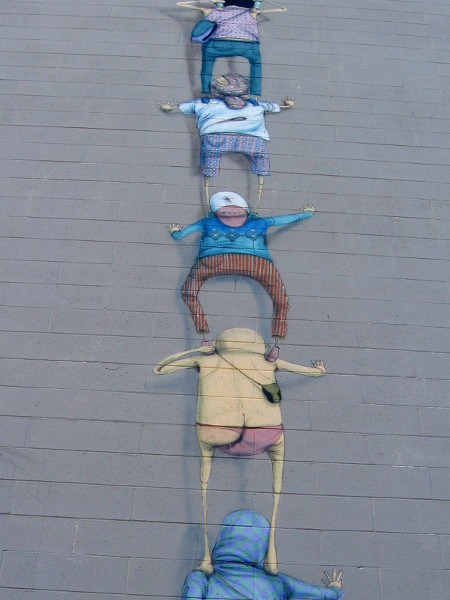
A shopper standing on the asphalt braces against a Horton Plaza parking lot wall. Others have climbed up onto her shoulders.People mount higher and higher like circus performers, trying to get a glimpse over the wall. Something wonderful must await on the other side!This stack of humanity is beginning to resemble the Tower of Babel. I hope they don’t fall!Don’t believe the hype! That’s some mighty tall street art!
This impressive street art is visible on the south side of the Horton Plaza shopping mall, on G Street between 2nd and 3rd Avenue. It was painted in 2010 by Brazilian graffiti artists Os Gemeos, which is Portuguese for The Twins. The artists, who were breakdancers before they started painting graffiti almost 30 years ago, have become quite a sensation! The project was sponsored and promoted by the Museum of Contemporary Art San Diego. But should we believe the hype?
…
To enjoy future posts, you can “like” Cool San Diego Sights on Facebook, or follow me on Twitter.
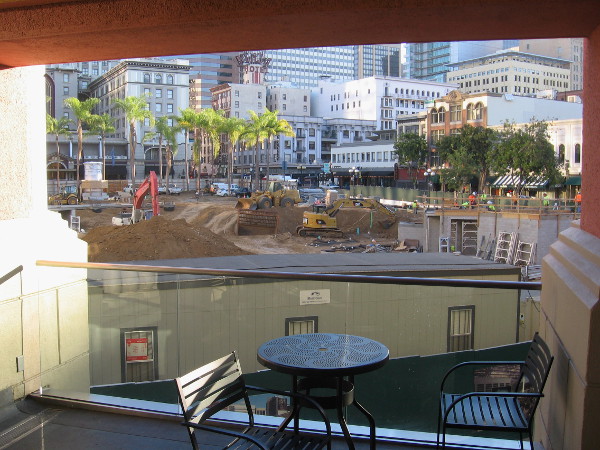
Photo of park construction from an upper level of downtown’s Horton Plaza shopping mall.
Today at sunrise it was already warm outside, so I began my walk extra early. Because it’s a simple thing to catch a trolley at any station downtown, I had plenty of time to get to work.
For no particular reason my legs pulled me past the Horton Plaza Park construction site. Work there appears to be full steam ahead!
Artwork on the construction fence right next to the Horton Plaza shopping mall shows how this enlarged city park will eventually appear. According to Todd Gloria, a San Diego City Councilmember, “When it is completed, it will be the new heart of our city, the central point, and a gathering place for San Diegans to come together to celebrate.”
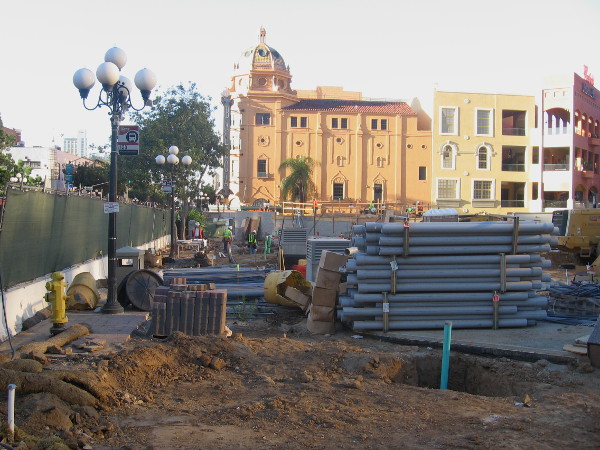
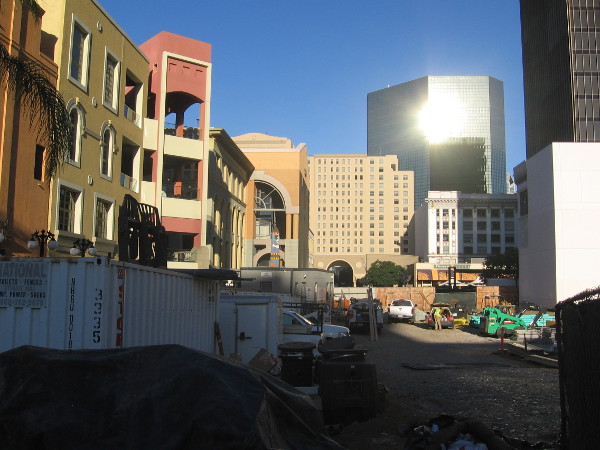
Conceptual artwork on the construction site fence. This image shows a San Diego Comic-Con event taking place downtown at the future Horton Plaza Park.Zooming in, I spot several superheroes!Another bit of art on the temporary surrounding fence shows a Fourth of July celebration in the finished park.A good wide view of construction progress. This functional public space will be a major addition to downtown San Diego.The corner of a large plaza that will be used for concerts and special events.Early morning sunlight on the Balboa Theatre and a section of the Horton Plaza mall in the background.A fantastic area in downtown San Diego is about to become even more amazing!
UPDATE!
Here’s a pic I took in late June 2015…
Photo of Horton Plaza Park construction taken in late June 2015.
And another two months later…
Photo of Horton Plaza Park construction in late August 2015.
And another in early October…
Horton Plaza Park is making great progress by the beginning of October 2015.
And two more pics from mid-November…
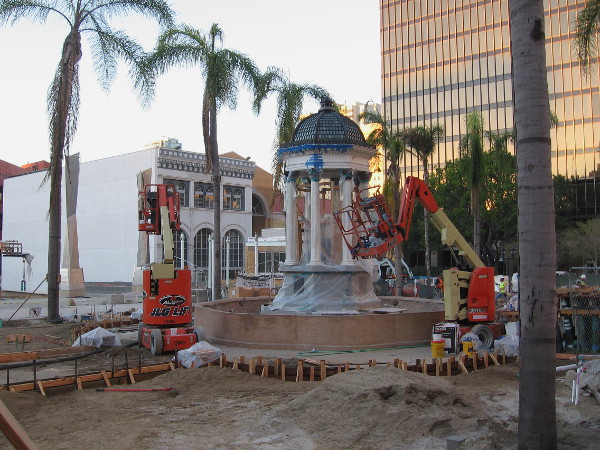
Construction workers prepare the new, expanded Horton Plaza Park in downtown San Diego.Historic fountain in Horton Plaza Park being renovated in November 2015.
…
To enjoy future posts, you can “like” Cool San Diego Sights on Facebook or follow me on Twitter.
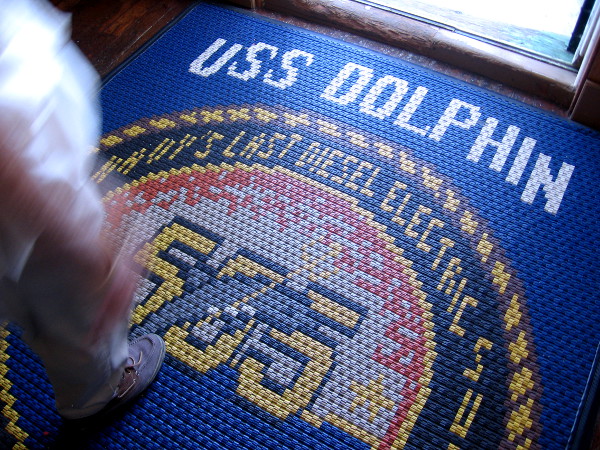
The black sail of submarine USS Dolphin (AGSS-555). The retired research sub is docked next to steam ferry Berkeley of the Maritime Museum of San Diego.
Here come some photographs taken inside the USS Dolphin, the world record deepest diving submarine!
Anyone can tour the Dolphin when visiting the Maritime Museum of San Diego. The museum, located downtown on the waterfront, is home to a world-class collection of unique and historic ships.
I personally know very little about submarines. My descriptions come from various signs and a little searching performed on the internet. If you spot an error or would like to provide some info, please leave a comment at the bottom of this post!
The Maritime Museum of San Diego boasts two submarines in its world-class collection of ships. The USS Dolphin holds the world record for deep diving.Display inside the Berkeley, next to doorway which leads museum visitors outside to the Dolphin.
The above Maritime Museum display includes the following information:
On November 24, 1968, barely two months after commissioning, the USS Dolphin dove to a depth in excess of three thousand feet to become the world’s deepest diving submarine…this record still stands today. The following year, in August 1969, the Dolphin achieved another world record by launching a torpedo from a depth never equaled by another submarine.
Built exclusively for research, Dolphin is responsible for many achievements. Most significant among these is her unique deep diving capability… Employed by both Navy and civilian researchers, she is equipped with an impressive array of instruments that can support multiple missions…. She is currently configured to conduct extensive deep water acoustic research, oceanic survey work, sensor trials, and engineering evaluations.
…With her decommissioning on January 15, 2007, the United States retired its last active diesel-electric submarine.
Second display contains info about the sub’s design and it’s numerous historic achievements.
External mounting pads: 6 port, 6 starboard, forward and aft of sail
Crew compliment: 3 officers, 18 enlisted, 4 scientists (46 crew, all are not deployed)
Operational endurance: Over 15 days (for long deployments, Dolphin can be towed at 9-10 knots)
ACHIEVEMENTS AND CONTRIBUTIONS
First successful submarine-to-aircraft optical communication
Development of a Laser Imaging system of photographic clarity
Development of an Extreme Low Frequency (ELF) antenna
Evaluation of various non-acoustic Anti-Submarine Warfare techniques
Evaluation of various “low probability of interception” active sonars
First submarine launch of a mobile submarine simulator (MOSS) system
First successful submarine test of BQS-15 sonar system
Development of a highly accurate towed body position monitoring system
Development of a highly accurate target management system
Evaluation of a possible “fifth force of nature”
First successful submarine-to-aircraft two-way laser communication
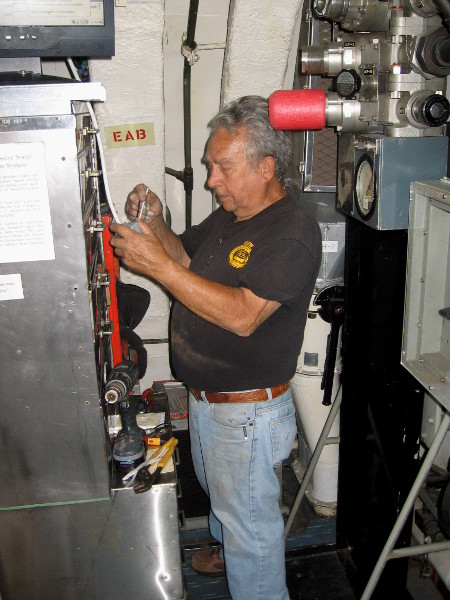
A museum visitor gets ready to walk outside to a very cool submarine.Walking along the deck to forward end of the submarine. The tower-like sail contains the bridge, periscope and communications masts.This forward hatch (and the rear one) were cut into the hull so museum visitors could easily walk through the sub’s length. Originally there was one hatch, at the sail.An electrician volunteer, Ed, at work just inside the USS Dolphin. He told me several stories from his days serving on submarines.A sign inside the underwater research vessel provides answers to a few common questions.
This sign inside the submarine answers some common questions and includes the following fascinating facts:
Dolphin’s hull material is HY-80 steel…her hull is a ring-stiffened cylinder without pressure bulkheads (if she has a leak the whole boat will flood)…
When she had her torpedo tube installed, Dolphin could carry four torpedoes… After initial tests and the launch of a torpedo in 1969 from the deepest depth ever recorded, Dolphin was refitted for other research purposes, and never carried torpedoes again.
There are no visual viewing ports in this submarine…. Dolphin did carry imaging electronics for observing the bottom.
Dolphin did not have any claws for picking items off the seafloor as she was restricted to a minimum altitude of fifty feet above the bottom. One experiment launched an ROV (remote operated vehicle) with power and communication cable attached to Dolphin while submerged…
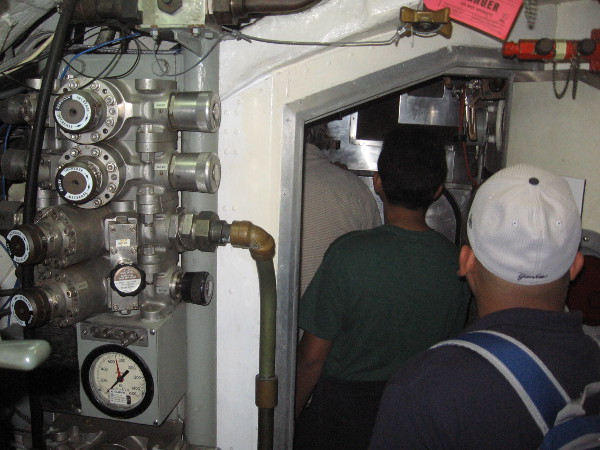
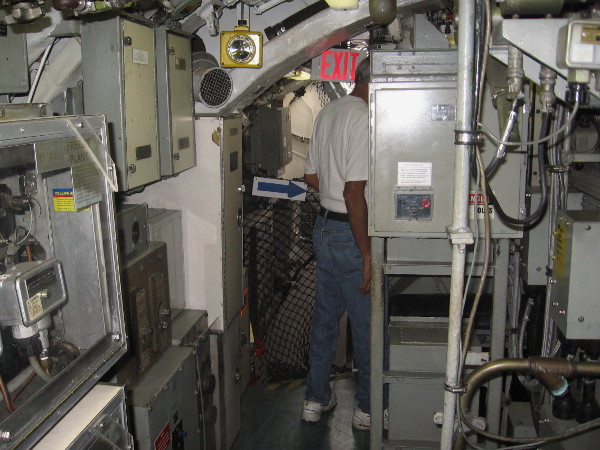
Starting along the very narrow main hallway. This unusual sub contains no compartments. To the left one can see a reverse osmosis water filtration system.Red pyro locker used to safely house signal flares.Those crew bunks on the left don’t look terribly spacious or comfortable.There are more pipes, wires, gauges, valves and gizmos than you can shake a stick at.A group of curious visitors is entering the amazing Control Room, near the center of the USS Dolphin.The periscope works and tourists can view San Diego Bay and downtown buildings with perfect clarity.Folks peer down through floor at Pump Room below the Control Room, where a hero defied death to save his crewmates.
On May 21, 2002, the room below was the center of heroic action to save the submarine and crew. On that day, Dolphin was conducting training exercises about 100 miles off the San Diego coastline when a torpedo shield door gasket failed, and water began to flood the submarine…
Chief Machinist’s Mate (SW) John D. Wise Jr., realizing what needed to be done, dove into the 57 degree water of the flooded pump room…with less than a foot of breathable space…he aligned the seawater valves and then remained in the pump room for more than 90 minutes…
For his courageous efforts, Chief Wise was awarded the Navy and Marine Corps Medal.
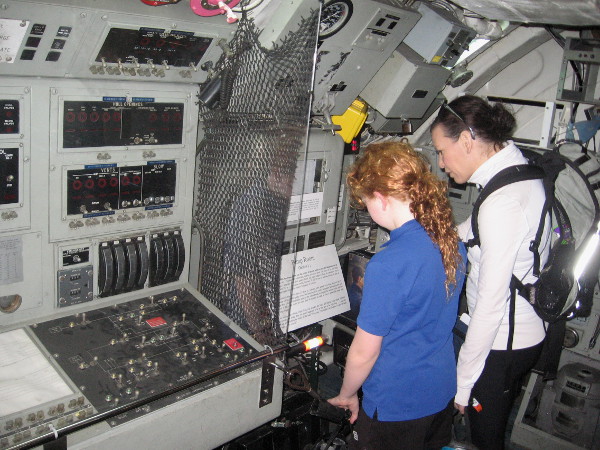
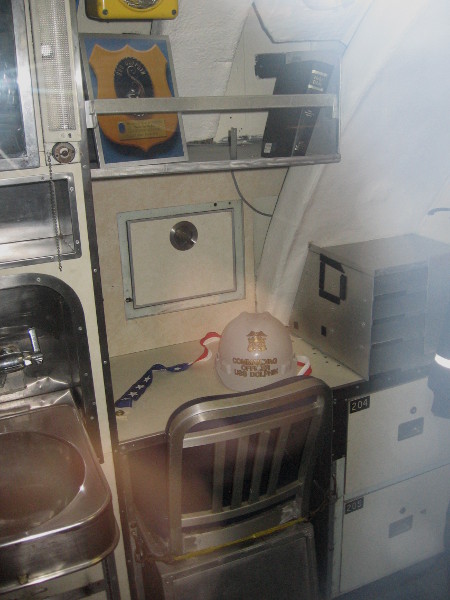
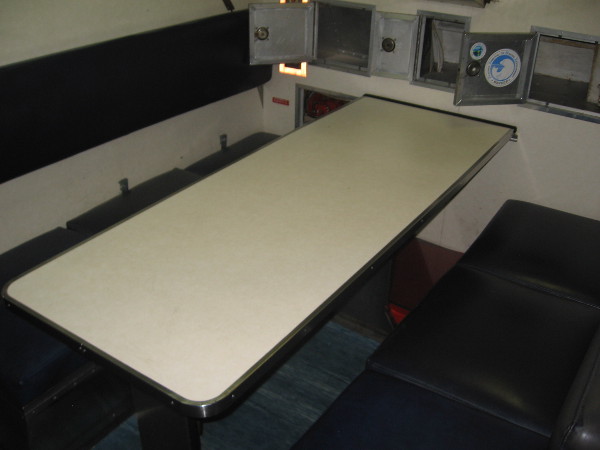
A panel with many complicated switches. In the Control Room, one can monitor the main storage batteries, generators and propulsion system.The wheel used to pilot the Dolphin. One drove using only instruments, including gauges that display rise/dive, ordered depth, system depth, cavitation, turns, dummy log, depth to keel.Photo of tiny Officers’ Quarters was through glass, which produced some glare.This is the first toilet I’ve photographed for my blog. Hopefully the last!Photos on wall of tiny mess area show what life was like aboard Dolphin.This is where food was prepared.This dining table was constantly in use. Not much to see in the way of decor.Continuing down the main hallway toward the rear of the submarine. Don’t ask me what all this stuff is.Apparently this is some sort of freezer.You get an idea of what it’s like to carefully walk through the narrow submarine.High-Pressure Air Compressor Controllers among a jumble of pipes and valves.Up a ladder and back outside into the bright San Diego sunshine!
…
To enjoy future posts, you can “like” Cool San Diego Sights on Facebook, or follow me on Twitter.
Our big blue marble Earth dangles in the sky on San Diego’s Embarcadero for an Earth Day event.
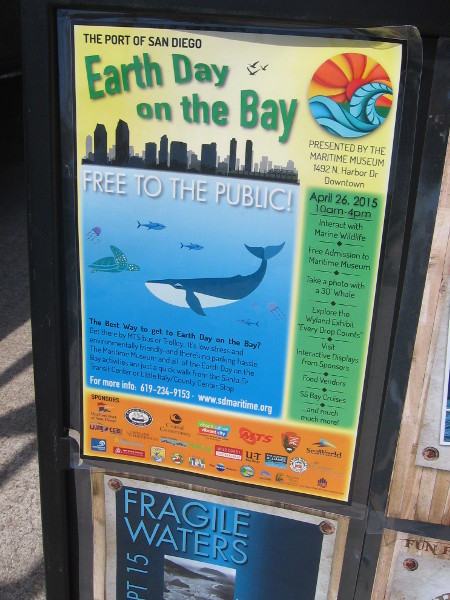
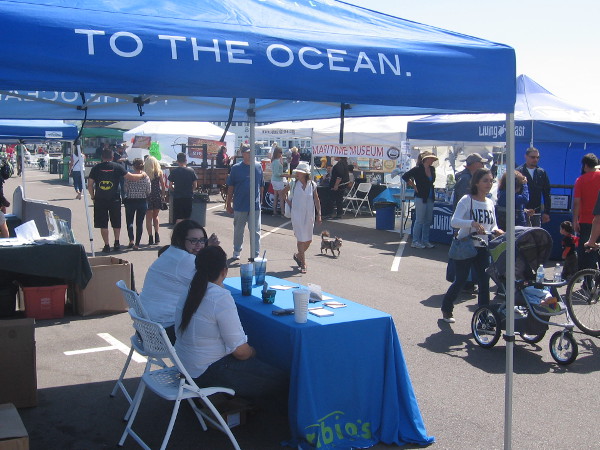
Last weekend Earth Day was observed at the jam-packed EarthFair in Balboa Park. This weekend, the first annual Earth Day on the Bay took place. The event was centered around the Maritime Museum of San Diego, and concentrated on maintaining a healthy coast and ocean. Admission to all the awesome museum ships was free, and being a cheapskate, I decided to walk down to the Embarcadero and enjoy myself!
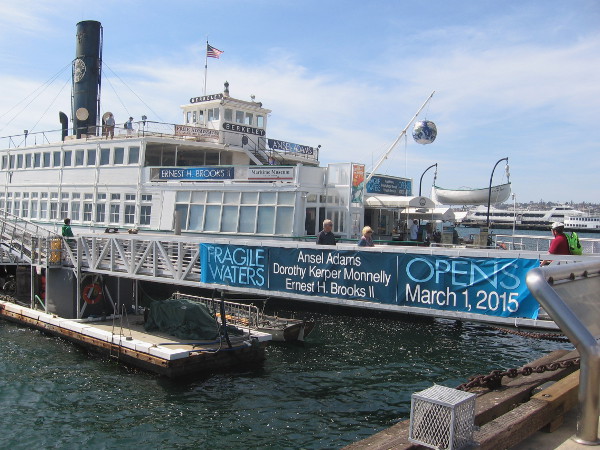
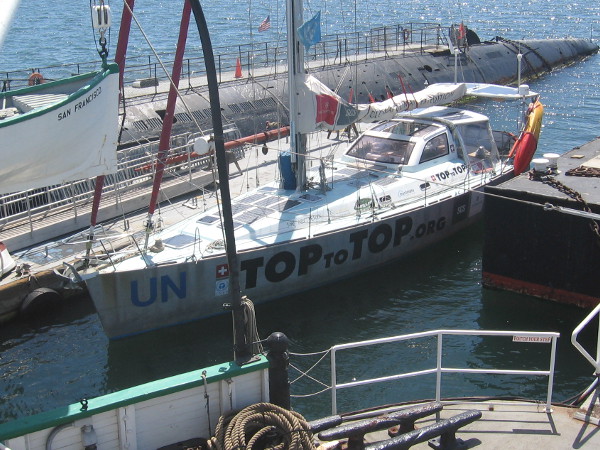
Earth Day on the Bay featured free admission to the Maritime Museum of San Diego plus many organizations with environment-themed exhibits.The historic 1898 steam ferryboat Berkeley, the museum’s hub, is also featuring nature photography by Ansel Adams and others.The TOPtoTOP Global Climate Expedition ship is visiting San Diego at the moment.
As I walked across the deck of the Berkeley, enjoying views of our beautiful big San Diego Bay, I happened to notice an unusual boat docked among the museum’s ships. The hull included the United Nations Environment Programme logo. Apparently, people participating in the TOPtoTOP Global Climate Expedition are visiting San Diego for a couple days. They gave a talk yesterday at the museum about their mission. According to their website, it is to inspire children in classrooms and share examples of nature’s beauty, and foster innovations for a green planet. They believe that great human goals and progress can be achieved in balance with nature.
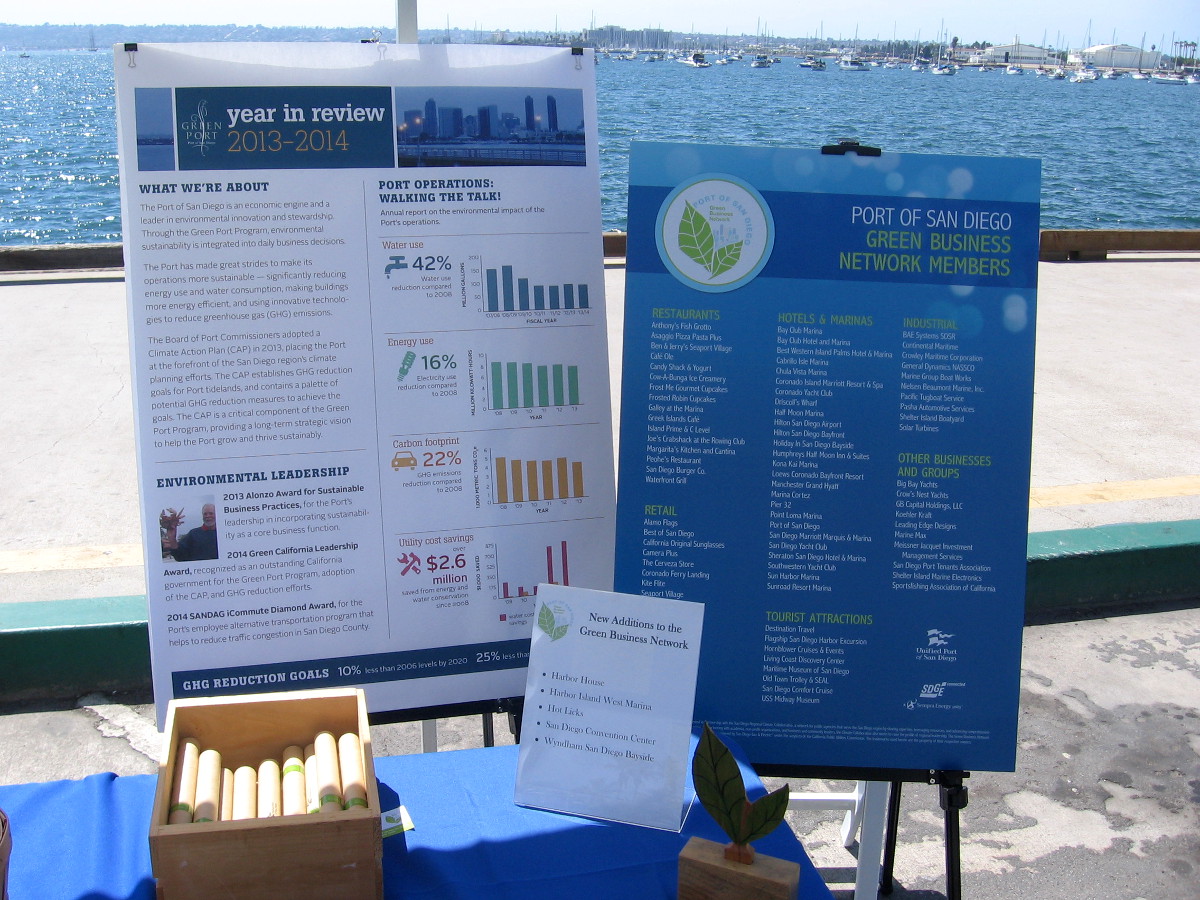
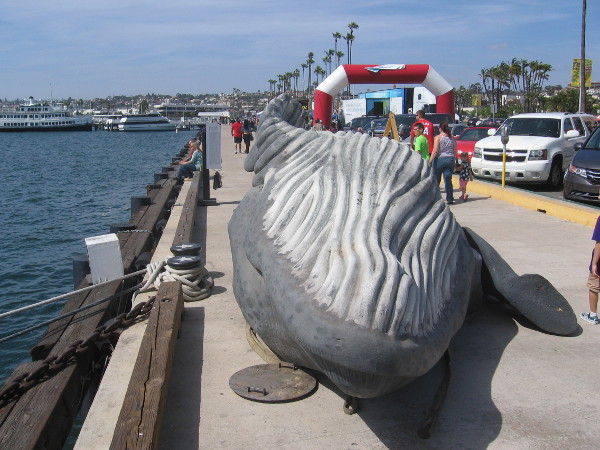
TOPtoTOP, docked among other museum ships, is equipped with many solar panels. It’s sailing around the globe using only human and natural power sources.The various Earth Day exhibitors on the waterfront included the Port of San Diego, with a report on critical conservation and other green projects.The first annual Earth Day on the Bay attracted a modest crowd, but it’s a good start!This big inflatable whale allowed humans to grasp the scale of the marine mammal.I enjoyed a harbor tour on a very unique Maritime Museum boat, which I’ll blog about shortly!
I got two cool blog posts coming up! I had a couple of fun adventures today! Plus I still have lots of photos from my extensive Saturday walk around Liberty Station. I’d better get busy!
…
To enjoy future posts, you can “like” Cool San Diego Sights on Facebook or follow me on Twitter.
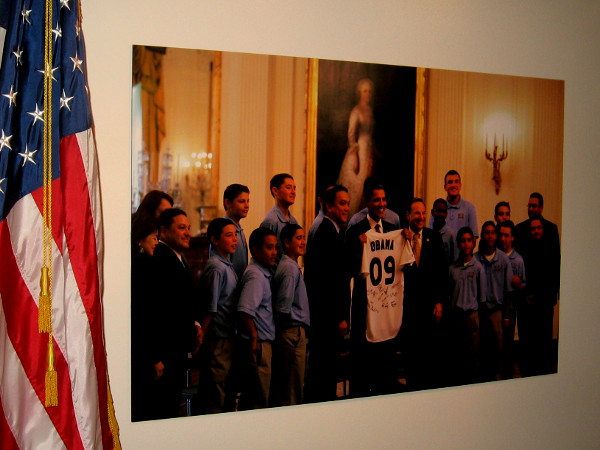
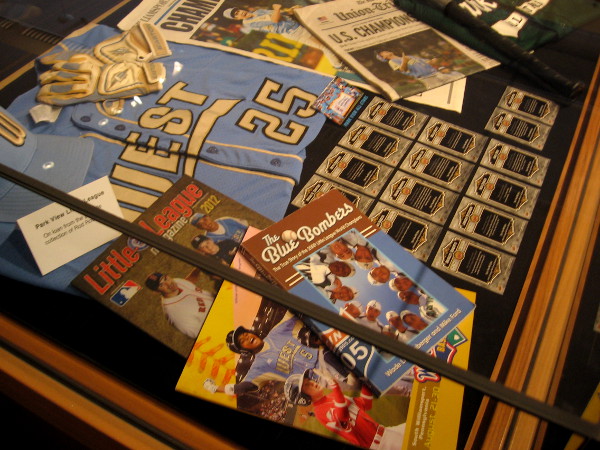
From the South Bay to the World Series, a very special exhibit at the New Americans Museum.
It’s been over five years already? Time flies!
I can still remember the excitement throughout San Diego as a bunch of local kids stole our hearts and battled their way to become Little League World Series Champions in 2009!
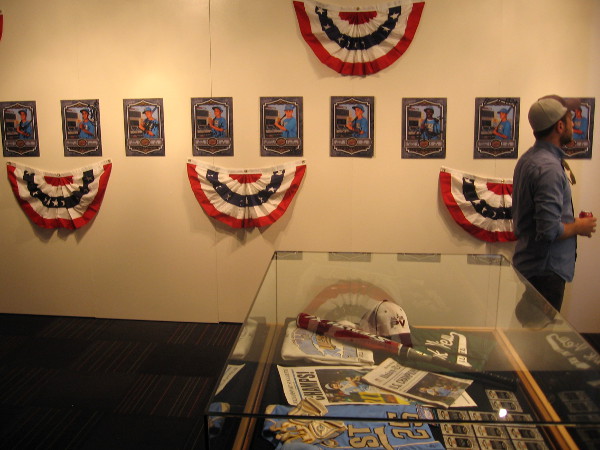
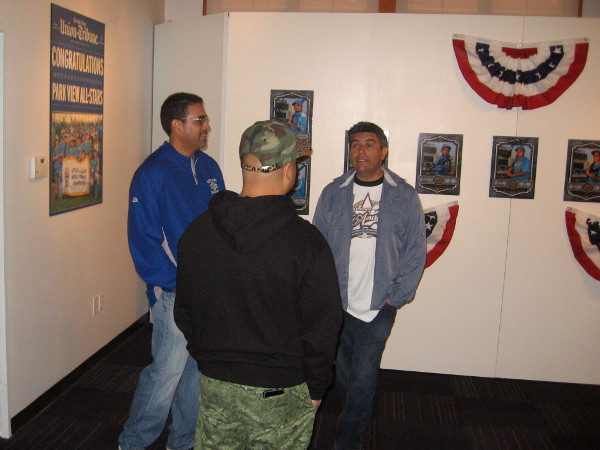
During my visit to the New Americans Museum today, I checked out a special exhibit which relives and commemorates the historic victory. The Park View team, based in Chula Vista, California (in San Diego’s South Bay not far from the Mexican border), scored a dramatic, storybook 6-3 come-from-behind victory over Chinese Taipei.
Super cool!
San Diegans rooted for our local kids as they battled the world’s best baseball teams.Photo shows President Obama honoring the 2009 Little League World Series champs.Memorabilia on display in San Diego museum recalls the historic victory of young Park View baseball players.Park View Little League 2009 coach Ric Ramirez talks with visitors at New Americans Museum exhibit.Kids from San Diego’s proud Chula Vista community won the 2009 Little League World Series in Williamsport, Pennsylvania.
…
To enjoy future posts, you can “like” Cool San Diego Sights on Facebook or follow me on Twitter.
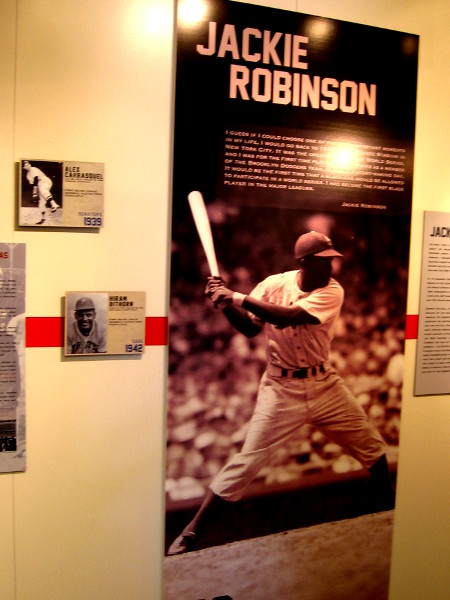
The New Americans Museum at NTC Liberty Station opens an important exhibit titled Becoming All-American: Diversity, Inclusion, and Breaking Barriers in Major League Baseball.
Today I experienced something undeniably cool. The New Americans Museum, located at NTC Liberty Station, held Becoming All-American Family Day. The fun event celebrated the opening of the museum’s new exhibit, Becoming All-American: Diversity, Inclusion & Breaking Barriers in Major League Baseball.
In keeping with the small museum’s American immigration and diversity theme, this inspiring exhibit showcases Major League Baseball players who broke through racial barriers during the long history of the quintessentially American sport.
If you live in San Diego and you’re a fan of history or baseball, make sure to check it out! You might also visit the many other interesting museums nearby! Liberty Station, the redeveloped site of the old Naval Training Center, is brimming with flowers, sunshine, fountains, shops, culture and history.
Becoming All-American: Diversity, Inclusion, and Breaking Barriers in Major League Baseball runs April 24 to July 5.
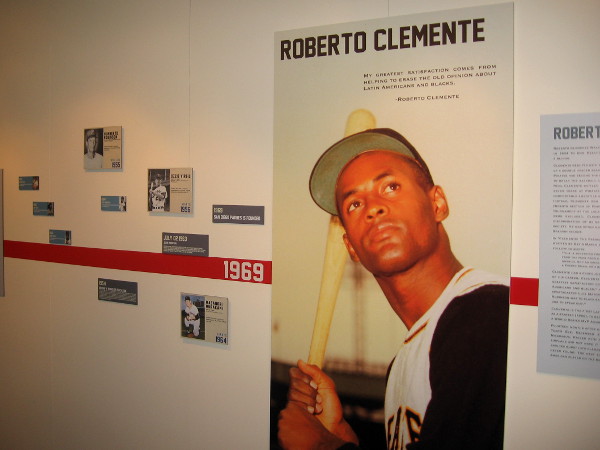
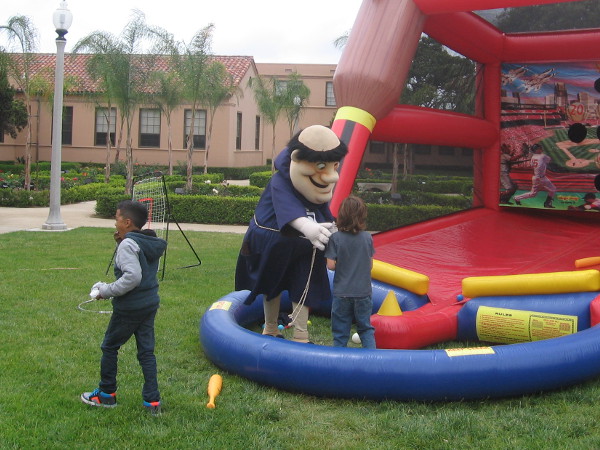
The New Americans Museum is located at the beautifully redeveloped old Naval Training Center in Point Loma.Becoming All-American Family Day was held to celebrate a fascinating new exhibit.Cool displays in a unique immigrant-themed museum showcase diverse players through the history of professional American baseball.Colorful painting of Gene Locklear, Native American of Lumbee Tribe of North Carolina. He played for several teams, including the San Diego Padres.A quote from Gene Locklear. “Education, that’s the only way it’s going to change…”Black, white…and shades of gray. In American society, Jews, Irish, Latinos and Asians were sometimes considered white…and sometimes not.Museum display honors the legacy of Roberto Clemente with his quote. “My greatest satisfaction comes from helping to erase the old opinion about Latin Americans and Blacks.”Timeline on wall shows notable baseball players through history, eventually shattering racial stereotypes and barriers.Harry Kingman in 1914, the only Major League player to have been born in China.Putting on a baseball uniform was like wearing the American flag. Japanese baseball player and manager Kenichi Zenimura, placed in internment camp during WWII, organized a league.Museum visitor reads display about Ted Williams, American baseball legend who grew up in San Diego. He had Welsh, Irish, Mexican, Basque, Russian and Native American roots!Padres baseball mascot the Swinging Friar plays with kids at the batting inflatable outside during the museum’s family event.The wisdom of courageous hero Jackie Robinson. “A life is not important except in the impact it has on other lives.”
…
To enjoy future posts, you can “like” Cool San Diego Sights on Facebook or follow me on Twitter.
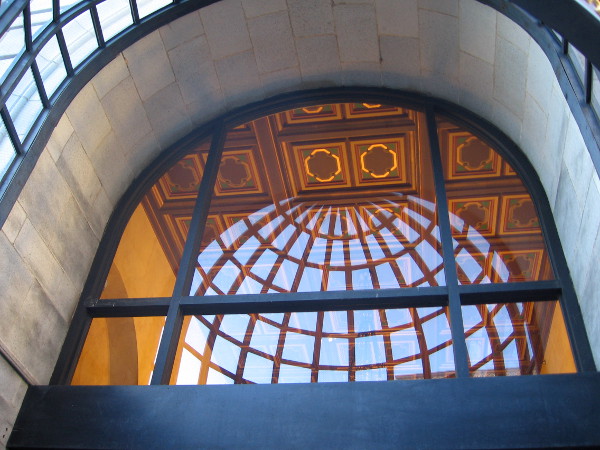
Looking up through the elegant building entrance at the lobby’s ceiling.
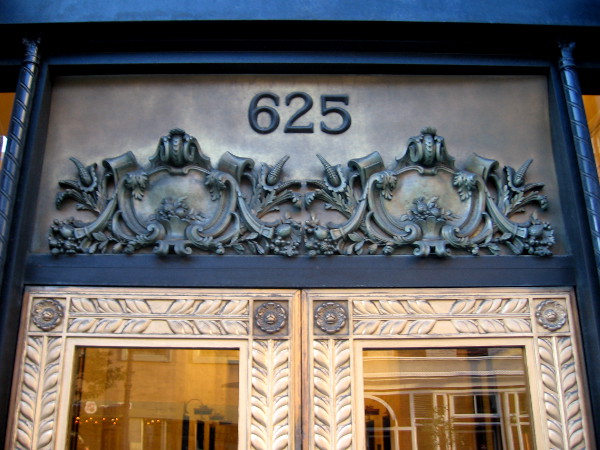
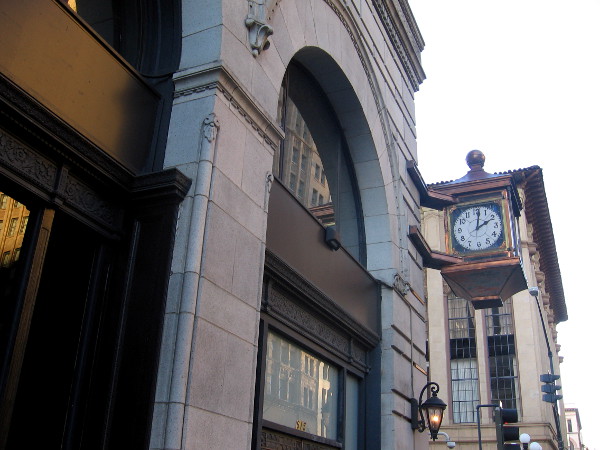
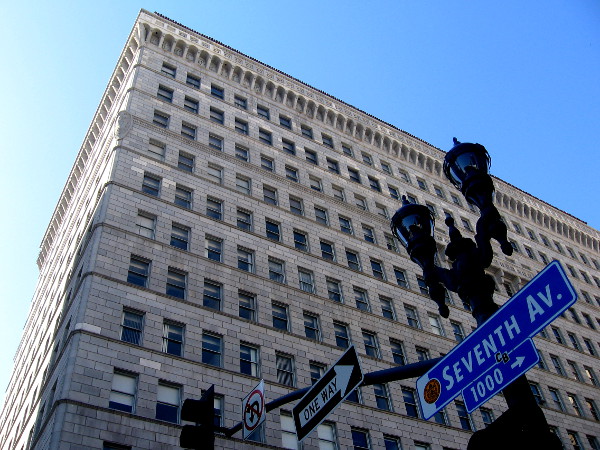
The John D. Spreckels Building (not to be confused with the Spreckels Theater Building also located on Broadway) is a cool sight that is definitely worth a few photographs. When it was completed in 1924, the stately 14-story building was the tallest in San Diego. Today, according to an article I read, there are plans to convert it into apartments.
Built by sugar heir, entrepreneur and philanthropist John D. Spreckels, the historic building is one of only a few old high-rises that grace San Diego. The building isn’t terribly distinctive or flashy, but it certainly is monumental. Simple lines give it a feeling of grandeur and permanence. The small entrance, to my eye, is uncommonly elegant.
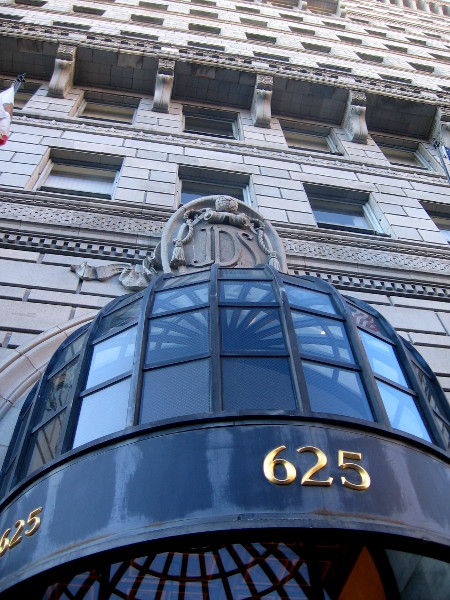
Front of the John D. Spreckels Building as seen from across Broadway.Pointing my camera upward for a cool photo.Beautiful ornamental artwork at the door of 625 Broadway in San Diego.Elegant old clock mounted on corner of the John D. Spreckels Building.This classy historic high-rise adds unique flavor to a shiny modern city.
…
To enjoy future posts, you can “like” Cool San Diego Sights on Facebook or follow me on Twitter.
The roots were almost completely torn out of the ground, but the stubborn tree in spring has green leaves!
Perhaps you read my blog post about the violent microburst that tore through San Diego’s Mission Valley on September 16, 2014. Along with photos of the aftermath, I described the tornado-like winds of the freak weather phenomenon.
A microburst is a localized downdraft of wind that can occur under unstable weather conditions. Several areas around San Diego were struck by a microburst that day, and the resulting damage was stunning. Small airplanes at an airport were tossed through the air. Along the banks of the San Diego River, hundreds of trees were torn to shreds and uprooted.
This morning, 7 months later, I walked along the river path where I had scrambled over thickly fallen trees right after the natural disaster.
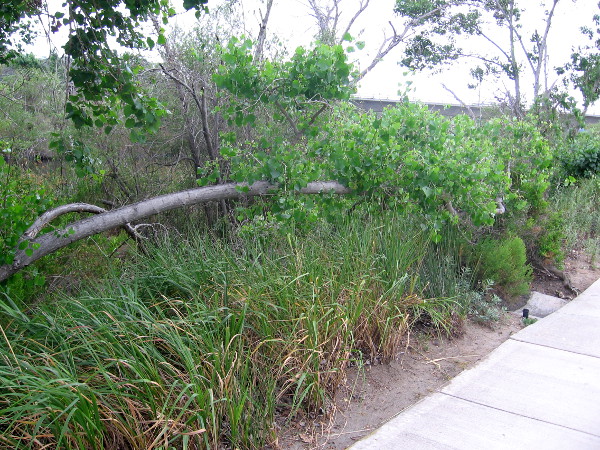
Many of the uprooted trees were removed by crews with chainsaws in the days that followed the microburst. But some were not. Check out a few pics from my walk this spring morning! Like the famous quote from the movie Jurassic Park, life finds a way!
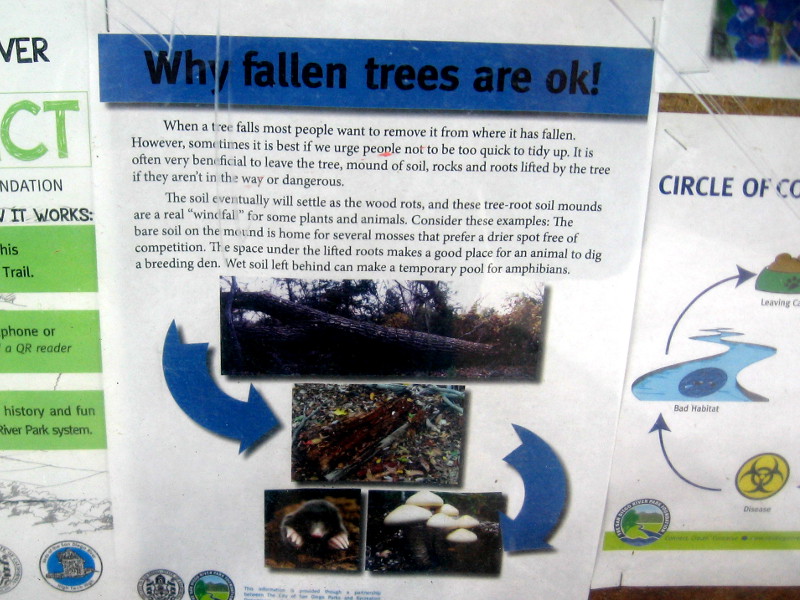
One of hundreds of trees that were uprooted during the super violent microburst last September. Amazingly, this one still flourishes!This fallen tree is now growing horizontally like a hedge along a Mission Valley sidewalk!Sign beside the San Diego River Trail. Why fallen trees are okay! There are important benefits to the soil, flora and fauna.
The sign reads:
When a tree falls most people want to remove it from where it has fallen. However, sometimes it is best if we urge people not to be too quick to tidy up. It is often very beneficial to leave the tree, mound of soil, rocks and roots lifted by the tree if they aren’t in the way or dangerous.
The soil eventually will settle as the wood rots, and these tree-root soil mounds are the real “windfall” for some plants and animals. Consider these examples: The bare soil on the mound is home for several mosses that prefer a drier spot free of competition. The space under the lifted roots makes a good place for an animal to dig a breeding den. Wet soil left behind can make a temporary pool for amphibians.
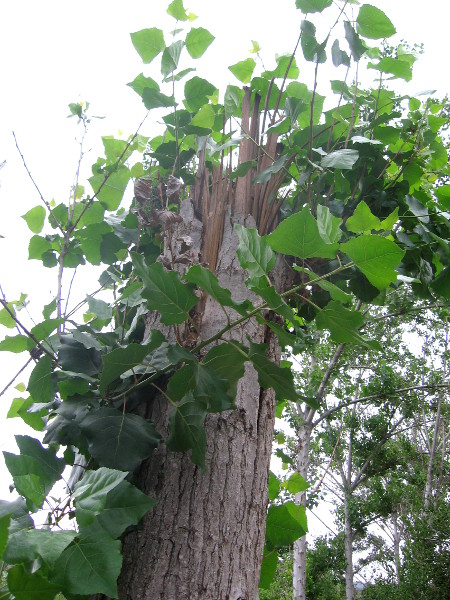
Green shoots look unusual on this violently torn tree trunk. I believe this is a Fremont Cottonwood.Life springs forth from a broken stump months after a devastating natural disaster.
…
To enjoy future posts, you can “like” Cool San Diego Sights on Facebook or follow me on Twitter.
Got extra fruit? Got time? Help fight hunger and have a load of fun, too!
Do you love to be out in the San Diego sunshine, among friendly people and fragrant fruit trees? Do you hate to see delicious, nutritious fruit just lying there on the ground, beginning to rot? Do you, perhaps, own fruit trees in your backyard and struggle to give the abundant harvest away? Would you like to help some hungry people?
If you’re looking for a fun opportunity to volunteer and make a positive change in the lives of San Diegans, read on! Some fantastic ladies whom I met at EarthFair need your help! They’re the Glean Queens!
These three ladies are making the world a better place. Join them!
The Glean Queens have undertaken a very important project. It’s called CropSwap. The perfectly named CropSwap (part of their organization ProduceGood) solves a huge problem. The problem of tragically wasted food–locally grown fruit, to be exact.
Sunny Southern California is thick with citrus and other fruit trees. Many residents have them on their property. Many of the established trees provide more fruit than a family can possibly use. Why should the excess become useless garbage?
Help save valuable, nutritious oranges, lemons, limes, avocados, tangerines…you name it!
According to the USDA, a whopping 40% of crops go to waste. And here’s another shocking statistic: 20% of San Diegans have difficulty getting enough food to eat.
CropSwap coordinates fruit tree owners and volunteer pickers, and arranges the collection of excess fruit that would otherwise be wasted. The fruit is then delivered to San Diego food banks. An excellent (and common sense) idea!
So all you fruit tree owners and future volunteer pickers in and around San Diego! Click here to visit the ProduceGood website and learn how you can personally help, in a very tangible and rewarding way, to fight hunger!
You can easily make a positive difference in San Diego!
Spread the word!
…
To enjoy future posts, you can “like” Cool San Diego Sights on Facebook or follow me on Twitter.















































 Cool San Diego Sights!