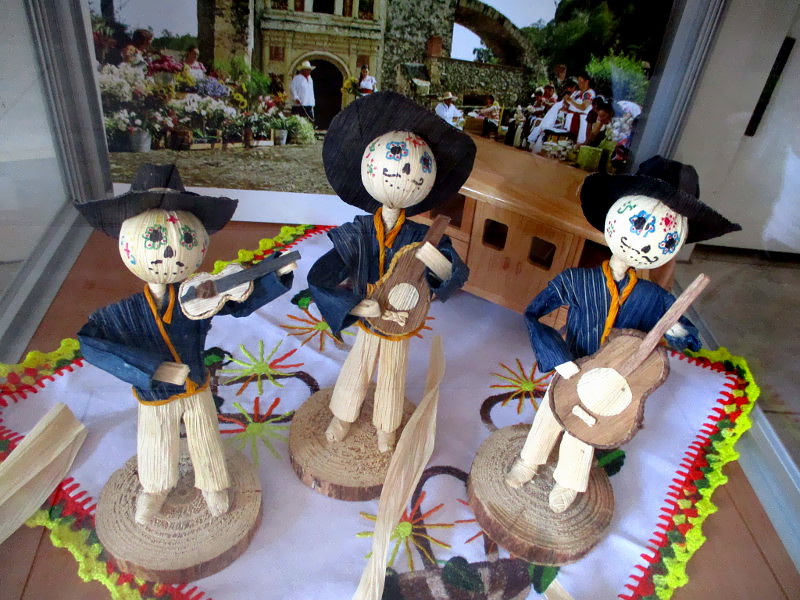
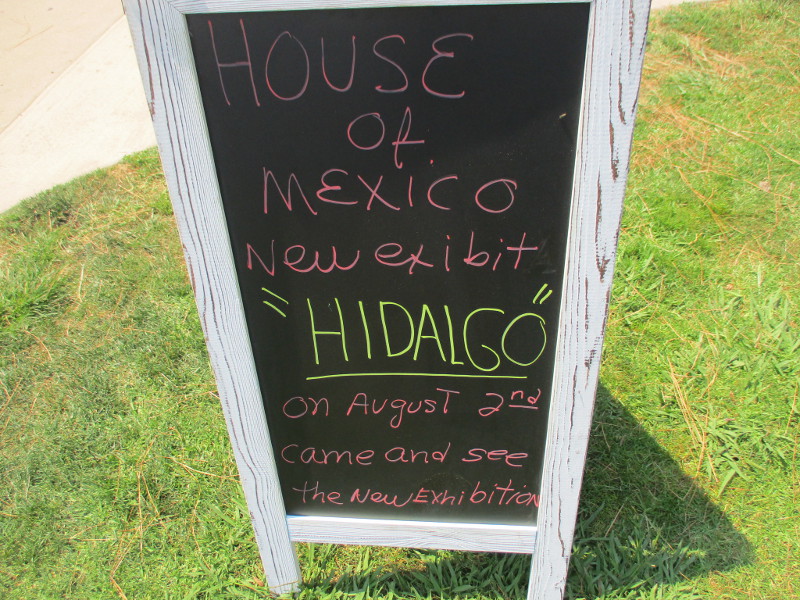
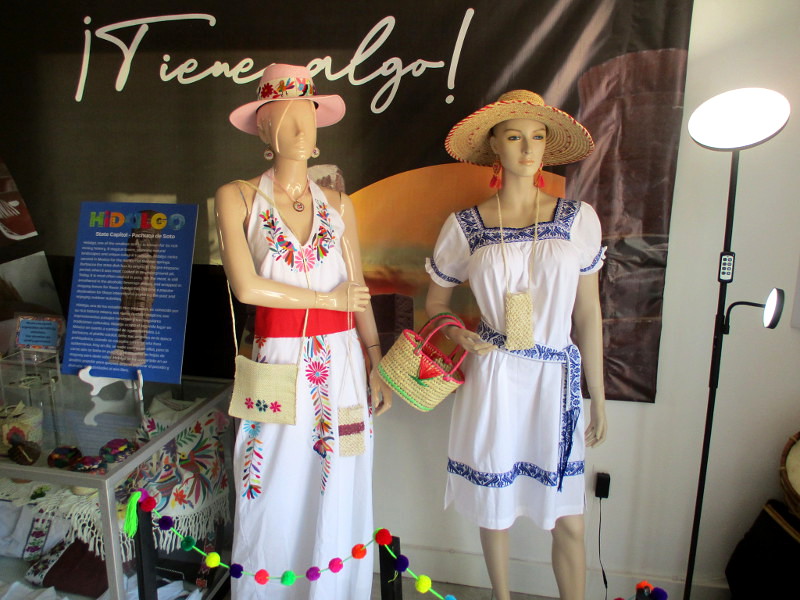
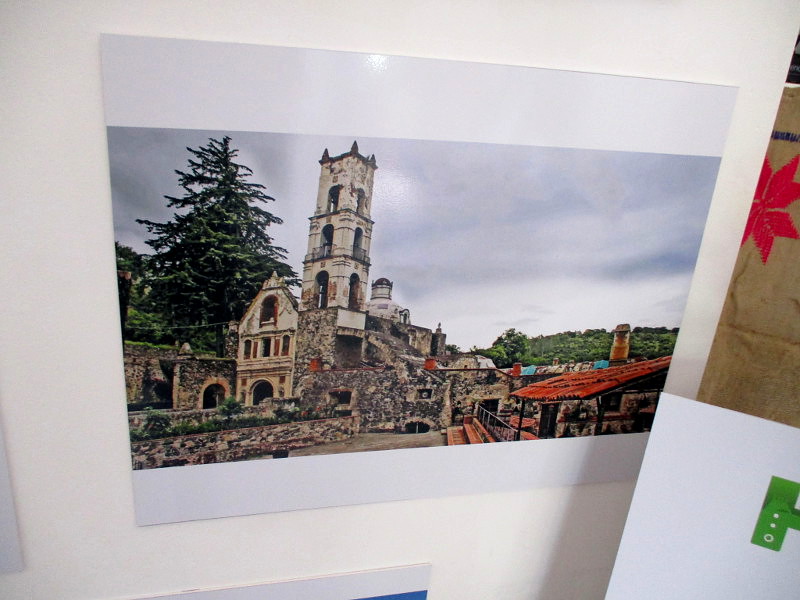
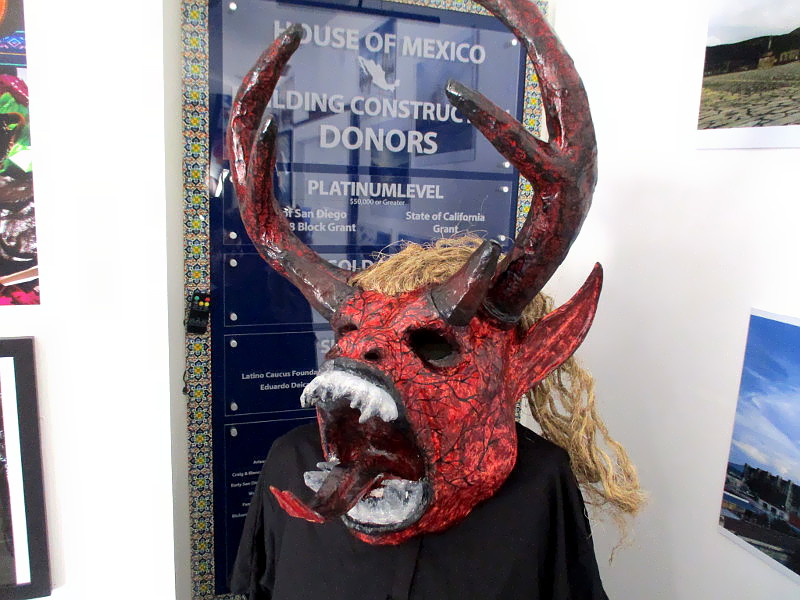
A new exhibit opened yesterday at the House of Mexico cottage in San Diego’s Balboa Park. The history and culture of the Mexican state of Hidalgo is celebrated with displays of art, crafts, dolls, fashion, photographs and more!
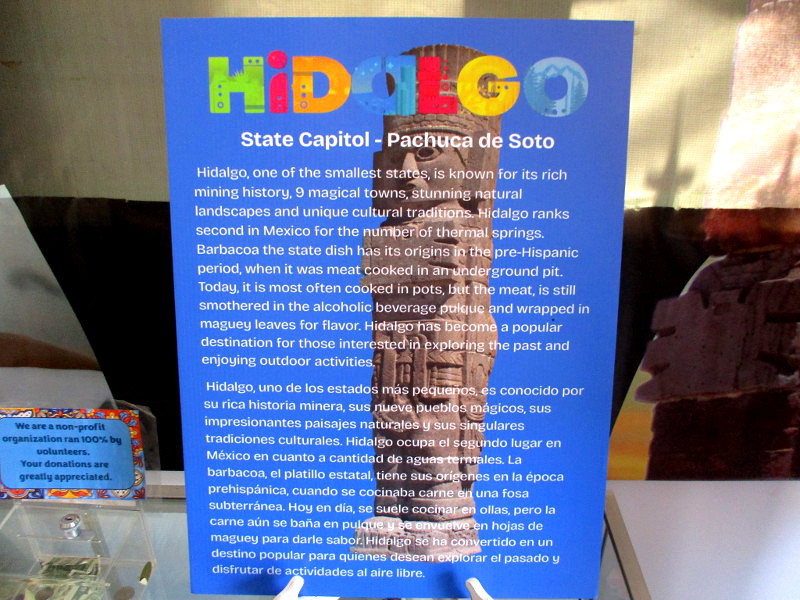
Hidalgo is a small state in central Mexico, located directly north of Mexico City. It is known for its mining history. Hidalgo has its own unique attractions, including local traditions, picturesque towns and architecture, thermal springs, and beautiful natural landscapes. The objects on display inside the House of Mexico’s cottage help to show why Hidalgo is a popular tourist destination.
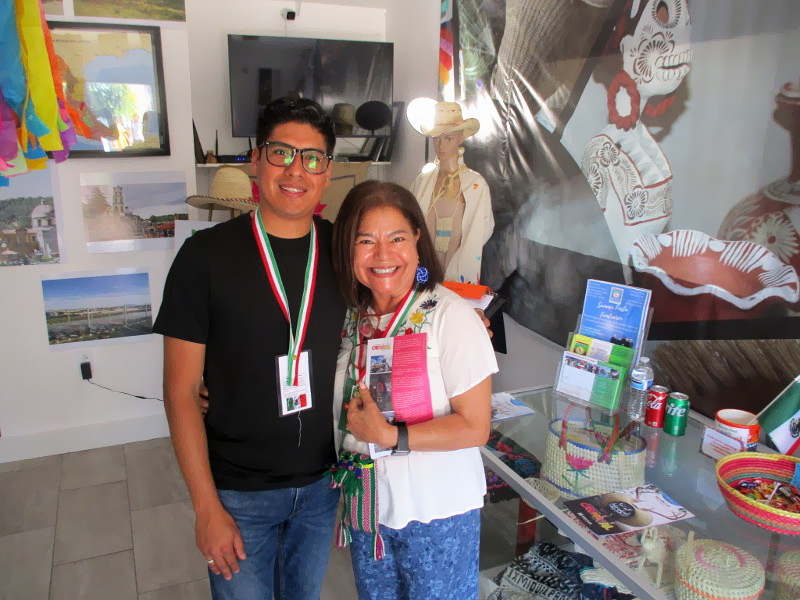
Friendly members of the House of Mexico welcomed me to their cottage and happily explained what I was seeing. But you must see all the color yourself! Just head over to Balboa Park’s always fascinating International Cottages.
I was told the House of Mexico welcomes new members. Anyone can join. Even I was invited! You can visit their website here.
…
I post new blogs pretty often. If you like discovering new things, bookmark coolsandiegosights.com and swing on by occasionally!
I live in downtown San Diego and love to walk around with my camera! You can follow Cool San Diego Sights via Facebook or X.
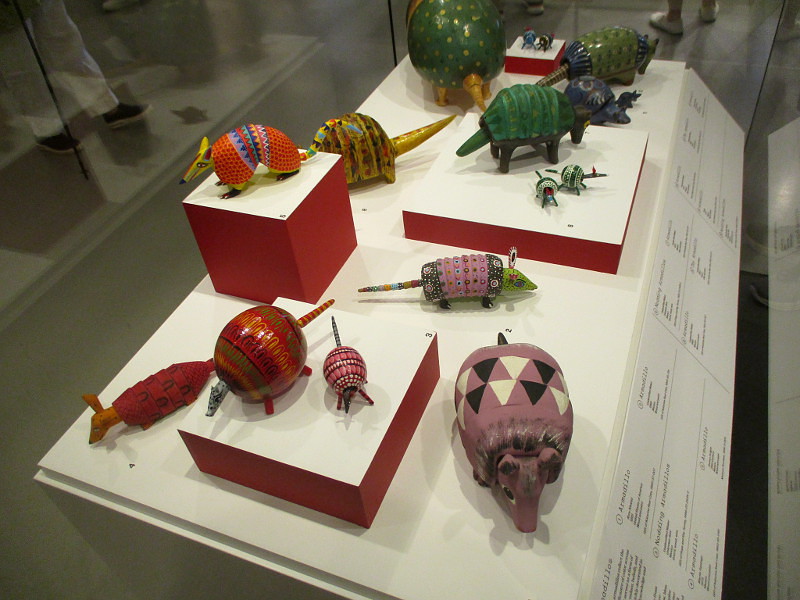
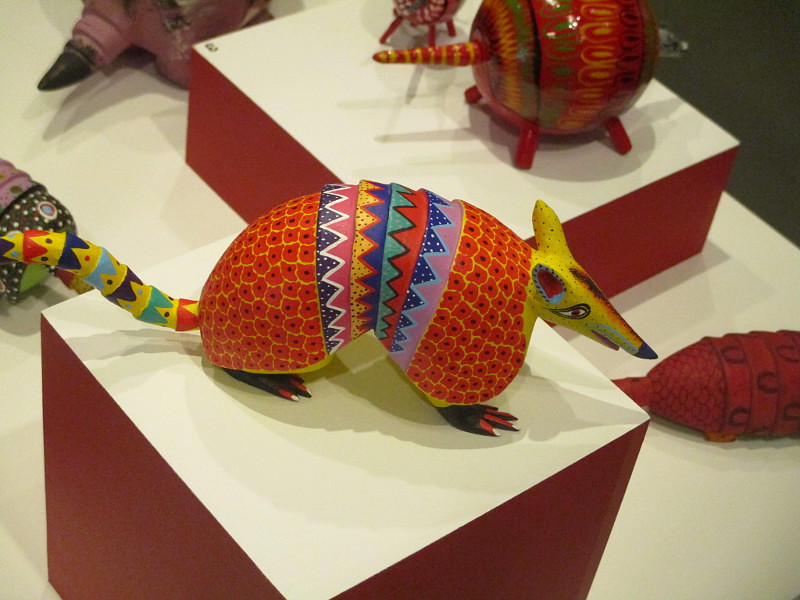
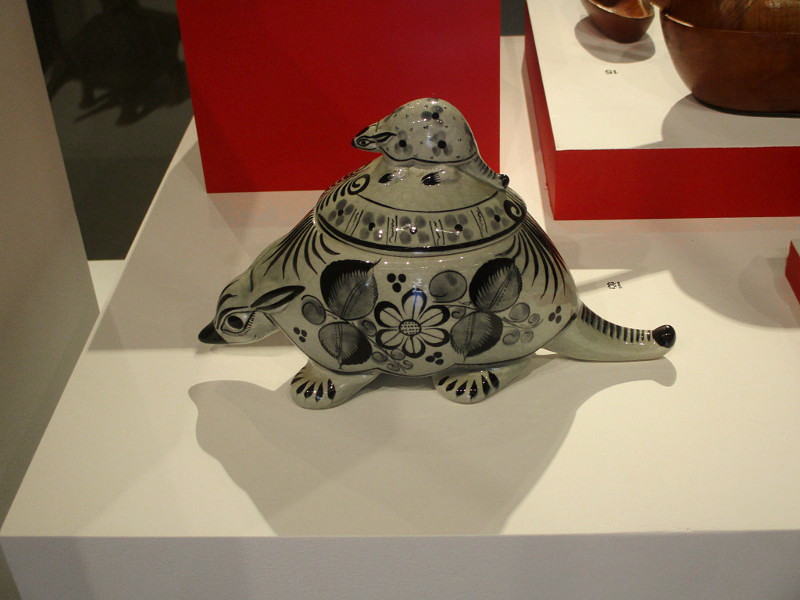
Dozens of crafty armadillos have rolled into San Diego. I observed them today in Balboa Park, inside the Mingei International Museum!
The roll of armadillos (that’s what a group of armadillos is called) is hanging out inside several glass display cases on the ground floor of the museum. Tuck and Roll: The Art of Armadillos is the name of the free exhibition.
The exhibition includes folk art armadillos crafted from wood, clay, glass, metal, stone, fiber and various natural materials such at shells, gourds and coconuts. There are bowl armadillos, toy armadillos, ashtray armadillos, pipe armadillos, jar armadillos, coin bank armadillos, toothpick holder armadillos…
These crafty armadillos were made primarily in Central and South America, and Mexico, where the roly-poly animals are found in the wild. Many of the objects were created by indigenous peoples following centuries-old traditions.
I took a few photos, but if you plan to visit Balboa Park, step through the Mingei International Museum’s door and encounter these fun armadillos yourself!
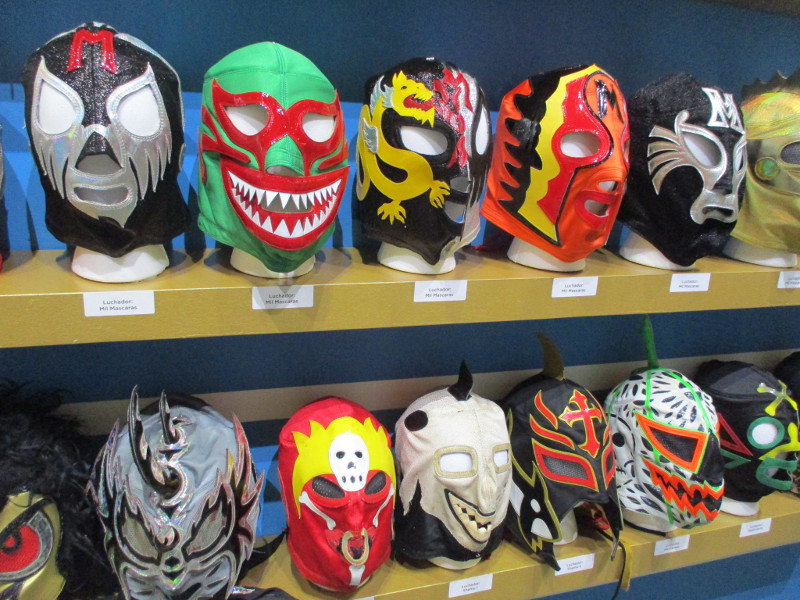
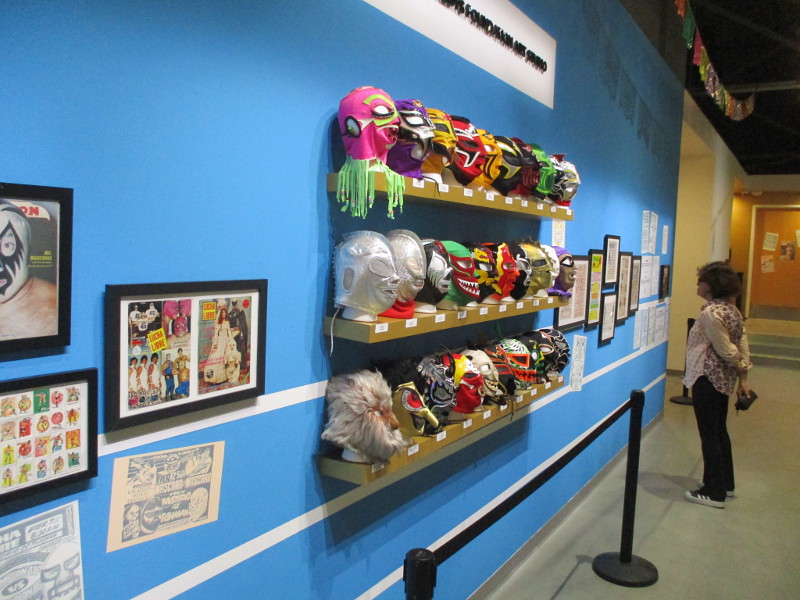
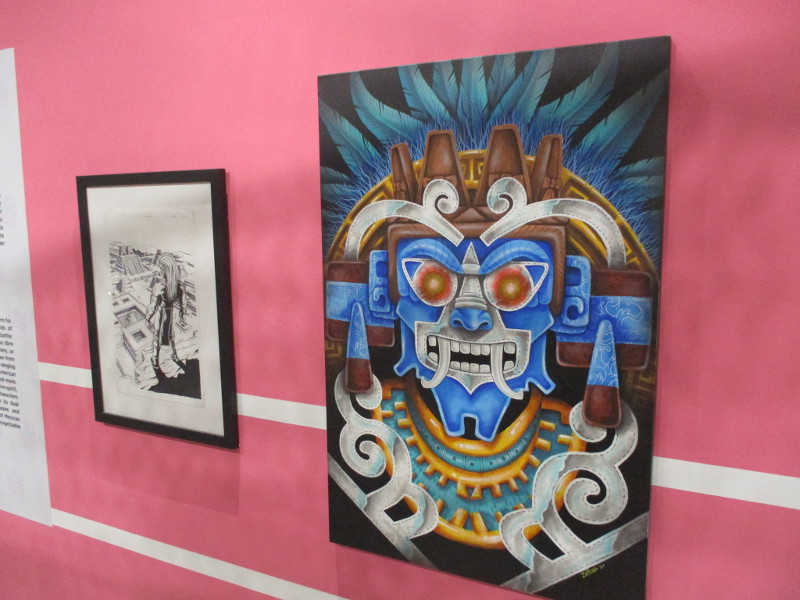
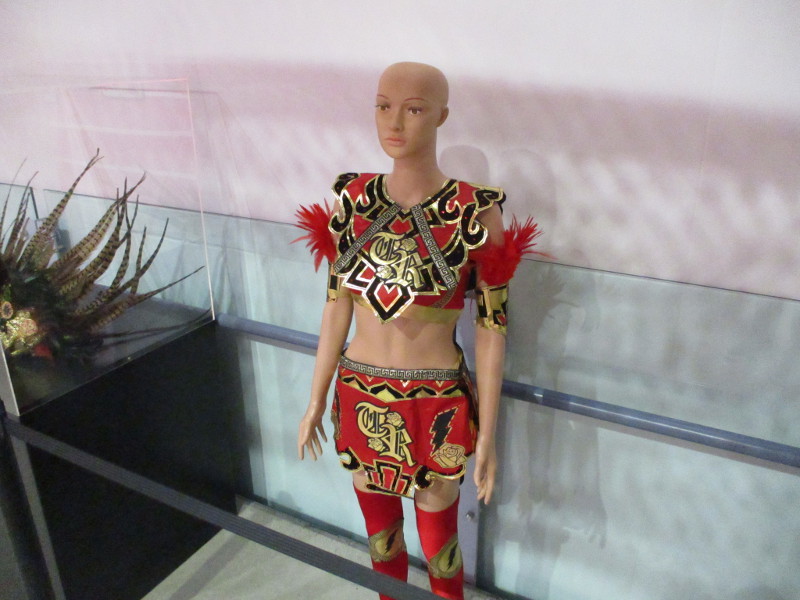
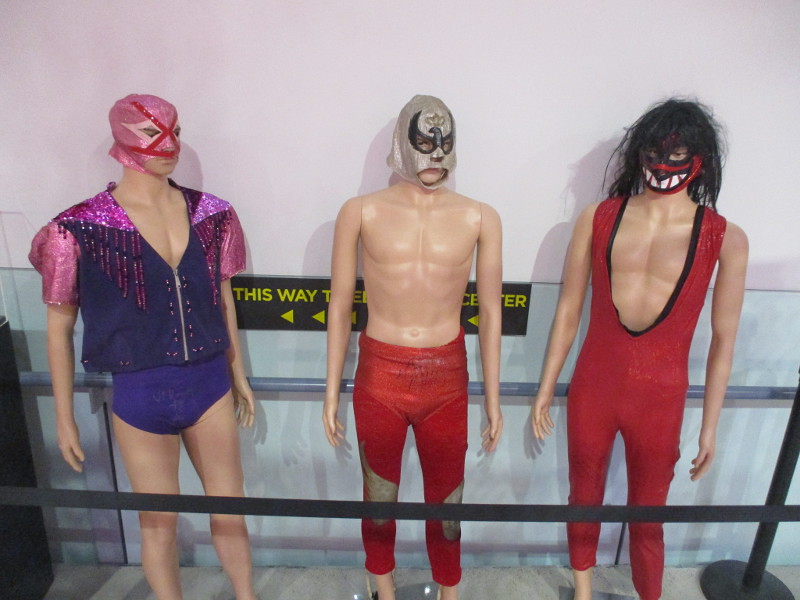
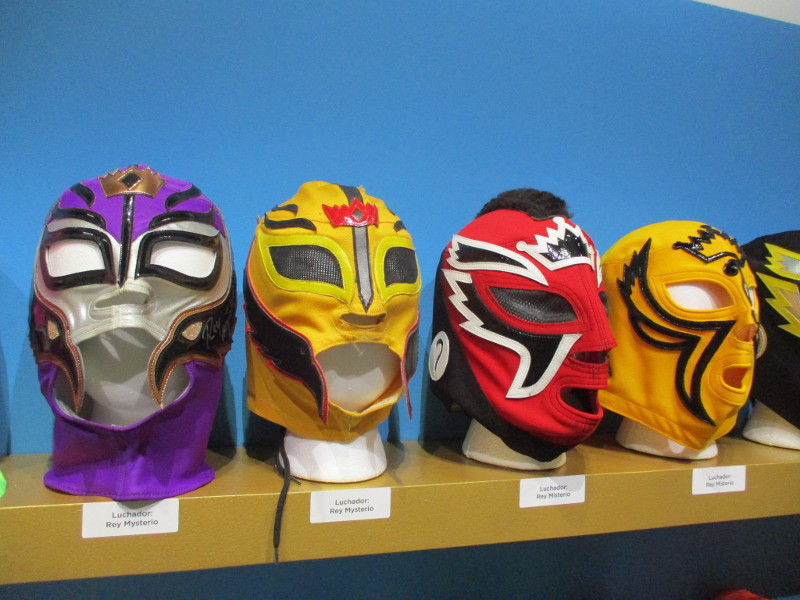
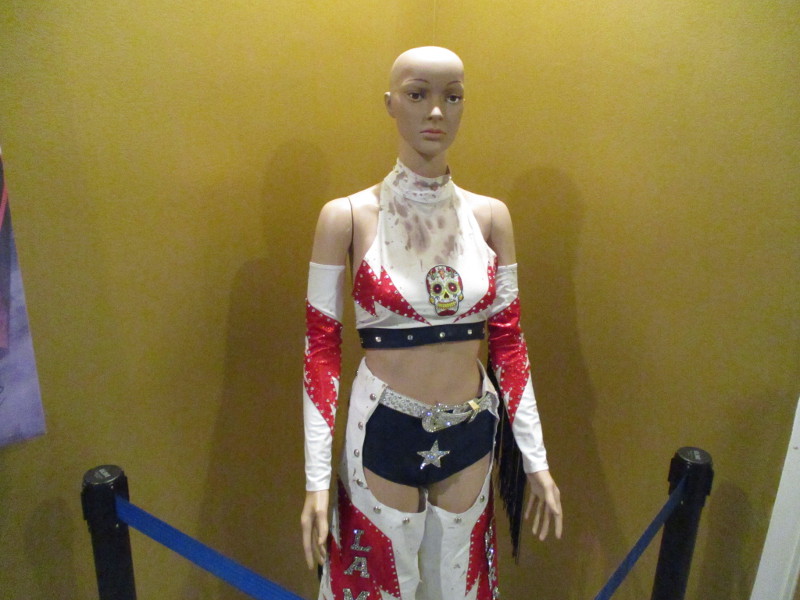
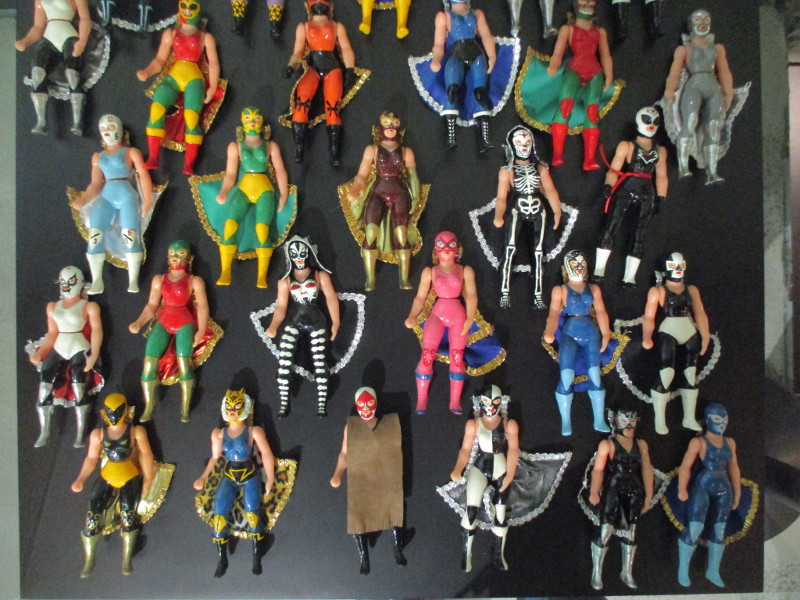
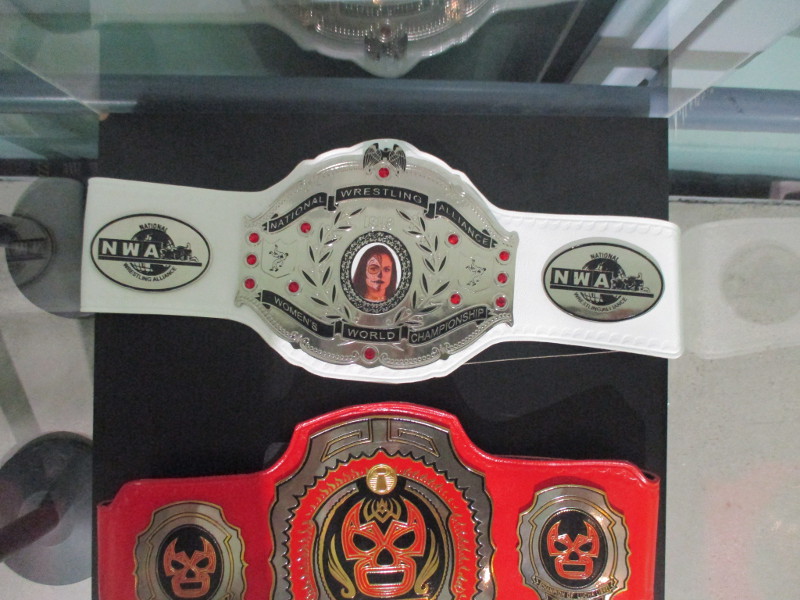
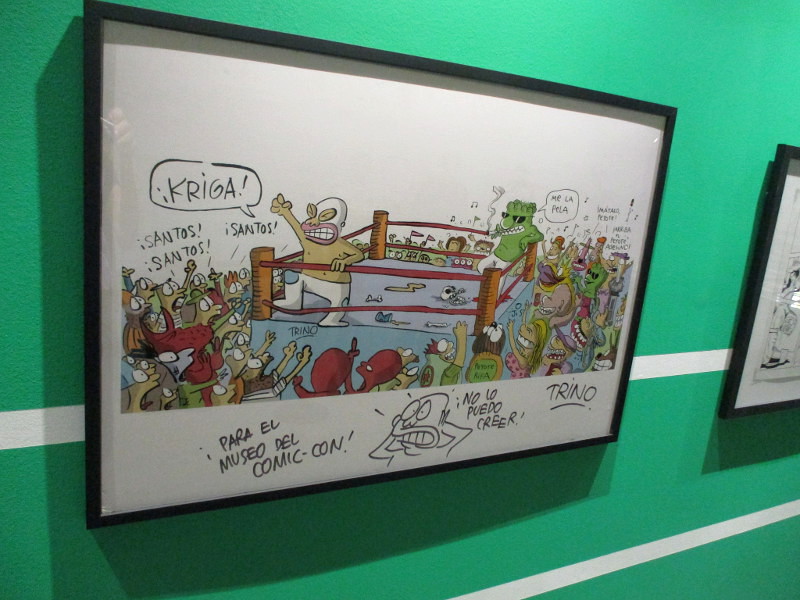
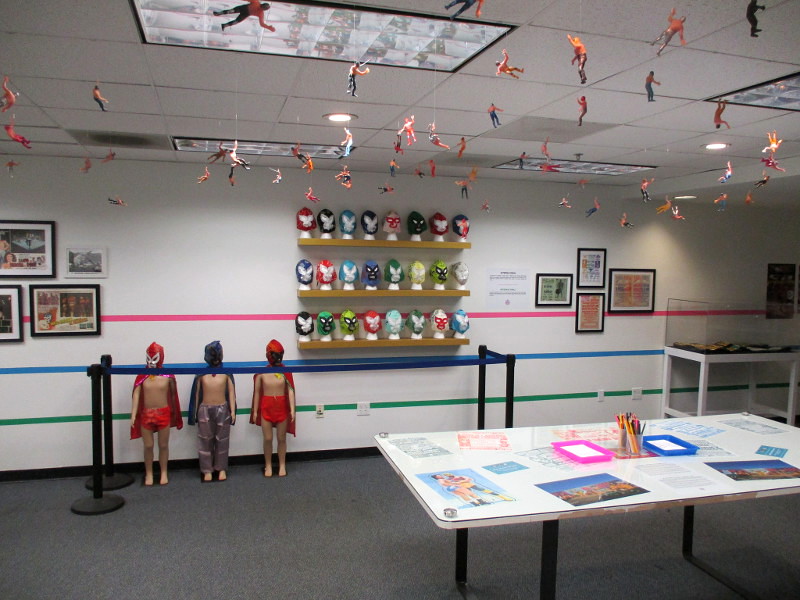
Young and old, lucha libre fans and those who are merely curious–all will enjoy seeing actual masks and costumes worn by wrestling stars, not to mention artwork, posters, comic books, championship belts, collectibles and more.
Fans of Chula Vista’s own legendary Rey Mysterio, popular favorite and many-time international champion who continues to work for WWE, will love seeing how he is generously represented in the exhibit, too!
I was fortunate to get a sneak preview this morning. The exhibition is substantial, taking up the entire second level of the Comic-Con Museum. It has been assembled with the help of Museo de Lucha Libre Tijuana Mexicana.
Topics explored in the exhibition include lucha libre’s origin in Mexico; its impact on the popular culture through many generations; its mythic qualities; the varieties of male luchador and female luchadora characters; luchadora pioneers and their ongoing struggle for recognition and equality; how lucha libre has become increasingly influencial around the world . . .
Yes, anything and everything concerning lucha libre is celebrated!
In essence, lucha libre performers are living, breathing superheroes (or villains). Certain legendary luchadores are revered by millions of fans throughout Mexico. How formidable are these masked wrestlers? Movie posters have them battling gangsters and even vampires!
Lots of fun! Bring the kids!
…
I post new blogs pretty often. If you like discovering new things, bookmark coolsandiegosights.com and swing on by occasionally!
I live in downtown San Diego and love to walk around with my camera! You can follow Cool San Diego Sights via Facebook or X.
The Comic-Con Museum will be opening an exhibit celebrating Mexican lucha libre wrestling on May 22, 2025. The exhibition is titled Sangre, Sudor y Mito and will feature masks and costumes worn by legendary luchadores, collectibles, original art, video and much more.
To kick things off, Lucha Fest is being held in San Diego at the Soap Factory this afternoon.
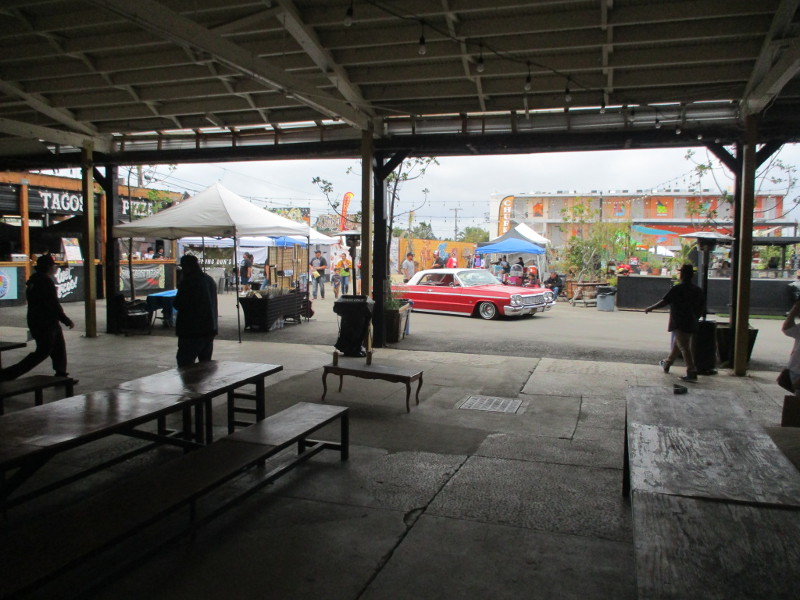
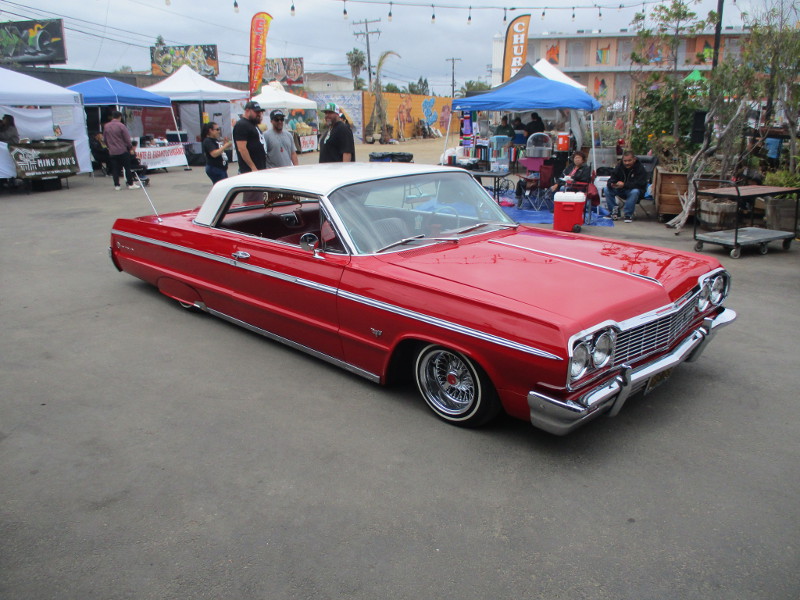
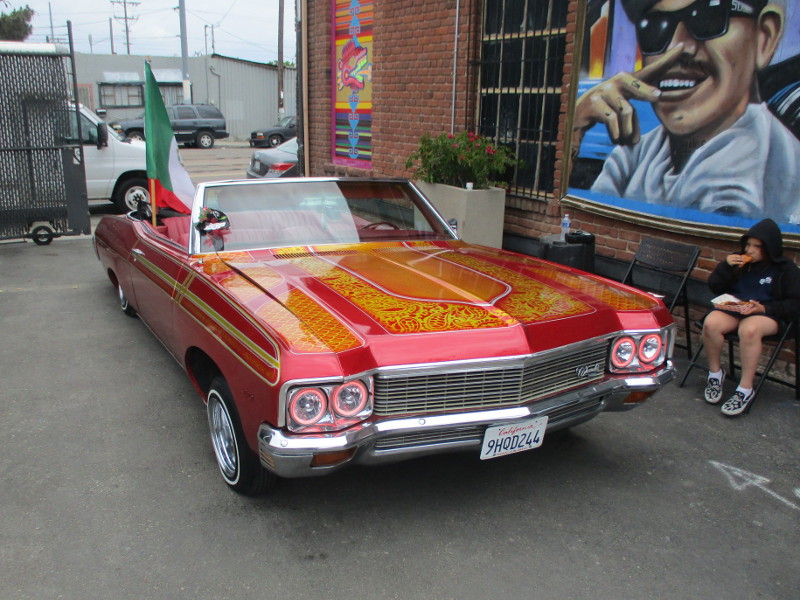
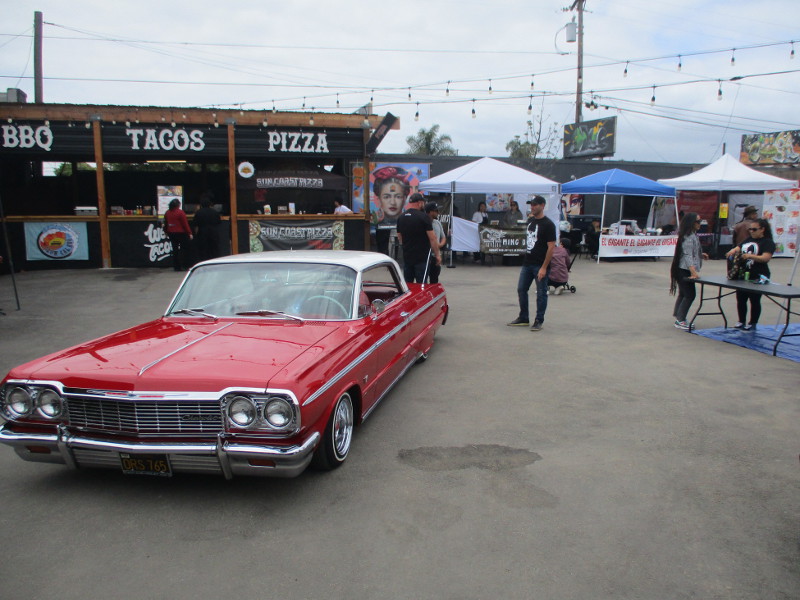
The free, family-friendly event features food, music, art, lowriders and live lucha libre wrestling! Lucha Fest is supported by the Comic-Con Museum, Museo de Lucha Libre Tijuana Mexicana, and the Office of the Consulate General of Mexico in San Diego.
I arrived as it opened, which turned out to be much too early. The wrestling, I learned wouldn’t begin for a couple hours, so I walked around checking things out for a short while.
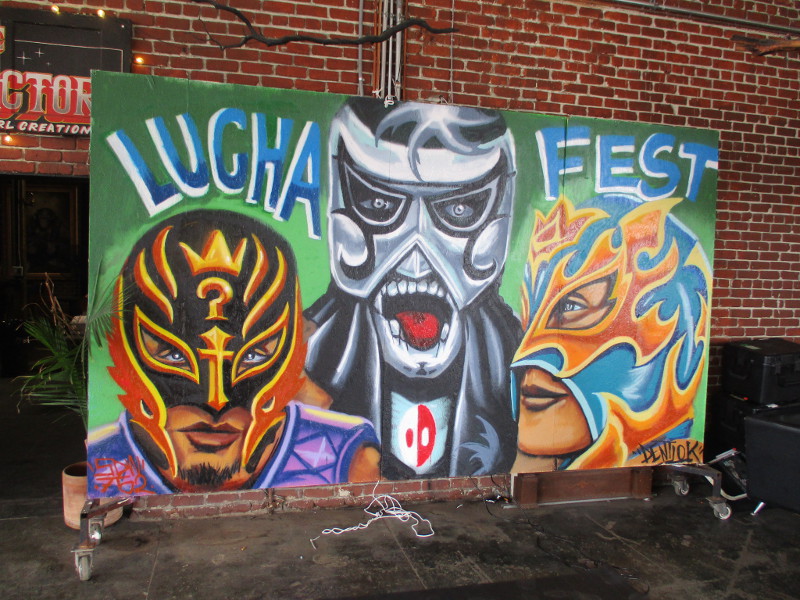
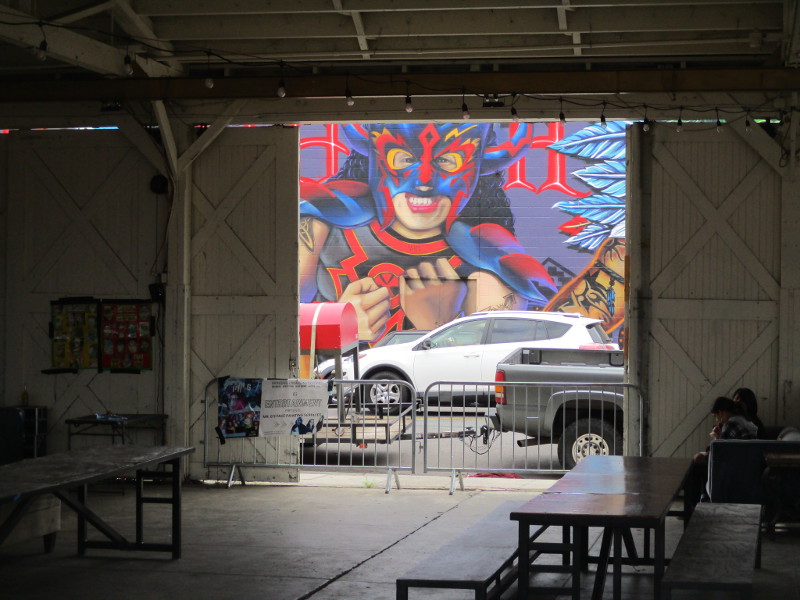
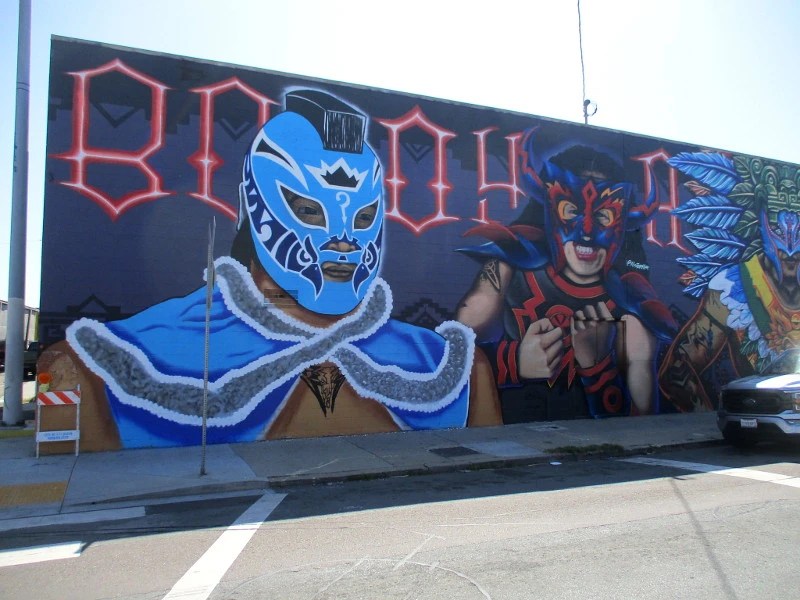
A highlight of Lucha Fest is the official unveiling of a huge mural across the street, which features legendary luchadores, including Chula Vista’s own Rey Mysterio. It was created by prolific local artist Dentlok. I had photographed the mural in early April, not knowing anything about it. See those photographs here.
The Soap Factory is a mostly outdoor venue east of downtown San Diego. It has many cool murals. I’ve focused my few photos today on the fun event as it barely got started. (Yes, I neglected to photograph the ring–there was nothing going on at the time.)
…
I post new blogs pretty often. If you like discovering new things, bookmark coolsandiegosights.com and swing on by occasionally!
I live in downtown San Diego and love to walk around with my camera! You can follow Cool San Diego Sights via Facebook or X.
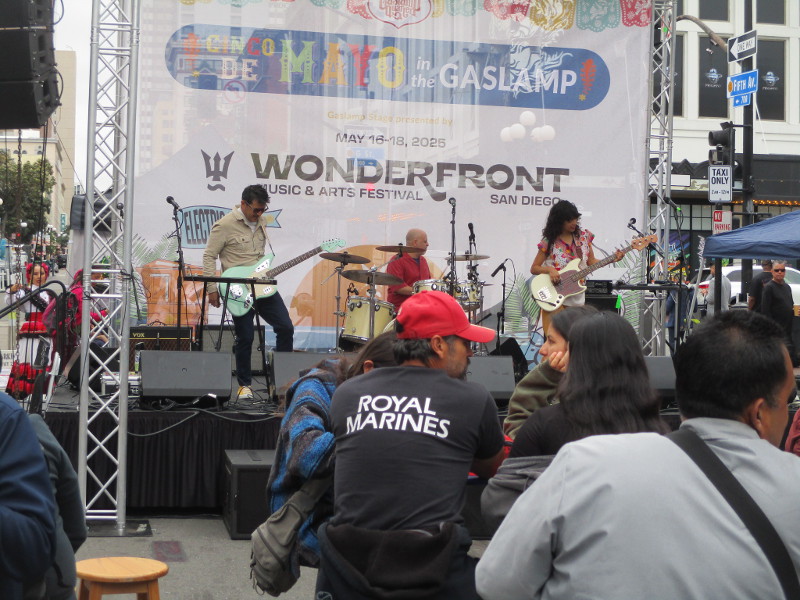
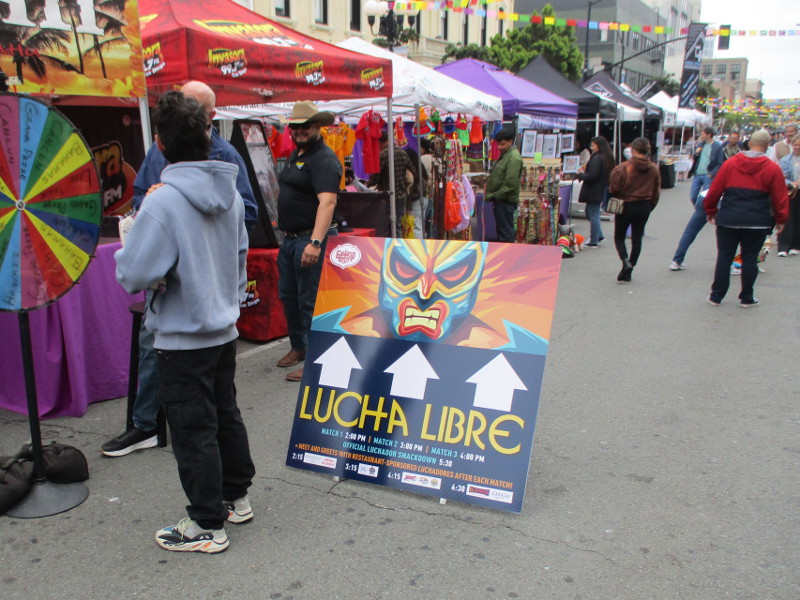
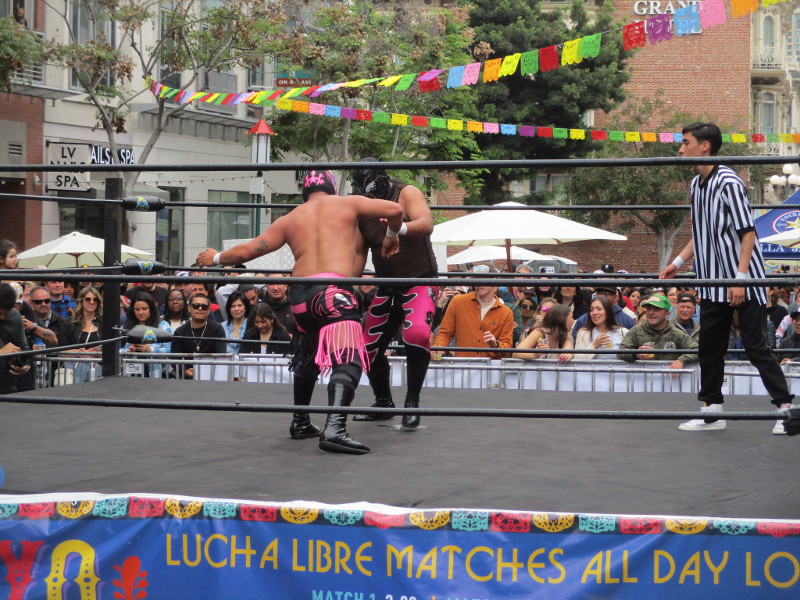
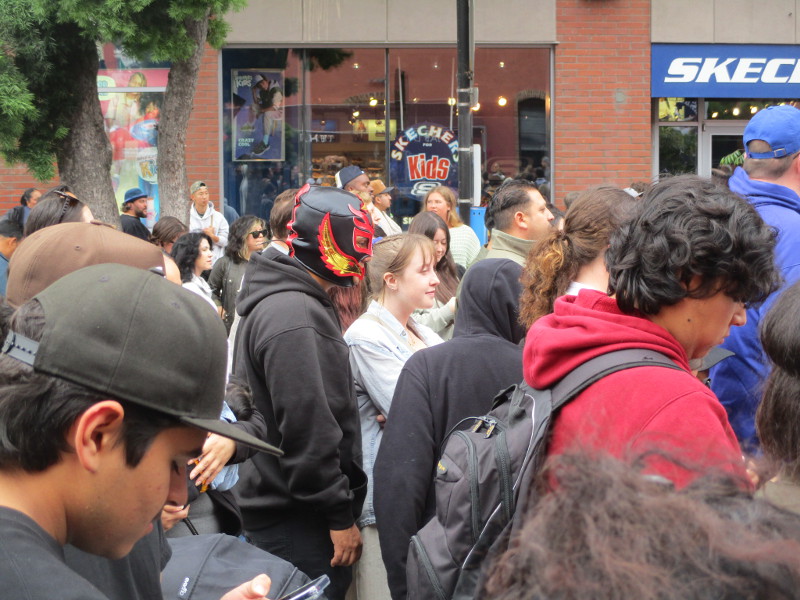
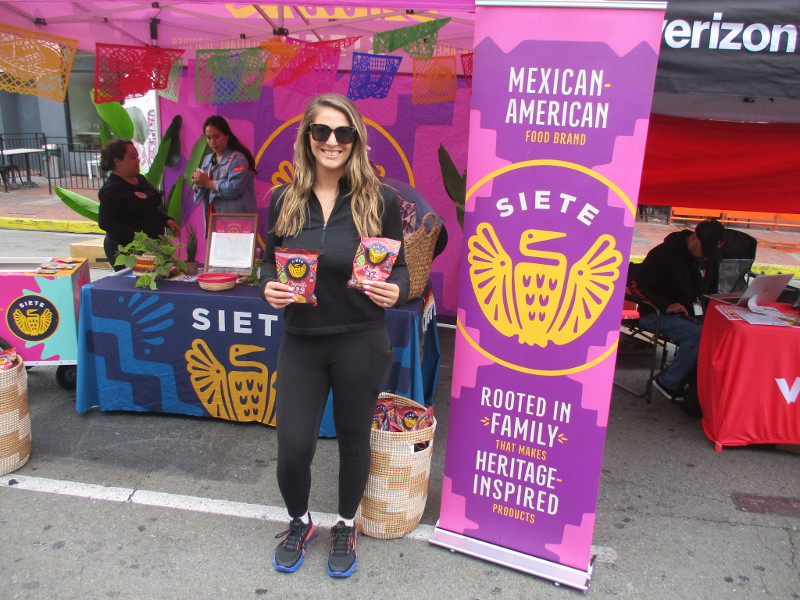
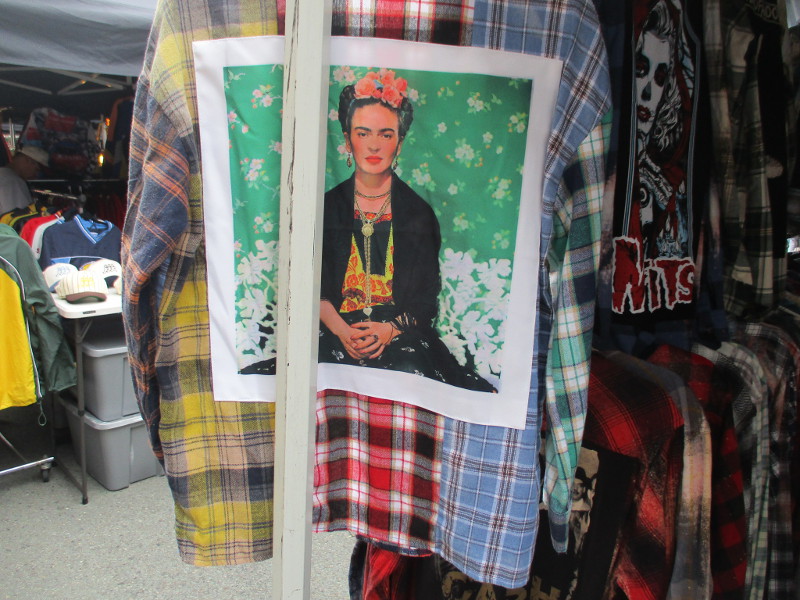
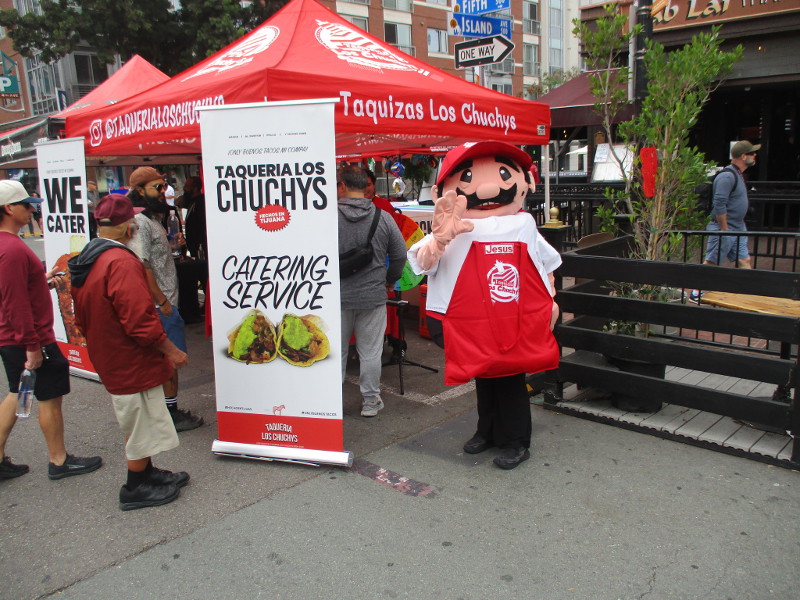
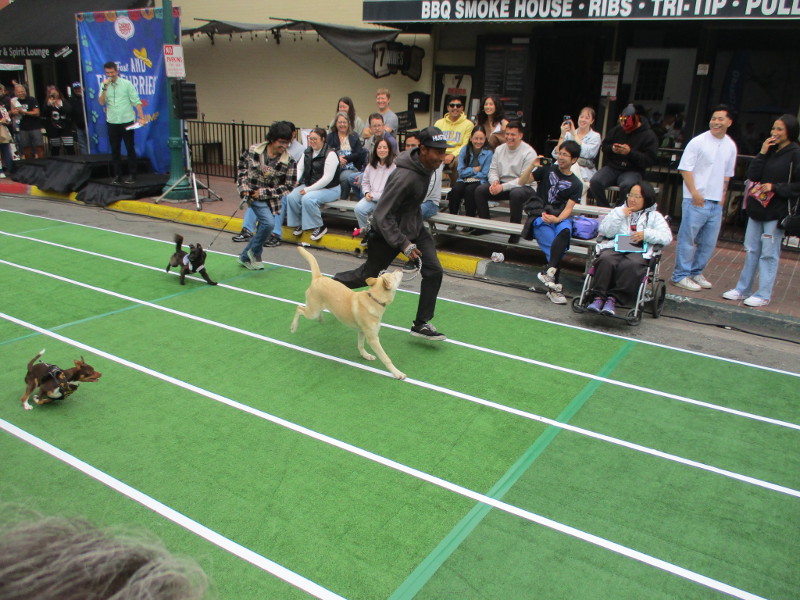
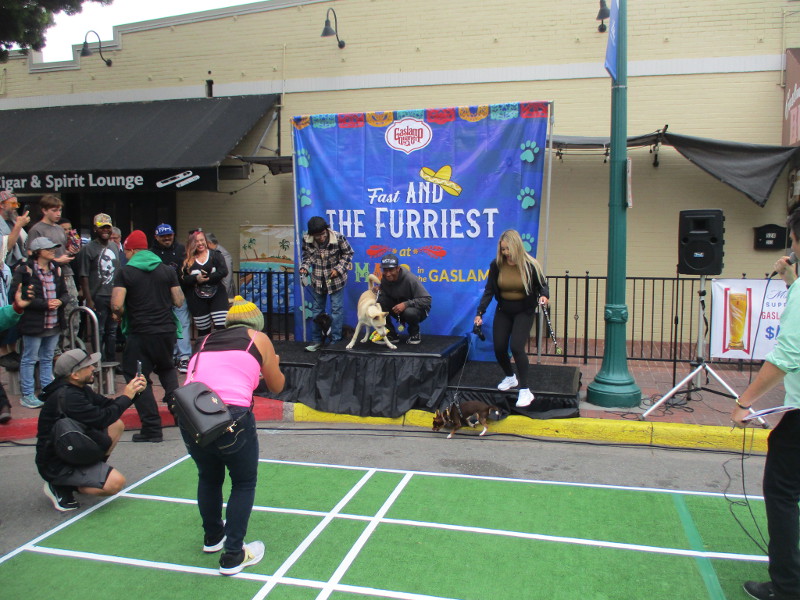
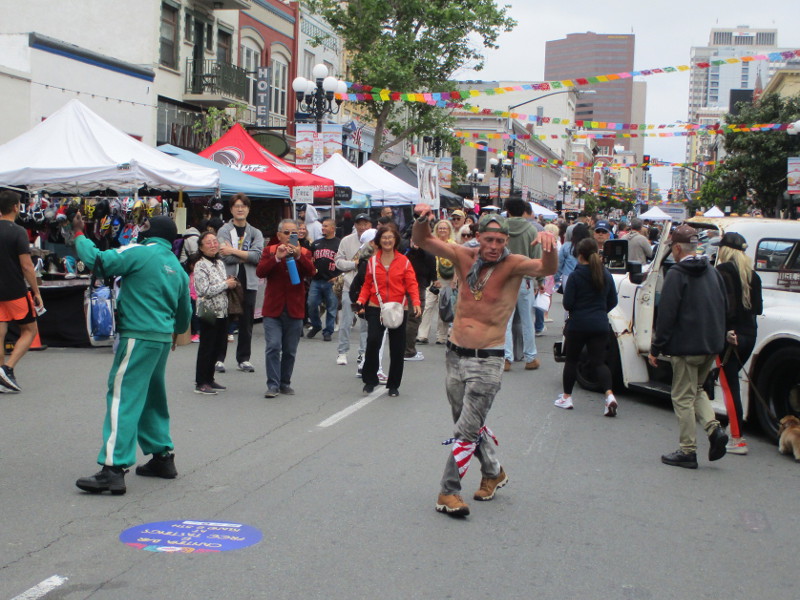
This year, Cinco de Mayo was celebrated a couple days early in San Diego’s festive Gaslamp Quarter. And I’d like to share a collection of photographs!
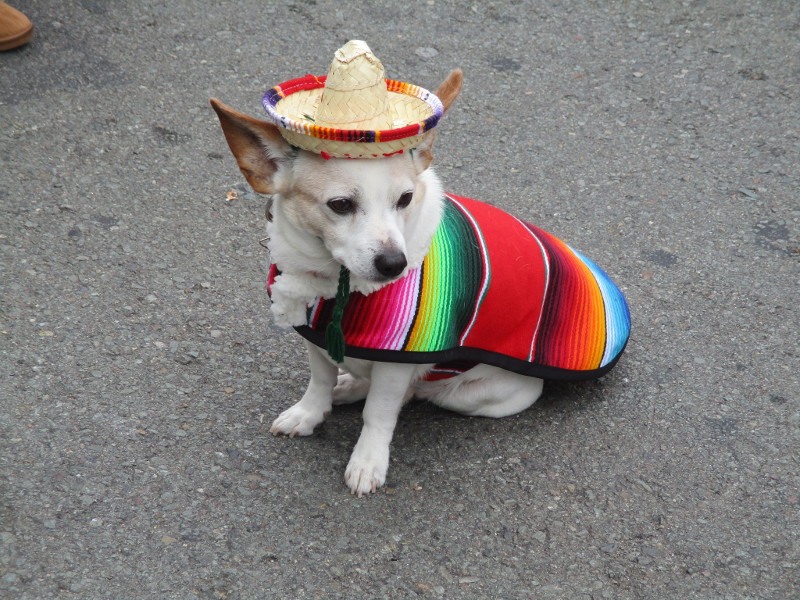
Entertainment on a couple of stages, exciting Mexican lucha libre wrestling, “Fast and the Furriest” dog races, cool lowrider cars, a beer garden, tasty food… People smiling, laughing, dancing, enjoying a good time…
It was a bit amusing to see so many people in business attire at this very casual, family event. Around lunchtime, a small army of professionals had streamed up Fifth Avenue from the San Diego Convention Center, where the Digestive Disease Week 2025 conference is being held. Gaslamp restaurants were packed!
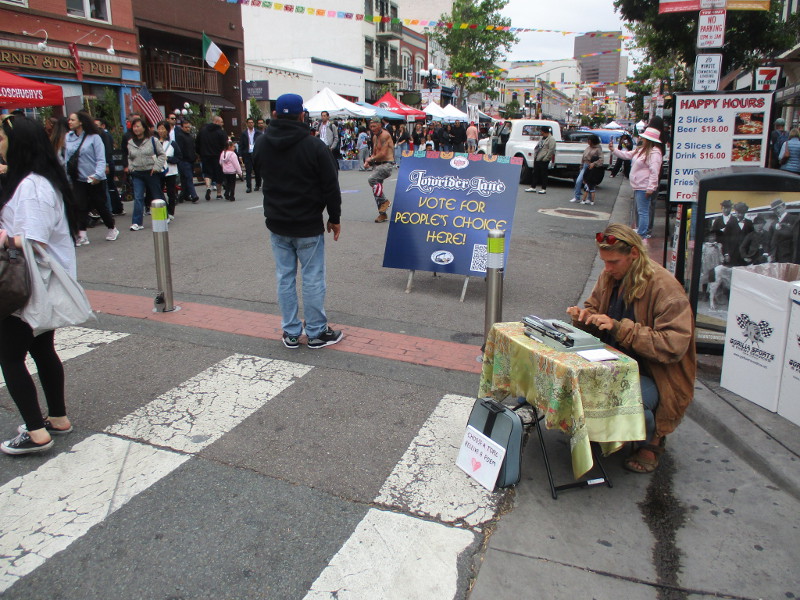
The guy with the typewriter in the next photo wrote a poem about “Dog Races” for me. A shout out to creators who strive for truth.
Karl M. Stout (@astrotheosis) completed his poem: …the friends we made along the way.
…
I post new blogs pretty often. If you like discovering new things, bookmark coolsandiegosights.com and swing on by occasionally!
I live in downtown San Diego and love to walk around with my camera! You can follow Cool San Diego Sights via Facebook or X.
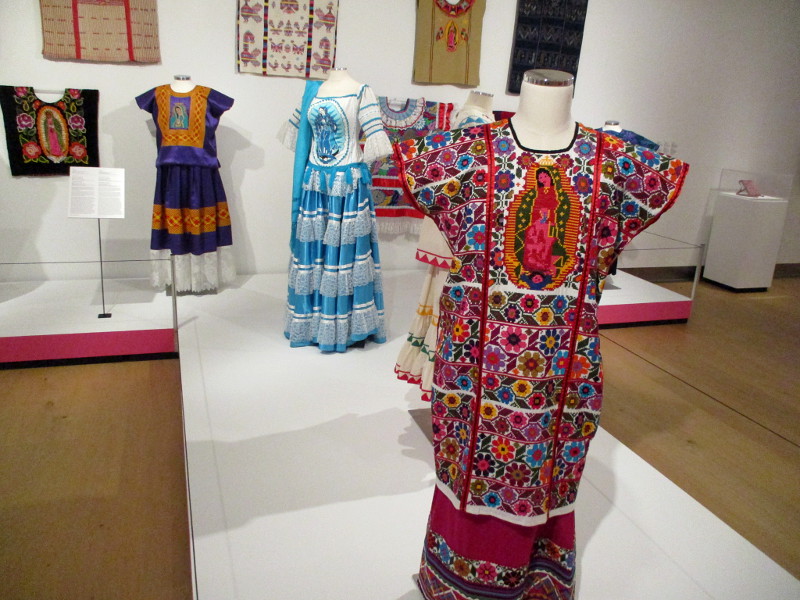
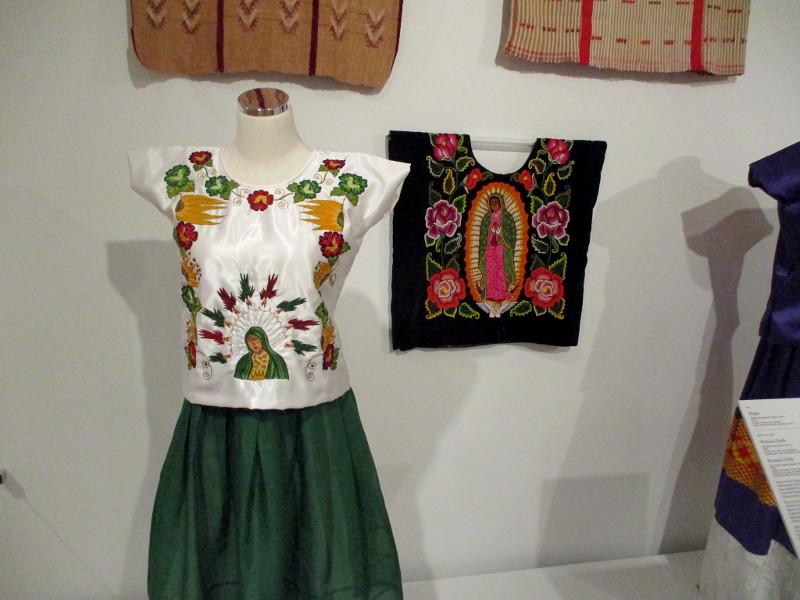
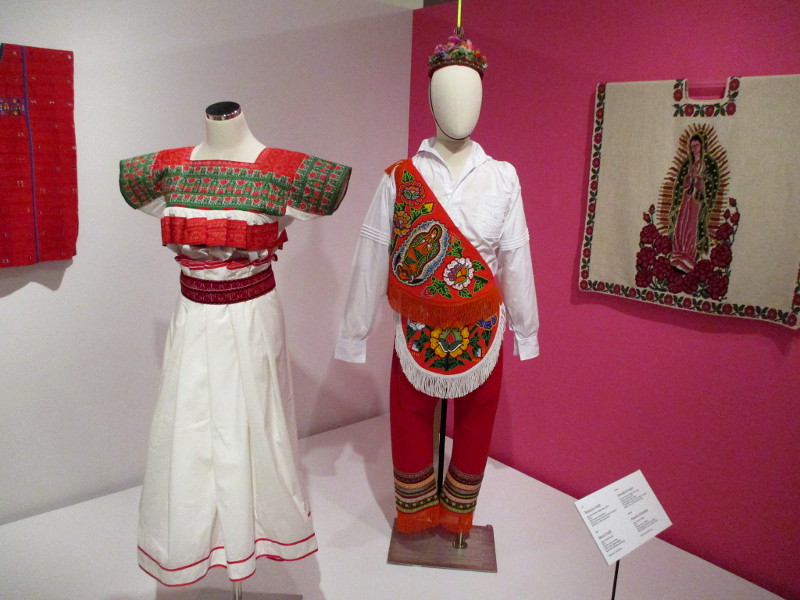
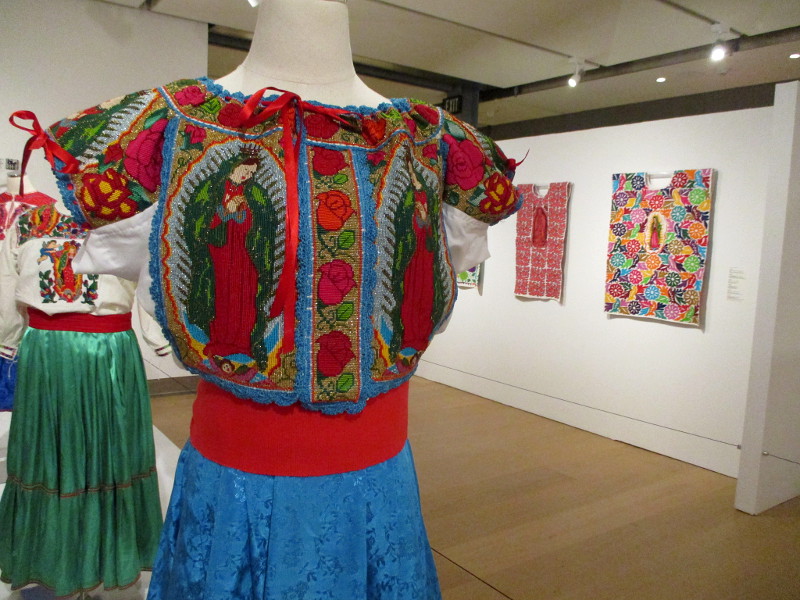
In 1531 the Blessed Virgin Mary was said to have appeared miraculously in Mexico. You can read that history here.
Today, images of the Virgin of Guadalupe (a Catholic title of the Virgin Mary) can be seen throughout Mexico, and San Diego, too.
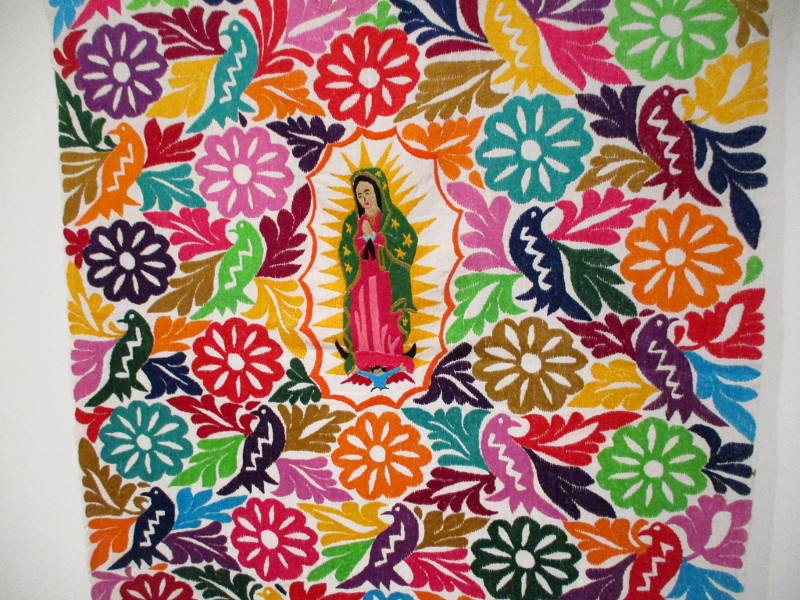
A standard image of the Virgin of Guadalupe, filled with symbolism, hangs in homes and churches. It is painted on murals, on cars and appears in tattoos. The Virgin of Guadalupe seems everywhere.
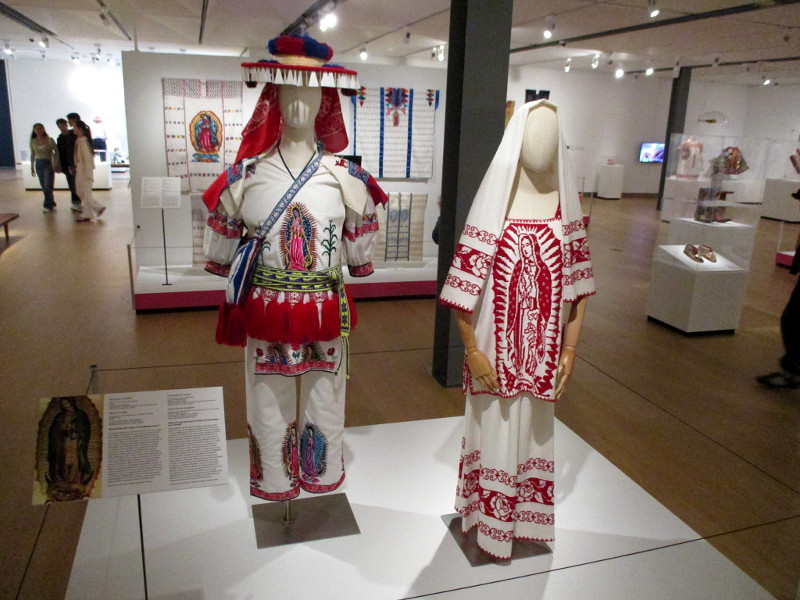
Not surprisingly, the iconic image also appears on textiles. An important part of the Virgin of Guadalupe story includes her likeness appearing miraculously on the inside of a cloak.
The exhibition features outfits worn by women and men, traditional huipiles (handwoven tunics largely worn by indigenous peoples in Mexico), jackets, shoes and more. Many of the crafted pieces are very colorful, as you can see from my photographs.
Signs throughout the exhibit explain why the Virgin of Guadalupe became a religious and cultural phenomenon–how, in Mexico, invading Catholicism eventually melded with indigenous sensibilities, producing the divine but grounded symbolism one sees in the now beloved image.
The Mingei International Museum has presented many outstanding exhibitions, and this one is right up there. I was surprised to see so many different objects, and such variety. I was excited to see so much life.
Each work seems a miracle of human faith and creativity.
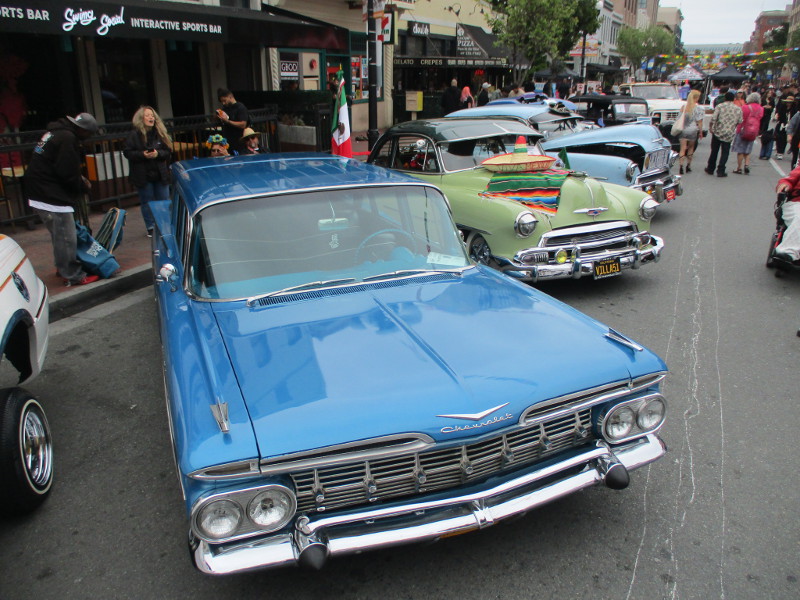
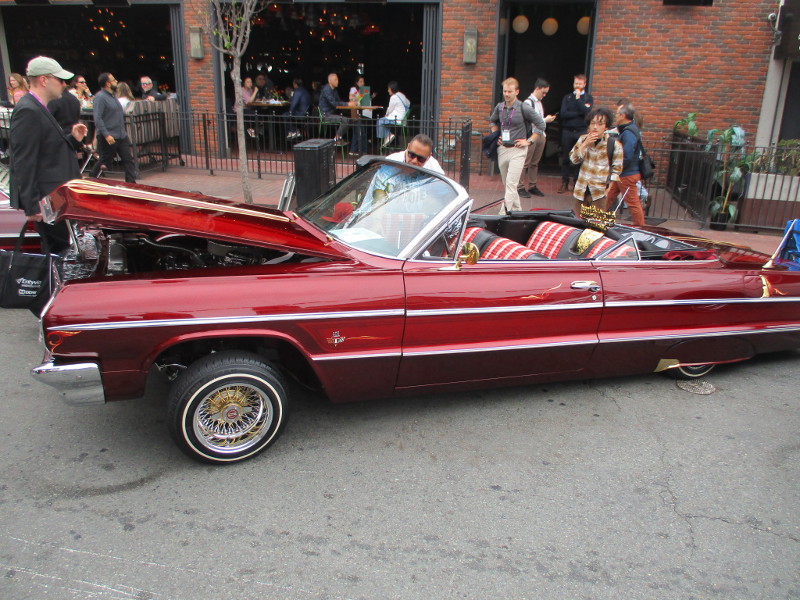
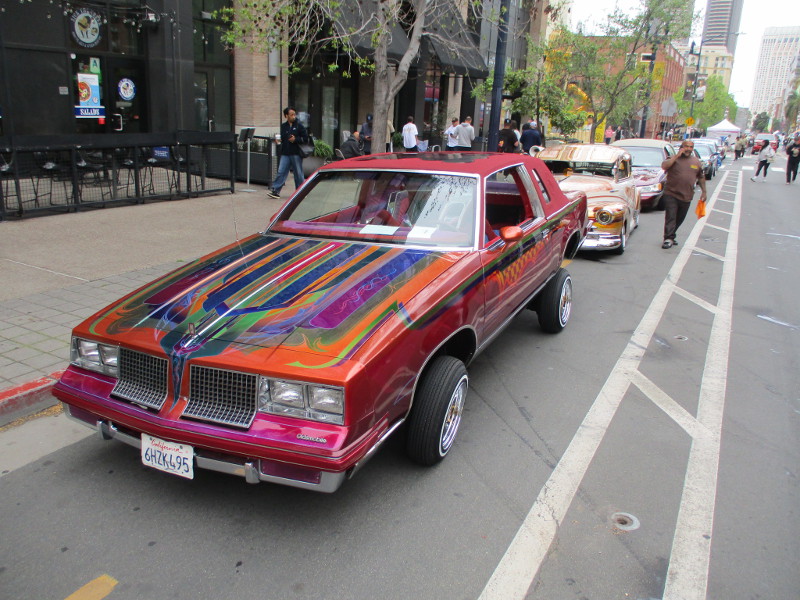
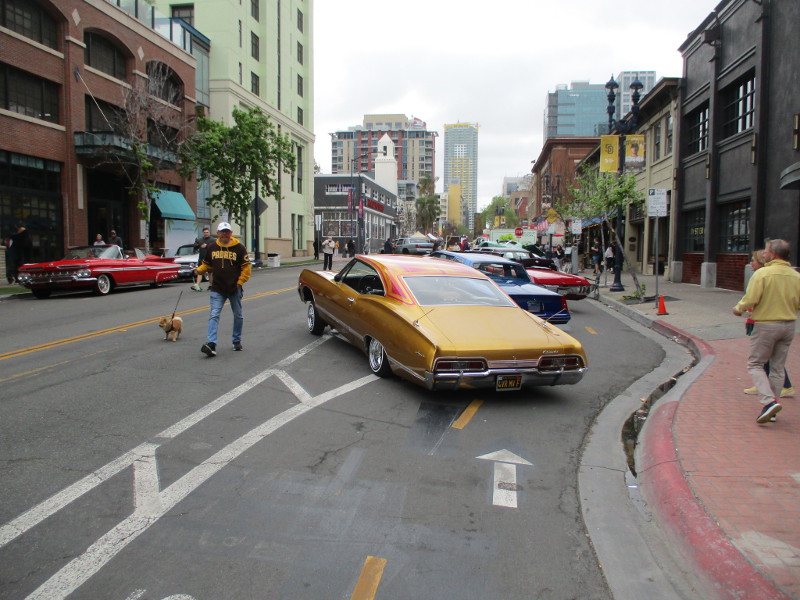
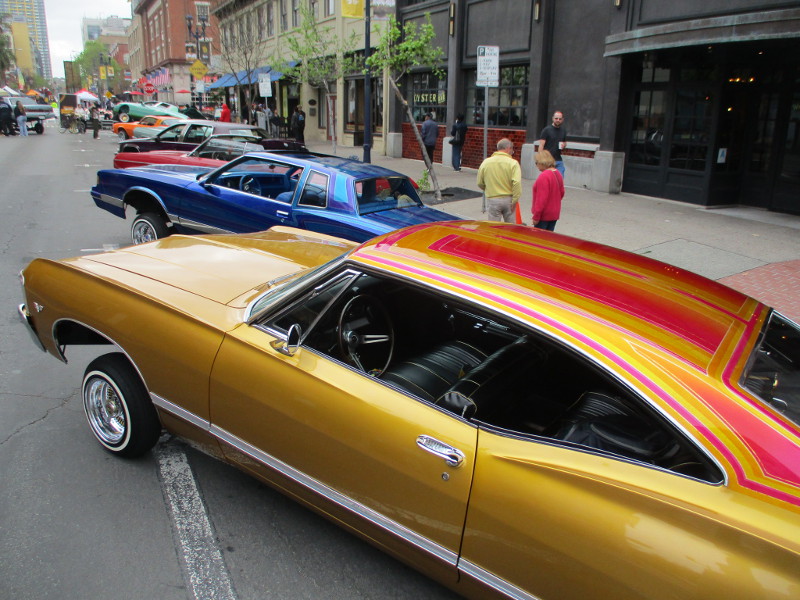
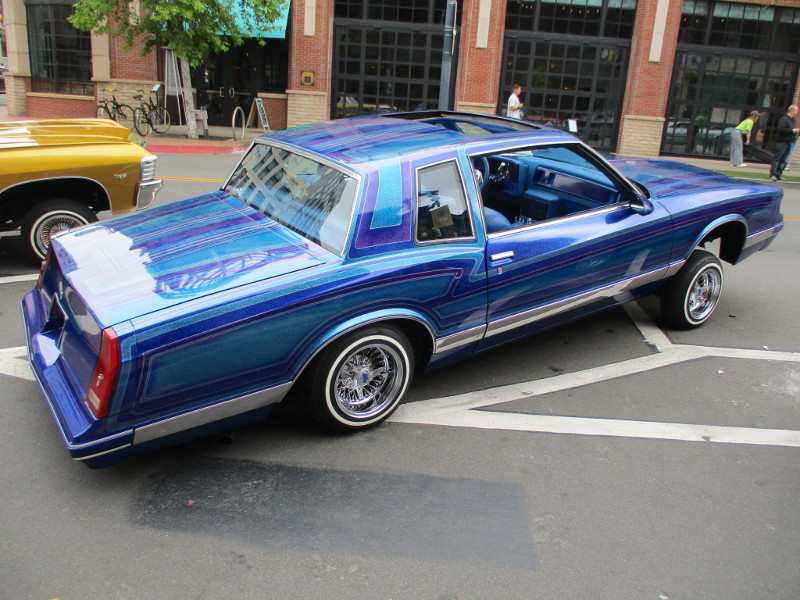
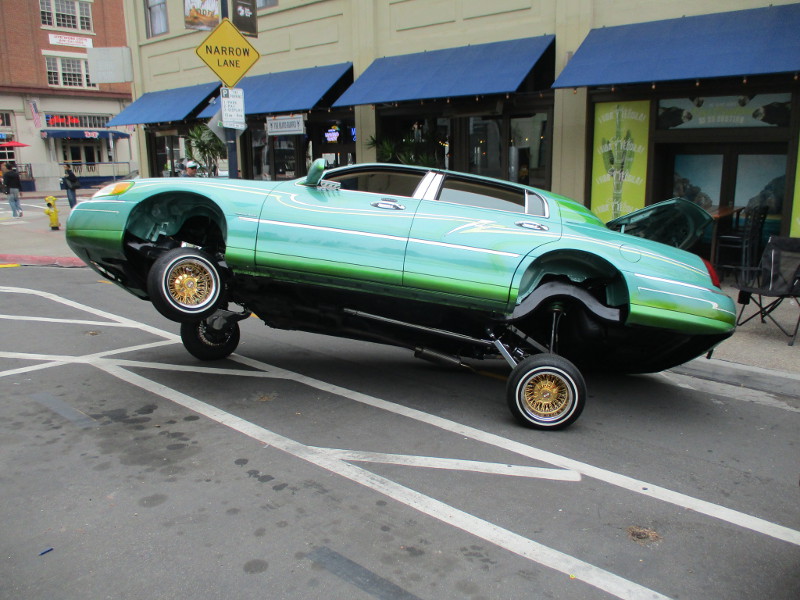
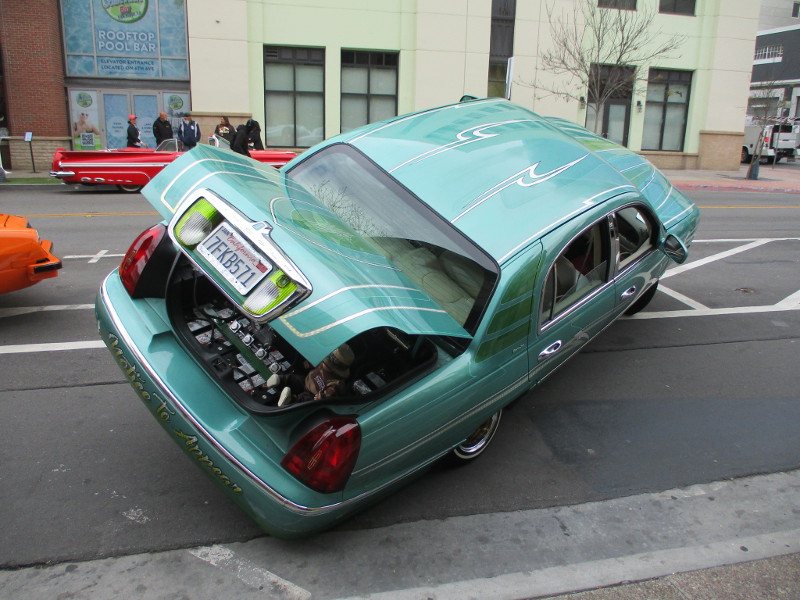
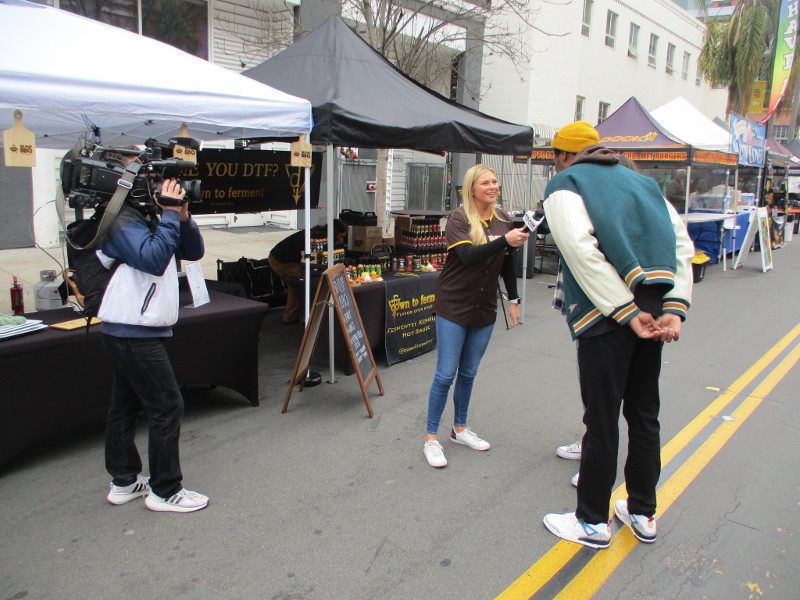
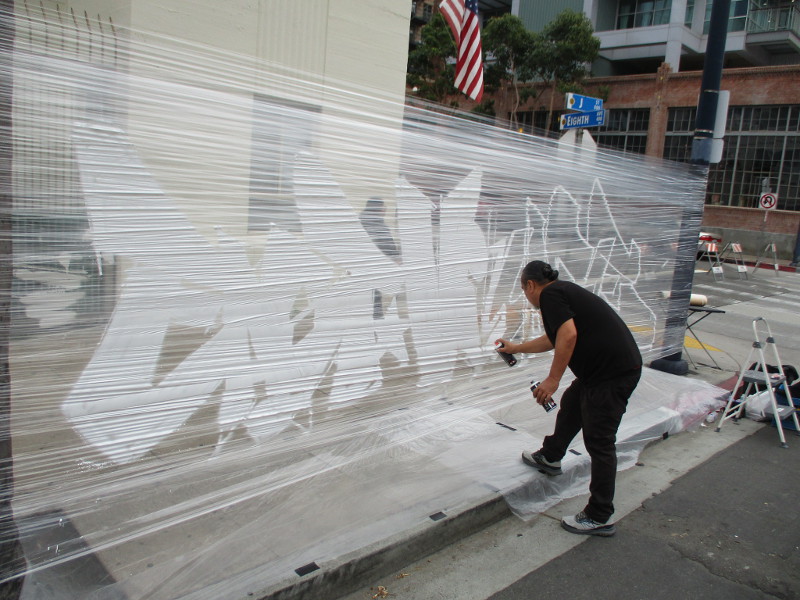
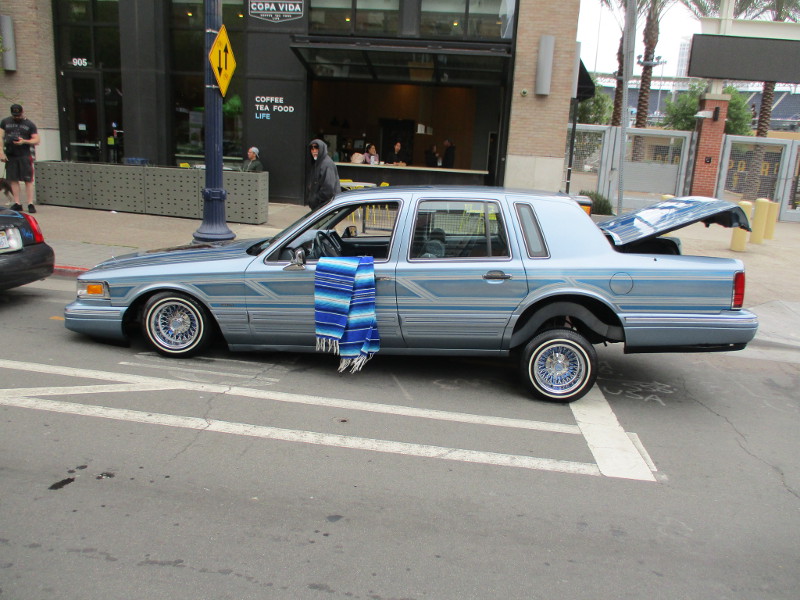
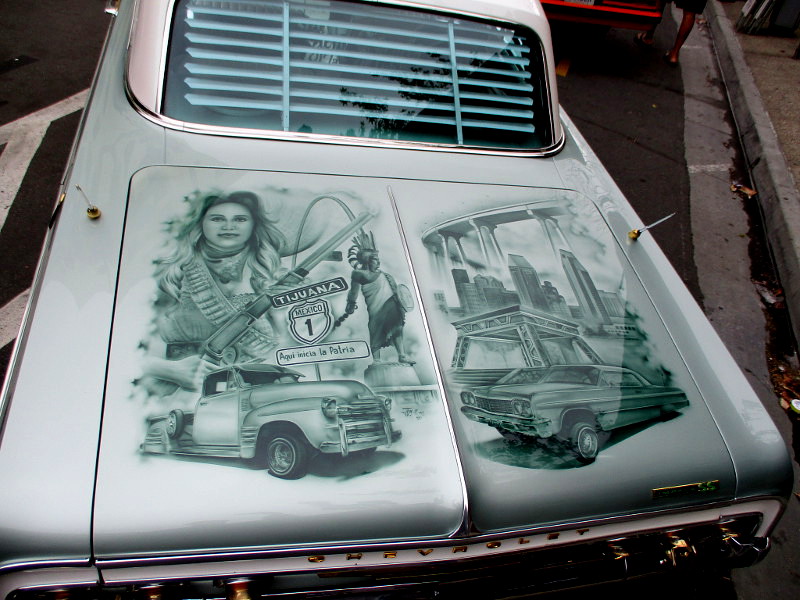
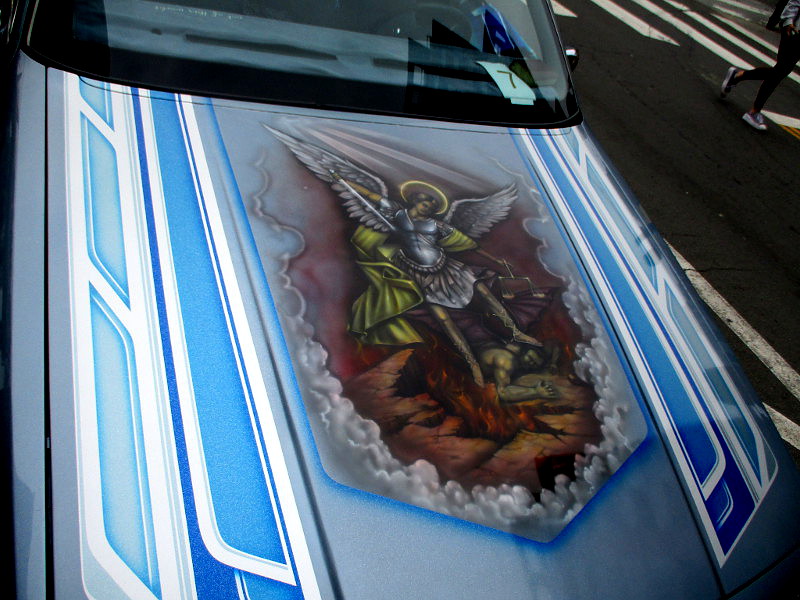
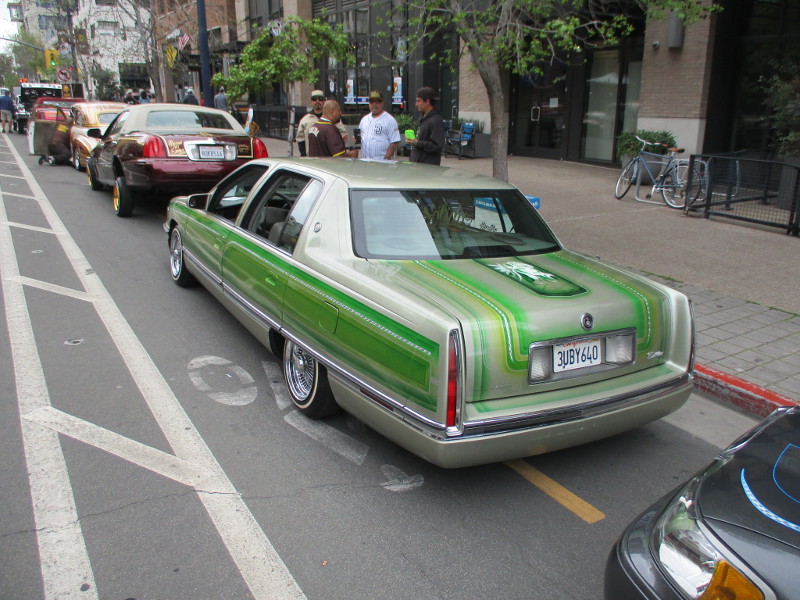
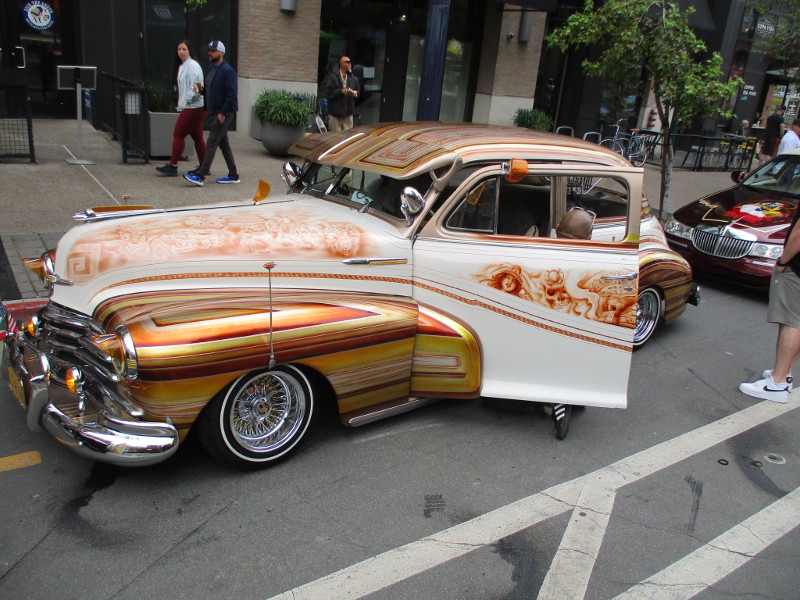
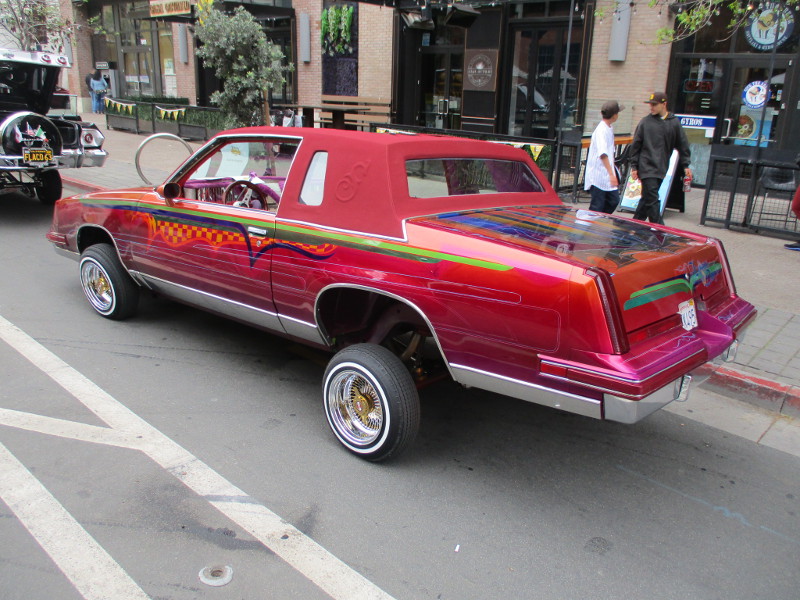
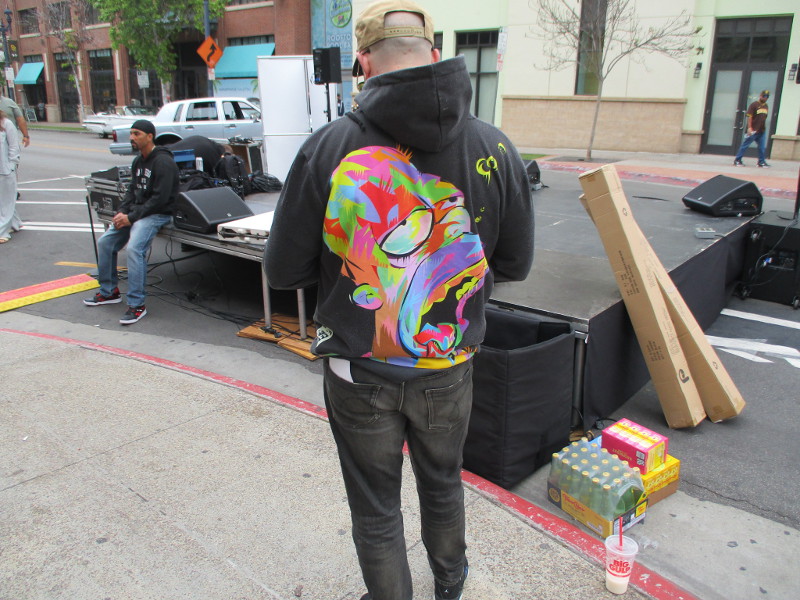
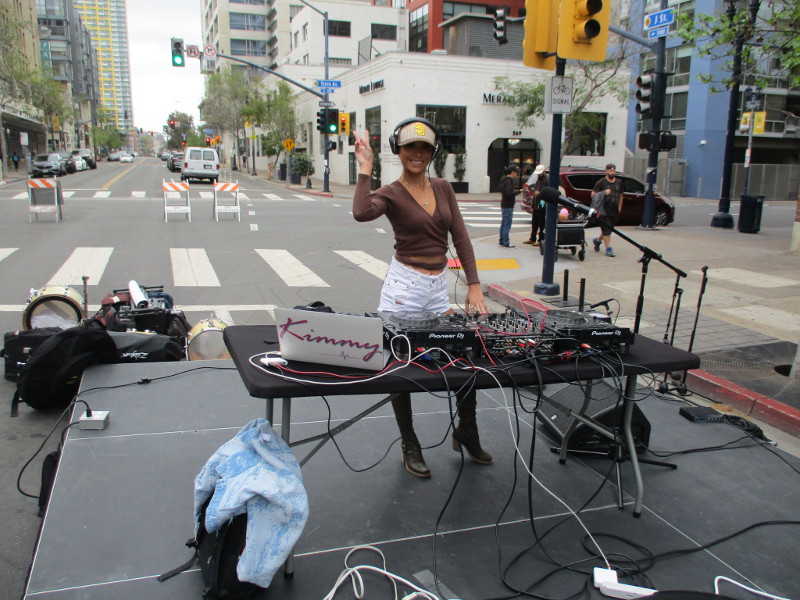
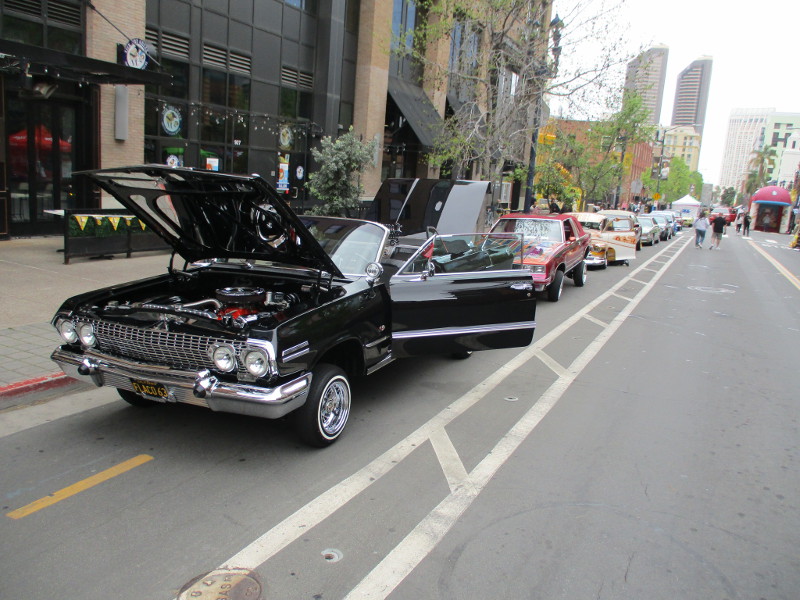
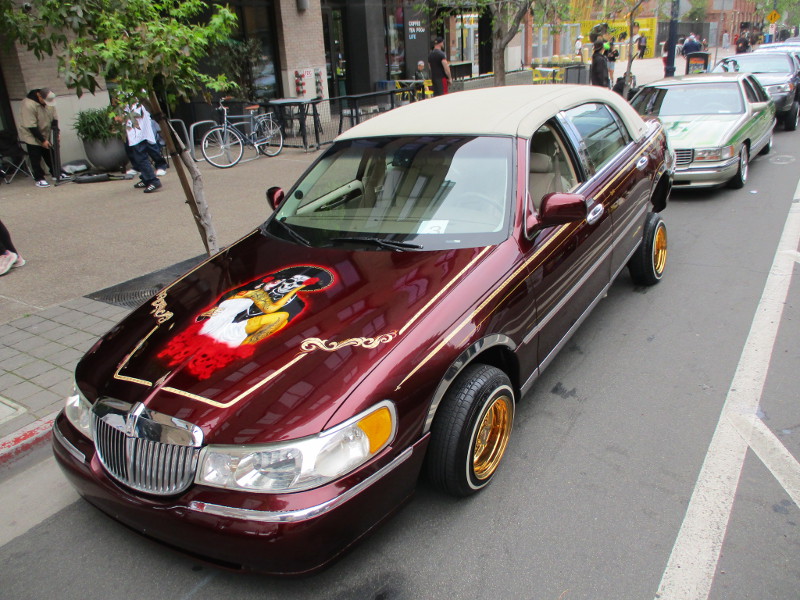
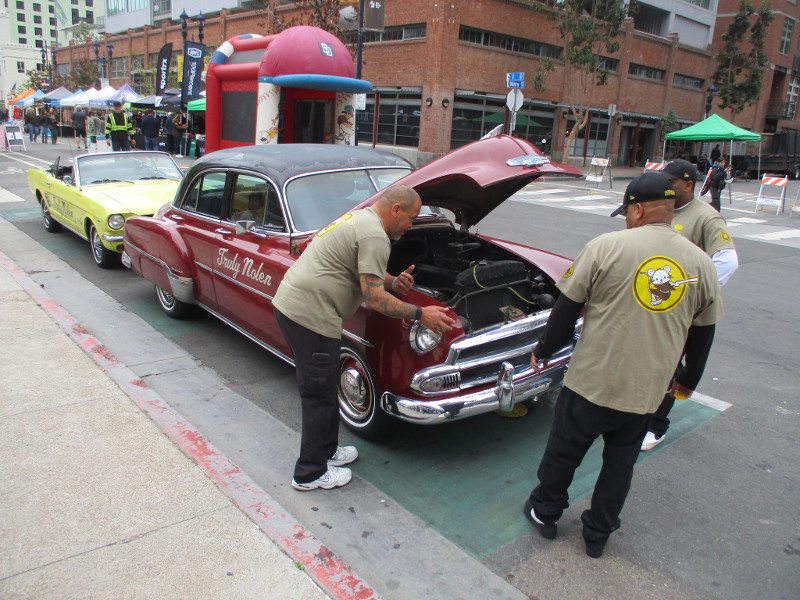
Very cool lowriders are a big attraction at today’s East Village Block Party in downtown San Diego. As I walked along J Street between Sixth and Tenth Avenues, a few minutes before the event officially began, I took these photos. I was surprised at the number of cars participating this year. Check them out!
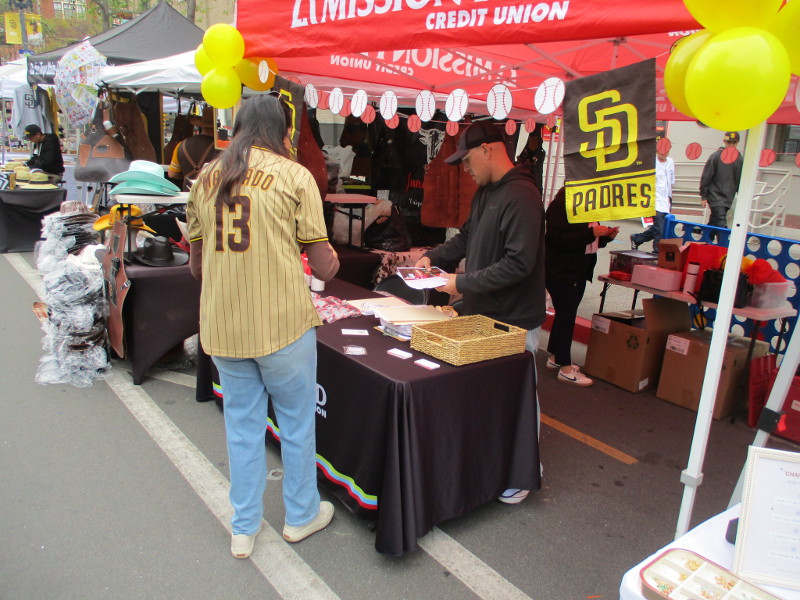
The 2025 East Village Block Party is being held one block north of Petco Park and celebrates the opening of the new baseball season. (The San Diego Padres are 2-0 and looking good so far!) The event is today, March 29, 2025, from 10:00 am to 4:30 pm.
When I walked through the outdoor party, several late arriving vendors were still setting up tables and the entertainment hadn’t begun. I’ve thrown in a few miscellaneous photos, as well, so you get the general vibe!
…
I post new blogs pretty often. If you like discovering new things, bookmark coolsandiegosights.com and swing on by occasionally!
I live in downtown San Diego and love to walk around with my camera! You can follow Cool San Diego Sights via Facebook or X.
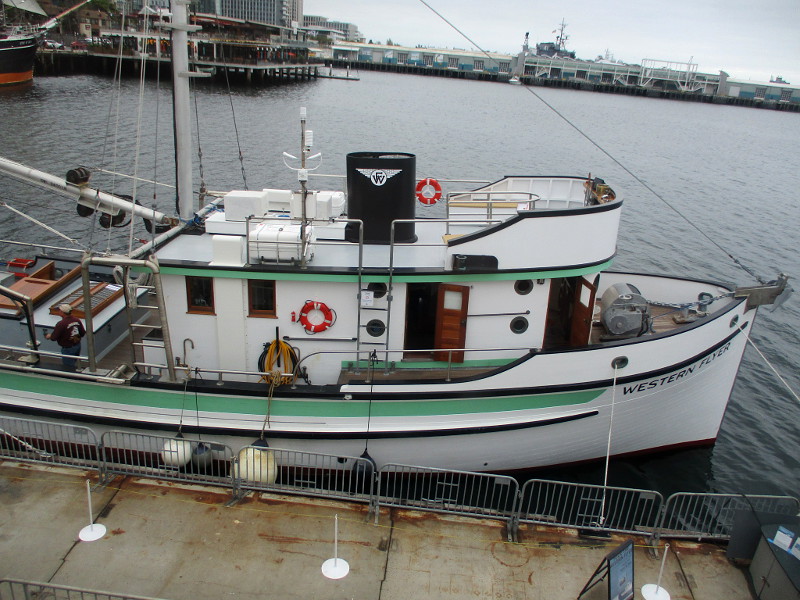
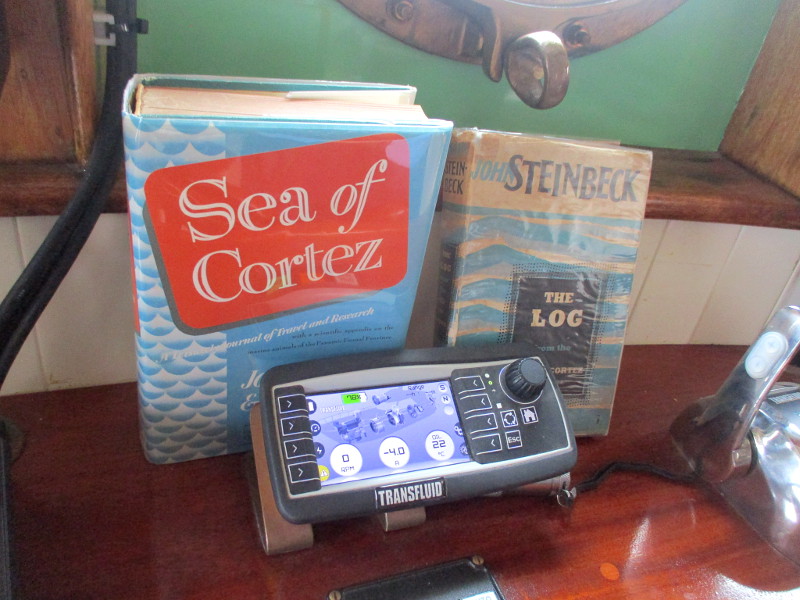
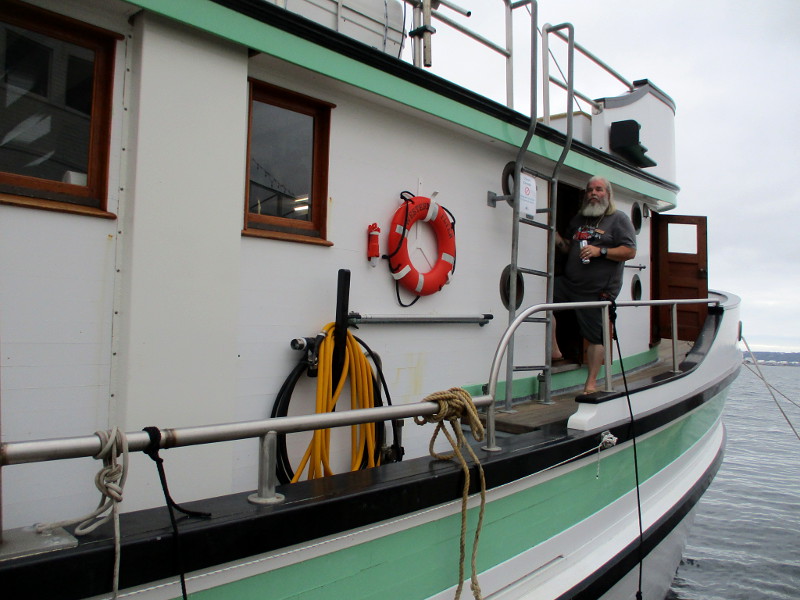
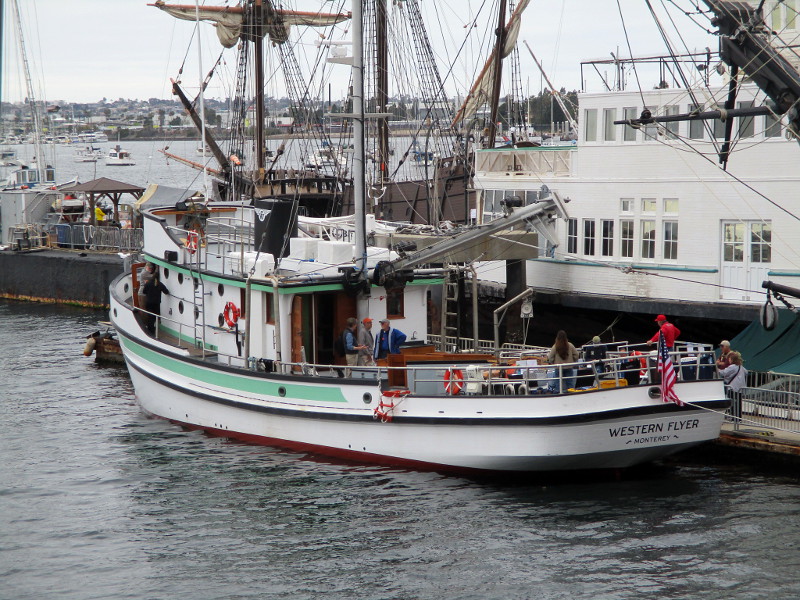
In 1940, a year after publishing his masterpiece The Grapes of Wrath, John Steinbeck went on a scientific expedition to the Sea of Cortez with marine biologist Ed Ricketts. The 4000 mile, six week journey, made famous in Steinbeck’s books Sea of Cortez and The Log from the Sea of Cortez, utilized the Monterey fishing boat Western Flyer, a 77-foot purse seiner that had been used in the sardine fishery.
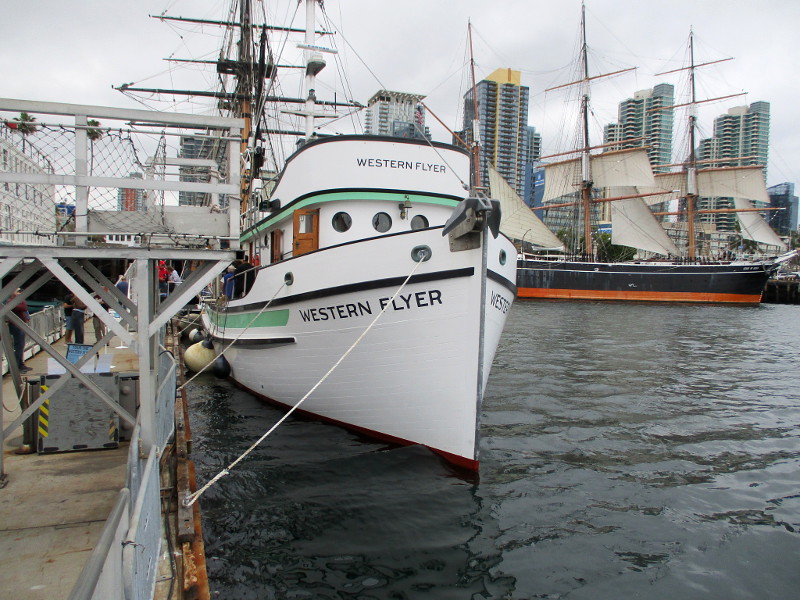
On their way to Baja California, Steinbeck, Ricketts and the small crew of the Western Flyer visited San Diego. Eighty five years later, the storied fishing boat returned!
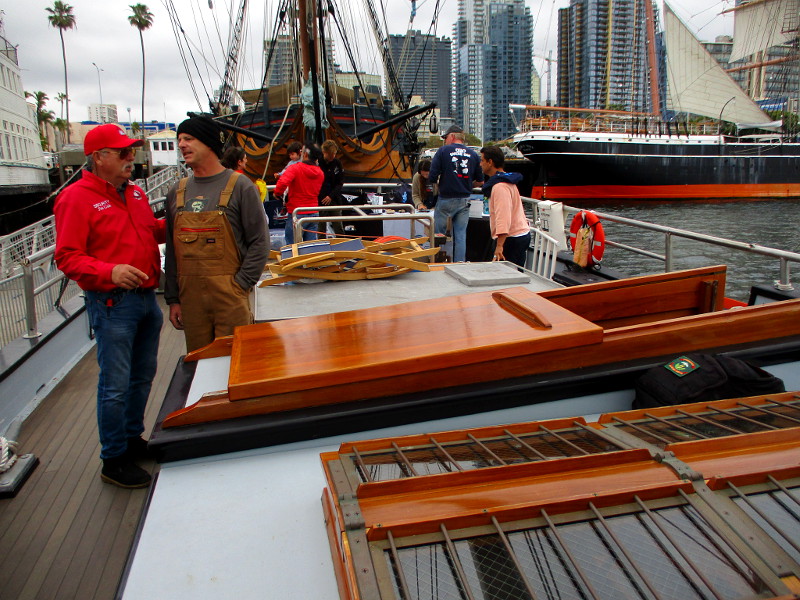
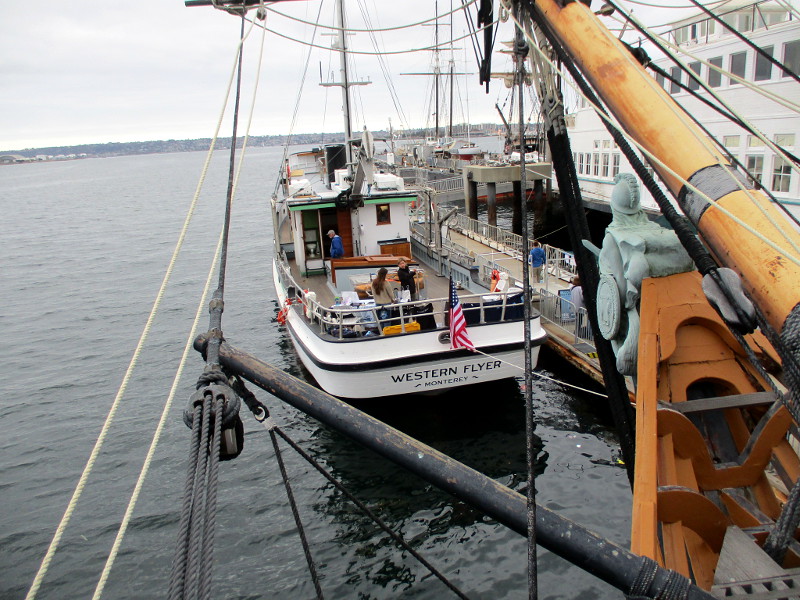
Yesterday the Western Flyer was docked at the Maritime Museum of San Diego and museum visitors had the opportunity to tour her!
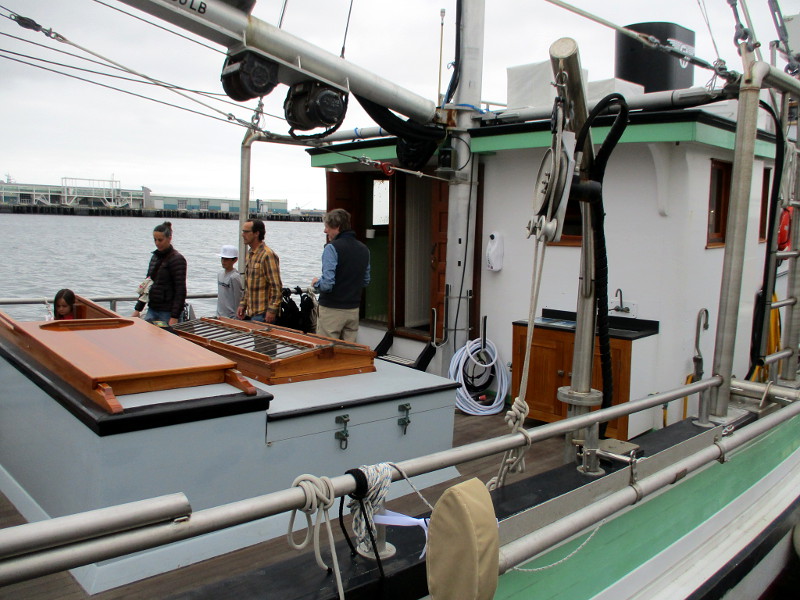
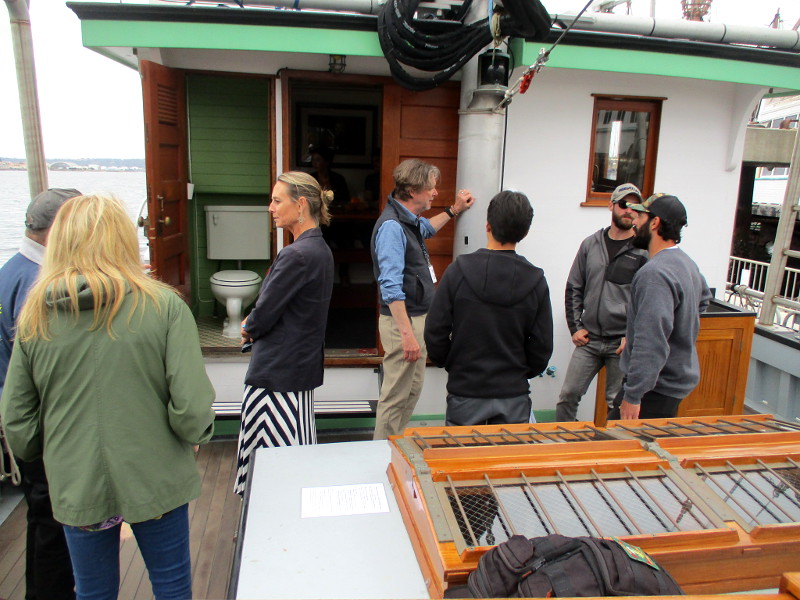
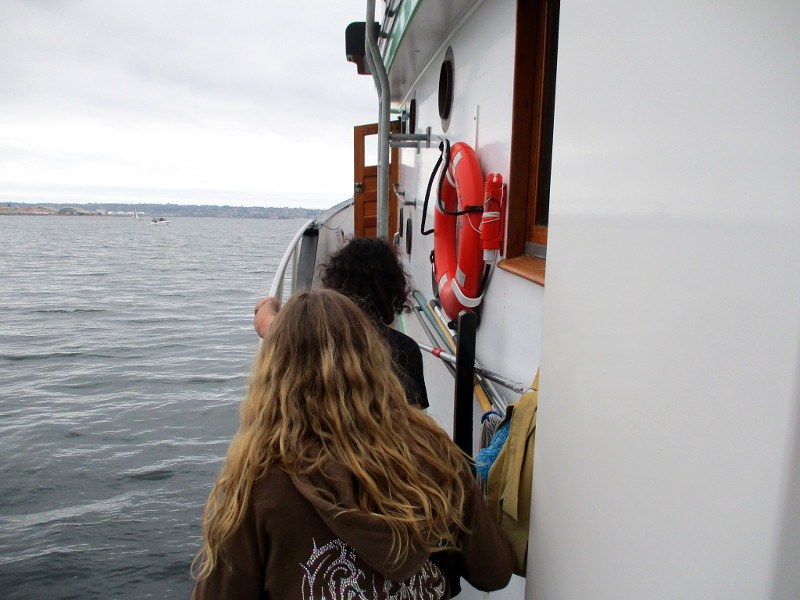
I was one of many who stepped aboard the historic vessel that is called the most famous fishing boat in the world. I took photographs, of course!
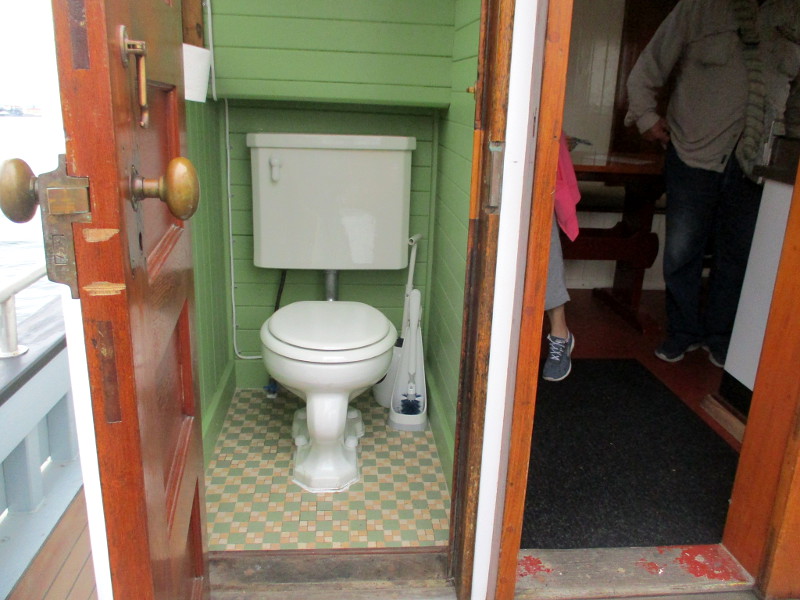
The first thing we were shown was the head! Yes, what you see in the next photograph is where John Steinbeck himself sat! During the Sea of Cortez expedition, he developed the idea for his future novels Cannery Row and The Pearl. Perhaps he did some brainstorming here…
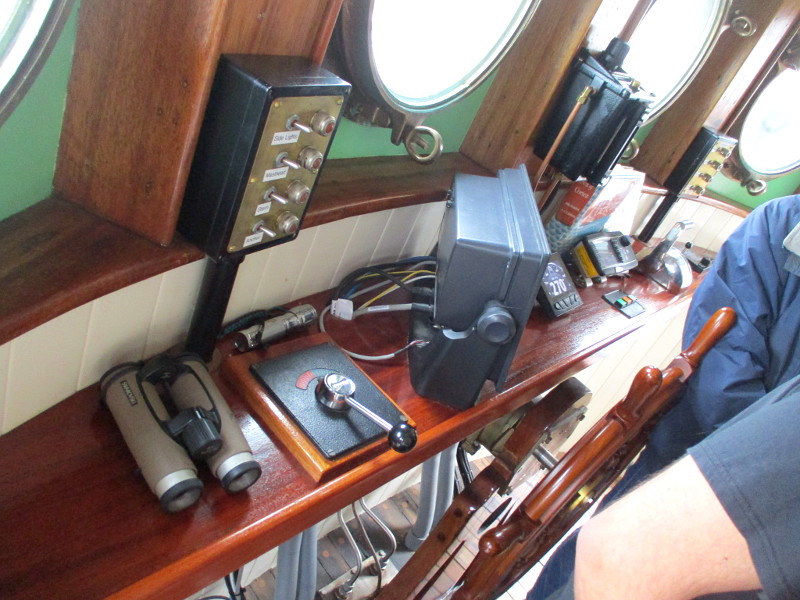
We then went forward to the pilot house…
All the instruments are modern–the Western Flyer during its long complex history sank and was submerged for six months. The boat was restored to look and feel as it did originally. Ninety percent of the hull and ten percent of the wheelhouse was replaced.
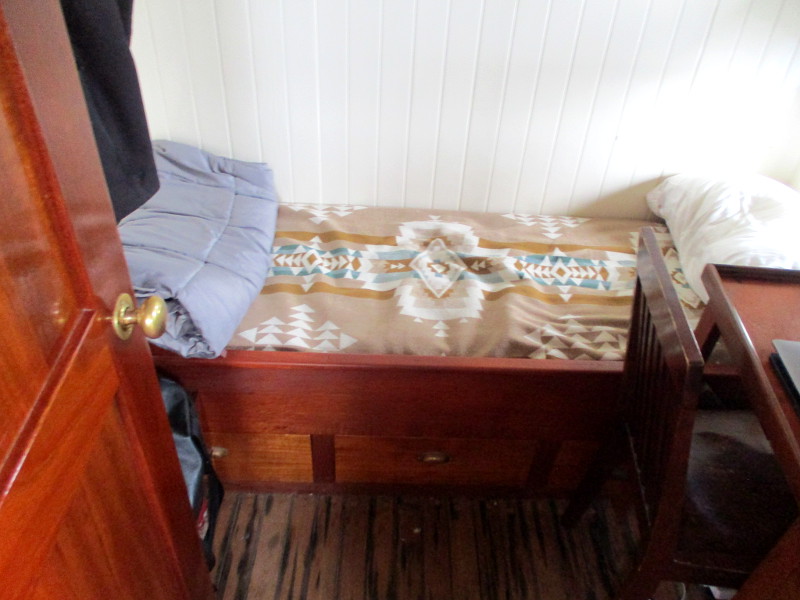
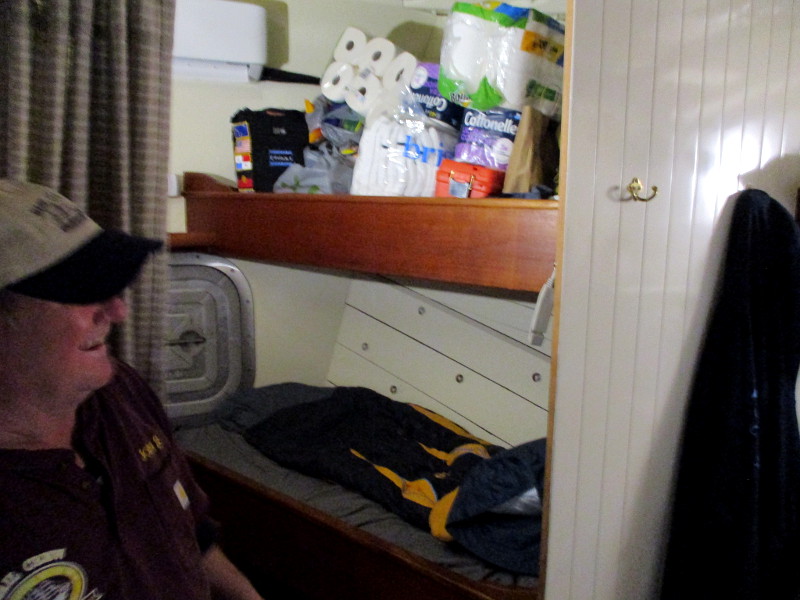
When we turned around, we discovered a small room with a single bed. This is where Steinbeck’s wife, Carol, slept. Even though she was part of the marine specimen collecting expedition, she was never mentioned in Steinbeck’s books concerning it.
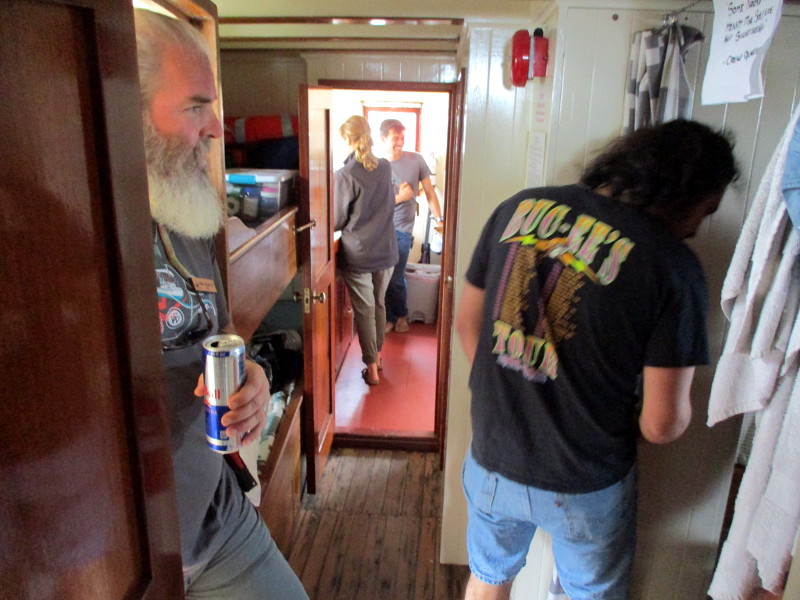
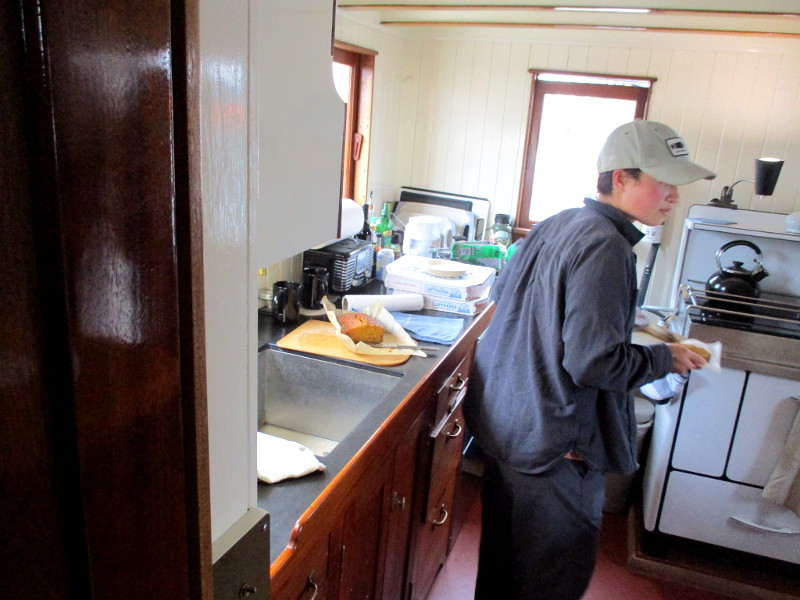
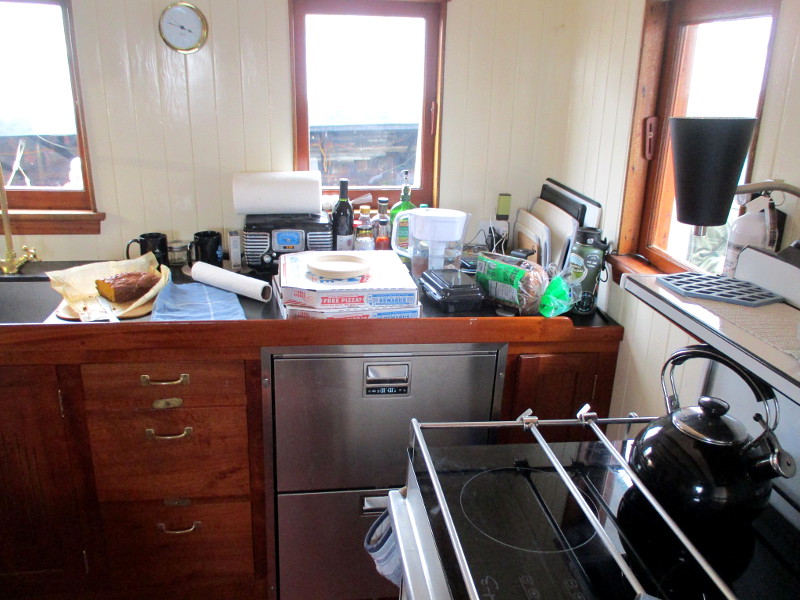
We then proceeded down through the deckhouse past more equipment and bunks and entered the galley. The Western Flyer Foundation takes students out on educational trips, performing ocean research. The young people are privileged to gather around a table where Steinbeck and his friends sat…
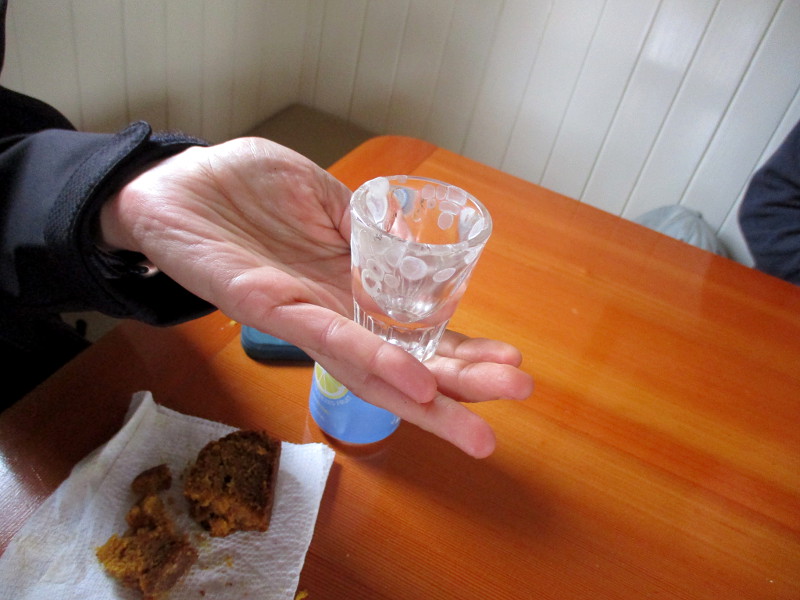
At the table, I was shown a remarkable shot glass. It retains marking from barnacles that attached to it while the boat was submerged. The shot glass is dated from the 1930s. It’s quite likely that John Steinbeck drank from it!
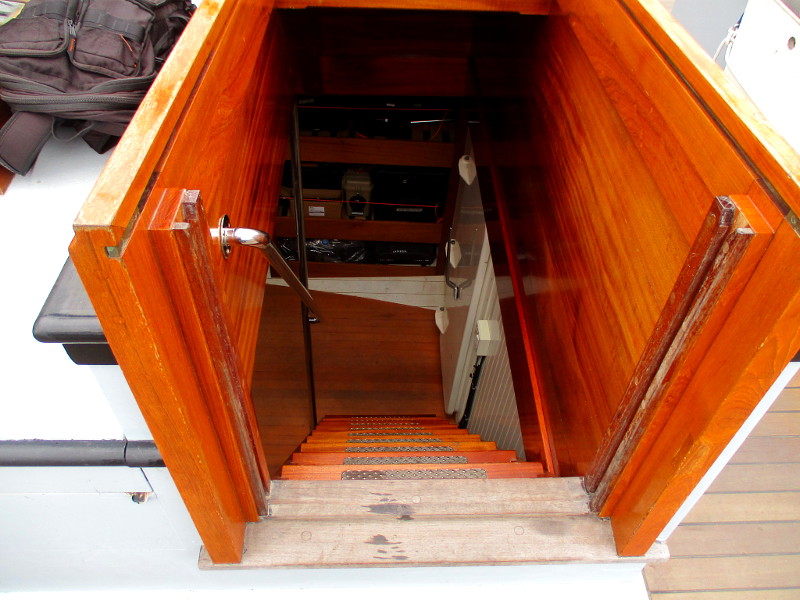
Back out on the boat’s weather deck, we descended into what originally had been the vessel’s fish hold. It was converted for the Sea of Cortez expedition into a laboratory, where small marine specimens–urchins, crabs, chitons, snails, clams, starfish and more, gathered mostly from the intertidal zone–were preserved using formaldehyde and other chemicals. Steinbeck and Ricketts discovered that the old fish hold was so damp that it quickly corroded much of their equipment.
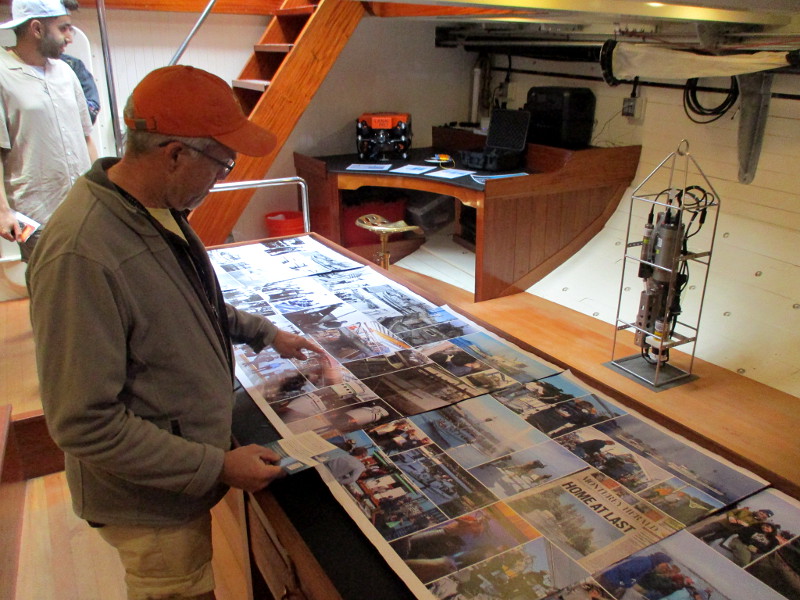
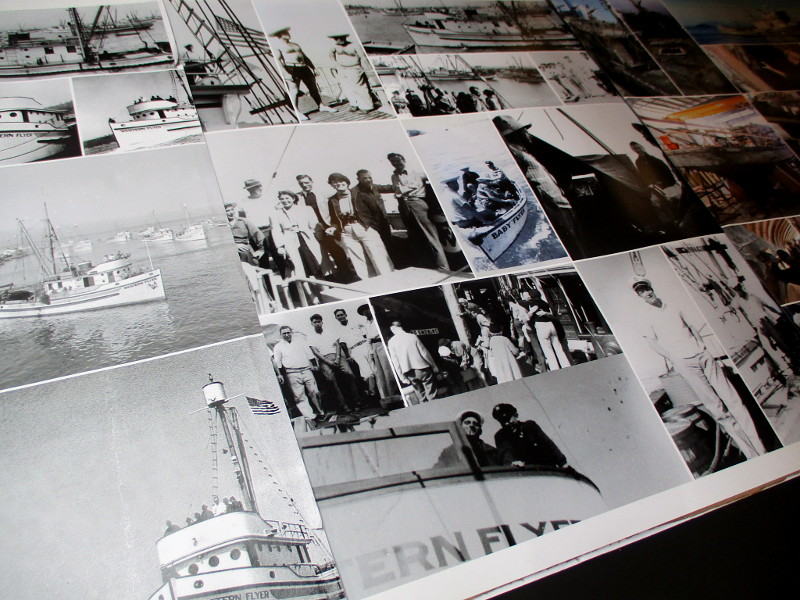
Historical photographs of Western Flyer, and from the Sea of Cortez expedition, cover the large table for our tour. You can see in the next photo some of the modern research equipment used by ocean-going college students today…
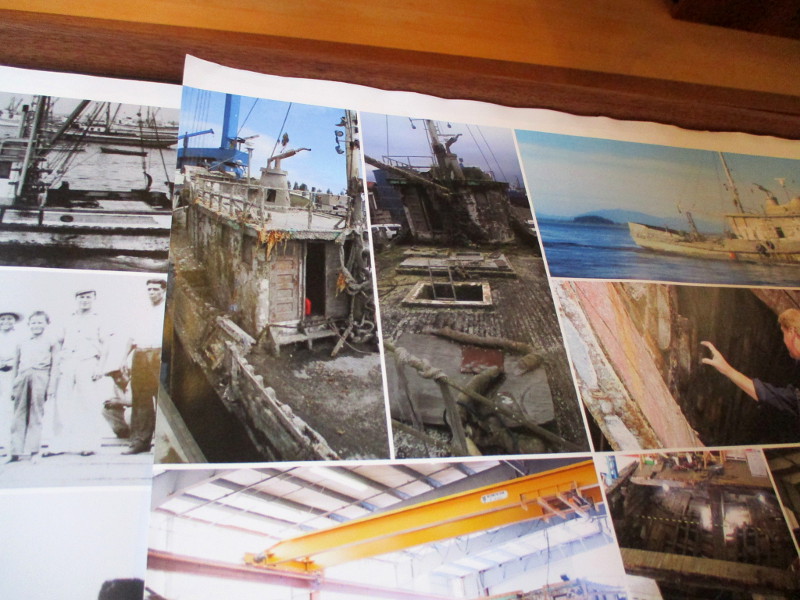
This is how Western Flyer looked before its 7 million dollar restoration by Port Townsend Shipwrights Co-Op…
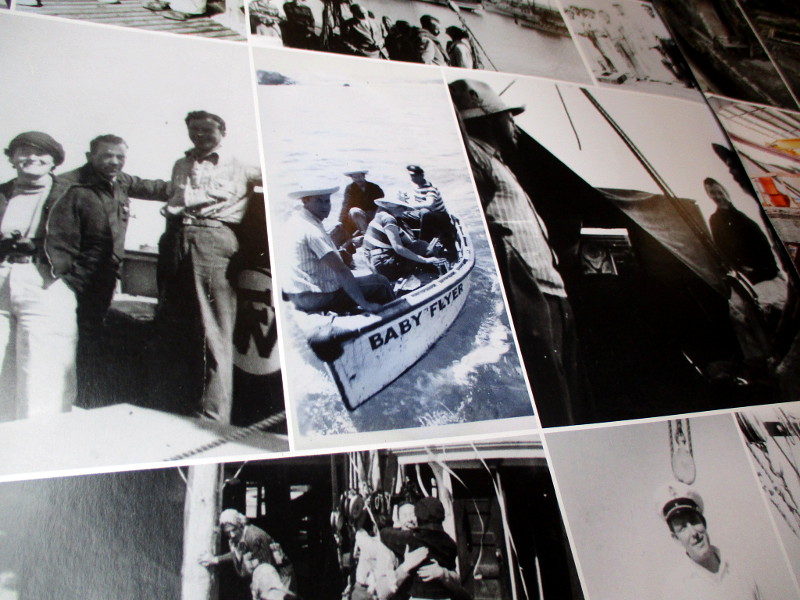
The image of the Baby Flyer is one of only two known photographs showing Steinbeck and Ricketts together. John Steinbeck is in the striped shirt, and Ed Ricketts is sitting next to him…
We then proceeded through the crowded engine room. You can learn about the Western Flyer’s original Atlas-Imperial diesel engine here. Today’s diesel/electric engine is quite useful for scientific research, allowing the boat to maneuver silently. I took no photographs of it–sorry.
We then peeked into the boat’s forepeak, where there are more bunks. John Steinbeck and the Western Flyer’s engineer Tex slept here and certainly held many interesting conversations.
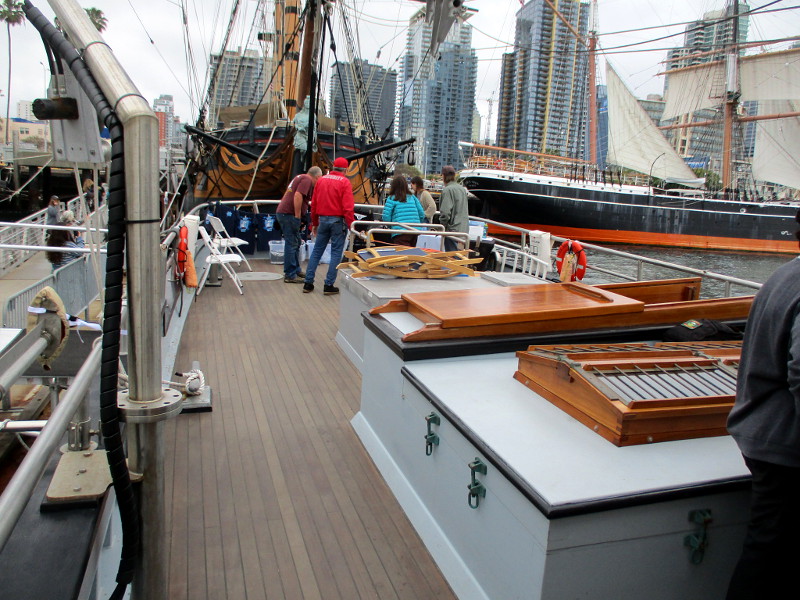
Up some steep steps and we’re back out on the main deck. That is HMS Surprise of the Maritime Museum of San Diego straight ahead, and their iconic Star of India–oldest active sailing ship in the world–to the right.
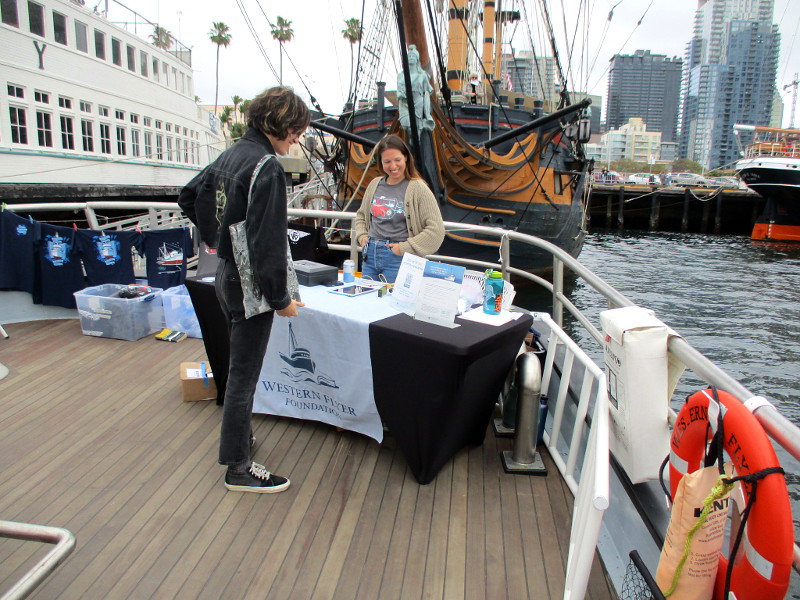
The Western Flyer Foundation had hats, shirts and stickers available for purchase. They are a nonprofit and would appreciate your donation!
Some more looks…
After departing the Maritime Museum of San Diego, the restored Western Flyer heads south to Ensenada, Mexico. They’re embarking on a recreation of the historic Sea of Cortez expedition. Instead of collecting marine specimens, however, they will be making new friends and educating the curious.
Follow the Western Flyer’s journey online! Experience it all virtually on the Western Flyer Foundation’s Facebook page here, and their Instagram page here!
…
I post new blogs pretty often. If you like discovering new things, bookmark coolsandiegosights.com and swing on by occasionally!
I live in downtown San Diego and love to walk around with my camera! You can follow Cool San Diego Sights via Facebook or X.
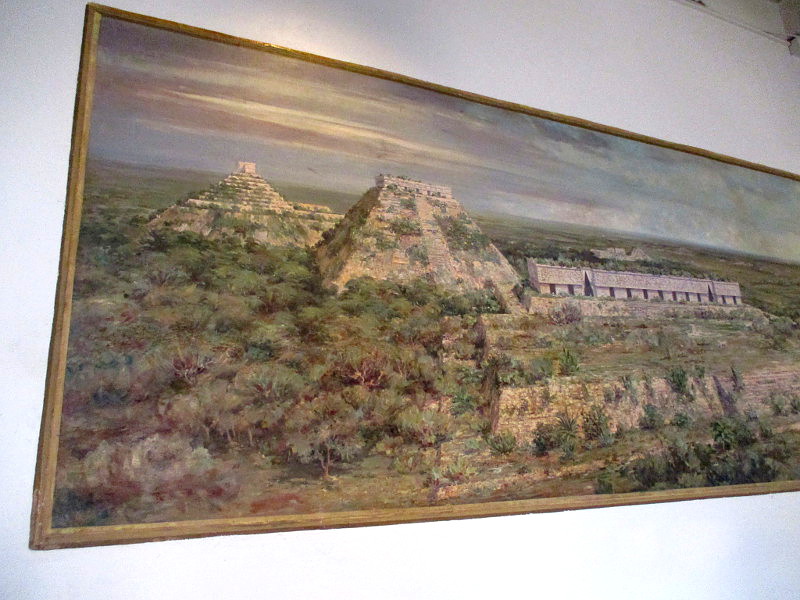
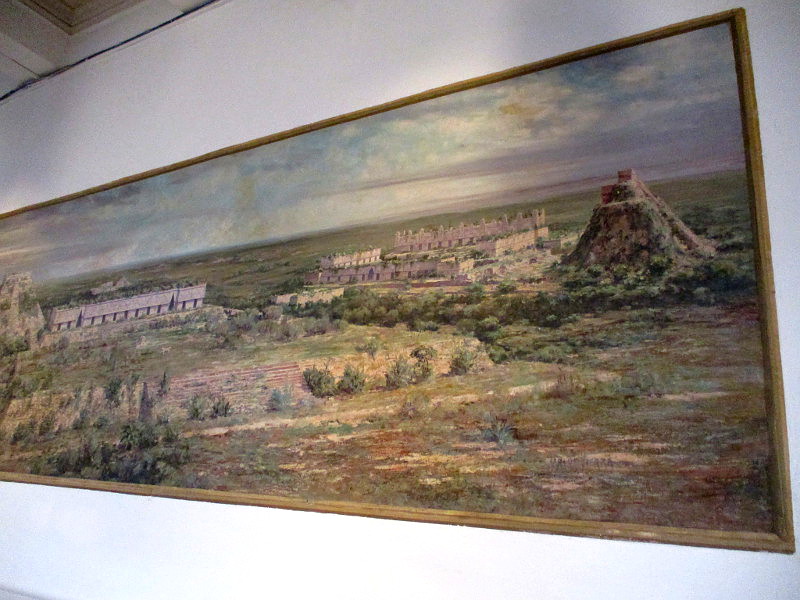
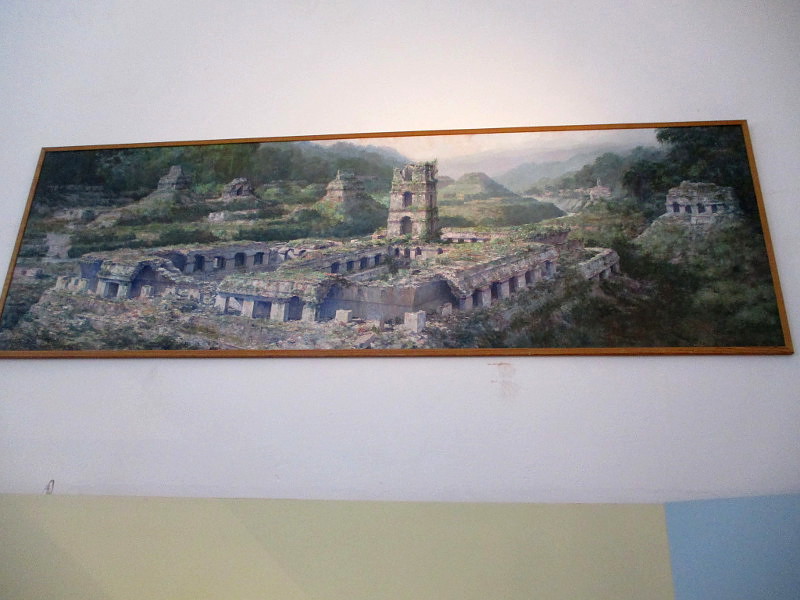
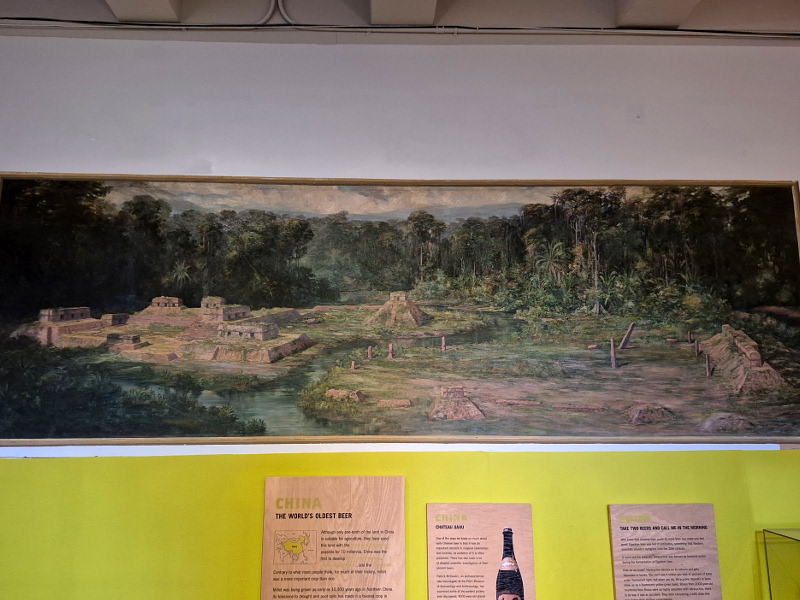
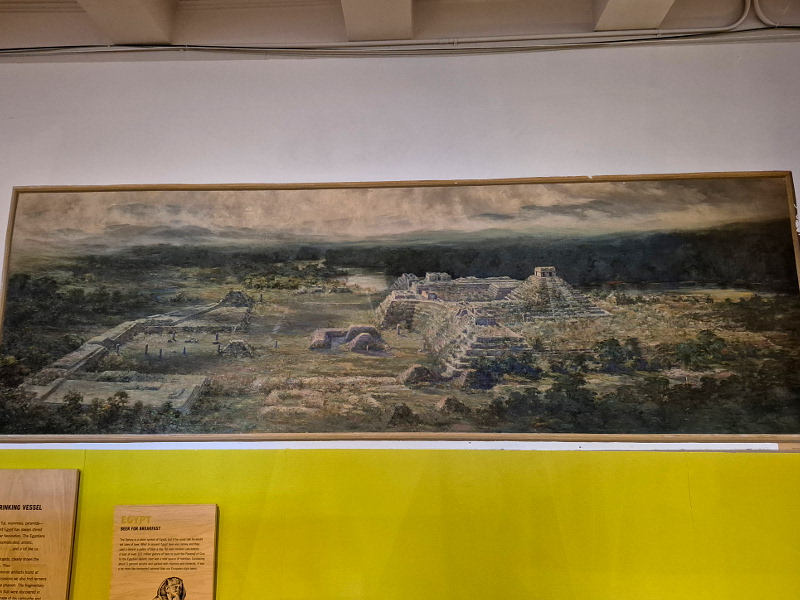
Today, inside Balboa Park’s Museum of Us (formerly called the Museum of Man), visitors can view reproductions of four murals.
The Museum of Us is housed in the historic California Building. In 1915 the building was home to the San Diego Museum. “The Story of Man Through the Ages” was the San Diego Museum’s exhibit during the Panama-California Exposition, and featured the six original Vierra murals.
Should you step into the Museum of Us, you can find two of the reproduced murals on the ground floor, in the large central atrium, hung on the wall on either side of the main entrance. Two additional murals can be viewed in a gallery on the second floor directly above.
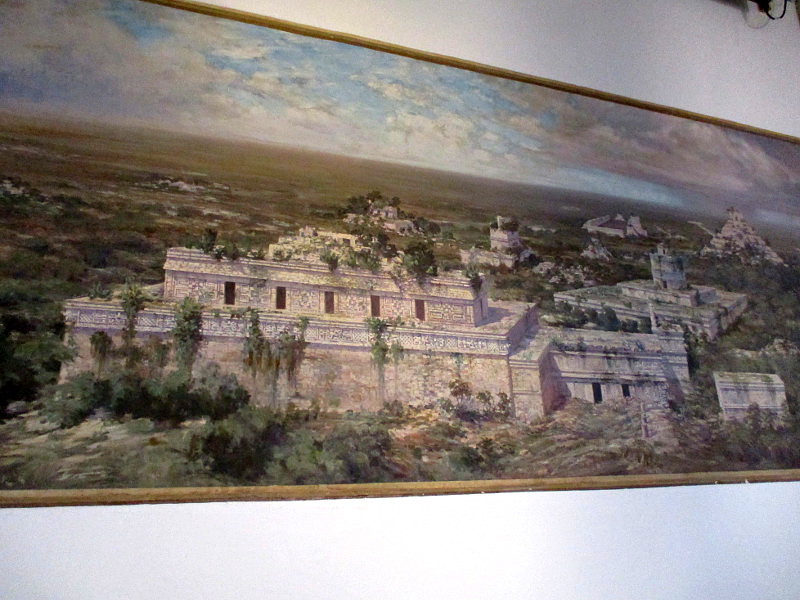
The two ground floor murals depict the ruins of prehistoric Chichén Itzá in Yucatán, Mexico.
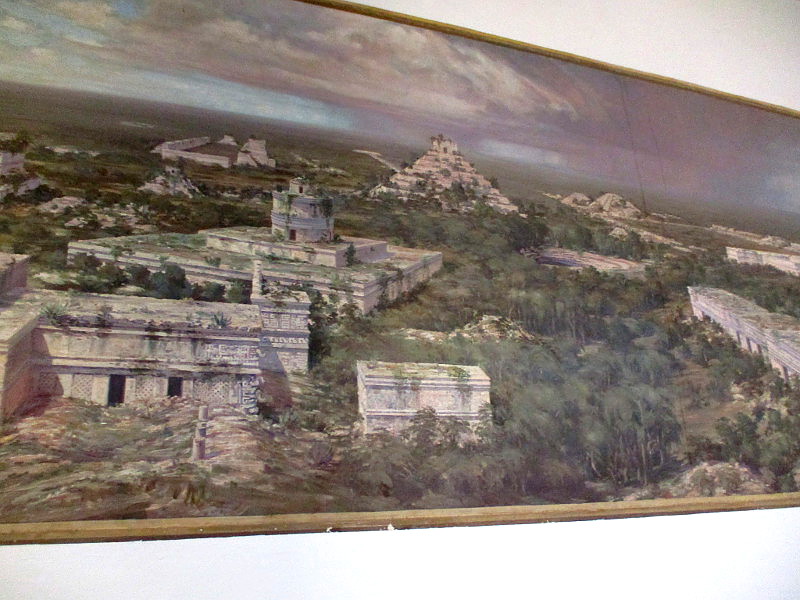
My first pair of photographs (above) show one mural on the ground floor. As a sign explains: Central to this painting is the round building, known as the Caracol, which functioned as an observatory. Behind it lies the ballcourt, the largest such ritual playing field in Mesoamerica. To the right is the sacred cenote, the well of sacrifice.
The second pair of photographs (below) show the mural to the right of it. These murals depict the Maya architectural style known as Puuc, that prevailed from about 600 AD to 900 AD.
Decorating a gallery wall on the second floor, the two additional Vierra murals illustrate the ancient cities of Palenque and Tikal…
UPDATE!
I’ve since learned two more Vierra murals can be viewed in the museum. I’ll go in search of them next time I visit the Museum of Us, and post those photos in an update!
ANOTHER UPDATE!
Here they are…
…
I post new blogs pretty often. If you like discovering new things, bookmark coolsandiegosights.com and swing on by occasionally!
I live in downtown San Diego and love to walk around with my camera! You can follow Cool San Diego Sights via Facebook or X.
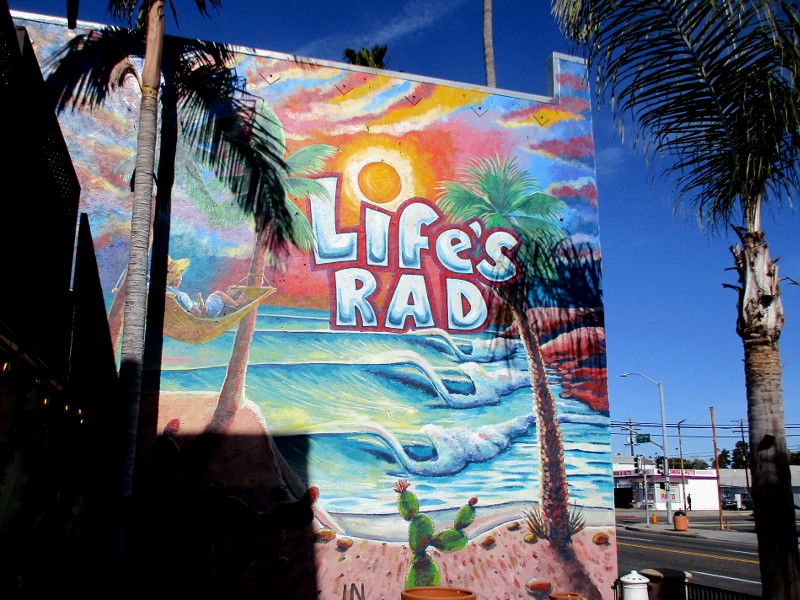
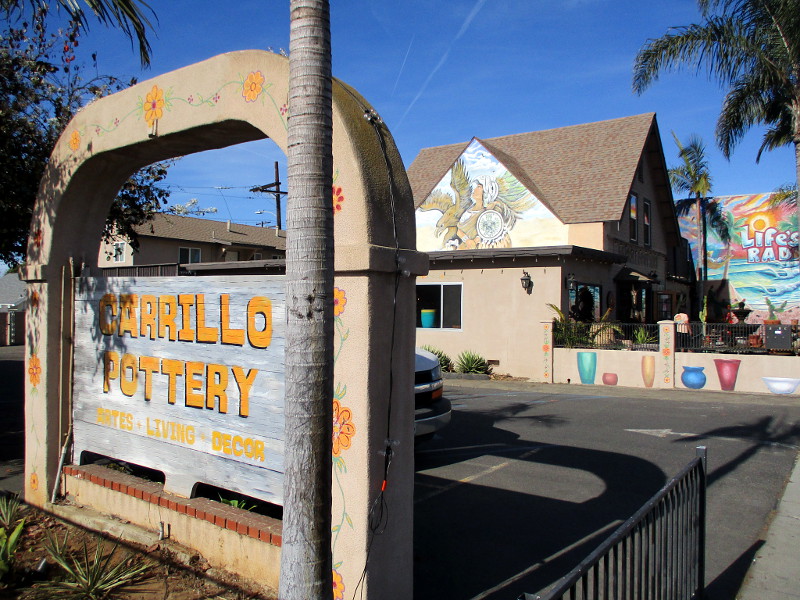
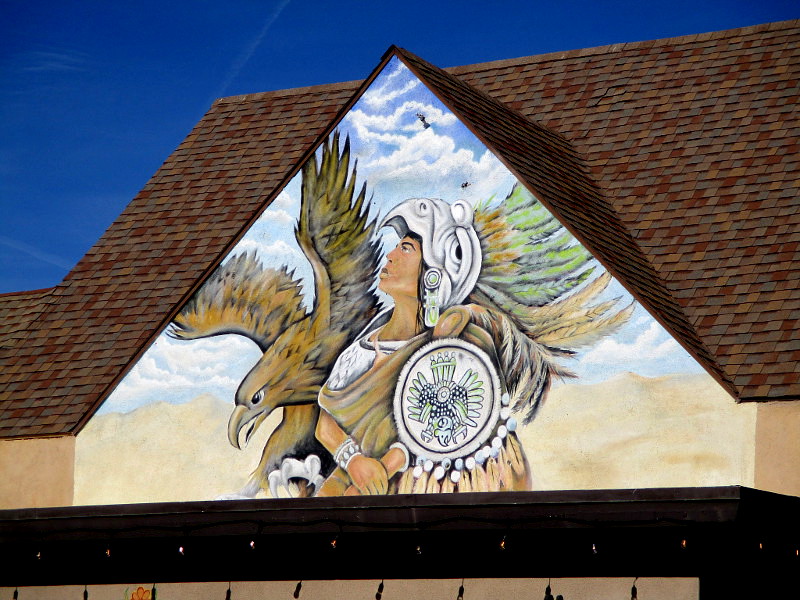
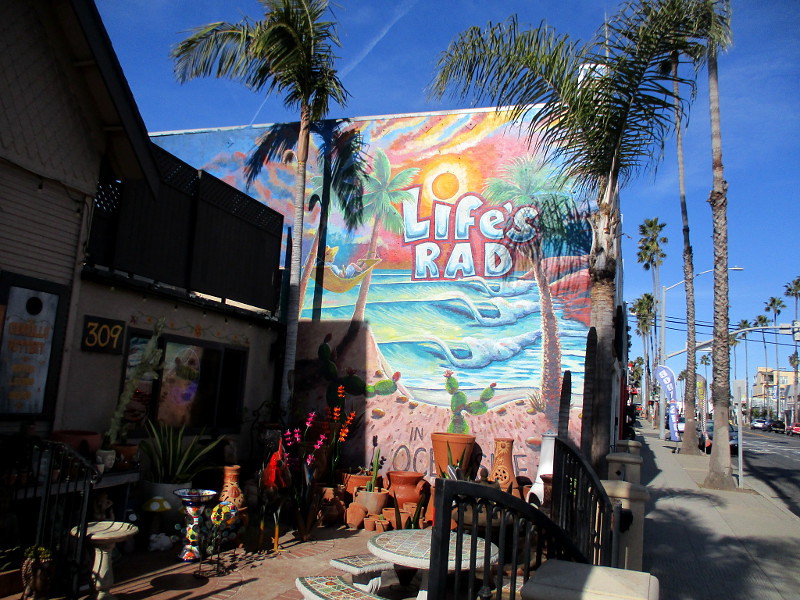
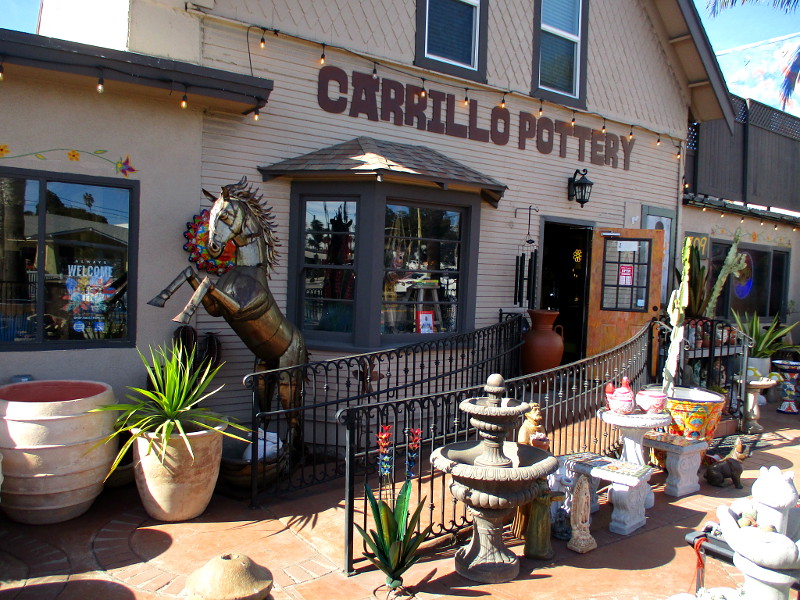
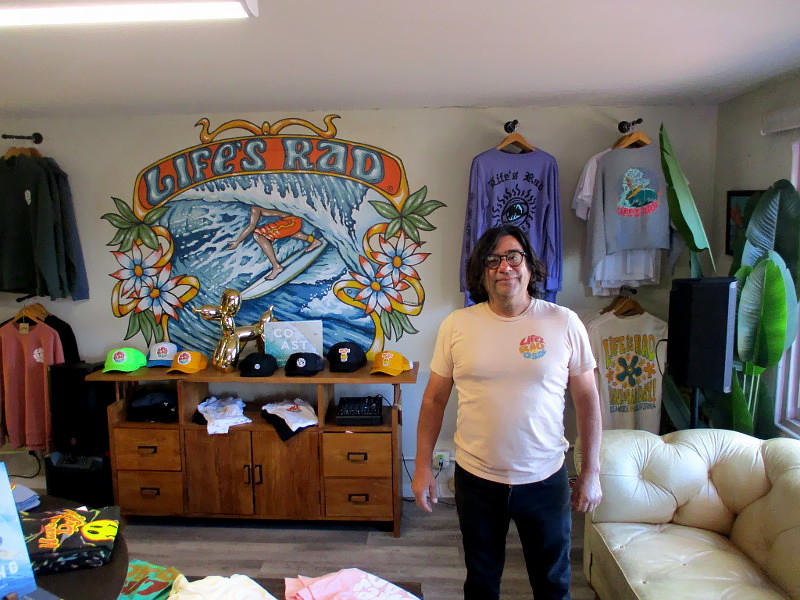
“Life’s Rad” proclaims a mural painted outside Carrillo Pottery in Oceanside. This and a mural depicting an Aztec figure drew my curiosity as I walked up South Coast Highway.
Then a guy came out the front door and greeted me. It was Joey Carrillo. Come on in! he said smiling.
What I found inside Carrillo Pottery was beyond cool.
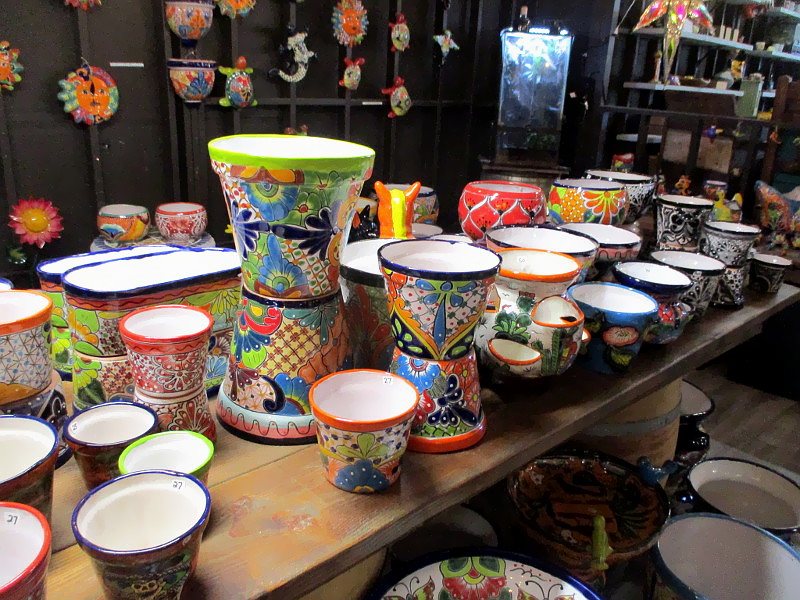
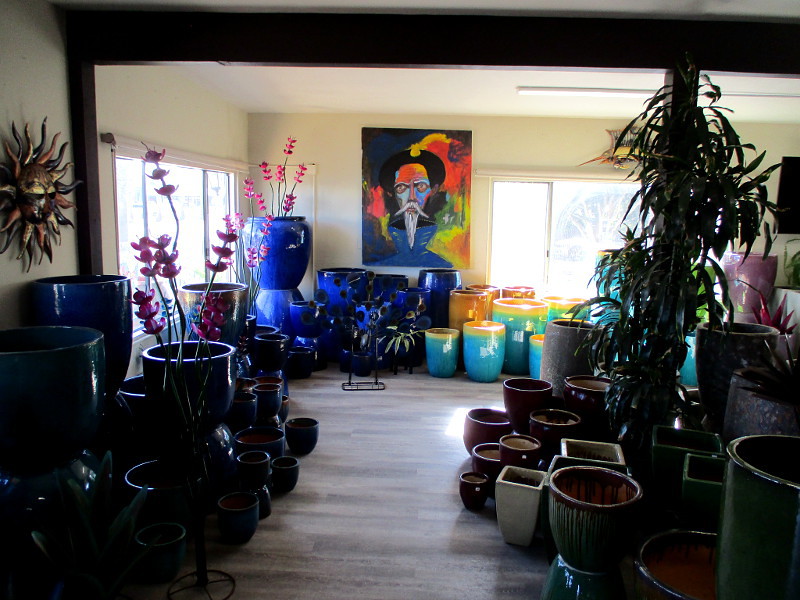
Super colorful, authentic Mexican pottery, and super unique handcrafted decor fill the large shop to overflowing. Bright colors are everywhere. The vibe inside the place is definitely SoCal.
Joey showed me how all sorts of products by local artists are for sale, too, making the place something of an art gallery.
Life’s Rad is a California lifestyle brand featured at Carrillo Pottery. The brand thrives with the help of artist Sean Dominguez (@artbydomo), who created the outdoor Life’s Rad mural, the brand logo, shirt designs and more.
I’m so glad I ventured into Carrillo Pottery. It brightened my walk through Oceanside. Joey Carrillo is the coolest guy you could ever hope to meet–he’s a musician, too!
…
I post new blogs pretty often. If you like discovering new things, bookmark coolsandiegosights.com and swing on by occasionally!
I live in downtown San Diego and love to walk around with my camera! You can follow Cool San Diego Sights via Facebook or X.







 Cool San Diego Sights!