Four historic 1915 murals in Balboa Park.

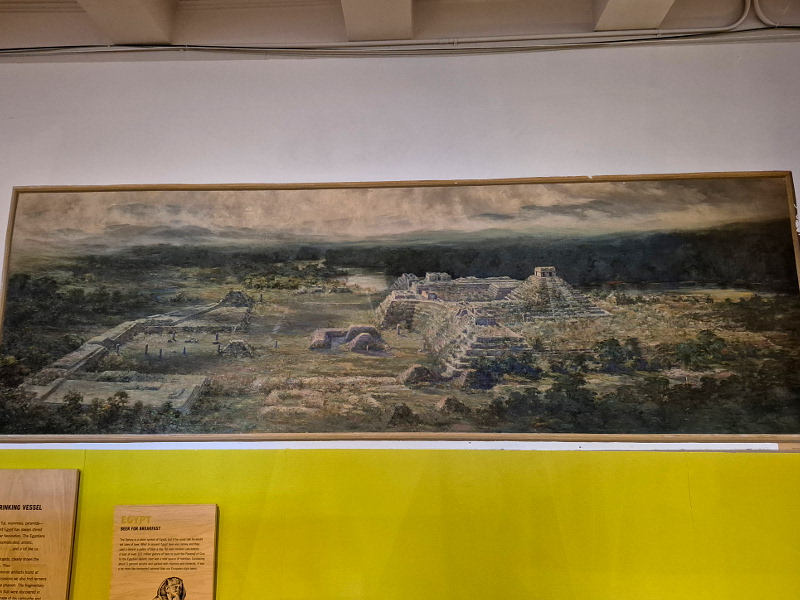
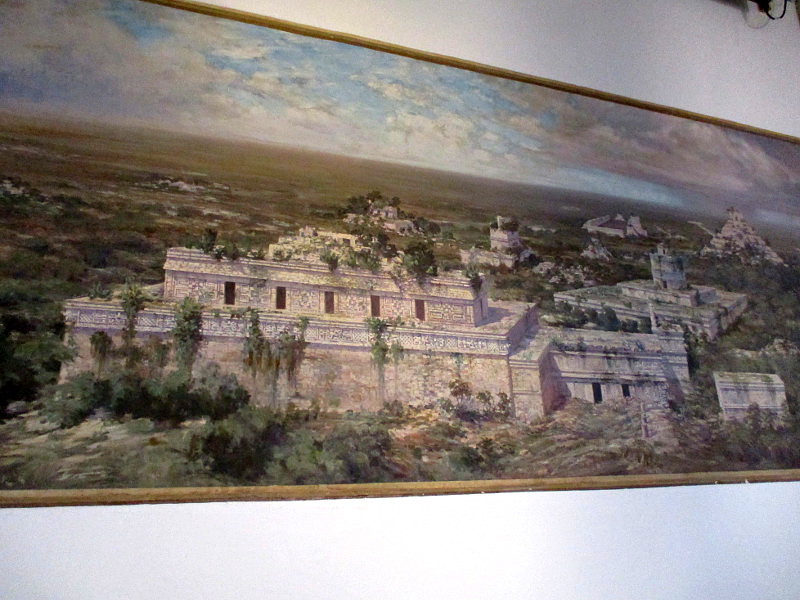
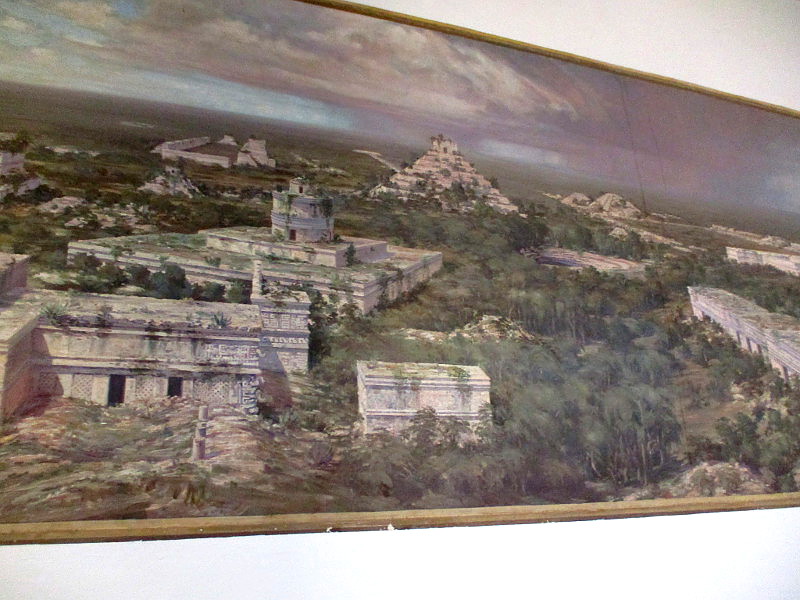
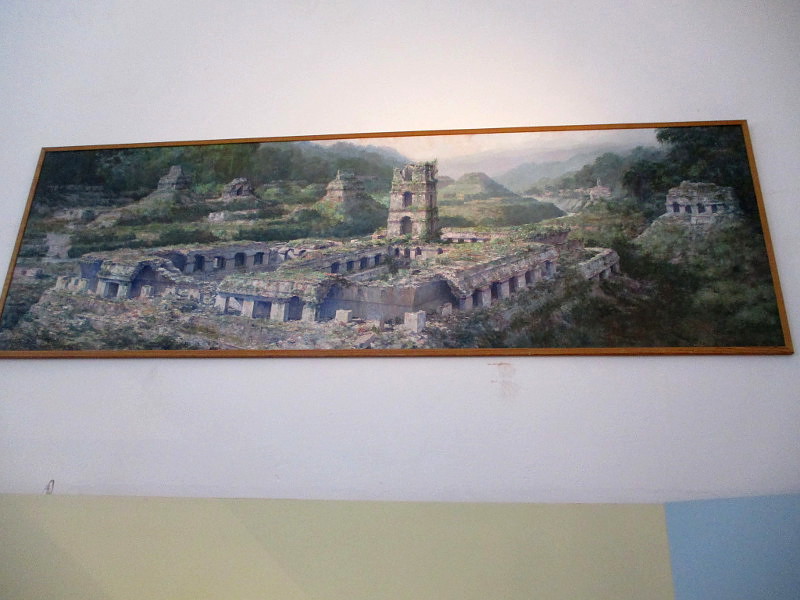
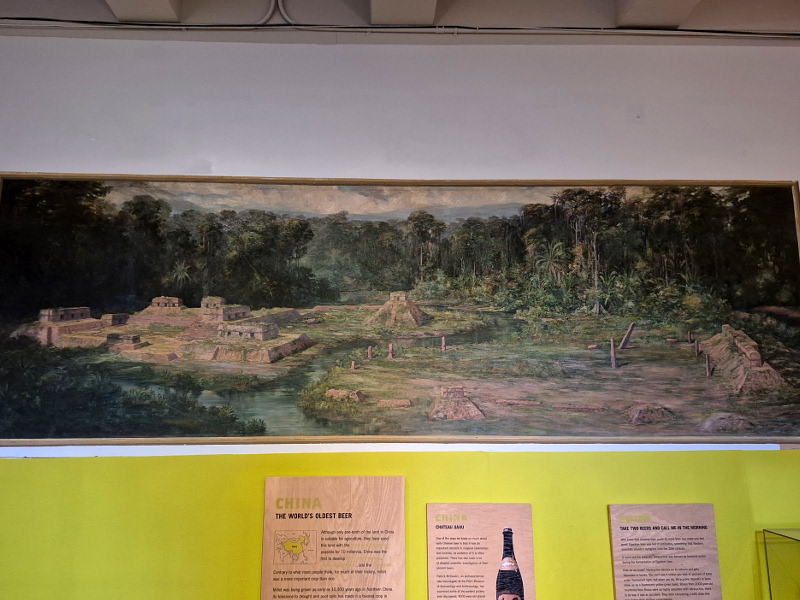
Renowned artist Carlos Vierra painted six murals of Mayan cities for the 1915 Panama–California Exposition in San Diego’s Balboa Park.

Today, inside Balboa Park’s Museum of Us (formerly called the Museum of Man), visitors can view reproductions of four murals.

The Museum of Us is housed in the historic California Building. In 1915 the building was home to the San Diego Museum. “The Story of Man Through the Ages” was the San Diego Museum’s exhibit during the Panama-California Exposition, and featured the six original Vierra murals.

Should you step into the Museum of Us, you can find two of the reproduced murals on the ground floor, in the large central atrium, hung on the wall on either side of the main entrance. Two additional murals can be viewed in a gallery on the second floor directly above.

The two ground floor murals depict the ruins of prehistoric Chichén Itzá in Yucatán, Mexico.

My first pair of photographs (above) show one mural on the ground floor. As a sign explains: Central to this painting is the round building, known as the Caracol, which functioned as an observatory. Behind it lies the ballcourt, the largest such ritual playing field in Mesoamerica. To the right is the sacred cenote, the well of sacrifice.

The second pair of photographs (below) show the mural to the right of it. These murals depict the Maya architectural style known as Puuc, that prevailed from about 600 AD to 900 AD.
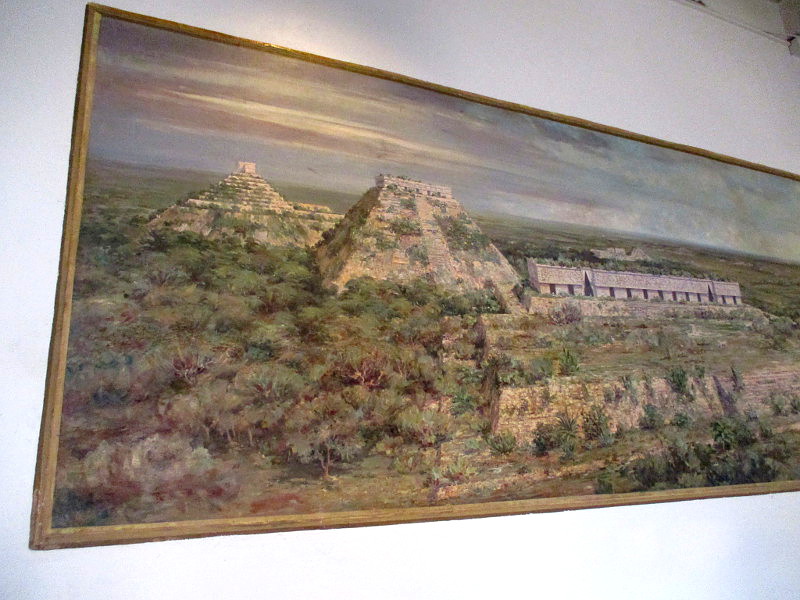
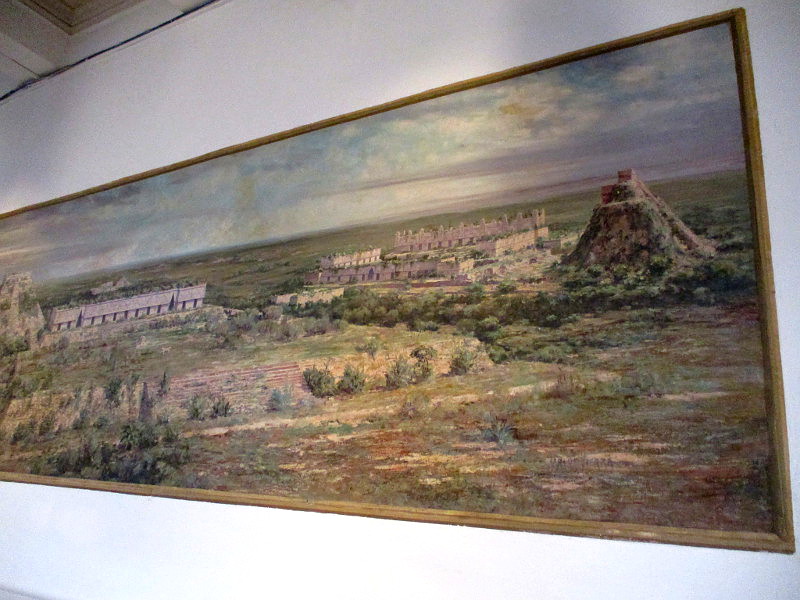
Decorating a gallery wall on the second floor, the two additional Vierra murals illustrate the ancient cities of Palenque and Tikal…
UPDATE!

I’ve since learned two more Vierra murals can be viewed in the museum. I’ll go in search of them next time I visit the Museum of Us, and post those photos in an update!

ANOTHER UPDATE!

Here they are…
I post new blogs pretty often. If you like discovering new things, bookmark coolsandiegosights.com and swing on by occasionally!

I live in downtown San Diego and love to walk around with my camera! You can follow Cool San Diego Sights via Facebook or X.

Feel free to share this!
Cool murals and art at Carrillo Pottery!

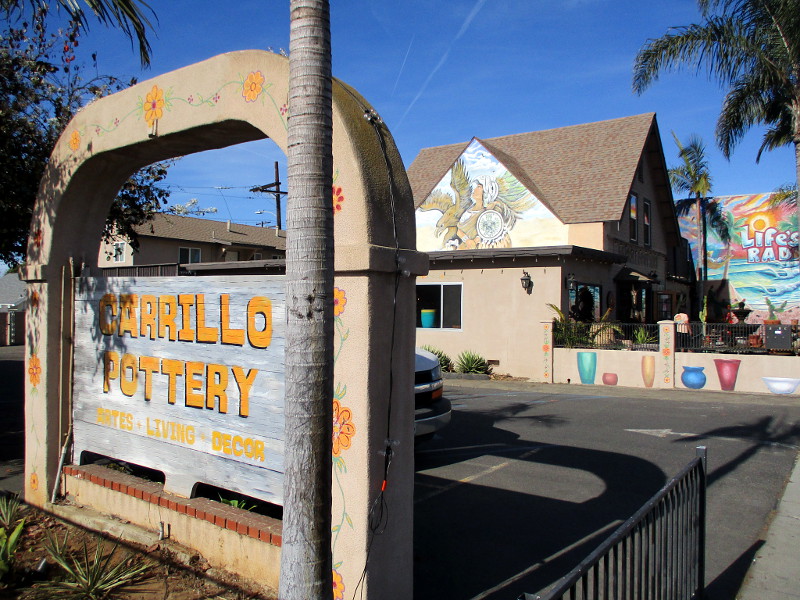
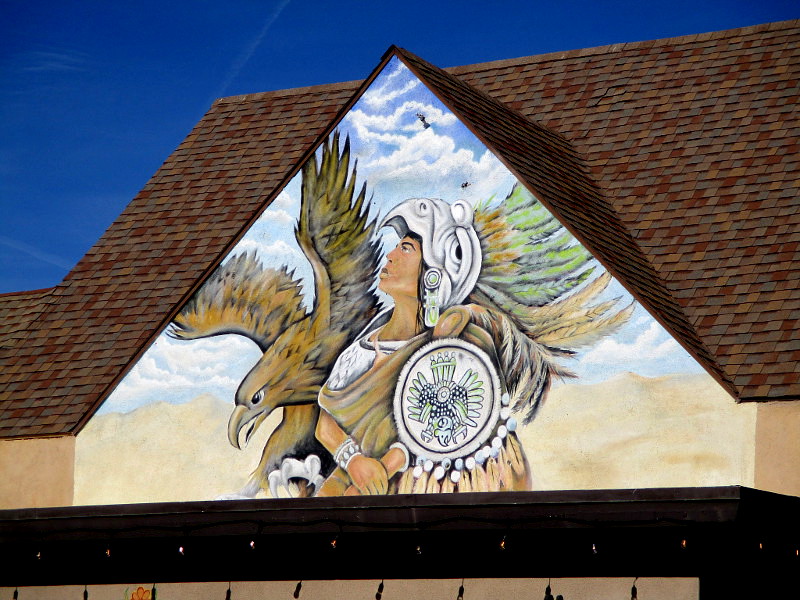
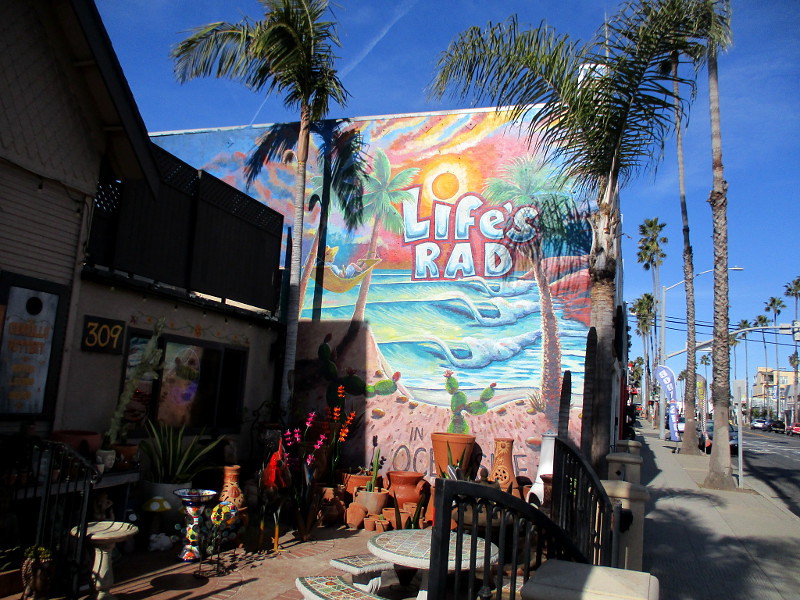
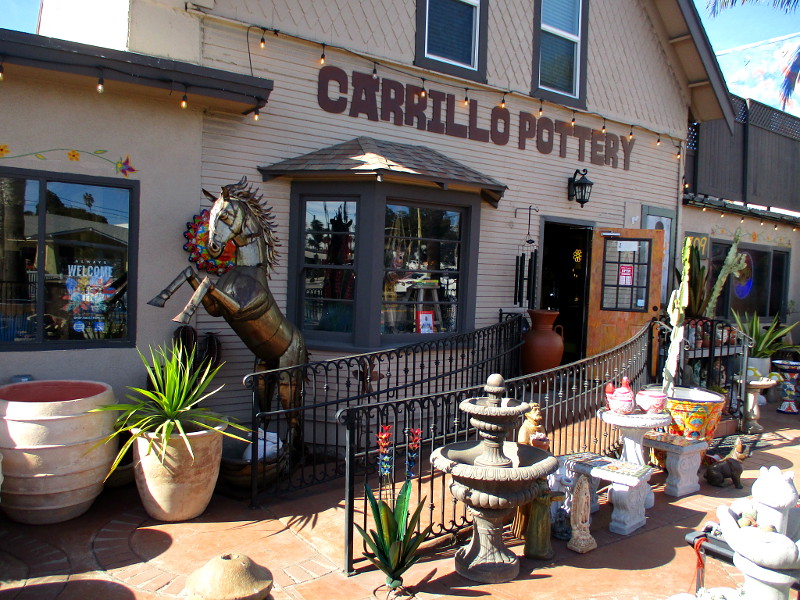
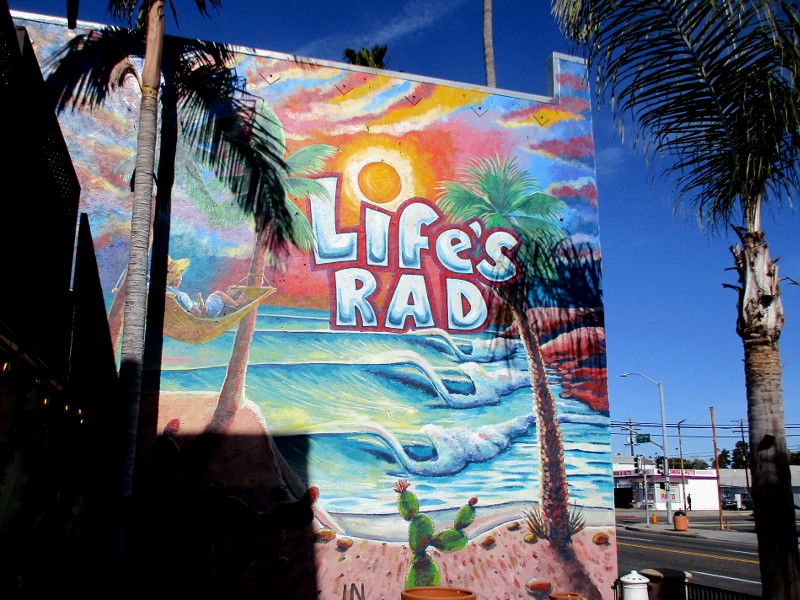
“Life’s Rad” proclaims a mural painted outside Carrillo Pottery in Oceanside. This and a mural depicting an Aztec figure drew my curiosity as I walked up South Coast Highway.

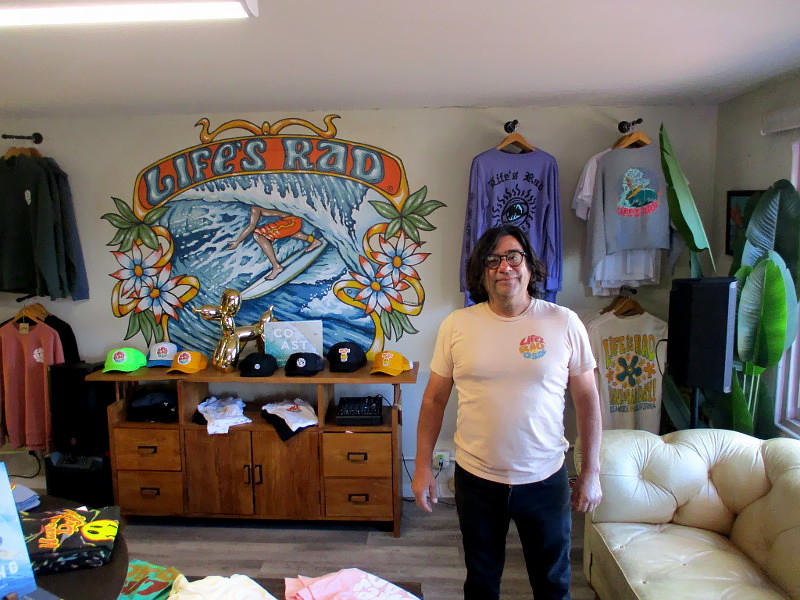
Then a guy came out the front door and greeted me. It was Joey Carrillo. Come on in! he said smiling.

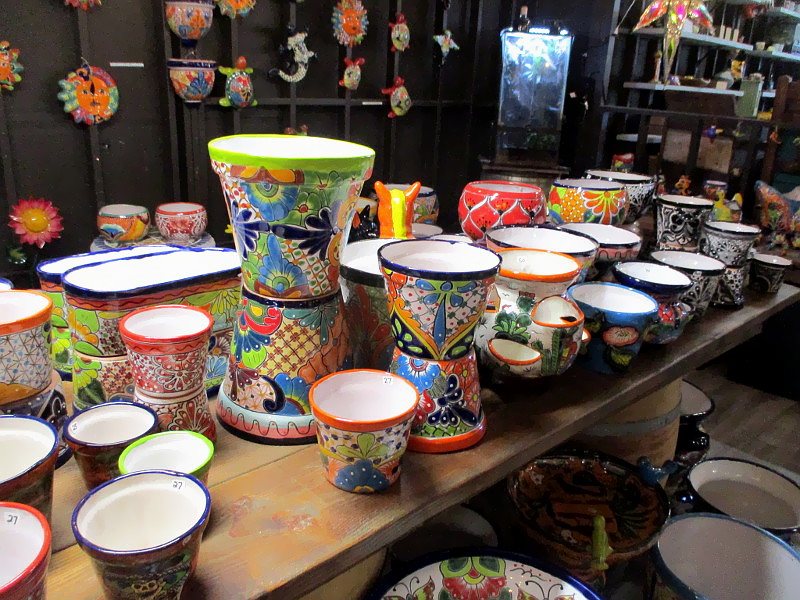
What I found inside Carrillo Pottery was beyond cool.

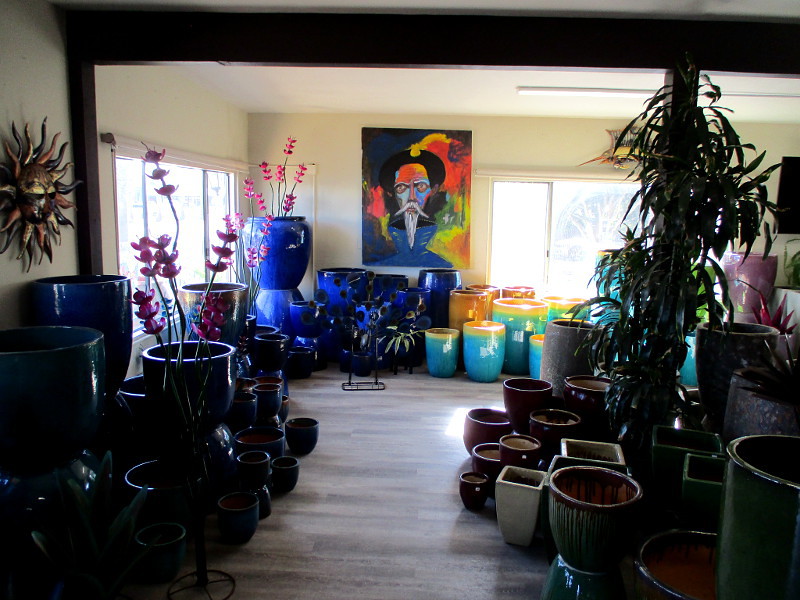
Super colorful, authentic Mexican pottery, and super unique handcrafted decor fill the large shop to overflowing. Bright colors are everywhere. The vibe inside the place is definitely SoCal.

Joey showed me how all sorts of products by local artists are for sale, too, making the place something of an art gallery.

Life’s Rad is a California lifestyle brand featured at Carrillo Pottery. The brand thrives with the help of artist Sean Dominguez (@artbydomo), who created the outdoor Life’s Rad mural, the brand logo, shirt designs and more.

I’m so glad I ventured into Carrillo Pottery. It brightened my walk through Oceanside. Joey Carrillo is the coolest guy you could ever hope to meet–he’s a musician, too!

I post new blogs pretty often. If you like discovering new things, bookmark coolsandiegosights.com and swing on by occasionally!

I live in downtown San Diego and love to walk around with my camera! You can follow Cool San Diego Sights via Facebook or X.

Thank you for sharing!

Library exhibit celebrates Hubbell art in Mexico.

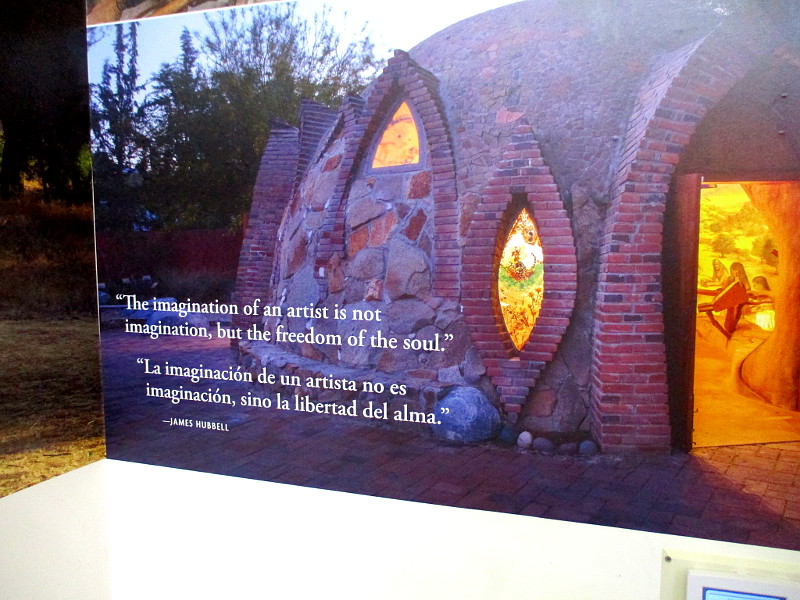
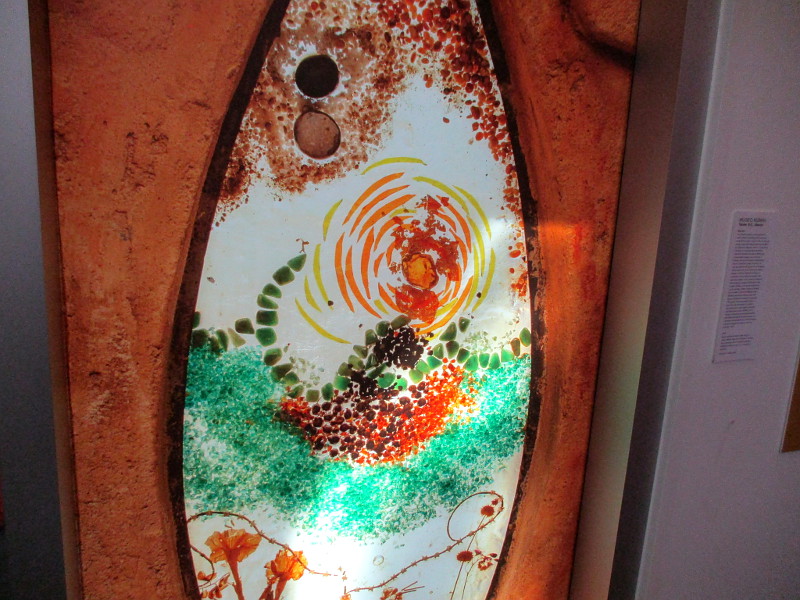
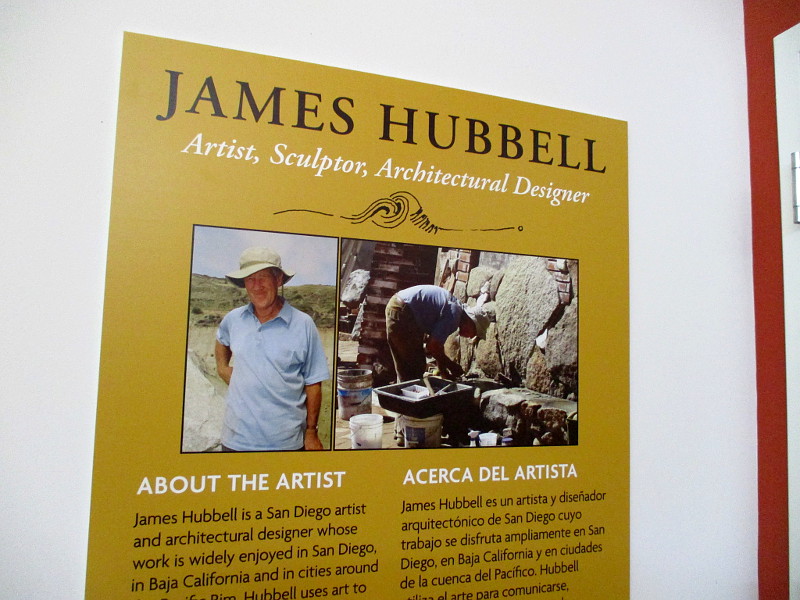
The Otay Mesa-Nestor Library currently has a great exhibit in their community room. Informative displays concern the work of renowned San Diego artist, architectural designer and sculptor James Hubbell in Mexico.

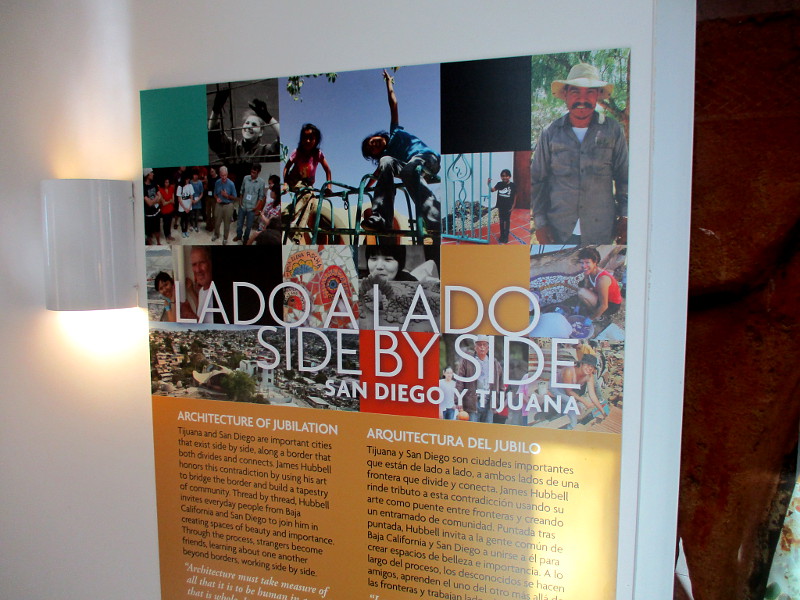
The exhibition, Architecture of Jubilation: Lado a Lado, was supposed to conclude in 2024, but has been extended. A librarian told me they’re hanging onto the exhibit as long as they can!

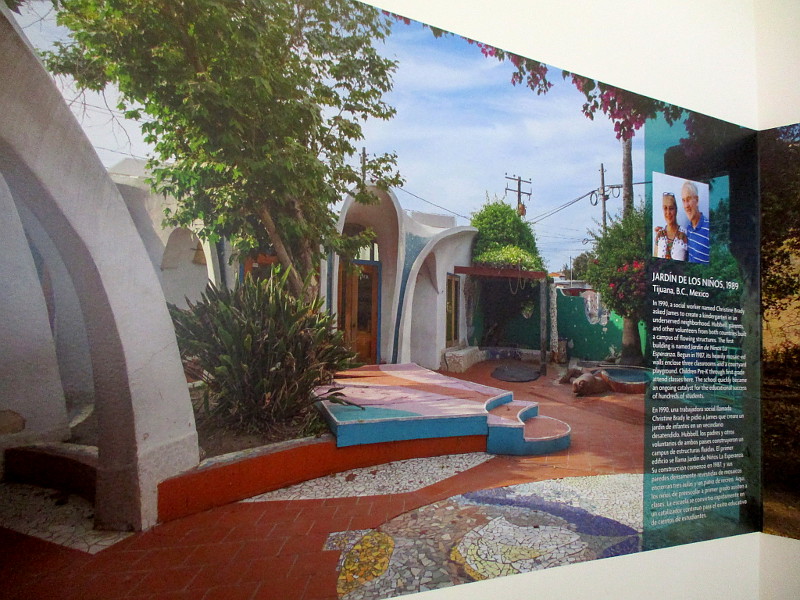
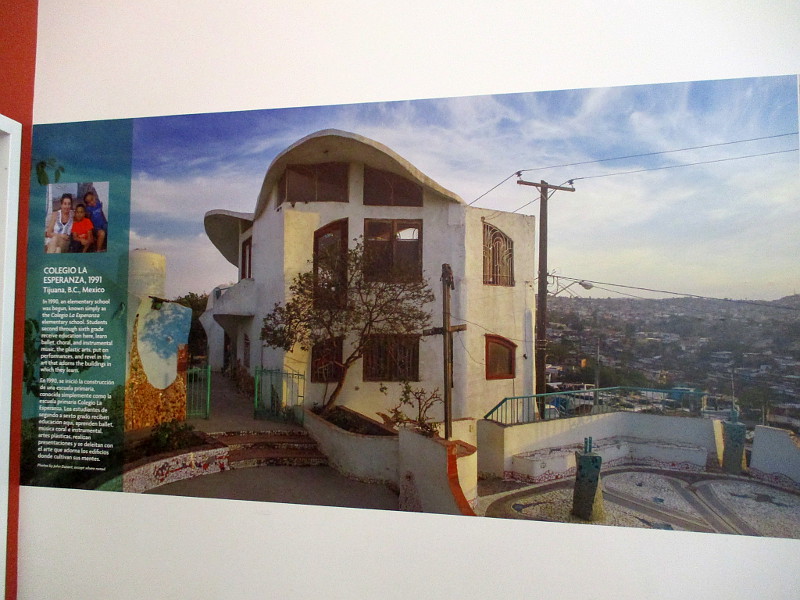
This afternoon I visited the library and gazed at photographs and descriptions of Hubbell’s amazing, organic architectural work in Mexico, including the elementary school Colegio La Esperanza in Tijuana, which he and thousands of community volunteers built.

Another display concerns his Kuchumaa Passage art park, which honors our region’s native Kumeyaay people. Hubbell, with artist Milenko Matanovic, assisted by more volunteers, created beauty on the grounds of Rancho La Puerta fitness spa and resort in Tecate, Mexico. The community-built art park would lead to the creation of Hubbell’s later Pacific Rim Park projects. (The one on Shelter Island–Pearl of the Pacific–can be seen here.)

Other Hubbell projects covered by the Architecture of Jubilation: Lado a Lado exhibit include the Museo Kumiai in Tecate, and Jardín de los Niños in Tijuana.

As one poster explains: Tijuana and San Diego are important cities that exist side by side, along a border that both divides and connects. James Hubbell honors this contradiction by using his art to bridge the border and build a tapestry of community. Thread by thread, Hubbell invites everyday people from Baja California and San Diego to join him in creating spaces of beauty and importance…

James Hubbell passed away last year, but his work will inspire many people and brighten our world far into the future.

I post new blogs pretty often. If you like discovering new things, bookmark coolsandiegosights.com and swing on by occasionally!

I live in downtown San Diego and love to walk around with my camera! You can follow Cool San Diego Sights via Facebook or X.

Thank you for sharing!

San Diego organization rescues dogs in Mexico.

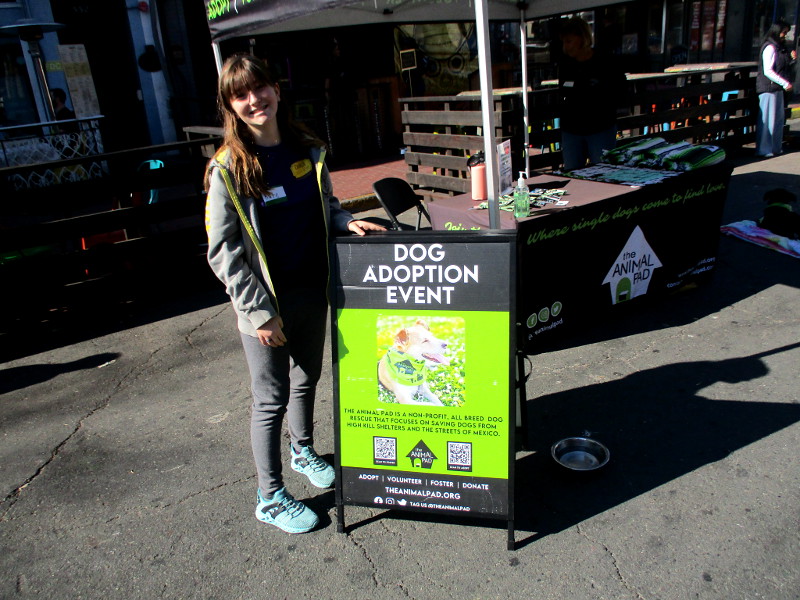
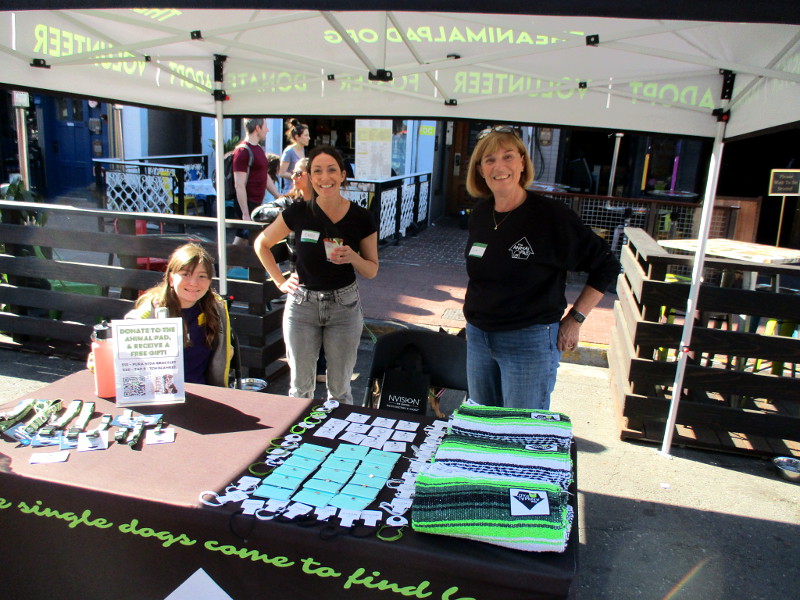
There’s a San Diego-based nonprofit organization that rescues dogs from high kill shelters and the streets of Mexico. The Animal Pad rescues all breeds with its connections in Baja California–particularly in Ensenada and Tijuana.

The Animal Pad has many lovable, adoptable furry friends who are ready to join your family today!

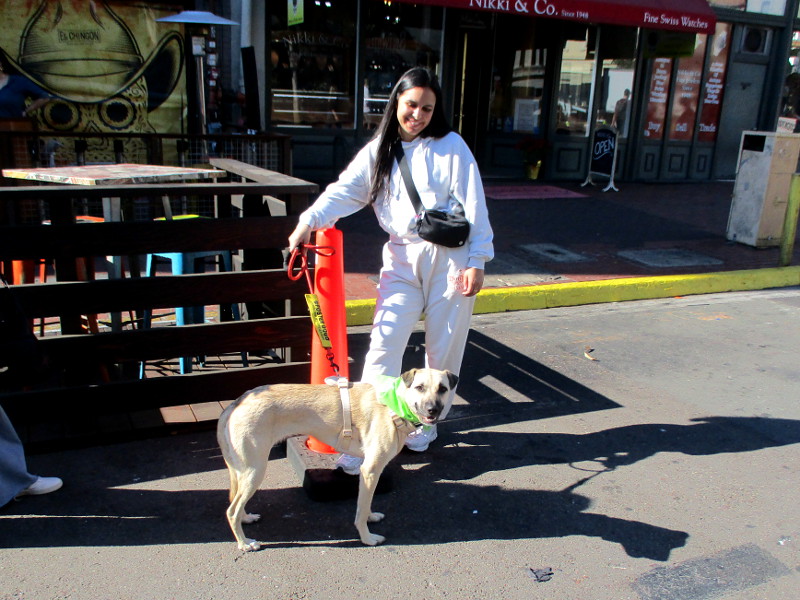
Early this afternoon, as I walked through San Diego’s Gaslamp Quarter, I met smiling volunteers who were engaged in community outreach. I learned a little about the good work they are doing. The Animal Pad rescues dogs from Southern California as well as Mexico. They provide veterinarian care and rehabilitation for the rescued dogs before four-legged friends head to loving foster homes.

The Animal Pad also has a youth education program and operates the fun Camp Tappy Tails for dog loving children ages 7-12. Their La Mesa facility hosts birthday parties, too!

The Animal Pad website explains: The Animal Pad is only able to do what we do through the efforts of a wide network of volunteers, fosters, donors, sponsor organizations, and adopters. It truly takes a village. And we are always looking for help! The Animal Pad is seeking new avenues for fundraising, veterinary and pet supply connections, and anything else that can assist TAP in helping these innocent souls.

Would you like to adopt a new friend? Do you want to be a hero and help out in some other way? Go to The Animal Pad website by clicking here!

I post new blogs pretty often. If you like discovering new things, bookmark coolsandiegosights.com and swing on by occasionally!

I live in downtown San Diego and love to walk around with my camera! You can follow Cool San Diego Sights via Facebook or X.

Thank you for sharing!

Christmas at Fiesta de Reyes in Old Town.

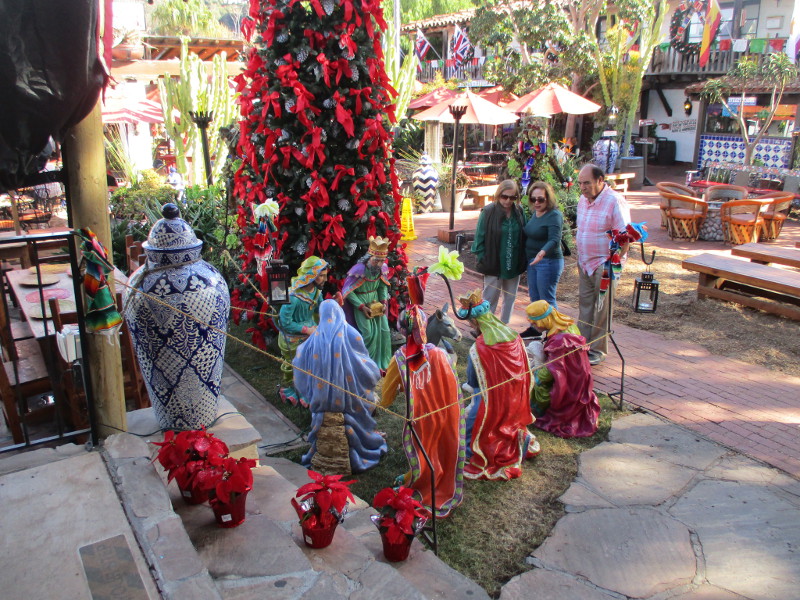
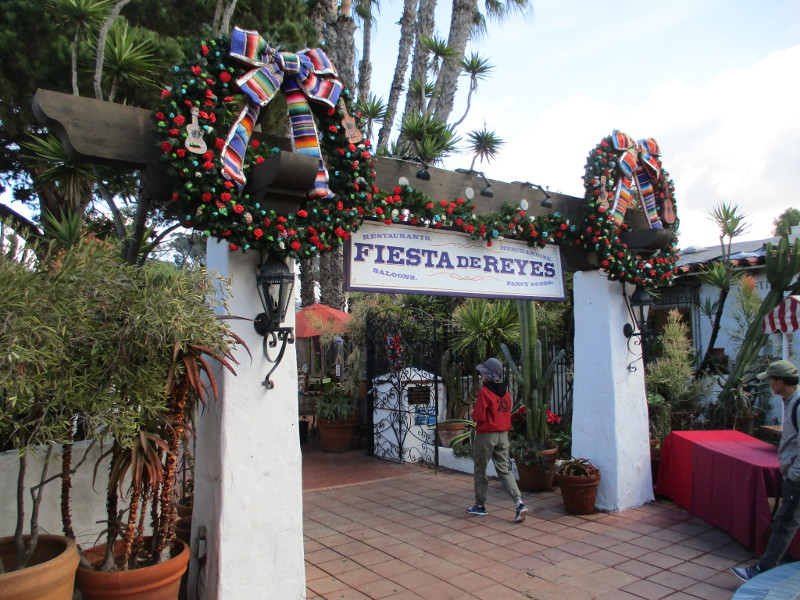
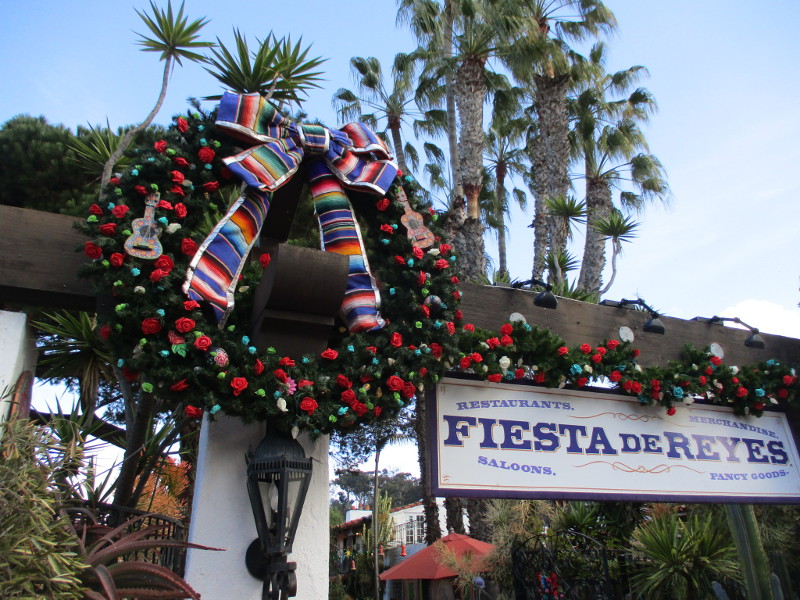
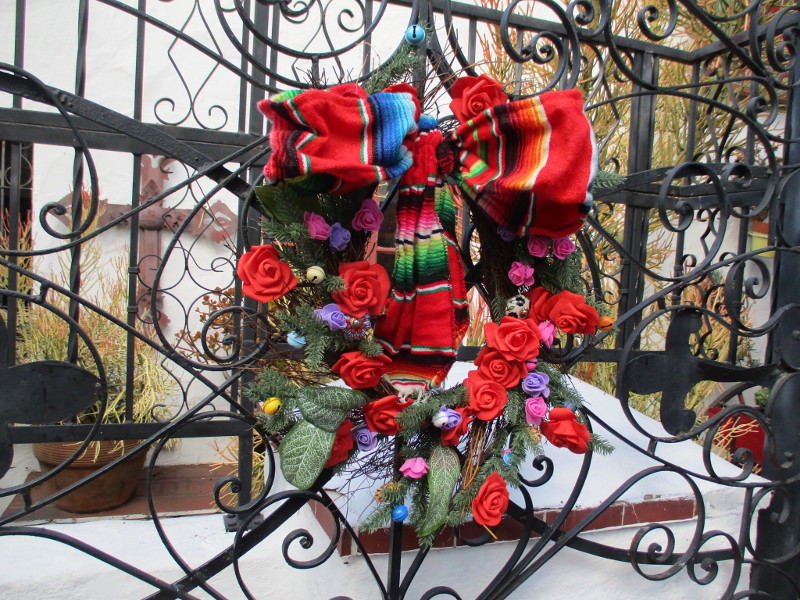
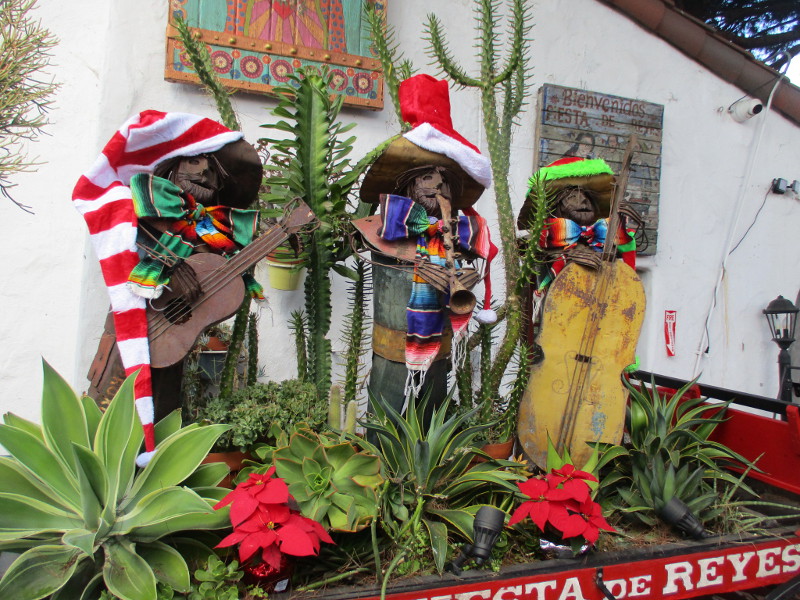
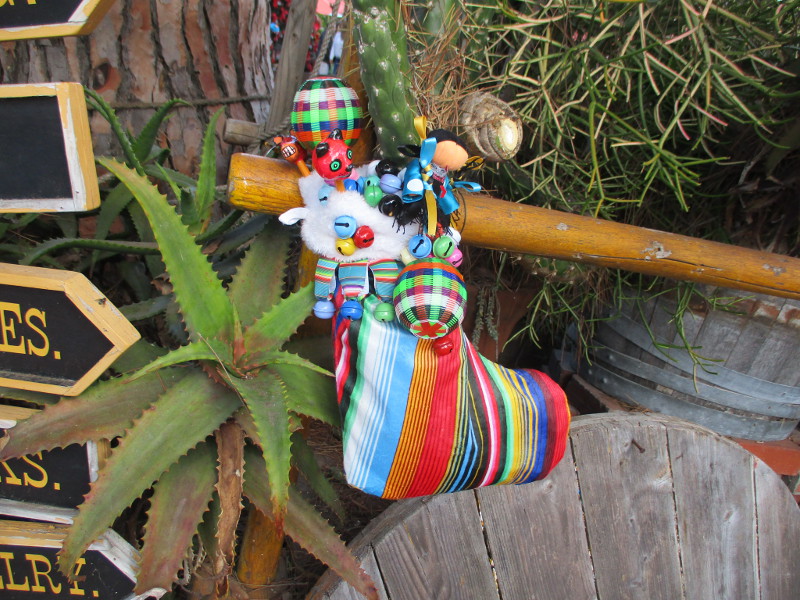
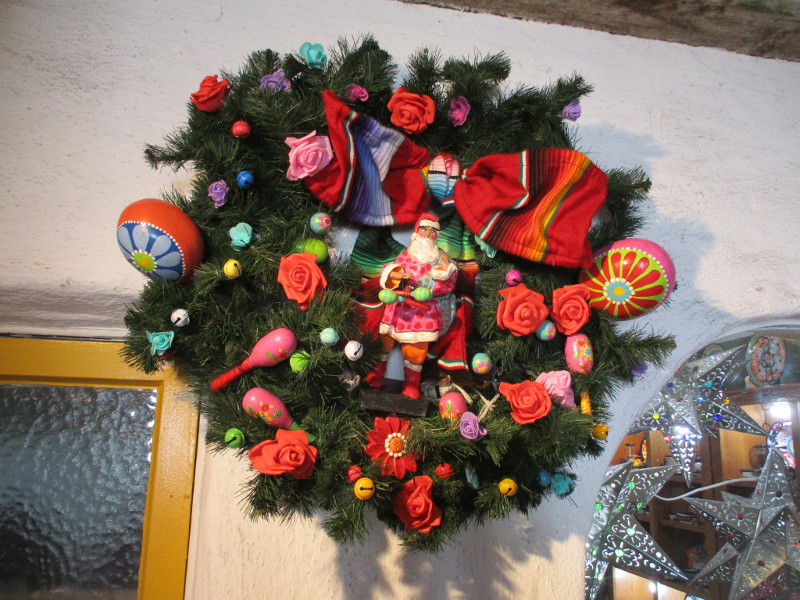
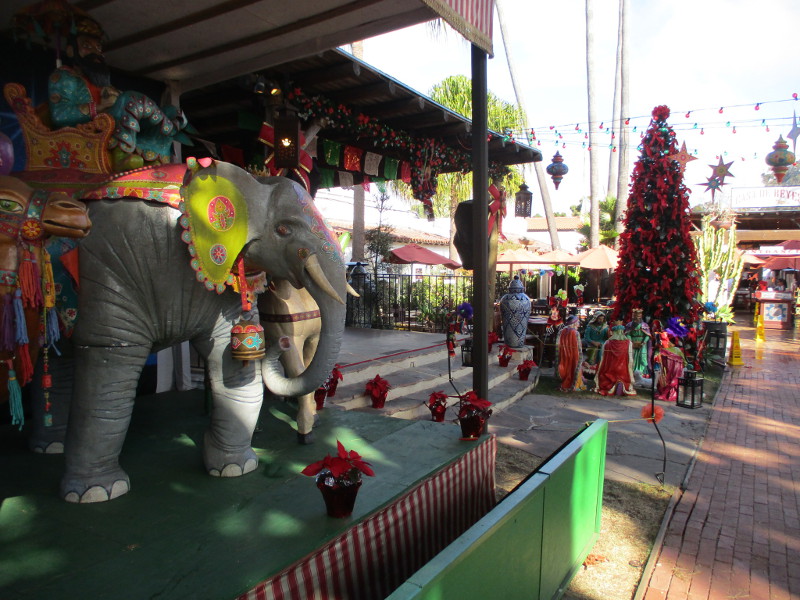
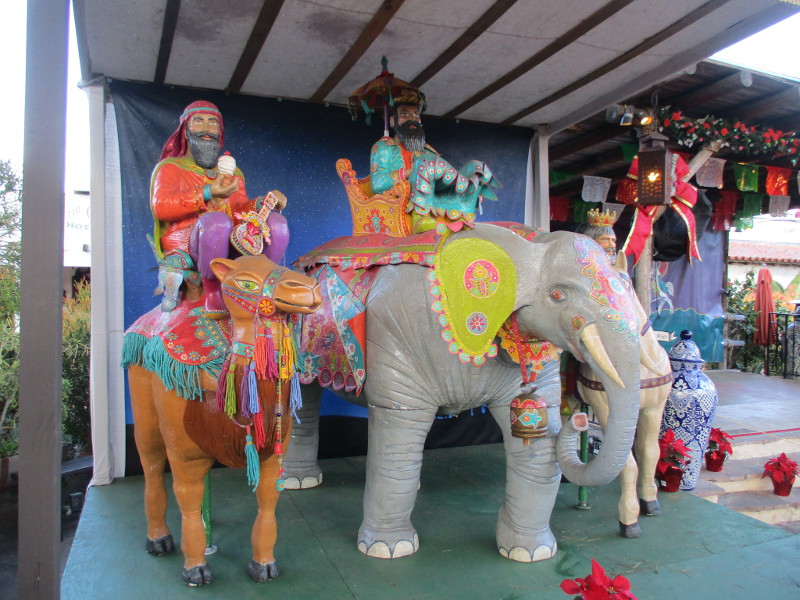
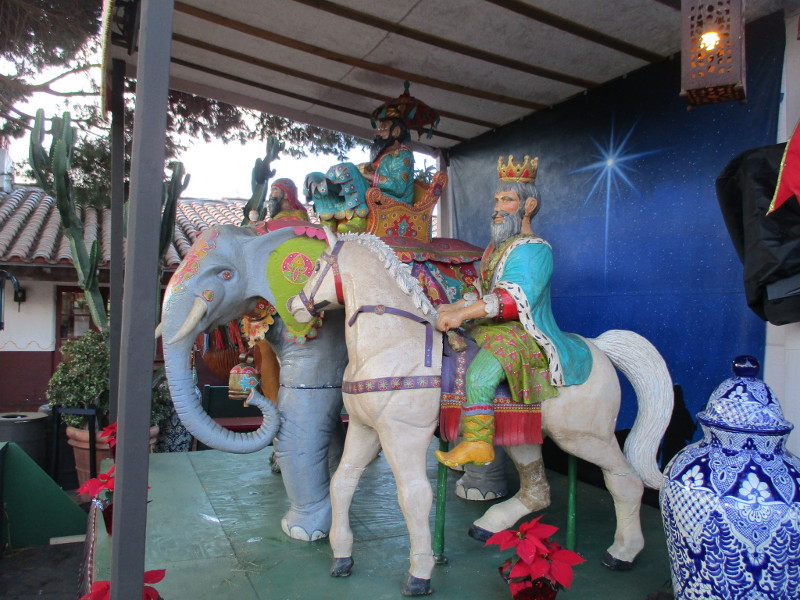
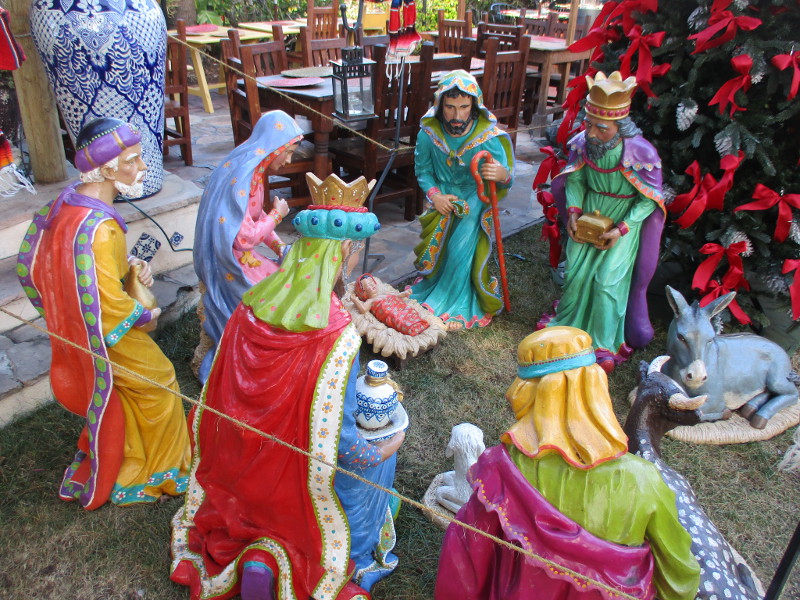
Fiesta de Reyes in Old Town San Diego State Historic Park appears to be ready for Christmas!
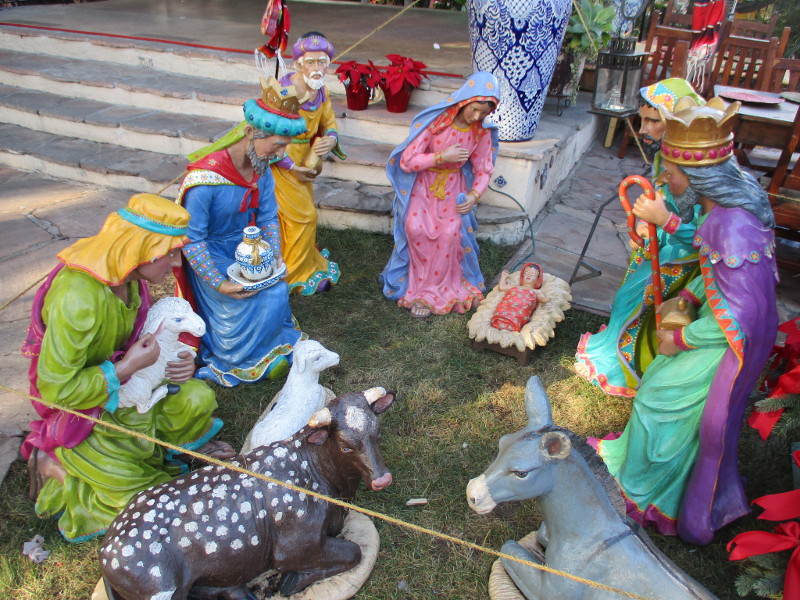
The Mexican restaurant and its colorful shops have been decorated with bright wreaths, poinsettias, Christmas trees, a Nativity scene, and a larger-than-life display up on one stage depicting the three wise men.

As you can see from my photographs taken this morning, many of the holiday decorations have a festive Mexican flavor!

I post new blogs pretty often. If you like discovering new things, bookmark coolsandiegosights.com and swing on by occasionally!

I live in downtown San Diego and love to walk around with my camera! You can follow Cool San Diego Sights via Facebook or X.

Thank you for sharing!

San Diego history and the origin of Hawaii’s paniolos!
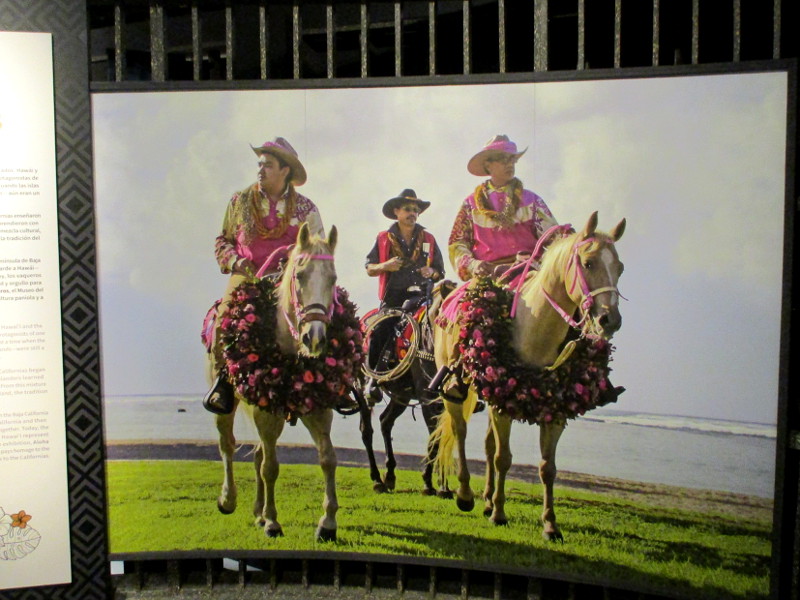
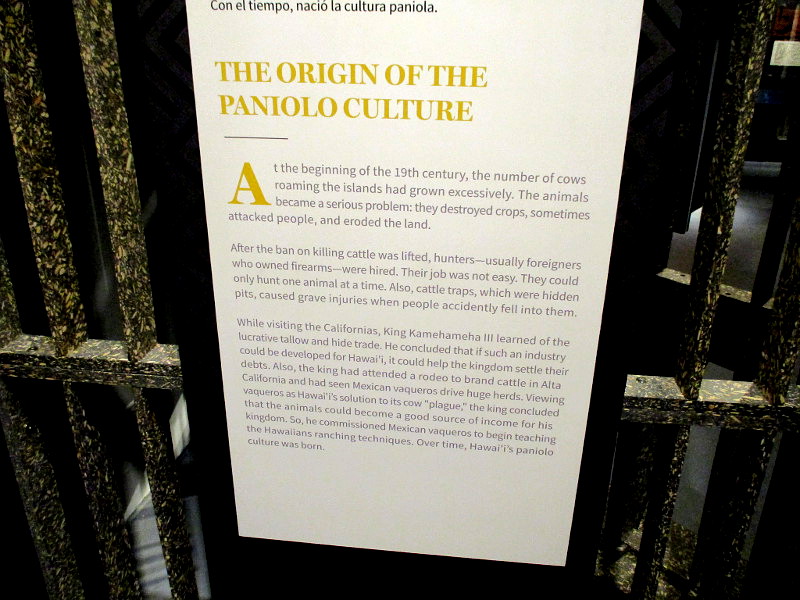
Did you know Hawaii has it own unique cowboy culture? Hawaiian cowboys are called paniolos. You might be surprised to learn that the origin of paniolos in Hawaii has a direct connection to San Diego’s early history, when our nascent city was part of Mexico and cattle ranches flourished!
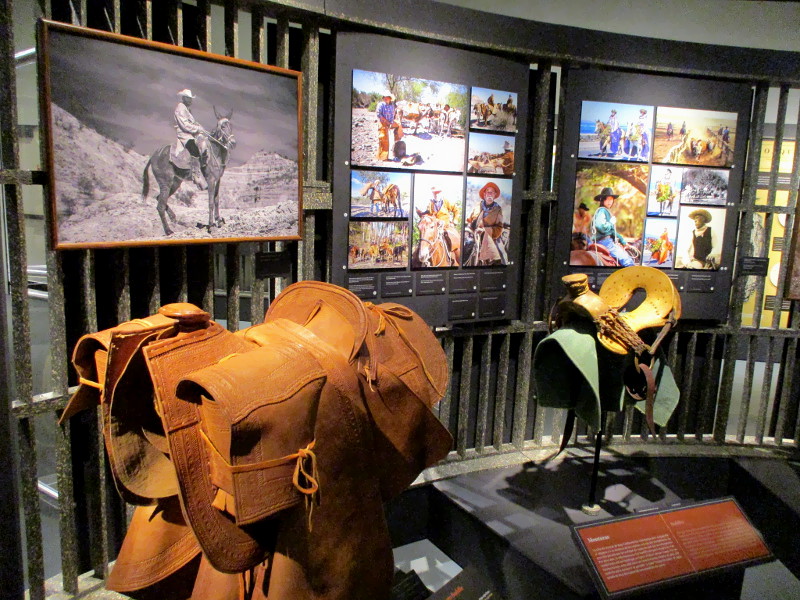
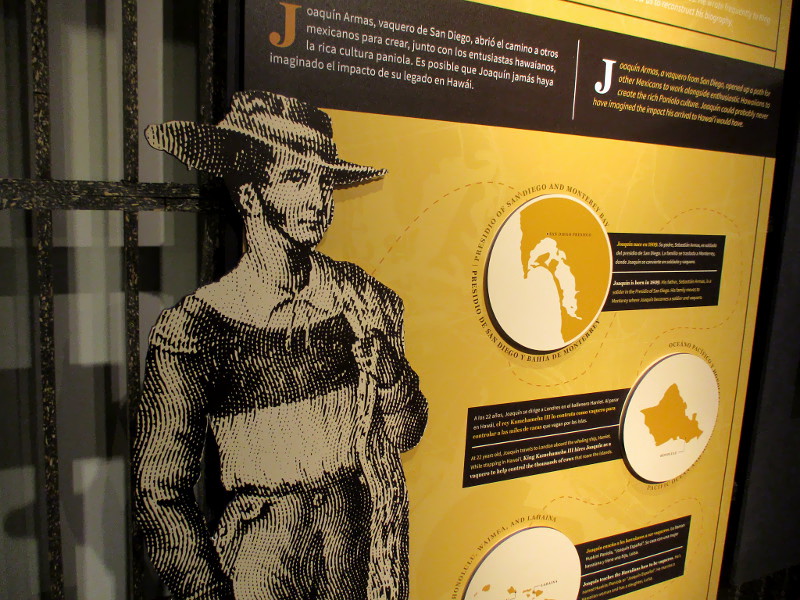
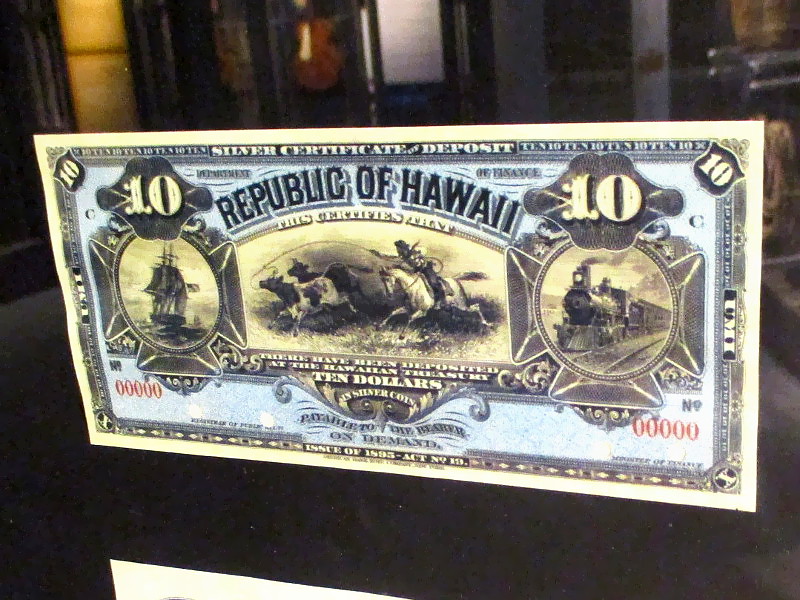
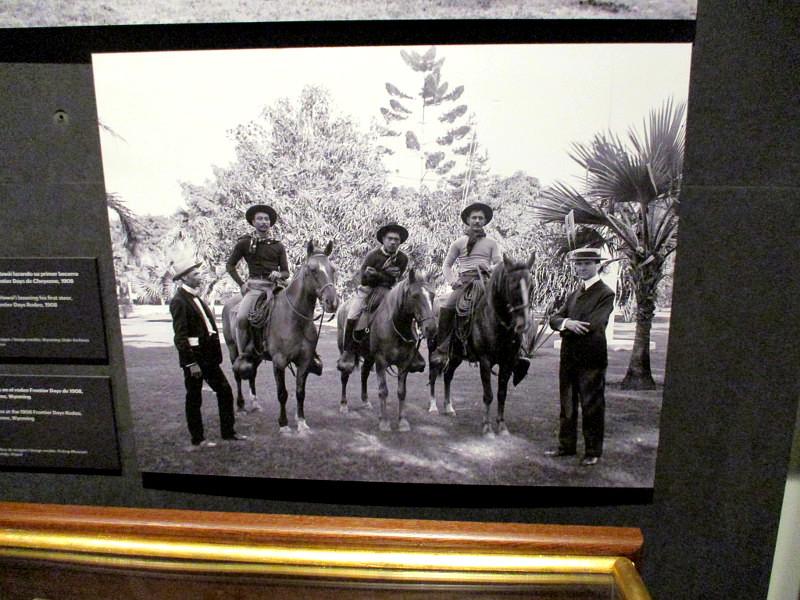
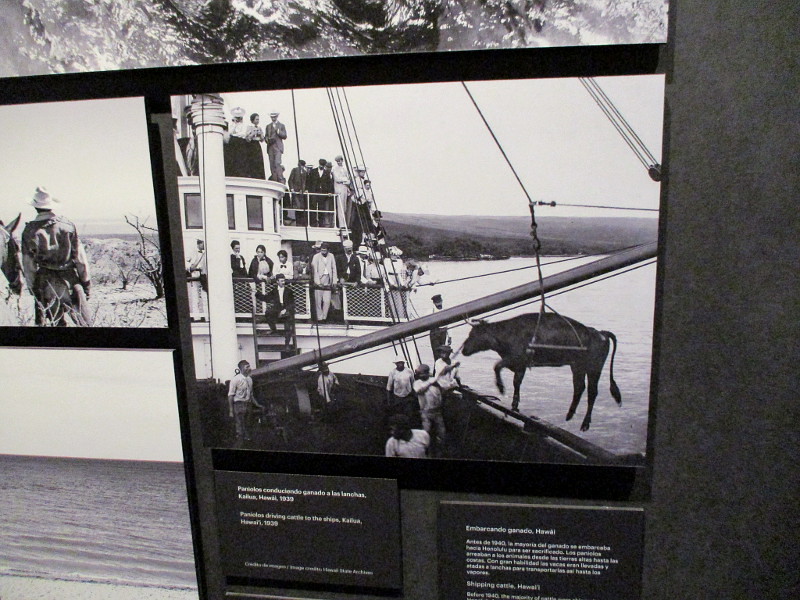
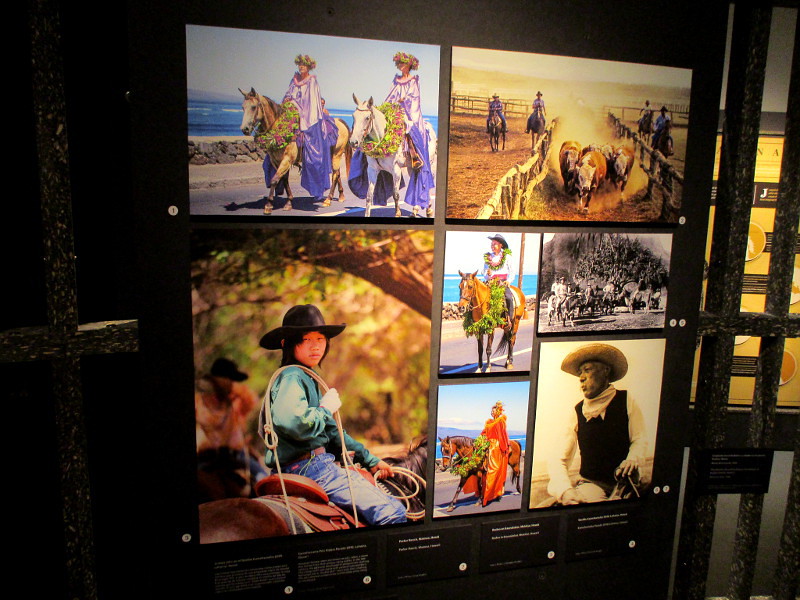
An extensive new exhibit at the San Diego History Center in Balboa Park has the unusual title Aloha Vaqueros. It recalls how several Mexican vaqueros (cowboys) from San Diego moved to Hawaii to help control an exploding population of cattle!

I’ve read Richard Henry Dana Jr.’s Two Years Before the Mast, and I do remember how sailors from the Sandwich Islands (later called Hawaii) participated in the cattle hide trade up and down California’s coast. Several Sandwich Islanders also lived on the beach near the hide houses in Point Loma at La Playa.

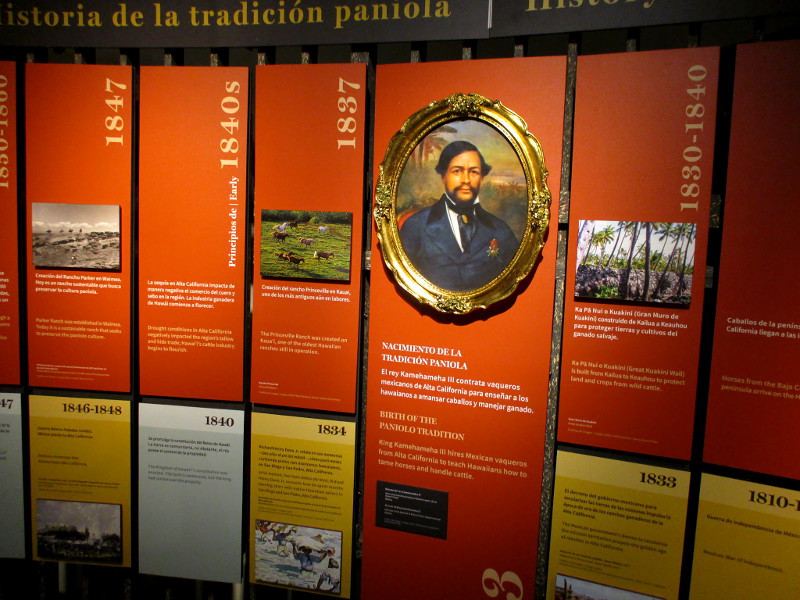
I was unaware, however, that in the early 1830s, Joaquín Armas, a soldier and vaquero born at Mission San Diego de Alcalá, was hired by Hawaiian King Kamehameha III as an advisor on how to control thousands of wild cattle that had multiplied on the islands. Armas would then recruit three other Mexican vaqueros from the San Diego region, helping to establish vaquero traditions in Hawaii!

The thousands of environmentally destructive wild cattle had descended from long-horned cattle that were given by British Captain George Vancouver to King Kamehameha I in 1793. The wild cattle, evading hunters and traps, came under control about half a century later as vaquero-inspired ranches popped up on Hawaii’s islands. The cattle were valuable for the tallow and hide trade. Skilled ropers and riders were in demand, so many native Hawaiians would learn cowboy skills!

The paniolo experience would eventually become ingrained in Hawaiian culture. Take music, for example. One important development was Hawaiian open-tuning for the guitar called kihoʻalu, or slack-key.

Why are Hawaiian cowboys called paniolos? One theory is that the word is derived from español–the language spoken by the Mexican vaqueros.

If this very unique history fascinates you, go visit the San Diego History Center!

A few photos to provide a taste…

I post new blogs pretty often. If you like discovering new things, bookmark coolsandiegosights.com and swing on by occasionally!

I live in downtown San Diego and love to walk around with my camera! You can follow Cool San Diego Sights via Facebook or X.

Thank you for sharing!

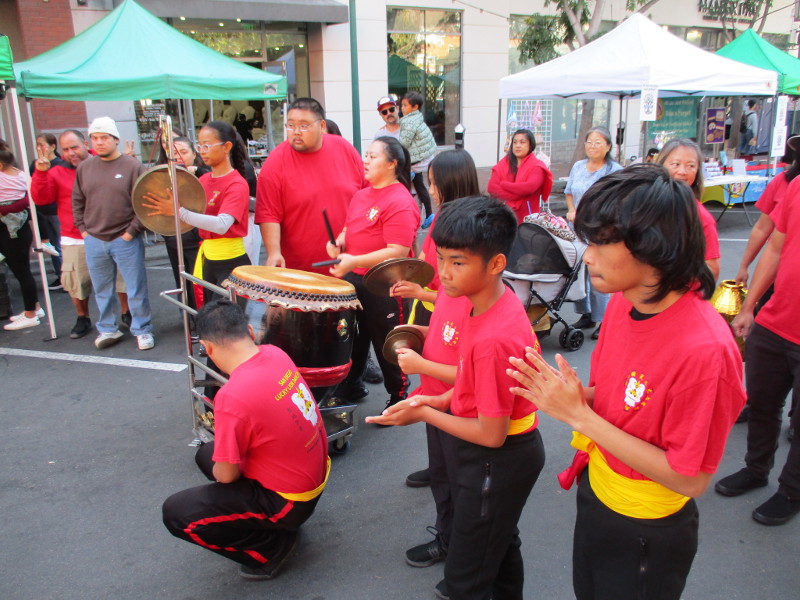
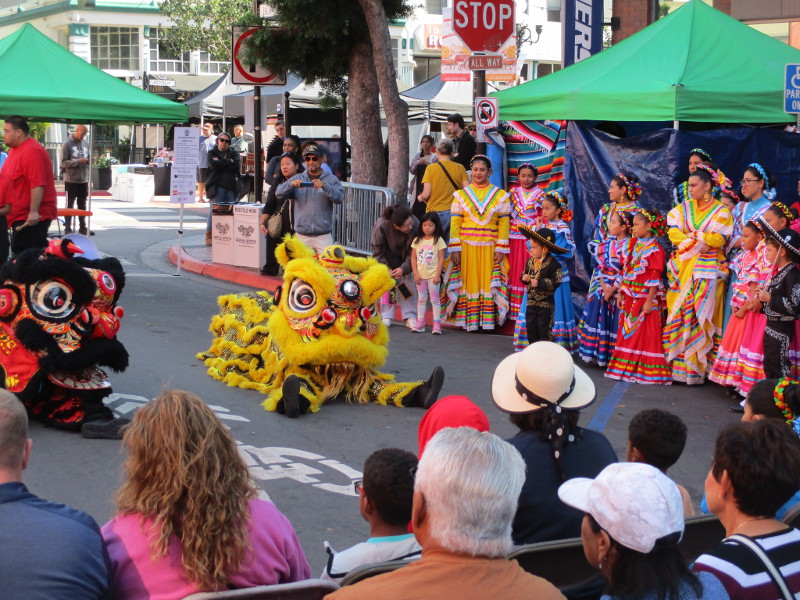
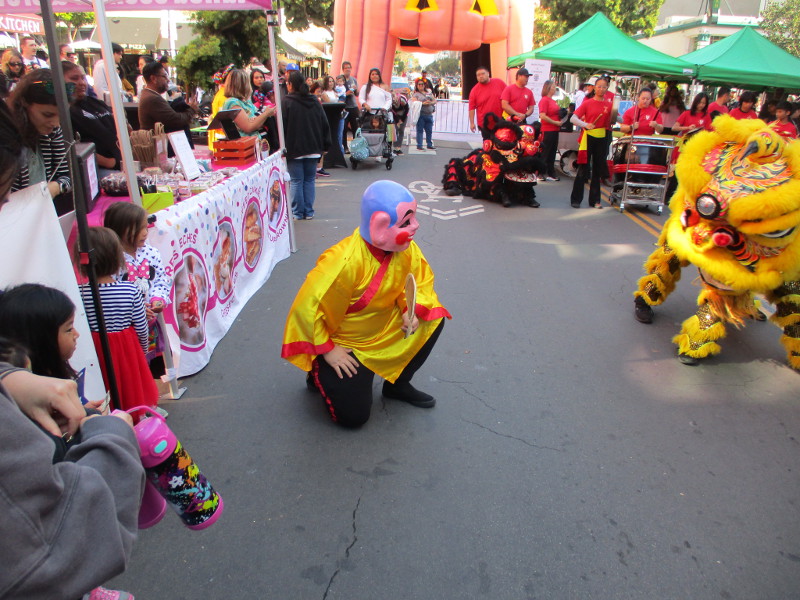
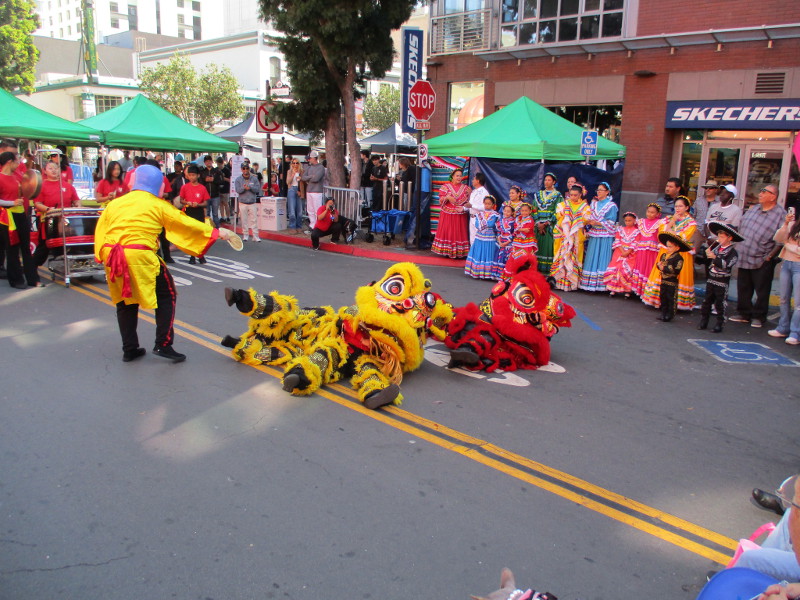
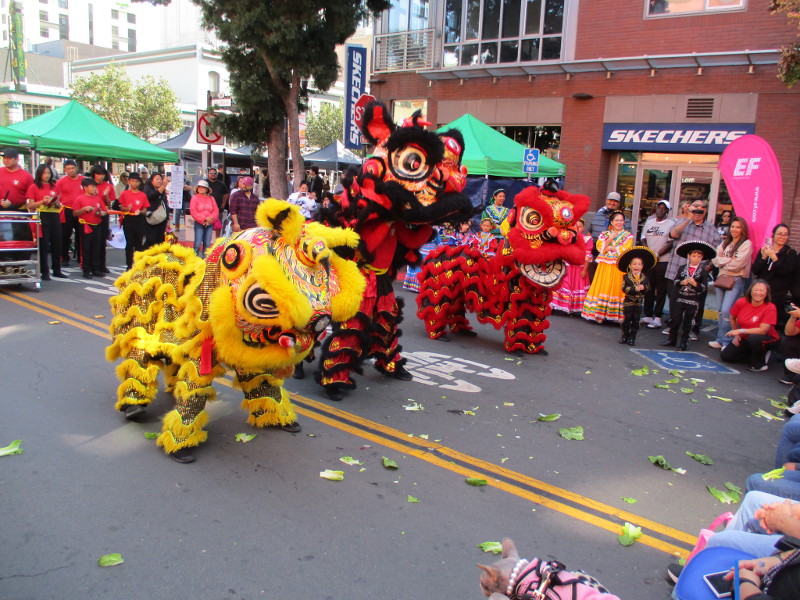
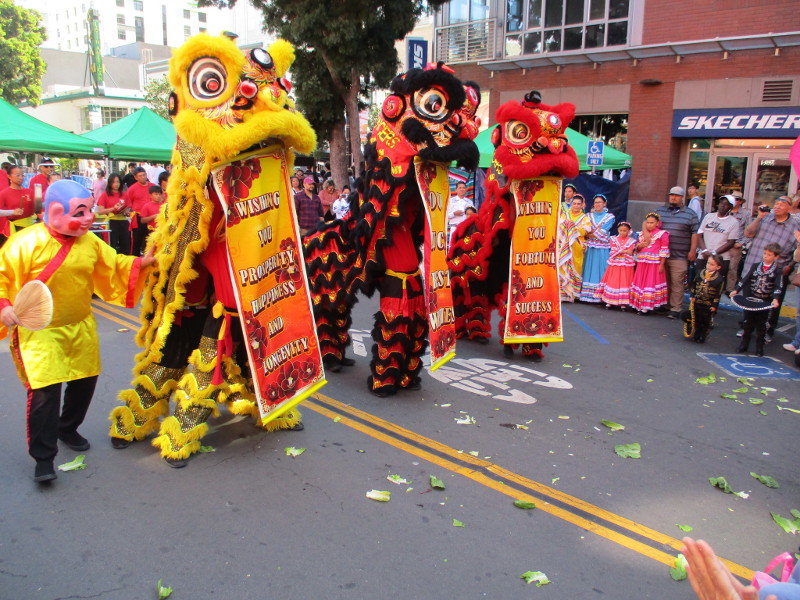
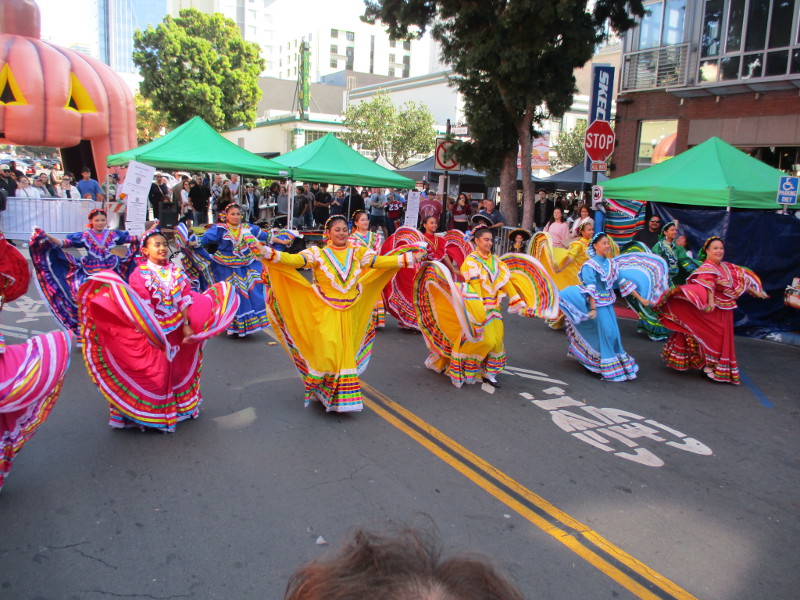
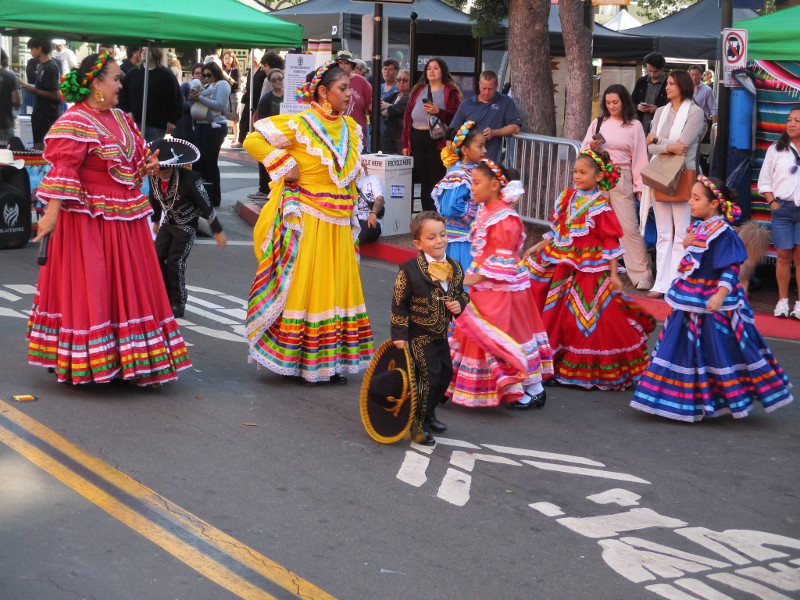
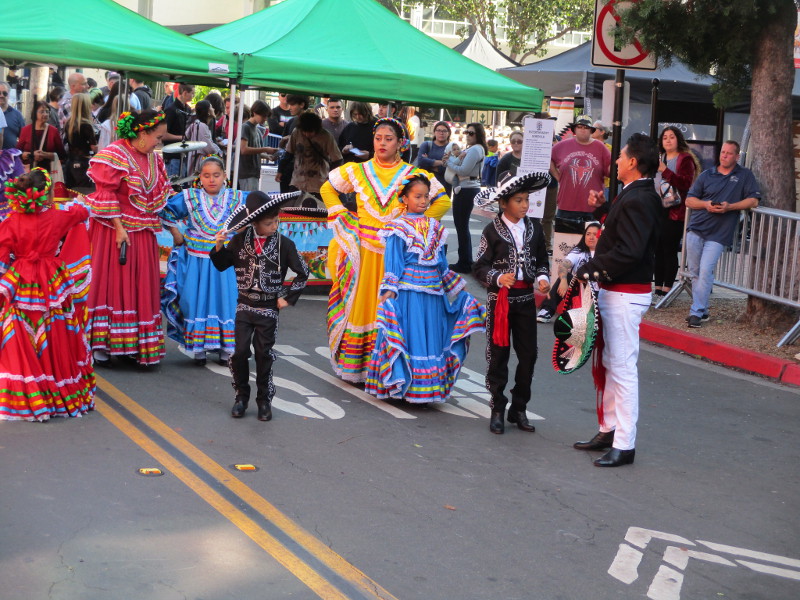
Lion dancing meets ballet folklórico!

My favorite part of the annual Fall Back Festival in San Diego’s Gaslamp Quarter is the dancing.

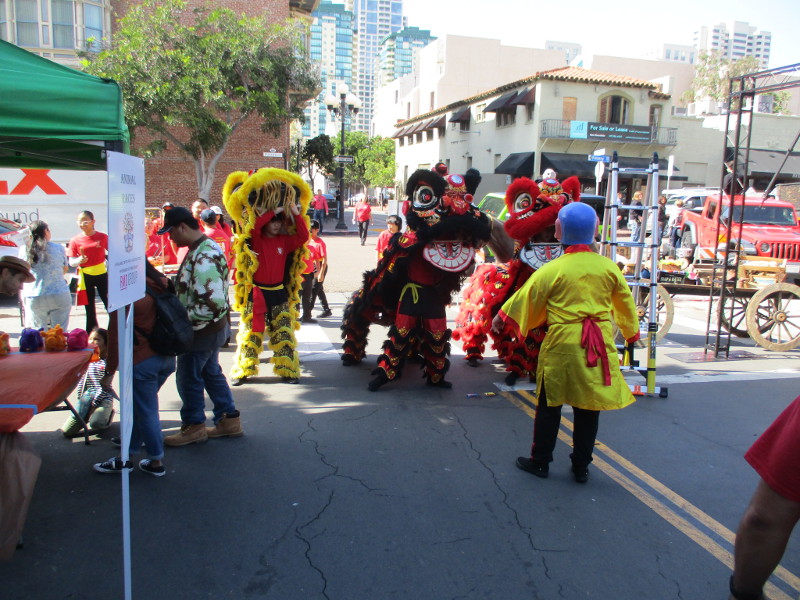
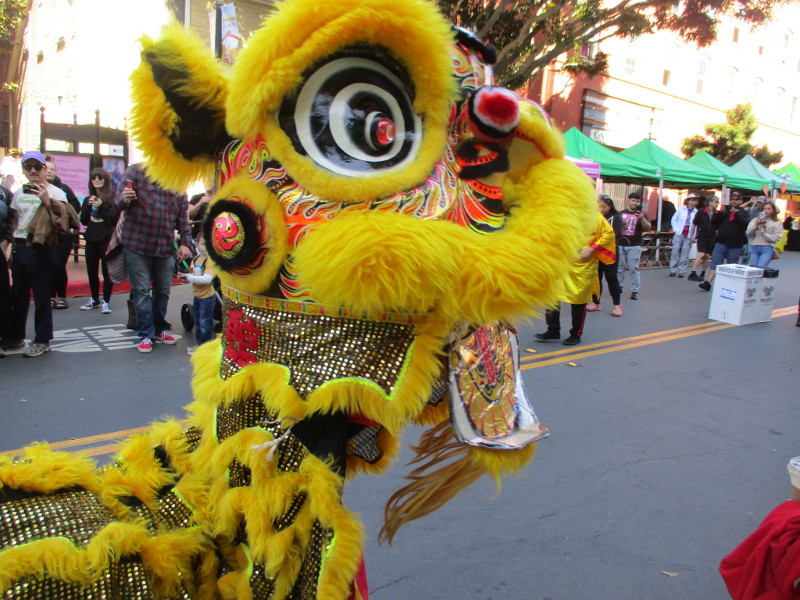
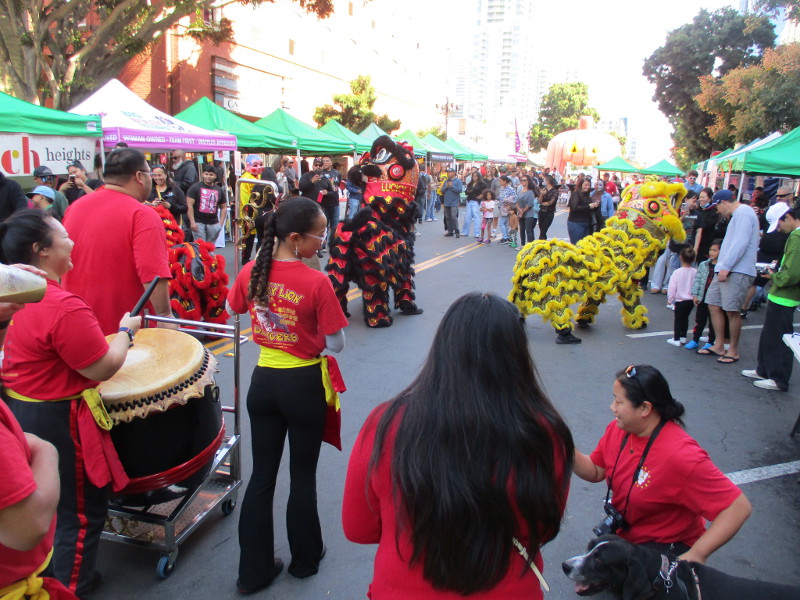
As far back as I can remember, the San Diego Lucky Lion Dancers have always been followed by Gift of Dance students who perform ballet folklórico.

It’s a very colorful mixture of two diverse cultures!

Here’s a bunch of festive photographs from today! As I upload them, I can’t help smiling!

Thanks for visiting Cool San Diego Sights!

I post new blogs pretty often. If you like discovering new things, bookmark coolsandiegosights.com and swing on by occasionally!

I live in downtown San Diego and love to walk around with my camera! You can follow Cool San Diego Sights via Facebook or X.

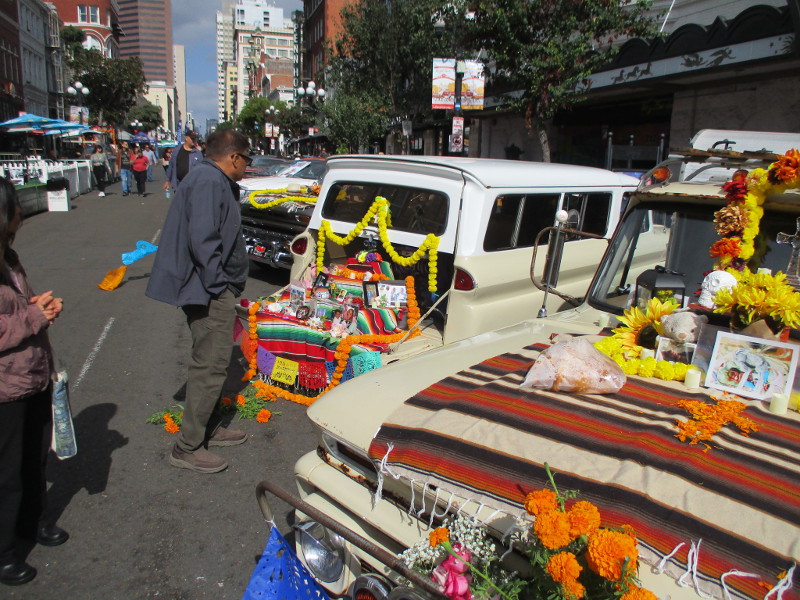
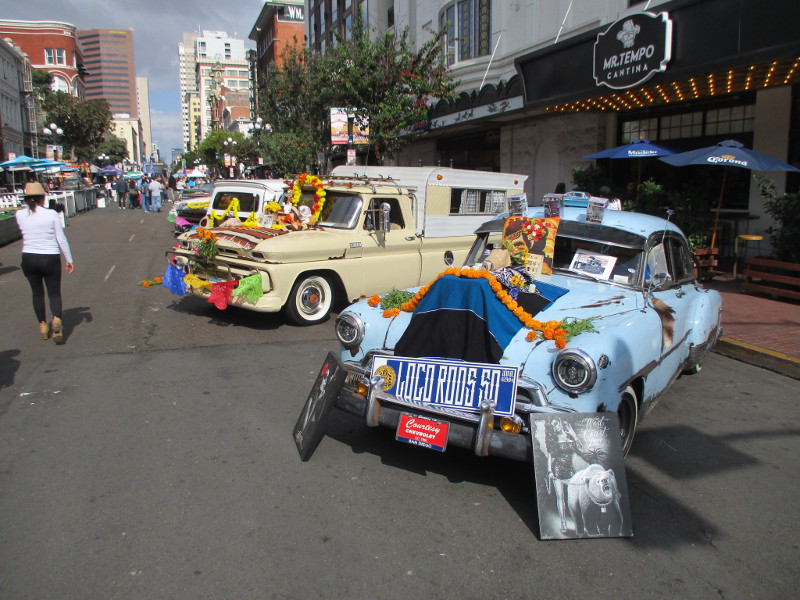
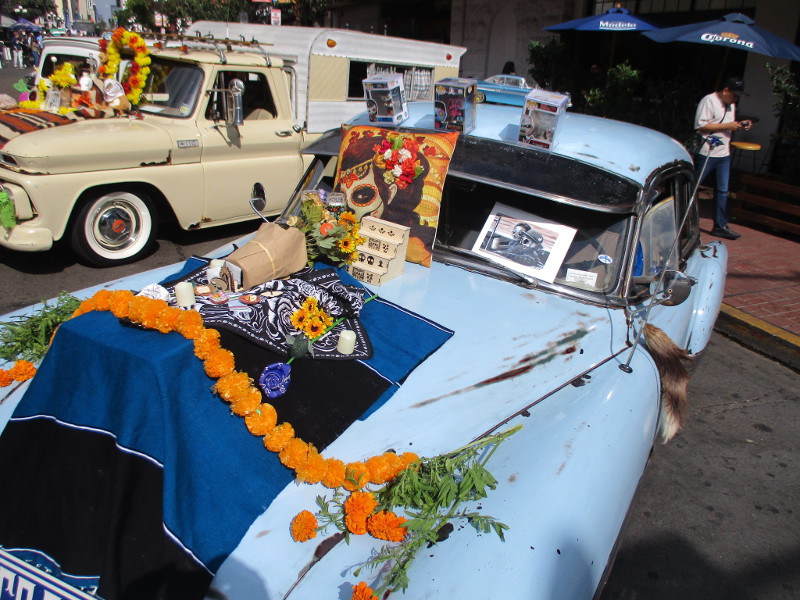
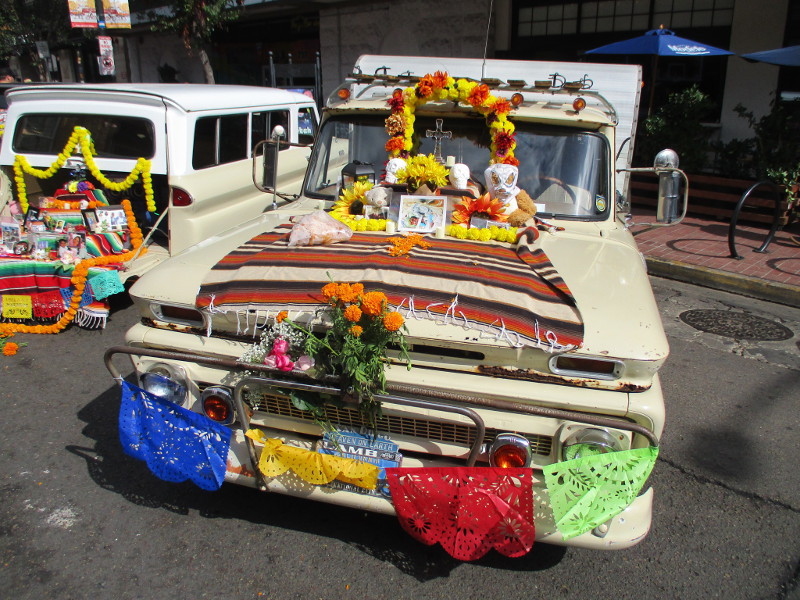
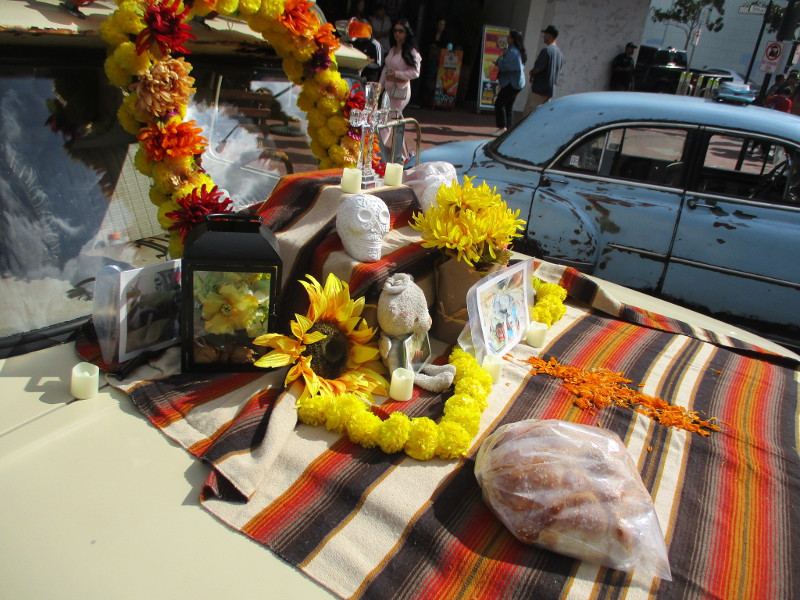
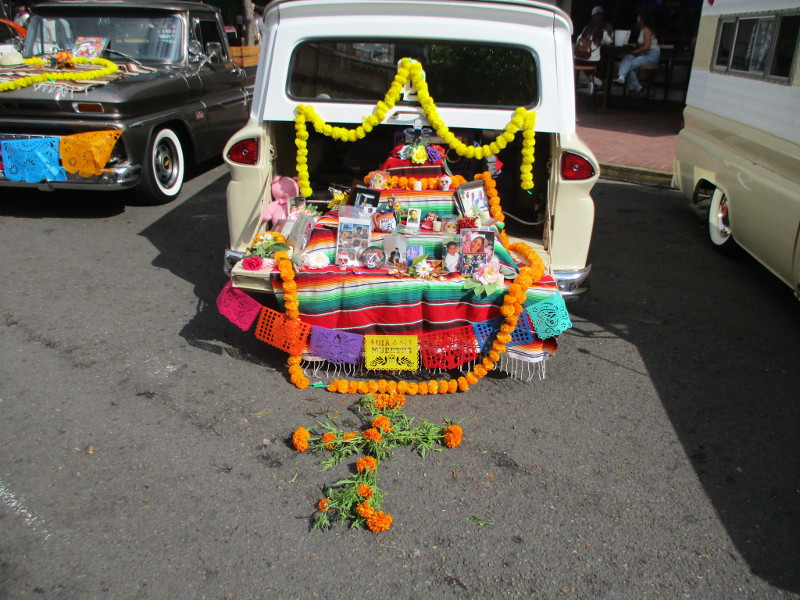
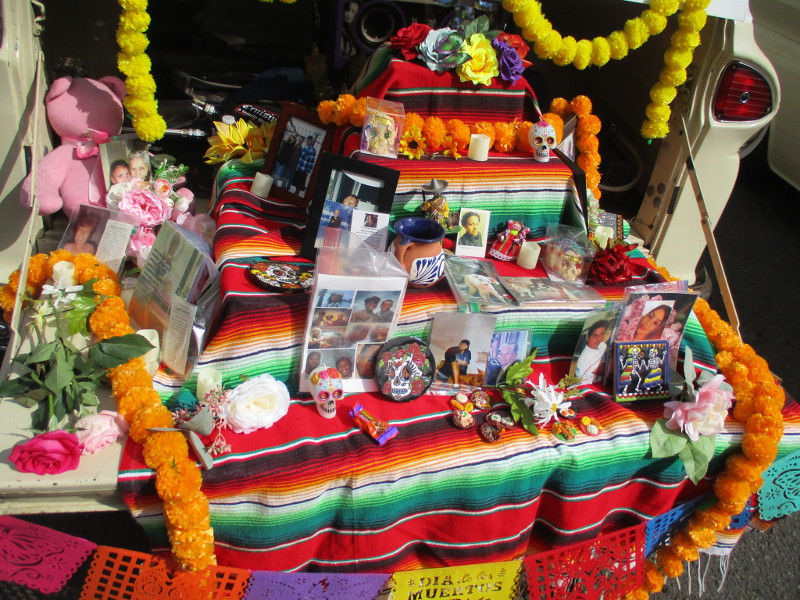
Day of the Dead altars on car hoods.

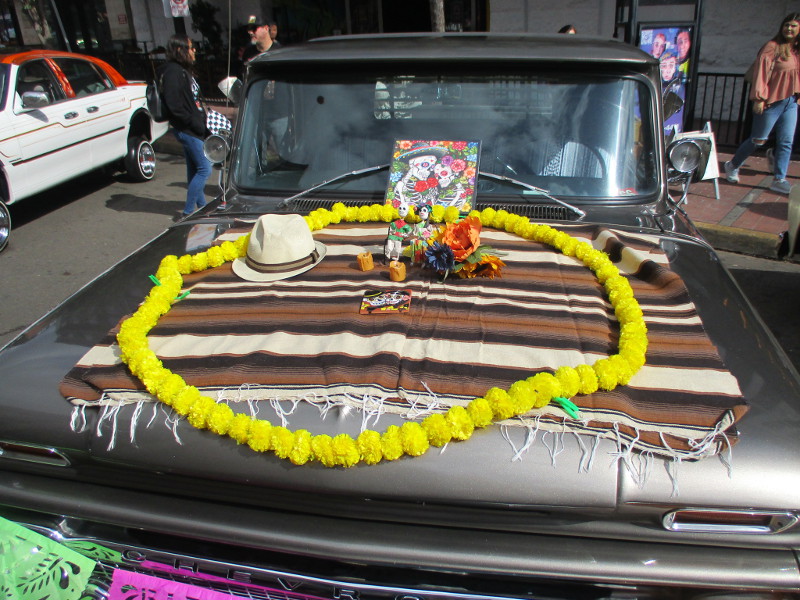
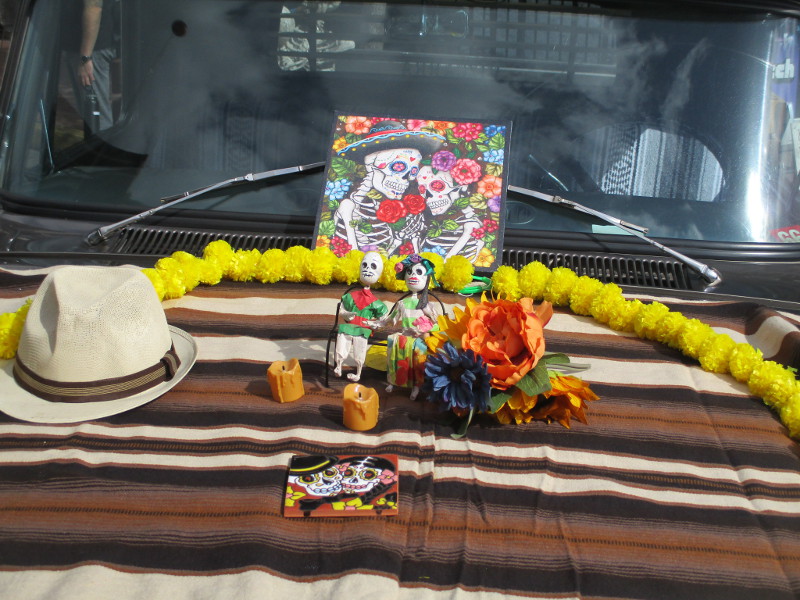
I arrived late yesterday to the Gaslamp Quarter’s Día de los Muertos celebration. The classic cars and lowriders were already departing, so I couldn’t photograph their colorful Day of the Dead hood and trunk altars.

Fortunately the event continued today, so I made sure to arrive early!

Enjoy these photos of touching Day of the Dead altars. They remember and honor loved ones who’ve passed away. The traditional altars attain a unique quality when combined with Mexican American lowrider culture, which thrives in San Diego.

Thanks for visiting Cool San Diego Sights!

I post new blogs pretty often. If you like discovering new things, bookmark coolsandiegosights.com and swing on by occasionally!

I live in downtown San Diego and love to walk around with my camera! You can follow Cool San Diego Sights via Facebook or X.

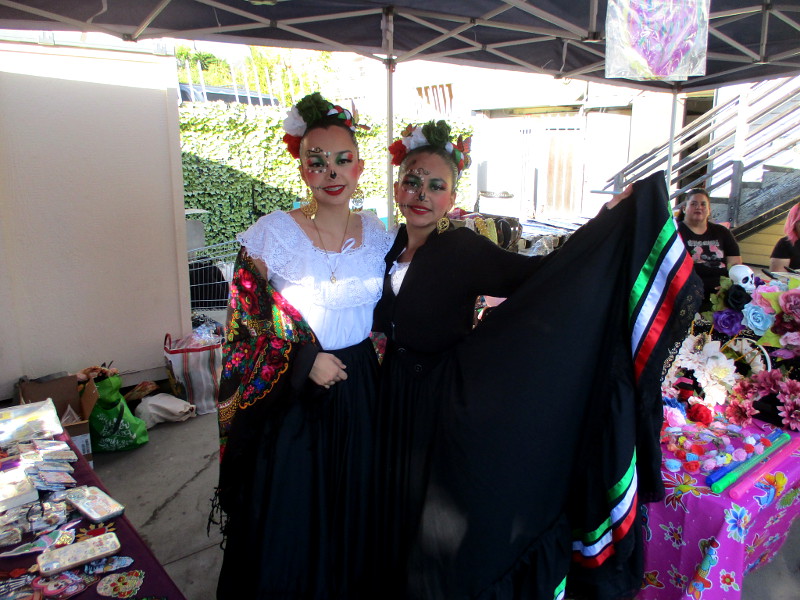
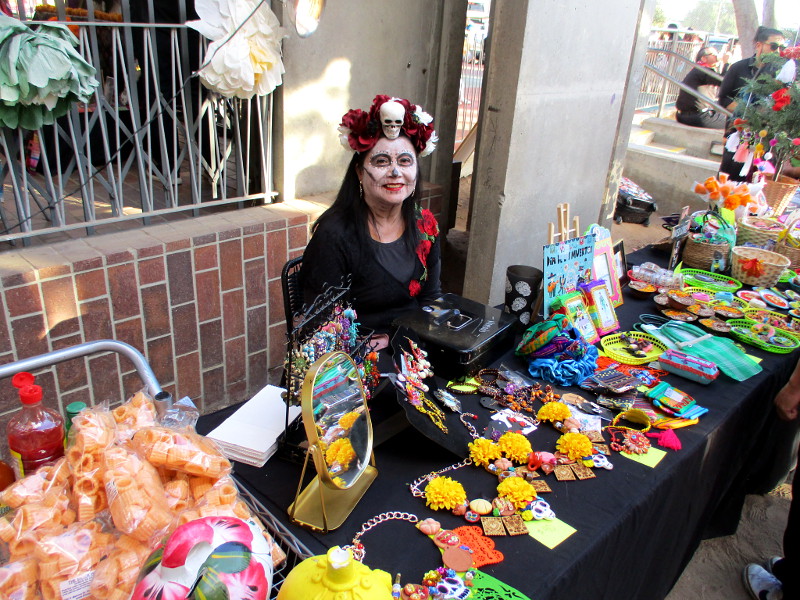
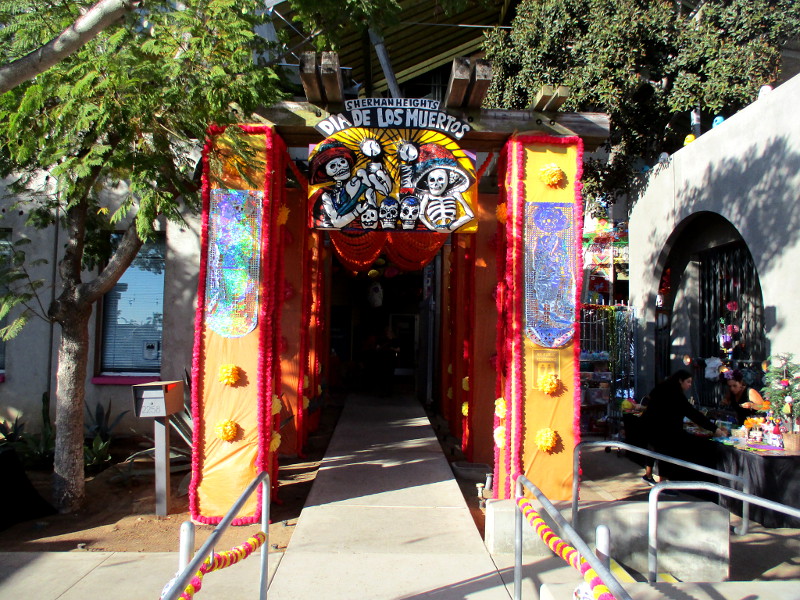
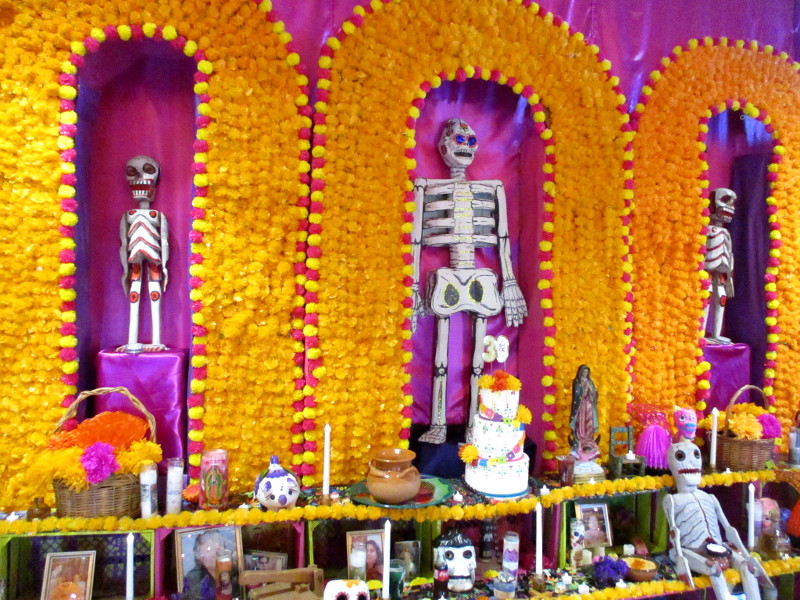
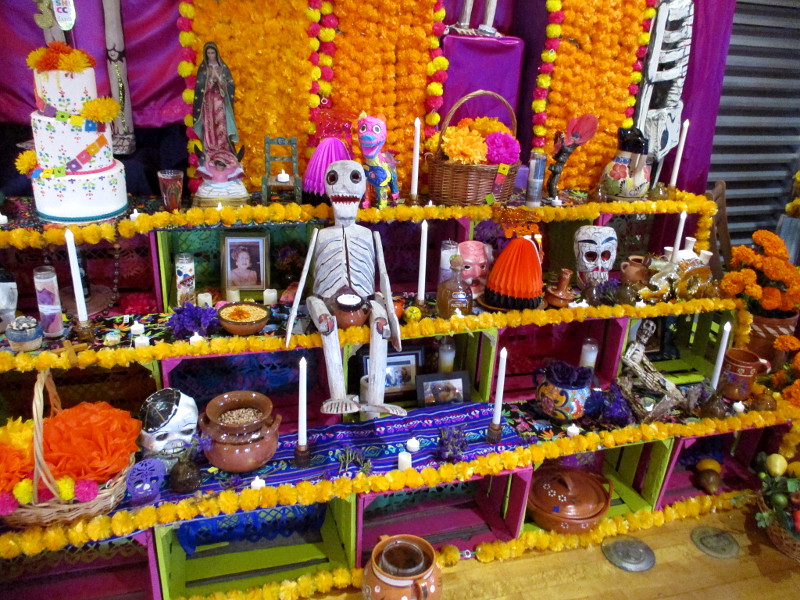
Día de los Muertos celebration in Sherman Heights.

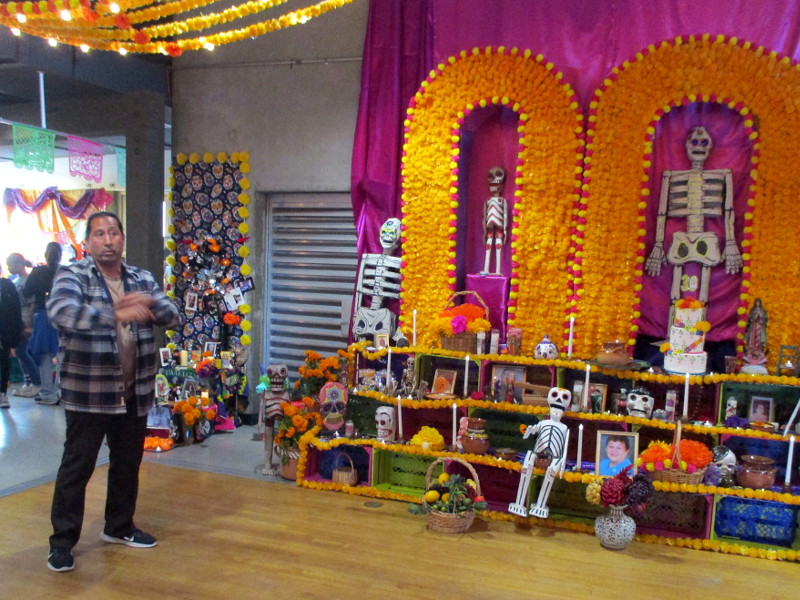
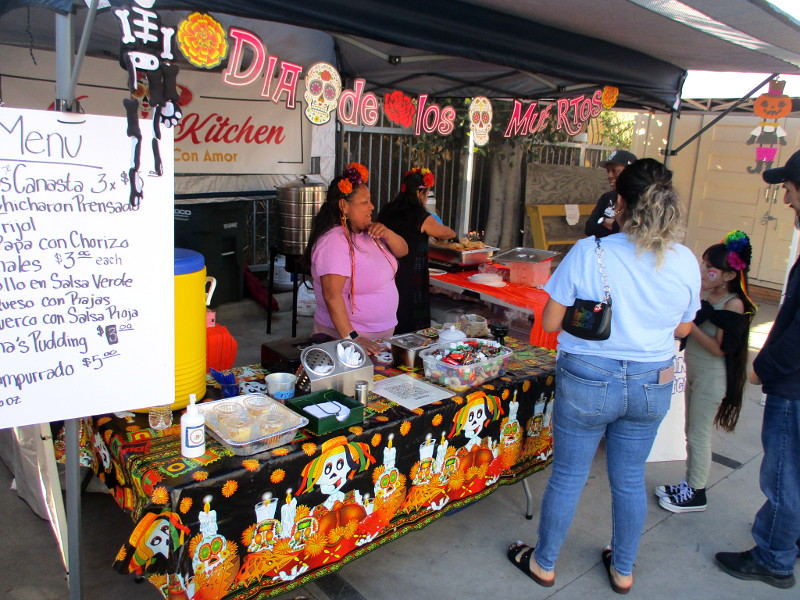
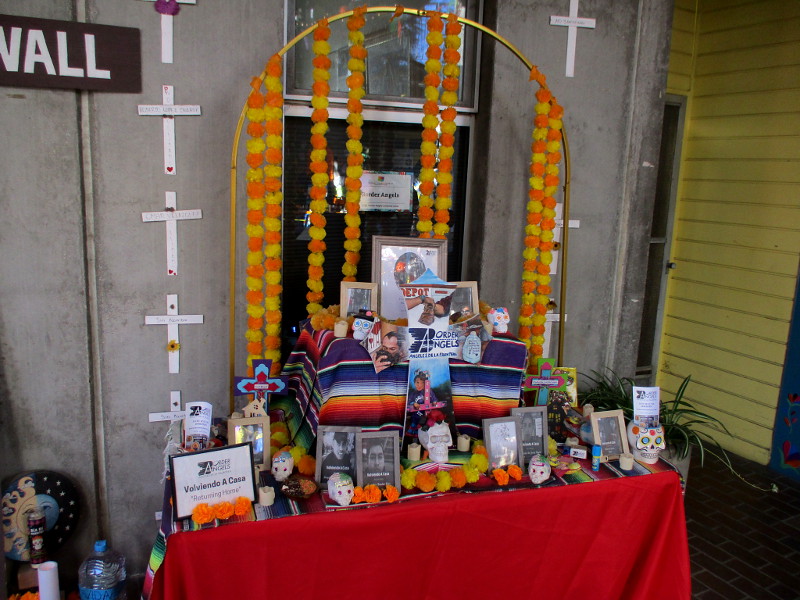
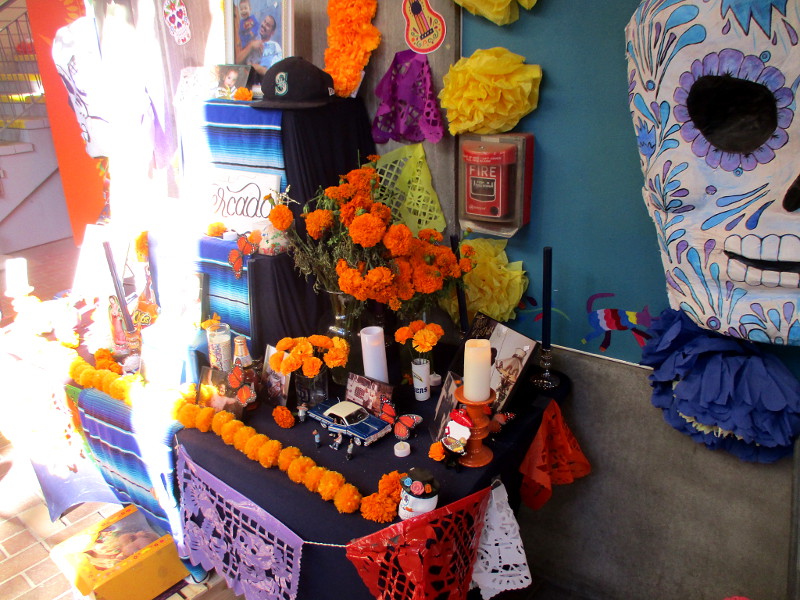
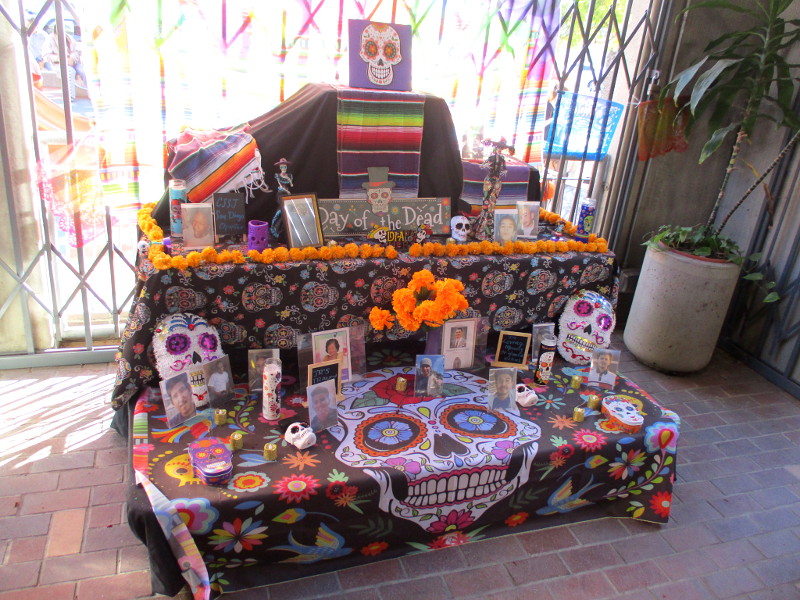
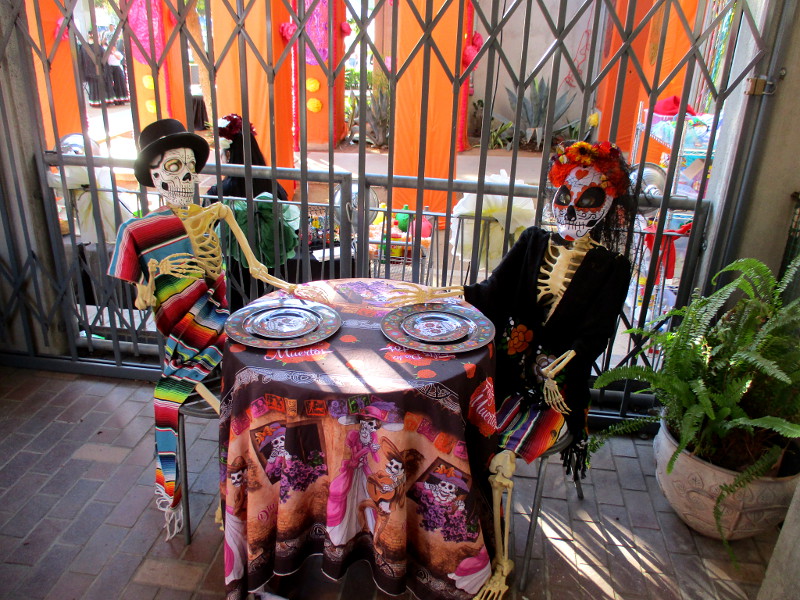
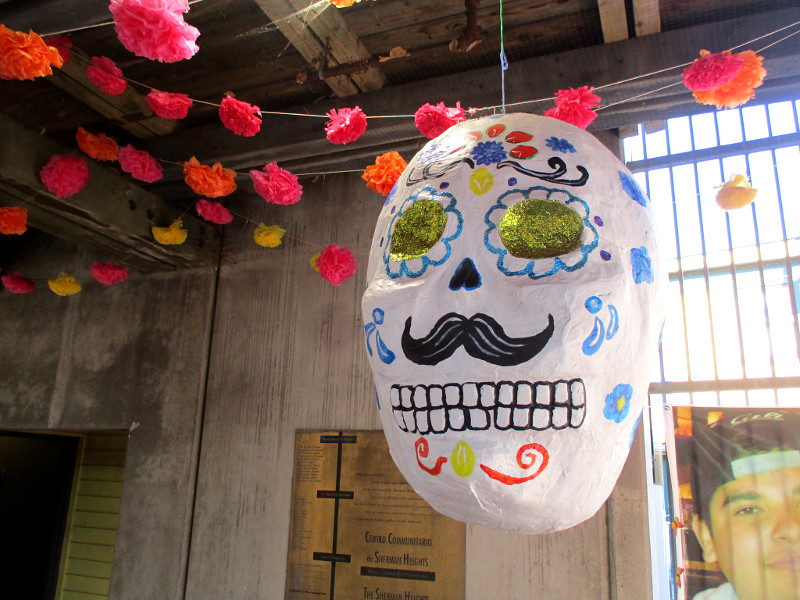
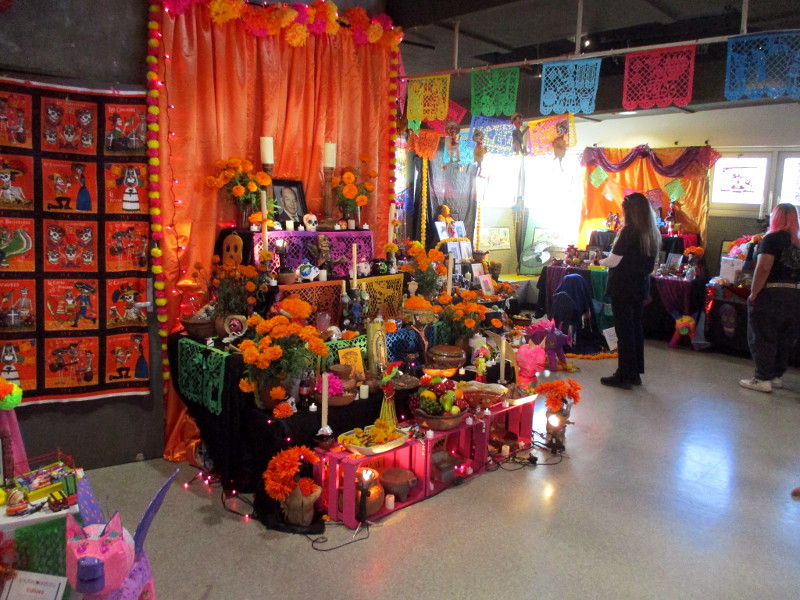
Día de los Muertos at the Sherman Heights Community Center has become one of the most anticipated Day of the Dead celebrations in San Diego. In 2024 the week-long event turned thirty years old.

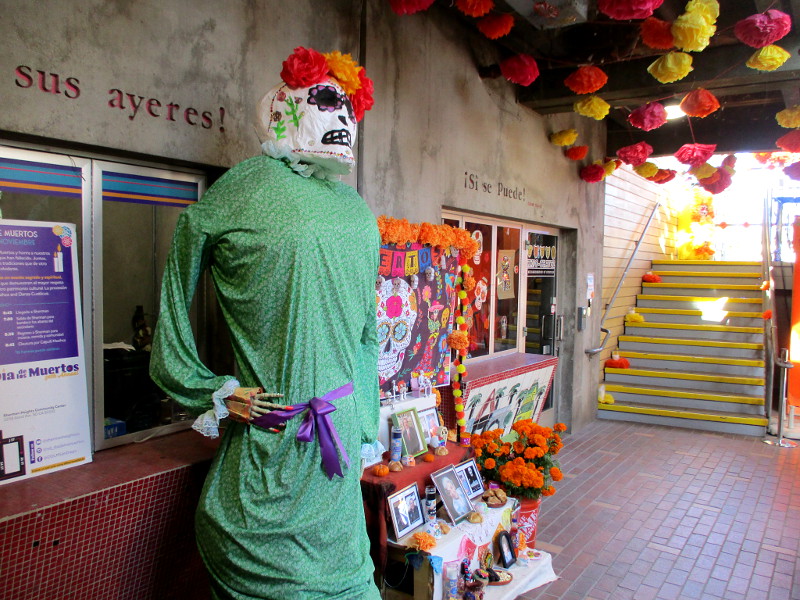
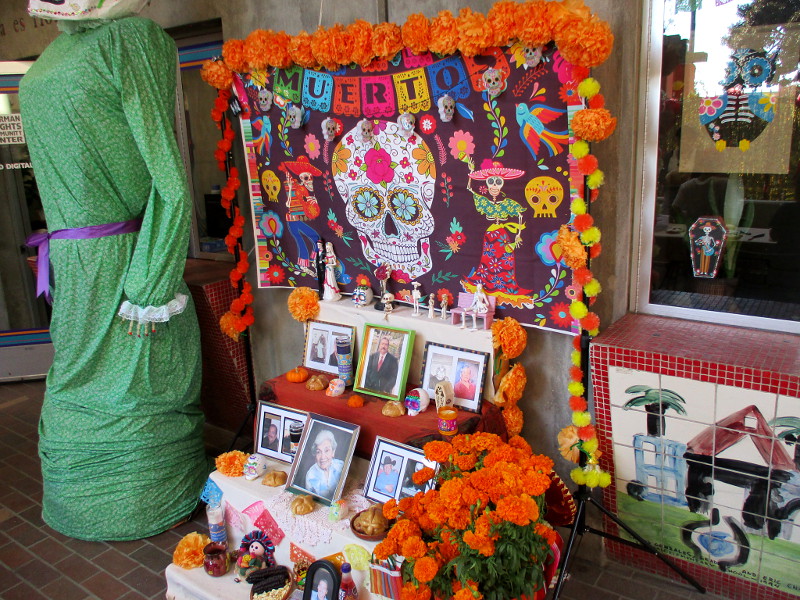
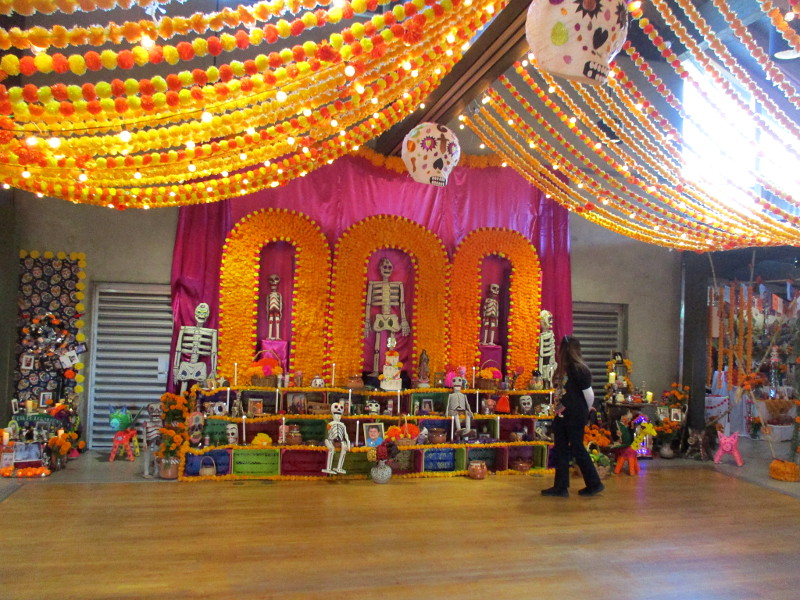
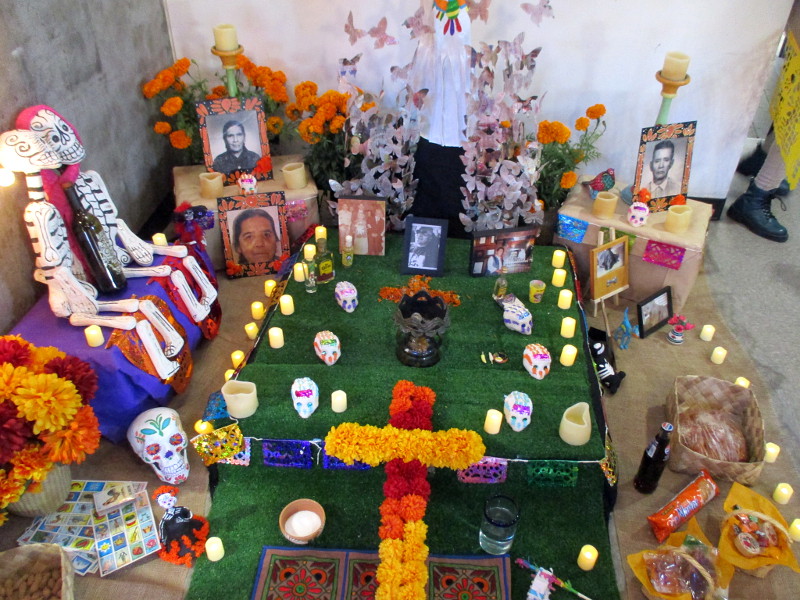
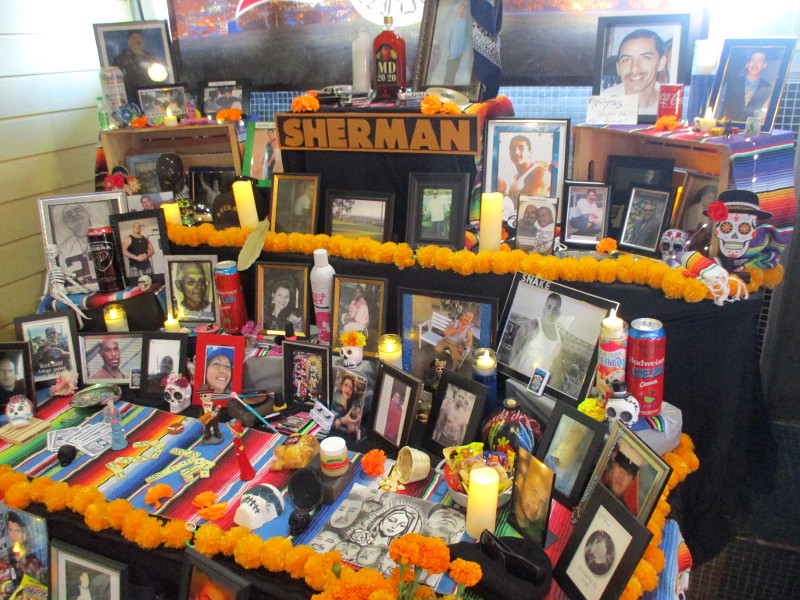
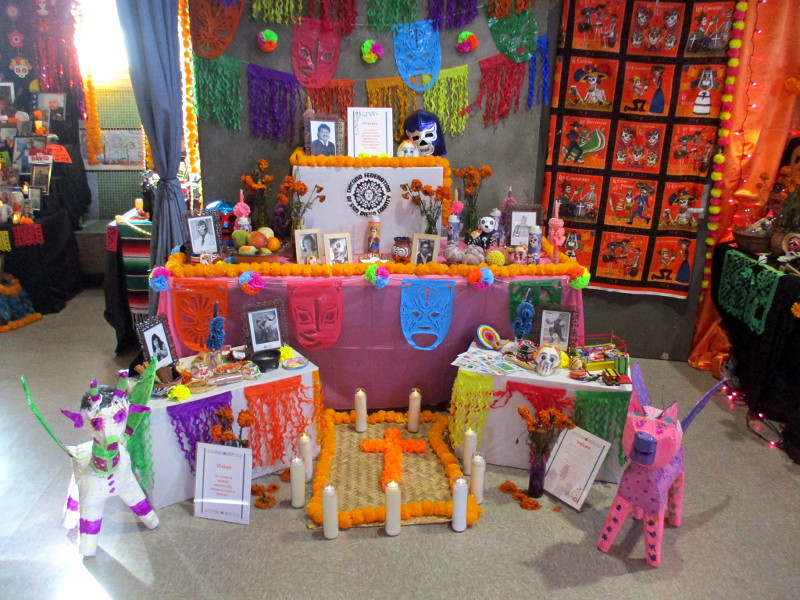
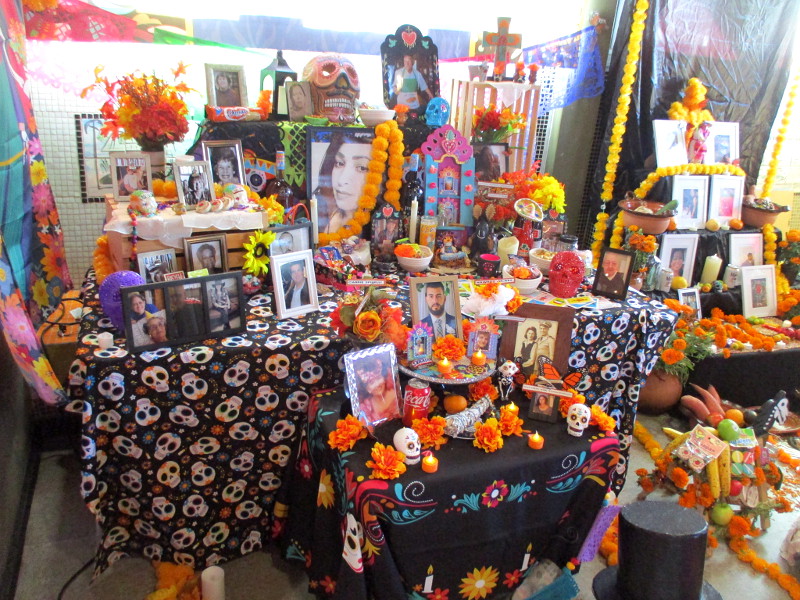
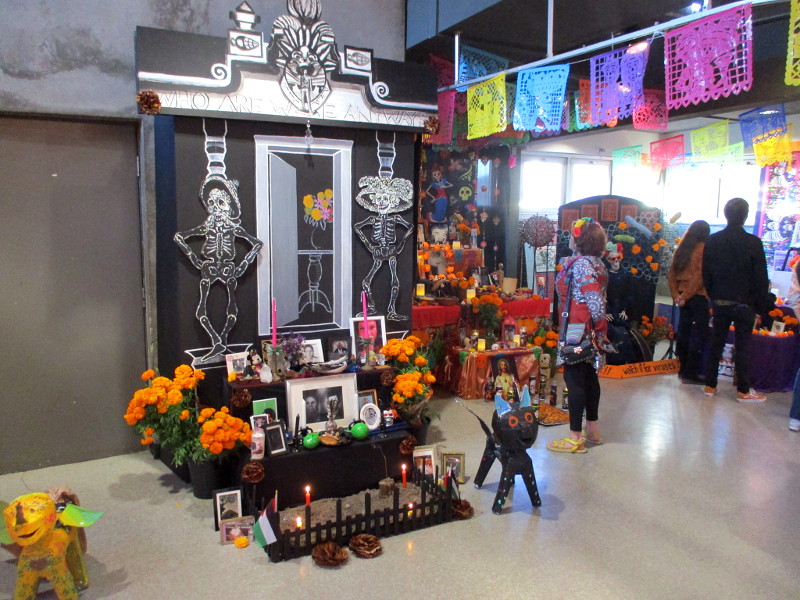
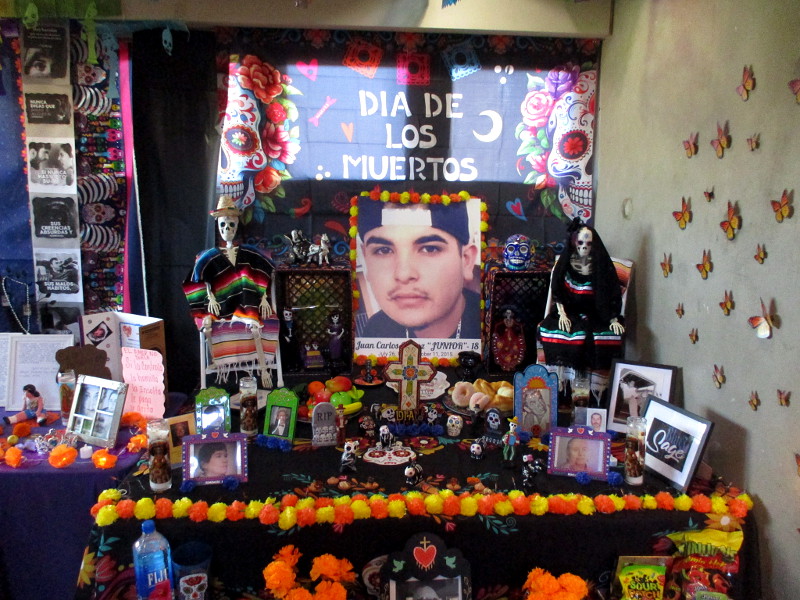
The many traditional altars inside the community center, erected by local families and organizations, remember loved one who are deceased. All around the center a joyful festival is enjoyed by families who engage in activities that celebrate life, past and present.

Walking the short distance from downtown to Sherman Heights, I arrived at the event yesterday.

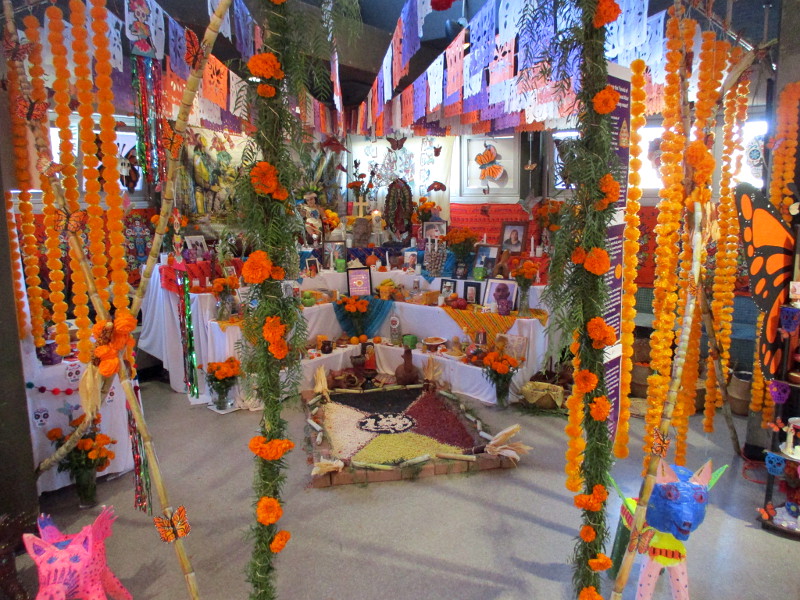
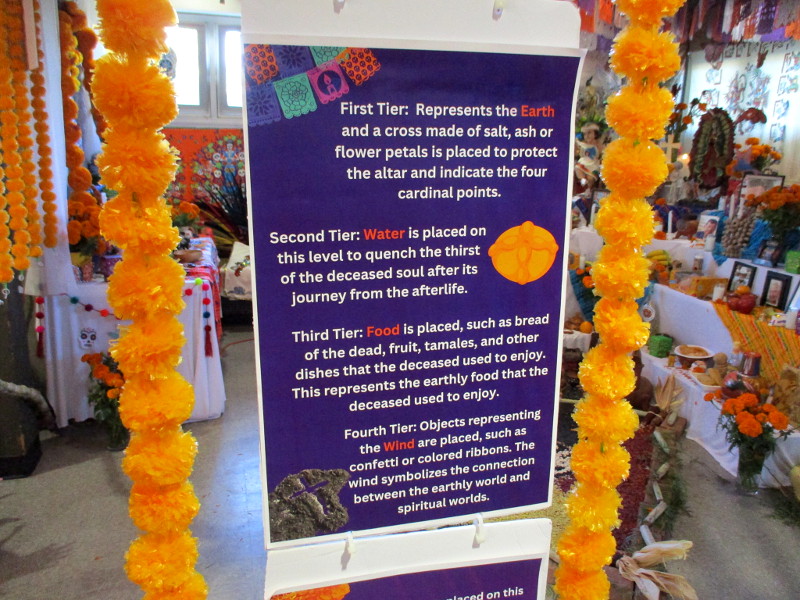
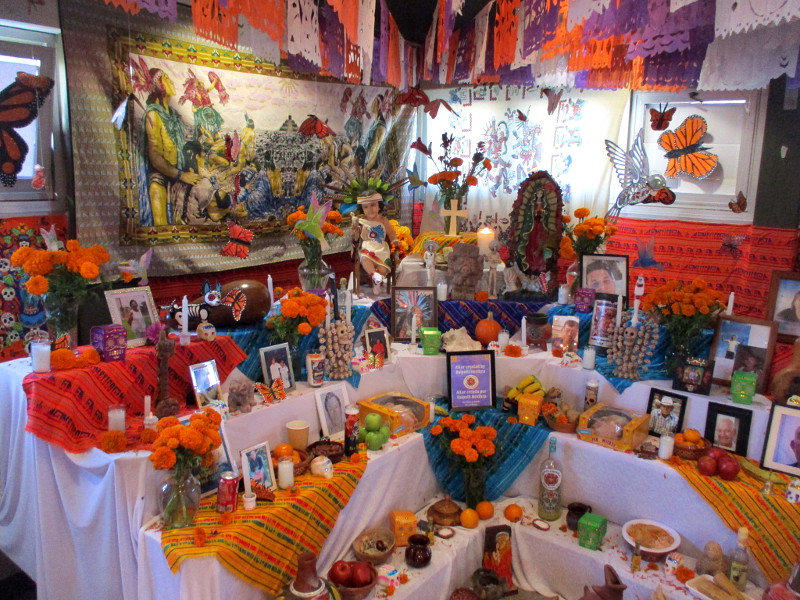
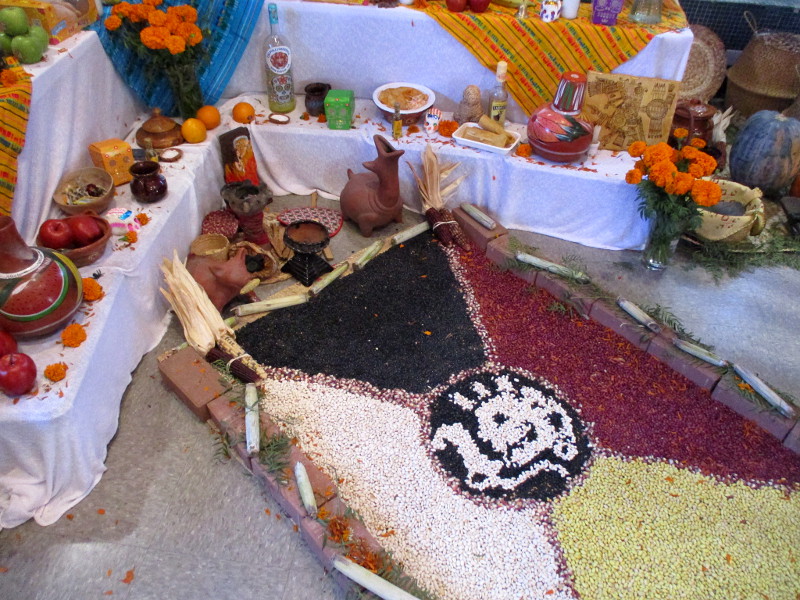
I was fortunate to join a group that was touring the Día de los Muertos altars (ofrendas in Spanish). Daniel was explaining to several people (including folks from Germany) how these altars originated in Pre-Columbian times and evolved to include Catholic elements when Spain entered the American continent. Most of the altars include symbols of the four elements defined in ancient times: earth, water, fire and air.

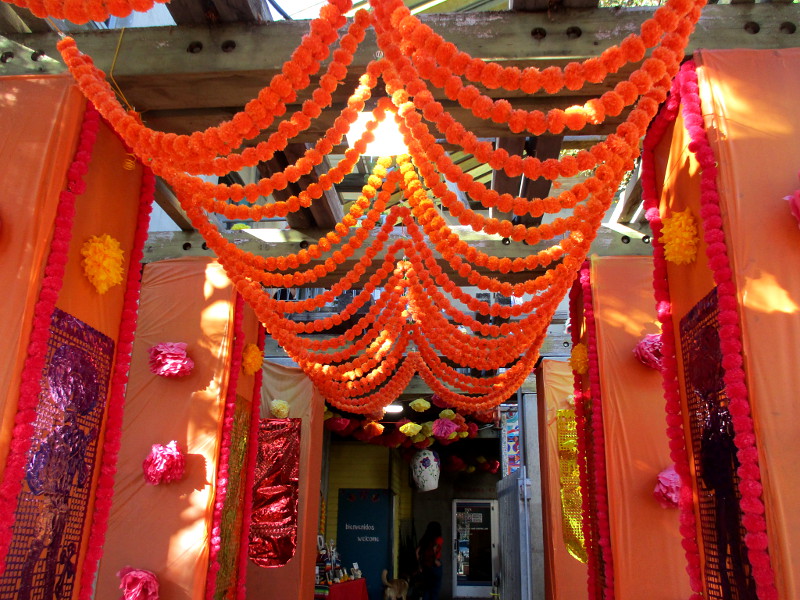
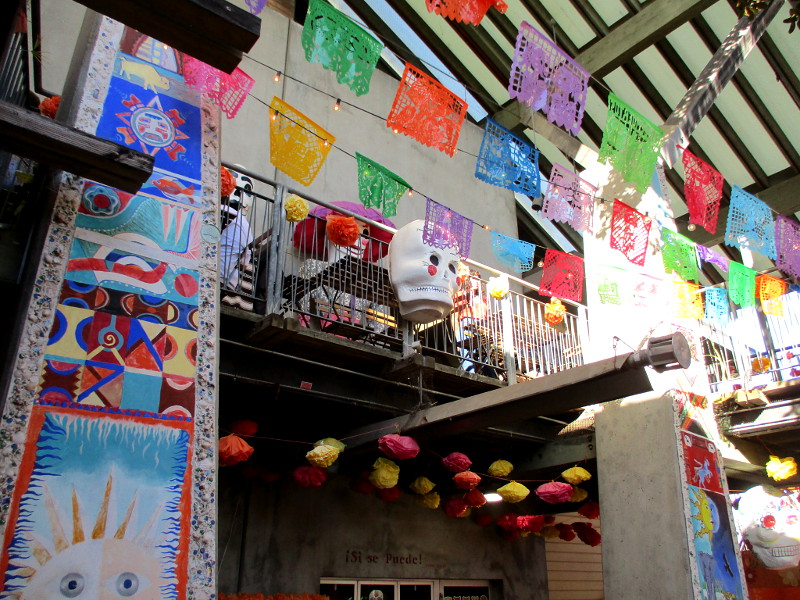
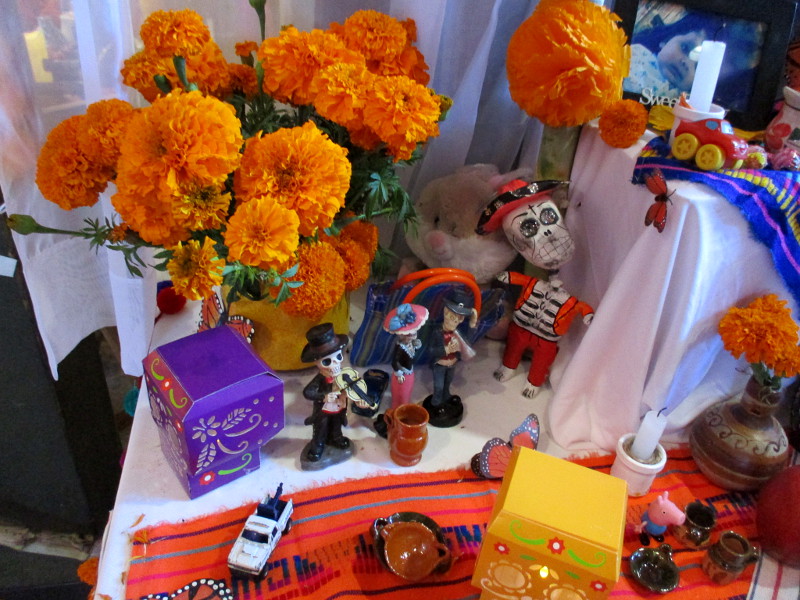
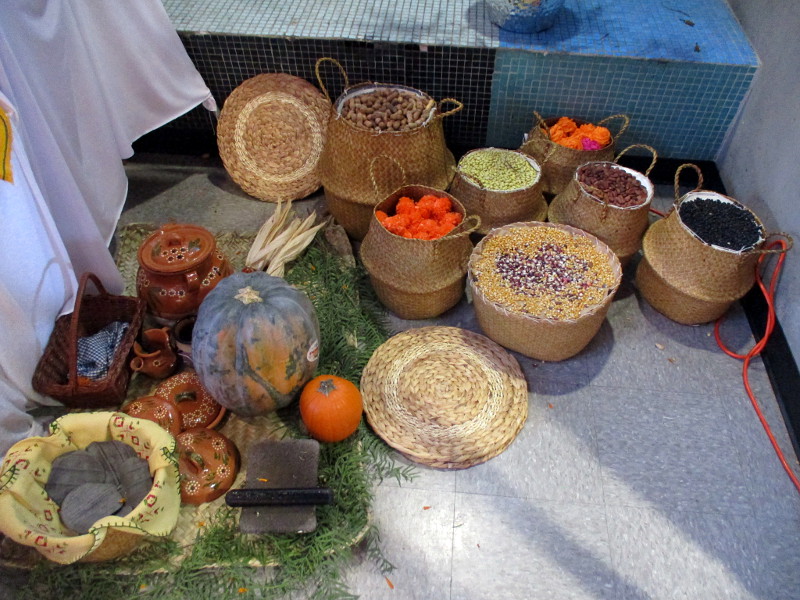
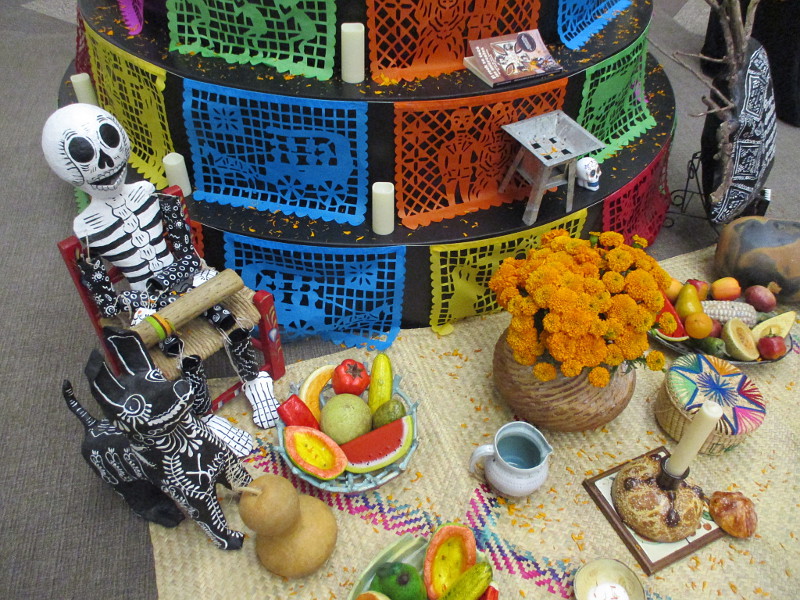
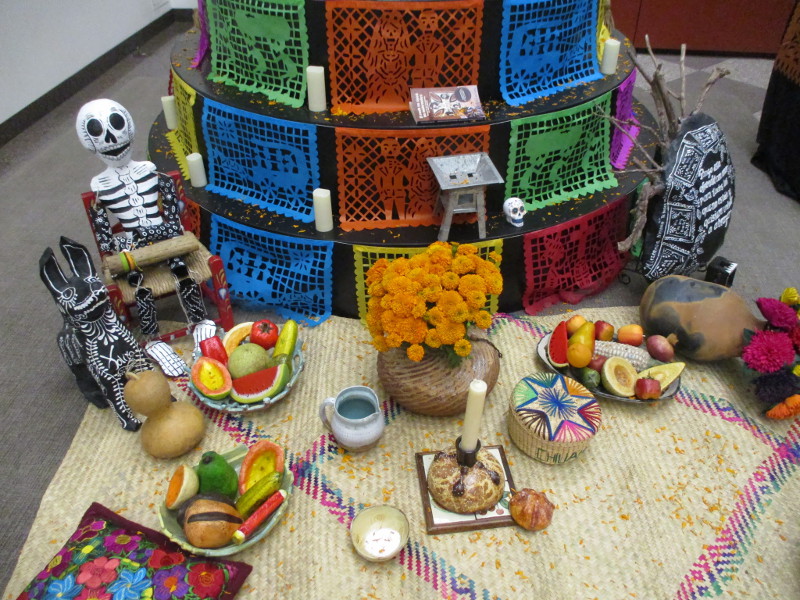
In Mexican ofrendas today, earth is still represented by marigolds and offerings of food, water by drink, fire by candles, and air by papel picado, which flutters in a breeze.

Daniel explained that because Day of the Dead has universal themes–family, human mortality, the circle of life and love–and because of commercialization and the influence of popular culture, the holiday is spreading worldwide. He noted that other cultures have inserted their own special symbolism into Day of the Dead celebrations.

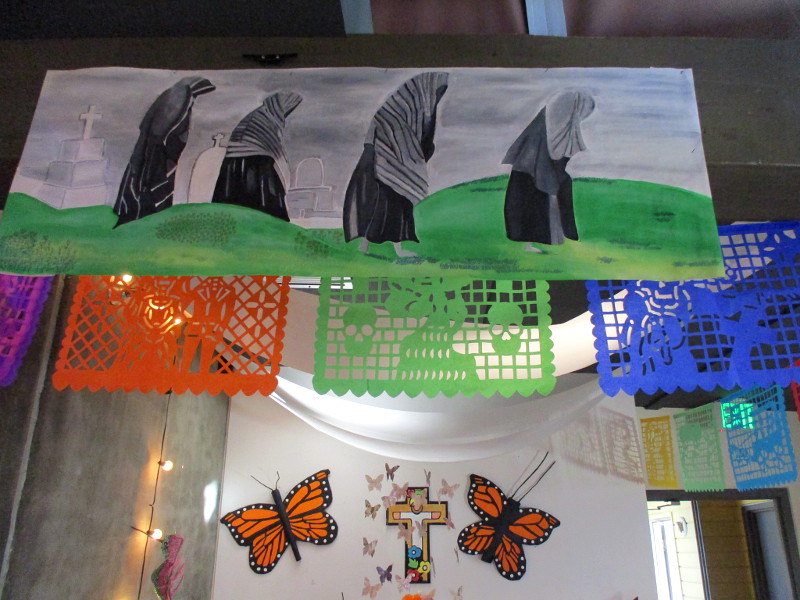
I took photographs of the many altars. Most were extremely elaborate.

So many loved ones that have passed on–but who live still in memory…

Thanks for visiting Cool San Diego Sights!

I post new blogs pretty often. If you like discovering new things, bookmark coolsandiegosights.com and swing on by occasionally!

I live in downtown San Diego and love to walk around with my camera! You can follow Cool San Diego Sights via Facebook or X.

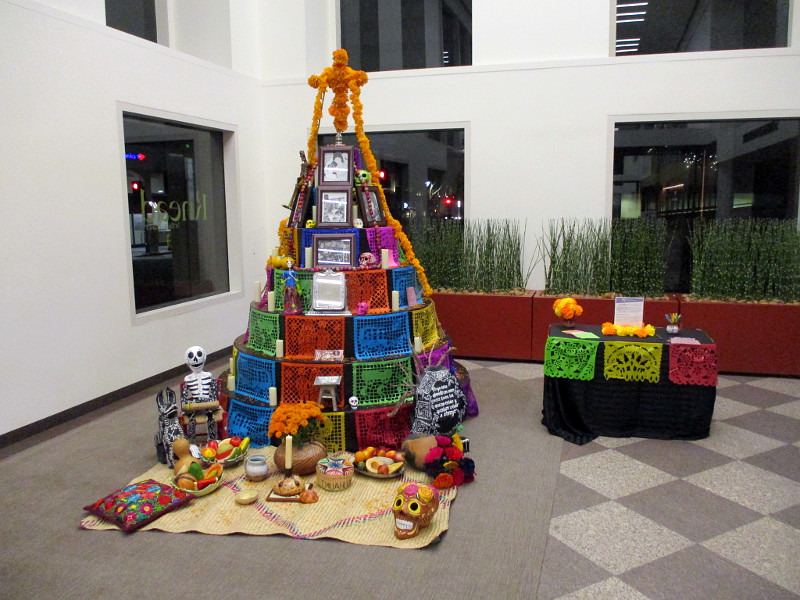
San Diego Symphony’s beautiful community ofrenda.

The San Diego Symphony has placed a community ofrenda in their box office lobby for Día de los Muertos. The beautiful Day of the Dead altar can be found inside the front entrance of downtown’s Symphony Towers. Step inside, turn left and you’ll see it.

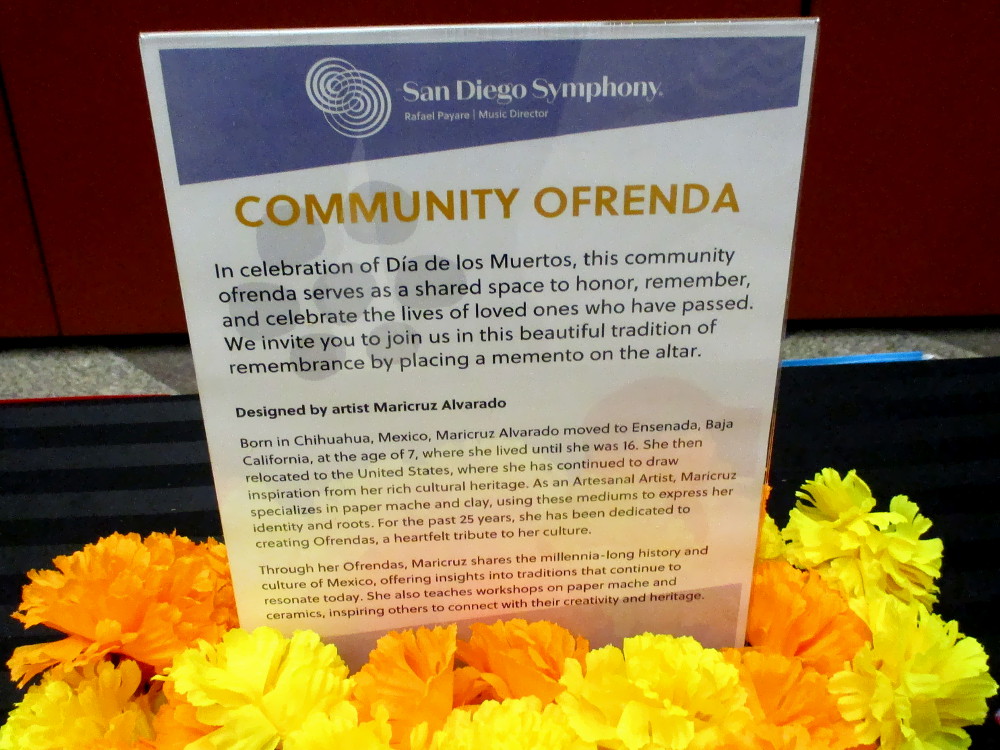
The community ofrenda was designed by local Mexican-American artist Maricruz Alvarado. She has been creating beautiful ofrendas for 25 years.

(By the way, I recently posted photos of a gigantic skull that Maricruz made! See it by clicking here!)

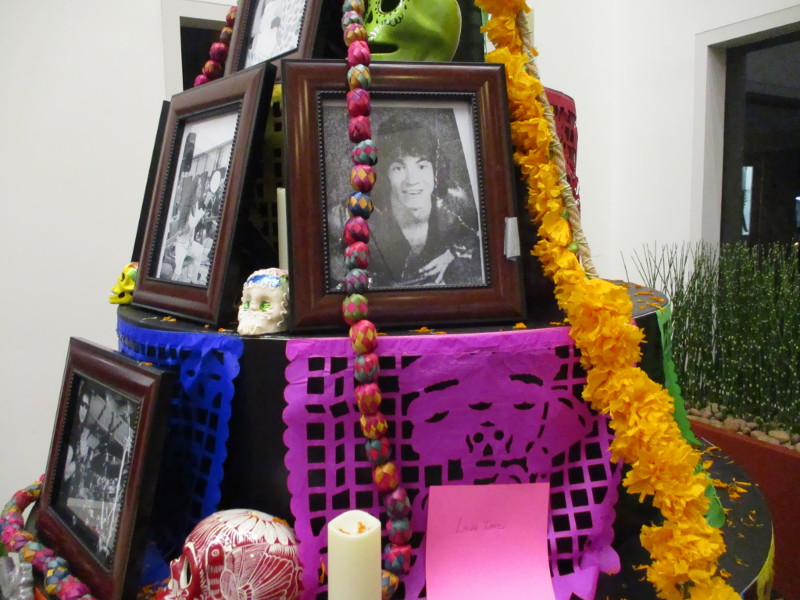
Members of the community are invited to contribute photographs and other momentos to the San Diego Symphony ofrenda in memory of deceased loved ones.

I swung by for a look early this morning…

Thanks for visiting Cool San Diego Sights!

I post new blogs pretty often. If you like discovering new things, bookmark coolsandiegosights.com and swing on by occasionally!

I live in downtown San Diego and love to walk around with my camera! You can follow Cool San Diego Sights via Facebook or X.