Video recreates historic Voyages of the San Salvador!

Behind come America, Cloudia and galleon San Salvador.

A fantastic video produced by the National Park Service and Aperture Films, with a very big assist from the Maritime Museum of San Diego, recreates the historic Voyages of the San Salvador!

If you’ve ever visited the Maritime Museum of San Diego, you’ve certainly boarded the amazing working replica of a Spanish galleon. The San Salvador was built to recreate, as closely as possible, explorer Juan Rodríguez Cabrillo’s flagship of the same name, which he sailed during his voyage of discovery up the California coast. It was Cabrillo who discovered San Diego Bay for Spain in 1542.

A few years ago a film was made about Cabrillo’s historic Pacific Ocean voyage, using the Maritime Museum’s galleon during a trip to the Channel Islands. The film, titled Voyages of the San Salvador, was meant to be seen in the theater at Cabrillo National Monument, but I learned today from its leading actor, Al Sorkin, that you can view it online!

Voyages of the San Salvador, as described by the National Park Service: “…follows the 1542 expedition led by Juan Rodriguez Cabrillo on a journey to find a route to China to trade for valuable spices. The film explores the motivation behind this incredible risk and the lasting effects European exploration has had on the native Kumeyaay people. This expedition marked the first European landing on what is now the west coast of the United States.”

As you watch the video, you might recognize that the segment concerning Cabrillo’s departure from his home was filmed in Old Town San Diego State Historic Park, at La Casa de Machado y Stewart. And the beach scene beneath towering cliffs was filmed at Torrey Pines State Beach.

Watch the incredible and very educational Voyages of the San Salvador–in English or in Spanish–by clicking here!

Al Sorkin, who played Juan Rodriguez Cabrillo in the National Park Service film Voyages of the San Salvador, poses for a photo at the Maritime Museum of San Diego.

I live in downtown San Diego and love to walk around with my camera! You can follow Cool San Diego Sights via Facebook or Twitter!

San Diego library mosaic: To Light the Way Within.

An extraordinary work of public art welcomes curious eyes in Southeast San Diego.

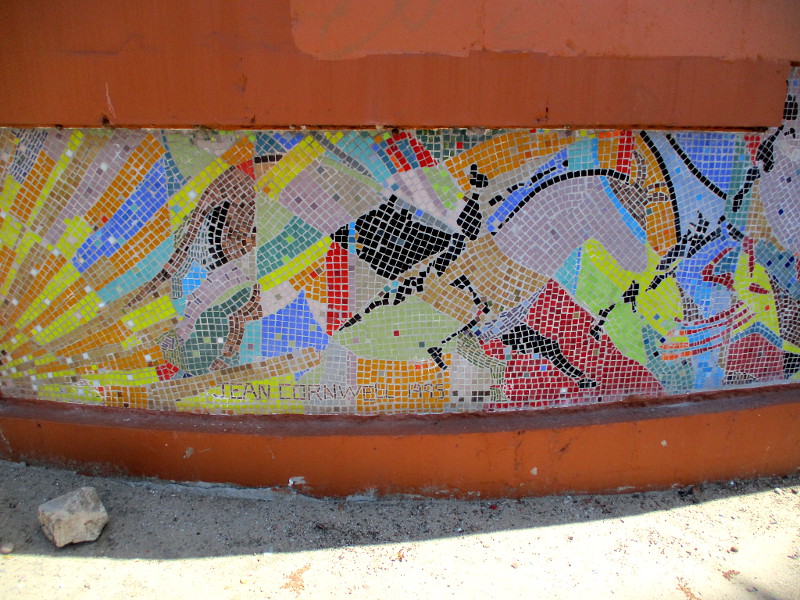
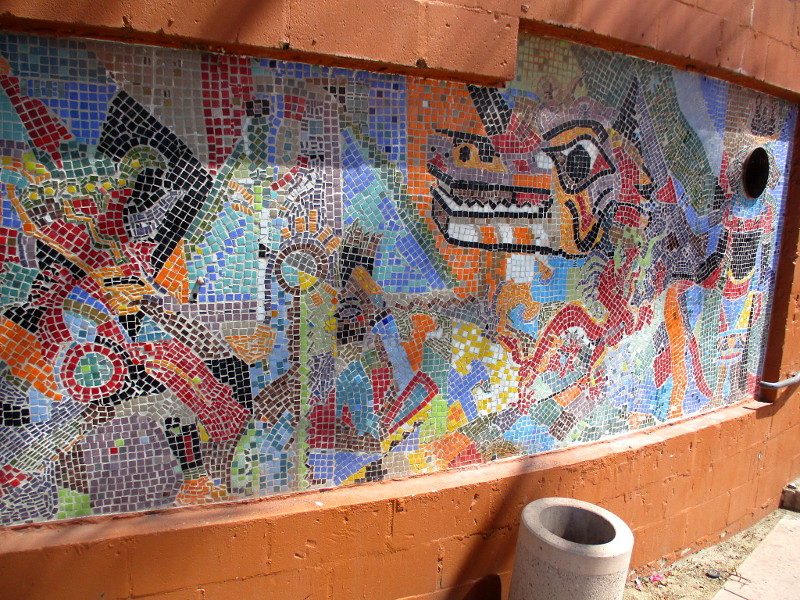
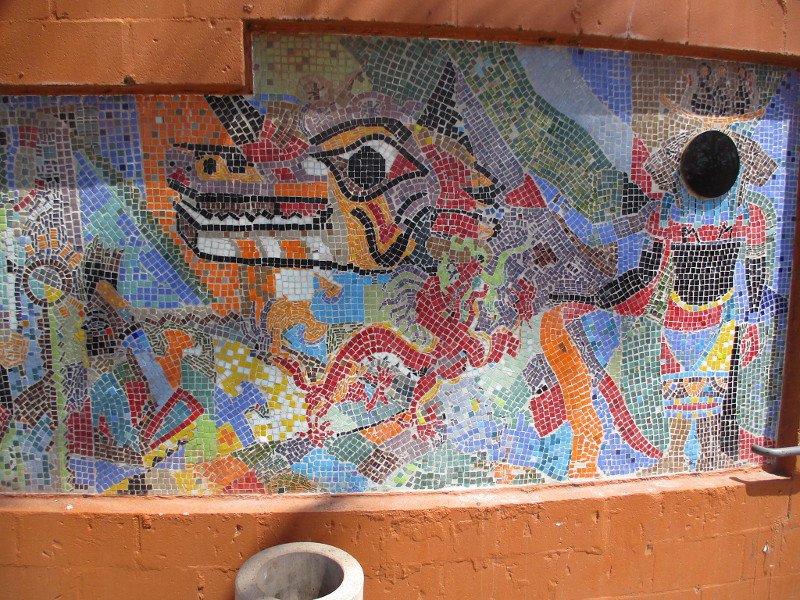
To Light the Way Within is a colorful glass mosaic mural that greets visitors as they approach the front entrance of the Malcolm X Branch Library and Performing Arts Center in Valencia Park. It was created by local artist Jean Cornwell Wheat in 1995.

Last weekend I captured photographs of the 40-foot outdoor entry wall mural, working my way from left to right. The complex imagery relates the story of human language–its history and evolution. Ancient drawings, pictographs and symbols seem to mix and dance forward together when you examine the mural closely.

According to what I’ve read, the mural, created in collaboration with another San Diego artist, Raul Guerrero, incorporates a lantern, a symbol of enlightenment that lights up when it becomes dark. I’ll have to check that out one evening.

Learn more about artist Jean Cornwell Wheat at her website here.

A few days ago I posted photographs of her truly remarkable “hidden” public sculpture Dragonfly Dreams. See that here.

Several years ago I also blogged about an African American fine art exhibition at the San Diego History Center. Check that out here and you’ll see one of Jean Cornwell Wheat’s canvases, along with other great works by renowned San Diego artists!

I live in downtown San Diego and love to walk around with my camera! You can follow Cool San Diego Sights via Facebook or Twitter!

You can easily explore Cool San Diego Sights by using the search box on my blog’s sidebar. Or click a tag! There are thousands upon thousands of photos for you to enjoy!

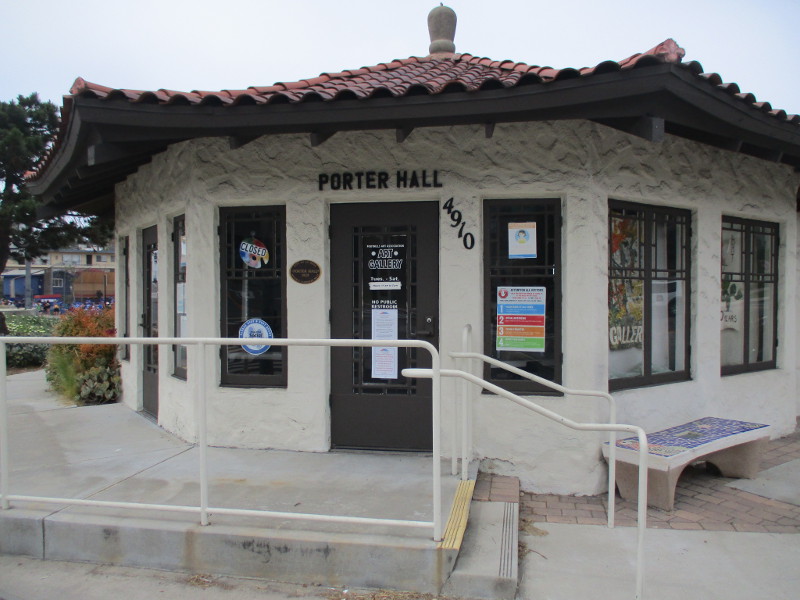
An octagonal Chinese-Mexican building in La Mesa.

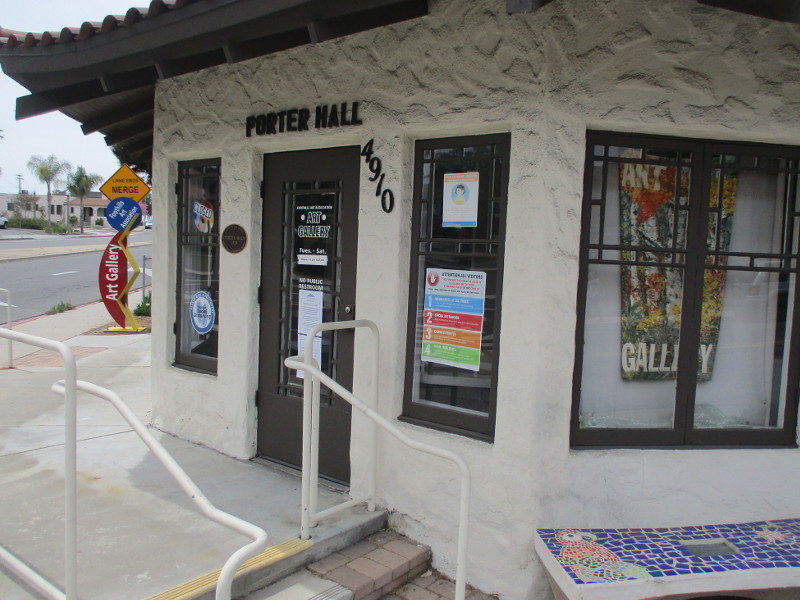
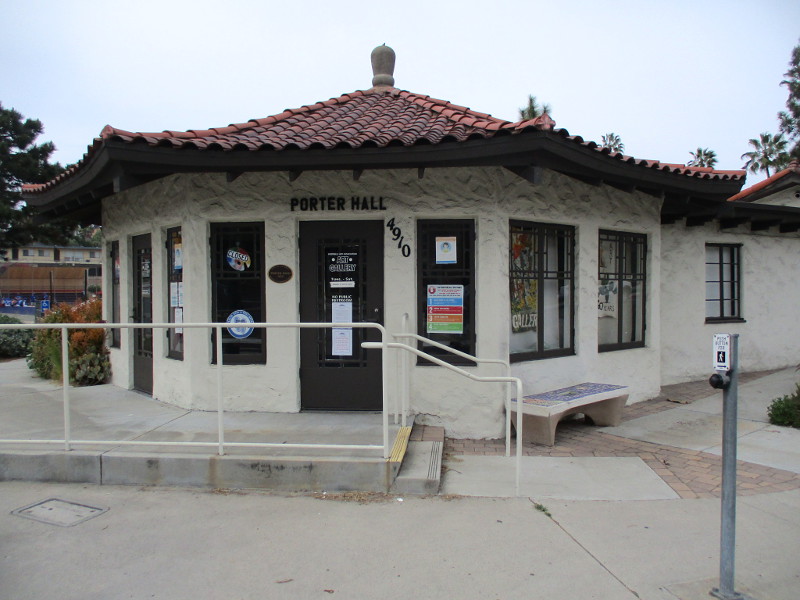
One of the most distinctive buildings in La Mesa can be found in MacArthur Park. The designated historic landmark, located at 4910 Memorial Drive, is called Porter Hall.

This small octagonal building, built by the Porter family in the late 1920’s, has an unusual tile roof that appears a little Chinese and a little Mexican. The roof’s exotic contours are explained by the fact that Henry and Elizabeth Chapin Porter had previously lived in China.

From 1932 to 1957 Porter Hall served as a San Diego County library.

Prior to 1974 the original octagonal structure stood on the other side of University Avenue. It was moved when the street was widened. Today the enlarged building is home of the Foothills Art Association.

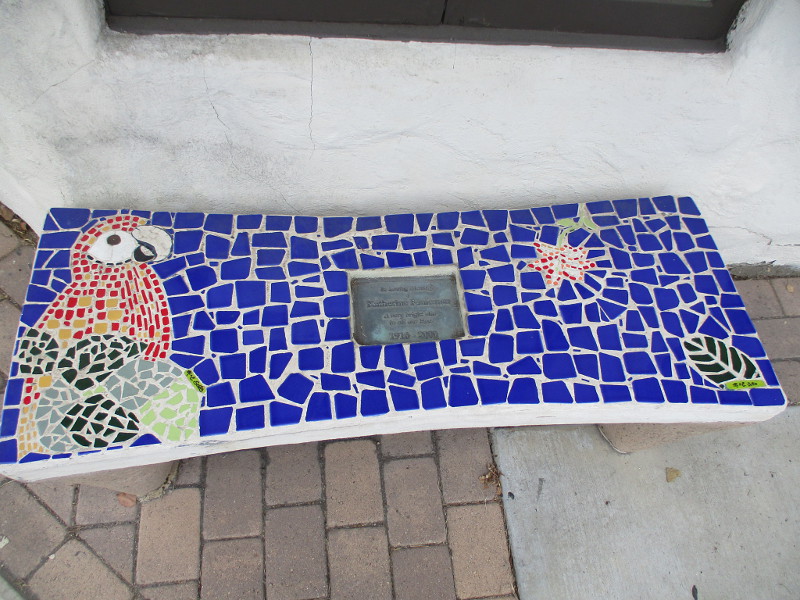
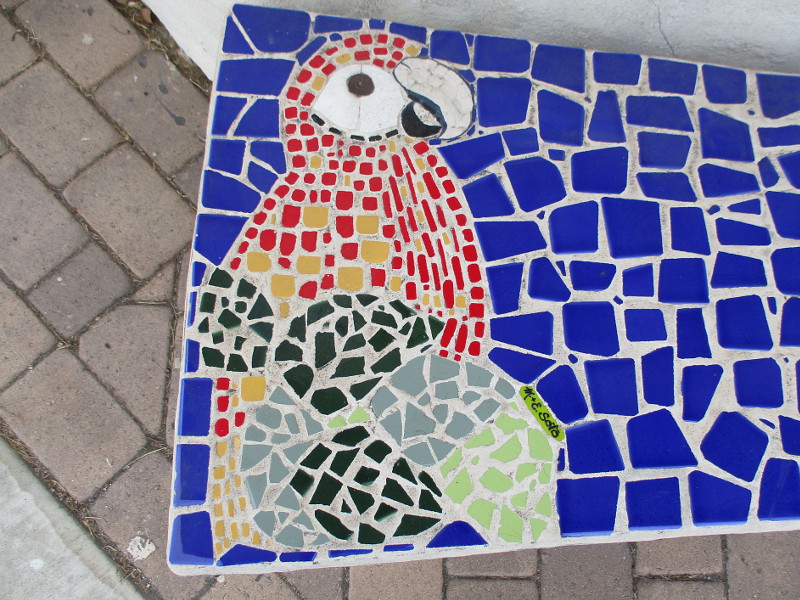
When I walked past Porter Hall a couple weekends ago, I took these photographs. Some artwork could be seen from the sidewalk, including a beautiful mosaic bench with a colorful parrot. A plaque dedicates the bench to Katherine Faulconer.

You can learn more about La Mesa’s influential Porter family by reading page 5 of an old La Mesa Historical Society publication here.

I live in downtown San Diego and love to walk around with my camera! You can follow Cool San Diego Sights via Facebook or Twitter!
You can easily explore Cool San Diego Sights by using the search box on my blog’s sidebar. Or click a tag! There are thousands upon thousands of photos for you to enjoy!

History Center visits San Diego legend Nathan Harrison.

Most of the museums in Balboa Park have reopened now that the COVID-19 pandemic is subsiding. Yesterday I visited the San Diego History Center and enjoyed viewing one of their current exhibits.

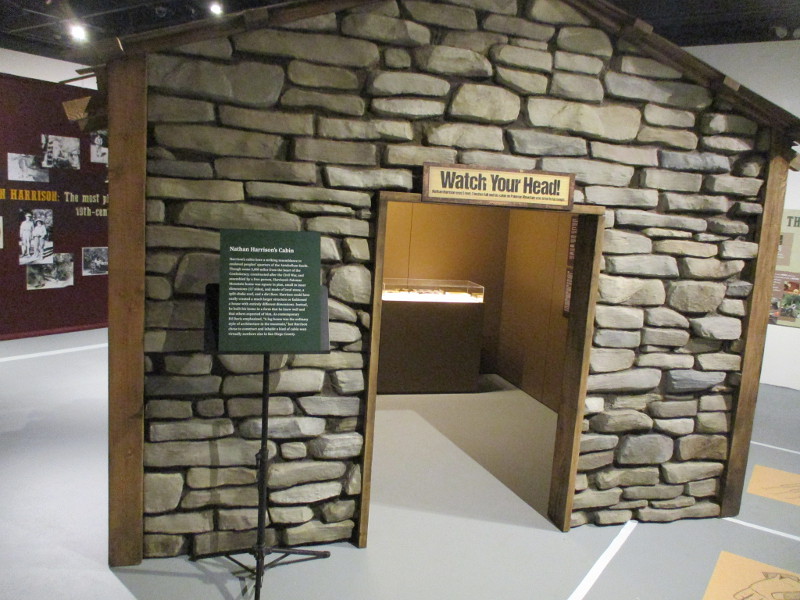
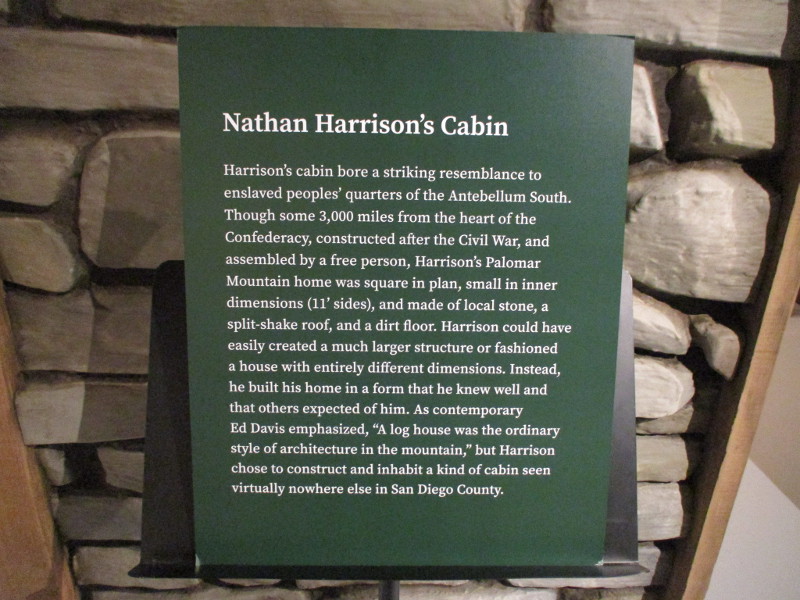
Born a Slave, Died a San Diego Legend concerns freed slave Nathan Harrison, who lived in a small cabin on Palomar Mountain in the late 19th and early 20th century.

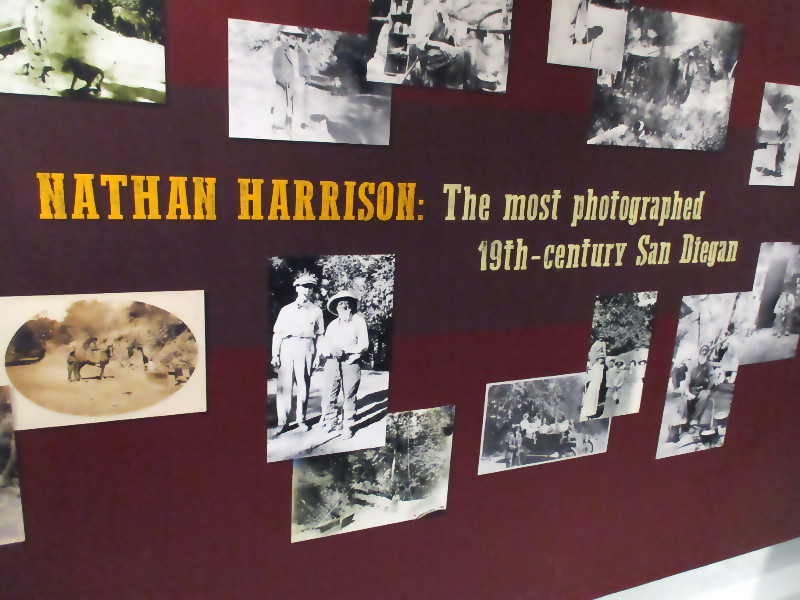
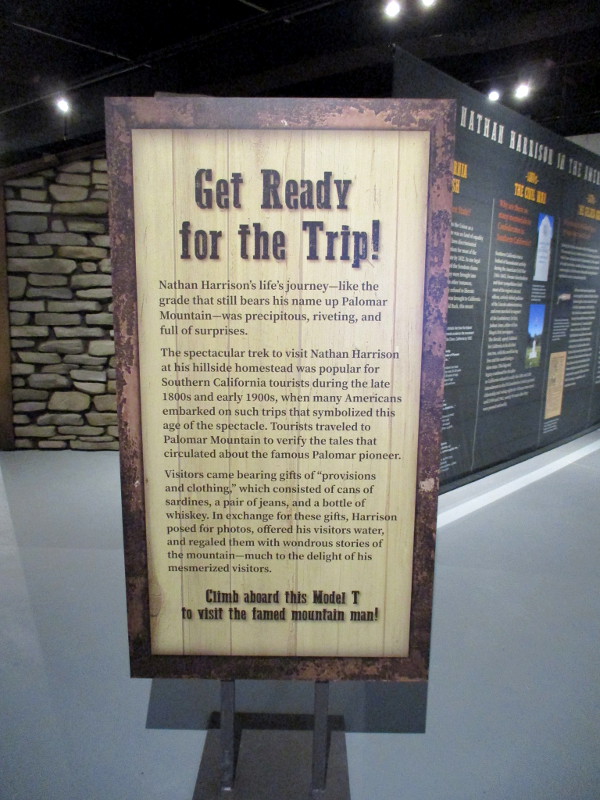
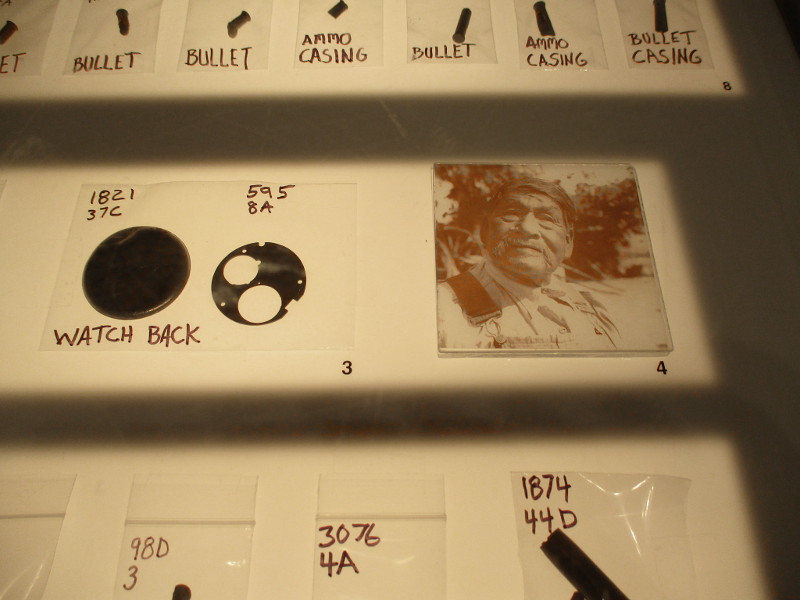
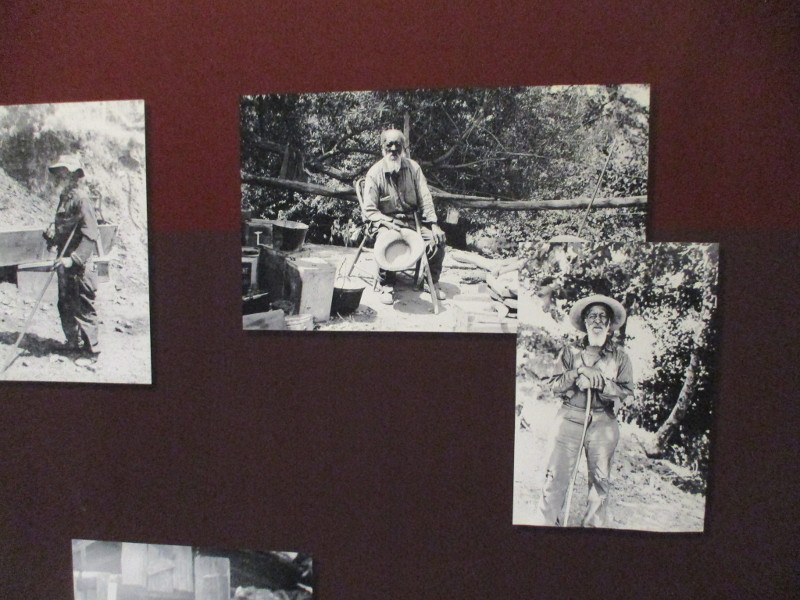
Perhaps you’ve driven up to Palomar Mountain State Park and the world-famous Palomar Observatory via Nate Harrison Road. The road is named in honor of this legendary homesteader who provided water and stories to tourists who made the precipitous trek to the mountain top. Nathan Harrison was once the most photographed person in San Diego!

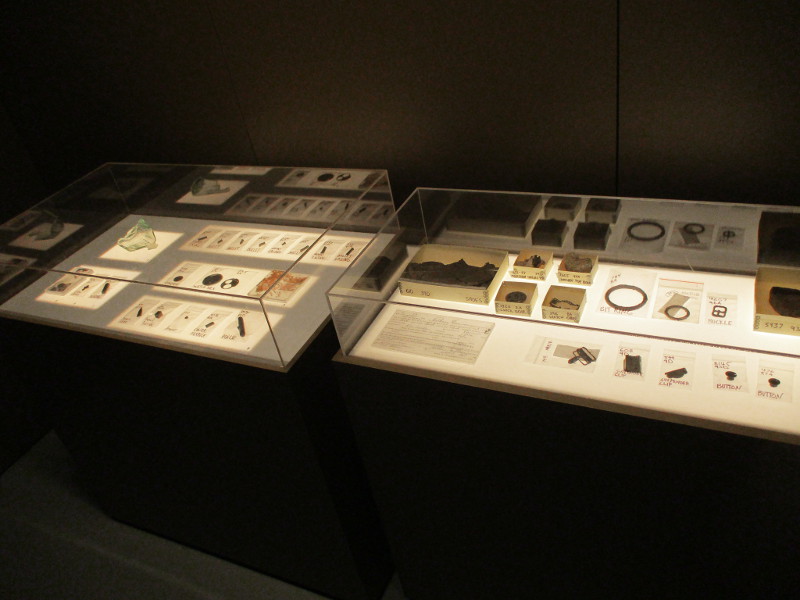
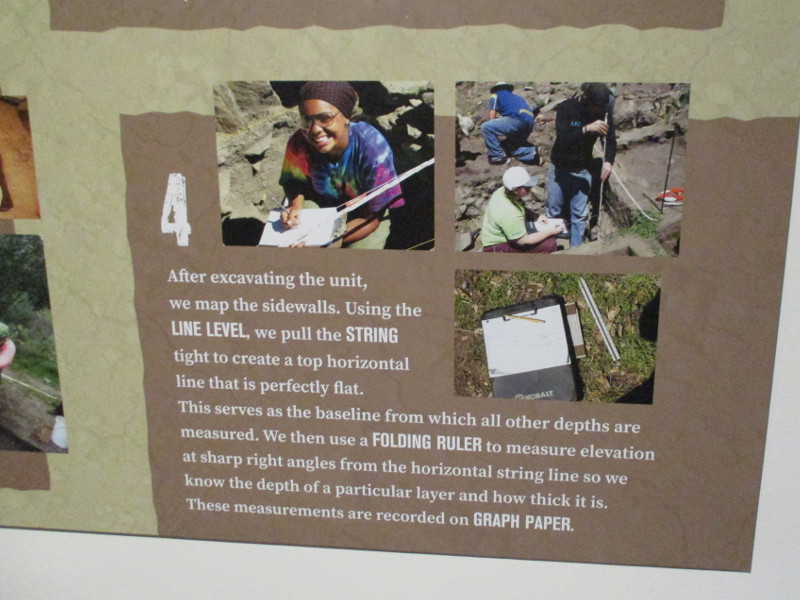
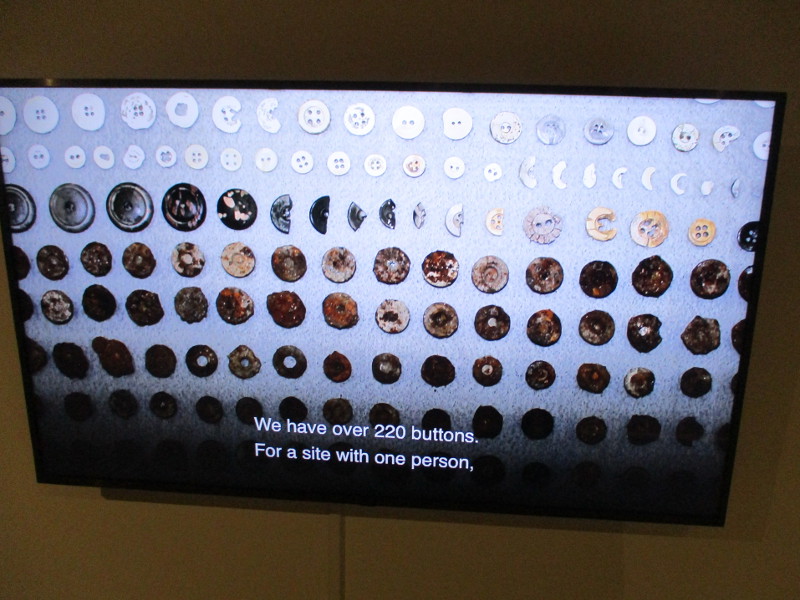
Born a Slave, Died a San Diego Legend shows what it would have been like to journey up to Harrison’s cabin on Palomar Mountain. It also examines what San Diego State University archaeologists have discovered about his life and interactions with his visitors, who offered him gifts of all types. To learn more about the Department of Anthropology’s fascinating Nathan “Nate” Harrison Historical Archaeology Project, click here.

One interesting thing I learned was that Harrison had a sister-in-law named Ramona Wolf. She was the namesake for Helen Hunt Jackson’s novel Ramona, one of the most popular American novels ever written. (You might recall that, to draw tourists and increase the number of riders on his San Diego Electric Railway, entrepreneur and philanthropist John D. Spreckels once claimed the dilapidated Casa de Estudillo in Old Town was the marriage place of the novel’s character Ramona, and thereby preserved an historic building.)

Nathan Harrison’s life is an integral part of San Diego history. His story spans the Antebellum South, the California Gold Rush and Wild West, and the early part of the 20th century.

His many personal adventures, his independent life on a mountain, and his friendship inspired countless San Diegans. When you visit the exhibit at the San Diego History Center, you will also be inspired at how, in his own unique way, a freed slave achieved the American Dream.

I live in downtown San Diego and love to walk around with my camera! You can follow Cool San Diego Sights via Facebook or Twitter!

Unusual traffic signal box memorial in Balboa Park.

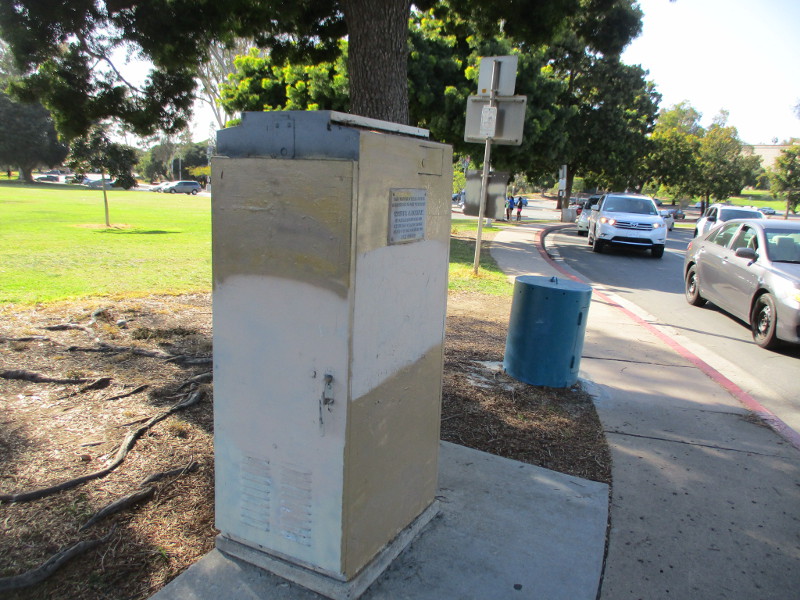
You rarely find a traffic signal box with a special dedication plaque. There’s one such box in San Diego, and it’s located in Balboa Park at the corner of Park Boulevard and Presidents Way.

This traffic signal box memorializes Walter J. Sarnaw. The plaque reads:

THIS TRAFFIC SIGNAL SYSTEM
IS DEDICATED TO THE MEMORY OF
WALTER J. SARNAW
IN APPRECIATION FOR HIS
DEDICATED SERVICE TO THE
SAFETY OF THE CITIZENS OF
SAN DIEGO

I can find no biography of Walter J. Sarnaw online, apart from some basic information on this Find a Grave page. It indicates Walter Julian Sarnaw was born in 1916 in Illinois, attended San Diego State College, was a member of the campus Engineer’s Association, served in the Army at the end of World War II, and died in 1973 in San Diego.

And we know for certain that he was dedicated to the safety of the San Diego community. Which made him an important contributor to the life and history of our city.

If you know more about Walter J. Sarnaw, please leave a comment!

I live in downtown San Diego and love to walk around with my camera! You can follow Cool San Diego Sights via Facebook or Twitter!

Monument to historic radio station KCBQ in Santee.

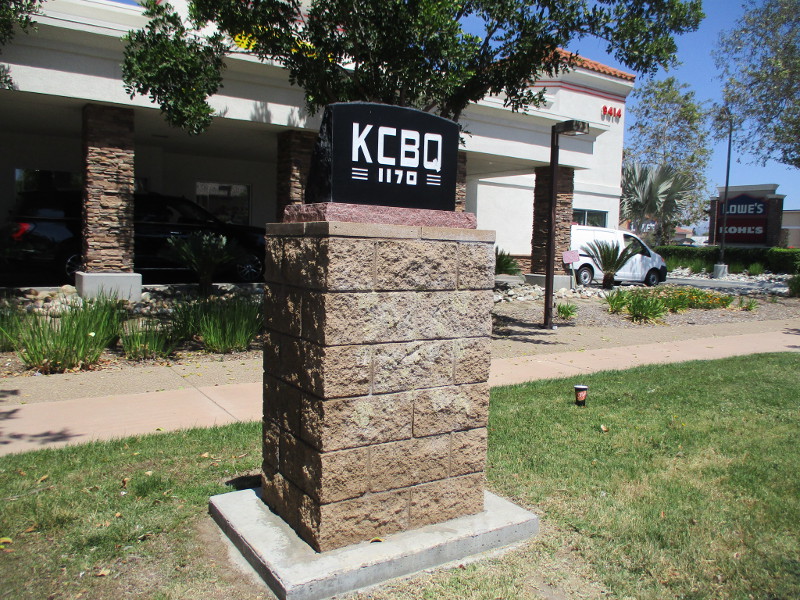
I remember listening to KCBQ 1170 as a youth. For decades it was one of San Diego’s leading radio stations, featuring radio personalities that are legendary, including “Shotgun Tom” Kelly and Charlie Tuna.

This groundbreaking AM radio station has had a complicated history, its many different owners moving the studio about from time to time and playing everything from contemporary music to country music. A detailed Wikipedia article can be found here.

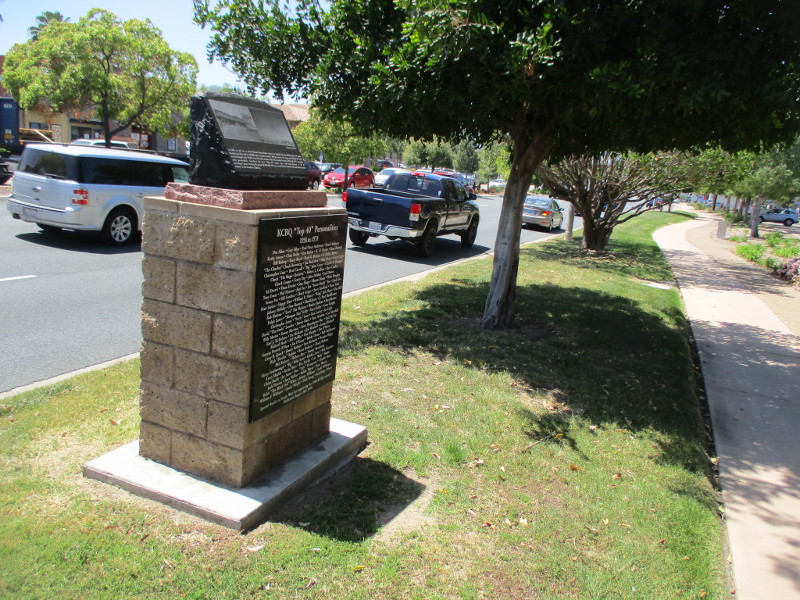
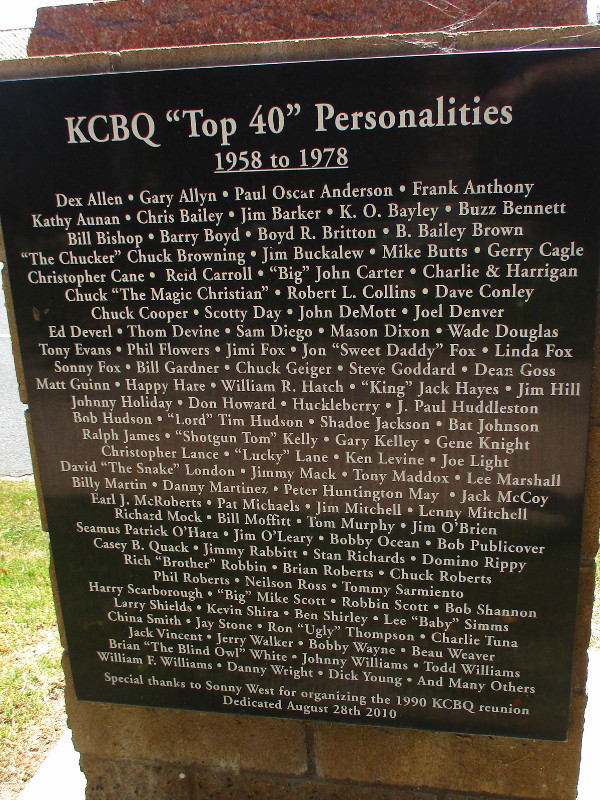
A monument to the original KCBQ, which was influential in popularizing the Top 40 music format for the rest of the nation, now stands at the radio station’s old Santee transmitter site. It was dedicated on August 28, 2010. You can find the monument on Mission Gorge Road just east of Carlton Hills Boulevard, in front of an In-N-Out Burger fast food restaurant.

Scan the list of past on-air personalities and you’ll see names that have been well known in San Diego radio for decades. Personally, I easily recall the unique voices of Frank Anthony, Gene Knight and Gary Kelley, not to mention “Shotgun Tom” Kelly.

I live in downtown San Diego and love to walk around with my camera! You can follow Cool San Diego Sights via Facebook or Twitter!

You can easily explore Cool San Diego Sights by using the search box on my blog’s sidebar. Or click a tag! There are thousands upon thousands of photos for you to enjoy!

A very short, easy hike at East Fortuna.

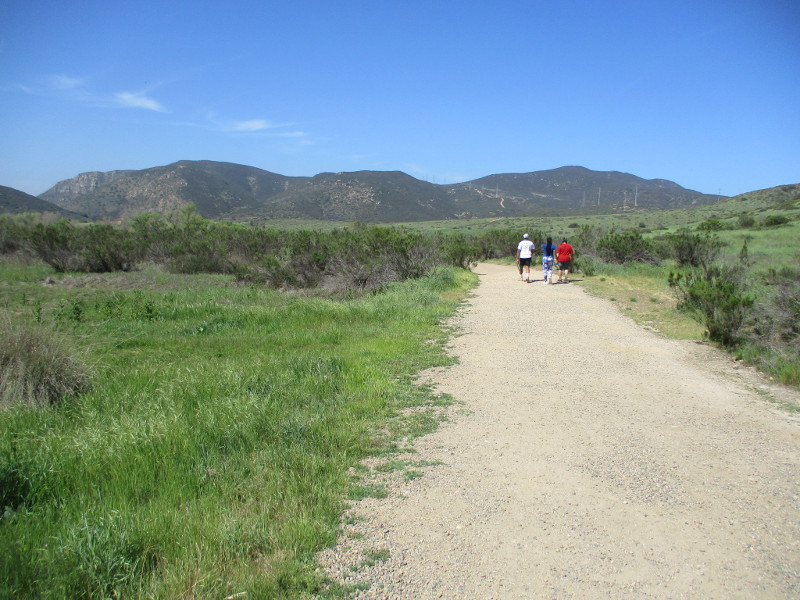
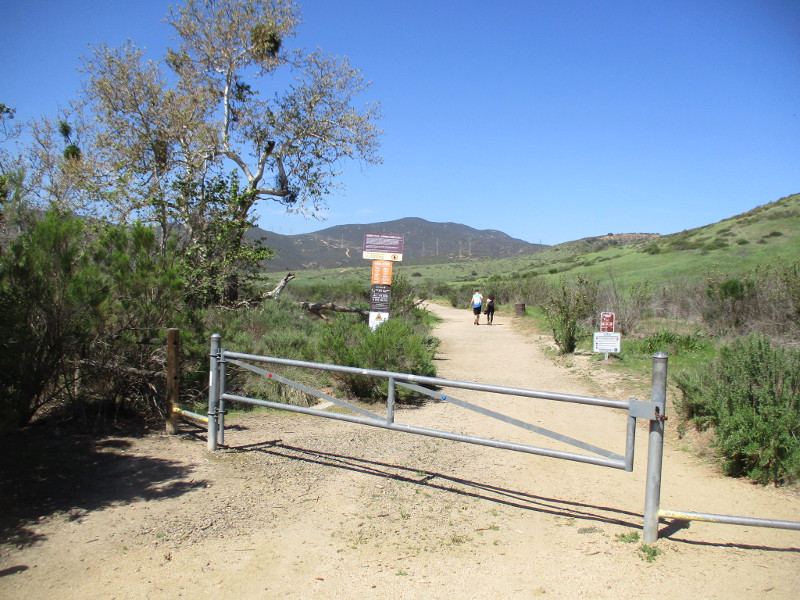
Yesterday, as part of a much longer walk in urban Santee, I enjoyed a very short, easy hike in the northeast corner of 7,220-acre Mission Trails Regional Park.

I started at the East Fortuna Staging Area and proceeded from the Equestrian Circle Trailhead west a quarter mile or so, just to enjoy the beautiful natural scenery.

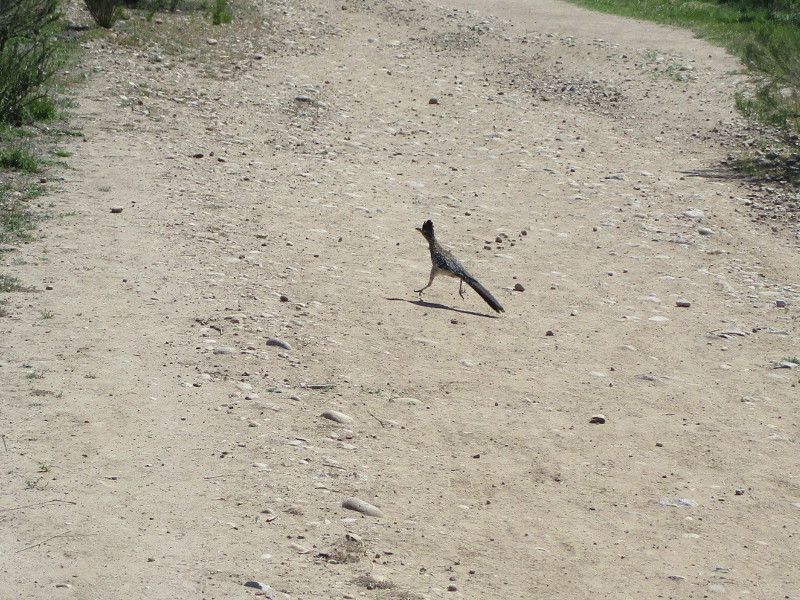
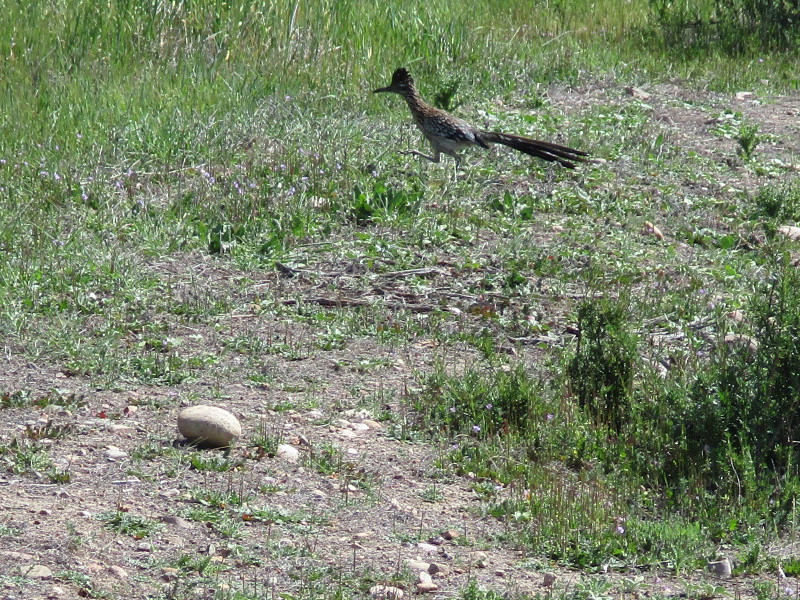
Imagine my surprise when I quickly spotted a roadrunner!

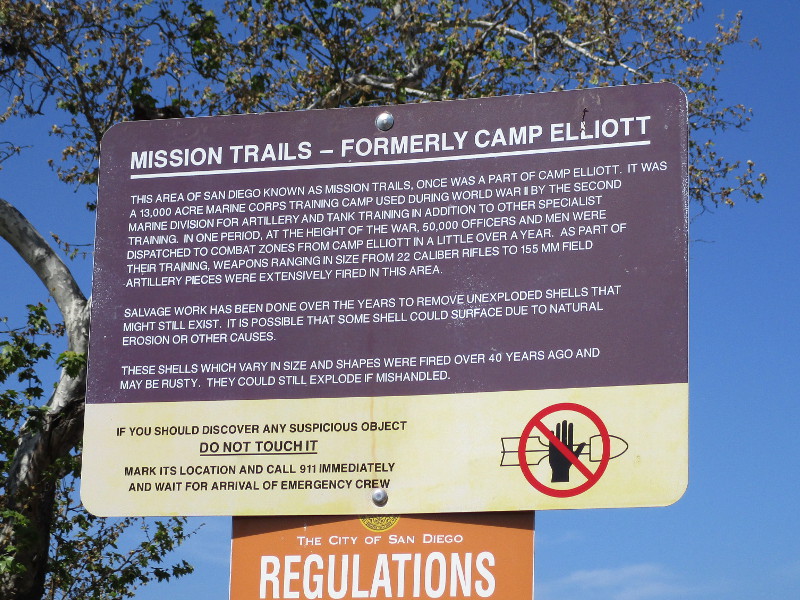
The City of San Diego’s wild, rugged Mission Trails area, during World War II, was used to train members of the 2nd Marine Division. Camp Elliott is where they learned to fire artillery and operate tanks. According to the above sign posted near the trailhead: “At the height of the war, 50,000 officers and men were dispatched to combat zones from Camp Elliott in a little over a year.”

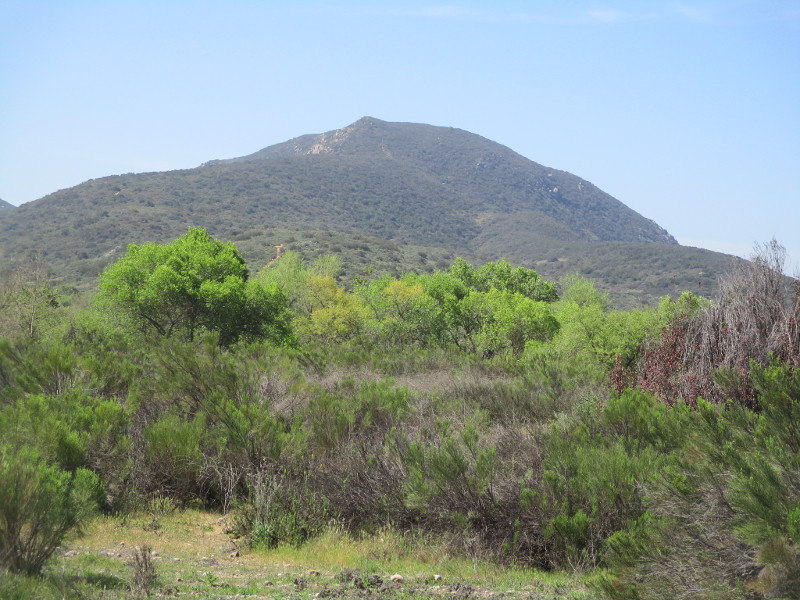
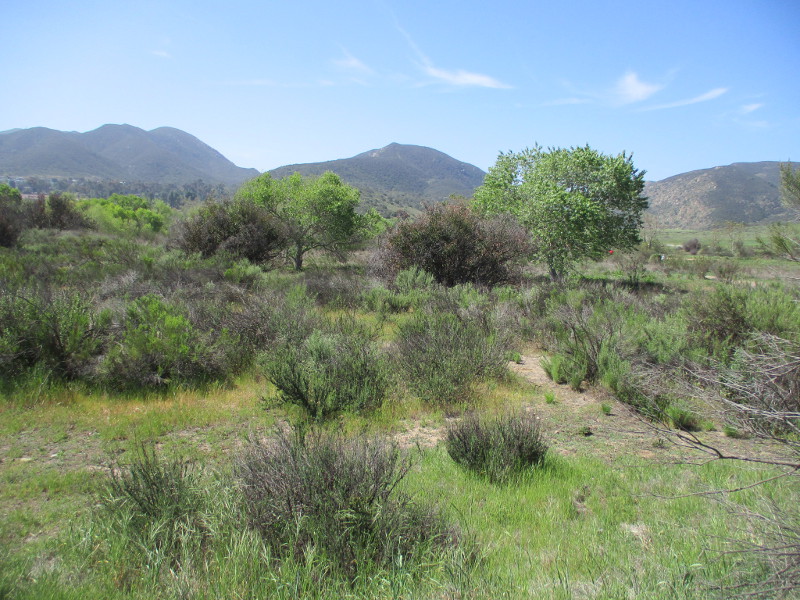
The canyons, mountains and grasslands of Mission Trails are now home to abundant wildlife and natural beauty.

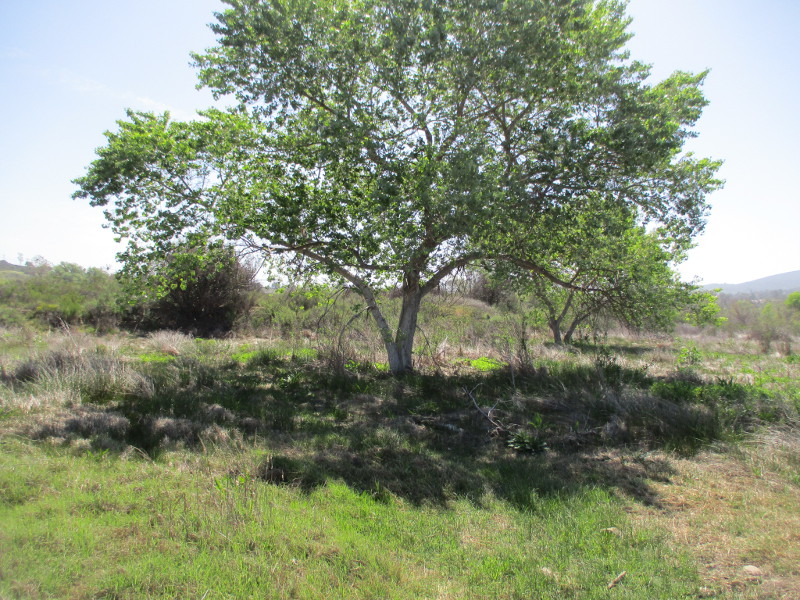
Trees in the distance line the San Diego River where its life giving water flows through the park.

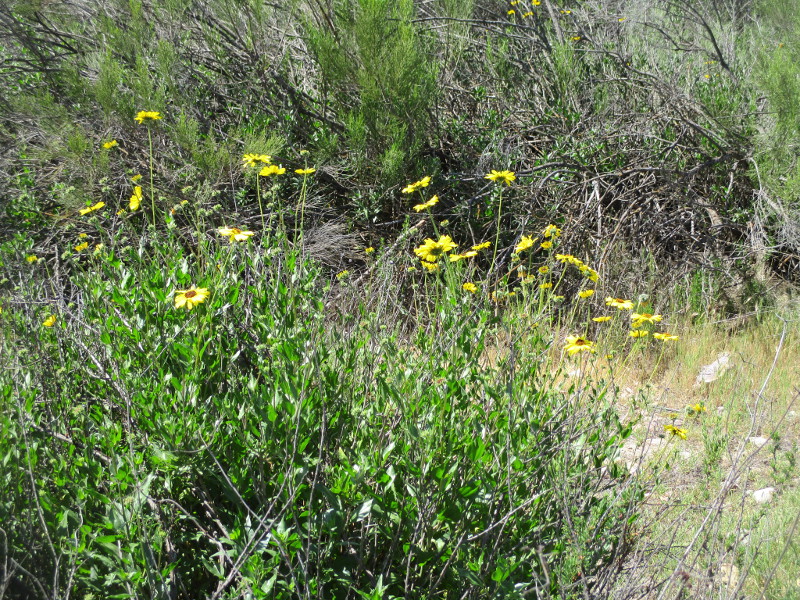
Some bright California bush sunflowers near the trail…

I live in downtown San Diego and love to walk around with my camera! You can follow Cool San Diego Sights via Facebook or Twitter!

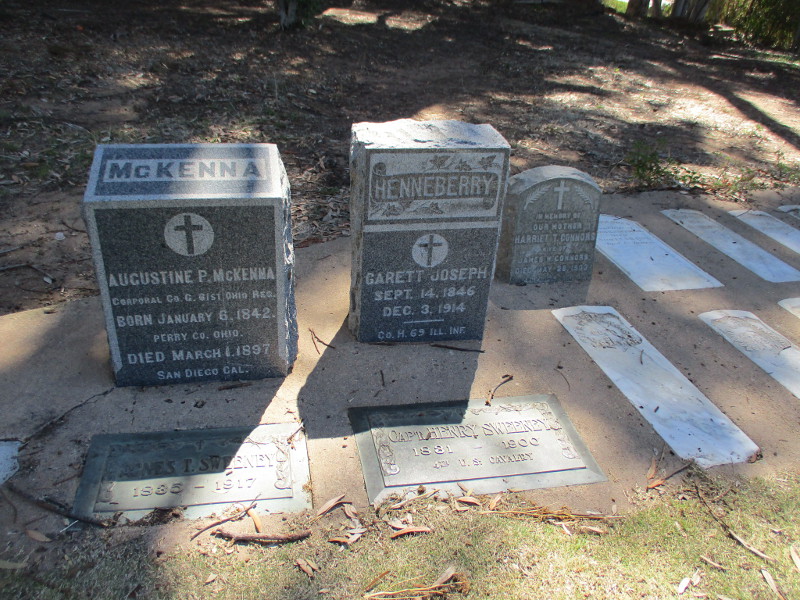
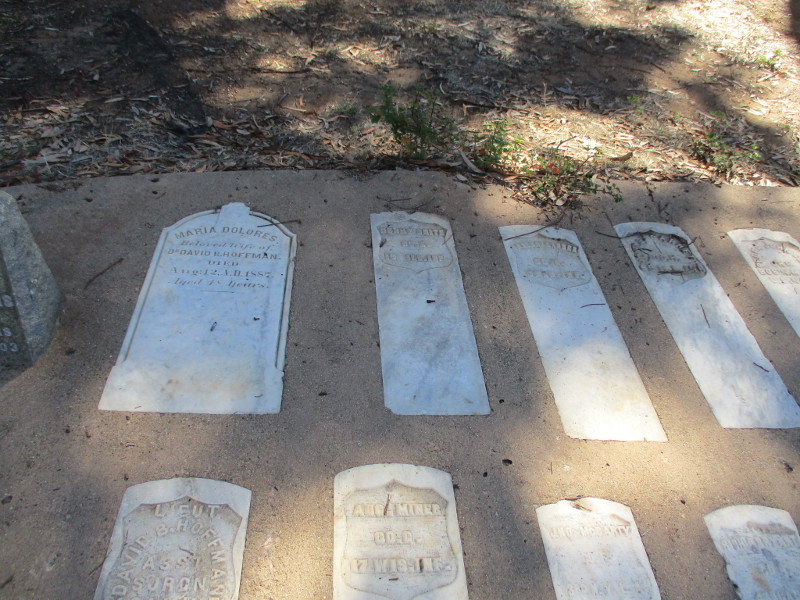
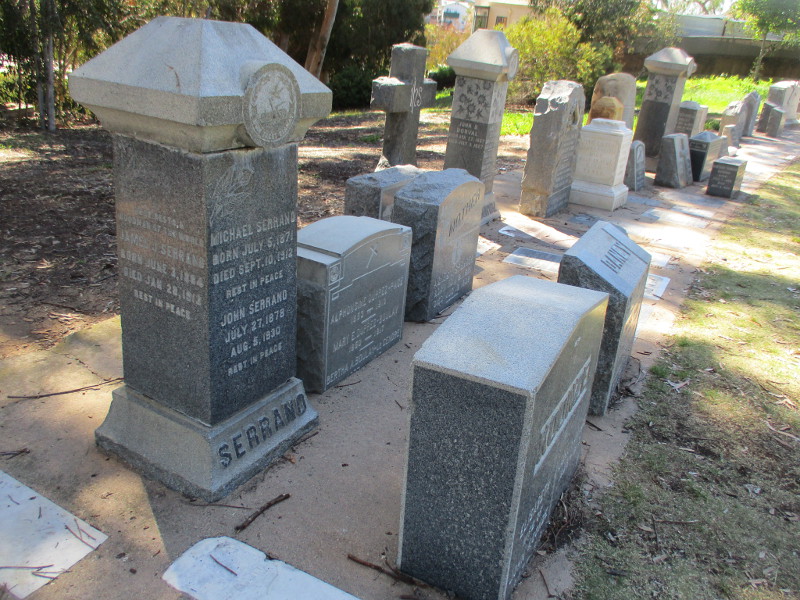
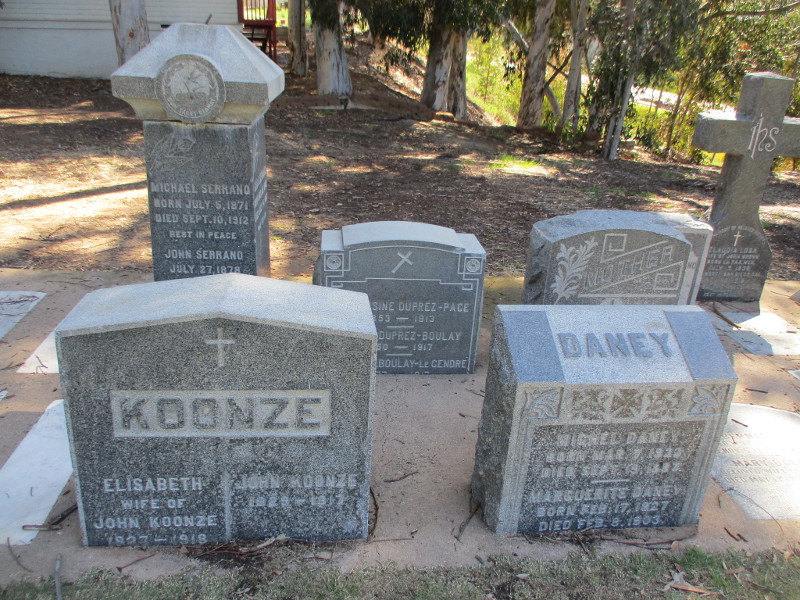
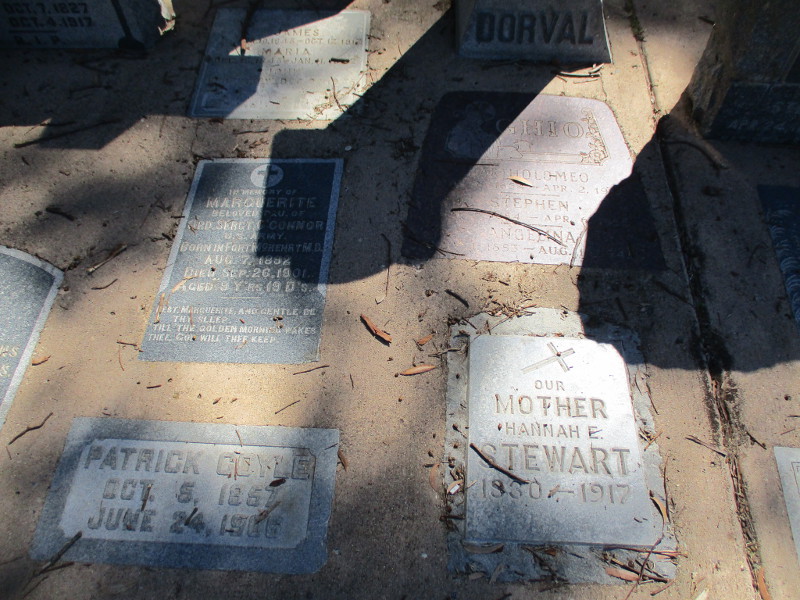
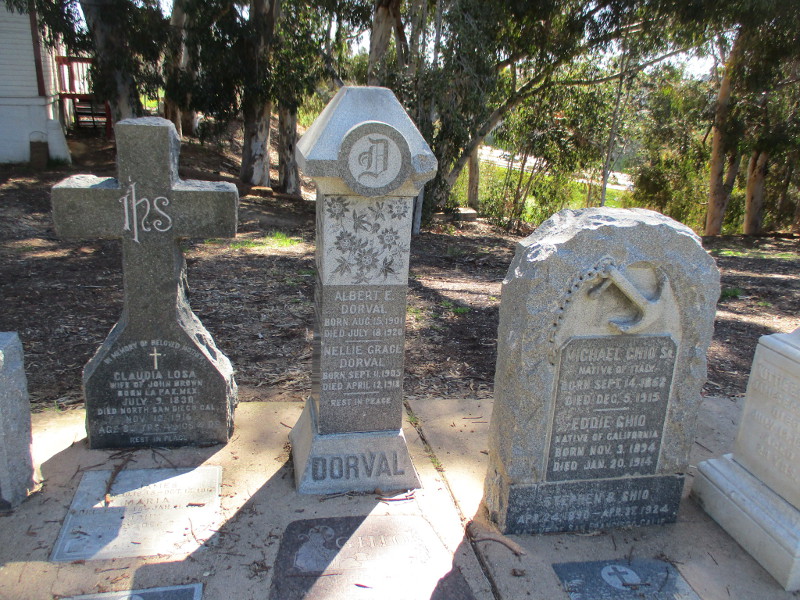
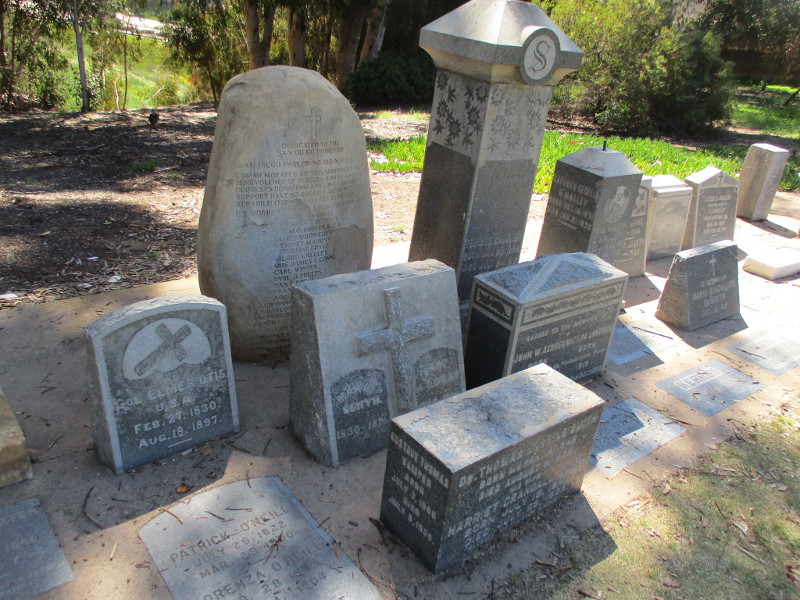
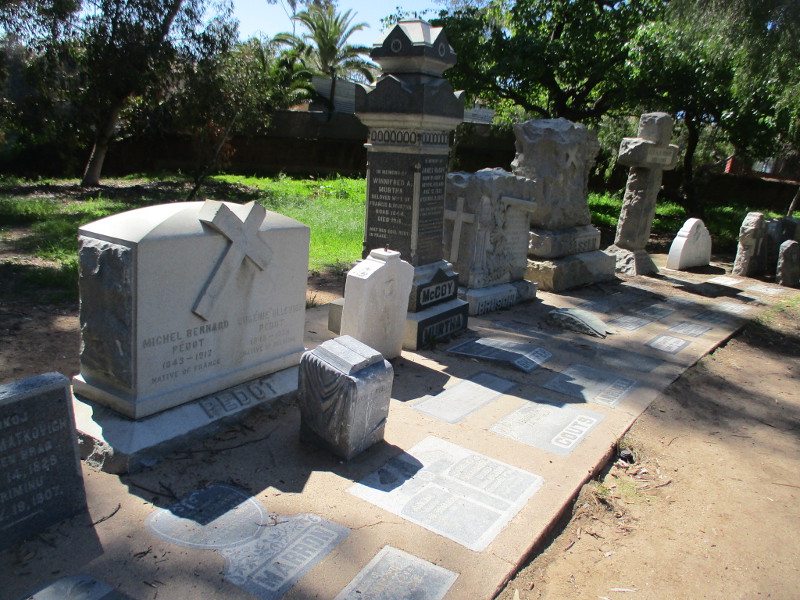
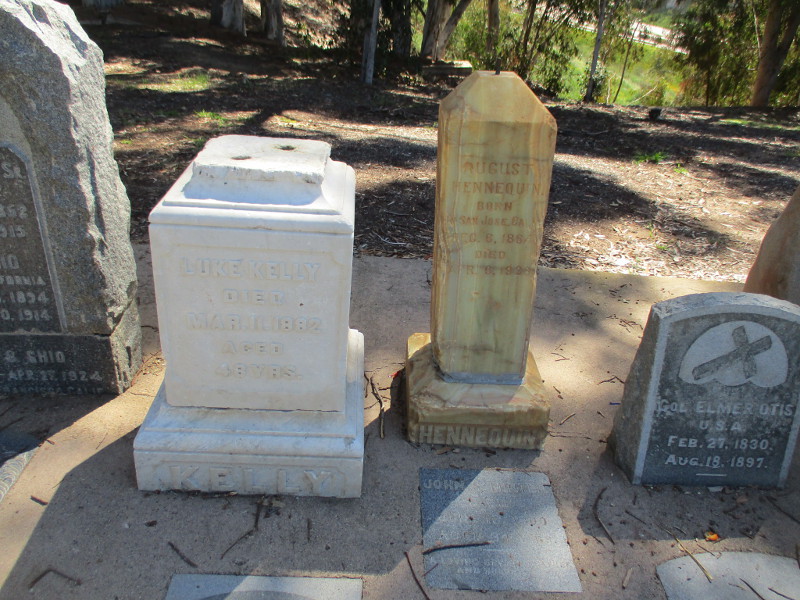
Gravestones at Pioneer Park in Mission Hills.

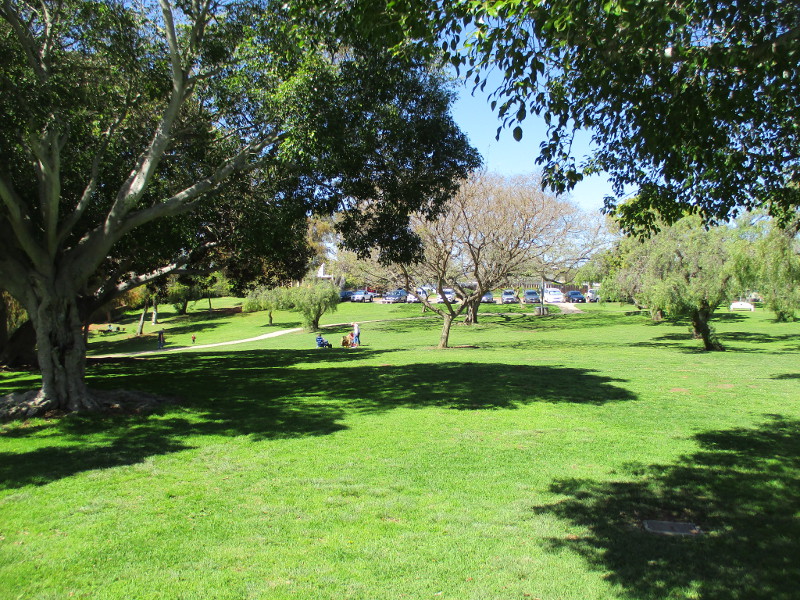
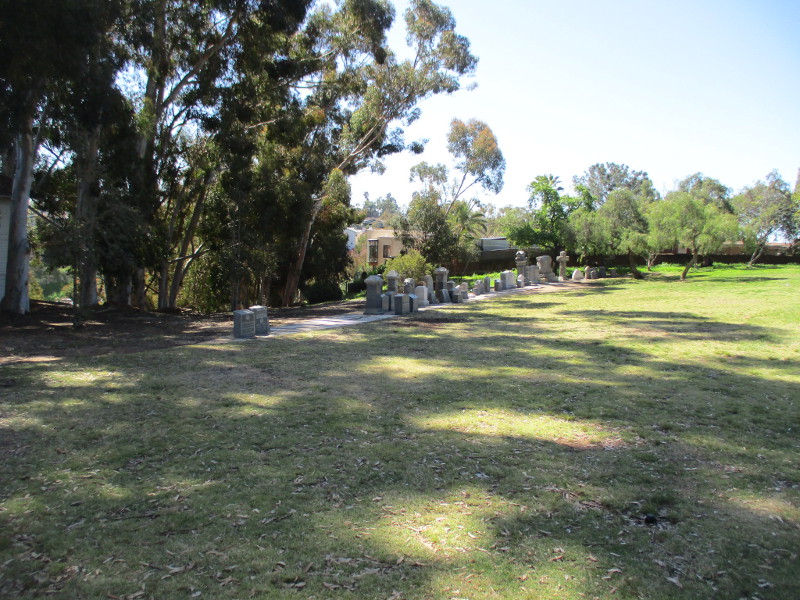
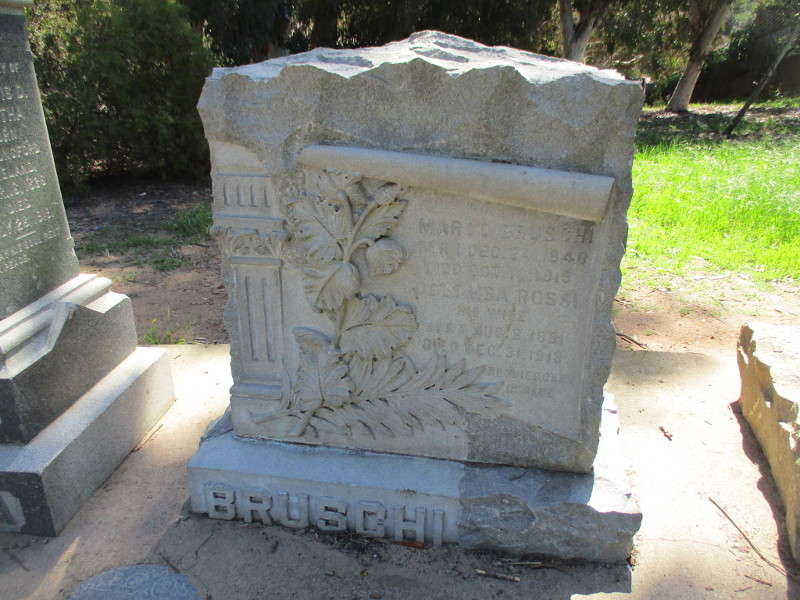
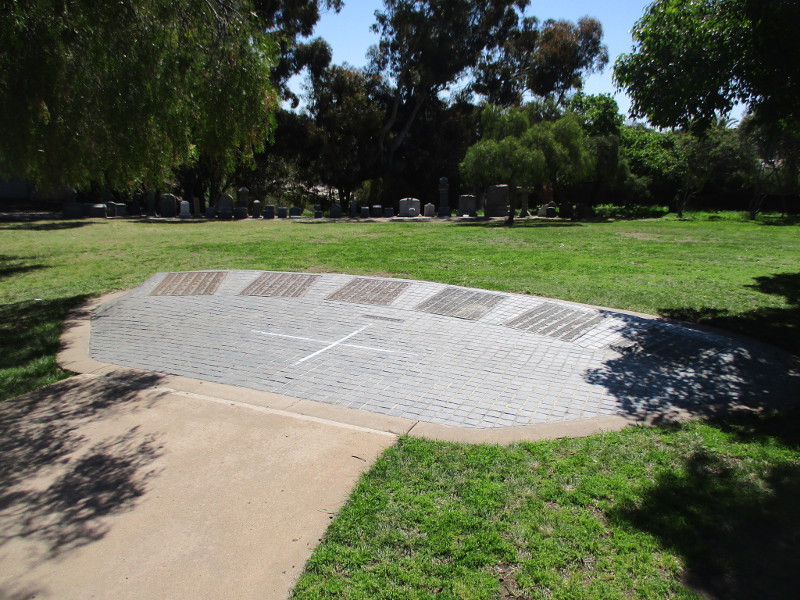
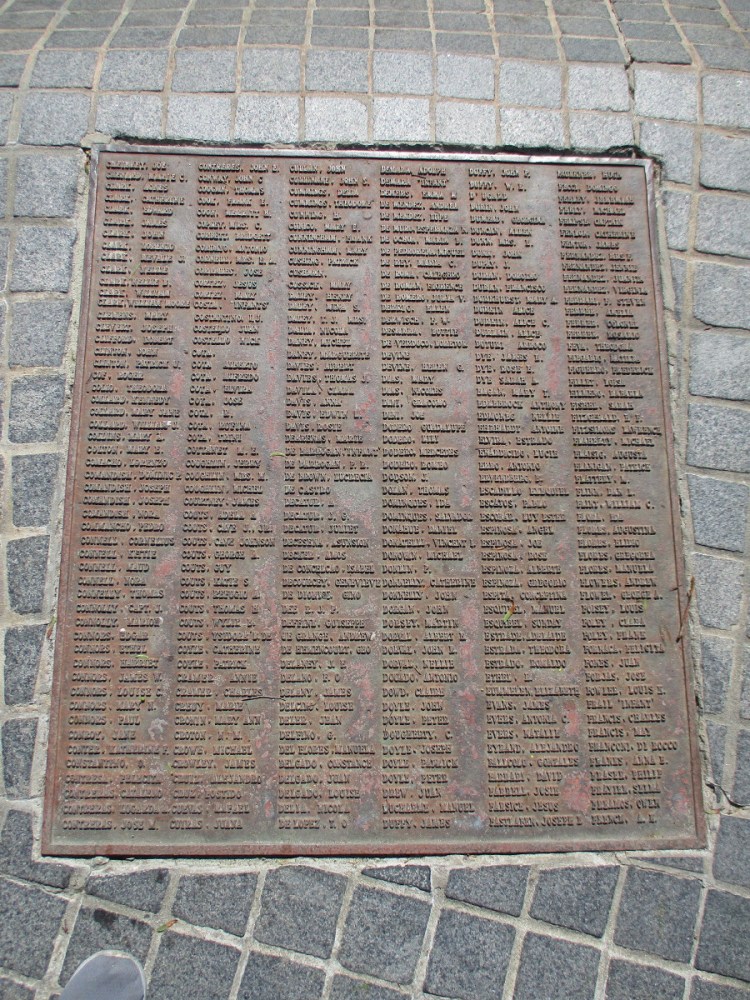
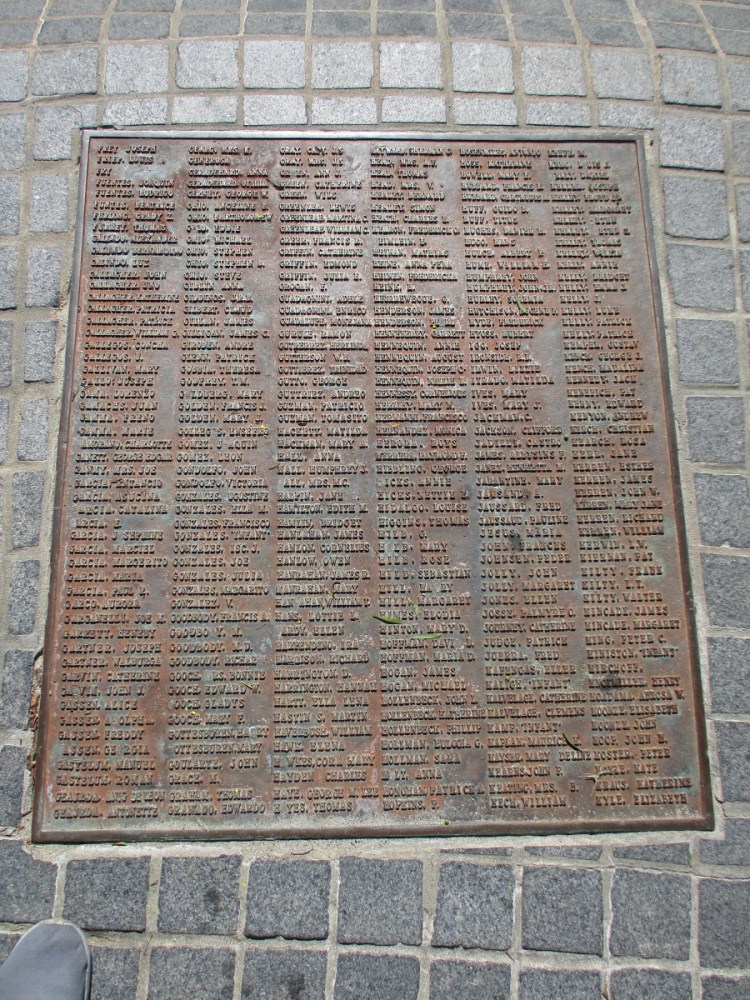
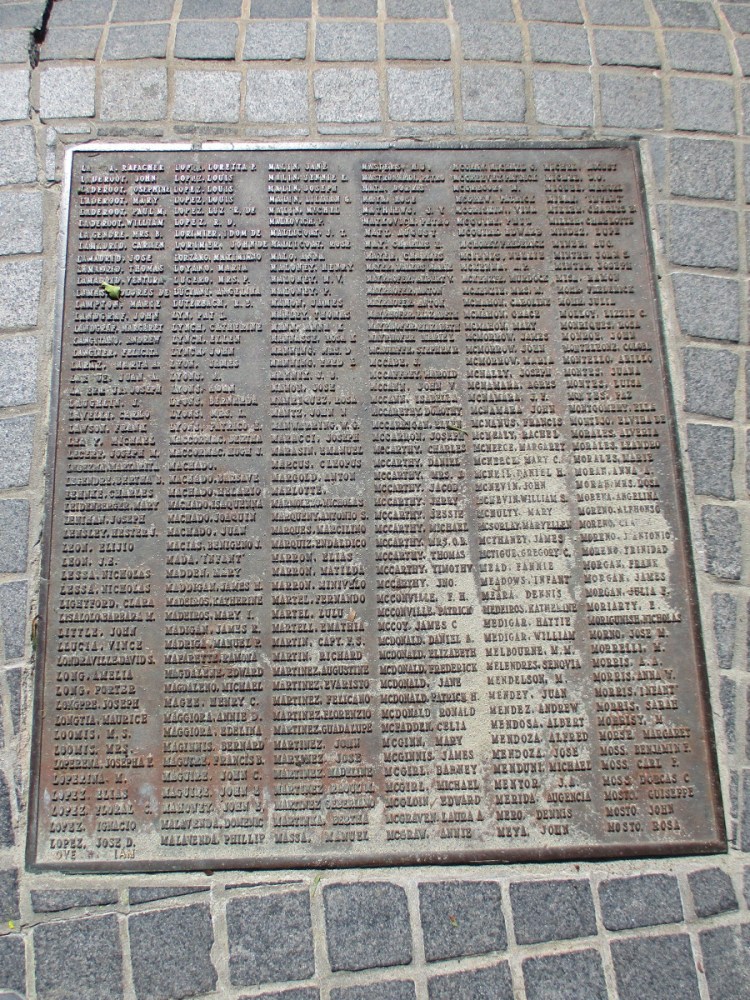
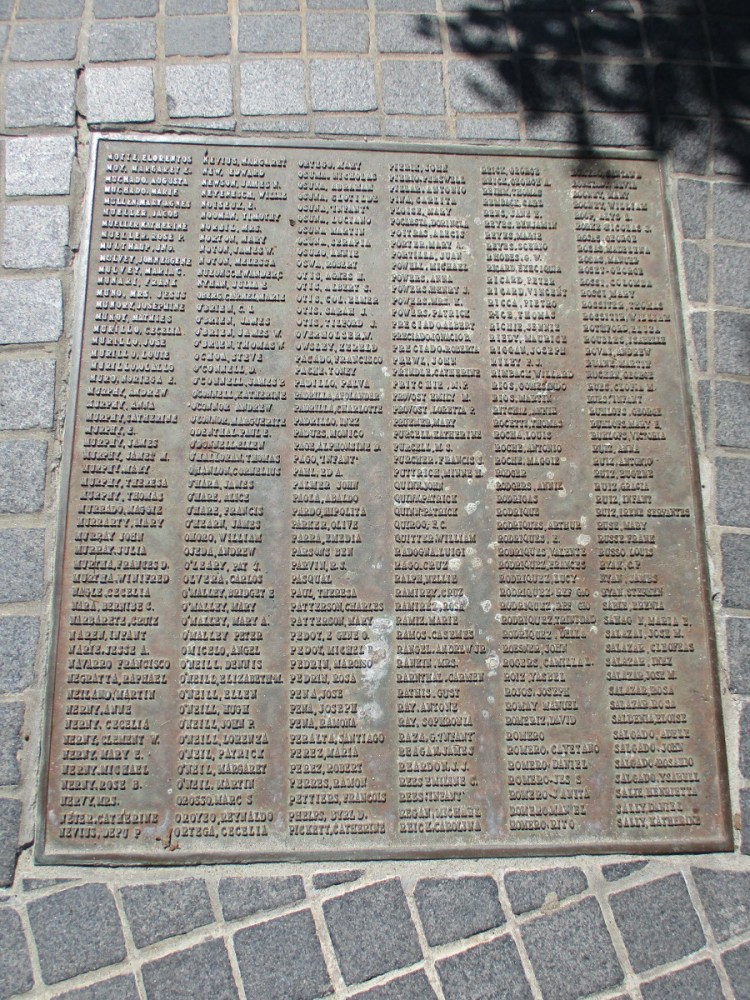
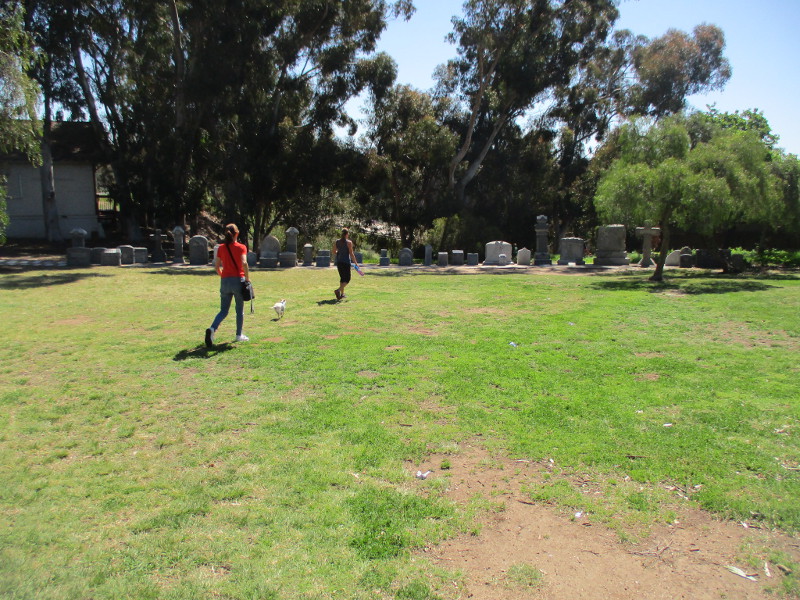
Pioneer Park is a city park in Mission Hills that’s popular with neighborhood families and children. It features a playground, green grass, many shady trees . . . and well over a thousand unseen graves. If you don’t wander into the southeast corner of the park, you might never know it’s also a cemetery.

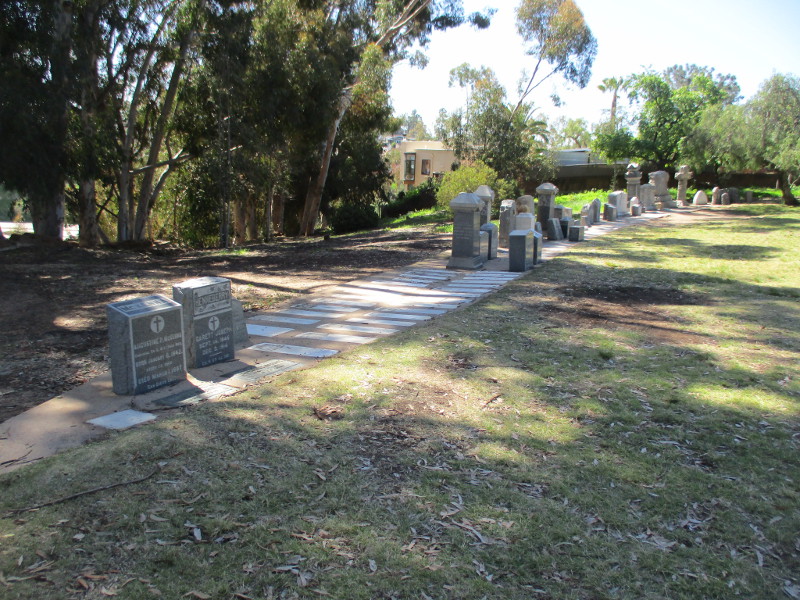
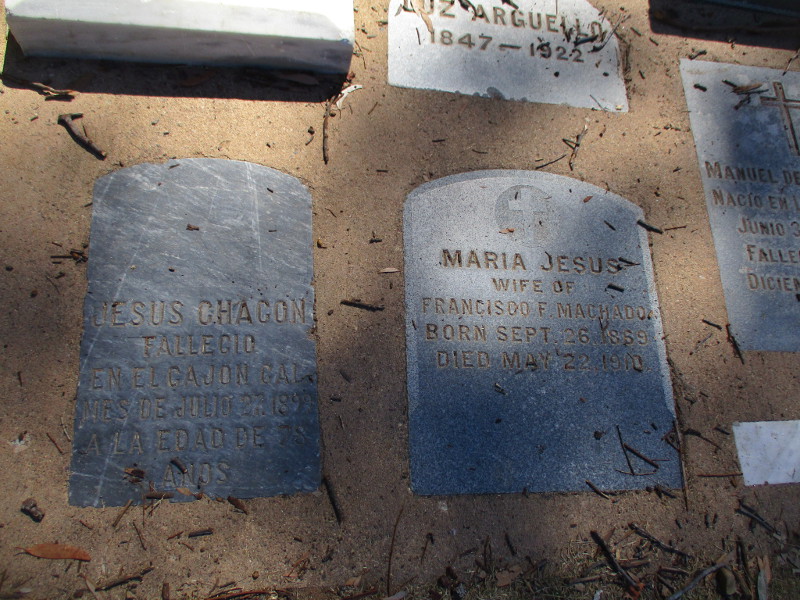
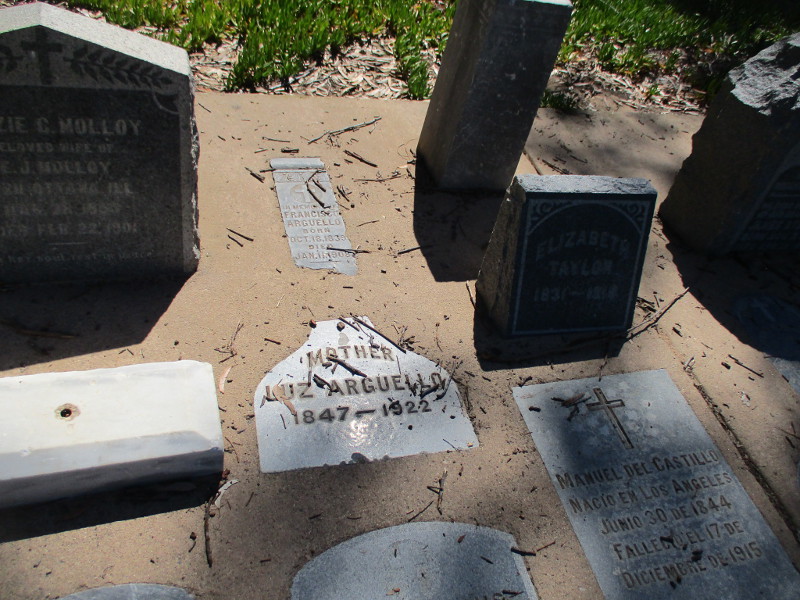
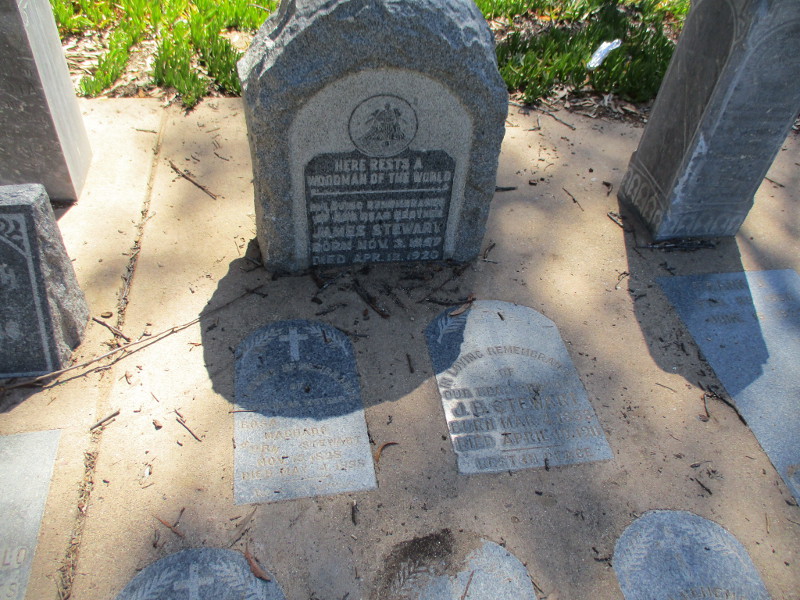
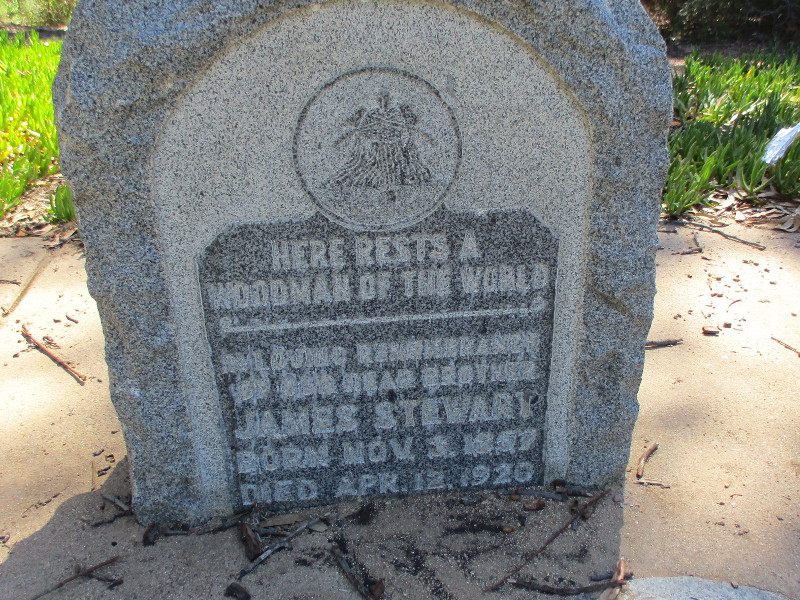
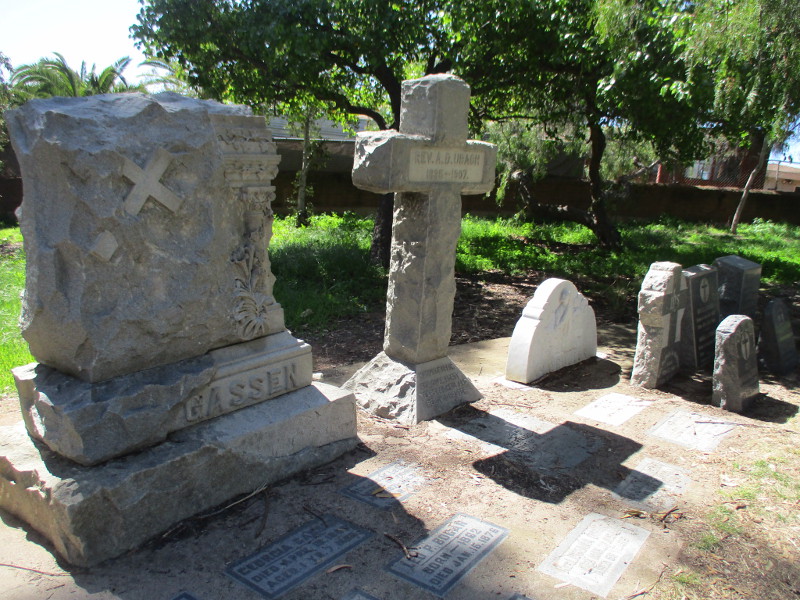
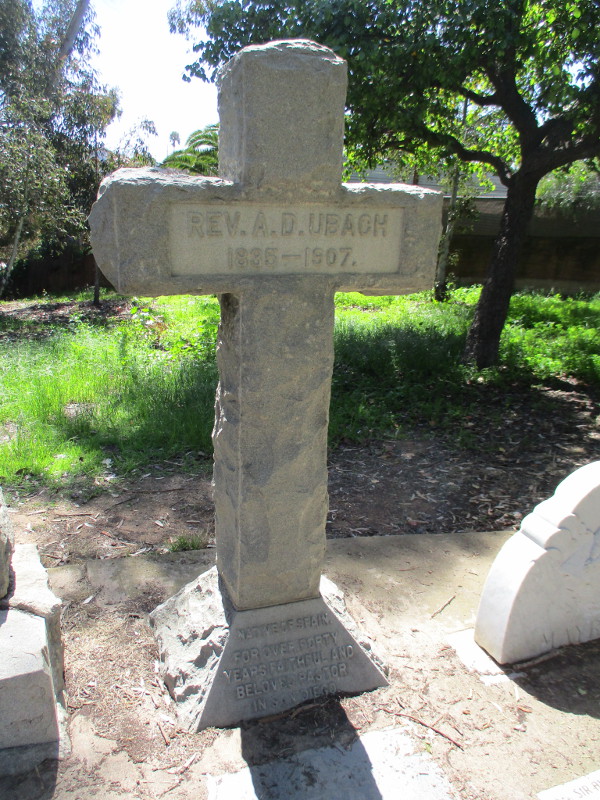
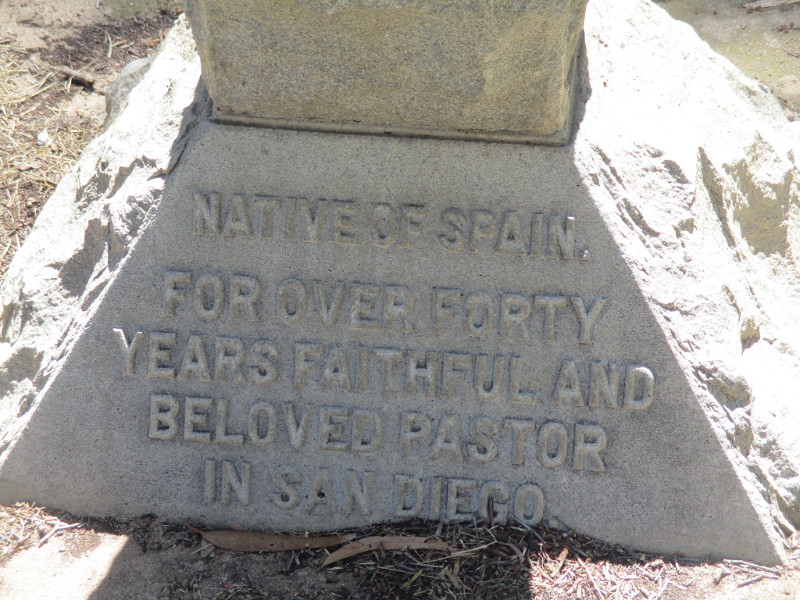
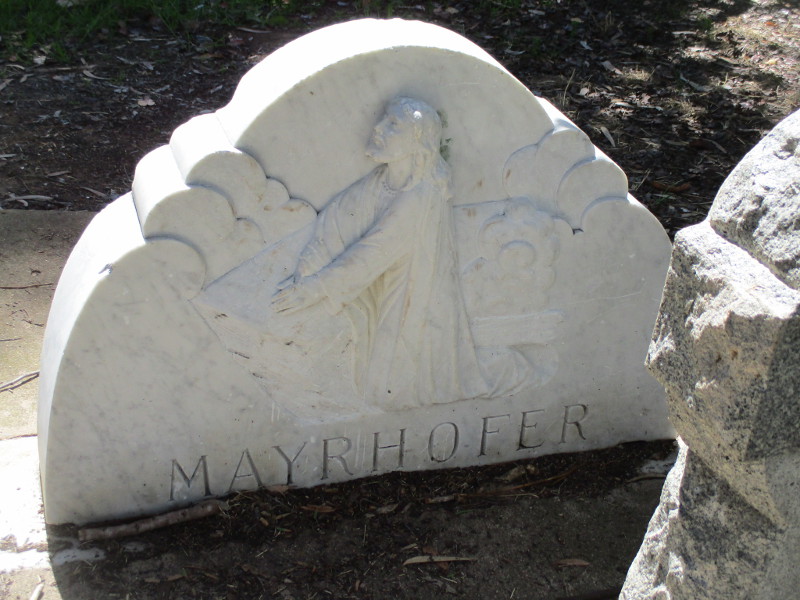
Pioneer Park was originally Calvary Cemetery. The Catholic cemetery was established in the 1870s, then converted a century later into a Mission Hills community park. According to this article: “All the 800-odd memorial markers were taken away in the 1970s except for a line of tombstones left on the park’s edge. Left as a memorial, they’re still there…” Sadly, the gravestones that had been removed were callously dumped by those then living into a ravine at distant Mt. Hope Cemetery.

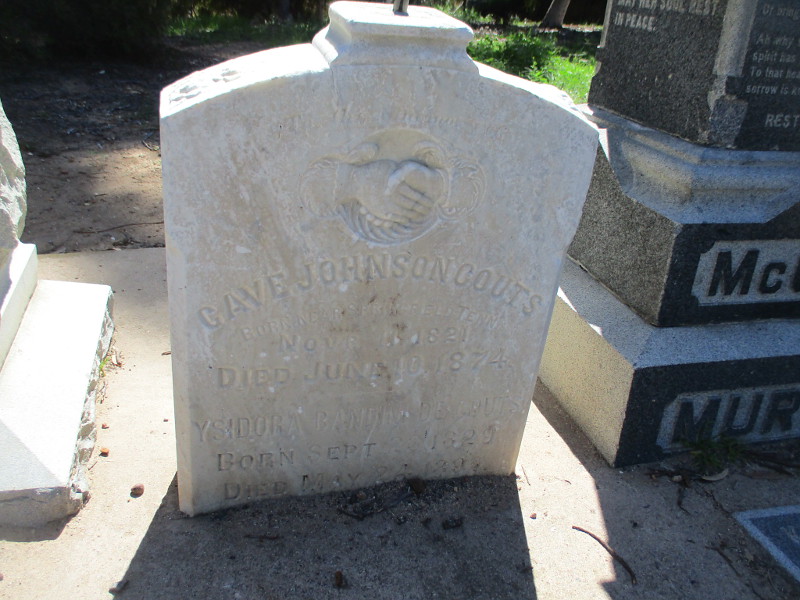
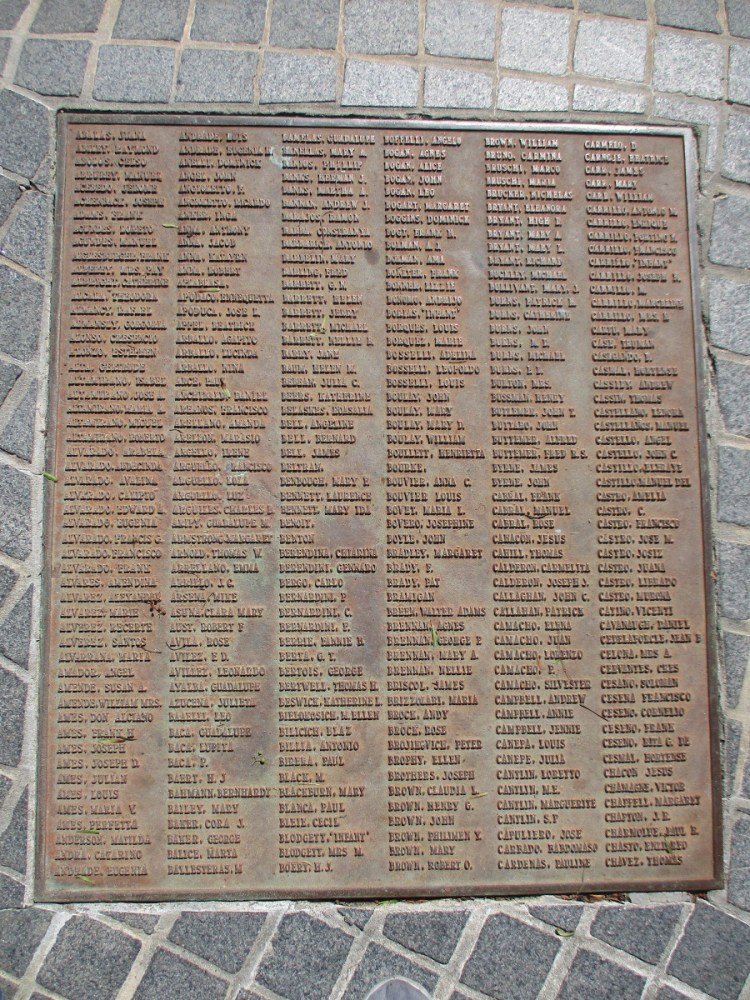
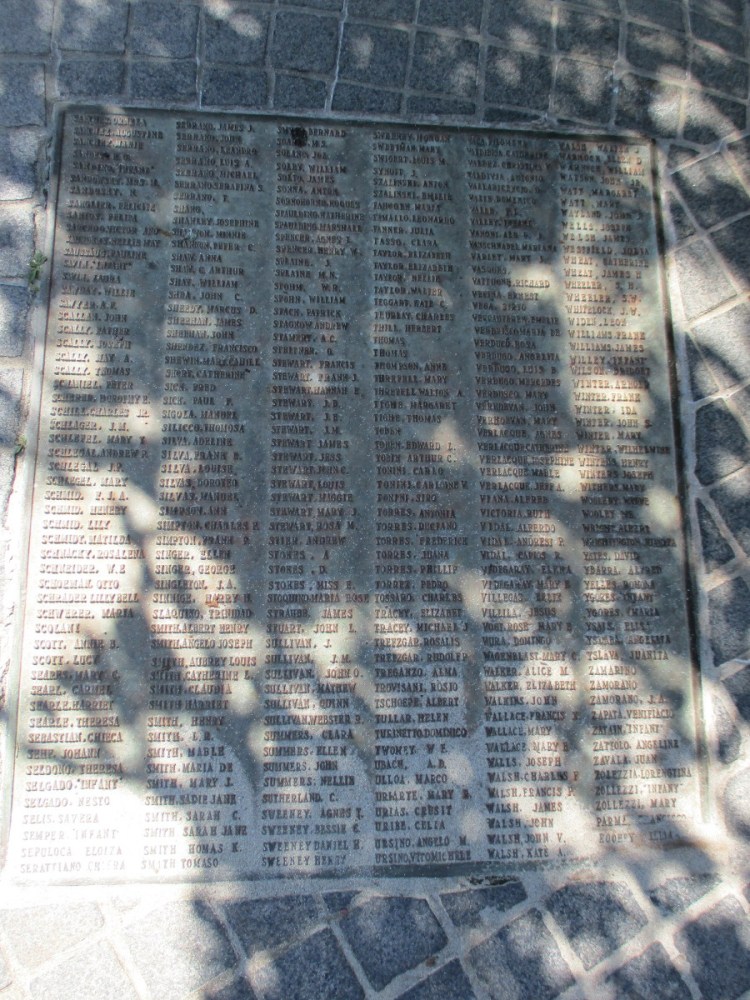
Many of San Diego’s earliest residents remain buried under the grass at Pioneer Park. Even after the passage of many years, surviving gravestones show historically important names like Cave Johnson Couts and Father Antonio Ubach. But all of the names are gradually fading away. Time does that.

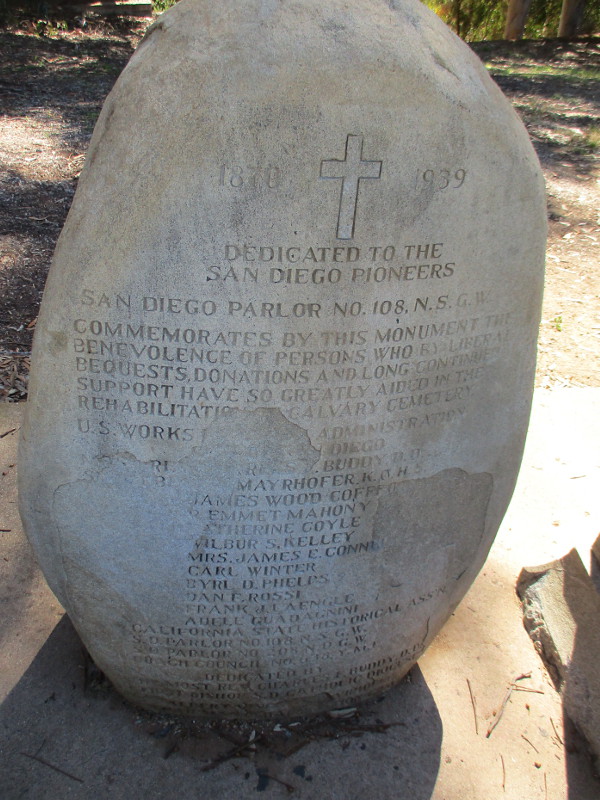
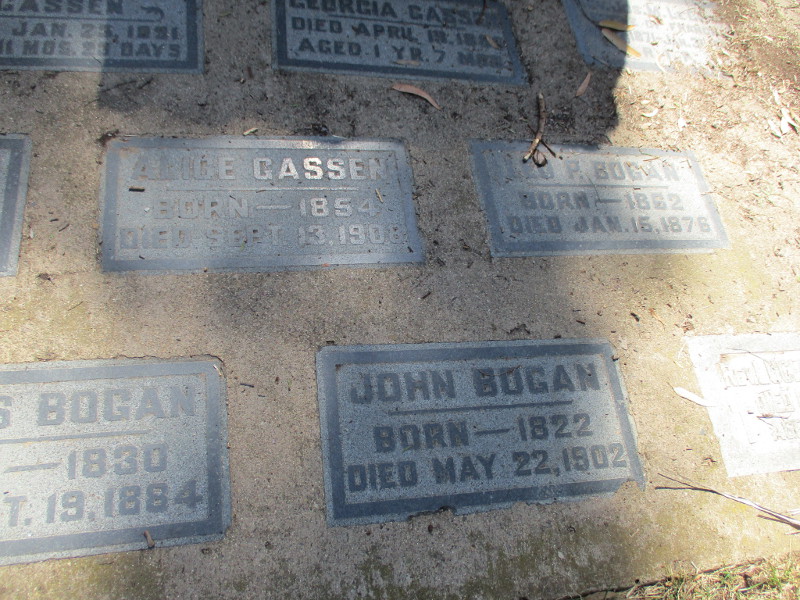
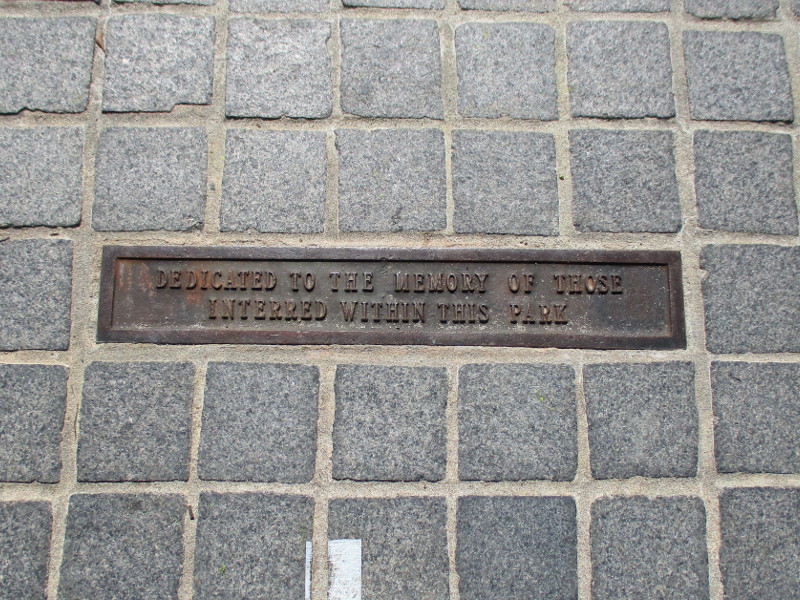
Six nearby plaques list the names of those who are interred in the park, and it is said there might be many more.

On any given day, life goes on cheerfully above the grass. And beneath it lie the remains of those who once lived, dreamed, toiled and loved exactly like you and me.

Here are some photographs, to provoke thought, and to help preserve a little history…

I live in downtown San Diego and love to walk around with my camera! You can follow Cool San Diego Sights via Facebook or Twitter!

You can easily explore Cool San Diego Sights by using the search box on my blog’s sidebar. Or click a tag! There are thousands upon thousands of photos for you to enjoy!

Old Town’s plaza cannon in for repairs!

If you’ve wondered what happened to the cannon that usually stands near the center of Old Town San Diego’s central grass plaza, I learned on Saturday that it’s in for repairs!

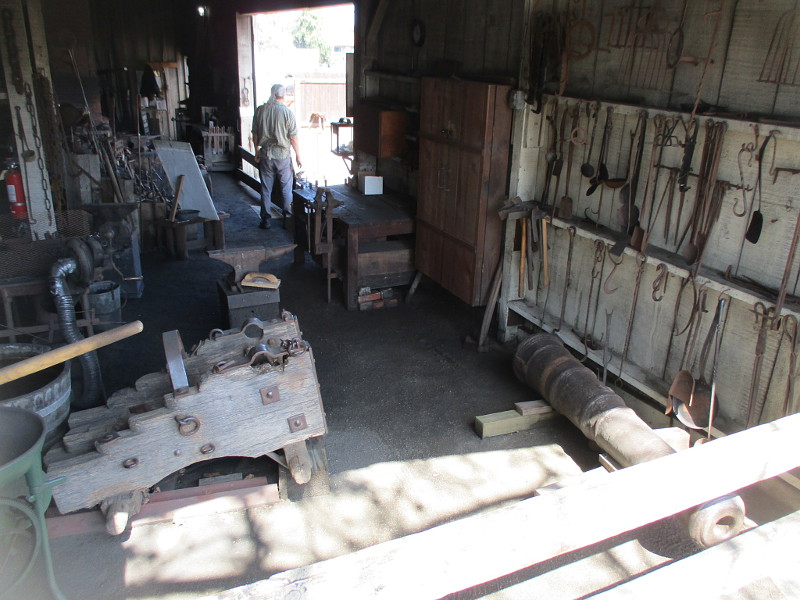
The old cannon’s wooden carriage is being restored at Old Town San Diego State Historic Park’s blacksmith shop.

Seven years ago I blogged about this particular cannon here. I had read at the time it was called El Capitan, and that it was one of two cannons still remaining from the Spanish Fort Guijarros that was built in 1797 at Ballast Point near the entrance to San Diego Bay.

The other cannon, cast in Manila in the 18th century, is called El Jupiter. That one is on display in the Serra Museum atop Presidio Hill. Find a photo of that cannon here.

As you can see, the two cannons do not appear identical. I was told by a friendly gentleman working in the blacksmith shop that this Old Town plaza cannon has a less certain history than its companion El Jupiter. He said there are indications it might have been made in England. We surmised it might have been taken by the Spanish during a conflict at sea. Its exact origin seems to be a mystery.

If you’d like to see this mysterious cannon and its carriage and ask your own questions, head over to the blacksmith shop on a weekend when they are likely to be open. And linger to watch the smiths hammering away at red hot iron!

I live in downtown San Diego and love to walk around with my camera! You can follow Cool San Diego Sights via Facebook or Twitter!
You can easily explore Cool San Diego Sights by using the search box on my blog’s sidebar. Or click a tag! There are thousands upon thousands of photos for you to enjoy!

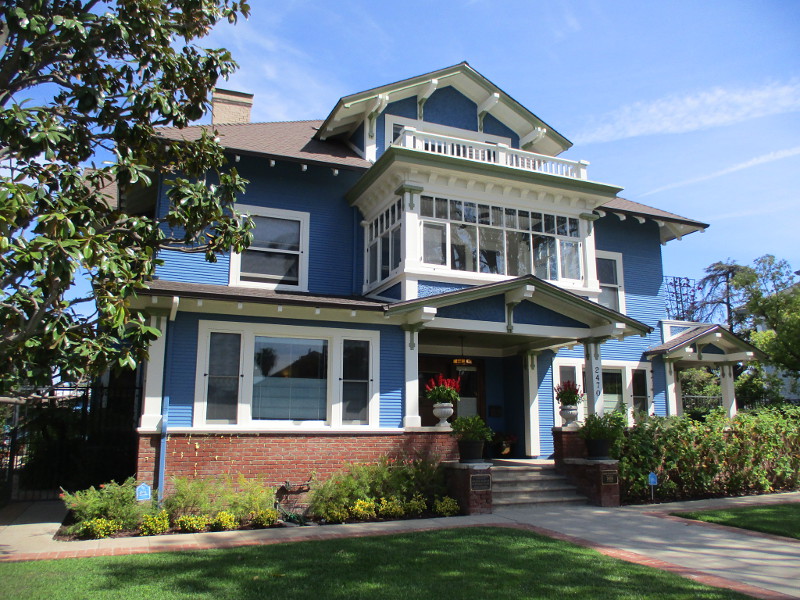
A look at the Alfred Haines House in Golden Hill.

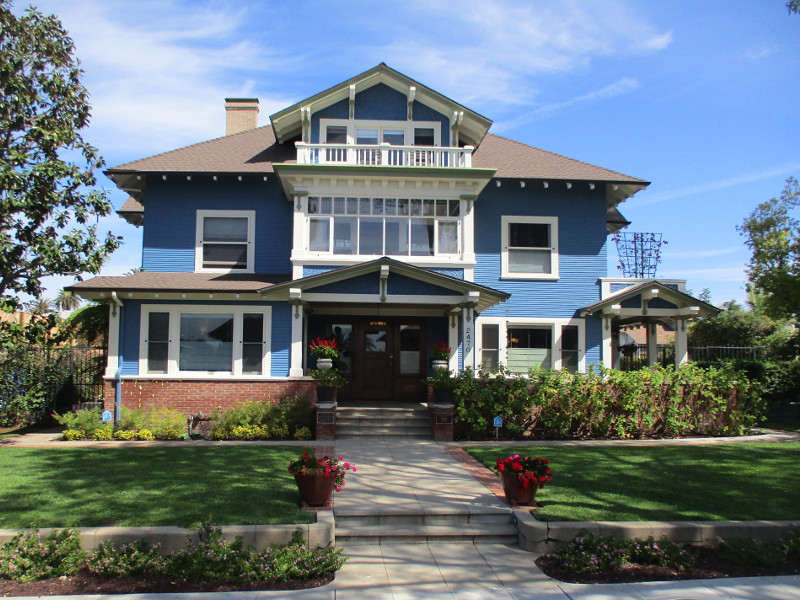
Yesterday my long walk included a stretch through Golden Hill. As I headed back down E Street, I enjoyed viewing the handsome exterior of the historic Alfred Haines House.

This renowned Craftsman-style home, built in 1908 for San Diego Judge Alfred Haines, is listed on the National Register of Historic Places. Master Architects William, Charles and Edward Quayle designed the house.

The Quayle Brothers are responsible for many other notable structures in San Diego, including the Neo-Classical style Salt Lake and Union Pacific Building, which used to stand east of the Organ Pavilion during the 1915 Panama‐California Exposition. They designed the North Park Theatre in 1928 and the San Diego Police Department in 1939. They also designed San Diego’s historic Balboa Stadium (originally called City Stadium) for the Panama-California Exposition. It was the second concrete stadium built west of the Mississippi River.

If you want to see photos of the Alfred Haines House’s very elegant interior, click here!

I live in downtown San Diego and love to walk around with my camera! You can follow Cool San Diego Sights via Facebook or Twitter!
You can easily explore Cool San Diego Sights by using the search box on my blog’s sidebar. Or click a tag! There are thousands upon thousands of photos for you to enjoy!