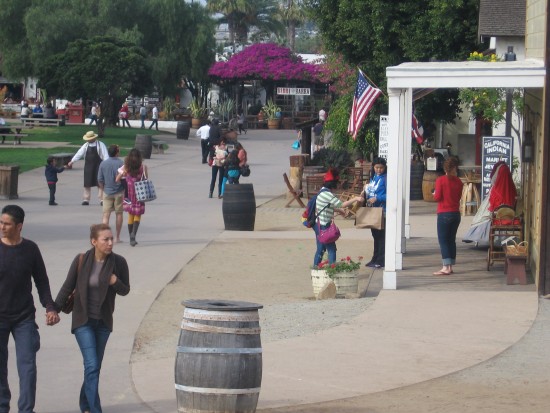
Just some random pics taken around the central plaza of Old Town San Diego State Historic Park…
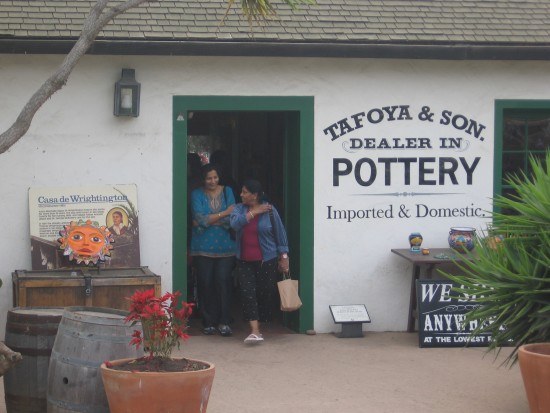
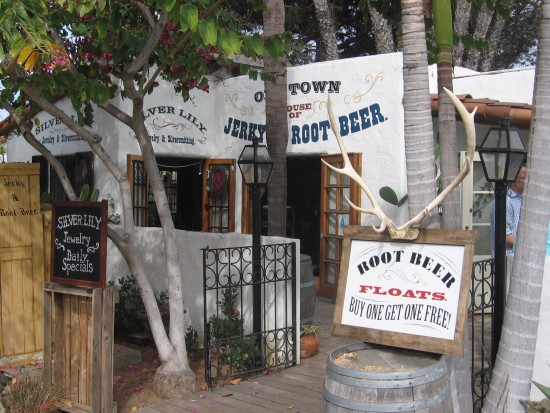
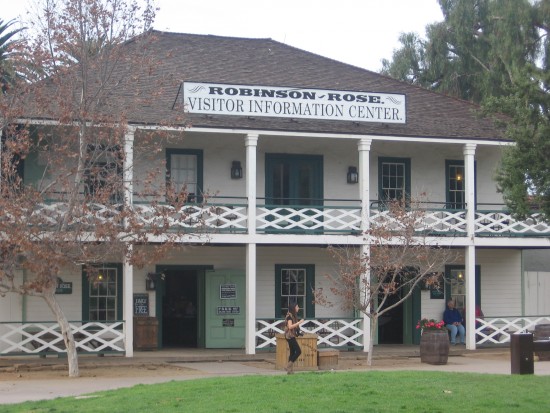
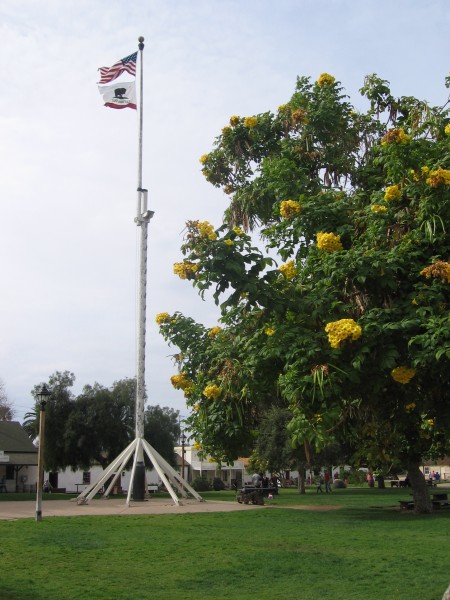


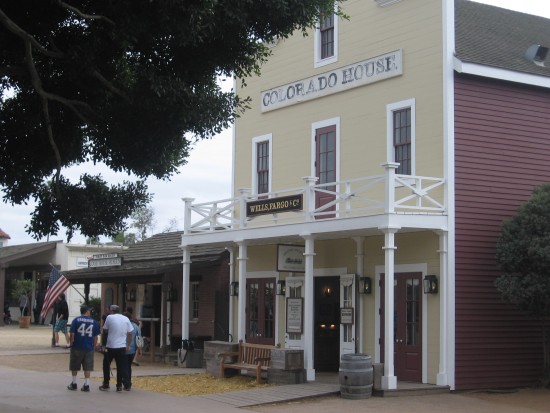

Just some random pics taken around the central plaza of Old Town San Diego State Historic Park…
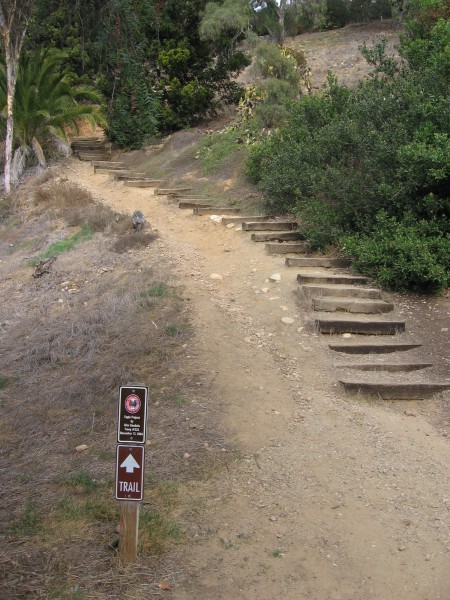
Please join me as I walk from San Diego’s Old Town up a short but very steep trail to Presidio Park. We’ll see all sorts of interesting monuments, views, and of course, the location of the old Spanish presidio, whose ruins are no longer visible. The top of Presidio Hill is now home to the Junipero Serra Museum. Follow me!
We begin near the trailhead, beside the small Presidio Hills Golf Course, on the east edge of historic Old Town.

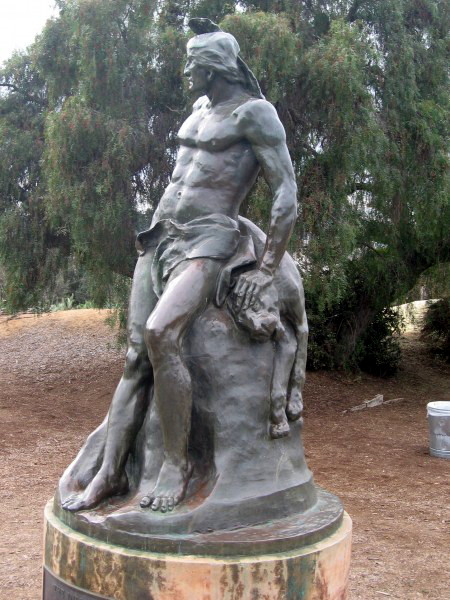
The first interesting thing we see is this sculpture, titled The Indian. It was created by famous American artist Arthur Putnam in 1905 and placed at the site of an ancient Indian village. The small village was discovered and named San Miguel by the explorer Juan Rodriguez Cabrillo in 1542.

Up the hill from The Indian stands the Padre Cross. It was raised in 1913 by the Order of Panama and is made up of tiles from the Presidio ruins. The cross marks the strategic location overlooking San Diego Bay where Franciscan friar Junipero Serra chose to establish a Spanish Catholic mission in 1769. (The mission was moved several miles up the San Diego River 5 years later.)

Nearby among some trees we find a memorial to the mission’s friars. It’s a bronze statue titled The Padre, completed in 1908 by renowned sculptor Arthur Putnam.

Our legs are starting to feel the climb as we reach three flagpoles overlooking Mission Valley.
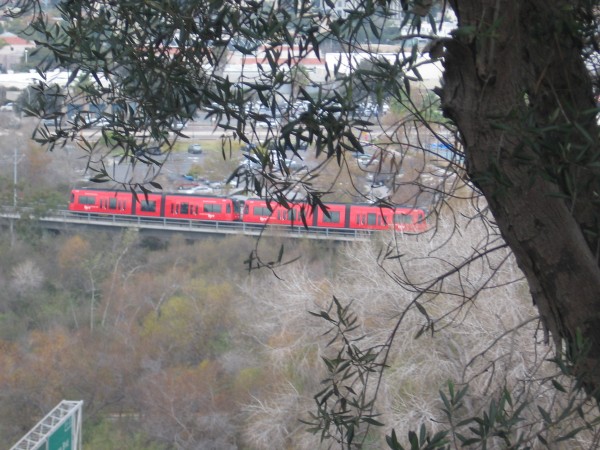
Turning north for a moment, we see the trolley!
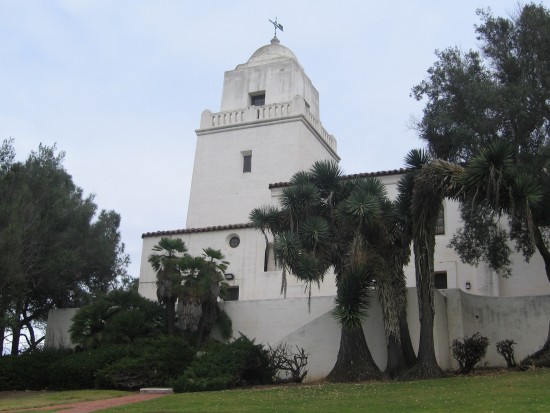
Now we’re getting close to the Serra Museum, which was built in 1928 on this historically very important hill. The museum was built, and the land containing Presidio Park was purchased and preserved for posterity, by philanthropist George Marston.
San Diego was born in 1769 at the old Presidio, a Spanish fort in a desert-like wilderness very far from European civilization. It was located just below the Serra Museum.
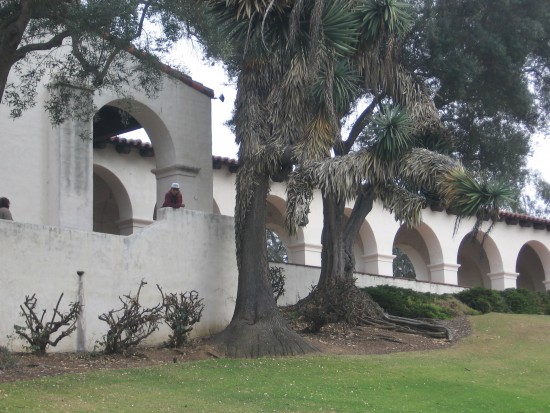
Not many people are about at the moment. Most tourists never venture up this way.
The Serra Museum is packed with numerous historical exhibits. You can climb the tower for views of San Diego Bay, the San Diego River and Mission Valley.
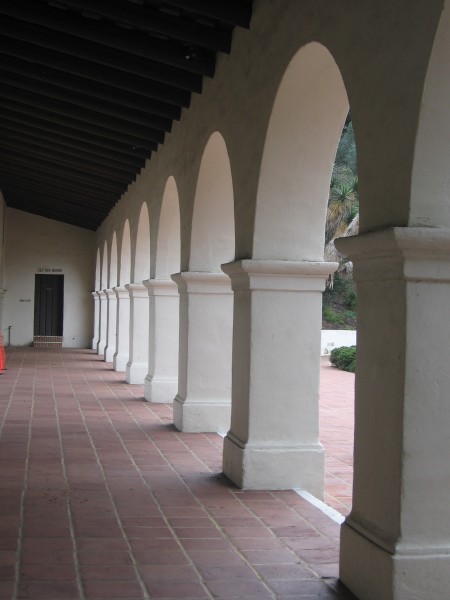
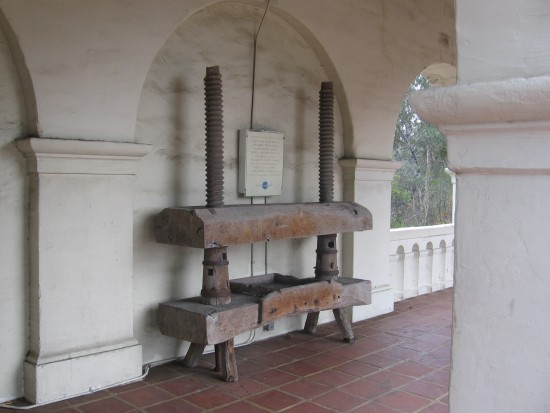
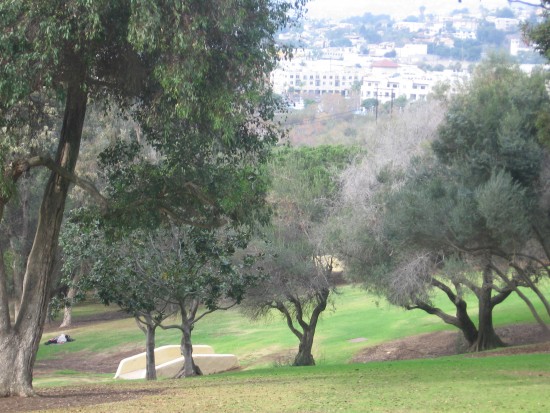
Now we’ll wander along the hilltop to nearby Fort Stockton, the short-lived camp of the famous Mormon Battalion.
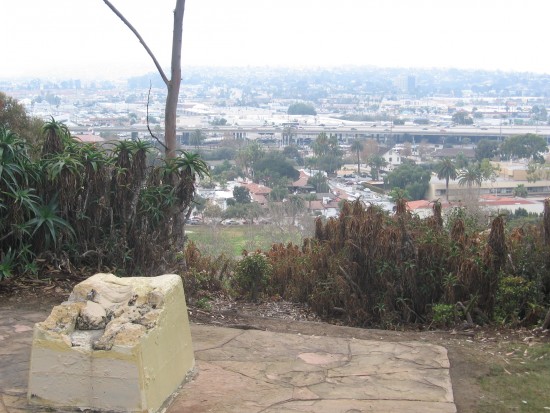
Decades ago, when I was a young man, I remember seeing a cannon set in this concrete overlooking Old Town. I believe that same cannon is now on display in the nearby Serra Museum. Given the name El Jupiter, it was one of ten cannons that originally protected the old Spanish Fort Guijarros on San Diego Bay at Ballast Point.
(A second surviving cannon from the fort is named El Capitan. Today it can be found near the center of Old Town San Diego’s Plaza de las Armas.)

In 1846, President James K. Polk asked Brigham Young of the Mormons to send a few hundred men to San Diego to help in the Mexican-American war effort. On January 29, 1847 five hundred men and about eighty women and children arrived at Fort Stockton after a very difficult 2,000-mile march from Council Bluffs, Iowa.

I hope you enjoyed our walk!
UPDATE!
In 2021 the two sculptures The Indian and The Padre were moved from Presidio Hill to the San Diego History Center in Balboa Park. To see my blog post concerning this, click here.
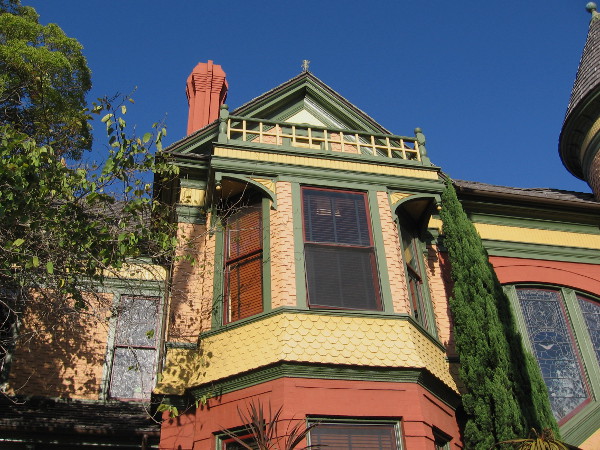
Here are several pics of the very cool Britt-Scripps House in Bankers Hill, a neighborhood just north of downtown San Diego. The large townhouse, a great example of the Victorian Queen Anne style, is reputed to have been designed by Stanford White, the architect of New York’s second Madison Square Garden.
Completed in 1888 by prominent lawyer Eugene Britt, the magnificent house was purchased in 1896 by newspaper publisher E.W. Scripps, half-brother of Ellen Browning Scripps, the famous La Jolla philanthropist. After 1907 it was used as a guesthouse and second residence to supplement the newly-built Scripps ranch in Miramar. The lavish exterior includes a high conical tower and three elegant brick chimneys.
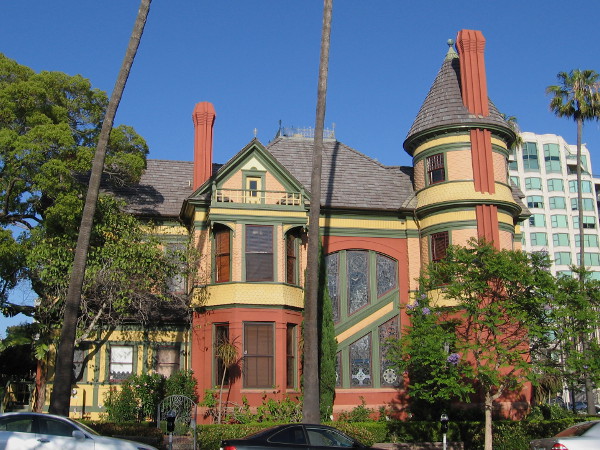
Until recently the house served as a Bed and Breakfast. In the above photo you can spot one of the most interesting features: an amazing two story stained glass window.


…
To enjoy future posts, you can “like” Cool San Diego Sights on Facebook, or follow me on Twitter.
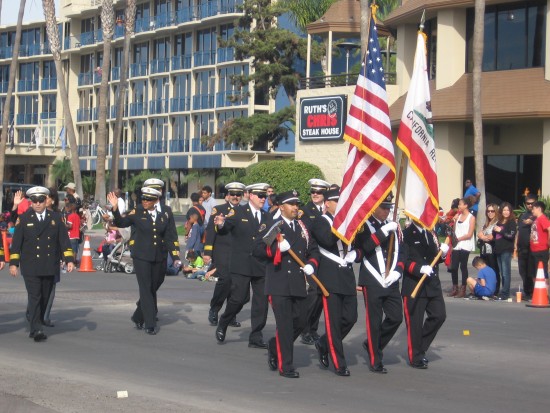
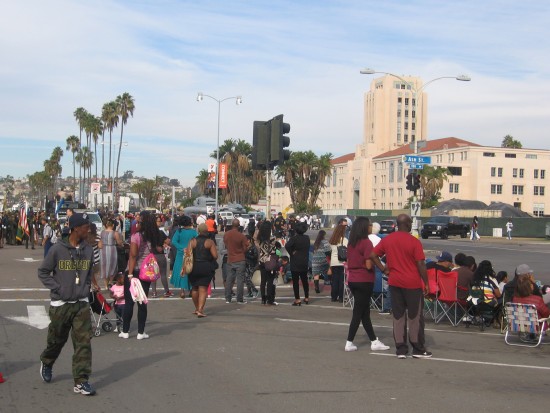
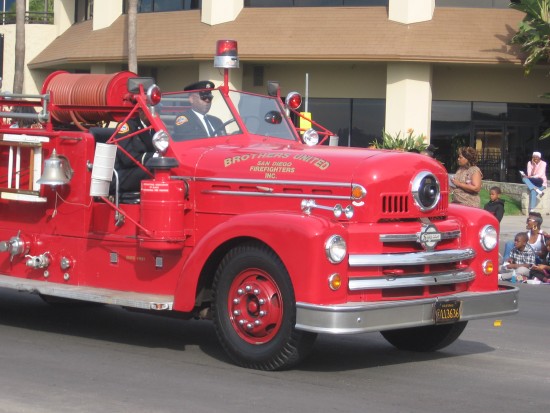
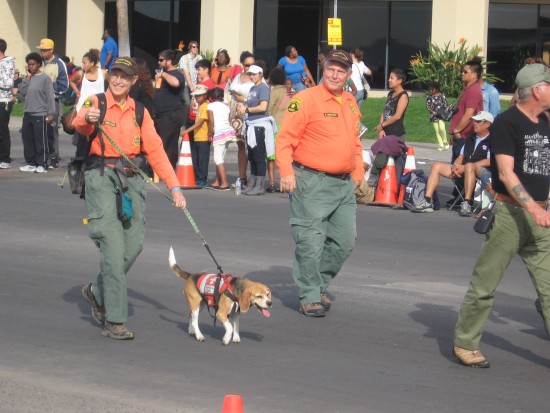
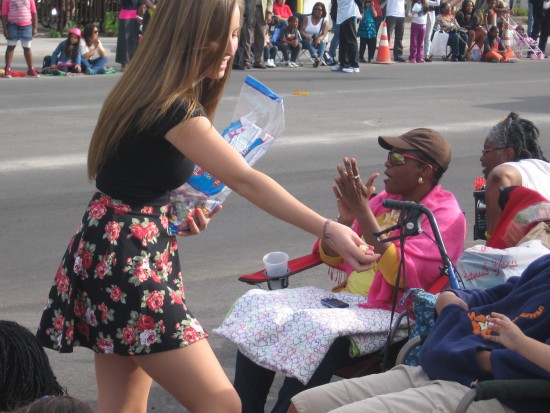
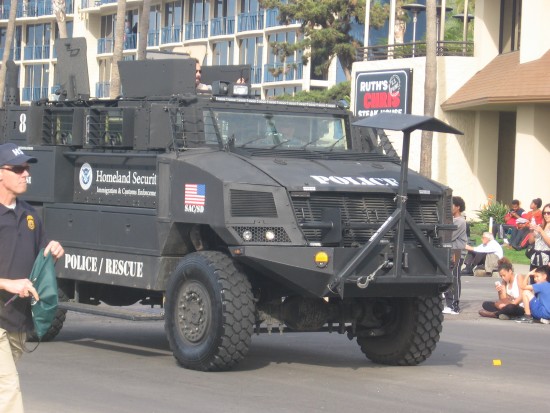
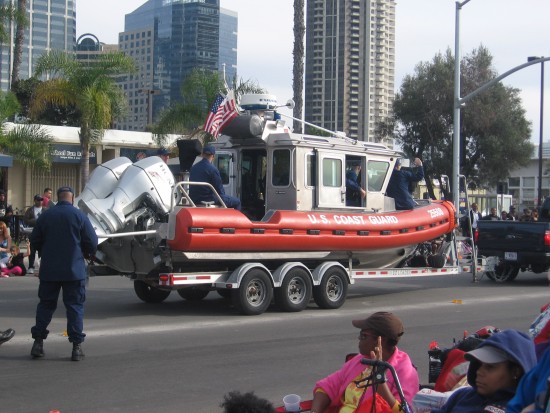
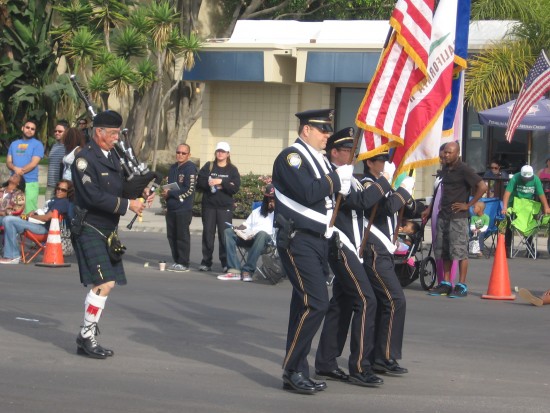
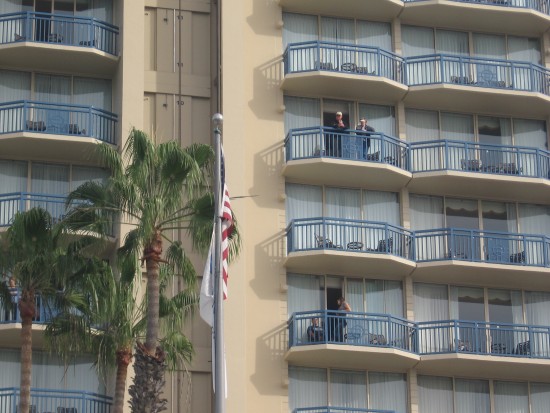
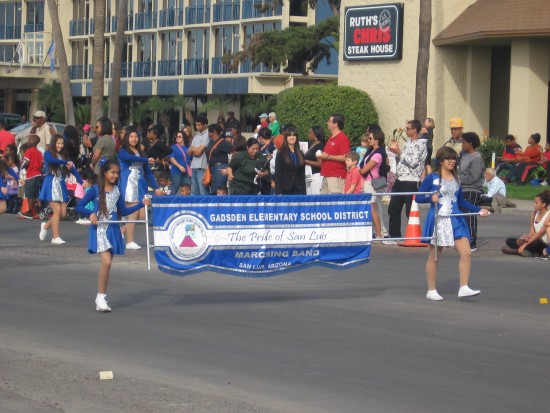
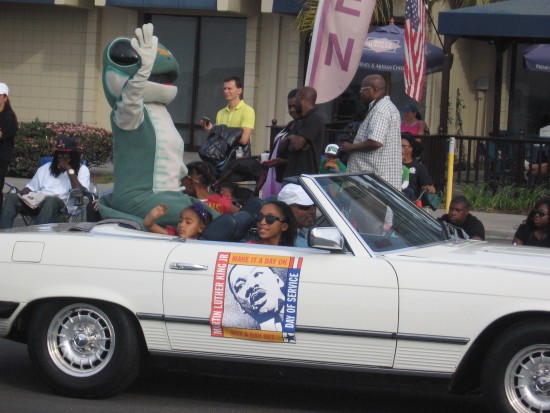
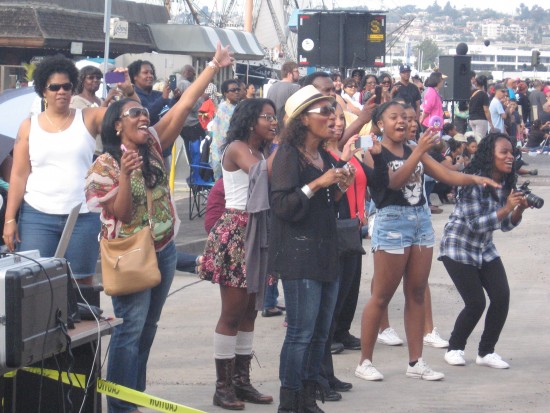
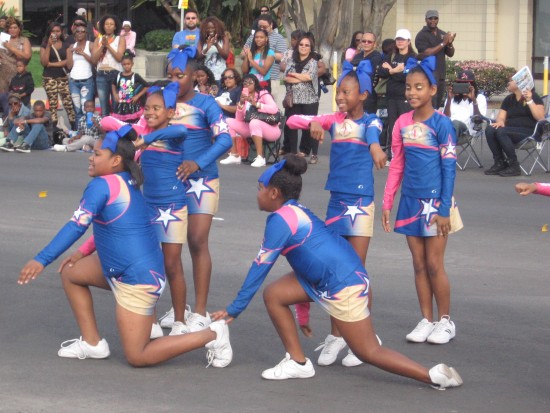
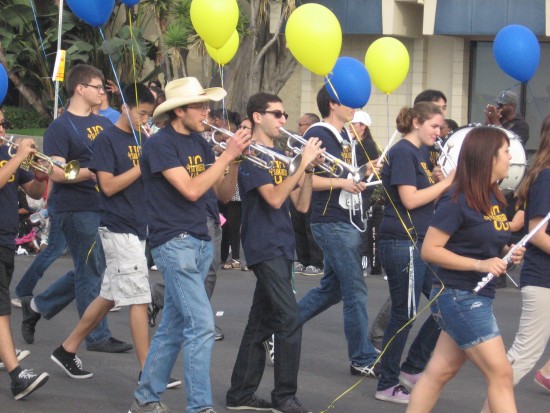
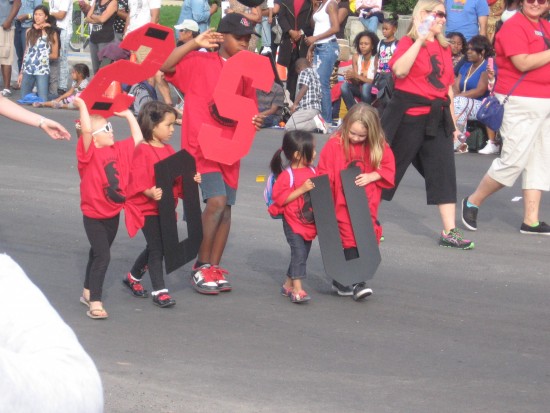
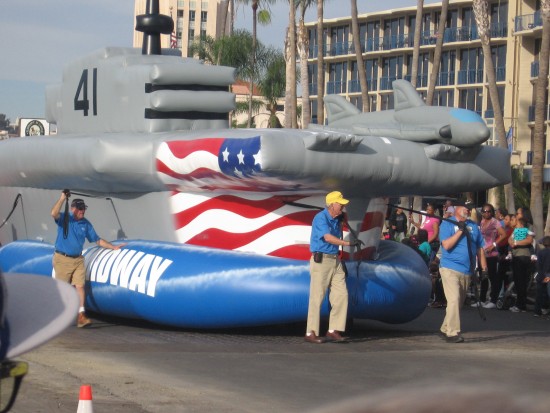
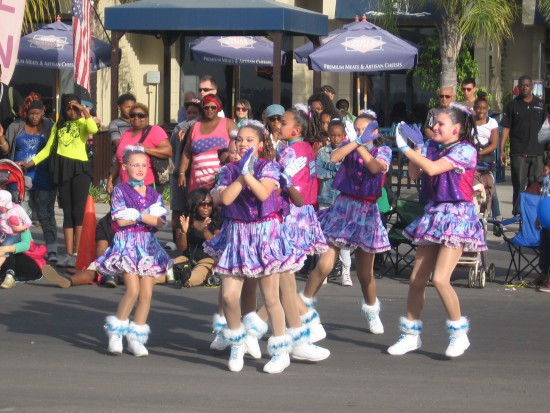
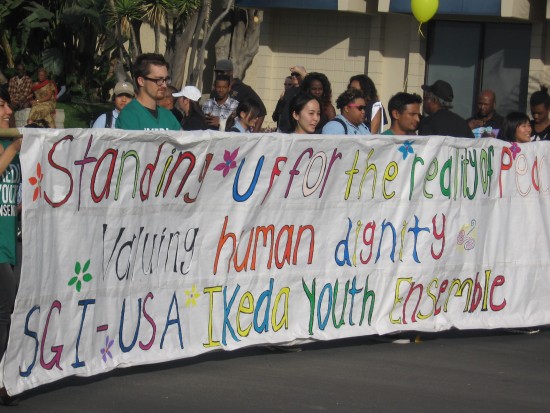
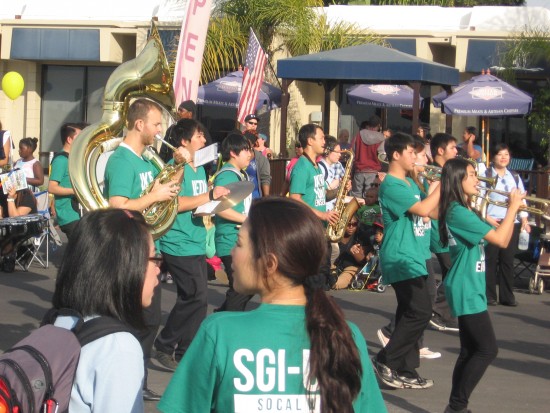
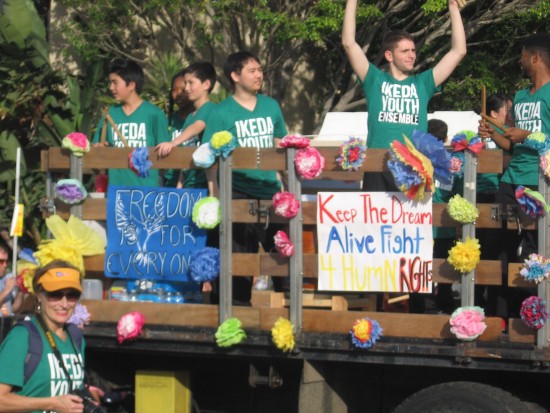
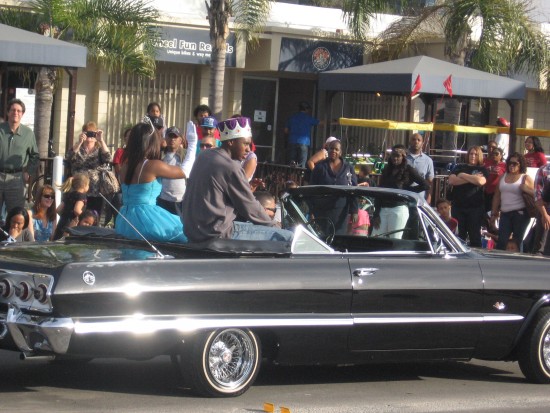
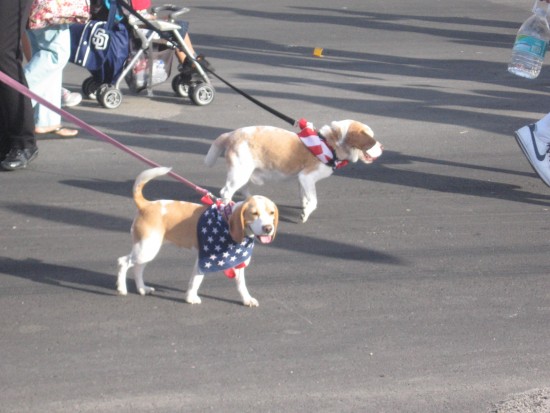
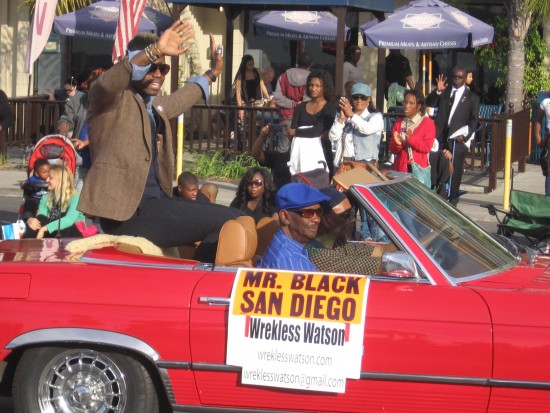
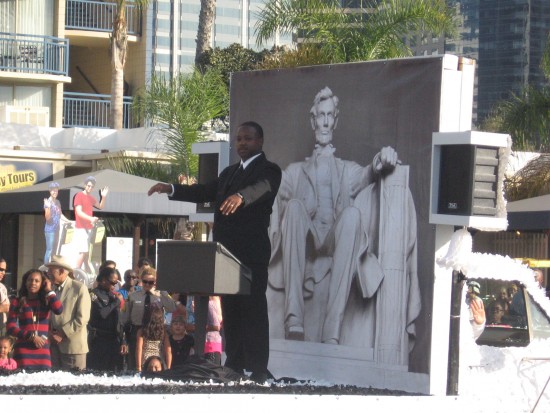
This afternoon I enjoyed watching a good portion of San Diego’s Martin Luther King Jr. Day Parade. Every January, MLK’s dream of racial equality is celebrated downtown in one of the largest parades of its kind in the United States. The parade route runs down Harbor Drive on San Diego’s waterfront.
I got a whole lot of photos. Please feel free to share and enjoy them!











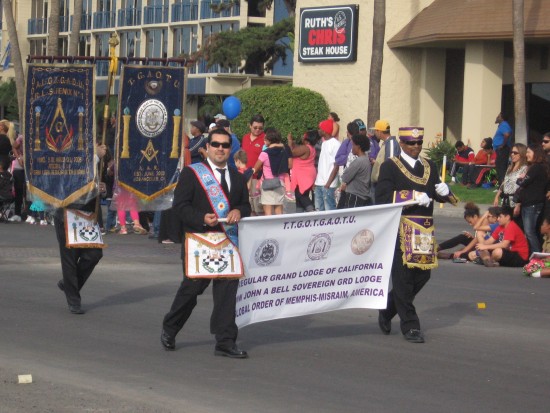
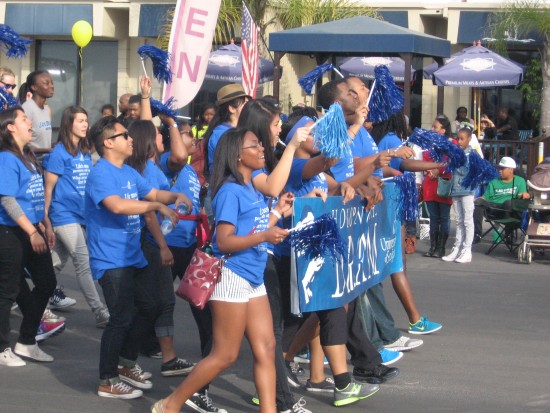
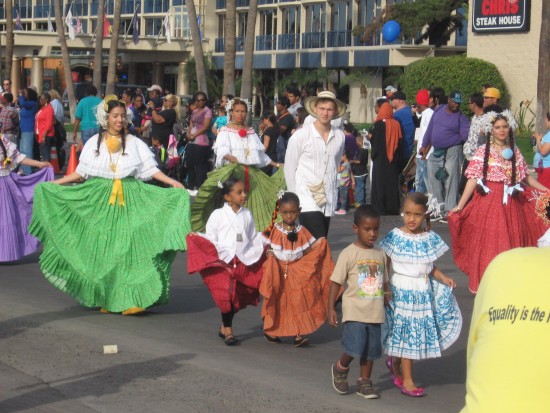

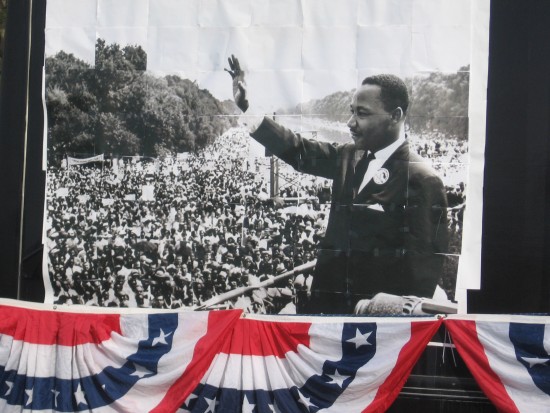





Click to follow the Cool San Diego Sights blog on Twitter or Facebook!

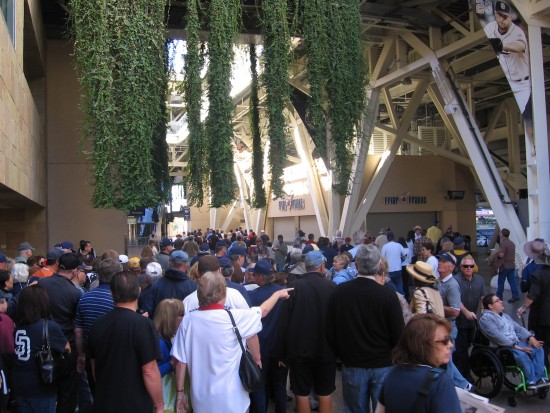
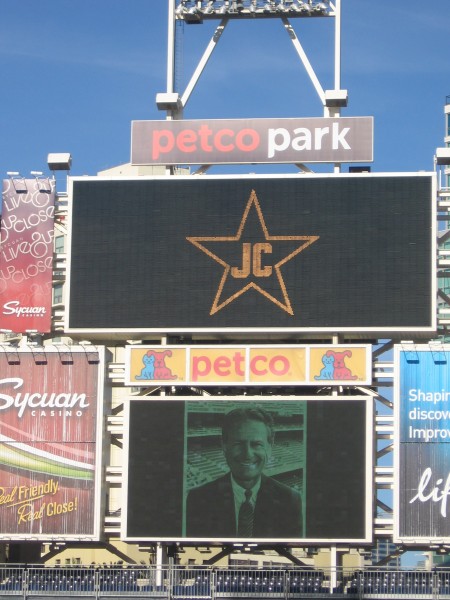
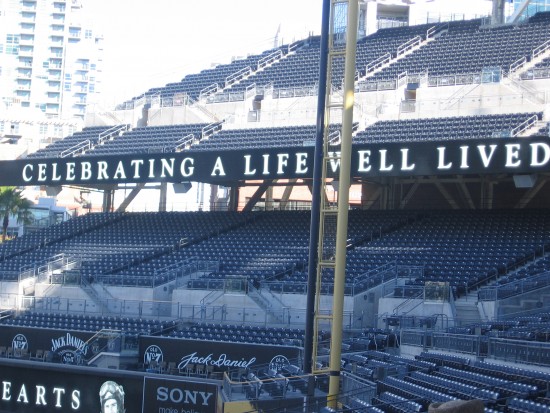
Today, an estimated 5000 people turned out for the public memorial service celebrating the life of the late Jerry Coleman. The service took place at Petco Park, home of the San Diego Padres. “The Colonel” had been the central figure in the Padres baseball organization for over four decades. Jerry’s broadcasting voice will be missed by generations of fans. An excellent argument can be made that he was the most loved public figure in the history of our city.
I apologize that my camera isn’t of the highest quality. I do hope you enjoy a few images that I captured.


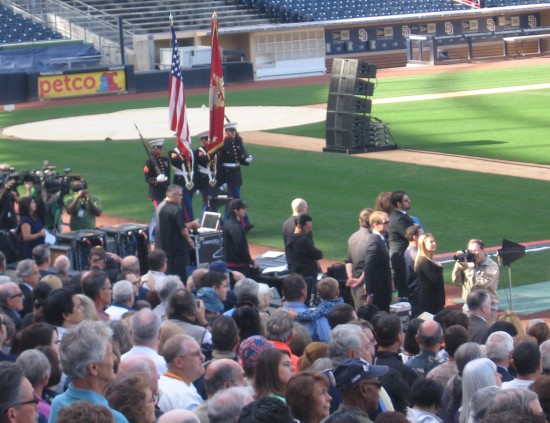

Dick Enberg noted that the stage was located on Jerry’s favorite spot: second base. After the playing of the National Anthem by the Marine Band, F-18 fighter jets roared overhead in the missing man formation.

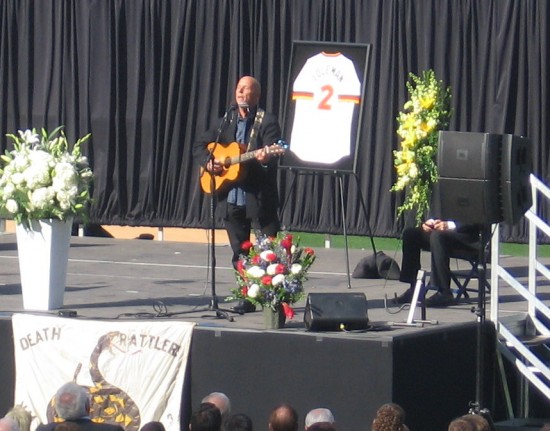
After speeches by Randy Jones, Bob Chandler, Ron Fowler and Ron Roberts, fan-favorite former Padres player Tim Flannery sang his own stirring composition about Jerry Coleman, the man who hung the stars.


Joe Torre received great applause when he related a few humorous and touching old Yankees stories, and spoke of Jerry Coleman’s heroism and humility.

Ted Leitner, Jerry’s broadcast partner for many years, brought laughter and tears with his intimate accounts of a baseball legend’s modest personality and funny quirks. He concluded that Jerry Coleman was the best man he’d ever known.

After a salute by the Marine Corps, a T-6 SNJ aircraft from 1942, similar to the one Coleman flew in World War II passed overhead to honor the former Marine.
Jerry’s daughter Chelsea then spoke about her dad. She said that all he really lived for was his country, the game of baseball, and the people he loved. Dick Enberg concluded the memorial by saying that we all were fortunate to be part of the legacy of Jerry Coleman.
52 U.S. Navy submarines were lost at sea during World War II. 3,505 submariners lost their lives.
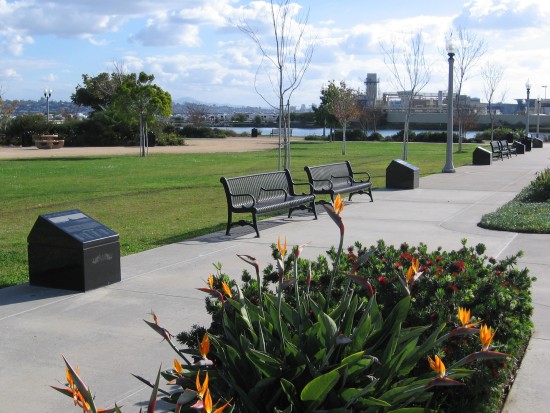
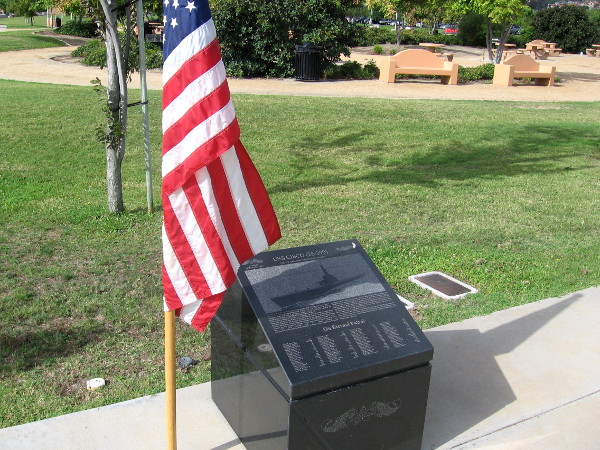
At NTC Liberty Station, the 52 Boats Memorial remembers the sacrifice of these men.
The unique memorial runs along two beautiful walkways, and consists of 52 American Liberty Elm trees, 52 flags and 52 black granite markers. The history of each submarine and the names of lost crew members are recounted for future generations to remember.



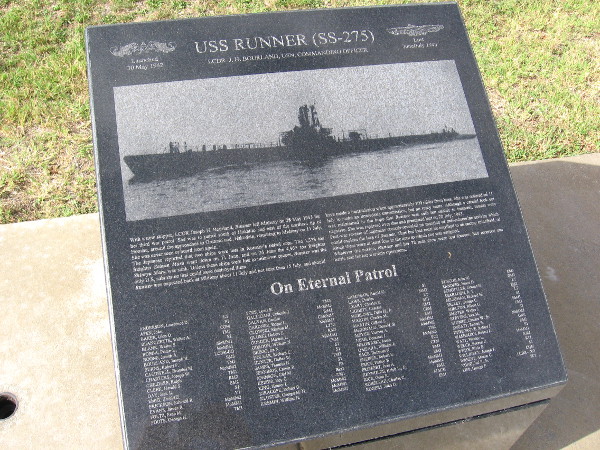
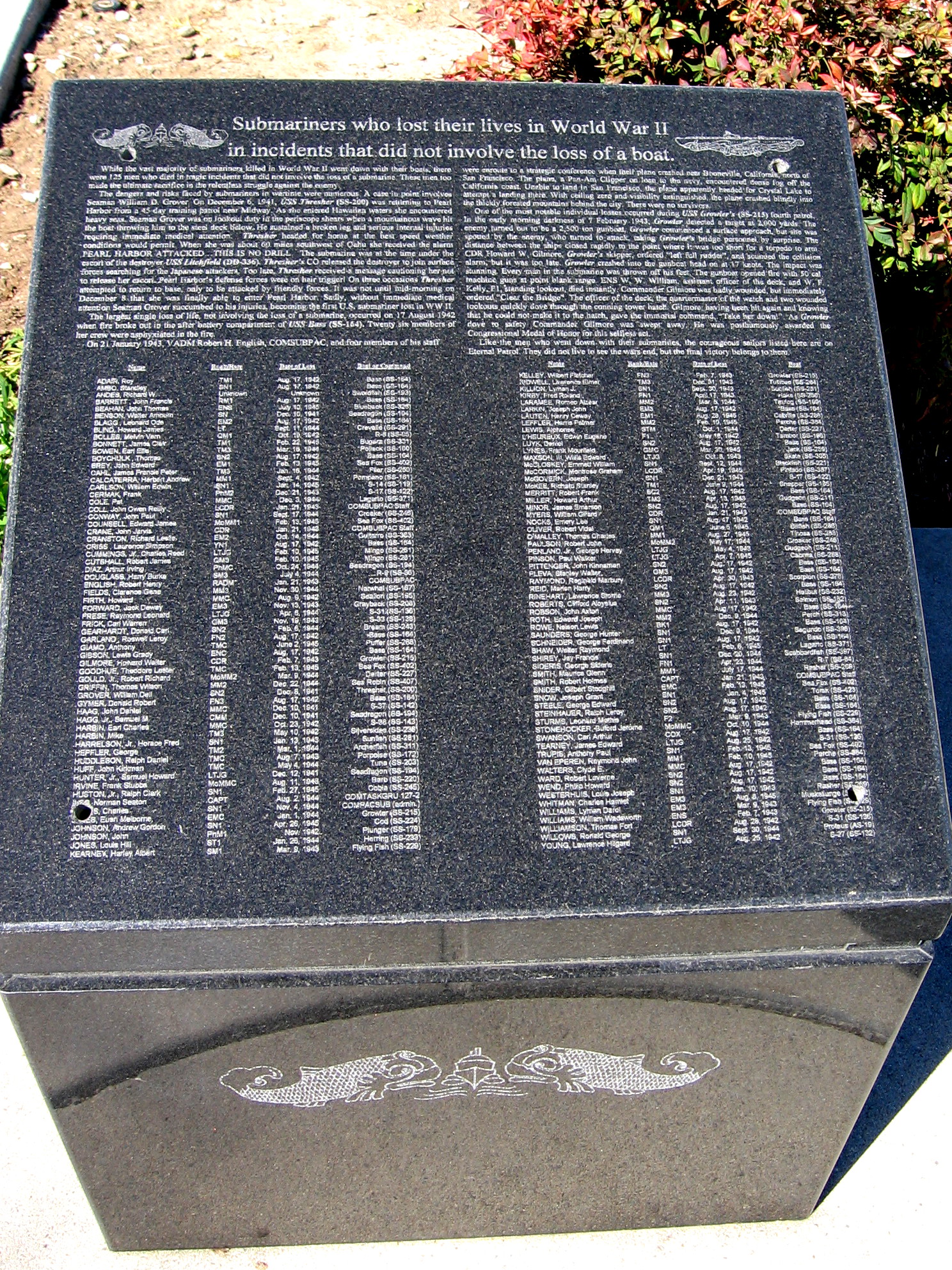
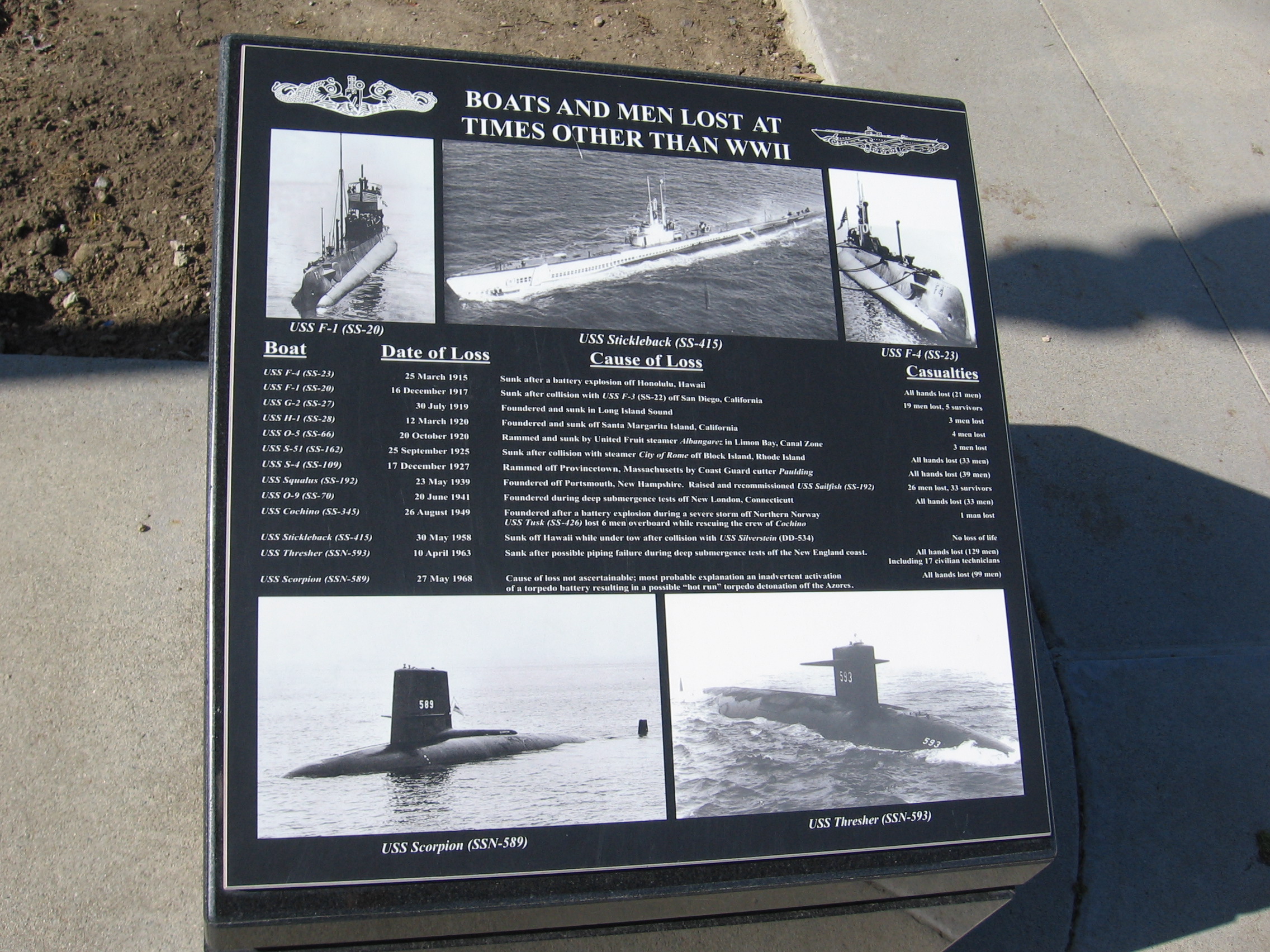
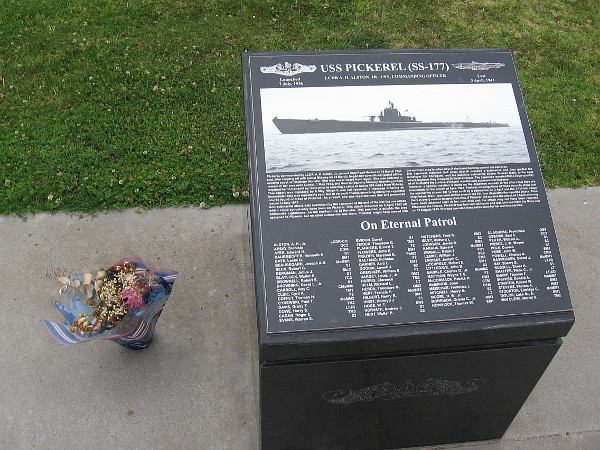
…
I live in downtown San Diego and love to walk! You can follow Cool San Diego Sights via Facebook or Twitter!
You can easily explore Cool San Diego Sights by using the search box on my blog’s sidebar. Or click a tag! There are thousands upon thousands of photos for you to enjoy!

This handsome bust is the central feature of Piazza Basilone, a small urban space with tables, umbrellas and a fountain at the corner of India and Fir Street in Little Italy.
A plaque beneath the bust begins with the following words:
GUNNERY SERGEANT JOHN BASILONE
NOVEMBER 4, 1916 – FEBRUARY 19, 1945
SERGEANT JOHN BASILONE WAS ONE OF THE FIRST ENLISTED MARINES TO BE AWARDED THE CONGRESSIONAL MEDAL OF HONOR OF WORLD WAR II. HE WAS ALSO POSTHUMOUSLY AWARDED THE NATIONAL CROSS.
HE WAS BORN TO ITALIAN IMMIGRANTS, SALVATORE AND DORA BASILONE, IN BUFFALO, NEW YORK. HE AND HIS TEN BROTHERS AND SISTERS GREW UP IN RARITAN, NEW JERSEY. RESTLESS AND ADVENTUROUS BY NATURE, JOHN ENLISTED IN THE ARMY AT THE AGE EIGHTEEN AND WAS ASSIGNED TO GARRISON SERVICE IN THE PHILIPPINES.
AFTER HIS HONORABLE DISCHARGE FROM THE ARMY, BASILONE RETURNED TO RARITAN. AS THE STORM CLOUDS OF WAR GATHERED, JOHN BELIEVED HIS PLACE WAS WITH THE FIGHTING FORCES. IN JULY 1940 HE ENLISTED IN THE MARINE CORPS.
IT WAS ON GUADACANAL THAT SERGEANT BASILONE ACHIEVED HIS PLACE IN MARINE CORPS HISTORY, BECOMING ONE OF THE FIRST ENLISTED MARINES TO BE AWARDED THE MEDAL OF HONOR OF WORLD WAR II; THE NATION’S HIGHEST AWARD FOR EXTRAORDINARY HEROISM AND CONSPICUOUS GALLANTRY IN ACTION.
During the Battle of Guadalcanal, Basilone held off 3,000 Japanese troops after his unit was almost entirely destroyed. He was later killed in action on the first day of the Battle of Iwo Jima.

This unique fountain is just a few feet away.
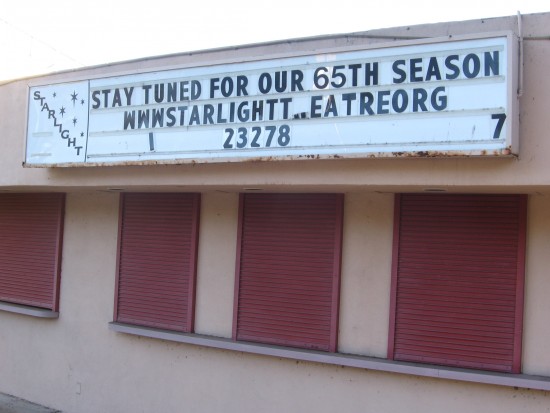
On the south side of Balboa Park, at the edge of a canyon next to the San Diego Air and Space Museum, you’ll find this rusting sign. It remains hopeful above the shuttered ticket windows of the Starlight Bowl, once home to the San Diego Civic Light Opera. The sign announces a 65th season that never came.
A couple years ago the San Diego Civic Light Opera went bankrupt. Which is a shame. For a long happy time during the warm summer months the outdoor theatre featured musicals and other popular productions. I remember watching the Pirates of Penzance and the Taming of the Shrew here when I was very young. The coolest thing I remember was how the actors would all freeze and shows would be suspended for several seconds when noisy, low-flying airplanes approaching Lindbergh field passed directly overhead.

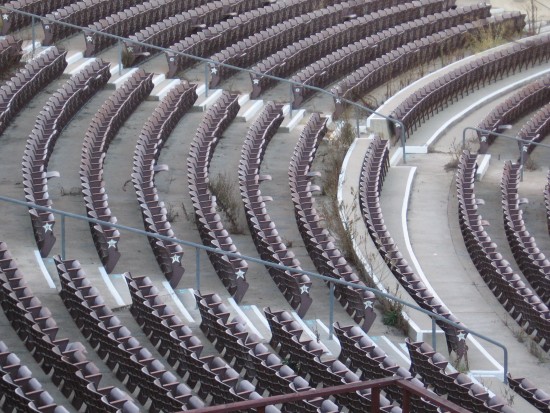
I walked around to one side for a view of the beloved Starlight Bowl and held my camera above a chain link fence for the above photo. The outdoor stage now has an audience of weeds.


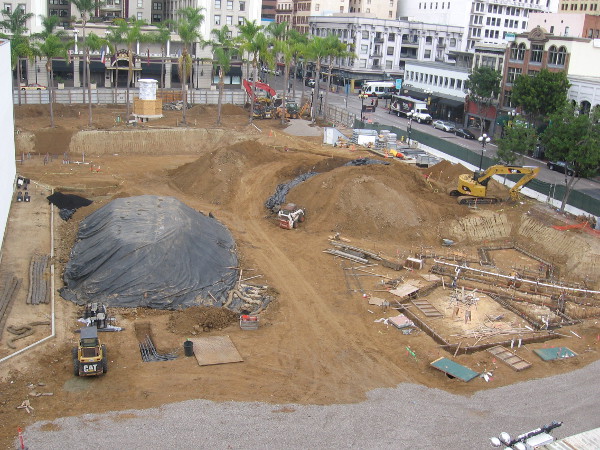
A large area between Broadway and the Horton Plaza shopping mall is fenced off for construction. One end of the downtown mall has already been demolished and leveled to the bare ground. The long-neglected Horton Plaza Park is being enlarged!
On the fence surrounding the construction site are a number of interesting old photographs showing the park’s history.
When real estate developer Alonzo Horton built the Horton House hotel (now the U.S. Grant Hotel) in his “New Town” in 1870, he included a small plaza on the hotel grounds. In 1895 he sold the half block plaza to the growing city of San Diego, stating his objective was “to provide a central, commodious and attractive place for public meetings, public announcements, public recreation and for any other proper public purposes, a place where all public questions might be discussed with comfort, where public open-air concerts might be given, where the people might rest, and where children might play in safety.” In 1909 the first fountain in the United States to feature electric lights was installed in the park.
Over the years, the small park has seen a whole lot of history, as the following photographs at today’s construction site demonstrate. Horton Plaza Park was designated a historical landmark by the City of San Diego in 1971.

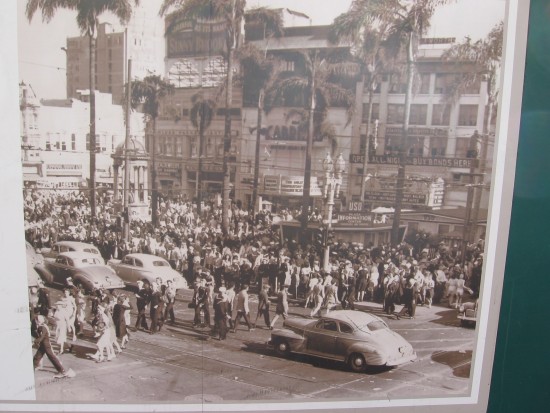
The streets were crowded with a spontaneous celebration when World War II finally ended.
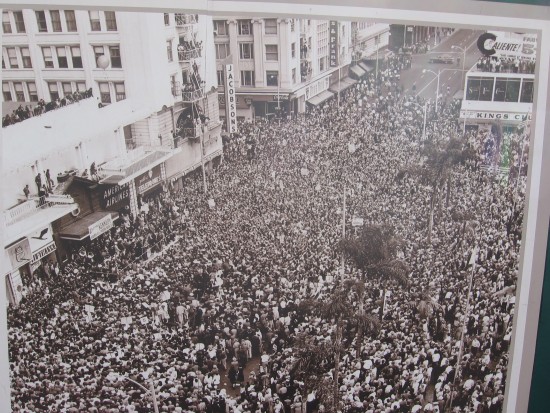
On November 2, 1960, Senator John F. Kennedy spoke at Horton Plaza Park, seeking votes in the upcoming presidential election. A huge crowd turned out.
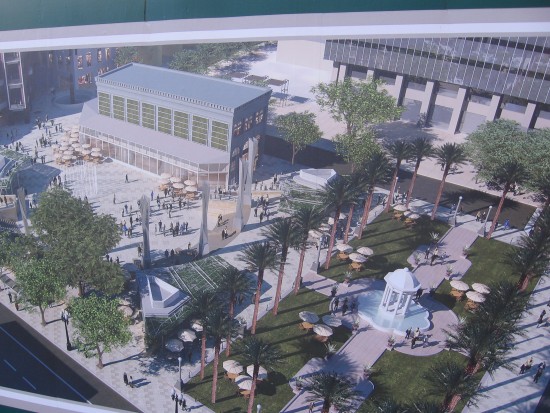
The beautifully renovated park will include lots of space for public events, including outdoor concerts!

Here’s a pic I took on January 31, 2015…
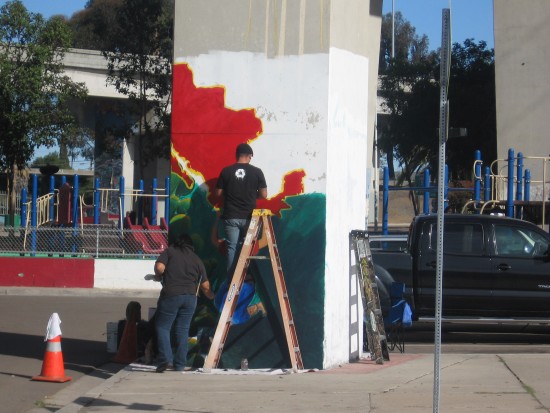
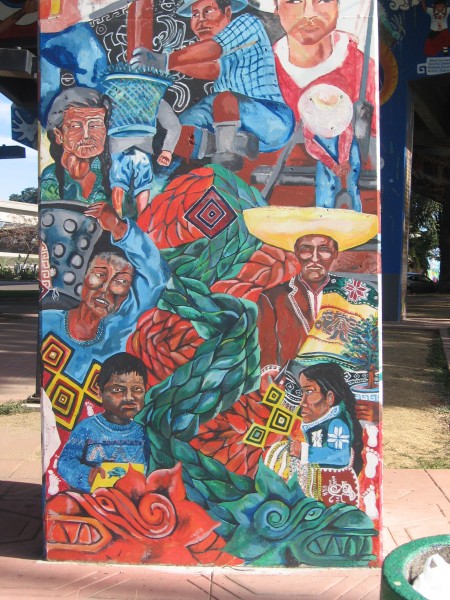
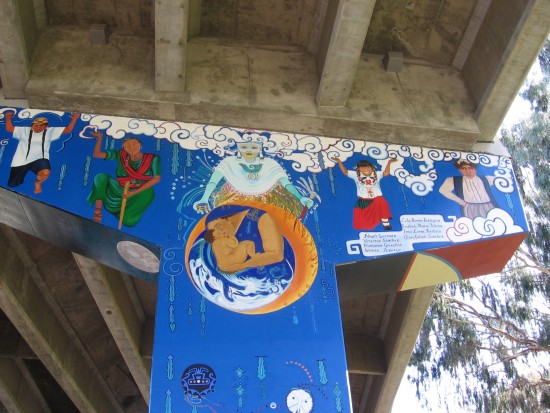
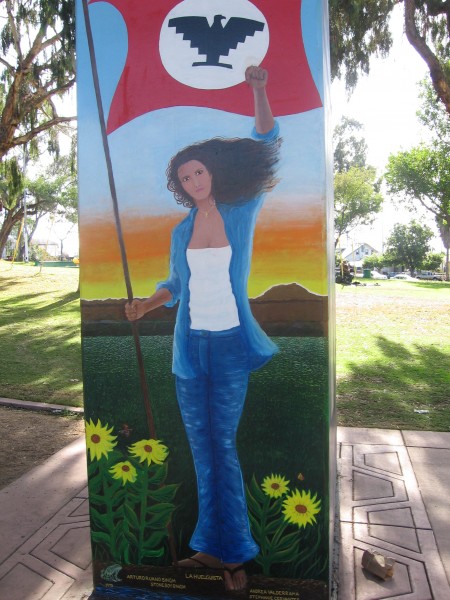
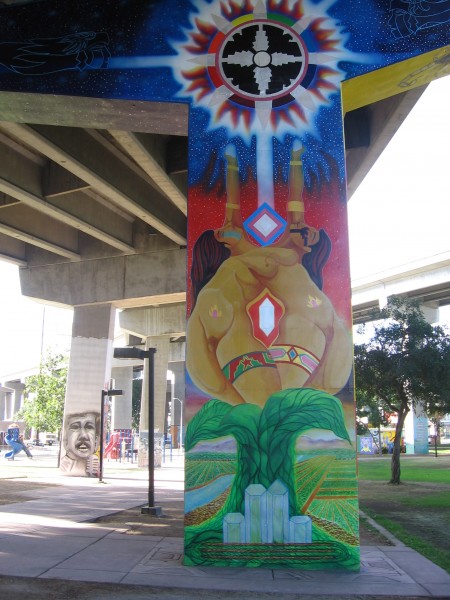
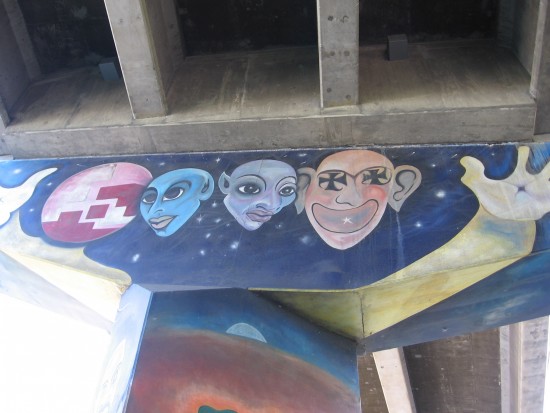
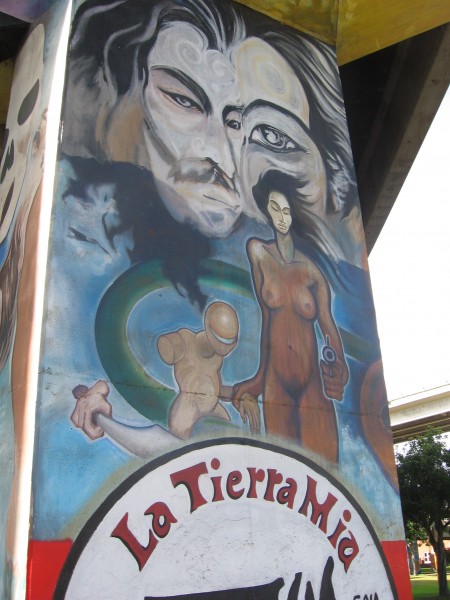
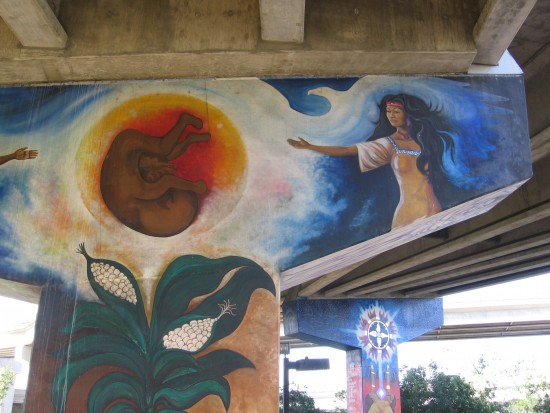
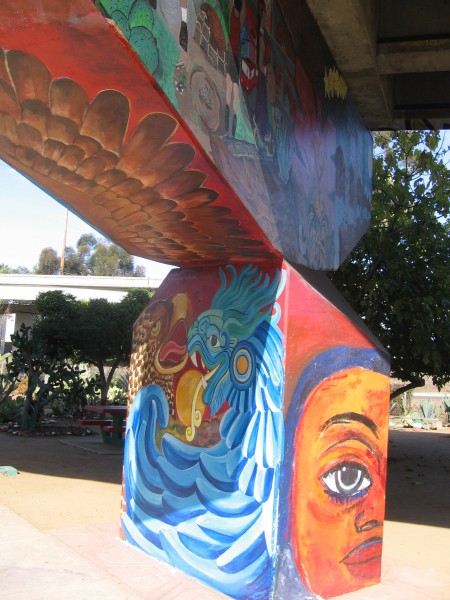
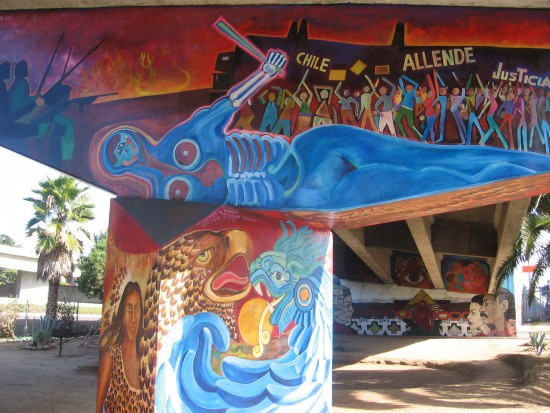
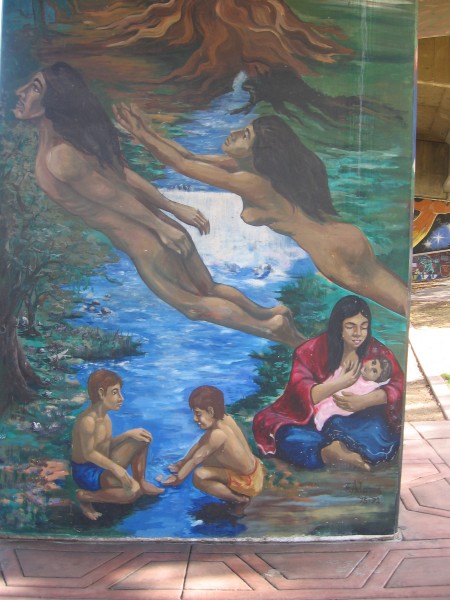
Chicano Park is located in Barrio Logan, a mostly Mexican American and immigrant community just south of downtown San Diego. The eight acre park features almost a hundred murals painted on concrete pillars that support the intersection of the Coronado Bay Bridge and Interstate 5. This colorful park, quickly glimpsed by motorists speeding down the freeway, contains the largest collection of outdoor murals in the United States. It’s listed on the National Register of Historic Places due to its unique history with the Chicano civil rights movement.
I recently took a leisurely walk through the park and captured hundreds of photographs. I’ve got so many pics, I’ve grouped them depending upon their location in the park. This blog post includes photos of murals I enjoyed while walking under the freeway ramps that connect the Coronado Bay Bridge to southbound I-5.
You’ll see a strange mixture of images in these murals: ancient Aztecs, indigenous peoples, workers, revolutionaries, school children, pop culture icons, scientists, politicians…and almost anything else you might imagine. The diverse and often weird combinations seem to include one overarching theme: Mexican American empowerment.
The first photograph shows what I saw as I entered the park, walking up National Avenue from the south. These artists were painting a pillar with an image of Mexico.










I’ve got a ton more pics, so stayed tuned in the days ahead!
 Cool San Diego Sights!