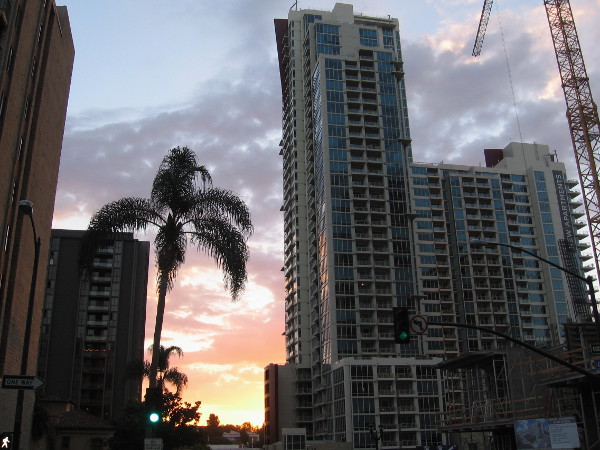
Early yesterday morning I walked down Eighth Avenue, from the top of Cortez Hill to Petco Park. Here are a few random, interesting photos…
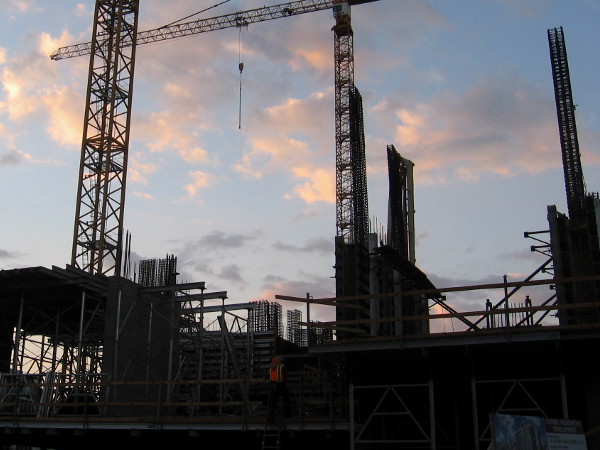
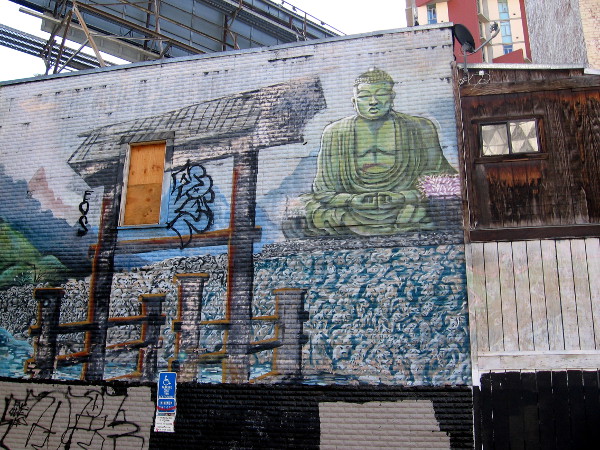
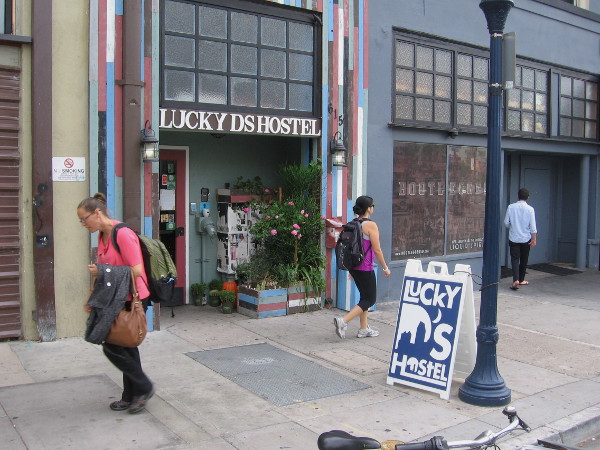


…
Follow this blog for more photos of San Diego stuff! Join me on Facebook or Twitter.
Early yesterday morning I walked down Eighth Avenue, from the top of Cortez Hill to Petco Park. Here are a few random, interesting photos…
…
Follow this blog for more photos of San Diego stuff! Join me on Facebook or Twitter.
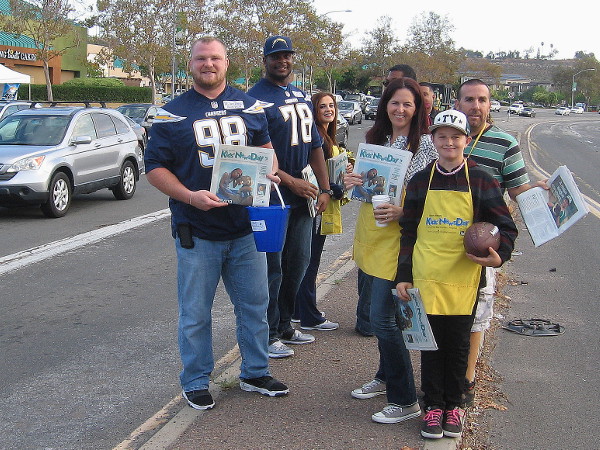
Today was Union-Tribune Kids’ News Day in San Diego! I can’t believe this is the third year I’ve blogged about the special day. Time flies!
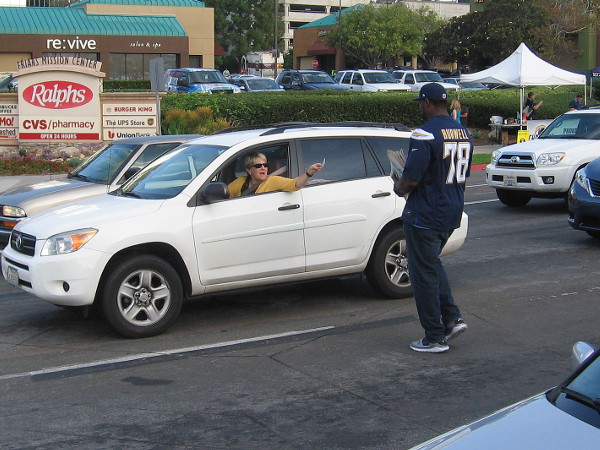
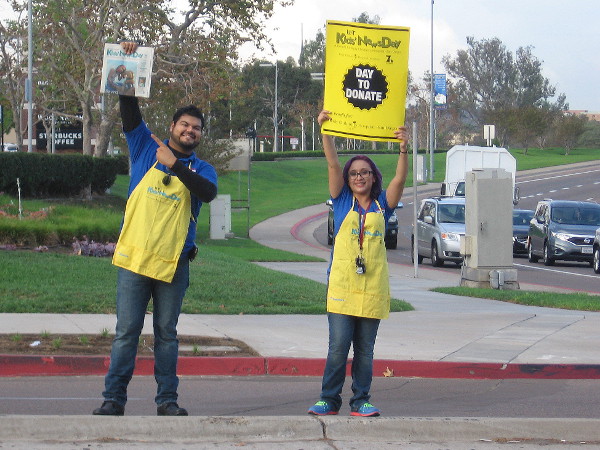
Every October, smiling Chargers football players and cheerleaders, kids and volunteers station themselves at busy intersections around San Diego. Waving at folks in cars, they hold up special edition newspapers, printed just for this day, which motorists eagerly purchase. The proceeds go to help our local Rady Children’s Hospital.
In the morning I happen to walk through one of the key intersections while heading to work, so I had to take a few photos. This year I’d like to say thank you to the San Diego Chargers, Union Tribune and all the volunteers who make this possible. Over many years, millions of dollars have been raised by Kids’ News Day for Rady Children’s Hospital, helping to save thousands of young lives.
Do you want to donate? There’s no better cause. I urge you to click here!
…
Follow this blog for more cool stuff! Join me on Facebook or Twitter.

A few days ago I received new information about an important bronze plaque, which was created in 1975 to commemorate the United States Navy’s 200 year anniversary. The historic Navy Bicentennial Commemorative Plaque stands today on San Diego’s Embarcadero, on the Greatest Generation Walk next to the USS Midway Museum. Thousands of people breeze past it every day.


When I first saw the old plaque, I could find absolutely nothing about it on the internet. So I originally posted this blog. As new information trickled in–sometimes out of the blue–I posted this and this.
I was recently contacted by one of the plaque’s creators. He has provided detailed information about its history, including three amazing photographs and nine scans of a typed News Release from 40 years ago. The text of the News Release does not appear online, so I carefully transcribed the words. That way a very important bit of San Diego and Navy history won’t be lost.
(I tried to transcribe exactly, including possible misspellings. I’m not certain about the spelling of some names in the photo captions.)
If you know more about this plaque and would like to add some information, please leave a comment below. If you’d like to contact me, but don’t want to have your comment published, then please tell me that and I’ll email you.
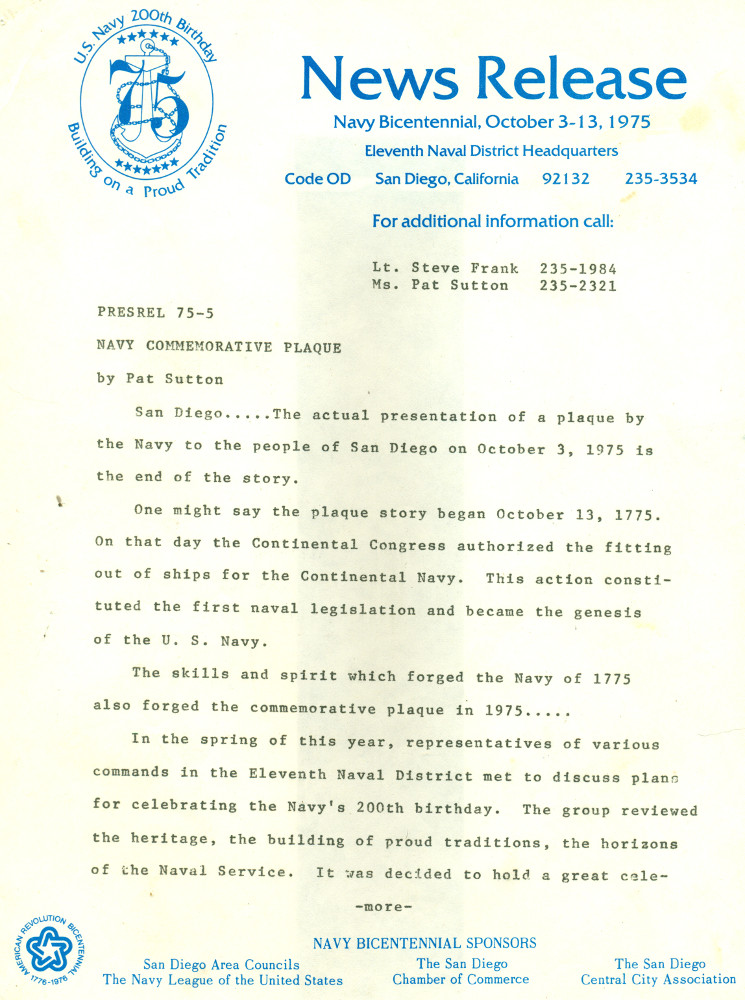
NAVY COMMEMORATIVE PLAQUE
by Pat Sutton
San Diego . . . . . The actual presentation of a plaque by the Navy to the people of San Diego on October 3, 1975 is the end of the story.
One might say the plaque story began October 13, 1775. On that day the Continental Congress authorized the fitting out of ships for the Continental Navy. This action constituted the first naval legislation and became the genesis of the U. S. Navy.
The skills and spirit which forged the Navy of 1775 also forged the commemorative plaque in 1975 . . . . .
In the spring of this year, representatives of various commands in the Eleventh Naval District met to discuss plans for celebrating the Navy’s 200th birthday. The group reviewed the heritage, the building of proud traditions, the horizons of the Naval Service. It was decided to hold a great celebration

to honor the Navy, its members past and present, the nation and San Diego – so long a part of the life, the heritage and tradition of the Navy.
The plaque story developed in an uniquely traditional Navy way. The Navy’s microcosmic capabilities began to surface and swing into action.
Civilian Mrs. Jo Palm is the Visual Information Specialist for the Commander Naval Surface Force, Pacific. She also chaired the Navy Bicentennial exhibits committee. Jo conceived the idea that there should be some lasting remembrance of the occasion for the people of San Diego – perhaps a commemorative plaque would be appropriate.
Civilian Francisco (Cisco) Lopez is a designer with the General Atomic Company of San Diego. He is also a First Class Draftsman in the Navy Reserve. Tall, 28-years-old, Cisco is a 12-year Navyman, combining four years active duty with eight years in the Reserve. Last June he served his annual two weeks active duty in the Naval Surface Force Public Affairs graphics shop, reporting from his Reserve Unit with the Fleet Intelligence Center, Pacific.
“Jo told me her idea and we decided I should design something depicting 200 years of Navy history – along the lines of a plaque, but not like the usual plaque.”

Cisco was raised in San Francisco and has lived in San Diego the past five years. He graduated from San Francisco State and hopes eventually to be a research historian or teacher.
“I have almost a passion for history. I’m taking a month off work in June ’76, I’ll be in Philadelphia on the Fourth of July. As an armchair military historian I really relished the opportunity to be a part of today’s history by designing a representation of our Navy over a span of 200 years”.
At the suggestion of her student husband, Mel, Jo Palm went aboard Mel’s former ship, USS Ajax (AR-6), with Cisco’s drawing and the question, “Can you make it a reality?”
For a fleet repair ship like Ajax, “can” is a reality because she is designed for heavy duty hull repair; to provide a full range of repair services to Navy units in remote areas.
On her way to see the Repair Officer, Lieutenant Commander Harley M. Oien, Jo Palm passed through the Patternmaker/Carpenter Shop, remarkably clean despite the several huge saws rasping, whining and spewing sawdust. She was escorted through the Heavy Machine and Shipfitter’s shops where expert Navy operators can literally rebuild a whole ship.

Twelve-year Navy veteran, Chief Molder Marvin E. (Tex) Feasell of Baytown, TX, is in charge of the Ajax foundry. He recounts the meeting below decks in Mr. Oien’s office where he and a few key men, including Patternmaker First Class Ronald Gray, held a conference with Jo.
“We hashed, squabbled, explained our methods, discussed time frames, costs to the Bicentennial Birthday Fund, and most of all, the making of the pattern. That’s the critical area. That’s the make or break of the job”.
Tex Feazell learned his profession when he was sent to the Moulder “A” school right out of Boot Camp in 1963. He reported aboard Ajax in May 1974. He has a keen appreciation of the expertise of the Ajax crew, and a keen pride in its performance.
“We have one of the most hard charging crews in the fleet. The people are hard charging – hit it! Hit it! We wanted to show our skills. We wanted to make that plaque for the Navy and for San Diego. We didn’t know for over a week if we would get the job. It made us feel proud when we heard we were going to do it”.
And so the “make or break” responsibility of the Navy’s bicentennial birthday memento to San Diego was enthusiastically assumed by Patternmaker Ronald Gray, who applied his

Navy-learned skills to transform from drawing to working pattern the impression of 200 years of the United States Navy.
Ron has not always served in the time honored rate of Patternmaker. He joined the Navy shortly after he graduated from high school in Olympia, WA, and served his first hitch as a Commissaryman. A friend, appreciative of his carving hobby, suggested Ron reenlist under the Navy’s SCORE (Selective Conversion) program and be schooled as a Patternmaker.
Now, after 7 1/2 years in the Navy, 2 1/2 aboard Ajax, this craftsman laid the historical design out, carved his first figures in bas relief, glued them on board, then build up the other details. The pattern for the 30″ x 24″, 150 pound metal plaque would end up basically wood and plaster, however, the rope detail was real rope!
The Spirit of ’75, the hallmark of the Navy, nowhere better manifested itself than aboard the USS Ajax as the work progressed.
Patternmaker Third Class Roger Richie of Denver, CO, was a millman in civilian life and when he joined the Navy he wanted to be a carpenter. But at the time, there was no billet open at the carpenter school.

“Now I think I got lucky, because I was sent to Patternmaker’s School. There’s not too many of us in the Navy, or in the country, for that matter. So by what you might call a ‘freak accident’ I was here to help Ron on the plaque. There’s pride in this job”.
The Ajax Dental Department loaned Ron Gray tools for working on the intricate wax carvings, and a dental drill for final sanding. The ship’s Dental Officer, Commander Roger E. Bisson of Helena, MT, enjoys woodworking and asked to carve the plaque’s Navy aircraft with his precision instruments.
“We all want to contribute. Gray is so willing to share the glory with the team, even though he has done most of the work”, Bisson said.
Below the gleaming metal decks, at the very keel of Ajax on the concrete deck of the foundry, Molder First Class William McCoy of Coshocton, OH, and his men were ready. McCoy spent his first four years in the Navy as a destroyer torpedoman. Then for ten years he was a civilian molder. Unable to wash the salt from his veins, he returned to the Navy a year and a half ago.
McCoy described his work, “The molding art is fairly unchanged since the middle ages. We use primitive tools, primitive casting methods. A person with an understanding of the primitive makes an excellent molder”.
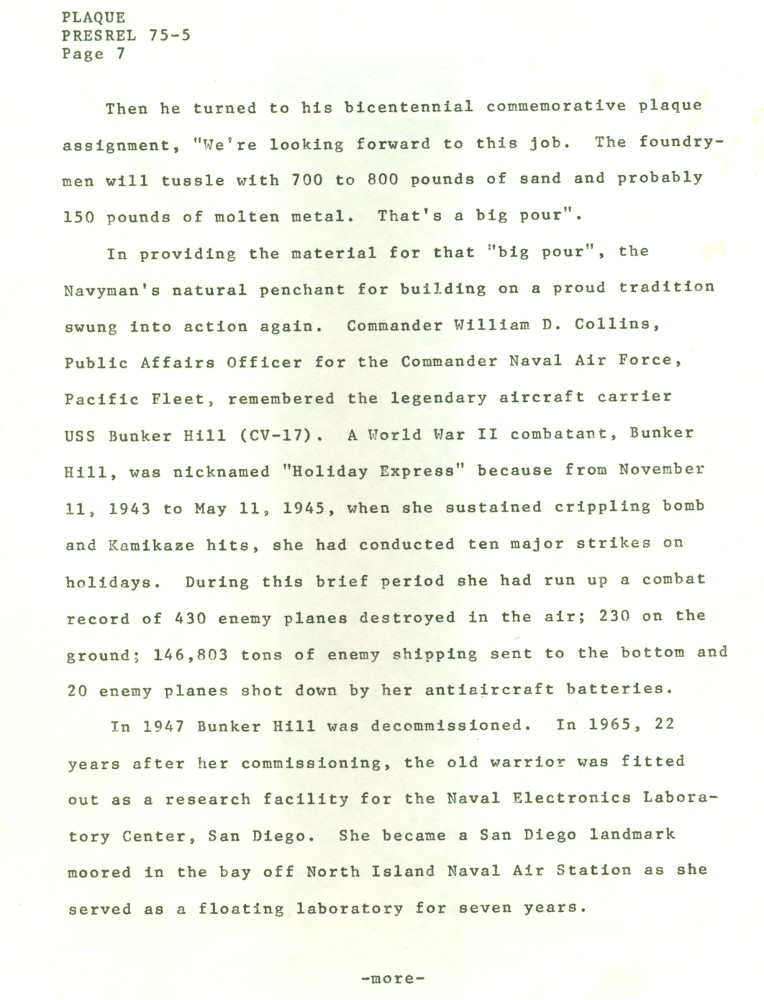
Then he turned to his bicentennial commemorative plaque assignment, “We’re looking forward to this job. The foundrymen will tussle with 700 to 800 pounds of sand and probably 150 pounds of molten metal. That’s a big pour”.
In providing the material for that “big pour”, the Navyman’s natural penchant for building on a proud tradition swung into action again. Commander William D. Collins, Public Affairs Officer for the Commander Naval Air Force, Pacific Fleet, remembered the legendary aircraft carrier USS Bunker Hill (CV-17). A World War II combatant, Bunker Hill, was nicknamed “Holiday Express” because from November 11, 1943 to May 11, 1945, when she sustained crippling bomb and Kamikaze hits, she had conducted ten major strikes on holidays. During this brief period she had run up a combat record of 430 enemy planes destroyed in the air; 230 on the ground; 146,803 tons of enemy shipping sent to the bottom and 20 enemy planes shot down by her antiaircraft batteries.
In 1947 Bunker Hill was decommissioned. In 1965, 22 years after her commissioning, the old warrior was fitted out as a research facility for the Naval Electronics Laboratory Center, San Diego. She became a San Diego landmark moored in the bay off North Island Naval Air Station as she served as a floating laboratory for seven years.

“The Bunker Hill was stripped of her brass and bronze fittings prior to her scraping in late 1972”, Commander Collins reported at a Bicentennial Committee meeting, “this was molded into ingots. Some of the ingots still remain and are stored at the Naval Station in Honolulu. We would be honored to have Bunker Hill permanently a part of San Diego. The Pacific Naval Air Force will provide her brass and bronze for the plaque”.
And so it was done.
In August Jo Palm called Cisco Lopez with the news that the plaque was to become a reality. Cisco told Jo of an uniquely Navy coincidence. “For my 1975 active duty tour I was stationed on Ajax! I designed ducting for ventilation of a spray booth. Great crew! I never expected to work with them again”.
On September tenth, after the sand had been rammed around the pattern and the pattern removed, leaving its historic impression (the negative), the excitement of expectancy on the Ajax foundry deck rose even as the metal of old Bunker Hill rose toward the proper temperature to pour.
Participants, both active and anticipating, ranged from Jo Palm and Cisco Lopez; Navy combat cameramen and photographers; to the molders, firemen, and as from the beginning,
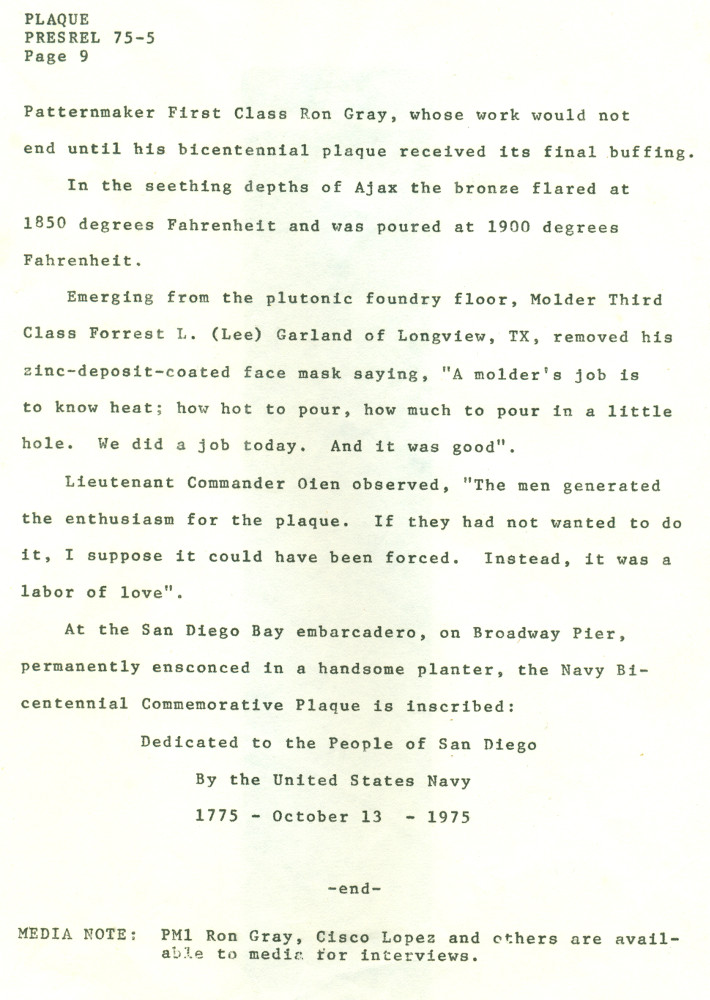
Patternmaker First Class Ron Gray, whose work would not end until his bicentennial plaque received its final buffing.
In the seething depths of Ajax the bronze flared at 1850 degrees Fahrenheit and was poured at 1900 degrees Fahrenheit.
Emerging from the plutonic foundry floor, Molder Third Class Forrest L. (Lee) Garland of Longview, TX, removed his zinc-deposit-coated face mask saying, “A molder’s job is to know hear; how hot to pour, how much to pour in a little hole. We did a job today. And it was good.”
Lieutenant Commander Oien observed, “The men generated the enthusiasm for the plaque. If they had not wanted to do it, I suppose it could have been forced. Instead, it was a labor of love”.
At the San Diego Bay embarcadero, on Broadway Pier, permanently ensconced in a handsome planter, the Navy Bicentennial Commemorative Plaque is inscribed:
Dedicated to the People of San Diego
By the United States Navy
1775 – October 13 – 1975


…
Follow this blog for more amazing, unexpected discoveries! Join me on Facebook or Twitter.

A few weeks ago I meandered about Inspiration Point in Balboa Park. Walking slowly, pausing often, going nowhere in particular. Just seeing what I might see.
At the south edge of the Balboa Park Administrative Courtyard, I stood and gazed down the hill toward a corner of downtown San Diego. You might remember my blog about the courtyard. It’s a place that very few people know about. It’s peaceful, green, a bit of heaven. A place of solitude.
As I stood, I glanced down some steps leading toward a seemingly unremarkable patch of trees. A dusty lot next to the trees contained dozens of parked city Park and Recreation trucks. I wondered to myself if the public was permitted to walk down those steps, into what appeared to be a city work area.
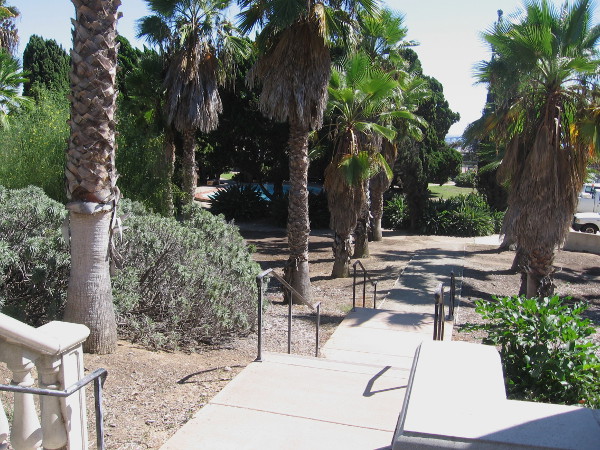
Then I saw the blue among the trees. Was that water?
No sign indicated I couldn’t investigate. So I did.
And what I found took my breath away.

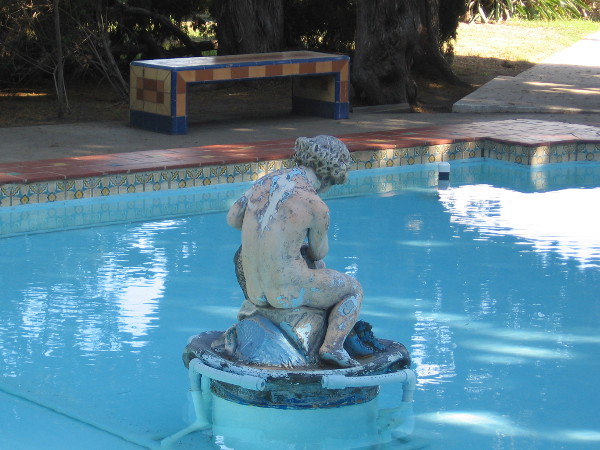
The trees seemed a forgotten oasis. At their center shined a lonely pool and a small fountain in the form of a child. The cherub seemed to be holding open the mouth of a carp, or perhaps reading a book–I don’t know.
The strange fountain appeared to occupy a magical place, entirely removed from the surrounding world.
What was it?
An email to the Friends of Balboa Park, an organization whose office is in the nearby Balboa Park Administration Building, provided a bit of information.
The person who replied parks her car in the lot not far from the pool and fountain, and she was completely amazed. She’d didn’t know of its existence.
Ranger Kim, who also works in the building, and who knows volumes about the history of Balboa Park, indicated that the fountain was left over from the 1920’s when the U.S. Navy built a large hospital campus in the immediate area.
In the 1980’s, the land was given to the city in exchange for acreage in Florida Canyon, where the new Naval Medical Center San Diego was built. The buildings from the 1920’s were eventually demolished, except for a Navy chapel, the administration building and its stately courtyard, and a nearby medical library and auditorium building. Today the chapel contains the Veterans Museum and Memorial Center; the administration building contains Balboa Park’s headquarters.
And, of course, magic remains where very few people go: a small fountain that healed spirits at the old Navy complex. A beautiful, hidden fountain forgotten by time.



…
Follow this blog for more amazing discoveries! Join me on Facebook or Twitter.
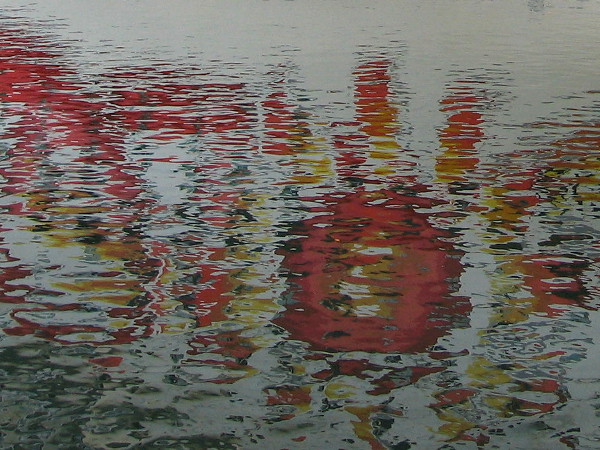
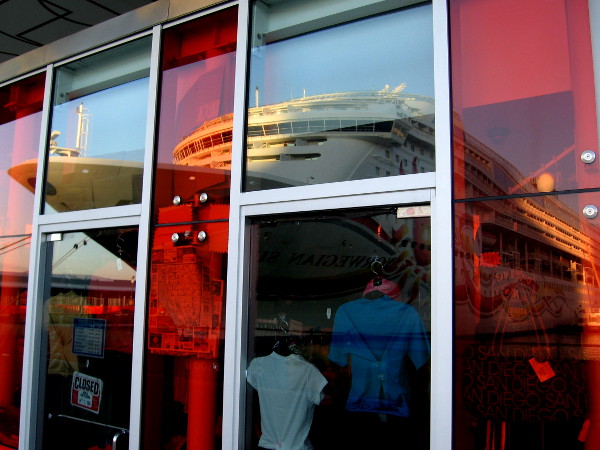
A big rush this morning. But I had enough time to walk down to the Broadway Pier. Slowing myself for a few moments, breathing in fresh air, I was enchanted by the surrounding quiet, the growing morning light, and mysterious reflections.


…
Follow this blog for more mysterious photos! Join me on Facebook or Twitter.
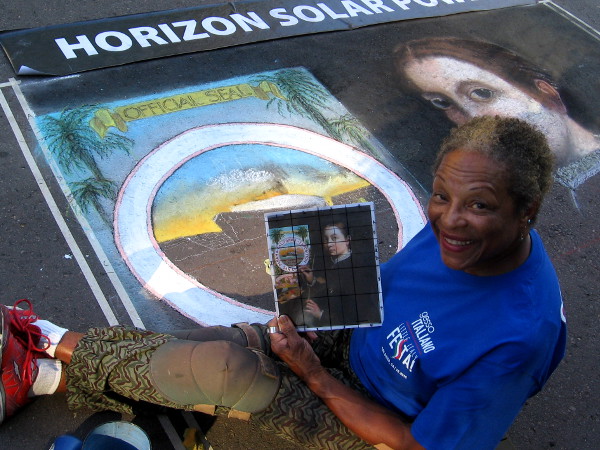
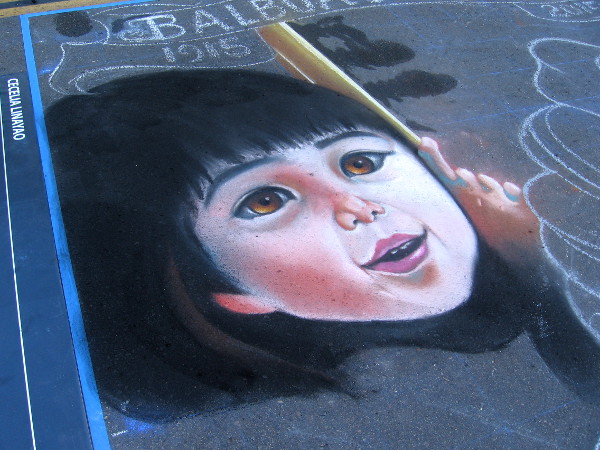
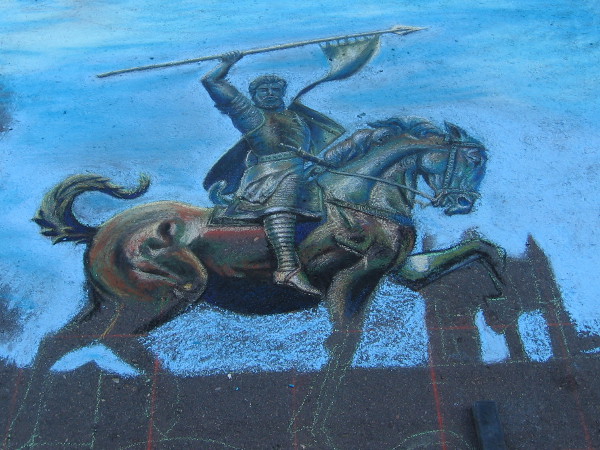
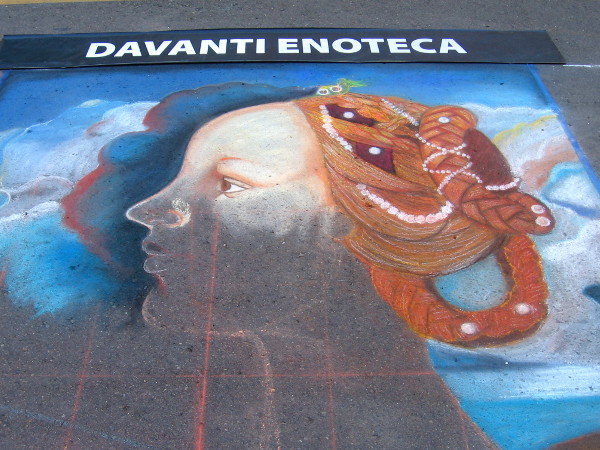
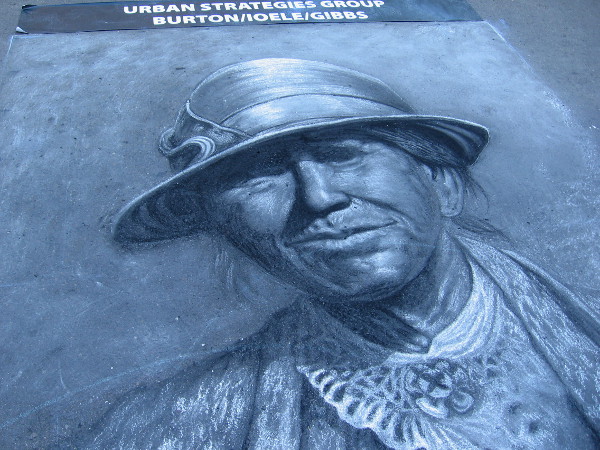
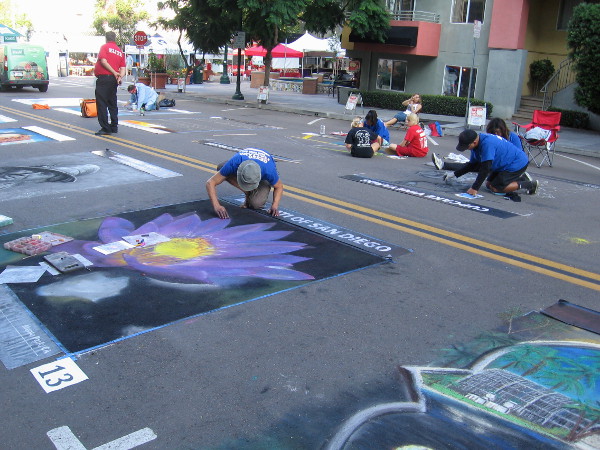
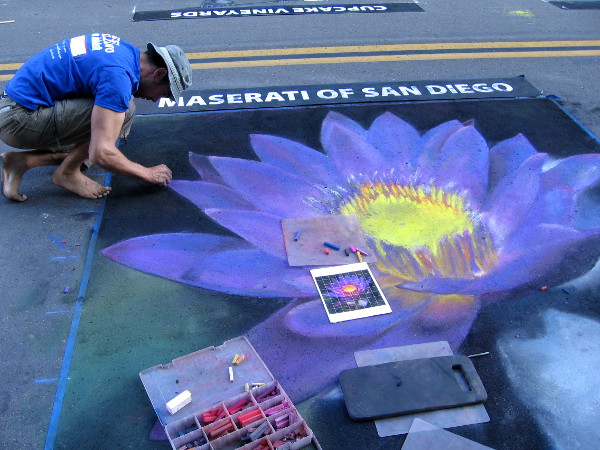
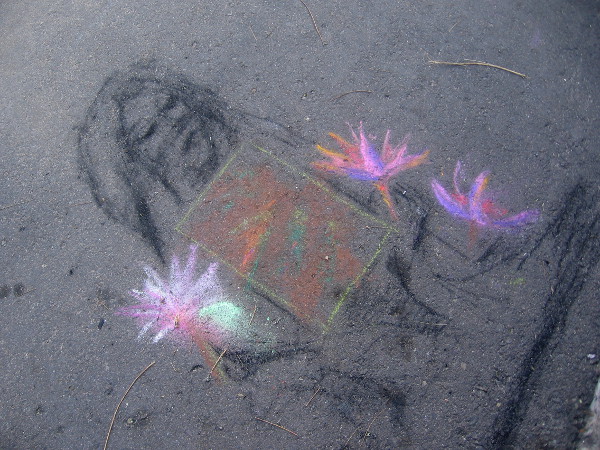
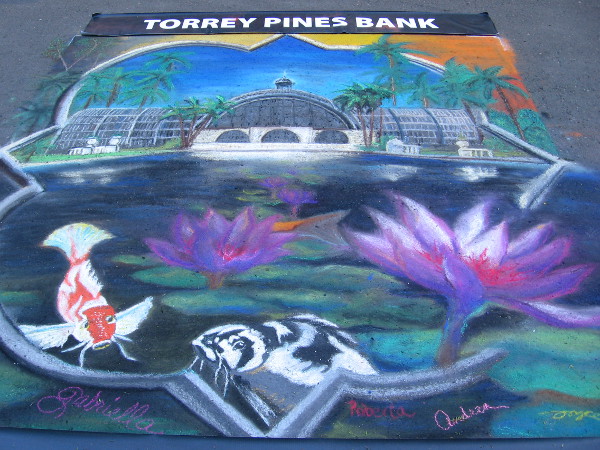
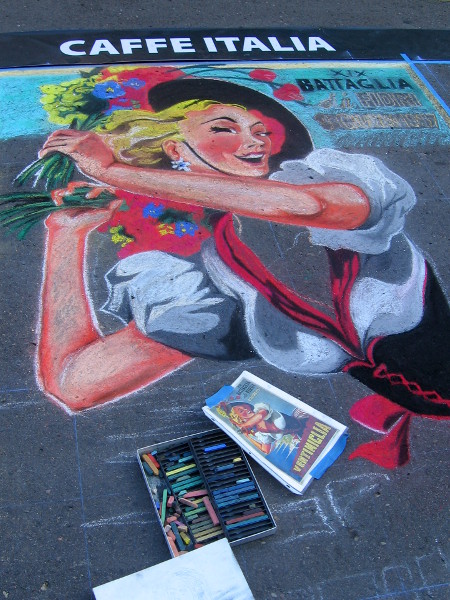
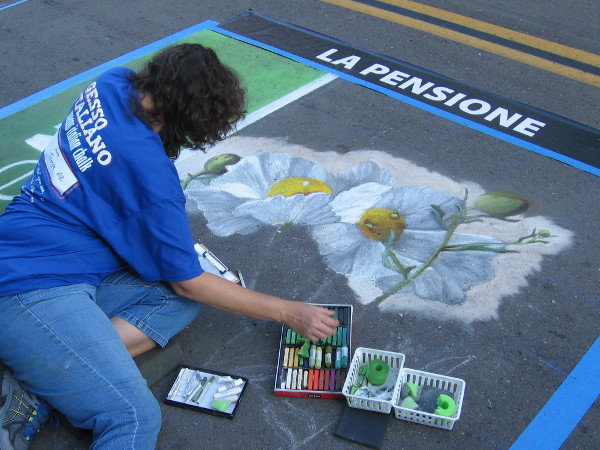
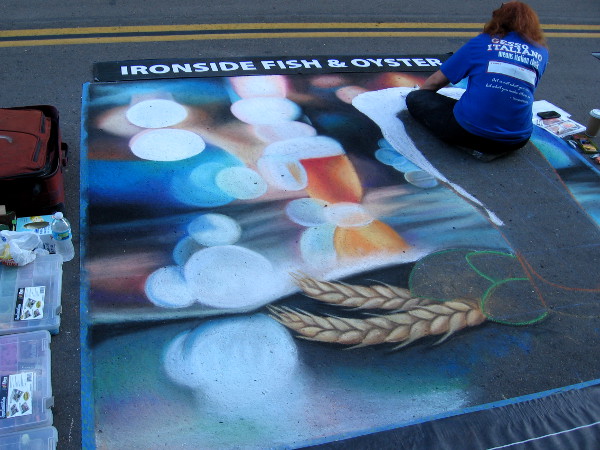
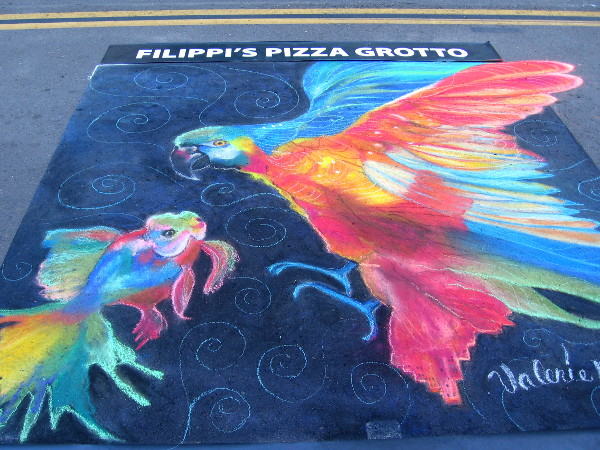
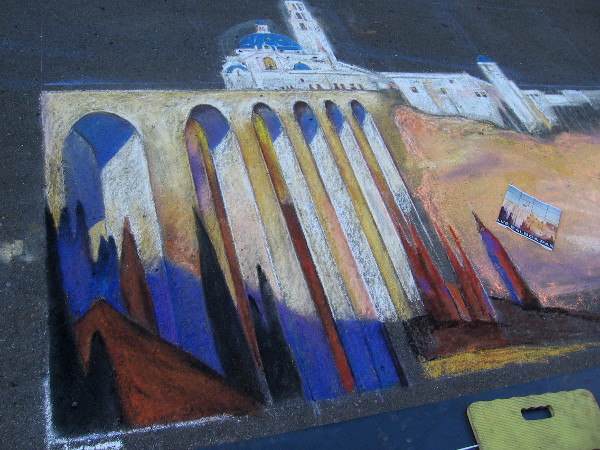
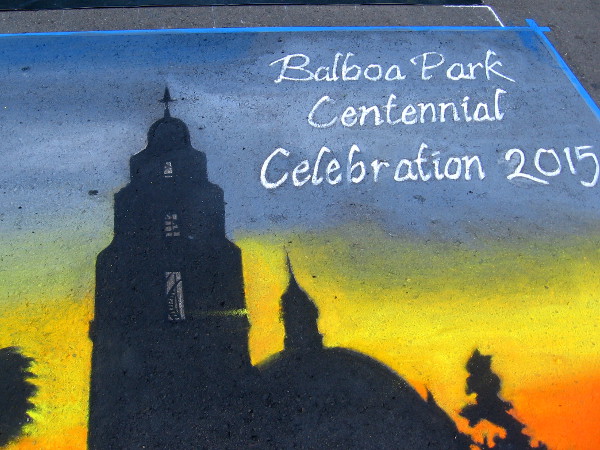
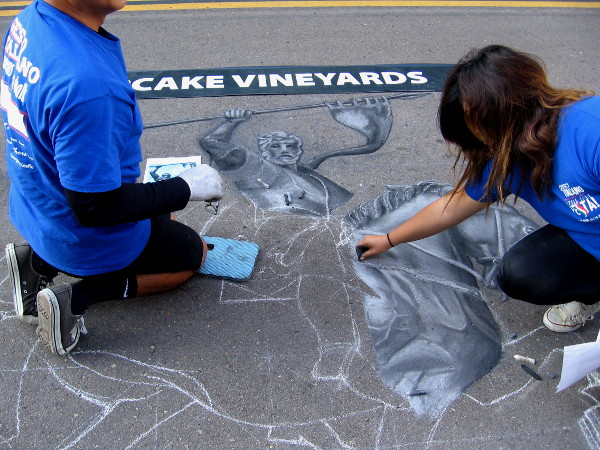
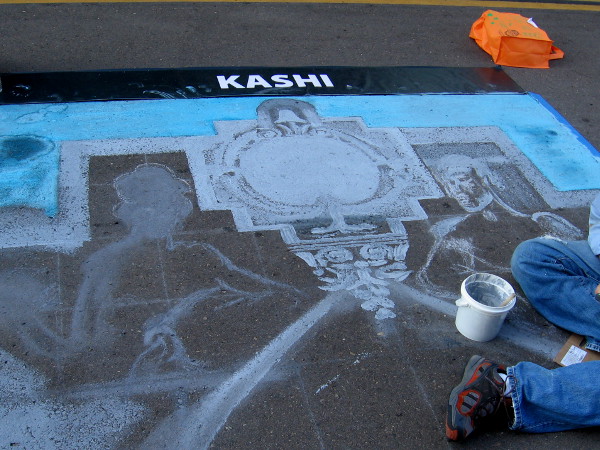
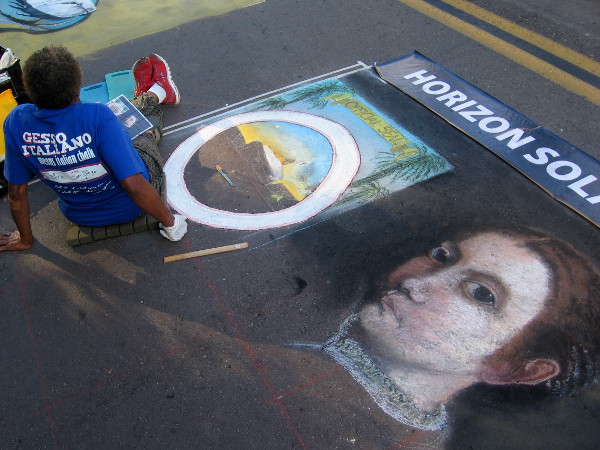
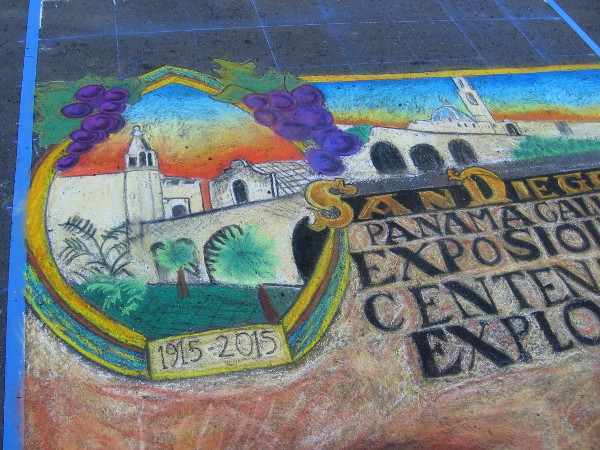
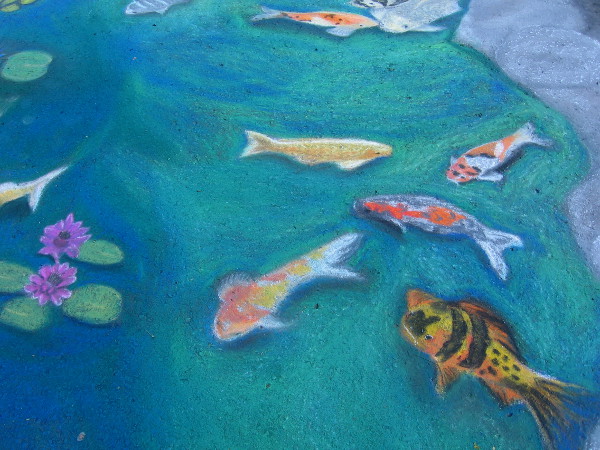
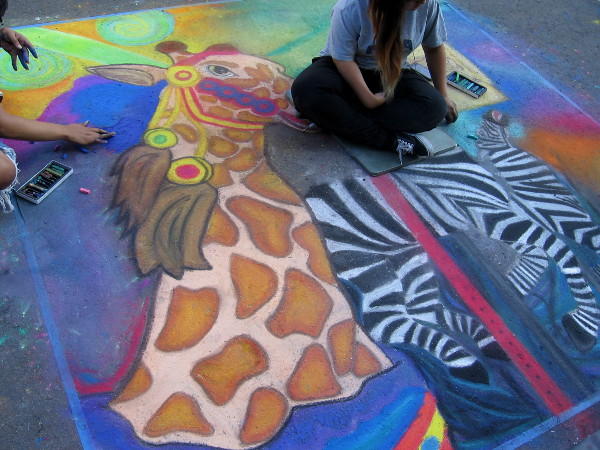
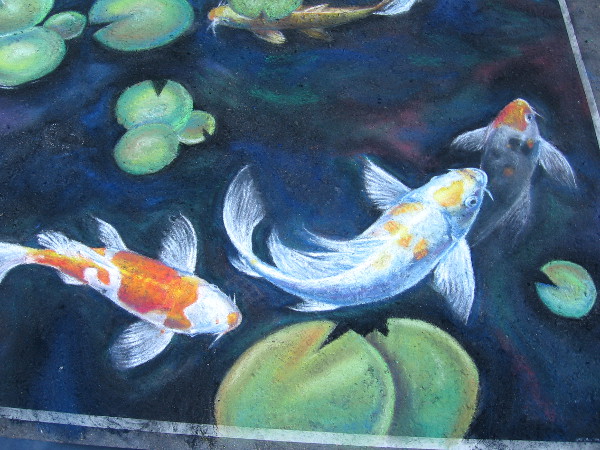
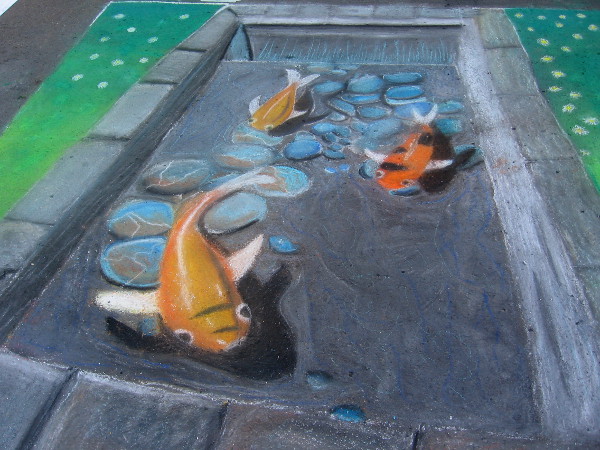
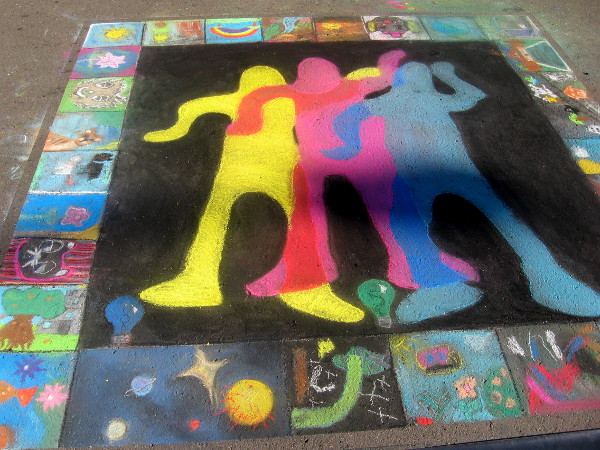
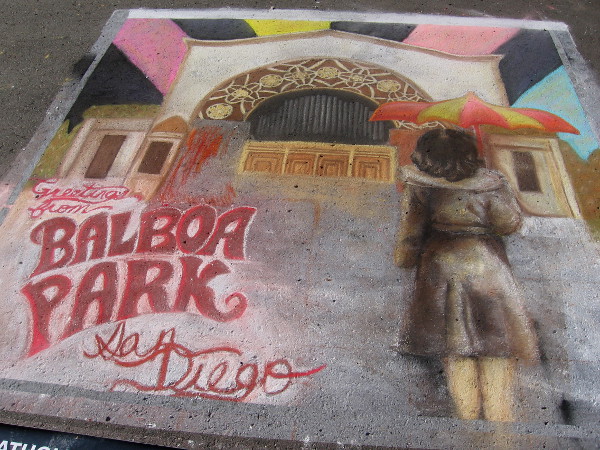
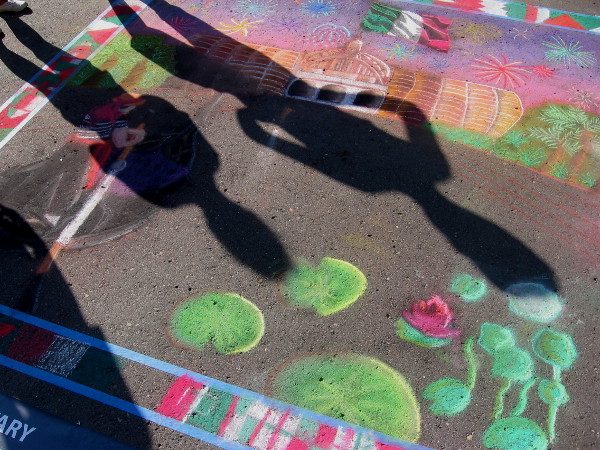
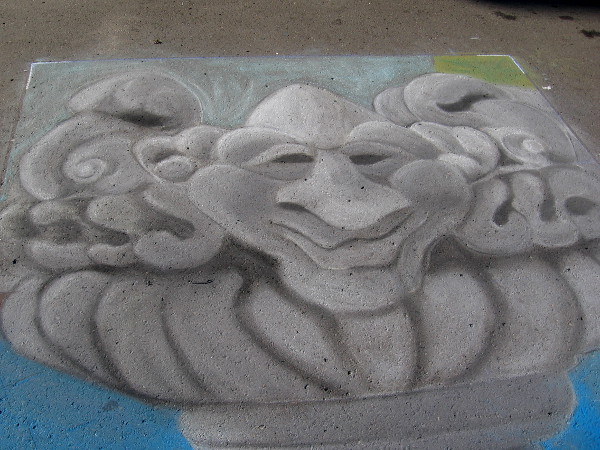
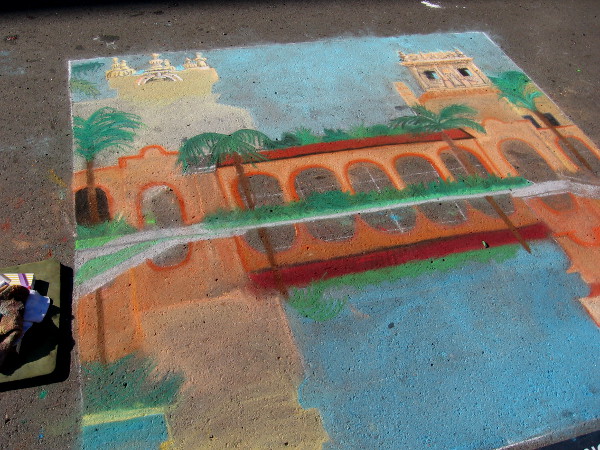
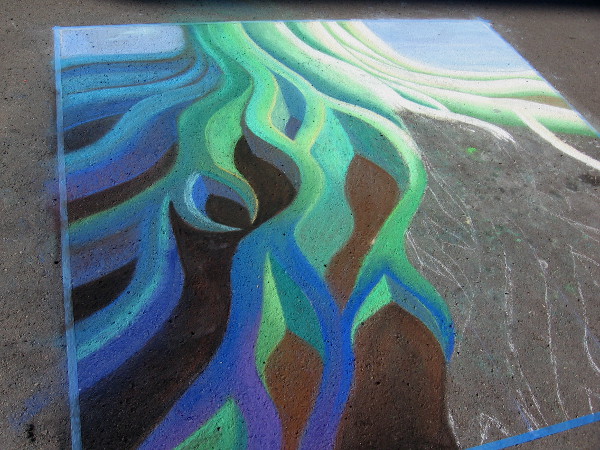
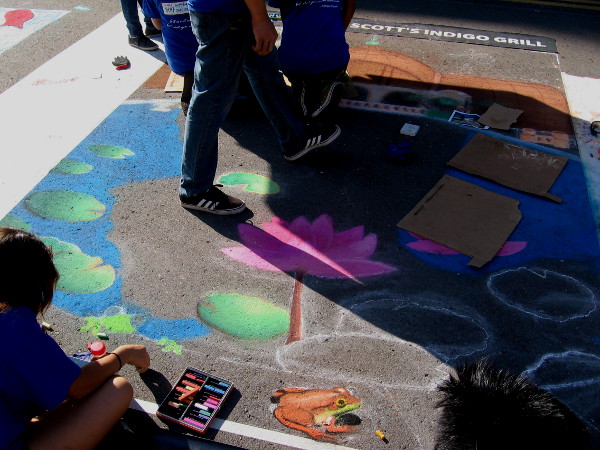
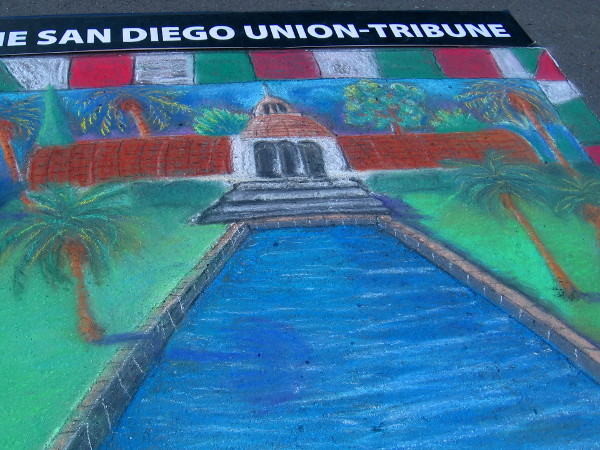
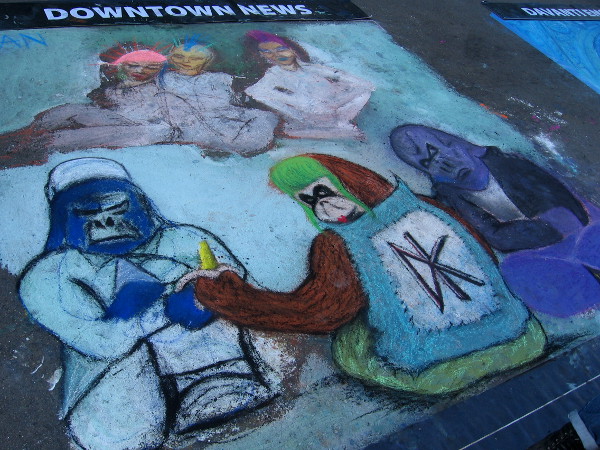
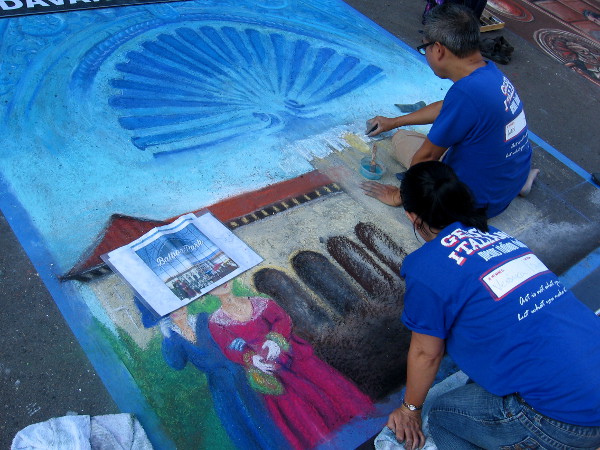
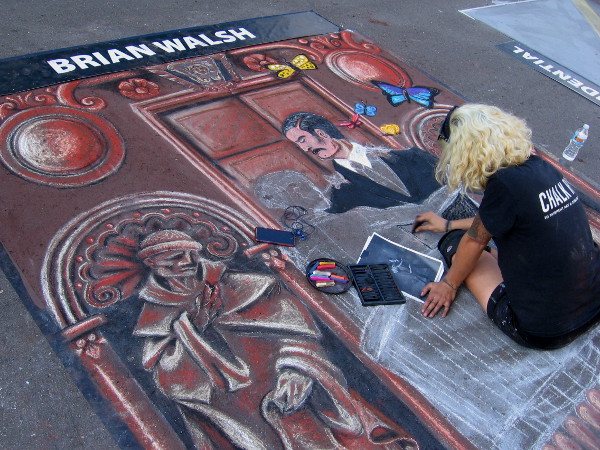
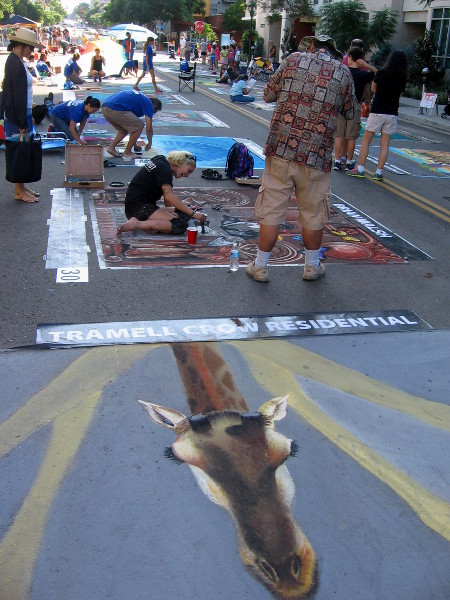
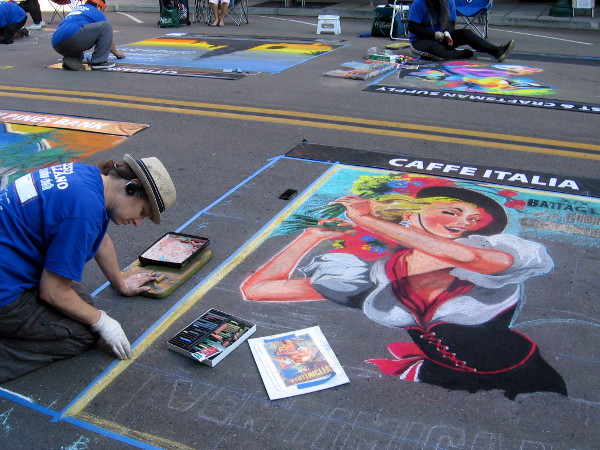
Brace yourself! Here come dozens of super cool photos! Check out the amazing chalk art created today for 2015 Festa in San Diego’s Little Italy! The special theme this year is the centennial of Balboa Park!
Gesso Italiano chalk art is a tradition at Little Italy’s Festa, and every year I’m blown away by all the colorful creations. Most of the images this year are inspired by beautiful Balboa Park, or paintings or artifacts contained in its museums. I arrived to take photos about an hour before the event opened, and many artists were still hard at work. I spoke to one who said their masterpiece took about seven hours to complete. Now that’s dedication to art!
I’ve inserted the team name at the beginning of each caption. Enjoy!





















…
Follow this blog for more photos of amazing stuff! Join me on Facebook or Twitter.

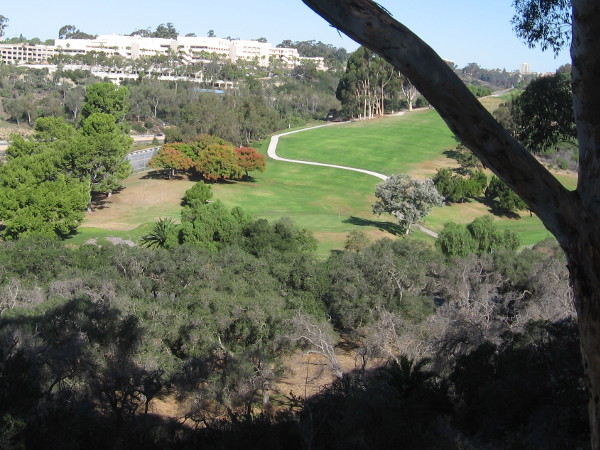
Balboa Park is without a doubt one of America’s national treasures. Located just north of downtown San Diego, its 1,200 acres is the home of magnificent museums, gardens, architectural marvels, many recreational facilities and perhaps the world’s most famous zoo. The amazing urban park is so gigantic most visitors see only a small fraction of it. Some out-of-the-way corners of Balboa Park are enjoyed by locals who live nearby; other overlooked areas seem almost forgotten.
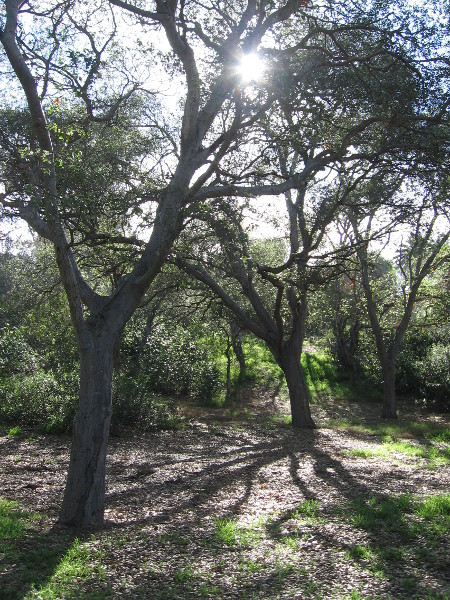
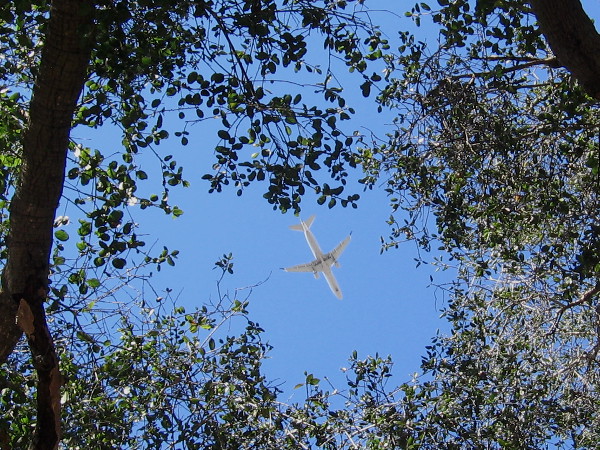
The USS Bennington Memorial Oak Grove is one such area. While many drive by it on any given day, as they travel along 26th Street just before it turns into Florida Drive, and a few joggers pass through the shady grove, I’d wager only a handful of San Diegans know of the oak grove’s existence or historical significance.
There are 66 live oak trees in this grove. They were planted to memorialize 66 men killed on the USS Bennington on the morning of July 21, 1905, when the gunboat’s boiler suddenly exploded and the ship nearly sank in San Diego’s harbor. No markers in the grove indicate the significance of the large gnarled oaks. (A 60 foot high granite obelisk stands at Fort Rosecrans National Cemetery in Point Loma, a memorial to those sailors who died on the USS Bennington. Most of the dead are buried there.)
The USS Bennington was a warship with a long and proud history. Commissioned in 1891, she was the ship that claimed Wake Island for the United States. After the boiler explosion in San Diego Bay, eleven men were awarded the Medal of Honor for extraordinary heroism.
Earlier this year, when I visited an exhibit in Balboa Park created by The Daughters of the American Revolution San Diego Chapter, I learned the local DAR would like to place plaques in the grove to memorialize the USS Bennington and the men who tragically died. If you, your business or organization would like information about the project, or to help, you might contact them from their page. Should this project come to fruition, I’ll be very pleased to blog about it!



…
Follow this blog for more unique discoveries in San Diego! Join me on Facebook or Twitter.

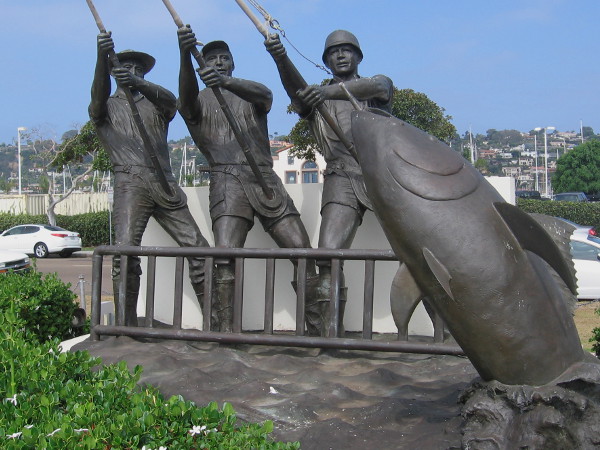
A monumental bronze sculpture in Shoreline Park on Shelter Island has become an iconic image. The Tunaman’s Memorial, by artist Franco Vianello, dedicated in 1988, honors the courage and hard work of generations of tuna fishermen in San Diego. The 9,000 pound sculpture depicts three individuals pole fishing from a boat of the once-large tuna fleet out on the Pacific Ocean. The history of San Diego’s tuna fishing industry contains generations of life stories. These unwritten stories involve fishermen who immigrated from many different nations, including Italy, Portugal and Japan.
One polished side of the sculpture contains names of fishermen who were pioneers in our region, and those who were lost at sea. An inscription reads: Tunaman’s Memorial honoring those that built an industry and remembering those that departed this harbor in the sun and did not return. Anthony Mascarenhas.



…
Follow this blog for more photos of cool stuff! Join me on Facebook or Twitter.

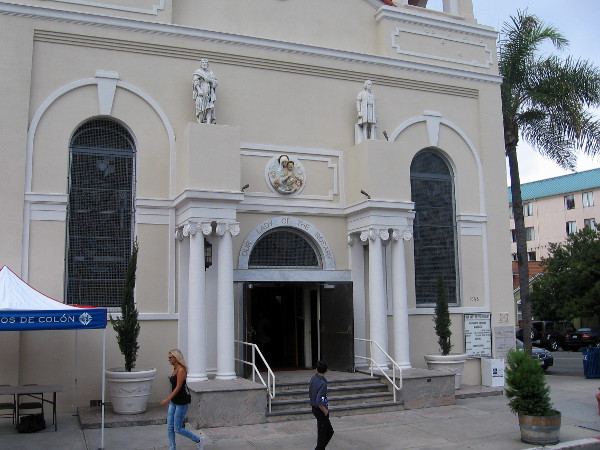
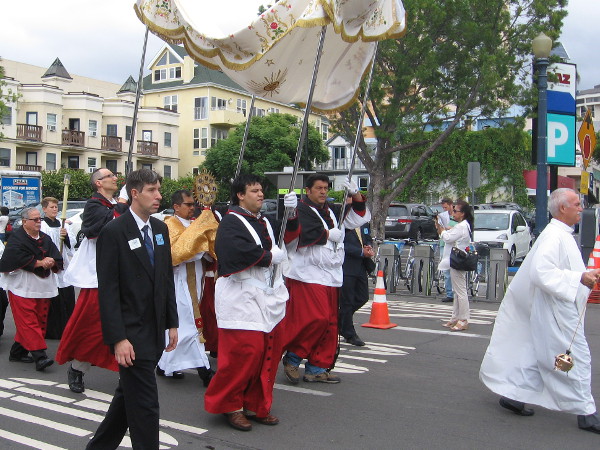
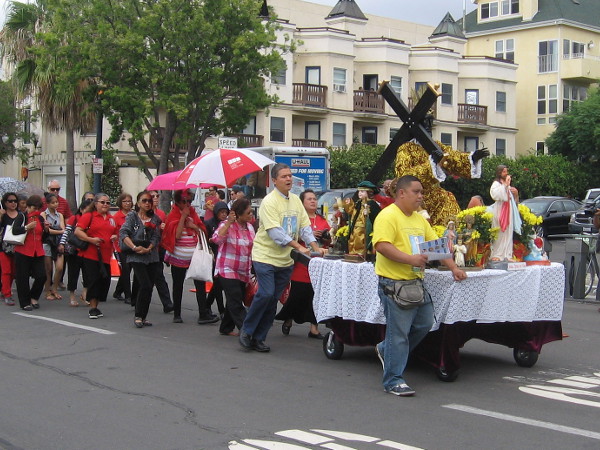
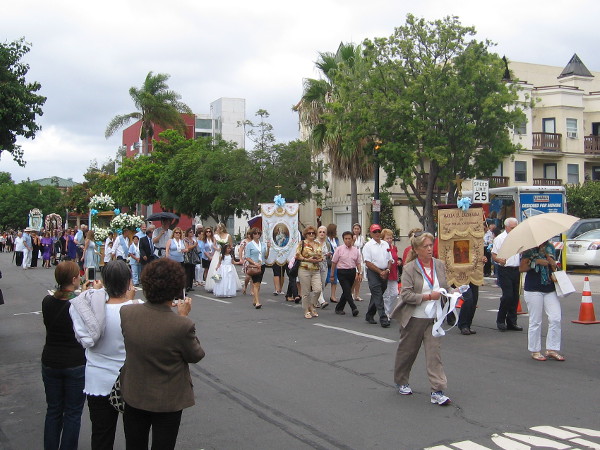
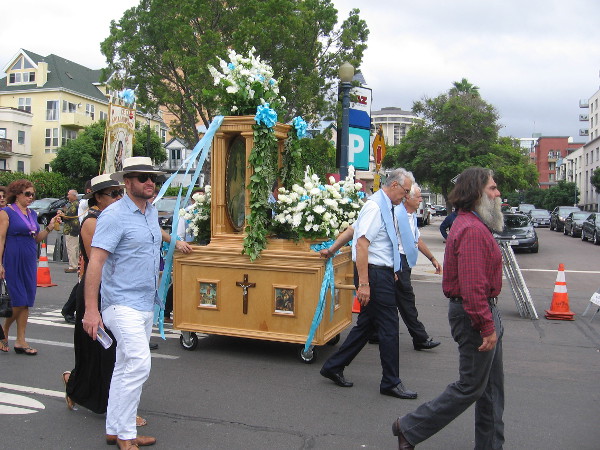
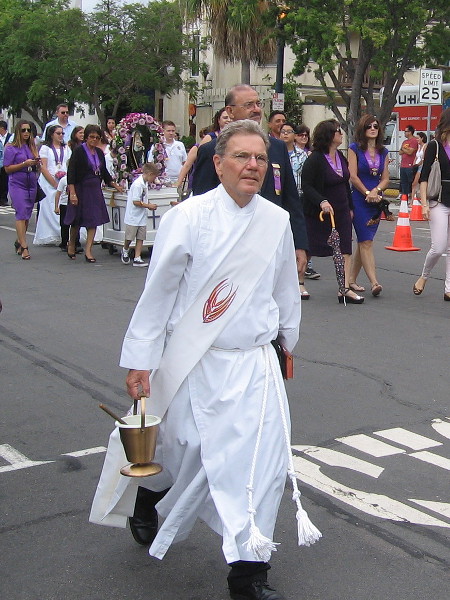
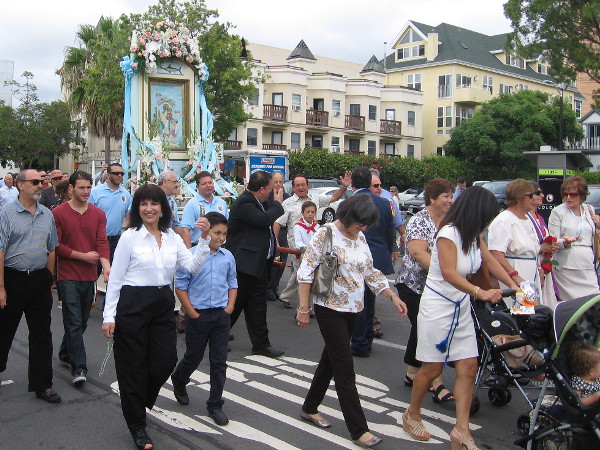
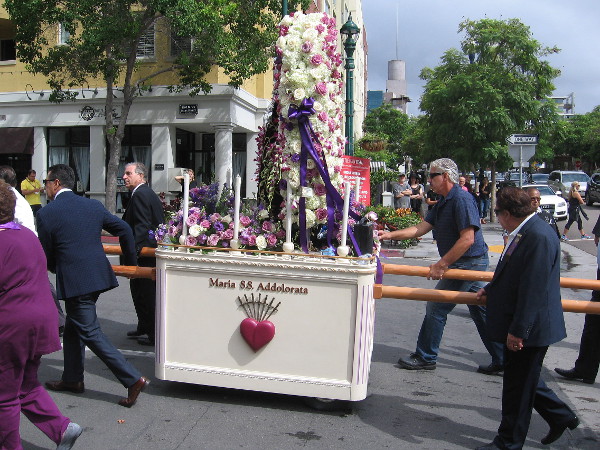
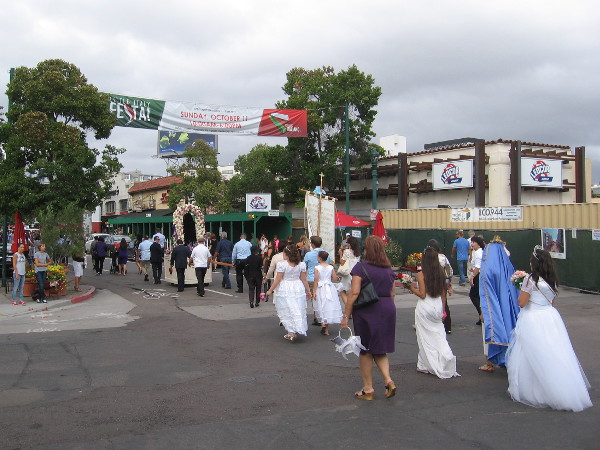
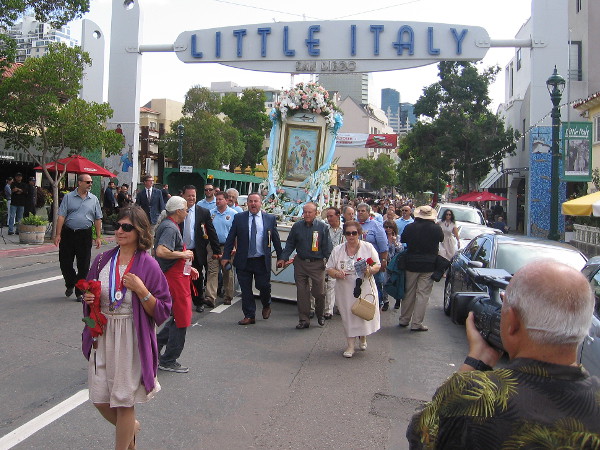
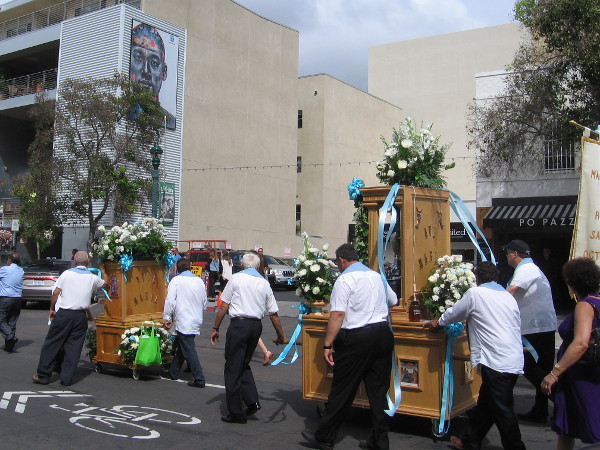
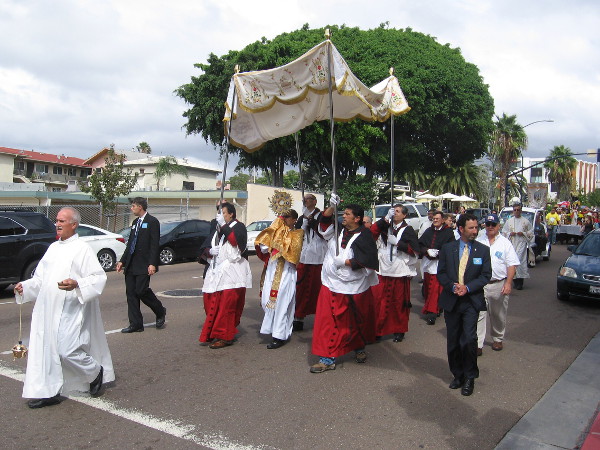
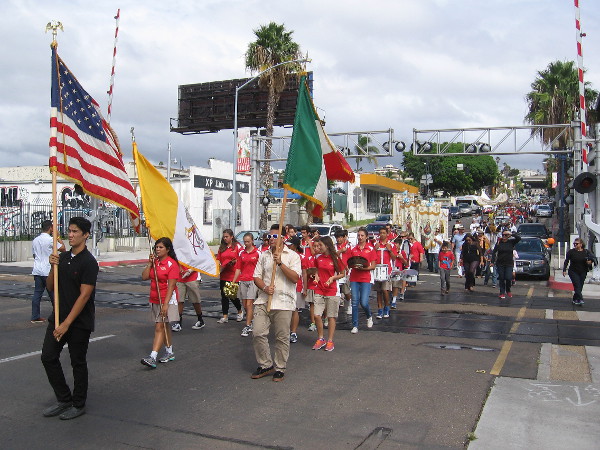
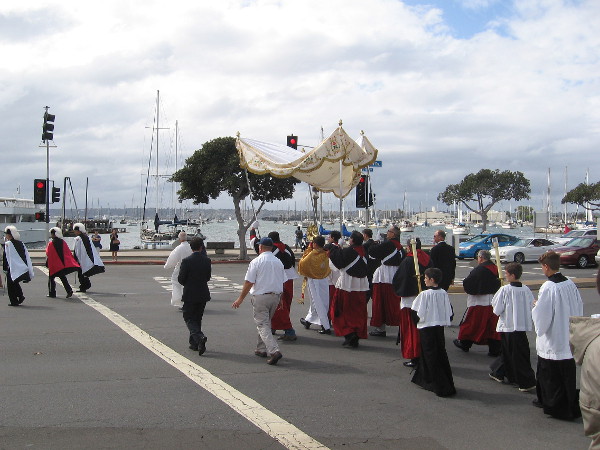
Early this afternoon, the historic Our Lady of the Rosary Parish in Little Italy celebrated Catholic Mass then held a grand procession. Parishioners marched from State Street in front of their church down to San Diego’s Embarcadero, where a fishing boat representing the local tuna fleet was blessed. I witnessed the procession a few years ago, but took no photos. So today I decided to walk along the sidewalk with my camera.
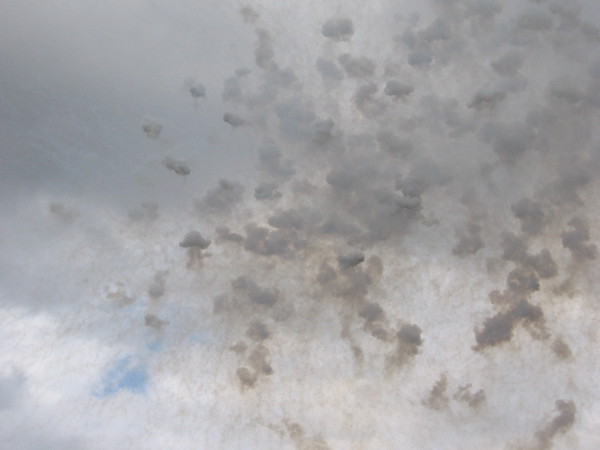
Forgive me for not knowing the details of the religious procession. I do know a large host of the faithful, in all manner of dress, many of Italian descent, and many carrying images of Jesus and Virgin Mary, marched joyfully north up India Street, then turned west down Hawthorn Street until they reached Harbor Drive. At the Hornblower dock, the fishing boat Patty Jo, which is a common sight out on San Diego Bay, was blessed by the priests of Our Lady of the Rosary. It’s a unique San Diego tradition that dates from the early 50s. At the completion of the religious ceremony, which was not open to the public, fireworks resounded in the overcast October sky!










…
Follow this blog for more photos of uniquely interesting stuff! Join me on Facebook or Twitter.
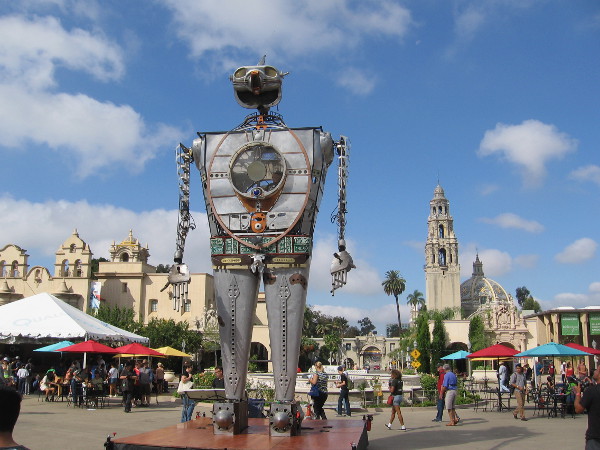
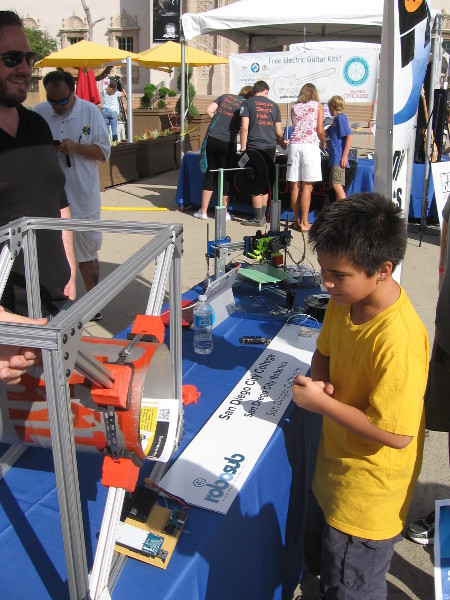
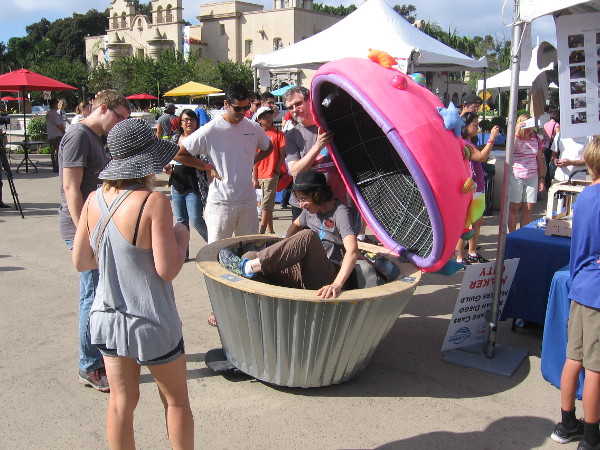
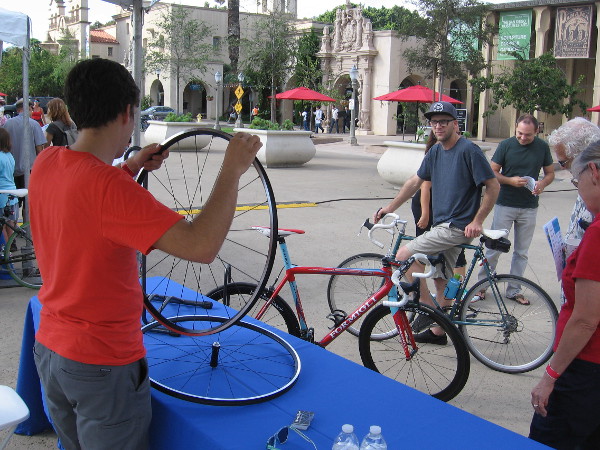
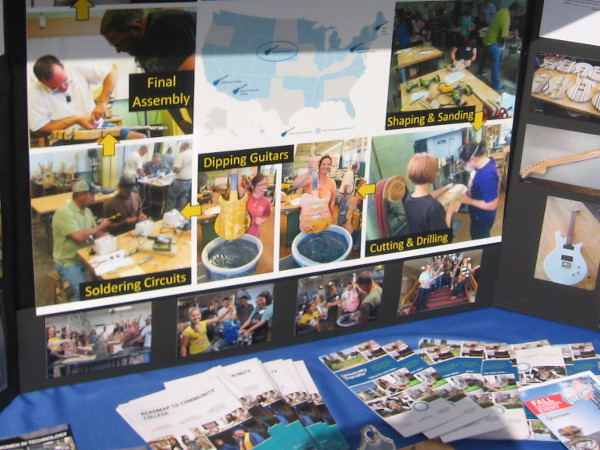
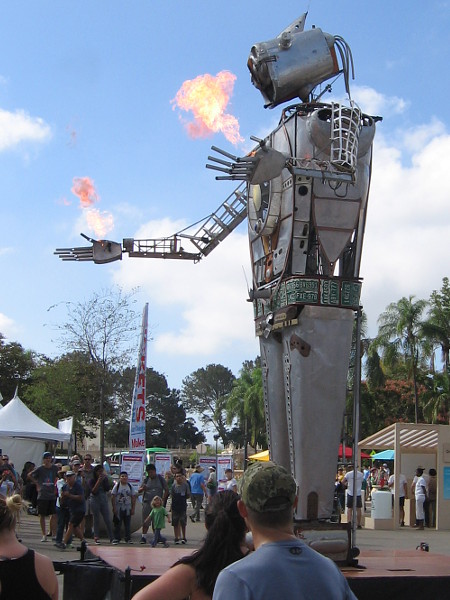
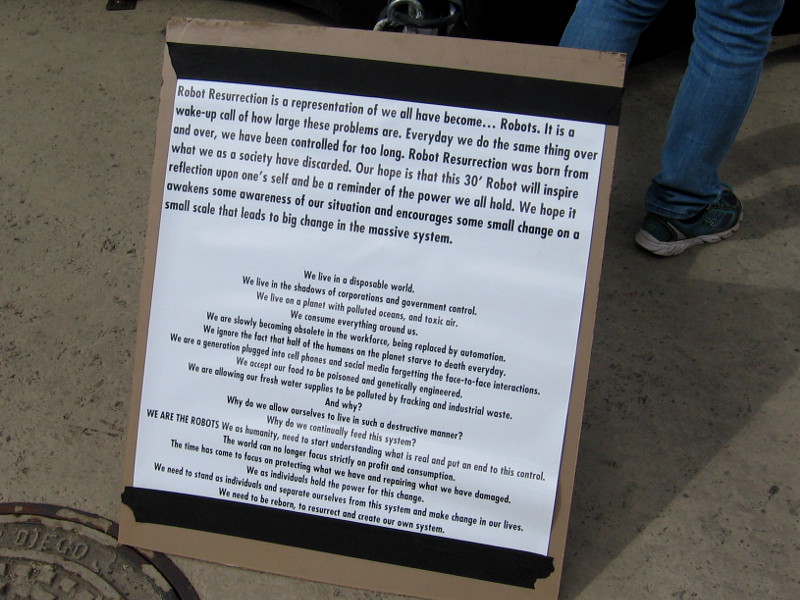
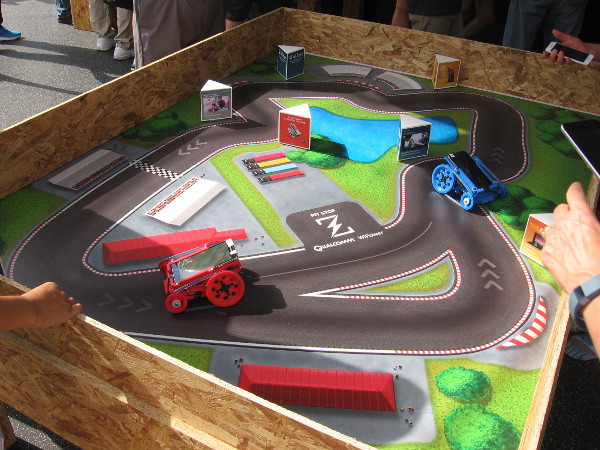
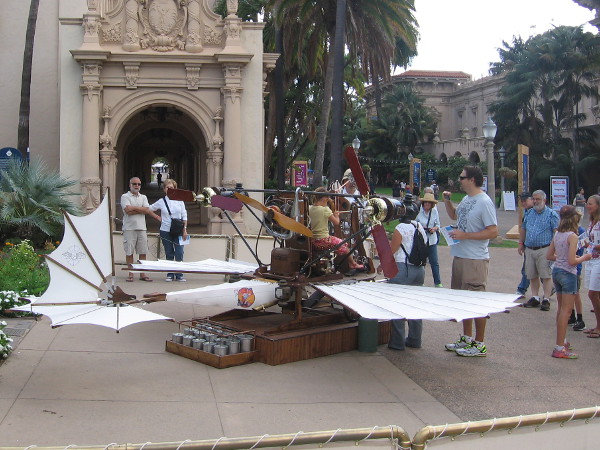
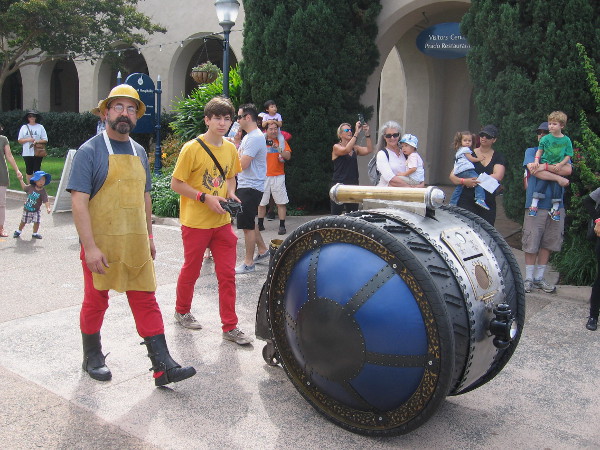
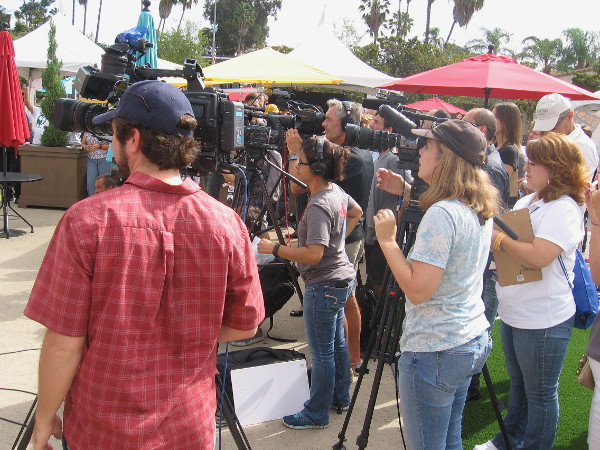
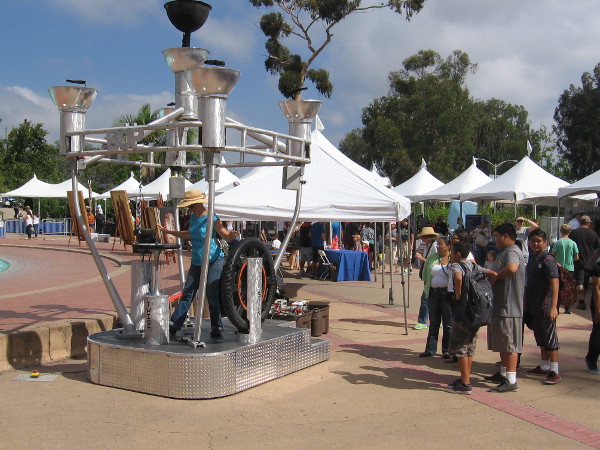
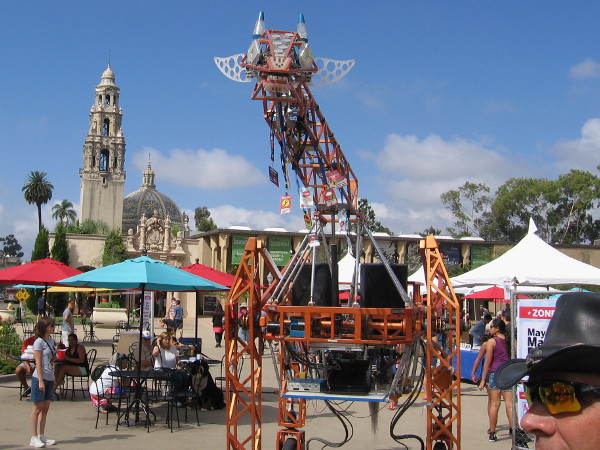
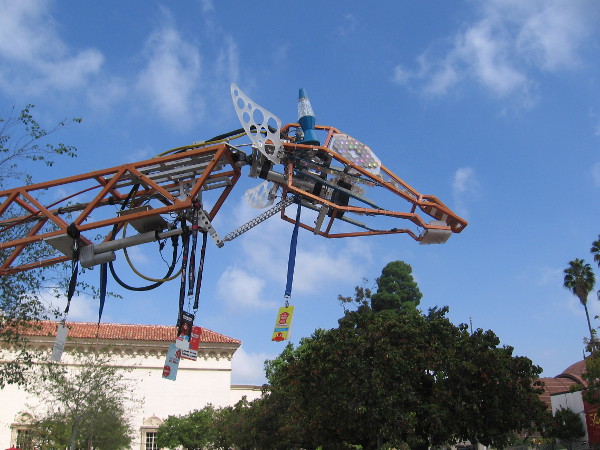
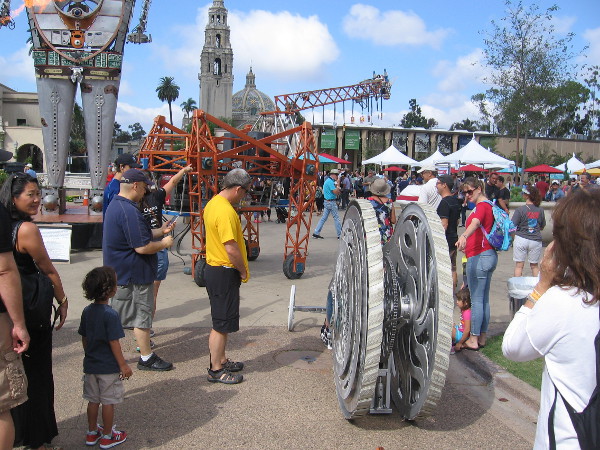
Get ready to see some super cool stuff! Here are a bunch of photos I took at Maker Faire San Diego this morning. The festival, which celebrates human creativity, with an emphasis on engineering and technology, is being held in Balboa Park all weekend long!








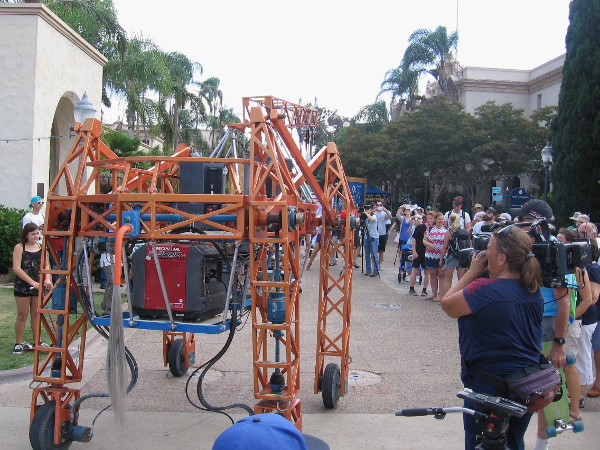
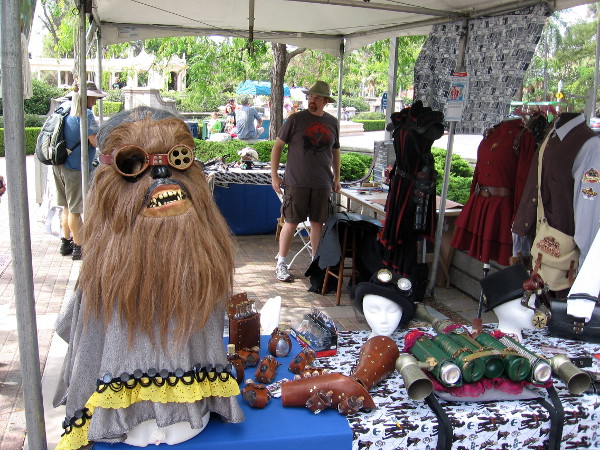
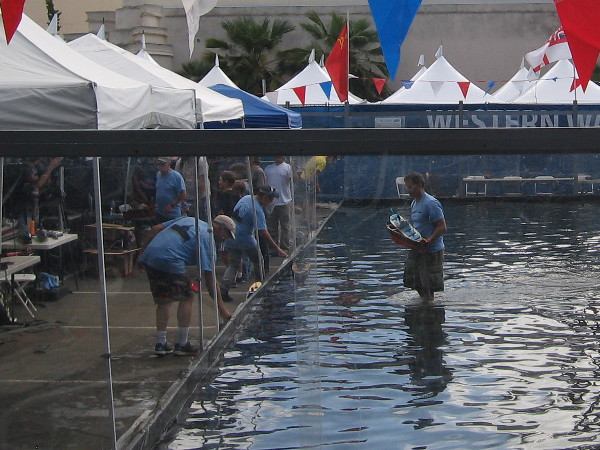

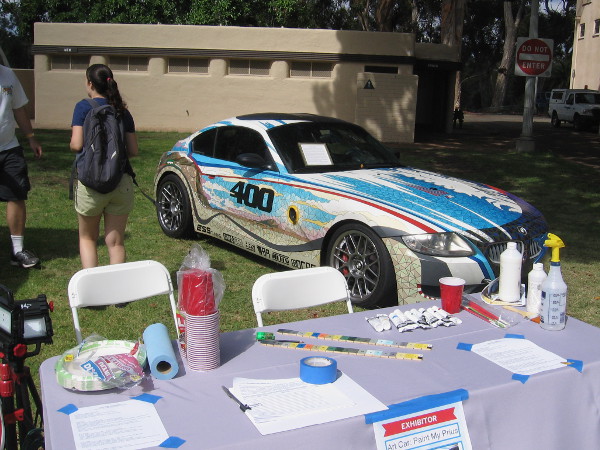

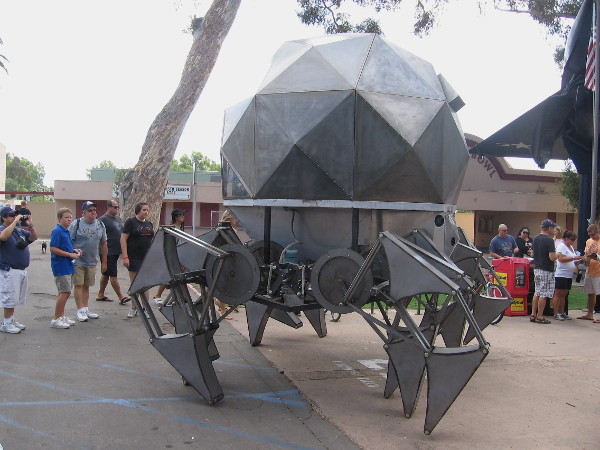
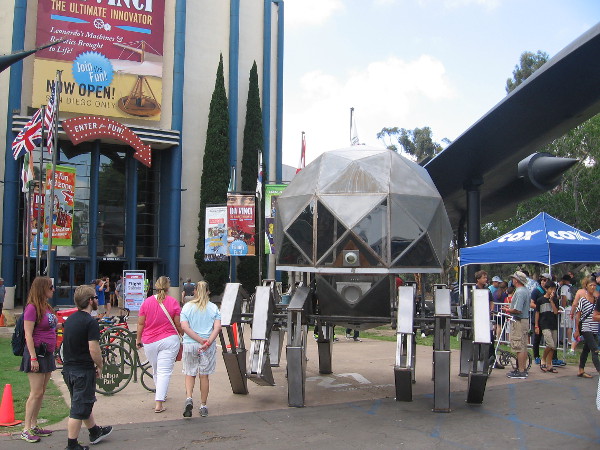

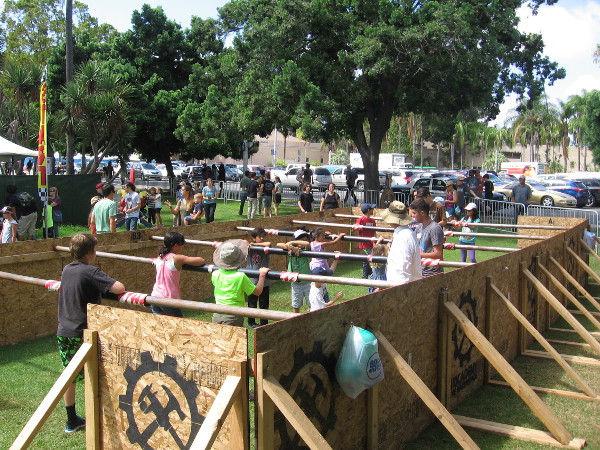


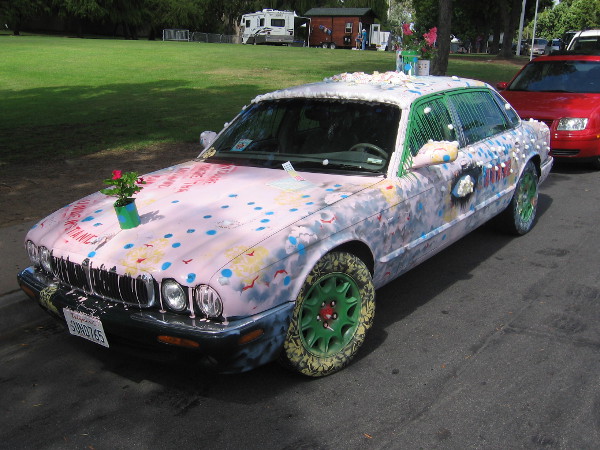
…
Follow this blog for more photos of unbelievably cool stuff! Join me on Facebook or Twitter.
 Cool San Diego Sights!