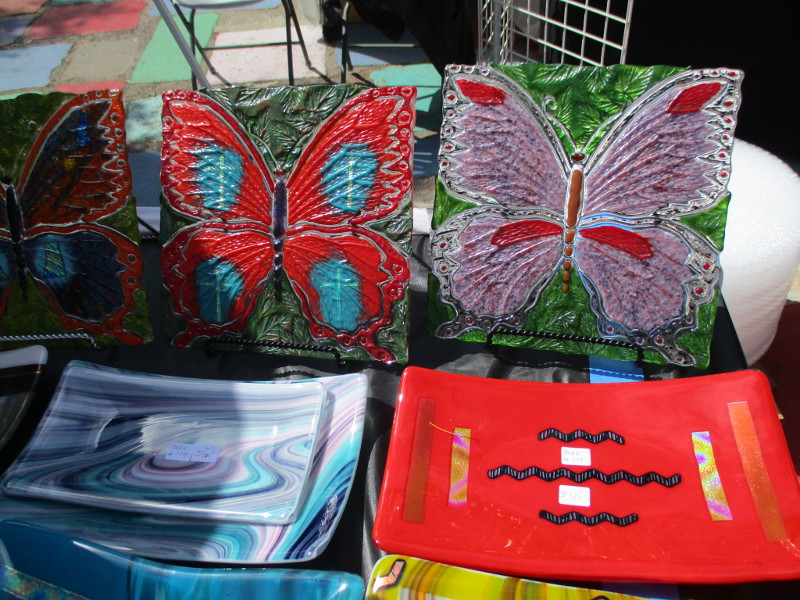
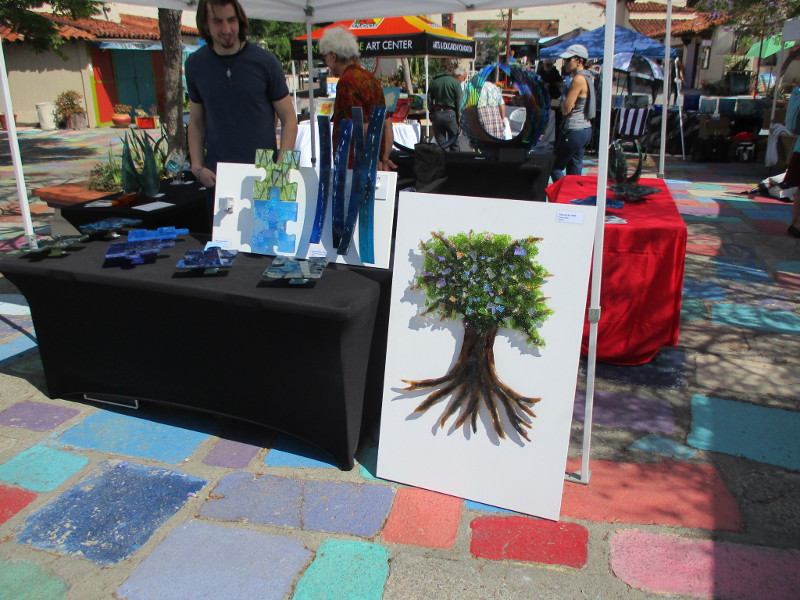
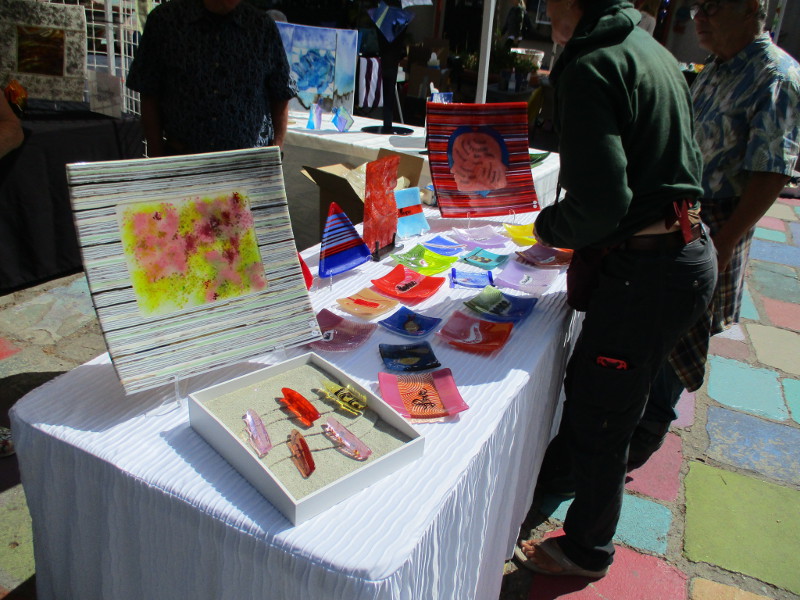
If you love art–glass art in particular–you must absolutely head over to Balboa Park this weekend to check out a spectacular show and sale in Spanish Village Art Center!
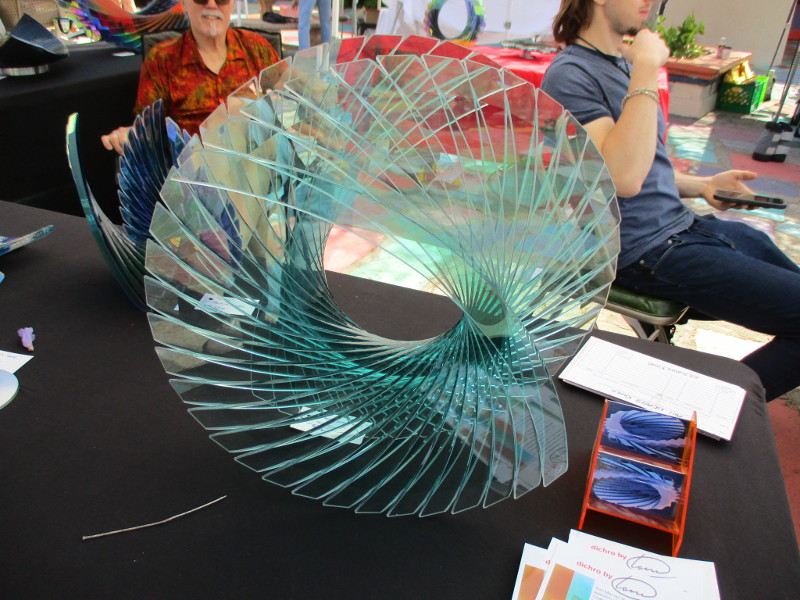
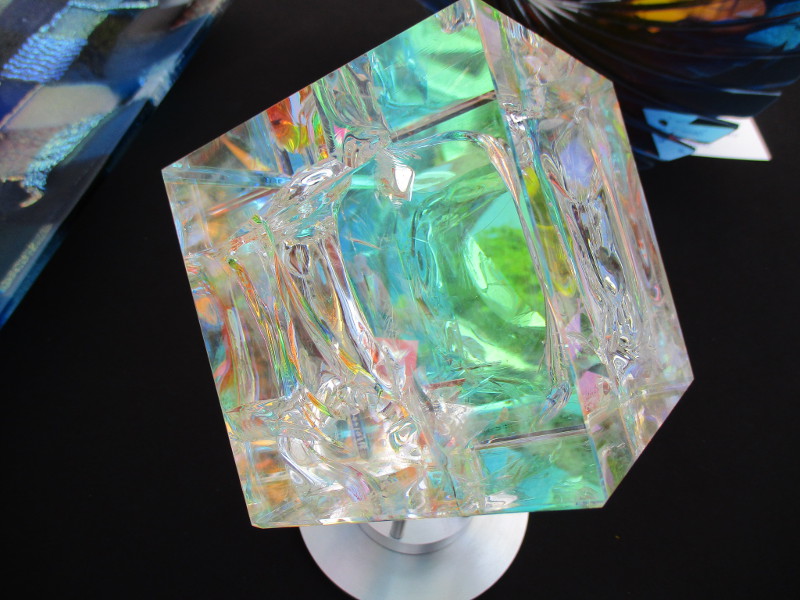
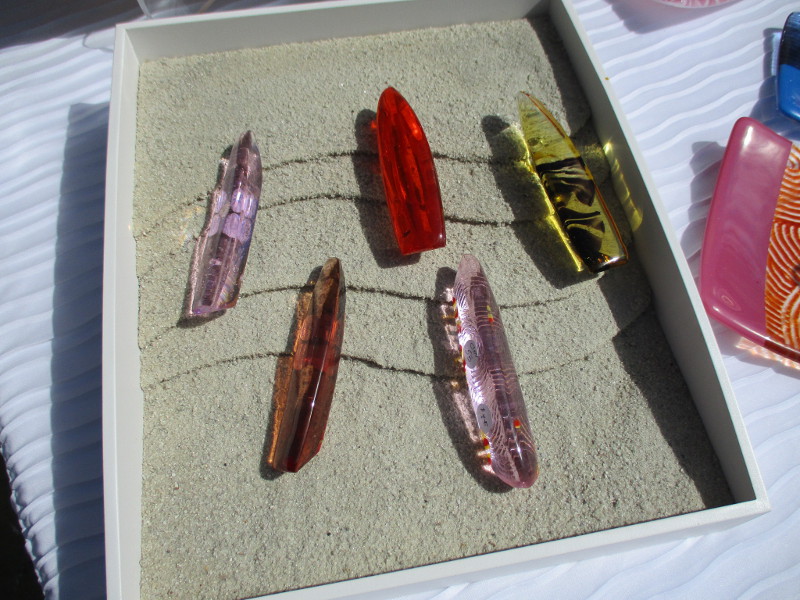
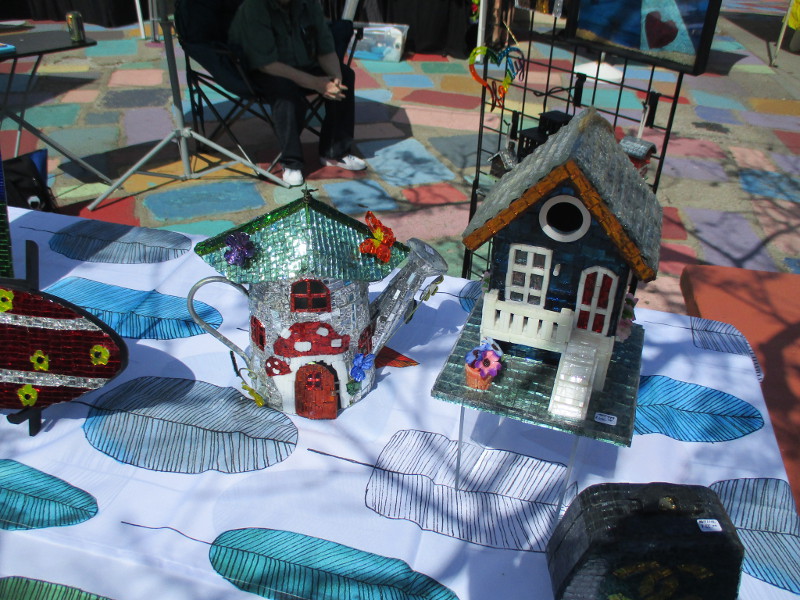
The big Art Glass Guild’s Spring Patio Show features numerous skilled glass artists and their amazingly creative and beautiful pieces. Some of the glass is functional, other works are purely decorative. All are for sale!
You can see in my photos how extraordinary this annual show is. Even if you have no plans to purchase art, you’ll pause repeatedly to admire all the glasswork, and wonder how some of the more unusual or exquisite pieces were made!
…
I live in downtown San Diego and love to walk around with my camera! You can follow Cool San Diego Sights via Facebook or Twitter!
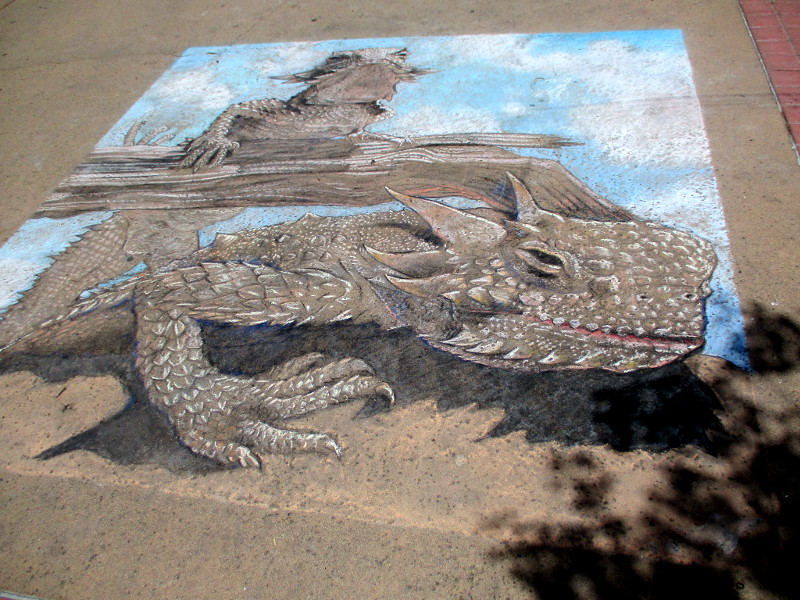
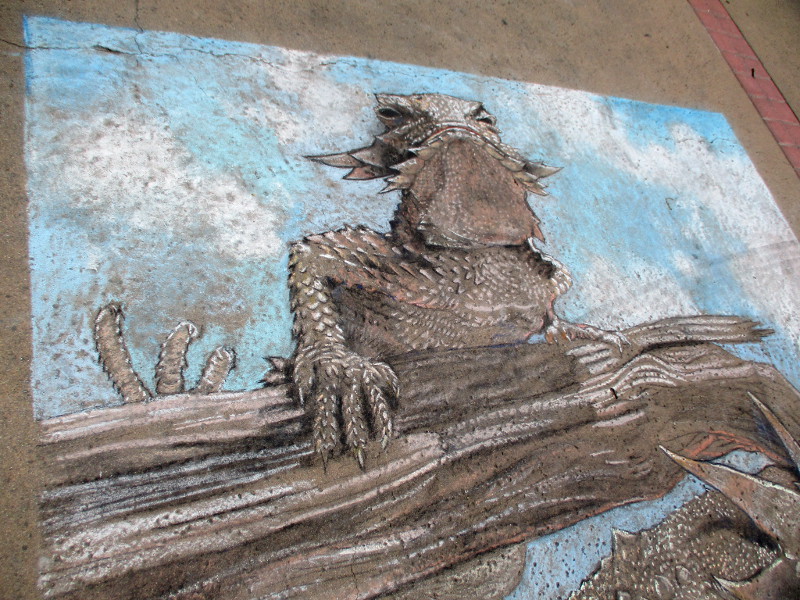
Did these two giant Flat-tailed Horned Lizards escape from the San Diego Natural History Museum in Balboa Park? At first glance, one might think so!
On second glance, it’s apparent this great chalk art, below the steps of the Natural History Museum’s south entrance, is a rather realistic depiction of Phrynosoma mcallii, and is super cool!
I learned that this artwork was created several weeks ago during the big EarthFair event in the park. It has survived quite well so far!
The two immense reptiles, which I spotted by chance today, were the production of @sidewalk_chalk_dad. I’ve seen his great chalk art in Balboa Park during other past events.
…
I live in downtown San Diego and love to walk around with my camera! You can follow Cool San Diego Sights via Facebook or Twitter!
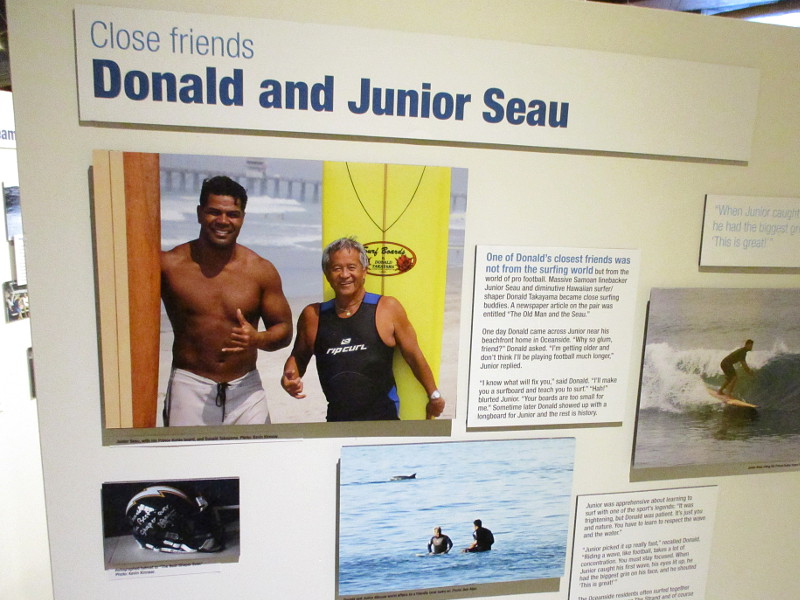
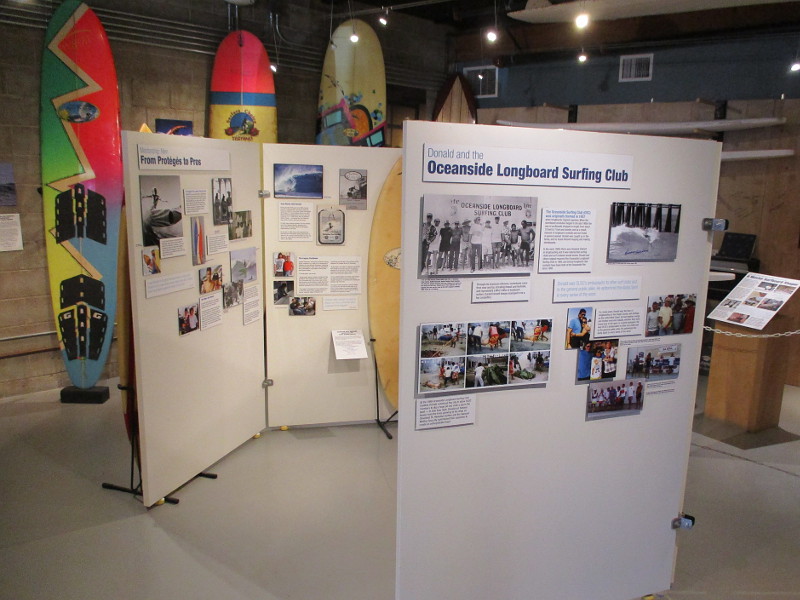
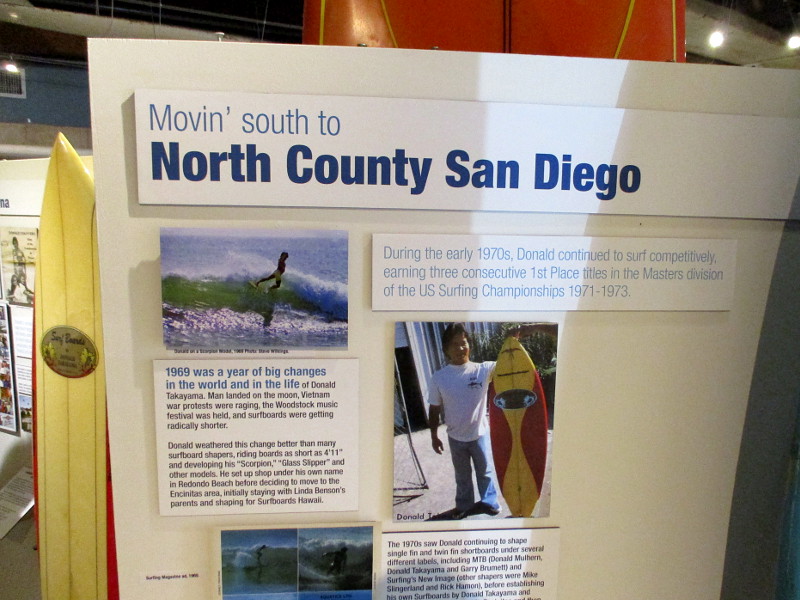
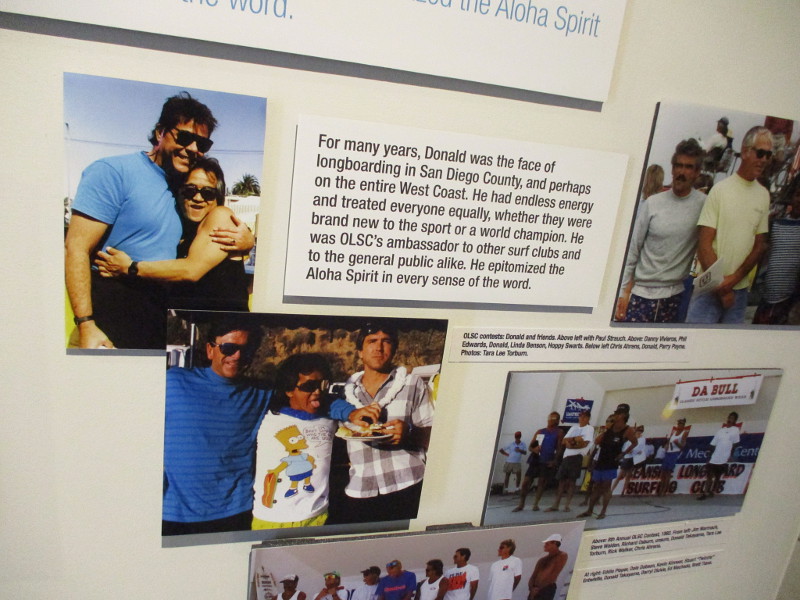
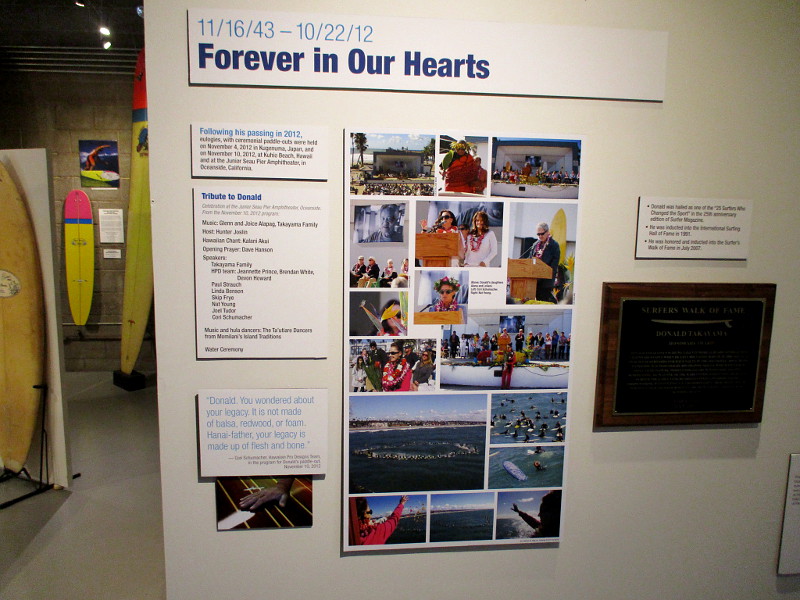
Looking at the extensive exhibit last weekend, I learned how Donald Takayama at the age of twelve moved from Hawaii to Southern California, having been invited to work at a Venice Beach surf shop, shaping boards. He was paid to wear a company logo on his shirt while surfing. Wikipedia states he may have been the world’s first professional surfer.
Takayama would move to Encinitas and then Oceanside, and continue to gain international fame shaping boards. He also would win many surfing competitions, including three consecutive Masters titles in the US Surfing Championships.
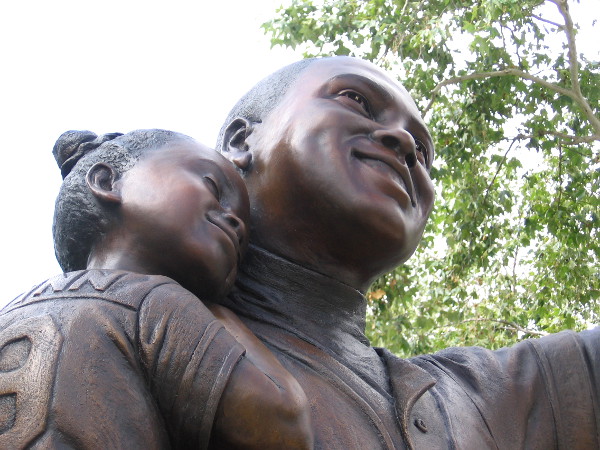
More impressively, he would win the hearts of many in the community. He was beloved by friends and family and surfers all over; he mentored future champions; and he even taught his friend, San Diego Chargers legend Junior Seau–also an Oceanside resident–how to surf.
Surfer Magazine named Donald Takayama one of 25 surfers who changed the sport. He has been inducted into the International Surfboard Builder Hall of Fame.
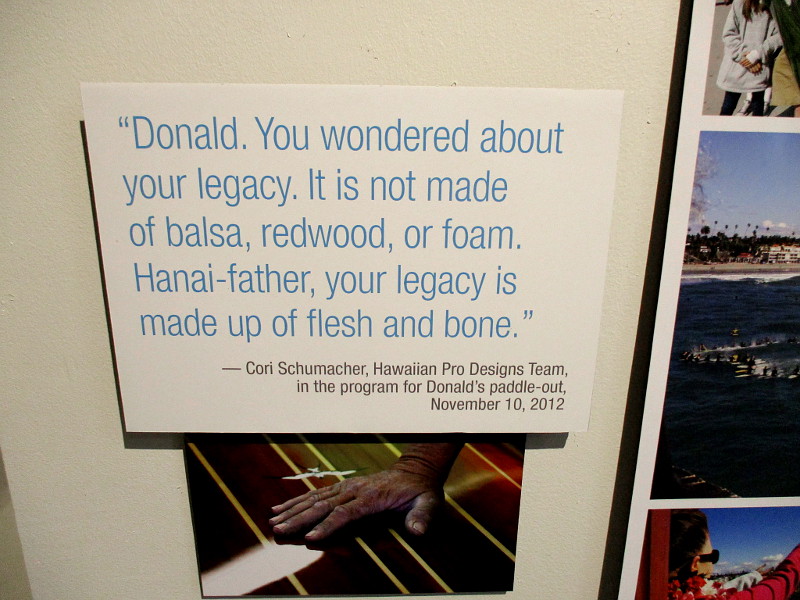
Visitors to the California Surf Museum will observe how one person changed the world around him in so many positive ways. They will see the enduring achievements of a great man.
…
I live in downtown San Diego and love to walk around with my camera! You can follow Cool San Diego Sights via Facebook or Twitter!
There’s a cool new mural in Normal Heights, near the northeast corner of Adams Avenue and 32nd Street, that I believe was painted a couple months ago. It’s by San Diego artist Jonathan Wenner aka Unity (@unity1980).
I really like Unity’s style. It’s very unique, fresh and engaging. One can gaze at his artwork for a long while, and see more and more little details.
Does his style seem familiar? Unity also painted that cool Humphrey Appliance mural on Adams Avenue a few blocks to the east. You can see photos of that mural by clicking here!
…
I live in downtown San Diego and love to walk around with my camera! You can follow Cool San Diego Sights via Facebook or Twitter!
Well, back in the mid-19th century, in early San Diego, doing the laundry was a very big pain!
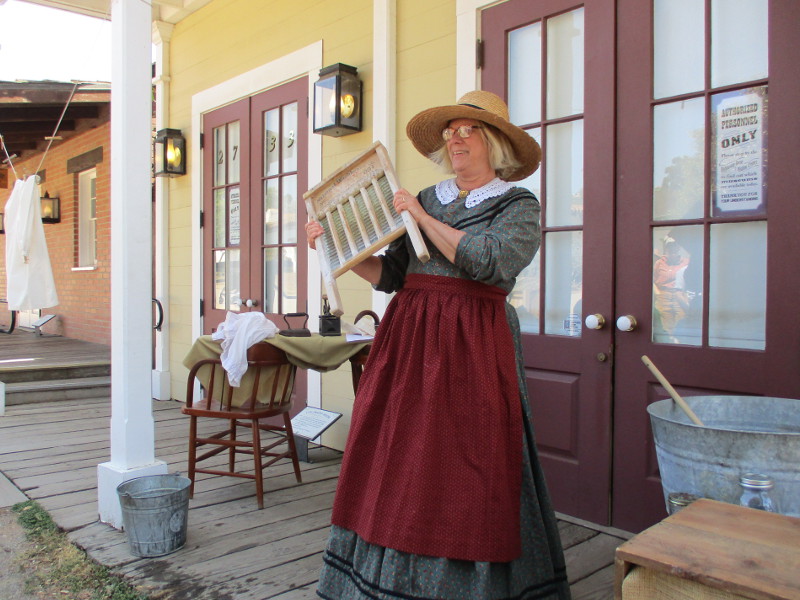
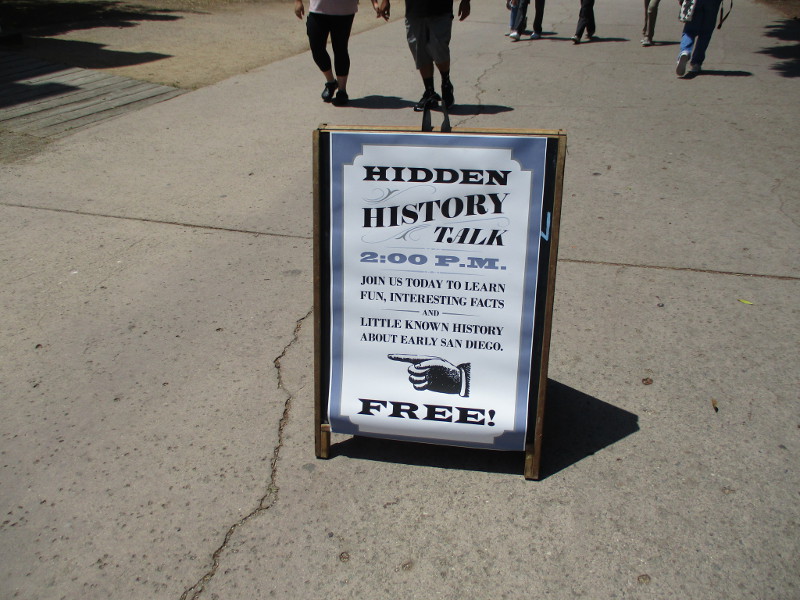
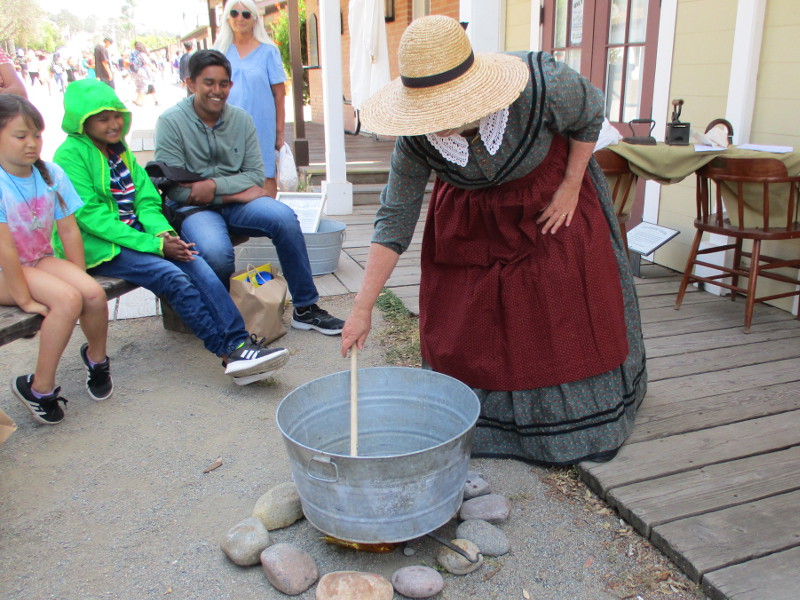
Last weekend I enjoyed listening to a Hidden History talk in Old Town San Diego State Historic Park about the difficulty of cleaning clothes before the advent of handy-dandy push-button washing machines.
Wash day was actually a three day project that began with walking down to the San Diego River multiple times while carrying a bucket. About 50 gallons would be required.
In dusty Old Town, with livestock running around, clothes would get really filthy. The sorting process included the consideration of material–often cotton or wool–and filthiness. After sorting came spot cleaning with lye soap (made by boiling wood ash) and borax (brought in from the desert).
Then clothes and under garments would be generally cleaned with boiling hot water in a big tub using a wooden paddle (for stirring) and washboard (possibly imported to the isolated, undeveloped town by ship) for scrubbing. (My arms are sore just thinking about it!)
Yes, then the hanging out to dry–fortunately San Diego has a warm, dry climate.
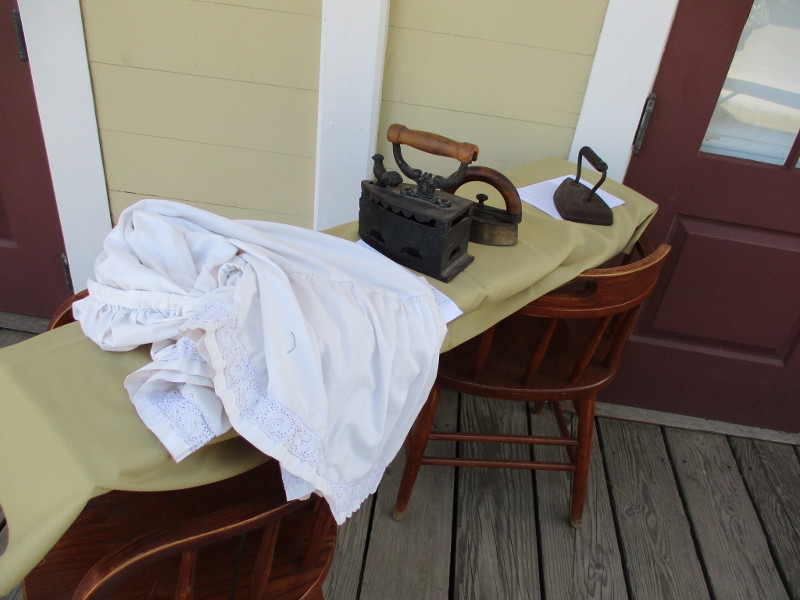
And then the ironing.
You had to prep the iron by scraping the bottom, put it on a stove and heat it to just the right temperature so you don’t burn yourself or the clothes, then more arm work. Later irons were more fancy–you could put coals in them. Just don’t get the ash from the coals on the clothes!
In those days, doing the laundry was a job designated for women. The process was so long and involved, they usually wouldn’t cook on wash days. Food for the family would be prepared in advance.
In 1860 San Diego had 4 dedicated laundresses–indigenous and Irish women. In 1870, when San Diego’s population had grown to 2300, there were 32, including Chinese immigrants who were then arriving in California.
That’s a hasty summary of the Hidden History talk, which everyone enjoyed as we sat on a pleasant Saturday in front of the State Park’s historic Colorado House.
On Sunday I threw my dirty clothes into a washing machine, added detergent from a plastic bottle and pressed a button. Transferring my clothes to the drier was oh-so difficult!
I tried to take good notes, but don’t rely on what I’ve written here as 100% accurate. If you’re doing research and came upon this blog post, make sure to read other sources!
…
I live in downtown San Diego and love to walk around with my camera! You can follow Cool San Diego Sights via Facebook or Twitter!
This blog now features thousands of photos around San Diego! Are you curious? There’s lots of cool stuff to check out!
Here’s the Cool San Diego Sights main page, where you can read the most current blog posts. If you’re using a phone or small mobile device, click those three parallel lines up at the top–that opens up my website’s sidebar, where you’ll see the most popular posts, a search box, and more!
To enjoy future posts, you can also “like” Cool San Diego Sights on Facebook or follow me on Twitter.
Checking out dozens of museums around San Diego for free? That would be better than good! That would be great!
If you’re presently a member of a museum in San Diego County, there’s a good chance you qualify for The Big Exchange.
What’s that?
During the San Diego Museum Council’s special The Big Exchange event, which is now underway and lasts through May 18, 2022, anyone who is a member of a participating institution qualifies for free reciprocal admission to over 40 museums, historic sites, gardens, and more throughout San Diego County!
Whoa! How cool is that?
I’m already taking advantage of The Big Exchange! You should, too!
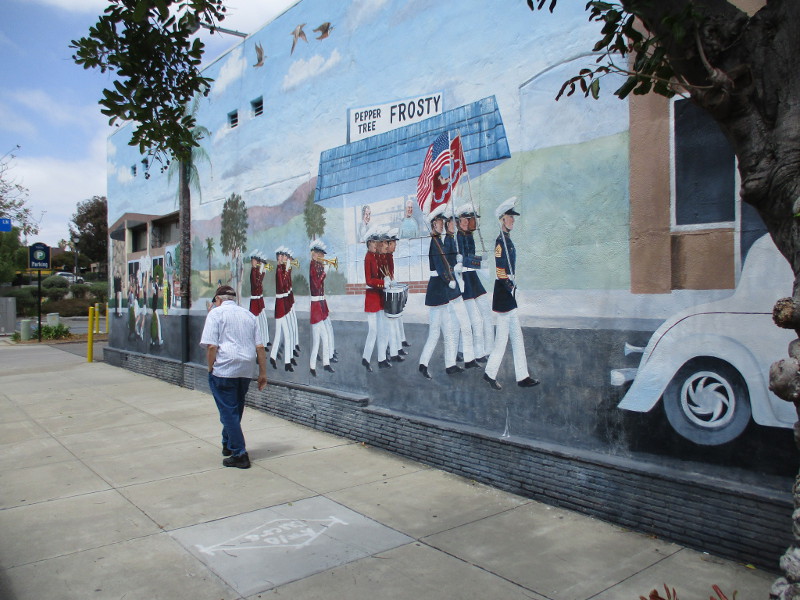
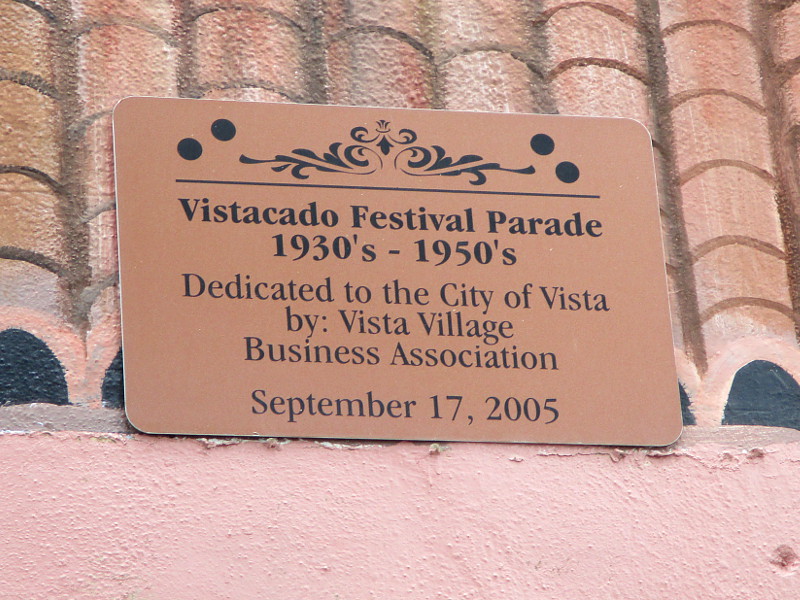
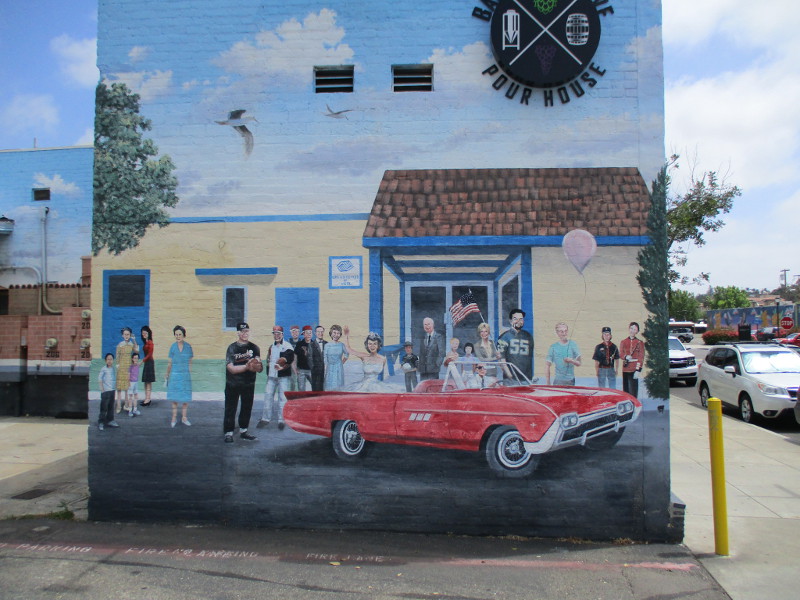
A nostalgic mural in downtown Vista, California depicts an annual community parade held in the 1930’s to 1950’s.
One recently restored end of the Vistacado Festival Parade mural, originally painted in 2005 by artist Clayton Parker, decorates the exterior of Barrel & Stave Pour House, near the corner of Main Street and Indiana Avenue.
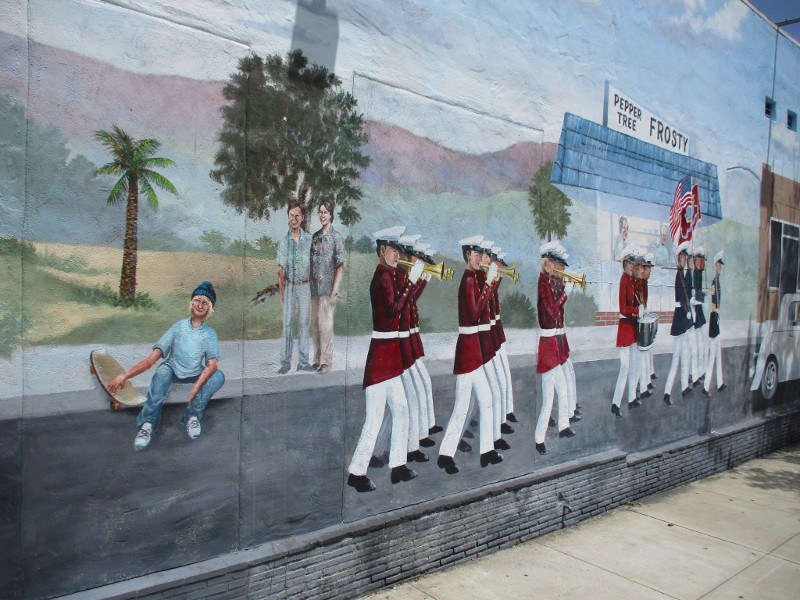
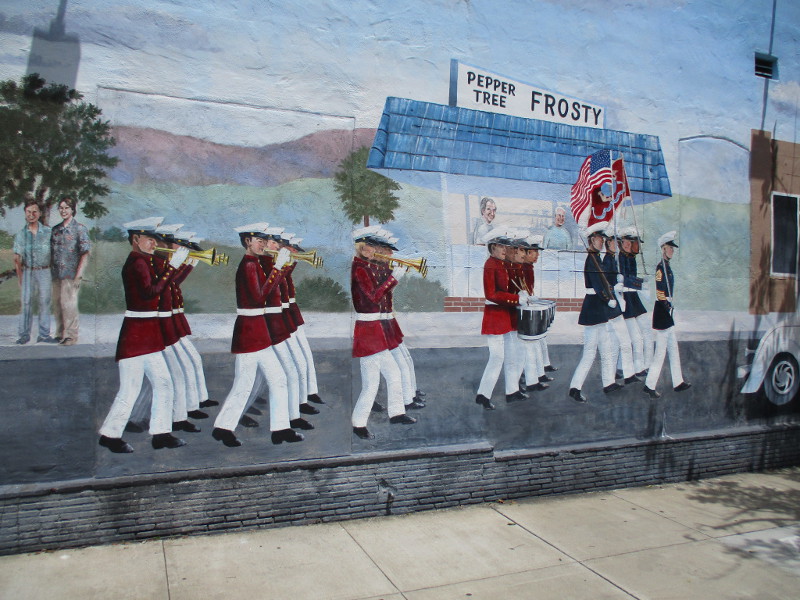
The parade seems to proceed around the building. There are cool old cars, a marching band, cheerleaders, young baseball players, dignitaries, and even walking avocado mascots!
I smiled when I saw the mural includes an image of Pepper Tree Frosty, which I blogged about yesterday here!
This parade artwork is actually one small part of a much, much longer historical mural that runs 564 feet along Vistacado Lane between North Indiana and Michigan Avenue. The entire stretch of artwork has been recognized as Guinness World Record longest continuous mural!
I glimpsed the very long, somewhat faded artwork down Vistacado Lane during my walk yesterday, and in retrospect I should have photographed all of it. I’ll hopefully remember to do that on my next visit to Vista.
I learned about the longer mural when I read this article. It explains how the original artist, Clayton Parker, restored the portion you see in these photographs back in 2020.
UPDATE!
I later returned to Vista to photograph the entire length of the world record historical mural. You can see those photos here!
…
I live in downtown San Diego and love to walk around with my camera! You can follow Cool San Diego Sights via Facebook or Twitter!
You can easily explore Cool San Diego Sights by using the search box on my blog’s sidebar. Or click a tag! There are thousands upon thousands of photos for you to enjoy!
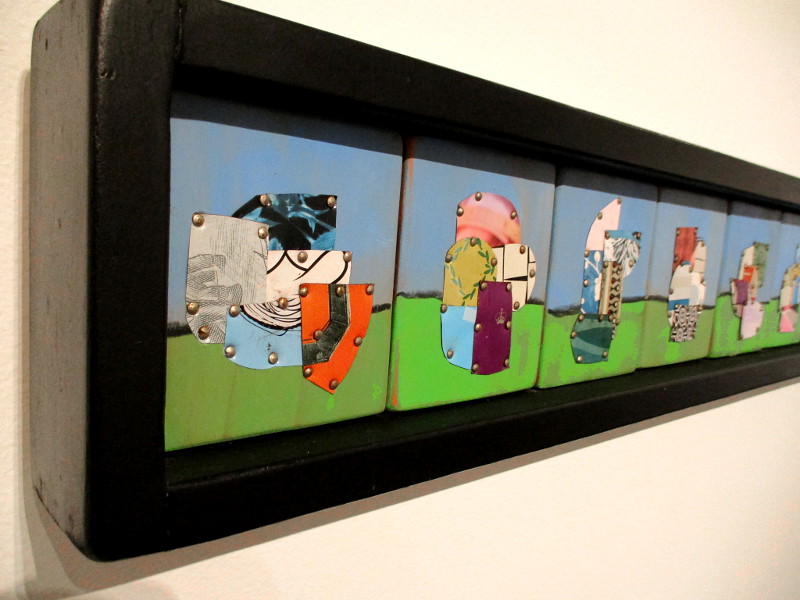
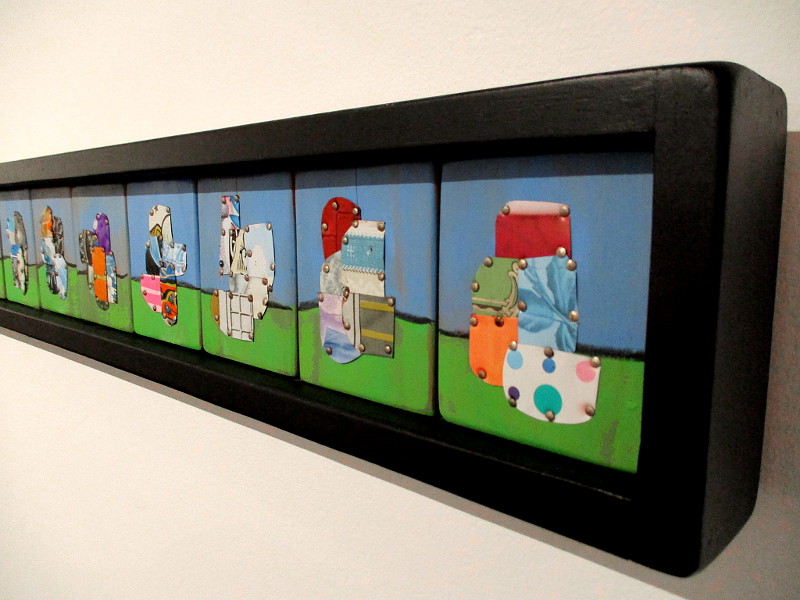
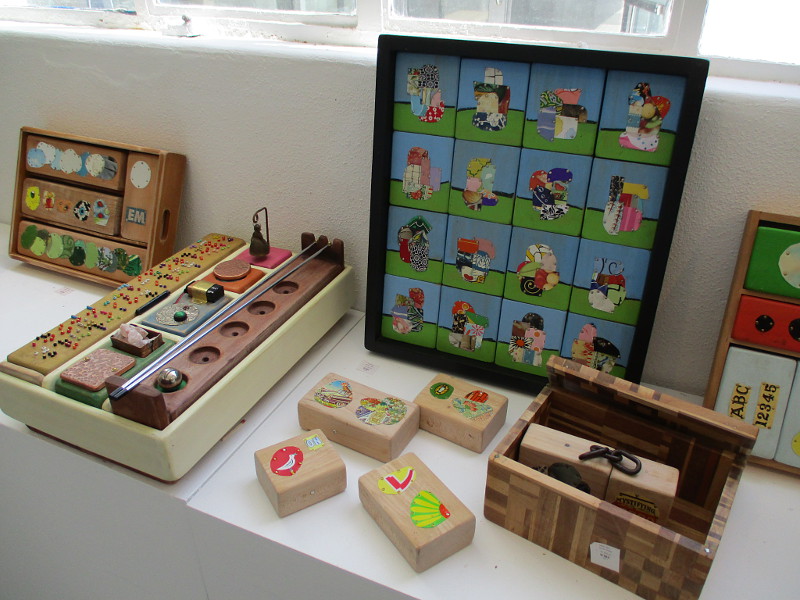
What does a Perfect Day look like in Oceanside? To find out, you should visit the Oceanside Museum of Art!
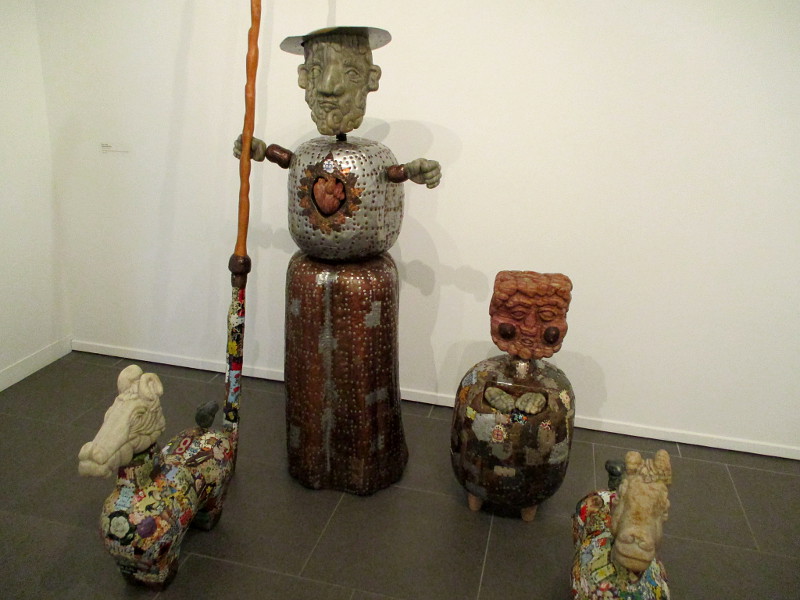
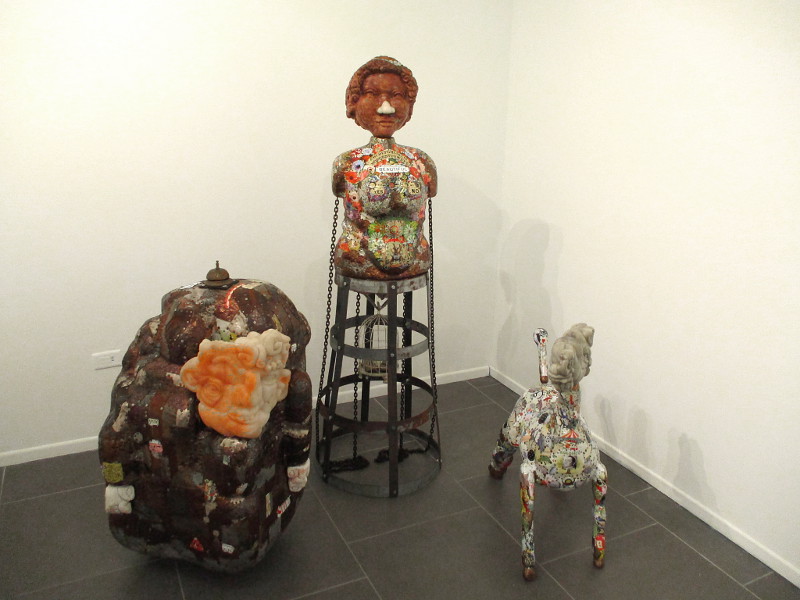
In one museum gallery, the exhibited art of James E. Watts not only includes the above Perfect Day Blocks, but numerous other visual stories!
Here’s how the story of one Perfect Day begins…
…and how that Perfect Day ends.
Here’s the story of Frankenstein and his monster creation…
…and the story of Don Quixote, Sancho Panza, and two small horses…
…and the story of a female Prometheus…
…and the story of Quasimodo, Esmeralda and a goat.
Do these stories appear familiar? Perhaps you’ve already seen them “written” in James Watts’ little-known downtown San Diego studio: here and here and here.
If that’s the case, you might also recognize a few of these storytelling pieces in the Oceanside Museum of Art’s gift shop…
Art enthusiasts, take note! James Watts is a creative genius and an absolute, 100% original. He’s also a cool guy!
You need to visit the Oceanside Museum of Art to jump into his rich stories firsthand. Do so by July 17, 2022, when JAMES E. WATTS: STORYTELLER turns its last page.
…
I live in downtown San Diego and love to walk around with my camera! You can follow Cool San Diego Sights via Facebook or Twitter!




















 Cool San Diego Sights!