Someone rides a bicycle along B Street during San Diego’s Bike to Work Day.
This morning, on my way to catch the trolley downtown, I saw lots of people heading to work by bicycle. Today was Bike to Work Day in San Diego!
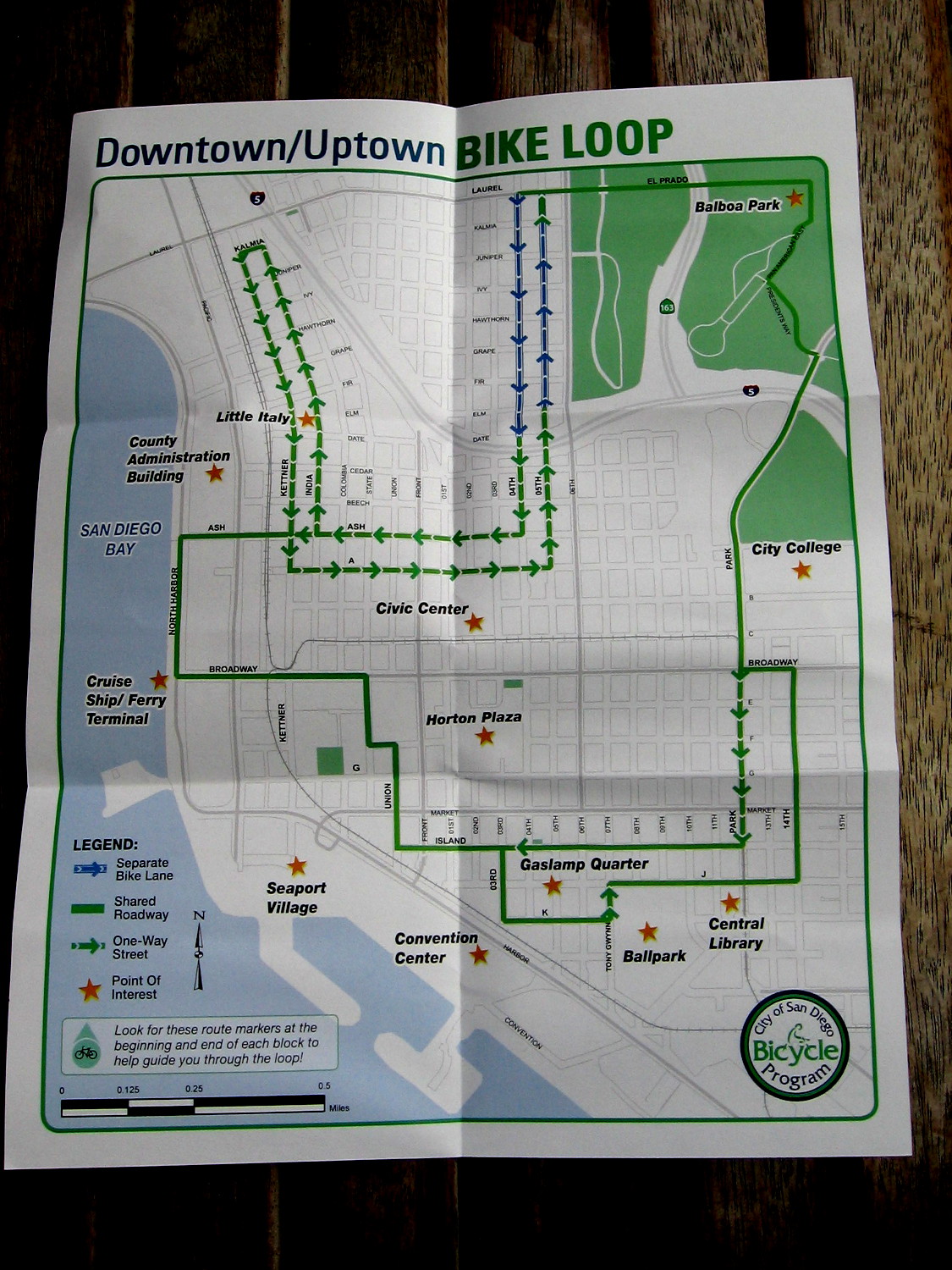
I snapped a few photos just for the fun of it. I also took a photo of a cool map showing designated places to bike in San Diego’s downtown and uptown areas. Make copies of it for your own use if you’d like!
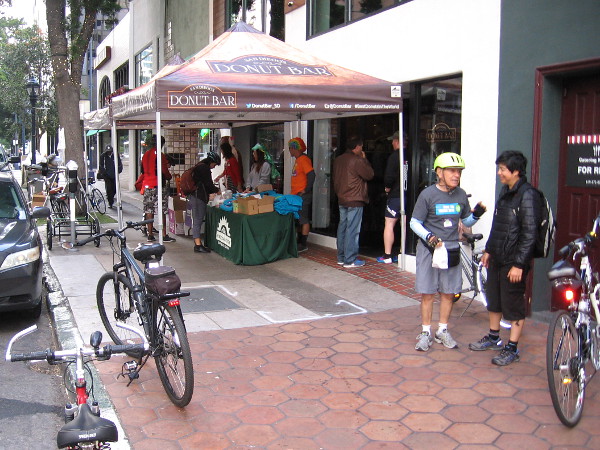
The Donut Bar had a Bike to Work Day pit stop in downtown San Diego. Many morning riders swung on by.There were tables full of goodies for those who commuted to work by bike.Another pit stop at Civic Center Plaza. The City of San Diego has a special program that encourages bicycling.A map of the San Diego downtown and uptown bike loop. (Click image to enlarge.)Even a blogger who is more into walking received big smiles!
…
I live in downtown San Diego and love to walk around with my camera! You can follow Cool San Diego Sights via Facebook or Twitter!
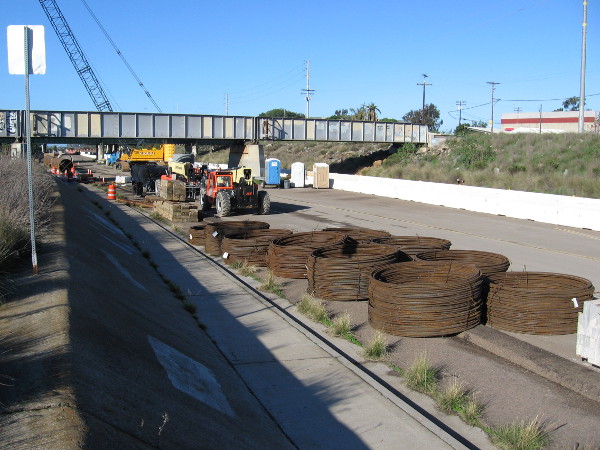
A crane and huge pipes on Friars Road near the site of the San Diego River Double Track (SDRDT) project.
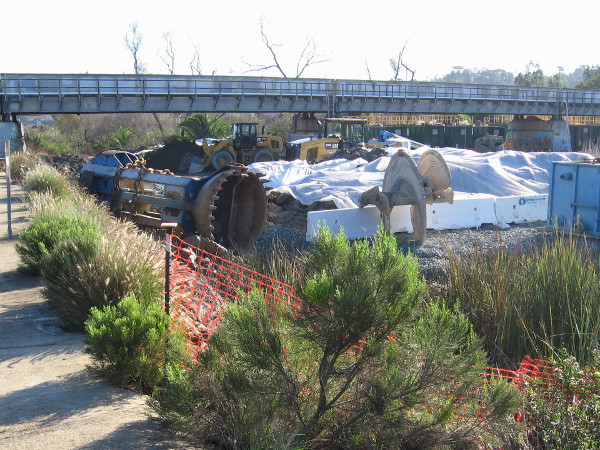
Here are some interesting photos! A new railroad bridge is being installed across the San Diego River just north of the Old Town Transit Station, allowing the Coaster and Pacific Surfliner trains to run faster and more reliably. This work is called the San Diego River Double Track (SDRDT) project. I’ve watched the progress for several months during my daily trolley commute. This construction is being done ahead of another project to install trolley tracks across the river for the Mid-Coast Trolley Project, which will extend Blue Line service up to UCSD and University Towne Center (UTC) in La Jolla.
I took these photos last Saturday during my walk along Friars Road approaching the San Diego River Estuary. I’m no expert on this construction–I’m just an ordinary citizen who was fascinated by what I saw!
A series of three big storms is beginning in San Diego as I post this. Hopefully the flooding in Mission Valley where I work doesn’t get completely out of hand! I might post photos!
I noticed these huge green tanks along Friars Road.I also saw these huge coils of steel cable.A big pile of dirt by the railroad bridge over the San Diego River where the double track work is taking place.I believe new train tracks will be on the other side of the existing bridge you see in this photo.Passing under the train tracks as I walk along a raised area beside Friars Road.Now I’m looking east at all sorts of construction equipment, gravel and other material.This thing looks like a huge drill! Perhaps its used for boring through the ground, but I’m not sure. If you know anything, leave a comment!
…
I live in downtown San Diego and love to walk around with my camera! You can follow Cool San Diego Sights via Facebook or Twitter!
Monster Energy Supercross is in San Diego next weekend. Some trucks have already arrived for the event at Petco Park.
What a day! I walked like crazy! In the morning I headed down to the historic center of National City in San Diego’s South Bay. I have five blog posts coming this week about National City, featuring public art, some really cool street art, and a handsome collection of historic buildings. After my walk around National City, I took the trolley back to the 12th and Imperial station, and commenced a slow walk up the Embarcadero. I took my sweet time because the Martin Luther King, Jr. Day Parade would be held farther up the Embarcadero later in the afternoon. Yes–I’m going to blog about the parade, too!
But first, here are some photos from my relaxing walk. During the winter months fewer people are about, and few boats are out on the bay. The air is a bit cooler, but the sun still likes to peek through. It’s San Diego.
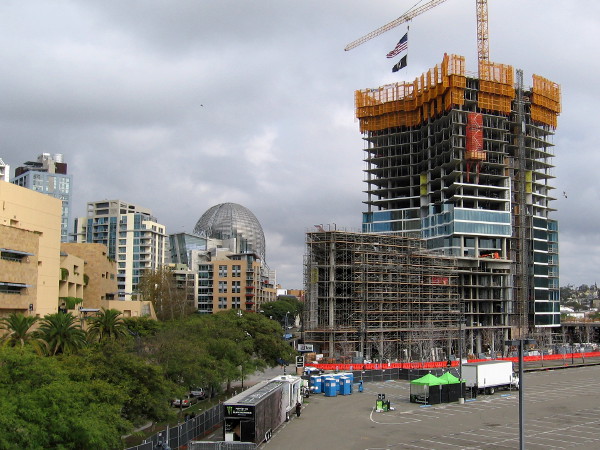
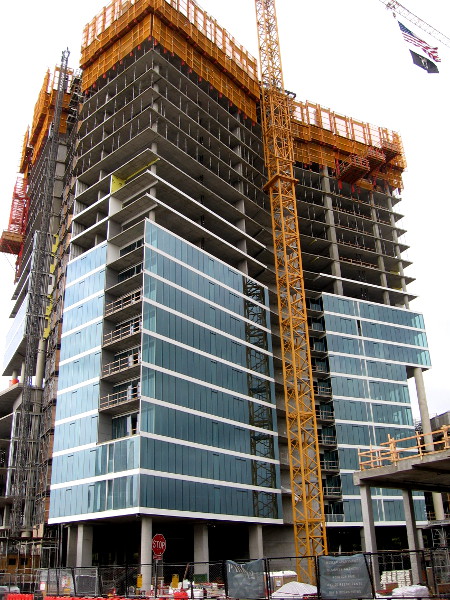
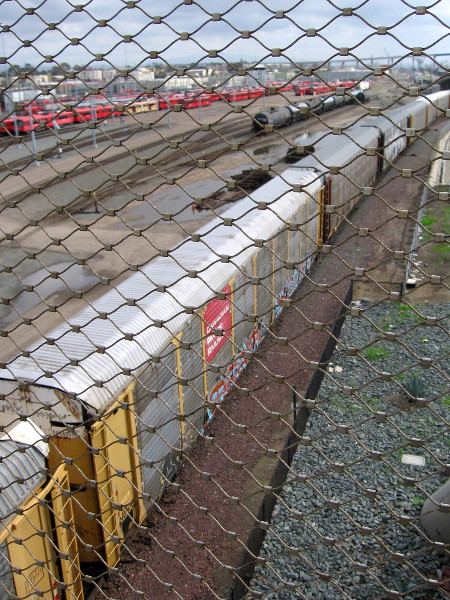
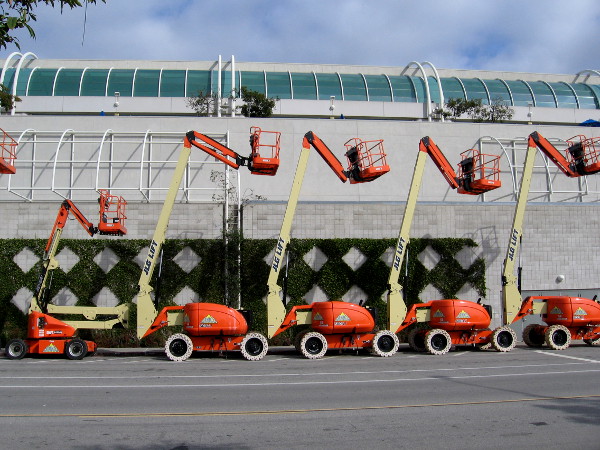
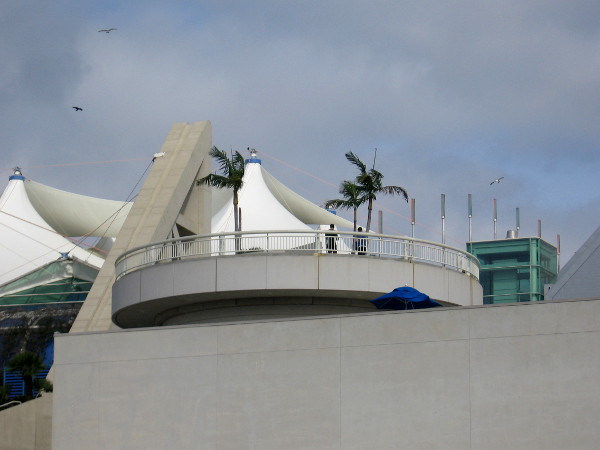
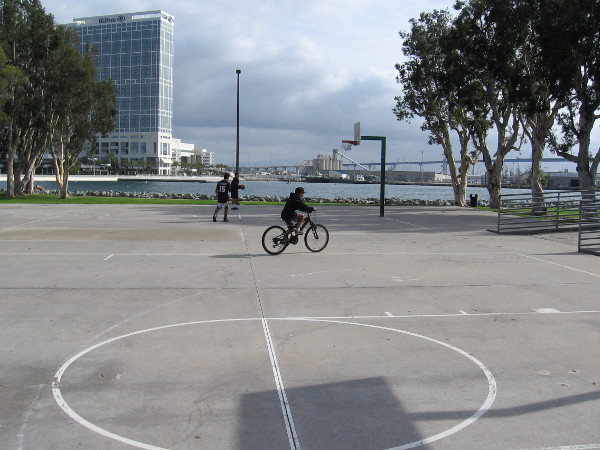
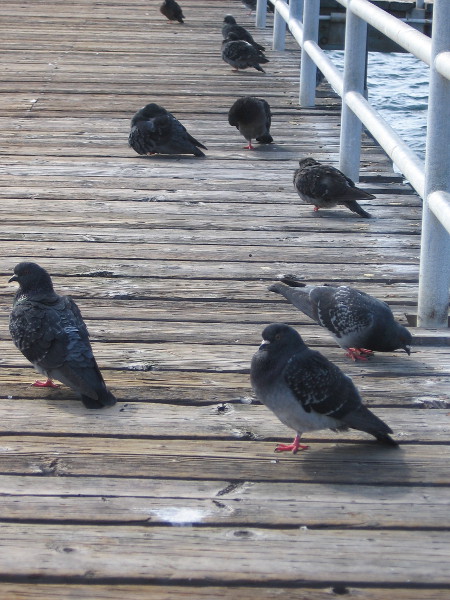
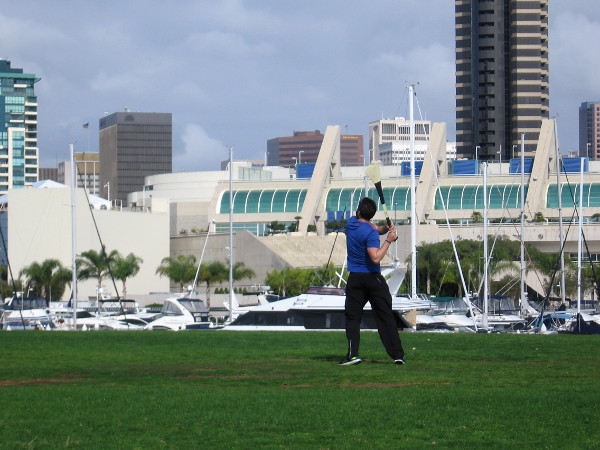
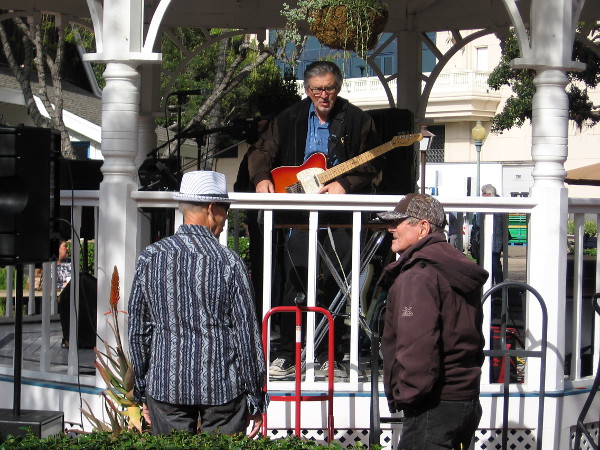
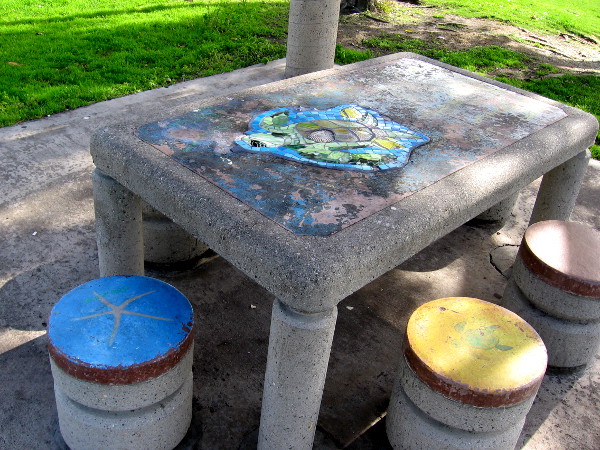
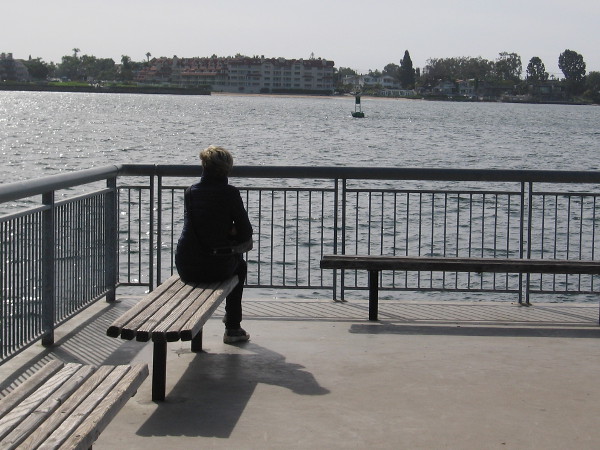
The new Park 12 luxury apartment building is taking shape just east of Petco Park.Gazing down from the Harbor Drive pedestrian bridge at a long freight train and the edge of the trolley yard.If you live on the West Coast and eat bananas, they probably arrived on a Dole cargo ship at San Diego’s Tenth Avenue Marine Terminal.Engine powered articulating boom lifts in a row behind the San Diego Convention Center.The high masts of super yachts rise behind the convention center into the sky.People and birds can enjoy a view of the San Diego Bay from atop the convention center.Two basketball players and a bicyclist. It’s a fairly quiet day at Embarcadero Marina Park South.Railing creates patterns at the park’s gazebo. Picnic benches are empty this quiet winter Sunday.Pigeons on the pier are taking it easy.A fine day to bat at a ball.Or to catch a wayward ball.Or to just walk along.Or dangle.Visitors to San Diego check out a map of the Embarcadero.These guys must own a boat docked at the Marriott Marina.A couple enjoys outdoor conversation at Seaport Village’s San Pasqual Wine Tasting Room.Member of the Cat-illacs band chats with folks at Seaport Village’s East Plaza Gazebo.Colorful but weathered picnic table at Embarcadero Marina Park North is the remnant of public art from years ago.Several years ago–I forget how long exactly–the picnic benches near the water at Embarcadero Marina Park North were all decorated with colorful tile artwork. This is all that now remains.A quiet day on the bay. A good time to meditate, relax.Just kicking back.
…
I live in downtown San Diego and love to walk around with my camera! You can follow Cool San Diego Sights via Facebook or Twitter!
Stagecoach on display at the Wells Fargo History Museum in Old Town San Diego State Historic Park.
I recently visited the Wells Fargo History Museum in Old Town. The exhibits inside concern early San Diego history. When our city was in its infancy, Wells Fargo ran a stagecoach line, and their Express Office was an essential part of local business life.
I took loads of photos in this very cool museum. Read the captions to learn much more!
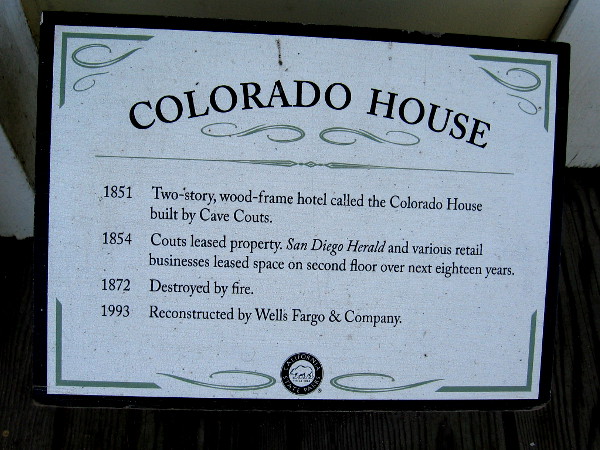
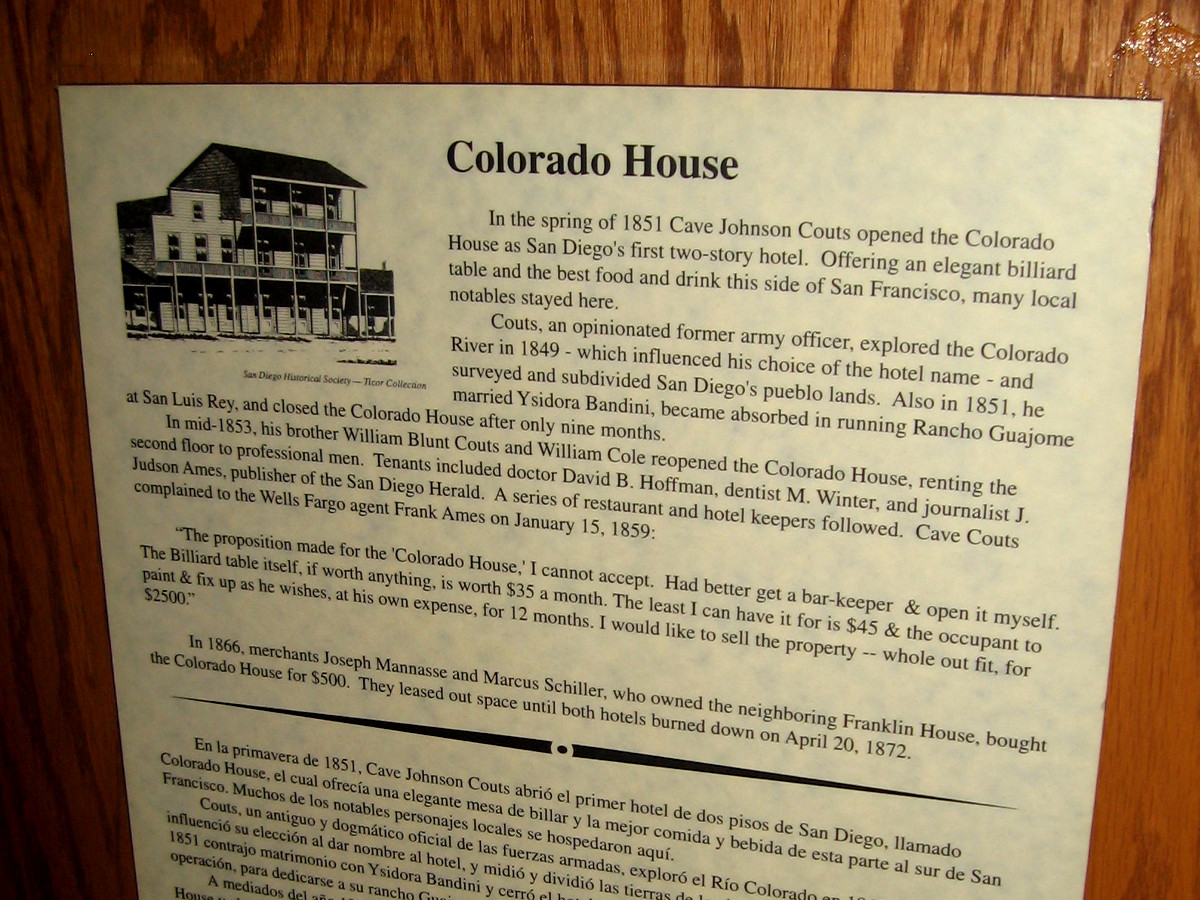
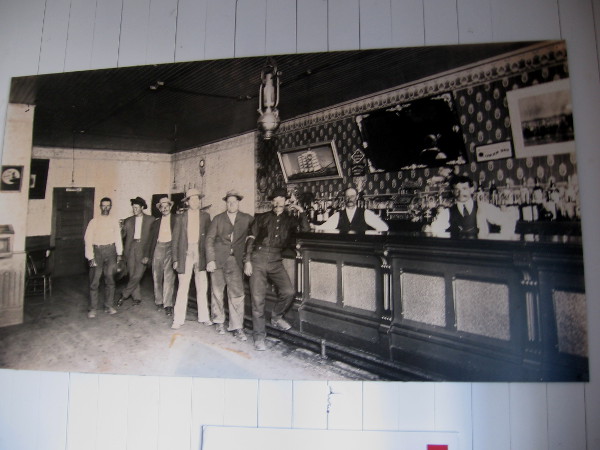
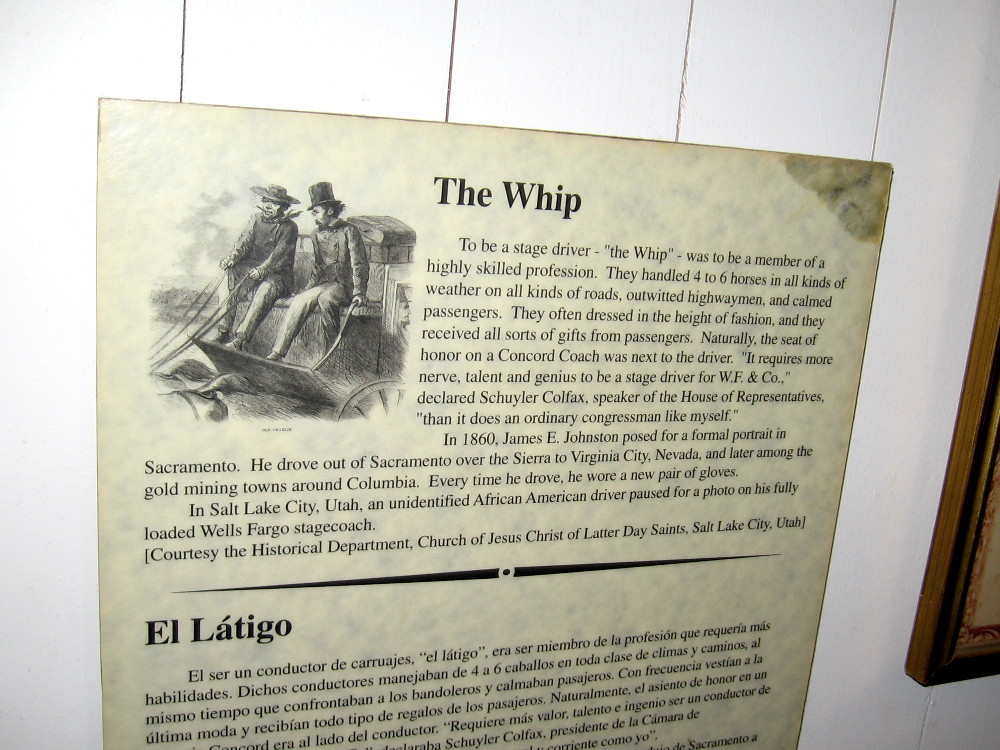
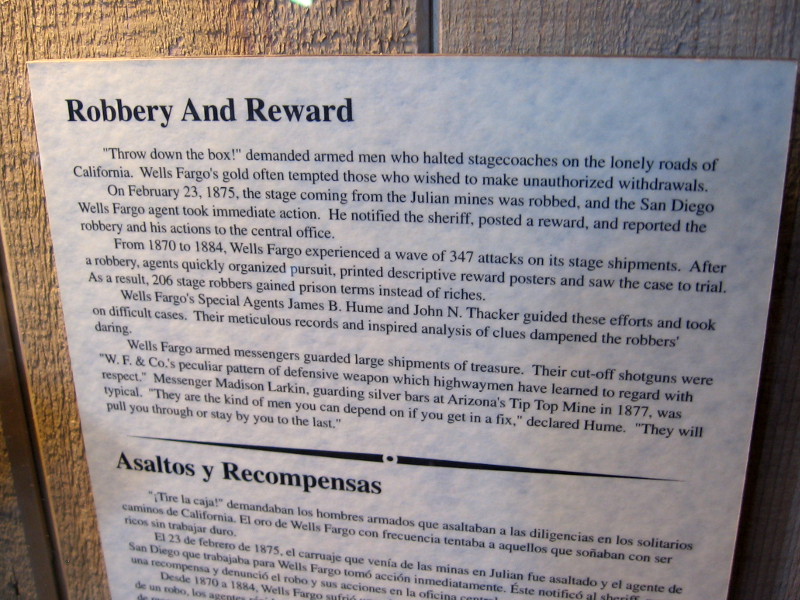
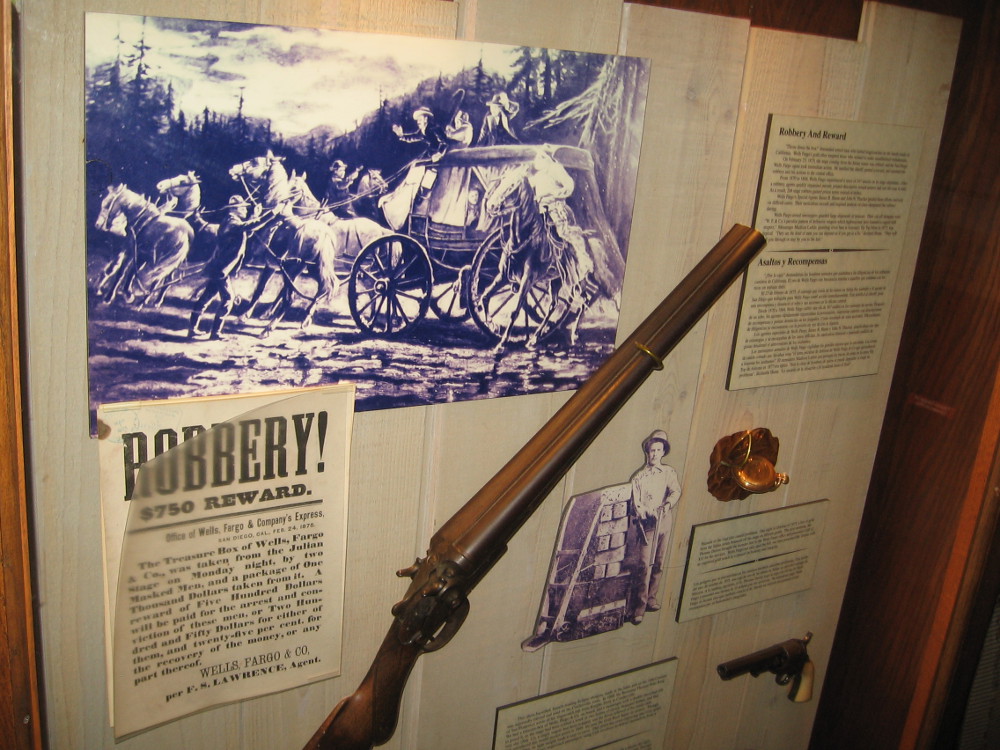
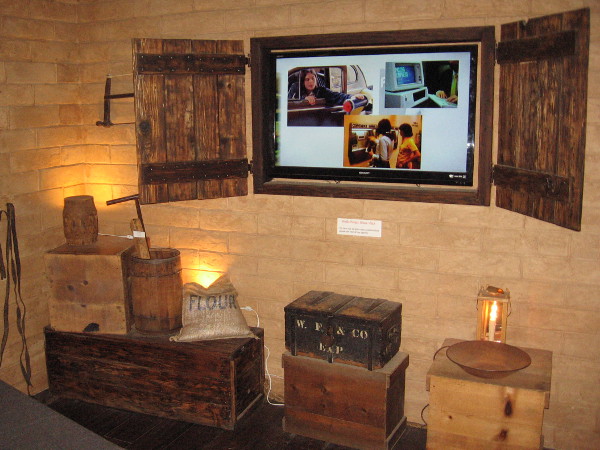
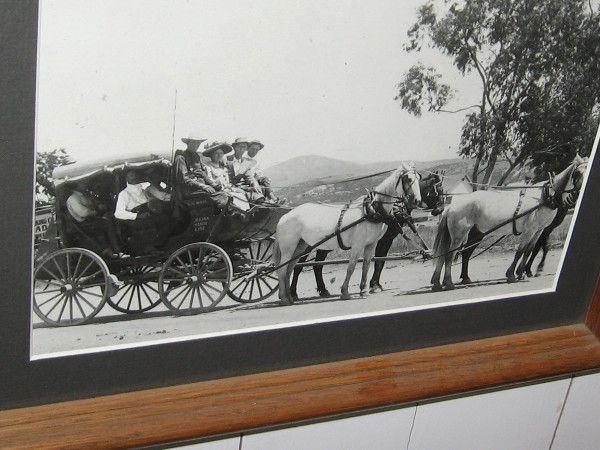
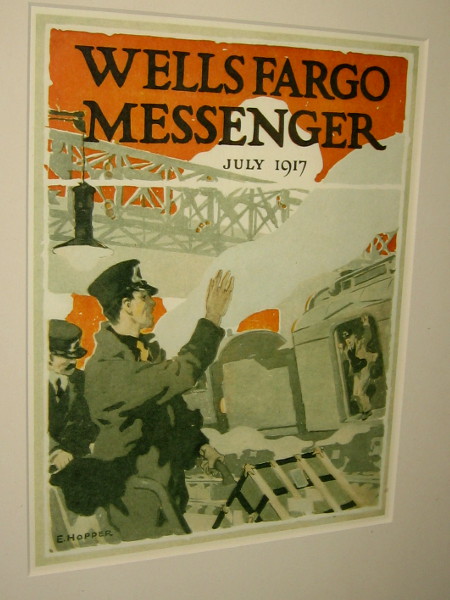
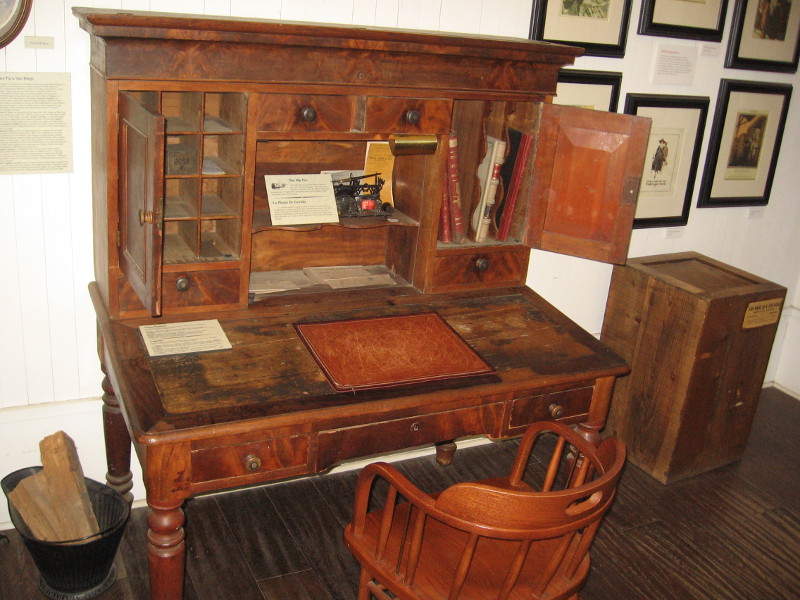
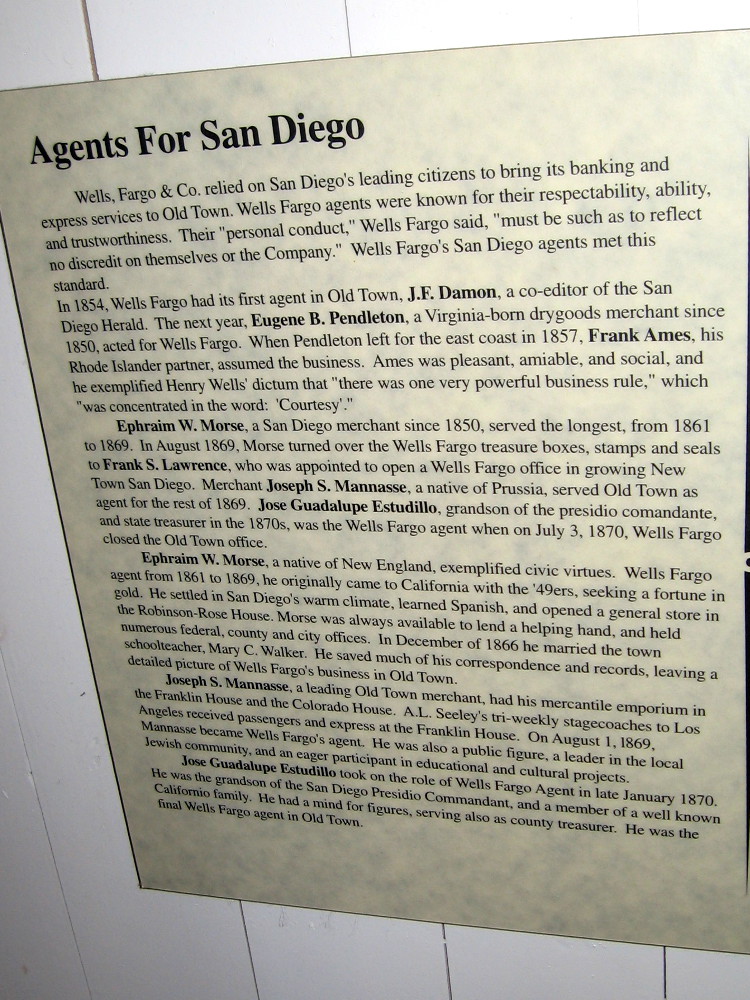
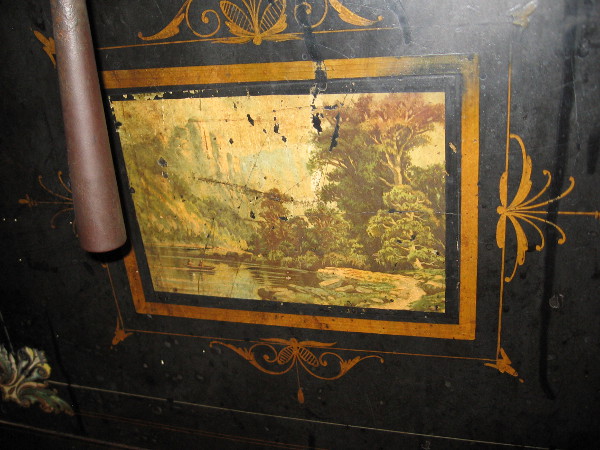
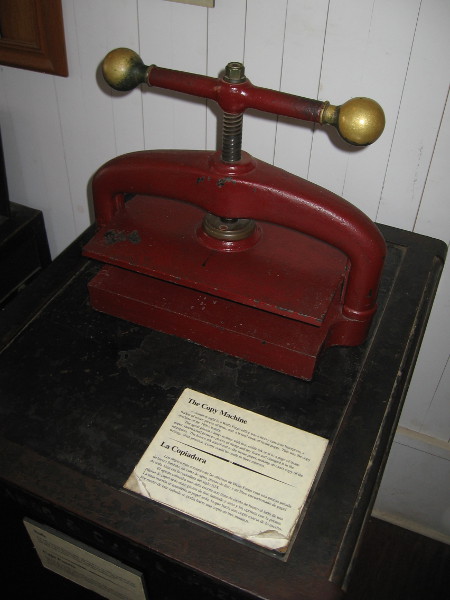
The restored Colorado House in Old Town San Diego is home to a fascinating Wells Fargo museum.The two-story, wood frame hotel called the Colorado House was built in Old Town San Diego in 1851 by Cave Couts. The original building was destroyed by fire in 1872.The Wells Fargo History Museum in San Diego is open daily from 10-5. Admission is free!Tourists in Old Town check out an iconic red Wells Fargo stagecoach, which transported mail, gold, goods and passengers in the Old West.Old photo on video screen shows the Wells, Fargo and Co’s Express Office in downtown San Diego, in 1911.Historical artifacts in a glass display case include books, bottles and a photo of Cave J. Couts.In the spring of 1851 Cave Johnson Couts opened the Colorado House as San Diego’s first two-story hotel. It had an elegant billiard table and fine food.Old photograph shows bar and patrons in Colorado House.Antique telegraph key once used to send messages and money across the continent.Colorful mural high on one wall shows a small town by a blue bay. I believe I recognize many buildings in Old Town.Article from the Omaha Herald published in 1877 provides Hints for Plains Travelers. When the driver asks you to get off and walk, do it without grumbling!Old plaque in the museum: Silas St. John carried the first eastbound overland mail out of San Diego, from Carrizo Creek to Fort Yuma, November 16, 1857. On September 9, 1858, in a lone-handed defense of the Butterfield-Wells Fargo Overland Stage station at Dragoon, Arizona, St. John was horribly wounded and lost his left arm. He recovered to continue in Wells Fargo service. Of his stuff the West was made.To be a stage driver–the Whip–was to be a member of a highly skilled profession. They handled 4 to 6 horses in all kinds of weather on all kinds of roads, outwitted highwaymen, and calmed passengers.Passengers on board the Overland Mail Company stages were allowed 40 pounds of baggage.Advertisement shows Ladies’ and Gentlemen’s traveling trunks and valises, also packing trunks of every description.Map shows the historic Butterfield Overland Mail Route. Wells Fargo’s experience in Western transportation led it to finance and eventually run the Butterfield stage line’s operations in the west. (Click image to enlarge.)On February 23, 1875, the stage coming from the Julian mines was robbed, and the San Diego agent took action. He immediately notified the sheriff, posted a reward, and reported the robbery and his actions to the central office.Cool display inside the Wells Fargo History Museum in Old Town San Diego shows how stagecoaches and their cargo were protected from bandits.The most infamous stage robber was Black Bart. He left bits of poetry and called himself the “Po8” to distance himself from the common thief. He robbed 28 stagecoaches from 1875 to 1883. Once identified, authorities learned he was actually Charles E. Boles, a “respectable” mine owner!A museum recreation of the Vallecito Stage Station, a stop on the Overland Mail Company’s southern route, 1858-1861. Thick adobe walls provided relief from desert heat.Table in the stage station used for rest, serving food and games of cards to pass the time.Gold was discovered at Julian in San Diego’s mountains, triggering a small rush into the area.Miners from placer diggings on the Colorado River and hard-rock mines at Julian brought their gold dust and bars to the Wells, Fargo and Co. agency in Old Town San Diego.The Julian Stage Line carried miners and other passengers to this gold mining town in east San Diego County.Cover of the Wells Fargo Messenger, dated July 1917.Wells Fargo published a monthly magazine calls the Wells Fargo Messenger between September 1912 and June 1918. Edward Hopper, an illustrator, went on to become a famous American realist painter.On her travels she uses Wells Fargo Checks.Cover of the Wells Fargo Messenger, dated April 1918.Antique desk used by a Wells Fargo agent.During a typical day, a Wells Fargo agent saw many types of business, reflecting the Company’s varied and essential services.Nooks in this desk hold dip pens, receipts, letters and accounting ledgers.Wells Fargo agents were known for their respectability, ability, and trustworthiness. The first Old Town agent was J.F. Damon, co-editor of the San Diego Herald.Wells Fargo agent William A. Biglow works in his express office which included an agent’s cabinet and iron safe.A large old letterpress sits atop a cast iron safe. The safe, made by Herring, Hall, Marvin and Co. in 1885, is filled with concrete and weighs over a ton.Some pastoral art on the face of the safe door.The copy machine of the 19th Century. Pressure from this heavy cast-iron letterpress transferred brown ink to tissue paper.A collection of old letters, certificates and small packages exhibited at the Wells Fargo History Museum in San Diego.If you ever visit Old Town San Diego State Historic Park, check out the interesting Wells Fargo History Museum in the Colorado House!
…
I live in downtown San Diego and love to walk around with my camera! You can follow Cool San Diego Sights via Facebook or Twitter!
You can easily explore Cool San Diego Sights by using the search box on my blog’s sidebar. Or click a tag! There are thousands upon thousands of fun photos for you to enjoy!
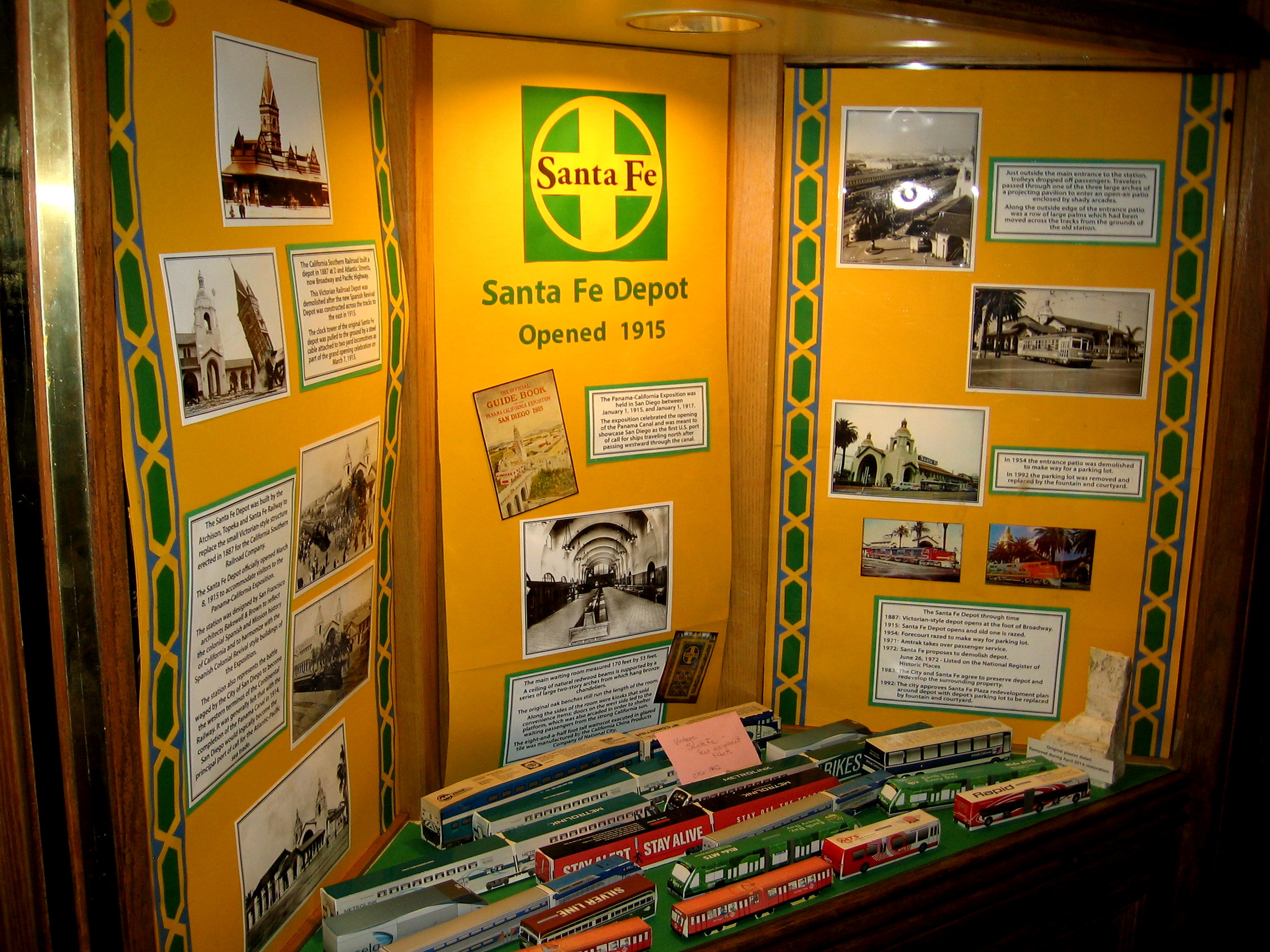
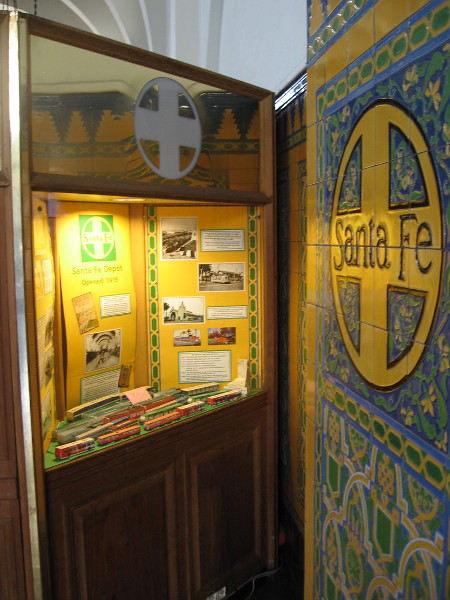
Display inside San Diego’s 1915 Santa Fe Depot. Photos and words provide a glimpse of the train station’s history.
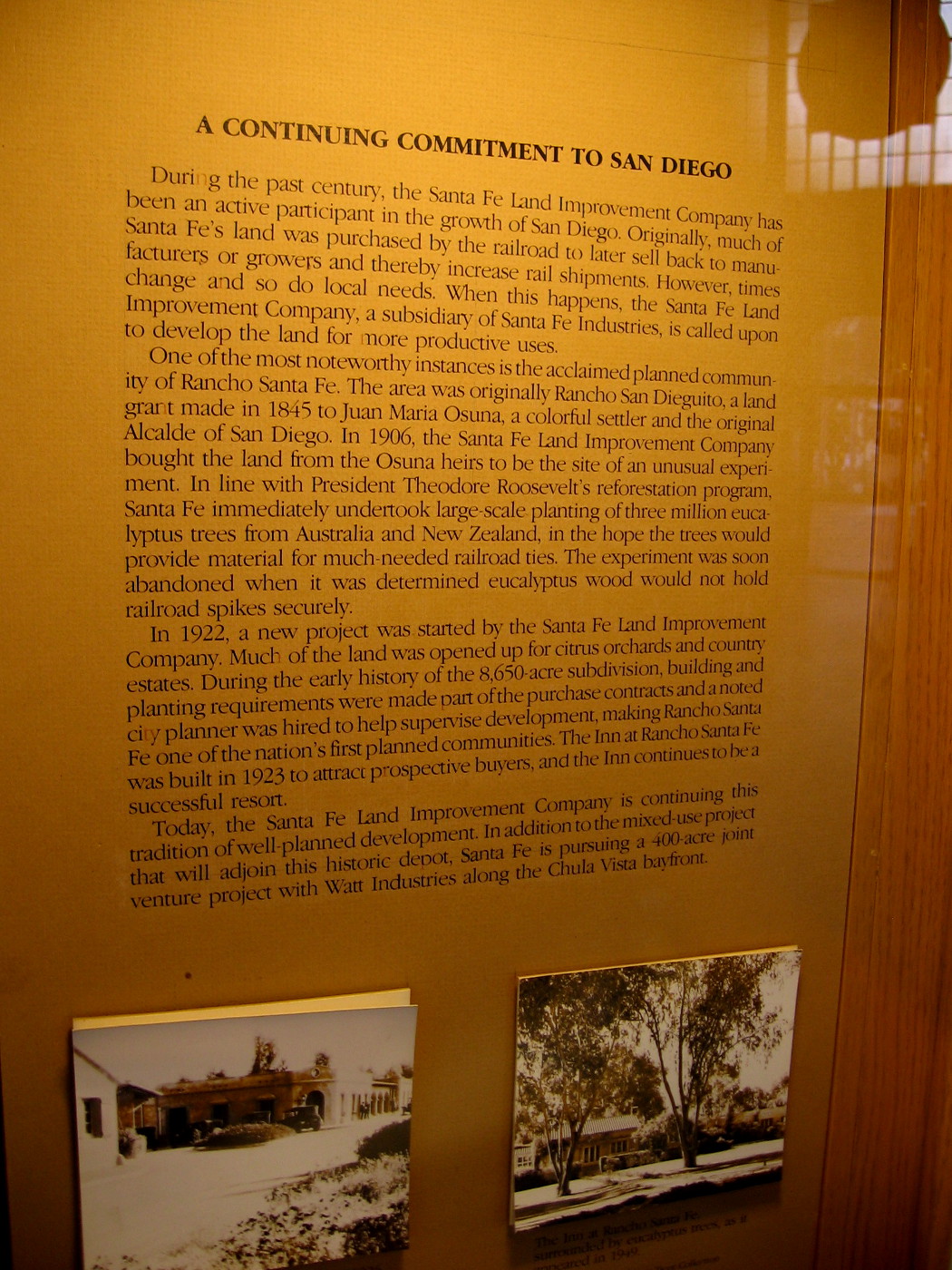
Should you ever step inside downtown San Diego’s handsome Santa Fe Depot, there’s a small exhibit at the information booth worth checking out. Two glass display cases provide a glimpse of the train station’s fascinating history.
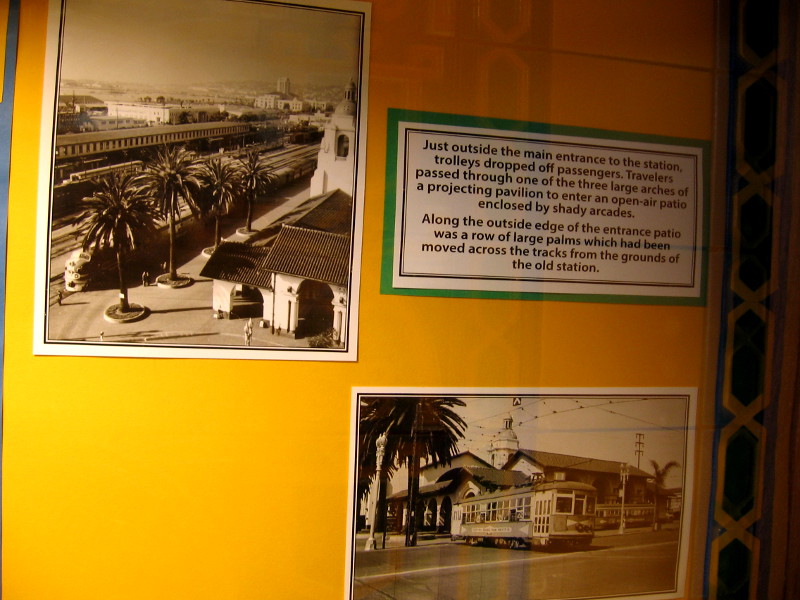
To read the signs, click the images and they will enlarge.
Last year the Santa Fe Depot celebrated its centennial. I blogged about that here!
If you ever visit the Santa Fe Depot in downtown San Diego, swing by this information booth to check out the historical exhibit.Several paragraphs recount the history of the Santa Fe Land Improvement Company and the unique origin of North County community Rancho Santa Fe. Eucalyptus trees make poor railroad ties!In a nook right next to the depot’s wall, beside colorful Santa Fe tilework, one can discover more fascinating information.Graphic shows important dates concerning the Santa Fe Depot. The 1887 Victorian-style depot was razed in 1915 after the new depot opened in time for the Panama-California Exposition in Balboa Park.The train station’s architecture reflects colonial Spanish and Mission history in California; it was designed to harmonize with the Spanish Colonial Revival-style buildings of the 1915 Panama-California Exposition in Balboa Park. A century ago San Diego strove to become the western terminus of the Continental Railway.More fascinating old photos of the Santa Fe Depot, today a San Diego transportation hub serving Amtrak, the Coaster, and the Orange and Green Lines of the San Diego Trolley.Original plaster detail removed during the April 2014 restoration of the southeast tower.
…
I live in downtown San Diego and love to walk around with my camera! You can follow Cool San Diego Sights via Facebook or Twitter!
You can easily explore Cool San Diego Sights by using the search box on my blog’s sidebar. Or click a tag! There are thousands upon thousands of unique photos for you to enjoy!
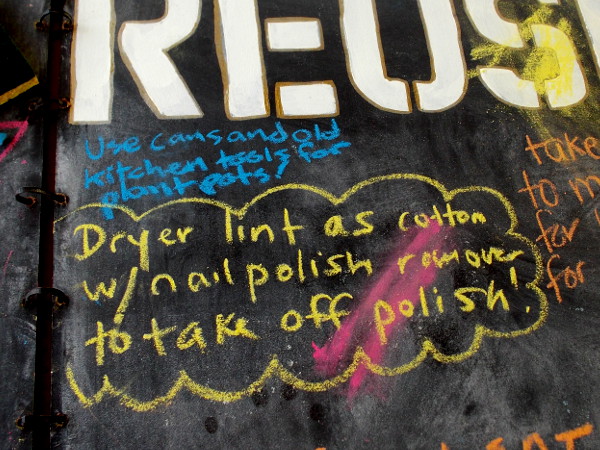
Use cans and old kitchen tools for plant pots! Dryer lint as cotton with nail polish remover to take off polish!
Late this morning, I walked from Cortez Hill to the 2016 EarthFair in Balboa Park. The cool event, corresponding with Earth Day, is the largest annual environmental fair in the world!
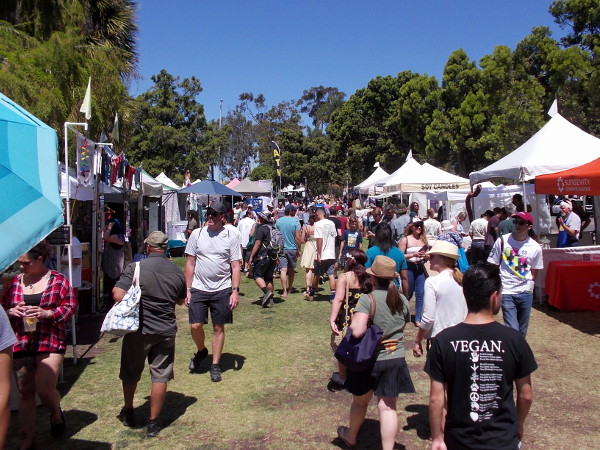
Thousands turned out today for the 2016 EarthFair in Balboa Park. San Diego residents celebrated Earth Day and learned how to help protect the environment.
I blogged about EarthFair the last couple of years and showed you a little bit of almost everything–so this time I decided to take a different, more practical approach. As I walked through San Diego’s garden-like Balboa Park, I searched the many exhibits for useful ideas about things we can do in our daily lives to protect the environment.
Here are a few things I found. Please read the captions! And feel free to share!
1. Ideas for creatively repurposing used household items.
One major theme of EarthFair was re-using and repurposing old items that might otherwise be thrown away. I noted some cool ideas and took pics!
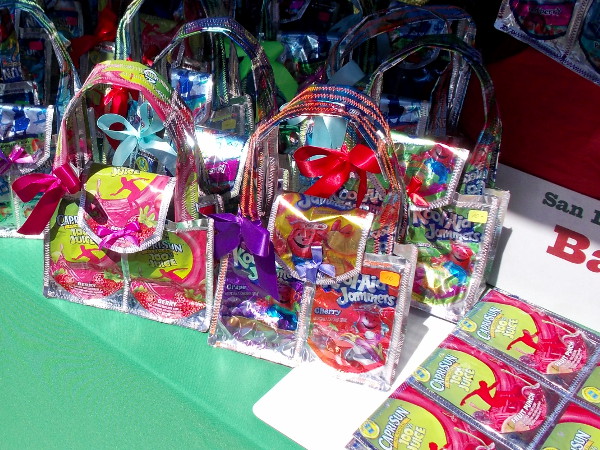
Poster shows many creative repurposing ideas! Click photo to enlarge and read some cool, very unusual ideas that you might try!These shiny, colorful handbags were made from recycled Kool-Aid and Capri Sun packets!Take old clothes to make new clothes for homeless and toys for kids.Recycling vintage fabric into baby bibs.Turn old sweaters into beautiful pillows.People check out the world’s largest festival celebrating Earth Day–EarthFair in San Diego’s sunny Balboa Park!
2. Tasty ways to use up excess fruits and vegetables.
One display created by the County of San Diego provided excellent information about how to use leftover or surplus fruits and vegetables, to avoid unnecessary waste. Those pics came out blurry, so here’s what I noted:
Spinach–add to sandwiches, soups, egg dishes, pasta or smoothies.
Bananas–add to cereal, yogurt or smoothies. Blend frozen bananas with milk and vanilla for a healthy dessert.
Citrus–add to green or fruit salads, soups, pasta or sauces. Add peels to vinegar for a simple household cleaner.
Tomatoes–add to salads, egg dishes, sandwiches or pasta. Use to make fresh salsa, tomato sauce or bruschetta.
Onions–add to salads, soups, egg dishes, sandwiches or stir-fry. Pickle red onions. Make onion preserves.
Peppers–add to sandwiches, salads, egg dishes or stir-fry. Steam and puree to make soup or a sauce for meat or pasta.
Avocados–add to smoothies, salads, sandwiches, egg dishes or baked goods. Spread on toast. Use in pasta sauce with lemon, garlic, oil and basil.
Beets–add to salads, soups or stir-fry. Use roasted beets in place of meat on sandwiches.
Broccoli and Cauliflower–add to salads, soups, egg dishes or stir-fry. Add finely chopped or grated cauliflower to rice.
Berries–add to fruit or green salads, hot or cold cereals, smoothies or yogurt. Use in a fruit salsa served with bread or chips.
Potatoes–add to salads, soups or egg dishes. Use russet potatoes to make potato skins. Use leftover baked potatoes to make hashbrowns.
Corn–add to soups or salads. Use to make a fresh corn salsa. Bake into cornbread or potato pancakes.
3. Things you can do to help protect the environment–and save money!
Here are a few displays I photographed that contained some great advice! Click the photos to enlarge them!
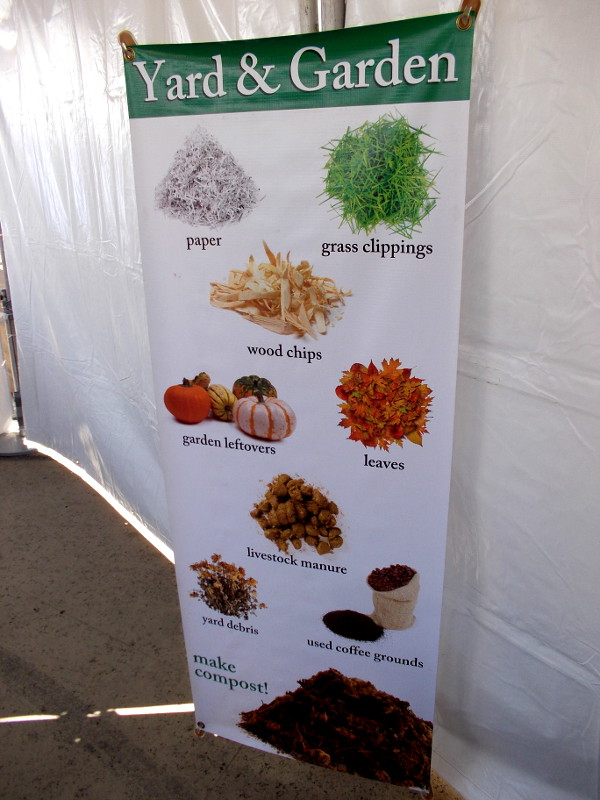
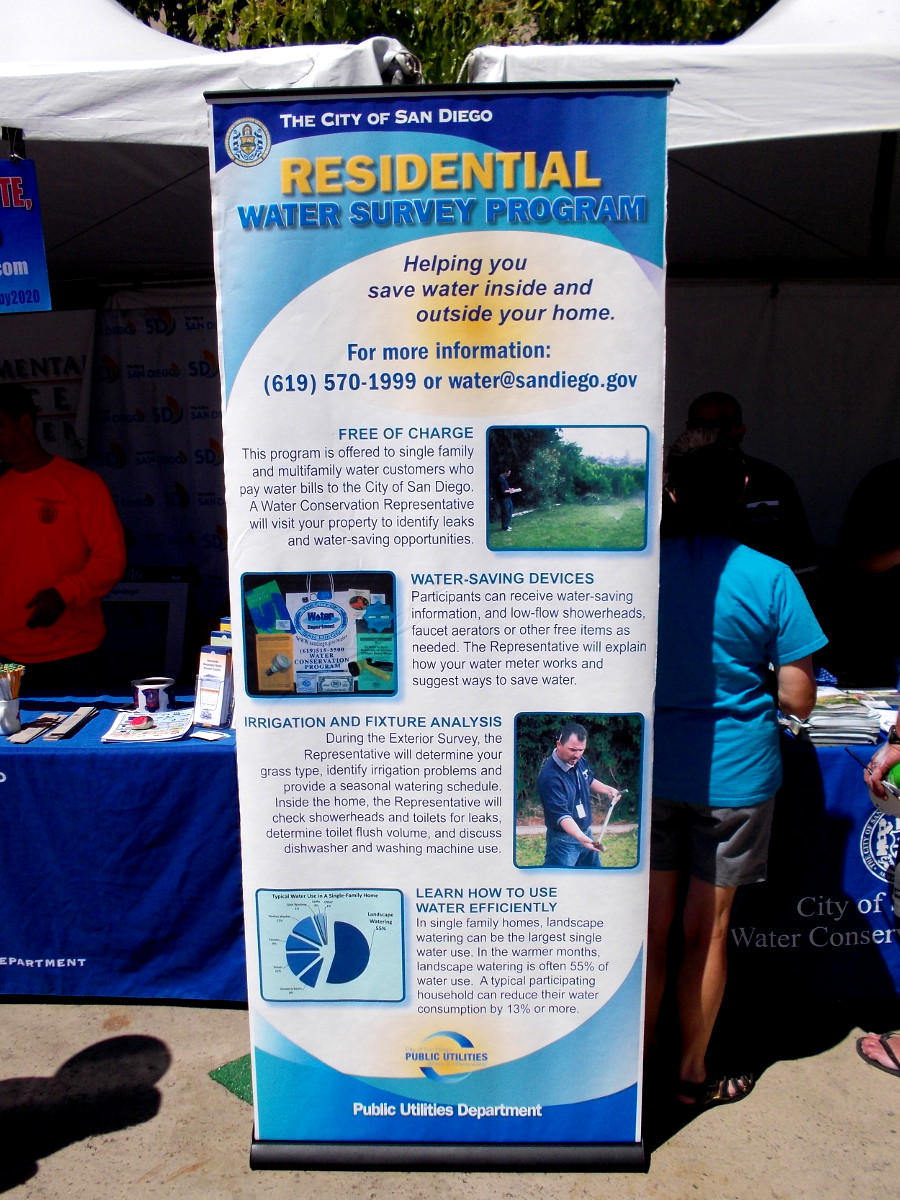
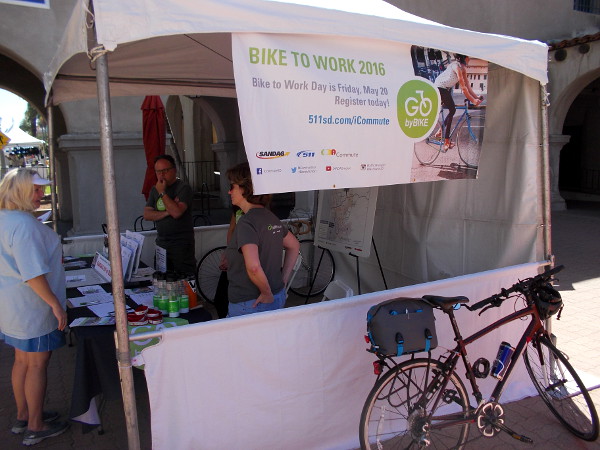
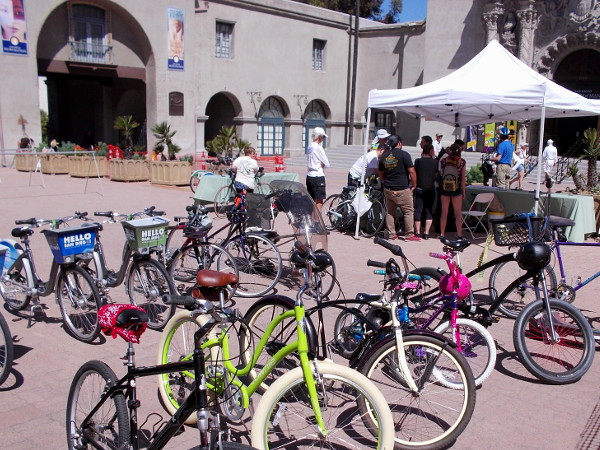
Compost can be made with shredded paper, grass clippings, wood chips, garden leftovers, leaves, livestock manure, chopped up yard debris and used coffee grounds.To save energy, use efficient lighting, adjust your thermostat, install solar, reduce driving, and keep your car maintained and tires properly inflated.Check to see if your city offers free utility inspections and efficiency analysis. In San Diego, a free water survey program is available.Ride a bicycle to work! In San Diego, Bike to Work Day in 2016 is Friday, May 20. You might consider walking or taking public transit, too!Many San Diegans saved energy, reduced air pollution and stayed healthy by riding their bicycles to EarthFair!
…
I live in downtown San Diego and love to walk! You can follow Cool San Diego Sights via Facebook or Twitter!
Do you love Balboa Park? Follow my special new blog which I call Beautiful Balboa Park!
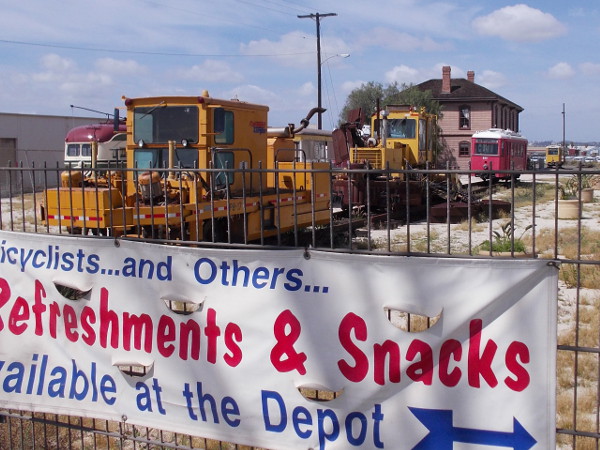
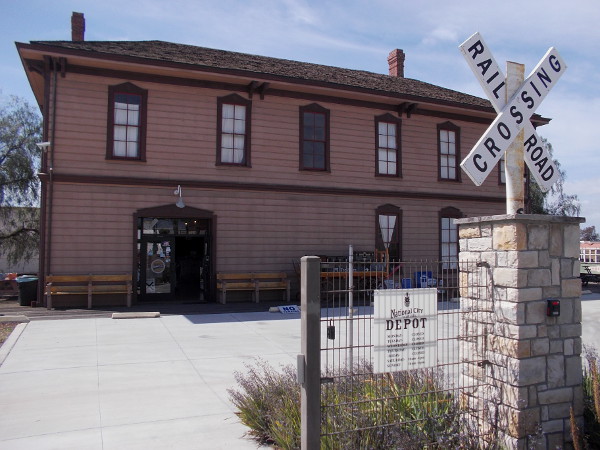
There’s more than refreshments and snacks at the National City Depot. There’s a huge, cool collection of local railroad and trolley history!
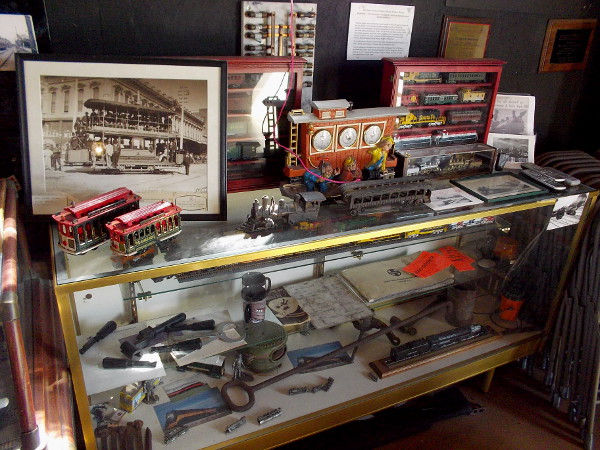
If you’re a train or streetcar lover, prepare to go nuts! The friendly guys at the National City Depot, which is home to the Trolley and Railroad Museum operated by the San Diego Electric Railway Association, allowed me to take loads of photographs a couple weekends ago! The place is so crammed with cool stuff, I hardly know where to start!
(Before I get started, however, I learned the National City Depot is in desperate need of volunteer docents and cashiers. So if you live around San Diego and have some free time, please consider this opportunity. Railroading enthusiasts would be in heaven. If you’d like, you might actually roll up your sleeves and help work to revitalize several vintage streetcars. You can have a great time preserving and enlivening our local history of trolleys by explaining exhibits and sharing knowledge with curious visitors, tourists and school students. SDERA’s stated mission is to restore and preserve the history of electric railways and trolleys in the San Diego region. Click here for more info.)
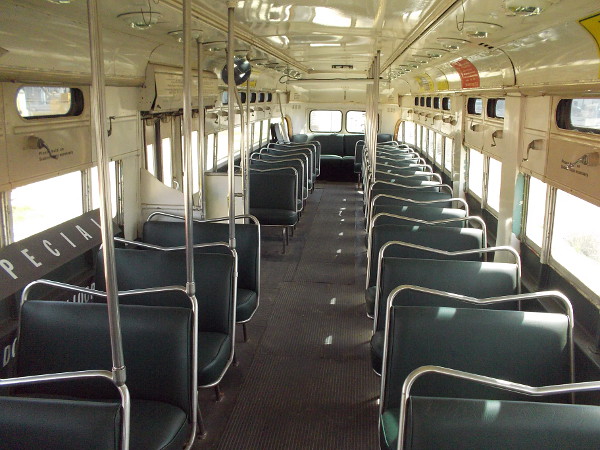
As you can see from the first photo, the depot has a number of old railroad cars and streetcars sitting outside on either side of it. The San Diego Metropolitan Transit System, MTS, has provided the private association with three old Vienna streetcars and one Presidents Conference Committee (PCC) streetcar. The latter is undergoing restoration, and will eventually be used as a cool tourist attraction, running over the Coronado Belt Line of the San Diego and Arizona Eastern Railroad!
You might recognize the name San Diego Electric Railway. It was the mass transit system built by locally famous “sugar heir” and entrepreneur John D. Spreckels. His network of railroads was established in 1892, and active streetcars served a large area of the city for many decades. The San Diego Electric Railway Association proudly displays some examples of the rolling stock that were utilized in those glory years of electric streetcars.
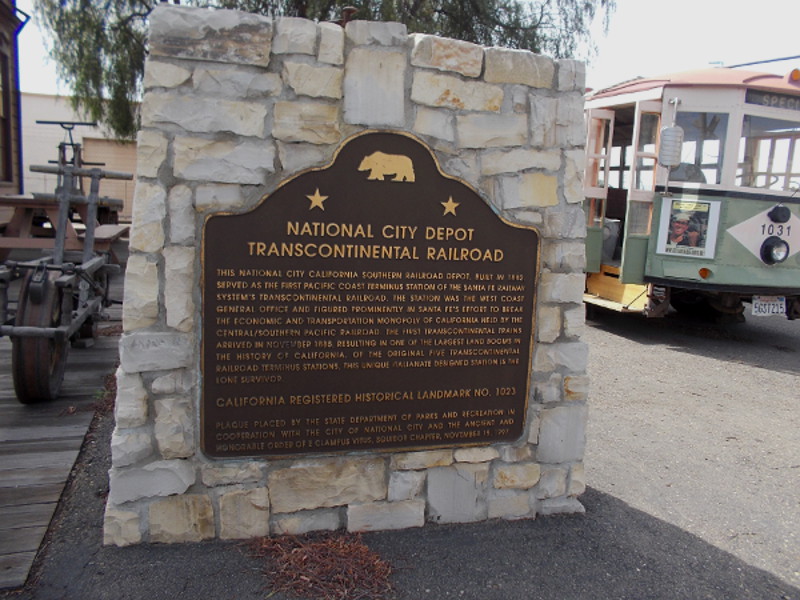
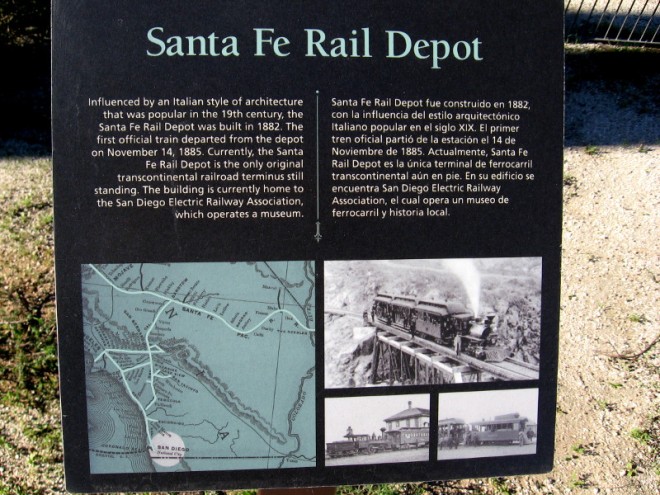
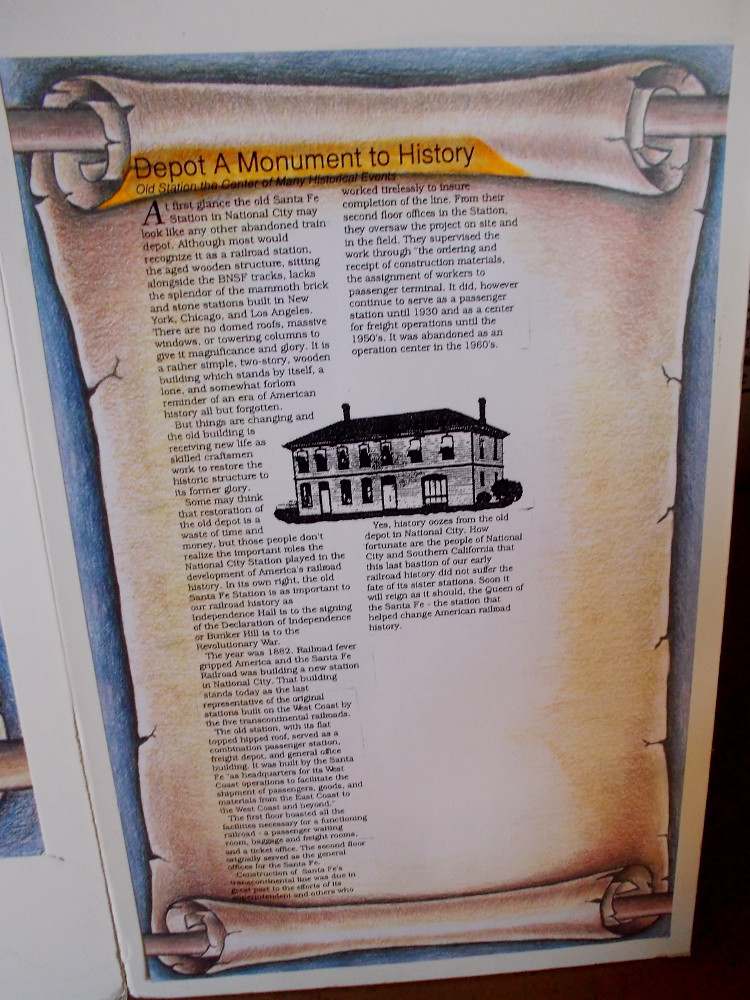
The National City Depot has its own fascinating history. It was built in 1882 by the Santa Fe Railroad, and became the first Pacific Coast terminus station of their transcontinental line. Today, it’s the last representative of the original stations built on the West Coast by the five different transcontinental railroads. After various changes in its operations over the decades, the depot was abandoned in the 1960s and suffered severe neglect. Before finally reopening as a museum, it was also used as a unique building for a couple of restaurants. It’s now owned by the city of National City.
I learned so much during my visit, my brain is still whirling. If I’ve captioned the photos incorrectly, or have made some sort of factual error, please leave a comment!
Here come the photos, just a taste of what you might see should you swing on by. Enjoy!
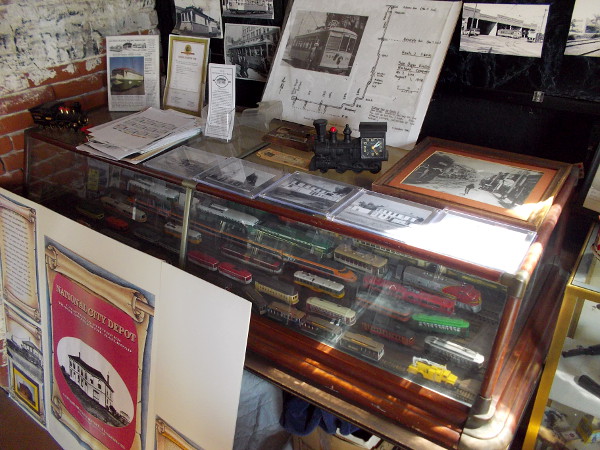
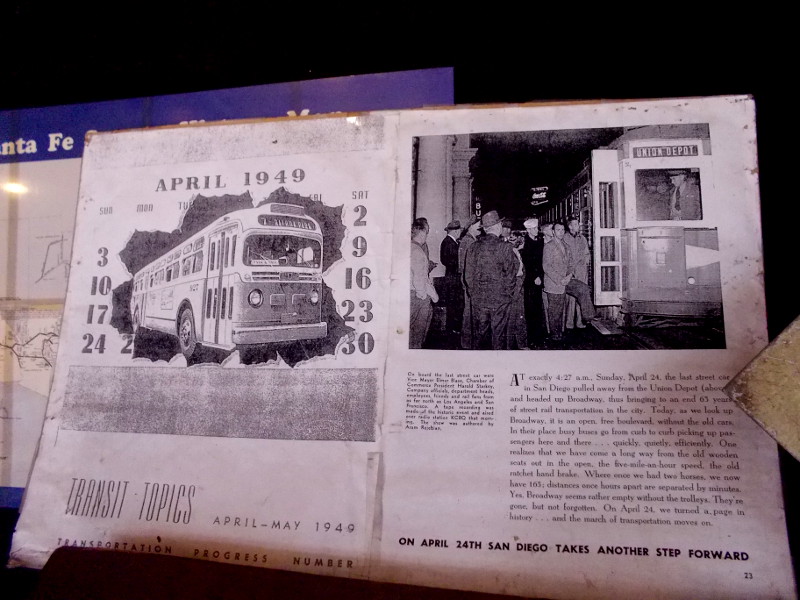
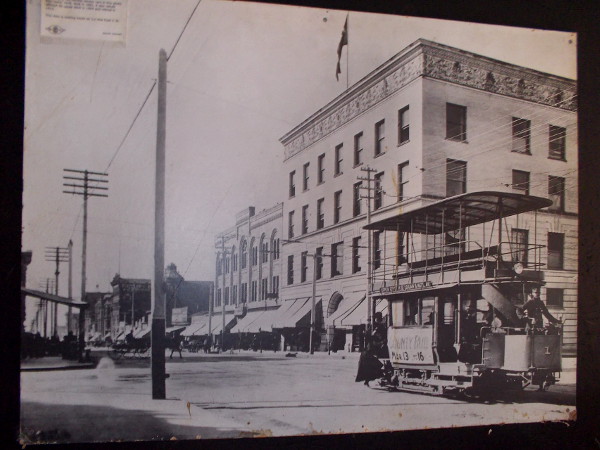
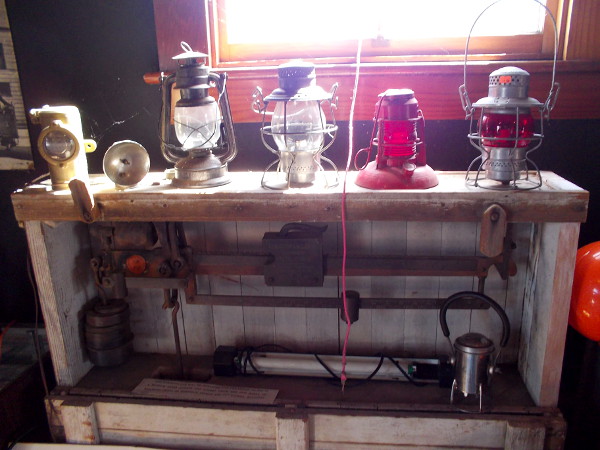
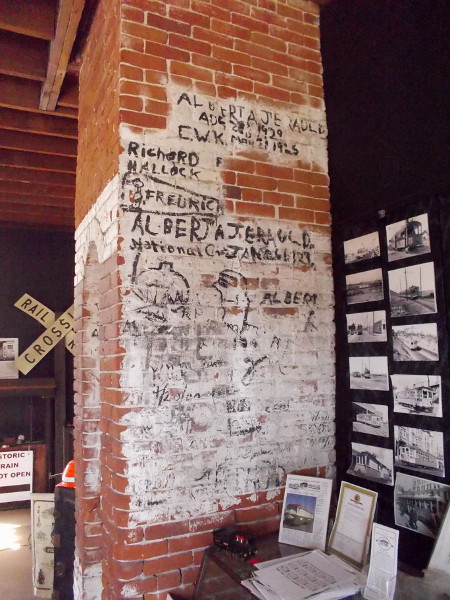
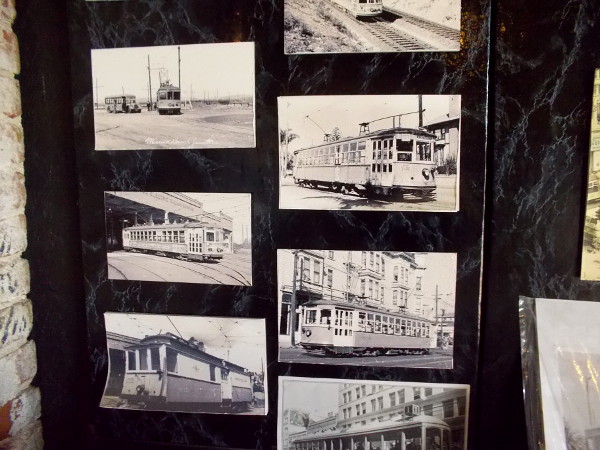
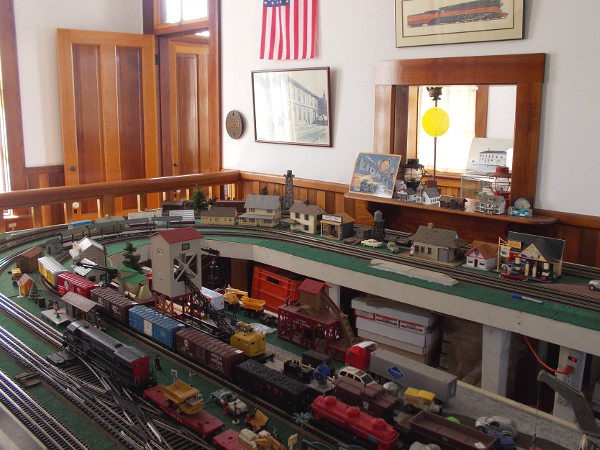
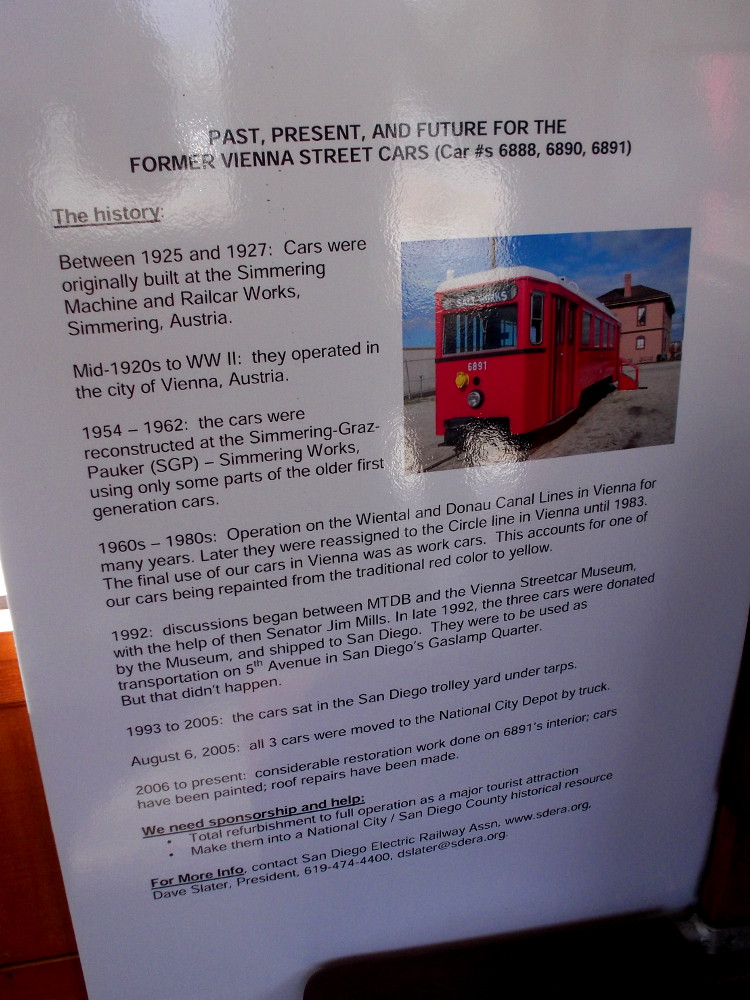
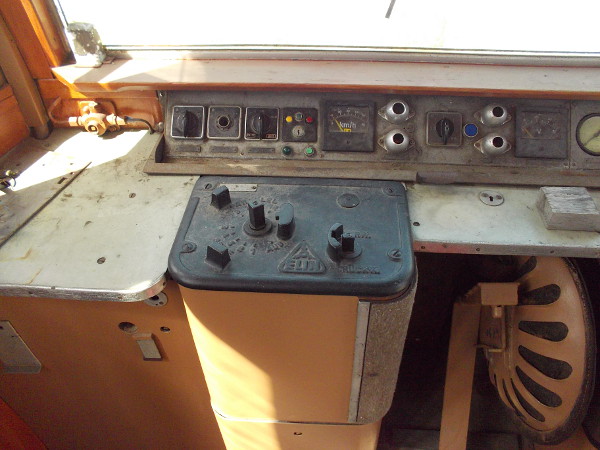
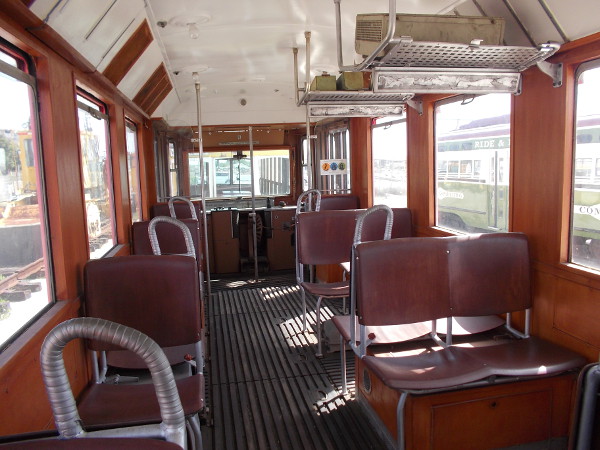
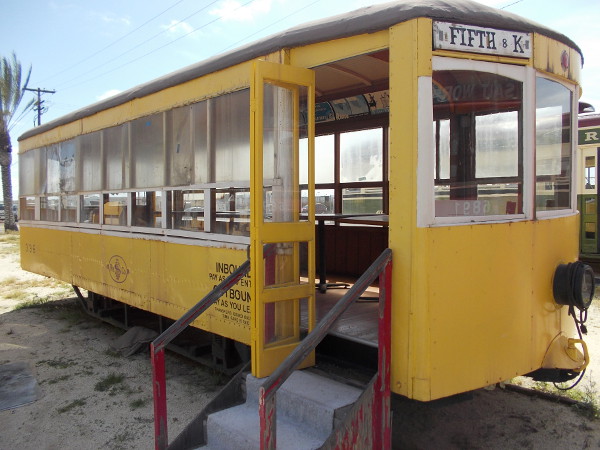
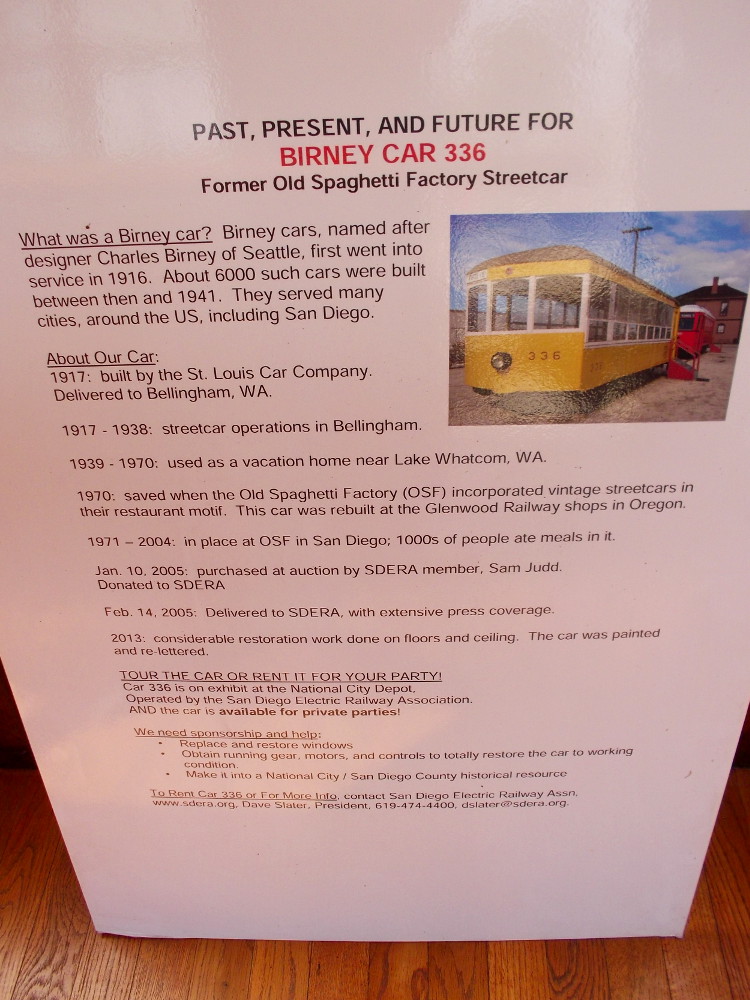
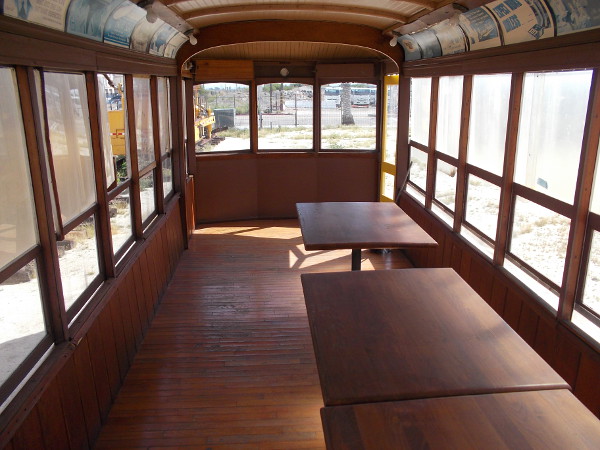
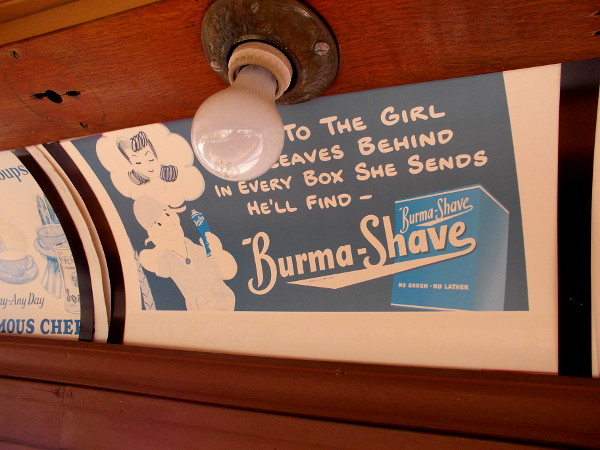
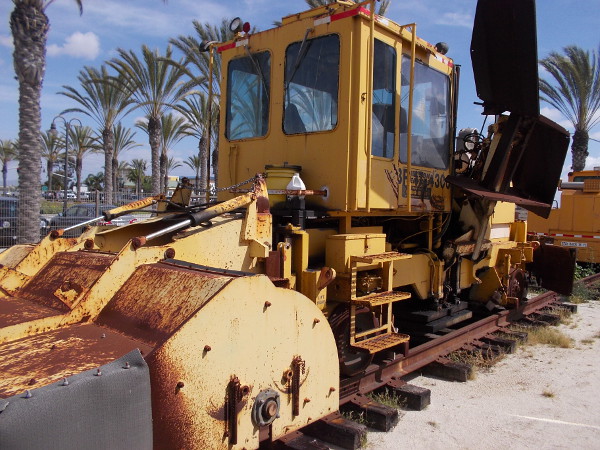
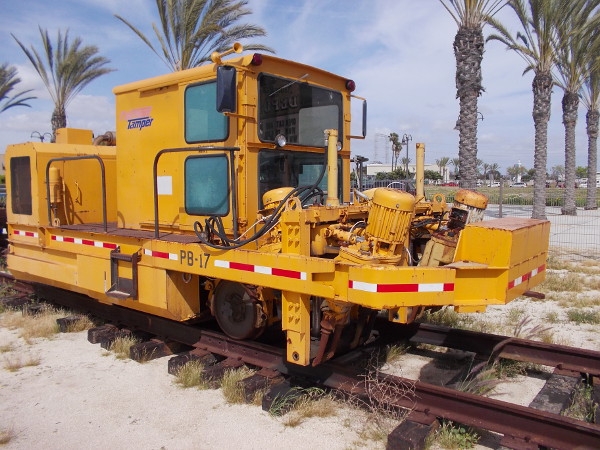
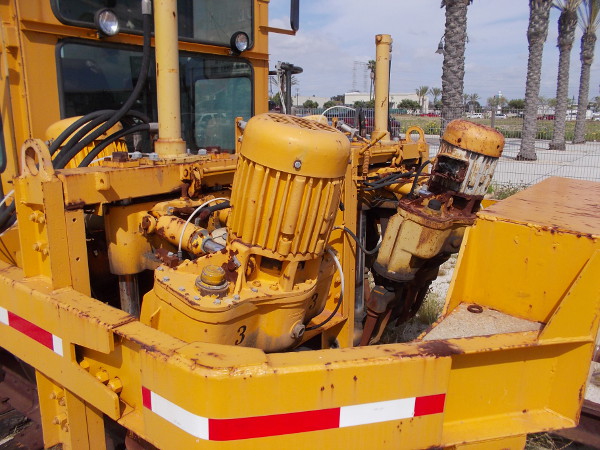
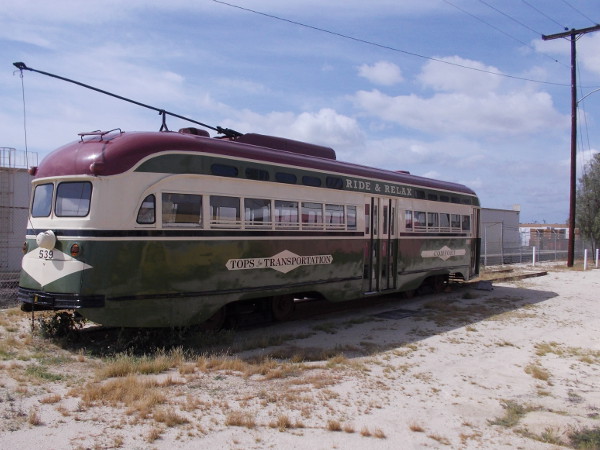
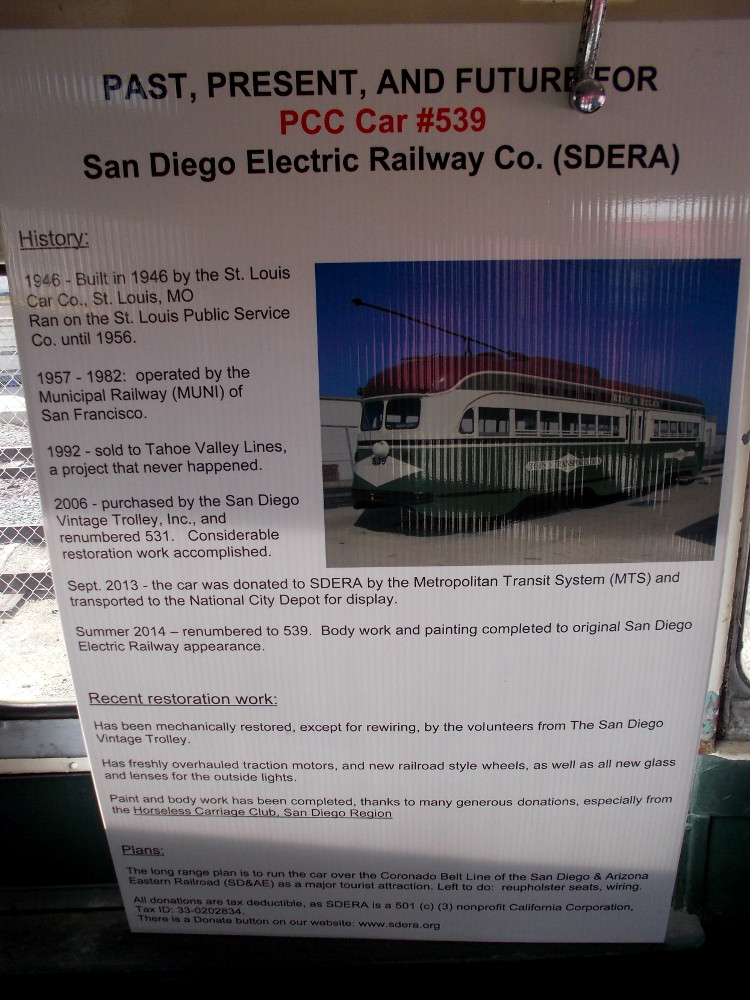
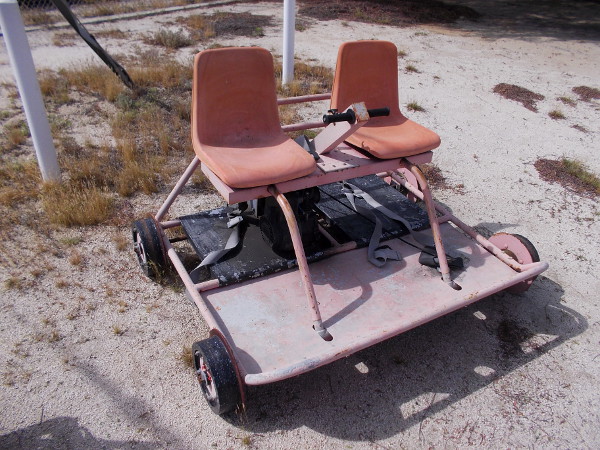
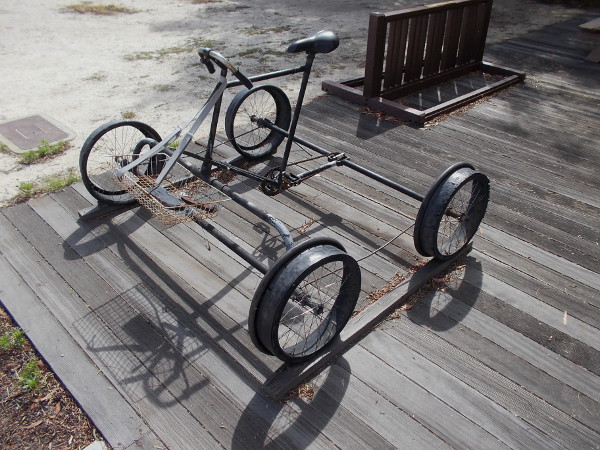
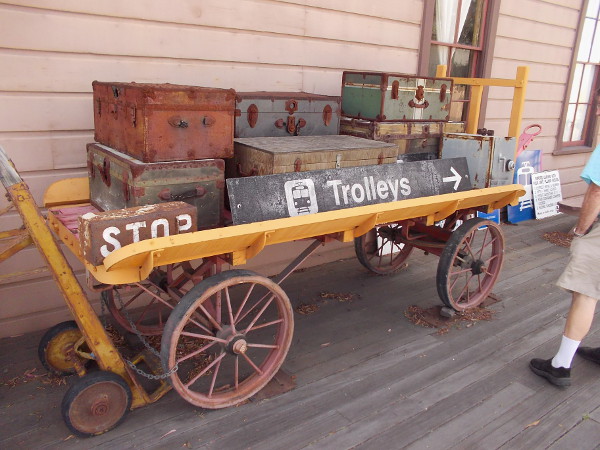
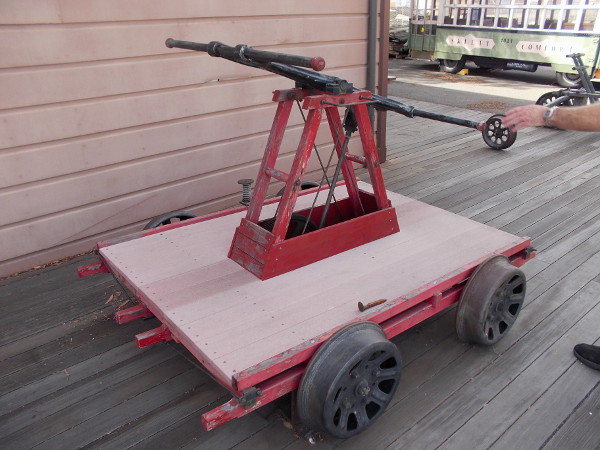
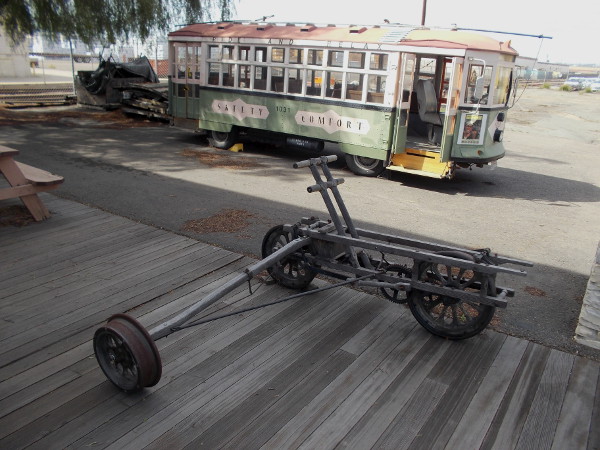
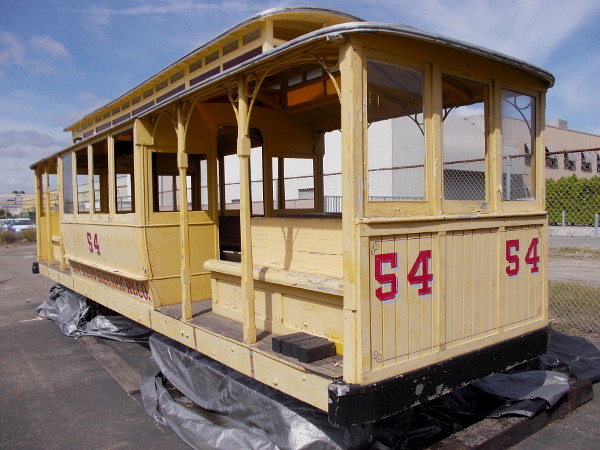
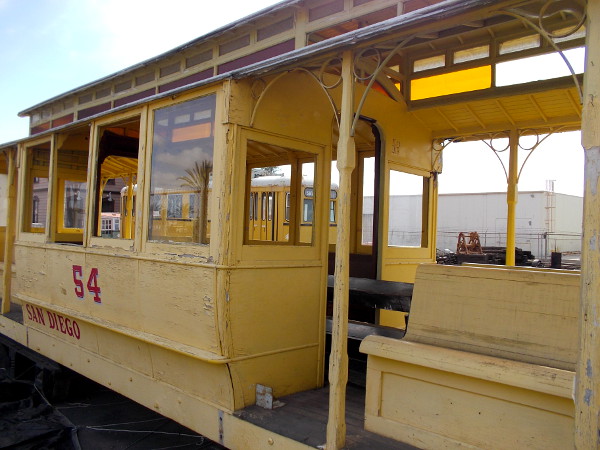
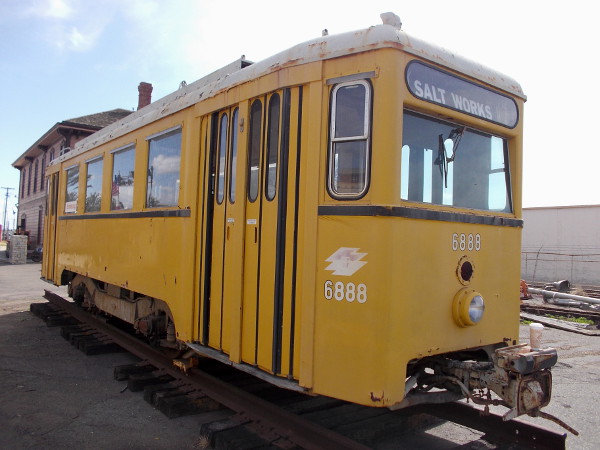
The National City Depot was built in 1882. It was the first Pacific Coast terminus station of the Santa Fe Railroad’s transcontinental line.Plaque in front of National City Depot, the first Pacific Coast terminus station of Santa Fe’s transcontinental railroad. California Registered Historical Landmark No. 1023.Sign describes Santa Fe Rail Depot in National City. It’s the only original transcontinental railroad terminus still standing.Inside the small depot are display cases full of model trains and streetcars, plus artifacts and memorabilia. The walls are covered with old photos and historical information.The famous old train station sits alongside BNSF tracks which are still active. The National City Depot played in instrumental role in American railroad history.There’s so much cool stuff crammed inside the museum, a railfan could spend hours closely examining all of it!A magazine article on display for train buffs and history enthusiasts to check out. Buses finally replaced the old network of San Diego trolleys in 1949.One of many old photos in the museum depicting San Diego’s very rich electric streetcar history.A collection of old lanterns. Everything imaginable concerning San Diego railroads and trolleys can be found inside the National City Depot.Faded writing on the brick fireplace recalls when the eventually abandoned depot was used as a restaurant. Black panels on the walls cover graffiti.One section of a wall has lots of photos of vintage streetcars and trolleys.A second room inside the National City Depot contains a huge model train layout! The exhibit is run when the depot is open Thursdays to Sundays from 9am to 5pm. It appears that SDERA members have a lot of fun!The best photo I could get of a big antique Raymond and Wilshire safe in the historic transcontinental depot. I had to squeeze up against the model train layout.Now we’re outside beside the depot at a picnic bench! I like these two planters in the shape of steam locomotives!Two of National City Depot’s three old Austrian streetcars. These were going to be used by MTS for the San Diego Trolley in the Gaslamp Quarter, but couldn’t meet ADA standards, as I understand it.Sign inside one Vienna street car details the history. They were originally built at the Simmering Machine and Railcar Works, Simmering, Austria.Now we’re stepping like a passenger into one of the old Austrian streetcars!The controls used by this electric streetcar’s operator. Notice a seat that folds under the dashboard.Looking back where passengers would sit. There didn’t seem to be much capacity in the small cars.Now we’re checking out Birney Car 336, out in the open lot beside the National City Depot. This is one type of streetcar that transported people in San Diego decades ago.Birney Car 336 was built by the St. Louis Car Company in 1917, and first served in Bellingham, WA. It later was used for dining inside the Old Spaghetti Factory in San Diego, from 1971 to 2004!Inside the old Birney Car. I’m hungry for some spaghetti! Where are the chairs?Cool vintage advertisements along the car’s ceiling include this one for Burma-Shave.A big, heavy tamping machine used for maintaining railroad tracks and placing them more firmly onto packed ballast.A second ballast tamper outside the National City Depot. I always wondered what these unusual machines that you see on train tracks are for.Part of the machinery that pushes down on the steel rails and ties. This makes sure train tracks are solidly in place and level.Gazing back north past various rail exhibits outside the National City Depot. Isn’t this fun?Now we’ll check out PCC Car 539, which was donated to SDERA by the Metropolitan Transit System.PCC Car 539 was built in 1946 by the St. Louis Car Company. It served as a streetcar in St. Louis until 1956. Restoration is underway. One day it might run nearby as a tourist attraction.Inside the fabulous PCC car. The San Diego Trolley now has two completely restored cars of this type, running in a downtown loop called the Silver Line.I believe this is a Fairmont Speeder Car. Tiny crew cars were used to transport a few individual workers up and down tracks. I’d love to ride one!Oh, man! I bet you’d love to sit in one of these seats and ride the rails! Just turn the throttle to go!Seriously? This one is basically a bicycle for train tracks! Except it has four wheels! And a bike chain, of course!This luggage cart near the entrance to the National City Depot was donated by the Maritime Museum of San Diego–it evidently was aboard the steam ferry Berkeley at one time.One of several cool vintage handcars. Just like you see in those old Western movies.This unusual three-wheeled handcar reminds me of a canoe outrigger!San Diego Electric Railway Association’s fun Herbie is a Brill streetcar replica. A parade and car show’s popular Streetcar on Wheels!An antique open air streetcar at the National City Depot. This a grip car, like the cable cars in San Francisco. Few people realize that San Diego had a cable car line that briefly ran from the Gaslamp to University Heights in the early 1890s!Elegant number 54 is a unique composite, built using two different San Diego Cable Railway cars. I see panes of stained glass. The yellow paint is peeling.The third Vienna streetcar in the National City Depot’s collection, number 6888, is yellow.There’s a ton of very cool stuff to see at the National City Depot, in San Diego’s South Bay!
…
I live in downtown San Diego and walk all over the place! You can follow Cool San Diego Sights via Facebook or Twitter!
You can easily explore Cool San Diego Sights by using the search box on my blog’s sidebar. Or click a tag. There are thousands upon thousands of fun images (including lots of model and historical train photographs) for you to enjoy! Feel free to share! Have some fun!
National City’s unique Historic Railcar Plaza. One can peek inside the barn and see a few exhibits that recall 19th century rail service in San Diego’s South Bay.
During my excursion last weekend to National City, I saw several very cool sights. Here’s one!
Those interested in San Diego’s rich history of trains and streetcars should visit the Historic Railcar Plaza, which is located at the intersection of Bay Marina Boulevard and Harrison Avenue. (It’s right across from National City’s awesome Old Depot museum, which I’ll blog about as soon as my photos are ready!)
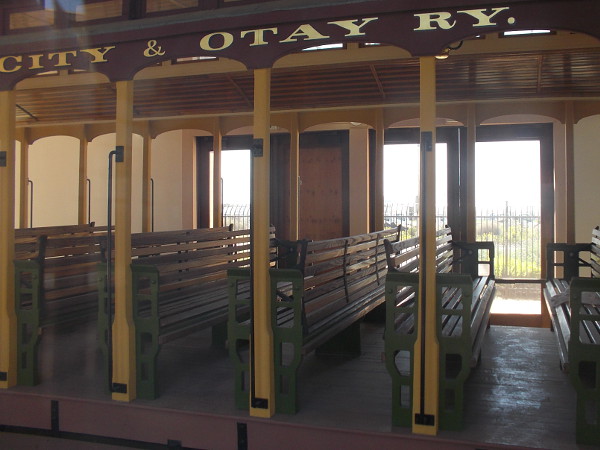
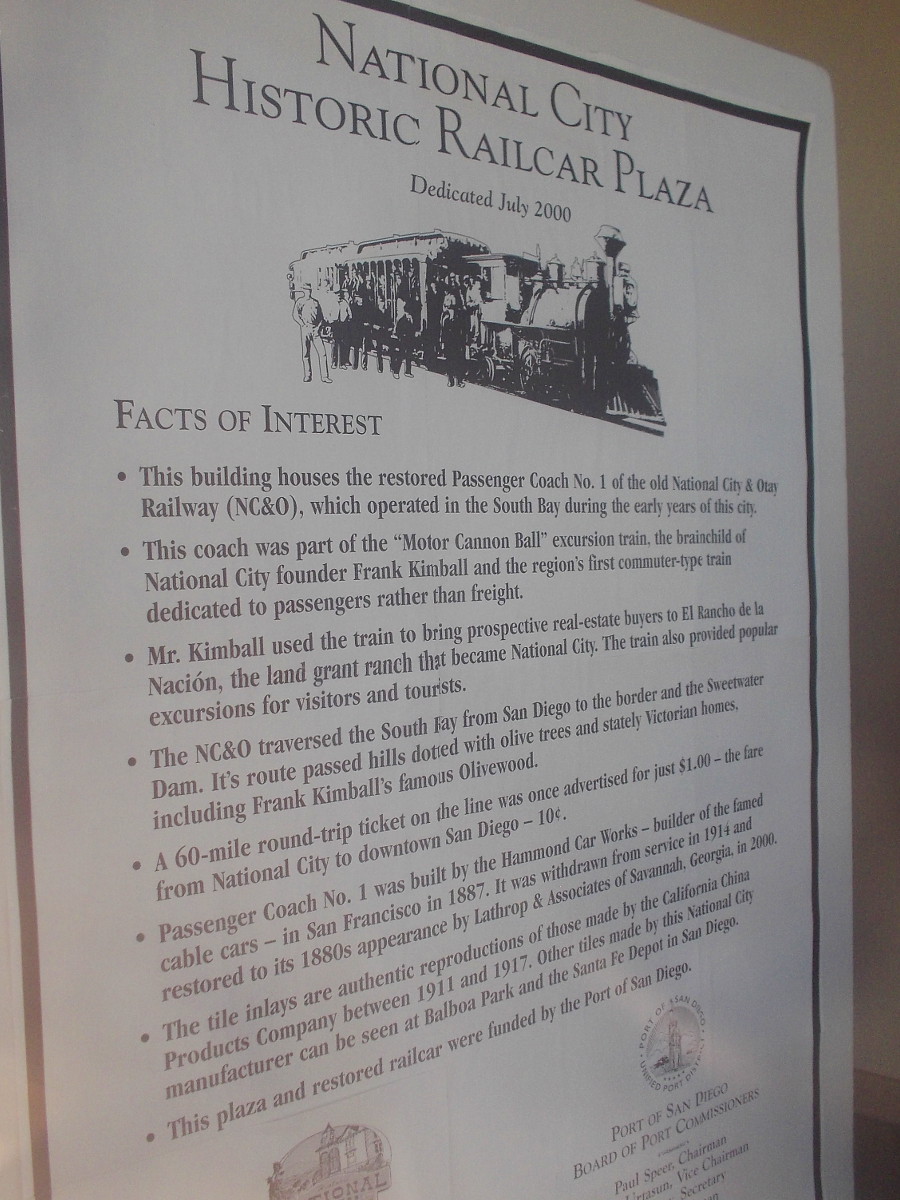
In addition to several displays dedicated to past railroads that serviced San Diego’s South Bay, the Historic Railcar Plaza features the fantastic, restored Passenger Coach No. 1. The old coach can be rolled outside of a small train barn on special occasions. Passenger Coach No. 1 was originally built in 1887 and carried passengers up and down the National City and Otay Railway (NC&O) until 1914. The beautiful open railcar used to seat up to 58 passengers in varnished redwood splendor.
The Historic Railcar Plaza’s small barn was built in 2000. The day I peeked through the windows it was padlocked shut. The windows were rather dirty and a few of the displays within had toppled over, which seems to indicate a degree of neglect. Apparently the cool car is rolled outside on the short track from time to time. I hope to see that one day!
Many of my photos were through those dirty windows. I did my best to adjust the images for clarity.
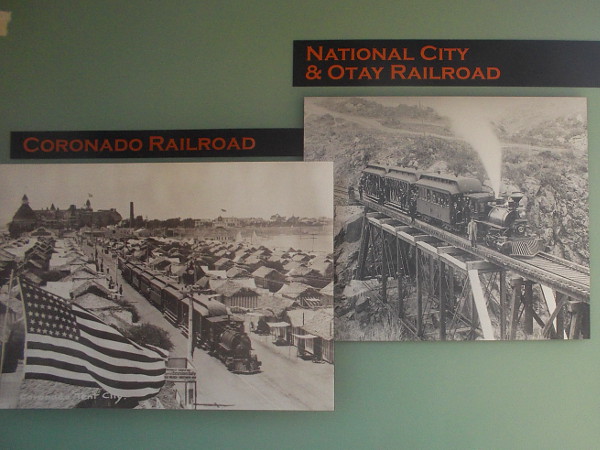
Mysterious stretch of train track emerges from the barn’s door. A very cool bit of history can be rolled outdoors during special occasions.That bit of history is the restored Passenger Coach No. 1, of the long-defunct National City and Otay Railway.The restored coach features outdoor bench seating and beautiful woodwork. Passengers could ride this car from San Diego through National City and Chula Vista to the Mexican border.A mannequin inside the Historic Railcar Plaza depicts the legendary Millionaire Hobo, J.B. King, Esq. His one burning ambition was to write his name on every car of every train in the country!A century ago, a ticket for the sixty mile round trip on the National City and Otay Railway could be purchased for just one dollar.Two old photographs. On the left, the old Coronado Railroad traveled through Imperial Beach and up the Silver Strand to Tent City in Coronado. One can see the splendid Hotel del Coronado in the distance!Map inside the Historic Railcar Plaza shows the various railways that once serviced San Diego, when transportation by train was extremely popular.Key to the above map includes the region’s evolving railroads: the California Southern, the National City and Otay, the Coronado, the San Diego Southern, the San Diego and Southeastern. and the San Diego and Arizona.
I live in downtown San Diego and love to walk! You can follow Cool San Diego Sights via Facebook or Twitter!
You can easily explore Cool San Diego Sights by using the search box on my blog’s sidebar. Or click on a tag! There are thousands upon thousands of fun photos for you to enjoy!
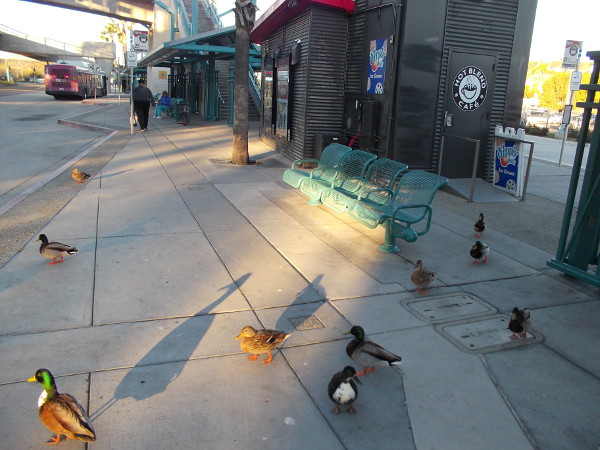
A flock of San Diego River ducks. The curious birds seem to wait for a morning bus at the Fashion Valley Transit Center.
Just a quick, fun post!
This morning, a flock of San Diego River ducks were happily waddling about the Fashion Valley Transit Center. They fearlessly mingled with the humans, who watched the proceedings with amusement. Perhaps those curious feathered friends were also waiting for a bus!
Please help Stuff the Bus to fight hunger in San Diego!
San Diego’s Metropolitan Transit System (MTS) is getting ready for their 8th Annual Stuff the Bus Food Drive!
You can help fight hunger in San Diego by collecting non-perishable food and by spreading the word in advance!
On December 5, between 9 am and 2 pm, MTS buses will be parked in front of Albertsons and VONS stores throughout San Diego County. The objective will be to fill the buses with food to aid the hungry! Your friends, business or organization can collect canned goods and other nonperishables and help stuff a bus, or you can purchase preselected grocery items inside the stores. When the event ends, the food will be transported to the Jacobs & Cushman San Diego Food Bank, which is the largest hunger-relief organization in San Diego County.
Click here for store locations, the food items needed, and other important details!
Come on San Diego! Let’s jam those buses with love!
…
Living in San Diego is great! Join me on Facebook or Twitter.























































 Cool San Diego Sights!