See amazing birds of prey at Hawk Watch!

A spectacular event is held every winter in Ramona, California. On Saturdays, during January and February, the public can freely enjoy an educational program called Hawk Watch.

Those who go to Hawk Watch will see birds of prey up close and in the wild. The setting is the wide, beautiful Ramona Grasslands.

Hawk Watch is an event organized by the Wildlife Research Institute. WRI, in a cooperative effort with The Nature Conservancy and San Diego County, now protects 7,000 acres of Ramona grassland. This grassland is an important natural refuge where native wildlife can not only survive, but thrive.

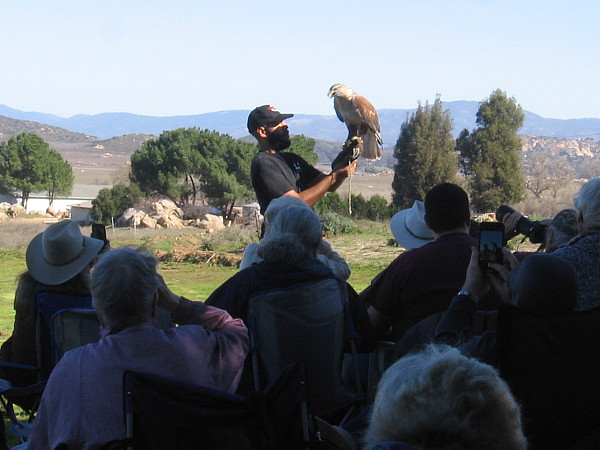
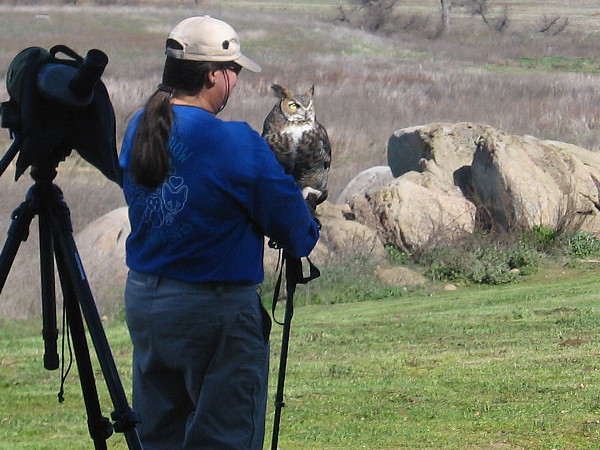
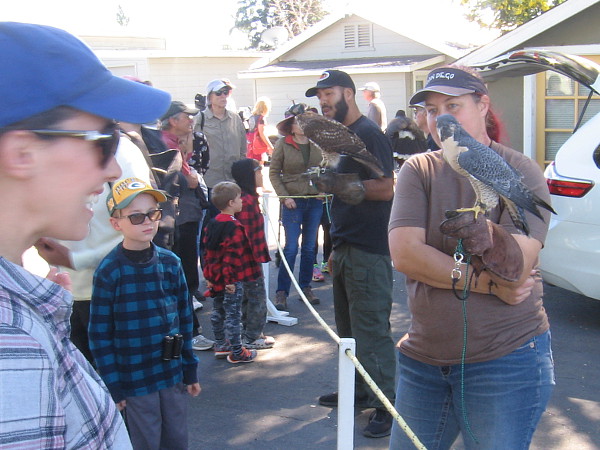
Hawk Watch features live raptors and a fascinating educational talk by biologists. The owls are introduced during the talk by representatives of Project Wildlife, which provides wildlife rescue in San Diego County. The talk is followed by demonstrations by falconry experts.

Afterward, all of the ambassador raptors can be viewed by the public up close!

Today I went to Hawk Watch!

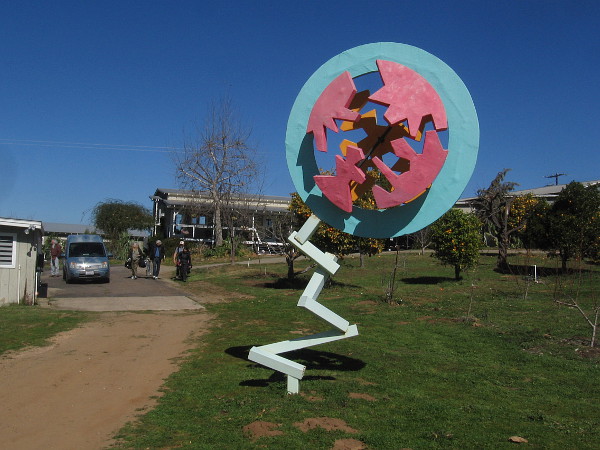
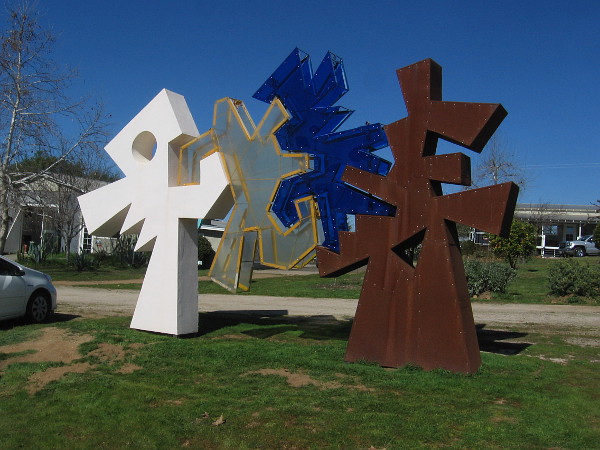
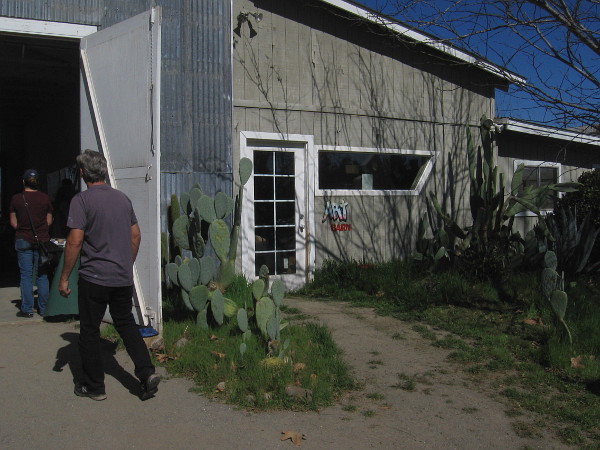
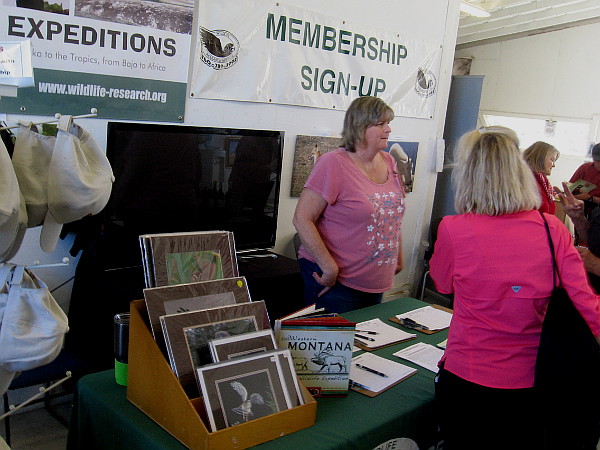
The event is held on Ramona’s private Begent Ranch, which features all sorts of cool artwork, including colorful sculptures arranged about a large dirt parking lot. After walking through a barn and looking at a variety of educational exhibits, I set up my lawn chair with other visitors at the edge of the scenic grasslands.

As we were introduced to different species of hawks, falcons and owls, and learned about their special characteristics and adaptations, we could watch wild raptors and some ravens circling in the distance above the grasslands. Birds of prey that can be spotted in the blue skies of Ramona include hawks, kites, kestrels, golden eagles, and recently bald eagles!

The event has become so beloved that visitors today came from as far away as India, China and Israel. For two hours, everyone, including many families with children, sat enchanted by all that was seen and learned. Many of the visitors had high powered photographic equipment and binoculars. I made due with my little old camera.

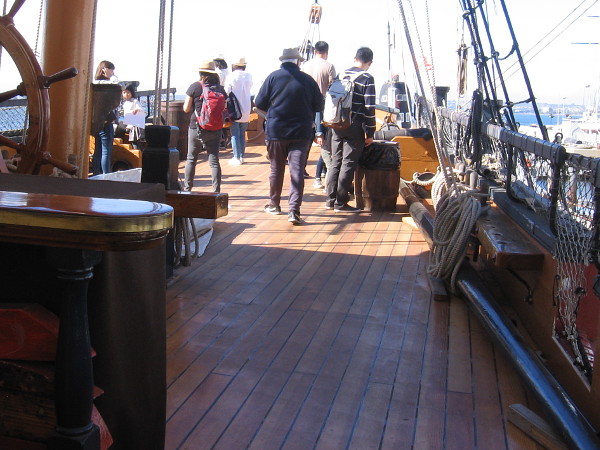
Here are some photos. I’m afraid they’re just adequate. I couldn’t really record the falconry demonstrations very well, which included the clever use of a drone, but they were fantastic.

I know I’ll be going to Hawk Watch again. You can learn more about this amazing event and the work of the Wildlife Research Institute at their website here.

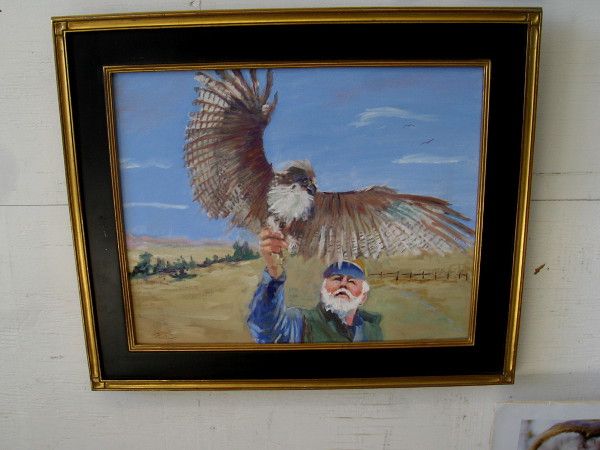
One last thing. The photo you’re about to see is a painting of WRI Director and Wildlife Biologist, co-founder of Hawk Watch, Dave Bittner. He tragically passed away about a month ago doing something he loved: tending to a camera near a golden eagle’s high cliff nest.

I was told Hawk Watch will live on.
I live in downtown San Diego and love to walk around with my camera! You can follow Cool San Diego Sights via Facebook or Twitter!

You can easily explore Cool San Diego Sights by using the search box on my blog’s sidebar. Or click a tag! There are thousands upon thousands of photos for you to enjoy!
Redecking famous tall ship HMS Surprise.

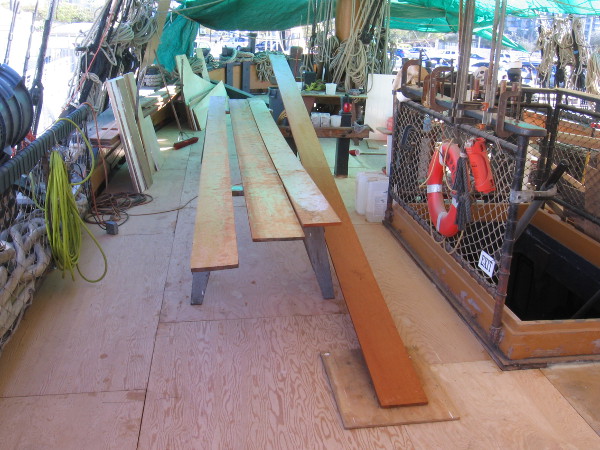
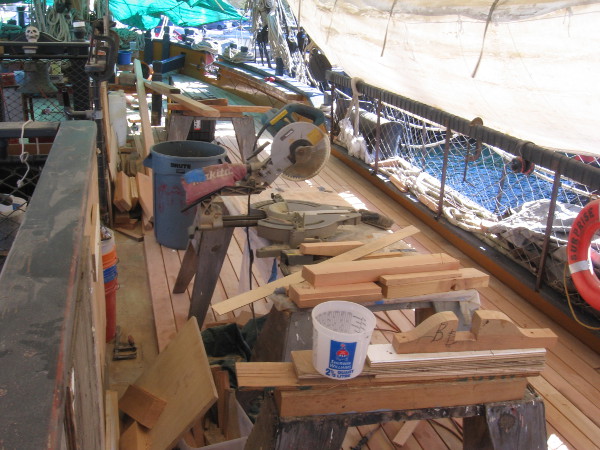
Lumber is prepared on the main deck of HMS Surprise during the famous tall ship's re-decking project.
Lumber is prepared on the main deck of HMS Surprise during the famous tall ship’s redecking project.

During my Sunday visit to the Maritime Museum of San Diego, I noticed good progress has been made redecking HMS Surprise. While nobody was working on that project at the time, I was able to see some of the process that is required to put a beautiful, weather-resistant new deck on the amazing tall ship.

HMS Surprise was used in the filming of Master and Commander: The Far Side of the World, starring Russell Crowe, one of the greatest epic films depicting the Age of Sail during the Napoleonic Wars. The ship is a replica of the 18th century Royal Navy frigate HMS Rose, and is just one of several world-famous ships and submarines you can step aboard at the Maritime Museum of San Diego.

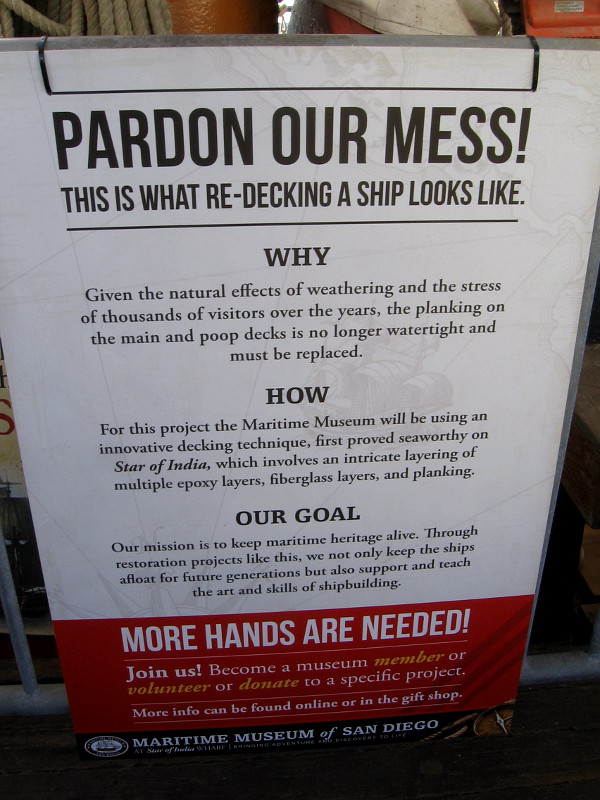
As you can see in my photo of a sign, the museum welcomes new members, volunteers, docents, donors, and even sail crew! I can tell you that being a member is cool beyond description. I never tire of visiting the museum’s historical exhibits and many beautiful vessels.

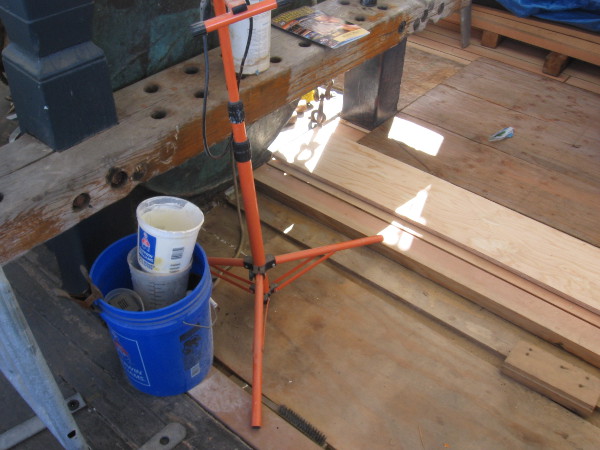
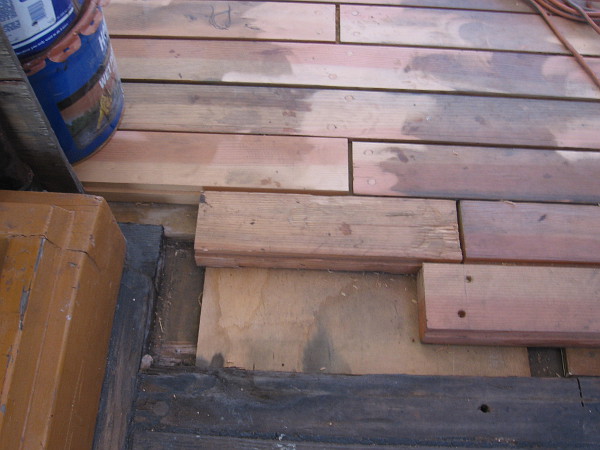
An innovative technique used on Star of India is being applied here. It involves multiple epoxy layers, fiberglass layers and planking.
An innovative decking technique that was successful on Star of India is also being used for HMS Surprise. It involves multiple epoxy layers, fiberglass layers and planking.
The main deck of HMS Surprise is full of lumber, saws and other woodworking tools!
In this photo you can see how some of the layered decking work is done.
Another photo of the redecking in progress.
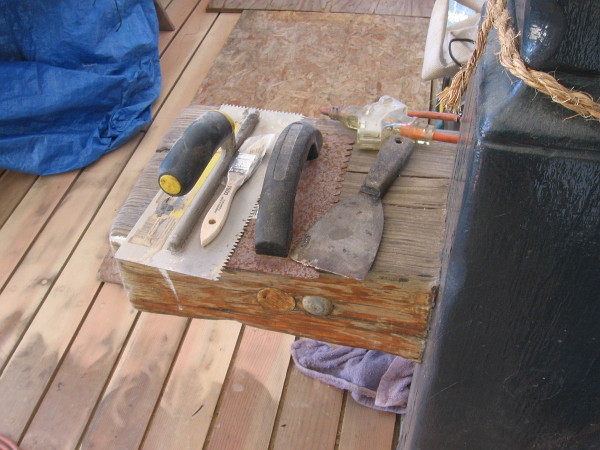
Some of the hand tools.
The finished decking on HMS Surprise's quarterdeck is very beautiful and should last many years.
The finished decking on HMS Surprise’s quarterdeck is very beautiful and should endure sun, weather and the feet of curious visitors for many years.
There's always more work to be done at the Maritime Museum of San Diego! Your help is welcomed!
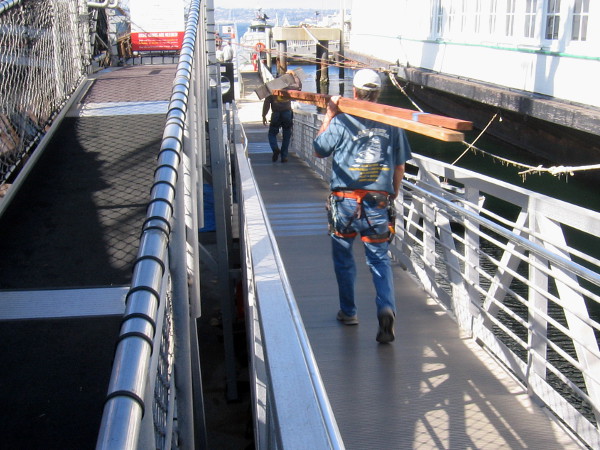
Volunteers head out to the museum’s barge with some lumber. There’s always more work to be done at the Maritime Museum of San Diego. Your help is appreciated!

I live in downtown San Diego and love to walk around with my camera! You can follow Cool San Diego Sights via Facebook or Twitter!

You can easily explore Cool San Diego Sights by using the search box on my blog’s sidebar. Or click a tag! There are thousands upon thousands of photos for you to enjoy!
Finding tracks, signs of wildlife at Mission Trails!

A guided group walks through Mission Trails Regional Park looking for signs of wildlife.

This morning I went on a truly extraordinary guided walk. Two expert trackers took a small group on an easy hike in Mission Trails Regional Park to search for tracks and other signs of often elusive wildlife!

The immense, mountainous Mission Trails Regional Park, located within the City of San Diego, is home to abundant wildlife. But it can be hard to spot animals in the wild during a visit to the park. Many species are nocturnal. Many tend to hide in the scrubby vegetation to avoid predators, to watch for a passing meal, or protect a nest.

This morning I and others met at the Visitor Center to set out on this special walk. While we didn’t see anything very dramatic, we did observe how the living world around us is engaged in a perpetual dance. We learned that humans with open eyes and curious minds might find signs left by rabbits, coyotes, raccoons, skunks, bobcats, deer, and even (but rarely) mountain lions!

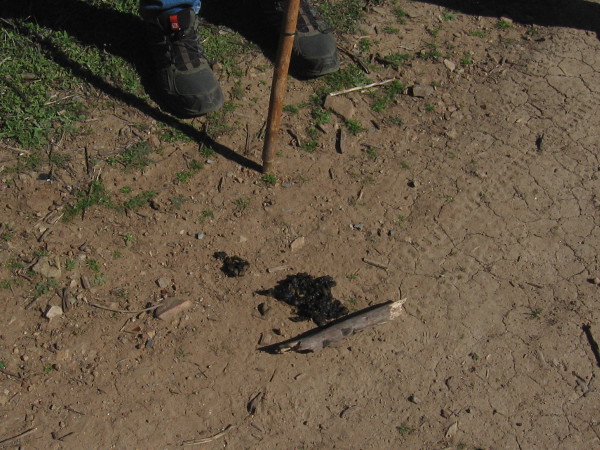
We saw several spots where a skunk dug for grubs. We saw several wood rat’s nests. We leaned down to the ground to peer at the secret trap door of a spider. We saw lots of dog tracks in dried mud, rabbit tracks in some green grass, and coyote scat. We learned what differently pressed tracks might indicate about an animal passing that way. Were they stealthily hunting? Leaning to one side? In a big hurry to avoid a predator?

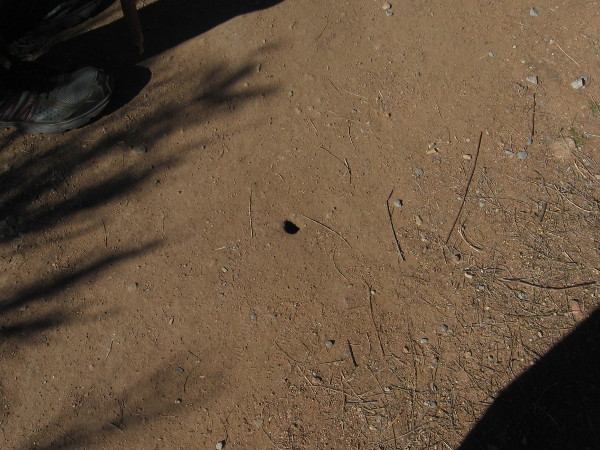
We watched birds flitting through shrubs and trees and soaring in the blue sky high above, and we learned a whole lot about crows and ravens and red-tailed hawks. We learned why coyotes howl. We saw a hummingbird. We watched a fence lizard pump itself up and down. We discovered a small, perfectly circular hole dug by a digger bee.

We learned how scent is a critically important sense for both predator and prey, and how animals in the wild are all acutely aware of each other at any given moment. And how they are confused by oddly unpredictable human behavior. We learned far too much to mention everything in this blog!

Our two super knowledgeable guides have been leading these wildlife tracking walks, which are held the first Saturday of every month, for about 11 years.

Bob MacDonald and Mike Gibbs belong to the San Diego Tracking Team, an organization of experts and enthusiasts who track wildlife in our region. They advocate for good stewardship of the natural environment and provide researchers with data from about 20 sites around San Diego County, as far away as the Anza Borrego desert.

According to their website: “San Diego County has the most biodiversity of any County in North America… Many of the plants and animals that call our region home are found nowhere else in the world… The San Diego Tracking Team (SDTT) is dedicated to preserving the wildlife habitat in the San Diego region through citizen-based wildlife monitoring and environmental education programs…”

Both Bob and Mike were super interesting and personable, and even the young kids in our group never lost interest as we learned about the endlessly amazing dance of life all around us.

I learned that Mike Gibbs was an Army Green Beret with extensive wilderness survival knowledge. He has worked in law enforcement and search and rescue as an educator and as a human and animal tracker. I’m anxious to read his book Spirit Wolf, a novel that takes place on the High Plains. (Which, by pure coincidence, is where I once lived and is the setting for a short story I’m now working on!)

But enough of that for now! On to a few photographs!

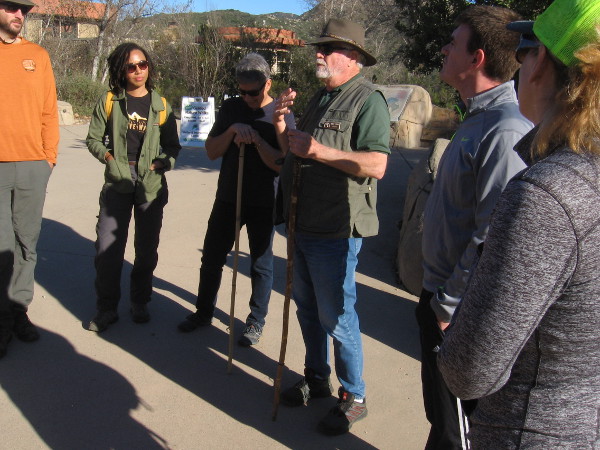
One of two experienced animal trackers addresses our group near the Mission Trails Visitor Center before we begin our adventure.
Mike Gibbs, one of two highly experienced animal trackers, addresses our group near the Mission Trails Visitor Center before we begin our adventure.
Our short but super fascinating wildlife tracking walk took us up the Oak Grove Inner Trail.
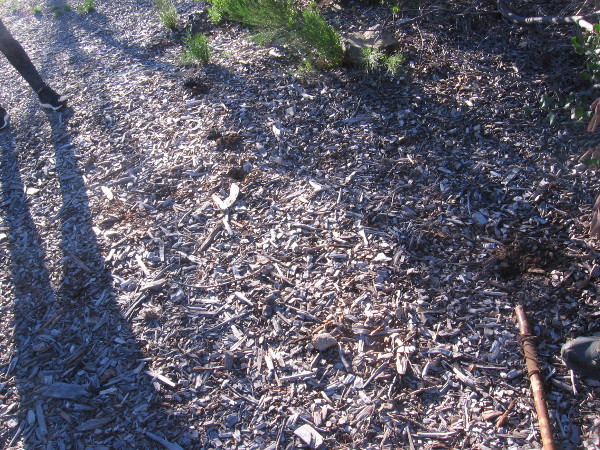
A hiking stick has been laid down to show where a skunk has dug small holes in the soil looking for grubs.
As the skunk moved forward, nose to the ground, it dug a series of additional holes.
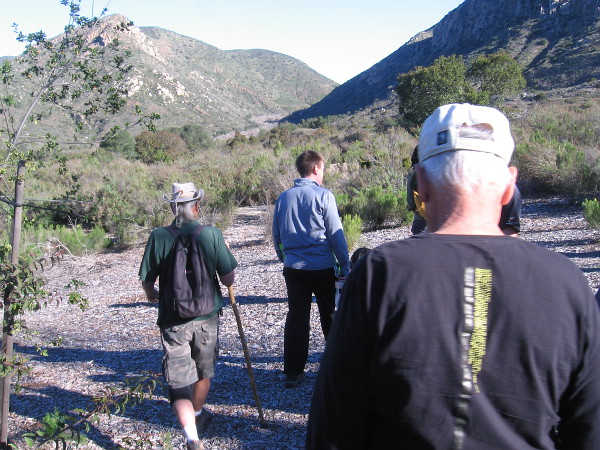
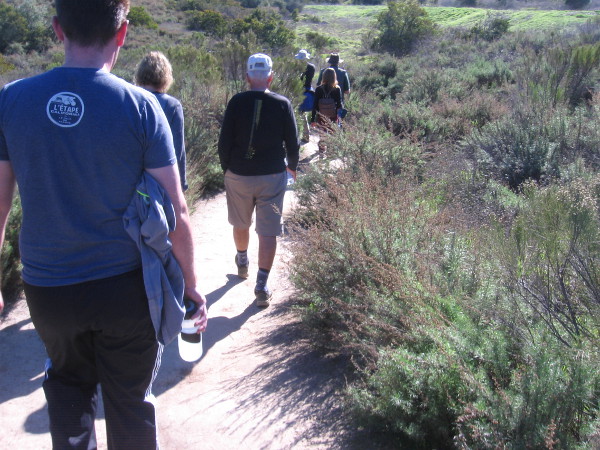
Walking again along the trail, searching for more signs of local wildlife.
Walking again along the trail, searching for more signs of local San Diego wildlife.
One of our guides points to the lair of a trapdoor spider! They pop out to catch prey, and lay their eggs inside their smooth burrow for safety. Yes, spiders can dig!
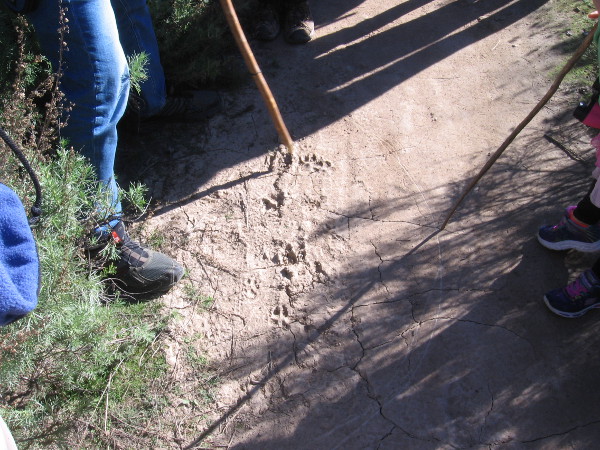
We saw lots of dog tracks in dried mud. The heavy front pads indicate a breed with a forward center of gravity. Coyotes have much neater, straighter tracks.
We saw lots of dog tracks in dried mud. The heavy front pads indicate a heavy breed with a forward center of gravity. Coyotes have distinctive, much straighter tracks.
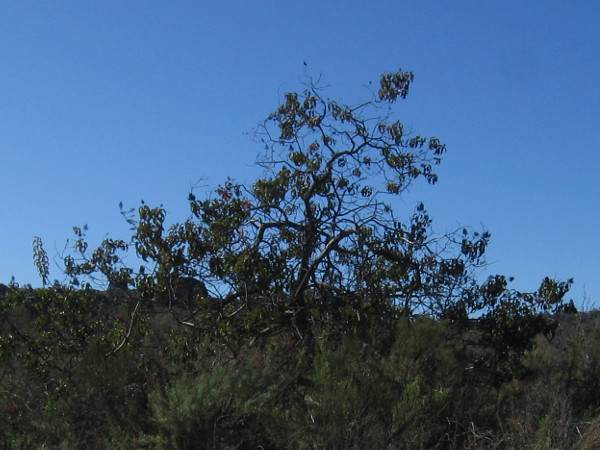
Way up there on that distant tree we spot a hummingbird!
Way up there on top of that distant tree we spot a tiny hummingbird!
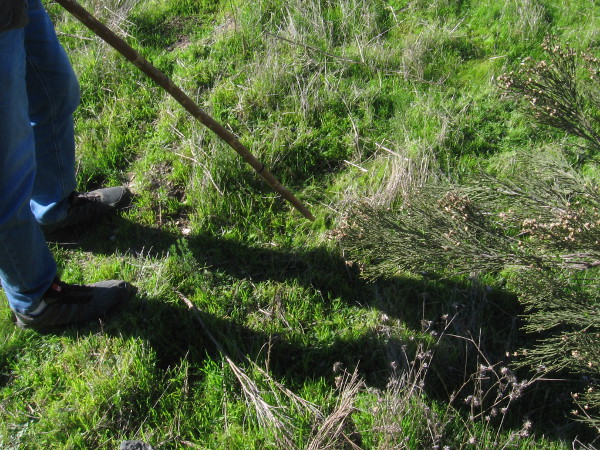
Rabbits made these tracks in the bent grass as they moved forward eating. We saw a couple calm rabbits feeding in the distance, seemingly unconcerned about predators.
Rabbits made these tracks in the bent grass as they moved forward leaving a U-shaped trail. We saw a couple of calm rabbits feeding in the distance, seemingly unconcerned about predators.
A gopher hole in the trail, long abandoned. The hole was subsequently widened by curious dogs poking in their noses, excited by an old scent.
A pocket gopher’s hole in the trail, long abandoned. The hole was subsequently widened by curious dogs poking in their noses, excited by an old scent.
Fresh moist coyote scat. These droppings seemed to show a recent vegetable diet.
But nearby, other dried, ropy coyote droppings contain rabbit fur.
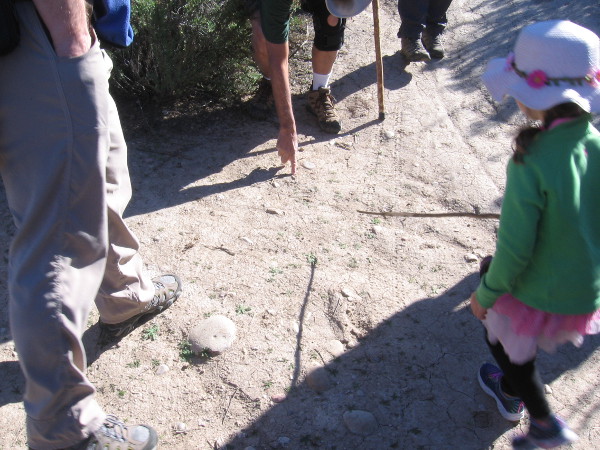
This small perfectly circular hole was dug by a digger bee. Yes, bees can dig, too! It seems a lot of critters dig. Snakes don't. They like to digest their food in the safety of Wood Rat's nests.
This small perfectly circular hole was dug by a digger bee. Yes, bees can dig, too! It seems a lot of critters dig. Snakes don’t. They like to digest their food in the safety of a wood rat’s sturdy stick nest.
What will we discover next? Life continues its dance, and the natural world is ever changing.
What will we discover next? Life continues its dance and the natural world is ever changing.

Wildlife Tracking Walks are held at Mission Trails Regional Park the first Saturday of every month, from 8:30 to 10:30 a.m. To learn more about the park’s different guided walks, click here.

I live in downtown San Diego and love to walk around with my camera! You can follow Cool San Diego Sights via Facebook or Twitter!

You can easily explore Cool San Diego Sights by using the search box on my blog’s sidebar. Or click a tag! There are thousands upon thousands of photos for you to enjoy!
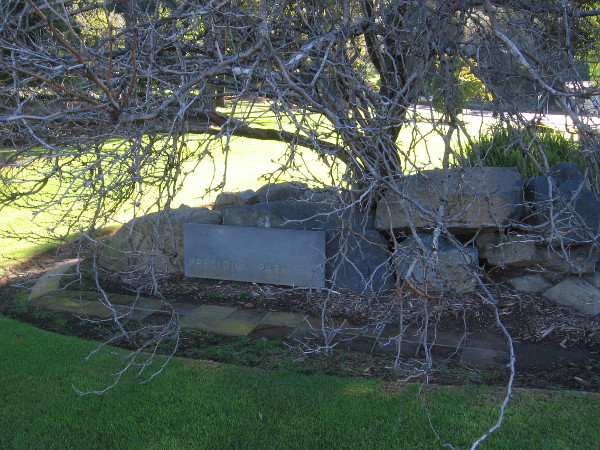
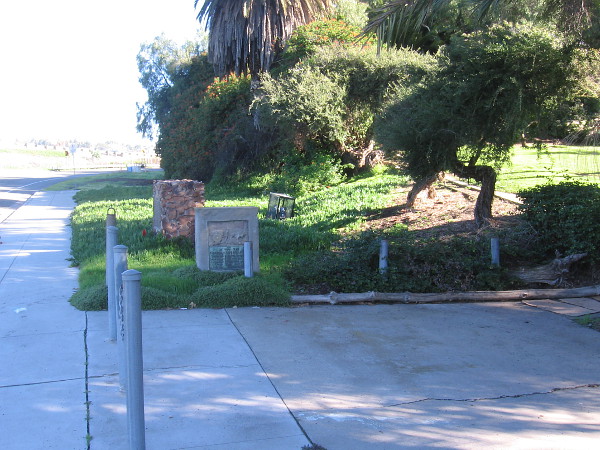
Historical markers at entrance to Presidio Park.

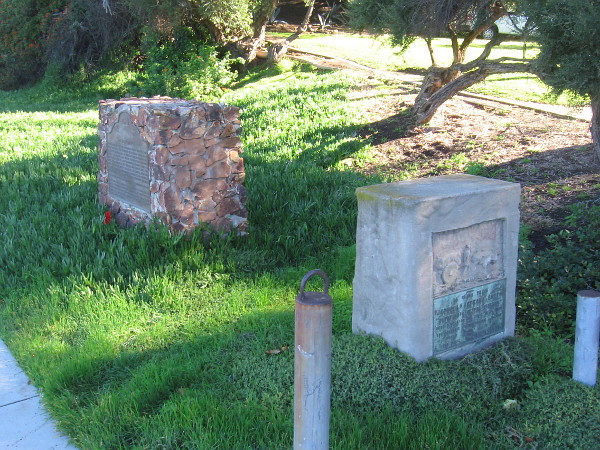
Several historical markers can be found near the northwest entrance to Presidio Park. If you’ve ever driven along Taylor Street just past Morena Boulevard and the Presidio Recreation Center, you might’ve glimpsed them. They stand beside a sidewalk that comes to an abrupt end, in a place where almost nobody walks.

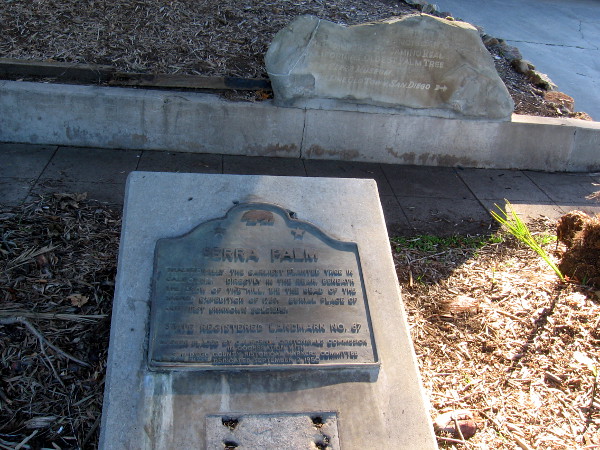
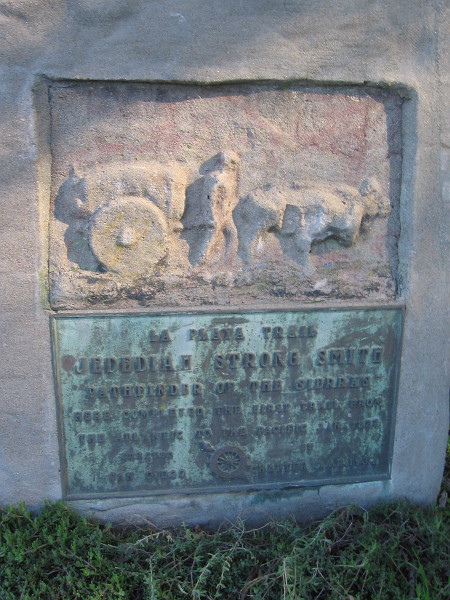
The three markers were placed years ago near three sites of historical importance: the Serra Palm, Derby Dike, and the La Playa Trail.

I’ve transcribed the words on each plaque.

I was told by a park ranger who happened to be parked nearby that the Serra Palm is long gone. He said it was probably blown over in a windstorm, and pointed out a pine tree that was toppled by our most recent storms.

The Serra Palm was planted in 1769 by Padre Junípero Serra, and marked the beginning of El Camino Real.

I’ve photographed a similar La Playa Trail marker near Mission San Diego de Alcalá. To view that photo, click here.

According to Wikipedia: “In 1934, six commemorative terra cotta plaques were placed along the length of the trail by the local chapter of the Daughters of the American Revolution and other groups, based on a relief designed by sculptor Rose M. Hanks. The original six were located at Mission San Diego de Alcala; at the foot of Presidio Hill in Old Town; near the intersection of Rosecrans St. and Midway Blvd. in the Midway area; at the corner of Rosecrans and Lytton streets in Loma Portal, across from the Naval Training Center San Diego golf course; at the corner of Rosecrans and Byron streets in Roseville; and at the site of the fuel depot at Naval Base Point Loma…”

SERRA PALM

TRADITIONALLY THE EARLIEST PLANTED TREE IN
CALIFORNIA. DIRECTLY IN THE REAR, BENEATH
THE BROW OF THE HILL, LIE THE DEAD OF THE
SACRED EXPEDITION OF 1769, BURIAL PLACE OF
OUR FIRST UNKNOWN SOLDIERS.
STATE REGISTERED LANDMARK NO. 67
MARKER PLACED BY CALIFORNIA CENTENNIALS COMMISSION
IN COOPERATION WITH
SAN DIEGO COUNTY HISTORICAL MARKERS COMMITTEE
DEDICATED SEPTEMBER 2, 1950

DERBY DIKE

UNTIL 1853 THE ERRATIC SAN DIEGO RIVER DUMPED TONS
OF DEBRIS INTO THE HARBOR OR POURED INTO FALSE
BAY, NOW MISSION BAY. AT TIMES IT THREATENED TO DE-
STROY OLD TOWN SAN DIEGO. LIEUTENANT GEORGE
HORATIO DERBY, U.S. TOPOGRAPHICAL CORPS, BUILT A
DIKE THAT DIVERTED THE WATERS INTO FALSE BAY. THIS
WAS THE FIRST EFFORT TO TAME THE RIVER, AND ONE
OF THE FIRST U.S. GOVERNMENT PROJECTS IN CALIFOR-
NIA. THE RIVER WAS NOT FULLY HARNESSED UNTIL THE 1950s.
CALIFORNIA REGISTERED HISTORICAL LANDMARK NO. 244
FIRST REGISTERED JUNE 10, 1936. PLAQUE PLACED BY THE
STATE DEPARTMENT OF PARKS AND RECREATION IN CO-
OPERATION WITH THE SAN DIEGO DEPARTMENT OF PARKS
AND RECREATION AND SQUIBOB CHAPTER, E CLAMPUS
VITUS, AUGUST 4, 1990.

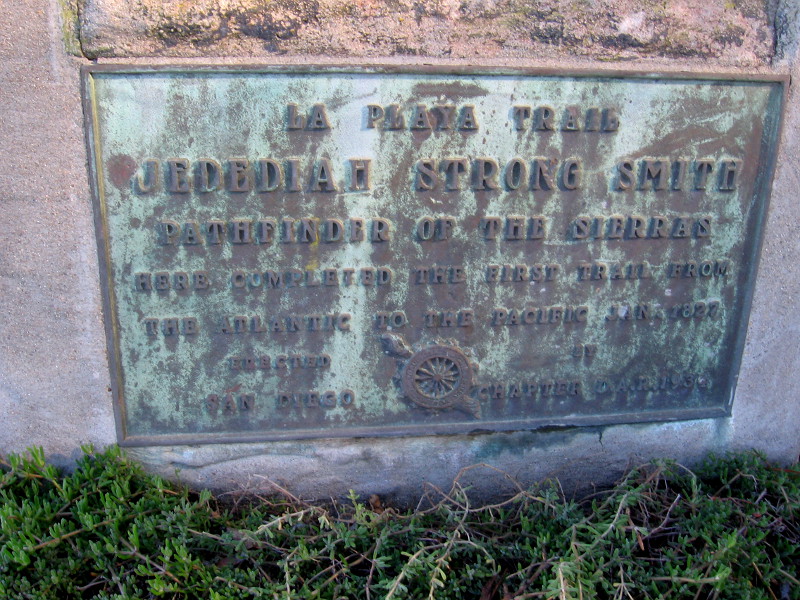
LA PLAYA TRAIL
JEDEDIAH STRONG SMITH
PATHFINDER OF THE SIERRAS
HERE COMPLETED THE FIRST TRAIL FROM
THE ATLANTIC TO THE PACIFIC JAN. 1827
ERECTED BY
SAN DIEGO CHAPTER D.A.R. 1937

This blog now features thousands of photos around San Diego! Are you curious? There’s lots of cool stuff to check out!

Here’s the Cool San Diego Sights main page, where you can read the most current blog posts.  If you’re using a phone or small mobile device, click those three parallel lines up at the top–that opens up my website’s sidebar, where you’ll see the most popular posts, a search box, and more!

To enjoy future posts, you can also “like” Cool San Diego Sights on Facebook or follow me on Twitter.

Finishing a 19th century quilt in Old Town.

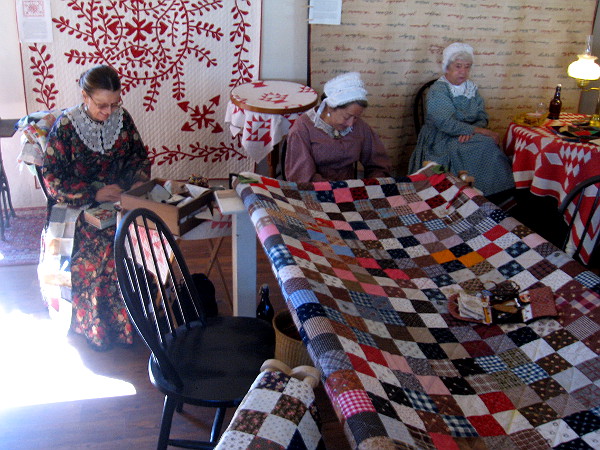
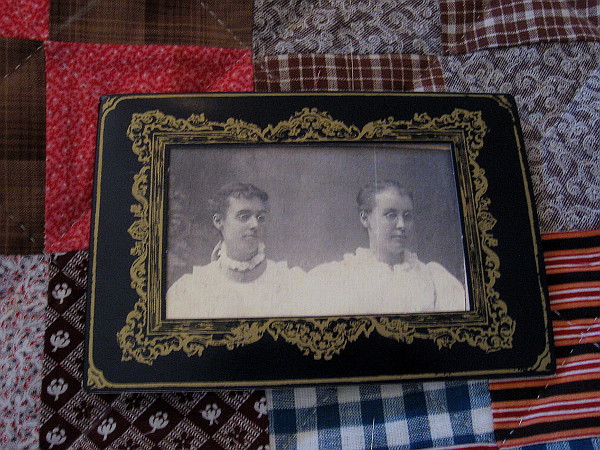
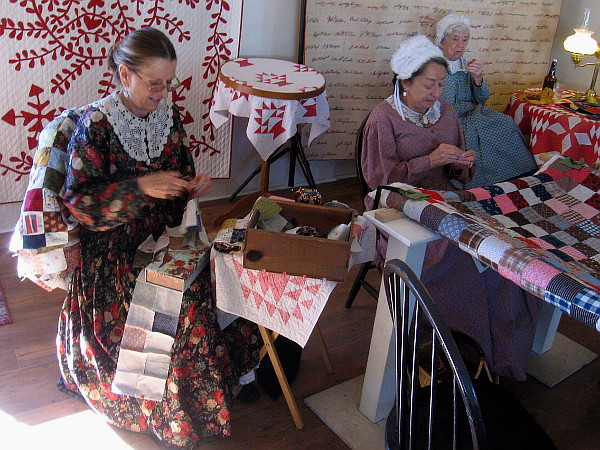
Today, when I stepped into Threads of the Past in Old Town San Diego State Historic Park, I found several ladies working on quilts. One beautiful quilt in particular was spread out before them, and on top of it was a small very old photograph showing two sisters from a century ago.

I asked a question or two and jotted a few quick notes. I didn’t really achieve a perfect understanding, and some of what I’m about to write might be incorrect!

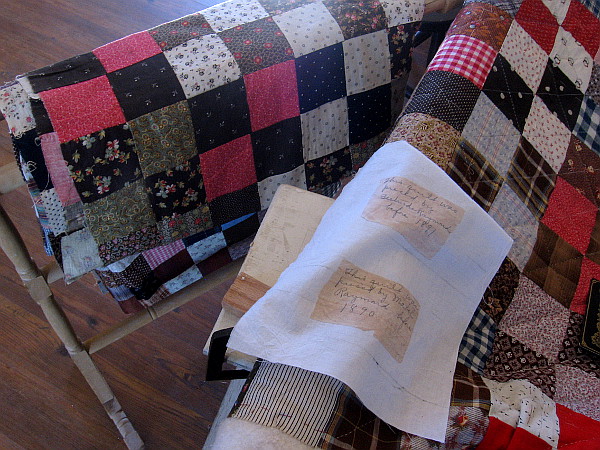
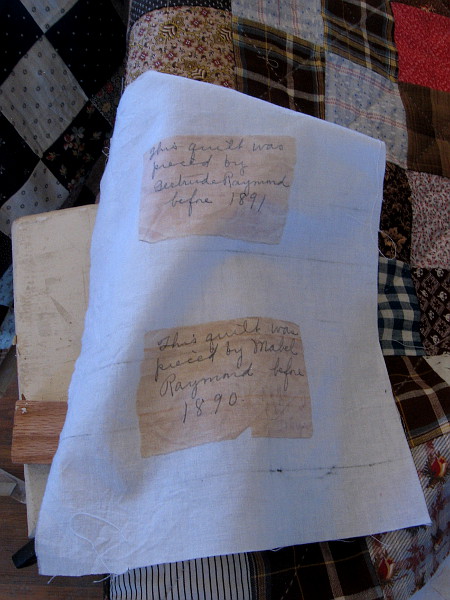
I believe the spread quilt and another folded beside it had been pieced in the late 19th century by two sisters, Gertrude and Mabel Raymond, who were school teachers in National City, and who are now buried in Greenwood Memorial Park. The old quilts had been found by a family in their attic, and brought to Threads of the Past to be completed.

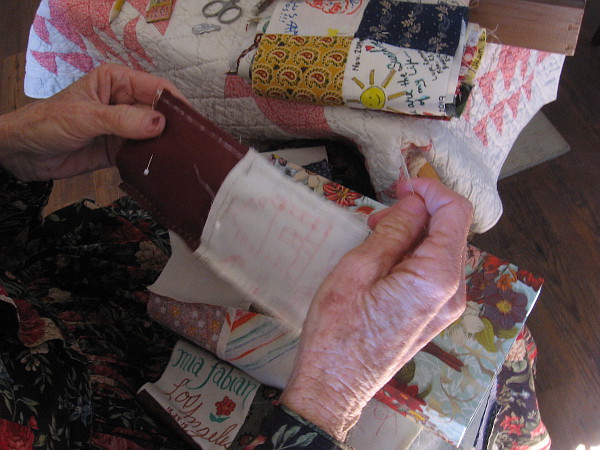
One of the quilters I spoke to was working on a modern “Sanitary Commission” quilt, which will be auctioned off on the Fourth of July. The fabric squares were designed by local school children. (You can glimpse a bit of their artwork in the second-to-last photograph.) I learned that there are only six authentic United States Sanitary Commission quilts from the Civil War known to exist, and was told that if you see those words on an old quilt at a rummage sale or swap meet, buy it!

Walk into Threads of the Past and not only will you see historic quilts hanging on the walls, but you’ll learn something new about that big colorful quilt known as History, and you might find skilled quilters working to preserve it!

I live in downtown San Diego and love to walk around with my camera! You can follow Cool San Diego Sights via Facebook or Twitter!

Making beautiful candles in Old Town.

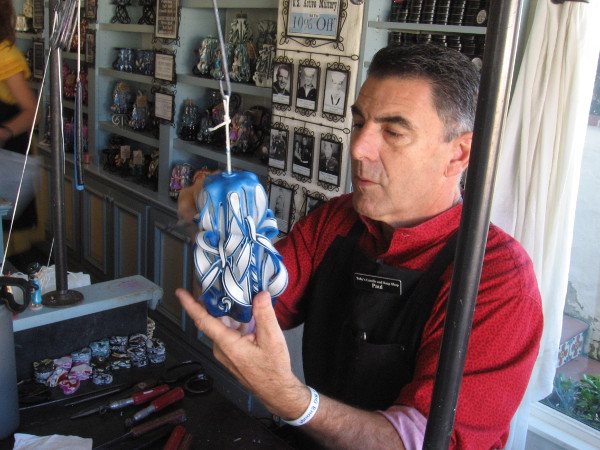
Today I watched as a father and his son made beautiful candles in Old Town San Diego State Historic Park.

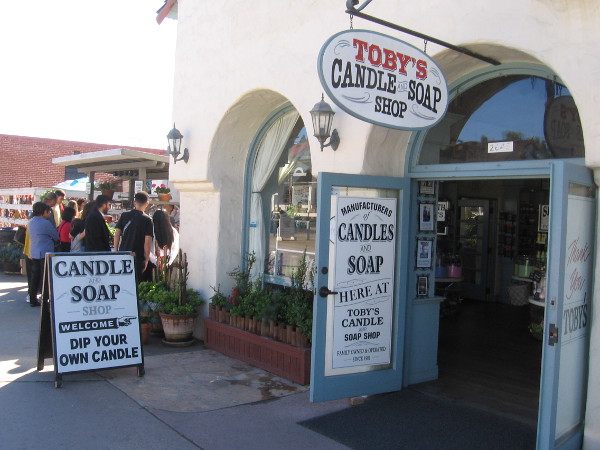
The father, Paul, is the owner of Toby’s Candle and Soap Shop. His son is a super friendly young man named KC.

This talented family has been making candles by hand for three generations. I learned their business has been operating for about 38 years (including a period at Knott’s Berry Farm) and has been located in Old Town now for about 24 years.

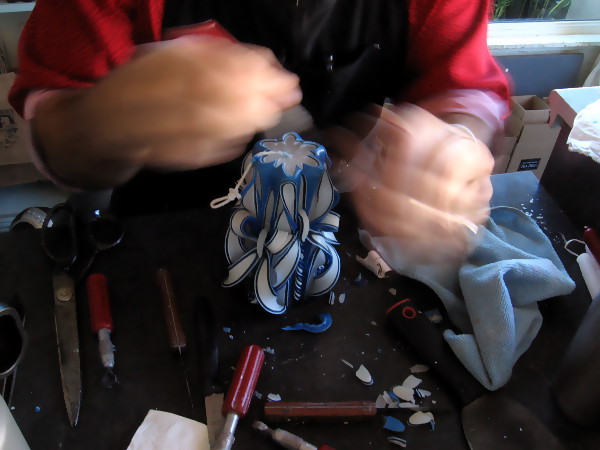
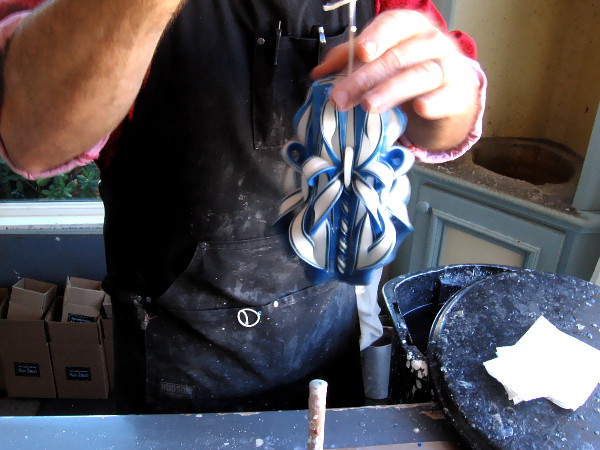
For a few minutes I watched as Paul used a special carving tool to cut and curl back soft wax as he made an elaborate, very beautiful, multicolored candle. He told me he had about 8 minutes to complete the task, before the wax cooled and hardened. After carving a well at the top of the candle, he dipped his finished creation in clear wax, then a hard glaze.

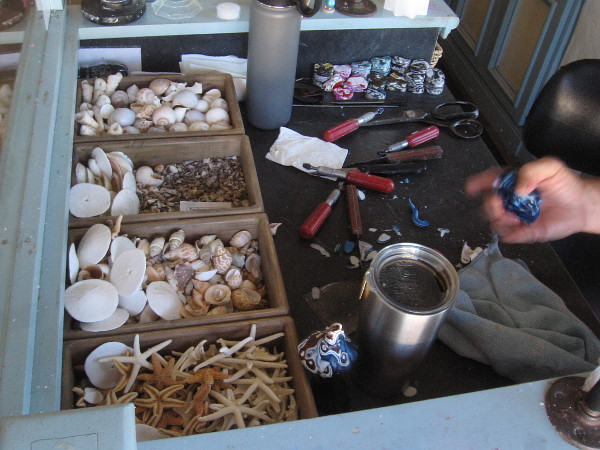
Sometimes he’ll add shells or figurines to these decorative candles, to make them even more fantastic. I also learned that these fancy many-layered candles, which begin modestly as a solid mold, can take anywhere from 6 to 10 hours to create!

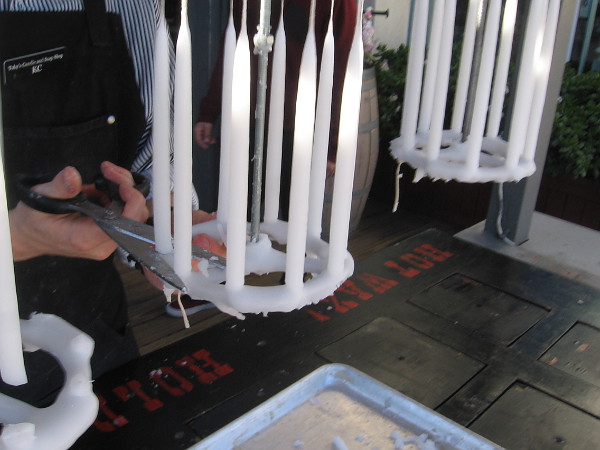
Outside the shop, tourists and curious passersby were watching KC dip taper candles. He’d dip each group of wicks, which are suspended vertically in a circle, about 30 to 35 times, depending on the outdoor temperature. He was careful not to leave the forming candles in the hot wax for too long. After the candles grew in girth to the correct size, he removed the excess wax for future use, and used scissors to cut the candles free, as you can see in my last photo!

Toby’s Candle and Soap Shop is located in the historically and architecturally important Sessions Building, which was designed by renowned San Diego architect Richard Requa. Learn more about it here!

I live in downtown San Diego and love to walk around with my camera! You can follow Cool San Diego Sights via Facebook or Twitter!

You can easily explore Cool San Diego Sights by using the search box on my blog’s sidebar. Or click a tag! There are thousands upon thousands of photos for you to enjoy!
Making adobe blocks in Old Town.

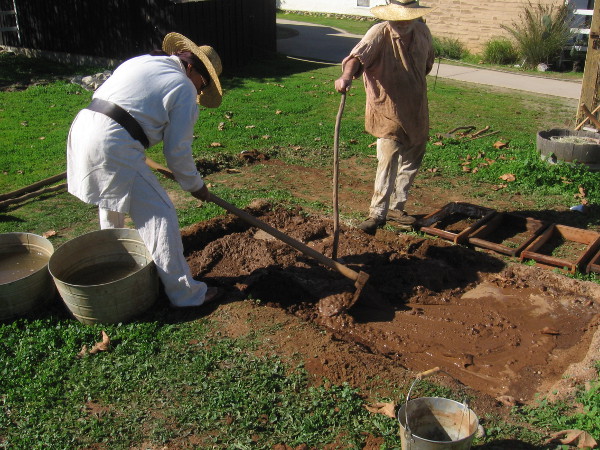
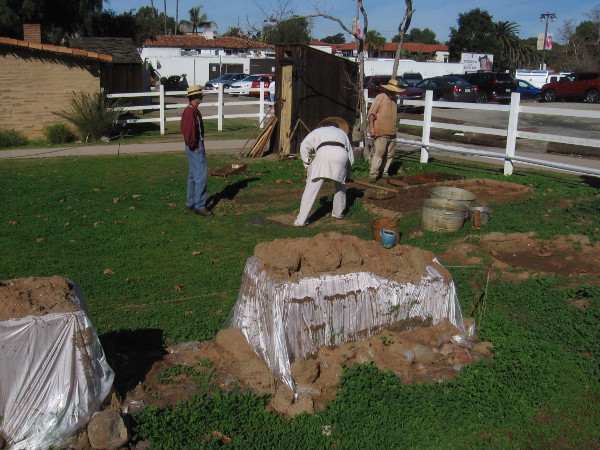
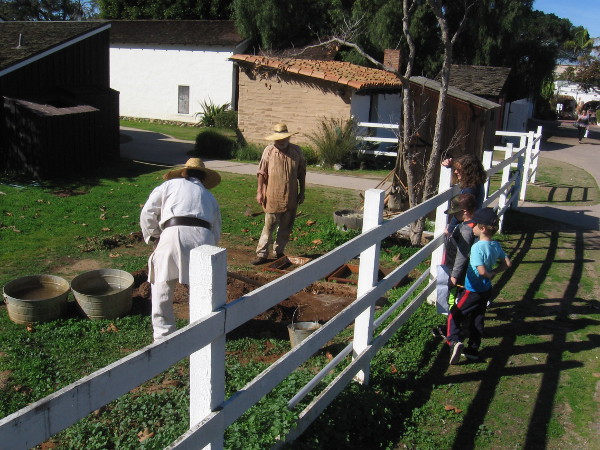
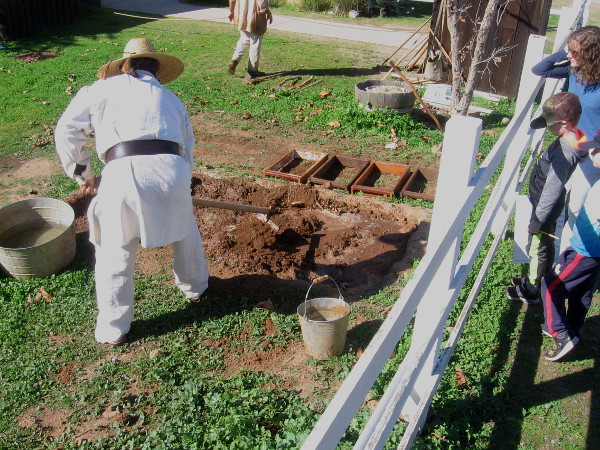
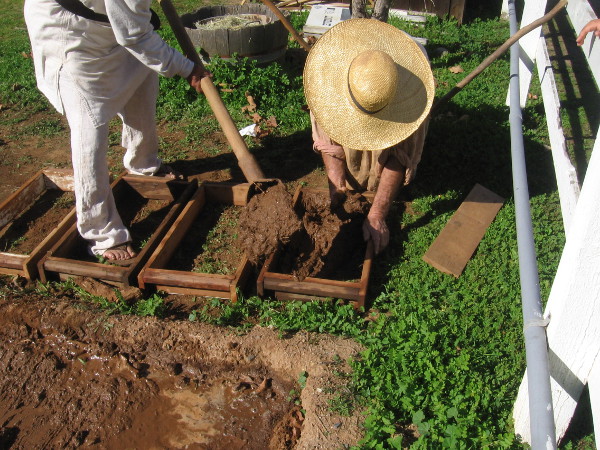
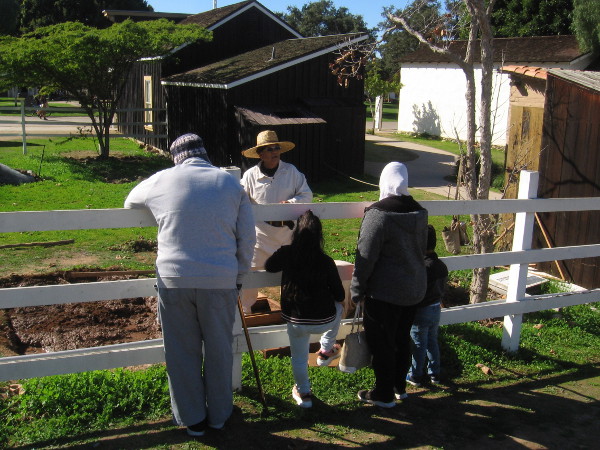
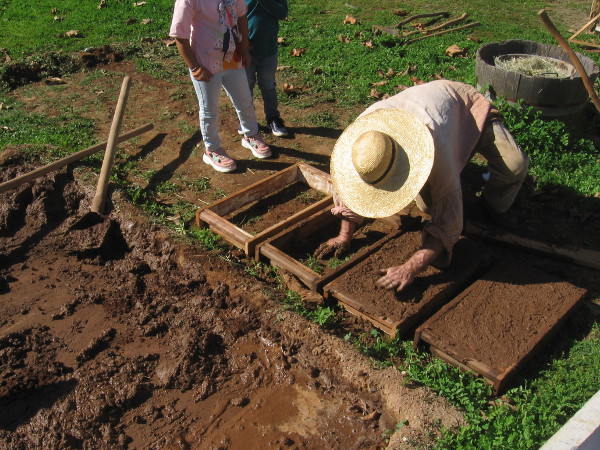
Today I spent a couple of hours exploring Old Town San Diego State Historic Park and a small section of nearby Presidio Park. As I walked through Old Town’s historic plaza near the Cosmopolitan Hotel, I noticed some people in period attire were demonstrating how to create adobe blocks.

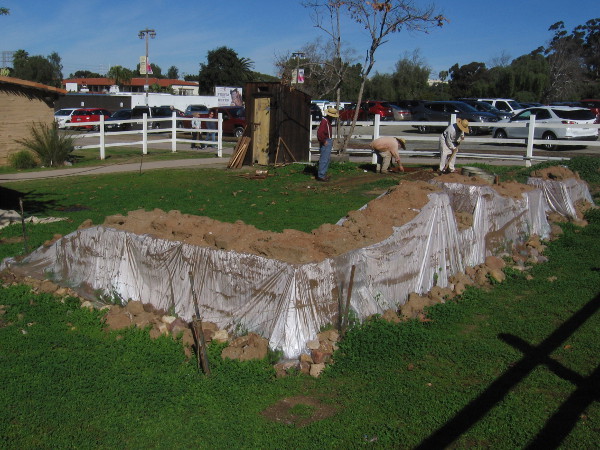
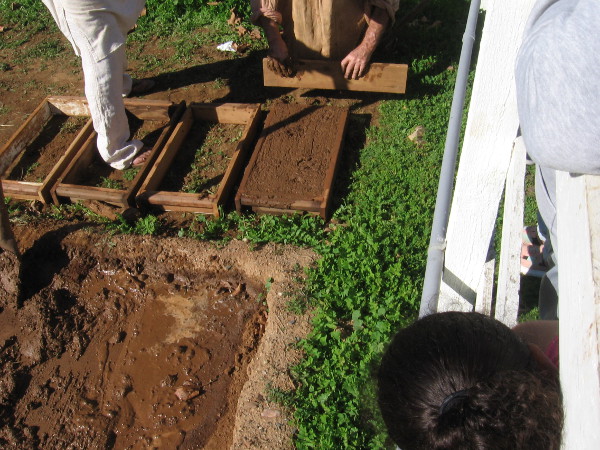
At the very beginning of San Diego, in the early days of Spanish and Mexican settlers, adobe was the small town’s primary building material. Primitive bricks–or blocks–were made by simply mixing mud and straw together. The mixture was then shaped using wooden forms, then left to dry in the sun for a month or so. The resulting adobe blocks were used to build walls that in our arid climate were remarkably sturdy and insulating.

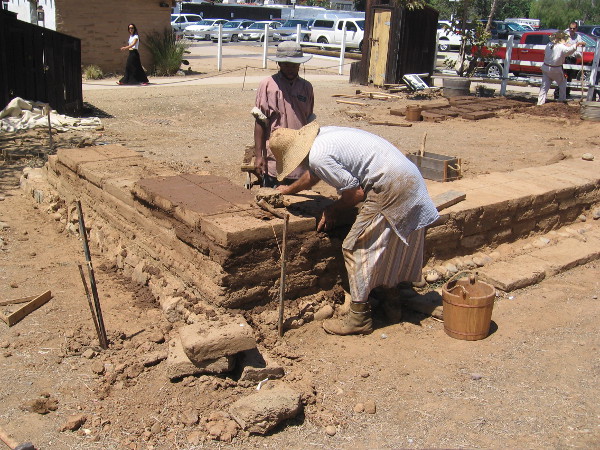
During past visits to Old Town, I’ve seen people working in this same spot demonstrating the making of adobe. Over time, that wall in a couple of my photos has slowly grown.

I was told by one friendly gentleman that eventually this grassy spot will be used for a Native American Kumeyaay exhibit, and a more permanent demonstration adobe structure will be built inside the fenced area near Old Town’s Blacksmith Shop.

Here’s a pic I took a couple months ago which shows how the adobe wall is slowly being built, layer by layer…

IMG_9847z

I live in downtown San Diego and love to walk around with my camera! You can follow Cool San Diego Sights via Facebook or Twitter!

You can easily explore Cool San Diego Sights by using the search box on my blog’s sidebar. Or click a tag! There are thousands upon thousands of photos for you to enjoy!
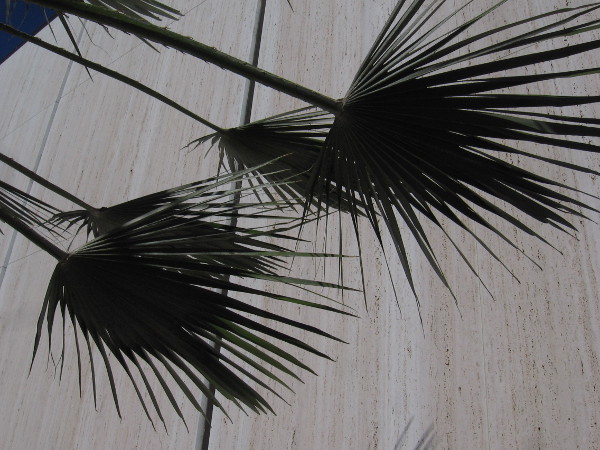
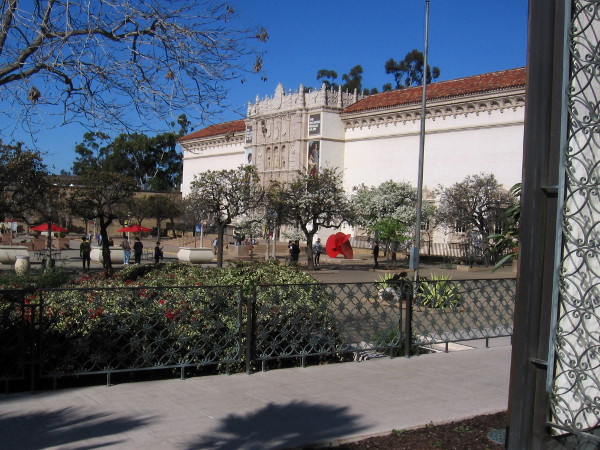
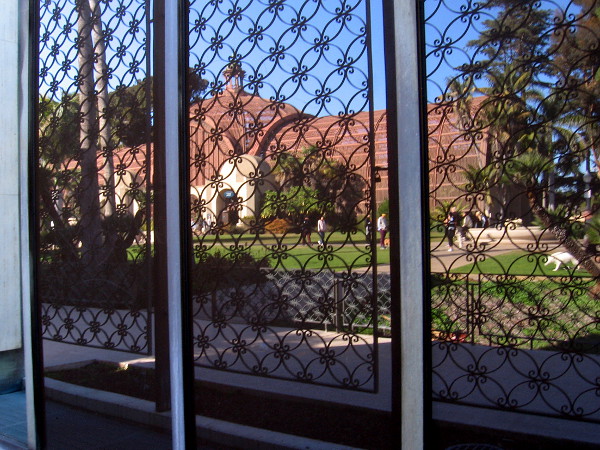
Beautiful scenes around the Timken Museum.

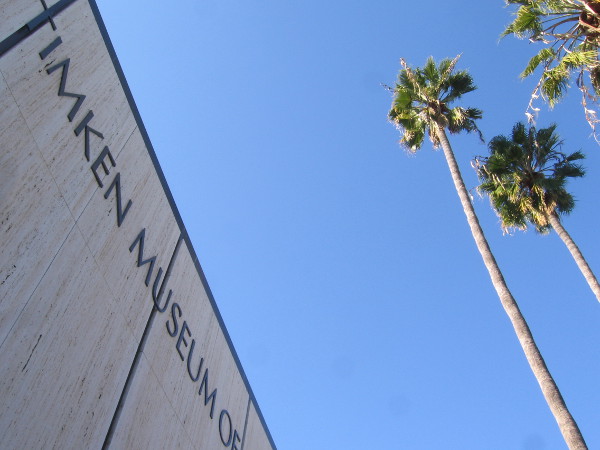
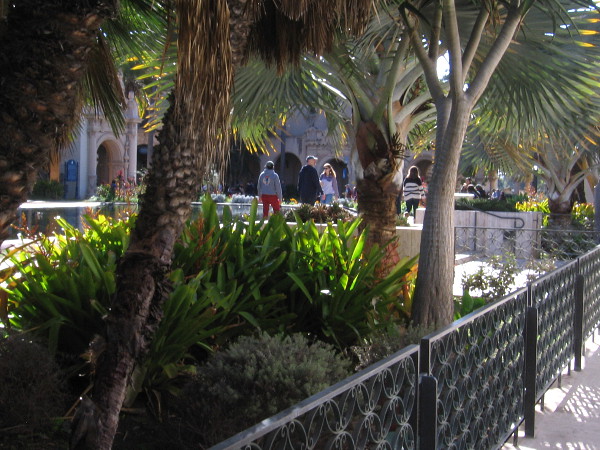
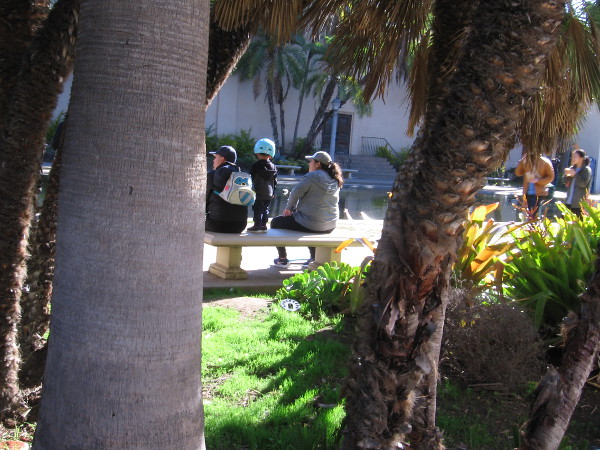
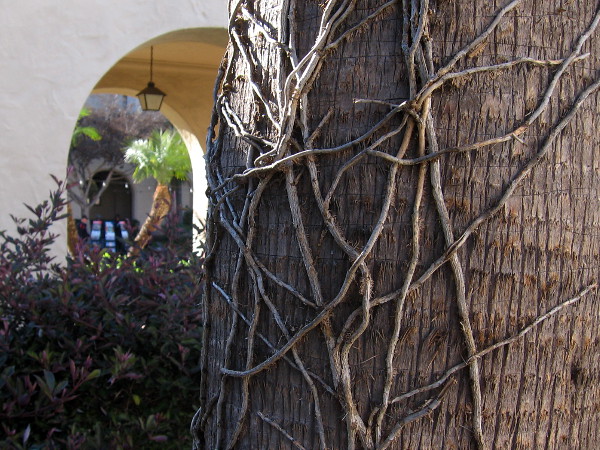
My walk through Balboa Park today included a slow circle around the Timken Museum of Art.

While the building doesn’t really fit with the park’s nearby Spanish Colonial Revival architecture, the museum is quite beautiful in its own way. For a description of this masterpiece of Southern California Modernism, you can visit an earlier blog that I posted here.

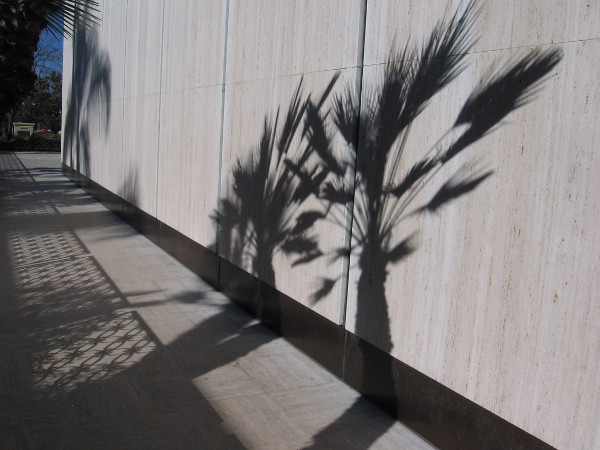
Few people journey next to the Timken’s bright walls. The walkway can be a bit hidden.

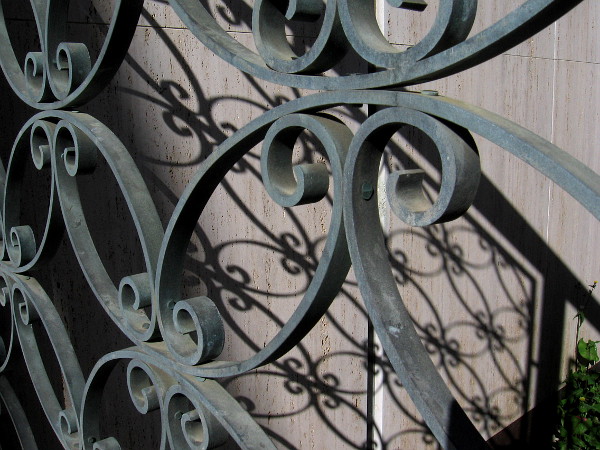
Here are a few scenes from this afternoon…

I live in downtown San Diego and love to walk around with my camera! You can follow Cool San Diego Sights via Facebook or Twitter!
Hotel, shops coming to Santa Fe Depot!

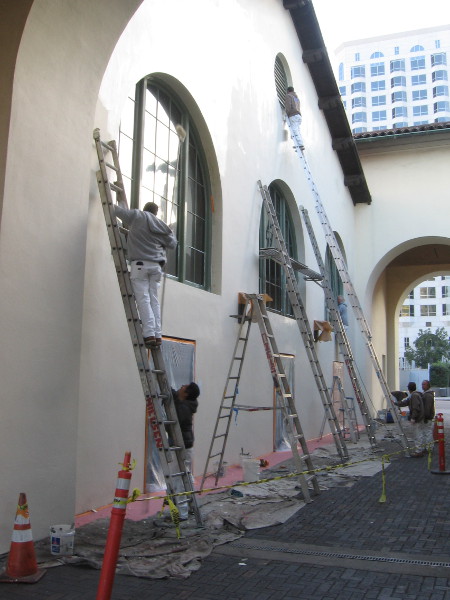
Today I learned a big change might be coming to downtown San Diego’s historic Santa Fe Depot!

This morning, after noticing the building’s exterior is getting a new paint job, I spoke to a gentleman outside the Amtrak office and asked if he knew whether the new owner still plans to renovate the building. I was interested to hear that there are still plans for a major renovation of the building, including the opening up of an interior stairwell that will lead to a small new hotel and shops on the depot’s second floor!

I asked if there were plans to develop the depot’s old forecourt by Broadway, where there are tile benches and a broken fountain, and where streetcars picked up passengers arriving by train a century ago–but he knew nothing concerning that.

He and I agreed that it would be a amazing if the large Santa Fe sign atop the historic depot were finally lit up at night, adding more character to San Diego’s skyline. I’d heard a couple years ago during an architectural tour of the Santa Fe Depot that lighting the sign was a project that might lie in the future.

Very cool!

I live in downtown San Diego and love to walk around with my camera! You can follow Cool San Diego Sights via Facebook or Twitter!

A hopeful New Year in the Gaslamp.

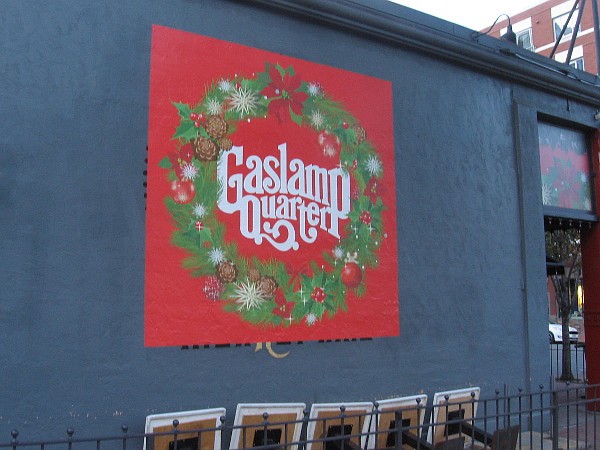
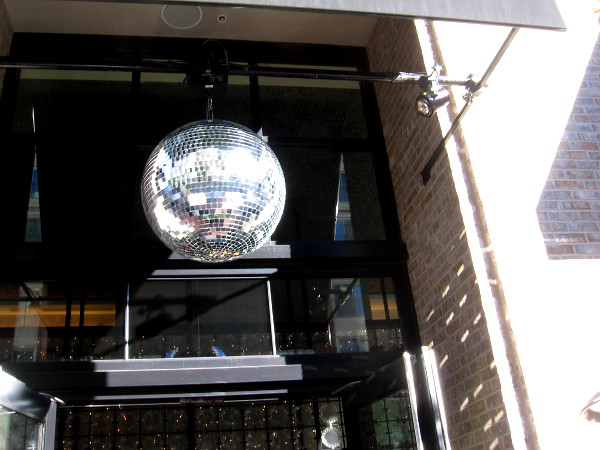
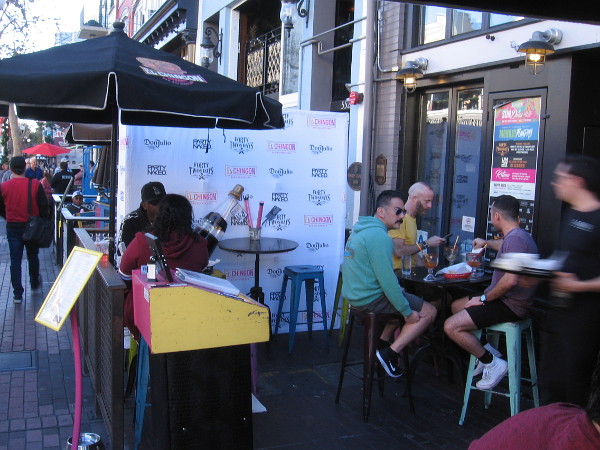
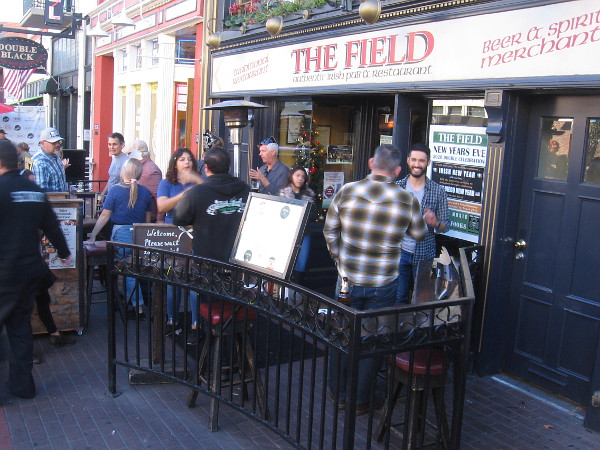
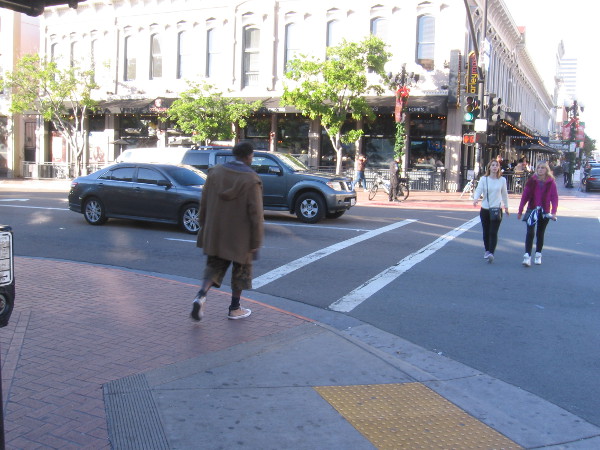
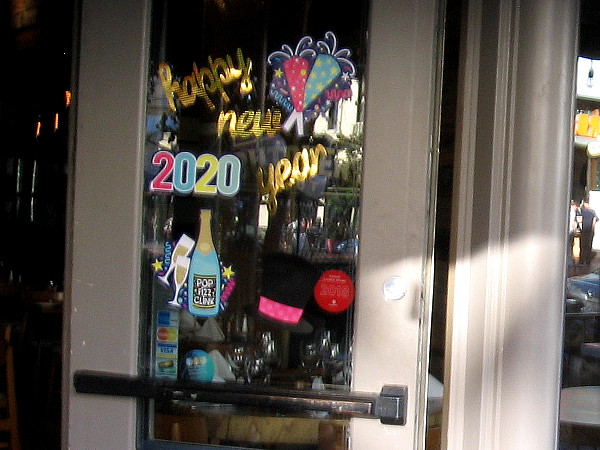
It’s New Year’s Eve. This morning and afternoon I walked through the Gaslamp Quarter to see what’s in store for the midnight celebrations.

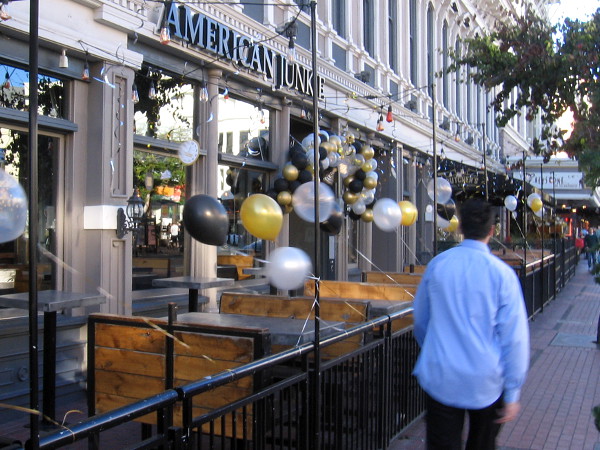
Up and down Fifth Avenue the restaurants, bars and hotels were getting ready. Workers were sweeping sidewalks, putting up balloons.

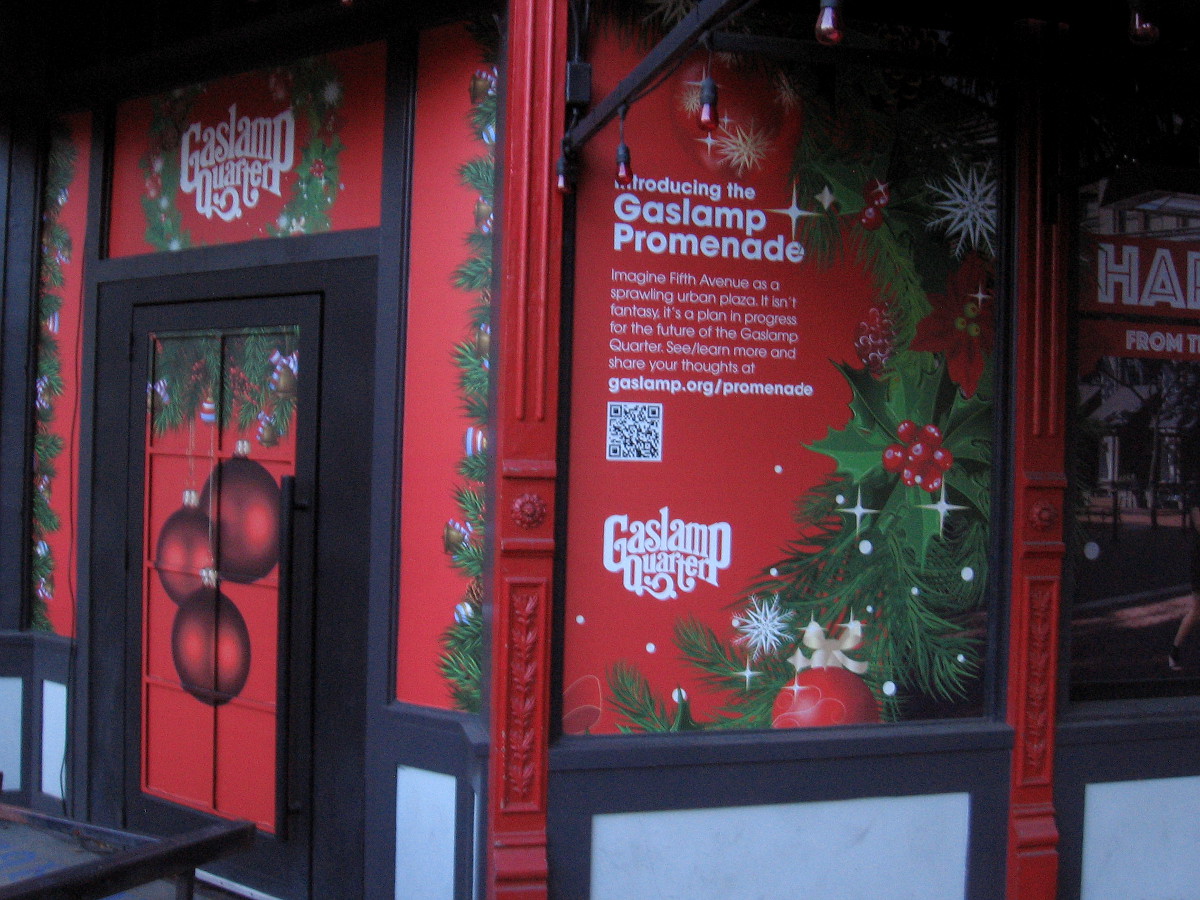
I see the Gaslamp Quarter has big plans for the future. According to some information you can read in one photo, Fifth Avenue is to become the Gaslamp Promenade–a sprawling urban plaza. I’m sure it will be opulent and amazing.

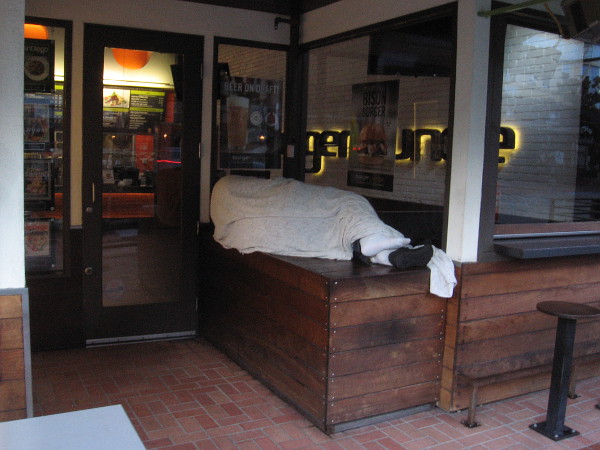
Apart from one photo in particular, in the morning I didn’t point my camera at the numerous homeless, who sleep on the sidewalk and in doorways before being ushered along.

The Gaslamp Quarter contains some very stark contrasts. There is material self-indulgence, and there is despair.

Hopefully, in the New Year, there’s more heart.

I live in downtown San Diego and love to walk around with my camera! You can follow Cool San Diego Sights via Facebook or Twitter!