The Splinter in the Eye–of La Jolla.

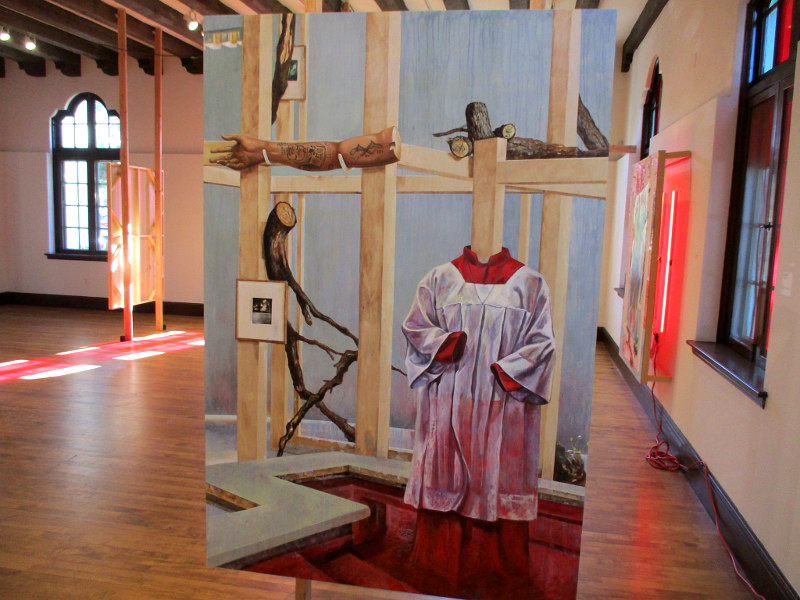
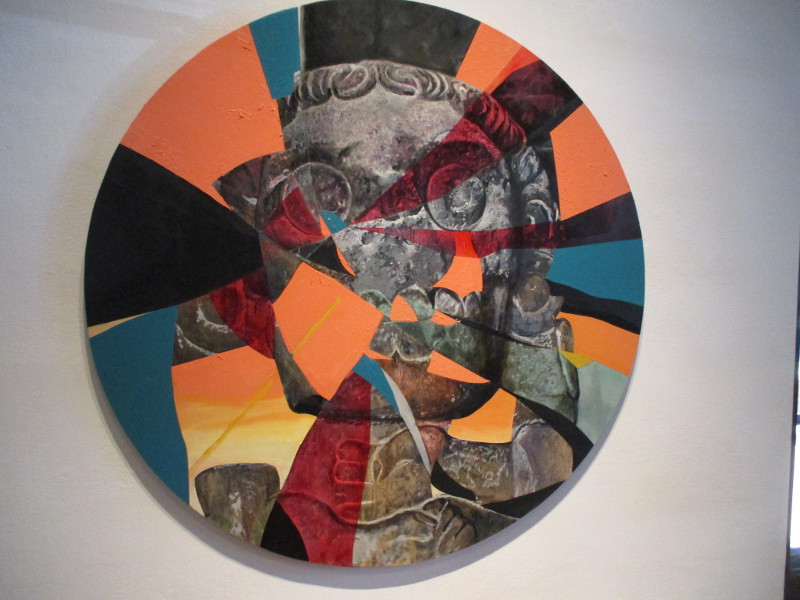
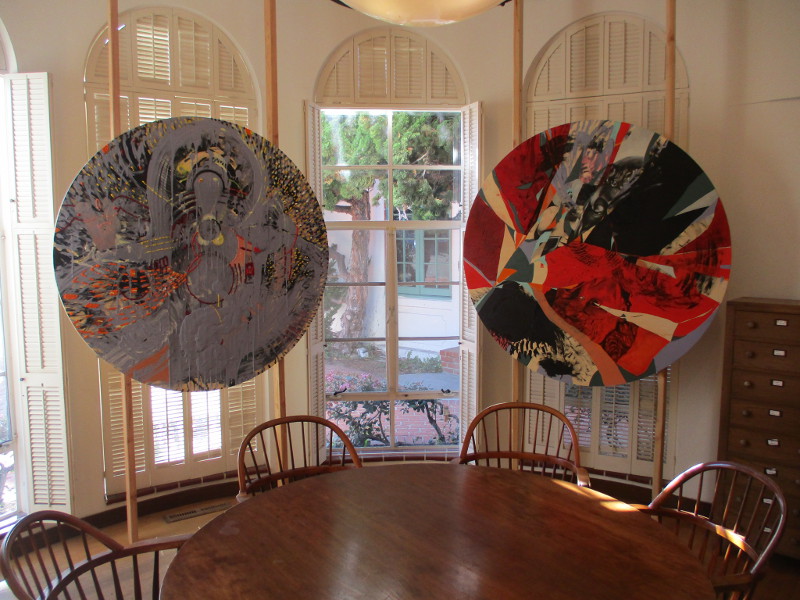
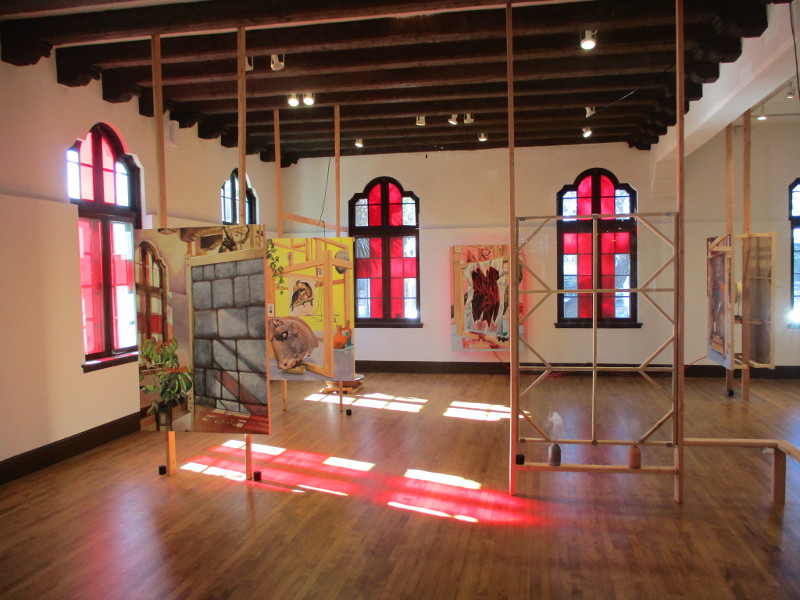
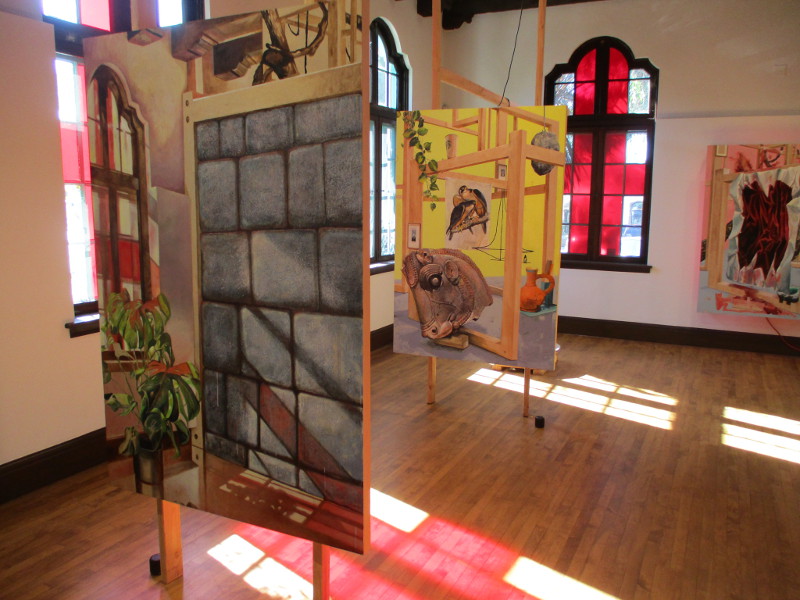
The provocative title of the current exhibition at La Jolla’s Athenaeum Music & Arts Library is The Splinter in the Eye. Does artist Carlos Castro Arias want the viewer to remove the log in their own eye before offering criticism?

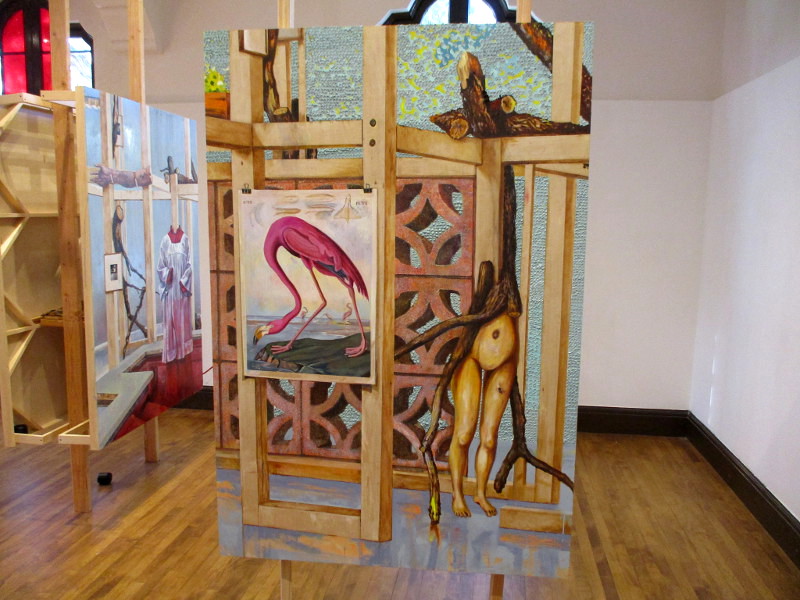
The mixed media, sensory installation challenges a naïve view of the world. To me, it appears to highlight historical disruptions and destruction resulting from developments brought on by civilization. It also suggests the ultimate failure of human ambition–the materialism and the conceits.

One thing is certain. These works by the artist can make one feel uneasy.

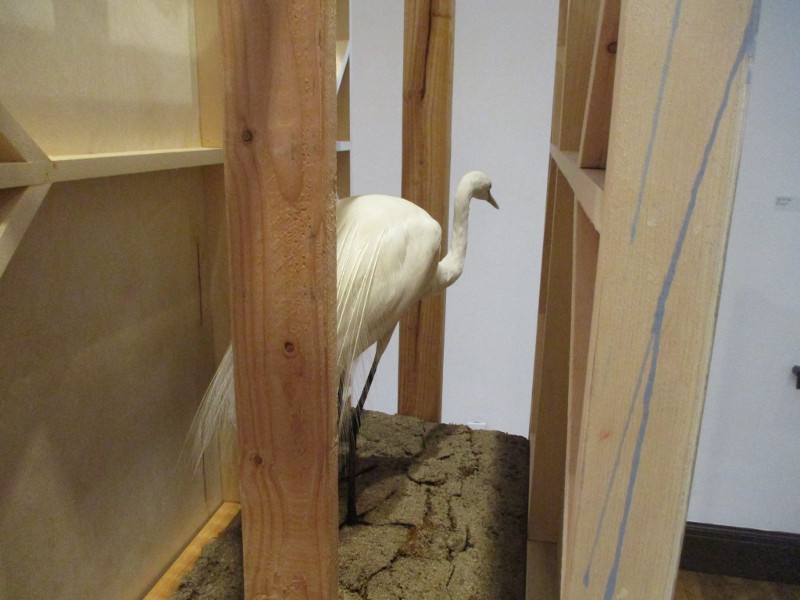
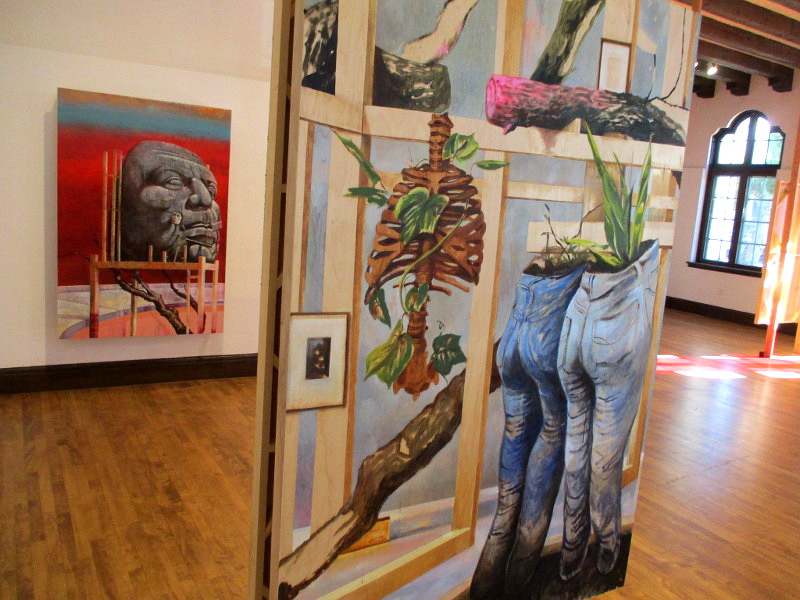
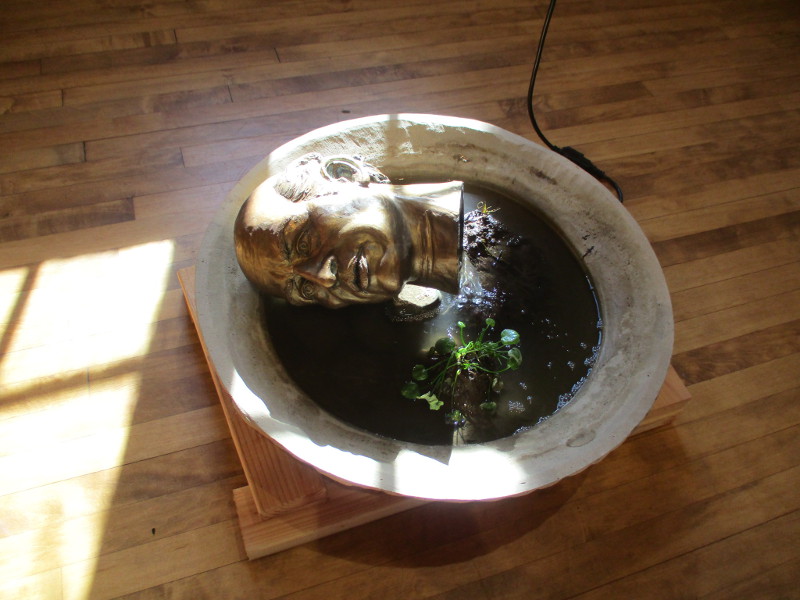
Severed limbs, the severed head of missionary priest Junipero Serra in a birdbath, visions of dripping blood and a baptismal pool of blood, bloodlike crosses projected onto the floor as if through the stained glass of a cathedral, dead taxidermy birds from a museum, fractured relics, plants growing through skeletons and blue jeans…all framed by rigid two-by-fours, as if the unstoppable construction of new things divides and overwhelms all.

Pieces in the exhibition have bizarre titles like Eating the Guts of Those Who Loved Me, Botox Against the Machine, Caffeine Overdose, and (don’t shoot the messenger, please!) Borderline Retarded. Yes, the effect of it all is rather depressing. Apart from representations of the ancient and the natural world, there seems to be little or nothing envisioned that is hopeful.

I know, many artists like to shock people with criticisms of modernity–in particular Western Civilization and its Christian heritage–but is the world of today really that bleak?

My question is: has the artist removed the log from his own eye?

Now I’m in trouble, I suppose.

Perhaps my attempt at interpretation is terribly uninformed. Perhaps I’m overreacting.

If you’d like to explore this bold artwork and come to your own conclusions, head on down to the Athenaeum Music & Arts Library in La Jolla before the exhibition ends on January 11, 2025.
I post new blogs pretty often. If you like discovering new things, bookmark coolsandiegosights.com and swing on by occasionally!

I live in downtown San Diego and love to walk around with my camera! You can follow Cool San Diego Sights via Facebook or X.

Thank you for sharing!
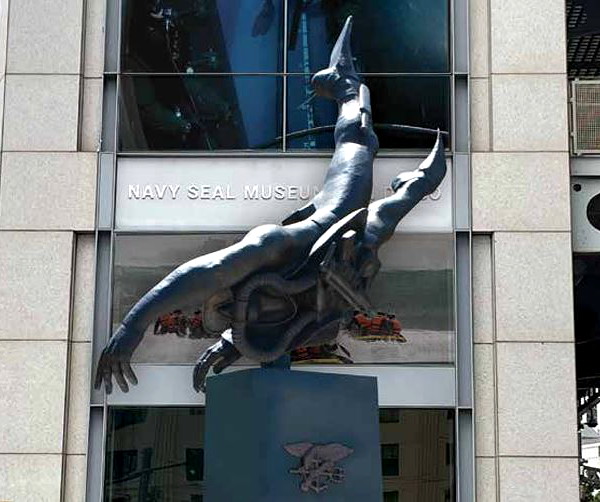
Frogman statue coming to Navy SEAL Museum San Diego!

A large bronze statue that honors Navy frogmen is planned for the new Navy SEAL Museum in San Diego, which is scheduled to open later this year at downtown’s America Plaza.

The impressive statue will stand south of the museum entrance, in an outdoor space that is adjacent to the America Plaza trolley station. (You might recall, how years ago, the Museum of Contemporary Art San Diego had their Hammering Man sculpture located in the same spot.)

I’m told the diver statue should resemble one now situated at the original Navy SEAL Museum in Fort Pierce, Florida, in front of their Memorial Wall.

The statue that is coming to San Diego will stand atop a granite pedestal inscribed with the BUD/S classes that become plank owners of the new museum.

The museum’s Plank Owner BUD/S Class Campaign is presently underway. Those who contribute will become part of a legacy that will motivate and inspire generations of Americans for years to come.

As this webpage explains, the museum is reaching out to the Navy SEAL community. Donations are being accepted of any size to help with the construction of the Museum which will preserve our history and tell our stories to the nation.

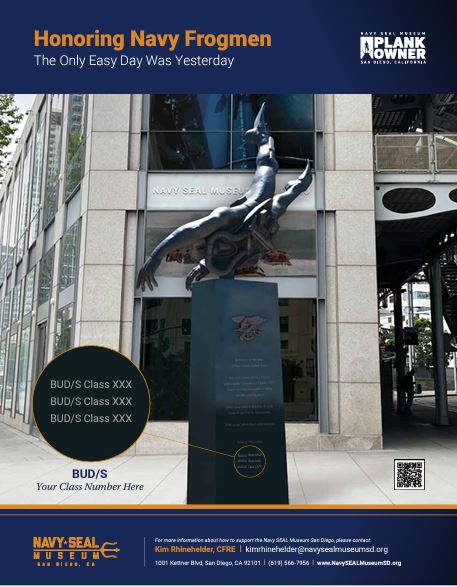
Every donation will receive recognition on the museum website here. For those Classes reaching the $5,000 goal, the Class Number will be permanently etched into the granite pillar which holds the bronze Navy SEAL Sculpture.

Would you like to inspire future generations, and help build the Navy SEAL Museum in San Diego? Visit their website by clicking here!

I post new blogs pretty often. If you like discovering new things, bookmark coolsandiegosights.com and swing on by occasionally!

I live in downtown San Diego and love to walk around with my camera! You can follow Cool San Diego Sights via Facebook or X.

Thank you for sharing!
Hotel del Coronado’s amazing old Christmas ornaments!

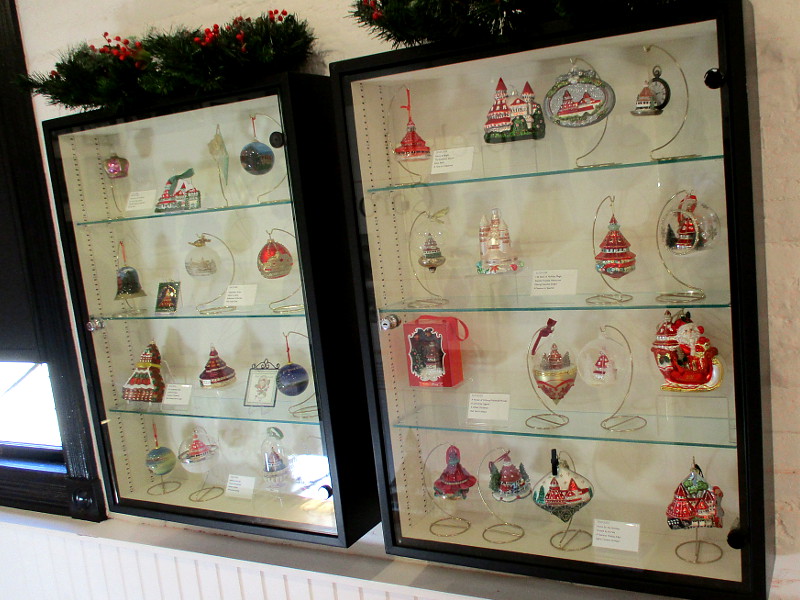
Dozens of amazing Christmas ornaments that were created through the years for the Hotel del Coronado are now on display in the hotel’s Ice House Museum!

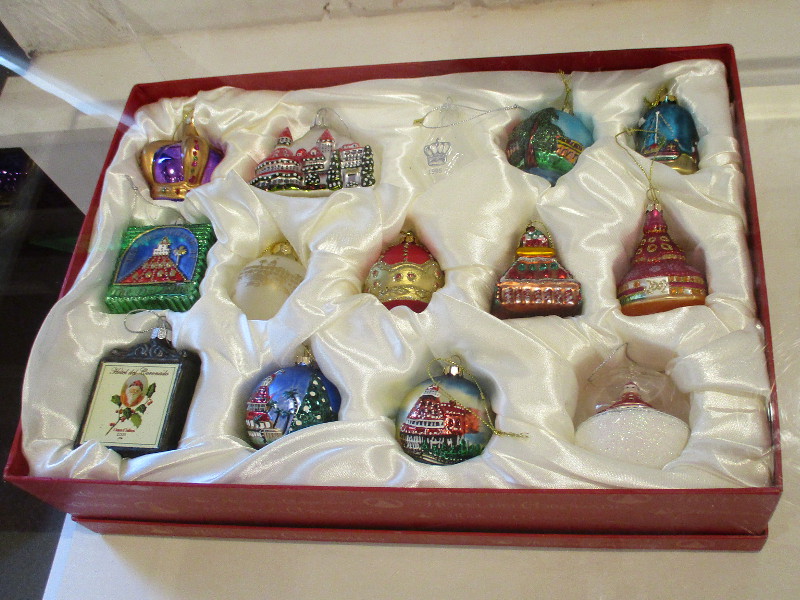
Beginning in 1993, the Hotel del Coronado has offered an Annual Collector’s Ornament with a holiday theme. Most of the ornaments contain a sparkling image of Coronado’s historic Victorian beach resort.

Visitors to the hotel’s Ice House Museum can now peer into several display cases and see the jewel-like beauty of these ornaments!

I was pleasantly surprised to discover the seasonal exhibit yesterday. I took a few photographs.

(The following photo is of a 2007 Commemorative Set containing interpretations of past ornaments…)

I post new blogs pretty often. If you like discovering new things, bookmark coolsandiegosights.com and swing on by occasionally!

I live in downtown San Diego and love to walk around with my camera! You can follow Cool San Diego Sights via Facebook or X.

Thank you for sharing!

San Diego canals, survival ideas, and a sky mirror!

I didn’t know what to expect when I recently visited the La Jolla Historical Society‘s museum to experience their current exhibition Helen and Newton Harrison: California Work.

The exhibition is described as a retrospective about the work of husband-and-wife team of Helen Mayer and Newton Harrison, who were among the earliest and most notable ecological artists. Founding members of the Visual Arts Department at UC San Diego, Helen and Newton were local San Diego artists for nearly four decades, where they developed their pioneering concepts of Ecological Art.

Would I see paintings? What exactly was this ecological art?

What I discovered was unexpected and thoroughly thought-provoking!

The walls of the La Jolla Historical Society’s museum–the Wisteria Cottage–were covered primarily with technical drawings, maps and designs that conveyed innovative environmental ideas the couple developed over many years of working together.

If you love invention and human creativity, you’ll want to view this exhibition. You’ll see how human genius can create previously unthought-of technology that can benefit both people and the planet. You’ll observe how our understanding of nature and the ecosystems we all live in might conceivably be improved.

There were dozens of surprising ideas. I saw a proposal to create flood-reducing canals around downtown San Diego, practical Survival Pieces intended to create self-sustaining ecosystems (including a portable fish farm), and even a huge, Earth-orbiting sky mirror!

The Harrisons’ work is so expansive and full of variety that it’s hard to describe it all. So you’d better check it out yourself!

Helen and Newton Harrison: California Work is actually a multi-museum exhibition in San Diego County. The La Jolla Historical Society’s part of this exhibition is sub-titled Urban Ecologies, and traces the Harrisons’ collaborative practice during the late 1960s-1990s.

Additional parts of this exhibition can be viewed at the California Center for the Arts Escondido, and at the San Diego Public Library Gallery. Helen and Newton Harrison: California Work continues at all three locations through January 19, 2025.

If that’s not enough, this exhibition is part of a much larger Southern California event now underway: the Getty’s 70+ institution PST: Art and Science Collide!

I post new blogs pretty often. If you like discovering new things, bookmark coolsandiegosights.com and swing on by occasionally!

I live in downtown San Diego and love to walk around with my camera! You can follow Cool San Diego Sights via Facebook or X.

Thank you for sharing!
A dazzling indoor Christmas display in San Diego!

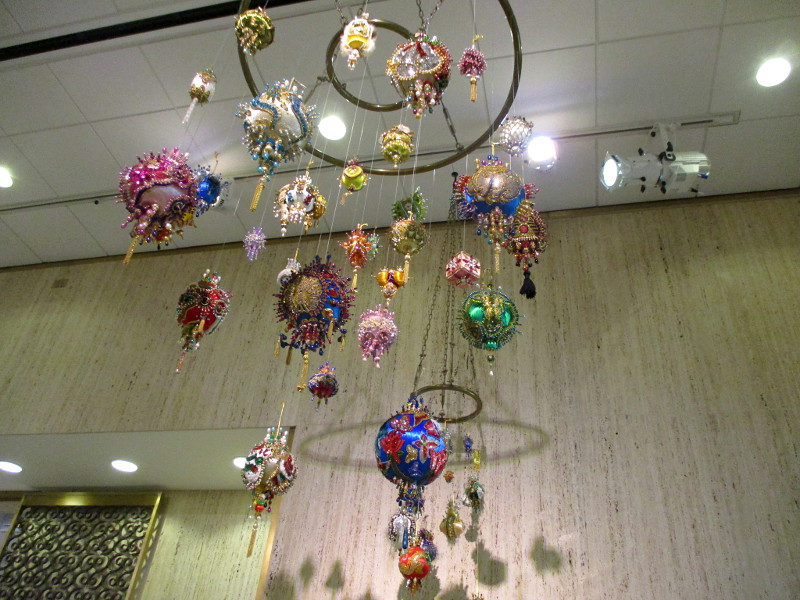
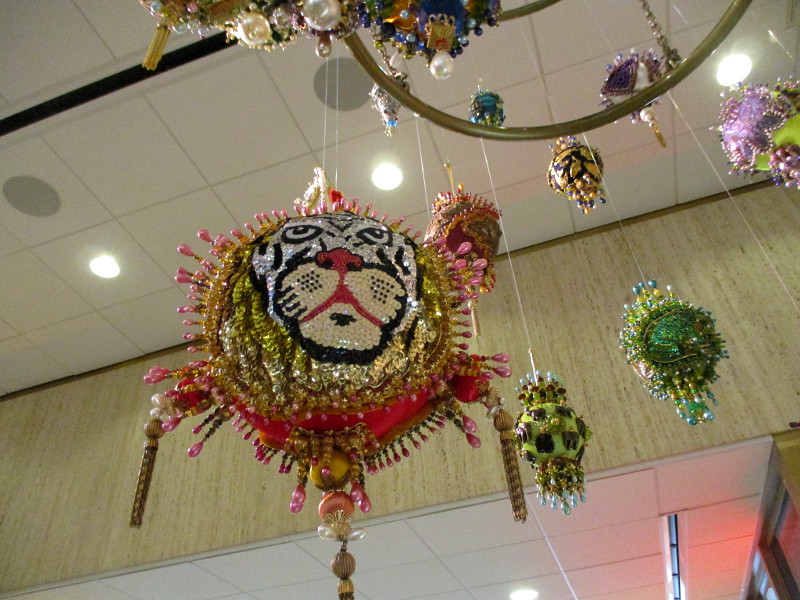
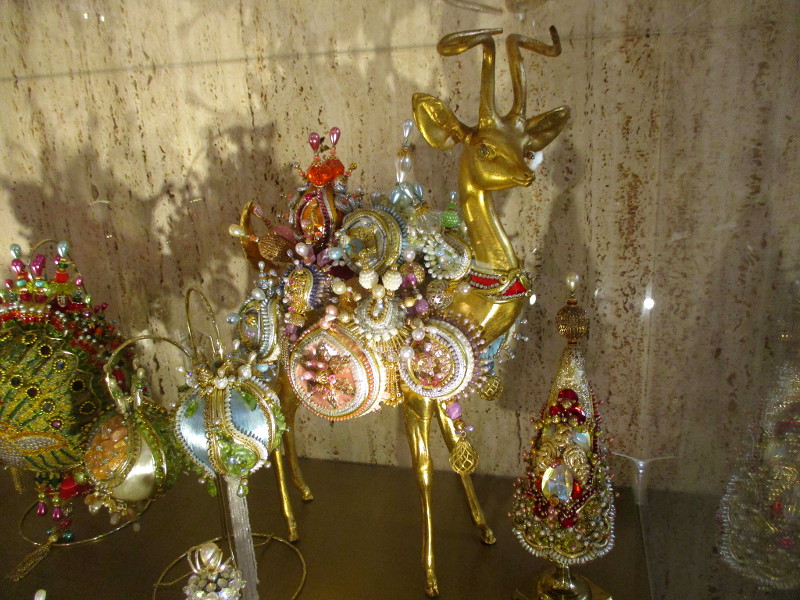
Jewels of the Season has returned to the Timken Museum of Art in Balboa Park. The elegant lobby of the museum is decorated with over a thousand of jewel-like ornaments, creating perhaps the finest, most dazzling indoor Christmas display in San Diego!

Take a look at these photos. I’ll let you judge for yourself.

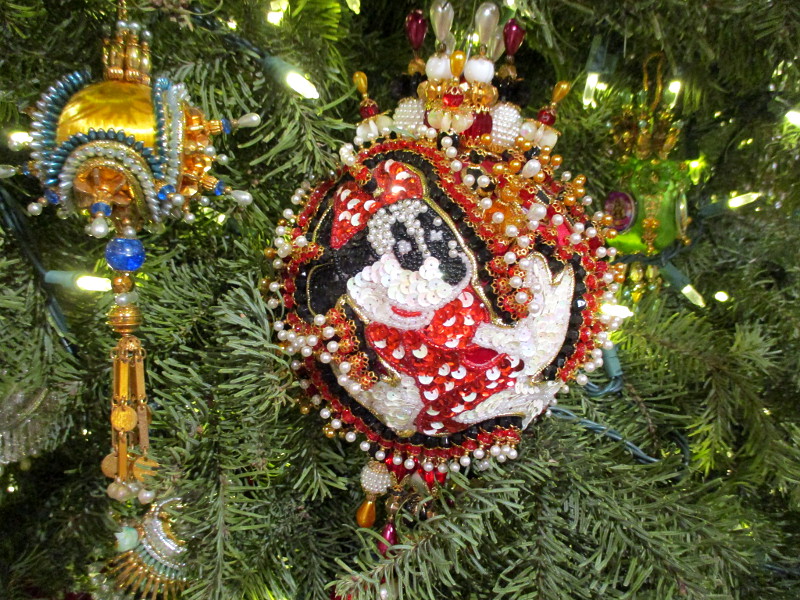
These one-of-a-kind ornaments were hand crafted by artists Florence Hord and Elizabeth Schlappi over the course of decades. Many of these precious works of art include colorfully embroidered and sequined patches that feature the San Diego Zoo, the Padres, the Star of India and other local attractions.

Visitors might stand in the museum lobby and simply stare with astonishment at the richly decorated Christmas tree, or the ceiling from which many ornaments hang like glittering stars.

Jewels of the Season can be freely enjoyed during the Timken‘s open hours until December 29, 2024. If you love Christmas, it’s a can’t miss for the entire family!

I post new blogs pretty often. If you like discovering new things, bookmark coolsandiegosights.com and swing on by occasionally!

I live in downtown San Diego and love to walk around with my camera! You can follow Cool San Diego Sights via Facebook or X.

Thank you for sharing!
Navy SEAL display at America Plaza trolley station!

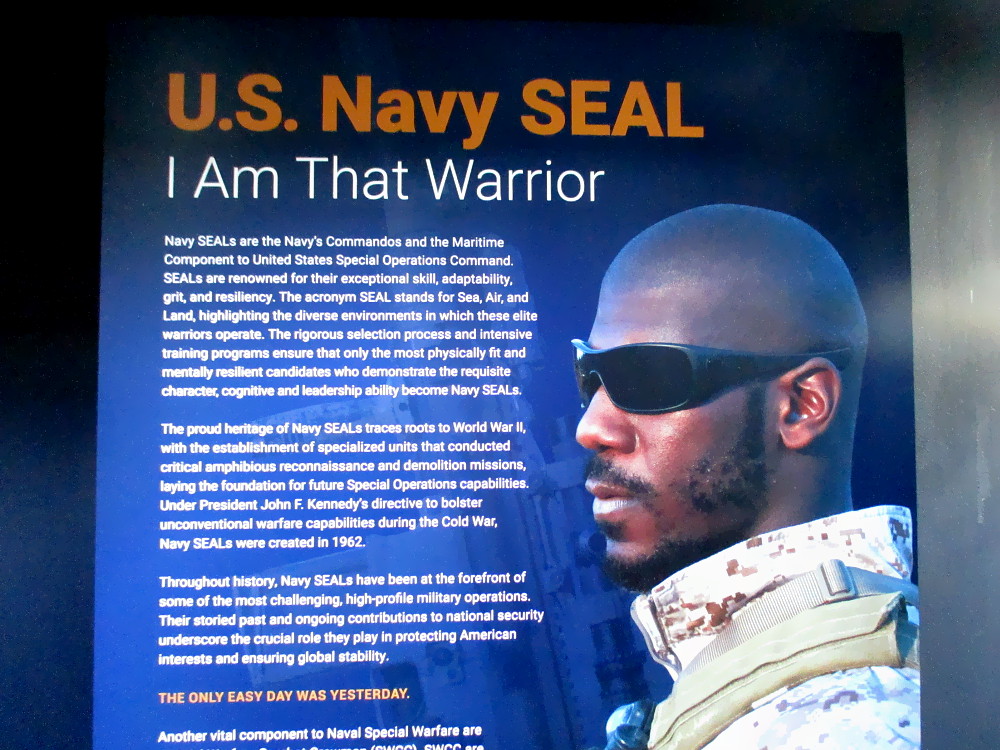
An eye-catching display concerning the U.S. Navy SEALs was recently installed at the America Plaza trolley station in downtown San Diego. Informative signs and historic artifacts behind panes of glass can be observed from a passenger platform.

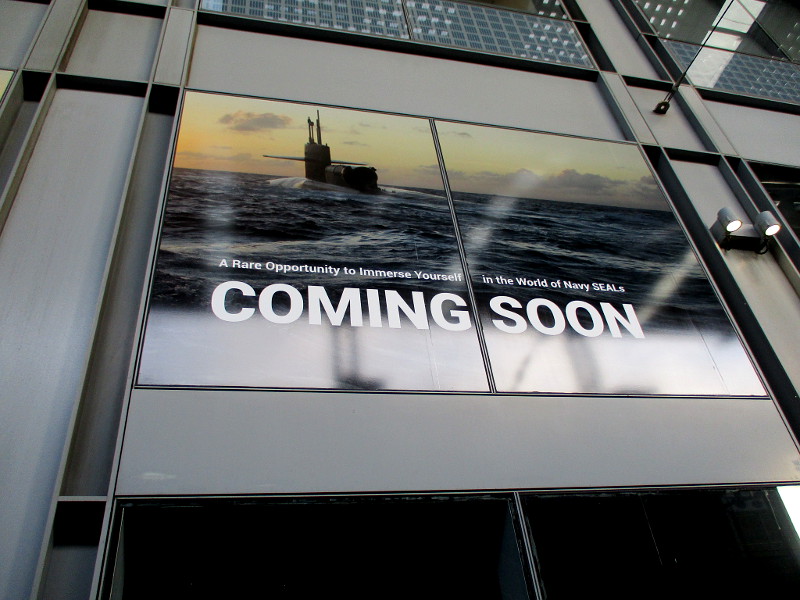
Next year, the new 10,000 square foot Navy SEAL Museum San Diego will open at the One America Plaza building. It will occupy the two-story space that rises behind stairs on the west side of the trolley tracks–it’s where the San Diego Museum of Contemporary Art once had a gallery at 1001 Kettner Boulevard. (The windows of the future museum are now covered with Navy SEAL graphics.)

I was extremely fortunate to enjoy a tour of the museum’s interior construction this afternoon and look forward to blogging about the museum as time rolls on! I can assure you, from what I saw and was told, it’s going to be amazing!

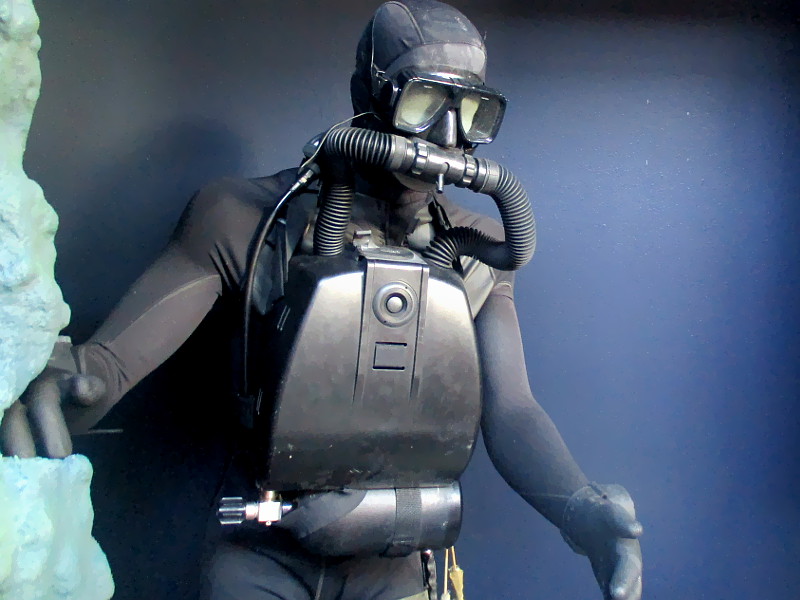
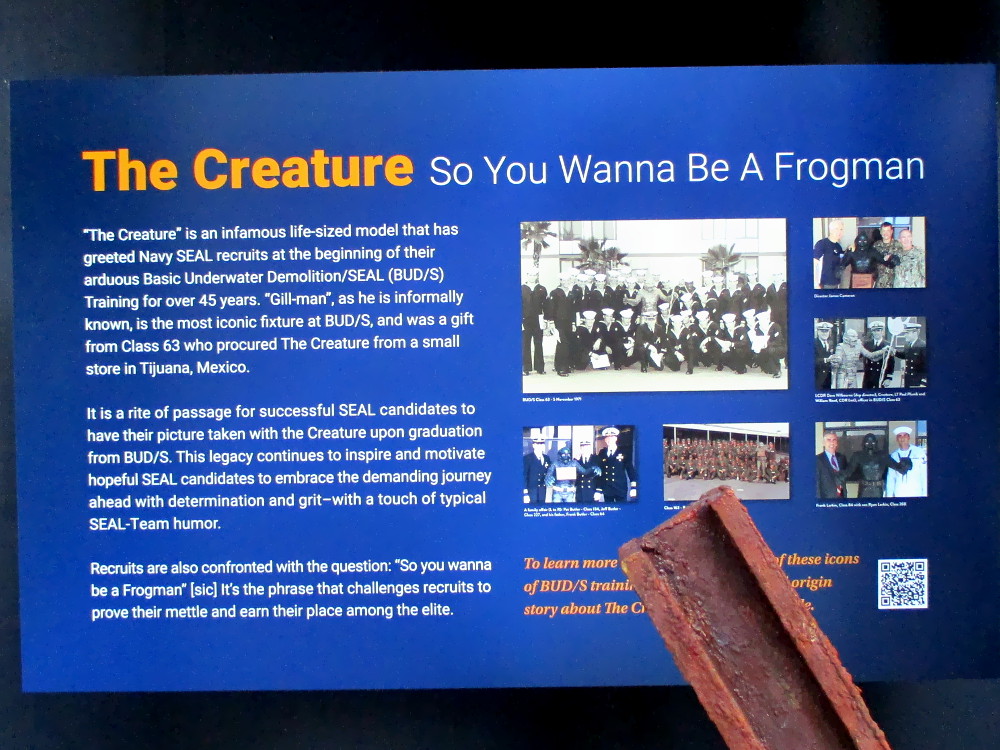
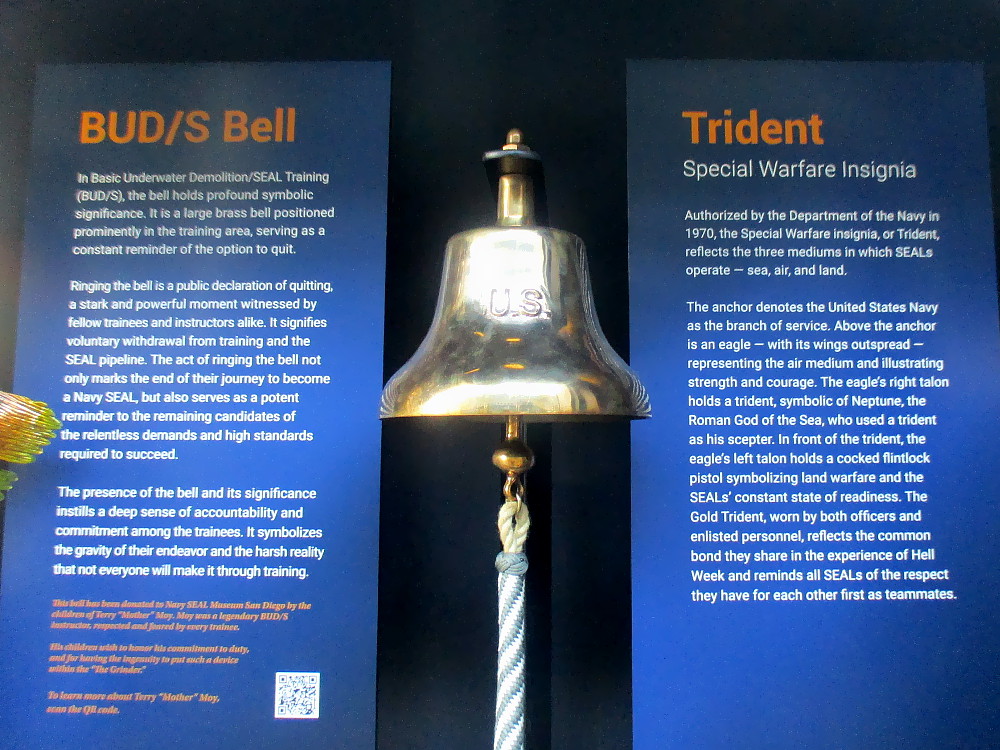
Meanwhile, passengers waiting for the trolley at America Plaza can view the life-size “Gill-man” and the shining BUD/S Bell. The significance of both are explained by nearby signs.

(Sorry, but I had trouble photographing the Creature From the Black Lagoon-like “Gill-man” through the reflecting glass. Head over to the trolley station to see it yourself!)

So you want to be a Frogman? Photographs of Navy SEAL recruits with “Gill-man.” They meet the amphibious creature at the beginning of their Basic Underwater Demolition/SEAL (BUD/S) Training and during their successful graduation. The life-size creature was a gift from Class 63 who procured it from a store in Tijuana, Mexico!

The Basic Underwater Demolition/SEAL Training Bell is a large brass bell positioned in the center of the training area. Trainees ring the bell three times if they wish to quit. I learned about 20-25% of Navy Seal recruits complete the physically demanding training. Success requires sheer determination.

I post new blogs pretty often. If you like discovering new things, bookmark coolsandiegosights.com and swing on by occasionally!

I live in downtown San Diego and love to walk around with my camera! You can follow Cool San Diego Sights via Facebook or X.

Thank you for sharing!

Inside the Navy’s landlocked USS Recruit training ship!

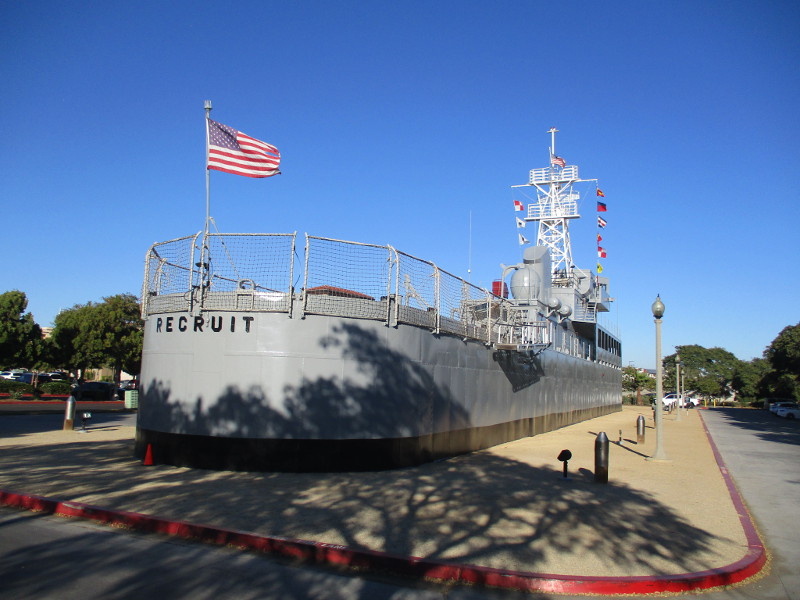
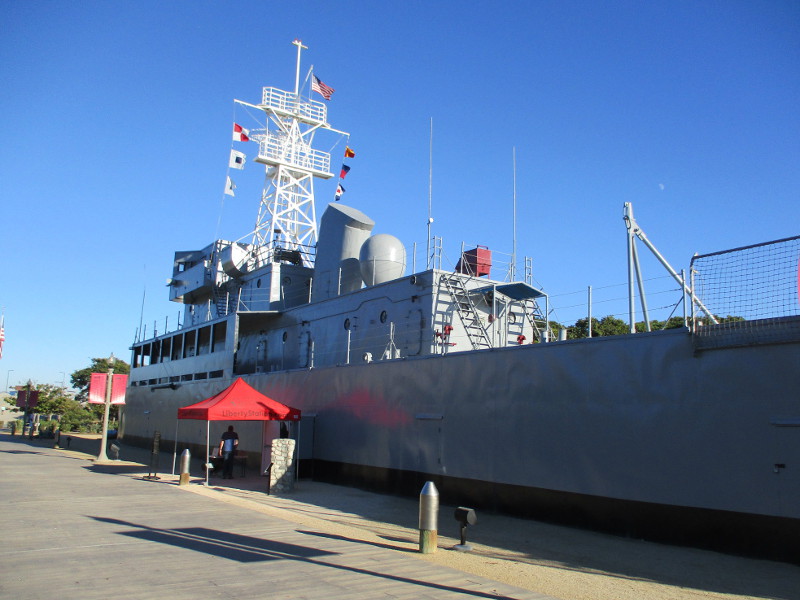
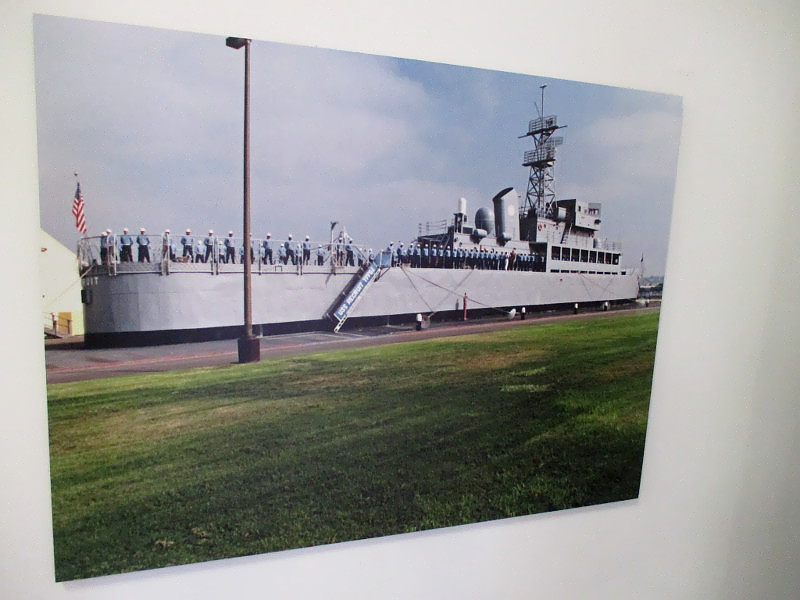
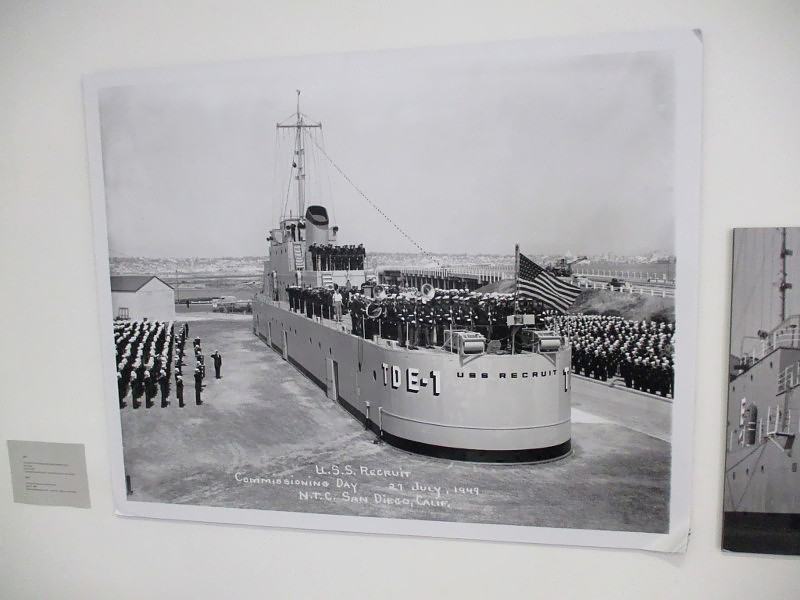
The USS Recruit has been humorously called the USS Neversail. Embedded in concrete at the old Naval Training Center San Diego, the landlocked dummy training ship was an official U.S. Navy vessel commissioned in 1949 (and re-commissioned in 1982) that never set sail!

After Naval Training Center San Diego finally closed in 1997 and Liberty Station was developed on the Navy’s old property, the USS Recruit remained in place, slowly deteriorating. Then about ten years ago, the sheet-metal-over-wood-framing mock destroyer received a new paint job.

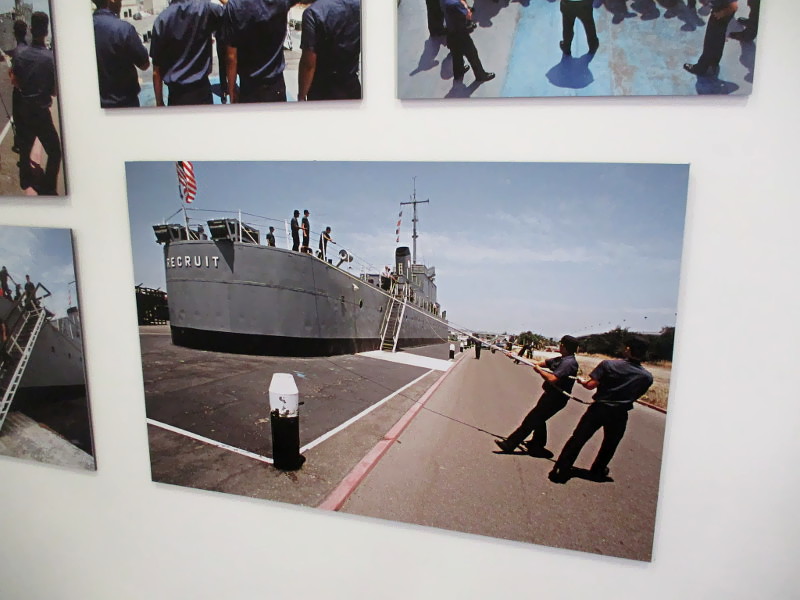
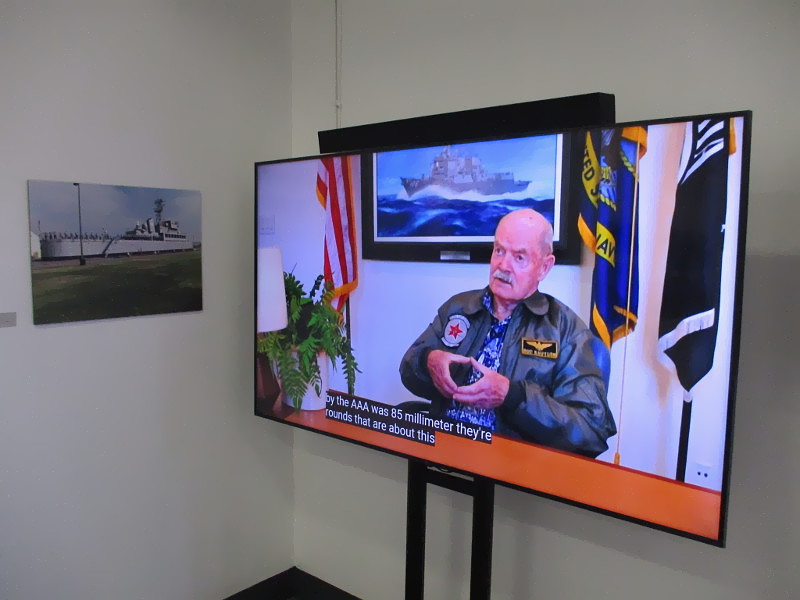
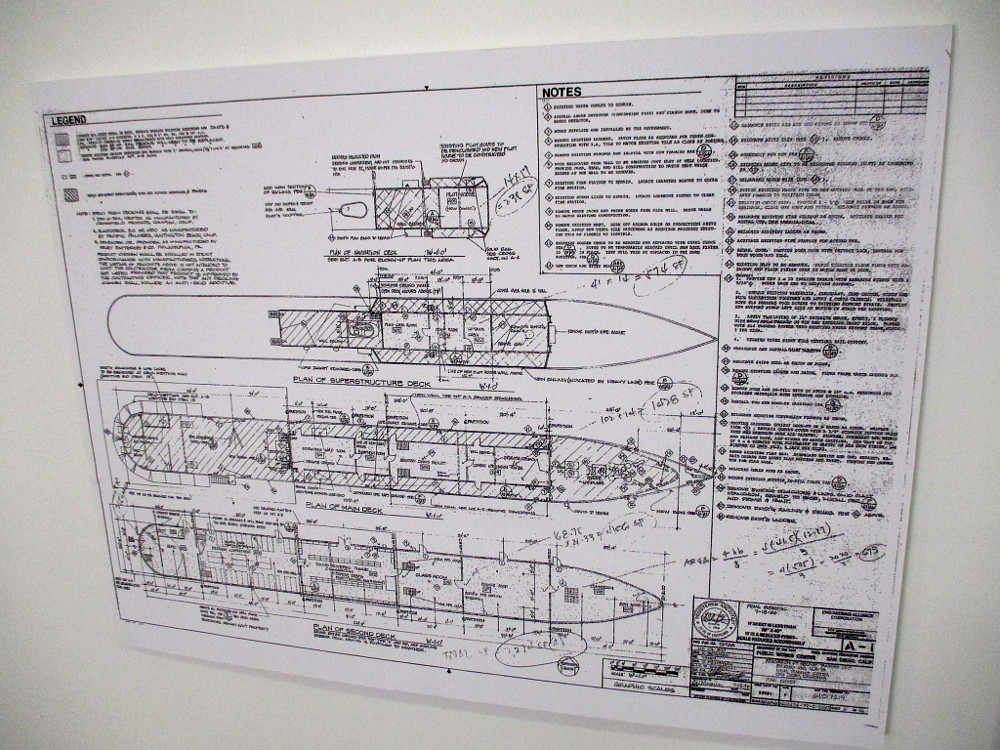
Last year the USS Recruit finally opened as a ship museum, allowing visitors to enter a large ground-level room inside the training ship. The walls of the museum are filled with historical photographs and video of past service members recalling their unique experiences aboard ship.

I ventured into the free ship museum a couple weekends ago for my first time. I was told that the one room open to the public used to be filled with telephones. Young sailors could use the phones to call home.

Here are a few photos…

Sailors standing on the deck of the USS Recruit circa 1995.

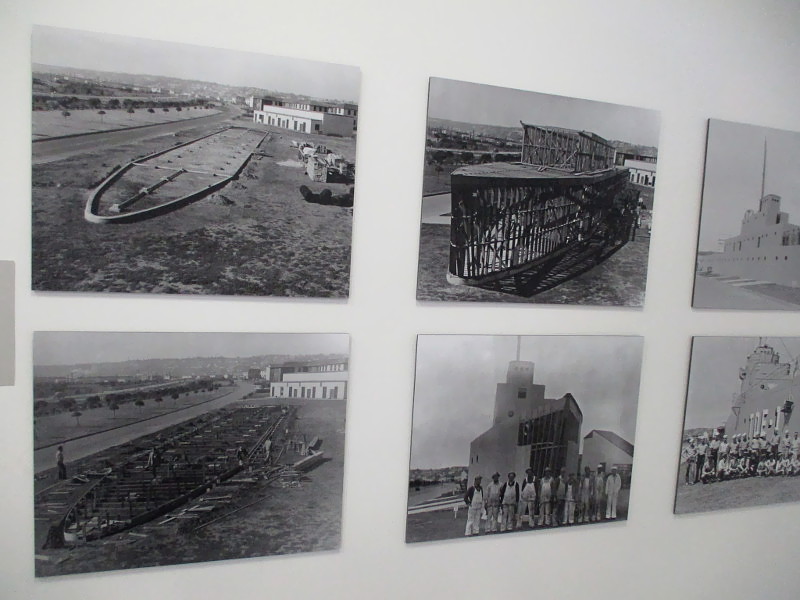
Old photos show construction of the largely wooden USS Recruit in 1949.

USS Recruit commissioning day, July 27, 1949.

One open door allows visitors to peer into an adjacent room.

I post new blogs pretty often. If you like discovering new things, bookmark coolsandiegosights.com and swing on by occasionally!

I live in downtown San Diego and love to walk around with my camera! You can follow Cool San Diego Sights via Facebook or X.

Thank you for sharing!

San Diego history and the origin of Hawaii’s paniolos!

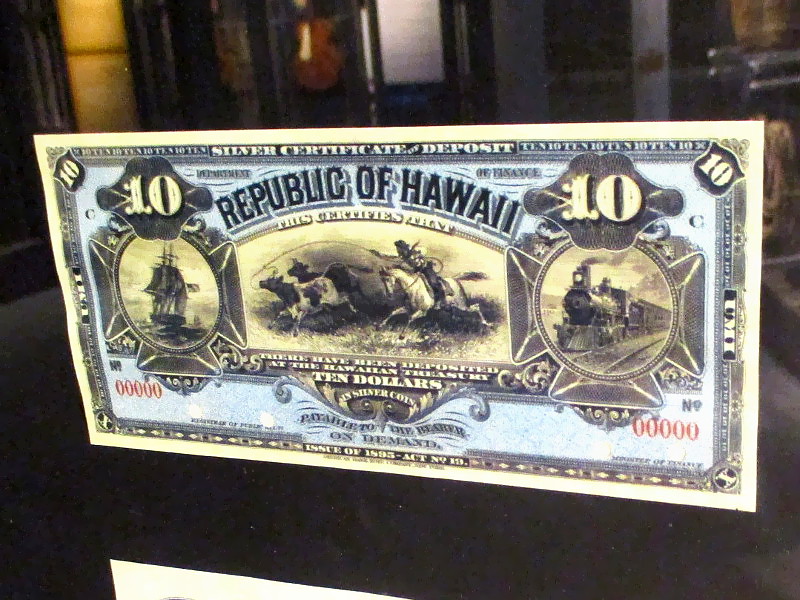
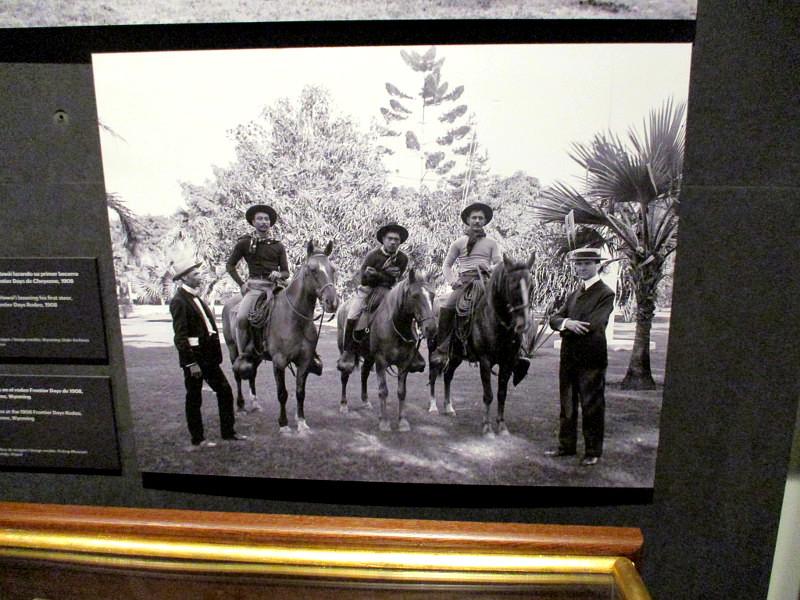
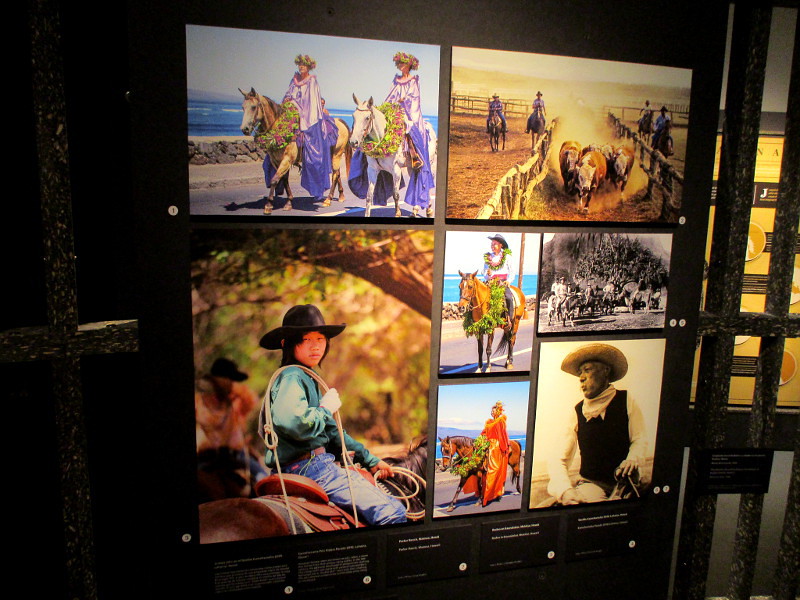
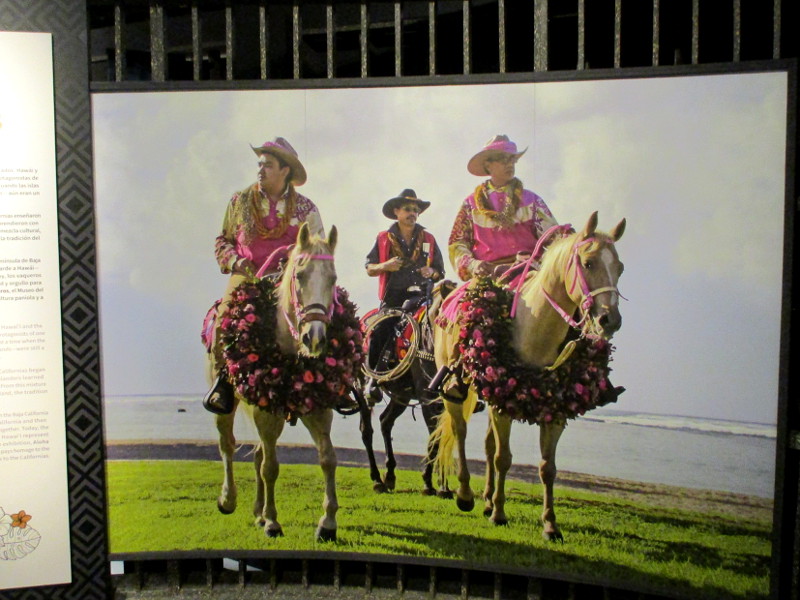
Did you know Hawaii has it own unique cowboy culture? Hawaiian cowboys are called paniolos. You might be surprised to learn that the origin of paniolos in Hawaii has a direct connection to San Diego’s early history, when our nascent city was part of Mexico and cattle ranches flourished!

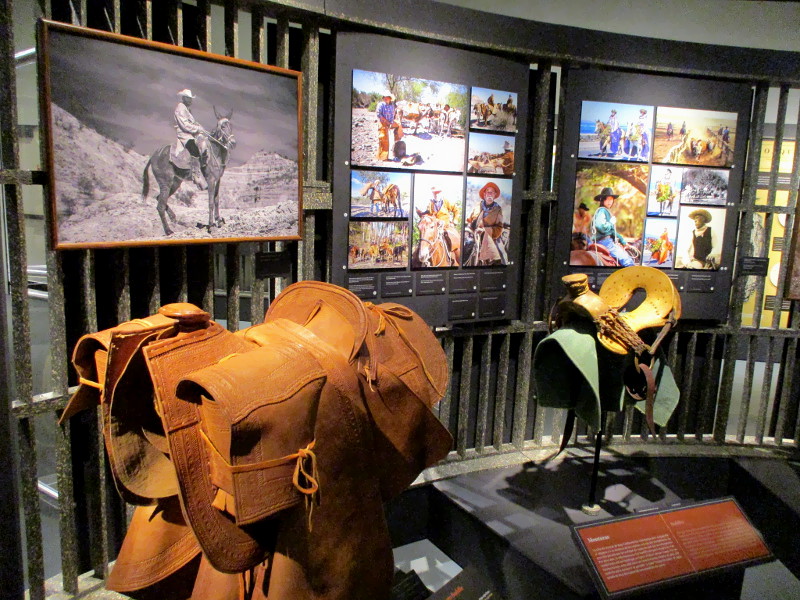
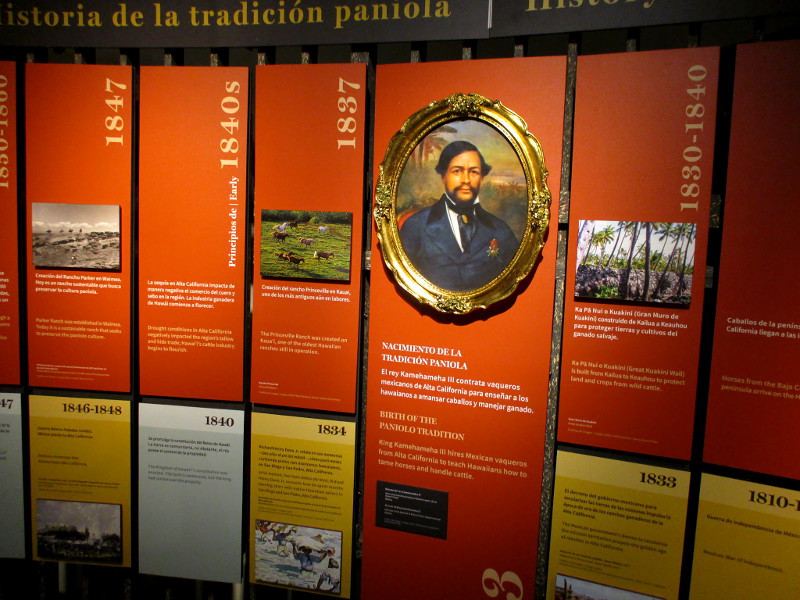
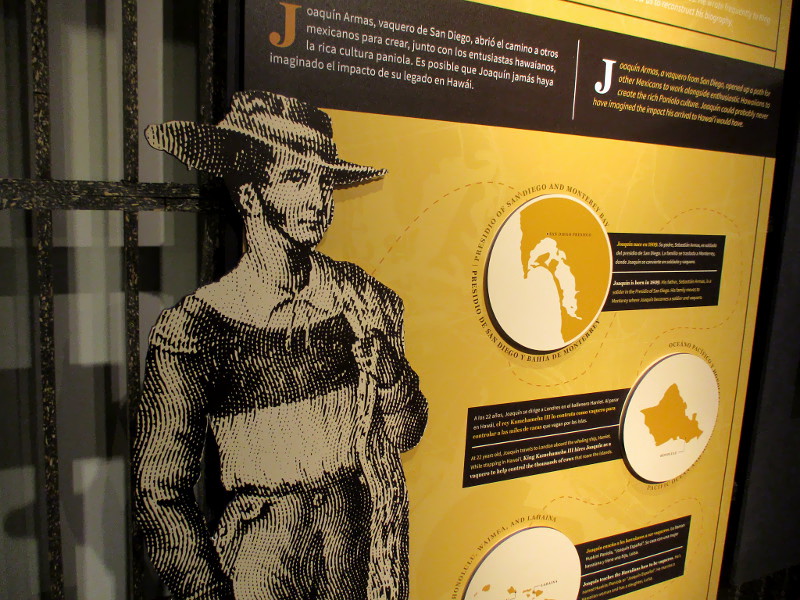
An extensive new exhibit at the San Diego History Center in Balboa Park has the unusual title Aloha Vaqueros. It recalls how several Mexican vaqueros (cowboys) from San Diego moved to Hawaii to help control an exploding population of cattle!

I’ve read Richard Henry Dana Jr.’s Two Years Before the Mast, and I do remember how sailors from the Sandwich Islands (later called Hawaii) participated in the cattle hide trade up and down California’s coast. Several Sandwich Islanders also lived on the beach near the hide houses in Point Loma at La Playa.

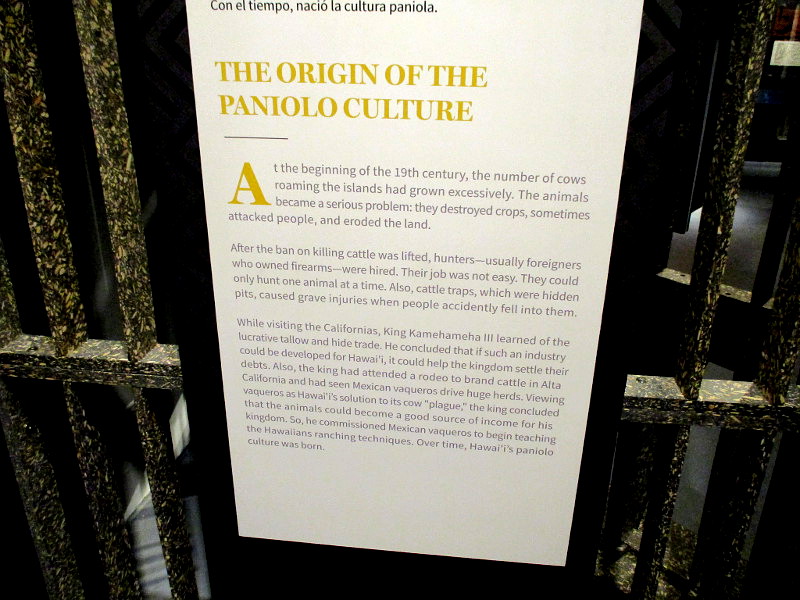
I was unaware, however, that in the early 1830s, Joaquín Armas, a soldier and vaquero born at Mission San Diego de Alcalá, was hired by Hawaiian King Kamehameha III as an advisor on how to control thousands of wild cattle that had multiplied on the islands. Armas would then recruit three other Mexican vaqueros from the San Diego region, helping to establish vaquero traditions in Hawaii!

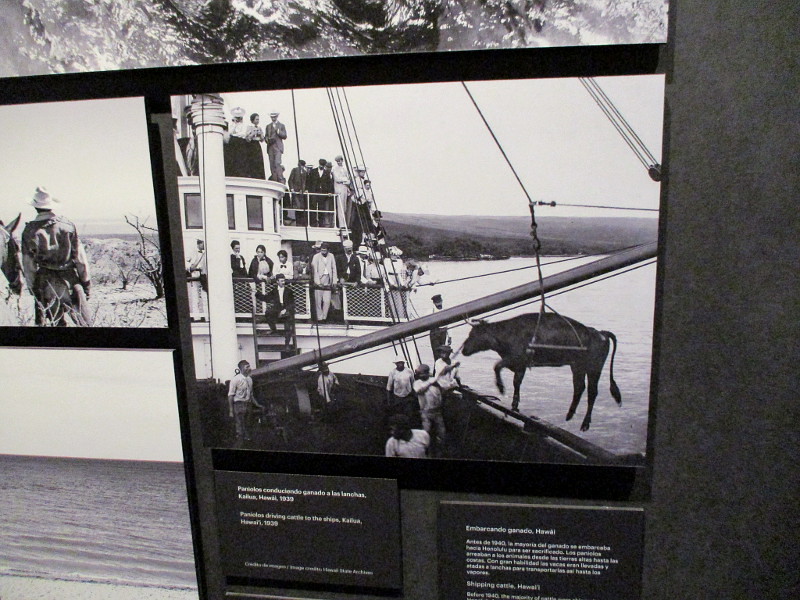
The thousands of environmentally destructive wild cattle had descended from long-horned cattle that were given by British Captain George Vancouver to King Kamehameha I in 1793. The wild cattle, evading hunters and traps, came under control about half a century later as vaquero-inspired ranches popped up on Hawaii’s islands. The cattle were valuable for the tallow and hide trade. Skilled ropers and riders were in demand, so many native Hawaiians would learn cowboy skills!

The paniolo experience would eventually become ingrained in Hawaiian culture. Take music, for example. One important development was Hawaiian open-tuning for the guitar called kihoʻalu, or slack-key.

Why are Hawaiian cowboys called paniolos? One theory is that the word is derived from español–the language spoken by the Mexican vaqueros.

If this very unique history fascinates you, go visit the San Diego History Center!

A few photos to provide a taste…

I post new blogs pretty often. If you like discovering new things, bookmark coolsandiegosights.com and swing on by occasionally!

I live in downtown San Diego and love to walk around with my camera! You can follow Cool San Diego Sights via Facebook or X.

Thank you for sharing!

Super-dreadnoughts and a rare ship’s wheel!
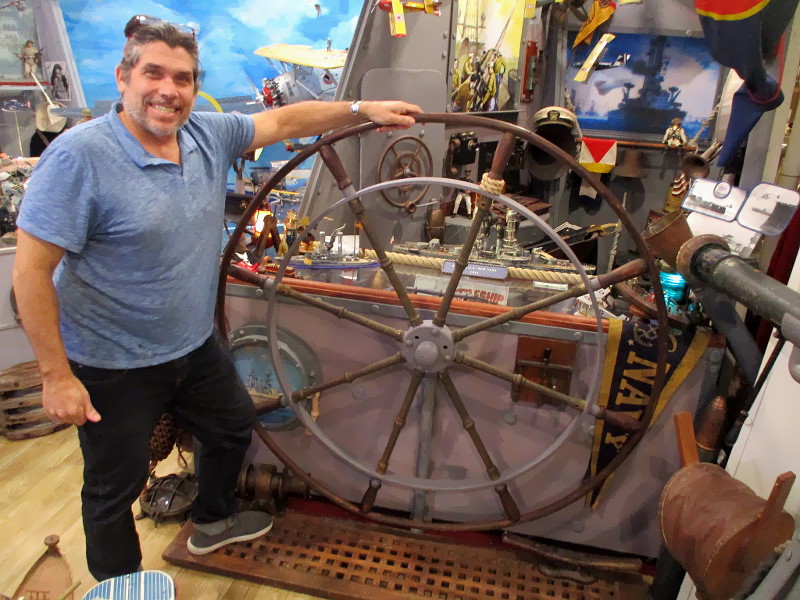
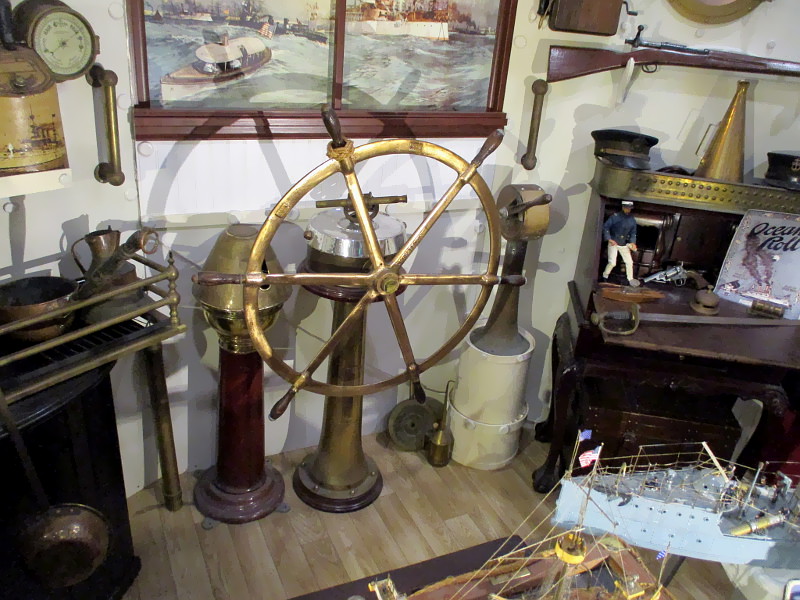
What you see above is very rare. It’s a bronze and wood, 57 inch diameter ship’s wheel. It dates from the Age of Steel Riveted Hull and Steam, 1912 to 1930s. There’s photographic evidence that it might very well have been used in a navy’s super-dreadnought warship!

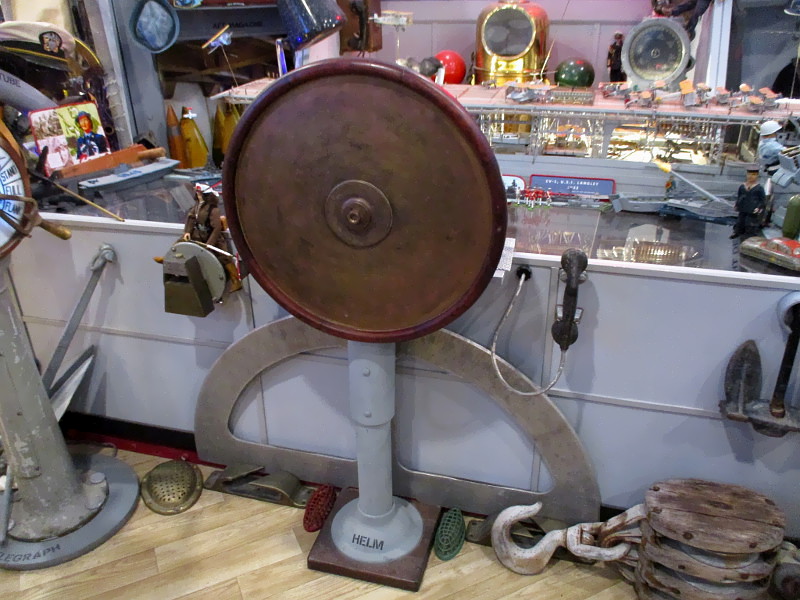
Joe Frangiosa was super excited to find this rare wheel. His amazing Nautical History Gallery and Museum inside Liberty Station’s Command Center building now features ship’s wheels from five different eras in maritime history. The huge wheel made its first appearance in his museum just a week ago!

Joe confided that this addition has been enormously satisfying. He installed the huge wheel in such a way that people can turn it and pretend to command the high seas. Kids love it!

Joe suggested you all visit his Instagram page here.

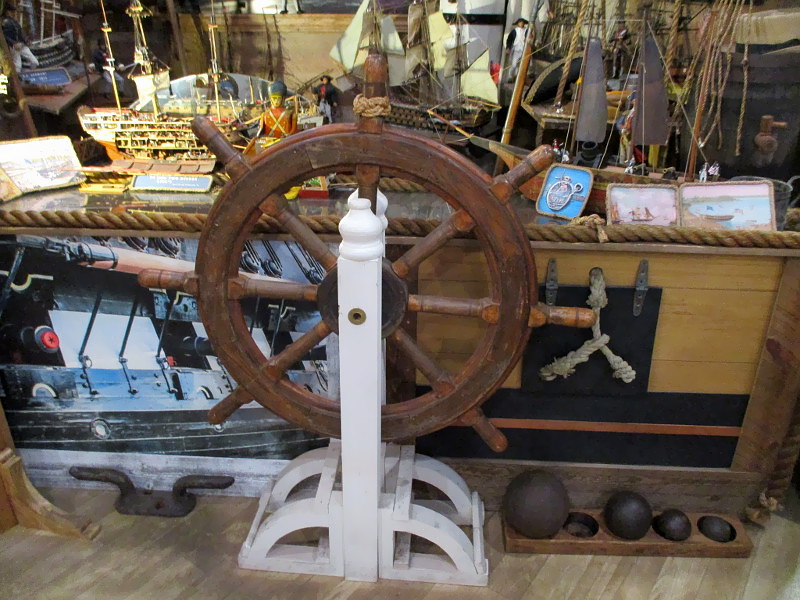
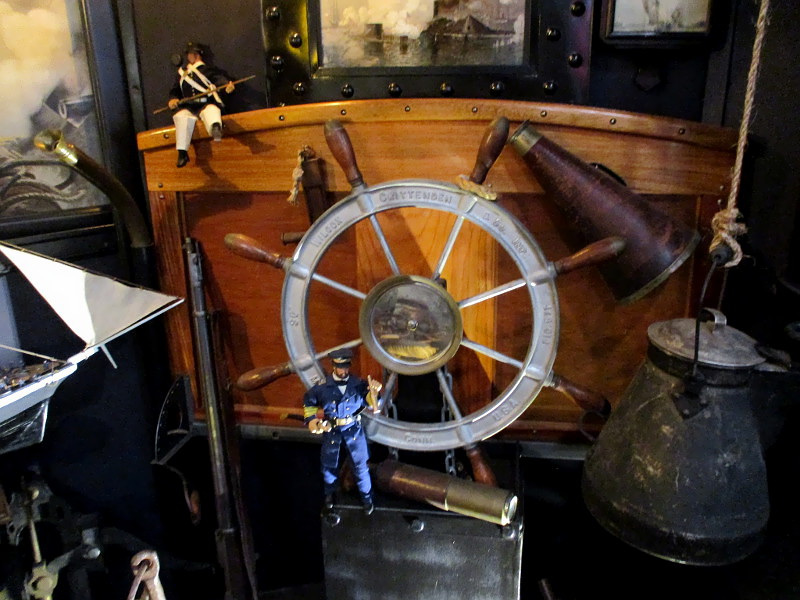
Check out my photos of the other four wheels. You might note that rope is tied around one spoke–the king spoke. When that bit of rope is located at the top of a wheel, that means the rudder of the ship is centered. A sailor can steer by feel in dark, stormy or foggy conditions.

The next wheel is made entirely of wood, with wood peg construction. It dates from the Age of Wooden Hull and Sail, 1775 to 1840.

The next wheel is made of iron. It dates from the Age of Wooden and Iron Hull, Sail and Steam, 1840 to 1887.

This next ship’s wheel is polished bronze and shines brightly! It dates from the Age of Steel Riveted Hull, Sail and Steam, 1887 to 1912.

Finally, this ship’s wheel without spokes is also bronze, but unpolished. It dates from the Age of Steel Welded Plate Hull, 1930s to 1945.

Thanks for visiting Cool San Diego Sights!

I post new blogs pretty often. If you like discovering new things, bookmark coolsandiegosights.com and swing on by occasionally!

I live in downtown San Diego and love to walk around with my camera! You can follow Cool San Diego Sights via Facebook or X.

The colors of Autumn in Balboa Park!

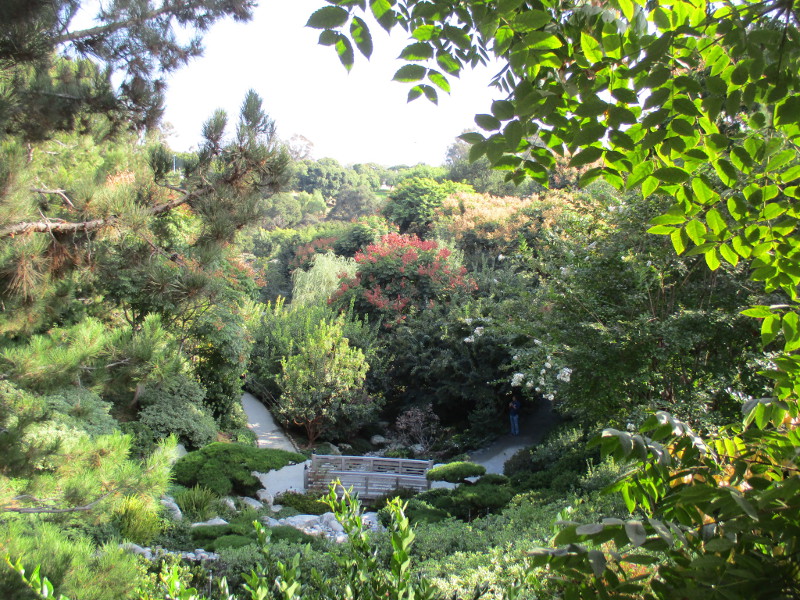
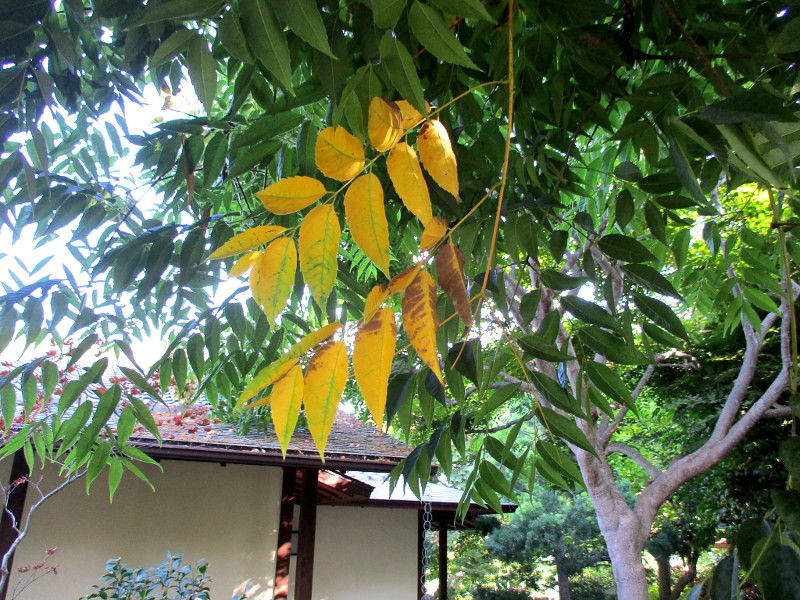
The colors of Autumn are beginning to emerge in Balboa Park. The days are shorter, temperatures are cooling, and some of the foliage is turning.

Enjoy photographs from my late afternoon walk today through the park.

First up, these were taken at the Japanese Friendship Garden…

Is blue really a color of Autumn?

It is, if you’re visiting the Blue Gold exhibition at the Mingei International Museum!

Inside the House of Mexico cottage at the International Cottages, Día de los Muertos decorations were being put up, including a beautiful altar!

Orange is not only a harvest color–it’s the color of marigolds!

Thanks for visiting Cool San Diego Sights!

I post new blogs pretty often. If you like discovering new things, bookmark coolsandiegosights.com and swing on by occasionally!

I live in downtown San Diego and love to walk around with my camera! You can follow Cool San Diego Sights via Facebook or X.