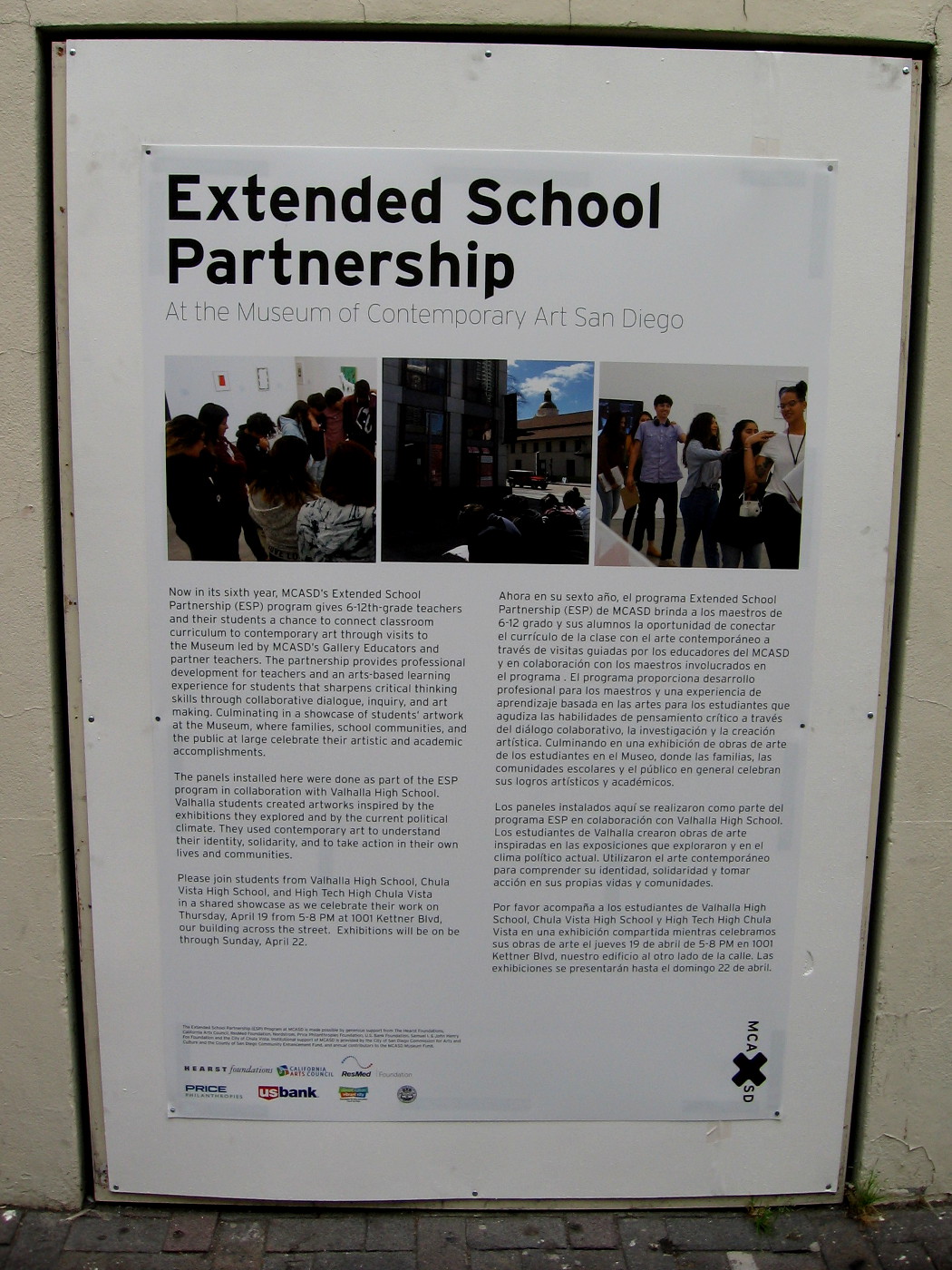
The Museum of Contemporary Art San Diego has a special Extended School Partnership (ESP) program for local 6-12th-grade students. Teachers have the opportunity to expose their students to contemporary art in partnership with the museum.
Students are taught about art making, collaboration and, according to a new sign posted near MCASD’s downtown location, their own identity, solidarity and activism. (As someone who is passionate about writing, I hope there’s an emphasis on personal freedom, truth-seeking and authentic creativity–not politics or propaganda.)
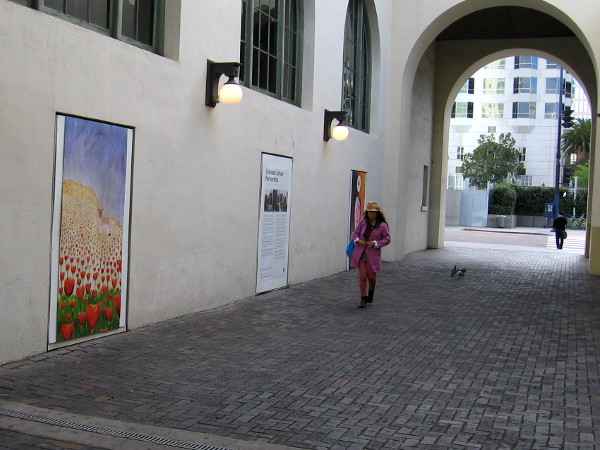
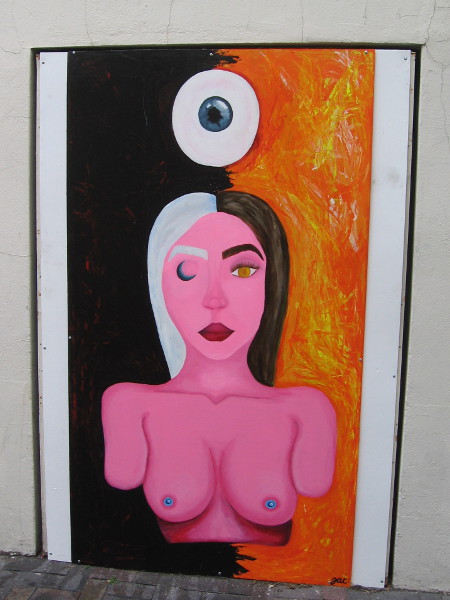
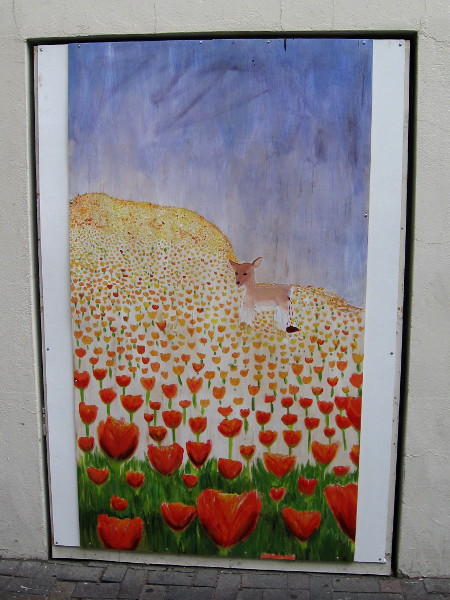
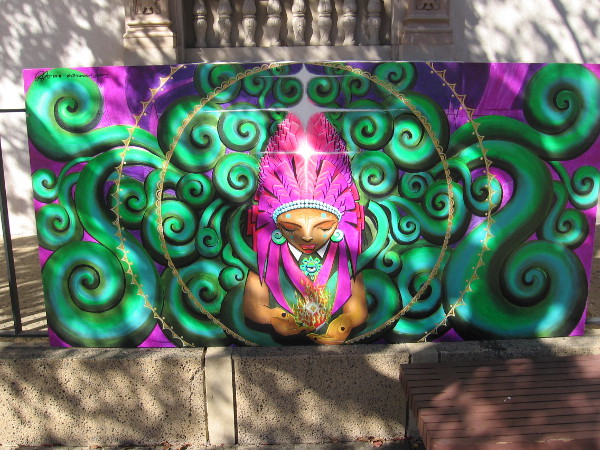
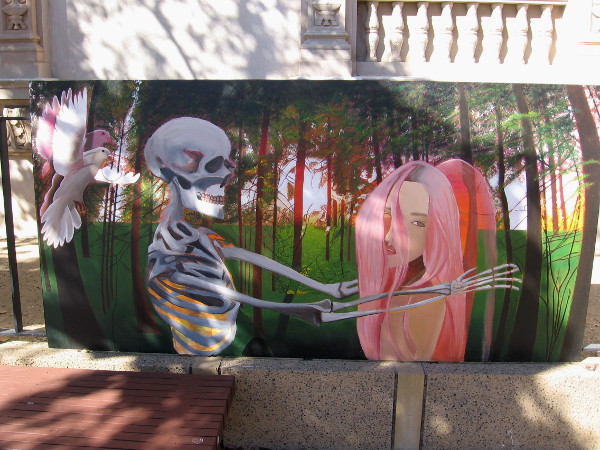
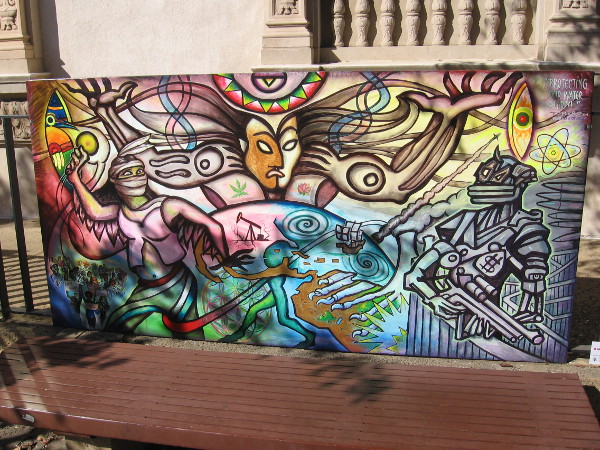
Yesterday I took a photograph of this sign in the breezeway between downtown’s Santa Fe Depot and the Museum of Contemporary Art San Diego. The two art panels were created by local students at Valhalla High School.
Read the sign if you’d like to learn more about this program.
(Click this photo to enlarge for easy reading.)
…
I live in downtown San Diego and love to walk around with my camera! You can follow Cool San Diego Sights via Facebook or Twitter!
You can easily explore Cool San Diego Sights by using the search box on my blog’s sidebar. Or click a tag! There are thousands upon thousands of photos for you to enjoy!
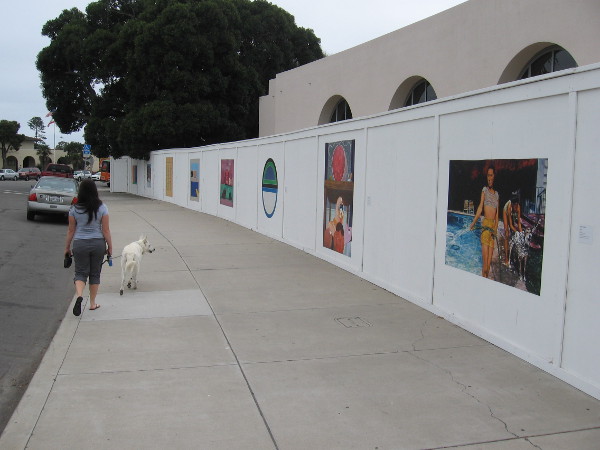
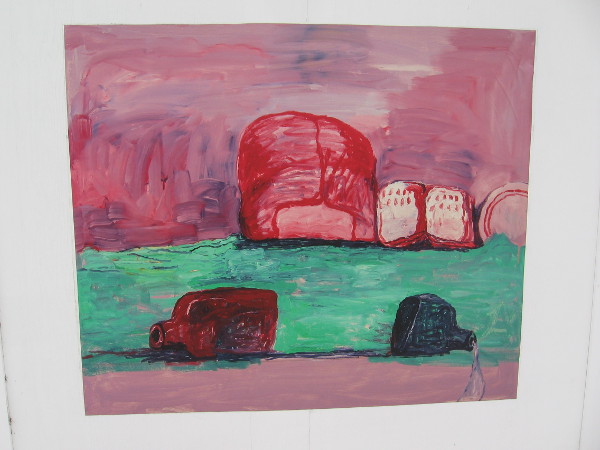
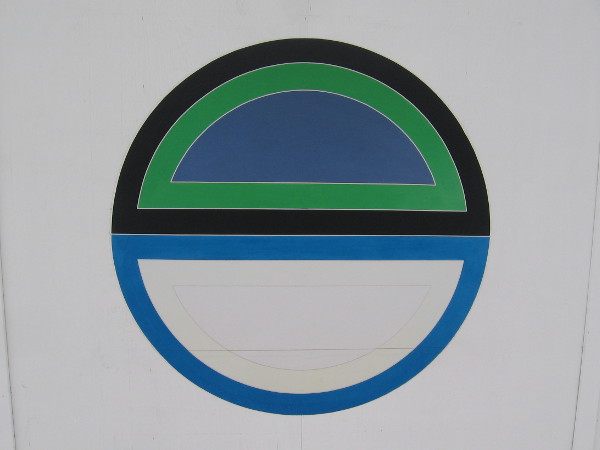
Images from the permanent collection of the Museum of Contemporary Art San Diego decorate a construction fence at their La Jolla campus.
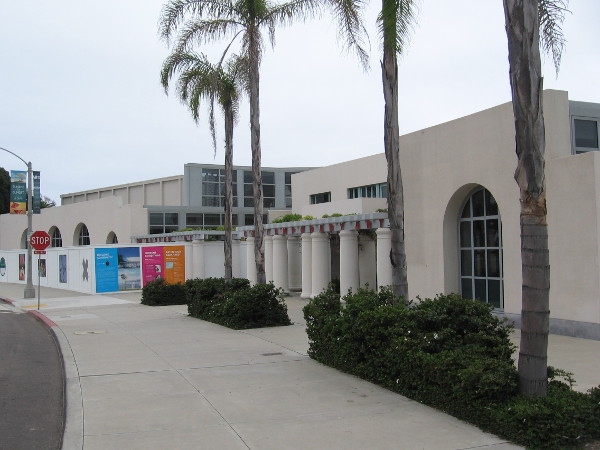
During my walk through La Jolla last weekend, I noticed some graphics on a construction fence in front of the Museum of Contemporary Art San Diego. As I approached the fence, I read signs that provided an explanation.
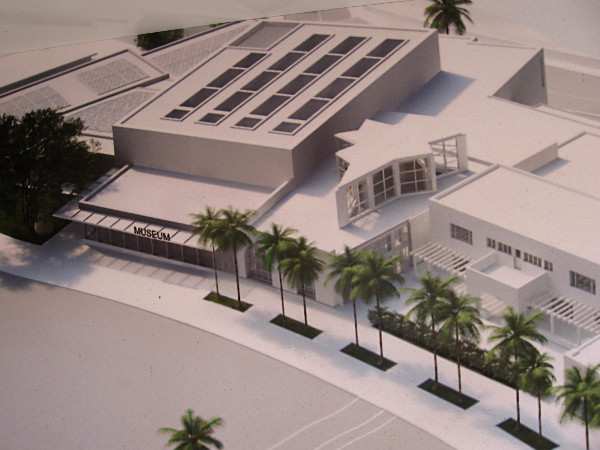
This cool, temporary Inside-Out Gallery features images of works that are in the museum’s permanent collection. An expansion of the museum’s La Jolla campus is underway. Please read to the photo captions to learn about MCASD’s very bright future!
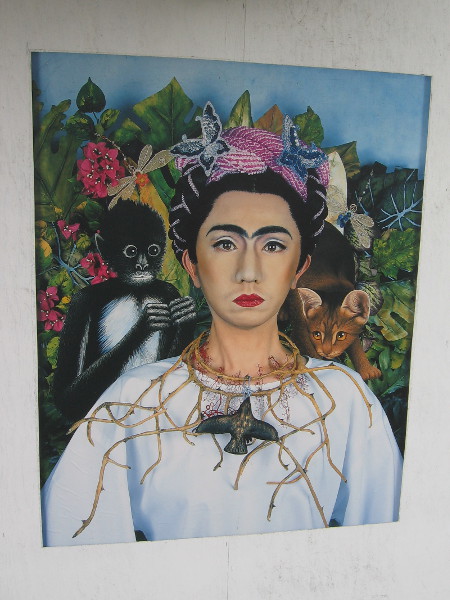
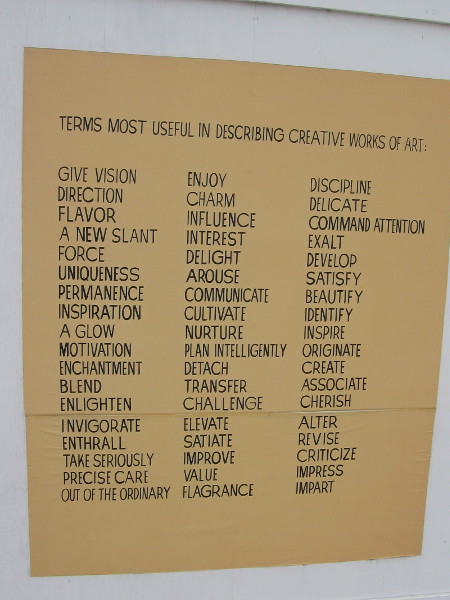
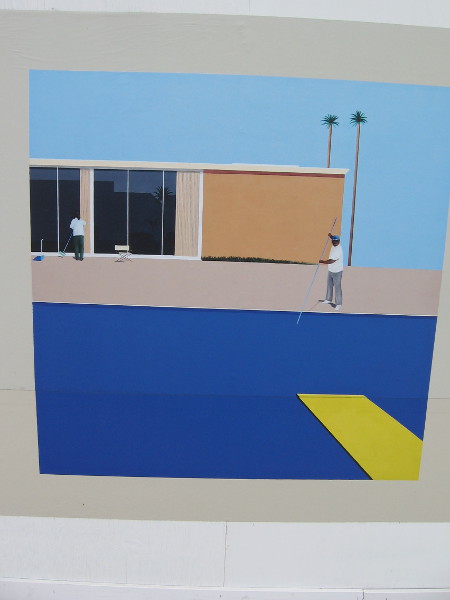
The Inside-Out Gallery features images from the museum’s permanent collection. The La Jolla location is closed for new construction. The gallery space is being greatly increased.Red Blue Green, Ellsworth Kelly, 1963.An Inner Dialogue with Frida Kahlo (Collar of Thorns), Yasumasa Morimura, 2001.Terms Most Useful in Describing Creative Works of Art, John Baldessari, 1966-1968.No Splash, Ramiro Gomez, 2013.Bottles, Philip Guston, 1977.Sinjerli 1, Frank Stella, 1967.Under the Table 2, Nicole Eisenman, 2014.Pool Party, John Valadez, 1986.The Museum of Contemporary Art San Diego is expanding its La Jolla campus. The gallery space will be quadrupled from 10,000 to 40,000 square feet.A rendering shows the future museum after expansion. The design by New York City-based Selldorf Architects will offer dramatic views of the nearby ocean and coast.Another rendering depicts a front corner of the museum after its expansion.The Museum of Contemporary Art San Diego in La Jolla is currently closed due to the construction.A plaque near the museum’s entrance is In Memory of Ellen Browning Scripps. The original building whose facade is still visible was designed by famed architect Irving J. Gill and considered one of his masterworks. The building was commissioned by Scripps and became her La Jolla home.Flowers, Andy Warhol, 1967.
…
I live in downtown San Diego and love to walk around with my camera! You can follow Cool San Diego Sights via Facebook or Twitter!
You can easily explore Cool San Diego Sights by using the search box on my blog’s sidebar. Or click a tag! There are thousands upon thousands of photos for you to enjoy!
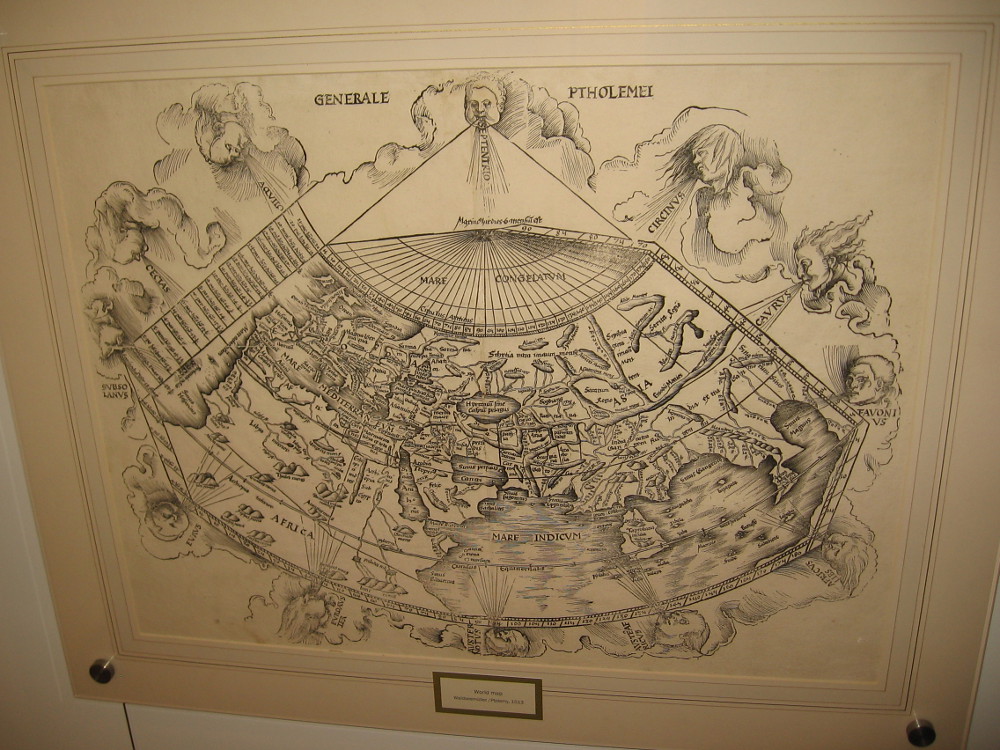
World Map (Ptolemy), Johann Schnitzer, 1482 or 1486.
I was surprised to learn recently that a world-class map museum is located in San Diego. The Map and Atlas Museum of La Jolla is considered to be one of the best dedicated map museums in the entire world!
Out of curiosity, I swung by the small museum yesterday and lingered for at least an hour. I could have spent the entire day looking at the amazing collection of historical maps that fill several themed galleries.
Many of the rare maps are antique, dating from centuries ago when the world’s outlines were unknown, and sea monsters inhabited the watery margins. Every map in the collection is original and authentic, including the first map ever printed!
As I stepped through the door I was greeted by Richard, the friendly director of the museum. I learned that this free museum was founded by Michael Stone, a local businessman and collector with a love for maps. In his youth he collected baseball cards, stamps and coins, before maps and cartography became his passion. At any given time, about ten percent of his vast collection is on display. I was told that Michael is one of the top half dozen map collectors in the world.
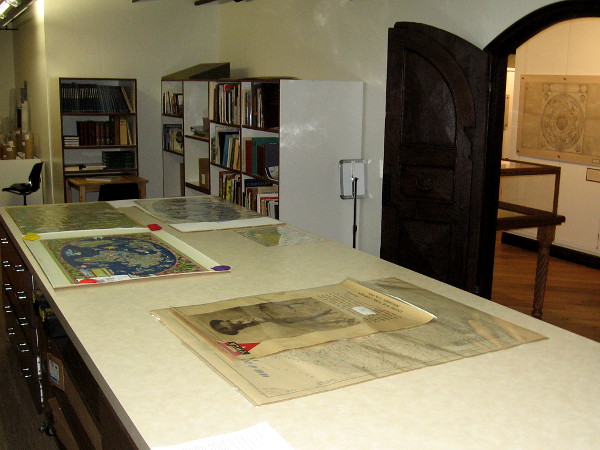
There are antique maps showing Earth as the center of Creation, maps from the Age of Exploration, maps from the Revolutionary War, Victorian maps, tourist maps, even maps showing early San Diego. There’s a woodcut map that was created by Benjamin Franklin! There are artistic maps, humorous maps, playing card maps, practically every variety of map or atlas ever conceived by the human mind. There are also historical instruments used by the old explorers and map makers.
For history lovers, the Map and Atlas Museum of La Jolla is a jaw-dropping delight! Visitors might feel they’ve stepped into the vaults of the Smithsonian or National Archives. The collection is that extraordinary!
Richard wandered about the museum during my visit, greeting people and providing tidbits of fascinating information. He informed me many students come by the museum, where they can study history, cartography, design and art.
The museum contains such an abundance of cool stuff, I don’t know where to possibly begin. To provide an idea of what you will see, I offer a sampling of photos. I’ve roughly arranged these maps in chronological order. Read the captions!
In my opinion, this little-known attraction in San Diego is an absolute must see! You can find it in the lower courtyard level of the office building at 7825 Fay Avenue in La Jolla. Check out their website for hours and more info, including special exhibitions.
Visitors look at an amazing collection of historic maps at the Map and Atlas Museum of La Jolla.I was shown the museum’s work room, containing a library of books that the public can access. A variety of museum projects like the scanning of maps and historical documents is also done here.
The following is a tiny sample of the many original, rare maps you’ll see when you visit the museum:
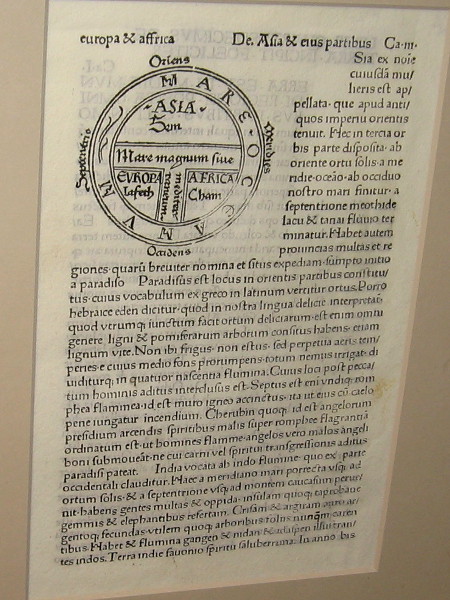
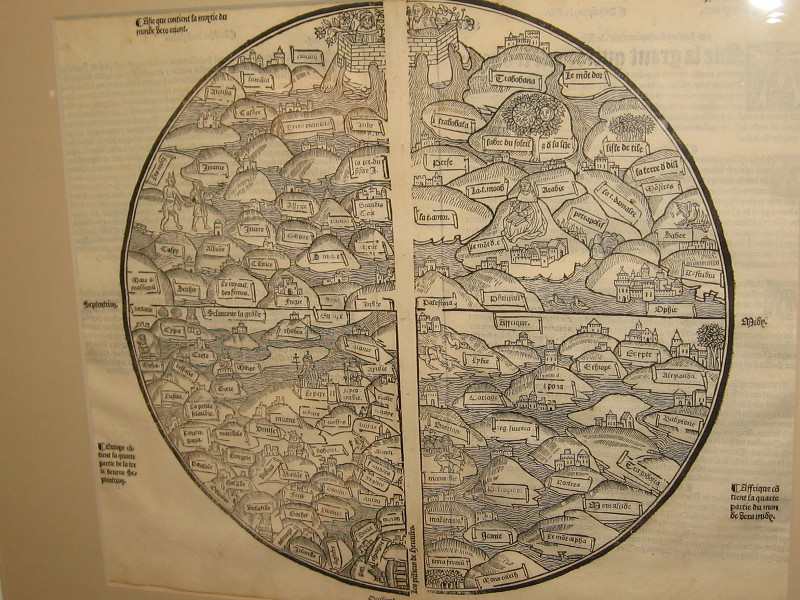
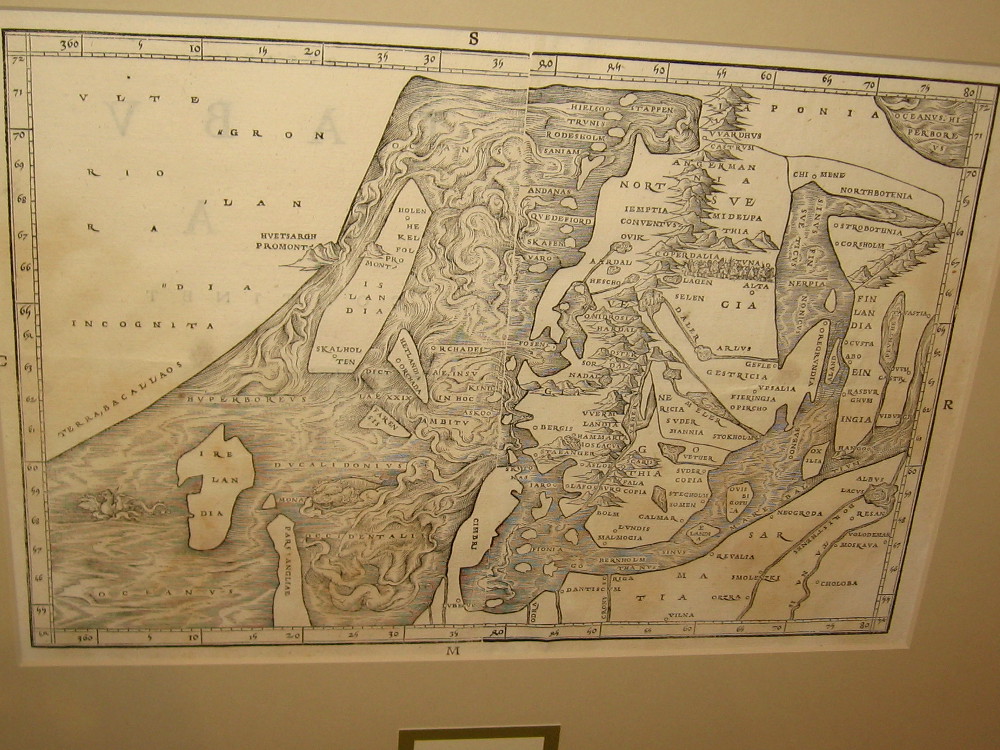
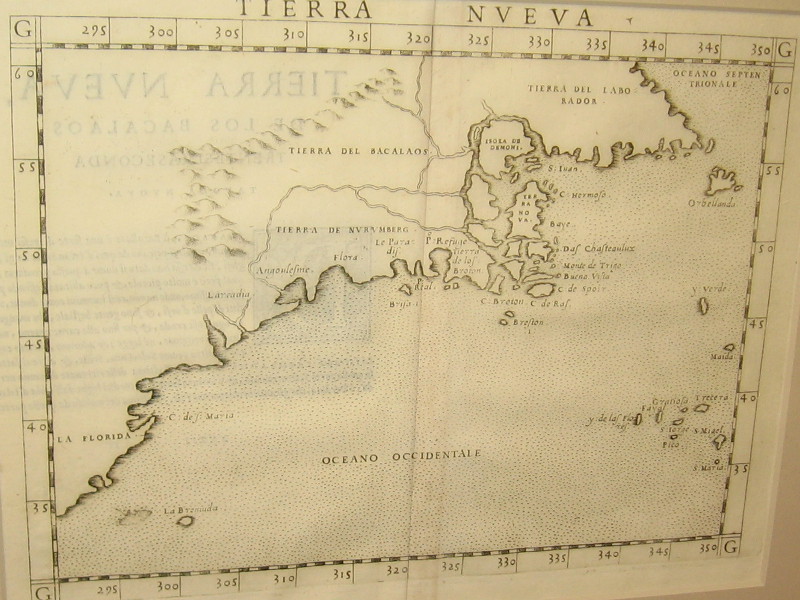
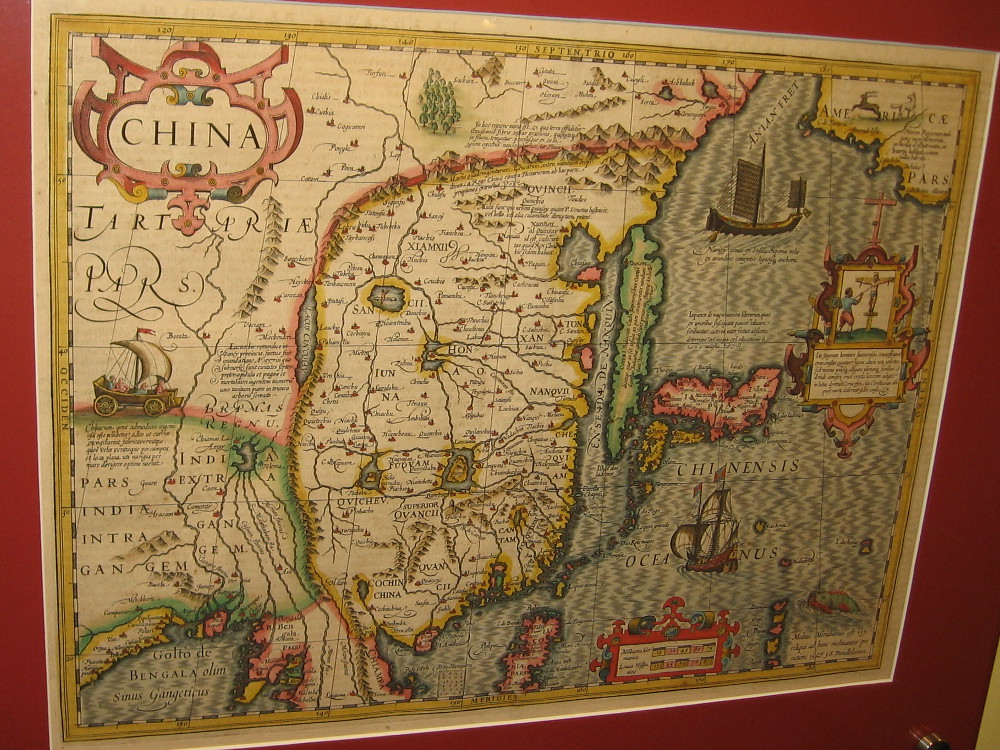
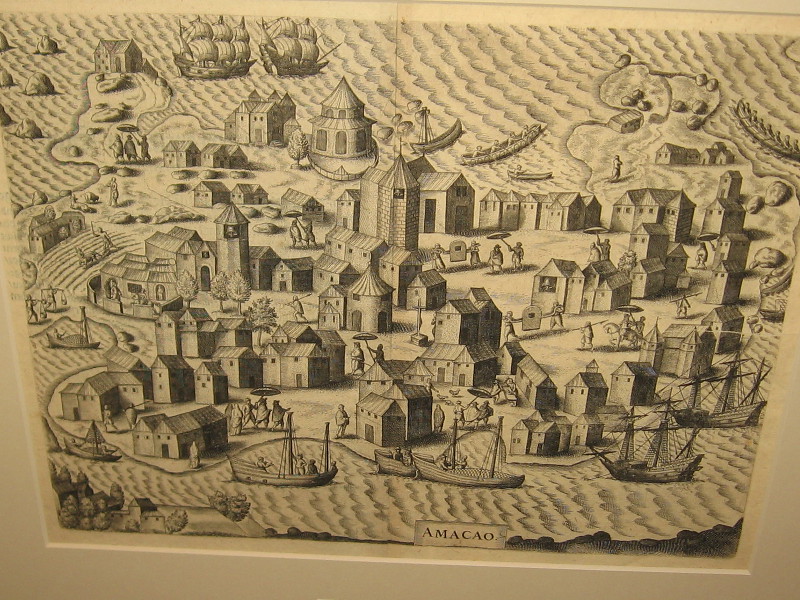
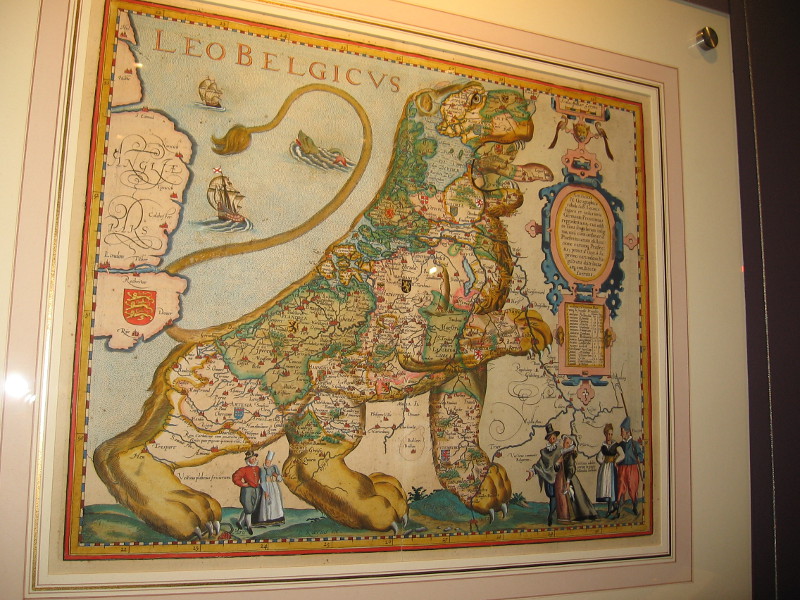
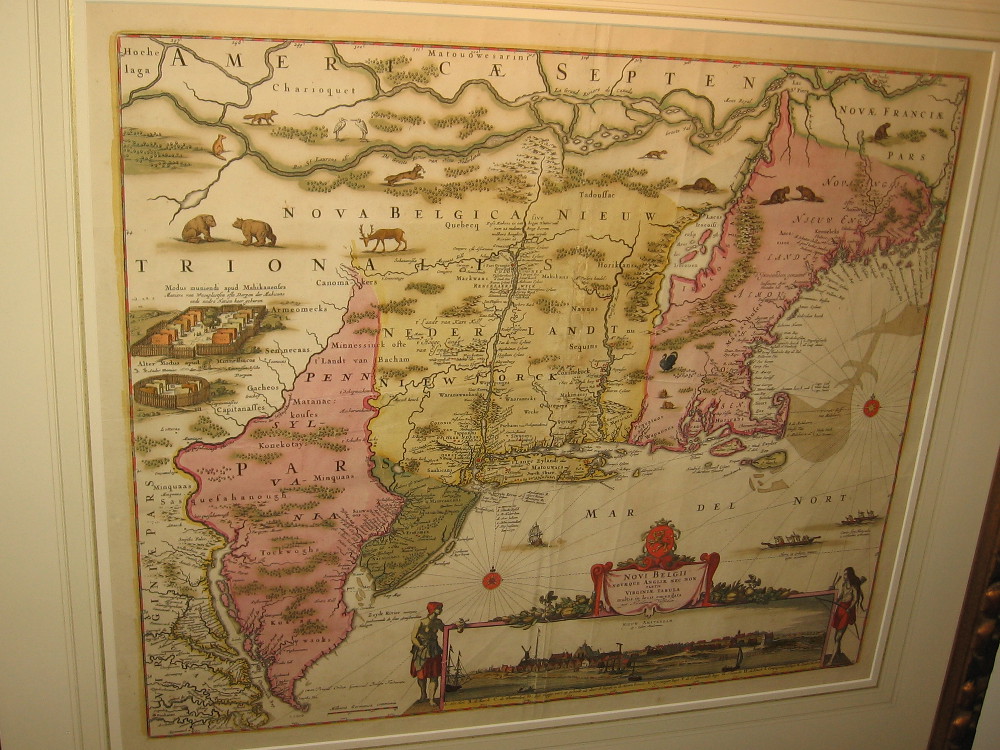
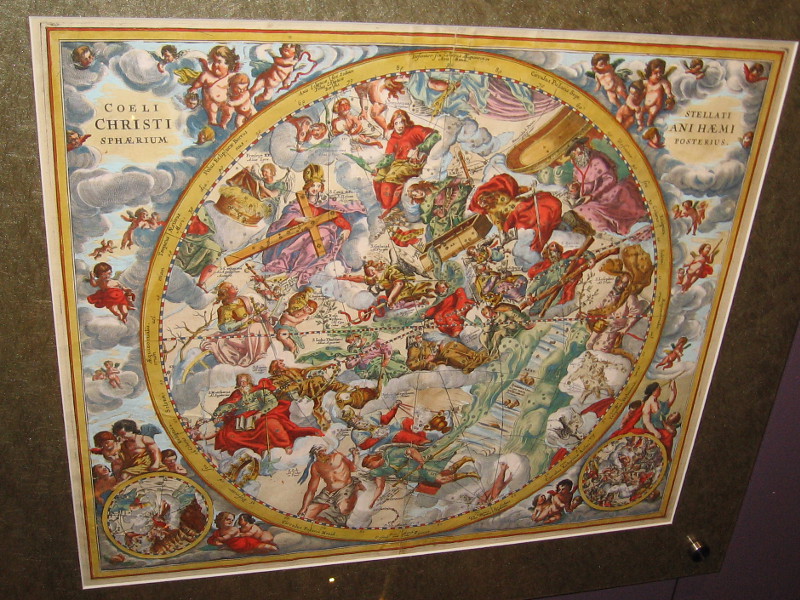
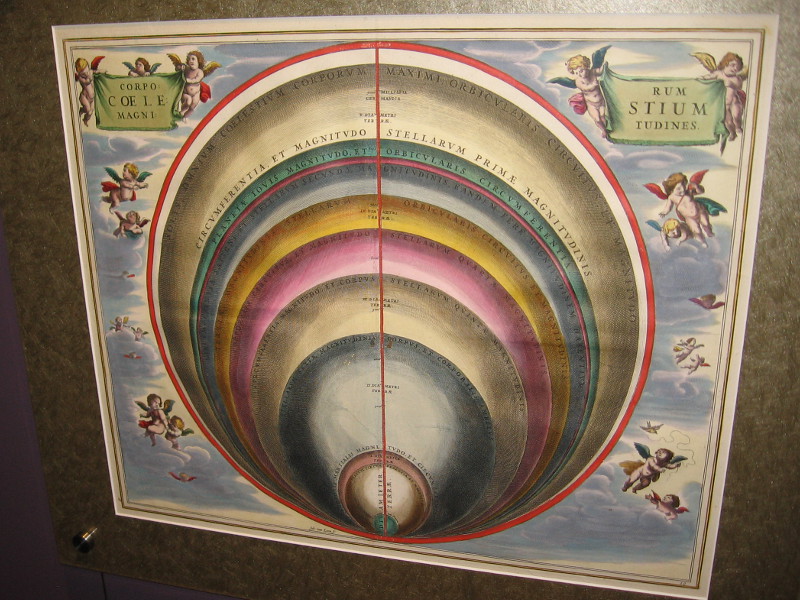
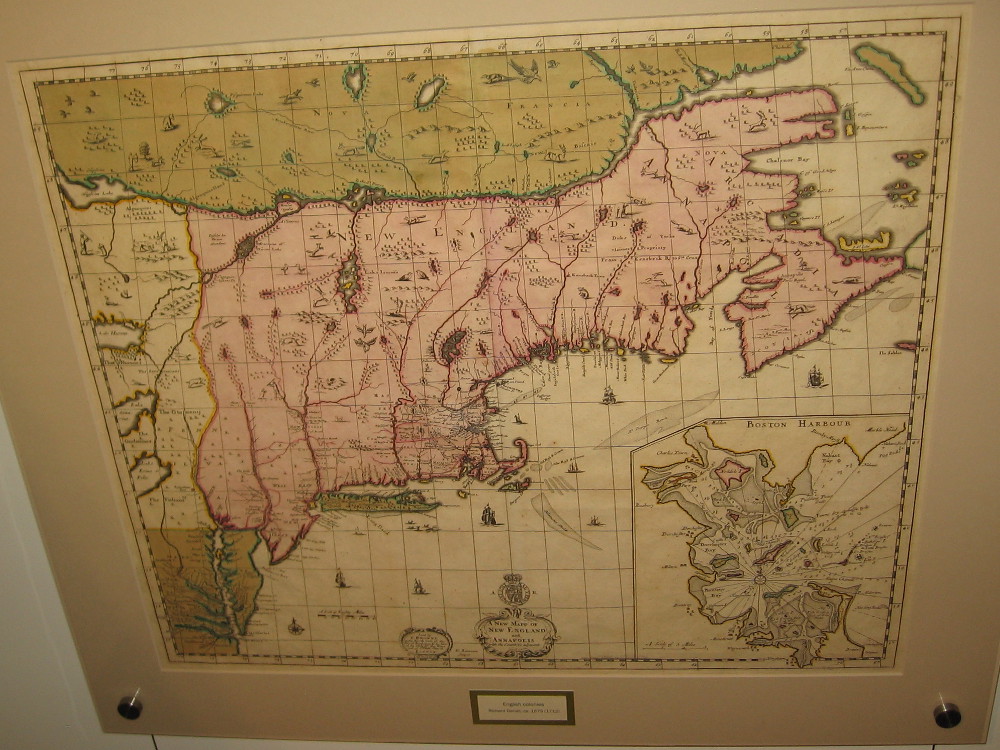
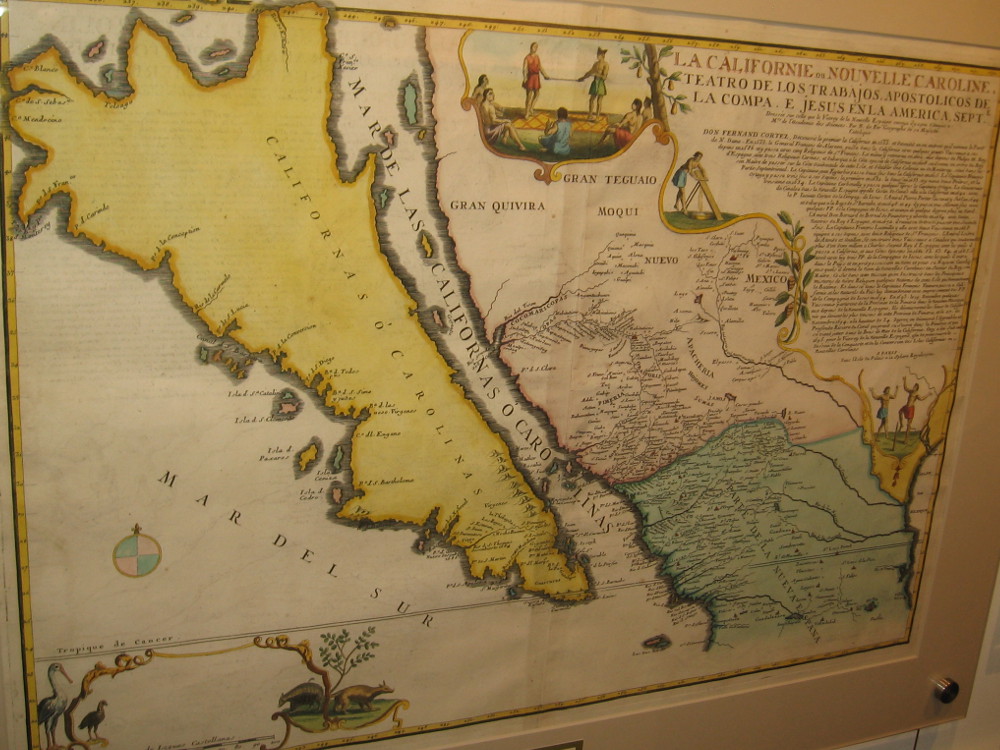
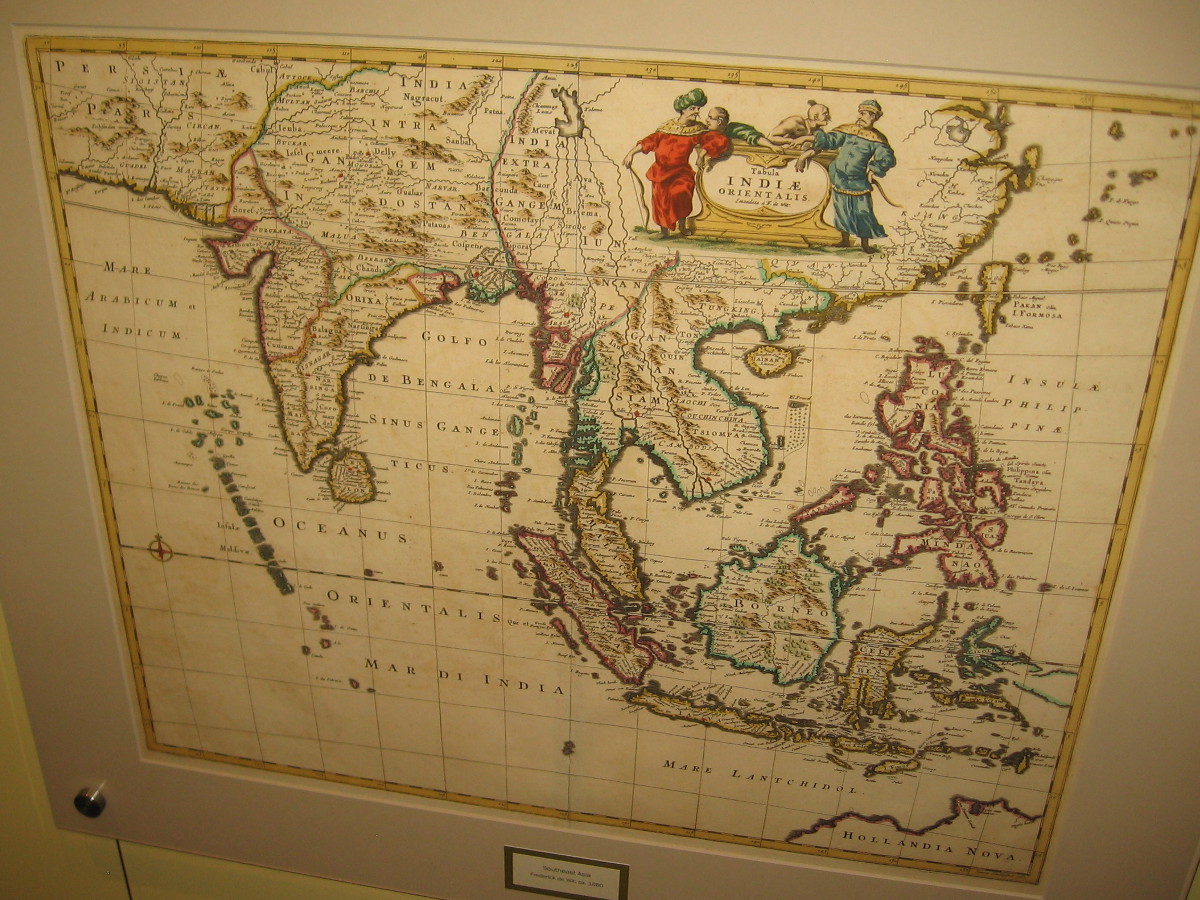
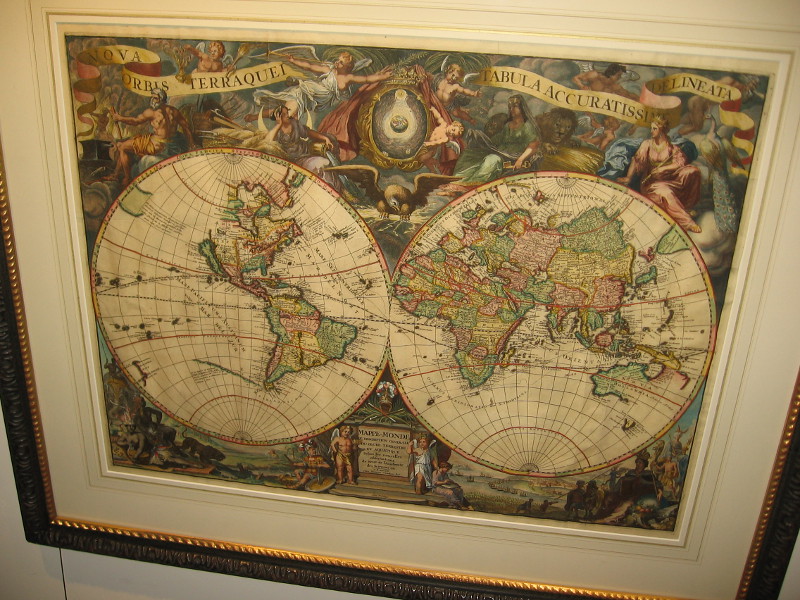
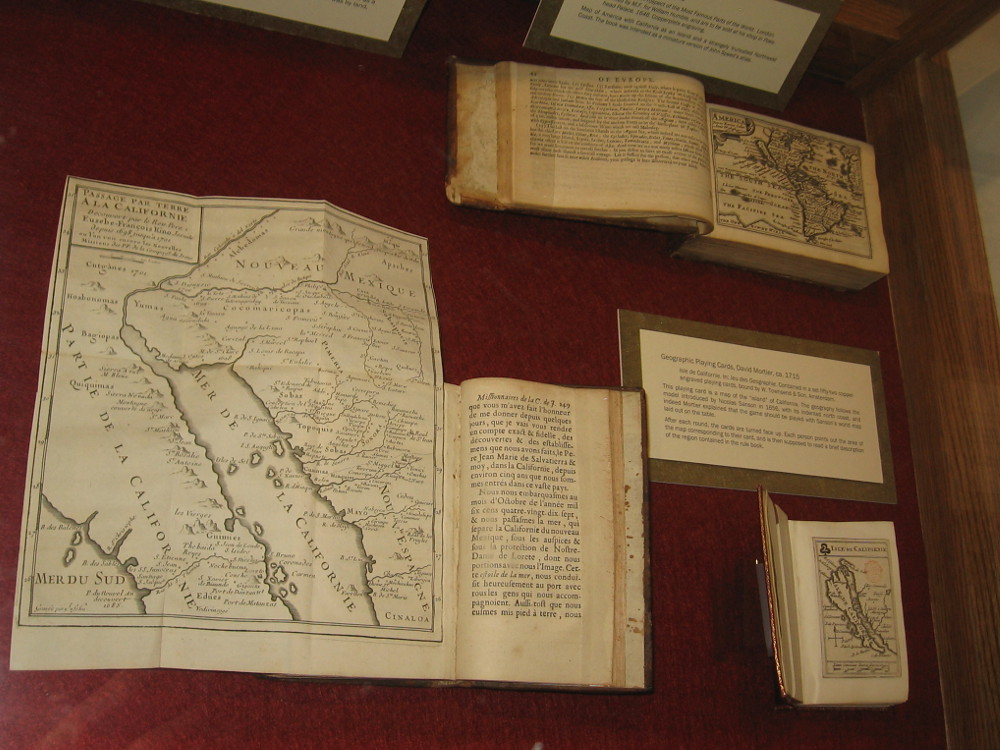
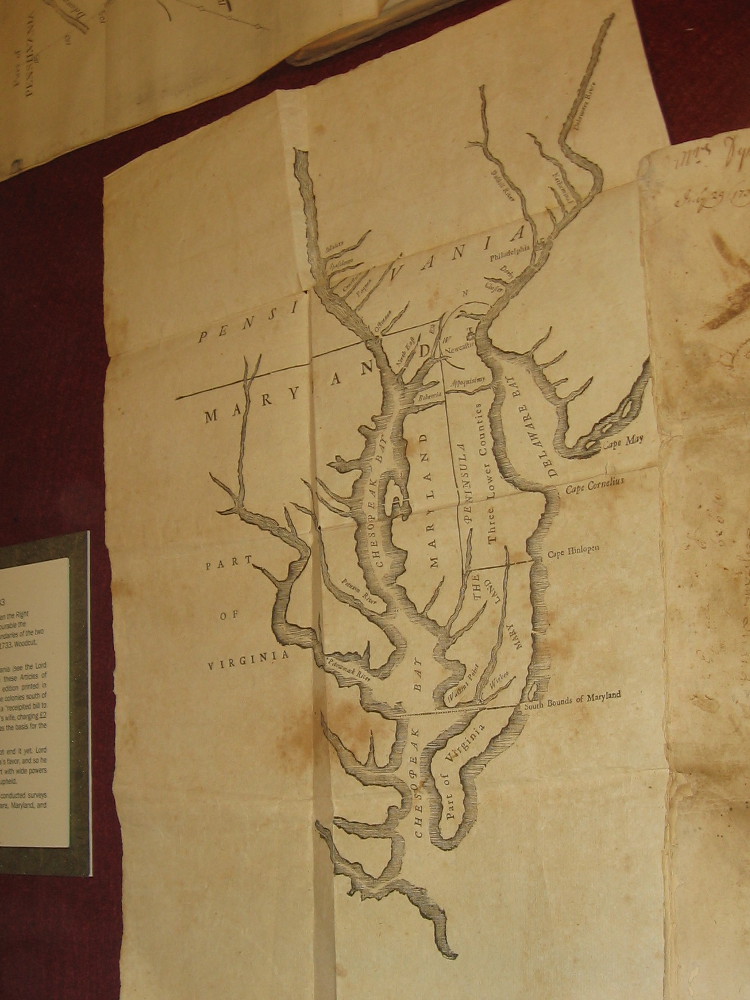
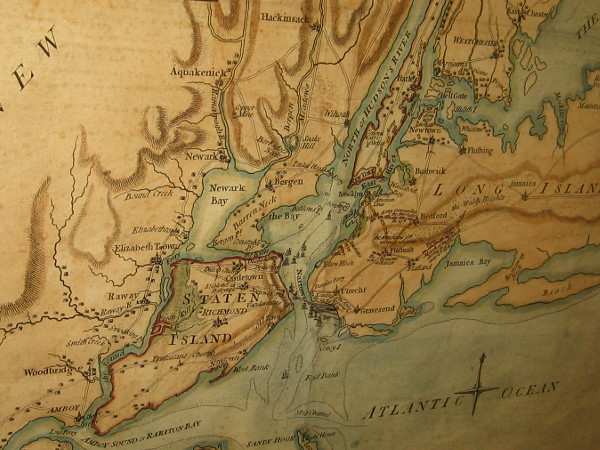
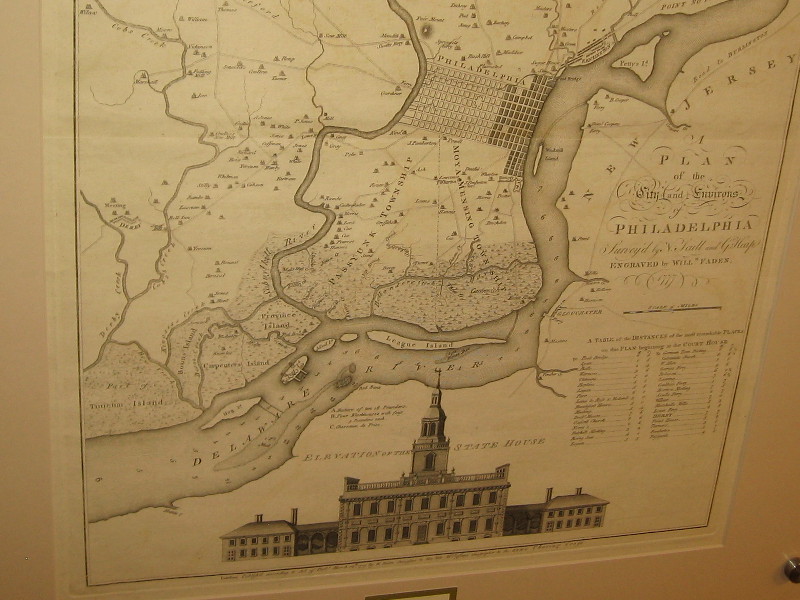
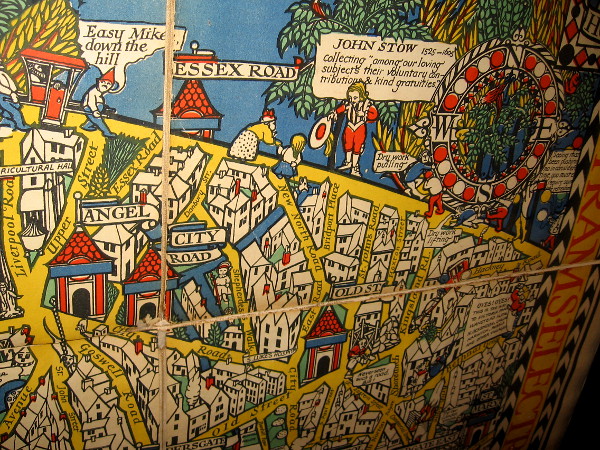
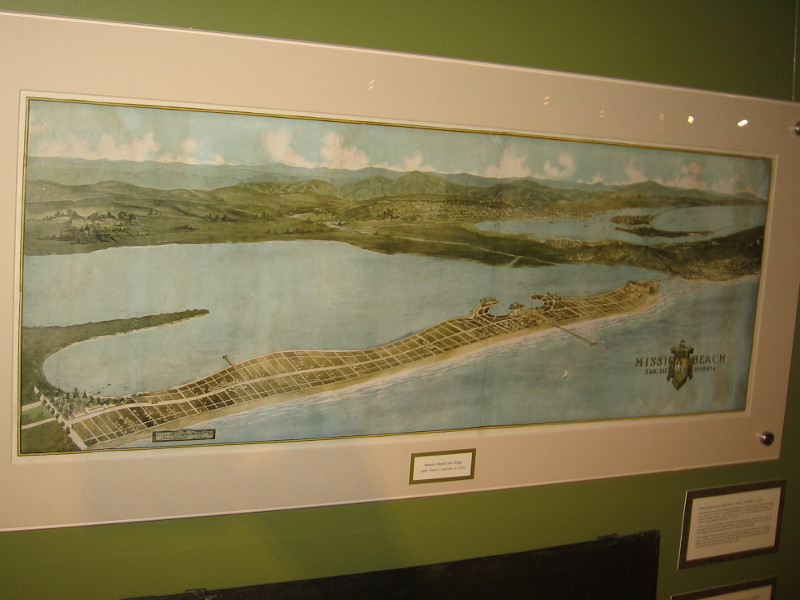
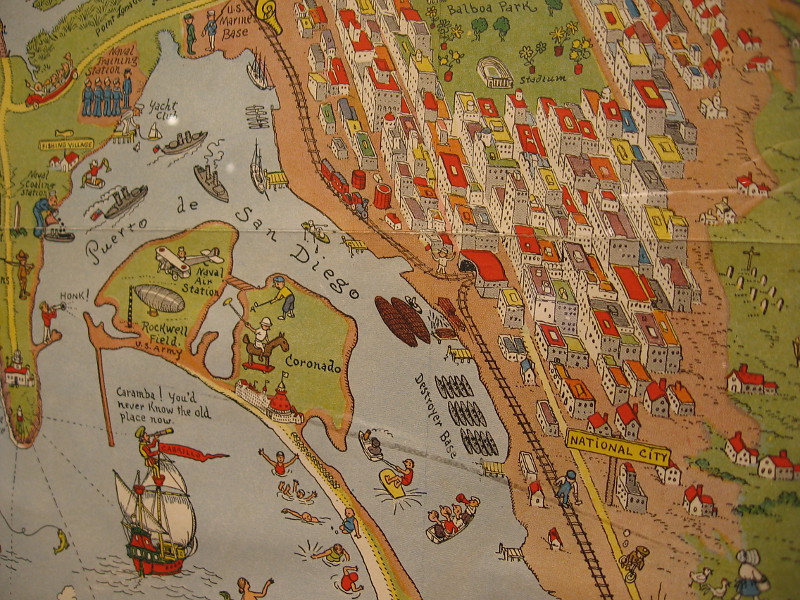
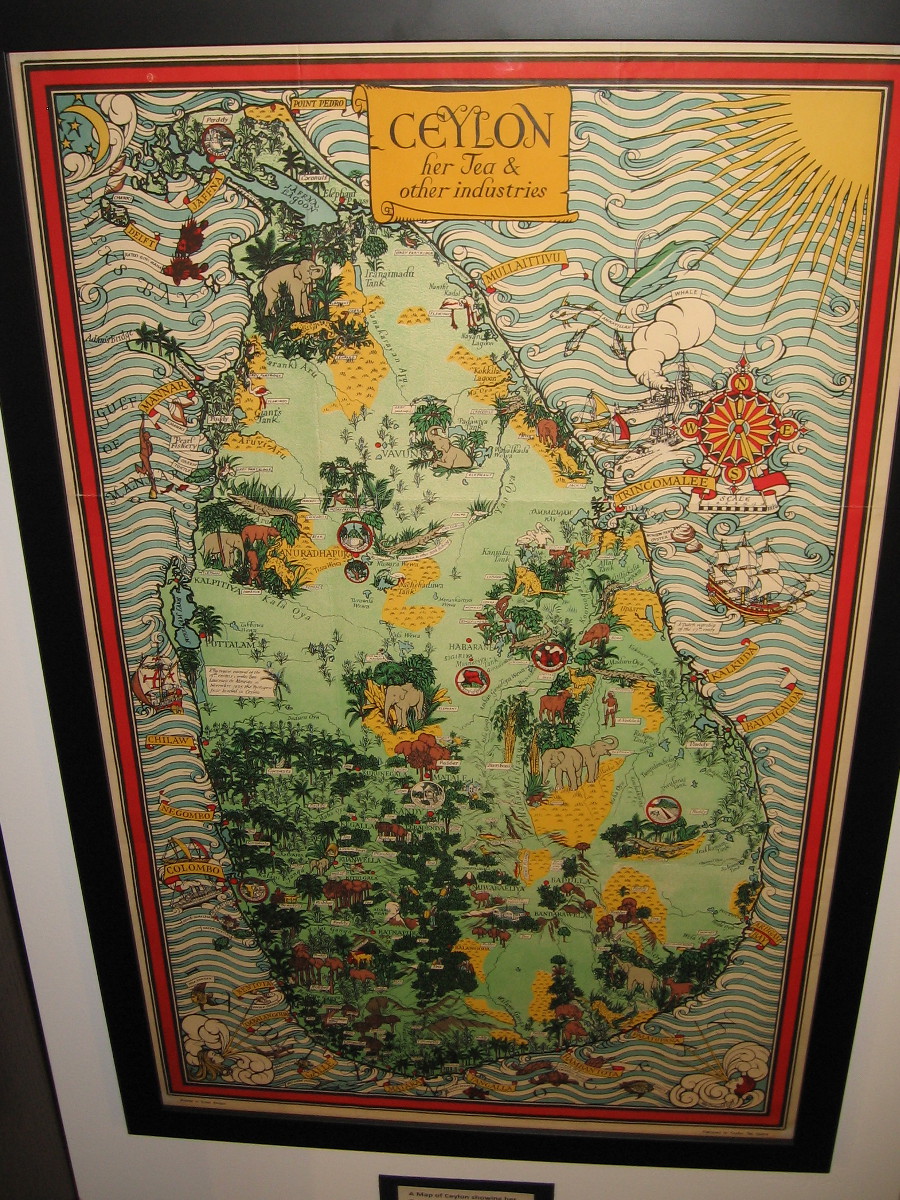
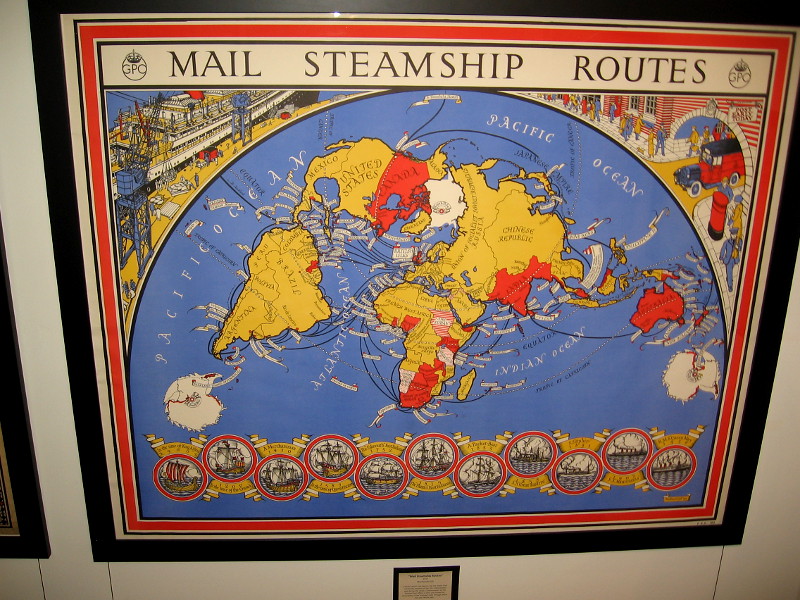
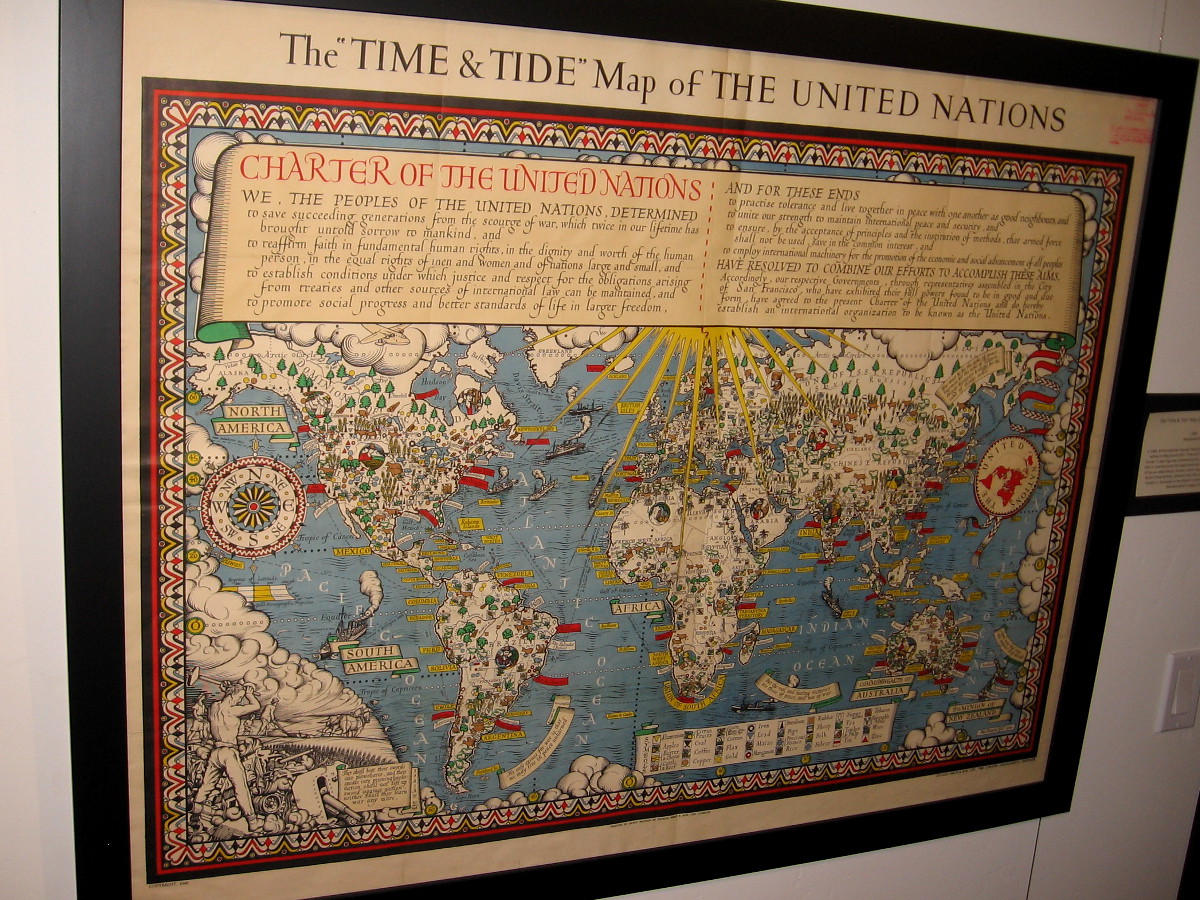
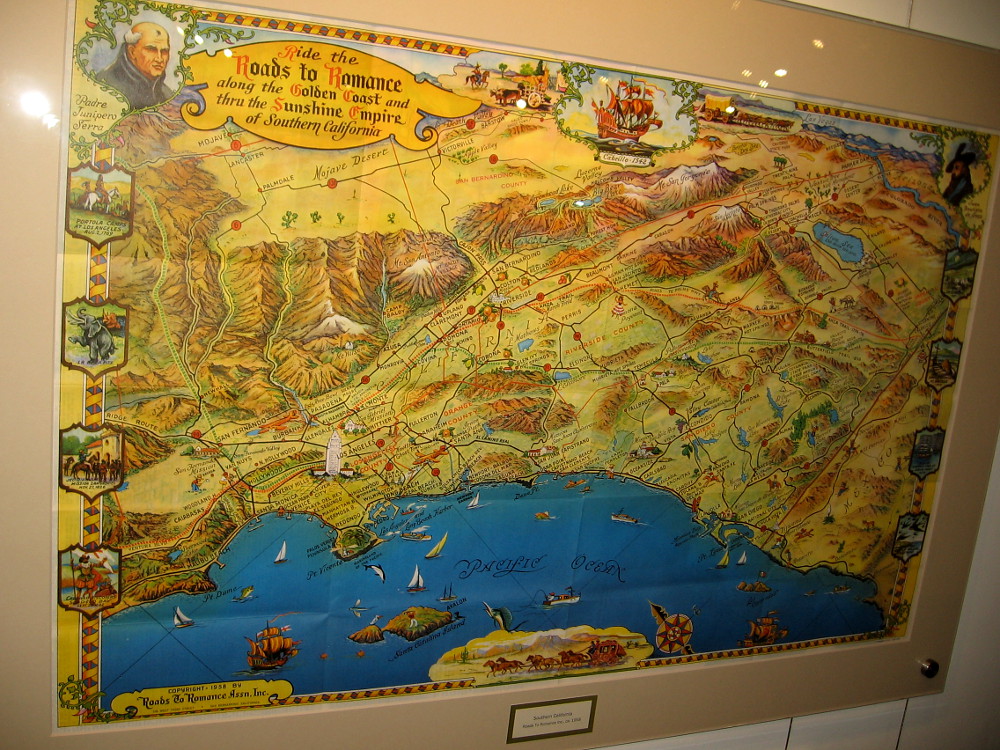
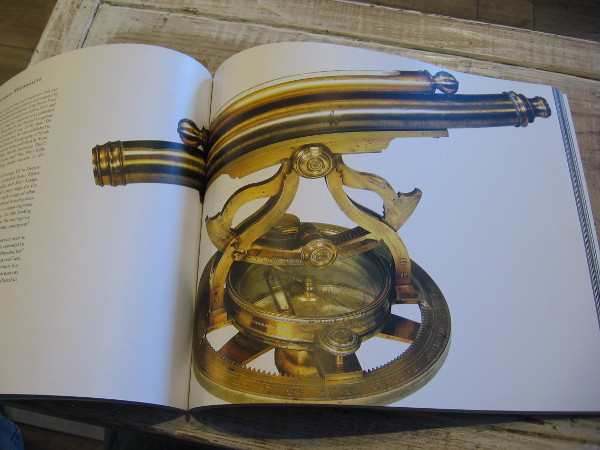
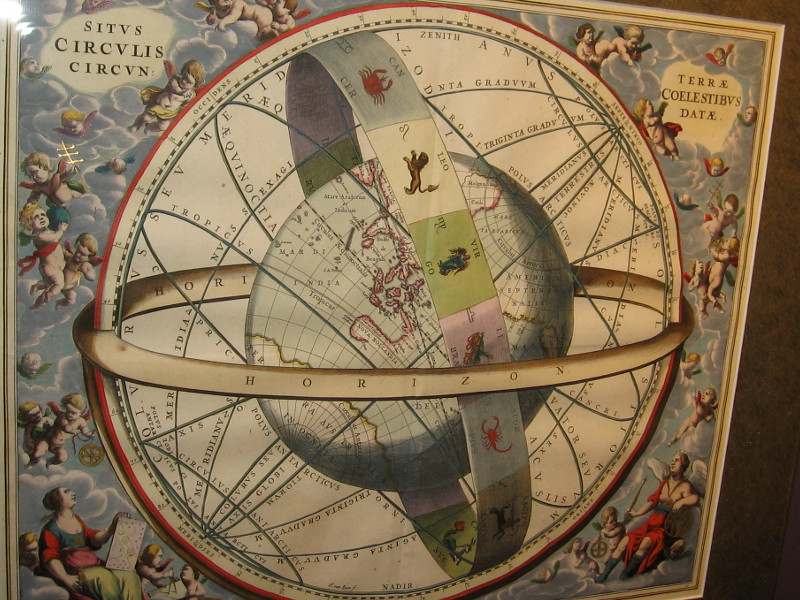
The world’s first printed map of a certain date, 1472. This woodcut T-O shaped world map is from Isidorus Hispalensis (Isidore of Seville).World Map, anonymous, 1491. This map was often hung in medieval monasteries or palaces. It first appeared in the Rudimentum Novitiorum of 1475.World Map (Ptolemy), Martin Waldseemuller, 1513. Even after the discovery of America, Ptolemaic maps devoid of a Western Hemisphere were still printed.North Atlantic, Jacob Ziegler, 1532. Information for this map was obtained from two Archbishops in Rome. Newfoundland is Terra Bacallaos, or land of codfish.America, Sebastian Munster, Basle, 1540. This depiction of North America came from reports by explorer Giovanni da Verrazano.Eastern North America, Girolamo Ruscelli, 1561. Little was known about the inland geography.North America, Paolo Forlani, 1565. A map that shows America and Asia separated with a strait.China, Japan and Korea, Jodocus Hondius, 1606. Copperplate engraving from the Mercator Atlas.View of Macao, Theodore de Bry, 1607. A stylized map, the first published image of Macao.The Low Countries in the Form of a Lion, Petrus Kaerius, 1617. A map of the Netherlands and Belgium.Northeast North America, Jan Jansson and Nicholas Visscher, 1655.Second Hemisphere with the Christianized firmament, Andreas Cellarius, 1660. The twelve apostles supplanted the old zodiacal constellations in this map.The Sizes of the Celestial Bodies, Andreas Cellarius, 1660. The heavenly bodies compared with Earth, according to Ptolemy.English colonies, Richard Daniel, ca. 1679. The first printed map of the colonies depicting roads.California on early maps was depicted as an island.Southern and Southeast Asia, Frederick de Wit, ca. 1680. A standard Dutch published map.Eastern North America, Hermann Moll, 1715. Beautiful illustration on what is commonly called the beaver map, which was copied from an earlier 1698 map by Nicolas de Fer.Nova Orbis Terraquei Tabula Accuratissime Delineata, Pieter Van Der Aa, 1713. I love the extensive Latin name given to this highly ornate copper-plate engraving Dutch map!A display case at the Map and Atlas Museum of La Jolla includes geographic playing cards from the early 18th century.Chesapeake and Delaware Bays, Benjamin Franklin, 1733. Franklin likely cut the woodblock himself. The map shows the newly delineated boundaries of Maryland and Pennsylvania.Battle of Long Island, Samuel Holland, 1776. A section of a map that shows the plan of the first major battle in the American Revolution.New Jersey and Pennsylvania, William Faden, 1777. Plan of the Operations of General Washington, against the King’s Troops in New Jersey.Philadelphia, William Faden, 1777. Lower half of the map includes copy of the earliest known printed image of Independence Hall.The Wonderground Map of London Town, MacDonald Gill, 1915. This small section shows some of the delightful retail map’s humor.Mission Beach, San Diego, 1915. Map of the projected development of Mission Beach.San Diego, Joseph Jacinto Mora, 1928. Corner of a map containing illustrations of local history and important places, like the pictured Union Station (now Santa Fe Depot), Horton House (where the U.S. Grant Hotel stands today), Army and Navy YMCA, and Casa de Estudillo in Old Town, which was then called Ramona’s Marriage Place.Another section of the same map showing areas around San Diego Bay including downtown, National City, Coronado and Point Loma.A Map of Ceylon showing her Tea and Other Industries, MacDonald Gill, ca. 1934.Mail Steamship Routes, MacDonald Gill, 1937.The Time and Tide Map of the United Nations, MacDonald Gill, 1948.Southern California, Roads To Romance, a tourist map ca. 1958.Thomas Jefferys’ brass theodolite, part of the museum’s collection. Jefferys was geographer to King George III. The antique theodolite is pictured in the extraordinary book The Cartographical Collection of Michael R. Stone.The Location of the Earth, Encircled by the Celestial Circles, Andreas Cellarius, 1660.
…
I live in downtown San Diego and love to walk around with my camera! You can follow Cool San Diego Sights via Facebook or Twitter!
You can easily explore Cool San Diego Sights by using the search box on my blog’s sidebar. Or click a tag! There are thousands upon thousands of photos for you to enjoy!
The Timken Museum of Art in Balboa Park is designed to be filled with natural light.
Would you like to enter a truly magical place? Step into the Timken Museum of Art. Walls disappear, and suddenly you are surrounded by fine art masterpieces, natural light, and the greenery and open space of beautiful Balboa Park.
I took a special tour of the building during the San Diego Architectural Foundation’s 2018 OPEN HOUSE event. I jotted a few notes and will now try to describe my experience.
According to our tour guide, David Kinney, a Balboa Park Conservancy Board Member, the building housing the Timken Museum of Art is disimilar in many respects to the extremely ornate Spanish Colonial buildings lining El Prado, which were designed for the 1915 Panama-California Exposition. The Timken has clean, symmetric, simple lines. It is the only building in Balboa Park specifically designed for people to walk around. The museum was built in 1965 and incorporates many facets of modern architecture. It was designed by San Diego architect John Mock, who intended it to be a “see-through” museum, where boundaries are blurred and gardens and sky are visible from many points inside.
When built, the Timken was the most expensive building ever constructed in San Diego. The building is widely considered to be one of the finest examples of mid-century Southern California Modernism and the International Style in the nation.
The abundant travertine, bronze and glass create a magical effect. Visitors to the museum feel surrounded by San Diego’s native sunshine. There are views of small gardens, the Plaza de Panama, the Lily Pond and families enjoying picnics on nearby grass.
By taking a few steps into the museum’s intimate galleries, visitors can view one of the most amazing small collections of fine art in the world. There are 60 major works, paintings by the likes of Copley, Johnson, Bierstadt, Veronese, Guercino, Clouet, Claude, David, Brueghel, Rubens, van Dyck, Zurbarán and Murillo. The Timken owns the only Rembrandt to be found in Southern California. Every work is partially bathed in indirect natural light, from hidden skylights along the walls in each gallery. During our tour, as we gazed at the Rembrandt, a cloud passed over the sun, and the light in the gallery dimmed. It was an extraordinary experience that infused additional life into the moody masterpiece.
Come along with me as I show you a few photos. Read the captions for more info!
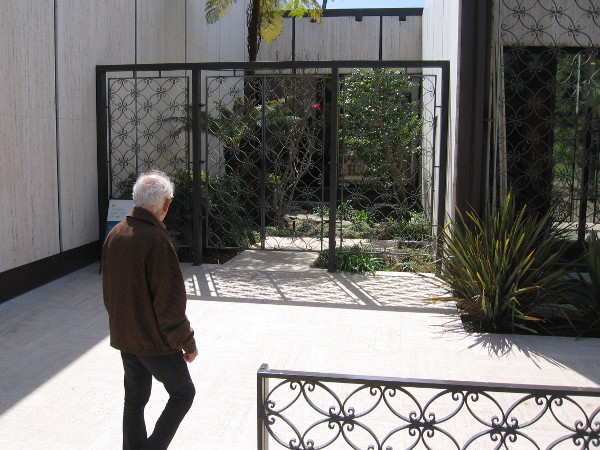
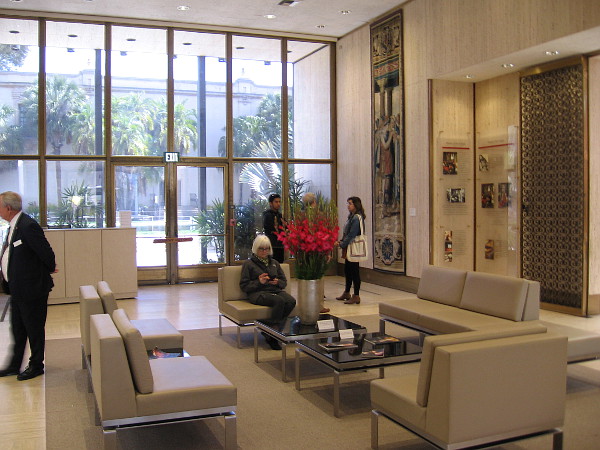
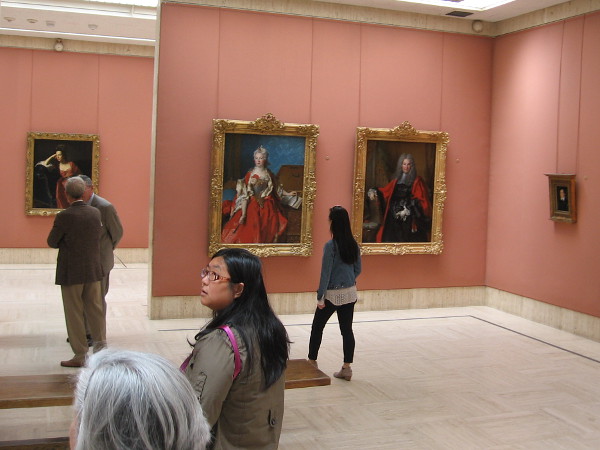
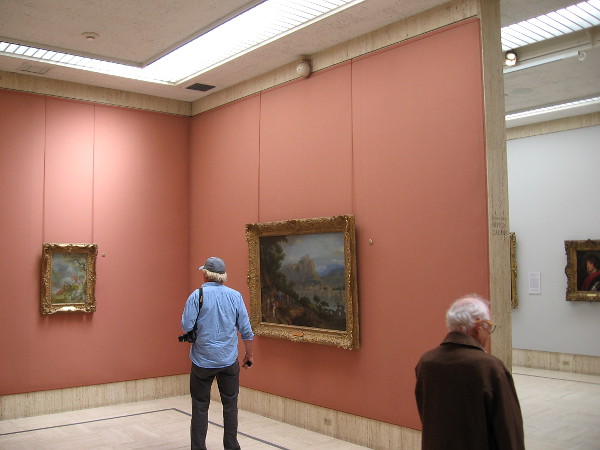
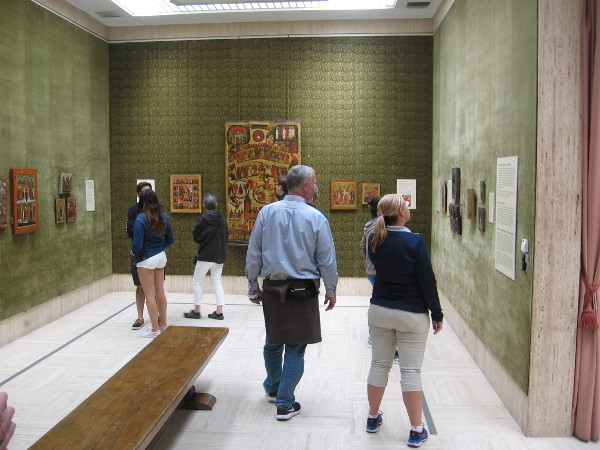
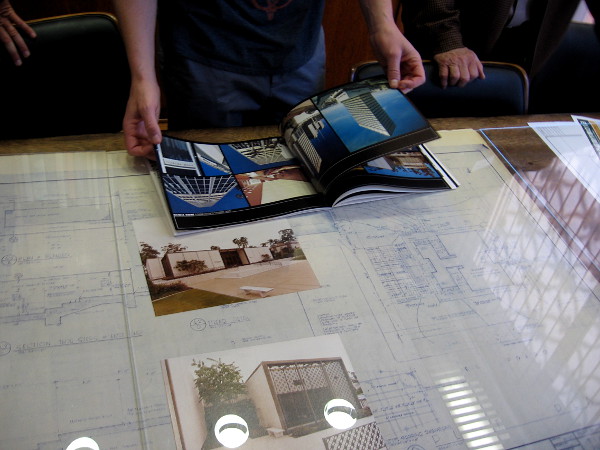
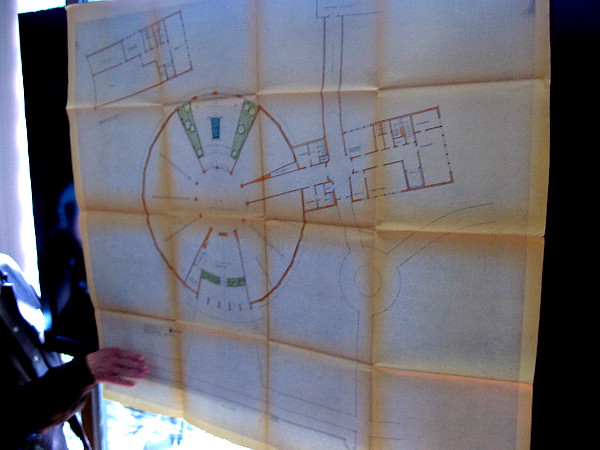
Fences enclosing a small garden and sections of the museum seem like airy lacework. The building’s white travertine reflects San Diego’s sunlight.Turning west, we can see the California Tower across the Plaza de Panama.Our tour guide describes an architectural marvel.This small garden by one large museum window was created in 1983 by a Japanese master designer.Inside the central lobby of the museum. The seats are Italian made. Another large window allows light in from Balboa Park’s beautiful Lily Pond.Inside one of the galleries. The small fine art museum is free to the public and a popular destination in Balboa Park.Lights along the ceiling’s perimeter include hidden skylights, admitting natural indirect sunlight.Saint Bartholomew, Rembrandt van Rijn, oil on canvas, 1657.The Timken’s collection was begun by the Putnam sisters, who had a passion for fine art. They also loved Russian Orthodox religious icons, a few of which are housed in one gallery.Our tour ventured into the Timken Museum’s employee lounge and meeting room, where we saw the original blueprints of this iconic building.Also displayed was one early Timken Museum architectural design concept, where the building would have been circular.A very cool free museum in San Diego, the Timken combines the magic of sunlight, a happy, carefree day in Balboa Park and fine art.
…
I live in downtown San Diego and love to walk around with my camera! You can follow Cool San Diego Sights via Facebook or Twitter!
You can easily explore Cool San Diego Sights by using the search box on my blog’s sidebar. Or click a tag! There are thousands upon thousands of photos for you to enjoy!
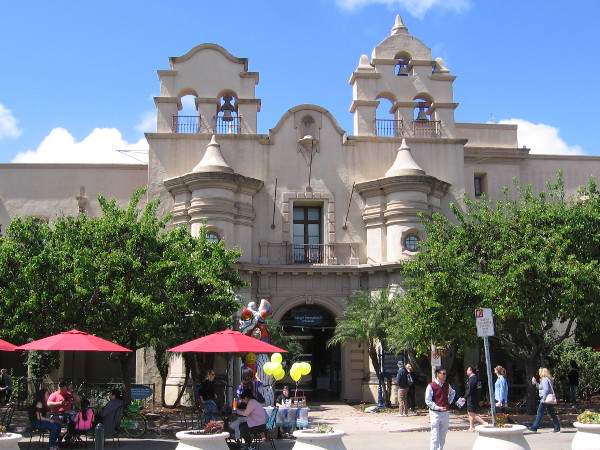
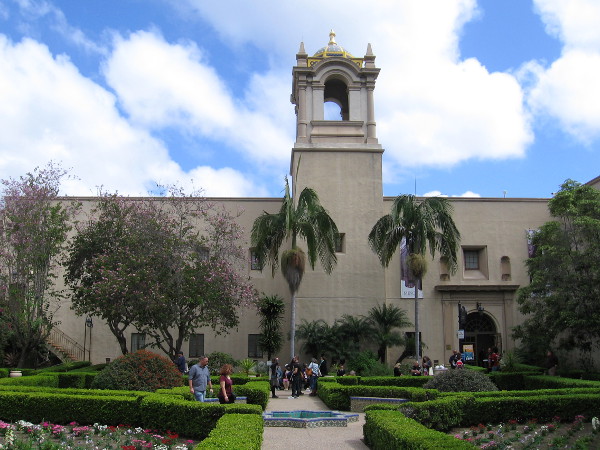
View of the House of Charm in Balboa Park, home of the Mingei International Museum.
I made a very cool discovery today during the San Diego Architectural Foundation’s 2018 OPEN HOUSE event!
After an amazing tour of the Timken Museum in Balboa Park, which I will be blogging about shortly, I crossed the Plaza de Panama to catch the final part of a special talk at the Mingei International Museum. I was astonished to learn the museum is about to undergo a complete transformation!
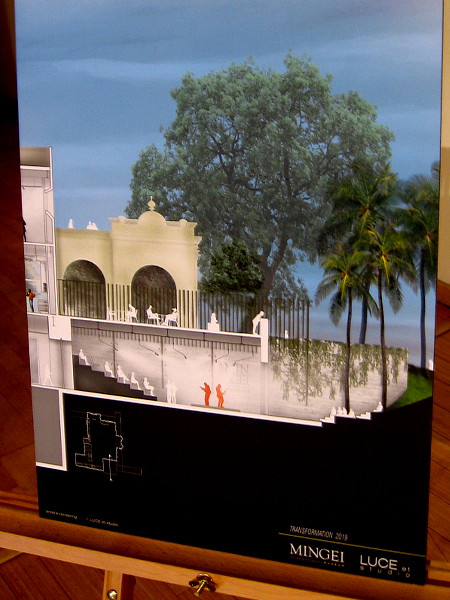
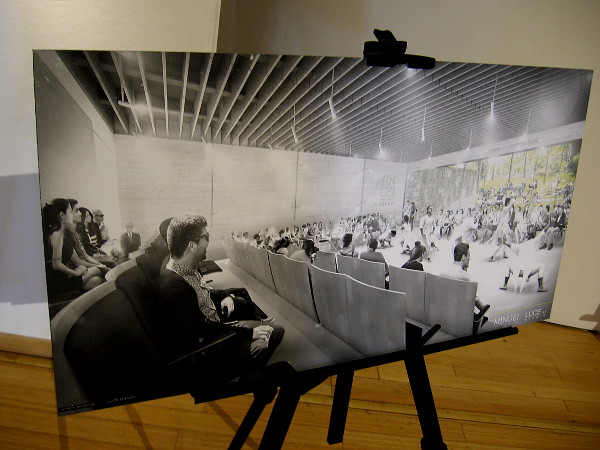
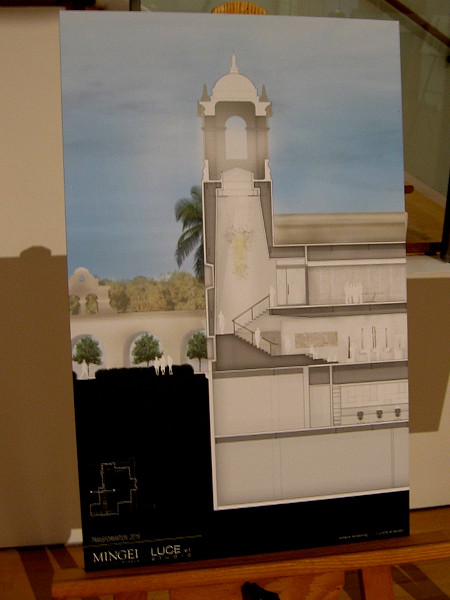
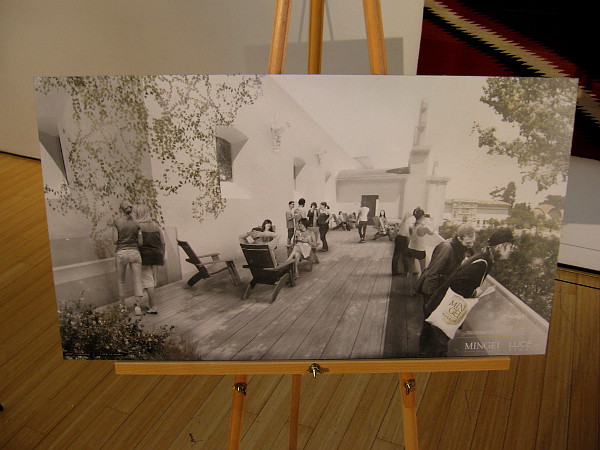
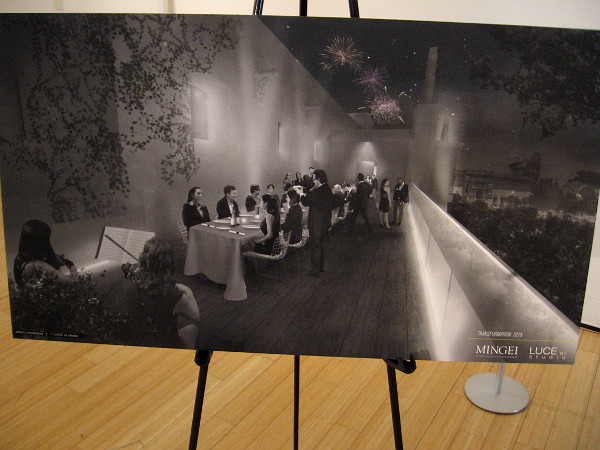
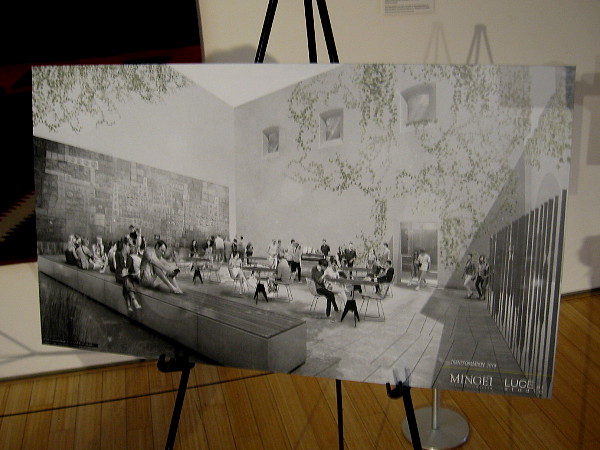
What I learned about the upcoming changes is really exciting! In order to make the museum more dynamic and accessible to the San Diego community, the first floor Plaza Level will become a free space where ordinary people can mingle and openly enjoy culture and expression with friends and other visitors. New additions will include a cool sculpture garden, a small sit-down restaurant, and a new theater space. A balcony overlooking the Plaza de Panama will provide amazing views of Balboa Park, and stairs to the second floor art gallery will ascend through the House of Charm’s iconic tower, with views of the beautiful Alcazar Garden below, where there will be a new west entrance!
I didn’t catch all the details, so I hope that what I’ve just told you is correct. You can see some of the plans on the Mingei’s website here. I did learn that this amazing transformation will begin later this year–I believe I was told around September–and the museum will close during construction. During the House of Charm’s renovation the museum will have surprise pop-up exhibitions around San Diego and other fun events to fill in the void.
I also learned the total cost of the project is $40 million, and more money needs to be raised. Can you help? If you’d like to help shape Balboa Park’s brilliant future, check out this page!
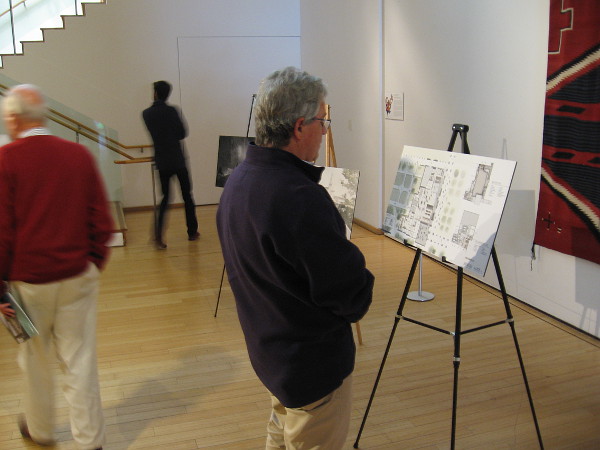
Visitor to the Mingei learns about the museum’s upcoming transformation during the San Diego Architectural Foundation’s 2018 OPEN HOUSE event.Images were displayed after a talk by celebrated architect Jennifer Luce. This one shows a theater space to be added to the building’s expanded southeast corner.Rendering of the theater that will add even more life to the Mingei International Museum.Stairs to the second floor Gallery Level will ascend through the House of Charm’s iconic tower. A new entrance to the museum will be added at the east end of the Alcazar Garden.Rendering of daytime activity on a new second floor balcony overlooking the Plaza de Panama.Rendering shows diners at night on the balcony. Illumination along the balcony will add a signature touch to the museum’s appearance.People freely enjoy a new pocket park-like sculpture courtyard at the Mingei.Photo taken today of the House of Charm and its iconic tower from the Alcazar Garden. Big changes are coming!
…
I live in downtown San Diego and love to walk around with my camera! You can follow Cool San Diego Sights via Facebook or Twitter!
You can easily explore Cool San Diego Sights by using the search box on my blog’s sidebar. Or click a tag! There are thousands upon thousands of photos for you to enjoy!
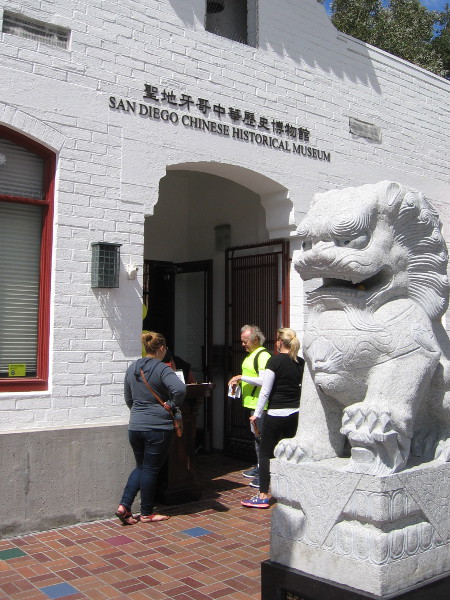
Visitors enter the San Diego Chinese Historical Museum during the San Diego Architectural Foundation’s OPEN HOUSE 2017.
This weekend the San Diego Architectural Foundation is having their big annual Open House event!
For 2018, an amazing 84 locations will participate, each building or urban site recognized for its unique contribution to San Diego’s architectural history. Many different architectural styles will be highlighted, at locations in Balboa Park, Bankers Hill, downtown, the Gaslamp, East Village, Barrio Logan and Point Loma. Some locations will offer guided tours or special talks; at many others the public is invited to take a self-guided tour.
To find out more, including days and times of tours this Saturday and Sunday, check out the SDAF website here.
In 2017 I took full advantage of this event and visited a range of interesting places. The following are links to photographs that I took:
Paintings in Balboa Park Conservancy Board Room. (I took these photos during a 2017 Open House tour of the House of Hospitality. Unfortunately I joined the group midstream and took few useful notes.)
I live in downtown San Diego and love to walk around with my camera! You can follow Cool San Diego Sights via Facebook or Twitter!
You can easily explore Cool San Diego Sights by using the search box on my blog’s sidebar. Or click a tag! There are thousands upon thousands of photos for you to enjoy!
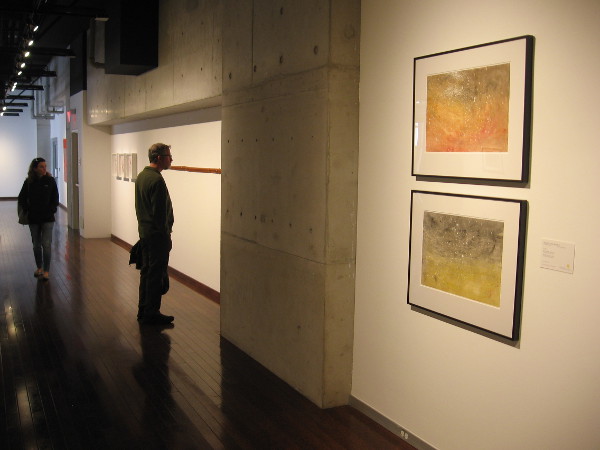
Visitors to the gallery on the 9th floor of the downtown San Diego Central Library look at some fascinating artwork.
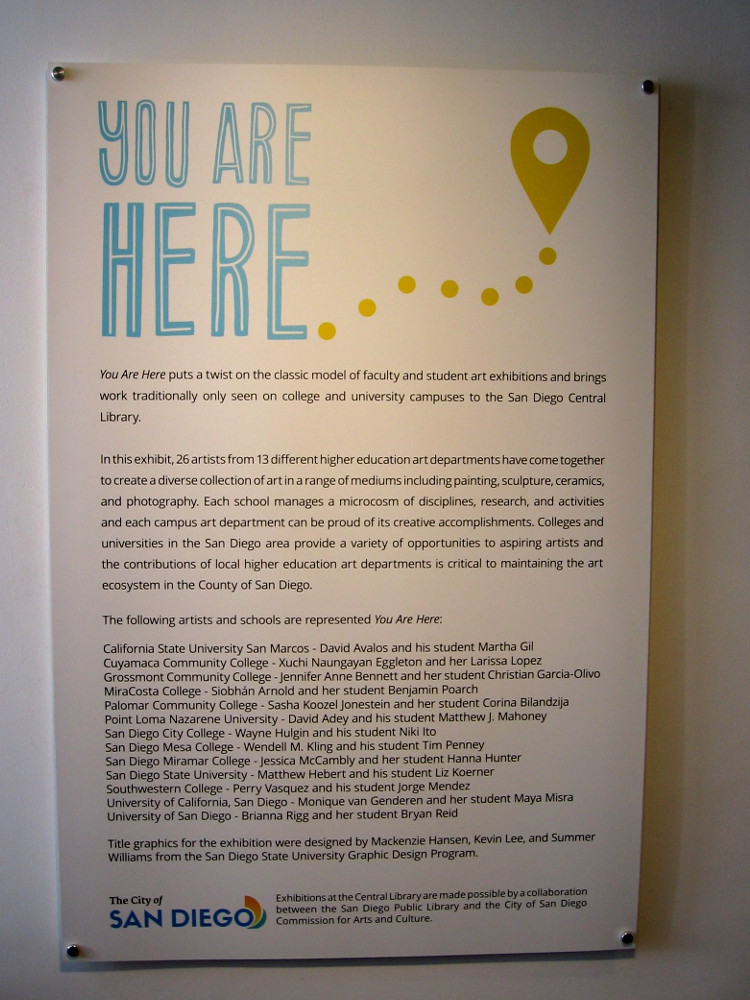
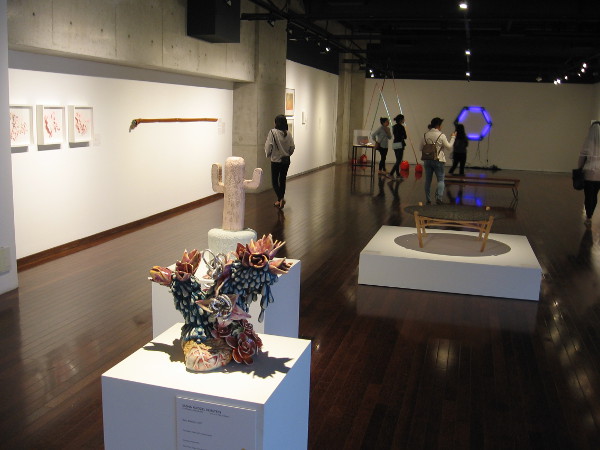
A fantastic exhibition is now open free to the public in the 9th floor gallery at San Diego’s Central Library. You Are Here features work from art students and professors at 13 different institutions of higher education around San Diego County.
Not only is this exhibition an opportunity for talented artists to show their creative work in public, but visitors to the Central Library can learn a little about each school’s unique art program.
I took photos of some of the artwork. Please swing on by–you’ll be impressed by the quality of these imaginative, evocative pieces. You Are Here runs through May 6, 2018.
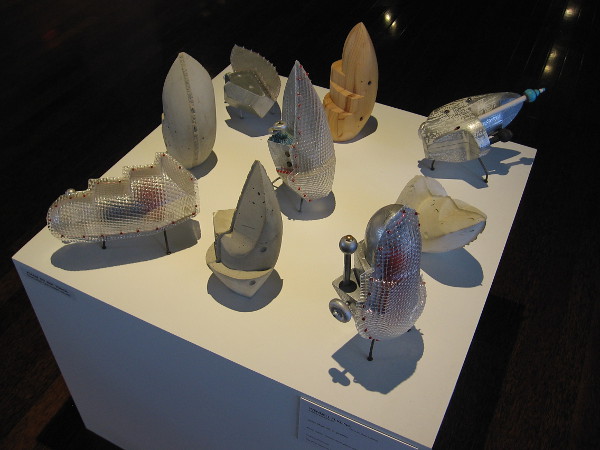
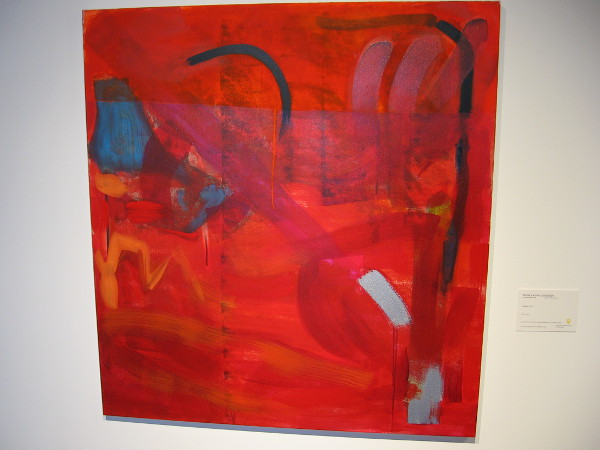
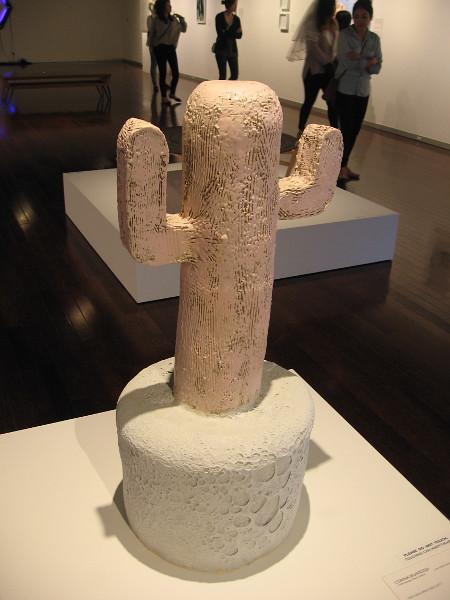
You Are Here, a special exhibition in the Central Library’s gallery, collects the work of 26 artists from 13 different higher education art departments across San Diego.Diverse examples of thought-inducing visual art attract curious eyes.Space Ships, Wendell M. Kling, Professor of Art, San Diego Mesa College, 2013-present.Hubcap Milagro for Chunky, David Avalos, Professor of Visual Arts, California State University San Marcos, 2011.Untitled, Monique Van Genderen, Associate Professor of Art, UC San Diego, 2017.Pink Cactus Moon Rock, Corina Bilandzija, Student, Palomar College, 2017.Warm Lights, Niki Ito, International Student, San Diego City College, 2017.Hair, Larissa Lopez, Past Student, Cuyamaca Community College, 2017.Ophelia, Hanna Hunter, Student, San Diego Miramar College, 2016.
…
Do you enjoy discovering new things? I do! My camera is always ready during my long walks around San Diego!
Fashion evolves from decade to decade. This is often due to economic factors, social movements, the popular culture and changes in materials, manufacturing and commerce.
A new exhibition at the San Diego History Center in Balboa Park concerns the fascinating evolution of fashion over the past nine decades. Titled Fashion Redux: 90 Year of Fashion, this exhibition includes a “timeline of garments” from the museum’s collection, plus a number of pieces that were created by fashion students who are studying at Mesa College. The dresses these talented students created are a unique fusion of the past and present.
I confess that I have no fashion sense. I’m content to wear blue jeans every day of the year. When they become a bit too scruffy, I buy a cheap new pair. I really have no right to proclaim anything about fashion.
But I’ve always been deeply fascinated by human creativity. And the origin, formulation and application of an aesthetic sense. And the twists and turns of history, of course.
Anyone who is curious about fashion and its evolution should head over to The San Diego History Center. The museum will be having a Grand Reveal Fashion Show on April 26, where you can meet some of the Mesa College fashion students and instructors. They’re also having a series of different demonstrations. You can find out more here.
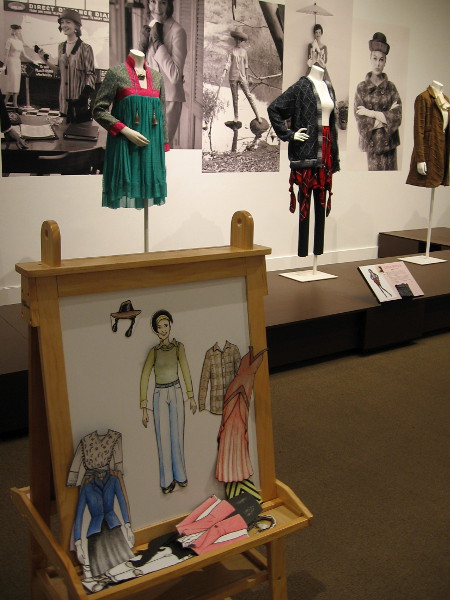
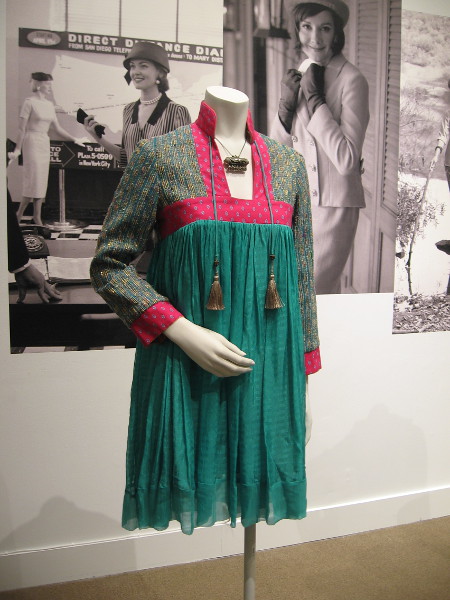
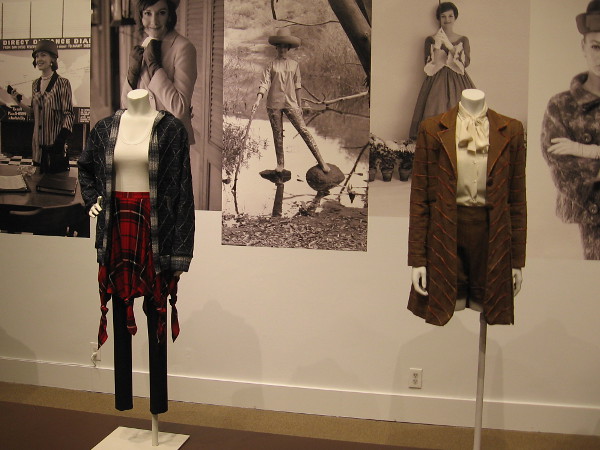
Fashion during the past 90 years is presented in a special exhibit at the San Diego History Center. Included is the work of students from Mesa College, who created new designs based on old trends.Photographs on the wall are from the collection of the San Diego History Center. They were taken by Charles Schneider, who during his long career contracted with United Press International, photographing film stars and entertainers.This 1940’s style dress was created by student designer Anna Acosta. In that decade garments were often designed to soften a woman’s shape, and achieve a sense of elegance.An activity station at the exhibition encourages kids to try their own hand and eye at fashion design. A nearby nook is the setting for fashion demonstrations by students and instructors from the San Diego Mesa College Fashion Program.This garment reflects the mid-2000’s, when the boho style reached its pinnacle. This dress was designed by student Zari Wabab.The San Diego History Center should be the destination of anyone interested in the past, including fashion trends.This draped nylon and taffeta gown reflects the Golden Age of Hollywood during the 1930’s and the Great Depression. It seemed like a dream in that difficult era. Created by student designer Stephanie Castro.This garment in the museum’s collection represents the 1990’s, a time when fashion evolved as the internet gained traction, and working from home and globalism began their rise.Dresses from the past nine decades are arranged as a timeline, each representing the evolving culture and various impacts of technology.
…
I live in downtown San Diego and love to walk around with my camera! You can follow Cool San Diego Sights via Facebook or Twitter!
You can easily explore Cool San Diego Sights by using the search box on my blog’s sidebar. Or click a tag! There are thousands upon thousands of photos for you to enjoy!
Close up of a colorful mural now on display in front of the San Diego Museum of Art.
Many extraordinary artists make San Diego their home. They help our city sparkle with culture and energy.
Amazing works by distinguished local muralists are now on display in Balboa Park, directly in front of the San Diego Museum of Art.
The six colorful murals, painted live a couple weeks ago, are inspired by a world-class exhibition now running inside the museum. Modern Masters from Latin America: The Pérez Simón Collection is an exhibition of modern Latin masterpieces that no art lover should miss. I blogged about it here. Go soon. It will be closing in two weeks.
I don’t know how long these murals will be on display outdoors in front of the museum, so swing by Balboa Park soon to enjoy them in person!
To see the murals of Chicano Park, you can click here.
Visitors to Balboa Park check out a couple of the murals temporarily on display in the Plaza de Panama.Sign in front of the San Diego Museum of Art explains the outdoor Local Latin American Masters exhibition. Six murals were painted live in front of the museum.Art by Victor Ochoa. His work has been widely published. He was one of the original muralists to work in Chicano Park.Art by Carmen Kalo. She is a San Diego native who actively leads Chicano Park tours, builds social awareness, and works with at-risk youth and the homeless.Art by Hector Villegas. He is a teacher who has painted three murals at Chicano Park.Art by Cesar Castañeda. He owns the Chicano Art Gallery in Barrio Logan.Art by Stephanie Cecilia Cervantes. A painter first inspired by Vincent van Gogh’s Starry Night, she was a muralist during Chicano Park’s 2011 restoration project.Protecting Our Water and Earth by Mario Torero. He is an artivist and founding member of the Centro Cultural de la Raza in Balboa Park.Amazing artwork that the public can see close up and in natural sunlight, just like the many fantastic murals of Chicano Park!
…
Today I published a new short story. It’s titled One Magic Bubble. I suppose the short piece is about life.
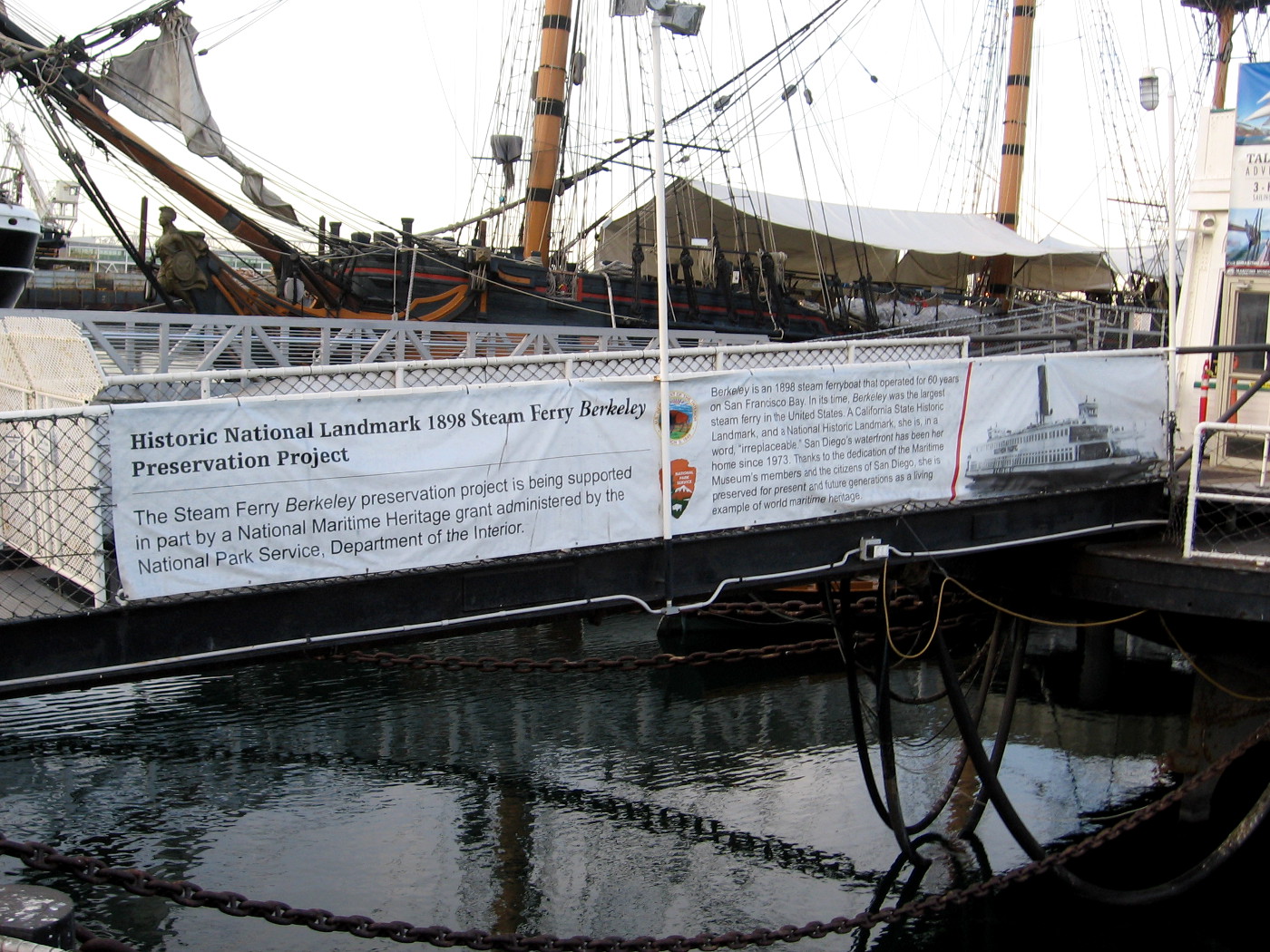
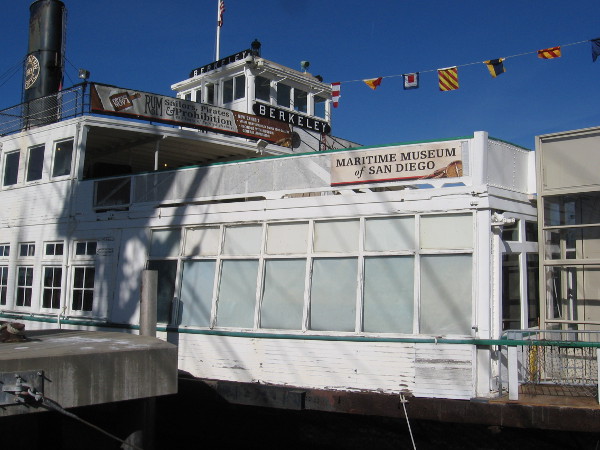
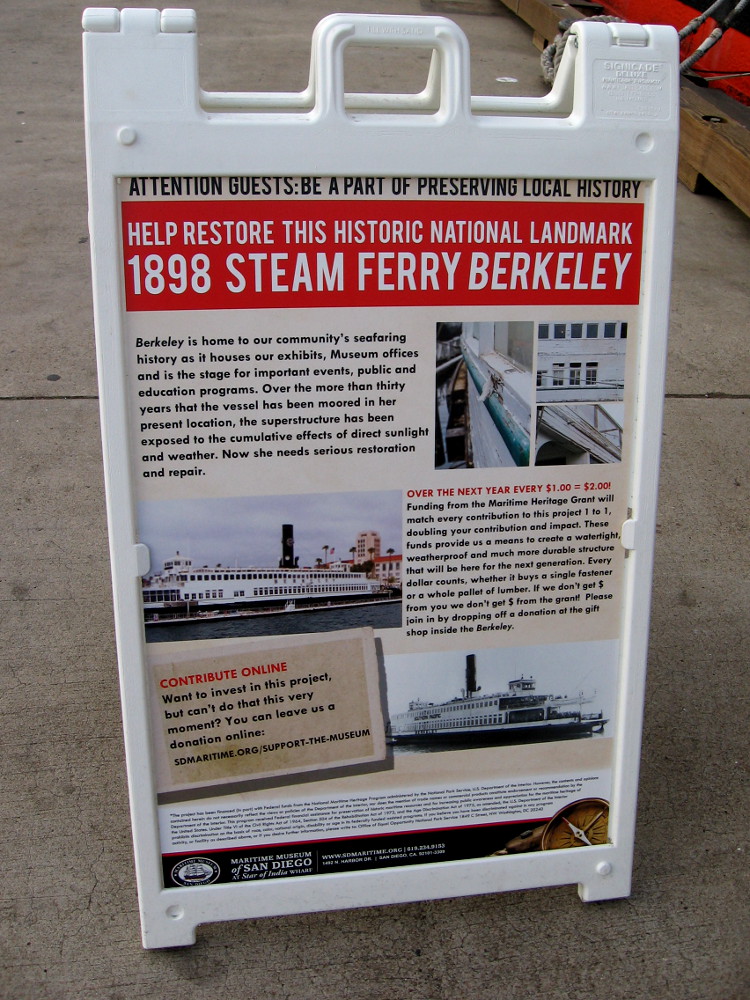
Banner along entrance gangway explains the Historic National Landmark 1898 Steam Ferry Berkeley Preservation Project.
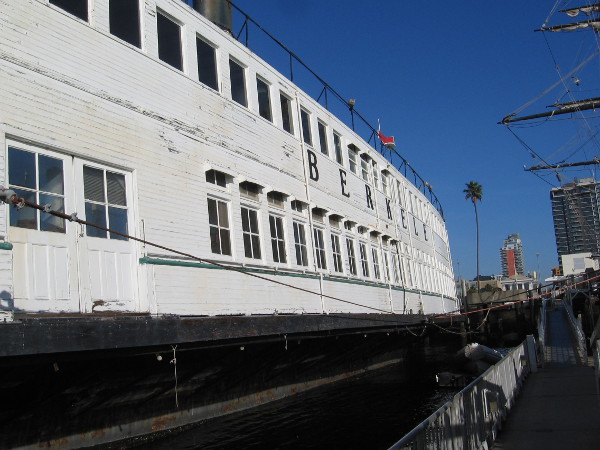
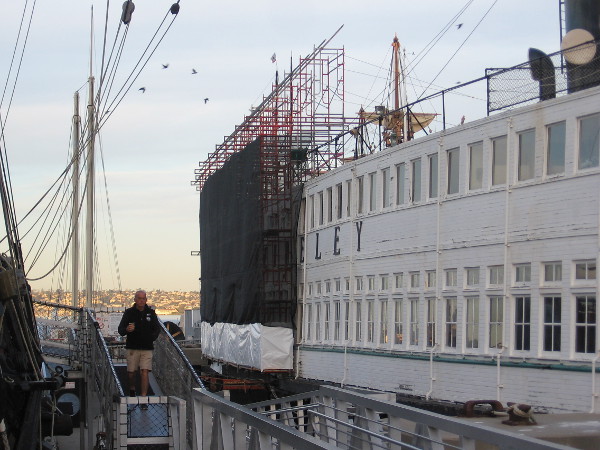
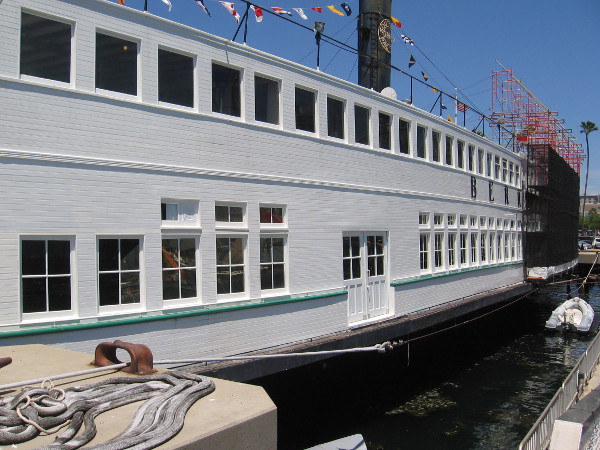
The Maritime Museum of San Diego’s historic 1898 steam ferry Berkeley is undergoing much-needed restoration. The wooden superstructure, exposed for many years to direct sunlight and weather, is in need of repair, as you can see from a couple of my photographs. The south side of the ship, which receives the most sunlight, is in especially poor condition. Work has already begun there.
The museum has received funding for the restoration in the form of a $200,000 grant from the National Maritime Heritage Grant Program. This prestigious grant will match every dollar contributed by the public. Funds are being used to create a watertight, weatherproof, much more durable structure that will last for another generation.
Every contribution you make will be effectively doubled by the matching grant. To make your 100% tax-deductible donation, and learn much more, please visit this page.
To see more photos of this truly amazing vessel and learn about its special place in history, you might want to visit this past blog post. Berkeley was not only the first screw propeller driven steam ferry on the West Coast, but it assisted in the evacuation of a burning San Francisco after the devastating earthquake of 1906. Make sure to scroll down to the bottom of that blog post and read the extensive comment by the former museum librarian, who provides more fascinating information concerning the Berkeley!
The beautiful Berkeley is hub of the Maritime Museum of San Diego. The vessel houses many exhibits, and hosts special events and education programs.Damage from sun, salt, wind and weather is visible in this photo taken shortly before restoration began.Guests to the museum are asked to be part of preserving local history. Contributions can be made online. Every dollar will be matched by a Maritime Heritage Grant.Scaffolding along a section of the steam ferryboat Berkeley’s south-facing side. Restoration has begun.
UPDATE!
Look at the great progress made by early 2019!
…
I live in downtown San Diego and love to walk around with my camera! You can follow Cool San Diego Sights via Facebook or Twitter!


























 Cool San Diego Sights!