Important stories from local history are preserved at the Women’s Museum of California.
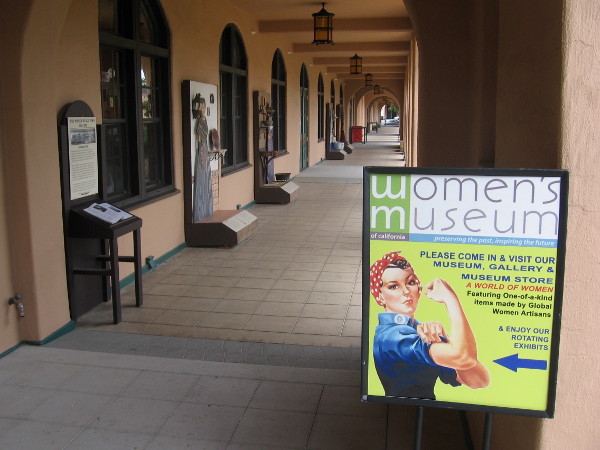
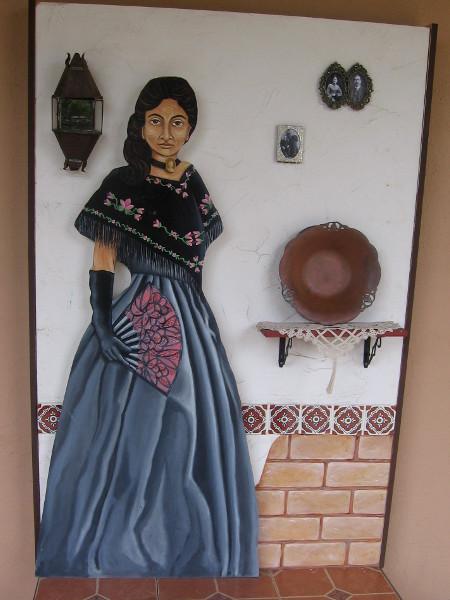
The Women’s Museum of California is one of many cultural attractions that can be enjoyed at Liberty Station in Point Loma. I took some photos of a historical exhibit just outside their front door.
This unique museum was founded by Mary Maschal, a collector of memorabilia and artifacts pertaining to women. The collection has moved to different locations and evolved over the years; today it has grown into an important museum that features art shows, live performances, lectures and other educational events. Its mission is summarized by the slogan: Preserving the past…inspiring the future.
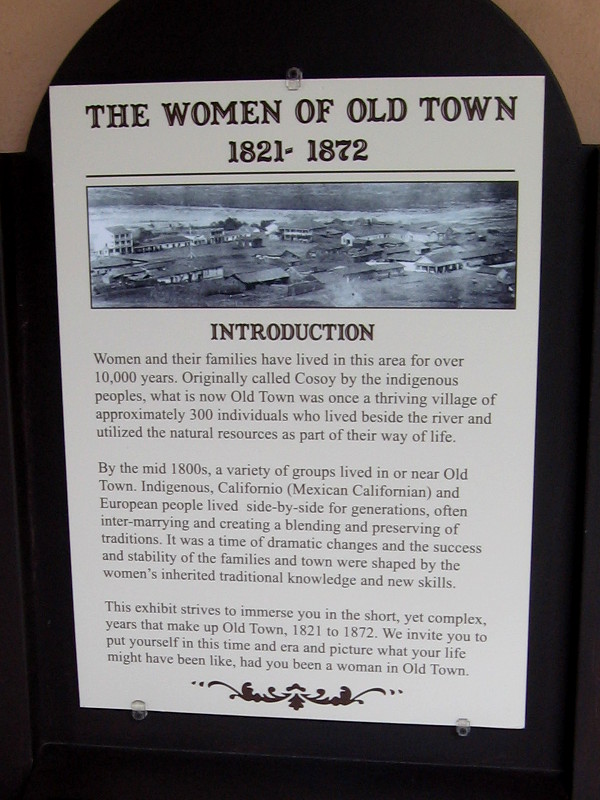
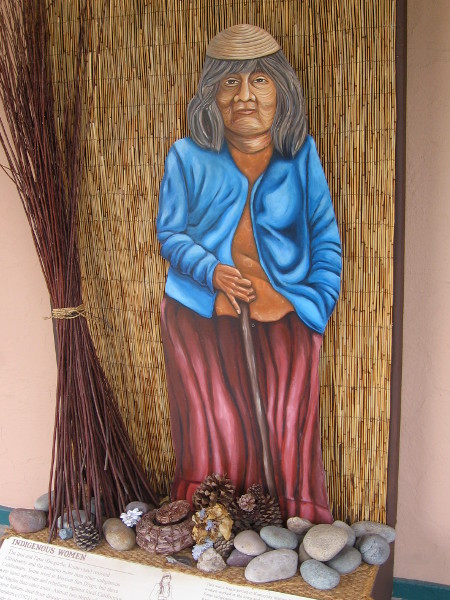
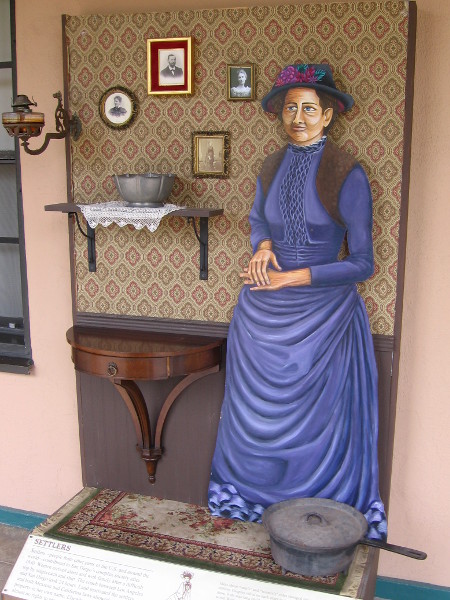
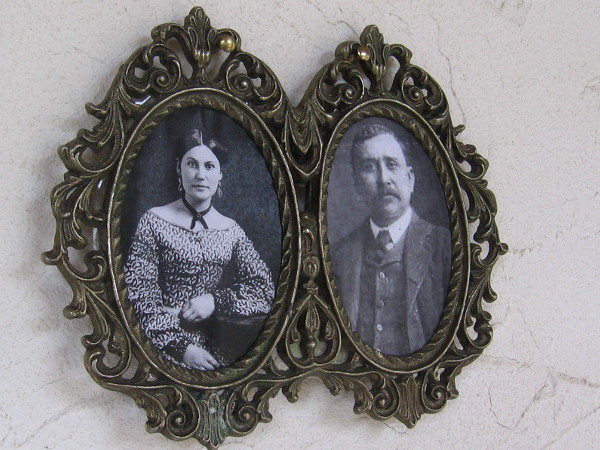
The women of Old Town, 1821-1872. Women and their families have lived in this area, called Cosoy by indigenous people, for over 10,000 years. This exhibit focuses on a short period.The historical experiences and accomplishments of local women are preserved at this unique San Diego museum.The Ipai and Tipai (Diegueño, Kumeyaay) resisted Christianity and the missions more than other indigenous Californians. Moved off their land, the women worked in the town and ranchos.The few women in Old Town had more opportunities to earn money than in the Eastern U.S. They did traditional work: laundry, baking, cooking, sewing, tending to children and livestock.Settlers contributed to San Diego’s complex society after 1830. Women arrived alone and with family after a difficult trip by stagecoach and ship.Californios were a diverse group whose culture created el pueblo San Diego. They were descendants of mixed Spanish and indigenous peoples, often given land grants by Mexico.Old photographs in an artifact help modern San Diegans remember their rugged, fascinating past.
…
To enjoy future posts, you can “like” Cool San Diego Sights on Facebook or follow me on Twitter.
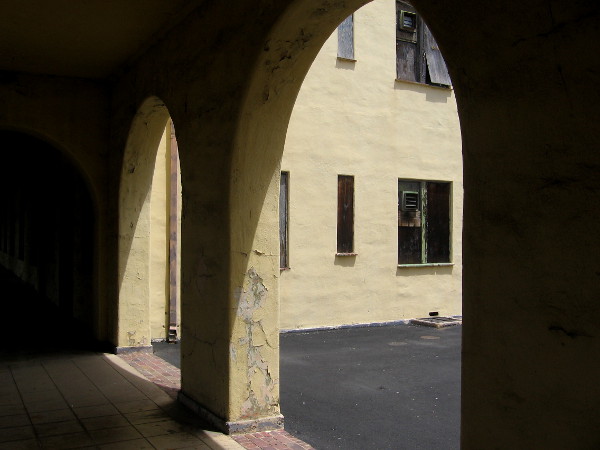
Photo of old, shuttered windows taken through dark, weathered archway.
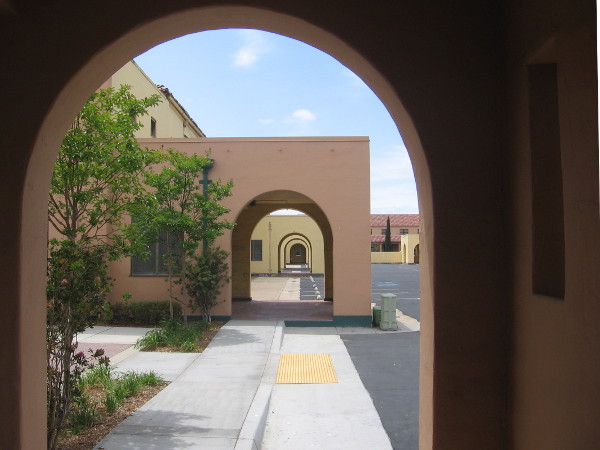
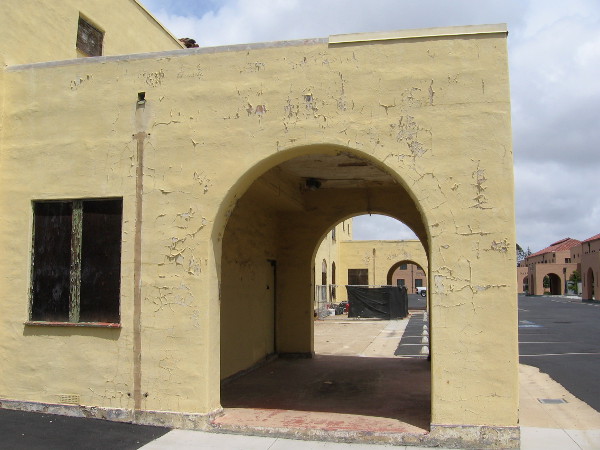
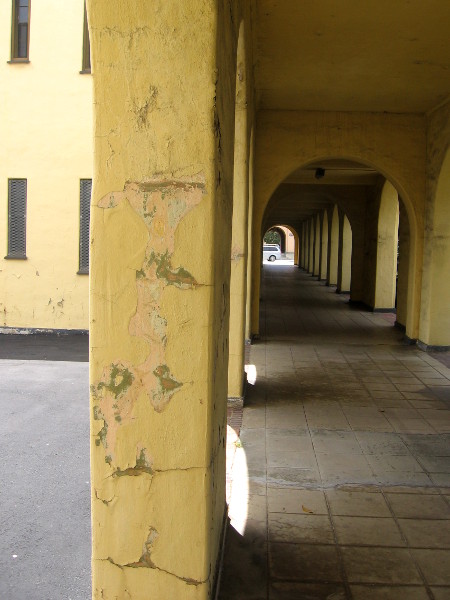
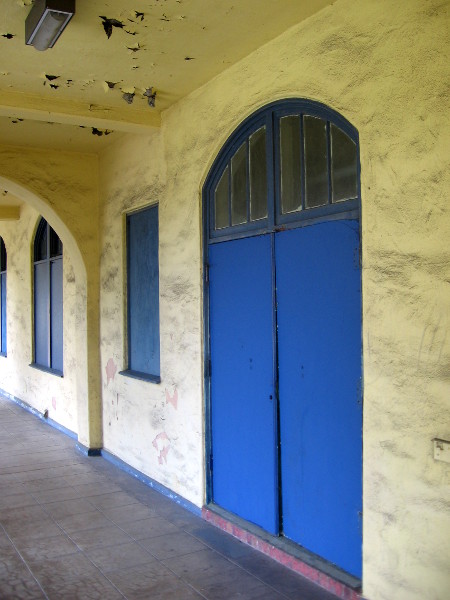
During my recent ramble around NTC Liberty Station, I did some nosing around. I took a few interesting photos of a lonely portion of the old Naval Training Center San Diego that has yet to be renovated. A row of old, weathered barracks along the North Promenade are vacant and locked shut. But if you listen closely, and use a little imagination, it might be possible to hear the echoing footsteps of naval recruits from decades ago.
The old Naval Training Center in Point Loma is a fascinating place with a significant place in United States history. The idea of training sailors in San Diego was first explored in 1915 by Assistant Secretary of the Navy, Franklin D. Roosevelt. When the complex was finally built in 1921, it was a modest affair, with several barracks, a mess hall, dispensary, and a few other buildings. It expanded over the years, and during World War II accommodated as many as 25,000 naval recruits. The center remained a vital resource of the United States Navy until 1997, when it was finally closed. Today around 50 original buildings along the beautiful promenade (which also includes the old base’s command center and parade ground) have been restored. Liberty Station has become a popular destination for shopping, recreation and a variety of cultural attractions.
In the following photos, you might note the architecture is mostly based on the Spanish Colonial Revival style, particularly the long arcades. The design of the Naval Training Center was directly influenced by buildings constructed for the 1915 Panama-California Exposition in San Diego’s Balboa Park.
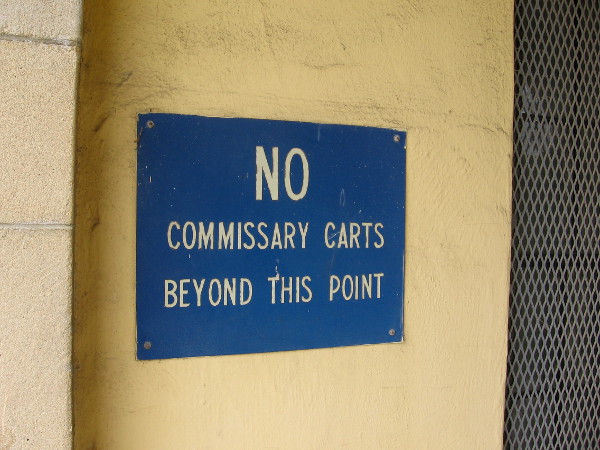
Looking along the length of long-abandoned Barracks 5 at NTC Liberty Station.Some old military base signs still can be seen at the historic Naval Training Center San Diego.Buildings 18 and 25 remain empty. Most structures in the complex are renovated and have commercial or nonprofit tenants.Simple geometry of functional architecture influenced by the Spanish Colonial Revival style.Peeling yellow paint on buildings where new United States Navy recruits used to train.There’s something strangely picturesque in this image of lonely decay.With a bit of imagination, one can picture newly recruited sailors moving and marching through the Naval Training Center years ago.This boldly painted blue door really catches the eye!Walking around NTC Liberty Station is like taking a small voyage back into history.
…
To enjoy future posts, you can “like” Cool San Diego Sights on Facebook or follow me on Twitter.
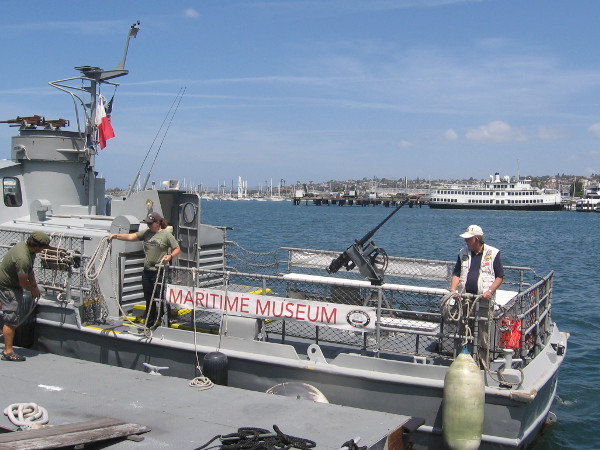
The restored Swift Boat, PCF-816 approaches the Maritime Museum of San Diego on downtown’s waterfront.
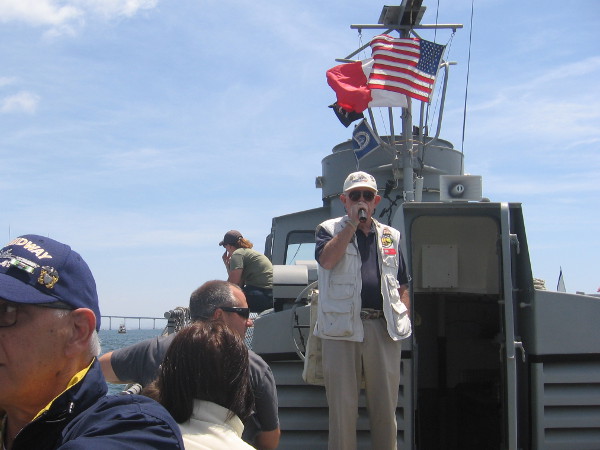
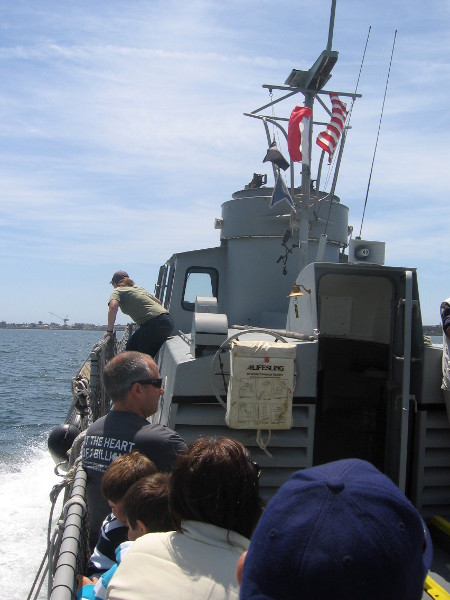
Last weekend I embarked on a very unique boat adventure on San Diego Bay. Enjoying sunshine and a cool ocean breeze, I sat outside on the Maritime Museum of San Diego’s restored Swift Boat, and took in various interesting sights during an approximately one hour tour.
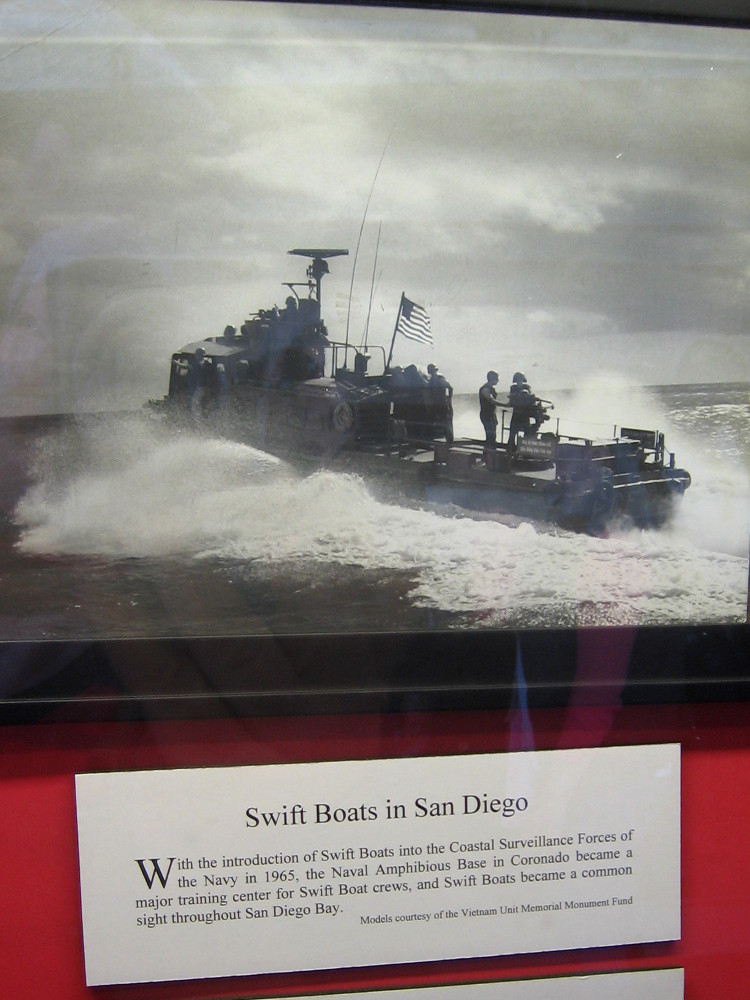
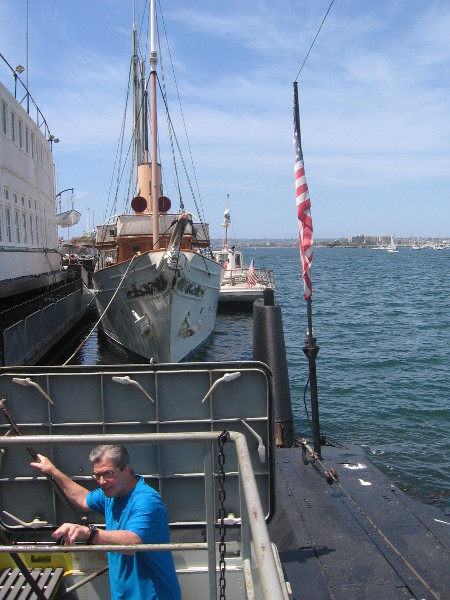
PCF-816 is a small Mark ll Patrol Craft Fast “Swift Boat” that was originally used in San Diego (1968-1969) to train sailors before they were deployed to fight in the Vietnam War. In 1971 the vessel was donated to the Republic of Malta, where it was used to patrol their coast. In 2012 the beat up boat returned to San Diego. After many hours of work by volunteers, it was carefully restored to it’s present fine condition. You might note in the photos that she still flies the Maltese flag.
If you’re fascinated by tacking sailboats, arching bridges and sprawling shipyards, interested in military history or modern Navy ships, or just want to enjoy a cruise on San Diego Bay, you might enjoy this tour!
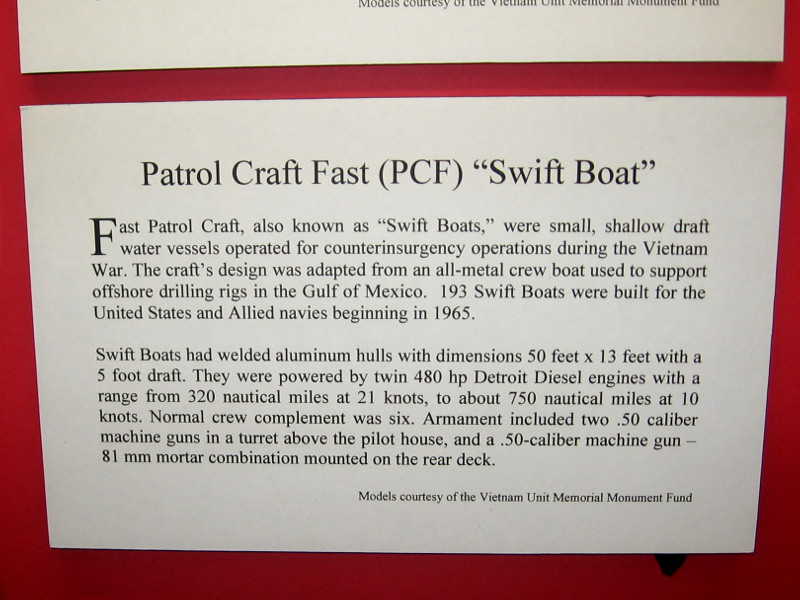
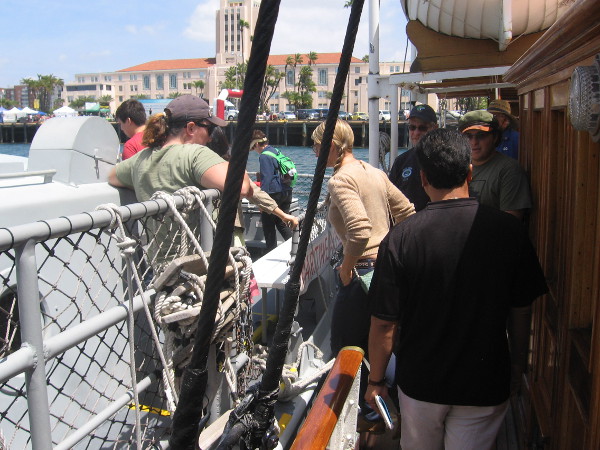
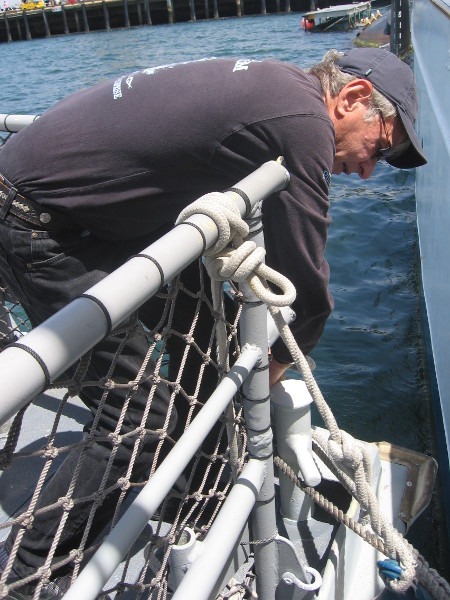
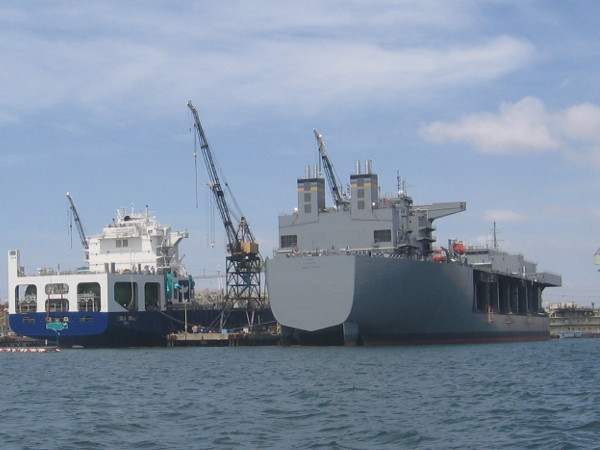
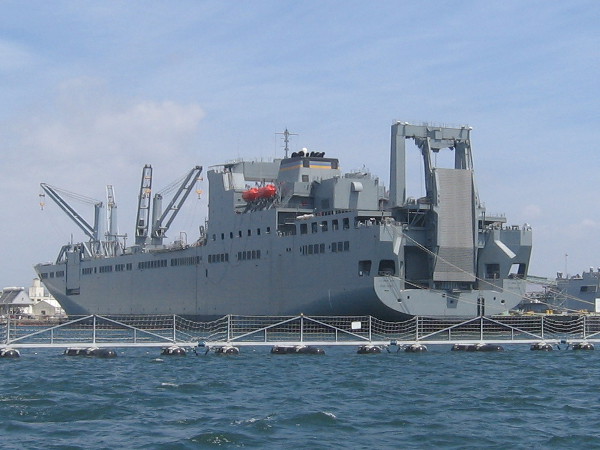
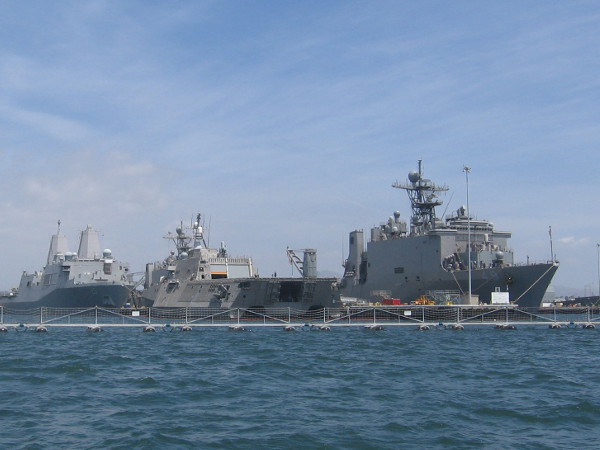
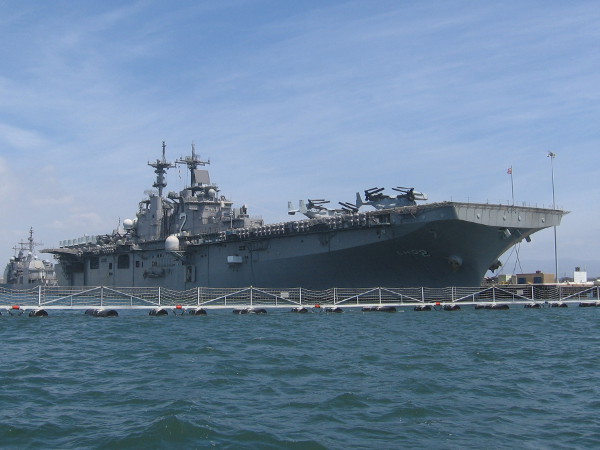
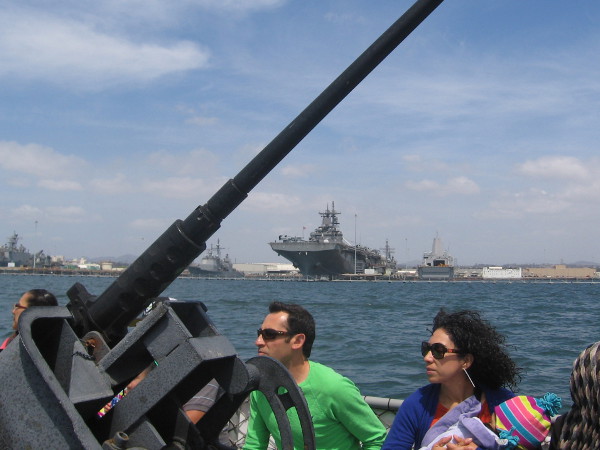
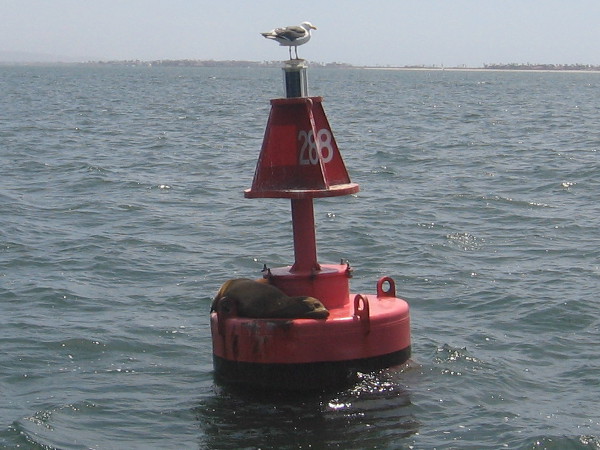
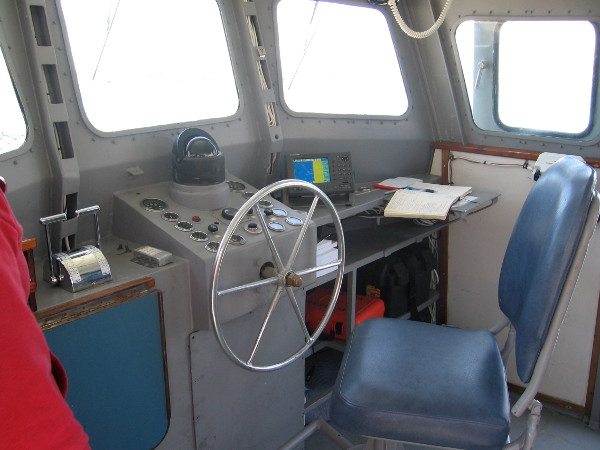
Inside the Maritime Museum’s steam ferry Berkeley, visitors check out informative exhibits as they wait to board the old Swift Boat.With the introduction of Swift Boats into the Coastal Surveillance Forces of the Navy in 1965, the Naval Amphibious Base in Coronado became a major training center for Swift Boat crews.Patrol Craft Fast (PCF) was the U.S. Navy’s official name for a Swift Boat. They were small, shallow draft water vessels operated for counterinsurgency operations during the Vietnam War.People board the old Vietnam War-era boat from the Maritime Museum’s docked steam yacht Medea.We cast off and begin a partial tour of the bay, including enormous shipyards and many San Diego Navy ships.A museum volunteer narrates our tour and points out some of the unique sights on San Diego Bay.No matter what boat or ship you choose, a cruise of the big bay is both relaxing and invigorating.We pass under the immense bow of the USS Midway aircraft carrier, which is also a super popular museum.We pass a sailboat and begin under the Coronado Bay Bridge. We are approaching San Diego’s very large, busy shipyards.A huge Navy ship in dry dock at BAE Systems’ San Diego shipyard. NASSCO and Continental Maritime also have enormous yards on the bay.The gigantic gray ship is the USNS Lewis B. Puller. The first of its kind, it’s a forward staging base that will act as a floating base or transfer station.USNS Bob Hope is also huge! She’s a vehicle cargo ship used for Army vehicle prepositioning, She’s the only Navy vessel to be named after legendary entertainer Bob Hope.That unique ship in the middle is a new Independence-class littoral combat ship. USS Coronado is a trimaran, which allows it to operate in shallow coastal water.USS Essex is an enormous United States Navy Wasp-class amphibious assault ship based in San Diego.Naval Base San Diego (also called 32nd Street Naval Station) occupies a long stretch of South Bay. It’s the largest United States Navy base on the west coast.Guy enjoying the tour dons helmet and mans the Swift Boat’s 50 caliber machine gun, which is mounted over a 81mm mortar on the boat’s rear deck.A pith military helmet once worn by Viet Cong soldiers is passed around for the passengers to examine.A watchful seagull and lazy sea lion share a harbor buoy on calm, sunny San Diego Bay.Heading back toward downtown San Diego, we learn more about the history of Swift Boat training in our fascinating city.After docking, I get a quick pic of the Mark ll Swift Boat’s small pilot house.Swift Boat, PCF-816 is one of many interesting, diverse vessels in the Maritime Museum of San Diego’s collection.
…
To enjoy future posts, you can “like” Cool San Diego Sights on Facebook or follow me on Twitter.
The black sail of submarine USS Dolphin (AGSS-555). The retired research sub is docked next to steam ferry Berkeley of the Maritime Museum of San Diego.
Here come some photographs taken inside the USS Dolphin, the world record deepest diving submarine!
Anyone can tour the Dolphin when visiting the Maritime Museum of San Diego. The museum, located downtown on the waterfront, is home to a world-class collection of unique and historic ships.
I personally know very little about submarines. My descriptions come from various signs and a little searching performed on the internet. If you spot an error or would like to provide some info, please leave a comment at the bottom of this post!
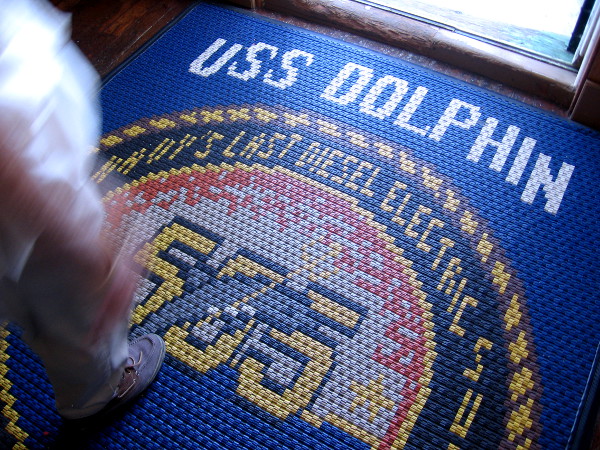
The Maritime Museum of San Diego boasts two submarines in its world-class collection of ships. The USS Dolphin holds the world record for deep diving.Display inside the Berkeley, next to doorway which leads museum visitors outside to the Dolphin.
The above Maritime Museum display includes the following information:
On November 24, 1968, barely two months after commissioning, the USS Dolphin dove to a depth in excess of three thousand feet to become the world’s deepest diving submarine…this record still stands today. The following year, in August 1969, the Dolphin achieved another world record by launching a torpedo from a depth never equaled by another submarine.
Built exclusively for research, Dolphin is responsible for many achievements. Most significant among these is her unique deep diving capability… Employed by both Navy and civilian researchers, she is equipped with an impressive array of instruments that can support multiple missions…. She is currently configured to conduct extensive deep water acoustic research, oceanic survey work, sensor trials, and engineering evaluations.
…With her decommissioning on January 15, 2007, the United States retired its last active diesel-electric submarine.
Second display contains info about the sub’s design and it’s numerous historic achievements.
External mounting pads: 6 port, 6 starboard, forward and aft of sail
Crew compliment: 3 officers, 18 enlisted, 4 scientists (46 crew, all are not deployed)
Operational endurance: Over 15 days (for long deployments, Dolphin can be towed at 9-10 knots)
ACHIEVEMENTS AND CONTRIBUTIONS
First successful submarine-to-aircraft optical communication
Development of a Laser Imaging system of photographic clarity
Development of an Extreme Low Frequency (ELF) antenna
Evaluation of various non-acoustic Anti-Submarine Warfare techniques
Evaluation of various “low probability of interception” active sonars
First submarine launch of a mobile submarine simulator (MOSS) system
First successful submarine test of BQS-15 sonar system
Development of a highly accurate towed body position monitoring system
Development of a highly accurate target management system
Evaluation of a possible “fifth force of nature”
First successful submarine-to-aircraft two-way laser communication
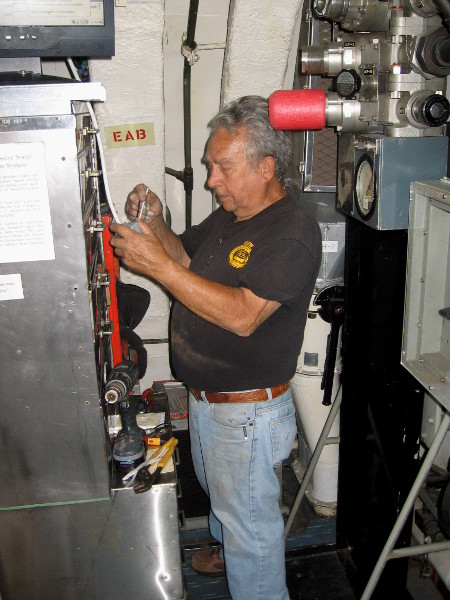
A museum visitor gets ready to walk outside to a very cool submarine.Walking along the deck to forward end of the submarine. The tower-like sail contains the bridge, periscope and communications masts.This forward hatch (and the rear one) were cut into the hull so museum visitors could easily walk through the sub’s length. Originally there was one hatch, at the sail.An electrician volunteer, Ed, at work just inside the USS Dolphin. He told me several stories from his days serving on submarines.A sign inside the underwater research vessel provides answers to a few common questions.
This sign inside the submarine answers some common questions and includes the following fascinating facts:
Dolphin’s hull material is HY-80 steel…her hull is a ring-stiffened cylinder without pressure bulkheads (if she has a leak the whole boat will flood)…
When she had her torpedo tube installed, Dolphin could carry four torpedoes… After initial tests and the launch of a torpedo in 1969 from the deepest depth ever recorded, Dolphin was refitted for other research purposes, and never carried torpedoes again.
There are no visual viewing ports in this submarine…. Dolphin did carry imaging electronics for observing the bottom.
Dolphin did not have any claws for picking items off the seafloor as she was restricted to a minimum altitude of fifty feet above the bottom. One experiment launched an ROV (remote operated vehicle) with power and communication cable attached to Dolphin while submerged…
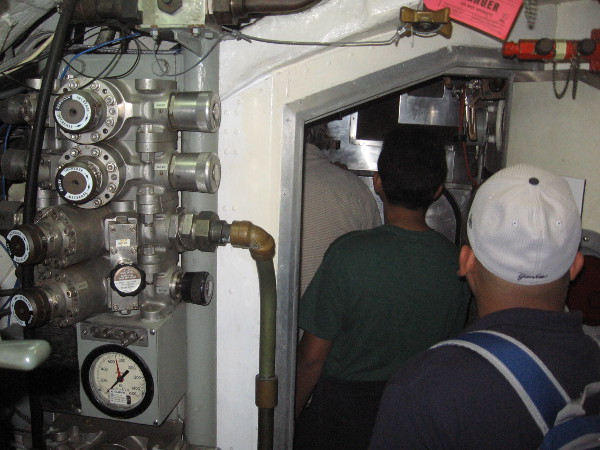
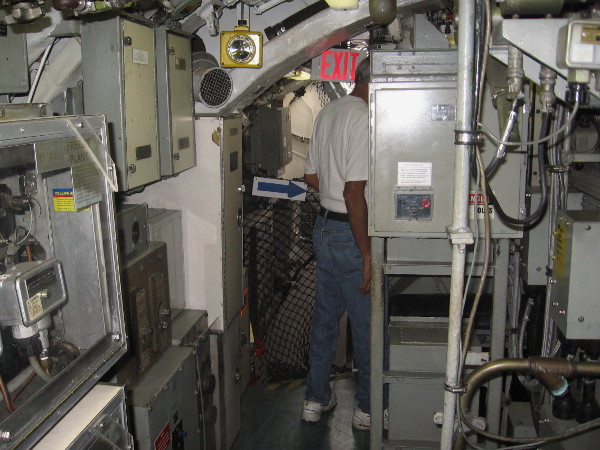
Starting along the very narrow main hallway. This unusual sub contains no compartments. To the left one can see a reverse osmosis water filtration system.Red pyro locker used to safely house signal flares.Those crew bunks on the left don’t look terribly spacious or comfortable.There are more pipes, wires, gauges, valves and gizmos than you can shake a stick at.A group of curious visitors is entering the amazing Control Room, near the center of the USS Dolphin.The periscope works and tourists can view San Diego Bay and downtown buildings with perfect clarity.Folks peer down through floor at Pump Room below the Control Room, where a hero defied death to save his crewmates.
On May 21, 2002, the room below was the center of heroic action to save the submarine and crew. On that day, Dolphin was conducting training exercises about 100 miles off the San Diego coastline when a torpedo shield door gasket failed, and water began to flood the submarine…
Chief Machinist’s Mate (SW) John D. Wise Jr., realizing what needed to be done, dove into the 57 degree water of the flooded pump room…with less than a foot of breathable space…he aligned the seawater valves and then remained in the pump room for more than 90 minutes…
For his courageous efforts, Chief Wise was awarded the Navy and Marine Corps Medal.
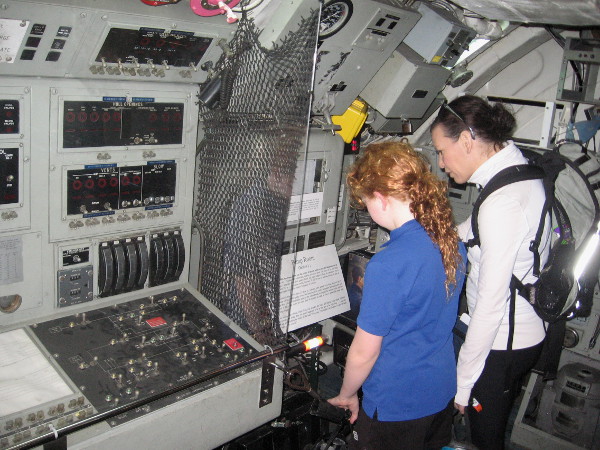
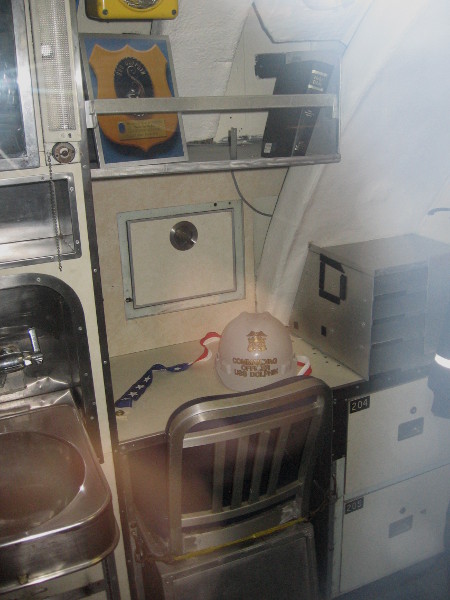
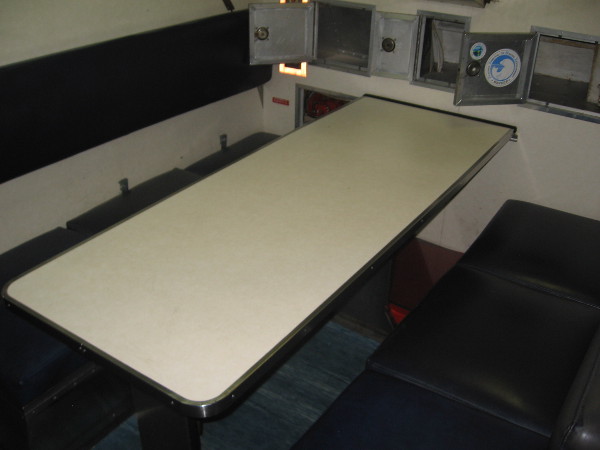
A panel with many complicated switches. In the Control Room, one can monitor the main storage batteries, generators and propulsion system.The wheel used to pilot the Dolphin. One drove using only instruments, including gauges that display rise/dive, ordered depth, system depth, cavitation, turns, dummy log, depth to keel.Photo of tiny Officers’ Quarters was through glass, which produced some glare.This is the first toilet I’ve photographed for my blog. Hopefully the last!Photos on wall of tiny mess area show what life was like aboard Dolphin.This is where food was prepared.This dining table was constantly in use. Not much to see in the way of decor.Continuing down the main hallway toward the rear of the submarine. Don’t ask me what all this stuff is.Apparently this is some sort of freezer.You get an idea of what it’s like to carefully walk through the narrow submarine.High-Pressure Air Compressor Controllers among a jumble of pipes and valves.Up a ladder and back outside into the bright San Diego sunshine!
…
To enjoy future posts, you can “like” Cool San Diego Sights on Facebook, or follow me on Twitter.
From the South Bay to the World Series, a very special exhibit at the New Americans Museum.
It’s been over five years already? Time flies!
I can still remember the excitement throughout San Diego as a bunch of local kids stole our hearts and battled their way to become Little League World Series Champions in 2009!
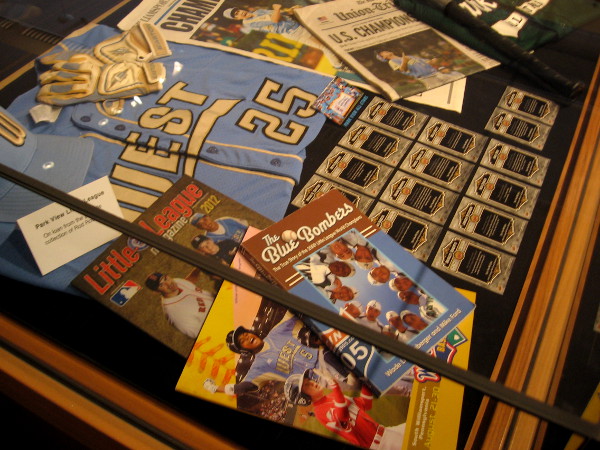
During my visit to the New Americans Museum today, I checked out a special exhibit which relives and commemorates the historic victory. The Park View team, based in Chula Vista, California (in San Diego’s South Bay not far from the Mexican border), scored a dramatic, storybook 6-3 come-from-behind victory over Chinese Taipei.
Super cool!
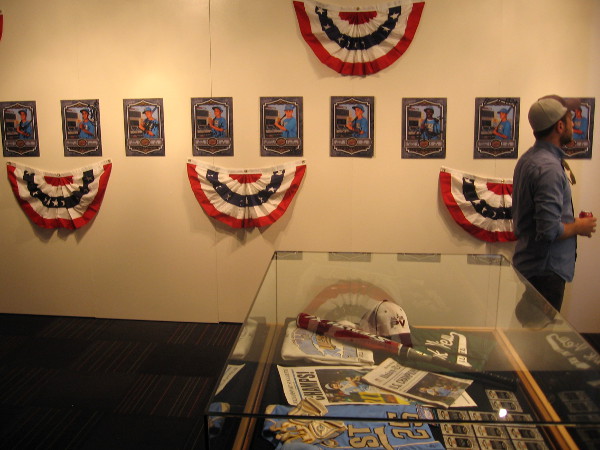
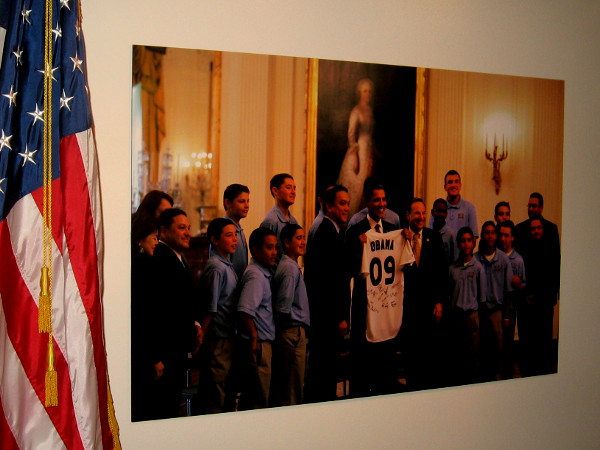
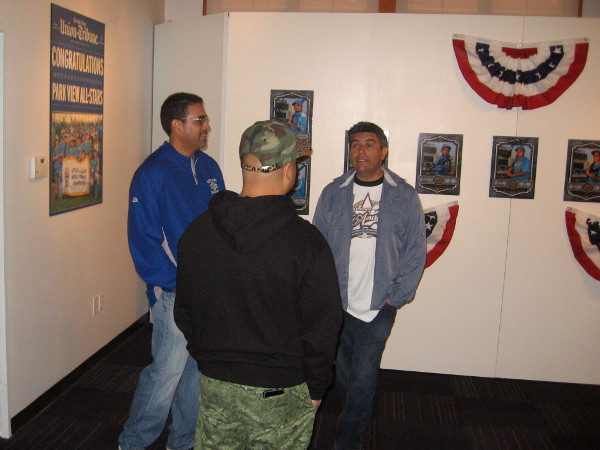
San Diegans rooted for our local kids as they battled the world’s best baseball teams.Photo shows President Obama honoring the 2009 Little League World Series champs.Memorabilia on display in San Diego museum recalls the historic victory of young Park View baseball players.Park View Little League 2009 coach Ric Ramirez talks with visitors at New Americans Museum exhibit.Kids from San Diego’s proud Chula Vista community won the 2009 Little League World Series in Williamsport, Pennsylvania.
…
To enjoy future posts, you can “like” Cool San Diego Sights on Facebook or follow me on Twitter.
The New Americans Museum at NTC Liberty Station opens an important exhibit titled Becoming All-American: Diversity, Inclusion, and Breaking Barriers in Major League Baseball.
Today I experienced something undeniably cool. The New Americans Museum, located at NTC Liberty Station, held Becoming All-American Family Day. The fun event celebrated the opening of the museum’s new exhibit, Becoming All-American: Diversity, Inclusion & Breaking Barriers in Major League Baseball.
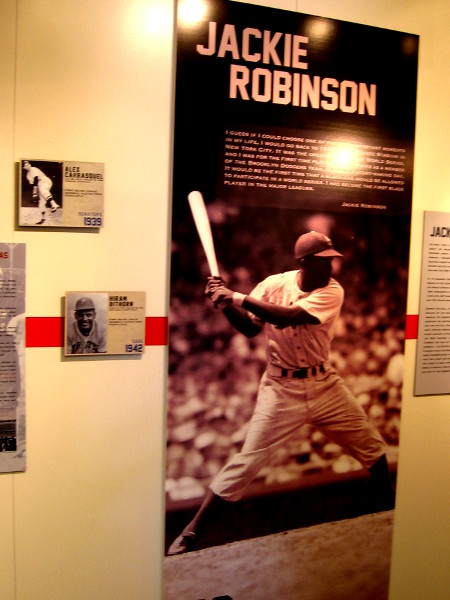
In keeping with the small museum’s American immigration and diversity theme, this inspiring exhibit showcases Major League Baseball players who broke through racial barriers during the long history of the quintessentially American sport.
If you live in San Diego and you’re a fan of history or baseball, make sure to check it out! You might also visit the many other interesting museums nearby! Liberty Station, the redeveloped site of the old Naval Training Center, is brimming with flowers, sunshine, fountains, shops, culture and history.
Becoming All-American: Diversity, Inclusion, and Breaking Barriers in Major League Baseball runs April 24 to July 5.
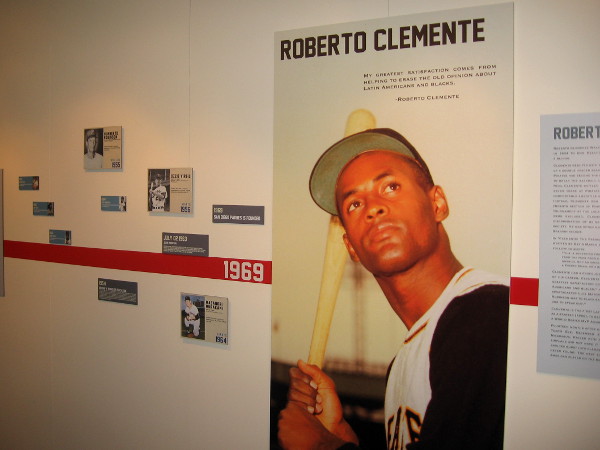
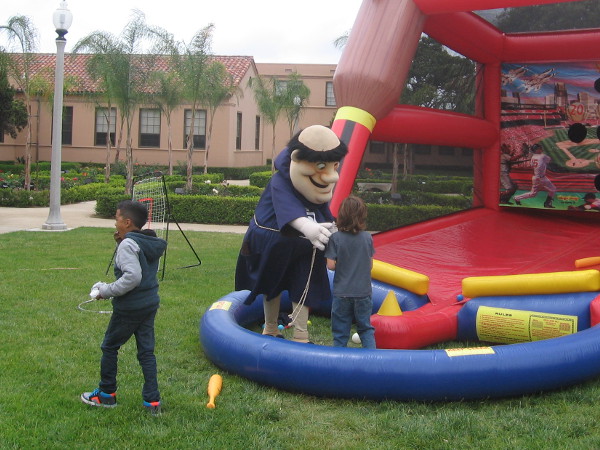
The New Americans Museum is located at the beautifully redeveloped old Naval Training Center in Point Loma.Becoming All-American Family Day was held to celebrate a fascinating new exhibit.Cool displays in a unique immigrant-themed museum showcase diverse players through the history of professional American baseball.Colorful painting of Gene Locklear, Native American of Lumbee Tribe of North Carolina. He played for several teams, including the San Diego Padres.A quote from Gene Locklear. “Education, that’s the only way it’s going to change…”Black, white…and shades of gray. In American society, Jews, Irish, Latinos and Asians were sometimes considered white…and sometimes not.Museum display honors the legacy of Roberto Clemente with his quote. “My greatest satisfaction comes from helping to erase the old opinion about Latin Americans and Blacks.”Timeline on wall shows notable baseball players through history, eventually shattering racial stereotypes and barriers.Harry Kingman in 1914, the only Major League player to have been born in China.Putting on a baseball uniform was like wearing the American flag. Japanese baseball player and manager Kenichi Zenimura, placed in internment camp during WWII, organized a league.Museum visitor reads display about Ted Williams, American baseball legend who grew up in San Diego. He had Welsh, Irish, Mexican, Basque, Russian and Native American roots!Padres baseball mascot the Swinging Friar plays with kids at the batting inflatable outside during the museum’s family event.The wisdom of courageous hero Jackie Robinson. “A life is not important except in the impact it has on other lives.”
…
To enjoy future posts, you can “like” Cool San Diego Sights on Facebook or follow me on Twitter.
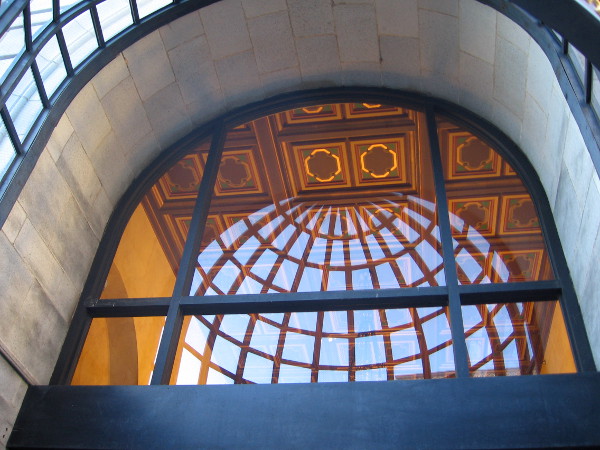
Looking up through the elegant building entrance at the lobby’s ceiling.
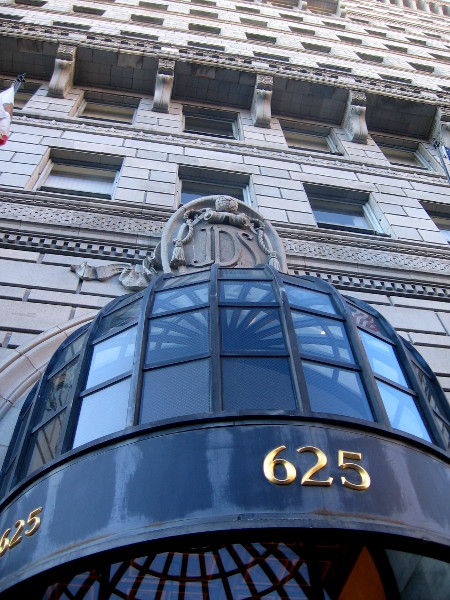
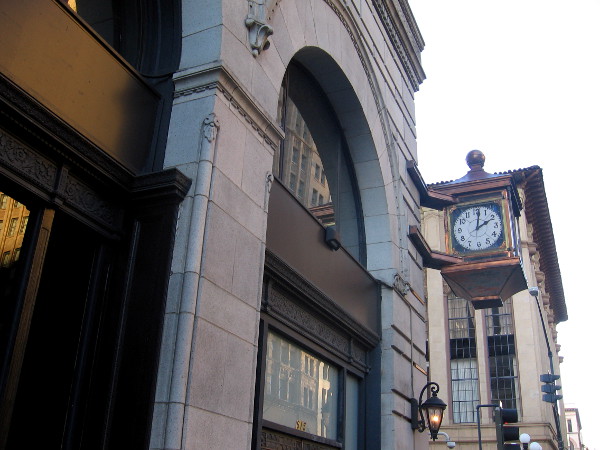
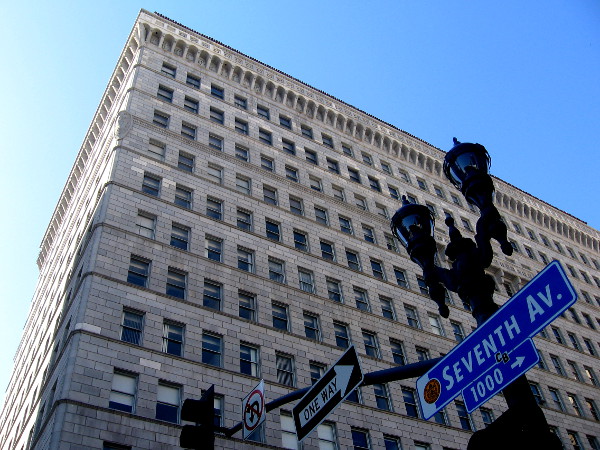
The John D. Spreckels Building (not to be confused with the Spreckels Theater Building also located on Broadway) is a cool sight that is definitely worth a few photographs. When it was completed in 1924, the stately 14-story building was the tallest in San Diego. Today, according to an article I read, there are plans to convert it into apartments.
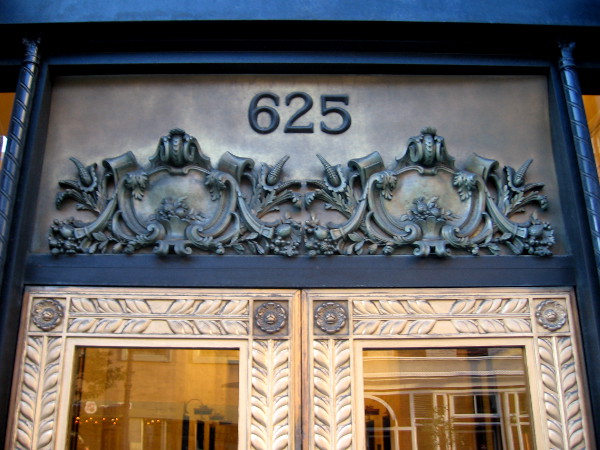
Built by sugar heir, entrepreneur and philanthropist John D. Spreckels, the historic building is one of only a few old high-rises that grace San Diego. The building isn’t terribly distinctive or flashy, but it certainly is monumental. Simple lines give it a feeling of grandeur and permanence. The small entrance, to my eye, is uncommonly elegant.
Front of the John D. Spreckels Building as seen from across Broadway.Pointing my camera upward for a cool photo.Beautiful ornamental artwork at the door of 625 Broadway in San Diego.Elegant old clock mounted on corner of the John D. Spreckels Building.This classy historic high-rise adds unique flavor to a shiny modern city.
…
To enjoy future posts, you can “like” Cool San Diego Sights on Facebook or follow me on Twitter.
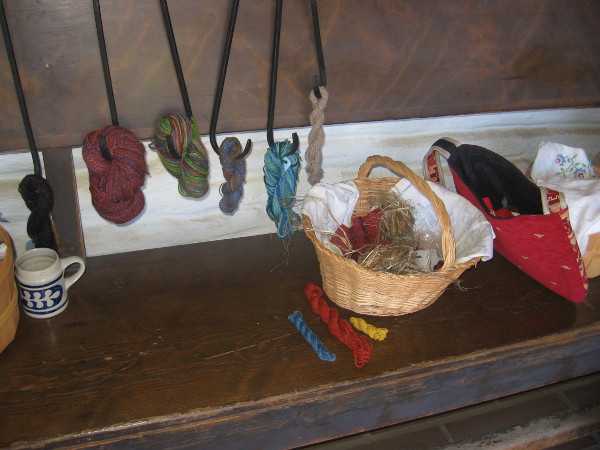
Yarns dyed many different colors out on display in San Diego’s Old Town.
One more quick post from today’s stroll through Old Town San Diego State Historic Park. After going on the free walking tour, which I do every few years to jiggle my memory, I observed that a couple of unique exhibits were out on public display. One concerned yarn, the other twine. A “string” of coincidence too good not to blog about!
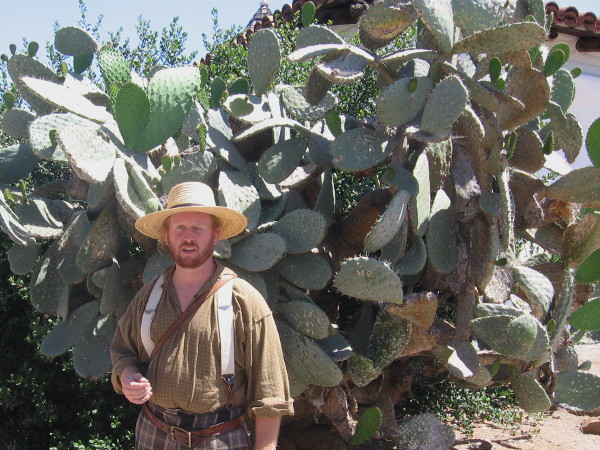
During the tour, our knowledgeable guide explained how red dye in the olden days was derived from a particular insect–the cochineal. The cochineal is a beetle that can be found on prickly pears, a cactus which grows abundantly in arid San Diego. While we watched, the guide plucked one from a prickly pear next to the Casa de Estudillo, then crushed it. His fingers turned bright purple from the beetle juice! (He explained the British Red Coats dyed their uniforms with cochineal, but Purple Coats didn’t sound quite so fierce.)
Tour guide ready to produce some reddish dye.
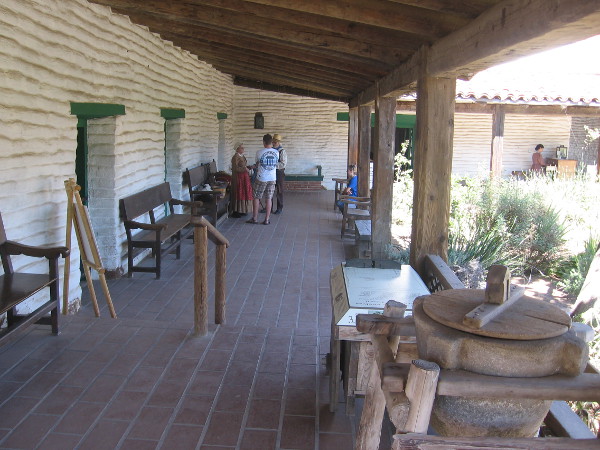
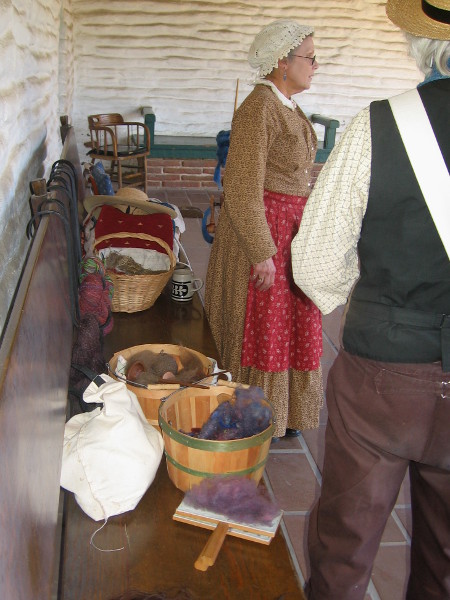
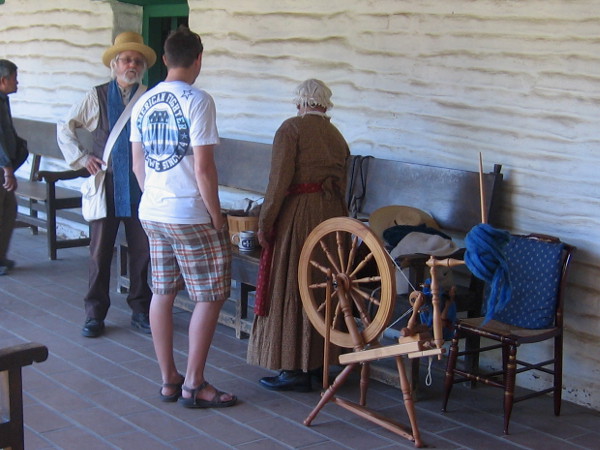
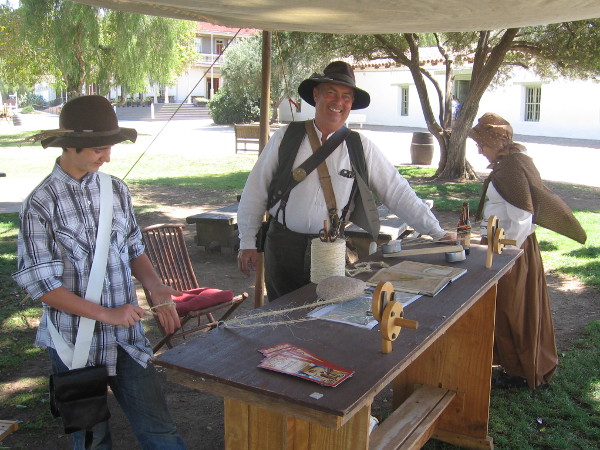
After the tour ended, two volunteers inside the Casa de Estudillo were demonstrating how yarn used to be made. To dye the fibers, both cochineal and indigo dye were commonly used. A spinning wheel served to demonstrate the hard work required to live comfortably before our more modern conveniences.
La Casa de Estudillo, an elegant adobe house built in 1827 by a wealthy Californio family that owned several large ranchos in Southern California.Volunteers in costume with baskets of color. They told me some yarns concerning San Diego’s complex, fascinating history.State Park volunteers describe life in early San Diego, when spinning wheels were common household objects.
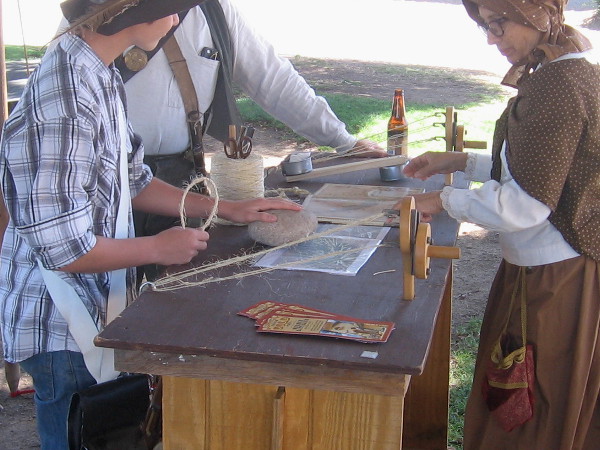
Out in one corner of Old Town’s big central plaza, some friendly Mormons were demonstrating the making of twine. Like the native prickly pear, yucca plants have always been plentiful in San Diego’s desert-like environment. The tough fibers in the leaves, once extracted, are dried and then twisted using a simple mechanism to create primitive but very practical twine or rope.
Making twine involved twisting fibers found in native yucca plants.Mormon guy smiles as he exhibits rope-making in Old Town. The Mormon Battalion was one of many diverse participants in San Diego’s early history.
Someday I’ll probably blog about the amazing, hour-long Old Town walking tour. I need some more photos and many more notes before I undertake that, however!
…
To enjoy future posts, you can “like” Cool San Diego Sights on Facebook or follow me on Twitter.
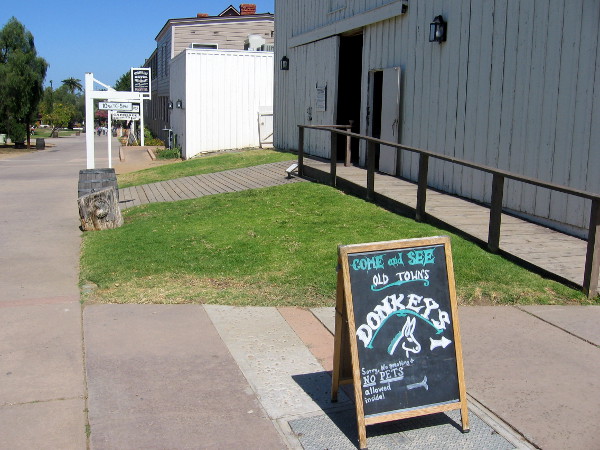
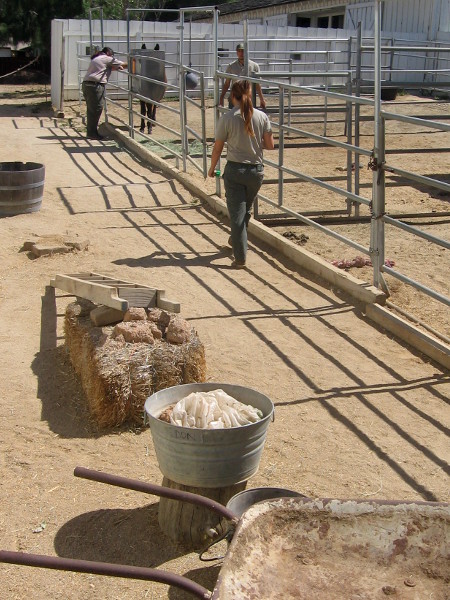
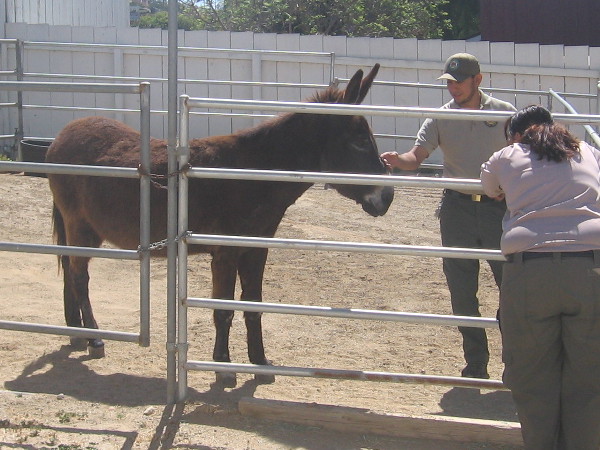
Walking through Old Town San Diego State Historic Park we see a sign beside Seeley Stable Museum. Let’s go see the donkeys!Is this one of the donkeys? Nope. Visitors and kids from local schools can ride this docile wooden critter, because touching the live donkeys is not allowed.Look! We found some horned cattle corralled in a corner! Nope. Wrong again.California State Park Rangers ahead! I think something cool is up this way!It’s 30 year old donkey Don. This guy can be grumpy, I’m told. I saw some evidence of that!Over here we meet 28 year old Dulce, which in Spanish means sweet, or candy. She (I think it’s a she–I didn’t ask) is the friendlier donkey.But the rangers here seem the friendliest of all!
Visiting school kids, with the help of Don and Dulce, can learn what life was like (particularly for a donkey) in the very early days of San Diego.
Four things I learned during my brief visit:
Donkeys were a preferred draft and pack animal because of their spine, which pound for pound is much stronger than a horse. A donkey can pull half its weight.
Donkeys are closely related to the zebra.
Don and Dulce are rescue animals.
Old Town has fun surprises around every corner!
…
To enjoy future posts, you can “like” Cool San Diego Sights on Facebook, or follow me on Twitter.
A tiny barn and rabbits in a narrow garden, located between the sidewalk and a local acupuncture and wellness center.
I recently walked through Bankers Hill, a historic neighborhood just north of downtown San Diego. During my small adventure I got a few interesting photos on and around Olive Street. Like the sights in any city, they form a mixture. Here’s a flavor of Olive in the San Diego cocktail!
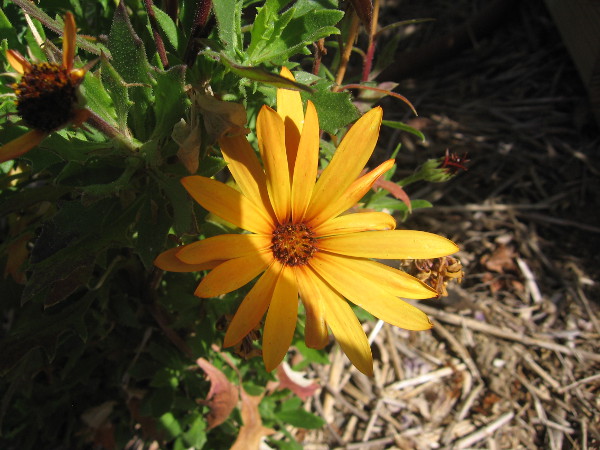
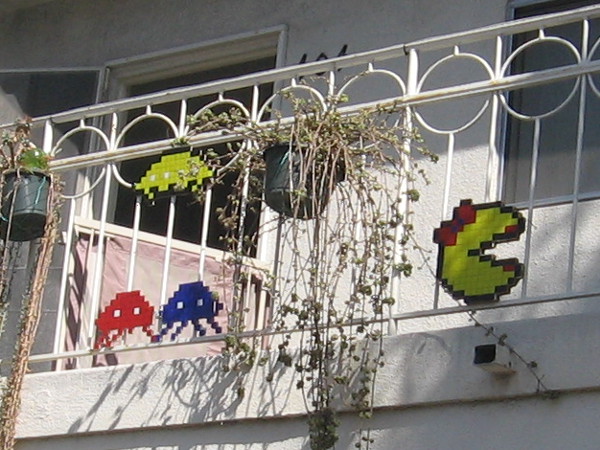
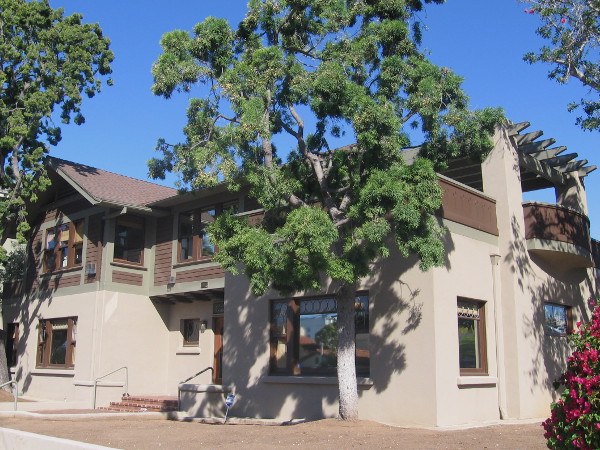
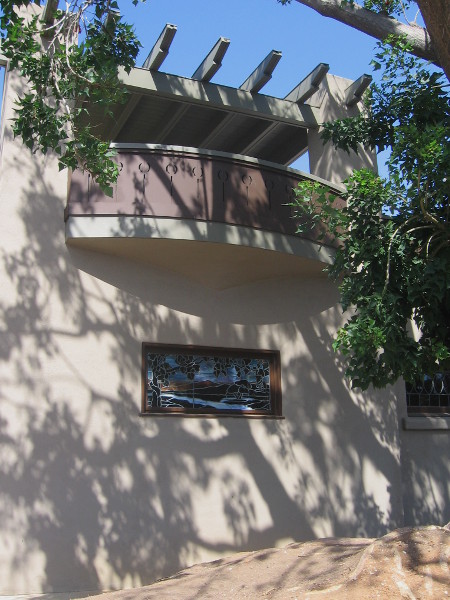
Flower at the HERBIN Community Garden Project, among plots where many herbs are grown.Ms. Pacman, Space Invaders and other video game legends hang out on a porch railing.The Amy Strong House, built in 1906 on Olive Street by an enterprising San Diego dressmaker, or couturier.Amy Strong lived here until 1912. The house is in the early 20th century Craftsman architectural style.A few unusual features anticipated the highly eccentric Amy Strong Castle at Mt. Woodson, which she built years later.Future site of Olive Street Park. This small plot of land for years has been the object of contention, as you might have seen on KUSI News’ Turko Files.Huge medical office building between Fifth and Sixth Avenue just north of Olive being demolished.Cool art hangs on residential building at corner of Fourth and Olive.
…
To enjoy future posts, you can “like” Cool San Diego Sights on Facebook or follow me on Twitter.










































 Cool San Diego Sights!