Creating a huge bronze mural for Balboa Park!

A couple of incredible projects are now underway that will improve and beautify the Palisades area of Balboa Park.

One project I wrote about yesterday. Two life-size grizzly bear sculptures and two flagpoles will be added to the roof of the San Diego Automotive Museum. You can read that blog post here.

The second project concerns the historical building directly across Pan American Plaza: today’s Municipal Gymnasium. This building was originally built for the 1935-1936 California Pacific International Exposition in Balboa Park and was called the Palace of Electricity and Varied Industries.

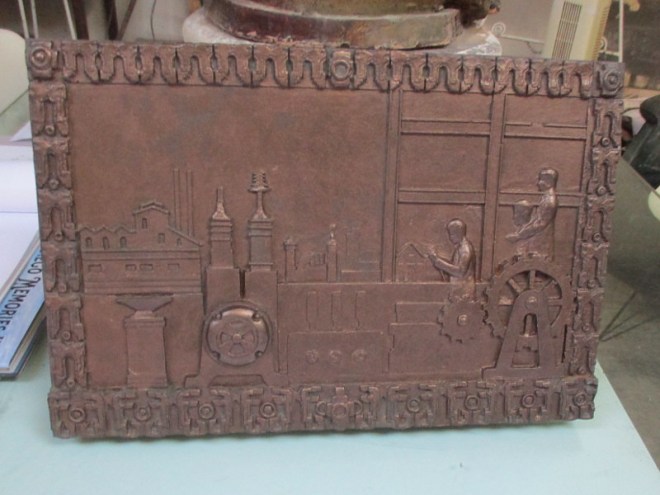
Back in 1935, a large themed mural greeted visitors above the entrance to the Palace of Electricity and Varied Industries. It was a bas-relief designed by Arturo Eneim, carved out of layers of wallboard. It’s long gone.

But that mural is coming back! And it will be made of cold cast bronze!

In late 2021 I visited the San Diego studio of Bellagio Precast where the 12′ x 20′ cold cast bronze fiber glass reinforced concrete mural is being created. You can see interesting photos from that visit, plus renderings and more description, by clicking here. And here.

I visited the same studio again a couple days ago and observed how the enormous mural is coming together, piece by piece!
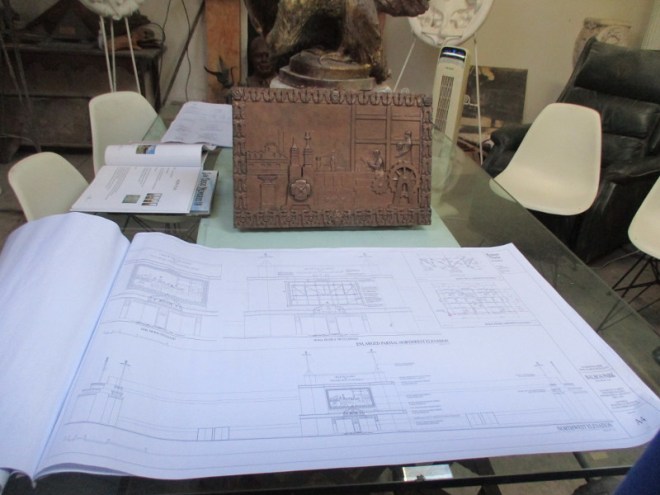
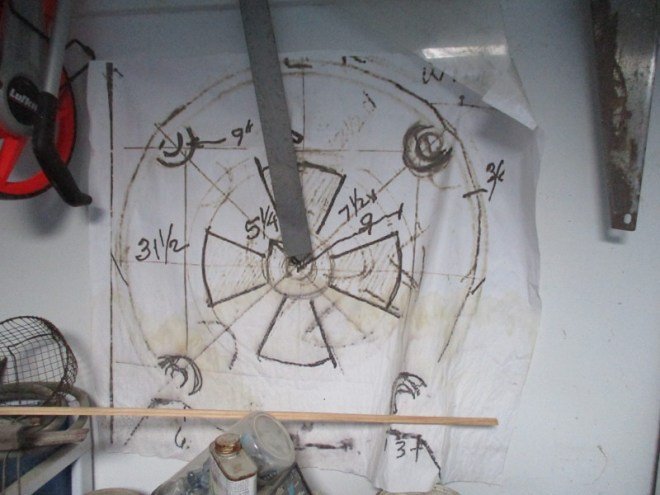
Architectural plans for the Palace of Electricity and Varied Industries mural are spread near a small model at Bellagio Precast in San Diego.

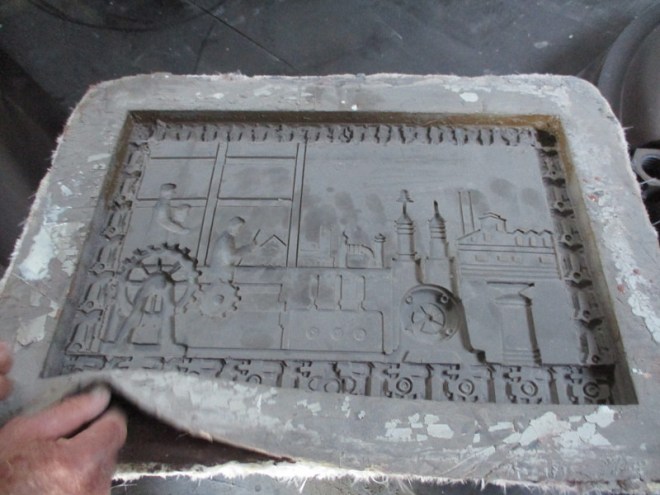
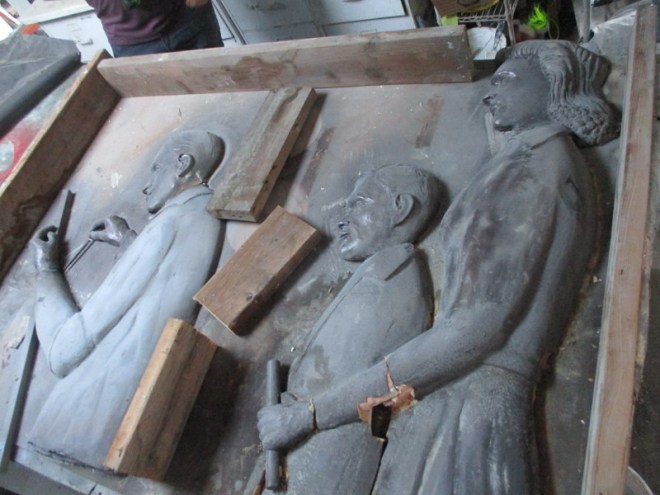
A small model of the cast bronze mural, which includes industrial imagery, an electrical generator, and three human figures.

Here’s the mold used for the small model’s creation. You can see how the images are reversed.

The design for the electrical generator element that will be included in the large, finished mural.

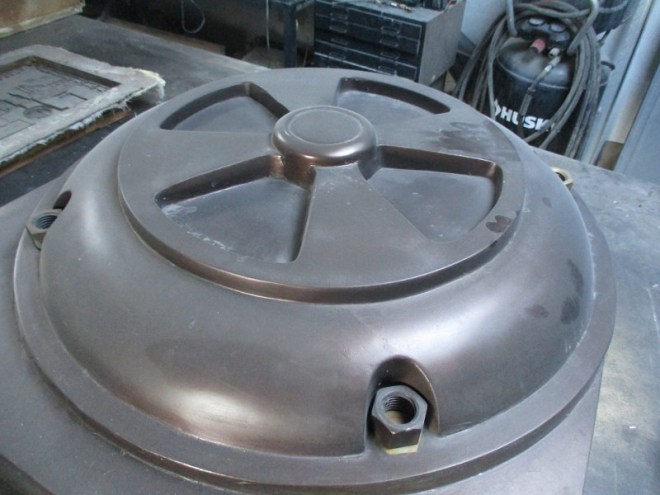
And here is the generator! Just one element of many that will be pieced together to create a mold for the massive cast bronze mural.

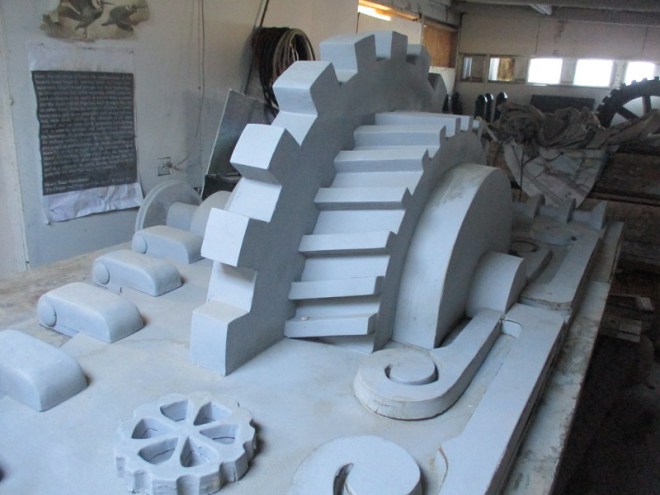
More elements to be incorporated into the Palace of Electricity and Varied Industries mural include huge gears!

This monumental project is being undertaken by the Balboa Park Committee of 100.

I’ve learned the fantastic mural should be completed and installed above the entrance to the Municipal Gymnasium building around September this year!

Thanks for visiting Cool San Diego Sights!

I post new blogs pretty often. If you like discovering new things, bookmark coolsandiegosights.com and swing on by occasionally!

I live in downtown San Diego and love to walk around with my camera! You can follow Cool San Diego Sights via Facebook or Twitter!

Grizzly bears ready for Balboa Park rooftop!

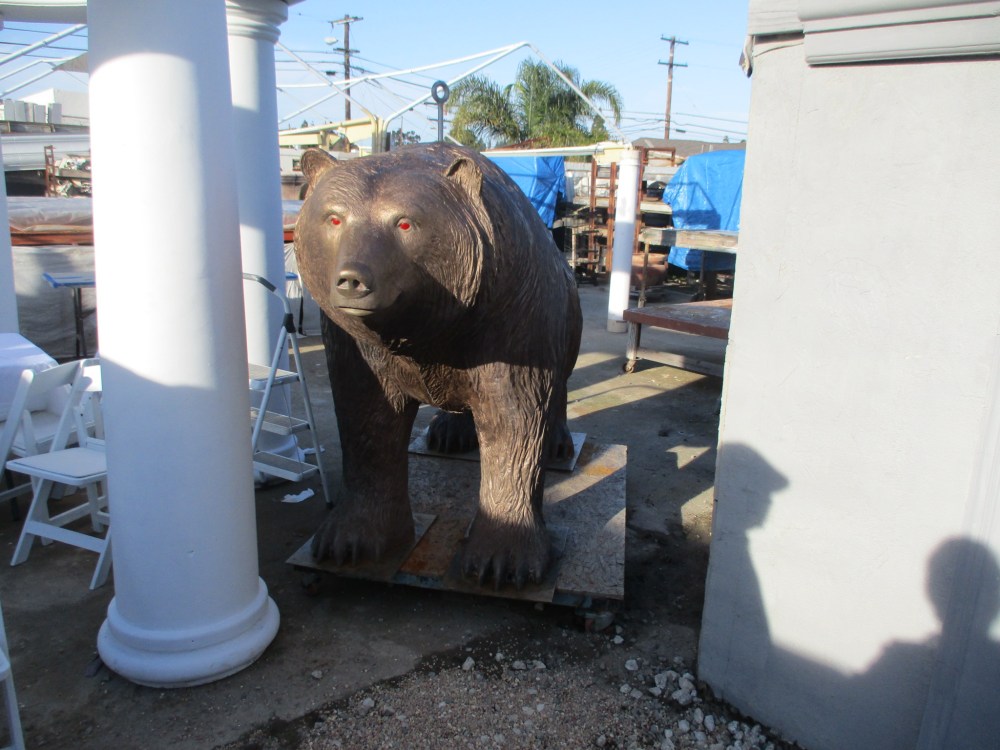
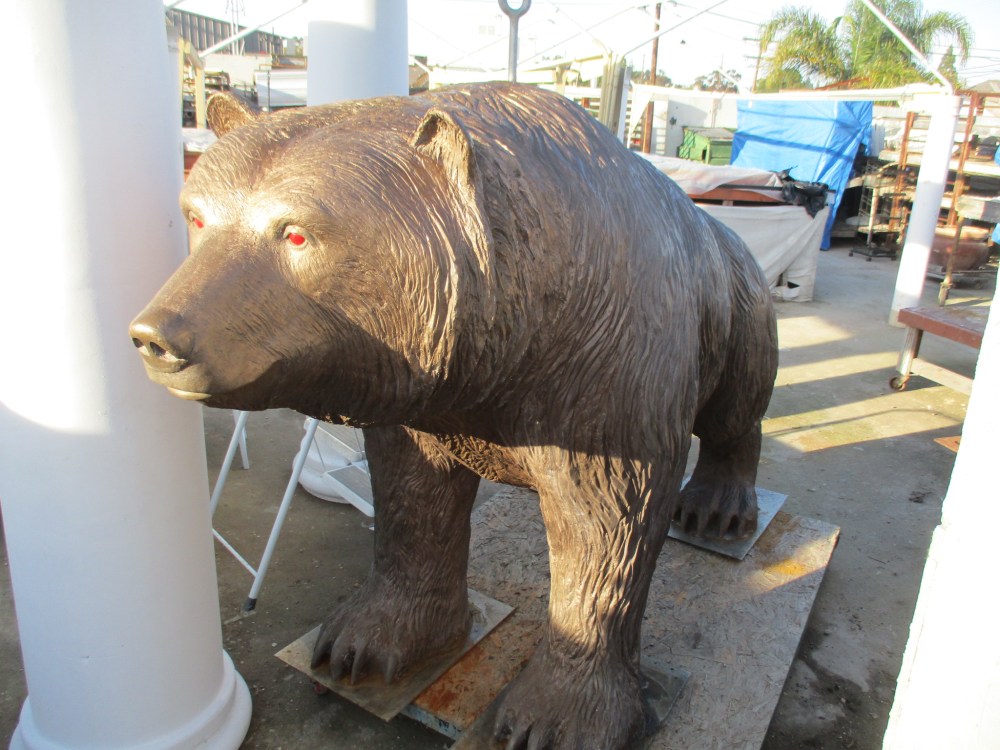
Two huge golden grizzly bears have come to life in San Diego, and are ready to stand on a Balboa Park rooftop!

Yesterday the two amazing sculptures were previewed. I took photographs!

The life-size bronze bears–weighing about 400 pounds–will soon be placed atop the roof of the 1935 California State Building, which today is home of the San Diego Automotive Museum. The sculptures will stand on the front corners of the building, as bears once did almost a century ago, back when the building debuted for the 1935-1936 California Pacific International Exposition.

Artists Mike and Kevin Matson of Bellagio Precast have been busy working on these new bear sculptures at their San Diego studio. Perhaps you remember my blog post from late 2021 with photos of one partially cold cast bronze bear.

The two huge bears are now one hundred percent finished and ready for transportation to Balboa Park! Once the roof of the San Diego Automotive Museum is structurally prepared for the heavy sculptures, they will be lifted by crane up to their respective corners. All of this should occur in April. Watch for it!

As I mentioned, the original 1935 bears were only temporary (likely made of plaster-like material) and disappeared long ago. A few old photographs show them atop the California State Building. Here’s one:

In the above enlarged photograph, you might also glimpse a flagpole over the building’s front entrance. Two flagpoles are also returning to the historic California State Building! Brackets for them have already been created:

The new bears and flagpoles are part of an ongoing effort by the Balboa Park Committee of 100 to restore the Palisades area of Balboa Park to something more like its original 1935 appearance. The organization has been working to preserve Balboa Park’s historic architecture, gardens and public spaces since 1967.

The Committee of 100’s initial undertaking in the Palisades was the reproduction of historical murals above the entrance to this same building. Perhaps you’ve seen those beautiful tile murals. If you haven’t, click here.

The California State Building’s new life-size bears have been years in the making. At yesterday’s event we were shown small working models that preceded the finished sculptures. Kevin Matson held them up for examination:

So how exactly were life-size cold cast bronze bears made?

Each of the finished bear sculptures has a Glass Fiber Reinforced Concrete skin that is about 3/8″ to 1/2” thick. Two sculpture halves are joined together with a stainless steel frame inside. Each bear’s volume is then filled with a high density urethane foam.

How awesome are these golden grizzlies? Take a look!

The Balboa Park Committee of 100 is engaged in another fantastic project! They are recreating a large historical mural that will be placed above the entrance of the Municipal Gymnasium building. It, too, will be breathtaking!

I’ll be blogging about that shortly!

Thanks for visiting Cool San Diego Sights!

I post new blogs pretty often. If you like discovering new things, bookmark coolsandiegosights.com and swing on by occasionally!

I live in downtown San Diego and love to walk around with my camera! You can follow Cool San Diego Sights via Facebook or Twitter!

Historic 1930 Mobil Gas Station in Lakeside.

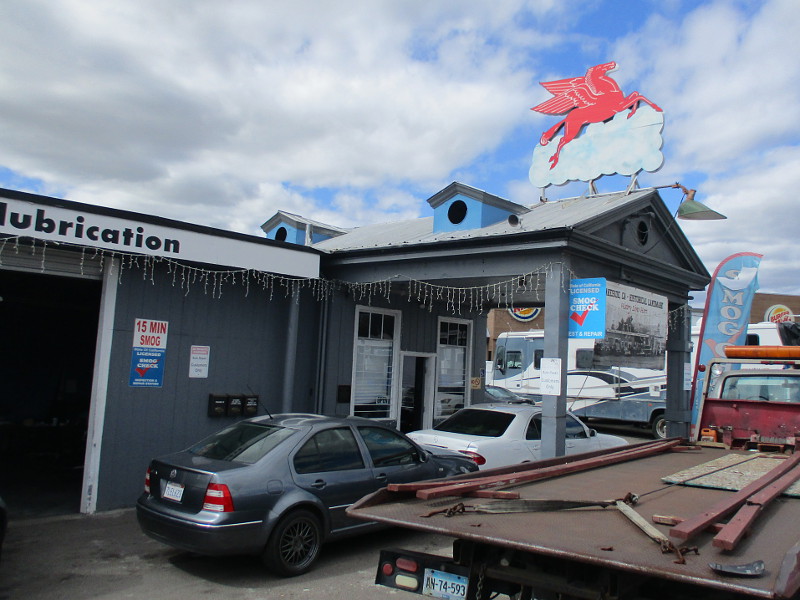
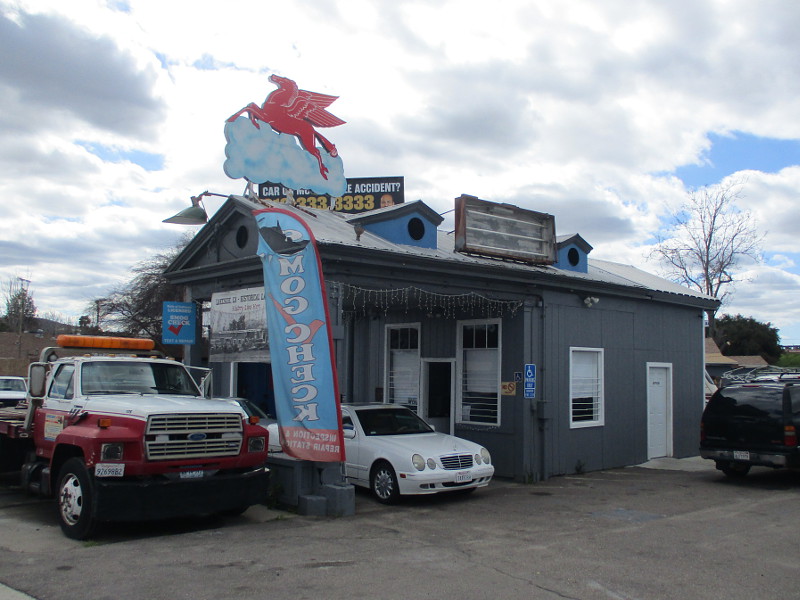
Drivers heading down Maine Avenue in Lakeside, California might recognize the old Mobil symbol of the winged red horse, Pegasus, flying above a smog check station. What they might not realize is the building they are passing is one of the oldest gas stations remaining in San Diego County.

During my recent visit to Lakeside, I noticed a plaque near the front door of Lakeside Auto Service, so I had to check it out. I then met Ramon, the friendly owner, who told me a little about the history of his building. The original gas station was built in 1930. It also housed Lakeside’s first volunteer fire company.

I learned that Ramon has been working hard to maintain and improve the historic building. He takes pride in helping to preserve this important part of the community.

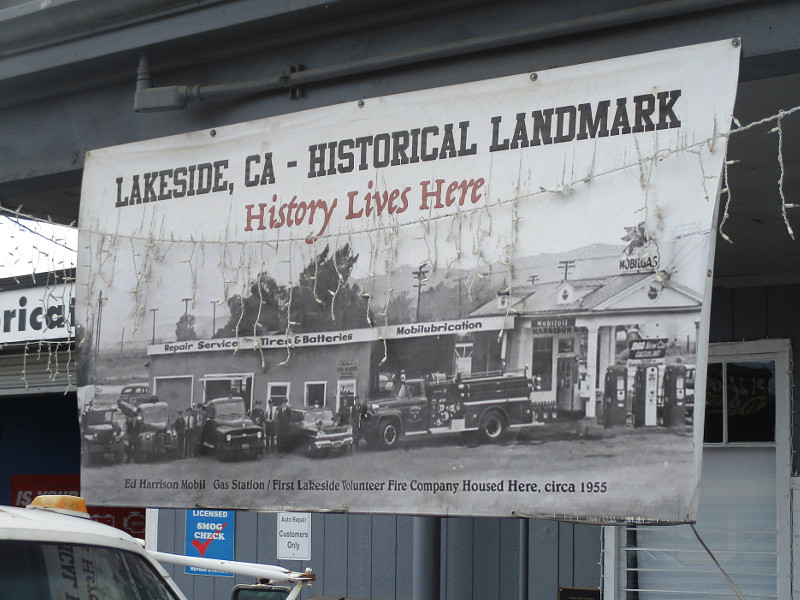
I was told that, among other plans, Ramon would like to add some old-fashioned gas pumps in front of the building. Like those you see in my photo of the Historical Landmark banner. That would be really cool!

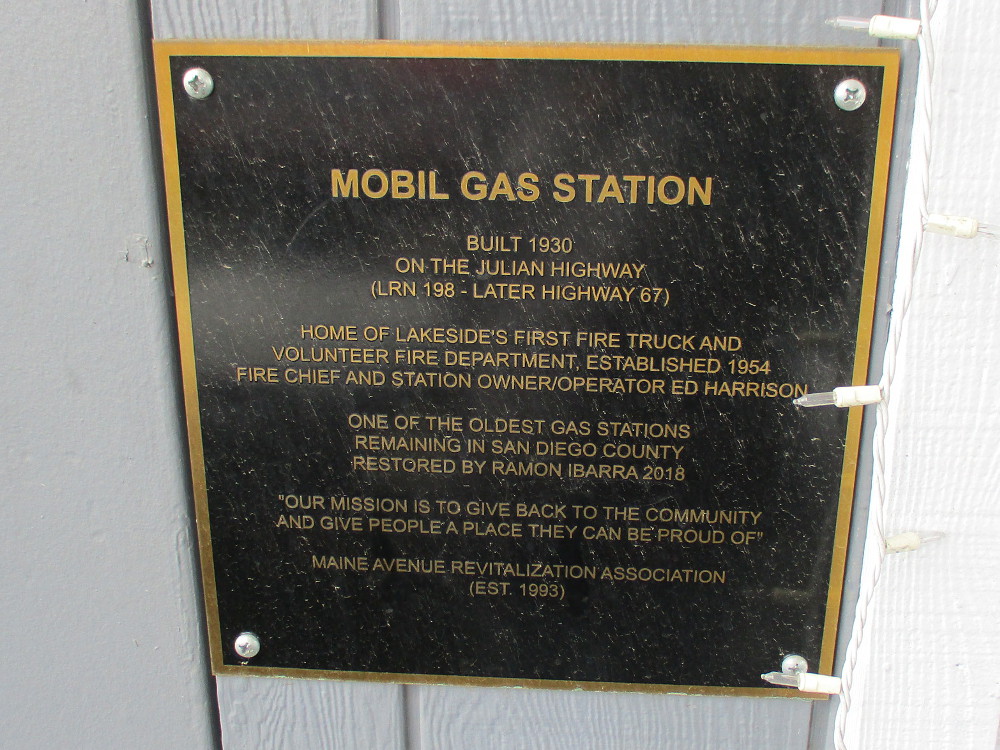
MOBIL GAS STATION

BUILT 1930 ON THE JULIAN HIGHWAY (LRN 198 – LATER HIGHWAY 67)

HOME OF LAKESIDE’S FIRST FIRE TRUCK AND VOLUNTEER FIRE DEPARTMENT, ESTABLISHED 1954 FIRE CHIEF AND STATION OWNER/OPERATOR ED HARRISON

ONE OF THE OLDEST GAS STATIONS REMAINING IN SAN DIEGO COUNTY RESTORED BY RAMON IBARRA 2018

“OUR MISSION IS TO GIVE BACK TO THE COMMUNITY AND GIVE PEOPLE A PLACE THEY CAN BE PROUD OF”

MAINE AVENUE REVITALIZATION ASSOCIATION (EST. 1993)

Thanks for visiting Cool San Diego Sights!

I post new blogs pretty often. If you like discovering new things, bookmark coolsandiegosights.com and swing on by occasionally!

I live in downtown San Diego and love to walk around with my camera! You can follow Cool San Diego Sights via Facebook or Twitter!

Online exhibit: the Warner-Carrillo Ranch House.

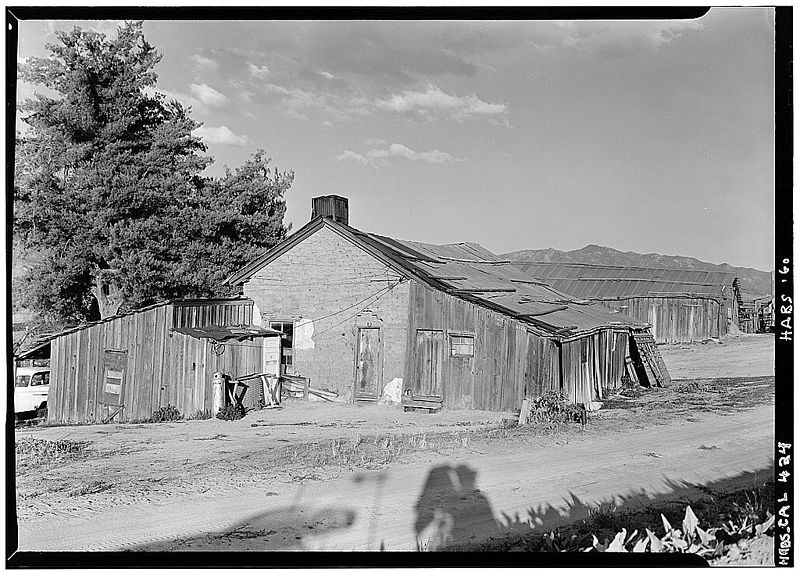
Warner’s Ranch — West Elevation of Ranch House. 1960. Historic American Buildings Survey. Public domain image courtesy Wikimedia Commons.

Anyone interested in the history of San Diego and the surrounding region should visit the Warner-Carrillo Ranch House near Warner Springs. If you can’t, there’s an online exhibit filled with photographs and detailed information concerning this National Historic Landmark, including its construction in 1857, its fascinating history and restoration.

I subscribe to the Save Our Heritage Organisation email list. Their most recent newsletter is how I learned about this.

To view the excellent online exhibit concerning the Warner-Carrillo Ranch House, click here.

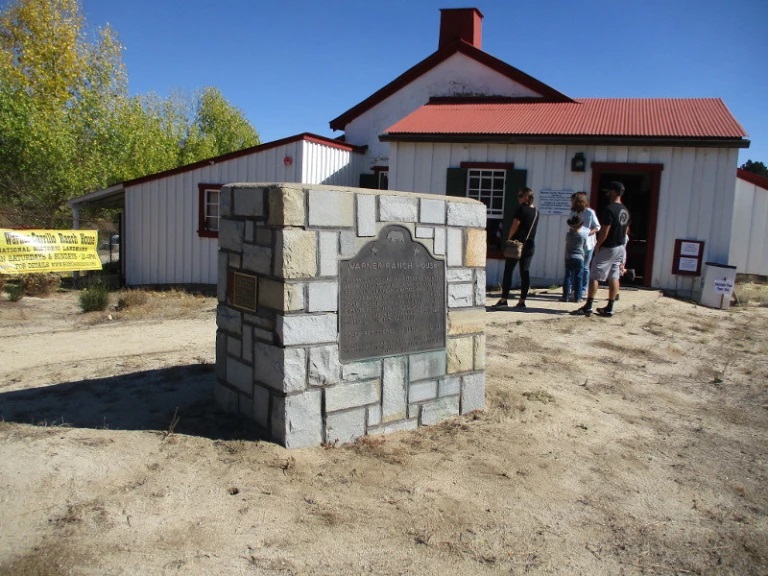
I visited the old ranch house in 2021 and took some photos, which you can see here.

Thanks for visiting Cool San Diego Sights!

I post new blogs pretty often. If you like discovering new things, bookmark coolsandiegosights.com and swing on by occasionally!

I live in downtown San Diego and love to walk around with my camera! You can follow Cool San Diego Sights via Facebook or Twitter!
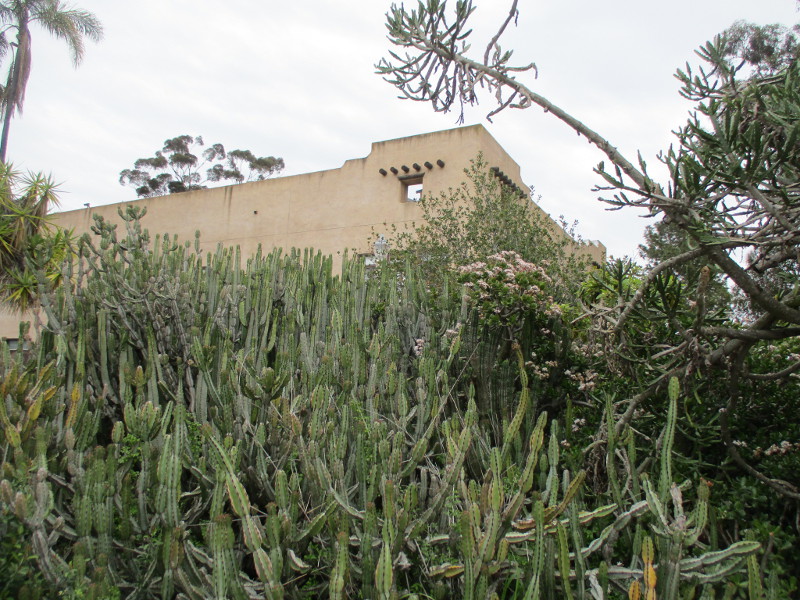
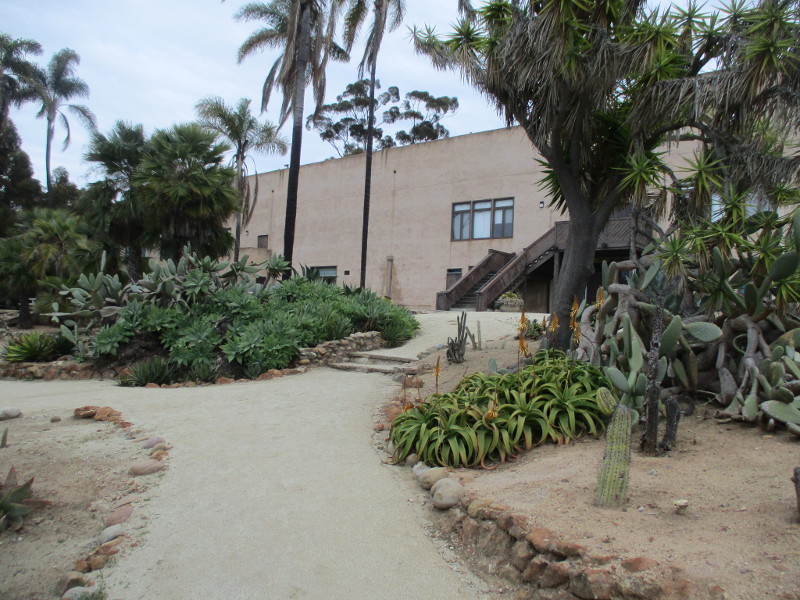
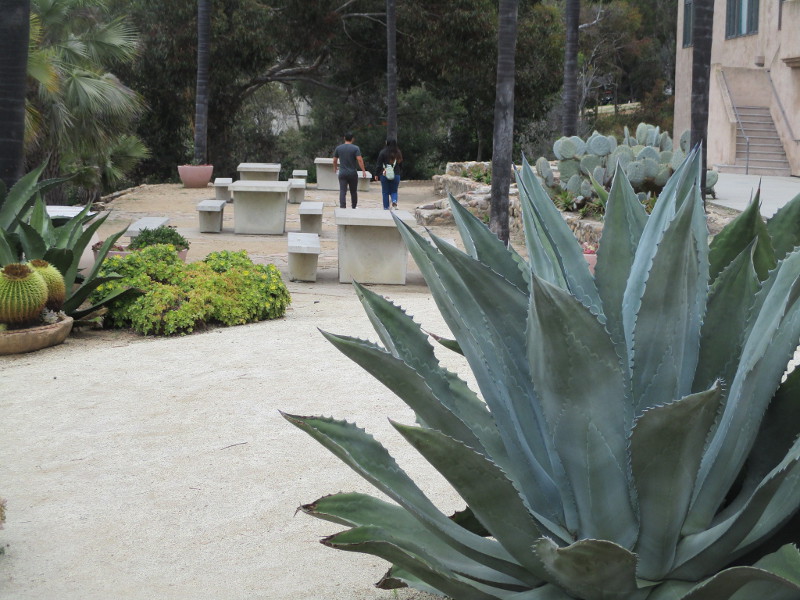
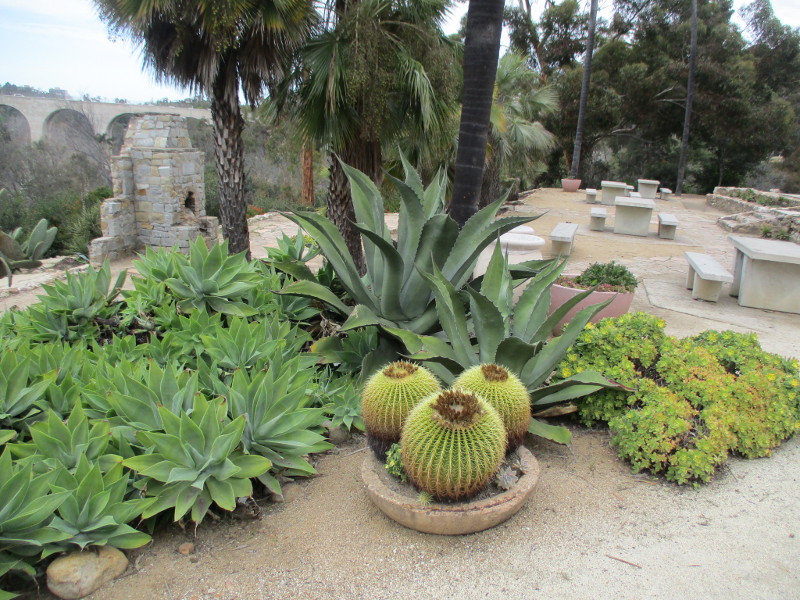
The beautified Kate O. Sessions Cactus Garden!

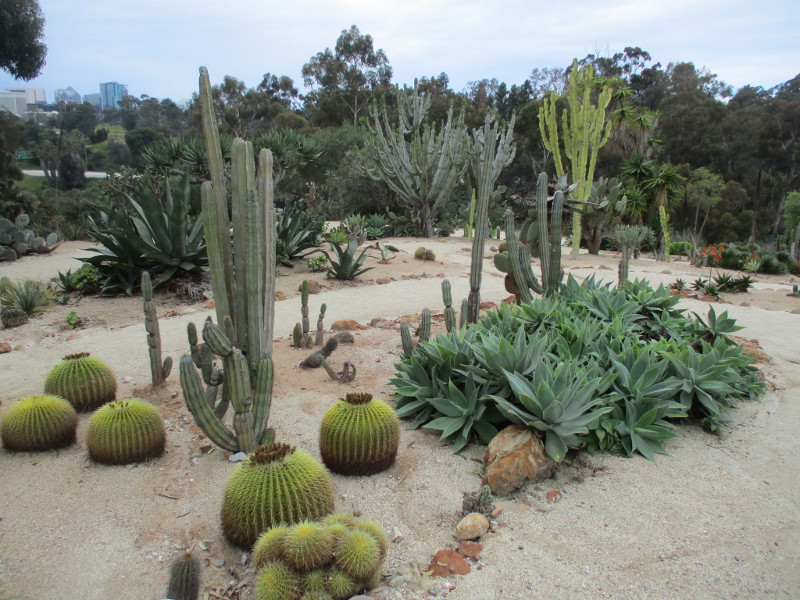
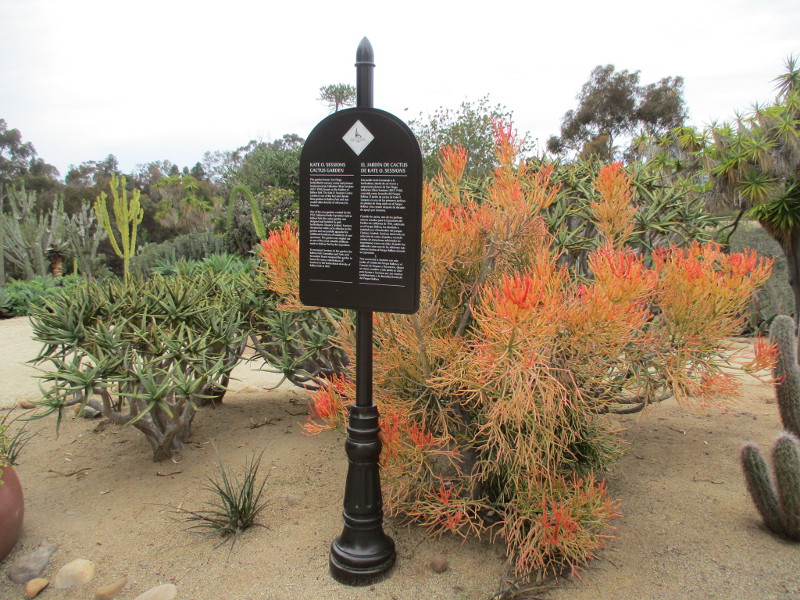
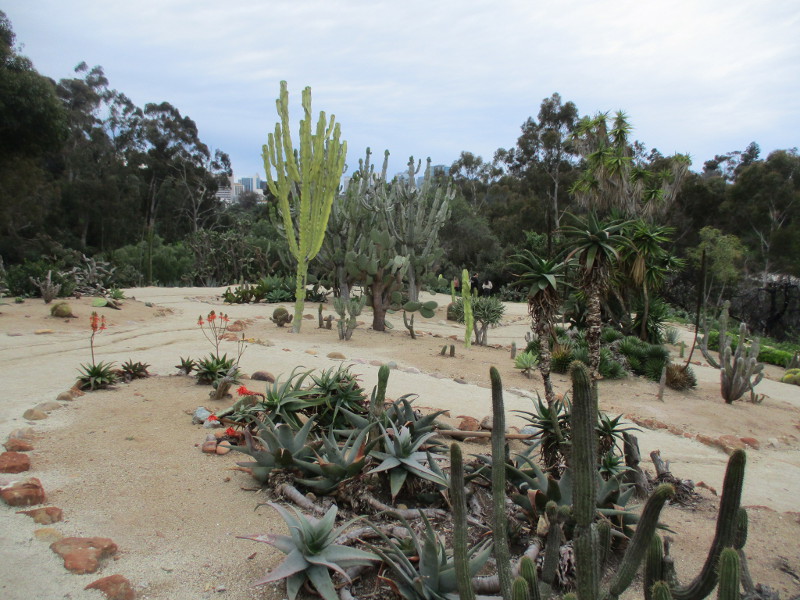
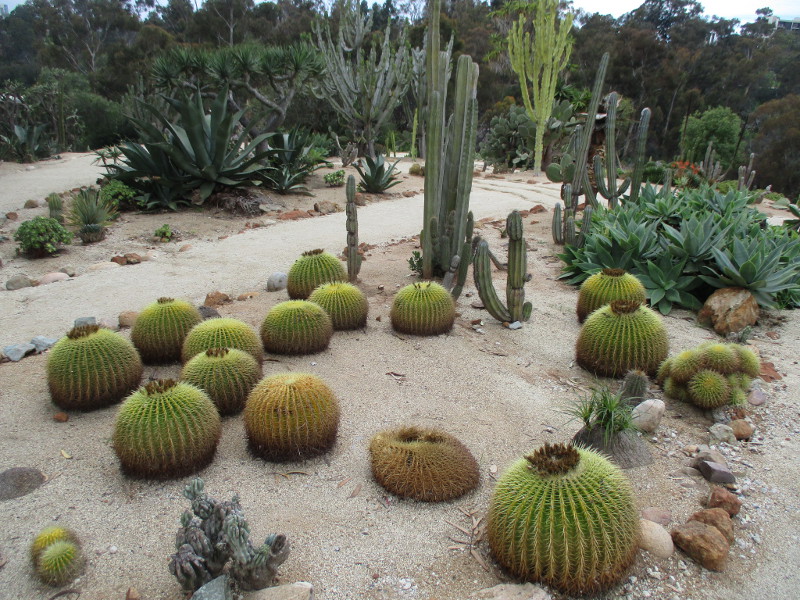
Did you know the Kate O. Sessions Cactus Garden in Balboa Park was renovated and greatly beautified last year?

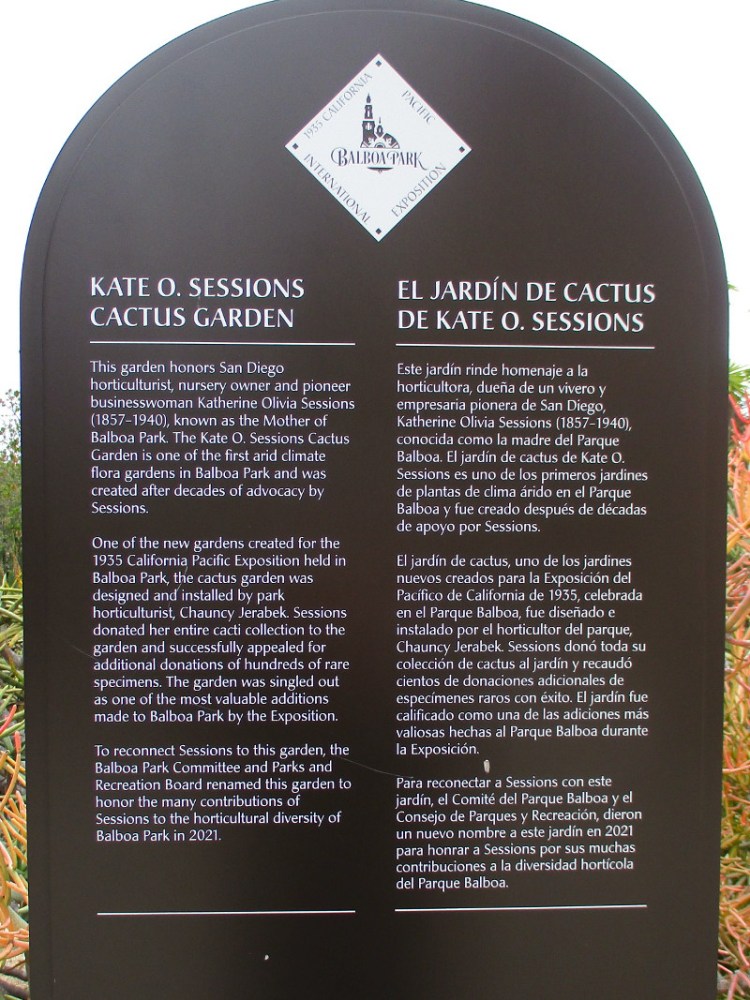
I hadn’t realized the “Old (1935) Cactus Garden” behind the Balboa Park Club had been renamed the Kate O. Sessions Cactus Garden until I walked through yesterday and noticed a new sign.

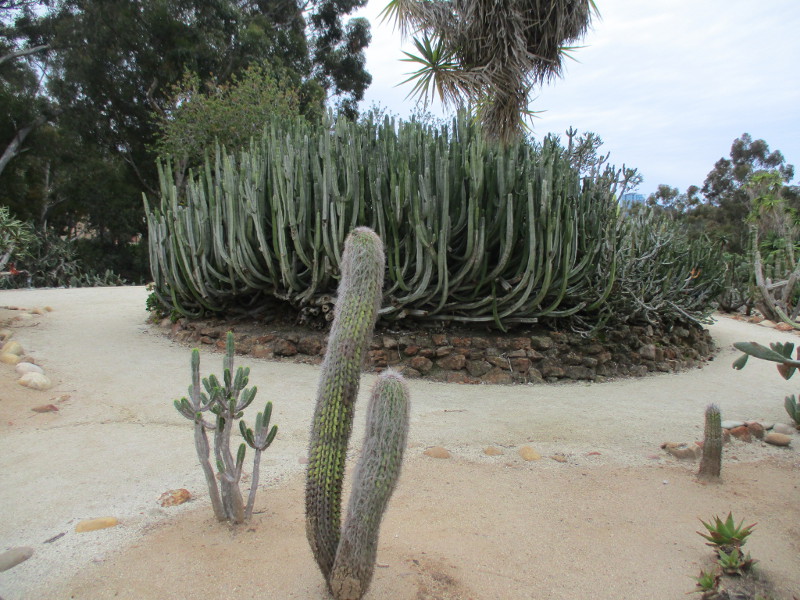
Look how amazing it appears! An initial revitalization of the historic garden had taken place in 2019, but now, with the help of Forever Balboa Park volunteers last year, it really shines! Paths are wide and inviting, there’s more seating, and the cacti and succulents in their cleaned out beds appear like elegant works of natural art!

This is one of three gardens started by Kate Sessions in Balboa Park about century ago. You can read about how she said San Diego had the ideal climate for the best cactus garden in the world by clicking here.

If you want to see historical 1935 photos of Kate Sessions in the beautiful Cactus Garden, click here!

Thanks for visiting Cool San Diego Sights!

I post new blogs pretty often. If you like discovering new things, bookmark coolsandiegosights.com and swing on by occasionally!

I live in downtown San Diego and love to walk around with my camera! You can follow Cool San Diego Sights via Facebook or Twitter!
Why Roseville, Rose Creek and Rose Canyon?

Have you ever wondered why there’s a Roseville in Point Loma, and a Rose Creek and Rose Canyon?

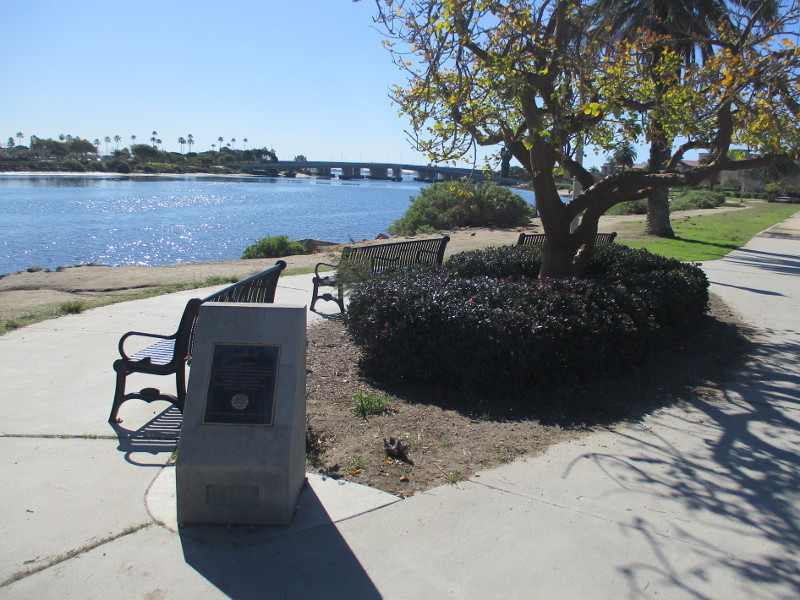
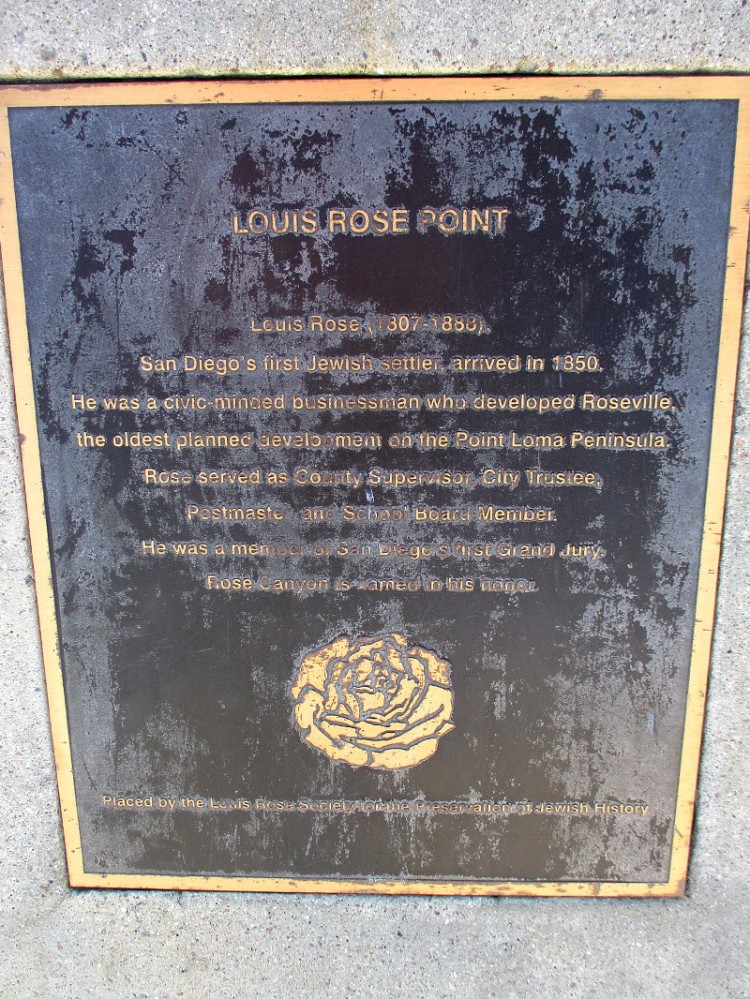
Well, during a recent walk I discovered an old plaque that provides an explanation. It stands at Liberty Station beside the boat channel. That’s it in the above photograph. In the distance is Nimitz Bridge and the North Harbor Drive bridge.

Several San Diego places were named after Louis Rose.

LOUIS ROSE POINT

Louis Rose (1807-1888)

San Diego’s first Jewish settler, arrived in 1850.

He was a civic-minded businessman who developed Roseville, the oldest planned development on the Point Loma Peninsula.

Rose served as County Supervisor, City Trustee, Postmaster and School Board Member.

He was a member of San Diego’s first Grand Jury.

Rose Canyon is named in his honor.

Placed by the Louis Rose Society for the Preservation of Jewish History

Here’s a photo I once posted of an exhibit inside the Robinson-Rose Visitor Center at Old Town San Diego State Historic Park:

Louis Rose was a prominent citizen of Old Town San Diego. He was born near Hanover, Germany in 1807 and became a citizen of the United States in 1846. He moved to San Diego in 1850, becoming the first Jewish person to settle in the city. Rose was an active member of the Jewish community in San Diego. He helped to organize the first Jewish congregation, which became Congregation Beth Israel. He also hosted High Holy Day services in his house and gave 5 acres of land for a sacred burial ground in what is now Point Loma.

Thanks for visiting Cool San Diego Sights!

I post new blogs pretty often. If you like discovering new things, bookmark coolsandiegosights.com and swing on by occasionally!

I live in downtown San Diego and love to walk around with my camera! You can follow Cool San Diego Sights via Facebook or Twitter!

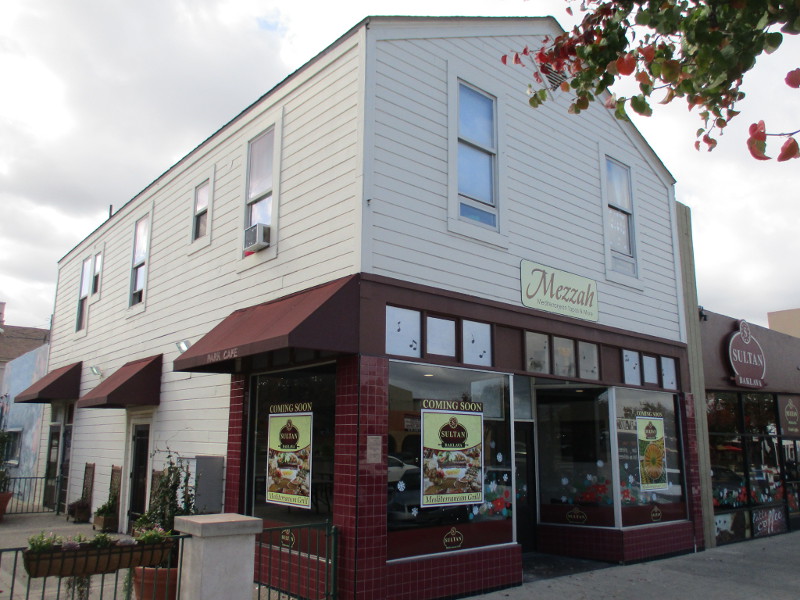
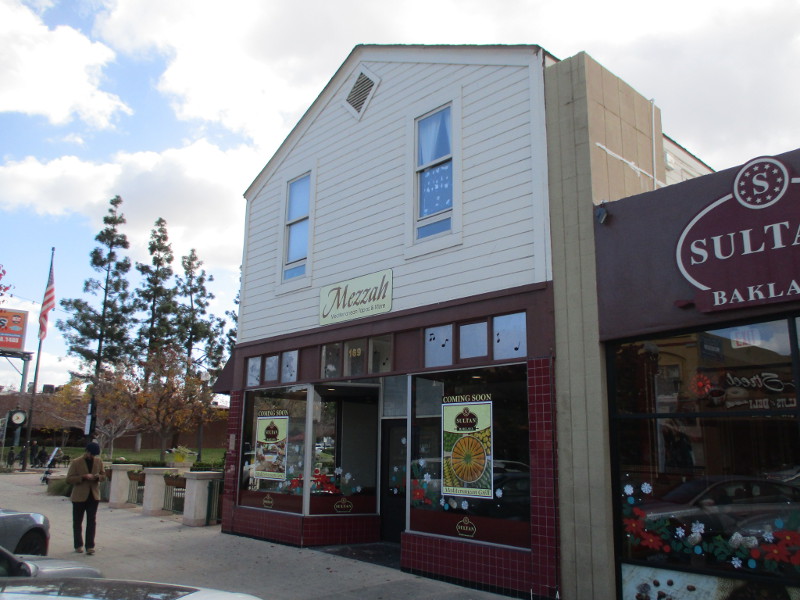
A look outside Historic El Cajon Hall.

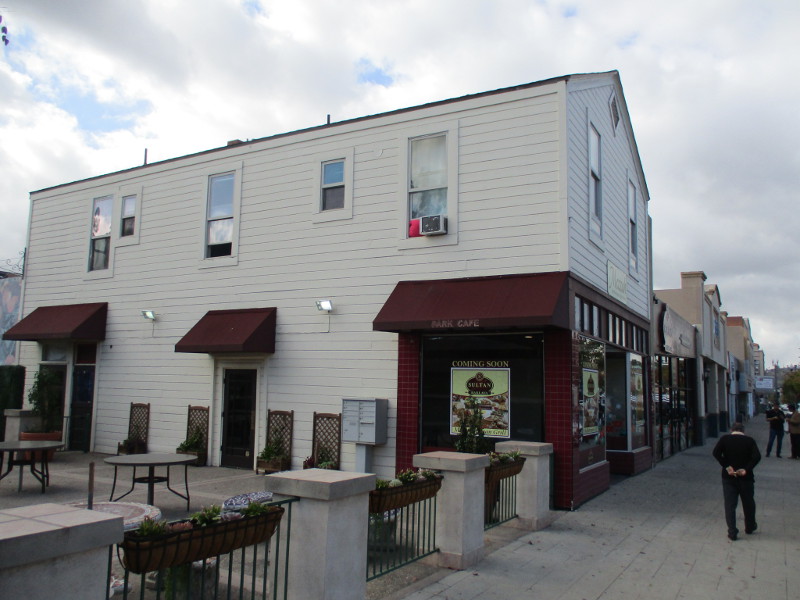
The last time I walked in El Cajon, I passed this two-story clapboard building at 169 E. Main Street. It’s the home of the restaurant Mezzah Mediterranean Tapas and More.

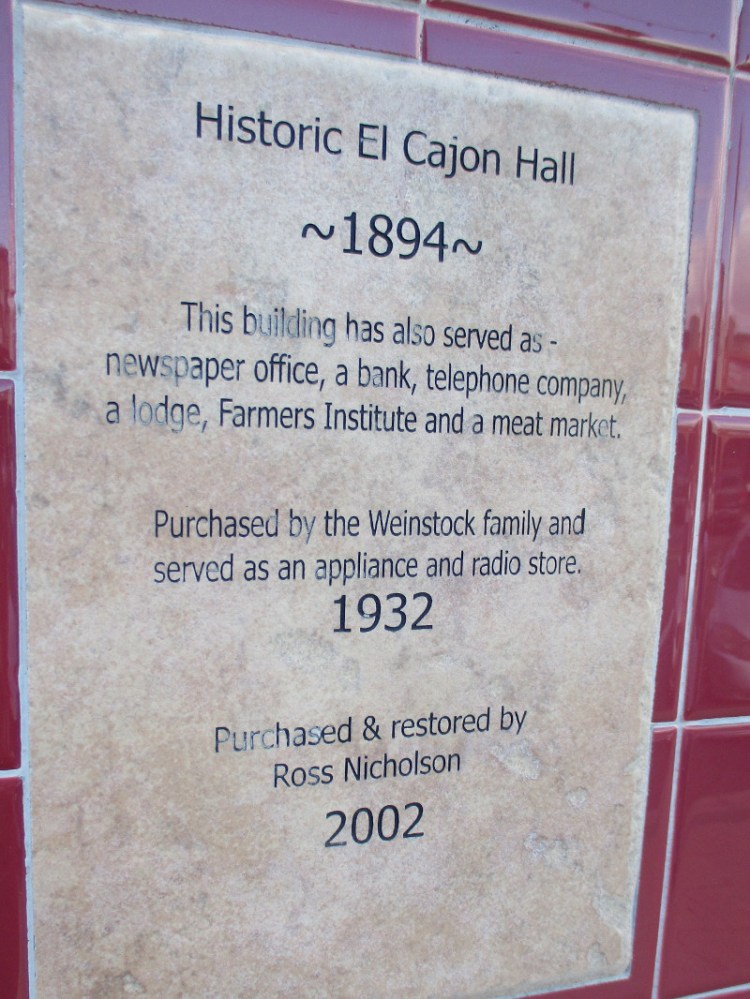
An intriguing plaque is mounted by the front door…

Historic El Cajon Hall

~1894~

This building has also served as – newspaper office, a bank, telephone company, a lodge, Farmers Institute and a meat market.

Purchased by the Weinstock family and served as an appliance and radio store. 1932

Purchased and restored by Ross Nicholson 2002

Perhaps someone out there is knowledgeable about this building’s history.

I did a bit of internet searching and couldn’t find much. This page states: “…some research shows that the town marshal may have worked from the Weinstock Building since it was the only building in El Cajon at the time that had a working telephone. The building still stands at Prescott and Main.

Correct me if I’m wrong, but I believe Prescott Avenue once ran beside this building, before being converted into downtown El Cajon’s park-like Prescott Promenade.

This page has an incomplete paragraph that begins: “The oldest building still standing is located at 169 E. Main Street. Until the early 1900’s it housed the Home Telephone Company, the Cuyamaca Bank and the El Cajon News …”

Unfortunately, when the “Read More” link is clicked, the corresponding document seems to be no longer available.

Who out there knows more about this historic building? Leave a comment!

UPDATE!

Informative comments have come in! Scroll down to read them!

Thanks for visiting Cool San Diego Sights!

I post new blogs pretty often. If you like discovering new things, bookmark coolsandiegosights.com and swing on by occasionally!

I live in downtown San Diego and love to walk around with my camera! You can follow Cool San Diego Sights via Facebook or Twitter!
Unusual history of the original Cabrillo statue.

One of San Diego’s iconic landmarks is the statue of Juan Rodriguez Cabrillo near the end of Point Loma, at Cabrillo National Monument.

Over the years there has been a controversy concerning Cabrillo’s place of birth: Portugal or Spain? I covered that in my previous blog post.

The original statue of Cabrillo in the park, by Portuguese sculptor Alvaro DeBree, was commissioned by the Portuguese government. After years of exposure to the weather, that first statue was relocated to Ensenada.

Portuguese sculptor Joas Chartes Almeida carved an exact replica of the original statue out of a more resistant stone, and it was installed in at Cabrillo National Monument in 1988.

During my last trip to Cabrillo National Monument, a ranger inside the Visitor Center showed me a National Park Service document that provides a Brief History of the Original Cabrillo Statue:

In 1949, some 36 years after its establishment as a memorial to Juan Cabrillo, a statue of Cabrillo was finally installed at the monument. The statue had been commissioned by the Portuguese government in 1935 as a gift to the state of California and was to be exhibited in the Portuguese exhibit at the San Francisco Exposition of 1940. The work of Alvaro De Bree, a young Portuguese sculptor, the 14-foot-high, seven-ton statue was not exhibited at the fair as intended, but was instead stored in a private garage in San Francisco. Following a considerable amount of effort, the city of San Diego secured the statue, and it was installed at the Naval Training Center facing Ballast Point. The official dedication of the site took place on September 28, 1942, the 400th anniversary of Cabrillo’s landing.

In 1947, the San Diego Historical Society proposed that the statue be moved to the Cabrillo National Monument. The Chief of the Museum Bureau in Washington, after examining photographs judged the work to be “a satisfactory piece of memorial sculpture” and declared that it appeared suitable “from an artistic standpoint.” The Park Service accepted the statue with the stipulation that the city fund the costs for a base for the statue and for moving it to the monument.

The dedication ceremony took place on September 28, 1949. The Mayor of San Diego, Harley E. Knox, formally presented the statue to the National Park Service and Dr. Manuel Rocheta, chancellor of the Portuguese Embassy in Washington, D.C., delivered an address.

The 1988 replica of the original statue at Cabrillo National Monument.

Thanks for visiting Cool San Diego Sights!

I post new blogs pretty often. If you like discovering new things, bookmark coolsandiegosights.com and swing on by occasionally!

I live in downtown San Diego and love to walk around with my camera! You can follow Cool San Diego Sights via Facebook or Twitter!
A walk into history down Mule Hill Trail.

Walk down Mule Hill Trail at the south end of Escondido and you’ll find yourself stepping into history.

A while back I blogged about the forgotten town of Bernardo. A hundred years ago it was located in farmland near this trail, prior to the creation of Lake Hodges.

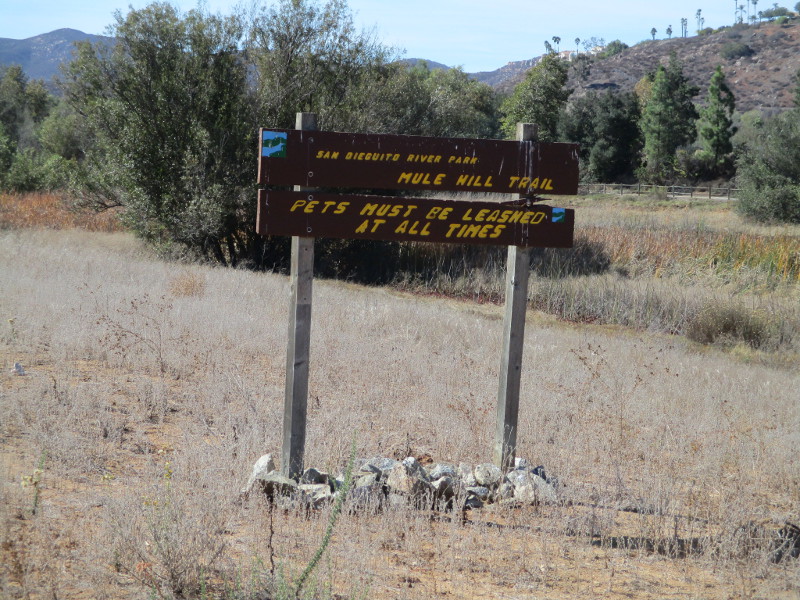
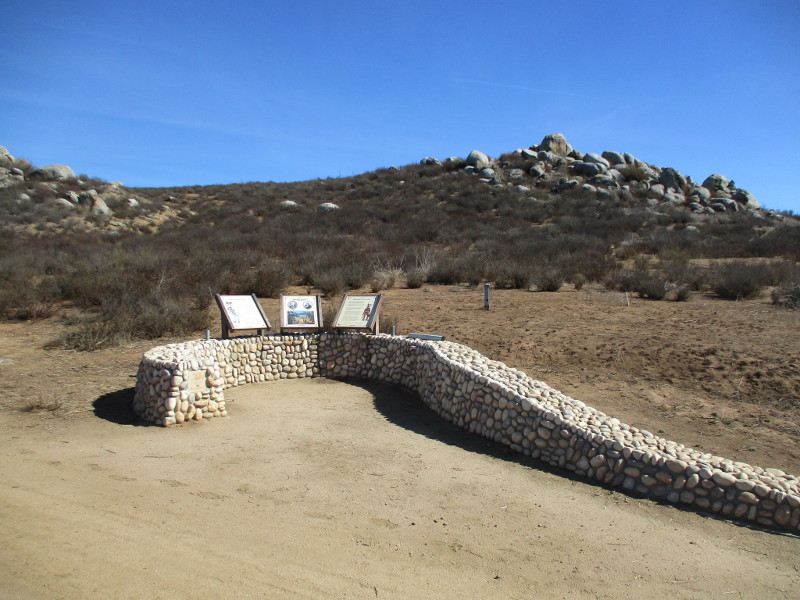
Down this same trail information signs mark the location of Mule Hill, where a skirmish took place during the Mexican-American War.

Seeking shelter among rocky outcroppings, General Kearny established a defensive position against pursuing Californios, as his U.S. Dragoons retreated toward San Diego after the Battle of San Pasqual.

The precise location of this skirmish was in debate for many years. Here are some interesting articles.

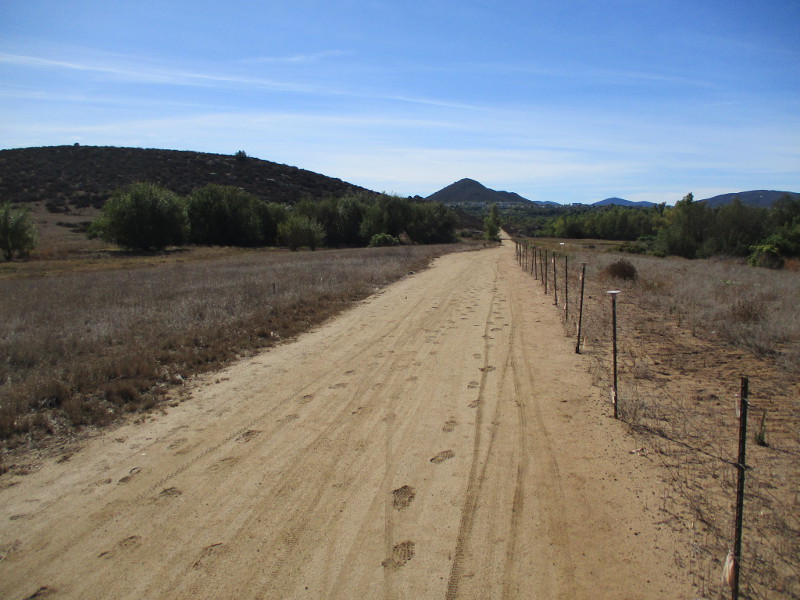
Today, after a short, easy walk south down Mule Hill Trail, you’ll see the outcroppings rising above several signs. You can find the wide dirt trail just east of Interstate 15, off Bear Valley Parkway, before Beethoven Drive.

Beginning south down Mule Hill Trail, part of the San Dieguito River Park.

The wide, easy trail leads south toward both Mule Hill and the forgotten town of Bernardo.

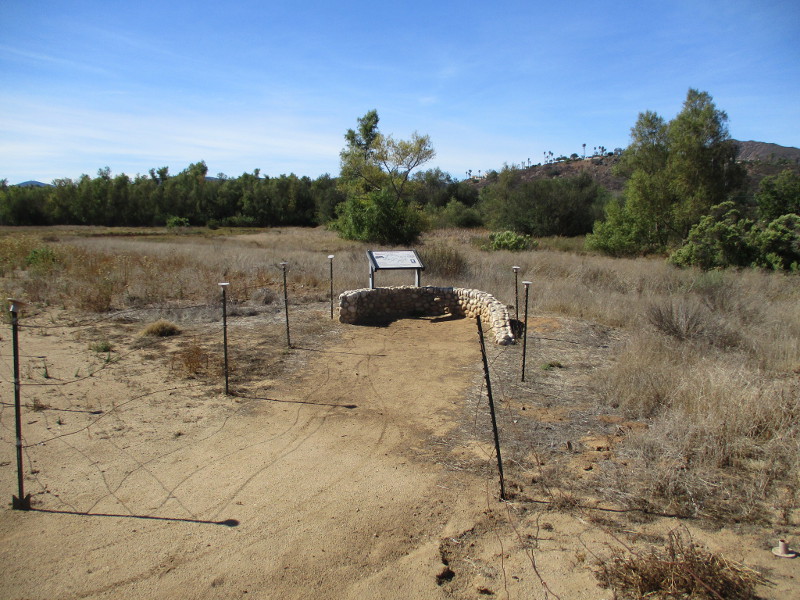
Off to the right near river trees, a solitary sign beckons.

Start of the Engagement, December 7, 1846

“Late in the evening, when we had arrived within about four hundred yards of the water where we intended to camp, they charged us, coming on in two bodies and compelling us to retreat to a pile of rocks about two hundred yards away on our left . . . ” source–Kit Carson’s Autobiography

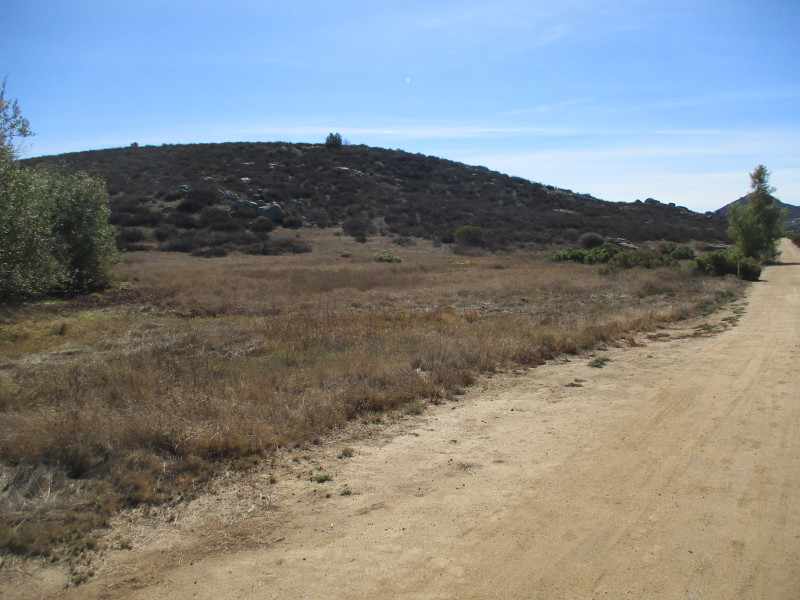
Continuing our walk south. Jumbled boulders can be seen on the hill to our left.

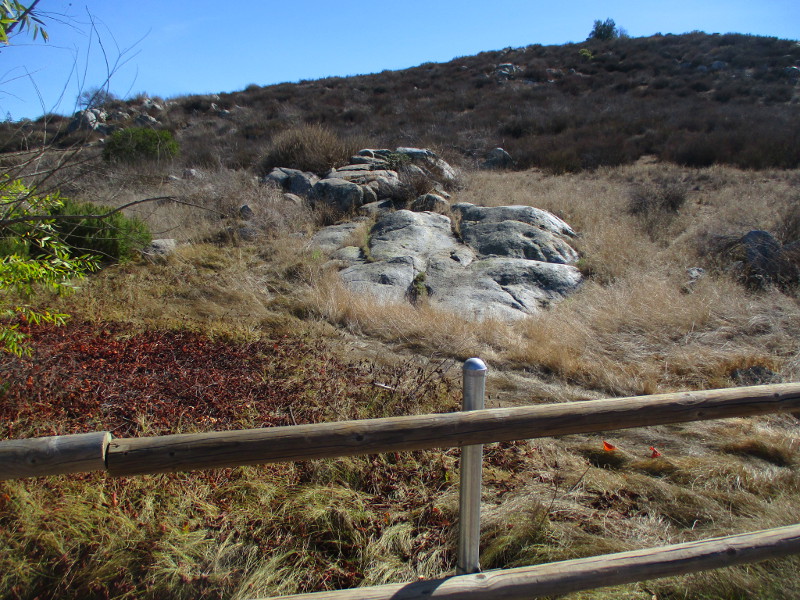
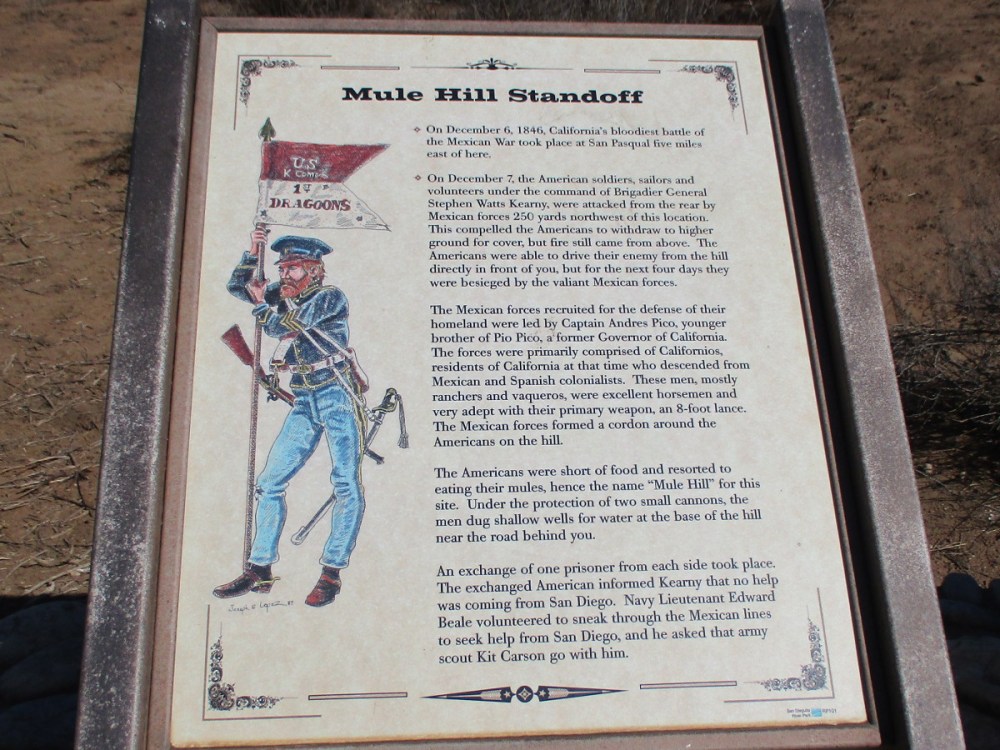
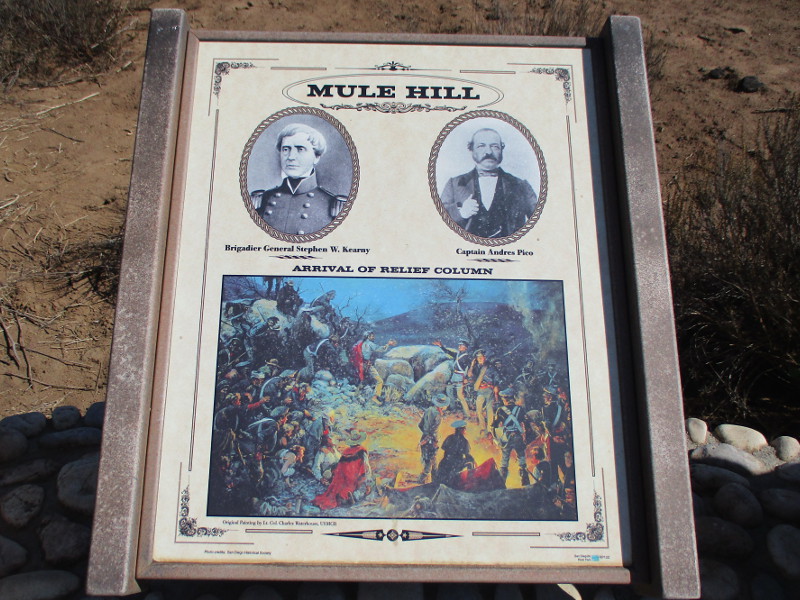
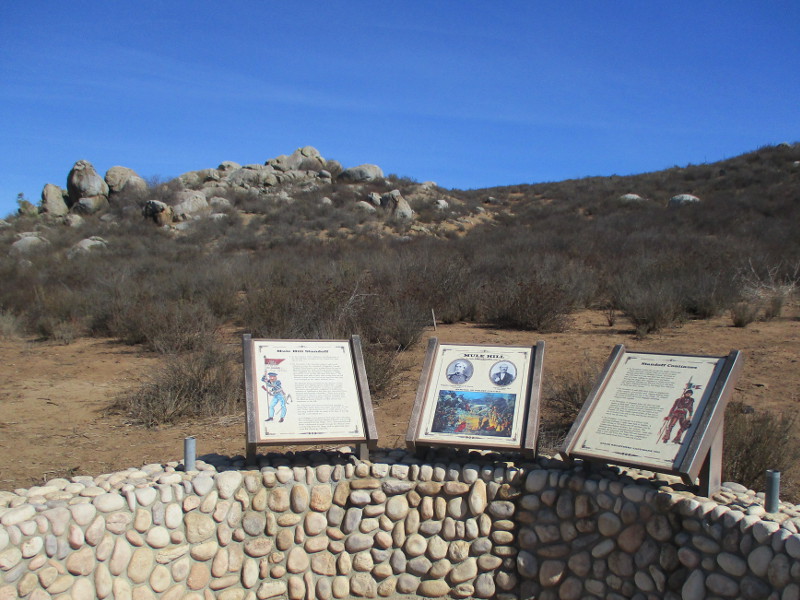
We’ve arrived at three signs near a pair of rock outcroppings that figure in the early history of San Diego. The signs explain what happened here at Mule Hill.

Mule Hill Standoff

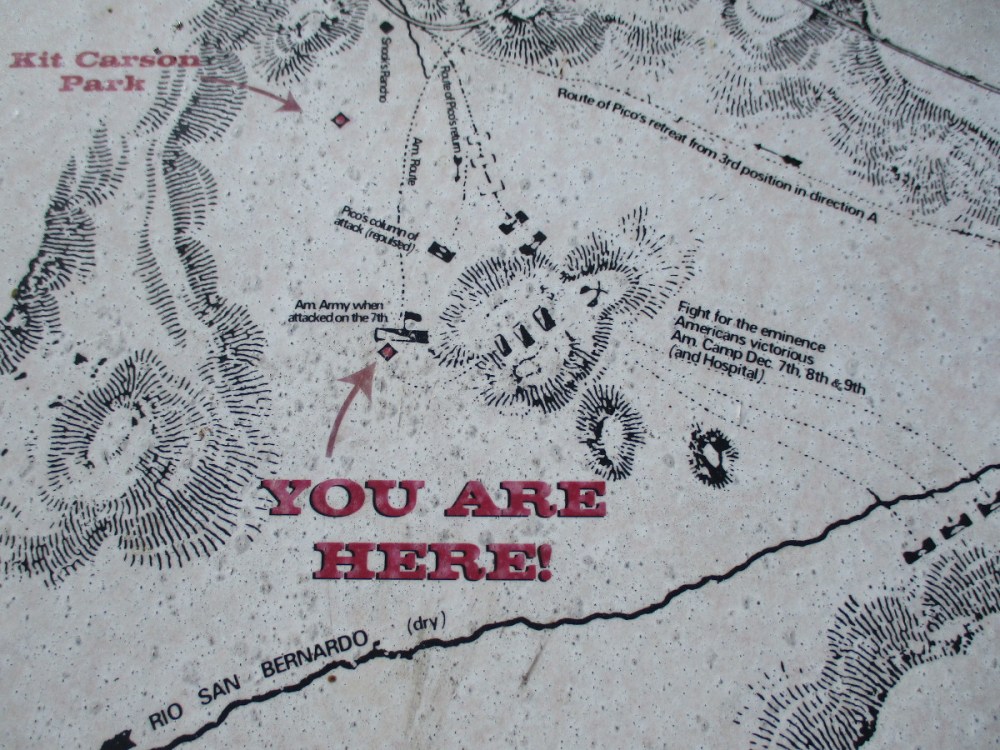
On December 7, the American soldiers, sailors and volunteers under command of Brigadier General Stephen Watts Kearny, were attacked from the rear by Mexican forces 250 yards northwest of this location…

The Mexican forces recruited for the defense of their homeland were led by Captain Andres Pico . . . The forces were primarily comprised of Californios, residents of California at that time who descended from Mexican and Spanish colonialists…

The Americans were short of food and resorted to eating their mules, hence the name “Mule Hill” for this site…

…Navy Lieutenant Edward Beale volunteered to sneak through the Mexican lines to seek help from San Diego, and he asked that army scout Kit Carson go with him.

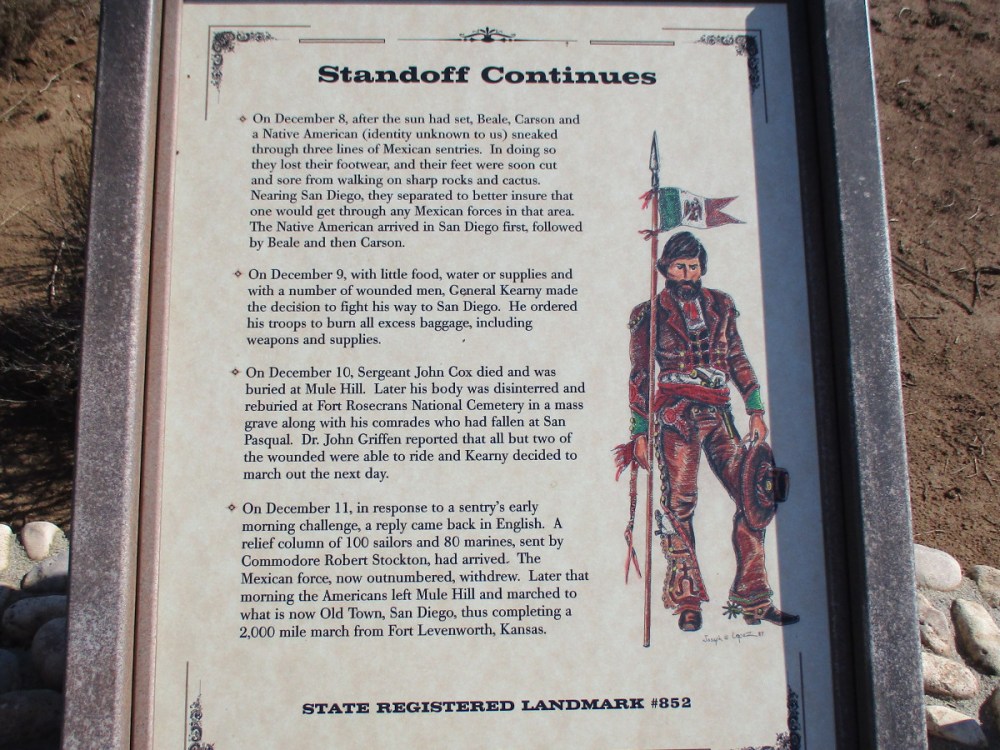
Standoff Continues

On December 8, after the sun had set, Beale, Carson and a Native American (identity unknown to us) sneaked through three lines of Mexican sentries…Nearing San Diego, they separated…The Native American arrived in San Diego first…

On December 9, with little food, water or supplies and a number of wounded men, General Kearny made the decision to fight his way to San Diego…

On December 10, Sergeant John Cox died and was buried at Mule Hill…

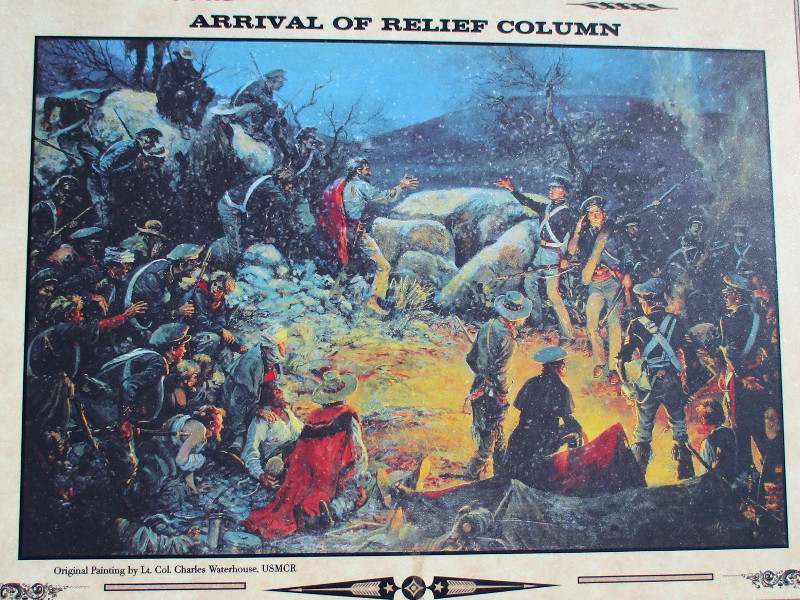
On December 11… A relief column of 100 sailors and 80 marines, sent by Commodore Robert Stockton, had arrived. The Mexican force, now outnumbered, withdrew. Later that morning the Americans left Mule Hill and marched to what is now Old Town, San Diego, thus completing a 2,000 mile march from Fort Leavenworth, Kansas.

Thanks for visiting Cool San Diego Sights!

I post new blogs pretty often. If you like discovering new things, bookmark coolsandiegosights.com and swing on by occasionally!

I live in downtown San Diego and love to walk around with my camera! You can follow Cool San Diego Sights via Facebook or Twitter!
Honoring the first gliders at Torrey Pines.

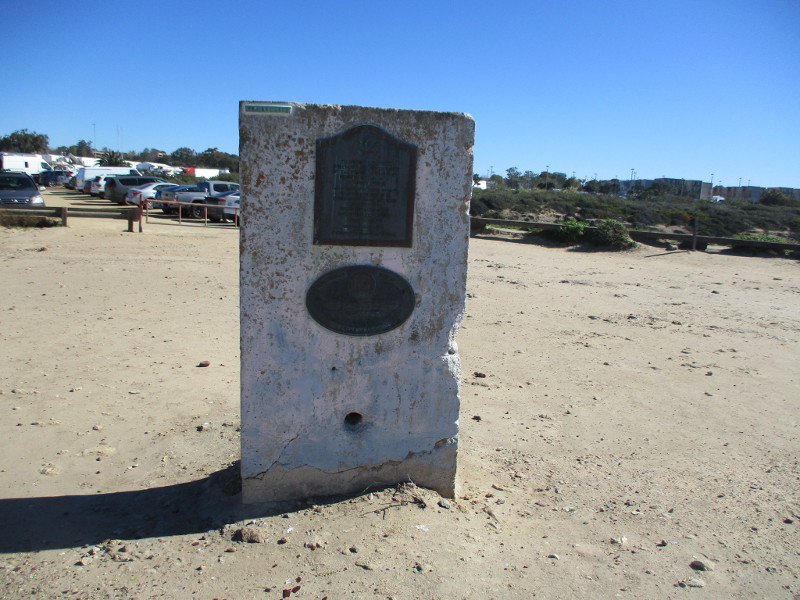
An old historical marker at the Torrey Pines Gliderport honors the pioneering glider pilots who were the first to launch themselves into the sky here.

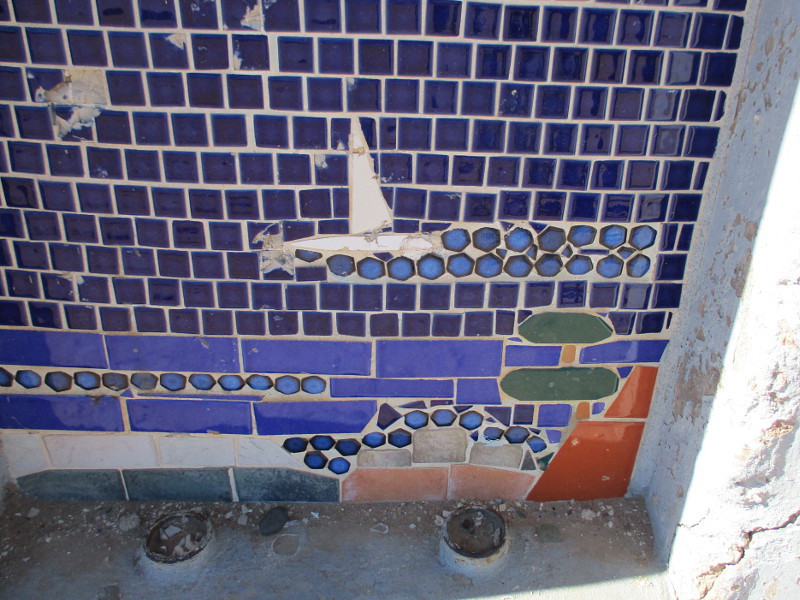
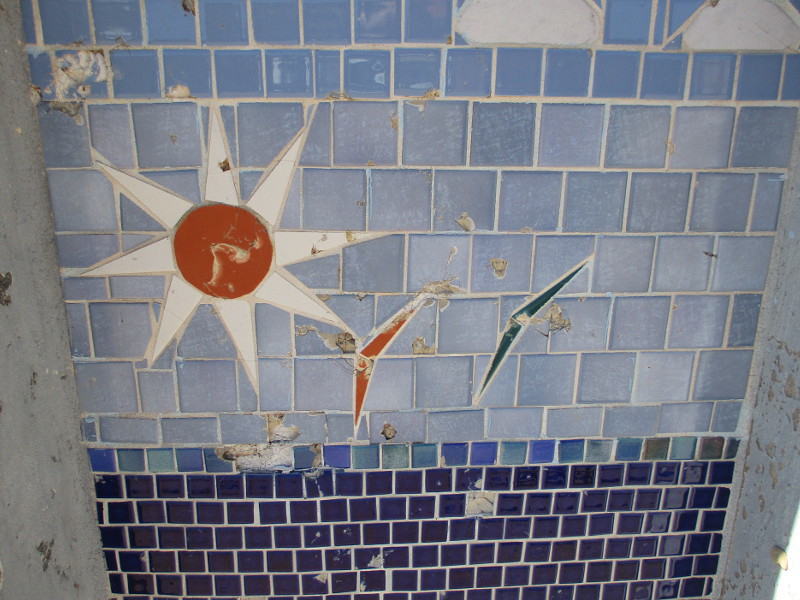
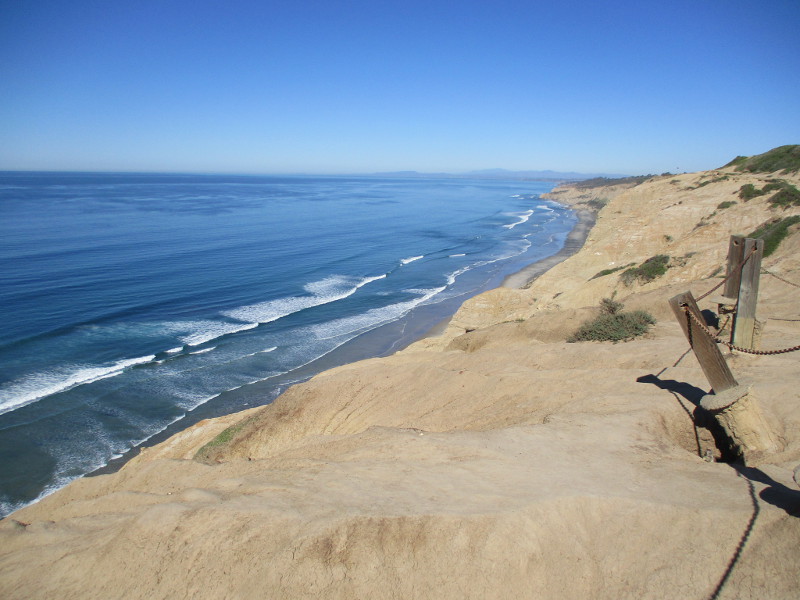
The side of the marker that faces the ocean features two bronze plaques. The opposite, facing the Gliderport’s parking lot, was made beautiful with a colorful tile mosaic. The 30-year-old abstract artwork depicts green trees atop the bluffs, sun, water, a sailboat and gliders in the blue sky.

TO HONOR THE SPIRIT, INGENUITY AND ENTHUSIASM OF THE PIONEERS WHO FLEW GLIDERS IN THE 1930’S AT TORREY PINES

AND TO THE FUTURE PILOTS WHO WILL SHARE THIS GLIDERPORT AND CONTINUE THIS TRADITION THROUGH ALL FORMS OF MOTORLESS FLIGHT

JUNE 6, 1992

THE NATIONAL SOARING MUSEUM

HARRIS HILL, ELMIRA, N.Y.

AN AFFILIATE OF THE SOARING SOCIETY OF AMERICA

HISTORICAL SITE NO. 315

THE TORREY PINES GLIDERPORT

THE CITY OF SAN DIEGO

Here’s a fascinating web page of the National Soaring Museum that concerns the Torrey Pines Gliderport. You can see some old photographs. The site is designated the museum’s Landmark No. 5.

I posted a blog concerning the Torrey Pines Gliderport many years ago. If you are curious, you can check that out by clicking here!
Thanks for visiting Cool San Diego Sights!

I post new blogs pretty often. If you like discovering new things, bookmark coolsandiegosights.com and swing on by occasionally!

I live in downtown San Diego and love to walk around with my camera! You can follow Cool San Diego Sights via Facebook or Twitter!