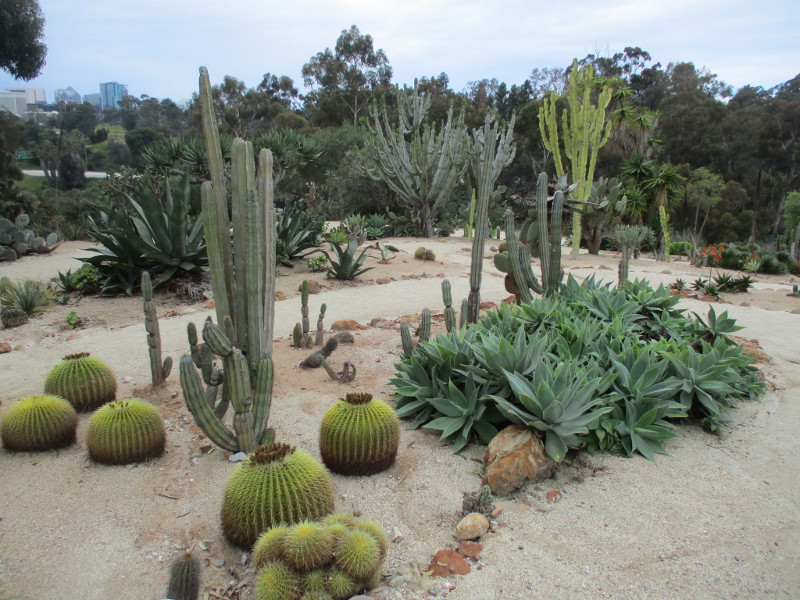
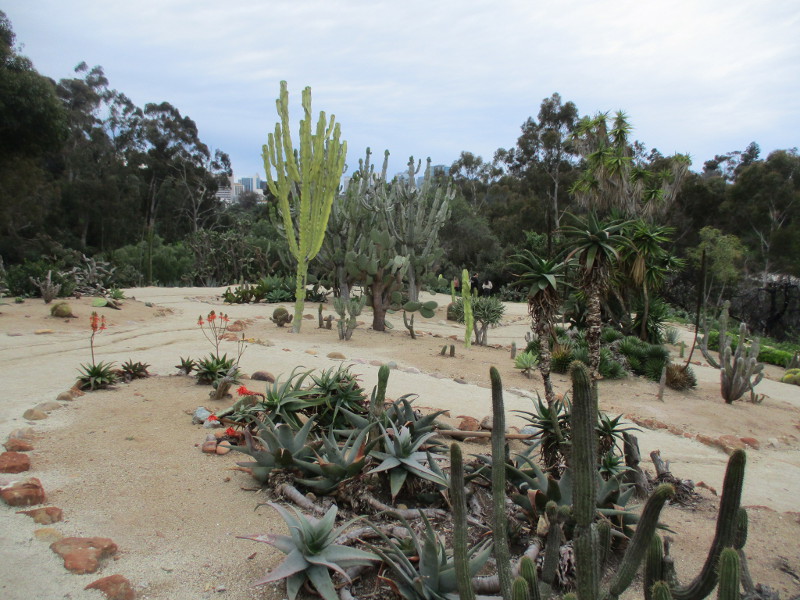
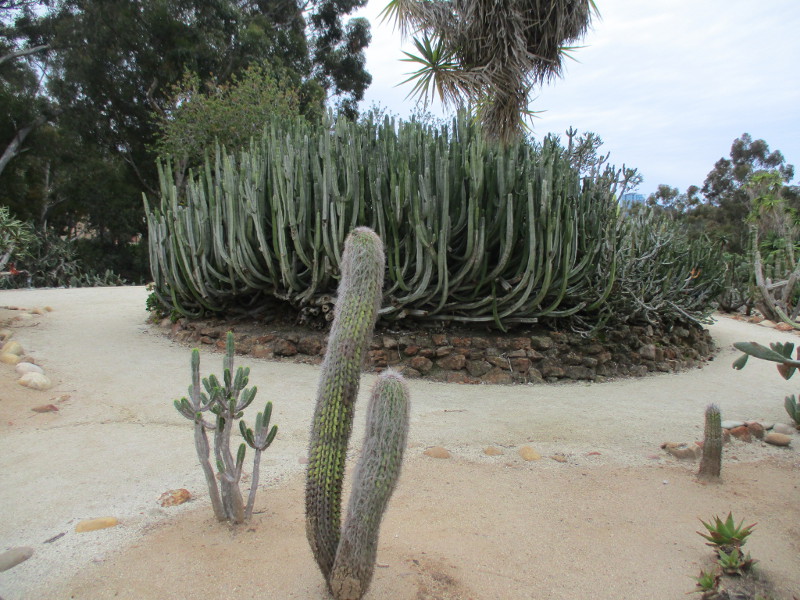
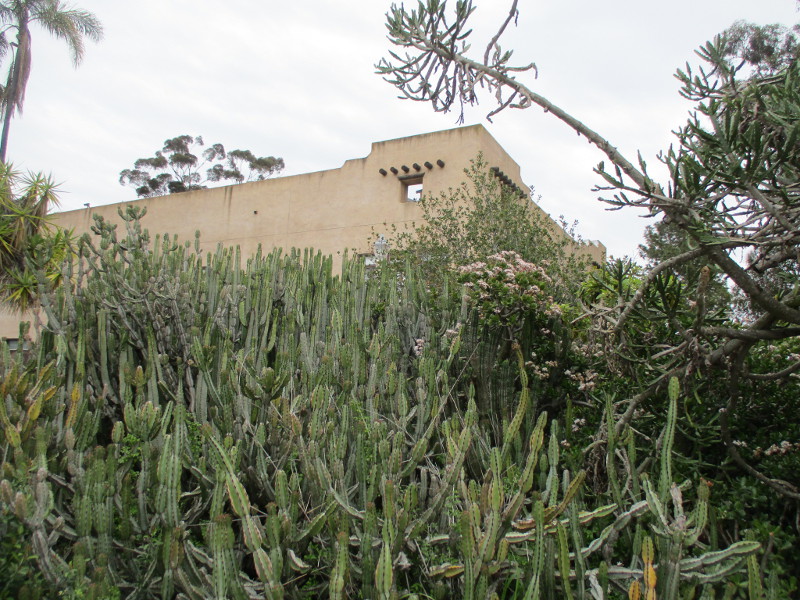
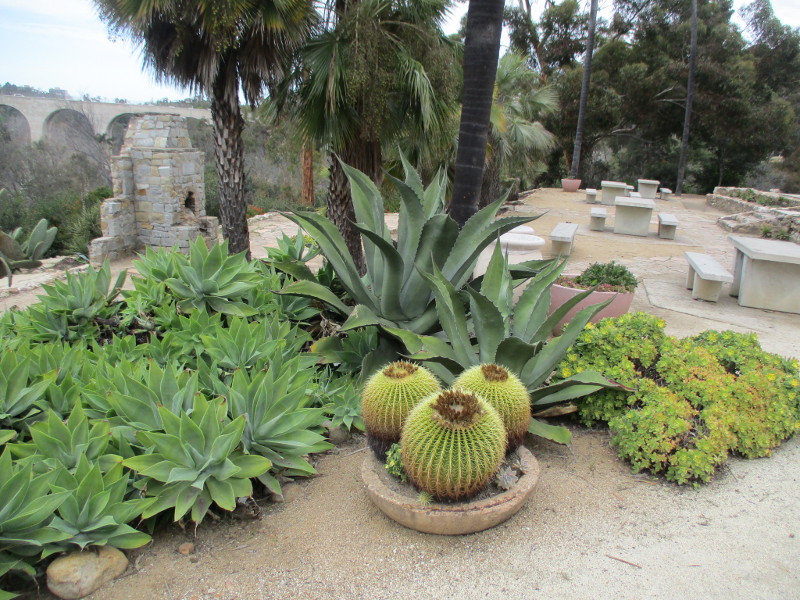
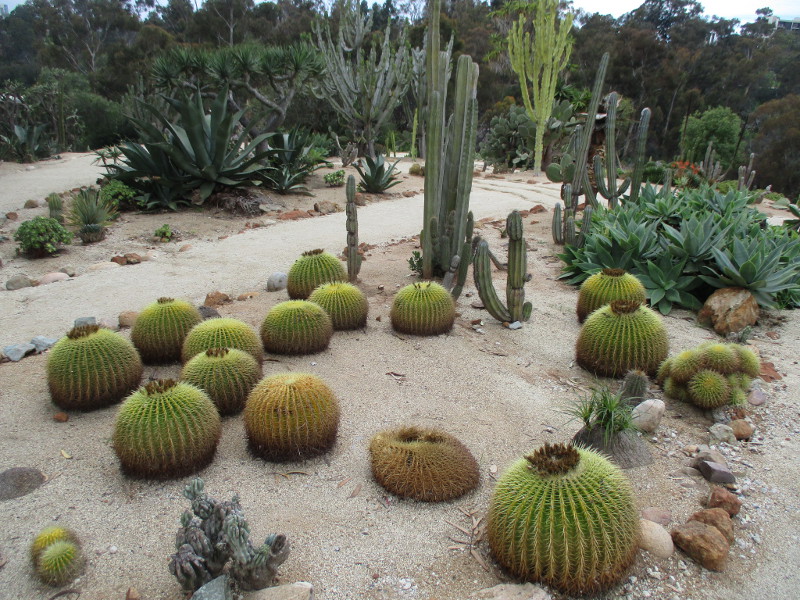
Did you know the Kate O. Sessions Cactus Garden in Balboa Park was renovated and greatly beautified last year?
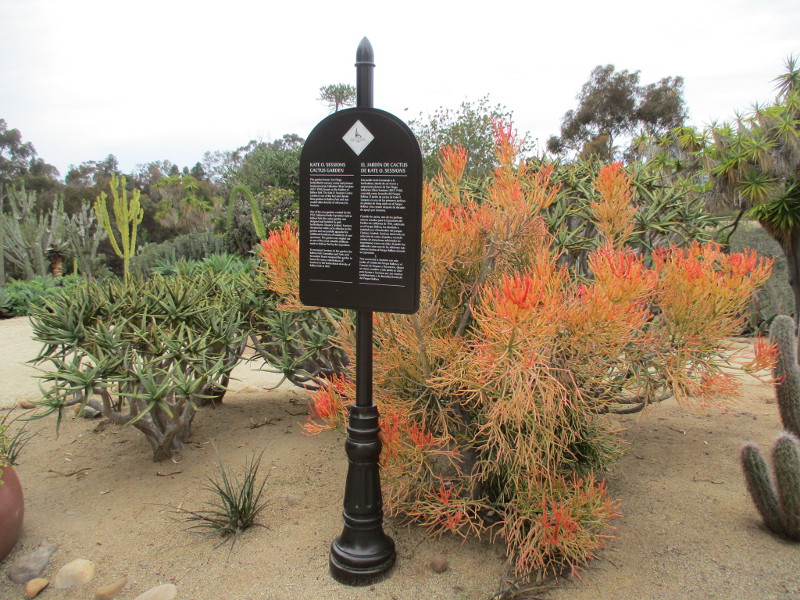
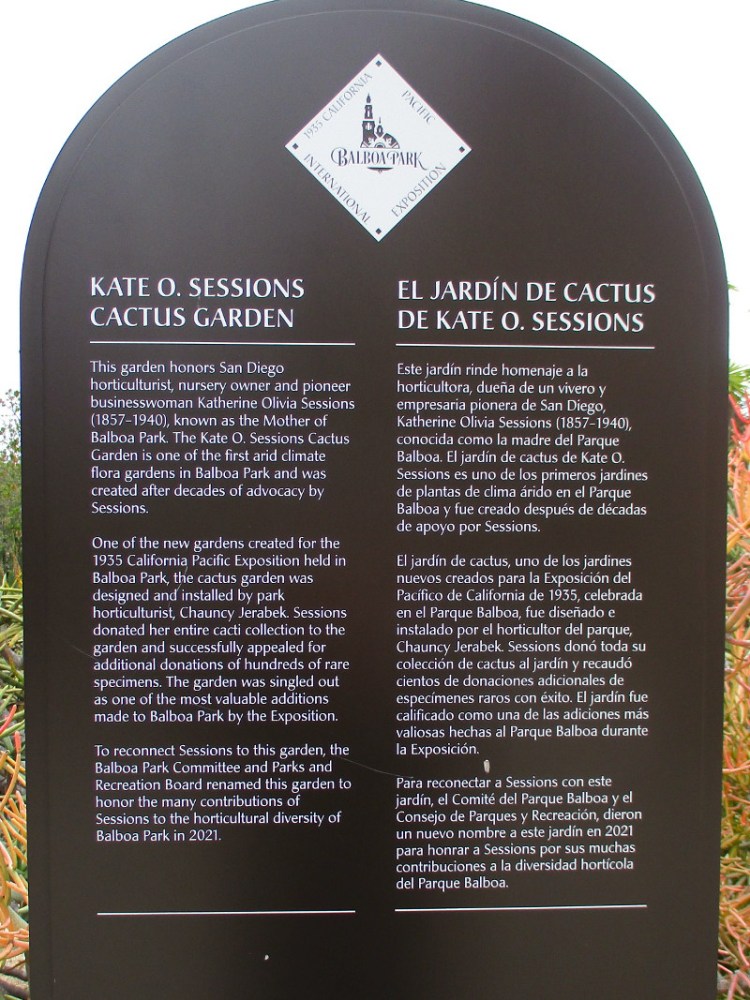
I hadn’t realized the “Old (1935) Cactus Garden” behind the Balboa Park Club had been renamed the Kate O. Sessions Cactus Garden until I walked through yesterday and noticed a new sign.
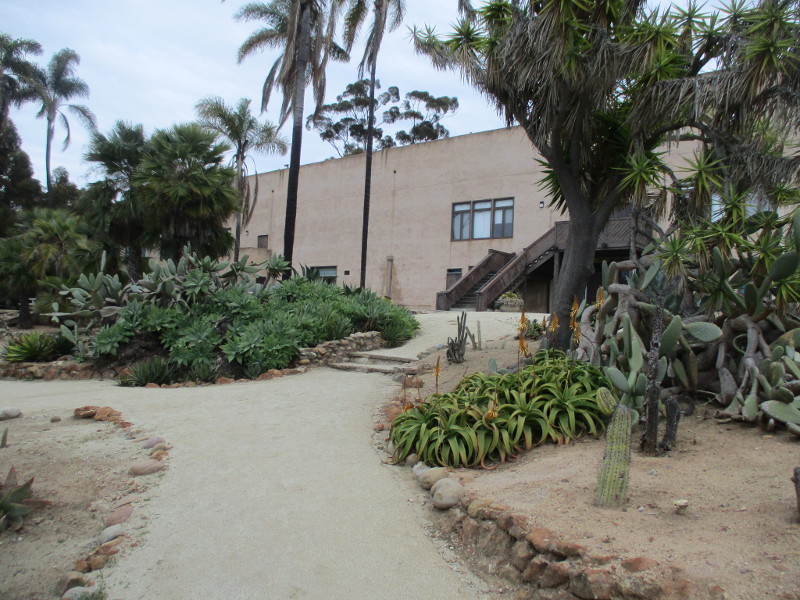
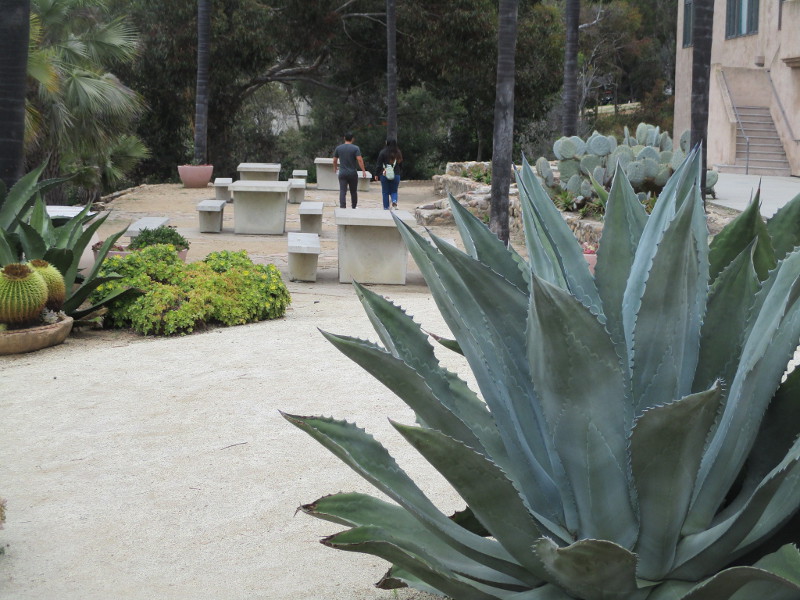
Look how amazing it appears! An initial revitalization of the historic garden had taken place in 2019, but now, with the help of Forever Balboa Park volunteers last year, it really shines! Paths are wide and inviting, there’s more seating, and the cacti and succulents in their cleaned out beds appear like elegant works of natural art!
This is one of three gardens started by Kate Sessions in Balboa Park about century ago. You can read about how she said San Diego had the ideal climate for the best cactus garden in the world by clicking here.
If you want to see historical 1935 photos of Kate Sessions in the beautiful Cactus Garden, click here!
…
Thanks for visiting Cool San Diego Sights!
I post new blogs pretty often. If you like discovering new things, bookmark coolsandiegosights.com and swing on by occasionally!
I live in downtown San Diego and love to walk around with my camera! You can follow Cool San Diego Sights via Facebook or Twitter!
Have you ever wondered why there’s a Roseville in Point Loma, and a Rose Creek and Rose Canyon?
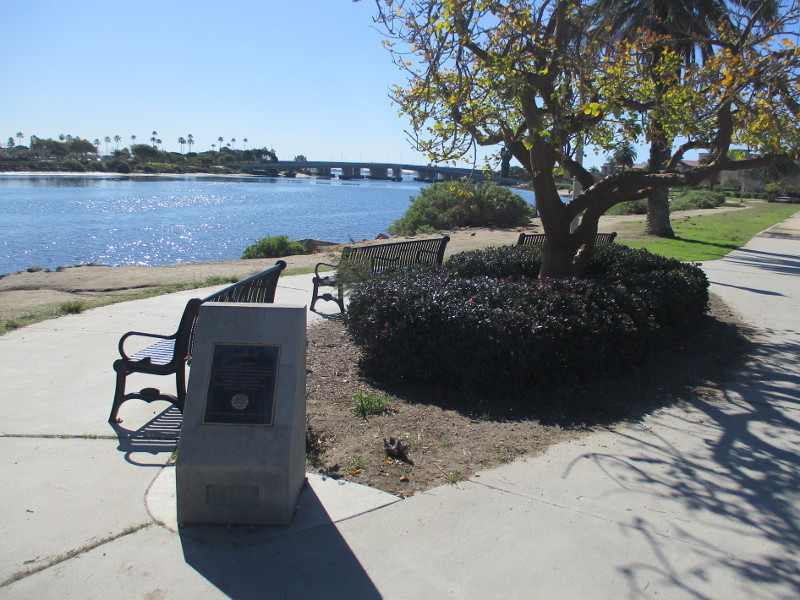
Well, during a recent walk I discovered an old plaque that provides an explanation. It stands at Liberty Station beside the boat channel. That’s it in the above photograph. In the distance is Nimitz Bridge and the North Harbor Drive bridge.
Several San Diego places were named after Louis Rose.
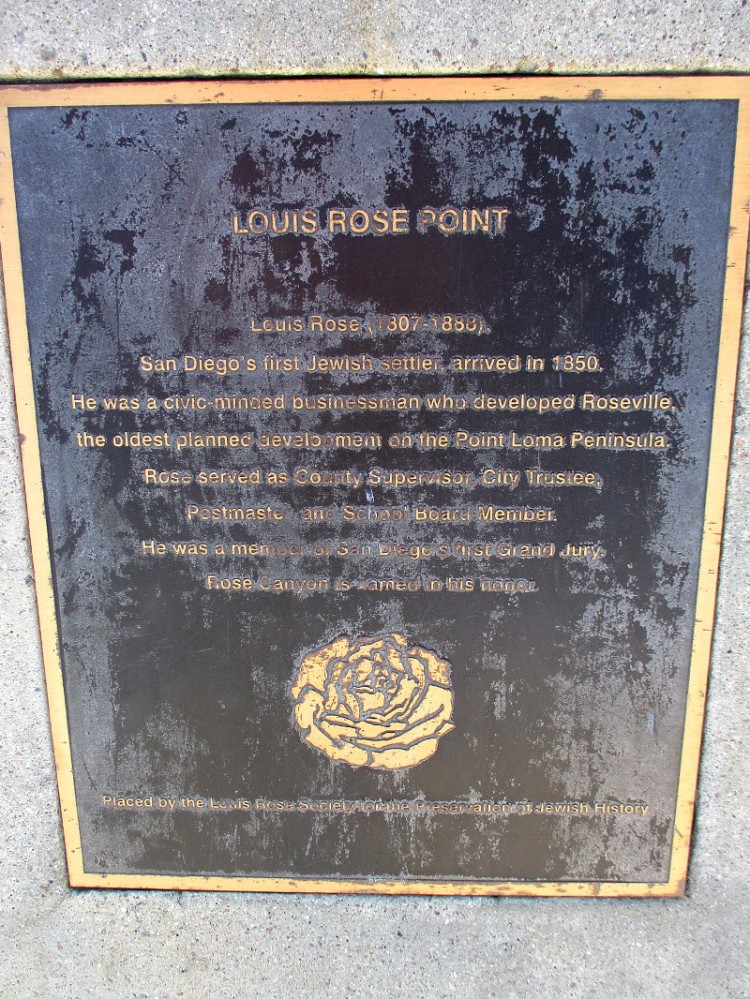
LOUIS ROSE POINT
Louis Rose (1807-1888)
San Diego’s first Jewish settler, arrived in 1850.
He was a civic-minded businessman who developed Roseville, the oldest planned development on the Point Loma Peninsula.
Rose served as County Supervisor, City Trustee, Postmaster and School Board Member.
He was a member of San Diego’s first Grand Jury.
Rose Canyon is named in his honor.
Placed by the Louis Rose Society for the Preservation of Jewish History
Here’s a photo I once posted of an exhibit inside the Robinson-Rose Visitor Center at Old Town San Diego State Historic Park:
Louis Rose was a prominent citizen of Old Town San Diego. He was born near Hanover, Germany in 1807 and became a citizen of the United States in 1846. He moved to San Diego in 1850, becoming the first Jewish person to settle in the city. Rose was an active member of the Jewish community in San Diego. He helped to organize the first Jewish congregation, which became Congregation Beth Israel. He also hosted High Holy Day services in his house and gave 5 acres of land for a sacred burial ground in what is now Point Loma.
…
Thanks for visiting Cool San Diego Sights!
I post new blogs pretty often. If you like discovering new things, bookmark coolsandiegosights.com and swing on by occasionally!
I live in downtown San Diego and love to walk around with my camera! You can follow Cool San Diego Sights via Facebook or Twitter!
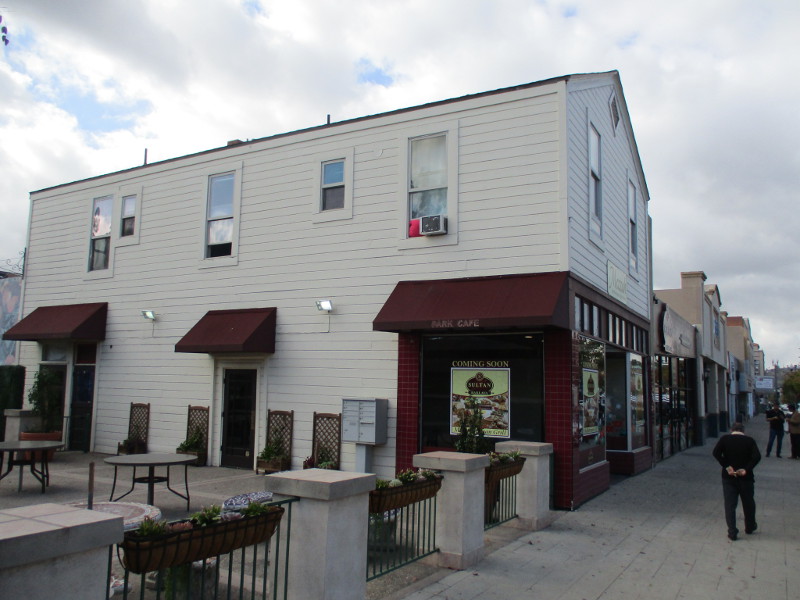
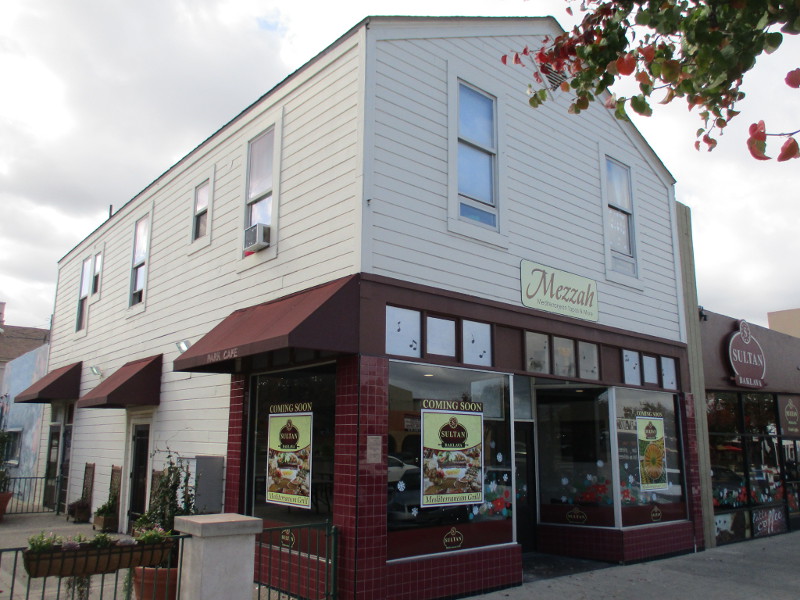
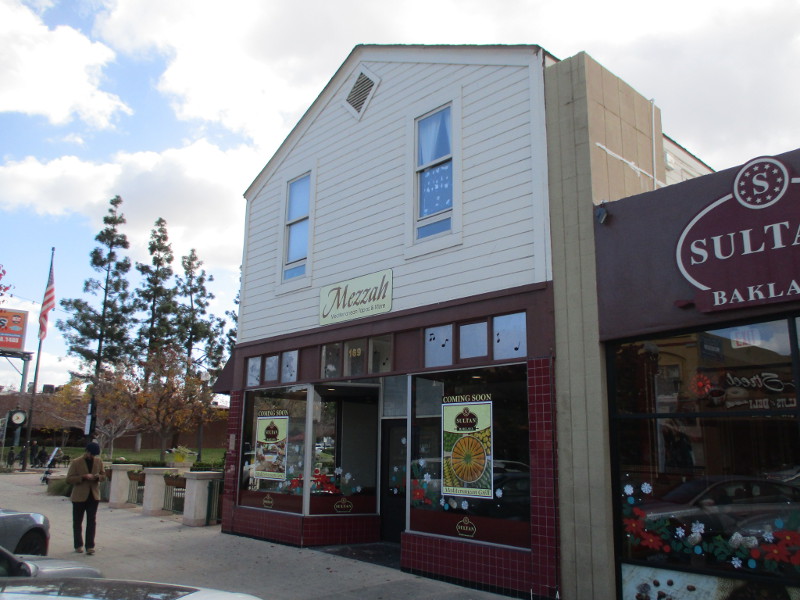
The last time I walked in El Cajon, I passed this two-story clapboard building at 169 E. Main Street. It’s the home of the restaurant Mezzah Mediterranean Tapas and More.
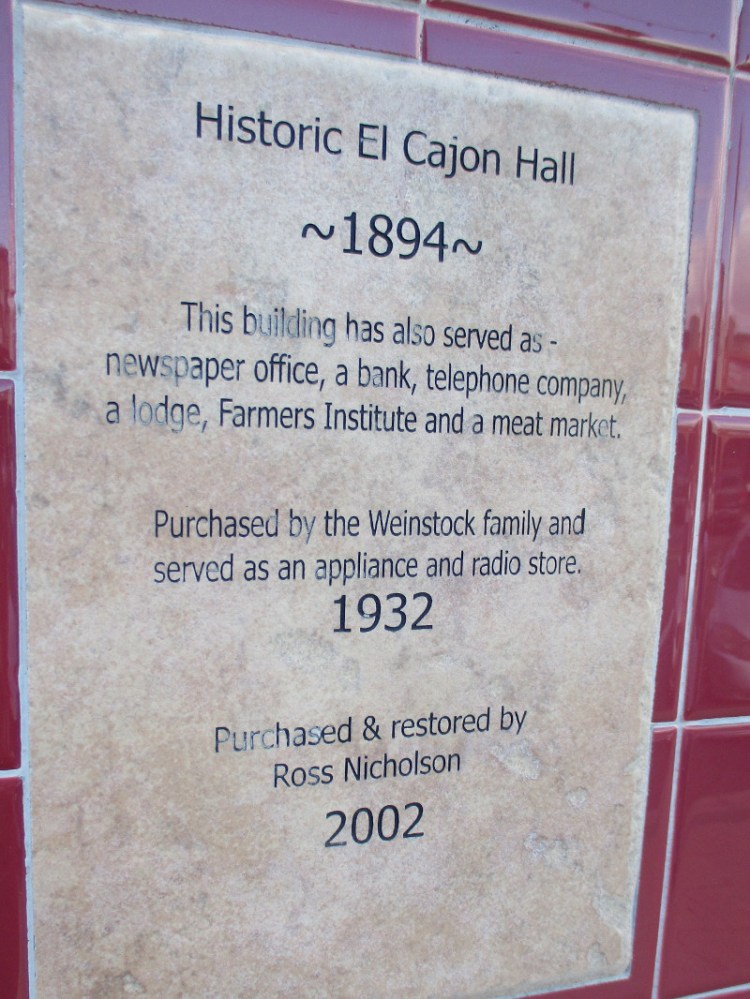
An intriguing plaque is mounted by the front door…
Historic El Cajon Hall
~1894~
This building has also served as – newspaper office, a bank, telephone company, a lodge, Farmers Institute and a meat market.
Purchased by the Weinstock family and served as an appliance and radio store. 1932
Purchased and restored by Ross Nicholson 2002
Perhaps someone out there is knowledgeable about this building’s history.
I did a bit of internet searching and couldn’t find much. This page states: “…some research shows that the town marshal may have worked from the Weinstock Building since it was the only building in El Cajon at the time that had a working telephone. The building still stands at Prescott and Main.“
Correct me if I’m wrong, but I believe Prescott Avenue once ran beside this building, before being converted into downtown El Cajon’s park-like Prescott Promenade.
This page has an incomplete paragraph that begins: “The oldest building still standing is located at 169 E. Main Street. Until the early 1900’s it housed the Home Telephone Company, the Cuyamaca Bank and the El Cajon News …”
Unfortunately, when the “Read More” link is clicked, the corresponding document seems to be no longer available.
Who out there knows more about this historic building? Leave a comment!
UPDATE!
Informative comments have come in! Scroll down to read them!
…
Thanks for visiting Cool San Diego Sights!
I post new blogs pretty often. If you like discovering new things, bookmark coolsandiegosights.com and swing on by occasionally!
I live in downtown San Diego and love to walk around with my camera! You can follow Cool San Diego Sights via Facebook or Twitter!
One of San Diego’s iconic landmarks is the statue of Juan Rodriguez Cabrillo near the end of Point Loma, at Cabrillo National Monument.
Over the years there has been a controversy concerning Cabrillo’s place of birth: Portugal or Spain? I covered that in my previous blog post.
The original statue of Cabrillo in the park, by Portuguese sculptor Alvaro DeBree, was commissioned by the Portuguese government. After years of exposure to the weather, that first statue was relocated to Ensenada.
Portuguese sculptor Joas Chartes Almeida carved an exact replica of the original statue out of a more resistant stone, and it was installed in at Cabrillo National Monument in 1988.
During my last trip to Cabrillo National Monument, a ranger inside the Visitor Center showed me a National Park Service document that provides a Brief History of the Original Cabrillo Statue:
In 1949, some 36 years after its establishment as a memorial to Juan Cabrillo, a statue of Cabrillo was finally installed at the monument. The statue had been commissioned by the Portuguese government in 1935 as a gift to the state of California and was to be exhibited in the Portuguese exhibit at the San Francisco Exposition of 1940. The work of Alvaro De Bree, a young Portuguese sculptor, the 14-foot-high, seven-ton statue was not exhibited at the fair as intended, but was instead stored in a private garage in San Francisco. Following a considerable amount of effort, the city of San Diego secured the statue, and it was installed at the Naval Training Center facing Ballast Point. The official dedication of the site took place on September 28, 1942, the 400th anniversary of Cabrillo’s landing.
In 1947, the San Diego Historical Society proposed that the statue be moved to the Cabrillo National Monument. The Chief of the Museum Bureau in Washington, after examining photographs judged the work to be “a satisfactory piece of memorial sculpture” and declared that it appeared suitable “from an artistic standpoint.” The Park Service accepted the statue with the stipulation that the city fund the costs for a base for the statue and for moving it to the monument.
The dedication ceremony took place on September 28, 1949. The Mayor of San Diego, Harley E. Knox, formally presented the statue to the National Park Service and Dr. Manuel Rocheta, chancellor of the Portuguese Embassy in Washington, D.C., delivered an address.
The 1988 replica of the original statue at Cabrillo National Monument.
…
Thanks for visiting Cool San Diego Sights!
I post new blogs pretty often. If you like discovering new things, bookmark coolsandiegosights.com and swing on by occasionally!
I live in downtown San Diego and love to walk around with my camera! You can follow Cool San Diego Sights via Facebook or Twitter!
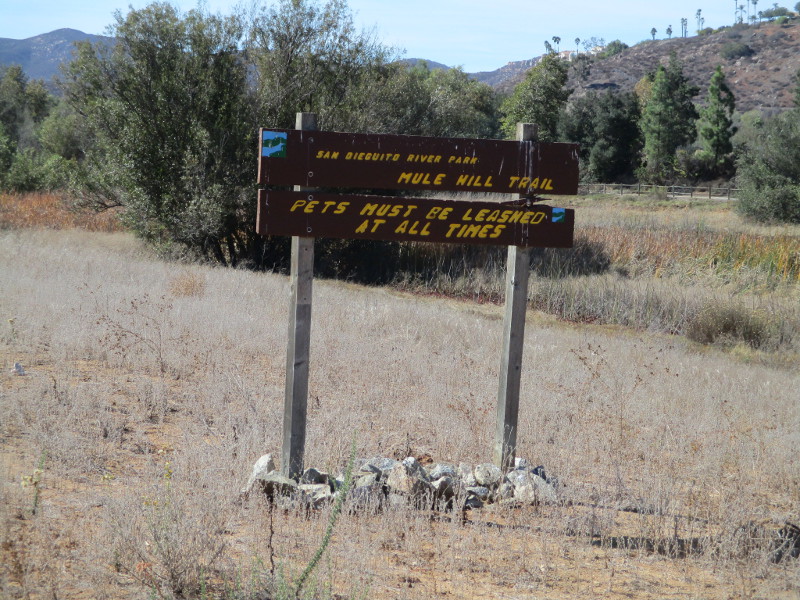
Walk down Mule Hill Trail at the south end of Escondido and you’ll find yourself stepping into history.
A while back I blogged about the forgotten town of Bernardo. A hundred years ago it was located in farmland near this trail, prior to the creation of Lake Hodges.
Down this same trail information signs mark the location of Mule Hill, where a skirmish took place during the Mexican-American War.
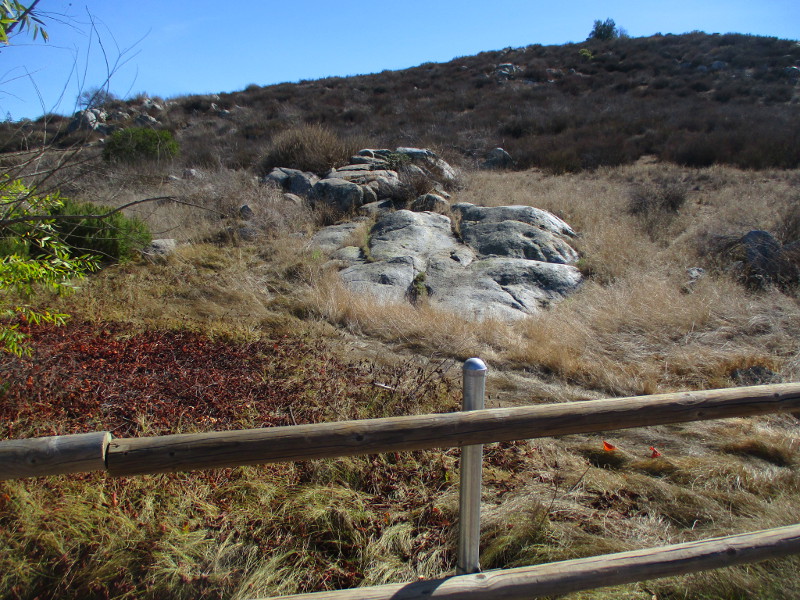
Seeking shelter among rocky outcroppings, General Kearny established a defensive position against pursuing Californios, as his U.S. Dragoons retreated toward San Diego after the Battle of San Pasqual.
The precise location of this skirmish was in debate for many years. Here are some interestingarticles.
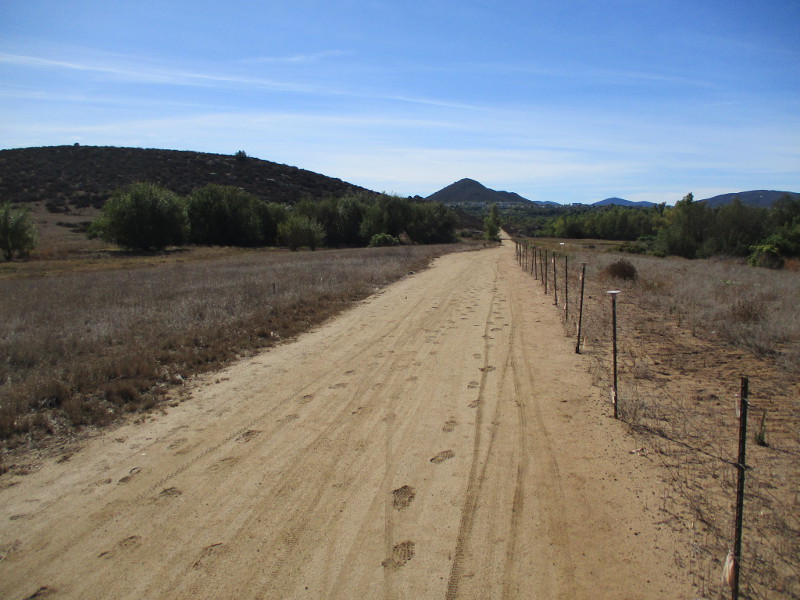
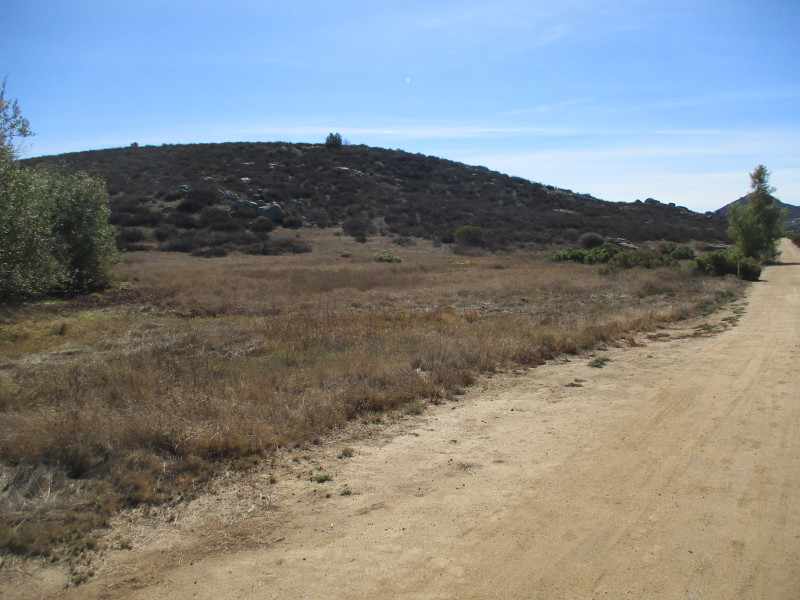
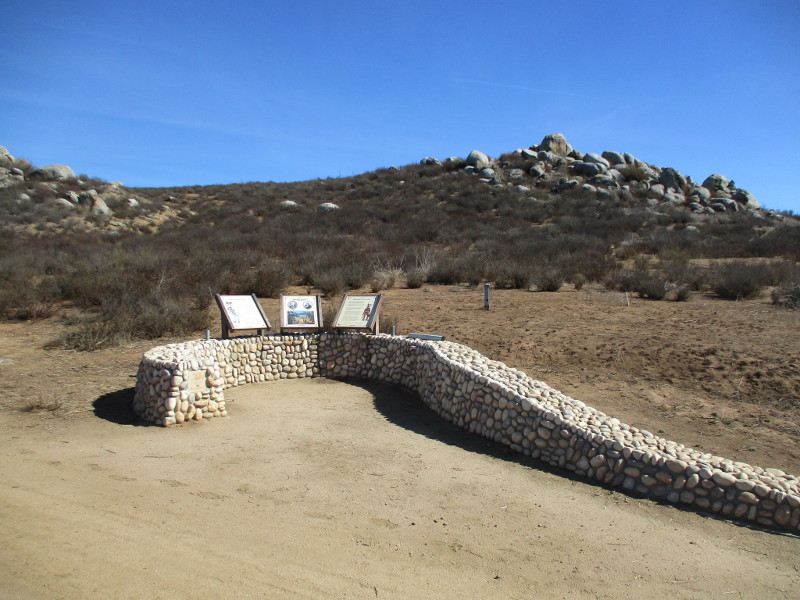
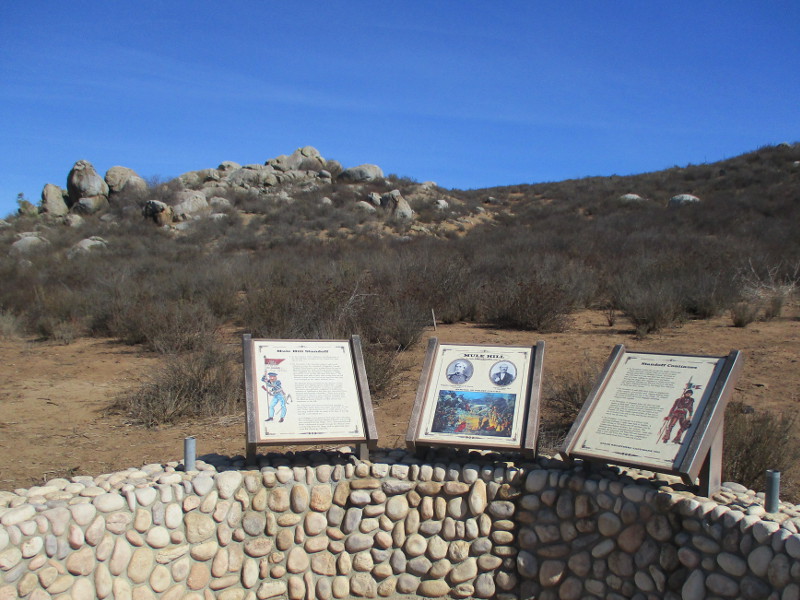
Today, after a short, easy walk south down Mule Hill Trail, you’ll see the outcroppings rising above several signs. You can find the wide dirt trail just east of Interstate 15, off Bear Valley Parkway, before Beethoven Drive.
Beginning south down Mule Hill Trail, part of the San Dieguito River Park.
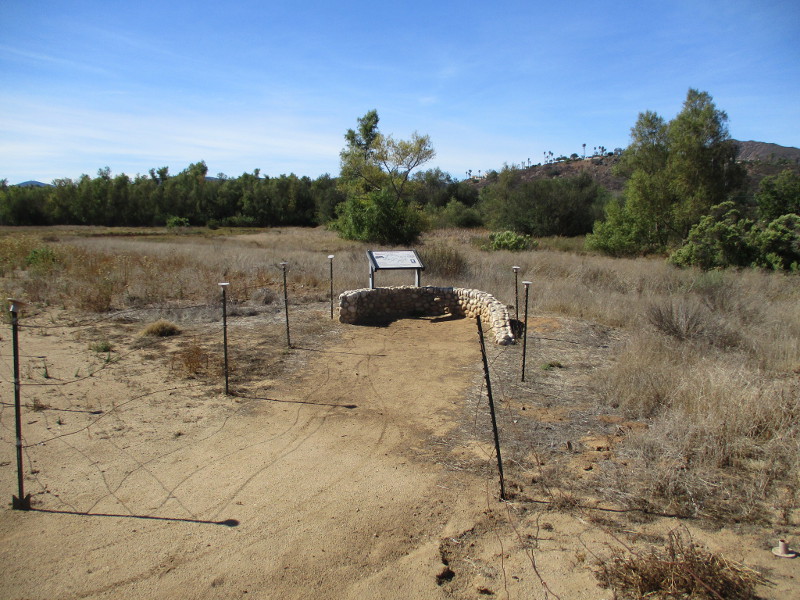
Off to the right near river trees, a solitary sign beckons.
Start of the Engagement, December 7, 1846
“Late in the evening, when we had arrived within about four hundred yards of the water where we intended to camp, they charged us, coming on in two bodies and compelling us to retreat to a pile of rocks about two hundred yards away on our left . . . ” source–Kit Carson’s Autobiography
Continuing our walk south. Jumbled boulders can be seen on the hill to our left.
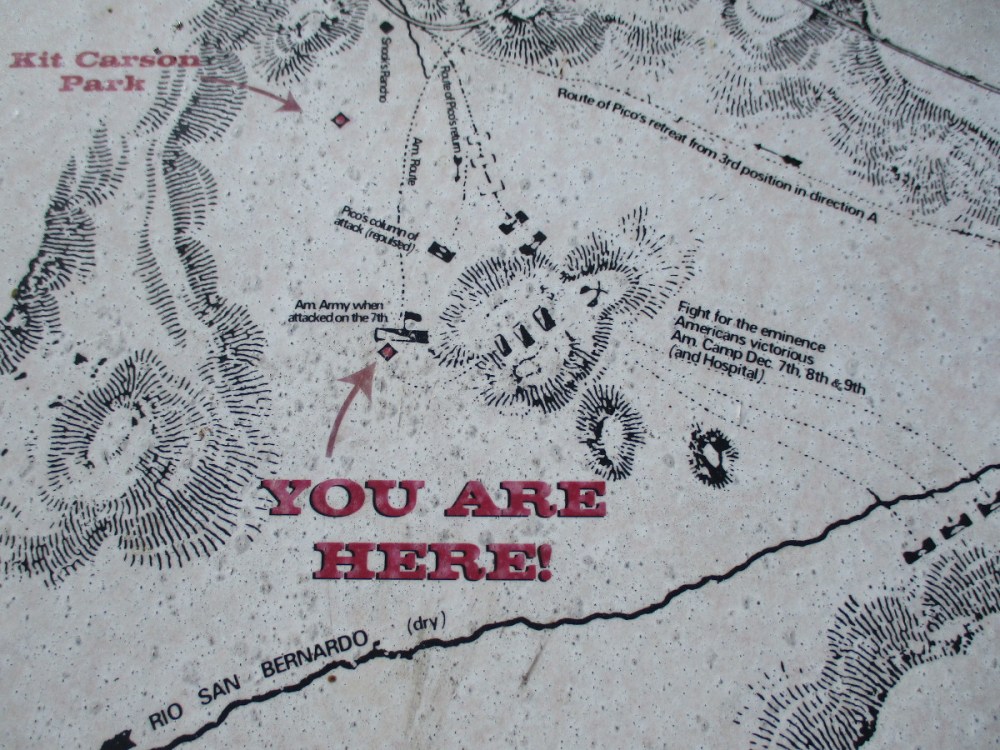
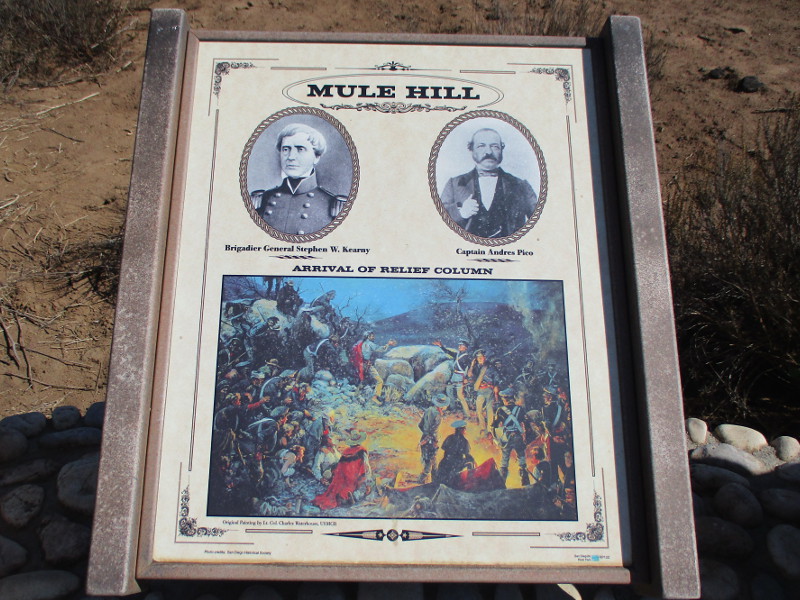
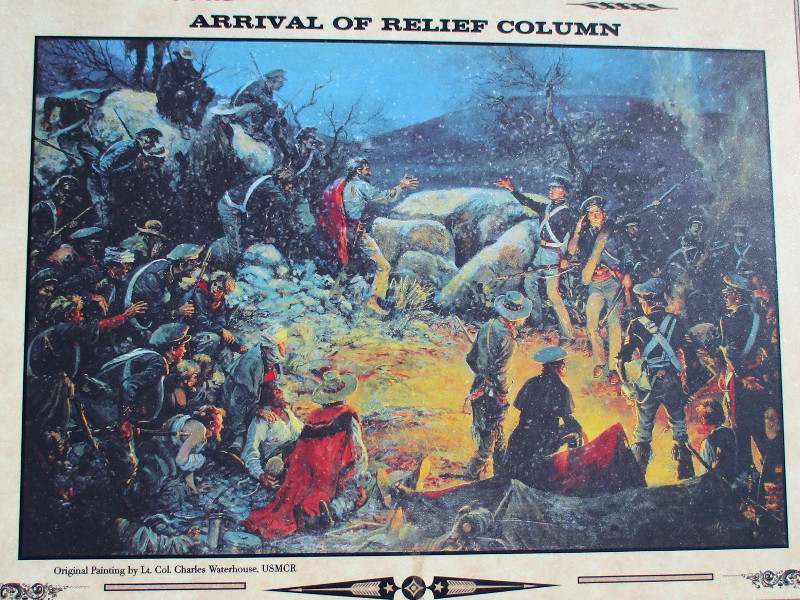
We’ve arrived at three signs near a pair of rock outcroppings that figure in the early history of San Diego. The signs explain what happened here at Mule Hill.
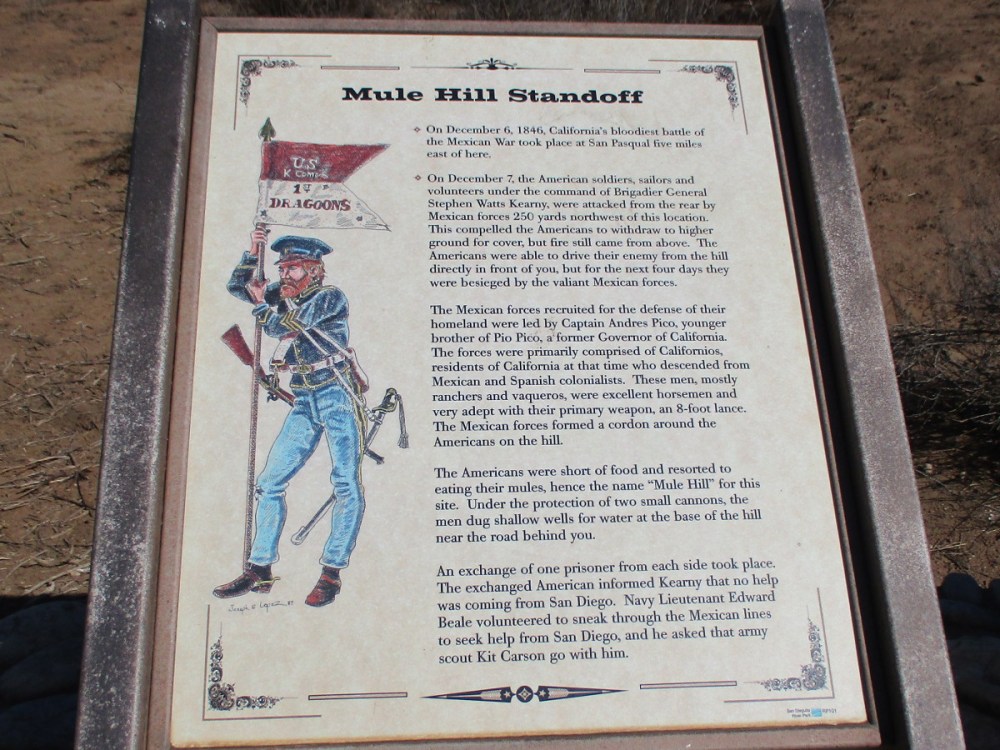
Mule Hill Standoff
On December 7, the American soldiers, sailors and volunteers under command of Brigadier General Stephen Watts Kearny, were attacked from the rear by Mexican forces 250 yards northwest of this location…
The Mexican forces recruited for the defense of their homeland were led by Captain Andres Pico . . . The forces were primarily comprised of Californios, residents of California at that time who descended from Mexican and Spanish colonialists…
The Americans were short of food and resorted to eating their mules, hence the name “Mule Hill” for this site…
…Navy Lieutenant Edward Beale volunteered to sneak through the Mexican lines to seek help from San Diego, and he asked that army scout Kit Carson go with him.
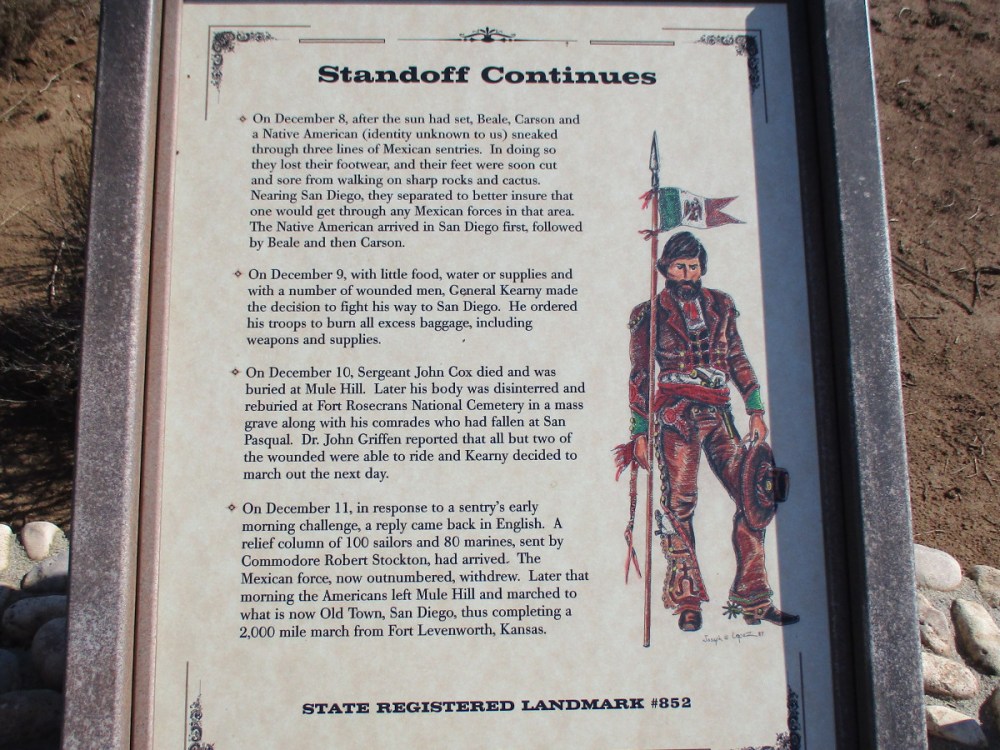
Standoff Continues
On December 8, after the sun had set, Beale, Carson and a Native American (identity unknown to us) sneaked through three lines of Mexican sentries…Nearing San Diego, they separated…The Native American arrived in San Diego first…
On December 9, with little food, water or supplies and a number of wounded men, General Kearny made the decision to fight his way to San Diego…
On December 10, Sergeant John Cox died and was buried at Mule Hill…
On December 11… A relief column of 100 sailors and 80 marines, sent by Commodore Robert Stockton, had arrived. The Mexican force, now outnumbered, withdrew. Later that morning the Americans left Mule Hill and marched to what is now Old Town, San Diego, thus completing a 2,000 mile march from Fort Leavenworth, Kansas.
…
Thanks for visiting Cool San Diego Sights!
I post new blogs pretty often. If you like discovering new things, bookmark coolsandiegosights.com and swing on by occasionally!
I live in downtown San Diego and love to walk around with my camera! You can follow Cool San Diego Sights via Facebook or Twitter!
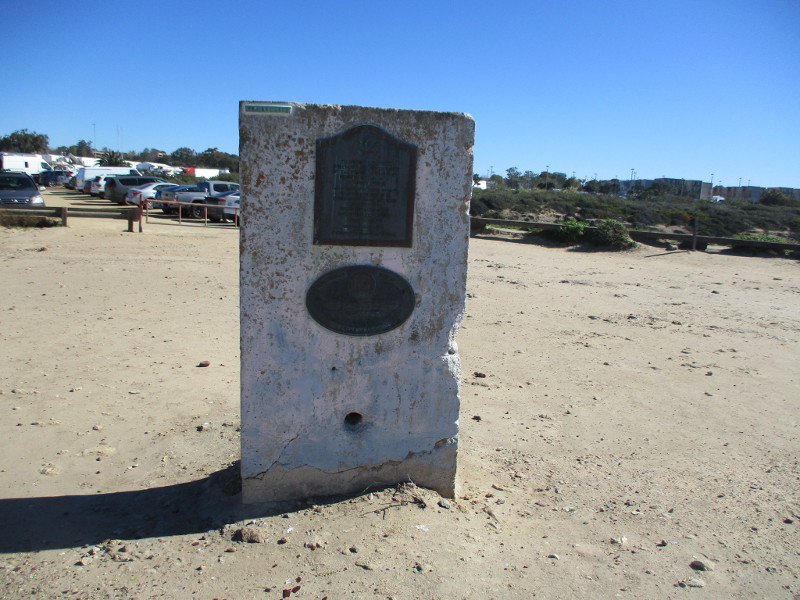
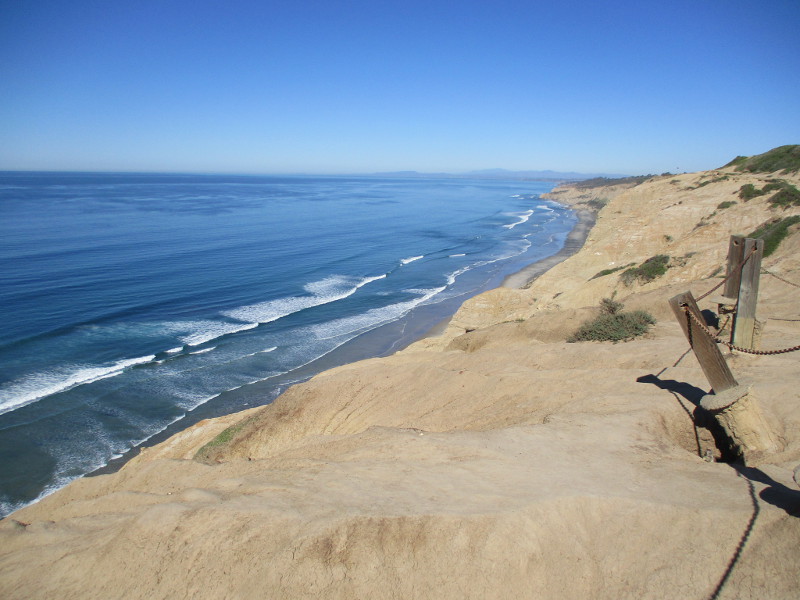
An old historical marker at the Torrey Pines Gliderport honors the pioneering glider pilots who were the first to launch themselves into the sky here.
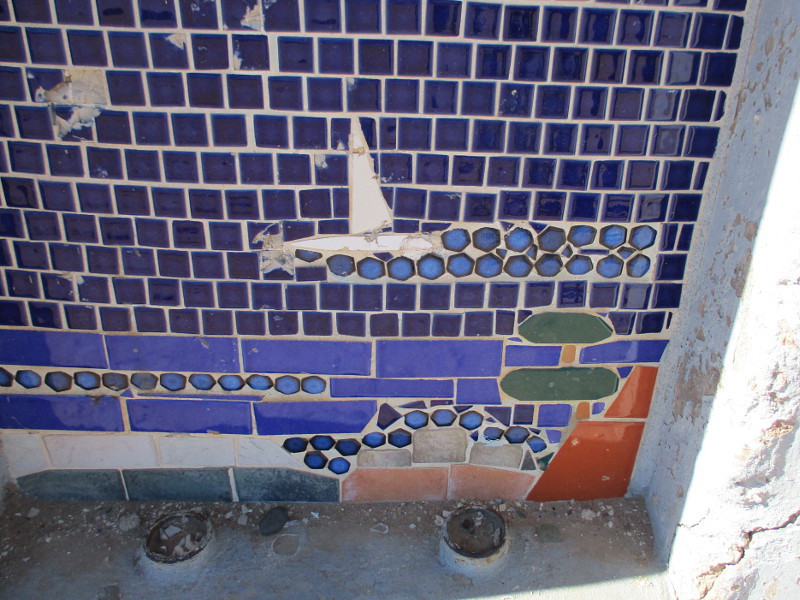
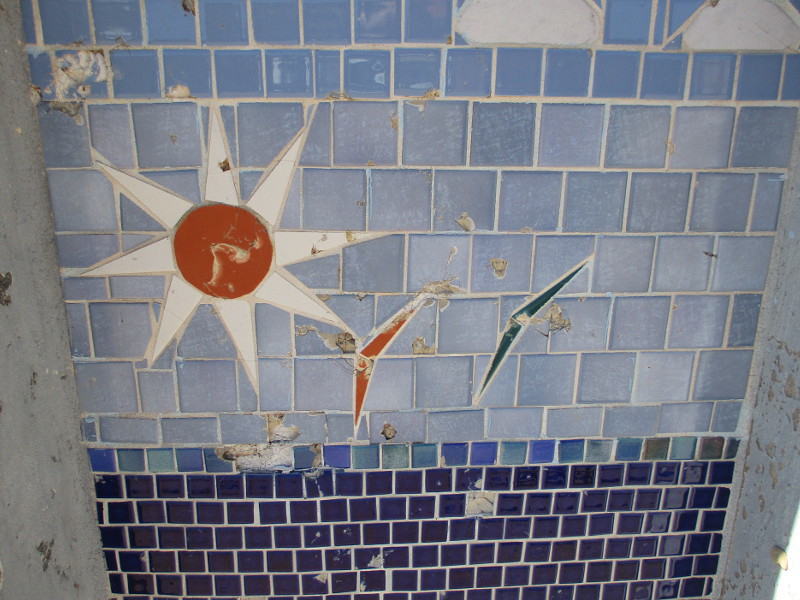
The side of the marker that faces the ocean features two bronze plaques. The opposite, facing the Gliderport’s parking lot, was made beautiful with a colorful tile mosaic. The 30-year-old abstract artwork depicts green trees atop the bluffs, sun, water, a sailboat and gliders in the blue sky.
TO HONOR THE SPIRIT, INGENUITY AND ENTHUSIASM OF THE PIONEERS WHO FLEW GLIDERS IN THE 1930’S AT TORREY PINES
AND TO THE FUTURE PILOTS WHO WILL SHARE THIS GLIDERPORT AND CONTINUE THIS TRADITION THROUGH ALL FORMS OF MOTORLESS FLIGHT
JUNE 6, 1992
THE NATIONAL SOARING MUSEUM
HARRIS HILL, ELMIRA, N.Y.
AN AFFILIATE OF THE SOARING SOCIETY OF AMERICA
HISTORICAL SITE NO. 315
THE TORREY PINES GLIDERPORT
THE CITY OF SAN DIEGO
Here’s a fascinating web page of the National Soaring Museum that concerns the Torrey Pines Gliderport. You can see some old photographs. The site is designated the museum’s Landmark No. 5.
I posted a blog concerning the Torrey Pines Gliderport many years ago. If you are curious, you can check that out by clicking here!
…
Thanks for visiting Cool San Diego Sights!
I post new blogs pretty often. If you like discovering new things, bookmark coolsandiegosights.com and swing on by occasionally!
I live in downtown San Diego and love to walk around with my camera! You can follow Cool San Diego Sights via Facebook or Twitter!
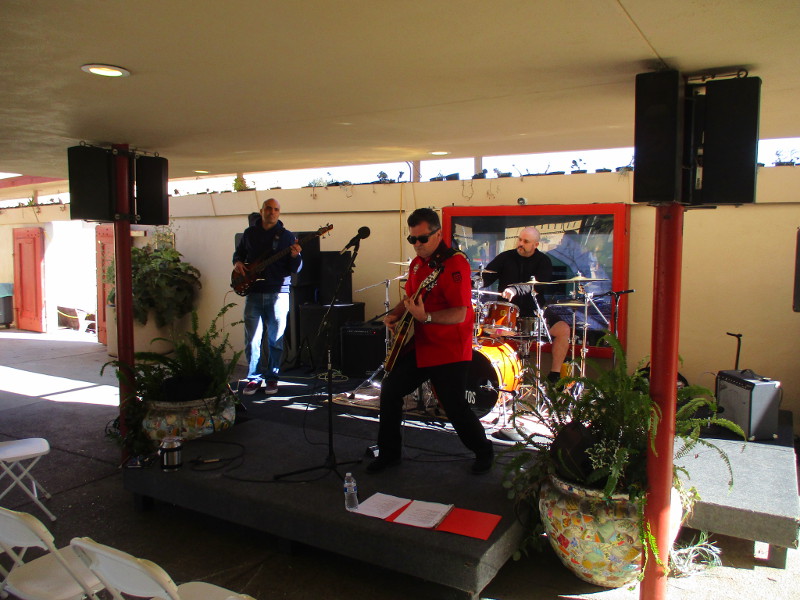
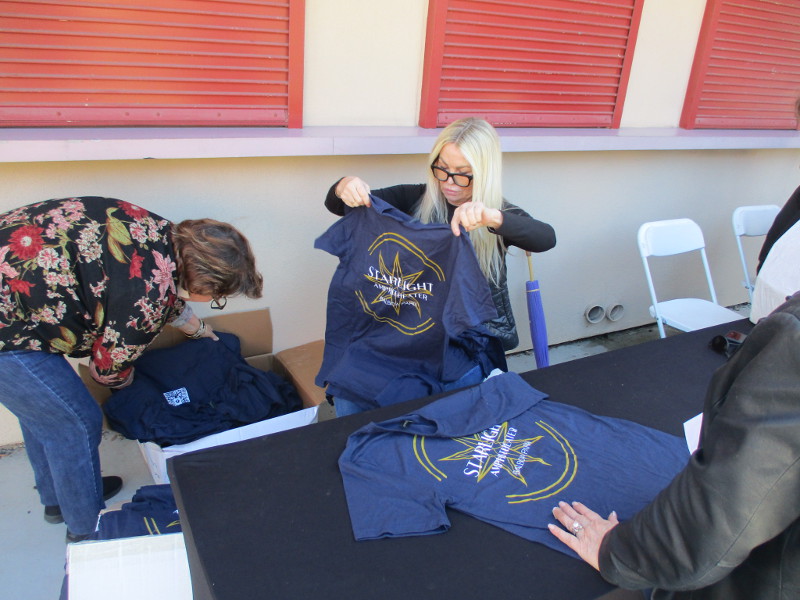
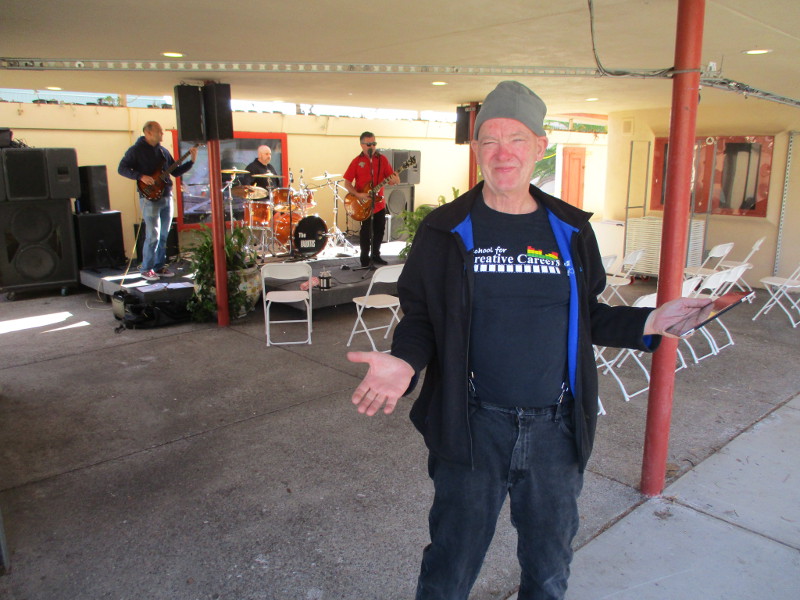
A cool pop-up concert was held today in Balboa Park. Live rock and roll music, played inside the entrance to the historic Starlight Bowl, attracted people like a magnet. The purpose of the concert was to help Save Starlight!
They’re the folks who’ve been working tirelessly for years to reactivate San Diego’s beloved old Starlight Bowl. Perhaps you have memories of performances in the outdoor amphitheater when it was active many years ago.
I’ve learned Save Starlight just needs a long-term lease from the city to get events at the venue started! They need you to raise your voice in support!
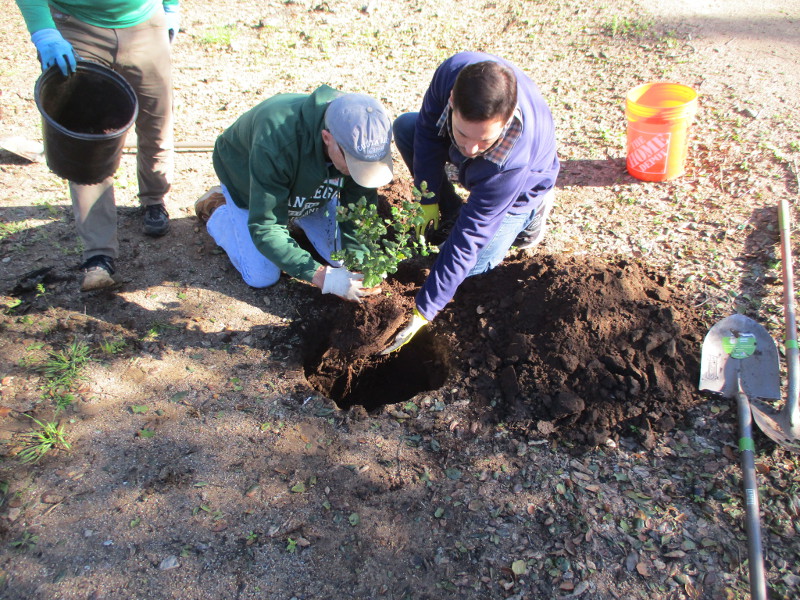
Twenty five new oak trees were planted today in a very special place in Balboa Park!
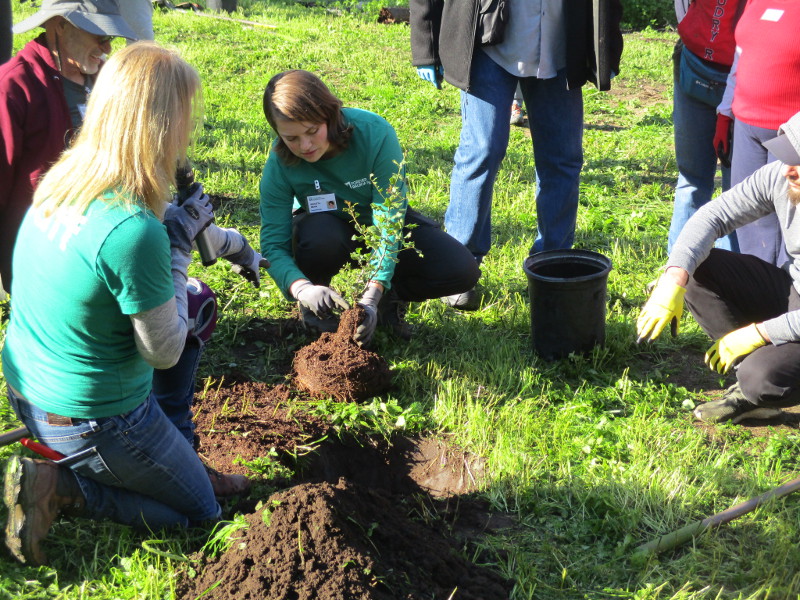
Forever Balboa Park, trained Tree Stewards and dozens of volunteers gathered in the USS Bennington Memorial Oak Grove to revitalize a historically important area of the park that’s a bit off the beaten path.
Perhaps you’ve driven down 26th Street from Golden Hill toward Naval Medical Center San Diego and seen many old oak trees off to your left. Those live oaks were planted in 1905 to memorialize 66 sailors who died in San Diego Bay when the boiler of the USS Bennington exploded.
As these coast live oaks have aged, some have died or approached the end of their life. Planting small new oak trees infuses new life and meaning into this truly special urban forest.
Walking along, camera in hand, I got “volunteered” to help plant three of the twenty five trees! Cool thing is, when I walk this way again, I’ll know that I and others have tangibly touched the future with these living trees. They will be growing more beautiful long after I’m gone.
If you’d like to become a volunteer Garden Steward or Tree Steward in beautiful Balboa Park, click here!
Before the planting of new trees, Kathleen Winchester tells everyone the history of the USS Bennington Memorial Oak Grove.Some of the spots where new coast live oaks will be planted.Everyone learned the proper way to plant a tree so that it thrives.Here’s a tree my group planted.Using the shovel to make sure the tree is planted at the correct depth.
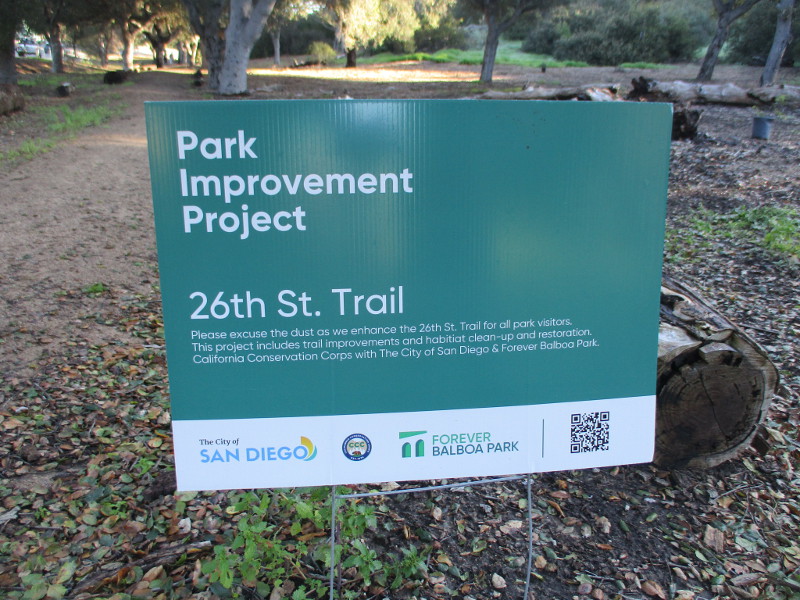
The planting of these 25 live oak trees in Balboa Park was the final phase of the 26th Street Trail park improvement project.
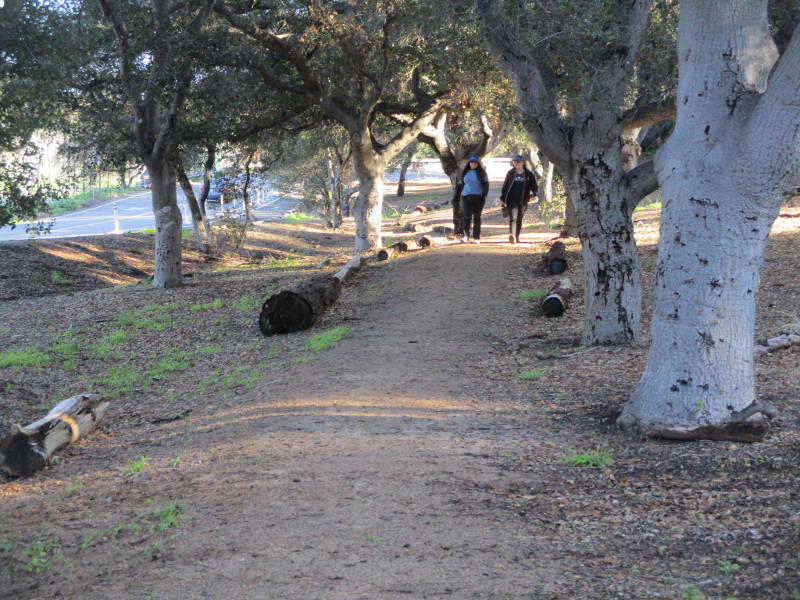
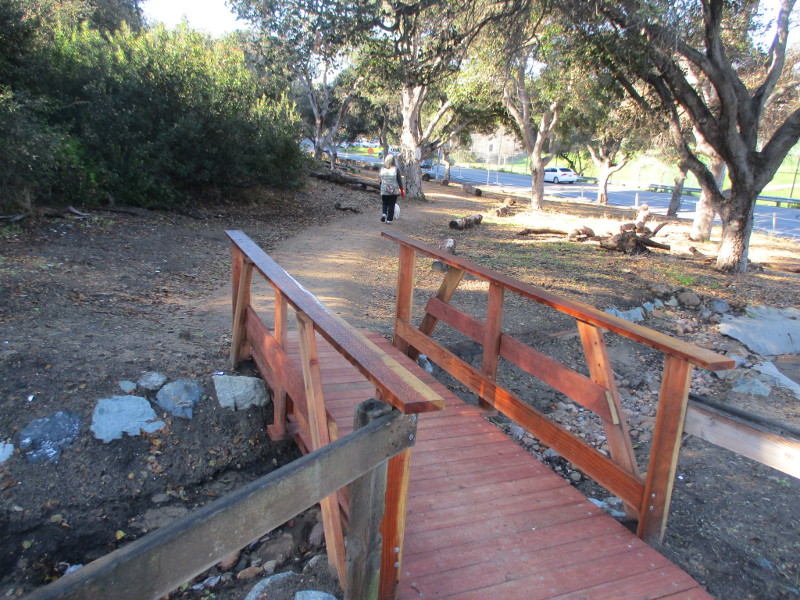
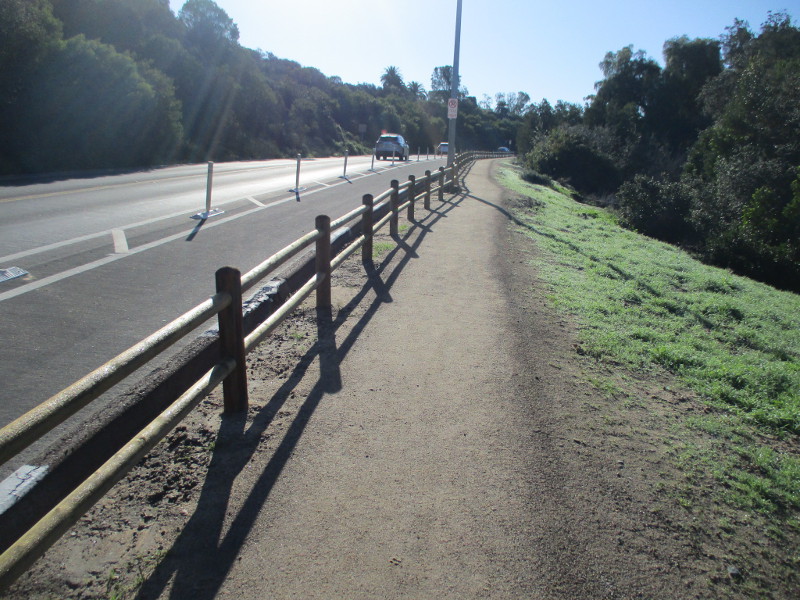
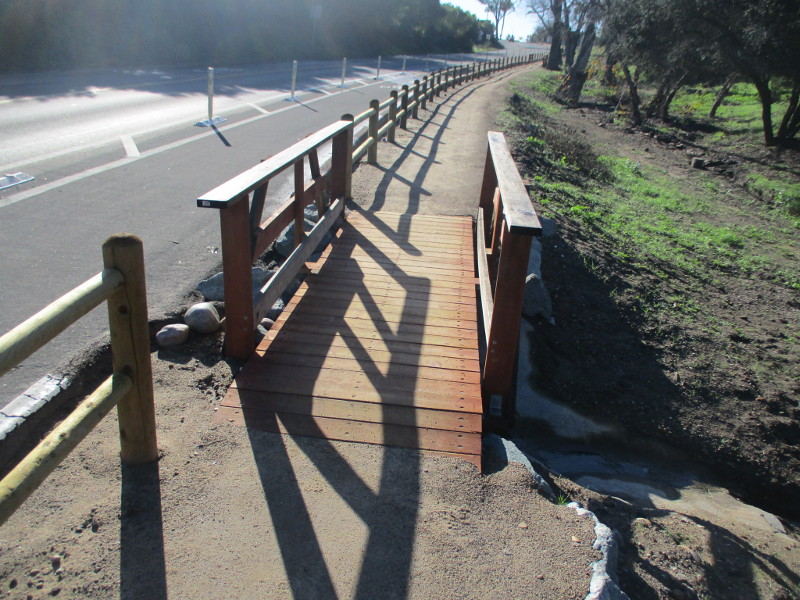
Last year members of the California Conservation Corps greatly improved the trail that leads up 26th Street to Golden Hill Park. The path, badly eroded in many places, was replaced with decomposed granite, and three new footbridges were built!
I walked up the trail to take some photos…
Lastly, thanks again to the Boy Scouts and sailors of the USS Theodore Roosevelt who made their mark improving and beautifying the oak grove five years ago. If you’d like to see what they did, click here!
…
Thanks for visiting Cool San Diego Sights!
I post new blogs pretty often. If you like discovering new things, bookmark coolsandiegosights.com and swing on by occasionally!
I live in downtown San Diego and love to walk around with my camera! You can follow Cool San Diego Sights via Facebook or Twitter!
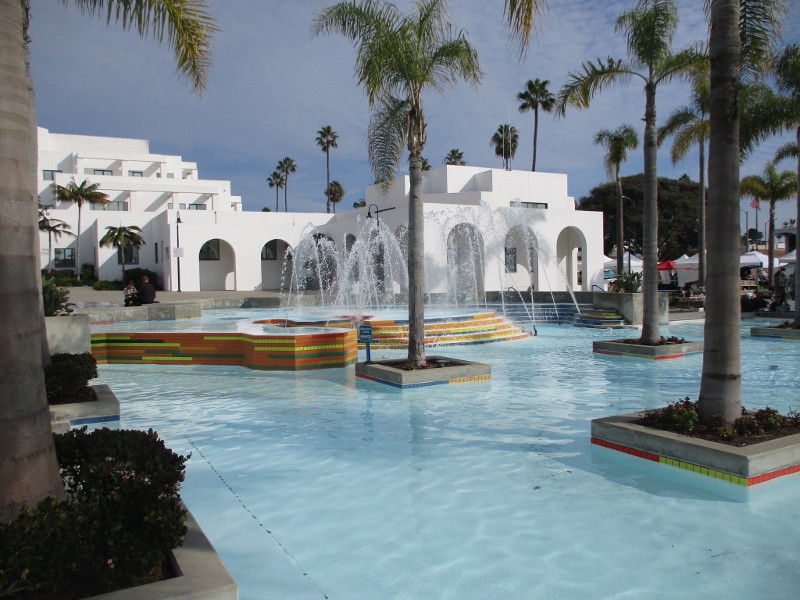
The beautiful fountain splashing in the Oceanside Civic Center plaza has special symbolism that is revealed on a nearby plaque. The plaque, commemorating Andrew Jackson Myers, founder of Oceanside, can be found on a wall just north of the fountain, near the entrance to the Civic Center library.
As the plaque explains, not only was Andrew Jackson Myers the founder of Oceanside, but he created the Oceanside Water Company, critical to the city’s early development. And the fountain where water flows and splashes is the site of his homestead!
The colorful tiles leading down to the fountain represent the San Luis Rey River, which was the original source of Oceanside’s water supply.
(Here’s a great article concerning Oceanside’s water history.)
…
Thanks for visiting Cool San Diego Sights!
I post new blogs pretty often. If you like discovering new things, bookmark coolsandiegosights.com and swing on by occasionally!
I live in downtown San Diego and love to walk around with my camera! You can follow Cool San Diego Sights via Facebook or Twitter!
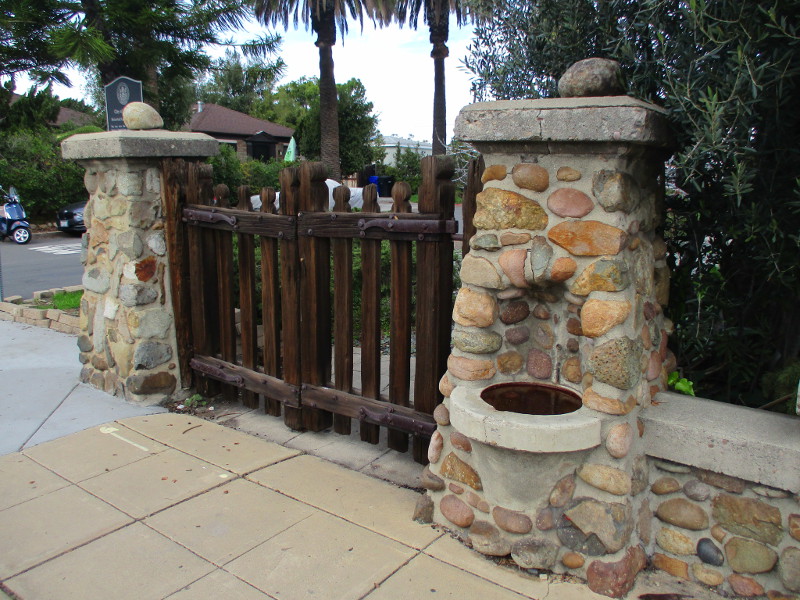
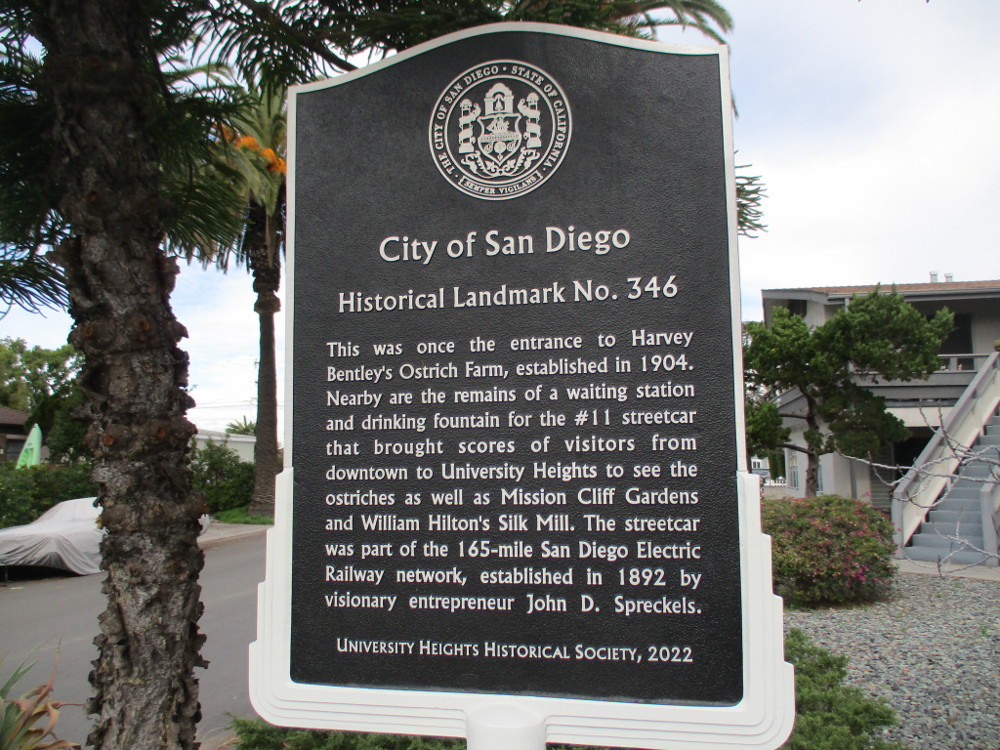
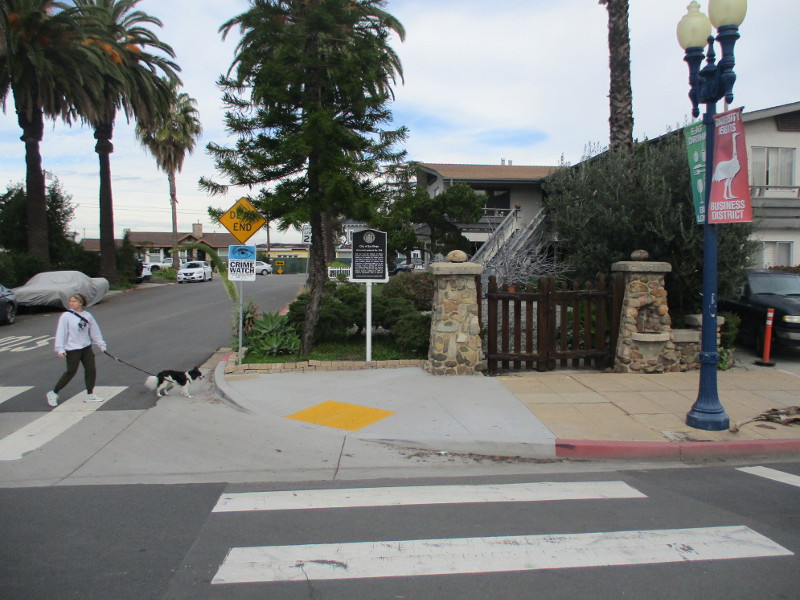
In 2022, the University Heights Historical Society placed a historical marker at the intersection of Park Boulevard and Adams Avenue. The sign stands near the remains of the entrance to the long-vanished Harvey Bentley’s Ostrich Farm!
The City of San Diego describes Historical Landmark No. 346 as: Mission Cliff Gardens Cobblestone Wall and Related Features.
One can see similar stone posts a couple blocks to the east at Trolley Barn Park. Cobblestones structures (and images of ostriches) are frequently seen throughout University Heights!
The sign explains:
This was once the entrance to Harvey Bentley’s Ostrich Farm, established in 1904. Nearby are the remains of a waiting station and drinking fountain for the #11 streetcar that brought scores of visitors from downtown to University Heights to see the ostriches as well as Mission Cliff Gardens and William Hilton’s Silk Mill. The streetcar was part of the 165-mile San Diego Electric Railway network, established in 1892 by visionary entrepreneur John D. Spreckels.
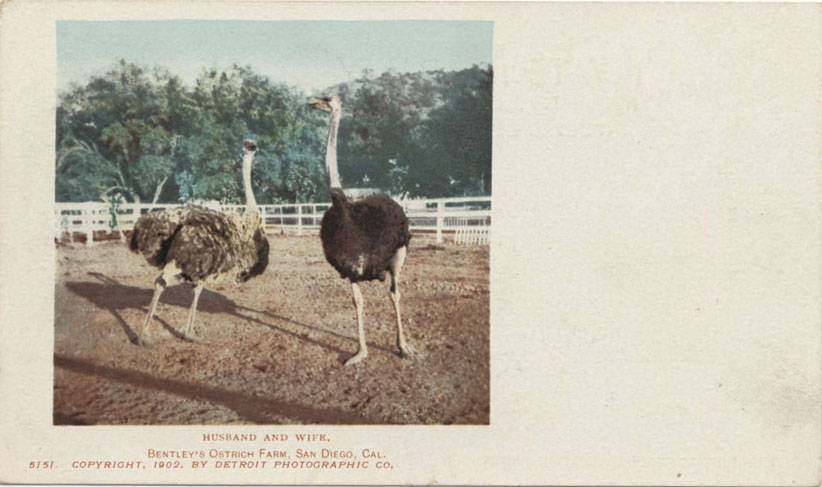
Here are two public domain images of the ostrich farm…
Just for fun, I photographed an ostrich painted at Yipao Coffee, a short distance south on Park Boulevard…
…
Thanks for visiting Cool San Diego Sights!
I post new blogs pretty often. If you like discovering new things, bookmark coolsandiegosights.com and swing on by occasionally!
I live in downtown San Diego and love to walk around with my camera! You can follow Cool San Diego Sights via Facebook or Twitter!






















 Cool San Diego Sights!