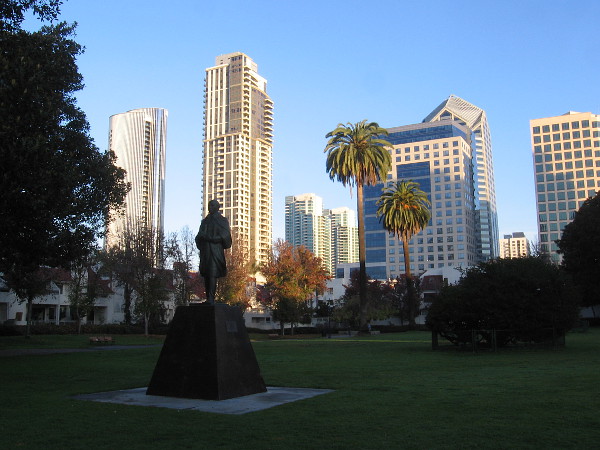
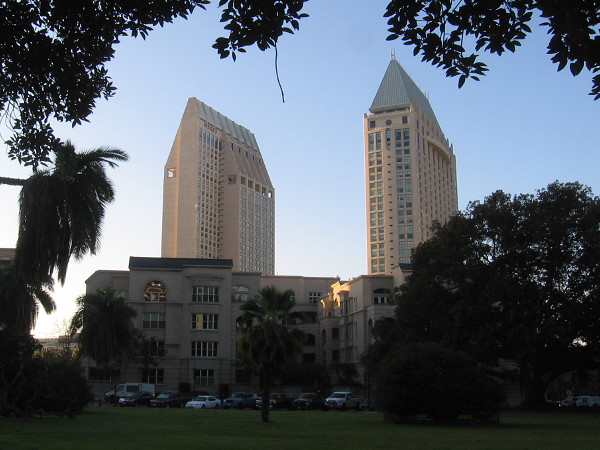
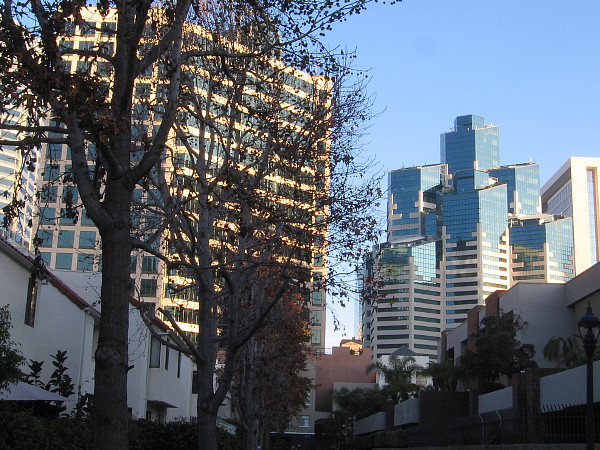
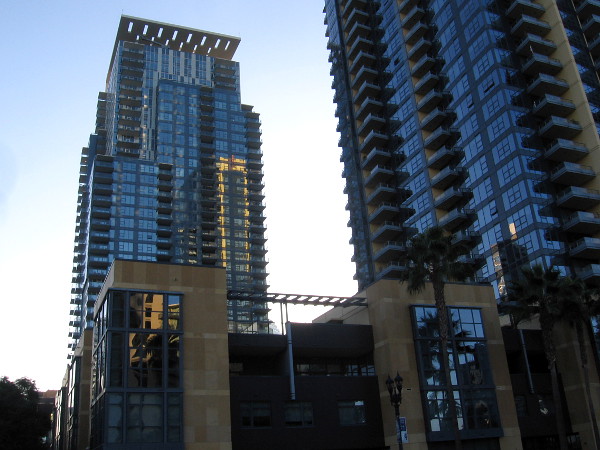
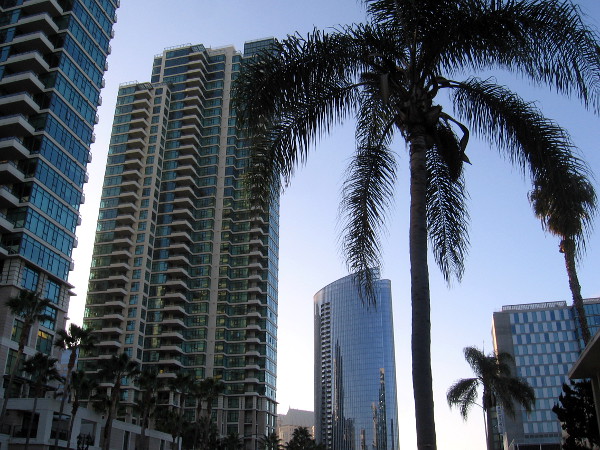
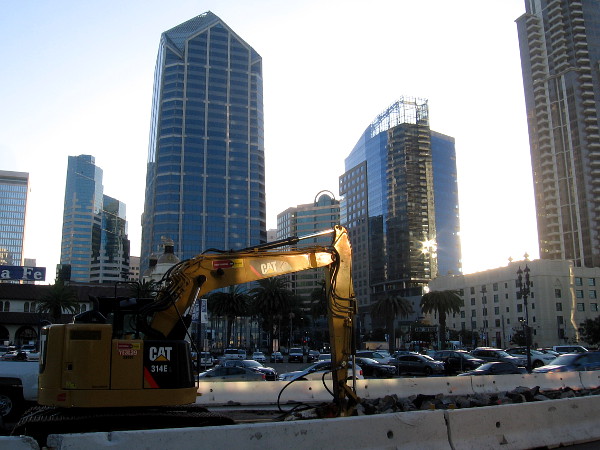
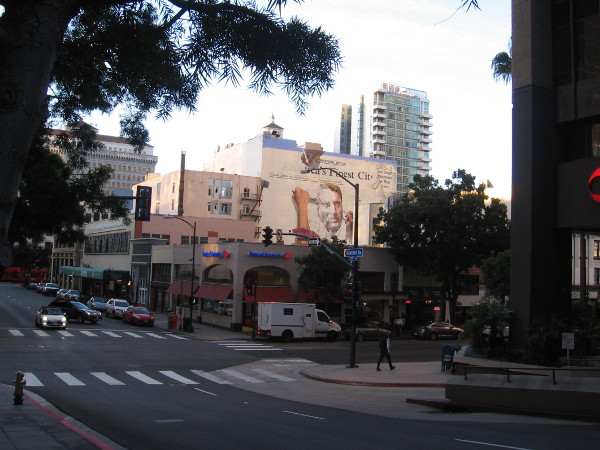
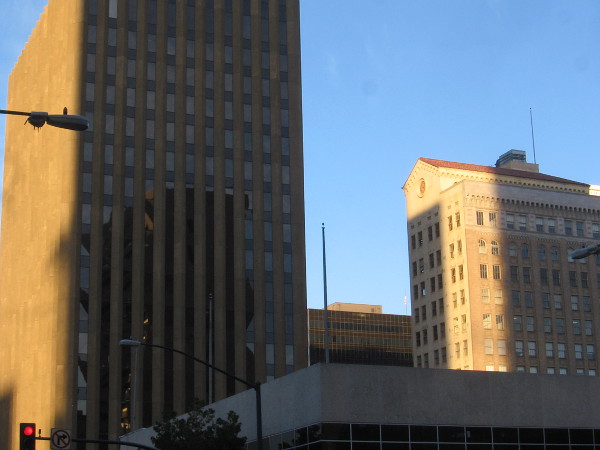
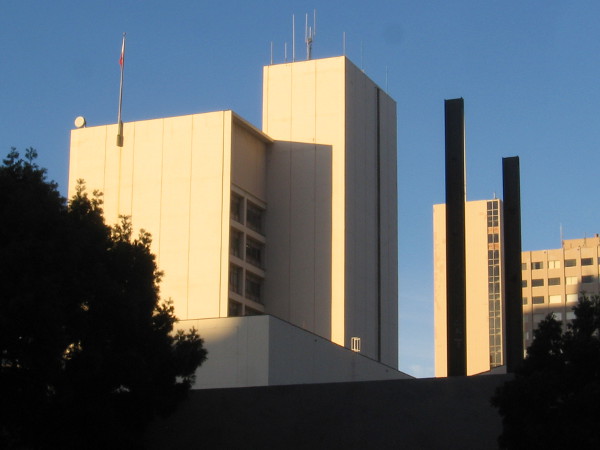
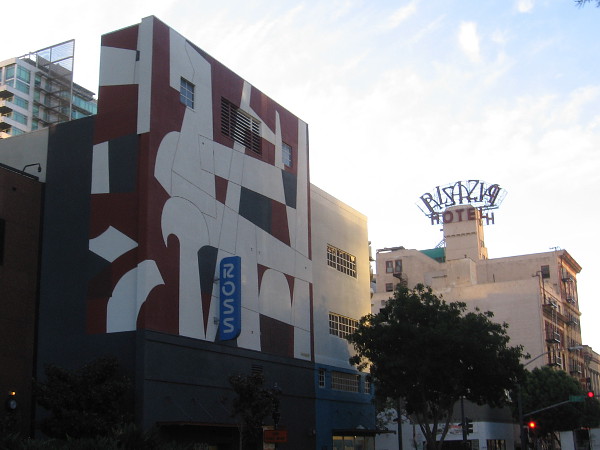
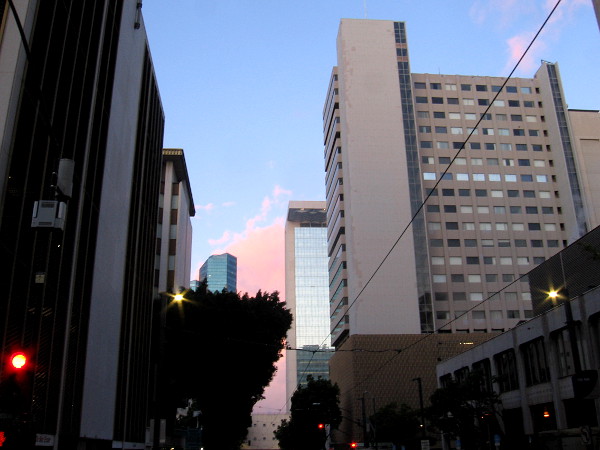
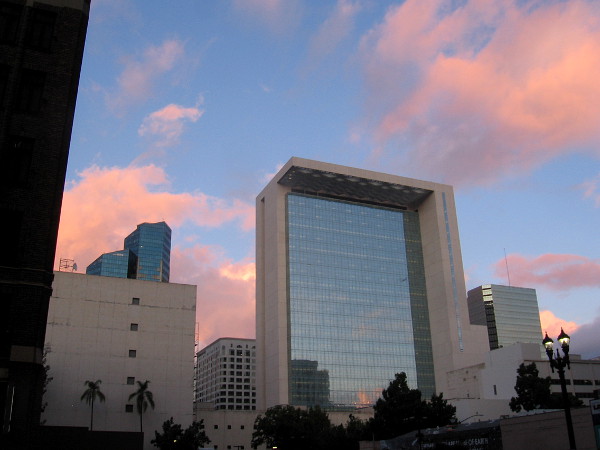
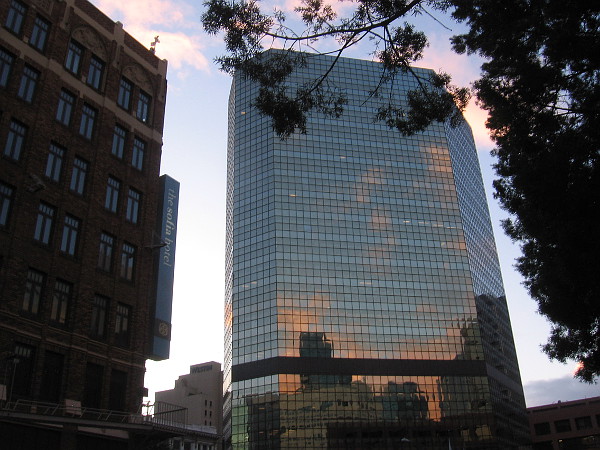
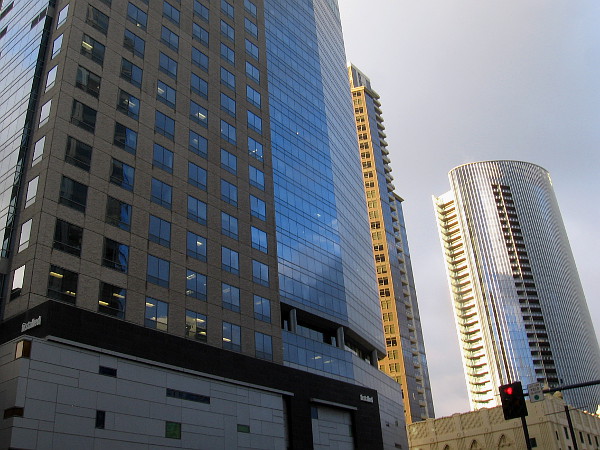
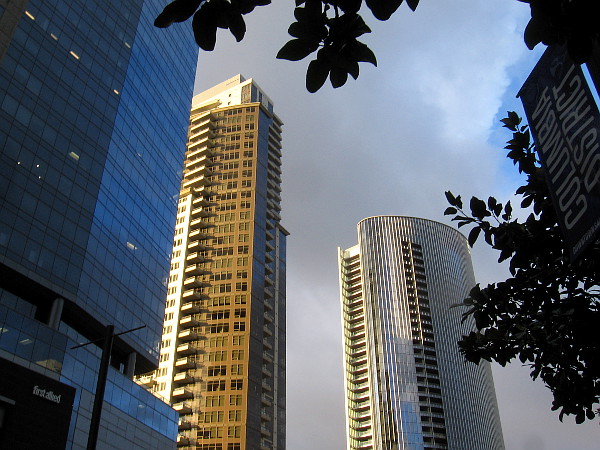
On a clear morning, viewed from Pantoja Park, many of the highest buildings in downtown San Diego shine brightly. Particularly those that rise north and northwest of the park.
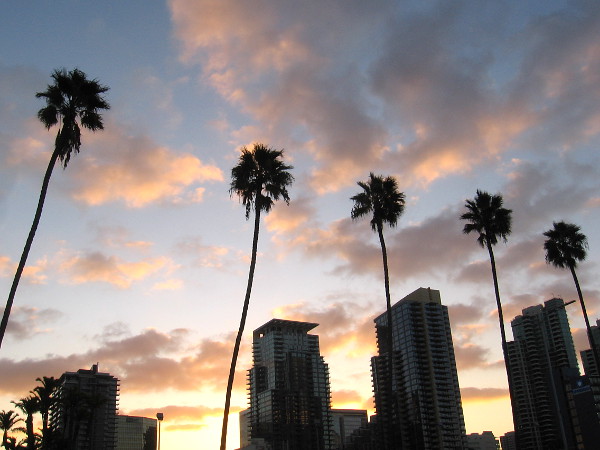
These photos that I took today provide a glimpse.
If you’d like to learn a little more about Pantoja Park and its statue of Benito Juarez, a gift from the Mexican government, you can visit one of my earlier blog posts here.
…
I live in downtown San Diego and love to walk around with my camera! You can follow Cool San Diego Sights via Facebook or Twitter!
This chilly January morning I enjoyed a brisk walk. I brought out my camera when it was light enough for good photographs.
Come follow me from the County Administration Building north along San Diego Bay for a short distance. After returning back south, we’ll turn away from the water and head east on Ash Street, turn south on Pacific Highway, and end up near Broadway.
This morning the sky quickly turned blue after sunrise.
…
I live in downtown San Diego and love to walk around with my camera! You can follow Cool San Diego Sights via Facebook or Twitter!
Today I learned a big change might be coming to downtown San Diego’s historic Santa Fe Depot!
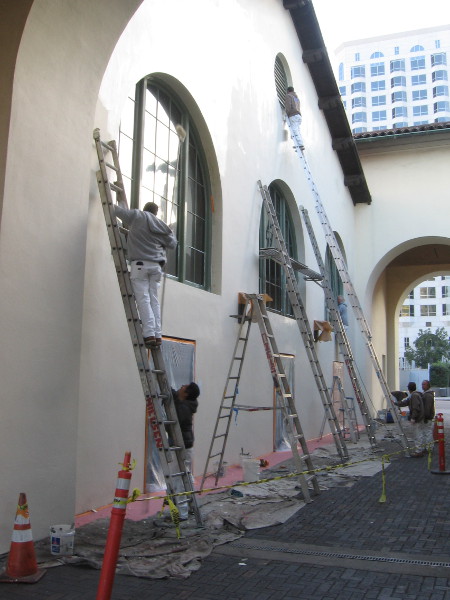
This morning, after noticing the building’s exterior is getting a new paint job, I spoke to a gentleman outside the Amtrak office and asked if he knew whether the new owner still plans to renovate the building. I was interested to hear that there are still plans for a major renovation of the building, including the opening up of an interior stairwell that will lead to a small new hotel and shops on the depot’s second floor!
I asked if there were plans to develop the depot’s old forecourt by Broadway, where there are tile benches and a broken fountain, and where streetcars picked up passengers arriving by train a century ago–but he knew nothing concerning that.
He and I agreed that it would be a amazing if the large Santa Fe sign atop the historic depot were finally lit up at night, adding more character to San Diego’s skyline. I’d heard a couple years ago during an architectural tour of the Santa Fe Depot that lighting the sign was a project that might lie in the future.
Very cool!
…
I live in downtown San Diego and love to walk around with my camera! You can follow Cool San Diego Sights via Facebook or Twitter!
Ford Building, 1934, Digital reproduction of a photograph by Julius Shulman. The first known photo by Shulman in San Diego County.
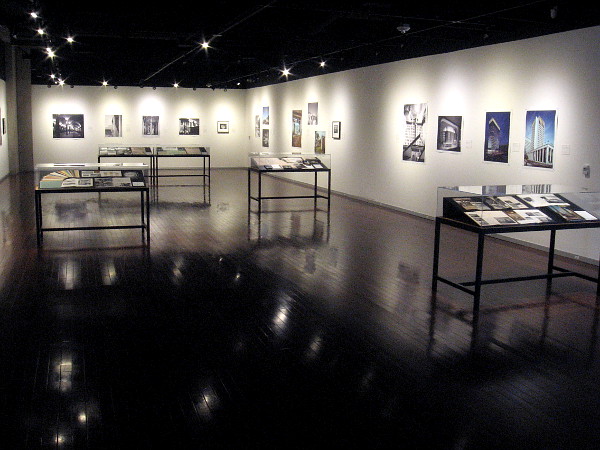
Today I headed to the San Diego Central Library Art Gallery to view some amazing photographs. Many images captured by famous architectural photographer Julius Shulman are on display free to the public for a couple more weeks. The exhibition, which concludes on January 19, 2020, is titled Julius Shulman: Modern San Diego.
Julius Shulman’s renowned work spans seven decades, from 1934 to 2007. He is best known for his photography in Los Angeles and Palm Springs, but he did photograph a variety of projects in San Diego. He worked mostly for architects and publishers, and his images have appeared in many leading magazines.
I was interested to see photos of historic buildings that no longer exist, and other iconic buildings that I often pass during my walks.
Those who are fascinated by San Diego’s history and architecture should head to the 9th floor of the Central Library to experience this exhibition. Shulman had a discerning eye, capturing the lines, depth and essence of the structures he photographed. The dozens of images you’ll encounter are not only brilliant, but they will help you to travel back in time and see San Diego in a whole new light.
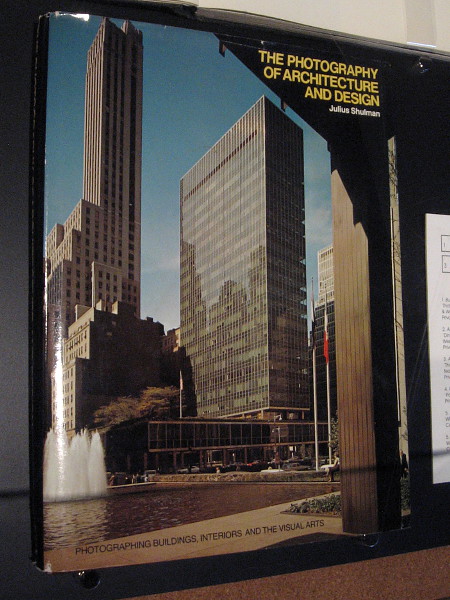
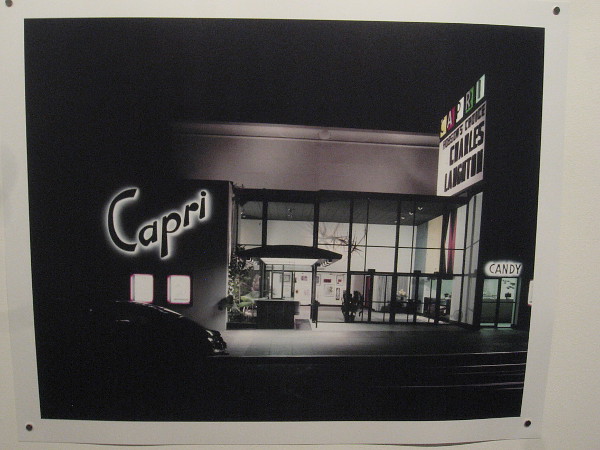
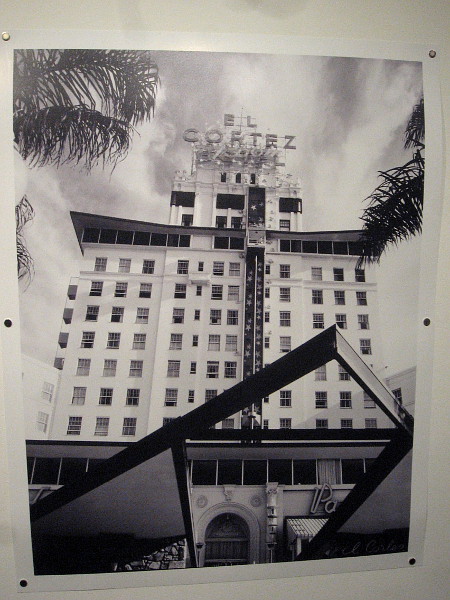
An exhibition of important architectural photographs, titled Julius Shulman: Modern San Diego, at the San Diego Central Library Art Gallery.Shulman began as an amateur photographer using a Vest Pocket Kodak. His eventual career in architectural photography would span seven decades.Cover of The Photography of Architecture and Design, by Julius Shulman.Capri Theater, 1954, Digital reproduction of photograph by Julius Shulman. Architecture by Frank Guys. The building, at Park Boulevard and Essex Street, was demolished in 2003.El Cortez Hotel, 1957, Digital reproduction of photograph by Julius Shulman. The 1956 building remodel added the world’s first outdoor glass elevator–the Starlite Roof Express.San Diego State College, 1968, Digital reproduction of photograph by Julius Shulman. Architecture by Mosher and Drew. Interior of Aztec Center, which was demolished in 2011.
…
I live in downtown San Diego and love to walk around with my camera! You can follow Cool San Diego Sights via Facebook or Twitter!
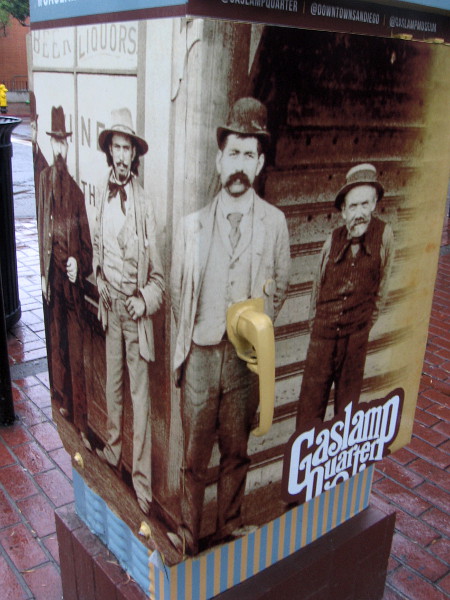
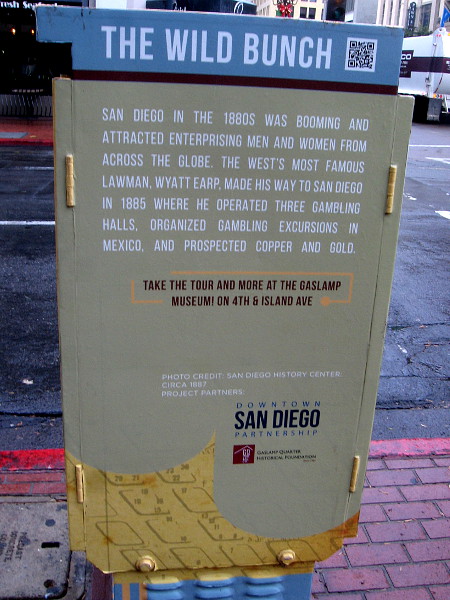
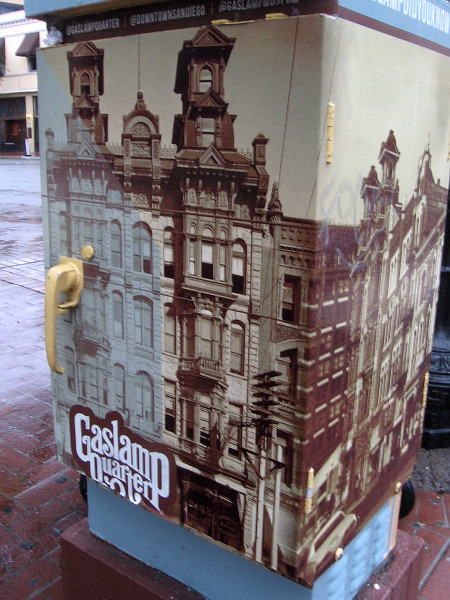
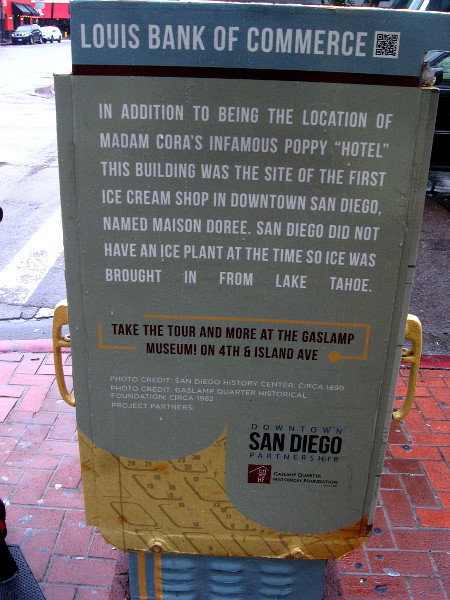
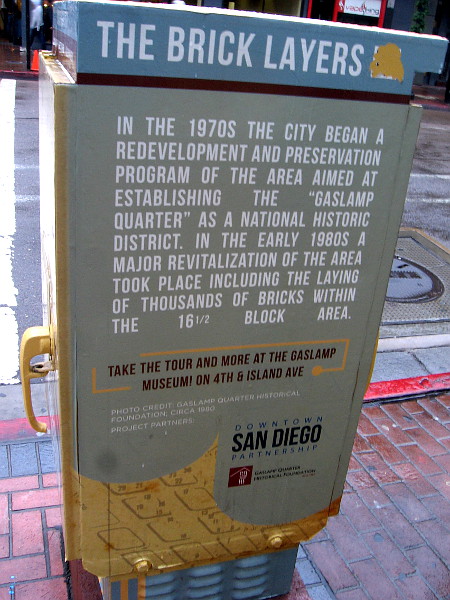
Should you walk down Fifth Avenue through the Gaslamp Quarter, you might notice electrical boxes on street corners that feature photos from San Diego history. I believe these graphics debuted a few months ago.
The San Diego History Center and Gaslamp Quarter Historical Foundation have furnished old photos and bits of fascinating information for curious people passing down the sidewalk.
In 1885 Wyatt Earp came to San Diego, where he operated three gambling halls, organized gambling excursions in Mexico, and prospected copper and gold.
The Louis Bank of Commerce building was the location of Madam Cora’s infamous Golden Poppy Hotel. It was also San Diego’s first downtown ice cream shop.
The Old City Hall building housed police headquarters. The Gaslamp during much of its early history was a red-light district known as the Stingaree.
The Yuma Building was one of downtown San Diego’s first brick structures. The bottom floor contains the only original interior from the 1880’s in the Gaslamp Quarter.
In the 1970’s a redevelopment and preservation program began aimed at establishing the historic Gaslamp Quarter.
…
I live in downtown San Diego and love to walk around with my camera! You can follow Cool San Diego Sights via Facebook or Twitter!
You can easily explore Cool San Diego Sights by using the search box on my blog’s sidebar. Or click a tag! There are thousands upon thousands of photos for you to enjoy!
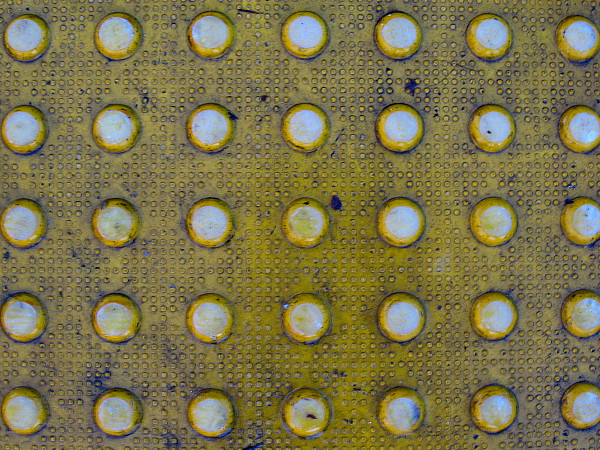
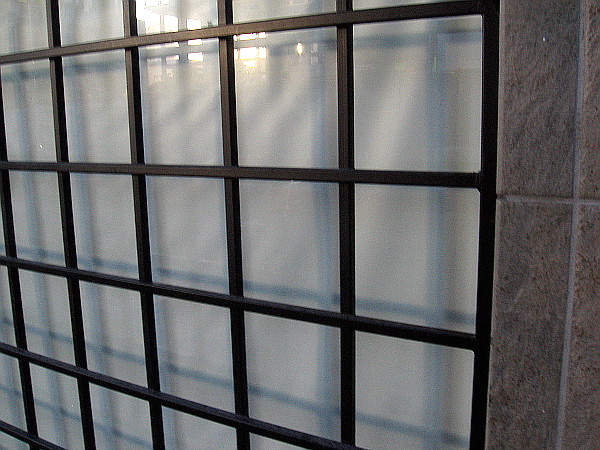
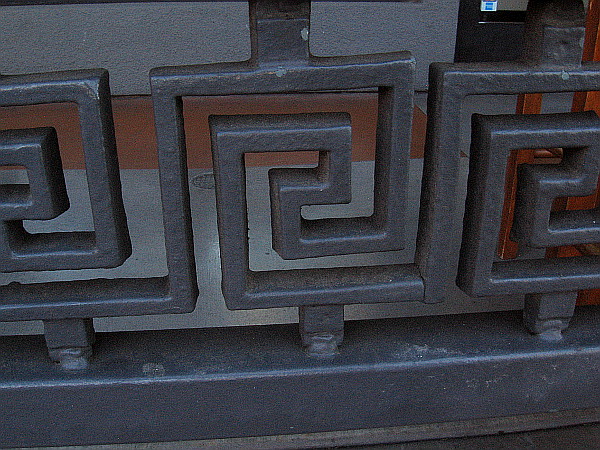
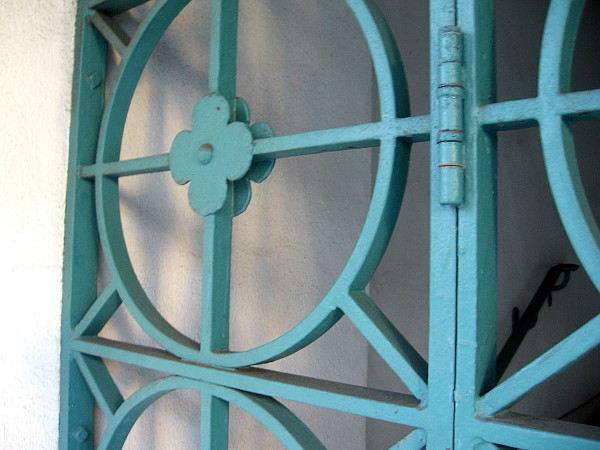
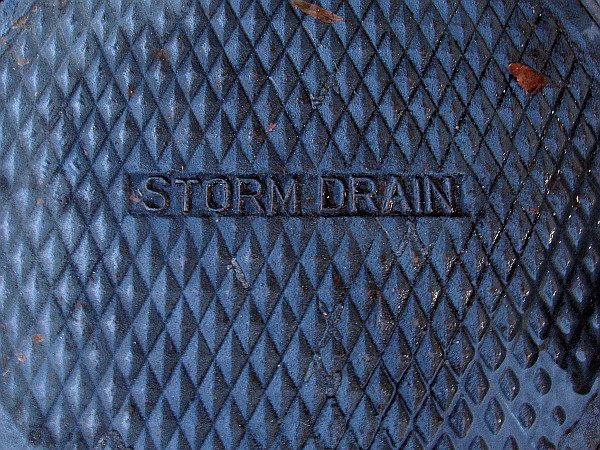
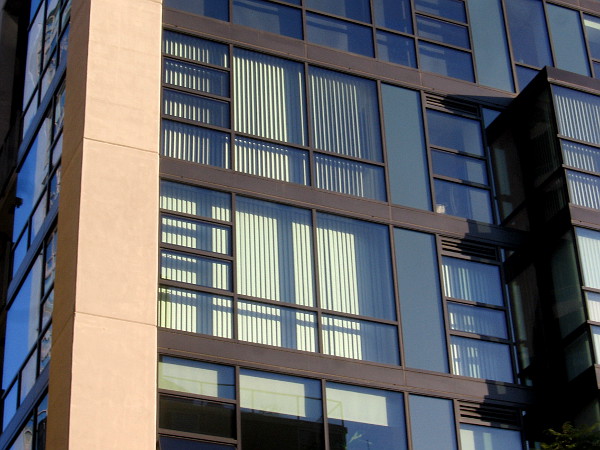
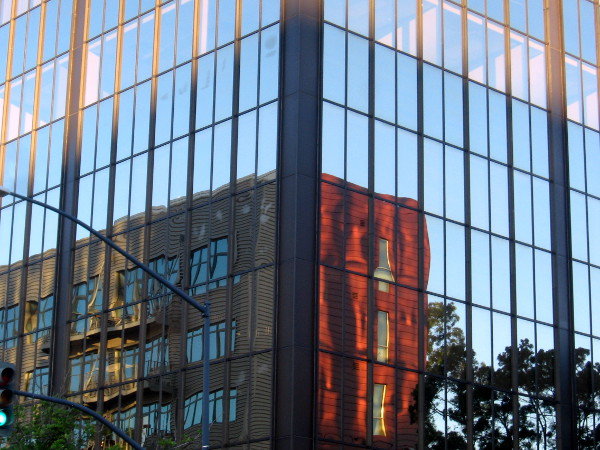
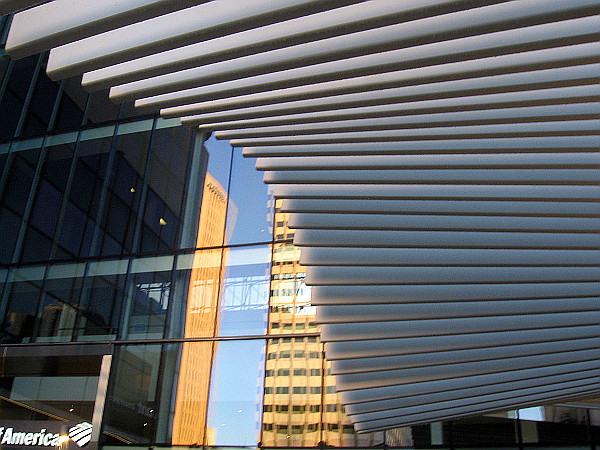
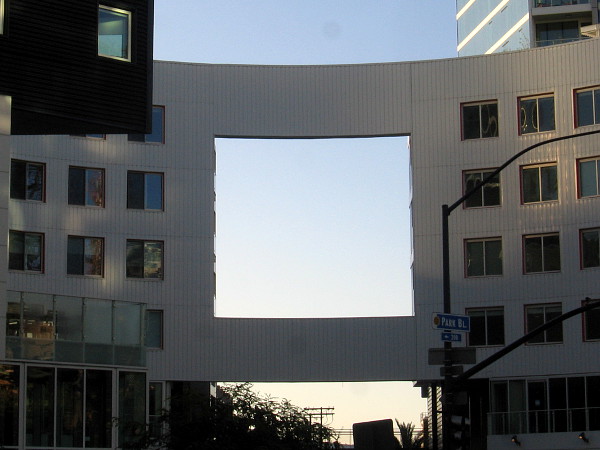
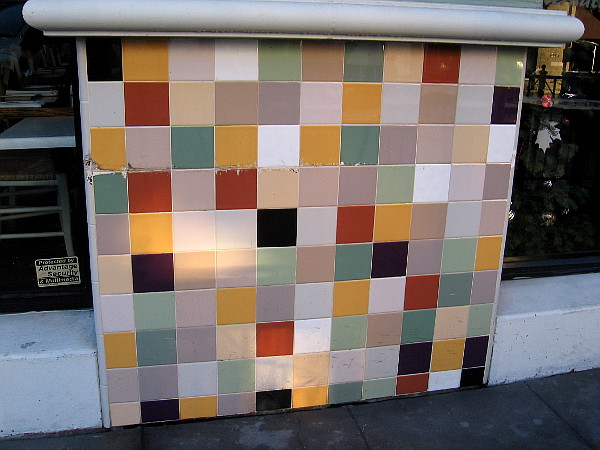
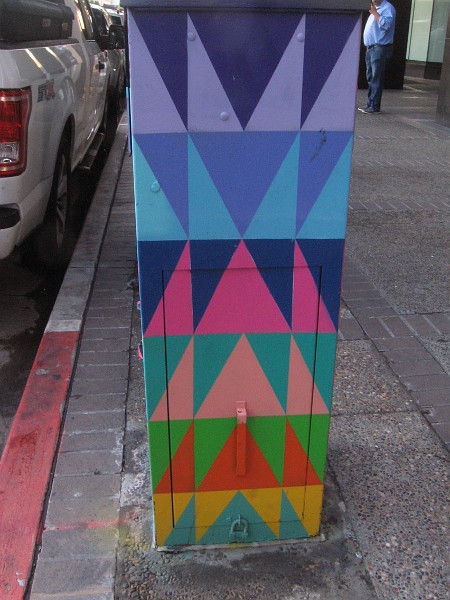
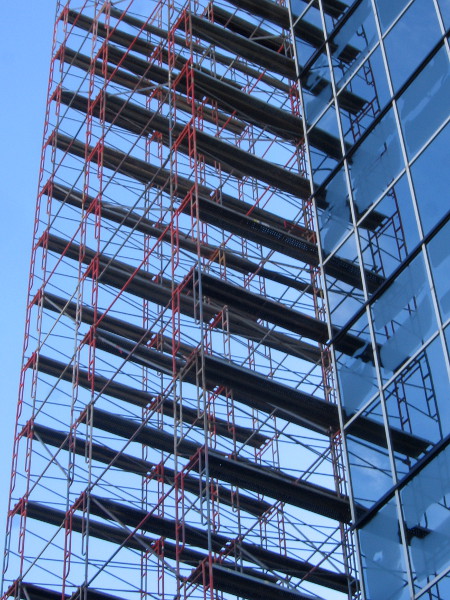
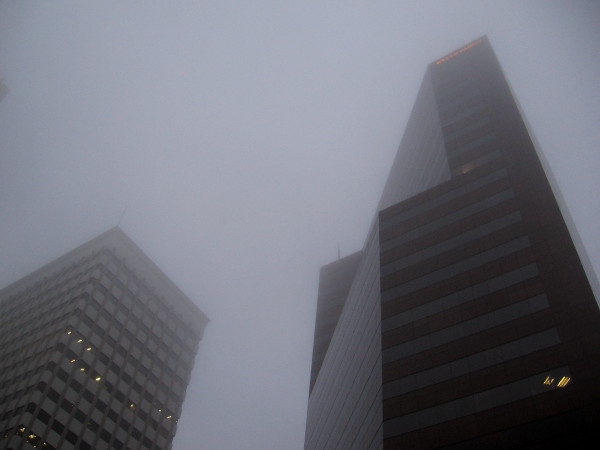
Walking through a city is like navigating through a sea of geometric patterns!
On all sides: circles, lines, triangles, squares, rectangles!
Look up, look down. See the grates, ironwork, bricks, manhole covers. See the windows and reflections. You’ll find yourself surrounded by architecture designed mathematically.
Some of the patterns are simple. Others are complex.
When you walk through a city, what shapes and patterns do you see?
…
I live in downtown San Diego and love to walk around with my camera! You can follow Cool San Diego Sights via Facebook or Twitter!
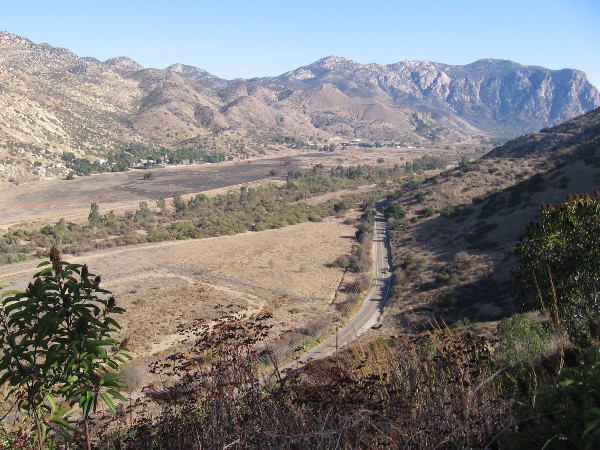
Breathtaking views and unique history can be enjoyed during a hike on the Helix Flume Trail in Lakeside.
In 1889 a 35-mile long wooden water flume was completed that brought water from Lake Cuyamaca in San Diego’s East County into the rapidly growing city.
This morning I enjoyed an amazing walk up the historic Helix Flume Trail in Lakeside!
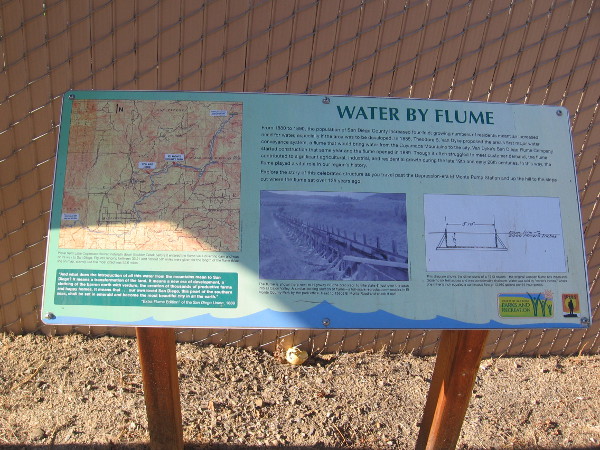
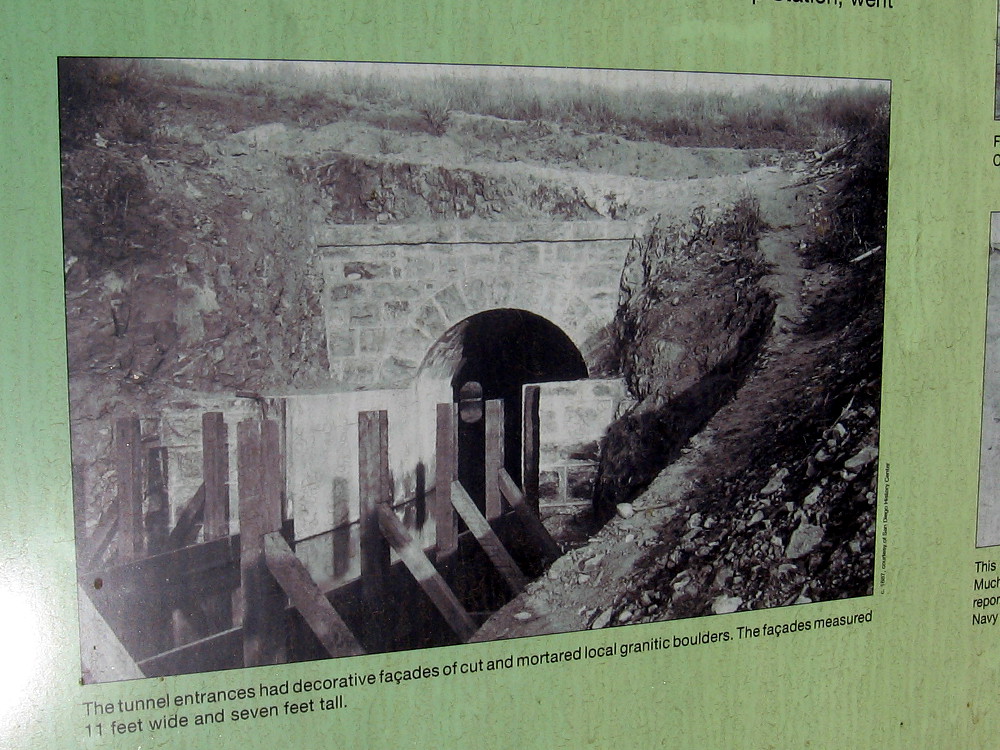
The moderately easy hiking trail begins at the old El Monte Pump Station, climbs a nearby hillside with a series of short steep switchbacks, then follows a short, mostly level section of the historic flume’s route. Information signs describe the construction and history of the engineering marvel, and hikers are able to see the entrance to one of the flume’s old tunnels!
As you will observe in the following photographs, the walk includes some fantastic vistas and natural beauty.
Come along with me and read the photo captions to learn much more…
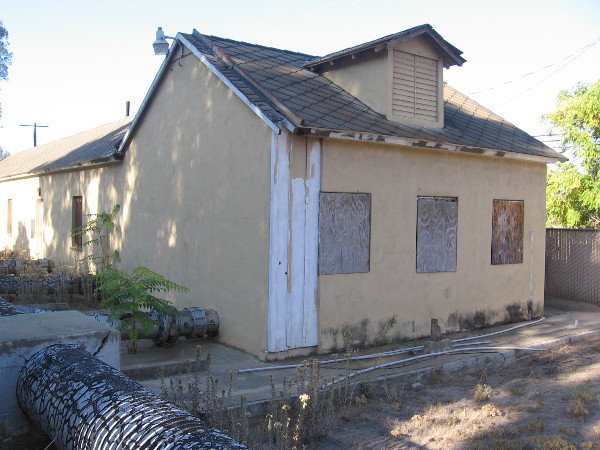
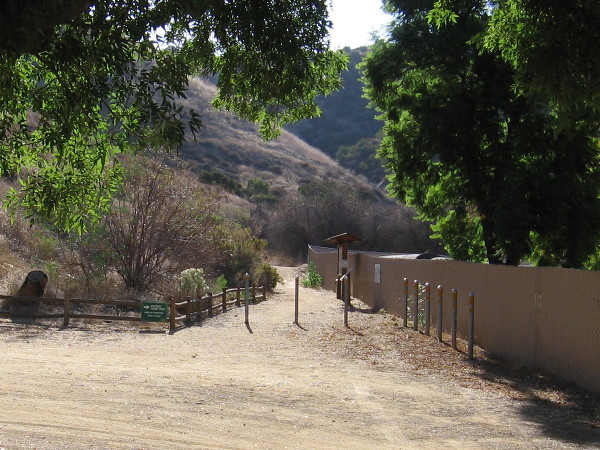
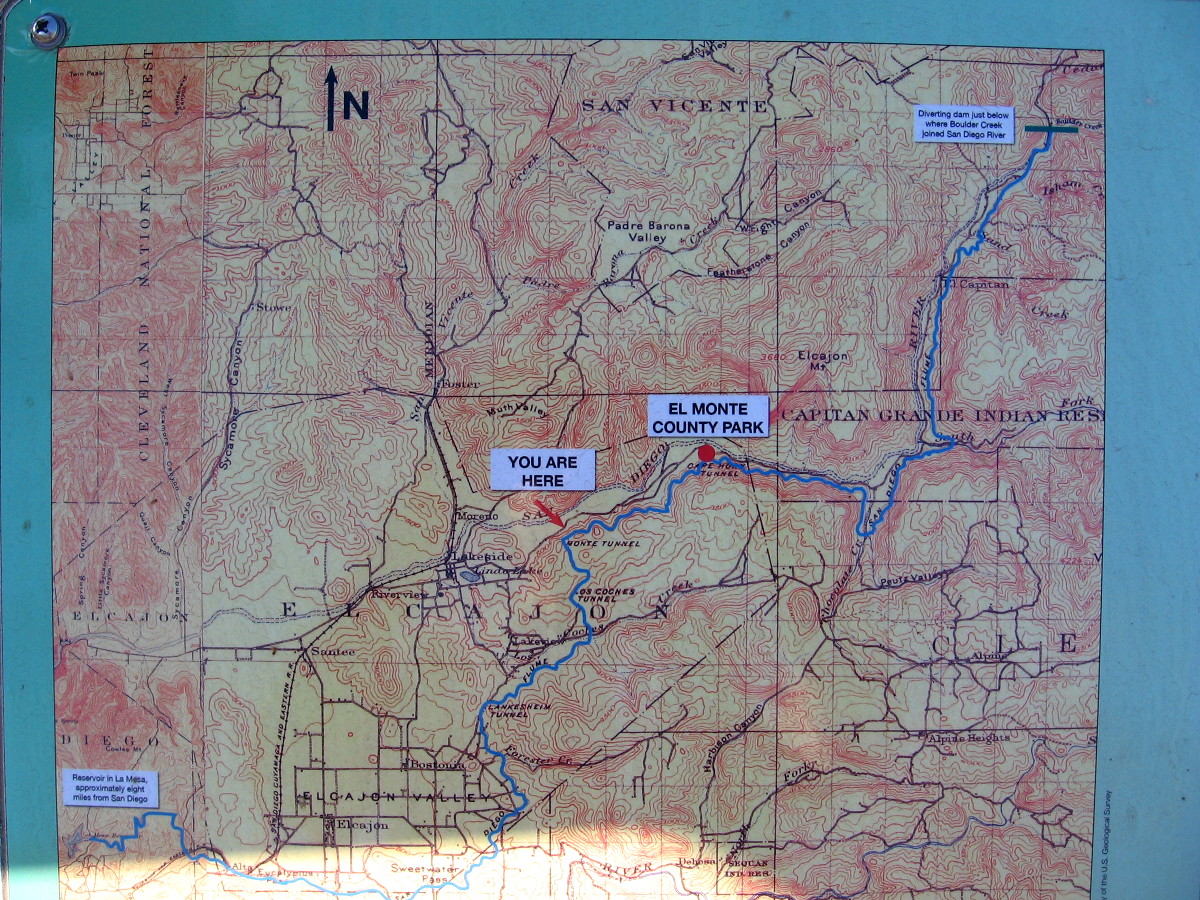
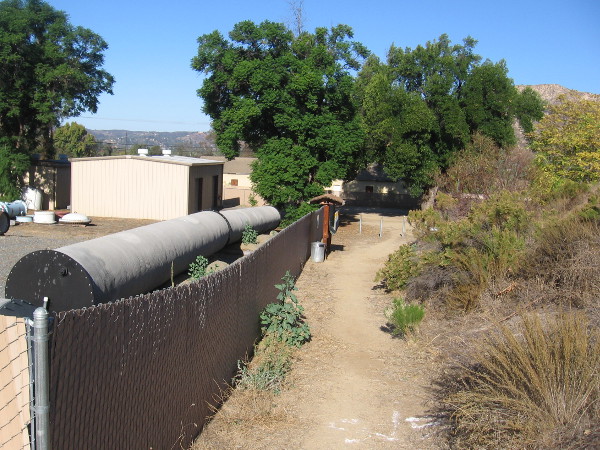
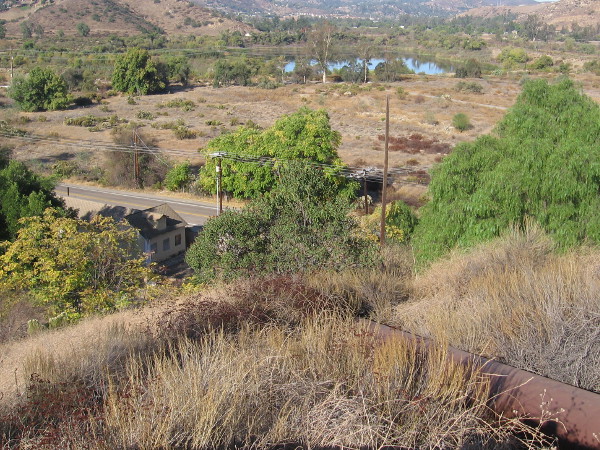
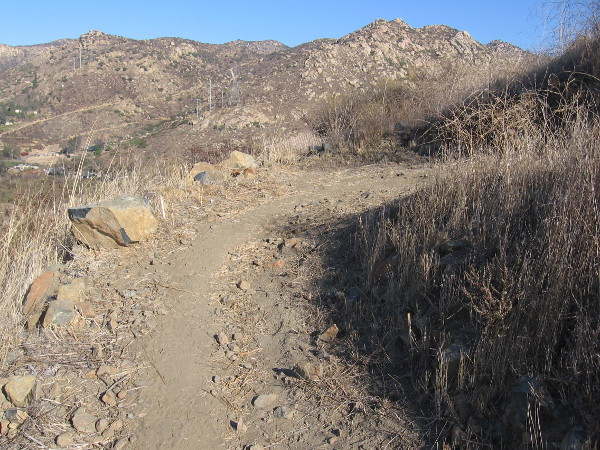
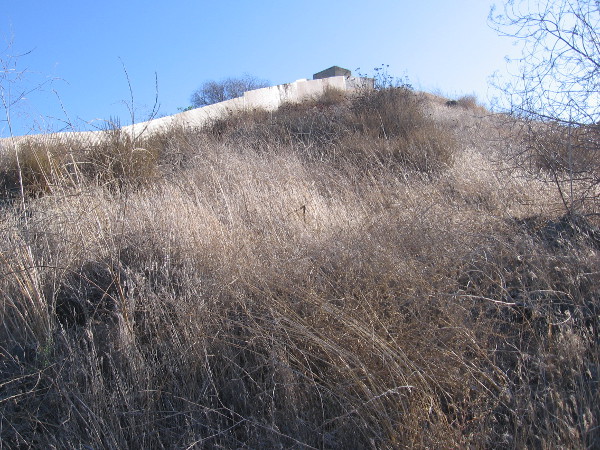
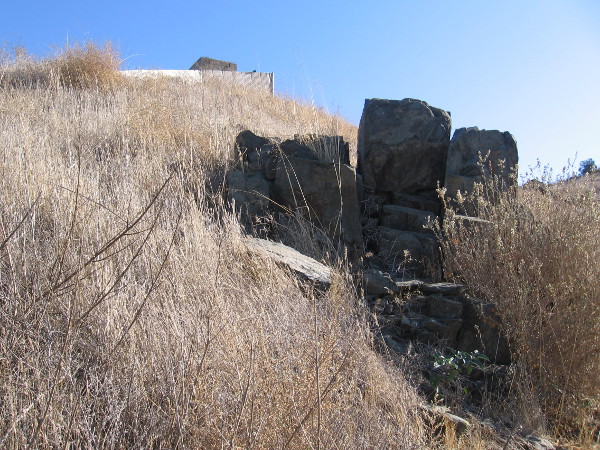
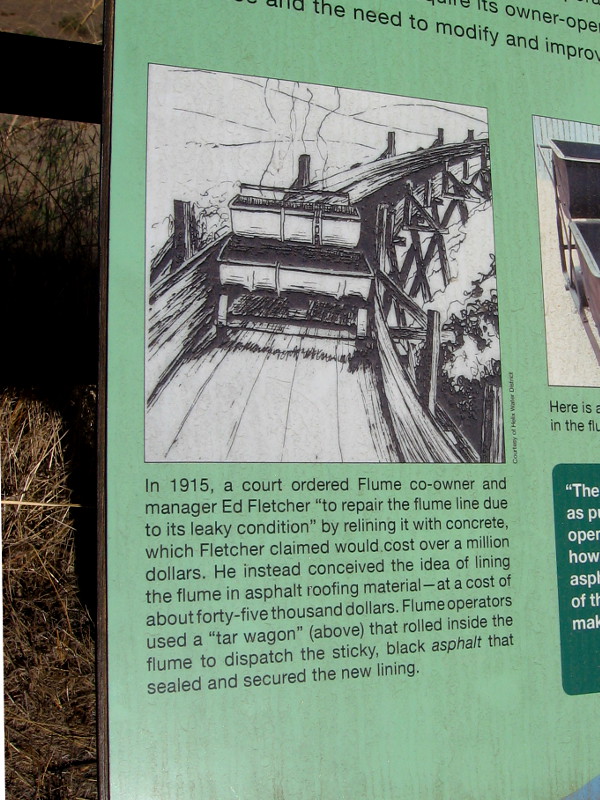
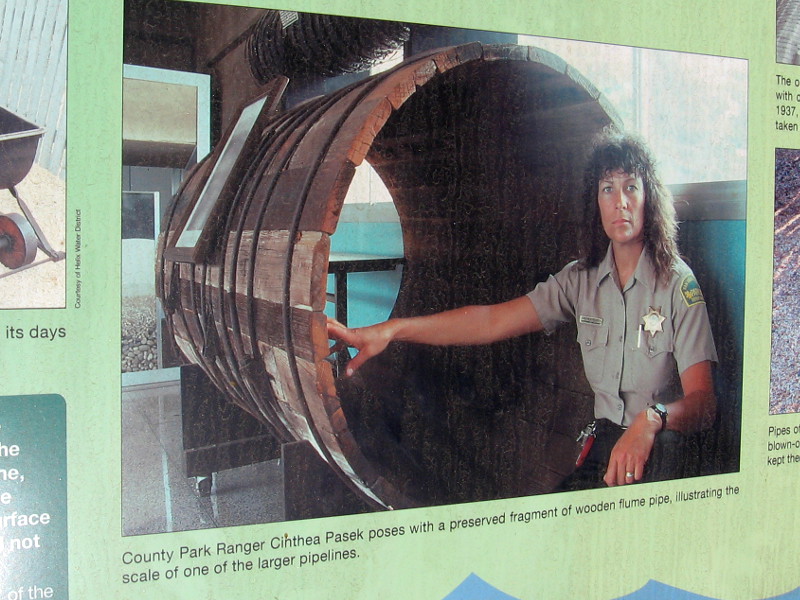
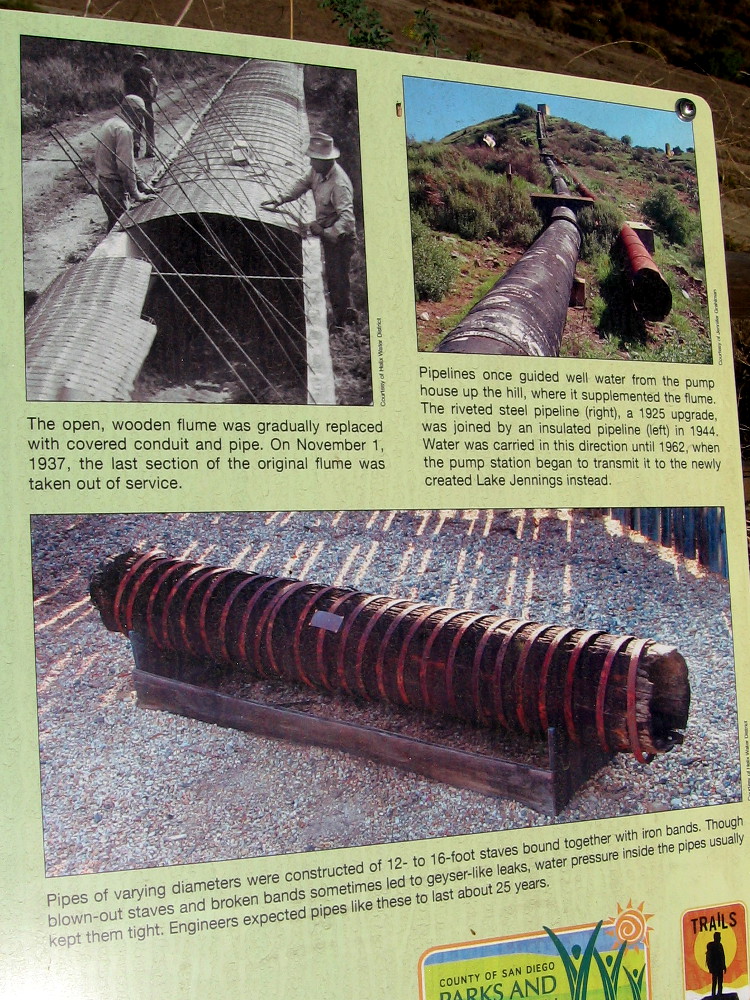
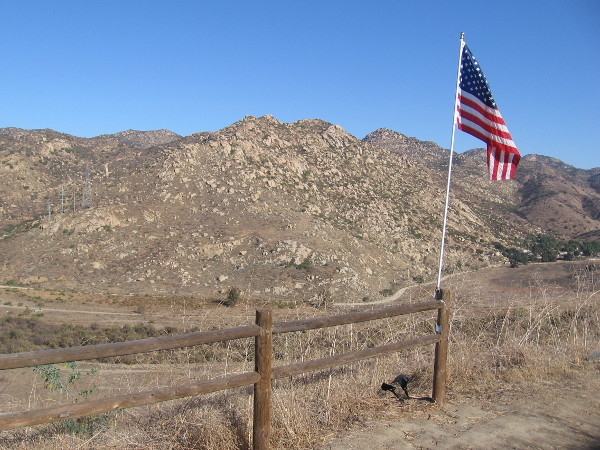
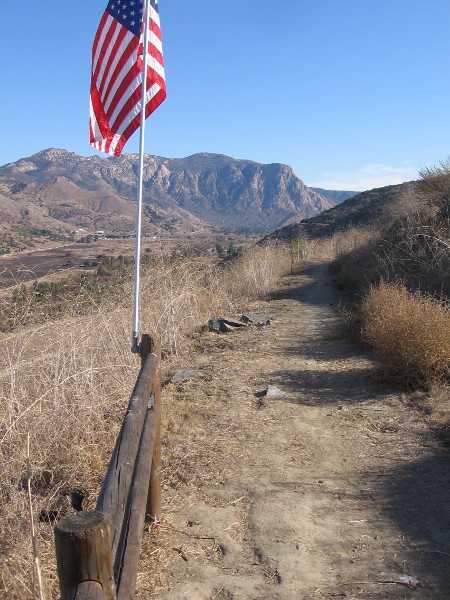
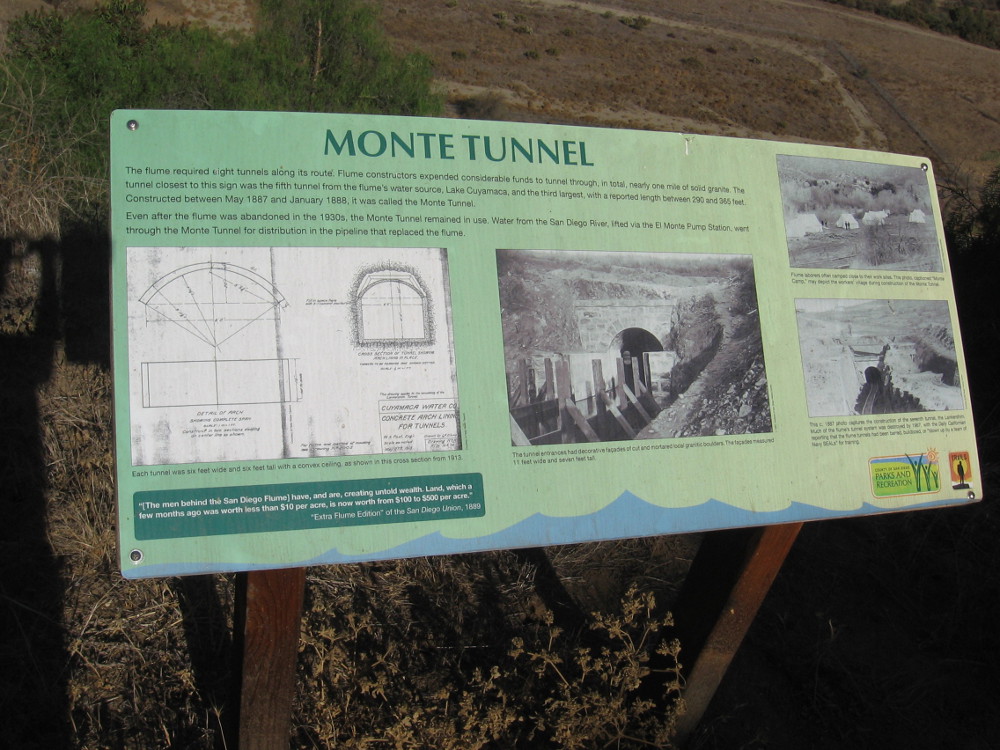
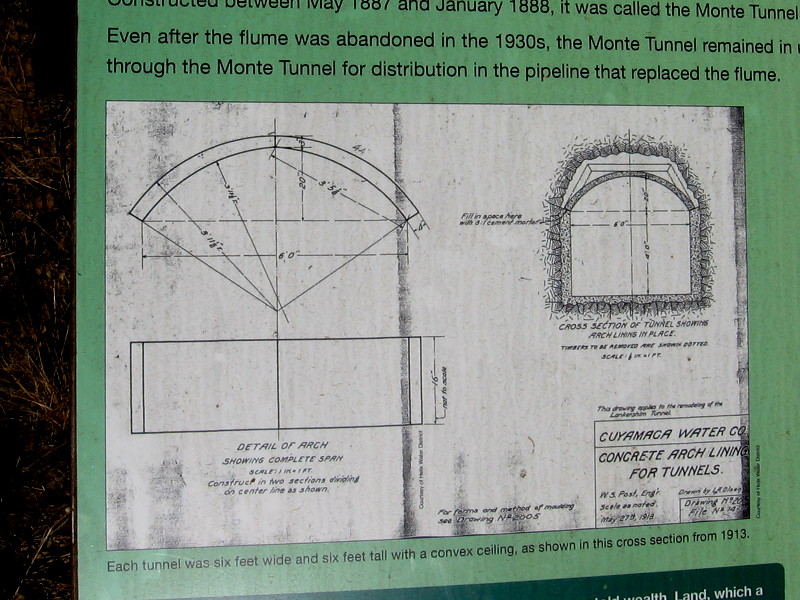
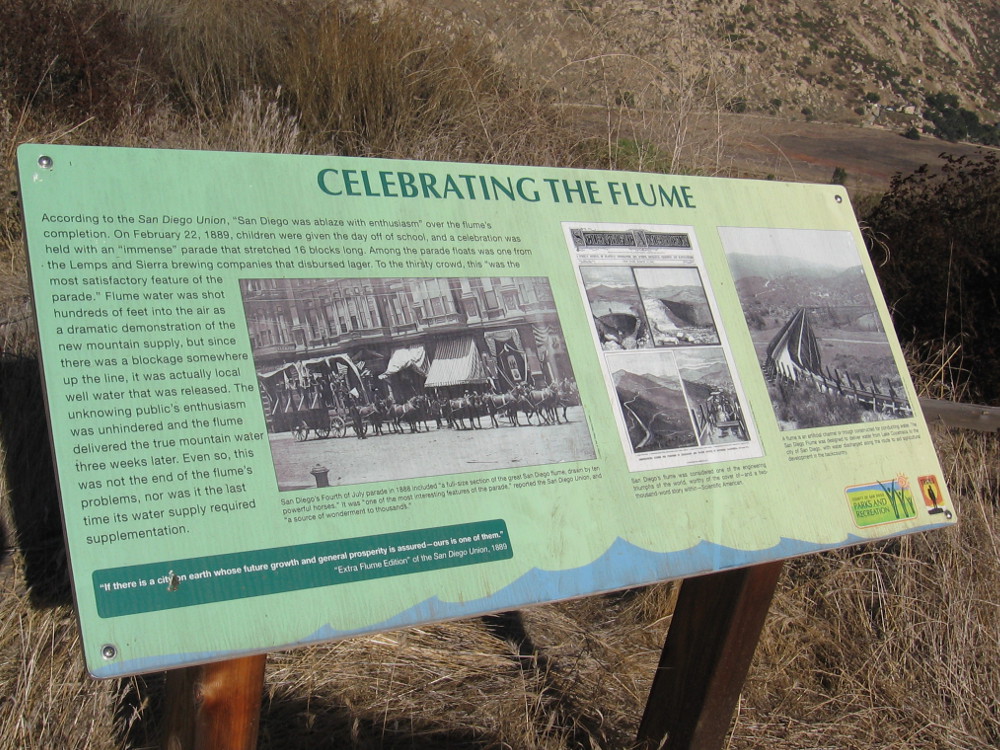
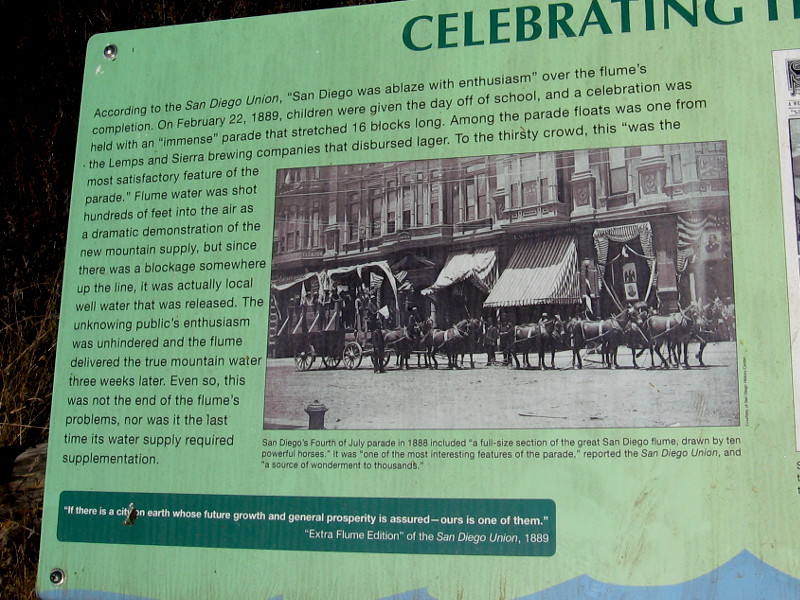
Looking past a large shady tree toward the trailhead of the historic Helix Flume Trail.The old El Monte Pump Station is located next to a small parking lot by the trailhead to the Helix Flume Trail.The El Monte Pump Station was originally built in 1898 to lift well water to the flume on the hillside using steam powered pumps.Photograph includes huge pipes outside the historic pump station in Lakeside, California.Plaque by door of El Monte Pump Station dated 1937, when a major overhaul was finally complete. Water was then pumped from the El Capitan Reservoir.Heading toward the trailhead and an information sign concerning the flume.One of several signs along the trail that describe the construction and history of the famous water flume.The blue line on this topographic map is where the flume water descended as it flowed west to the growing city of San Diego.Photograph of the wooden water flume next to old Highway 80 in El Cajon Valley.Diagram of cross section of wooden flume box from 1913.As I started up the trail, I looked back toward the parking lot and its big tree. The Helix Water District has a nearby lot with modern pipes and equipment.Heading up short but steep switchbacks, with power lines overhead and rugged mountains in the distance.Hikers must stay on the trail due to the historical importance of this area.Looking down toward the pump station and El Monte Road. An old rusty pipeline that ascends from the station is visible in this photo.Climbing higher. Wear sturdy shoes if you go on this hike. If it’s hot, bring plenty of water.I’ve gained more elevation on the switchbacks. The hillside is dotted with many prickly pears. That’s Hanson Pond in the distance.Higher we climb!A fence conceals an old pipeline that ran from the El Monte Pump Station to the flume.Interesting rock outcroppings.A beautiful view of the El Monte Valley below.A better view of Hanson Pond.The climb is over. We approach another information sign where the old hillside pipeline terminates.An amazing view of rocky mountains across the valley opens up here.Sign describes the struggles to supply water. The open flume had troubles with massive leakage due to rot, and evaporation.In 1915, a court ordered Ed Fletcher to repair the leaky flume. He lined it cheaply with asphalt roofing material using a rolling tar wagon.San Diego County Park Ranger shows a section of wooden flume pipe.The open, wooden flume was eventually replaced with covered conduit and pipe. In 1962, the pump station began to send water to the newly created Lake Jennings.A flag flies near the information sign.The trail continues along the flume’s old route.Turning a corner, with rugged El Cajon Mountain (El Capitan) in the distance.Some natural beauty by the hiking trail.Entering mountain lion country. A sign describes what to do should you encounter one.I spot another information sign down below, at the end of a short path.A short distance from the sign is the entrance to the Monte Tunnel.The flume needed eight tunnels along its slowly descending route. The Monte Tunnel was the fifth tunnel from the flume’s original water source, Lake Cuyamaca.Diagram on the sign shows the dimensions of each tunnel.The tunnel entrances had decorate facades of cut and mortared local granitic boulders.The bottom 1887 photo shows construction of the seventh tunnel. Part of the eventually outdated tunnel system was destroyed by Navy SEALS for training.The barred Monte Tunnel entrance photographed during my hike.I took this flash photograph into the tunnel. After the flash I heard a curious low noise, like that of an animal.Another information sign can be found nearby, where the Helix Flume Trail connects with the Lake Jennings trail system.San Diego residents were thrilled at the flume’s completion in 1889. There was a parade and a fountain of water. But it wasn’t flume water–it was well water! There was a blockage somewhere up the line!San Diego’s historic water flume was considered such an engineering triumph that it was featured on the cover of Scientific American.Today little remains of the flume. But the natural beauty of this area in San Diego’s East County endures.
…
I live in downtown San Diego and love to walk around with my camera! You can follow Cool San Diego Sights via Facebook or Twitter!
You can easily explore Cool San Diego Sights by using the search box on my blog’s sidebar. Or click a tag! There are thousands upon thousands of photos for you to enjoy!













































 Cool San Diego Sights!