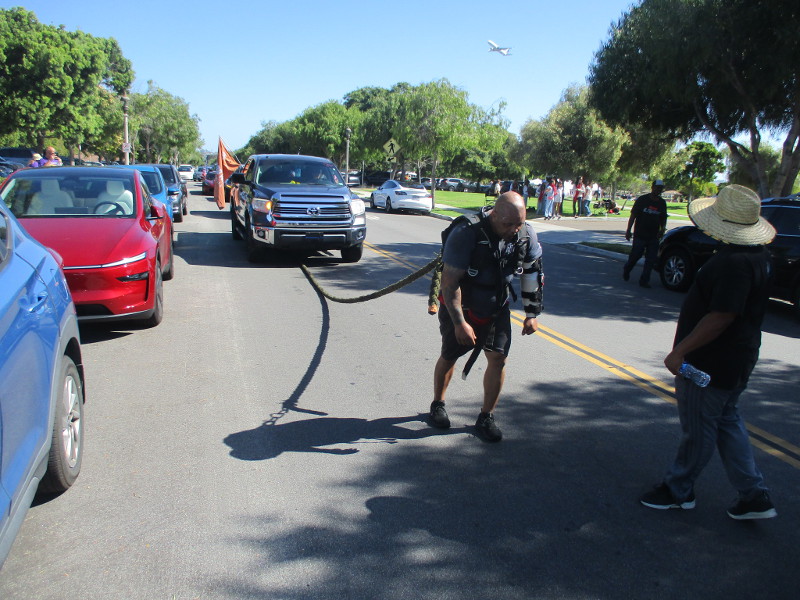
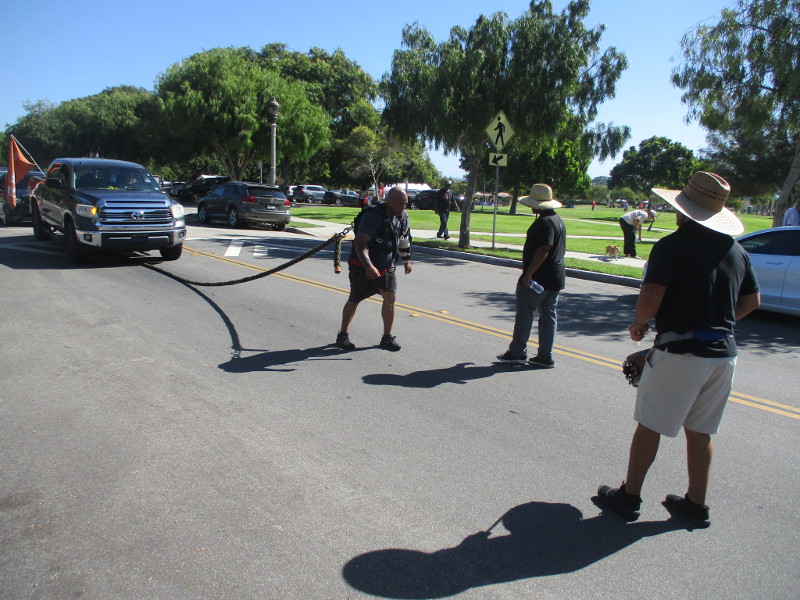
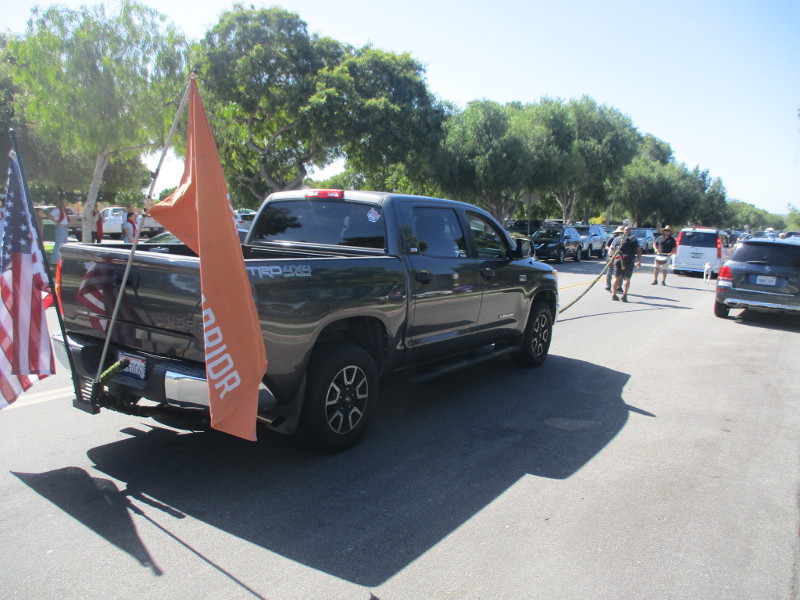
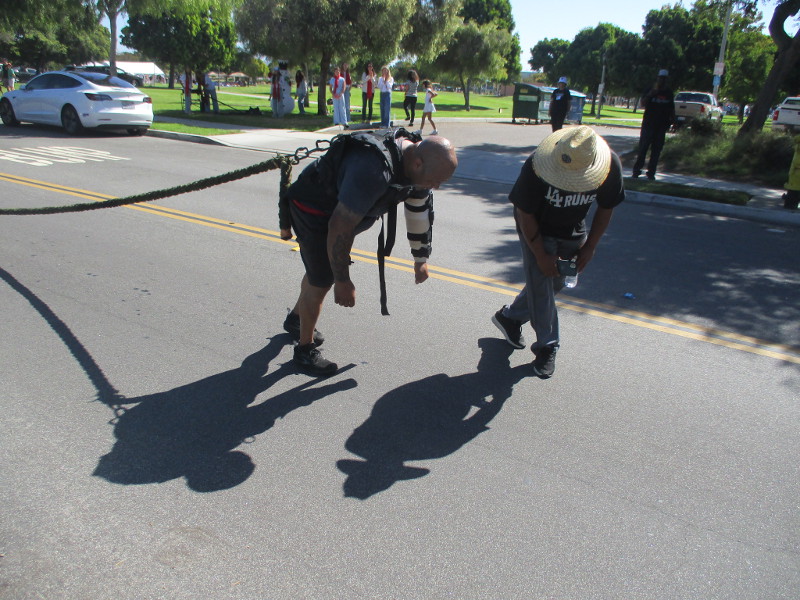
Today Alex “Teddy” Blanco pulled a 7,000 pound truck over 2 miles through Liberty Station in San Diego. His strenuous physical effort would raise money for the EOD Warrior Foundation.
I happened to stumble upon this amazing 12th Annual Truck Pull as it progressed down Cushing Road. Teddy Blanco has been doing this every year!
EOD stands for Explosive Ordnance Disposal. The EOD Warrior Foundation website explains: EOD technicians are highly-trained military members serving in the Army, Marines, Navy, and Air Force who are responsible for disarming, rendering safe, and disposing of explosive hazards.
The EOD Warrior Foundation (EODWF) serves the EOD community by providing financial assistance and support to Active-Duty, Guard, Reserve, Retired, and Veteran EOD technicians and their families.
Additional info importantly explains: This event is to raise awareness and funds for injured service members and their families.
To learn more about the organization, visit the EOD Warrior Foundation website by clicking here. (You can find a donation button on their website, too.)
…
I post new blogs pretty often. If you like discovering new things, bookmark coolsandiegosights.com and swing on by occasionally!
I live in downtown San Diego and love to walk around with my camera! You can follow Cool San Diego Sights via Facebook or X.
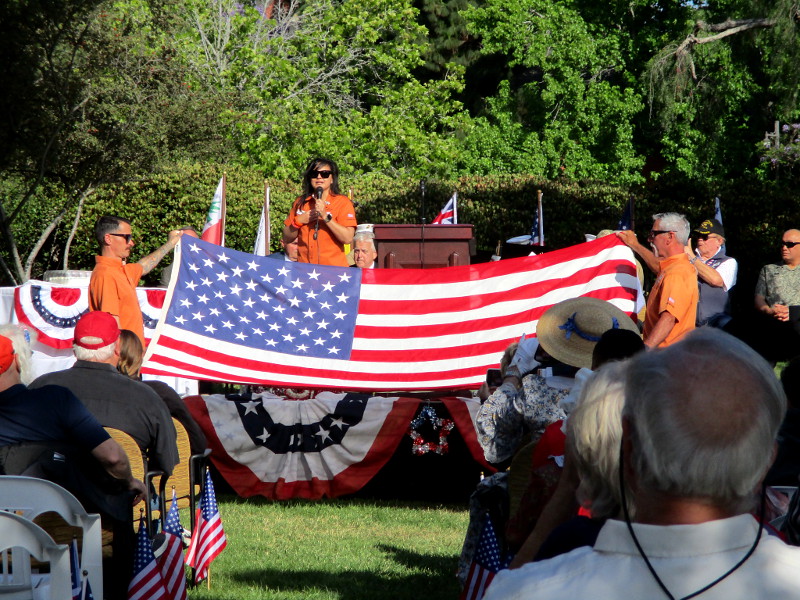
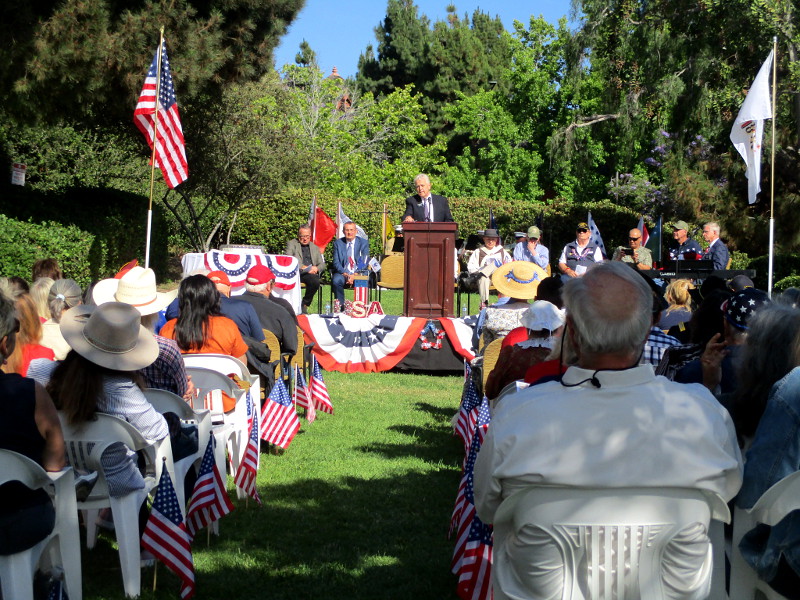
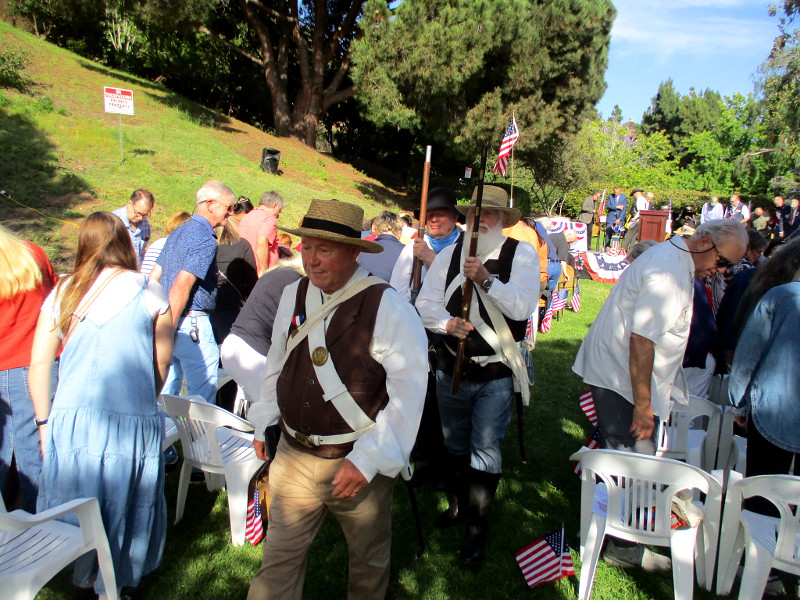
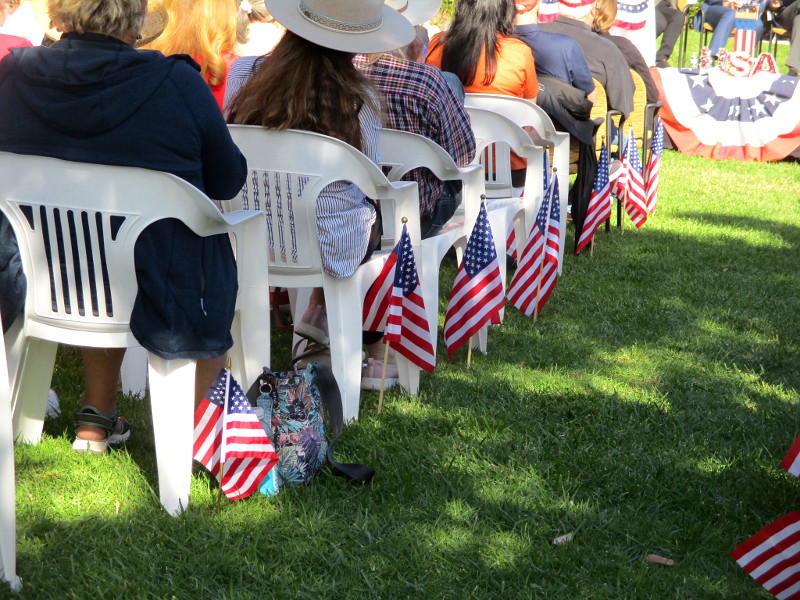
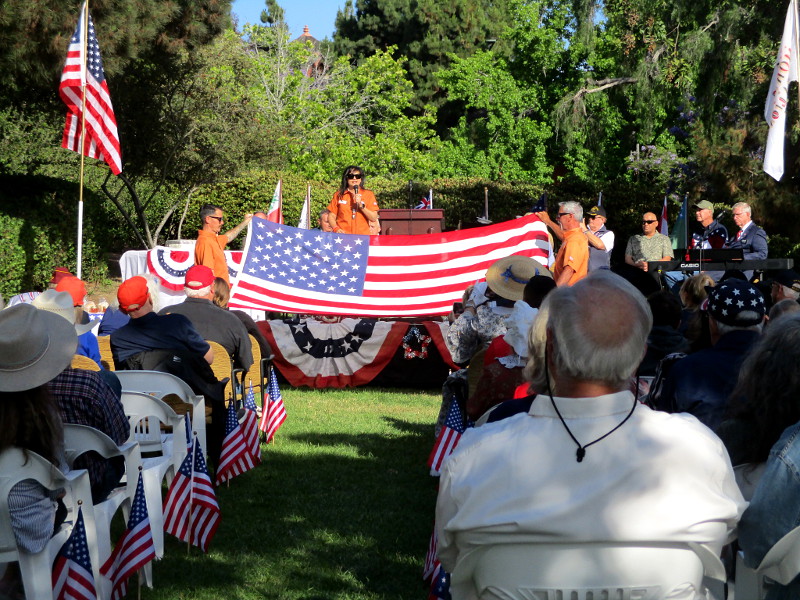
A special Flag Day Celebration was held today in San Diego. People gathered on the grounds of the Mormon Battalion Historic Site to observe both Flag Day and the 250th Anniversary of the United States Army.
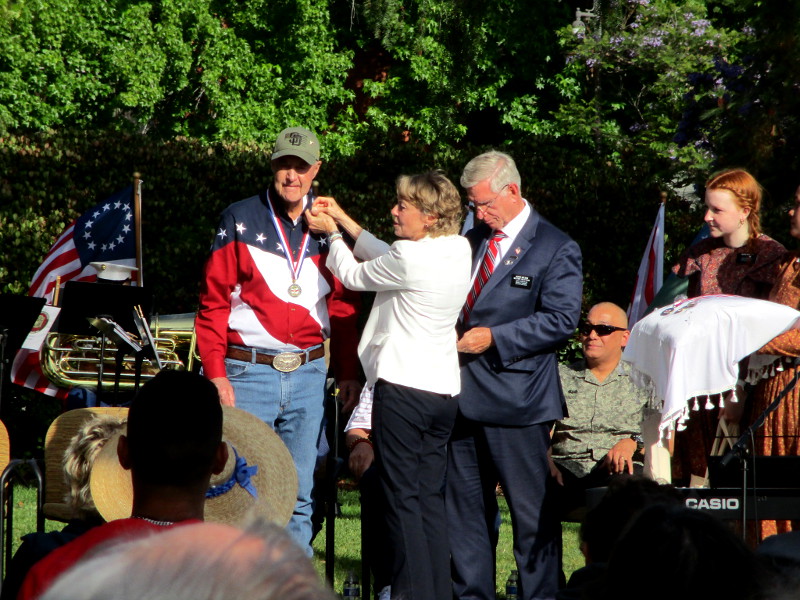
There was an Invocation, March On the Colors, a greeting, remarks, patriotic music, and a stirring recitation of “Old Glory.” But the most important part of the ceremony paid recognition to four honored Veterans, three of whom served in the Army.
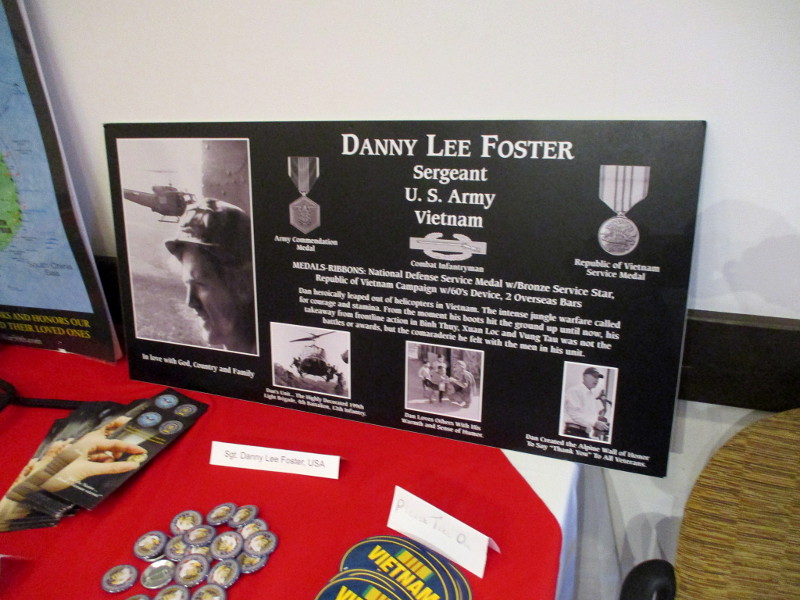
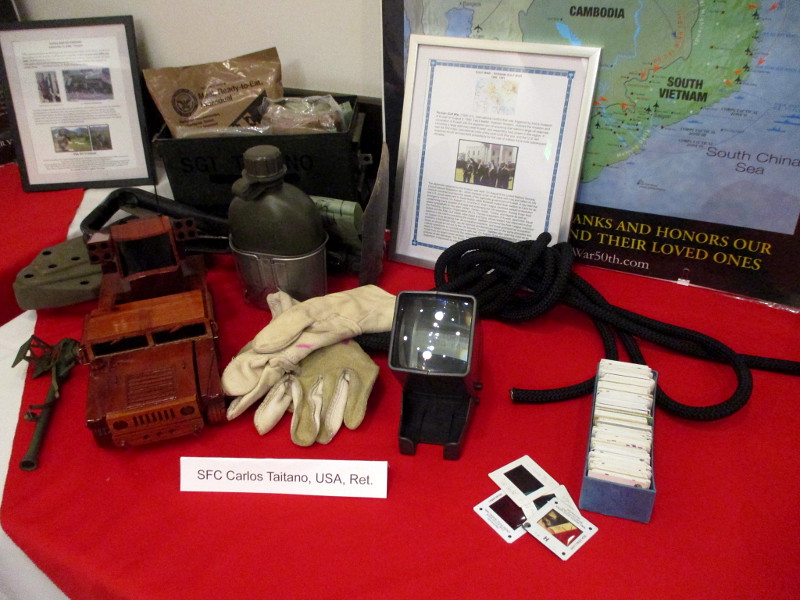
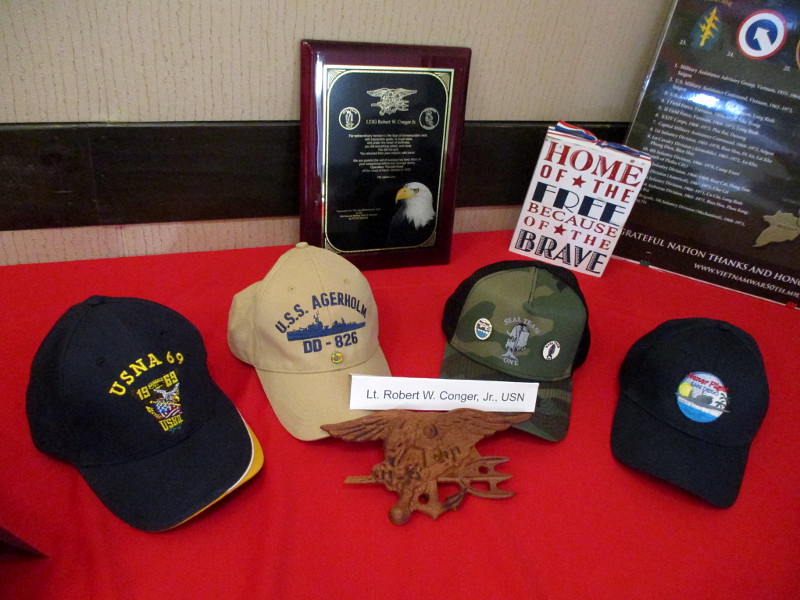
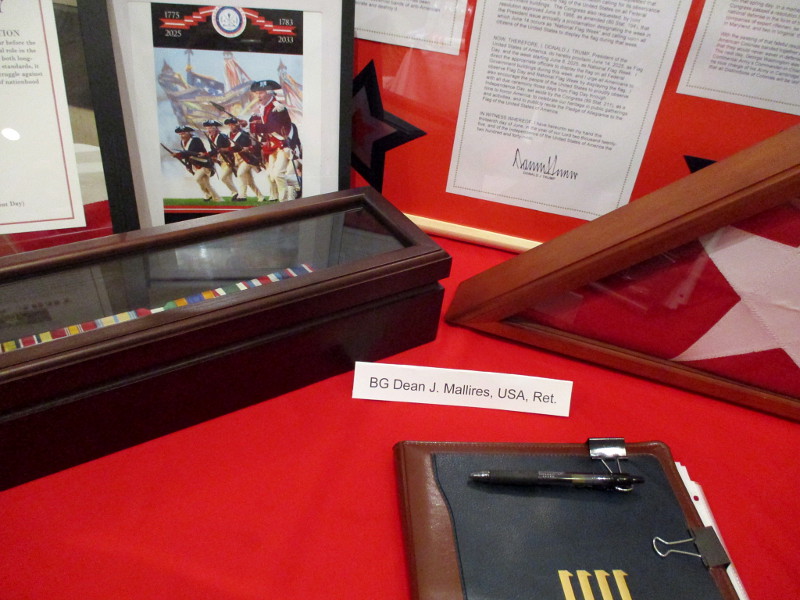
Those attending the Flag Day event heard of the sacrifices made by SGT Danny Lee Foster, U.S. Army; SFC Carlos Jesse Taitano, U.S. Army, Ret.; LT Robert “Bob” W. Conger, Jr, U.S. Navy; and Brigadier General Dean J. Mallires, U.S. Army, Ret.
All four received standing ovations.
Then there was a ceremonial cake cutting up near the stage.
After the ceremony ended, guests were invited inside the Mormon Battalion Historic Site to partake of the cake, and view displays concerning the four honored heroes.
…
I post new blogs pretty often. If you like discovering new things, bookmark coolsandiegosights.com and swing on by occasionally!
I live in downtown San Diego and love to walk around with my camera! You can follow Cool San Diego Sights via Facebook or X.
Did you know two communities in San Diego are named after the person who is largely responsible for the Memorial Day holiday?
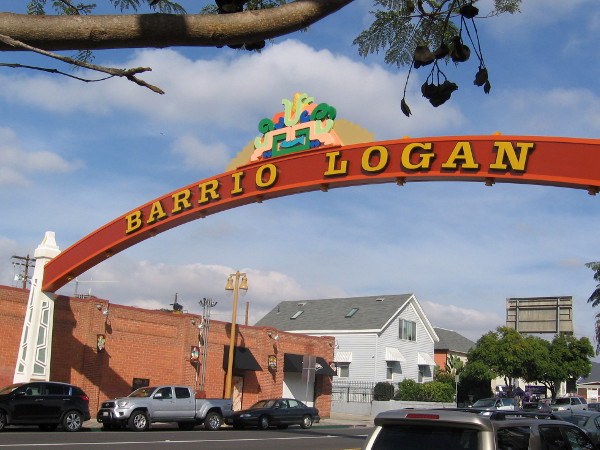
Logan Heights and Barrio Logan (which was originally part of Logan Heights), along with Logan Avenue, received their names from John A. Logan.
This article explains: In 1871, Congressman John A. Logan wrote legislation to provide federal land grants and subsidies for a transcontinental railroad ending in San Diego. A street laid in 1881 was named Logan Heights after him, and the name came to be applied to the general area.
John Alexander Logan according to Wikipedia was an American soldier and politician. He served in the Mexican–American War and was a general in the Union Army in the American Civil War . . . As the 3rd Commander-in-Chief of the Grand Army of the Republic, he is regarded as the most important figure in the movement to recognize Memorial Day (originally known as Decoration Day) as an official holiday.
Read the Wikipedia article and you’ll see how one law he helped pass would today be considered repugnant.
I knew nothing about the connection of Logan to both San Diego and the Memorial Day holiday until yesterday, when it was spoken of during a Memorial Day weekend event in Balboa Park.
Interesting how human history, with its infinite complexity, can entangle so many different places, people, and conflicting ideas. It makes you wonder about our shared future. Can it possibly be known?
…
Thanks for visiting Cool San Diego Sights!
I post new blogs pretty often. If you like discovering new things, bookmark coolsandiegosights.com and swing on by occasionally!
I live in downtown San Diego and love to walk around with my camera! You can follow Cool San Diego Sights via Facebook or X.
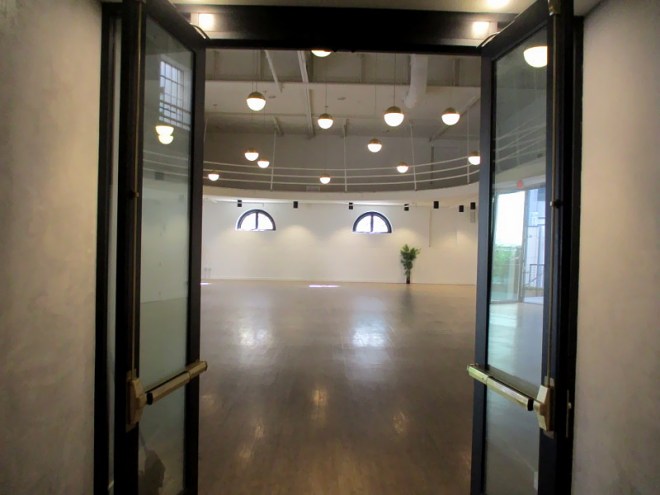
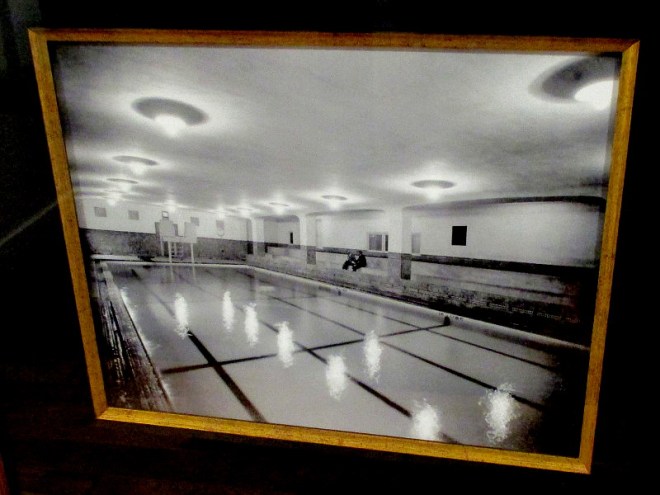
A luxurious hotel in downtown San Diego contains two huge rooms that are quite unusual. One used to be a basketball court, and another was an indoor swimming pool!
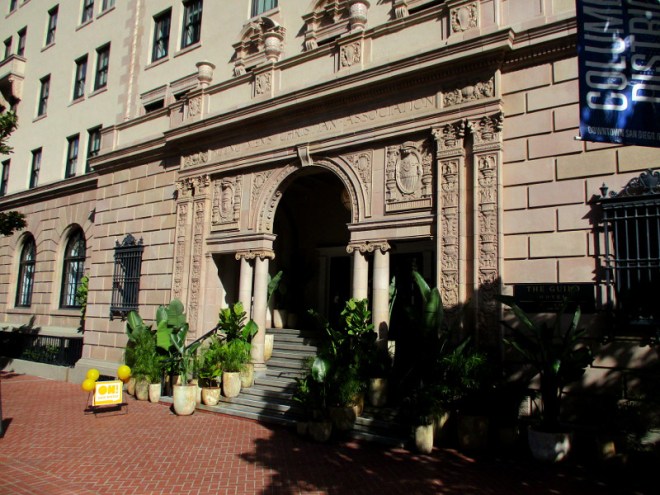
The Guild Hotel occupies the historic 1924 building that was originally home of the Army-Navy YMCA. For decades, tens of thousands of sailors and military men would head to this location on Broadway, not far from the waterfront, to recreate. They’d play basketball, run around an elevated indoor track, and swim in a basement pool.
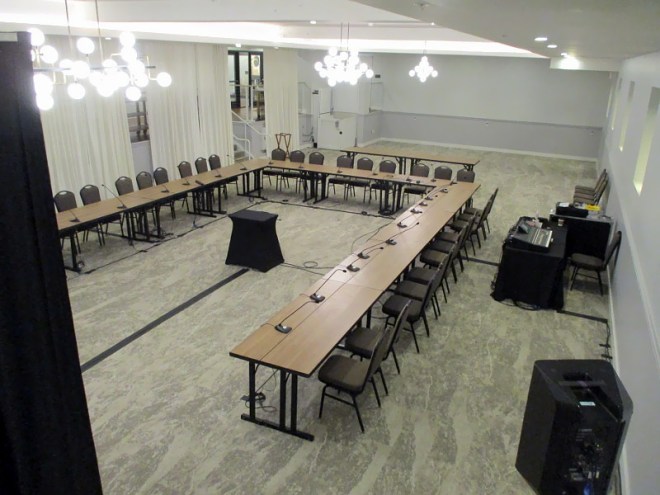
The Guild Hotel, when it moved into the iconic building, creatively repurposed two large indoor spaces. The huge basketball court was converted into the grand Grace Ballroom! The swimming pool was turned into the Society Ballroom!
I was shown these spaces several weeks ago during the San Diego Architectural Foundation Open House event.
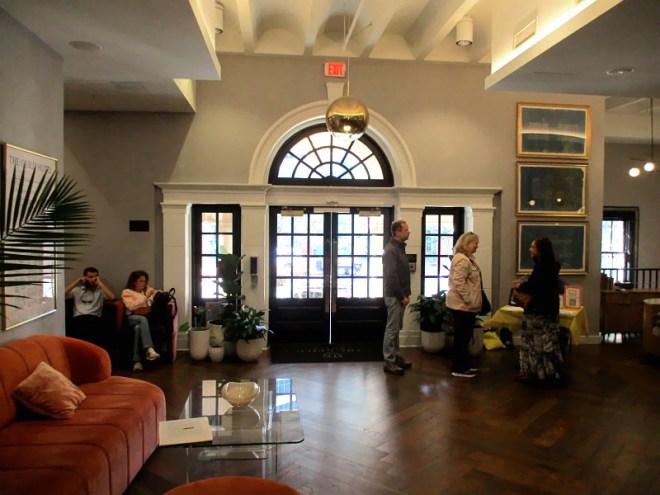
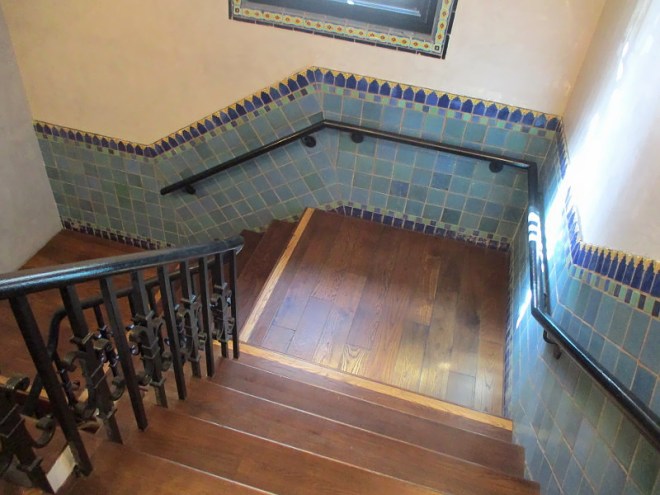
Just inside the front entrance of the luxurious The Guild Hotel in downtown San Diego.The Guild Bar in the hotel lobby.To the left of the bar, a door opens to the unusual Grace Ballroom.The Grace Ballroom at The Guild Hotel was originally an indoor basketball court. Military men shot hoops here for decades when the building was an Armed Services YMCA.An elevated platform intended for jogging or running continues to surround the hotel ballroom!Beautiful tiles along a stairway that descends from The Guild Hotel lobby to a lower level.An old photograph of the large swimming pool that once occupied the Army-Navy YMCA’s basement.The swimming pool is gone, replaced by the Society Ballroom! The historic space was set up as a meeting room when I toured the hotel.
…
Thanks for visiting Cool San Diego Sights!
I post new blogs pretty often. If you like discovering new things, bookmark coolsandiegosights.com and swing on by occasionally!
I live in downtown San Diego and love to walk around with my camera! You can follow Cool San Diego Sights via Facebook or X (formerly known as Twitter)!
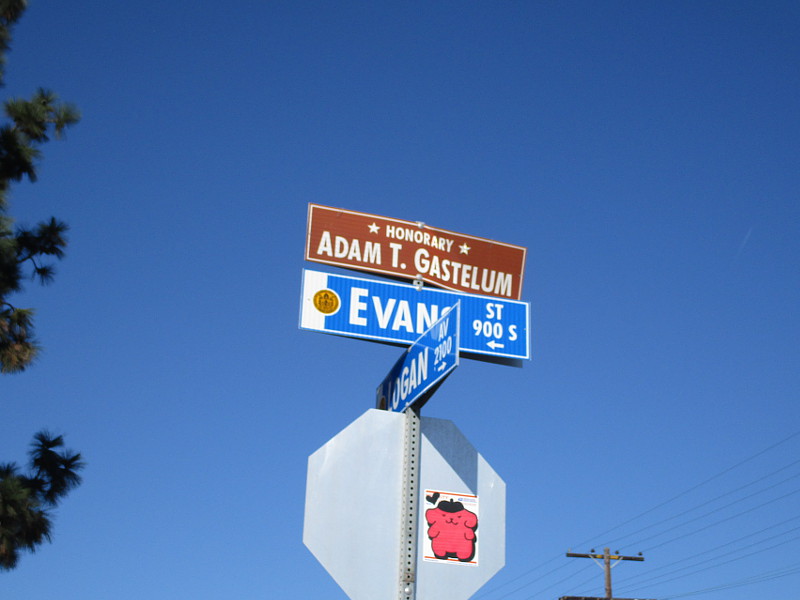
Have you wondered about an Honorary Adam T. Gastelum street sign in Barrio Logan? I recently noticed it on Evans Street, at the intersection of Logan Avenue.
Curious to learn more about Adam T. Gastelum, I did a little searching.
An obituary summarizes several accomplishments of the proud Hispanic American Army veteran. He is credited with helping to found nearby San Diego VFW Post 7420. It also explains: Adam joined the Army to serve in World War II. His campaign battles included Normandy, Northern Ardennes, Rhineland and Central Europe.
I also discovered that on October 22, 2018, a San Diego City Council Resolution designated the 900 block of Evans Street between the intersection of Logan Avenue and National Avenue to be known as Adam Trejo Gastellum Street.
Many in San Diego appreciate his service.
…
Thanks for visiting Cool San Diego Sights!
I post new blogs pretty often. If you like discovering new things, bookmark coolsandiegosights.com and swing on by occasionally!
I live in downtown San Diego and love to walk around with my camera! You can follow Cool San Diego Sights via Facebook or X (formerly known as Twitter)!
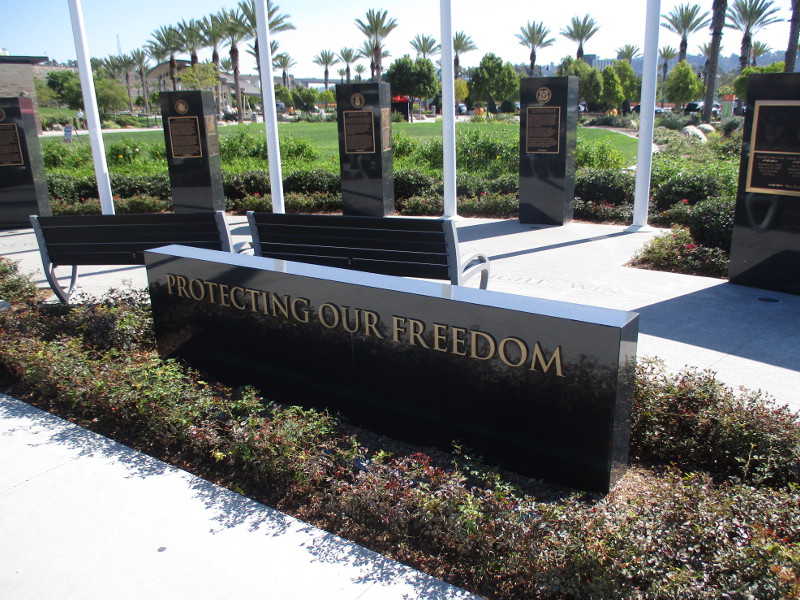
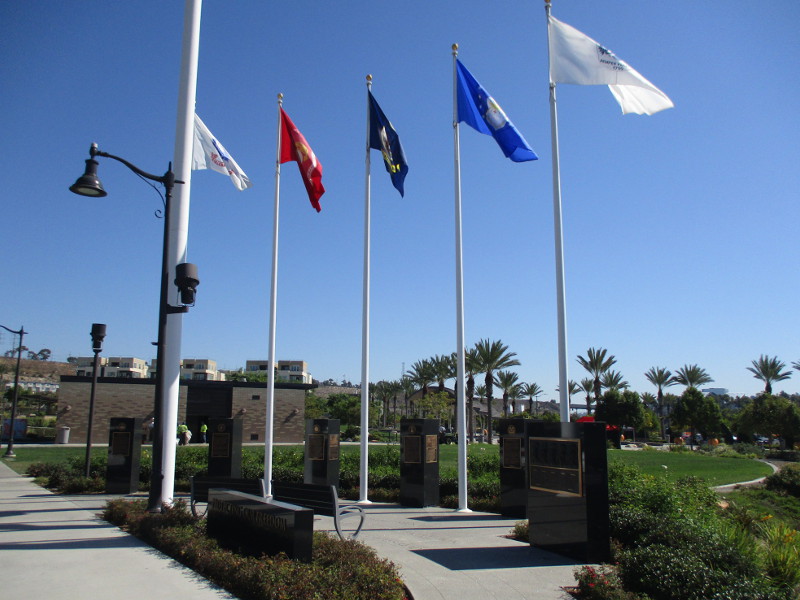
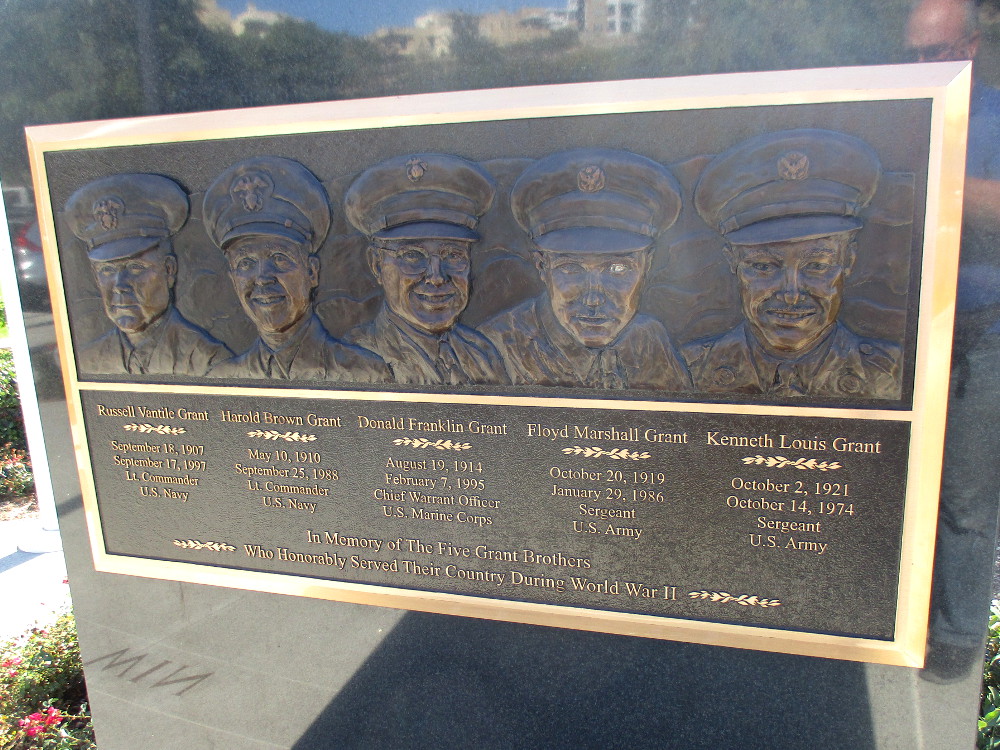
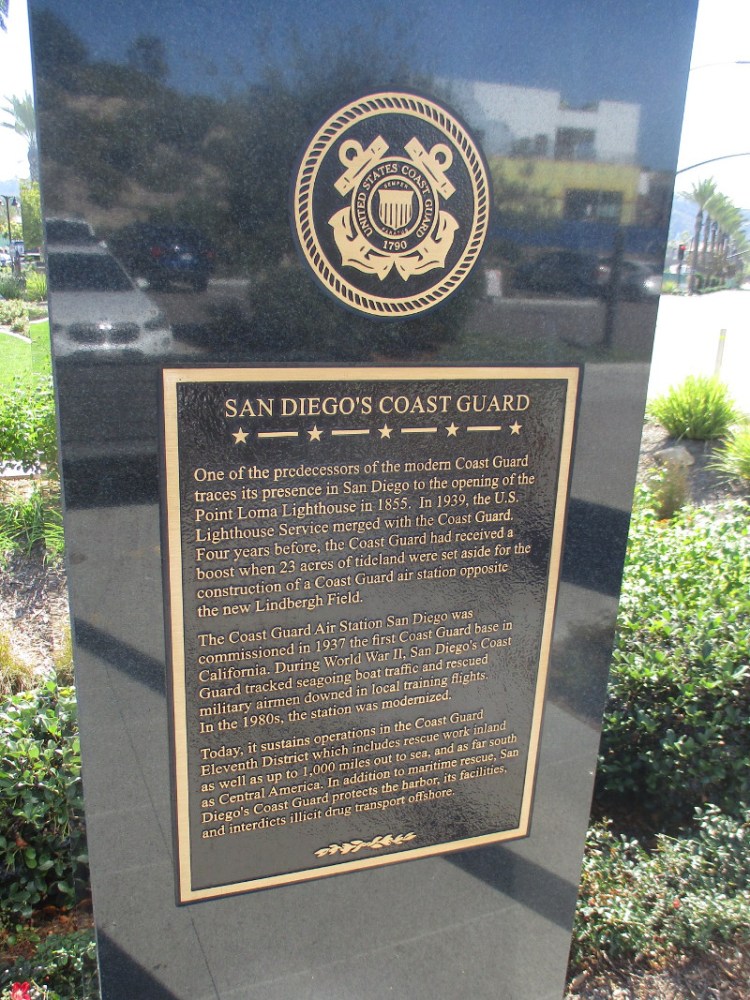
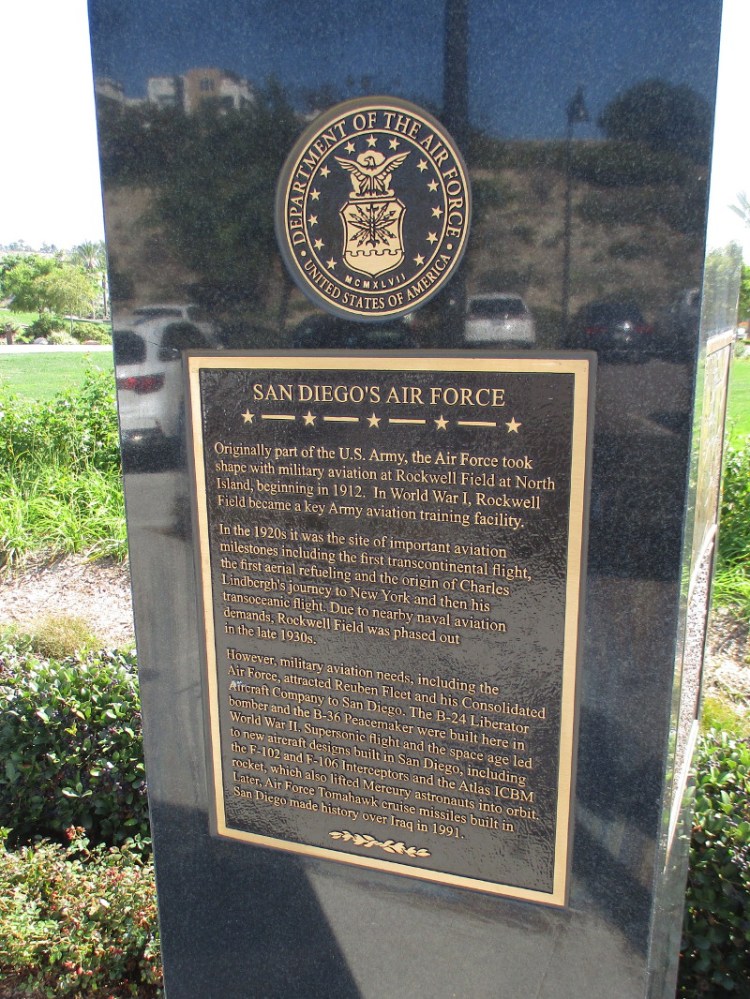
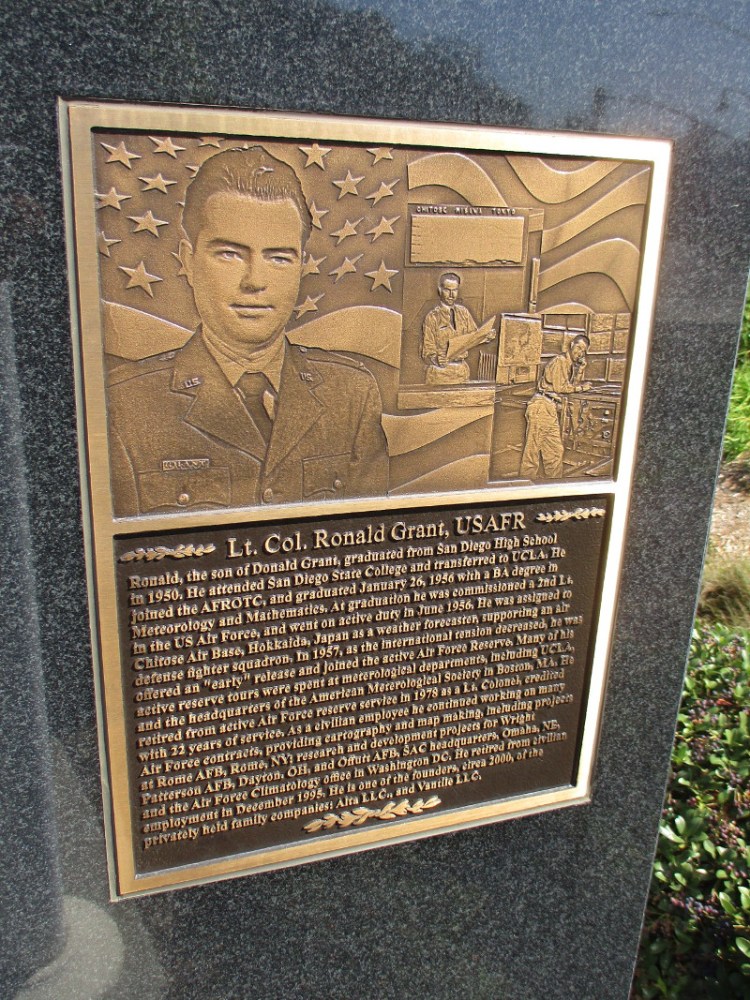
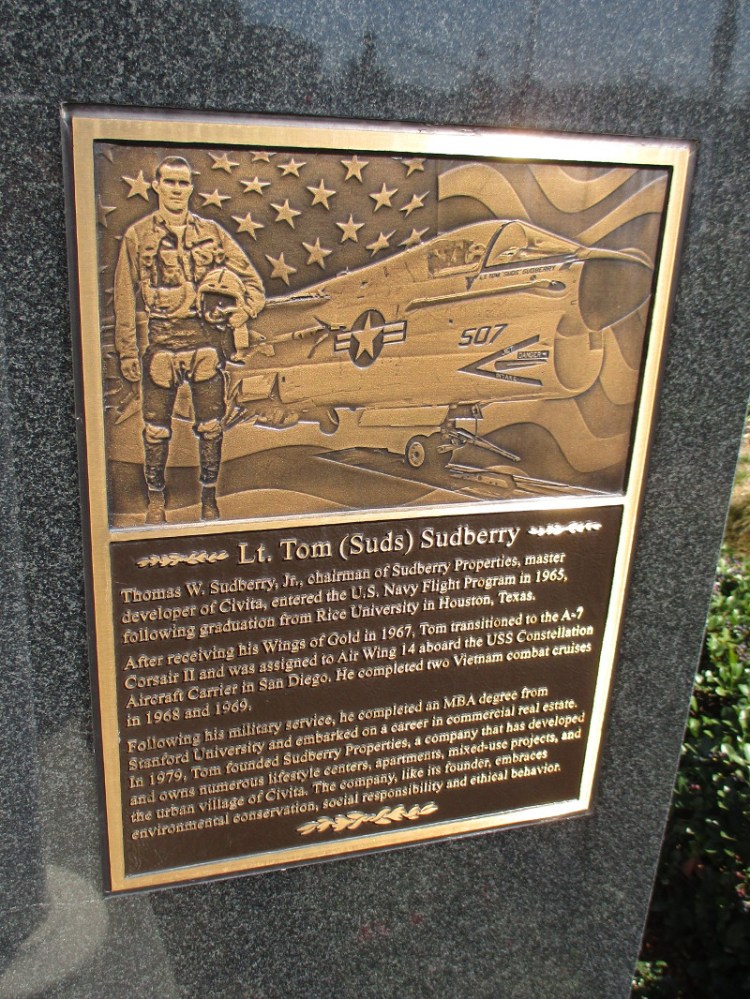
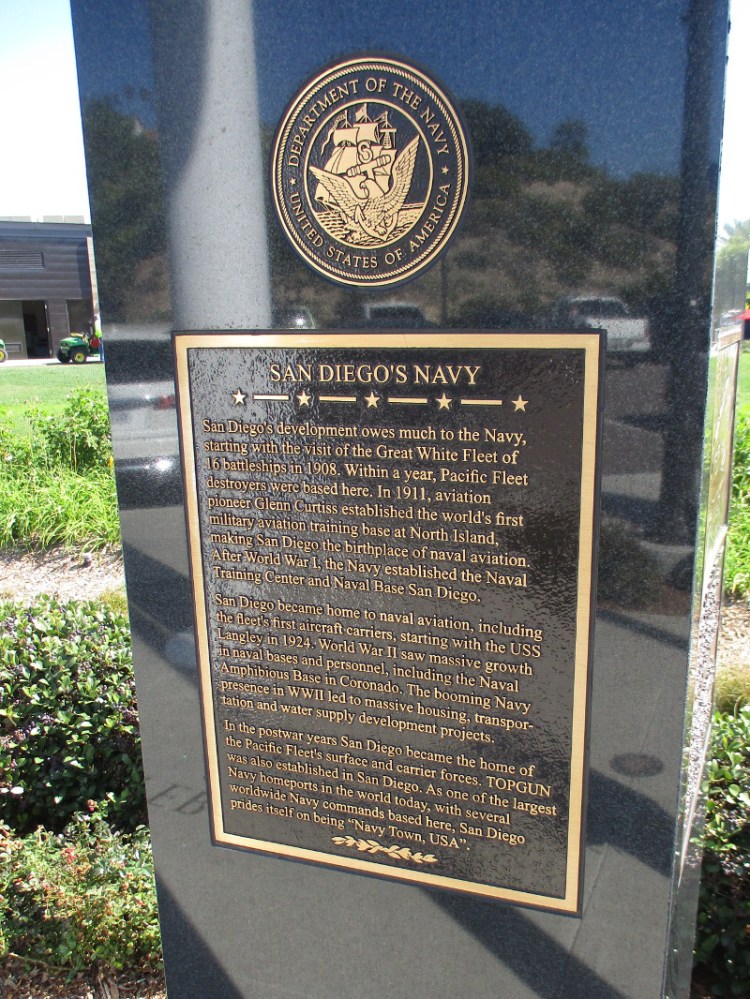
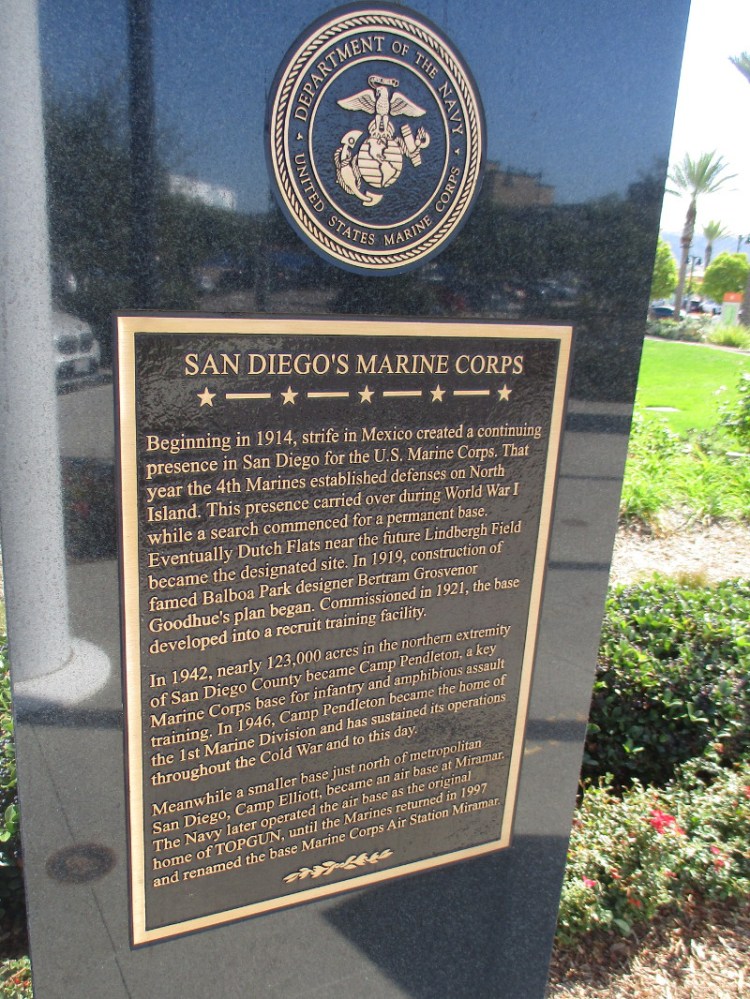
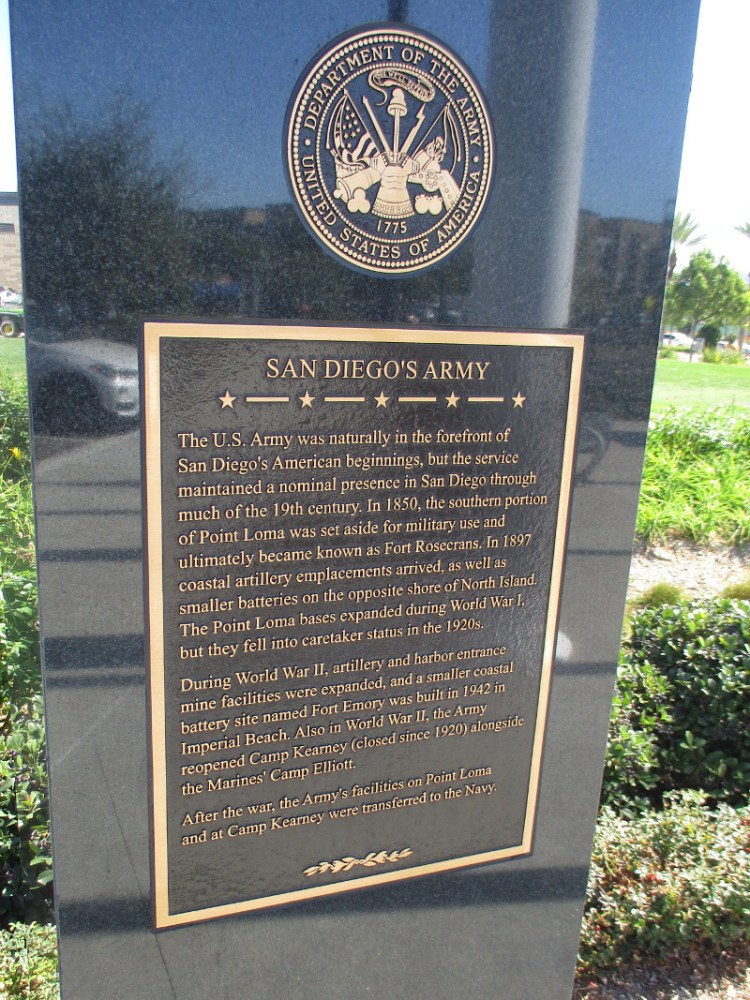
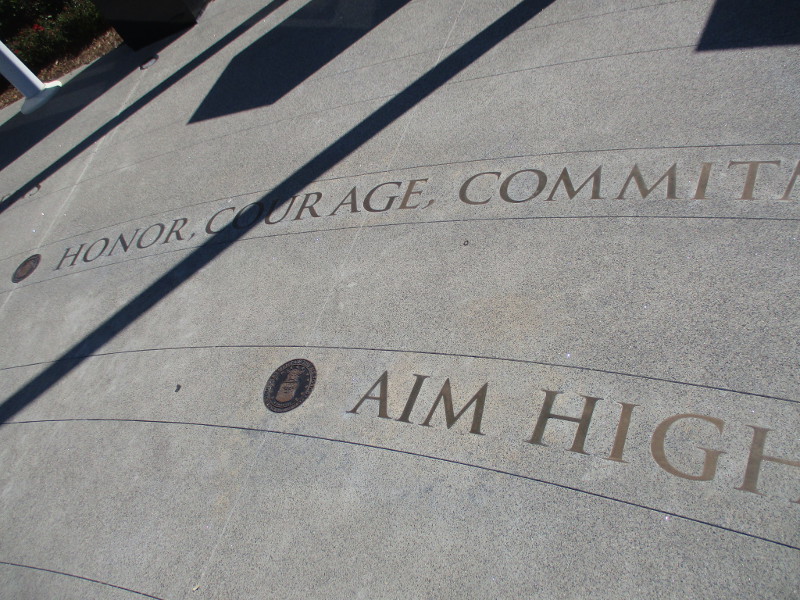
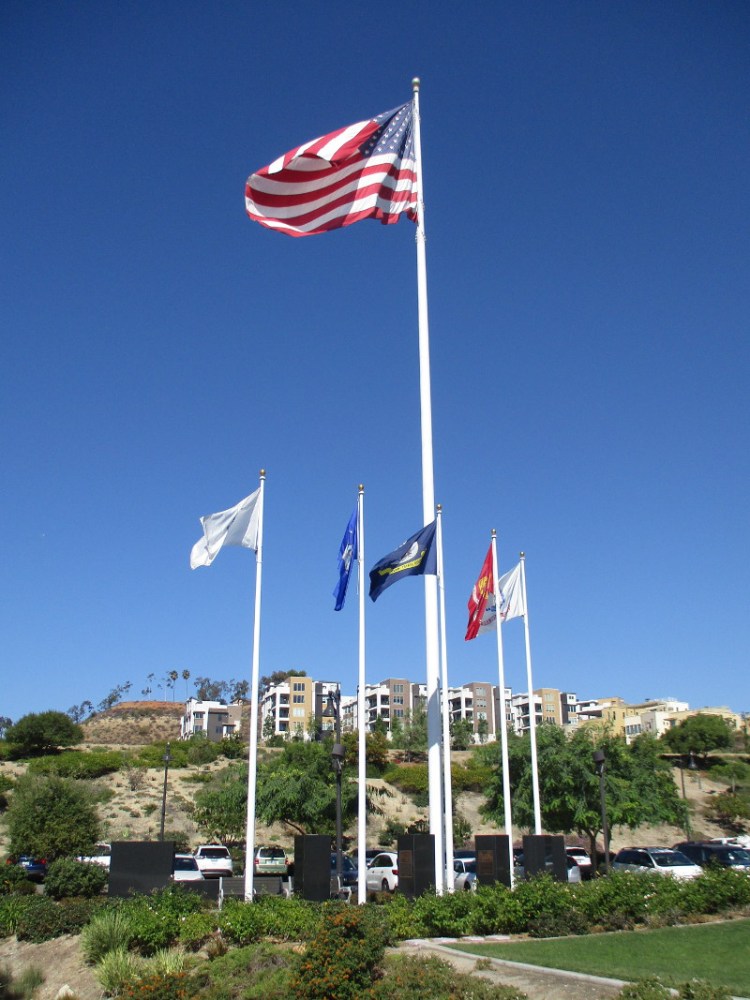
Four years ago, Military Tribute Plaza was dedicated at Civita in Mission Valley.
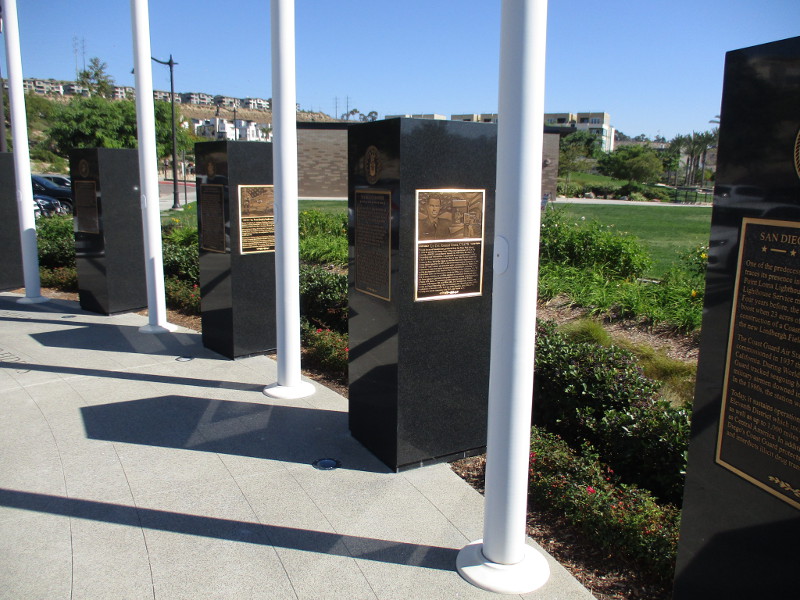
This monument, saluting the United States Armed Services, features flags above black marble columns. Bronze plaques recall the history of each military branch in San Diego. Veterans are also honored.
I took these photographs a few weeks ago when I enjoyed a walk through the large Civita residential community. I thought now would be a good time to post them, because Veterans Day has arrived.
In Memory of The Five Grant Brothers Who Honorably Served Their Country During World War II.SAN DIEGO’S COAST GUARD. One of the predecessors of the modern Coast Guard traces it presence in San Diego to the opening of the Point Loma Lighthouse in 1855…SAN DIEGO’S AIR FORCE. Originally part of the U.S. Army, the Air Force took shape with military aviation at Rockwell Field at North Island, beginning in 1912…Lt. Col. Ronald Grant, USAFR.Lt. Tom (Suds) Sudberry.SAN DIEGO’S NAVY. San Diego’s development owes much to the Navy, starting with the visit of the Great White Fleet of 16 battleships in 1908…SAN DIEGO’S MARINE CORPS. Beginning in 1914, strife in Mexico created a continuing presence in San Diego for the U.S. Marine Corps…SAN DIEGO’S ARMY. The U.S. Army was naturally in the forefront of San Diego’s American beginnings…
…
I live in downtown San Diego and love to walk around with my camera! You can follow Cool San Diego Sights via Facebook or Twitter!
You can easily explore Cool San Diego Sights by using the search box on my blog’s sidebar. Or click a tag! There are thousands upon thousands of photos for you to enjoy!
Explore the south end of Torrey Pines Park Road at Torrey Pines State Natural Reserve and you’ll discover breathtaking beauty and fascinating history.
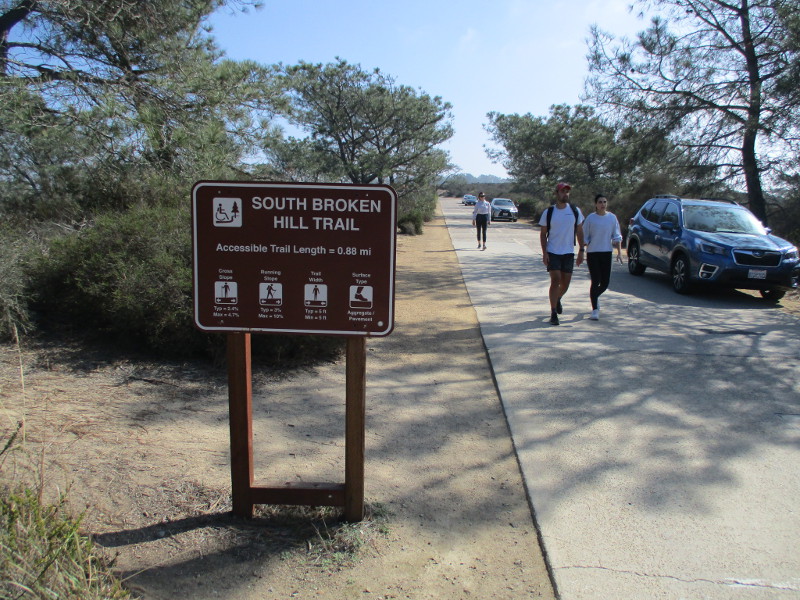
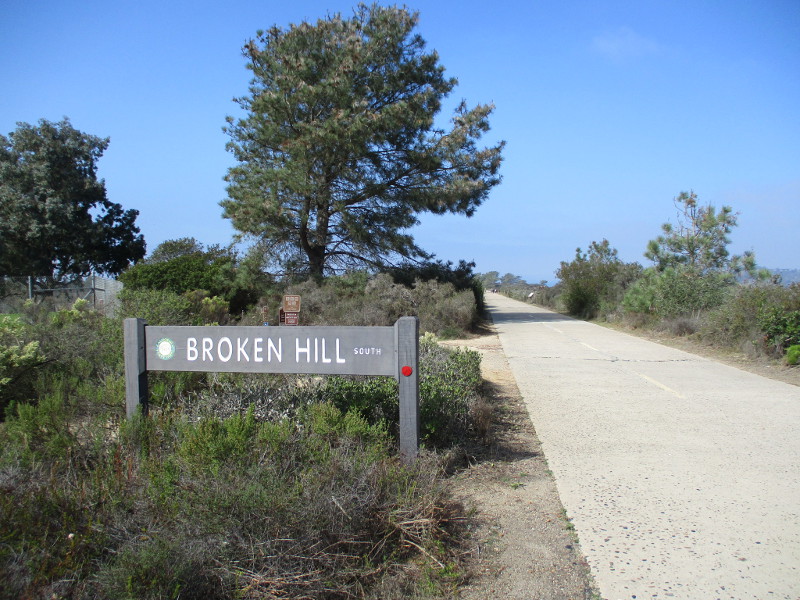
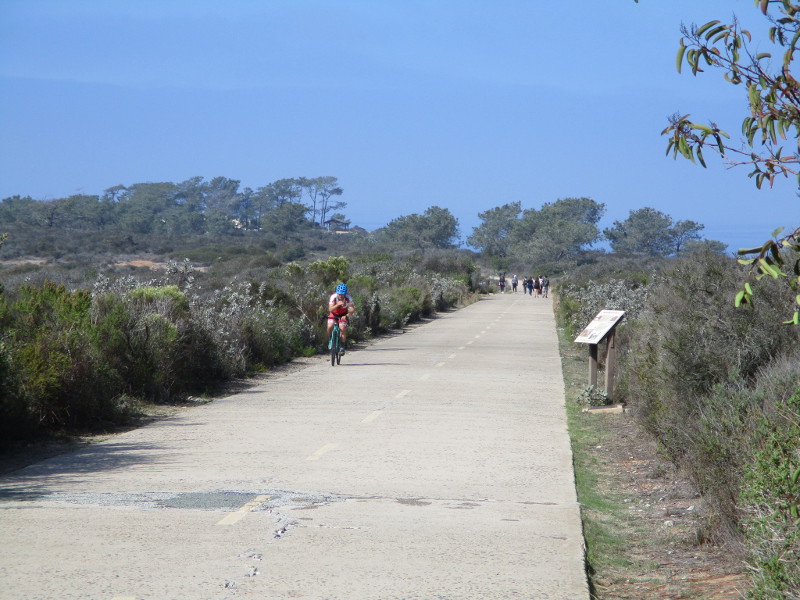
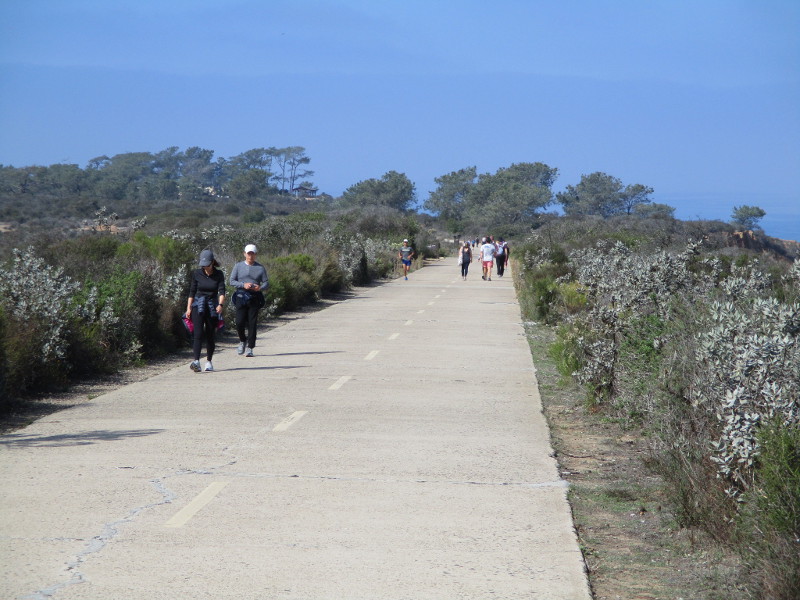
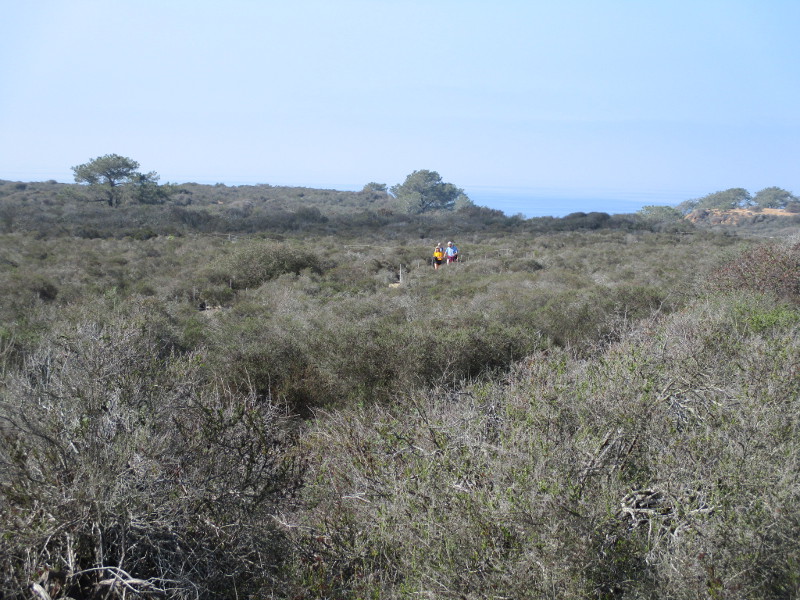
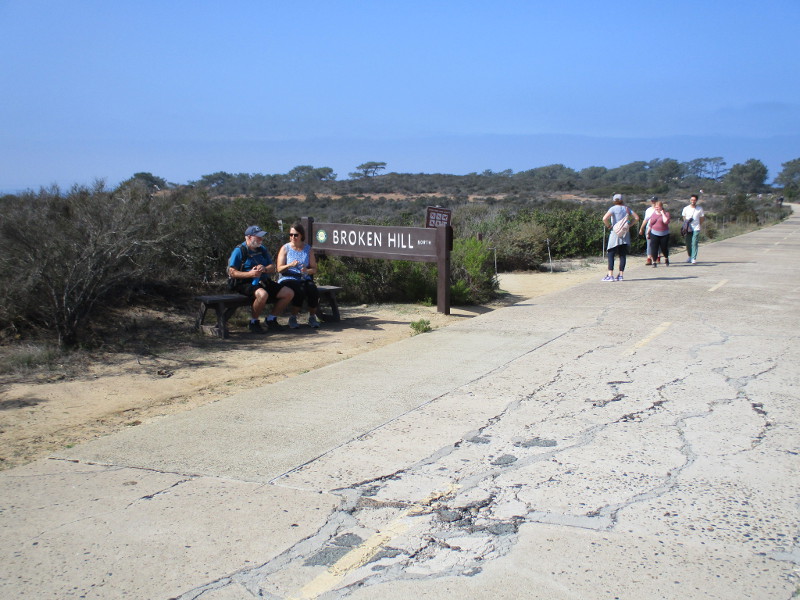
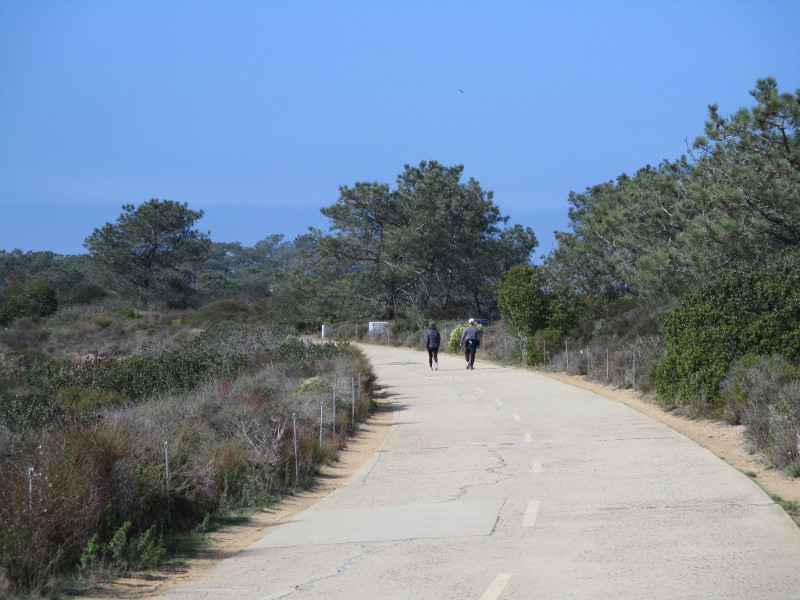
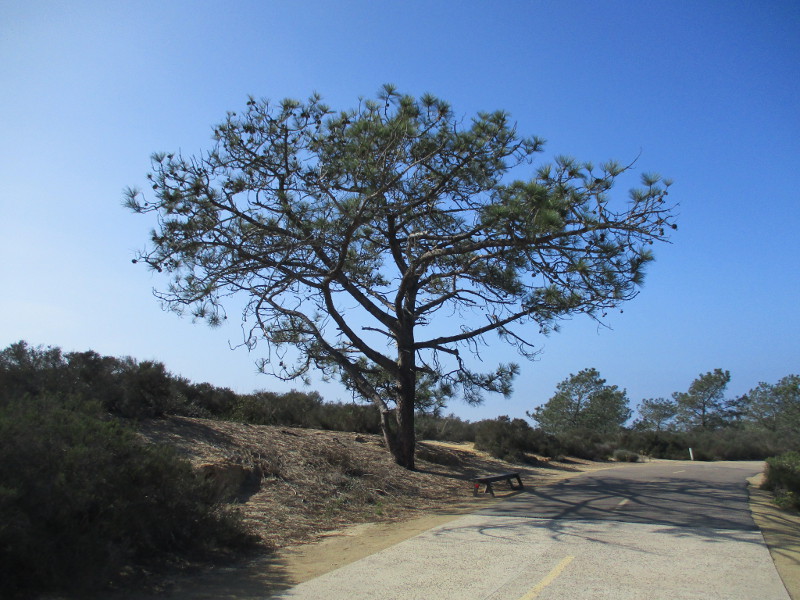
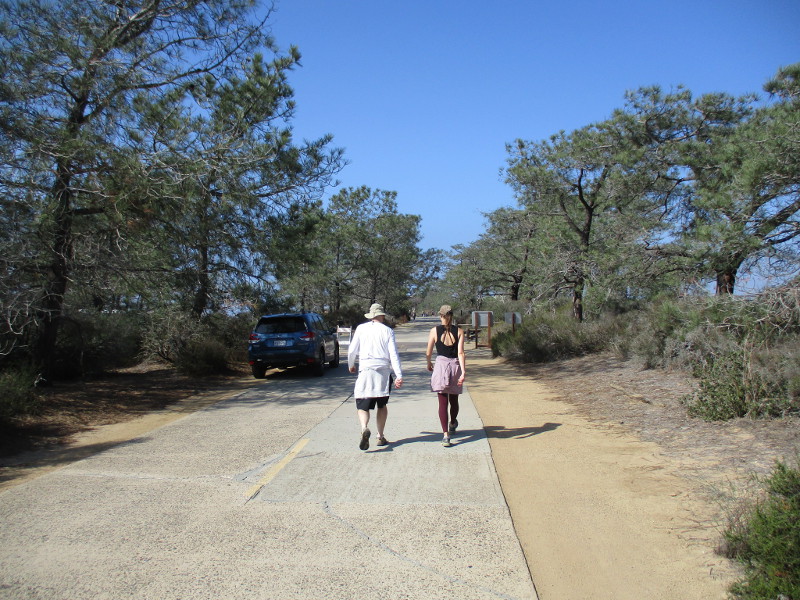
Last weekend I walked north along the paved trail, which a century ago was part of the main road from San Diego to Los Angeles. The following photographs begin near Torrey Pines Golf Course and end just short of the Visitor Center at Torrey Pines State Reserve’s old Lodge. The historic road, closed to vehicle traffic, is how hikers access Broken Hill Trail, which winds through a rugged landscape down to the beach.
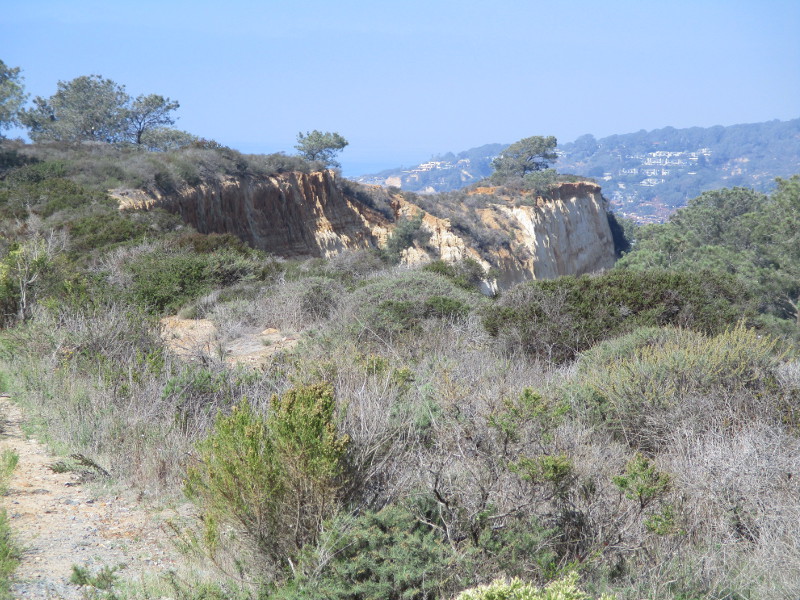
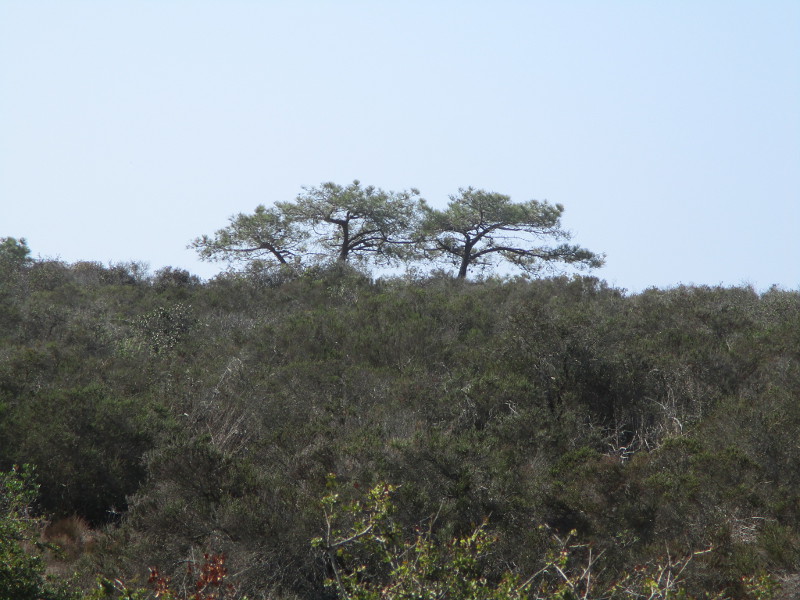
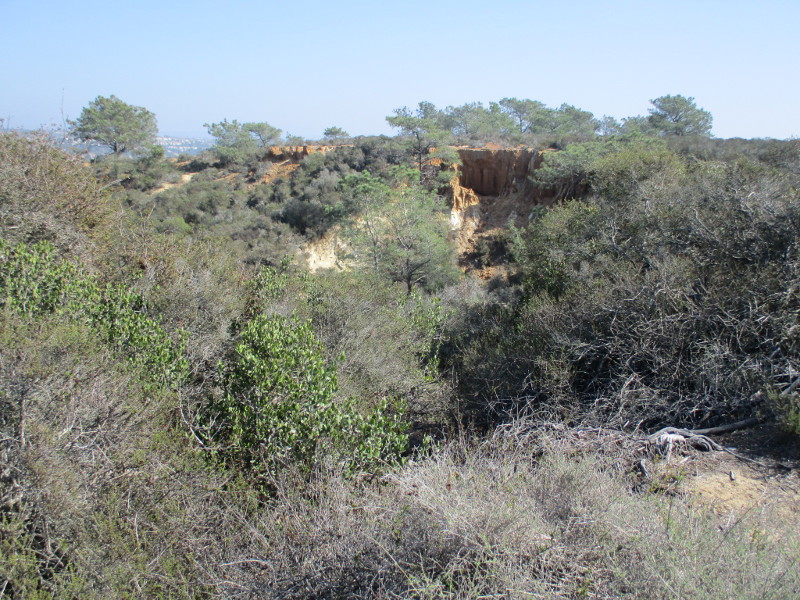
In my photos you’ll see native coastal sage scrub and chaparral plants, rare Torrey pine trees, the Pacific Ocean in the distance to the west and sandstone cliffs overlooking North Torrey Pines Road to the east. Signs along the way speak of the history of this place.
Come along as I walk down old Torrey Pines Park Road on a sunny November day!
Other walkers and bicyclists were also enjoying a fun adventure.
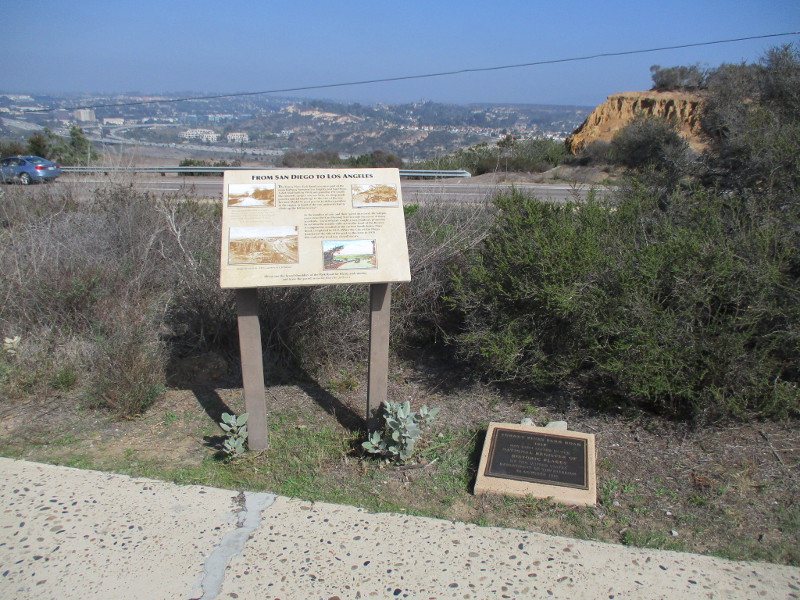
To the east beyond an information sign and historical marker one can see North Torrey Pines Road, Carmel Valley and Interstate 5.
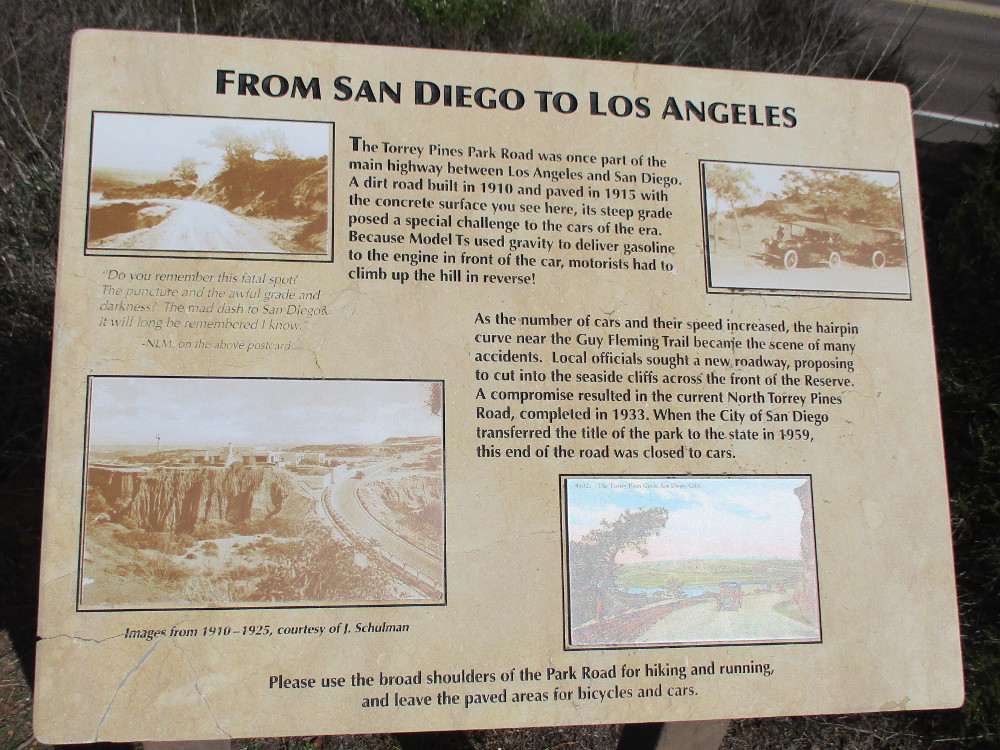
FROM SAN DIEGO TO LOS ANGELES
The Torrey Pines Park Road was once part of the main highway between Los Angeles and San Diego. A dirt road built in 1910 and paved in 1915 with the concrete surface you see here, its steep grade posed a special challenge to the cars of the era. Because Model Ts used gravity to deliver gasoline to the engine in front of the car, motorists had to climb up the hill in reverse.
As the number of cars and their speed increased, the hairpin curve near the Guy Fleming Trail became the scene of many accidents. Local officials sought a new roadway, proposing to cut into the seaside cliffs across the front of the Reserve. A compromise resulted in the current North Torrey Pines Road, completed in 1933. When the City of San Diego transferred the title of the park to the state in 1959, this end of the road was closed to cars.
The steep hill and its hairpin curves mentioned in the sign are north of the Lodge, beyond this particular walk. Cars entering the park still use it.
If you’d like to see past photos of the Guy Fleming Trail which is also referenced in the sign, click here!
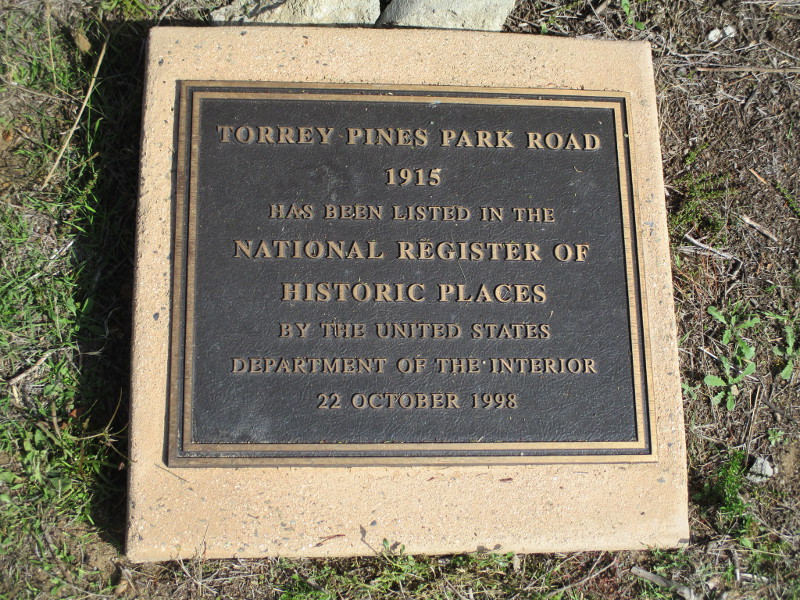
TORREY PINES PARK ROAD
1915
HAS BEEN LISTED IN THE NATIONAL REGISTER OF HISTORIC PLACES BY THE UNITED STATES DEPARTMENT OF THE INTERIOR
22 OCTOBER 1998
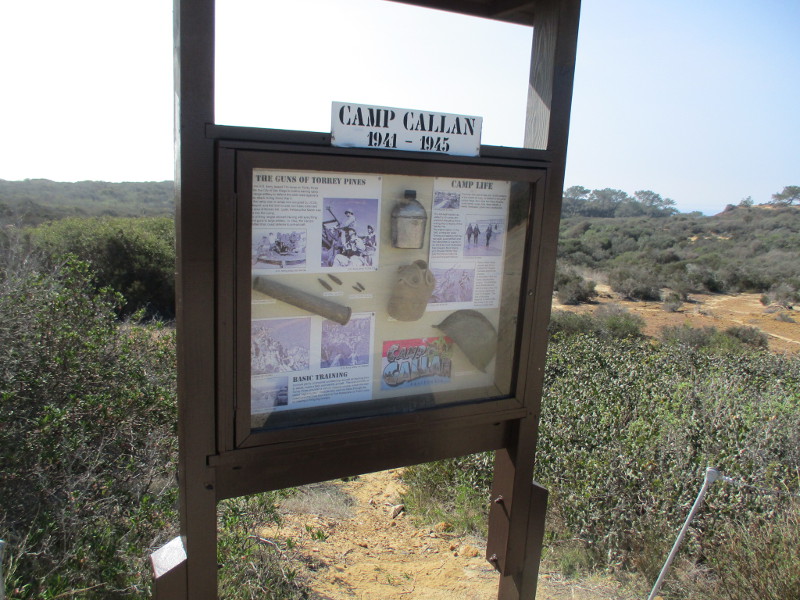
Hikers explore nature’s beauty.The North Fork Trailhead leads west to the Broken Hill Trail.Picturesque sandstone cliffs overlook North Torrey Pines Road (not visible) to the east.A sign details the history of Camp Callan, which was located here from 1941 to 1945.
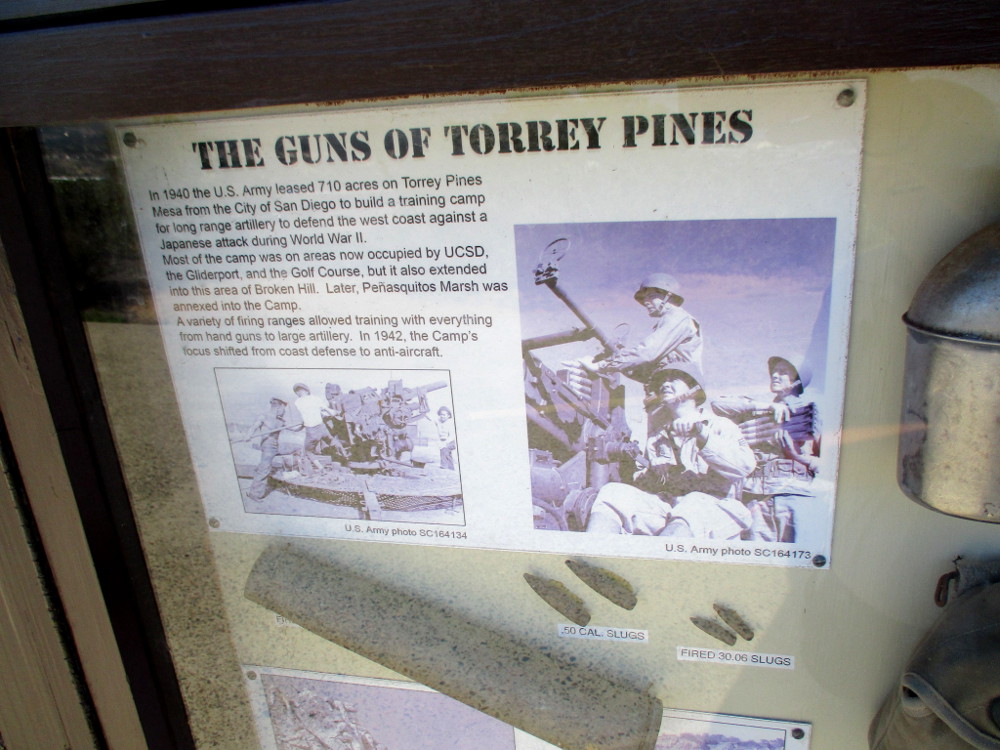
THE GUNS OF TORREY PINES
In 1940 the U.S. Army leased 710 acres on Torrey Pines Mesa from the City of San Diego to build a training camp for long range artillery to defend the west coast against a Japanese attack during World War II. Most of the camp was on areas now occupied by UCSD, the Gliderport, and the Golf Course, but it also extended into the area of Broken Hill. Later, Penasquitos Marsh was annexed into the Camp. A variety of firing ranges allowed training with everything from hand guns to large artillery. In 1942, the Camp’s focus shifted from coast defense to anti-aircraft.
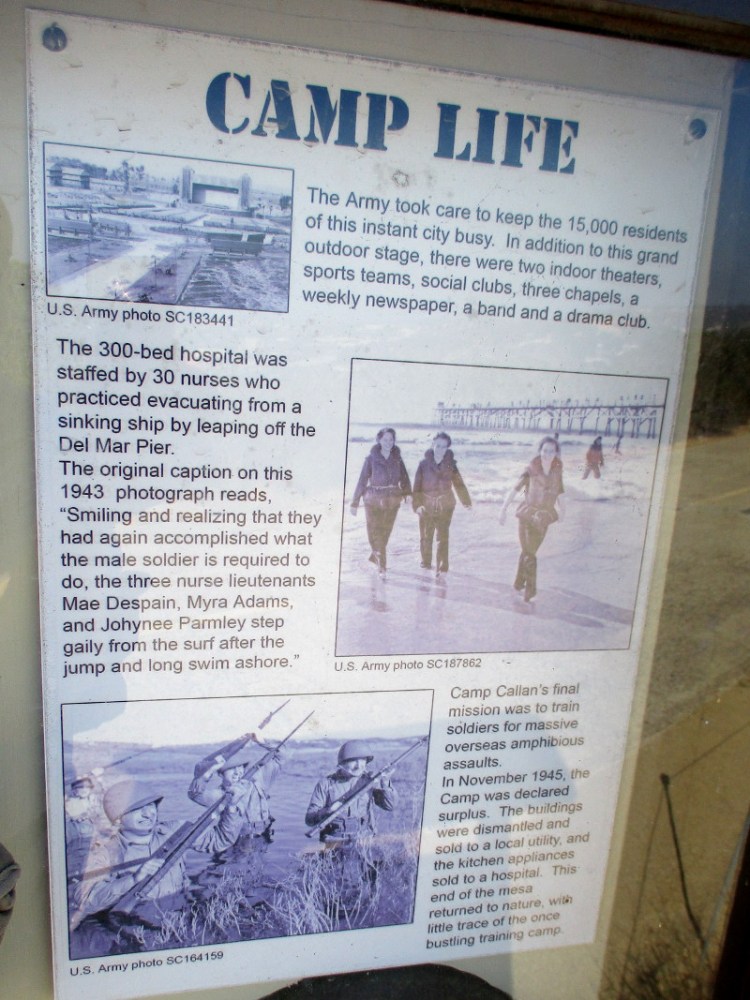
CAMP LIFE
The Army took care to keep the 15,000 residents of this instant city busy. In addition to this grand outdoor stage, there were two indoor theaters, sports teams, social clubs, three chapels, a weekly newspaper, a band and a drama club.
The 300-bed hospital was staffed by 30 nurses who practiced evacuating from a sinking ship by leaping off the Del Mar Pier. The original caption on the 1943 photograph reads, “Smiling and realizing that they had again accomplished what the male soldier is required to do, the three nurse lieutenants Mae Despain, Myra Adams, and Johynee Parmley step gaily from the surf after the jump and long swim ashore.”
Camp Callan’s final mission was to train soldiers for massive overseas amphibious assaults. In November 1945, the Camp was declared surplus. The buildings were dismantled and sold to a local utility, and the kitchen appliances sold to a hospital. This end of the mesa returned to nature, with little trace of the once bustling training camp.
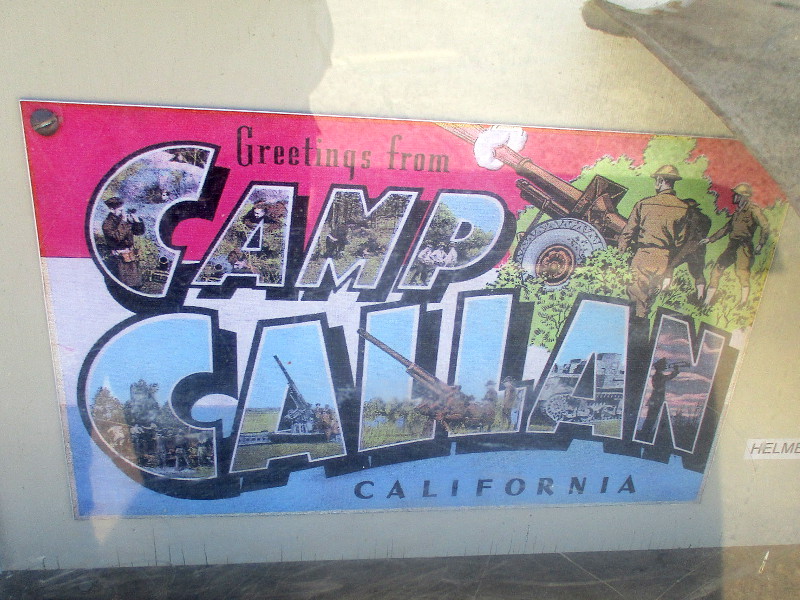
A postcard. Greetings from CAMP CALLAN CALIFORNIA.Torrey pine trees in the distance.More eroded sandstone to the east.Approaching a small parking lot at the Beach Trailhead near The Lodge.
…
This blog now features thousands of photos around San Diego! Are you curious? There’s lots of cool stuff to check out!
Here’s the Cool San Diego Sights main page, where you can read the most current blog posts. If you’re using a phone or small mobile device, click those three parallel lines up at the top–that opens up my website’s sidebar, where you’ll see the most popular posts, a search box, and more!
To enjoy future posts, you can also “like” Cool San Diego Sights on Facebook or follow me on Twitter.
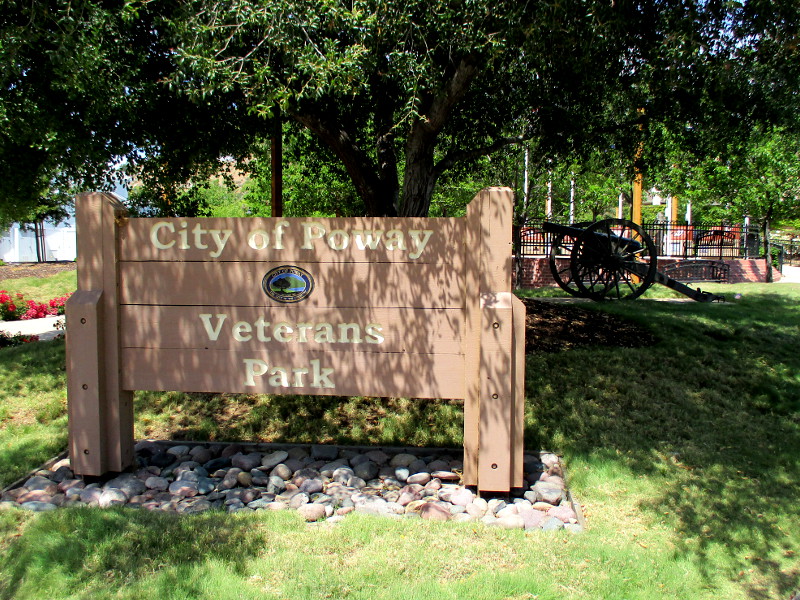
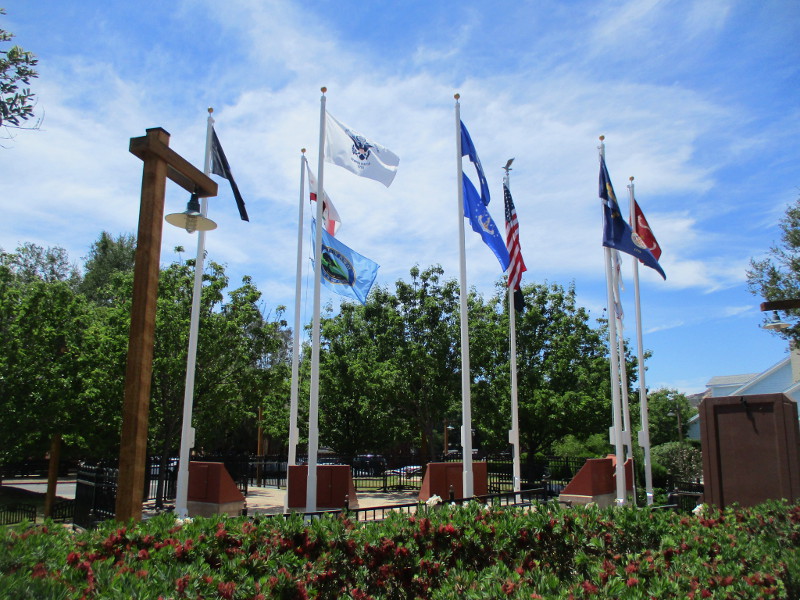
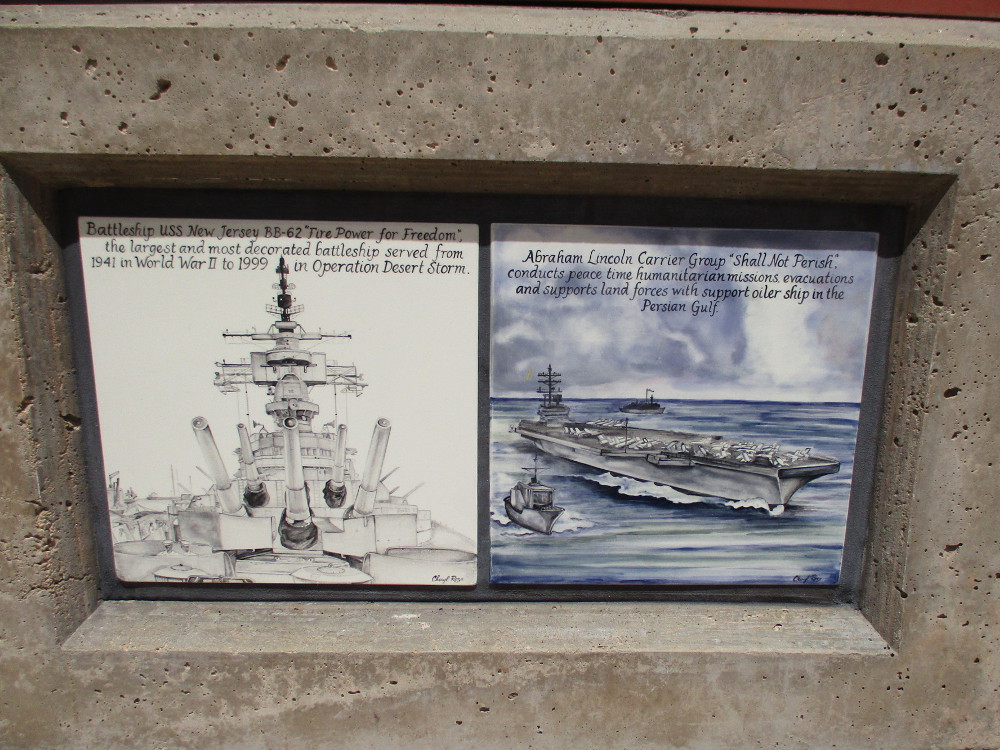
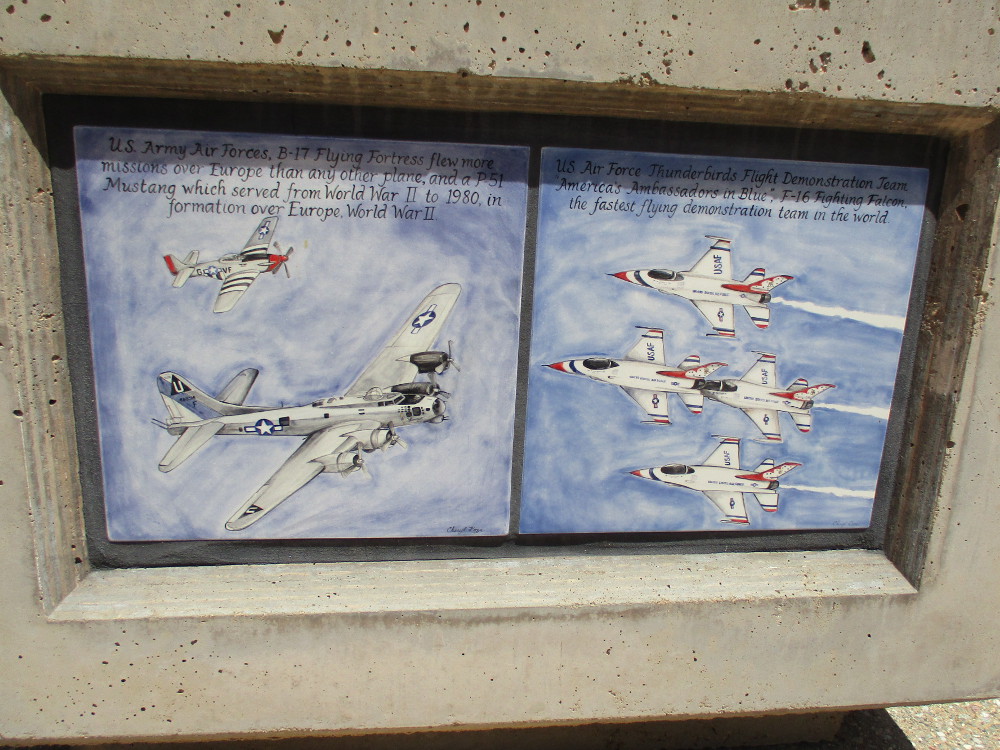
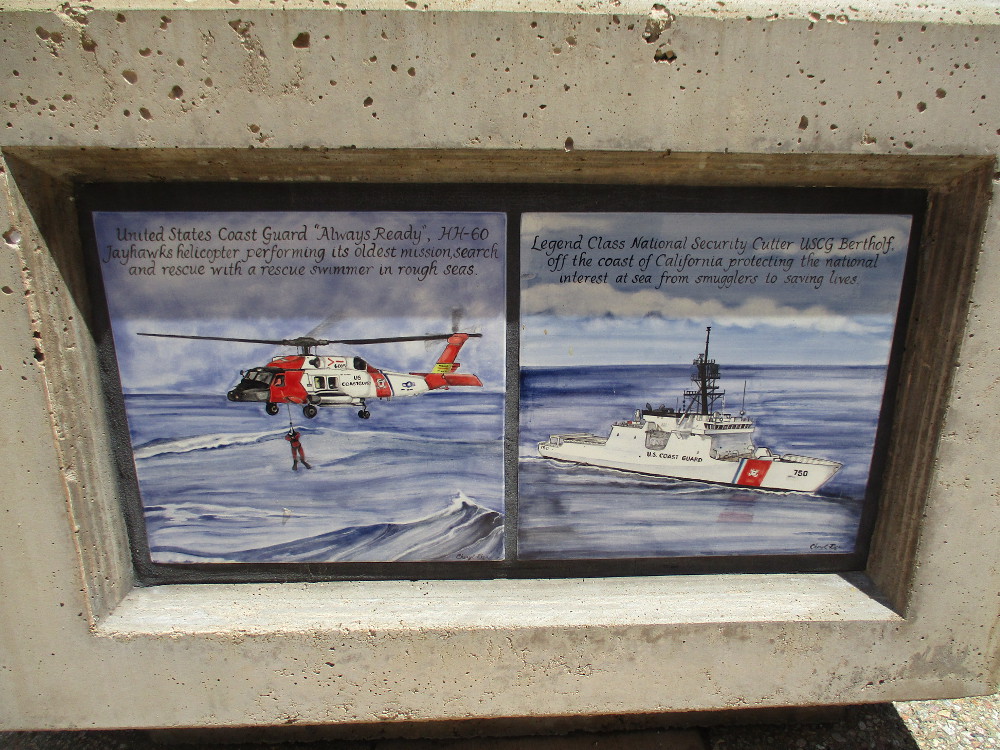
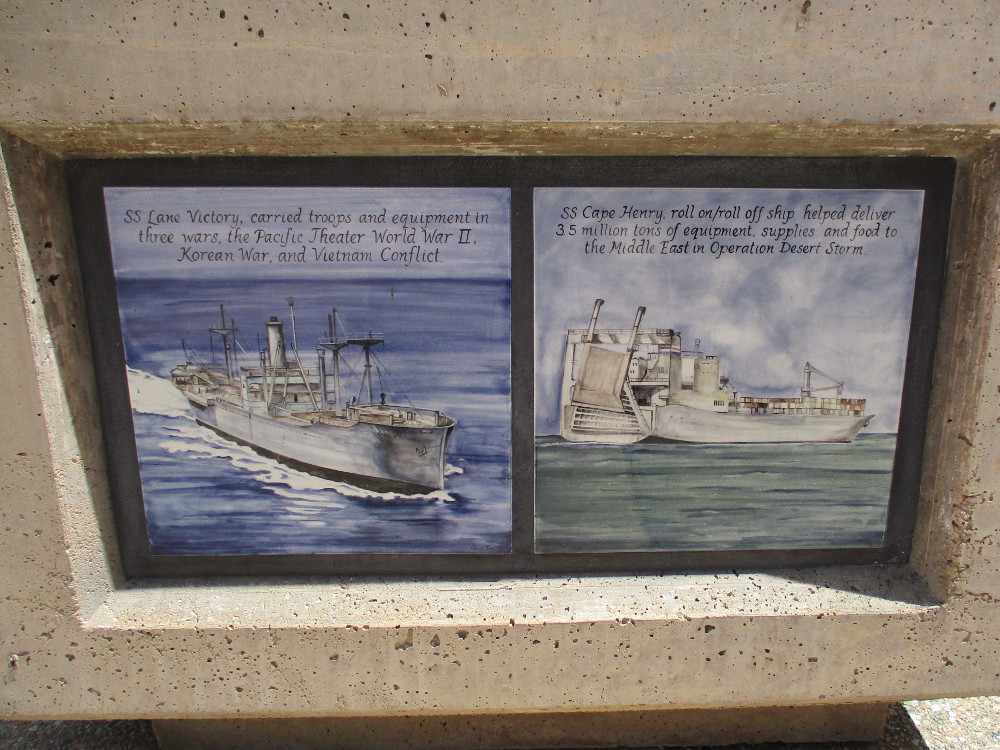
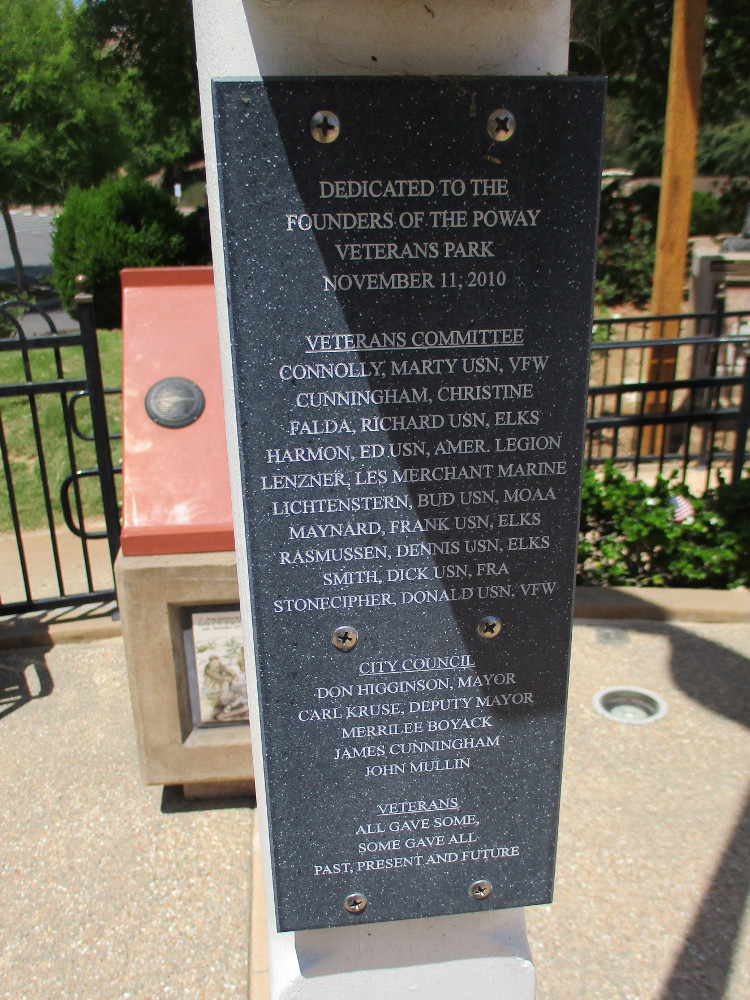
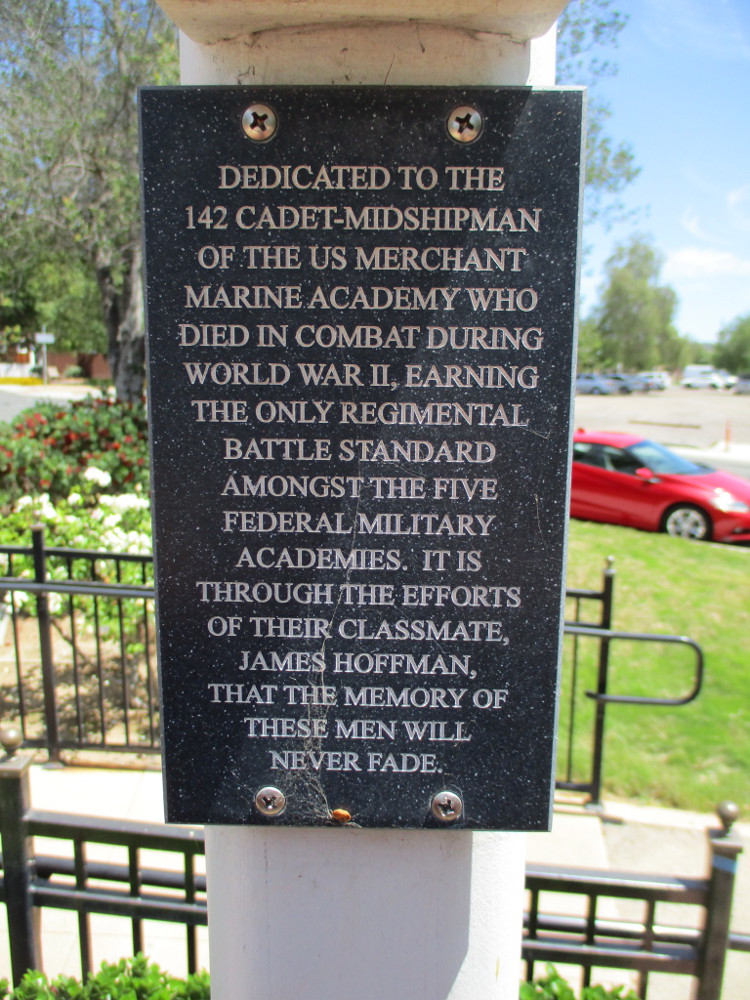
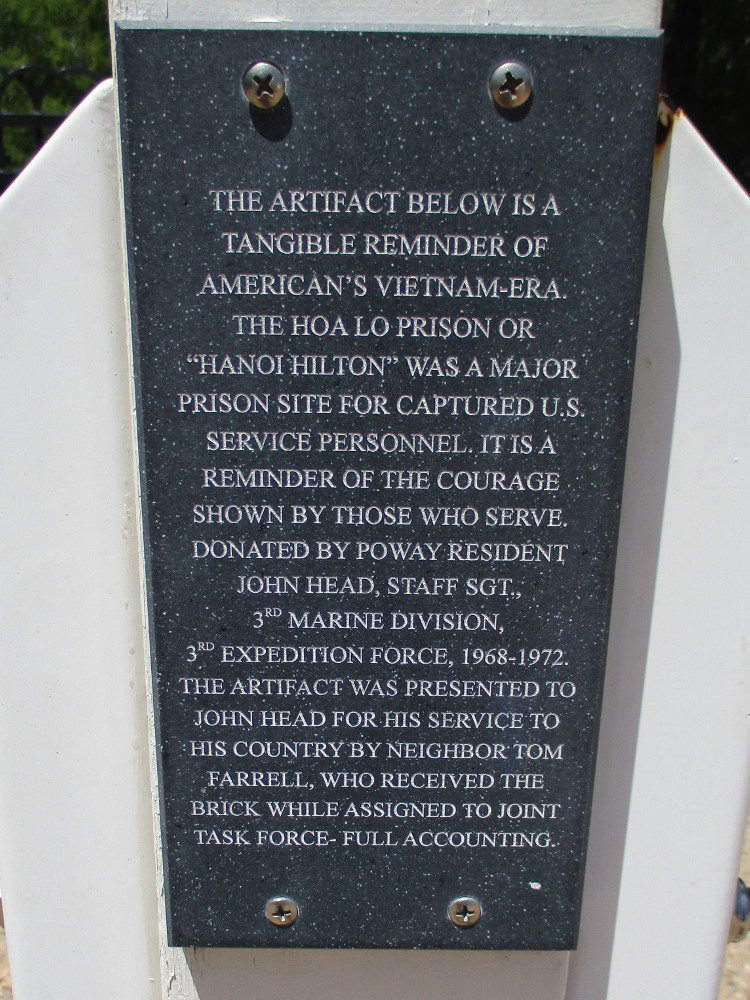
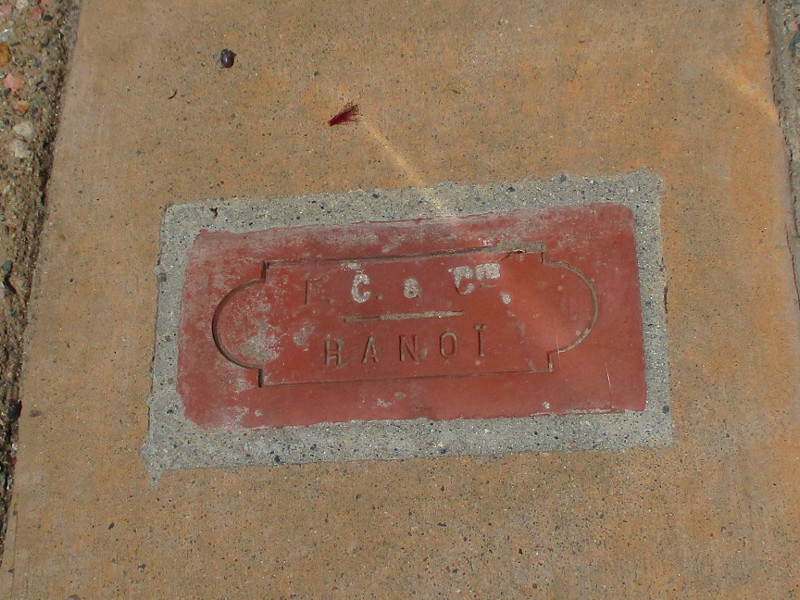
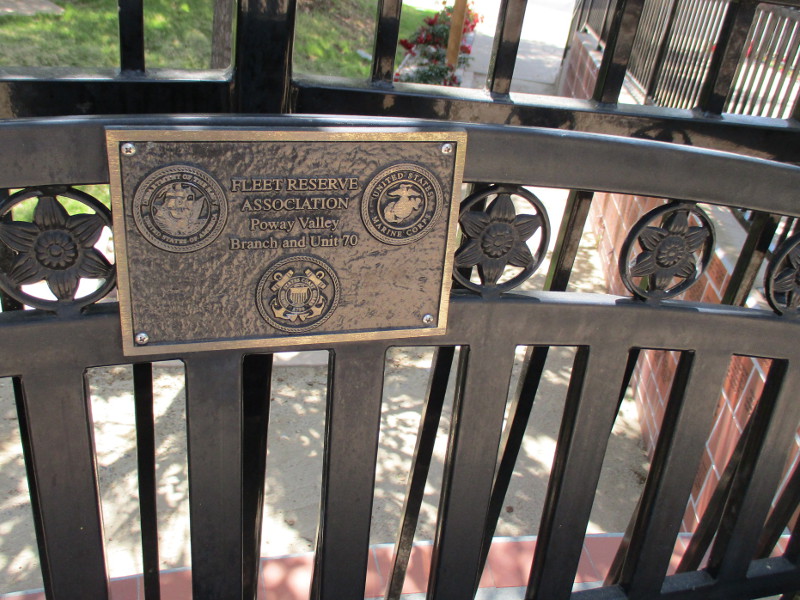
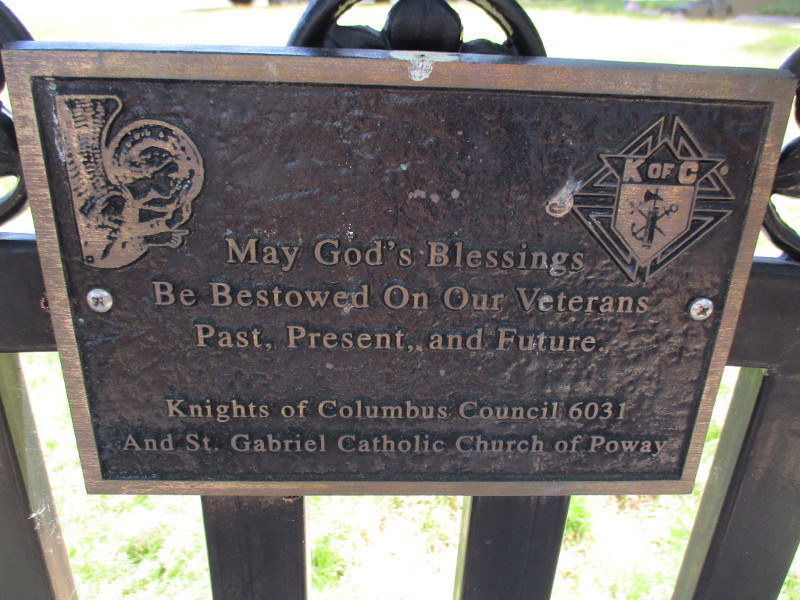
Beneath the flags of Veterans Park, located across Midland Road from Old Poway Park, those who have served in the United States military are honored and remembered.
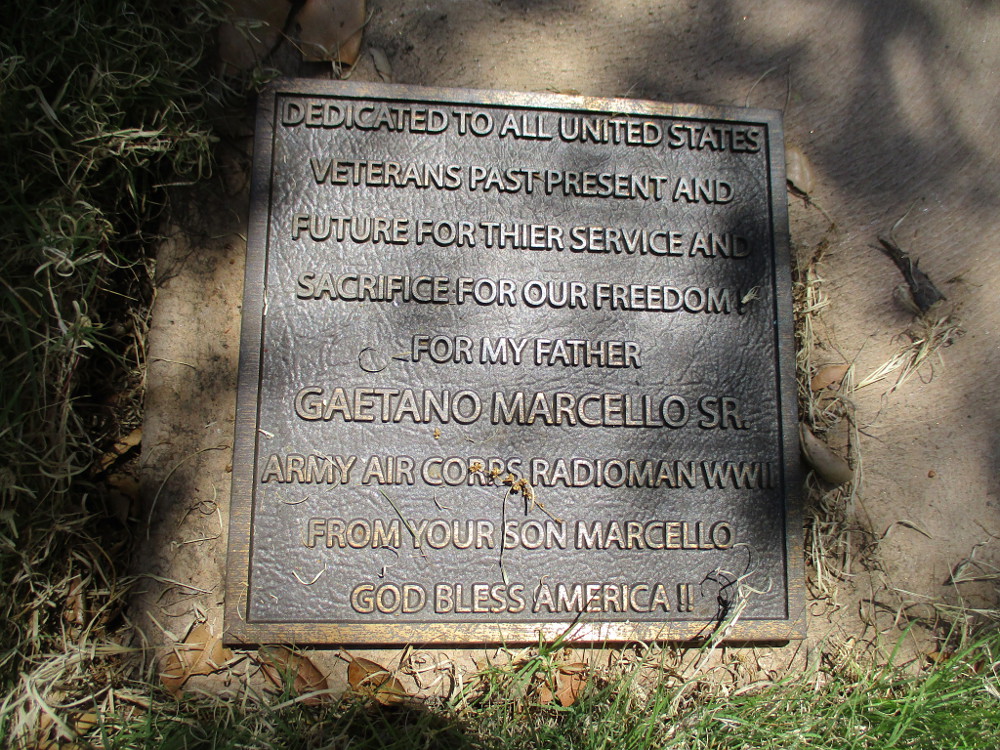
I visited Veterans Park during my most recent walk in Poway. I found many tributes to those who sacrificed.
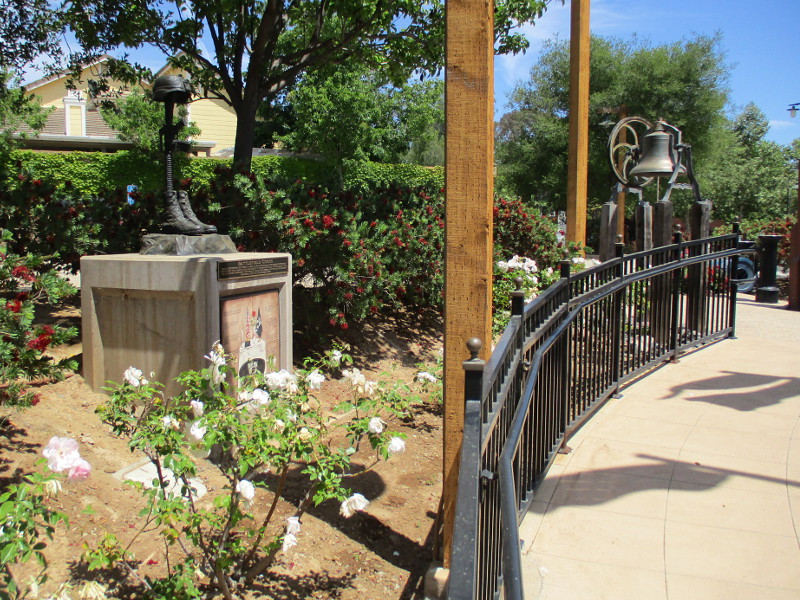
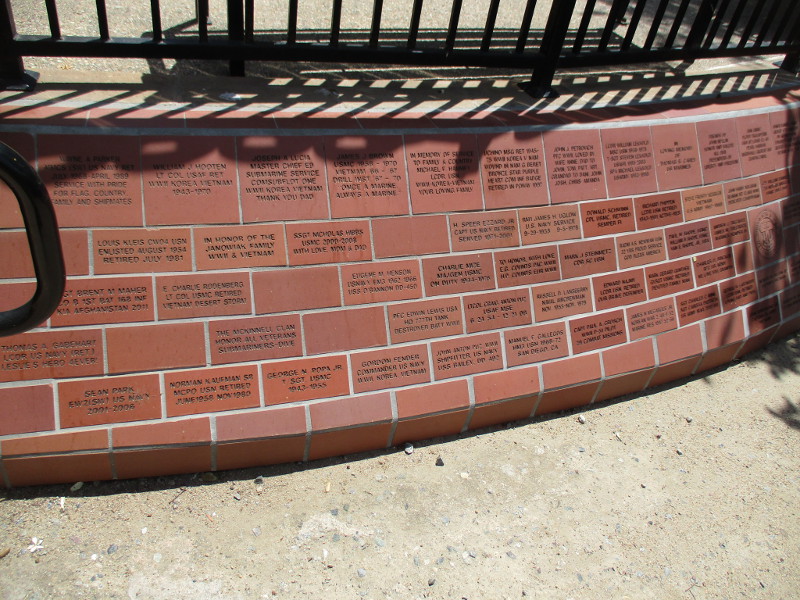
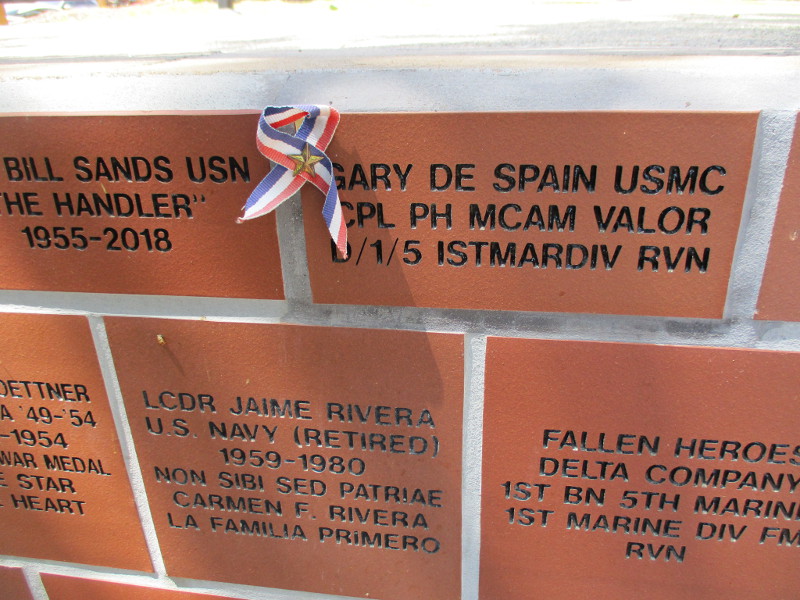
I saw plaques, engraved bricks in a Wall of Honor, and small monuments filled with memory.
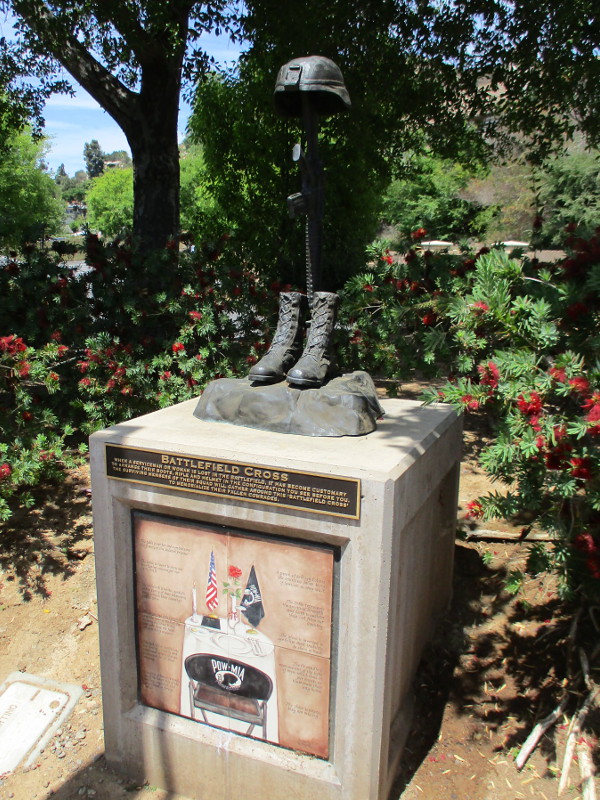
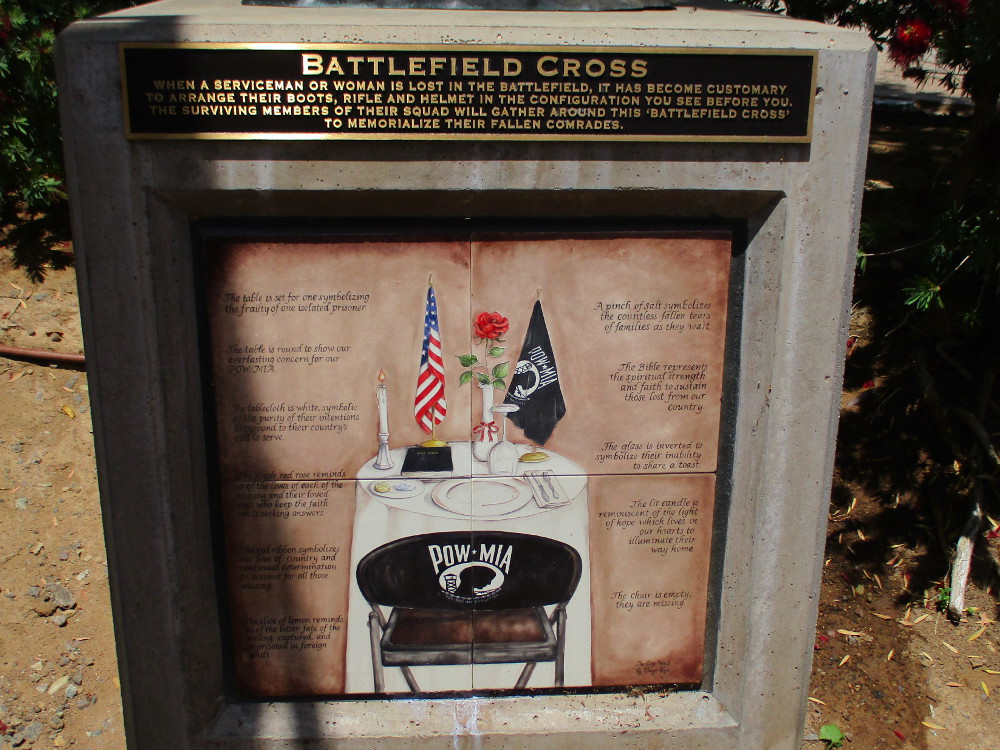
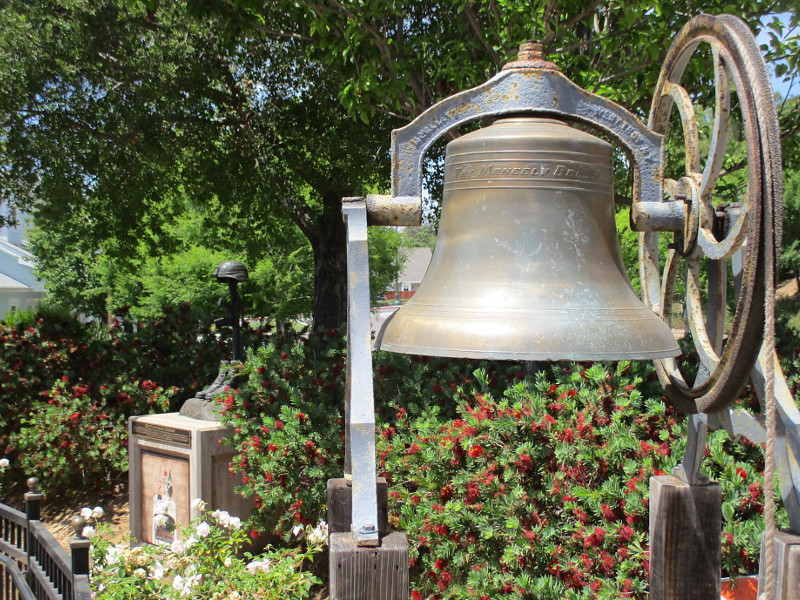
There’s a bronze Battlefield Cross and a large Meneely Bell.
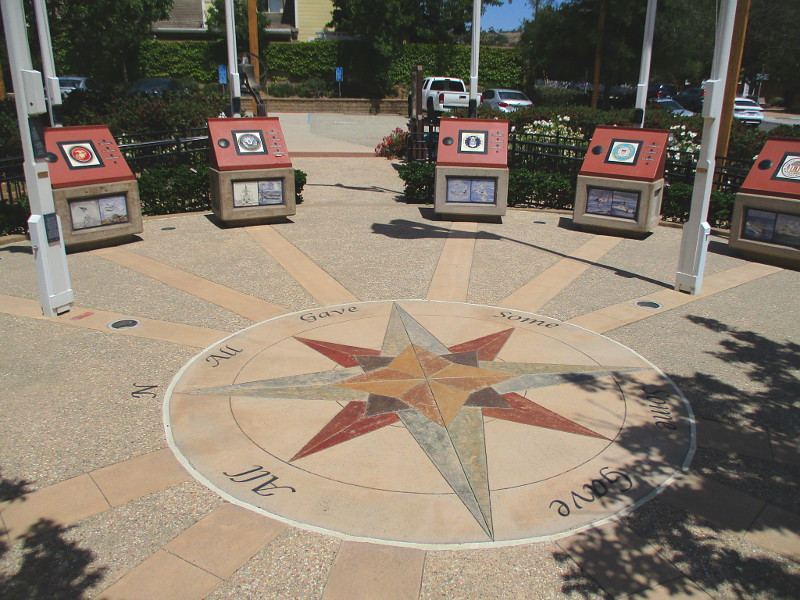
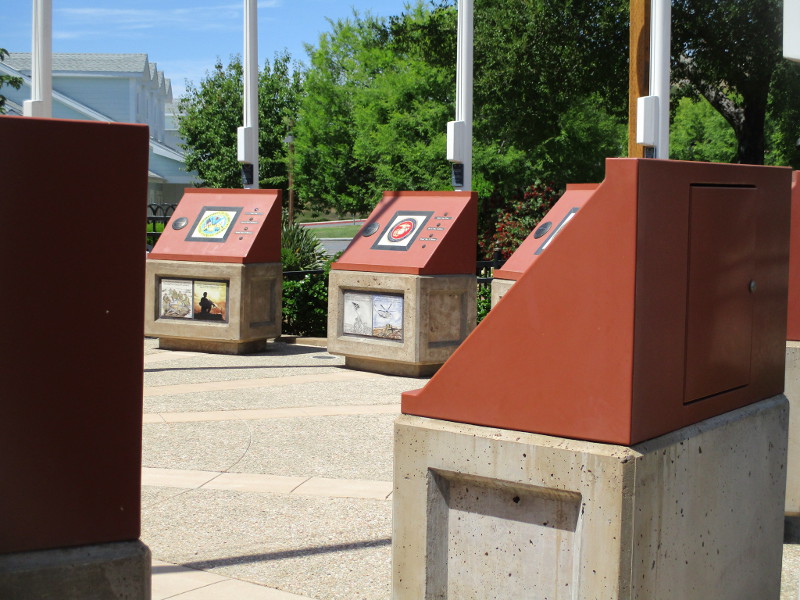
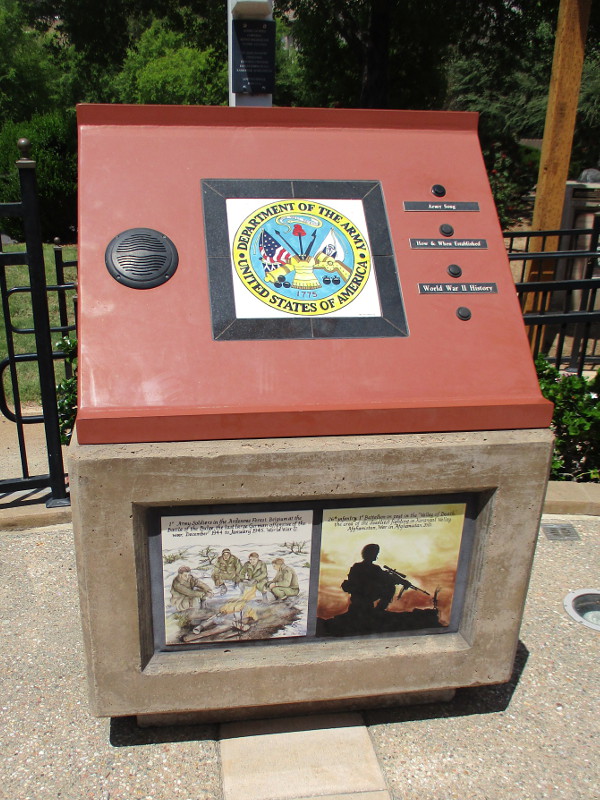
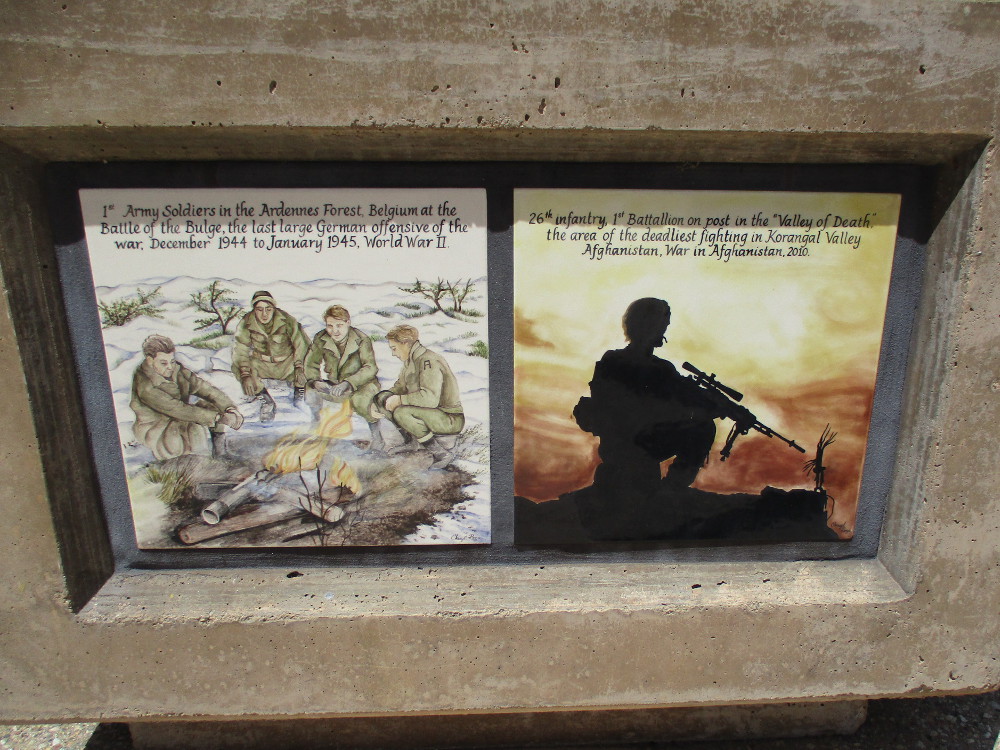
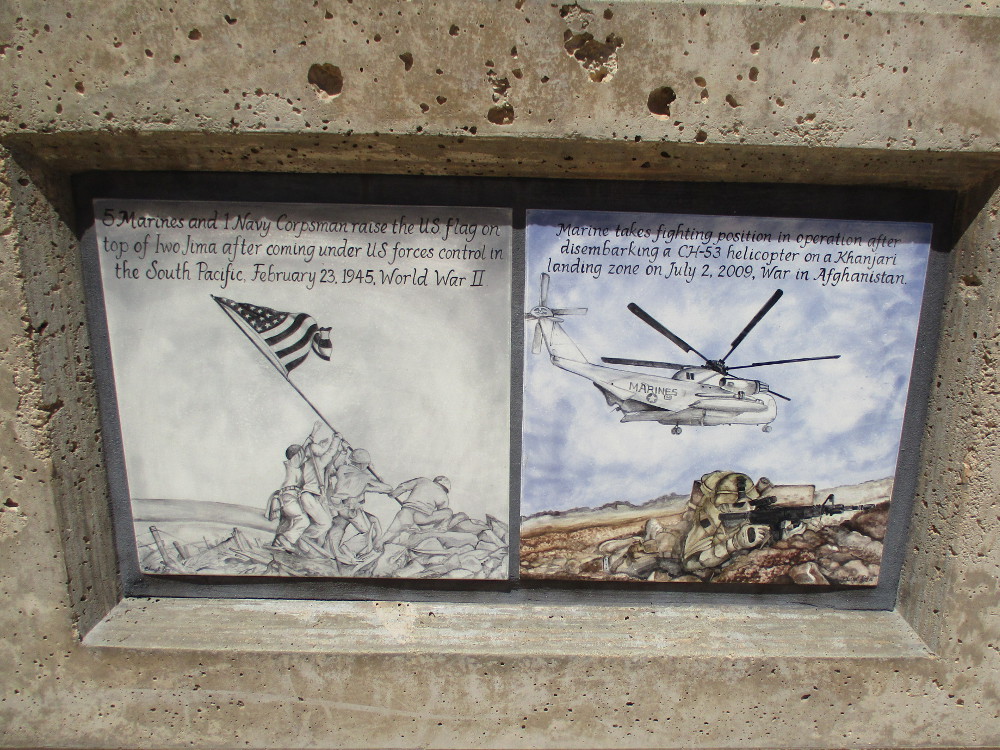
Six stations near the center of the Veterans Park circle feature artwork and audio recordings. The history of the Army, Navy, Air Force, Marines, Coast Guard and Merchant Marine is told.
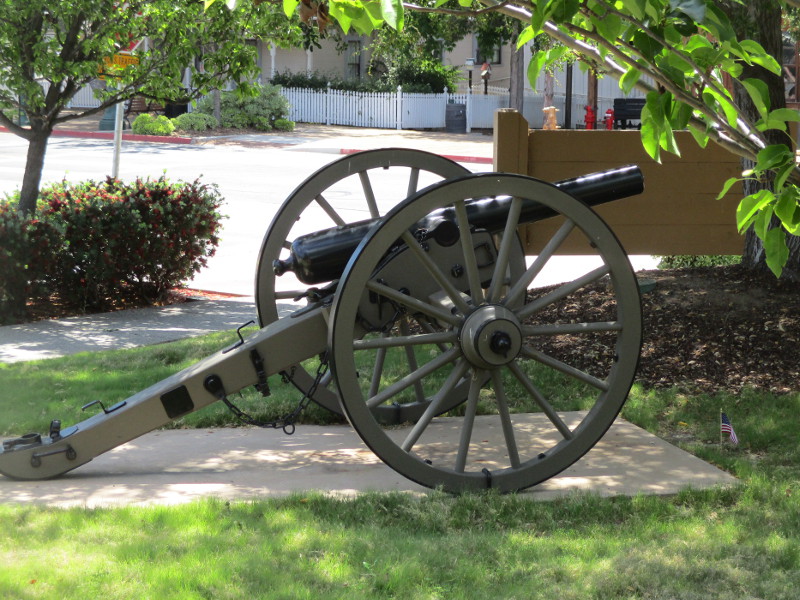
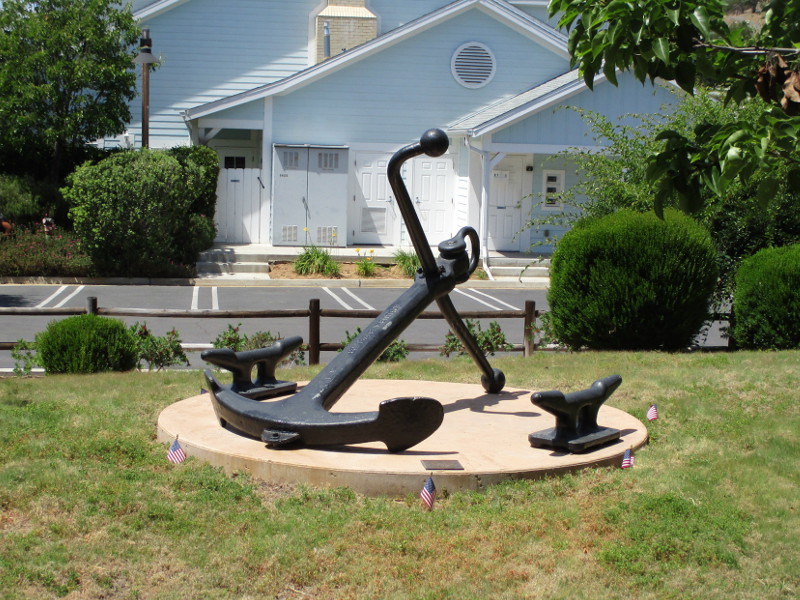
There’s a cannon, an anchor, and other artifacts from war, and words of pain, and courage, and gratitude for freedom. And many names.
…
I live in downtown San Diego and love to walk around with my camera! You can follow Cool San Diego Sights via Facebook or Twitter!
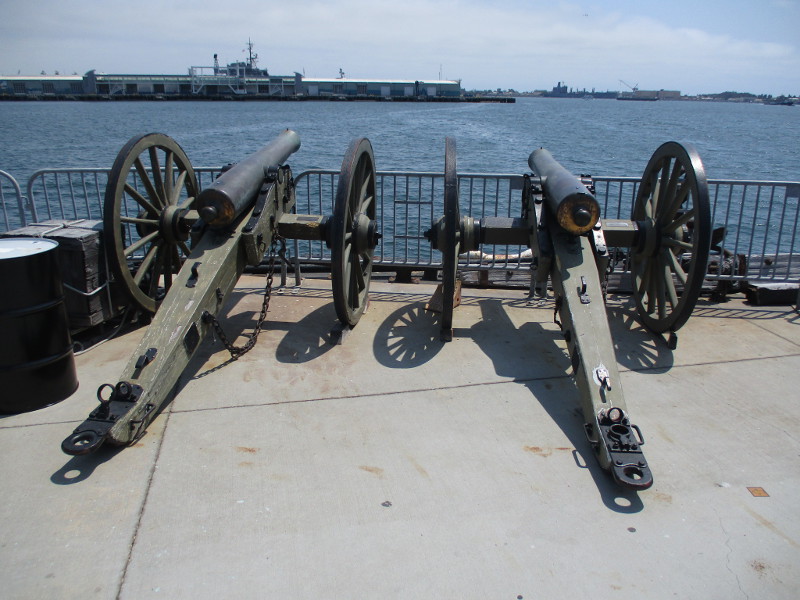
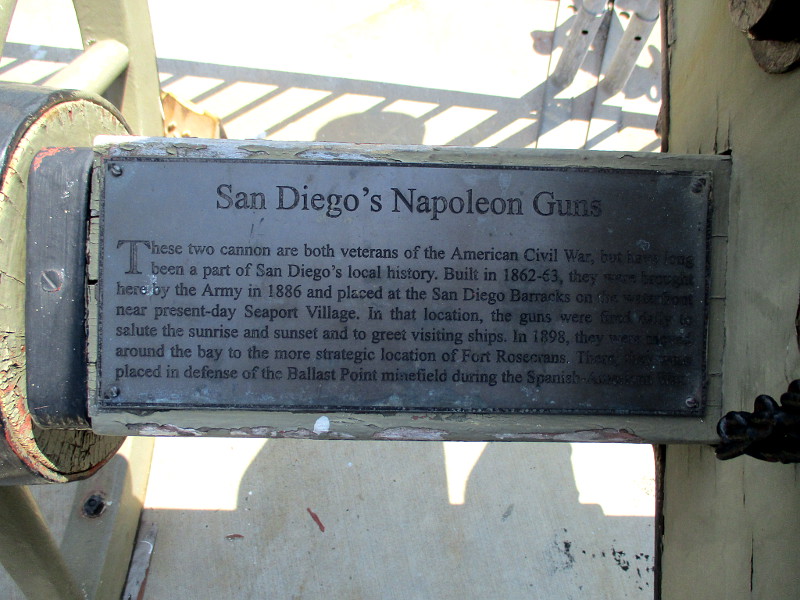
Two cannons dating from the American Civil War now make their home in San Diego. You can find them floating above the bay on the barge behind the Maritime Museum of San Diego.
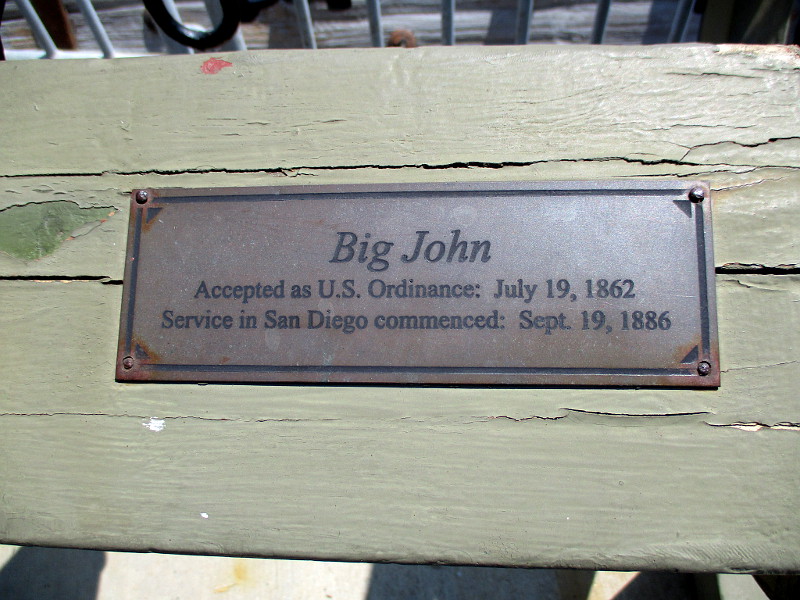
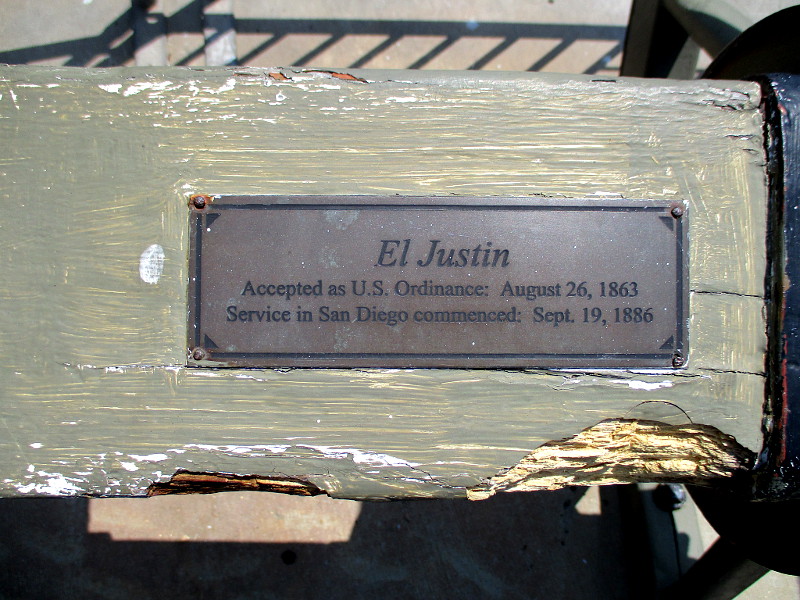
According to plaques at the museum and this very detailed article from the The Journal of San Diego History, these two “Napoleon guns” (also called a 12-pounder Gun, Model 1857) were utilized by the Union Army during the Civil War. In 1886 they were brought to our city by the U.S. Army and placed at the San Diego Barracks. The old barracks was located near today’s Seaport Village. (You can see a photo of the historical plaque marking the old barracks site here.)
The two “bronze” or “gun metal” cannons are named Big John and El Justin. Each cannon without the carriage weighs over 1,200 pounds. At the barracks they were fired at sunrise and at sunset, and whenever visiting ships came into San Diego harbor.
In 1898, at the beginning of the Spanish-American War, the two Napoleon guns were moved to Fort Rosecrans where they defended the newly laid Ballast Point minefield, and they “were fired nightly, despite complaints that the noise frightened the horses…”
Afterward they were moved from place to place in San Diego, thrown aside as junk, then finally restored in the 1980’s. For much more information, read the detailed article here.
You can view historical black-and-white photographs of the two Napoleon guns in San Diego here!
…
I live in downtown San Diego and love to walk around with my camera! You can follow Cool San Diego Sights via Facebook or Twitter!







 Cool San Diego Sights!