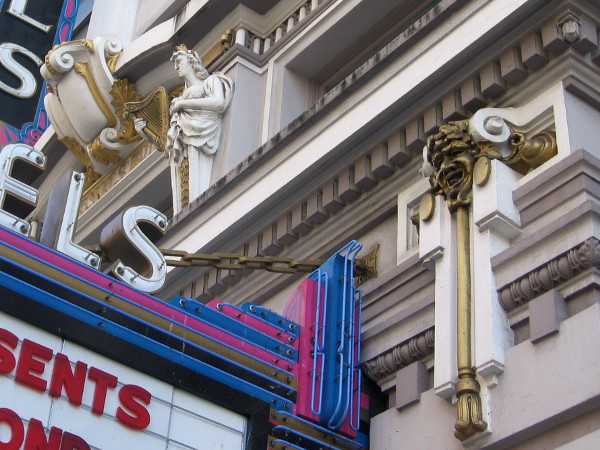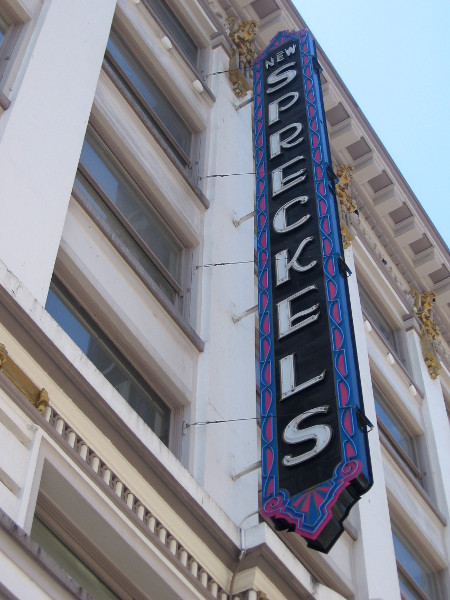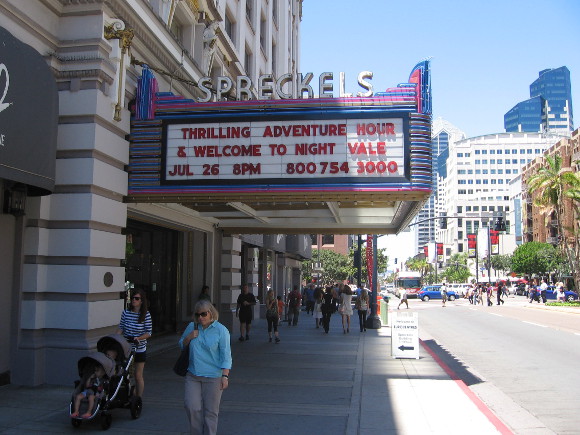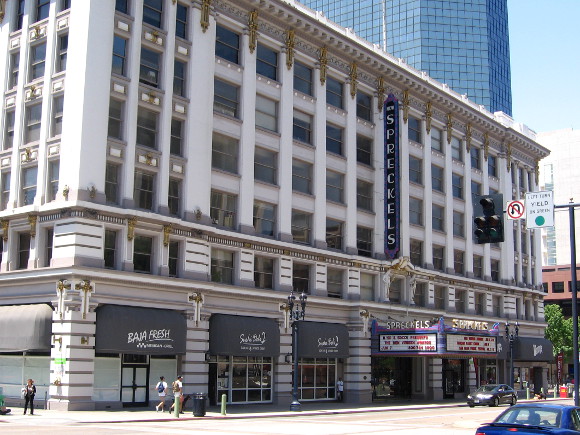
Photos of San Diego’s Spreckels Theater Building.

The Spreckels Theater Building was erected downtown in 1912.
The Spreckels Theater Building was erected in downtown San Diego in 1912.

I must confess I’ve never seen a show at the historic Spreckels Theatre. I do occasionally sit at a table in the building’s Grand Lobby. On a quiet Saturday I’ll eat lunch and write while watching pedestrians pass down the Broadway sidewalk, just outside the glass doors.

The mixed-use Spreckels Theater Building was built in 1912 and has been a cool sight in downtown San Diego for over a hundred years. While the upper stories are occupied by numerous small offices, the theatre itself was built as a 1,915-seat auditorium with an ornate Baroque interior. Over the decades, the theatre has also served as a vaudeville house and movie palace. Famous performers at the theatre have included Enrico Caruso, John Barrymore, Al Jolson, Will Rogers, and Abbott and Costello. In 1978, when Balboa Park’s famous Old Globe Theatre was destroyed by fire, the Spreckels was used as a temporary stage for the Globe. Today, as a live presentation venue, the Spreckels Theatre attracts many diverse attractions, including concerts, comedy shows, and dance and theatrical productions.

The six-story building, designed by Harrison Albright with influences from the Chicago School style of architecture, was built by philanthropist John D. Spreckels, a name you might have noted elsewhere on my blog. Spreckels was a wealthy sugar heir and leading San Diego entrepreneur. He wanted the building to commemorate the opening of the Panama Canal, much like the Panama-California Exposition, that would be held in Balboa Park in 1915.
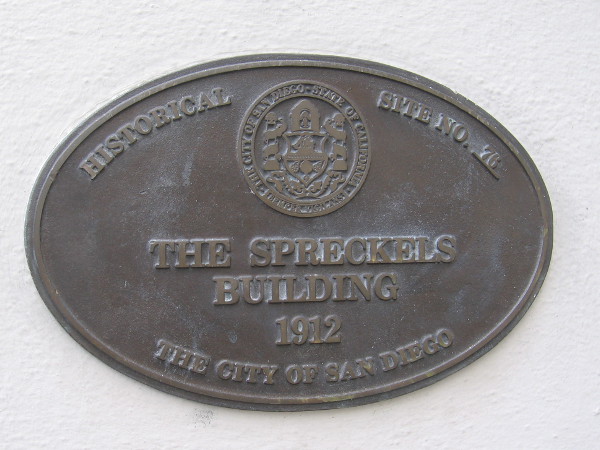
Plaque on The Spreckels Building indicates it's an historical site of the City of San Diego.
Plaque on The Spreckels Building indicates it’s an historical site of the City of San Diego.
The Spreckels marquee is a cool fixture on Broadway in San Diego.
Classic theatrical figures above and beside the marquee.
Looking up at Spreckels sign.
Looking up at the Spreckels sign.
The polished marble lobby of the Spreckels Theater Building.
The shining, polished onyx Grand Lobby of the Spreckels Theater Building.
Close look at ornate ceiling in the lobby.
Close look at the ornate old ceiling in the Grand Lobby. The building has undergone several restorations over the years, most recently in 2012.
Many-colored light above inside entrance to the historic old theatre.
A Tiffany window depicting Nine Dancing Muses was originally above the theatre’s entry. While stored during World War II due to blackout regulations in the city, the window was stolen. It was replaced in 1985 by this colorful window designed by Yaakov Agam.
Gazing west down Broadway on another sunny day.

To enjoy future posts, you can “like” Cool San Diego Sights on Facebook, or follow me on Twitter.

Historic adobe house in San Diego’s Old Town.

Approaching La Casa de Machado y Stewart Museum in Old Town.
Approaching the La Casa de Machado y Stewart Museum in Old Town.

It seems most of the tourists who visit Old Town San Diego State Historic Park enjoy the large central grassy plaza and the many interesting buildings immediately around its perimeter. Few, however, go slightly off the beaten track to investigate the several restored old structures that are scattered a few easy steps farther away.

In addition to a very cool one room schoolhouse dating from 1865 (which I remember visiting during a field trip as a child), there is a restored adobe house called Casa de Machado y Stewart which stands as an open museum to any passersby who are curious.

The Casa de Machado y Stewart dates from 1835. It was built by José Manuel Machado, a Spanish (then later Mexican) officer who served at the nearby presidio. Jack Stewart, an American shipmate of famous author Richard Henry Dana Jr., and a pilot on San Diego Bay, married Machado’s youngest daughter Rosa in 1845 and the two moved into the house. Over their many years of residence they made many improvements, including a clay tile roof and wood-paned windows. What today seems a very simple and almost primitive existence was back in those days living in the lap of luxury.

In 1932, the house became an official California Historic Landmark.

Restored 1835 adobe house in San Diego's Old Town State Historic Park.
Restored 1835 adobe house in San Diego’s Old Town State Historic Park.
Sign details history of La Casa de Machado y Stewart.
House was built by a soldier from nearby presidio.
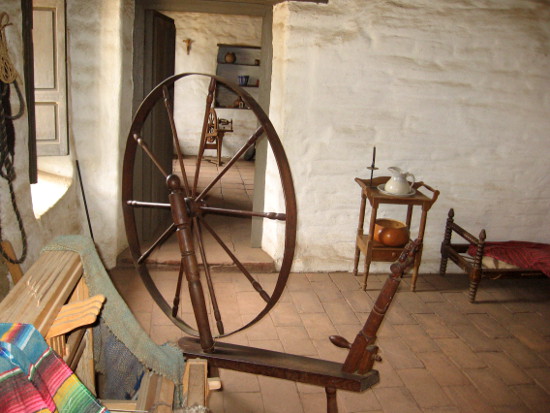
A spinning wheel in one of the simple rooms suggests what life was like.
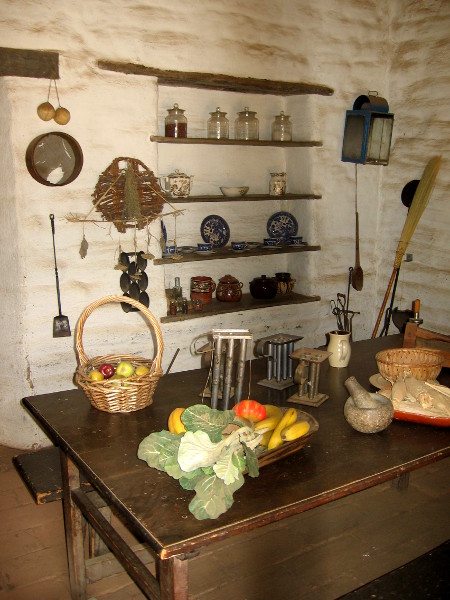
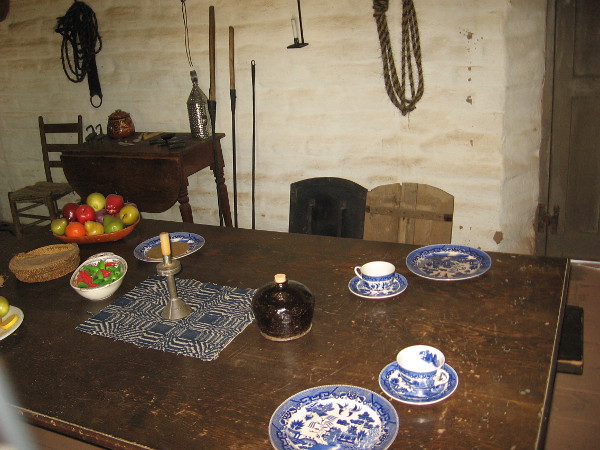
A modest dining area as it appeared long ago.

UPDATE!

I visited La Casa de Machado y Stewart again in August, 2018, and noticed the exterior had been painted white. When I looked through the front door into the main living room, I observed that new furnishings and artifacts have been added, and others moved about.

I also peered through a window into what appears to be a bedroom.

Here are photos…

IMG_4356z

IMG_4360z

IMG_4361z

IMG_4366z

IMG_4367z

To enjoy future posts, you can “like” Cool San Diego Sights on Facebook, or follow me on Twitter.

A look inside San Diego’s old Santa Fe Depot.

Approaching the front of Union Station in San Diego.
Approaching the front entrance of Union Station in San Diego.

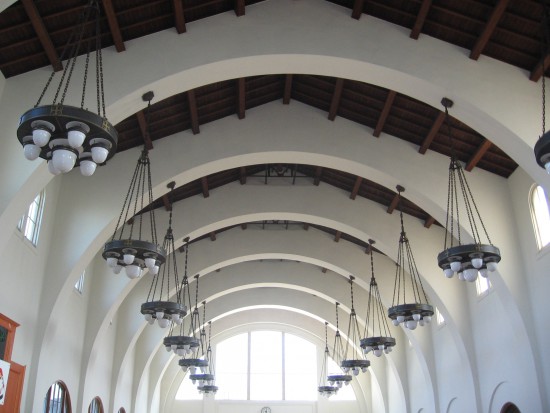
Walking into San Diego’s Union Station, more commonly called Santa Fe Depot, is like walking into the past. Or through some airy, sacred, vaulted cathedral.

The old train station seems utterly enormous when contrasted with the actual role that it plays in modern San Diego. Sure, it’s a reasonably important transportation hub, serving two lines of the San Diego trolley, plus the Amtrak Surfliner and Coaster trains. But today it seems to me more like a living memorial to a time long ago, when trains were a central feature of American life.

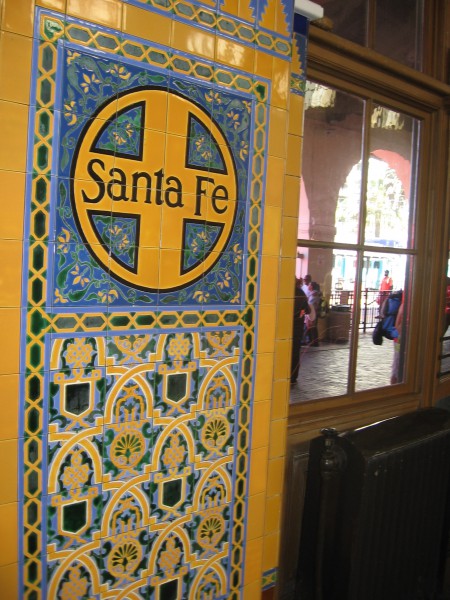
Here are a few cool photos of the Santa Fe Depot’s somewhat sparse but elegant interior. I love the tile work on the walls, the huge glowing windows, the beams in the arched ceiling…but most of all the classic long polished wooden benches. Whenever I walk through I feel like sitting down with the waiting passengers and pretending I’m off on some exciting transcontinental voyage.

Many years ago the depot held a large model of the USS Midway aircraft carrier under glass; I remember seeing that it was moved over to Petco Park. If memory serves, there was also a small pinball and video game arcade off to one side, by an exit to Kettner Boulevard.

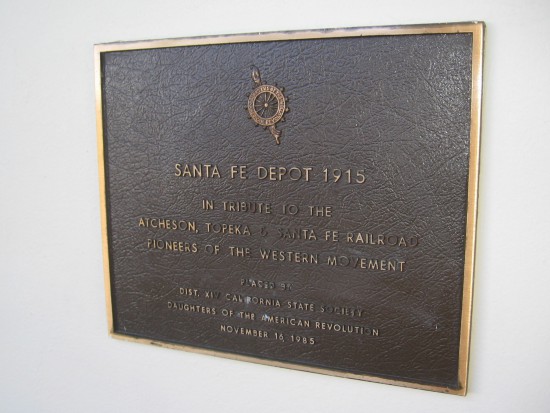
Plaque dates Santa Fe Depot from 1915.

The above plaque is just outside the main entrance.

A look inside the large train station in downtown San Diego.
A cool photo of the arched ceiling of Union Station.
Looking back toward the front entrance from inside.
Coaster train can be seen waiting outside on one track.
Blue and orange tiles form classic Santa Fe design.

To enjoy future posts, you can “like” Cool San Diego Sights on Facebook, or follow me on Twitter.

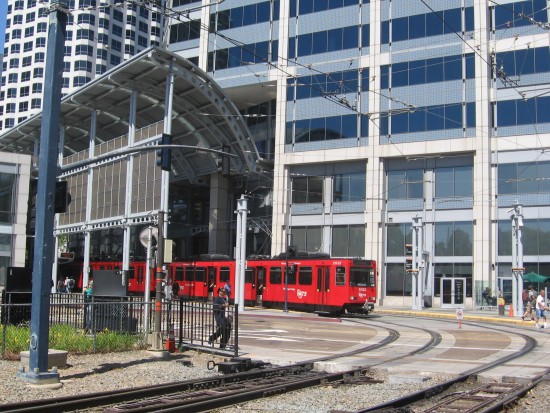
The cool America Plaza trolley station.

San Diego Trolley stops at cool America Plaza station.

There are a few San Diego Trolley stations that are unusual and especially interesting. One is the partially enclosed station at America Plaza. Every busy day, long red trolleys snake through the skirt of the tall, glassy building. One America Plaza is the highest skyscraper downtown, and stands just across Kettner Boulevard from the Santa Fe Depot.

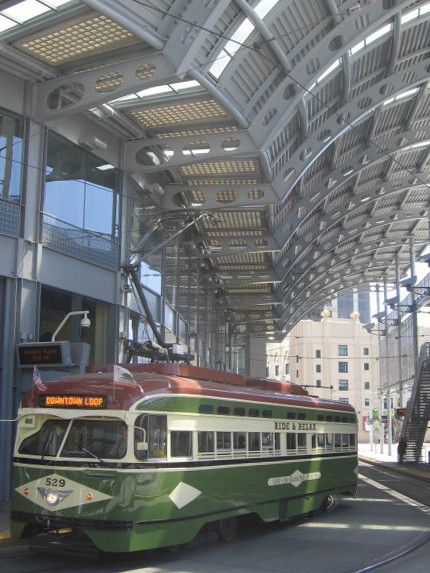
Looking outward from the partially enclosed trolley station.
Silver Line trolley stops at America Plaza.
Taking a walk through the shady station on a sunny day.

To enjoy future posts, you can “like” Cool San Diego Sights on Facebook, or follow me on Twitter.
Anthony Newman plays the Spreckels Organ.

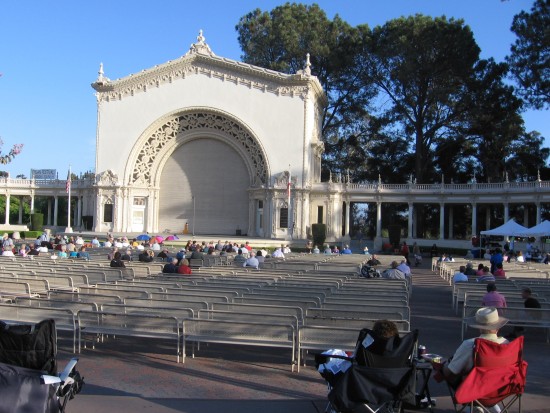
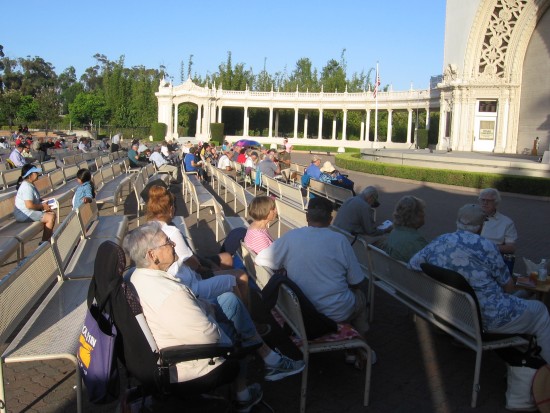
People arrive early to get good seats for tonight's organ concert.
People arrive very early to get good seats for tonight’s organ concert.

Mere pictures and words are inadequate to describe the fantastic concert I enjoyed this evening in Balboa Park. Tonight was the first Monday concert at the Spreckels Organ Pavilion of the Summer International Organ Festival.

The special guest organist was Anthony Newman, widely considered one of the foremost Baroque musicians in the United States. He’s made countless recordings, won numerous awards, performed at New York City’s prestigious Lincoln Center more than 60 times, and was described by Wynton Marsalis as “The High Priest of Bach.” Tonight’s concert, I’m glad to say, was jam packed with Johann Sebastian Bach–my absolute favorite composer!

Anthony Newman seemed superhuman at times. He played difficult pieces with ease, crispness and energy.  It was flawless poetry and simply amazing.  The concert was over much too soon!

Here are a few pics!

Spreckels Organ Society membership table and a smile.
Anticipating first concert of Summer International Organ Festival.
Anticipating first concert of the Summer International Organ Festival.
Big banner on Organ Pavilion's colonnade announces the event.
Big banner on Organ Pavilion’s colonnade announces the free event.
Rolling out the red carpet for great organist Anthony Newman.
Rolling out the red carpet for great American organist Anthony Newman.
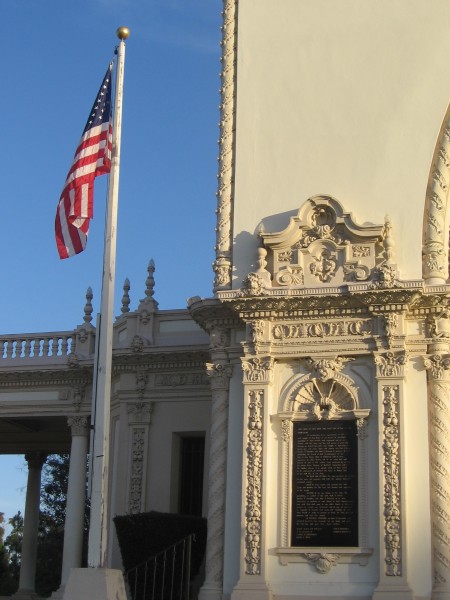
Flag and a bronze plaque of the historic pavilion.
Beautiful pavilion is a treat for the eye in changing light.
Beautiful building is a treat for the eye in changing light.
Elegant peek by organ assistant at the growing crowd.
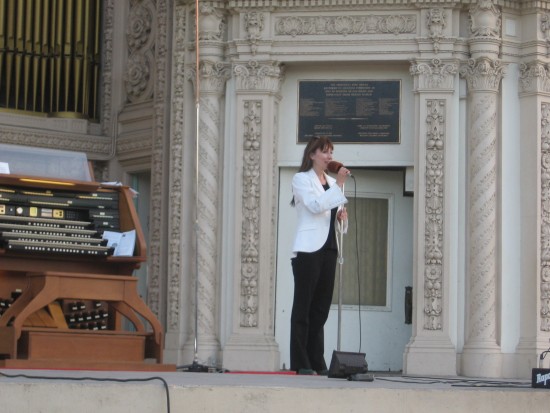
Dr. Carol Williams, civic organist, announces guest musician.
Dr. Carol Williams, San Diego’s Civic Organist, announces guest artist.
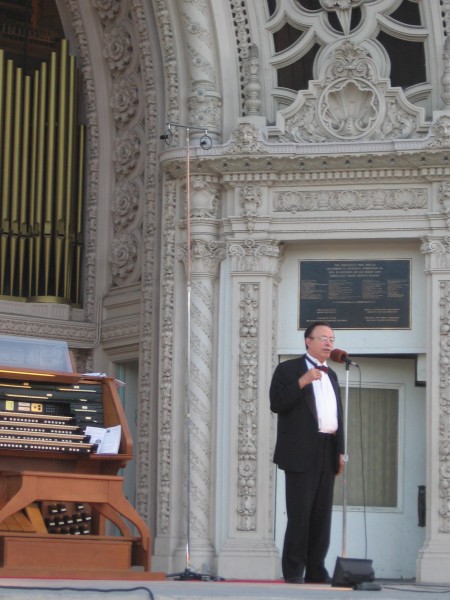
Famed Baroque organist Anthony Newman greets audience.
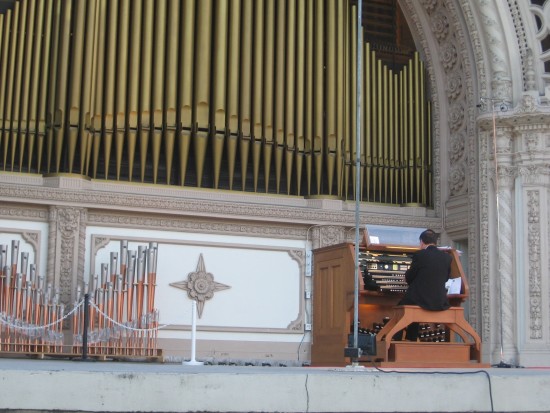
A masterful performance on the Spreckels Organ begins.

Those pipes you see on the left side of the stage form the new Centennial Tuba rank, soon to be added to the Spreckels Organ for its one hundredth anniversary on New Year’s Eve!

Anthony Newman acknowledges enthusiastic applause.
Anthony Newman acknowledges long, enthusiastic applause.
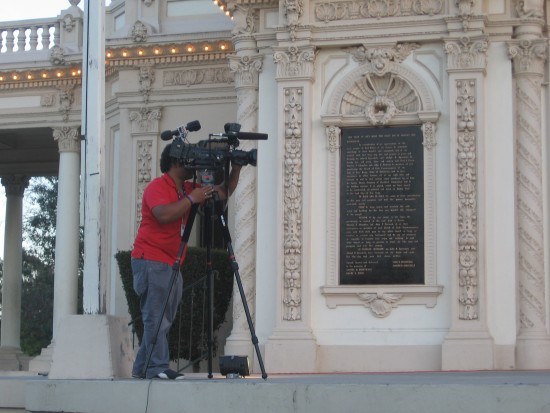
KUSI television cameraman records a portion of the event.
The lights come on in the twilight and the pavilion becomes magical.
There are 1400 embedded lights in the main structure and colonnades.

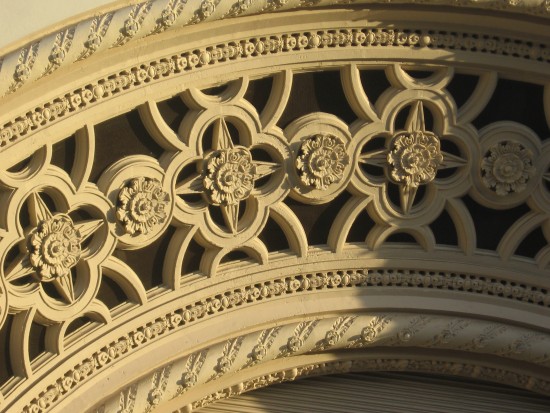
The Spreckels Organ Pavilion was built for the 1915 Panama-California Exposition. You can observe similar plaster ornamentation on the Spanish Colonial Revival style buildings that line El Prado, in the center of Balboa Park.

Night descends and people stretch their legs during intermission.

My camera is worthless at night, so I recorded only half of the evening.  But the music throughout was amazing!  What a brilliant start to the 2014 International Organ Festival!

To enjoy future posts, you can “like” Cool San Diego Sights on Facebook, or follow me on Twitter.
Views of the cool San Diego Convention Center.

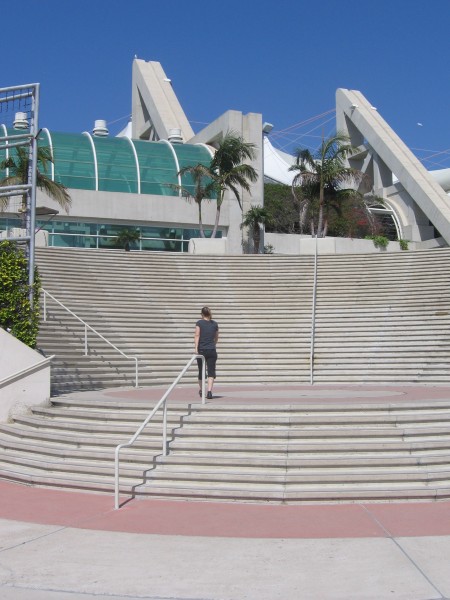
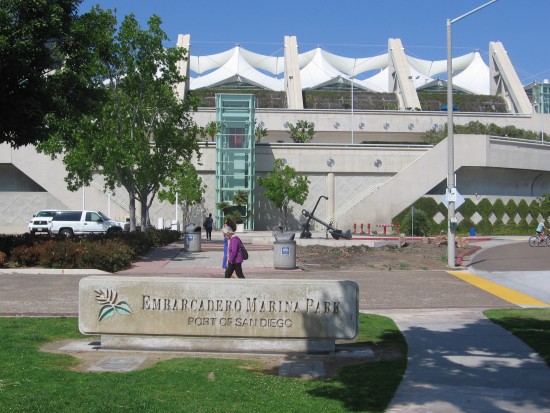
View of plaza on southeast end of convention center.

I recently took a stroll around the San Diego Convention Center and took a number of cool pics. I know, I know…millions of photos have been taken of the place already. Well, anyway, here come a few more…

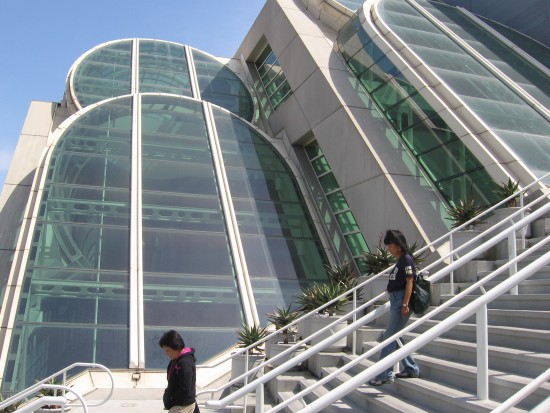
Interesting arches at San Diego Convention Center.
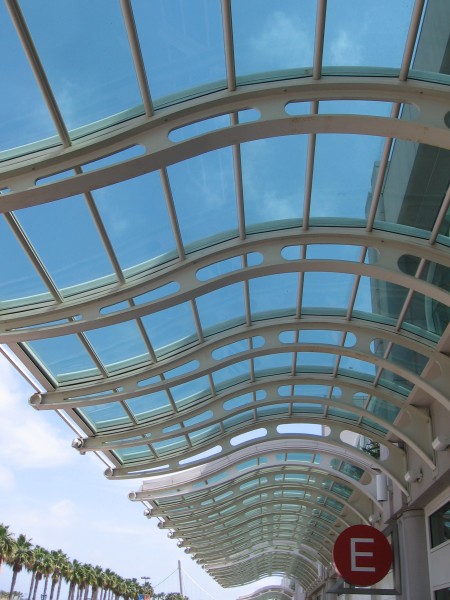
Looking up at glass awning above main entrance.
People descend stairs from uppermost level.
People descend stairs from building’s uppermost level.
Cool round glass elevator at top of incline.
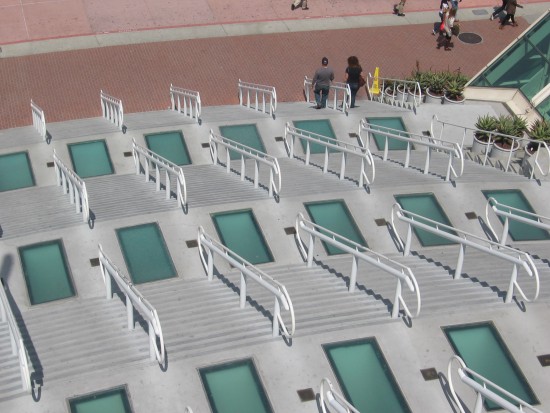
Looking down a wide expanse of outside steps.
Looking down a patterned expanse of outside steps.
Steps on the bay side lead to Marriott Marina.
Steps on the bay side lead up from Marriott Marina.
Convention center from Embarcadero Marina Park South.
Convention center seen from Embarcadero Marina Park South.
A glass elevator nestled among trees.
Gazing from an upper level toward Hilton hotel.
Gazing from an upper level toward big Hilton hotel.
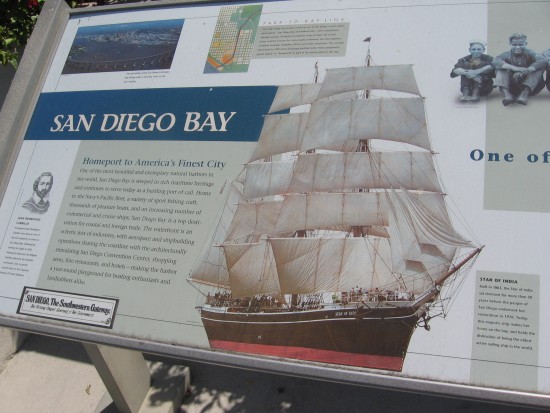
Sign on scenic terrace shows Star of India.
Sign on scenic terrace shows San Diego’s own Star of India.
Looking over San Diego Convention Center's sails.
Looking over San Diego Convention Center’s rooftop sails.
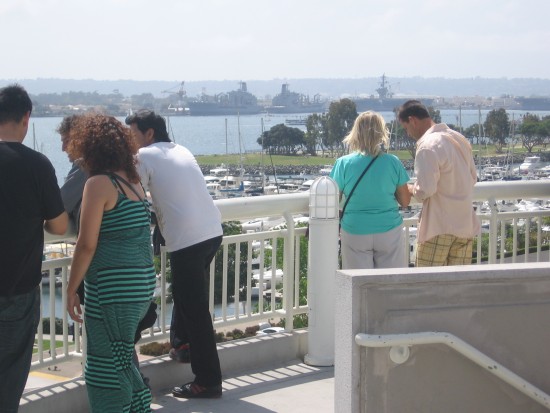
People enjoy amazing view of San Diego Bay.
People enjoy amazing view of San Diego Bay and Coronado.

To enjoy future posts, you can “like” Cool San Diego Sights on Facebook, or follow me on Twitter.

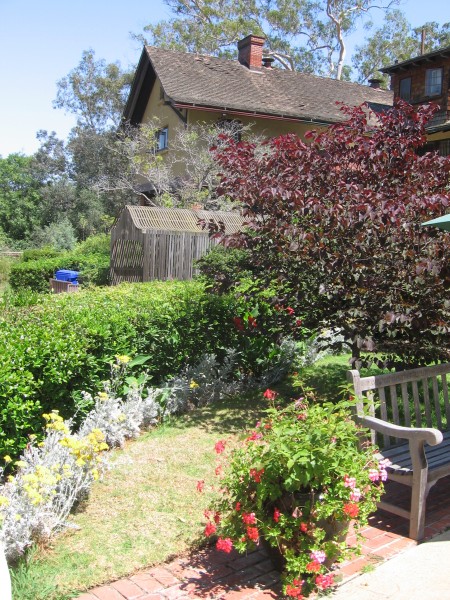
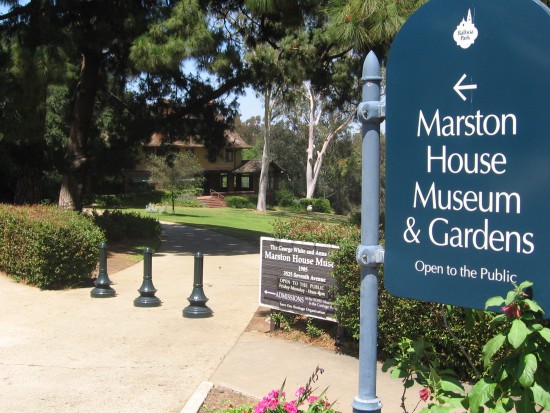
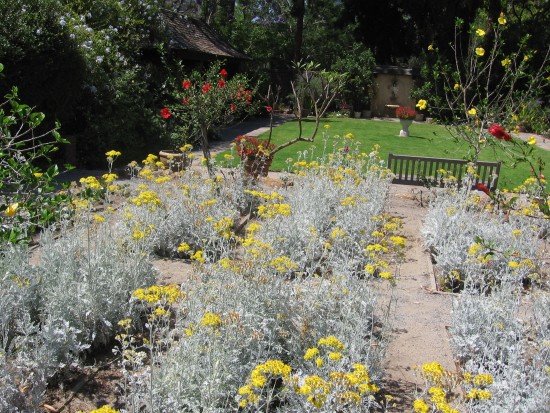
Beautiful garden of Balboa Park’s Marston House.

Flowers and bench by historic Marston House.

The historic Marston House is nestled among some trees in the seldom-visited northwest corner of Balboa Park. The house museum and its beautiful gardens are truly one of San Diego’s hidden gems.

I strolled about the grounds recently and took a few photos. Roaming about the gardens is free; to take a guided tour of the house’s interior one must pay a small entrance fee.

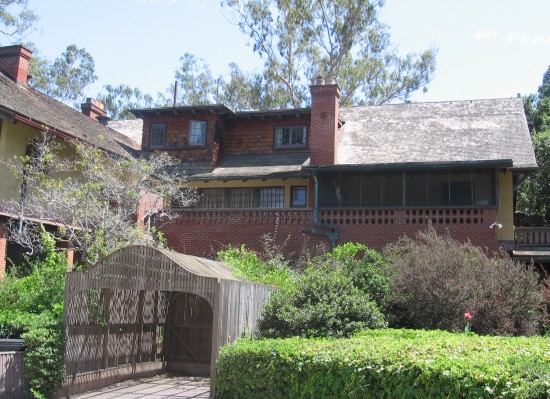
The house, in the Arts and Crafts architectural style, was built in 1905 by George W. Marston, a wealthy philanthropist who owned a prominent department store. He was also founder of the San Diego Historical Society, and was instrumental in preserving the site of the original San Diego Presidio.

The Marston House was designed by the internationally famous architects William Sterling Hebbard and Irving Gill. Its five acres of lawns and formal gardens have become a very popular wedding location.

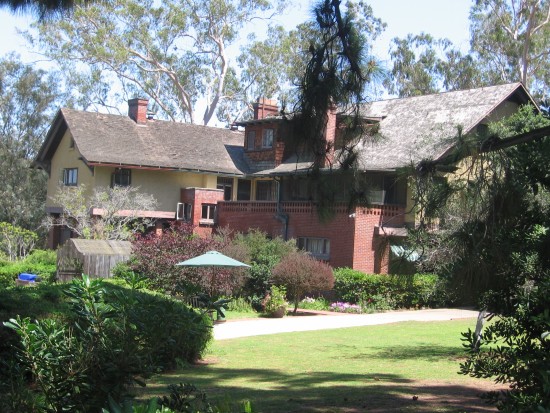
Marston House Museum and Gardens in a corner of Balboa Park.
Arts and Crafts style house was built in 1905.
This beautiful garden is a popular wedding location.
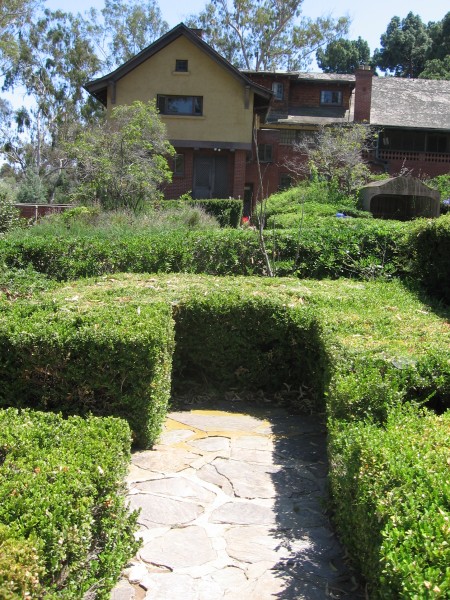
Looking from hedge pathway toward Marston House.
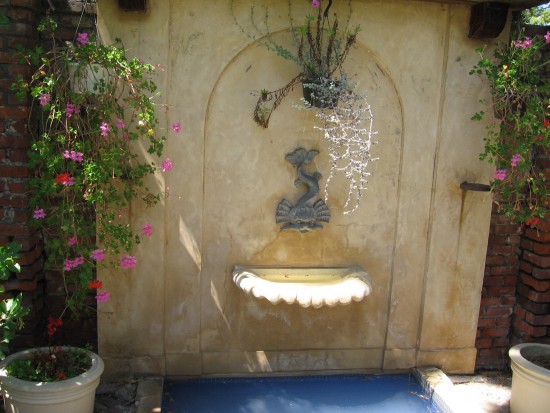
Small fountain at end of garden.
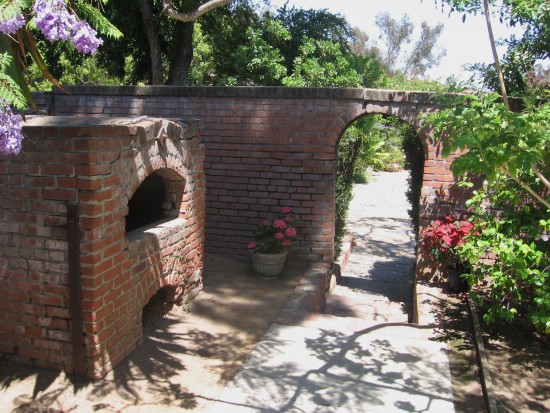
Outdoor archway and oven are part of the delightful scenery.
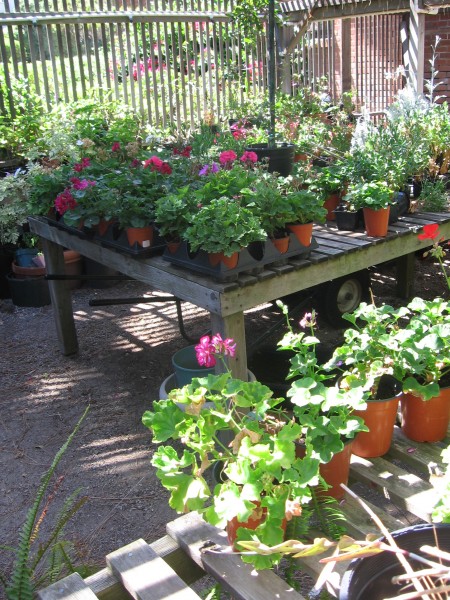
A pic of the lath greenhouse interior.
The Marston House is a San Diego hidden gem.

To enjoy future posts, you can “like” Cool San Diego Sights on Facebook, or follow me on Twitter.
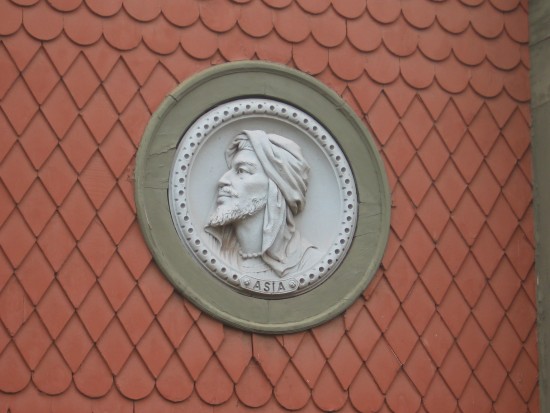
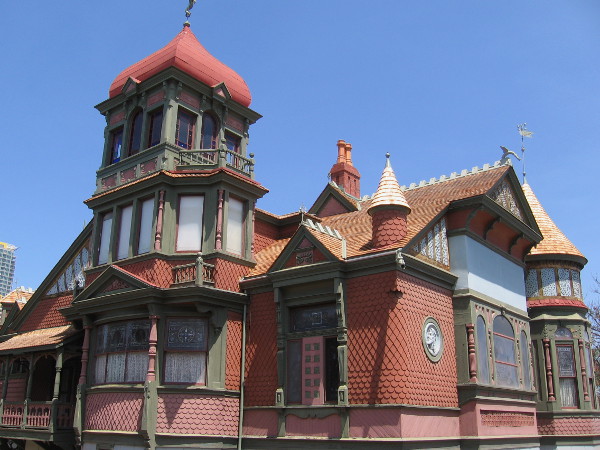
Villa Montezuma house in Sherman Heights.

Villa Montezuma is a Queen Anne Victorian mansion.
The historical Villa Montezuma is a Queen Anne Victorian mansion.

Here is a cool sight that I walked past yesterday! Check out the absolutely fantastic Villa Montezuma mansion!  You can find it nestled in Sherman Heights, an old, semi-decayed neighborhood just east of downtown San Diego.

Also called the Jesse Shepard house, this architectural marvel was built in 1887. It’s considered by some to be the finest example of Queen Anne architecture on the West Coast, plus it’s rumored to be haunted by two ghosts! In the more recent past it was a museum, but eventually fell into disrepair. It’s currently being renovated. Hopefully it should reopen next year!

Jesse Shepard, born in London in 1848, was a famous, flamboyant European musician. While performing for Alexander II of Russia, Jesse was introduced to the Czar’s medium who taught him how to conduct seances. Shepard became obsessed with spiritualism, and after moving to San Diego at the suggestion of a local spiritualist society, built the Villa Montezuma to his own exact specifications.

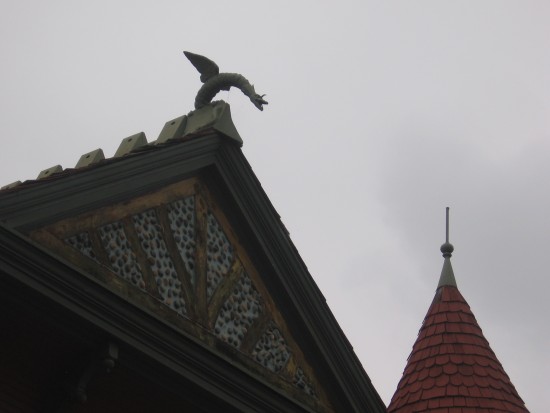
Included in the amazing house are highly ornate towers and stained glass windows. It’s interior is just as imaginative, and is said to contain secret passages. Several gargoyles can be spotted should you walk down the sidewalk. Just the sort of place to hold seances! And Shepard held many! He claimed to have spoken with the spirits of Mozart, Beethoven and Shakespeare, just to name a few.

Today it’s rumored that the Villa Montezuma is haunted by a man who hung himself in the observatory tower. And by Jesse Shepard himself! Unexplained piano music is said to be heard coming from the historical mansion late at night!

Fantastic house in Sherman Heights is supposedly haunted.
Musician and writer Jesse Shepherd worked in the high tower.
Musician and writer Jesse Shepard worked in the high tower.
A closer look at detail on house side.
A closer look at detail on Villa Montezuma’s east side.
Gargoyle head on a famous historical mansion.
Gargoyle head on a famous San Diego mansion.
Another gargoyle perches on the roof!
Another gargoyle is perched on the roof!

Here are two sunnier photos I took on a later date…

An excellent example of Queen Anne style architecture in Southern California.
Photo of Jesse Shepard's Villa Montezuma in San Diego's Sherman Heights neighborhood.
Photo of Jesse Shepard’s Villa Montezuma in San Diego’s Sherman Heights neighborhood.

To enjoy future posts, you can “like” Cool San Diego Sights on Facebook, or follow me on Twitter.

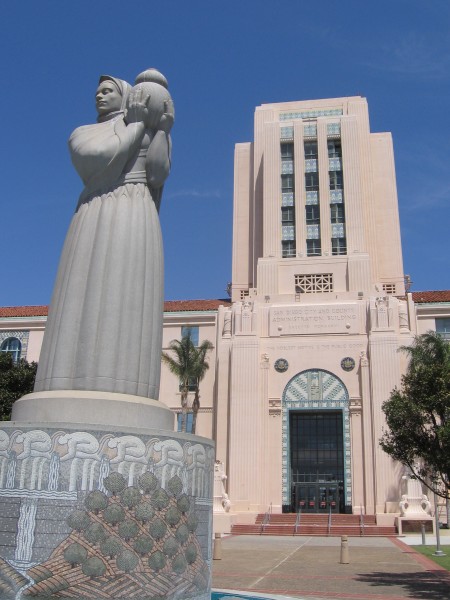
The iconic Guardian of Water sculpture.

Guardian of Water sculpture faces San Diego Bay.

Two of San Diego’s most iconic sights can be found in close proximity. The Star of India, the world’s oldest active sailing ship, attracts tourists just a few steps down the Embarcadero from Donal Hord’s classic Guardian of Water sculpture.

Postcards and brochures promoting San Diego are often graced with this elegant granite sculpture. Since 1939 it has stood facing San Diego Bay at the foot of the County Administration Building.

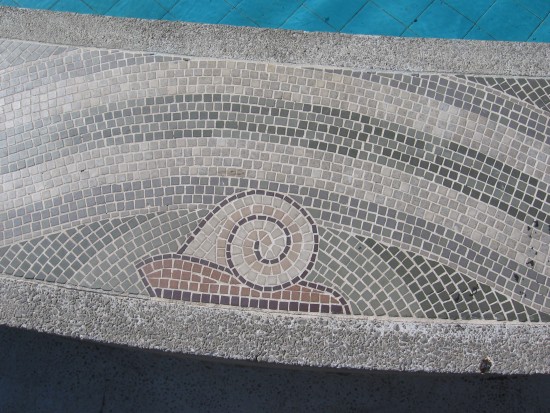
In part funded by the Works Progress Administration, the famous sculpture depicts a simple pioneer woman holding a jug of water. Pictured in the mosaic tiles and basin are cloudlike water-bearing nudes, a dam, an orchard of citrus fruit trees, dolphins, fish and sea snails!

Donal Hord sculpture debuted in 1939.
Donal Hord’s sculpture debuted in 1939.
Side view of the iconic Guardian of Water.
County Administration Building in background.
County Administration Building stands in background.
Sea snail on basin of the Guardian of Water.

To enjoy future posts, you can “like” Cool San Diego Sights on Facebook, or follow me on Twitter.

Ramona saved Casa de Estudillo in Old Town.

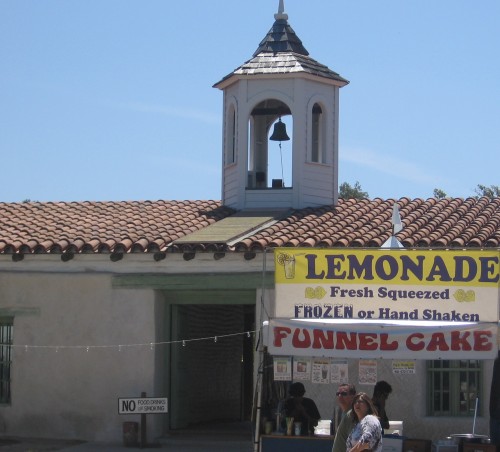
Front of Casa de Estudillo seen during Cinco de Mayo.

Ramona, written by Helen Hunt Jackson in 1884, is one of the most popular American novels in history. The book has had more than 300 printings. It’s been made into a movie four times. Today, few remember it.

Those who walk through La Casa de Estudillo in San Diego’s historic Old Town, however, are seeing with their own eyes a remnant of Ramona’s fame. Without that novel, and past generations’ fondness for its main character, this handsome old building and possibly others around it would have been torn down and utterly obliterated.

The Casa de Estudillo was built in 1827. It was the property of José María Estudillo, an early settler of San Diego. Captain Estudillo was twice Commandant of the Presidio of San Diego. This large, many-roomed adobe was one of finest houses in all of Mexican California, and remains one of the oldest surviving examples of Spanish Colonial architecture in California.

Shortly after the publication of Ramona, the house, in the hands of a caretaker, enjoyed a burst of popularity with tourists when San Diego’s newspaper, the San Diego Union, declared that the Estudillo house was the title character’s wedding place. Helen Hunt Jackson never stated this was so; the novel described a similar location, but was fictional.

As decades went by the old adobe fell into disrepair and might have been razed. In 1906, John D. Spreckels, owner of the San Diego Electric Railway Company and the Union newspaper, purchased the house and preserved it, transforming it into a true tourist attraction. He altered the building to make it seem more compatible with the description of Ramona’s marriage place, while adding electricity and other conveniences.

The building eventually was given National Historic Landmark status. It’s exaggerated association with the novel caused it to be officially described as “Casa Estudillo/Ramona’s Marriage Place.”

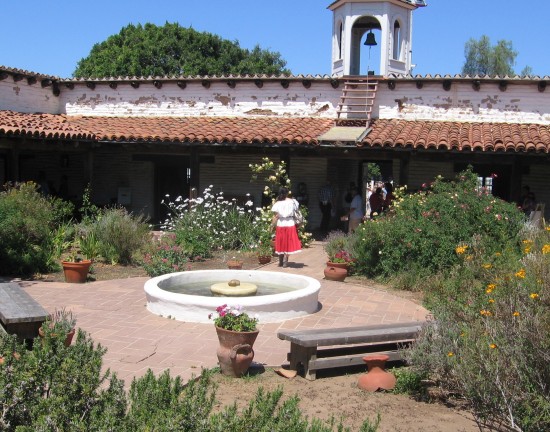
Just inside the courtyard looking up at bell tower.
Courtyard fountain of historic Casa de Estudillo.
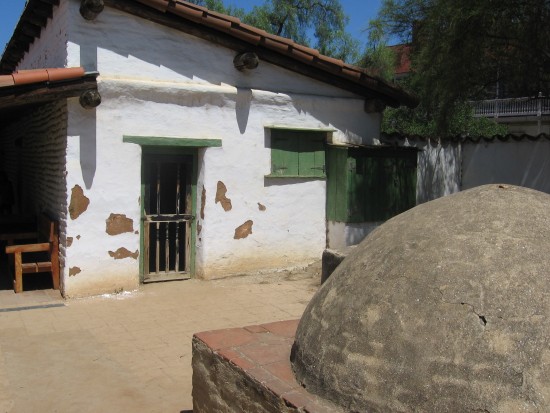
Outdoor oven and one end of old U-shaped adobe house.
The house was heavily promoted as the birthplace of Ramona.
The house was heavily promoted as the wedding place of Ramona.
Walking along the outdoor corridor of old Spanish Colonial home.
Camera's flash illuminates one interior room.
Camera’s flash illuminates one interior room.
Trees and flowers in the beautiful courtyard.
Ramona, a famous novel, saved historic buildings in Old Town.
Ramona, a famous novel, saved history in Old Town.

To enjoy future posts, you can “like” Cool San Diego Sights on Facebook, or follow me on Twitter.