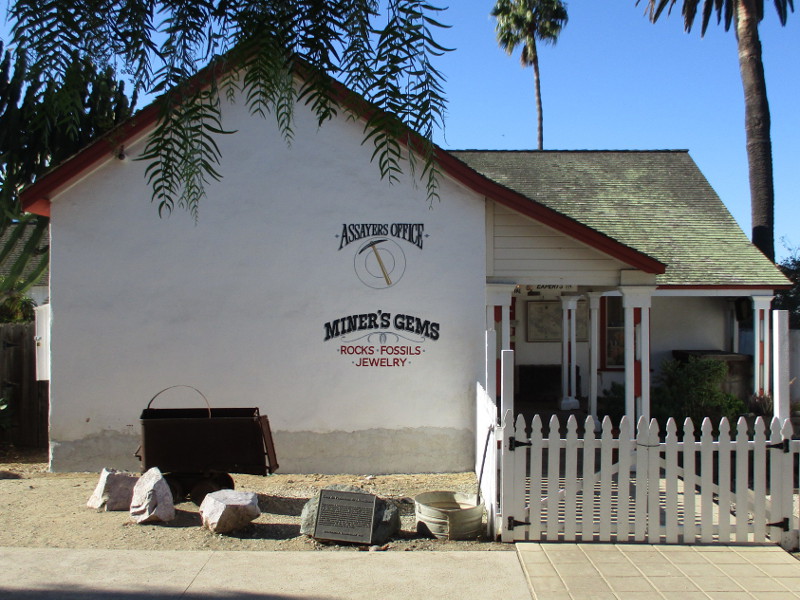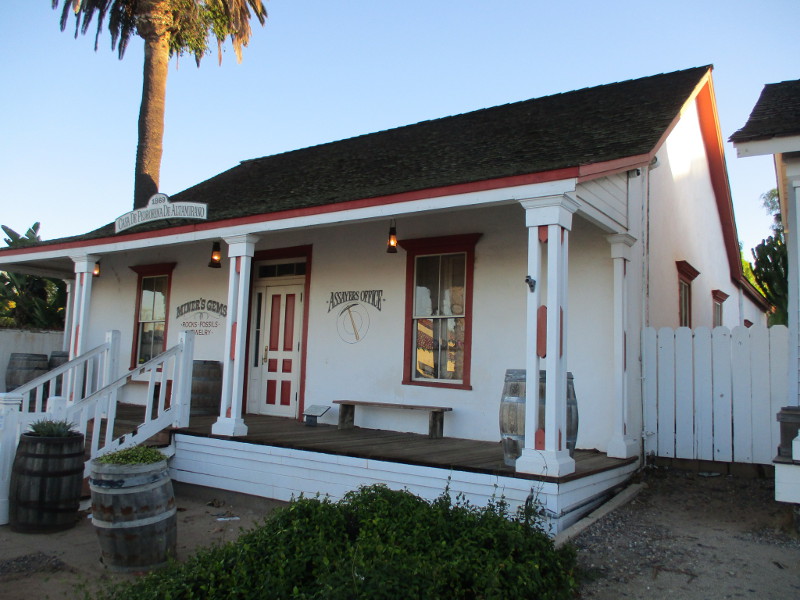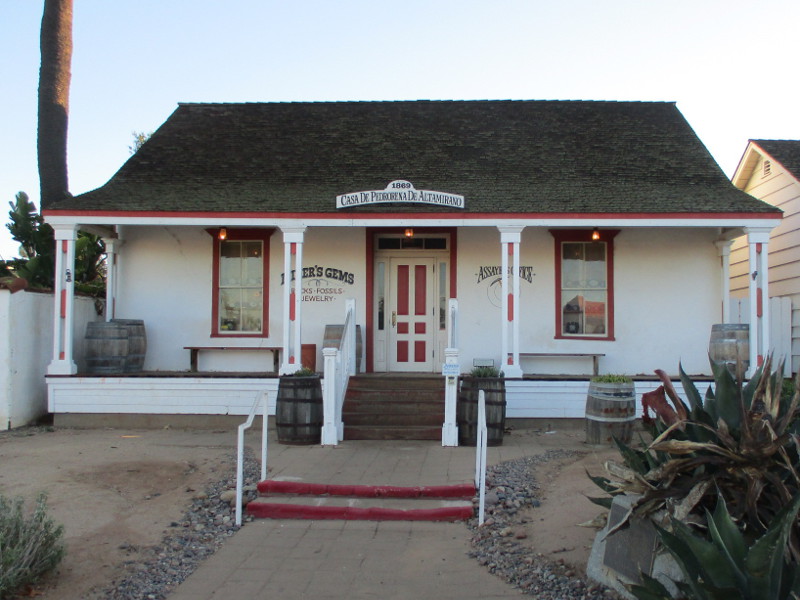
Pedrorena-Altamirano House in Old Town San Diego.

Whenever I walk through Old Town San Diego State Historic Park, I take photographs of the Pedrorena-Altamirano House. For some reason, however, I never get around to posting those photos!

Here we go, finally. These images were captured at various times under different light conditions.

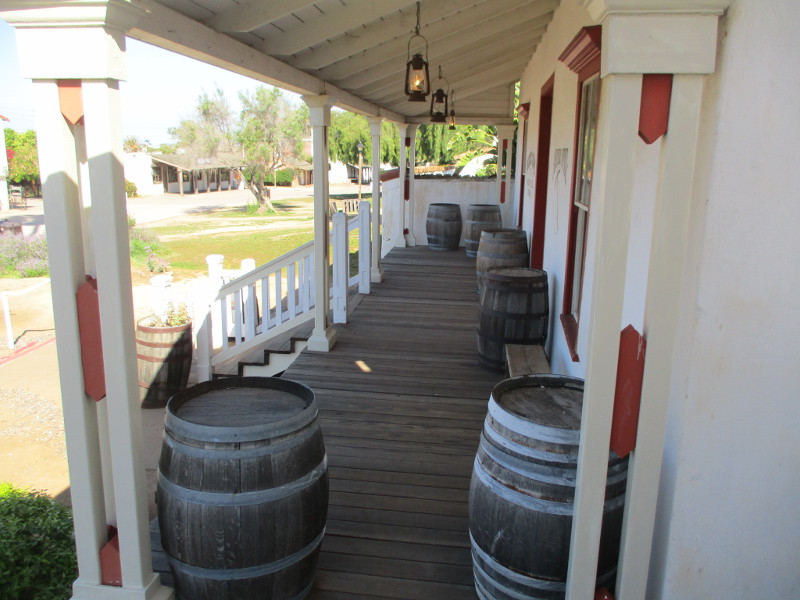
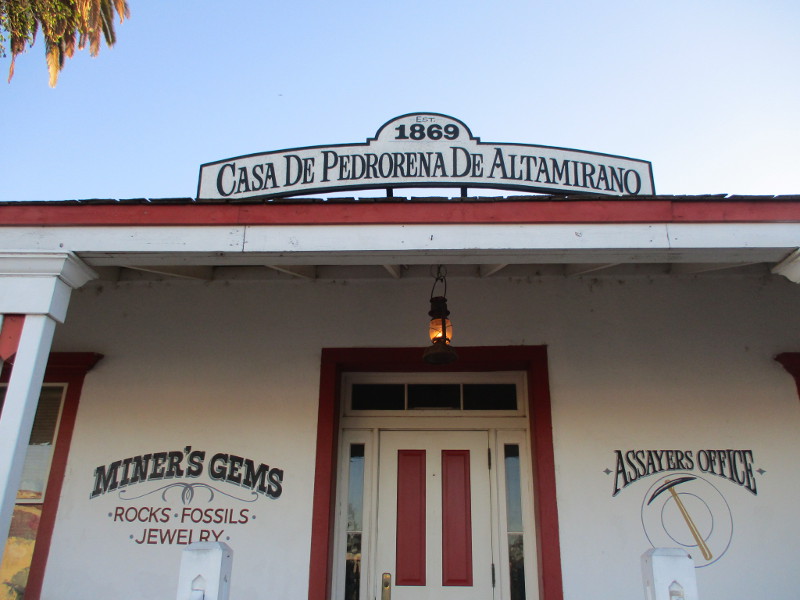
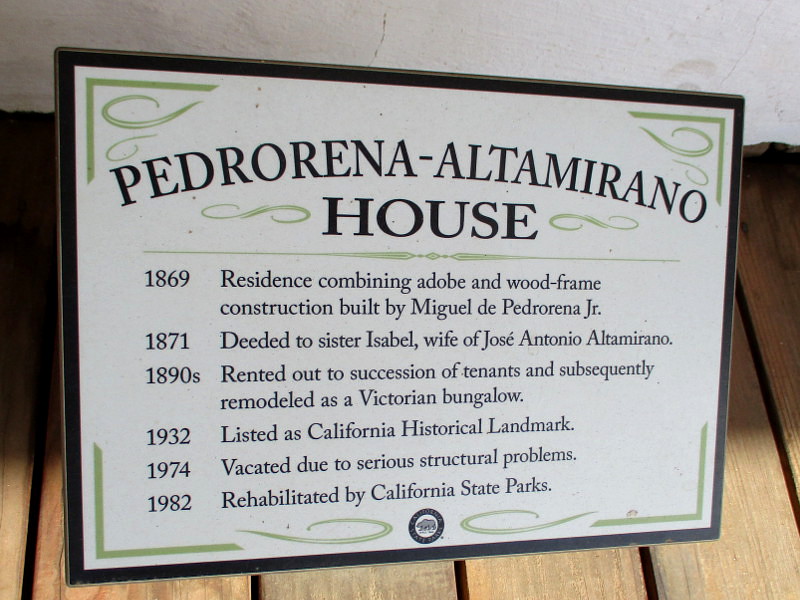
As a sign on the front porch explains, the adobe and wood frame house was built by Miguel de Pedrorena Jr. in 1869 and deeded to his sister Isabel, wife of José Antonio Altamirano, in 1871. Hence its name. In Spanish the house is called Casa de Pedrorena de Altamirano.

In the 1890s it was remodeled as a Victorian bungalow, and in 1932 the house was listed as a California Historical Landmark. California State Parks rehabilitated the structure in 1982.

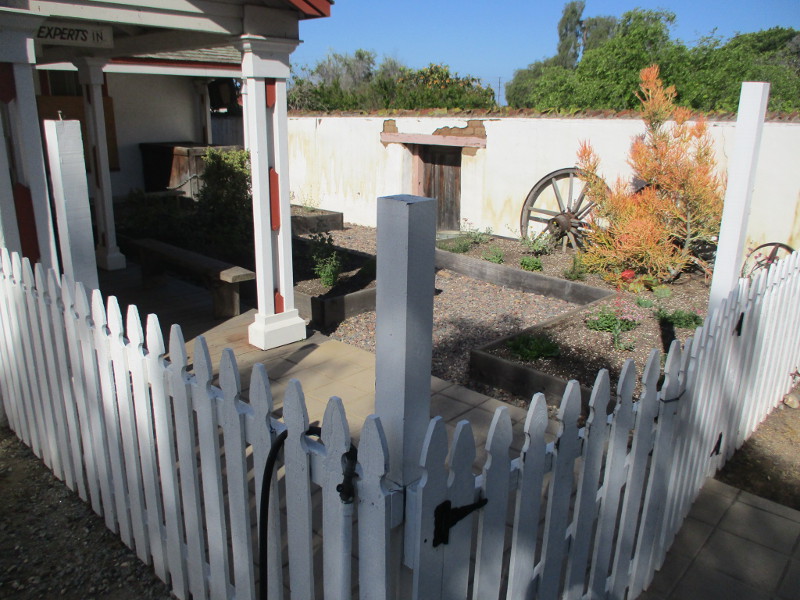
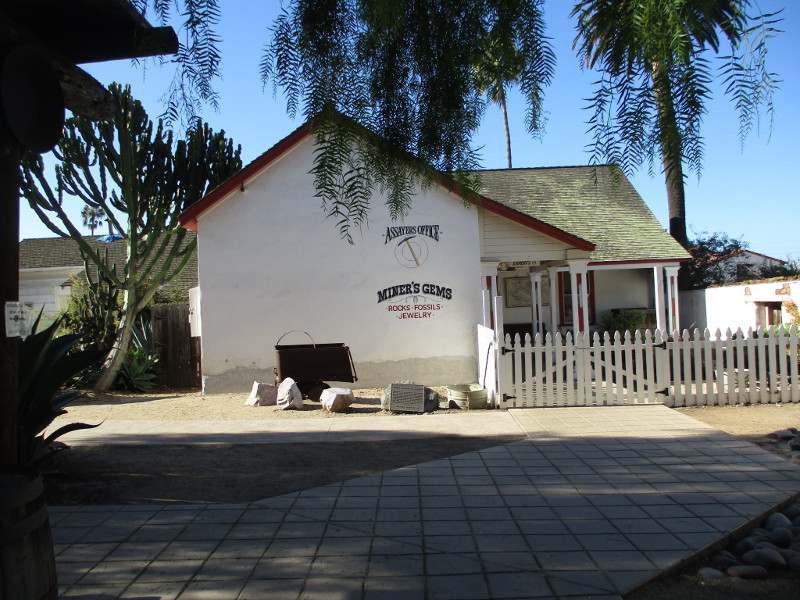
Today, as you can see, it’s home of Miner’s Gems and Minerals. That explains the mining equipment visitors discover in back.
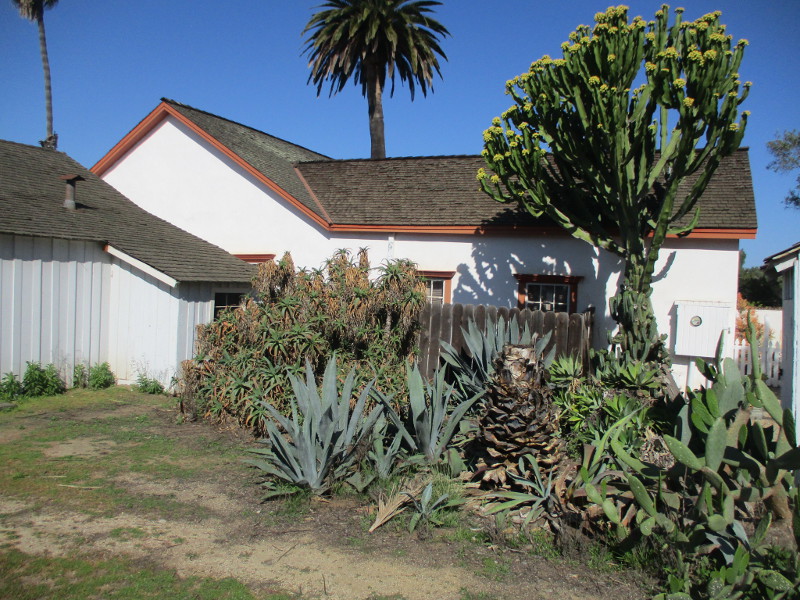
The next photos were taken behind the house…
As you can see, there’s a plaque…
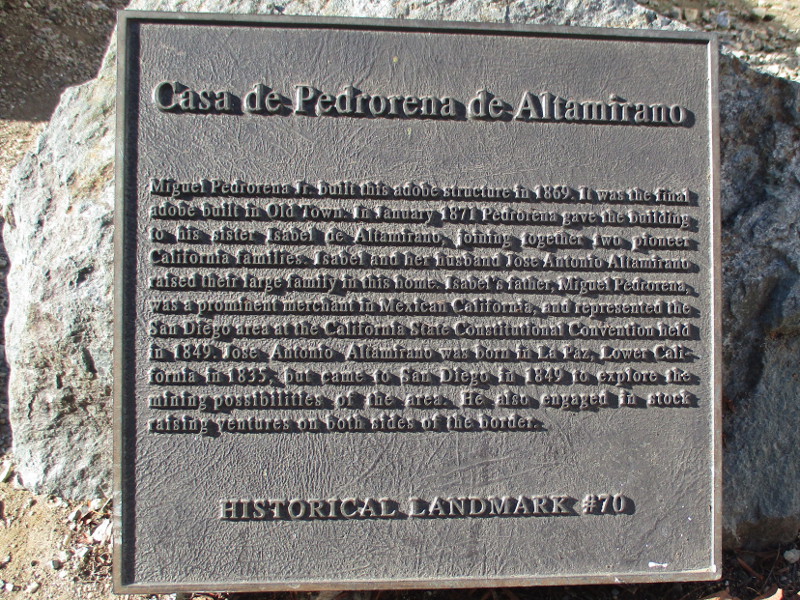
The plaque provides more interesting history. It reads:

Casa de Pedrorena de Altamirano

Miguel Pedrorena Jr. built this adobe structure in 1869. It was the final adobe built in Old Town. In January 1871 Pedrorena gave the building to his sister Isabel de Altamirano, joining together two pioneer California families. Isabel and her husband Jose Antonio Altamirano raised their large family in this home. Isabel’s father, Miguel Pedrorena, was a prominent merchant in Mexican California, and represented the San Diego area at the California State Constitutional Convention held in 1849. Jose Antonio Altamirano was born in La Paz, Lower California in 1835, but came to San Diego in 1849 to explore the mining possibilities of the area. He also engaged in stock raising ventures on both sides of the border.

HISTORICAL LANDMARK #70
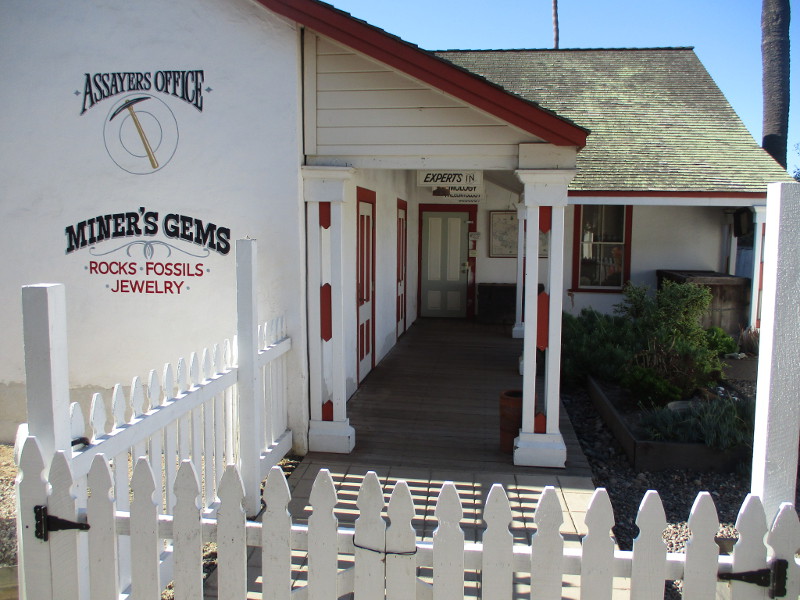
Now let’s circle around the house and return to the front…
To follow my blog, find the “Follow” box in this website’s sidebar. Or bookmark coolsandiegosights.com and swing on by occasionally!

(If you’re viewing this on a phone, open my website’s sidebar by tapping those three parallel lines at the top of the page.)
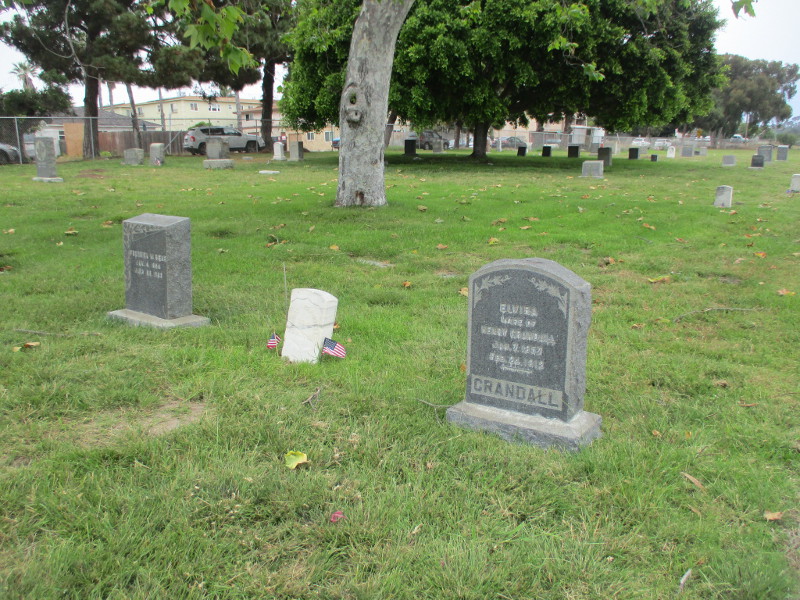
Love endures at old Oceanside cemetery.

Beloved Wife and Mother

Beloved Husband and Father

In Loving Memory

Gone, But Not Forgotten

In Memory, From Daughters & Sons

Our Little Angel

Her Love Lingers

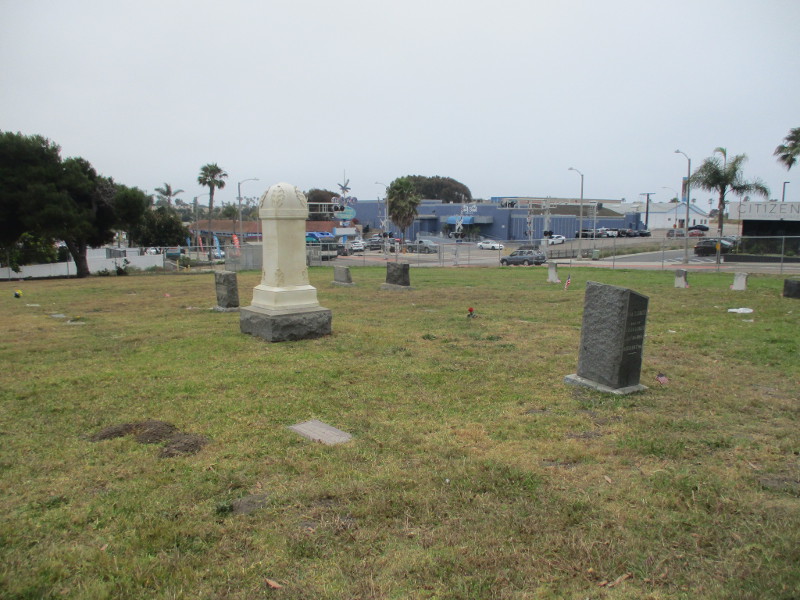
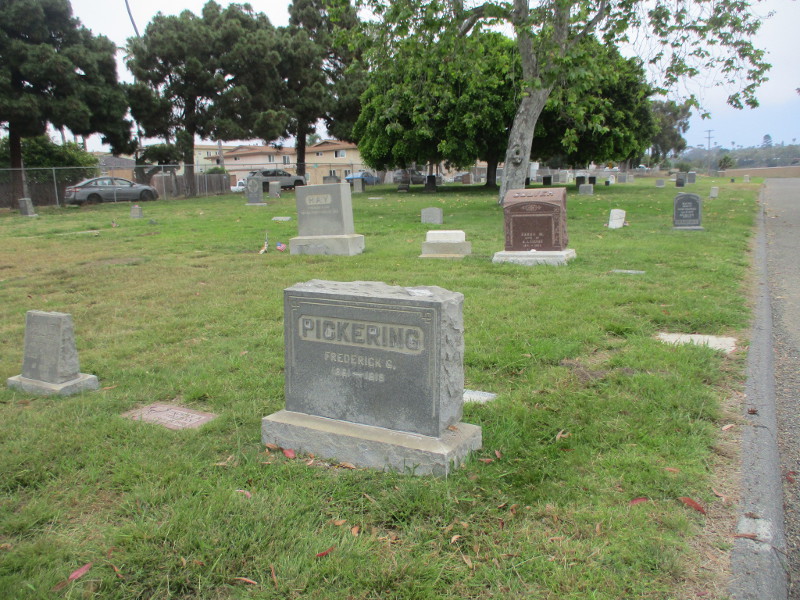
These are a few of the loving inscriptions on stone that linger in Oceanside’s old Oceanview Cemetery.

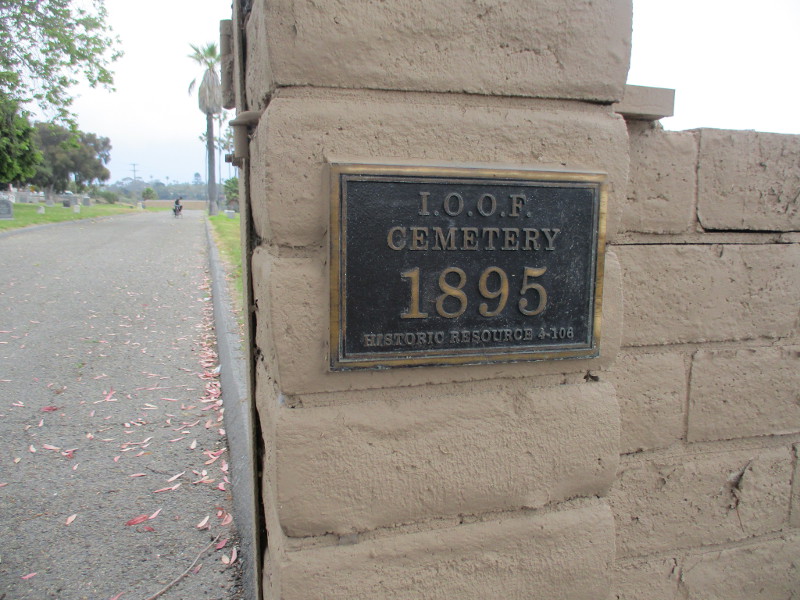
During a recent walk down South Coast Highway, I redirected my feet and wandered through the 3-acre resting place, originally called the I.O.O.F. Cemetery, established in 1895.

As a blogger who’s always searching for interesting sights, I was wondering if some “famous” person might be buried here.

Shame on me for thinking that way. I had missed the central message of a cemetery. It’s that we all might be mortal, but loves lives on.

Are you curious about the history of this old cemetery? A State of California resource document includes:

From its inception in 1895 until about 1950, when Eternal Hills Memorial Park opened in Oceanside, Oceanview was the primary non-denominational cemetery in Oceanside. During its heyday in the 1920s, 30s and 40s there were well over 1000 burials at Oceanview… over 1100 obituaries have been compiled, by the Oceanside Historical Society, of people interred at Oceanview… Oceanview contains the remains of veterans involved in every war or conflict from the Civil War to World War II, inclusive. Those interred at Oceanview range in age from just a few hours old to Agapita Soliz whose family claimed she was 110 years old at the time of her death in 1941. Many of Oceanside’s pioneers and merchants, dating back to the 1880s, are interred at Oceanview.

To follow my blog, find the “Follow” box in this website’s sidebar. Or bookmark coolsandiegosights.com and swing on by occasionally!

(If you’re viewing this on a phone, open my website’s sidebar by tapping those three parallel lines at the top of the page.)
Chuckwagon and buckboard progress in Escondido!

Back in July, I posted a detailed blog about a chuckwagon that was being built at the Escondido History Center. Yesterday I saw the chuckwagon again, and it’s almost finished!

Here’s how it appeared a few months ago:

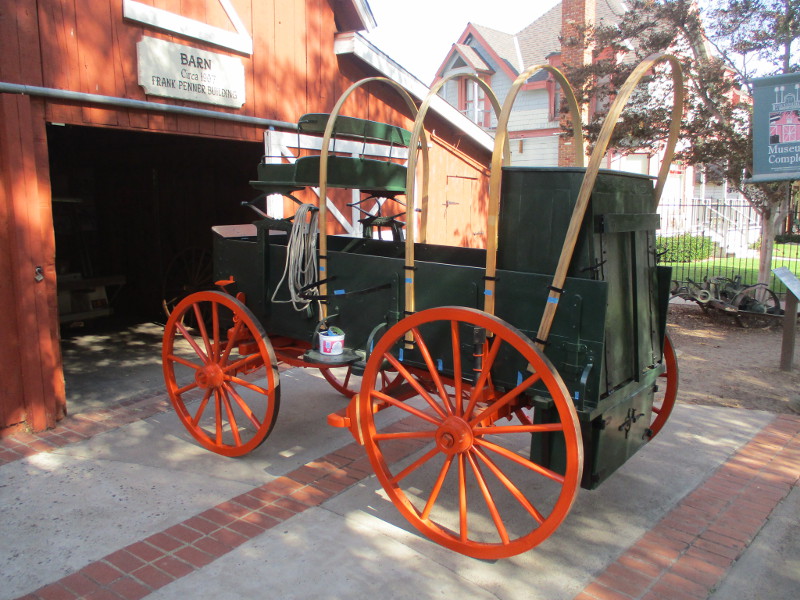
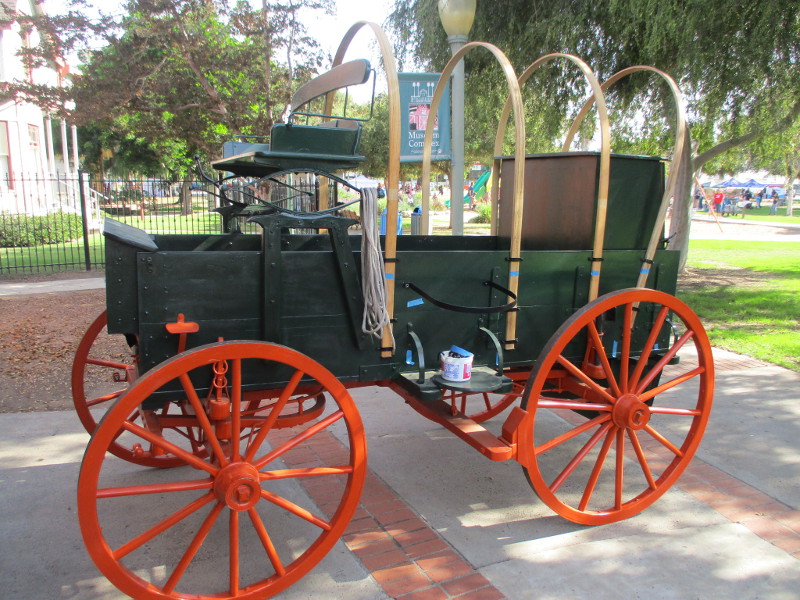
Yesterday, this is the chuckwagon displayed outside of the Penner Barn:

The vehicle, representative of the Old West, is mostly assembled now. I was told a few additional things must be done. The cloth covering is obviously one of those things.

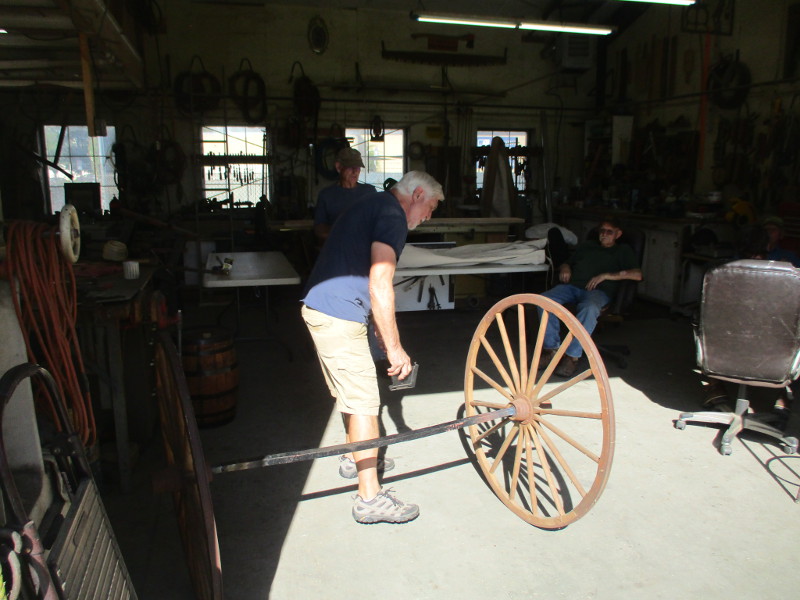
What project is next at the history center’s Bandy Blacksmith & Wheelwright Shop? An old-fashioned buckboard!

I post new blogs pretty often. If you like discovering new things, bookmark coolsandiegosights.com and swing on by occasionally!

I live in downtown San Diego and love to walk around with my camera! You can follow Cool San Diego Sights via Facebook or X.

Feel free to share!

A look inside Escondido’s first public library!

Several historic buildings can be visited at the Escondido History Center in Grape Day Park. One of these buildings was the very first library that opened in Escondido, back in 1895.

The little building was the second public library in San Diego County. In 1971 it was saved from demolition by the Escondido Historical Society and moved to Grape Day Park.

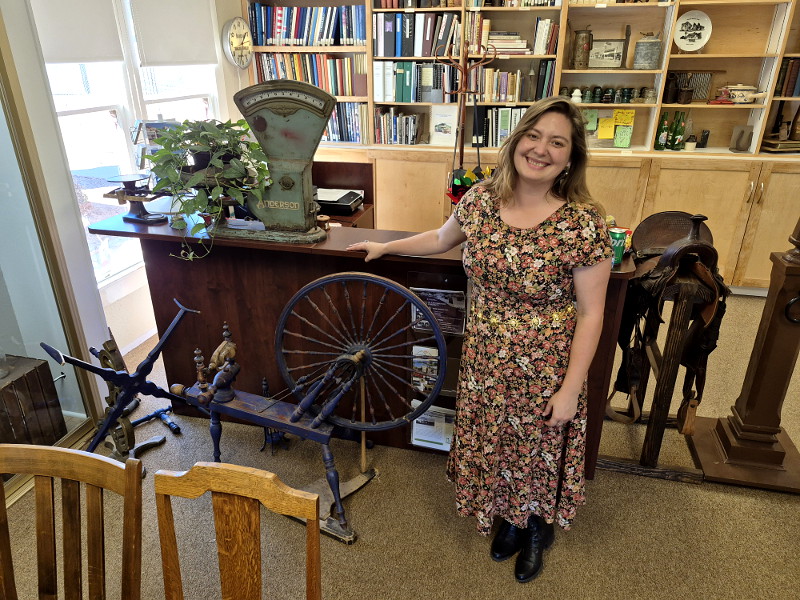
Today visitors step into the little old library (headquarters of the Escondido History Center) on Thursday through Saturday, between 10 am and 4 pm. Inside one can look at historical photographs, conduct research, or view fascinating exhibits. There are also several antique artifacts like an old scale, spinning wheel, and gas pump.
Last Saturday I also found a smile!

I learned the old library and been remodeled and expanded over the years. To me, its present-day use as a museum is the thing of greatest interest.

The exhibits can change a bit over time. During my visit I enjoyed looking at Pioneer Family: Cassou Family, and Planes, Trains and Automobiles.

Here’s an old photo of the Escondido Public Library as it originally appeared. Notice there’s not much else around it!

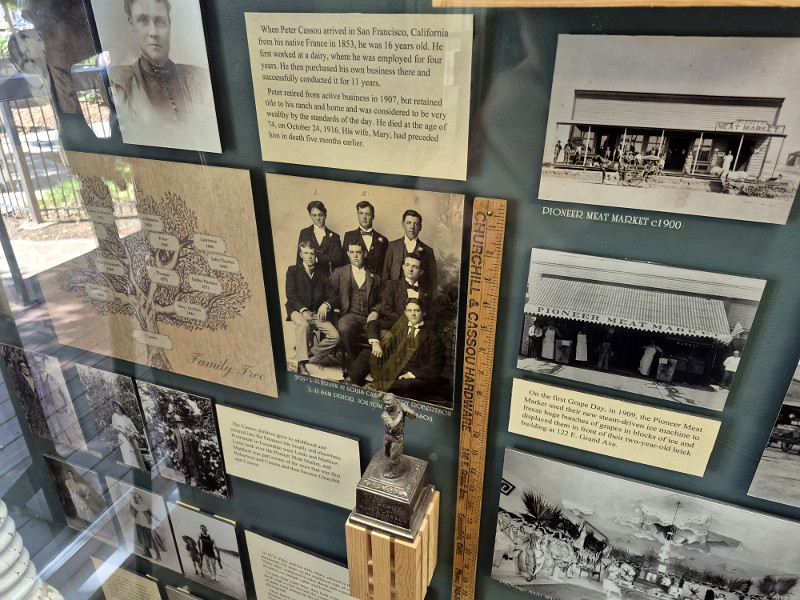
A big glass display case against one wall is packed full of history.

One exhibit traces the history of Escondido’s influential Cassou family, whose mid-19th century roots were in France.

Transportation in Escondido over the years is highlighted in the second exhibit.

Cruisin’ Grand photographs show how the beloved summer event has previously appeared.

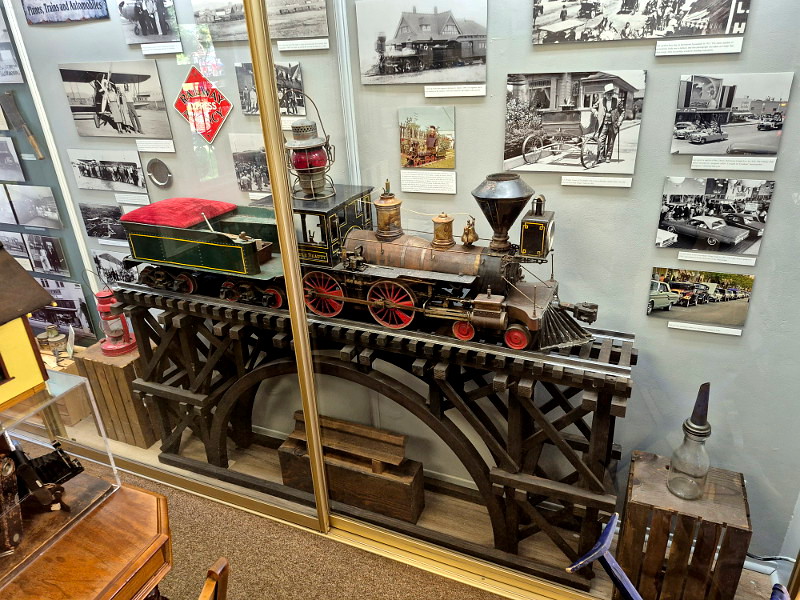
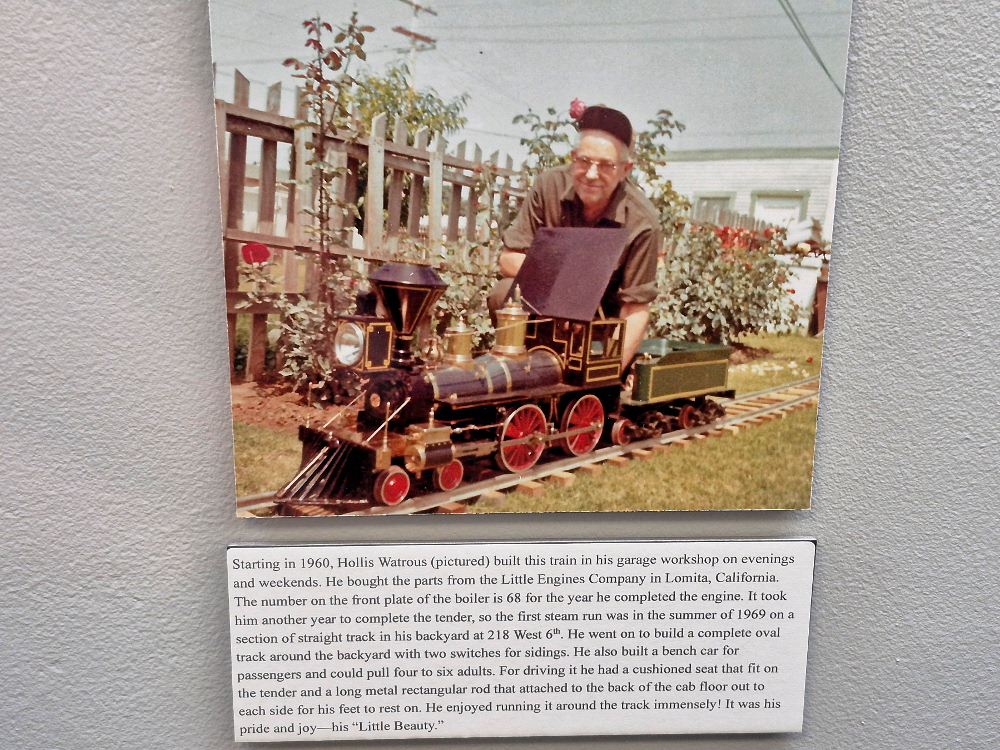
I love that big model train! It was created by Hollis Watrous in his garage workshop starting in 1960. He ran it on tracks in his backyard!

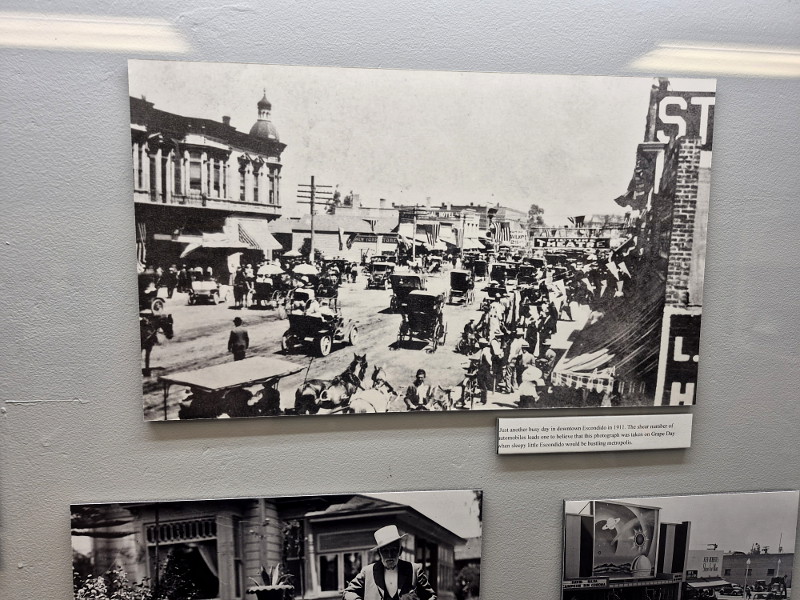
Here’s a cool old photograph of downtown Escondido in 1911.

It is believed, by the large number of automobiles, that the photo was taken on bustling Grape Day.

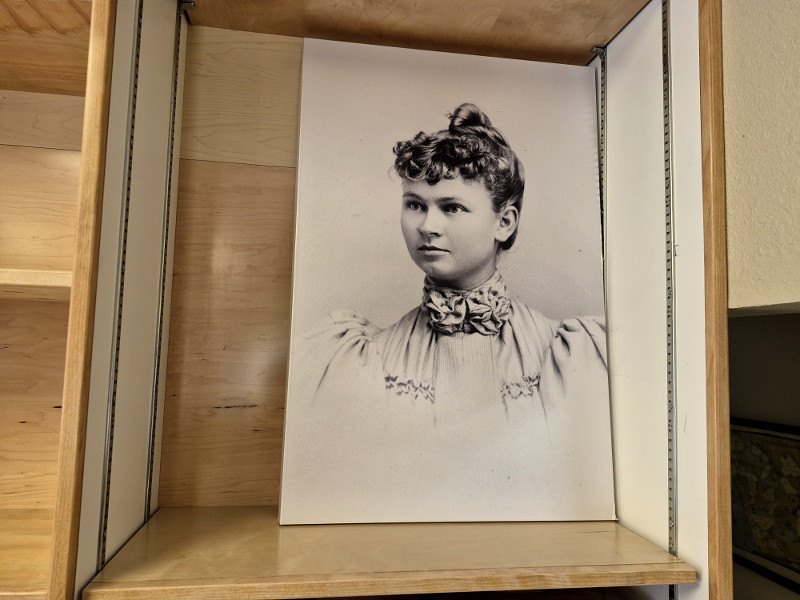
Among the shelves behind the front counter I spied this old image of Escondido’s first librarian, Mina Ward.

I post new blogs pretty often. If you like discovering new things, bookmark coolsandiegosights.com and swing on by occasionally!

I live in downtown San Diego and love to walk around with my camera! You can follow Cool San Diego Sights via Facebook or X.

Feel free to share!

Day of the Dead and early San Diego residents.

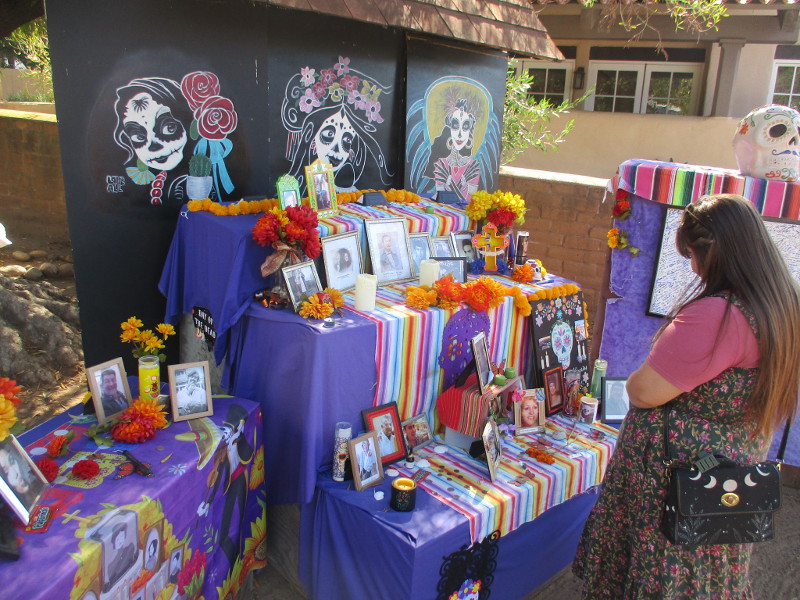
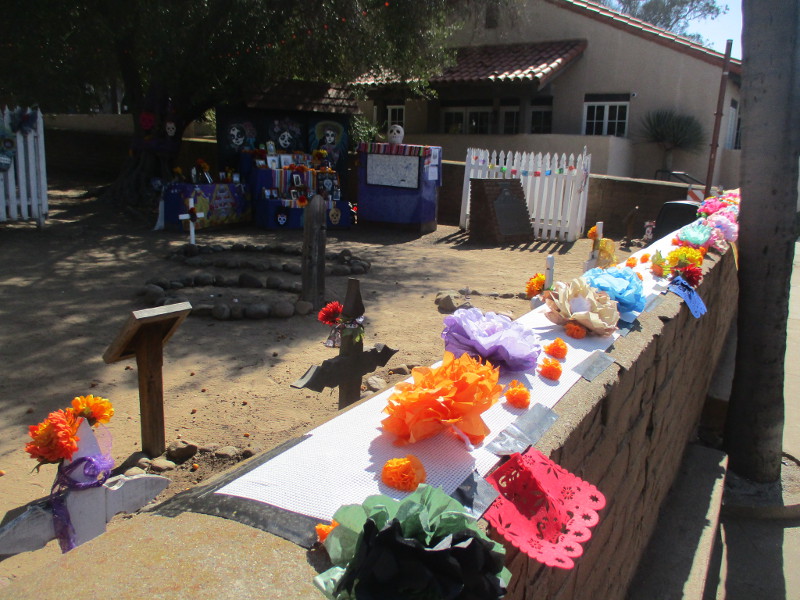
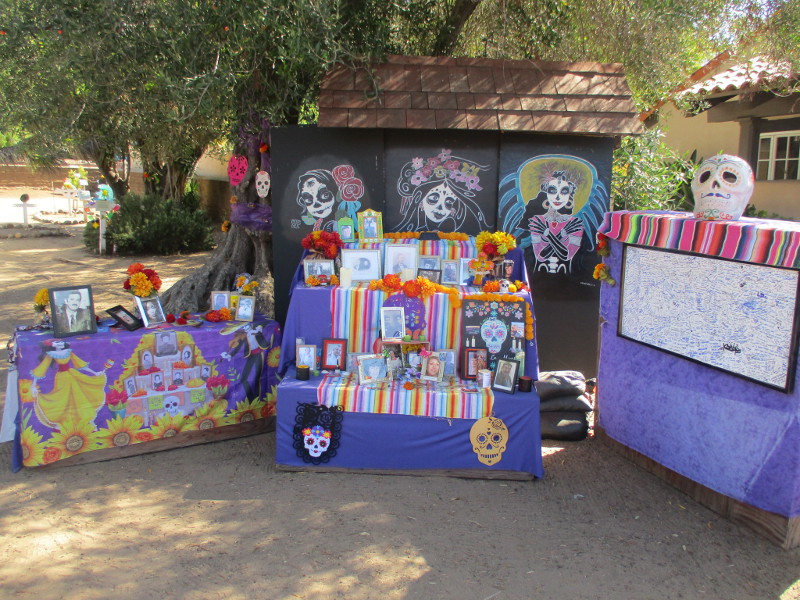
Another year is passing by. In a couple of weeks, Day of the Dead (Día de los Muertos) will be observed. Loved ones who’ve passed on from this life will be remembered.

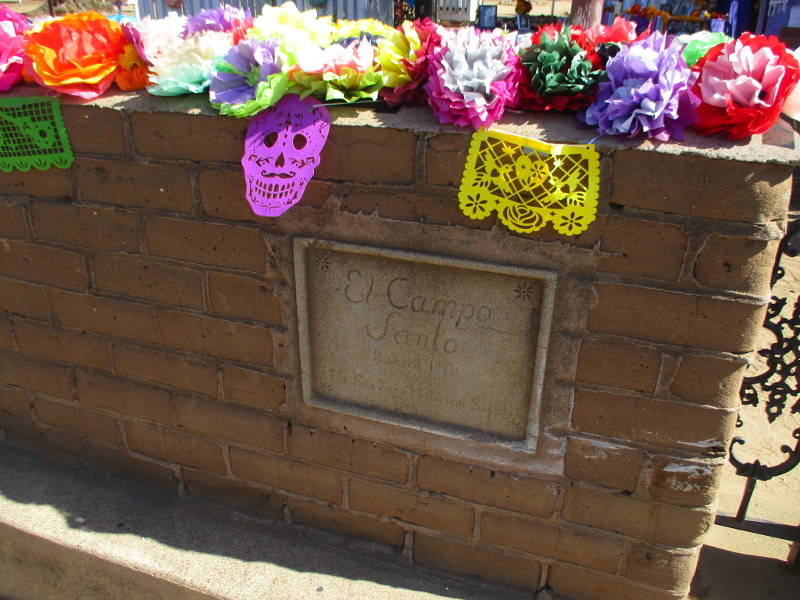
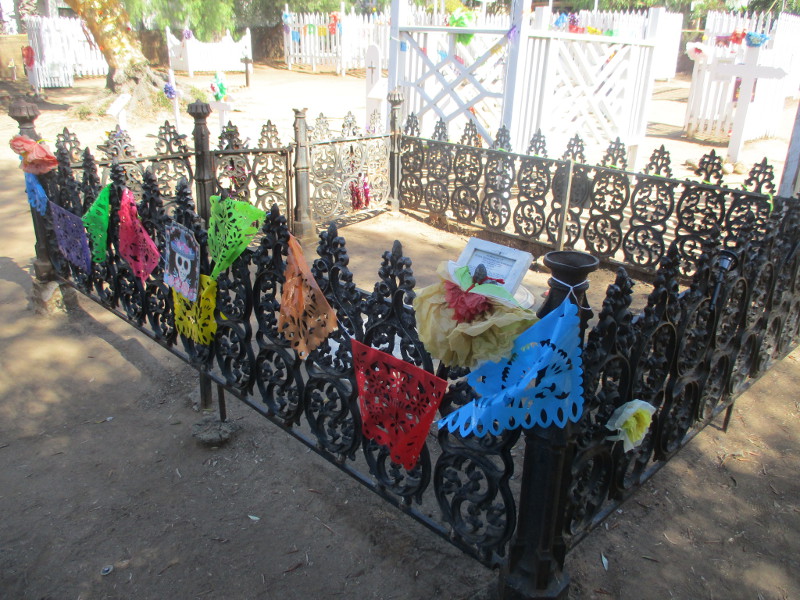
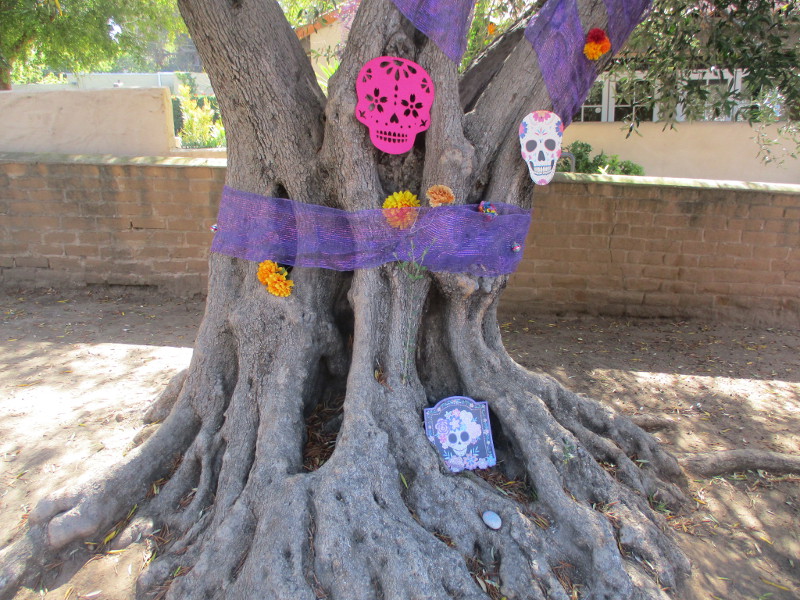
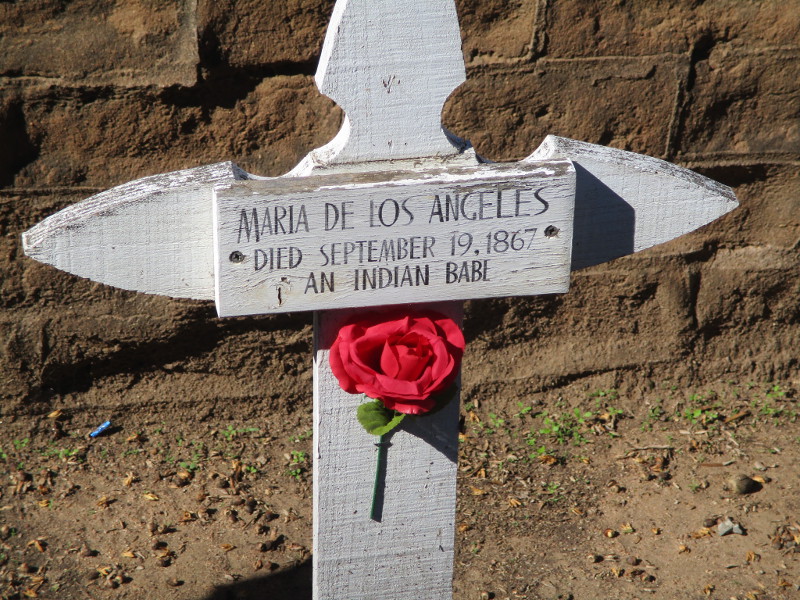
The gravesites at El Campo Santo in Old Town are decorated already. Every early resident of San Diego buried here is remembered with flowers, papel picado, Day of the Dead skulls… Every person here was loved by someone.

This small cemetery is the final resting place of so many different people: the Kumeyaay, Spanish, Mexican, American. Newborn babies, the elderly. The rich, the poor. Public figures, unknown people. The lucky, the unlucky. Victims of old age, disease, accident, violence, injustice.

Mortals all.

Every one was loved by someone.

I post new blogs pretty often. If you like discovering new things, bookmark coolsandiegosights.com and swing on by occasionally!

I live in downtown San Diego and love to walk around with my camera! You can follow Cool San Diego Sights via Facebook or X.

Feel free to share!

Building a chuck wagon at Escondido history center!

The Escondido History Center is always full of surprises!

Imagine my own surprise today when I discovered guys building an old-fashioned chuck wagon at the history center’s Bandy Blacksmith & Wheelwright Shop!

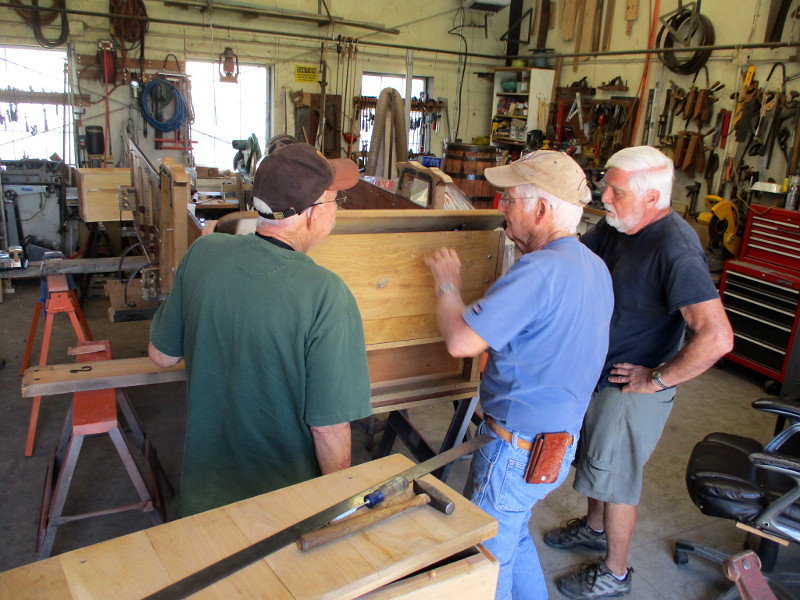
The retired volunteers, working on the project, let me step into the wheelwright shop to see exactly what they’re up to.

Check it out! The chuck wagon is being built from scratch and will be faithful to designs used over a century ago in the Old West. They hope to have it ready in time for Escondido’s 2025 Grape Day Festival, which will take place this September in Grape Day Park.

A chuck wagon is a horse-drawn wagon operating as a mobile field kitchen….They were included in wagon trains for settlers and traveling workers such as cowboys or loggers…

As you can see from my photos, this wagon is going to be awesome when finally completed!

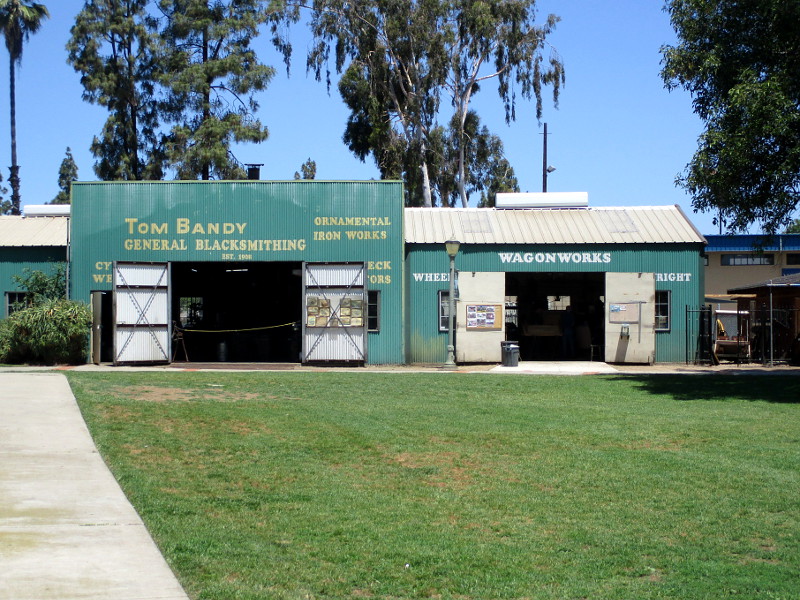
First, here’s the old blacksmith and wagonworks building on the Escondido History Center‘s Heritage Walk, where the chuck wagon is being built…

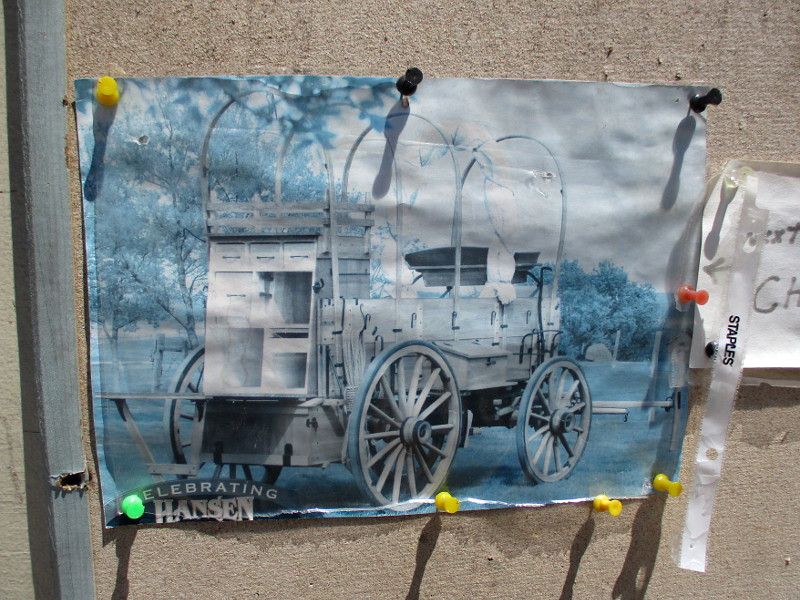
Next is an old photo of a typical chuck wagon (without its cloth covering).

The guys working in Escondido will create a covering for their chuck wagon using duck cloth. You can see how the rear of the old chuck wagon in the photo has compartments used for storing food and cooking materials.

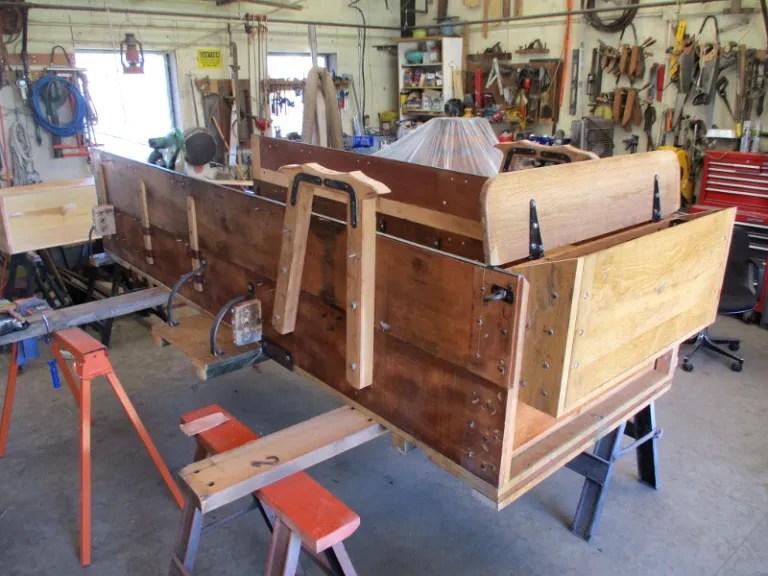
Now, inside the busy wheelwright shop today…

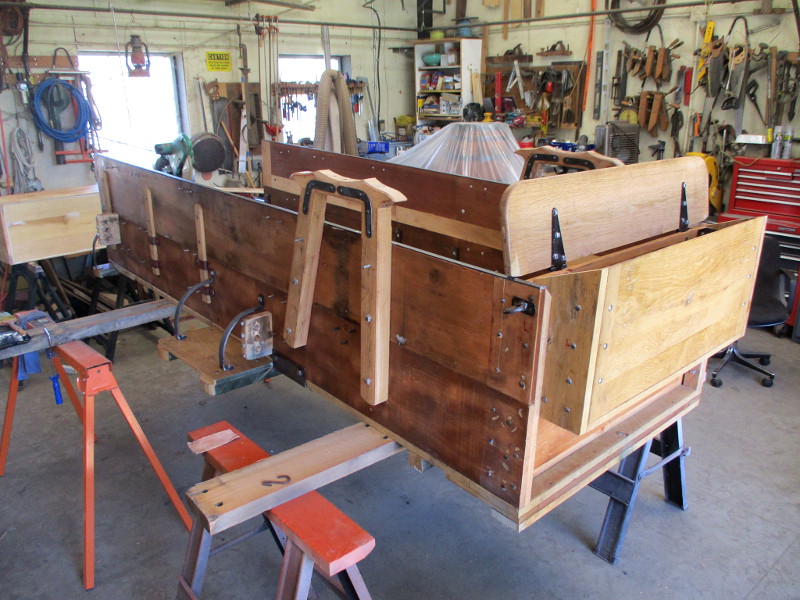
In the next photo, the wooden section that folds down near the front of the wagon is the foot board. The wagon’s seat will be mounted there behind it.

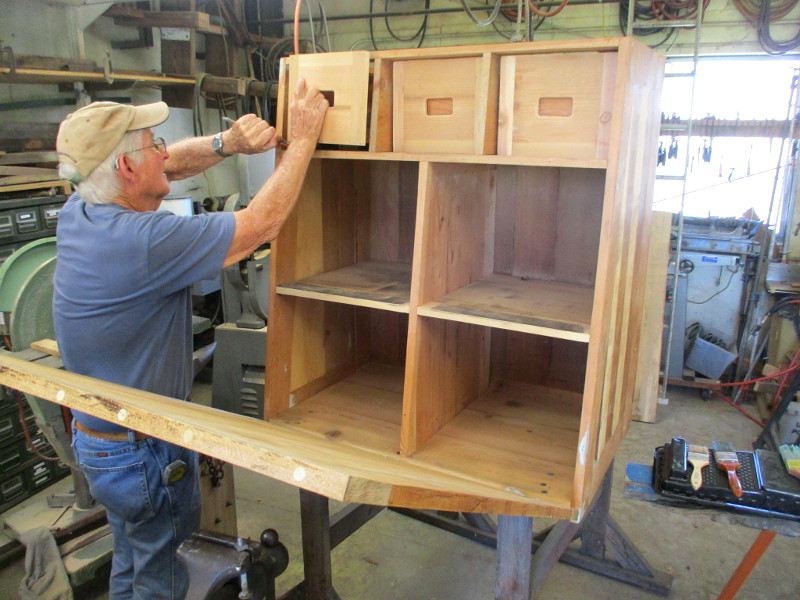
Next is the chuck box, which will be mounted to the rear of the chuck wagon. The combined cupboard and fold-down workspace stores cooking utensils, spices, and essential ingredients for cooking out in the field.

(Think of an old-fashioned tailgate party–featuring baked beans!)

The box-like pan boot is mounted under the chuck box. It typically held pots and pans and other cooking necessities such as a Dutch oven…

The opposite side of the chuck wagon under construction appears slightly different…

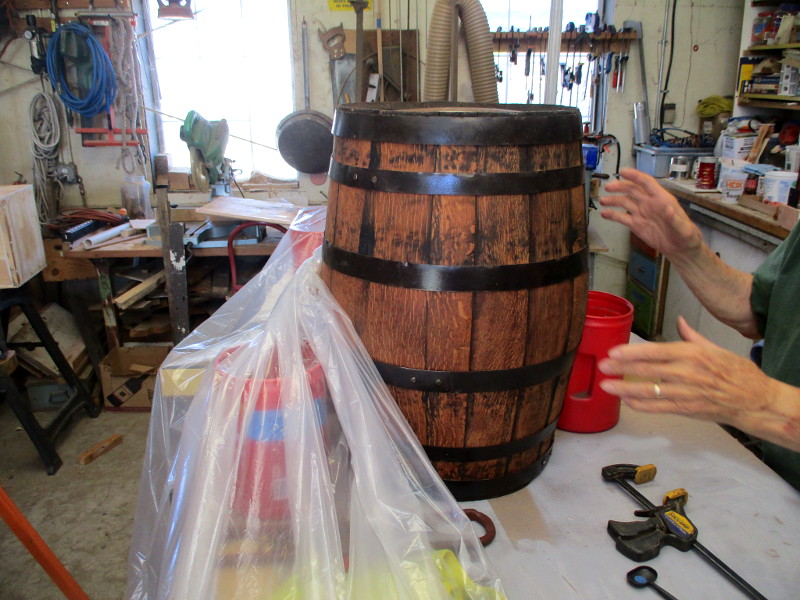
A barrel for water or other “liquid refreshment” will be mounted to this side!

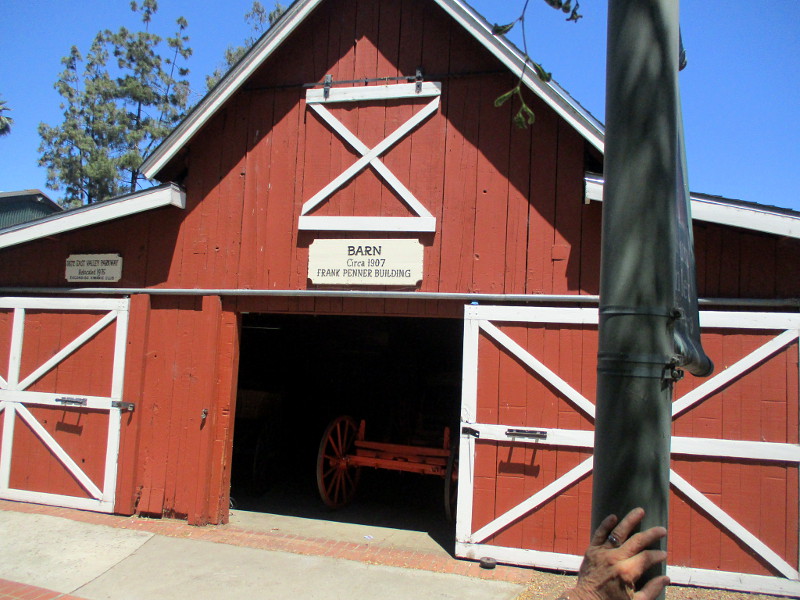
The adjacent Penner Barn had its door opened by one of the friendly guys so I could take a peek inside…

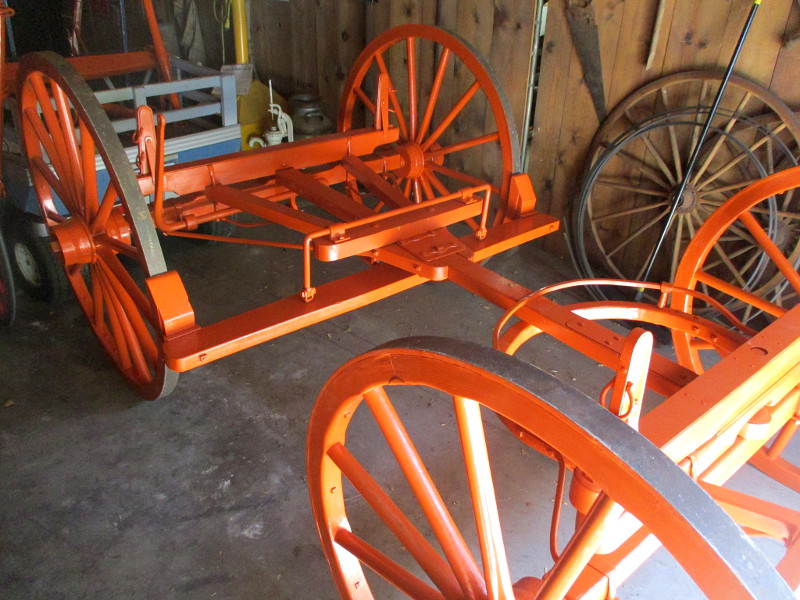
The chuck wagon’s undercarriage is ready to go!

I post new blogs pretty often. If you like discovering new things, bookmark coolsandiegosights.com and swing on by occasionally!

I live in downtown San Diego and love to walk around with my camera! You can follow Cool San Diego Sights via Facebook or X.

Feel free to share!

La Jolla plaque honors San Diego’s underwater pioneers.

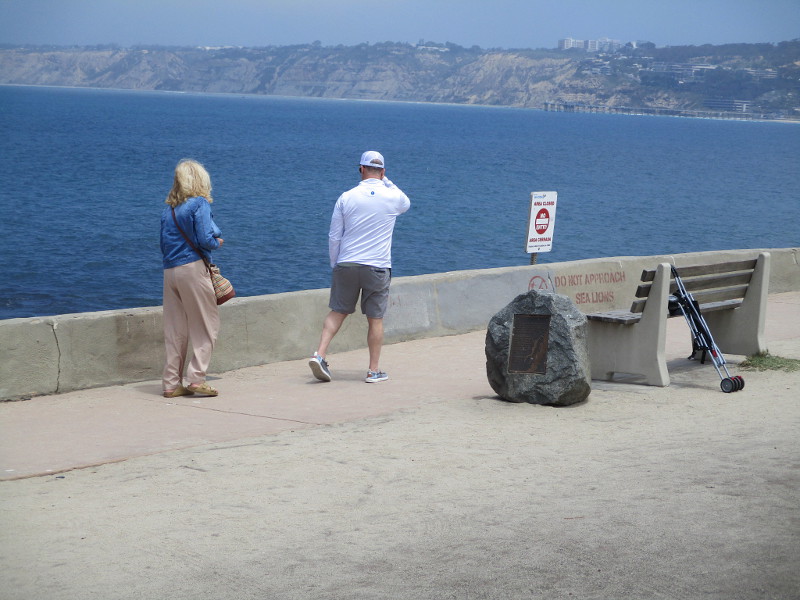
A plaque honoring San Diego’s underwater pioneers is embedded in a boulder a short distance west of La Jolla Cove. It was placed above Boomer Beach next to Ellen Browning Scripps Park last year.

People walking beside the ocean on the scenic boardwalk might see the bronze plaque near a bench.

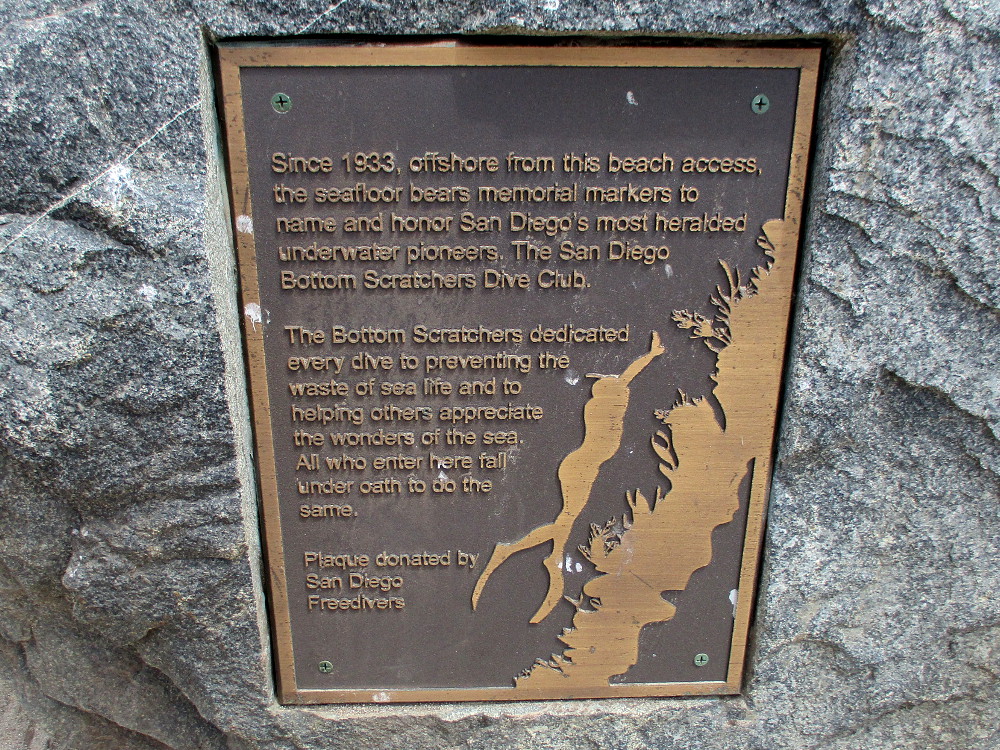
The plaque reads:

Since 1933, offshore from this beach access, the seafloor bears memorial markers to name and honor San Diego’s most heralded underwater pioneers. The San Diego Bottom Scratchers Dive Club.

The Bottom Scratchers dedicated every dive to preventing the waste of sea life and to helping others appreciate the wonders of the sea. All who enter here fall under oath to do the same.

Plaque donated by San Diego Freedivers.

Here’s a great article about the Bottom Scratchers Dive Club, which began almost a century ago. It explains: The name “Scratchers” came from the members’ habit of scouring the ocean bottom for food… The Bottom Scratchers either invented or were the first to use the basic freediving spearfishing gear still employed today… Soon club members became local legends… Everything the explorers experienced was new…

There are some great old photographs in the article, too.

I post new blogs pretty often. If you like discovering new things, bookmark coolsandiegosights.com and swing on by occasionally!

I live in downtown San Diego and love to walk around with my camera! You can follow Cool San Diego Sights via Facebook or X.

Feel free to share!

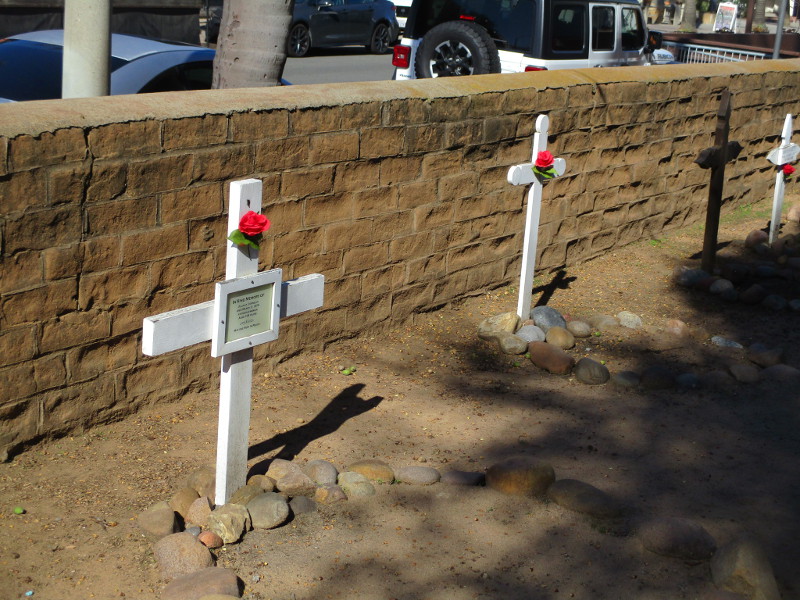
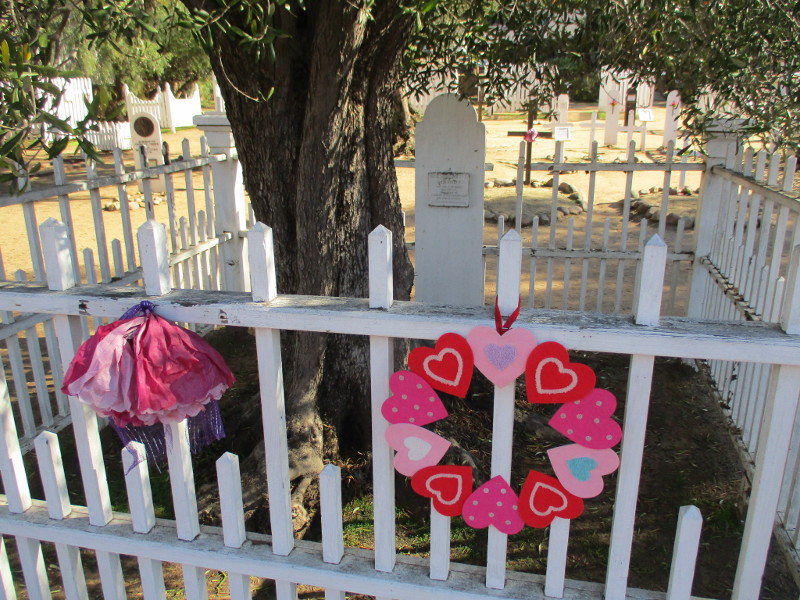
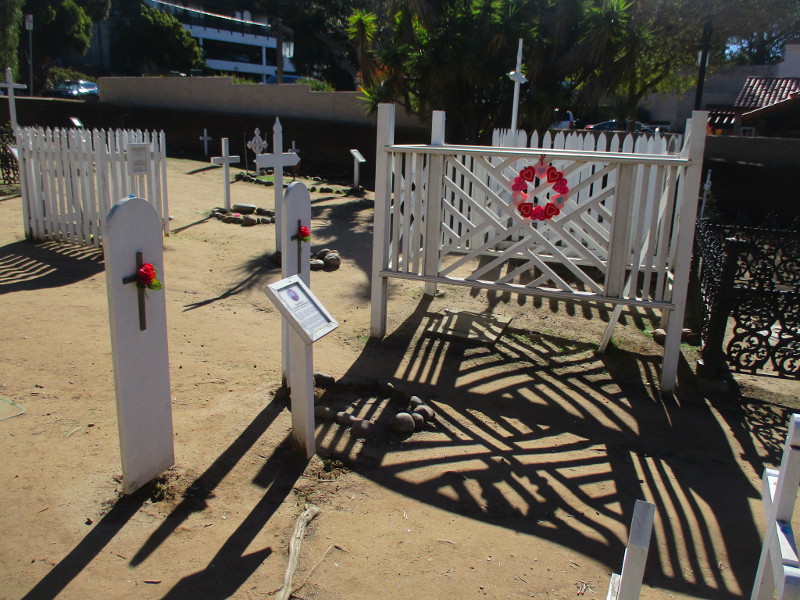
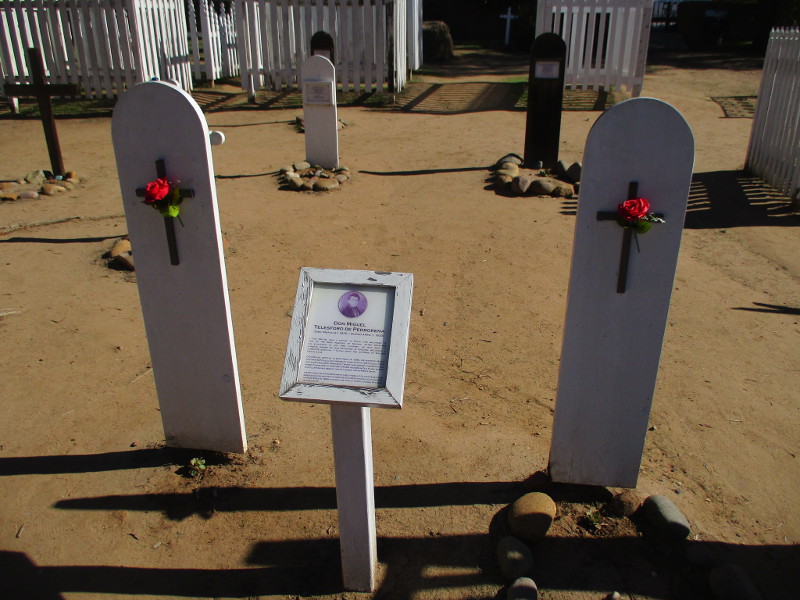
Red roses and Valentine’s hearts at El Campo Santo.

Many of the crosses and headstones at Old Town San Diego’s historic El Campo Santo cemetery are now decorated with red roses and hearts. I observed this today, more than a week after Valentine’s Day.

Expressions of enduring love have appeared for San Diego’s earliest residents.

I remember seeing the cemetery decorated with traditional marigolds years ago during Día de los Muertos. See those photographs here.

Curious about who is buried in San Diego’s oldest graveyard? Read a past blog post concerning the diverse folk who came to rest at El Campo Santo by clicking here.

I post new blogs pretty often. If you like discovering new things, bookmark coolsandiegosights.com and swing on by occasionally!

I live in downtown San Diego and love to walk around with my camera! You can follow Cool San Diego Sights via Facebook or X.

Feel free to share this!

Antique wagons beautifully restored in Escondido.

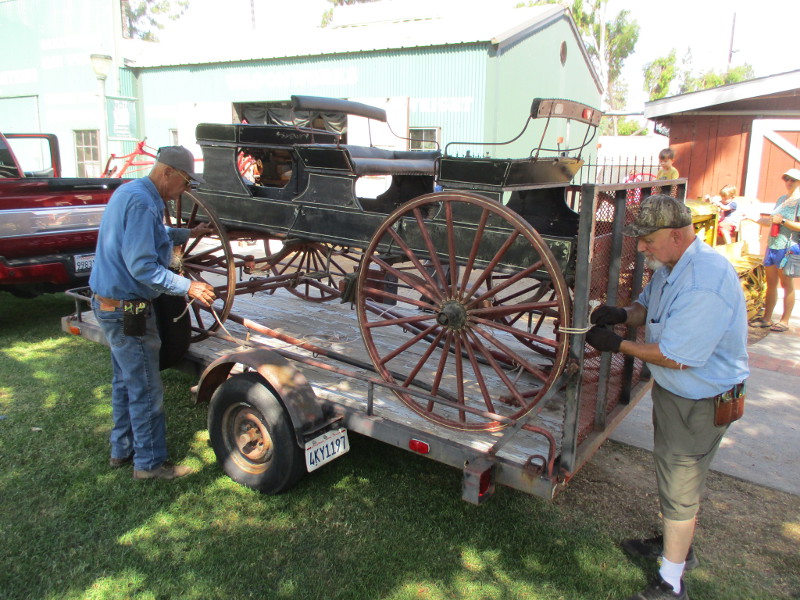
A variety of antique wagons that have survived for over a century are being restored in Escondido!

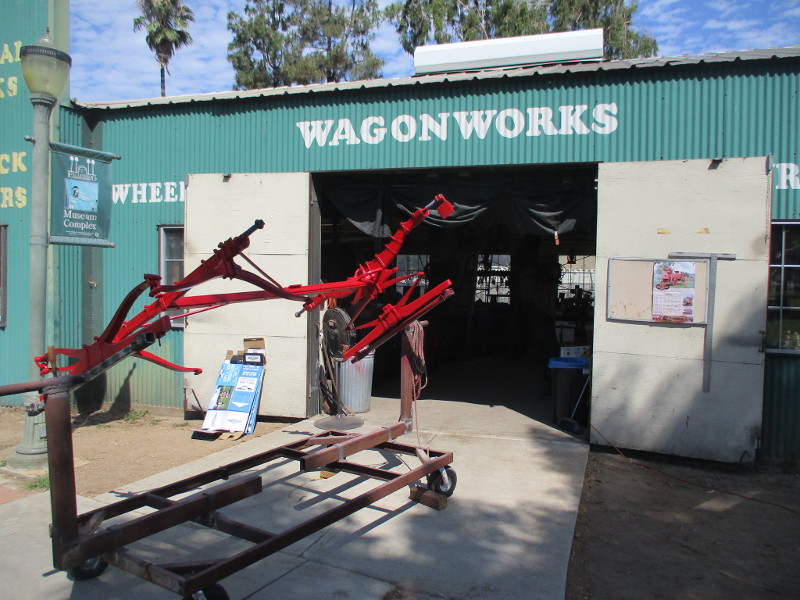
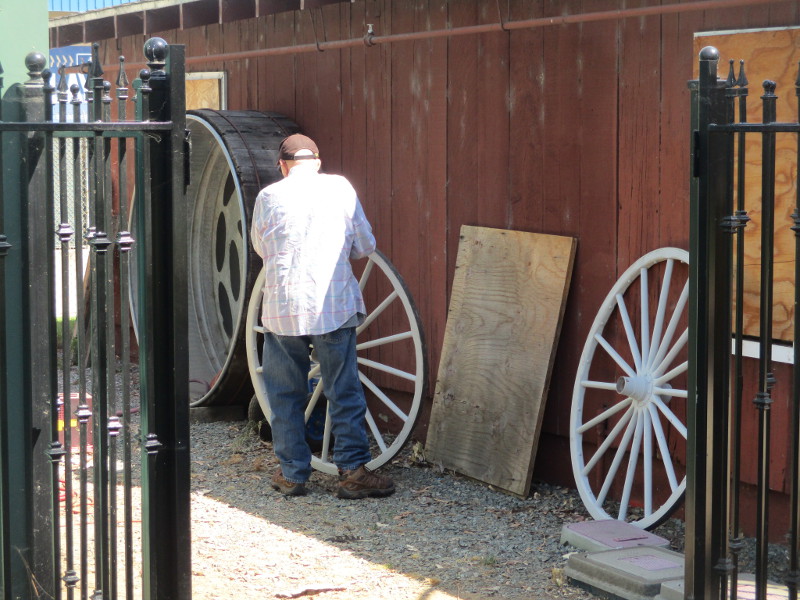
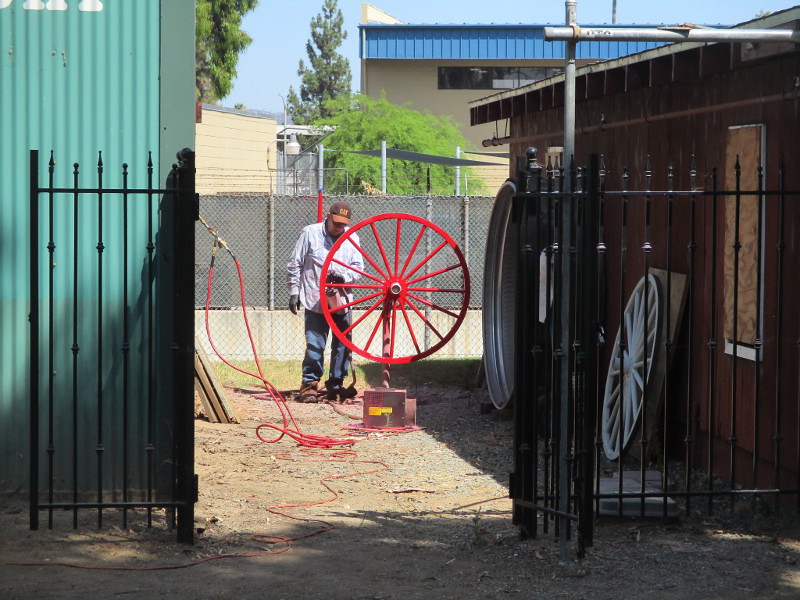
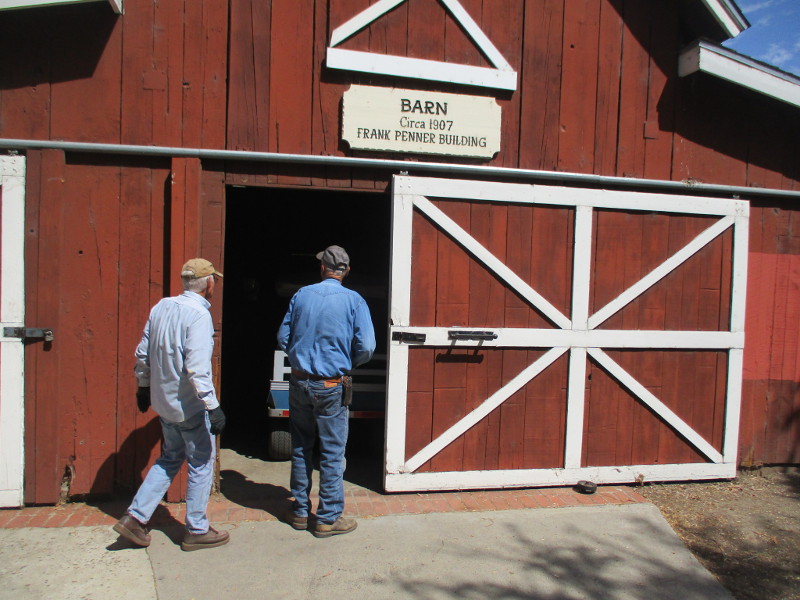
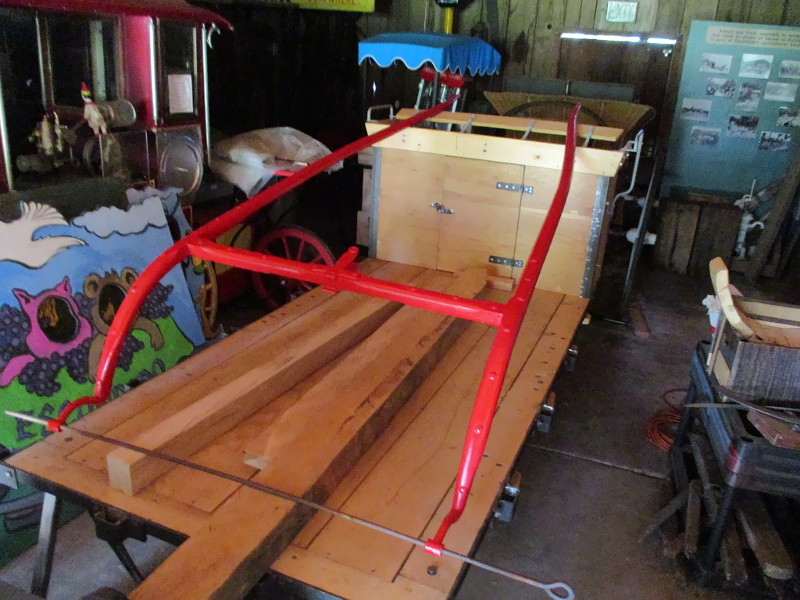
During my walk late this morning through Grape Day Park, I noticed several gentlemen hovering about the wagonworks and wheelwright shop, which is located on the Escondido History Center’s Heritage Walk. They were working with the restored undercarriage of an old delivery wagon, and painting its wagon wheels.

I was informed that, over the years, many different carts and wagons have been restored by skilled volunteers at the Bandy Blacksmith & Wheelwright Shop. Brought in from many places, these horse-drawn vehicles from the Old West have been saved from the decay caused by time and weather.

A friendly gentleman showed me photos of wagons that have been restored. He then opened the nearby Penner Barn to show me the rebuilt body of the old delivery wagon, that will be fitted with the red undercarriage and wheels.

A year ago I peered into the working blacksmith and wheelwright shop and posted that blog here.

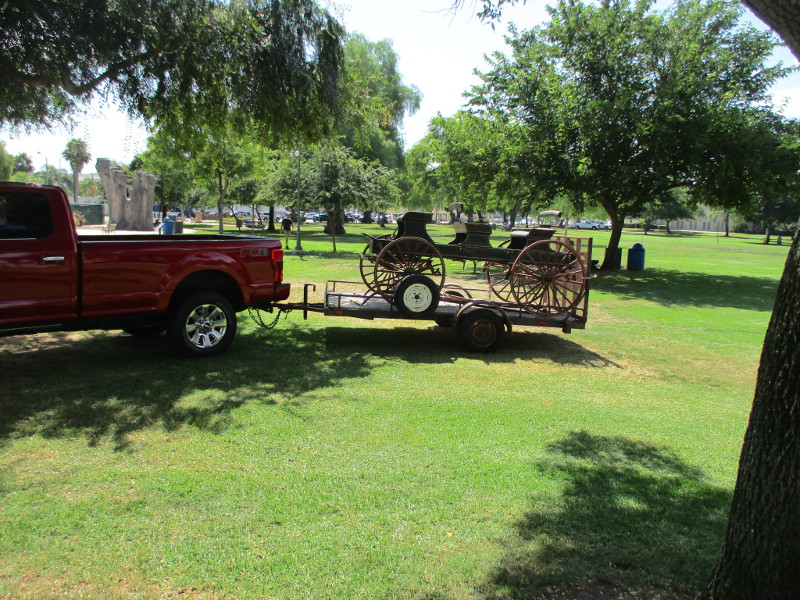
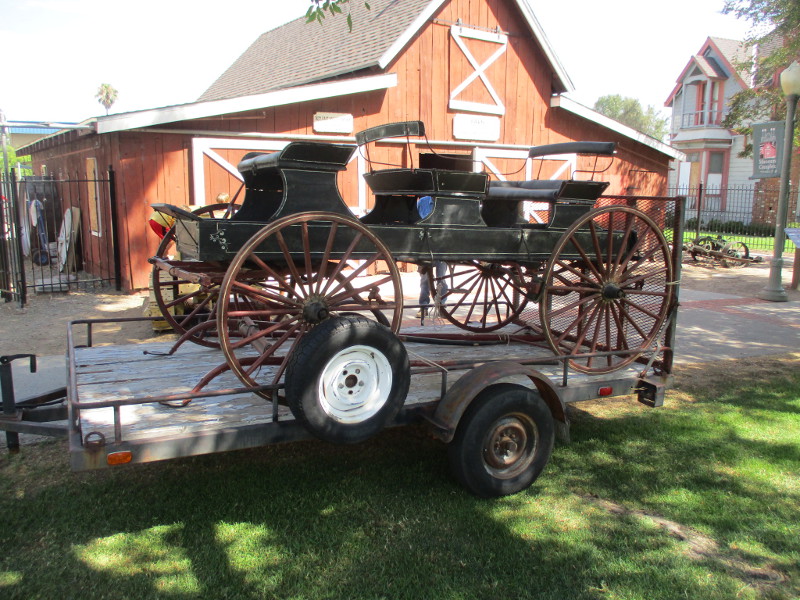
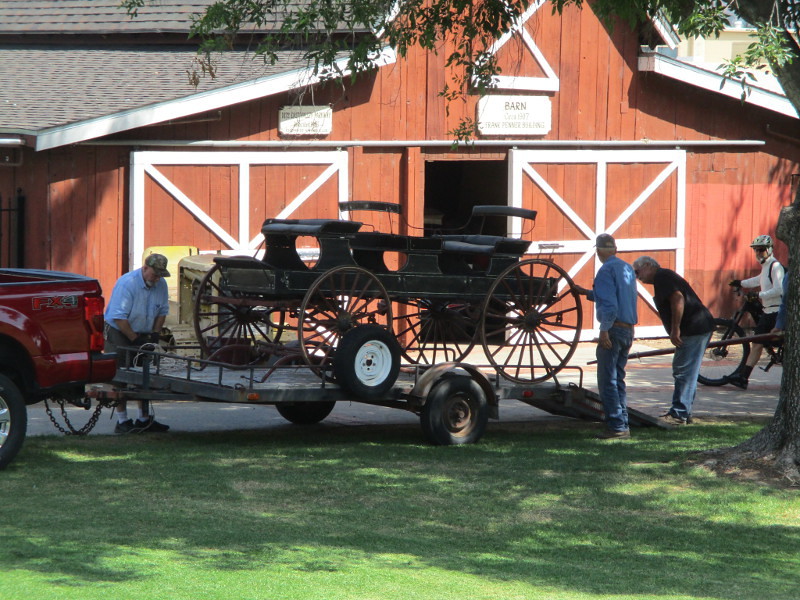
As I regarded the interesting operations around me, a pick-up truck approached, hauling an antique spring wagon! The spring wagon will become a new outdoor exhibit, to be enjoyed by visitors exploring the Heritage Walk.

Thanks for visiting Cool San Diego Sights!

I post new blogs pretty often. If you like discovering new things, bookmark coolsandiegosights.com and swing on by occasionally!

I live in downtown San Diego and love to walk around with my camera! You can follow Cool San Diego Sights via Facebook or Twitter!

Online exhibit: the Warner-Carrillo Ranch House.

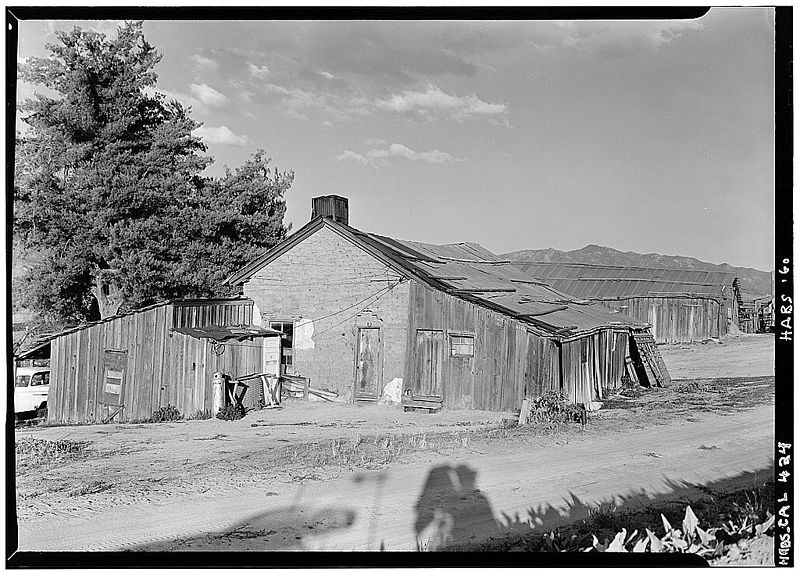
Warner’s Ranch — West Elevation of Ranch House. 1960. Historic American Buildings Survey. Public domain image courtesy Wikimedia Commons.

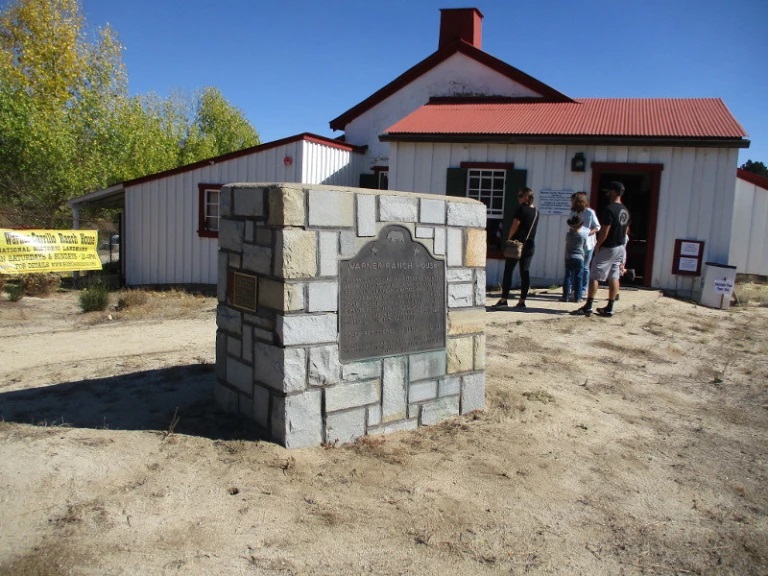
Anyone interested in the history of San Diego and the surrounding region should visit the Warner-Carrillo Ranch House near Warner Springs. If you can’t, there’s an online exhibit filled with photographs and detailed information concerning this National Historic Landmark, including its construction in 1857, its fascinating history and restoration.

I subscribe to the Save Our Heritage Organisation email list. Their most recent newsletter is how I learned about this.

To view the excellent online exhibit concerning the Warner-Carrillo Ranch House, click here.

I visited the old ranch house in 2021 and took some photos, which you can see here.

Thanks for visiting Cool San Diego Sights!

I post new blogs pretty often. If you like discovering new things, bookmark coolsandiegosights.com and swing on by occasionally!

I live in downtown San Diego and love to walk around with my camera! You can follow Cool San Diego Sights via Facebook or Twitter!