Two eras: Contrasted paintings at Timken Museum.

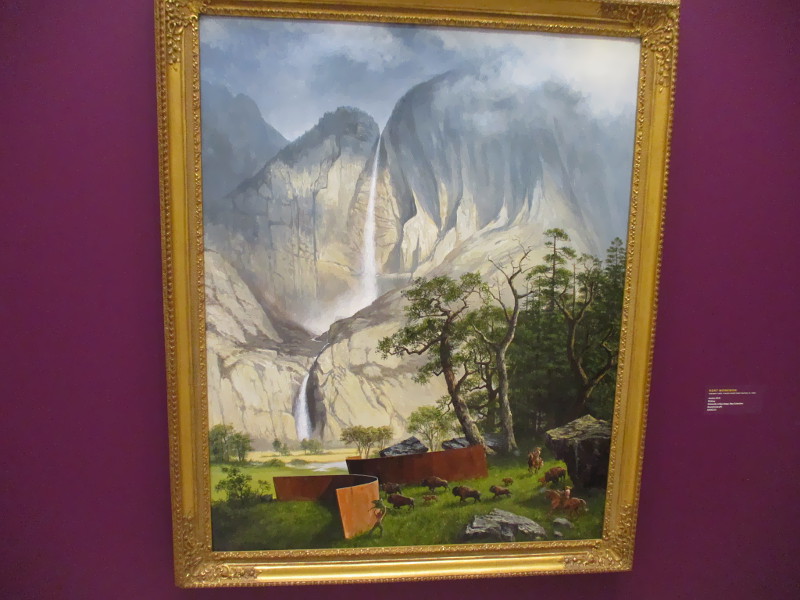
The Timken Museum of Art in Balboa Park has opened a fascinating exhibition titled Reconsidering Bierstadt: Kent Monkman. Visitors to the fine art museum are encouraged to compare two similar but very different works: Albert Bierstadt‘s 1864 painting Cho-looke, The Yosemite Fall, and First Nation Cree artist Kent Monkman‘s 2012 work The Fourth World.

The photograph above shows Kent Monkman’s painting (on loan from the Denver Art Museum) which reimagines the Bierstadt piece in the light of a different perspective.

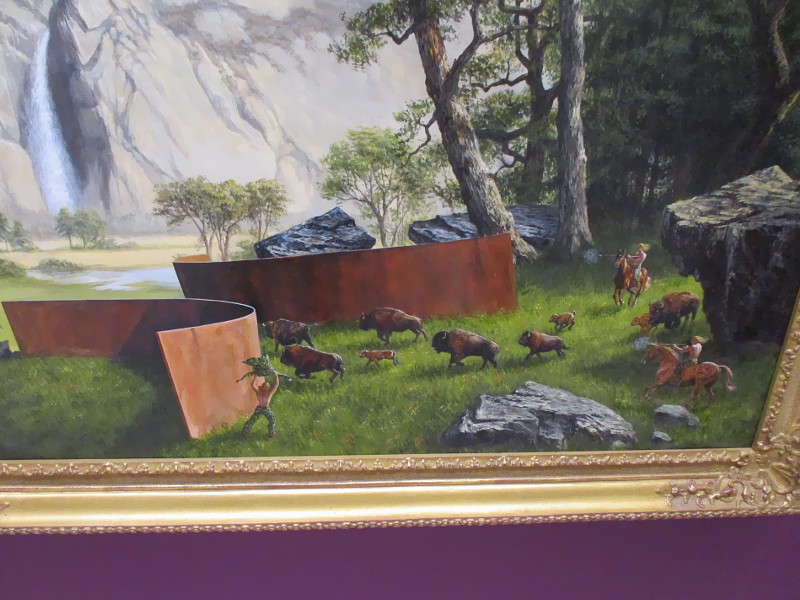
Bierstadt’s oil painting conveys a sense of rustic tranquility and natural beauty; the somewhat shocking bottom portion of Monkman’s bolder, brighter acrylic piece shows bison being frightened and funneled in Yosemite through sheer steel walls by white men with guns.

Monkman’s contemporary painting clearly expresses that an environment can be forcibly altered by the actions of humans. Like any good art, the image ignites complex thought.

I’m no expert when it comes to the history of Yosemite. Doing some online research, I was surprised to learn that, according to a National Park Service Facebook post: Here in Yosemite, though, bison have never roamed.

Here’s the bottom portion of The Fourth World:

The next photograph is of Cho-looke, The Yosemite Fall. It’s darker, vaguer, somehow more sublime. (The docent thought perhaps the painting needs to be cleaned.)

This Smithsonian website has a better photograph and explains: Bierstadt was inspired to paint Yosemite after seeing Carleton Watkins’s photographs in a New York gallery in 1862…In 1864, the year Bierstadt painted this view, President Abraham Lincoln set aside Yosemite as a protected reserve…

Head down to the Timken Museum of Art when they’re open and observe both canvases up close. When I visited, a friendly docent was standing by to answer questions and provide more insight.

The Timken, which contains many painted masterpieces, is always free! The exhibition will continue through June 8th, 2025.

I post new blogs pretty often. If you like discovering new things, bookmark coolsandiegosights.com and swing on by occasionally!

I live in downtown San Diego and love to walk around with my camera! You can follow Cool San Diego Sights via Facebook or X.

Feel free to share!

The transformation of Building 178 at Liberty Station.

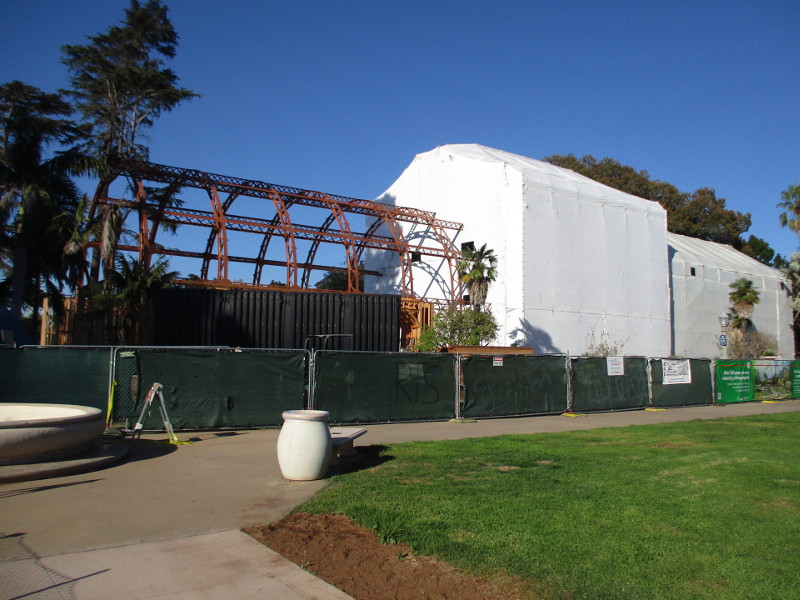
Building 178 at Liberty Station in Point Loma was once a popular destination for Navy recruits. As recreation center for the old Naval Training Center San Diego, it provided a variety of activities for sailors. The sizable building contained a bowling alley and a disco!

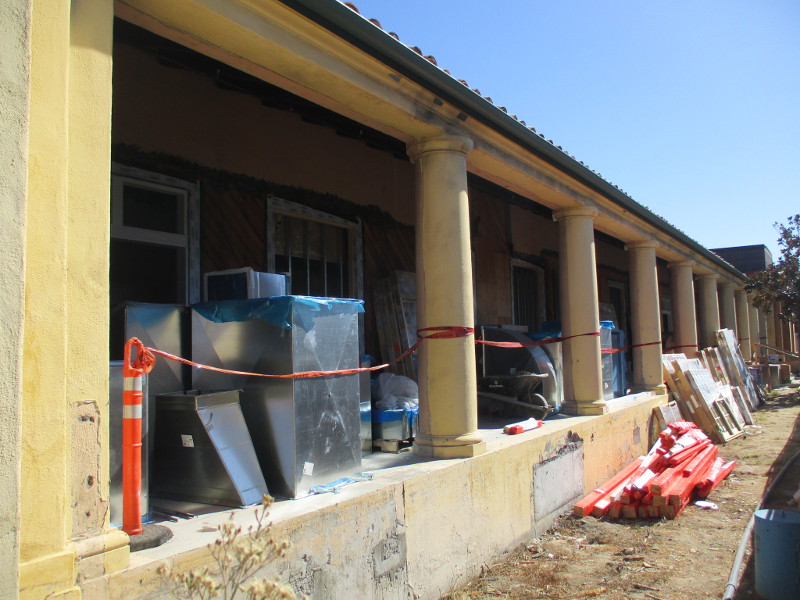
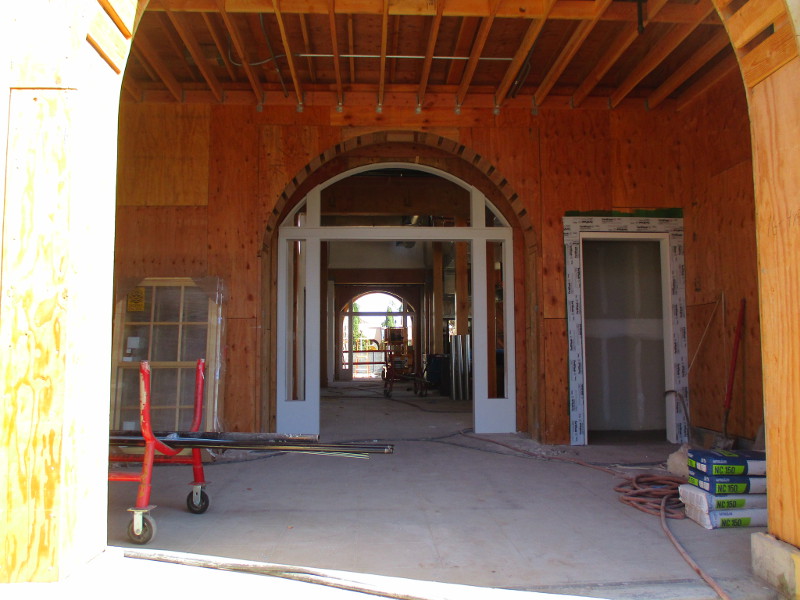
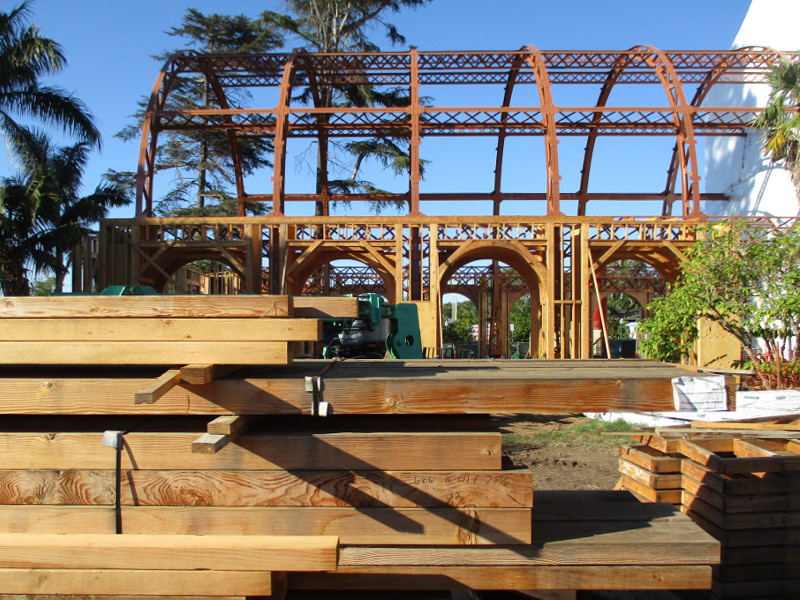
Today Building 178 is a bit torn up. I noticed this while wandering around Liberty Station, waiting for a San Diego Bird Alliance event to begin on Sunday.

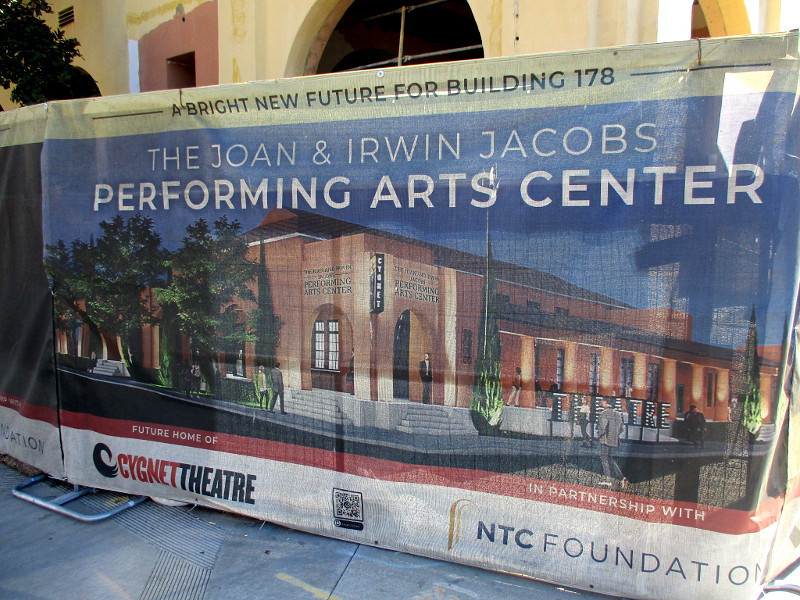
As I circled the former Navy recreation center, which was built in 1942, I took photos of informative banners attached to the construction fence. They indicate Building 178 is to become the Joan and Irwin Jacobs Performing Arts Center, new home of the Cygnet Theatre.

The Cygnet Theatre is presently located in Old Town. They’ll be moving to much larger digs as soon at this major renovation is completed!

Here’s a detailed article if you’d like to learn more.

Historic Preservation FundSave America’s Treasures GrantsRenovation of Naval Building 178 into a world-class performing arts venueThis project is being supported in part by a grant awarded by the National Park Service, Department of the Interior.

A bright new future for Building 178The Joan & Irwin Jacobs Performing Arts CenterFuture home of Cygnet Theatre…In partnership with NTC Foundation

Thanks for visiting Cool San Diego Sights!

I post new blogs pretty often. If you like discovering new things, bookmark coolsandiegosights.com and swing on by occasionally!

I live in downtown San Diego and love to walk around with my camera! You can follow Cool San Diego Sights via Facebook or X.

New wood for the Botanical Building restoration!

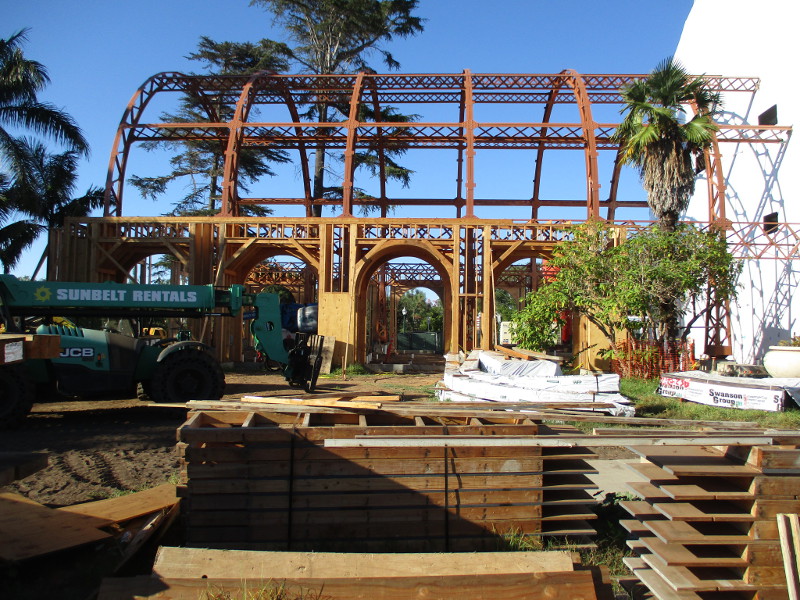
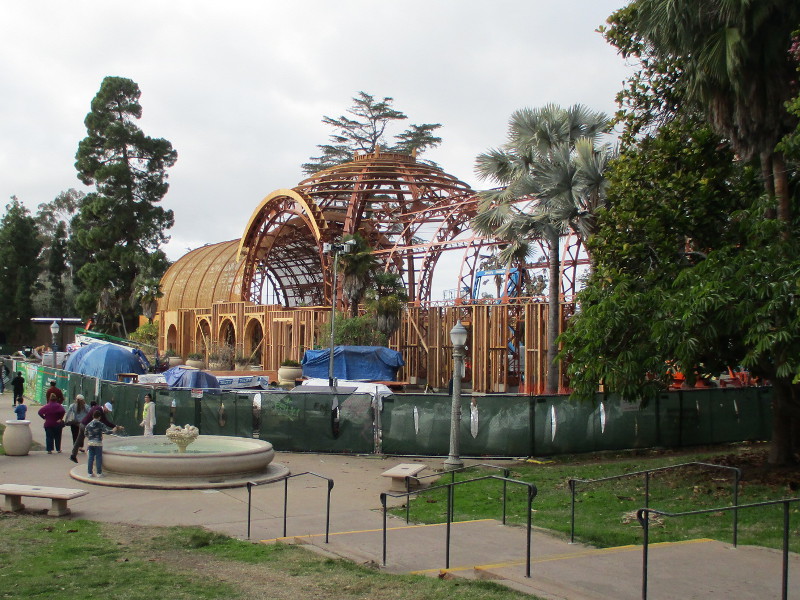
The restoration of Balboa Park’s monumental Botanical Building is proceeding right along. New wood is being used to beautifully recreate the historic structure!

When built for the 1915 Panama-California Exposition, the Botanical Building was one of the largest lath structures in the world. A century later, wood rot and termite damage had taken a severe toll. This project, supported by the National Park Service, State of California, City of San Diego, and Forever Balboa Park, includes the full restoration of the building to its original 1915 design, recreating the series of arched openings with Palladian windows and large doors, opening the inside space to the surrounding gardens as intended.

It will be fascinating to watch as new lath is applied to the large, supporting steel structure, which is also being renovated one section at a time.

Here’s another web page that describes the Botanical Building restoration and additional improvements, such as the reconstruction of a pergola that once stood on the west lawn near The San Diego Museum of Art.

UPDATE!

Here’s a photo showing great progress! I took this in January, 2024…

Thanks for visiting Cool San Diego Sights!

I post new blogs pretty often. If you like discovering new things, bookmark coolsandiegosights.com and swing on by occasionally!

I live in downtown San Diego and love to walk around with my camera! You can follow Cool San Diego Sights via Facebook or X (formerly known as Twitter)!

Why Portuguese and Spanish plaques at Cabrillo?

Visitors to Cabrillo National Monument might perceive an apparent contradiction.

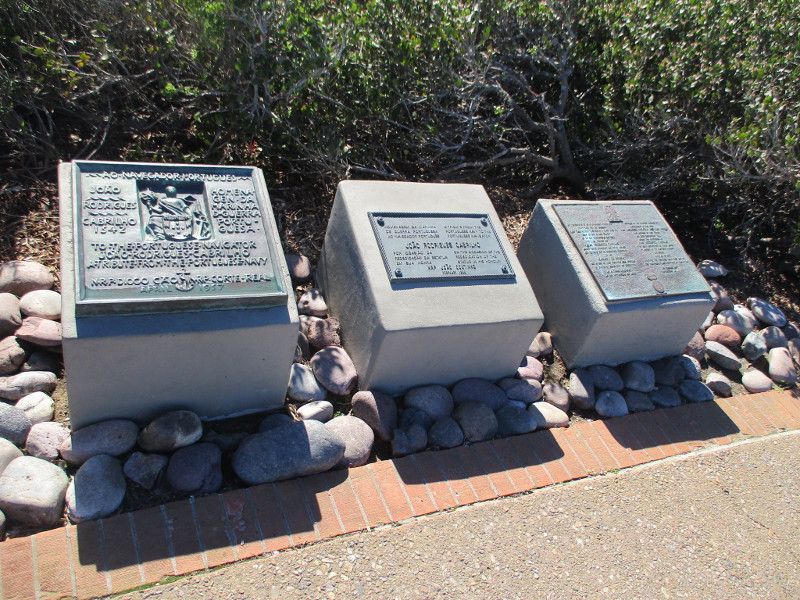
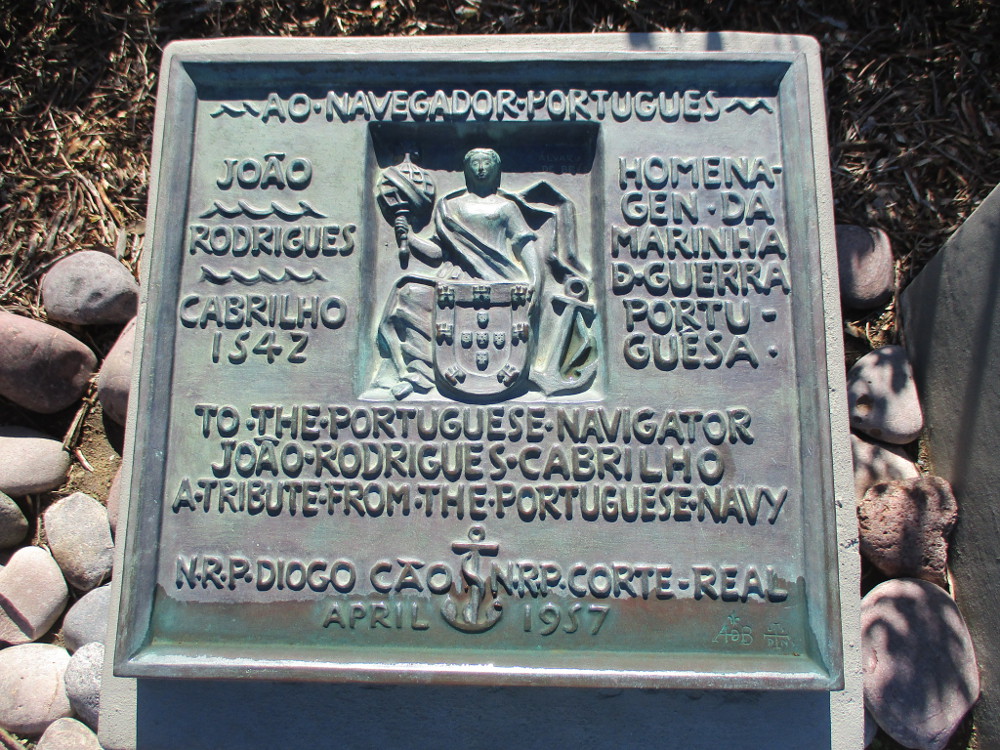
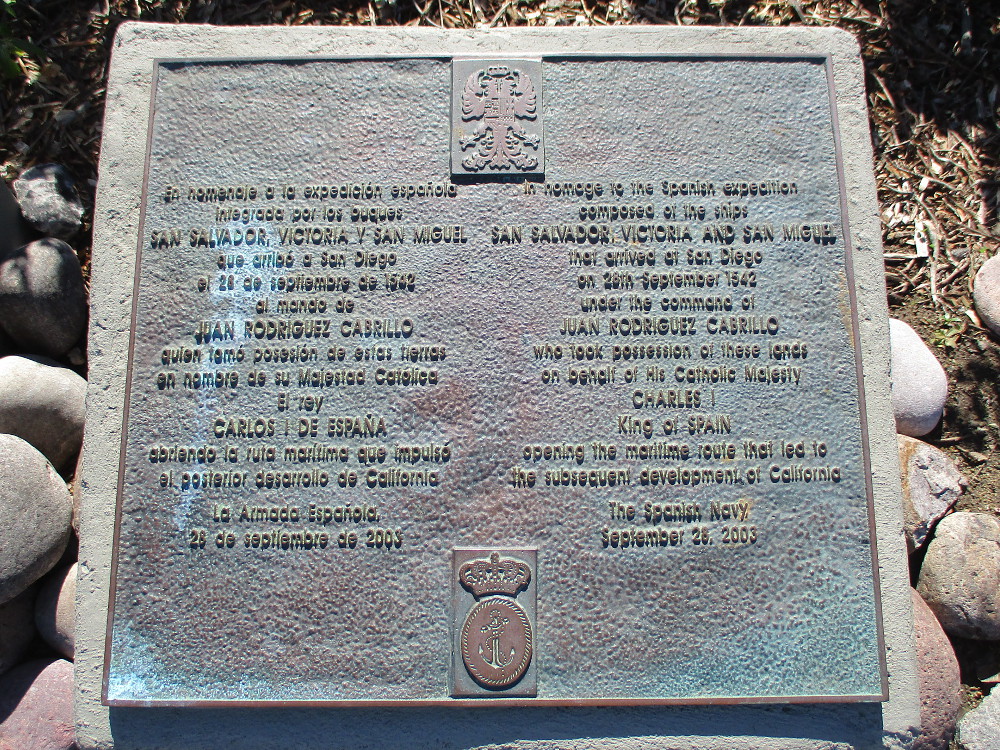
There are three plaques along the walkway that approaches the statue of Cabrillo. They seem to recognize the explorer as being both Portuguese and Spanish!

In 1615, historian Antonio de Herrera listed Cabrillo’s name as Juan Rodriguez Cabrillo Portuguese, giving him a third last name or apellido. This led many people to believe Cabrillo was Portuguese. In 2015 a researcher discovered evidence that Cabrillo said he was a native of Spain…

…(the) historian stumbled across Cabrillo’s name in this legal document dated February 12, 1532. In it, Cabrillo identifies himself as “a native of Palma de Micer Gilio,” now Palma del Rio in Cordoba, Spain.

A Viceroy of New Spain, Antonio de Mendoza, selected Cabrillo to lead an exploration of the Pacific coast. Cabrillo sailed into San Diego harbor under the Spanish flag aboard the San Salvador.

San Diego held the first Cabrillo Festival in 1892. Members of the Portuguese community in San Diego have been supporting Cabrillo National Monument since the 1930s…

TO THE PORTUGUESE NAVIGATOR JOAO RODRIGUES CABRILHO – A TRIBUTE FROM THE PORTUGUESE NAVY – APRIL 1957

A TRIBUTE FROM THE PORTUGUESE NAVY TO THE PORTUGUESE NAVIGATOR – JOAO RODRIGUES CABRILHO – ON THE OCCASION OF THE REDEDICATION OF THE STATUE IN HIS HONOUR – FEBRUARY 1988

In homage to the Spanish expedition composed of the ships SAN SAVADOR, VICTORIA AND SAN MIGUEL that arrived at San Diego on 28th September 1542 under the command of JUAN RODRIGUEZ CABRILLO who took possession of these lands on behalf of His Catholic Majesty CHARLES I King of SPAIN opening the maritime route that led to the subsequent development of California – The Spanish Navy – September 28, 2003

Thanks for visiting Cool San Diego Sights!

I post new blogs pretty often. If you like discovering new things, bookmark coolsandiegosights.com and swing on by occasionally!

I live in downtown San Diego and love to walk around with my camera! You can follow Cool San Diego Sights via Facebook or Twitter!

Help build a trail to the Cabrillo tide pools!

Do you love Cabrillo National Monument? Would you like to help build a spectacular hiking trail that will connect the whale watching overlook to the tide pools 400 feet below?

You can become a trailblazer!

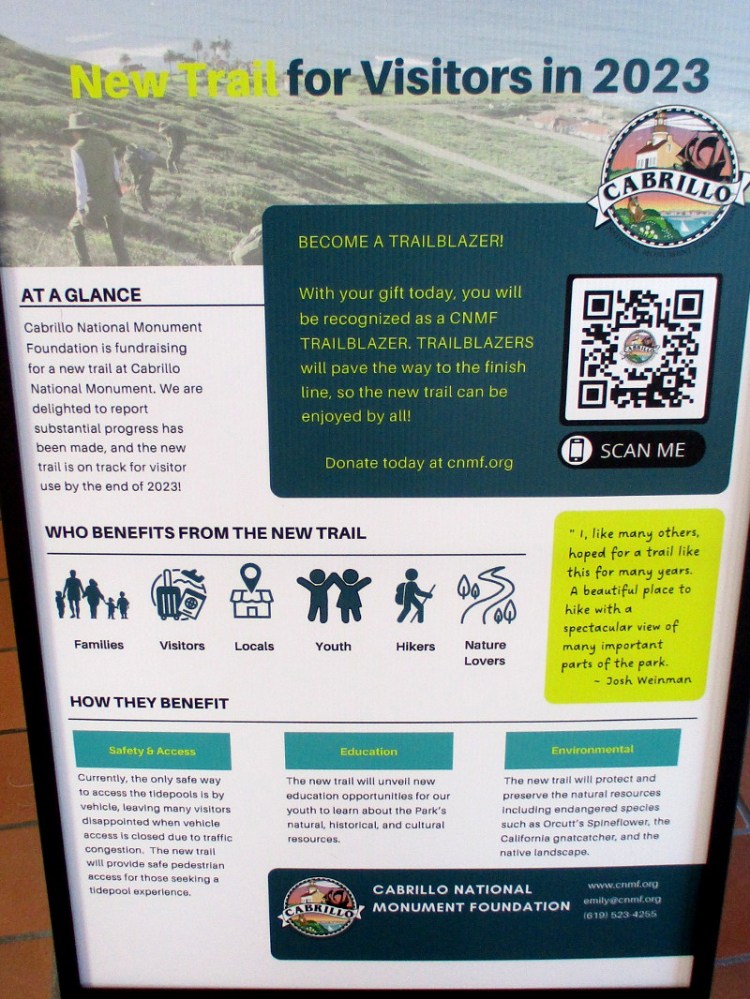
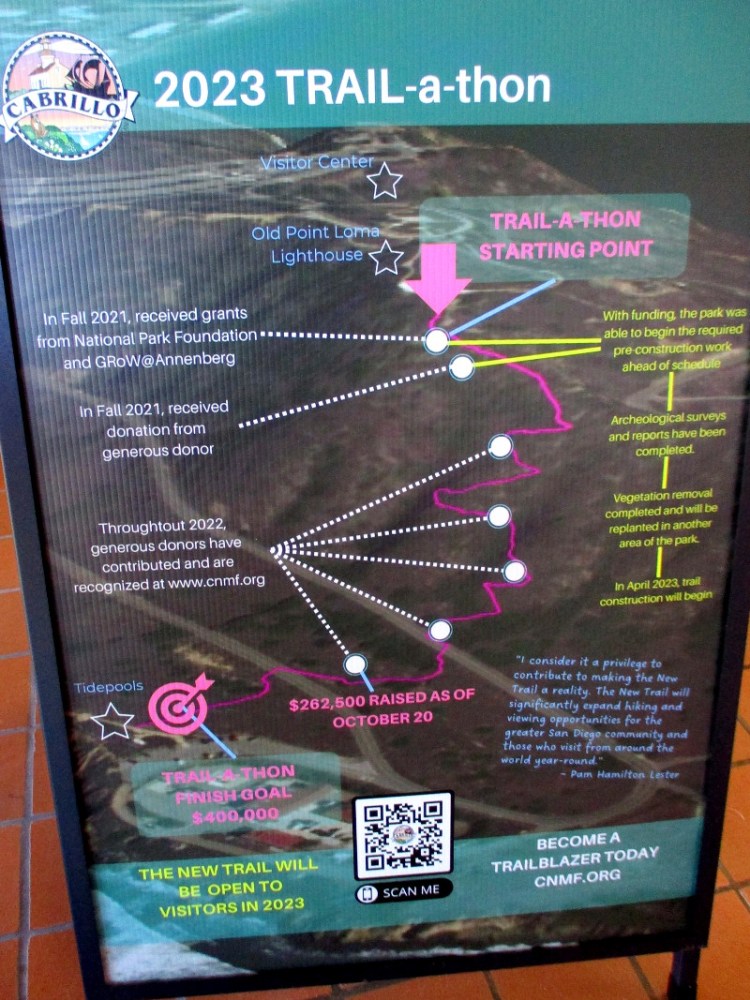
The trail’s construction has begun, but there’s more to do. And additional donations are necessary. As you can see from an information sign inside the Visitor Center, quite a lot of money had been raised by the Cabrillo National Monument Foundation already.

I asked a park ranger about this project. Several phases are completed, including archaeological surveys and removal of vegetation that will be replanted elsewhere in the park.

The plan is to have the new trail open this year!

Can you help?

To help make this trail a reality, click here!

The next photo shows where the new trail will begin, just beyond the whale watching overlook. It will branch off from the short existing trail that leads down to a pair of World War II bunkers.

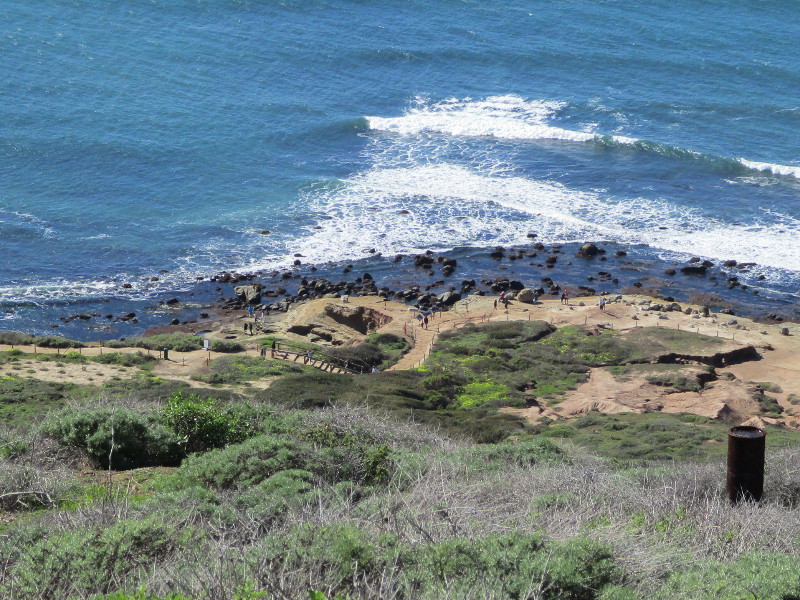
And my final photo shows the new trail’s destination: the Cabrillo National Monument tide pools!

Thanks for visiting Cool San Diego Sights!

I post new blogs pretty often. If you like discovering new things, bookmark coolsandiegosights.com and swing on by occasionally!

I live in downtown San Diego and love to walk around with my camera! You can follow Cool San Diego Sights via Facebook or Twitter!

Century old photos of Casa de Estudillo.

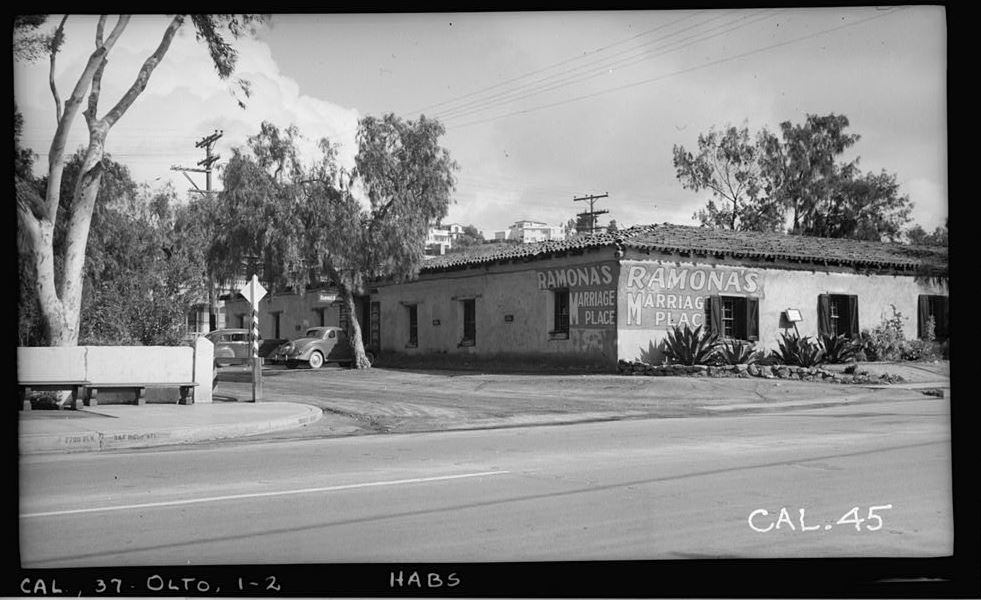
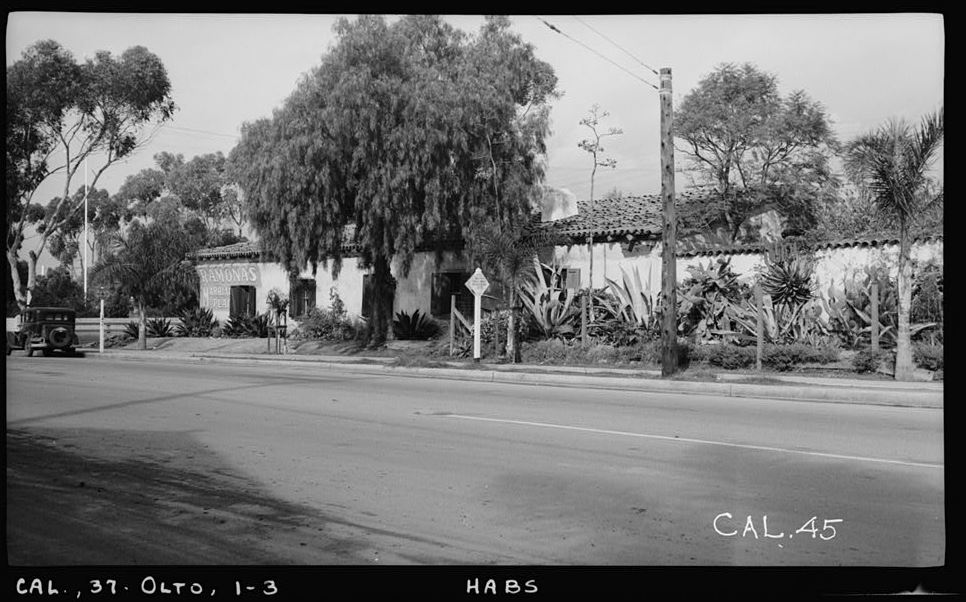
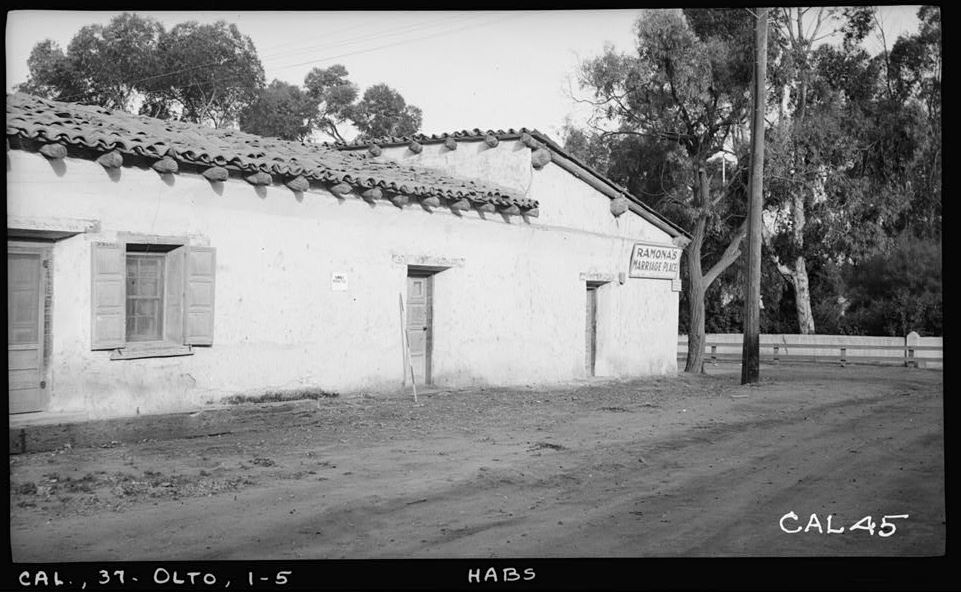
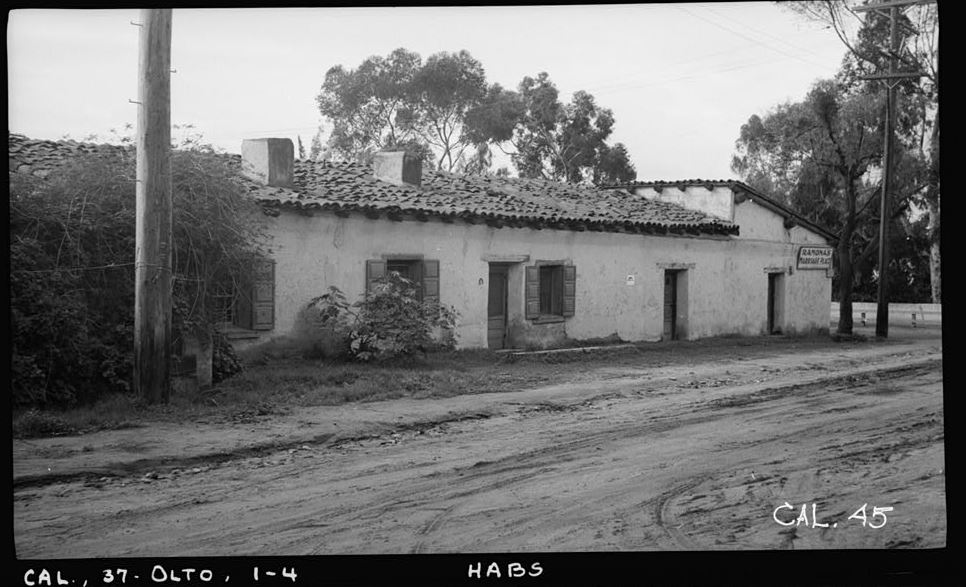
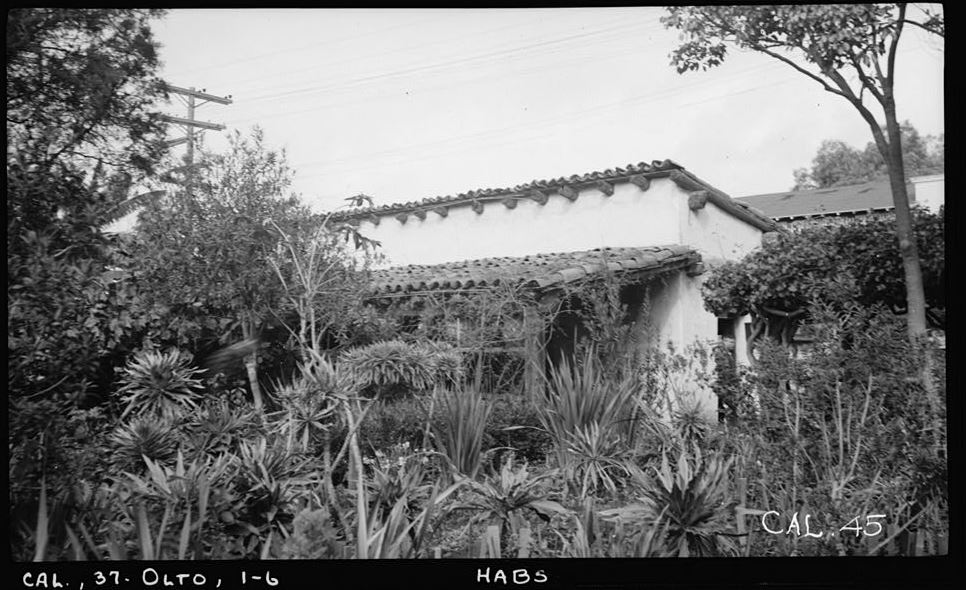
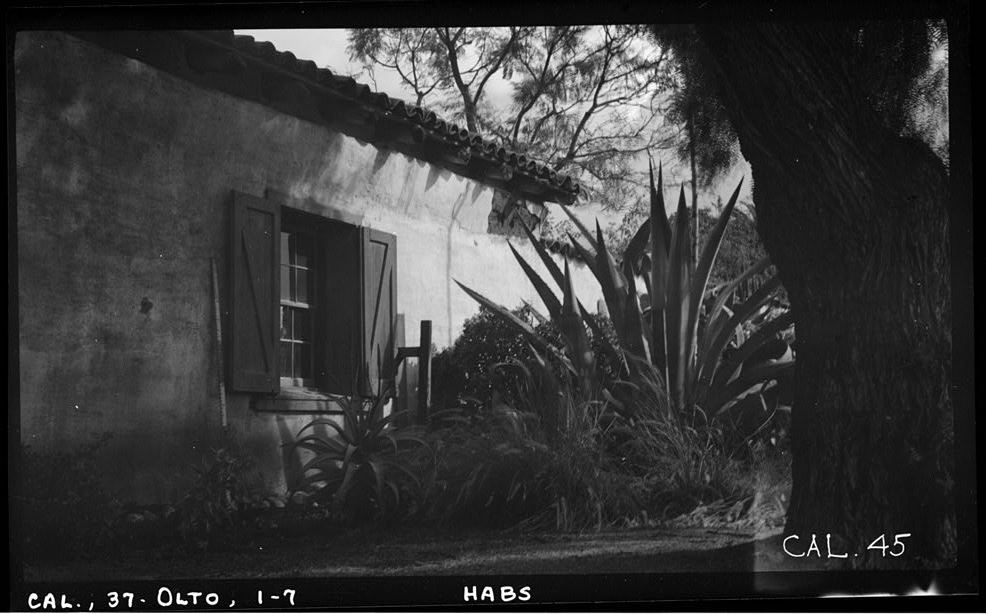
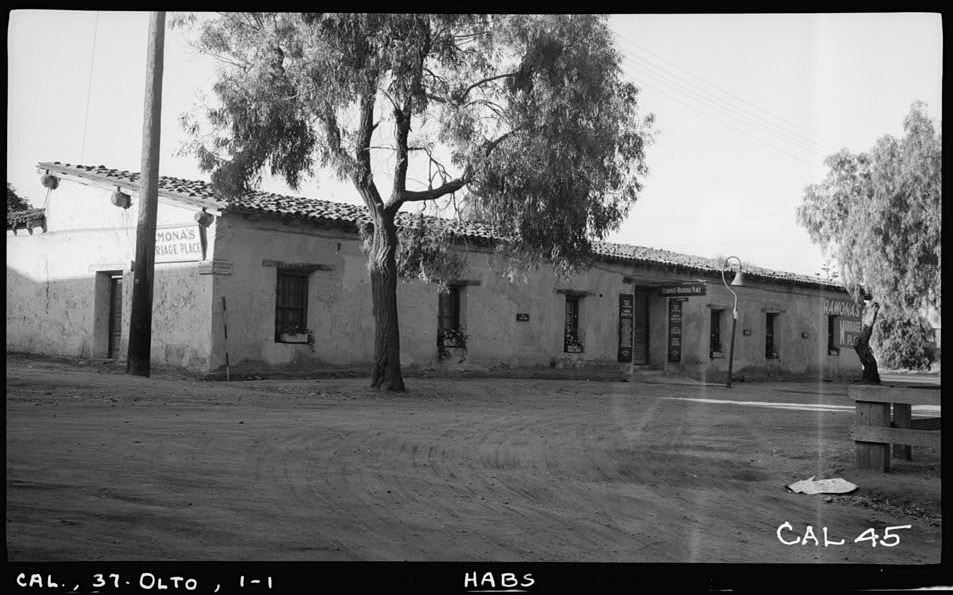
I came upon photographs of San Diego’s historic Casa de Estudillo that are nearly a century old. I thought you might enjoy them.

These images of the Jose Antonio Estudillo House were captured in 1936 and 1937 by architectural photographer Henry F. Withey for the Historic American Buildings Survey. A product of the Heritage Documentation Program of the U.S. National Park Service, the photos are in the public domain.

It’s interesting to see that long ago streets intersected near one corner of the house: Mason Street and San Diego Avenue. Today the Casa de Estudillo museum stands in the middle of Old Town San Diego State Historic Park, and the streets you see in these photographs have become wide walkways filled with tourists.

The Casa de Estudillo was built in 1827. Back in the 1930s tourists were visiting the large old adobe casa, just as they do today. The painted Ramona’s Marriage Place sign you see in the above photo was meant to attract those motoring by. Ramona in the late 19th and early 20th centuries was an immensely popular novel.

You can read why Casa de Estudillo was called Ramona’s Marriage Place by clicking here. You can also see the present-day interior of Casa de Estudillo here and here!

Thanks for visiting Cool San Diego Sights!

I post new blogs pretty often. If you like discovering new things, bookmark coolsandiegosights.com and swing on by occasionally!

It’s easy to explore Cool San Diego Sights by using the search box on this website’s sidebar. Or click a tag. There’s a lot of stuff to share and enjoy!

I live in downtown San Diego and love to walk around with my camera! You can follow Cool San Diego Sights via Facebook or Twitter!

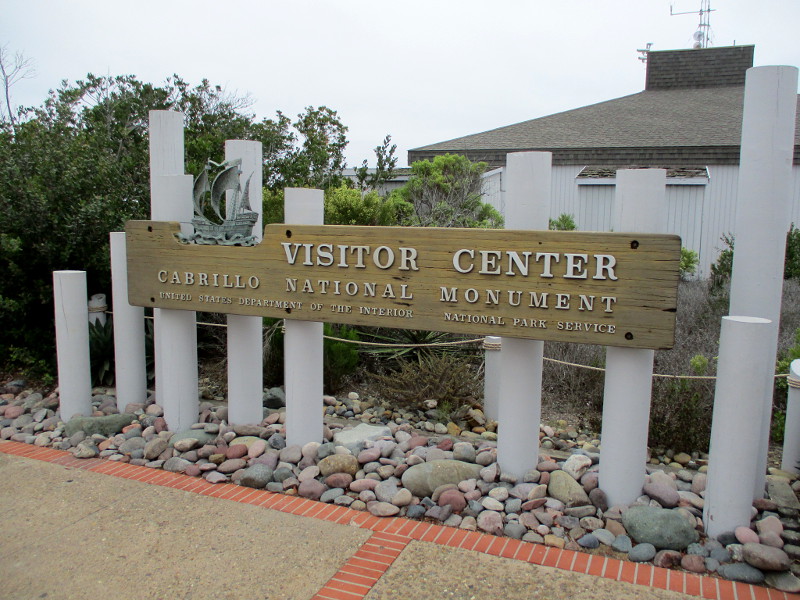
Cabrillo National Monument celebrates 109 years!

Today–Friday, October 14th, 2022–is the 109th “birthday” of Cabrillo National Monument!

As you can see on the board above, this amazing park situated at the end of Point Loma was established exactly 109 years ago by President Wilson.

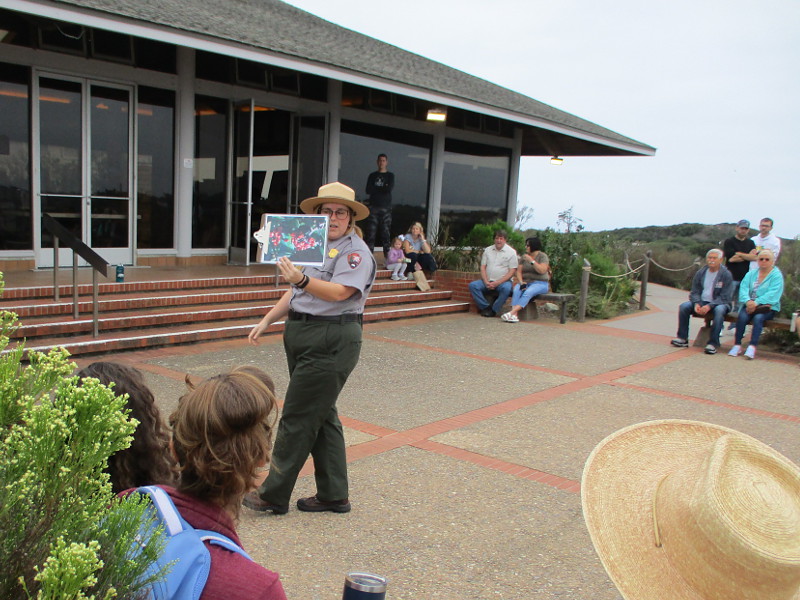
I arrived just a few minutes before the Discover Cabrillo National Monument ranger talk, so I quickly headed to the back patio to hear about the many qualities of this special place.

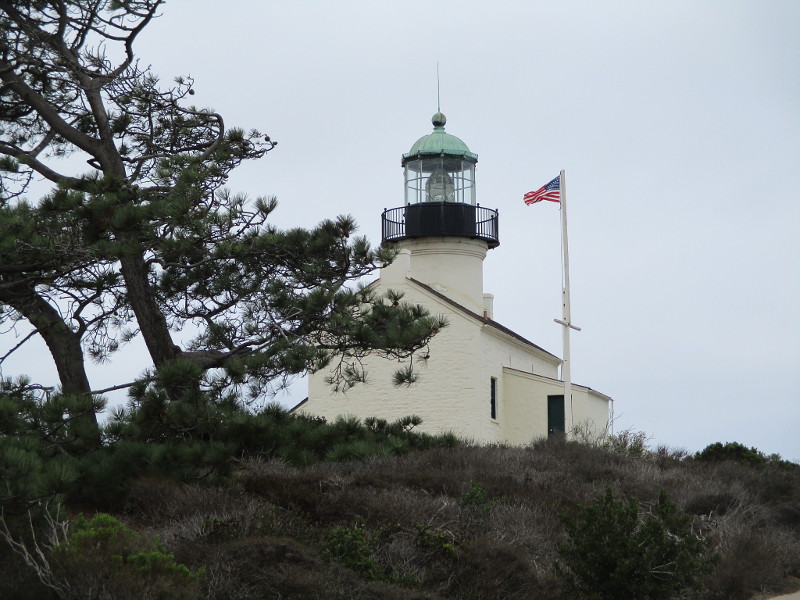
We learned about how the park protects the native flora and fauna. We also learned a little history concerning the 1542 voyage of explorer Juan Rodríguez Cabrillo, the Old Point Loma Lighthouse, and the bunkers placed on the coastal bluffs during World War II.

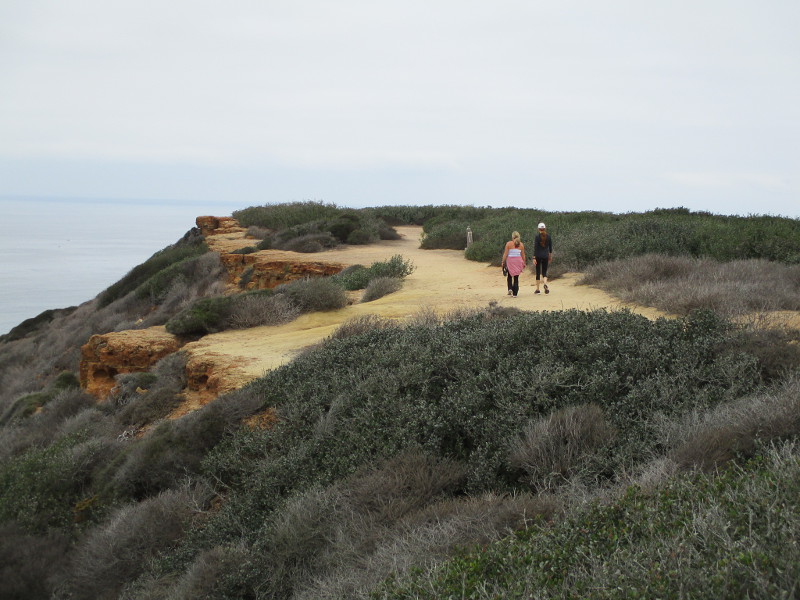
After the talk I walked about, simply to take in the stunning views and fresh ocean air, and to take some photos. As you can see, it was a gray, overcast day.

The 109th anniversary of Cabrillo National Monument wasn’t nearly as big a deal as its centennial nine years ago. I was there for that big occasion, and took many photographs of the historic event which I posted here!

Thank you for visiting Cool San Diego Sights!

I post new blogs pretty often, so you might want to bookmark coolsandiegosights.com and check back from time to time.

You can explore Cool San Diego Sights by using the search box on this website’s sidebar. Or click a tag! There’s a lot of stuff to share and enjoy!

I live in downtown San Diego and love to walk around with my camera! You can follow Cool San Diego Sights via Facebook or Twitter!

Vandalized landscapes at San Diego Museum of Art.

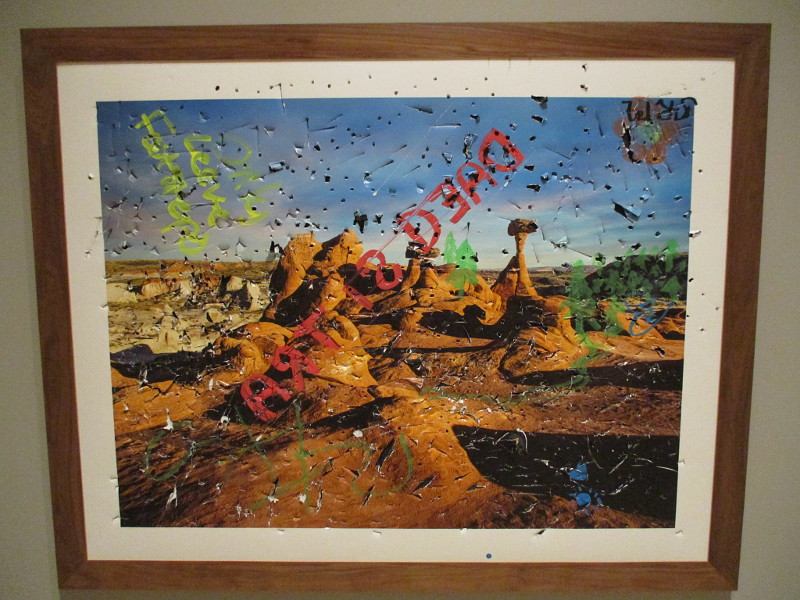
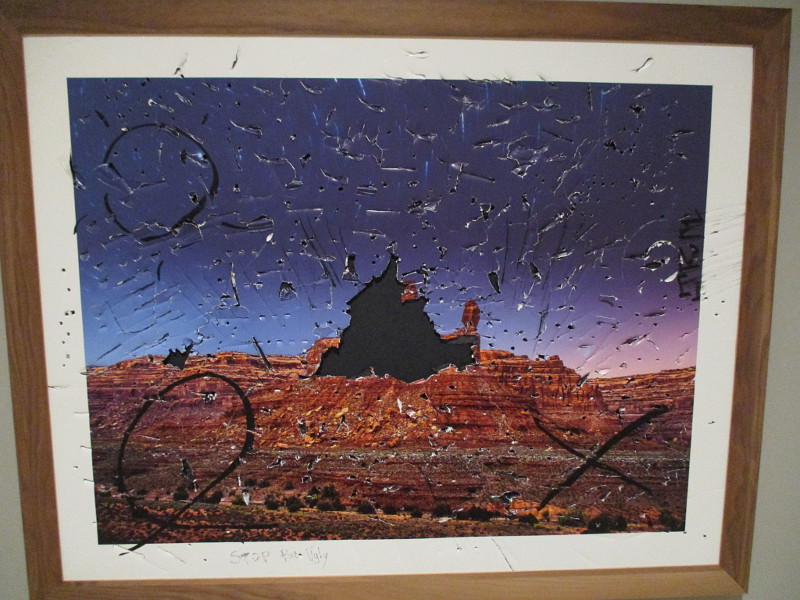
Two galleries at the San Diego Museum of Art in Balboa Park feature slashed, defaced and vandalized landscape photographs. The title of the exhibition is Disestablishment.

Galleries 14 and 15, freely accessible to the public from the May S. Marcy Sculpture Court (home of Panama 66), are filled with this disquieting artwork.

San Diego artist John Raymond Mireles took photographs of natural beauty at areas once part of Grand Staircase-Escalante and Bears Ears National Monuments in Southern Utah, then invited people to hammer upon, cut, scratch and pen graffiti on each piece. This intentional damage is said to represent how the land can now be exploited for oil drilling and coal mining.

Like much contemporary art with a political message, these not-so-subtle pieces aim to shock the viewer. Learn more about Disestablishment, on view until January 30, 2022, at the SDMA website here.

Here are a couple more examples…

I live in downtown San Diego and love to walk around with my camera! You can follow Cool San Diego Sights via Facebook or Twitter!

Plaque at Cabrillo honors National Parks hero.

A beautiful bronze plaque near the entrance of the Cabrillo National Monument Visitor Center honors Stephen Tyng Mather.

It reads:

STEPHEN TYNG MATHER

JULY.4.1867. JAN:22.1930.

HE LAID THE FOUNDATION OF THE NATIONAL PARK SERVICE, DEFINING AND ESTABLISHING THE POLICIES UNDER WHICH ITS AREAS SHALL BE DEVELOPED AND CONSERVED UNIMPAIRED FOR FUTURE GENERATIONS. THERE WILL NEVER COME AN END TO THE GOOD THAT HE HAS DONE.

You can learn more about Stephen Mather and how he promoted the creation of the National Park Service and became its first director here.

The Wikipedia page states: “In 1932, his family and friends established the Stephen Mather Memorial Fund, which commissioned numerous bronze plaques honoring Mather’s accomplishments and installed them in national park units.

I live in downtown San Diego and love to walk around with my camera! You can follow Cool San Diego Sights via Facebook or Twitter!

The beautiful Torrey pines of Cabrillo.

The Old Point Loma Lighthouse at Cabrillo National Monument is picturesque by itself. But the historic 1855 lighthouse, rising into the sky near the end of Point Loma, seems to belong in a painting when several rare Torrey pines that grow nearby are framed with it.

The lighthouse and tall windswept trees seem to belong together.

I did my best to capture the extraordinary beauty with my small camera during a visit today.

I live in downtown San Diego and love to walk around with my camera! You can follow Cool San Diego Sights via Facebook or Twitter!