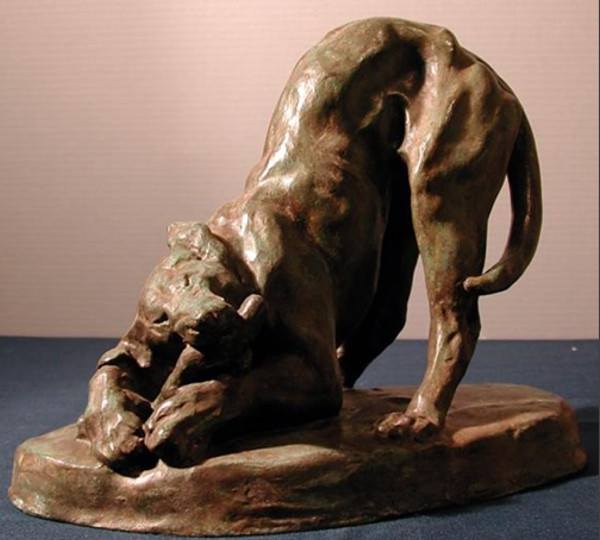
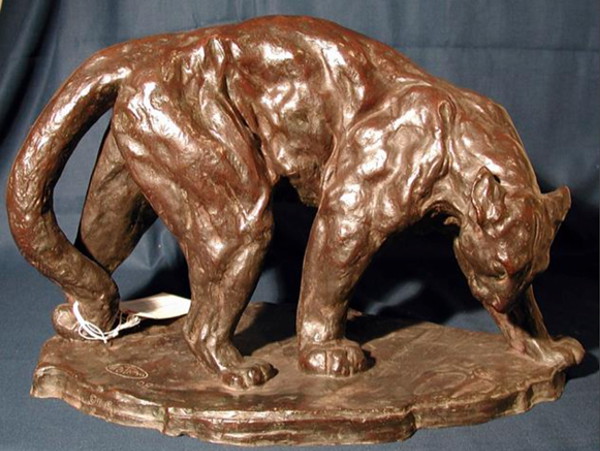
Dog Gnawing Bone, Arthur Putnam, 1904. Photo courtesy San Diego Museum of Art.
Wow! I enjoyed another awesome visit to the San Diego Museum of Art last weekend, courtesy of my docent friend Catherine! She provided a spellbinding tour of several exhibits! The one I liked most–possibly because I love animals and because the artist has a San Diego connection–concerned the bronze sculptures of Arthur Putnam.
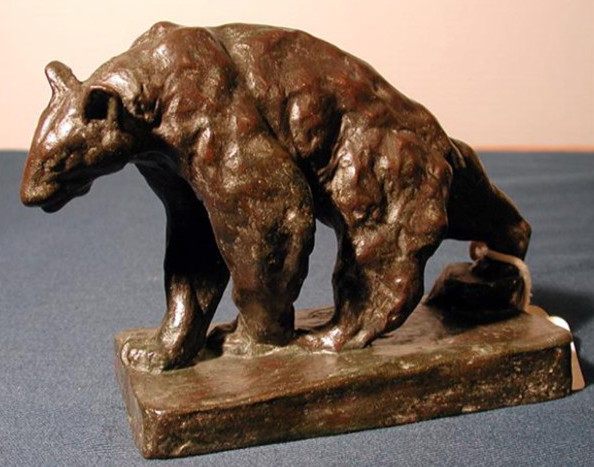
The exhibition, titled Ferocious Bronze, features artwork so utterly amazing that Arthur Putnam has been called the American Rodin. He was such a gifted sculptor that his pieces have sometimes been mistaken for those of Frederic Remington. Most of his bronzes depict animals in the wild: hunting, in mortal combat, at play or at rest.
Arthur Putnam lived from 1873–1930 and was considered one of the greatest sculptors of his era. At the 1915 Panama-Pacific International Exposition in San Francisco he won a coveted Gold Medal. During his lifetime his work was exhibited in major cities, including New York, Chicago, Paris and Rome. Many of his monumental public sculptures still stand in San Francisco, Monterey and San Diego.
Check out these photos! They provide a small taste of what you’ll experience should you visit Ferocious Bronze. You can get an idea of Putnam’s tremendous artistry. The superb realism is partly due to the fact that he personally loved the outdoors, and spent many days observing animals in the wild and at zoos. A mostly self-taught artist, Putnam even worked for a brief time at a slaughterhouse. (Yuck!)
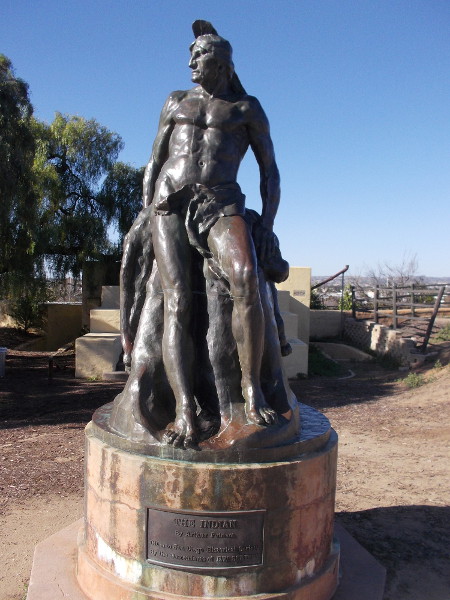
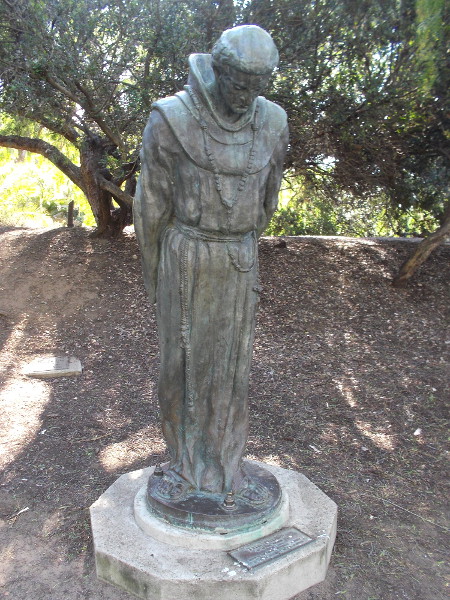
Did I mention Arthur Putnam’s unique San Diego connection? His very first commission was from newspaper magnate E. W. Scripps, which he received at the Scripps Ranch located in Miramar. In addition, two of Putnam’s monumental works stand today near the spot where San Diego was founded–the very place where European civilization took root in California.
(I’ve included my own photos of the two large bronze sculptures that stand on San Diego’s Presidio Hill. I wrote a blog several years ago that concerned an interesting walk past these sculptures.)
Ferocious Bronze, curated by Dr. James Grebl, showcases 28 of Putnam’s amazing animal pieces. They were selected from the over 100 pieces that the San Diego Museum of Art has in their collection. This special exhibit was inspired by another Balboa Park institution: the world famous San Diego Zoo! They are now celebrating their centennial year!
If you happen to be in San Diego, and if you love fine art or have a special place in your heart for wild animals, I recommend that you head over to see Ferocious Bronze at the San Diego Museum of Art in Balboa Park! This very cool exhibition runs through October 11, 2016.
Big Combat, Arthur Putnam, undated. Photo courtesy San Diego Museum of Art.Ambling Bear, Arthur Putnam, 1910. Photo courtesy San Diego Museum of Art.Fighting Buffalo, Arthur Putnam, 1900. Photo courtesy San Diego Museum of Art.Lynx Ready to Spring, Arthur Putnam, 1909. Photo courtesy San Diego Museum of Art.The Indian, Arthur Putnam, 1905. This amazing sculpture stands on San Diego’s Presidio Hill beneath the Serra Museum.The Padre, Arthur Putnam, 1908. This sculpture stands among some trees on San Diego’s Presidio Hill beneath the Serra Museum.Wild Cat, Arthur Putnam, 1908. Photo courtesy San Diego Museum of Art.
…
I live in downtown San Diego and love to walk! You can follow Cool San Diego Sights via Facebook or Twitter!
You can easily explore Cool San Diego Sights by using the search box on my blog’s sidebar. Or click a tag! There are thousands upon thousands of fun photos for you to enjoy!
Do you like to read short pieces of thought-provoking fiction? You might enjoy checking out Short Stories by Richard.
Many outdoor sculptures are being introduced into Balboa Park. The exhibit is titled Art of the Open Air. It’s a unique project of the San Diego Museum of Art.
During the past week, a number of sculptures in the San Diego Museum of Art’s collection have been carefully moved into the Plaza de Panama, a large outdoor gathering place in Balboa Park. For the next two years, anyone in San Diego will be able to freely enjoy the sculptures, and see them in changing light, beneath different skies. Moving such large pieces has taken a lot of work, but I noticed today that the installation, titled Art of the Open Air, is approaching completion.
Included in the unique outdoor exhibition are works by world-famous artists Joan Miró, Auguste Rodin and Tony Rosenthal. I wasn’t able to approach the artwork too closely–right now, while the sculptures are being readied, they’re still roped off. The same goes for a new piece in the museum’s May S. Marcy Sculpture Garden, which I also photographed from a bit of a distance. I put some identifying information in the photo captions.
Art of the Open Air is set to run from February 11, 2016 through February 13, 2018. I can already see that Balboa Park is going to be more lively and interesting than ever!
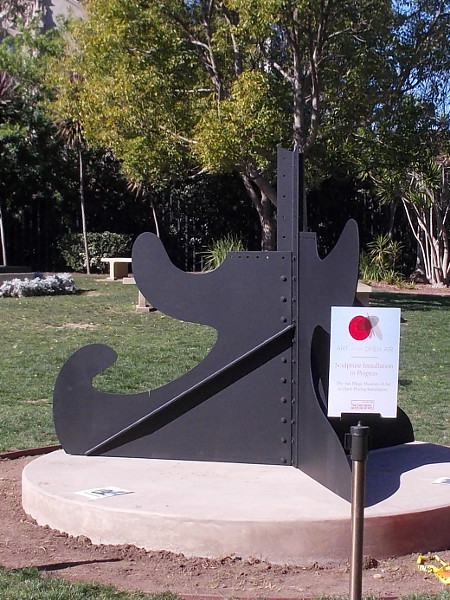
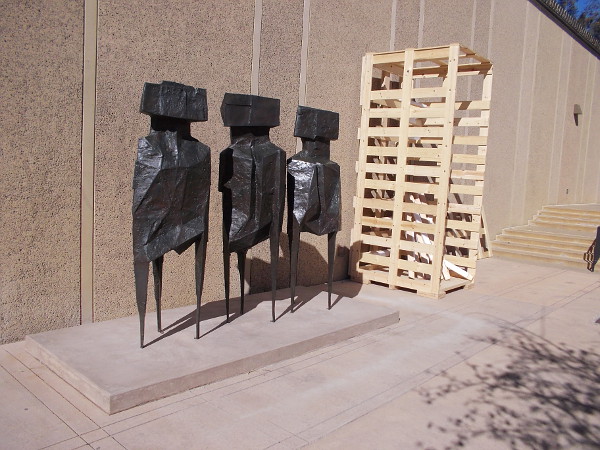
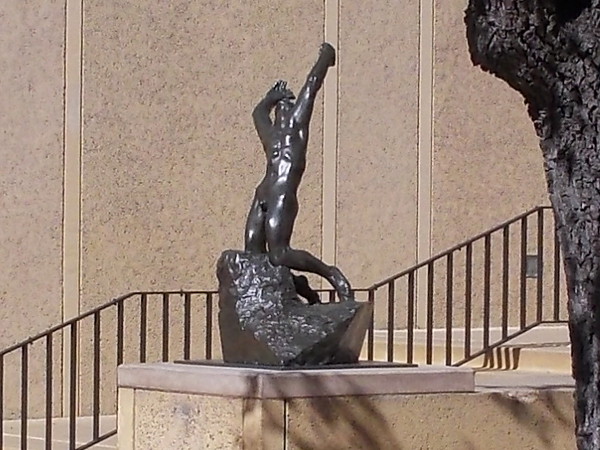
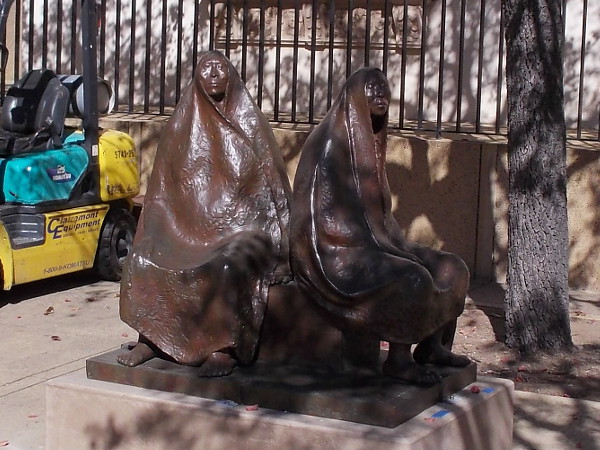
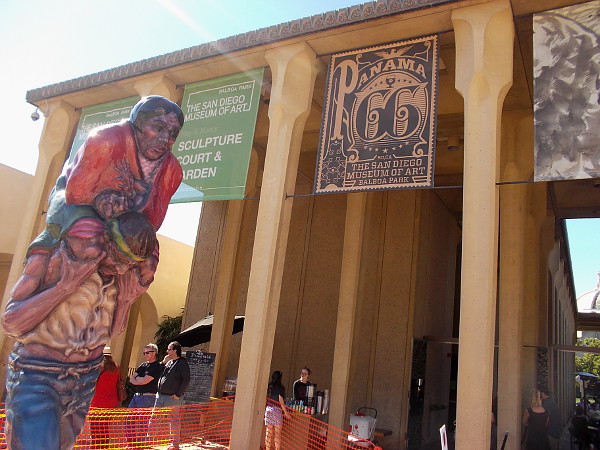
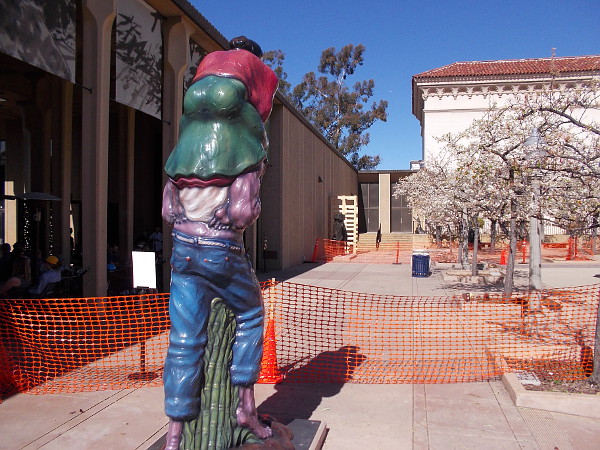
Alexander Calder. Spinal Column, 1968. Steel. A sculpture being installed in the San Diego Museum of Art’s outdoor May S. Marcy Sculpture Garden.Lynn Russell Chadwick. The Watchers, 1960. Bronze. Now stands in Balboa Park’s beautiful Plaza de Panama, part of the Art of the Open Air exhibition.Auguste Rodin. The Prodigal Son, 1905. Bronze. Installed in the northwest corner of the Plaza de Panama, where the sculpture Youth Taming the Wild (Horse Trainer) used to stand.I can’t find anything about this piece, but it seems strangely familiar. If you know what it is, leave a comment! UPDATE: I learned the bronze sculpture is called Mother and Daughter Seated, by Francisco Zuniga, 1971Two very fine sculptures that will soon will be approachable in Balboa Park’s Plaza de Panama.Joan Miró. Solar Bird, 1966. Bronze. Standing guard near the entrance to the San Diego Museum of Art.Tony Rosenthal. Odyssey III, 1967. Aluminum.Photo across front of the San Diego Museum of Art, the north end of Balboa Park’s Plaza de Panama. Outdoor art is being installed.Luis Jiménez. Border Crossing/Cruzando el Rio Bravo, 1989. Fiberglass with acrylic urethane finish. Stands outside the May S. Marcy Sculpture Court and Panama 66.Monumental totem-like sculpture depicts artist’s immigrant grandfather carrying wife and son, crossing the Rio Grande from Mexico.A large sculpture seems to stride into the life-filled Plaza de Panama in San Diego’s historic Balboa Park.
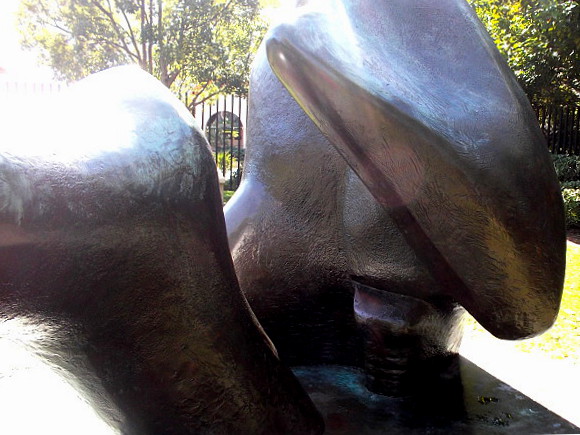
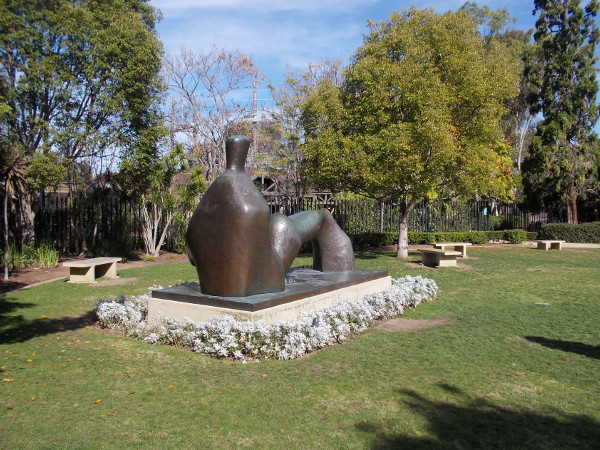
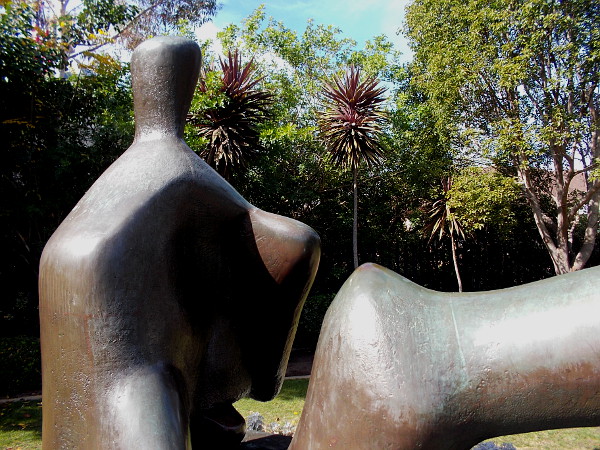
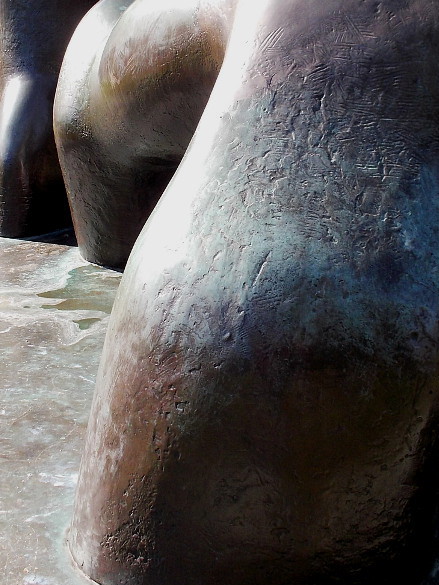
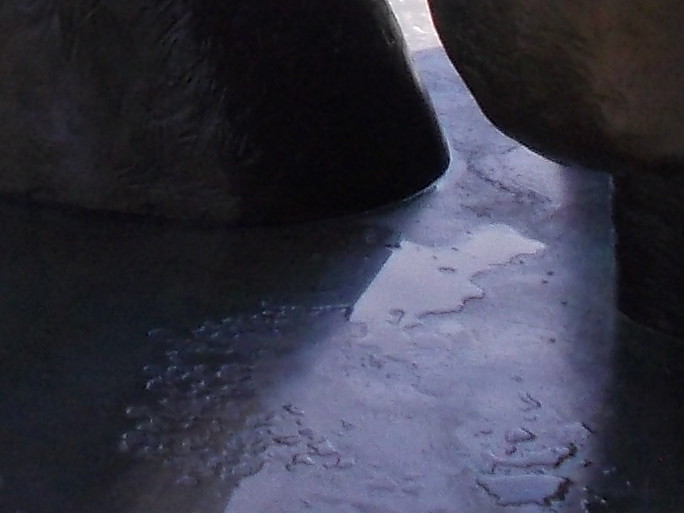
Altered photograph of a Henry Moore sculpture, located in San Diego Museum of Art’s popular sculpture garden.
Oh, no! Here come some “artsy” photos!
Today I walked through Balboa Park’s beautiful May S. Marcy Sculpture Garden. The grassy space, which is free to the public, contains several pieces of artwork belonging to the San Diego Museum of Art’s collection.
The garden’s most recognized sculpture is probably Reclining Figure: Arch Leg, which was created in 1969 by renowned British Modernist artist Henry Moore.
As I walked around the curvaceous sculpture, it occurred to me that different interesting photos could be taken depending on the angle and perceived distance. So I engaged in a bit of experimentation!
(Fear not! I didn’t touch the sculpture or step on the flowers! But I did lean over like crazy–and minutely cropped some images– to get the “close-up” images.)
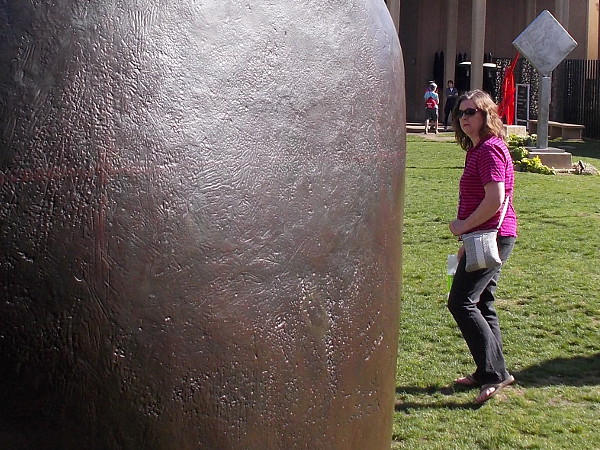
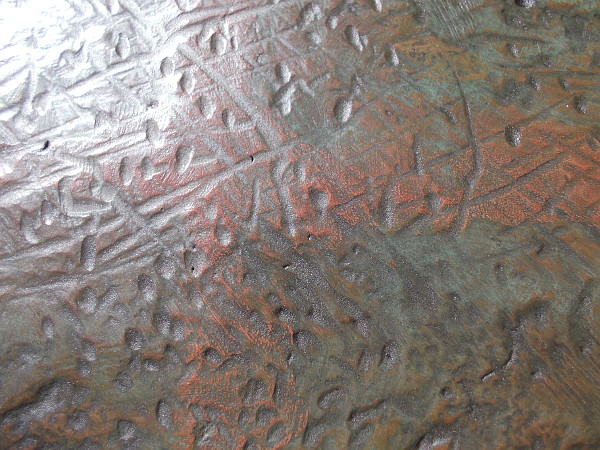
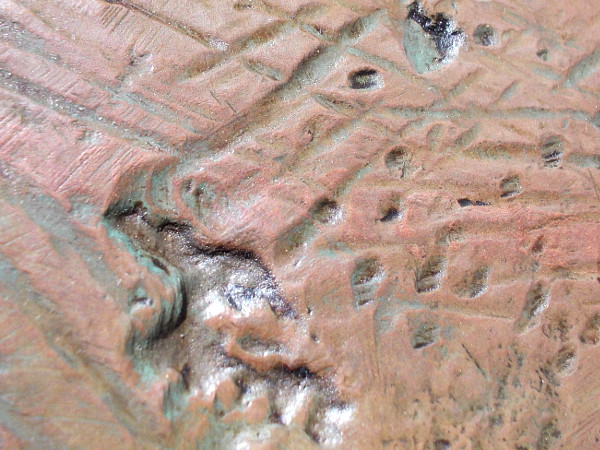
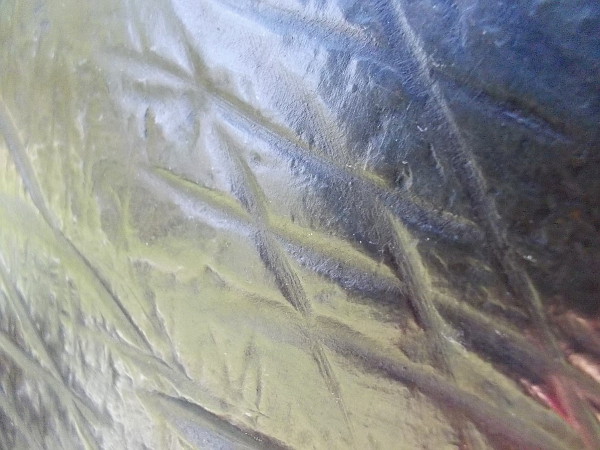
Henry Moore’s 1969 bronze sculpture Reclining Figure: Arch Leg, on the grass in the San Diego Museum of Art’s May S. Marcy Sculpture Garden.Sunlit bronze sculpture photographed from a different angle. I adjusted contrast, brightness and sharpness, and cropped according to my eye.Same sculpture, different frame, different paths of reflected light. The physical object is itself unchanged, but has become something new in the mind of the viewer.The Modernist sculpture’s fluid curves and organic quality is suggestive of human form.Raw nature interacts with human art. A camera focuses on nearby details the casual eye might miss.The form of an abstract sculpture becomes more mysterious when the defining outer edges are eliminated with photo editing.A warmly glowing bronze surface, and a pair of eyes.The sculpture’s red-tinged bronze skin reflects Southern California sunlight.A closer view reveals craters and furrows. Small glimpses of beauty within a larger whole.A strangely perfect, silvery surface.Looking up into the light. Both self-contained art and the outer world are composed of the same elements, and can evoke identical wonder.
The Art of Music is a cool exhibition “now playing” at the San Diego Museum of Art. Depicted in this poster is Fernando Botero’s painting Dancing in Columbia, 1980.
Do you love beautiful music? Do you appreciate fine art?
Answer yes to both questions, and you have two compelling reasons to visit an exhibition “now playing” at the San Diego Museum of Art!
The Art of Music explores the intersection of art and music throughout world history, from ancient times to the present. Visitors to the San Diego Museum of Art will experience a large variety of paintings, posters, sculptures and film, depicting musicians, dancers and various aspects of life that are splashed with the colors of music. Visitors will also enjoy seeing many extraordinarily beautiful musical instruments, historical objects related to music, and encounter surprising sounds at every turn.
My museum docent friend Catherine recently provided another great tour! There was so much to absorb, so many cool sights and sounds, that I hardly know how to translate my feelings into words. I could’ve spent many hours just lingering. The experience was almost like standing on stage during a symphony orchestra’s performance, and turning slowly around with eyes and ears wide open.
I was absolutely floored by the impressive sweep of this exhibit, and the number of pieces by important artists. I noted works by Henri Matisse, Pablo Picasso, Edgar Degas, Salvador Dalí, William Hogarth, Toulouse-Lautrec, Jasper Johns and John Baldessari, a highly regarded artist who grew up in National City in San Diego’s South Bay.
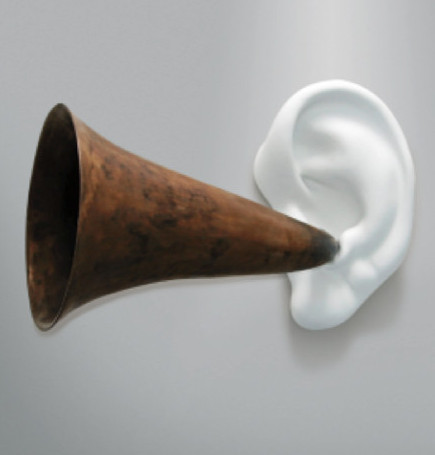
The very first piece visitors encounter is Baldessari’s Beethoven’s Trumpet (with Ear) Opus #127, a fun sculpture which perfectly captures the essence of what is to come. Press your own ear against the ear trumpet and you’ll hear musical notes penned centuries ago by Beethoven, as if they’re emerging from the famous composer’s brain!
In other rooms, visitors can listen to a statuette of a satyr playing the pipes of Pan, a qin from China dating from the 19th century, or an absolutely gorgeous 18th century harpsichord that was converted to a piano.
One amazing room in the exhibit contains the Microtonal Wall, created by Tristan Perich in 2011. A large section of wall contains 1,500 small speakers, which are tuned individually to create a complex and interesting continuum of pitch. The interactive experience was so fascinating, I ended up walking with my ear close to the wall bobbing up and down like a mesmerized chicken!
Another dazzling room is filled to the brim with psychedelic concert posters from the 1960s! Aficionados of this type of artwork will find themselves in heaven!
The Art of Music features so much cool stuff, and such variety, I couldn’t possibly describe it all here. You really have to go see for yourself. I’m no expert when it comes to either art or music, but I found myself completely enthralled!
Here are a few samples of what you’ll experience…
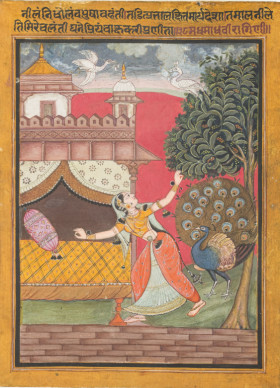
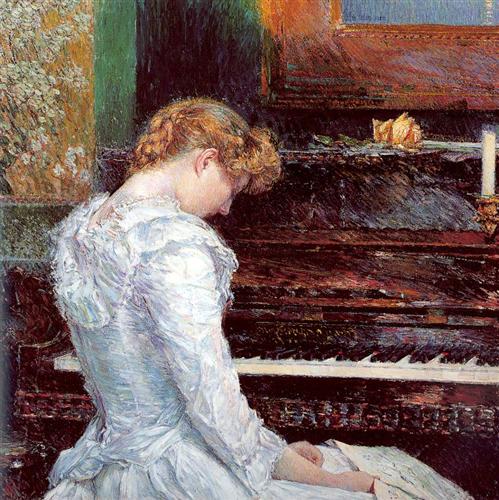
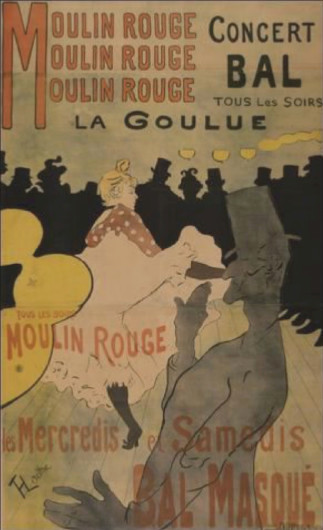
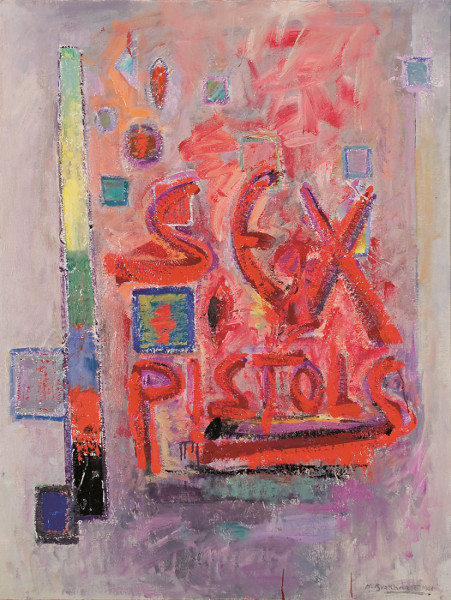
People head up steps from Balboa Park’s Plaza de Panama to visit the wonderful San Diego Museum of Art.Neck-Amphora with Apollo Playing the Cithara, and Hermes, Athena and Dionysus. Greece, Attica, circa 510 B.C. Los Angeles County Museum of Art.Shiv Chand, Madhumadhavi Ragini of Bhairav, ca. 1690. The San Diego Museum of Art.Lyre Guitar, early 19th century. The Crosby Brown Collection of Musical Instruments, 1889. The Metropolitan Museum of Art.Childe Hassam, The Sonata, 1893. Nelson-Atkins Museum of Art.Henri de Toulouse-Lautrec’s first poster, Moulin Rouge – La Goulue, which introduced into poster design a bold simplification of form, space and composition learned from Japanese woodblock prints.Beauford Delaney, Marian Anderson, 1965. J. Harwood and Louise B. Cochrane Fund for American Art. Depicts renowned singer who was the first African American artist to perform at the White House, in 1936.Hans Burkhardt, Sex Pistols, 1981. Courtesy Jack Rutberg Fine Arts Hans G. and Thordis W. Burkhardt Foundation.John Baldessari, Beethoven’s Trumpet (with Ear) Opus #127, 2007. Beyer Projects.
The Art of Music lives in San Diego!
Go check it out! The Art of Music, at the San Diego Museum of Art in Balboa Park, runs through February 7, 2016.
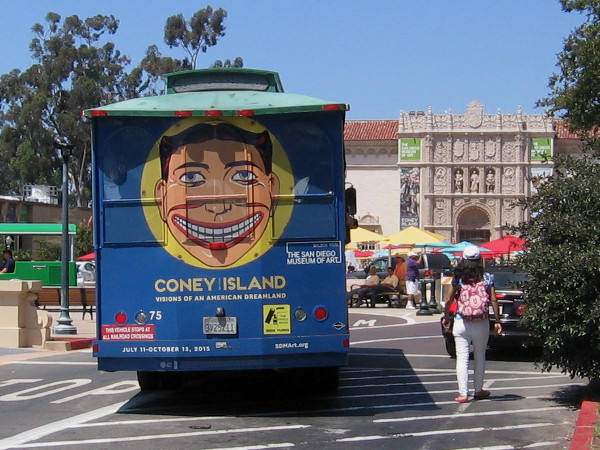
Grinning face of Tillie, symbol of Coney Island, on the back of a tour bus heading toward the San Diego Museum of Art in Balboa Park.
An extraordinary exhibit recently opened at the San Diego Museum of Art. It’s called Coney Island: Visions of an American Dreamland, 1861-2008. Last Saturday, I enjoyed a very special tour, courtesy of my docent friend Catherine!
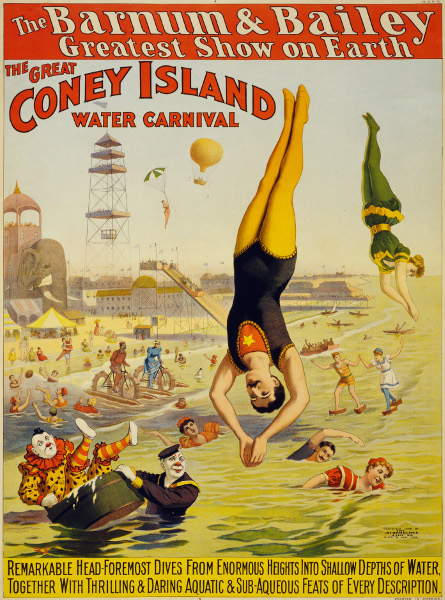
The exhibit features a collection of more than a hundred objects that depict 150 years of Coney Island’s amusement parks, boardwalk, beach and people. It includes paintings, photographs, videos, carnival posters, sideshow banners, carved wooden carousel horses, and a wide range of colorful, unique artifacts.
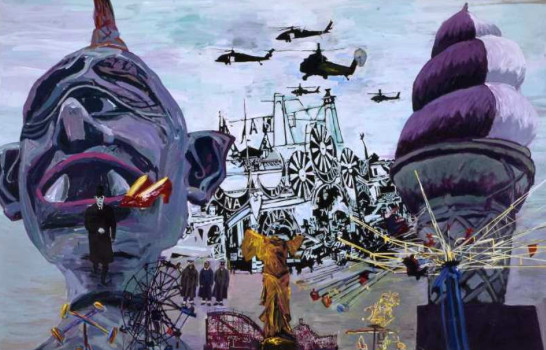
From its early days as a peaceful beach getaway for wealthy New Yorkers, to the rise and fall of amusement parks, years of decay, political wrangling, then modern renewal, Coney Island has been interpreted by artists through the years in a variety of surprising ways. Some artists portray an innocent playland for common people. Others, something more complex, and less innocent.
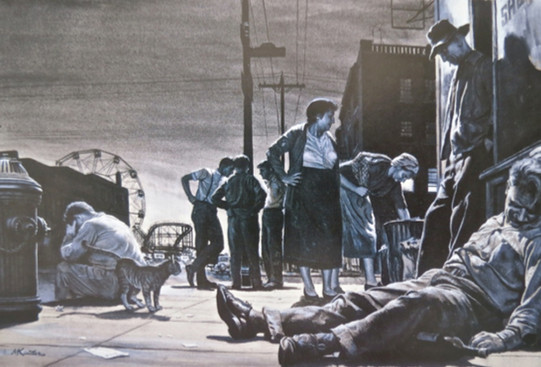
Most of the exhibit’s artwork centers on Coney Island’s legendary amusement parks. Many images resemble exuberant scenes from a carnival or circus. They’re full of energy, laughter, humanity, wonder–but often base, superficial, disturbing, despairing. Many painting are dark, almost gaudy with a crowded press of people seeking pleasure. A symbol adopted by Coney Island–the unnatural, exaggerated grin of Tillie–seems to be a taunting reminder that the purchased thrills are artificial. The grin is strangely maniacal and mindless, one part Joker, one part Cheshire Cat.
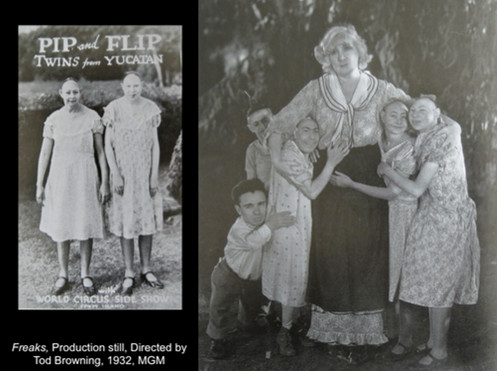
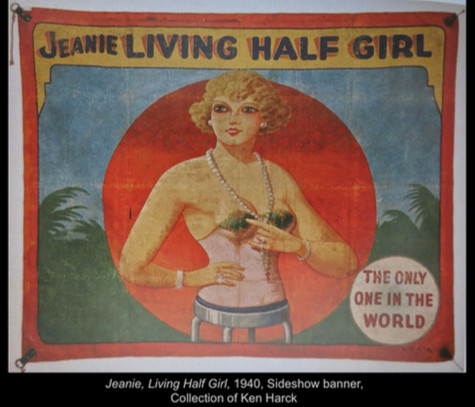
Fantastic imagery abounds in the exhibit, which is sure to delight many kids. They’ll see huge cyclops heads, videos of romping midgets, a banner promising a sideshow freak with inhuman tentacles. The adults will see images of lust, insatiability, scattered litter, dripping blood.
I suppose we humans like to be both excited and terrified.
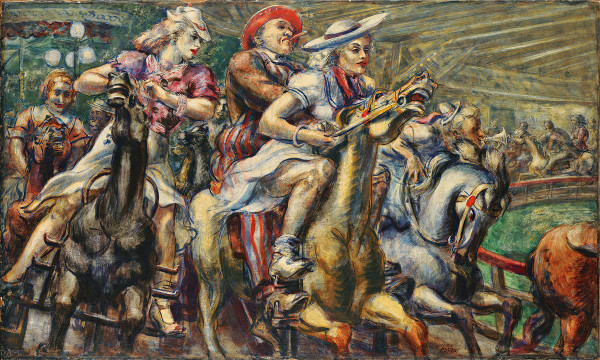
One Impressionist painting by the important American artist William Merritt Chase shows a landscape of sunlight and natural, unspoiled beauty; the egg tempera painted canvases of Reginald Marsh are dark, crammed with unabated appetite, bold kinetic energy and human expression; photographs by Arthur Fellig (Weegee) show people crowded onto the beach like fleshy, happy sardines.
Personally, as I took my amazing tour, I saw life’s wonderful jumble and a sample of our world’s endless variety. All the emotions, the complexity–but mostly I recognized the sunlit memories of ordinary good-natured neighbors heading to the beach and boardwalk, and some exciting, brief amusements, on a sunny weekend day.
This isn’t a typical art museum exhibit. It’s more like taking an instant journey to a place you already know. A Coney Island in your mind. And your vivid experiences in the San Diego Museum of Art will make the journey seem very real.
Coney Island: Visions of an American Dreamland, 1861-2008, has come to San Diego from the Wadsworth Athenium Museum of Art in Hartford, Connecticut. This special exhibition continues through October 13, 2015.
Here are just a few things that you’ll see…
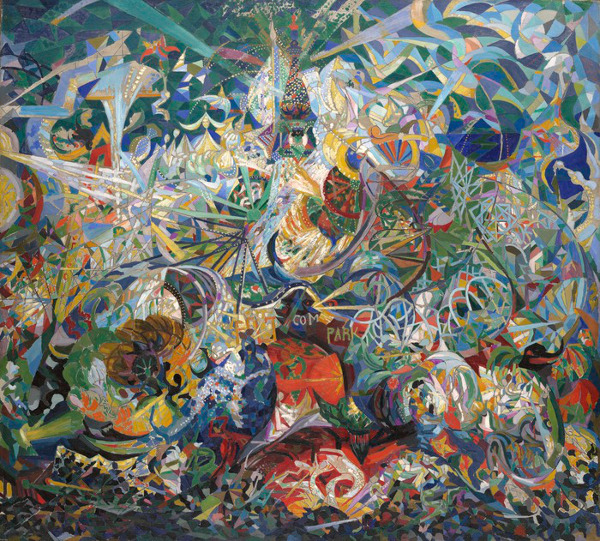
Reginald Marsh, Wooden Horses, 1936, Tempera on board. Wadsworth Atheneum Museum of Art.Pip and Flip, Twins from Yucatan with World Circus Side Show, Coney Island, 1929, Photographic reproduction. Georgia Archives, Vanishing Georgia Collection.Jeanie, Living Half Girl, 1940, Sideshow banner. Collection of Ken Harck.Mort Künstler, Coney Island, 1953, Gouache on paper. Collection of the artist.Barnum & Bailey Greatest Show on Earth, the Great Coney Island Water Carnival poster. Thrilling and daring feats of every description!Arnold Mesches, Anomie 1991: Winged Victory, 1991, Acrylic on canvas. San Diego Museum of Art.Joseph Stella, Battle of Lights, Coney Island, Mardi Gras, 1913, Oil on canvas. Yale University Art Gallery.
The San Diego Museum of Art in Balboa Park is simply jammed with fantastic, provocative Coney Island art. This is a once-in-a-lifetime opportunity. So go see it!
Coney Island, Visions of an American Dreamland, 1861–2008, at the San Diego Museum of Art.
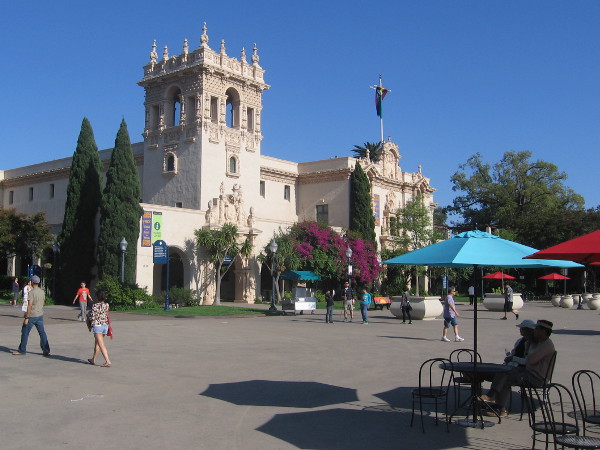
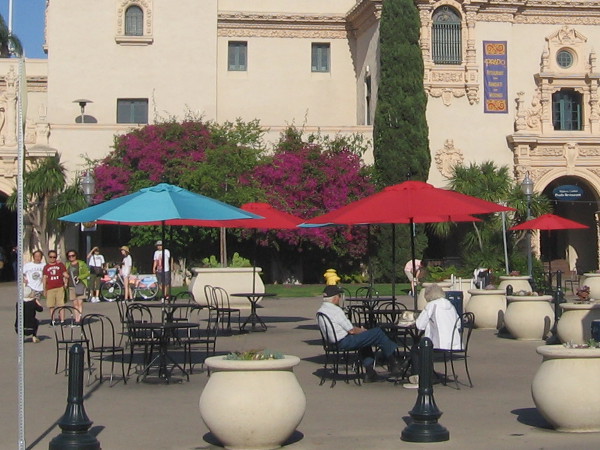
Colorful umbrellas, chairs, tables, planters and even a patch of green have been added to the Plaza de Panama.
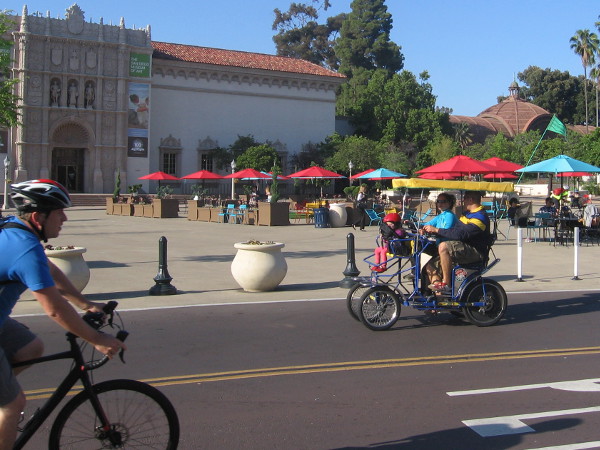
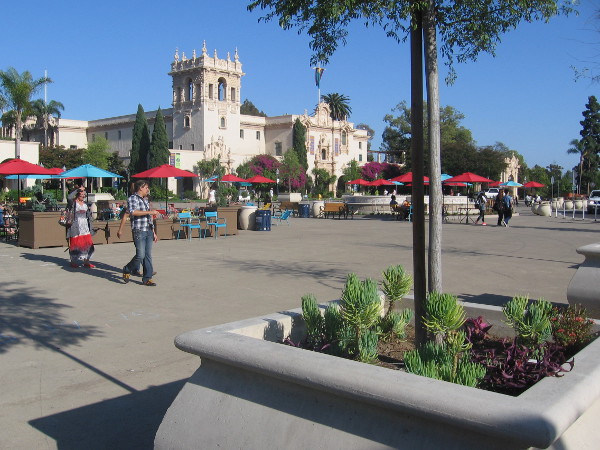
Improvements were recently unveiled in the heart of Balboa Park, San Diego’s crown jewel and cultural center. The historic Plaza de Panama is now a gathering place containing many tables with colorful chairs and umbrellas, planters brimming with green, and art-splashed benches. A once semi-barren public square has become a truly comfortable gathering place for both locals and visitors to America’s Finest City!
In June 2013, the first wave of improvements set in motion by Mayor Filner removed unsightly parking from the Plaza de Panama. Some tables and chairs were added, but a large area between the beautiful fountain and the San Diego Museum of Art remained empty. Three weeks ago, under Mayor Faulconer, additional amenities appeared. Personally, I love the scattered reds and blues of the umbrellas, a color scheme which I find very tasteful. Plaza de Panama is now a suitably dynamic and welcoming outdoor public space.
A few days ago I got some pics!
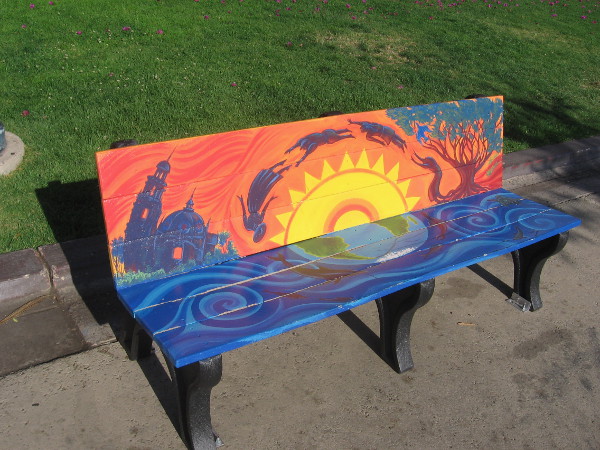
Someone walks between red and blue umbrellas that have sprouted in front of the San Diego Museum of Art.A bicyclist and tourists on a rented quadracycle head through the beautified Plaza de Panama.This cool new art bench on the east side of the plaza includes an image from Balboa Park.You can now sit on sunshine!Many trees, shrubs and succulents have been added to the once semi-barren area.Photo of House of Hospitality rising behind colorful umbrellas. I love it!Just walking along with the dog.The Plaza de Panama in Balboa Park is a place to talk, read, enjoy, eat, relax.
…
To enjoy future posts, you can “like” Cool San Diego Sights on Facebook. or follow me on Twitter.
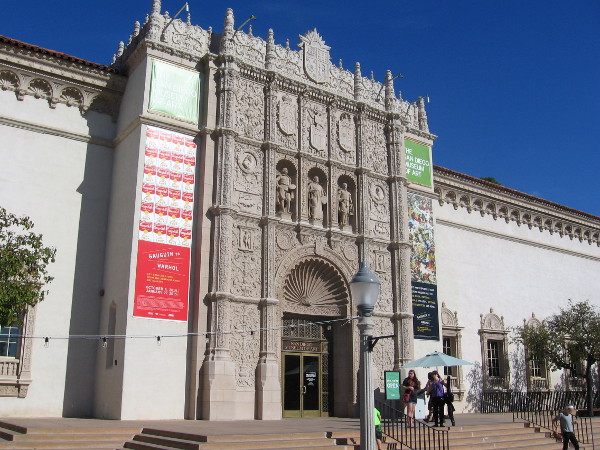
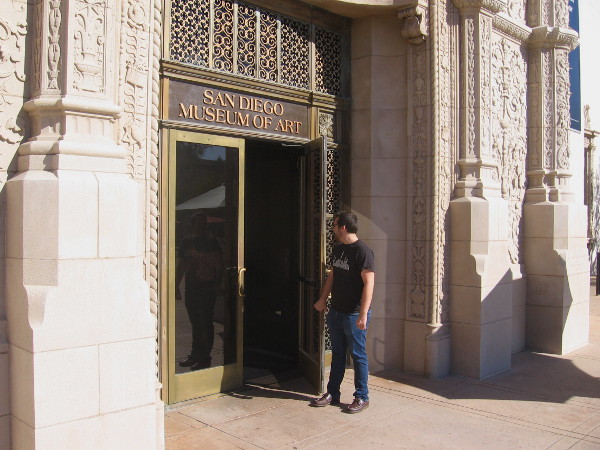
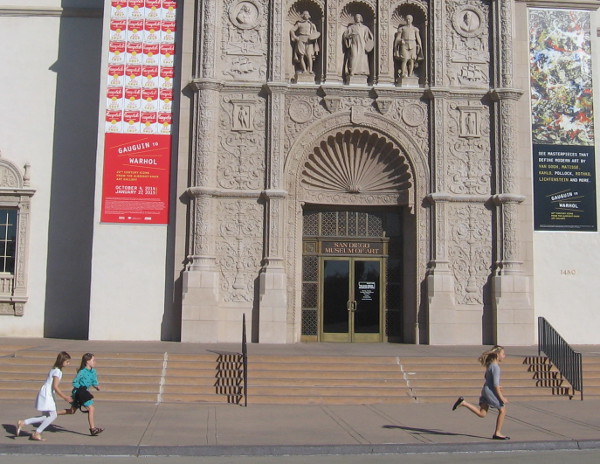
Visitors near entrance to the San Diego Museum of Art in Balboa Park.
Yesterday morning was super special. I was able to experience dozens of amazing fine art masterpieces firsthand!
My friend Catherine Jones, a docent at the San Diego Museum of Art in Balboa Park, very graciously provided me and a friend with a special tour. We were given an in-depth look at the landmark Gauguin to Warhol exhibit, being shown for a limited time in San Diego.
Follow me into the world-class San Diego Museum of Art, and we’ll check out a few of these stunning paintings together!
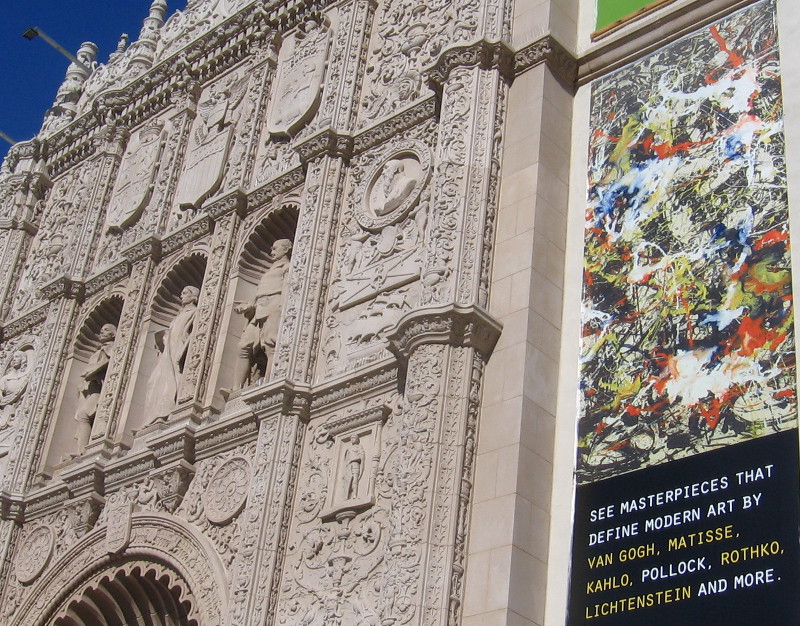
Masterpieces that define modern art by Van Gogh, Matisse, Kahlo, Pollock, and more…Step through this door to see an amazing exhibit of mind-blowing art!
Gauguin to Warhol: 20th Century Icons from the Albright-Knox Art Gallery is an exhibit containing dozens of true masterpieces from many of the world’s most famous modern painters. Artists with important pieces on display include Vincent Van Gogh, Pablo Picasso, Henri Matisse, Marc Chagall, Georgia O’Keeffe, Salvador Dalí, Frida Kahlo, Jackson Pollock and Roy Lichtenstein .
The exhibit is a whirlwind journey through time, progressing from Impressionism in the late 18th Century to Post-impressionism, Surrealism, Abstract Expressionism, Minimalism and finally Pop Art in the 1960s. One can follow the emergence and evolution of major art movements over eight decades–and observe how visual abstraction, experimentation and provocative simplicity took a greater and greater hold on the imaginations of many great artists.
These fantastic paintings all come from the Albright-Knox Art Gallery in Buffalo, New York. San Diego is the exclusive West Coast stop for this traveling exhibition.
(The following descriptions and reactions were formed in my own muddled human brain, and notes were taken only sporadically. I’m not even close to being an art expert, so take everything I say with a very large grain of salt!)
Paul Gauguin. Spirit of the Dead Watching,1892, courtesy the Albright-Knox Art Gallery.
A few steps after we admire a fine example of classic Impressionism, the 1890 Peasants in the Fields by Camille Pissarro, we are stopped in our tracks by a stunning masterpiece by Paul Gauguin. It’s the instantly recognizable Spirit of the Dead Watching, painted in 1892.
Spirit of the Dead Watching was created during Gauguin’s residence in Tahiti. It depicts his young wife Tehura, awakened by a frightening dream. A nightmarish figure with a mask-like face sits at the foot of her bed, seemingly a dark omen.
The bright, gauzy, fine daubs of paint of the earlier Impressionist movement seem to have given way to broad, unabashed swaths of rich color. The elements in this Post-Impressionist image appear two-dimensional; objects depicted seem to have become bold, emotionally colored symbols, rather than more-realistic objects given depth using traditional perspective.
The Spirit of the Dead Watching is both uniquely beautiful and disturbing, not unlike a few of the canvases to come on our tour.
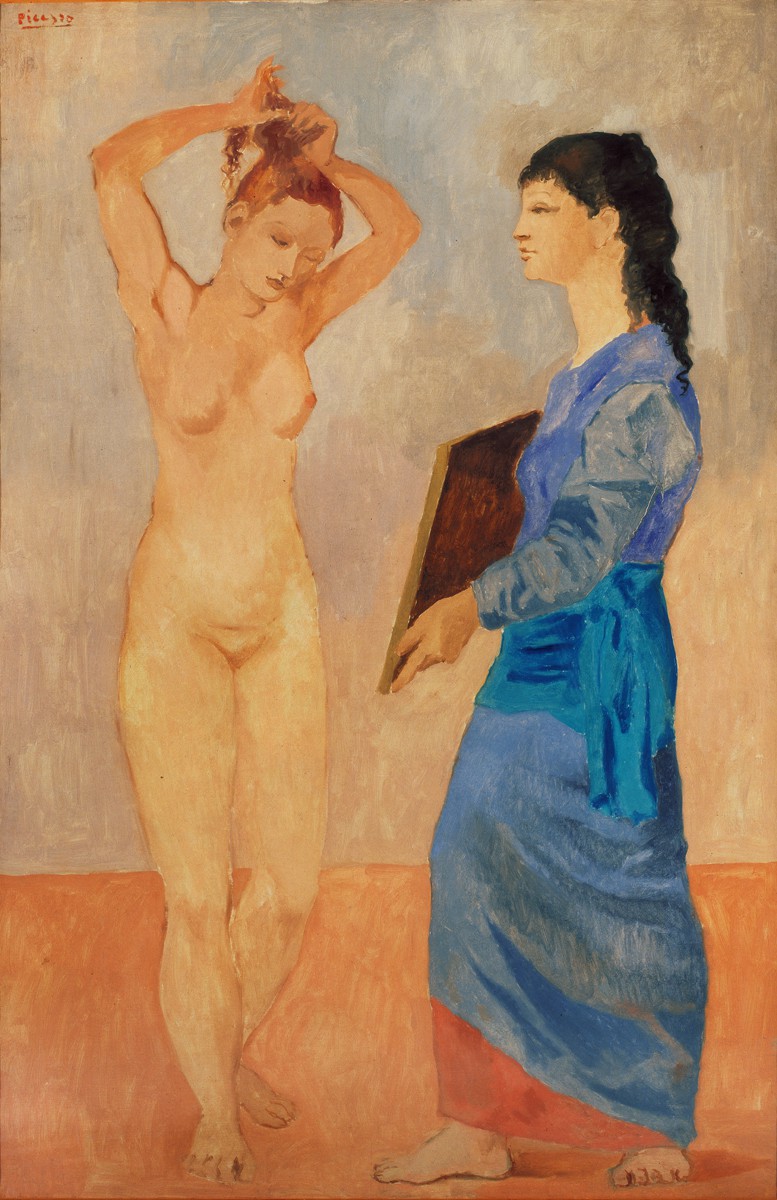
Pablo Picasso, La Toileete, 1906, courtesy the Albright-Knox Art Gallery.
Another few steps and we are looking at Pablo Picasso’s La Toilette, painted in 1906 just before his well-known innovations with Cubism.
The two women depicted are different views by Picasso of the same model. The painting seems to be mostly about lustrous, subtle color and soft, slightly angular shapes. It struck me that fusing the two figures, with their simple faces and forms, would result in a sort of Cubist composite creation. Perhaps we see the gears slowly turning in Picasso’s creative mind.
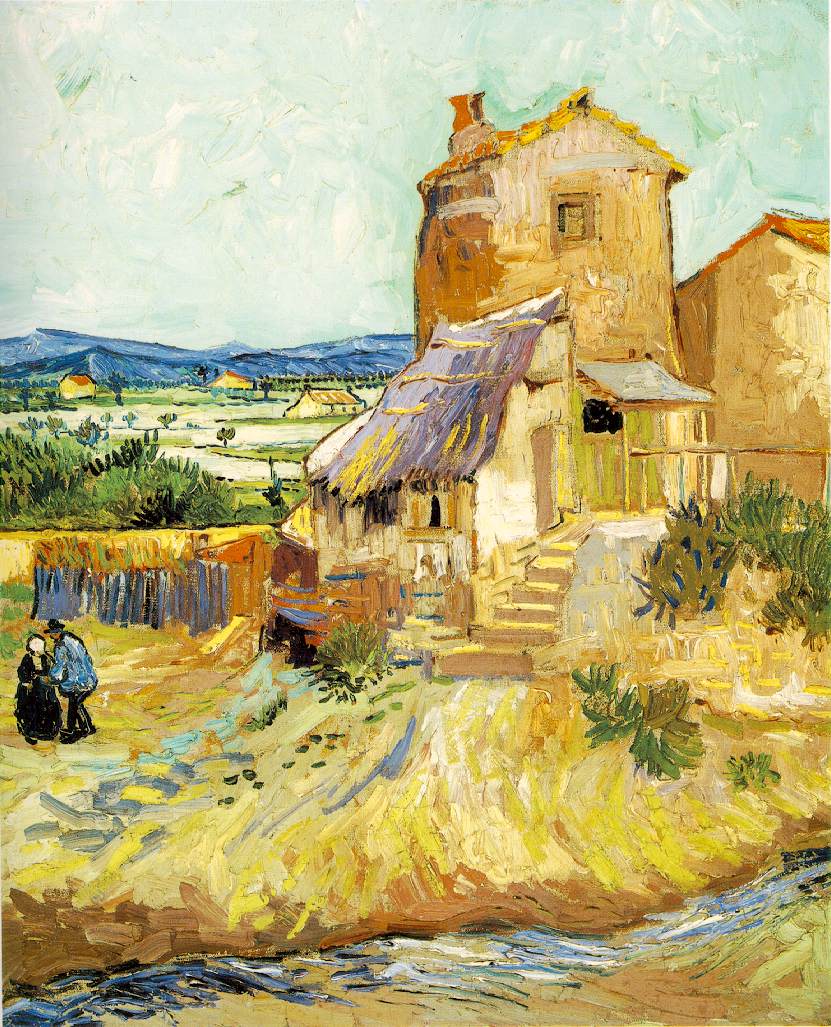
Vincent Van Gogh, The Old Mill, 1888, courtesy the Albright-Knox Art Gallery.
The masterpiece that I enjoyed most–because it’s just so indescribably magical–is Van Gogh’s The Old Mill, from 1888, another fine example of Post-Impressionism. Thick smears of paint and bold brush strokes of light give the painting strange depth and glowing solidity, in spite of its greatly simplified, almost crude representation of a country scene. I felt like I had entered a magical landscape, located somewhere between a gleaming dream and a warm, everyday experience. To me, it’s a piece of art that would never grow old.
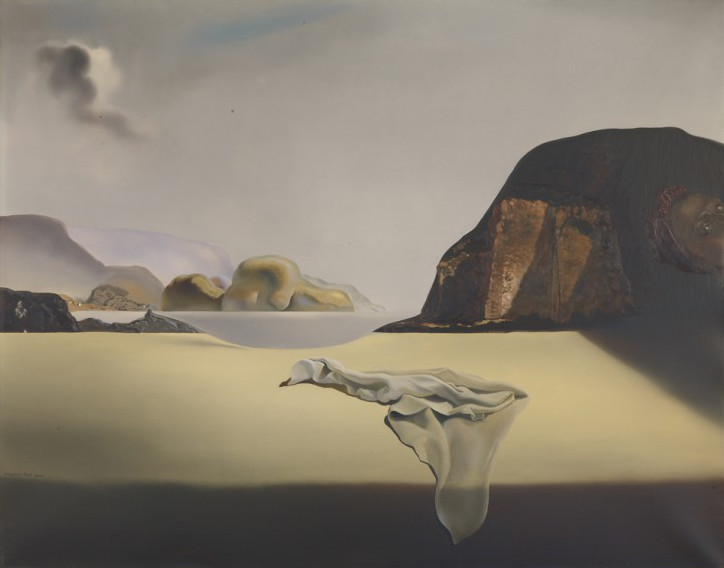
Salvador Dalí, The Transparent Simulacrum of the Feigned Image, 1938, courtesy the Albright-Knox Art Gallery.
Here we see the emergence of Surrealism. And this masterpiece is by the ever popular Salvador Dalí!
The Transparent Simulacrum of the Feigned Image, 1938, is one of Dalí’s most iconic works. It’s mysterious, strange and stimulates thought. What do the various elements in the design represent? Is that a bowl of mashed potatoes with gravy on a table with a napkin, or is that a lake nestled between mountains? The onlooker isn’t quite sure if the painting is primarily fun or symbolic, or a depiction of the unconscious, or sublime reality. Abstraction has surely taken hold of the artist’s vision, as the scene is a complete departure from ordinary experience.
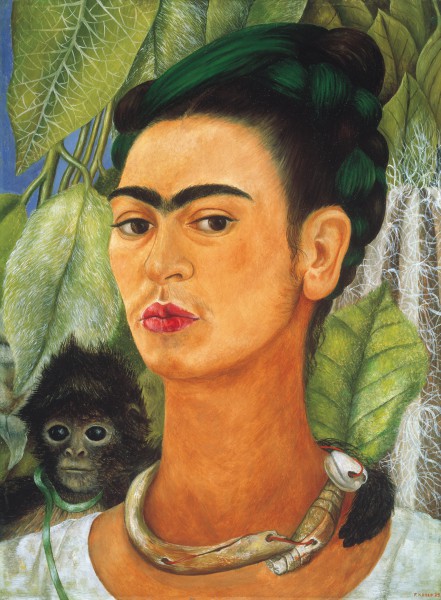
Frida Kahlo, Self-Portrait With Monkey, 1938, courtesy the Albright-Knox Art Gallery.
Mexican artist Frida Kahlo’s impressive Self-Portrait With Monkey, painted in 1938, is said to be Surrealist. To me it appears more like a beautifully colorful Post-Impressionist Gauguin. According to Wikipedia: “Frida rejected the “surrealist” label; she believed that her work reflected more of her reality than her dream.”
Gazing at this one portrait, I understand her assertion. Apart from one canvas in the exhibit, a depiction of fleshy, bloody butchered meat, this painting seems more solidly lifelike and ripe with organic truth than any other work that I recall seeing.
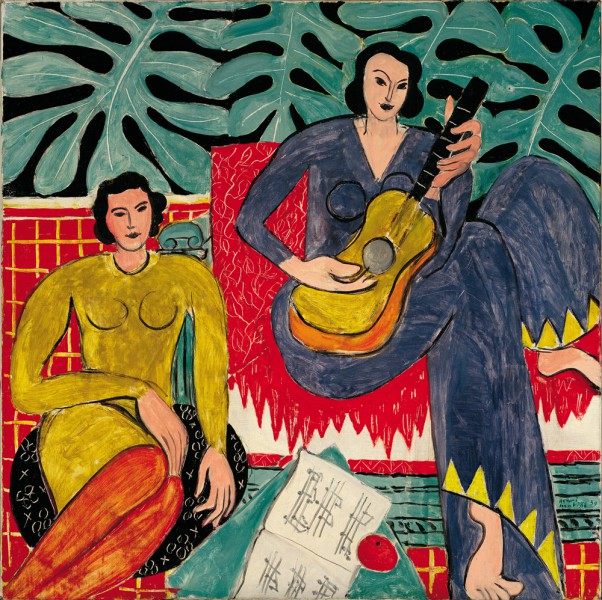
Henri Matisse, La Musique, 1939, courtesy the Albright-Knox Art Gallery.
I also love this one! La Musique, by Henri Matisse in 1939, is the sort of joyful, broadening, invigorating style of art that I personally like. Catherine pointed out that the lady on the left is very prim and composed, but the wild lady on the right is the type you’d want to date! Exactly right! The hands and feet are wonderfully twisted and elongated as if they’re swimming within splashes of swirling color and music!
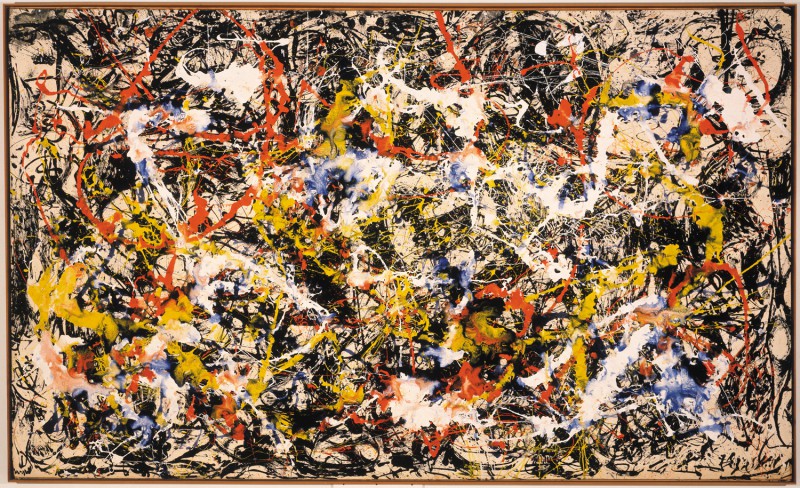
Jackson Pollock, Convergence, 1952, courtesy the Albright-Knox Art Gallery.
Jackson Pollock today is recognized as a master of Abstract Expressionism. His unique drip paintings are unmistakeable. And his Convergence from 1952 nearly covers an entire museum wall!
Okay, perhaps I’m an ignoramus and a dullard. To me this style of painting seems a bit random, cynical, and a thumb in the eye of earlier, more skillful artistic styles. Several of the canvases in this portion of gallery struck me in a similar way. The absurdly huge creations of these famous Abstract Expressionists seem more than experimental–they seem despondent, angry, nihilistic and disillusioned–perhaps a reaction to the massive chaos and inhumanity of two world wars in the early 20th Century. But I do appreciate Pollock’s artful balance, his dynamic strands of color, and the peculiar, imposing beauty that has resulted!
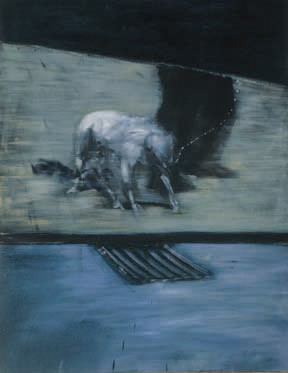
Francis Bacon, Man With Dog, 1954, courtesy the Albright-Knox Art Gallery.
Here’s one painting that is absolutely disturbing. It’s the sort of thing you’d expect to see in a short horror story by Poe, or above the mantle in a cobwebby haunted house! As if penetrating the dark recesses of the human subconscious, Francis Bacon’s unsettling Man With Dog, 1954, seems to portray the bottom of a shadowy figure being resisted by a featureless, spectral hound attracted to a sewer grate. This painting definitely succeeds in bringing out a strong feeling of unfocused loathing. If the aim of art is to stir the emotions, this piece is triumphant!
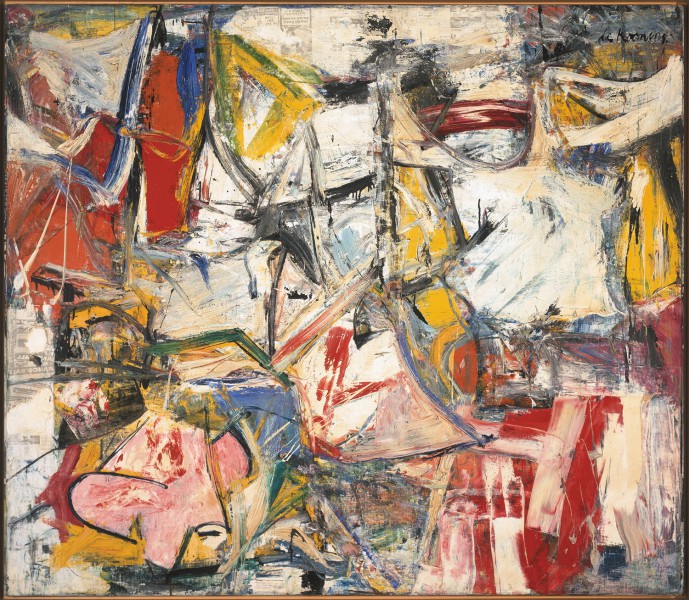
Willem de Kooning, Gotham News, 1955, courtesy the Albright-Knox Art Gallery.
A manic jumble of impulsive, uncertain emotions in two dimensions seems to compose Willem de Kooning’s Abstract Expressionist Gotham News, completed in 1955. Flesh tones and slightly organic shapes are intermixed with the angled, heavy lines of a large city’s architecture, looking to my eye like stained glass put into a blender. Energy and spasmodic randomness seem to convey no clear artistic notion, nor rouse any one particular emotion. It’s just a big mixture of complex energy! Perhaps that was the artist’s intent!
Andy Warhol, 100 Cans, 1962, courtesy the Albright-Knox Art Gallery.
An Andy Warhol response to modernism, his iconic 100 Cans was painted in 1962. Since then, the Pop Art image of multiple Campbell’s Soup cans has spread and mutated throughout the popular culture.
Is this painting a celebration of unrepentant commercialism, or a resigned condemnation? Is he asking the fundamental question: What is art? Or is it just his affirmation that an increasingly technological and global culture has changed life forever, and that art has become something of a commodity? I’ve heard arguments on every side.
The original painting is hanging on a wall at the San Diego Museum of Art! See it for yourself and decide!
The amazing Gauguin to Warhol exhibit runs in San Diego through January 27, 2015.
This truly special, eye-opening exhibit, Gauguin to Warhol, can be enjoyed at the San Diego Museum of Art through January 27, 2015.
It might be a once-in-a-lifetime opportunity to really appreciate these many great masterpieces. If you can, go see it!
…
To enjoy future posts, you can “like” Cool San Diego Sights on Facebook, or follow me on Twitter.
Canyon in Balboa Park to be site of San Diego Zoo employee parking structure.
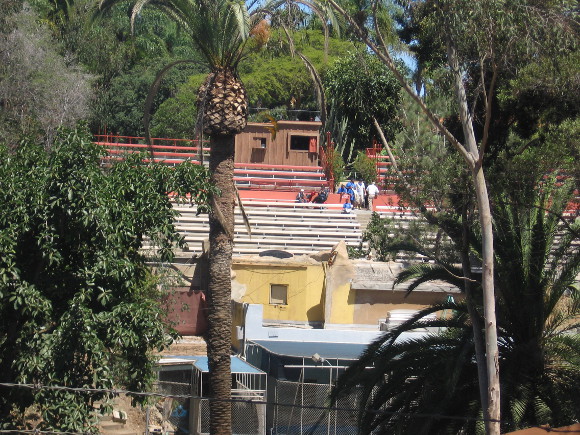
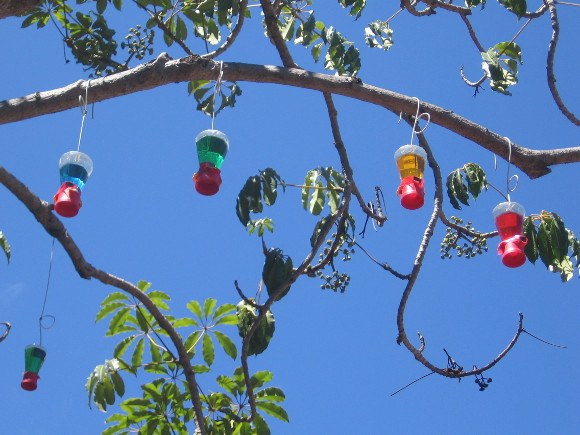
When I recently went on a special tour at the San Diego Museum of Art, my new docent friend expressed concern about an upcoming construction project. We were standing at a window that overlooks Old Globe Way, a short, winding access road that follows the edge of Jungle Trail Canyon directly behind the museum. The road starts behind the San Diego Junior Theatre, passes the rear of the Botanical Building, and finally leads to the back of the Old Globe Theatre. We gazed out the window at many colorful hummingbird feeders dangling from a nearby tree, at trees by the road that were marked with green paint, then beyond the narrow canyon to the back of the famous San Diego Zoo. The small canyon, I learned, was to be converted to parking!
After doing a bit of research for news on the internet, I learned the canyon would be the location of a six level parking garage for zoo employees. The idea is to free up a large amount of space from the zoo’s main parking lot on Park Boulevard. Employees arriving by car usually start their shifts in the early morning, and depart at different times, so traffic problems in the park would be kept to a minimum. The new structure has been in the planning stage for a long time.
Yesterday my journey through Balboa Park included a stroll down Old Globe Way. I saw that the work had already been started. Fortunately, those green markings on larger trees indicated they were to be saved.
A tree at canyon’s edge is mercifully saved.Canyon between Old Globe, art museum and zoo has been mostly unused.San Diego Zoo amphitheater where exotic birds and other animals perform.Trees cut down, making way for new road to a long-planned parking area.Hummingbird feeders in a tree directly behind the San Diego Museum of Art.
Here’s one of several identical signs that appeared nearby in November…
Sign posted in Balboa Park explains the Old Globe Way Renovation.
…
To enjoy future posts, you can “like” Cool San Diego Sights on Facebook, or follow me on Twitter.
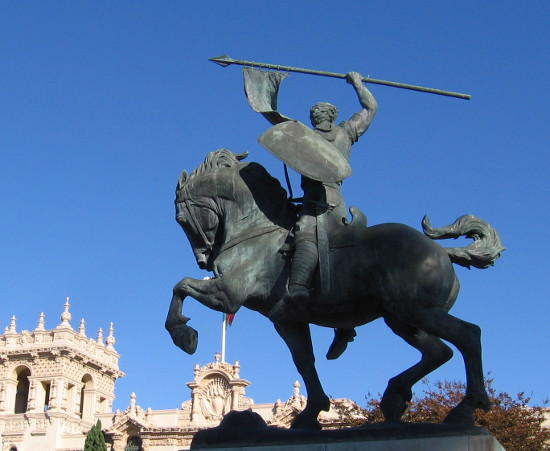
El Cid sculpture in Balboa Park, by artist Anna Hyatt Huntington.
Near the center of Balboa Park, between the San Diego Museum of Art and the Spreckels Organ Pavilion, you’ll find a 23-foot high bronze statue of El Cid. The legendary hero of Spain is mounted on his horse Babieca and proudly holds a spear and shield.
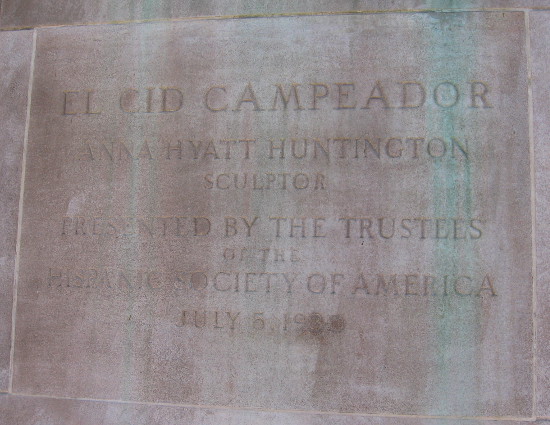
The striking sculpture is formally called El Cid Campeador and was created in 1927 by Anna Hyatt Huntington, a famous American sculptor who during her life won numerous awards and commissions. Most known for her lifelike animal sculptures, she is remembered for being the first woman to create a public monument in New York City. Her Joan of Arc was also New York City’s first monument dedicated to a female historical figure.
Anna Hyatt Huntington was married to Archer Milton Huntington, a wealthy philanthropist and art enthusiast, who founded The Hispanic Society of America. He made the very first contribution to the nearby San Diego Museum of Art, in the form of the painting María at La Granja, by famed Spanish post-impressionist painter Joaquín Sorolla y Bastida.
The El Cid in Balboa Park is one of several identical statues. The original stands in front of the Hispanic Society in New York City. Other copies stand in Seville, San Francisco, and Buenos Aires.
It seems that when the statue was installed in Balboa Park in 1930, there was a good deal of public comment about the horse’s unsightly posterior, and a debate over the direction it should face! To the relief of many, the horse’s rear end faces away from the central square and nearby buildings!
A much smaller horse sculpture by Anna Hyatt Huntington can be enjoyed a short distance to the north of El Cid, right next to the San Diego Museum of Art. It’s called Youth Taming the Wild.
El Cid Campeador, presented by the Hispanic Society of America in 1930.El Cid, with Balboa Park’s House of Hospitality in the background.East side of El Cid. The Mingei Museum is in background.Balboa Park’s free shuttle passes the El Cid statue on a sunny day.
…
To enjoy future posts, you can “like” Cool San Diego Sights on Facebook, or follow me on Twitter.
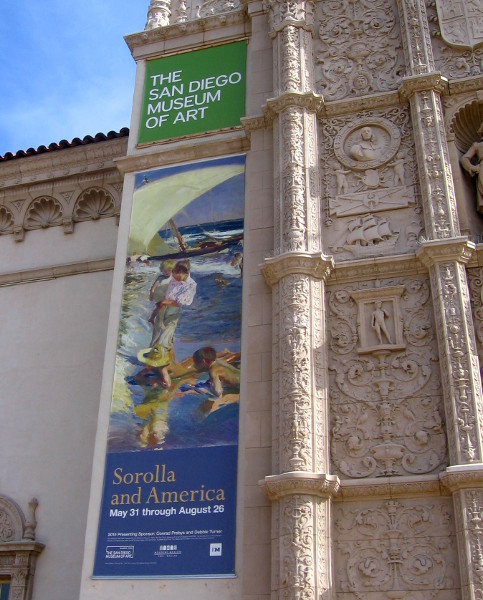
Sorolla and America special exhibit at San Diego Museum of Art.
Light is the physical means by which my eyes see. But I often don’t see true light.
Light is a mixture of myriad colors. But I often don’t see those many colors.
Yesterday I was struck by a few small touches of rare light. My eyes widened with astonishment during a few joyful, delicious moments of revelation.
I was very fortunate and privileged to be a given a special tour of the amazing Sorolla exhibition at the San Diego Museum of Art in Balboa Park. Catherine Jones, a docent at the museum, provided an excellent introduction to the light-dabbed paintings of a very important artist that the world has often overlooked.
Joaquín Sorolla y Bastida was a Spanish post-Impressionist painter who won several major art awards and popular fame while he lived, but who soon became forgotten with the advent of the modern abstract movement in the early twentieth century. His stylistically varied and often unusually angled images contain applications of light like I’ve never before seen. Bits of reflection and exquisite luster, and sheens of revealed color, pulled me into a world where the true essence of a subject seems to shine out like magic, but in a very natural way.
I could have gazed at his emotionally stirring, always fascinating paintings for the entire day!
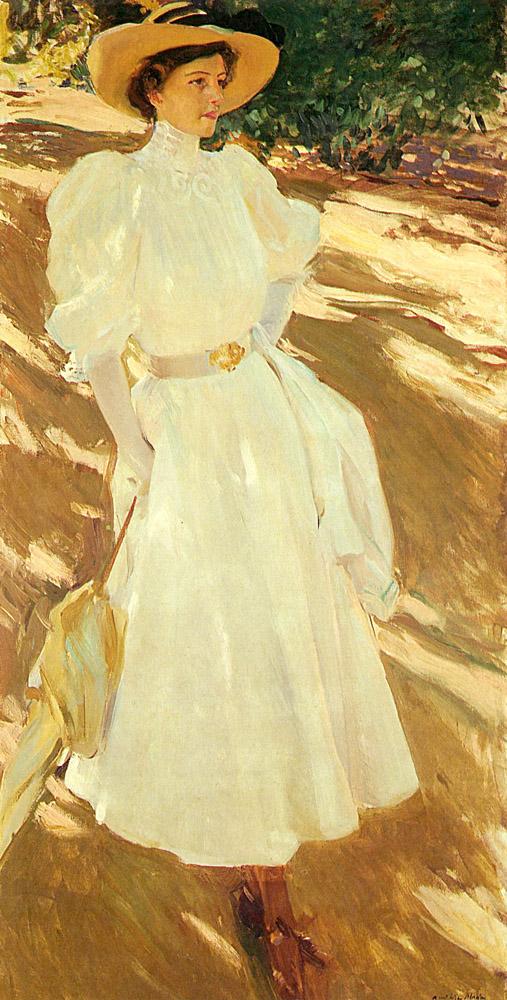
María at La Granja, courtesy San Diego Museum of Art.
The above painting, María at La Granja, was painted by Sorolla in 1907. In it you can see Sorolla’s famous application of light. The piece was donated to the San Diego Museum of Art in 1925 by Archer Huntington, philanthropist and founder of The Hispanic Society of America. The very first work of art to enter the collection, today María at La Granja is probably the most recognized image in the entire museum.
Joaquin Sorolla’s Portrait of President Taft, courtesy of Wikipedia.
Joaquin Sorolla’s Portrait of President Taft was commissioned by the president in 1909. It is one of many canvases in a special exhibit at the San Diego Museum of Art assembled from museums throughout the world. Most of Sorolla’s important works are present, including Another Marguerite (1892), which was awarded a gold medal at the National Exhibition in Madrid and first prize at the Chicago International Exhibition, and Sad Inheritance (1899), which was awarded the Grand Prix and a medal of honor at the Universal Exhibition in Paris in 1900, and the medal of honor at the National Exhibition in Madrid in 1901.
The two paintings that I’ve posted here hardly do justice to the full range of Sorolla’s splendor. His sun-splashed scenes of beach life in Valencia, his diverse and stunning portraits, his detailed scenes of life in Spain, all the essence and astonishing light that he captured, must be experienced firsthand to be most fully appreciated.
These works by Sorolla are on display for a limited time at the San Diego Museum of Art. If you can, you really should go see them! The special exhibition ends August 26, 2014.
…
To enjoy future posts, you can “like” Cool San Diego Sights on Facebook, or follow me on Twitter.




























 Cool San Diego Sights!