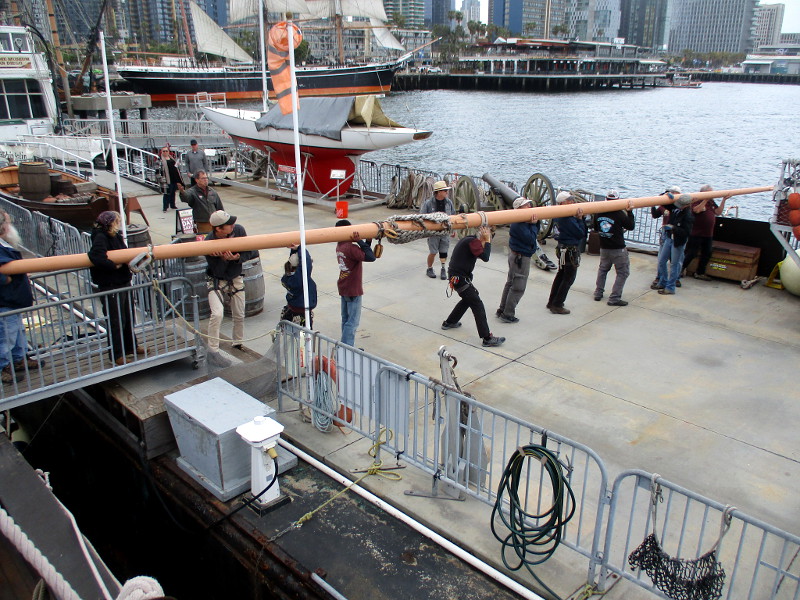
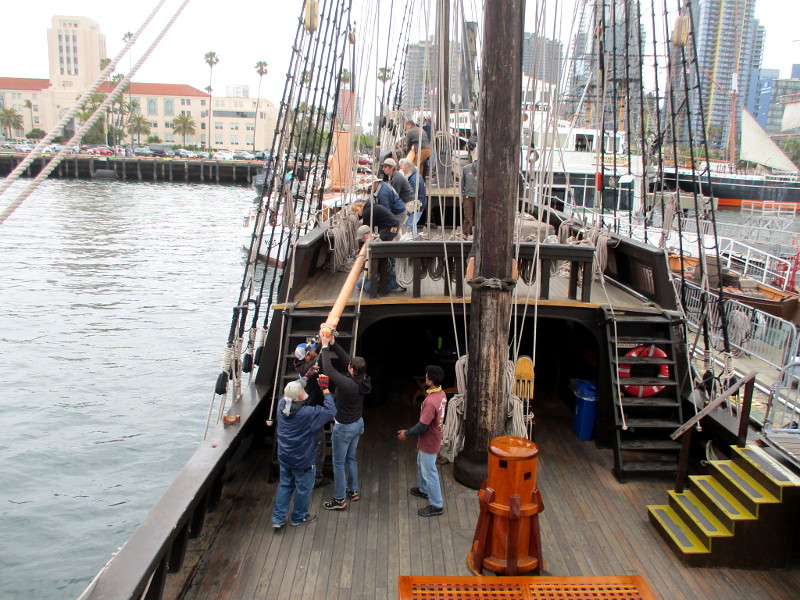
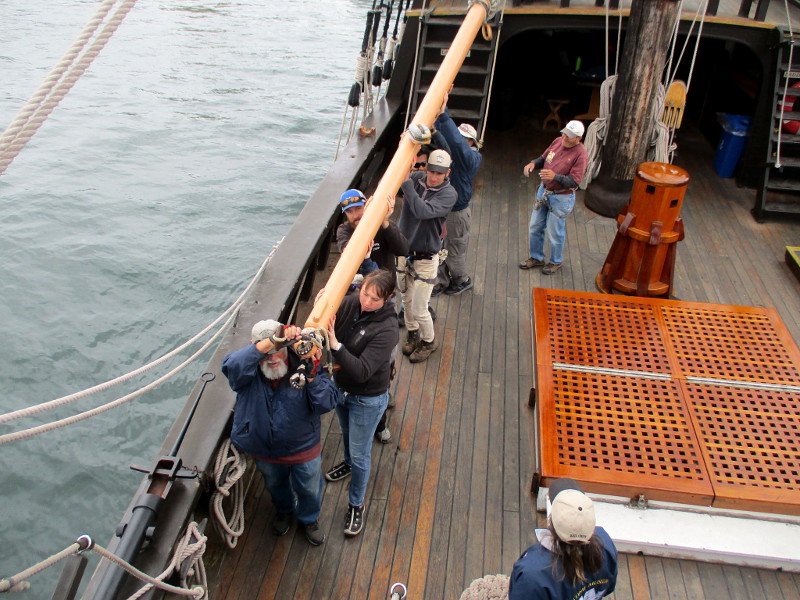
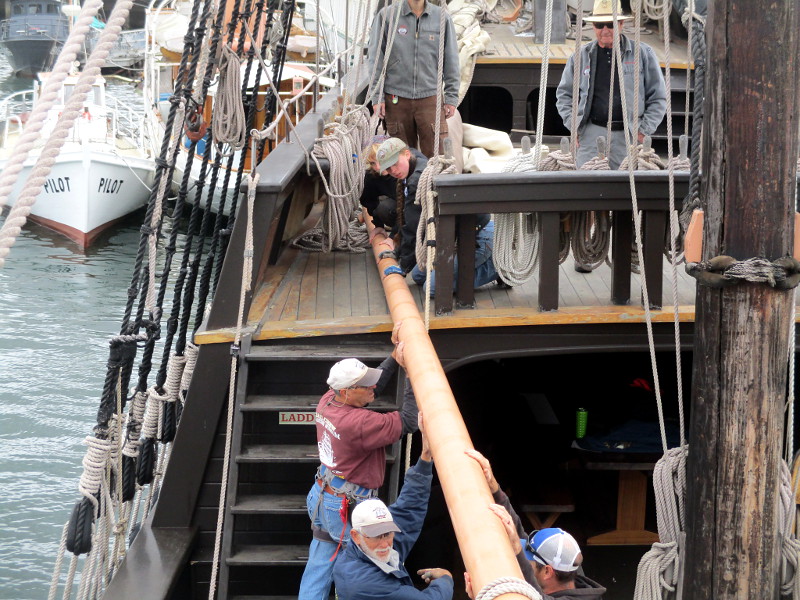
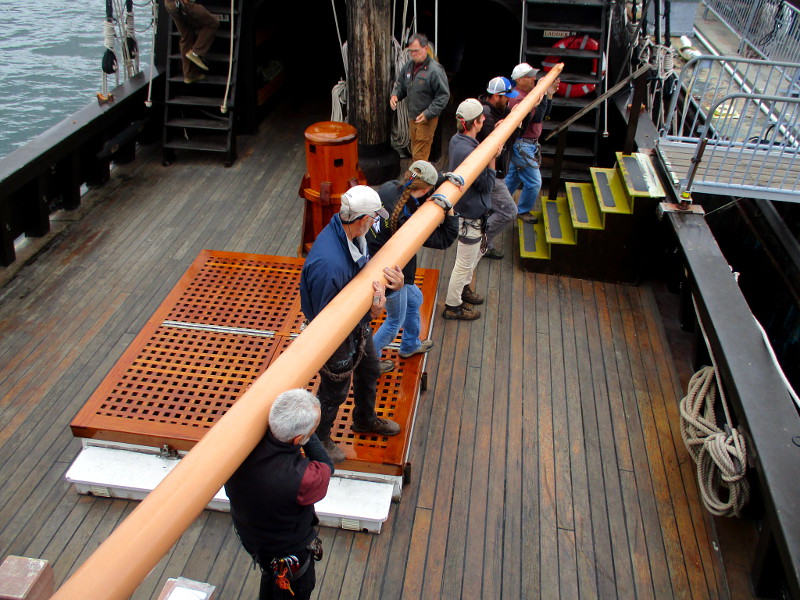
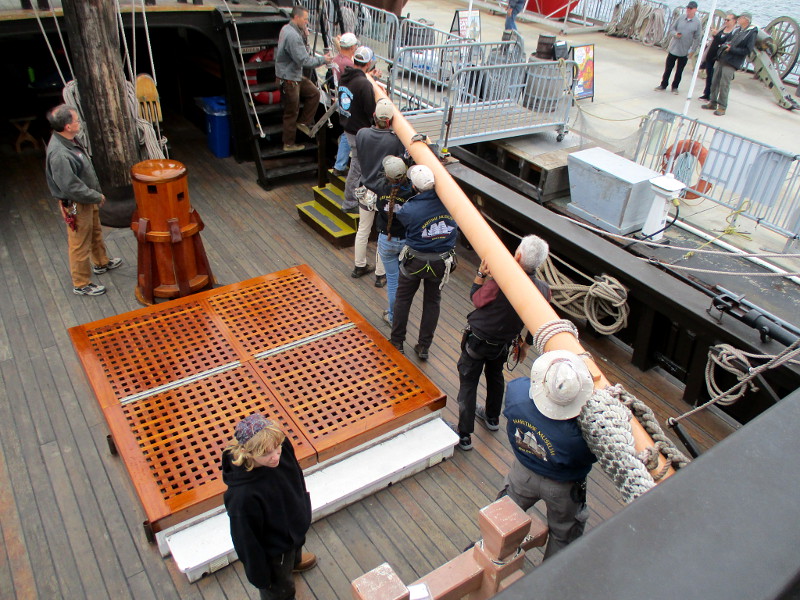
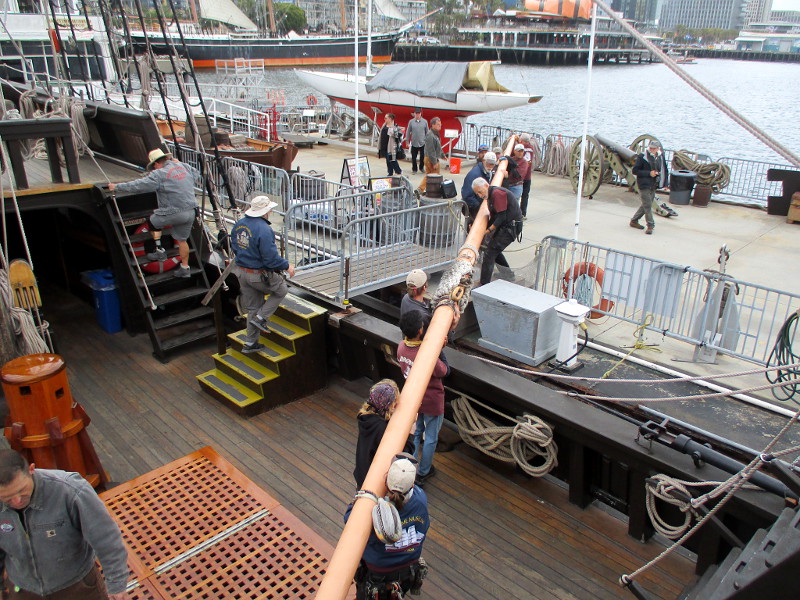
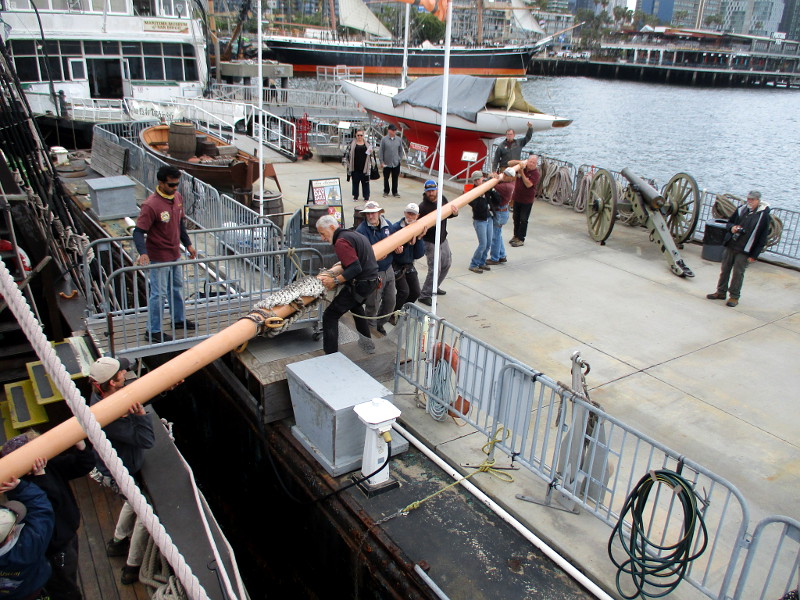
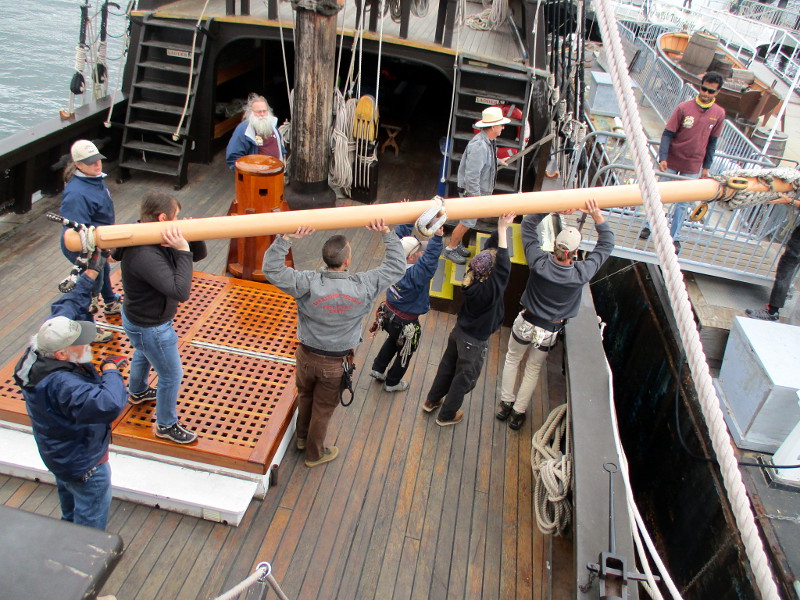
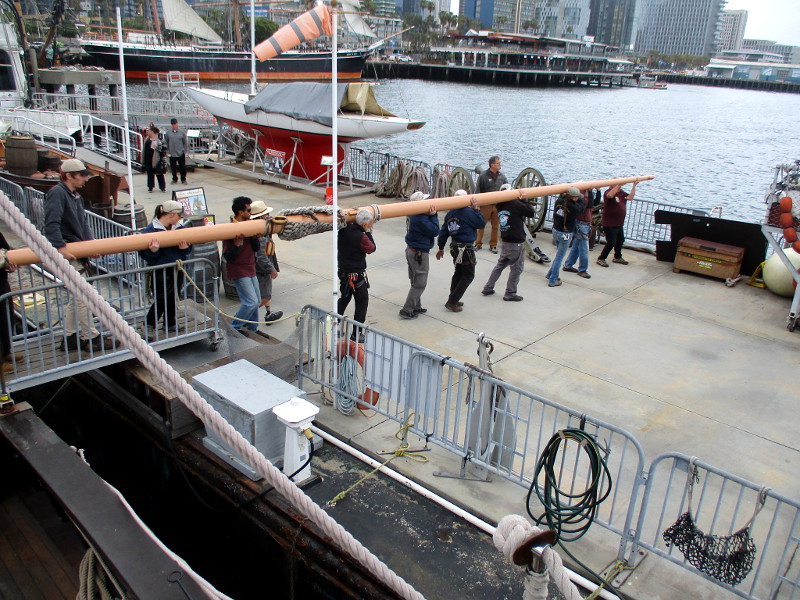
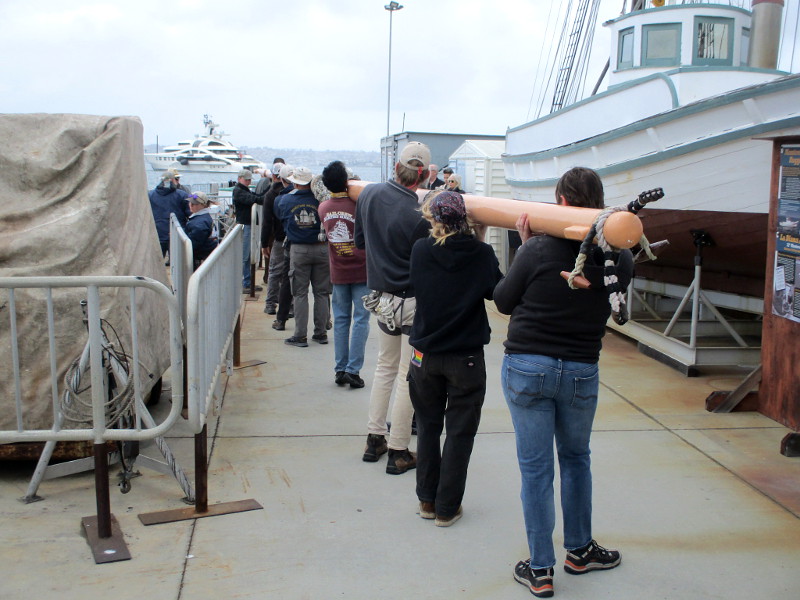
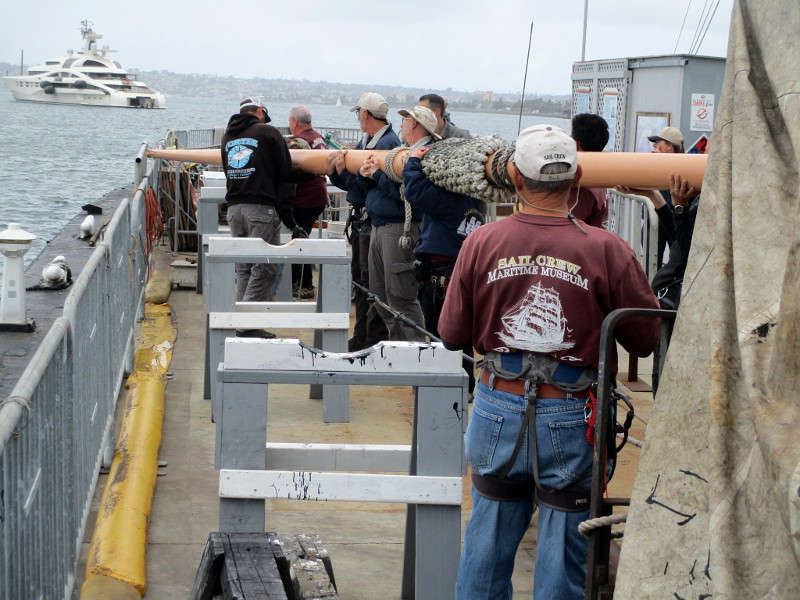
One way to perform an “Egyptian walk” in San Diego? Become a volunteer at the Maritime Museum of San Diego and help carry a tall ship’s long mast or yard!
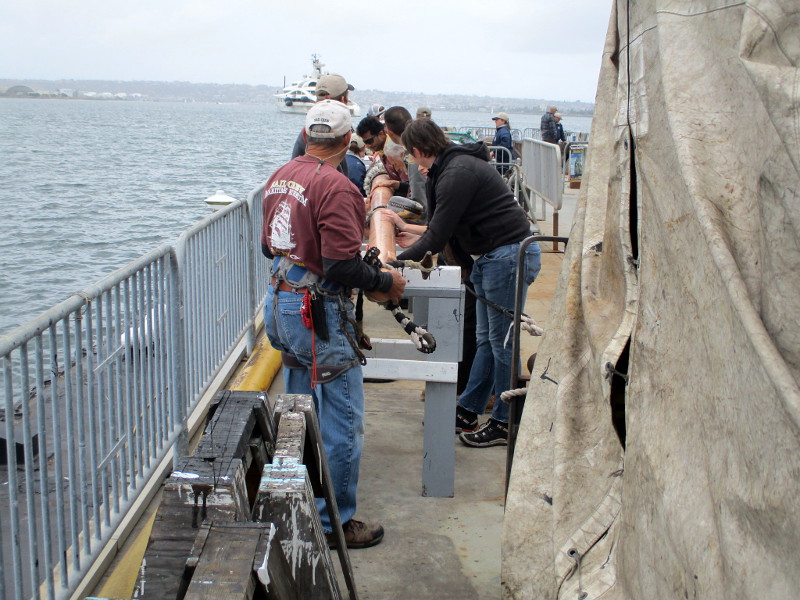
Today the lateen yard was being removed by a small army of volunteers from the museum’s Spanish galleon replica San Salvador. The ship will be heading down to Marine Group Boat Works in Chula Vista to be lifted out of the water for the periodic hull cleaning and inspection. Removing the yard is necessary before this operation.
A line of people, walking in unison, with arms bent or extended as they hold up a heavy spar does appear a bit like Egyptian hieroglyphics. One of the volunteers called what you see in my photographs an Egyptian walk!
(No, that popular song by The Bangles wasn’t playing in the background.)
…
I post new blogs pretty often. If you like discovering new things, bookmark coolsandiegosights.com and swing on by occasionally!
I live in downtown San Diego and love to walk around with my camera! You can follow Cool San Diego Sights via Facebook or X.
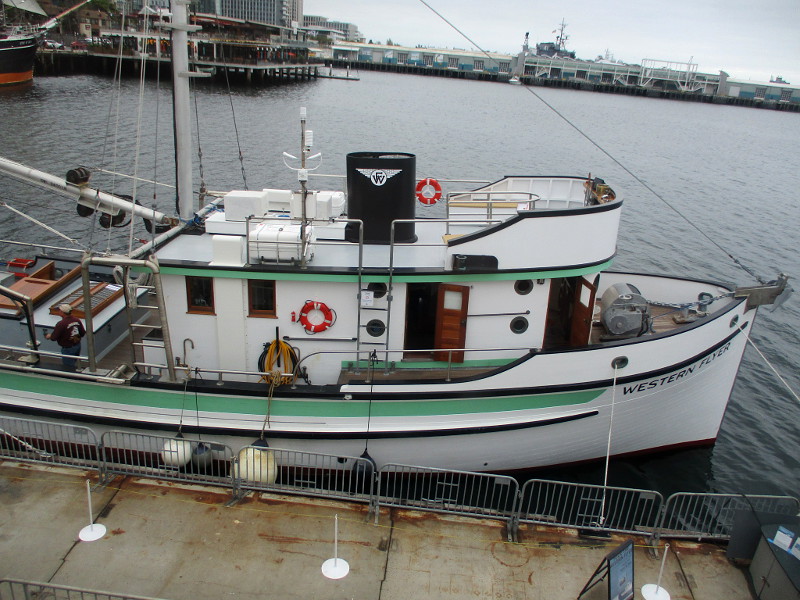
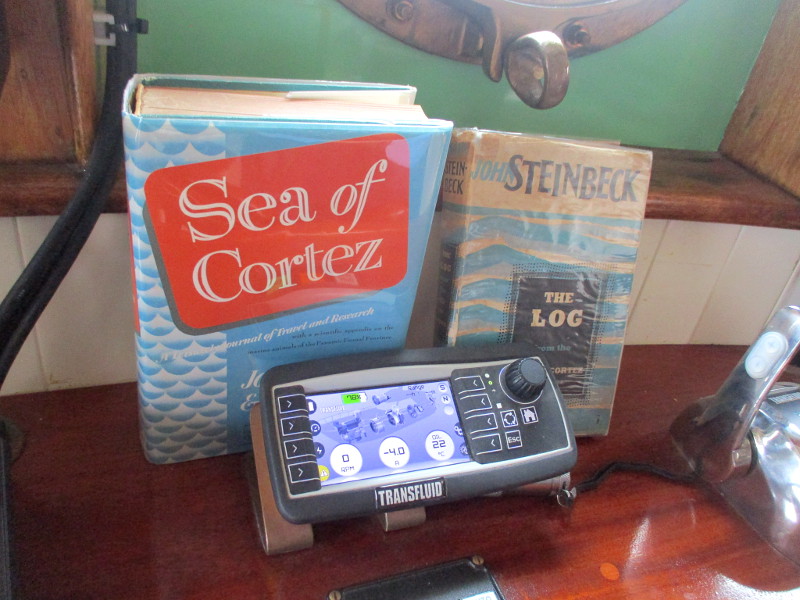
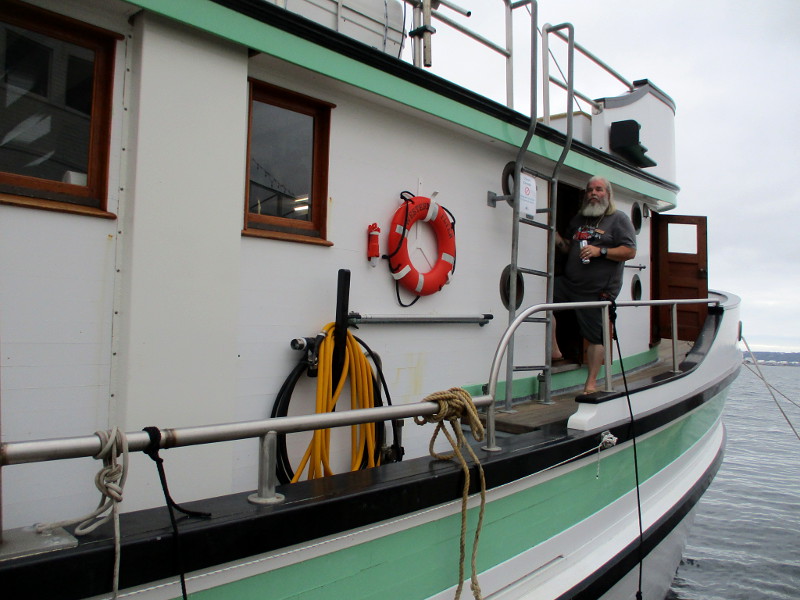
In 1940, a year after publishing his masterpiece The Grapes of Wrath, John Steinbeck went on a scientific expedition to the Sea of Cortez with marine biologist Ed Ricketts. The 4000 mile, six week journey, made famous in Steinbeck’s books Sea of Cortez and The Log from the Sea of Cortez, utilized the Monterey fishing boat Western Flyer, a 77-foot purse seiner that had been used in the sardine fishery.
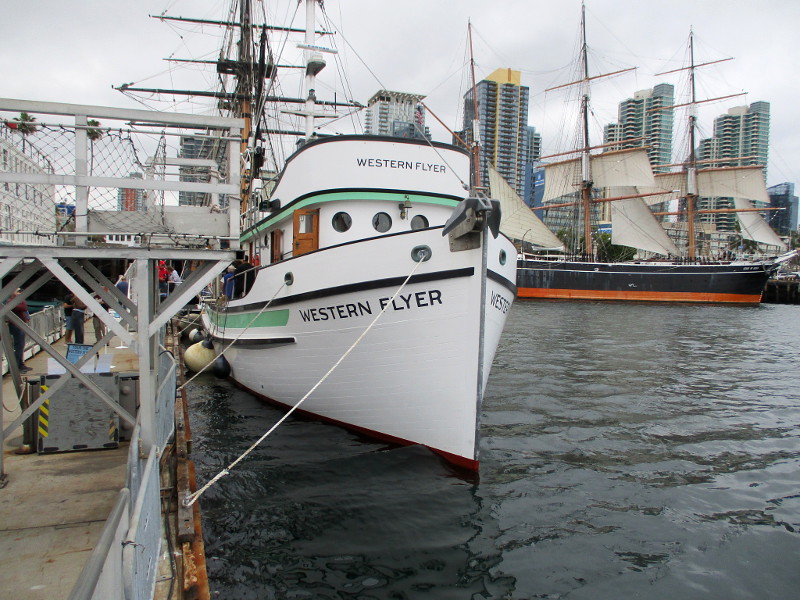
On their way to Baja California, Steinbeck, Ricketts and the small crew of the Western Flyer visited San Diego. Eighty five years later, the storied fishing boat returned!
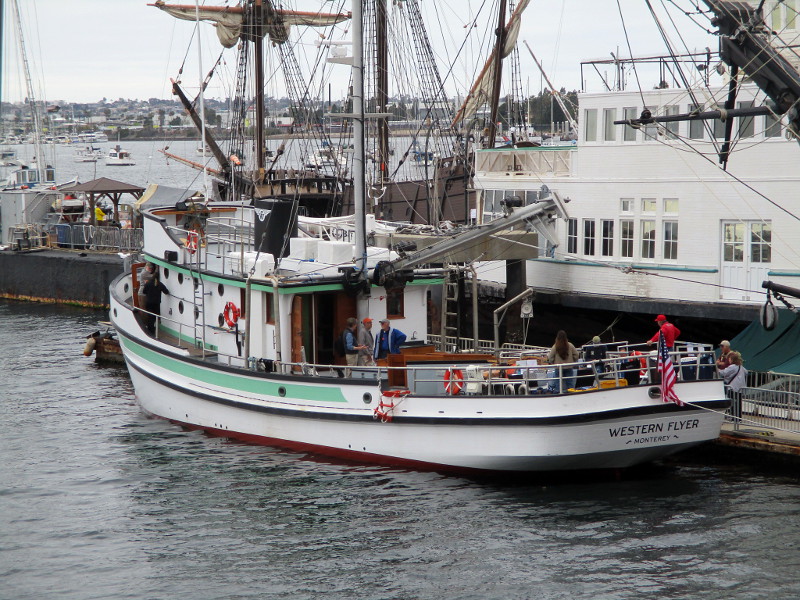
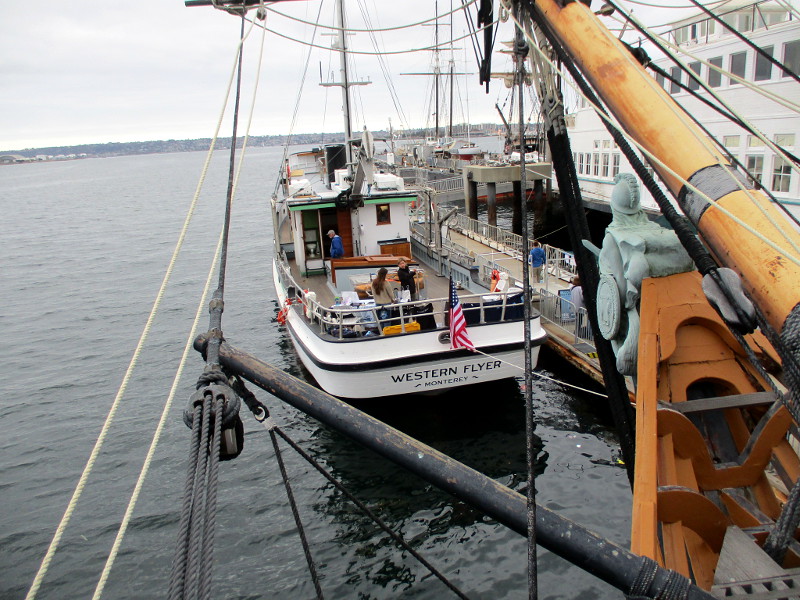
Yesterday the Western Flyer was docked at the Maritime Museum of San Diego and museum visitors had the opportunity to tour her!
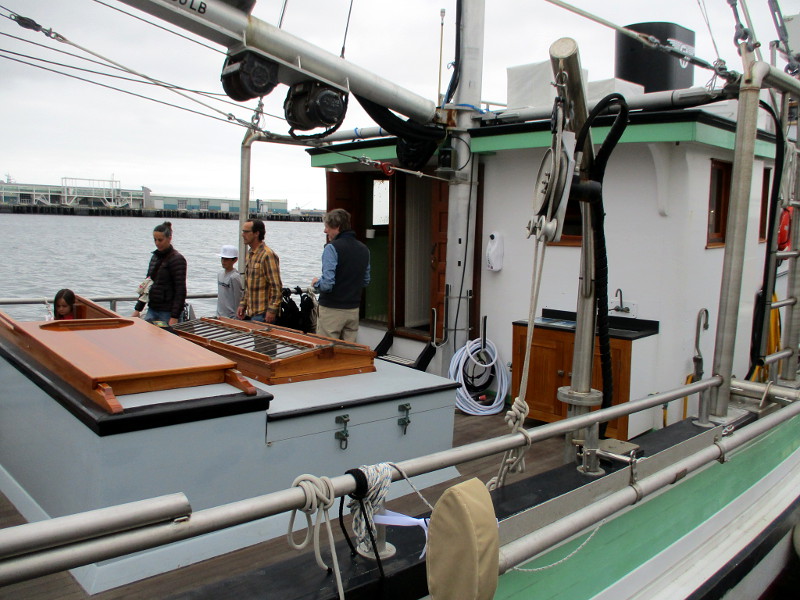
I was one of many who stepped aboard the historic vessel that is called the most famous fishing boat in the world. I took photographs, of course!
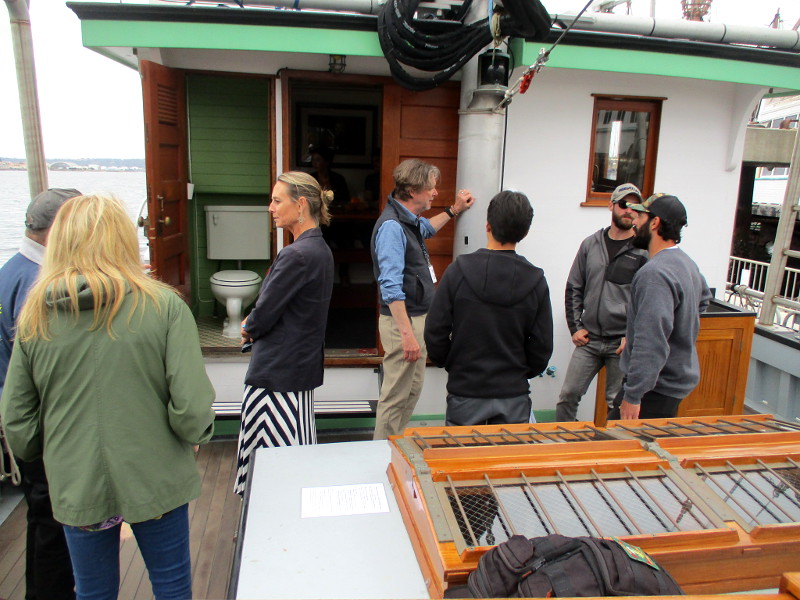
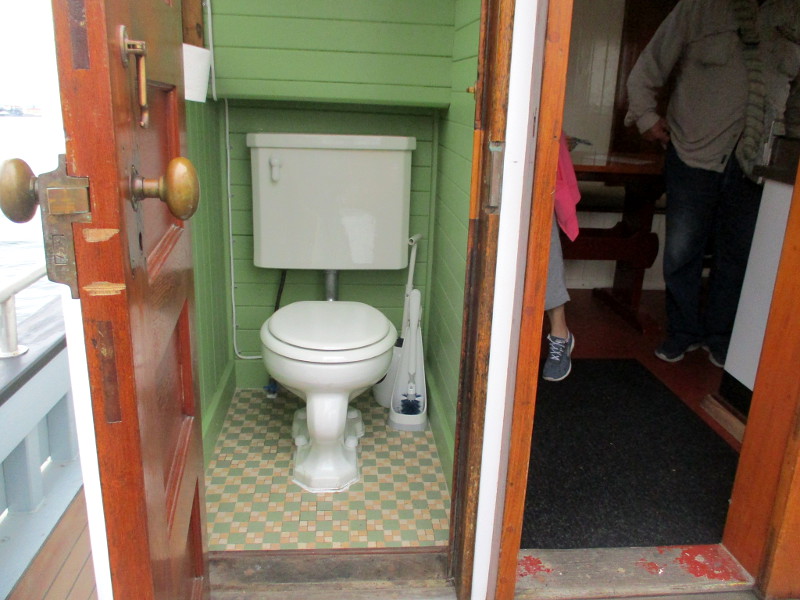
The first thing we were shown was the head! Yes, what you see in the next photograph is where John Steinbeck himself sat! During the Sea of Cortez expedition, he developed the idea for his future novels Cannery Row and The Pearl. Perhaps he did some brainstorming here…
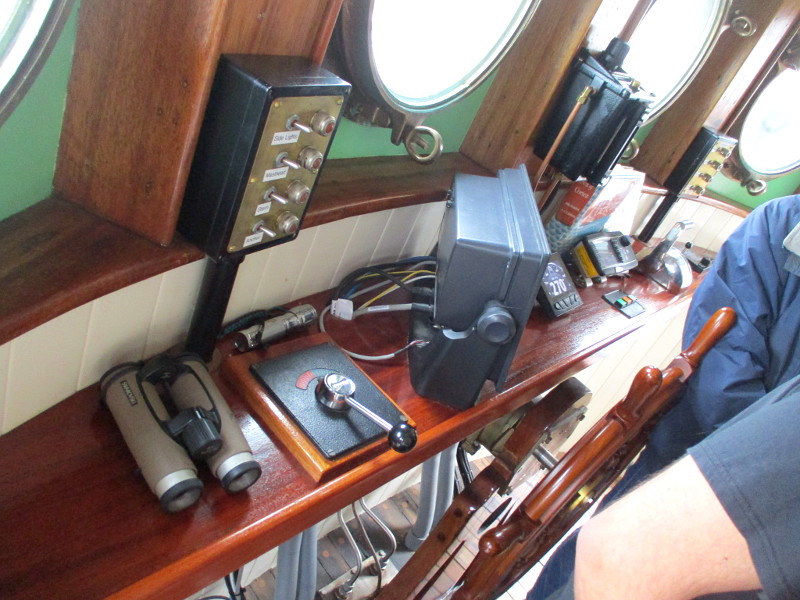
We then went forward to the pilot house…
All the instruments are modern–the Western Flyer during its long complex history sank and was submerged for six months. The boat was restored to look and feel as it did originally. Ninety percent of the hull and ten percent of the wheelhouse was replaced.
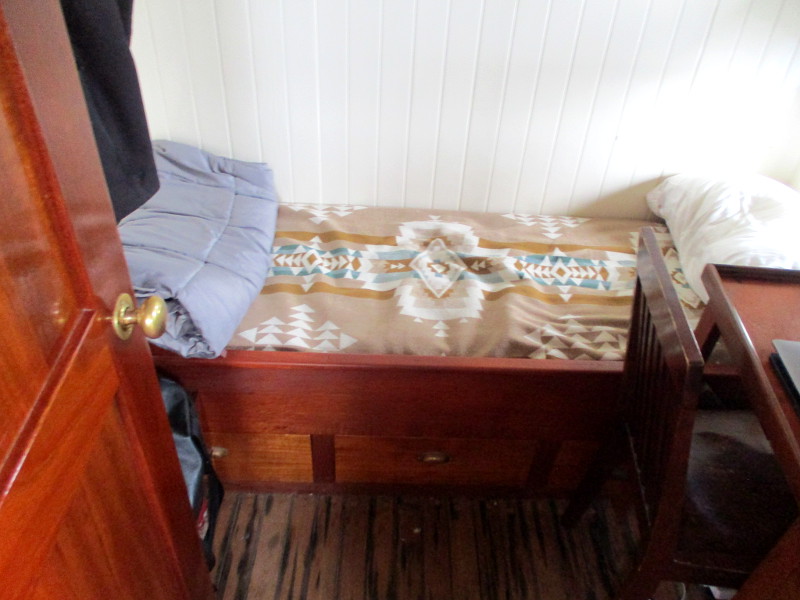
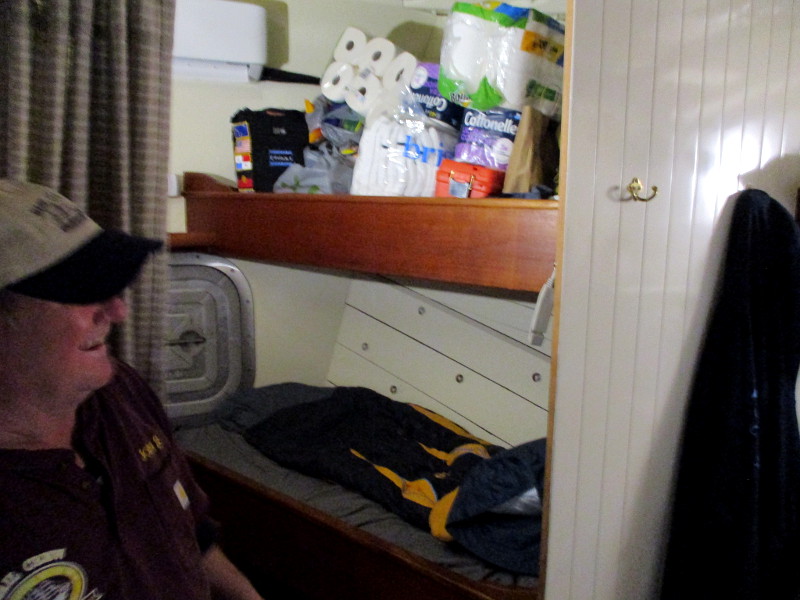
When we turned around, we discovered a small room with a single bed. This is where Steinbeck’s wife, Carol, slept. Even though she was part of the marine specimen collecting expedition, she was never mentioned in Steinbeck’s books concerning it.
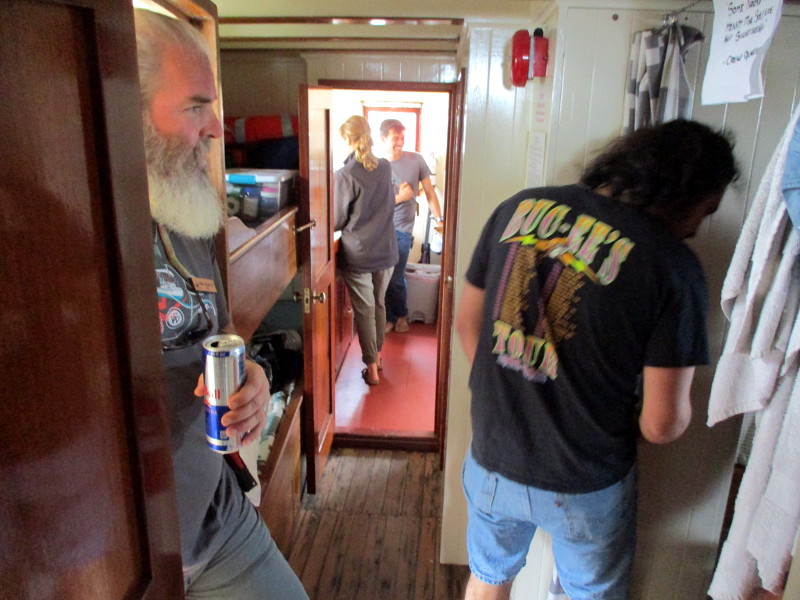
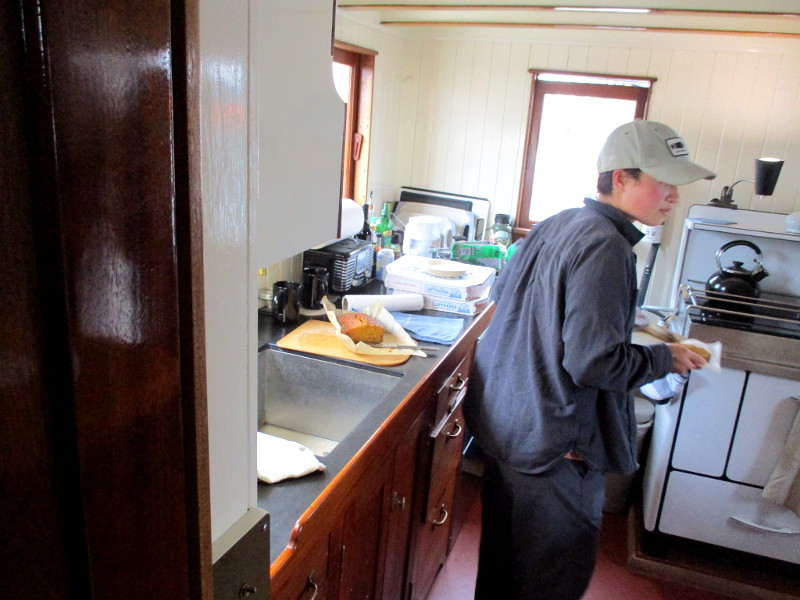
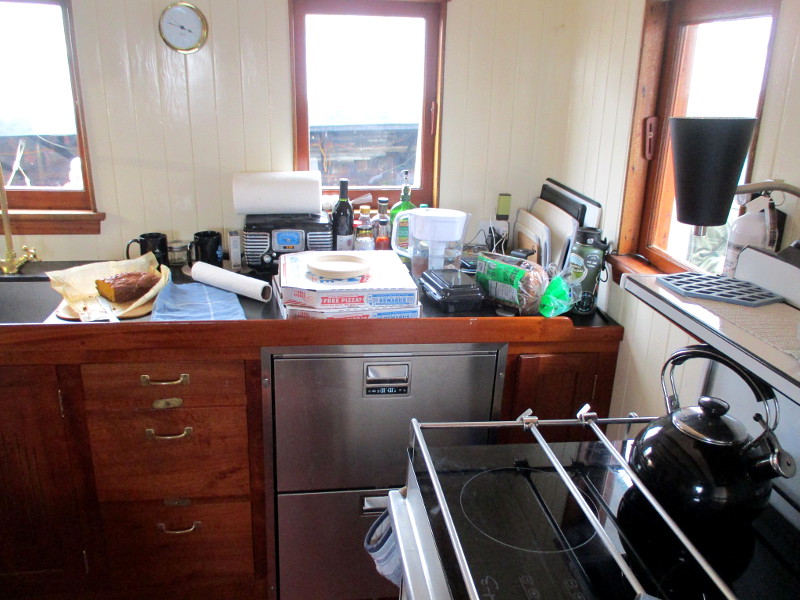
We then proceeded down through the deckhouse past more equipment and bunks and entered the galley. The Western Flyer Foundation takes students out on educational trips, performing ocean research. The young people are privileged to gather around a table where Steinbeck and his friends sat…
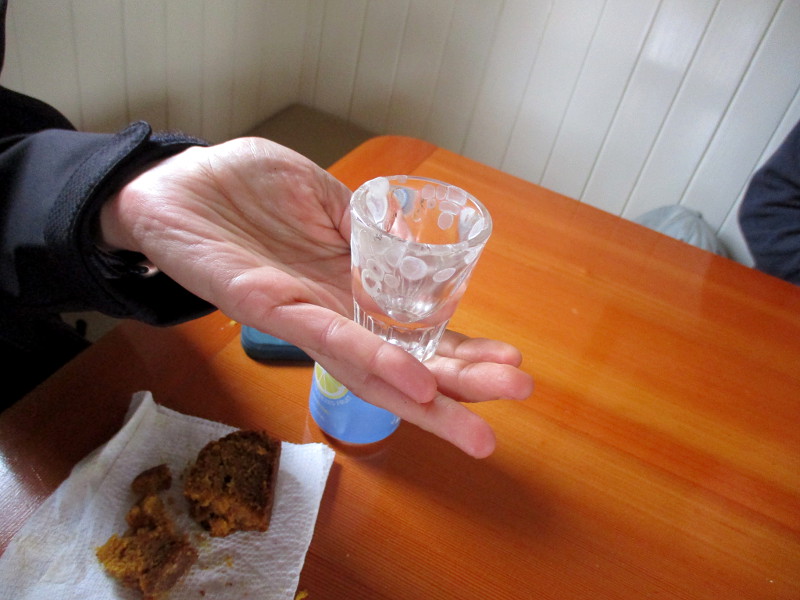
At the table, I was shown a remarkable shot glass. It retains marking from barnacles that attached to it while the boat was submerged. The shot glass is dated from the 1930s. It’s quite likely that John Steinbeck drank from it!
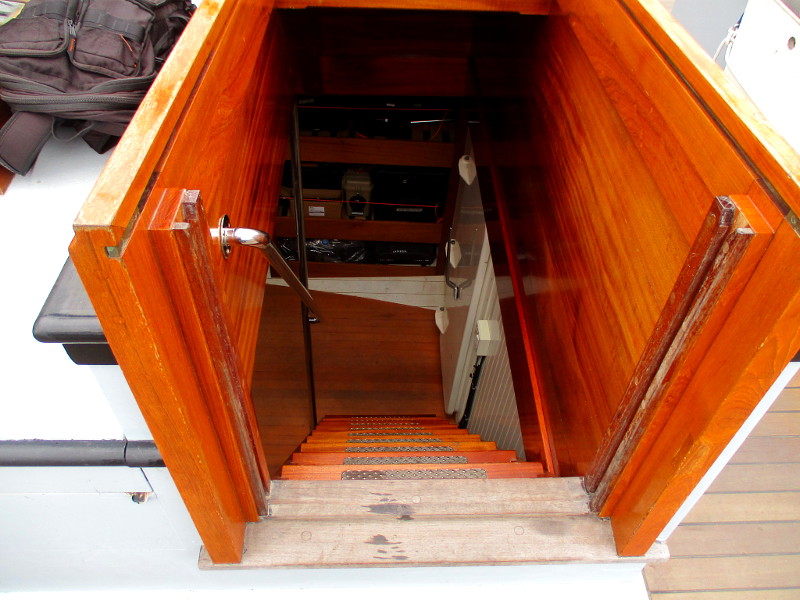
Back out on the boat’s weather deck, we descended into what originally had been the vessel’s fish hold. It was converted for the Sea of Cortez expedition into a laboratory, where small marine specimens–urchins, crabs, chitons, snails, clams, starfish and more, gathered mostly from the intertidal zone–were preserved using formaldehyde and other chemicals. Steinbeck and Ricketts discovered that the old fish hold was so damp that it quickly corroded much of their equipment.
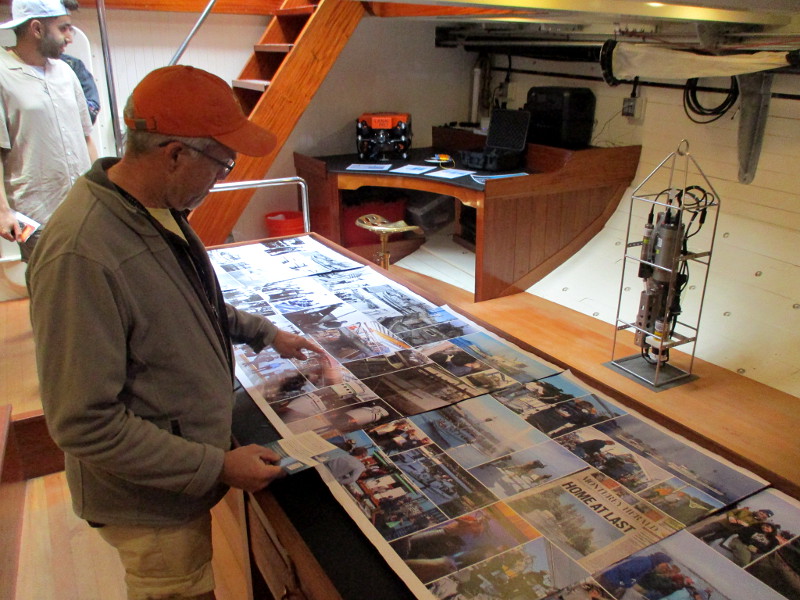
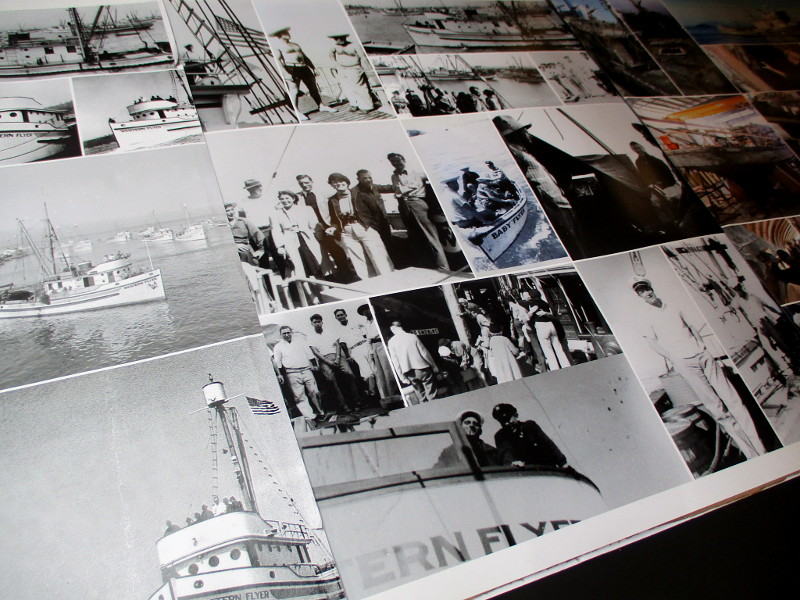
Historical photographs of Western Flyer, and from the Sea of Cortez expedition, cover the large table for our tour. You can see in the next photo some of the modern research equipment used by ocean-going college students today…
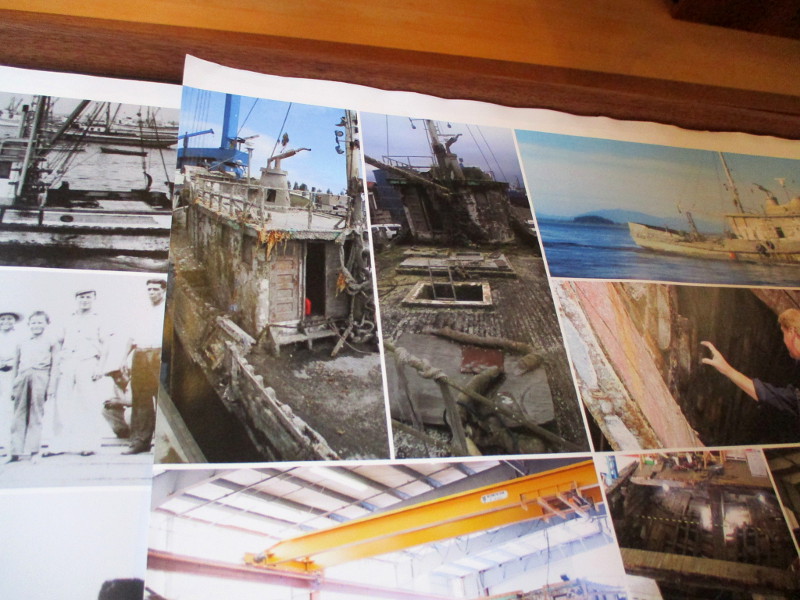
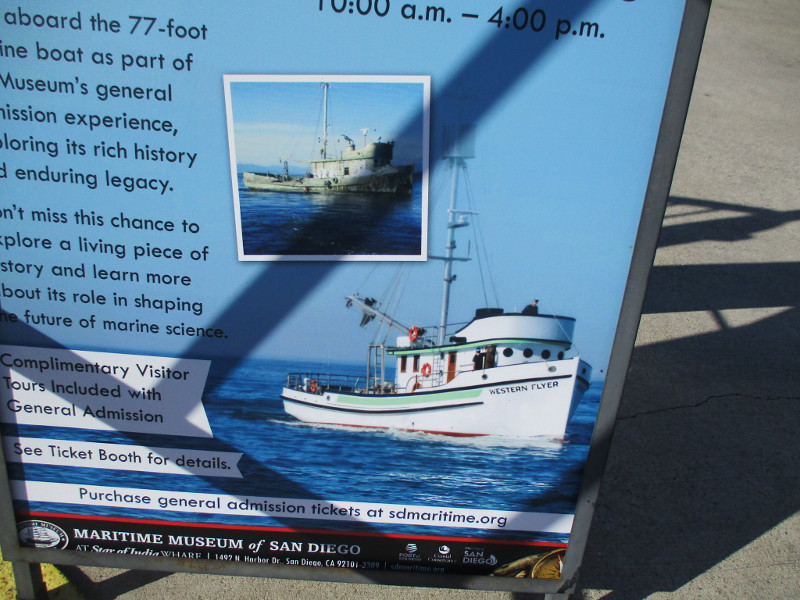
This is how Western Flyer looked before its 7 million dollar restoration by Port Townsend Shipwrights Co-Op…
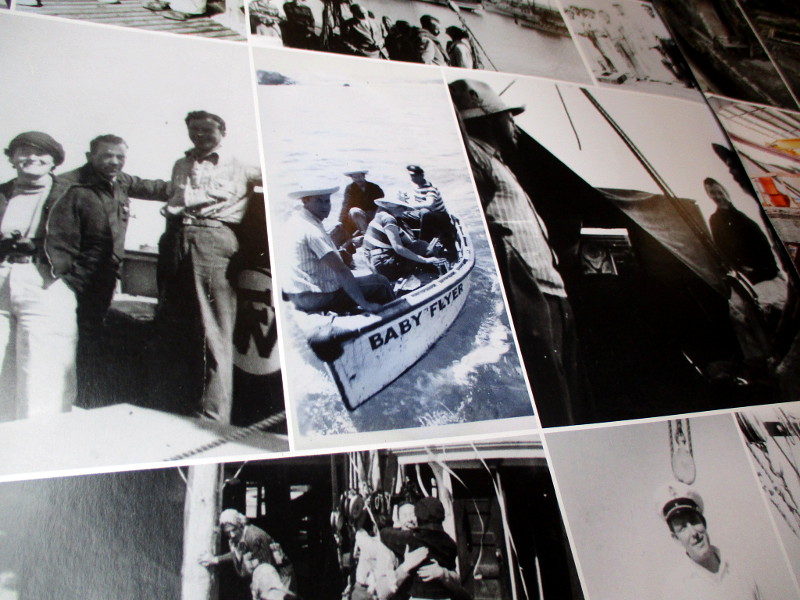
The image of the Baby Flyer is one of only two known photographs showing Steinbeck and Ricketts together. John Steinbeck is in the striped shirt, and Ed Ricketts is sitting next to him…
We then proceeded through the crowded engine room. You can learn about the Western Flyer’s original Atlas-Imperial diesel engine here. Today’s diesel/electric engine is quite useful for scientific research, allowing the boat to maneuver silently. I took no photographs of it–sorry.
We then peeked into the boat’s forepeak, where there are more bunks. John Steinbeck and the Western Flyer’s engineer Tex slept here and certainly held many interesting conversations.
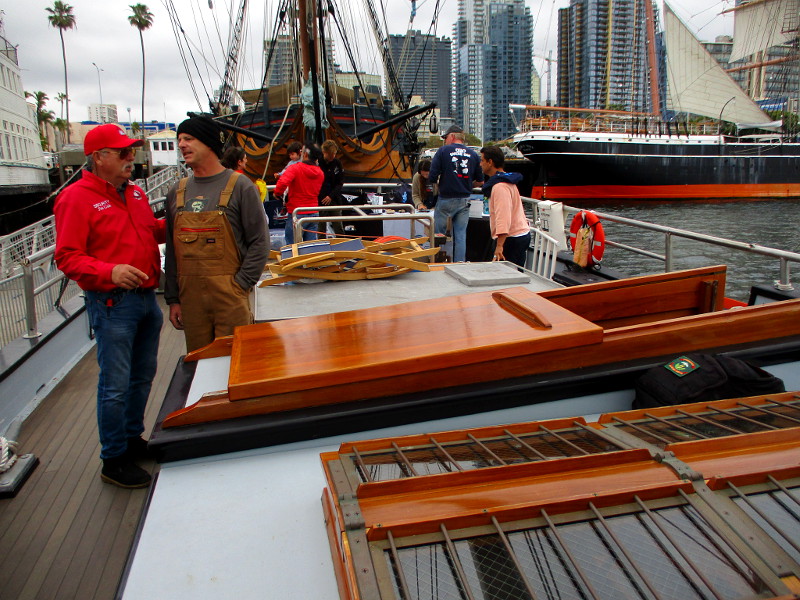
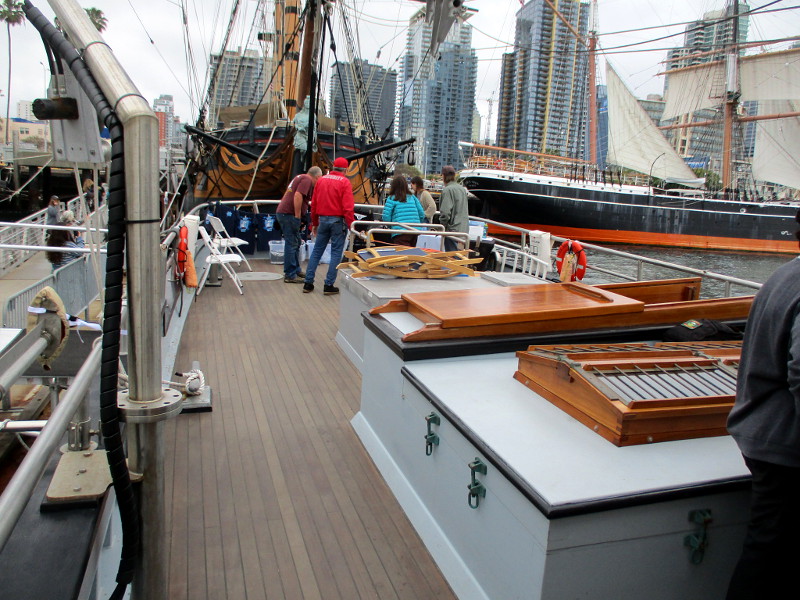
Up some steep steps and we’re back out on the main deck. That is HMS Surprise of the Maritime Museum of San Diego straight ahead, and their iconic Star of India–oldest active sailing ship in the world–to the right.
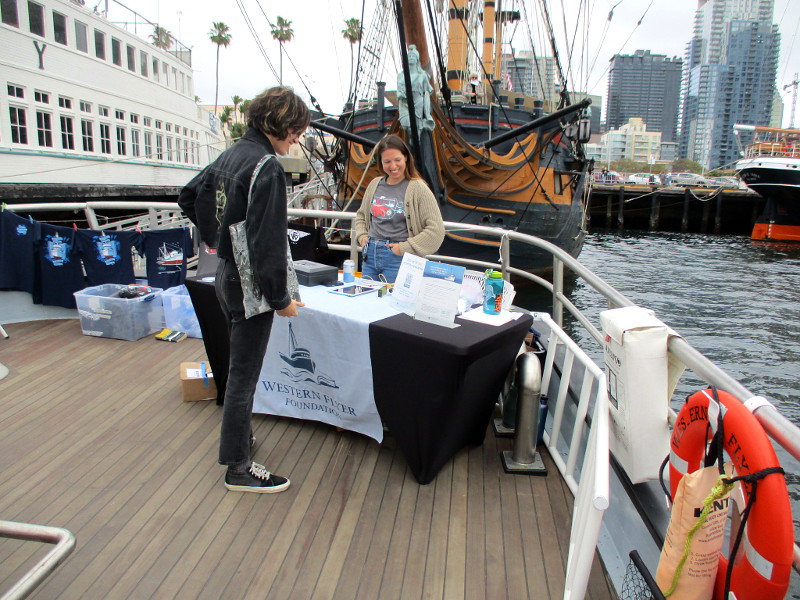
The Western Flyer Foundation had hats, shirts and stickers available for purchase. They are a nonprofit and would appreciate your donation!
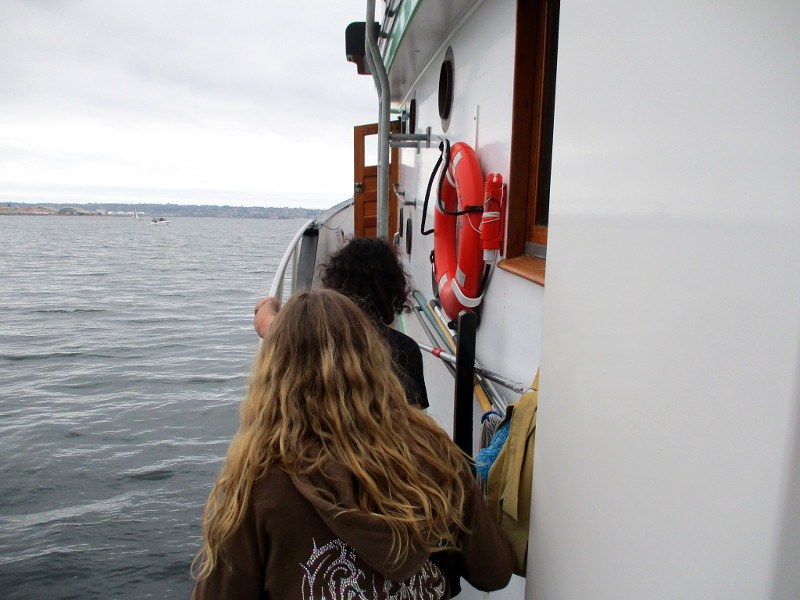
Some more looks…
After departing the Maritime Museum of San Diego, the restored Western Flyer heads south to Ensenada, Mexico. They’re embarking on a recreation of the historic Sea of Cortez expedition. Instead of collecting marine specimens, however, they will be making new friends and educating the curious.
Follow the Western Flyer’s journey online! Experience it all virtually on the Western Flyer Foundation’s Facebook page here, and their Instagram page here!
…
I post new blogs pretty often. If you like discovering new things, bookmark coolsandiegosights.com and swing on by occasionally!
I live in downtown San Diego and love to walk around with my camera! You can follow Cool San Diego Sights via Facebook or X.
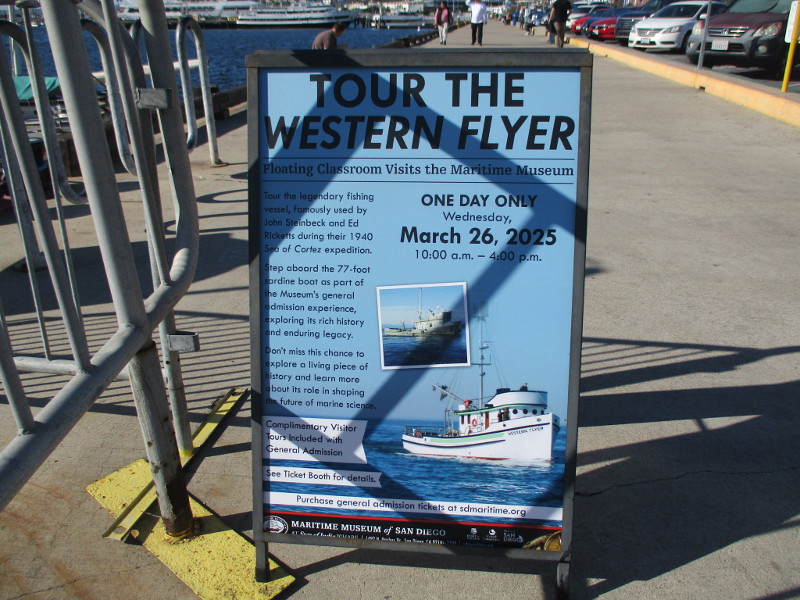
Western Flyer, the world’s most famous fishing boat, will be visiting San Diego on March 26, 2025, and you have the opportunity to tour it!
If you’ve read John Steinbeck‘s famous book Sea of Cortez, you’ll recognize the name of this fishing boat. In 1940, Steinbeck and his friend Ed Ricketts explored the Gulf of California in this very boat.
For decades the boat was lost, then it was found and restored by the Western Flyer Foundation. It now operates as a floating classroom, educating youth about the intersection of science and literature.
With a General Admission ticket, visitors to the Maritime Museum of San Diego will be able to step aboard and tour the legendary fishing boat as it makes its visit to our city!
…
I post new blogs pretty often. If you like discovering new things, bookmark coolsandiegosights.com and swing on by occasionally!
I live in downtown San Diego and love to walk around with my camera! You can follow Cool San Diego Sights via Facebook or X.
It’s almost New Year’s Day. It’s one of those days when we pause to think about the passing of time.
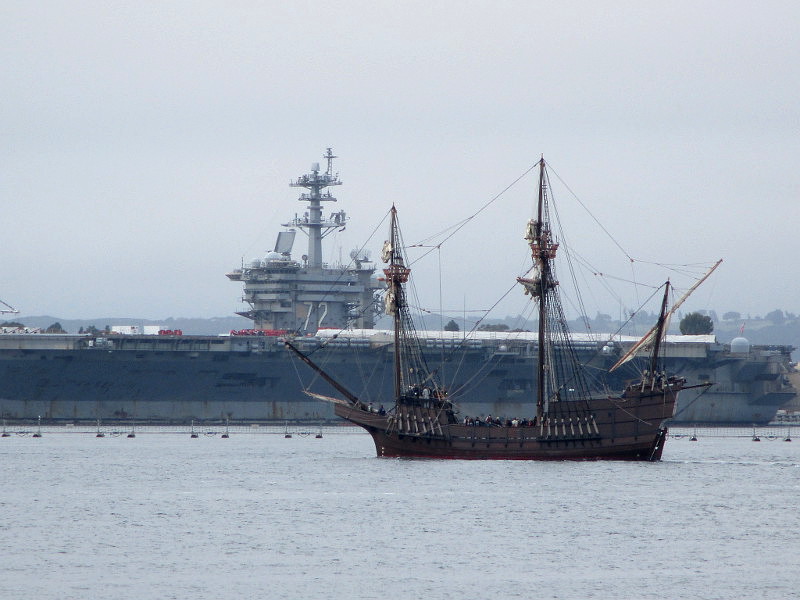
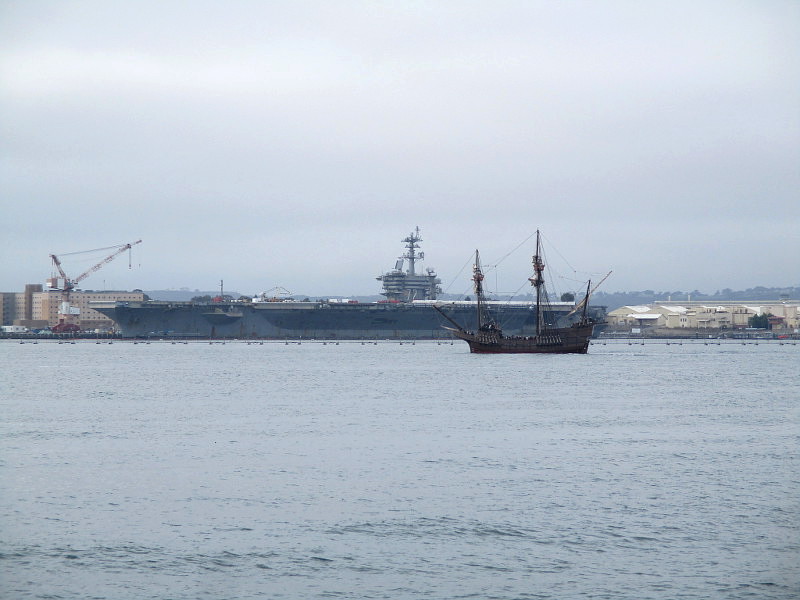
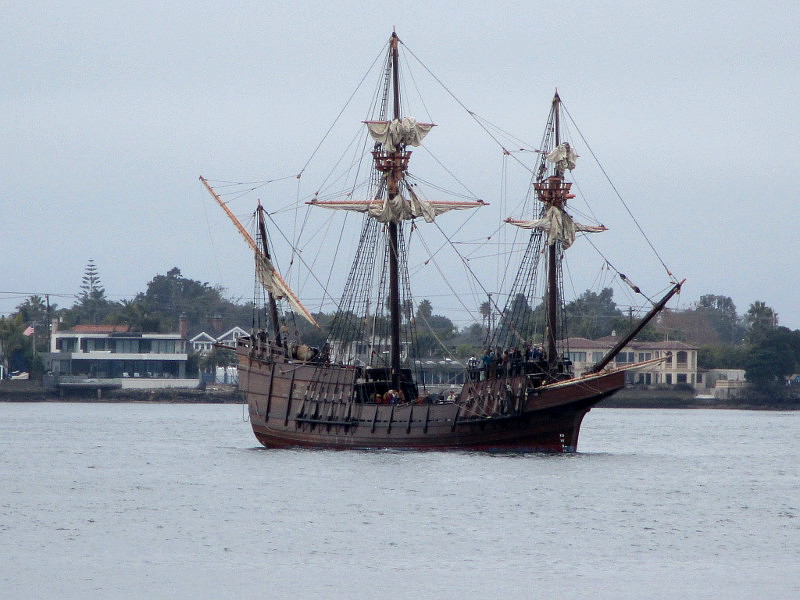
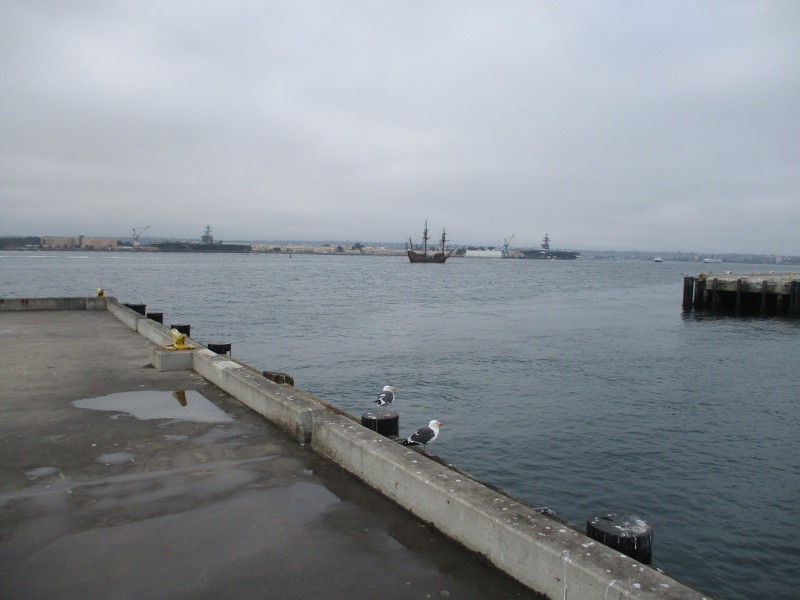
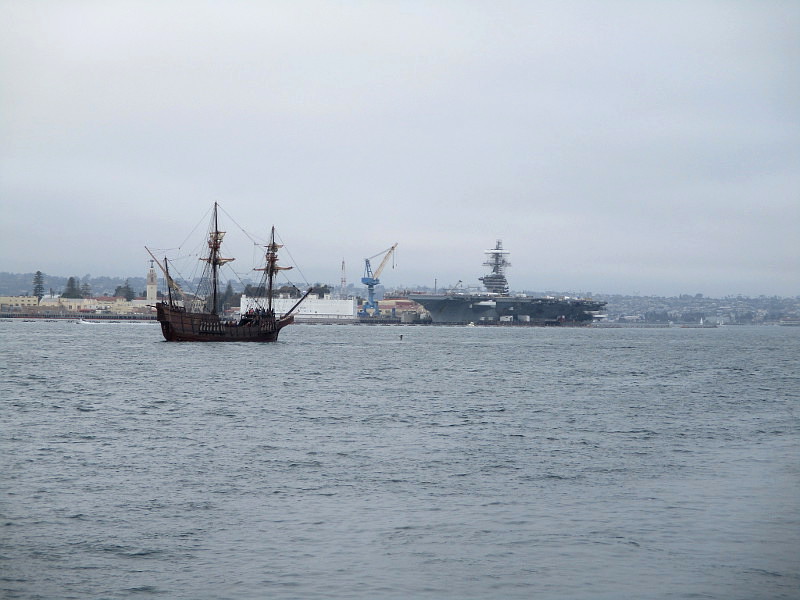
During a walk along San Diego’s Embarcadero this morning, I took these interesting photographs. They demonstrate how human technology has advanced over the course of five hundred years.
The historic San Salvador galleon was about 100 feet long. The two Nimitz-class aircraft carriers have a length of 1,092 feet. That’s more than ten times the length of an old Spanish galleon.
A galleon, built primarily of wood, would have a displacement weight of about 200 tons. The gigantic, mostly steel aircraft carriers? Their displacement weight is 116,800 tons–that’s 584 times heavier!
A Spanish galleon could travel at a maximum speed of around 8 knots (under ideal wind conditions). These enormous, nuclear powered aircraft carriers can travel at a speed over 30 knots, no matter the weather, without refueling for 20–25 years!
Today technology is progressing at a mind-boggling rate. Is it possible to imagine the distant future? In another five hundred years, will an advanced civilization still need or have ocean-going ships?
Only time will tell!
Happy New Year!
…
I post new blogs pretty often. If you like discovering new things, bookmark coolsandiegosights.com and swing on by occasionally!
I live in downtown San Diego and love to walk around with my camera! You can follow Cool San Diego Sights via Facebook or X.
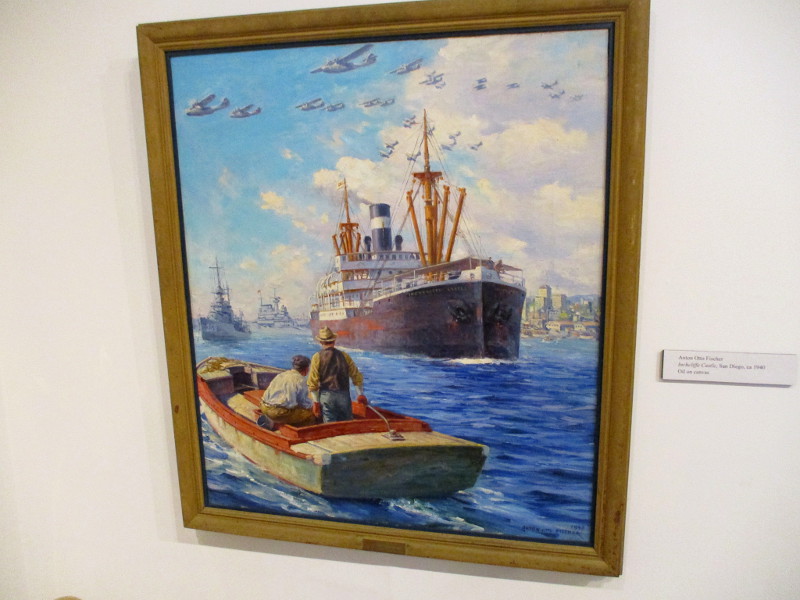
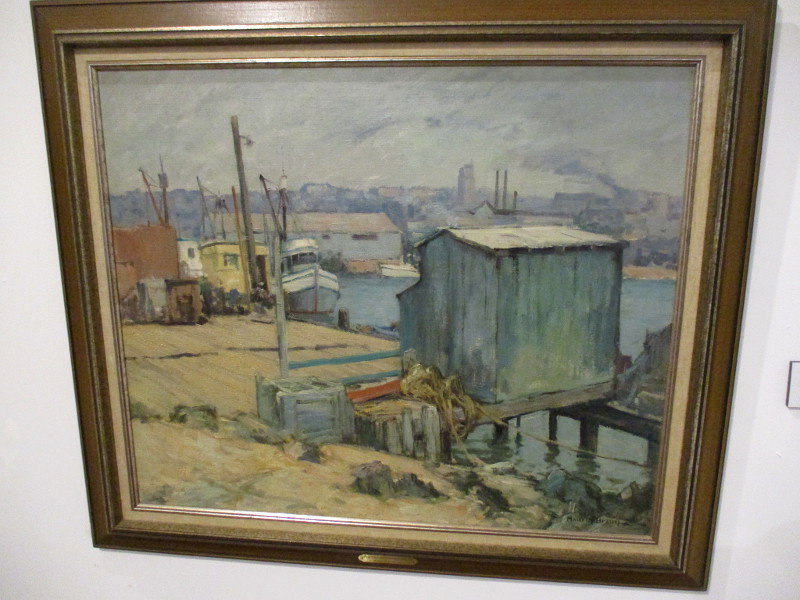
Inchcliffe Castle, San Diego, circa 1940, by artist Anton Otto Fischer.
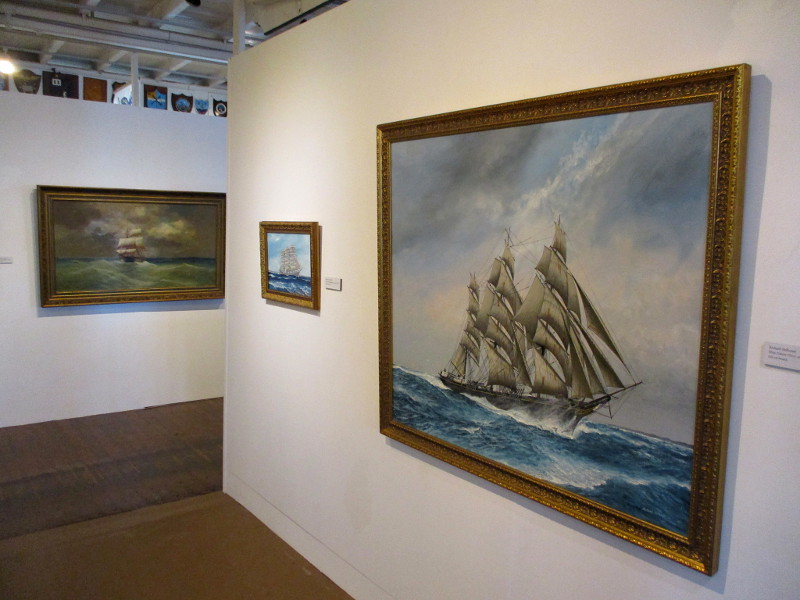
An important new exhibition has opened at the Maritime Museum of San Diego. It’s titled Celebrating the Sea: Exploring the Maritime Museum of San Diego’s Hidden Collection.
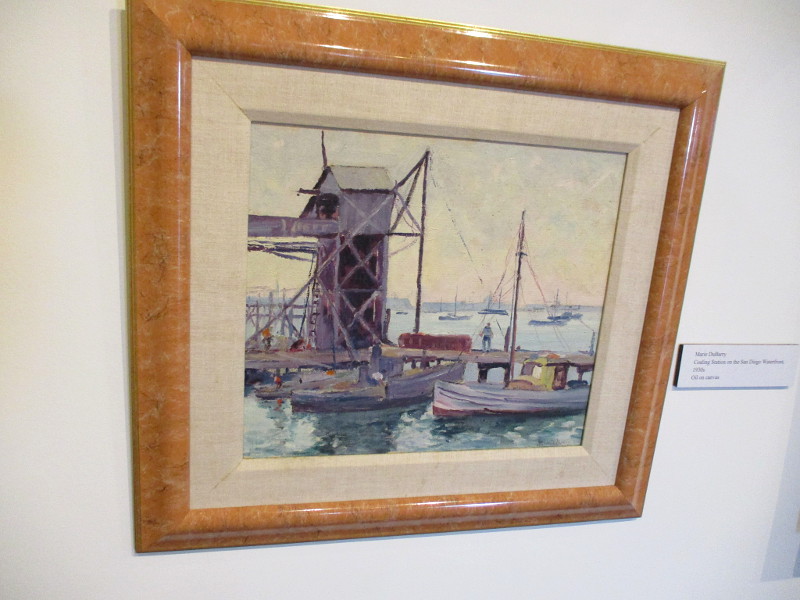
Notable works of original art in the museum’s extensive collection have been placed on view. Included are beautiful paintings of ships, local scenes that include San Diego Bay, and coastal vistas. Many of the pieces are by renowned artists, like Maurice Braun and Arthur Beaumont.
Visitors will also marvel at rare artifacts, such as an antique Chinese lacquer cabinet with ivory chess set, circa 1720.
The fine exhibition reinforces the Maritime Museum of San Diego’s reputation as a world-famous destination for lovers of both art and the sea!
Coaling Station on the San Diego Waterfront, 1930s, by artist Marie DuBarry.East View of the Coast Guard Station, 1934-1937, by artist Maurice Braun.
…
Thanks for visiting Cool San Diego Sights!
I post new blogs pretty often. If you like discovering new things, bookmark coolsandiegosights.com and swing on by occasionally!
I live in downtown San Diego and love to walk around with my camera! You can follow Cool San Diego Sights via Facebook or X.
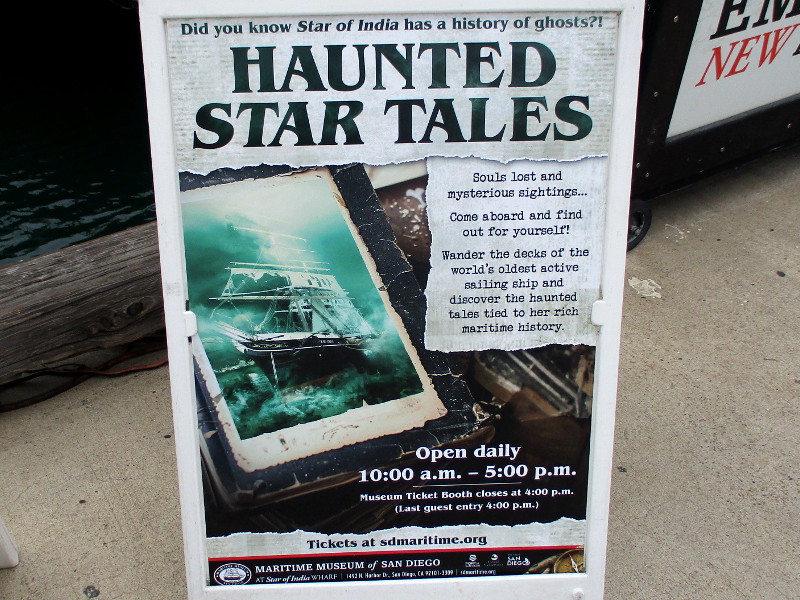
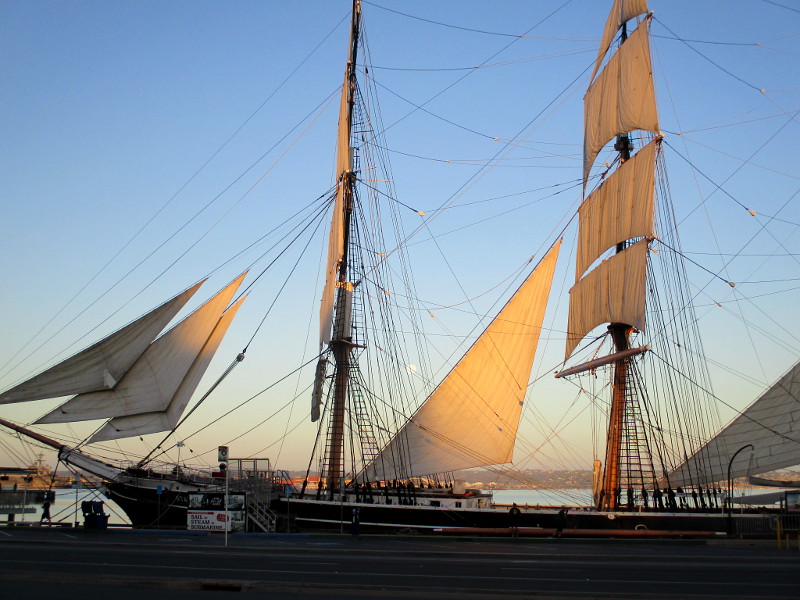
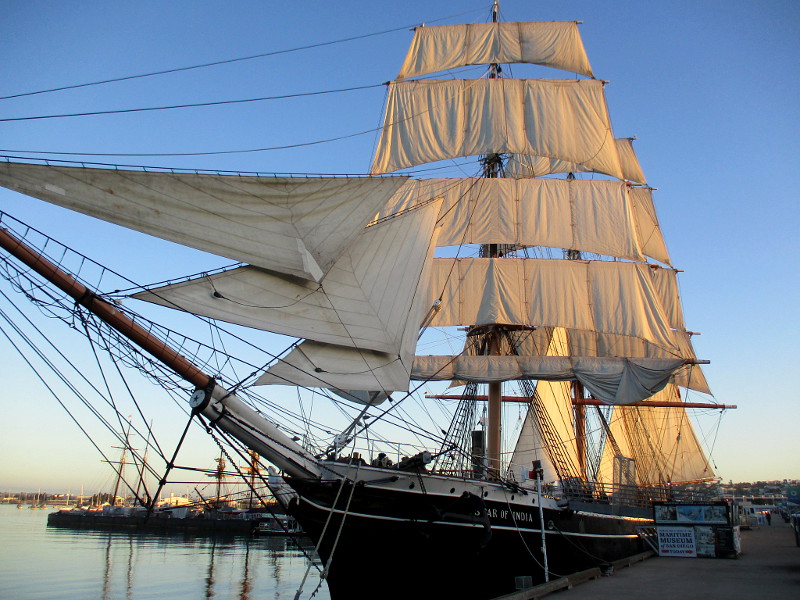
Have you ever had an eerie experience on the Star of India, San Diego’s world-famous tall ship? The old ship does have a long history of ghostly encounters. Are you curious?
Haunted Star Tales is an experience now available at the Maritime Museum of San Diego, in time for Halloween. Several signs posted around Star of India tell how visitors to the historic tall ship have had possible encounters with ghosts from the ship’s past.
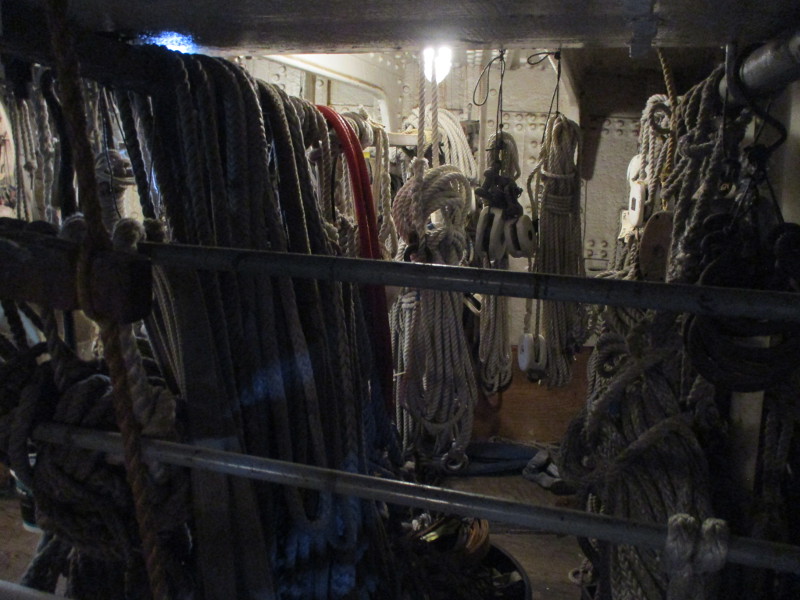
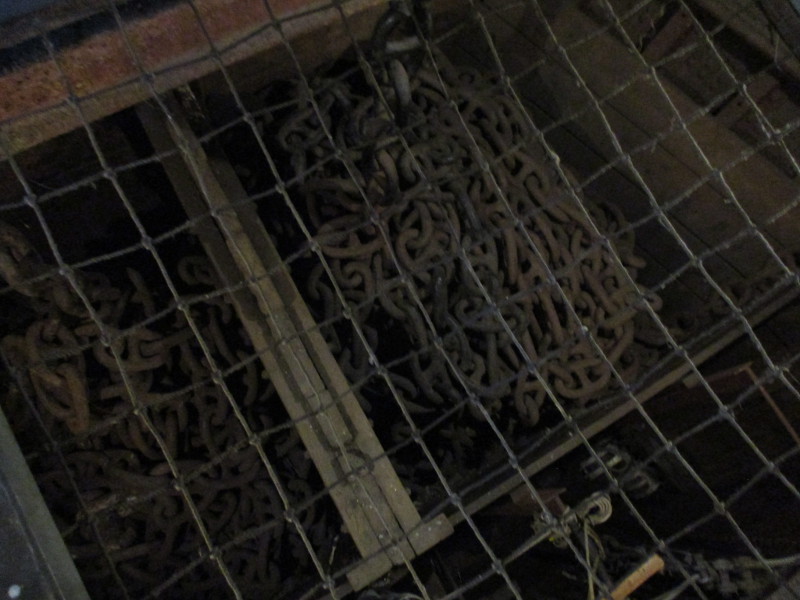
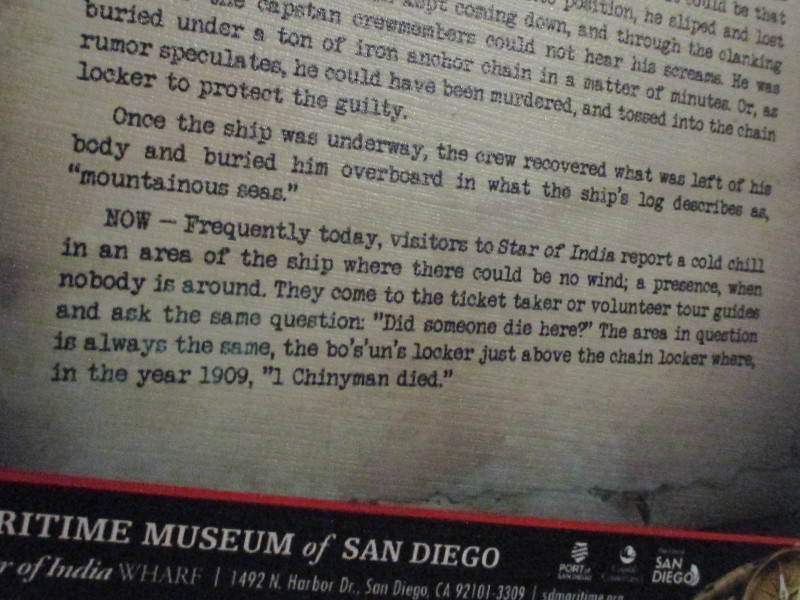
For example, people have reported a mysterious cold chill in the boatswain’s locker, just above the chain locker where a death occurred in the year 1909.
And there are those instances when ship caretakers, night watchmen and others have felt a finger in their back when nobody else is present–possibly by the ghost of one John Campbell, a stowaway boy, who, in 1884, working for his passage, fell 100 feet to the ship’s deck.
Wander the decks and darker areas inside 1863 Star of India, oldest active sailing ship in the world, looking for informative signs that tell of possible hauntings. You will find many human stories and so much fascinating history.
Whether you encounter a ghost–who knows?
Souls lost and mysterious sightings… Come aboard and find out for yourself!The bo’s’un’s locker, where unexplained cold chills have been felt.The chain locker, where a death occurred.Visitors come to the ticket taker or volunteer tour guides and ask… Did someone die here?
…
Thanks for visiting Cool San Diego Sights!
I post new blogs pretty often. If you like discovering new things, bookmark coolsandiegosights.com and swing on by occasionally!
I live in downtown San Diego and love to walk around with my camera! You can follow Cool San Diego Sights via Facebook or X.
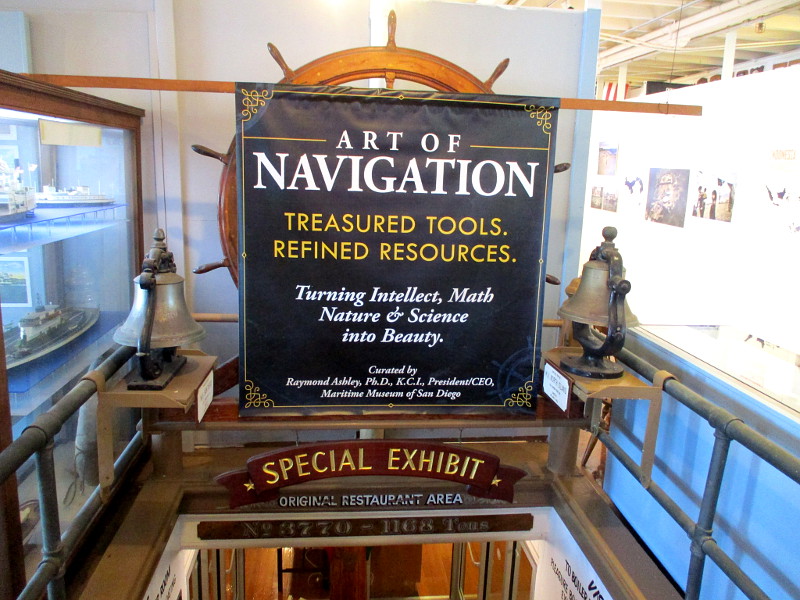
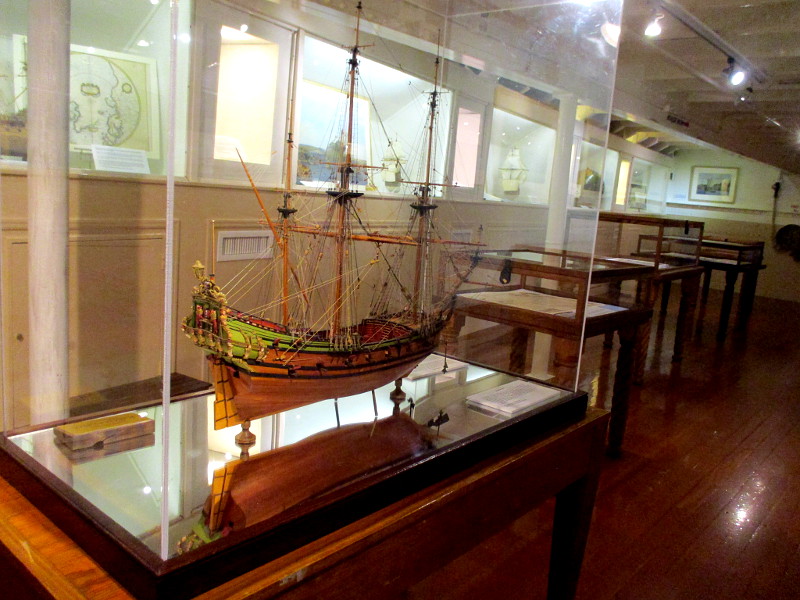
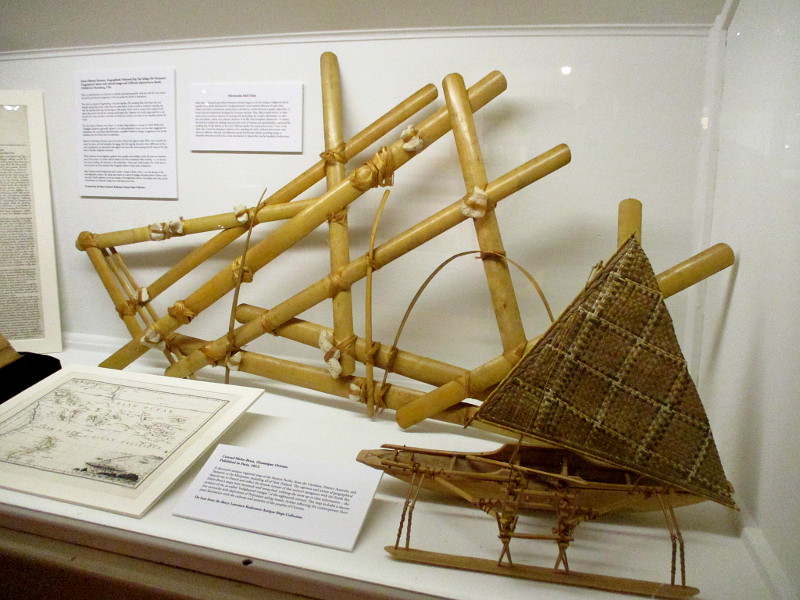
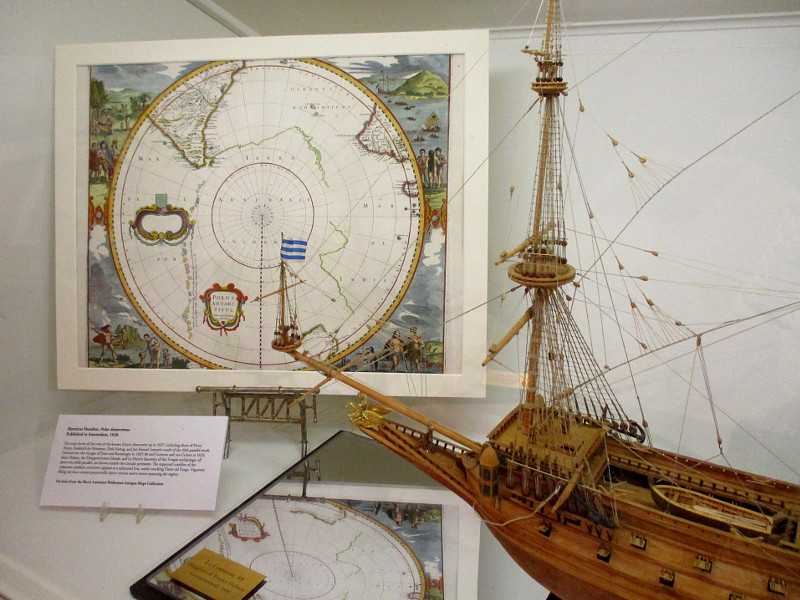
Those who are fascinated by tall ships, exploration and the evolution of technology don’t want to miss a great new exhibit at the Maritime Museum of San Diego. It’s titled the Art of Navigation.
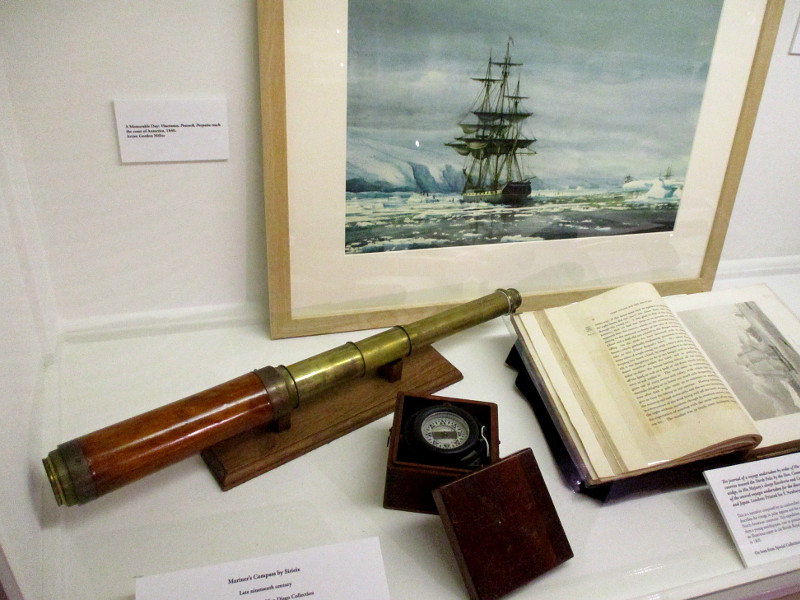
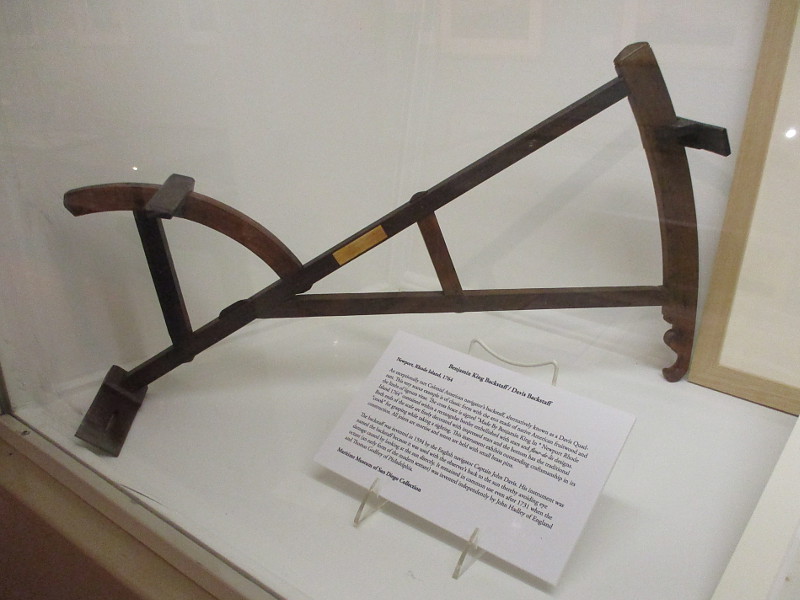
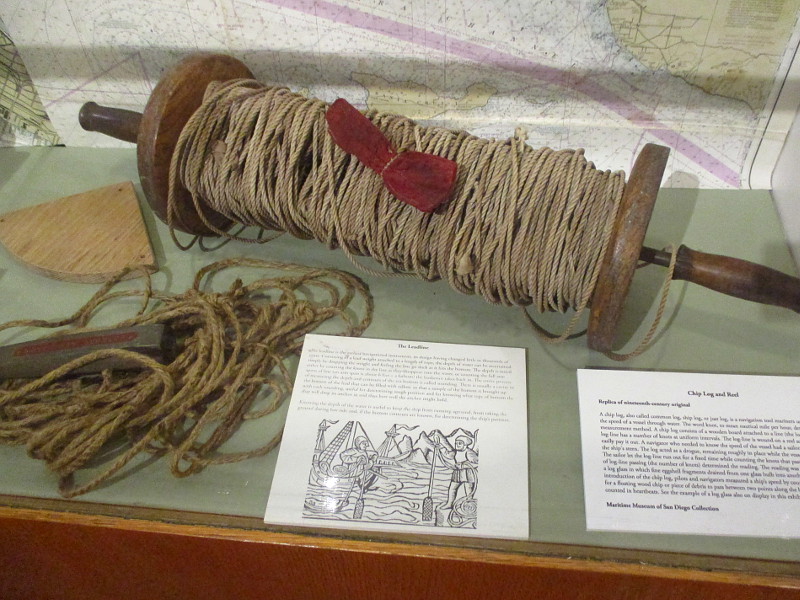
Visitors to the exhibit learn how navigators have used maps, charts and a variety of tools to find their way across the oceans and through dangerous waters. The extensive displays include some exceptionally rare antiques. Old instruments that can be viewed include an astrolabe, backstaff, nocturnal, traverse board, chip log and reel, hand-held telescope, cross-staff, quadrant, taffrail log, navigation slate and more! These instruments might seem primitive when compared with modern technology, but ship’s captains successfully sailed around the planet with the information they provided.
Personally, I like to read nautical stories set during the Age of Sail. As I read I’ll come across the names of these instruments, and at times puzzle over their application. The descriptive Art of Navigation exhibit brings helps to bring those adventurous old stories to life!
The exhibit also includes beautiful paintings and model ships, and even a display directly related to the Maritime Museum’s famous Star of India!
The Art of Navigation is free with museum admission. As advertised, it does indeed turn intellect, math, nature and science into beauty!
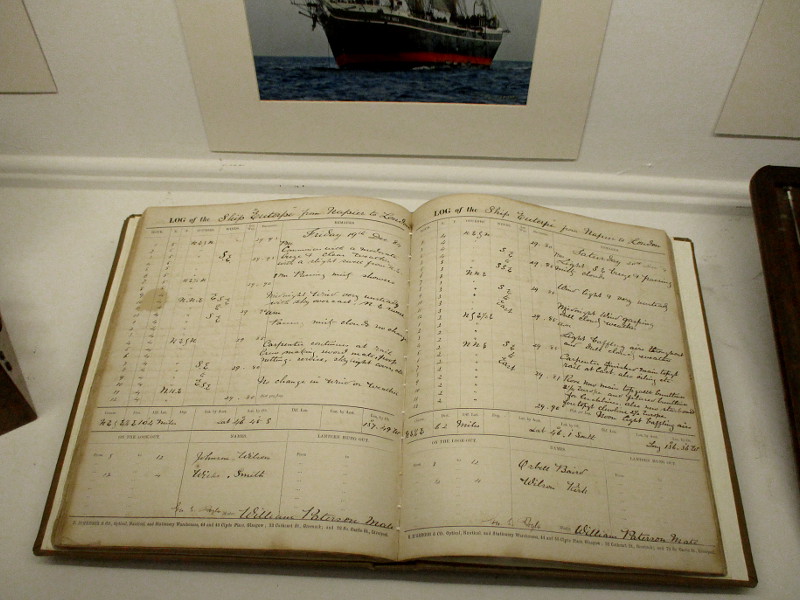
Micronesian stick chart, used by the indigenous island peoples of the Pacific to navigate across great distances of open water.Henricus Hondius. Polus Antarcticus. Map of Dutch discoveries published in Amsterdam, 1638.Benjamin King Backstaff (also known as Davis Quadrant), Newport, Rhode Island, 1764. Used by Colonial American navigators.Replica of 19th century chip log and reel. Used to estimate the speed of a ship through water.Log of Euterpe, a historic ship later known as Star of India.
…
Thanks for visiting Cool San Diego Sights!
I post new blogs pretty often. If you like discovering new things, bookmark coolsandiegosights.com and swing on by occasionally!
I live in downtown San Diego and love to walk around with my camera! You can follow Cool San Diego Sights via Facebook or X.
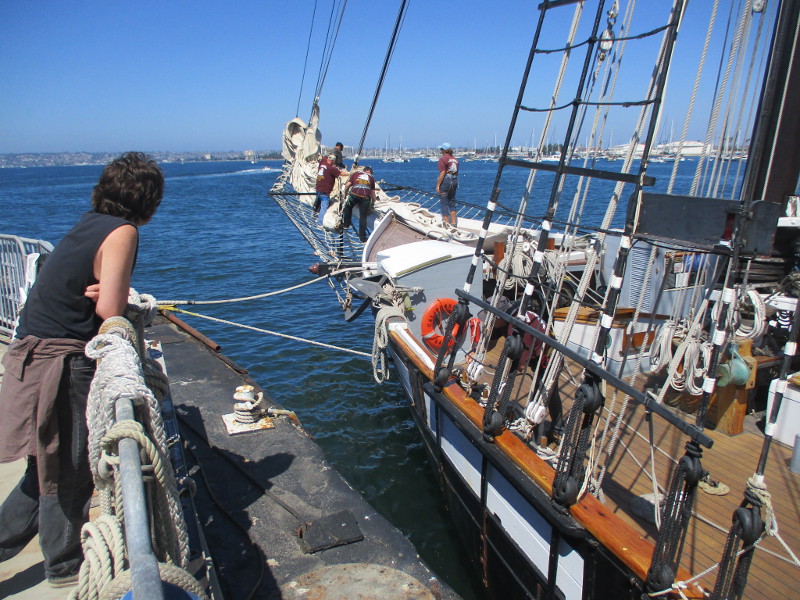
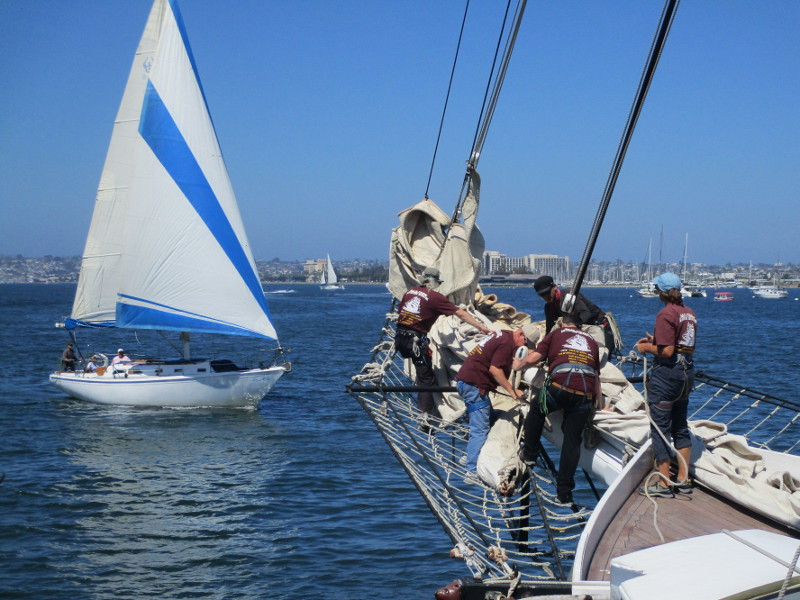
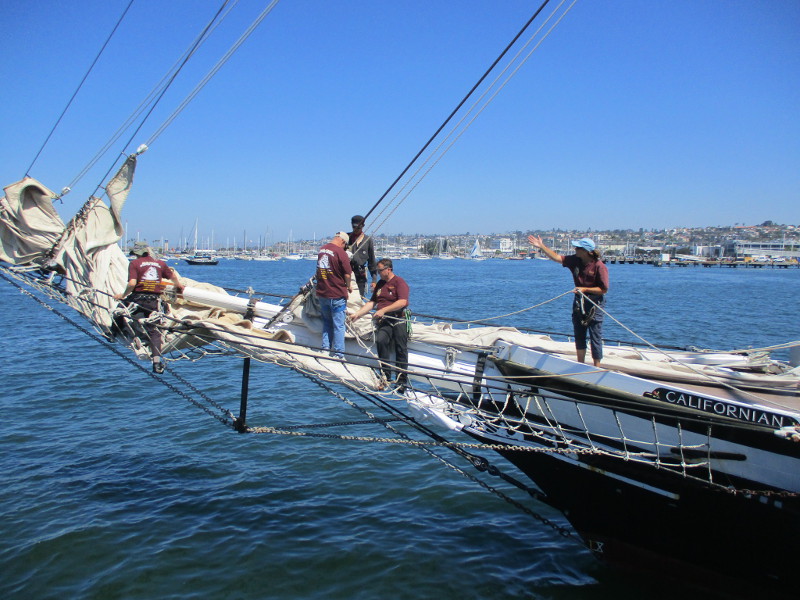
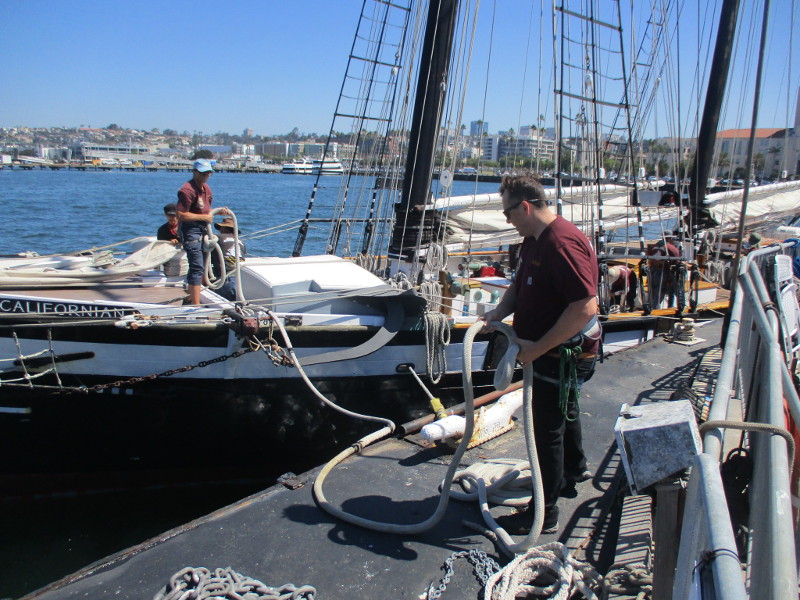
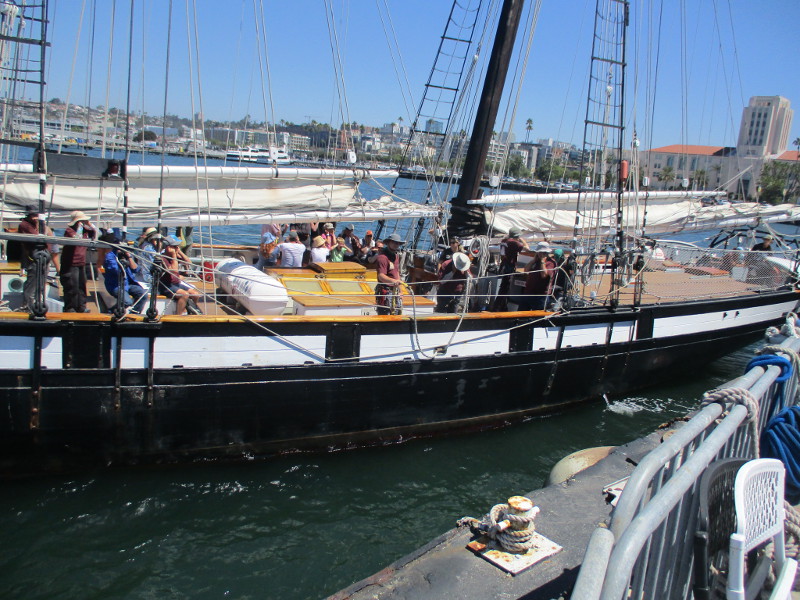
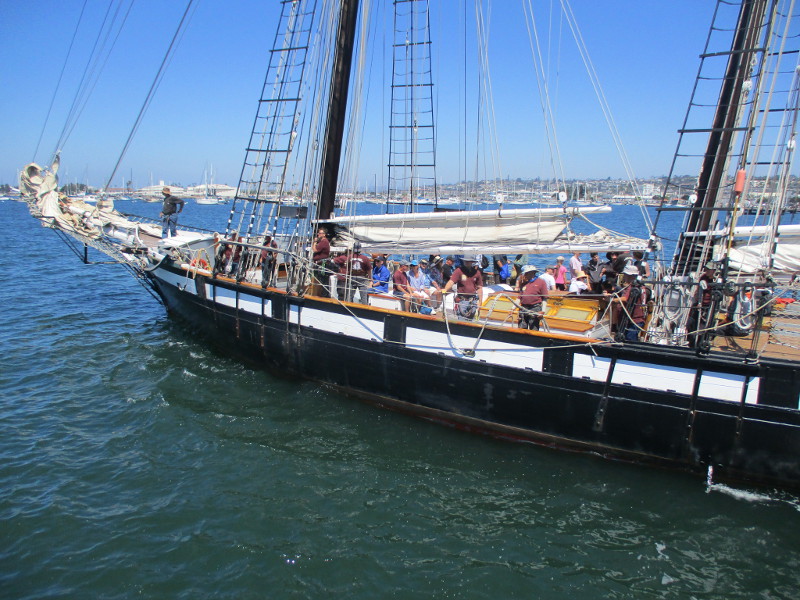
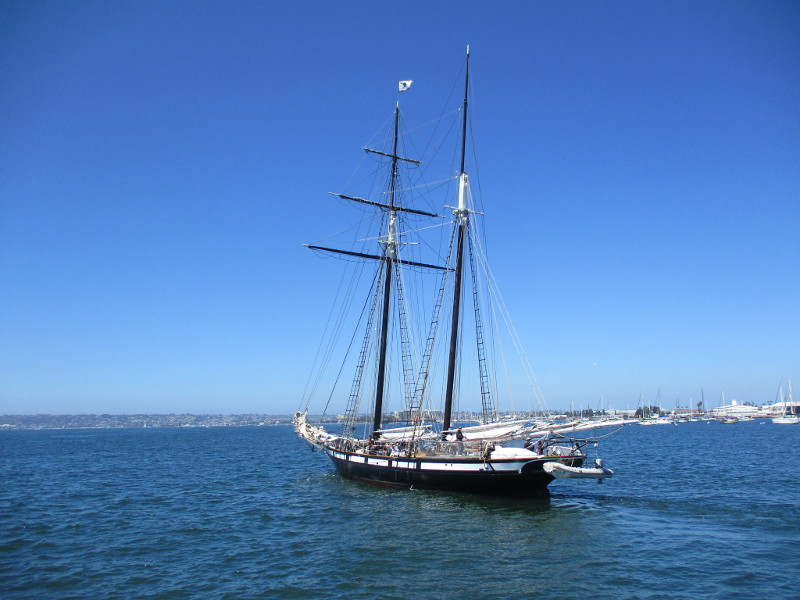
Californian, official tall ship of the State of California, set out today from the Maritime Museum of San Diego. Passengers aboard the schooner, a replica of a Gold Rush era revenue cutter, began another four hour Sunday sailing adventure!
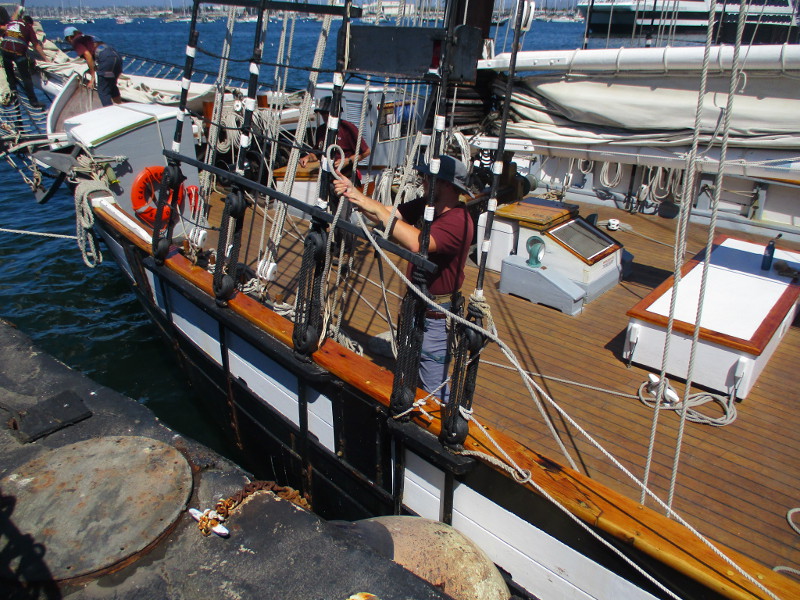
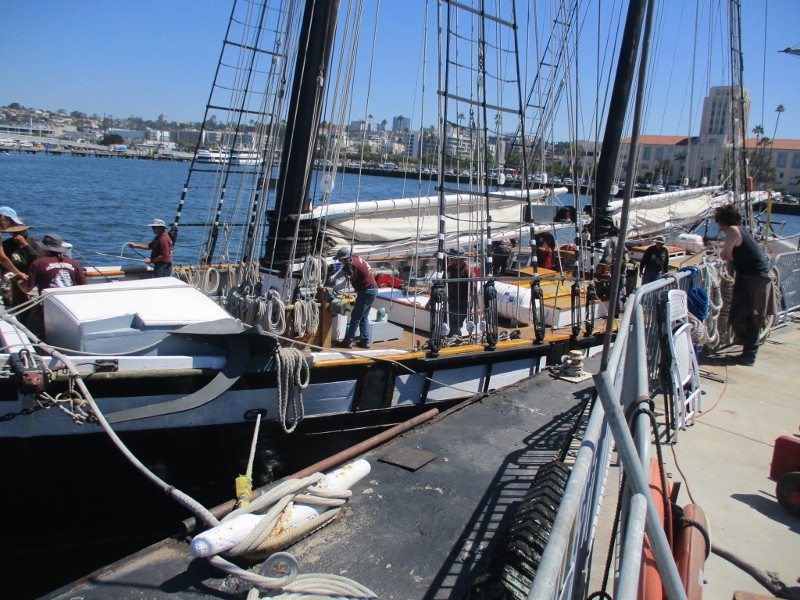
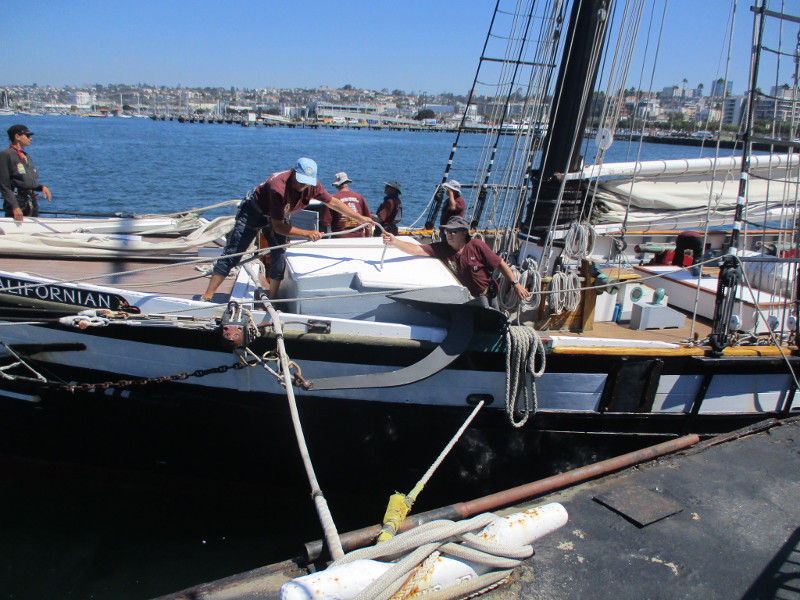
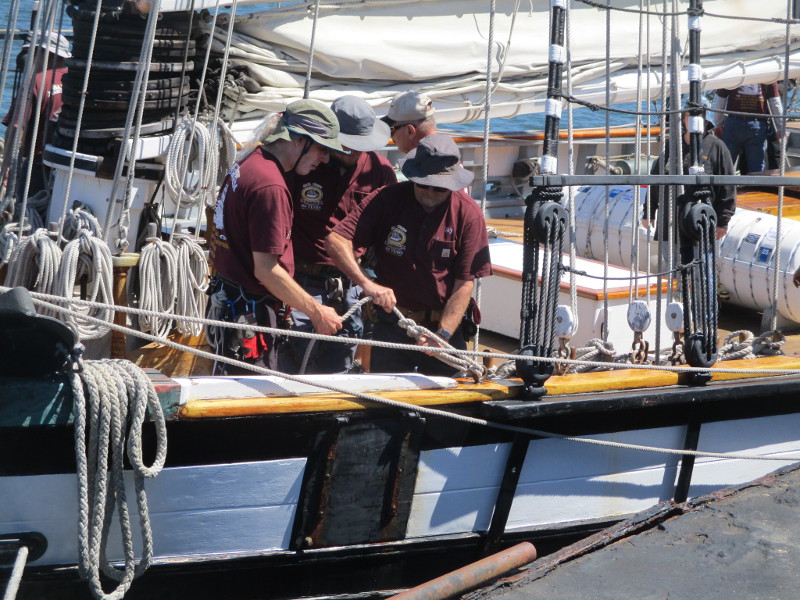
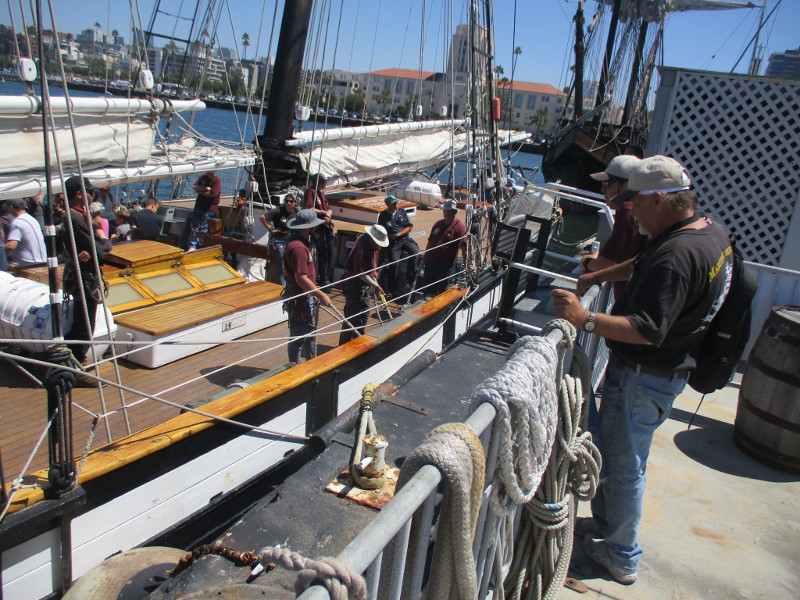
I stood on the museum’s barge out on San Diego Bay as Californian’s volunteer crew prepared the tall ship to get underway. Once well out on the water, the sails would be employed, so necessary actions were performed beforehand.
At noon, when all was ready, lines were cast off and the ship moved away from the dock by using its motor.
I don’t pretend to understand the details of sailing a traditionally rigged tall ship, but I do enjoy watching the action!
If you’d like to go on one of these Tall Ship Adventures, visit the Maritime Museum of San Diego’s website here!
…
Thanks for visiting Cool San Diego Sights!
I post new blogs pretty often. If you like discovering new things, bookmark coolsandiegosights.com and swing on by occasionally!
I live in downtown San Diego and love to walk around with my camera! You can follow Cool San Diego Sights via Facebook or X.
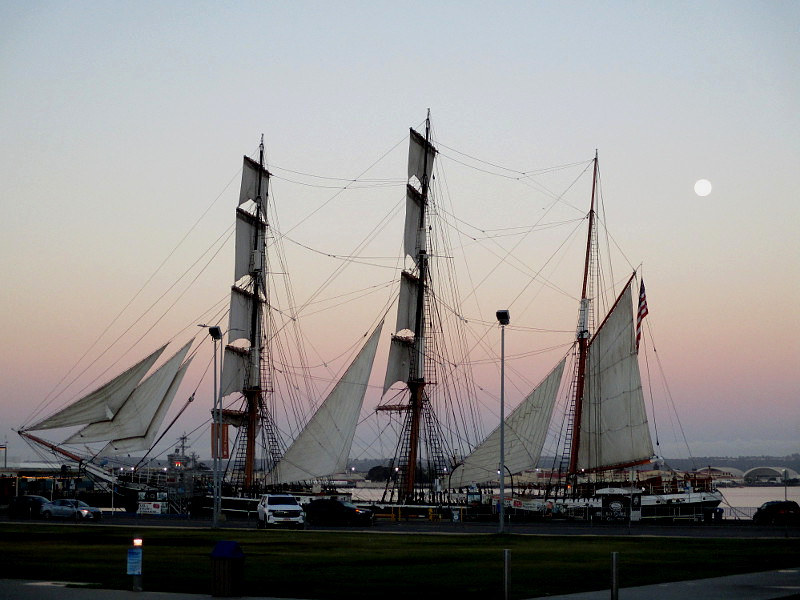
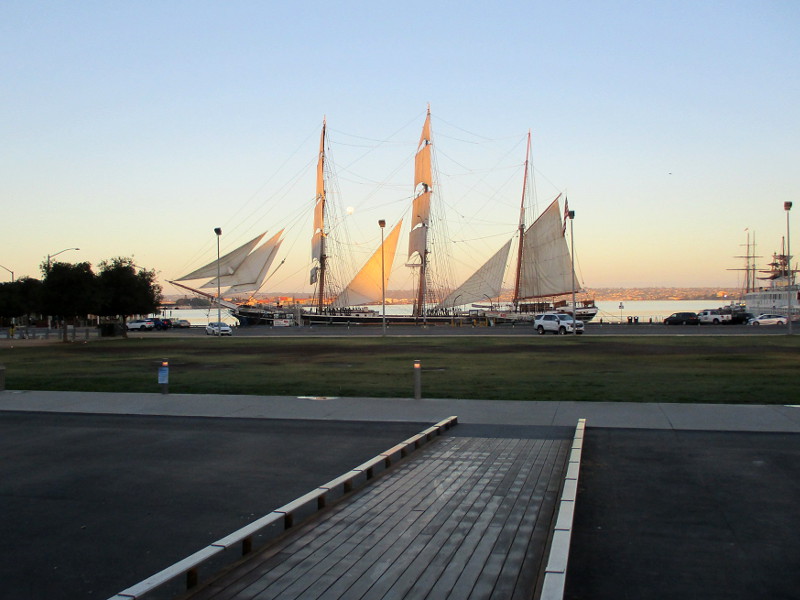
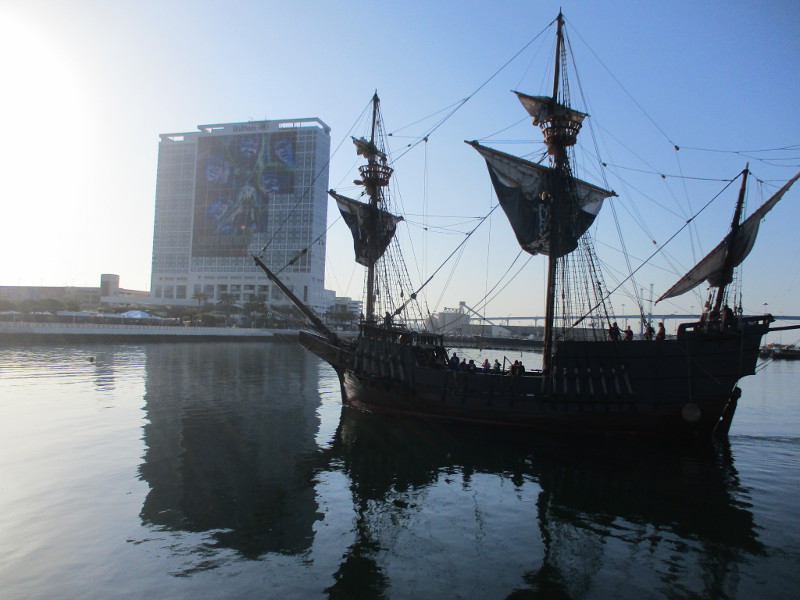
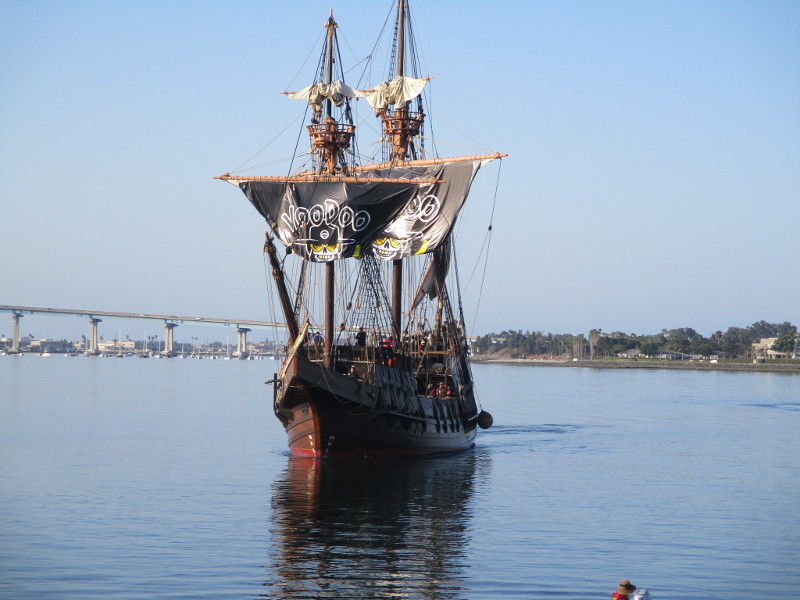
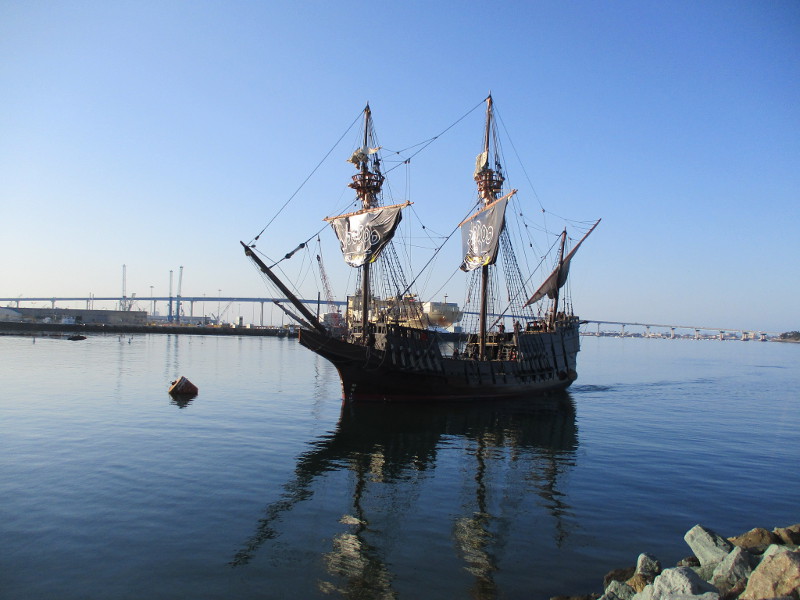
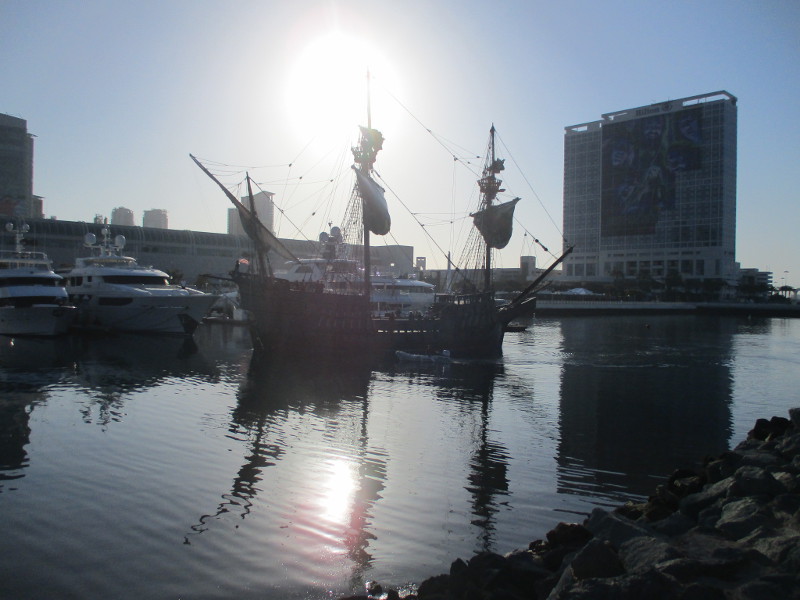
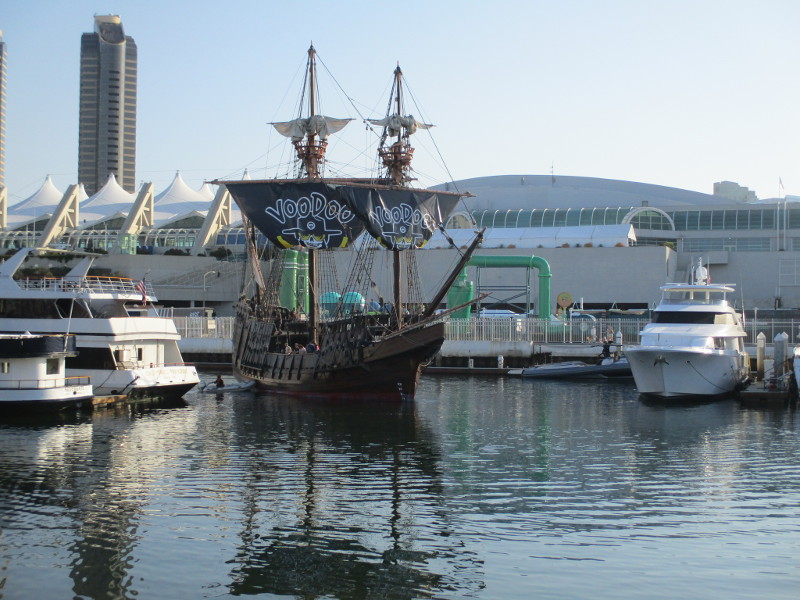
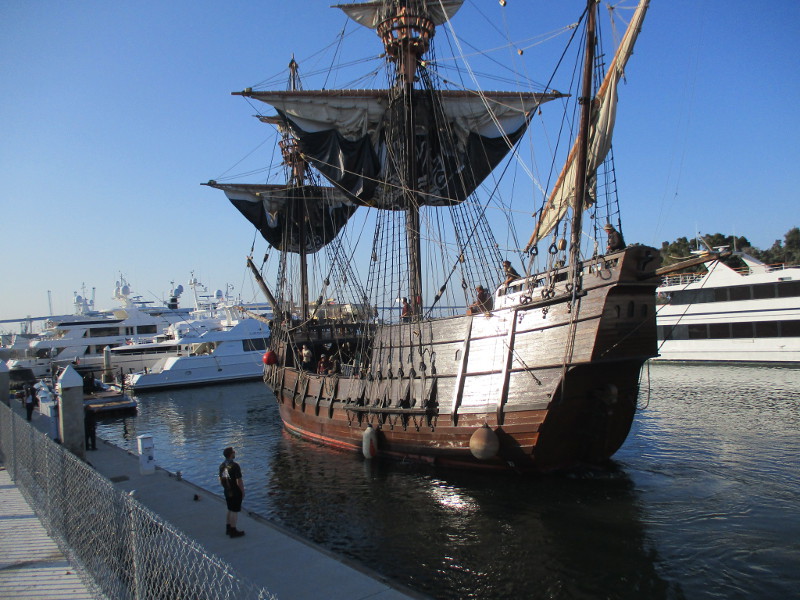
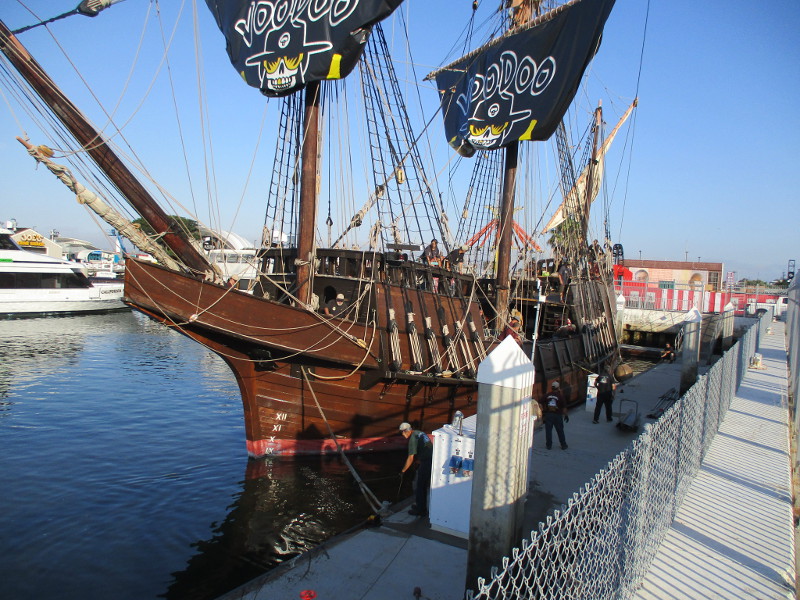
This morning the Voodoo Ranger pirate ship arrived for Comic-Con 2024. It crept silently across the bay and pulled up to the dock behind the San Diego Convention Center. Unsuspecting citizens on shore were no doubt startled by the sudden arrival of the fierce marauders!
No, the crew wasn’t really that fierce. Because they were friendly members of the Maritime Museum of San Diego, and their supposed “pirate” ship was actually the seaworthy Spanish galleon replica San Salvador, one of the amazing ships in the collection of the world famous museum. San Salvador used its motor this morning, but it does sail.
Would you like to see photographs of the galleon San Salvador being built years ago in San Diego? Yes? Then click here!
…
Thanks for visiting Cool San Diego Sights!
If you’d like to view my coverage of Comic-Con so far, which includes hundreds of cool photographs, click here!





 Cool San Diego Sights!