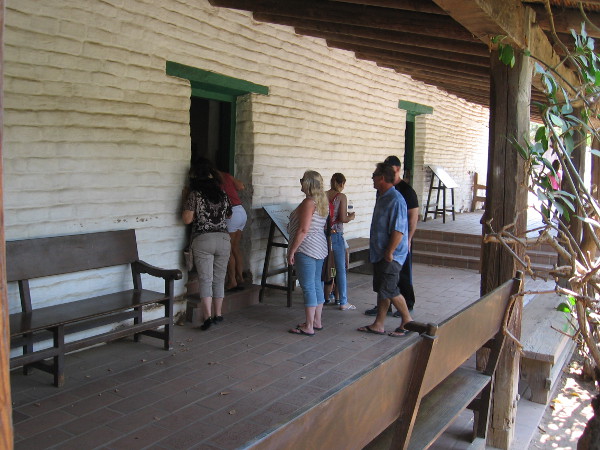
Visitors to Old Town San Diego State Historic Park look into a restored room of La Casa de Estudillo.
Four years ago I posted photos of La Casa de Estudillo, a famous adobe house in Old Town San Diego State Historic Park that was originally built in 1827. That blog was called Ramona saved Casa de Estudillo in Old Town and concerned the fascinating history of this structure.
Over time various parts of the casa have undergone restoration and new rooms have opened up to public view. These rooms now appear furnished as they once might have been, in the very early days of San Diego.
I recently walked through La Casa de Estudillo and peered into a few of the rooms…
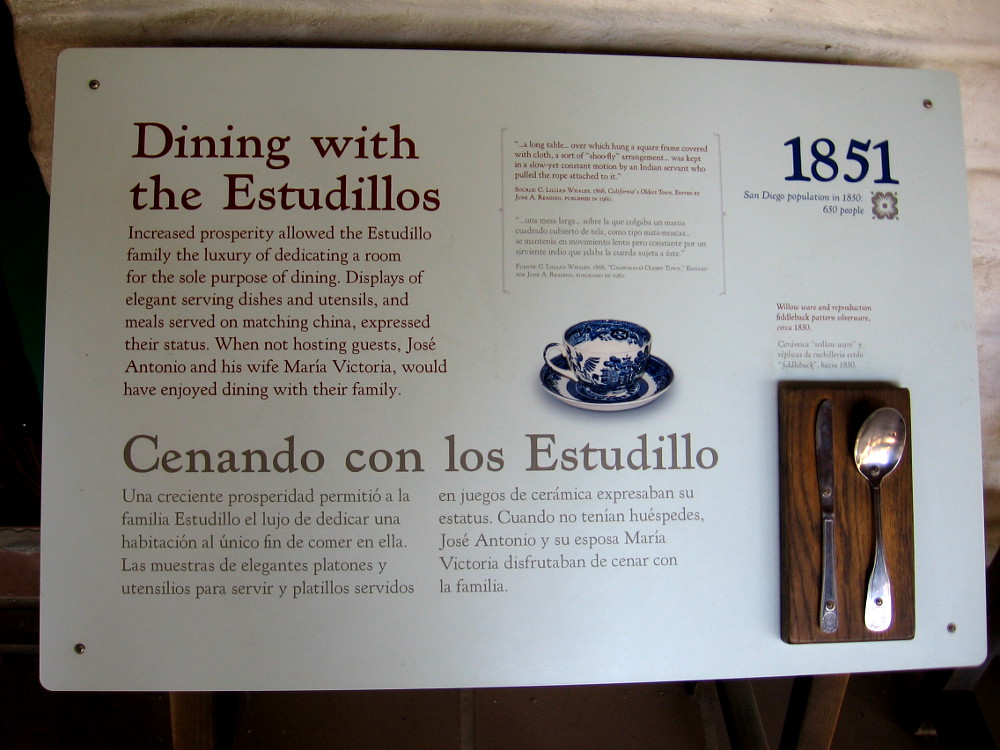
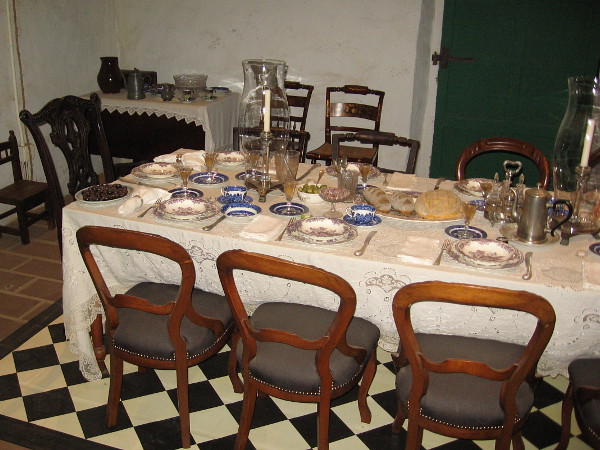
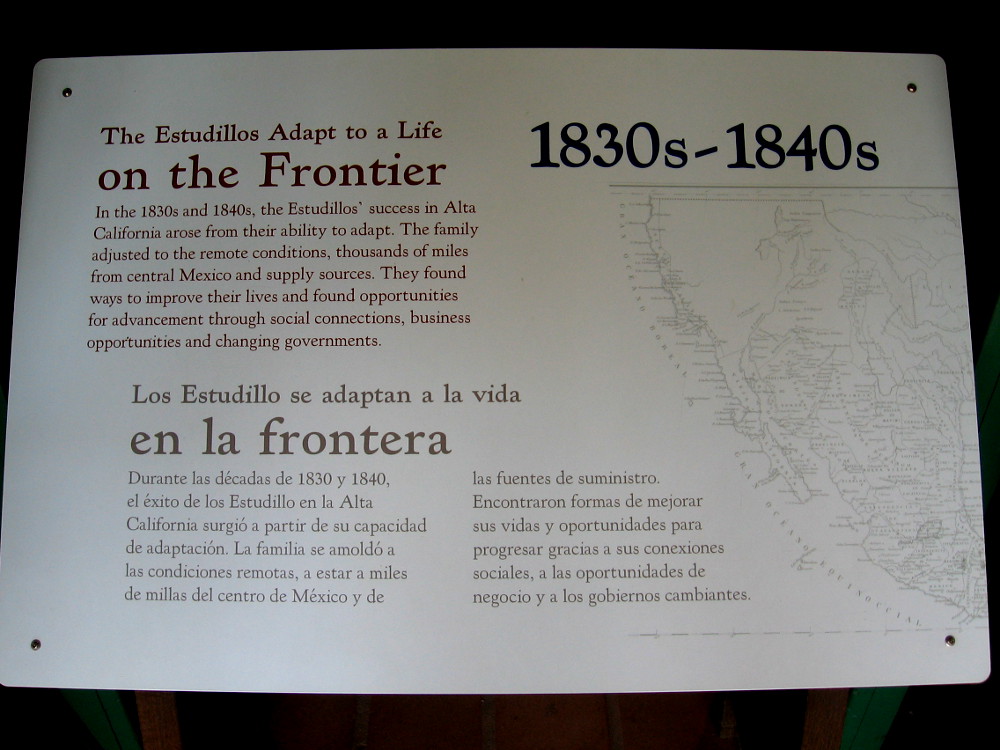
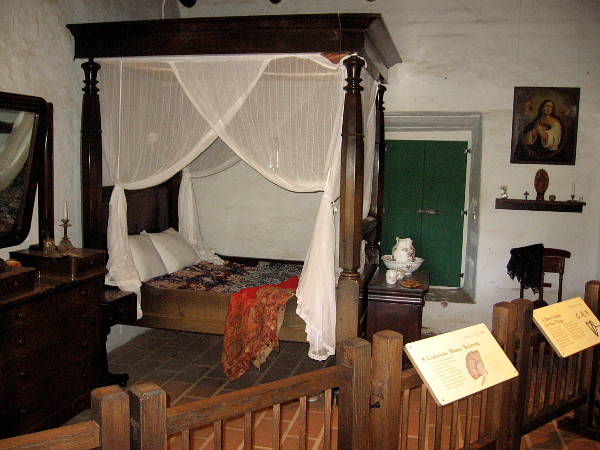
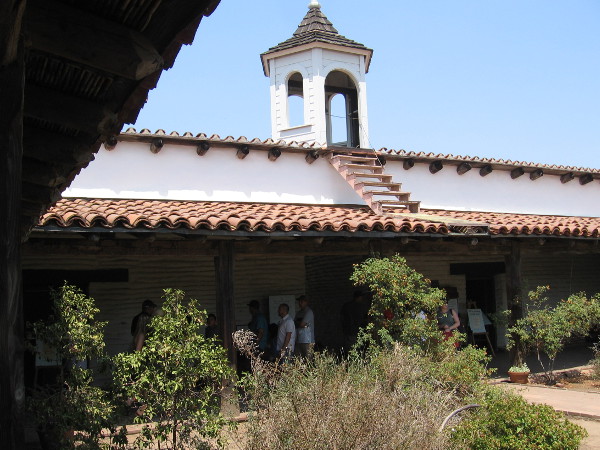
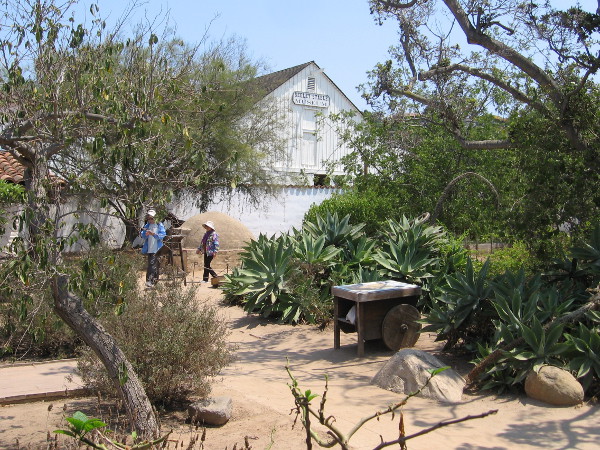
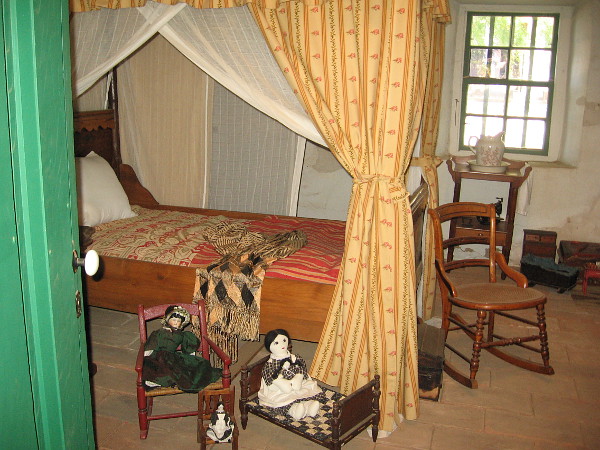
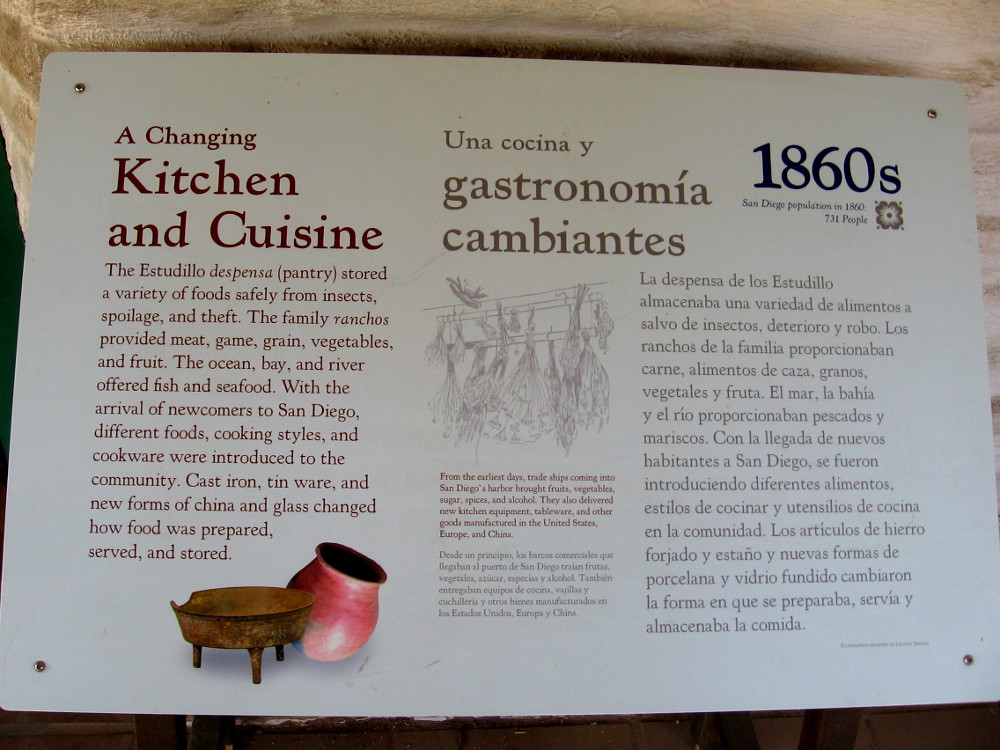
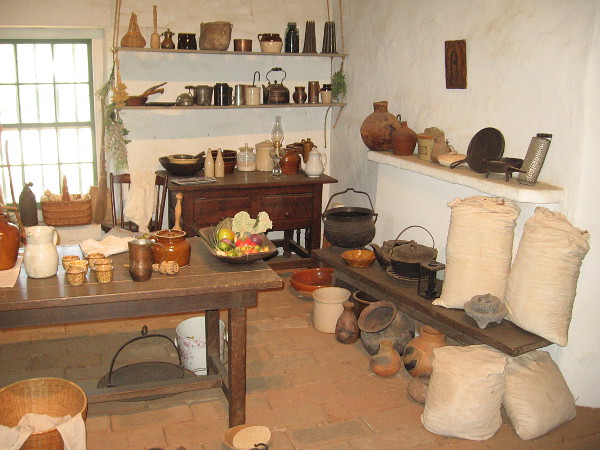
Sign describes the dining room of La Casa de Estudillo.The eventual prosperity of the Estudillo family is reflected in their elegant dining room.Expensive furniture and tableware imported by ship from distant places fill the otherwise simple room.Sign describes commerce in the casa. Francisco de Paul Rodriguez rented space from the Estudillos for a store.The store, or tienda, contained shelves of goods that might be purchased by the residents of Old Town San Diego. Much of the merchandise came by ship from the East Coast around Cape Horn.More shelves against one wall contain iron tools and basic furnishings like candlesticks for sale.Sign describes how the Estudillos adapted to life on the frontier in the 1830’s and 1840’s.A bedroom inside La Casa de Estudillo contains a wealth of comfort, unusual in early San Diego, which was located far away from developed centers of commerce.Several additional rooms at La Casa de Estudillo are undergoing restoration.Sign describes how the casa started as a modest two-room structure and eventually grew into an expansive U-shaped building with a courtyard and outbuildings.Photo of the Casa de Estudillo’s tower from the central garden courtyard.Looking across the south end of the courtyard toward the outdoor oven and Seeley Stable beyond.Sign explains how the Estudillos cared for a growing family including many children.Frozen Charlotte dolls, ca. 1850’s. These china dolls were popular in the Victorian era.A look into the children’s bedroom.Sign describes the Estudillo kitchen and pantry. The family’s ranchos provided meat, game, vegetables and fruit.Jars, pots, sacks of flour and fruit are among the many items seen in the rather primitive kitchen.The kitchen inside La Casa de Estudillo provides an idea of what life might have been like in early San Diego.
UPDATE!
Here are additional photos of information signs that I took in June 2019…
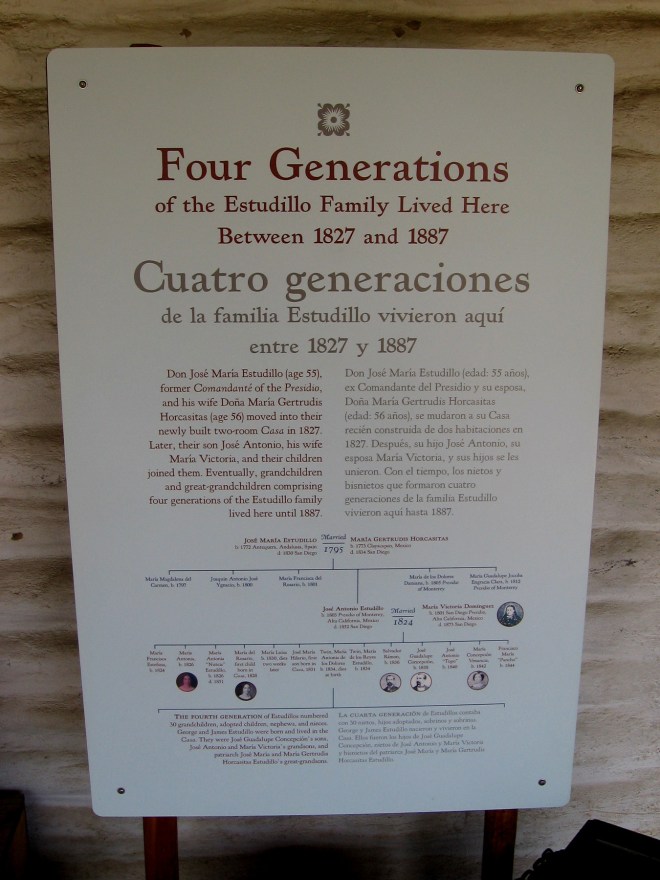
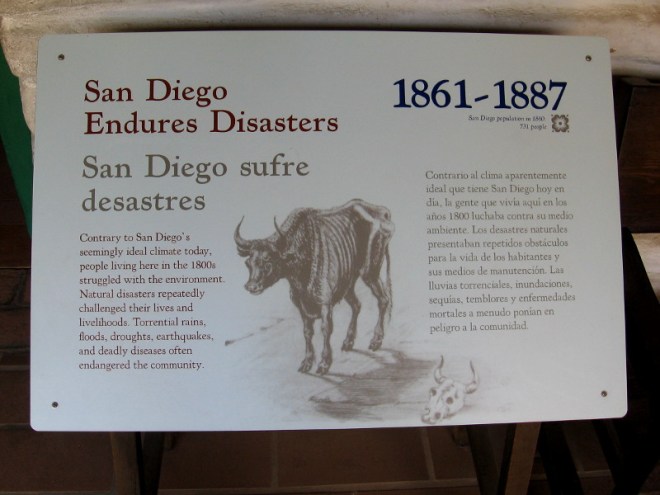
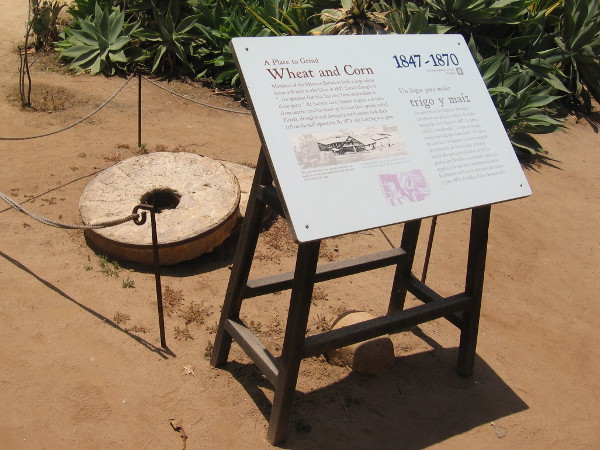
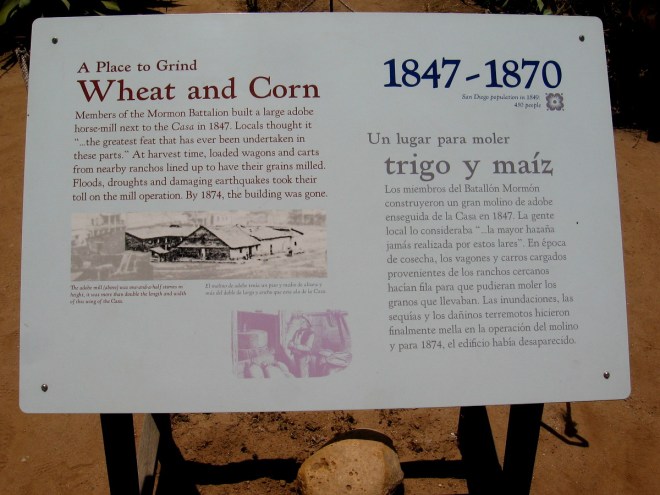
Sign showing architect Hazel Wood Waterman’s design for the Casa de Estudillo includes a photo of the Casa under construction.Four generations of the Estudillo family lived here between 1827 and 1887. Don José Maria Estudillo was former Comandante of the Presidio.An Estudillo tradition of public service.People living in San Diego in the 1800s struggled with natural disasters like torrential rains, floods, droughts, earthquakes and disease.A display in the courtyard of the Casa de Estudillo.A place to grind wheat and corn. Members of the Mormon Battalion built a large adobe horse-mill near the Casa.
…
This blog now features thousands of photos around San Diego! Are you curious? There’s lots of cool stuff to check out!
Here’s the Cool San Diego Sights main page, where you can read the most current blog posts. If you’re using a phone or small mobile device, click those three parallel lines up at the top–that opens up my website’s sidebar, where you’ll see the most popular posts, a search box, and more!
To enjoy future posts, you can also “like” Cool San Diego Sights on Facebook or follow me on Twitter.
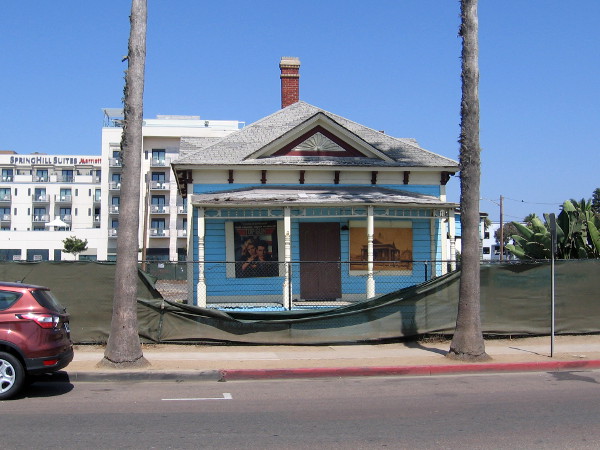
Photo from across North Pacific Street in Oceanside of the famous Top Gun House, an historical landmark that will be restored.
Today I headed up the coast to enjoy a walk around Oceanside.
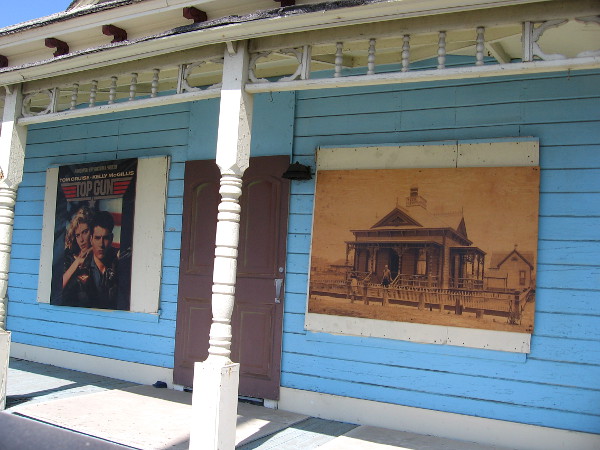
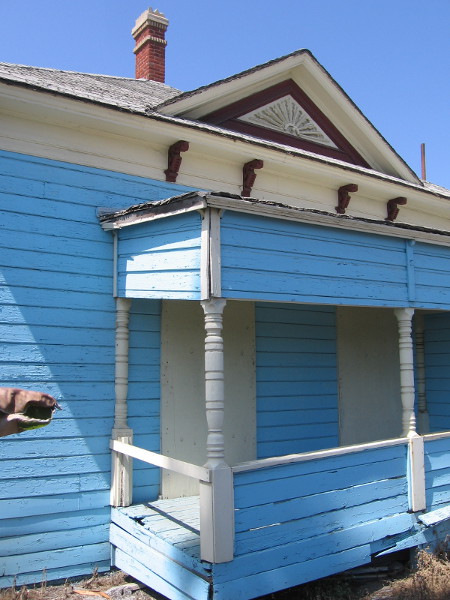
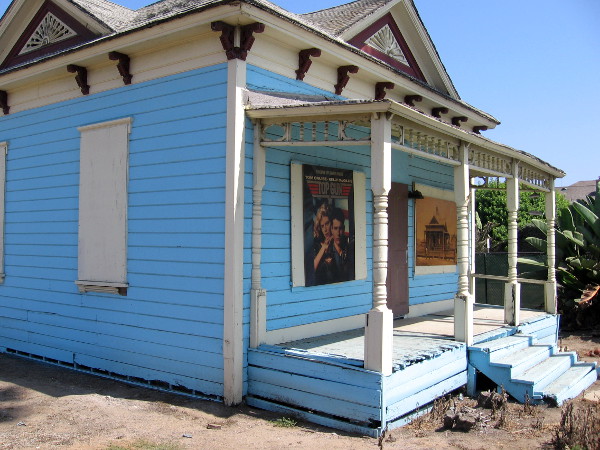
During my small adventure I paused to look at Oceanside’s famous Top Gun House, which is located at the corner of North Pacific Street and Seagaze Drive. It’s the small beach house in the popular 1986 movie where Maverick ate dinner with his love interest Charlie.
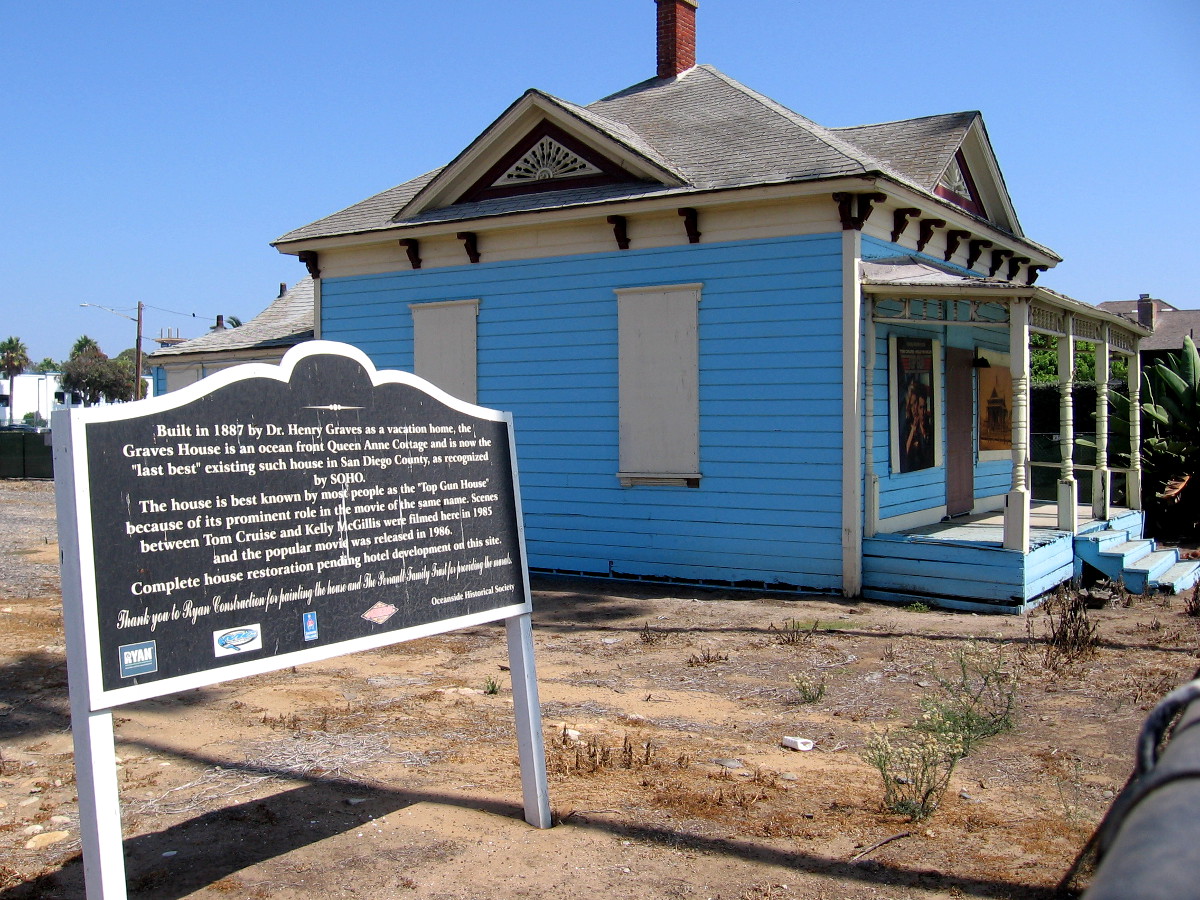
A nearby sign provided some information about the house’s historical significance and planned restoration:
“Built in 1887 by Dr. Henry Graves as a vacation home, the Graves House is an ocean front Queen Anne Cottage and is now the “last best” existing such house in San Diego County, as recognized by SOHO (the Save Our Heritage Organization).
The house is best known by most people as the “Top Gun House” because of its prominent role in the movie of the same name. Scenes between Tom Cruise and Kelly McGillis were filmed here in 1985 and the popular movie was released in 1986.
Complete house restoration pending hotel development on this site.
Oceanside Historical Society.”
I spoke with a friendly Downtown Ambassador of MainStreet Oceanside at an information table by the foot of the Oceanside Pier, and she said there are plans to not only restore “Charlie’s House”, but to move it one block north, nearer the pier. That valuable oceanfront lot is also awaiting development.
The Top Gun House sits in a corner of a large empty lot that is awaiting development. A hotel will be built here, a block from the Oceanside Pier.A sign near the Top Gun House provides information for curious people walking past.On the front of the house is a classic Top Gun poster and a vintage photo of the house as it once looked, long ago.Photo of the south side of the small Queen Anne style cottage.The famous Top Gun House will be restored and enjoyed by the local community and the movie’s many fans for years to come.
…
I live in downtown San Diego and love to walk around with my camera! You can follow Cool San Diego Sights via Facebook or Twitter!
You can easily explore Cool San Diego Sights by using the search box on my blog’s sidebar. Or click a tag! There are thousands upon thousands of photos for you to enjoy!
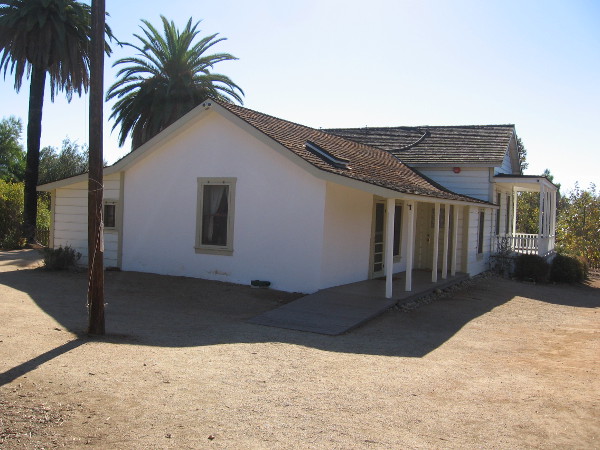
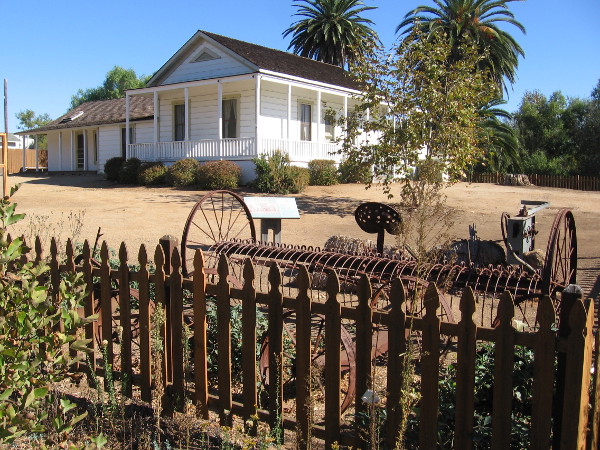
Photo of the rustic Sikes Adobe Farmhouse on a sunny November day.
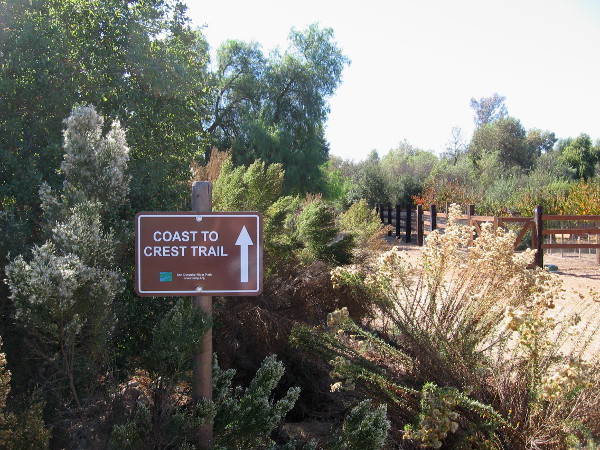
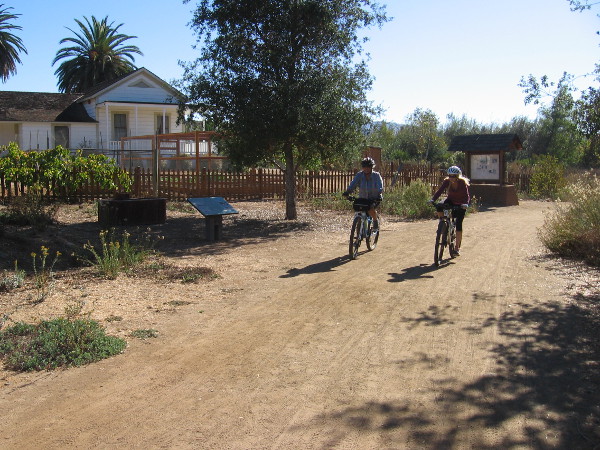
This morning I drove up to Escondido. One highlight of my day was walking around the historic Sikes Adobe Farmhouse, which is located near a popular trailhead of the San Dieguito River Park’s long, not-yet-complete Coast to Crest Trail.
The restored Sikes Adobe (originally built around 1870, and mostly destroyed in 2007 by the Witch Creek Fire) is a City of San Diego historic site. It contains a museum which is open every Sunday. Also on Sundays, the farmstead is where the North San Diego Certified Farmers Market is held.
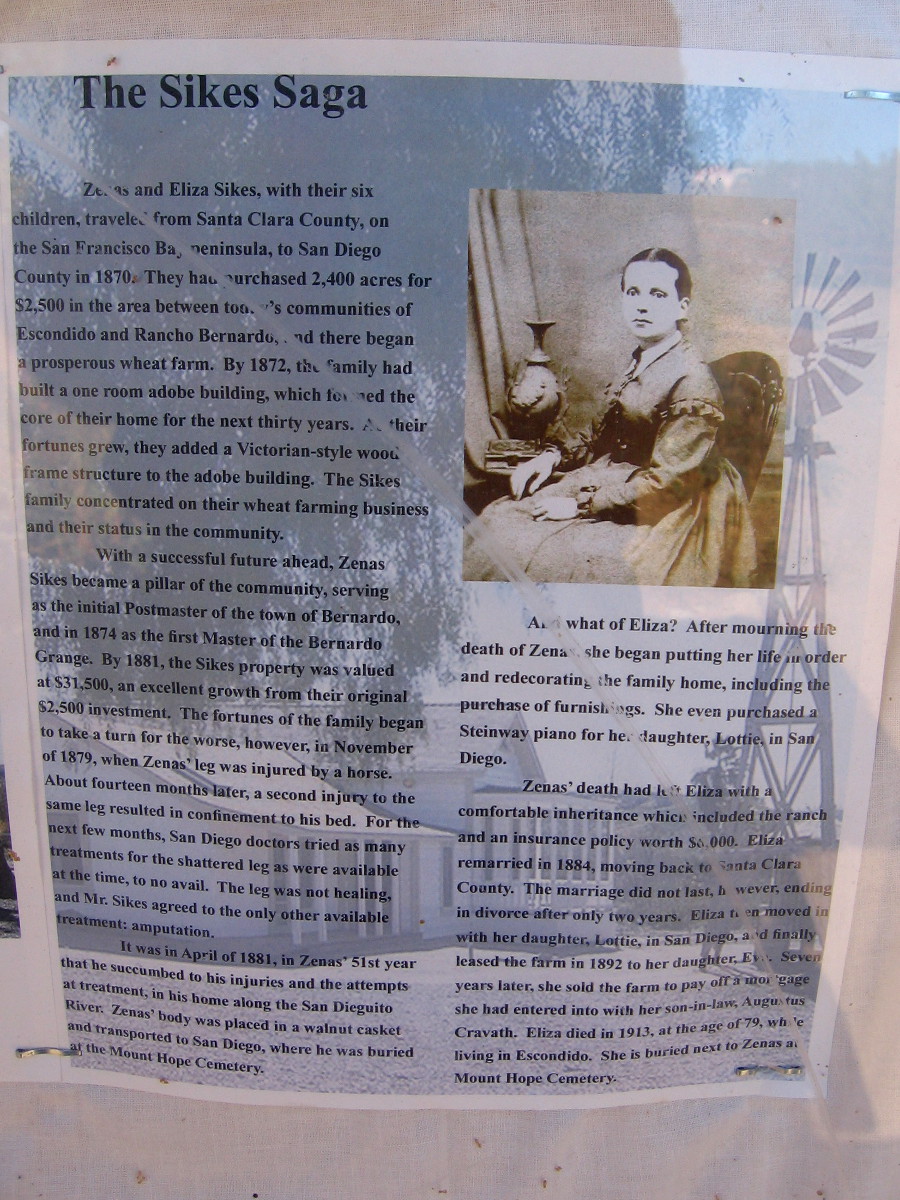
As I walked around Sikes Adobe, I happened upon some interpretive signs which explain the history of the farmstead. I took photos if you’re interested. Click those sign images and they will expand for easy reading.
People had very different lives long ago in California. Fresh air, hard work, quiet hours, simple pleasures. And wild, untrod paths. I believe I would have loved that life.
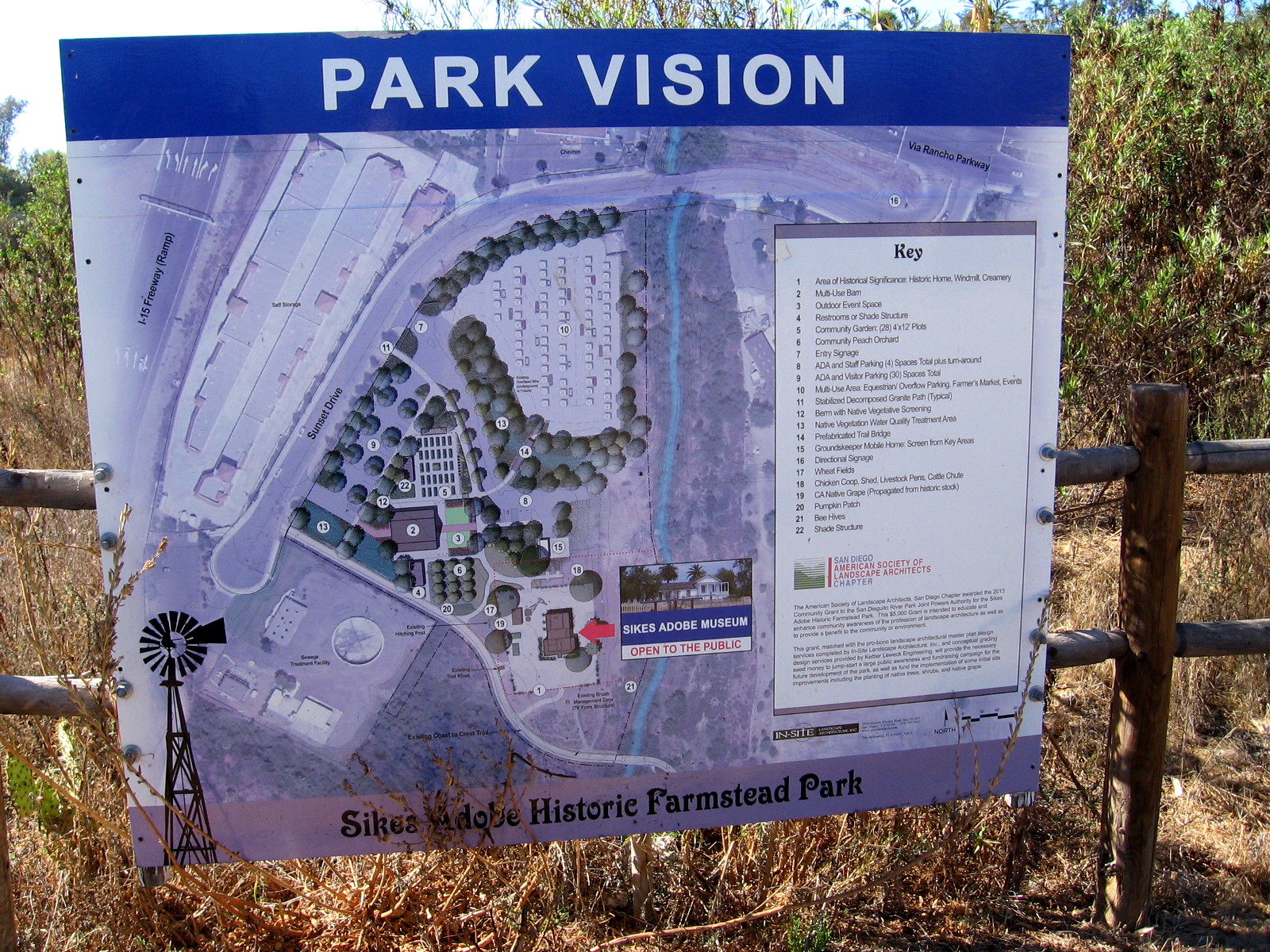
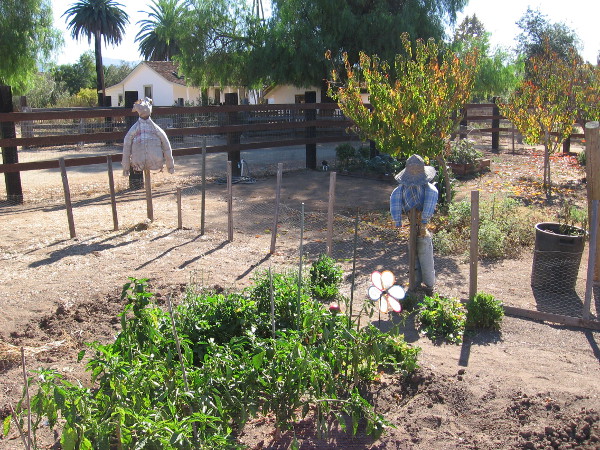
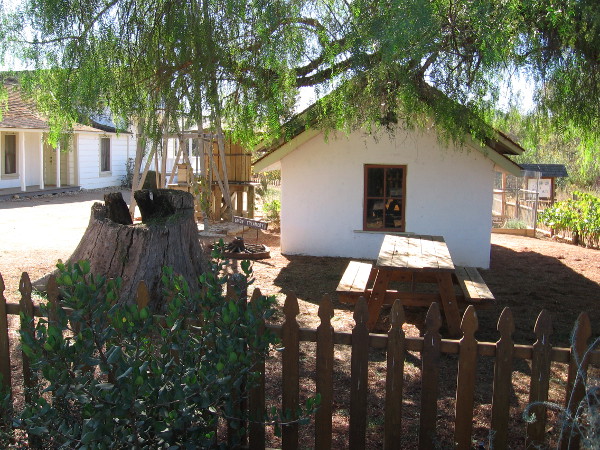
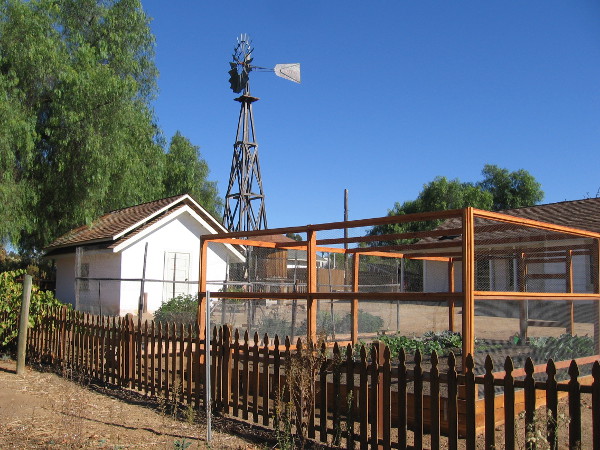
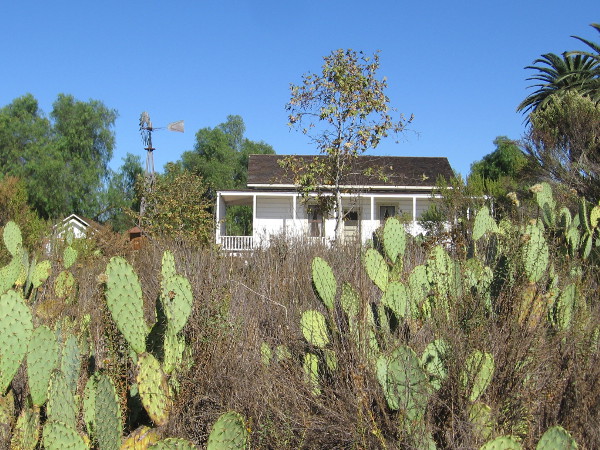
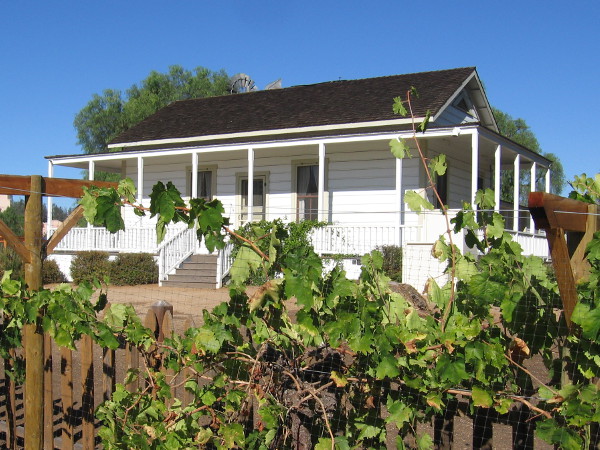
The historic Sikes Adobe Farmhouse is located near a trailhead of the Coast to Crest Trail, just east of Lake Hodges.The trail past the farmstead is popular with hikers, mountain bikers and equestrians.A sign shows proposed improvements to the Sikes Adobe Historic Farmstead Park, including event space and a reconstructed barn.Scarecrows stand guard inside a community garden near the rustic farmhouse.Approaching the Sikes Adobe. One can tour the inside on Sundays, from 10:30 am to 3:30 pm.In this photo you can see the small creamery building and the base of the restored windmill.A simple adobe house, typical of the early American era, shortly after California had achieved statehood.View of the farmstead structures from the nearby trail.Zenas and Eliza Sikes, with six children, arrived in 1870 and began their wheat farm here between the communities of Escondido and Rancho Bernardo.A small vegetable garden near the restored windmill and creamery.Old rusty farm equipment in a corner of the farmstead.Between 1860 and 1893, wheat was California’s first bonanza crop. The creamery at Sikes Farm was built in the 1880s as their farm diversified and became more generalized.A small town called Bernardo used to be located a couple miles southeast of the Sikes Adobe. The construction of the Lake Hodges Dam spelled the end for that town.Looking from the nearby trail past prickly pears at the farmhouse.Some horses have arrived at the trailhead’s dirt parking lot.Sikes Adobe depends on your support. Become a docent or volunteer!The Sikes Adobe Farmhouse rises behind a row of green grape vines.
…
This blog now features thousands of photos around San Diego! Are you curious? There’s lots of cool stuff to check out!
Here’s the Cool San Diego Sights main page, where you can read the most current blog posts. If you’re using a small mobile device, click those three parallel lines up at the top–that opens up my website’s sidebar, where you’ll see the most popular posts, a search box, and more!
To enjoy future posts, you can also “like” Cool San Diego Sights on Facebook or follow me on Twitter.
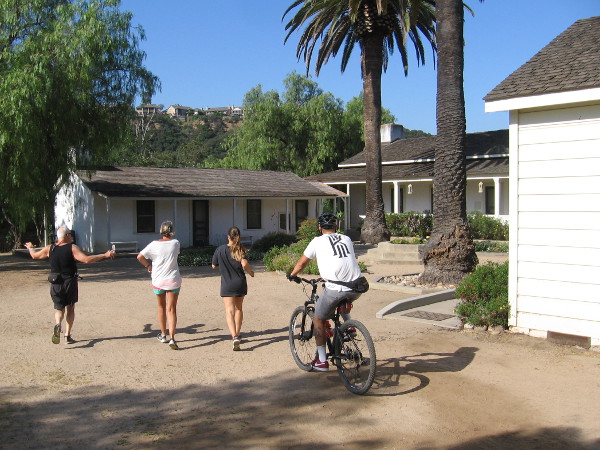
Jogging and biking past the historic adobe ranch house in Los Peñasquitos Canyon Preserve.
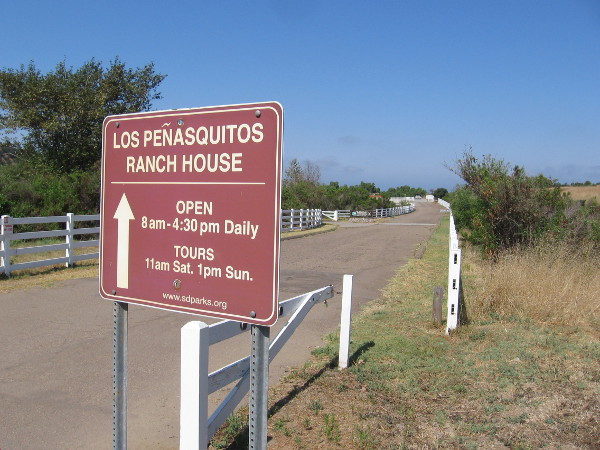
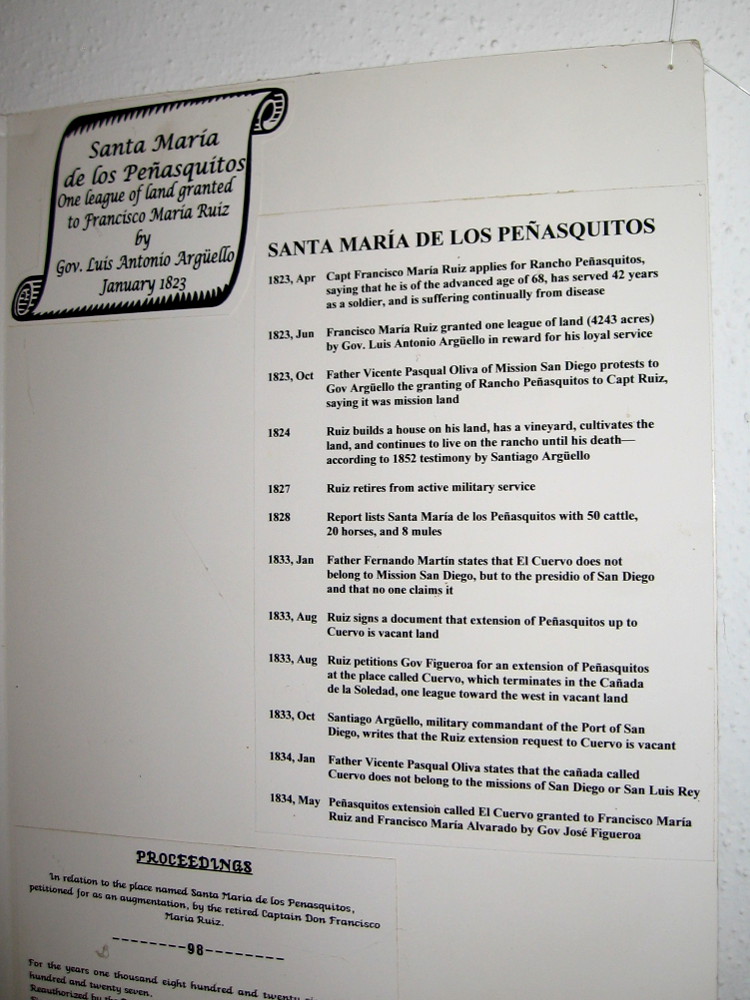
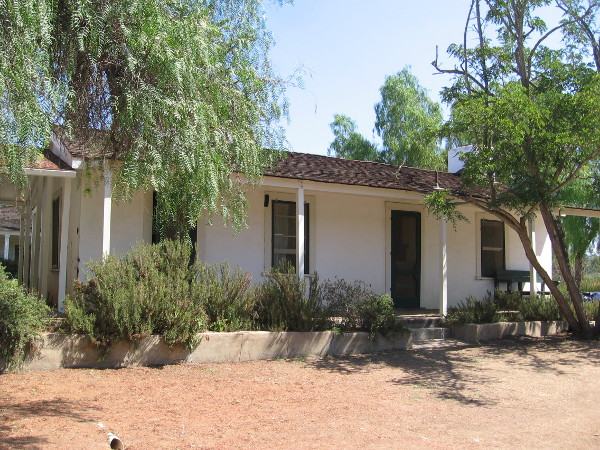
The second oldest residence in San Diego County can be found inside Los Peñasquitos Canyon Preserve. The adobe ranch house was built in 1824 by Captain Francisco María Ruiz, who was Commandante of San Diego’s presidio. He built two small adobe buildings on Rancho Santa Maria de Los Peñasquitos, his large 8,486-acre Mexican land grant north of the Presidio and Mission San Diego de Alcalá. It was the first land grant by the Mexican government in this area. The grant was made in 1823, just two years after Mexico became independent from Spain.
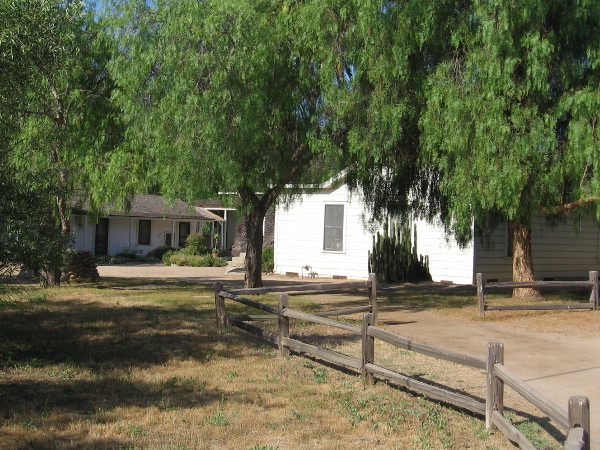
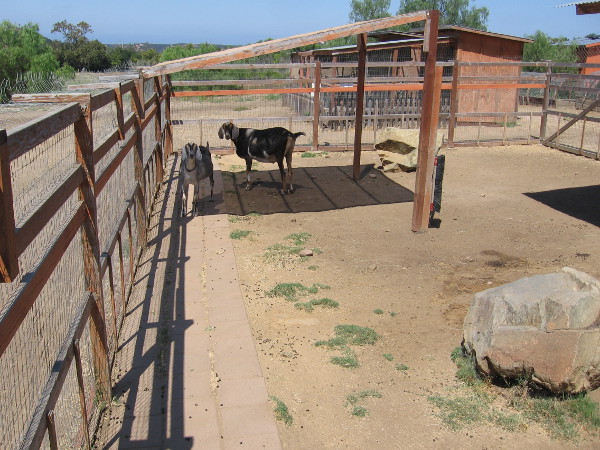
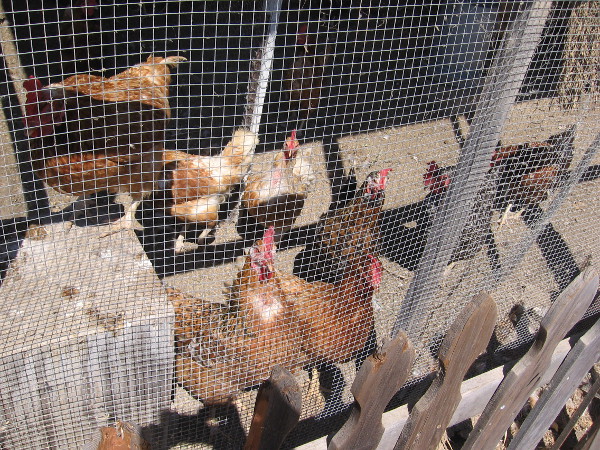
The historic adobe ranch house has been modified, enlarged and restored by various owners over the years, and today is a popular destination for visitors to Los Peñasquitos Canyon Preserve. People often bike or hike through the picturesque ranch, and motorists can park in a nearby lot. Picnic tables are plentiful; there are goats and chickens to captivate children; and guided tours are available on weekends.
I toured the ranch recently and took photos of its various features. There are a variety of interpretive exhibits within the adobe house. Please read these informative displays (click to enlarge the images) to learn more about this fascinating place’s long and colorful history.
(What is the oldest structure in San Diego County? You’ll be completely surprised! I blogged about that here.)
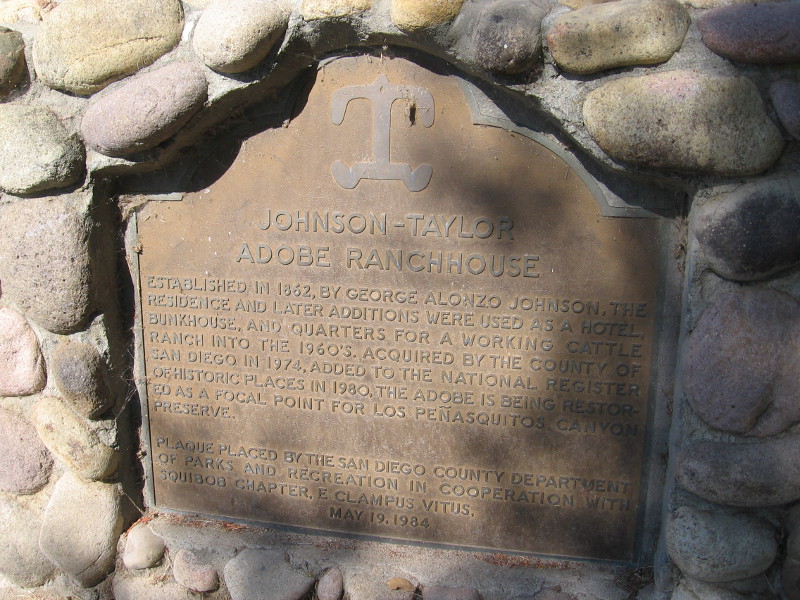
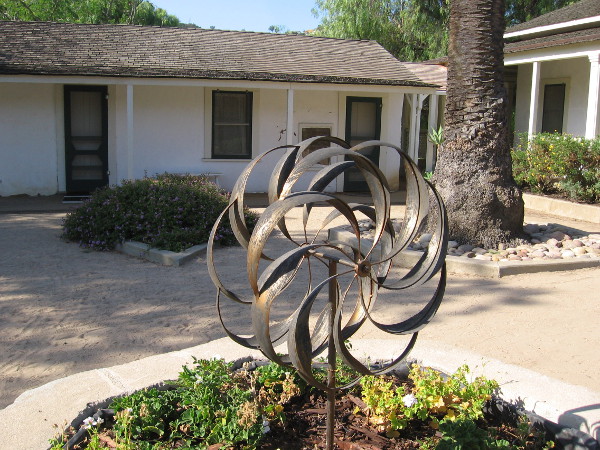
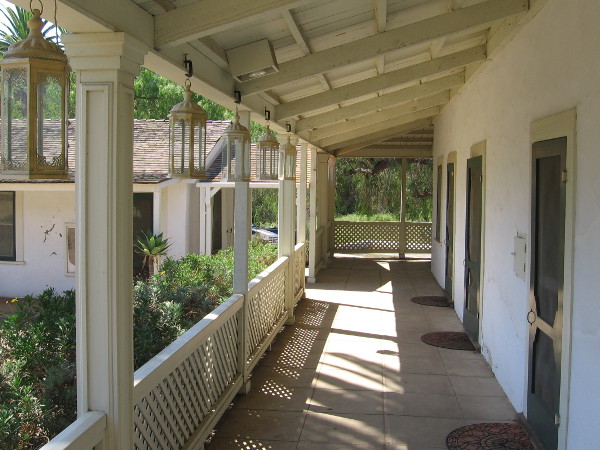
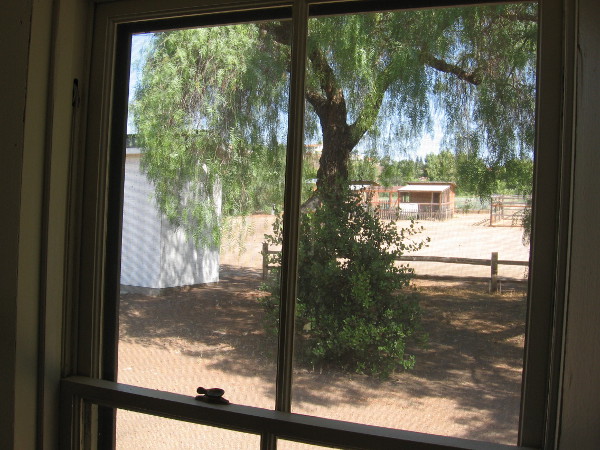
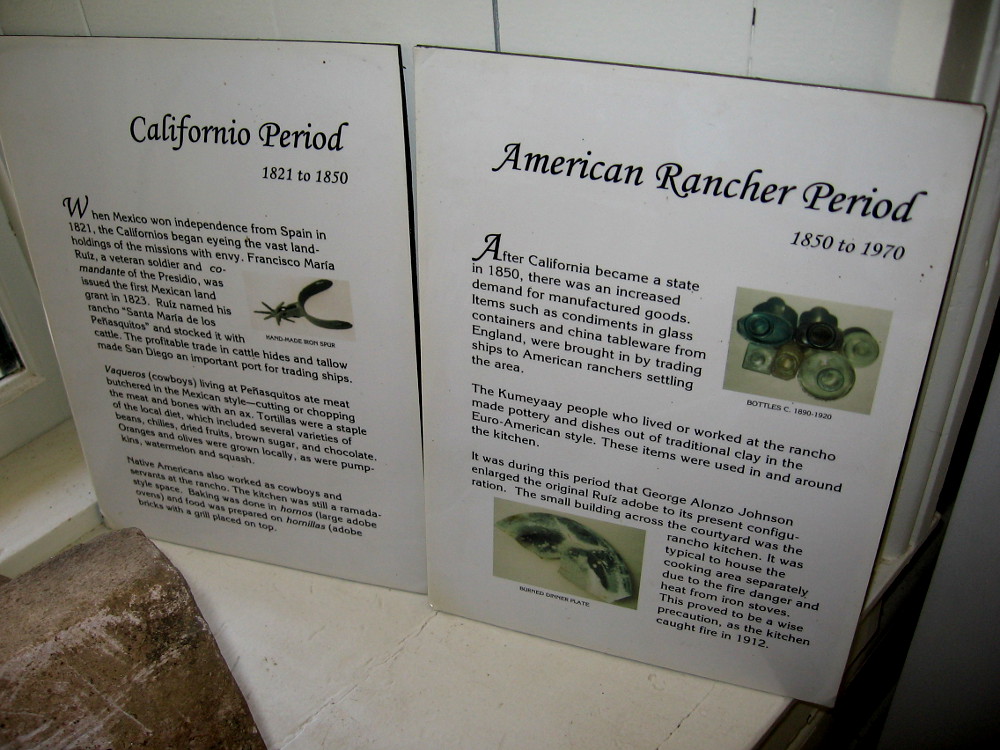
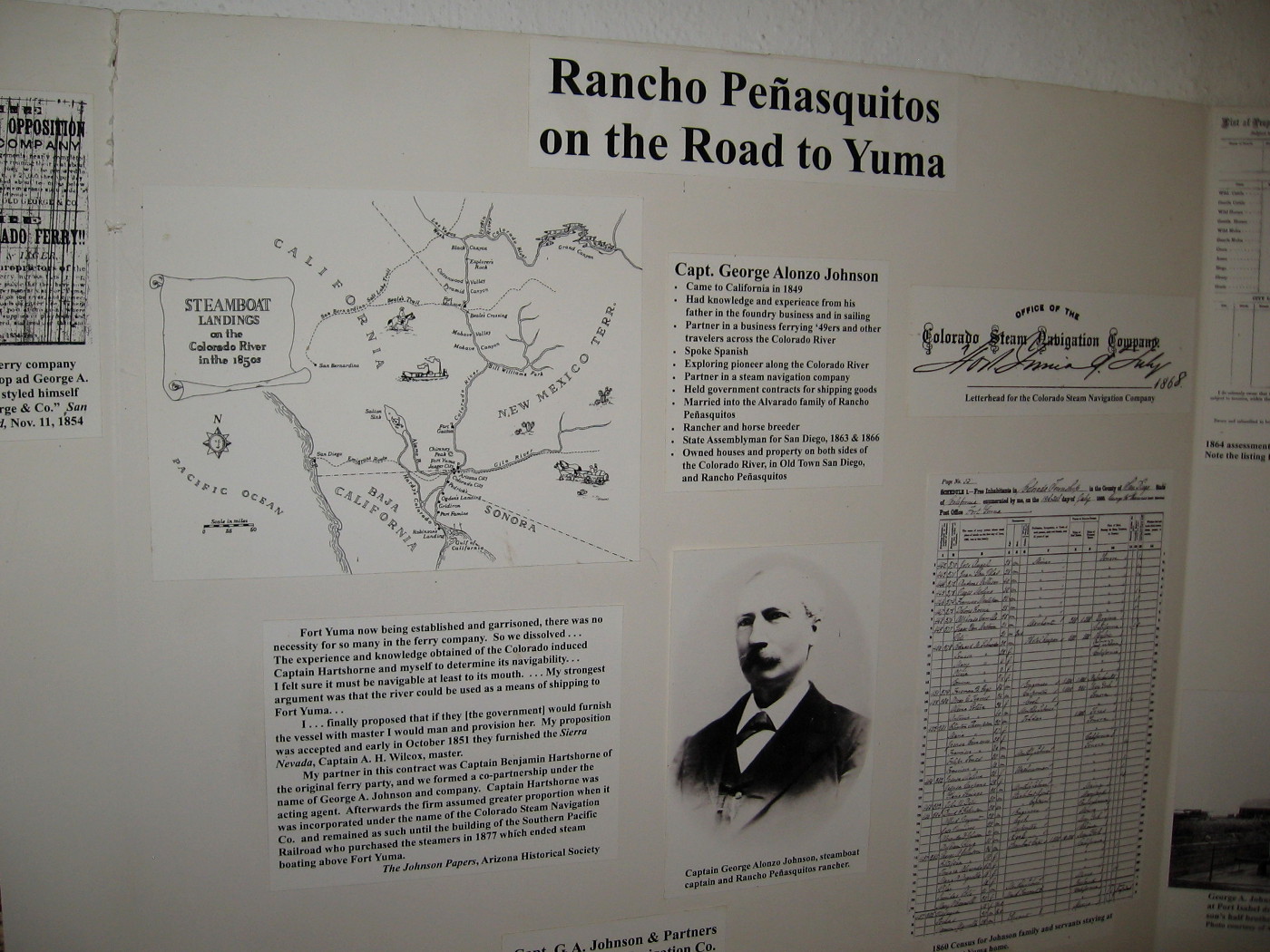
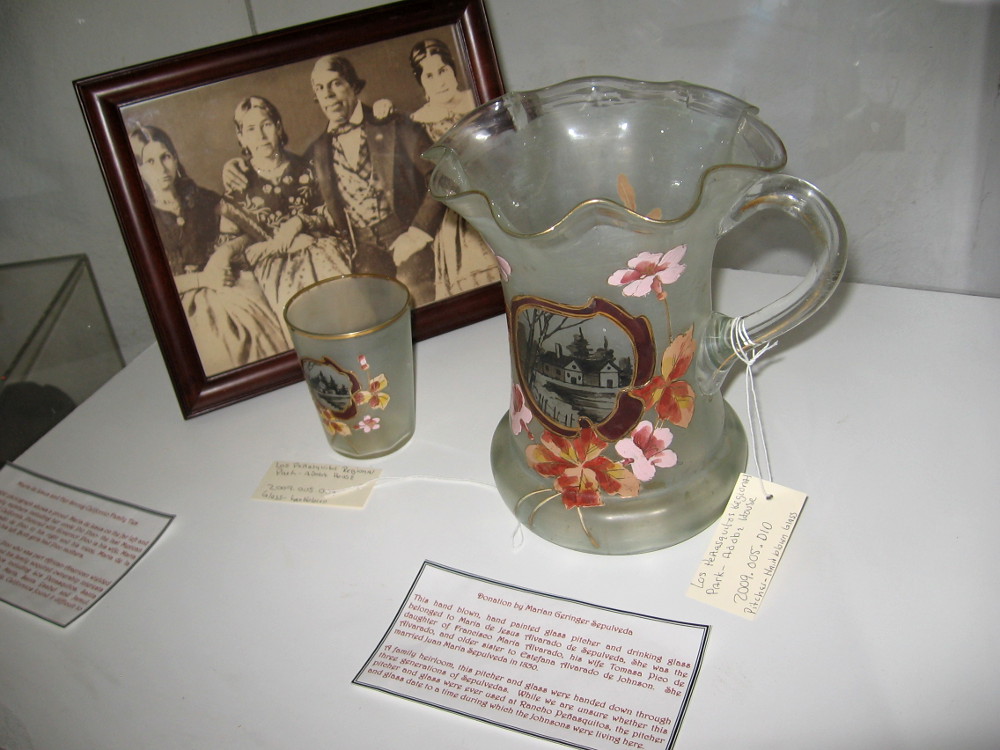
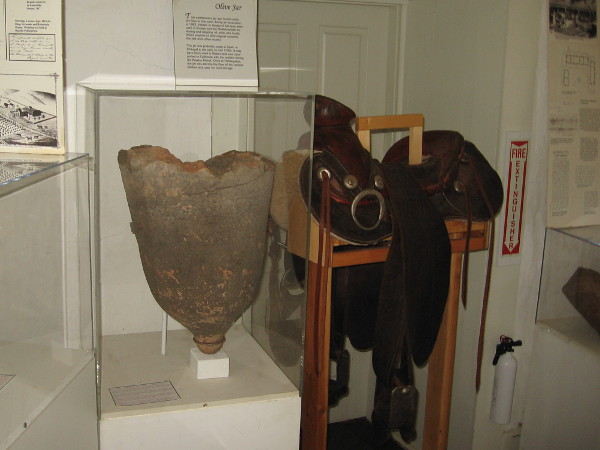
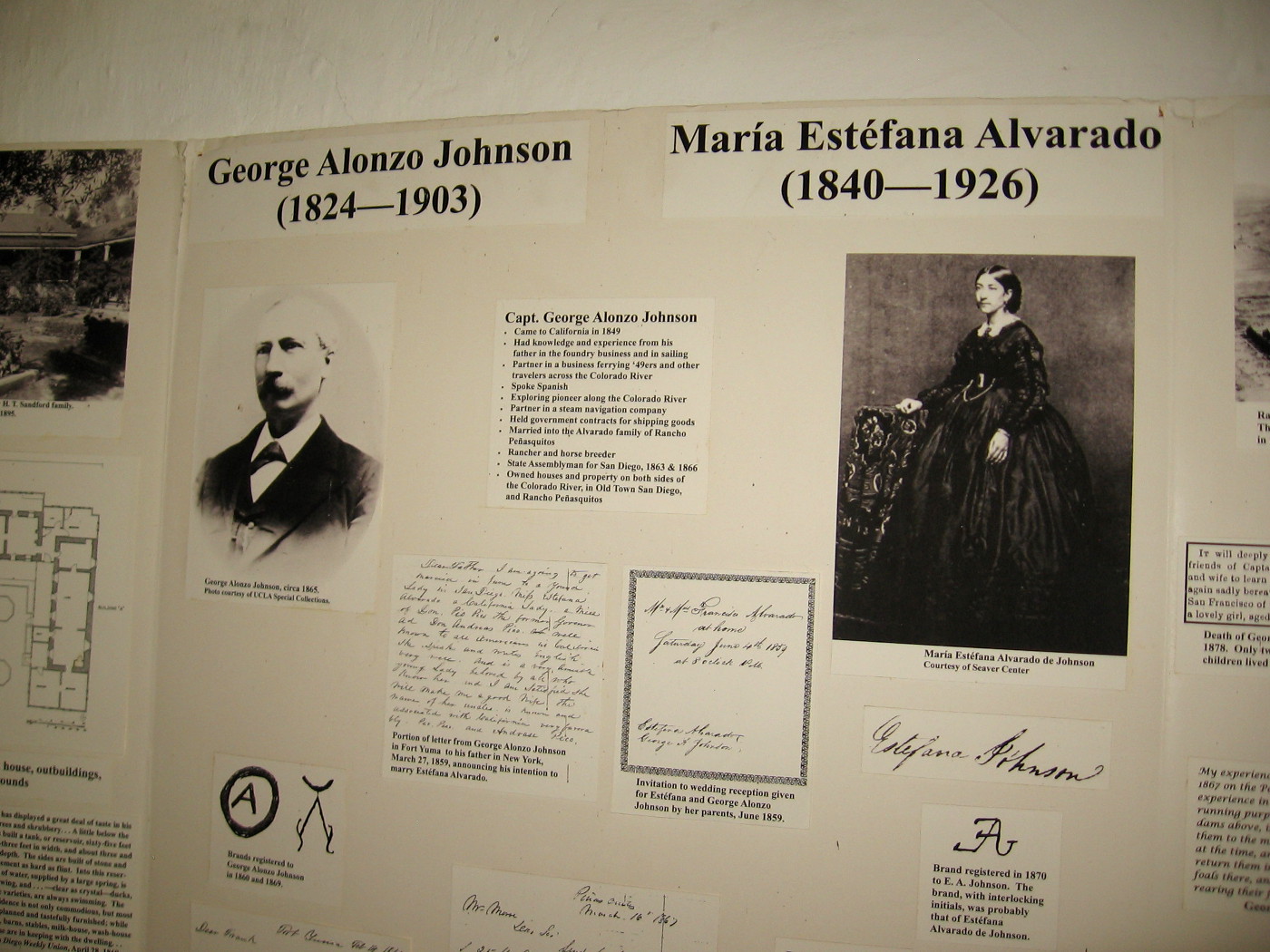
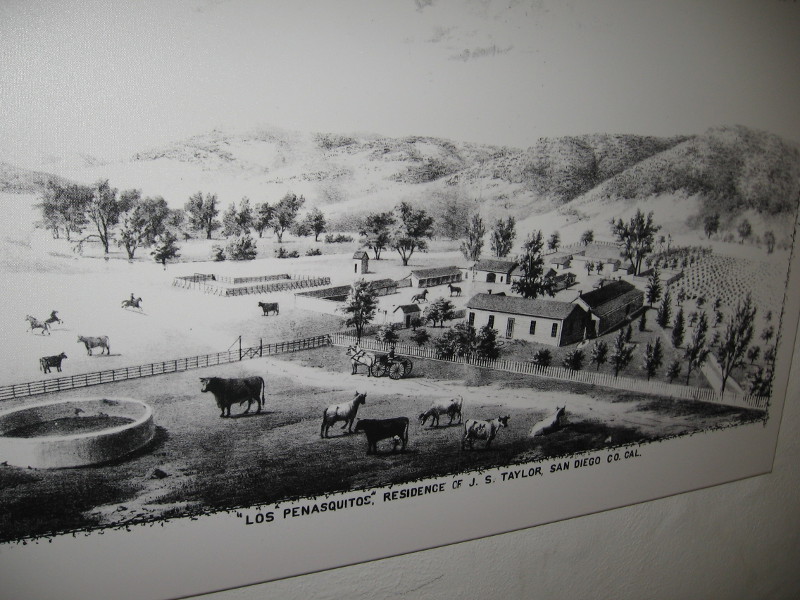
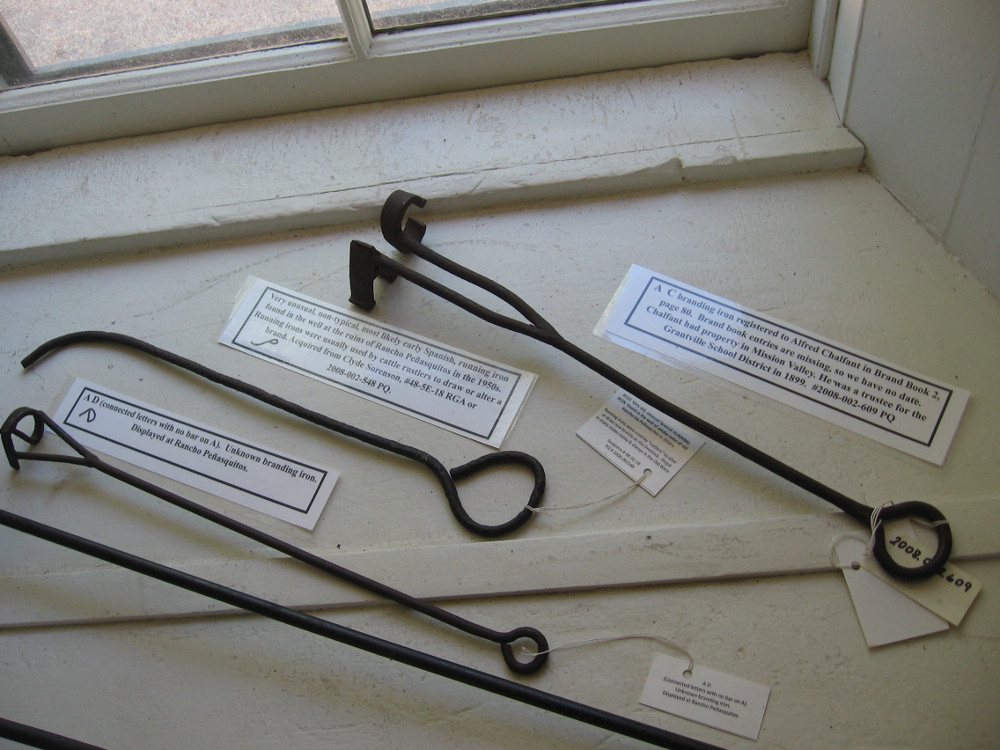
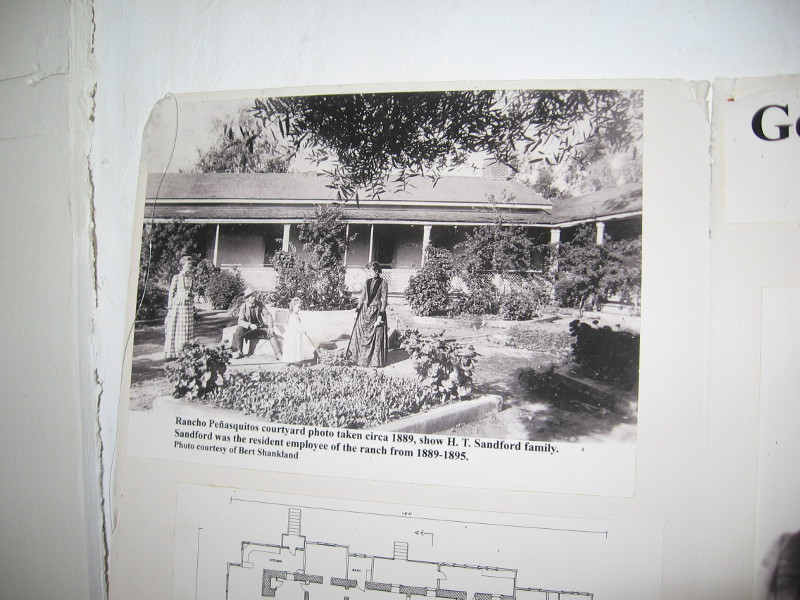
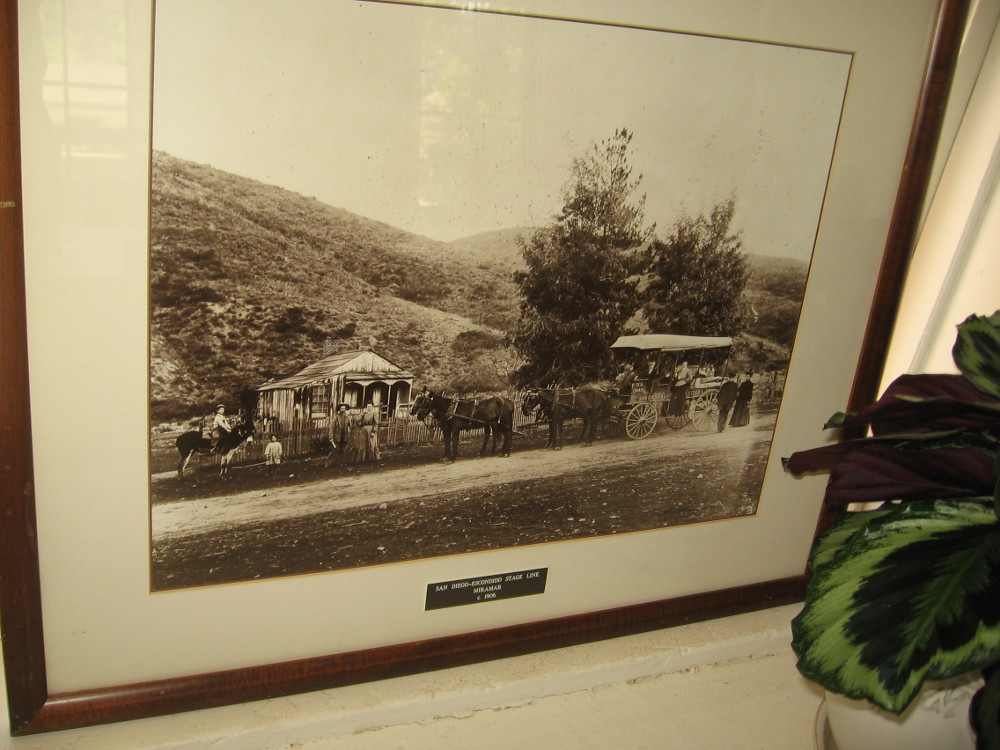
The Los Peñasquitos Ranch House is open daily from 8:00 am to 4:30 pm. Guided tours are at 11:00 am on Saturday and 1:00 pm on Sunday.The ranch house is nestled among some shady trees. Two small adobe buildings were originally built in 1824. The house was enlarged by Captain George Alonzo Johnson in 1862.Plaque describes the establishment of the Johnson-Taylor Adobe Ranchhouse in 1862. The residence and later additions were used as a hotel, bunkhouse, and quarters for a working cattle ranch into the 1960s.A sculpture inside the courtyard, located on the east side (rear) of the ranch house. The planters were probably used by the residents to grow herbs and flowers.Part of the ranch house’s long porch beside the courtyard.Inside a living room that today contains museum-like exhibits, looking north out a window at various small structures on the ranch, including a chicken coop and goat pen.The Californio Period, 1821 to 1850, included vaqueros (cowboys) living at Peñasquitos. The American Rancher Period, 1850-1970, began after California became a state.1823-1834 timeline of the Mexican land grant of Santa Maria de Los Peñasquitos, that was made to Captain Francisco María Ruiz.In 1859 Captain George Alonzo Johnson married Maria Estéfana Alvarado, daughter of Francisco María Alvarado, who bought the ranch from Ruiz in 1837.A hand blown and painted glass pitcher and drinking glass that belonged to Maria de Jesus Alvarado de Sepulveda, daughter of Francisco María Alvarado.The large earthenware olive jar was found under the ranch house floor during an excavation in 1983. Used for food storage, it was probably made in Spain or Portugal in the early to mid 1700s.Captain George Alonzo Johnson, a pioneer and businessman, came to California in 1849 during the Gold Rush. He became a rancher and horse breeder.Historical newspaper articles describe the ranch house, outbuildings and grounds of George Alonzo Johnson’s ranch.Floor plan of Rancho Peñasquitos from 1975 HABS survey.A drawing of the Los Peñasquitos residence of Colonel Jacob Shell Taylor, who purchased the property in 1882. He raised Durham cattle and thoroughbred horses and would found Del Mar.Various branding irons on display in the adobe house that were discovered around the ranch. Included are early Spanish irons used by rustlers.Rancho Peñasquitos courtyard photo taken circa 1889, showing ranch employee H. T. Sandford and his family.Photo of the San Diego-Escondido Stage Line circa 1906. In the mid-1800s, Peñasquitos was a way station on the wagon road between San Diego and Warner’s Ranch.Porch along the front (or west) side of the adobe ranch house, which faced the so-called Road to Yuma.I spotted someone riding a horse past the ranch house. Los Peñasquitos Canyon Preserve is an ideal place for those who love to ride down peaceful trails.Looking west at a meadow north of Peñasquitos Creek. I posted photos of those sycamores in the distance a few weeks ago.An artificial pond south of the ranch house was filled with water from the adjacent spring house for irrigation of a nearby citrus grove.The rock Spring House was constructed around an artesian spring. Water from the spring was used by the Native American Kumeyaay for as many as 12,000 years!The Mohnike Barn was constructed in 1912 of adobe and wood. Charles Mohnike, a rancher who purchased the property in 1910, was the builder.The Mohnike Barn is now listed on the National Register of Historic Places along with other ranch structures.An octagonal concrete reservoir to the north, uphill from the ranch house. Photographic evidence shows water might have been pumped up here by windmill.More ranch structures just west of the barn.These friendly Nubian goats like to greet hikers and those on bicycles.These chickens were wondering what I was up to.The southeast corner of the adobe ranch house.One last photo of the courtyard, a focal point of the ranch house, which has seen many lives, much history.
…
I live in downtown San Diego and love to walk around with my camera! You can follow Cool San Diego Sights via Facebook or Twitter!
You can easily explore Cool San Diego Sights by using the search box on my blog’s sidebar. Or click a tag! There are thousands upon thousands of fun photos for you to share and enjoy!
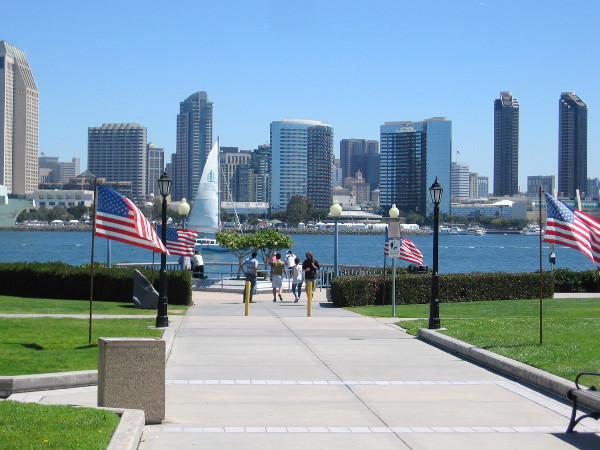
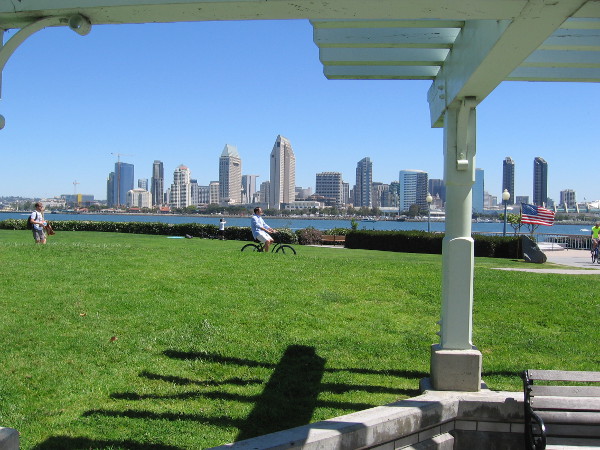
Looking across San Diego Bay toward downtown. A spectacular view from Coronado’s beautiful Centennial Park.
Spring will soon become summer. I had to wear shorts for my long walk around Coronado today. A very warm sun was shining and the island was abloom.
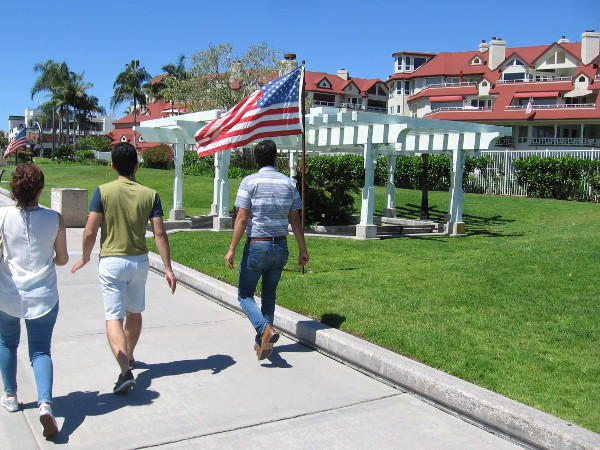
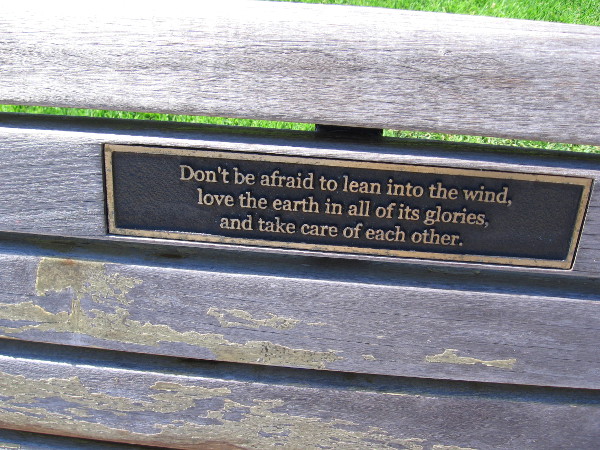
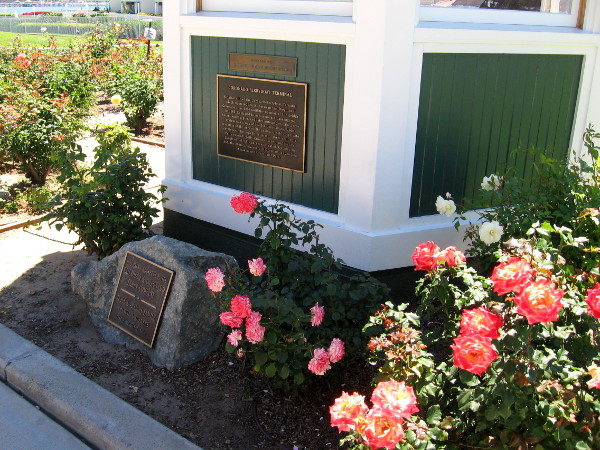
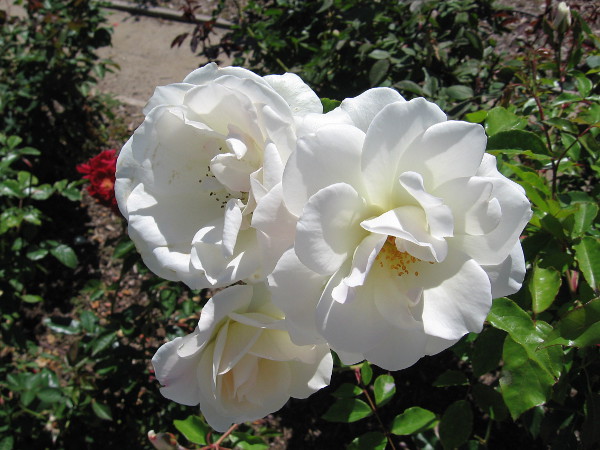
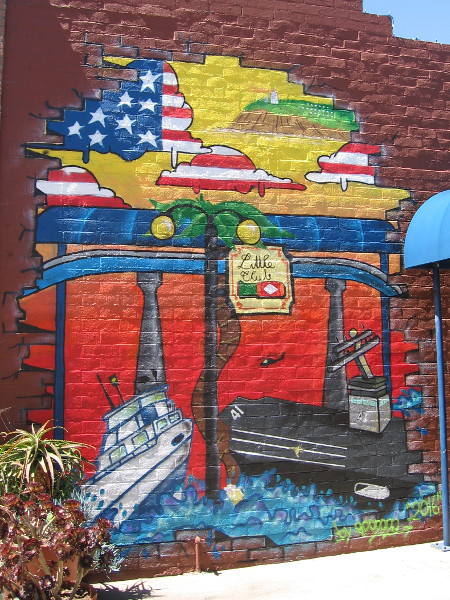
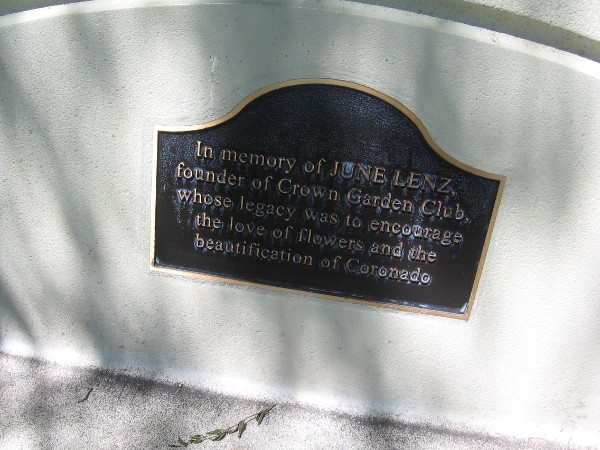
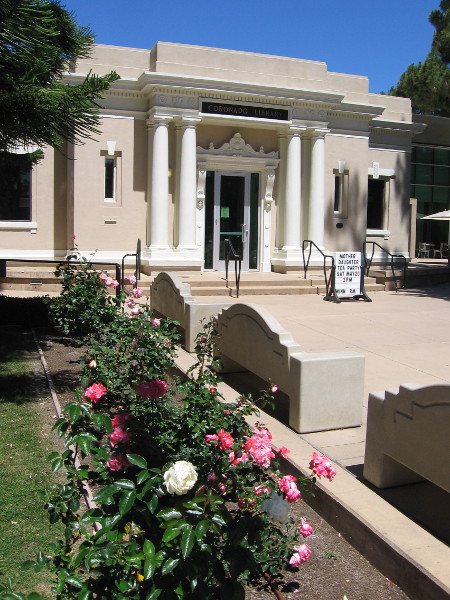
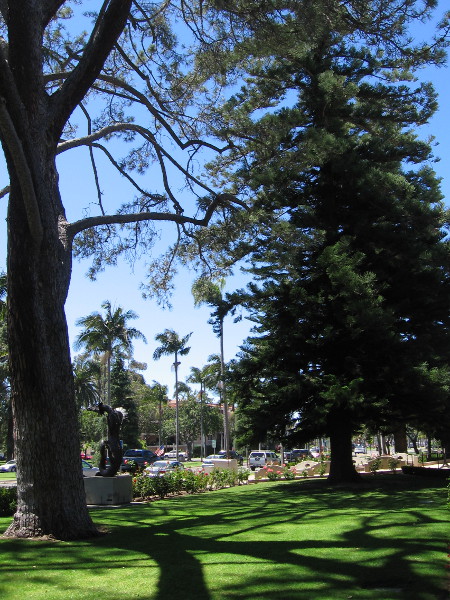
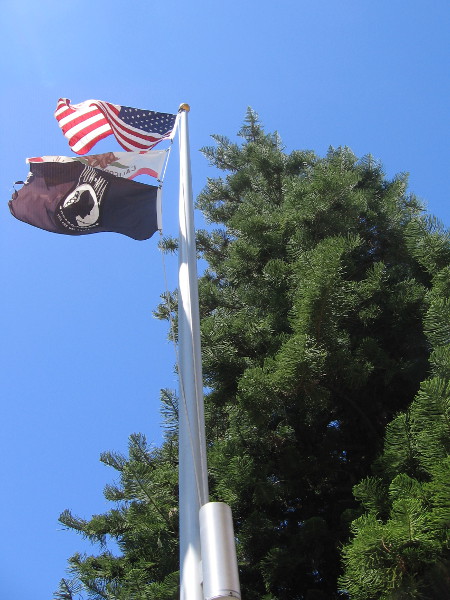
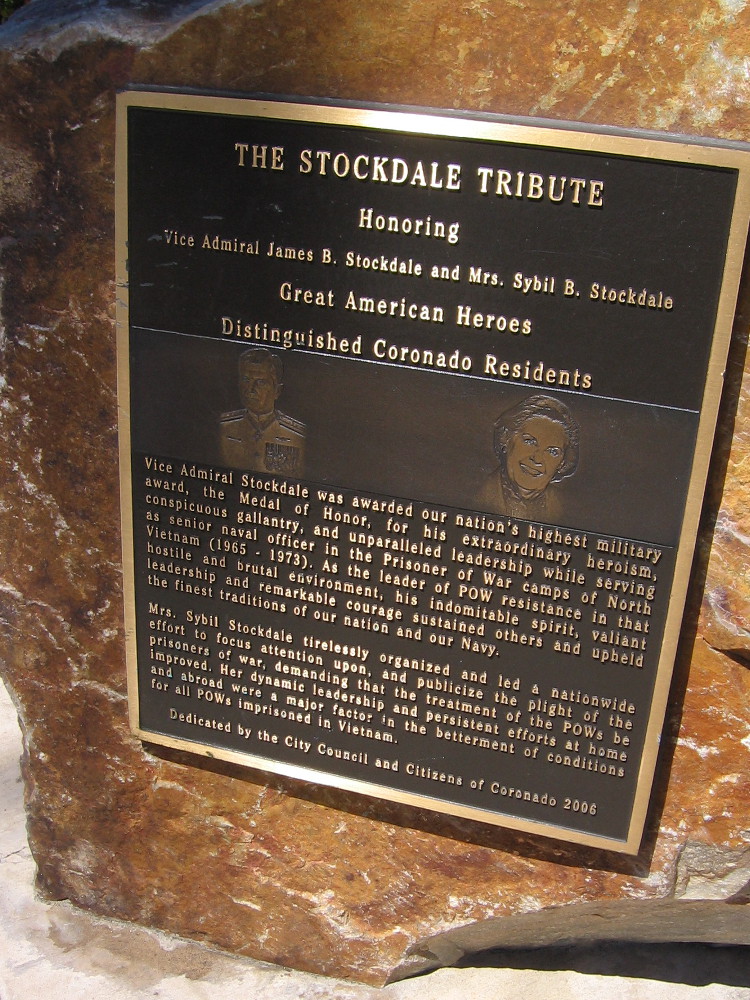
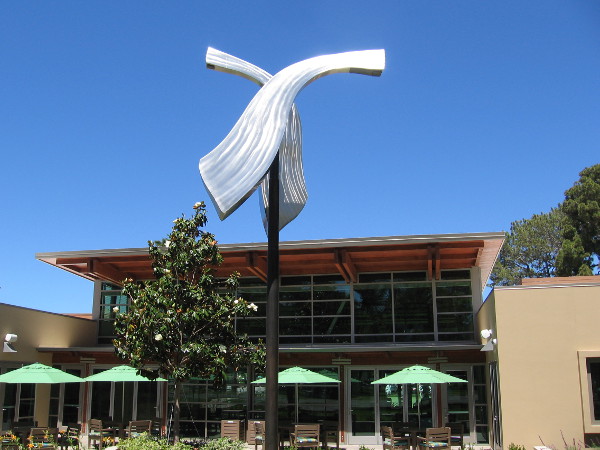
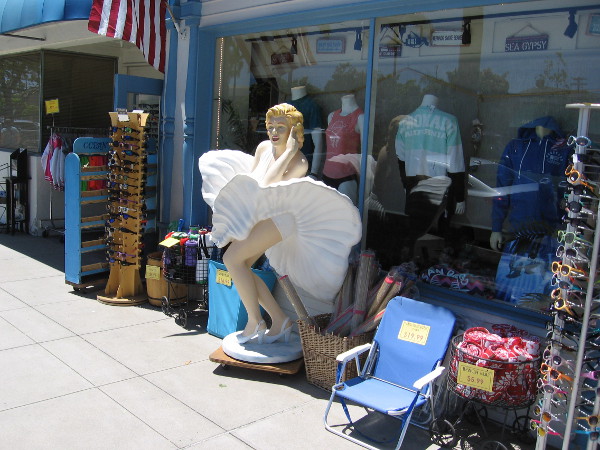
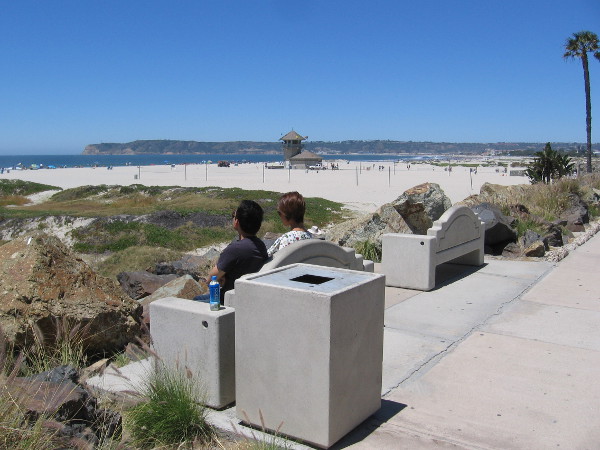
Walking west through Centennial Park. Flags line the pathway for the upcoming Memorial Day weekend.Gazing from a sheltered area with benches across the green grass. The skyline of downtown San Diego rises in the background.Words on one bench. Don’t be afraid to lean into the wind, love the earth in all of its glories, and take care of each other.Gazing north along the bayside beach toward Navy ships docked at North Island.Roses bloom near the old ticket booth of the original Coronado ferry.A spring bloom in Coronado.Some patriotic art on a wall by the Little Club on Orange Avenue.Walking west along Orange Avenue. Coronado is pleasant, friendly and inviting wherever you roam.Bench near the front of the Coronado Public Library.Plaque on the bench. In memory of June Lenz, founder of Crown Garden Club, whose legacy was to encourage the love of flowers and the beautification of Coronado.Flowers in front of the stately but welcoming Coronado Public Library.The big Torrey Pine on the left side of this photograph is a Coronado Heritage Tree.Flags by the library fly proudly on a spring day.A plaque on a boulder by the flagpole. The Stockdale Tribute. Vice Admiral Stockdale and his wife Sybil were distinguished Coronado residents.A shining, kinetic sculpture by the library turns in the breeze.A flower vendor brightens Orange Avenue.This life-size Marilyn Monroe by an Orange Avenue shop is in her iconic pose. The famous actress starred in the movie Some Like It Hot, which was filmed at the nearby Hotel del Coronado.Flowers along fence of a pleasant house in affluent Coronado.Looking out across the wide beach toward the Point Loma peninsula and the Pacific Ocean.A peek at John D. Spreckels’ “beach house” on Coronado.
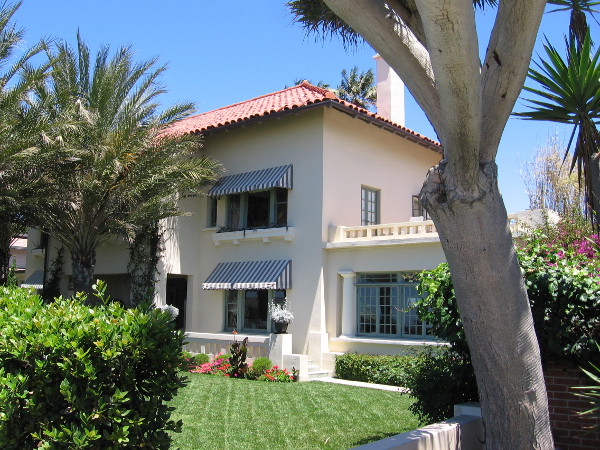
On the beachfront, at 1043 Ocean Boulevard, you’ll find one of two historic Spreckels Mansions: his “beach house”. John D. Spreckels’ more impressive “bay-side house” is now the Glorietta Bay Inn, across from the Hotel del Coronado. The successful and very wealthy businessman helped to transform San Diego into a bustling city and center of commerce. One of his business ventures included the world-famous Hotel del Coronado.
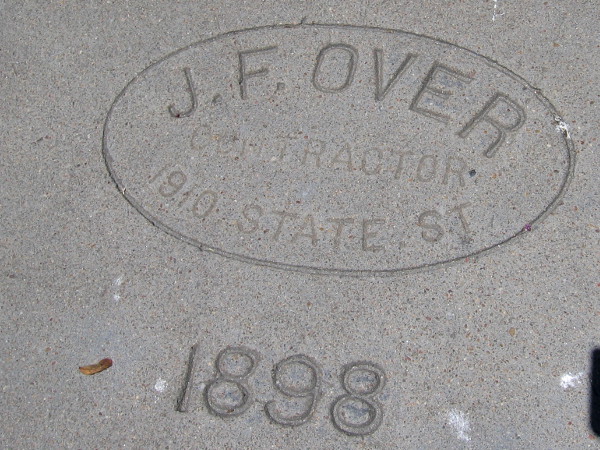
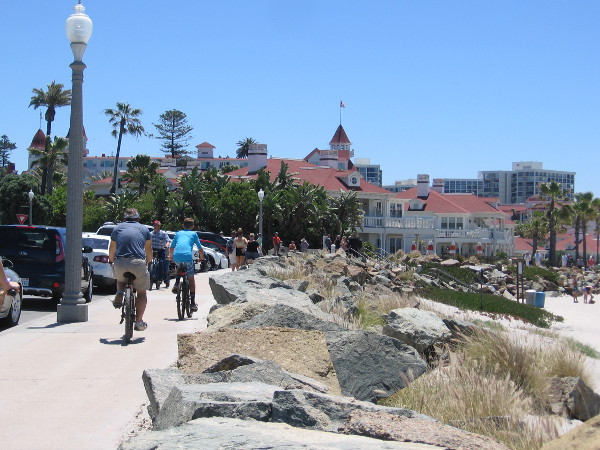
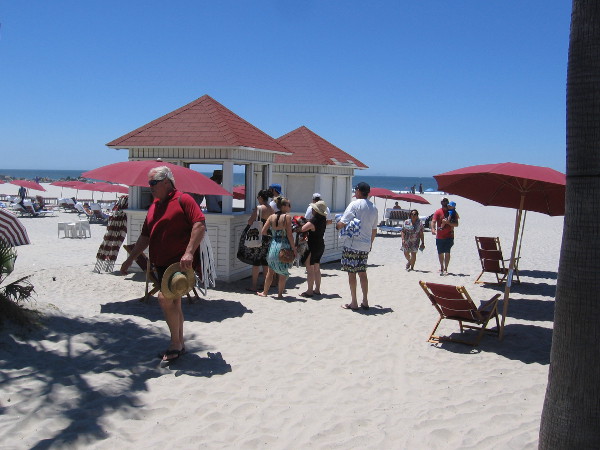
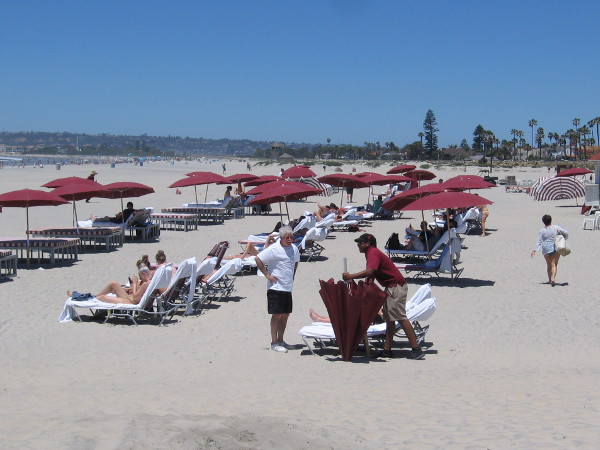
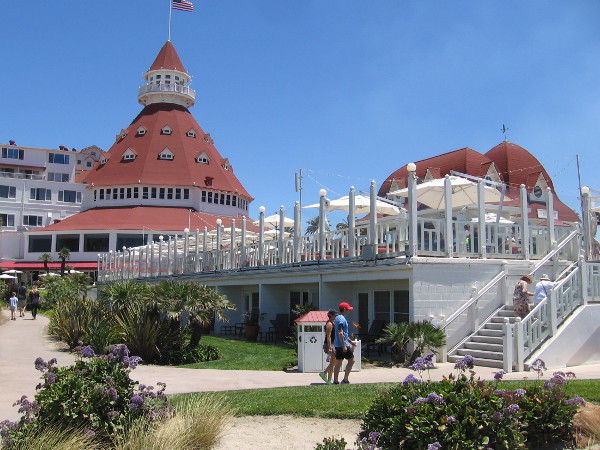
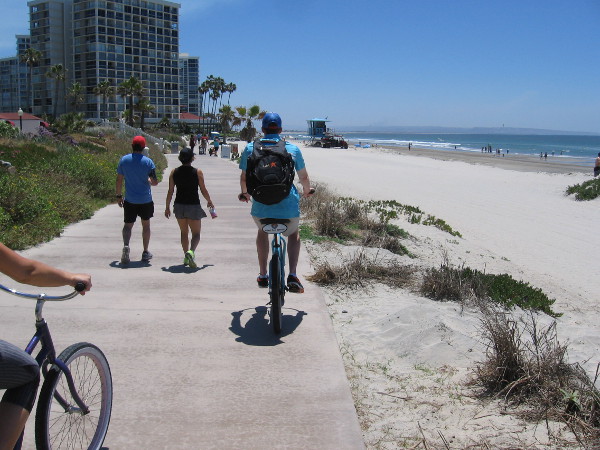
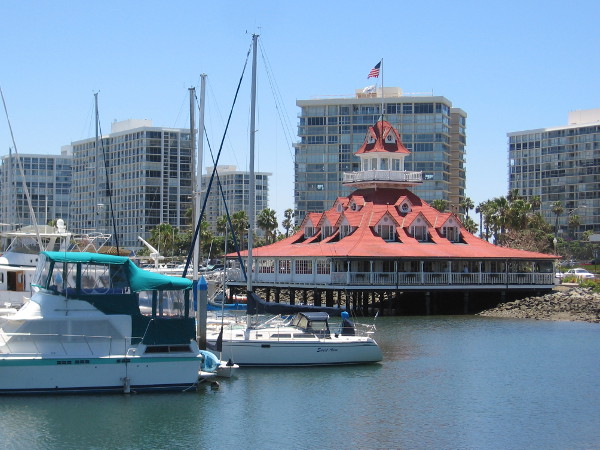
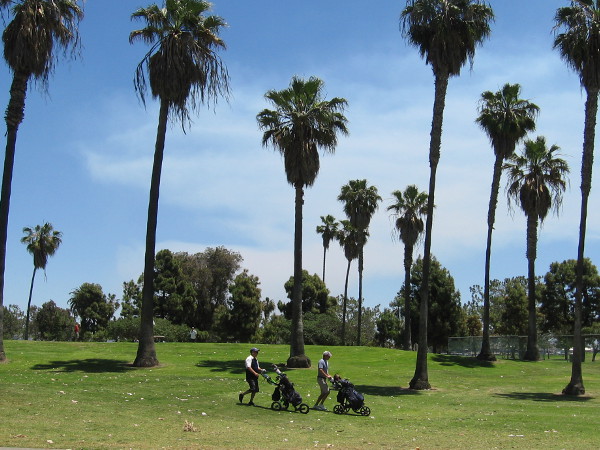
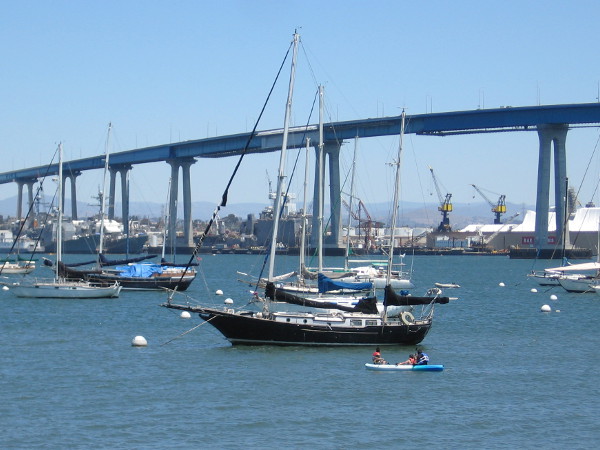
Concrete sidewalk in front of the Spreckels “beach house” is stamped 1898.Heading south along the beach toward the Hotel del Coronado, one of the world’s finest resorts.Coronado has one of the best beaches in the United States. It is regularly rated in the nation’s top five.Hotel guests and visitors enjoy the San Diego sunshine on a broad white beach.This cool sand sculpture was built near the Hotel del Coronado by The Sandcastle Man!The Hotel del Coronado is an architectural gem. Numerous world leaders, dignitaries and celebrities have stayed at the resort over the years.Sign by the beach. Hotel del Coronado continues to safeguard this magnificent stretch of Southern California coastline.This is paradise.Biking down toward the Coronado Shores.Old and new maps of Coronado Island on a portable restroom.The Hotel del Coronado’s old boathouse, on Glorietta Bay, built in 1887. It’s now home to the Bluewater Boathouse Seafood Grill.Bicyclists ride down Glorietta Boulevard, part of the Bayshore Bikeway around San Diego Bay.Golfers enjoy a sunny spring Saturday at the Coronado Municipal Golf Course.Photo taken beneath the San Diego-Coronado Bridge, which opened in 1969. Locals often call it the Coronado Bay Bridge.Boats moored between Coronado and the bridge. San Diego’s shipyards can be glimpsed on the other side of the bay.Colorful boats piled on the sand near Coronado Tidelands Park.A silly bench by the playground at Coronado Tidelands Park, created by sculptor Douglas Snider of Studio 15 in Balboa Park’s Spanish Village Art Center.I believe this fellow down by the water is a great blue heron.My walk will soon come full circle. What a perfect late spring day.
…
This blog now features thousands of photos around San Diego! Are you curious? There’s lots of cool stuff to check out!
Here’s the Cool San Diego Sights main page, where you can read the most current blog posts. If you’re using a small mobile device, click those three parallel lines up at the top–that opens up my website’s sidebar, where you’ll see the most popular posts, a search box, and more!
To enjoy future posts, you can also “like” Cool San Diego Sights on Facebook or follow me on Twitter.
Gaslamp Museum at the William Heath Davis House and Park, 1850. Home of the Gaslamp Quarter Historical Foundation.
These photos inside the historic William Heath Davis House Museum were taken a few months ago. I toured the fascinating house during the Fall Back Festival, which is held every year in San Diego’s Gaslamp Quarter.
Dated 1850, the William Heath Davis House, like a number of other structures in early San Diego, was built on the East Coast and shipped around Cape Horn. At the time San Diego simply didn’t have the resources and tools required to build a fine wooden house. Various rooms inside the museum show what life was like in New Town a century and a half ago. It was a much simpler time. The small museum now sits in the middle of a gigantic, bustling metropolis.
Please read the photo captions for more info, and click the signs to read them.
Photo of the William Heath Davis House Museum taken from across Island Avenue.Tours of the historic house are available. A museum store contains fascinating gifts.The William Heath Davis House, built in 1850, is the oldest surviving structure from San Diego’s New Town. It is a prefabricated “salt-box” style home, shipped from Portland, Maine around Cape Horn.The 1850 Davis-Horton House was used as a military barracks, county hospital, and was home to New Town’s founder Alonzo Horton and several other families over the years.Looking down the stairs from the second floor. A lady in Victorian attire welcomes visitors to the museum during the Fall Back Festival in November.A look at the first floor living room where family and guests would gather.A small piano, sheet music, teacup and candle. Entertainment in the olden days was simple.The dining table is set for a grand meal in what was then a sparsely populated New Town San Diego.An old sewing machine can be found by a window upstairs.The nursery, with crib, chest and small bed.Three beds for the children have colorful quilts.A desk in the study, framed photos, and a cabinet full of books. No internet back then!An old-fashioned penny-farthing bicycle reminds visitors to the William Heath Davis House Museum of what life was like a century and a half ago in San Diego.
…
I live in downtown San Diego and love to walk around with my camera! You can follow Cool San Diego Sights via Facebook or Twitter!
You can easily explore Cool San Diego Sights by using the search box on my blog’s sidebar. Or click a tag! There are thousands upon thousands of fun photos for you to share and enjoy!
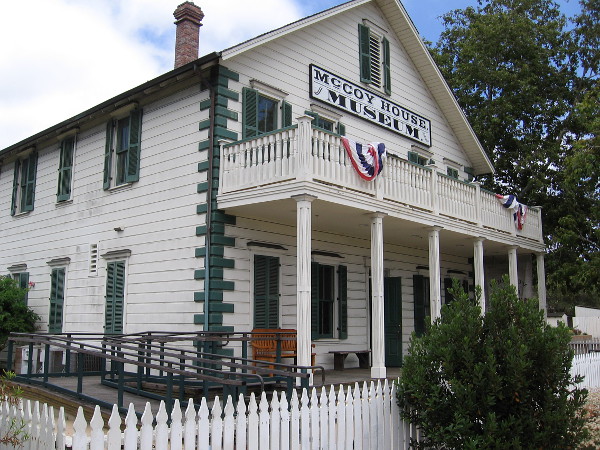
The McCoy House Museum, in Old Town San Diego State Historic Park, is a reconstruction of a home built in 1869 for Sheriff James McCoy.
While there are many small museums and historical attractions that visitors can enjoy in Old Town San Diego State Historic Park, the McCoy House Museum is the best place to see an extensive series of interpretive displays that describe the complete history of early San Diego.
The McCoy House, standing on the north end of Old Town, is a reconstruction of a home built in 1869 for Sheriff James McCoy and his family. James McCoy, who lived from 1821 to 1895, like many early San Diego residents was an ambitious man, working diverse jobs, filling many roles. At the age of 21 he sailed from Ireland to America seeking opportunity. He became a soldier, then a stagehand, then San Diego county assessor, then county sheriff in 1861. He acquired substantial real estate holdings and finally won election to the state senate in 1871.
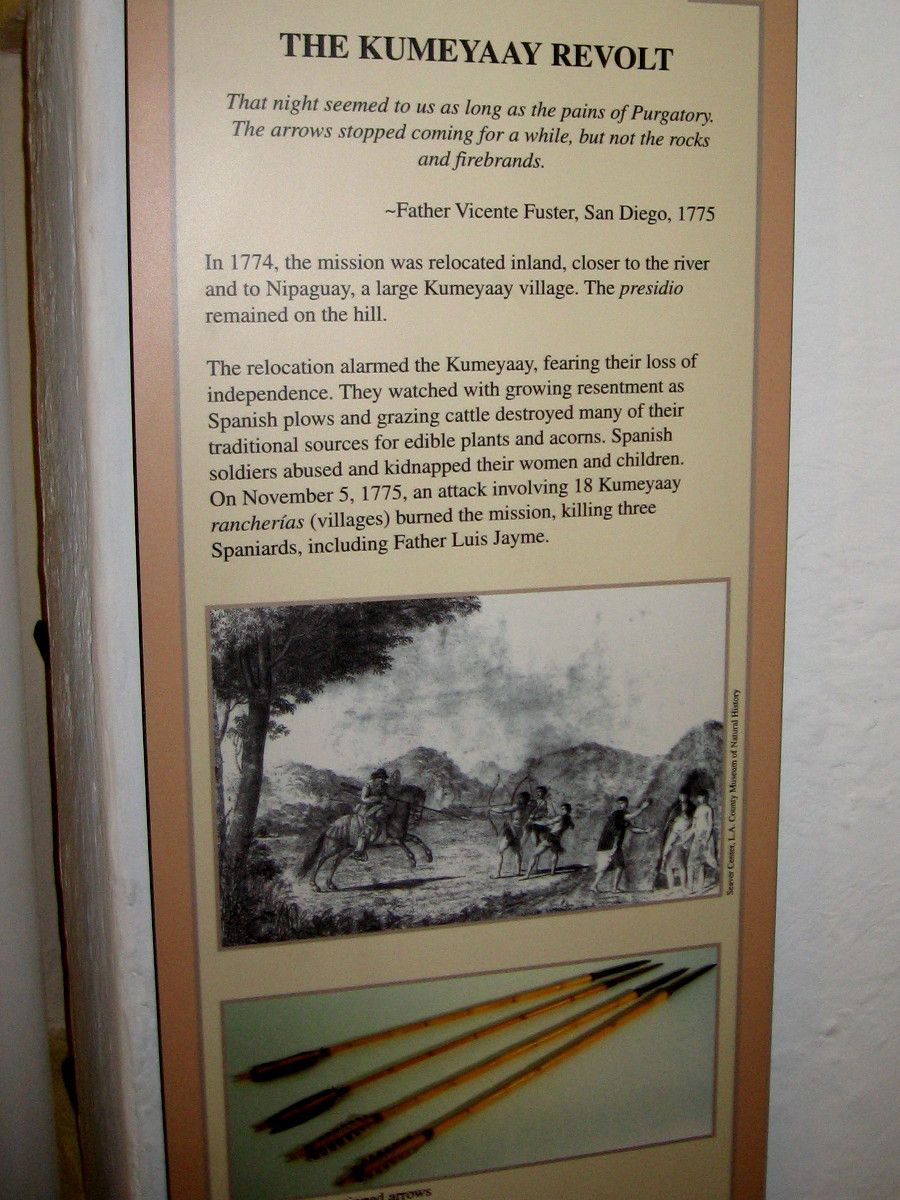
The interpretive displays in the McCoy House Museum provide a good look back at San Diego’s formative years. They detail the life of the Native American Kumeyaay who’ve lived in the region for thousands of years, the first Spanish explorers, the establishment of the Spanish mission, the Mexican period and the subsequent American period.
If you’d like to read the displays, click my photographs to enlarge them.
This blog post covers the first floor of the museum. I’ll cover the second floor exhibits in a later post. After heading up some stairs, one can find information about the more prominent residents of Old Town, plus the town’s later history as it competed with New Town, which eventually rose to become downtown San Diego as we know it today.
Anyone who is a history buff must visit the McCoy House Museum. You’ll be transported back in time and see how life was exciting, difficult, and altogether different many, many years ago in San Diego.
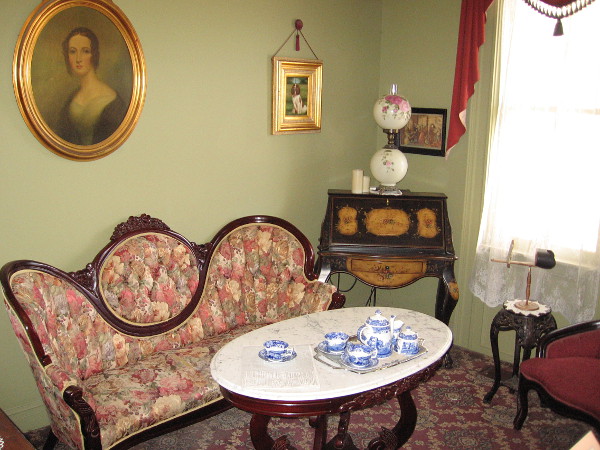
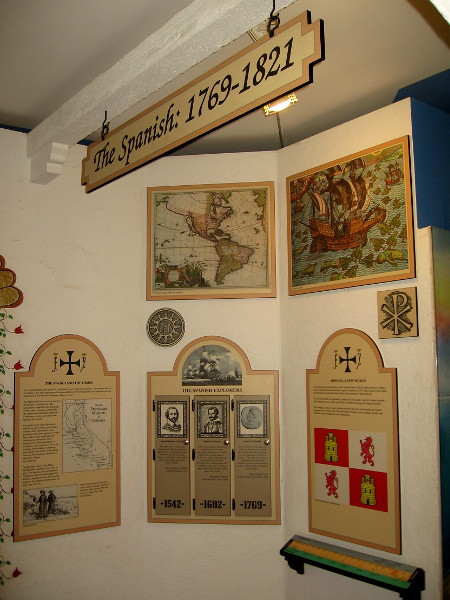
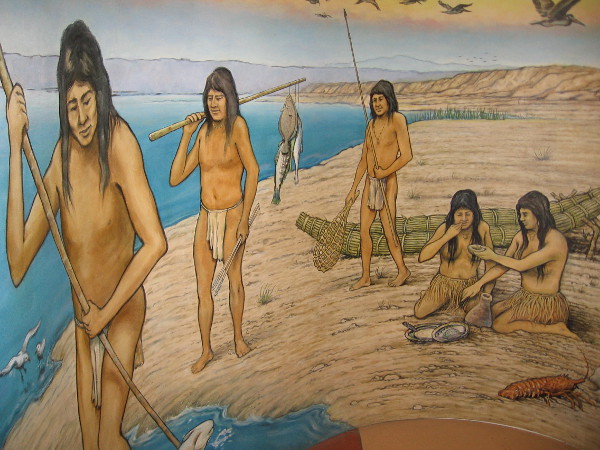
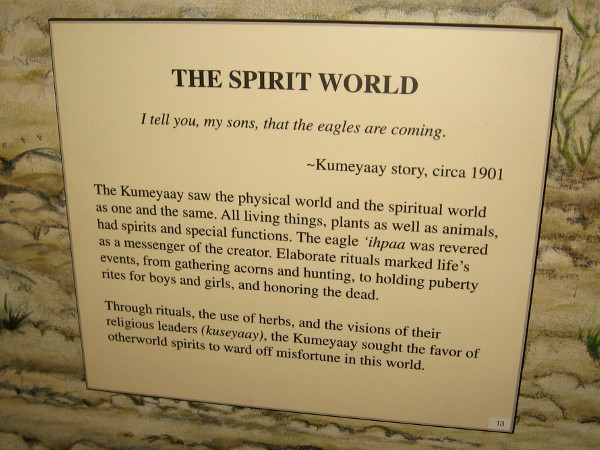
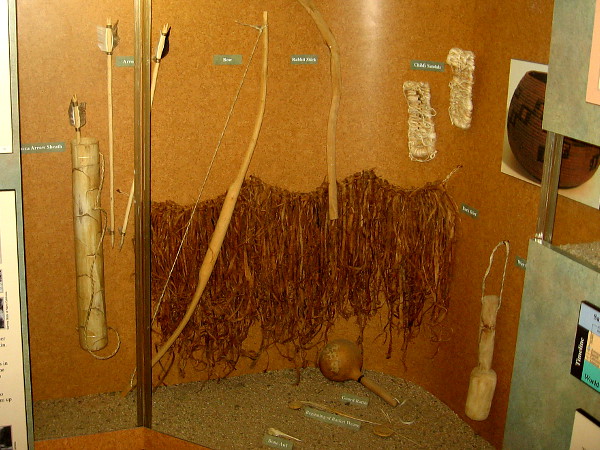
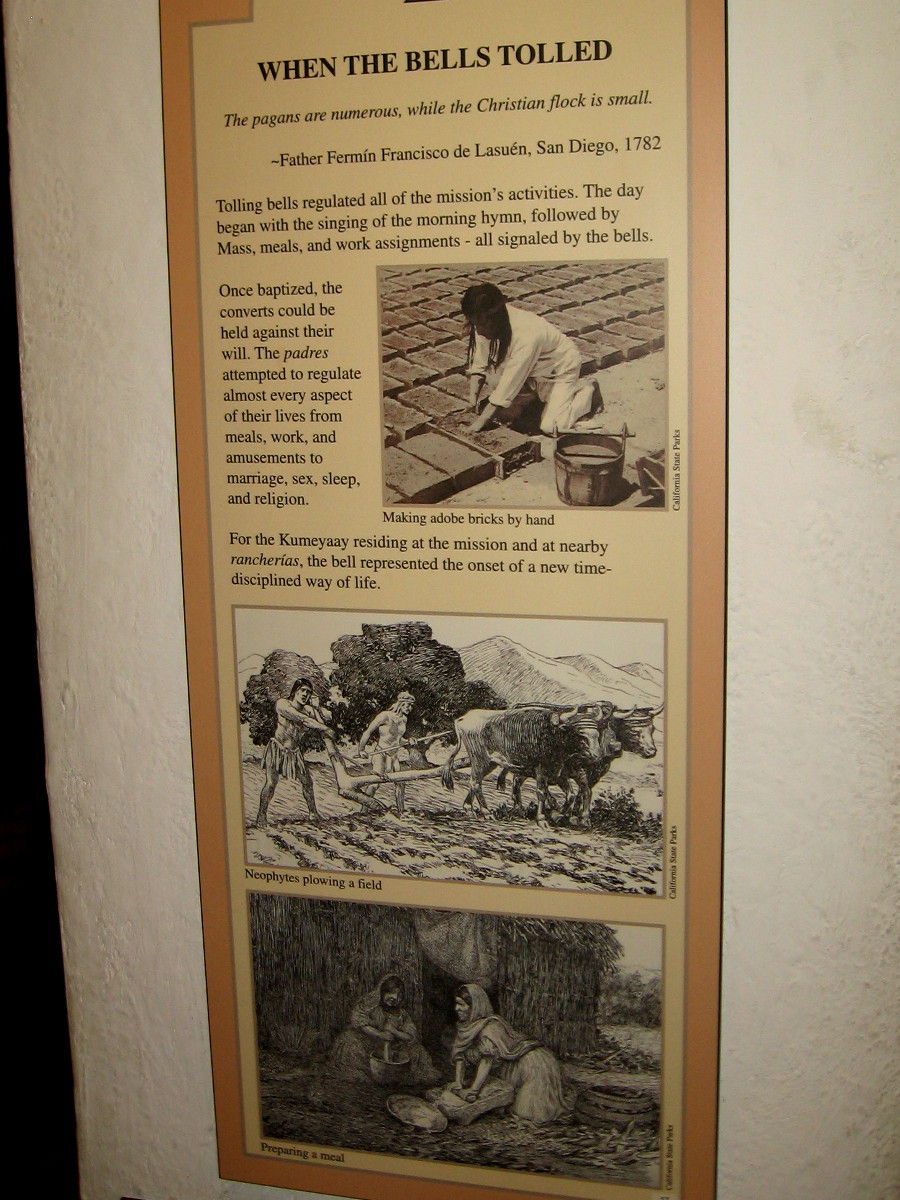
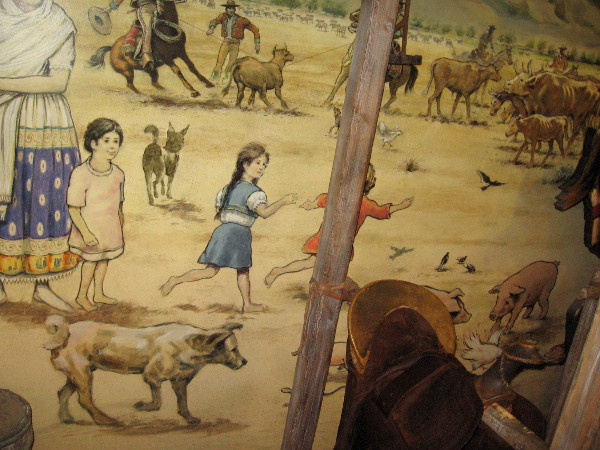
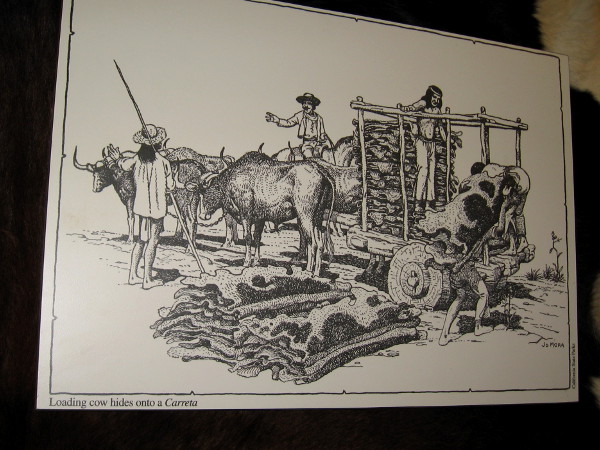
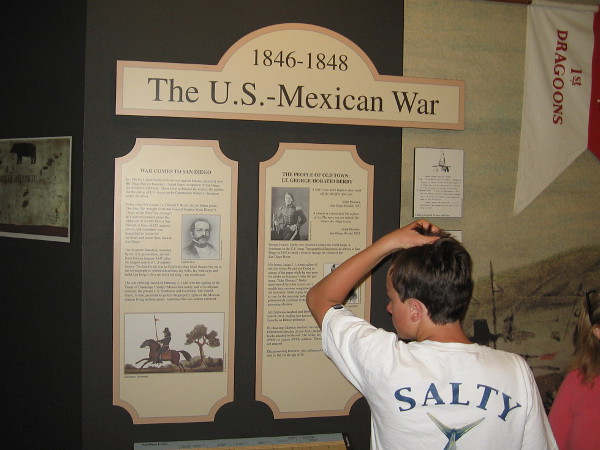
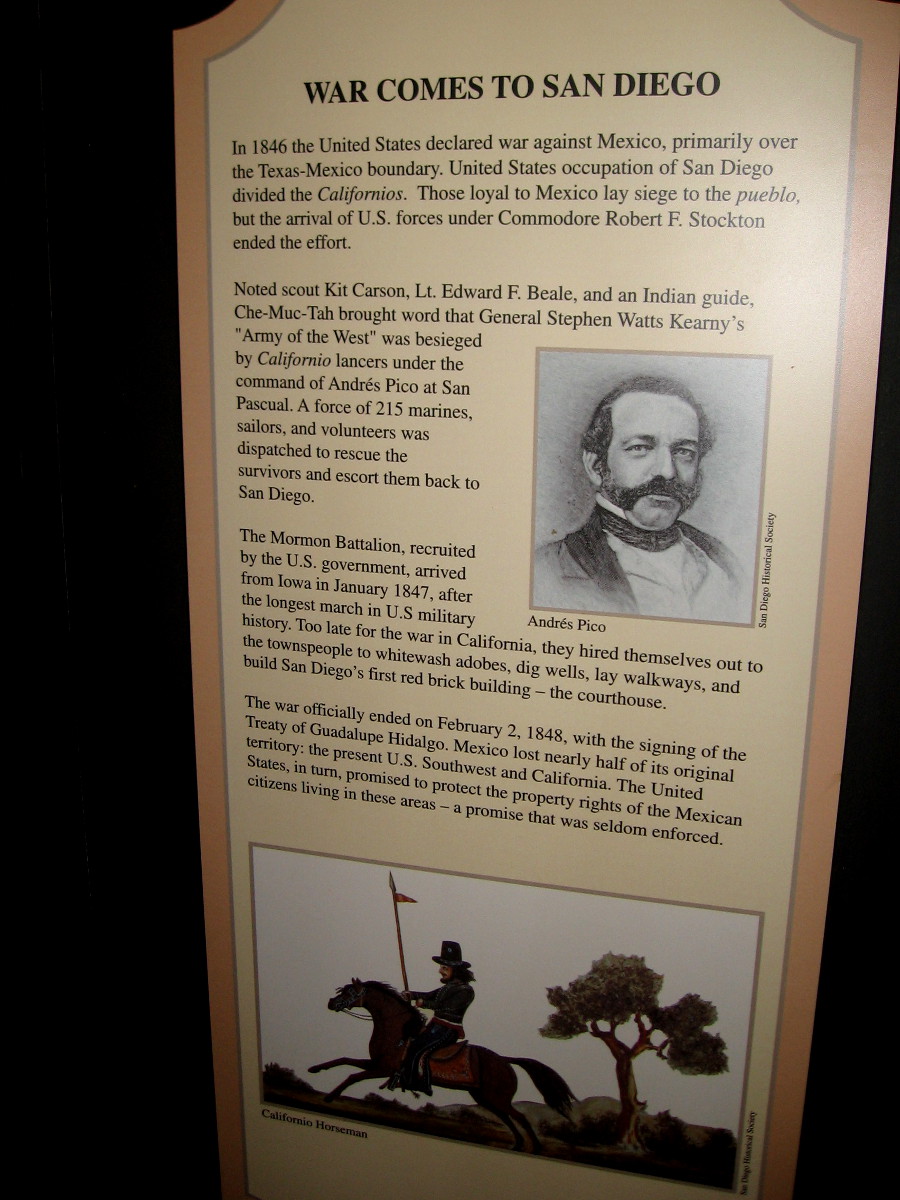
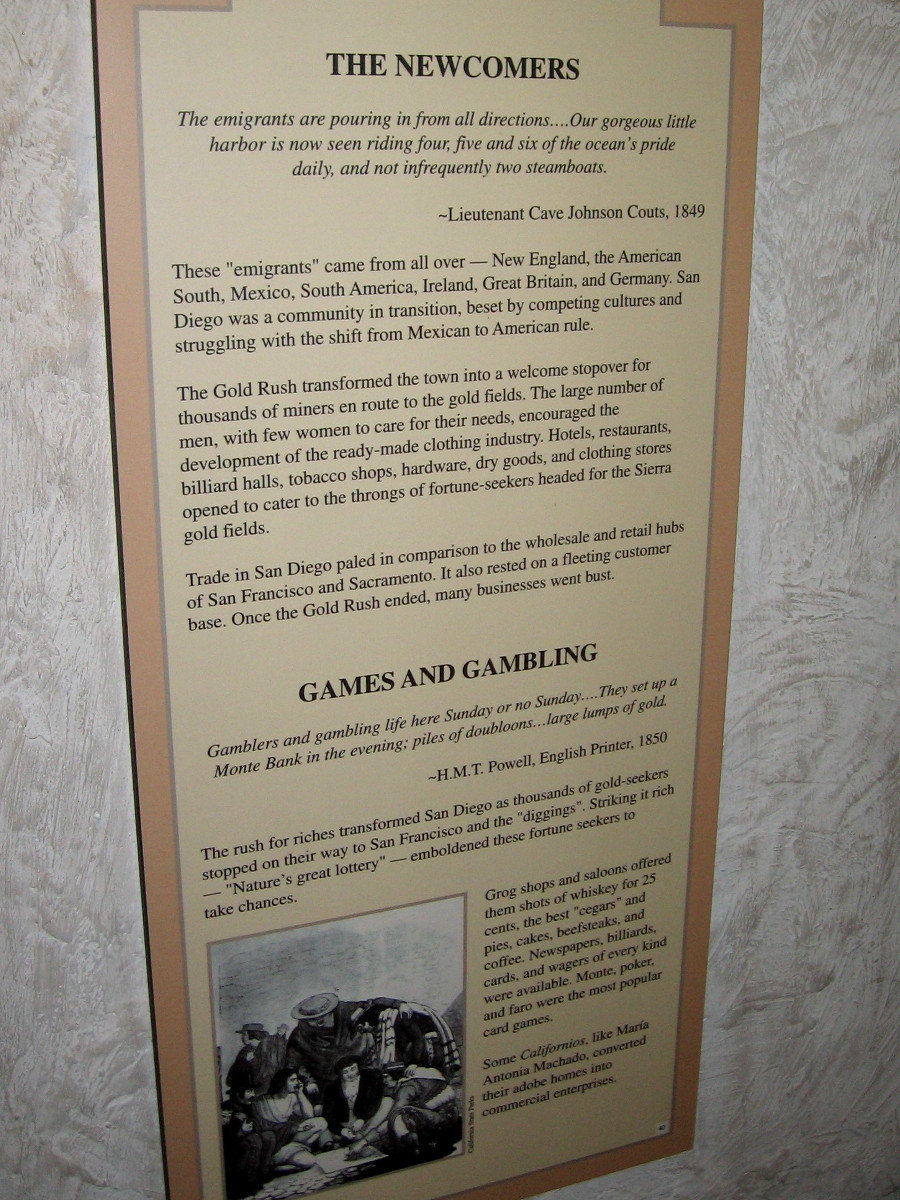
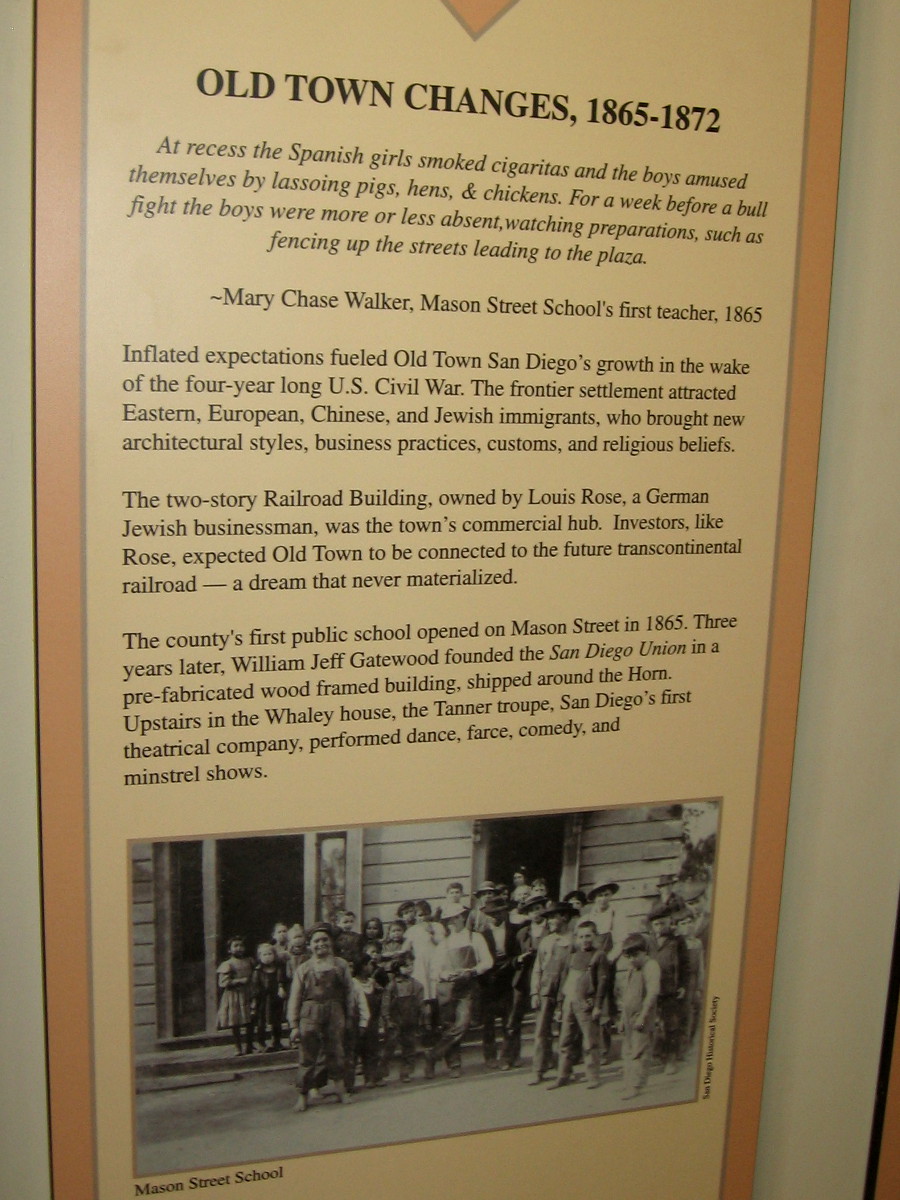
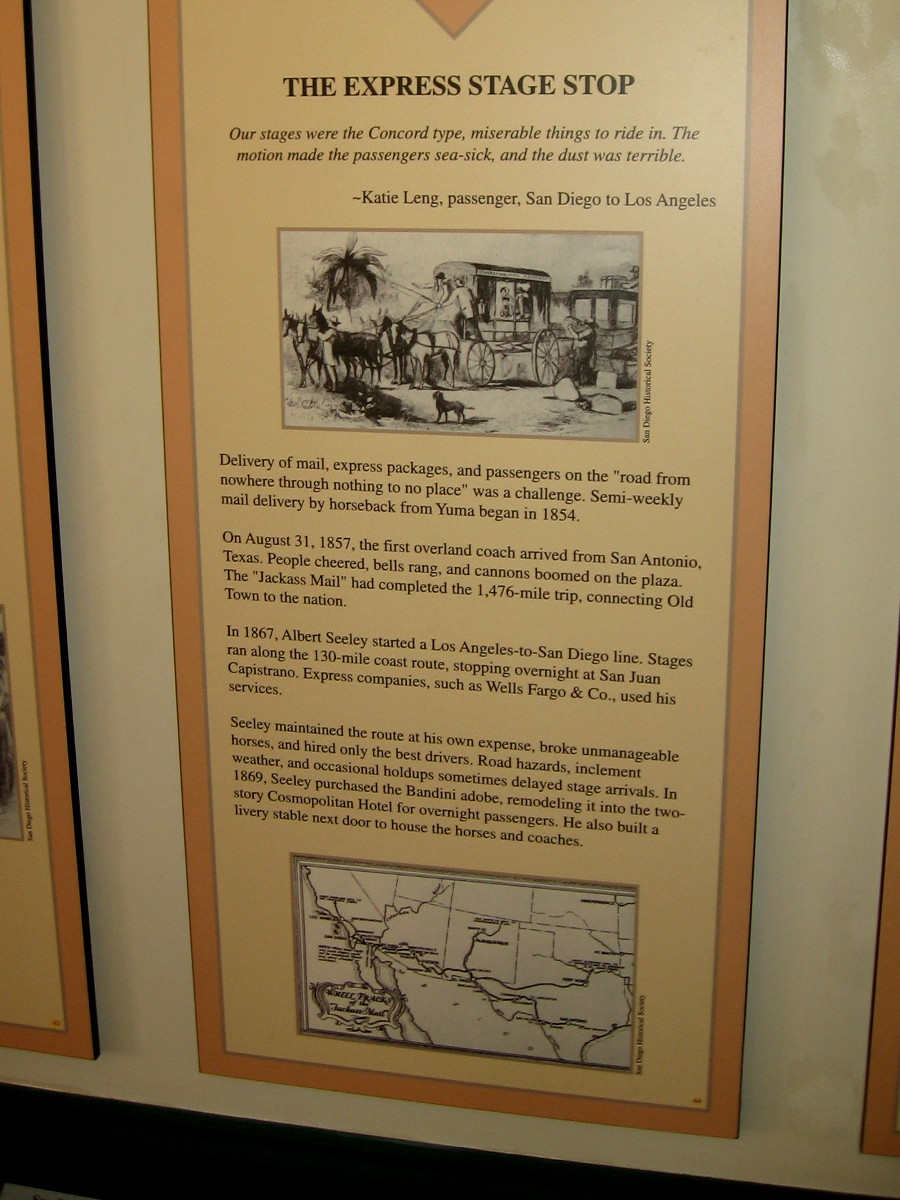
Sign lists important dates concerning the McCoy House. Today it’s a museum containing exhibits that explain the fascinating history of Old Town San Diego.Just inside the front door, this might have resembled the parlor of the original McCoy House, occupied by an upper middle class family in San Diego’s Old Town.Framed photo on one wall from the San Diego Historical Society shows the original McCoy House.Interpretive exhibits inside the McCoy House Museum begin with the Spanish period of San Diego, from 1769 to 1821.Quotes from the journeys of Juan Rodriguez Cabrillo, Sebastian Vizcaino and Gaspar de Portola.A string of missions was created by Spain in California to secure its claim to new territory. The first mission, in San Diego, was originally established on Presidio Hill near the native Kumeyaay village of Cosoy.An artistic representation of life among the Kumeyaay people. They often visited the nearby coast to hunt and gather food.For thousands of years, the Kumeyaay lived along the coast and interior valleys of what is now San Diego County. They moved with the seasons to take advantage of available resources.The Kumeyaay built dome-shaped houses from oak, willow or sycamore branches. The simple structures were called ee-wahs.The Kumeyaay saw the physical and spiritual world as one and the same.Exhibit in the McCoy House Museum shows artifacts associated with the Kumeyaay, including a bark skirt, arrows, rabbit stick, child’s sandals, gourd rattle and war club.The Kumeyaay revolted against the Spanish missionaries in 1775, a year after the San Diego mission was relocated inland very close to a large Kumeyaay village.Once baptized, converted Kumeyaay followed a strict life. Mission bells signaled the day’s activities, including the singing of hymns, Mass, meals and work assignments.Mexico gained its independence from Spain in 1821 after a decade of bloodshed. Changes included a decline in support for the presidio and freedom from Spain’s trade regulations.After the breakup of the Spanish missions, the era of the great ranchos began. Californios were often racially mixed descendants of soldier-settler families.Vaqueros were the original cowboys. They worked on the extensive ranches and handled the large herds of stock.A fanciful picture of life on a rancho, with vaqueros at work and children at play.The Californios loved to celebrate feast days, weddings and religious festivals.Cattle by the thousands roamed San Diego’s hills. Their dried hides were used in trade and were sometimes referred to as California banknotes.Illustration of loading cow hides onto a carreta. Hides were gathered by ships along the coast to be transported around Cape Horn to the eastern United States.Exhibit inside the McCoy House Museum recreates the small shop of a Boston trader. The brig Pilgrim of Two Years Before the Mast brought people aboard to buy wares and finished goods that weren’t available in San Diego.Illustrations of cow hides being cured. This activity took place at La Playa, a point on San Diego Bay near Ballast Point in Point Loma.Diagram of the brig Pilgrim, made famous in Richard Henry Dana Jr.’s classic Two Years Before the Mast. As an ordinary seaman, Dana collected cattle hides up and down the California coast.Exhibit in the McCoy House Museum details local history during the Mexican–American War from 1846 to 1848.During the war, U.S. occupation of San Diego divided the loyalty of the Californios. The two sides fought briefly at the Battle of San Pasqual.Around the time of the Gold Rush, San Diego saw an influx of emigrants from all over, including New England, the American South, Mexico, South America, Ireland, Great Britain and Germany.Old Town tales include the construction of the first jail in 1850. The walls were so poorly made, the first prisoner, Roy Bean, easily dug himself out, then celebrated at a nearby saloon!Grog shops became popular gathering places. They were a social hub of San Diego life, providing customers with news and provisions.A recreated Old Town grog shop can be found inside the McCoy House Museum.After the California Gold Rush of 1849, San Diego became more developed. A courthouse and newspaper were established. Transportation included clipper ships, stage lines and steamships.Poster advertises a new clipper ship route. A very quick trip may be relied upon!Between 1865 and 1872, Old Town San Diego continued to grow. The first public school opened, and the town welcomed its first theatrical company in the Whaley house.The first overland coach to San Diego began service in 1854. Additional stage lines came into existence, allowing for the delivery of mail, express packages and passengers.Visitors to the McCoy House Museum can step into a replica stage stop and see what life was like in Old Town during San Diego’s rugged early history.
…
I live in downtown San Diego and love to walk! You can follow Cool San Diego Sights via Facebook or Twitter!
You can easily explore Cool San Diego Sights by using the search box on my blog’s sidebar. Or click a tag! There are thousands upon thousands of interesting photos for you to enjoy!
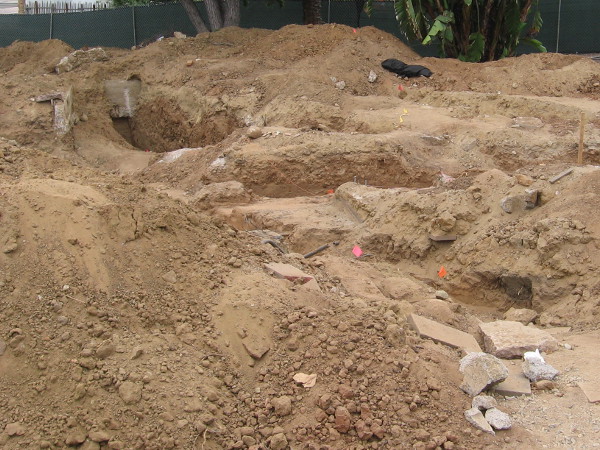
An area beside a popular entrance to Old Town San Diego State Historic Park, near the McCoy House Museum, will be the site of an historical reconstruction.
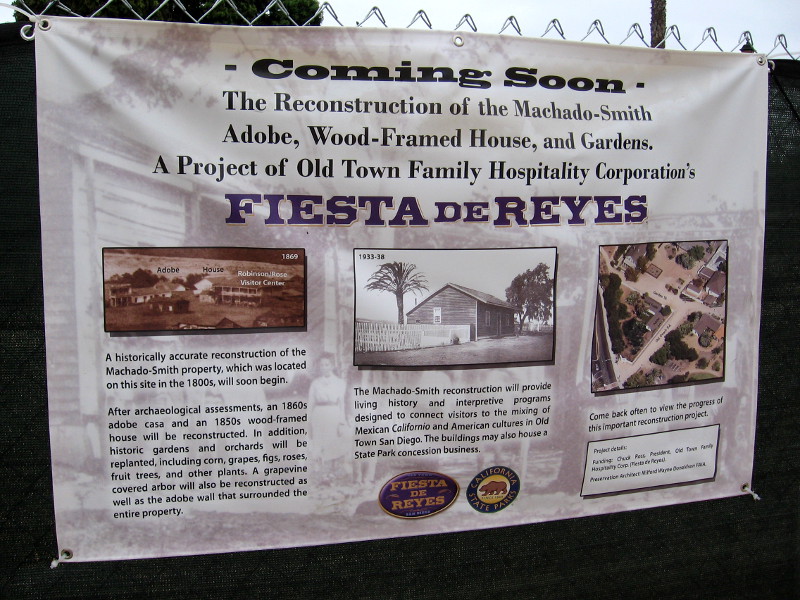
There are plans to bring more history to life in Old Town San Diego State Historic Park! A reconstruction of the Machado-Smith adobe and wood-framed house, including gardens and orchards, will greet future visitors to San Diego’s birthplace!
According to a sign that I read, after archaeological assessments (which appear to be underway right now), the Machado-Smith 1860s adobe casa and 1850s wood-framed house will be built near the main walkway that leads visitors from the Old Town Trolley Station into the California State Park. Also planned is a grapevine covered arbor and gardens and orchards with corn, grapes, figs, roses and fruit trees!
According to some research and a State Park employee that I spoke to, the house was built for American Albert Benjamin Smith and his Mexican wife María Guadalupe Yldefonsa Machado de Wilder who together raised nine children. The property remained with the family until 1929. Eventually the house fell into disrepair.
It is uncertain when the new construction will begin, but I’ll keep my eyes open!
Once completed, the Machado-Smith reconstruction will offer interpretive programs concerning Old Town San Diego’s unique mixture of Mexican Californio and American cultures! Very cool!
I was told by a California State Park employee that bits of pottery and other interesting objects have been found at this site.An historically accurate reconstruction of the mid 1800’s Machado-Smith property will be built in Old Town San Diego. Included will be an adobe casa, wood-framed house and gardens.
…
I live in downtown San Diego and love to walk! You can follow Cool San Diego Sights via Facebook or Twitter!
You can easily explore Cool San Diego Sights by using the search box on my blog’s sidebar. Or click a tag! There are thousands upon thousands of fascinating photos for you to enjoy!
Through this door is where the tour of the Villa Montezuma begins. Once inside, visitors turn left into a reception room, then proceed into truly magnificent performance and drawing rooms.
Four times a year, people are allowed inside the amazing Villa Montezuma. That’s part of the agreement between the City of San Diego Park and Recreation Department and the Friends of the Villa Montezuma, who are working hard to restore this historic gem in San Diego’s Sherman Heights neighborhood. I went on one of those half hour tours yesterday. Wow!
A couple years ago I walked past this eye-popping 1887 Queen Anne Victorian mansion, built by famed musican and spiritualist Jesse Shepard. I then posted a blog with a few outside photos. Well, guess what? All I can present today are more outside photos! Because photography isn’t allowed inside the Villa Montezuma at this time. But I can provide a little info about the tour, and try to convince you to go on one yourself.
Stepping into the Villa Montezuma is like stepping into a tiny royal palace. I’m not exaggerating. When I was young, I was fortunate to visit many of the most elegant palaces and chateaus of Europe, and the interior of Jesse Shepard’s home, which includes a splendid reception room, performance hall and drawing room, easily matches those esteemed places when it comes to lavish, luxurious decoration. Jesse Shepard (who later wrote under the pen name of Francis Grierson) was a pianist and composer who performed for many of Europe’s royalty, including the Czar of Russia and the Prince of Wales in England. So he was no stranger to a kingly lifestyle!
Should you enjoy an inside tour of the elaborate Villa Montezuma, which is built entirely of redwood, you’ll see fantastic art glass created by John Mallon of San Francisco. (Mallon also created the stained glass windows for San Diego’s 1889 courthouse, each window representing the Great Seals of the 42 states. You can see those windows today in downtown’s Hall of Justice.)
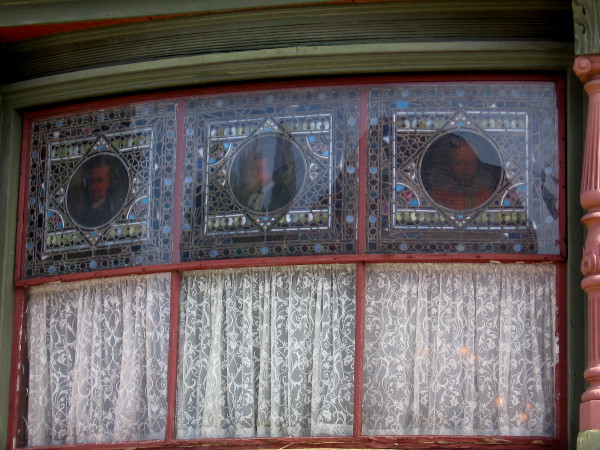
Jesse Shepard loved art, music and literature, and the stained glass windows in his mansion pay homage to his favorite artists. In the splendid room where he performed concerts for guests, windows feature the faces of Beethoven and Mozart, Raphael and Rubens; you’ll also see an expansive window devoted to Sappho, the classic Greek lyric poet, and four windows representing the four seasons. In the drawing room you can see more stained glass featuring Shakespeare, Goethe and Corneille.
The effect of these windows is truly astonishing. Their magical light shines on warm, ornate woodwork and wood floors, an embossed silvery ceiling, satin curtains, a variety of beautiful fireplaces, and artful touches that include influences from Innsbruck and Japonism. Stepping into the Villa Montezuma almost seems like falling into a dream of long ago.
Restoration of the Villa Montezuma is ongoing. The foundation was recently strengthened, along with the roof and chimneys. Still to go is the repainting of the exterior, fence restoration and landscaping the grounds. Once all is complete, it is hoped the mansion will be open full time as a permanent museum!
Meanwhile, go on a tour if you’re in San Diego. The guide was knowledgeable and entertaining. You’ll see much of the house, even some less elevated parts like the kitchen and washing room. You’ll learn all about Jesse Shepard, including strange mysteries concerning his life and the absolutely magnificent way he died!
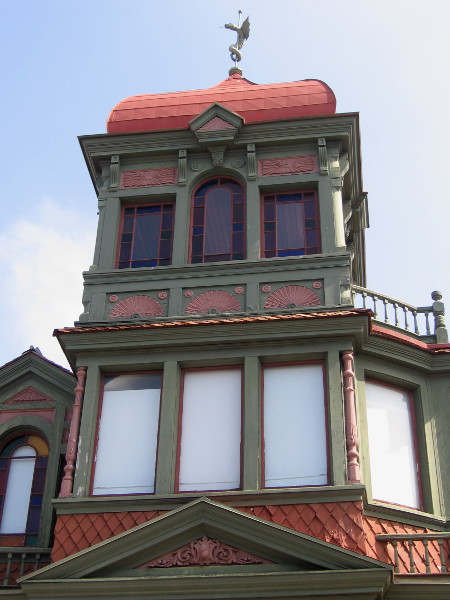
Folks gather for a free half hour tour. The public can venture inside the Villa Montezuma four times every year. (The upper floor isn’t open to the public yet.)The Friends of the Villa Montezuma is a nonprofit dedicated to restoring and maintaining the amazing Villa Montezuma mansion in San Diego.Photo of southeast corner of the Villa Montezuma Museum. The 1887 Queen Anne Victorian mansion contains numerous beautiful stained glass windows.Looking upward at the elaborate tower. I was allowed to closely approach this outside part of the Villa Montezuma on a tour day.A balcony just outside Jesse Shepard’s bedroom, which is adjacent to the elegant drawing room!Unusual curved bay window of the drawing room features stained glass images of Shakespeare, Goethe and Corneille. One must be inside to appreciate the grand effect.A light-filled chapel-like nook in one corner of Jesse Shepard’s performance room features stained glass depicting the four seasons.
…
I live in downtown San Diego and love to walk! You can follow Cool San Diego Sights via Facebook or Twitter!
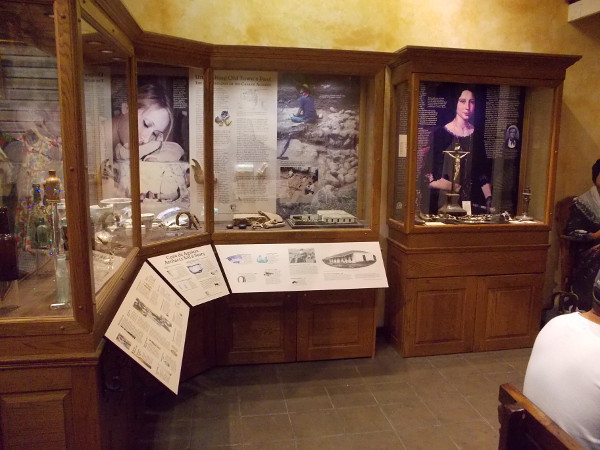
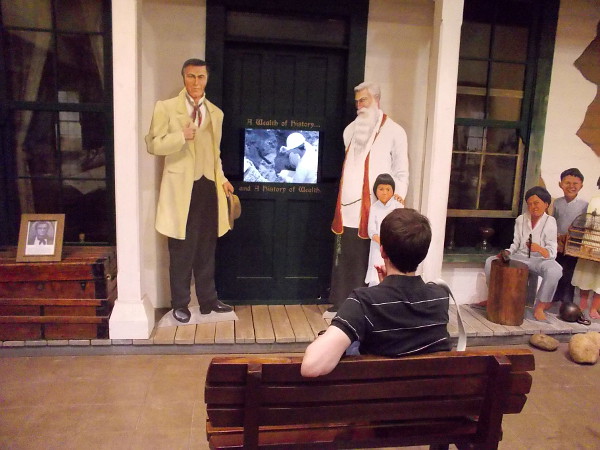
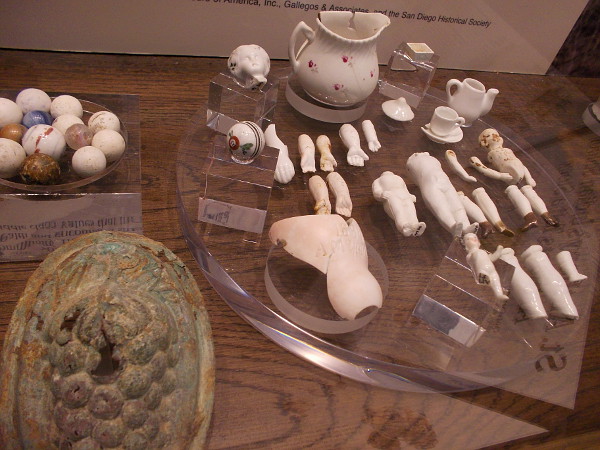
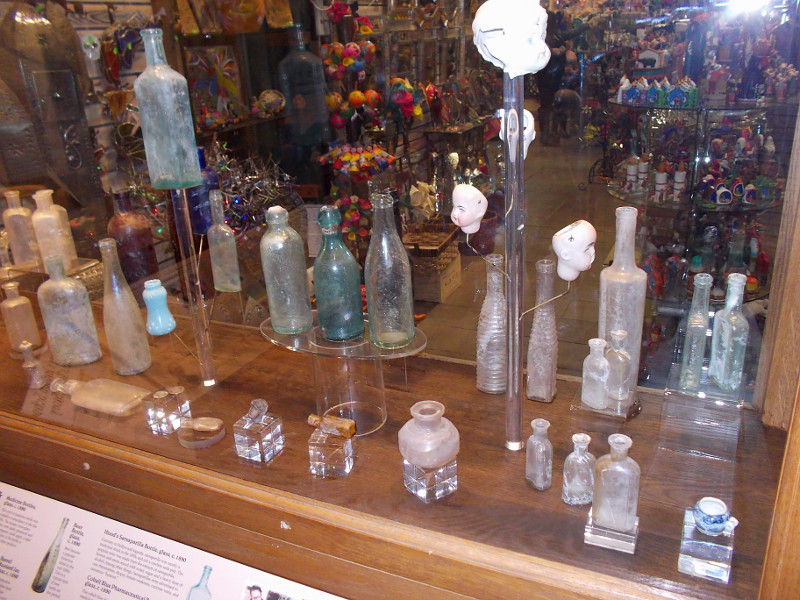
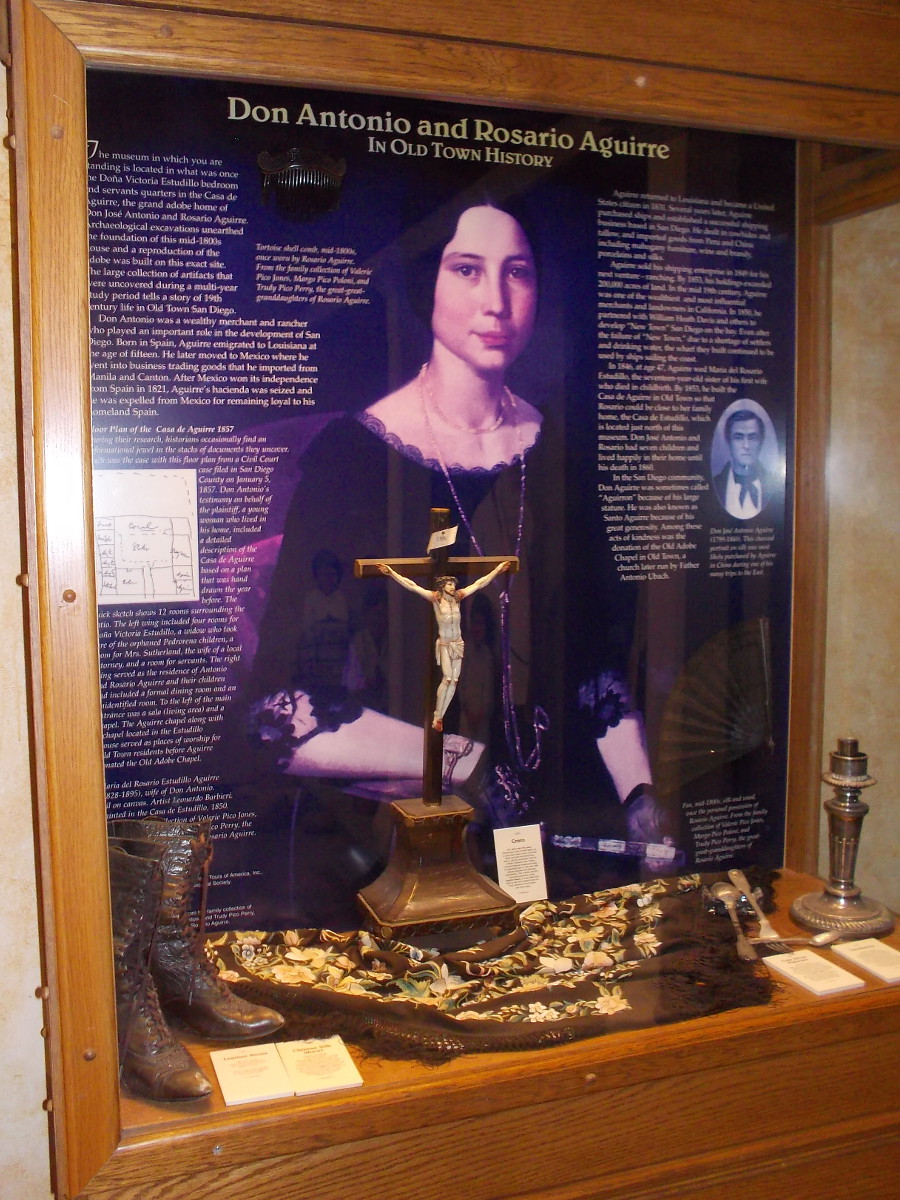
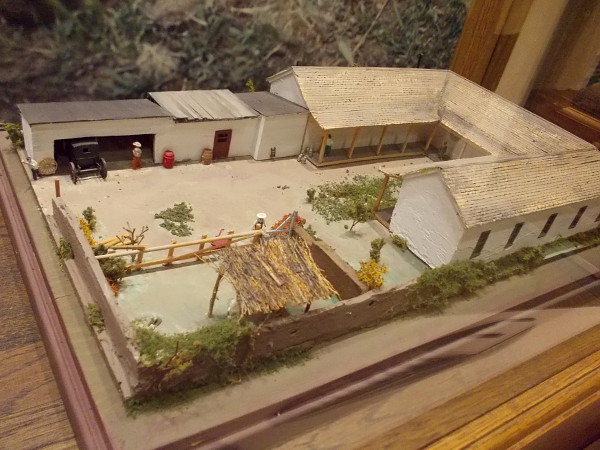
Fascinating exhibits inside the Casa de Aguirre Museum in Old Town San Diego State Historic Park.
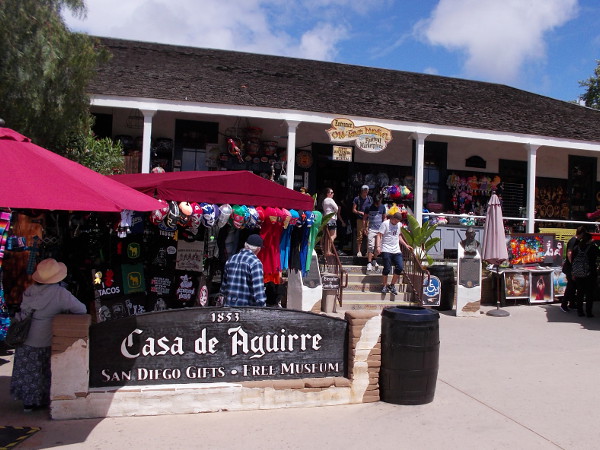
Many visitors to Old Town San Diego State Historic Park might think the Casa de Aguirre is just a shop brimming with colorful crafts and wares. But a closer look reveals that a small museum is located inside.
Here are some photos which provide a glimpse of what you’ll discover should you step into the museum. Read the captions, and you’ll learn how Casa de Aguirre is one of the most important sites in Old Town, and how its occupants shaped San Diego’s early history.
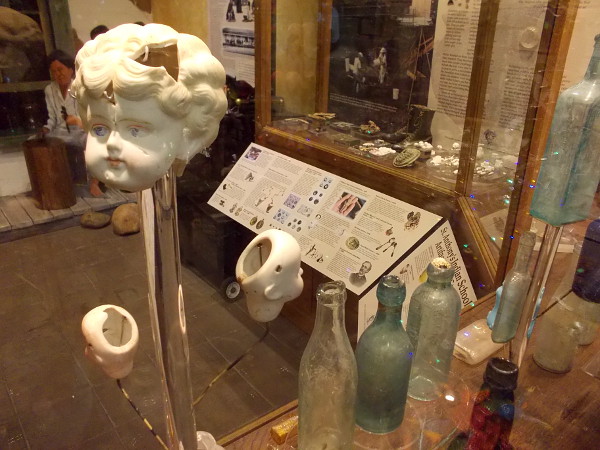
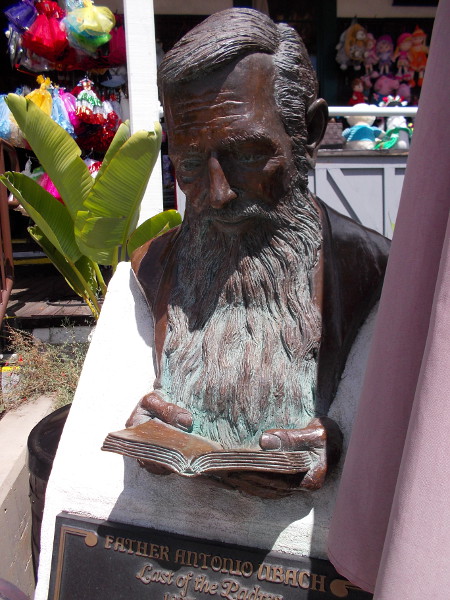
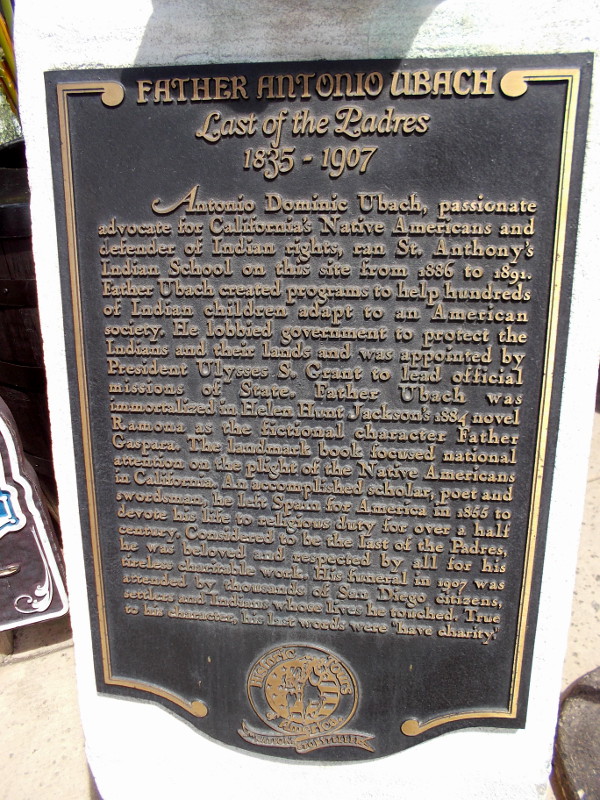
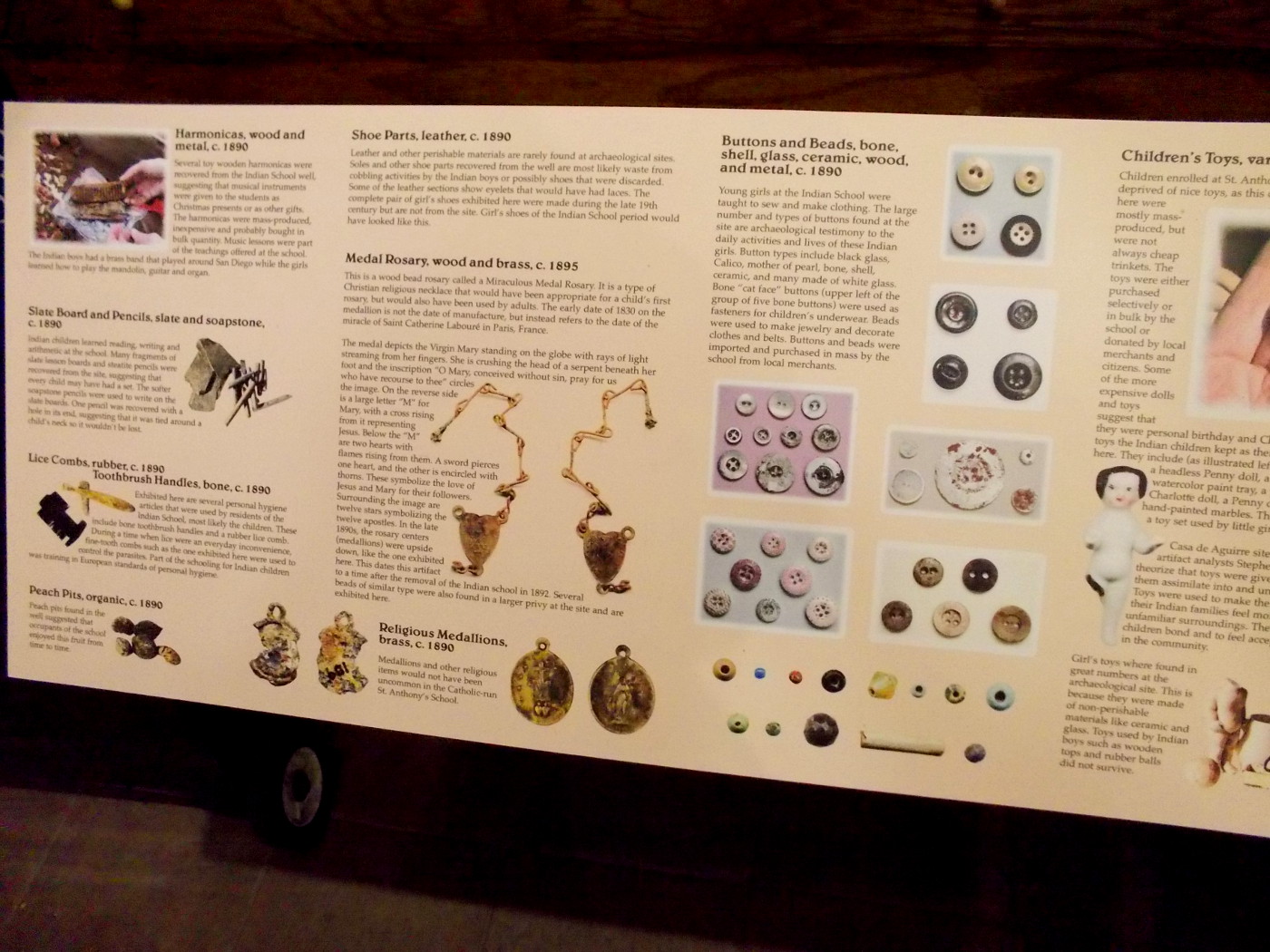
Casa de Aguirre in Old Town was originally built around 1853. The adobe mansion was one of the first houses in San Diego, owned by Don Jose Antonio Aguirre, a prosperous merchant and rancher. The present building is a reproduction.Bronze bust of Don Jose Antonio Aguirre, near entrance to Casa de Aguirre. Born in Spain, he owned several ships and warehouses and imported goods from Peru and China to trade for cowhides and tallow.Don Jose Antonio Aguirre was known for his charity and funded many projects in early San Diego. He, his wife and children are considered to be one of our city’s founding families.Bust of Father Antonio Ubach, Last of the Padres, 1835-1907. Antonio Dominic Ubach ran St. Anthony’s Indian School on this site from 1886 to 1891.Plaque describes how Father Ubach advocated for California’s Native Americans and lobbied government to protect the Indians and their lands. He was loved by many. His last words were: “Have charity.”Casa de Aguirre in Old Town San Diego today contains a shop visited by many tourists and a small museum in back.One side of El Museo Casa de Aguirre. Excavated artifacts are on display, recalling what life was like here in the mid to late 19th century.Visitor to the small museum watches a video which includes information about archaeological discoveries, the history of the casa and the lives of those who were sheltered here.St. Anthony’s Indian School Artifacts Tell a Story. Many objects on display include porcelain cups, goblets, bottles, a saltshaker and beer mug.Sign describes additional historical finds, including buttons, toys, harmonicas, slate board and pencils, lice combs, toothbrush handles, shoe parts, medal rosary and religious medallions.Marbles, doll parts and tiny children’s tea sets, recovered from San Diego’s past.Dozens of buttons on display. They were fastened by living fingers, now long gone.Two old pipes.Numerous bottles and jars are exhibited in the Casa de Aguirre Museum. They were used for medicine, mustard, chemicals, perfume, whiskey, beer, sarsaparilla…People interested in collecting antique bottles would be mesmerized by the large assortment on display.Don Antonio and Rosario Aguirre in Old Town History. The museum is located in what was once the bedroom and servants quarters in the Casa de Aguirre. The present-day adobe is a reproduction.Don Antonio Aguirre, 1799-1860, was one of San Diego’s most important figures back when our burgeoning Southern California city was just a very, very small town.A model of how the Casa de Aguirre appeared a century and a half ago.
…
I live in downtown San Diego and love to walk! You can follow Cool San Diego Sights via Facebook or Twitter!
You can easily explore Cool San Diego Sights by using the search box on my blog’s sidebar. Or click a tag! There are thousands upon thousands of fascinating photos for you to enjoy!





























































 Cool San Diego Sights!