Kids learn about archaeology at Arch In The Park, an annual educational event near the Historic Ranch House in Los Peñasquitos Canyon Preserve.
Today I headed to the Historic Ranch House in Los Peñasquitos Canyon Preserve to enjoy the 20th Annual Arch In The Park!
Arch In The Park, hosted by the San Diego County Archaeological Society, is an educational event where curious people of all ages can learn about archaeology in San Diego and the surrounding Southern California region!
I enjoyed looking at many displays and learning about opportunities to intern and volunteer with different organizations. Students talked about what they were learning, and kids got a glimpse of what it’s like to work as an archaeologist. Other exhibits concerned anthropology, our natural environment, and enjoying our local State Parks and National Forests.
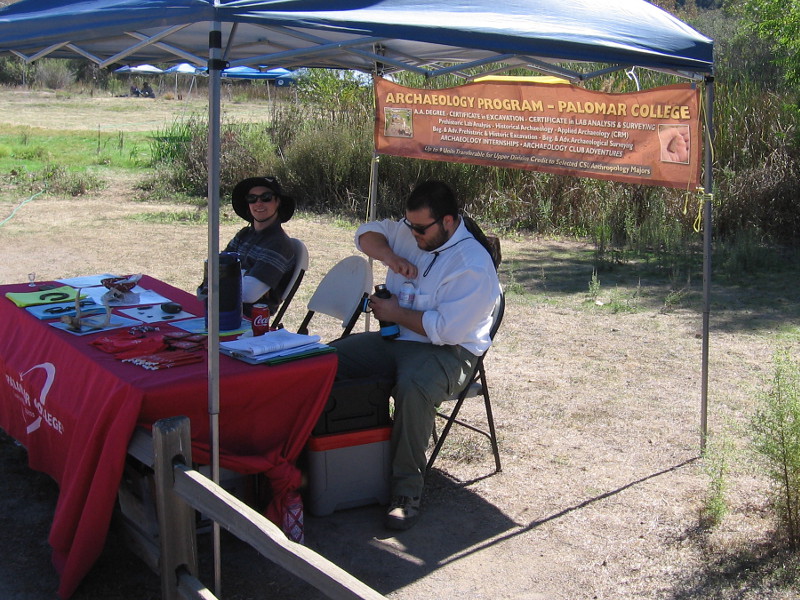
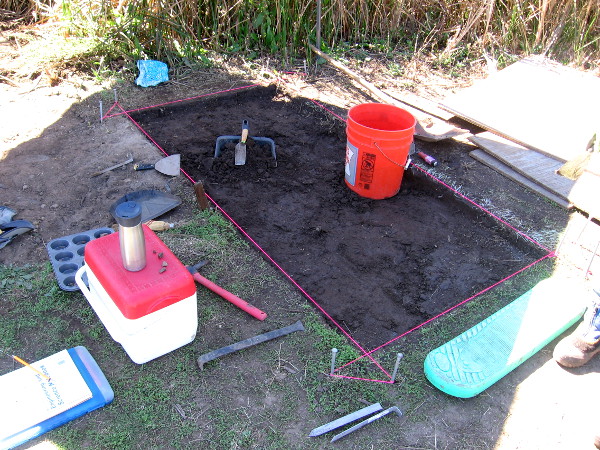
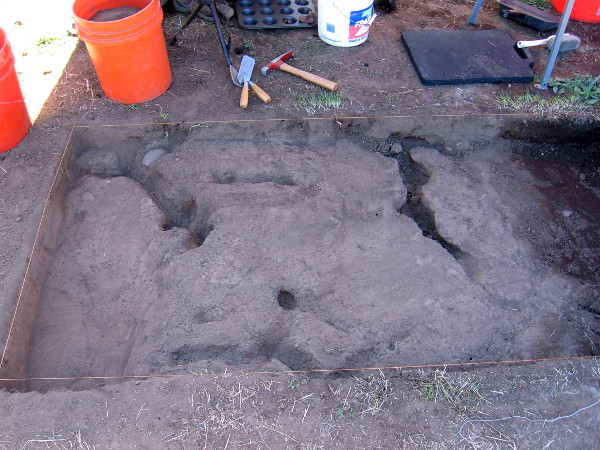
After I checked out the various booths near the old adobe Ranch House, I headed to a nearby field where actual excavations could be viewed. Archaeology students from Palomar College told me about what they were doing, how they were doing it, and what they’d discovered!
To read information on the following posters, click my images and they will enlarge.
If you’d like to learn more about the historic Los Peñasquitos Ranch House, click here!
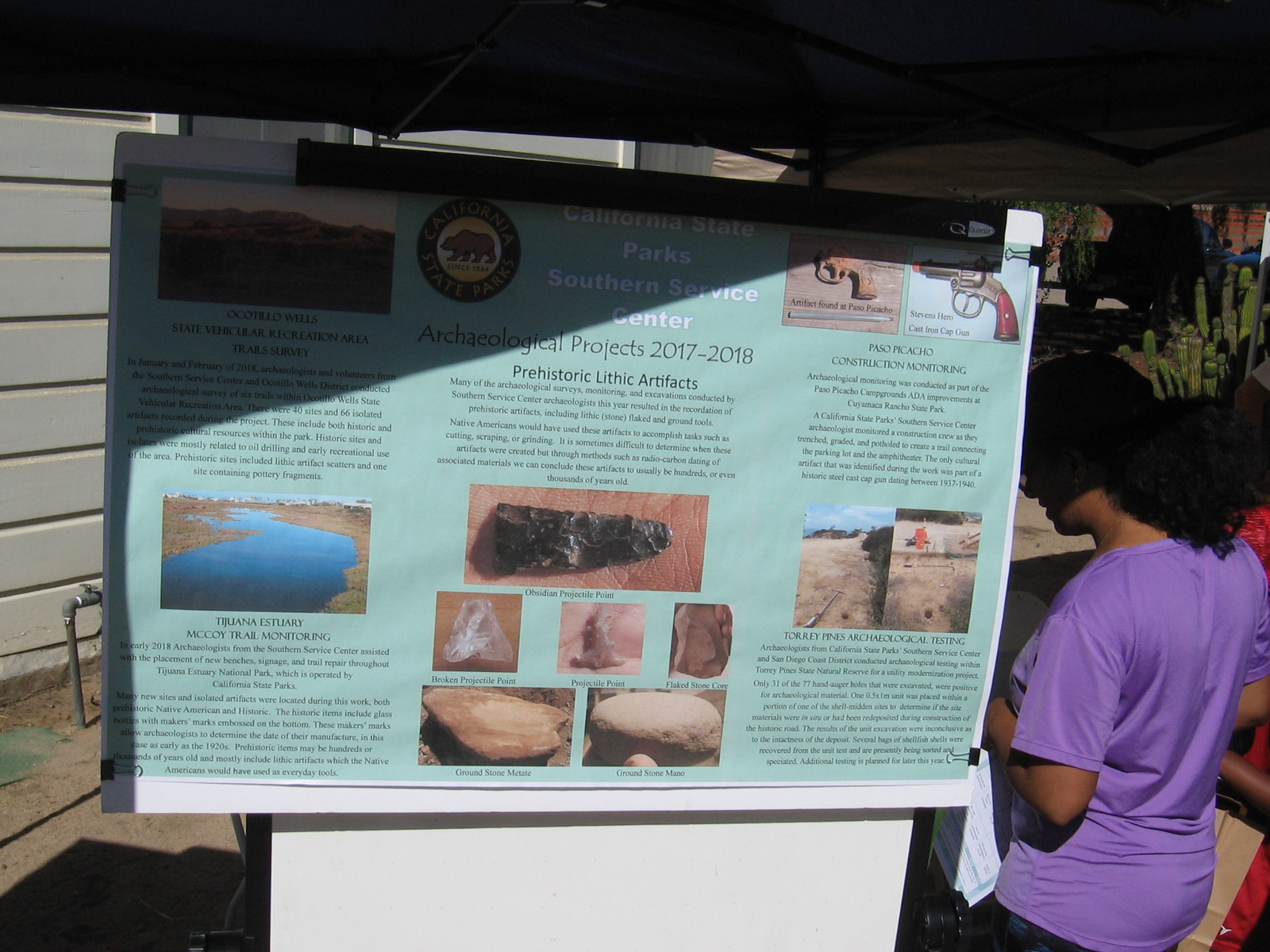
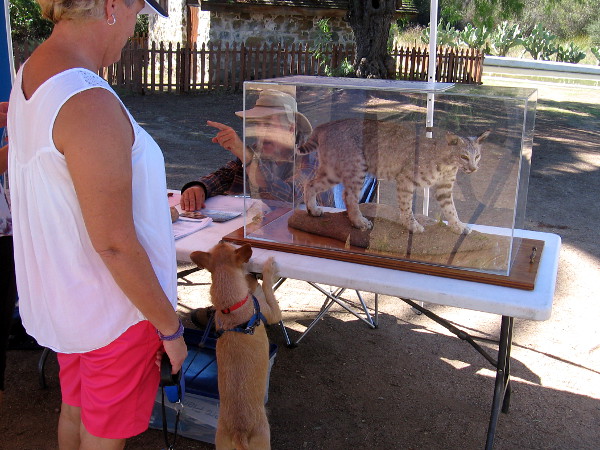
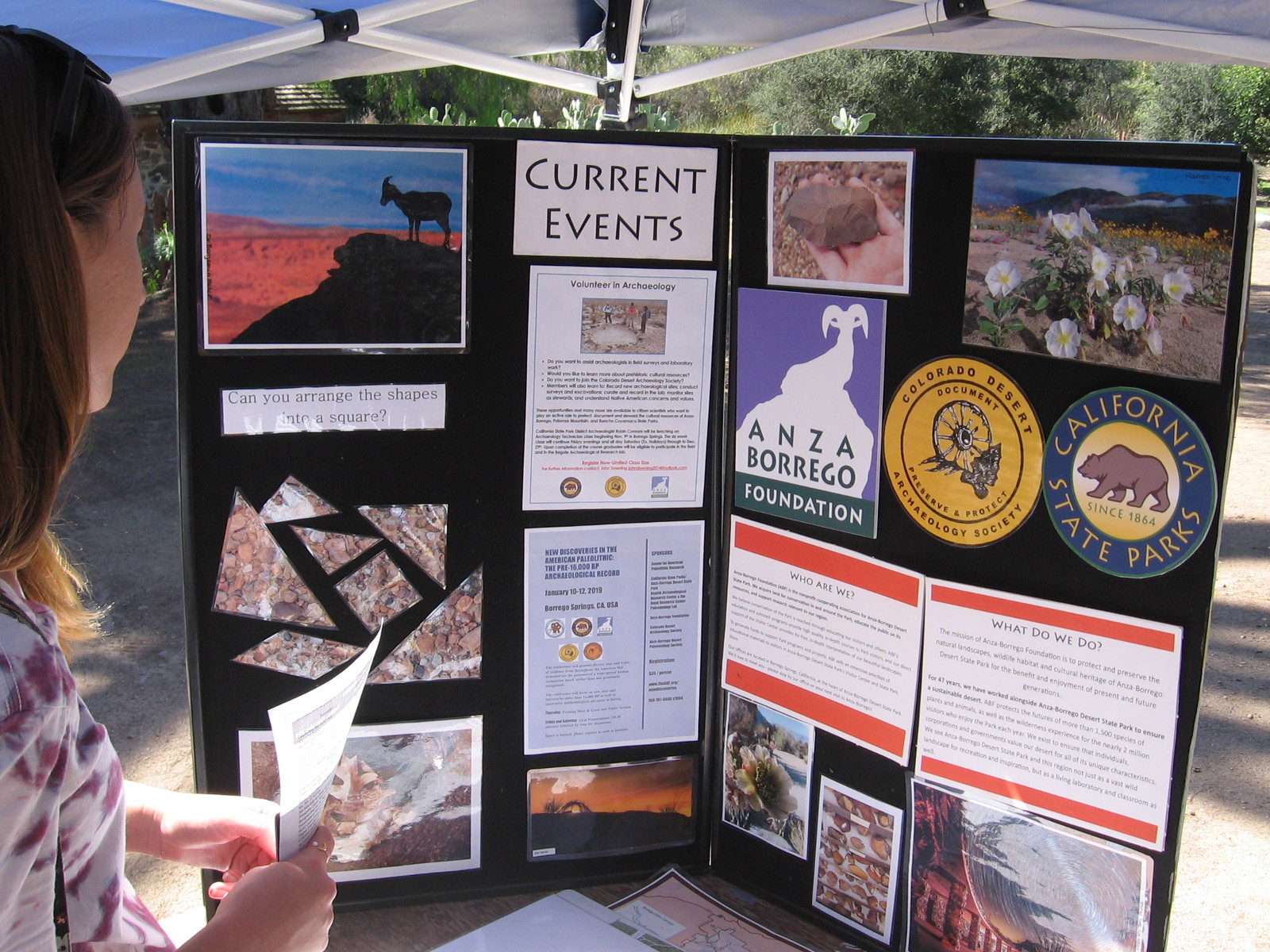
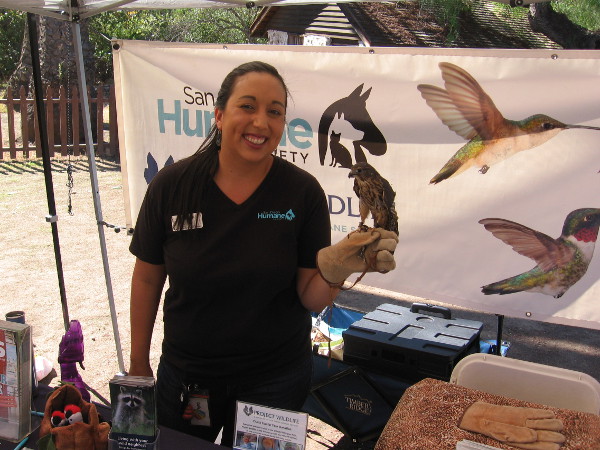
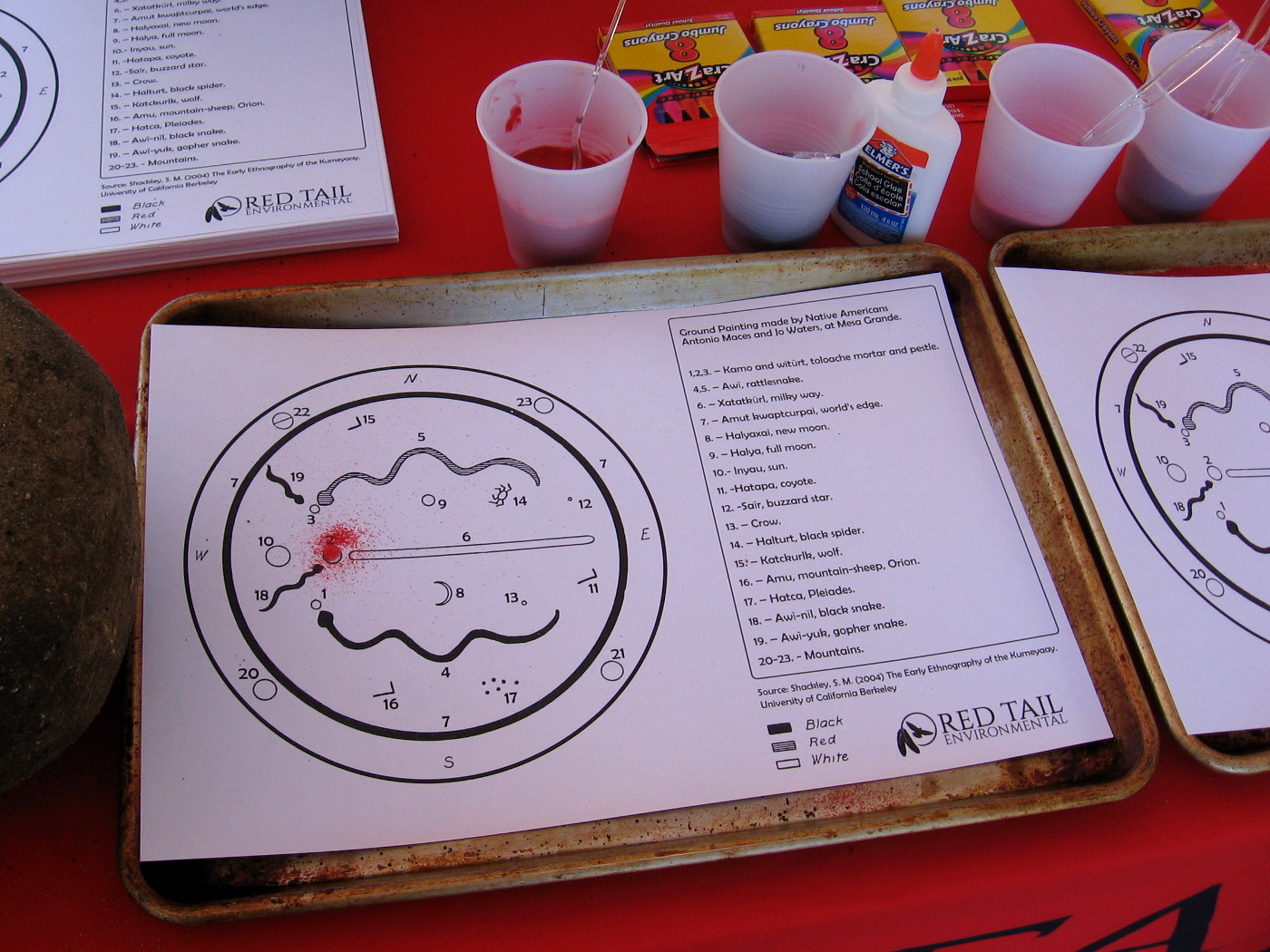
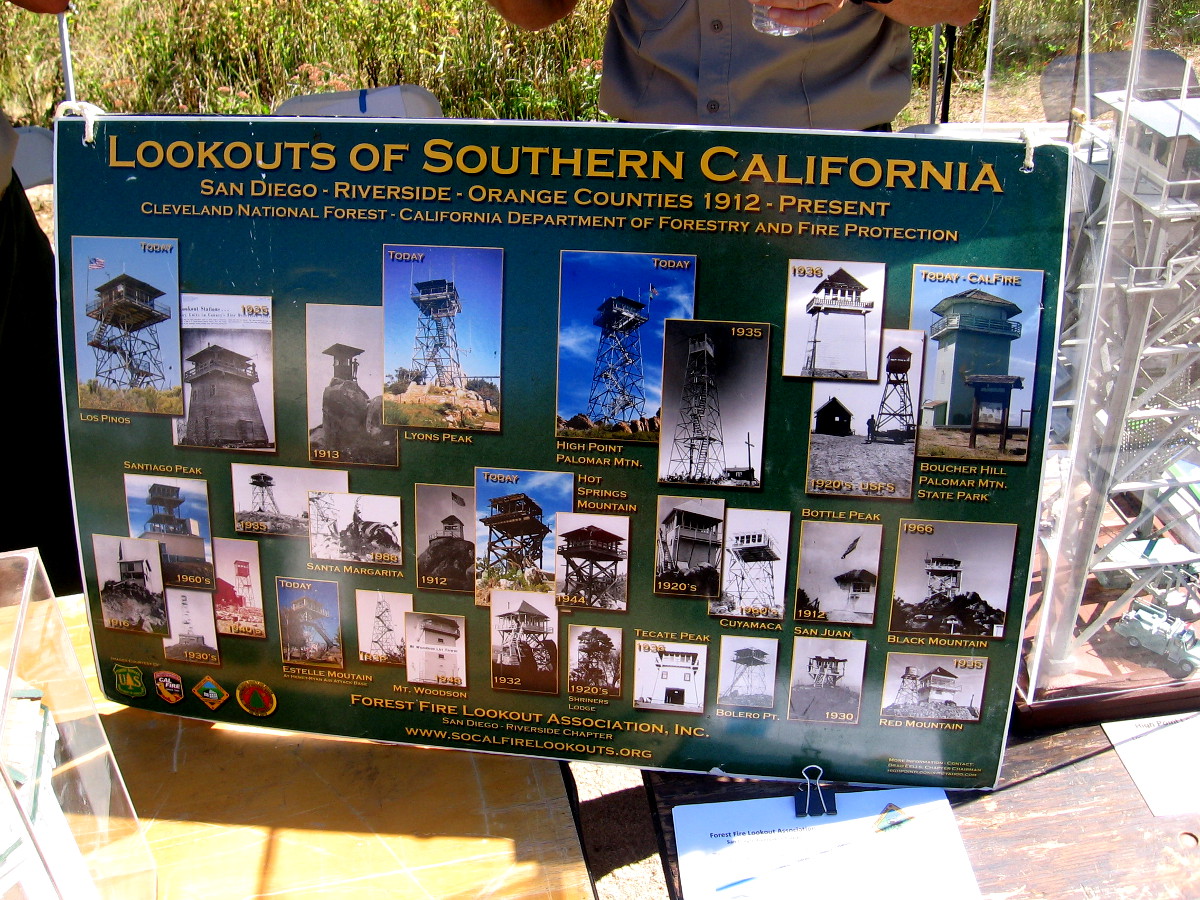
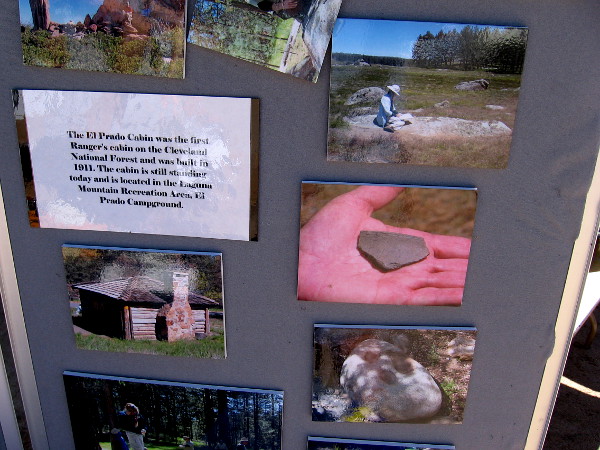
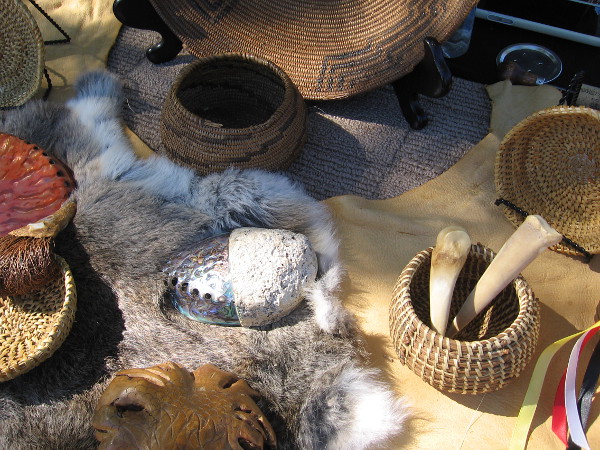
Visitors check out displays by colleges, businesses and organizations concerning the region’s archaeology, anthropology and natural environment.People learn to how to weave baskets, an essential skill of the region’s Native American Kumeyaay people.A poster shows California State Parks Southern Service Center’s various Archaeological Projects 2017-2018.Another California State Parks display shows interns at work sorting and identifying material from excavations in Southern California.This curious dog was more interested in learning about archaeology than that nearby bobcat.A display contains info regarding the Anza Borrego Foundation and the Colorado Desert Archaeology Society.Members of the Colorado Desert Archaeology Society can volunteer and become citizen scientists at Anza Borrego, Palomar Mountain and Rancho Cuyamaca State Parks!Rock samples from different geological formations in Penasquitos Canyon.Guinevere, the Merlin Falcon, is an animal ambassador for the San Diego Humane Society. (She had a wing injury and can’t fly properly.)At Red Tail Environmental’s table, kids could create sand art based on a ground painting by Native Americans at Mesa Grande.Chambers Group had an interesting poster concerning fossil mastodons and whales.Kumeyaay artifacts were displayed on the SDSU Department of Anthropology’s table. (If you’re a teacher, it might interest you that they offer free classroom presentations.)Enjoying a sunny San Diego day at Arch In The Park, presented each year by the San Diego County Archaeological Society.The Forest Fire Lookout Association had a cool display of all the Lookouts of Southern California.When smoke is spotted from a fire lookout, this simple device is used. Visually lining up the sighting determines the fire’s direction, or azimuth.Cleveland National Forest had a big display, too. They also love volunteers.Some photos from the Laguna Mountain Recreation Area, one of my favorite places.Some artifacts on display created by Native Americans from San Luis Rey. Two of the baskets (near the top of this photo) were made in the 1800s.A friendly student at this table talked to visitors about the California State University San Marcos Anthropology Club.As I headed over to a field where real archaeological digs can be seen, I was passed by people on horseback, enjoying their day at Los Peñasquitos Canyon Preserve.Excavations at Los Peñasquitos Canyon Preserve are carried out by students in the Archaeology Program at Palomar College.I learned the Kumeyaay in this region obtained obsidian for projectile points by trading with other native people who lived to the east, by the Salton Sea. Ancient arrowheads and other mysterious objects are sometimes unearthed in this area.A field east of the Los Peñasquitos Ranch House where archaeology students search for clues about the historic and prehistoric past.Walls and drainage structures poke out from the field. Their exact story is a puzzle that will eventually be pieced together.A part of a torn down barn’s foundation has been discovered here. Small, interesting finds are collected by general type in a cupcake pan!Tunneling gophers make reconstructing the past more difficult. They move materials about as they dig.Nearby I saw several devices used for wet screening excavated soil, a process that follows dry screening.Smokey Bear must also be an archaeology enthusiast! I spotted him checking out debris left on the ground in another corner of the field, the area used for dry screening excavated soil!
…
This blog now features thousands of photos around San Diego! Are you curious? There’s lots of cool stuff to check out!
Here’s the Cool San Diego Sights main page, where you can read the most current blog posts. If you’re using a phone or small mobile device, click those three parallel lines up at the top–that opens up my website’s sidebar, where you’ll see the most popular posts, a search box, and more!
To enjoy future posts, you can also “like” Cool San Diego Sights on Facebook or follow me on Twitter.
Walking along Batiquitos Lagoon Trail one fine morning.
Today I headed up the coast to Carlsbad. I wanted to walk along a trail that I heard was very beautiful.
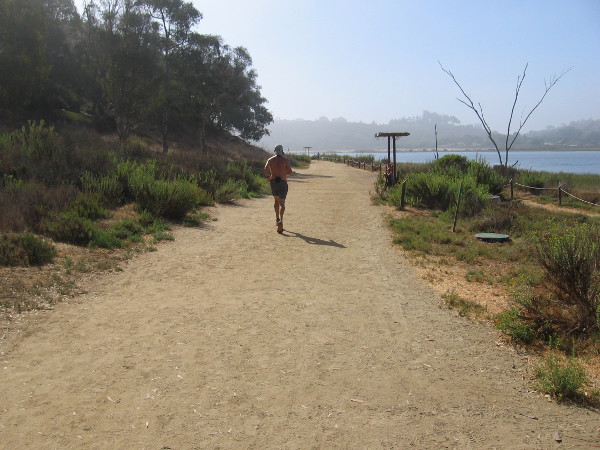
I often drive along Interstate 5 over Batiquitos Lagoon, just north of the La Costa exit, but I never get more than a brief glimpse of the shining water and green margins. So this morning I ditched the car, tightened the laces of my walking shoes, and walked for a bit along the lagoon’s main trail.
Beautiful, indeed.
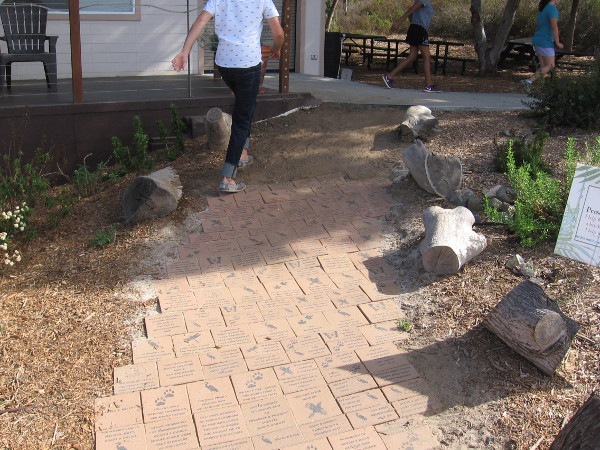
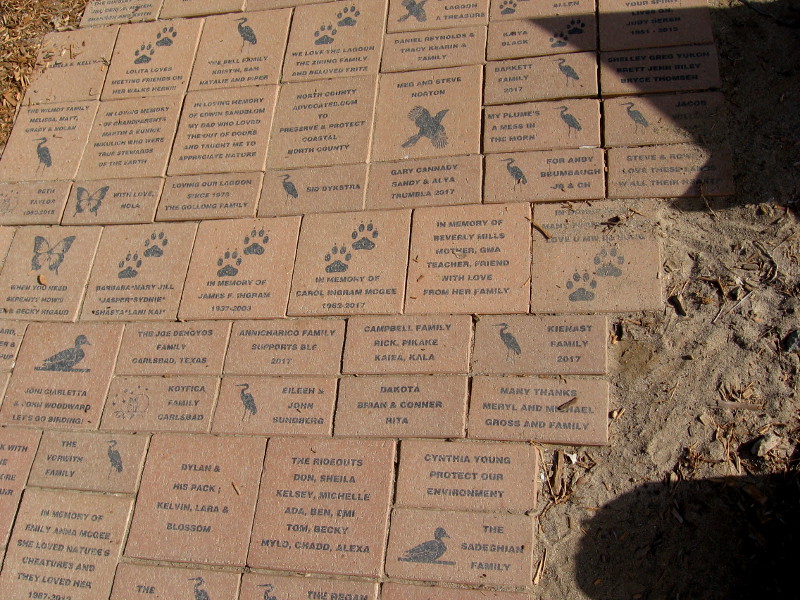
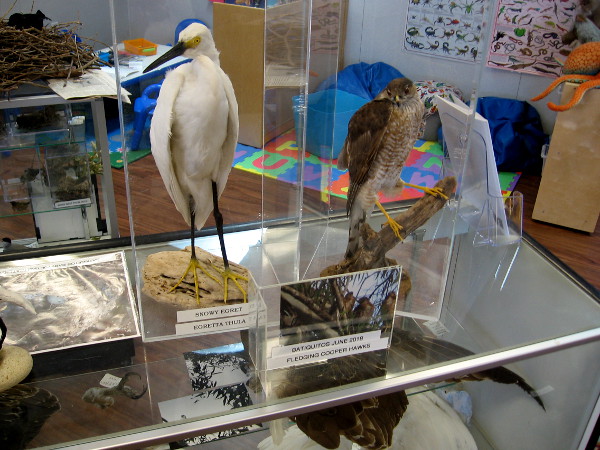
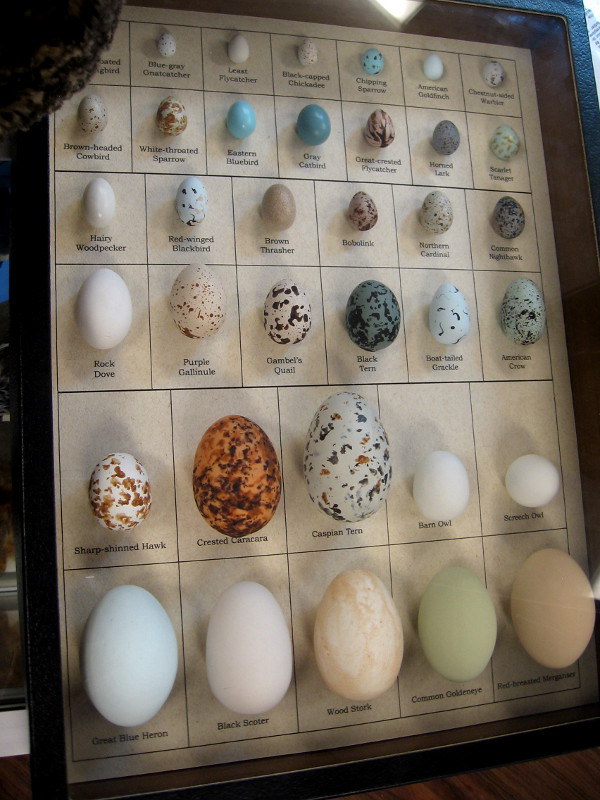
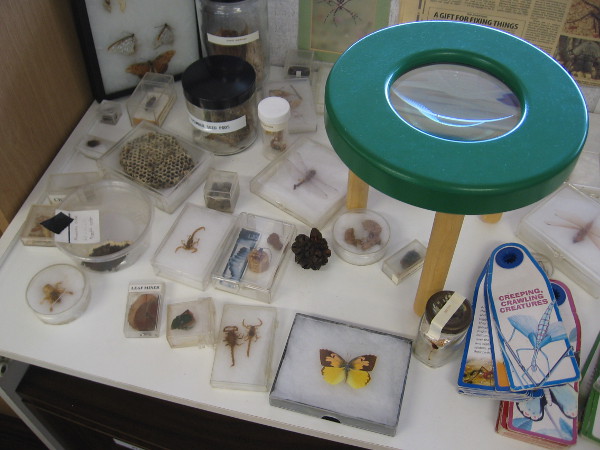
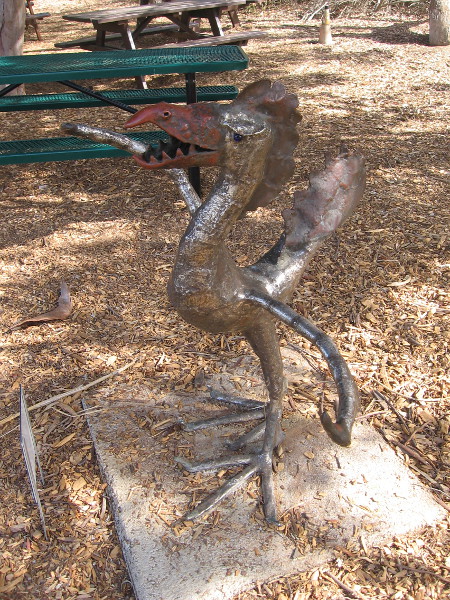
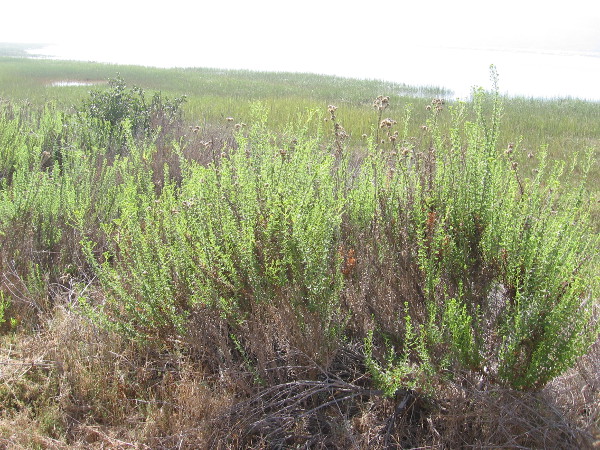
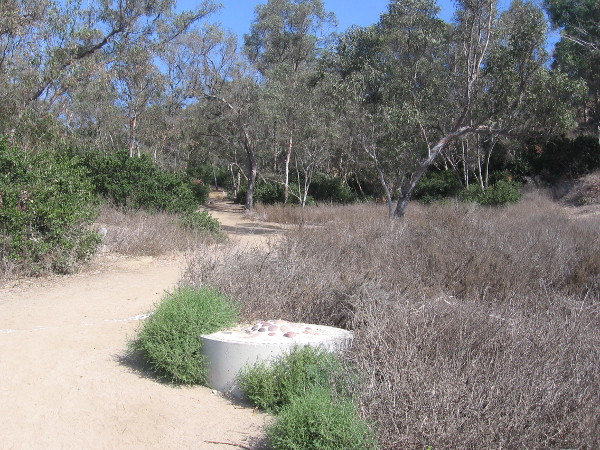
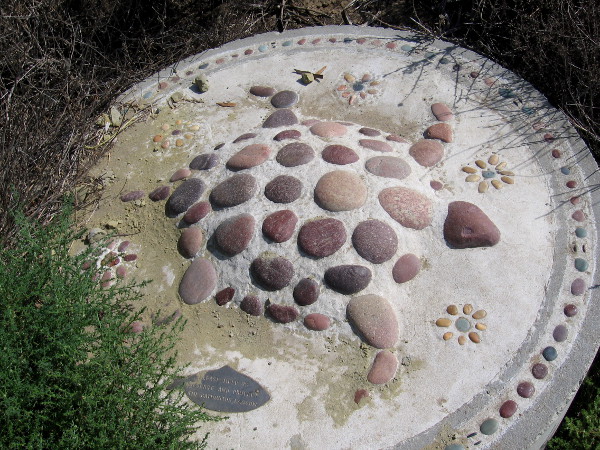
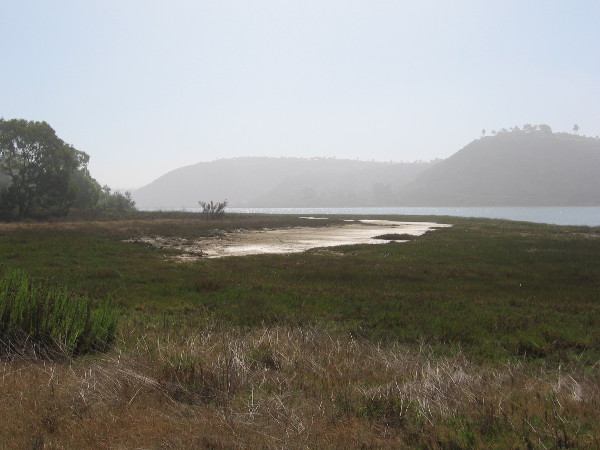
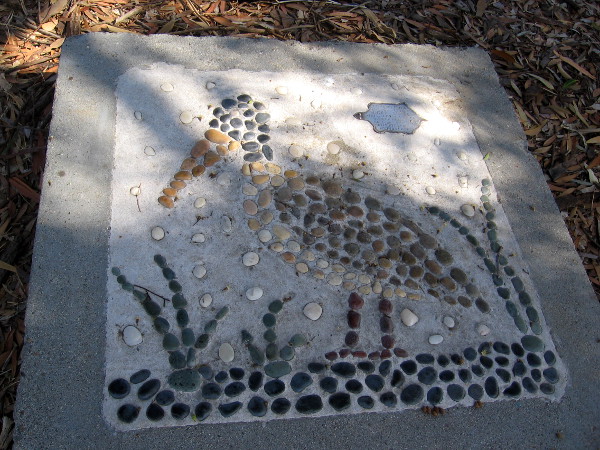
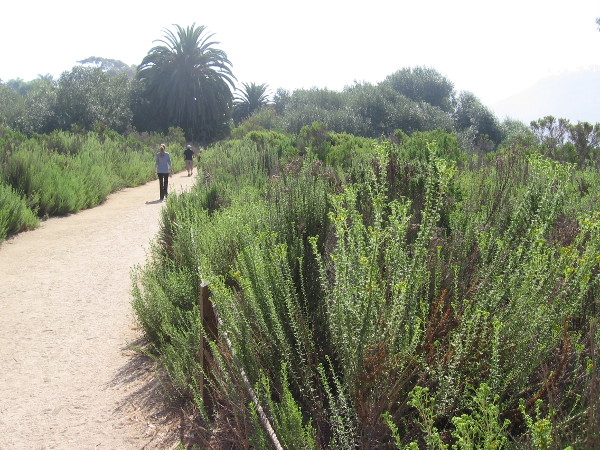
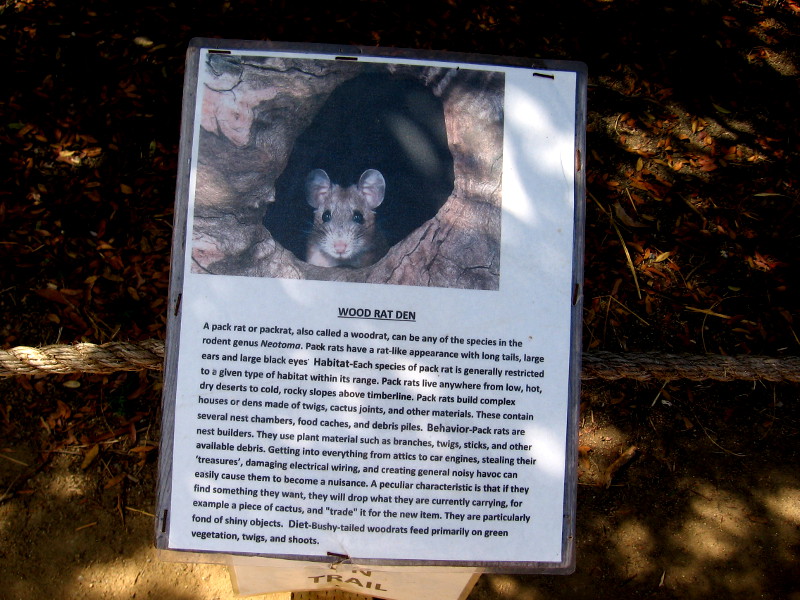
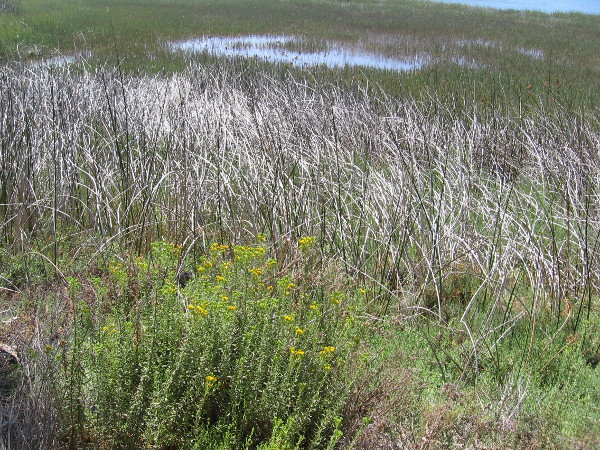
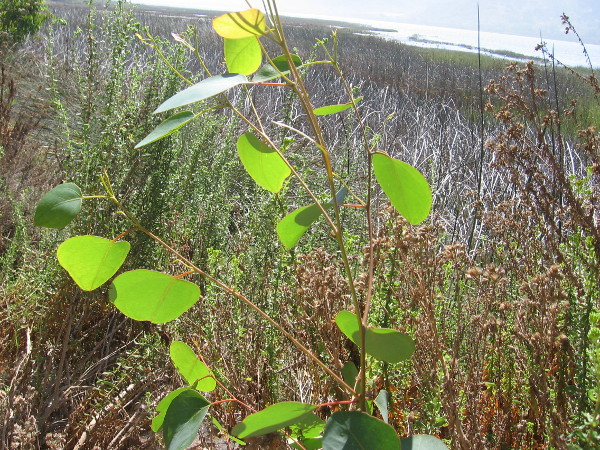
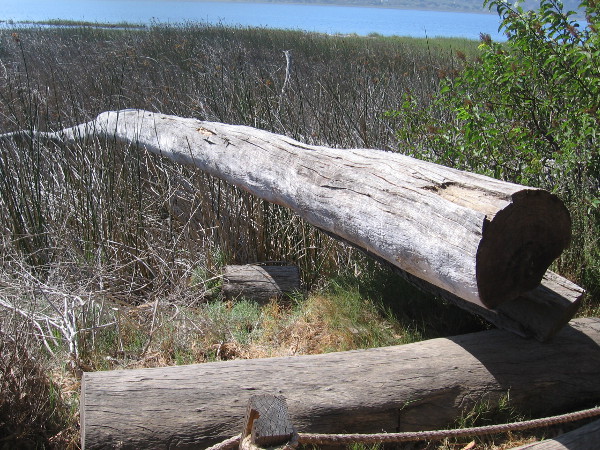
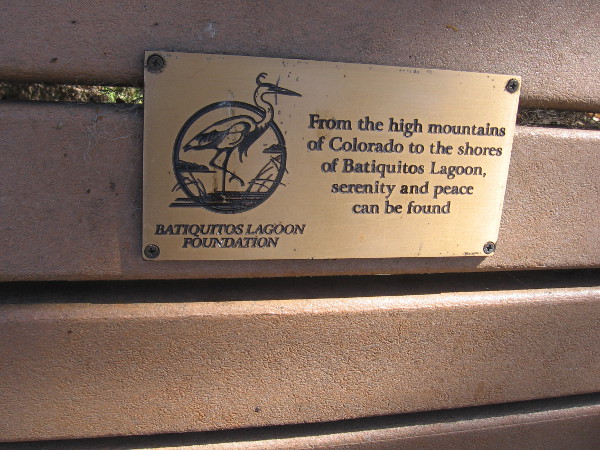
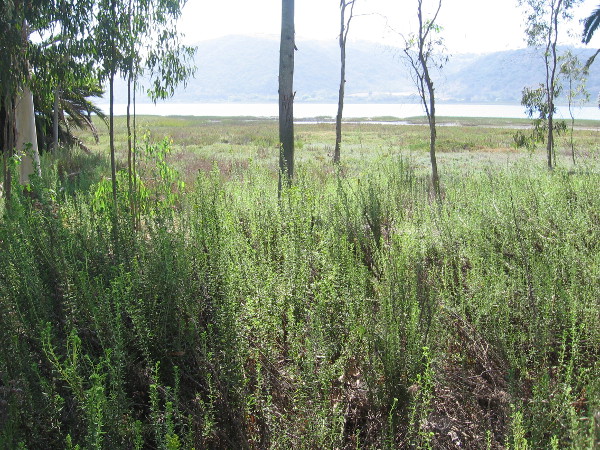
The two mile trail along the north edge of the tidal wetland and the Nature Center are both maintained by the Batiquitos Lagoon Foundation.A hiker approaches the Batiquitos Lagoon Nature Center from the Gabbiano Lane trailhead.Curious visitors come and go, keeping friendly volunteers at the Nature Center busy.People can purchase a personalized brick to help support the Batiquitos Lagoon Foundation.The Nature Center might be modest, but it is welcoming and full of interesting exhibits.Before entering I saw the Batiquitos Free Lagoon Lovers Library.The very cool Batiquitos Lagoon Nature Center is like a one room jam-packed museum.I see a snowy egret and a Cooper’s hawk.The many different birds that live at the lagoon can be identified by their distinctive eggs.Visitors can closely examine lagoon insects and other creeping, crawling creatures.Various human artifacts on display include Native American Kumeyaay clay pots and tools.A poster shows Carlsbad’s watershed, including the area where fresh water (including San Marcos Creek and Encinitas Creek) flows into Batiquitos Lagoon.As I left the Nature Center, I lingered for a moment on the shady front porch and gazed out toward the nearby lagoon.Next to some picnic benches by the Nature Center, you’ll find a very strange creature lurking. It’s The Creature From Batiquitos Lagoon, by artist Paul Weber, 2003.To the west, Interstate 5 runs over part of the lagoon’s Pacific Ocean tidal inlet. Many drive past this beautiful place without ever stopping to enjoy it.Now we are heading east along the north edge of smooth, blue Batiquitos Lagoon.Several small concrete seats were decorated with colored stone mosaics. This one features a mallard duck.The bright September sunshine on green.The west part of the Lagoon Trail follows tan sandstone cliffs.The cliffs along this stretch belong to the Scripps Formation. The sandstone was deposited in a shallow ocean about 45 million years ago.Approaching a more wooded area at the border of the lagoon.Several short trails head north from the main trail into nearby Carlsbad neighborhoods.I see a mosaic turtle!Many informative signs can be found along the trail. This one lists salt marsh niches, including floating plants, diving birds, wading birds, bottom fish, mud worms and more. It also talks about caring for the environment and human responsibility.A large mudflat shines like silver in the morning sunlight.This enormous tree stands alone near the edge of the water. It has probably lived there for a very long time.Now I see a wading heron!Walking near the lush edge of the tidal marsh. Along here grows a lot of Coyote Brush, and non-native Yellow Mustard.The trail passes over a tiny bridge and a thin stream of water.Bending over I was able to take a photograph of a wood rat den made of twigs and branches.A nearby sign explains the wood rat’s den. Also called pack rats, they build complex houses with various chambers.The white fluffy heads of some non-native pampas grass seem to shimmer in the breeze.Now we are walking right beside the tidal lagoon.Coastal Goldenbush blooms about to open.More beautiful leaves in sunlight.It appears a tall tree fell and was cleared from the path.Walking along a very beautiful trail in coastal San Diego County.Plaque on one bench by the trail. From the high mountains of Colorado to the shores of Batiquitos Lagoon, serenity and peace can be found.More natural beauty.We are near the end of our two mile walk.More late summer beauty.Now we are approaching the eastern end of Batiquitos Lagoon, beyond which runs El Camino Real. Light shines upon life-giving water.
…
I live in downtown San Diego and love to walk around with my camera! You can follow Cool San Diego Sights via Facebook or Twitter!
You can easily explore Cool San Diego Sights by using the search box on my blog’s sidebar. Or click a tag! There are thousands upon thousands of photos for you to enjoy!
A clean, beautiful city by San Diego Bay, painted on the side of a building in Little Italy.
Yesterday morning, as I walked through Little Italy to photograph that cool Mona Lisa freeway on-ramp mural (my previous blog post), I discovered some additional artwork in the vicinity of State Street and Fir Street.
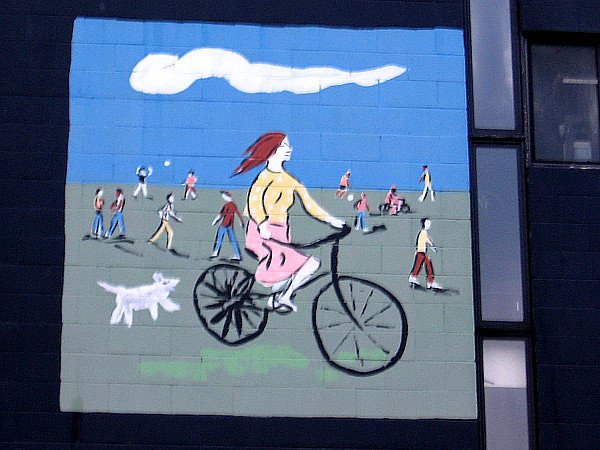
The large mural on the side of a residential building is clearly seen by motorists heading down Interstate 5. It contains a positive message. Colorful scenes encourage people to get out of their cars and jump on a bicycle or public transit.
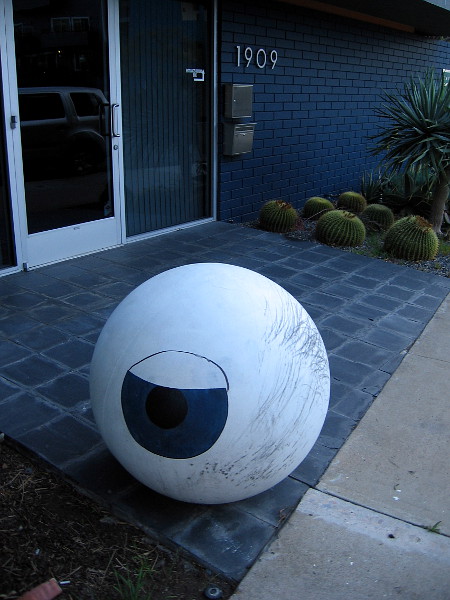
A large, dynamic mural on a building that can be seen from nearby Interstate 5. Images convey an environmental message, encouraging bike riding and public transit.Mural on side of Porto Vista Hotel shows reflections of sailboat masts in blue water.A big eyeball near the entrance of the Landscape Architecture business Environs.Riding a bicycle with a dog in the active city.
…
I live in downtown San Diego and love to walk around with my camera! You can follow Cool San Diego Sights via Facebook or Twitter!
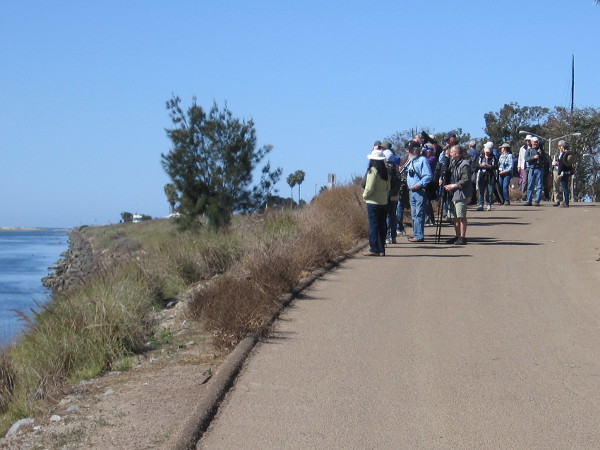
People enjoying the annual Bird Festival at Marina Village have walked to the San Diego River Estuary where many aquatic birds congregate.
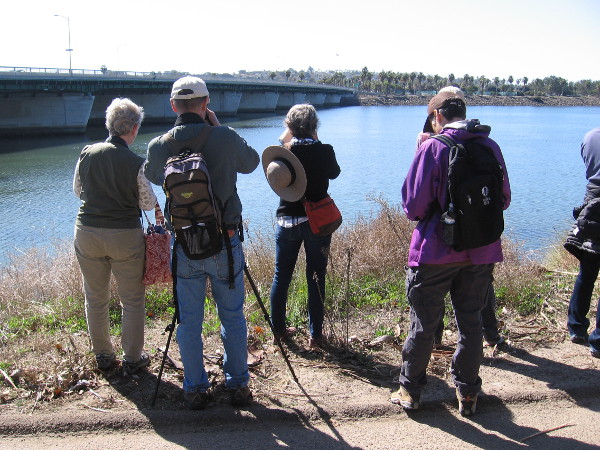
Today during my walk I encountered of group of enthusiastic birders at the San Diego River Estuary. These folks were all participating in the San Diego Audubon Society’s annual Bird Festival, which takes place this weekend at the nearby Marina Village Conference Center.
Later during my walk I visited the Bird Festival’s registration room, where anyone can purchase dozens of different birdwatching and reference books, plus other gifts. A friendly lady informed me that the San Diego Audubon Society has about three thousand members! During the Bird Festival and throughout the year, members can go on all sorts of field trips around San Diego County, and take every sort of bird-related class imaginable.
Members and volunteers are also involved in working to restore critical bird habitat in Mission Bay! I blogged about that a couple years ago here!
Do you make your home in San Diego? Do you love birds? Then you probably should join the Audubon Society! Here the local chapter’s website, where you can also learn more about the very cool Bird Festival, which continues through tomorrow!
The San Diego Audubon Society offers many birdwatching opportunities. The organization also has a vital conservation program.If I joined the Audubon Society, maybe I’d learn what sort of behavior these birds are displaying!Poster at the Bird Festival shows how the San Diego Audubon Society is helping to restore the nesting habitat of the endangered California Least Tern in Mission Bay.I believe this little guy on the bank of the San Diego River is a snowy egret.Members of the San Diego Audubon Society enjoy a perfect sunny day and identify lots of birds!
…
I live in downtown San Diego and love to walk around with my camera! You can follow Cool San Diego Sights via Facebook or Twitter!
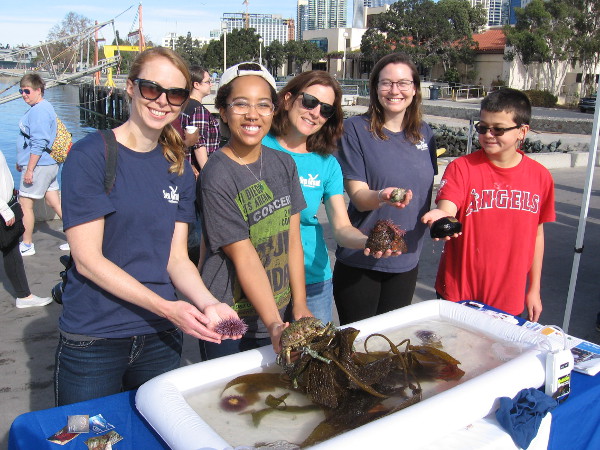
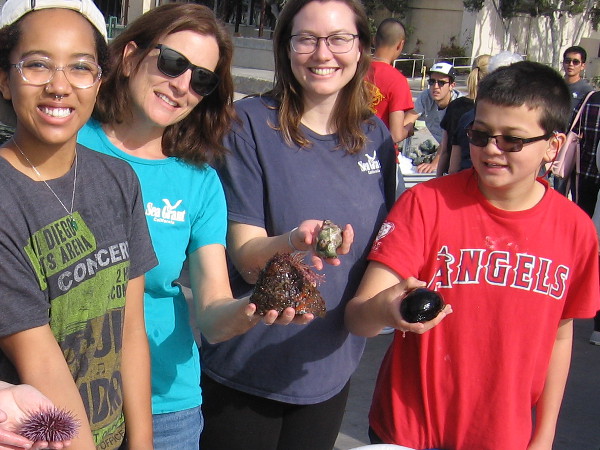
These friendly people with Sea Grant California showed me all sorts of fascinating creatures that thrive off our coast! They encourage using locally sourced food.
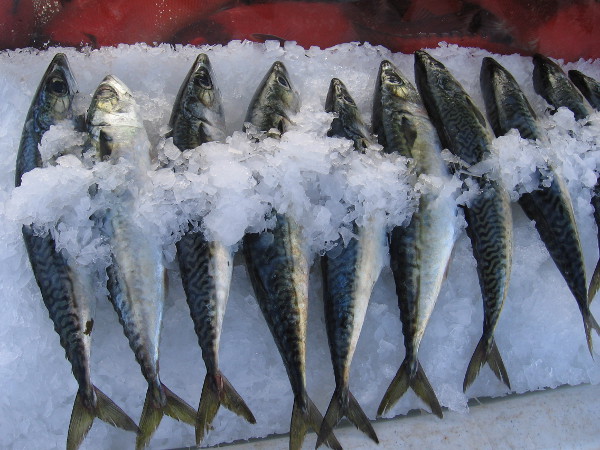
During a walk last weekend, I headed out onto the pier just north of Seaport Village where the ever-growing Tuna Harbor Dockside Market is held on Saturday mornings. In addition to the local fishermen selling a wide variety of freshly caught seafood, I noticed one table with an interesting exhibit. Folks were demonstrating a few of the many different sea creatures that can be caught off San Diego’s coast.
I learned this display was created by Sea Grant California, an organization that connects government agencies, California universities, nonprofit organizations, local businesses and residents in our coastal community. Their mission is to conduct impartial research, disseminate knowledge, encourage best practices for environmental stewardship and optimize sustainable economic development.
Lots of people on the pier were checking out the live marine creatures on display, and learning which species are most common in the Pacific Ocean off our coast. I was told that most of San Diego’s commercial fishermen are conscientious and highly responsible. There are about 131 commercial fishing vessels licensed in the county. Many are based in Tuna Harbor, which occupies a picturesque stretch of San Diego’s Embarcadero.
In addition, I learned that the Port of San Diego is testing an aquaculture project at the end of one of Tuna Harbor’s docks. The port’s Oyster Nursery Research Project is part of an expanding effort to try out new Blue Economy technologies in San Diego Bay. The concept of a Blue Economy is to use innovative methods to maximize resources that are locally available in a sustainable and environmentally friendly way.
Very cool!
Fresh locally caught fish on ice for sale at San Diego’s Tuna Harbor Dockside Market.The Port of San Diego’s Oyster Nursery Research Project at the end of a dock inside Tuna Harbor.What’s for dinner?
…
I live in downtown San Diego and love to walk around with my camera! You can follow Cool San Diego Sights via Facebook or Twitter!
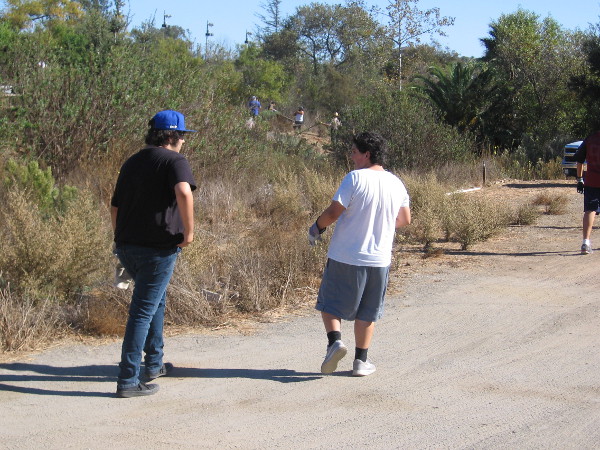
Hard-working volunteers remove invasive vegetation in a small area of the San Dieguito River Valley.
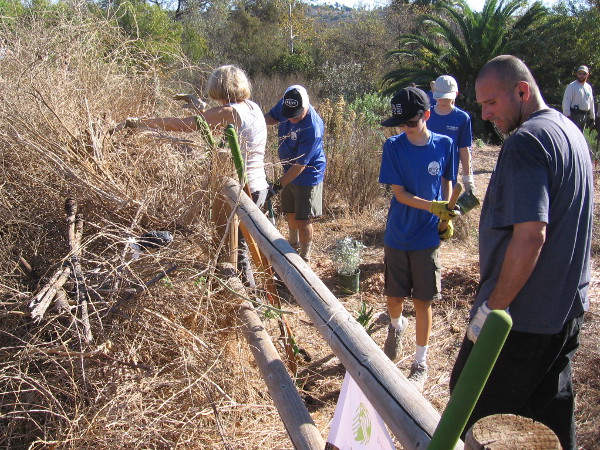
Today I happened upon a bunch of energetic volunteers working to restore habitat in the San Dieguito River Valley! They were removing non-native vegetation near the Sikes Adobe Historic Farmstead!
Lots of invasive, rapidly growing wild mustard appeared to be the main problem. I also learned from a friendly San Dieguito River Park ranger that mustard is highly flammable, much more so than California coastal sage and chaparral plants that are native to our arid region.
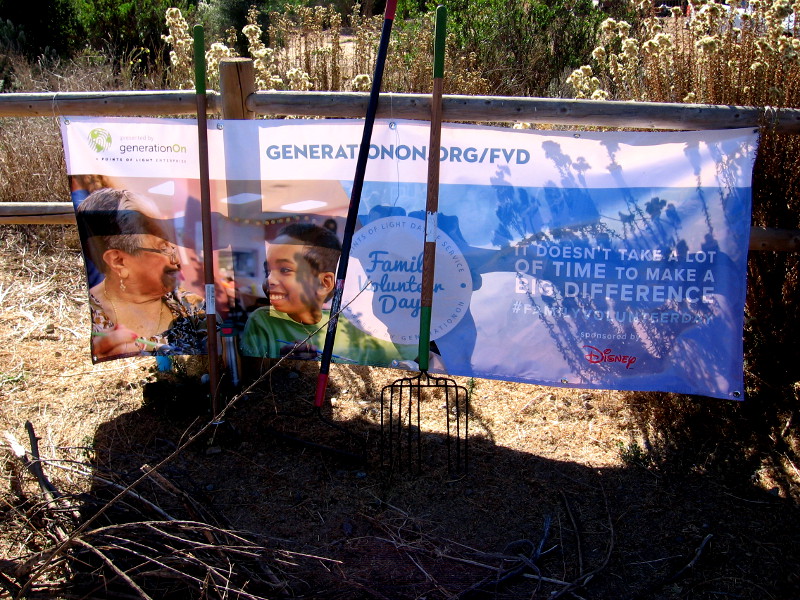
Today’s work, coinciding with Family Volunteer Day, was an effort of several organizations, including the San Dieguito River Valley Conservancy. Their mission is to implement the vision of the San Dieguito River Park, a greenway that stretches all the way from Volcan Mountain near Julian to Dog Beach in Del Mar! Their conservation and educational programs, along with their purchases of land in the River Park planning area, will ensure that the beautiful San Dieguito River Valley will be a rich and healthy natural treasure for many lifetimes to come!
Want to learn more? Or maybe get involved? Here’s their website!
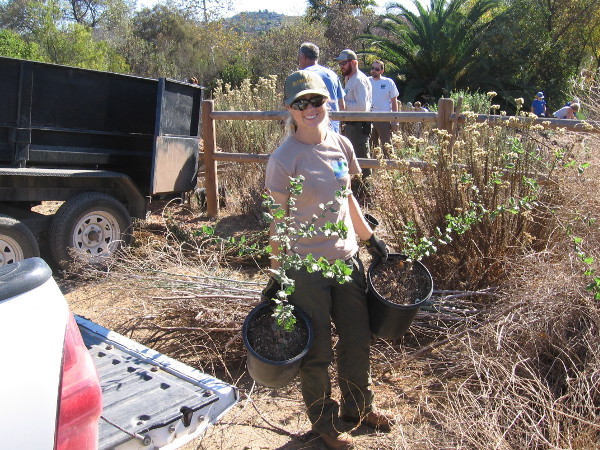
This Saturday event was part of Family Volunteer Day, a worldwide day of service promoted by generationOn.Youth have fun while they work to make the Earth a healthier place.A San Dieguito River Park ranger had brought many pots of native lemonade berry to plant.Another perfect day to work outdoors and help the environment!
…
I live in downtown San Diego and love to walk around with my camera! You can follow Cool San Diego Sights via Facebook or Twitter!
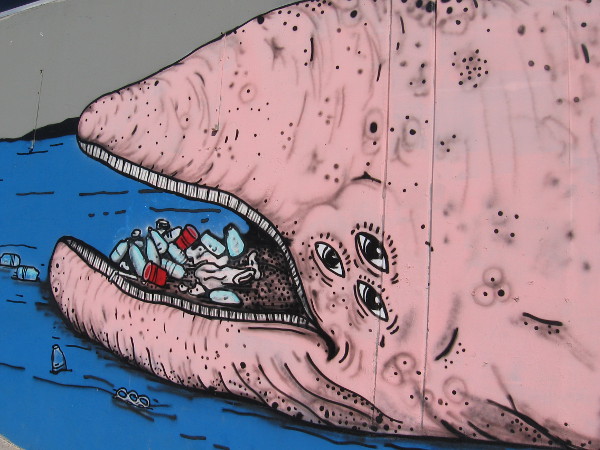
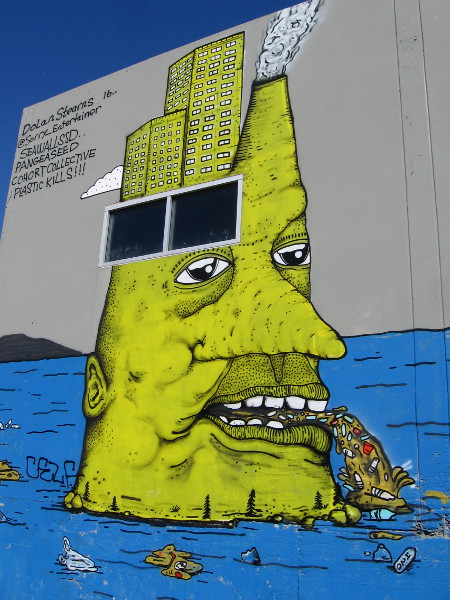
Cool artwork painted by Dolan Stearns for the PangeaSeed Sea Walls: Murals for Oceans project in 2016 depicts the harmful presence of non-biodegradable plastic trash in the oceans.
I got off the Orange Line trolley the other day to capture photos of some cool street art on Commercial Street just east of 20th Street.
Like many other PangeaSeed Sea Walls: Murals for Oceans artwork that one can spot around San Diego, this one has an environmental message about taking care of the ocean. The mural, which illustrates the harmful effects of plastic pollution on marine life, was painted in 2016 by Dolan Stearns.
The left side of the mural shows a big, ugly yellow head spewing pollution into the water.The right side of the mural features a large pink whale.The three-eyed whale has a mouthful of plastic bags, bottles, cups and junk.The yellow human head, topped by city buildings and a smokestack, vomits disgusting waste into the blue ocean.
…
I live in downtown San Diego and love to walk around with my camera! You can follow Cool San Diego Sights via Facebook or Twitter!
You can easily explore Cool San Diego Sights by using the search box on my blog’s sidebar. Or click a tag! There are thousands upon thousands of fun photos for you to share and enjoy!
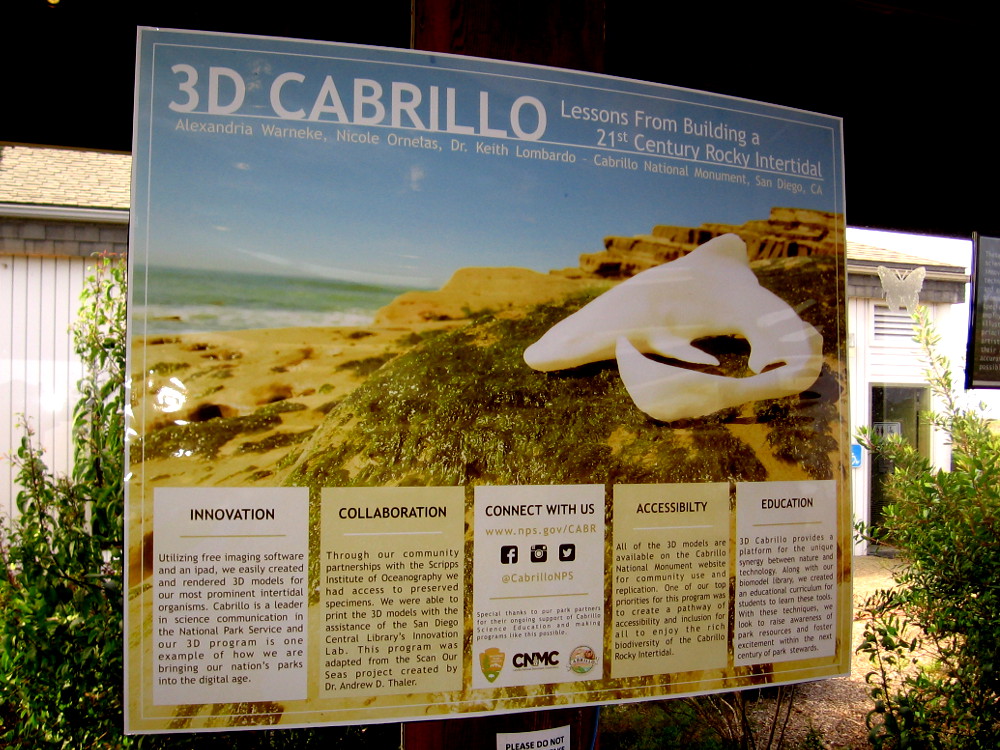
Sign inside Visitor Center at Cabrillo National Monument describes the fascinating 3D Cabrillo project.
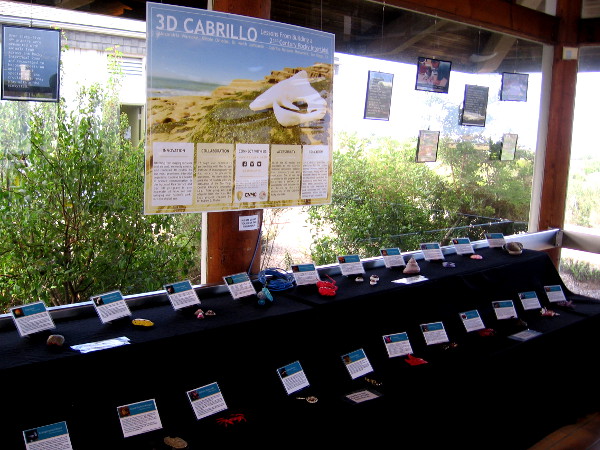
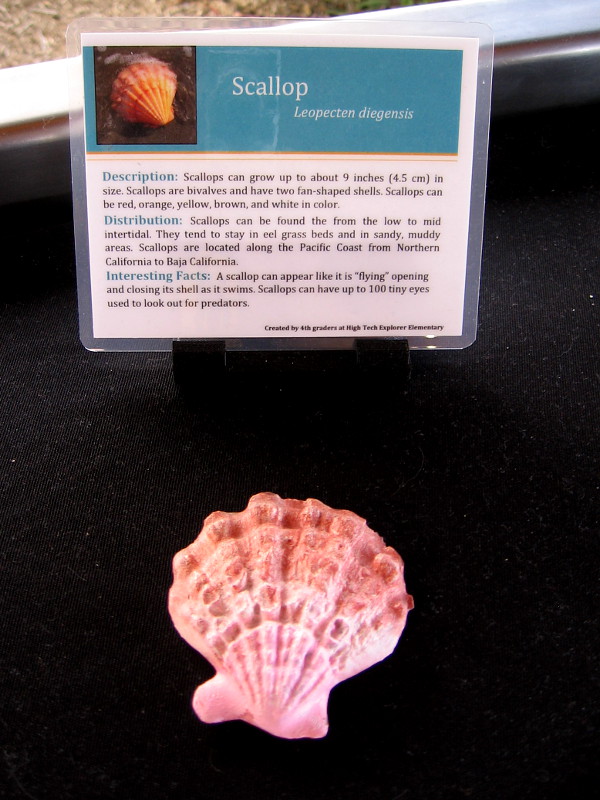
The Visitor Center at Cabrillo National Monument has a cool exhibit of 3D printed intertidal organisms. An explanation is provided of how the tide pool animal models were created, and shows how the general public and interested educators can easily access essential resources via a dedicated website!
Student curriculum, simple instructions and the 3D Cabrillo biomodel .STL files library (and a link to raw Autodesk files) are all found here.
For 3D Cabrillo and the particular models seen in this exhibit, free imaging software and an iPad were used to capture images of intertidal organisms preserved by La Jolla’s world-renowned Scripps Institute of Oceanography. After models were edited on a computer using design software, they were sent to a 3D printer at the San Diego Central Library’s Innovation Lab.
This program was adapted from the Scan Our Seas project created by Dr. Andrew D. Thaler.
Do you know of any school students who’d like to learn more about marine biology, the environment and technology? This is definitely a very cool (and fun) project!
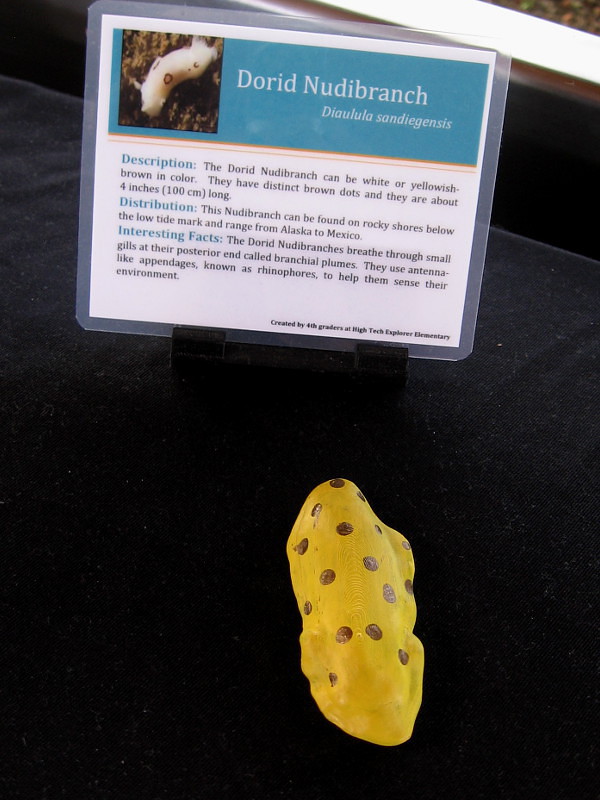
Many colorfully painted 3D printed models of intertidal organisms are on display inside the Visitor Center.3D printed Starburst Sea Anemone.3D printed Dorid Nudibranch.A video shows the 3D printing process, including editing the tidepool animals.3D printed Wavy Turban Snail.3D printed Ochre Sea Star.Students are encouraged to create nature journals. Writing is fun, too!3D printed Scallop.3D printed Garibaldi.
…
I live in downtown San Diego and love to walk around with my camera! You can follow Cool San Diego Sights via Facebook or Twitter!
You can easily explore Cool San Diego Sights by using the search box on my blog’s sidebar. Or click a tag! There are thousands upon thousands of interesting photos for you to share and enjoy!
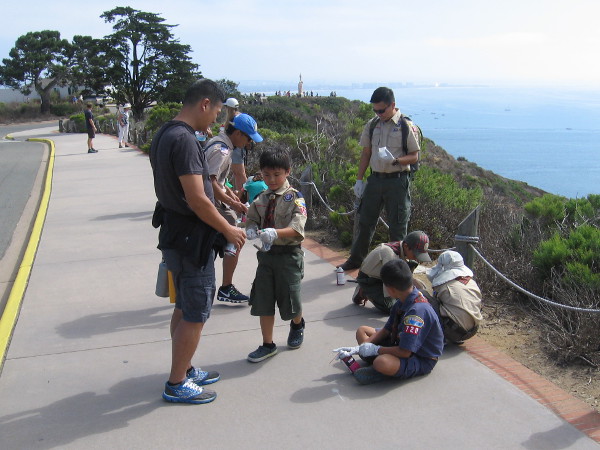
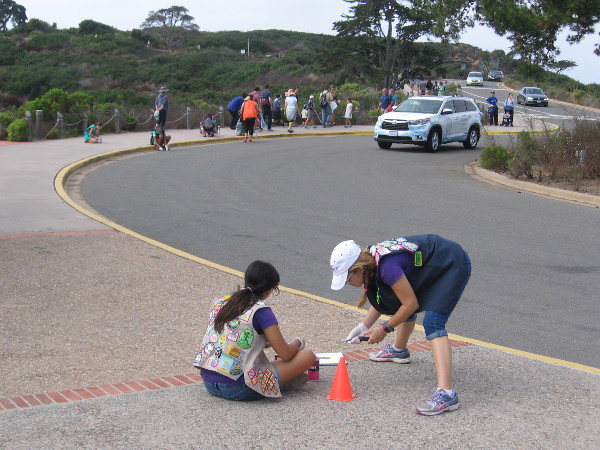
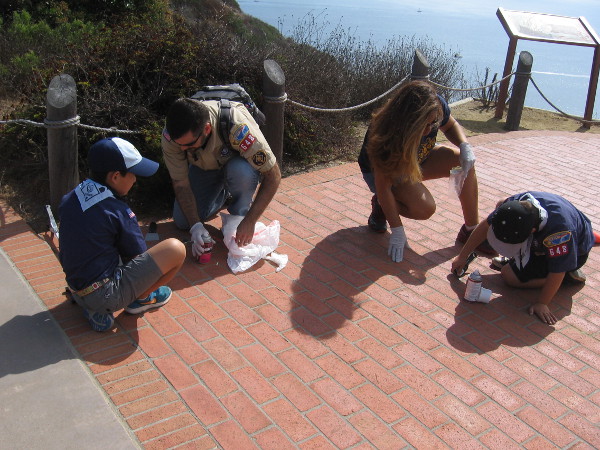
Many generous Boy and Girl Scouts volunteered to beautify Cabrillo National Monument during Operation Gum Drop Removal!
I noticed during my visit to Cabrillo National Monument today that troops of Boy and Girl Scouts were busy around the park cleaning up chewing gum and other trash!
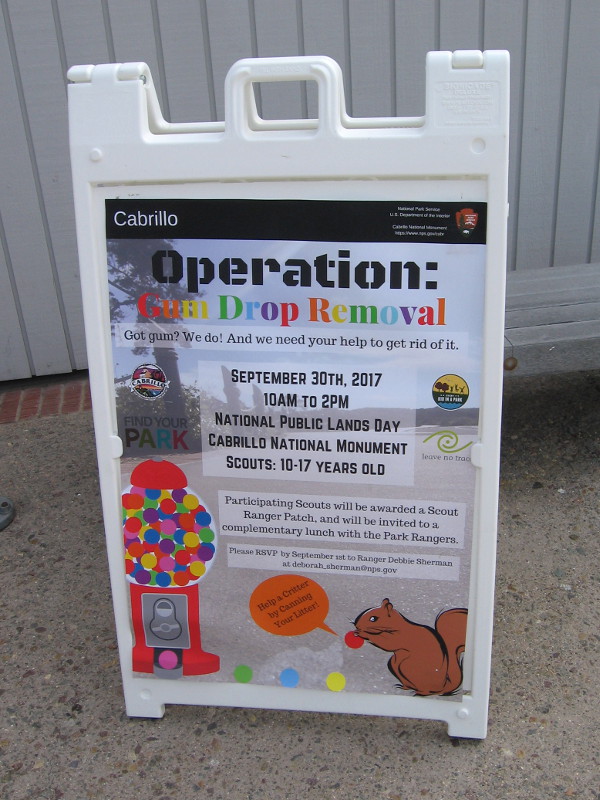
This very cool volunteering event was part of National Public Lands Day. It was also an opportunity for Scouts to earn special badges and enjoy a free lunch with park rangers!
Wow! Great job Scouts! Your positive outlook and dedication to community service has made San Diego even more beautiful! So here’s a big Thank You!
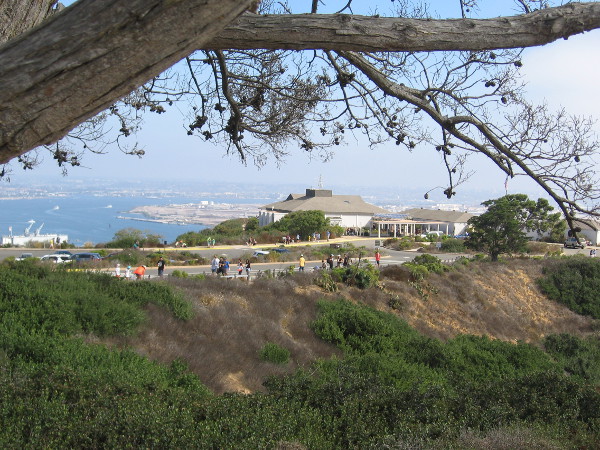
Scouts helping to remove gum and trash were awarded a Scout Ranger Patch, and enjoyed a complimentary lunch with Park Rangers! How cool is that!View of Cabrillo National Monument’s Visitor Center from afar. I could see Scouts working hard throughout the park!
…
I live in downtown San Diego and love to walk around with my camera! You can follow Cool San Diego Sights via Facebook or Twitter!
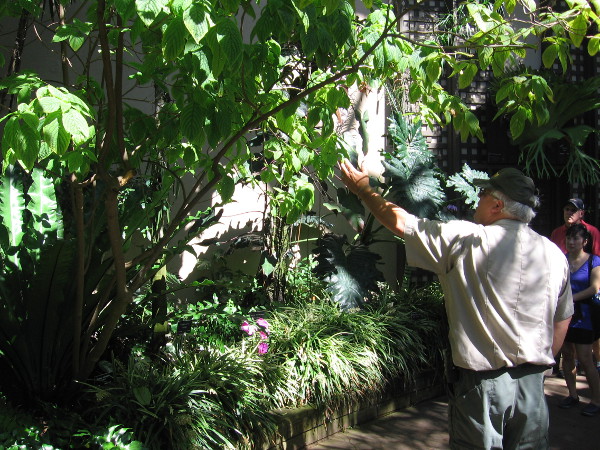
Balboa Park’s knowledgeable Ranger Kim Duclo points out an extremely rare specimen of Deppea splendens in the Botanical Building.
I learned something really amazing last Sunday in Balboa Park. I had joined one of Ranger Kim Duclo’s park tours as it was in progress, and I followed the group into the Botanical Building.
Near the center of the Botanical Building, Ranger Kim stopped beside a beautiful green tree and told us it was one of the rarest plants in the entire world!
Deppea splendens was originally discovered in 1973 by botanist Dennis Breedlove. He found it growing in a single spot in Mexico’s southern mountains. Fortunately Dennis gathered some seeds. Because when he returned in 1986, the plants had all been destroyed. The area had been developed into farmland.
Ranger Kim told us that specimens of Deppea splendens now grow in relatively few places–mostly in special havens like Balboa Park. He also said that one day the plant might be reintroduced into the wild, much as the California condor was saved locally from extinction and successfully returned to its natural habitat.
May that day come!
Photo of a thriving Deppea splendens inside Balboa Park’s lush Botanical Building.The distinctive flowers of Deppea splendens, a plant that is now extinct in the wild. I found this public domain photograph at Wikimedia Commons.These rare, beautiful leaves might be seen once again in the wild!
…
I live in downtown San Diego and love to walk around with my camera! You can follow Cool San Diego Sights via Facebook or Twitter!
You can easily explore Cool San Diego Sights by using the search box on my blog’s sidebar. Or click a tag! There are thousands upon thousands of fascinating photos for you to share and enjoy!
















































 Cool San Diego Sights!