Today, after I checked out the San Diego Cup racing at Mission Bay, I headed to Old Town San Diego State Historic Park to see if anything interesting was going on. Somehow I’d forgotten that Stagecoach Days are celebrated in Old Town on summer Saturdays, and so I was surprised and happy to stumble upon Days of the Vaqueros!
I blogged about this exact same event last year, and took lots of photos and provided a fair amount of description and background. I saw many of the same participants again this year, and debated whether I should take more photos.
I love Old Town so much I couldn’t resist. If you want to learn more about life in San Diego when Southern California was a part of Spain, then Mexico, and large ranches employed the original cowboys, or vaqueros, then visit my blog from last summer’s event here.
You might also enjoy reading my blog post about Old Town’s McCoy House Museum, which includes many displays that concern San Diego’s fascinating early history.
Meanwhile, here are a few uncaptioned photographs of what I experienced today…
…
I live in downtown San Diego and love to walk around with my camera! You can follow Cool San Diego Sights via Facebook or Twitter!
You can easily explore Cool San Diego Sights by using the search box on my blog’s sidebar. Or click a tag! There are thousands upon thousands of photos for you to enjoy!
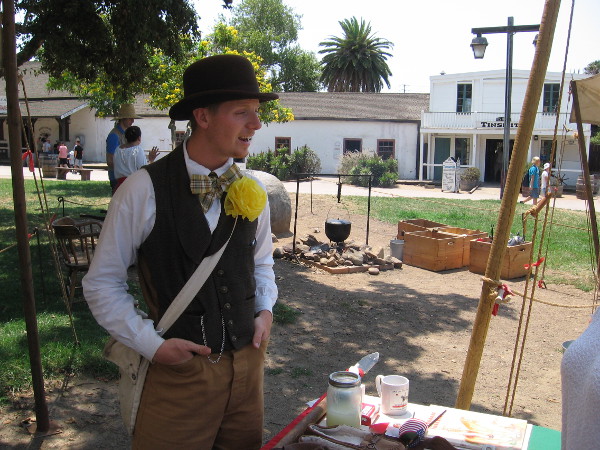
Two vaqueros chat during an event in Old Town San Diego that reenacts fascinating Californio history.
I enjoyed the Trades That Shaped the West event in Old Town San Diego last Saturday so much, I decided to return today to experience another Stagecoach Days event: Days of the Vaqueros!
Days of the Vaqueros invited curious visitors to experience what life was like when San Diego was a part of Spain, then Mexico. The emphasis was on the vaqueros–the first true cowboys. During the era of the Californios, wealthy ranch owners employed vaqueros to manage their stock.
For a couple of decades–from the early 1820s to the mid-1840s–cattle hides were the primary export of Alta California. Merchant ships from the East Coast (and other places about the Pacific Ocean) would trade the plentiful hides for finished goods that were in high demand in early, geographically isolated, sparsely populated towns like San Diego.
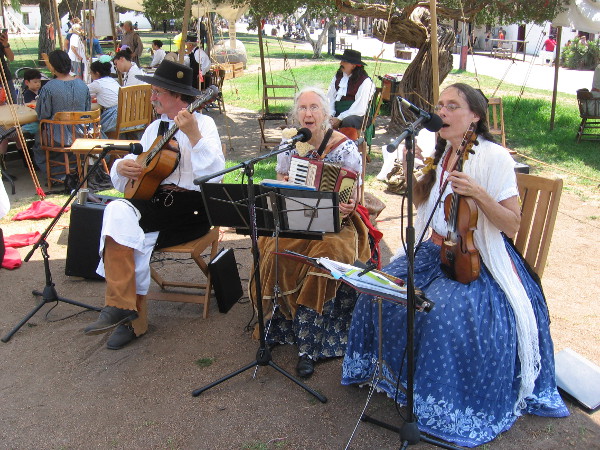
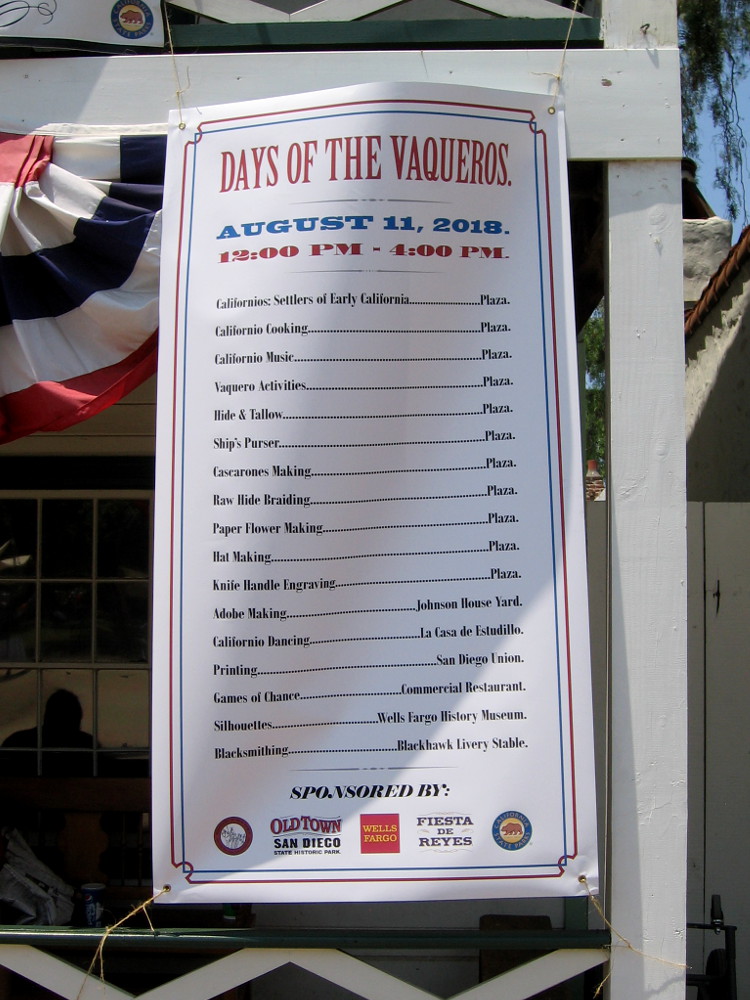
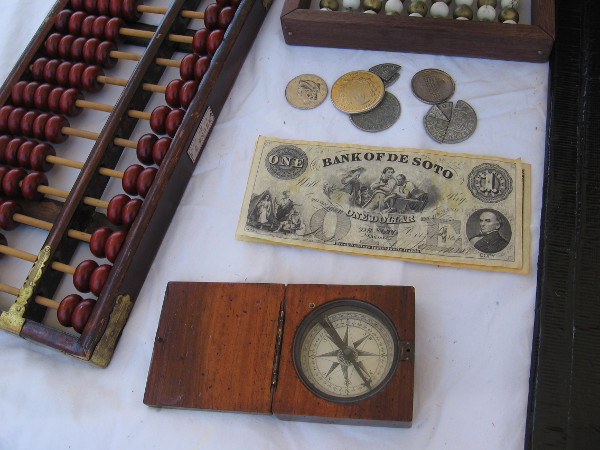
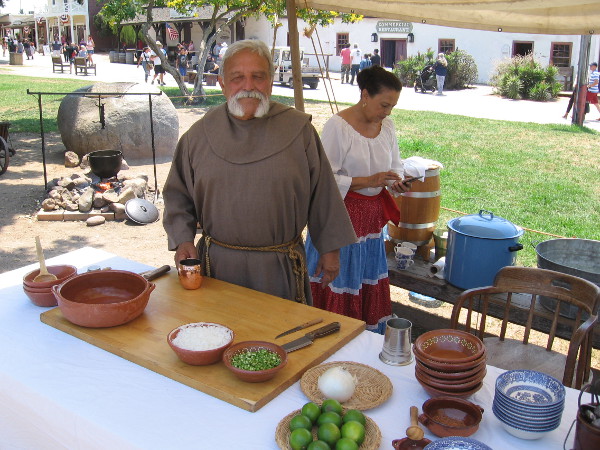
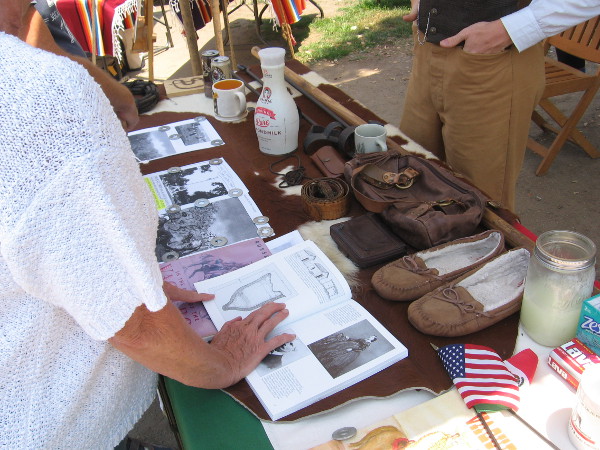
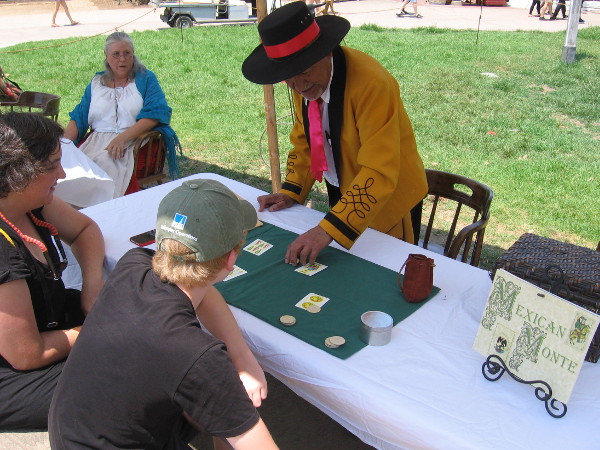
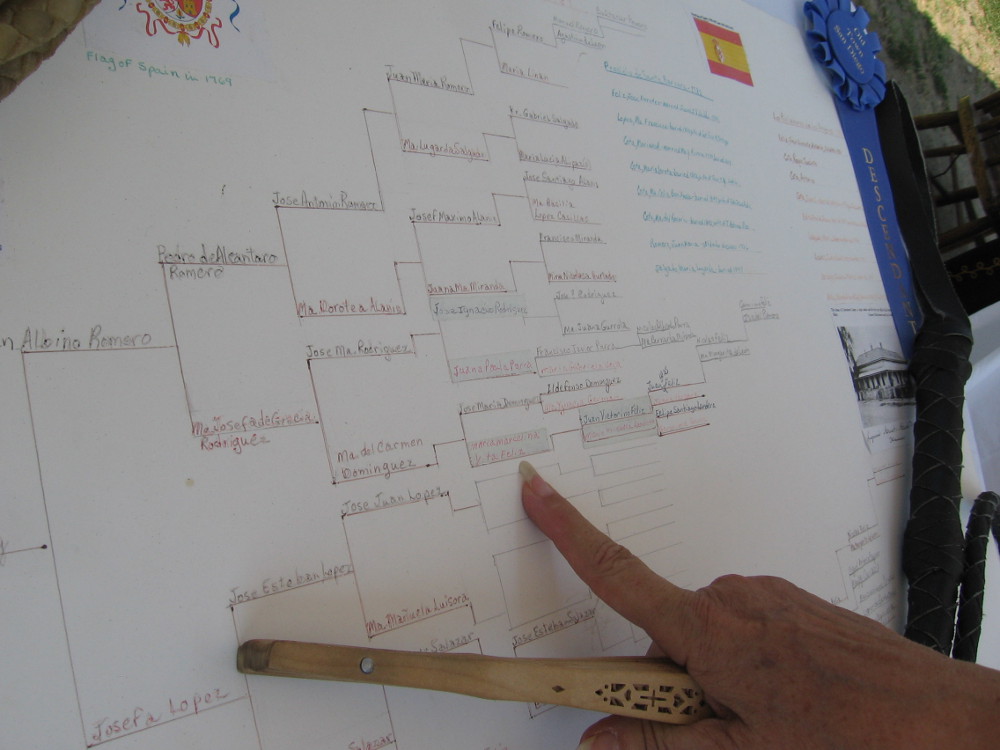
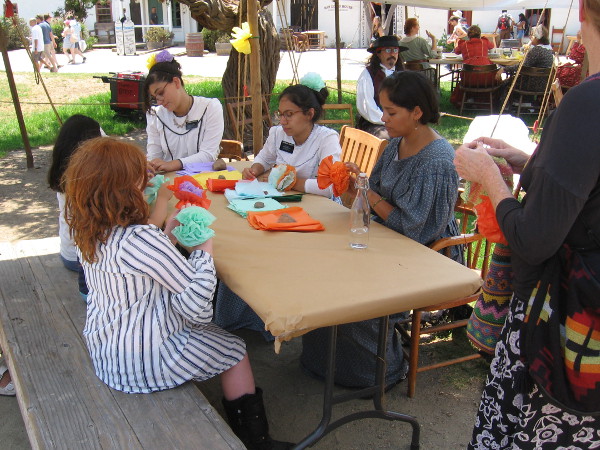
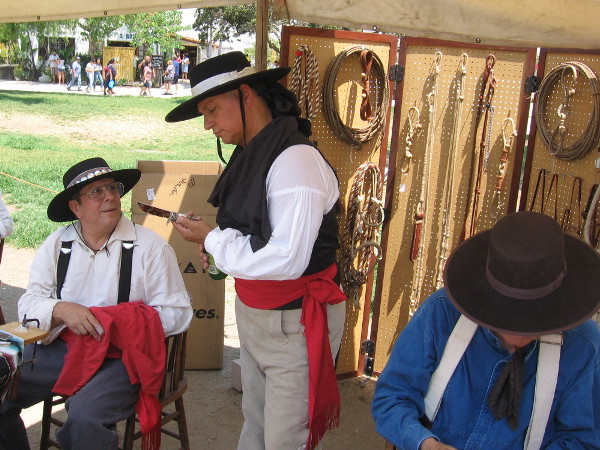
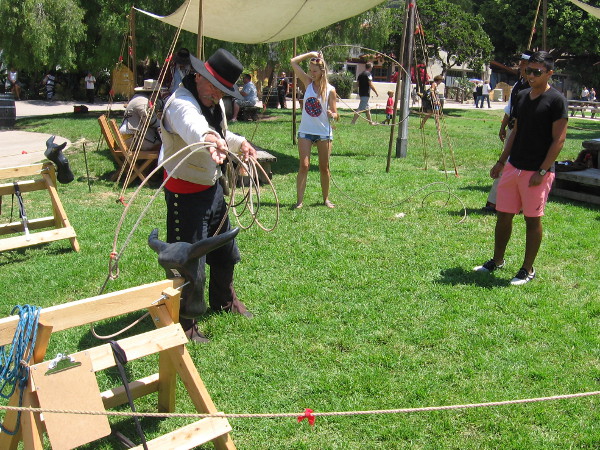
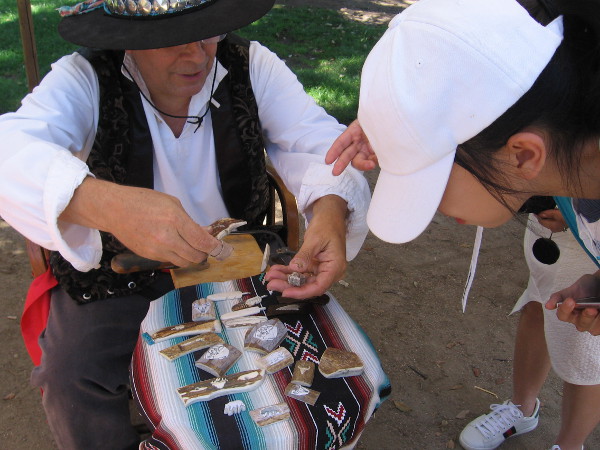
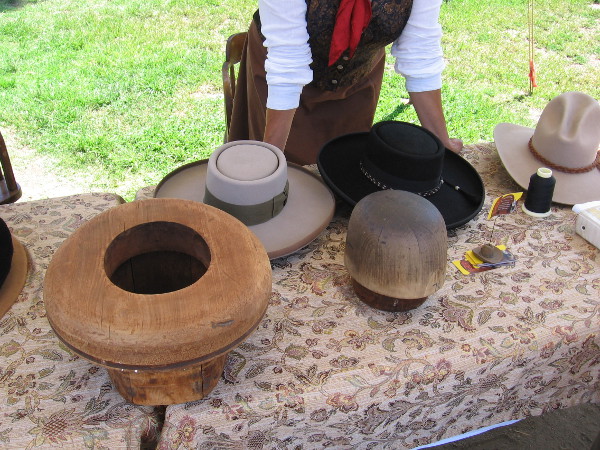
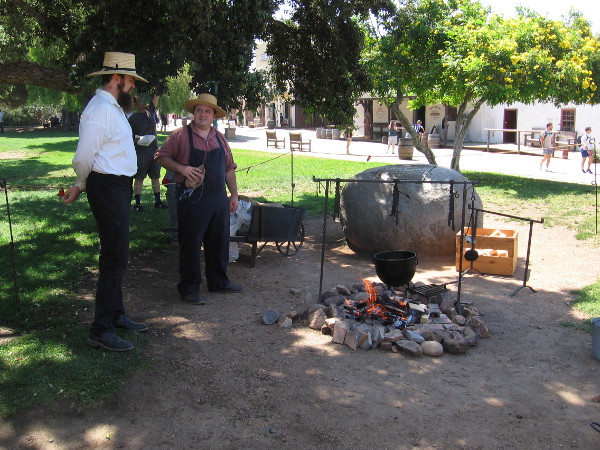
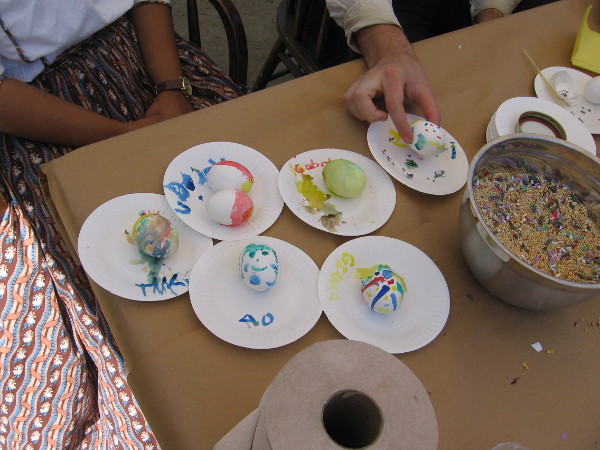
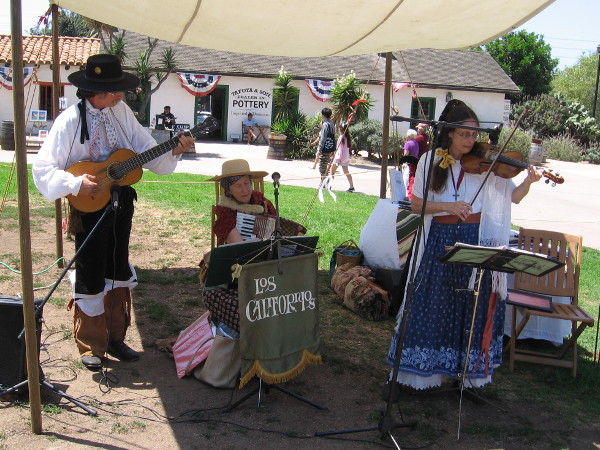
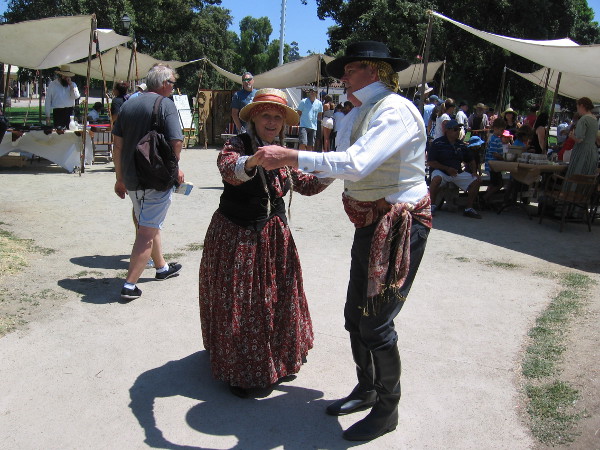
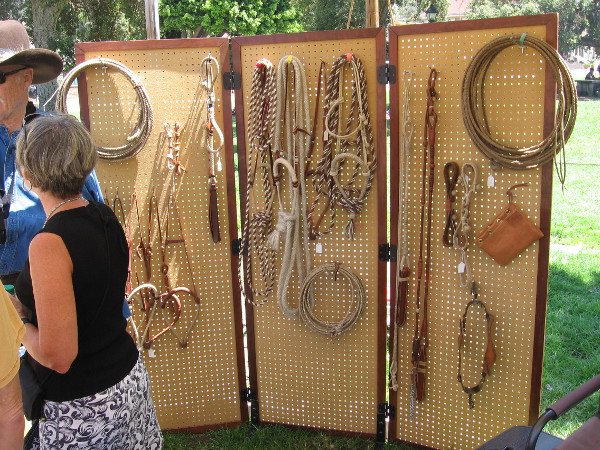
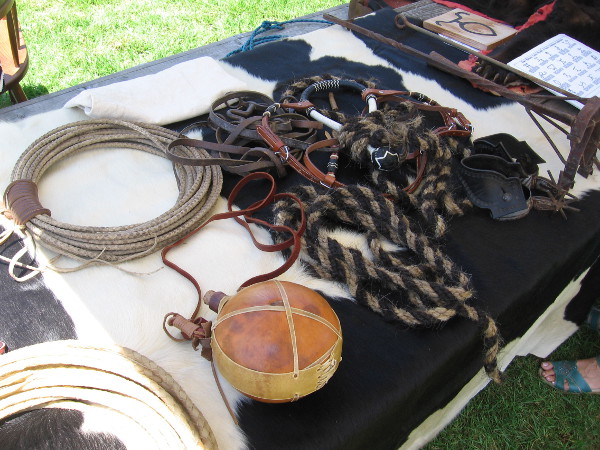
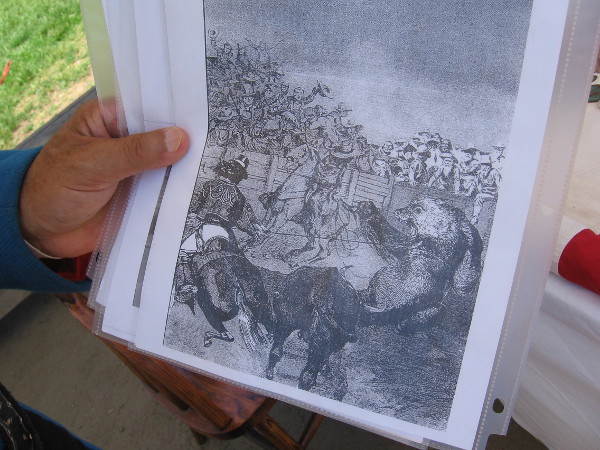
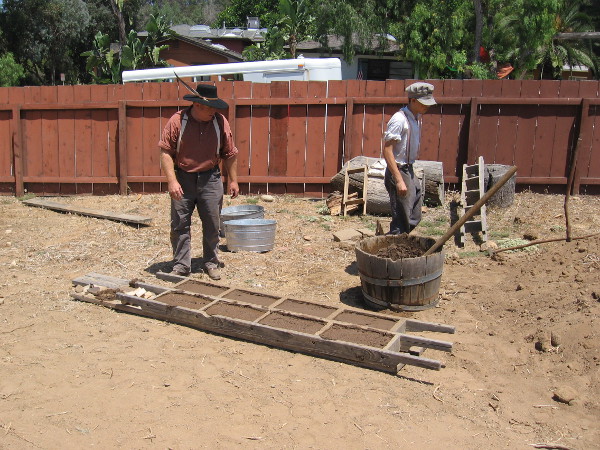
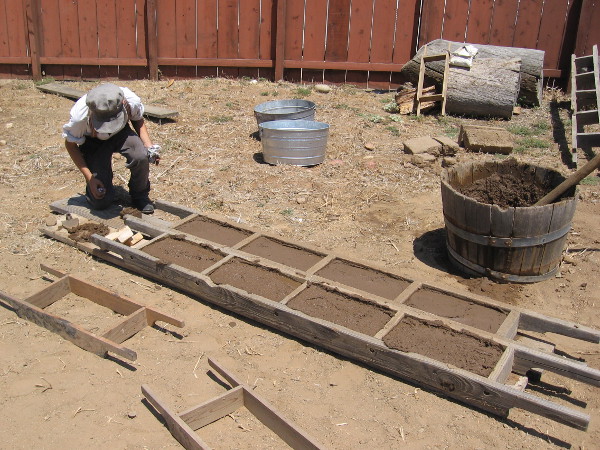
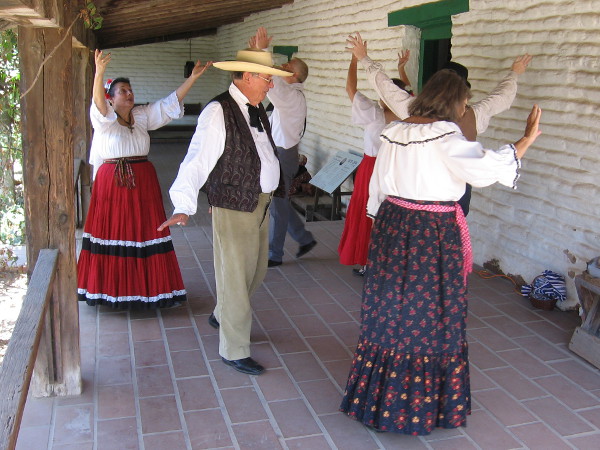
Someone checks out Days of the Vaqueros activities. The banner hangs on the Robinson Rose House in Old Town San Diego State Historic Park.Taking place during Old Town’s summer weekend Stagecoach Days, today’s event primarily celebrated life in San Diego when the small town and Alta California were part of Mexico.Ladies pass by in period dresses. One of many cool sights at the Days of the Vaqueros event in Old Town San Diego.Tables contained information about life during the era of huge Mexican land grant ranches worked by vaqueros. Vaqueros, the first true cowboys, were mostly indigenous people employed to manage cattle by the wealthy land owners.A vaquero shows a visitor to Old Town how to properly handle a rope.The visitor successfully lassoes his cow–the rear end, that is–first try!A gentleman who used to work for Buck Knives makes unique knife handles out of elk antlers. He has developed his own technique, which takes great skill and precision.A hat maker shows how beaver felt material was steamed then pushed over a hat-form block.What’s cooking on the campfire? Some tasty pozole, I was told!Pozole is a traditional Mexican soup or stew, made from hominy, meat and various vegetable seasonings.Decorating eggshell cascarones. Near the end of a fiesta, Californios flirted by cracking eggs filled with scented water or confetti over the startled head of someone they liked.A group called Los Californios played authentic early California music–tunes that were preserved over a century ago on wax cylinder sound recordings made by Charles Lummis.A couple dances to the happy, gentle music.Publications by a nonprofit project called San Diego Friends of Old Time Music. Author Vykki Mende Gray is helping to preserve the musical history of California.A display of braided ropes and rawhide, once commonly used by vaqueros as they worked on the large cattle ranches around San Diego.On this table I see more ropes, a canteen, iron brands and boot spurs.A gentleman who teaches school students visiting Old Town about history holds up an illustration of bear-baiting, which early Californians found entertaining.These guys were making adobe bricks. I learned earth and water are mixed, and straw or manure are often added for strength and cohesion.Authentic adobe bricks take weeks or months to properly dry. When hard, these bricks will possibly be used in new construction or to restore existing exhibits inside Old Town San Diego State Historic Park.Traditional dancing in the courtyard of Casa de Estudillo of Los Camotes (which translates the sweet potatoes), a tune from old Mexican and Spanish California.
…
This blog now features thousands of photos around San Diego! Are you curious? There’s lots of cool stuff to check out!
Here’s the Cool San Diego Sights main page, where you can read the most current blog posts. If you’re using a small mobile device, click those three parallel lines up at the top–that opens up my website’s sidebar, where you’ll see the most popular posts, a search box, and more!
To enjoy future posts, you can also “like” Cool San Diego Sights on Facebook or follow me on Twitter.
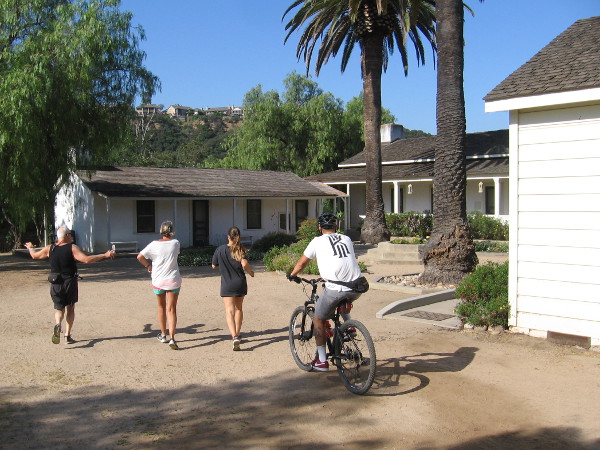
Jogging and biking past the historic adobe ranch house in Los Peñasquitos Canyon Preserve.
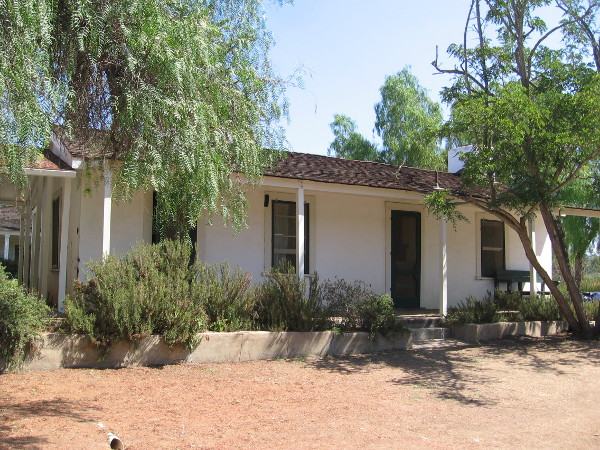
The second oldest residence in San Diego County can be found inside Los Peñasquitos Canyon Preserve. The adobe ranch house was built in 1824 by Captain Francisco María Ruiz, who was Commandante of San Diego’s presidio. He built two small adobe buildings on Rancho Santa Maria de Los Peñasquitos, his large 8,486-acre Mexican land grant north of the Presidio and Mission San Diego de Alcalá. It was the first land grant by the Mexican government in this area. The grant was made in 1823, just two years after Mexico became independent from Spain.
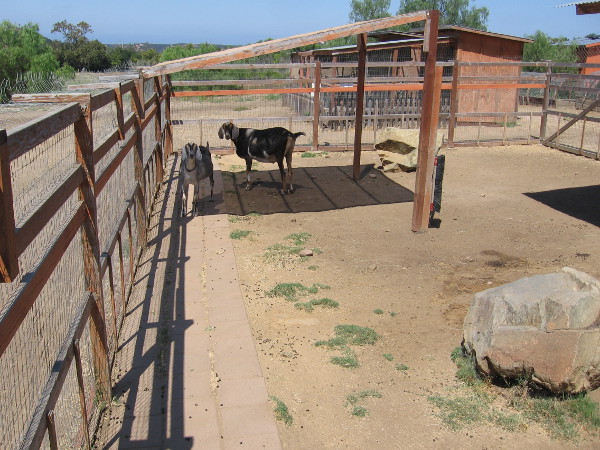
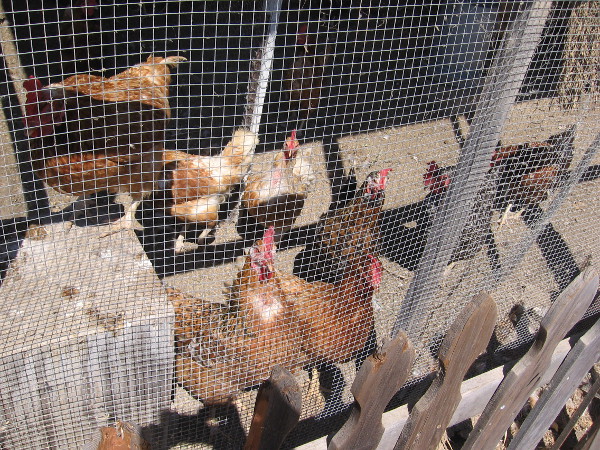
The historic adobe ranch house has been modified, enlarged and restored by various owners over the years, and today is a popular destination for visitors to Los Peñasquitos Canyon Preserve. People often bike or hike through the picturesque ranch, and motorists can park in a nearby lot. Picnic tables are plentiful; there are goats and chickens to captivate children; and guided tours are available on weekends.
I toured the ranch recently and took photos of its various features. There are a variety of interpretive exhibits within the adobe house. Please read these informative displays (click to enlarge the images) to learn more about this fascinating place’s long and colorful history.
(What is the oldest structure in San Diego County? You’ll be completely surprised! I blogged about that here.)
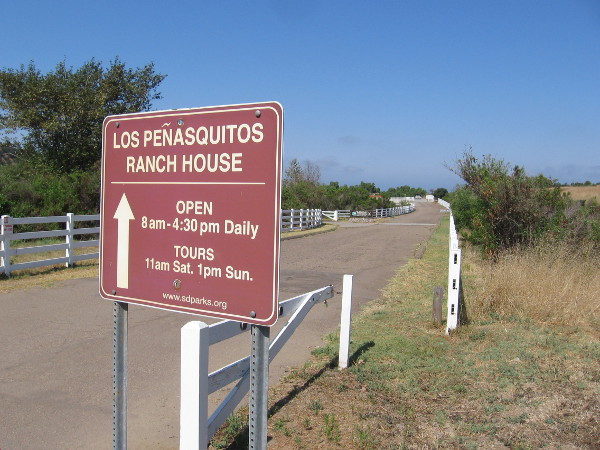
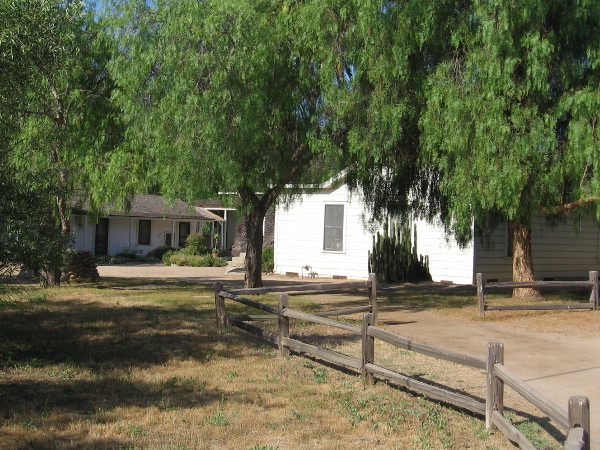
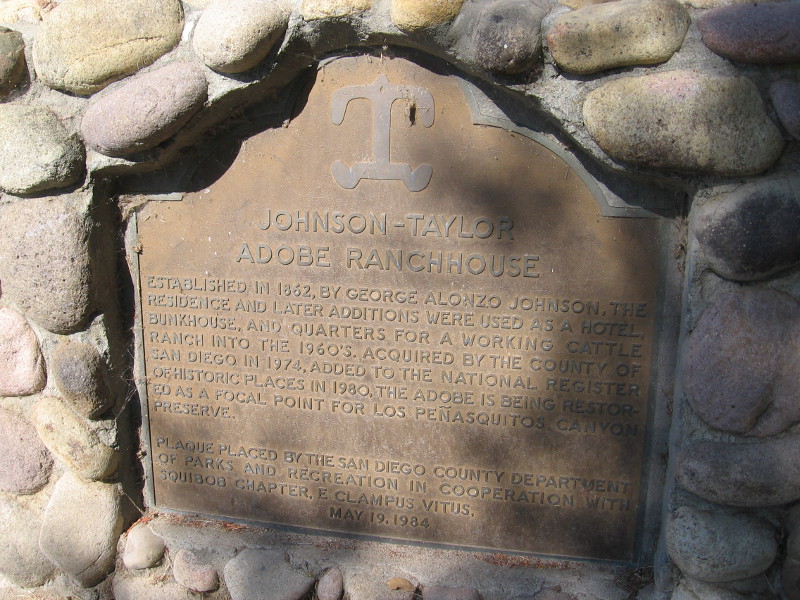
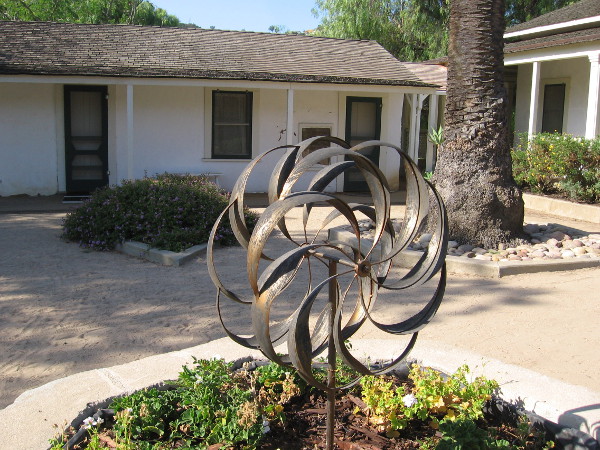
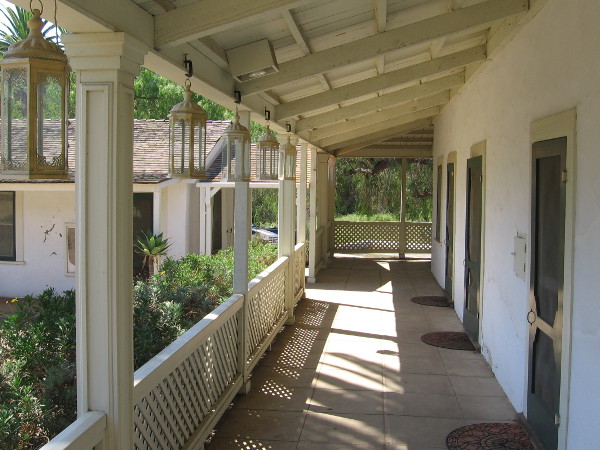
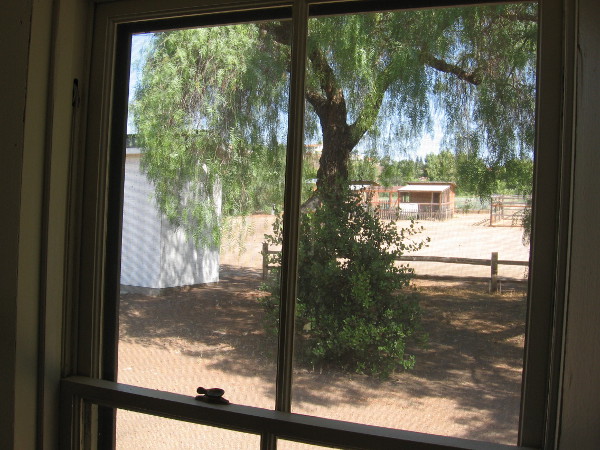
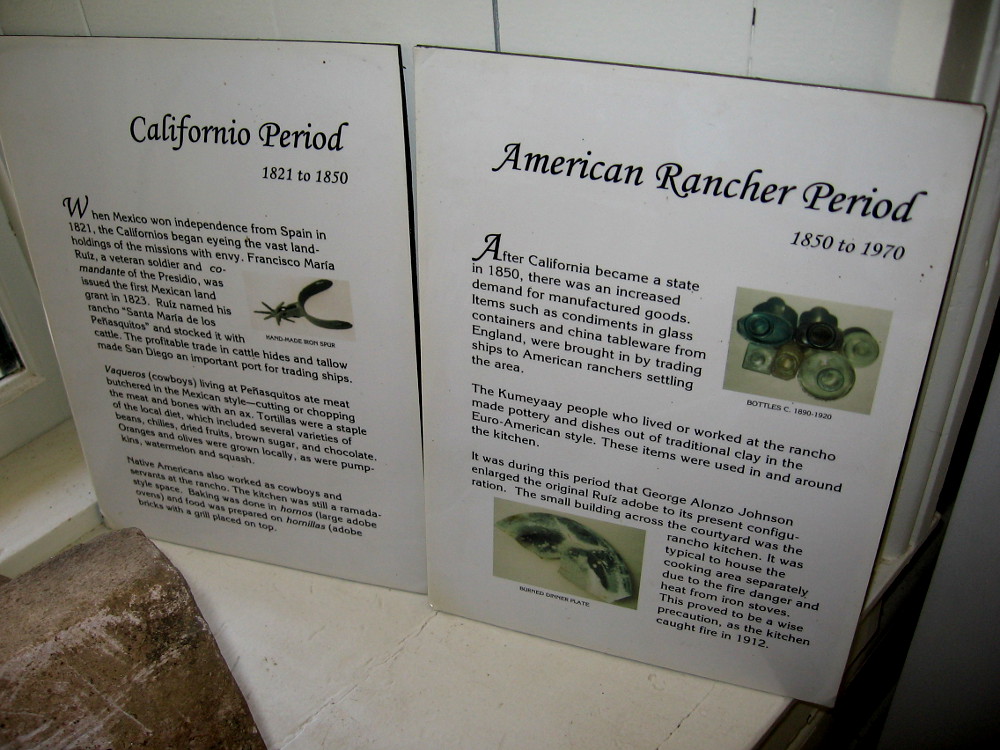
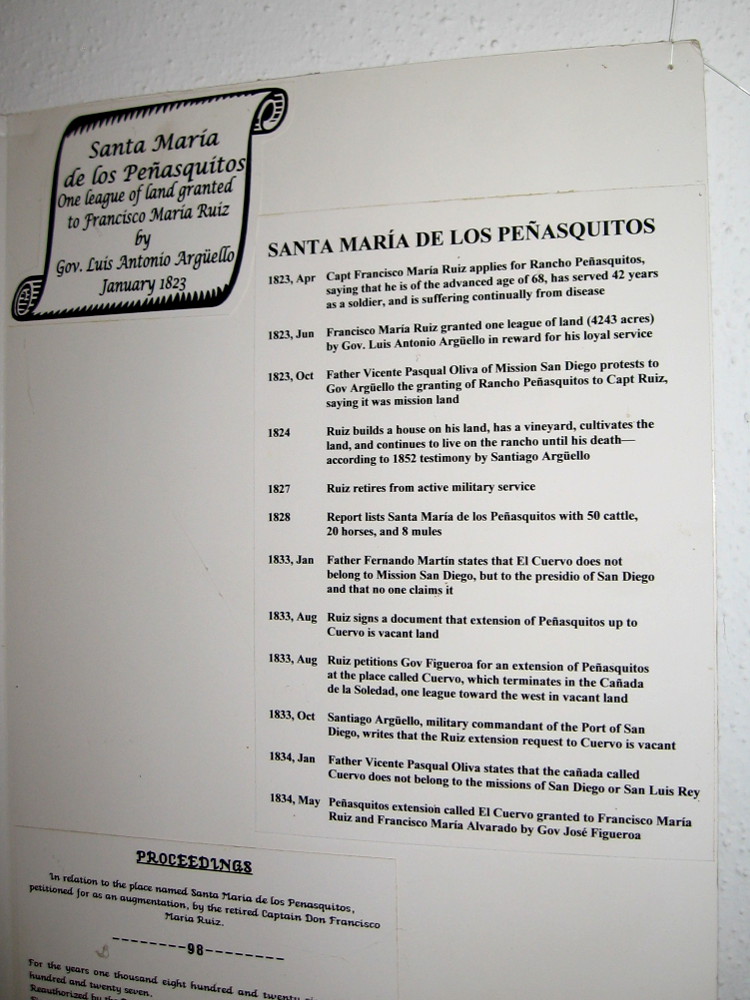
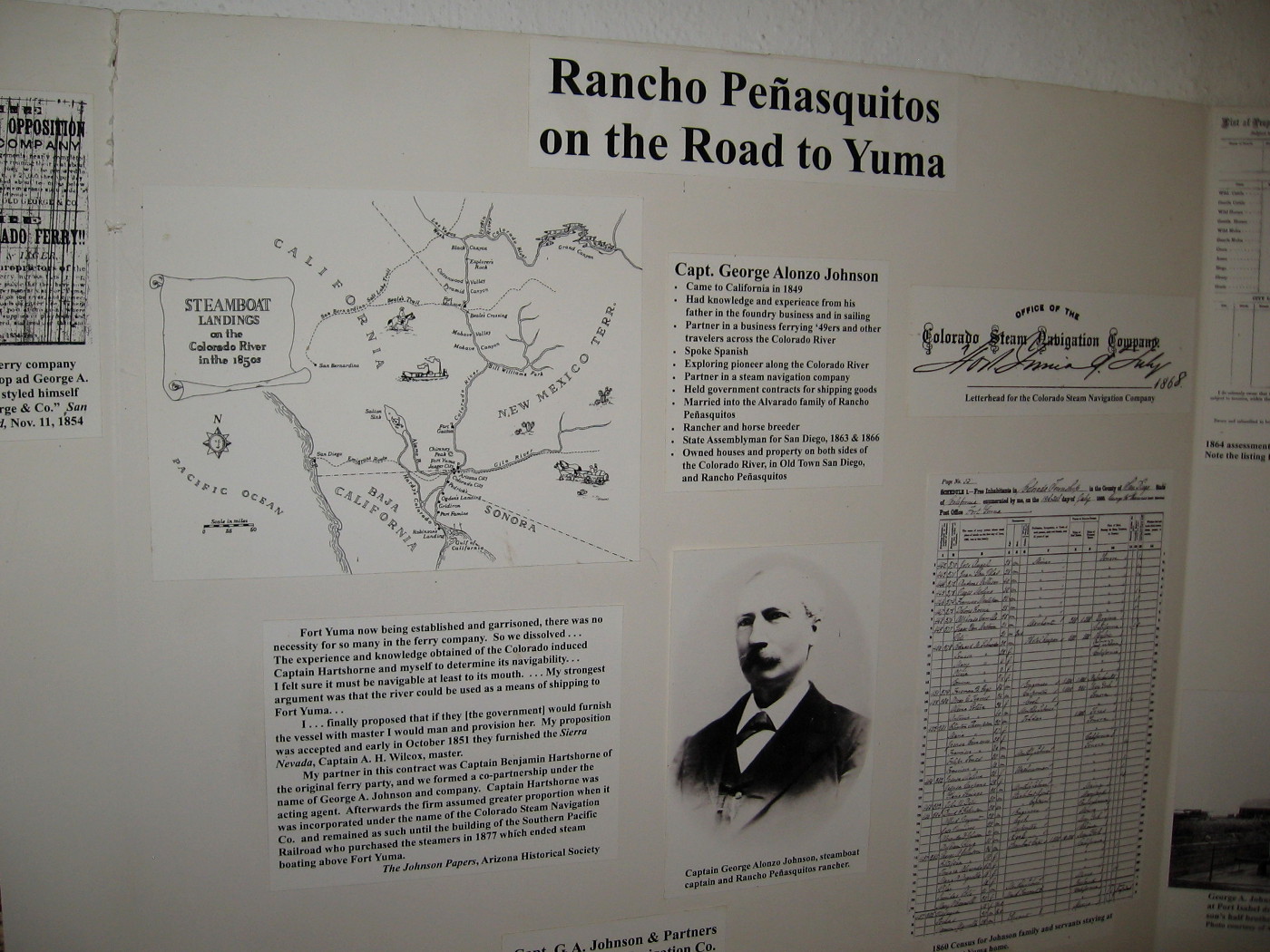
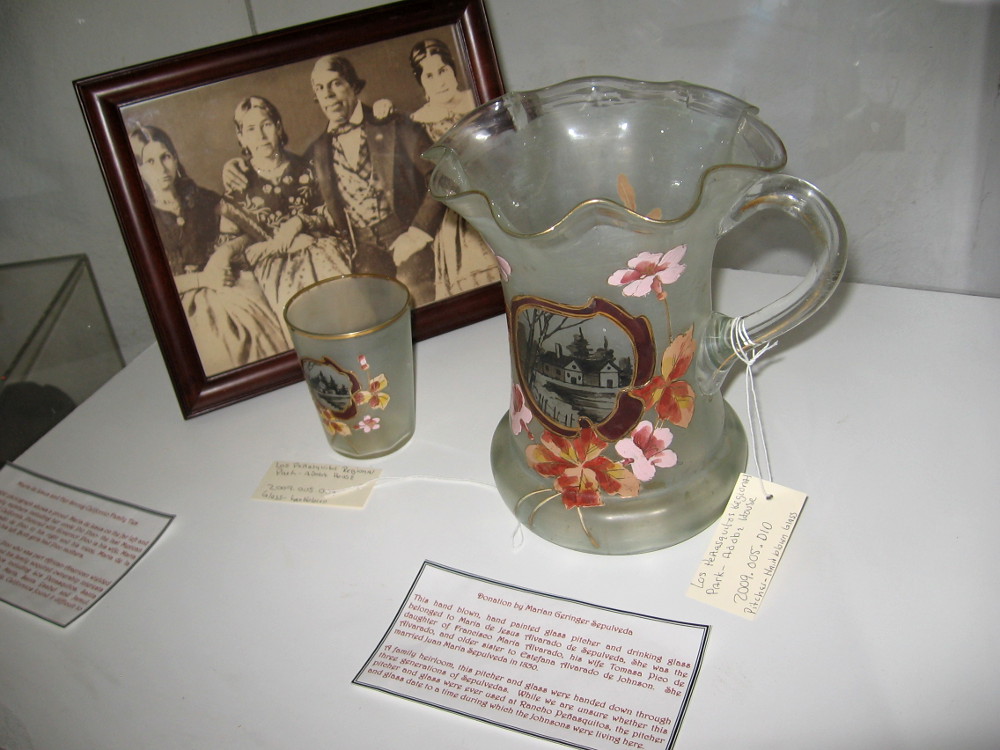
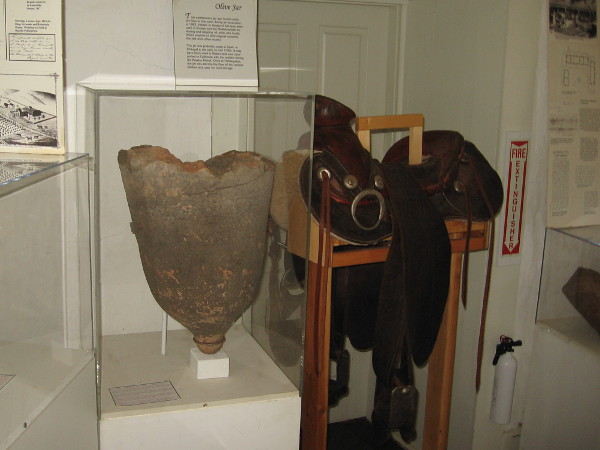
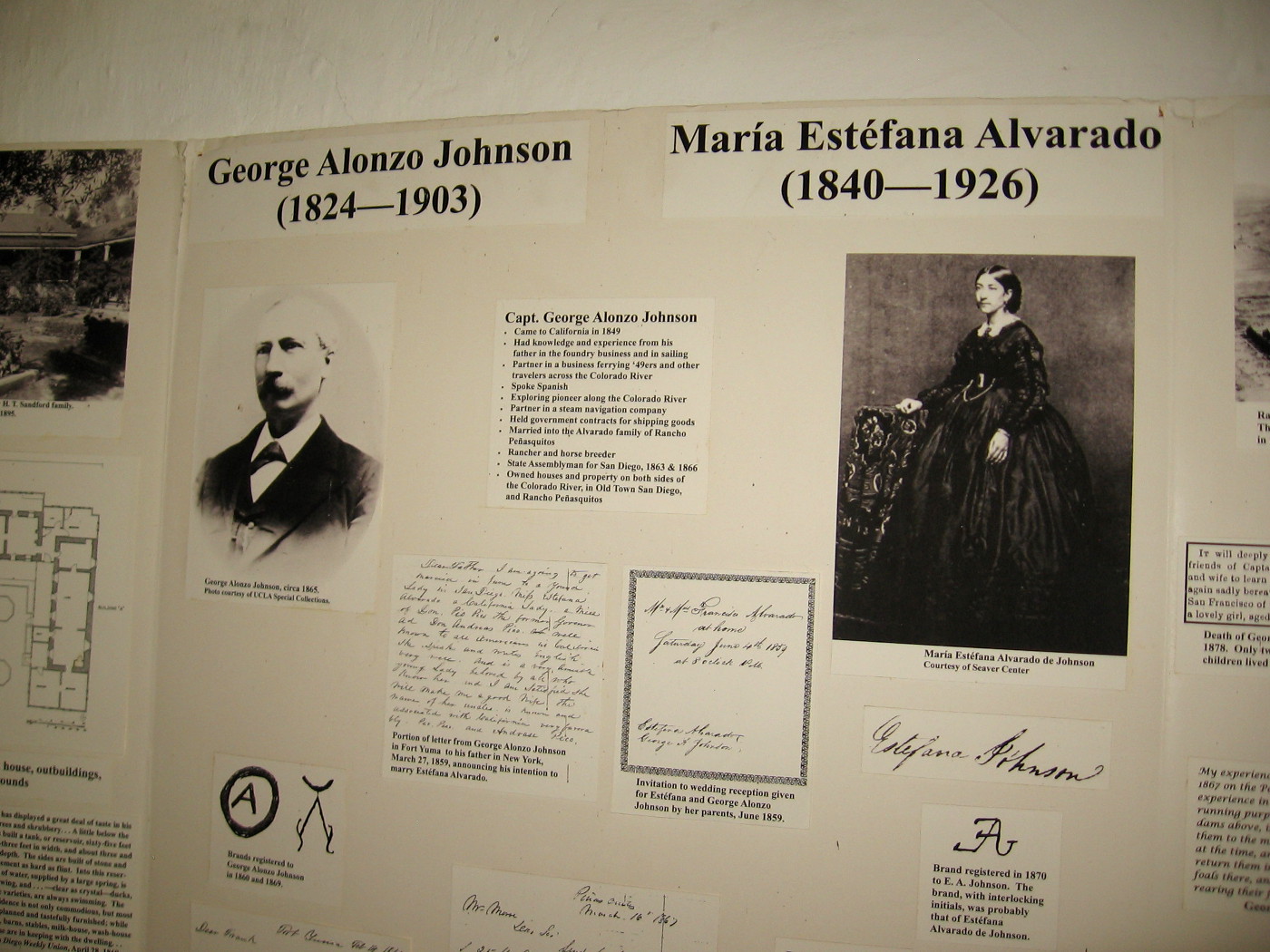
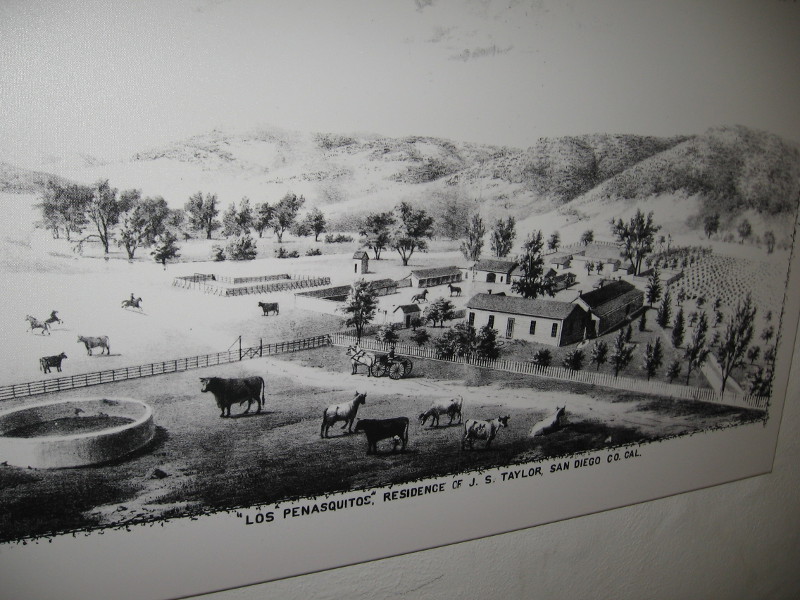
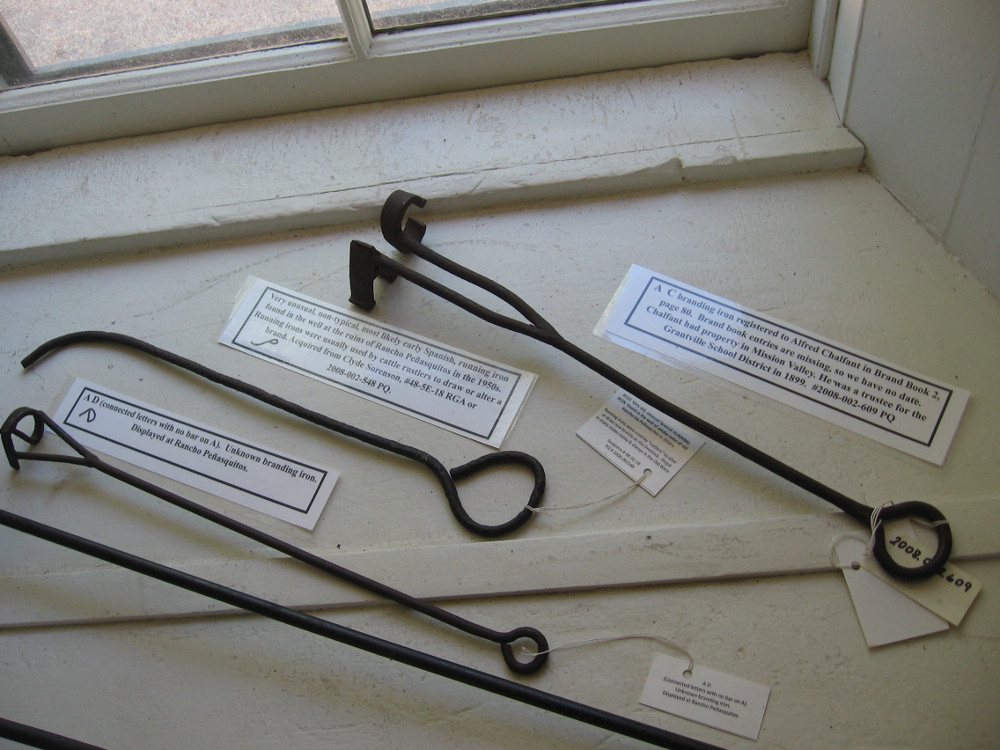
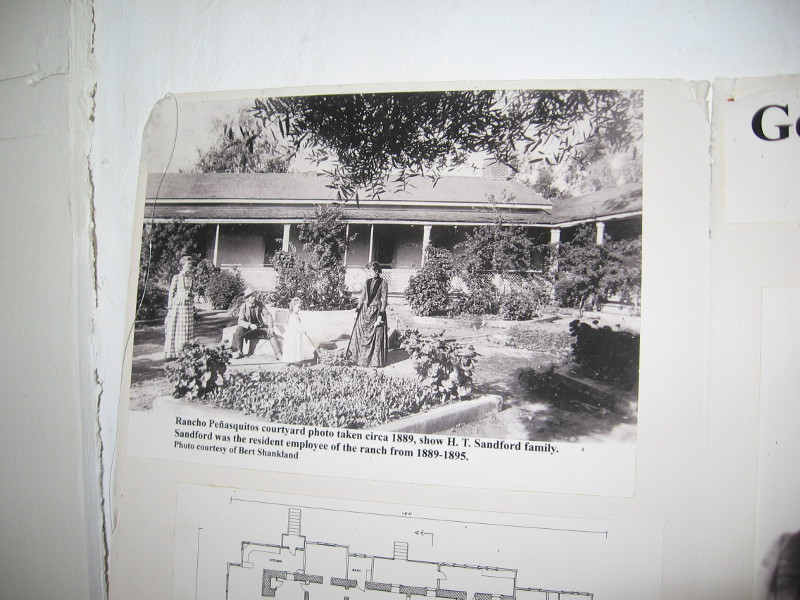
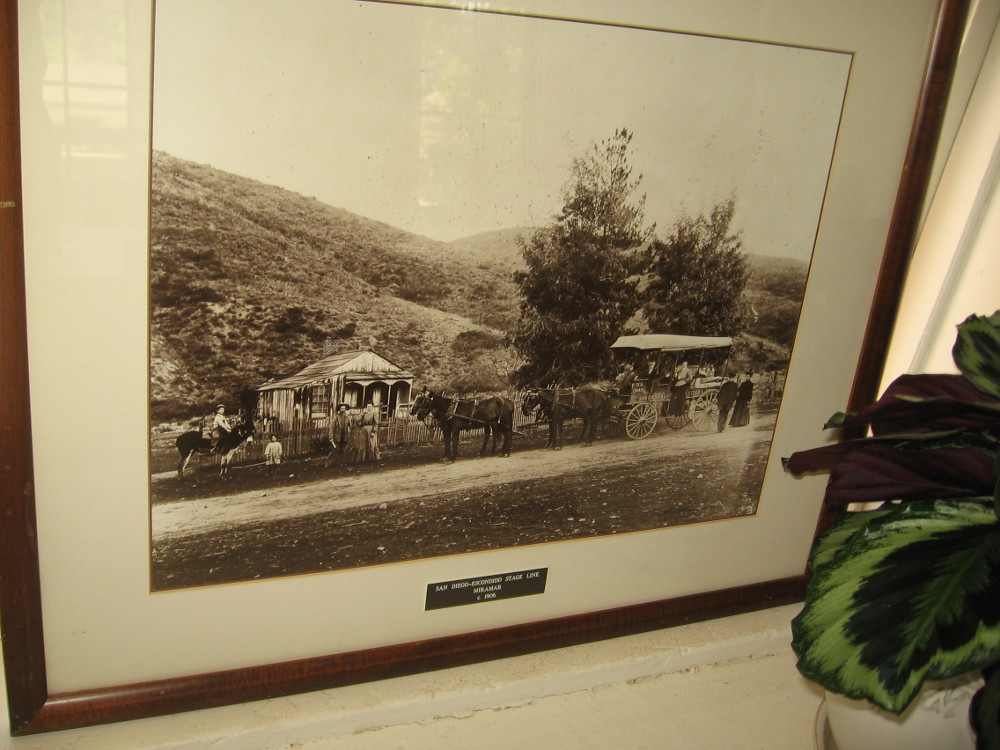
The Los Peñasquitos Ranch House is open daily from 8:00 am to 4:30 pm. Guided tours are at 11:00 am on Saturday and 1:00 pm on Sunday.The ranch house is nestled among some shady trees. Two small adobe buildings were originally built in 1824. The house was enlarged by Captain George Alonzo Johnson in 1862.Plaque describes the establishment of the Johnson-Taylor Adobe Ranchhouse in 1862. The residence and later additions were used as a hotel, bunkhouse, and quarters for a working cattle ranch into the 1960s.A sculpture inside the courtyard, located on the east side (rear) of the ranch house. The planters were probably used by the residents to grow herbs and flowers.Part of the ranch house’s long porch beside the courtyard.Inside a living room that today contains museum-like exhibits, looking north out a window at various small structures on the ranch, including a chicken coop and goat pen.The Californio Period, 1821 to 1850, included vaqueros (cowboys) living at Peñasquitos. The American Rancher Period, 1850-1970, began after California became a state.1823-1834 timeline of the Mexican land grant of Santa Maria de Los Peñasquitos, that was made to Captain Francisco María Ruiz.In 1859 Captain George Alonzo Johnson married Maria Estéfana Alvarado, daughter of Francisco María Alvarado, who bought the ranch from Ruiz in 1837.A hand blown and painted glass pitcher and drinking glass that belonged to Maria de Jesus Alvarado de Sepulveda, daughter of Francisco María Alvarado.The large earthenware olive jar was found under the ranch house floor during an excavation in 1983. Used for food storage, it was probably made in Spain or Portugal in the early to mid 1700s.Captain George Alonzo Johnson, a pioneer and businessman, came to California in 1849 during the Gold Rush. He became a rancher and horse breeder.Historical newspaper articles describe the ranch house, outbuildings and grounds of George Alonzo Johnson’s ranch.Floor plan of Rancho Peñasquitos from 1975 HABS survey.A drawing of the Los Peñasquitos residence of Colonel Jacob Shell Taylor, who purchased the property in 1882. He raised Durham cattle and thoroughbred horses and would found Del Mar.Various branding irons on display in the adobe house that were discovered around the ranch. Included are early Spanish irons used by rustlers.Rancho Peñasquitos courtyard photo taken circa 1889, showing ranch employee H. T. Sandford and his family.Photo of the San Diego-Escondido Stage Line circa 1906. In the mid-1800s, Peñasquitos was a way station on the wagon road between San Diego and Warner’s Ranch.Porch along the front (or west) side of the adobe ranch house, which faced the so-called Road to Yuma.I spotted someone riding a horse past the ranch house. Los Peñasquitos Canyon Preserve is an ideal place for those who love to ride down peaceful trails.Looking west at a meadow north of Peñasquitos Creek. I posted photos of those sycamores in the distance a few weeks ago.An artificial pond south of the ranch house was filled with water from the adjacent spring house for irrigation of a nearby citrus grove.The rock Spring House was constructed around an artesian spring. Water from the spring was used by the Native American Kumeyaay for as many as 12,000 years!The Mohnike Barn was constructed in 1912 of adobe and wood. Charles Mohnike, a rancher who purchased the property in 1910, was the builder.The Mohnike Barn is now listed on the National Register of Historic Places along with other ranch structures.An octagonal concrete reservoir to the north, uphill from the ranch house. Photographic evidence shows water might have been pumped up here by windmill.More ranch structures just west of the barn.These friendly Nubian goats like to greet hikers and those on bicycles.These chickens were wondering what I was up to.The southeast corner of the adobe ranch house.One last photo of the courtyard, a focal point of the ranch house, which has seen many lives, much history.
…
I live in downtown San Diego and love to walk around with my camera! You can follow Cool San Diego Sights via Facebook or Twitter!
You can easily explore Cool San Diego Sights by using the search box on my blog’s sidebar. Or click a tag! There are thousands upon thousands of fun photos for you to share and enjoy!
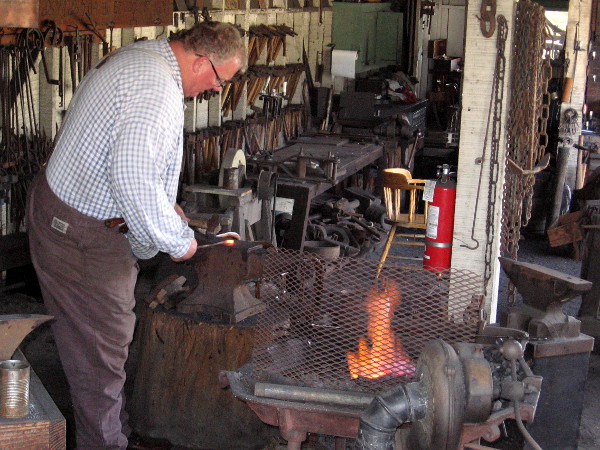
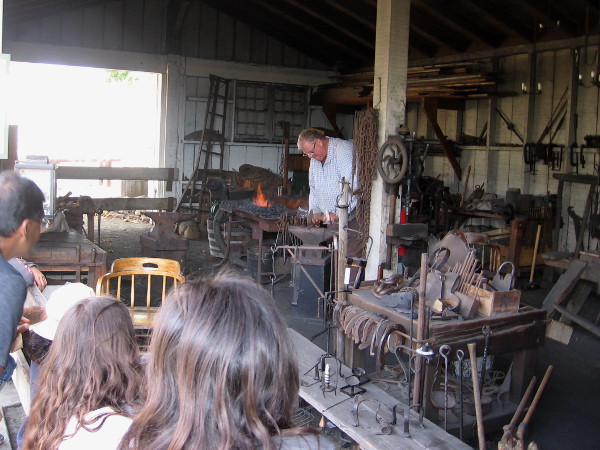
A blacksmith shapes red hot iron at a forge in San Diego’s historic Old Town.
Yesterday I lingered for a few minutes at the Blacksmith Shop in Old Town San Diego State Historic Park. Two forges were operating. I watched as hammers swung, making sparks fly. It was fascinating to learn about blacksmithing and its vital role in San Diego’s history.
I chatted for a bit with one of the friendly gentlemen working in the Blacksmith Shop. These days the shop is used by a handful of skilled smiths to make all sorts of ornamental and useful metal items. They’ve made objects used for display elsewhere in the State Park. They make everything but horseshoes–and that’s because none of them know how to shoe a horse!
I was told that in 19th century San Diego there were several blacksmiths; this shop now in Old Town was probably located a bit to the east, on the outskirts of town (near today’s Presidio Hills Golf Course) because of the fire danger it presented to other buildings. No blacksmith shop back then would have been as large as the one visitors see today. A blacksmith would most likely do their work in the corner of a livery stable, using one modest forge.
Please read the photo captions to learn more!
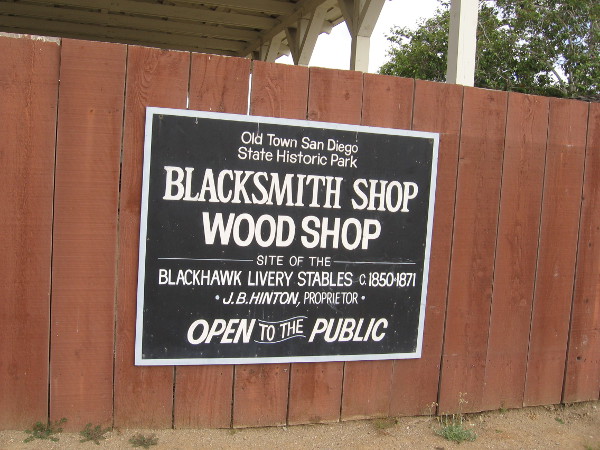
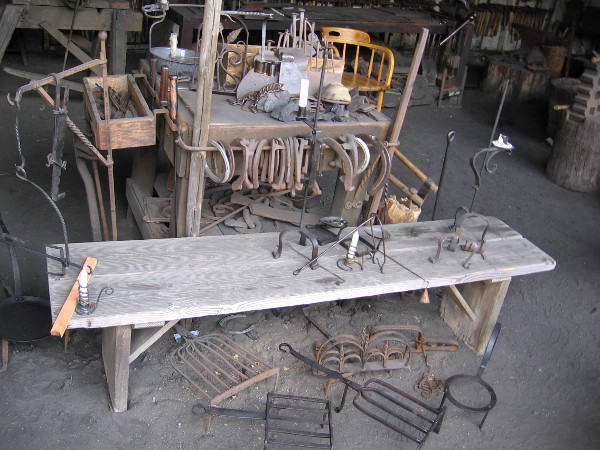
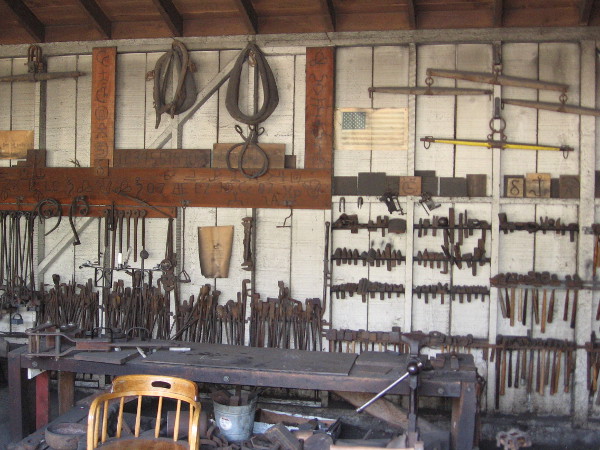
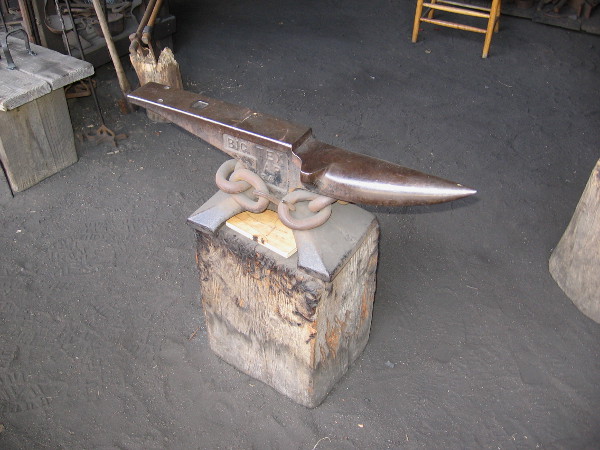
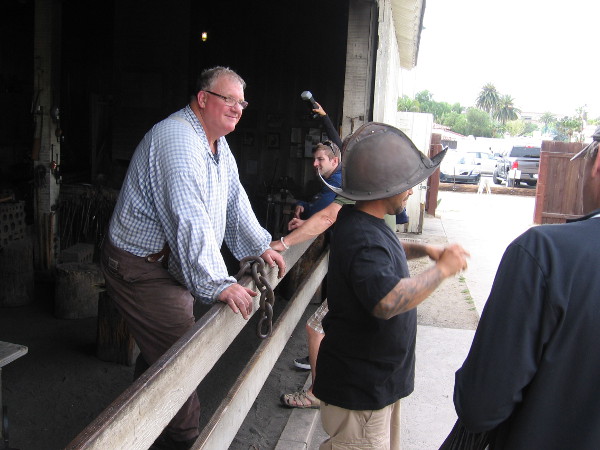
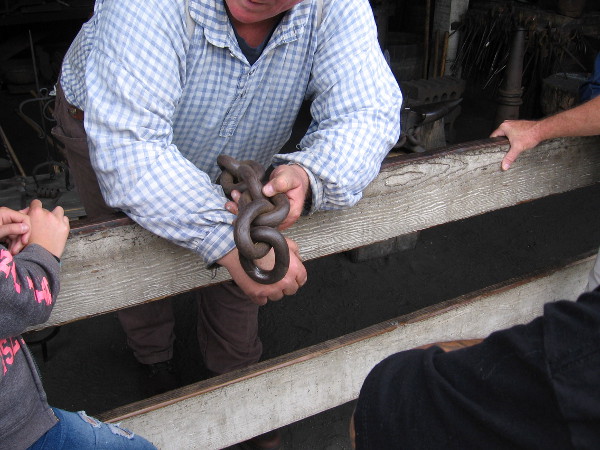
Old Town San Diego State Historic Park’s Blacksmith Shop and Wood Shop at the site of the Blackhawk Livery Stables, circa 1850-1871.Visitors to Old Town learn a little about life in San Diego during the mid 1800s. Blacksmiths created assorted metal objects, made repairs and shoed horses.This friendly blacksmith provided lots of fascinating information. Visitors watch with interest as he works to create a pot holder.I learned that in early San Diego blacksmiths typically burned charcoal in their forge, as coal was usually of poor quality and difficult to obtain in Southern California.A huge bellows provides oxygen for this brick furnace. A good working temperature is about 1800 degrees Fahrenheit.Products that were fashioned include iron grills, traps, candle holders, fish roasters, knives, shovels, chains, hinges, nails, cooking ladles and horseshoes.Hammers, bars, wrenches and various blacksmithing tools hang from the rear wall, in addition to harnesses and other items one might find in a livery stable.The gentleman showed me some devices used to suspend pots over a fire. Everything on this wall was made by local smiths in this shop.A shiny anvil.This wide grassy area behind nearby Seeley Stable was once used for anvil shoots. Gunpowder was placed in a hollow indentation between two anvils and ignited, sending one anvil high into the air with a loud bang! Anvils that did not shatter were considered sound.Old Town visitor tries on a Spanish conquistador helmet made in the Blacksmith Shop.A heavy anchor chain is shown. The welds must be as strong as the iron links themselves.A photo of living history. Skilled artisans used muscle, fire, metal and sweat to make everyday life easier for the early residents of San Diego.
…
I live in downtown San Diego and love to walk around with my camera! You can follow Cool San Diego Sights via Facebook or Twitter!
You can easily explore Cool San Diego Sights by using the search box on my blog’s sidebar. Or click a tag! There are thousands upon thousands of fun photos for you to share and enjoy!
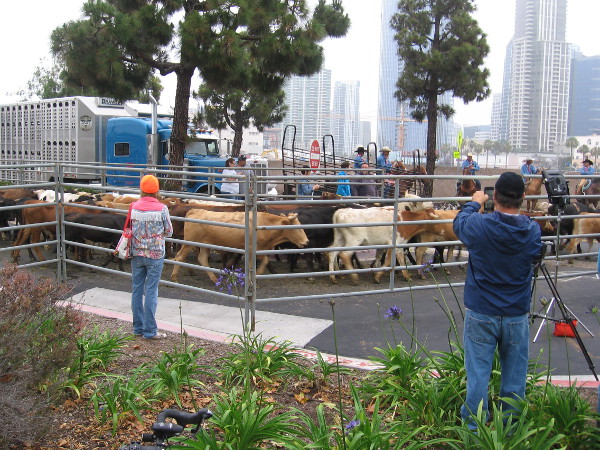
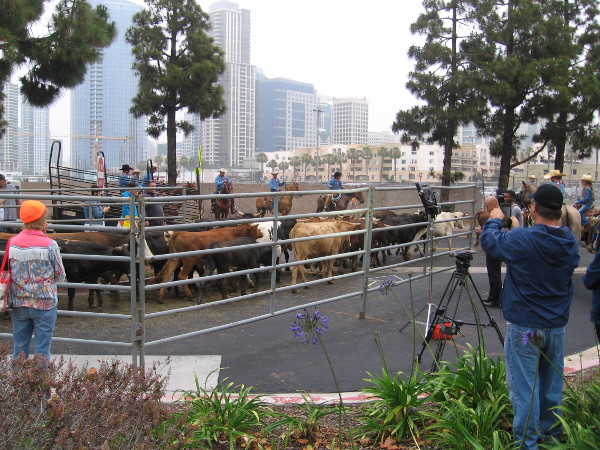
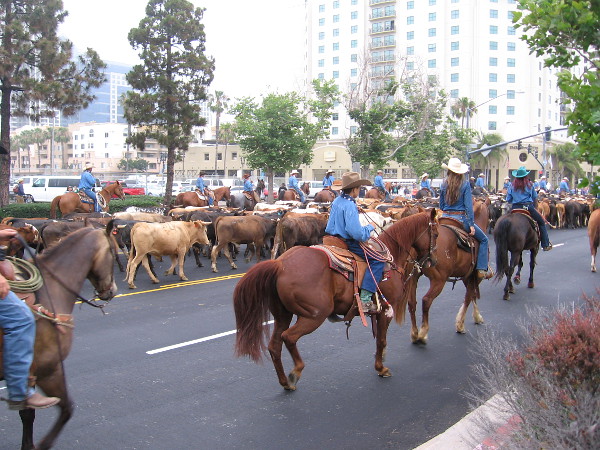
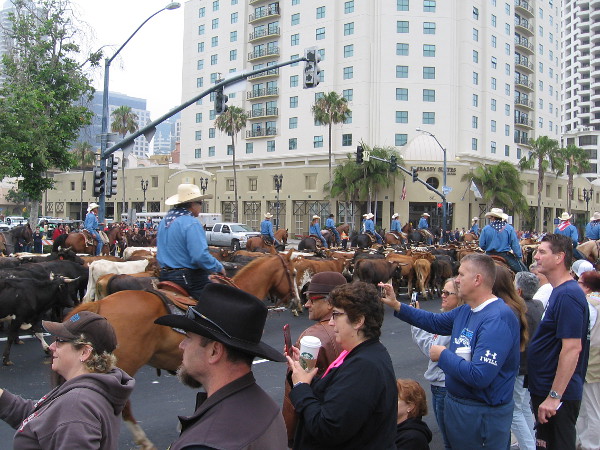
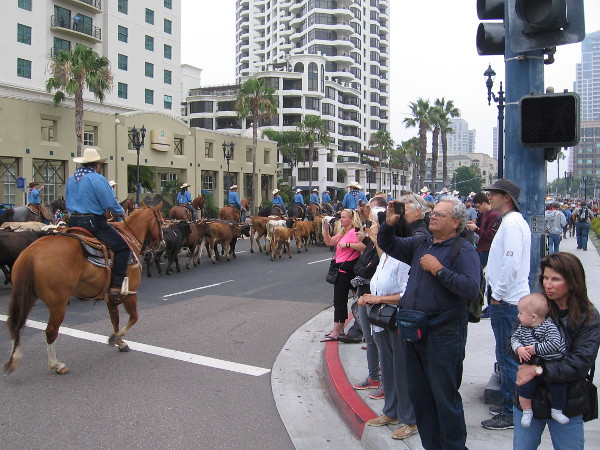
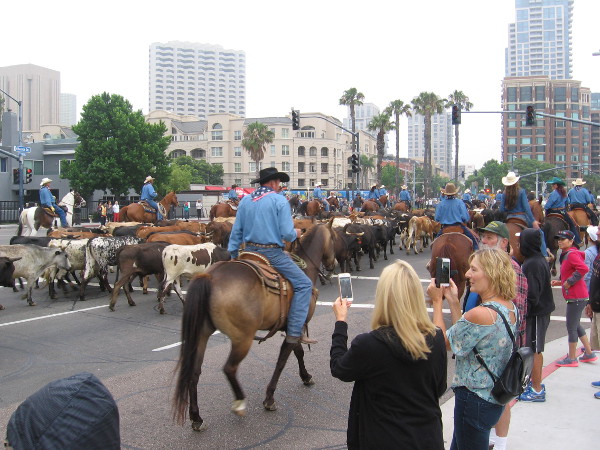
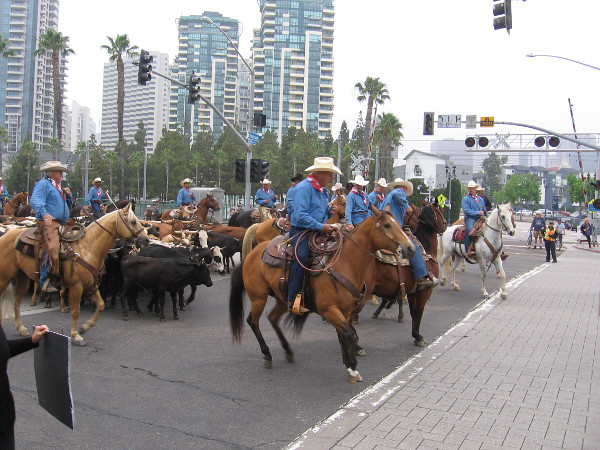
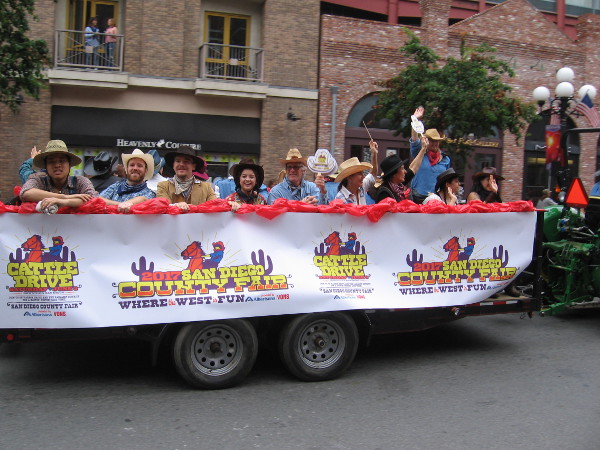
Cowboys on horseback drive cattle down Harbor Drive in downtown San Diego. They are promoting this year’s San Diego County Fair.
This morning there was a big cattle drive through downtown San Diego!
Huh? What?
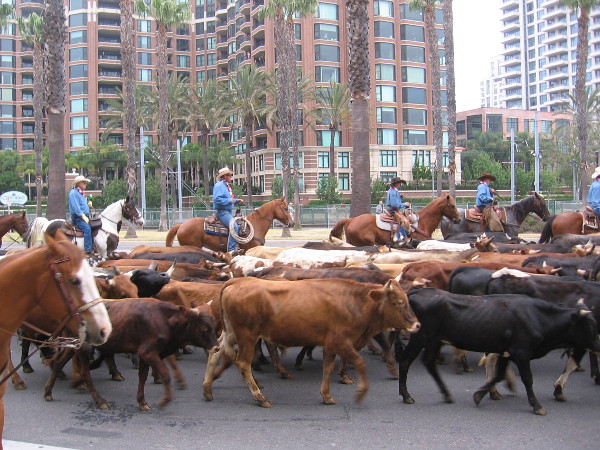
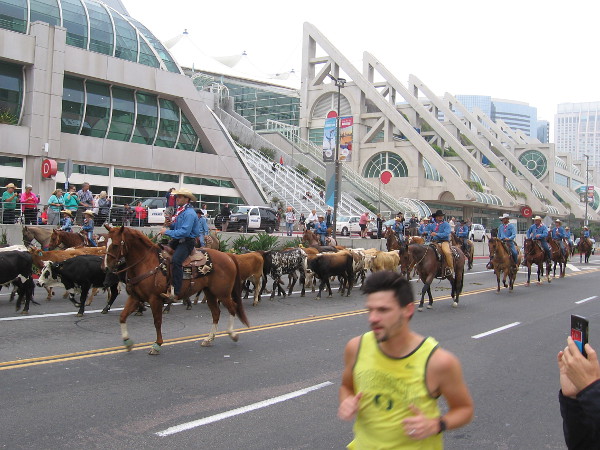
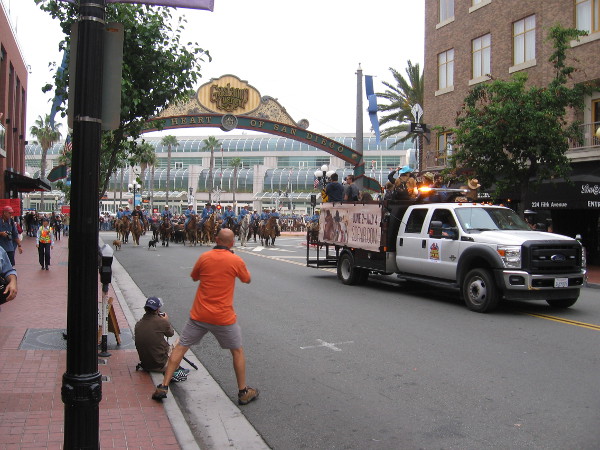
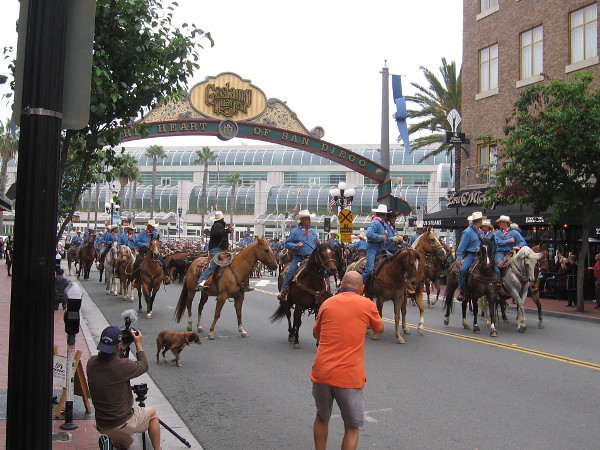
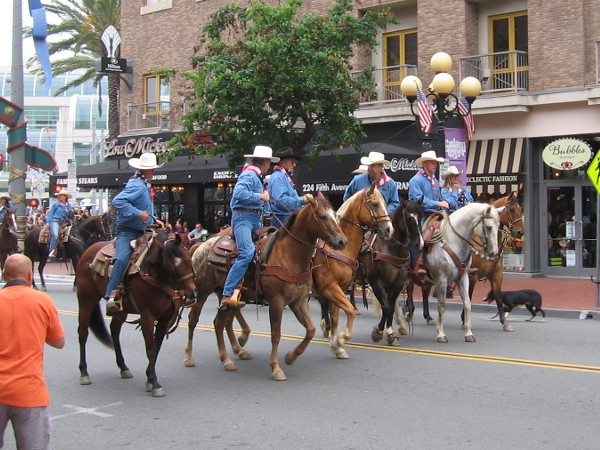
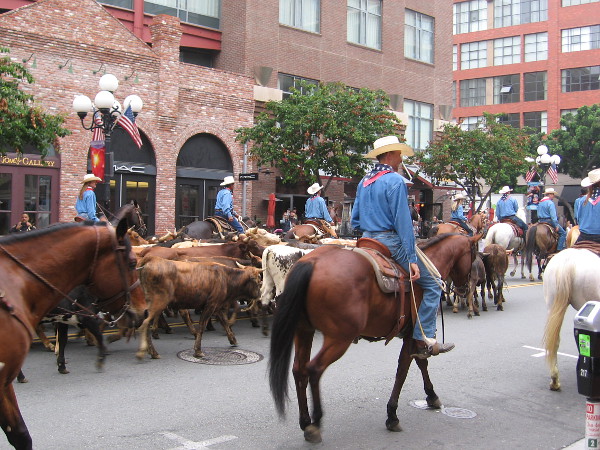
It’s true! About 200 head of cattle were driven by cowboys on horseback and herding dogs down Harbor Drive, then up Fifth Avenue, then back west along Market Street. The intention of this unusual spectacle was to promote the San Diego County Fair, whose theme this year is How the West is Fun!
I followed along much of the way! Here are some photos!
At Harbor Drive and Pacific Highway, police escorts gets ready for the big cattle drive!The 2017 theme for the San Diego County Fair, which opened yesterday at the Del Mar Fairgrounds, is Where the West is Fun.Excitement mounts nearby as the cattle drive is about to get underway.A temporary corral set up by Ruocco Park contained about 200 head of cattle.Here they go, starting down Harbor Drive!Lots of cowboys on horses and some excited herding dogs start the cows along the street.Hundreds of people lined the sidewalk to watch the unusual spectacle. It seemed like the Old West was being relived in San Diego!The downtown cattle drive will head along Harbor Drive, turn north up Fifth Avenue, then head back west along Market Street.You don’t see this every day!Neither does this city dog! What is going on?A guy in a crazy cow costume gets a photograph of the cattle drive.Cowboys keep a close eye on the cattle as they head along San Diego’s waterfront.Not your ordinary Saturday morning in the big city!Skyscrapers in the background. The cows didn’t seem to notice.The cattle drive heads past the San Diego Convention Center. So does a jogger.The downtown cattle drive has turned onto Fifth Avenue. Here they come!Cowboys ride under the famous Gaslamp Quarter landmark sign.The Gaslamp hasn’t seen so many cowboys on horseback in a good century and a half!The cattle are driven up Fifth Avenue into the heart of San Diego.Folks ride in a wagon that promotes the 2017 San Diego County Fair – Where the West is Fun!A rather unusual sight proceeds north up through San Diego’s historic Gaslamp Quarter.The Old West has come back to life in downtown San Diego!
…
This blog now features thousands of photos around San Diego! Are you curious? There’s lots of cool stuff to check out!
Here’s the Cool San Diego Sights main page, where you can read the most current blog posts. If you’re using a small mobile device, click those three parallel lines up at the top–that opens up my website’s sidebar, where you’ll see the most popular posts, a search box, and more!
To enjoy future posts, you can also “like” Cool San Diego Sights on Facebook or follow me on Twitter.
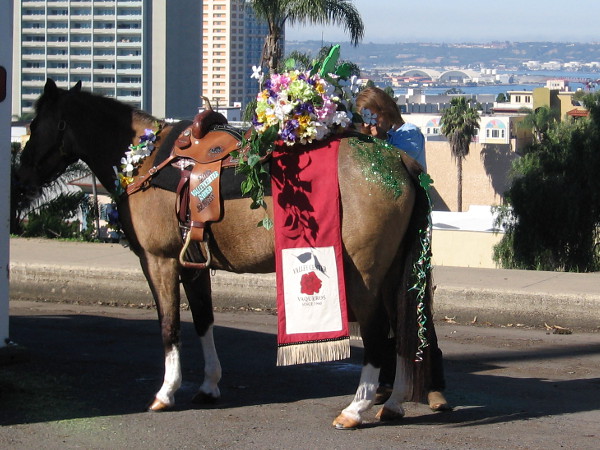
A horse is prepared in a corner of Balboa Park for San Diego’s annual St. Patrick’s Day Parade along Sixth Avenue. San Diego Bay and Point Loma can be seen in the distance.
Here are some fun photos!
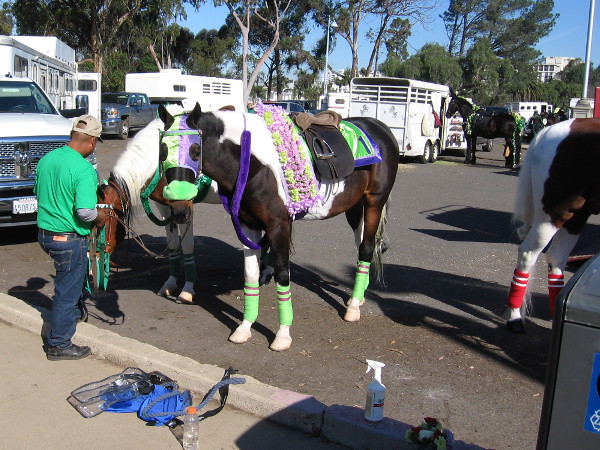
Look what I discovered this morning as I walked through Marston Point, heading into the heart of Balboa Park. Horses and riders had gathered in the southwest corner of the park and were preparing for the St. Patrick’s Day Parade! Every year the big parade heads down nearby Sixth Avenue.
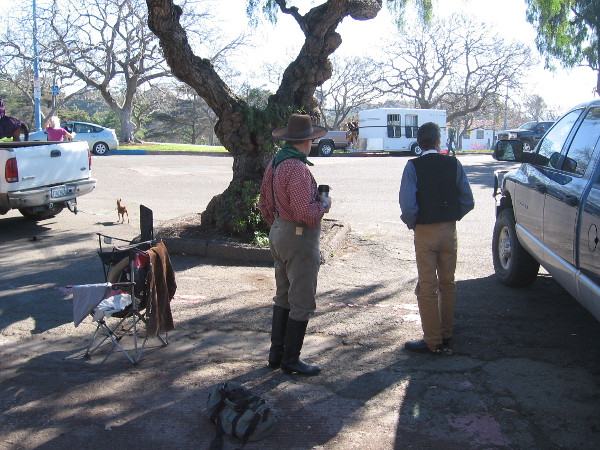
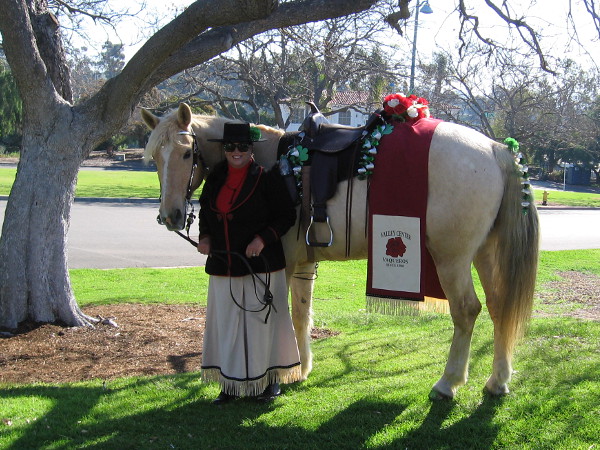
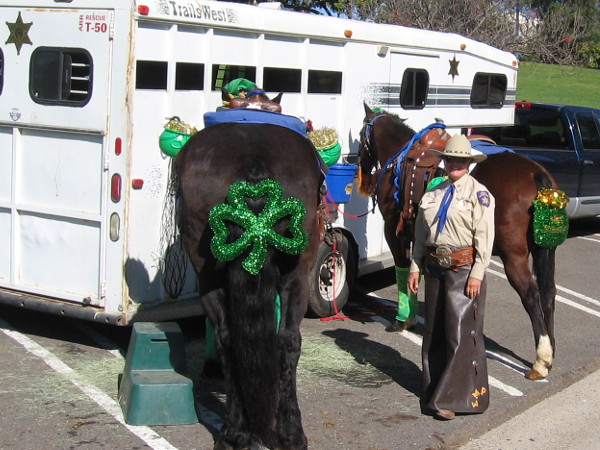
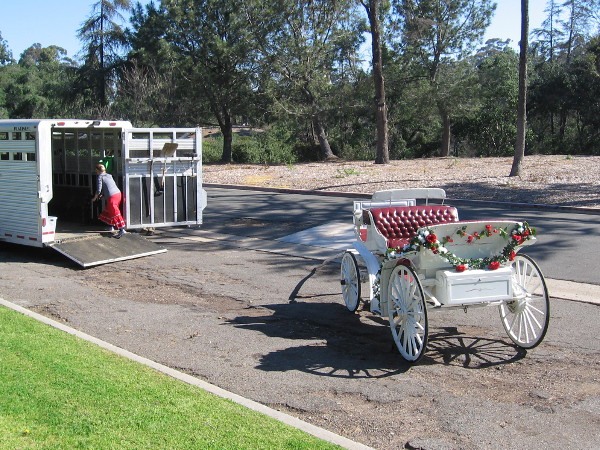
Both horses and riders would be wearing green today during the parade.Horse and rider get ready in Balboa Park’s Marston Point parking lot.Folks dressed in cowboy attire watch the proceedings.A couple of horses from Valley Center wait by a trailer for the start of the parade.A nice smile from a rider!Law enforcement would ride in the parade, too. These two horses were wearing some green shamrocks.A horse and rider with braids and curls.This elegant carriage would soon be watched by thousands during the big St. Patrick’s Day parade.A rider heads across the grass of Balboa Park’s beautiful green Marston Point.
…
I live in downtown San Diego and love to walk around with my camera! You can follow Cool San Diego Sights via Facebook or Twitter!
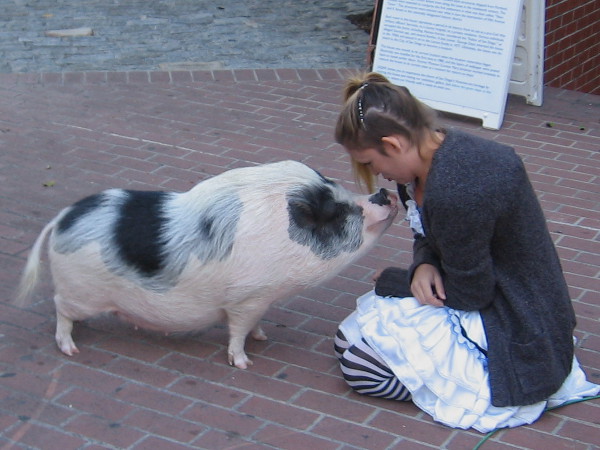
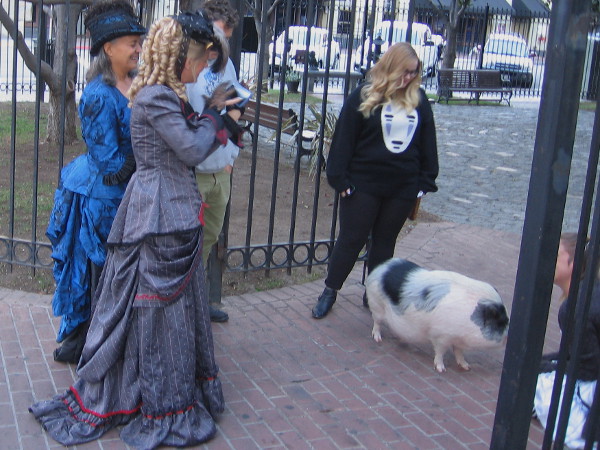
Lady promoting San Diego’s upcoming Fall Back Festival goes nose to nose with a friendly hog.
In two days a large number of characters from the Old West will be roaming the streets of modern San Diego. During the Fall Back Festival, which takes place this Sunday, November 8, between 11 and 4, several blocks of the Gaslamp Quarter will be transformed into a 1880s frontier town!
Visitors to the free event will be able to enjoy all sorts of historical exhibits, not to mention a saloon, a penny candy store, a town jail, hay and pony rides, panning for gold, butter churning, candle dipping, and a Wild West Show! Wow! I went last year and it was a lot of fun!
During my walk this morning I happened upon some folks promoting the event for the local NBC television news station. They were hanging out near the entrance to the William Heath Davis House Museum. Sneaky me… I took some pics!
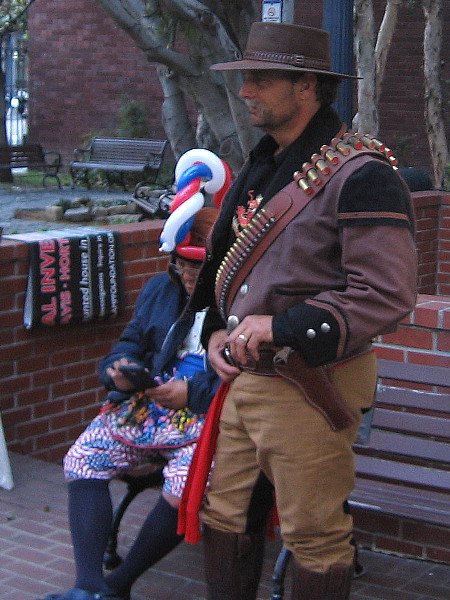
Ladies in frilly dresses linger between television shoots promoting San Diego’s Fall Back Festival. The annual event, which takes place near the William Heath Davis House Museum, will recreate a 1880s frontier town.A tough Western character hangs out with a silly balloon twister. This bench is beside the historic William Heath Davis House in downtown San Diego.Two gentleman from the Old West converse on Fourth Avenue sidewalk in San Diego’s modern Gaslamp Quarter.
…
Follow this blog for more photos of cool stuff! Join me on Facebook or Twitter.
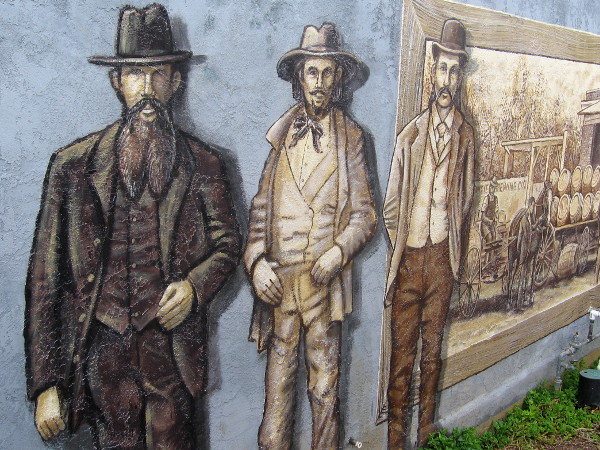
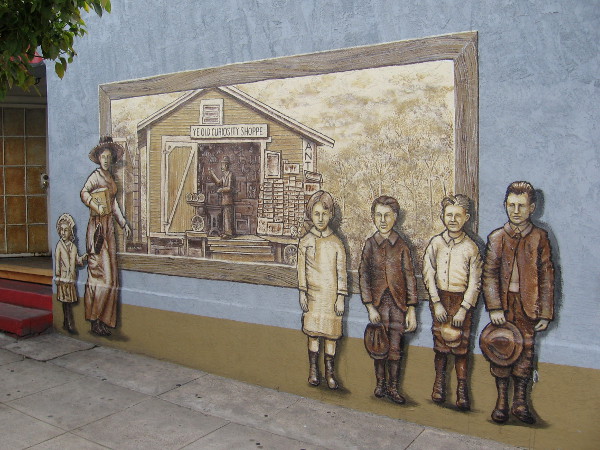
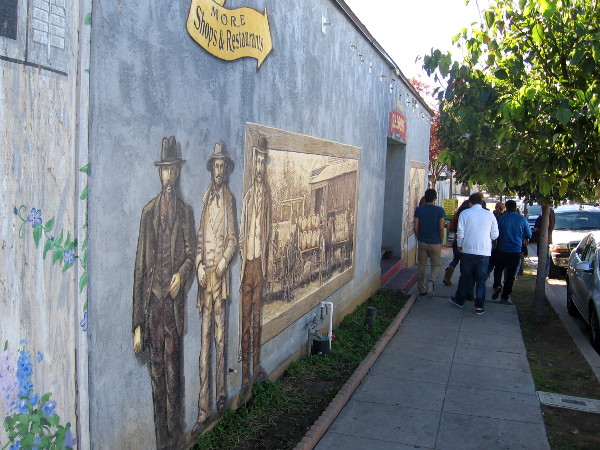
Several whiskered Western characters pose in a mural on Harney Street in Old Town.
There’s a fairly new street mural in Old Town that I really like. Every time I see it, my imagination travels back in time. Back to the first half of the 19th century.
San Diego for many decades was a tiny town seemingly in the middle of nowhere. Whether it belonged to Spain, or Mexico, or the United States, Old Town San Diego was a place of dusty roads and modest, sun-baked adobe houses, horses and wagons, rugged settlers and ranchers. Characters from that era seem to live again in this mural.
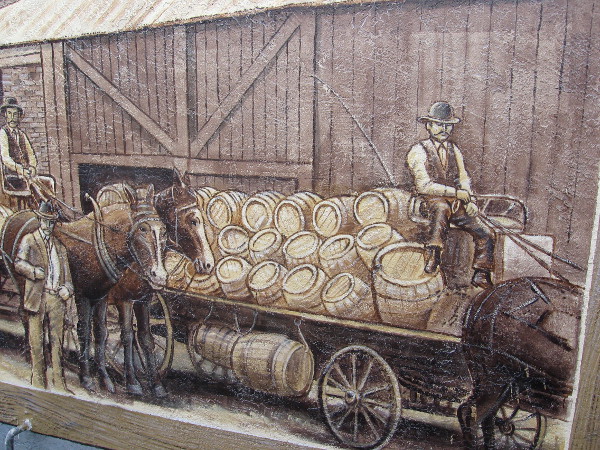
Artist Frank Mando painted this artwork in 2013. I couldn’t capture the entire piece in one shot. Enlivening a building at the corner of San Diego Avenue and Harney Street, the mural is divided in two by a door of the Old Town Saloon. Standing inside that door, as you’ll see, there seems to be a well-known movie star!
Freight wagon hauls a load of barrels in fun art that recalls early San Diego history.John Wayne seems to be coming through a door of the Old Town Saloon.Elegant lady and girl from long ago stroll past Ye Old Curiosity Shoppe.Old Town mural on building wall was painted in 2013 by artist Frank Mando.Kids standing along sidewalk seem to have materialized from San Diego’s past.People walk past nostalgic street mural near side entrance to Old Town Saloon.
…
To enjoy future posts, you can “like” Cool San Diego Sights on Facebook or follow me on Twitter.
Blacksmith at Fall Back Festival in San Diego’s Gaslamp works the bellows.
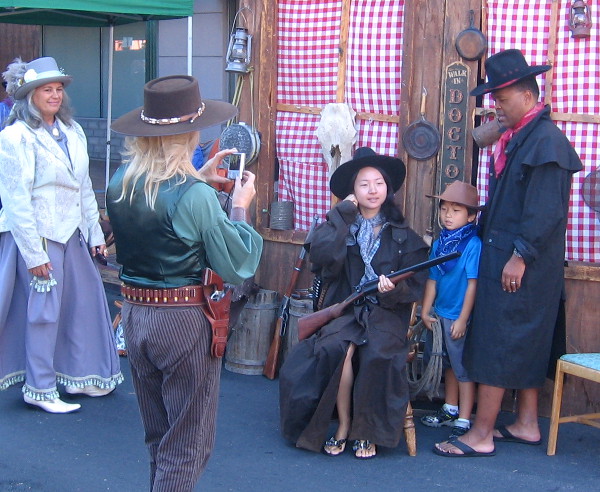
Today I checked out a great event in downtown San Diego’s Gaslamp Quarter. Called the Fall Back Festival: the Children’s Historical and Cultural Street Faire, this historical reenactment places visitors in a magical time machine, transporting them back to the 1880’s.
Three blocks of fun included a blacksmith, old western storefronts, pony rides, candle dipping and other educational activities. Many participants wore costumes and clothing from this early period in San Diego’s history. There was also an exciting High Noon shootout–which I unfortunately missed. But I did capture a few pics…
Lady in old-fashioned dress walks with her umbrella past Horton Grand Hotel.
I snapped the above photo as I headed toward the festival. The lady was just walking along through modern, shiny downtown San Diego like an image from the past.
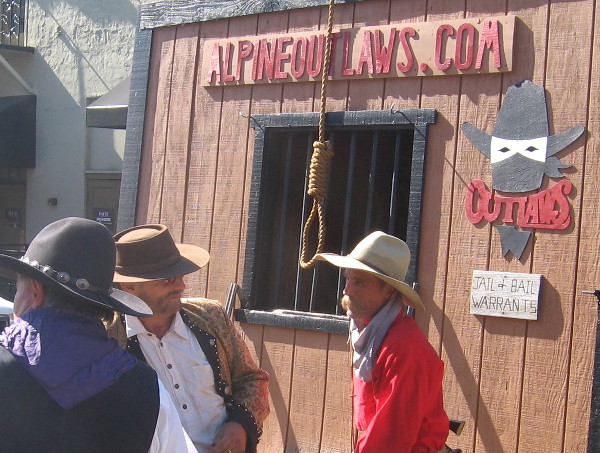
These cowboys, the Alpine Outlaws, have a jailhouse downtown and a hanging noose!
Yikes! The first thing I saw was a bunch of crafty outlaws!
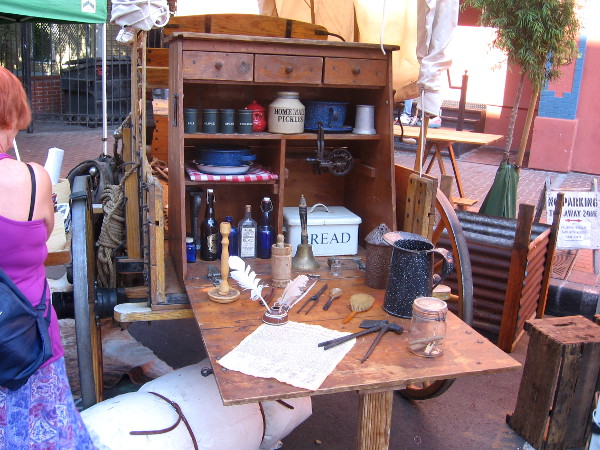
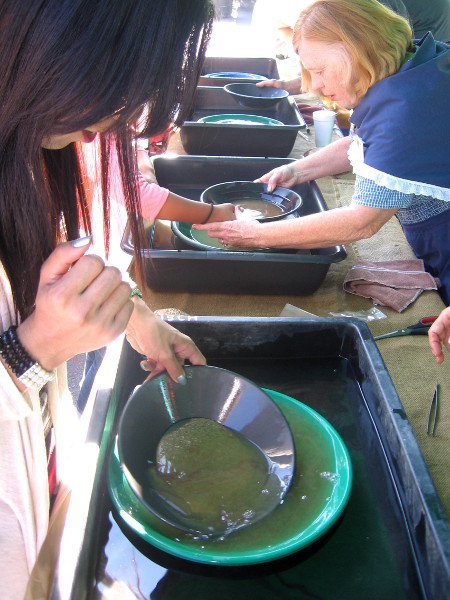
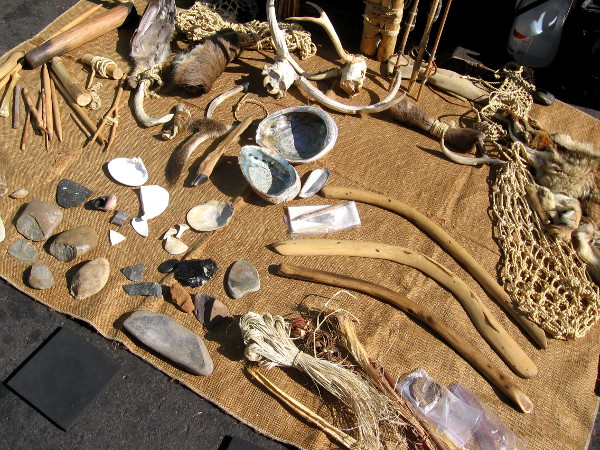
Festival celebrates the diverse and fascinating early history of San Diego.Wood cabinet at rear of wagon is packed with wares typical in 1880’s.A table full of rusty irons from the Old West!Temecula Valley Prospectors had kids panning for real gold.Realistic replicas of Native American tools and weapons were on display.
An interesting guy named Dave, of San Diego Survival History and Fitness, showed me a very cool display. He made all of the above implements and weapons by hand, using materials and techniques that were used by the Kumeyaay and earlier native peoples in the San Diego area. The Spaniards who built their first California Mission in San Diego feared the throwing sticks which you can see in the above photo. Shaped like a boomerang, they had the power to easily bring down a deer!
Historical exhibit has photos of Japanese settlers and community in San Diego.San Diego Model A Club had a row of old automobiles at the Fall Back Festival.Of course, there was live country western music for the crowd to enjoy!
…
To enjoy future posts, you can “like” Cool San Diego Sights on Facebook or follow me on Twitter.
Cowboys have a gun battle in San Diego’s Old Town.
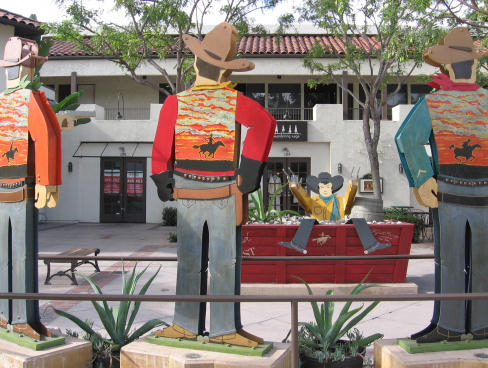
Look at these larger-than-life cowboys! They’re shooting it out in Old Town!
This whimsical art can be found on San Diego Avenue, in a courtyard among shops and restaurants catering largely to tourists. I’m not sure whether it represents the Gunfight at the O.K. Corral or just an Old West scene from a typical Western movie.
Is one of the cowboys Wyatt Earp? After his famous gunfight, Wyatt moved to San Diego to participate in a land boom, running saloons, gambling halls and a brothel!
Like the plant beside him, this guy might soon get planted.Wyatt Earp was here.Stern lawman patrols San Diego Avenue.







































 Cool San Diego Sights!