Restoring history at the Gymnasium in Balboa Park!

The Municipal Gymnasium in San Diego’s Balboa Park is a popular destination for local athletes playing basketball. I like to venture inside during a weekend to watch part of a game.

I often wonder if those playing hoops in the old gym know they’re inside a historically important building that was constructed for the 1935 California Pacific International Exposition in Balboa Park.

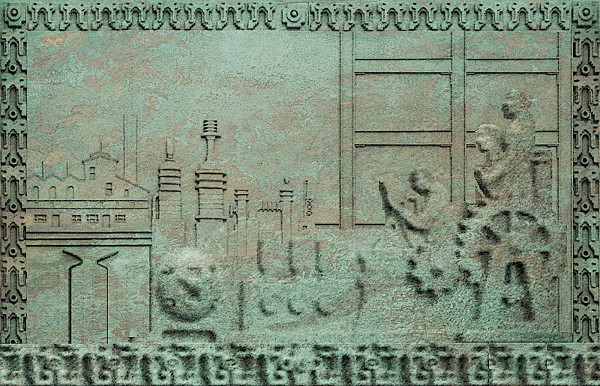
The Palace of Electricity and Varied Industries building–today’s gymnasium–still retains an indication of its unique origin. Look down as you approach the front door and you’ll see this artwork in the entry…
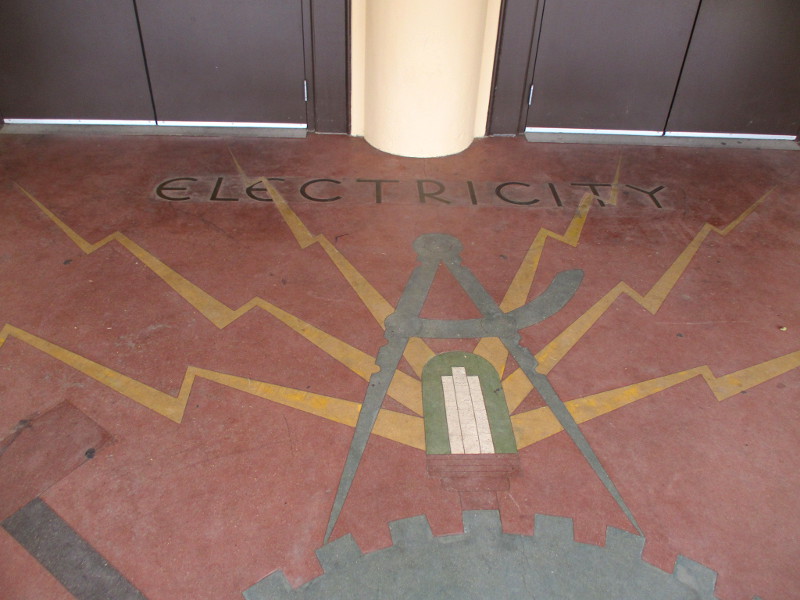
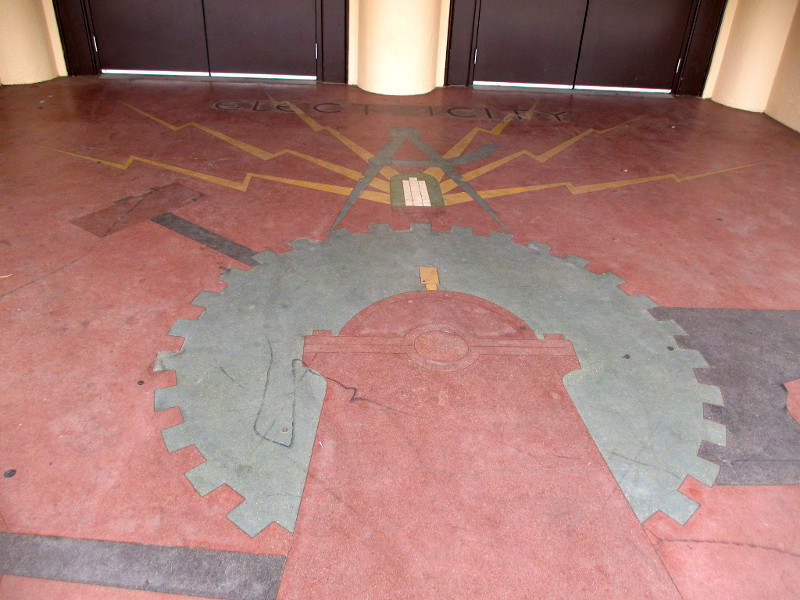
I learned yesterday from local architect Robert Thiele (whose many accomplishments include designing the beautiful rotunda fountain inside the San Diego Museum of Art) that big changes are coming to this historic building. Decorative elements of the 1935 Palace of Electricity and Varied Industries are being restored!

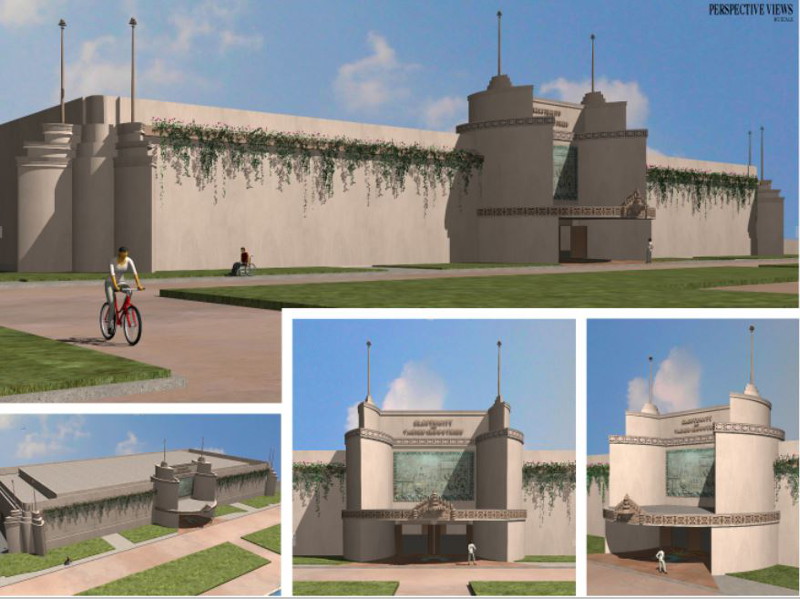
Once completed, a fantastic 12′ x 20′ cold cast bronze panel will be hung above the entrance with bands of ornamentation above and below. You can see an early model of the bronze panel in that very first photograph.

Several architectural visualizations show how Balboa Park’s Municipal Gymnasium will appear once the panel is installed. Grand ornamental flourishes will crown both the building’s entrance and panel. Compare the following images.

Quite an amazing difference!
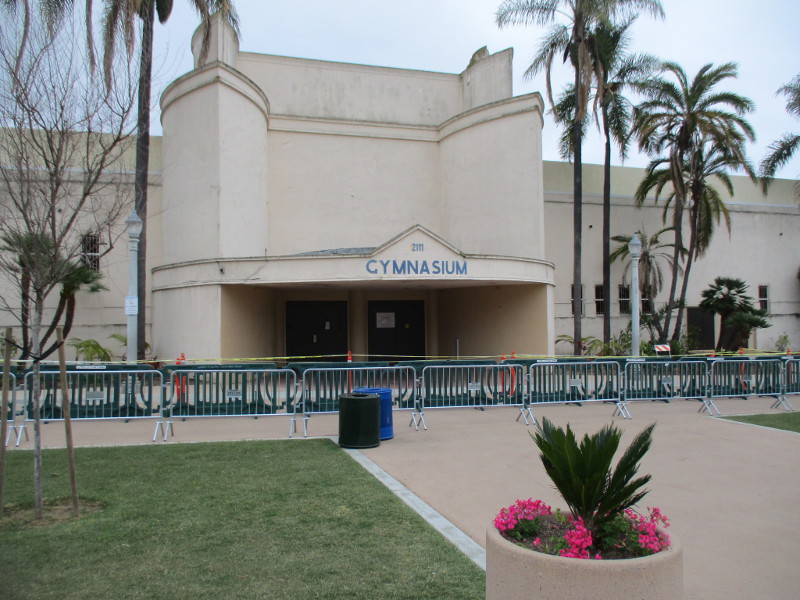
I’ve asked people who might be knowledgeable if this historic building, located next to three important San Diego museums, will continue to be used as a gym in the future, but that seems uncertain at this point. If anyone has more information concerning the Municipal Gymnasium’s fate, please leave a comment!

I live in downtown San Diego and love to walk around with my camera! You can follow Cool San Diego Sights via Facebook or Twitter!

You can easily explore Cool San Diego Sights by using the search box on my blog’s sidebar. Or click a tag! There are thousands upon thousands of photos for you to enjoy!

Mayan ornamentation added to Automotive Museum!

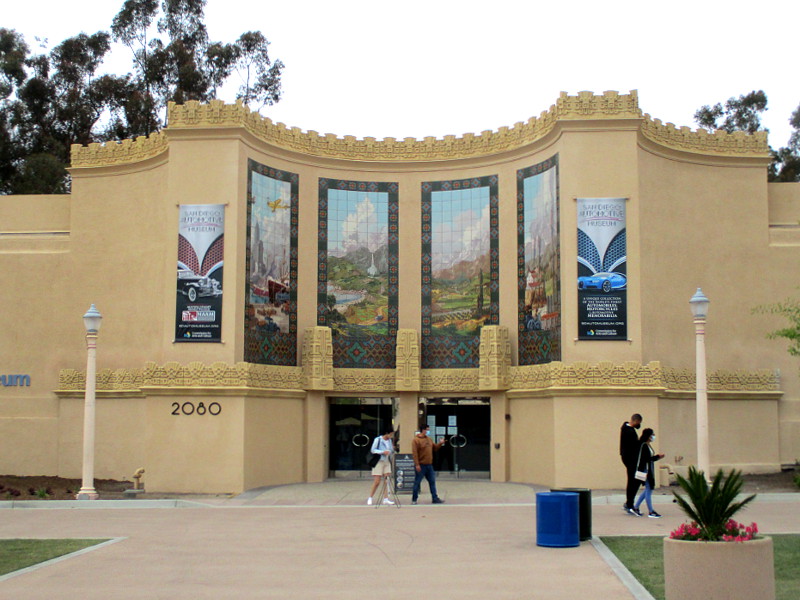
Uniquely beautiful Mayan ornamentation has been added to the front of the San Diego Automotive Museum in Balboa Park!

This sculptural artwork, completed recently, has made the Automotive Museum’s historic 1935 California State Building even more amazing!

A little over a month ago, four permanent tile murals were installed above the Automotive Museum’s front entrance. In my opinion the new Mayan designs frame and complement the murals handsomely. (To learn more about the colorful tile murals, and to compare how the California State Building looked before the addition of Mayan ornamentation, you can click here.)

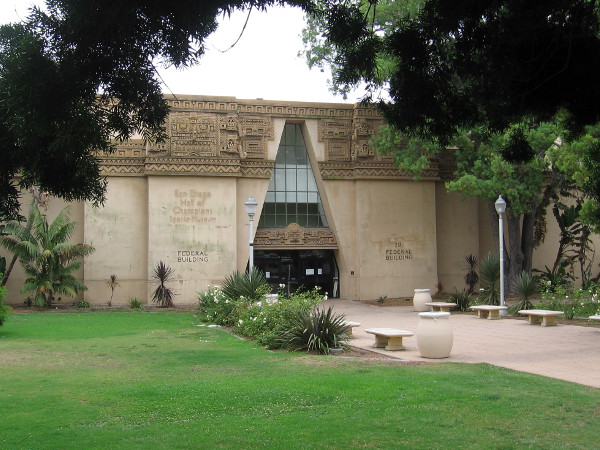
One thing I noticed is that the Mayan decoration now aesthetically links the California State Building to the old Federal Building, which is also located in Balboa Park’s Palisades, but on the opposite side of Pan American Plaza.

The Federal Building, future home of the Comic-Con Museum, has its own entrance uniquely graced with pre-Columbian style ornamentation. The 1935 California Pacific International Exposition architect Richard Requa, according to this web page, “had conceived an architectural plan for the Palisades showing how the forms of indigenous architecture in the American southwest and in Mexico could be used to produce a distinctive American style of architecture…”

For comparison, here’s an old photo of the Federal Building’s entrance after the closure of its last occupant, the San Diego Hall of Champions…

When the Comic-Con Center for Popular Culture moves into the Federal Building in 2018, will visitors wear costumes?

And here is the amazing new entrance to the San Diego Automotive Museum…

I also learned today that the Palisades’ nearby Municipal Gymnasium, which back in 1935 was the California Pacific International Exposition’s Palace of Electricity and Varied Industries, is also to be renovated and made equally amazing!

Stay tuned!

Here are two more pics I took this afternoon of the Automotive Museum..

UPDATE!

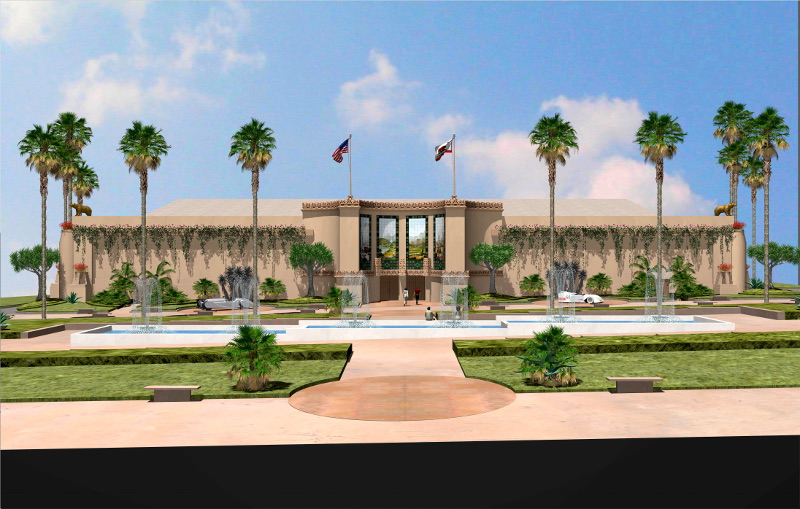
Here’s an architectural visualization I received of the California State Building with two flagpoles, and grizzly bears on the roof corners. In front of the building, at the center of a fully enlarged Pan American Plaza, you can see the proposed recreation of the 1935 Firestone Singing Fountains.

This is how the Automotive Museum might appear should plans finally come to fruition (without the palm trees and hanging vines)!

I live in downtown San Diego and love to walk around with my camera! You can follow Cool San Diego Sights via Facebook or Twitter!

You can easily explore Cool San Diego Sights by using the search box on my blog’s sidebar. Or click a tag! There are thousands upon thousands of photos for you to enjoy!
Musicians rock at Starlight Bowl pop-up!

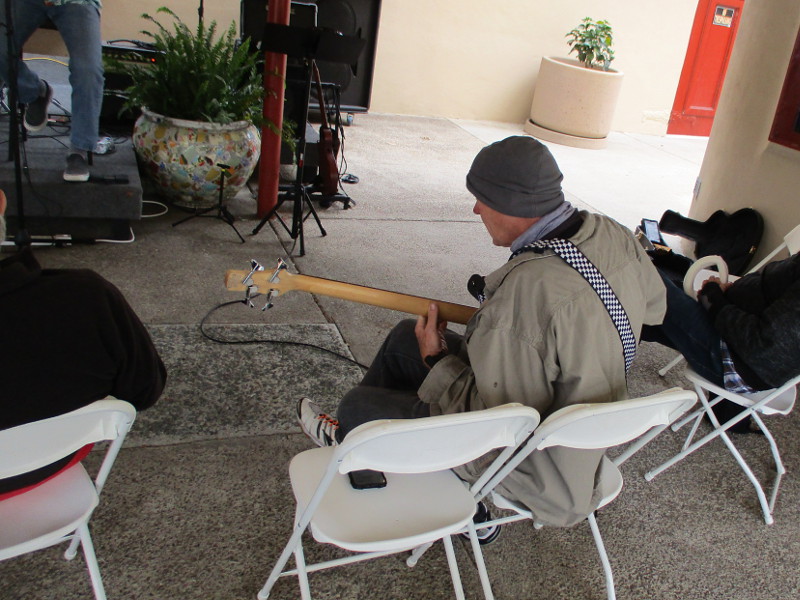
Great musicians gathered this afternoon and rocked Balboa Park’s Pan American Plaza during a pop-up performance in front of the Starlight Bowl!

I happened to walk past as the musicians were getting ready, and I stuck around to hear several songs. And I’m glad I did! Their absolutely rocking rendition of Creedence Clearwater Revival’s classic Proud Mary is still echoing in my head!

This cool pop-up event was not only terrific, but it also helped to raise awareness about Save Starlight‘s efforts to completely renovate and revitalize Balboa Park’s historic Starlight Bowl amphitheater.

In the past I’ve blogged about my own experiences at the Starlight Bowl as a youth, and more recently about the plans to bring the amphitheater, built for the 1935 California Pacific International Exposition in Balboa Park, back to life. You can revisit that old blog post here.

Today I learned that a “Beyond Starlight” concession will be opening at one end of the old box office this summer, offering Community, Coffee, Treats and Beats. Perfect for the nearby tables that now fill the Pan American Plaza, which was completed a few months ago!

I also learned that the spacious outdoor amphitheater that seats over 4,000 will be available to the public for a whole variety of potential events. According to this page: “Once we are open for operation it will be available, and affordable for everyone. Starlight will be open to the entire San Diego performance and event community to host their productions.”

So in a small way, today’s pop-up at the Starlight Bowl’s entrance is a tiny taste of the good times to come!

I live in downtown San Diego and love to walk around with my camera! You can follow Cool San Diego Sights via Facebook or Twitter!

History Center visits San Diego legend Nathan Harrison.

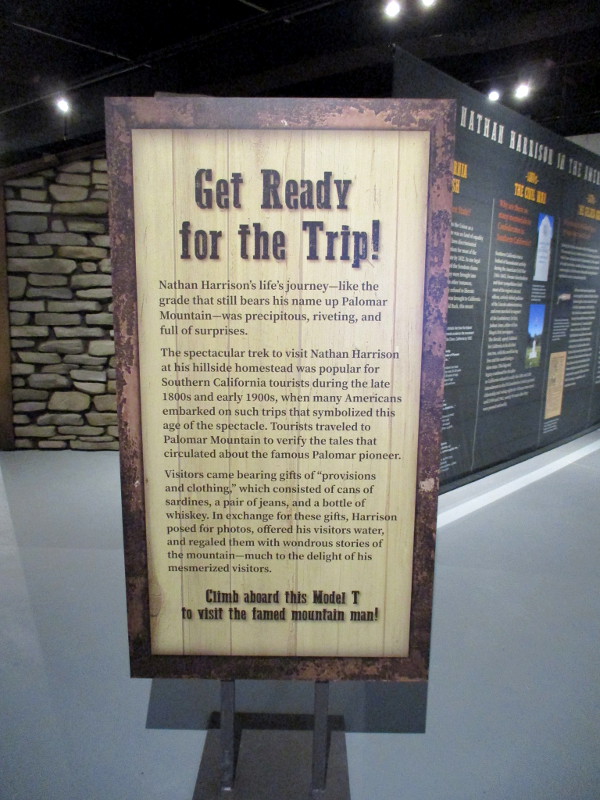
Most of the museums in Balboa Park have reopened now that the COVID-19 pandemic is subsiding. Yesterday I visited the San Diego History Center and enjoyed viewing one of their current exhibits.

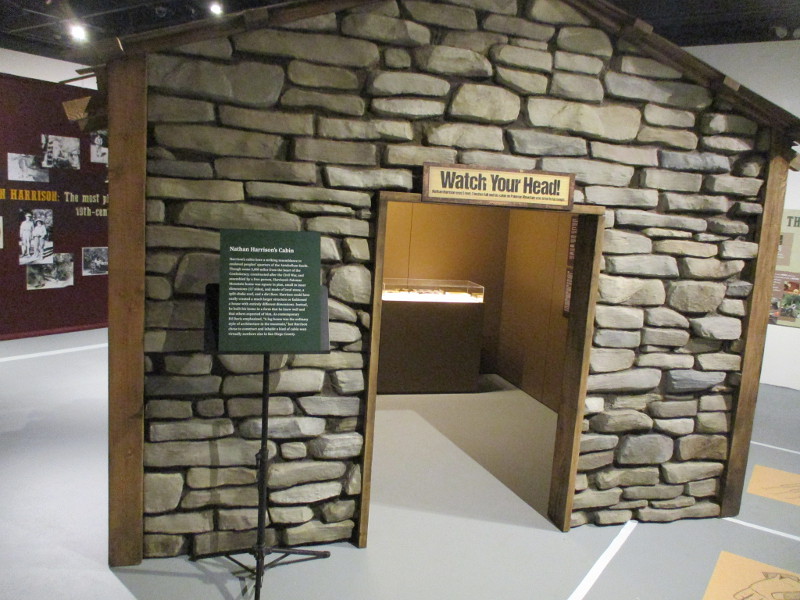
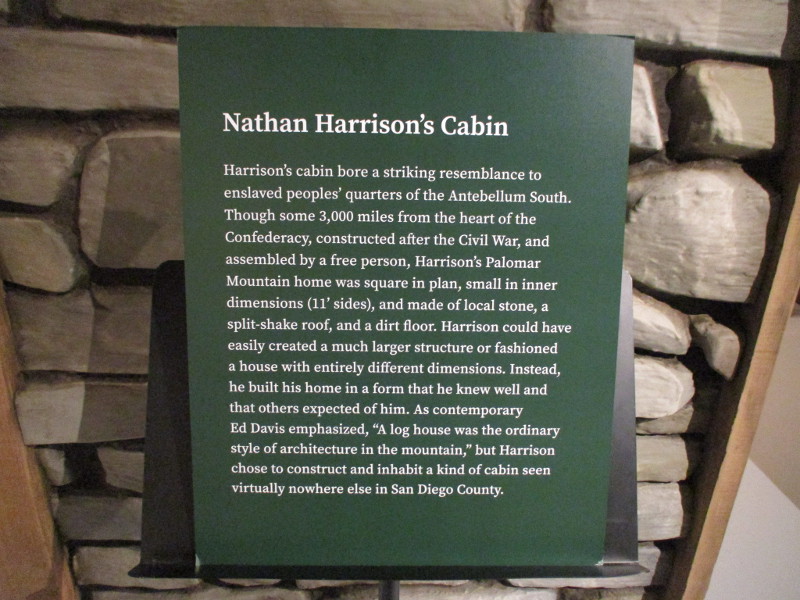
Born a Slave, Died a San Diego Legend concerns freed slave Nathan Harrison, who lived in a small cabin on Palomar Mountain in the late 19th and early 20th century.

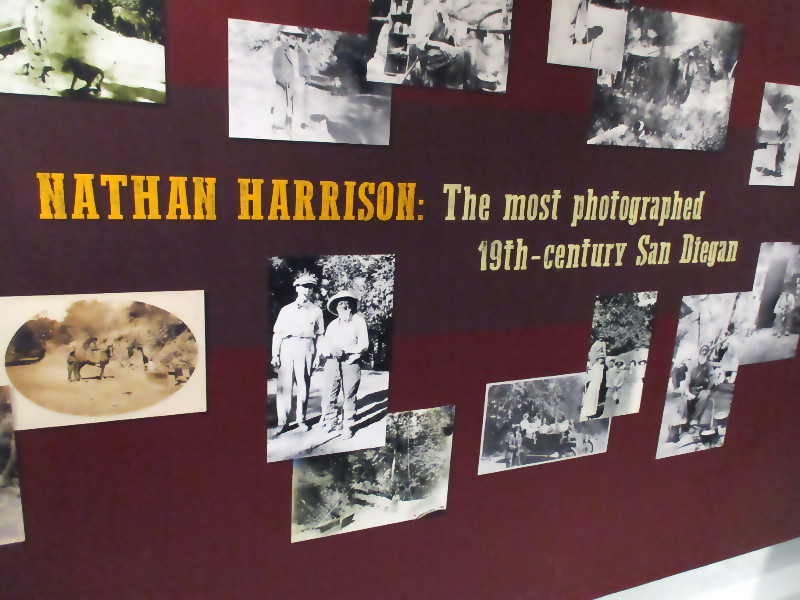
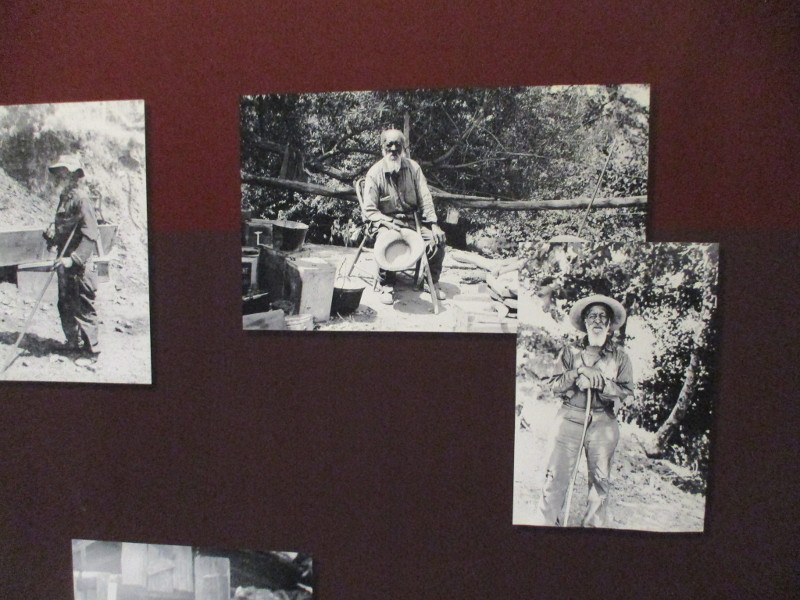
Perhaps you’ve driven up to Palomar Mountain State Park and the world-famous Palomar Observatory via Nate Harrison Road. The road is named in honor of this legendary homesteader who provided water and stories to tourists who made the precipitous trek to the mountain top. Nathan Harrison was once the most photographed person in San Diego!

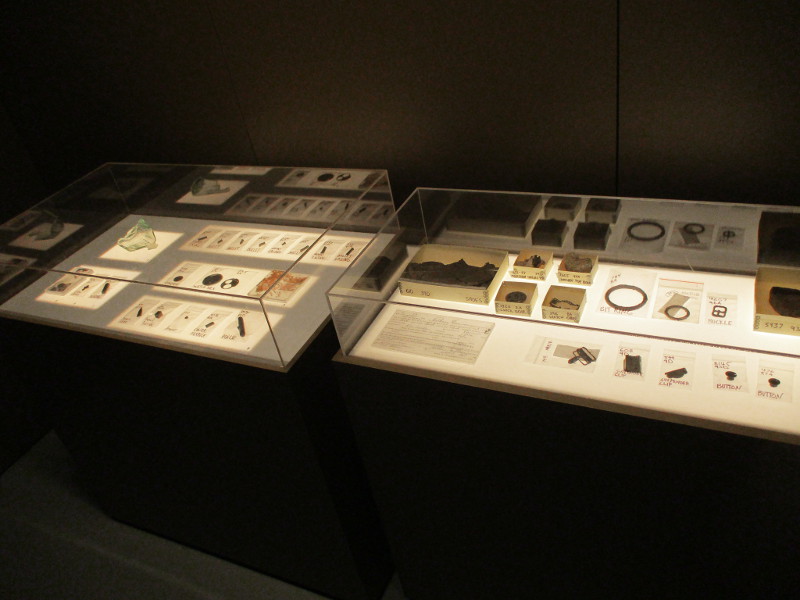
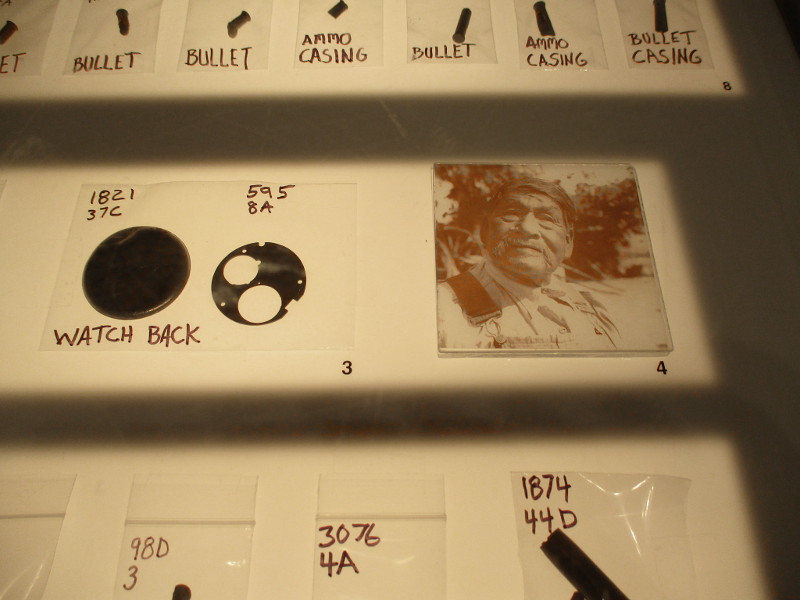
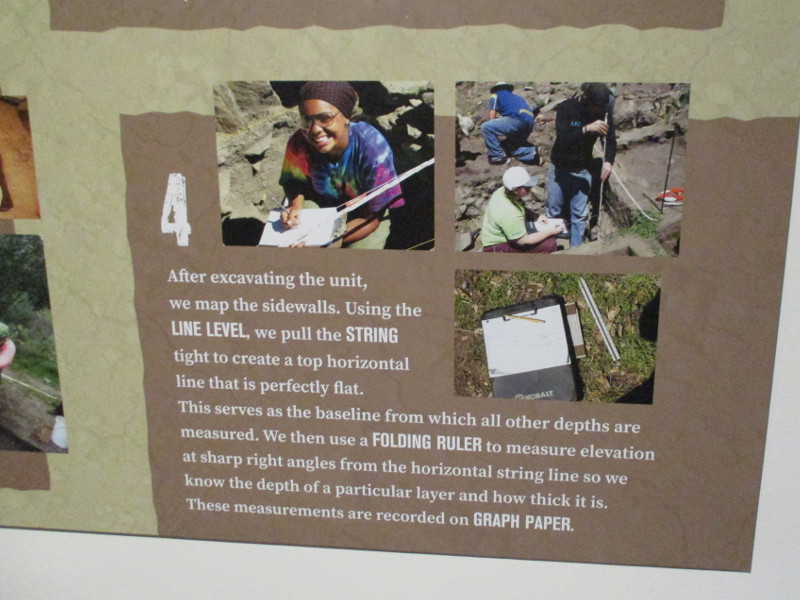
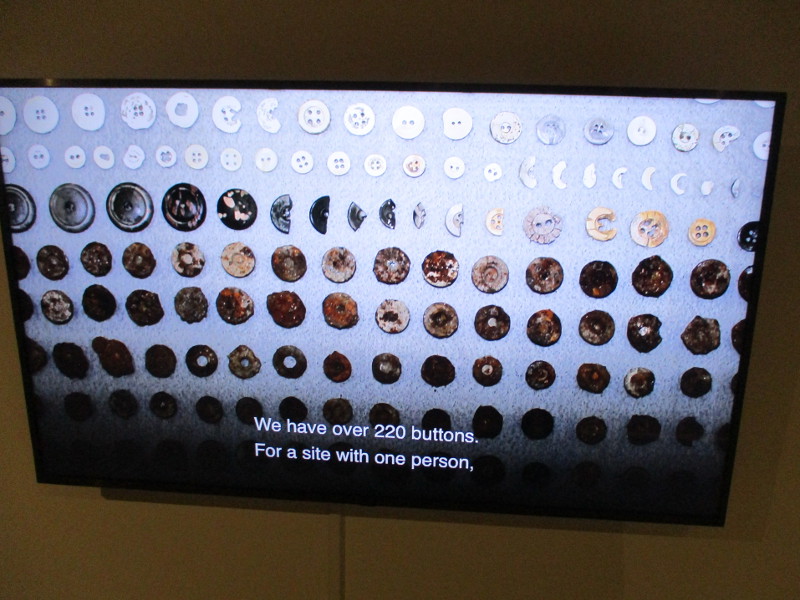
Born a Slave, Died a San Diego Legend shows what it would have been like to journey up to Harrison’s cabin on Palomar Mountain. It also examines what San Diego State University archaeologists have discovered about his life and interactions with his visitors, who offered him gifts of all types. To learn more about the Department of Anthropology’s fascinating Nathan “Nate” Harrison Historical Archaeology Project, click here.

One interesting thing I learned was that Harrison had a sister-in-law named Ramona Wolf. She was the namesake for Helen Hunt Jackson’s novel Ramona, one of the most popular American novels ever written. (You might recall that, to draw tourists and increase the number of riders on his San Diego Electric Railway, entrepreneur and philanthropist John D. Spreckels once claimed the dilapidated Casa de Estudillo in Old Town was the marriage place of the novel’s character Ramona, and thereby preserved an historic building.)

Nathan Harrison’s life is an integral part of San Diego history. His story spans the Antebellum South, the California Gold Rush and Wild West, and the early part of the 20th century.

His many personal adventures, his independent life on a mountain, and his friendship inspired countless San Diegans. When you visit the exhibit at the San Diego History Center, you will also be inspired at how, in his own unique way, a freed slave achieved the American Dream.

I live in downtown San Diego and love to walk around with my camera! You can follow Cool San Diego Sights via Facebook or Twitter!

Unusual traffic signal box memorial in Balboa Park.

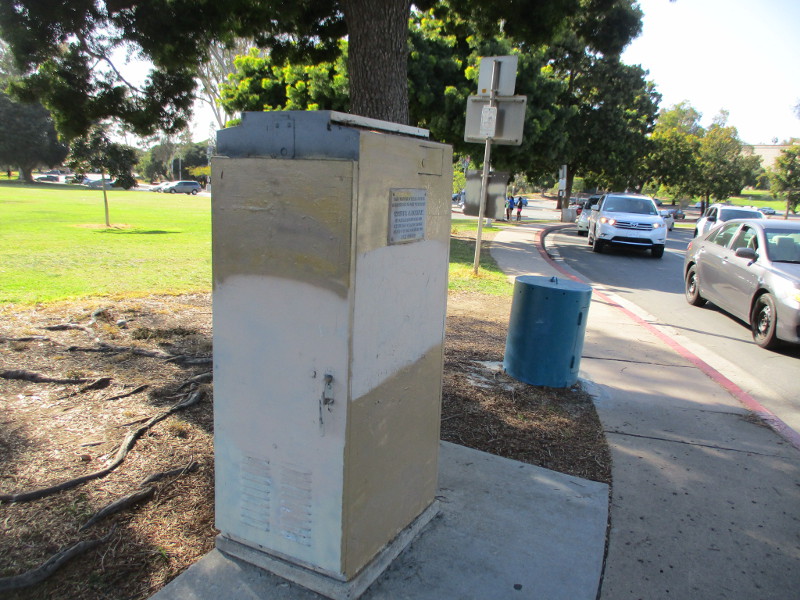
You rarely find a traffic signal box with a special dedication plaque. There’s one such box in San Diego, and it’s located in Balboa Park at the corner of Park Boulevard and Presidents Way.

This traffic signal box memorializes Walter J. Sarnaw. The plaque reads:

THIS TRAFFIC SIGNAL SYSTEM
IS DEDICATED TO THE MEMORY OF
WALTER J. SARNAW
IN APPRECIATION FOR HIS
DEDICATED SERVICE TO THE
SAFETY OF THE CITIZENS OF
SAN DIEGO

I can find no biography of Walter J. Sarnaw online, apart from some basic information on this Find a Grave page. It indicates Walter Julian Sarnaw was born in 1916 in Illinois, attended San Diego State College, was a member of the campus Engineer’s Association, served in the Army at the end of World War II, and died in 1973 in San Diego.

And we know for certain that he was dedicated to the safety of the San Diego community. Which made him an important contributor to the life and history of our city.

If you know more about Walter J. Sarnaw, please leave a comment!

I live in downtown San Diego and love to walk around with my camera! You can follow Cool San Diego Sights via Facebook or Twitter!

Historical marker at Kate Sessions nursery in Pacific Beach.

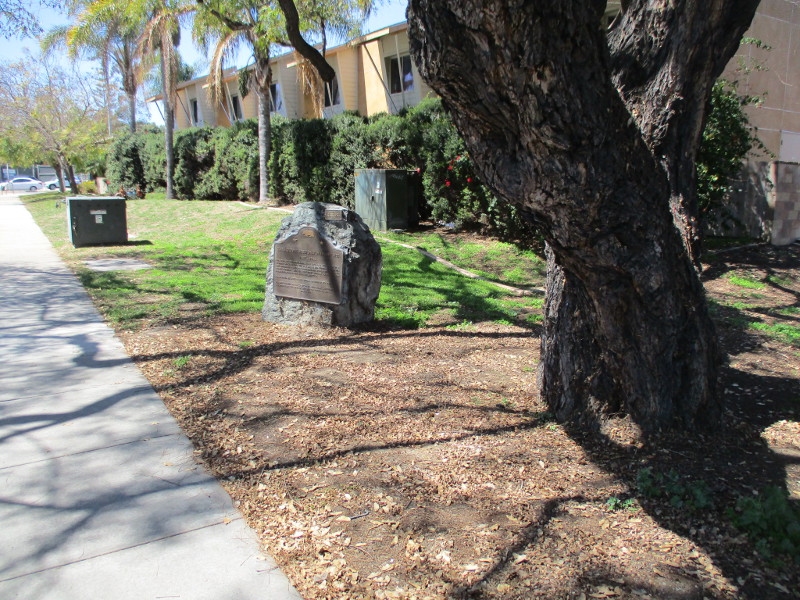
If you’ve driven down Garnet Avenue in Pacific Beach, you might have noticed a couple of enormous old trees at the corner of Pico Street, just east of Soledad Mountain Road.

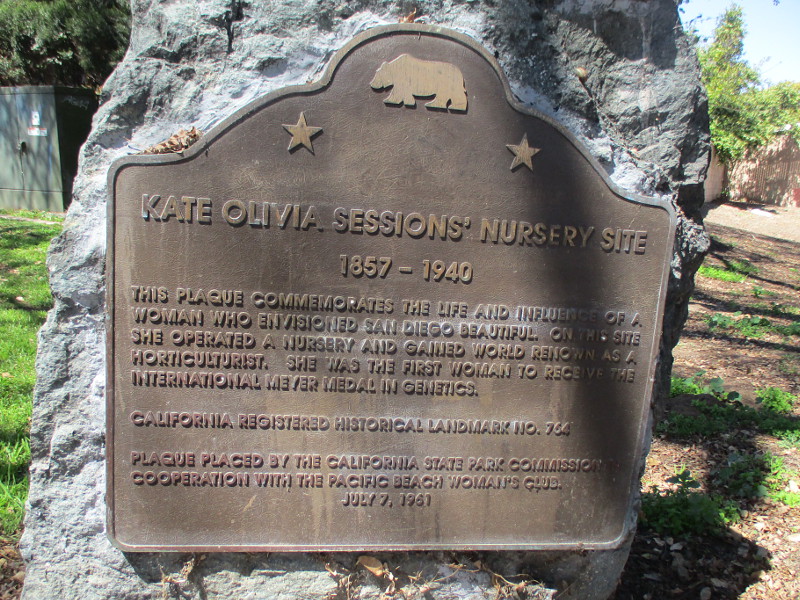
By the sidewalk stands an easily overlooked historical marker. It reads:

KATE OLIVIA SESSIONS’ NURSERY SITE

1857-1940

THIS PLAQUE COMMEMORATES THE LIFE AND INFLUENCE OF A WOMAN WHO ENVISIONED SAN DIEGO BEAUTIFUL. ON THIS SITE SHE OPERATED A NURSERY AND GAINED WORLD RENOWN AS A HORTICULTURIST. SHE WAS THE FIRST WOMAN TO RECEIVE THE INTERNATIONAL MEYER MEDAL IN GENETICS.

CALIFORNIA REGISTERED HISTORICAL LANDMARK NO. 764

PLAQUE PLACED BY THE CALIFORNIA STATE PARK COMMISSION IN COOPERATION WITH THE PACIFIC BEACH WOMAN’S CLUB.

JULY 7, 1961

Kate Sessions is probably best known as the Mother of Balboa Park. In addition to owning other nurseries and growing fields in San Diego, she maintained a small nursery in a corner of Balboa Park (originally called City Park) under an 1892 agreement with the City of San Diego. She was required under the lease to plant 100 trees in the park each year. Most of the older trees in Balboa Park that you see today were planted by her hand.

The colorful jacaranda trees seen around San Diego were also introduced to the city by Kate Sessions.

I recently blogged about the very first camphor tree planted in North America. She’s the one who planted it. The historic camphor tree stands just west of Balboa Park in Bankers Hill near a beautiful historic house. To revisit that old blog post, click here.

Here are a couple more photos that I took this weekend by the historical marker…

I live in downtown San Diego and love to walk around with my camera! You can follow Cool San Diego Sights via Facebook or Twitter!

You can easily explore Cool San Diego Sights by using the search box on my blog’s sidebar. Or click a tag! There are thousands upon thousands of photos for you to enjoy!

A bit of Balboa Park in Mission Hills!

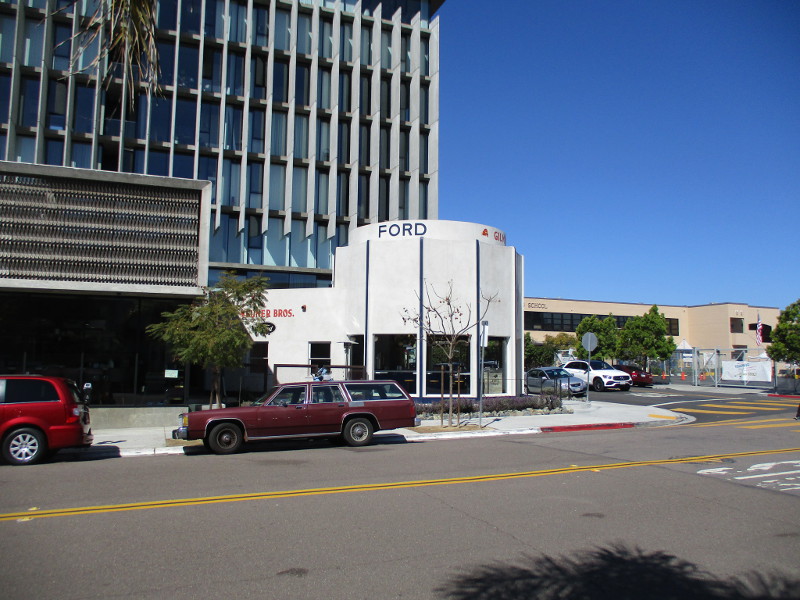
I was walking through Mission Hills yesterday when I suddenly thought I’d taken a wrong turn and ended up in Balboa Park!

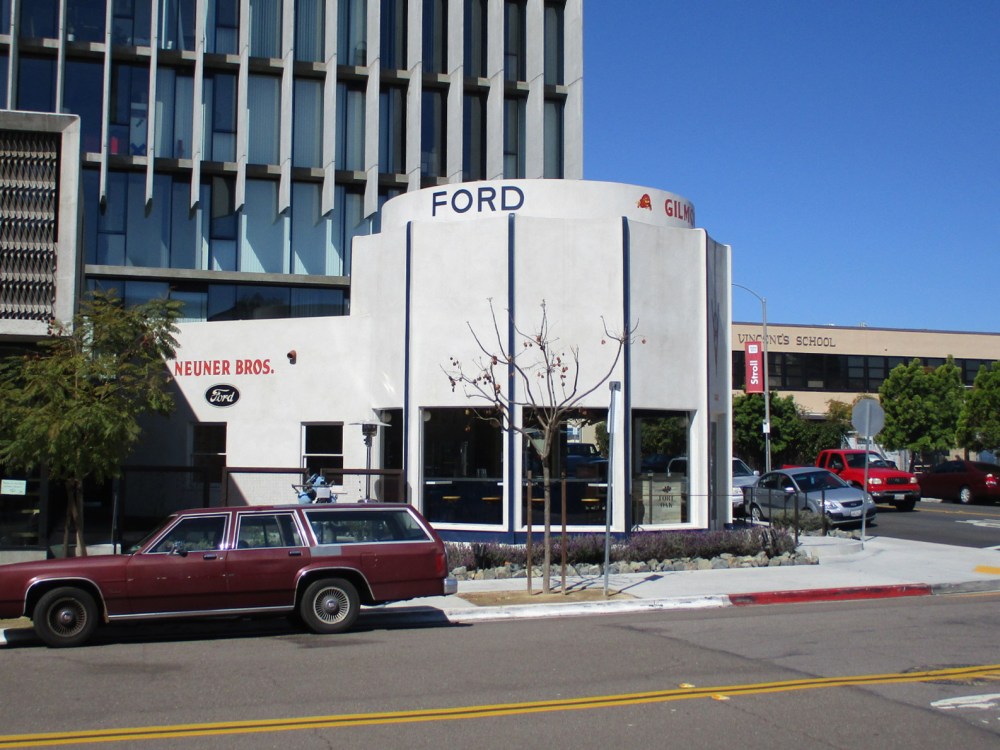
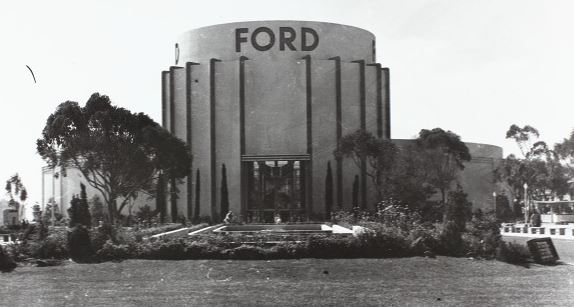
There, rising in front of me, was a miniature version of the old Ford Building, home of the San Diego Air and Space Museum!

The unique, cylindrical, Streamline Moderne-style Ford Building in Balboa Park, which resembles a V8 engine, was erected by the Ford Motor Company for the 1935 California Pacific International Exposition.

This smaller version in Mission Hills can be found at the corner of Ft. Stockton Drive and Hawk Street. It’s the home of the Fort Oak restaurant.

Ford Building from 1935 California Pacific International Exposition in Balboa Park. No known copyright image from Flickr.

My walk yesterday went from Hillcrest through Mission Hills. I also visited Pacific Beach. Many photos and fascinating blog posts are coming! I also will be blogging about an amazing historic site in Vista, which I visited last weekend.

Now I’m about to head out walking again! Happy Sunday!

This blog now features thousands of photos around San Diego! Are you curious? There’s lots of cool stuff to check out!

Here’s the Cool San Diego Sights main page, where you can read the most current blog posts.  If you’re using a phone or small mobile device, click those three parallel lines up at the top–that opens up my website’s sidebar, where you’ll see the most popular posts, a search box, and more!

To enjoy future posts, you can also “like” Cool San Diego Sights on Facebook or follow me on Twitter.

New tile murals at Automotive Museum debut!

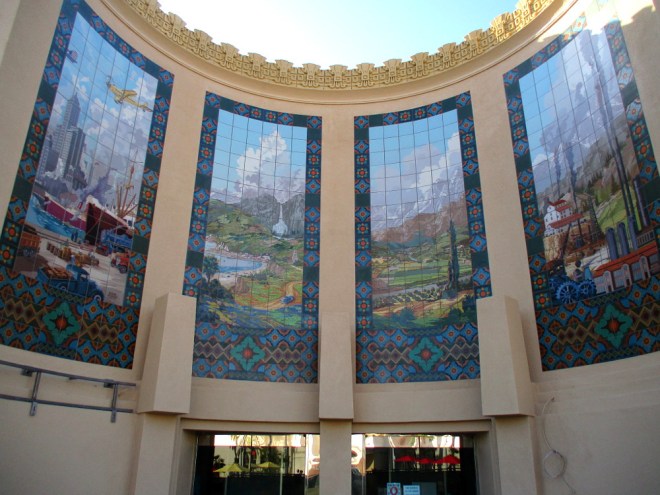
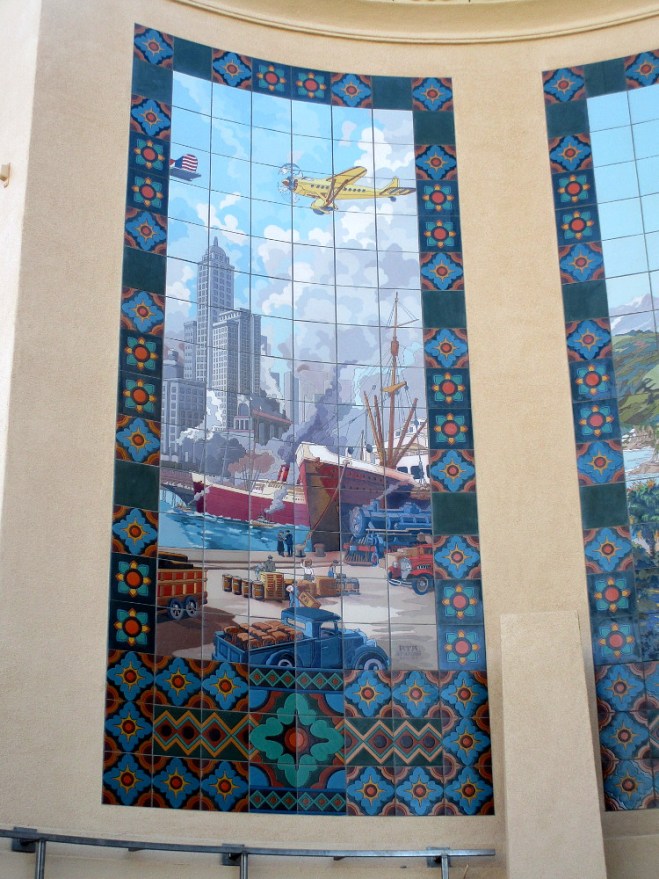
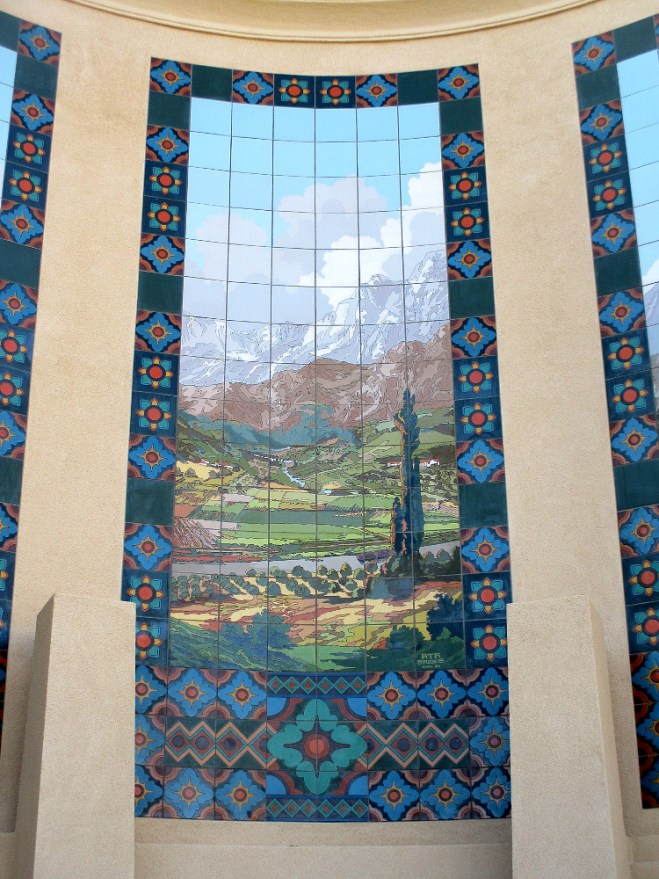
Today was an historic day! Four long-anticipated murals have debuted above the entrance of the San Diego Automotive Museum!

Yesterday’s scaffolding has been removed, revealing beautiful tile artwork that will be enjoyed by visitors to Balboa Park for many decades–perhaps even centuries–into the future!

I first blogged about the project back in late 2017. You can read what I wrote here.

As I explained, these permanent tile murals “…are based on murals that decorated the (California State Building) during the 1935 California Pacific International Exposition….Much of the California State Building’s original ornamentation no longer exists, including the four original murals. They were created for the exposition by Hollywood set designer Juan Larrinaga. Painted on fiberboard to appear like tilework, they depicted California’s commerce, scenic beauty, agriculture and industry.”

The exquisite tiles were created by RTK Studios in Ojai, California.

Those who enjoy at visit to the San Diego Automotive Museum, or the newly opened Pan American Plaza in front of the museum, will now be able feast their eyes on these four truly remarkable works of public art!

I live in downtown San Diego and love to walk around with my camera! You can follow Cool San Diego Sights via Facebook or Twitter!

You can easily explore Cool San Diego Sights by using the search box on my blog’s sidebar. Or click a tag! There are thousands upon thousands of photos for you to enjoy!

Early spring in the Zoro Garden.

Spring sprang two days ago.

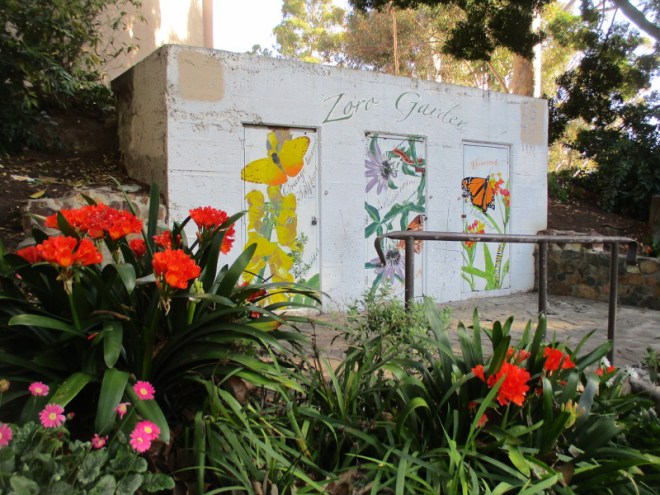
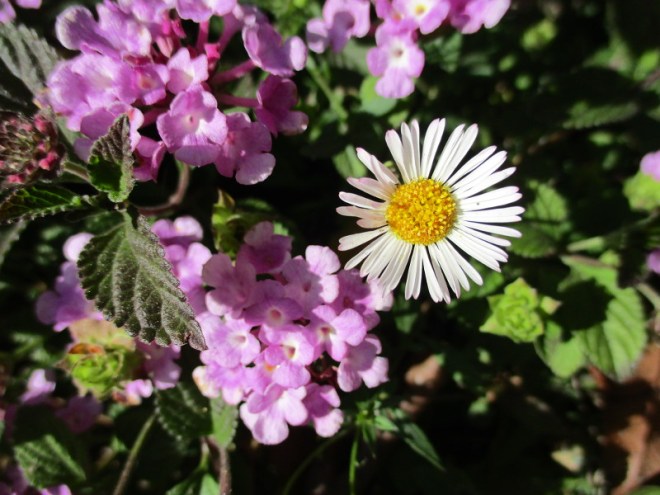
Late this afternoon I descended into Balboa Park’s sunken Zoro Garden.

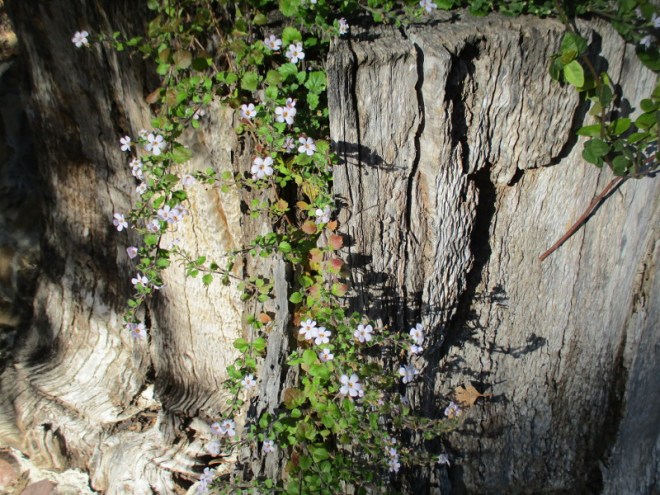
The day’s final rays of sunshine were filtering down to flowers planted along the stone walls and walkways.

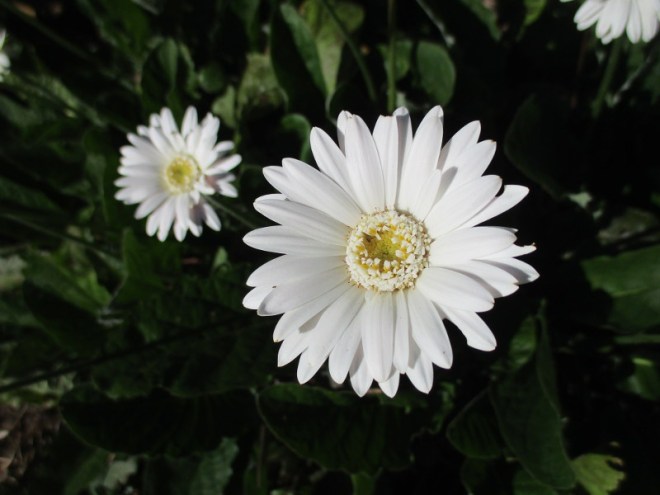
I didn’t see any butterflies. Not yet! But I did see early spring color, and the promise of many more flowers to come…
I live in downtown San Diego and love to walk around with my camera! You can follow Cool San Diego Sights via Facebook or Twitter!

Balboa Park’s hidden Australian Garden.

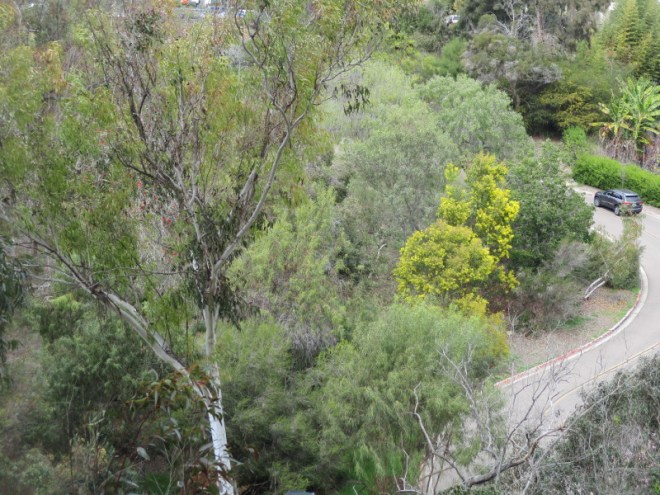
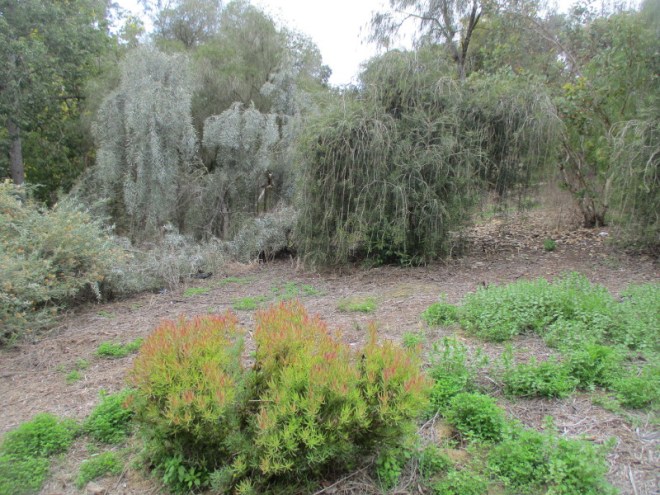
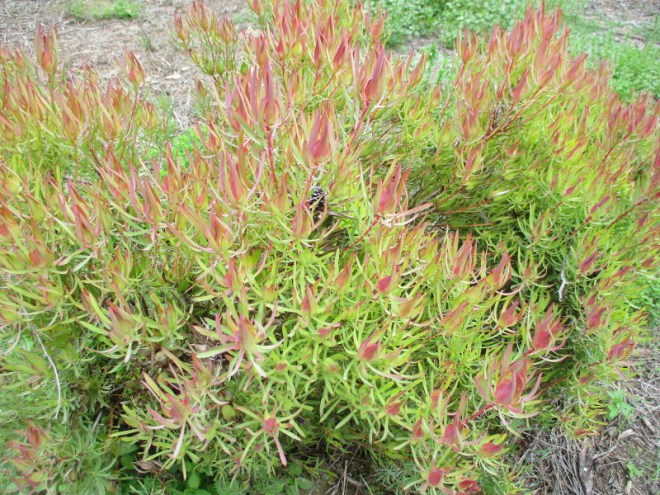
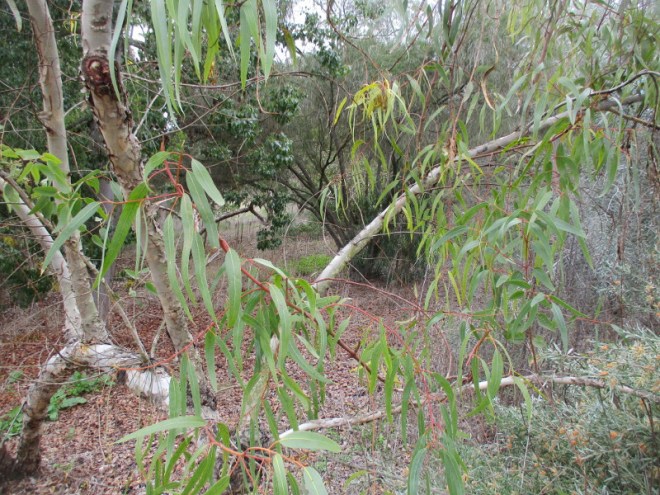
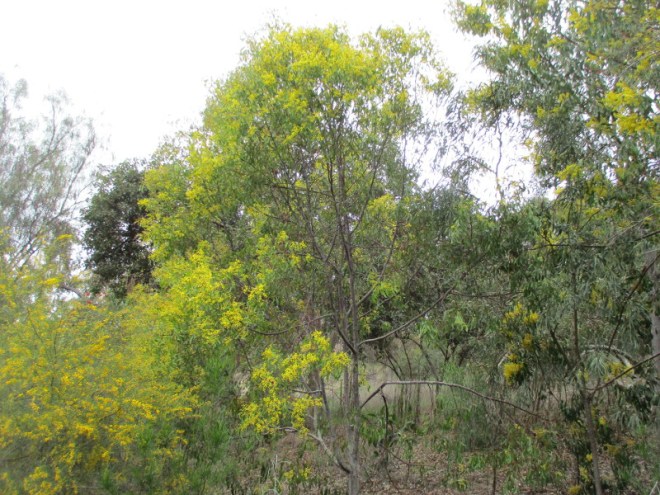
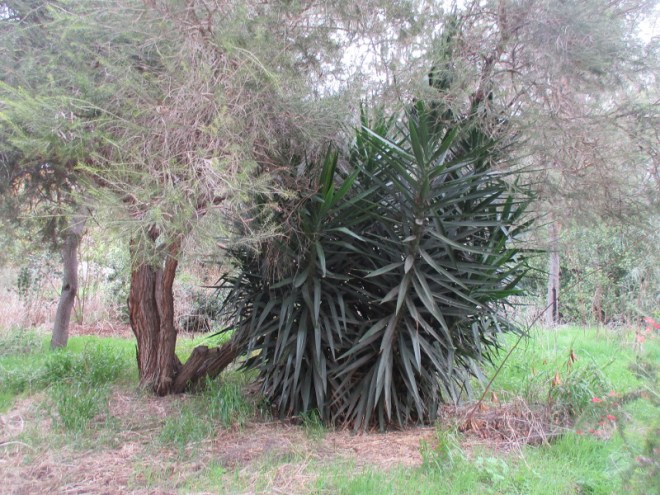
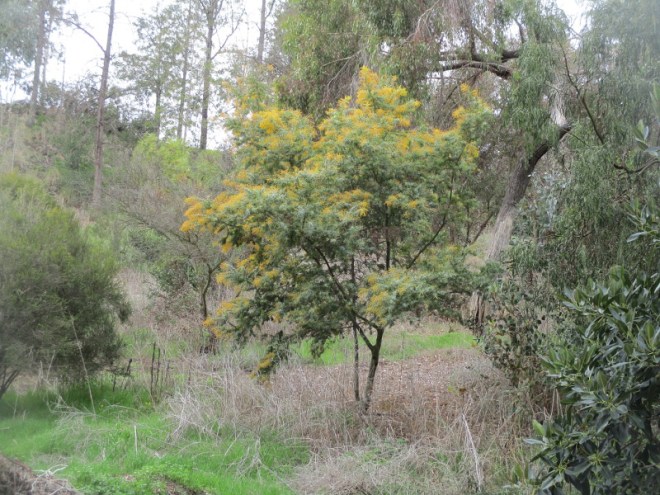
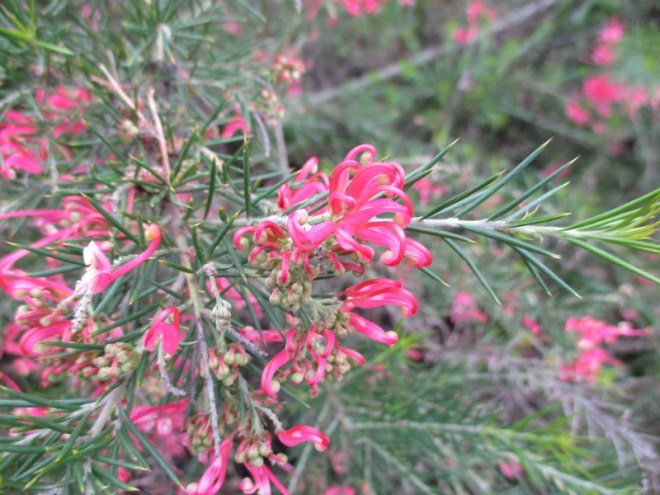
The nation of Australia presented the City of San Diego with many beautiful plants in 1976 for the United States Bicentennial. These plants can be found in Balboa Park’s seldom visited, little known Australian Garden.

Should you drive into the heart of Balboa Park by turning from Park Boulevard onto Presidents Way, you’ll glimpse the top of the Australian Garden to your right. To see most of the native Australian trees and shrubs, however, you must drive or carefully walk down winding, slightly steep Paseo de Oro, which motorists pass just before they reach the large parking lot behind the Spreckels Organ Pavilion. Look for the Gold Gulch Remote Parking Lot sign. There’s no sidewalk!

You can also reach the Australian Garden by walking south down Gold Gulch Trail, which begins near El Prado at the Zoro Garden. The trail passes under the Space Theater Way bridge near the Fleet Science Center and continues along the east side of the Japanese Friendship Garden. Once you see a fenced area where the green Balboa Park shuttles are stored, you’re there!

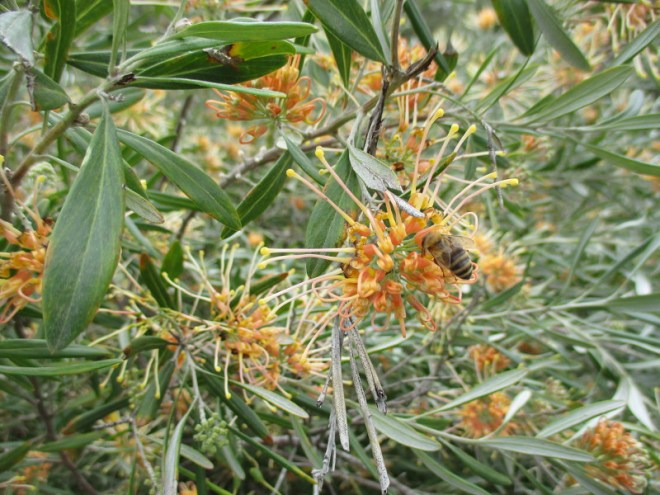
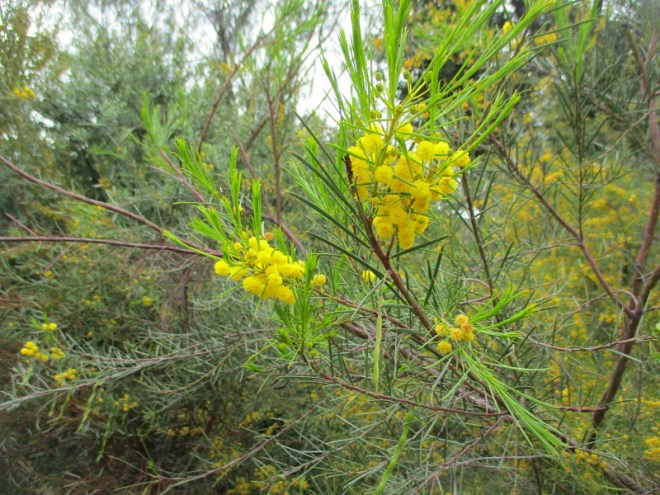
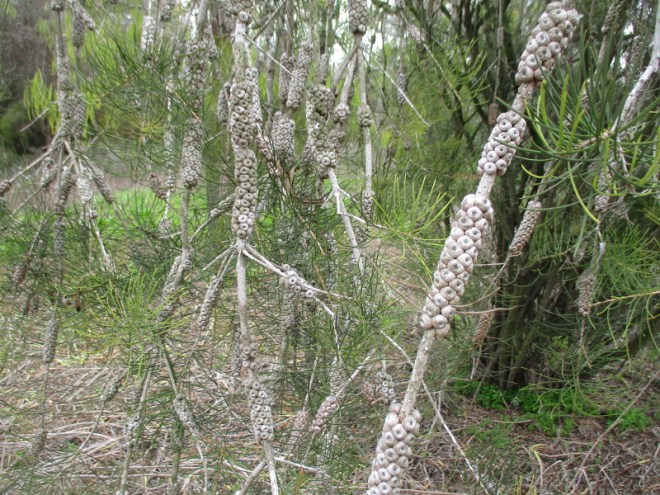
Plants in the Australian Garden, according to this page, include: “Grevellia, Acacia, Callistemon, Banksia, Hakea, Stenocarpus, Leptospermum, Melaleuca, and Eucalyptus.” There are no signs in Gold Gulch Canyon at the garden, but apparently there are plans to create trails in this area of Balboa Park and erect an informational kiosk.

In 1935, this small canyon was the home of Gold Gulch, a popular attraction at Balboa Park’s California Pacific International Exposition. According to Wikipedia, Gold Gulch was an “Old West mining town-ghost town re-creation for fairgoers to experience the atmosphere of a mining boomtown… Gold Gulch inspired and influenced subsequent Western theme parks…Examples include the Calico Ghost Town…and the “Ghost Town” section of Knott’s Berry Farm… and Frontierland by Walt Disney.…”

The above photo of the “hidden” Australian Garden was taken from a point above the canyon, behind the WorldBeat Cultural Center and Centro Cultural de la Raza.

This blog now features thousands of photos around San Diego! Are you curious? There’s lots of cool stuff to check out!

Here’s the Cool San Diego Sights main page, where you can read the most current blog posts.  If you’re using a phone or small mobile device, click those three parallel lines up at the top–that opens up my website’s sidebar, where you’ll see the most popular posts, a search box, and more!

To enjoy future posts, you can also “like” Cool San Diego Sights on Facebook or follow me on Twitter.