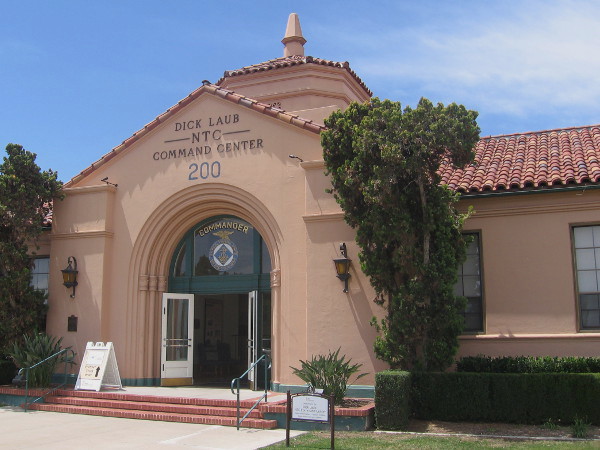
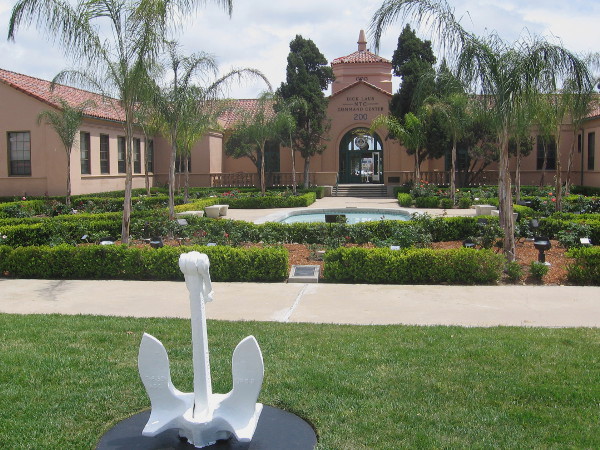
Historic Decatur Road entrance of Dick Laub NTC Command Center at Liberty Station in Point Loma.
Some time ago I visited the Command Center at NTC Liberty Station in Point Loma. Two interesting exhibits can be found along the main hallway that runs the length of the historic building. The Command Center was once the operational hub of former Naval Training Center San Diego.
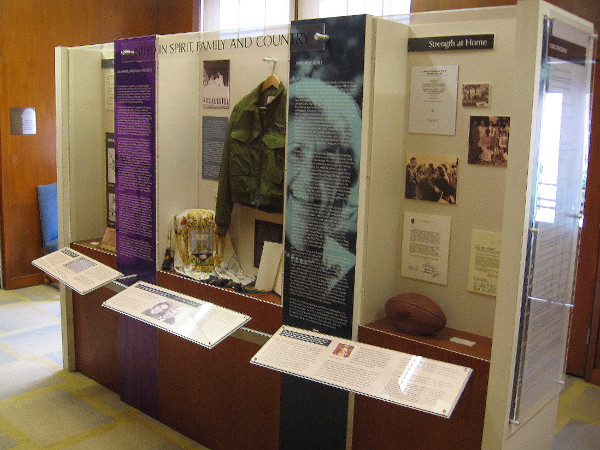
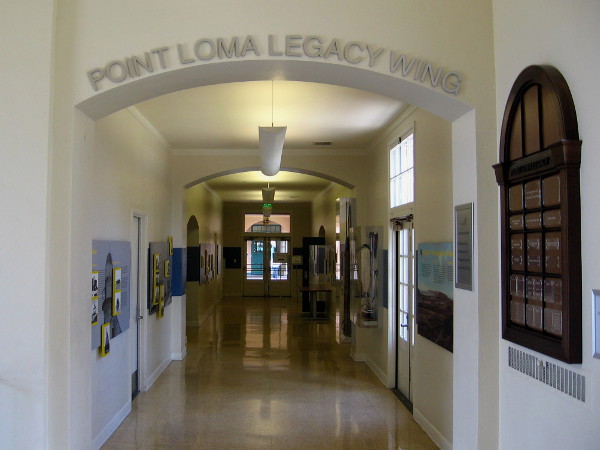
The museum-like Stockdale Family Exhibit concerns the life and history of celebrated Navy Vice Admiral James B. Stockdale and his wife Sybil. The Point Loma Legacy Wing contains many displays that provide insights into the fascinating history of San Diego’s Point Loma.
Should you visit, here’s what you’ll see…
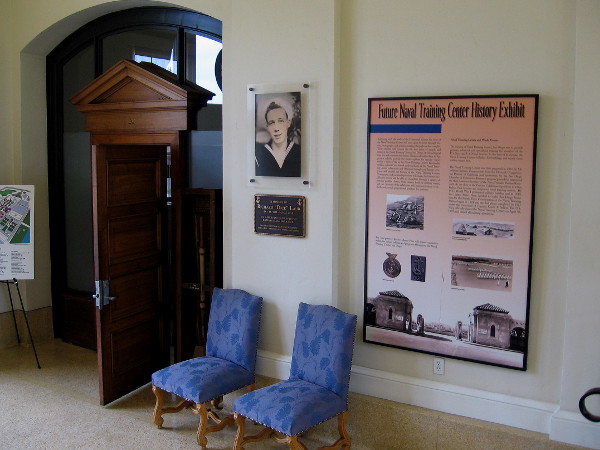
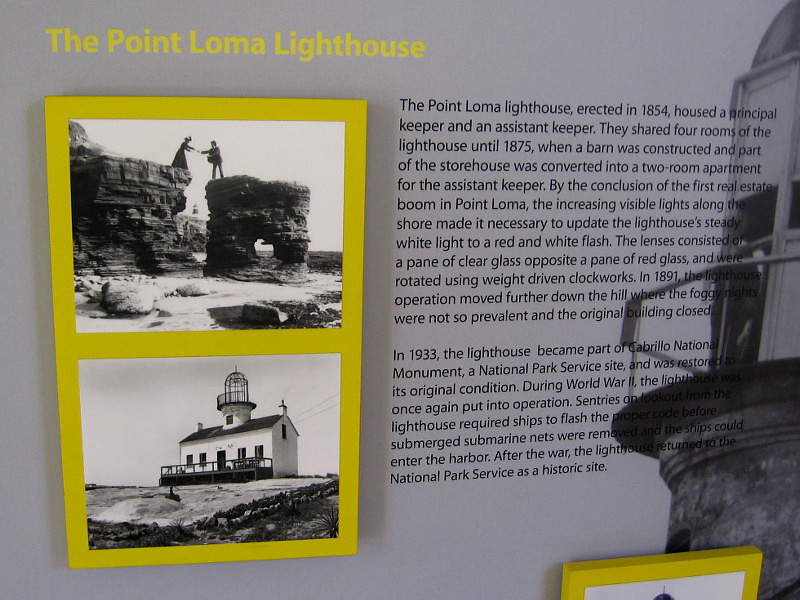
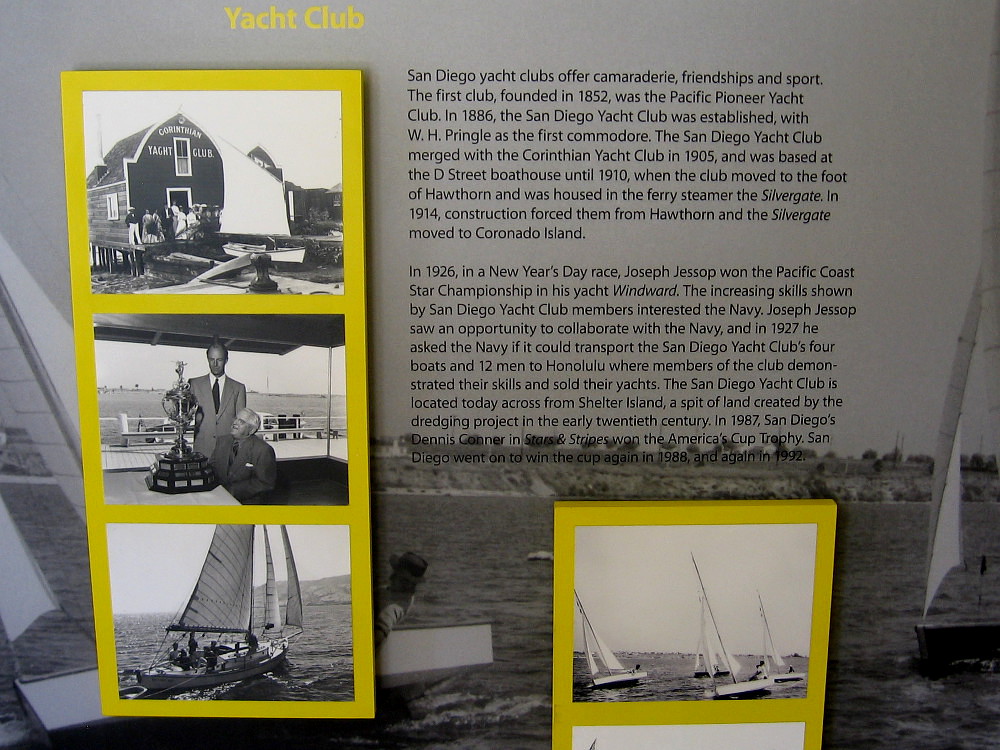
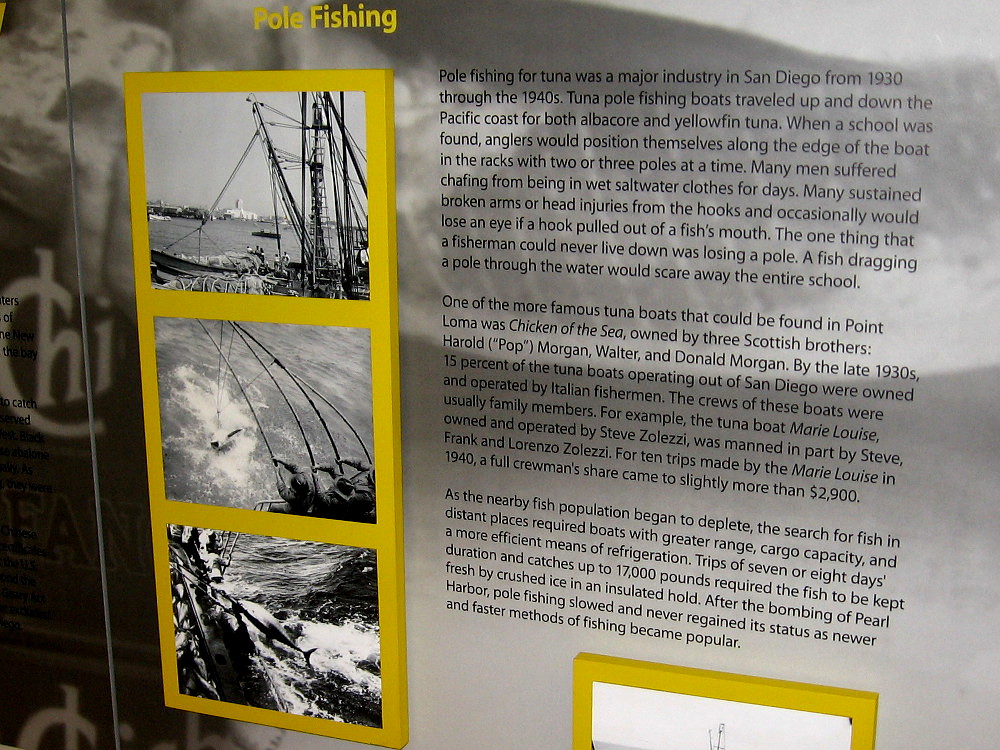
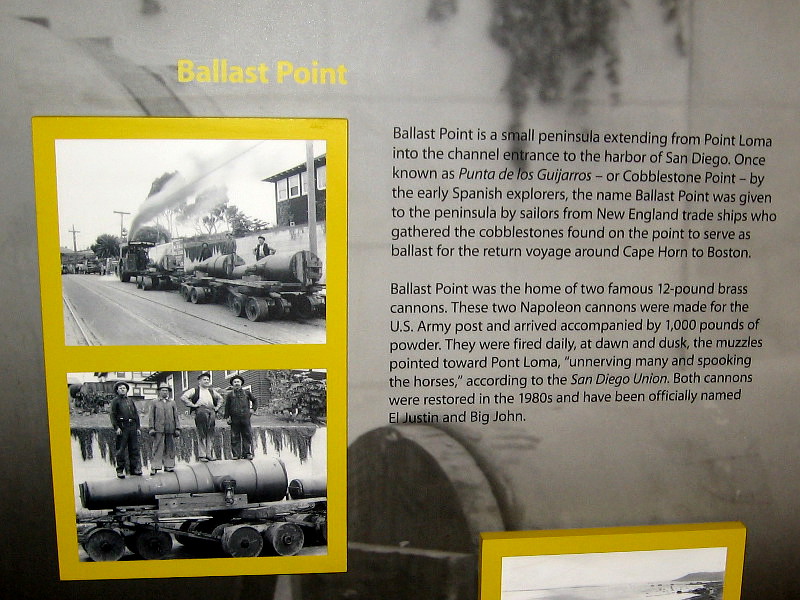
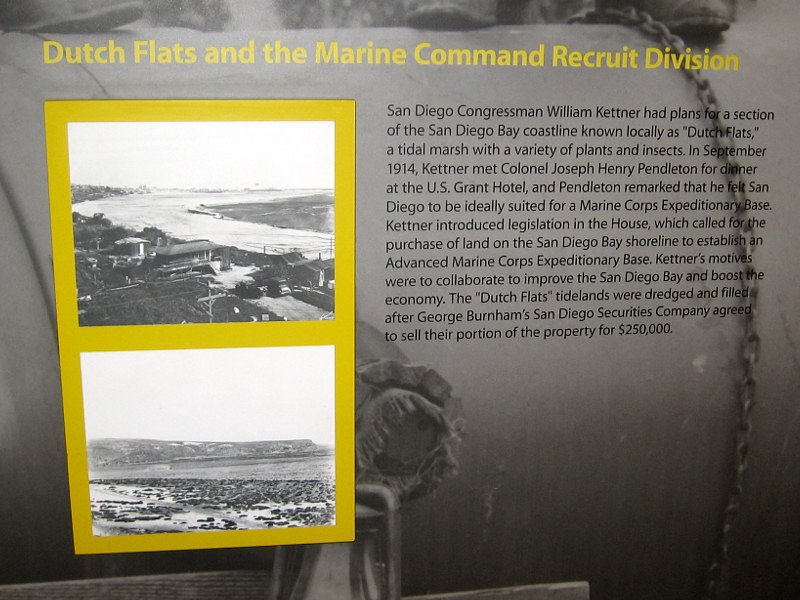
Built in 1941, The Command Center (Building 200) was the focal point of the base. These were offices for the highest-ranking officers, including the Admiral in Command of the Center.Looking from inside the Command Center southeast toward Preble Field and a large American flag.Inside the entrance to the Command Center. Various signs and free literature provide information about the converted military base and its many cultural attractions.Naval Training Center, San Diego. The recruit story is one of personal transformation; a recruit’s experience from arrival through graduation is the foundation for memories…In Memory Of Richard “Dick” Laub. Dick gave credit for much of his success to the G.I. Bill. His passion was the sea and fishing.One wing of the NTC Command Center today contains the Stockdale Family Exhibit. James and his wife Sybil are Navy heroes from the Vietnam War era.Vice Admiral James Stockdale, long-time resident of Coronado, obtained and conveyed important tactical information while imprisoned in North VietnamStockdale was candidate for United States Vice President in 1992 on Ross Perot’s independent ticket. During a debate, he famously said: “Who am I? Why am I here?”The exhibit contains photographs and objects from James and Sybil Stockdale’s family life.The Point Loma Legacy Wing at the NTC Command Center contains two walls of fascinating displays concerning this area’s history.The Point Loma lighthouse, erected in 1854, housed a principal keeper and an assistant keeper. In 1933, the lighthouse became part of Cabrillo National Monument and was restored.San Diego yacht clubs offer camaraderie, friendships and sport. The first club, founded in 1852, was the Pacific Pioneer Yacht Club. In 1886, the San Diego Yacht Club was established.Display case contains artifacts from the San Diego Maritime Museum, including model of a tuna boat.The first fish cannery was built in 1909 at La Playa designed for processing sardines. Albacore canning started in 1911.Pole fishing for tuna was a major industry in San Diego from 1930 through the 1940s. Tuna pole fishing boats traveled up and down the Pacific coast for both albacore and yellowfin.Ballast Point is a small peninsula extending from Point Loma into the channel entrance to the harbor of San Diego. Cobblestones on the point were used for ballast by early trade ships.The Point Loma kelp forest is part of one the largest kelp forests in the northern hemisphere. Giant kelp is a species of marine alga, which may grow up to 200 feet in length.Fort Rosecrans. In 1793, British Captain George Vancouver entered San Diego harbor. He noted the port would be better defended from the Point Loma peninsula.Dutch Flats and the Marine Command Recruit Division. Plans were devised by San Diego Congressman William Kettner. A tidal marsh would be dredged and filled.Anchor and Sybil Stockdale Rose Garden next to NTC Command Center. Photo taken from Legacy Plaza near the center of Liberty Station.
…
Follow this blog for more photos of cool stuff! Join me on Facebook or Twitter.
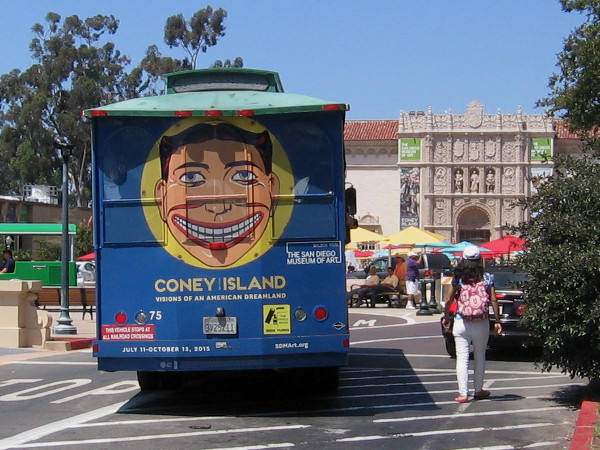
Grinning face of Tillie, symbol of Coney Island, on the back of a tour bus heading toward the San Diego Museum of Art in Balboa Park.
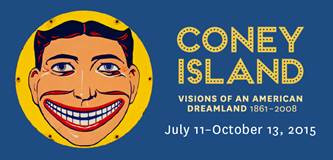
An extraordinary exhibit recently opened at the San Diego Museum of Art. It’s called Coney Island: Visions of an American Dreamland, 1861-2008. Last Saturday, I enjoyed a very special tour, courtesy of my docent friend Catherine!
The exhibit features a collection of more than a hundred objects that depict 150 years of Coney Island’s amusement parks, boardwalk, beach and people. It includes paintings, photographs, videos, carnival posters, sideshow banners, carved wooden carousel horses, and a wide range of colorful, unique artifacts.
From its early days as a peaceful beach getaway for wealthy New Yorkers, to the rise and fall of amusement parks, years of decay, political wrangling, then modern renewal, Coney Island has been interpreted by artists through the years in a variety of surprising ways. Some artists portray an innocent playland for common people. Others, something more complex, and less innocent.
Most of the exhibit’s artwork centers on Coney Island’s legendary amusement parks. Many images resemble exuberant scenes from a carnival or circus. They’re full of energy, laughter, humanity, wonder–but often base, superficial, disturbing, despairing. Many painting are dark, almost gaudy with a crowded press of people seeking pleasure. A symbol adopted by Coney Island–the unnatural, exaggerated grin of Tillie–seems to be a taunting reminder that the purchased thrills are artificial. The grin is strangely maniacal and mindless, one part Joker, one part Cheshire Cat.
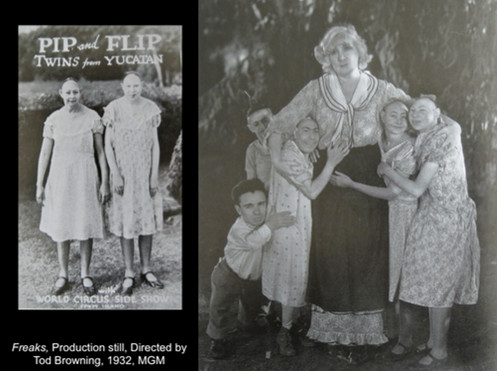
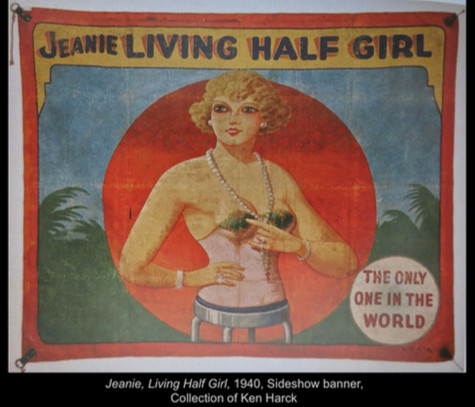
Fantastic imagery abounds in the exhibit, which is sure to delight many kids. They’ll see huge cyclops heads, videos of romping midgets, a banner promising a sideshow freak with inhuman tentacles. The adults will see images of lust, insatiability, scattered litter, dripping blood.
I suppose we humans like to be both excited and terrified.
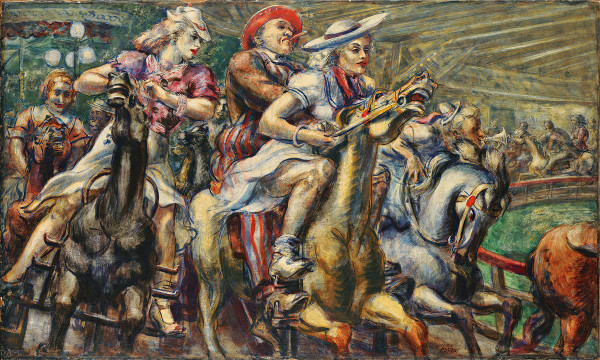
One Impressionist painting by the important American artist William Merritt Chase shows a landscape of sunlight and natural, unspoiled beauty; the egg tempera painted canvases of Reginald Marsh are dark, crammed with unabated appetite, bold kinetic energy and human expression; photographs by Arthur Fellig (Weegee) show people crowded onto the beach like fleshy, happy sardines.
Personally, as I took my amazing tour, I saw life’s wonderful jumble and a sample of our world’s endless variety. All the emotions, the complexity–but mostly I recognized the sunlit memories of ordinary good-natured neighbors heading to the beach and boardwalk, and some exciting, brief amusements, on a sunny weekend day.
This isn’t a typical art museum exhibit. It’s more like taking an instant journey to a place you already know. A Coney Island in your mind. And your vivid experiences in the San Diego Museum of Art will make the journey seem very real.
Coney Island: Visions of an American Dreamland, 1861-2008, has come to San Diego from the Wadsworth Athenium Museum of Art in Hartford, Connecticut. This special exhibition continues through October 13, 2015.
Here are just a few things that you’ll see…
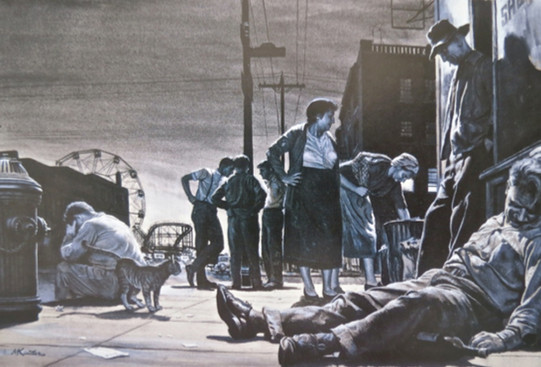
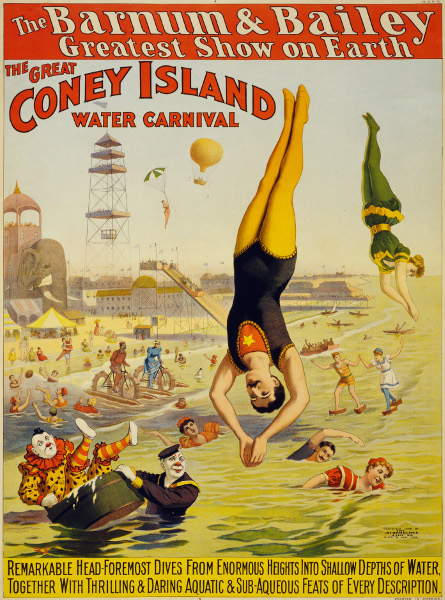
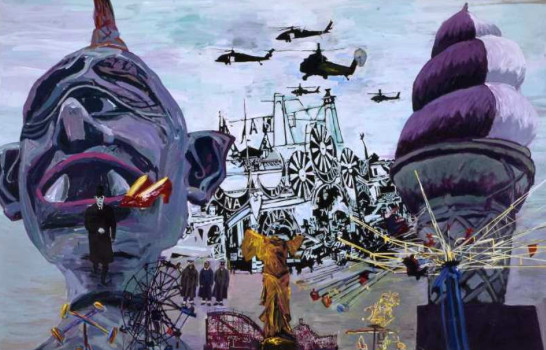
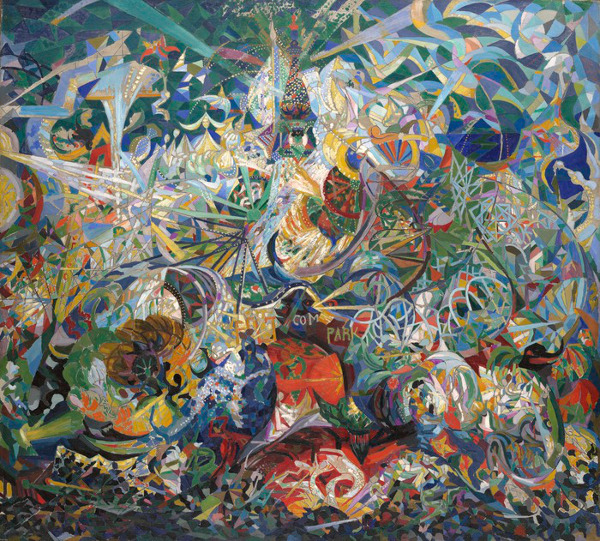
Reginald Marsh, Wooden Horses, 1936, Tempera on board. Wadsworth Atheneum Museum of Art.Pip and Flip, Twins from Yucatan with World Circus Side Show, Coney Island, 1929, Photographic reproduction. Georgia Archives, Vanishing Georgia Collection.Jeanie, Living Half Girl, 1940, Sideshow banner. Collection of Ken Harck.Mort Künstler, Coney Island, 1953, Gouache on paper. Collection of the artist.Barnum & Bailey Greatest Show on Earth, the Great Coney Island Water Carnival poster. Thrilling and daring feats of every description!Arnold Mesches, Anomie 1991: Winged Victory, 1991, Acrylic on canvas. San Diego Museum of Art.Joseph Stella, Battle of Lights, Coney Island, Mardi Gras, 1913, Oil on canvas. Yale University Art Gallery.
The San Diego Museum of Art in Balboa Park is simply jammed with fantastic, provocative Coney Island art. This is a once-in-a-lifetime opportunity. So go see it!
Coney Island, Visions of an American Dreamland, 1861–2008, at the San Diego Museum of Art.
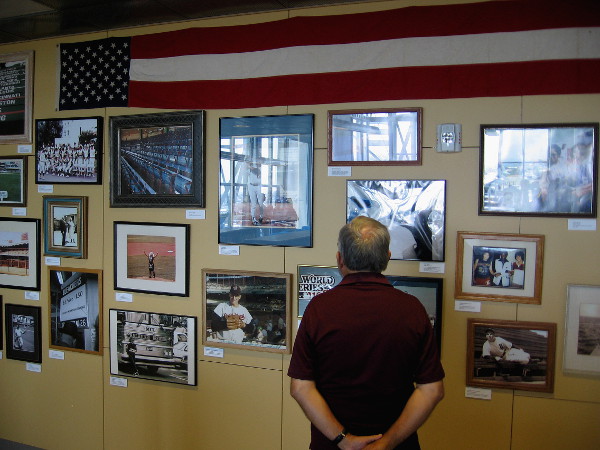
Visitor to eighth floor of San Diego’s downtown public library checks out photographs in the Sullivan Family Baseball Research Center.
Many San Diegans don’t realize that our city–our amazing new Central Library, to be exact–contains a unique and important repository of American history. The Sullivan Family Baseball Research Center, located on the eighth floor of the downtown library, is home to the Society for American Baseball Research (SABR) Collection. It constitutes the largest baseball library west of Cooperstown! Shelves of books, magazines, journals, scrapbooks and other historical documents, and many photographs, have recorded in detail the fascinating history of American baseball. And it’s all open to the public!
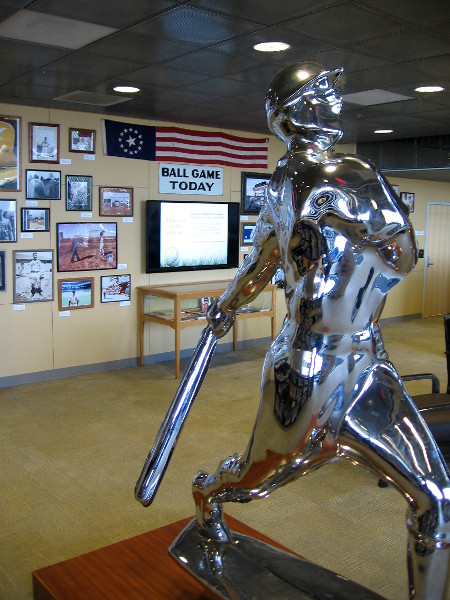
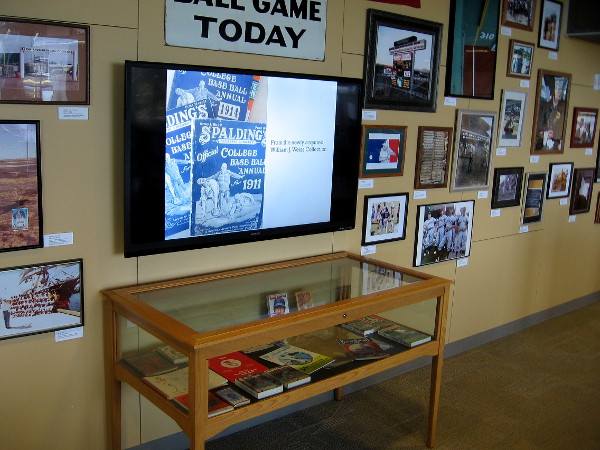
The research center is directly adjacent to the spacious, high-domed reading room. In the center of the collection is a shiny sculpture of a player swinging a bat, titled Male baseball #1, created in 2009 by artist Yoram Wolberger. On one wall among many old photos, a video screen shows scenes from baseball history. This is one super cool section of the library!
According to the website of the Society for American Baseball Research: “The Baseball Research Center opened in 2001, with an initial collection of books and microfilm donated by SABR’s Ted Williams Chapter. In the years since, it has grown to more than 3,000 publications, books, and journals, and 300 microfilm reels.”
Today, the collection is housed in museum-like grandeur, and to peruse the many photographs and titles is like taking a wonderful, nostalgic journey back through time. Anyone who is a fan of baseball in San Diego needs to check it out!
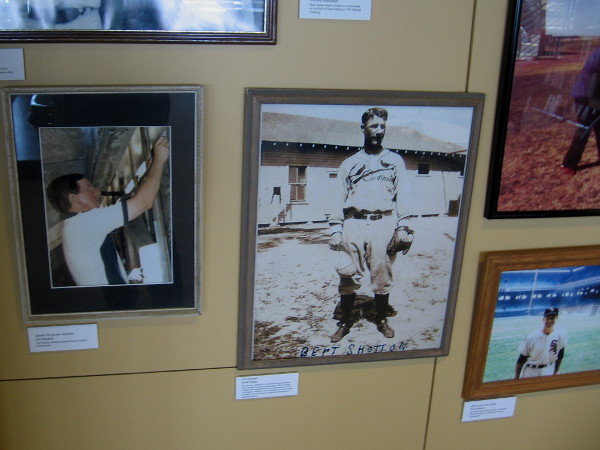
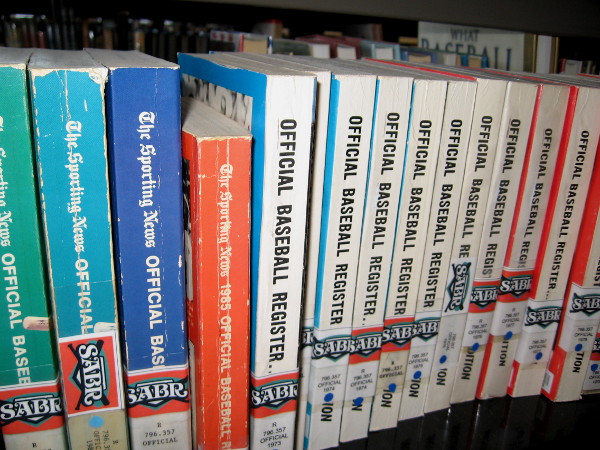
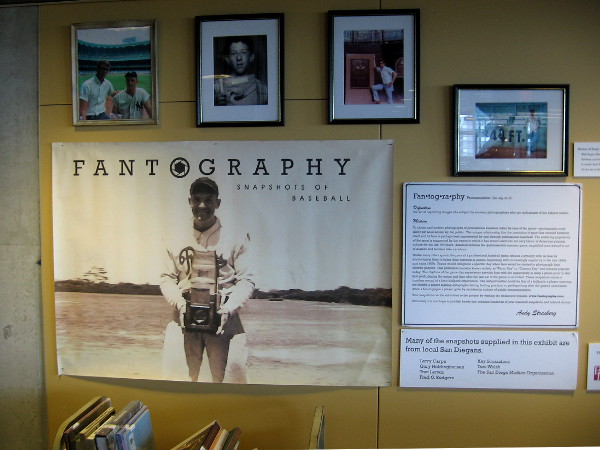
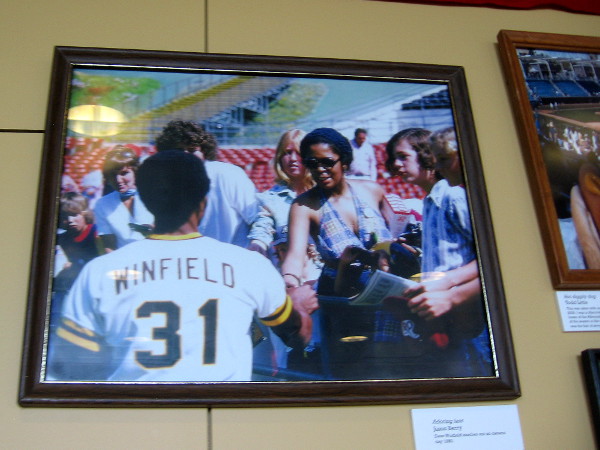
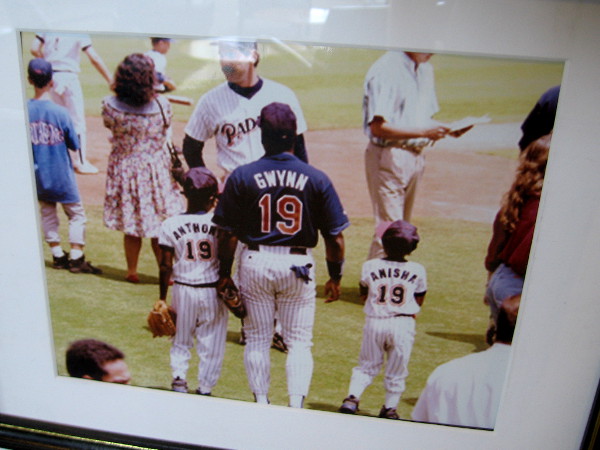
Bronze and chrome Yoram Wolberger statue of a baseball player swinging a bat.Many historical photographs can be enjoyed on one wall of the baseball research center.Anyone who is interested in sports, and America’s Pastime in particular, should visit the SABR Collection in San Diego.The collection includes many books, periodicals and artifacts concerning the great sport of baseball.Photo of one display case, which contains a copy of Baseball Magazine, plus various programs and record books.Another display case, with an old newspaper, World Series Records, Sporting News publication, team photograph.Shelves in the library contain hundreds of baseball reference books and registers.One small exhibit focuses on fan photography, called Fantography.Cool photo of the KGB Chicken between two Padrettes. Ted Giannoulas later became known as The Famous San Diego Chicken.Image of San Diego past superstar Dave Winfield in stadium greeting fans.Wonderful photo of San Diego Padres legendary Hall of Fame player Tony Gwynn with his family out on the playing field.
Color guard leads the way during the Coronado Independence Day parade on Orange Avenue.
While this blog post contains a whole bunch of photos, they only represent a small fraction of today’s Independence Day parade in Coronado. This Fourth of July parade is one of the biggest and best in the nation. Coronado is about as apple pie as a town can get, as it’s home to two very important military bases: Naval Air Station North Island and the Naval Amphibious Base.
Before the parade began, I walked about checking out the sights, smells and sounds. Hopefully I captured a bit of the experience with these photographs…
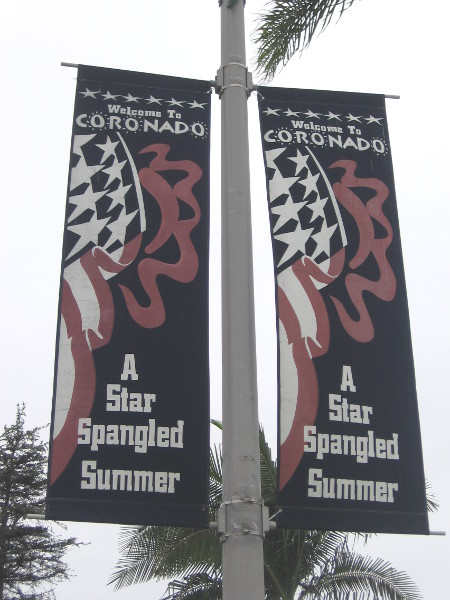
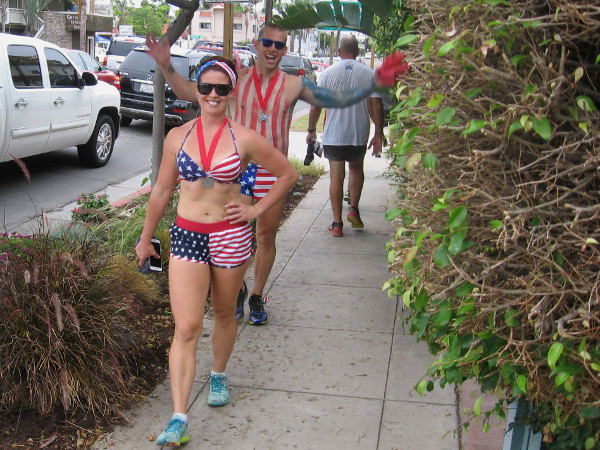
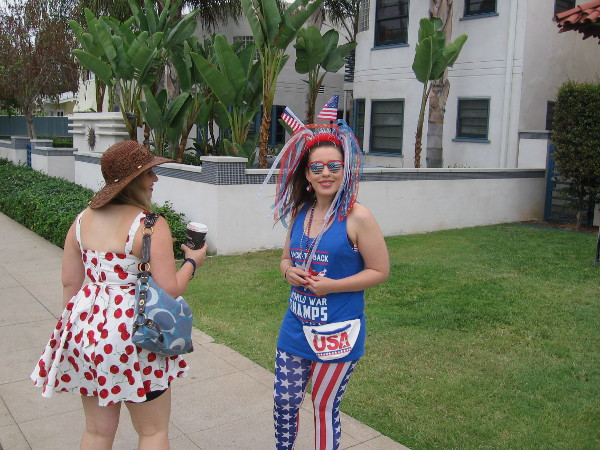
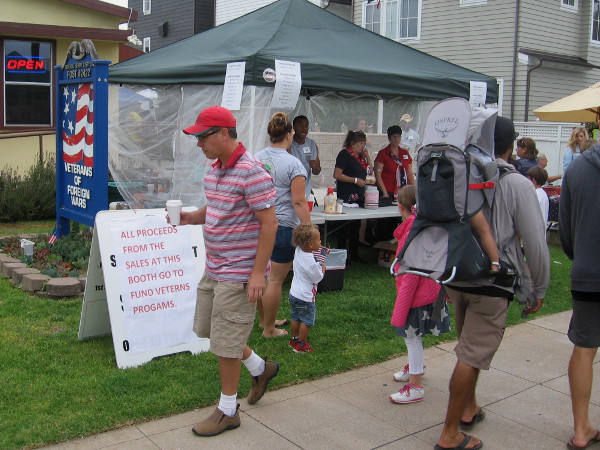
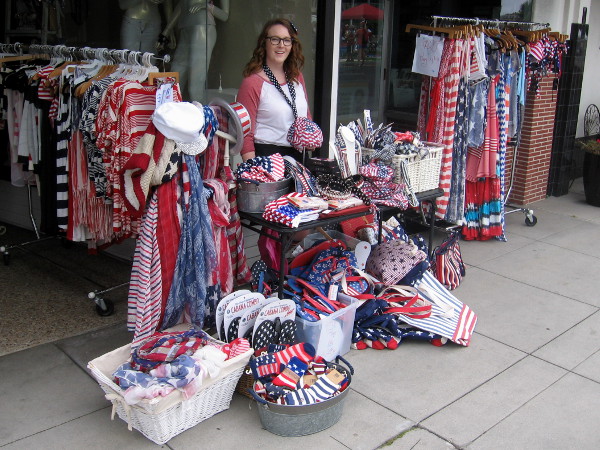
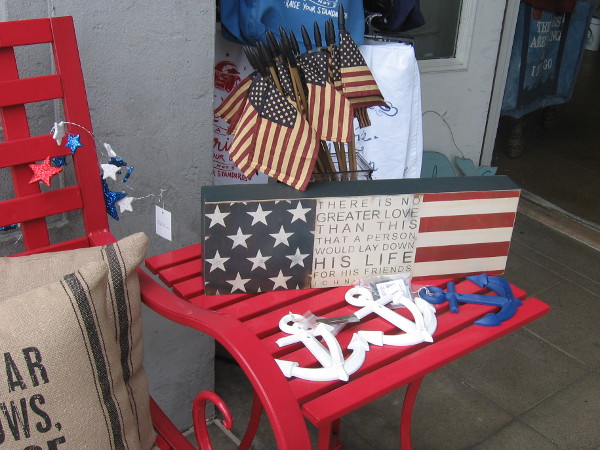
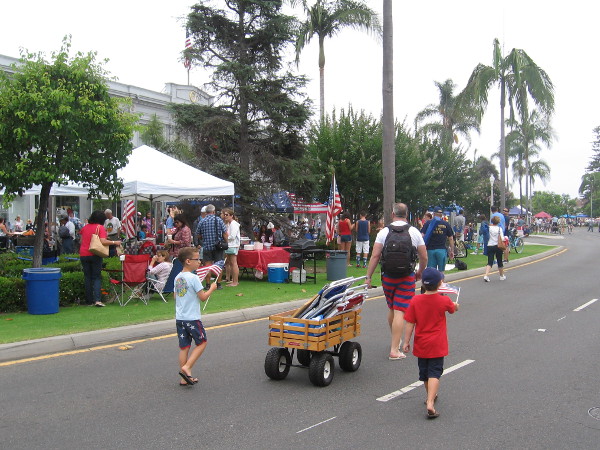
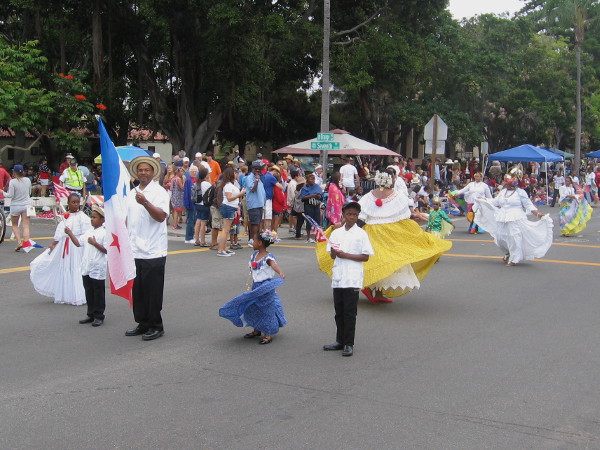
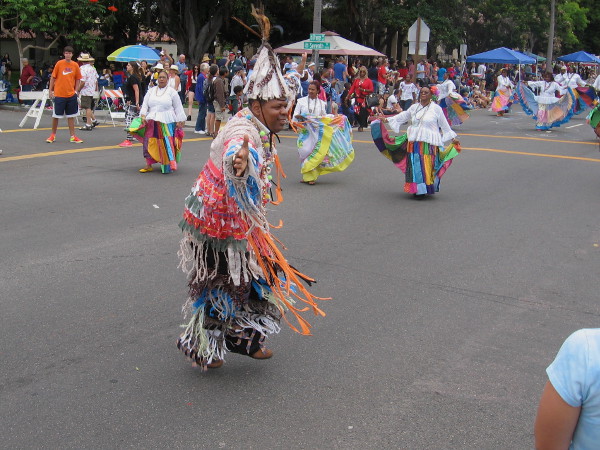
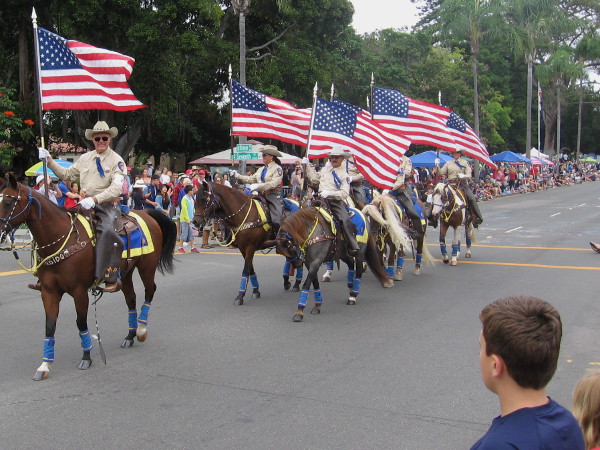
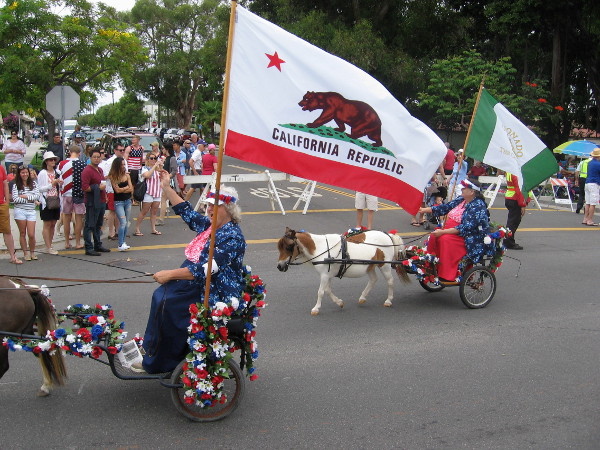
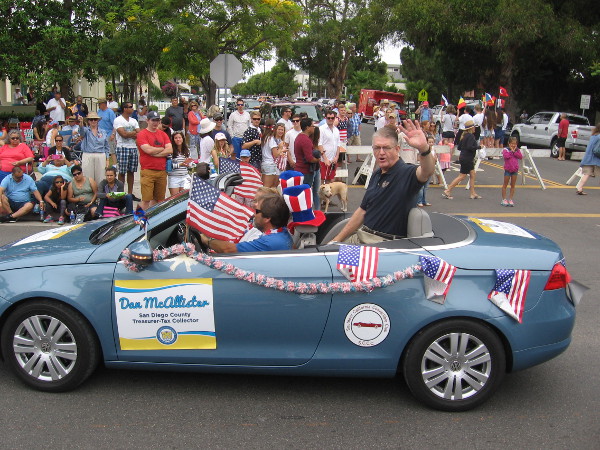
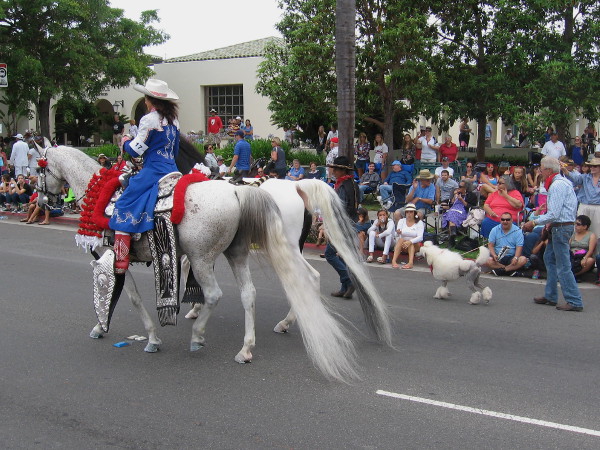
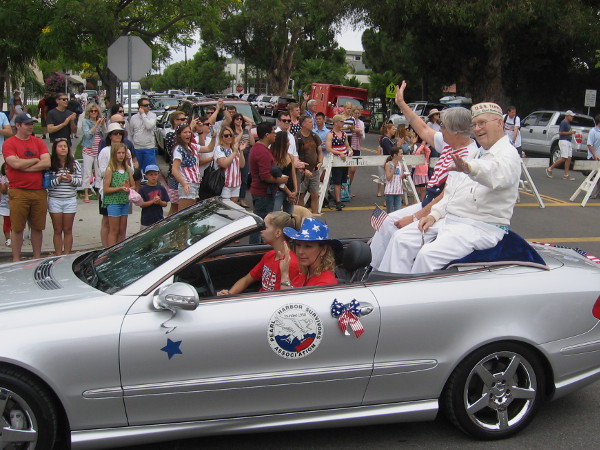
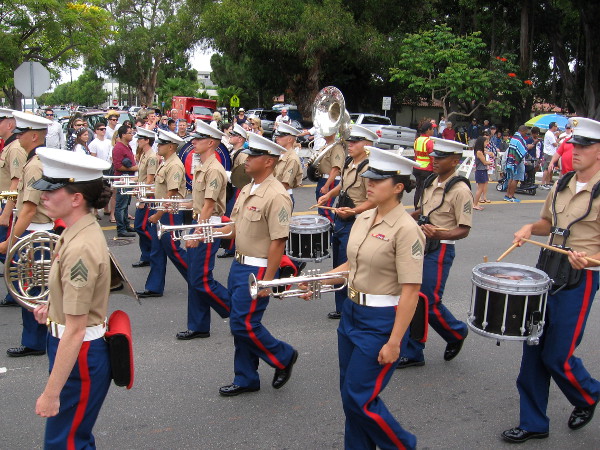
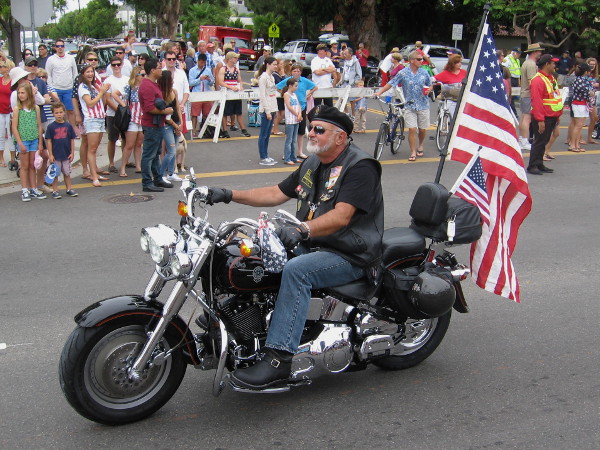
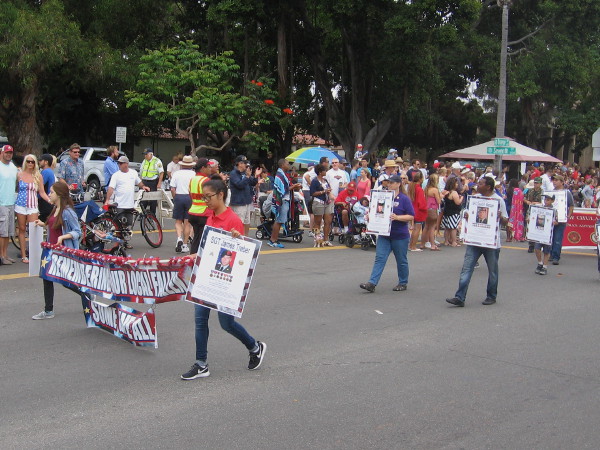
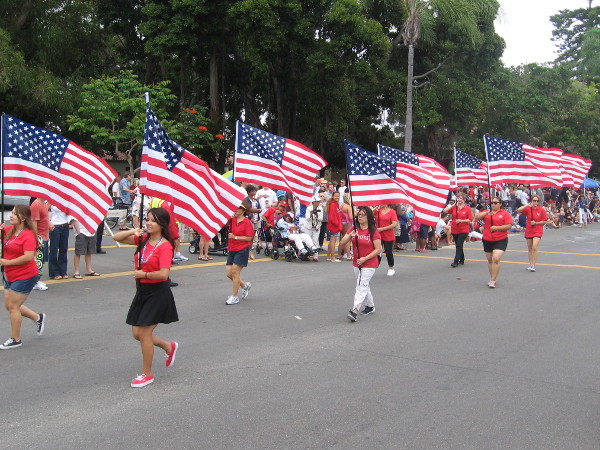
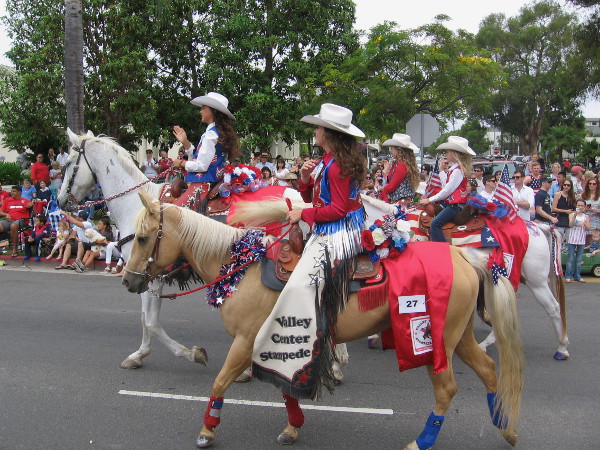
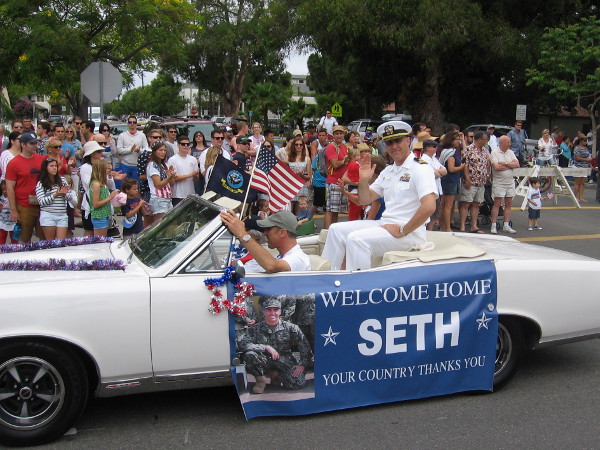
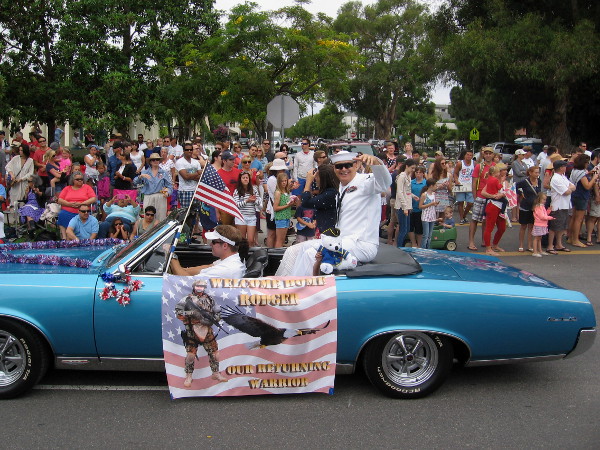
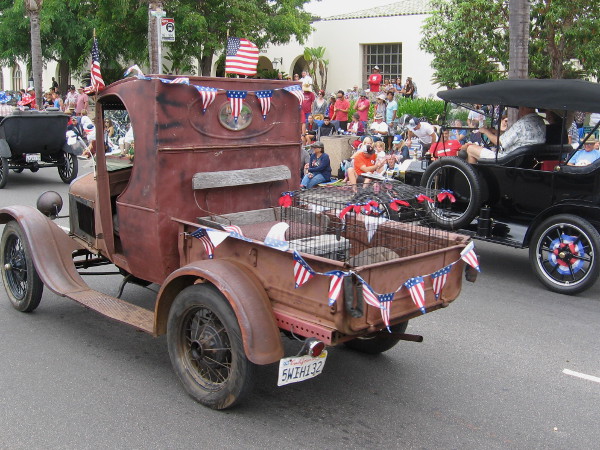
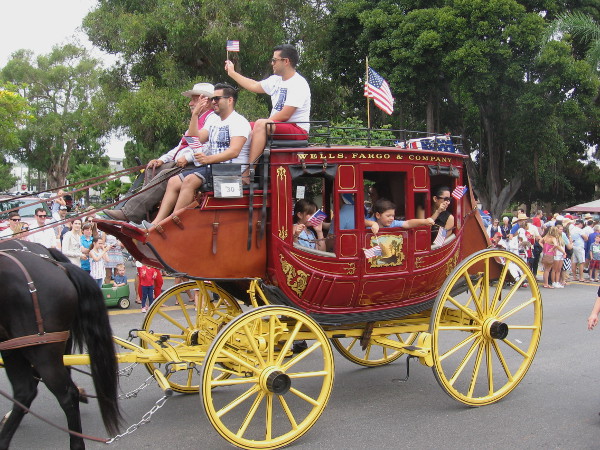
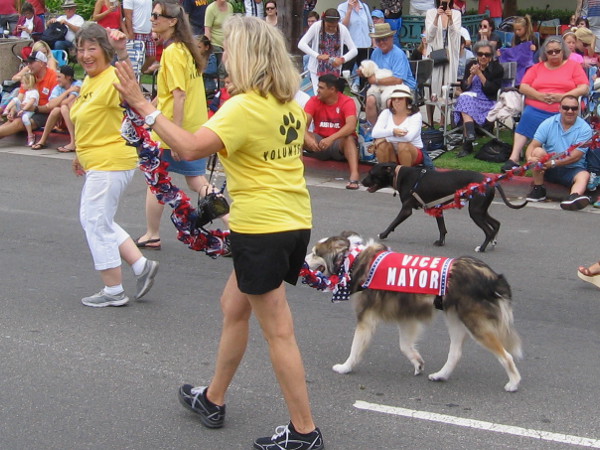
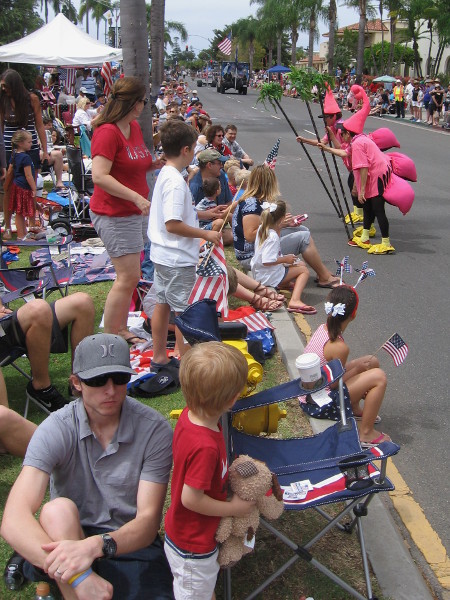
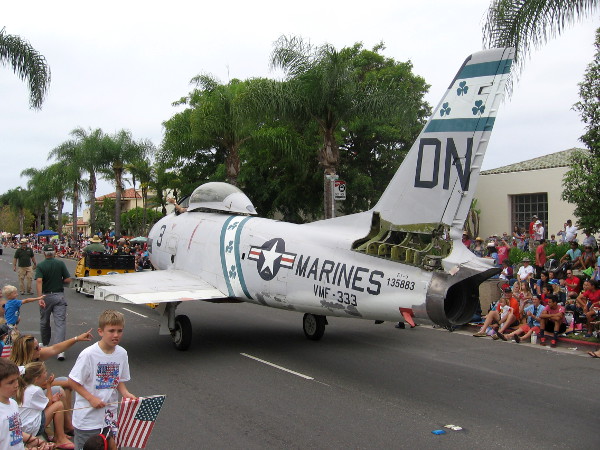
Welcome to Coronado . . . A Star Spangled Summer!I believe these runners raced earlier in the Crown City Classic that started and ended at Tidelands Park, a few blocks away.Almost everyone I saw was wearing clothing or costumes befitting a Fourth of July celebration!Someone wrote on the sidewalk with chalk: Happy Fourth of July!Tent in front of the Veterans of Foreign Wars on Orange Avenue was raising money selling parade-worthy treats.The Lions Club had a stand at Spreckels Park near the center of patriotic Coronado.People check out art on display in Spreckels Park.What could be more American than tossing a baseball while waiting for the big parade to begin?A shop window had a dog with a red, white and blue bow!Humans and canines were all decked out for the occasion!And what could be more American than a hot dog? A hot dog draped by a flag!The businesses along Orange Avenue had all sorts of Independence Day wares and decorations outside.There is no greater love than this: That a person would lay down his life for his friends.Kids with flags follow a big wagon full of lawn chairs, as the parade is almost ready to start.Finishing touches are put on the poop circles. Should a horse poop in your chalk circle, you win a special prize!Tens of thousands are ready now along the entire length of Coronado. I think I hear the distant parade approaching.Actually, it’s the pre-parade entertainment. These performers are swirling and dancing to the delight of the crowd!A colorful costume gets onlookers in the mood for a big, fun parade.These guys are the Emilio Wallace Panamanian Marching Band of California!The official parade has begun. The Escondido Mounted Posse carries flags.Red, white and blue flowery carts are pulled by miniature horses!The Grand Marshall this year was Vice Admiral Thomas Rowden, Commander, Naval Surface Forces, U.S. Pacific Fleet.And here comes the San Diego County tax collector, waving cheerfully to all!Beautifully groomed long-tailed horses and a poodle strut their stuff down the parade route.A color guard precedes honored Pearl Harbor survivors.A veteran who served during Pearl Harbor. He and other fellow heroes received the loudest applause all day.A Pearl Harbor survivor waves to the crowd. Many were shouting “Thank You”.Applause for the Pearl Harbor survivors as they pass on by for the Fourth of July.Here comes the Marine Corps band!An American military veteran rides his motorcycle down Orange Avenue.Gold Star Mothers, with signs of loved ones killed in action. The people of Coronado understand that defending freedom can require sacrifice.Wounded Warriors are welcomed home.Remembering our local fallen. Some gave all.San Diego Young Marines march. A future generation of heroes.An avenue of proud, billowing flags.Reenacting raising the flag at Iwo Jima, The United States Marine Corps War Memorial.San Diego heroes carry a large American flag.Here come the Valley Center Rodeo Queens on horseback.Welcome Home Seth. Your country thanks you.Welcome Home Rodger. Our returning warrior.Cool old cars from the Avenue of Heroes.Now that’s an antique.Of course, the big parade includes the Wells Fargo stagecoach.Even the Coronado Lawn Bowling Club was a part of the big Independence Day parade.Meet the canine Vice Mayor of Coronado. I’m not sure which dog is the Mayor.It’s the Castle Park High School marching band.Some medieval knights did battle on the parade route. Seems one has emerged the victor.Pink flamingos greet the crowd. I wonder if they wandered over here from the Marriott Coronado Resort’s flamingo pond.Coronado is one of the most patriotic places you’ll find. Naval Air Station North Island and the Naval Amphibious Base where Seals train are located here.An unrestored FJ-3 Fury from the Flying Leatherneck Aviation Museum at MCAS Miramar was towed to Coronado for the parade!Historic fighter jet heads down Orange Avenue as Fourth of July parade onlookers honor the troops.
Table includes an Exposition Cook Book, letters, activity books, and other DAR documents.
When I was in middle school, I won a medal from the Daughters of the American Revolution for an essay I wrote about Francis Scott Key. I’d forgotten all about it until yesterday.
After checking out the English Village Fete at the International Cottages, I moseyed across Pan American Road to see if anything was going on in the Balboa Park Club building (which used to be the New Mexico state building during the 1915 Panama-California Exposition).
In the big Balboa Park Club Ballroom, San Diegans young and old were having a blast dancing. In the smaller Santa Fe Room, as a part of Balboa Park’s centennial events, a few smiling people were showcasing elaborate historical displays.
I was welcomed enthusiastically. The Daughters of the American Revolution San Diego Chapter was holding this event to commemorate our country’s founding and the long, interesting history of the DAR.
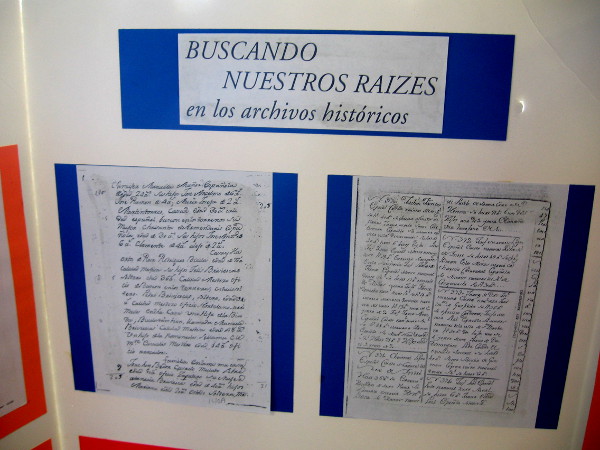
Fascinating material covered two rows of tables. Many displays concerned tracing one’s ancestry and how to search historical archives. To be a member of the lineage-based organization your family tree must include a participant in the American Revolution.
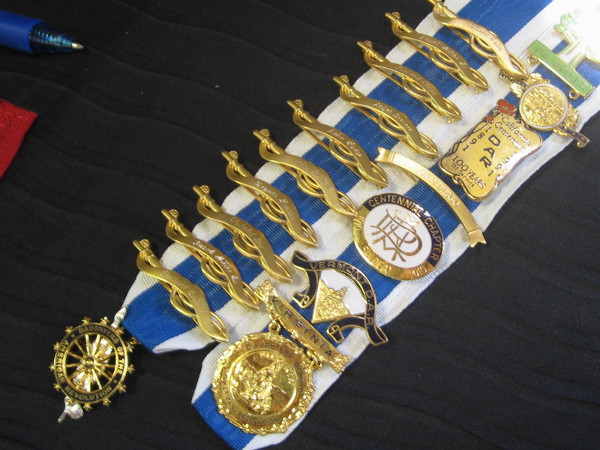
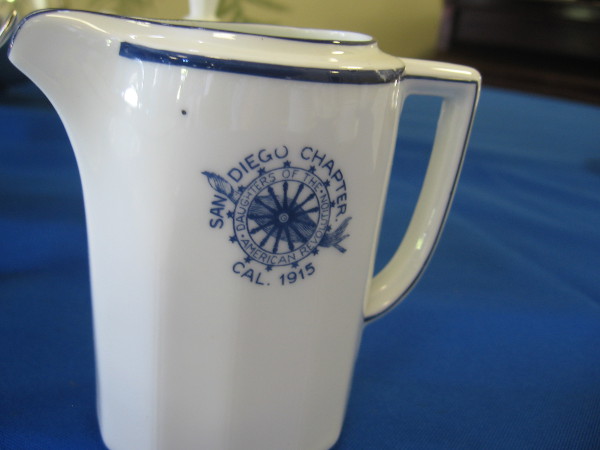
The Balboa Park Club building was designed to appear like an adobe in America’s Southwest.Daughters of the American Revolution memorabilia exhibited in Balboa Park.A Daughters of the American Revolution magazine from 1916.Interesting graphic shows first 12 Regents of San Diego DAR.Arrival in San Diego of President General of the National Society was big news in 1915.A cool exhibit by an African American lady shows her rich family history.Pins and medals of all sorts. Some contain the names of patriotic relations.One poster encourages and assists Hispanic Americans searching for their ancestors.Some beautiful quilts were out for visitors to admire.Example of china produced by the San Diego Chapter in 1915.
…
To enjoy future posts, you can “like” Cool San Diego Sights on Facebook, or follow me on Twitter.







































 Cool San Diego Sights!